


Filters
698 products
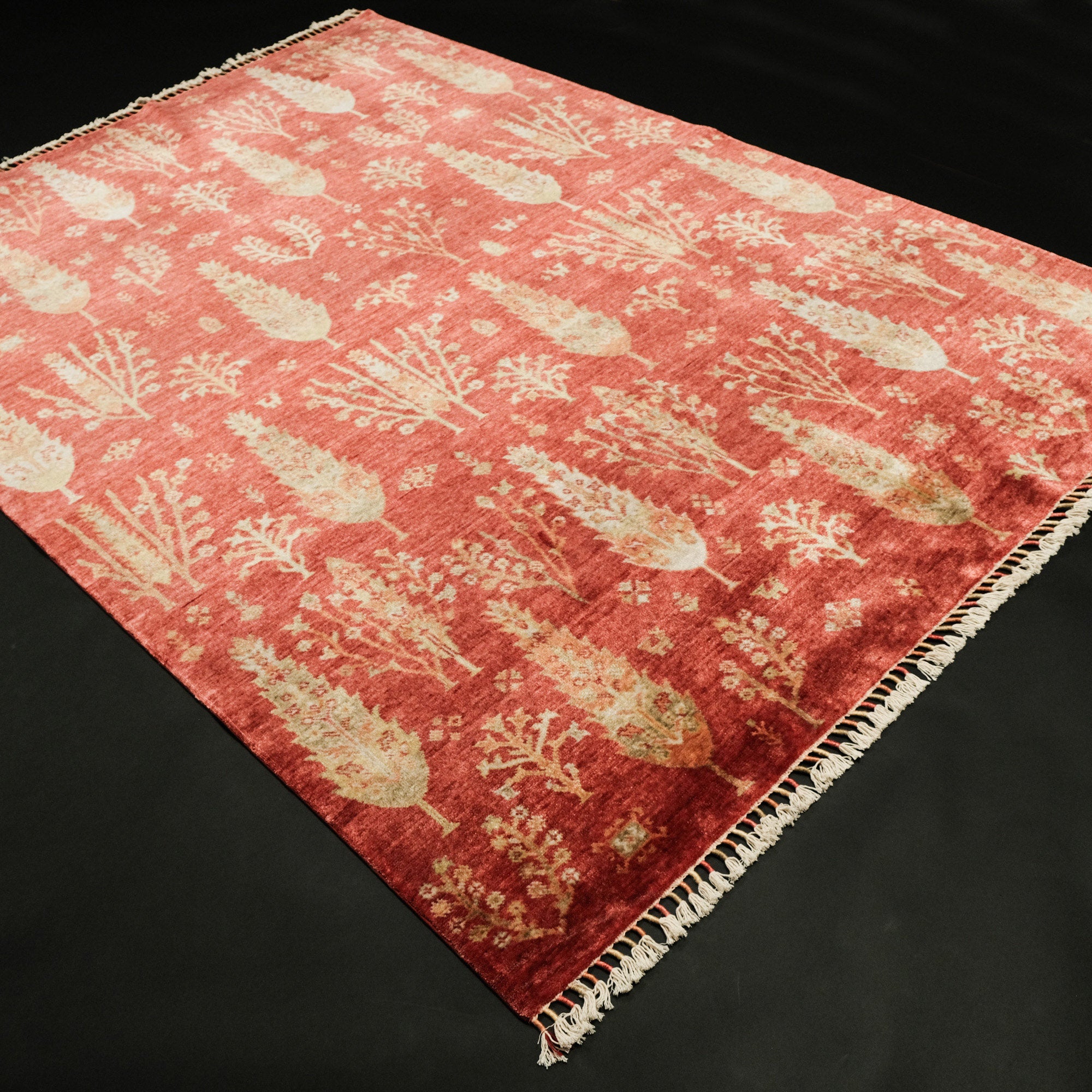
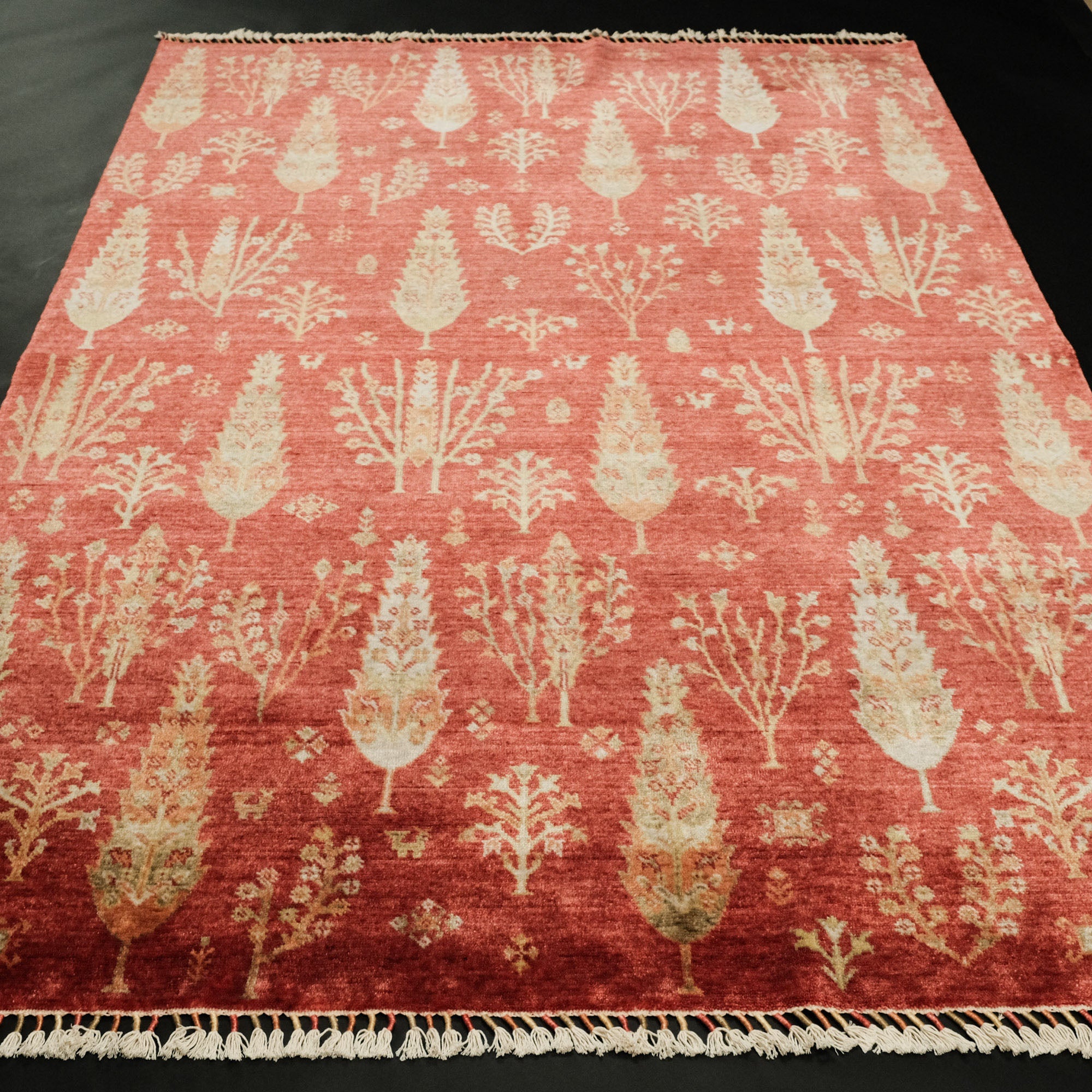
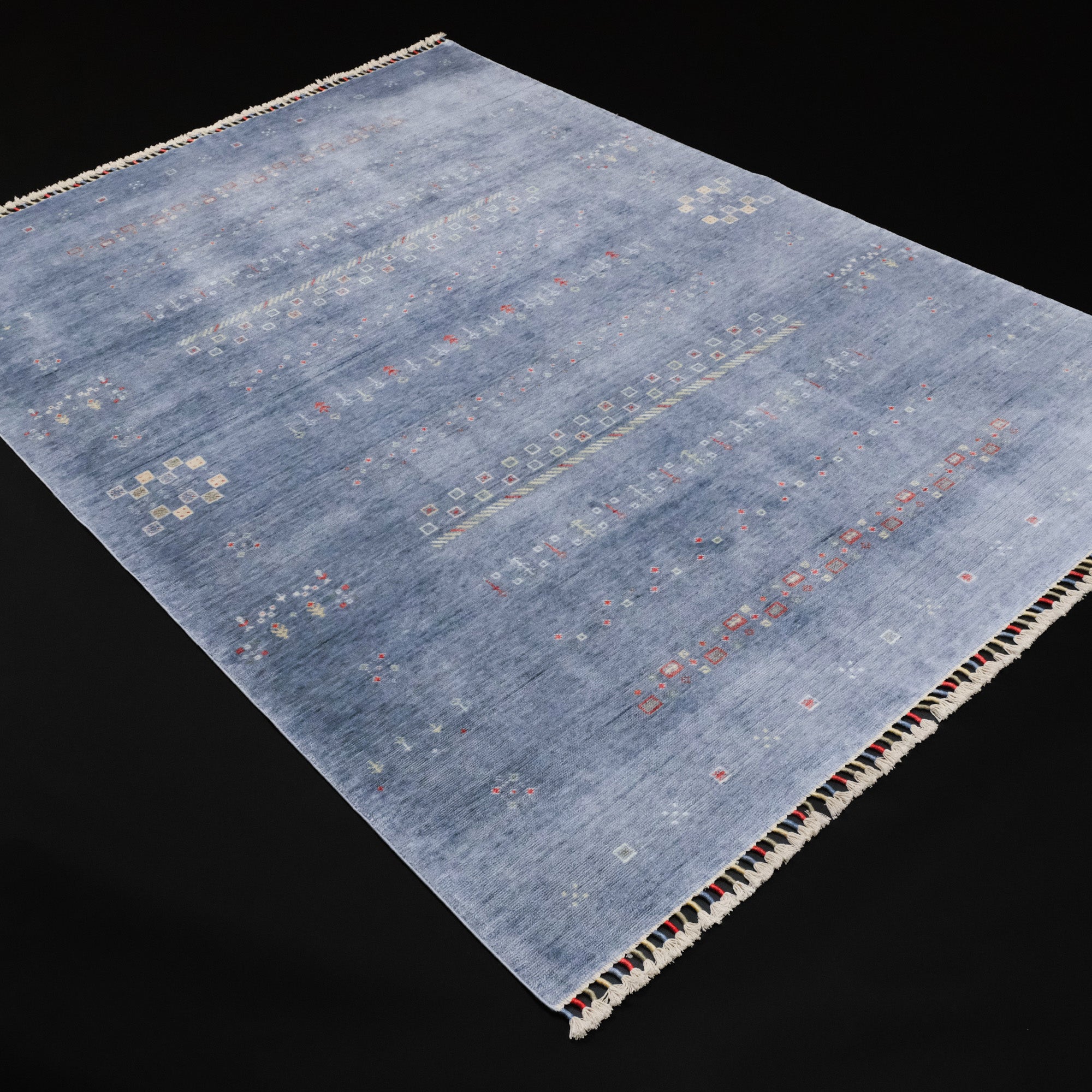
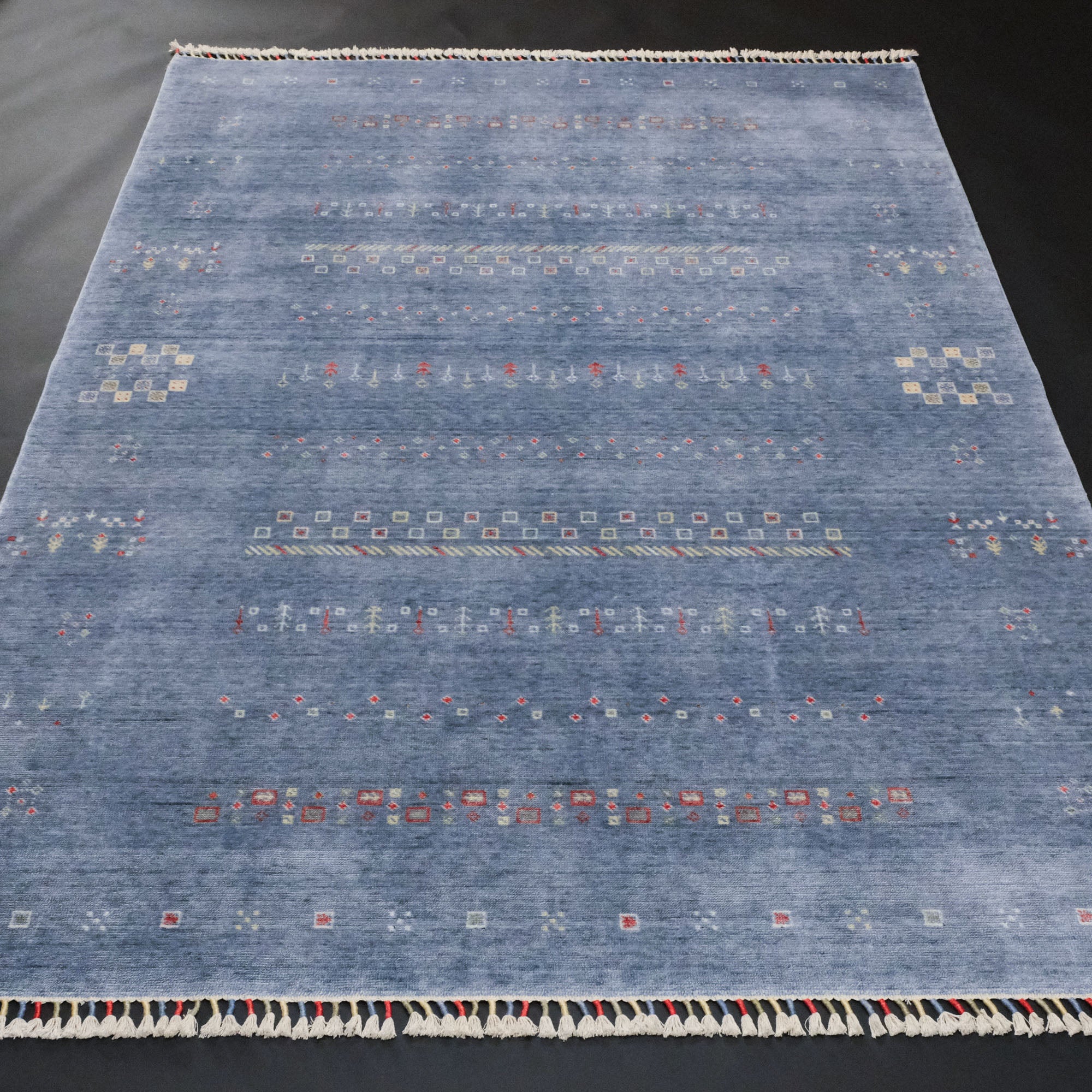
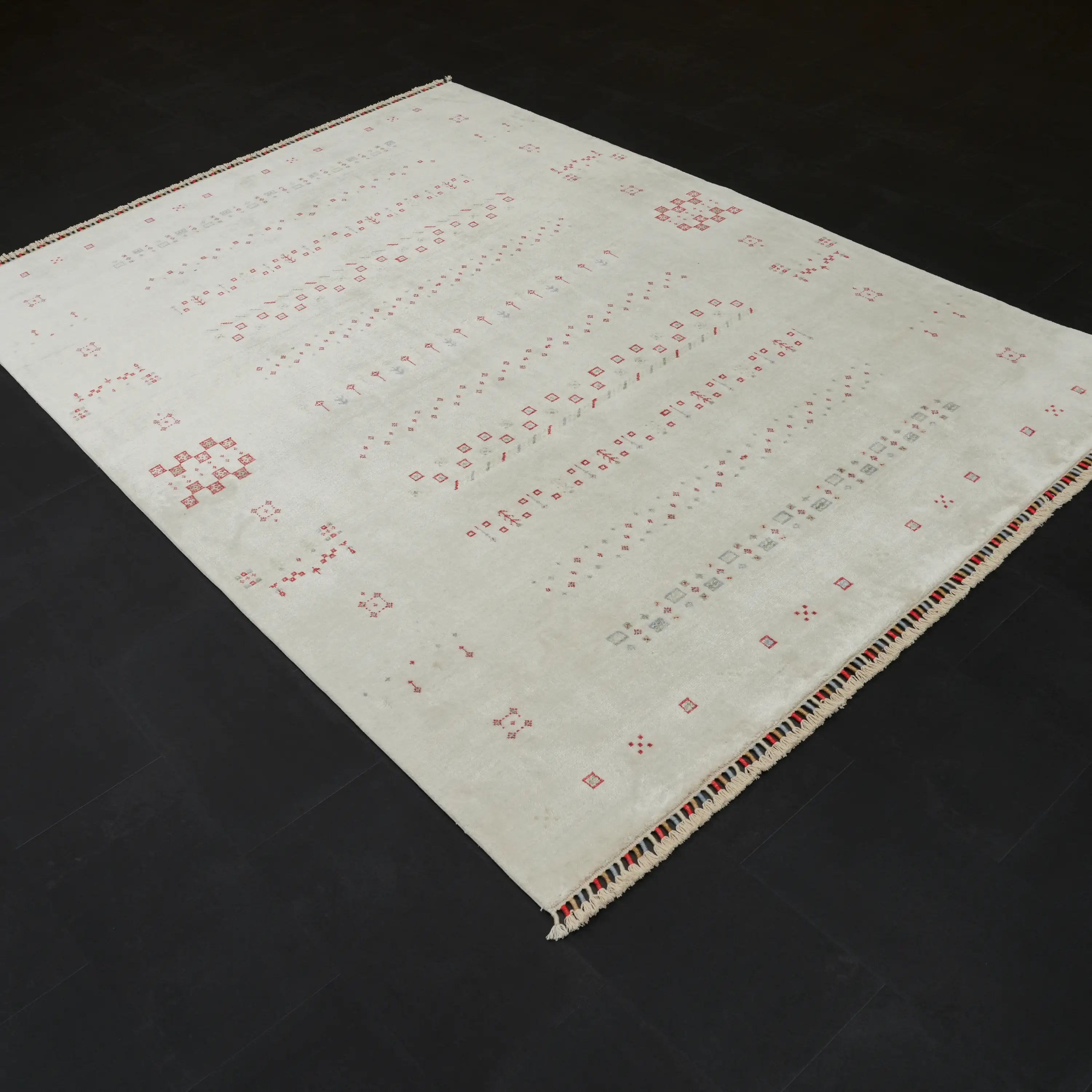
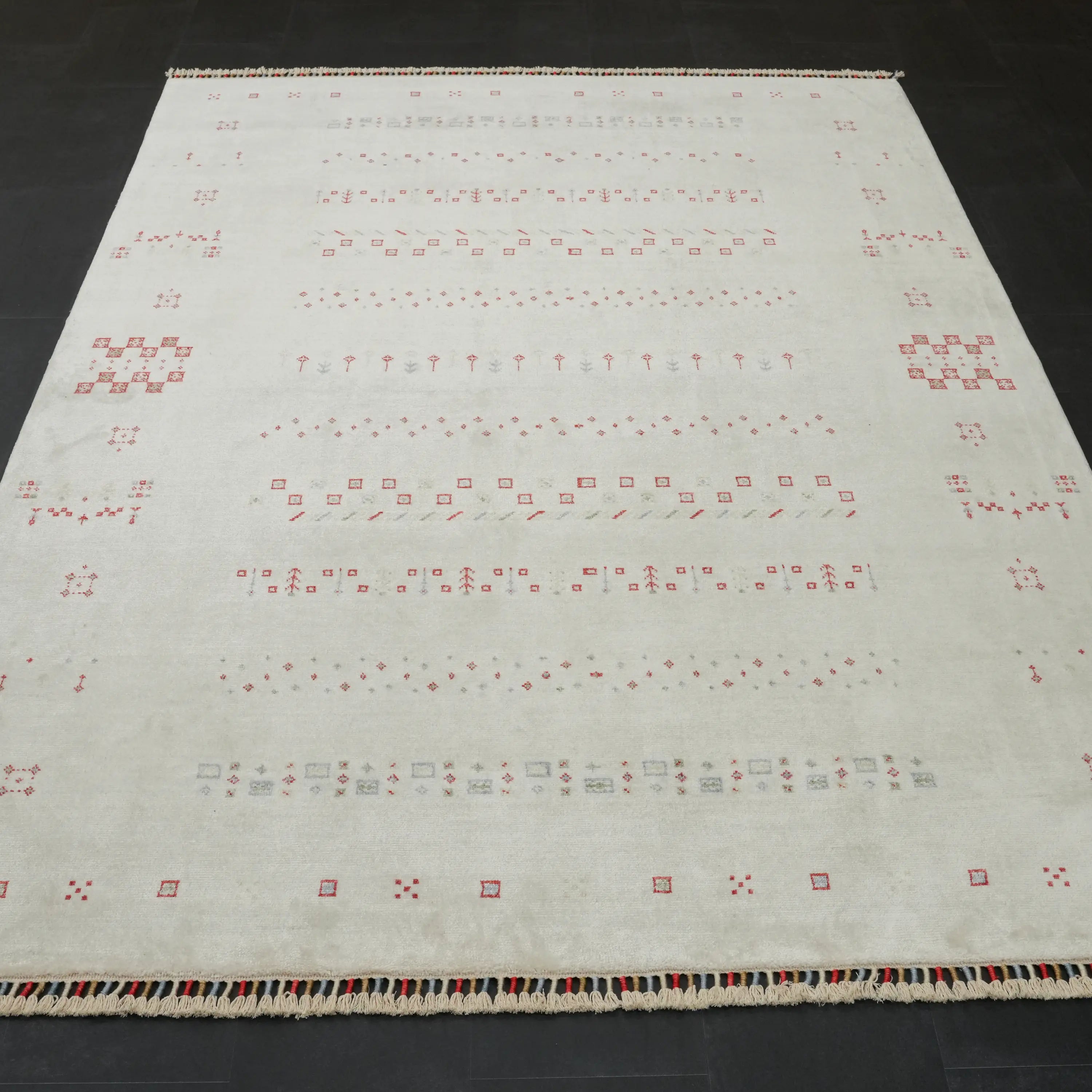
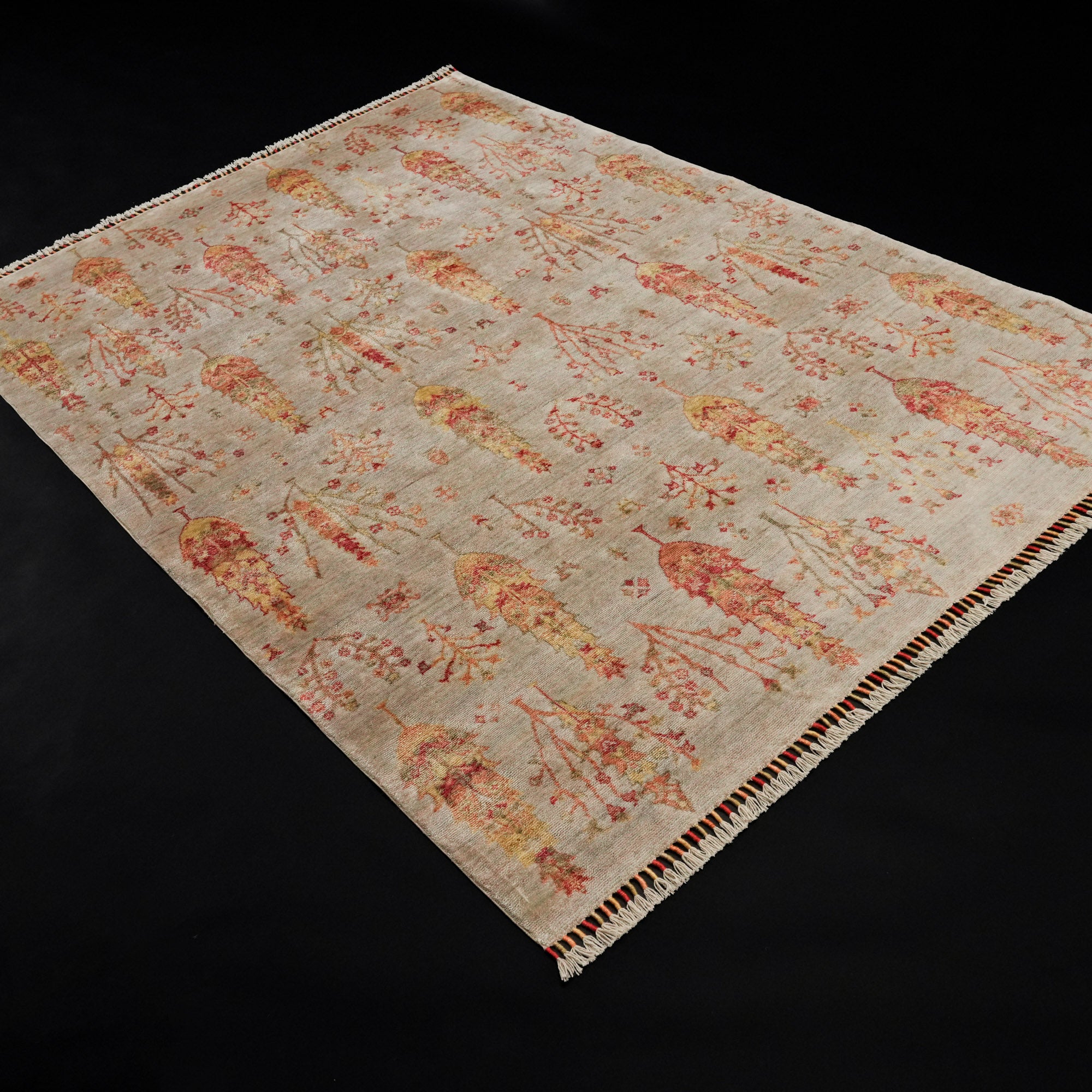
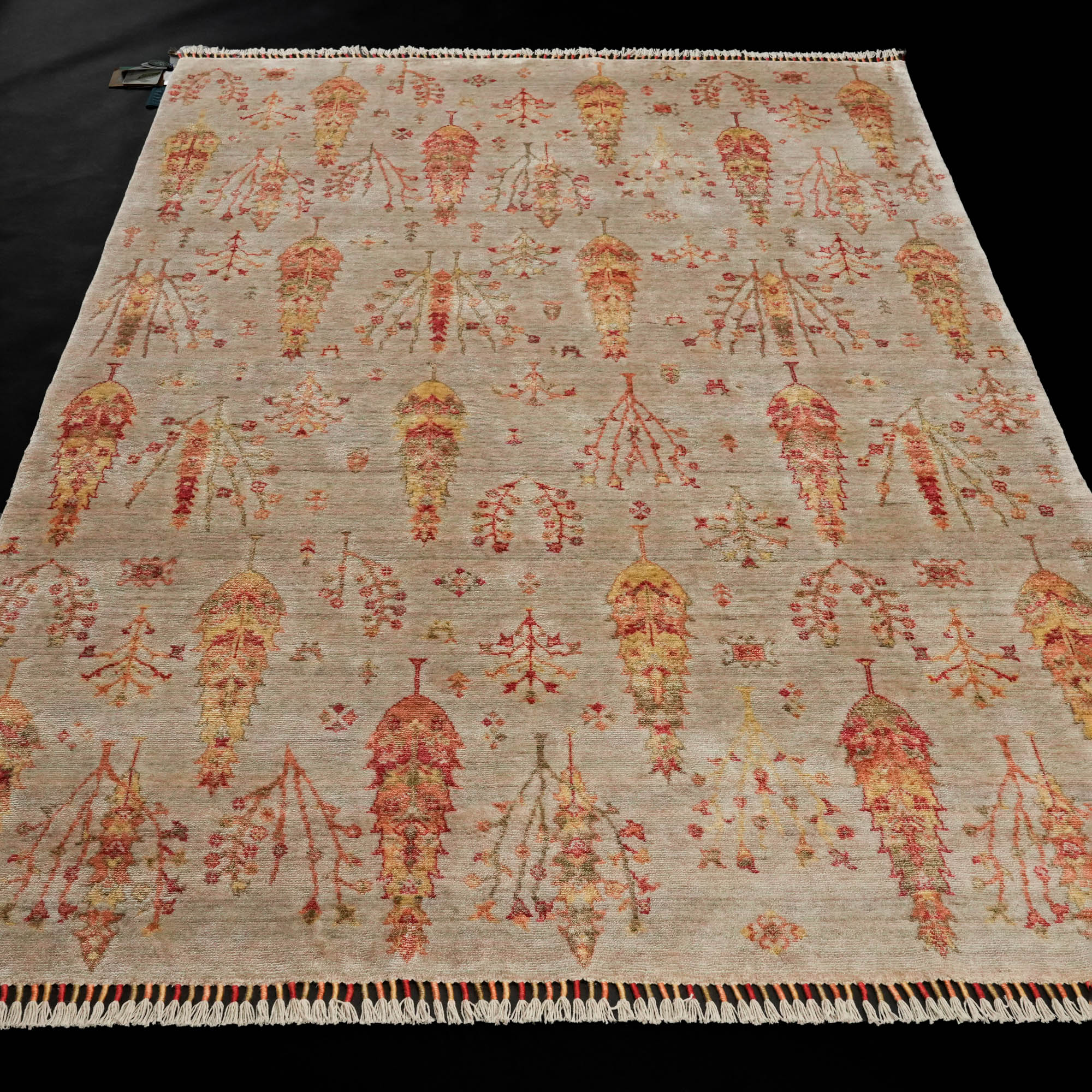
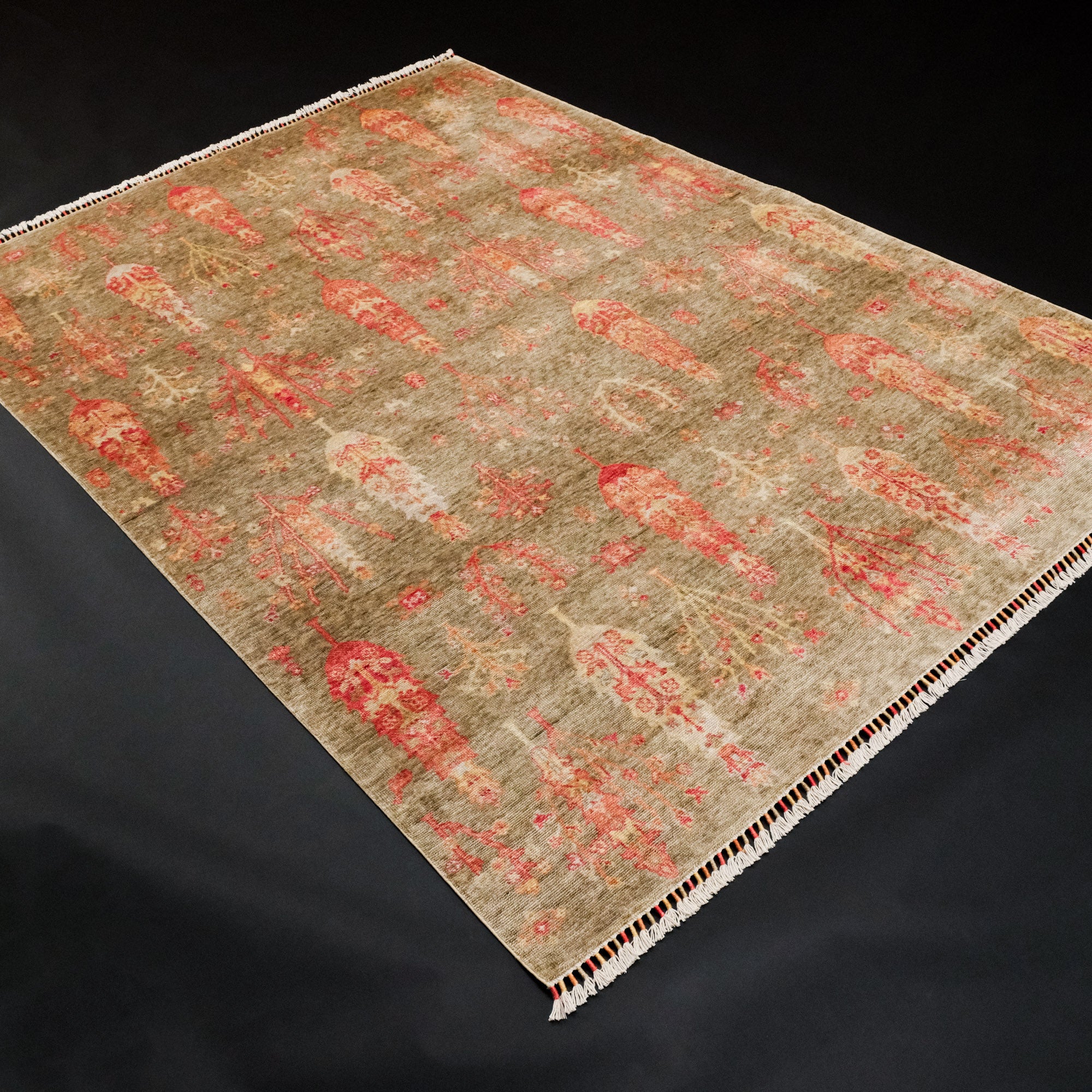
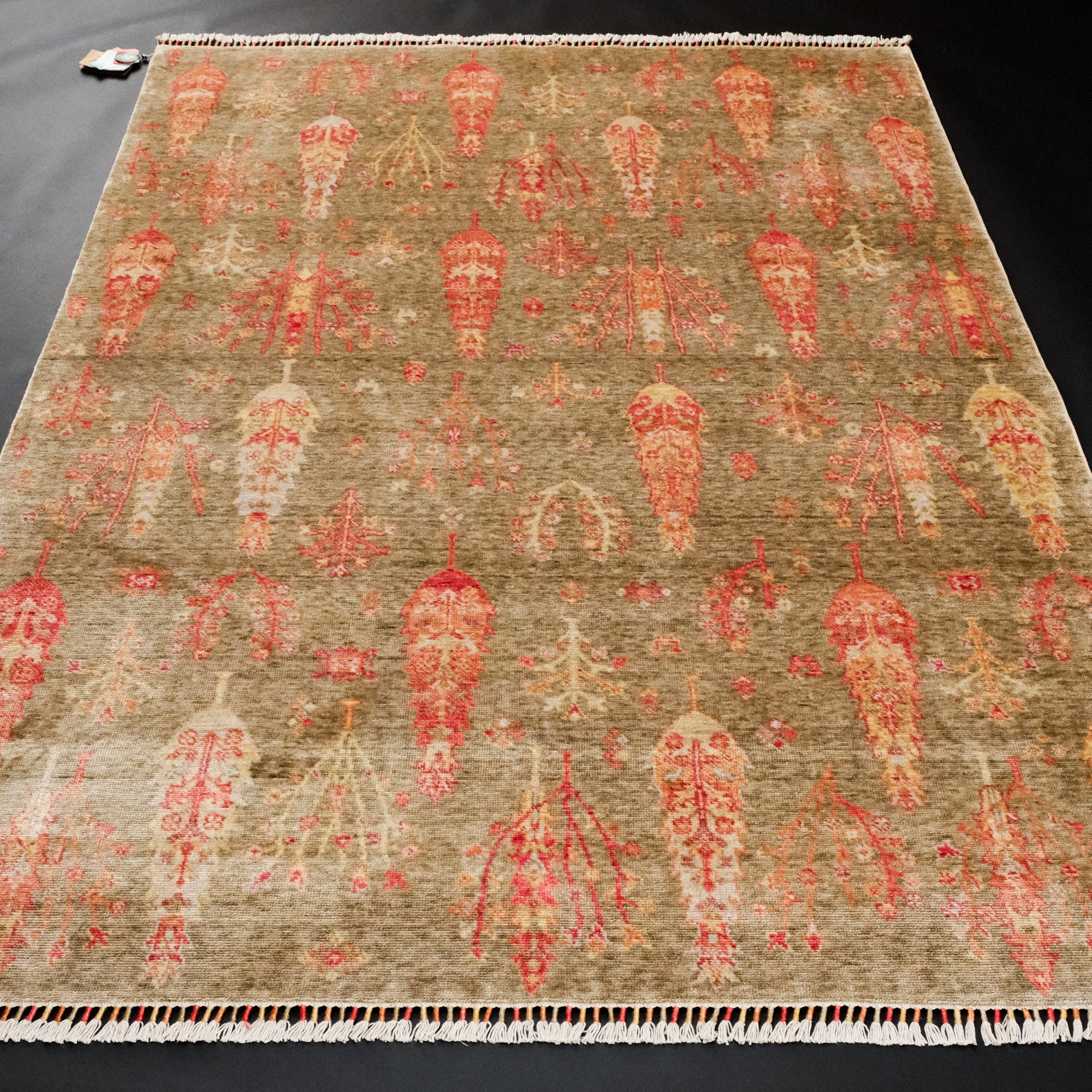
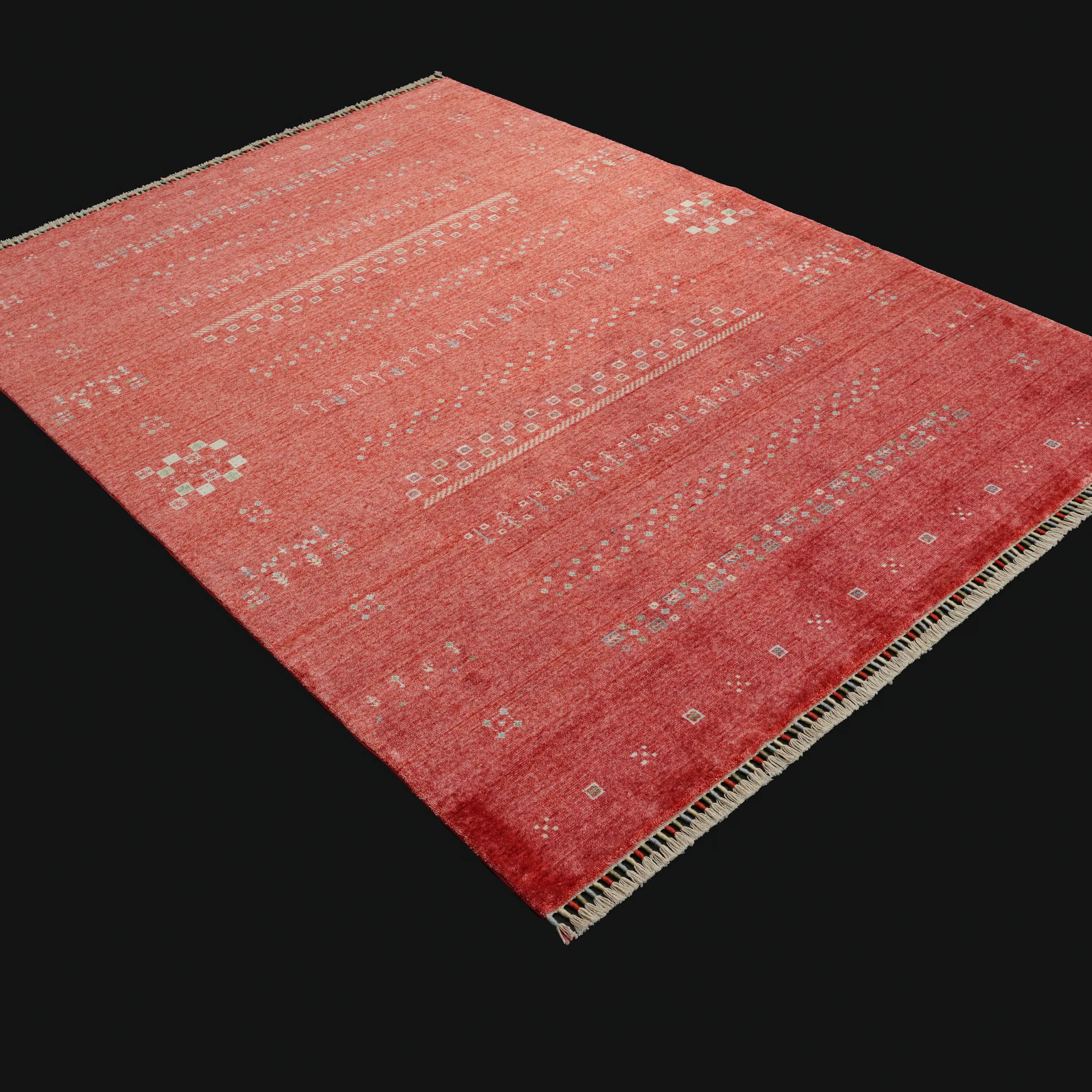
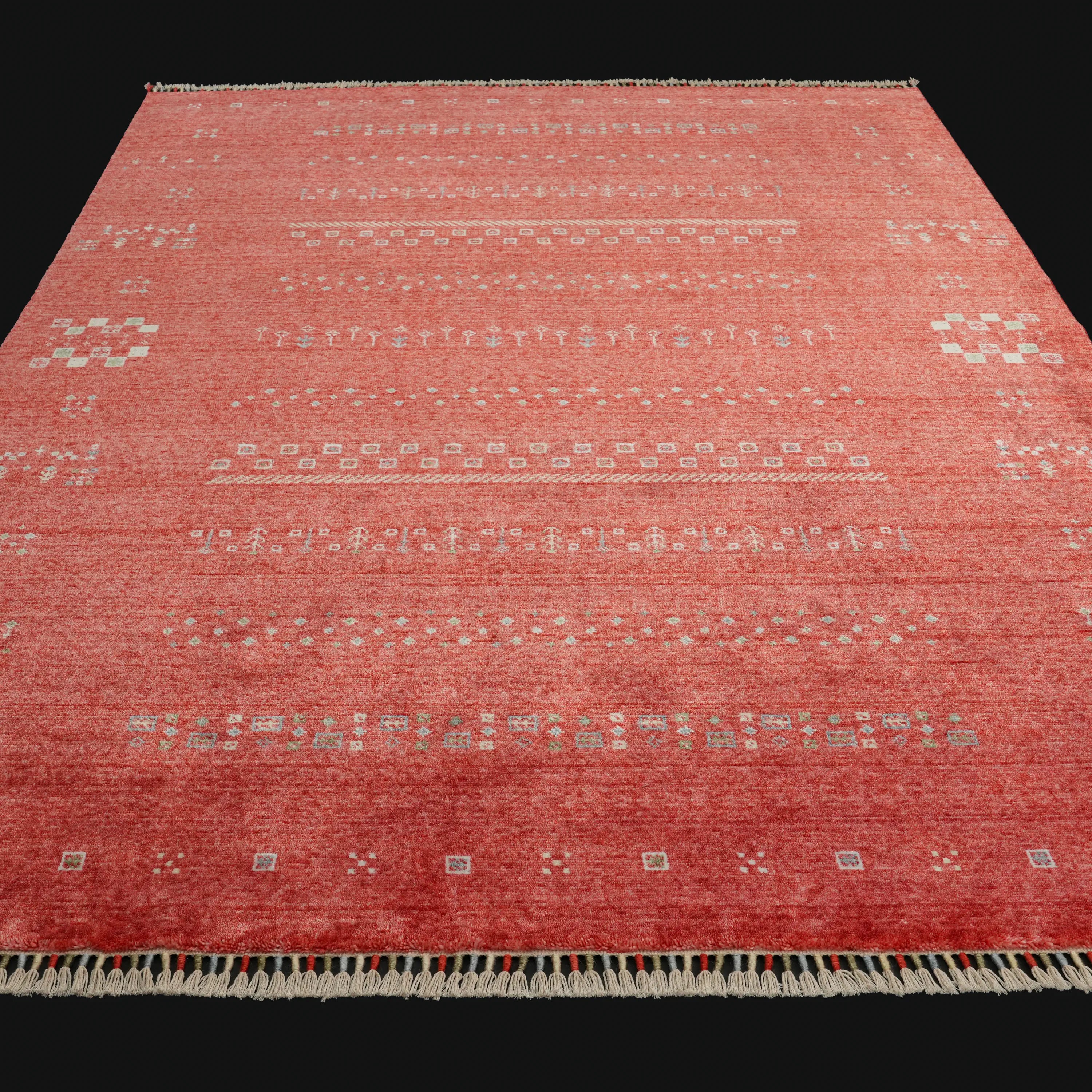
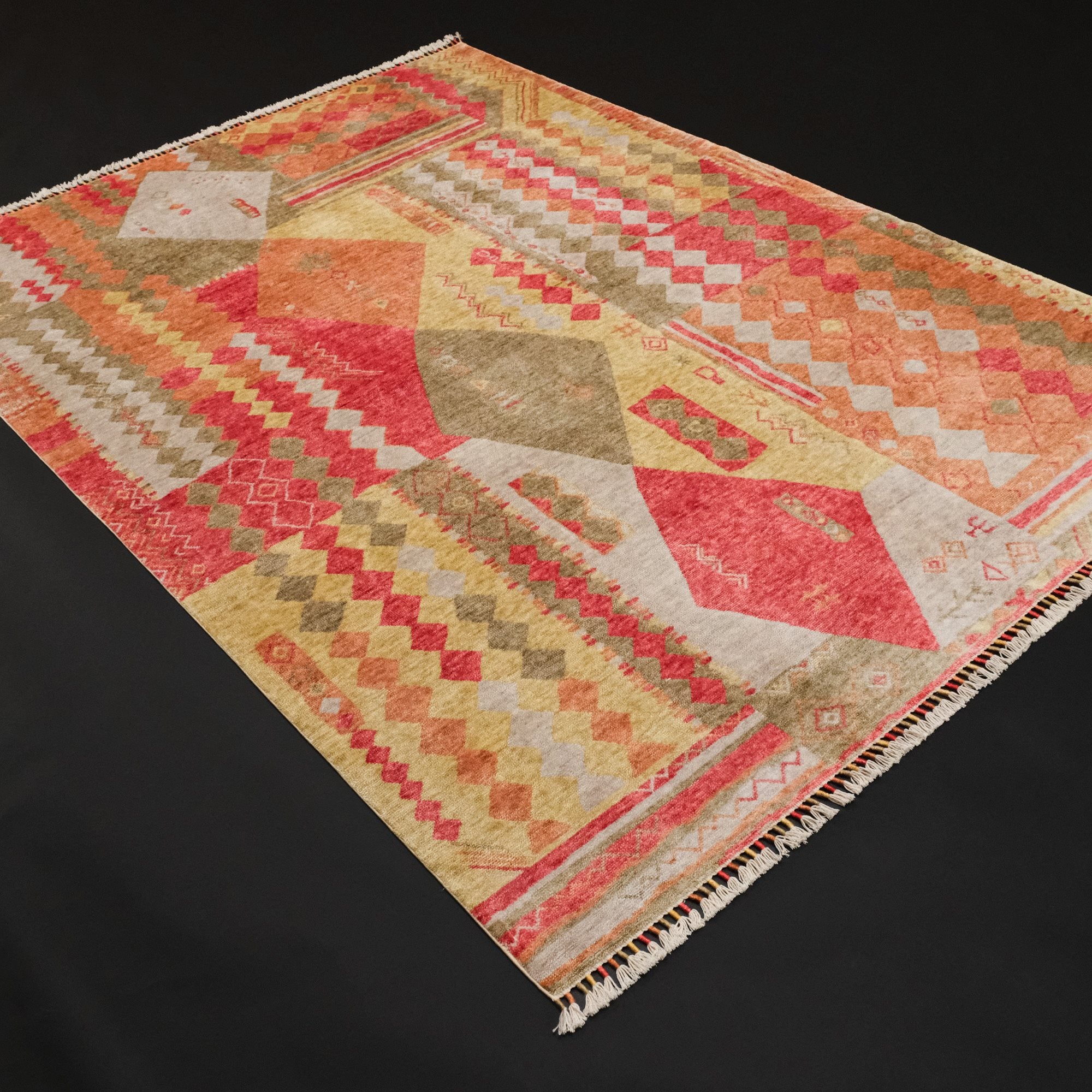
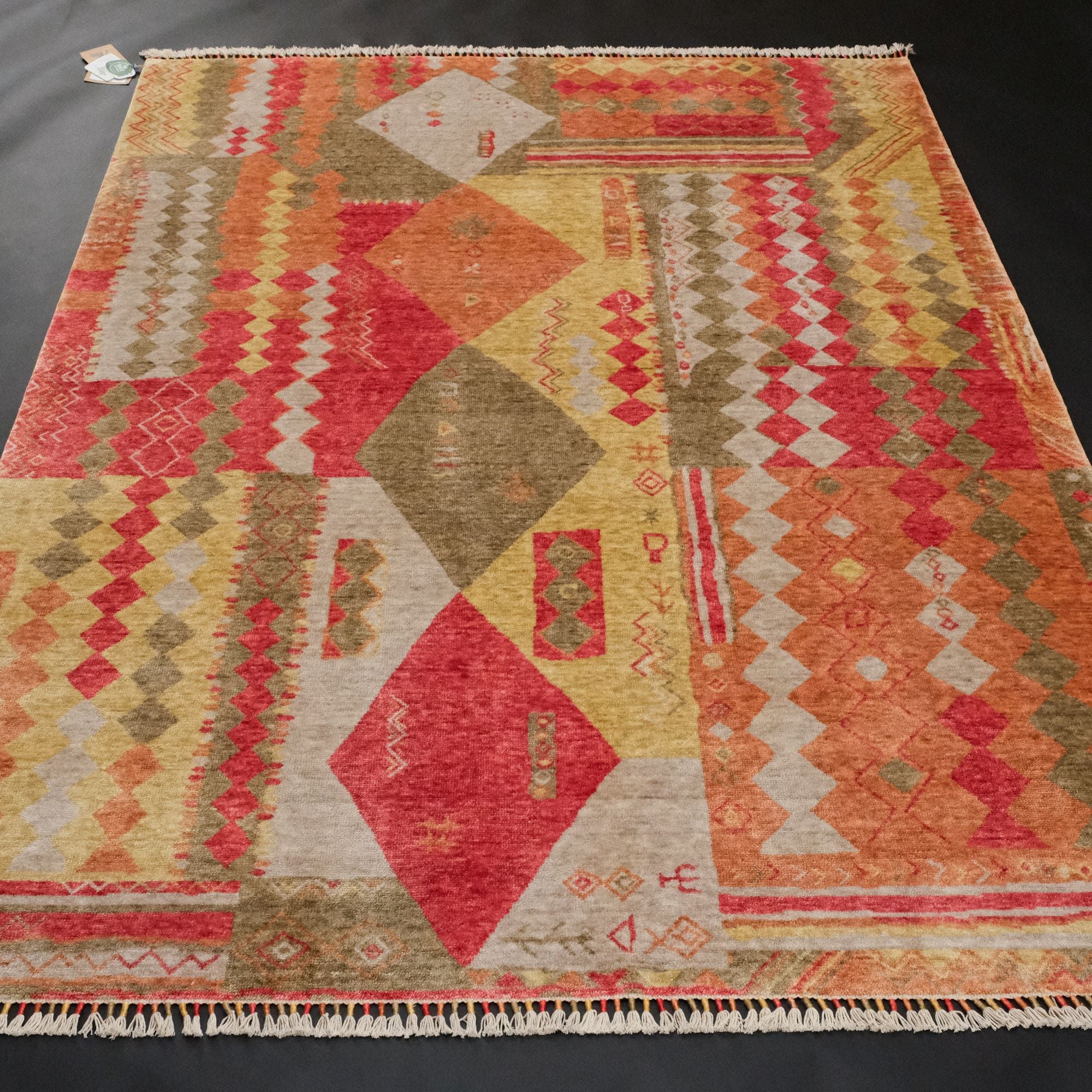

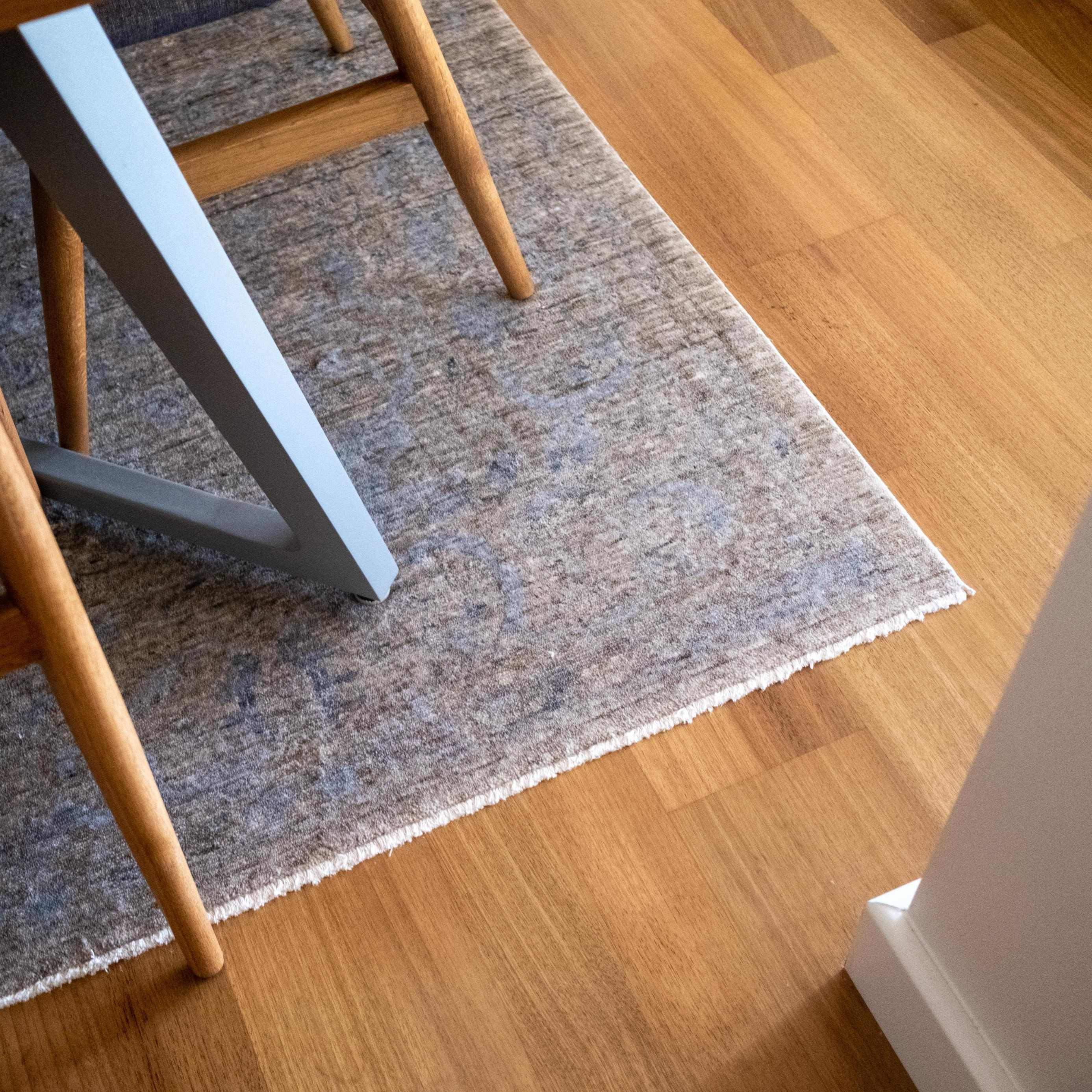
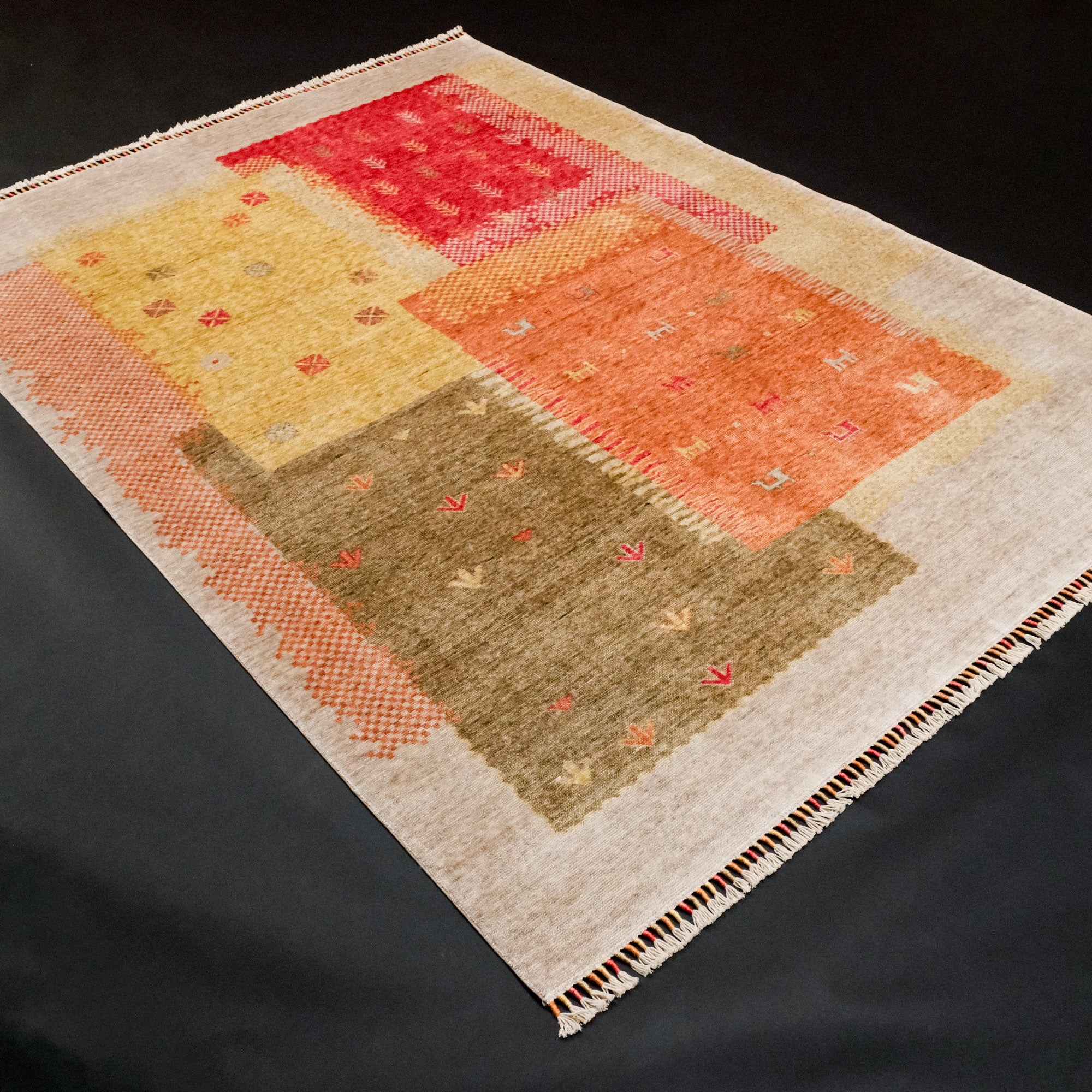
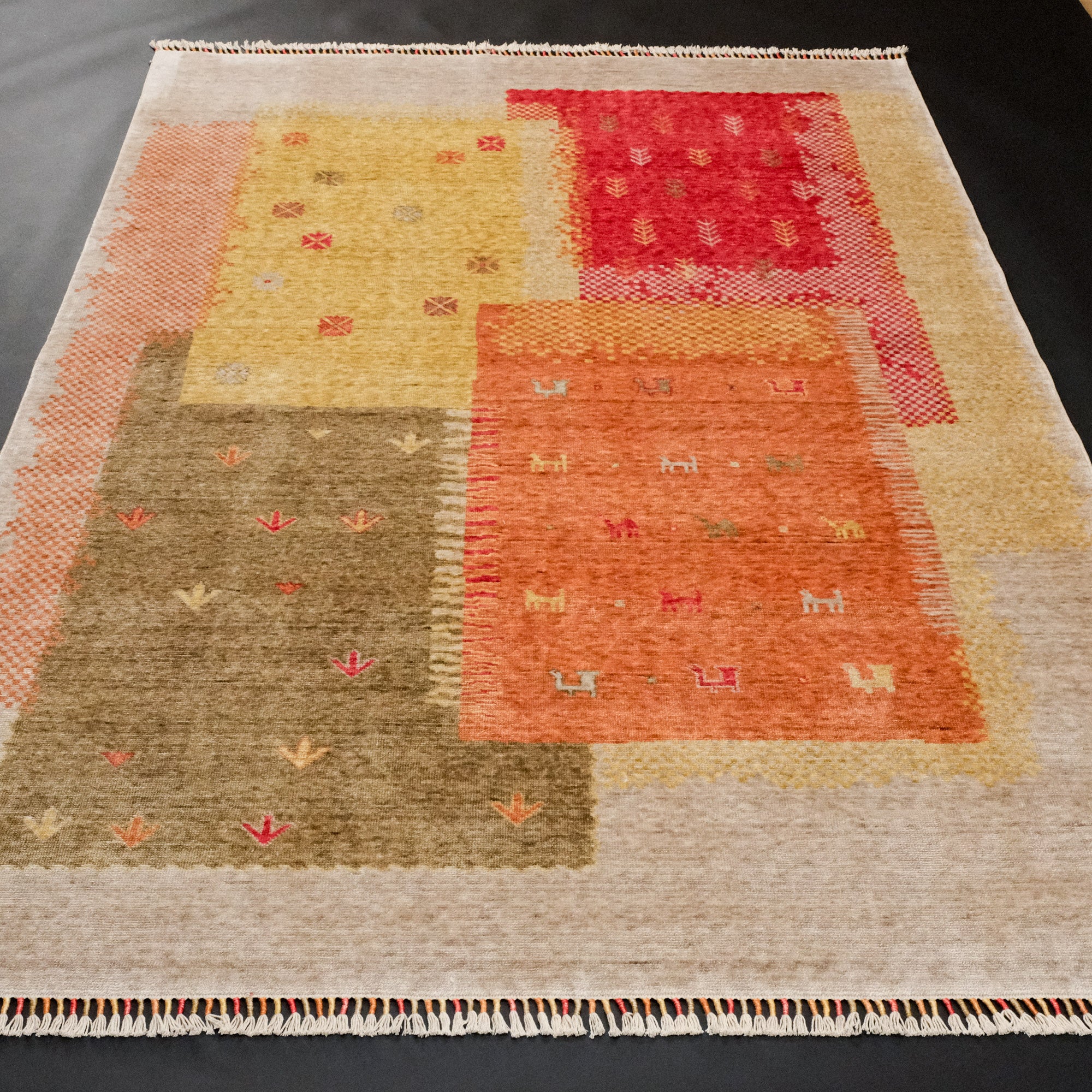
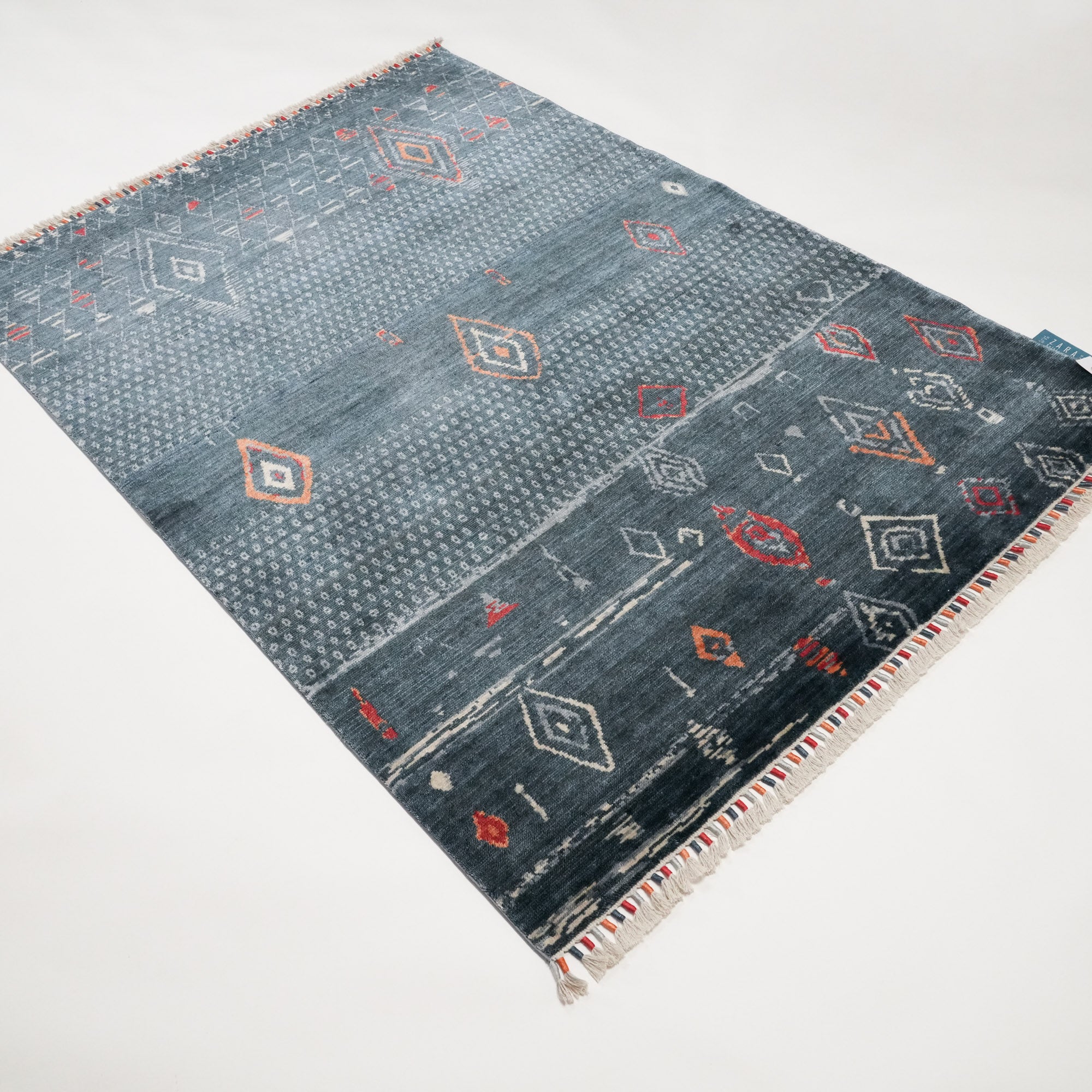
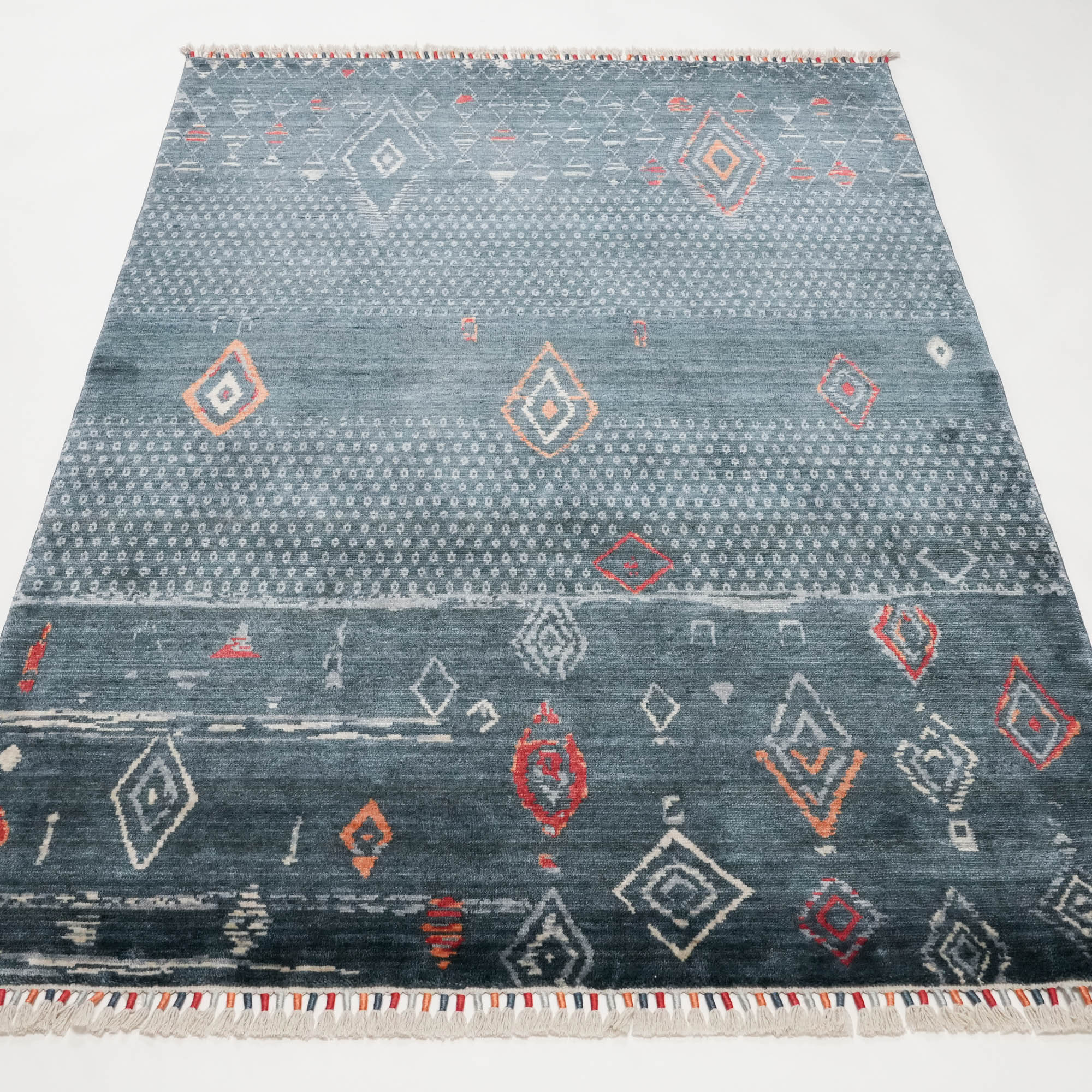
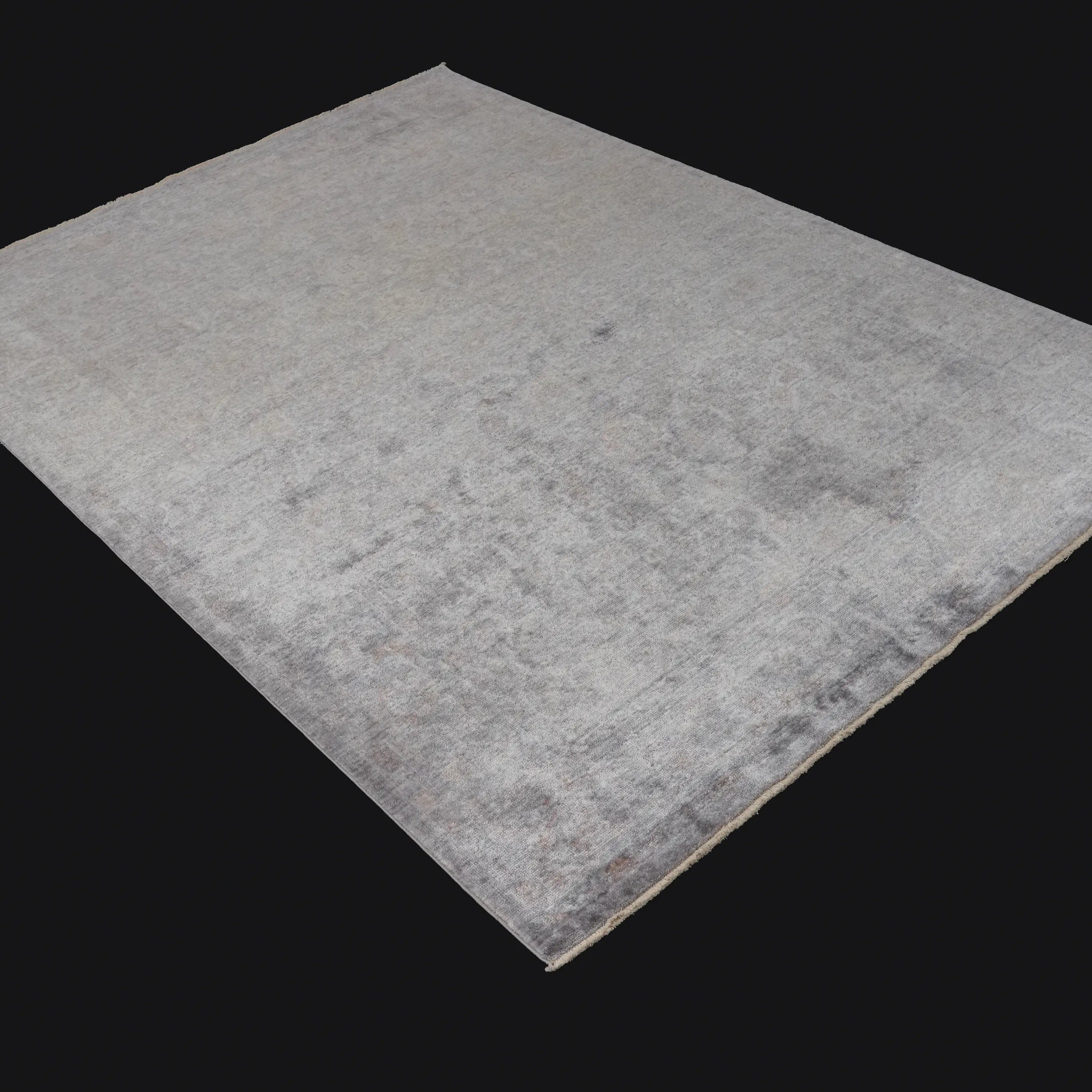
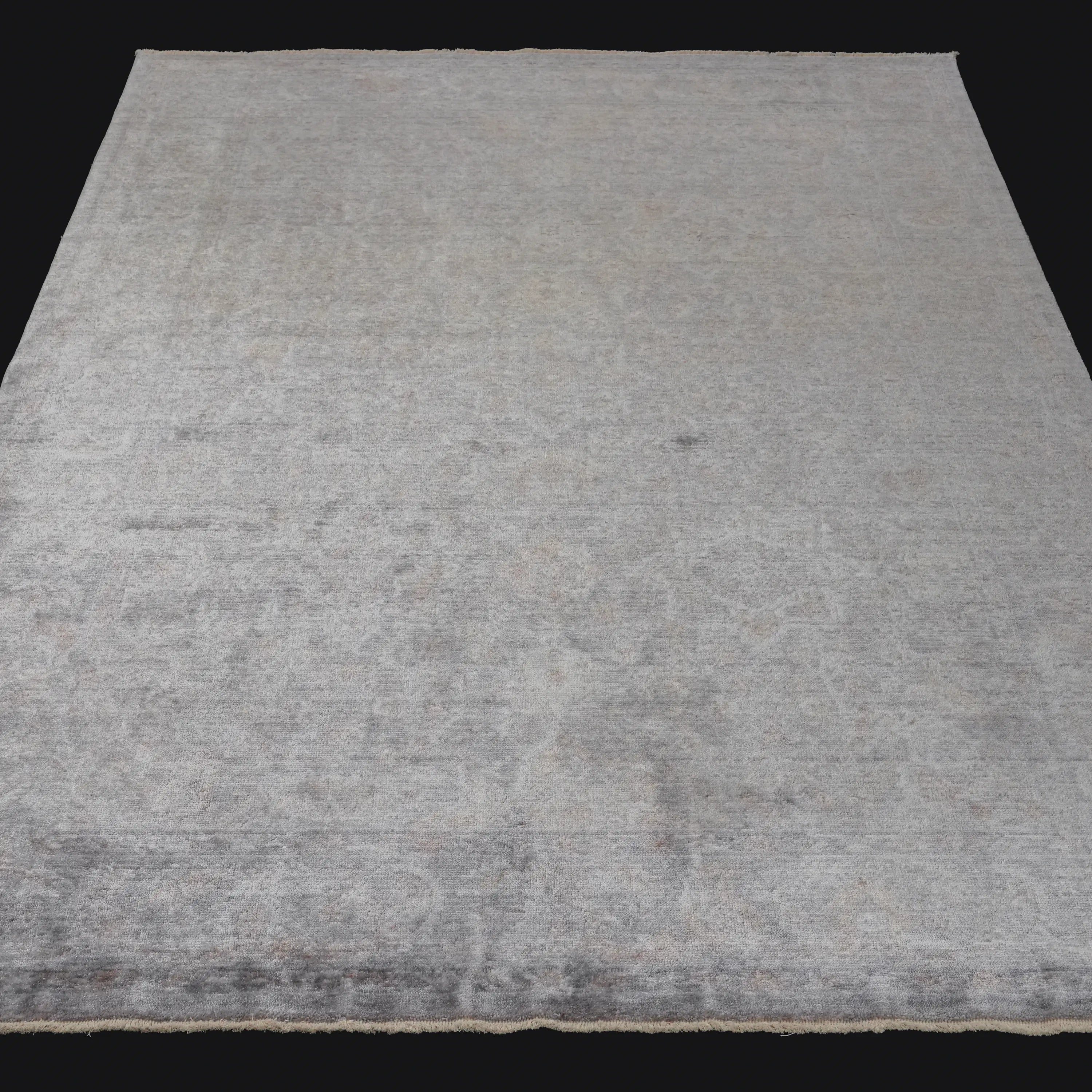


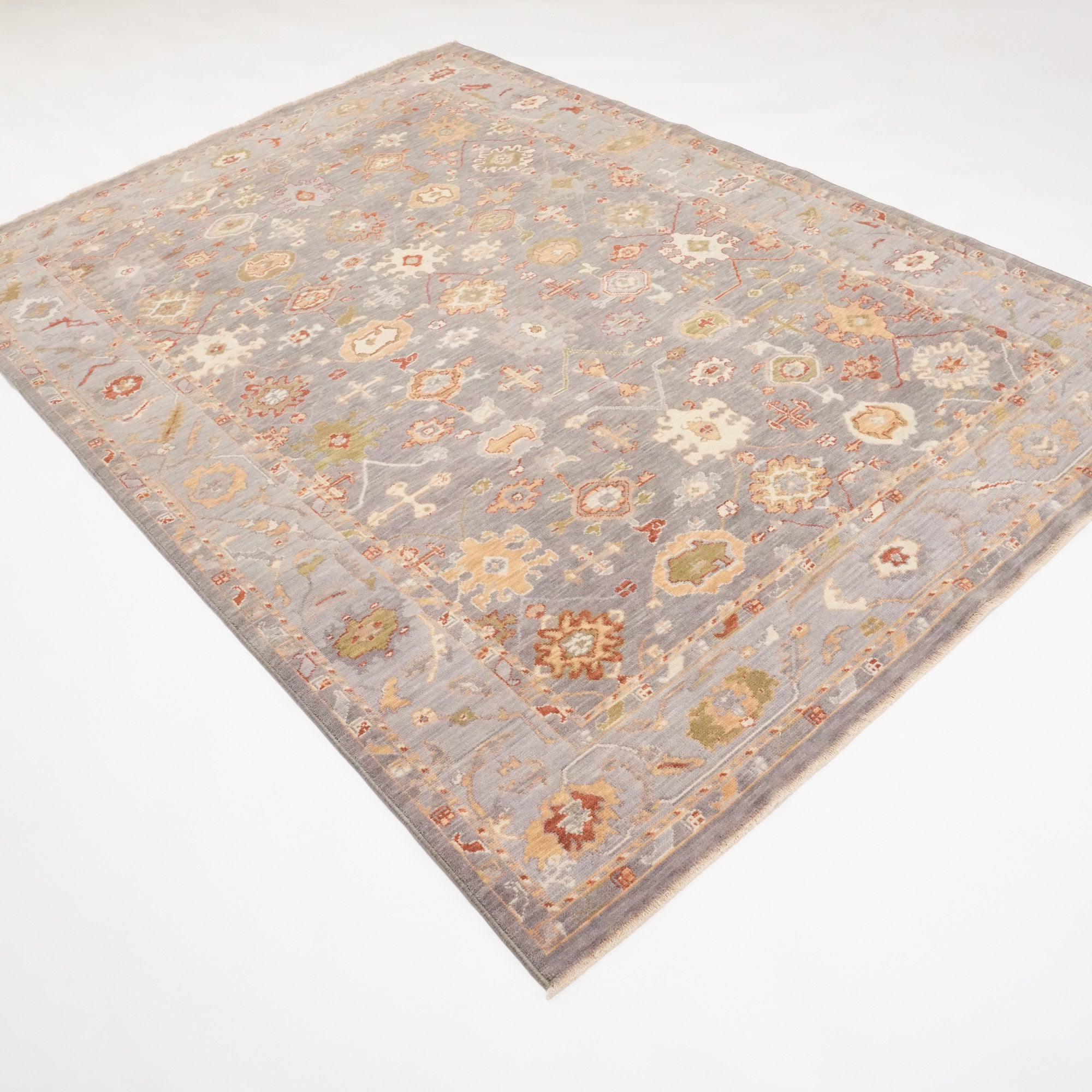
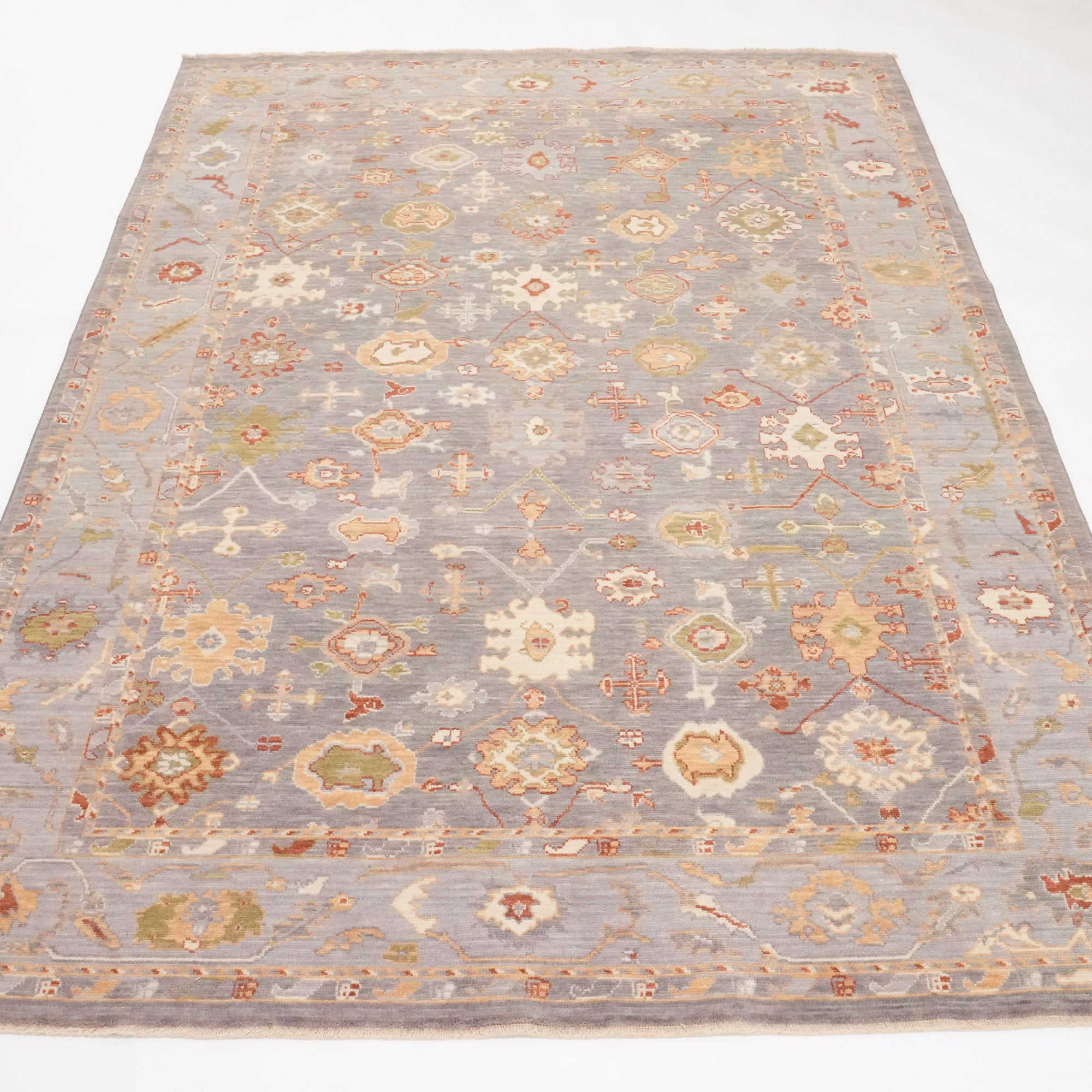
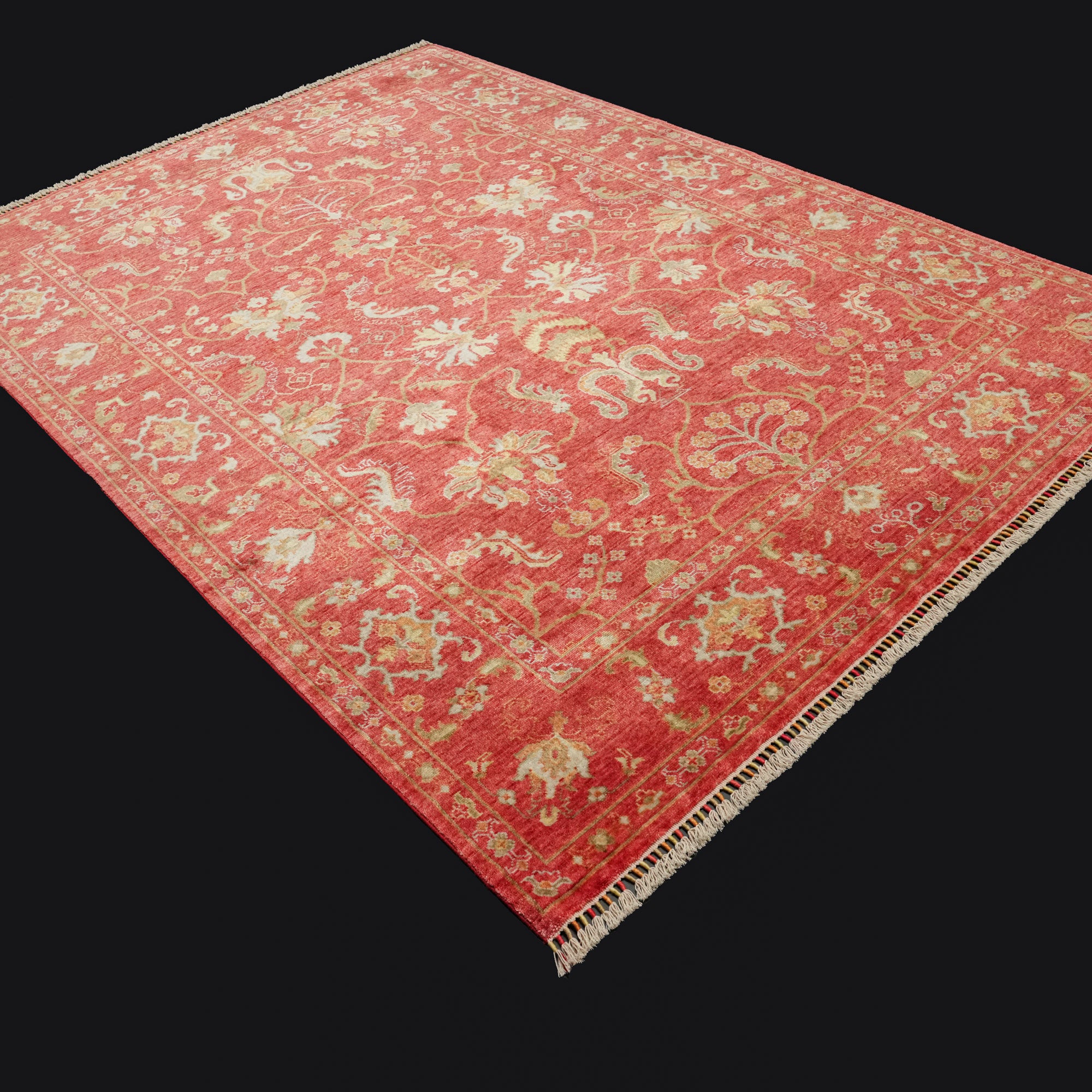
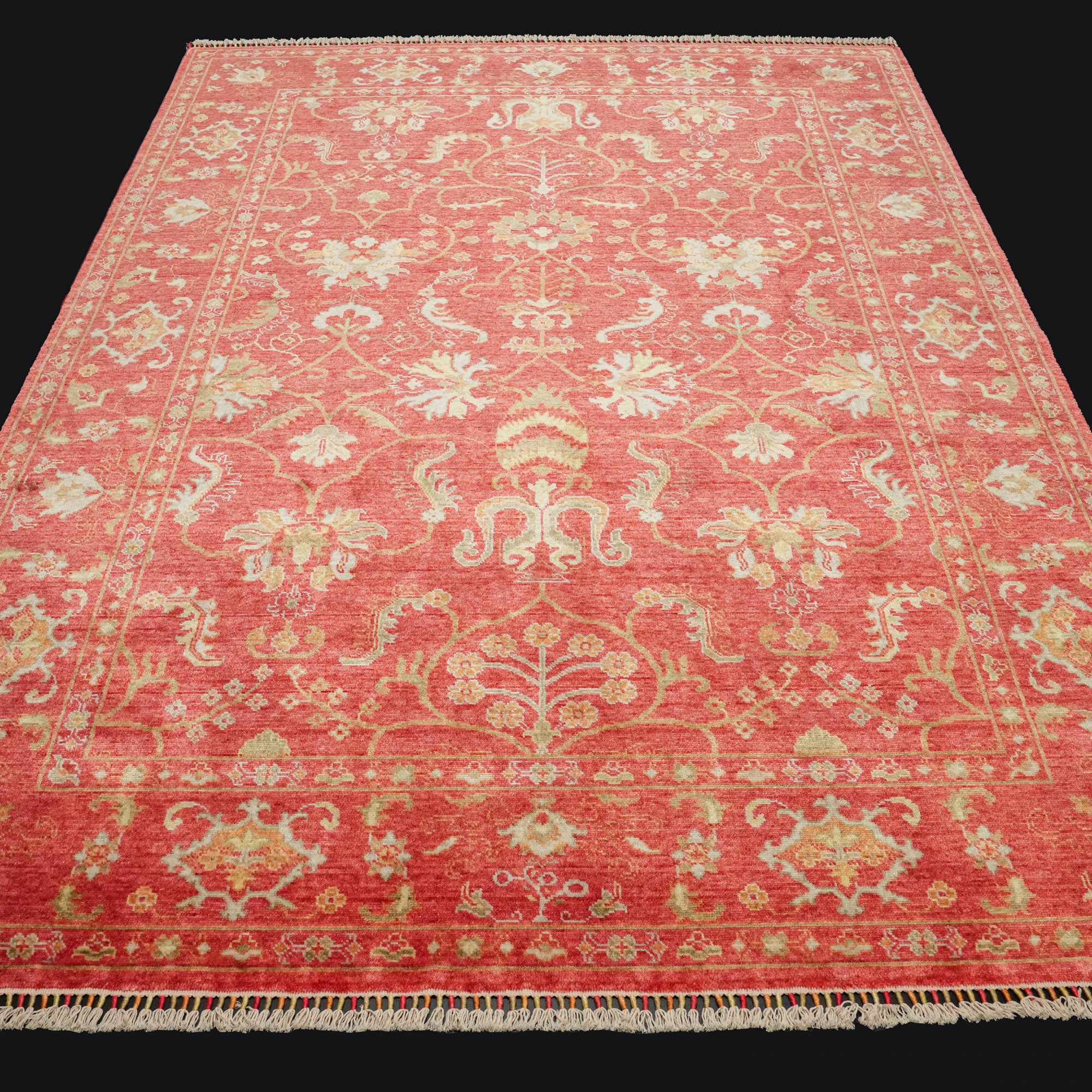
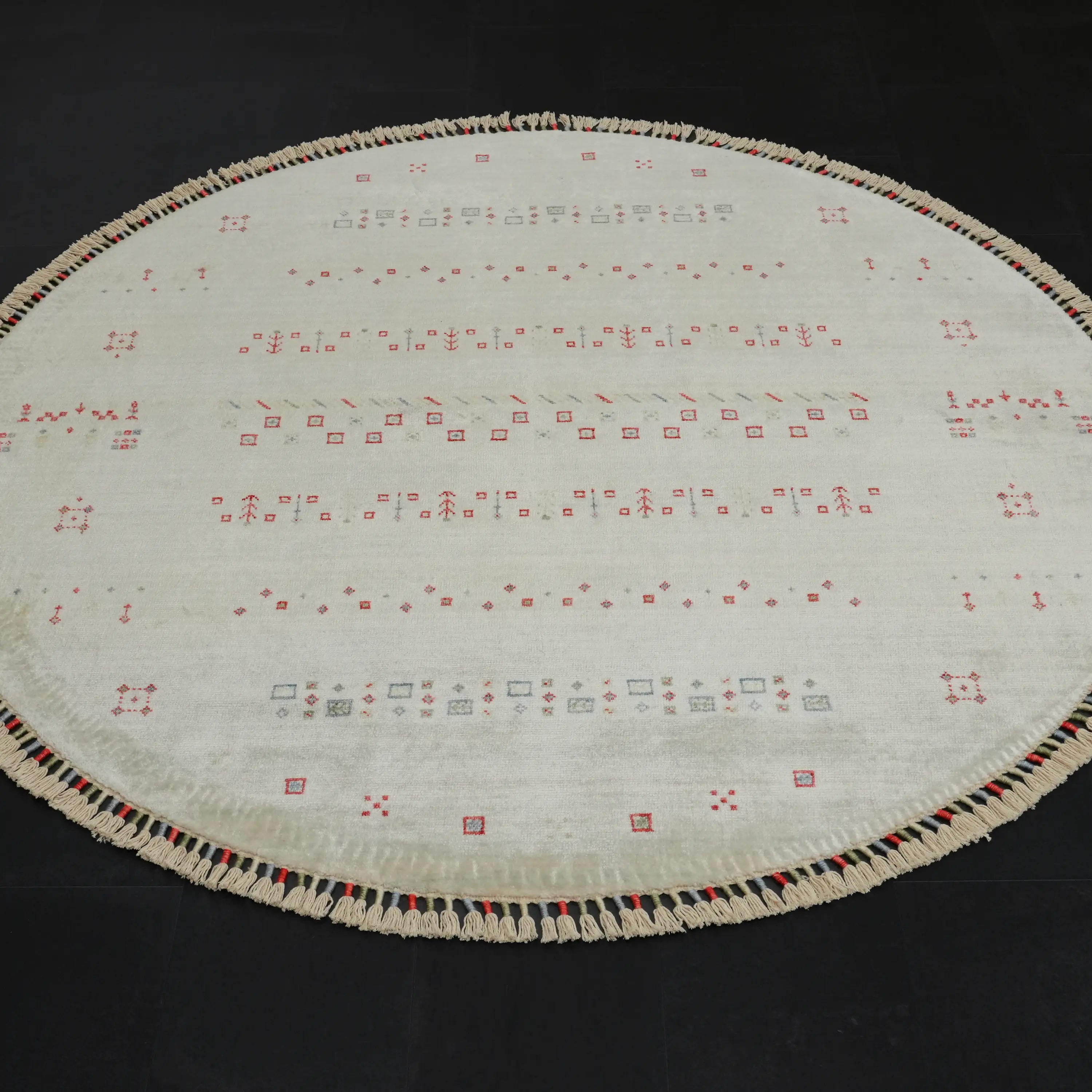
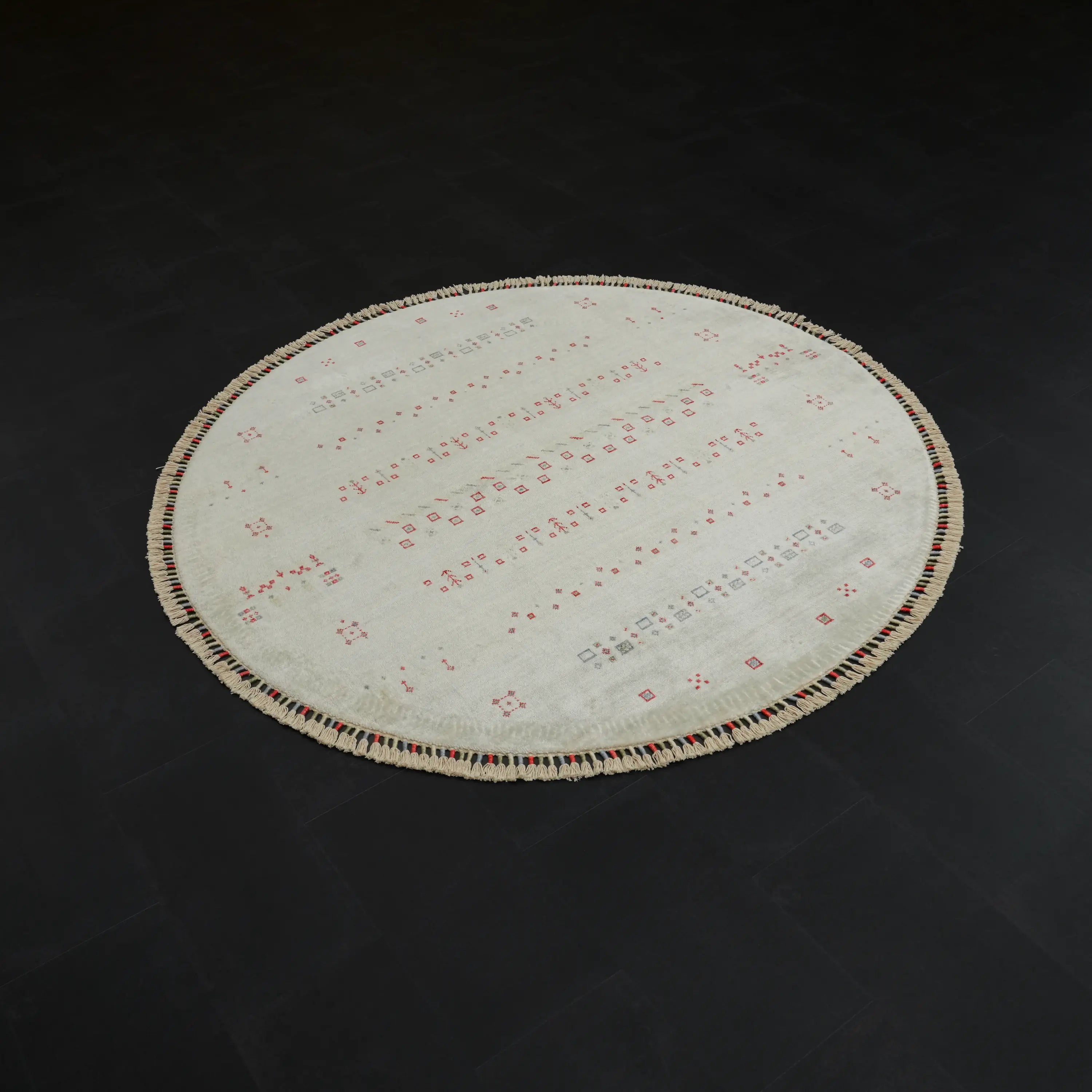
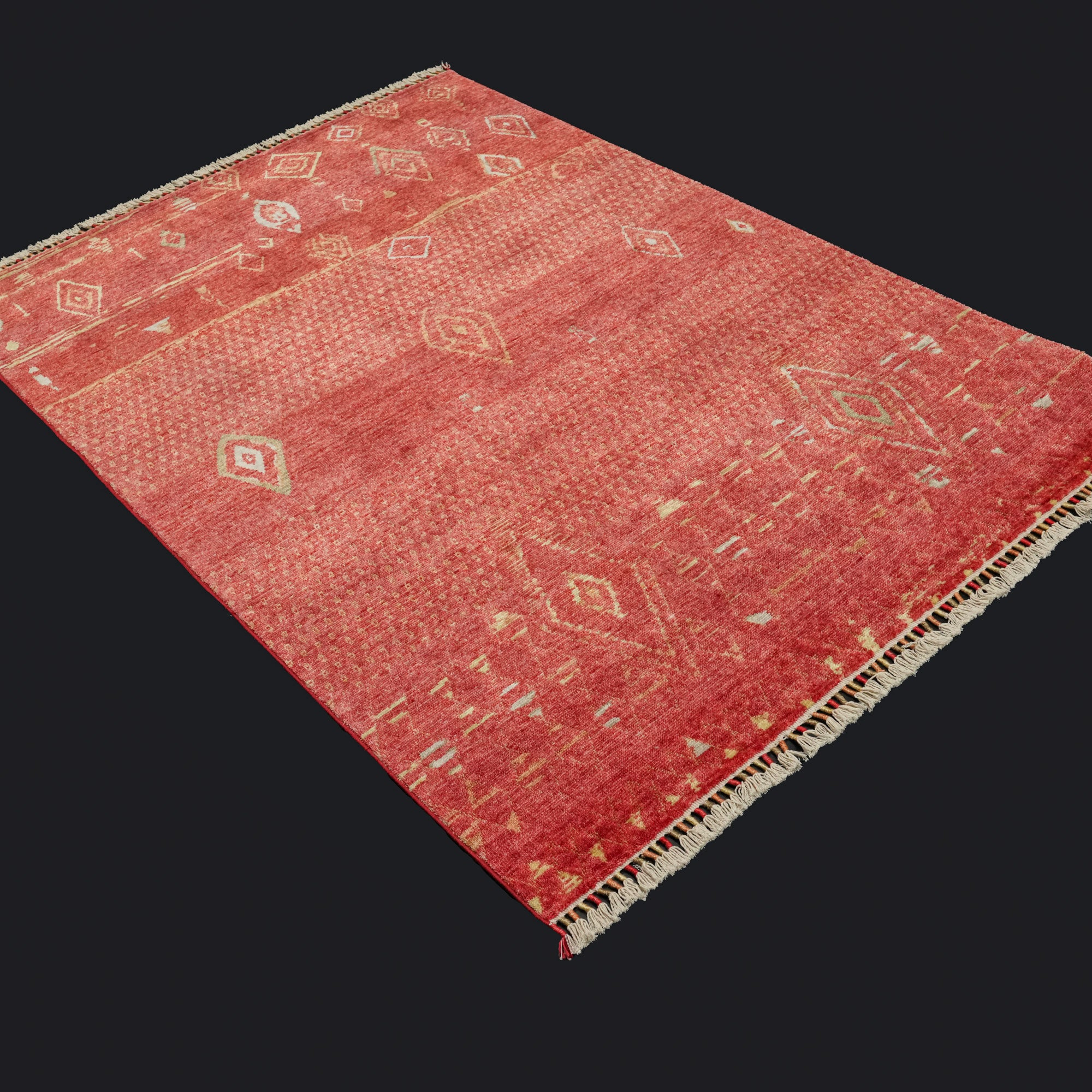
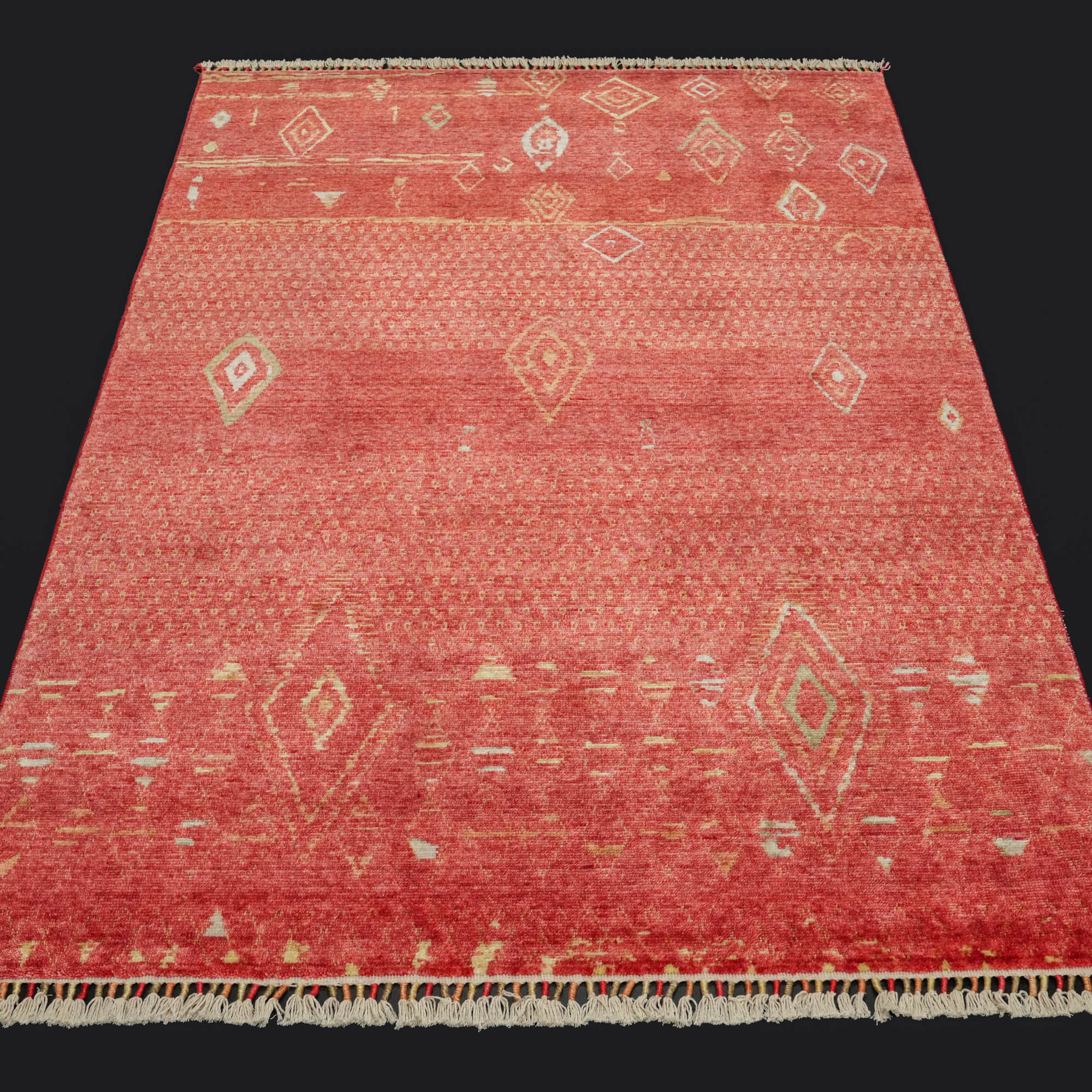
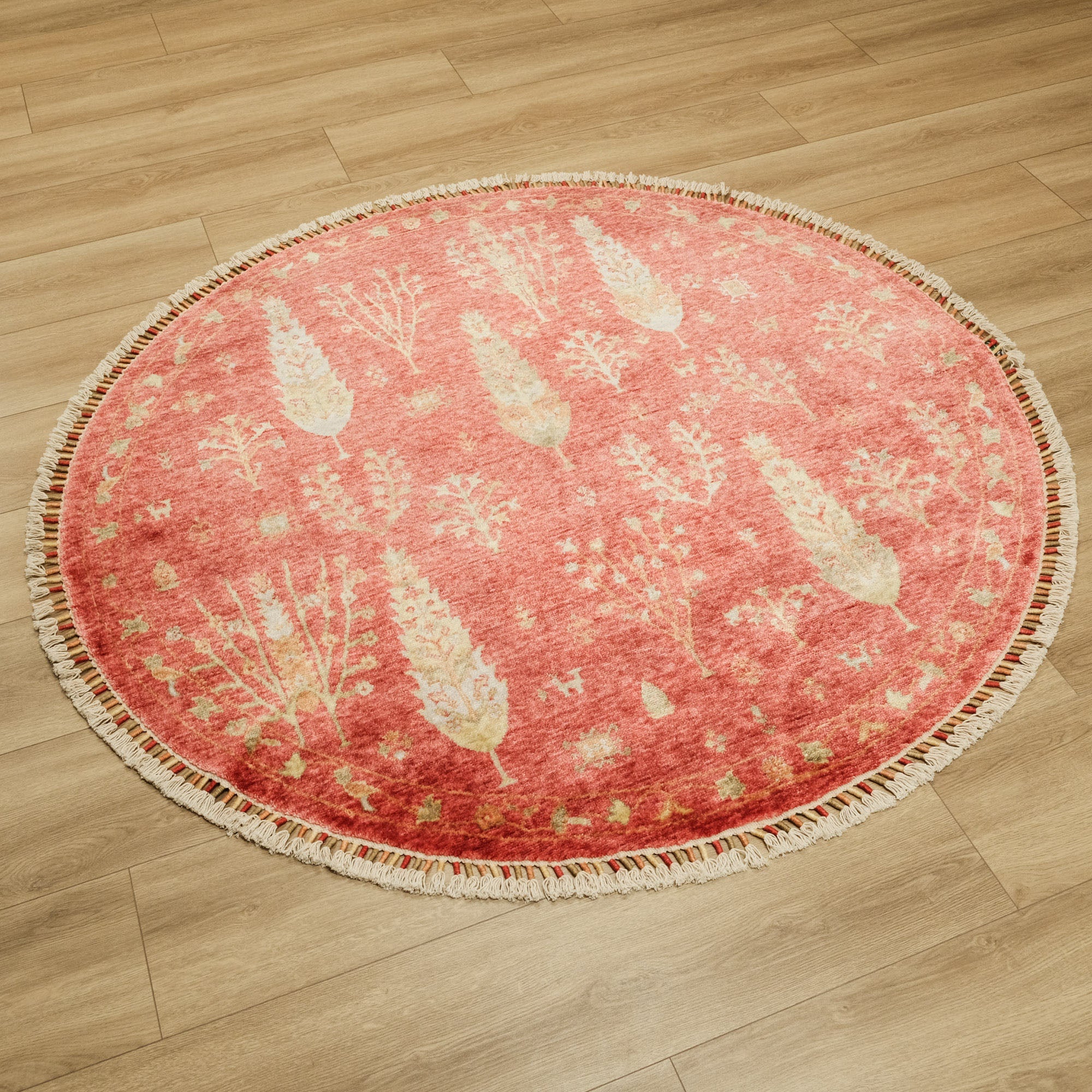
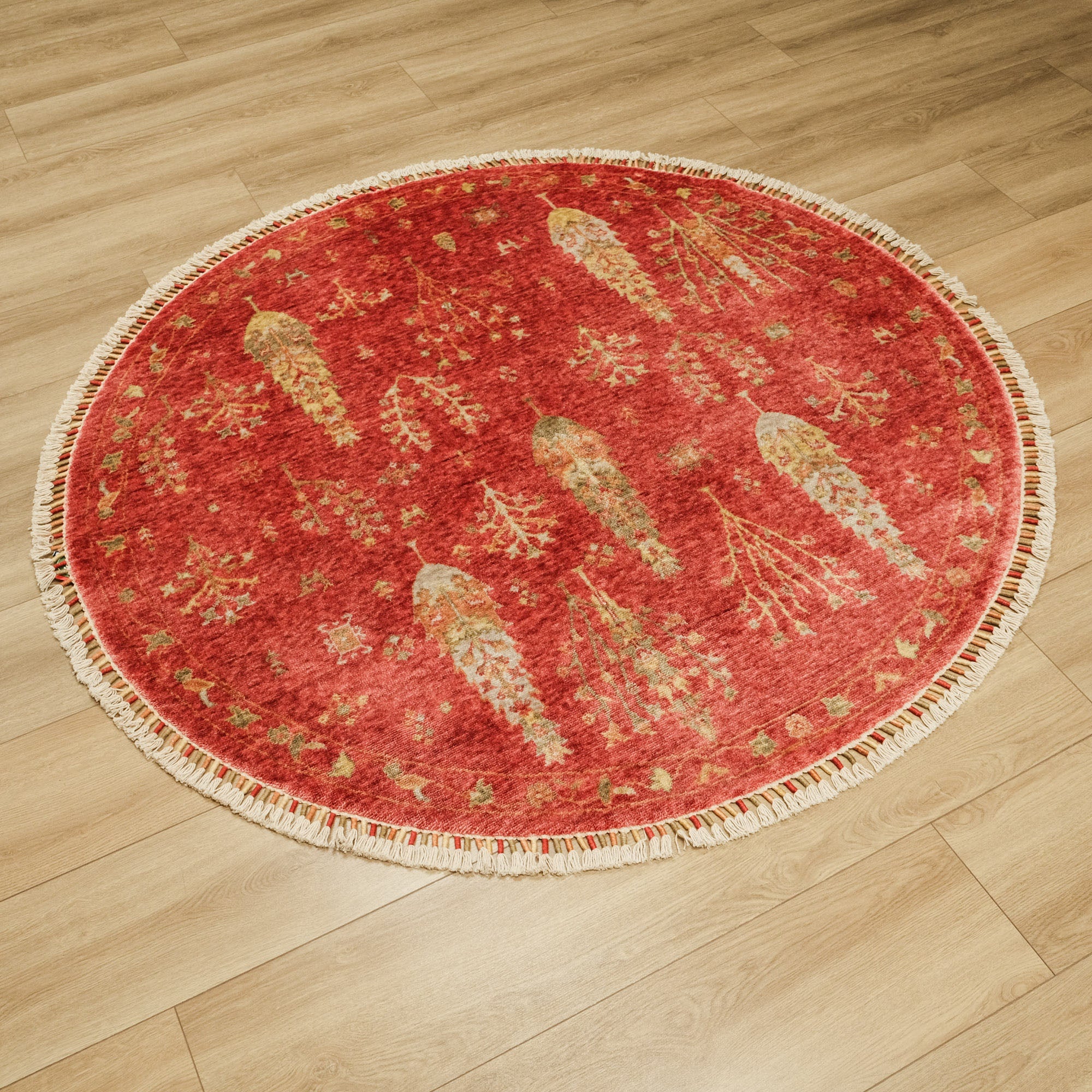
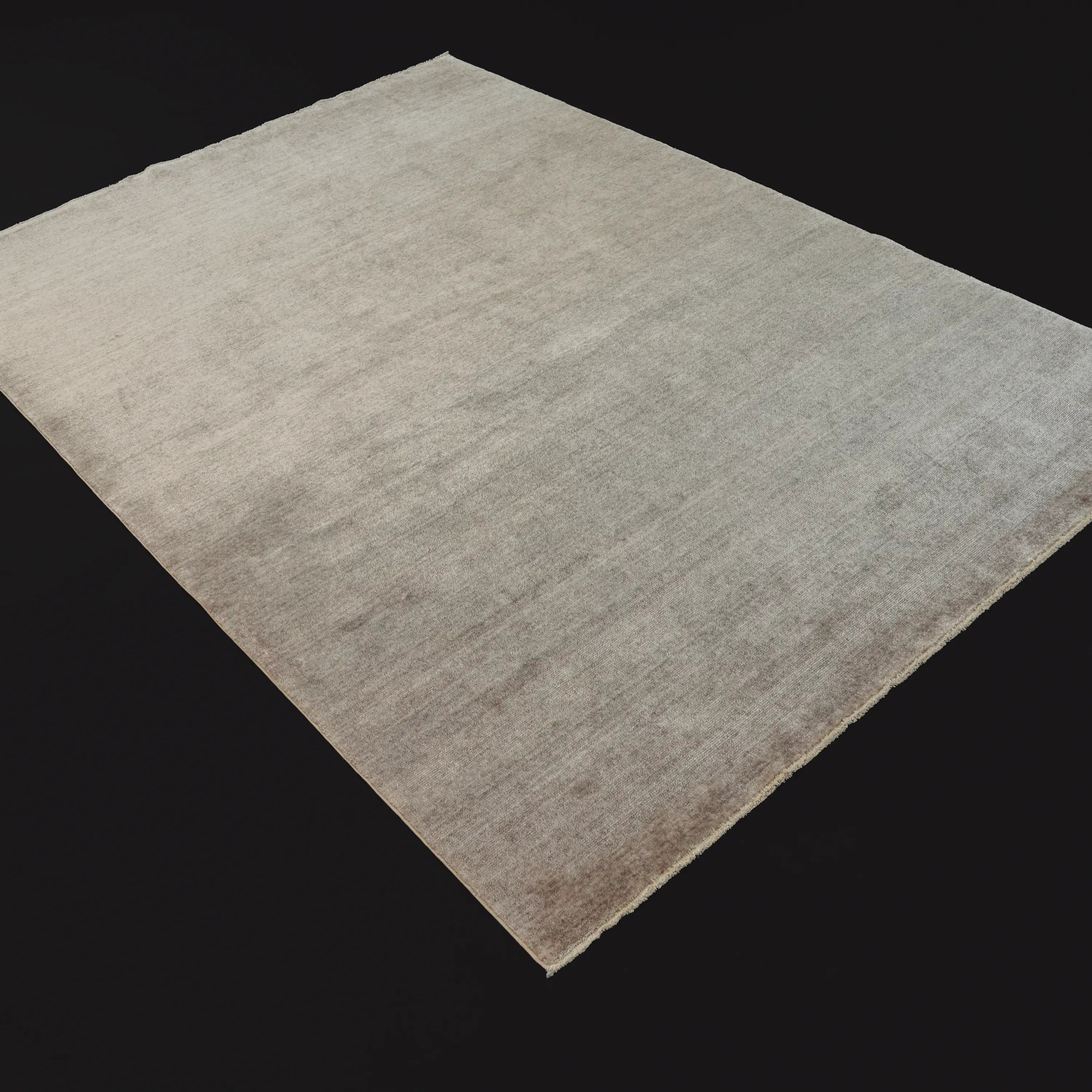

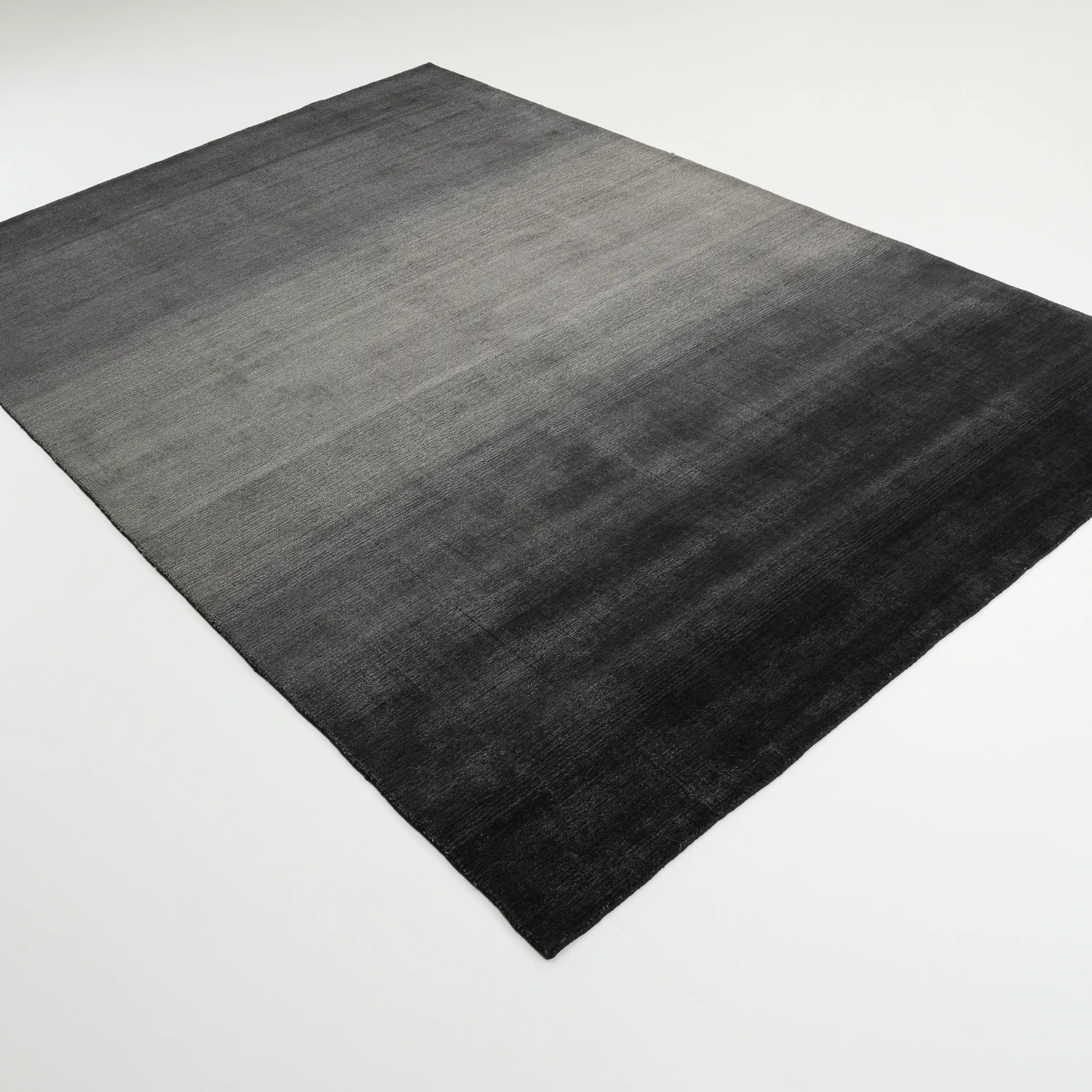
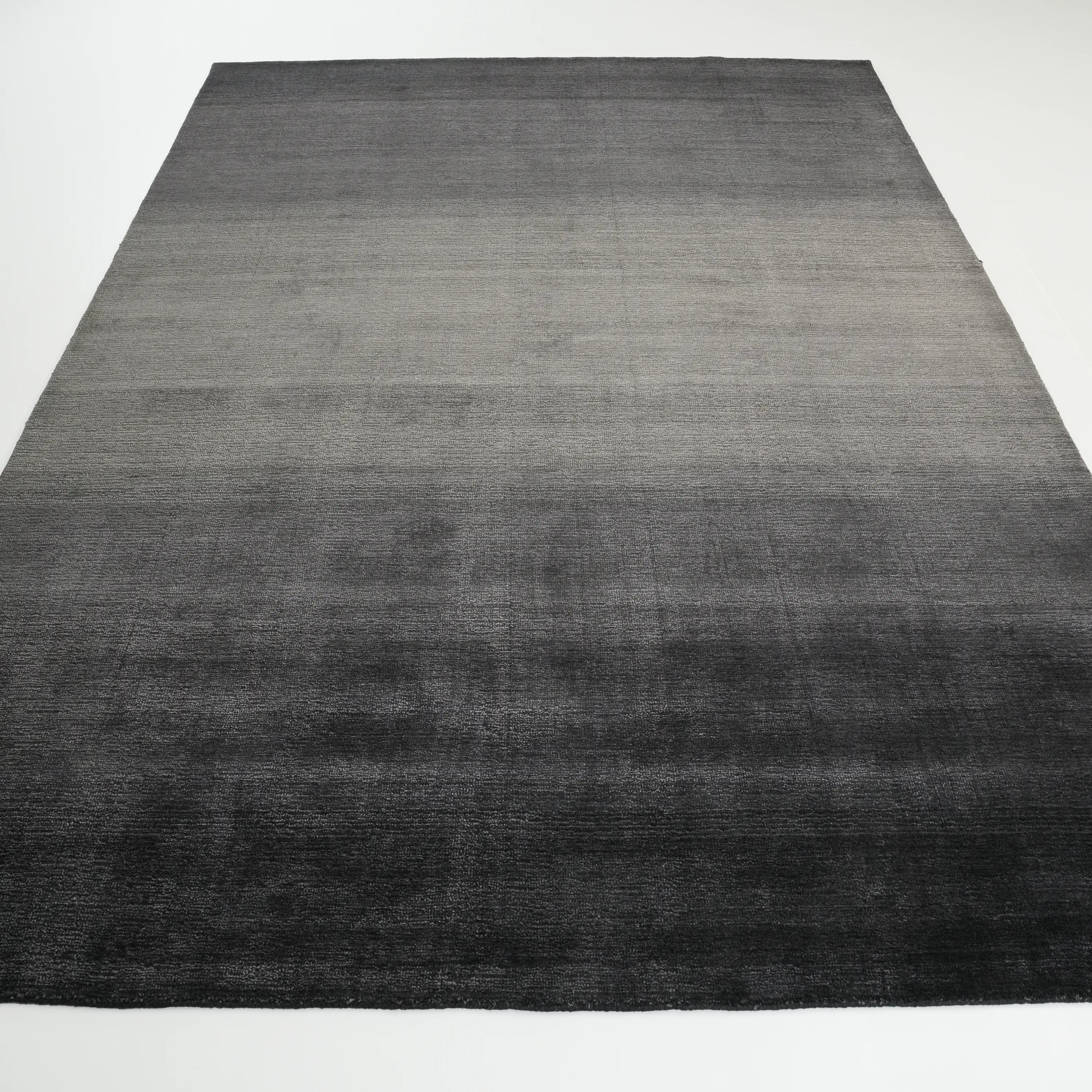
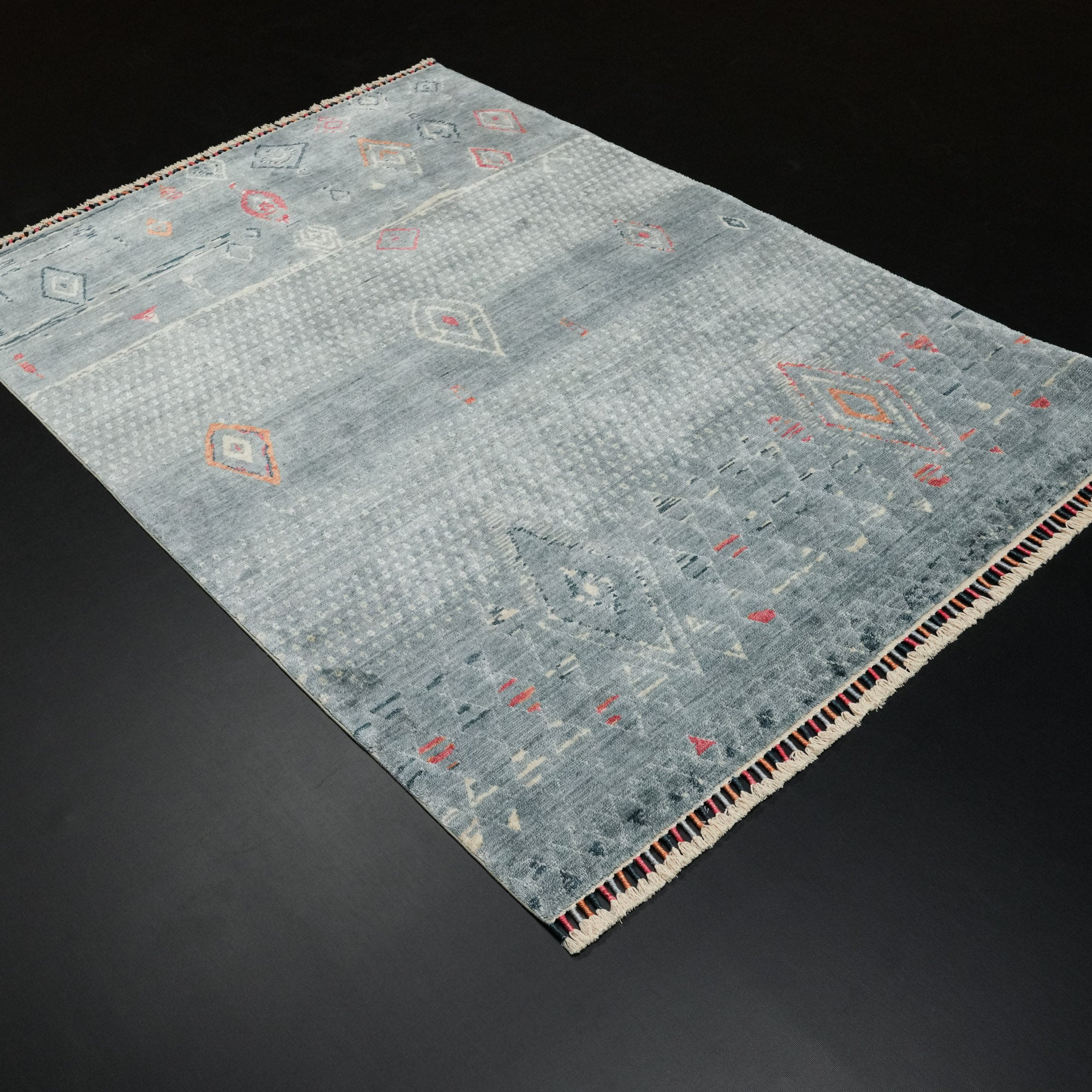
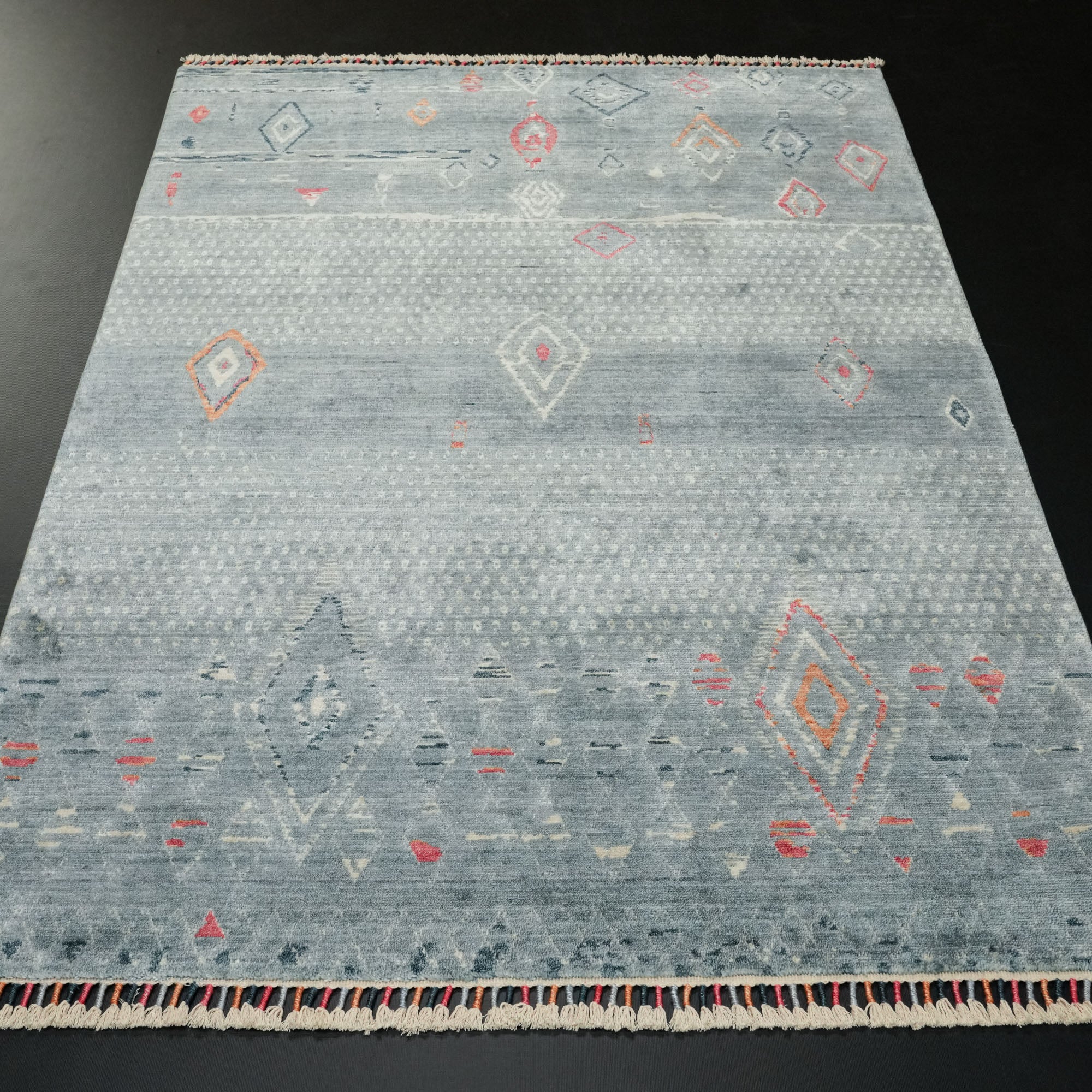
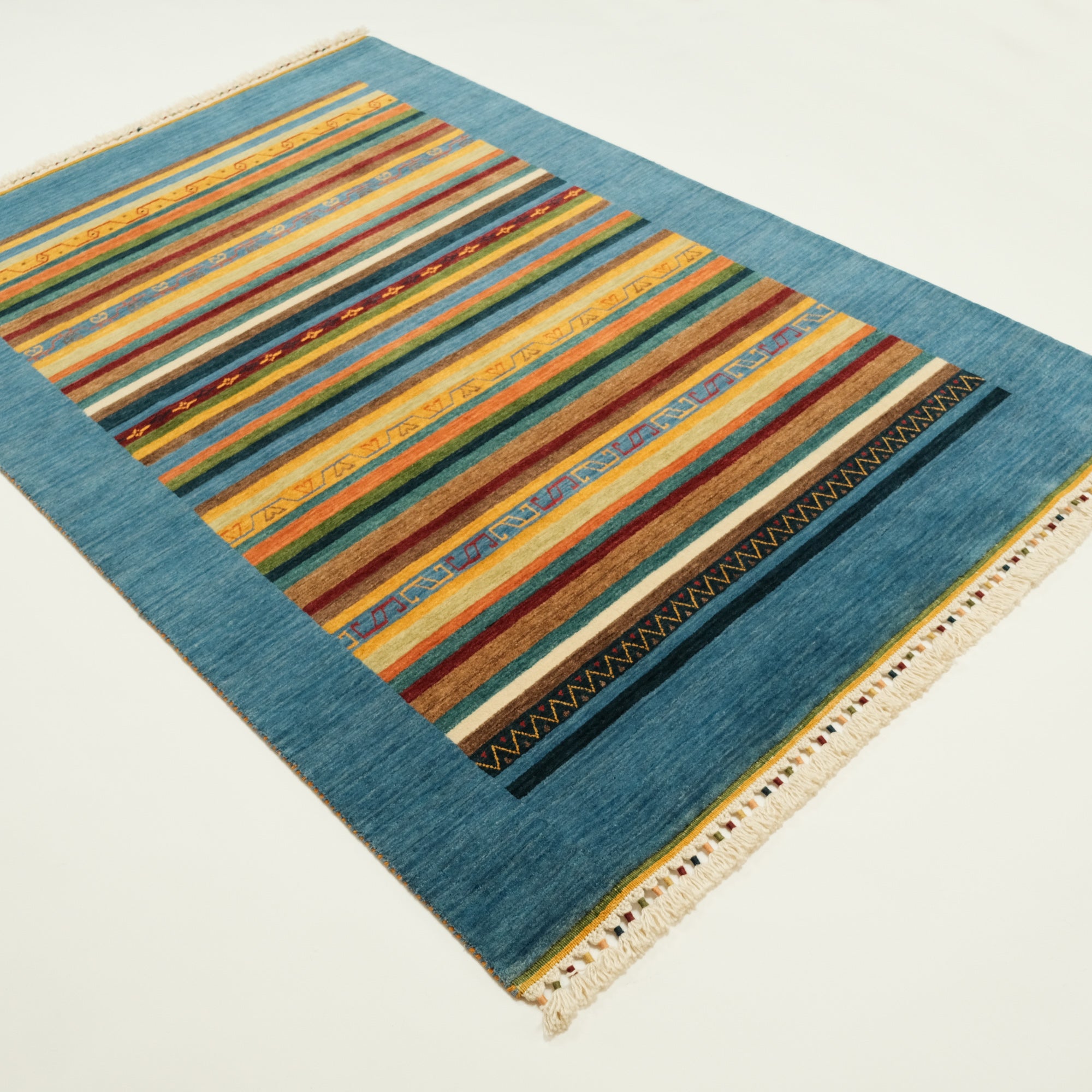
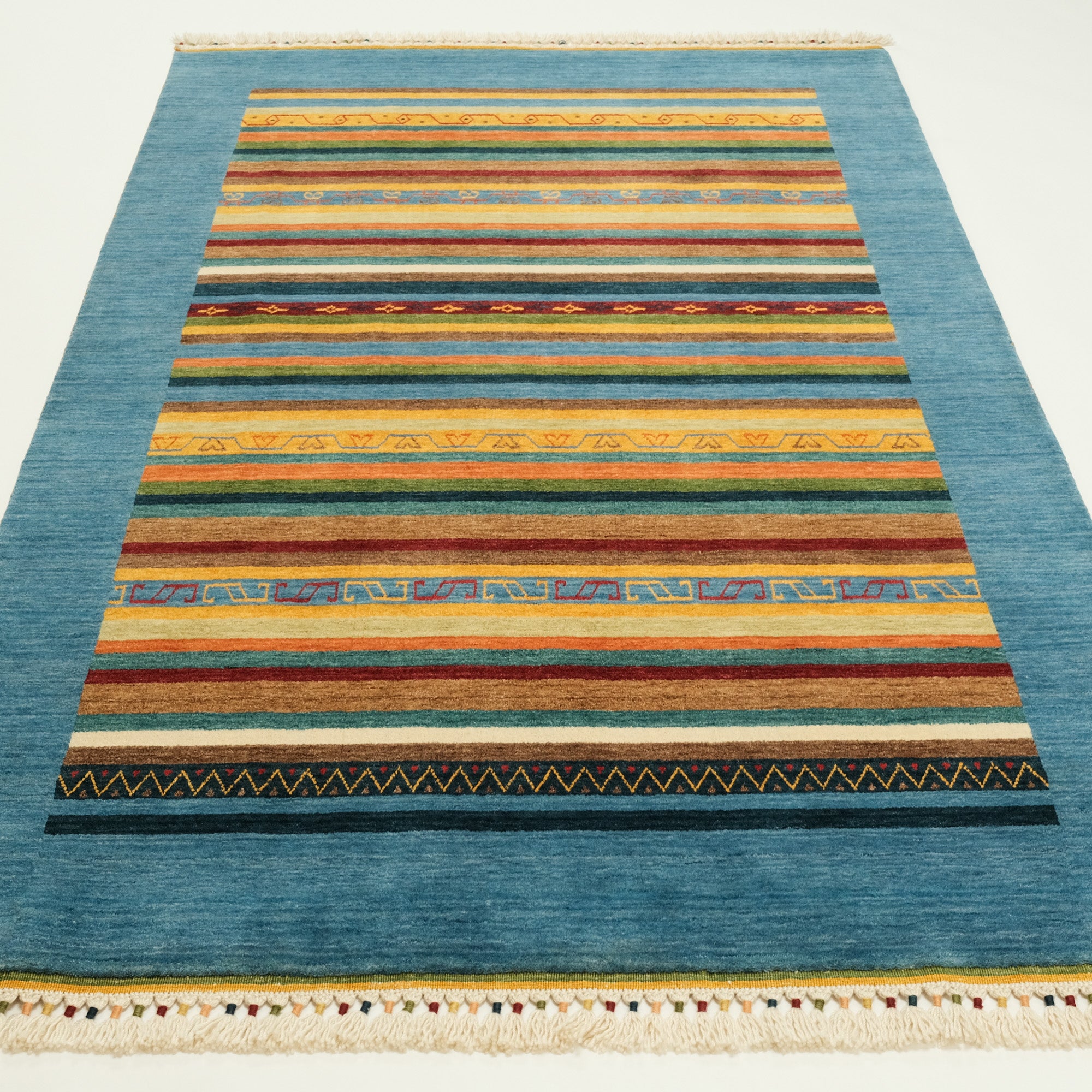
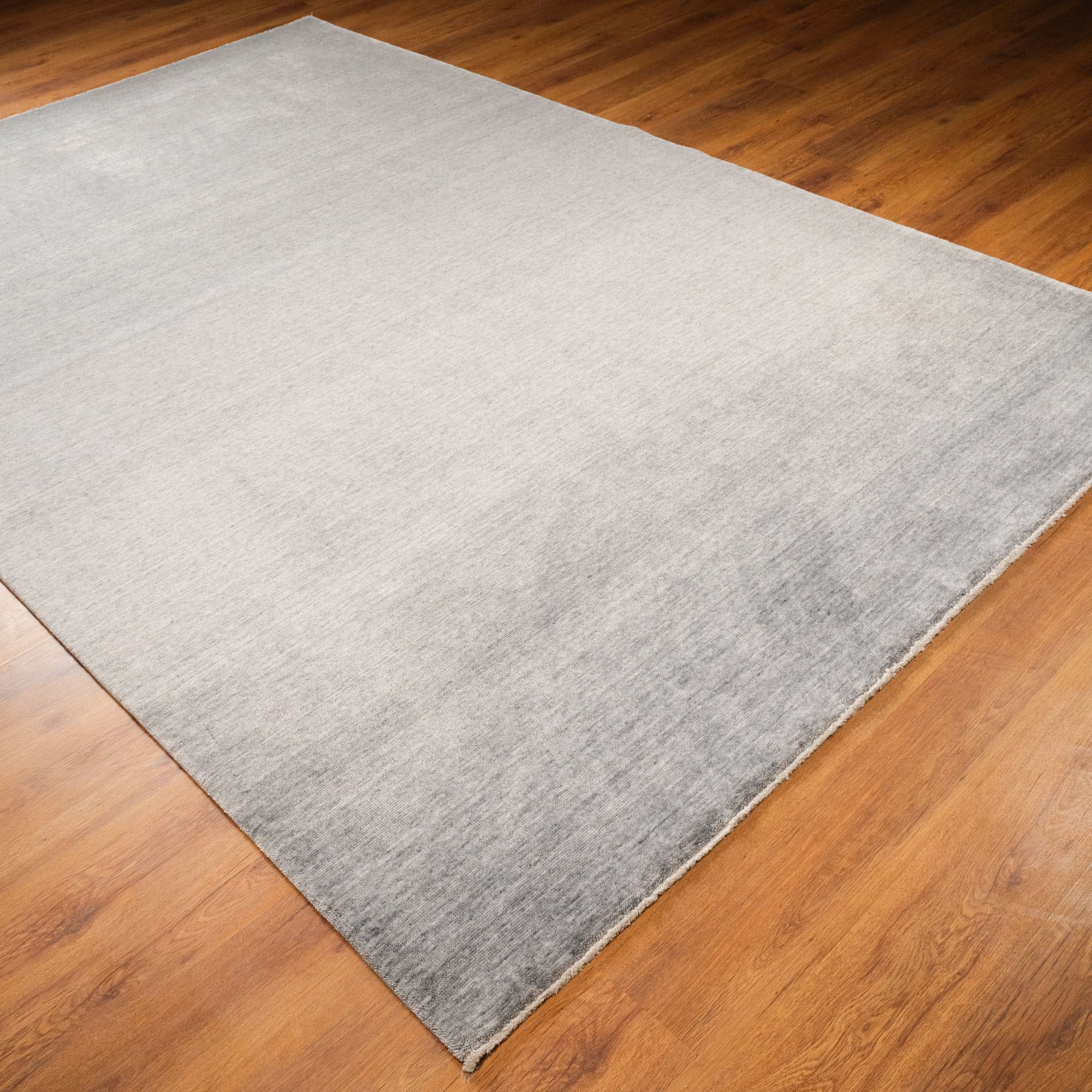
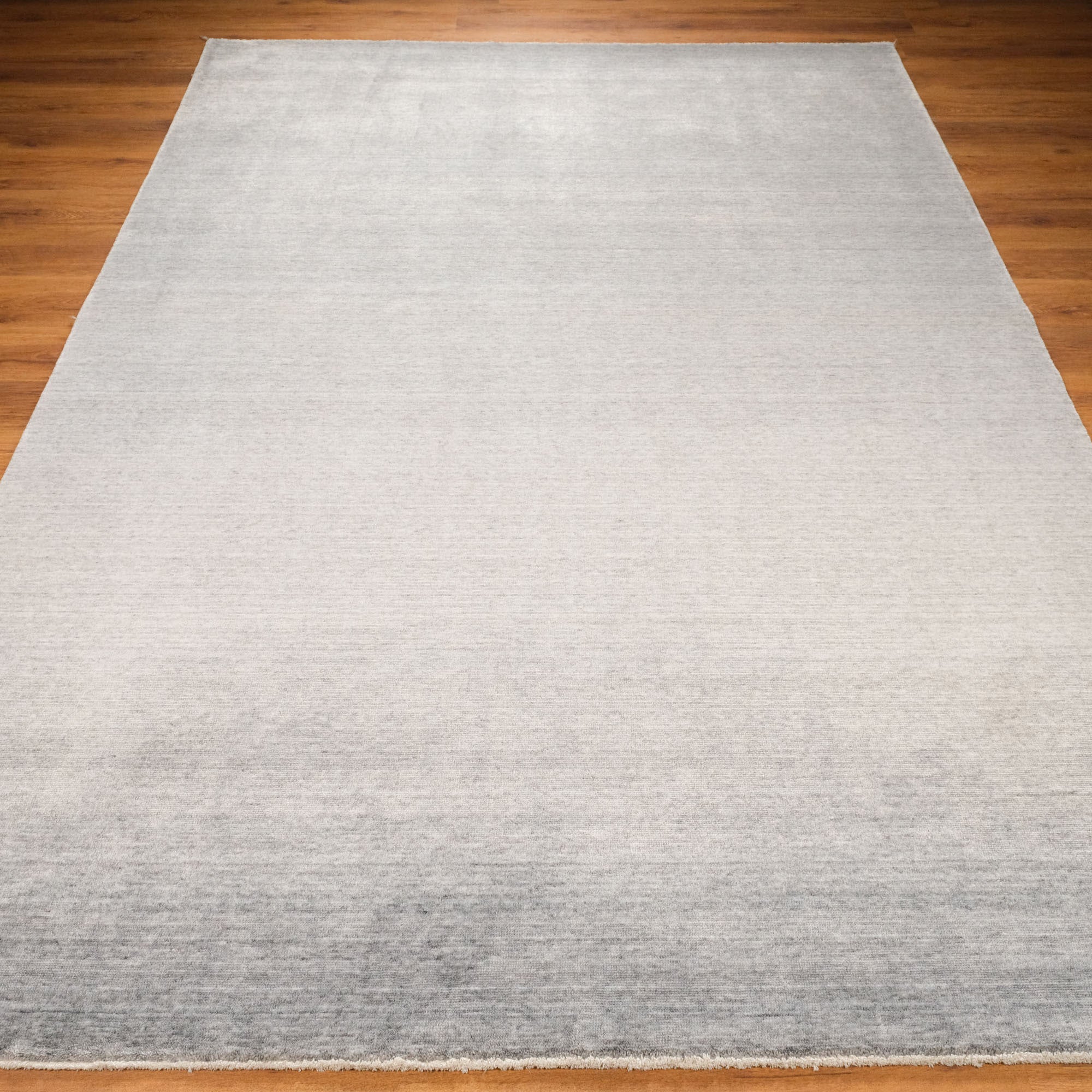
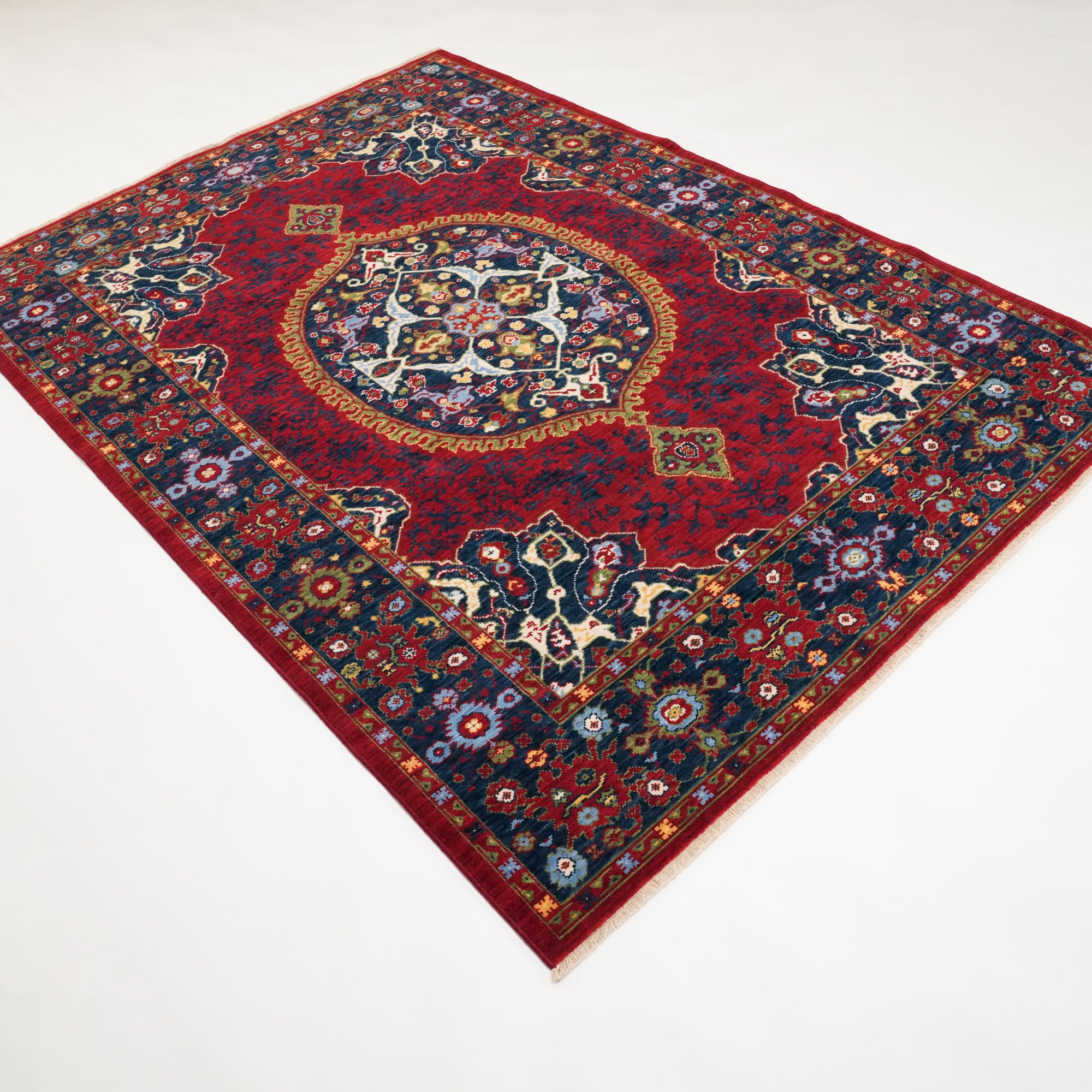
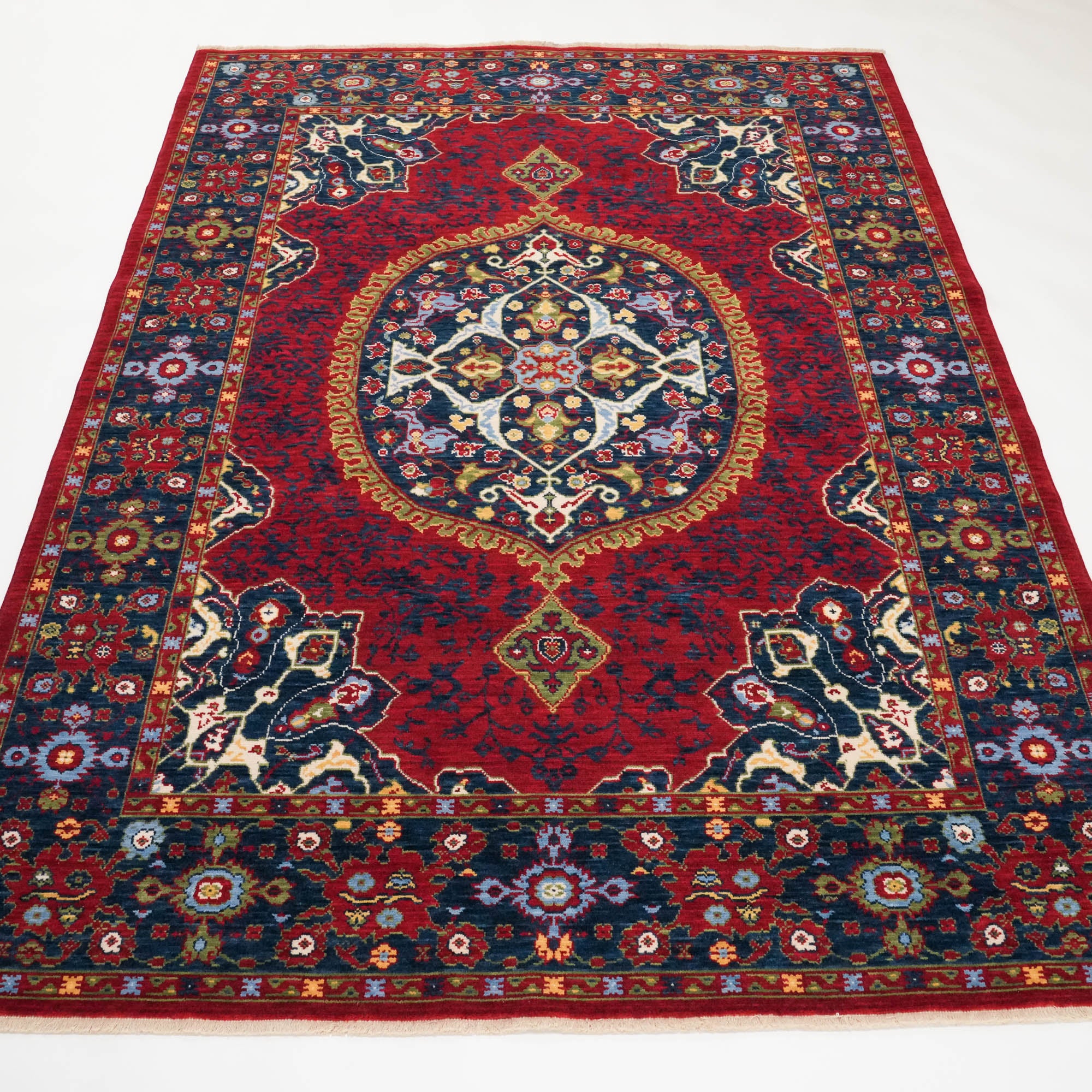
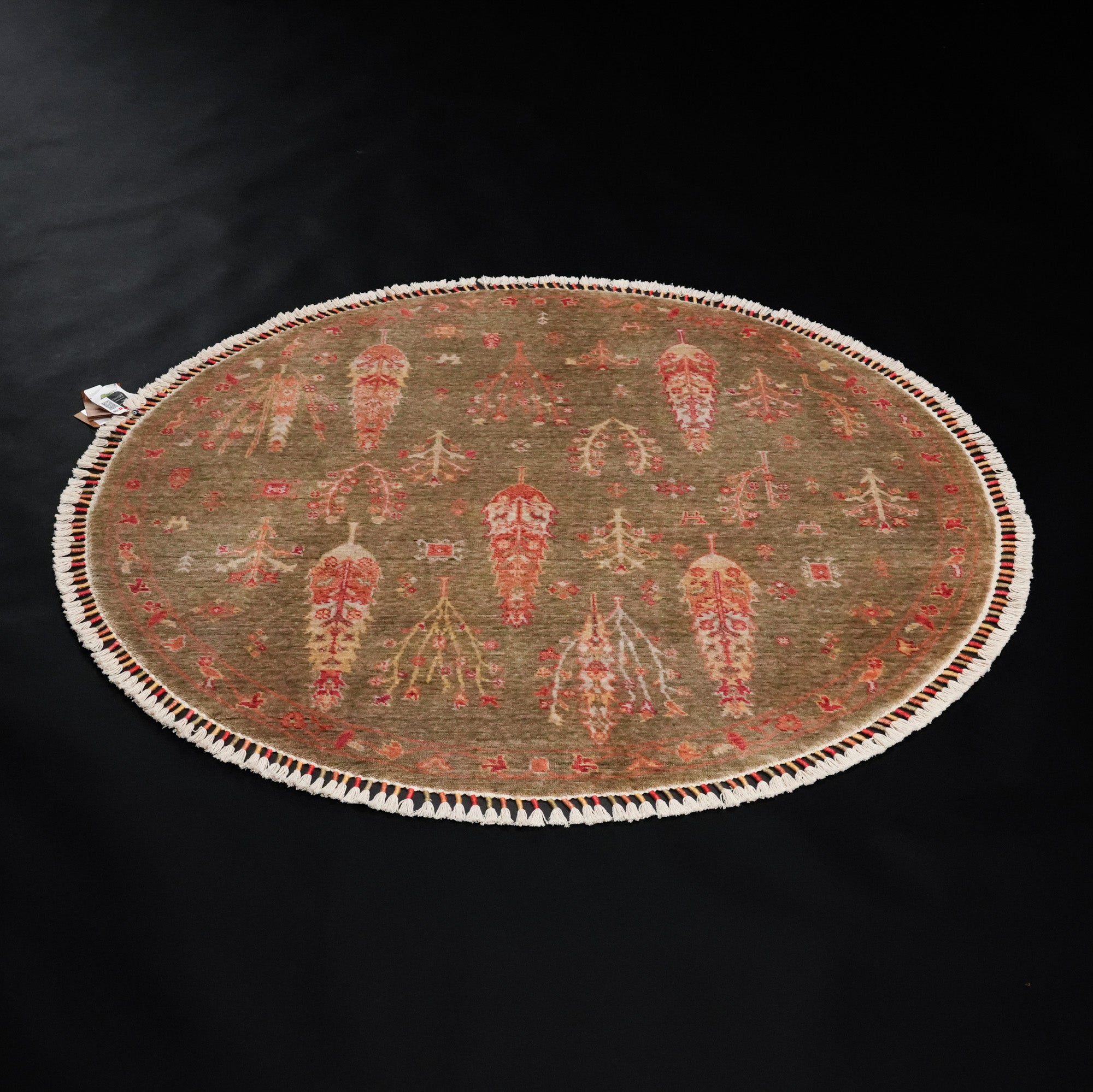
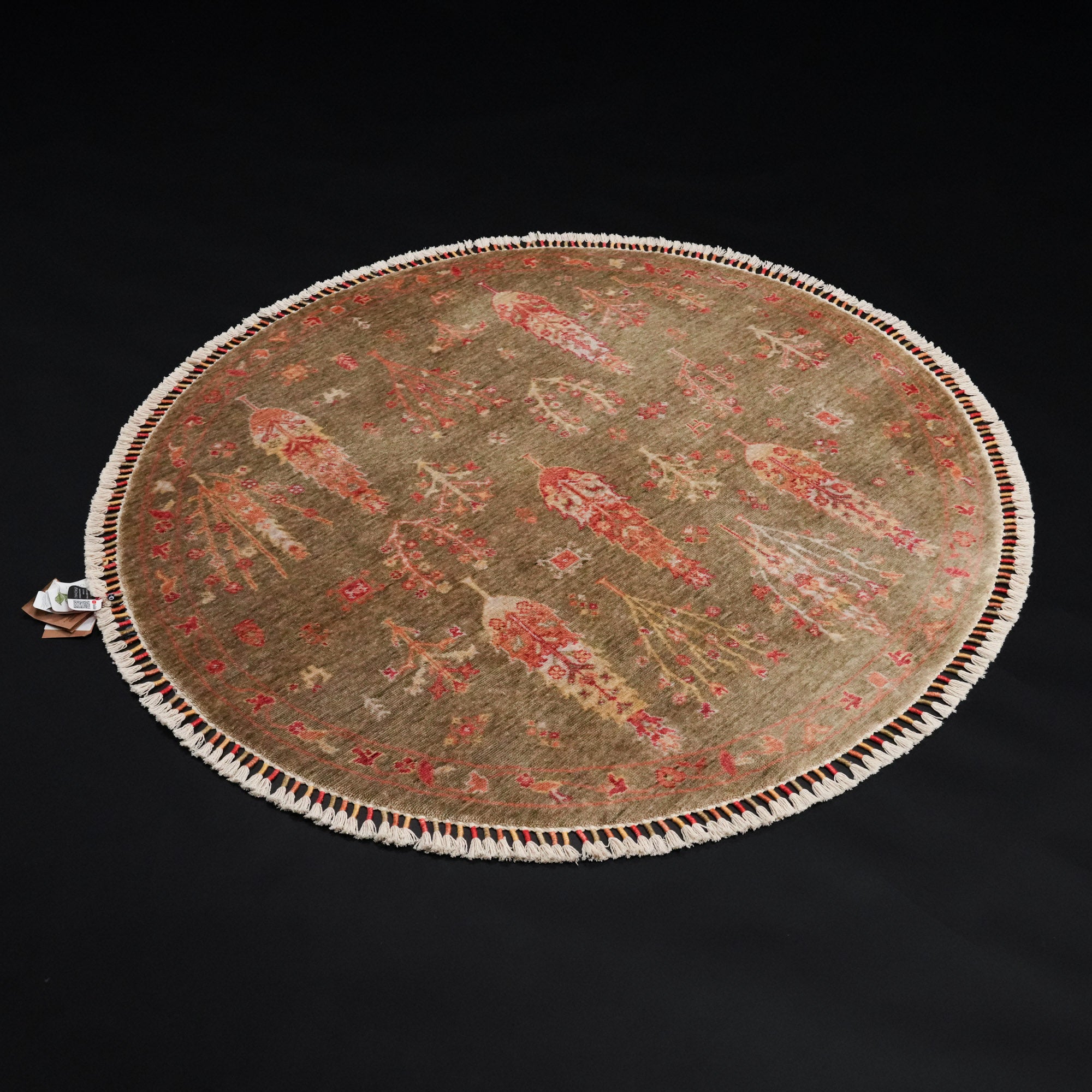
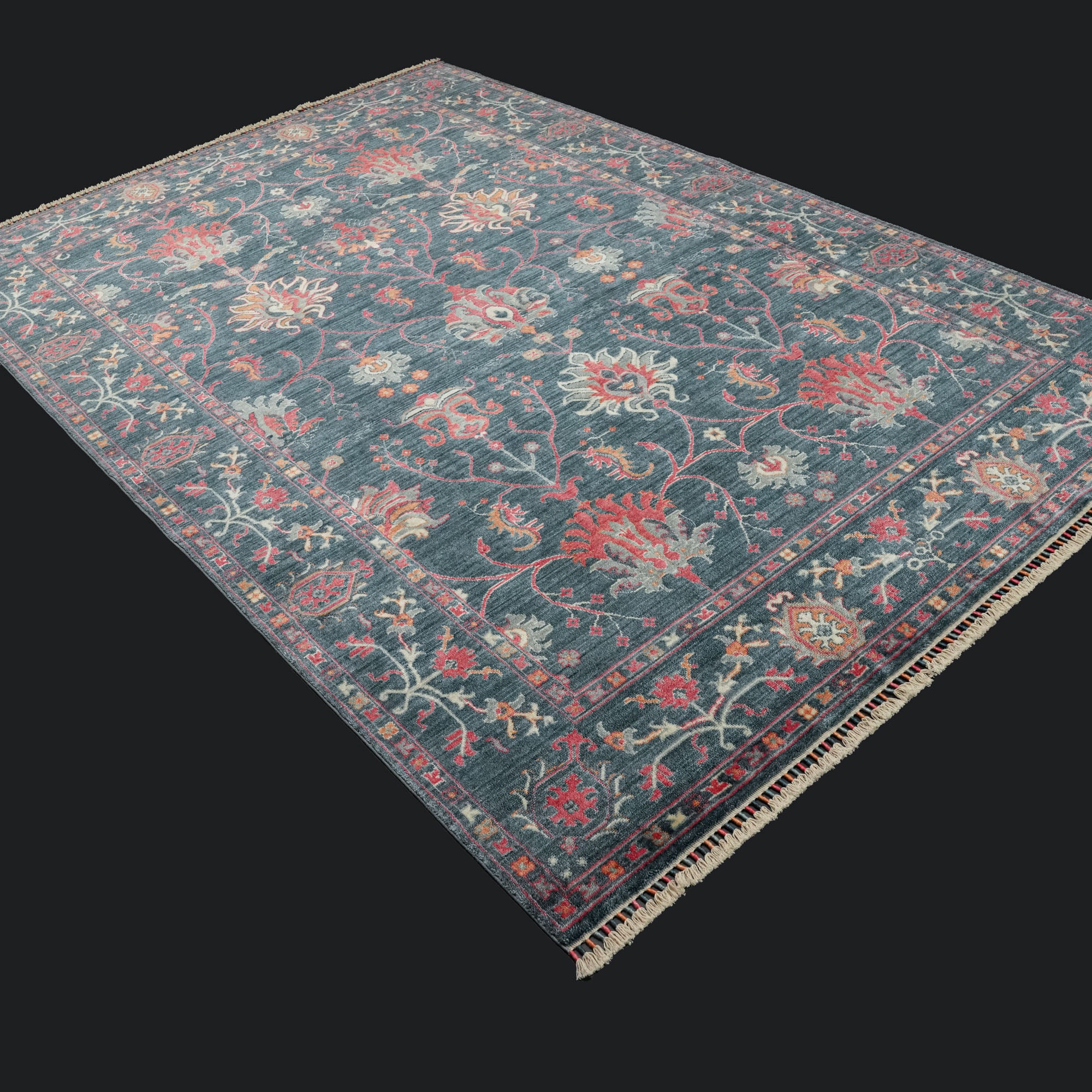
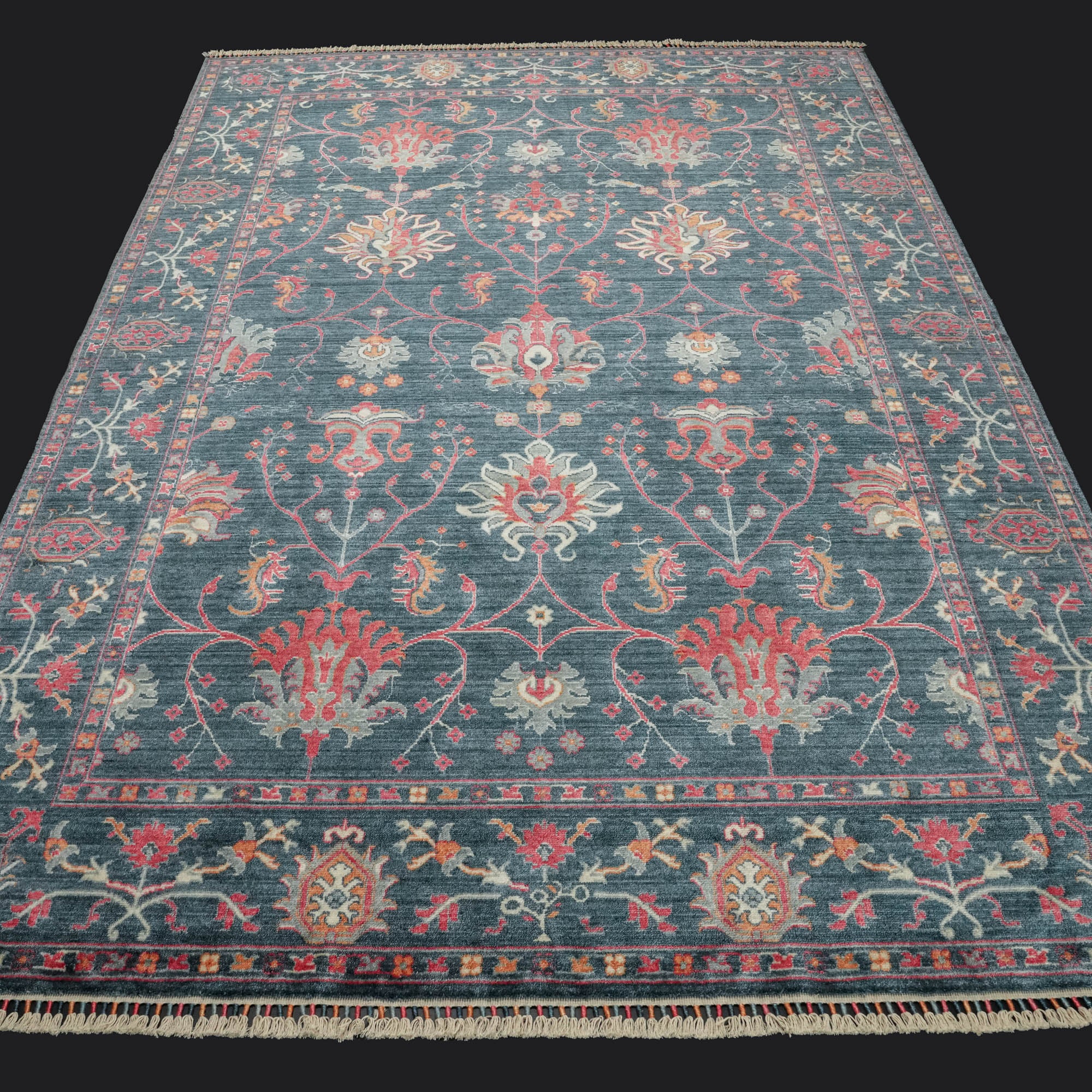
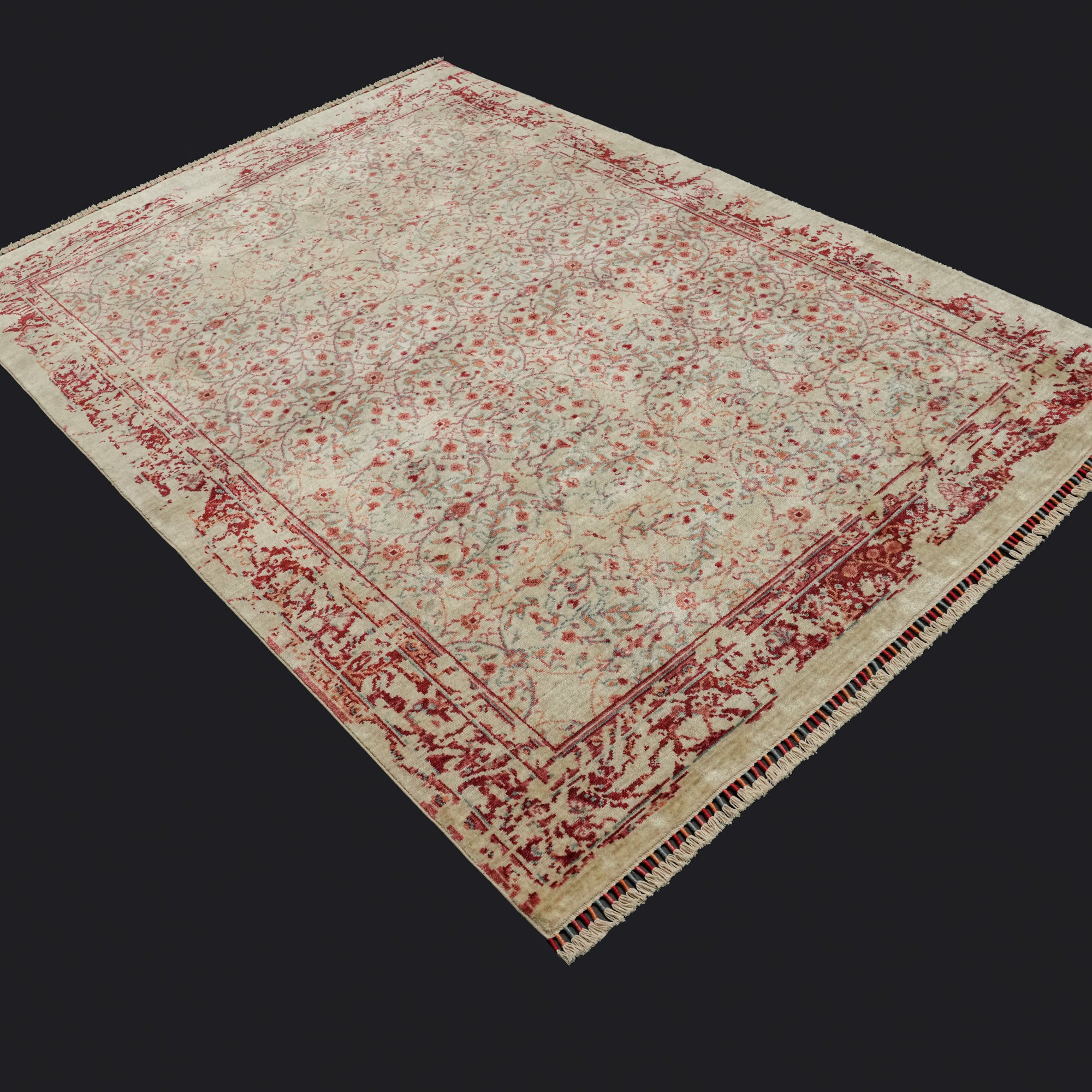
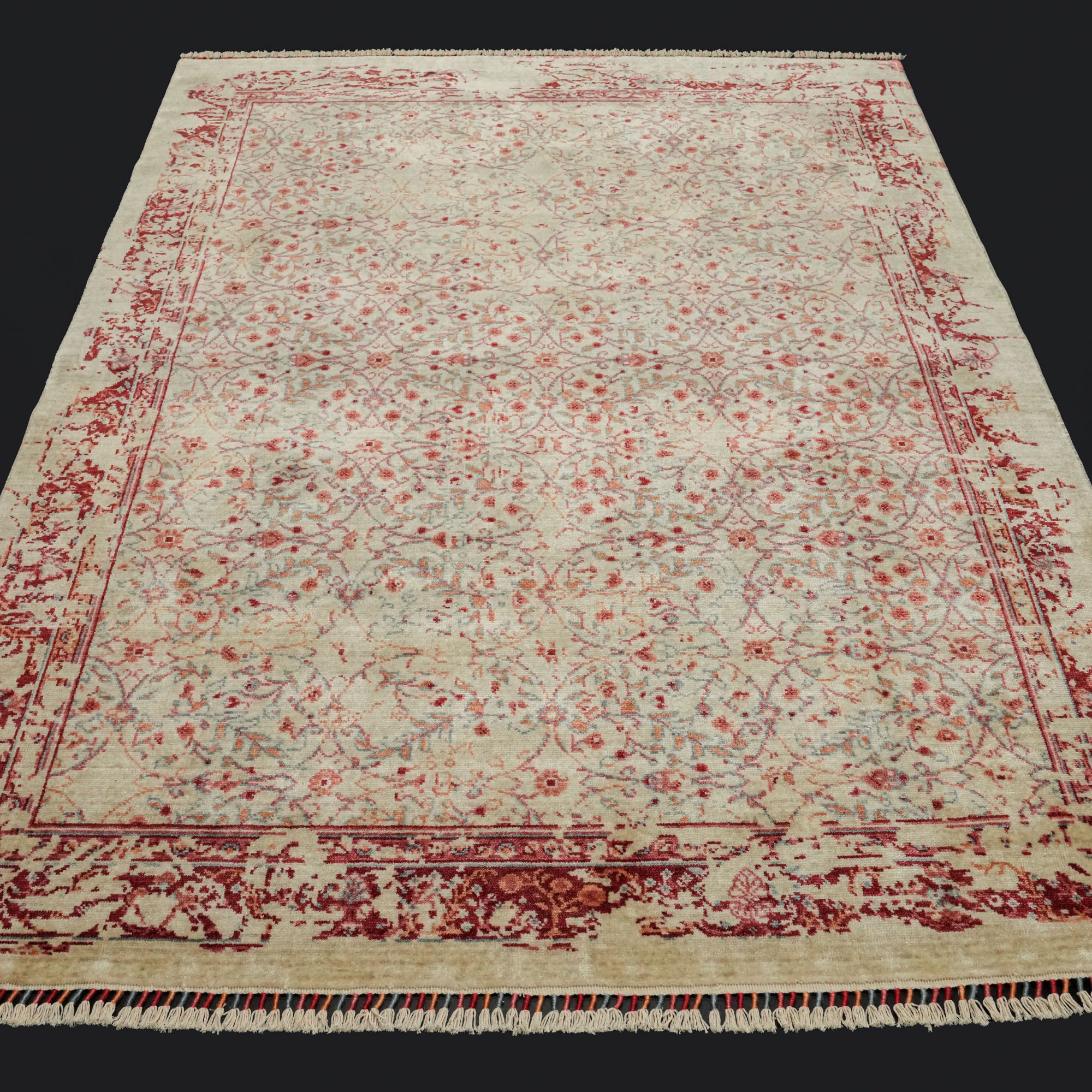
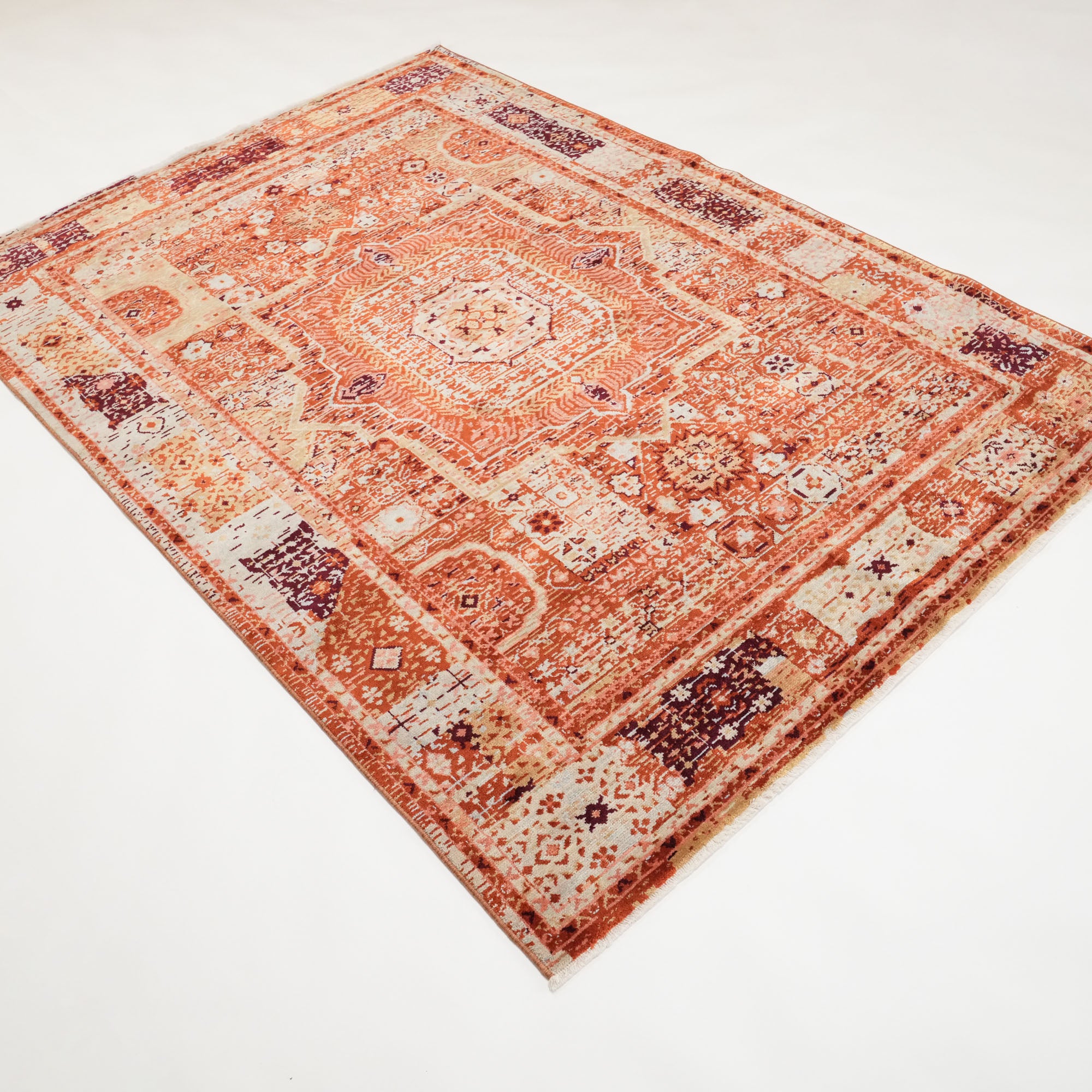
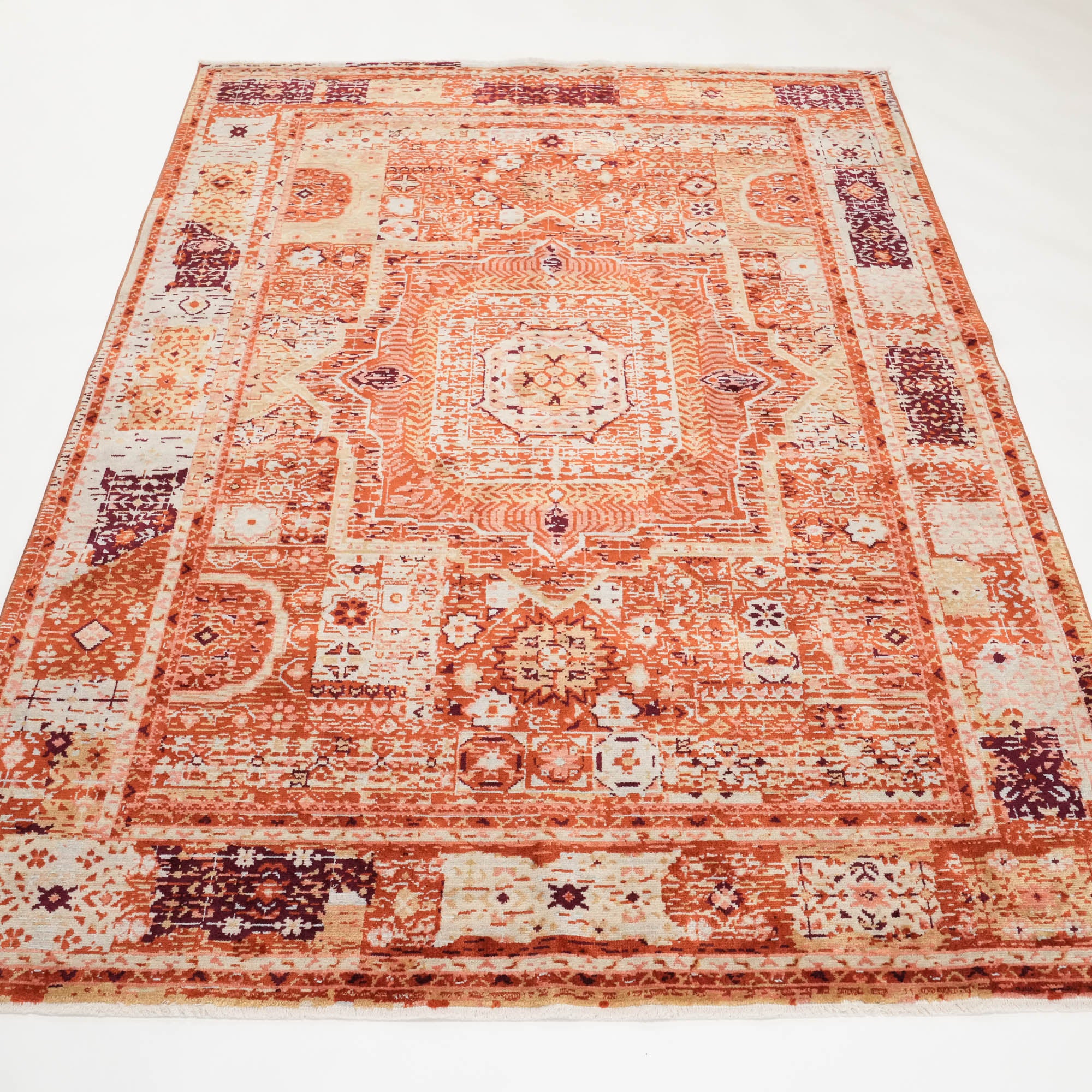


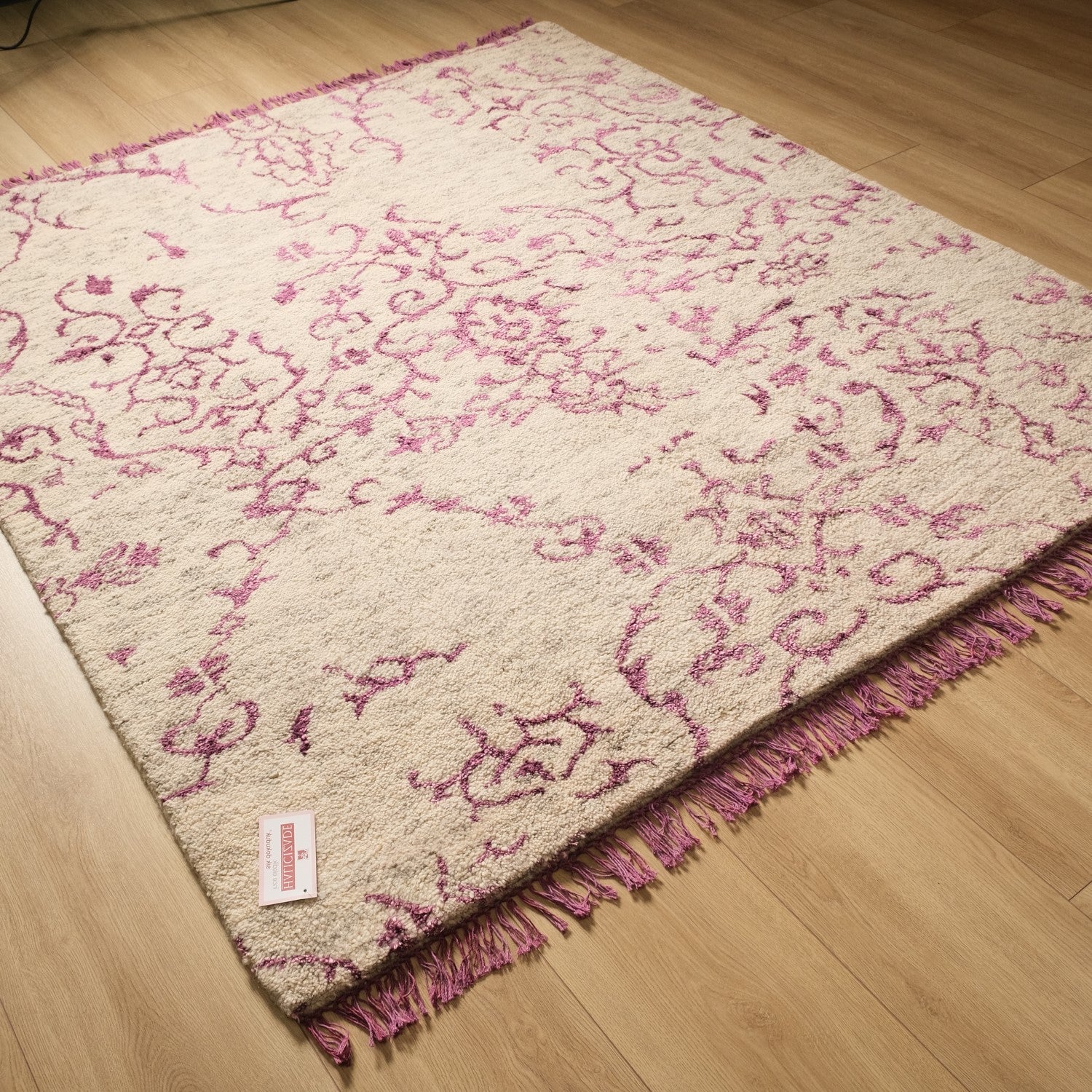
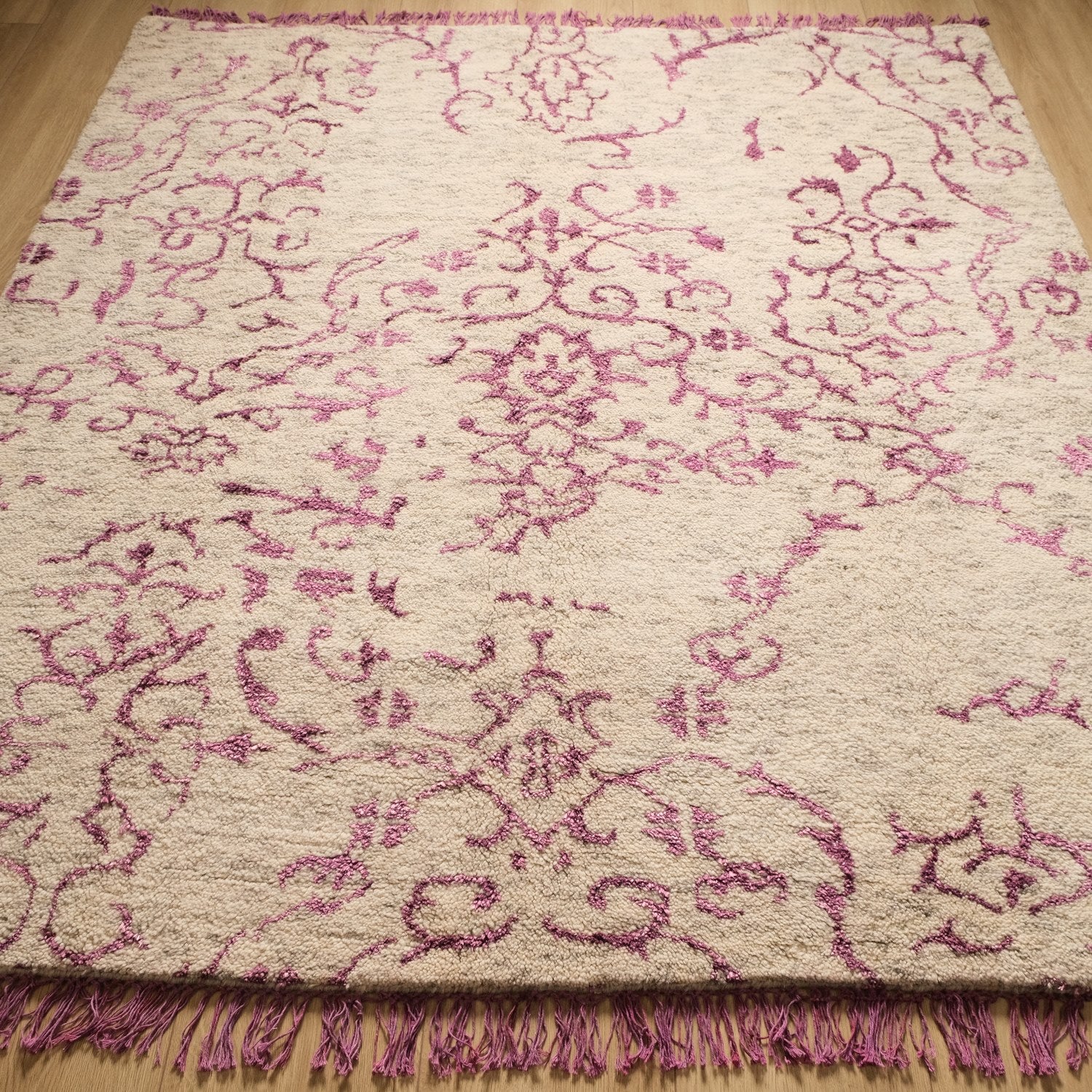
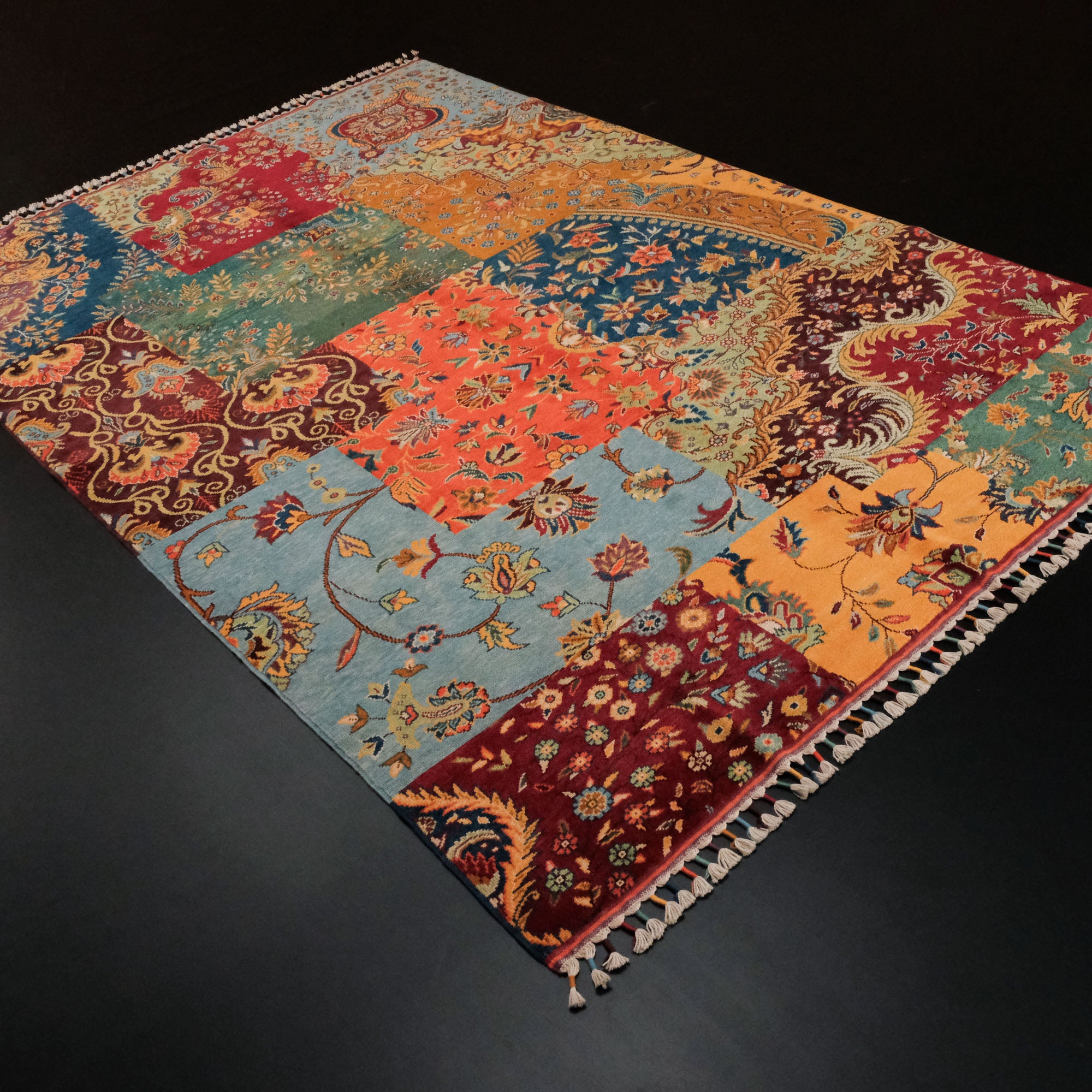
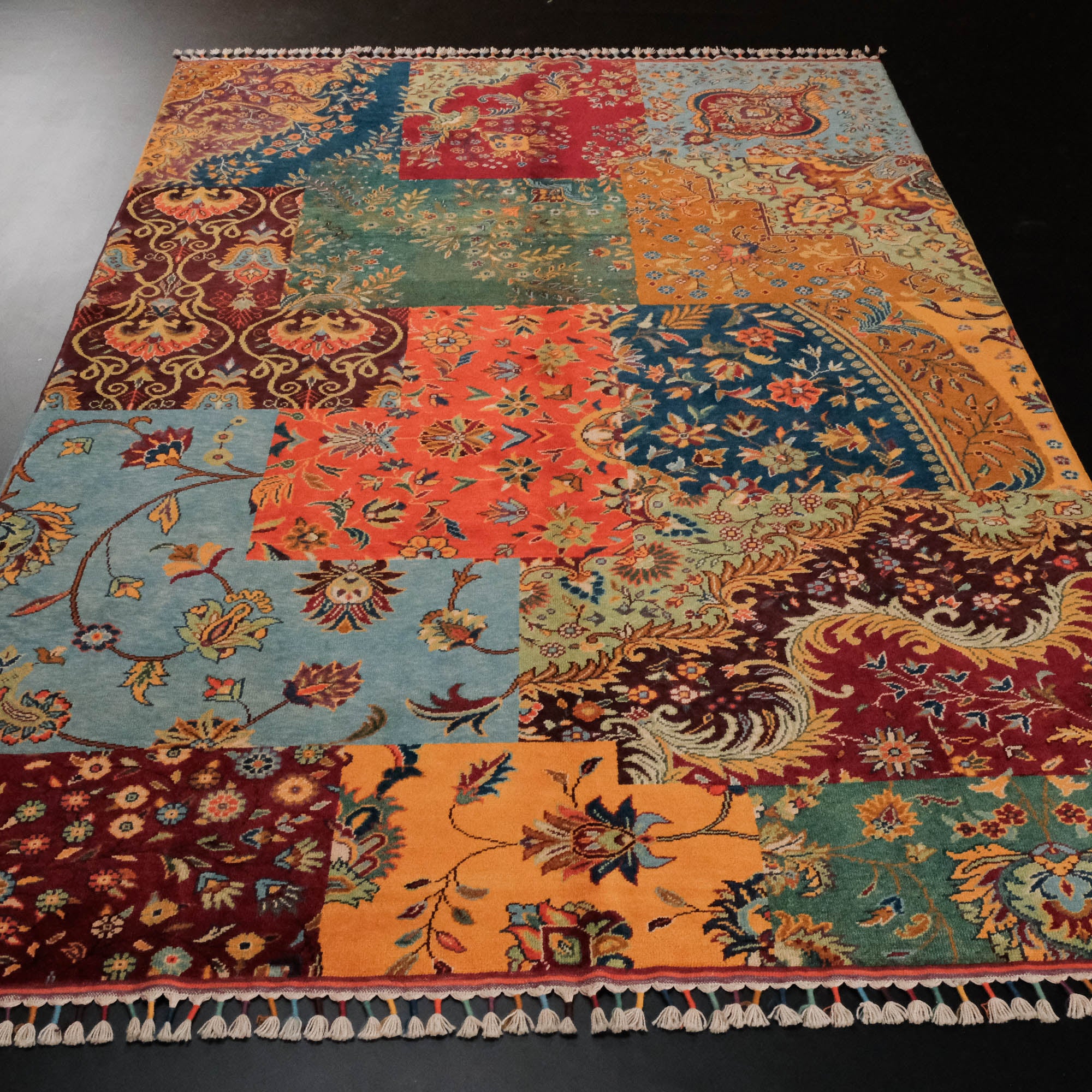
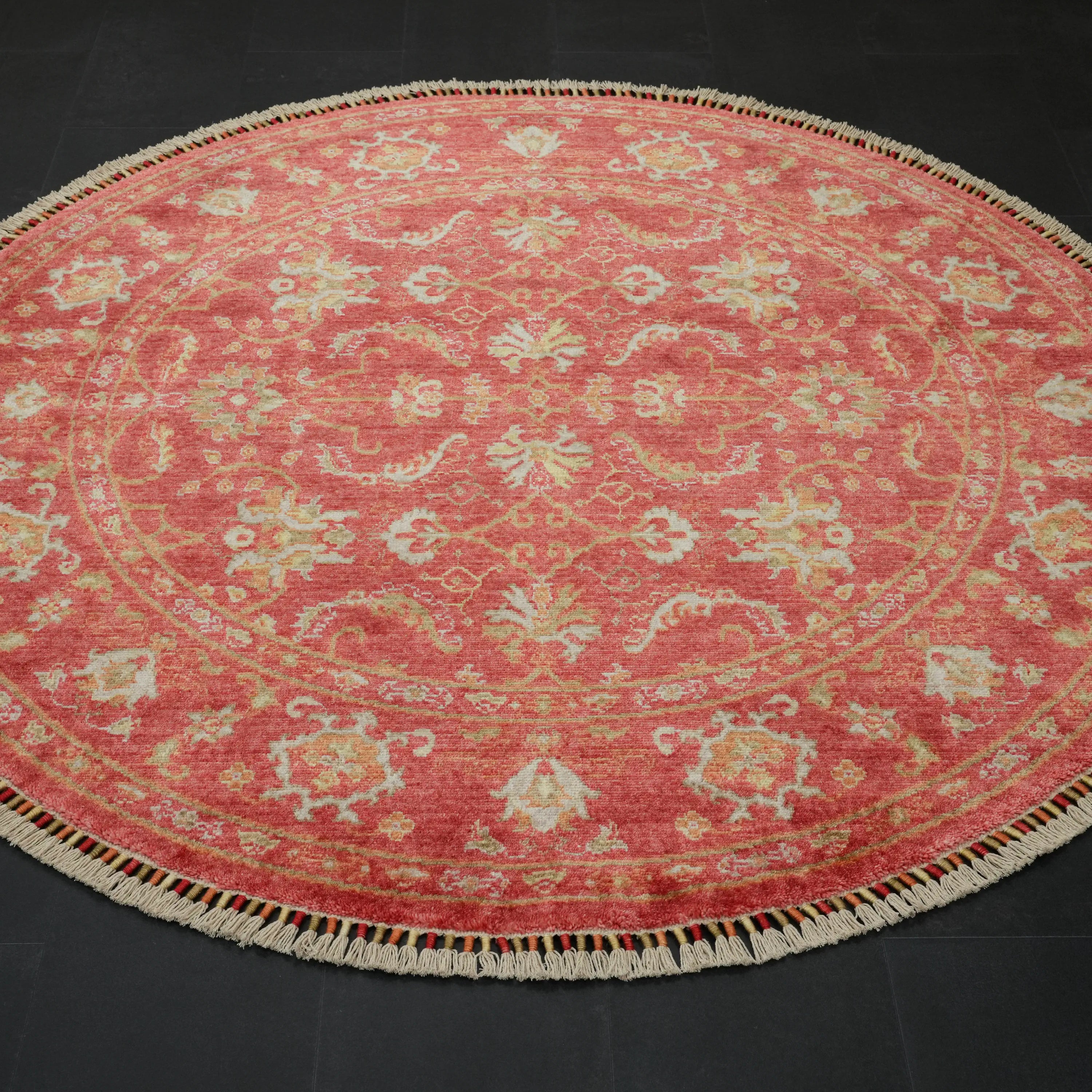
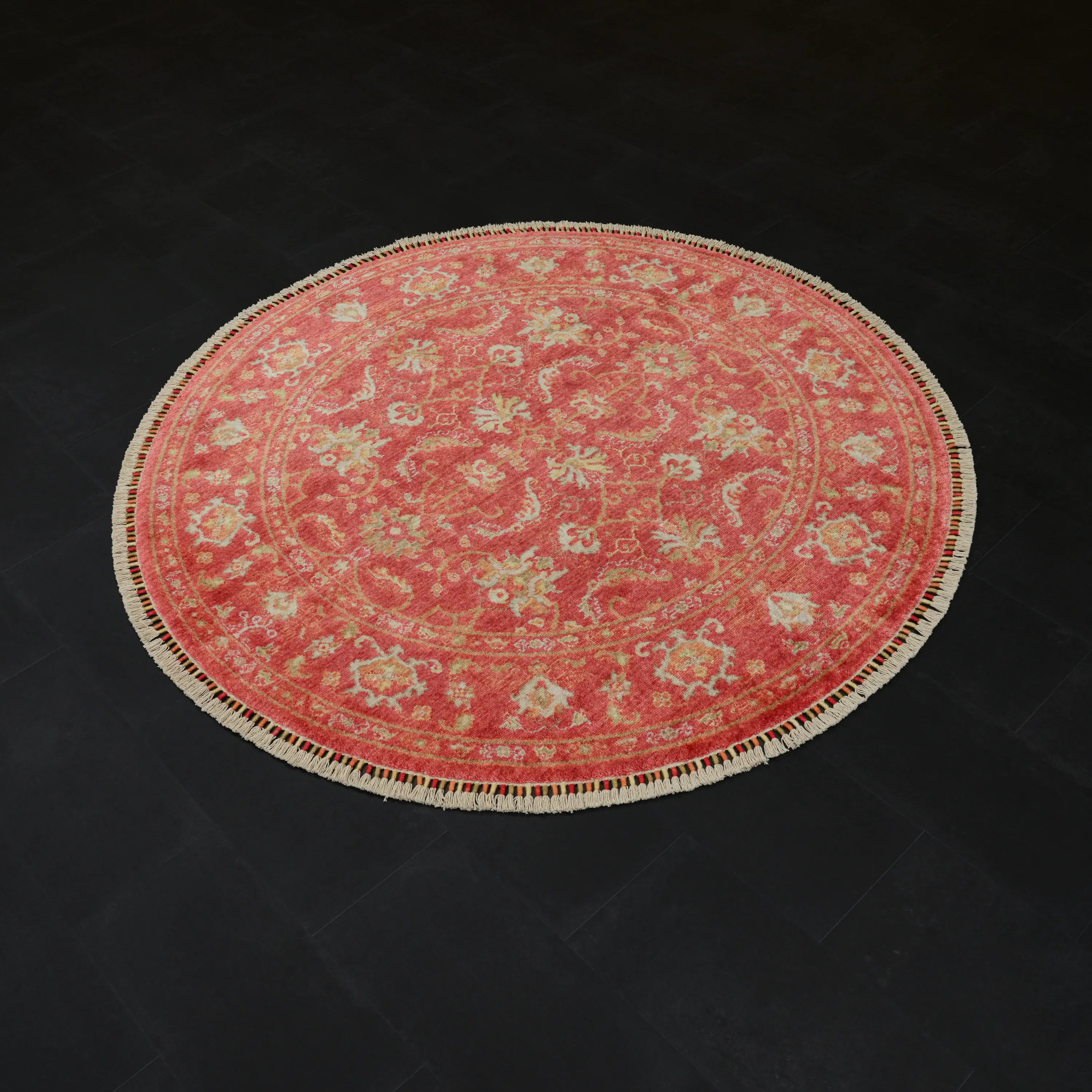
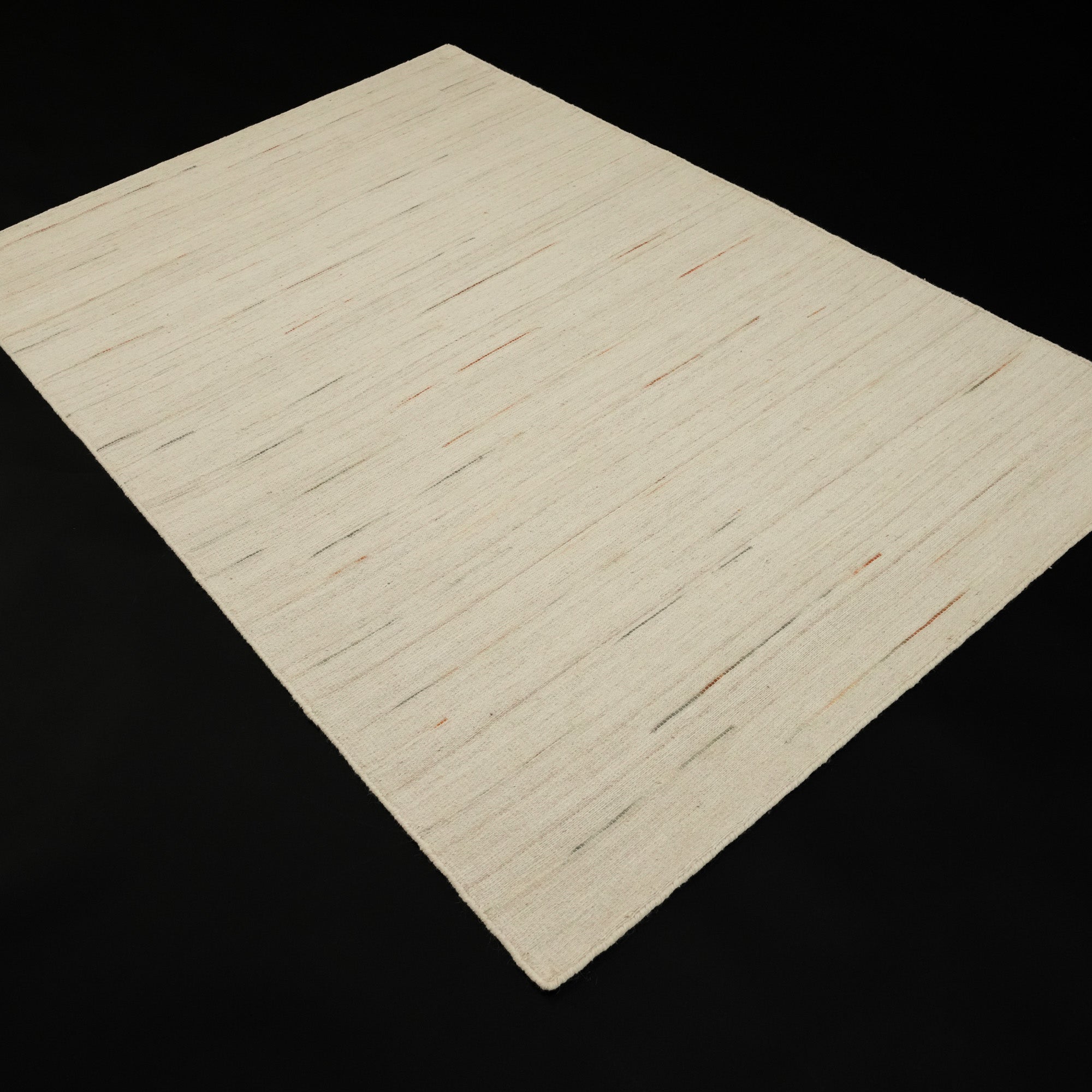
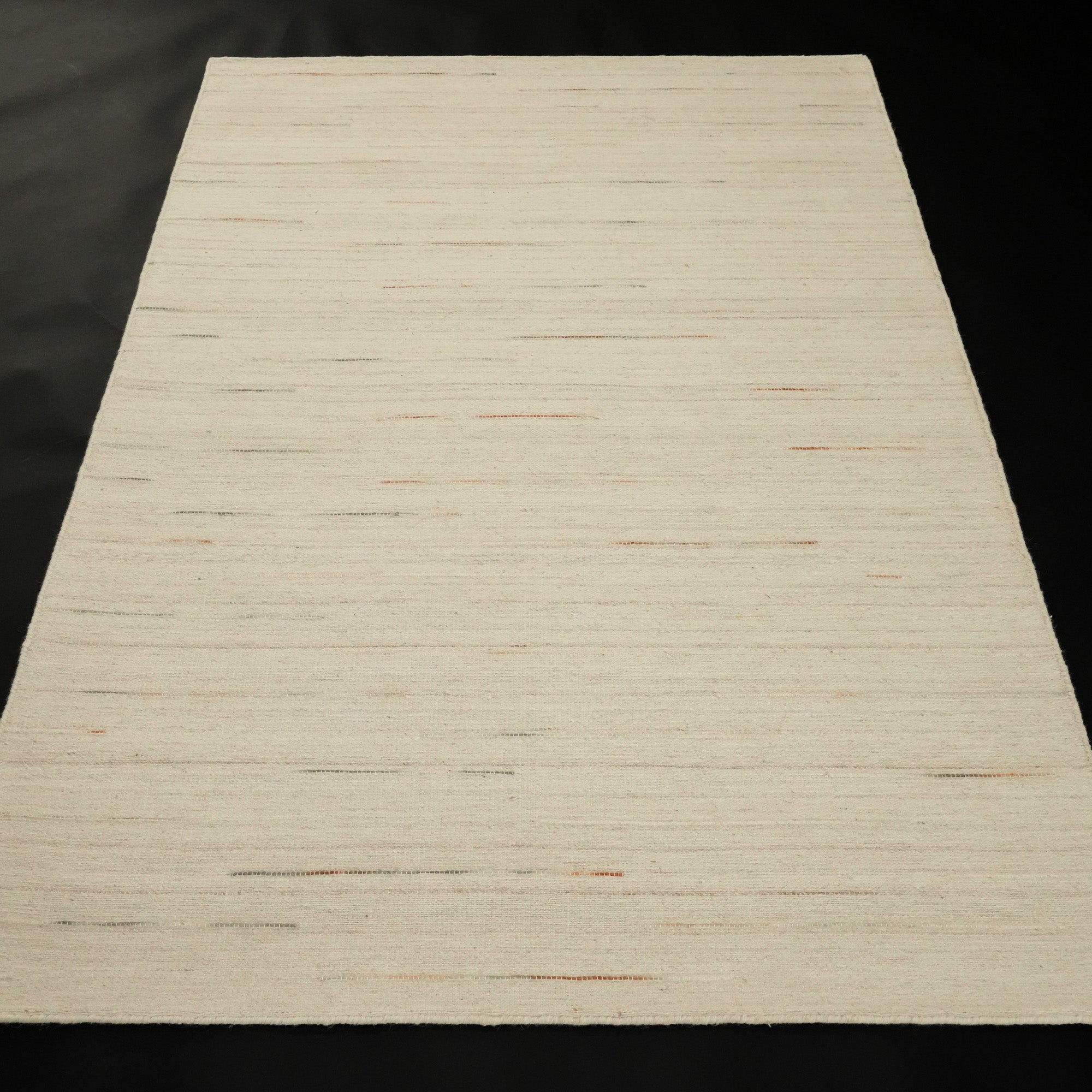
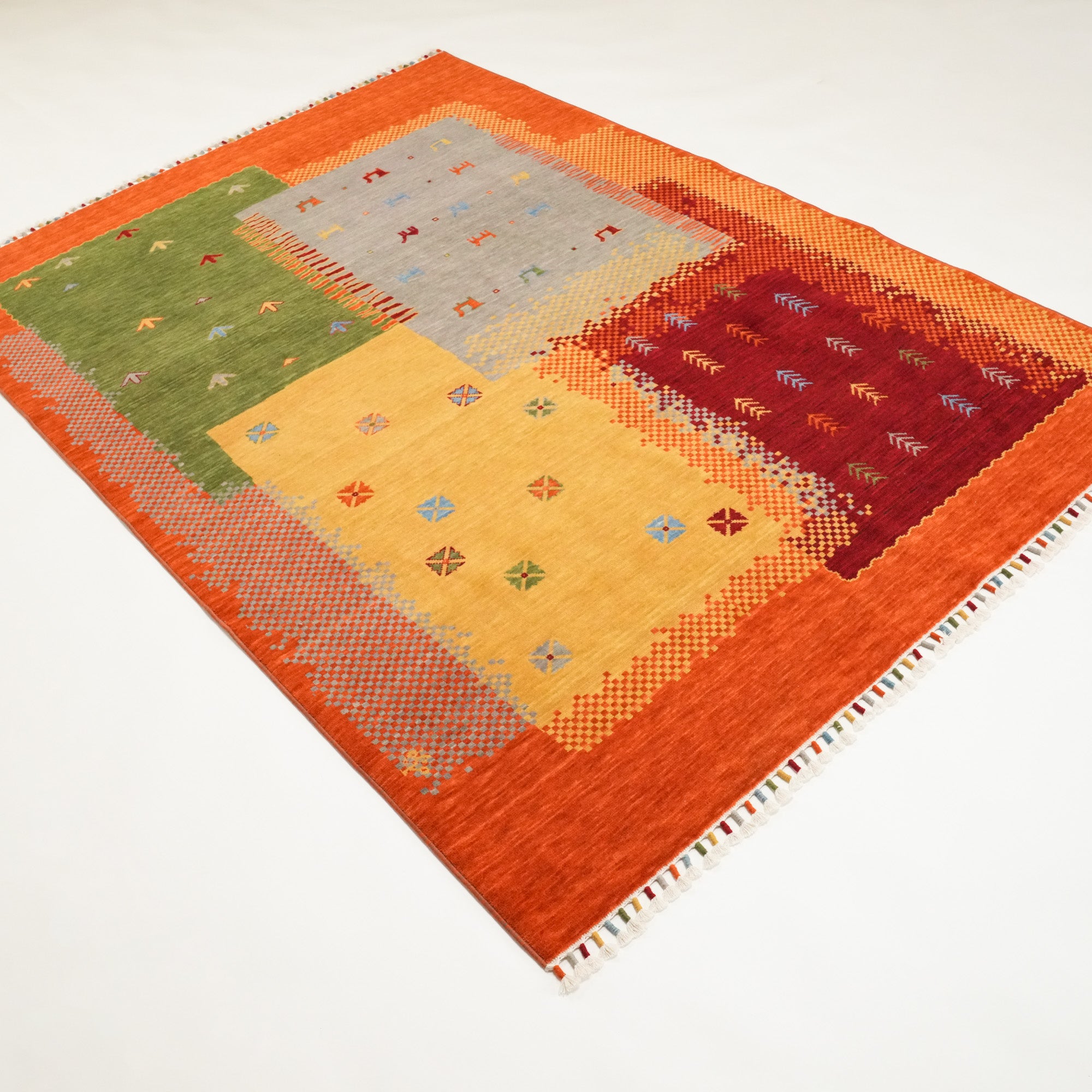
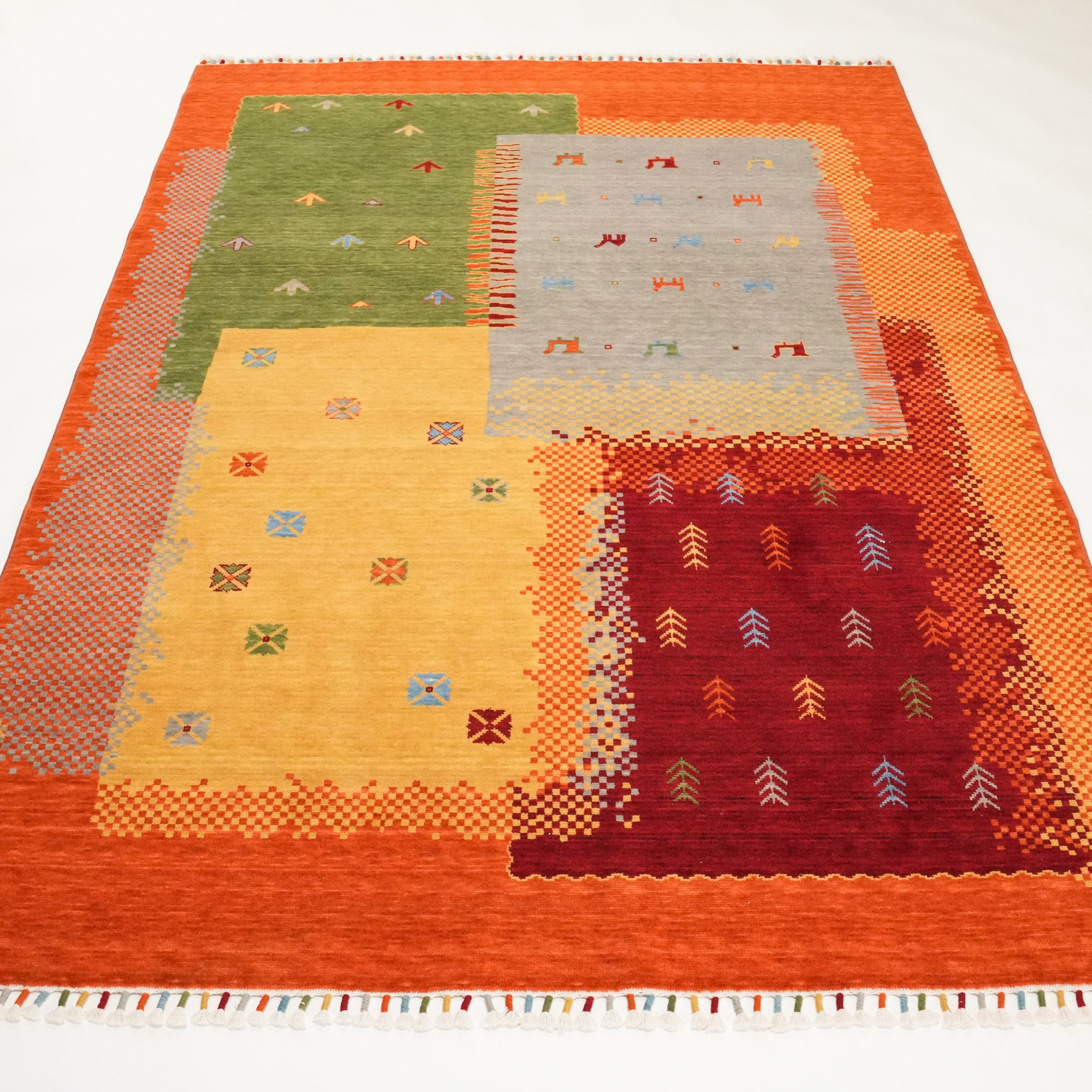
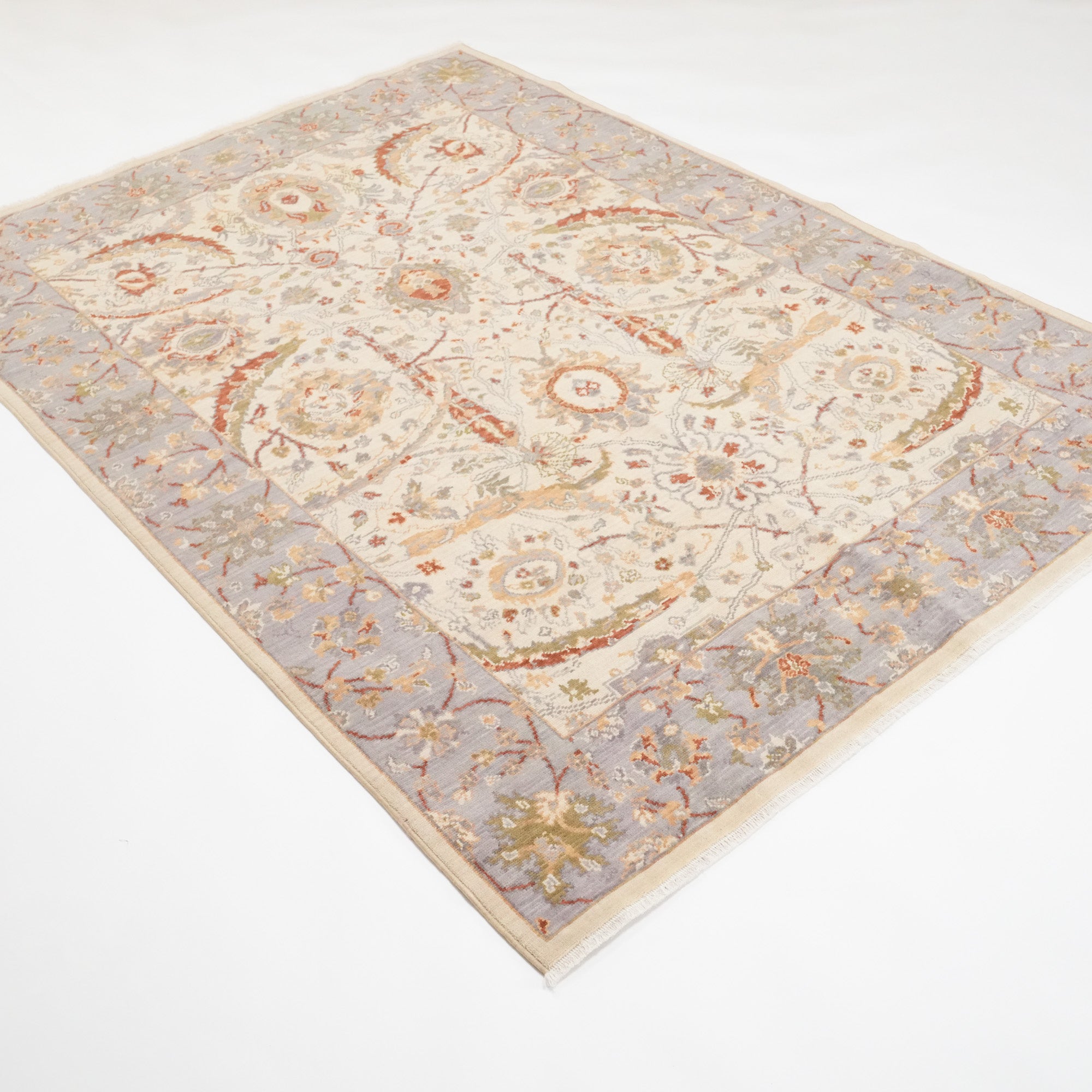
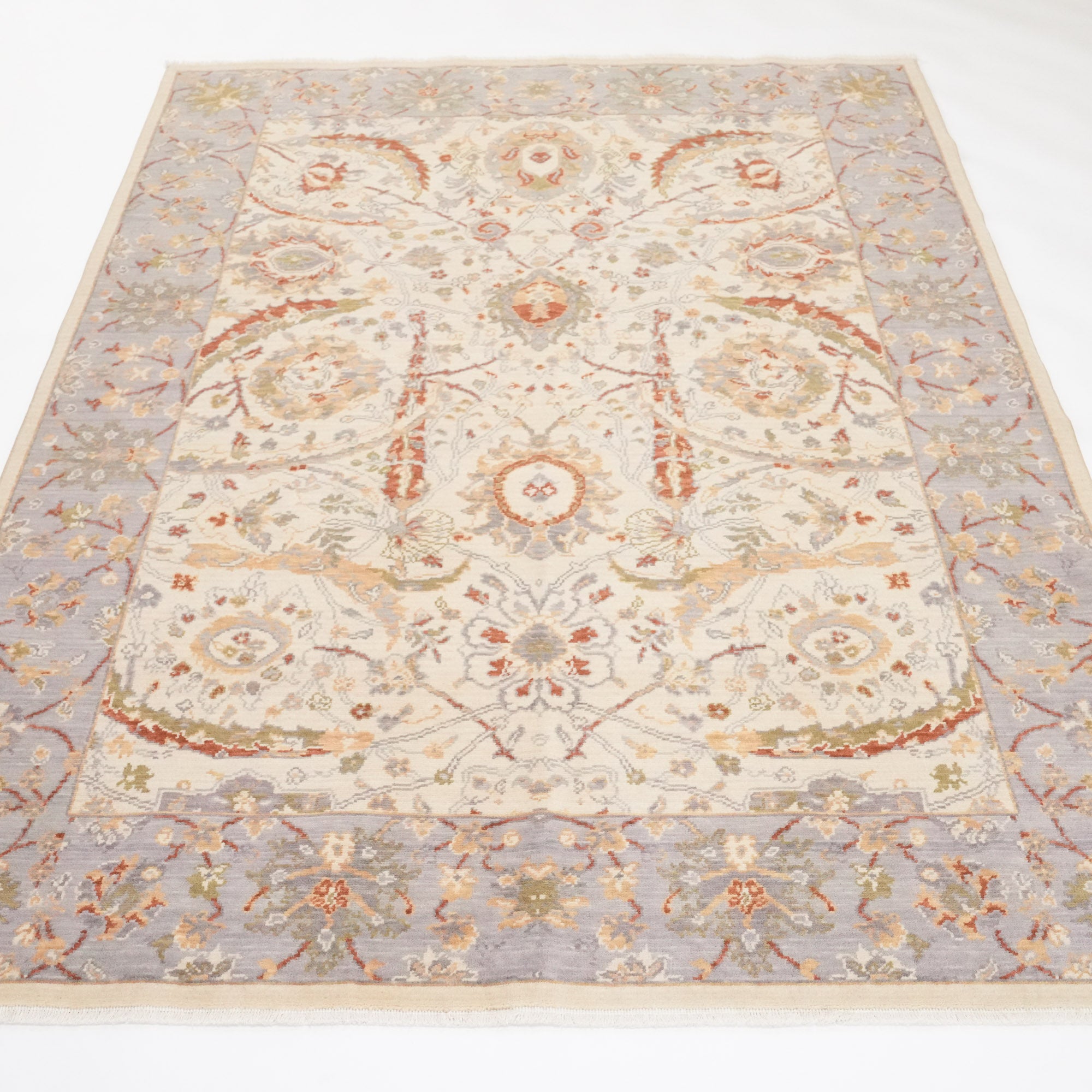
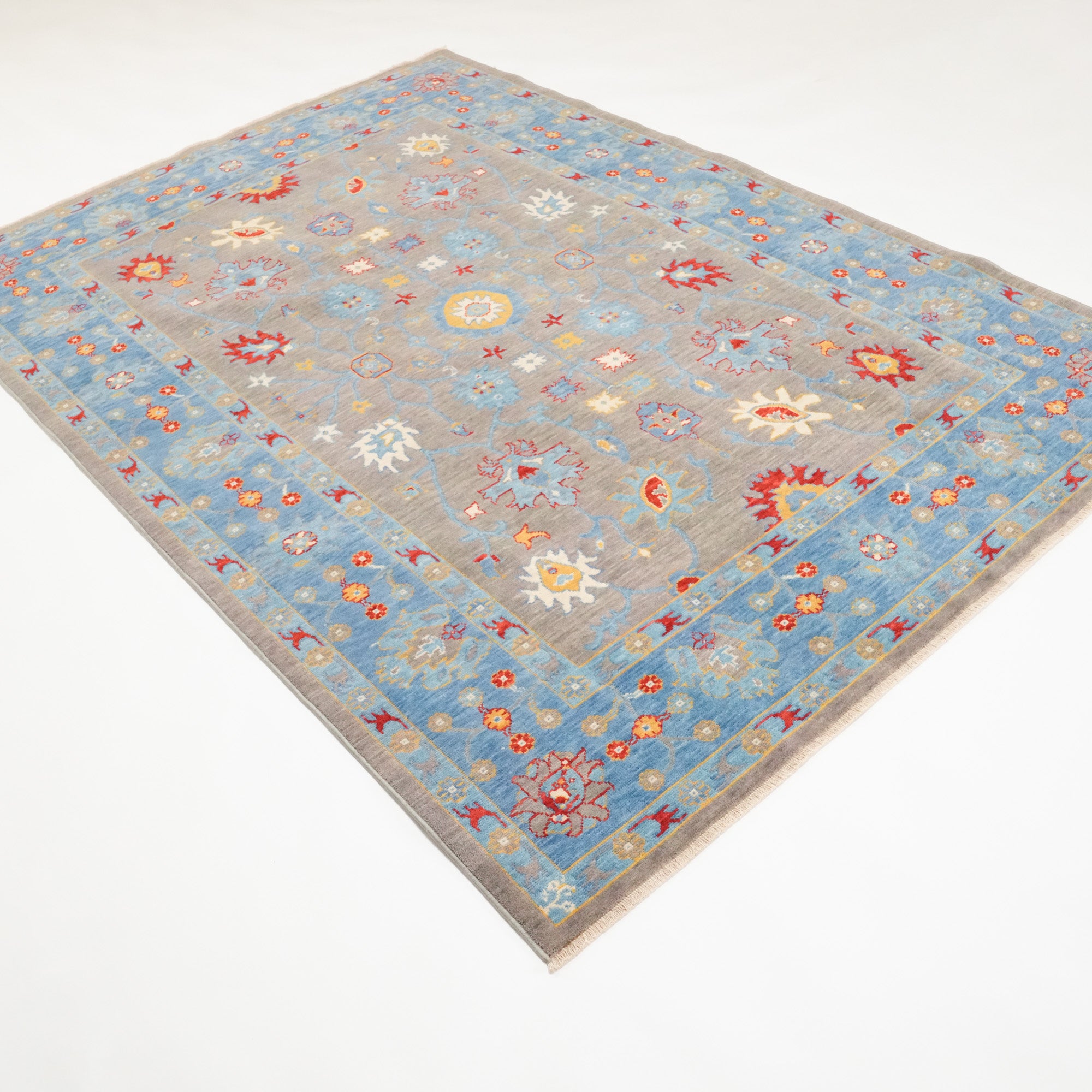
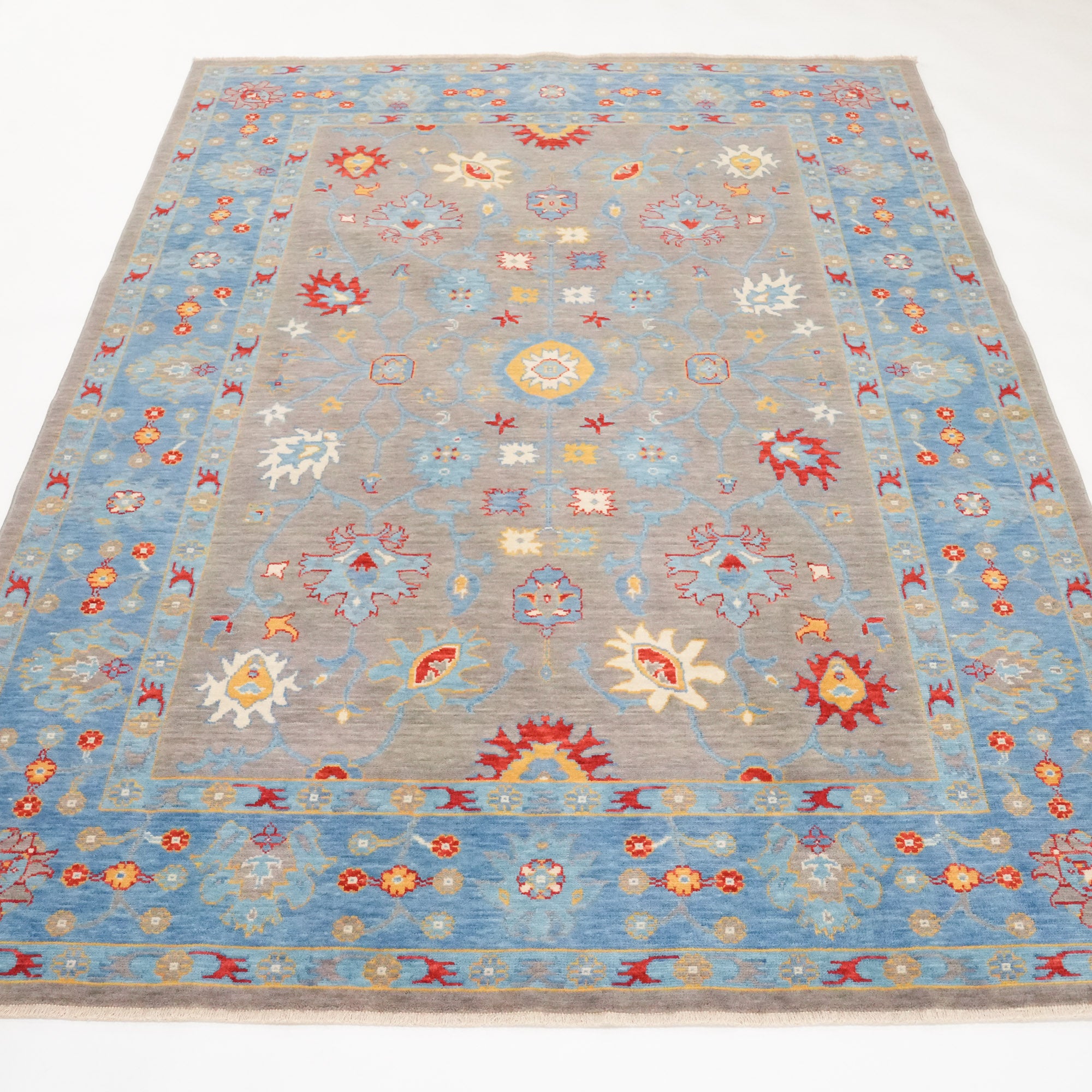
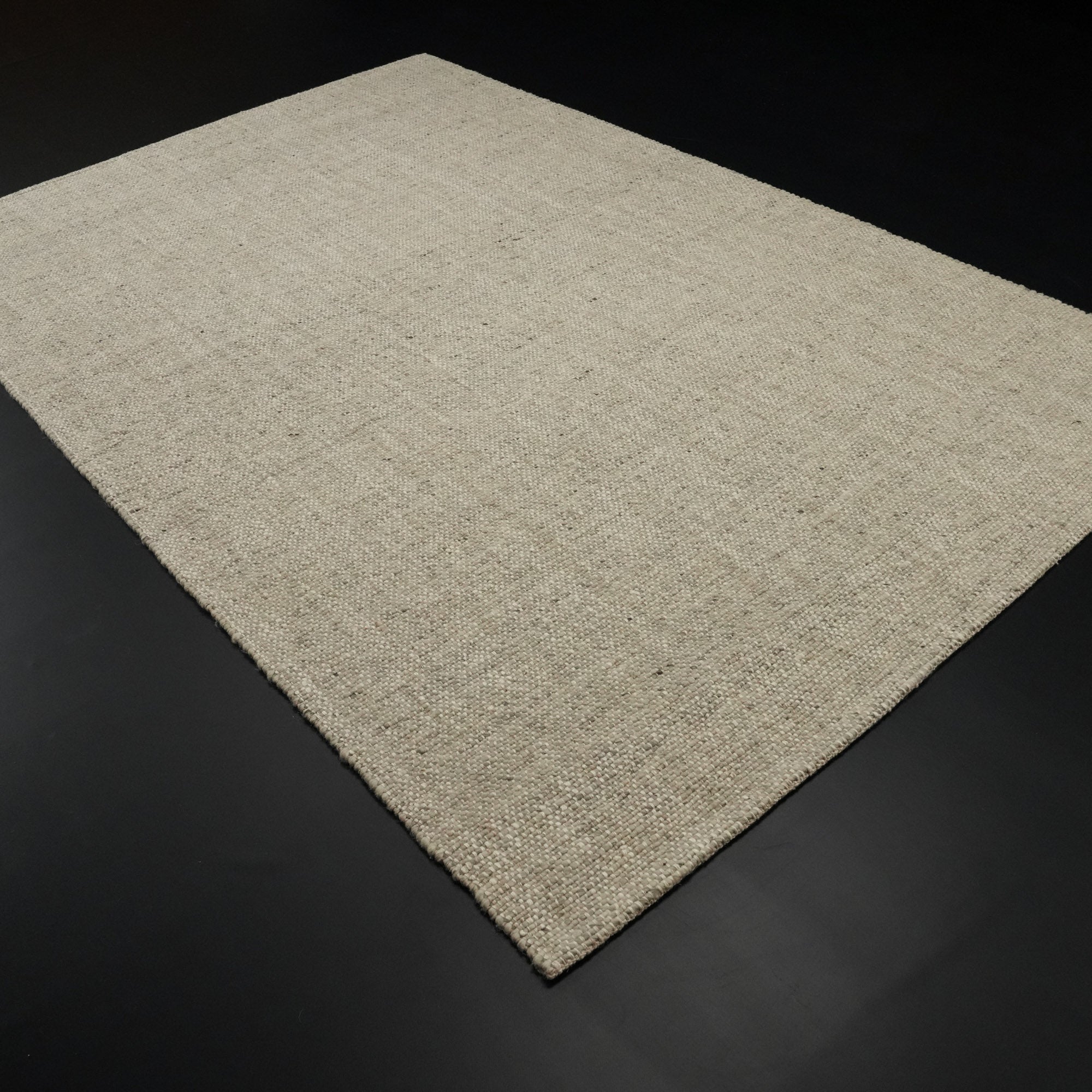
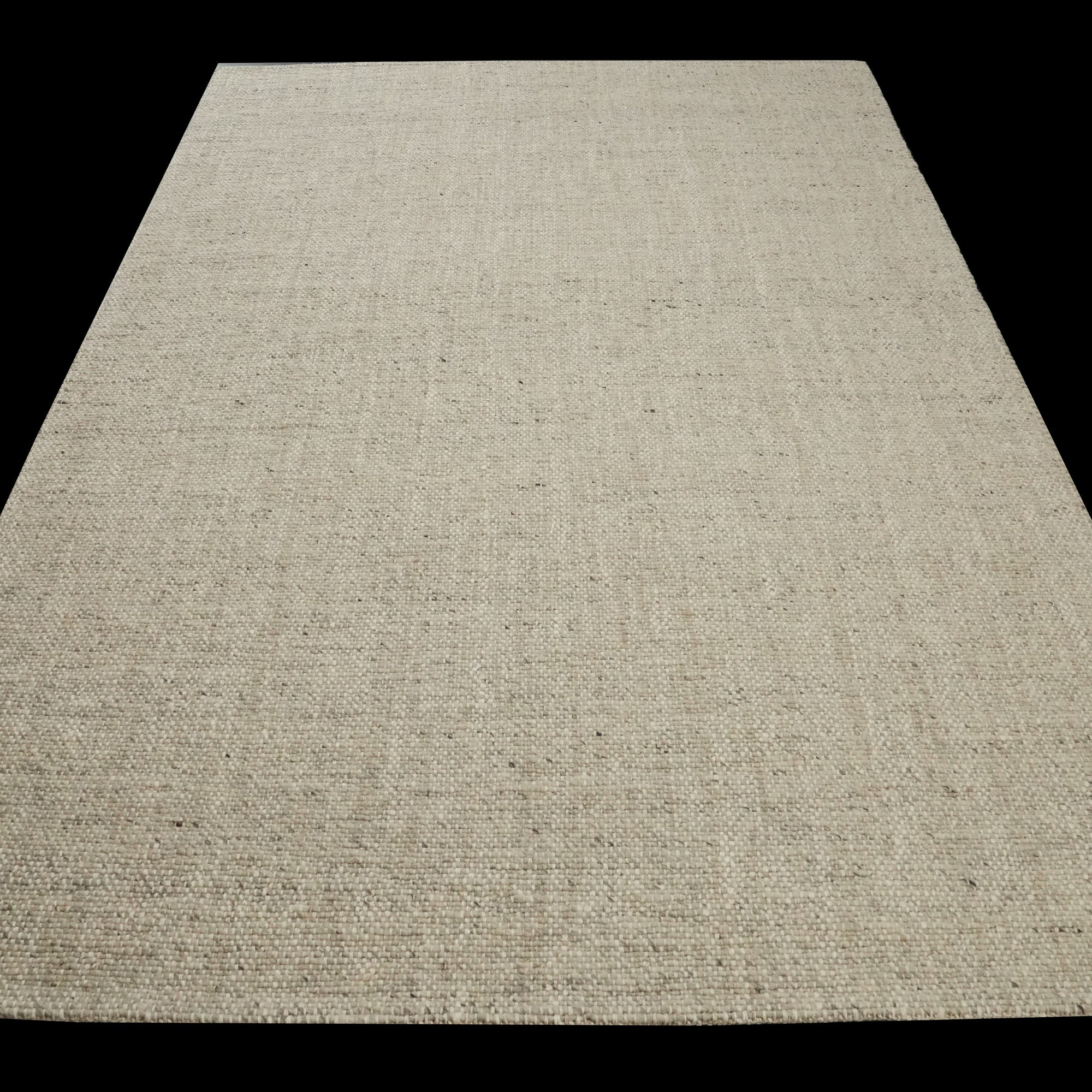
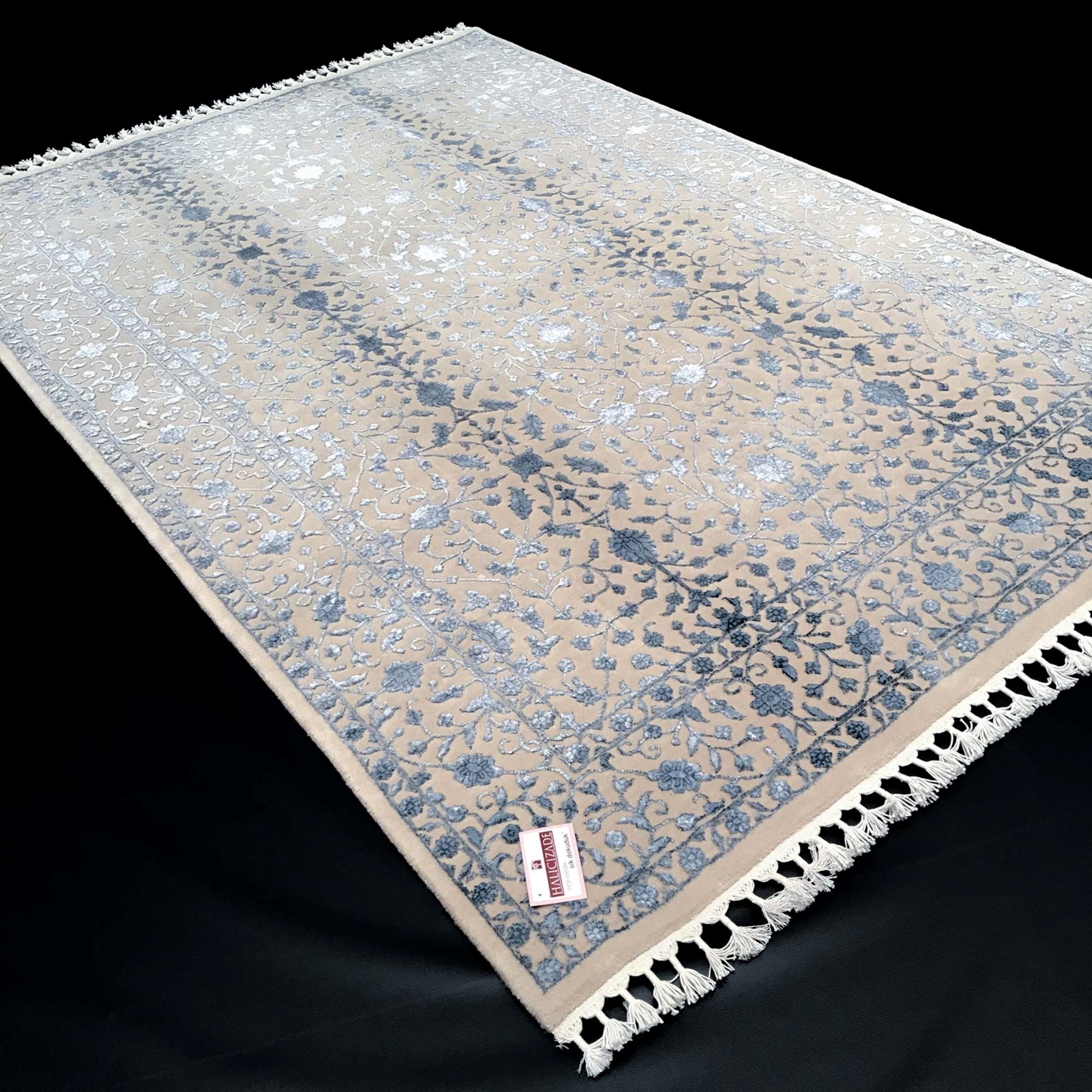
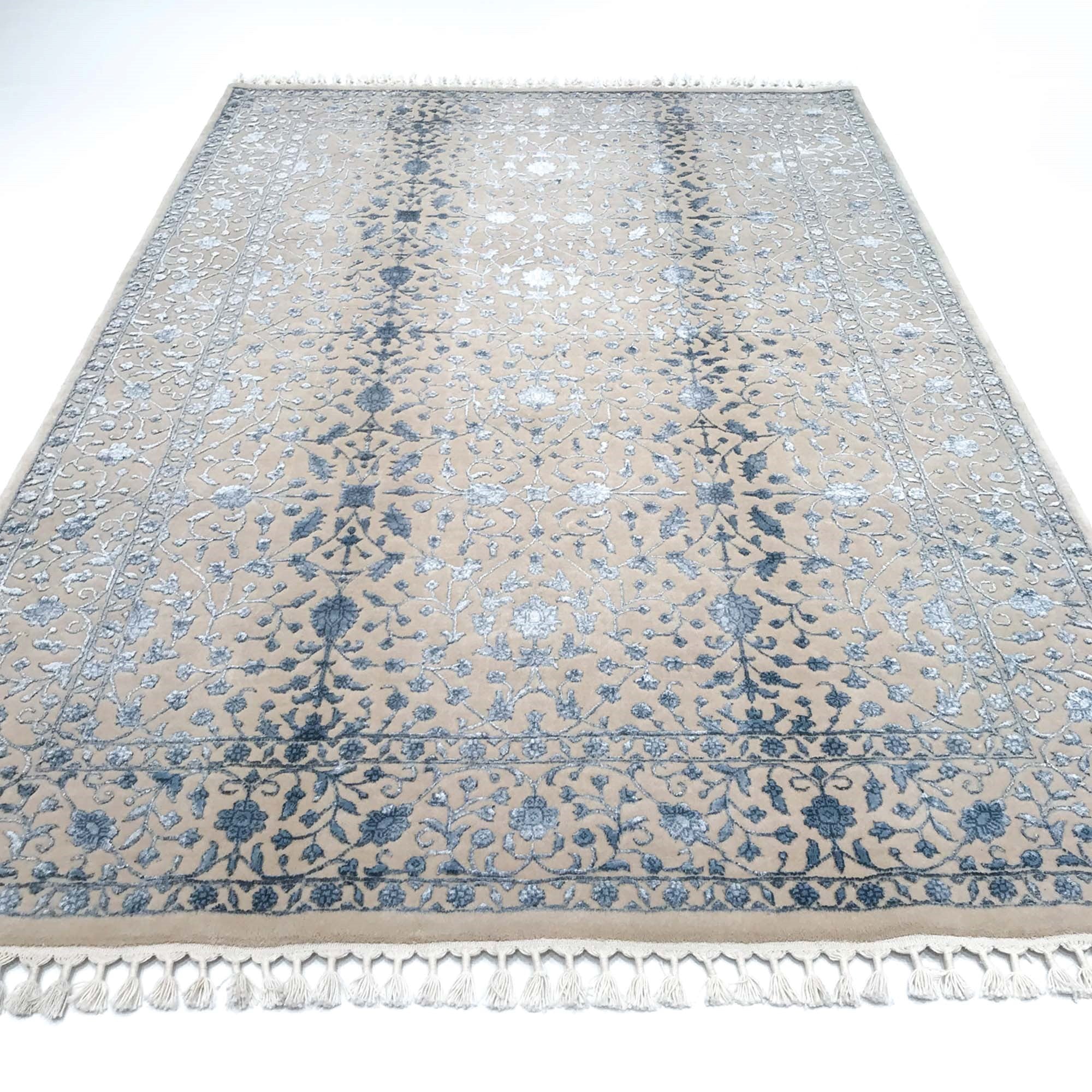
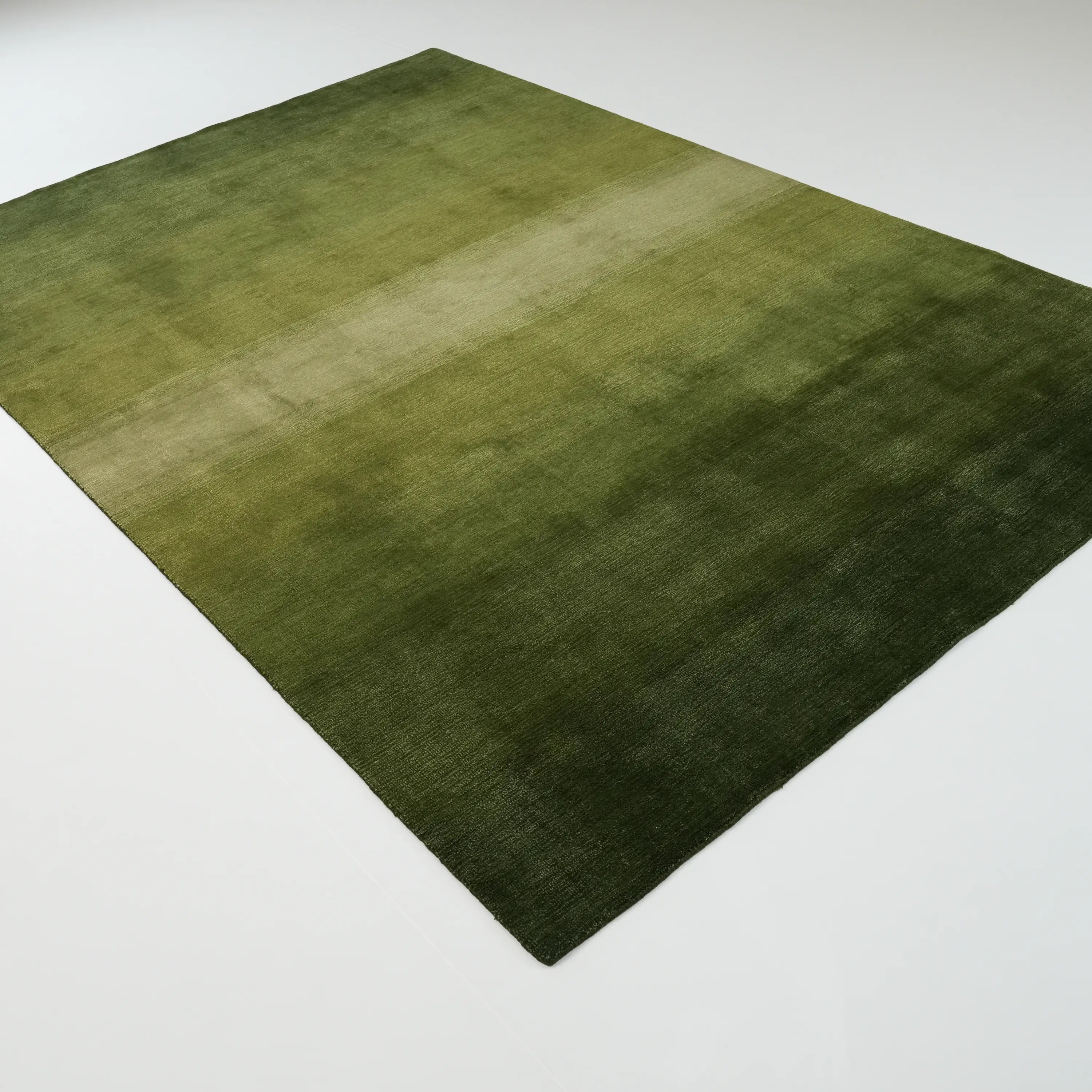

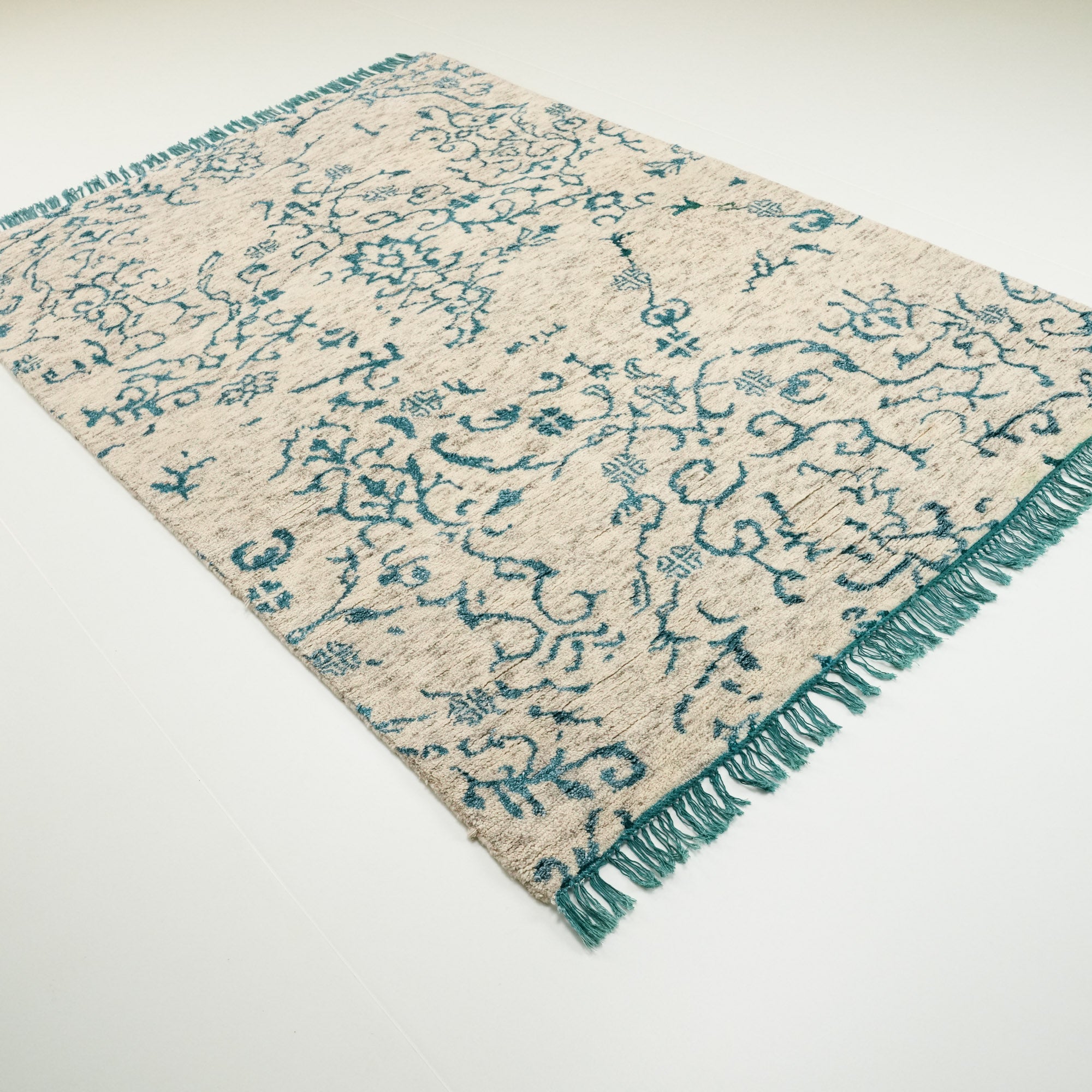
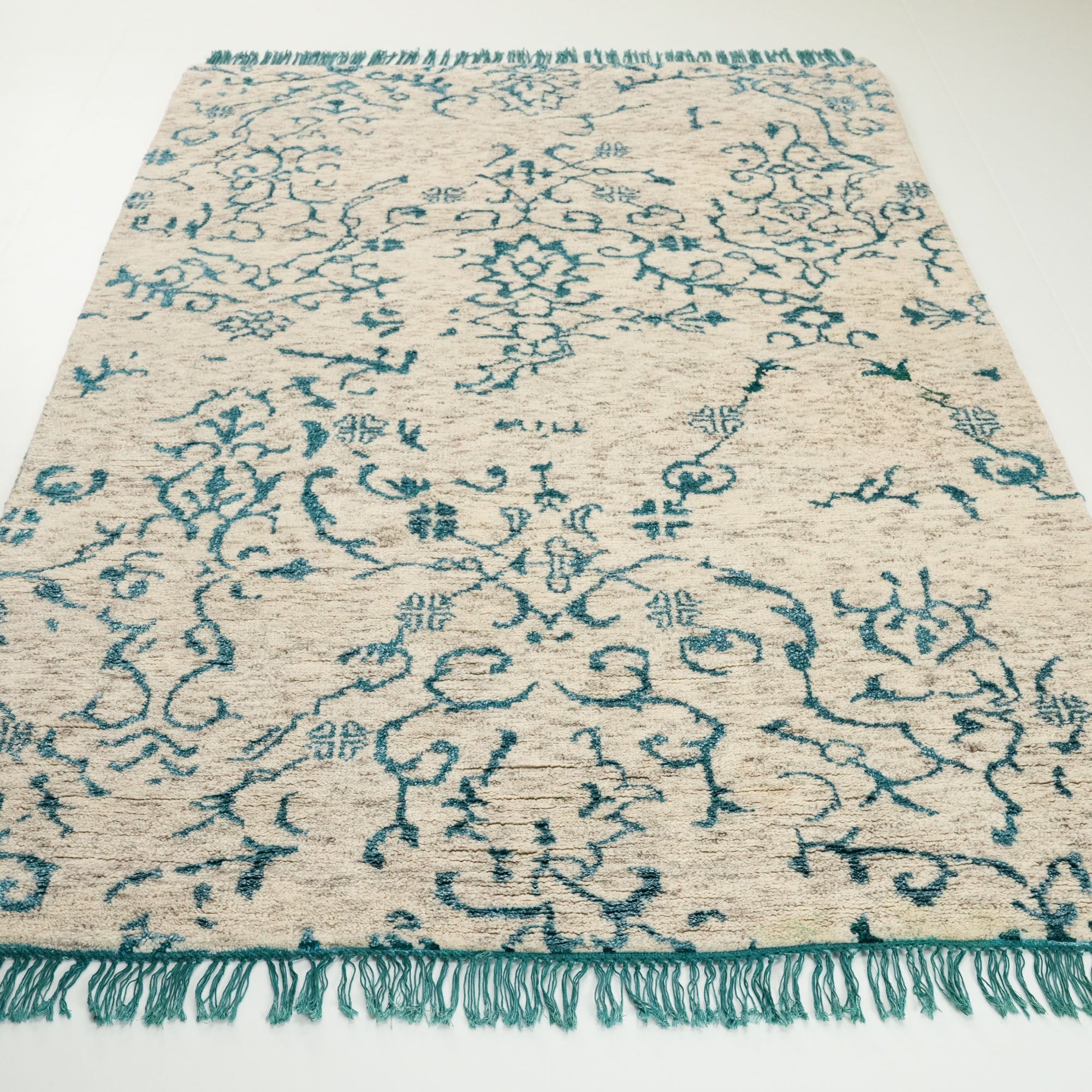
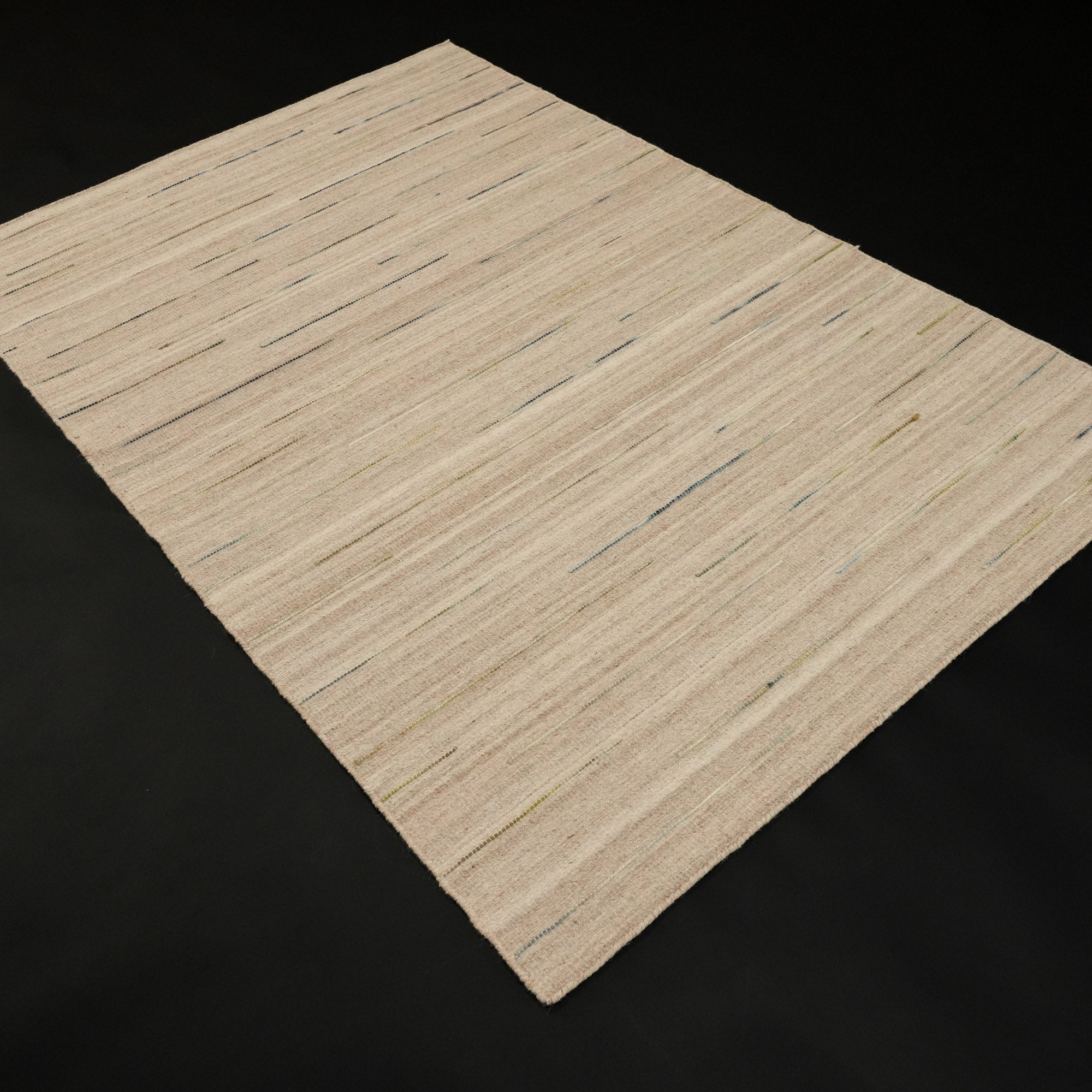
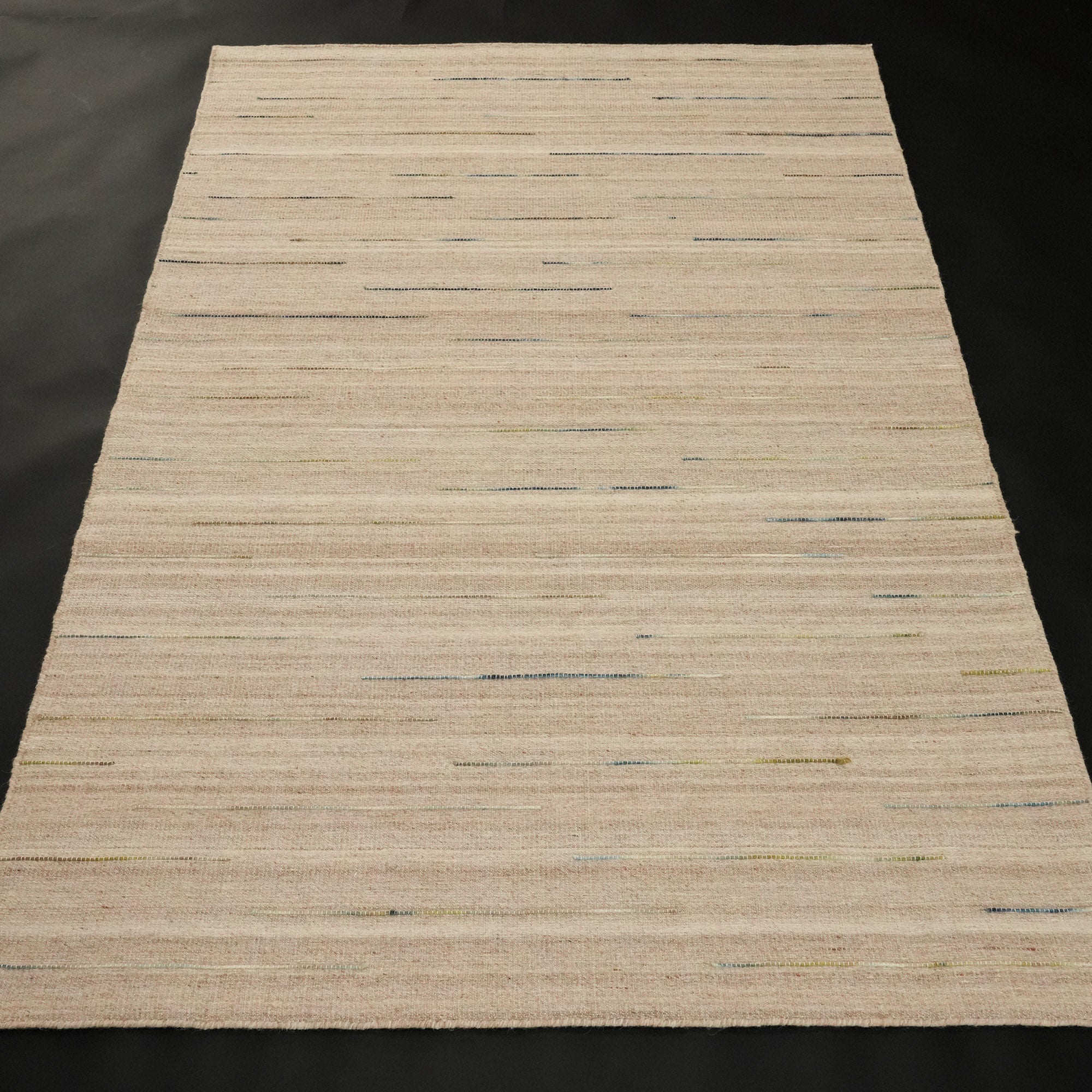
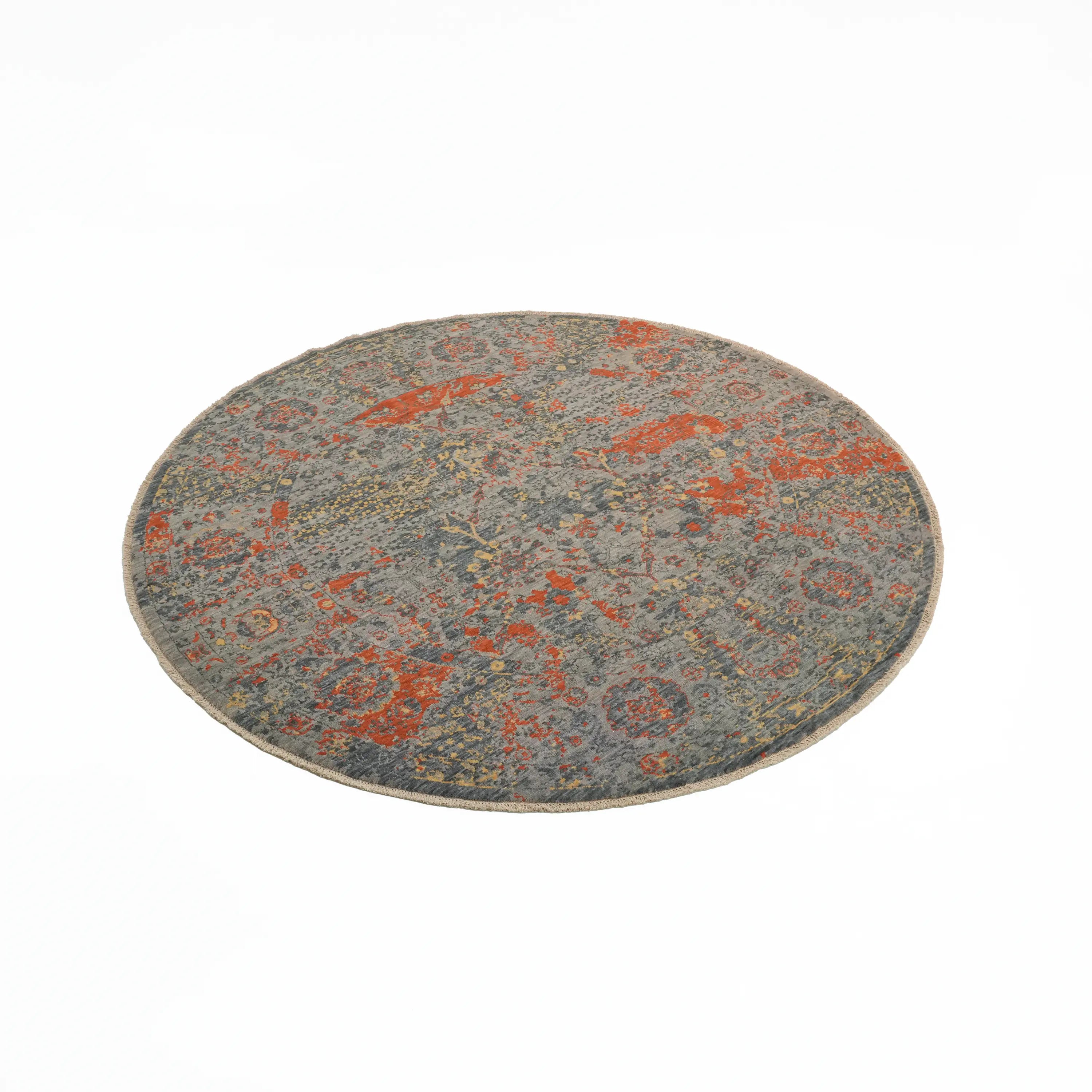

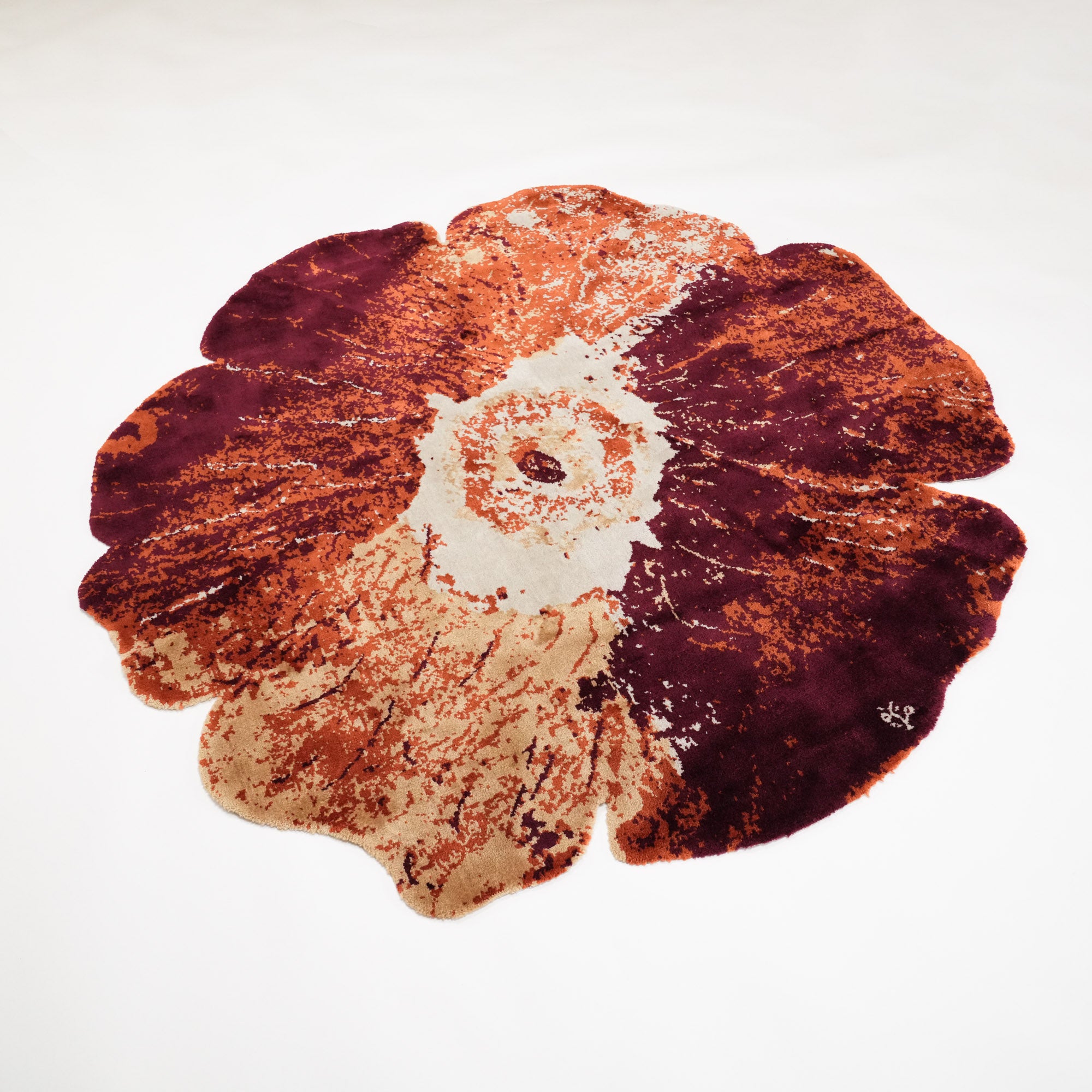
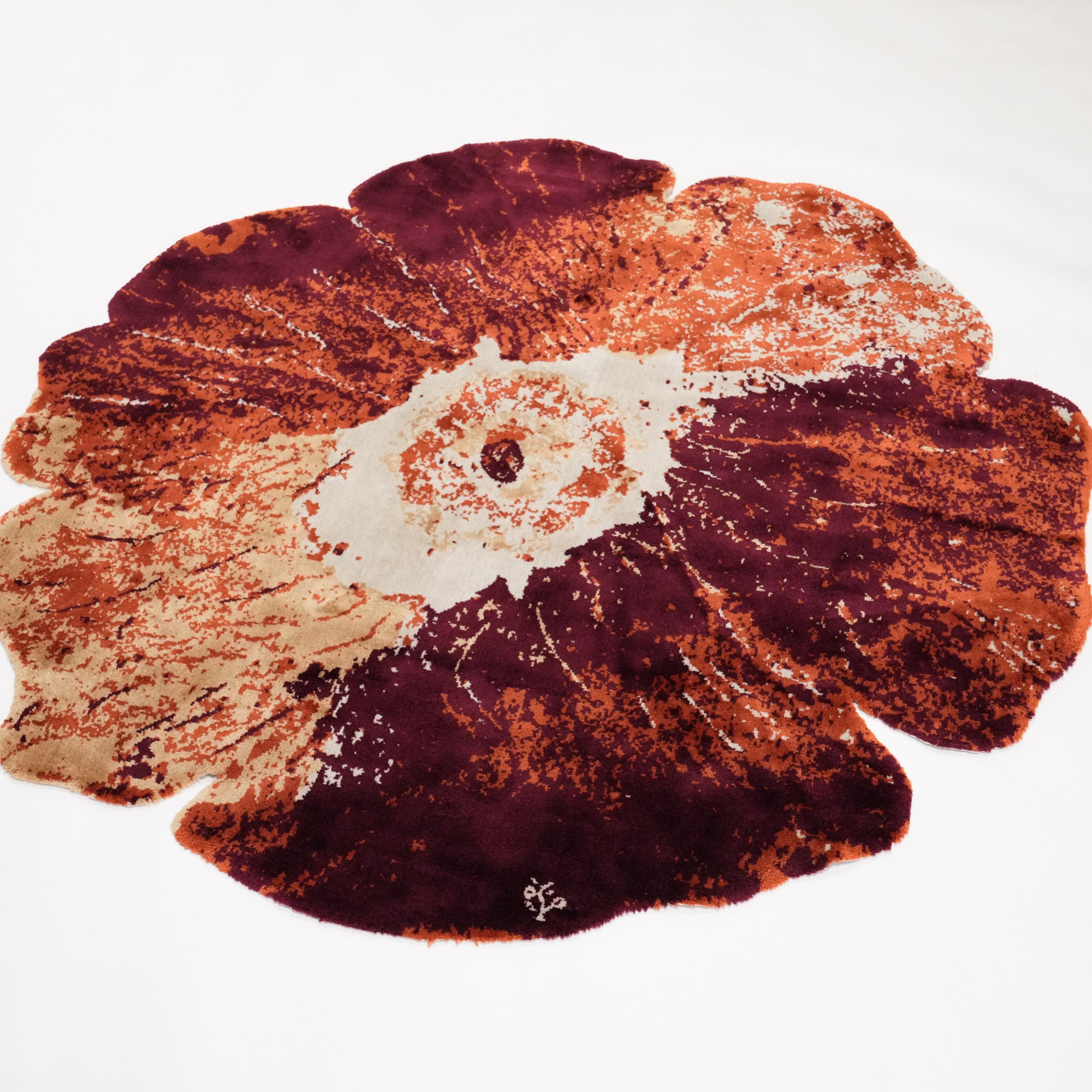
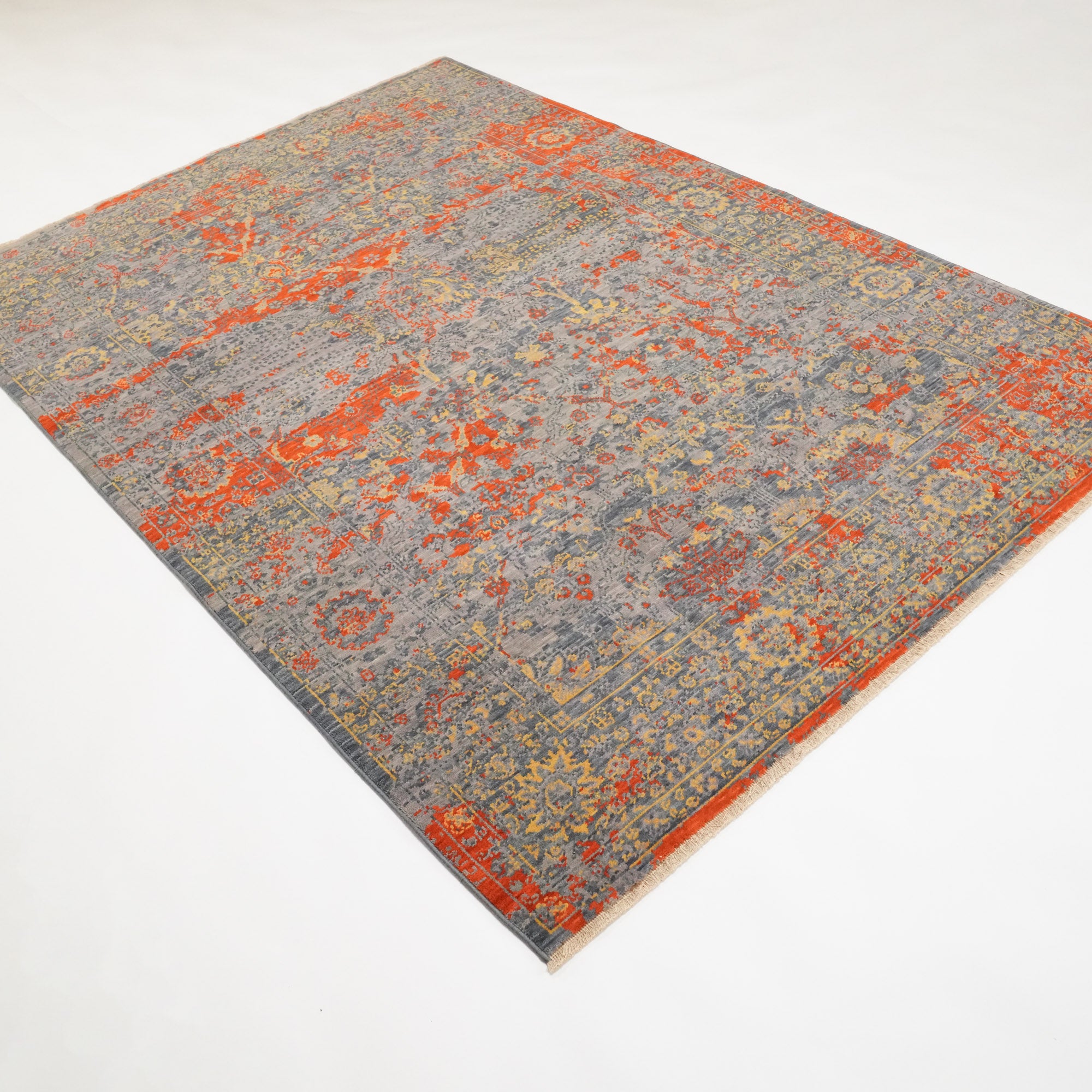
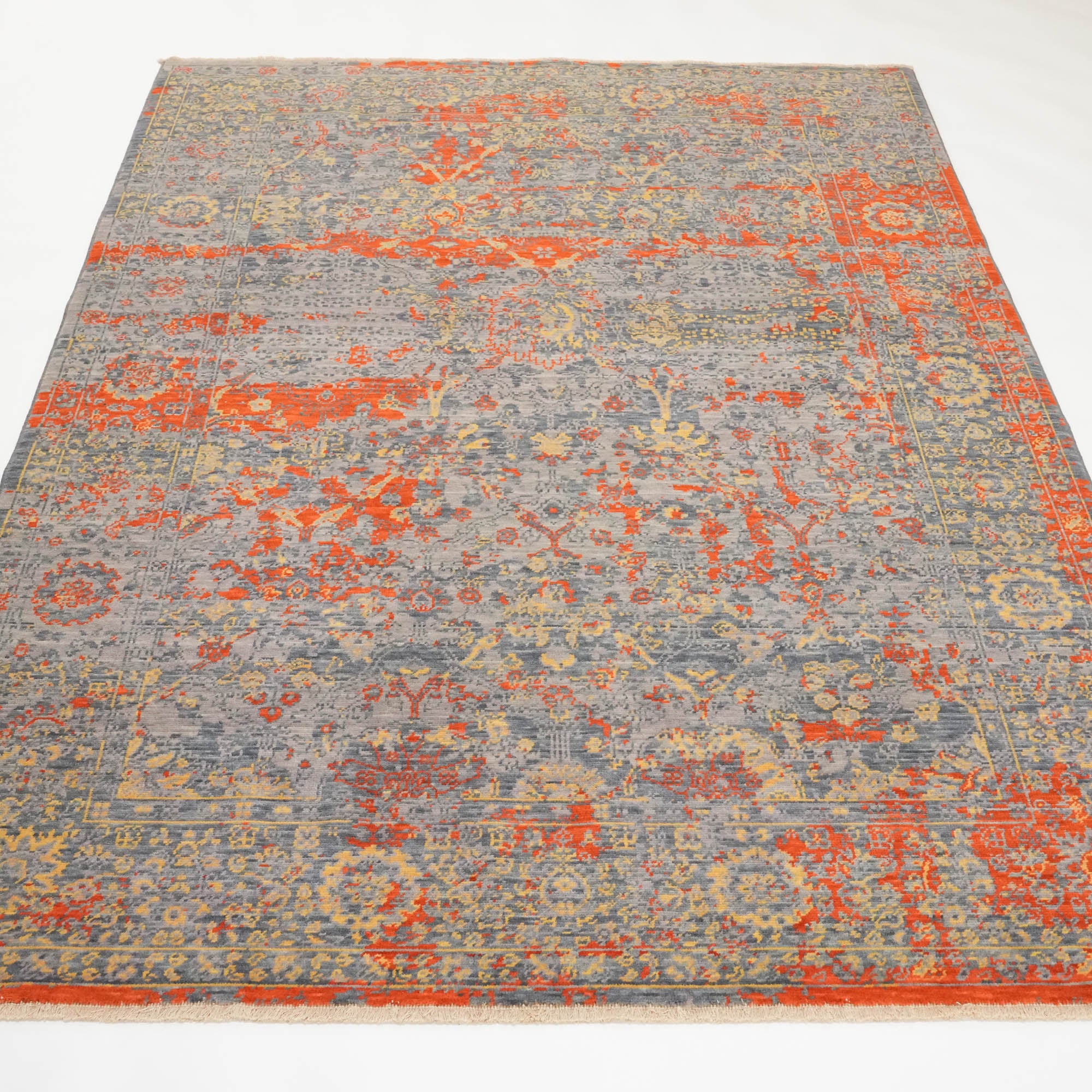
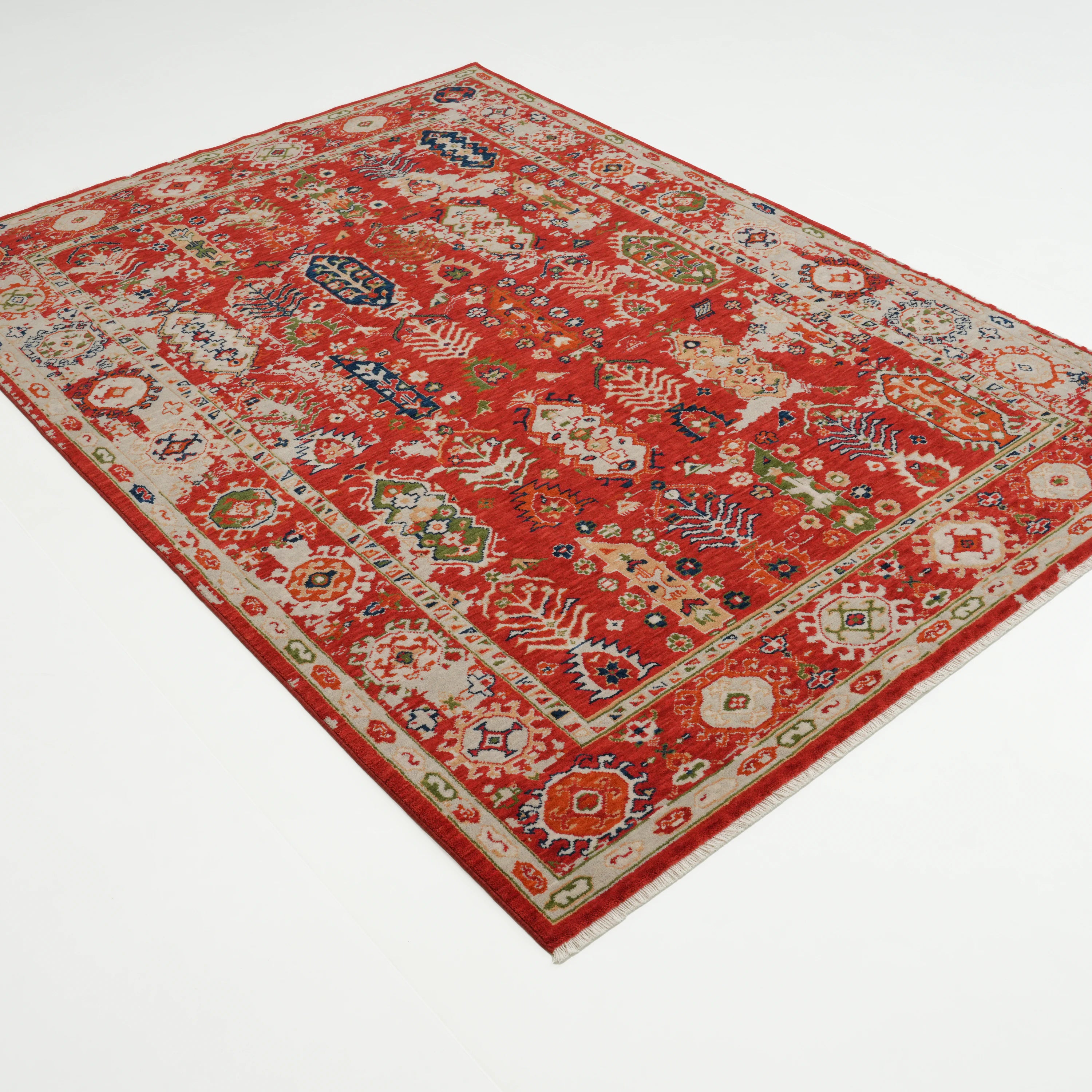
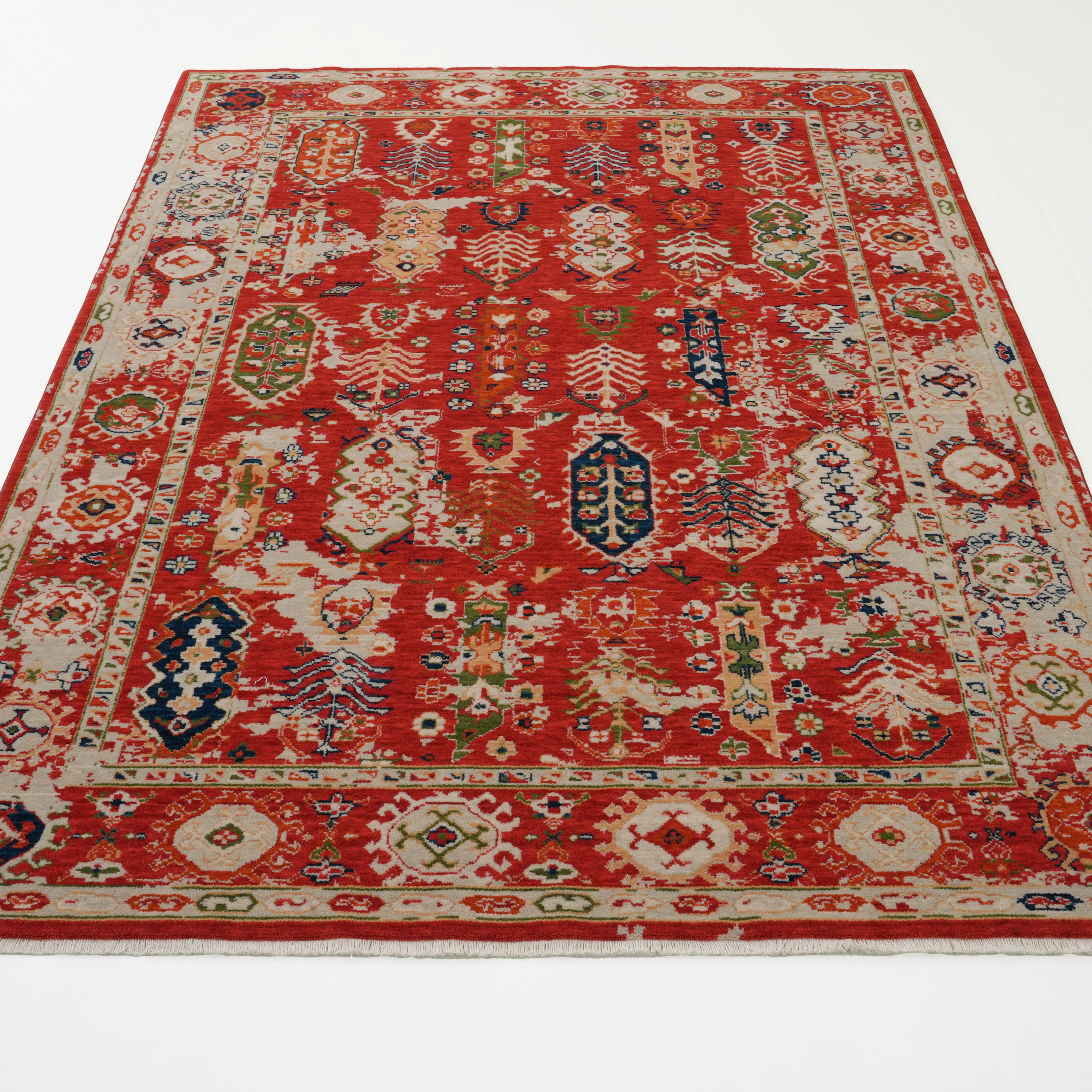
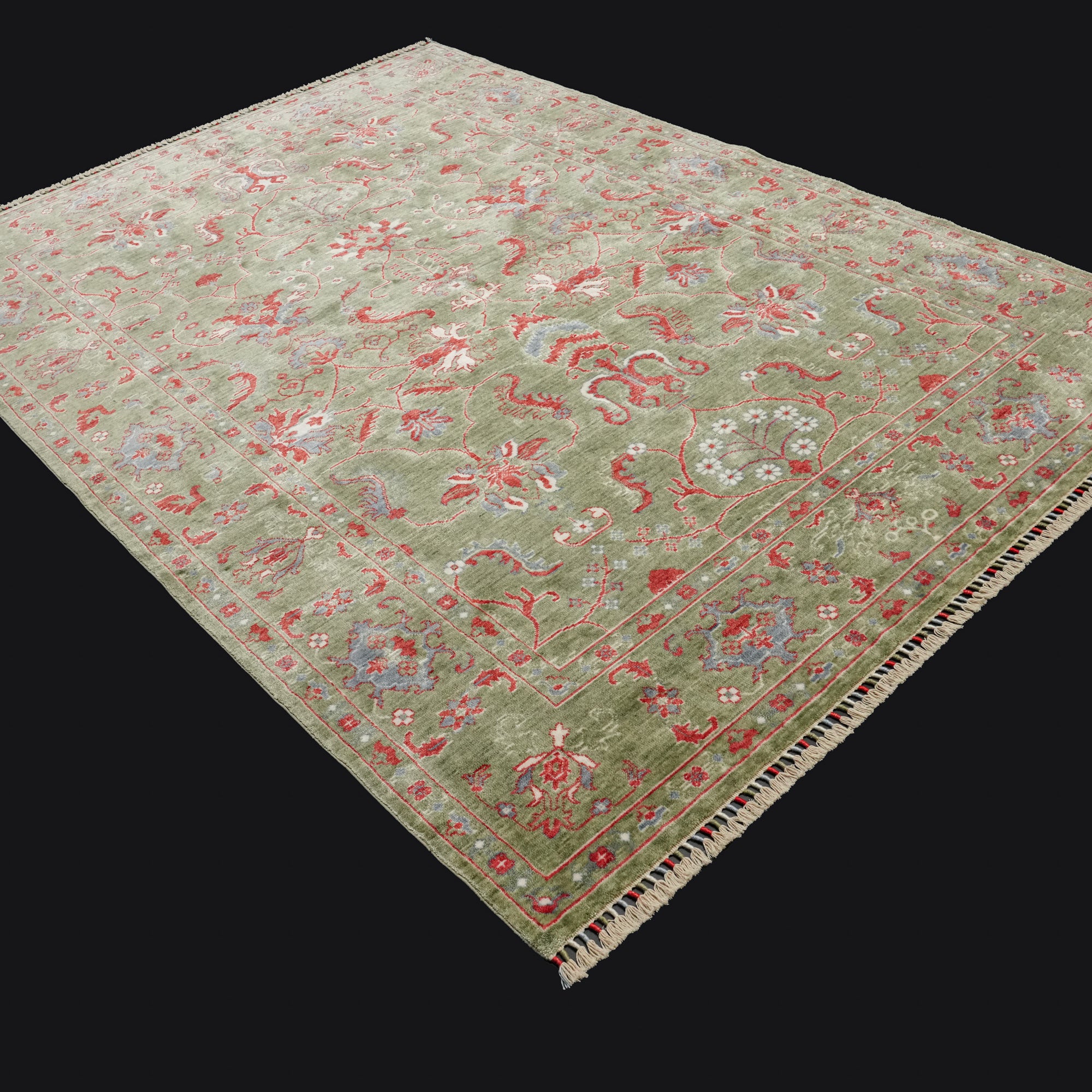
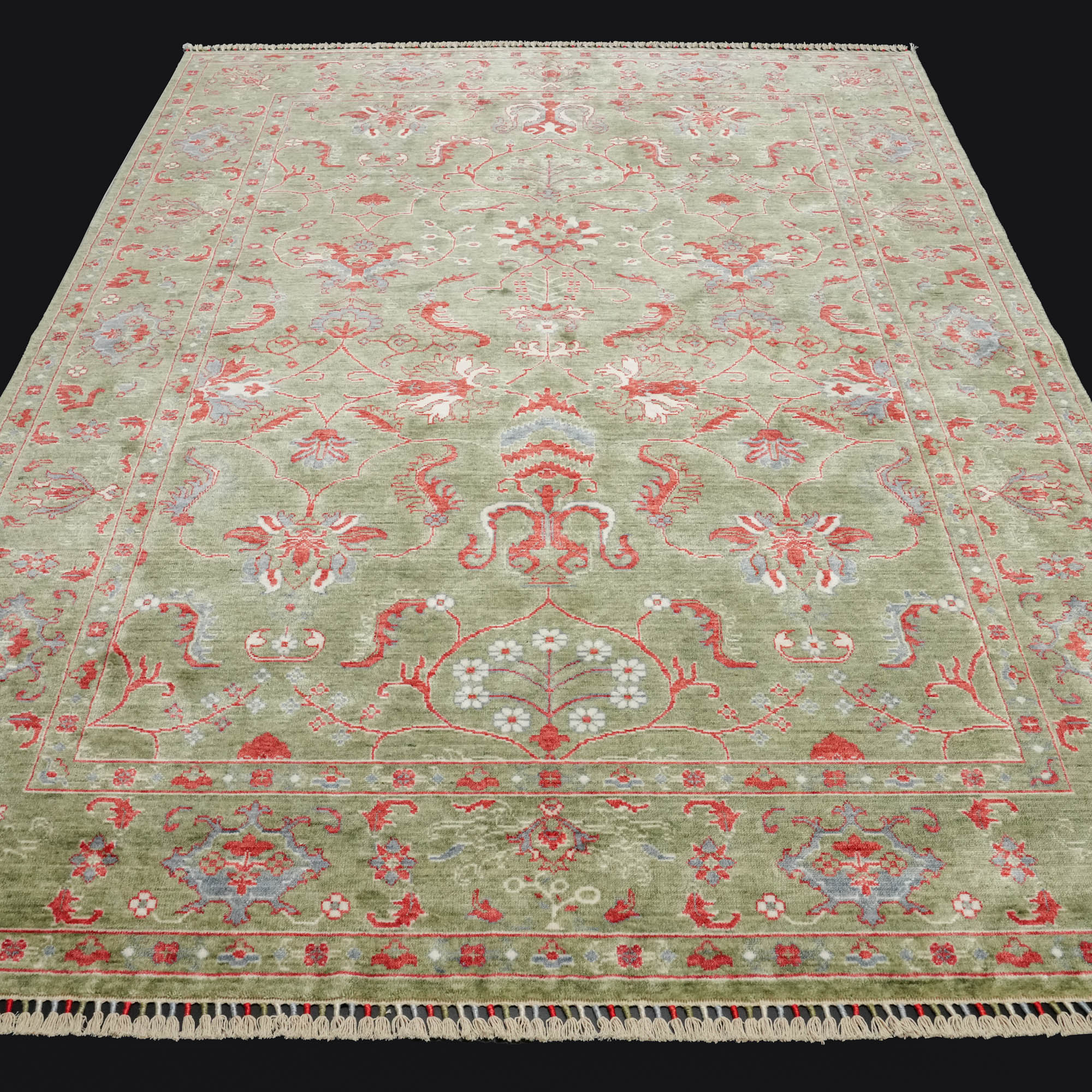


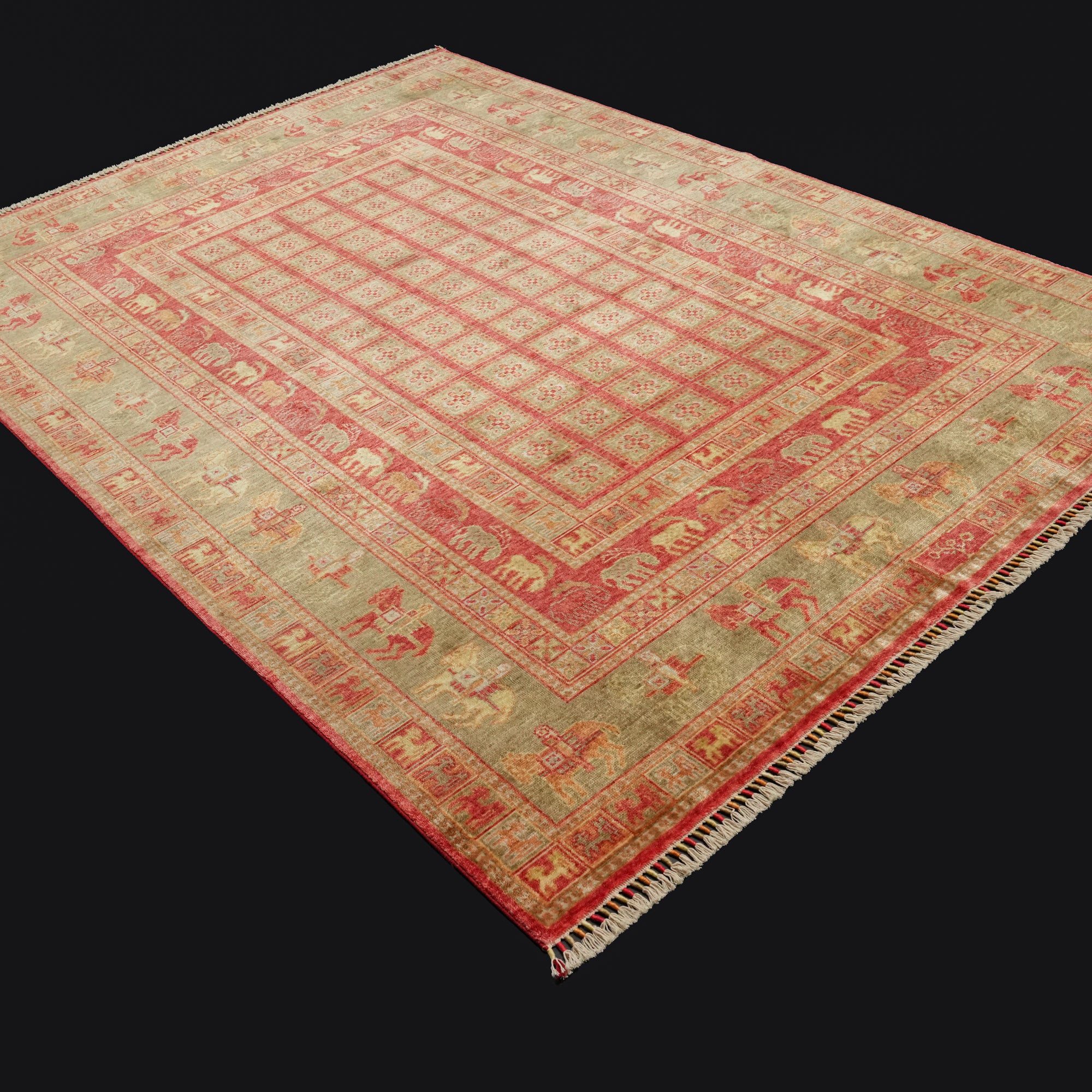
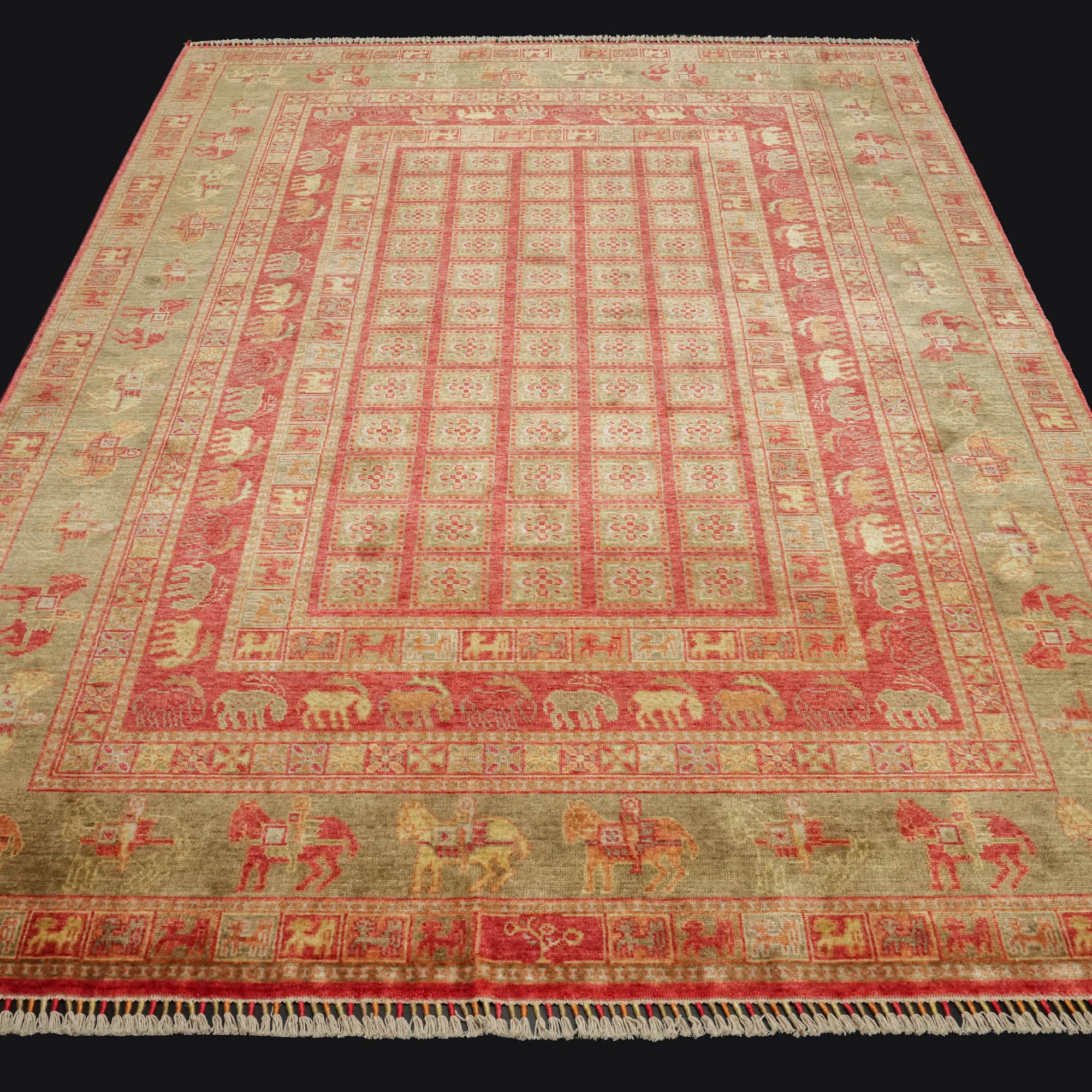
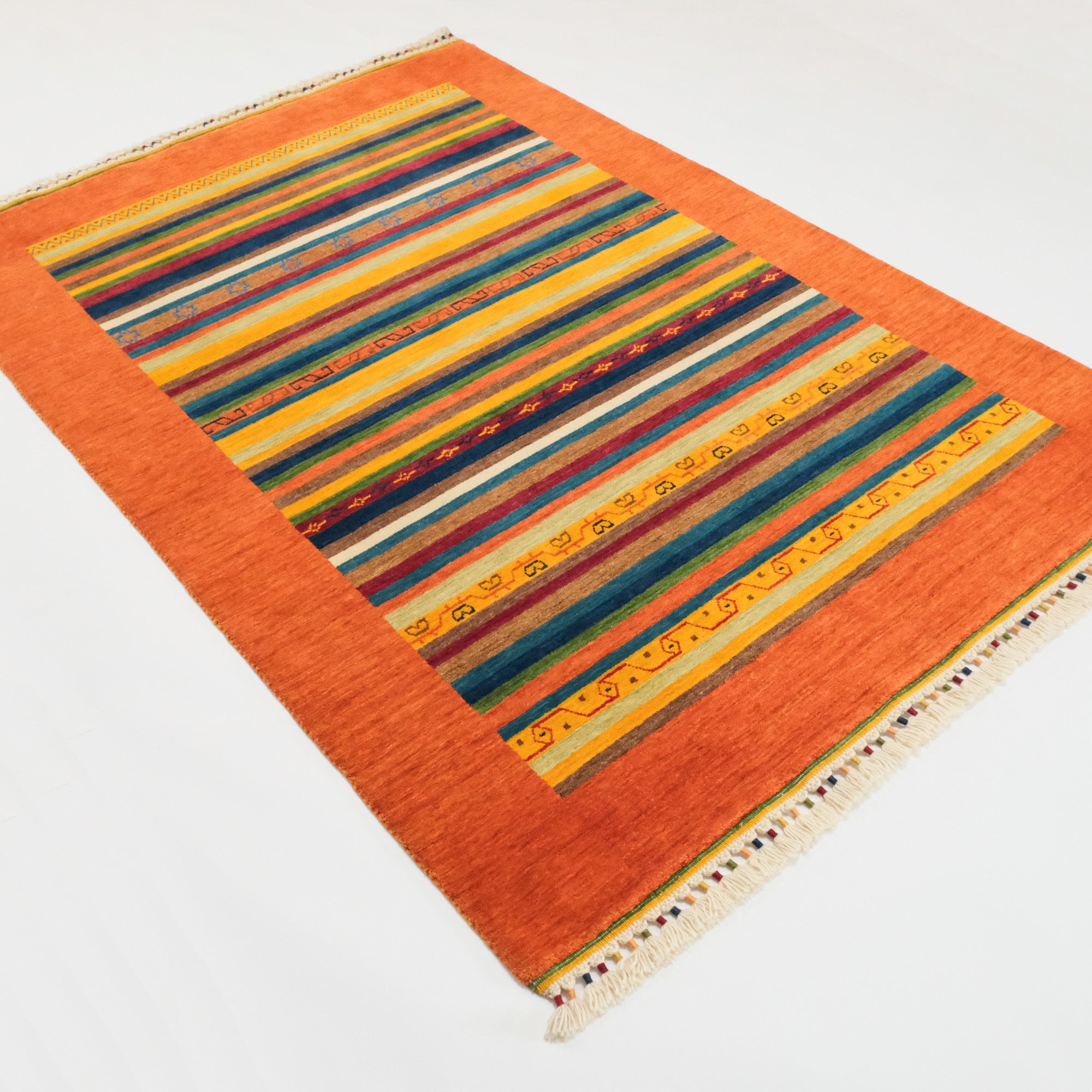
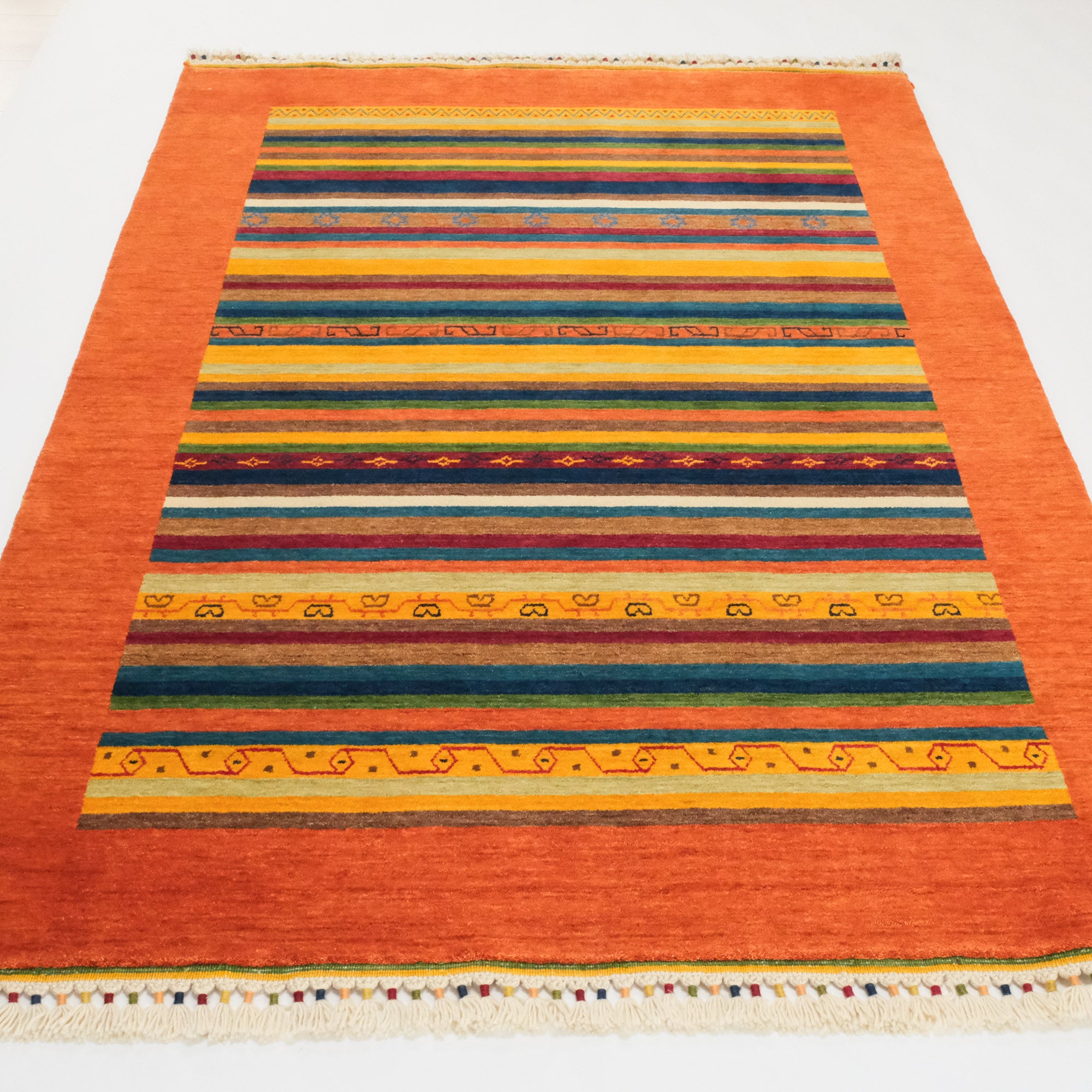
A natural fiber rug is made entirely from plant- or animal-based materials, wool, cotton, silk, bamboo, or jute, rather than synthetic yarns, offering breathability and biodegradability that synthetic alternatives don't share.
This collection functions as a cross-material reference point, gathering every rug in our range woven purely from natural fiber, useful for buyers whose priority is the material category itself rather than a specific fiber type.
A Category Defined by Absence, Not a Single Tradition
Unlike most of our other collections, which are organized around a specific regional weaving tradition or pattern family, this collection is defined purely by material composition, no synthetic yarn content at all, spanning wool, cotton, silk, bamboo and jute pieces from across our broader catalog.
Why Natural Fibers Behave Differently as a Group
Natural fibers share several practical advantages over synthetic yarn as a category, they breathe, resist static buildup, and biodegrade at the end of their life cycle, unlike petroleum-based synthetic alternatives, while also tending to age more gracefully, developing a soft patina rather than simply wearing out or pilling.
Why Choose a Natural Fiber Rug from Halicizade
Natural fibers breathe, resist static, and biodegrade at the end of their life cycle, unlike synthetic alternatives, while also tending to age more gracefully, developing a soft patina rather than simply wearing out, qualities that matter more to some buyers than any single fiber's specific characteristics.
Choosing a Natural Fiber for Your Specific Need
Because natural fiber rugs vary widely in texture, from crisp cotton flatweaves to plush wool pile, matching the specific fiber to your room matters more than the broad natural-fiber category alone.
- High-traffic rooms: wool is the standout natural fiber choice for durability.
- Warm climates or breathability priority: cotton or bamboo offer a lighter alternative.
- Sustainability priority: jute and bamboo grow fastest with the lowest water and pesticide input.
- Low-traffic, decorative use: silk delivers the finest detail among natural fibers.
Natural Fiber Options at a Glance
| Fiber | Durability | Breathability | Best For |
|---|---|---|---|
| Wool | Excellent | Good | Nearly any room, especially high-traffic |
| Cotton | Moderate | Excellent | Kitchens, kids' rooms, warm climates |
| Silk | Lower | Good | Low-traffic, decorative rooms |
| Bamboo | Moderate | Good | Bedrooms, formal living rooms |
| Jute | Moderate | Good | Living rooms, layering (avoid moisture) |
Care & Maintenance
Care varies significantly by specific fiber, wool tolerates the most robust cleaning, cotton is often machine washable, while silk, bamboo and jute all require gentler handling; always check the specific product's fiber and care instructions.
Frequently Asked Questions
Are natural fiber rugs better than synthetic rugs?
Natural fiber rugs generally offer better breathability, biodegradability and, in the case of wool, greater durability, while synthetic rugs often offer easier stain resistance and a lower price.
Are natural fiber rugs safe for babies and pets?
Yes, natural fibers such as wool and cotton don't off-gas the volatile organic compounds sometimes found in synthetic rug backings, making them a popular choice for nurseries.
Which natural fiber is most durable for high-traffic areas?
Wool is the most durable natural fiber for high-traffic areas, offering strong resistance to crushing, staining and general wear.
What natural fibers does Halicizade use?
Wool, cotton, silk, bamboo and jute are all represented in this collection, spanning our broader catalog wherever synthetic yarn content is absent.
Which natural fiber is most sustainable?
Jute and bamboo grow the fastest and require the least water and pesticide input among the natural fibers we use, making them our most sustainable raw material choices.
Do all natural fibers require the same care?
No, care varies significantly by fiber; wool tolerates the most robust cleaning, cotton is often machine washable, while silk, bamboo and jute all need gentler handling.