


Filters
110 products
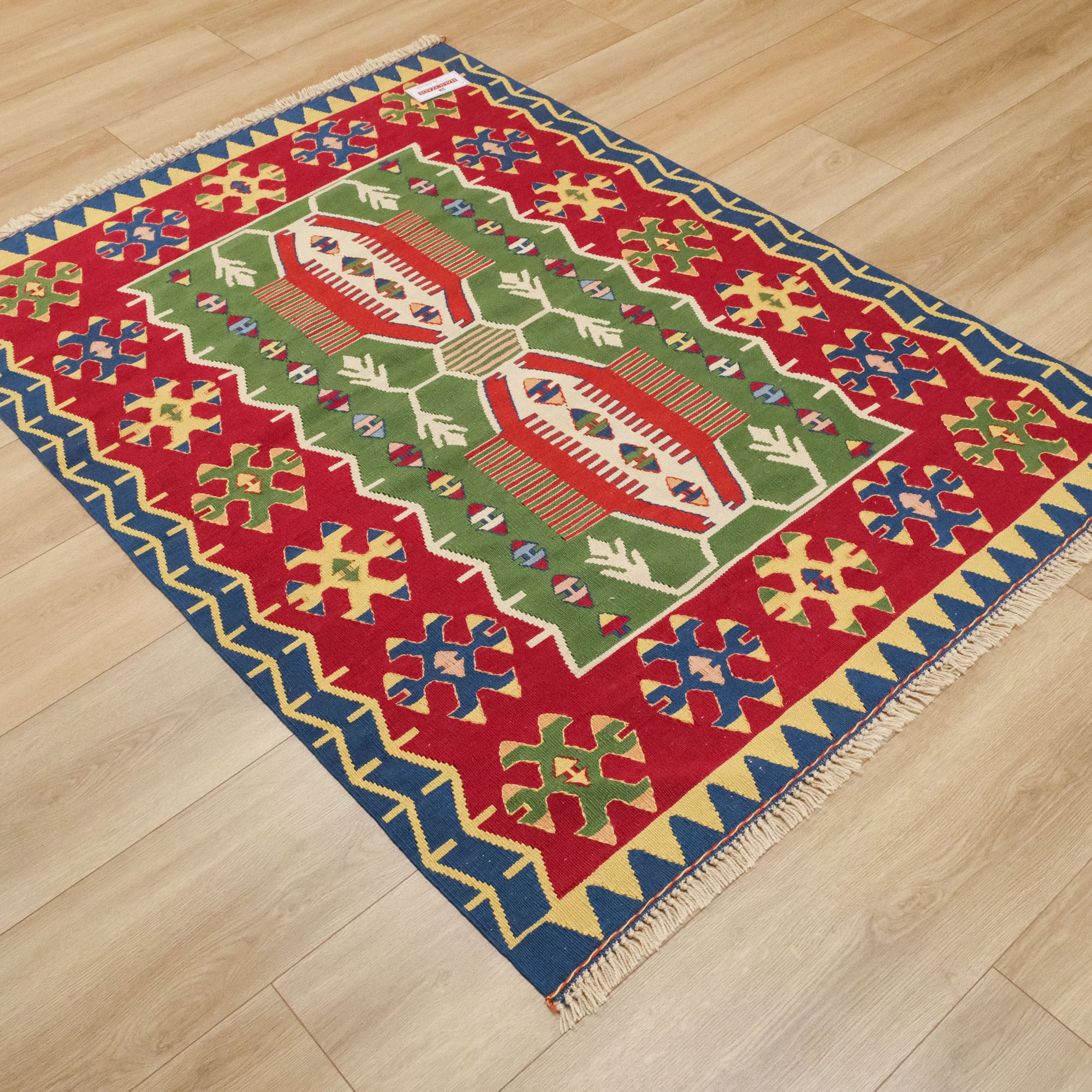
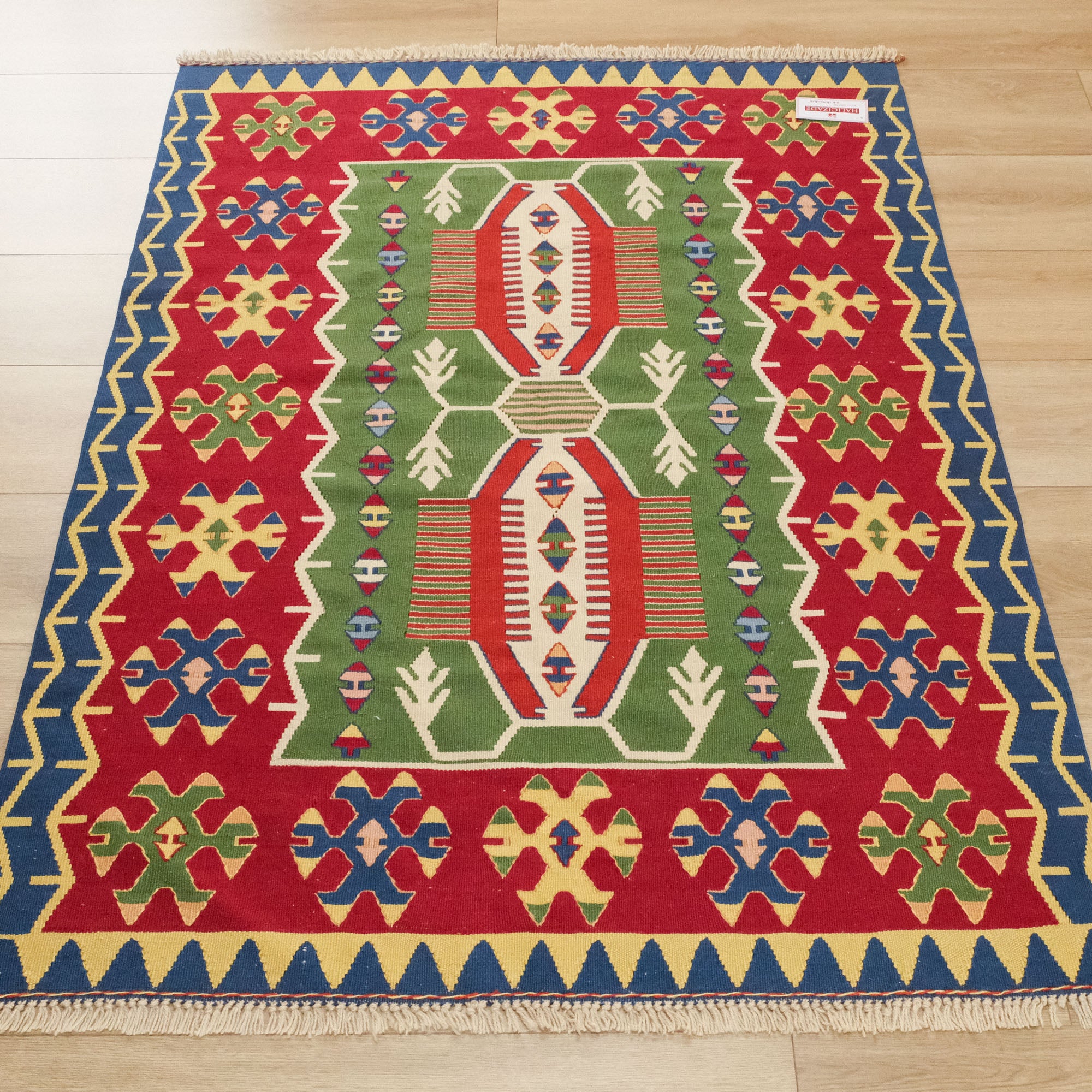
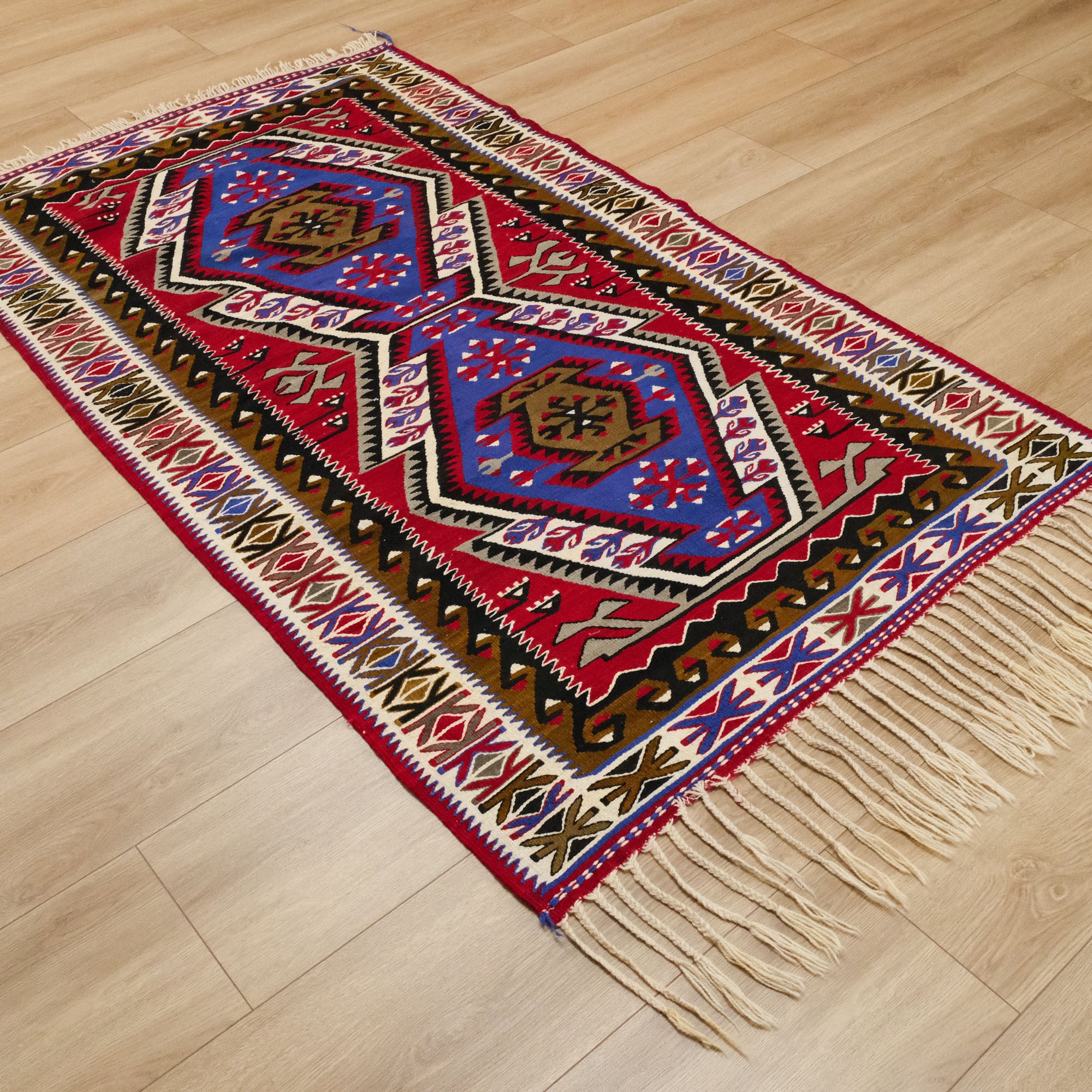
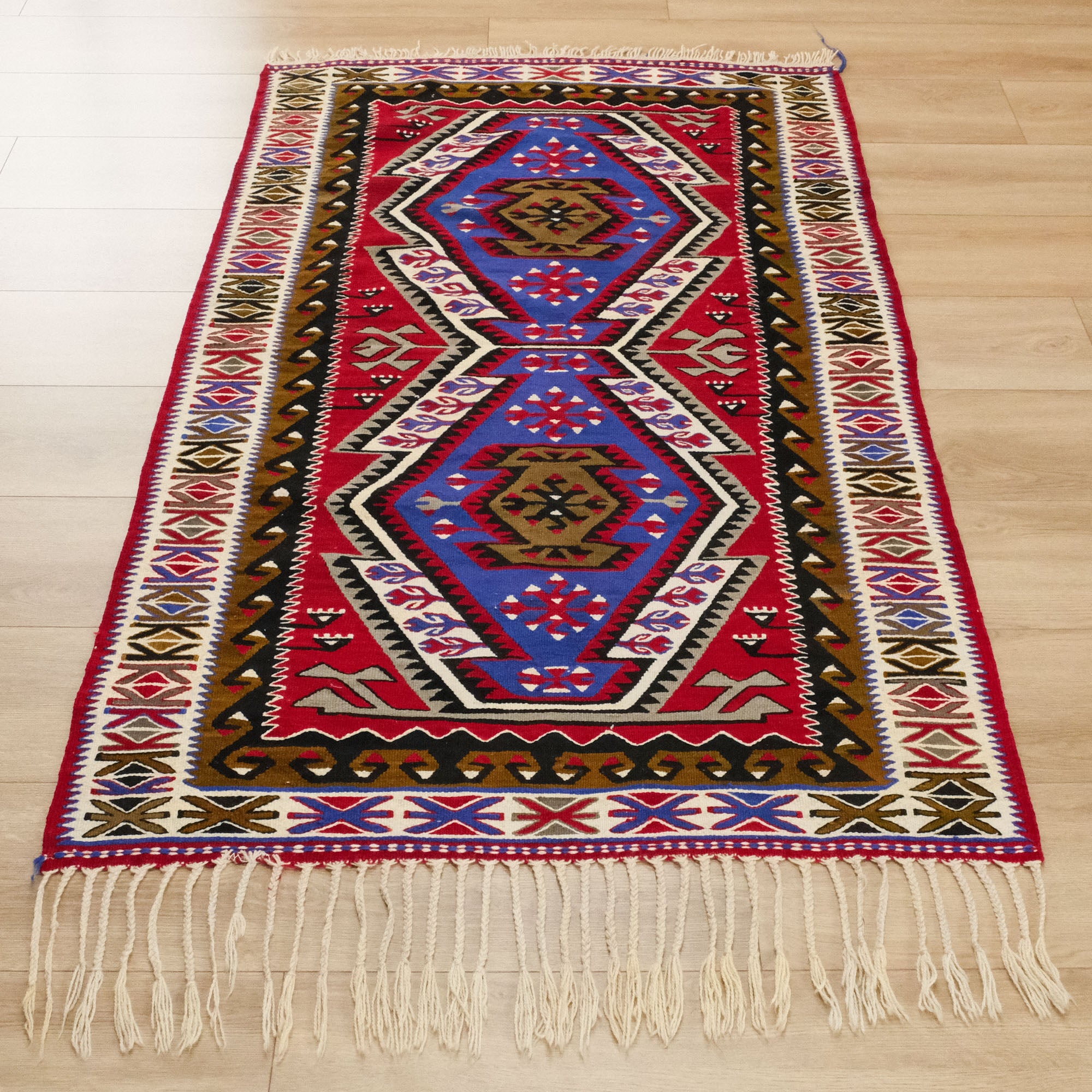
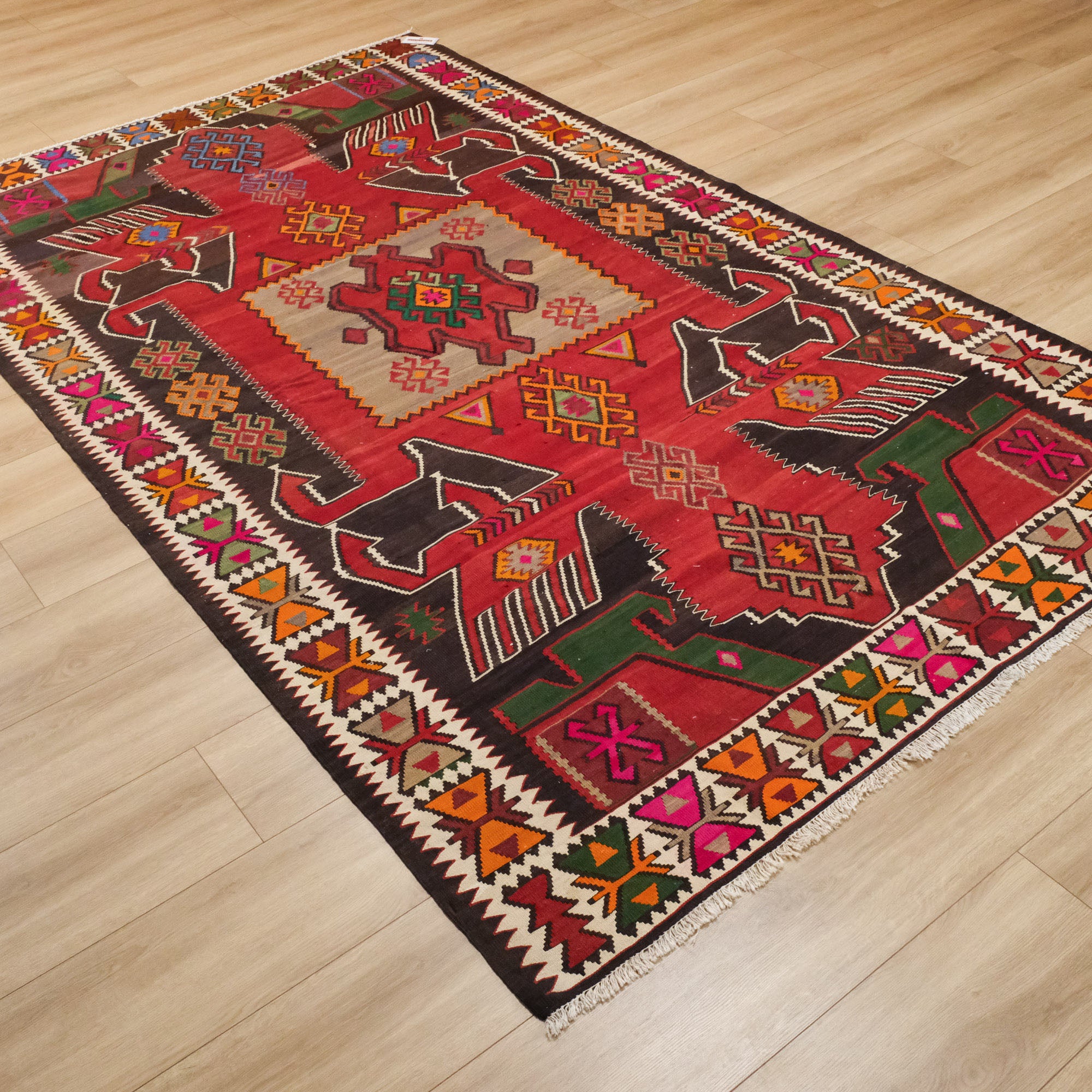
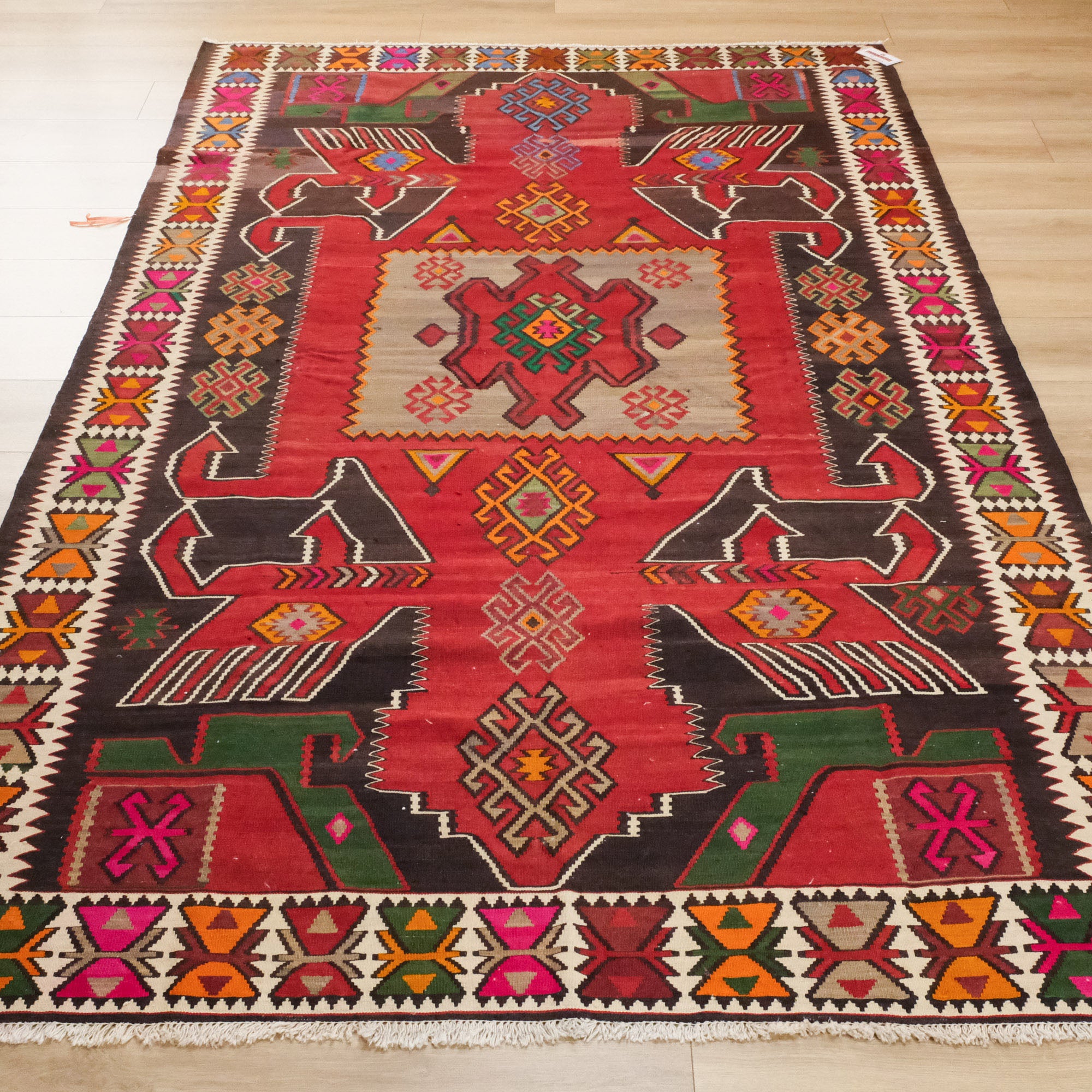
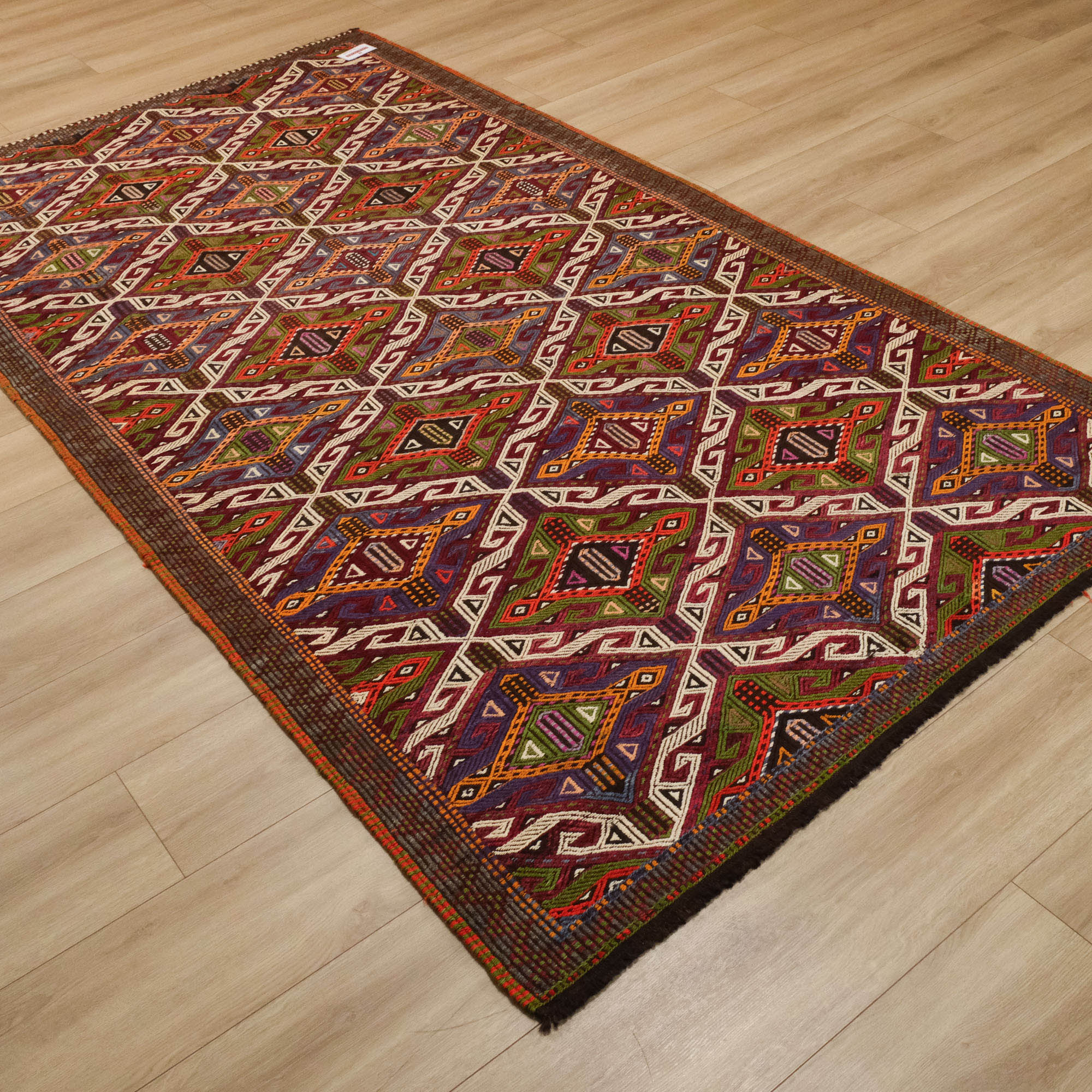
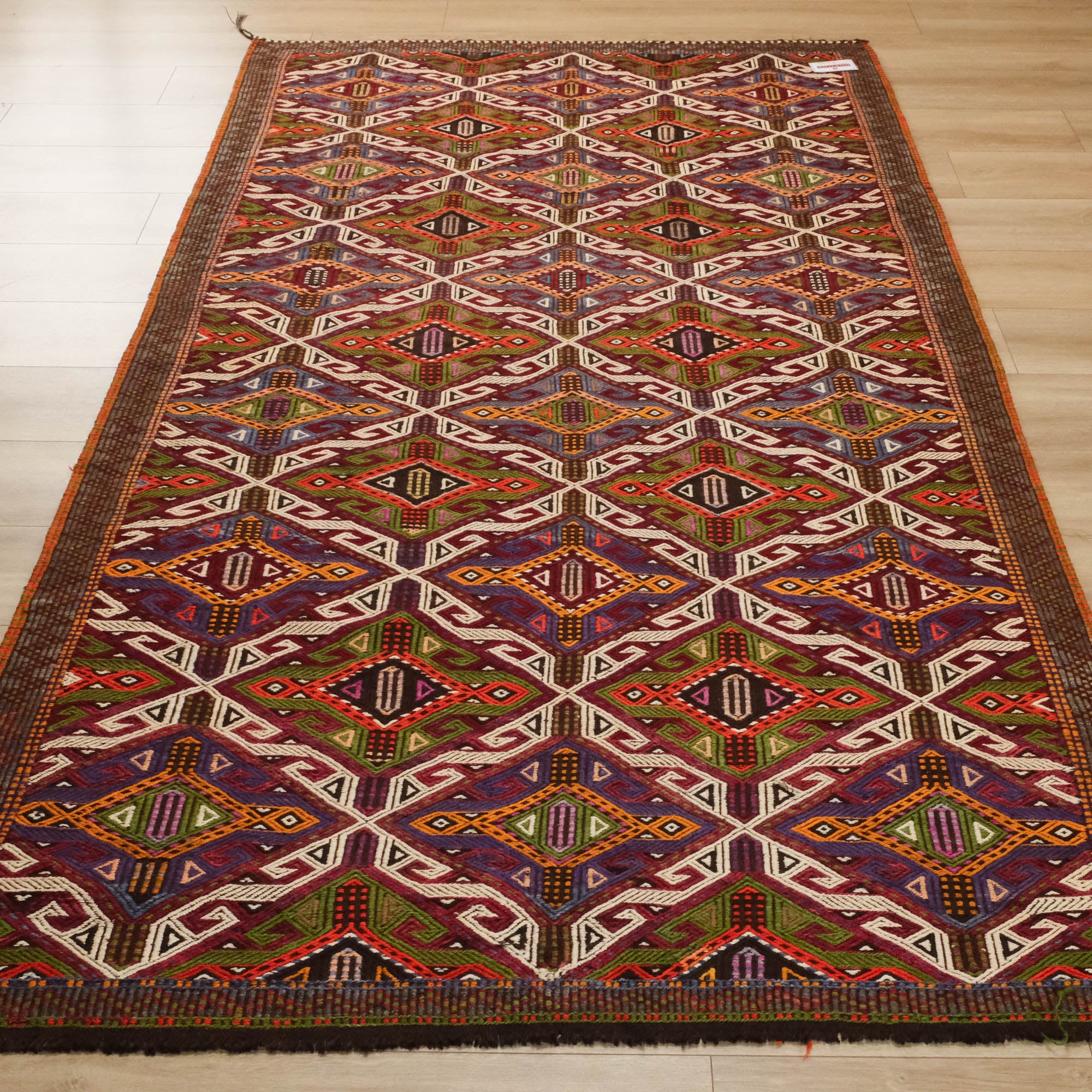
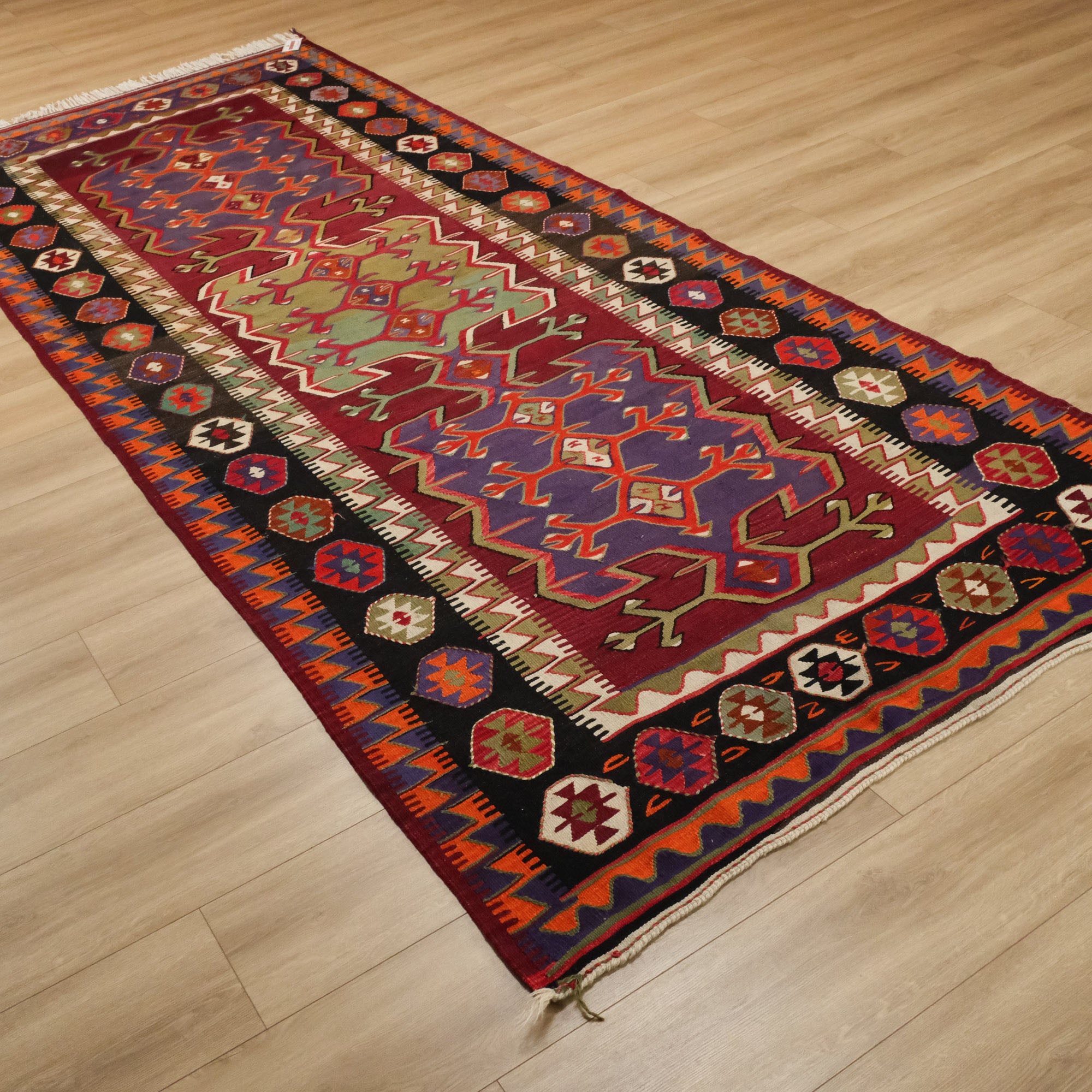
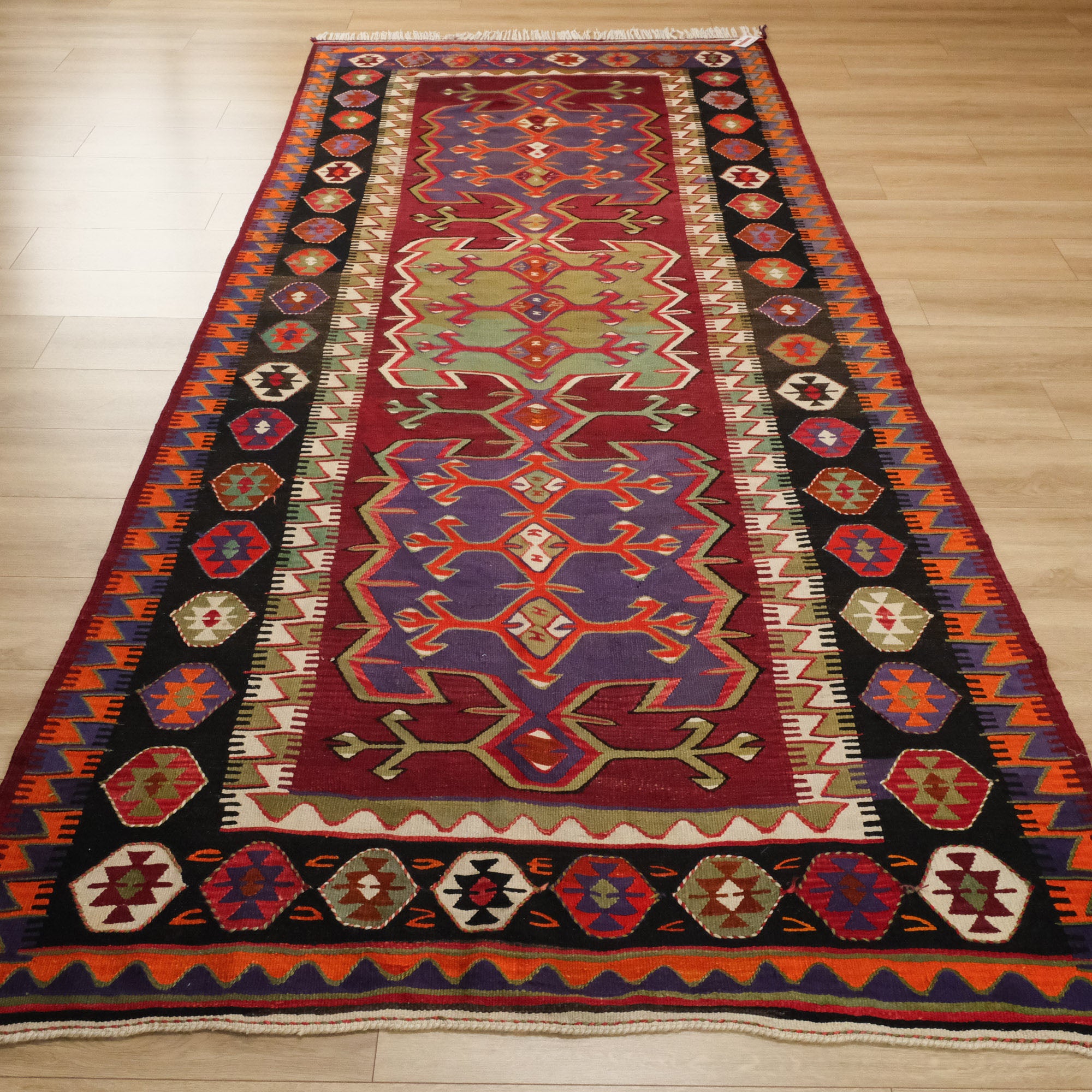
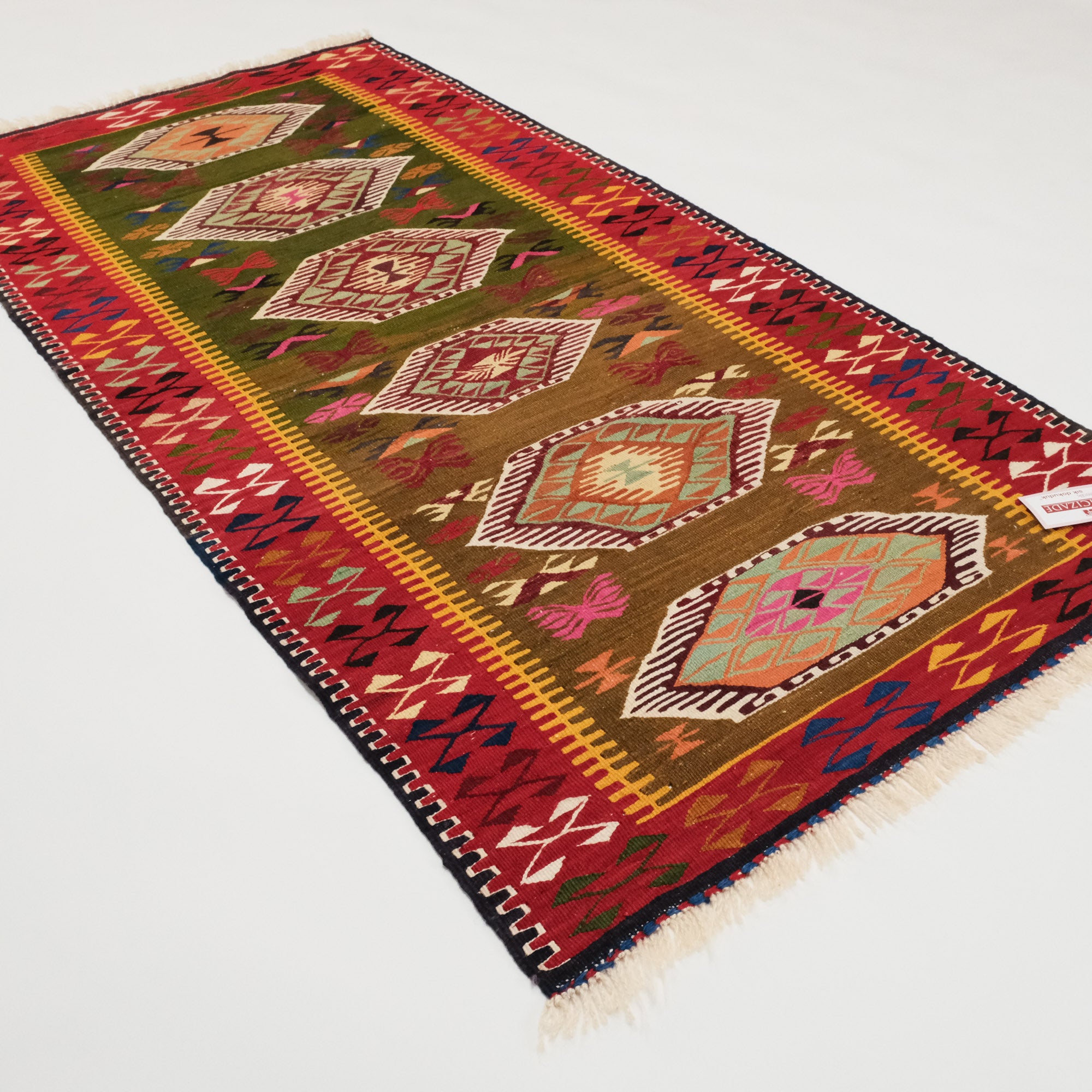
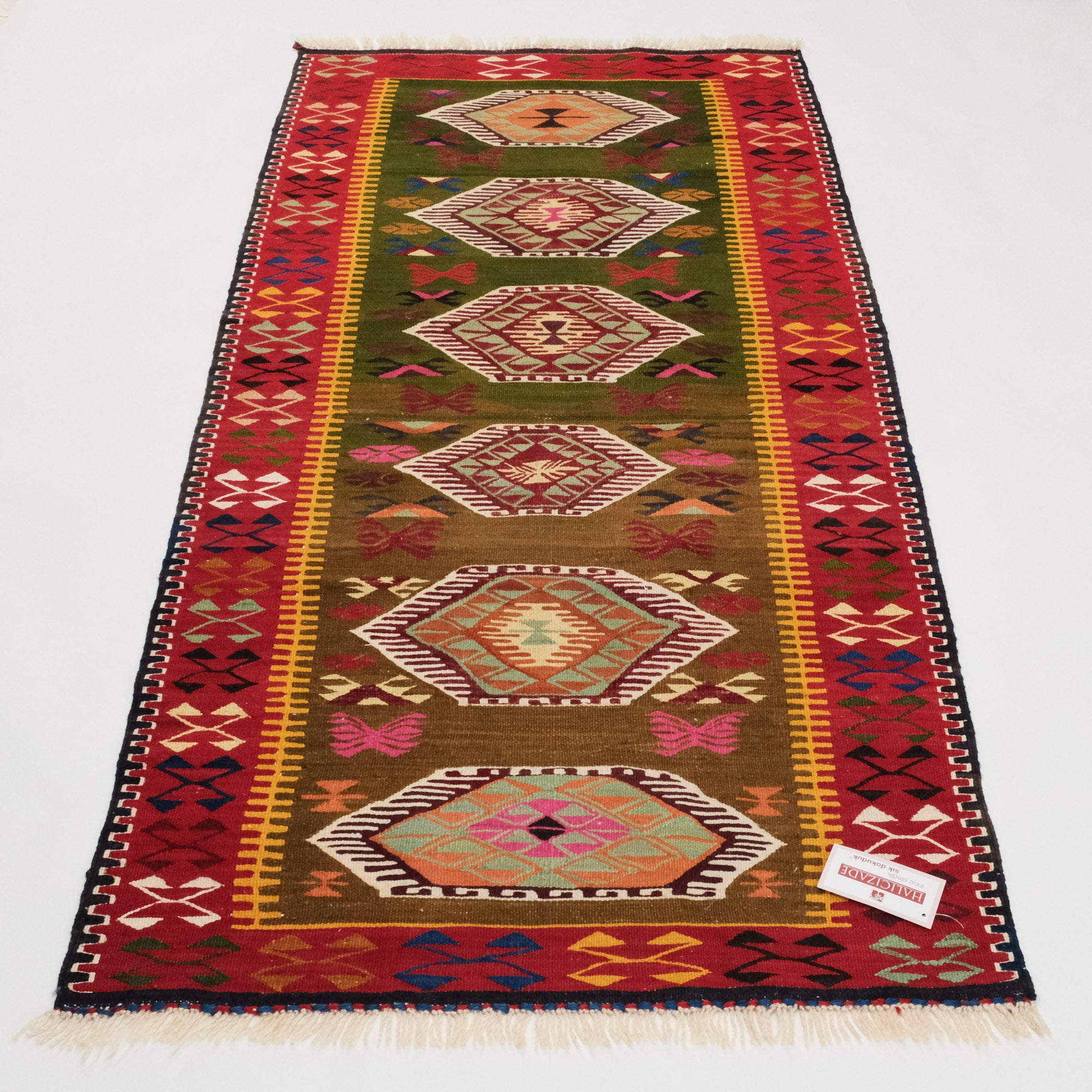
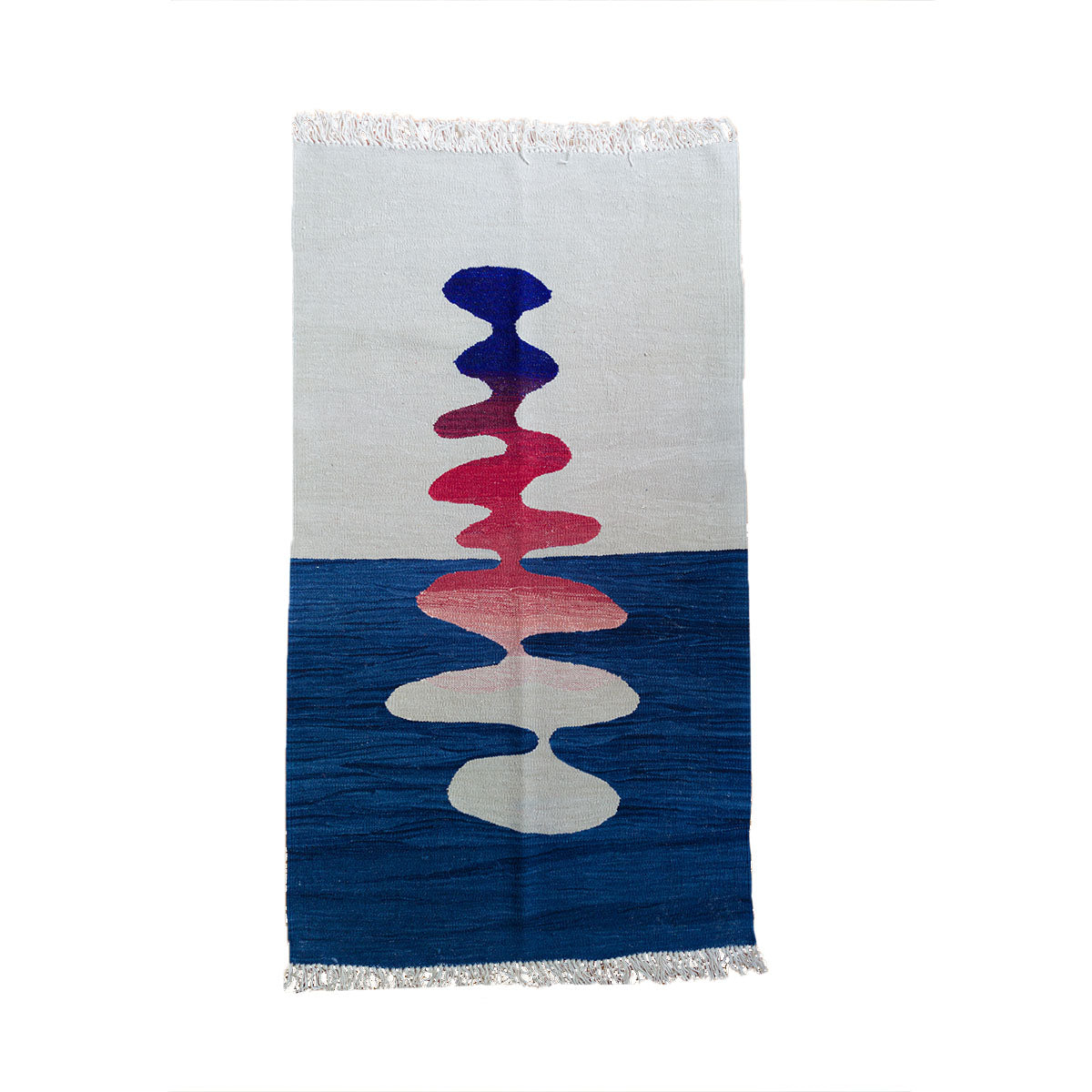
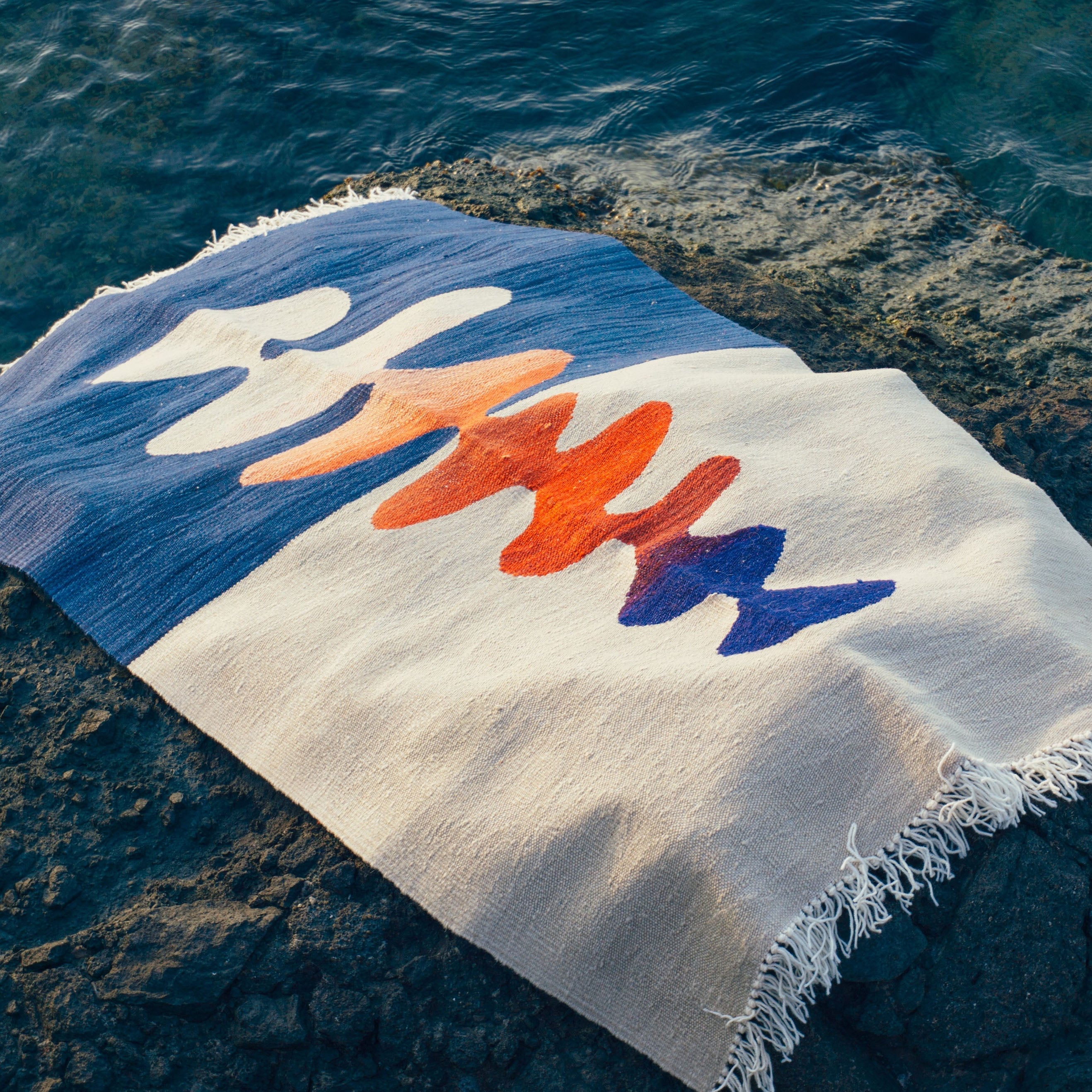
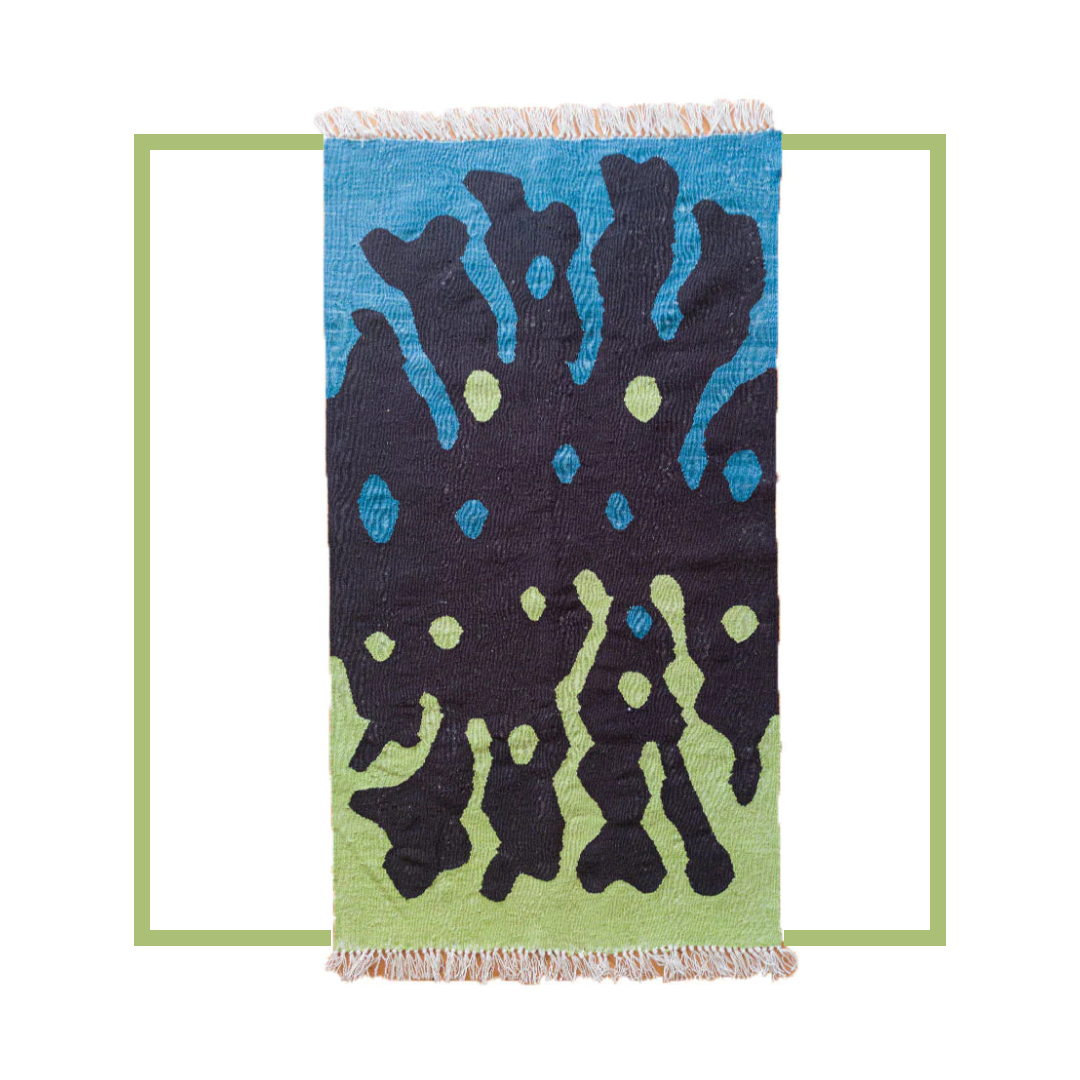
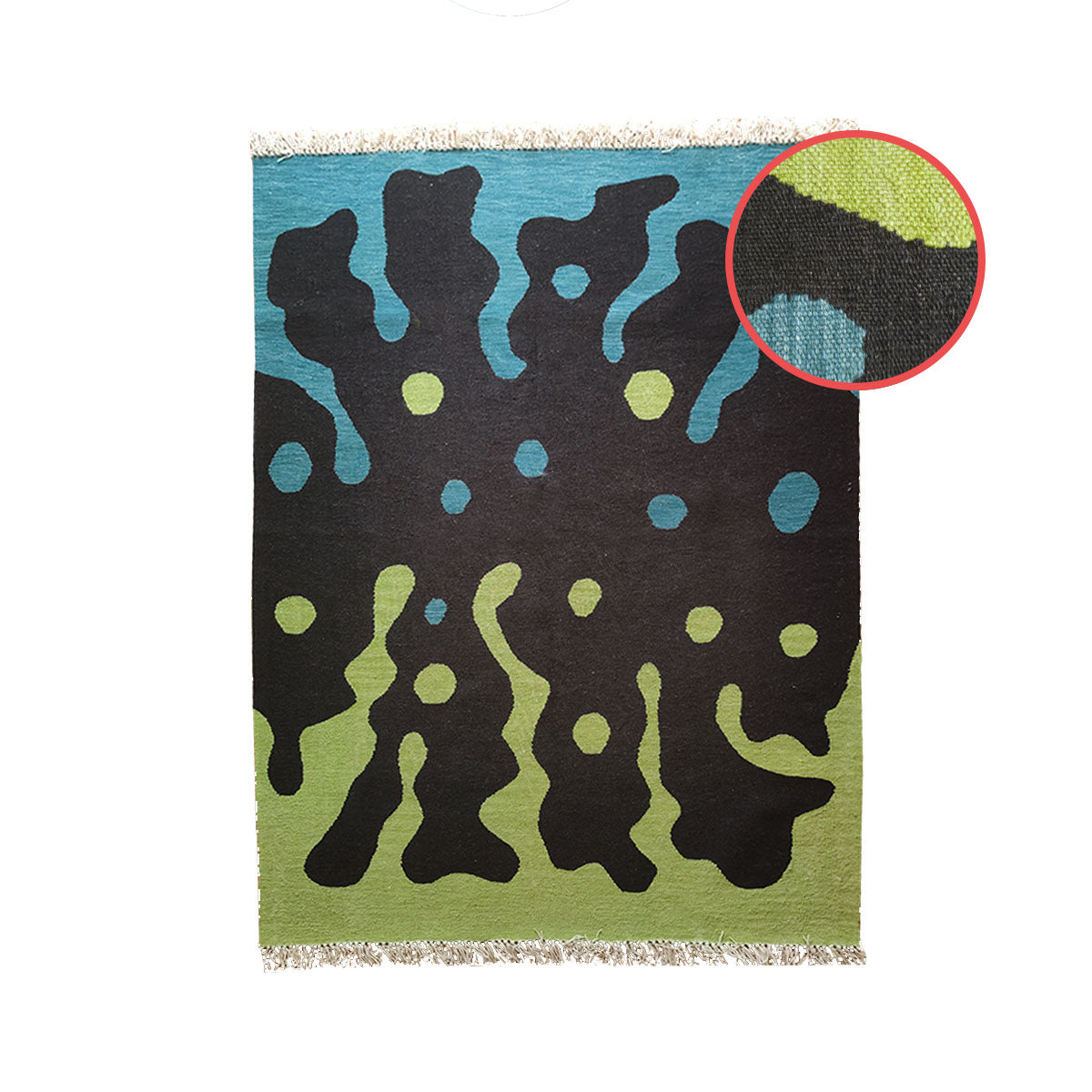
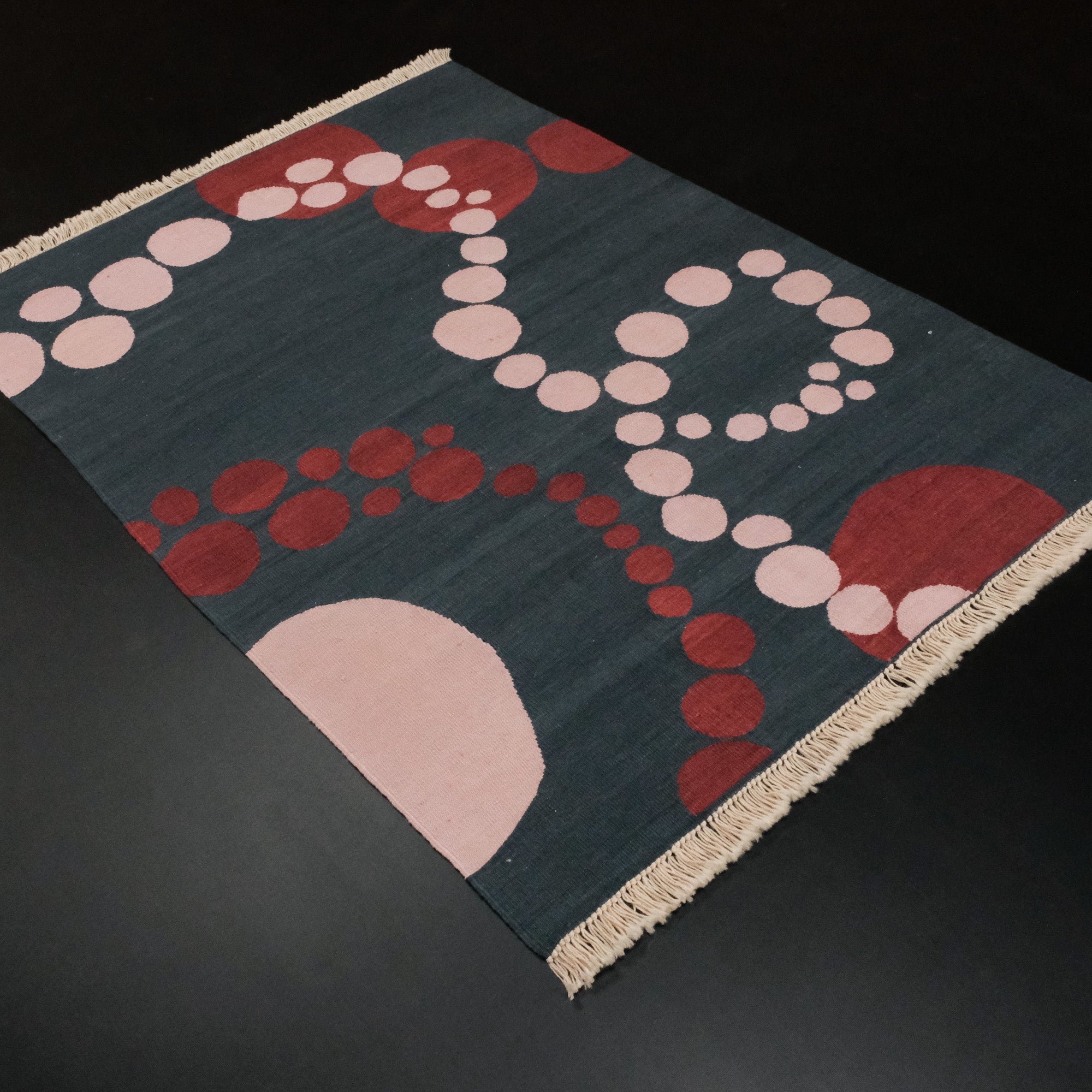
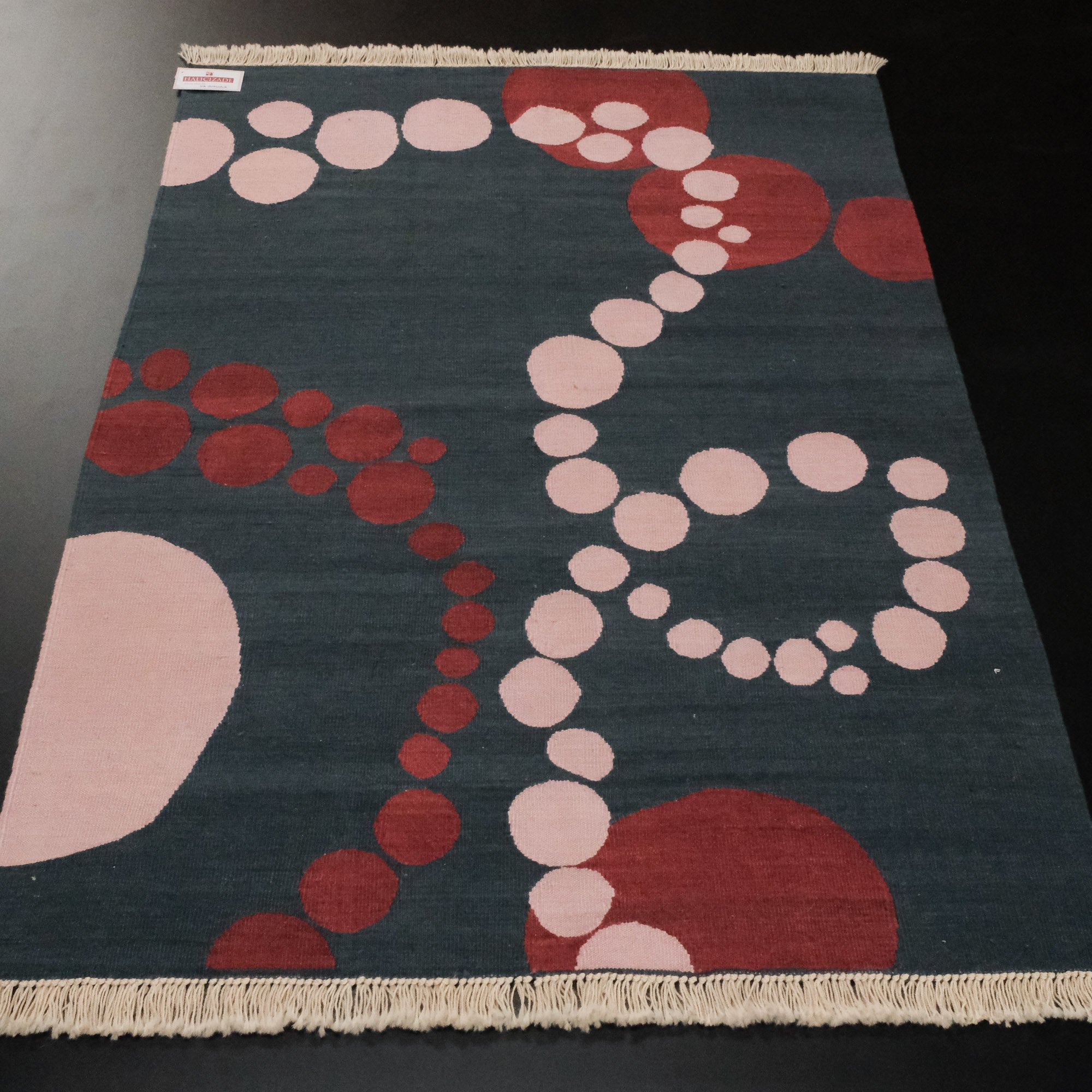
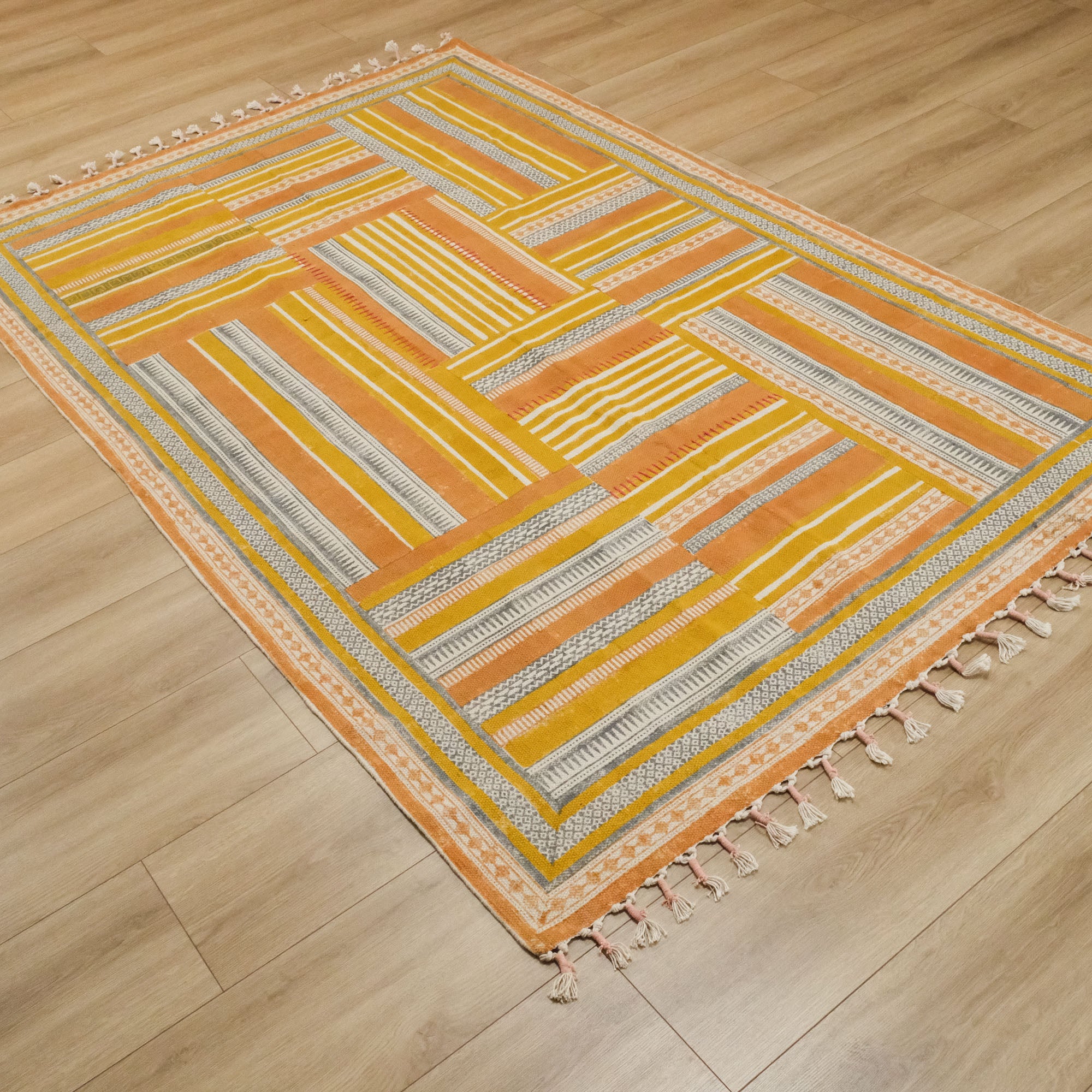
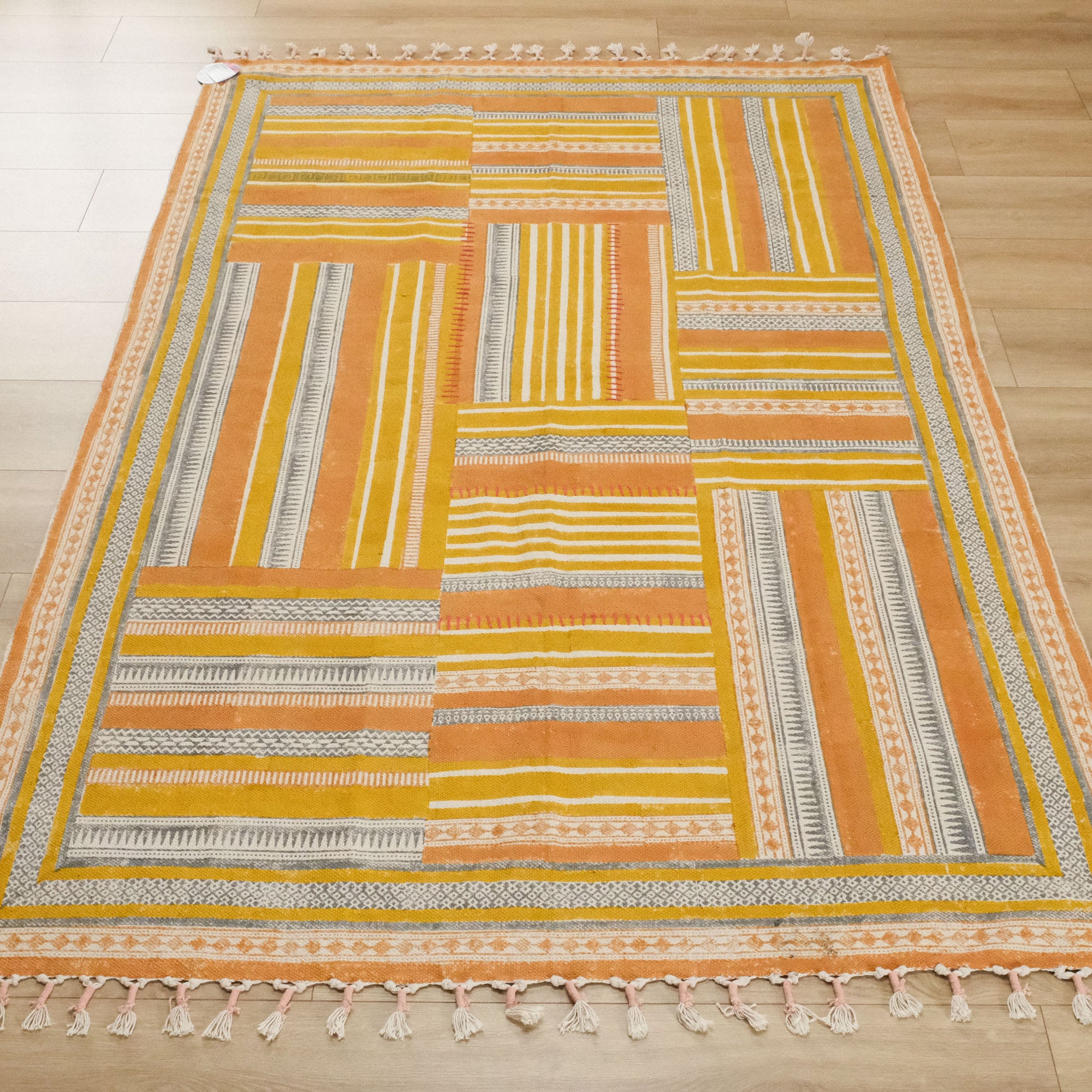
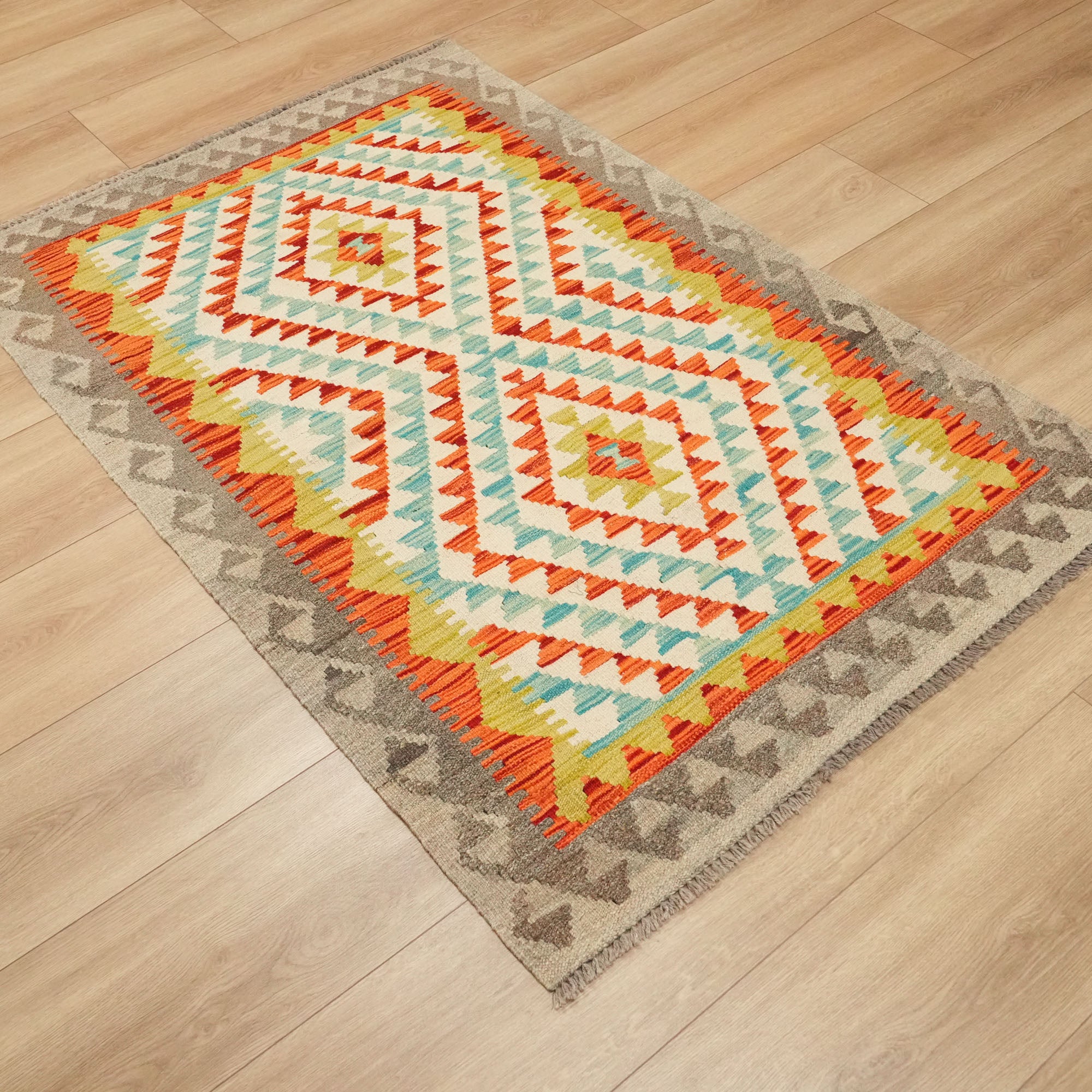
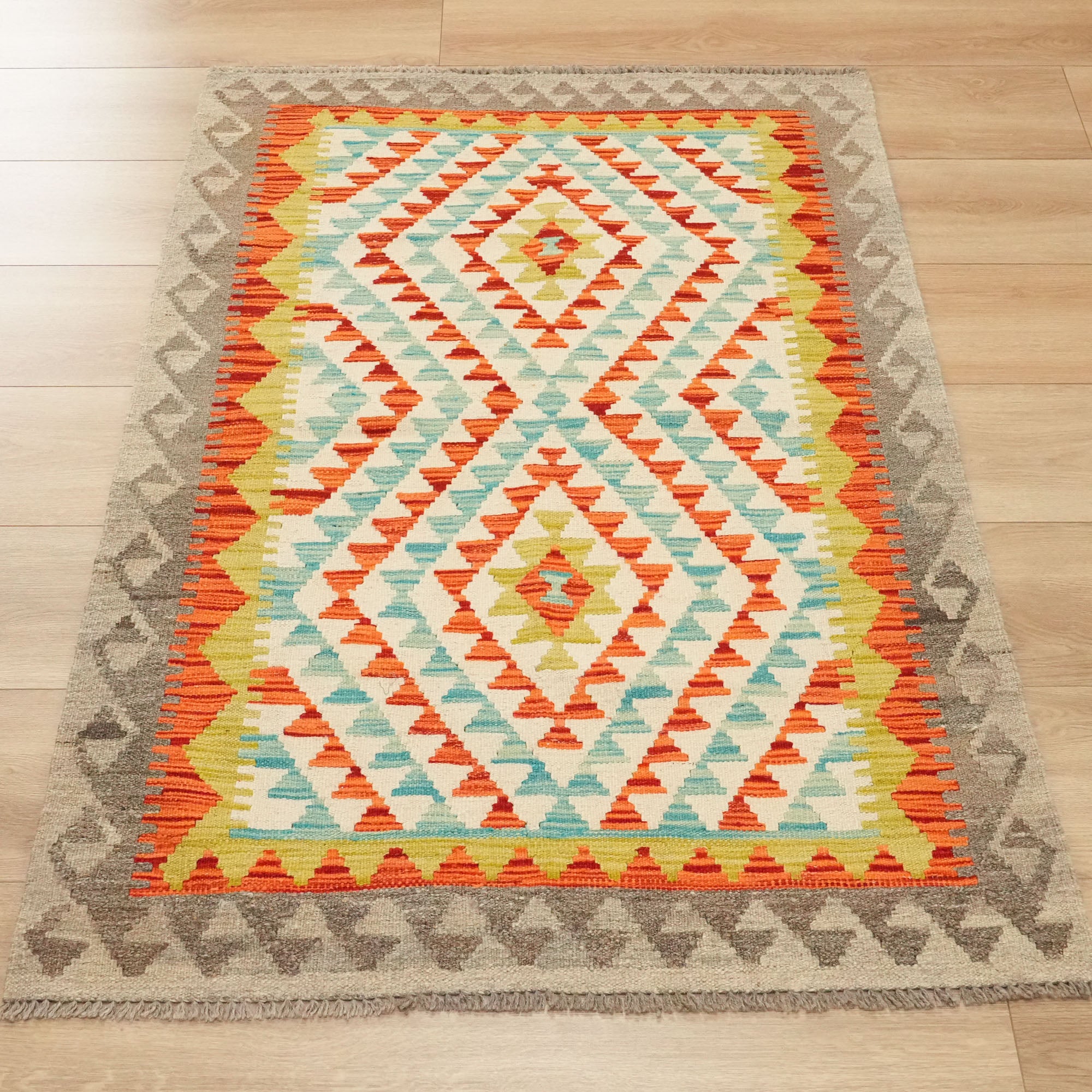
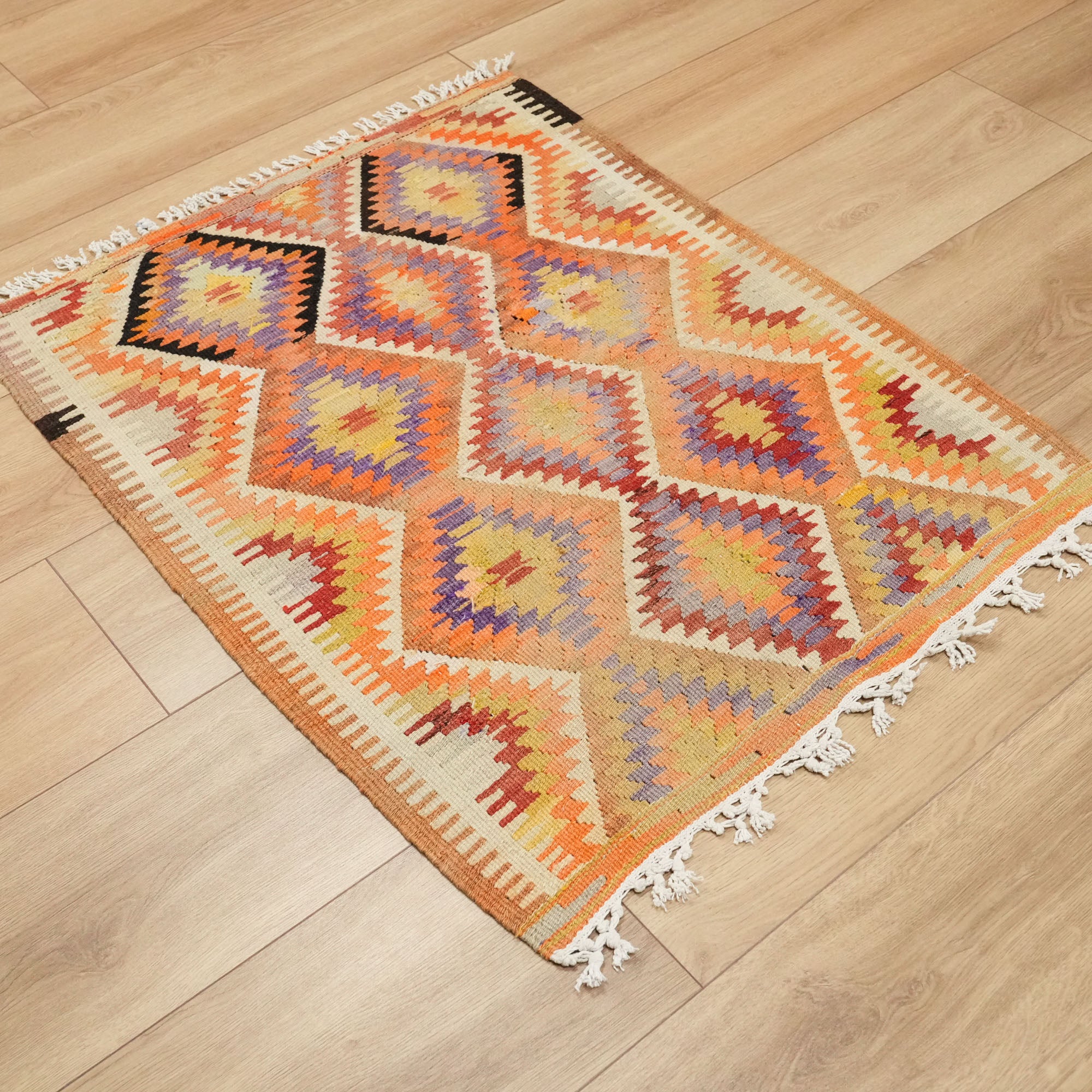
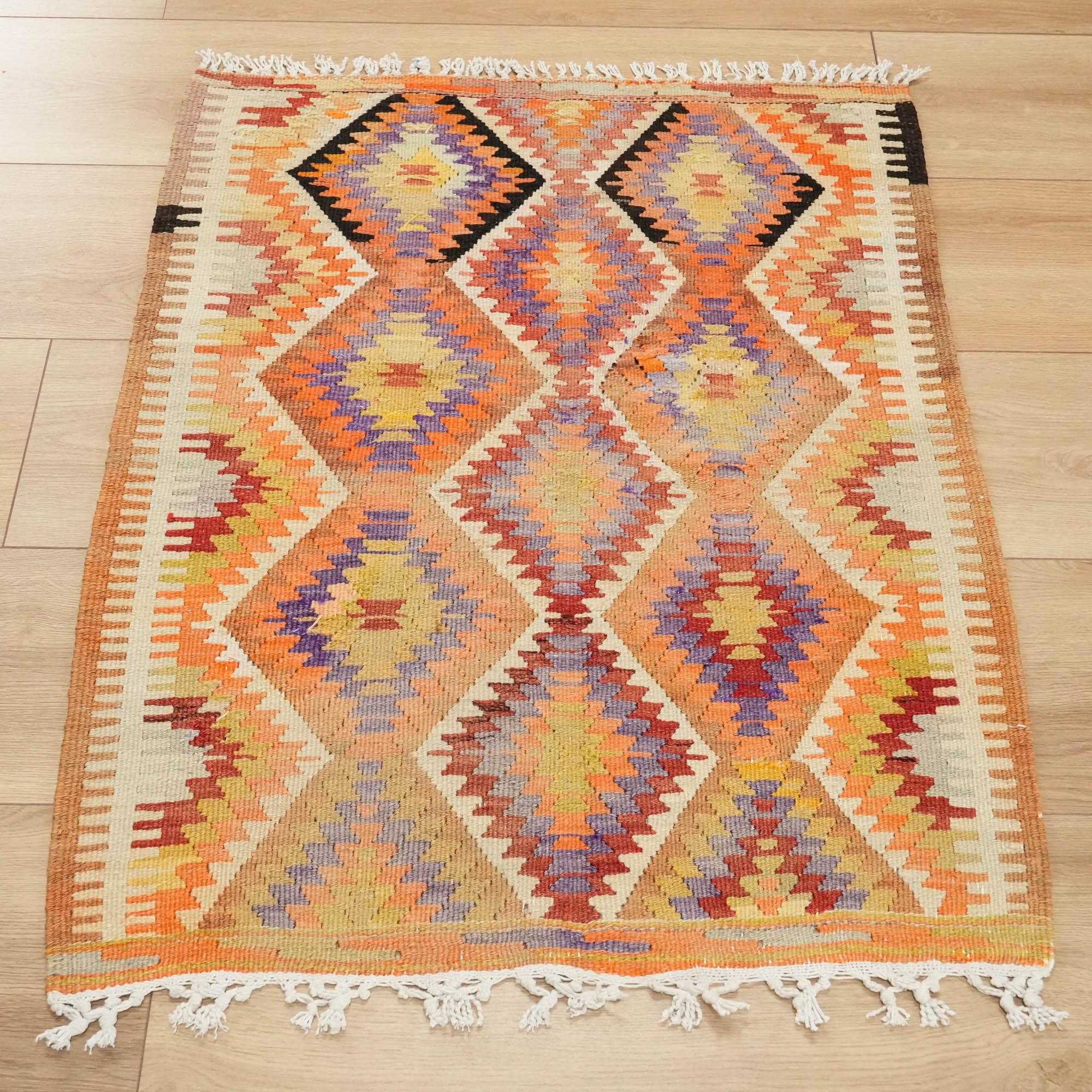
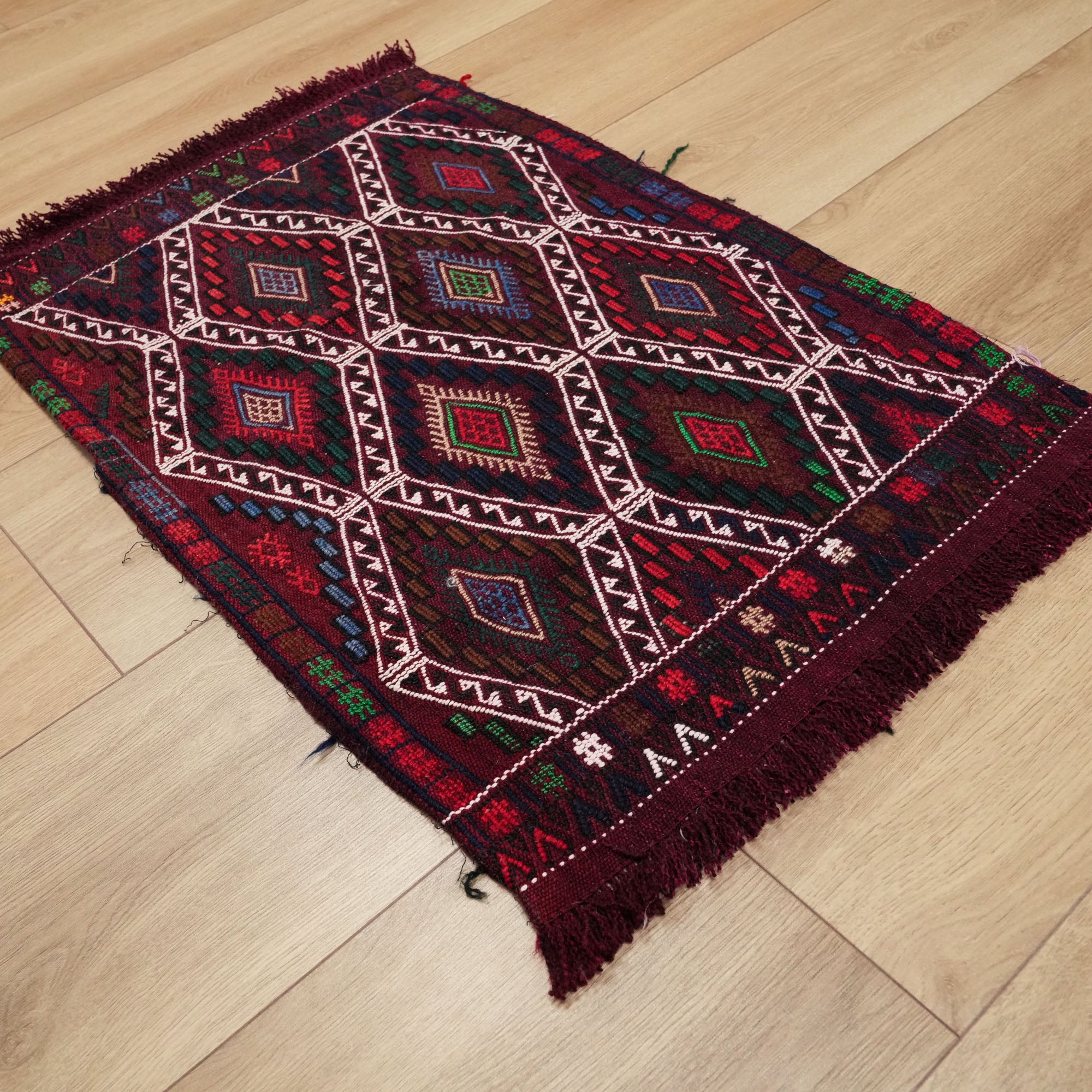
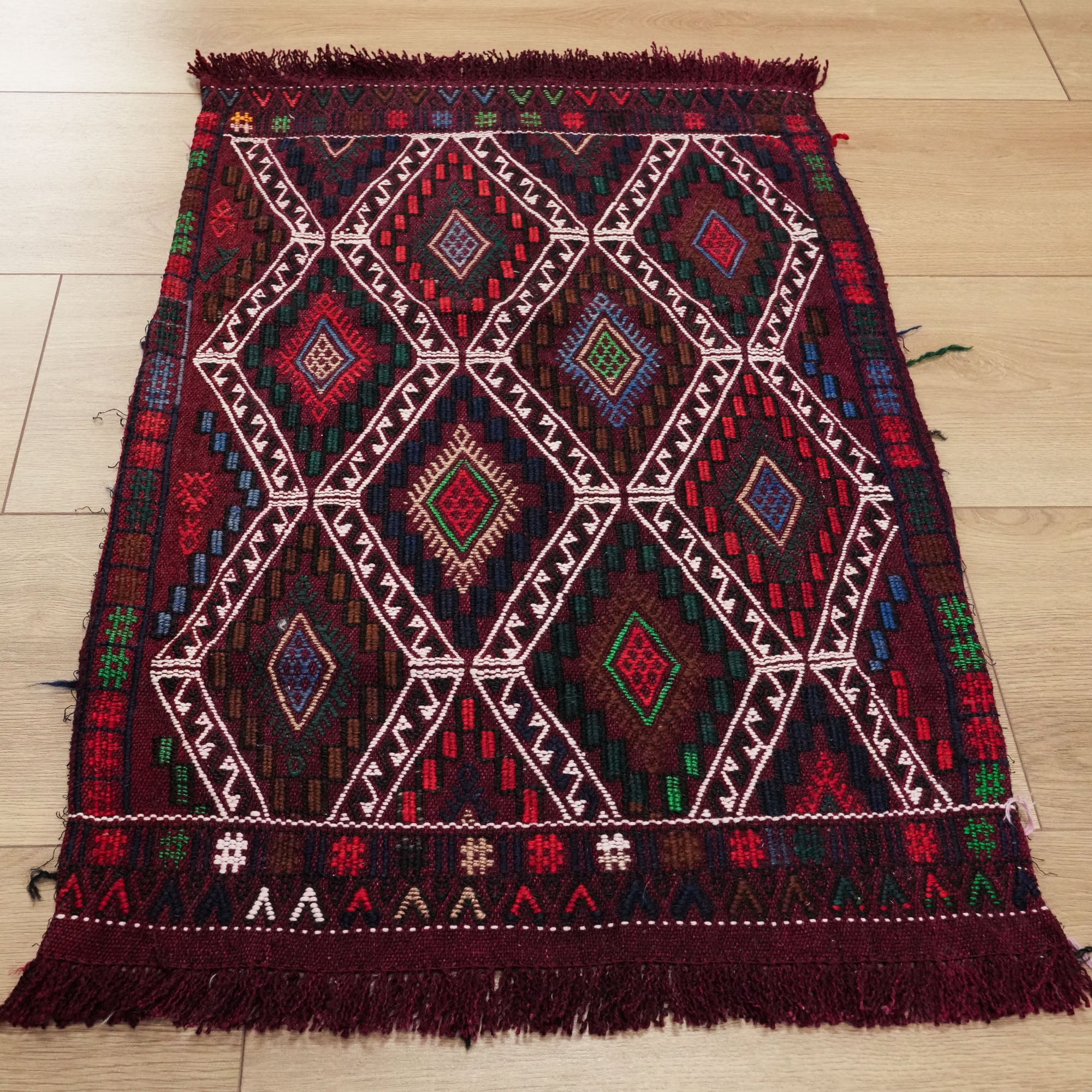
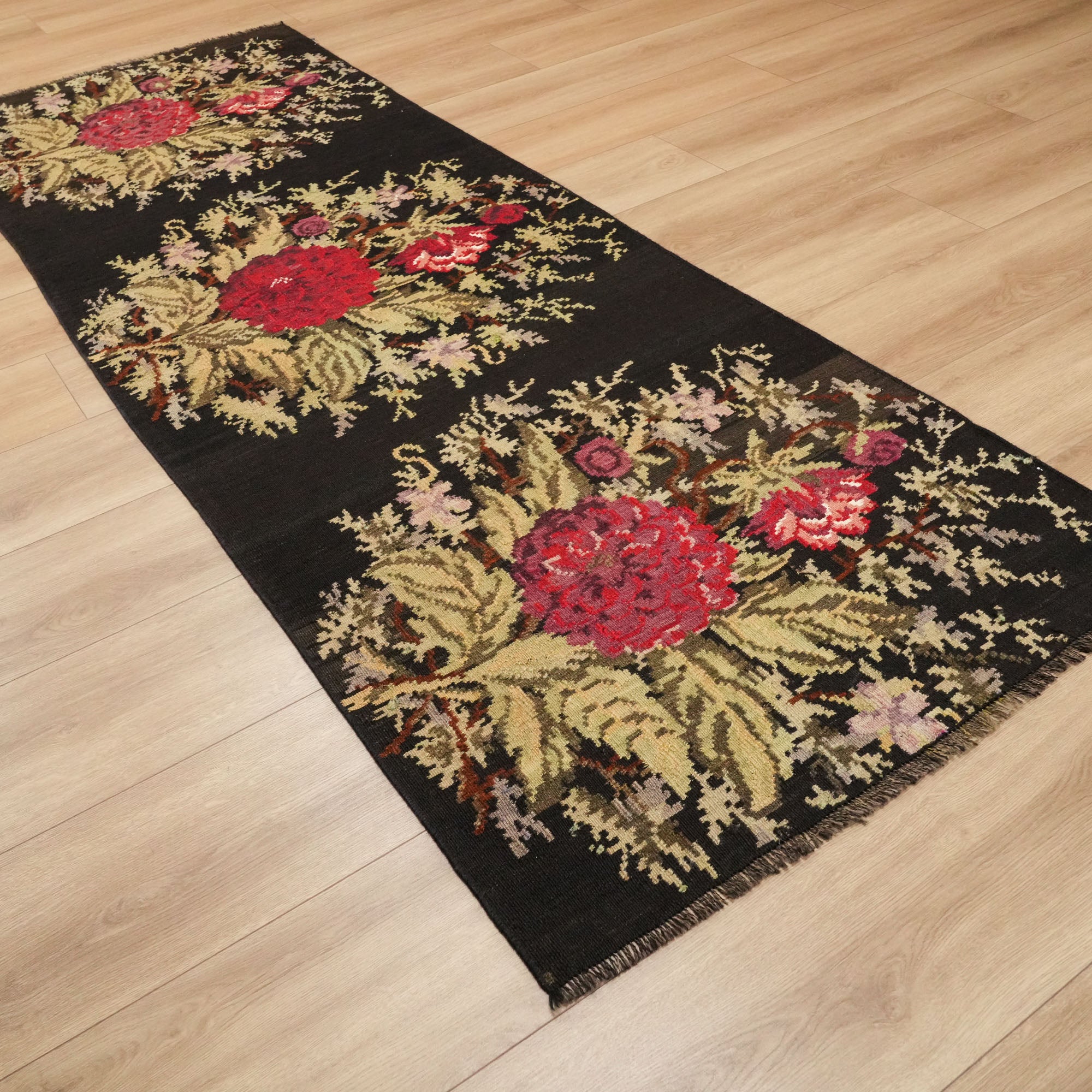
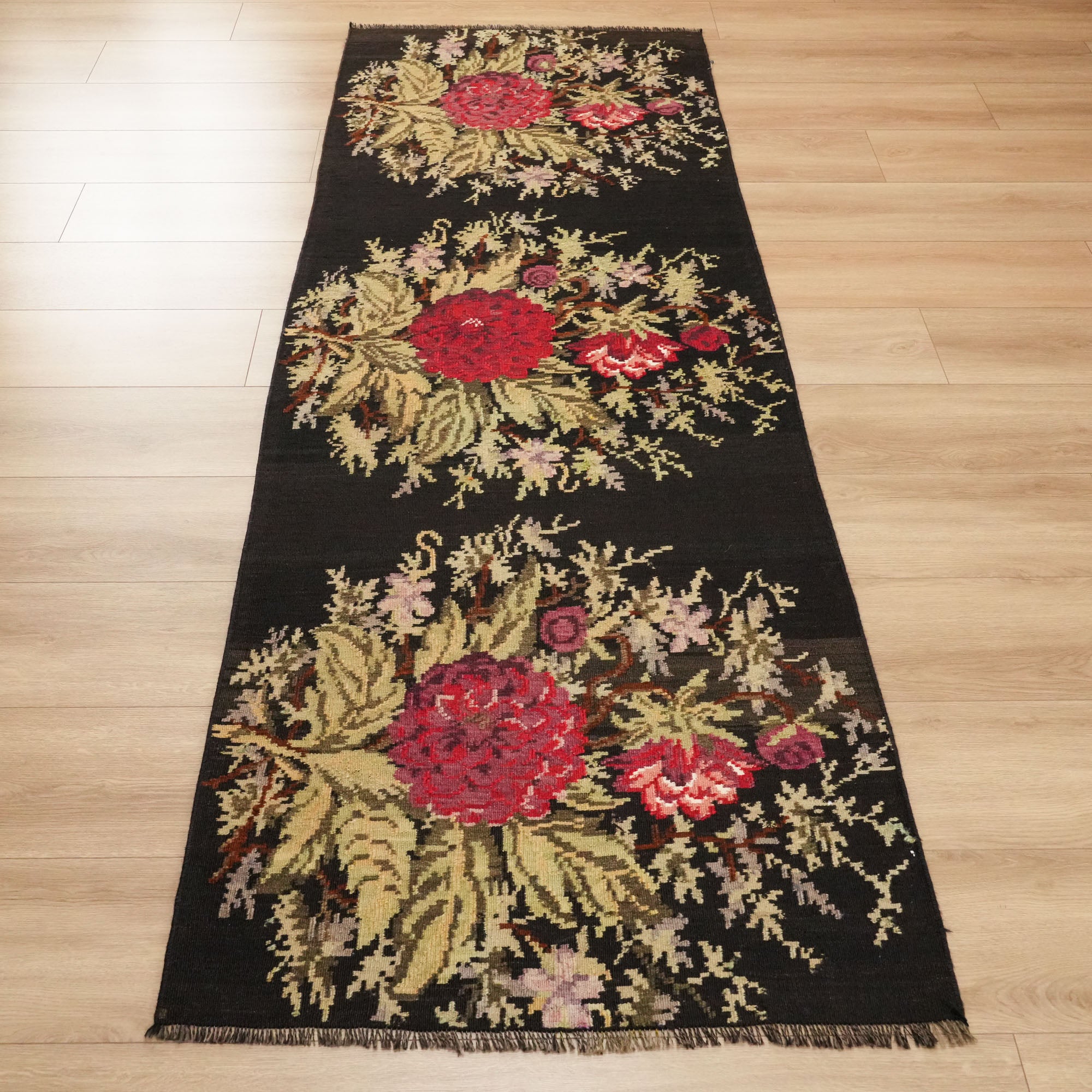
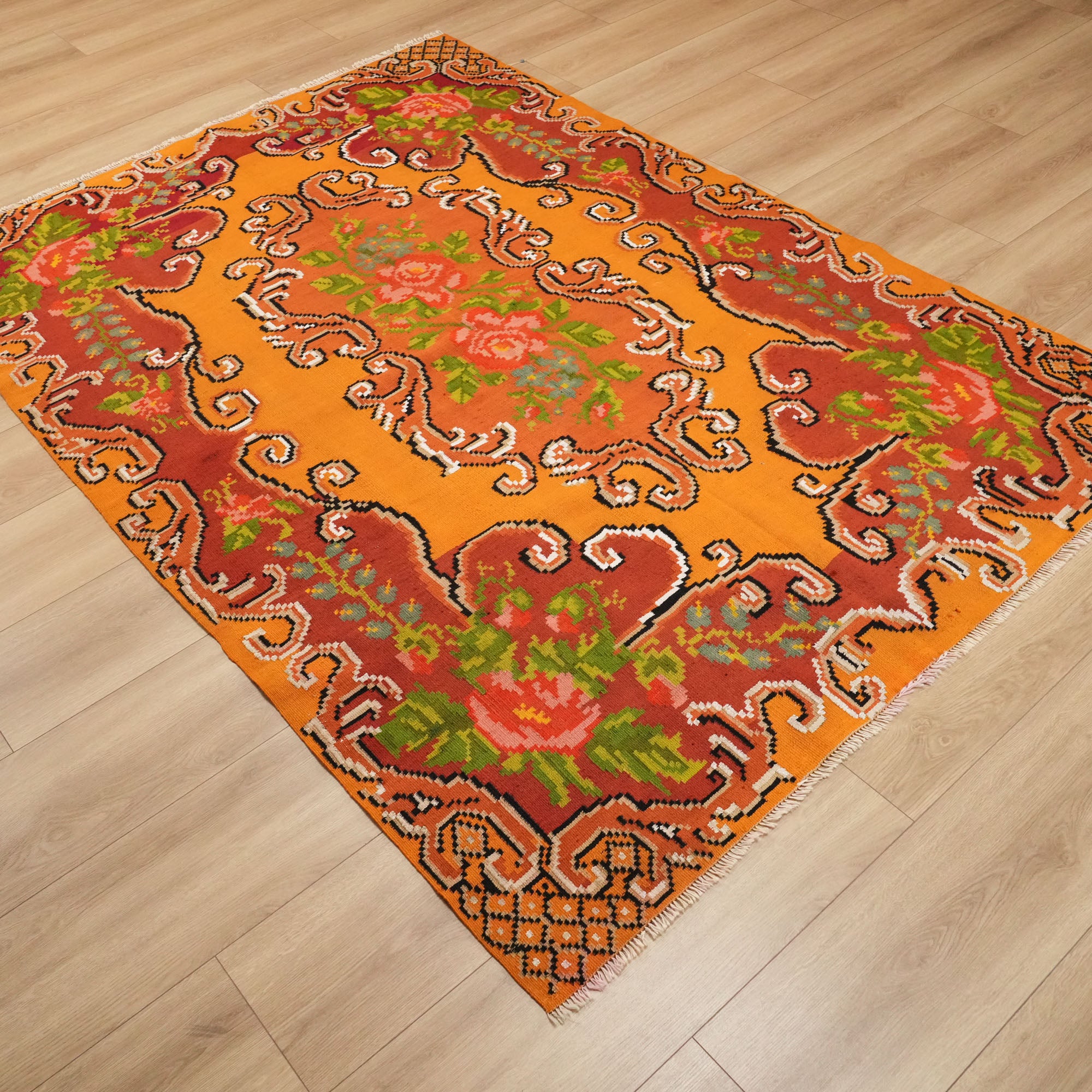
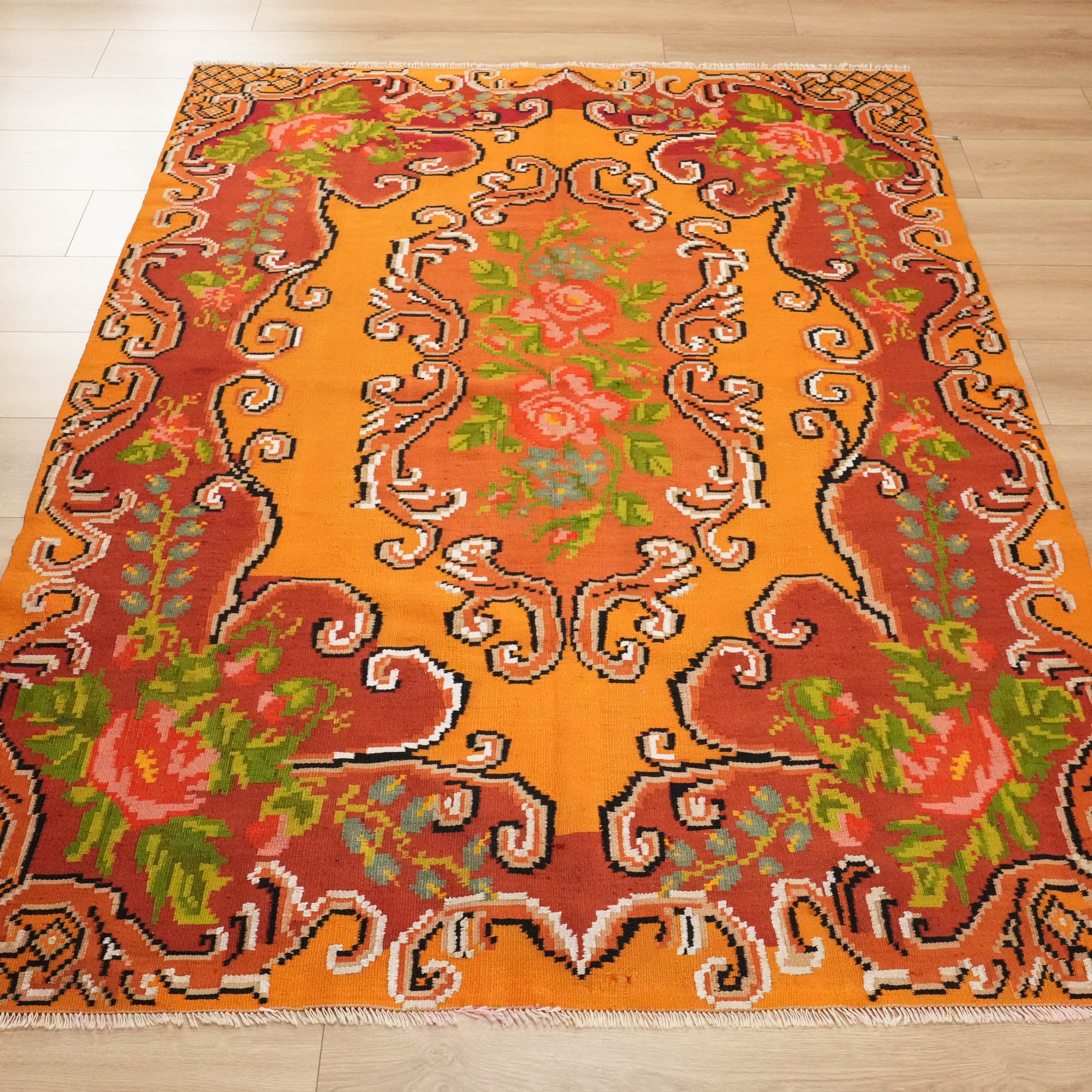
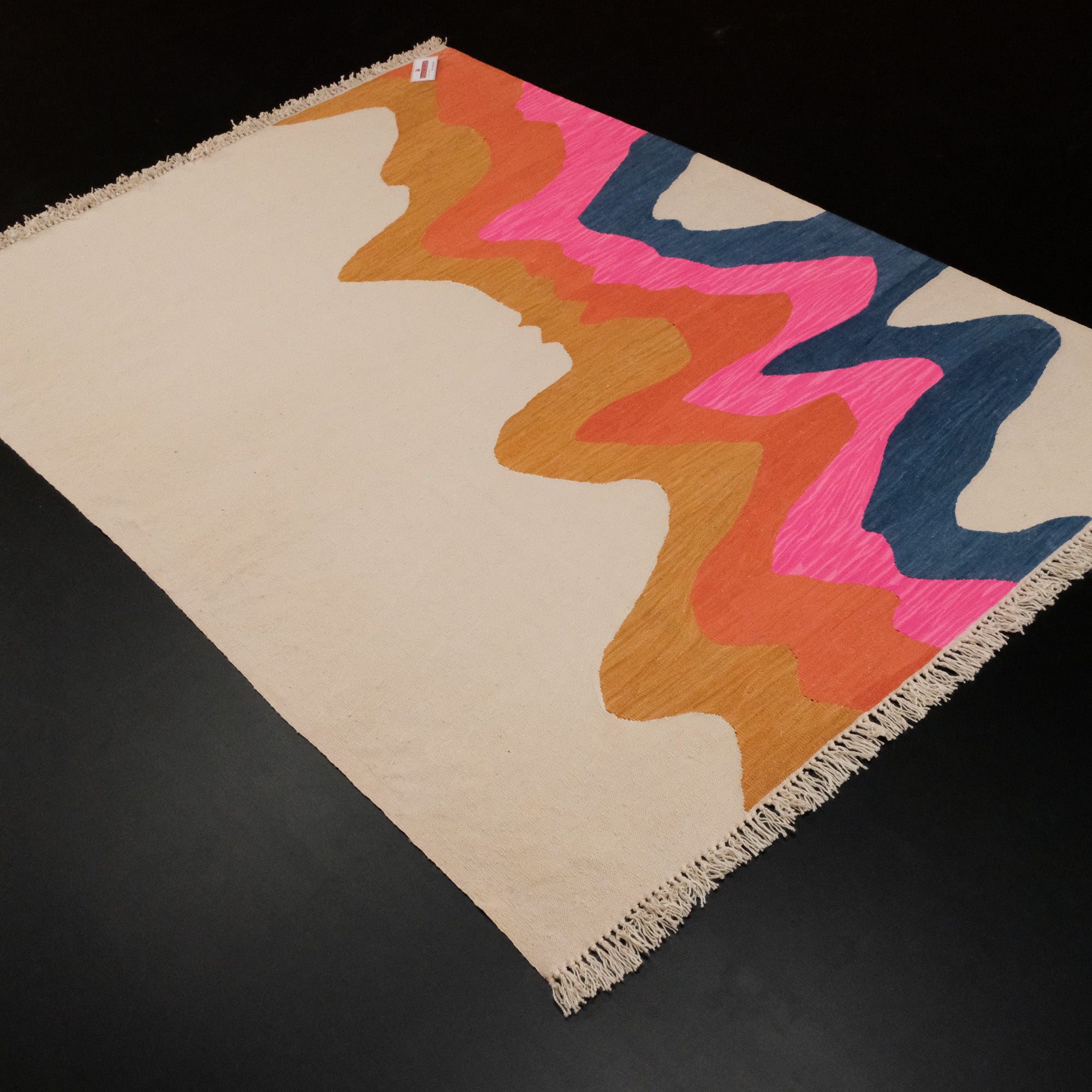
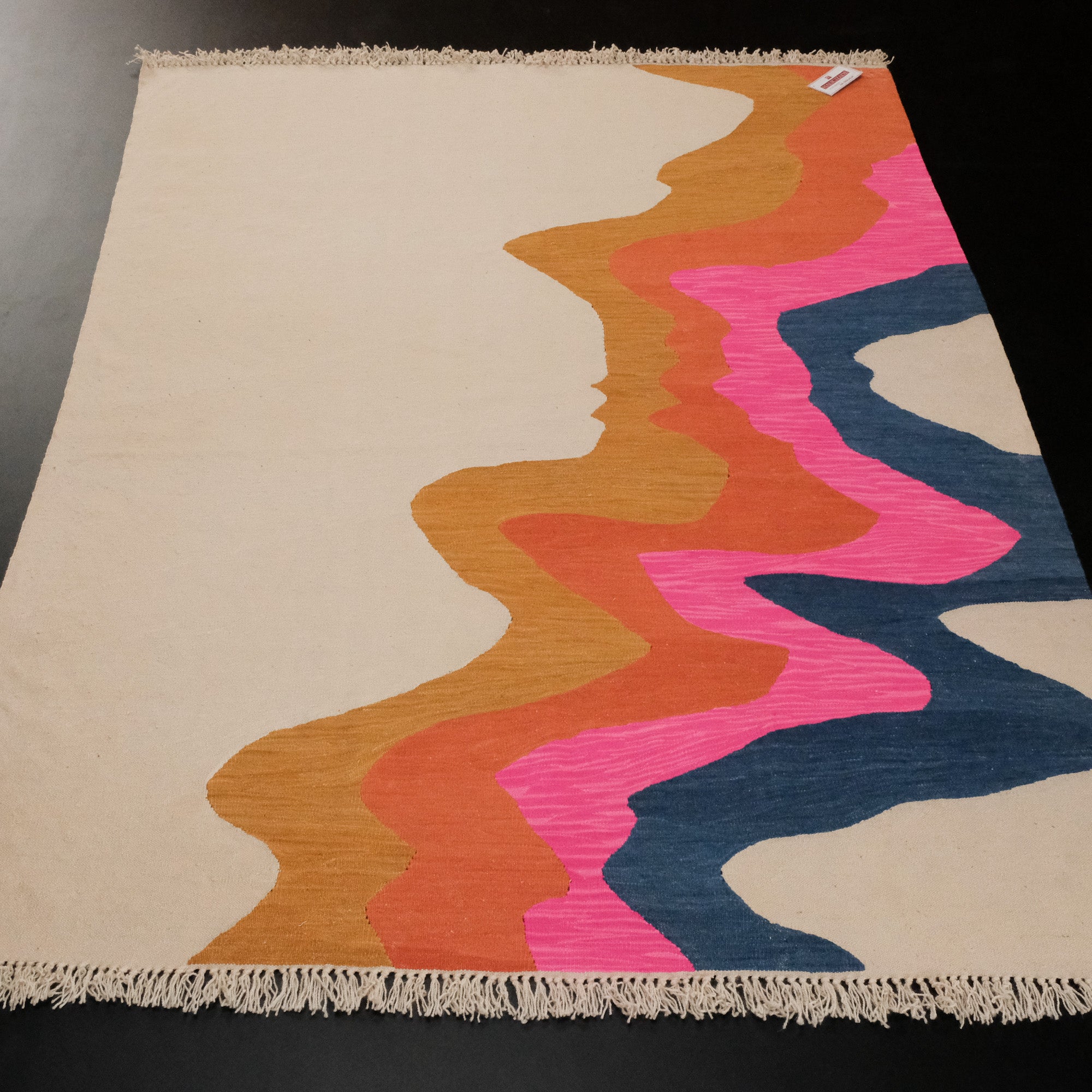
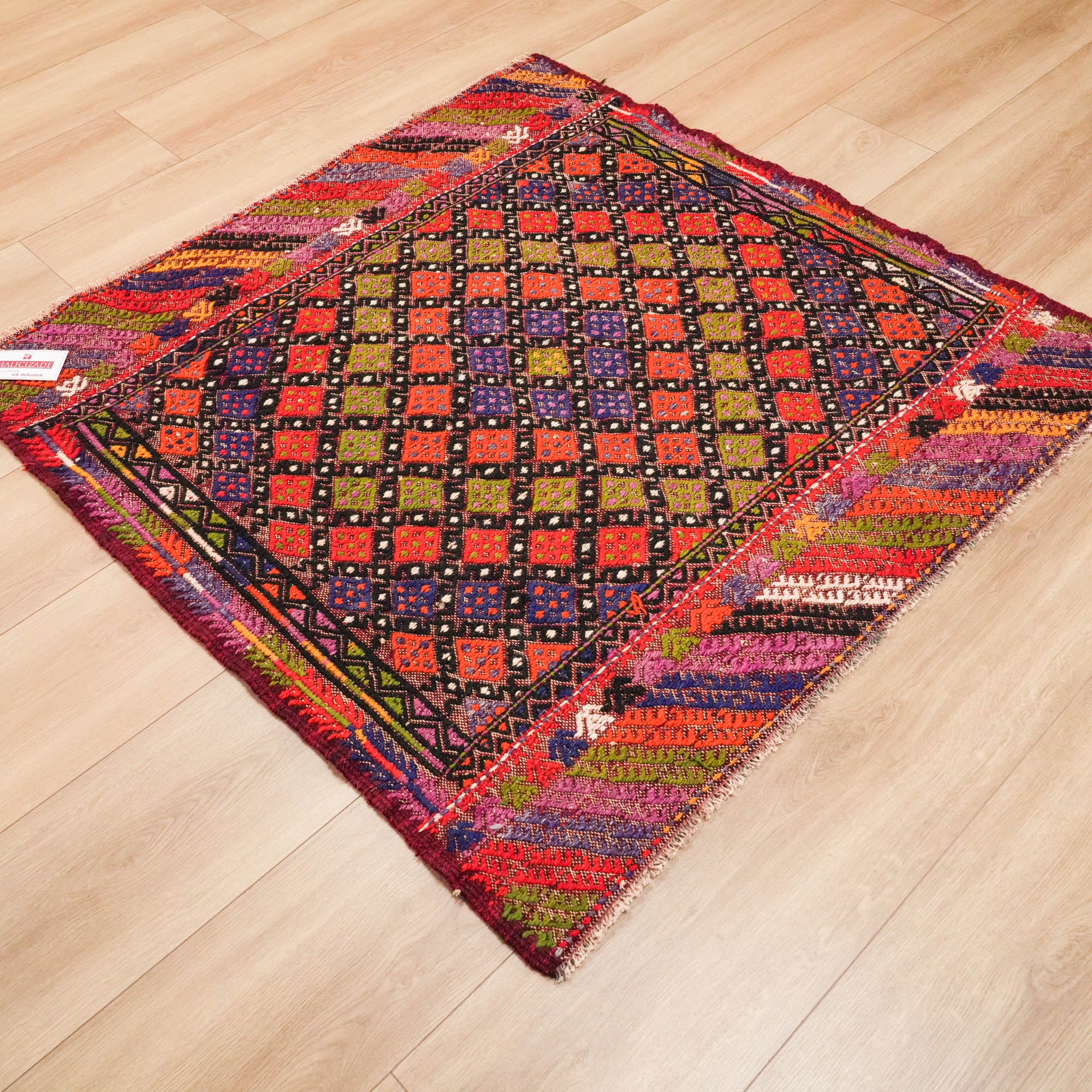
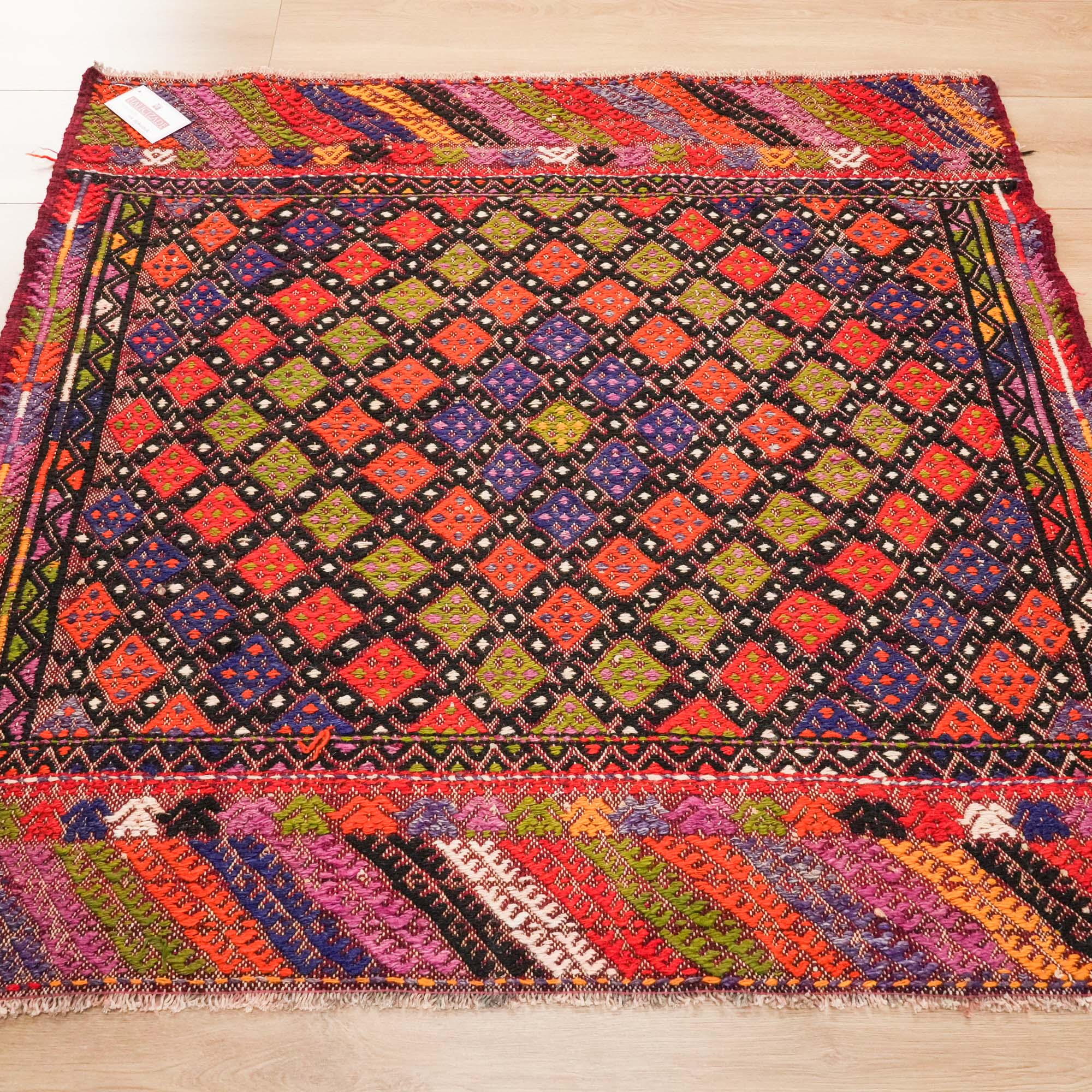
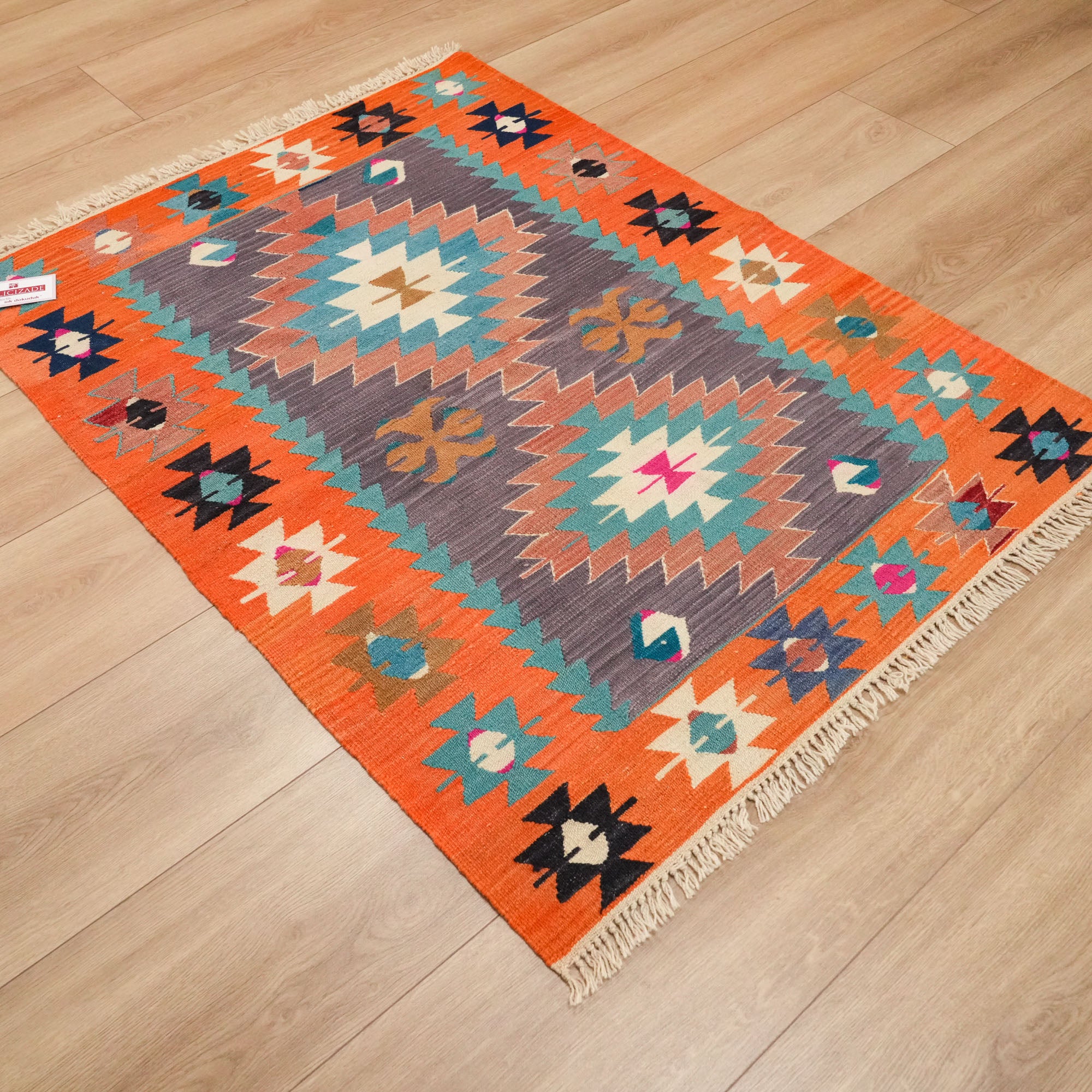
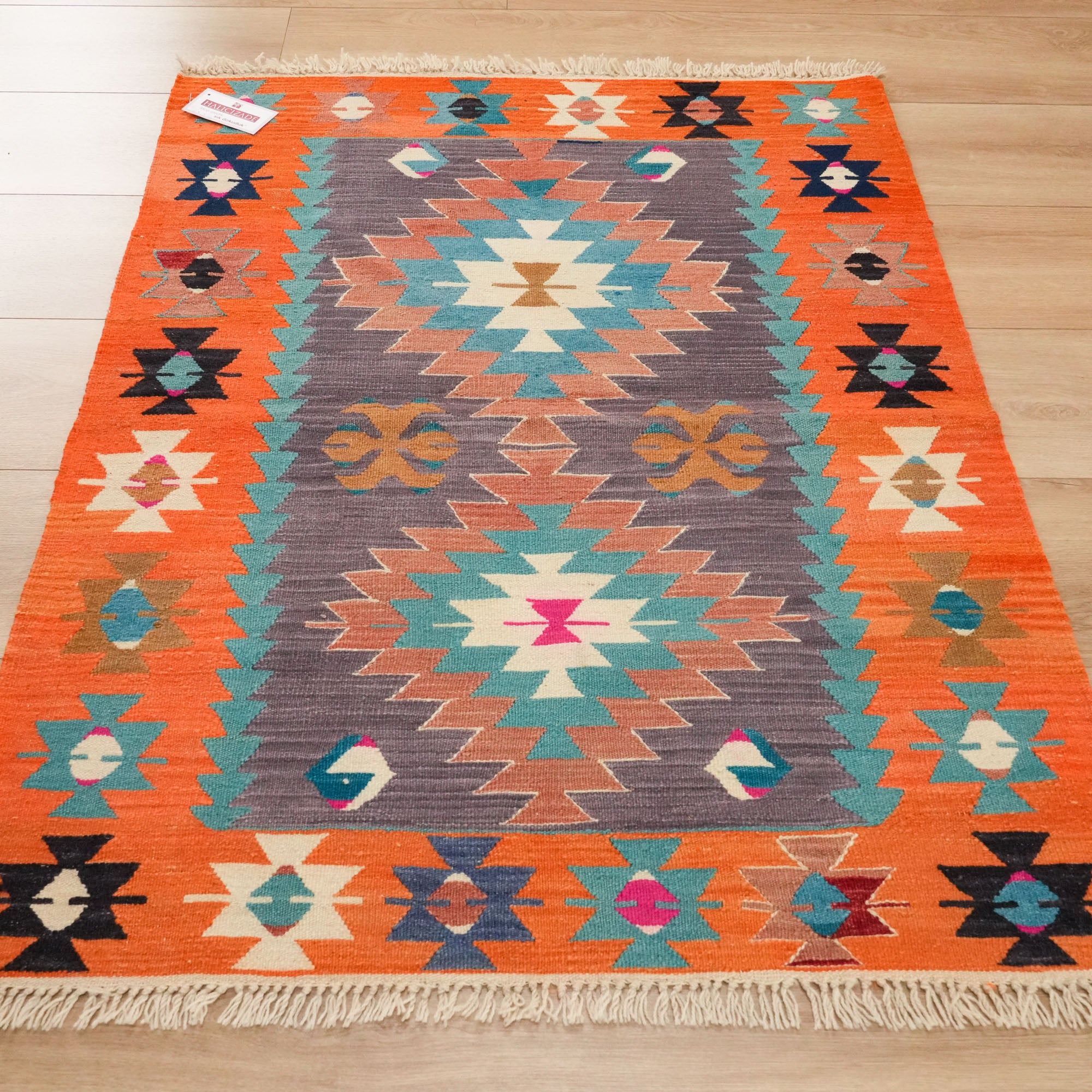
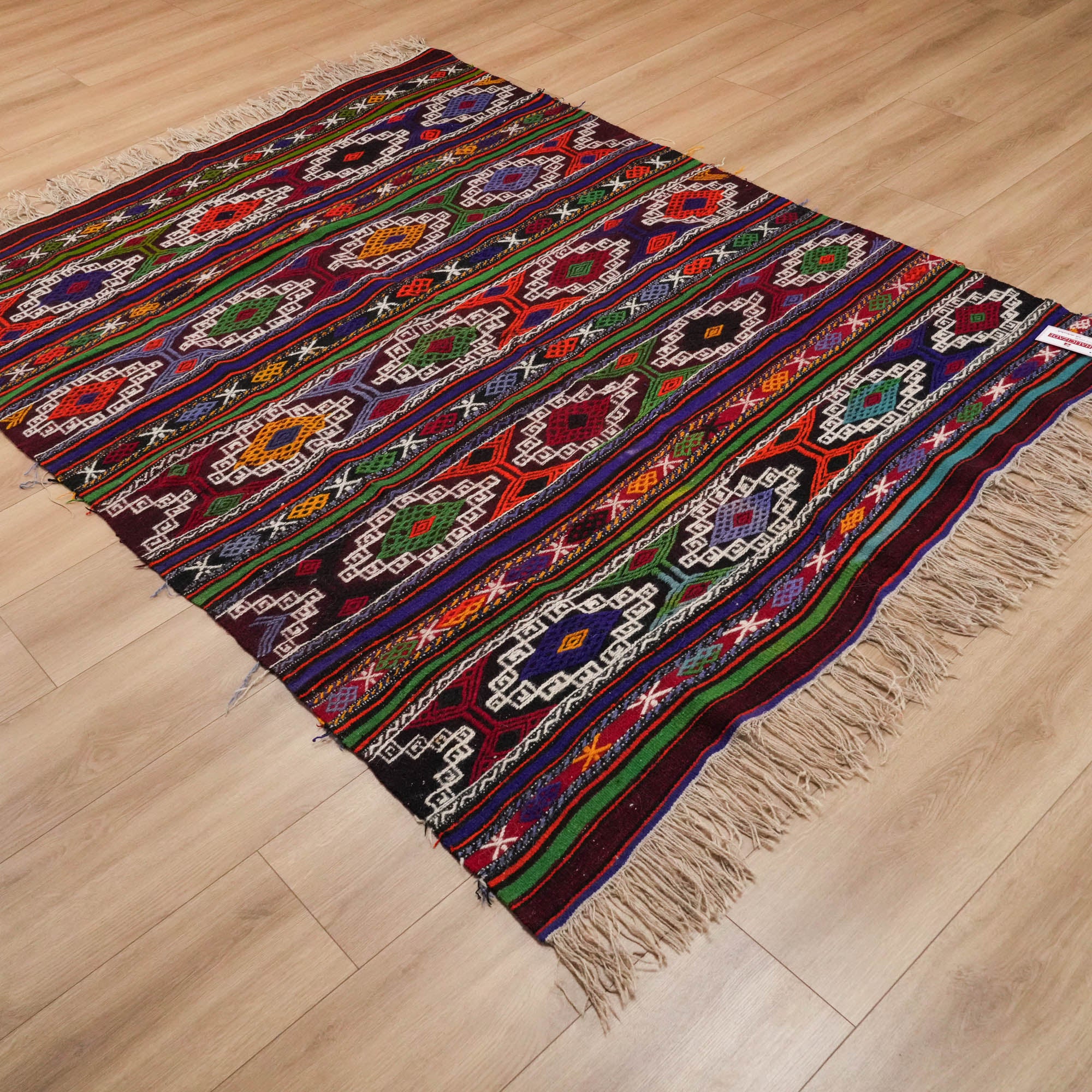
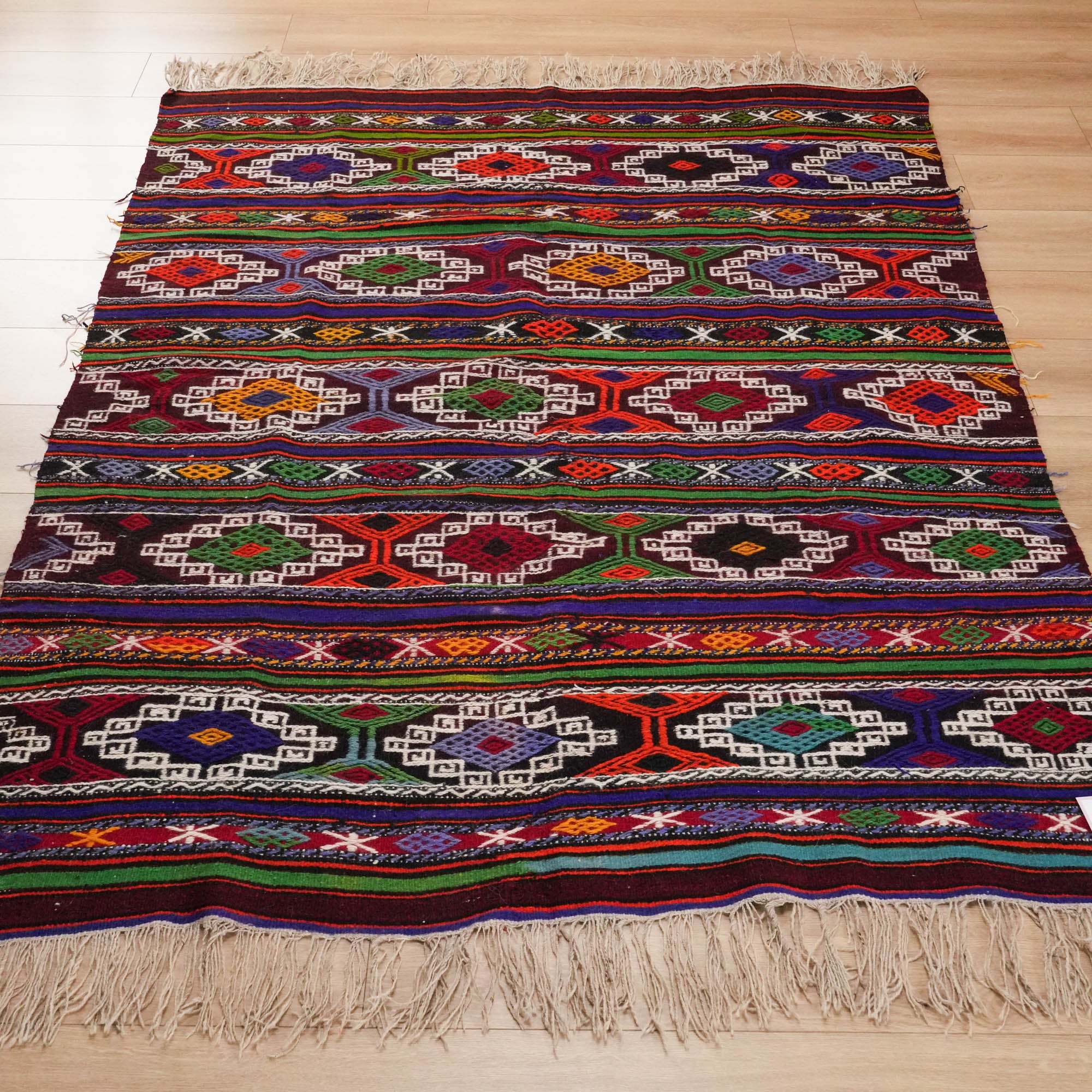
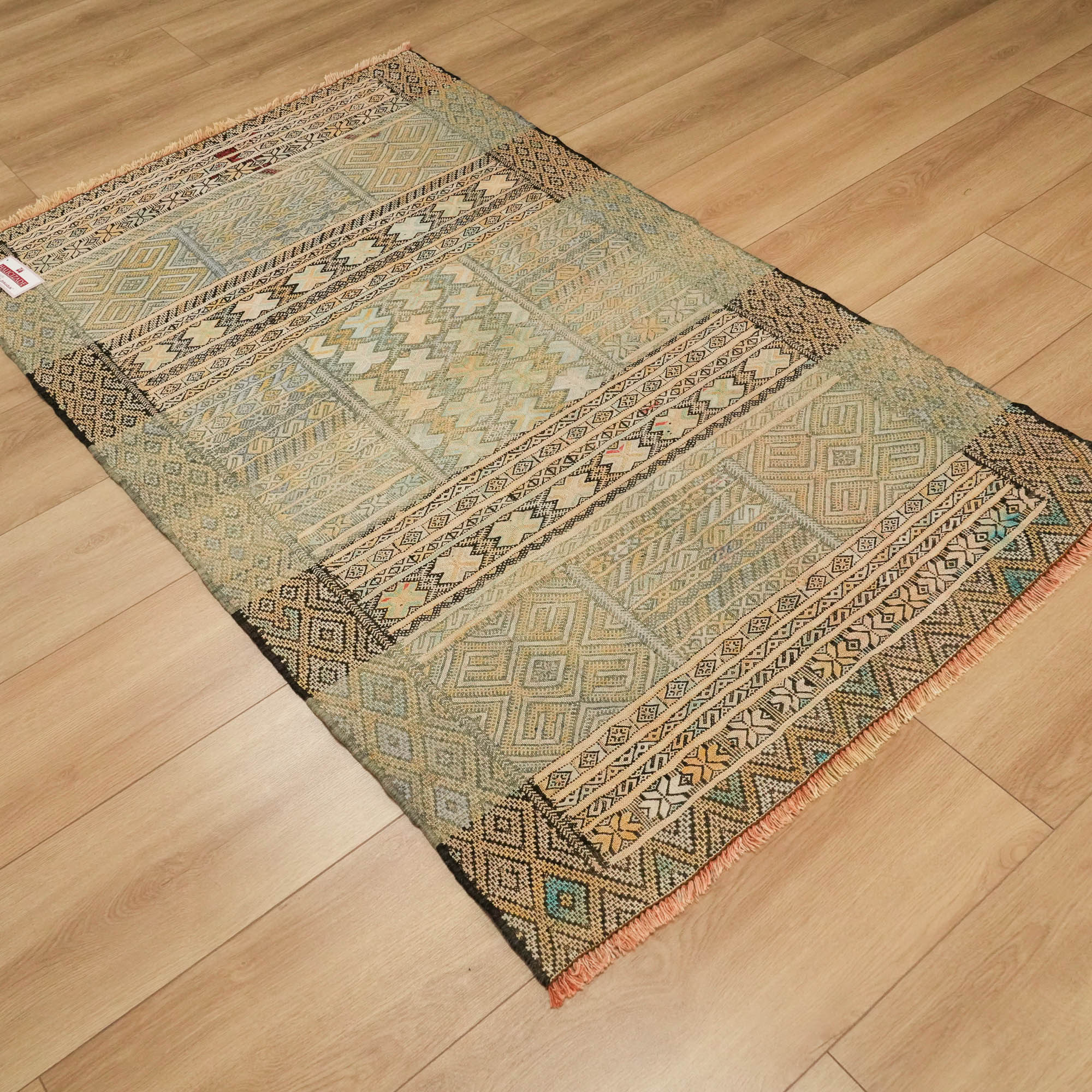
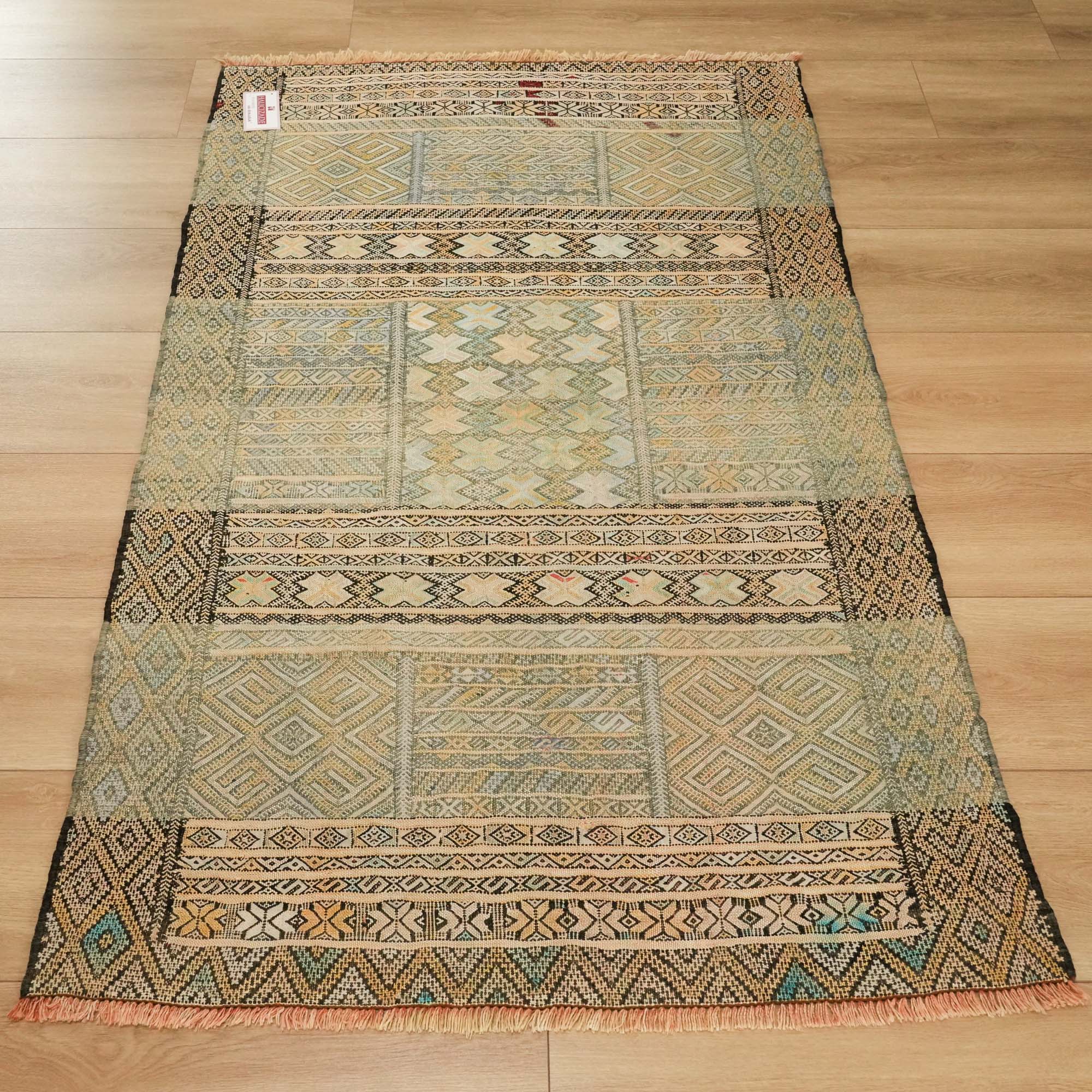
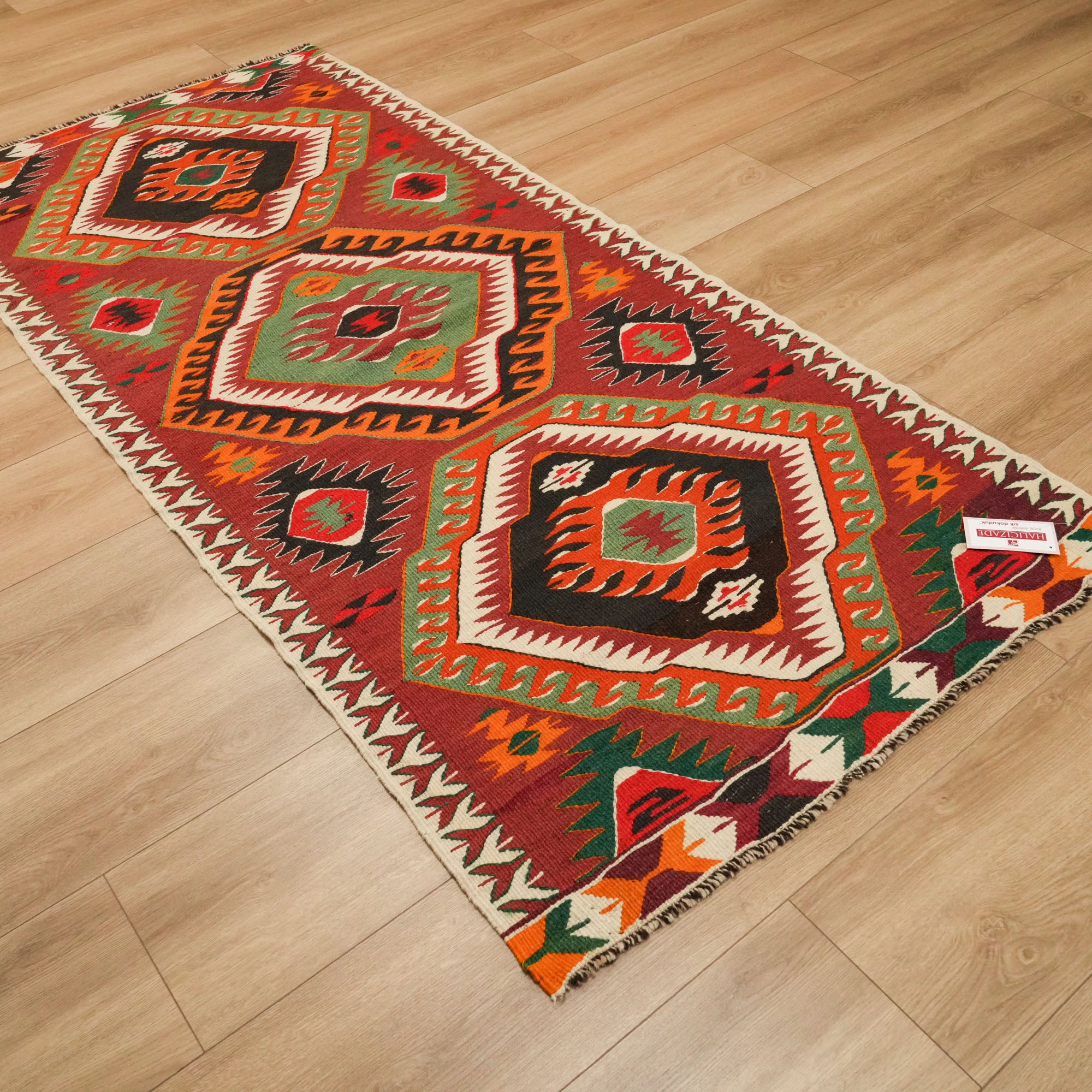
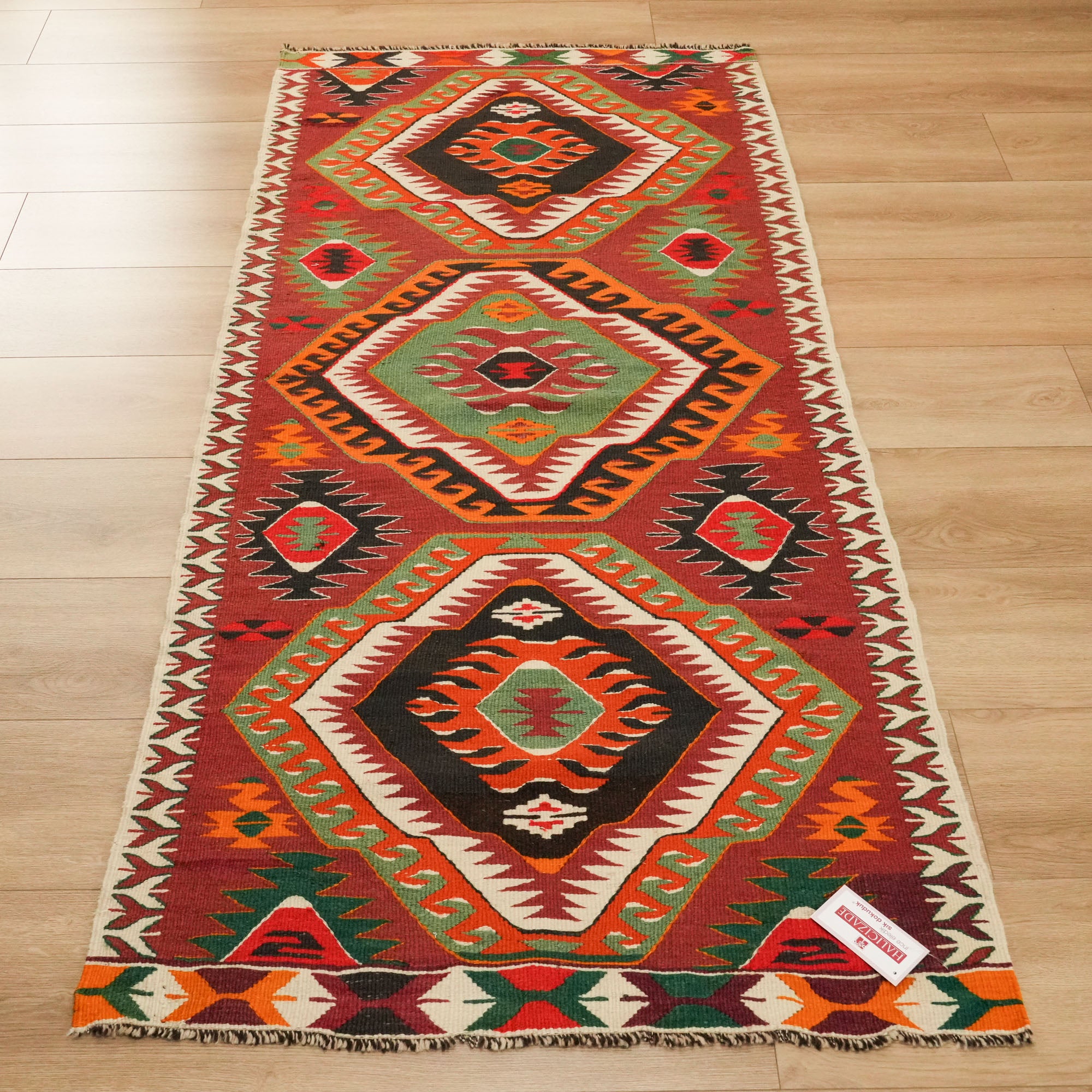
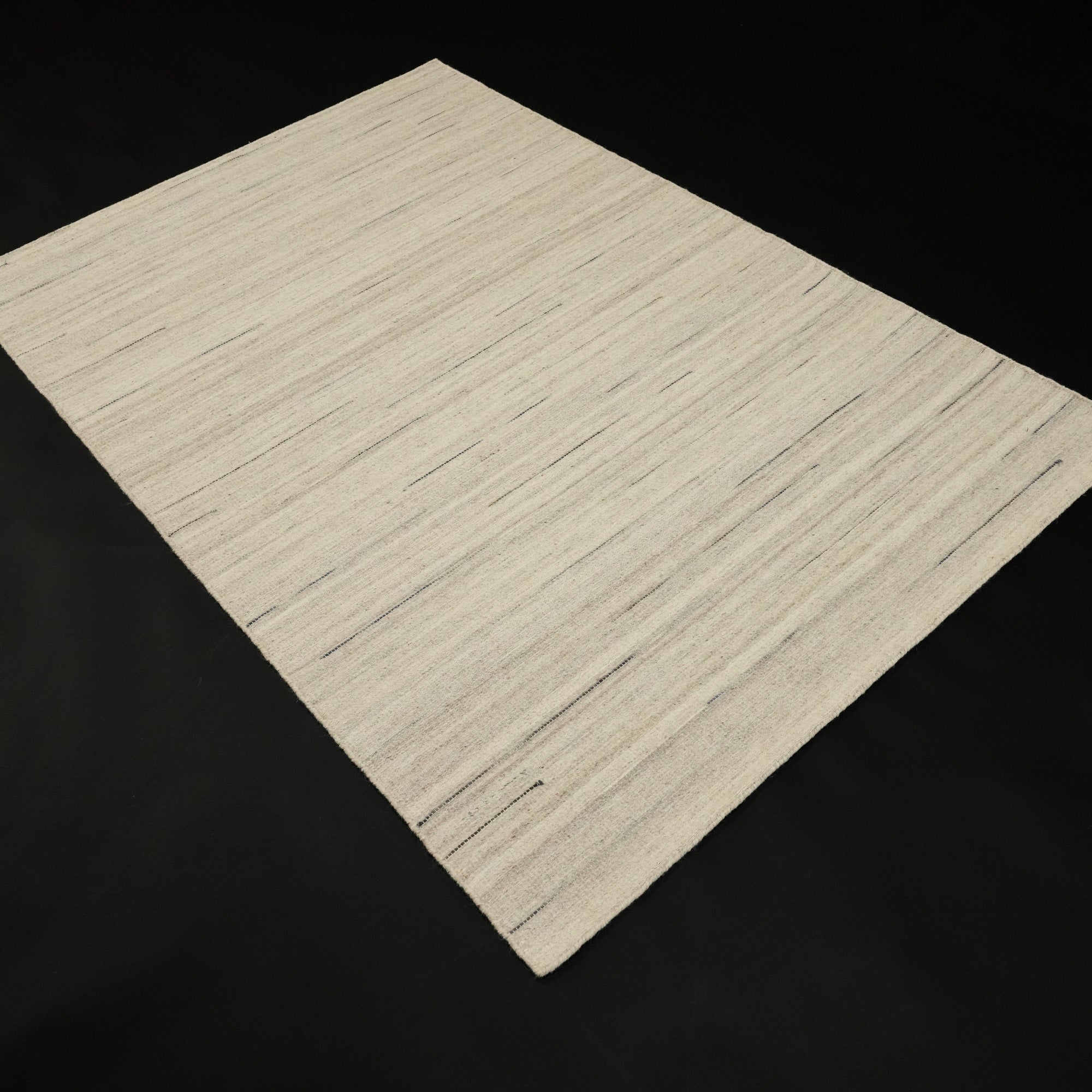
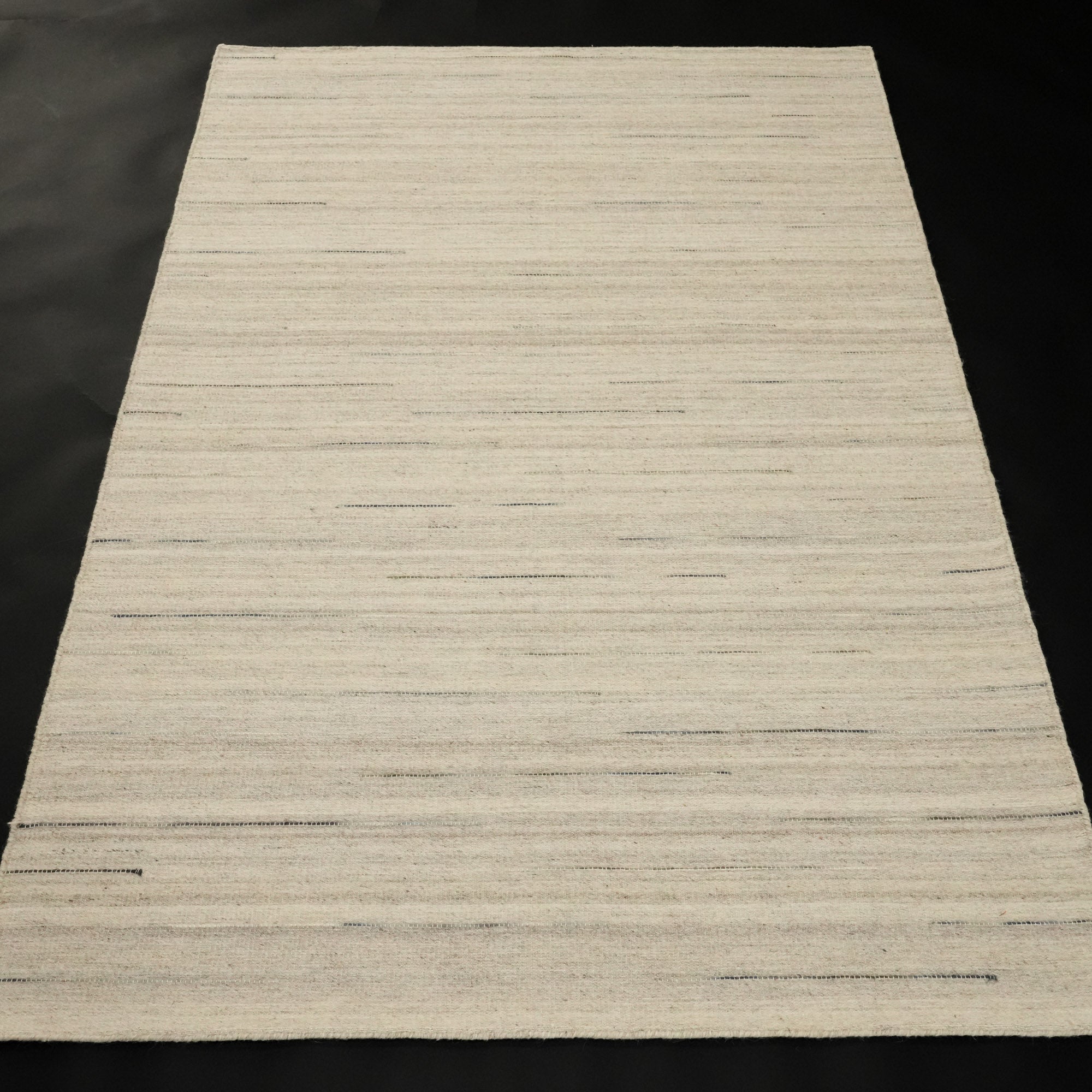
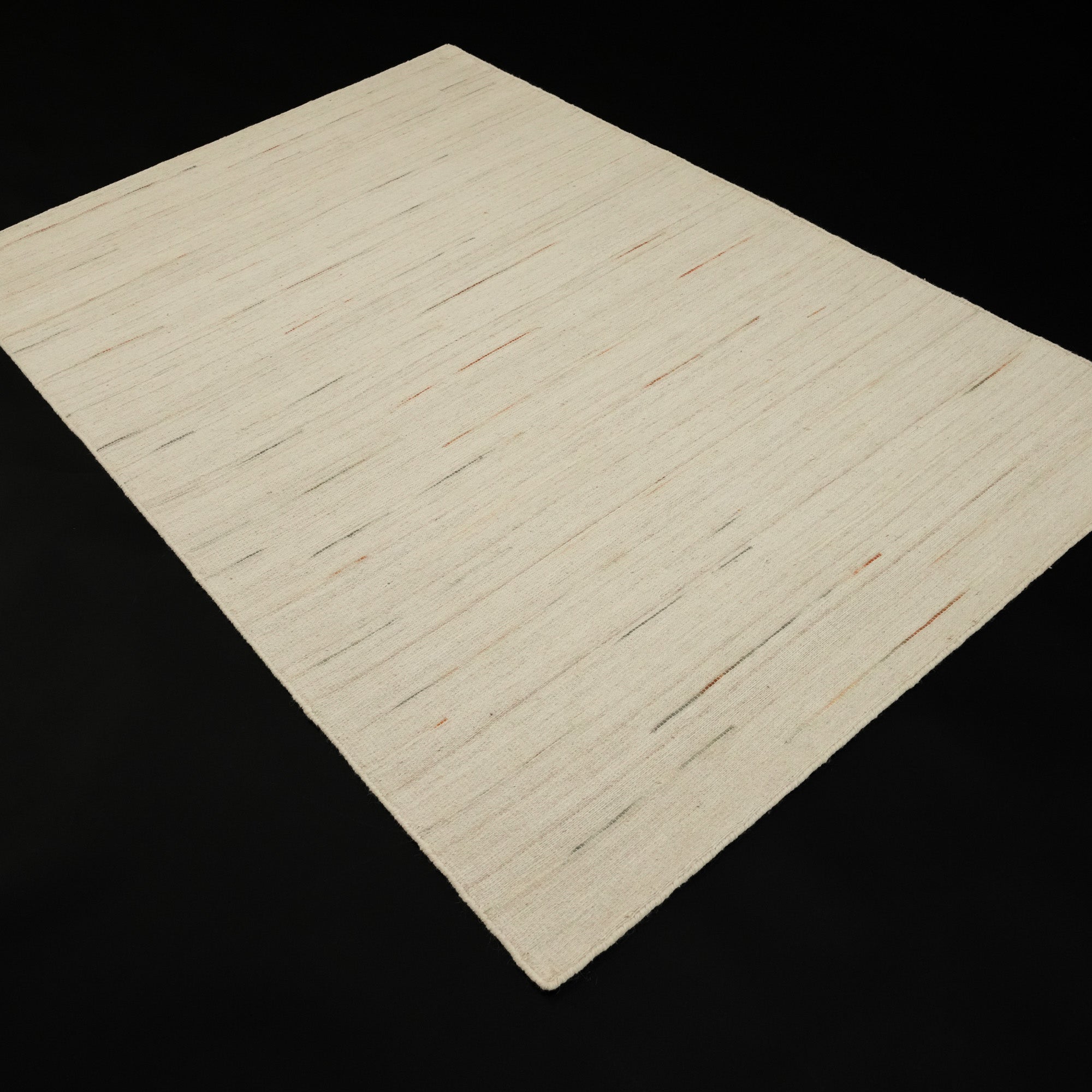
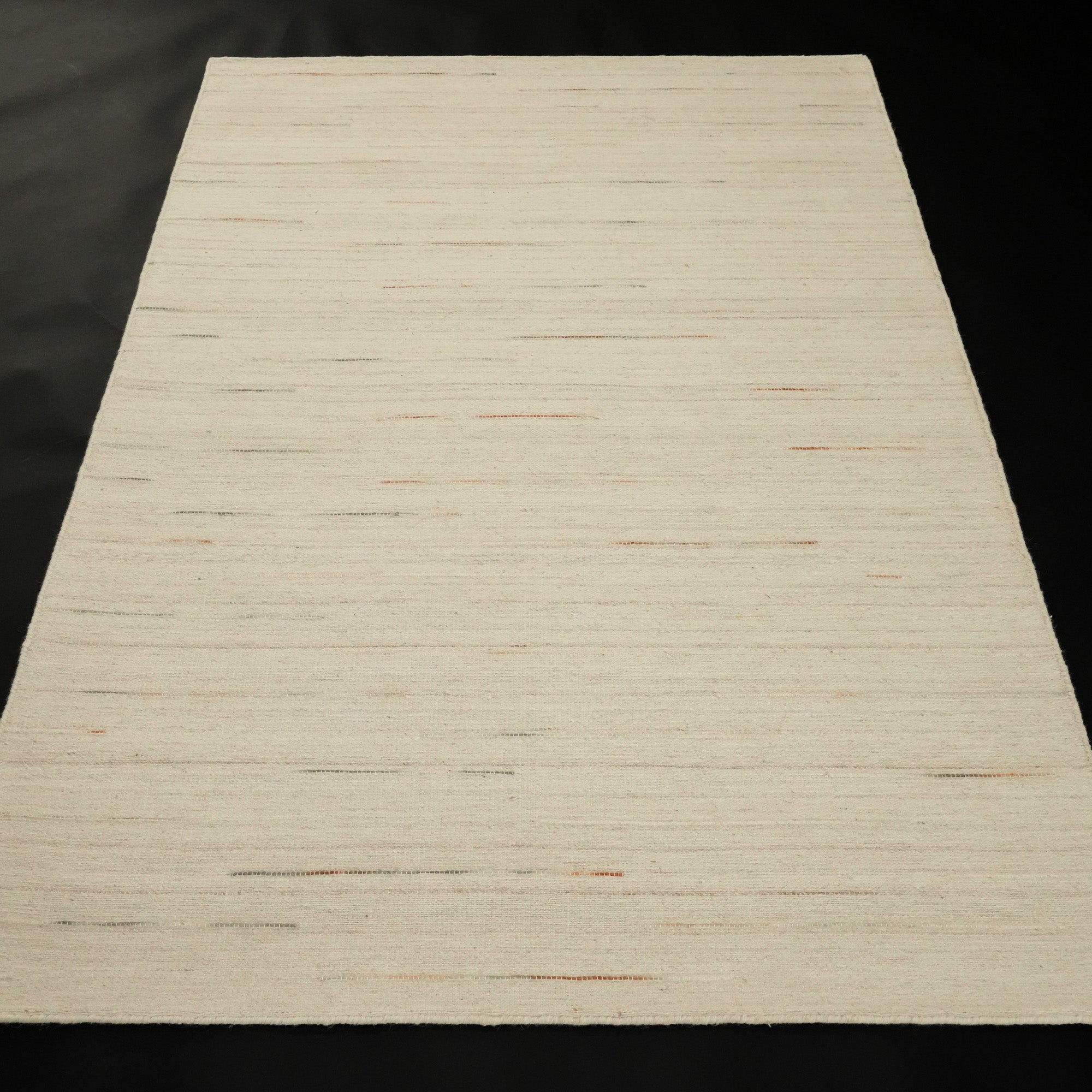
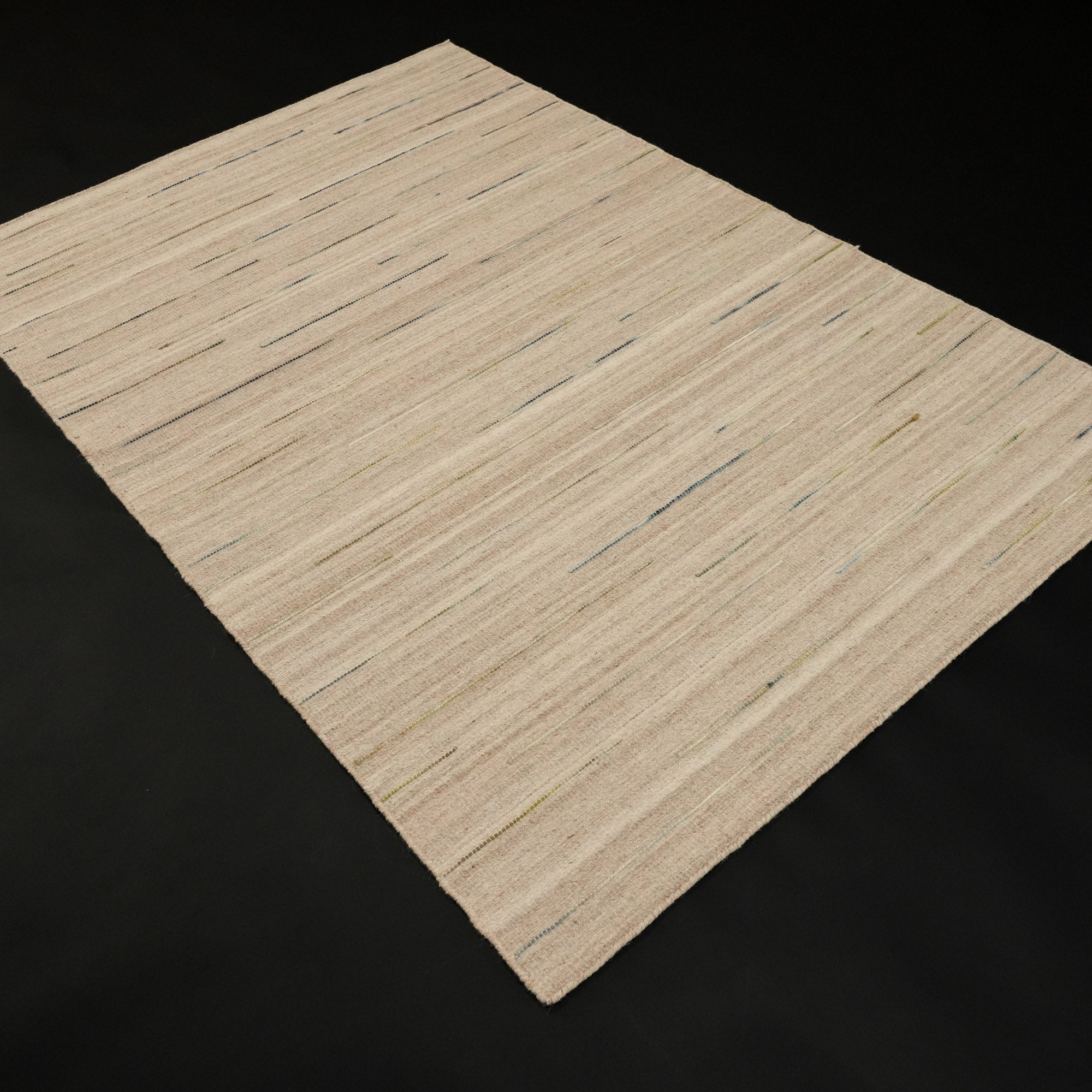
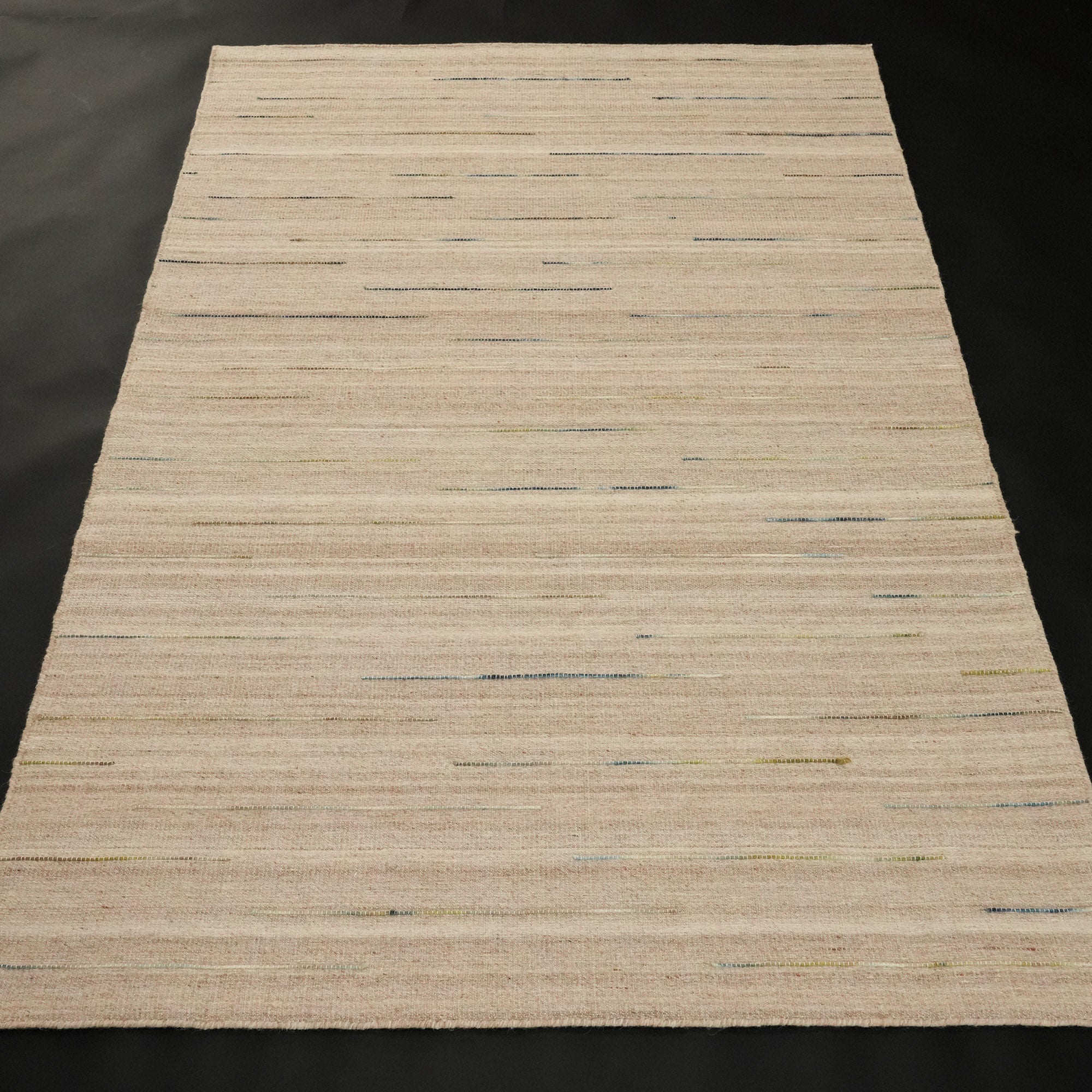
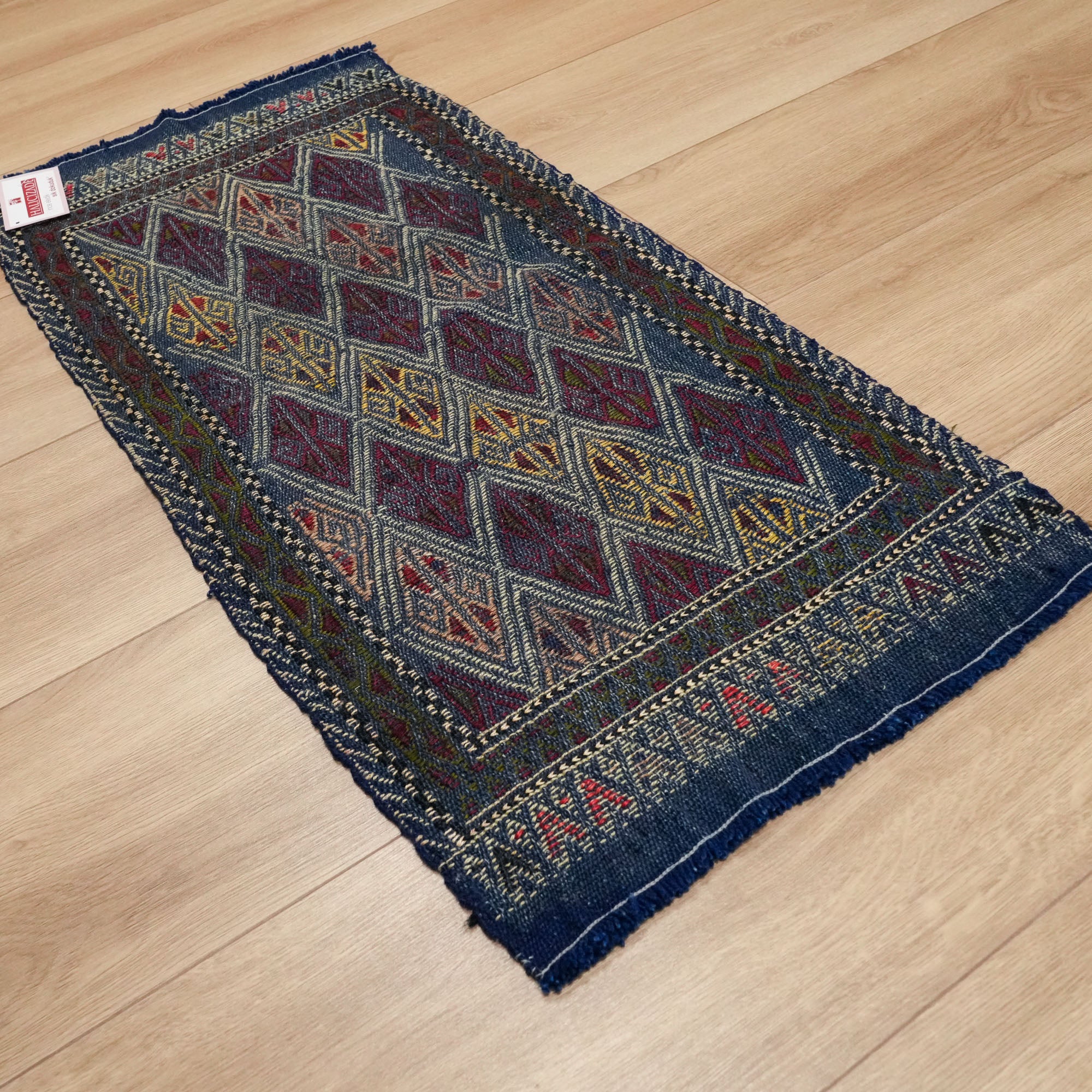
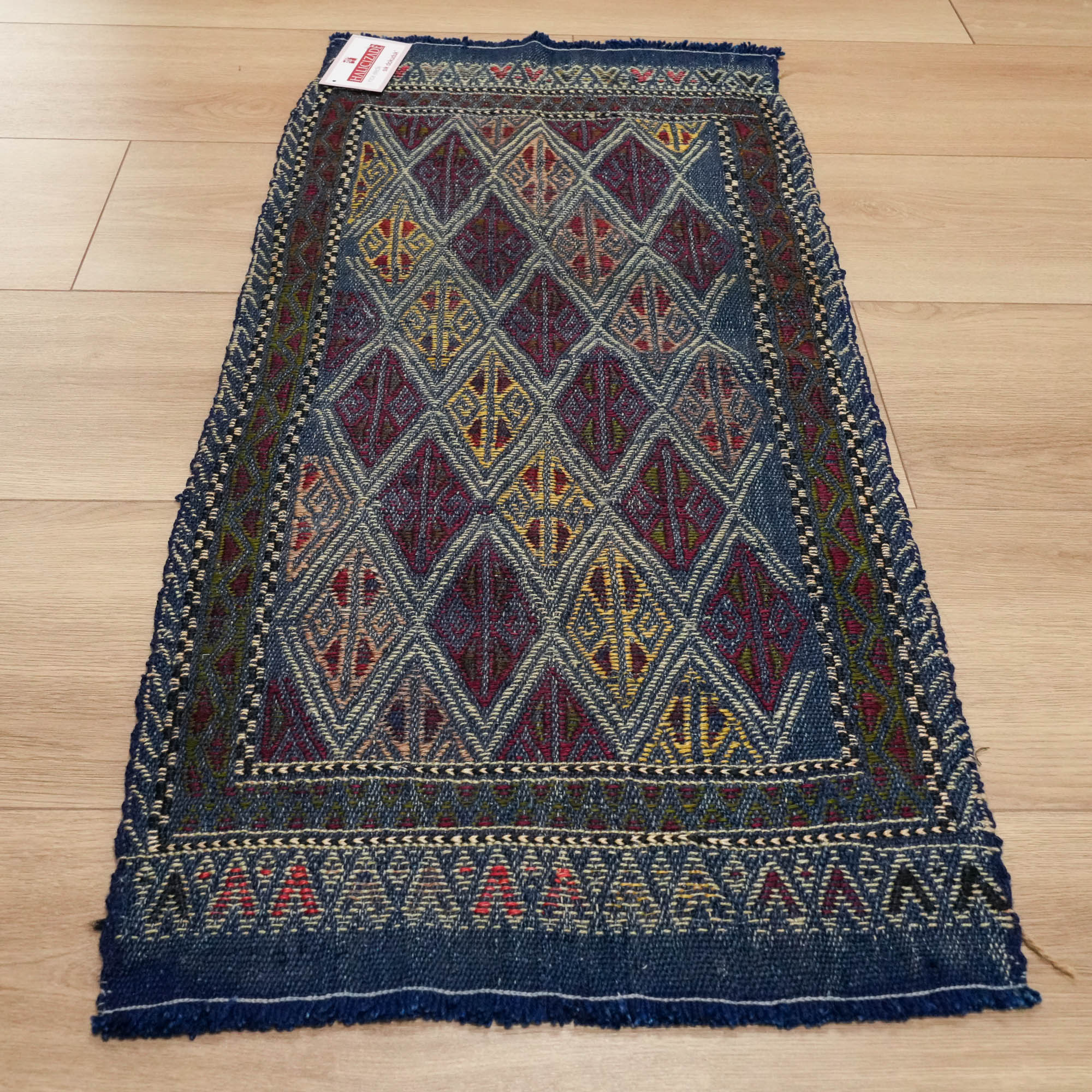
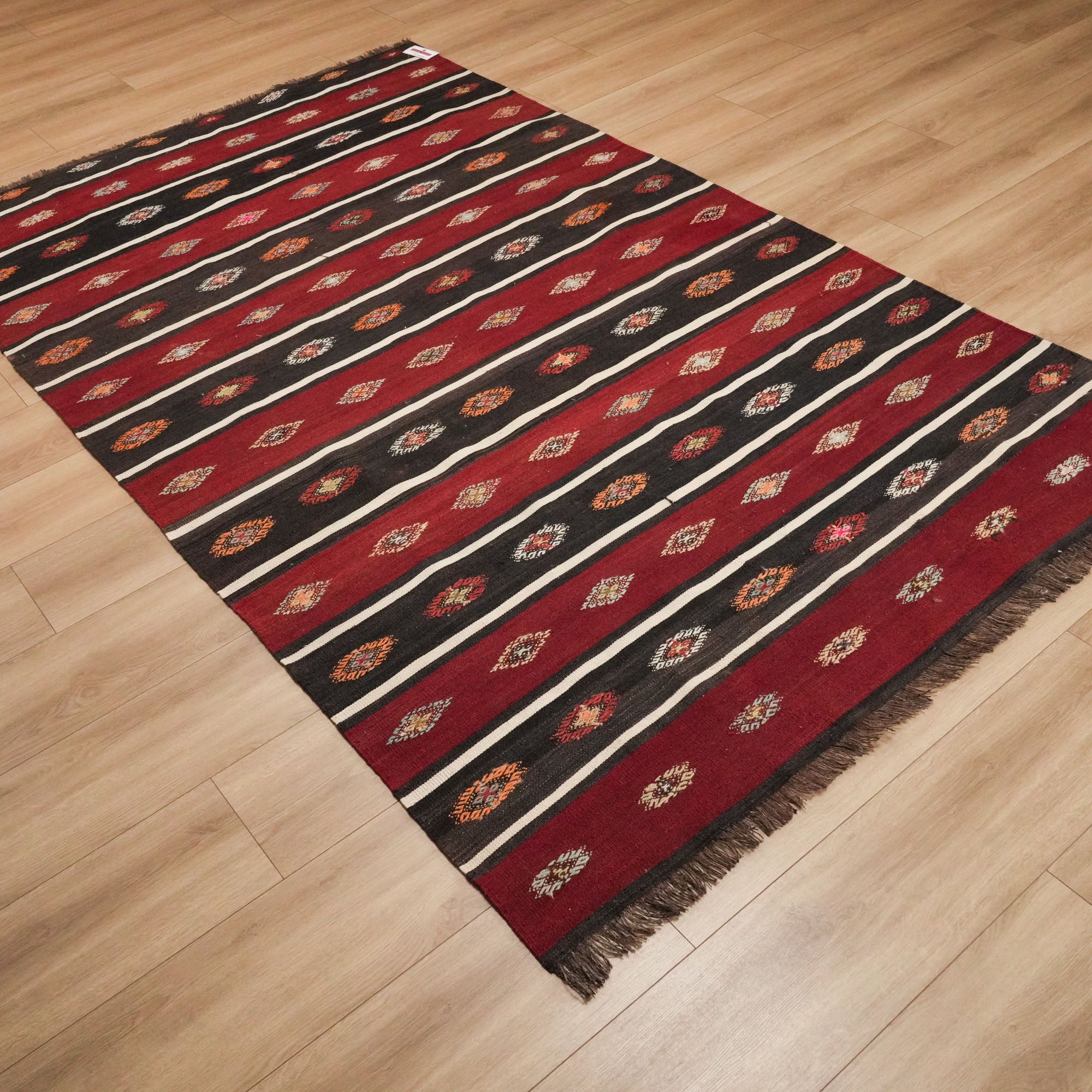
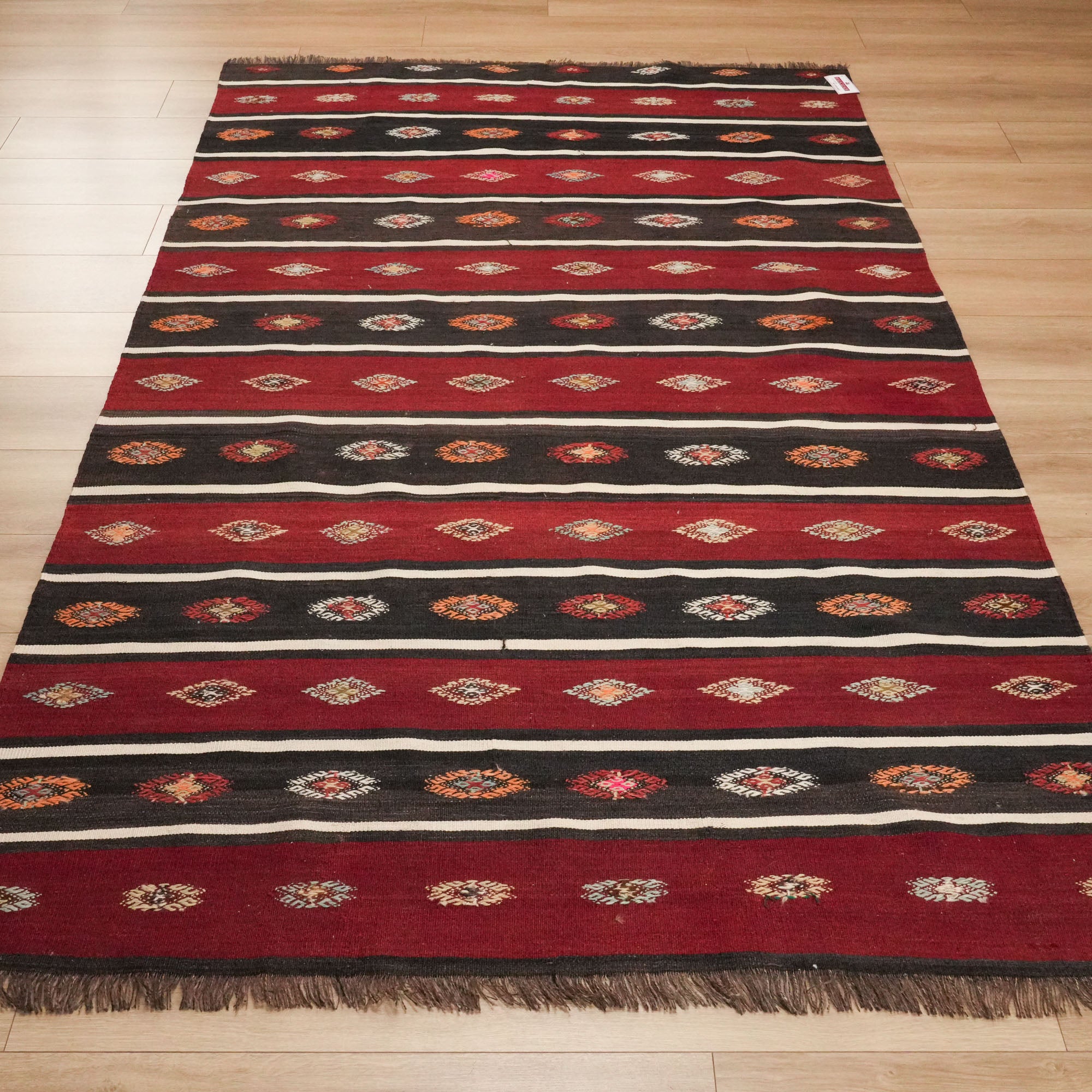
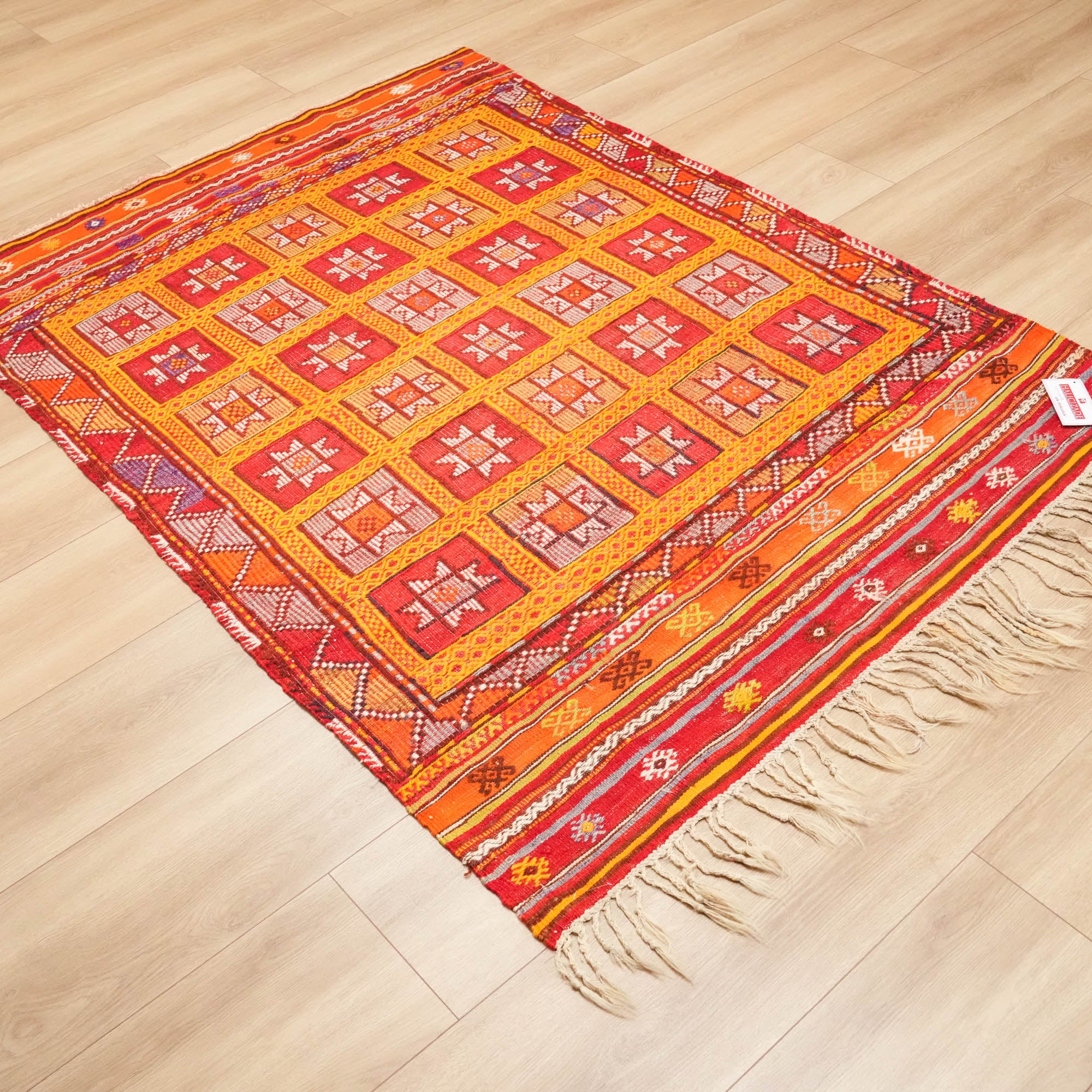
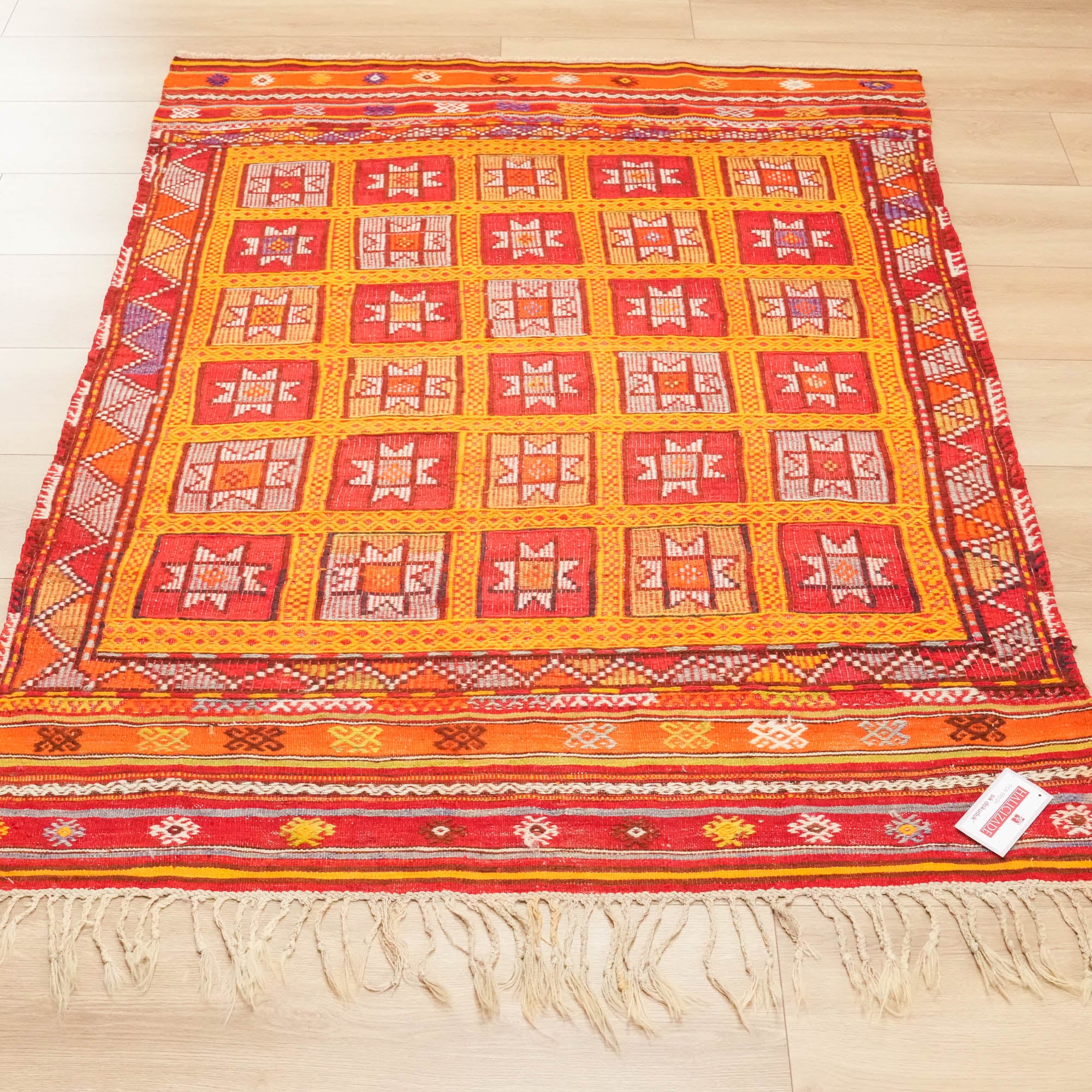
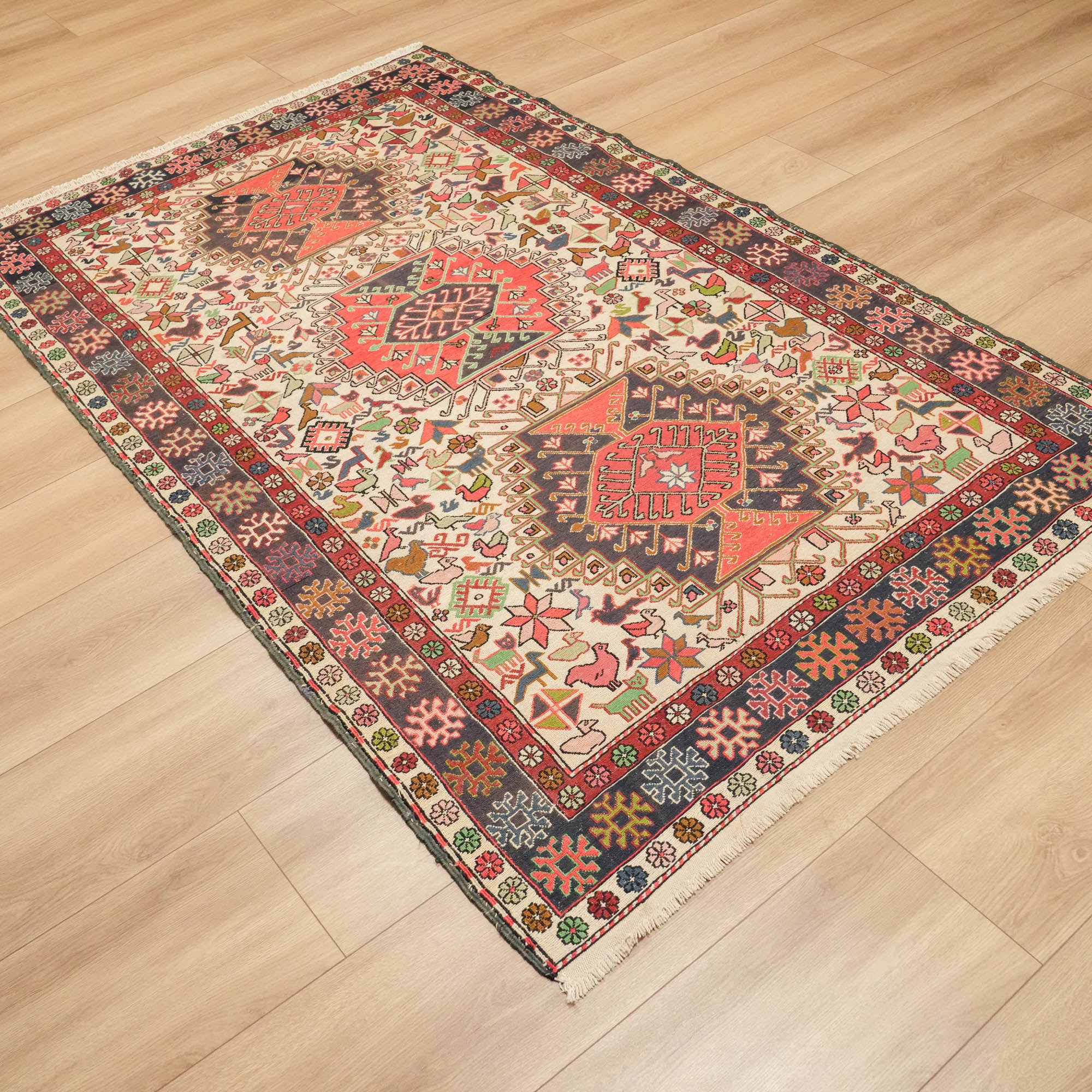
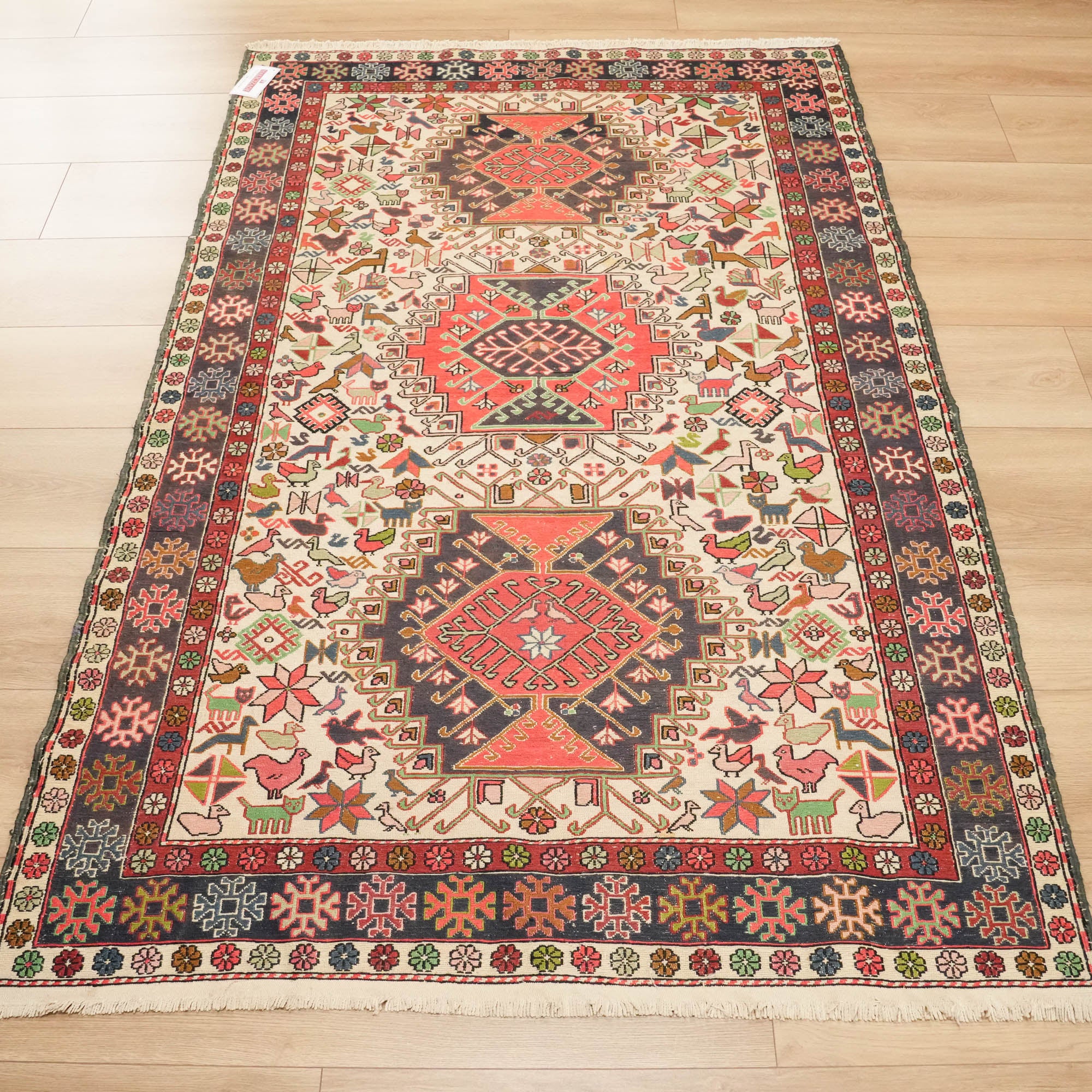
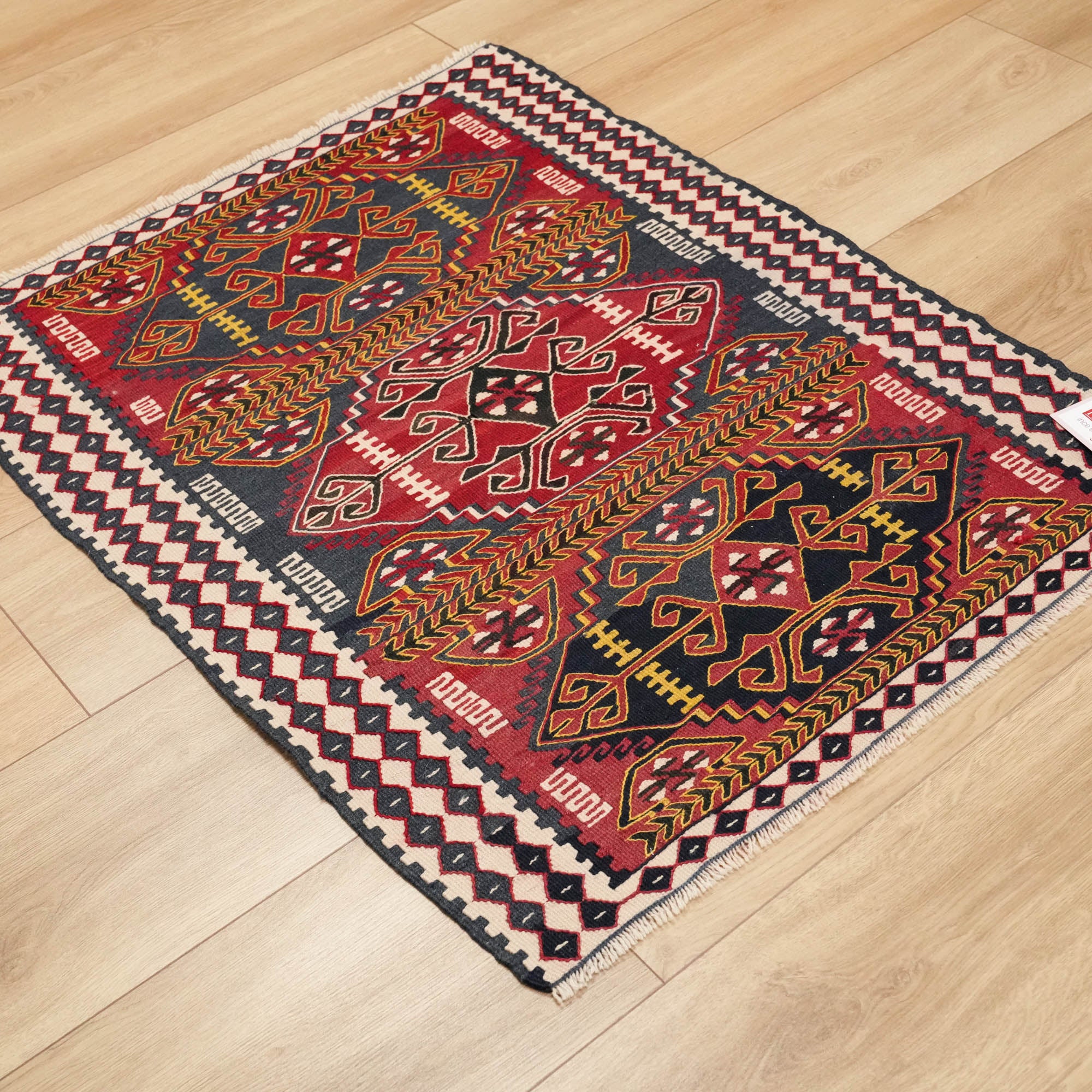
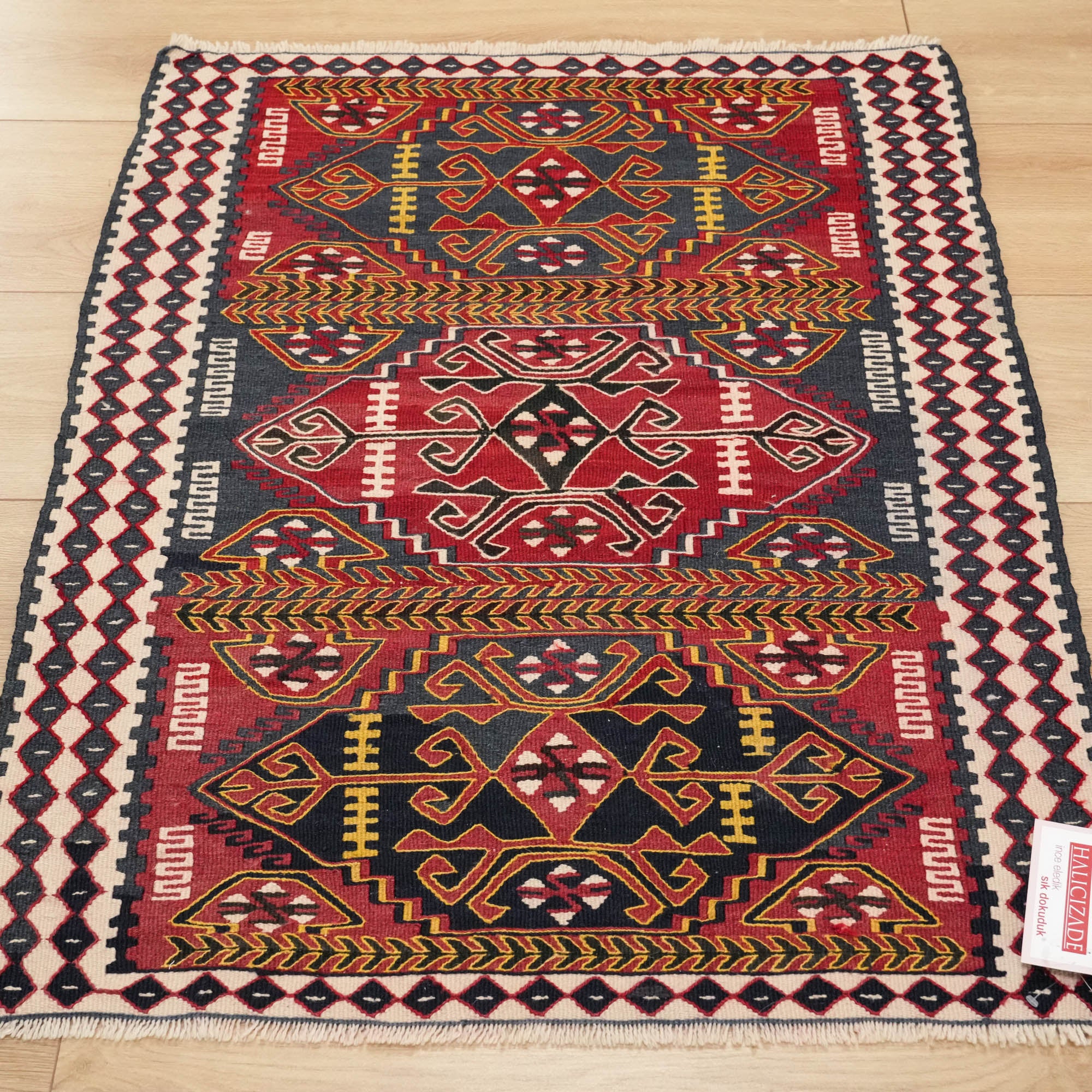
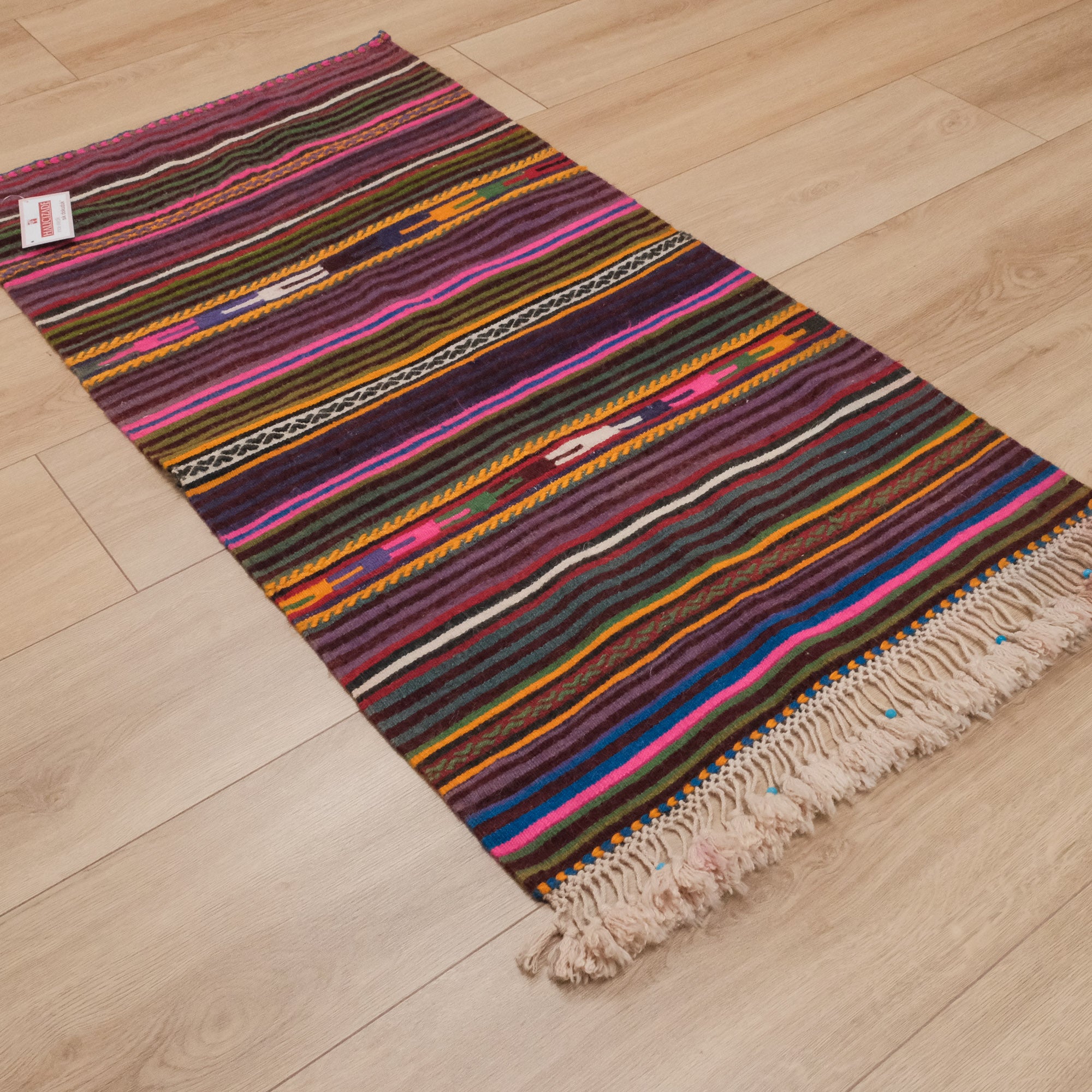
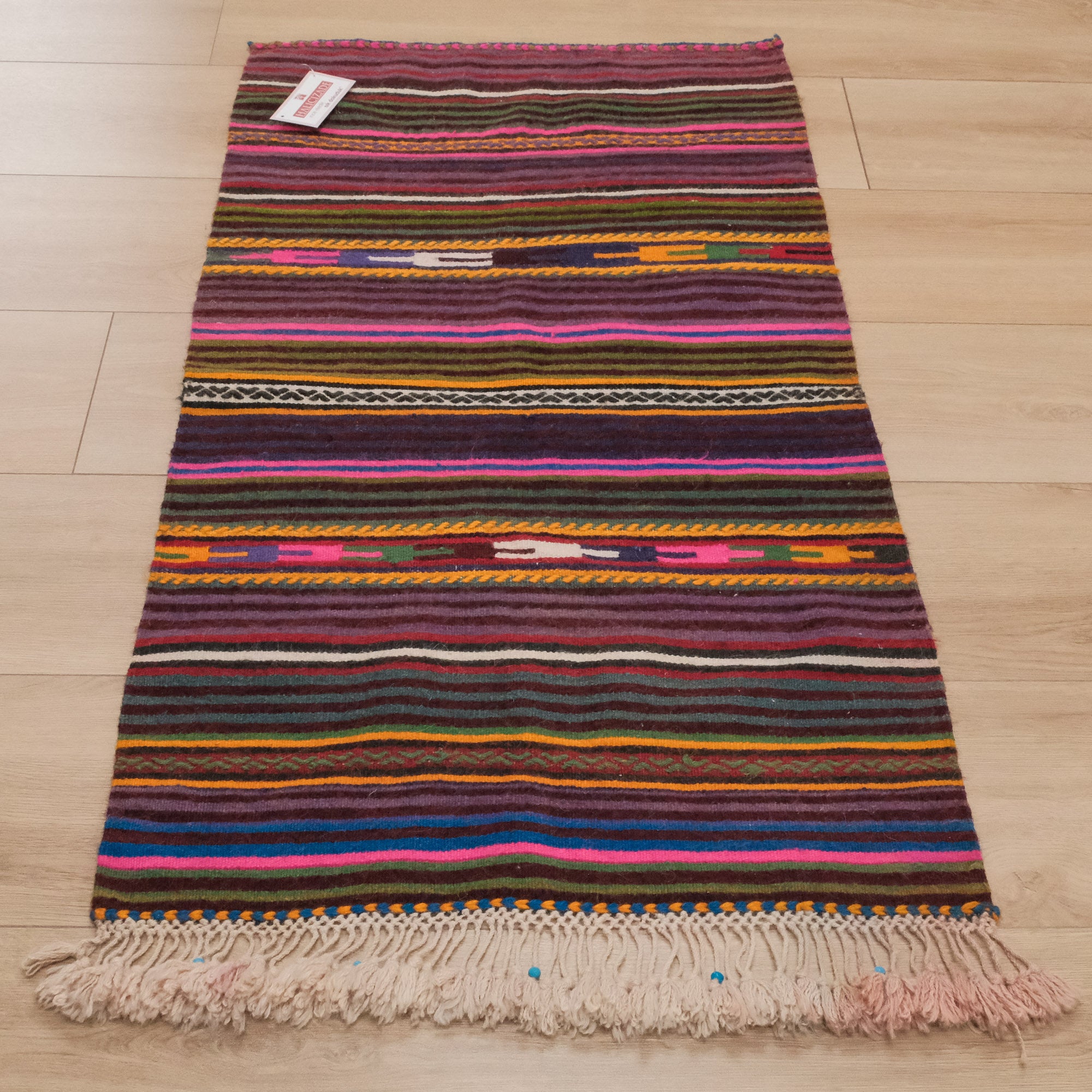
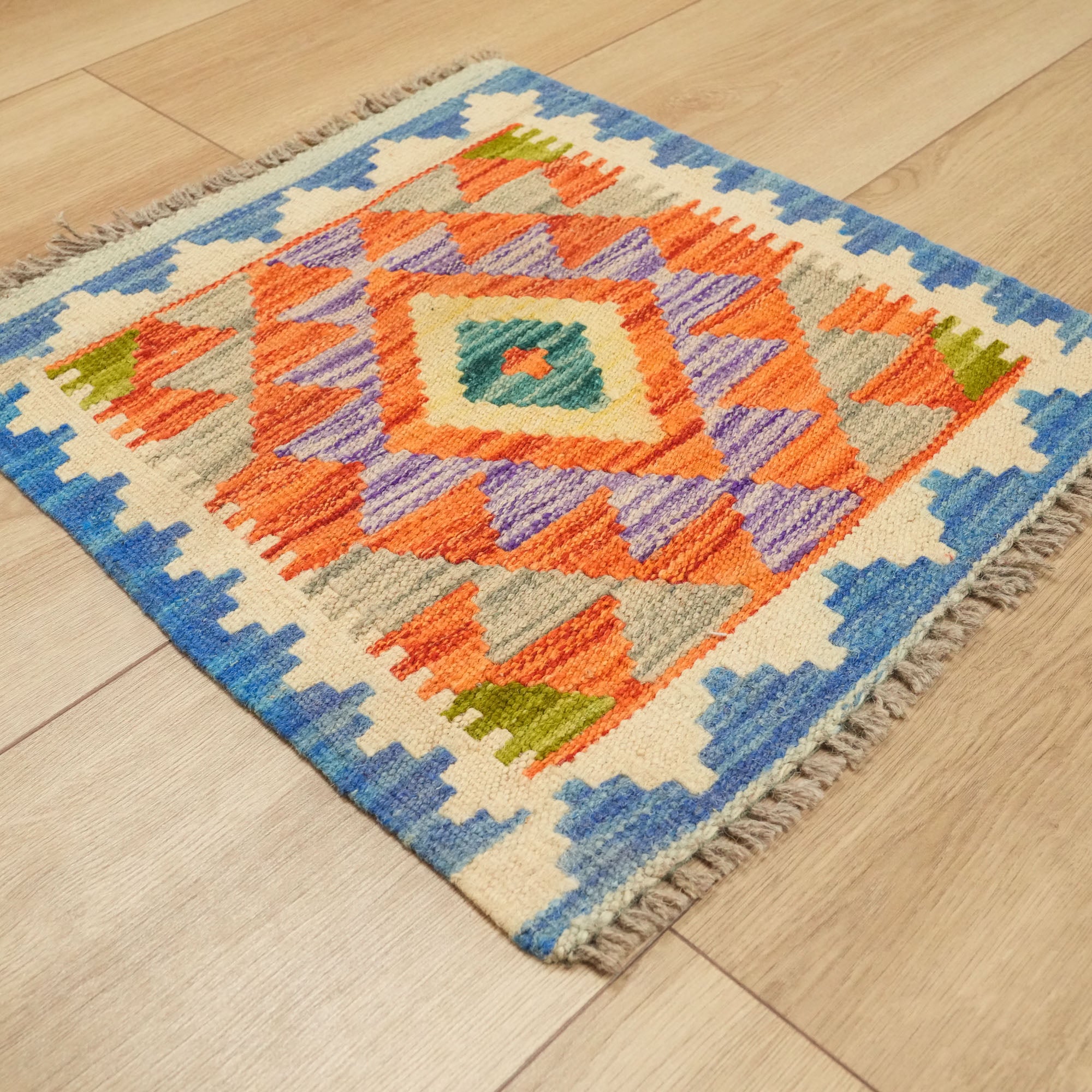
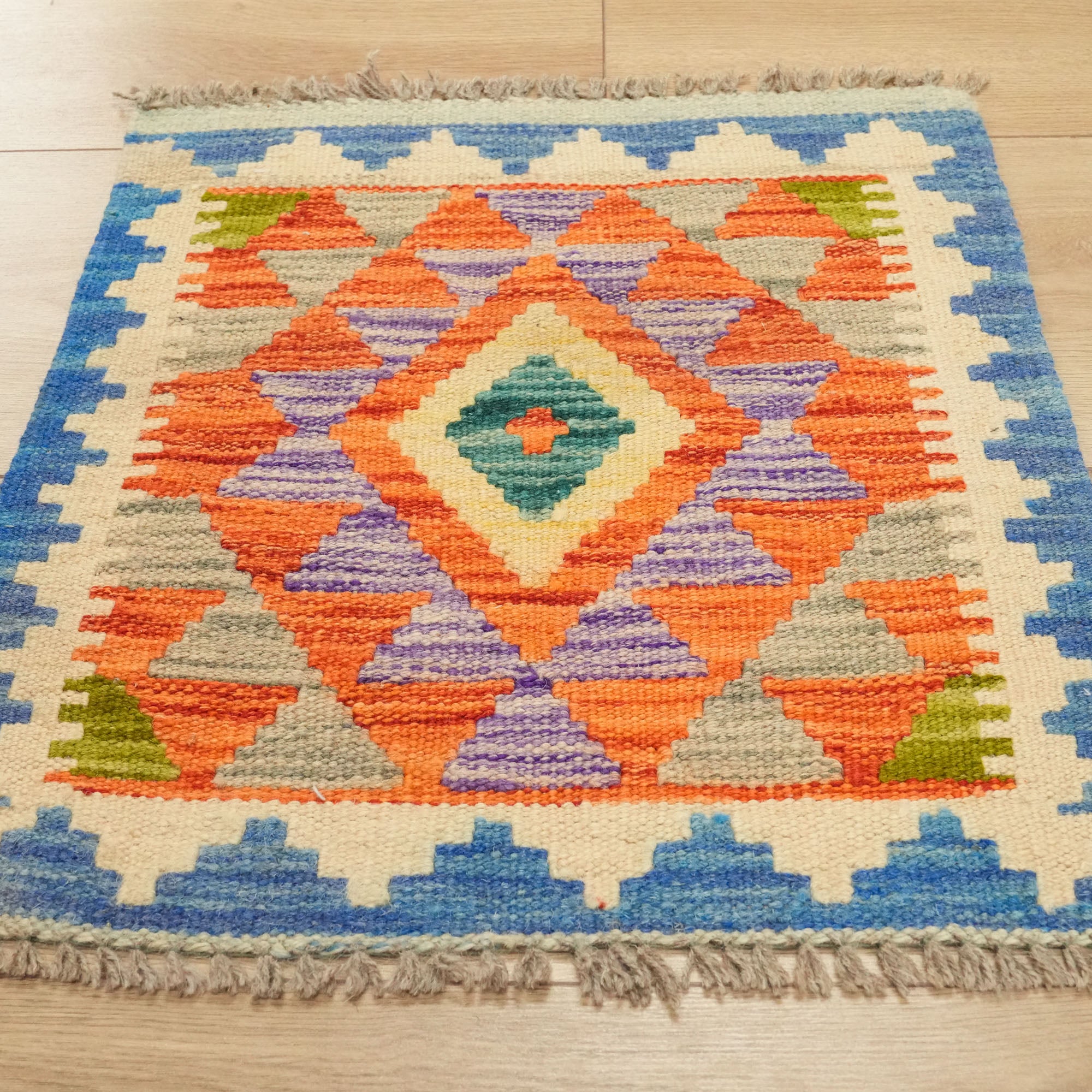
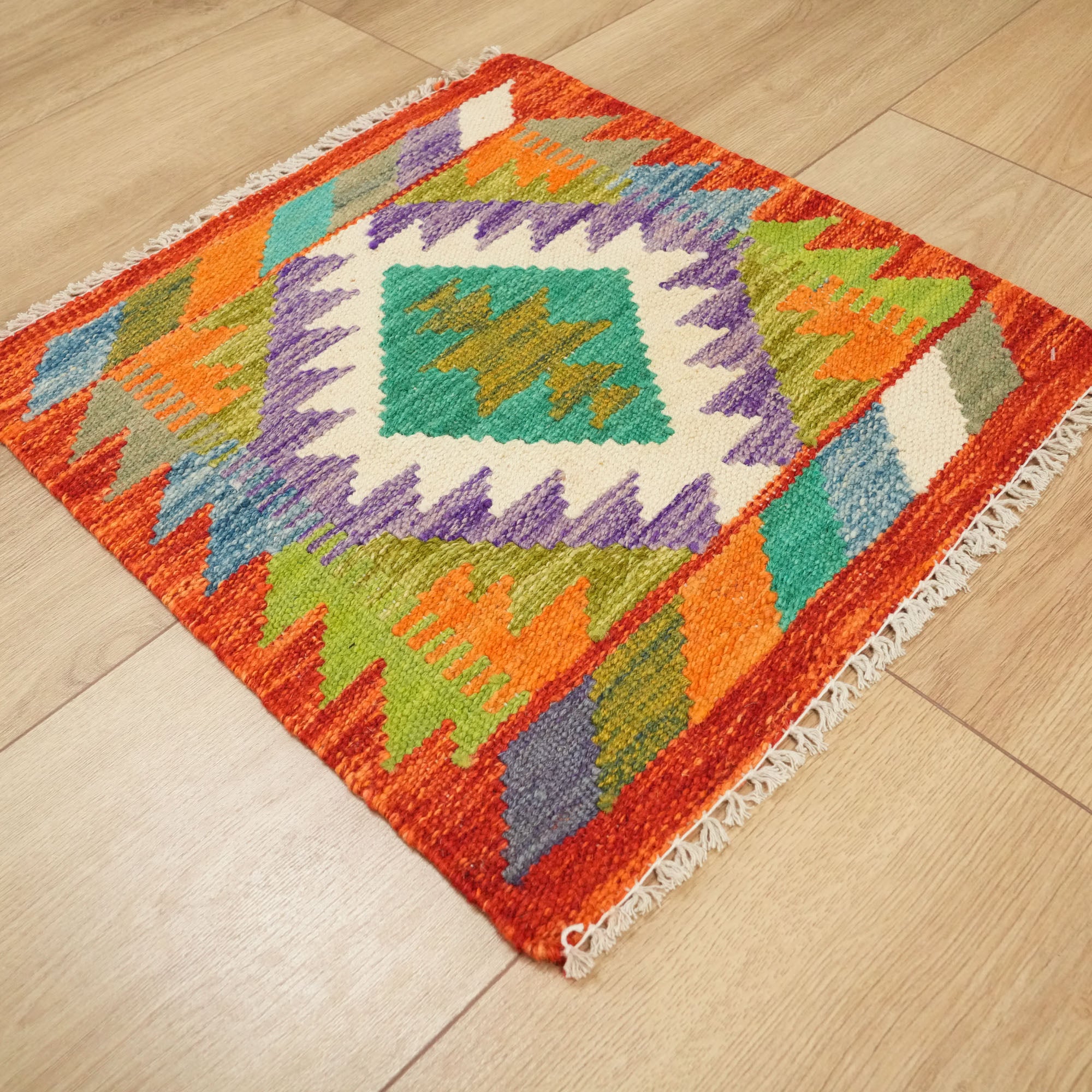
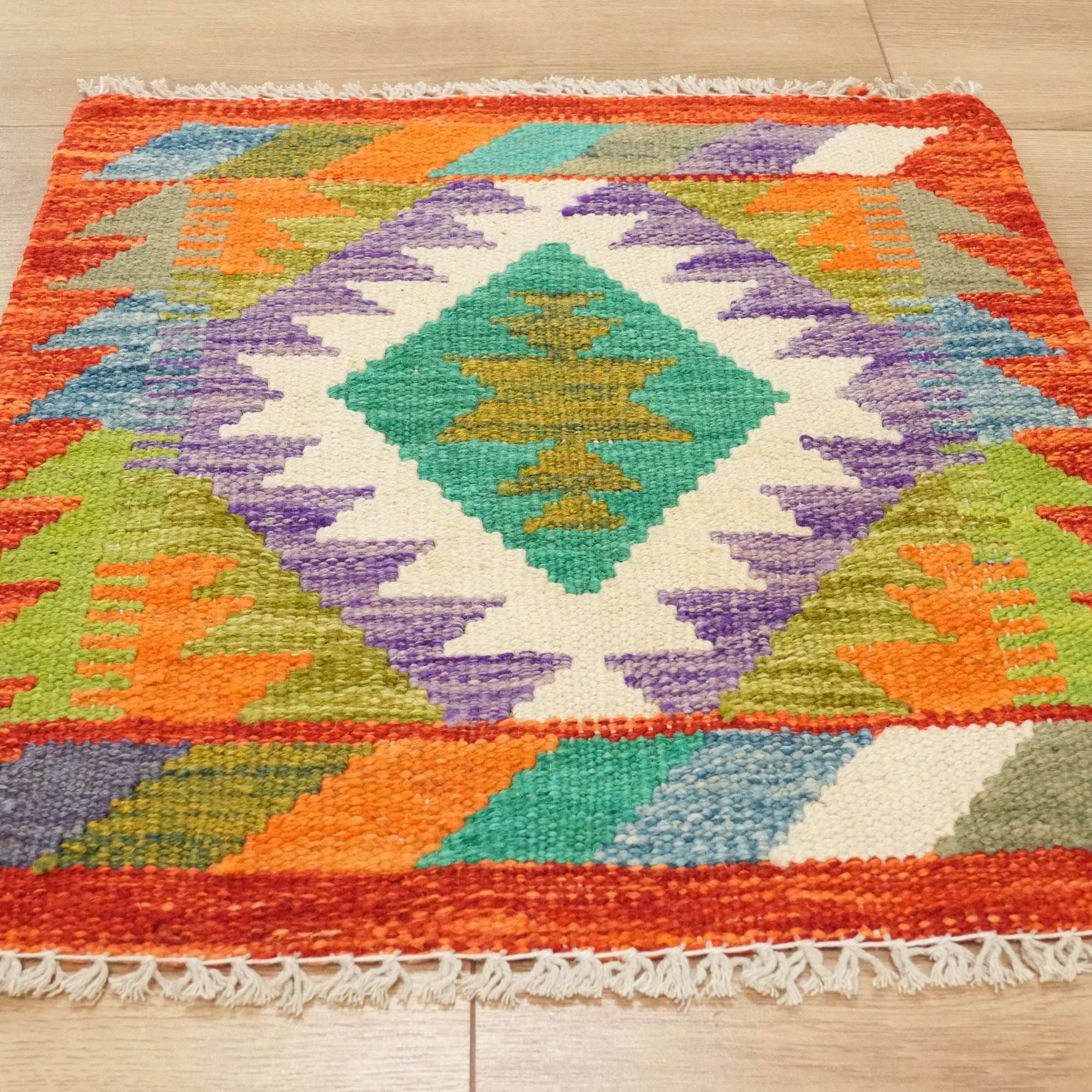
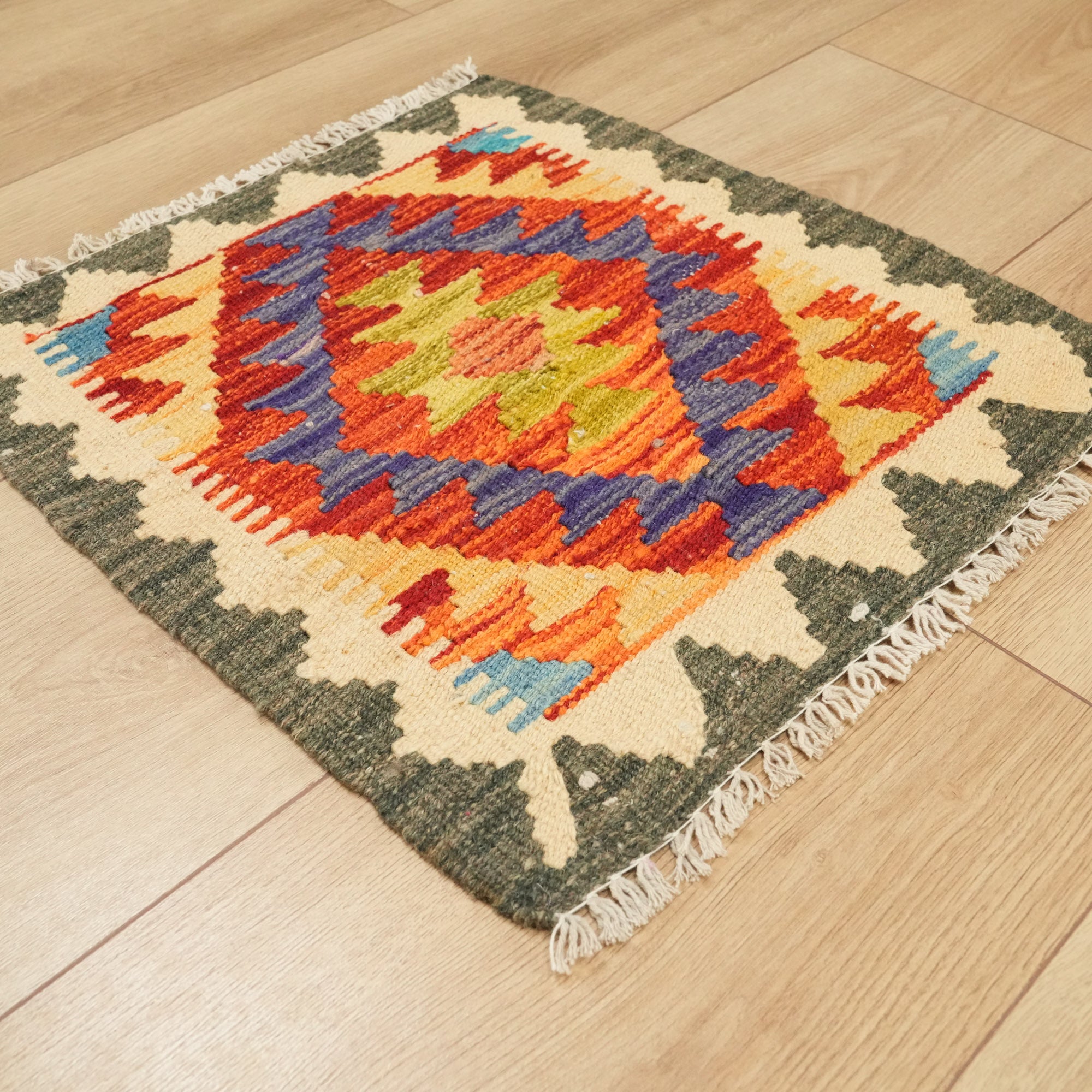
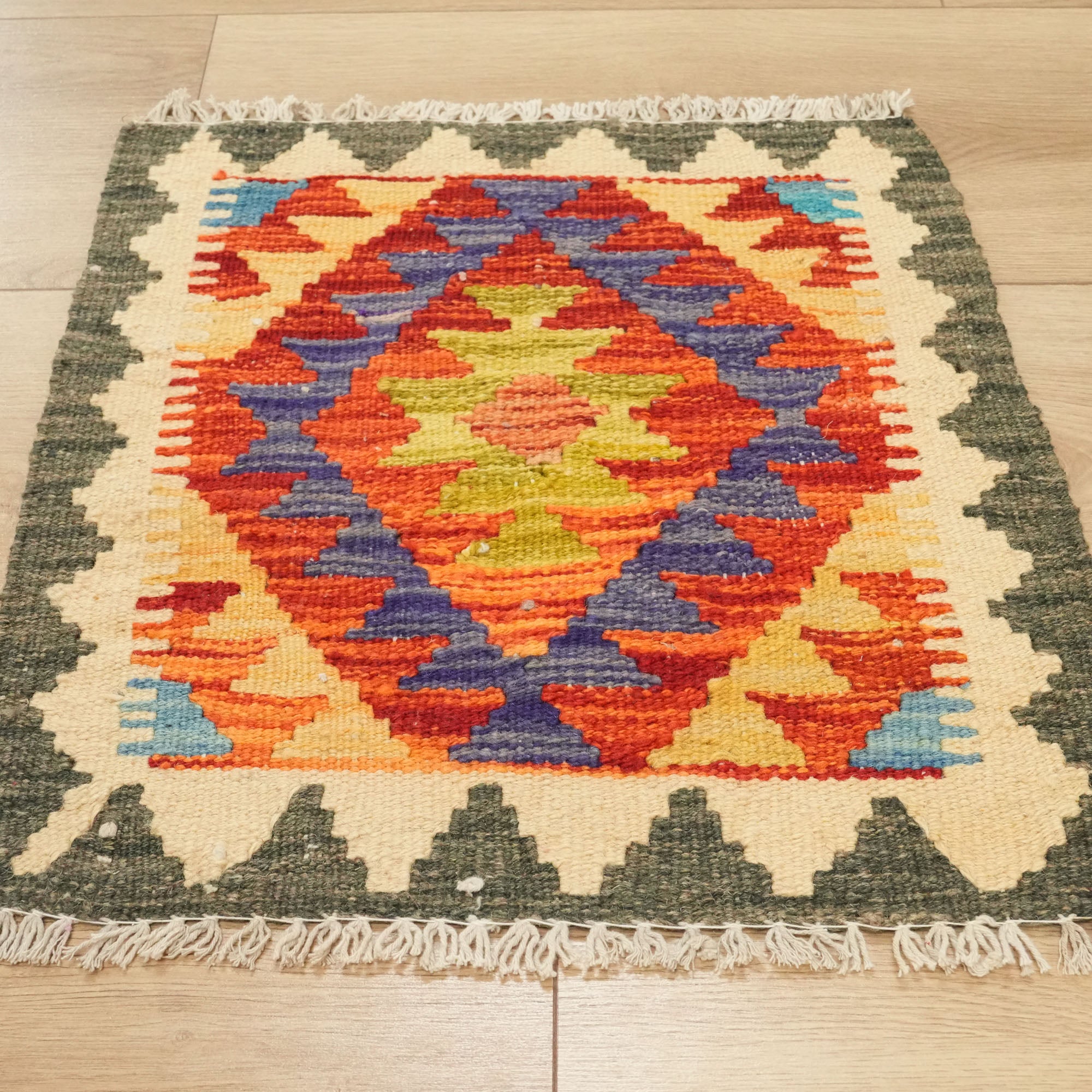
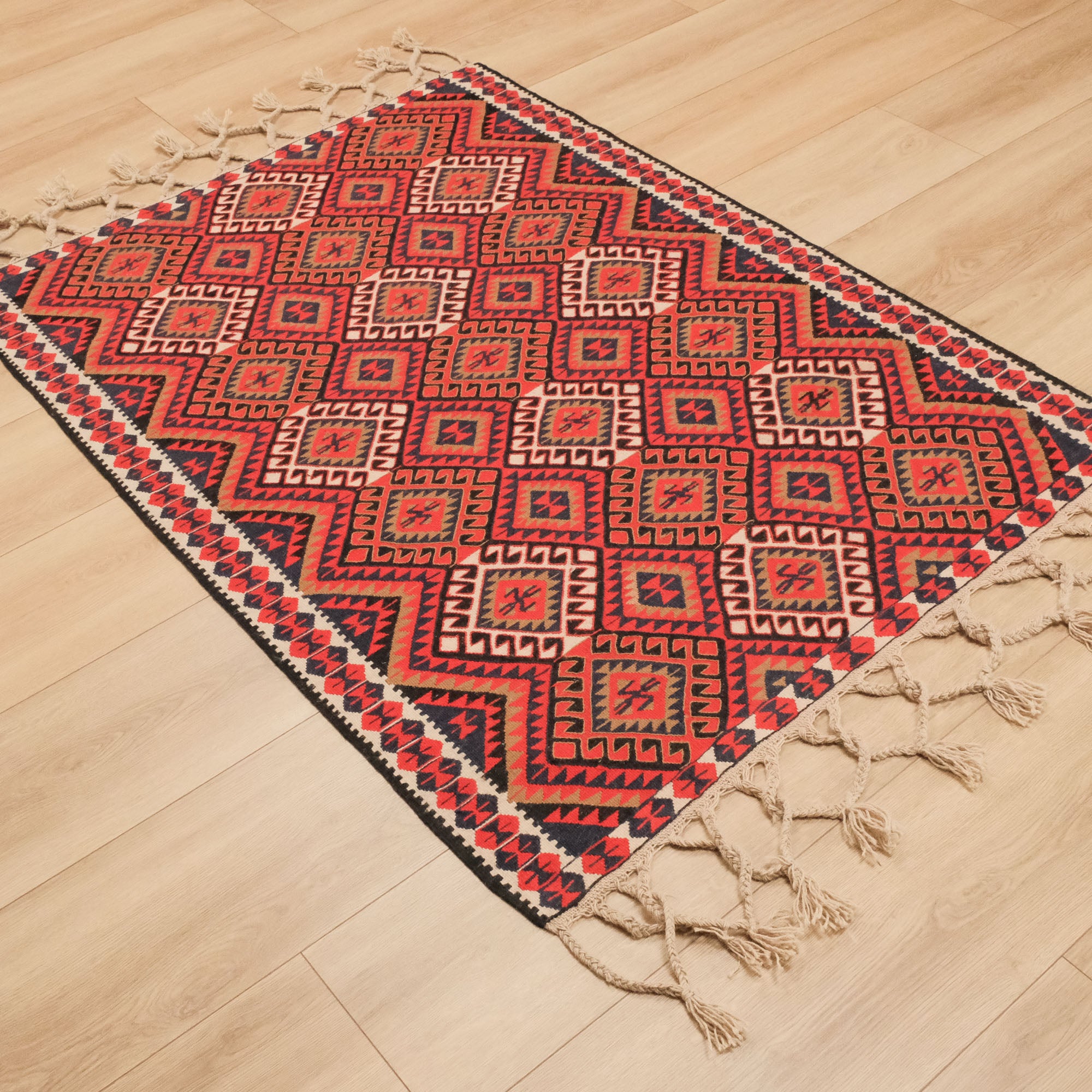
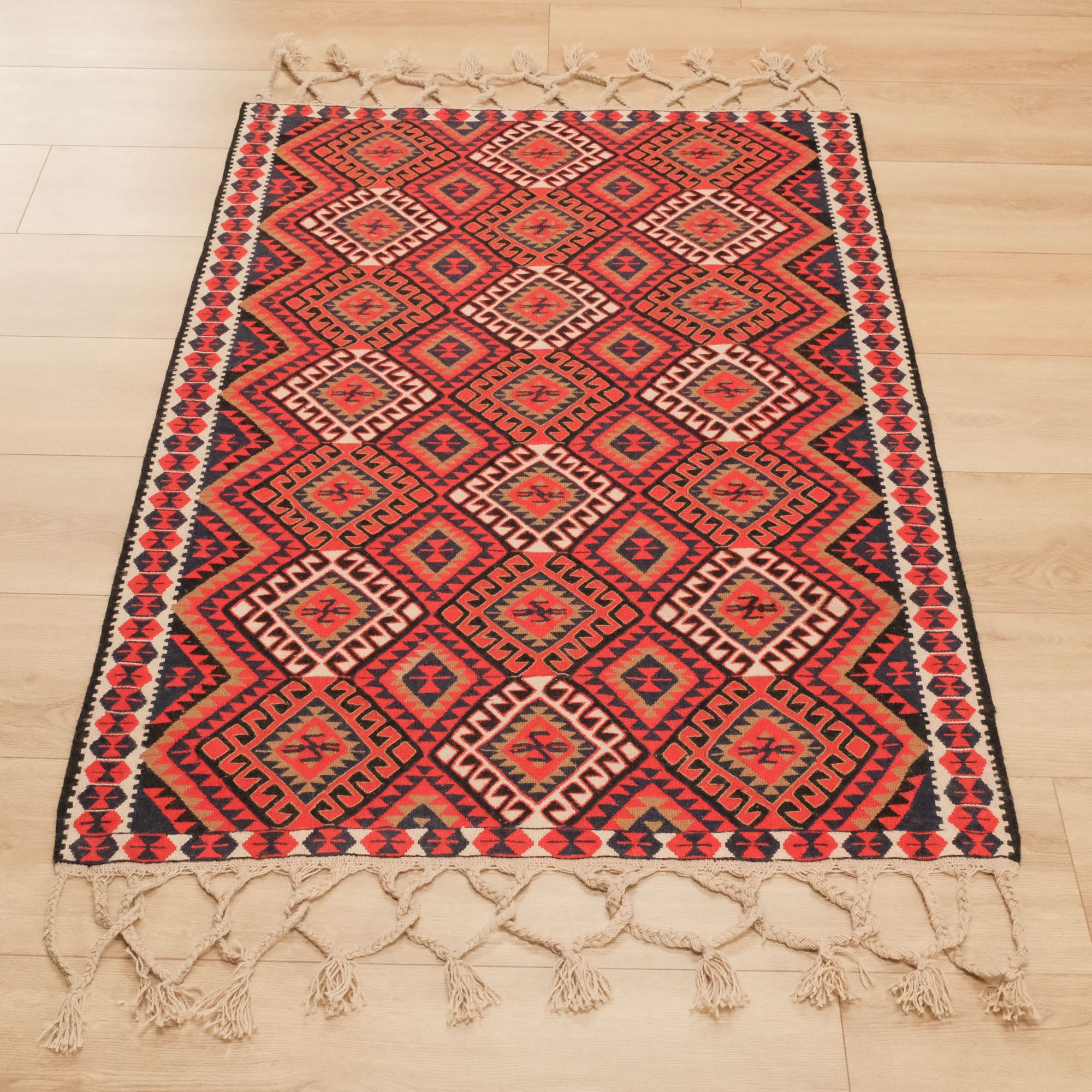
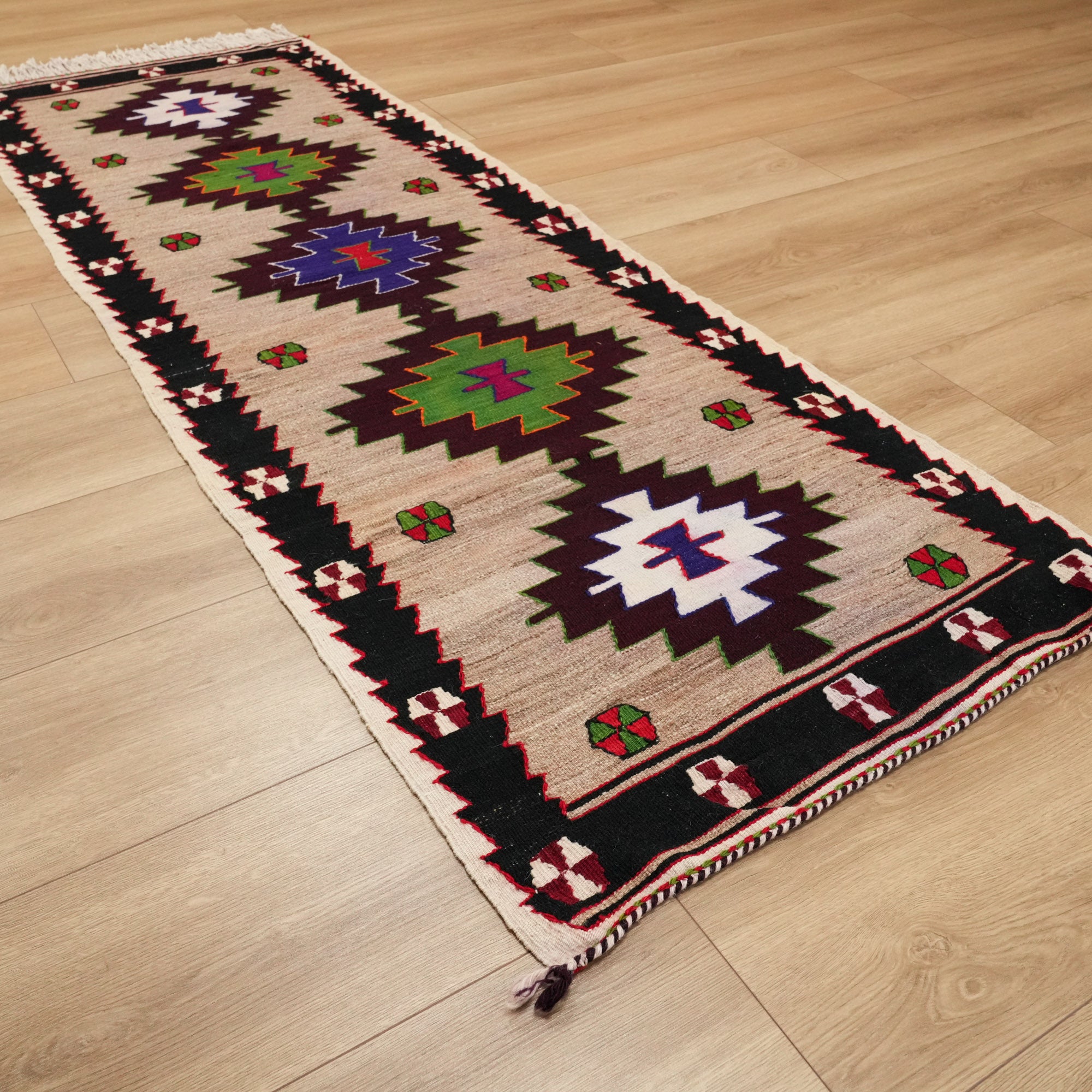
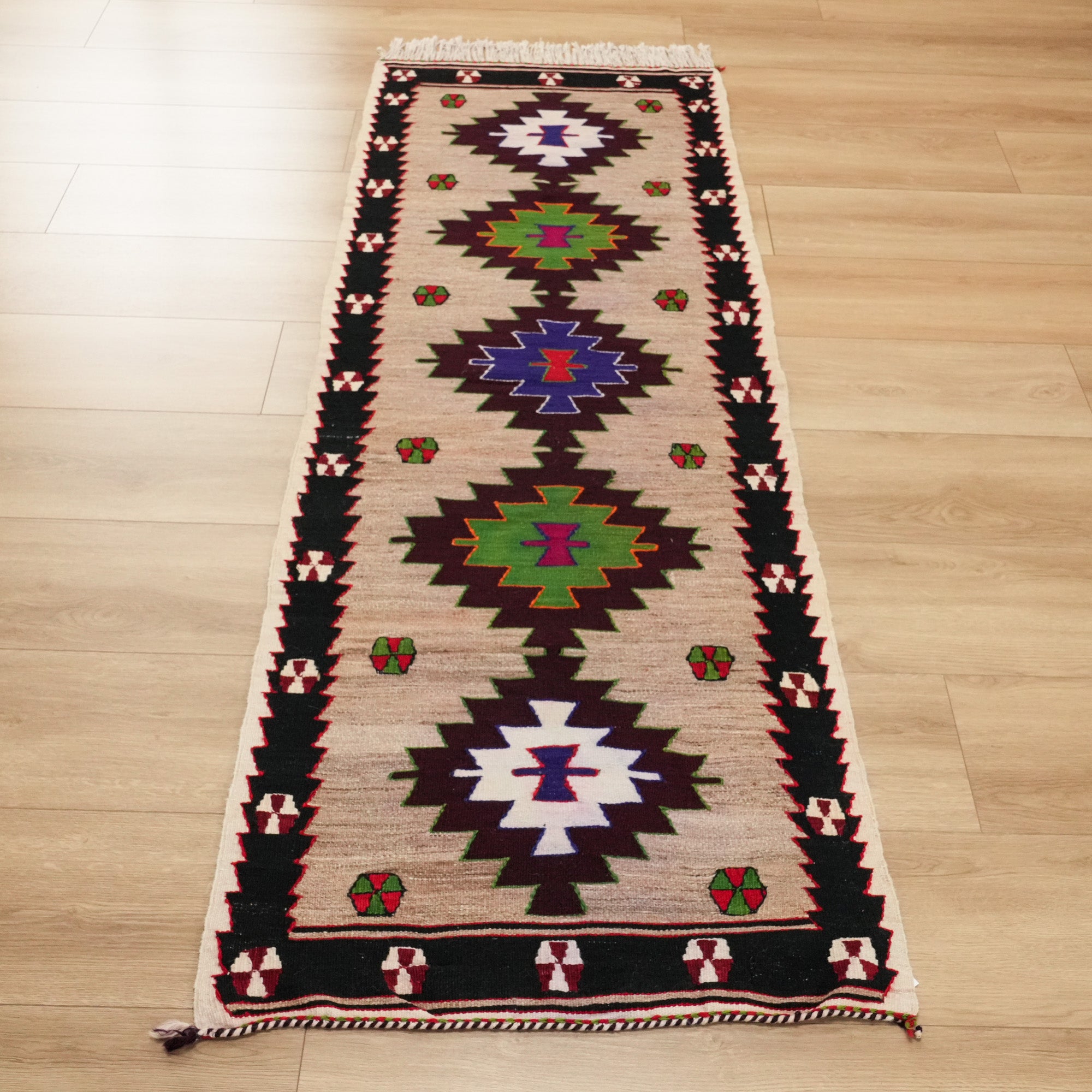
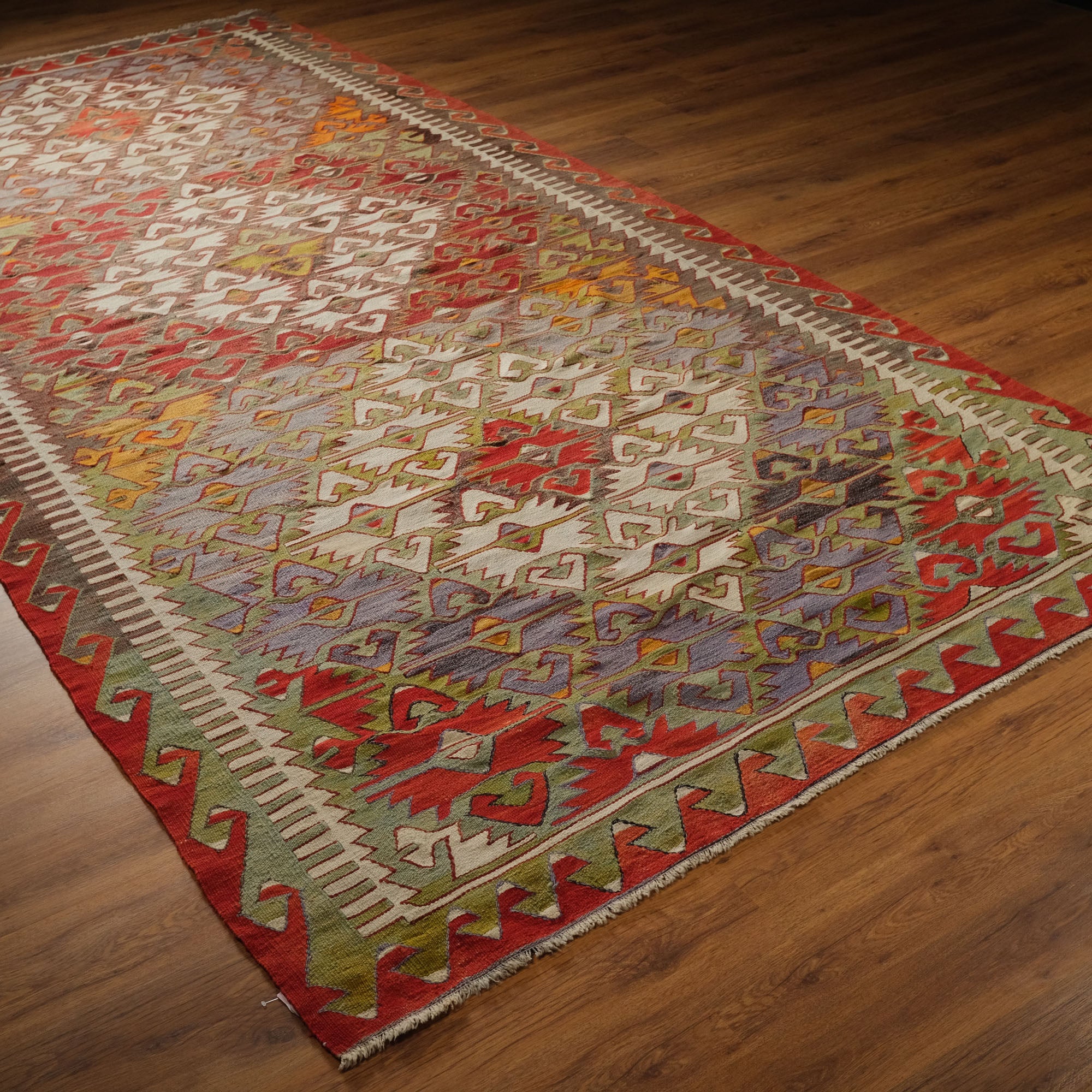
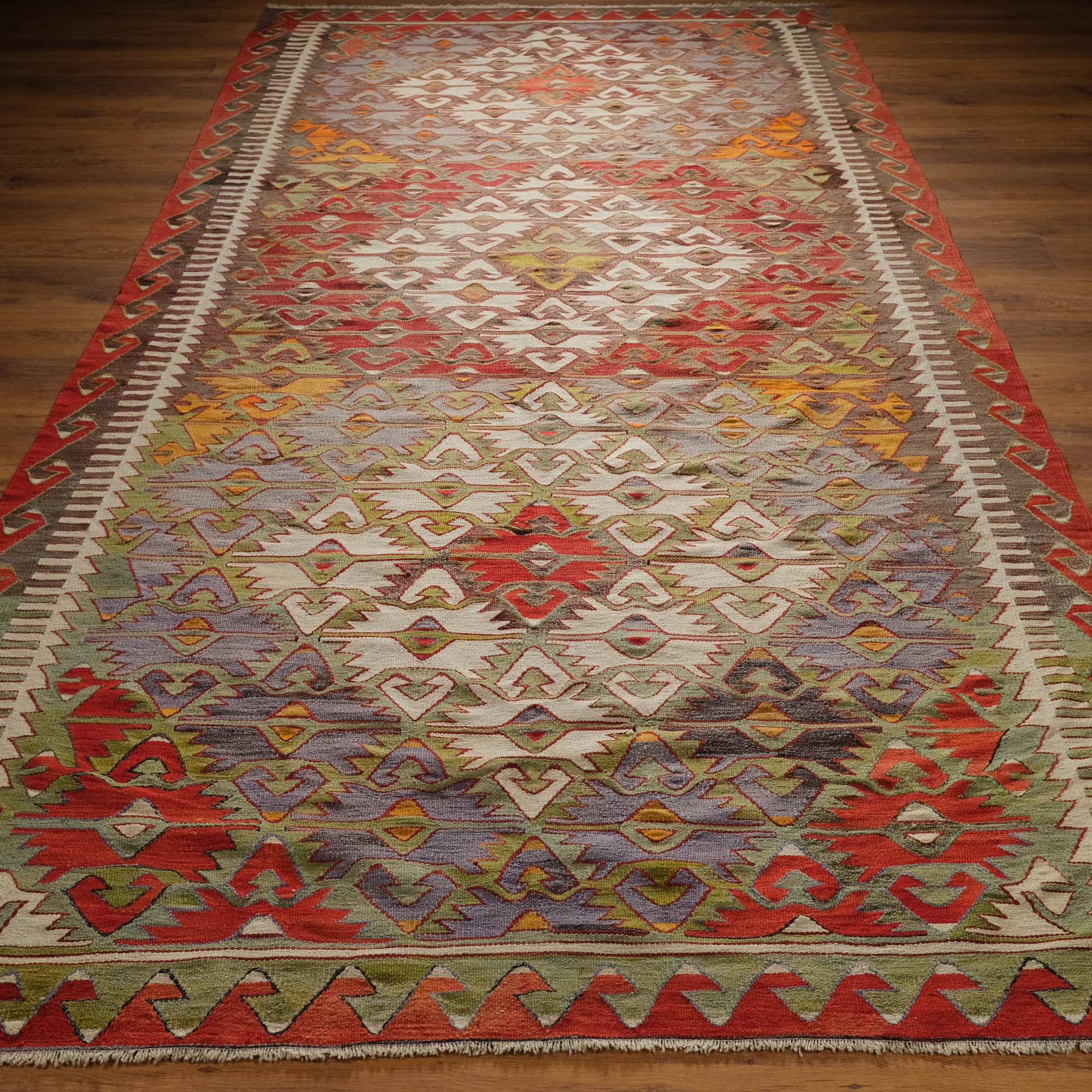
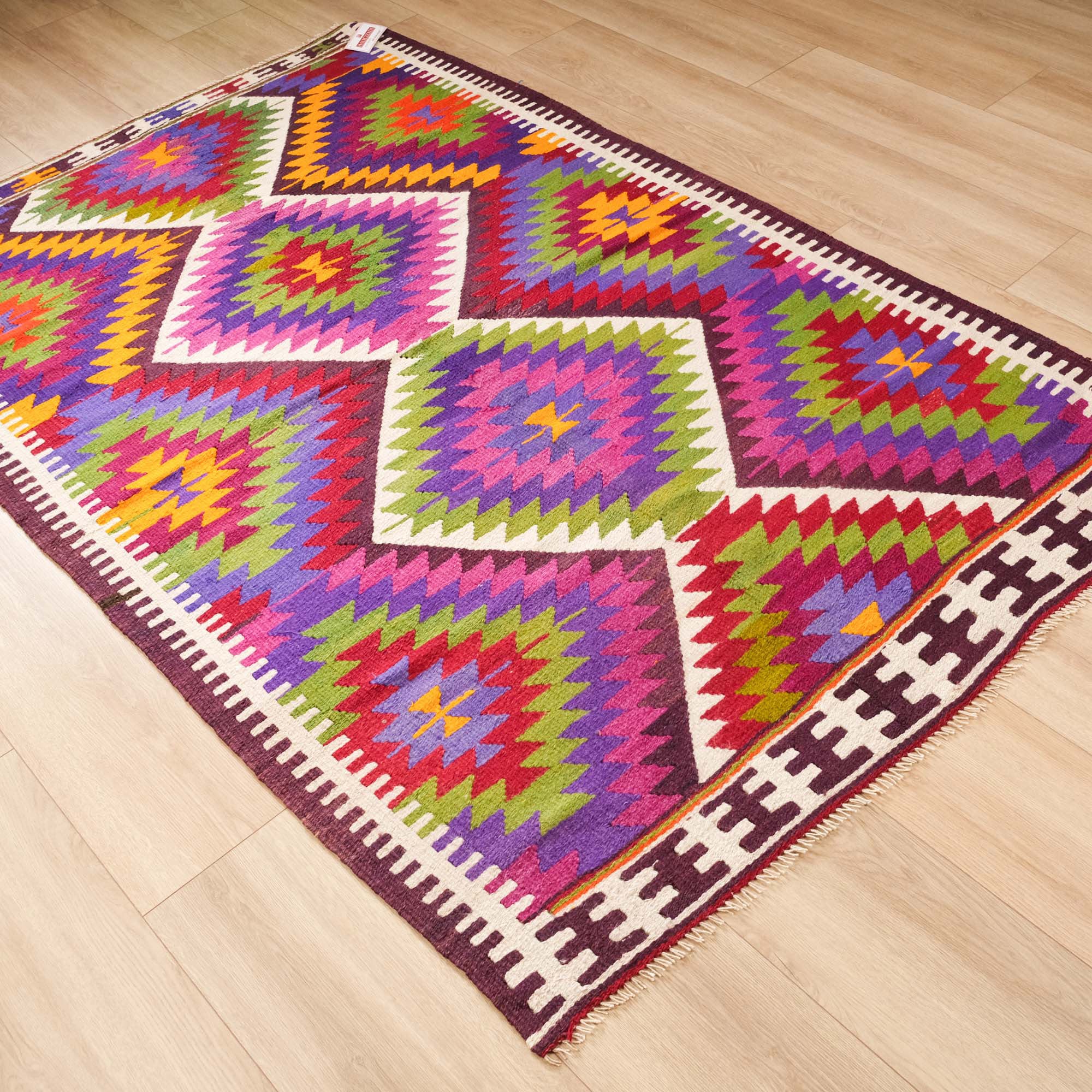
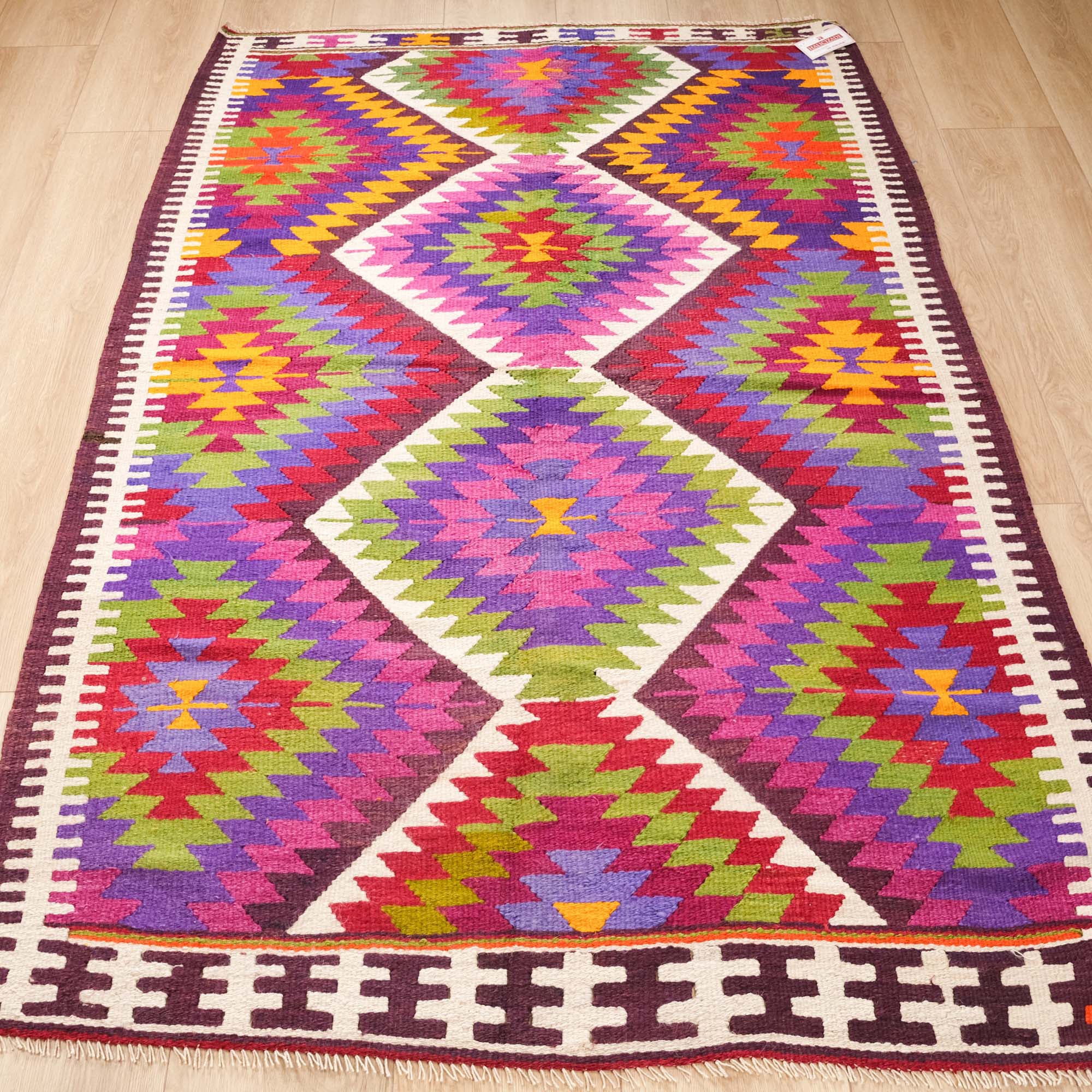


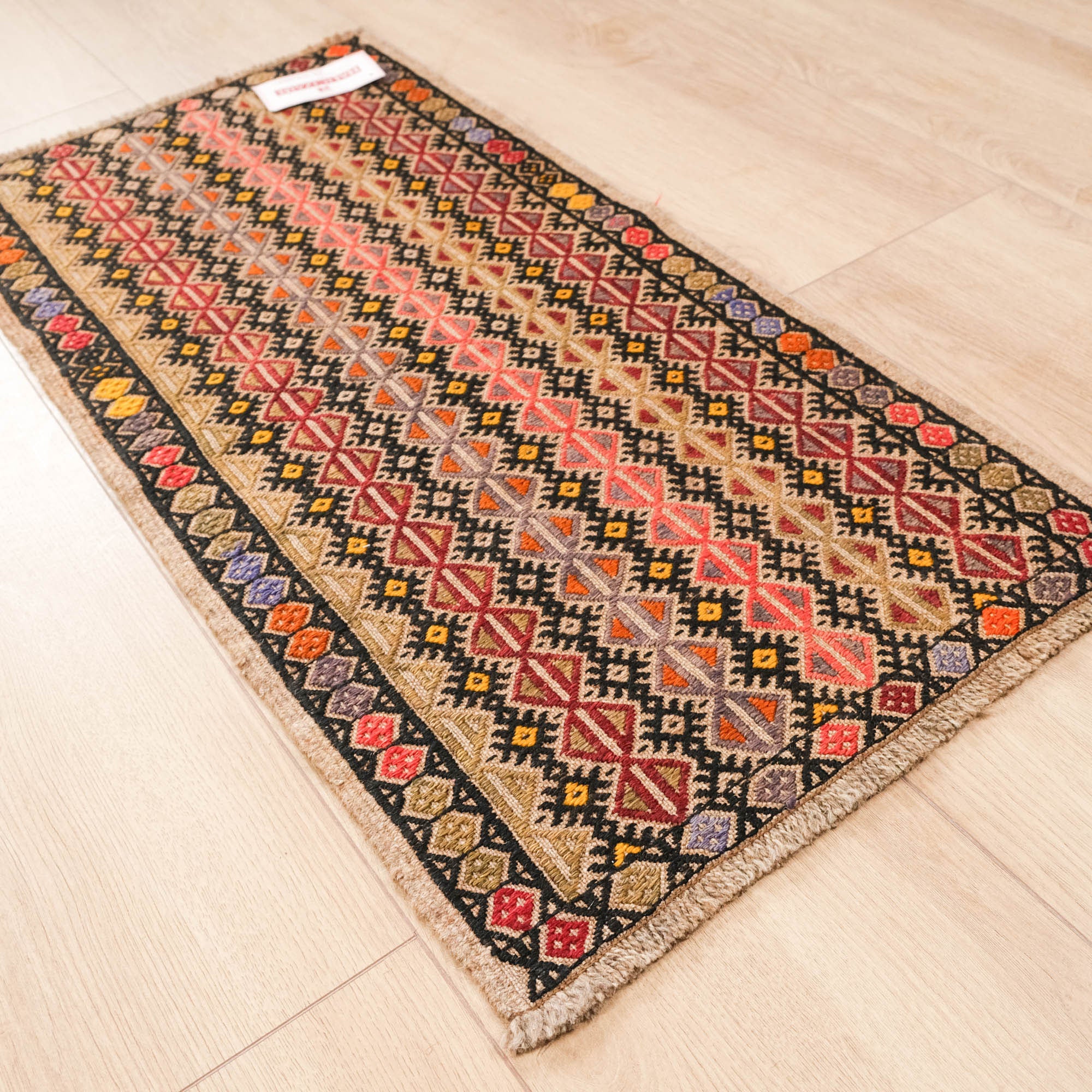
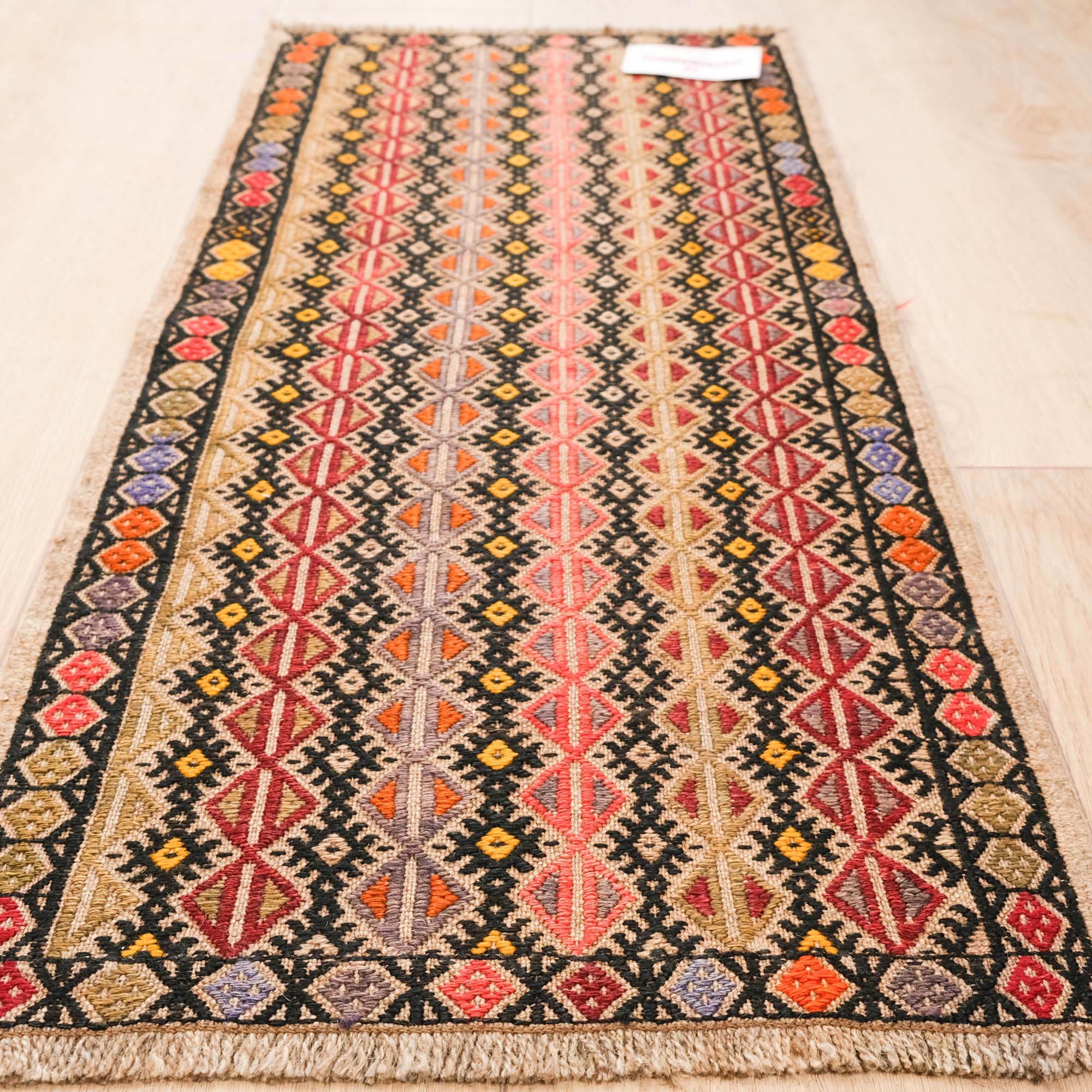
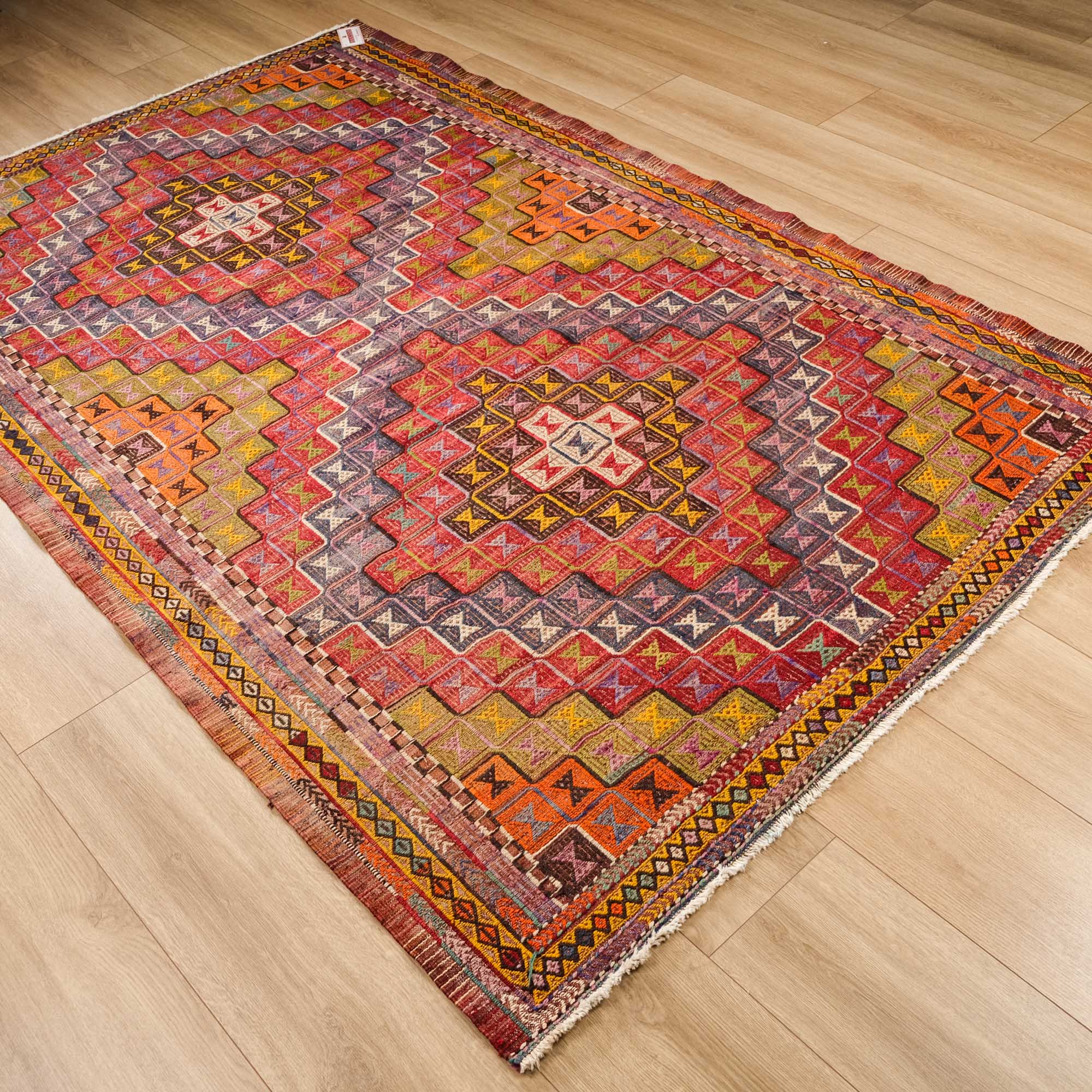
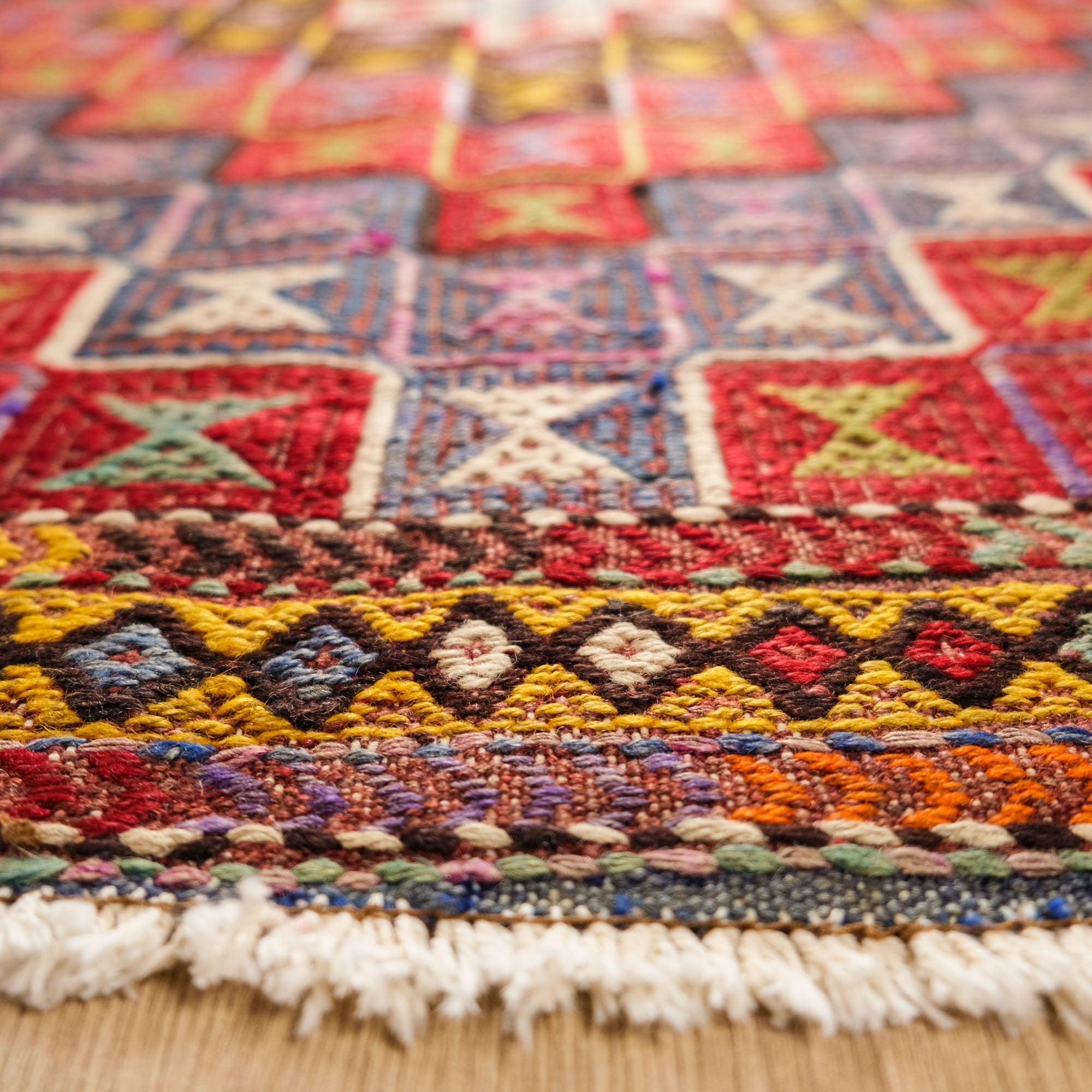
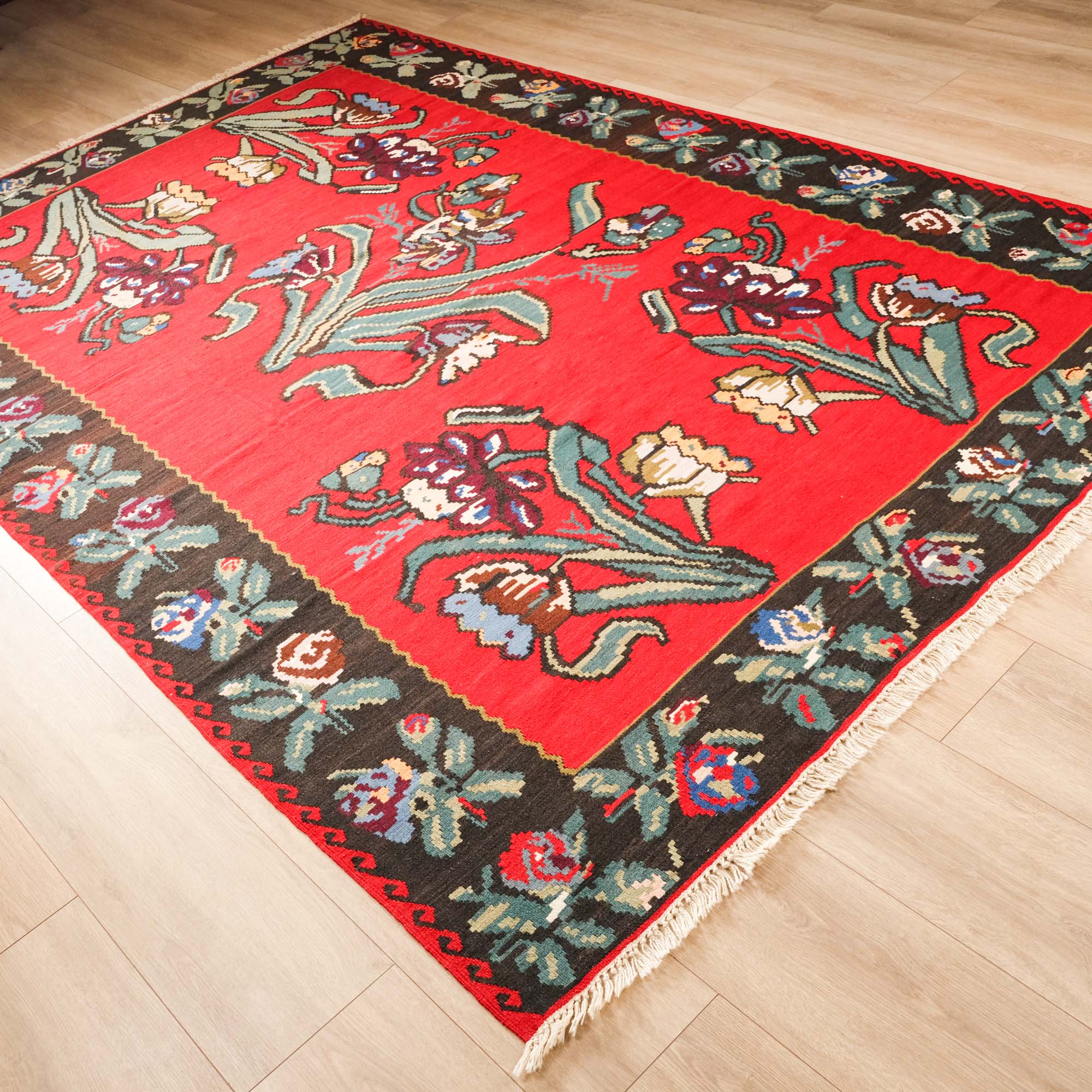
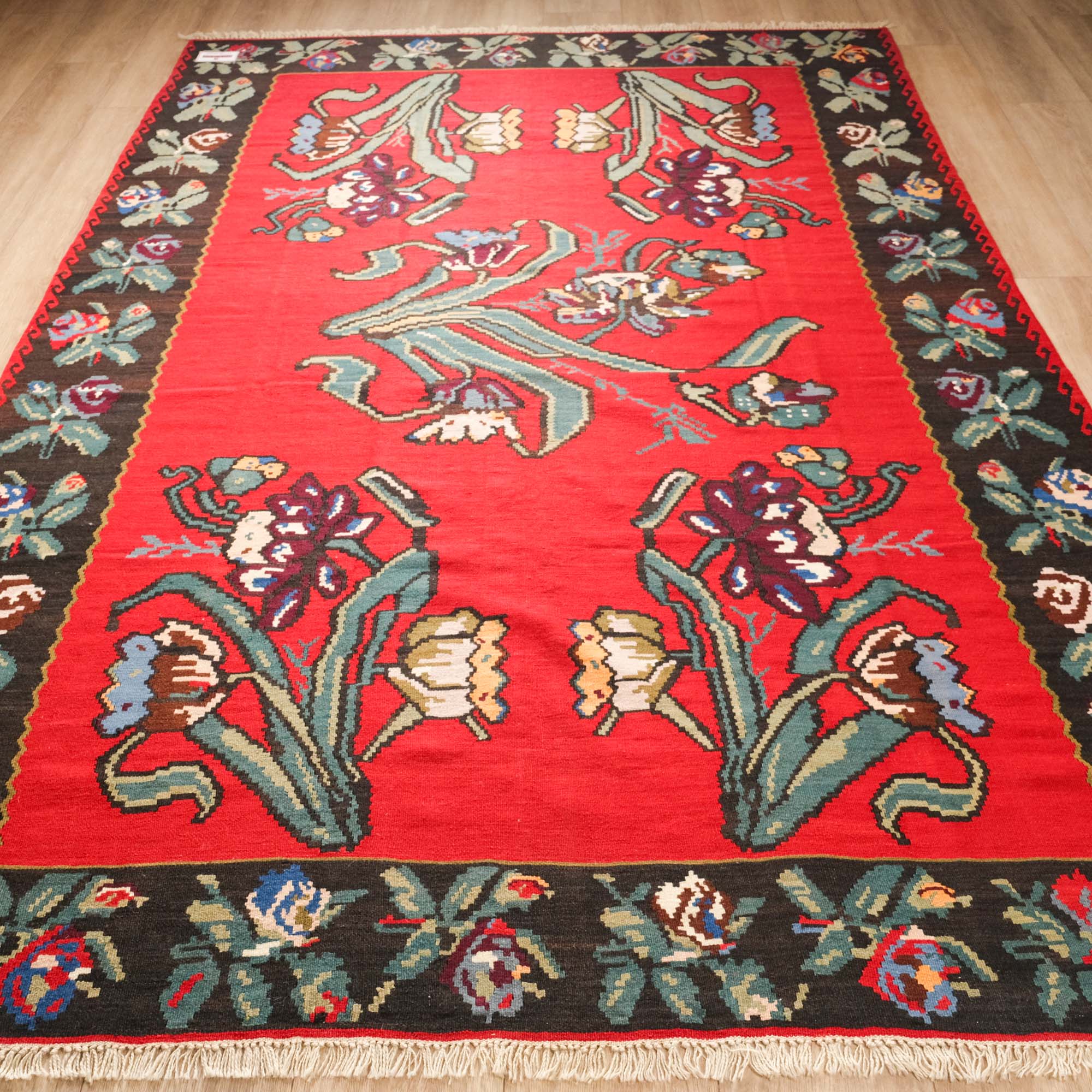
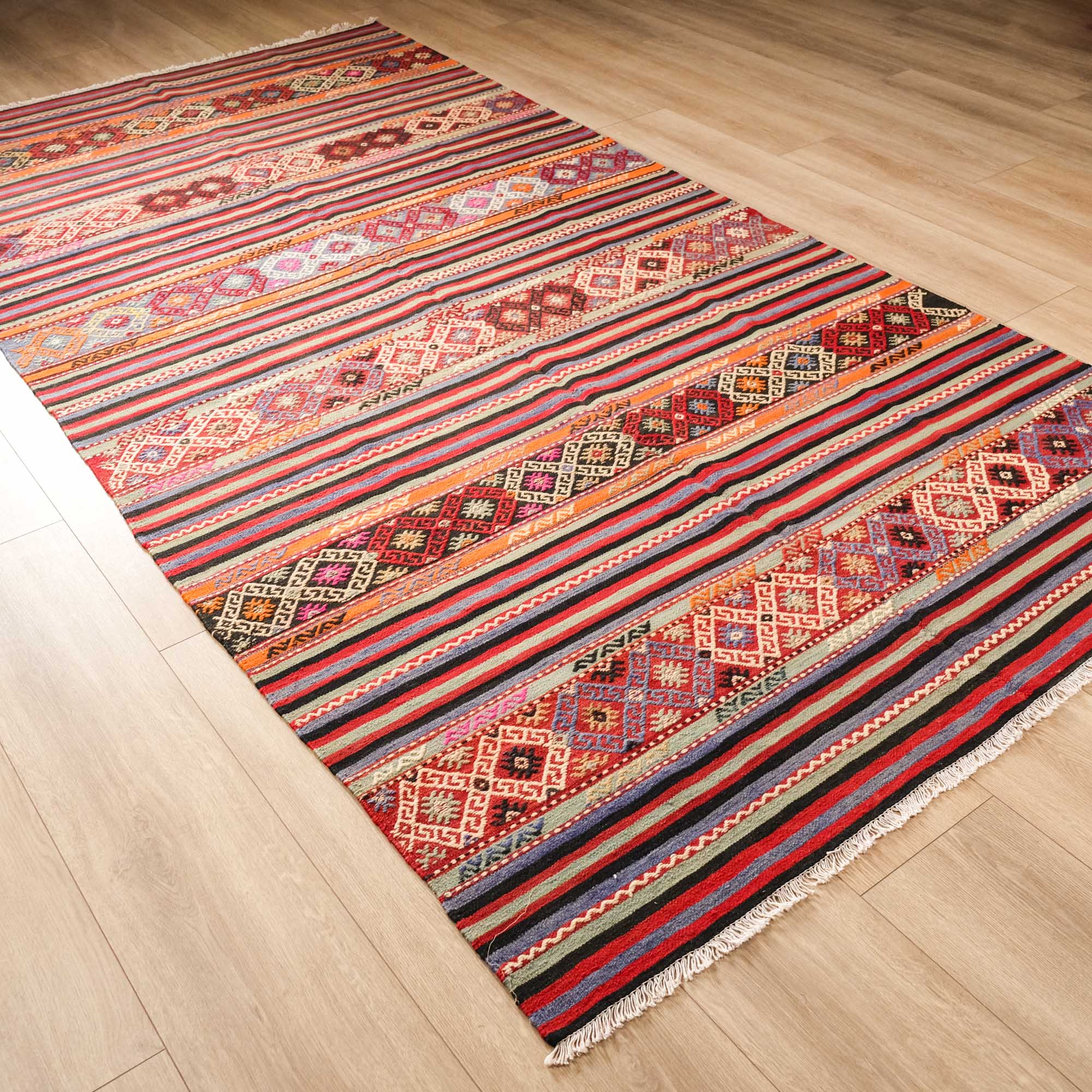
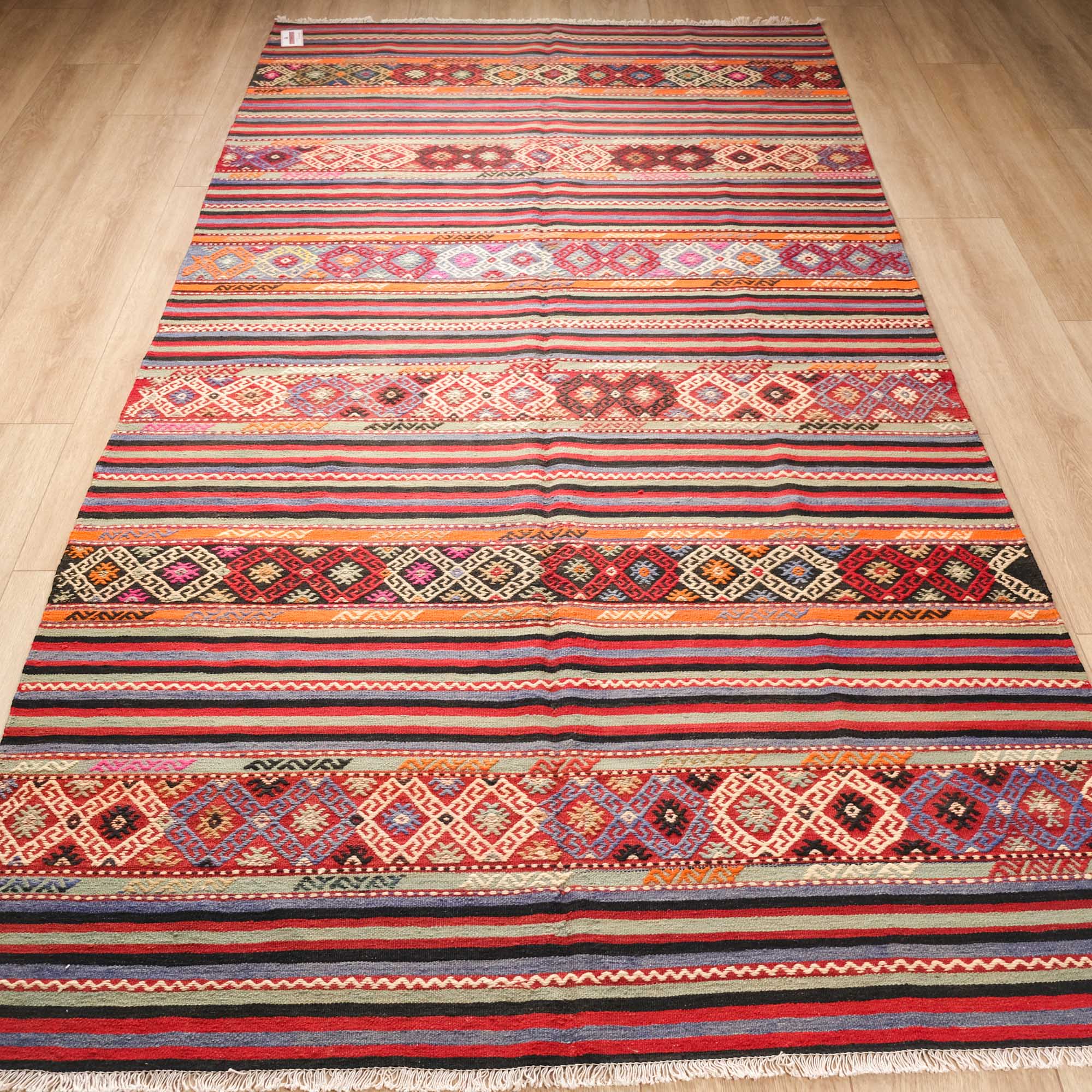
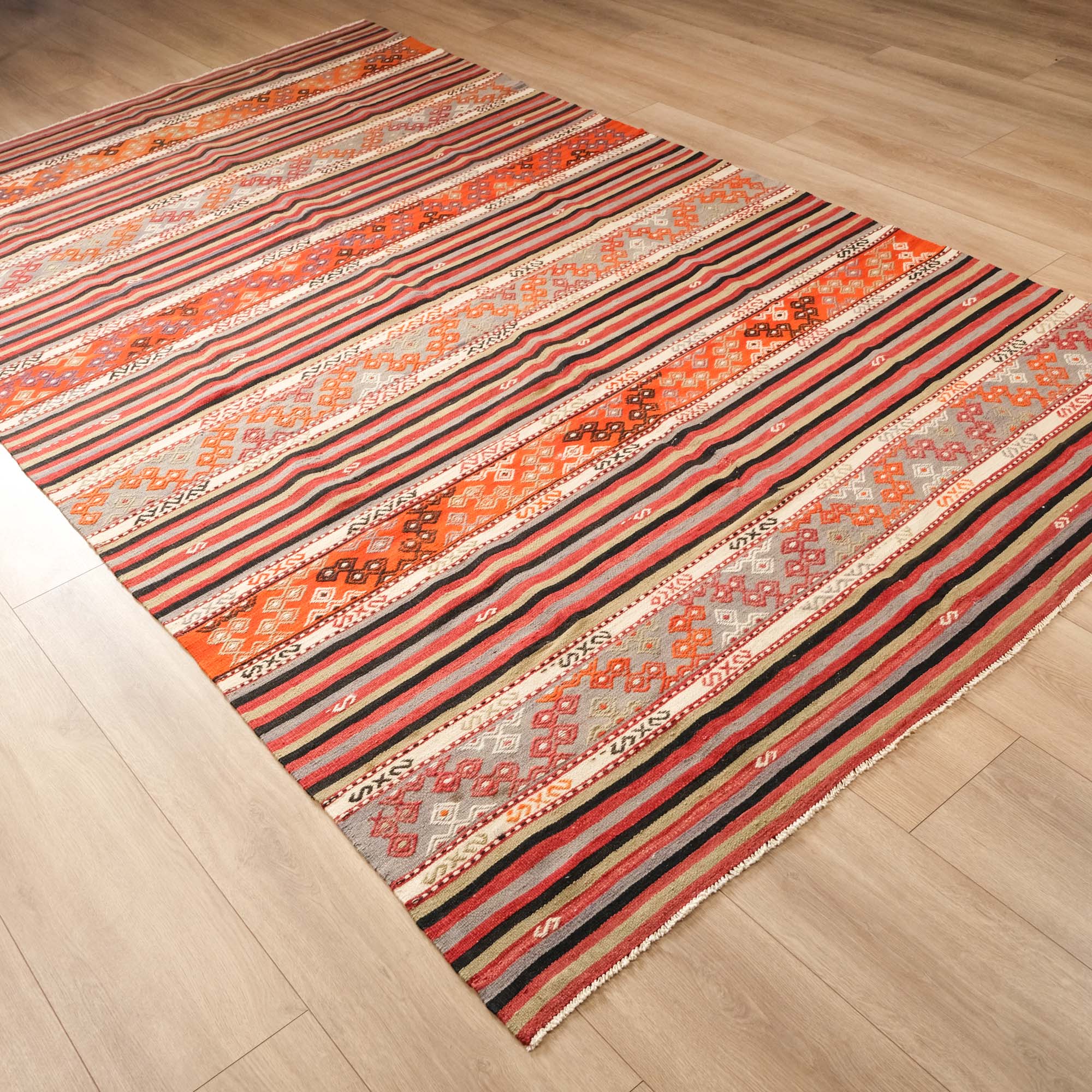
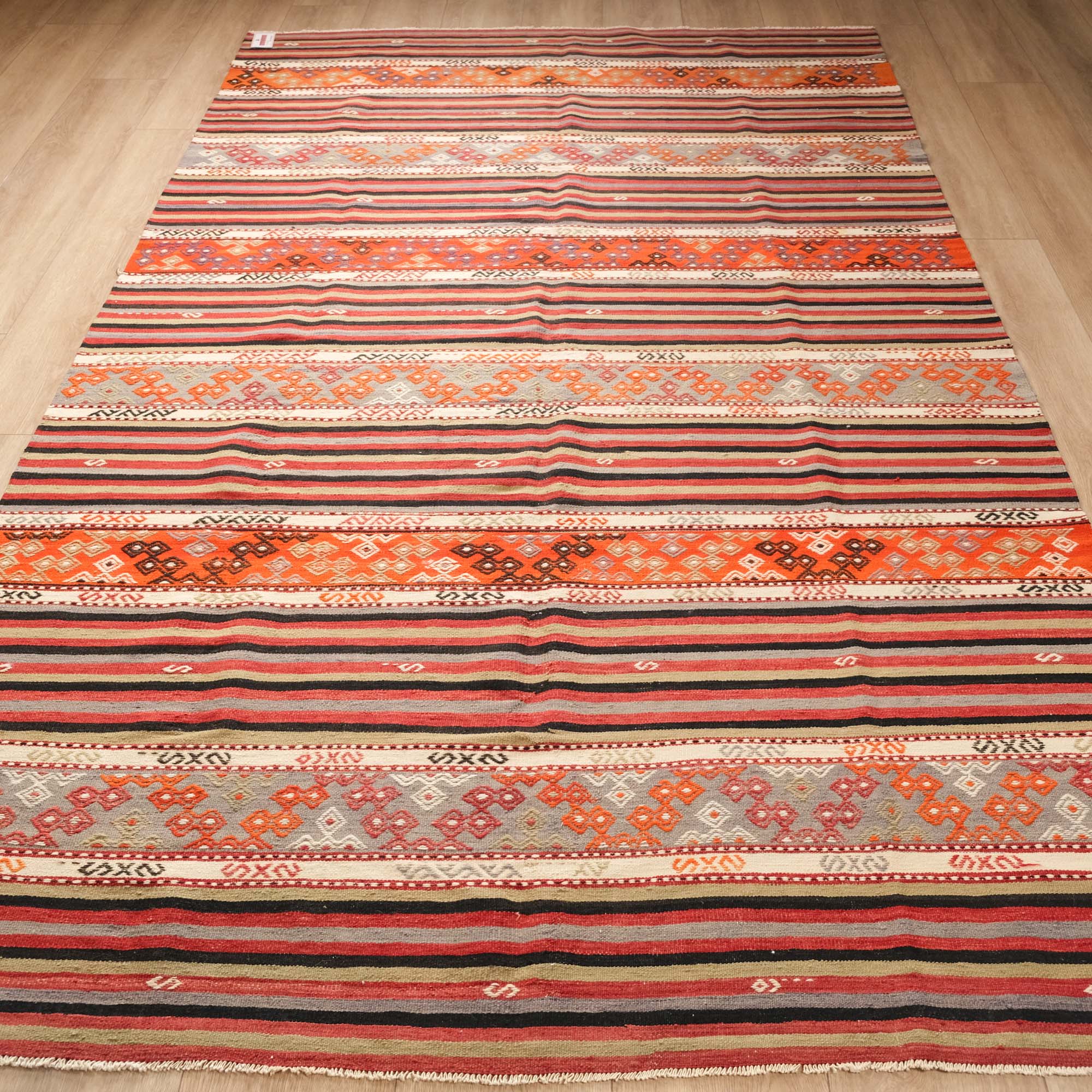
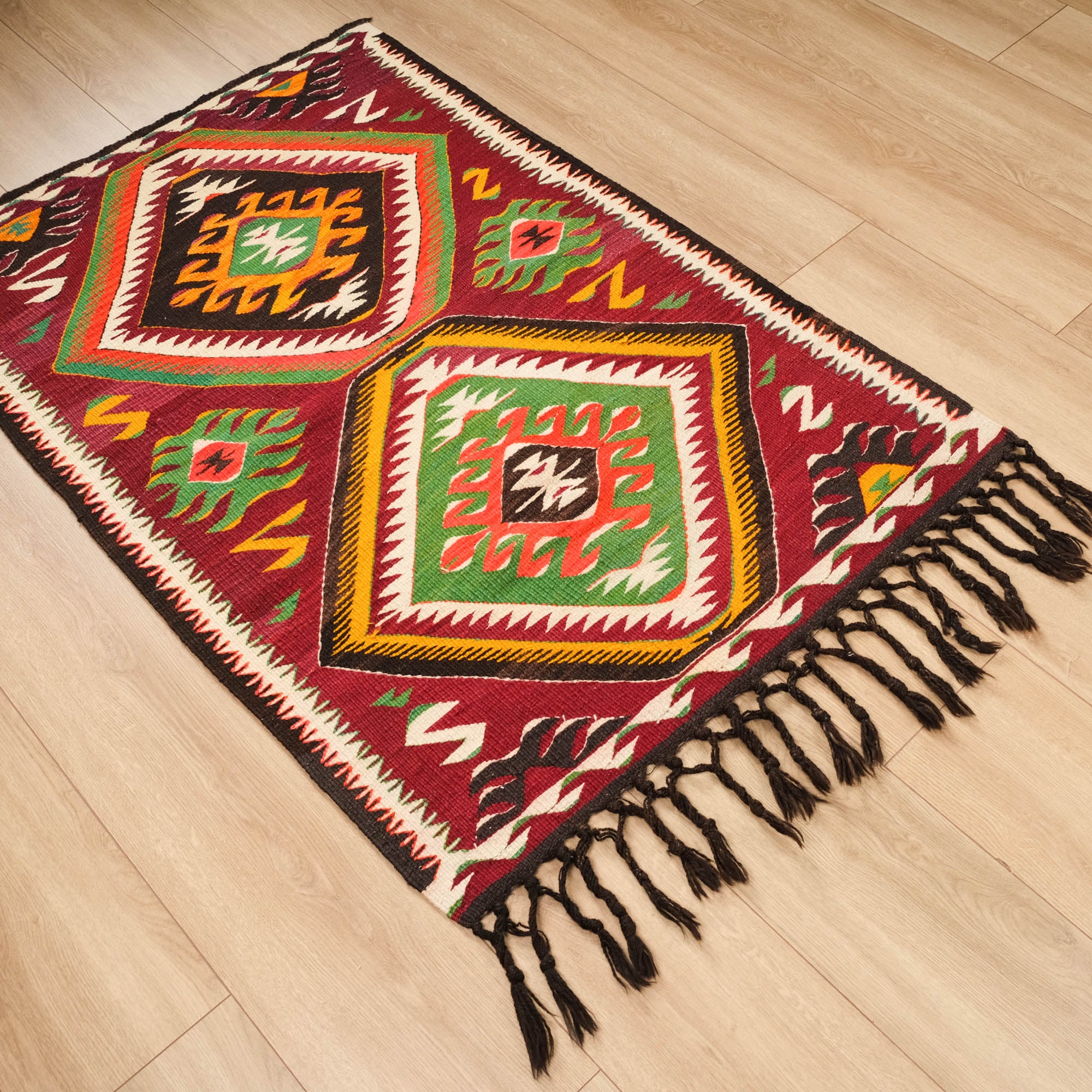
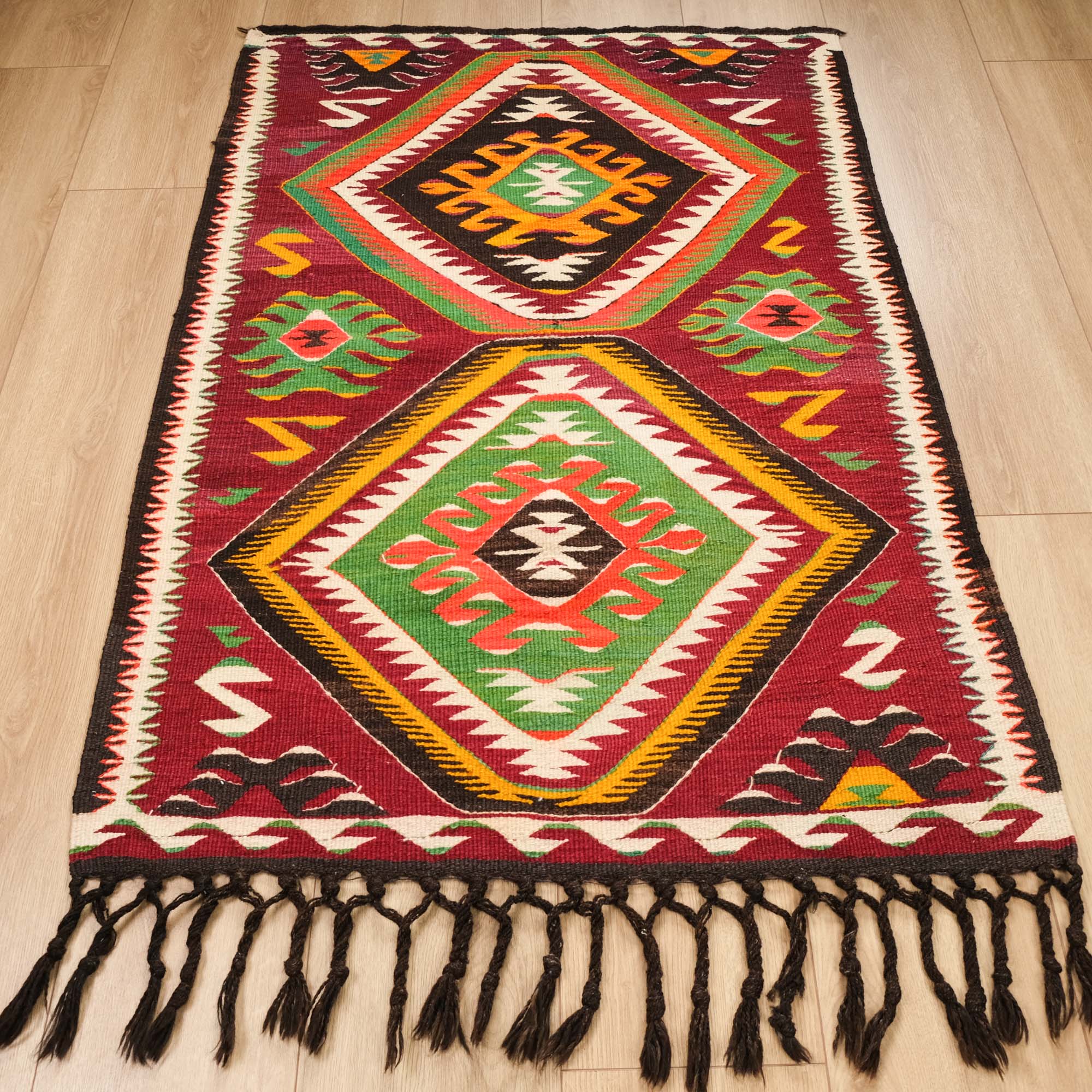
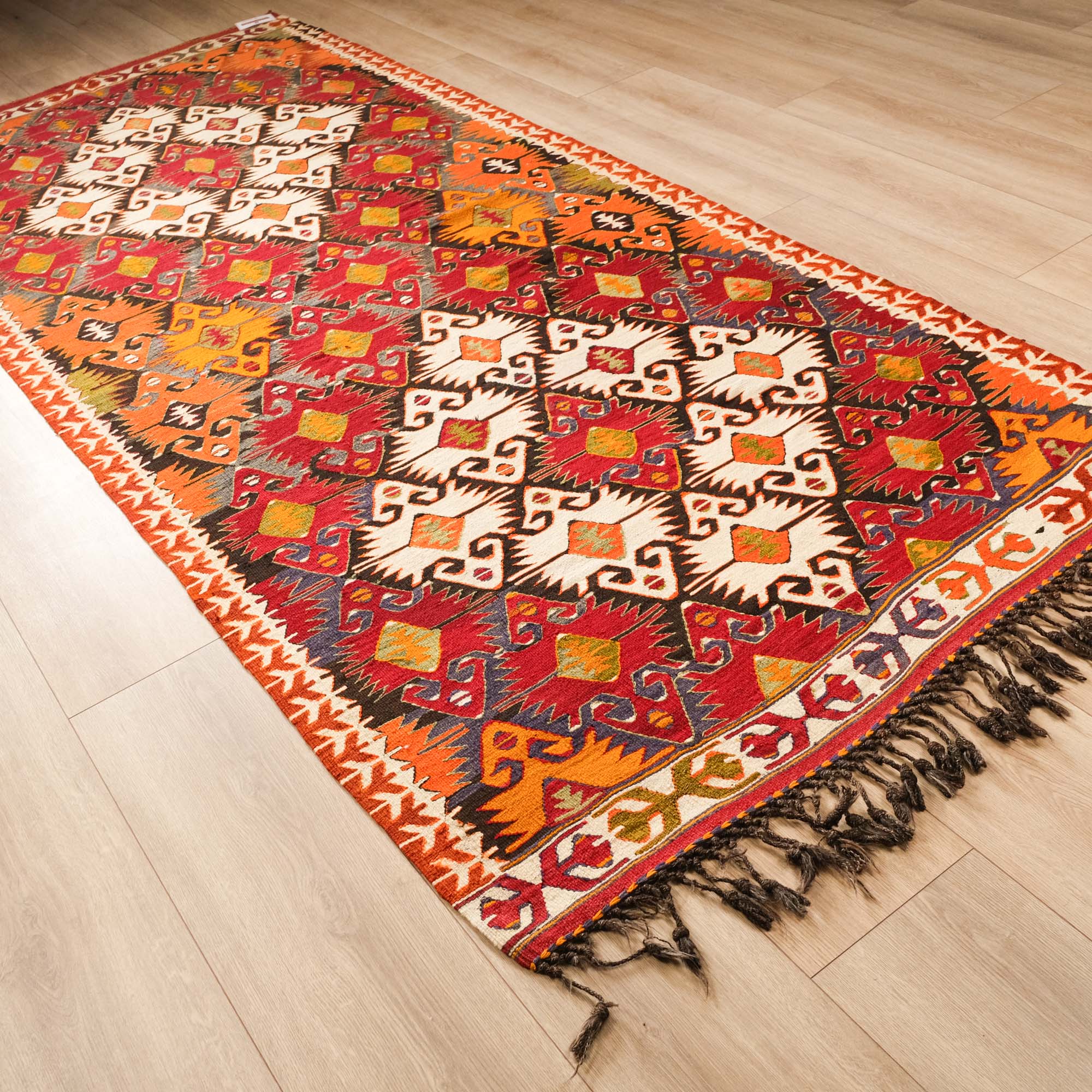
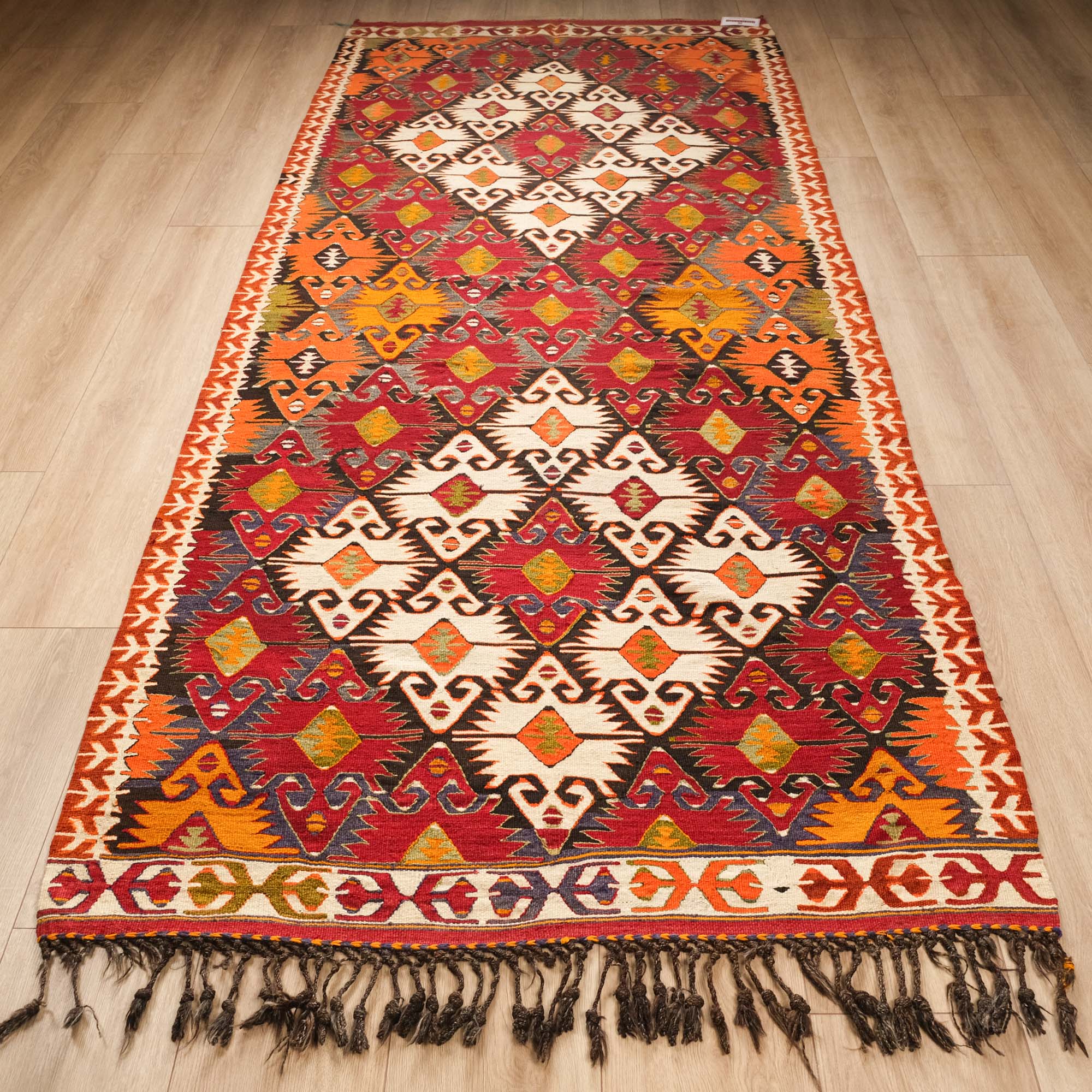

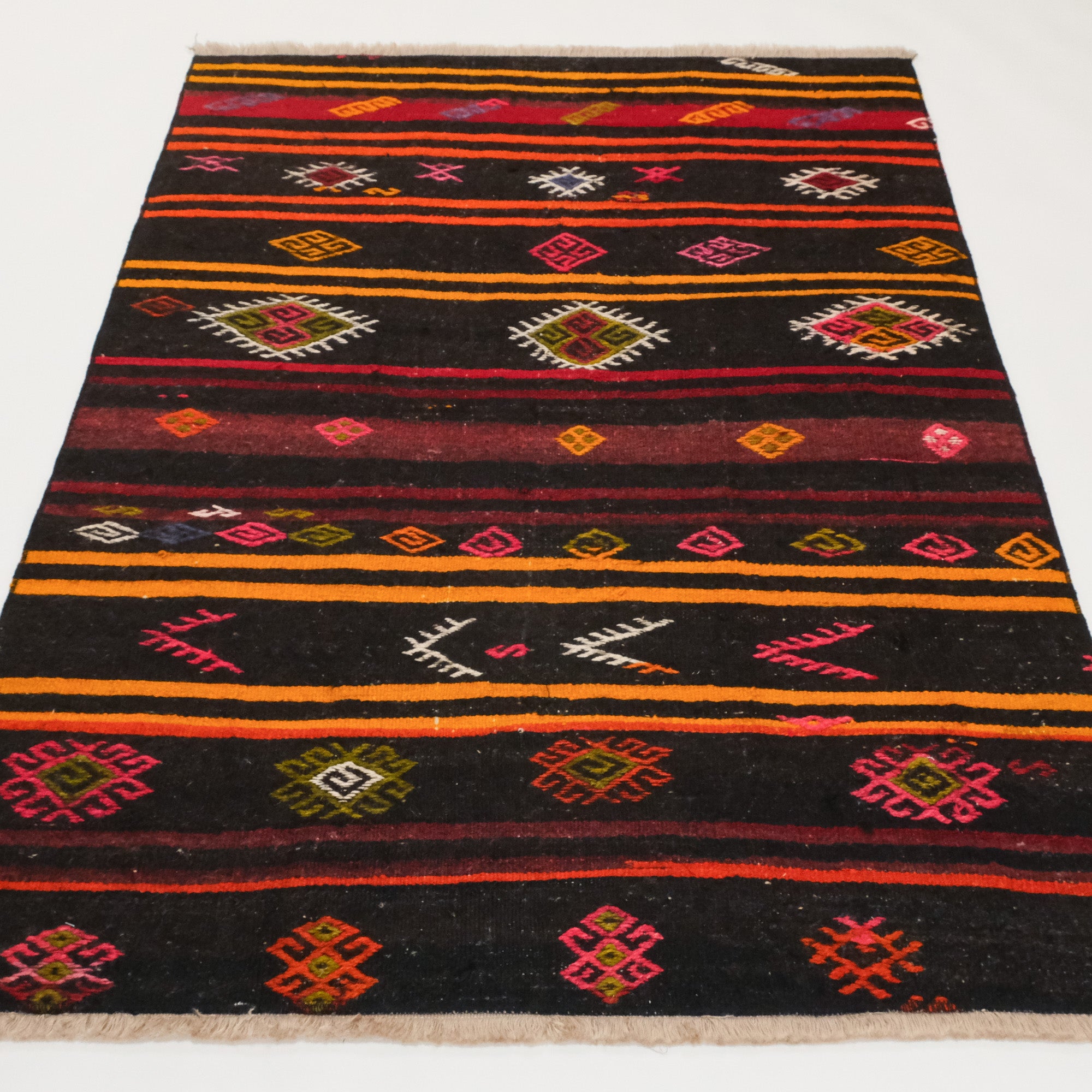
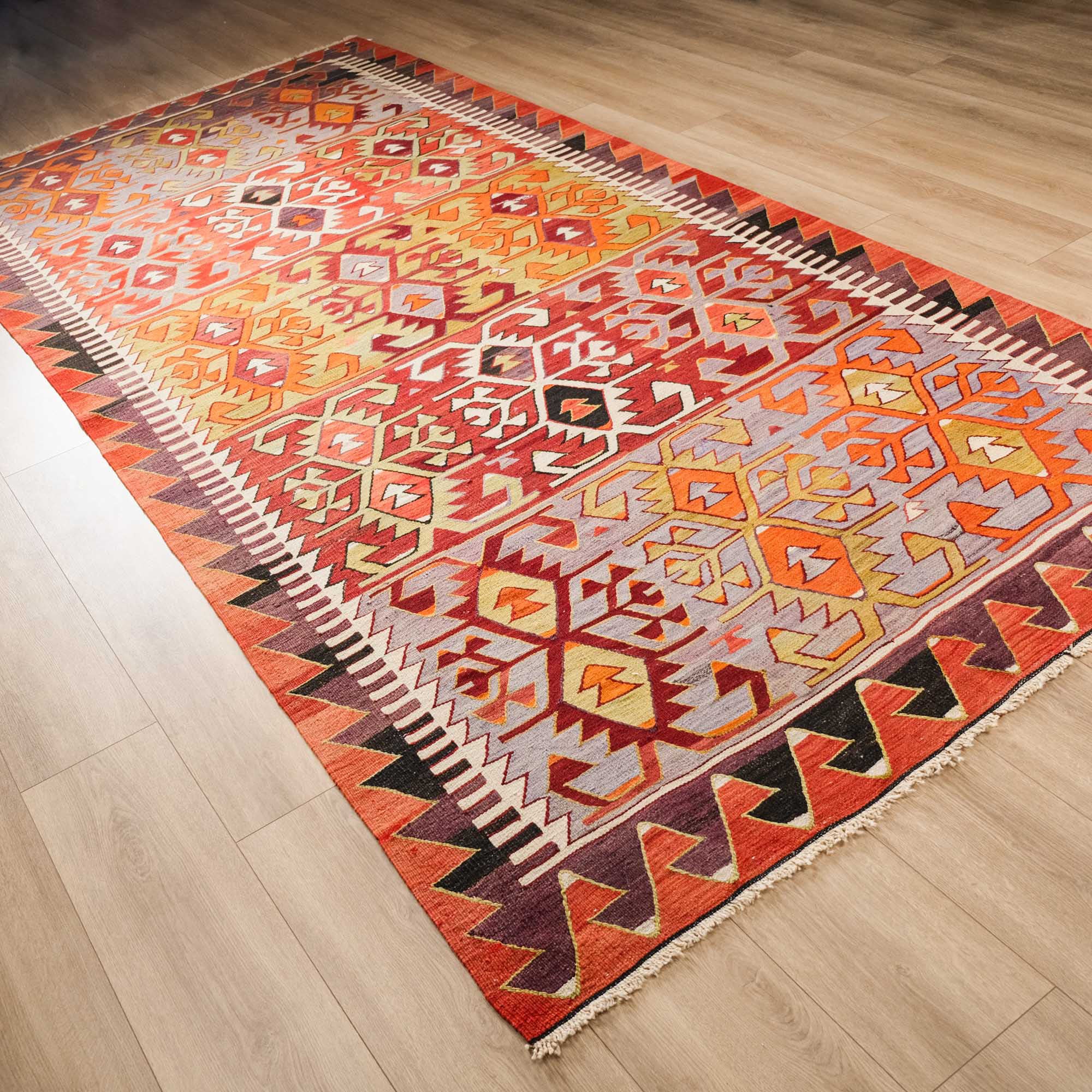
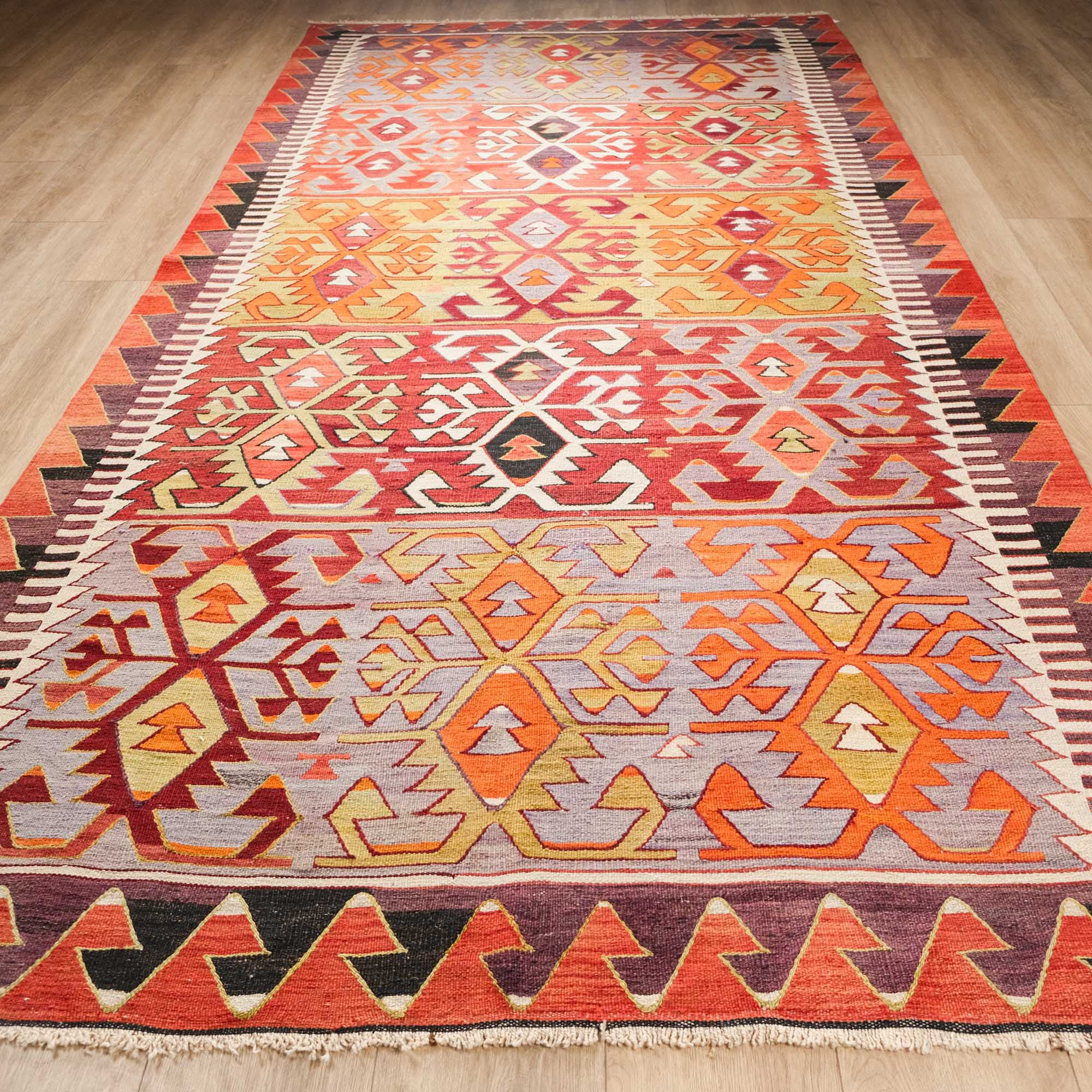
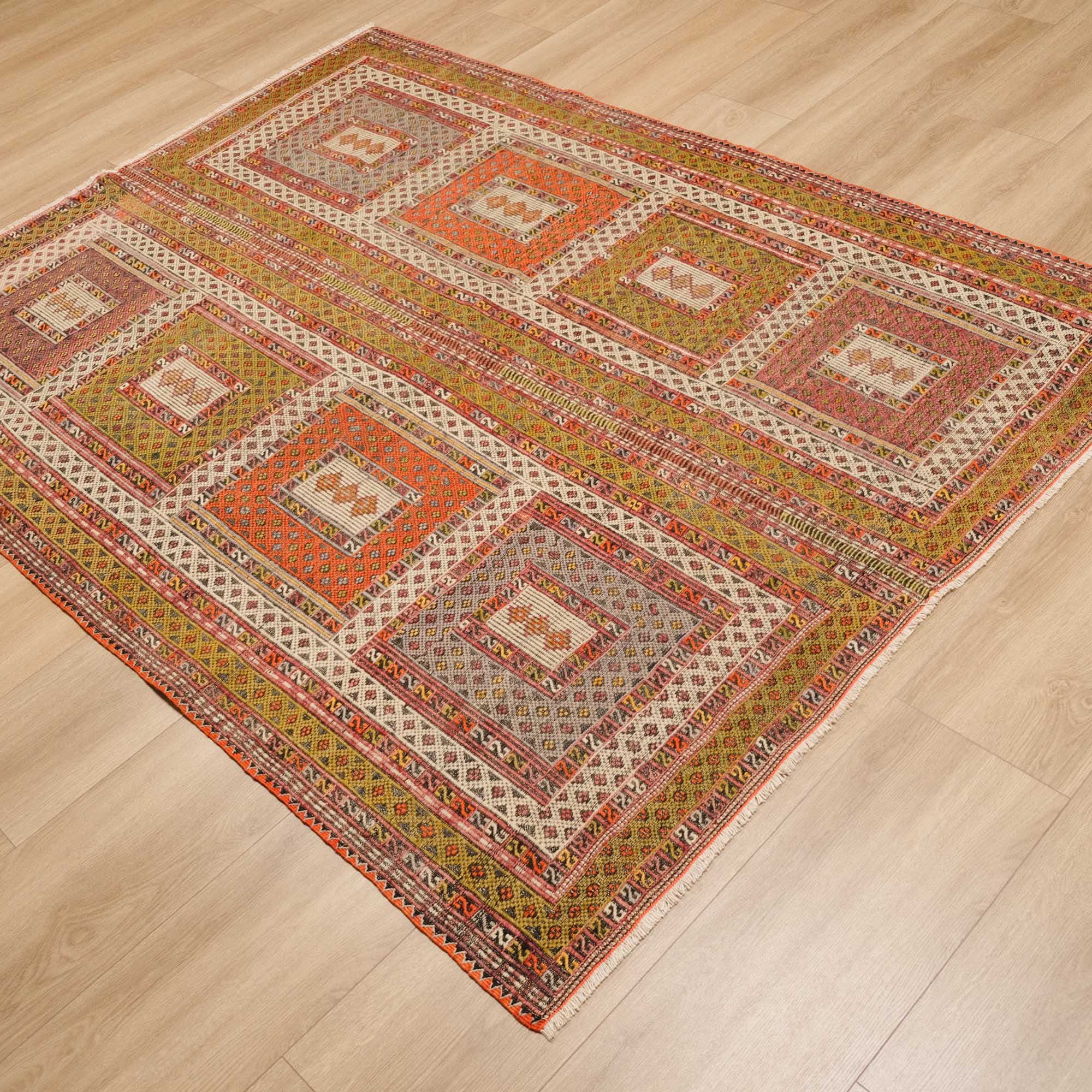
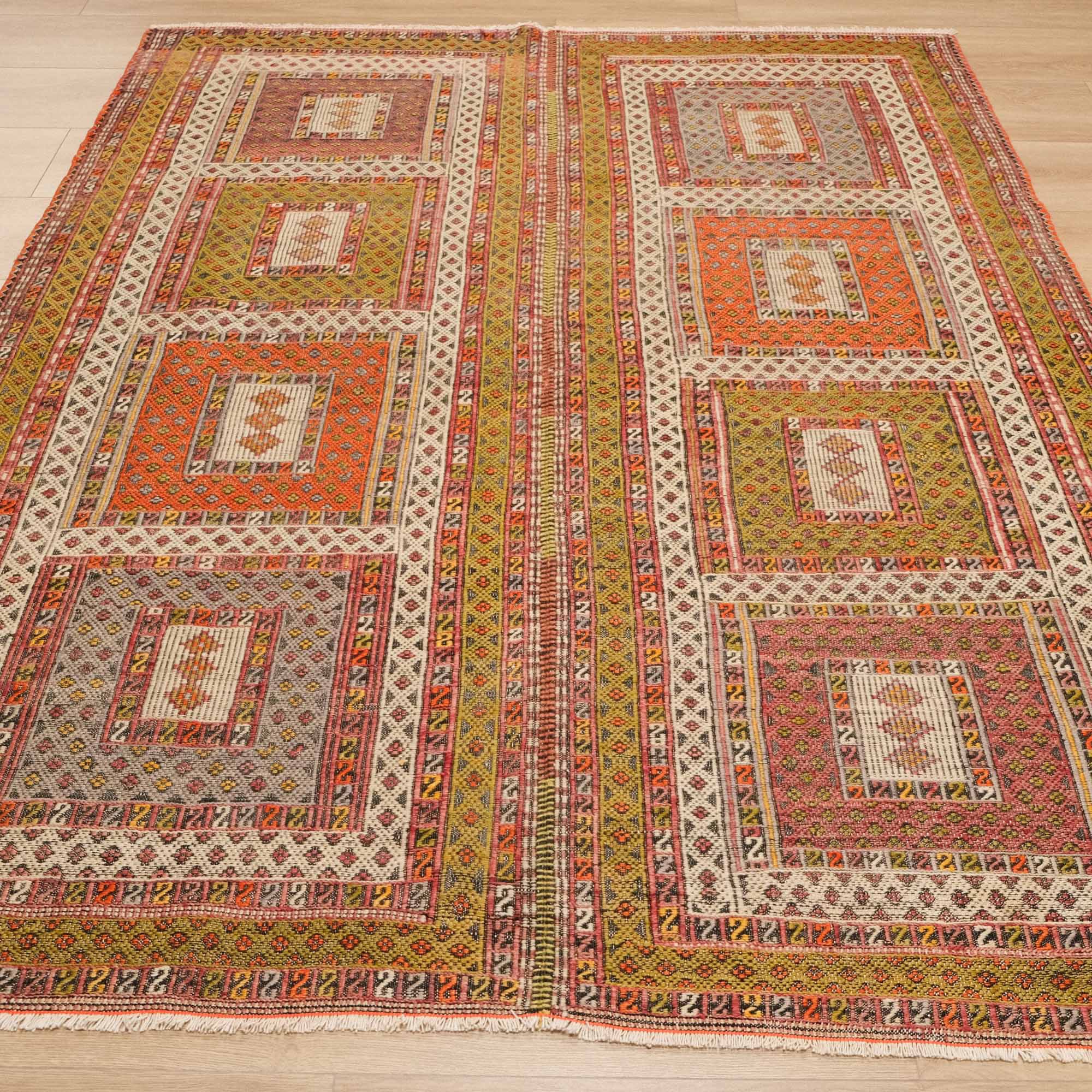
A kilim is a flat-woven rug made without knots or pile, created by interlocking the warp and weft threads directly, giving it a thinner, reversible construction and a distinctly graphic look compared to a knotted pile rug.
Kilims represent one of the oldest and most technically distinct forms of Turkish weaving, and their construction difference from a knotted pile rug shapes everything about how they look, feel and perform in a home.
From Nomadic Utility to Decorative Staple
Kilims are among the oldest forms of Turkish weaving, historically used as tent floors, saddle bags and wall hangings across nomadic communities before becoming a staple of settled home decor. Their flat, lightweight, portable construction made them practical for a mobile lifestyle in a way a heavier knotted pile rug never could be.
Flatweave vs. Knotted Pile Construction
A kilim's pattern is created entirely through the interlocking of colored weft threads directly into the warp, with no knots and no raised pile. This produces a rug that's thinner, lighter and fully reversible, since both faces of the weave are equally finished, unlike a knotted rug's single pile face.
Why Choose a Kilim from Halicizade
Because kilims have no pile, their patterns read with unusual clarity and graphic boldness, and our kilim collection favors the strong diamond, hook and stripe motifs typical of Anatolian flatweave specifically because this construction renders those shapes especially crisply.
Where Kilims Work Best
A kilim's light weight and reversibility open up placement options a heavier pile rug doesn't have.
- Layering over larger neutral rugs or sisal flooring: a very popular use given the kilim's light weight and bold pattern.
- As wall art: light enough to hang, with pattern clarity that reads well vertically.
- Casual living rooms, kitchens and entryways: practical given a kilim's durability-to-weight ratio.
- Outdoor-adjacent covered spaces: among our most practical options for a covered balcony given quick drying.
Kilim vs. Knotted Pile Rug
| Kilim (Flatweave) | Knotted Pile Rug | |
|---|---|---|
| Construction | Interlocked warp/weft, no knots | Individually tied knots, raised pile |
| Weight | Light | Heavier |
| Reversibility | Fully reversible | Single-sided |
| Pattern style | Bold, graphic, geometric | Fine detail possible, wide range of styles |
| Typical price | More accessible | Higher, reflects knotting time |
Care & Maintenance
Kilims can be vacuumed on both sides given their reversibility; shake out lighter pieces periodically, and while wool kilims are durable, avoid prolonged wet exposure since the flat construction and natural fiber together are more moisture-sensitive than a dense pile rug.
Frequently Asked Questions
What is the difference between a kilim and a regular rug?
A kilim is flat-woven with no pile, while a regular pile rug is knotted, giving the kilim a thinner profile, a reversible surface, and lighter weight.
Are kilim rugs durable?
Kilims are very durable for their weight thanks to a tight flatweave construction, though they show wear differently than pile rugs and are best suited to low-to-medium traffic areas.
Can a kilim rug be used outdoors?
A wool kilim is best kept indoors or in a covered outdoor space, as prolonged sun and moisture exposure will fade its natural dyes over time.
Why were kilims historically used by nomadic communities?
Their flat, lightweight, portable construction made them practical for a mobile lifestyle, unlike heavier knotted pile rugs, and they served multiple functions, floor coverings, tent walls, saddle bags.
Is a kilim as warm underfoot as a pile rug?
No, the flat construction offers less cushioning and insulation than a knotted pile rug, though many buyers layer a kilim over a thicker base rug to combine both benefits.
Can kilims be used as wall hangings?
Yes, their light weight and bold, graphic pattern make kilims a popular choice for wall display in addition to floor use.