
Eight sizes, and the same faint moiré runs through all of them
 160×230 cm



Rugs & Kilims
Find Your Rug
For those who already know what they are looking for — Halıcızade's most visited collections.
Eight sizes, and the same faint moiré runs through all of them
160×230 cm
Cotton right through, no pile, and the geometry mostly yellow
 120×180 cm
Khaki leaning olive, 130 × 190 cm, and light enough to carry
 130×190 cm
Anthracite in Tencel®, one fine line ruled through the weave
 130×190 cm
Pistachio circles kept round by the knot count, from Nepal
 170×240 cm
Coiled discs laid over each other, five colors, no pile
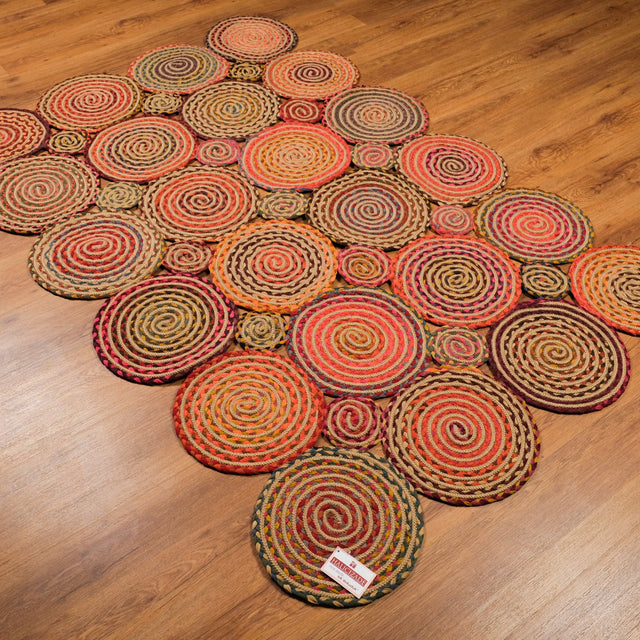 170×240 cm
Terra stripes across the width, loom-woven in wool
 219×301 cm
A hearthside size in plain cream, wool and cotton
 135×200 cm
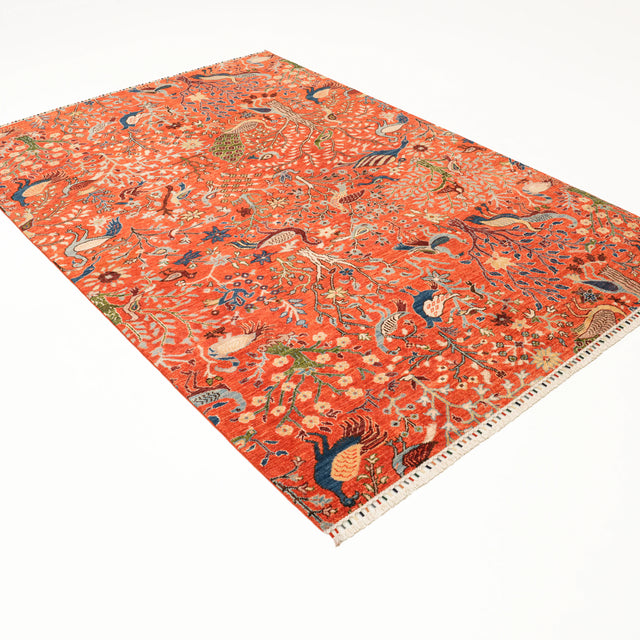 188×274 cm
A cotton rug is one woven from cotton yarn rather than wool or silk. The pile is short, the rug is light enough to lift with one hand, and many pieces are washable. Cotton is also the fiber most Anatolian rugs use for the warp, where its low stretch holds the foundation straight.
Cotton does two jobs in rug making, and they are worth separating: it is a pile fiber in its own right, and it is the structural thread underneath a great many wool rugs. This page covers both, the patterns cotton is woven in, how it compares with the other fibers, and how to wash one without shrinking it.
As a pile, cotton is flat, cool and matte. It has none of wool's spring, so a cotton rug does not lift back after a chair leg has stood on it in the way a wool pile does, and it does not have wool's depth underfoot. What it has instead is lightness, a short even surface, and the ability to go through water. A short pile also means there is less depth for dust and lint to settle into, and what does settle comes out with a vacuum rather than staying down in the fiber.
As a warp, cotton is doing something else entirely. It stretches less than wool under tension, so a cotton-warped rug comes off the loom straight and stays rectangular, and it is strong enough in a fine gauge to carry a very high knot count. That is why the fine workshop traditions use cotton warps under wool and silk pile, and why the back of a good hand-knotted rug is usually cotton.
Cotton takes almost the whole design range, in both hand and machine construction.
The practical properties follow from the fiber and the short pile.
| Fiber | Underfoot | Washing | Best for |
|---|---|---|---|
| Cotton | Flat, cool, light | Many pieces washable; shrinks if handled badly | Kitchens, children's rooms, summer, layering |
| Wool | Warm, springy, dense | Professional washing; infrequent | Living rooms and bedrooms kept for decades |
| Viscose | Soft, high sheen | Marks with water; specialist cleaning only | Low-traffic rooms where the sheen is the point |
| Jute | Coarse, dry, textured | Dry cleaning only | Neutral ground layers under smaller rugs |
Compare wool rugs, viscose rugs and jute rugs, or the whole of the natural fiber group.
Anywhere the rug has to be picked up and cleaned. A cotton rug works in a living room or a sitting room, and it is the obvious answer in a kitchen, where things get spilled, and in a child's room, where washability matters more than depth of pile. In a bedroom it gives a cool, flat surface beside the bed. Smaller classic pieces do well on a balcony, in an entrance hall or as a runner.
Where it does not belong is a cold room in winter or a floor that wants depth underfoot. That is a wool question, or a kilim if the room needs something thin but firmer than cotton.
Cotton fiber can shrink when it is wet, which governs everything else. Day to day, vacuum on a low setting; that removes almost all of what accumulates in a short pile. For a deeper clean, professional washing is the right answer for most cotton rugs, and for anything handwoven it is the only sensible one.
Where a rug is marked as washable, a few rules keep it the size it was. Test any detergent or shampoo on a corner first to see whether the color moves. Wash cool rather than hot. Set the spin correctly rather than at maximum, and dry the rug flat and out of direct sunlight, since sun fades cotton dye quickly.
Local marks rarely need the whole rug washed. Coffee, tea and fruit juice come out with a mild detergent and a damp cloth. A soft brush can be worked over solid soil, but not as part of a routine and gently on anything handwoven, where scrubbing distorts the structure. Between washes, a lightly damp cloth and air drying are enough. Read how a rug is washed before sending one out.
It is a rug woven from cotton yarn rather than wool or silk. The pile is short and flat, the rug is light, and many pieces are washable. Cotton is also the standard warp fiber underneath wool and silk pile.
Some are, and the product page says so. Where a rug is washable, test the detergent for colorfastness first, wash cool rather than hot, set a moderate spin, and dry the rug flat out of direct sunlight.
Cotton conducts heat better than wool does and the pile is short, so it holds no insulating layer of air against the floor. That is a disadvantage in winter and the reason cotton rugs come out in summer.
It is the wrong choice for a cold room in winter and for any floor that wants depth underfoot, because cotton neither insulates nor springs back the way a wool pile does. Wool or a kilim answers those rooms better.
Cotton is a plant fiber that is matte, hard-wearing and often washable. Viscose is a manufactured fiber with a high sheen that marks permanently where water touches it and needs specialist cleaning rather than washing.
Cotton stretches far less than wool under tension, so a cotton-warped rug leaves the loom straight and keeps its shape. It is also strong in a fine gauge, which is what allows a very high knot count.
Cotton fiber can shrink when it gets wet, which is why hot washing and hard spinning are risky. Washing cool, spinning moderately and drying flat keeps a washable cotton rug at the size it was bought.
Related collections: wool rugs · handwoven kilims · natural fiber rugs · machine-washable rugs


