

Filters
7 products
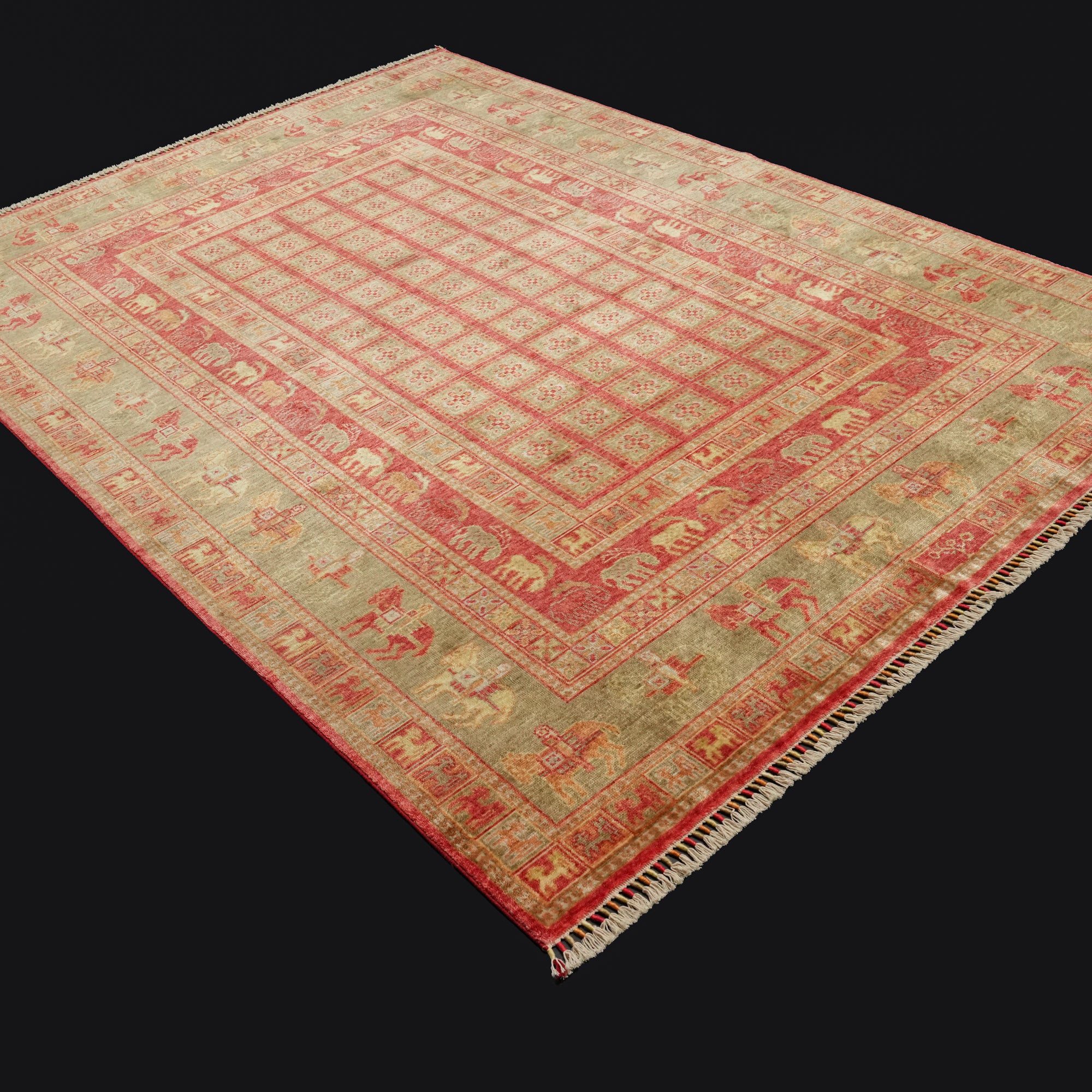
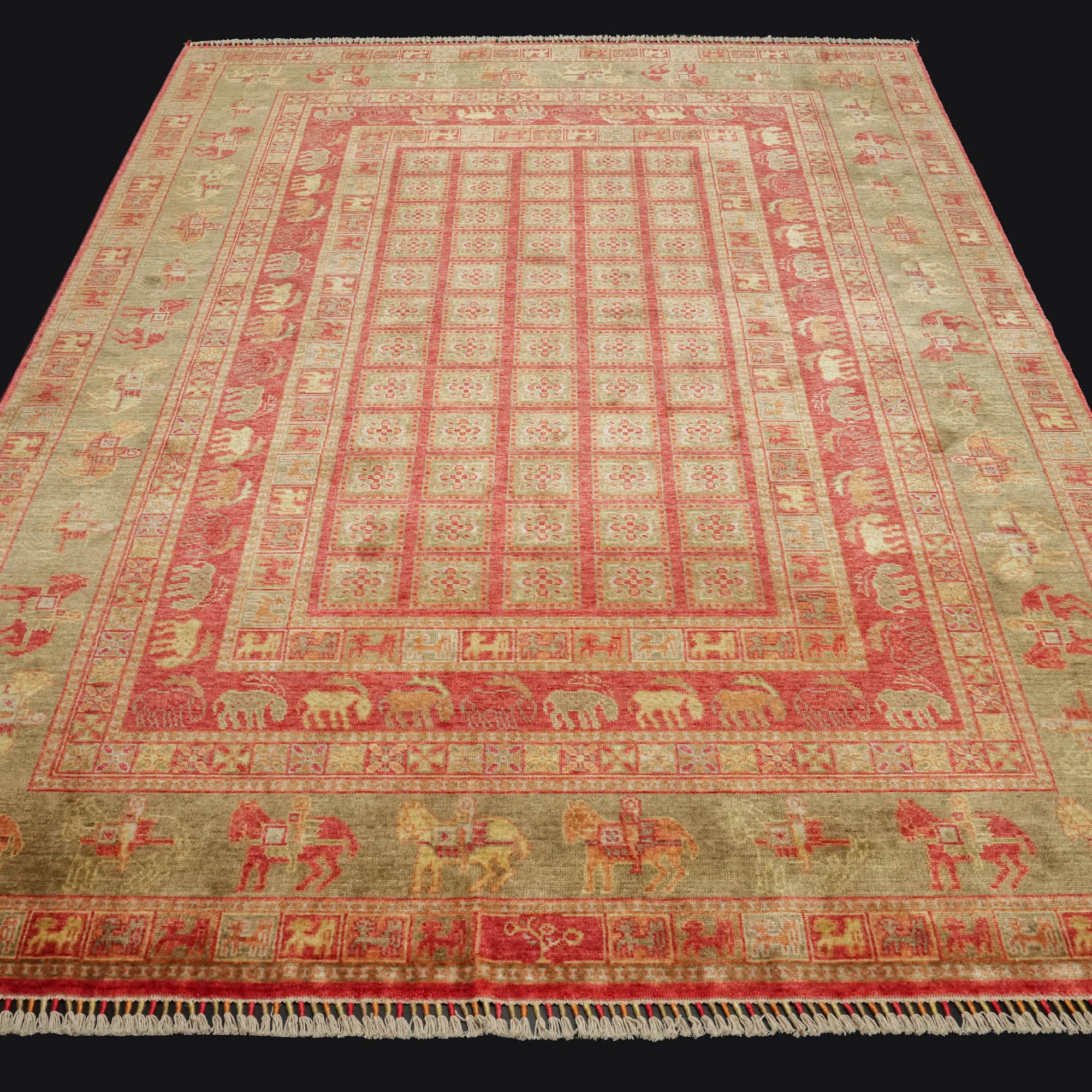
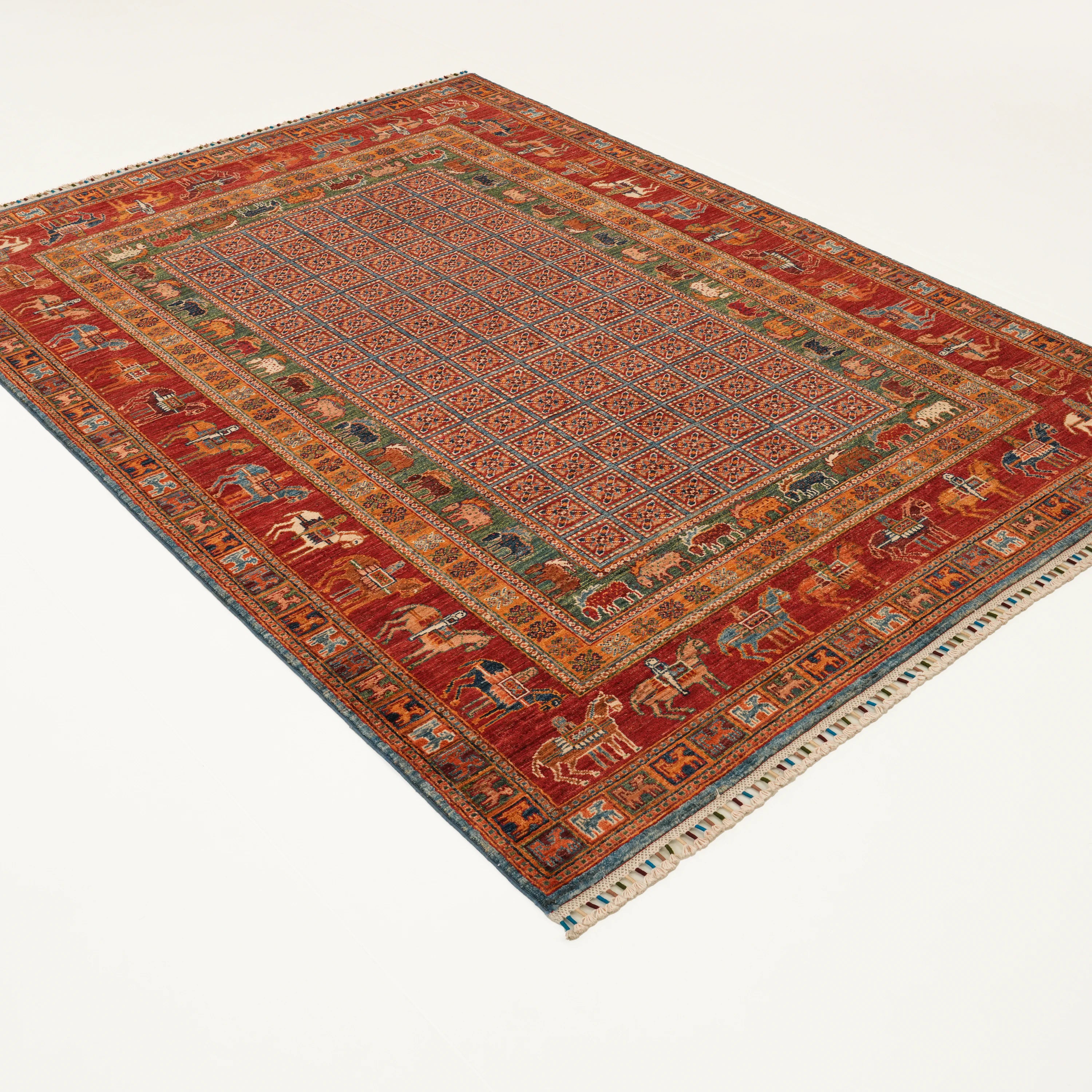
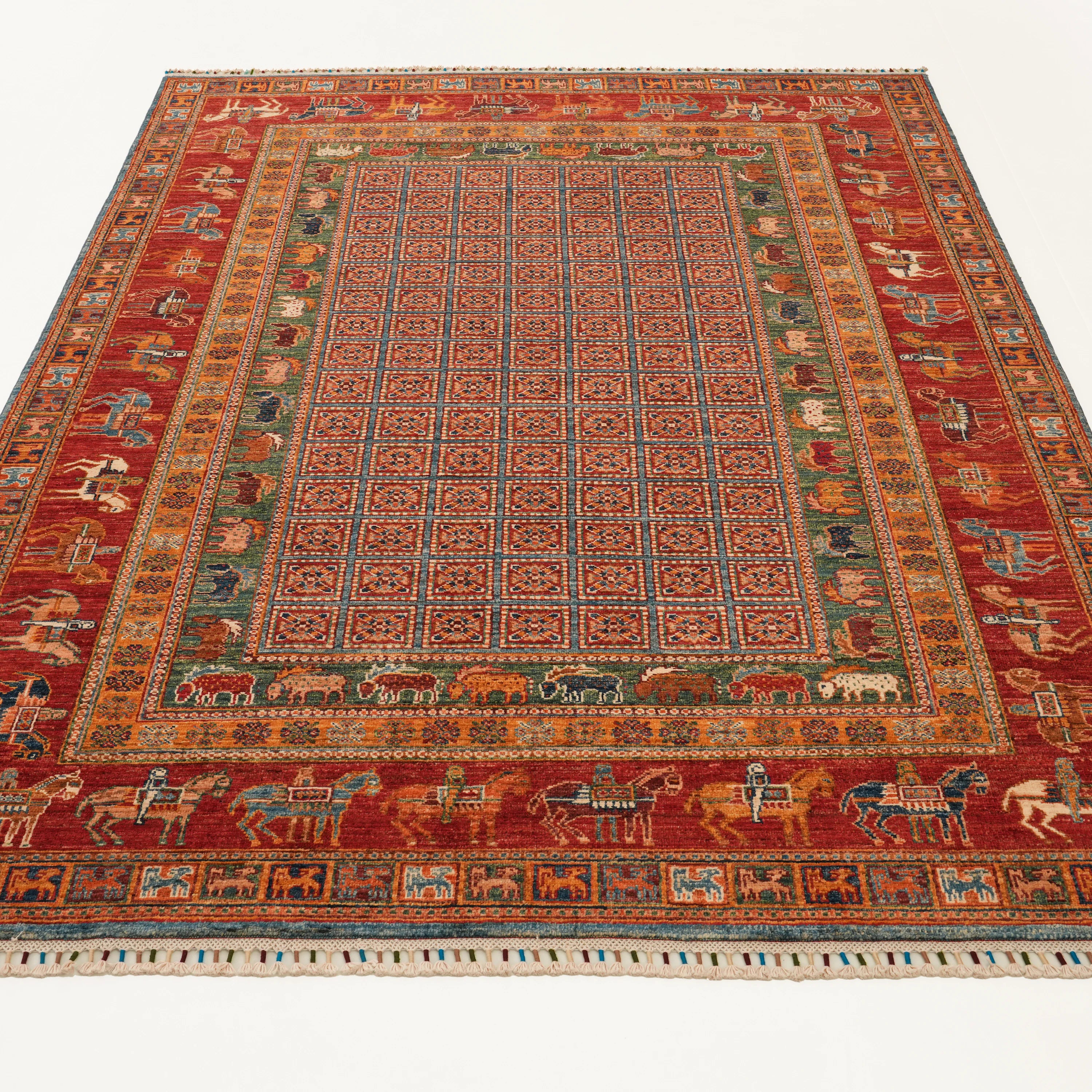
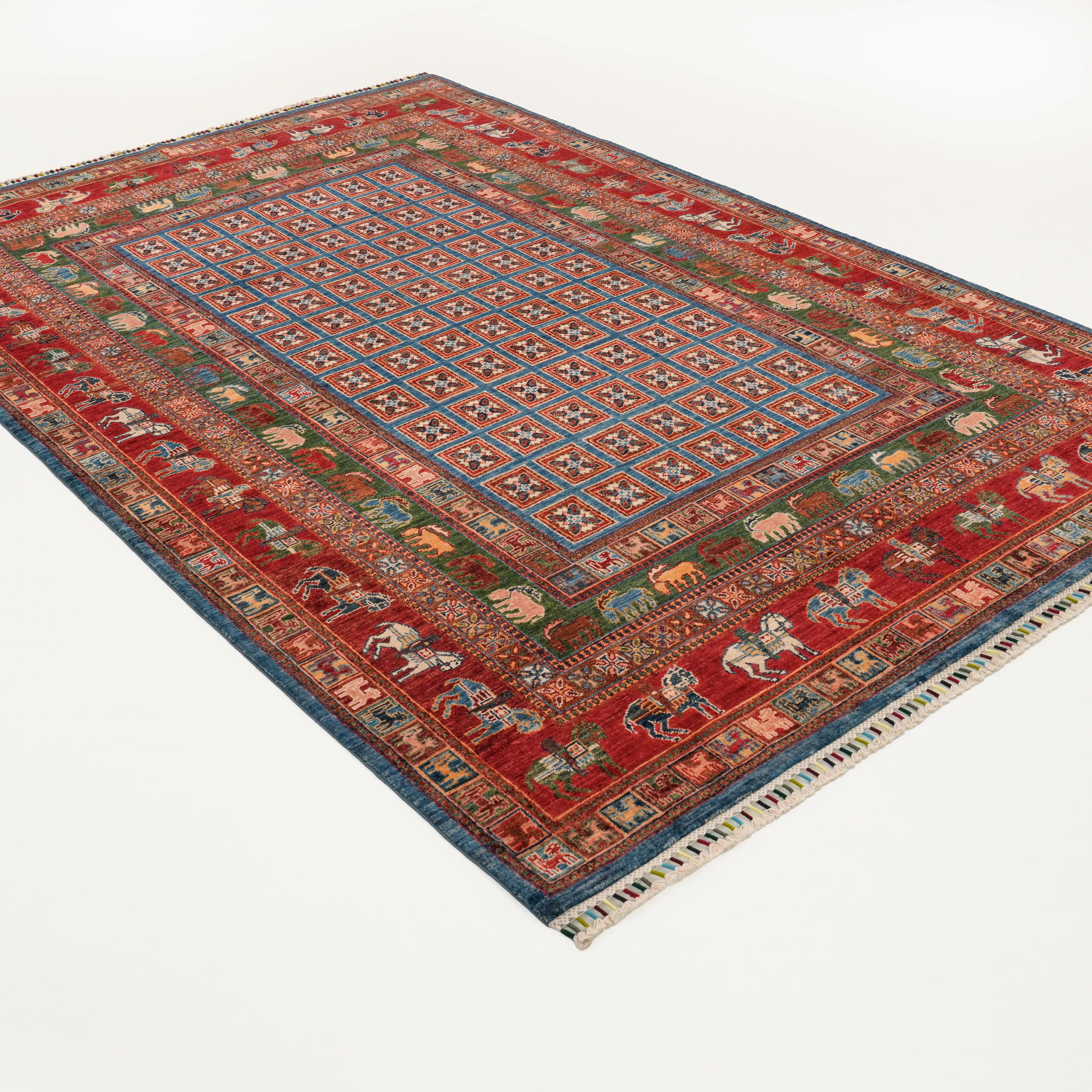
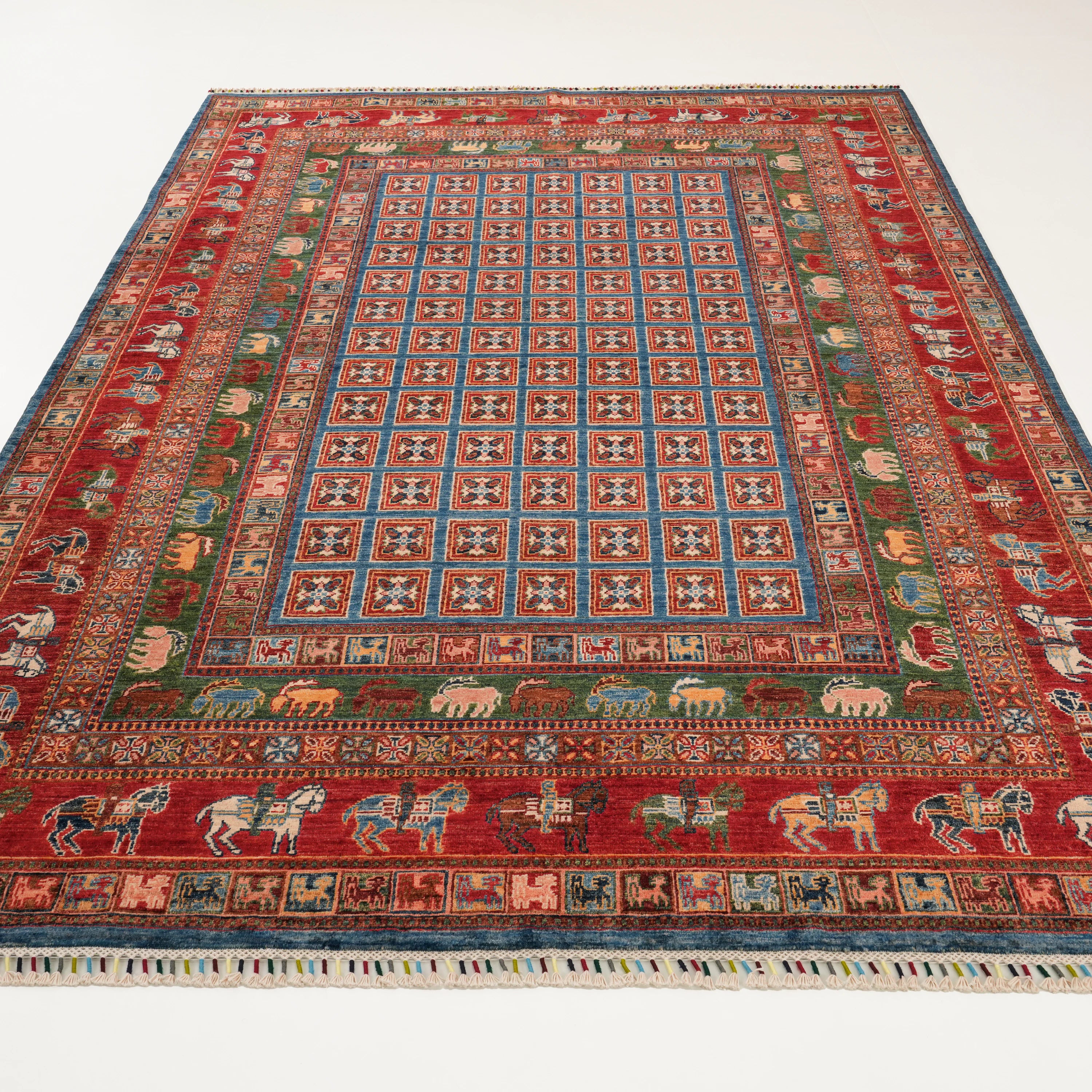
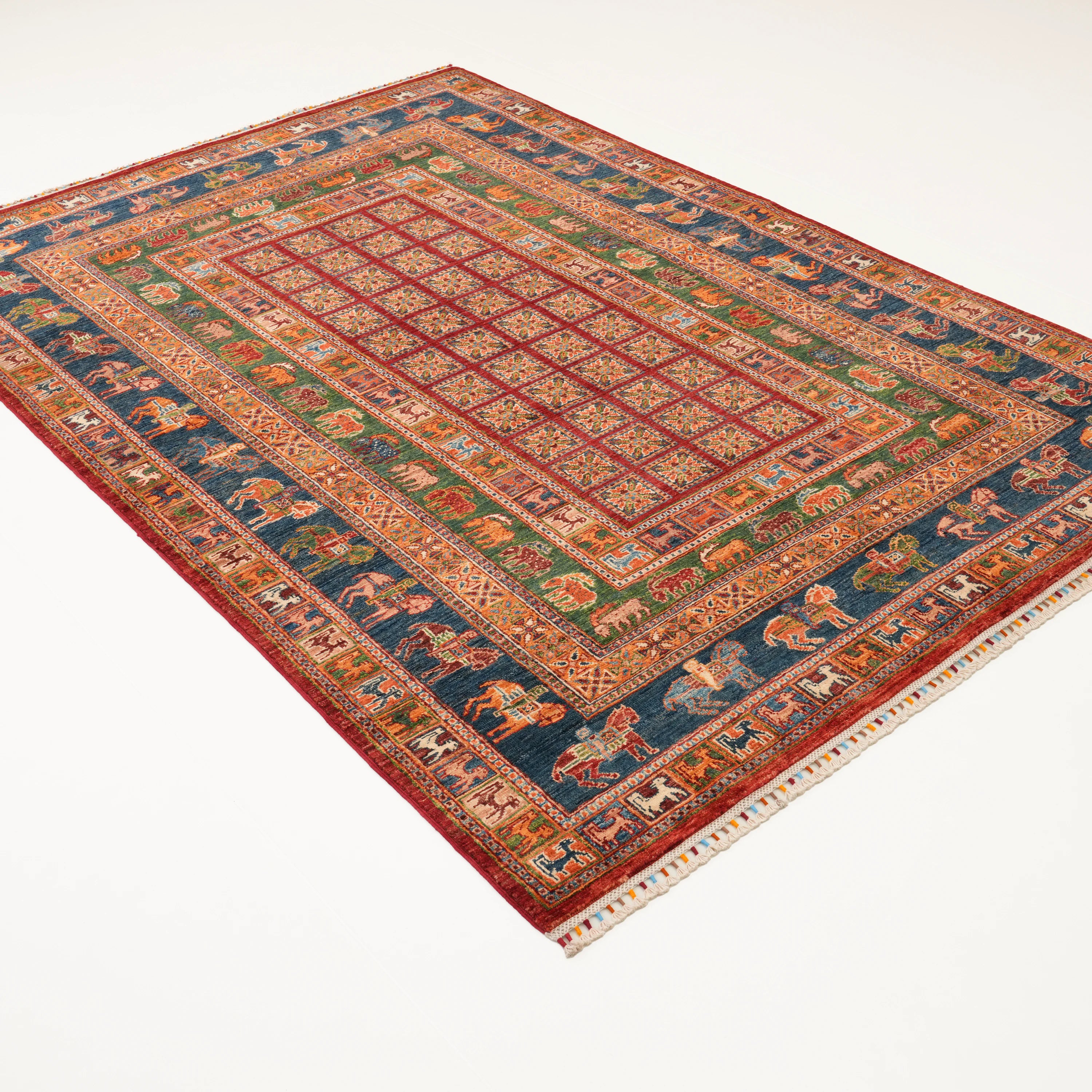
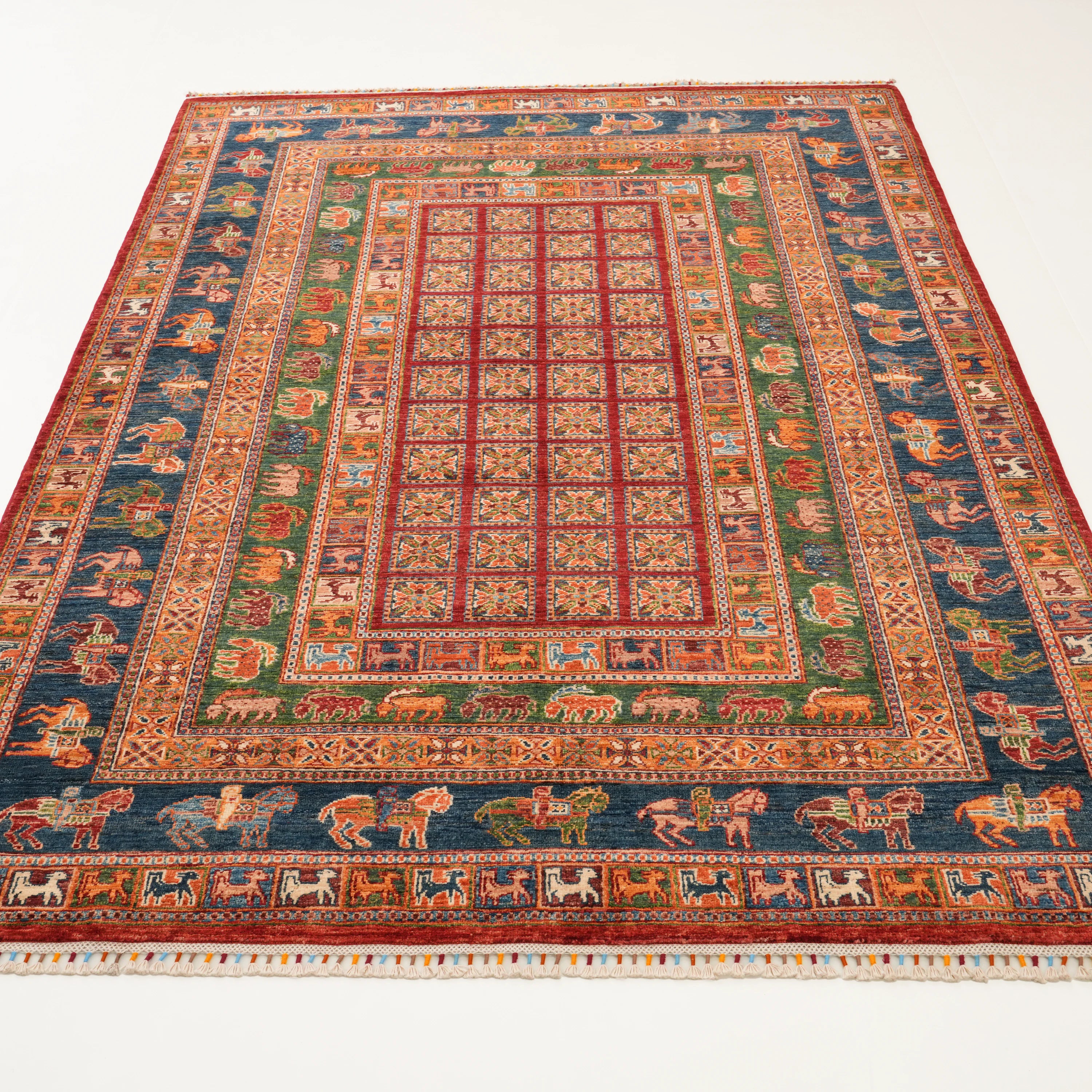
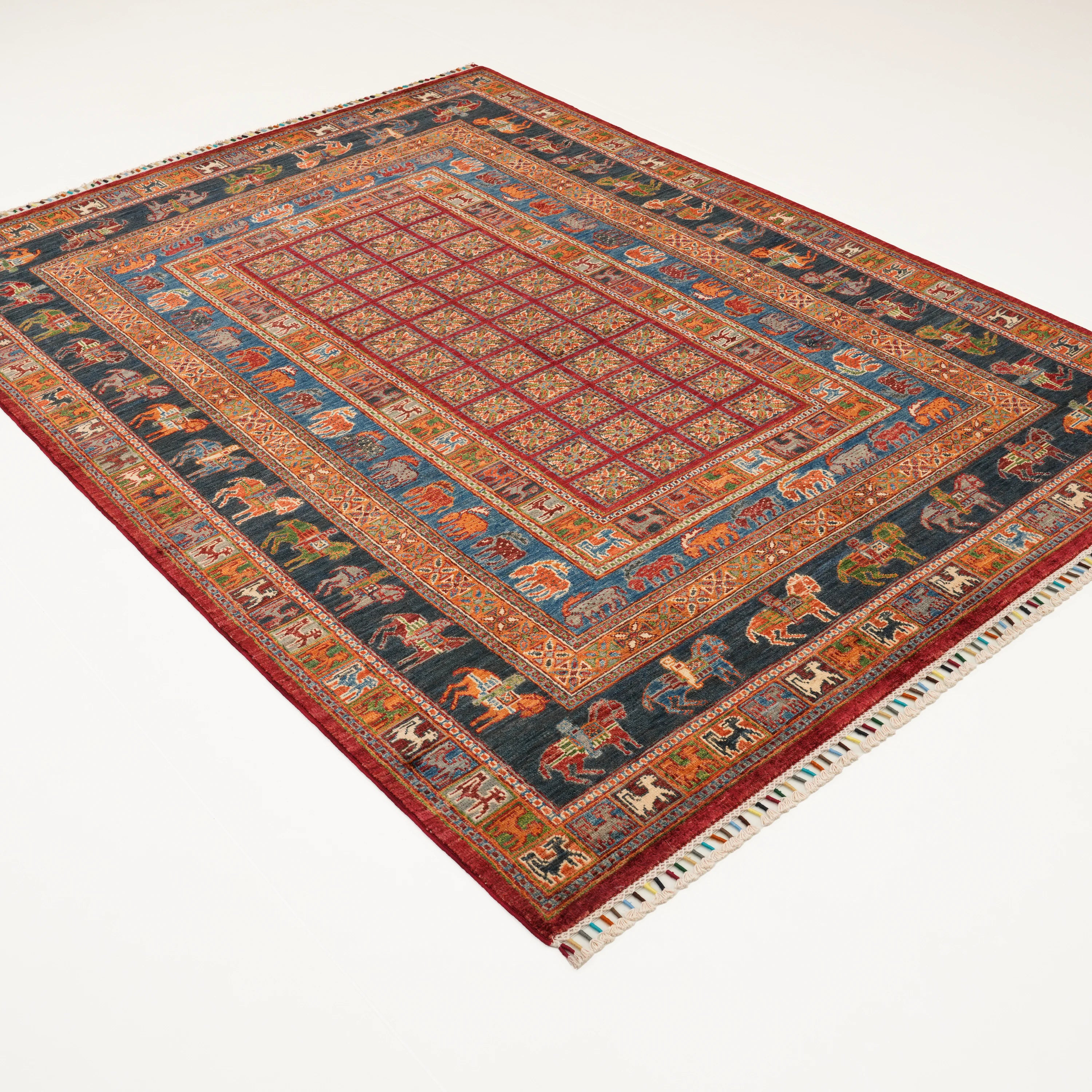
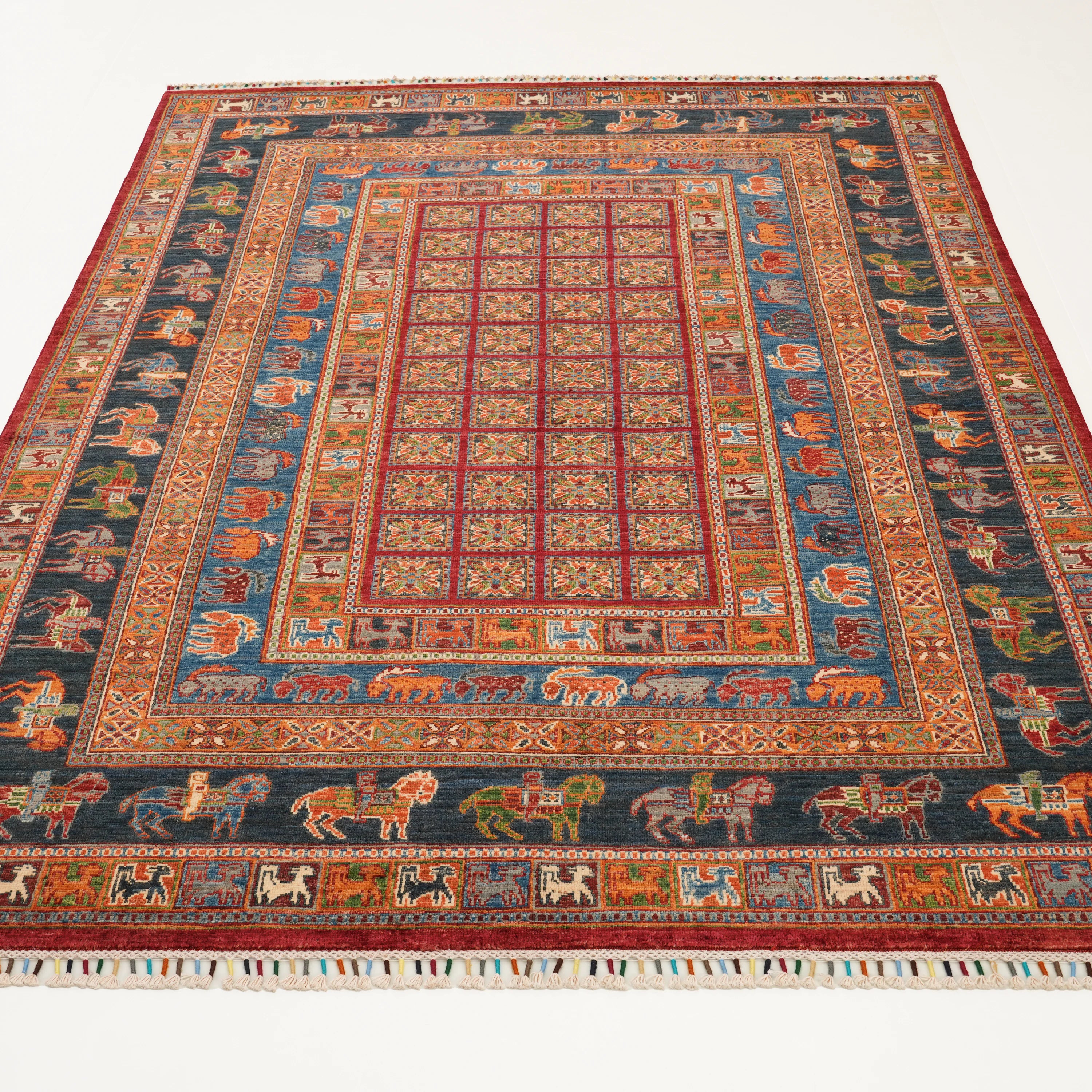


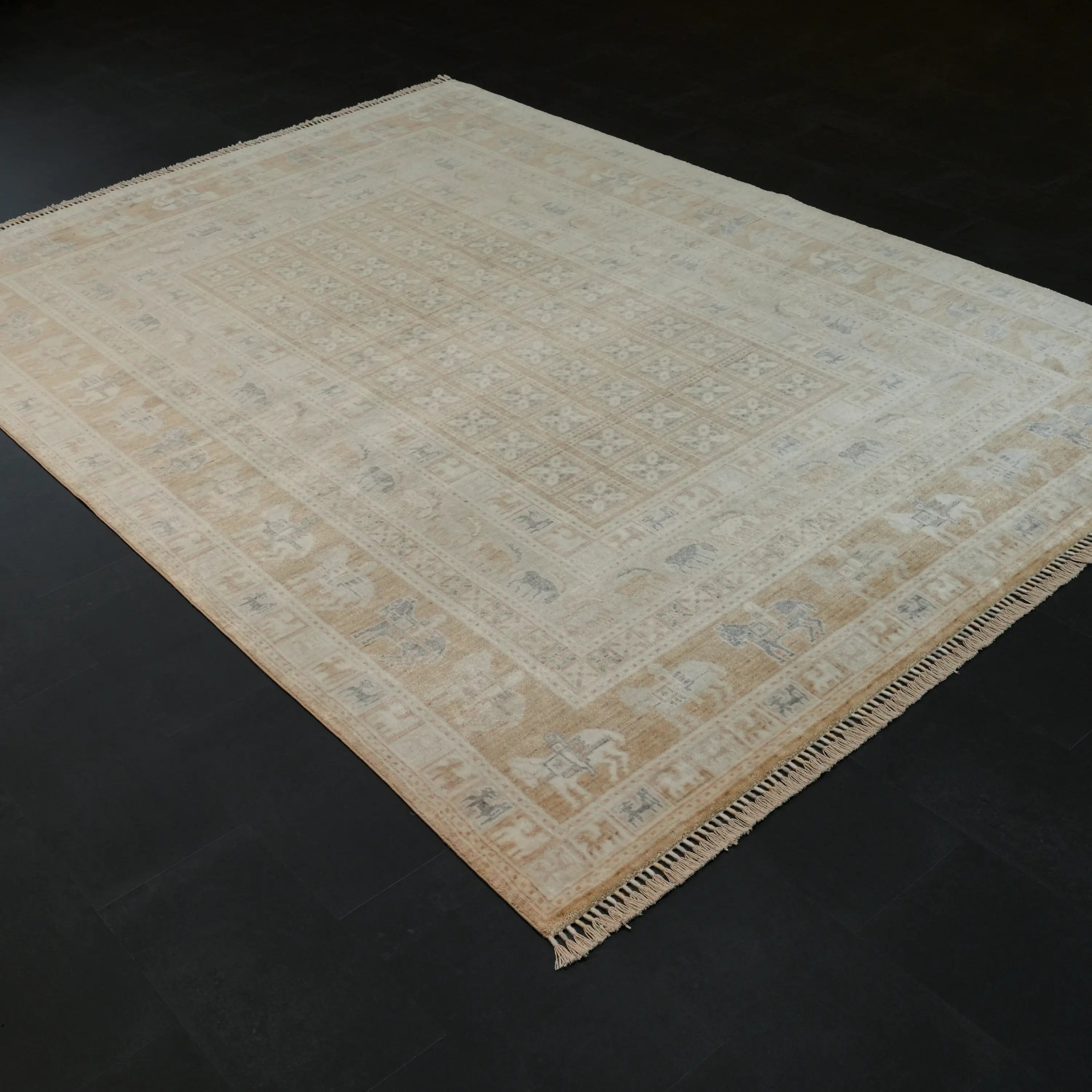
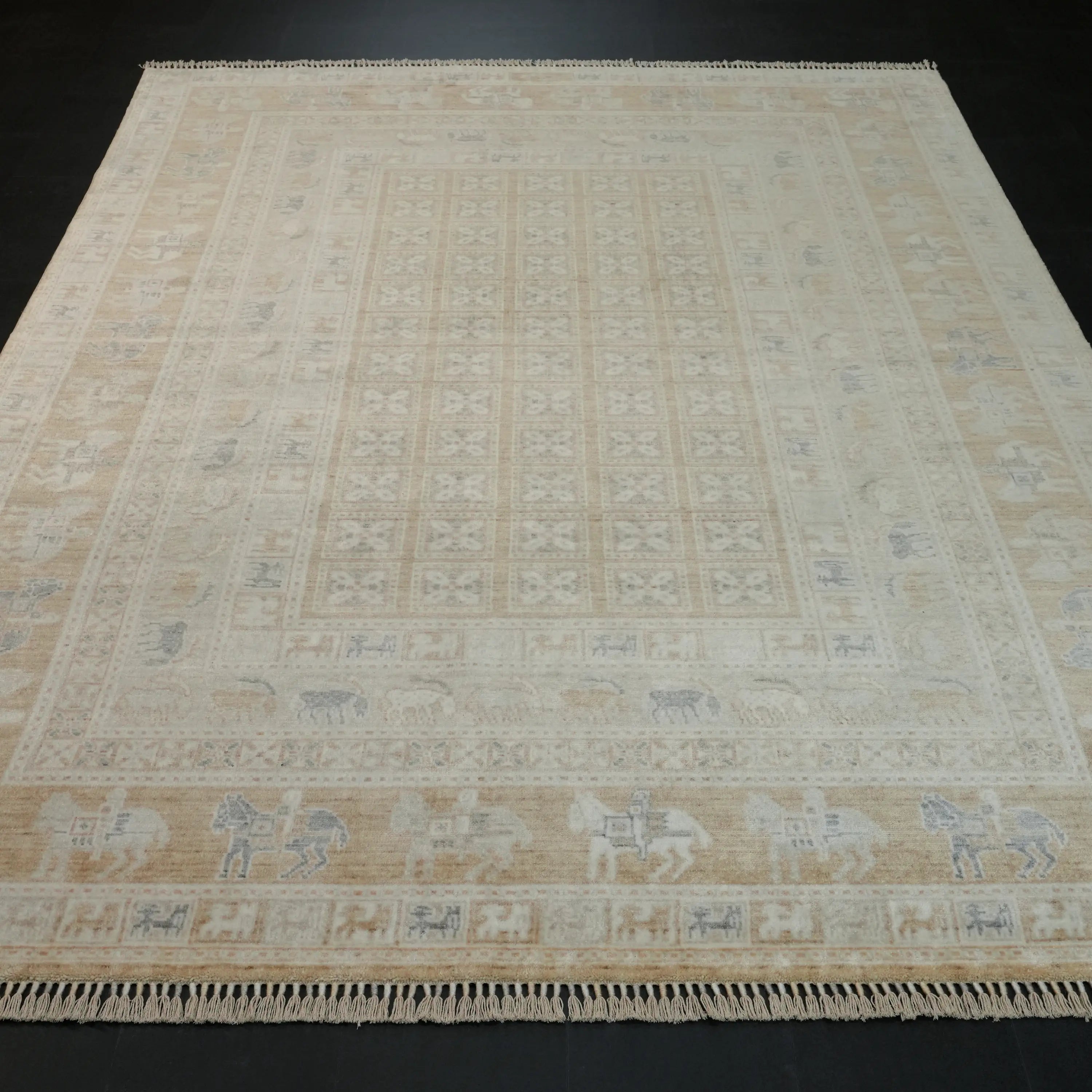
A Pazyryk-design rug draws on the pattern of the Pazyryk carpet, the oldest known surviving hand-knotted pile carpet in the world, discovered frozen in a Scythian burial mound in Siberia's Altai Mountains and dated to roughly the 5th century BCE.
Few rug patterns can claim a more historically significant source than this one, the Pazyryk carpet is the earliest surviving proof that the hand-knotting technique underlying nearly all our traditional pieces already existed, fully developed, well over two thousand years ago.
The Oldest Surviving Knotted Carpet
Discovered in 1949 in a frozen Scythian tomb in the Altai Mountains, the Pazyryk carpet is dated to approximately the 5th century BCE, making it the oldest known surviving example of a knotted-pile carpet, remarkably preserved by the site's permafrost conditions and now held in Russia's State Hermitage Museum.
Why This Piece Matters to Weaving History
The Pazyryk carpet already displays a fully developed symmetric knotting technique closely related to what's still used in Turkish weaving today, along with sophisticated bordered composition featuring deer, horsemen and griffin motifs, demonstrating that this level of technical and artistic sophistication existed millennia before most surviving Turkish and Persian carpets.
Why Choose a Pazyryk-Design Rug from Halicizade
We offer designs drawing on the Pazyryk's historic motifs specifically to connect our catalog to this foundational moment in carpet-weaving history, honoring a design lineage that predates nearly every other tradition represented in our collection.
Styling a Pazyryk-Design Rug
This pattern's historical weight and structured composition suit rooms built around heritage and craftsmanship appreciation.
- Studies, libraries and formal living rooms suit the Pazyryk's historic gravity particularly well.
- A strong choice for buyers with a specific interest in ancient textile history and archaeology.
- Pairs well with wood furniture and other heritage-focused decor.
- Works as a genuine conversation piece given the design's remarkable historical origin.
Pazyryk-Design vs. Standard Traditional Turkish Pattern
| Pazyryk-Design | Standard Traditional Turkish Pattern | |
|---|---|---|
| Historical source | 5th century BCE Scythian carpet | Typically Ottoman-era or later Anatolian tradition |
| Motifs | Deer, horsemen, griffins | Varies by regional tradition |
| Positioning | Historical showcase, conversation piece | Broad traditional decorating range |
Care & Maintenance
Standard wool care applies, regular vacuuming, prompt spill treatment, and professional cleaning every 12-18 months, consistent with traditional hand-knotted wool construction.
Frequently Asked Questions
What is the Pazyryk carpet?
The oldest known surviving hand-knotted pile carpet in the world, discovered frozen in a Scythian burial mound in Siberia's Altai Mountains and dated to roughly the 5th century BCE.
Where is the original Pazyryk carpet kept today?
It's held in Russia's State Hermitage Museum, remarkably preserved by the permafrost conditions of the burial site where it was discovered in 1949.
What motifs appear on the Pazyryk carpet?
Deer, horsemen and griffin motifs appear within a sophisticated bordered composition.
Why is the Pazyryk carpet historically significant for Turkish weaving?
It demonstrates that a fully developed symmetric knotting technique, closely related to techniques still used today, already existed over two thousand years ago.
Is a Pazyryk-design rug an exact reproduction of the original?
Our pieces draw on the historic pattern and motifs as design inspiration rather than claiming to be exact museum reproductions.
What rooms suit a Pazyryk-design rug best?
Studies, libraries and formal living rooms suit its historic gravity particularly well, especially for buyers interested in ancient textile history.