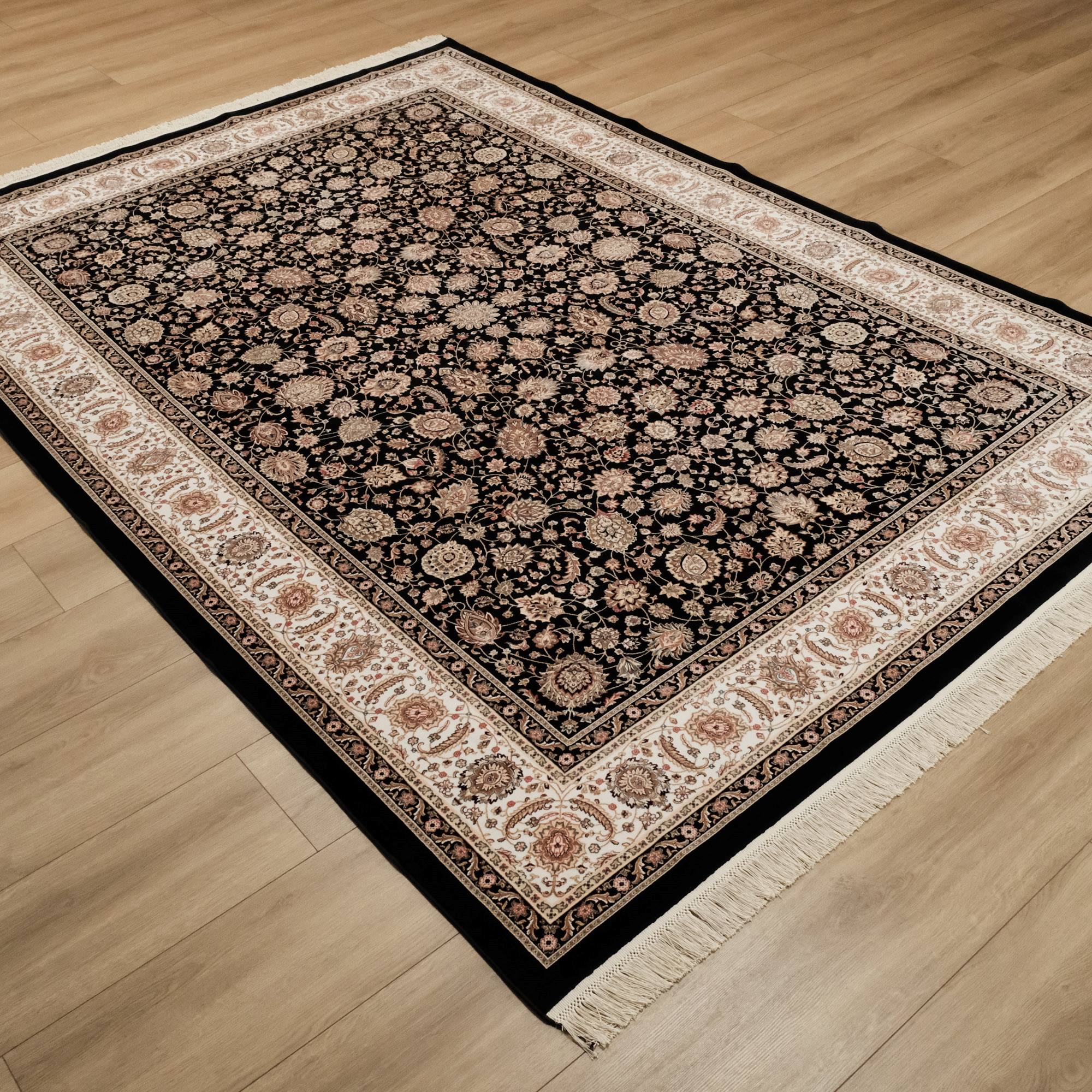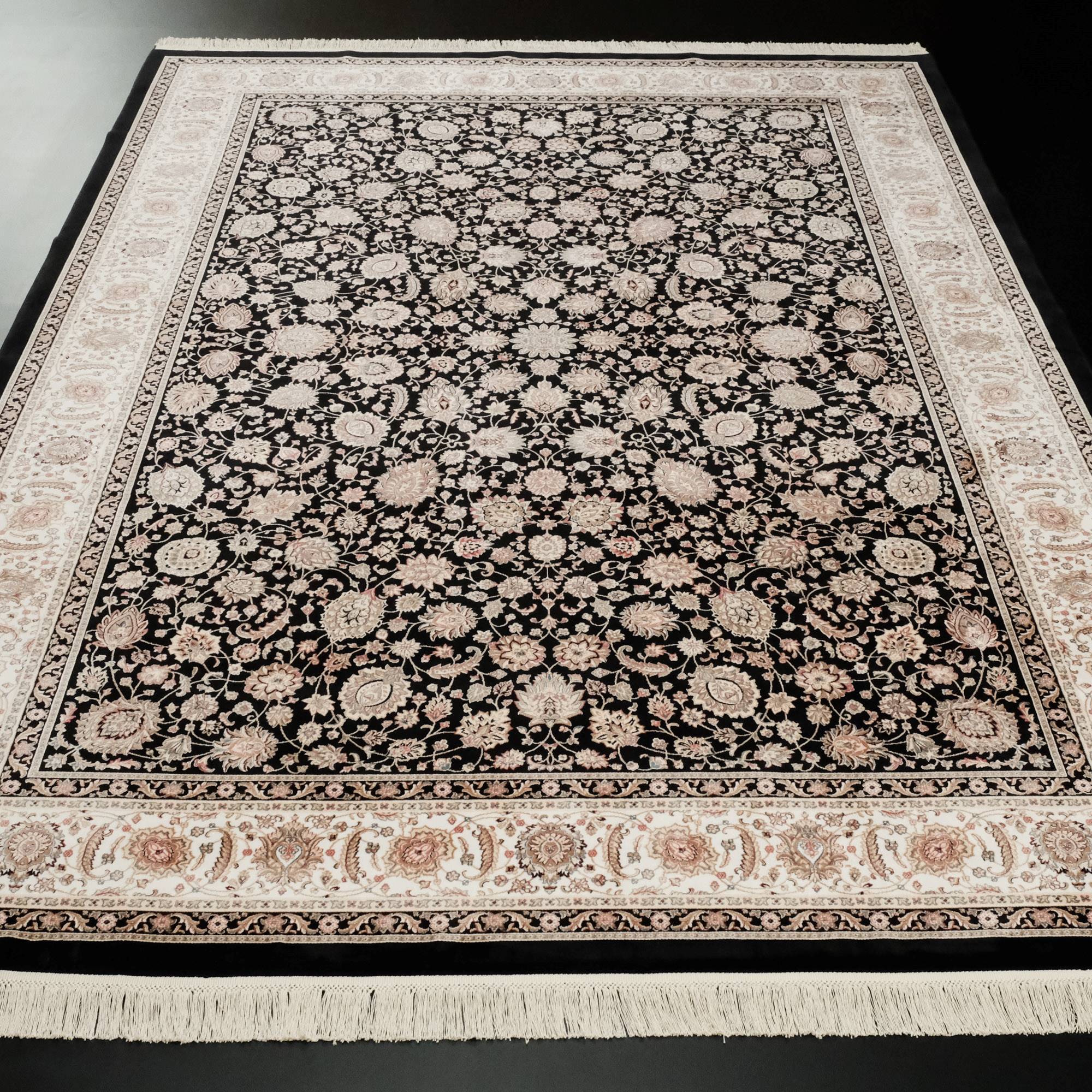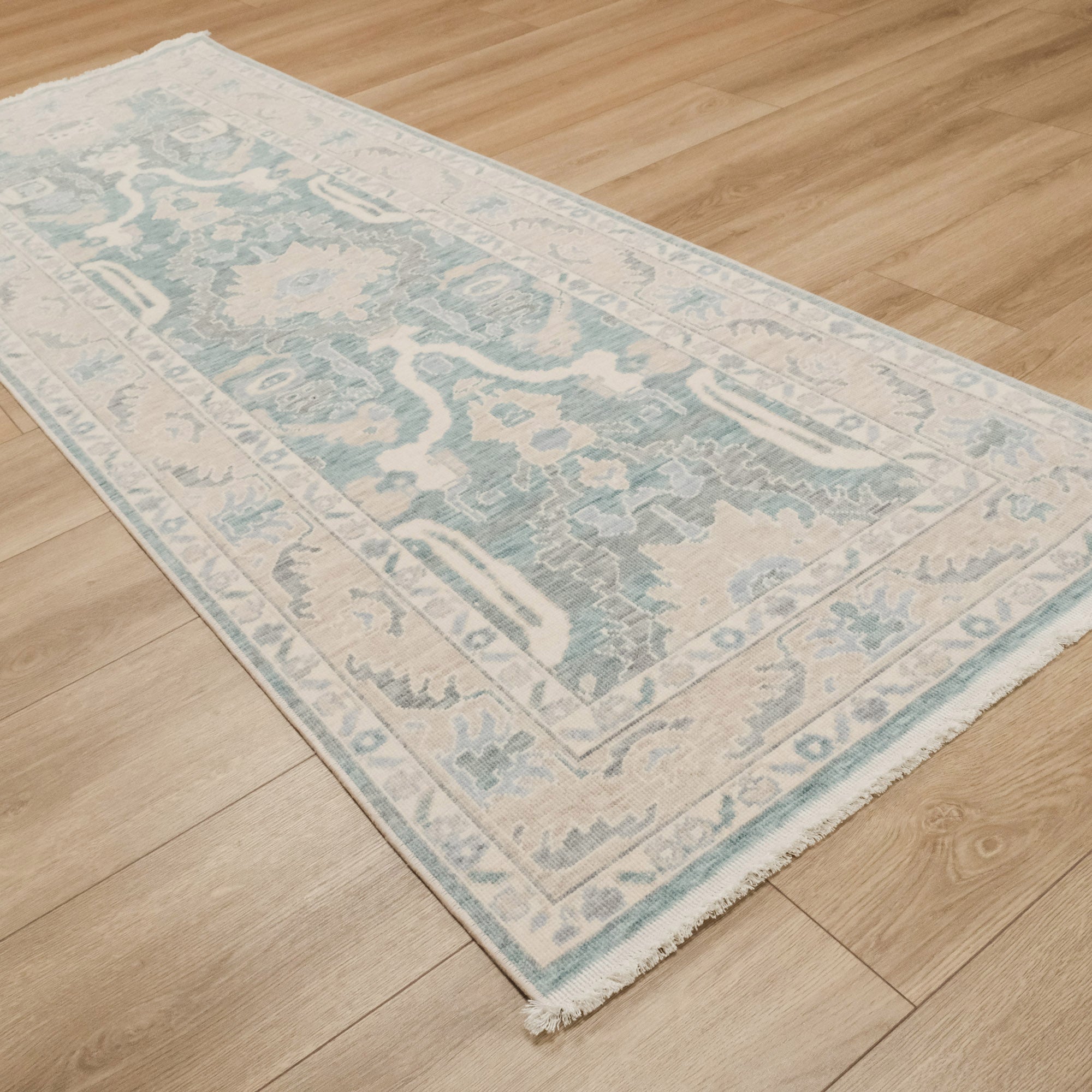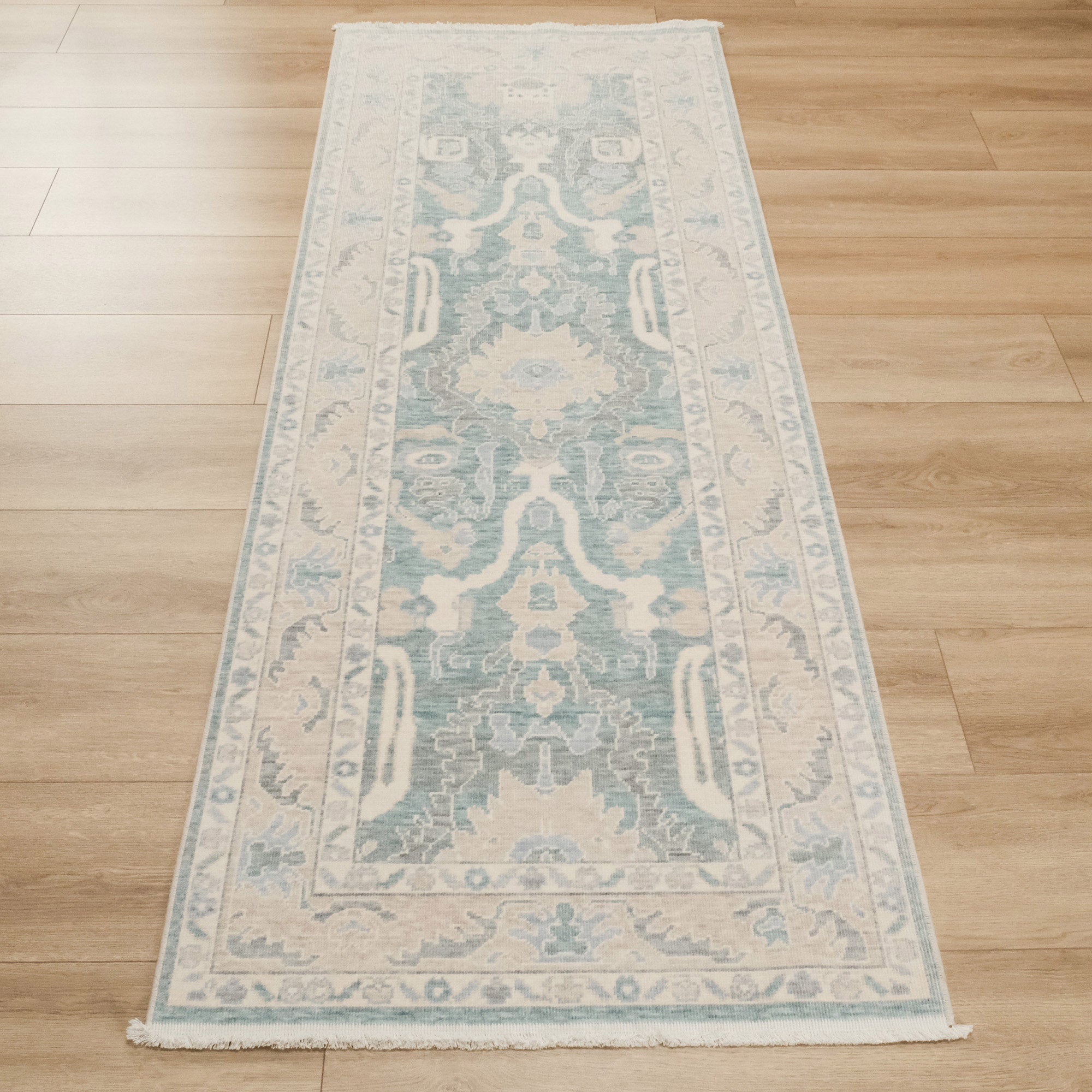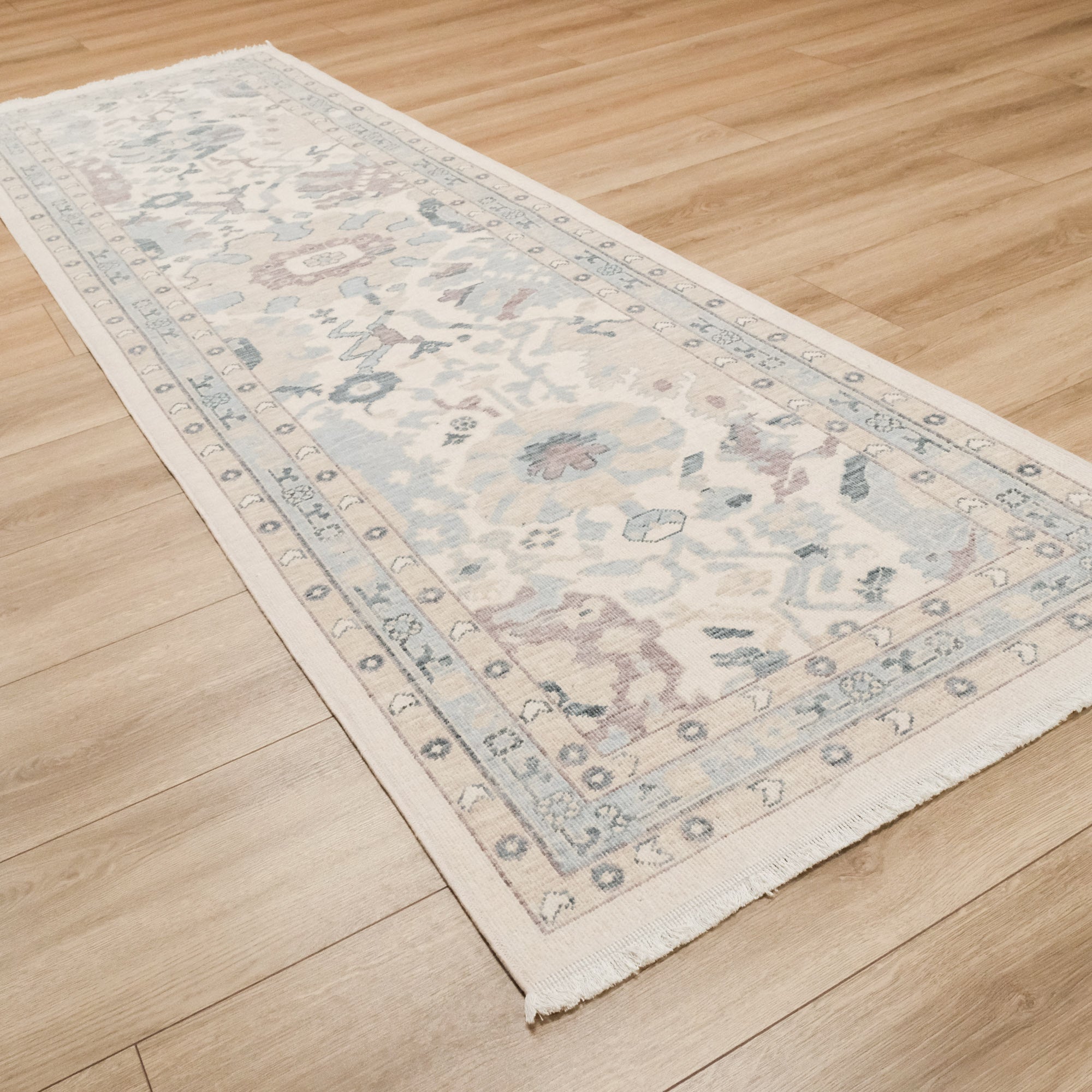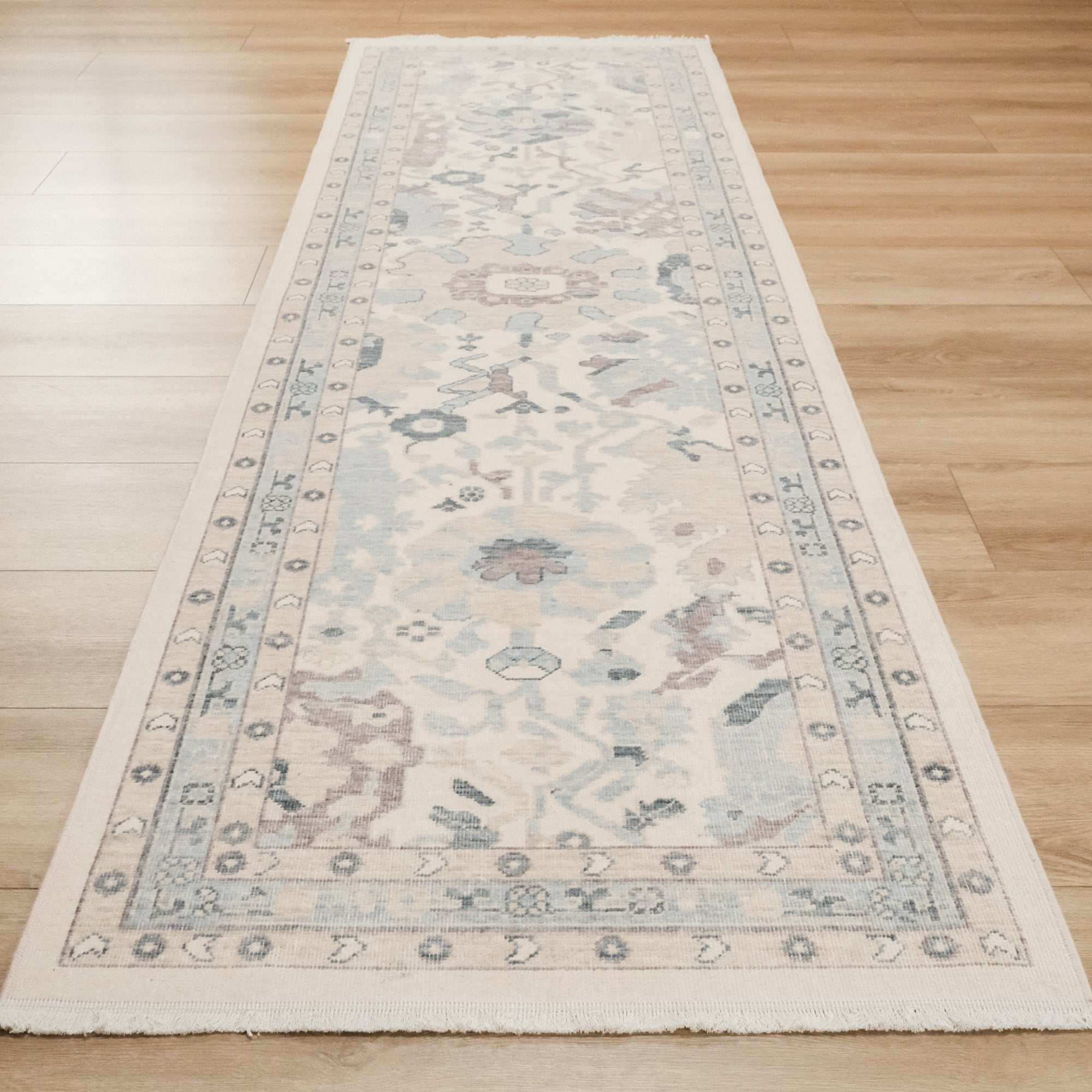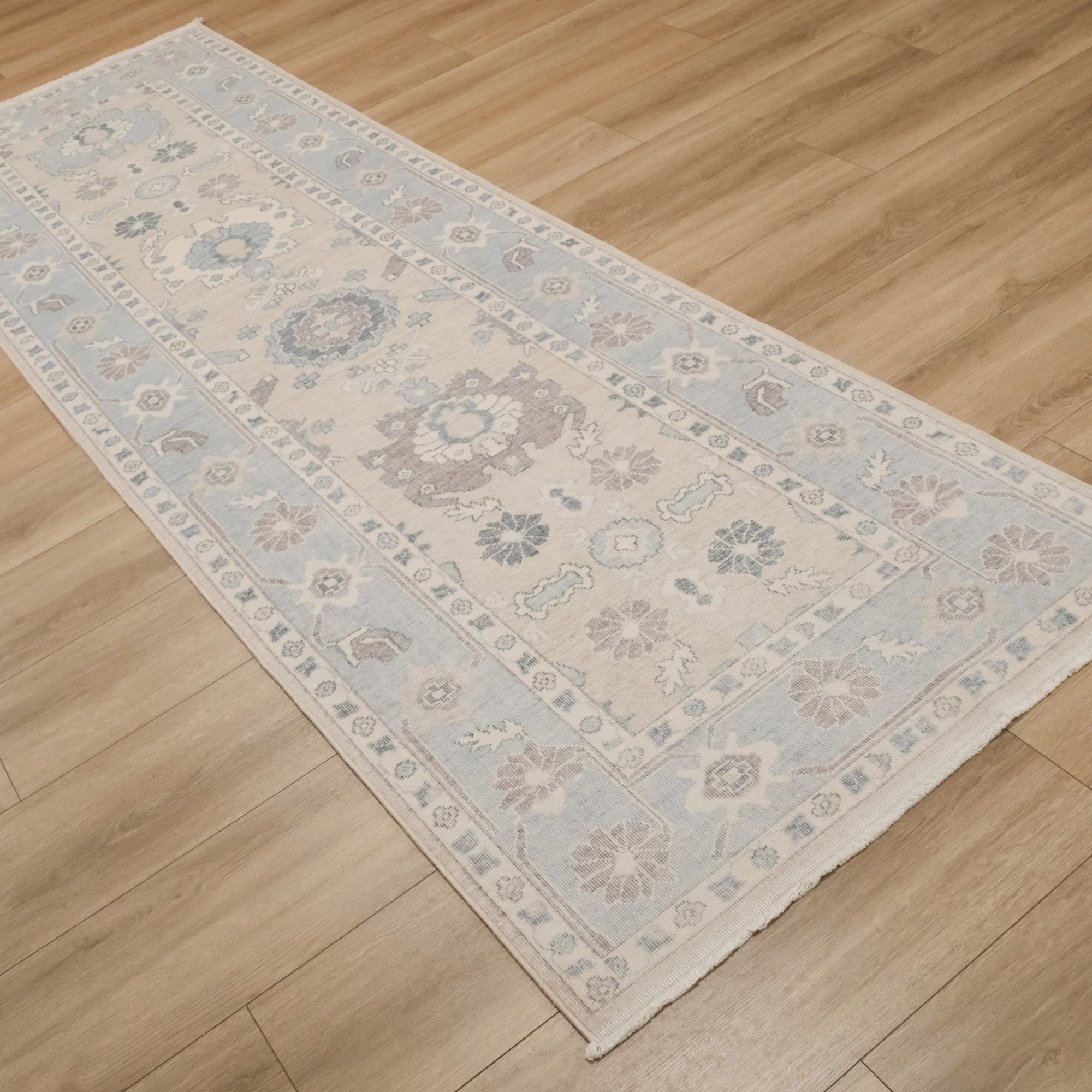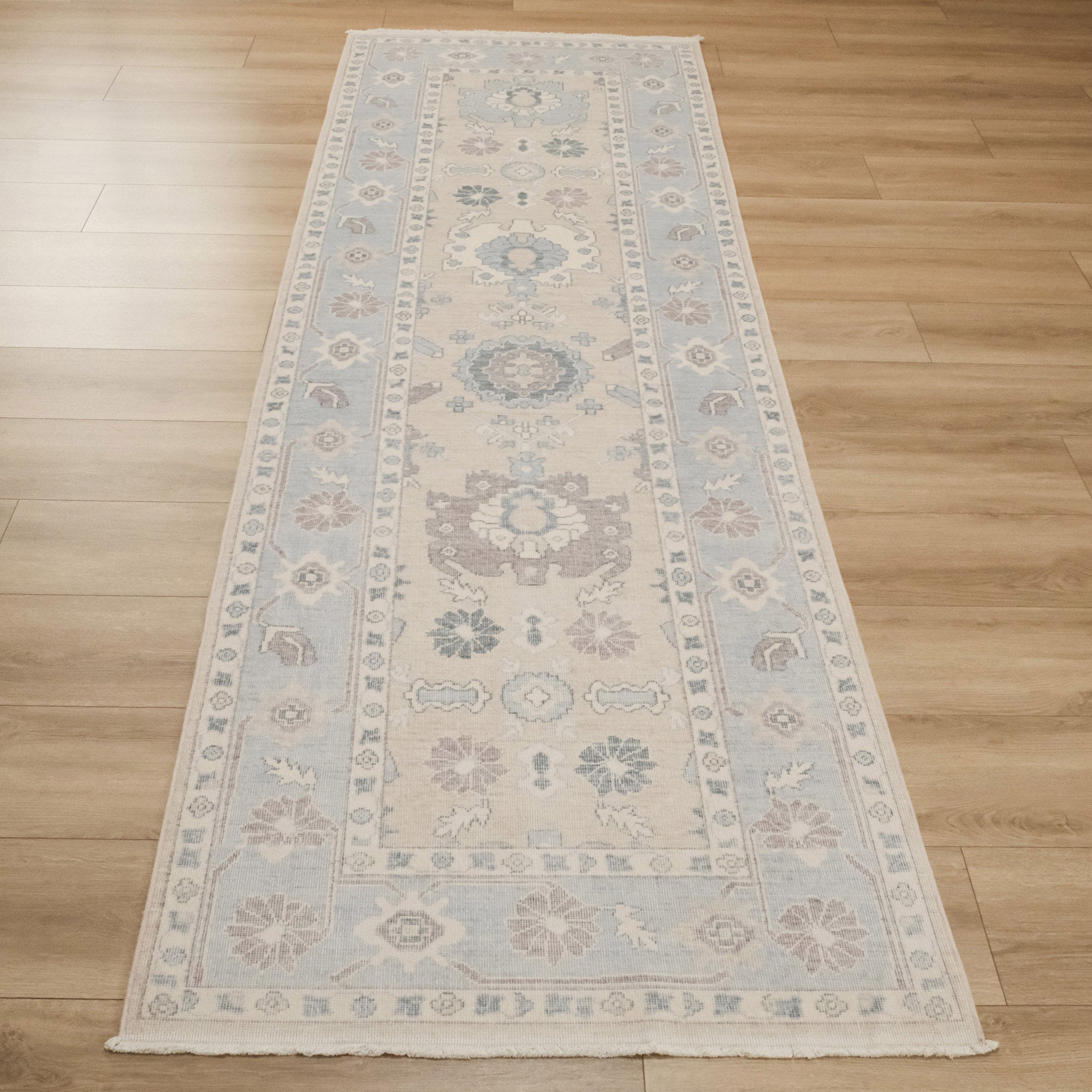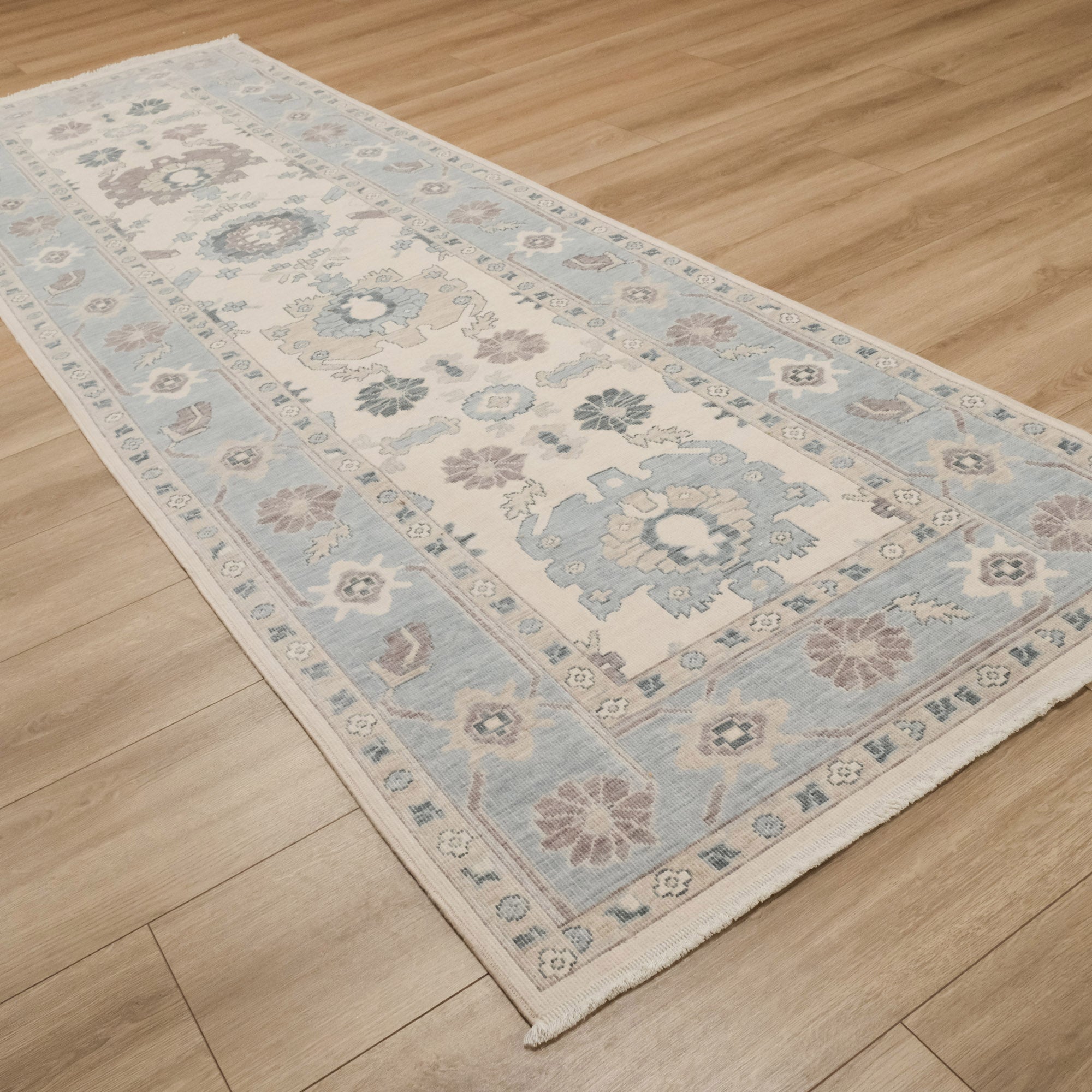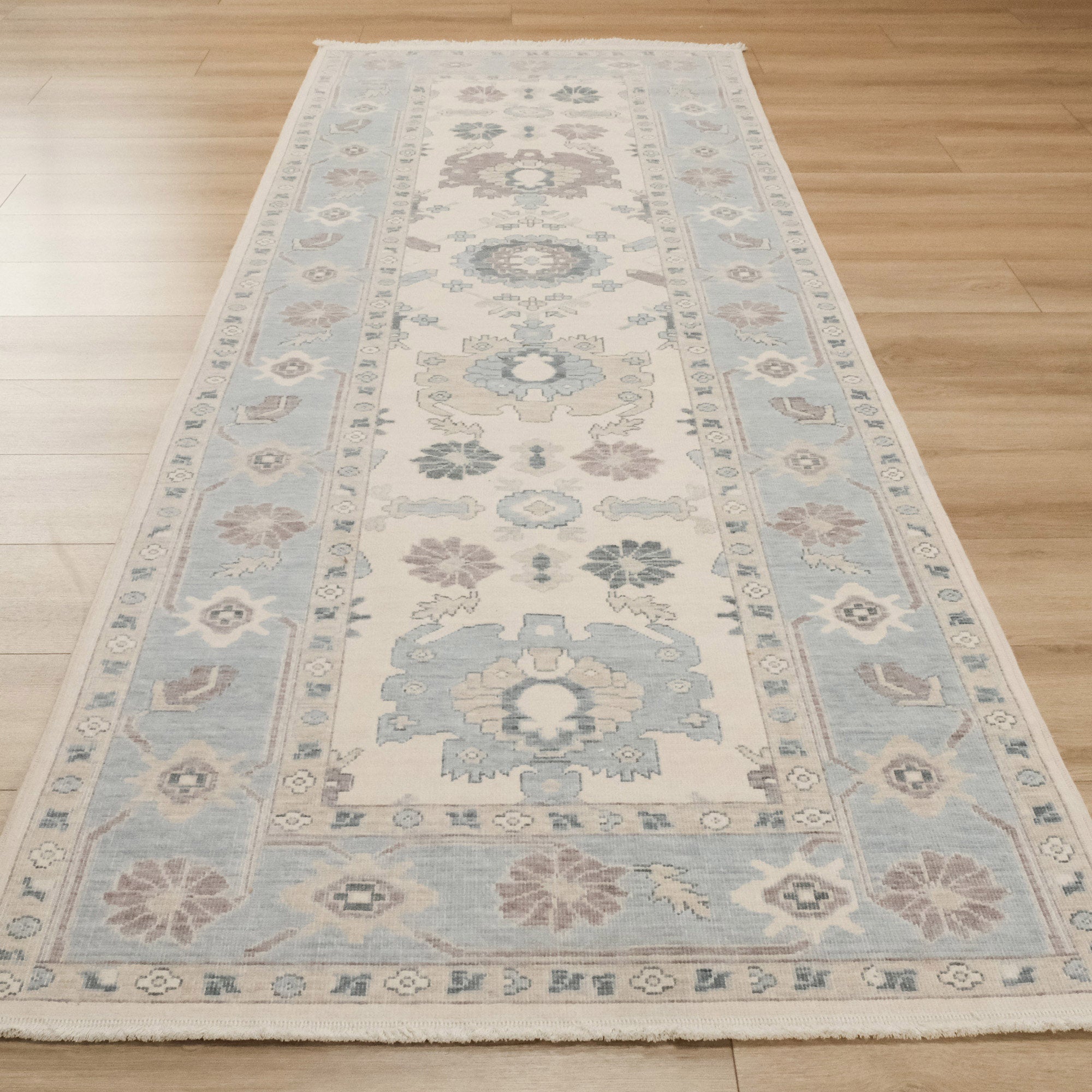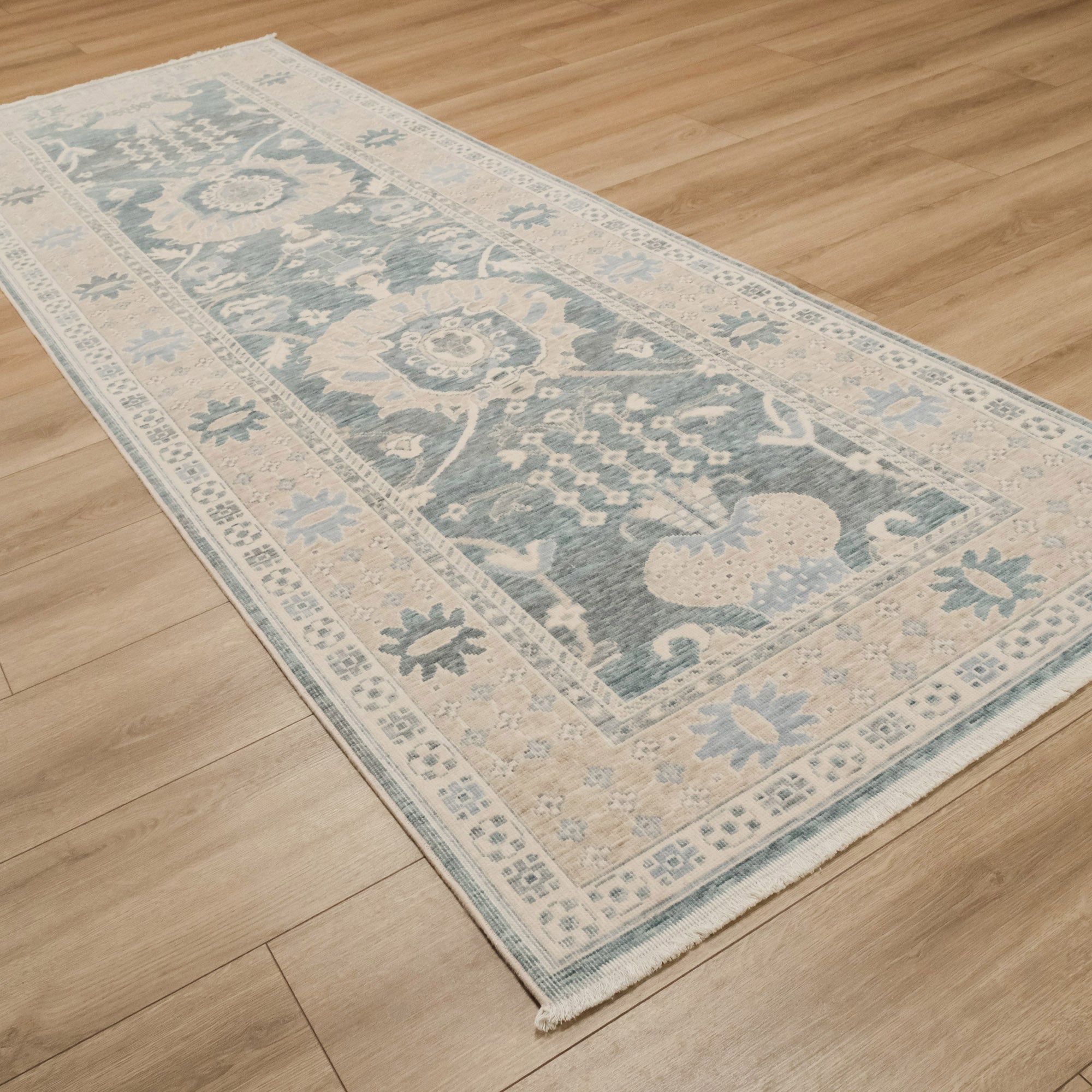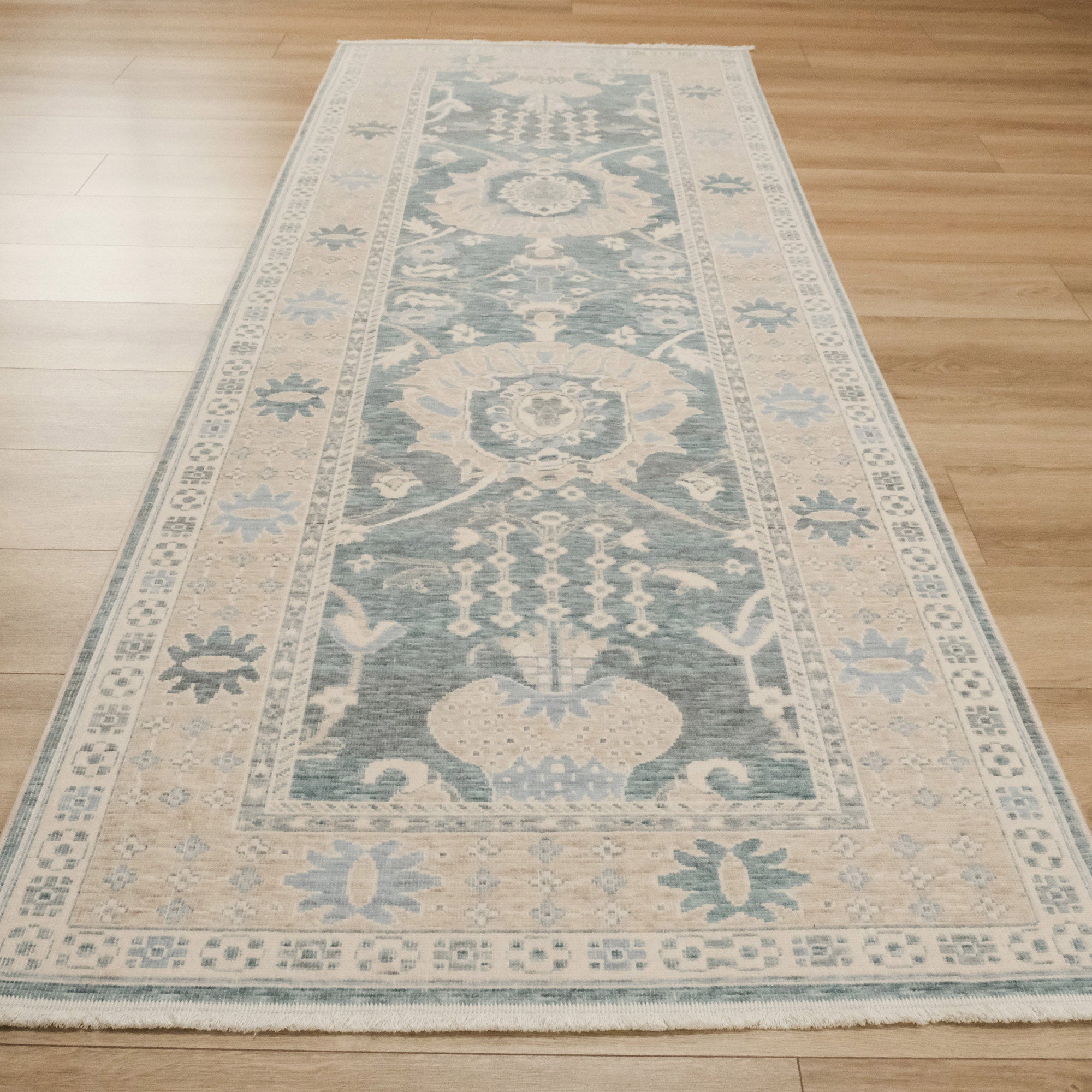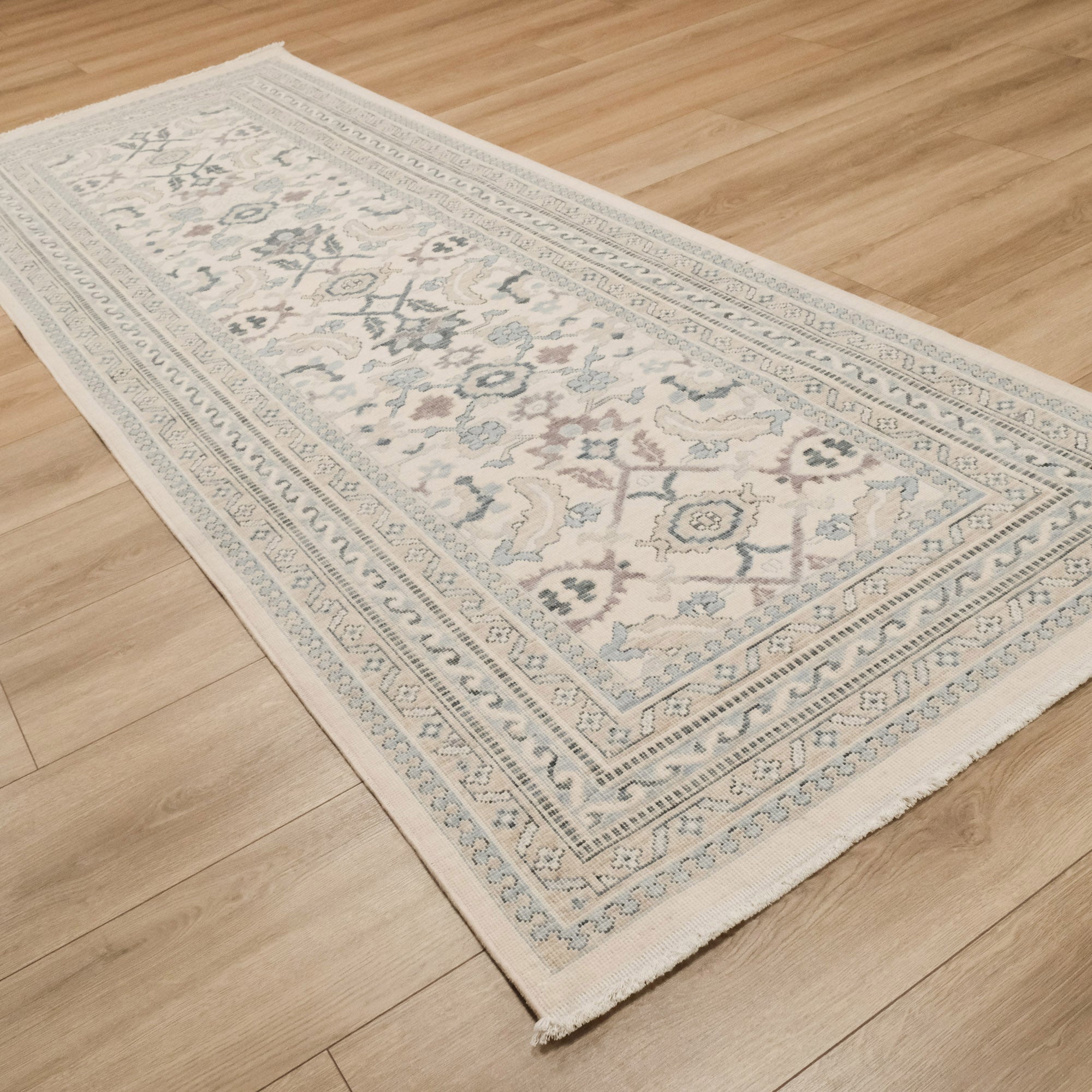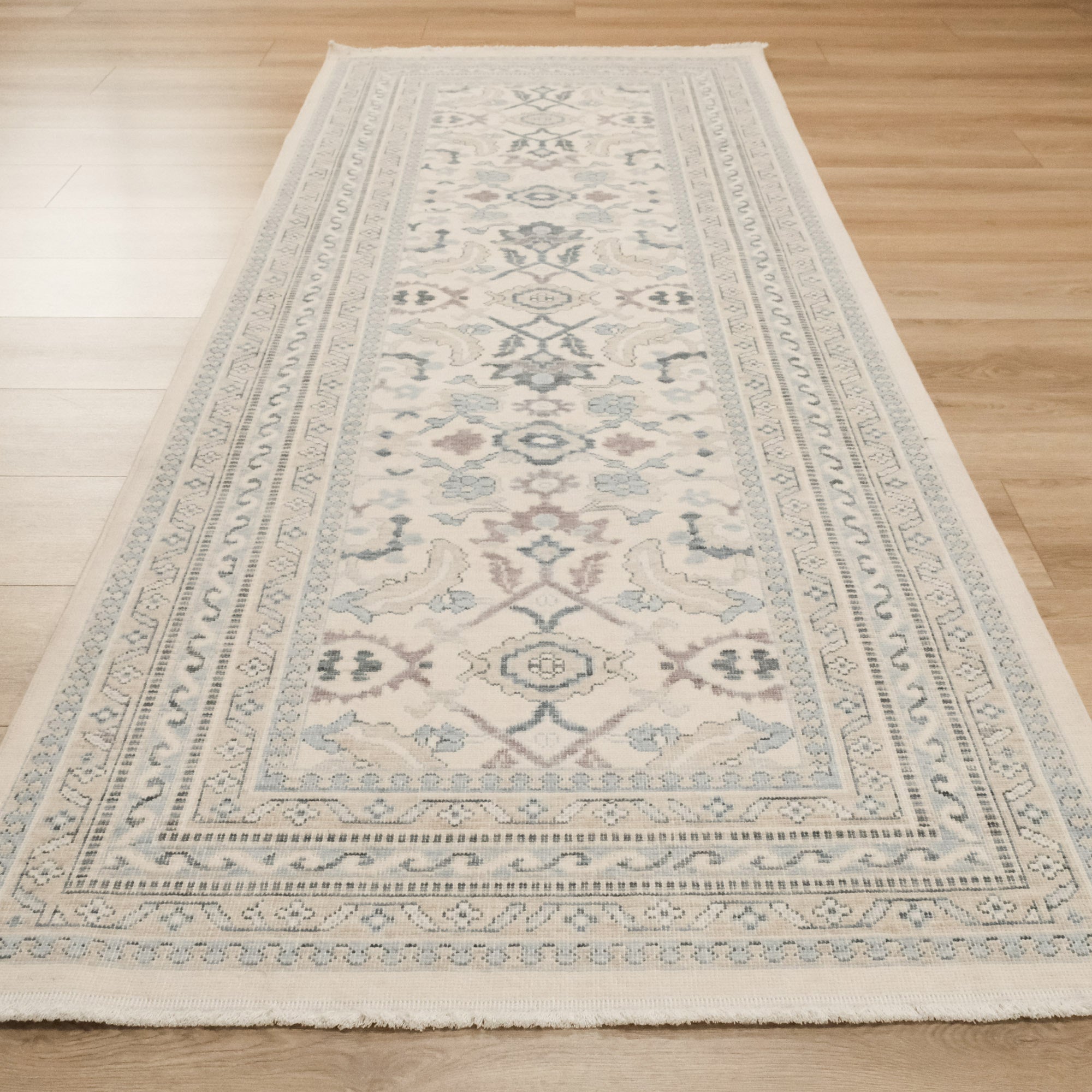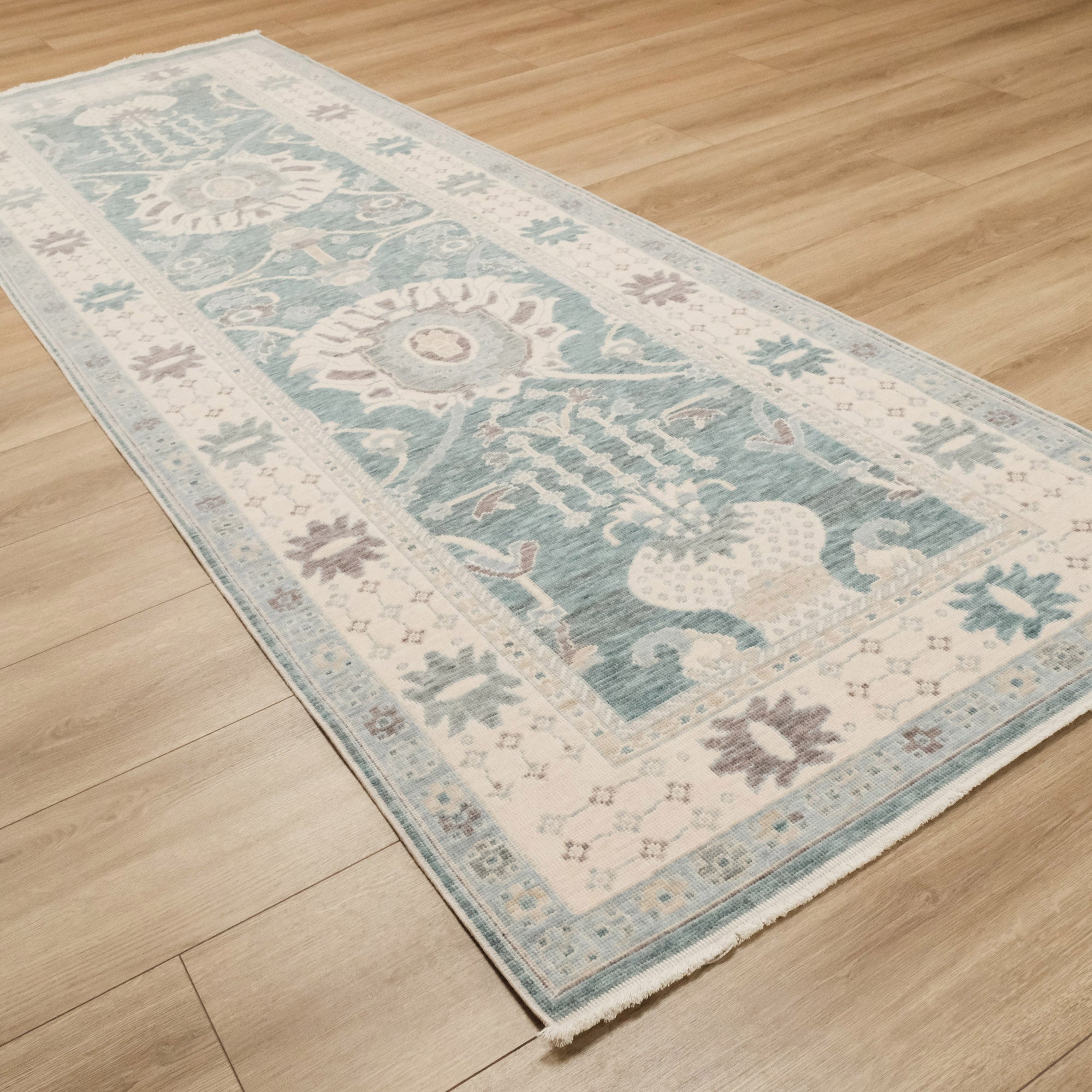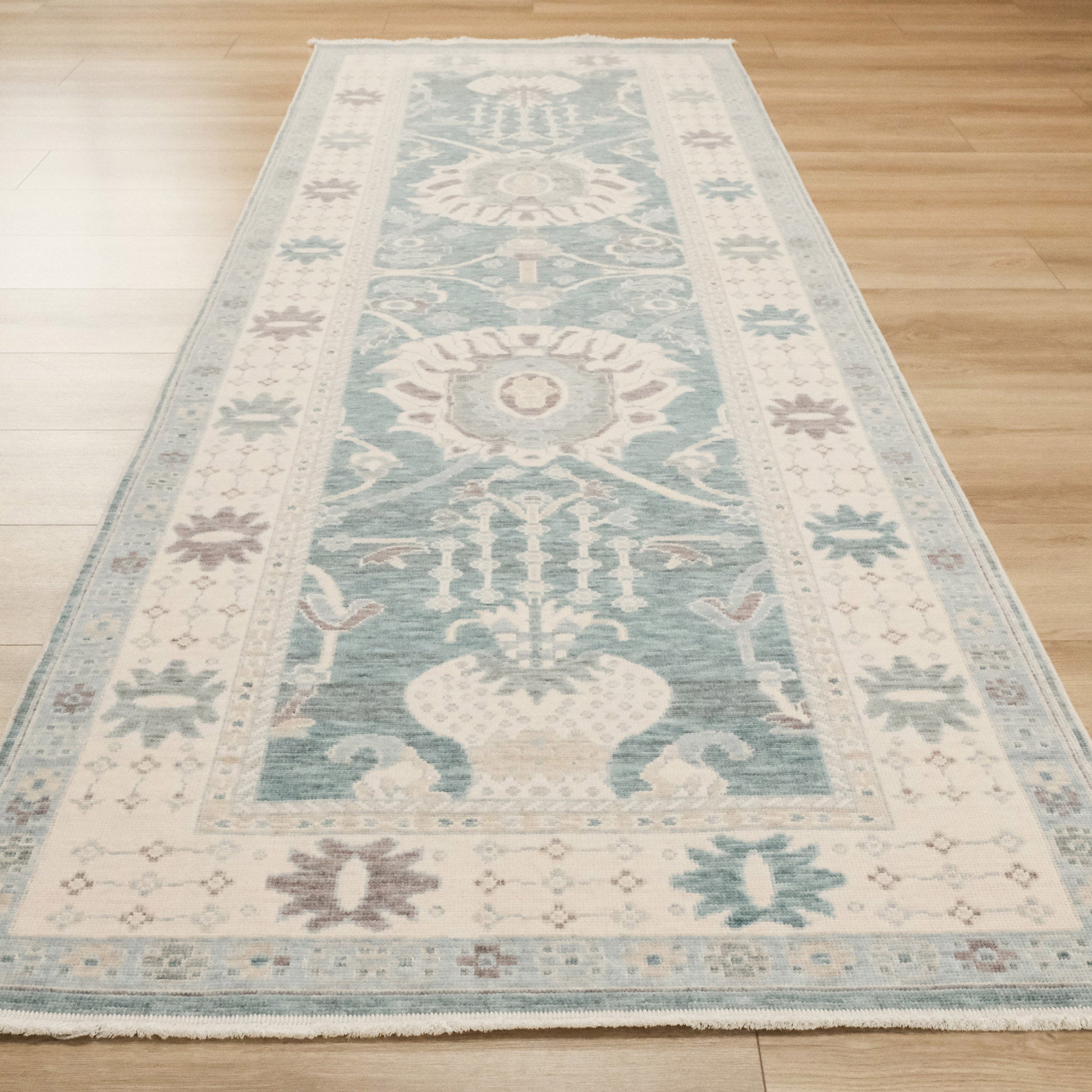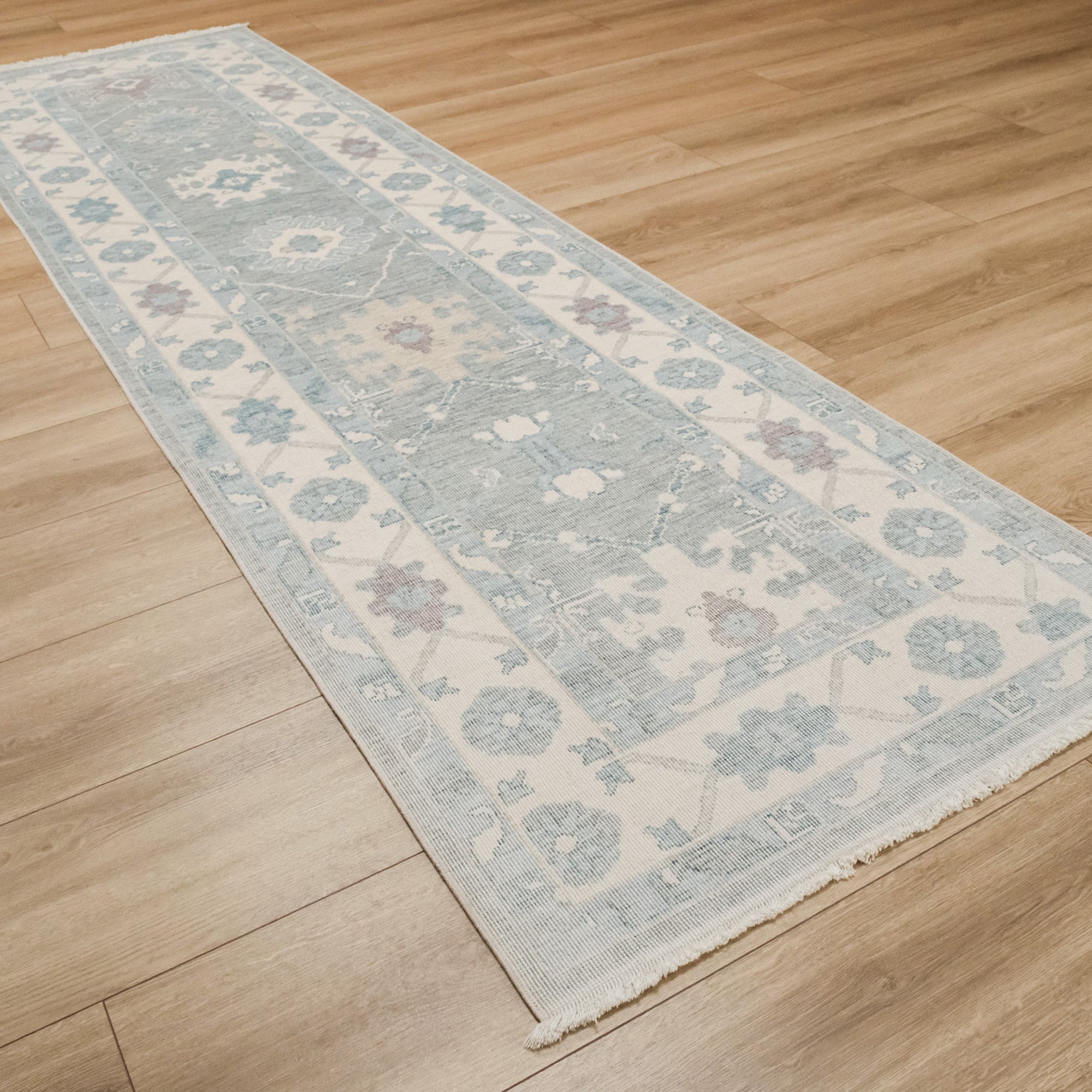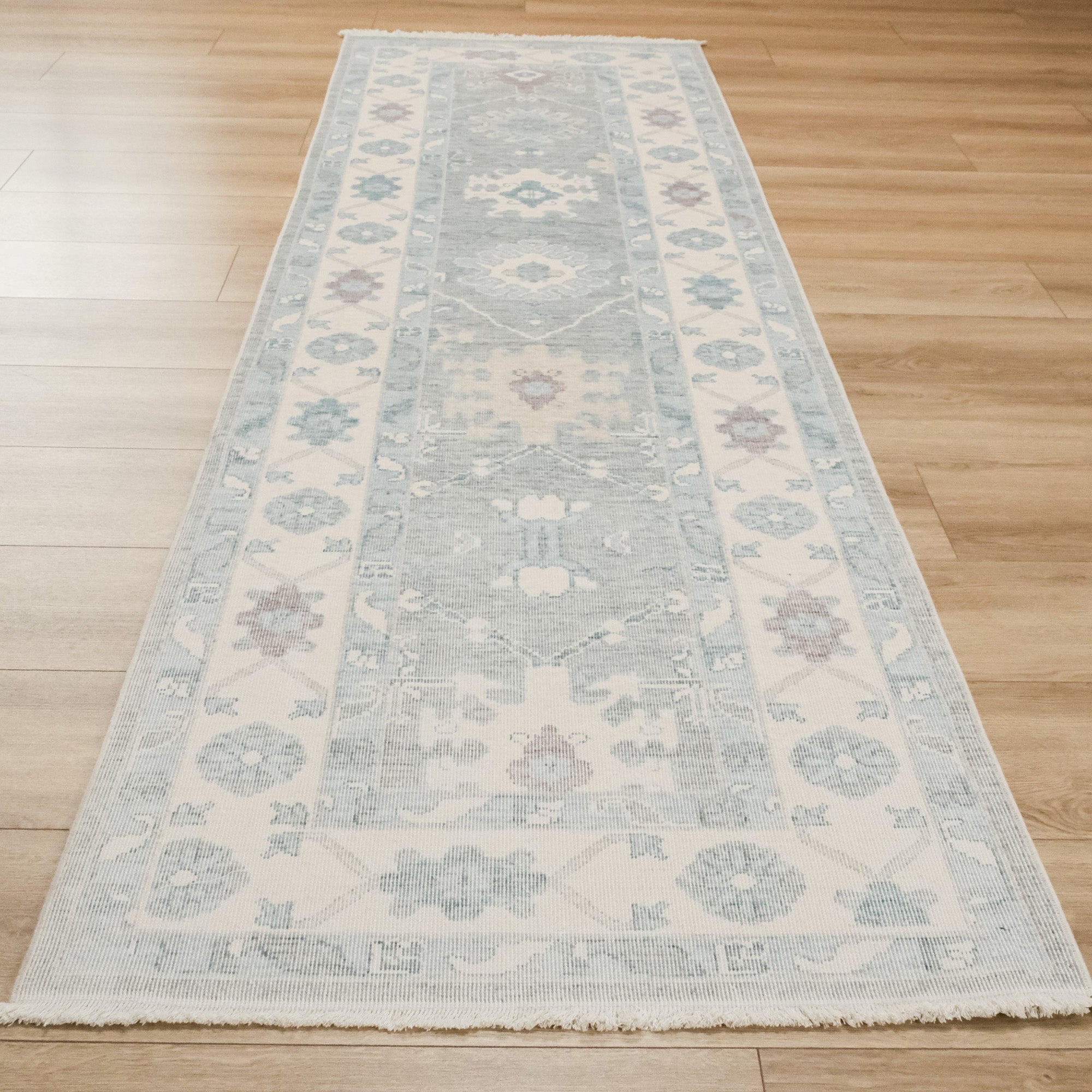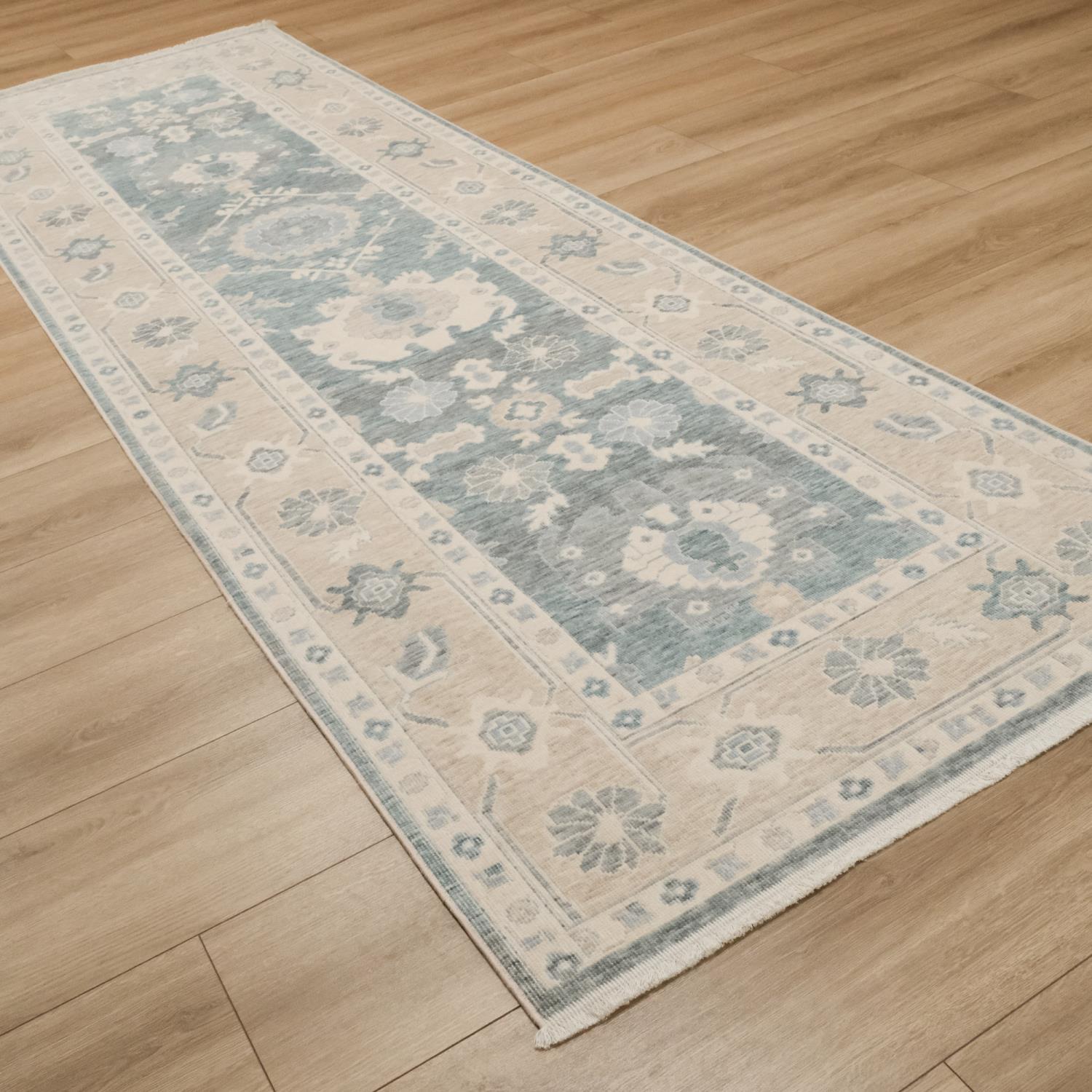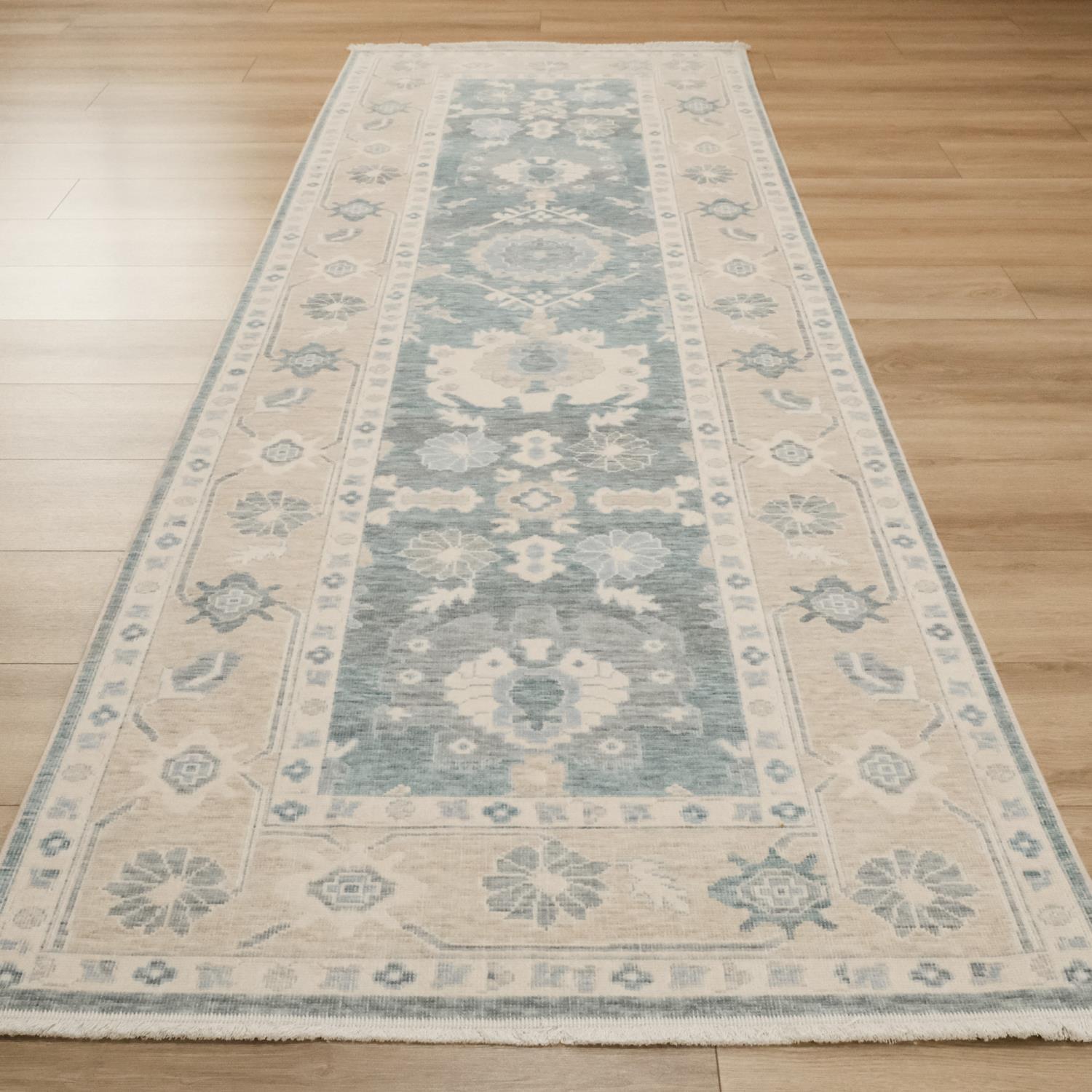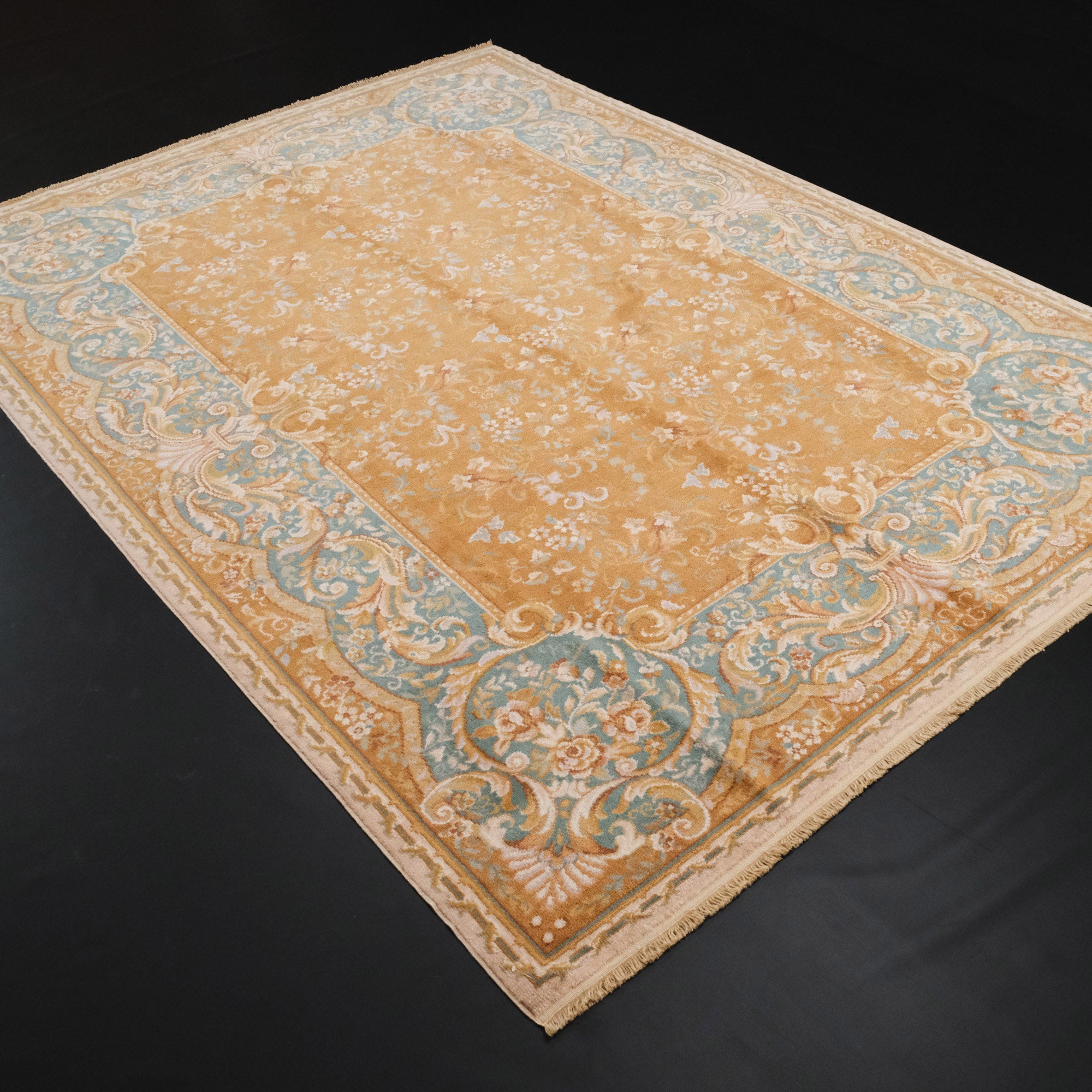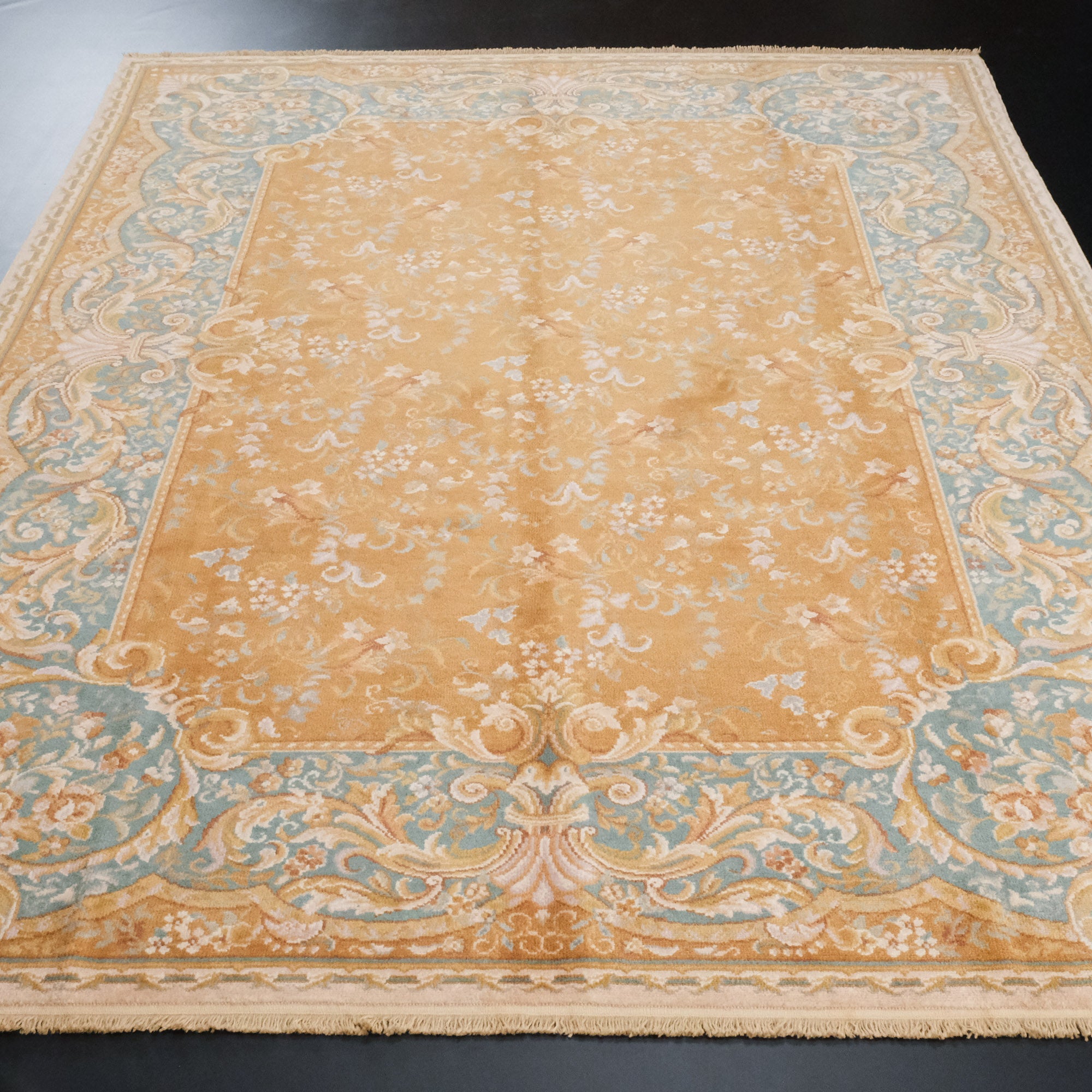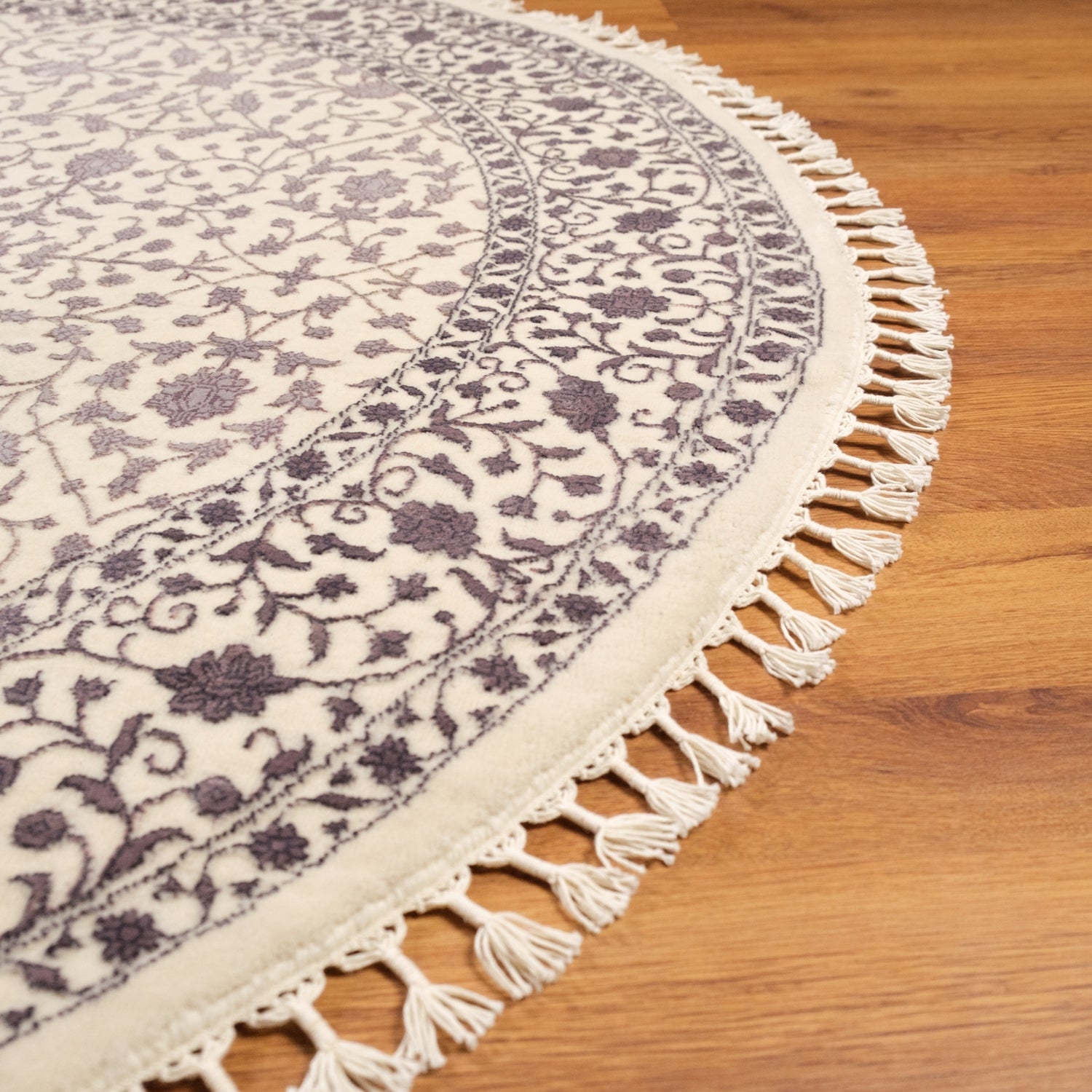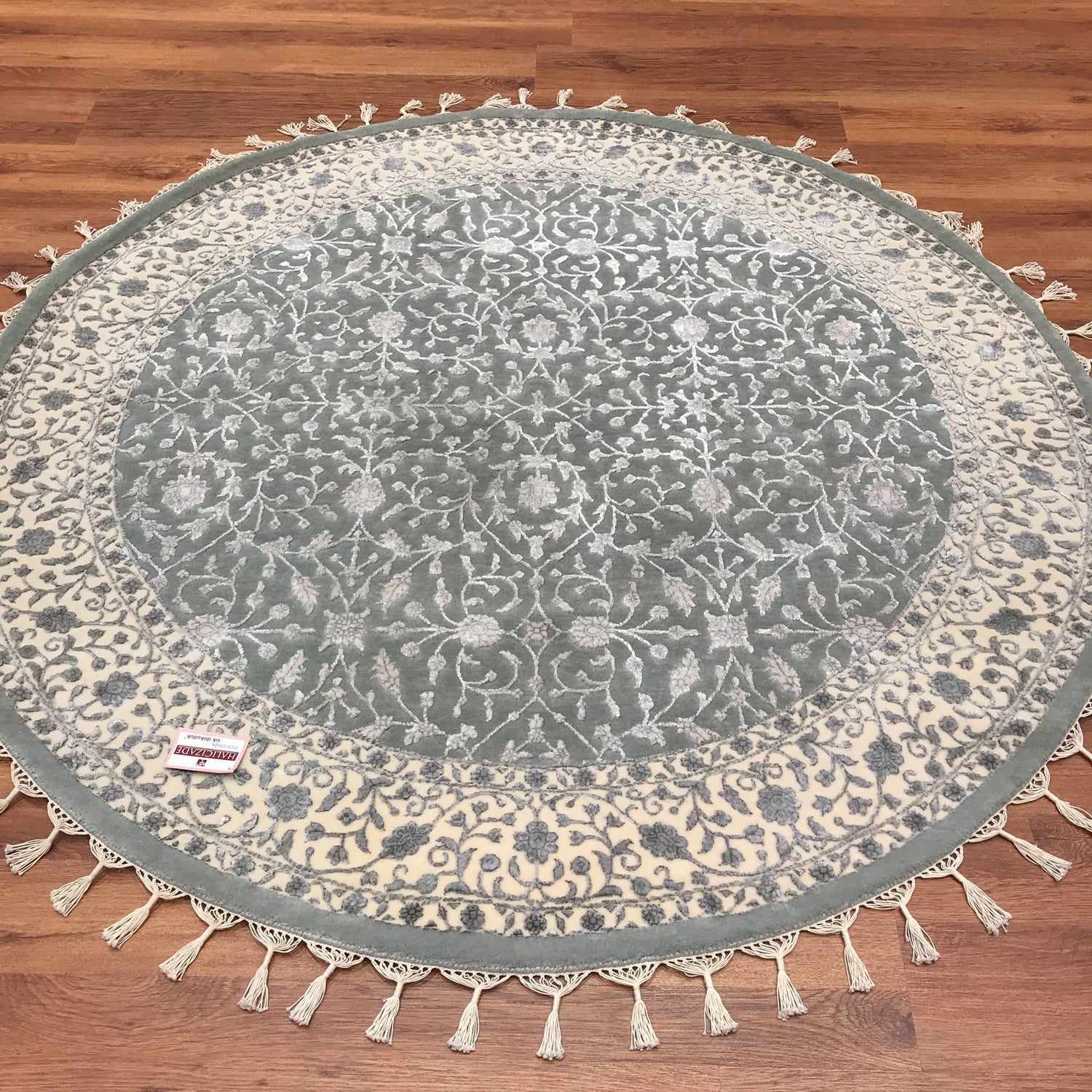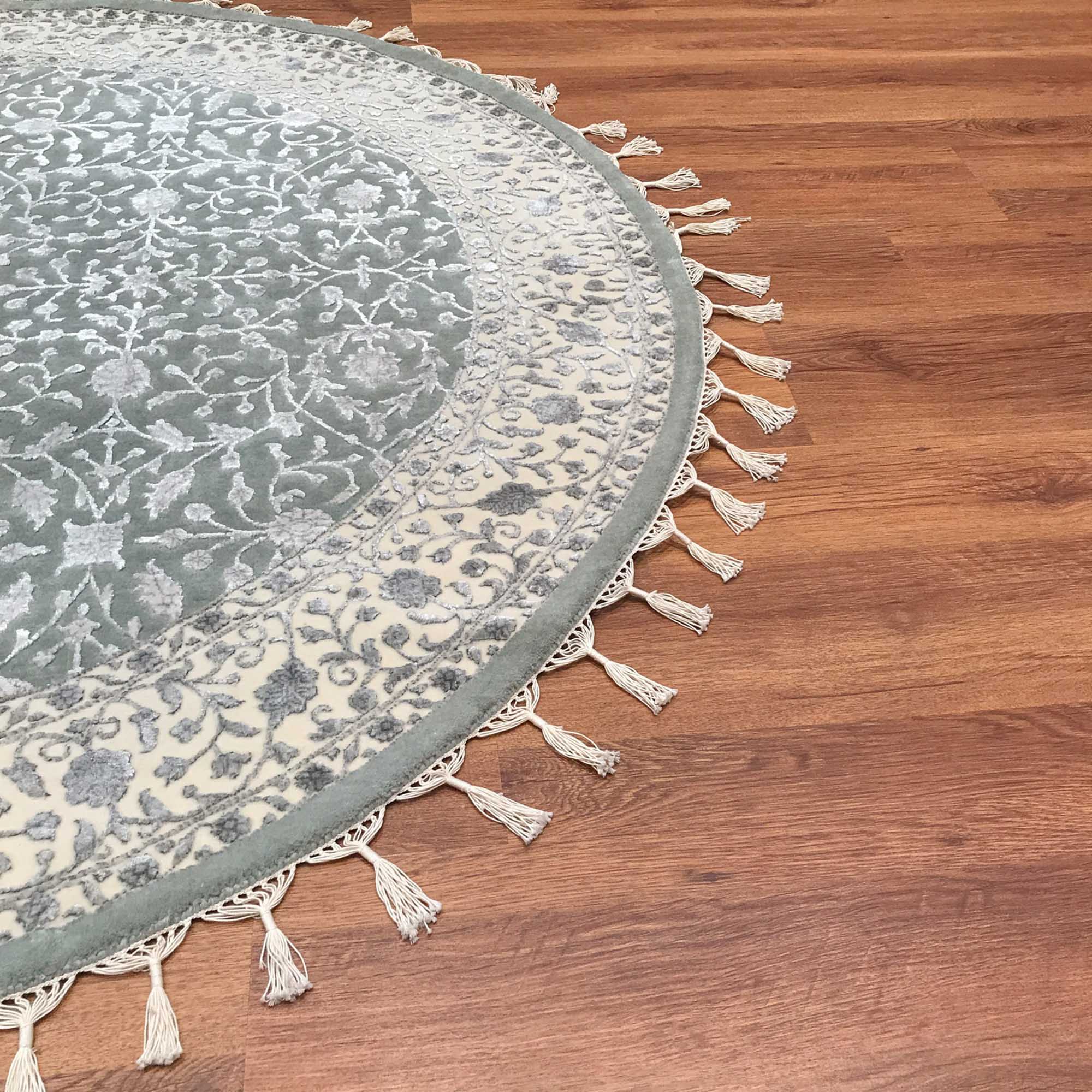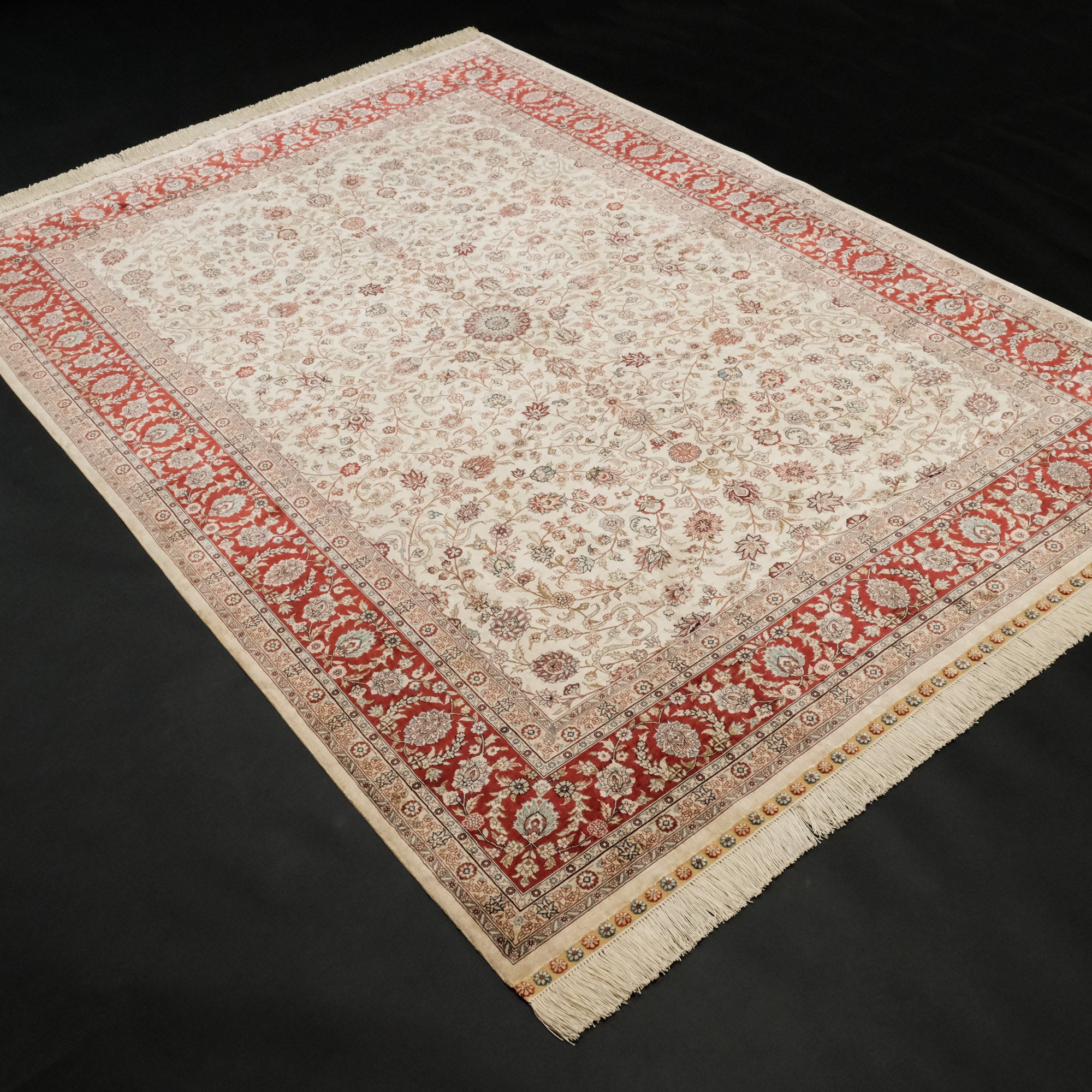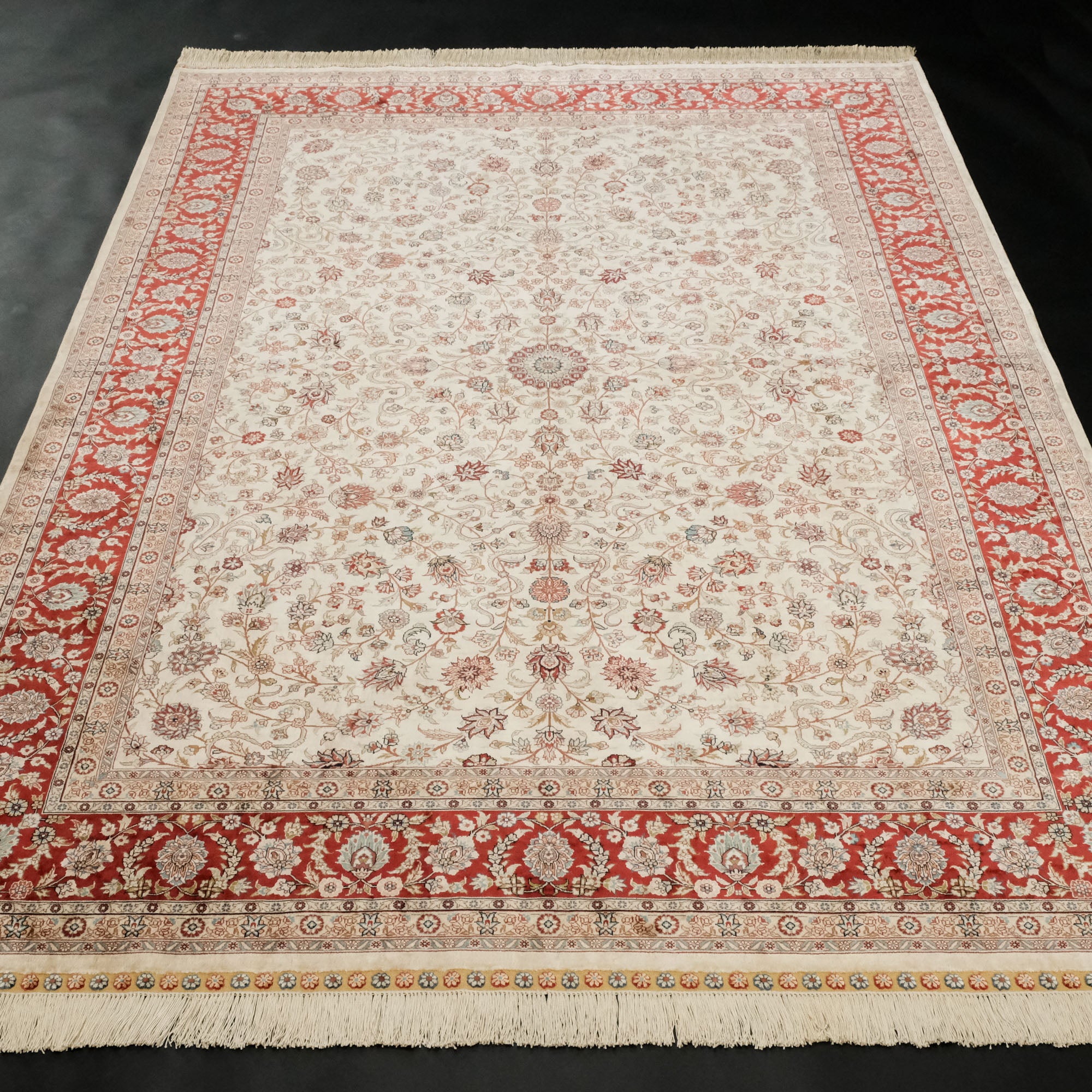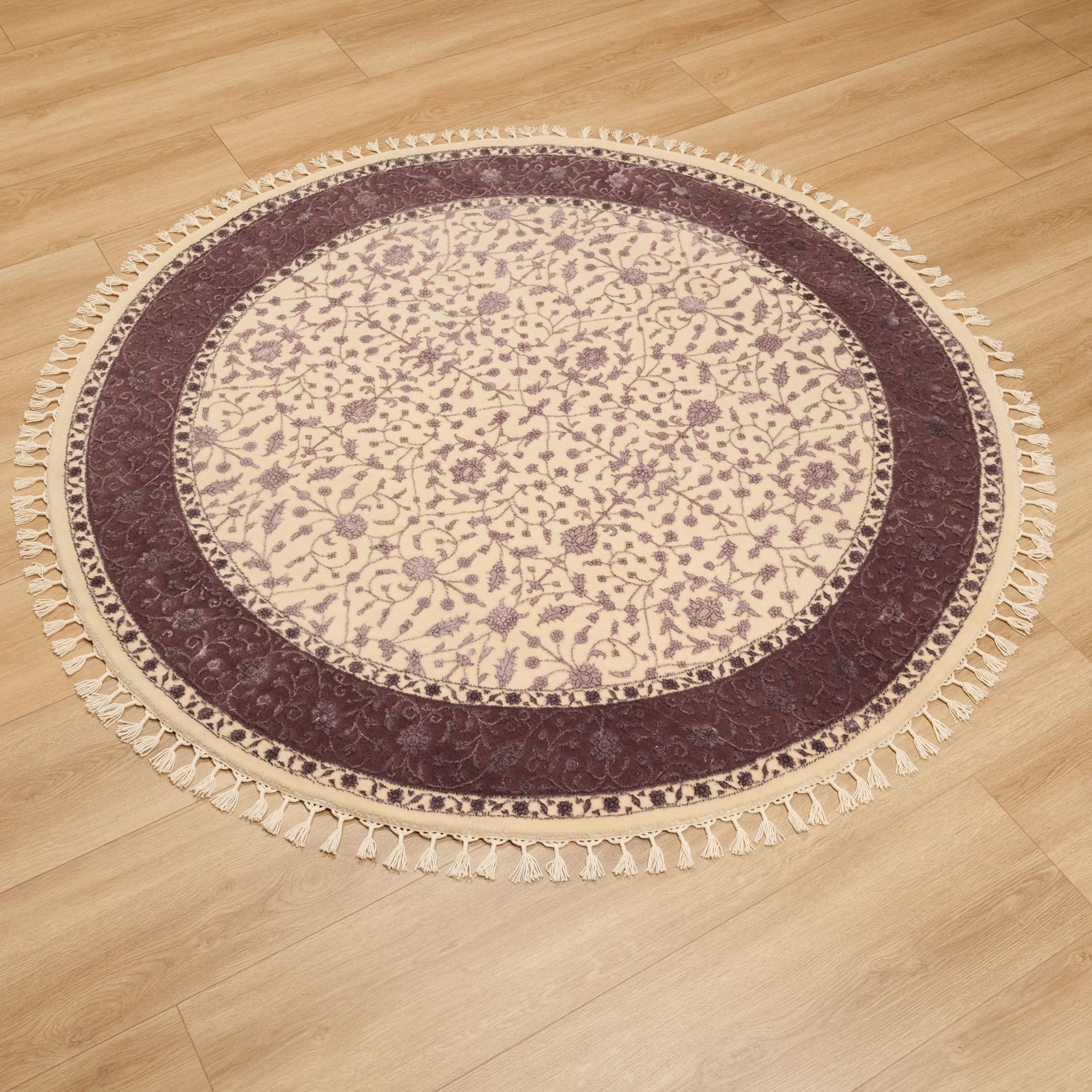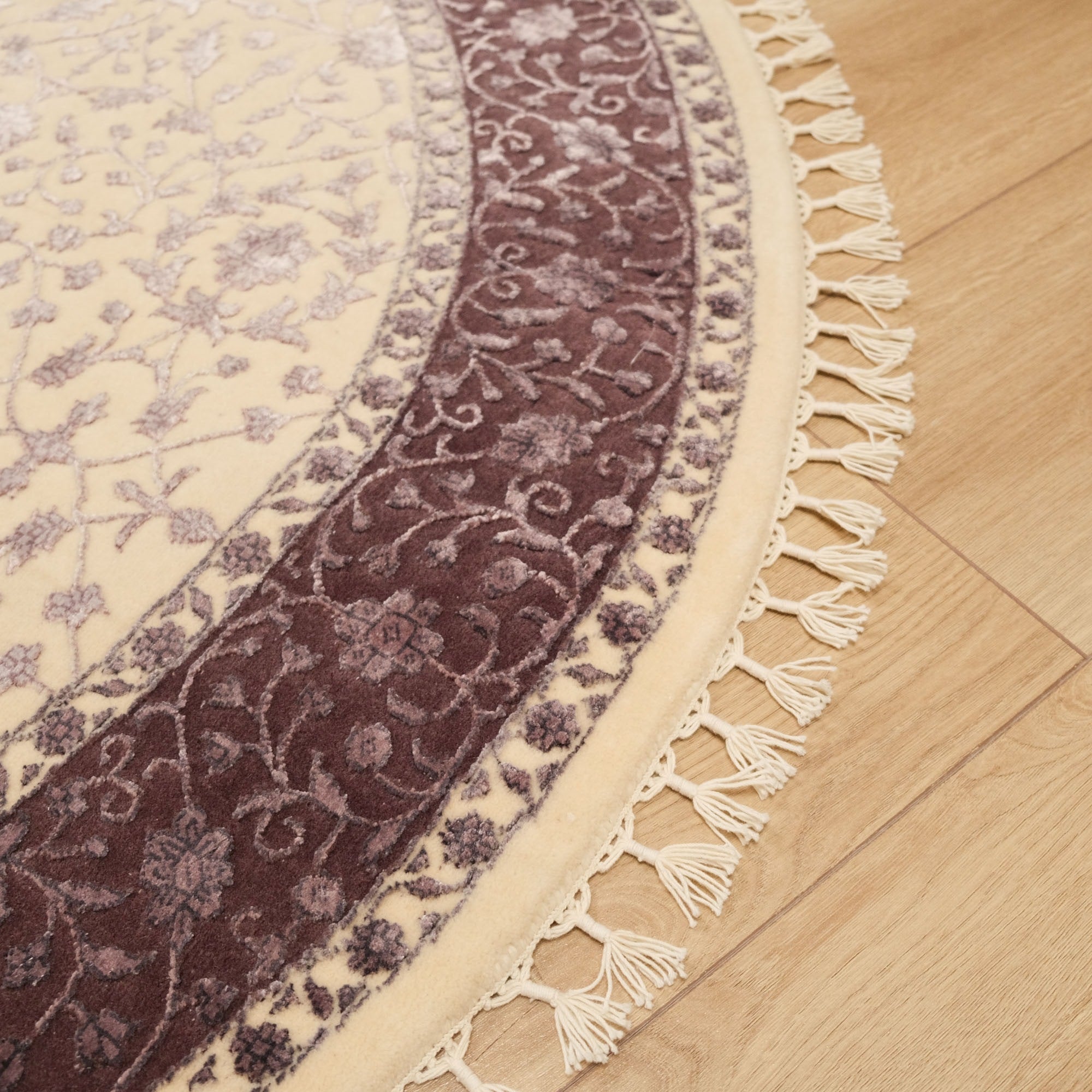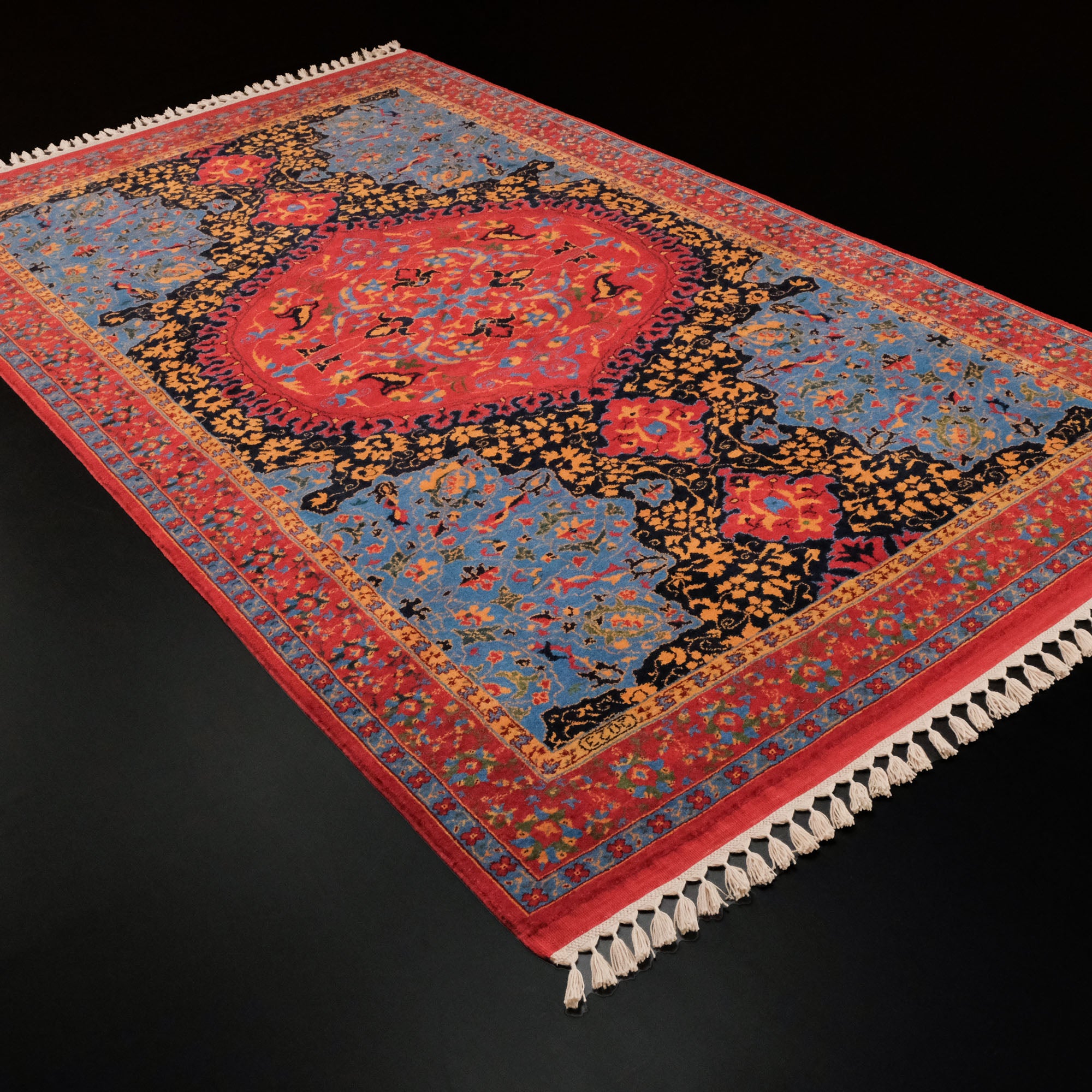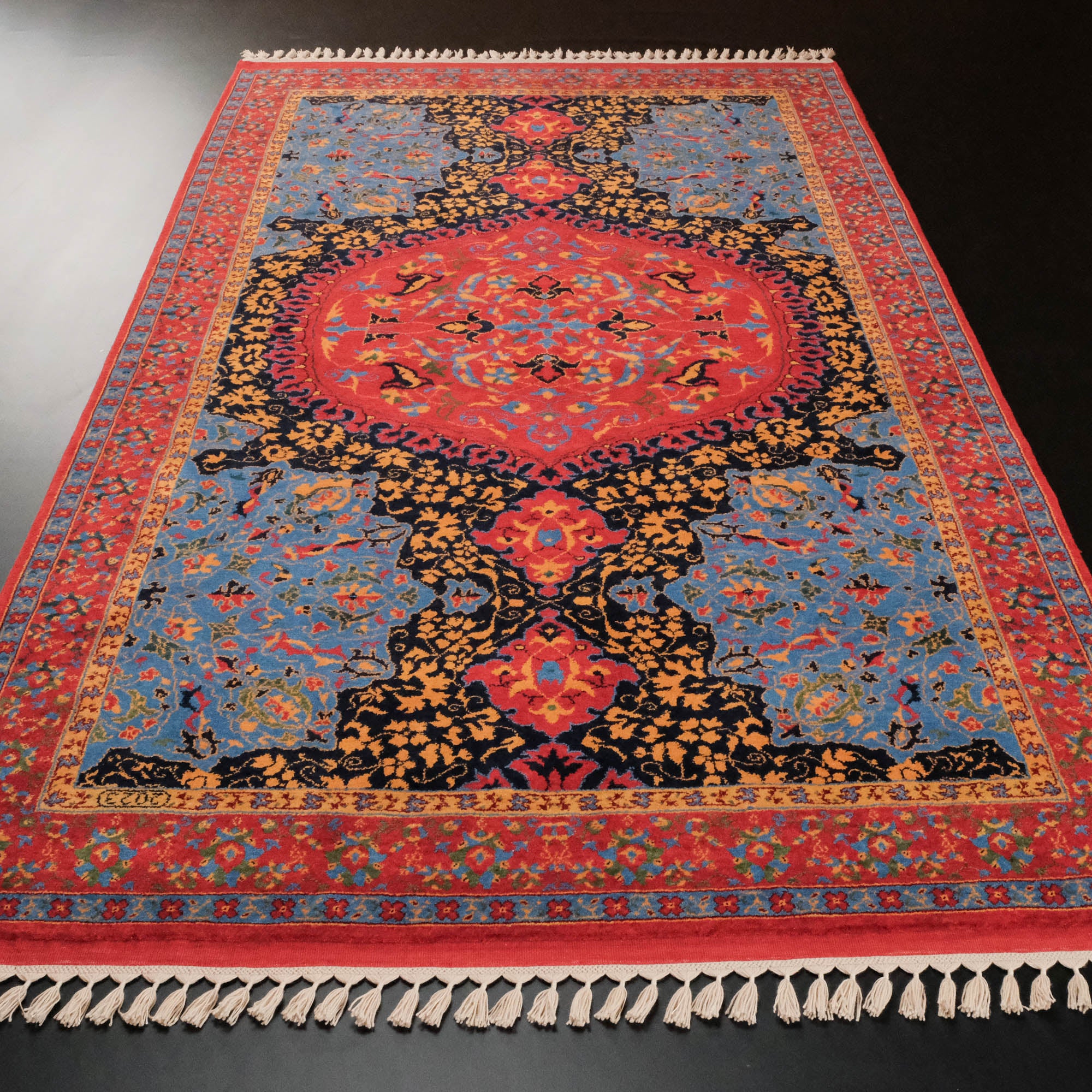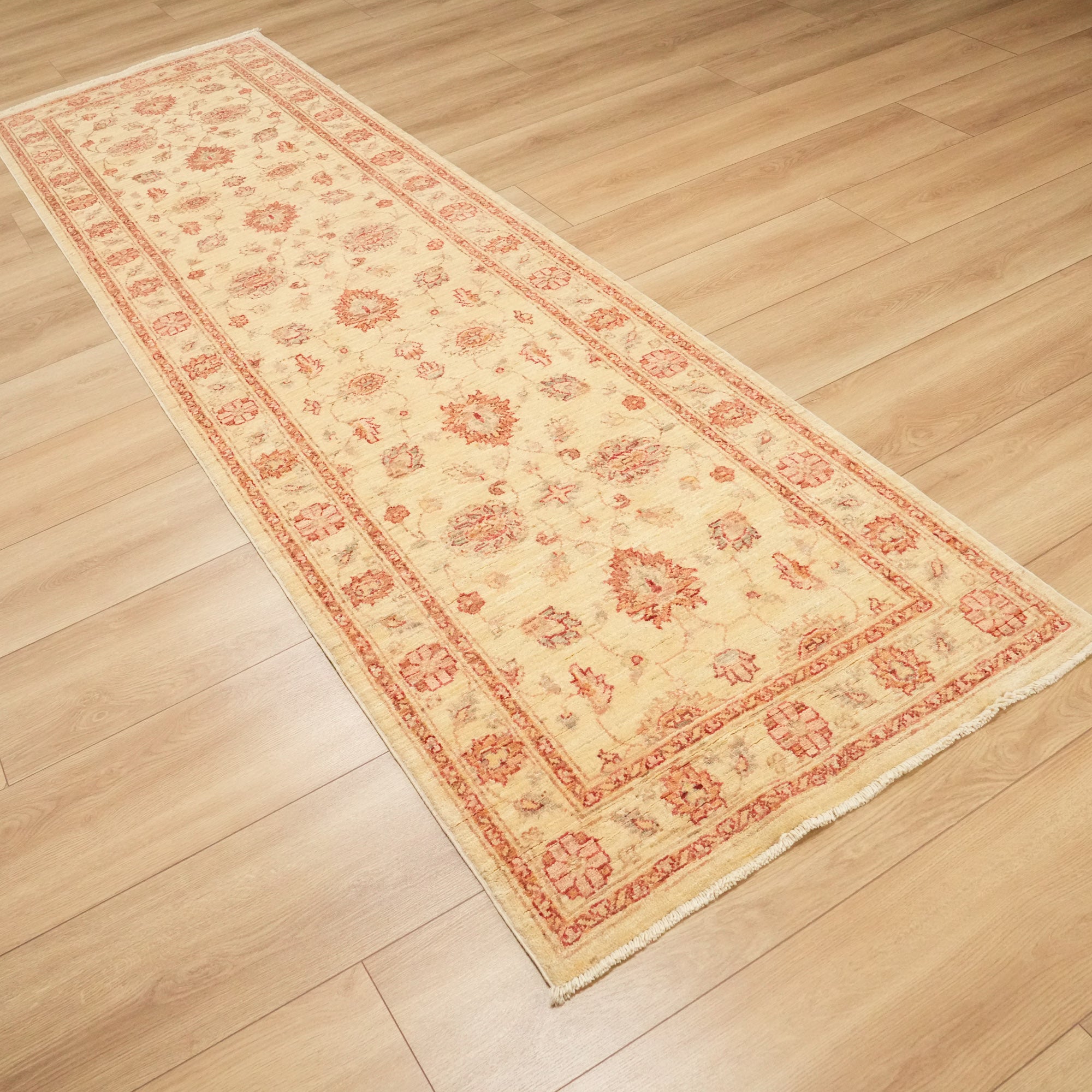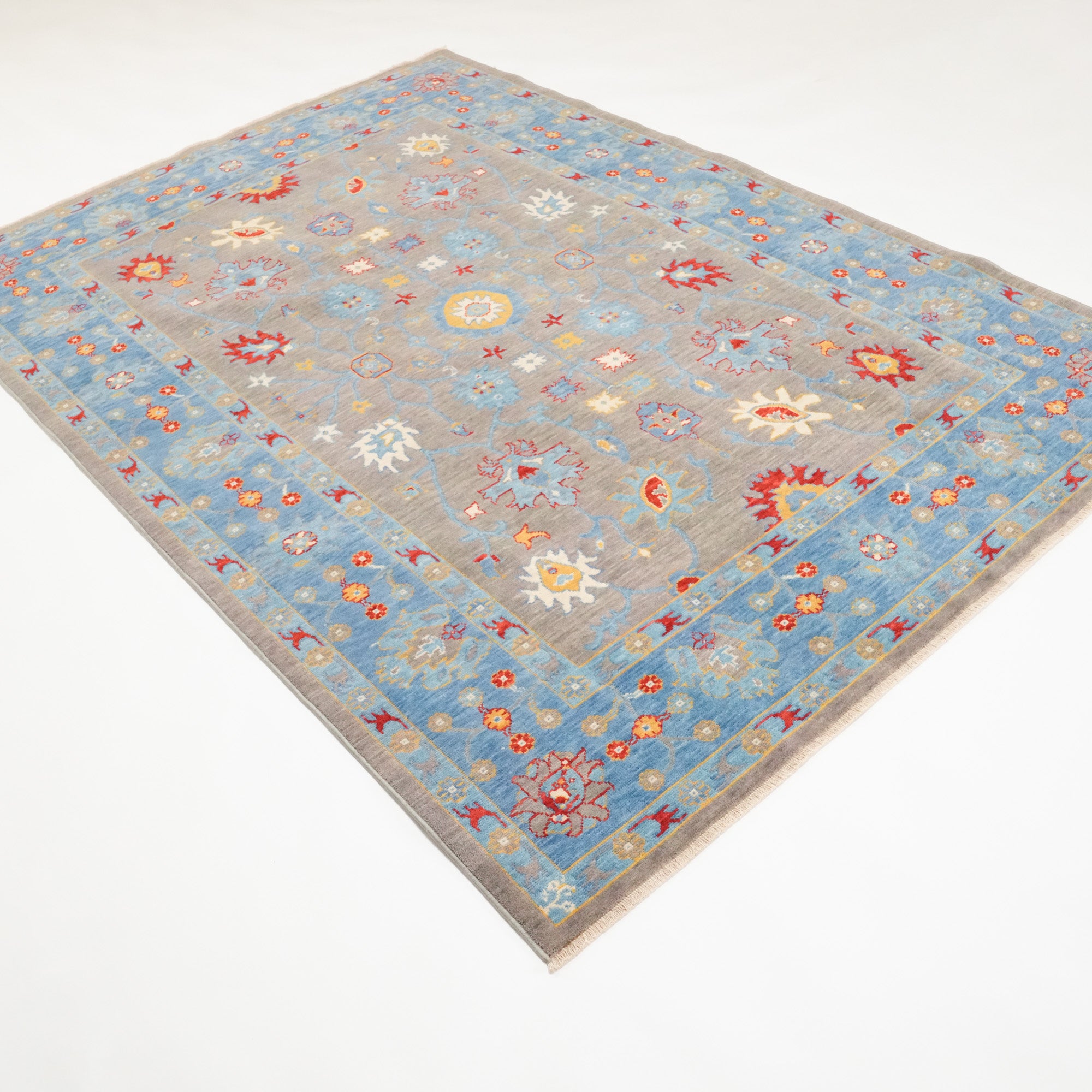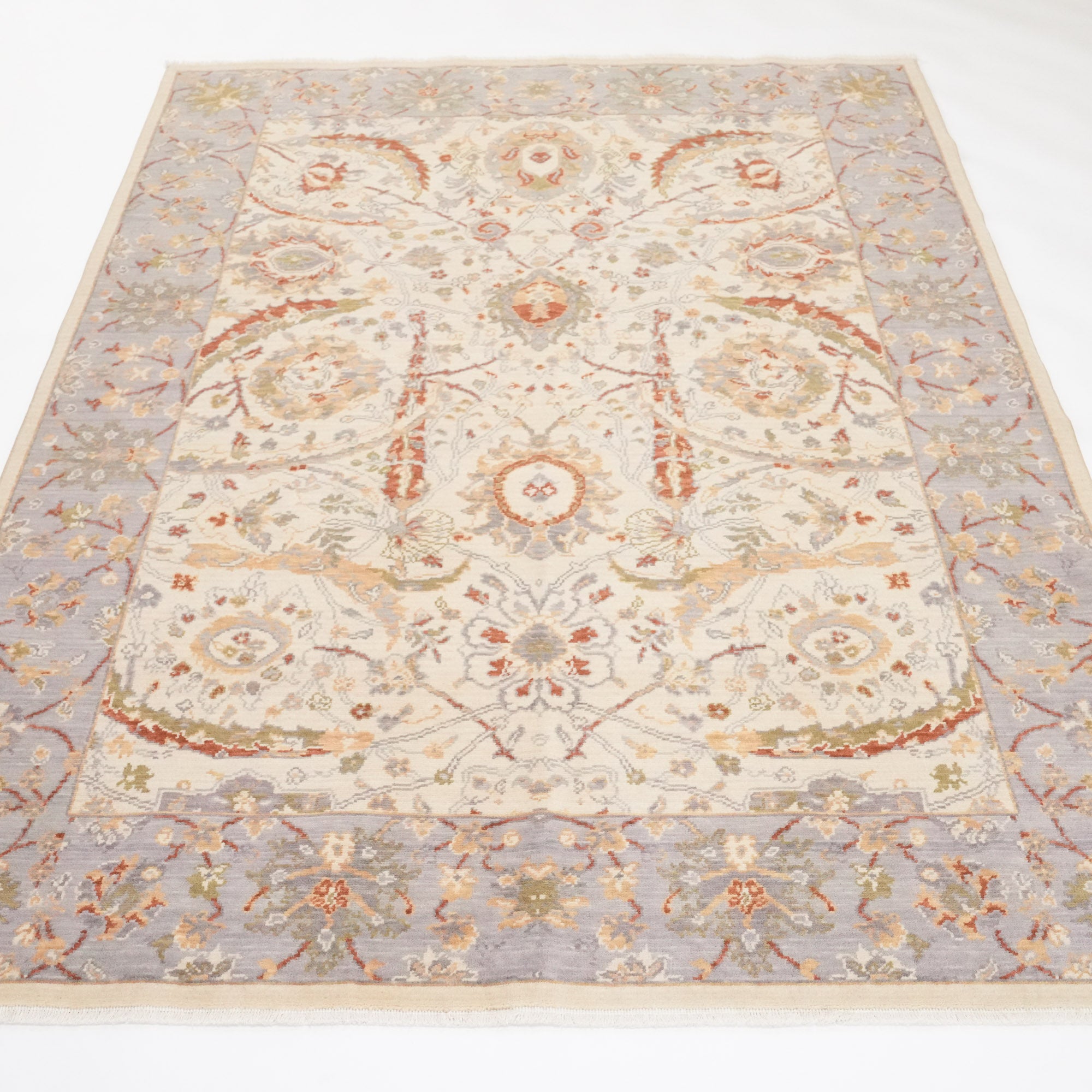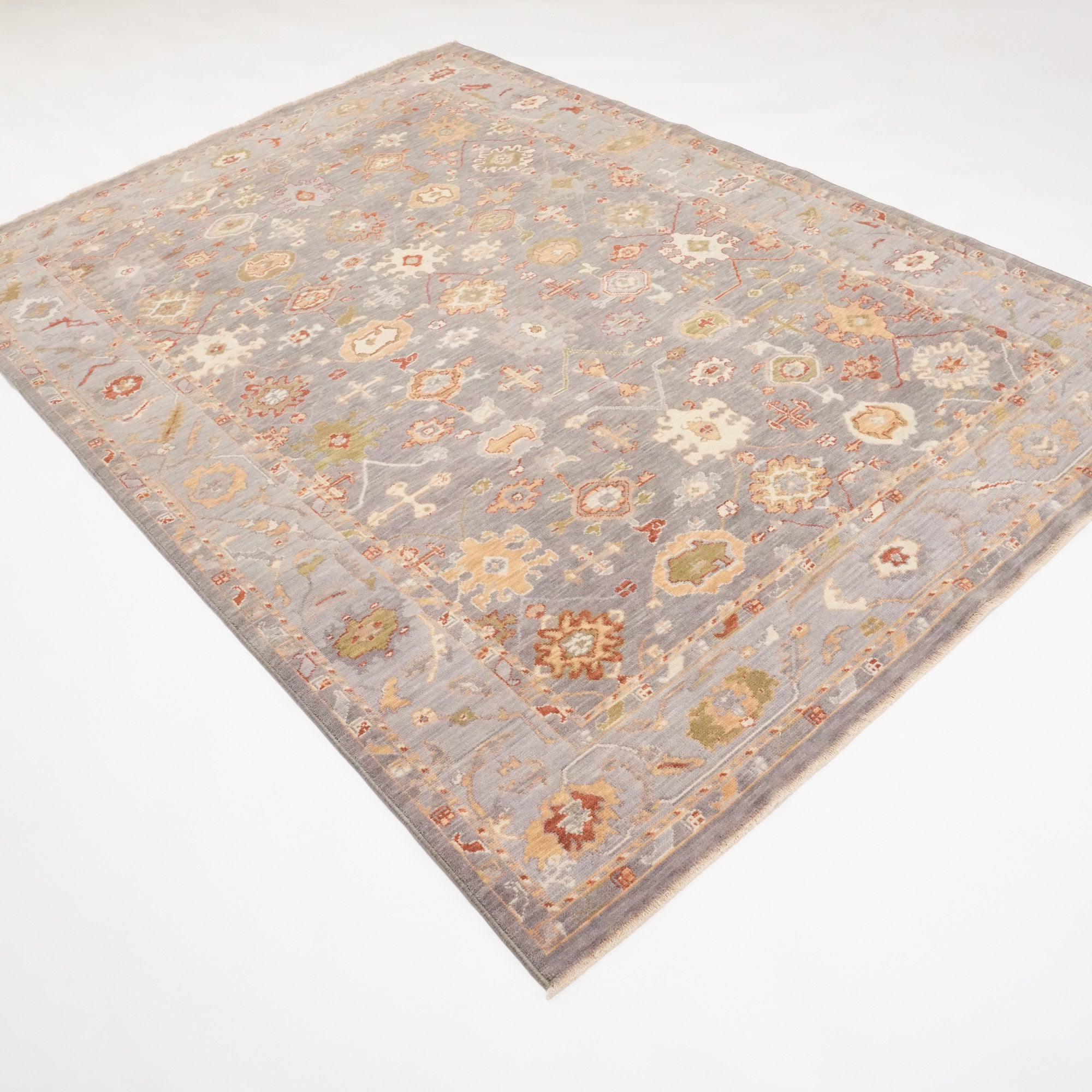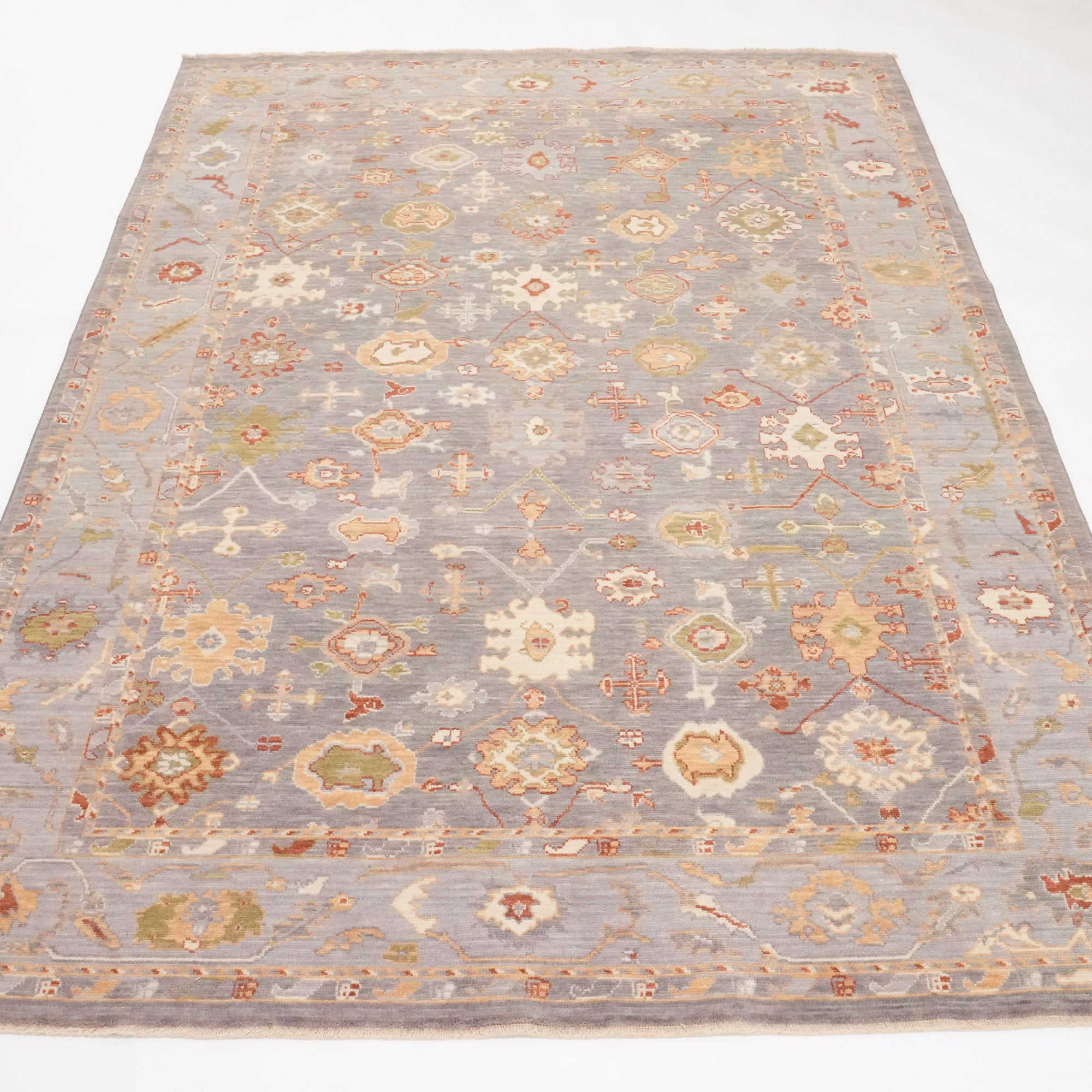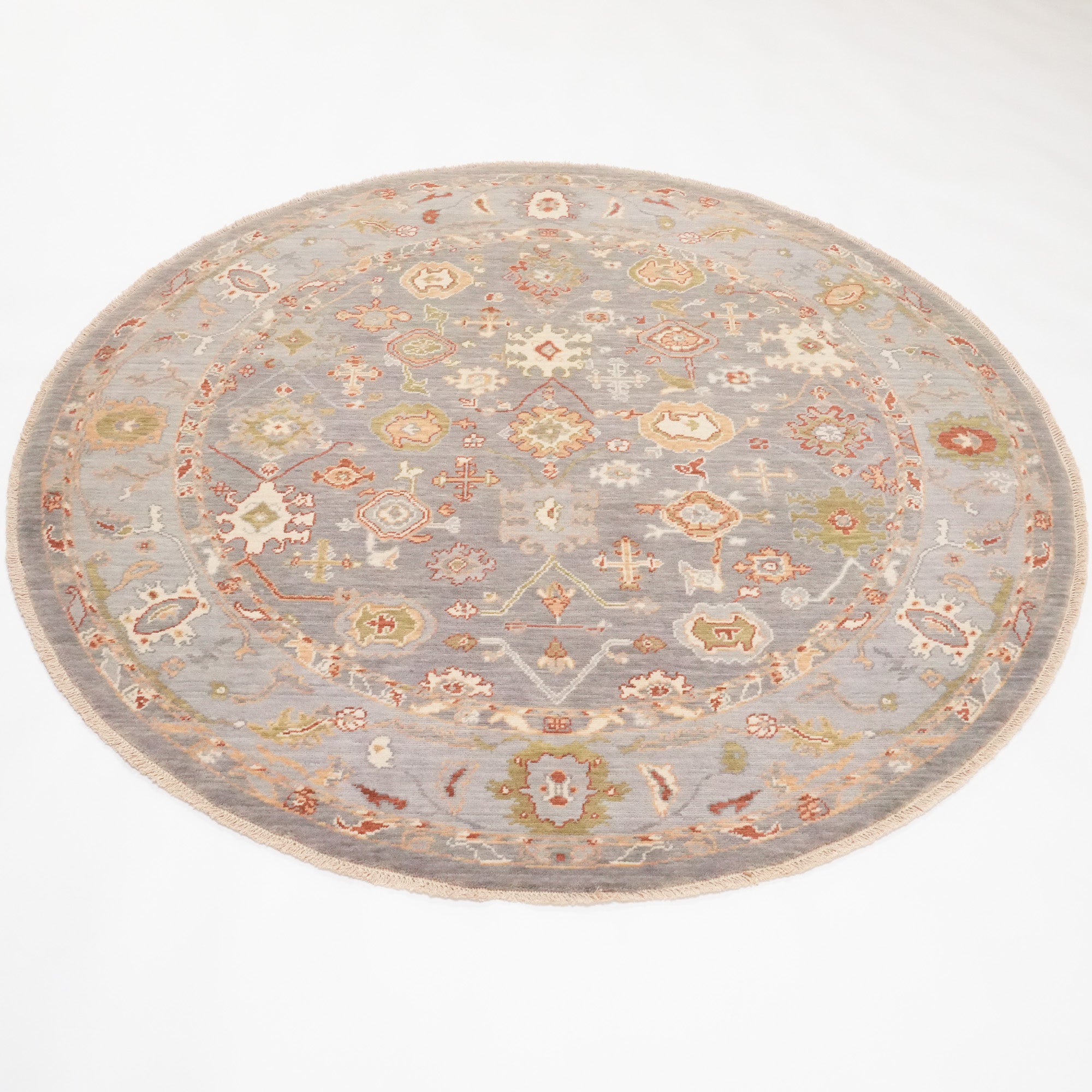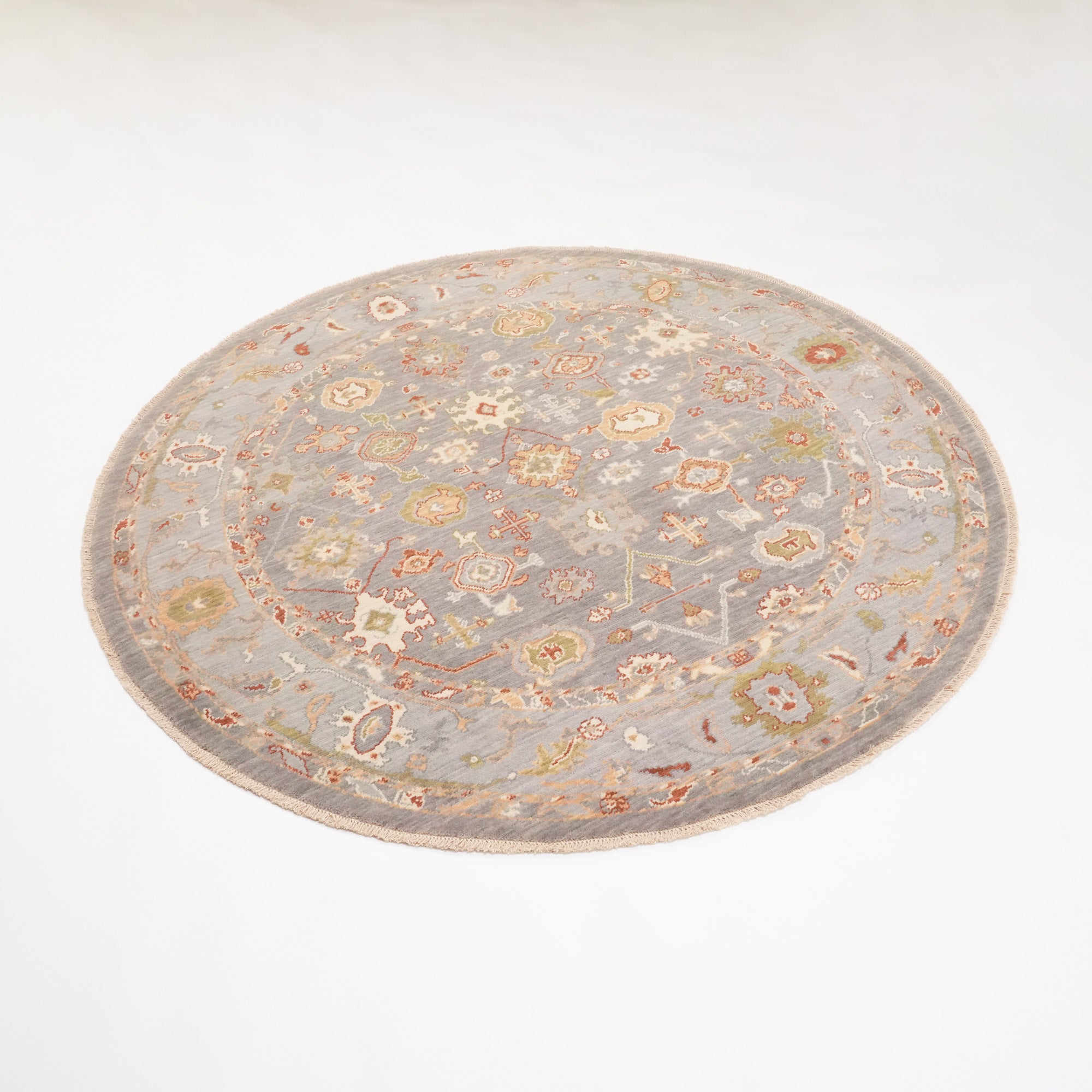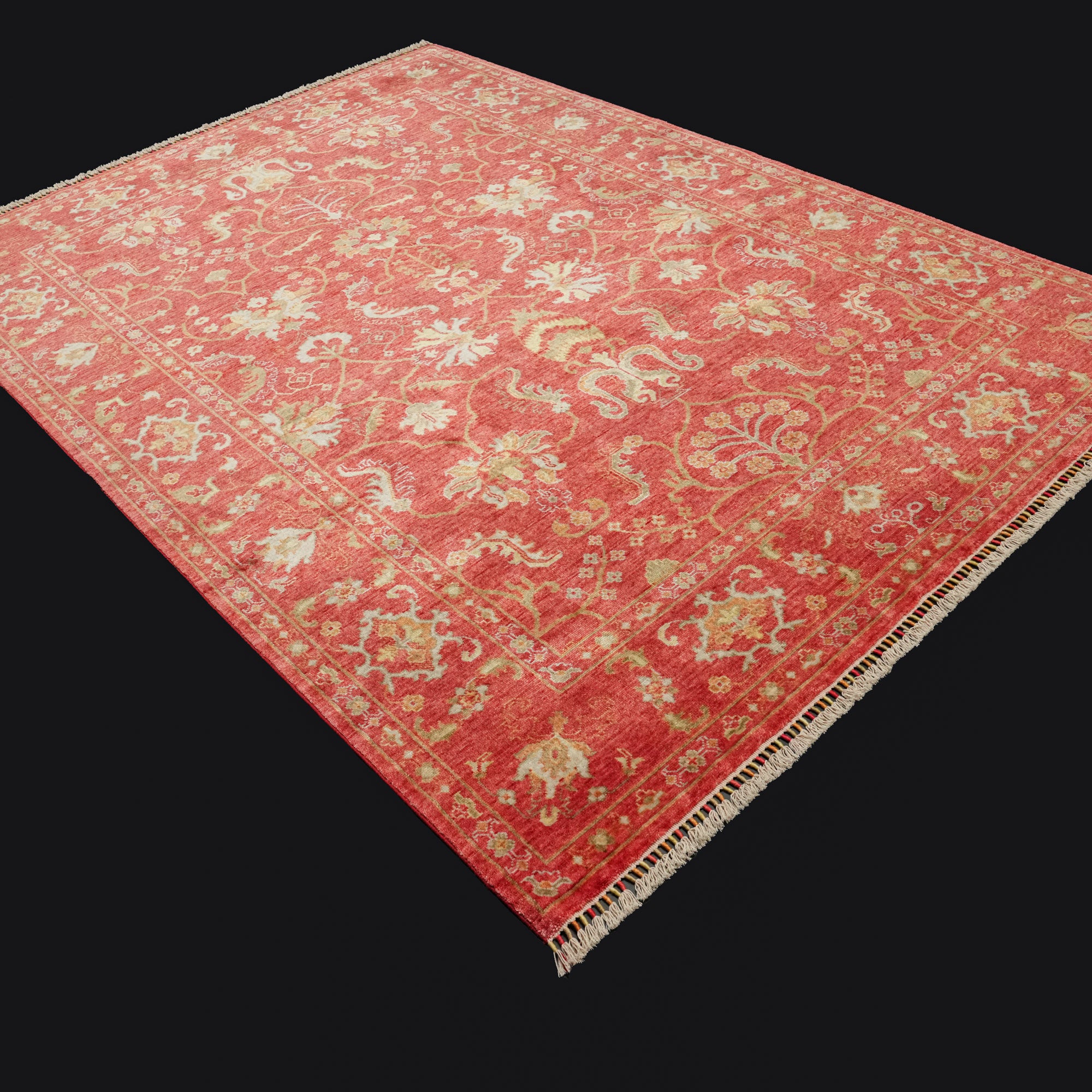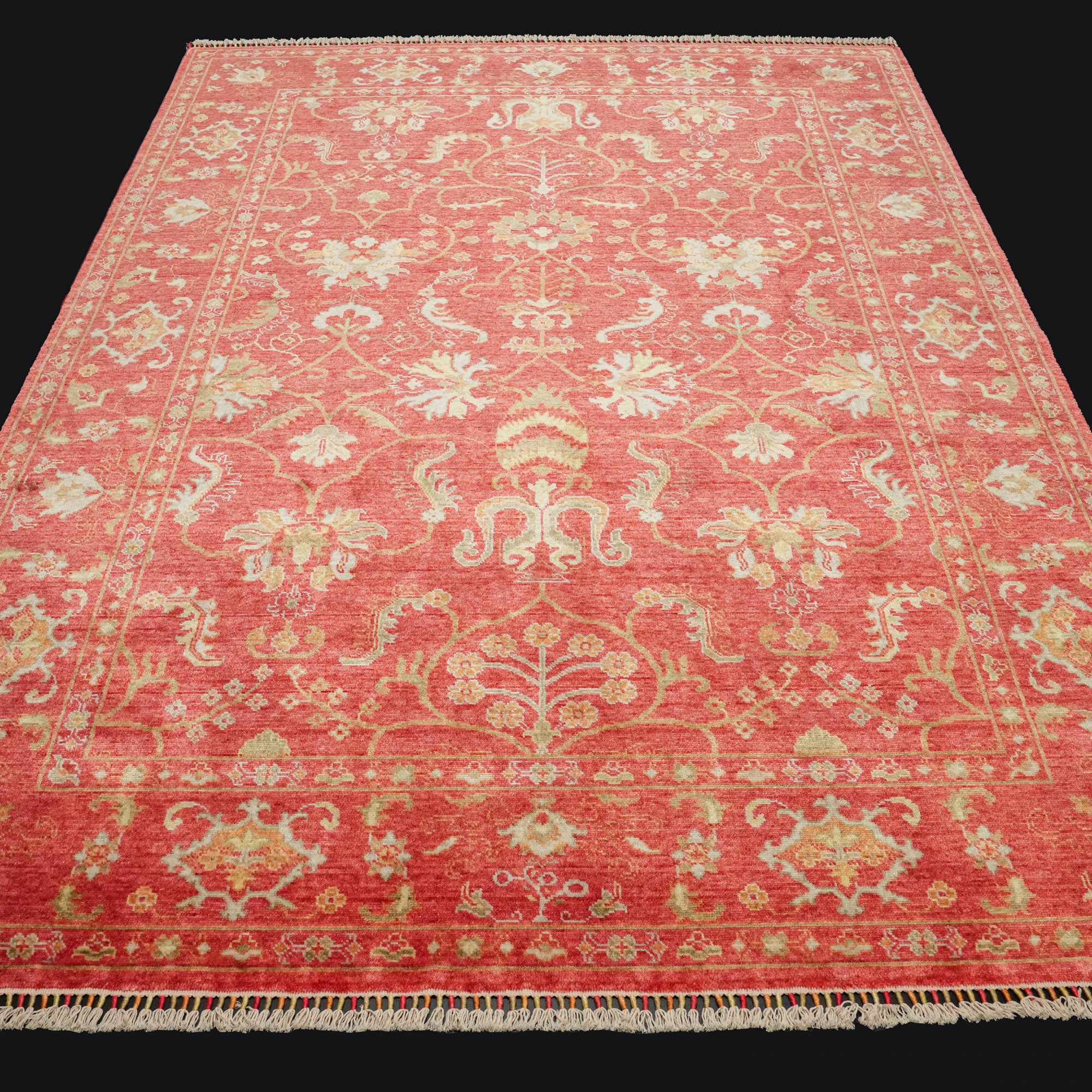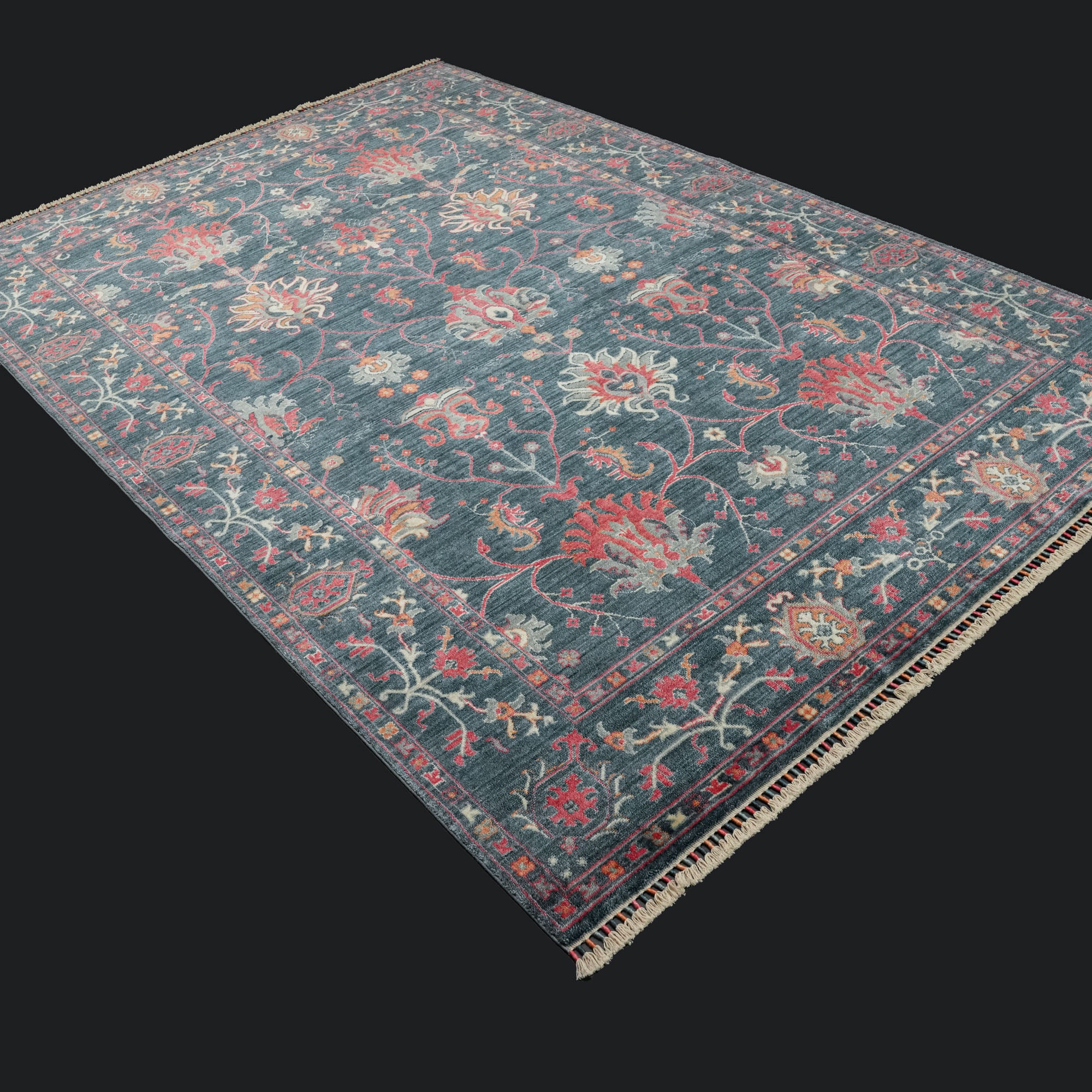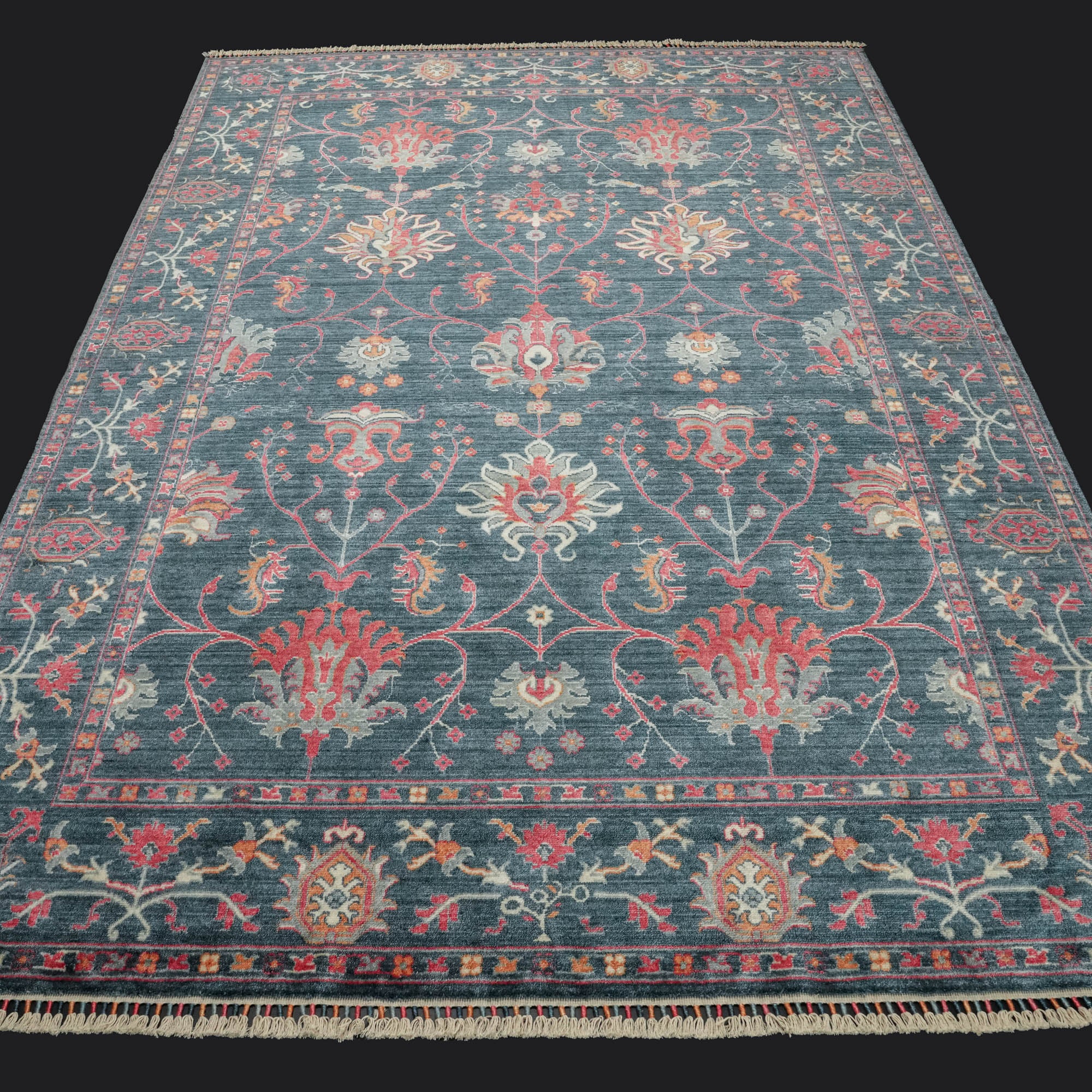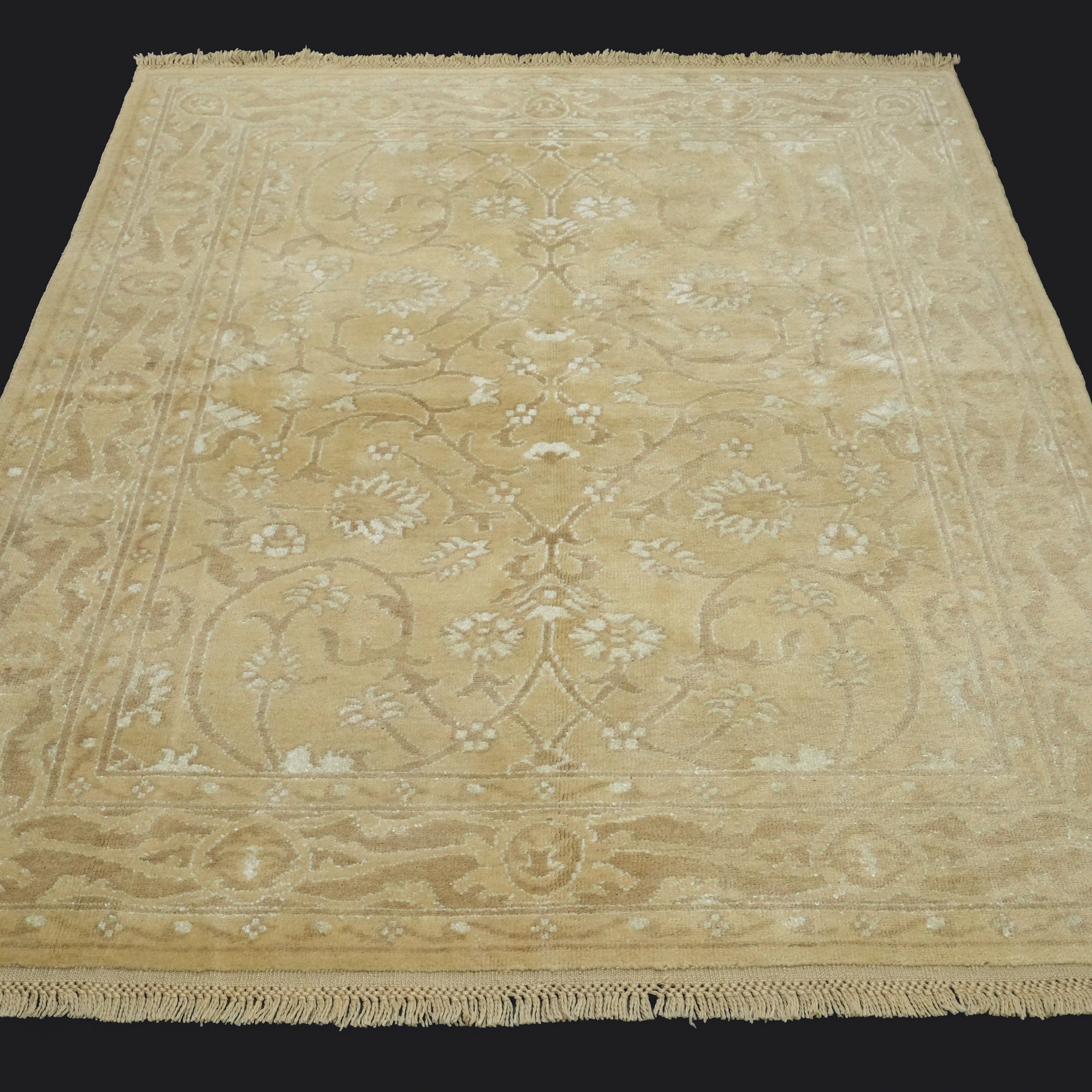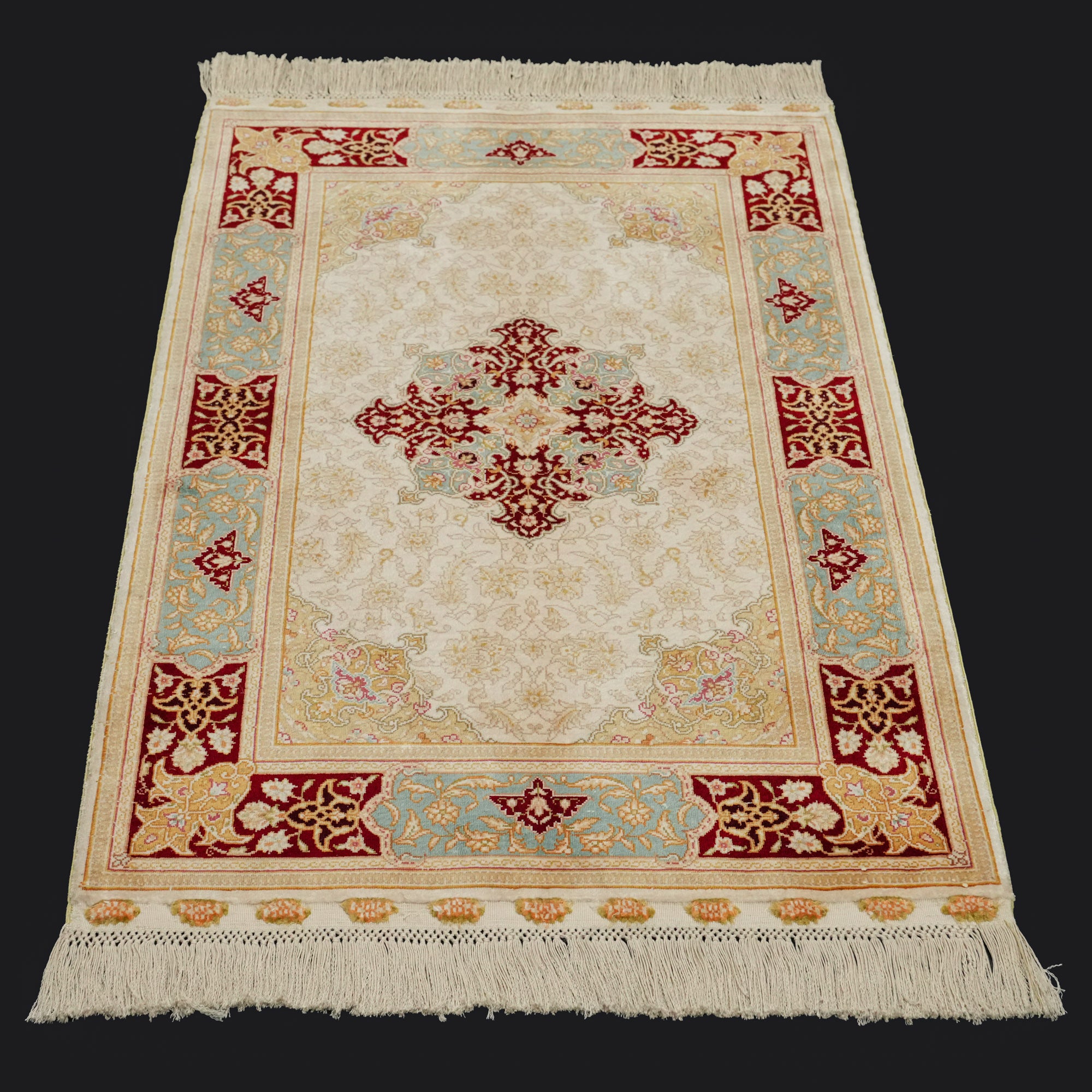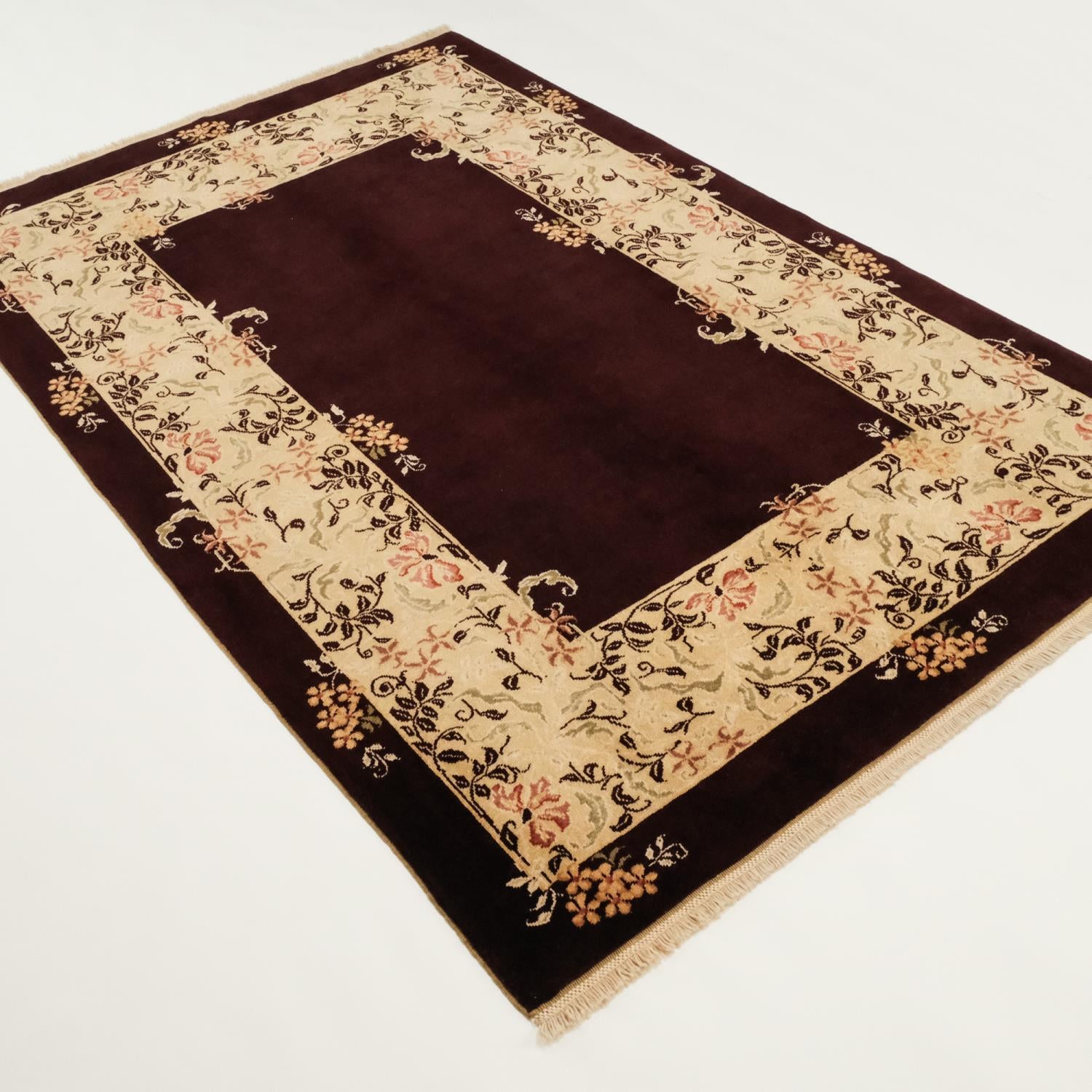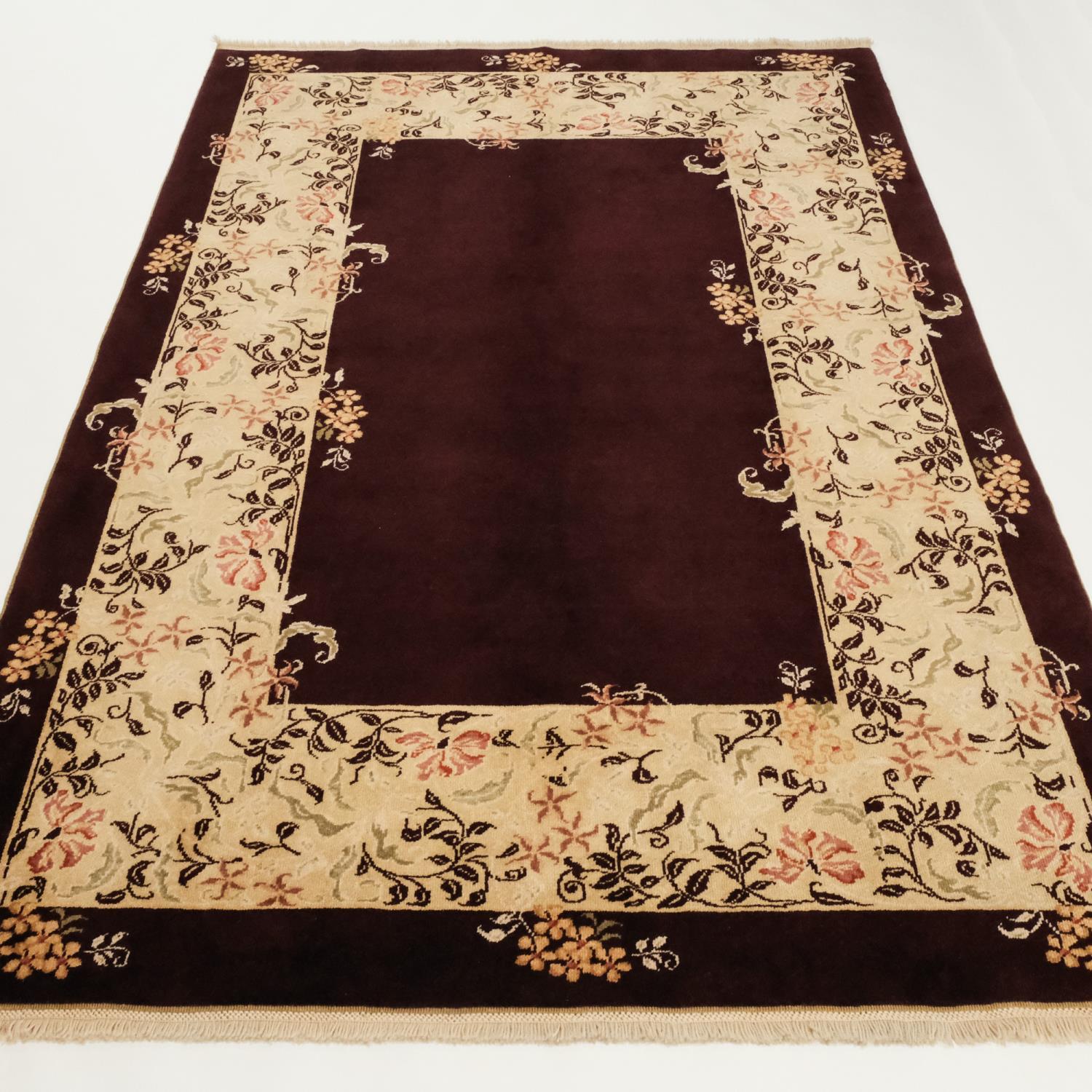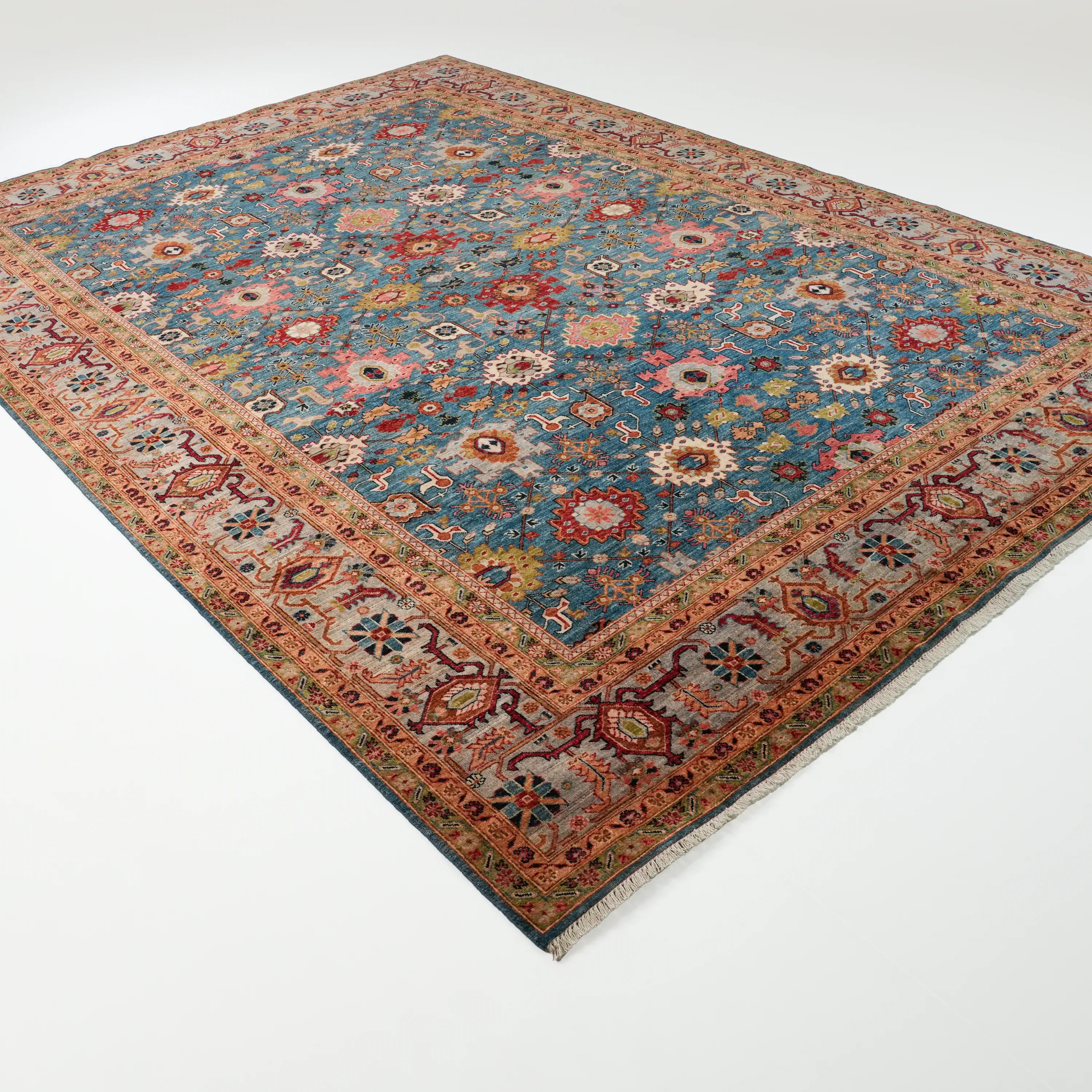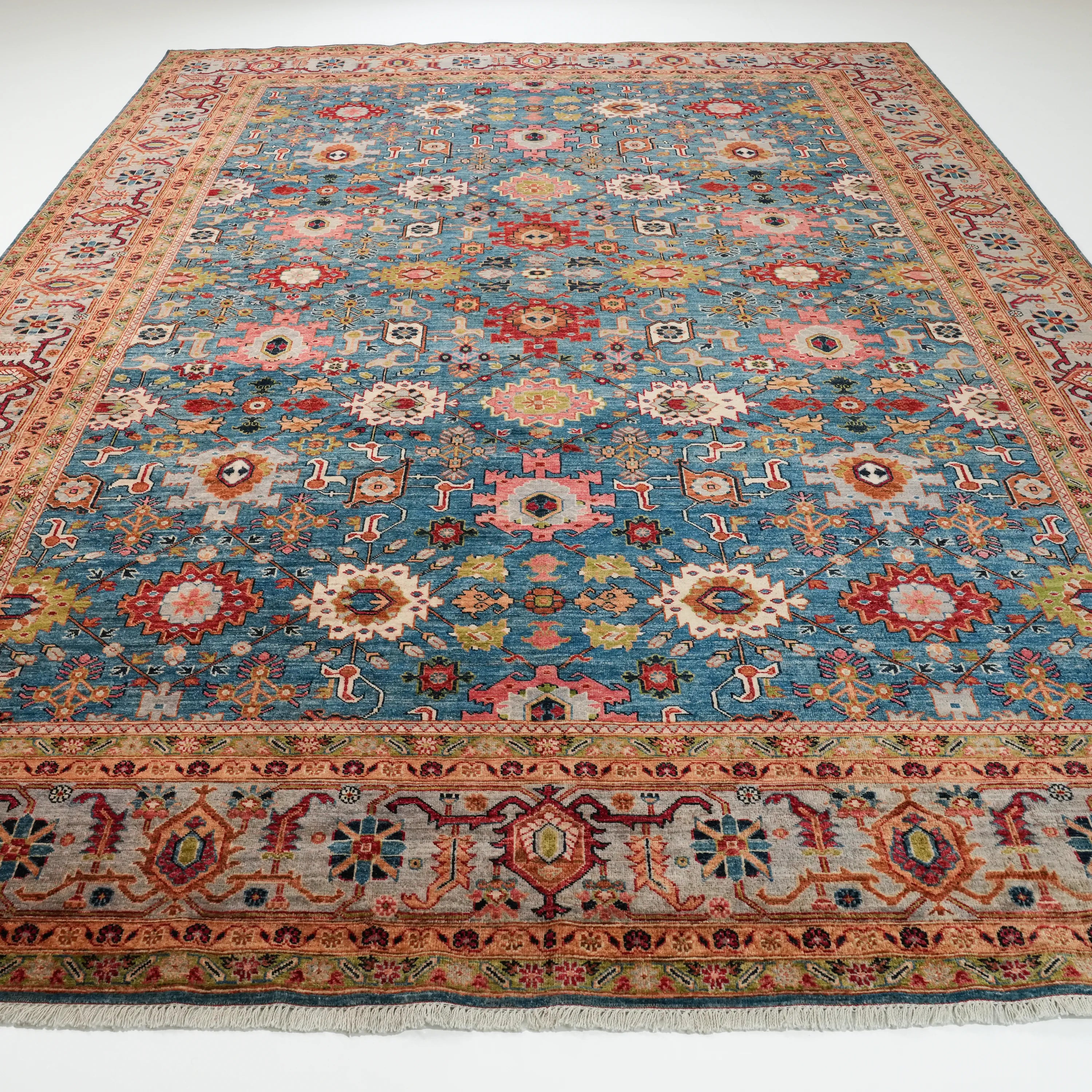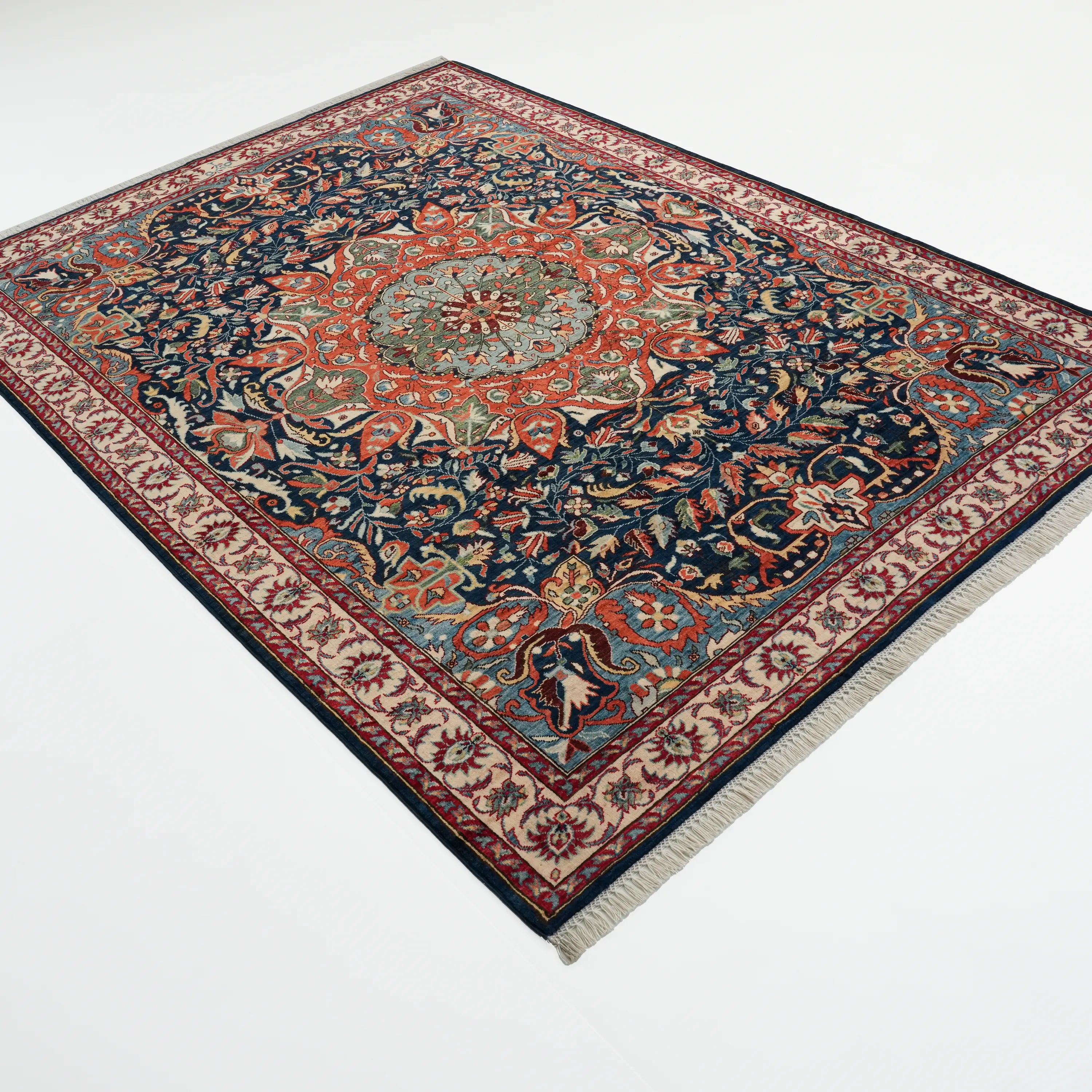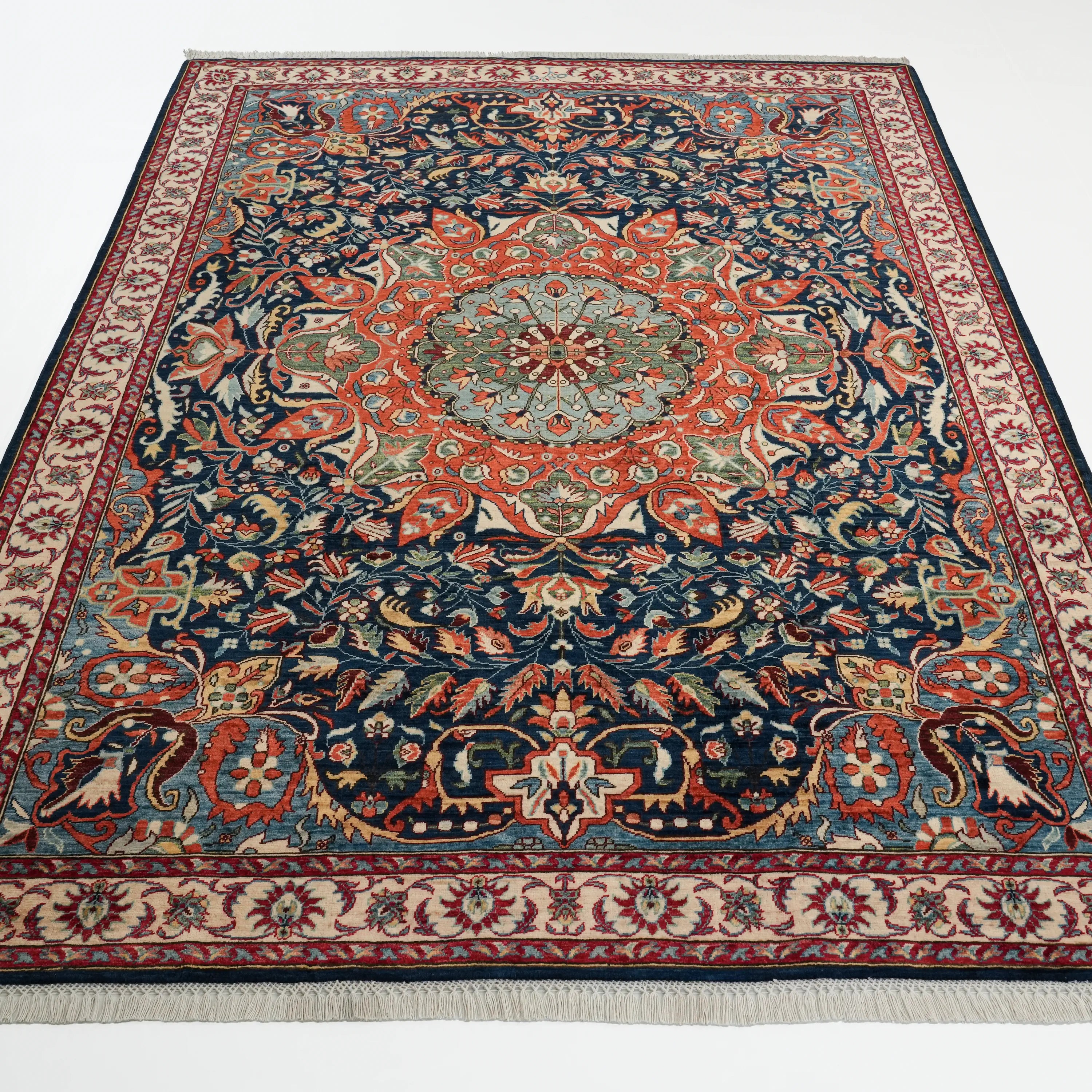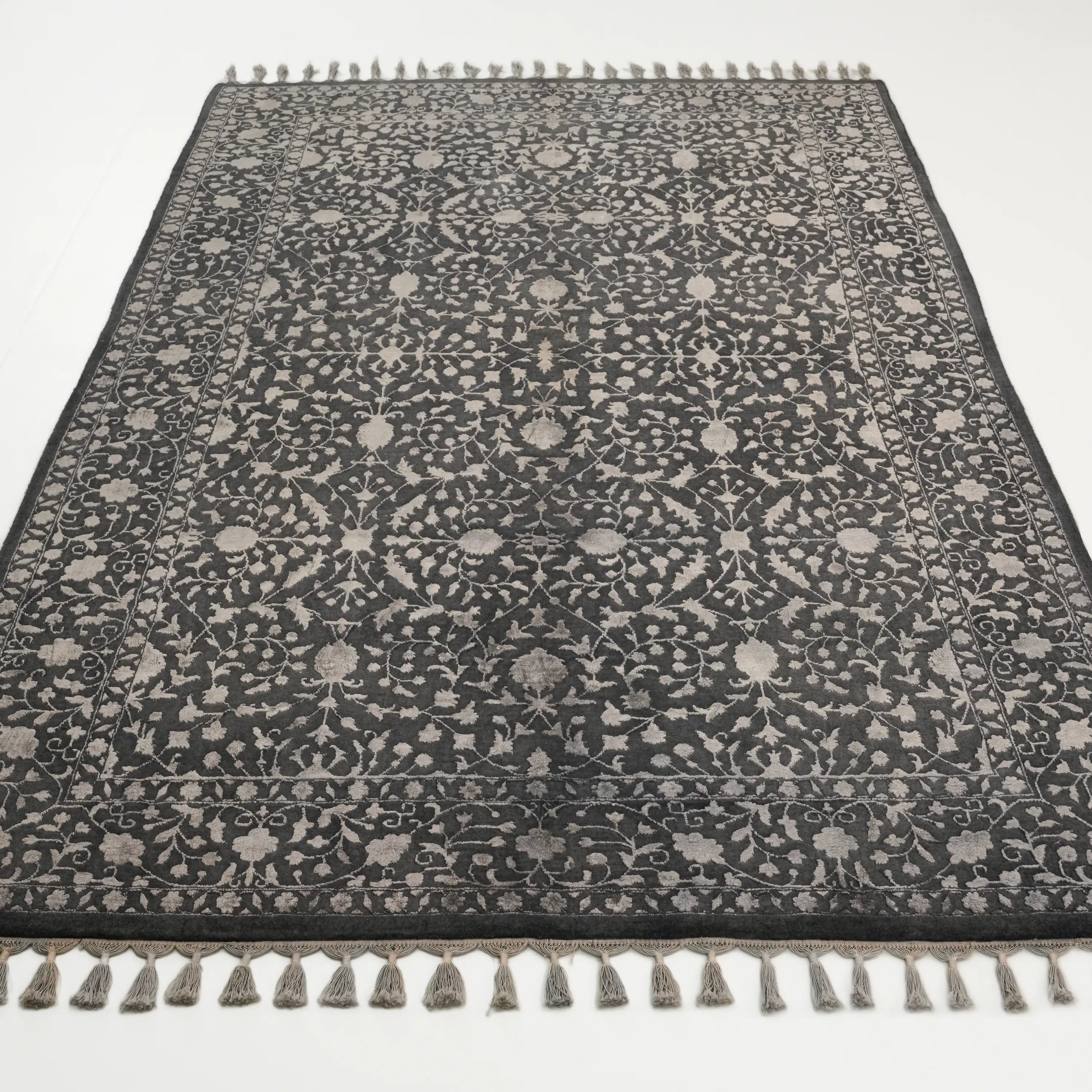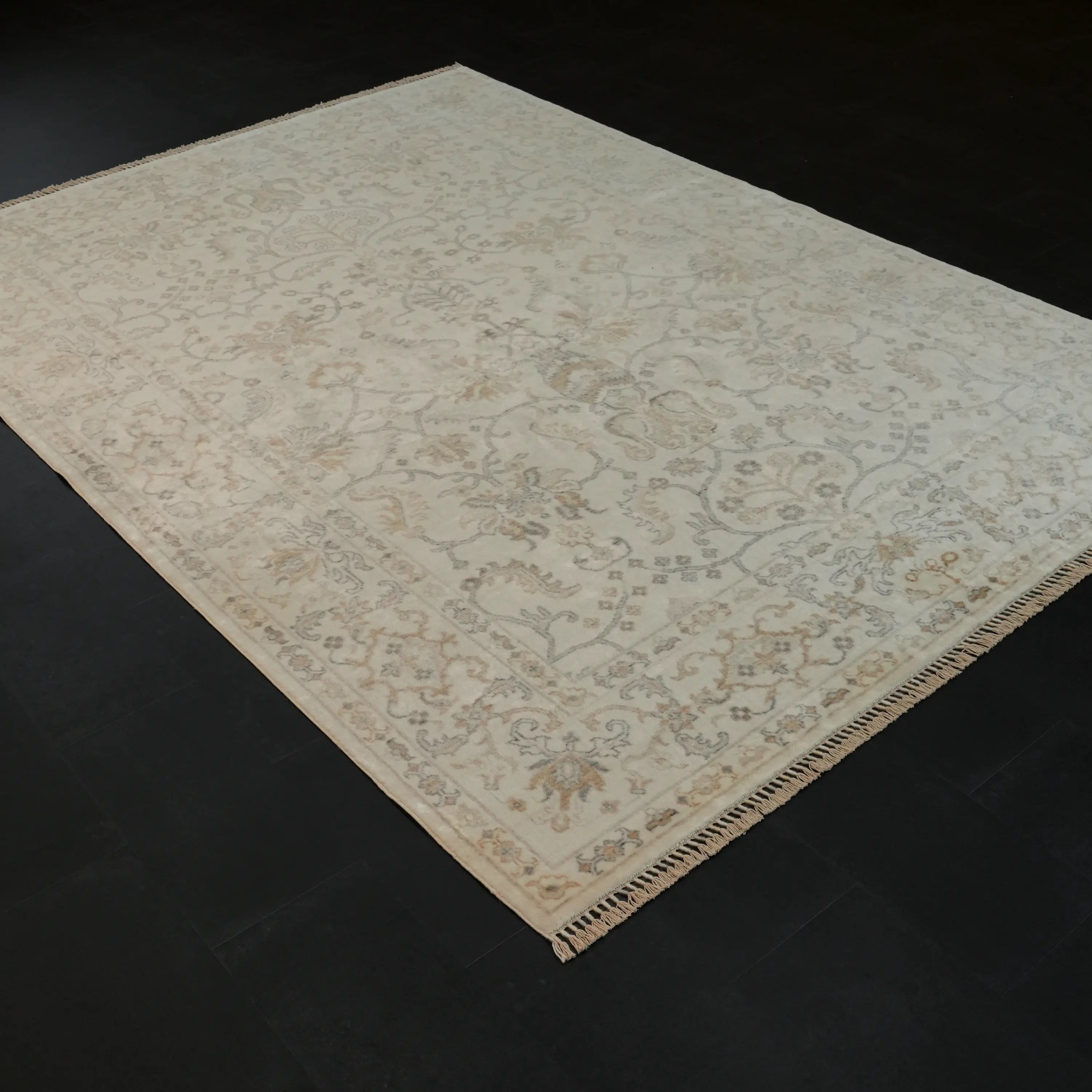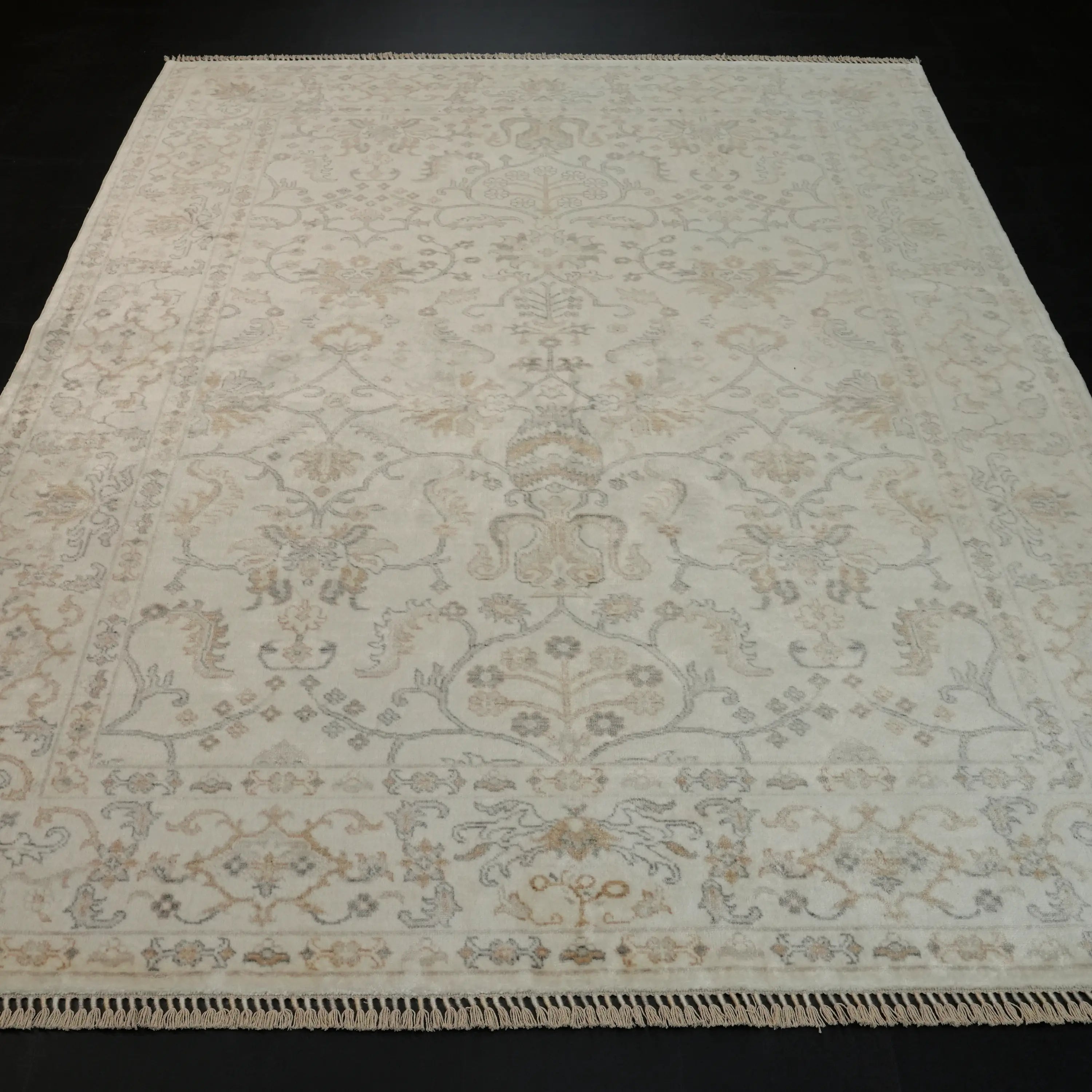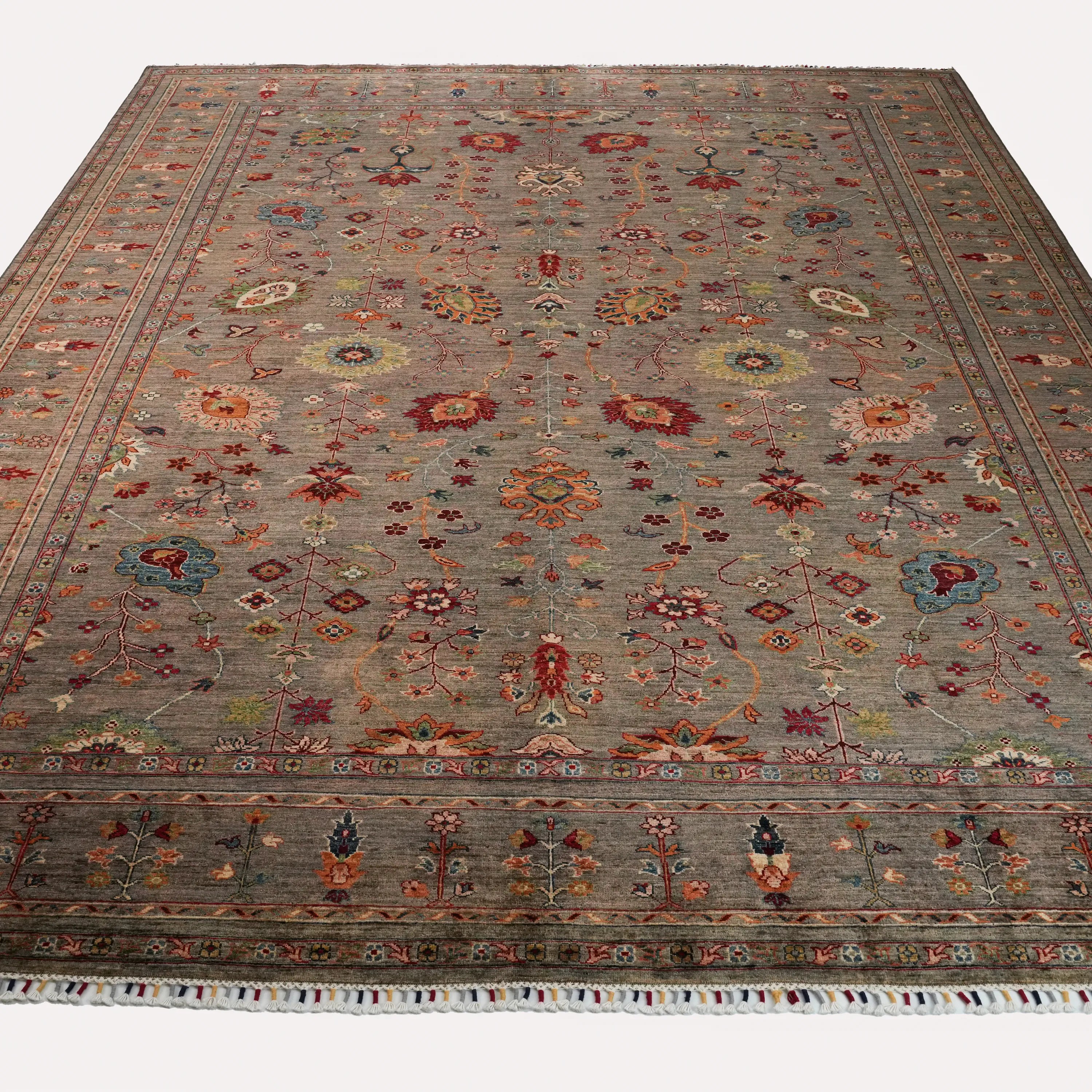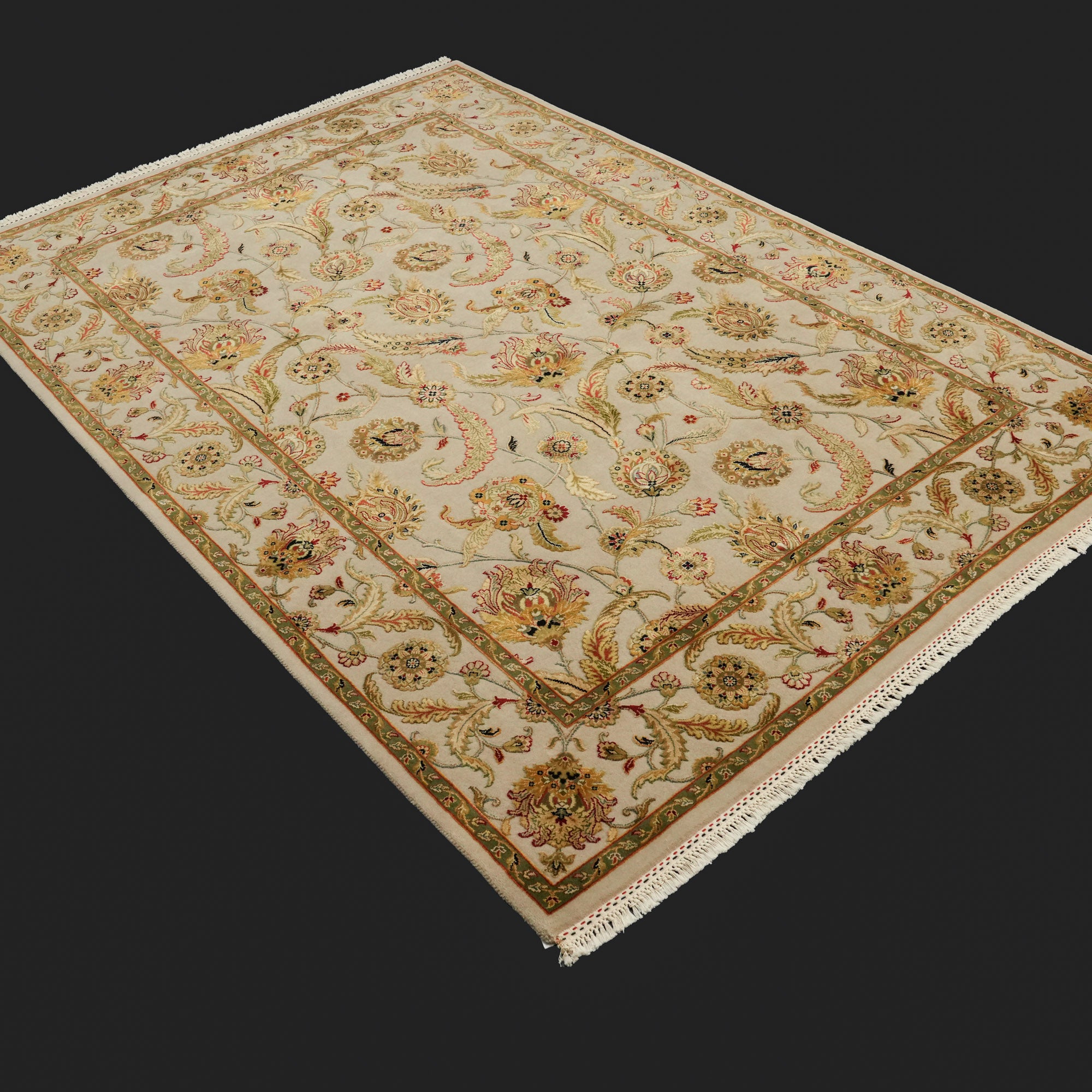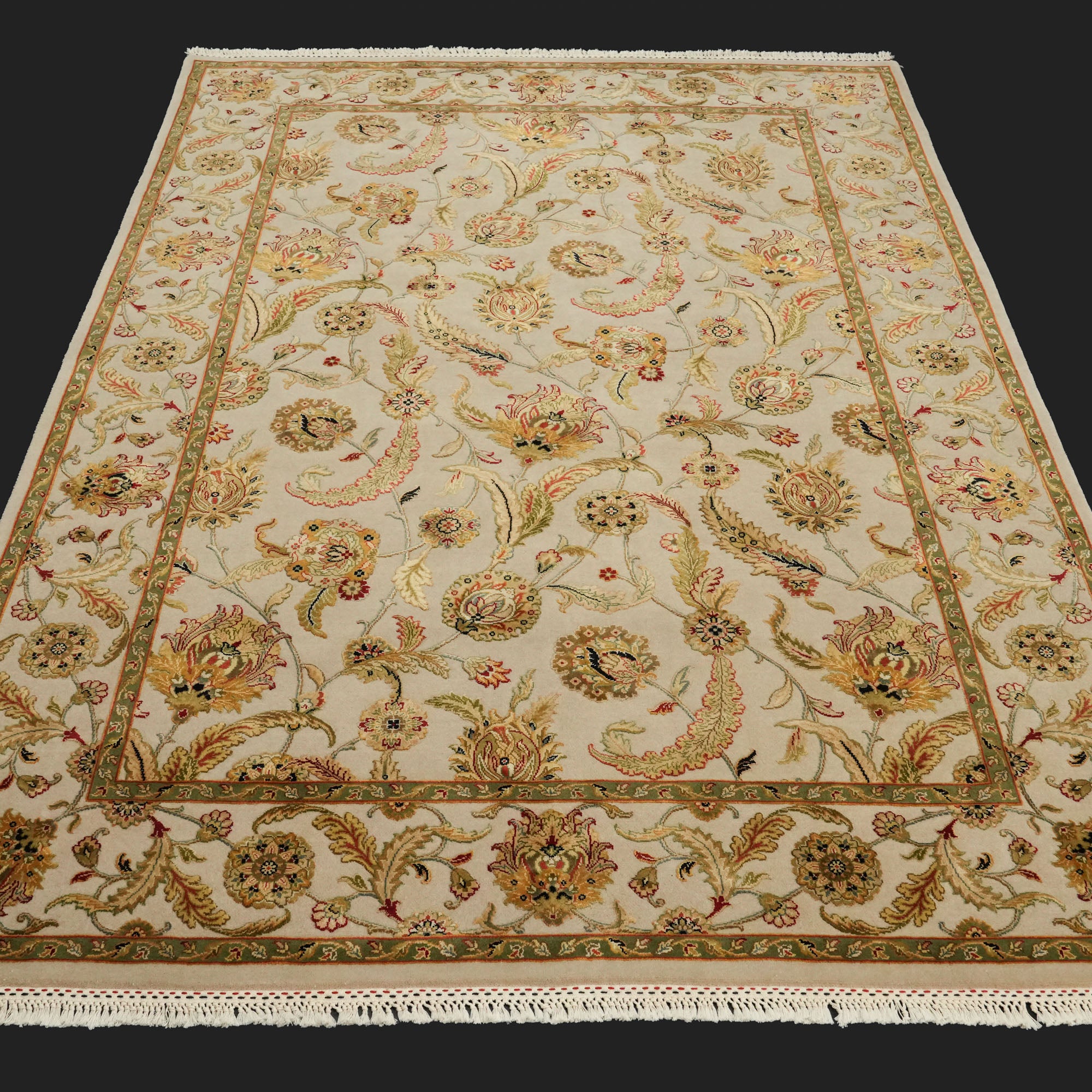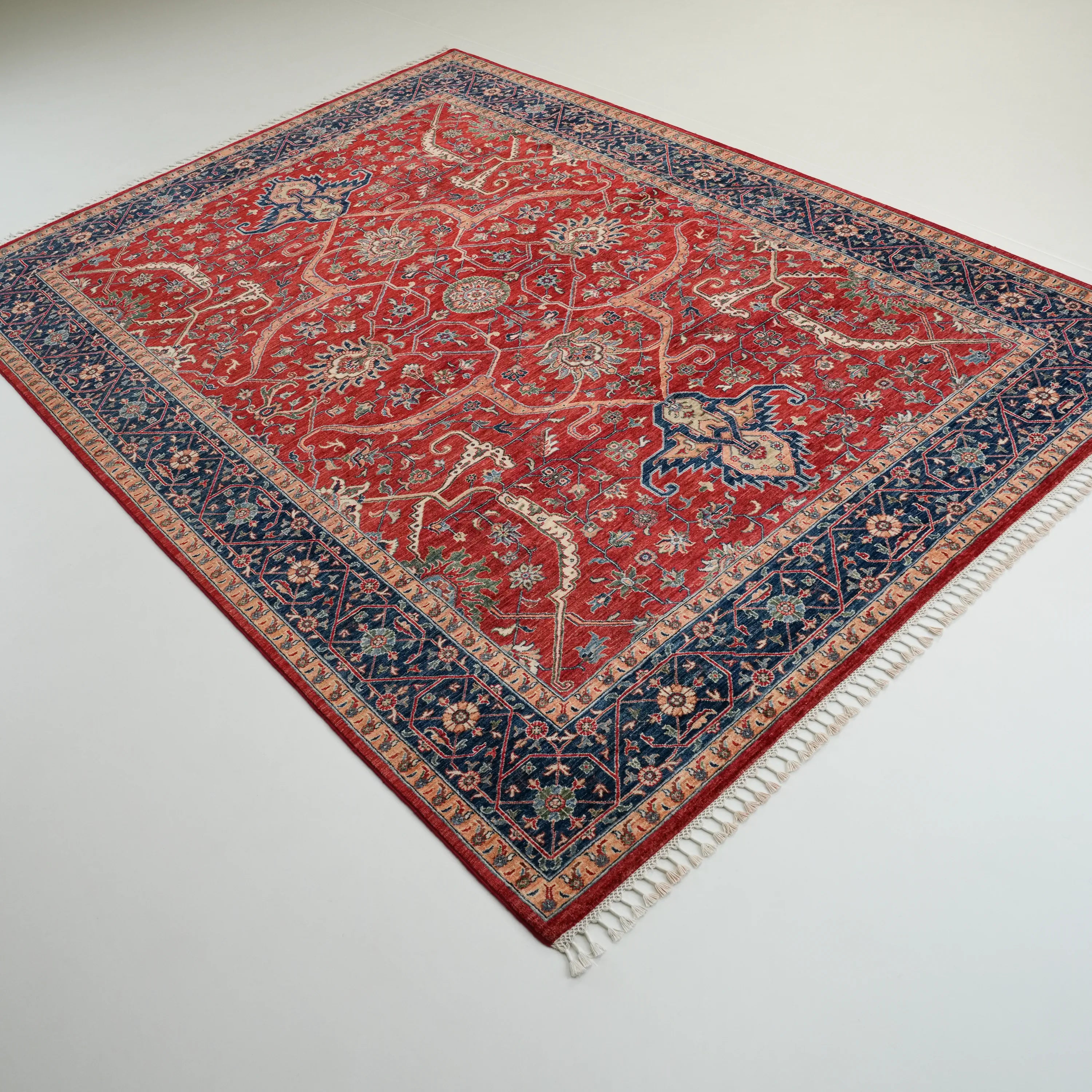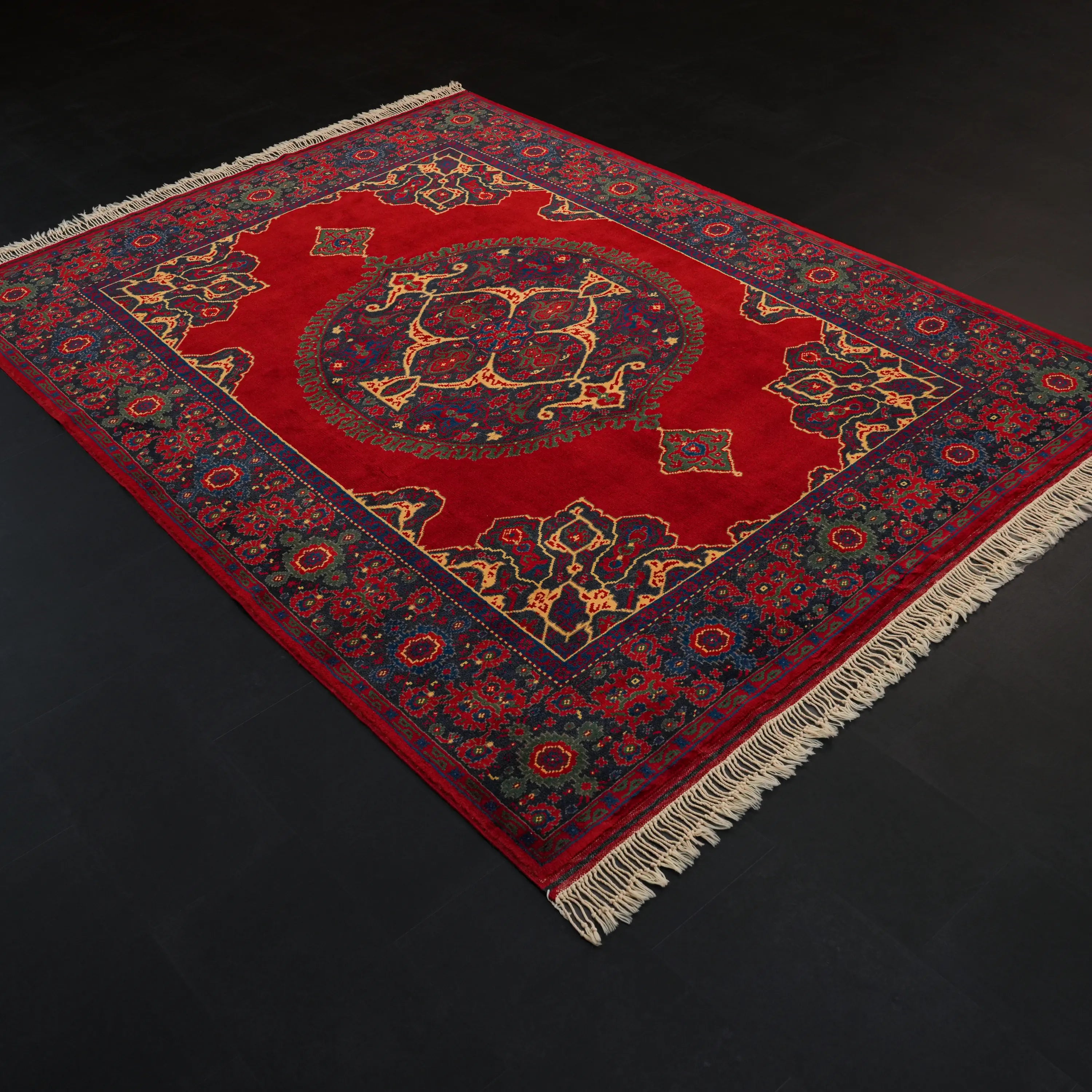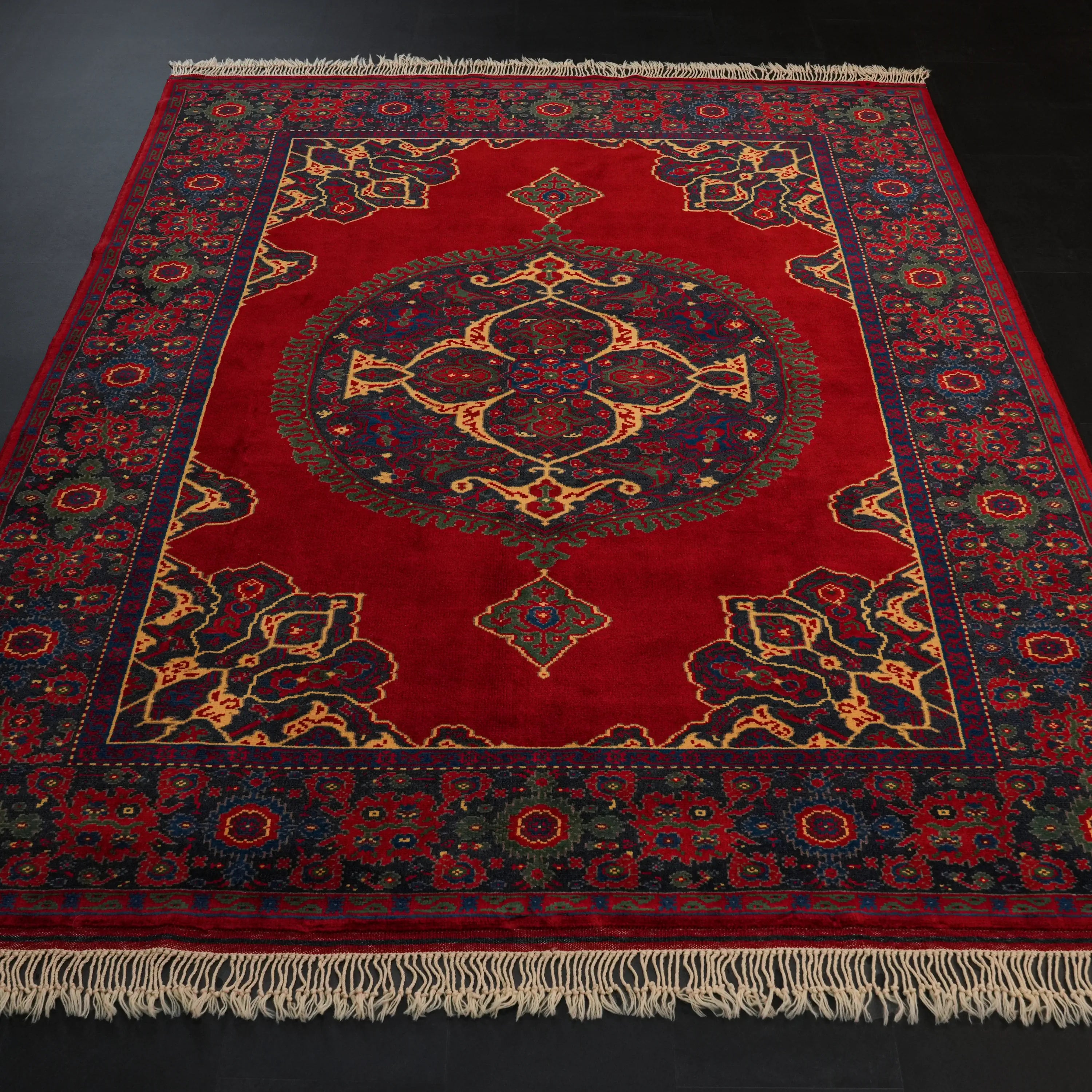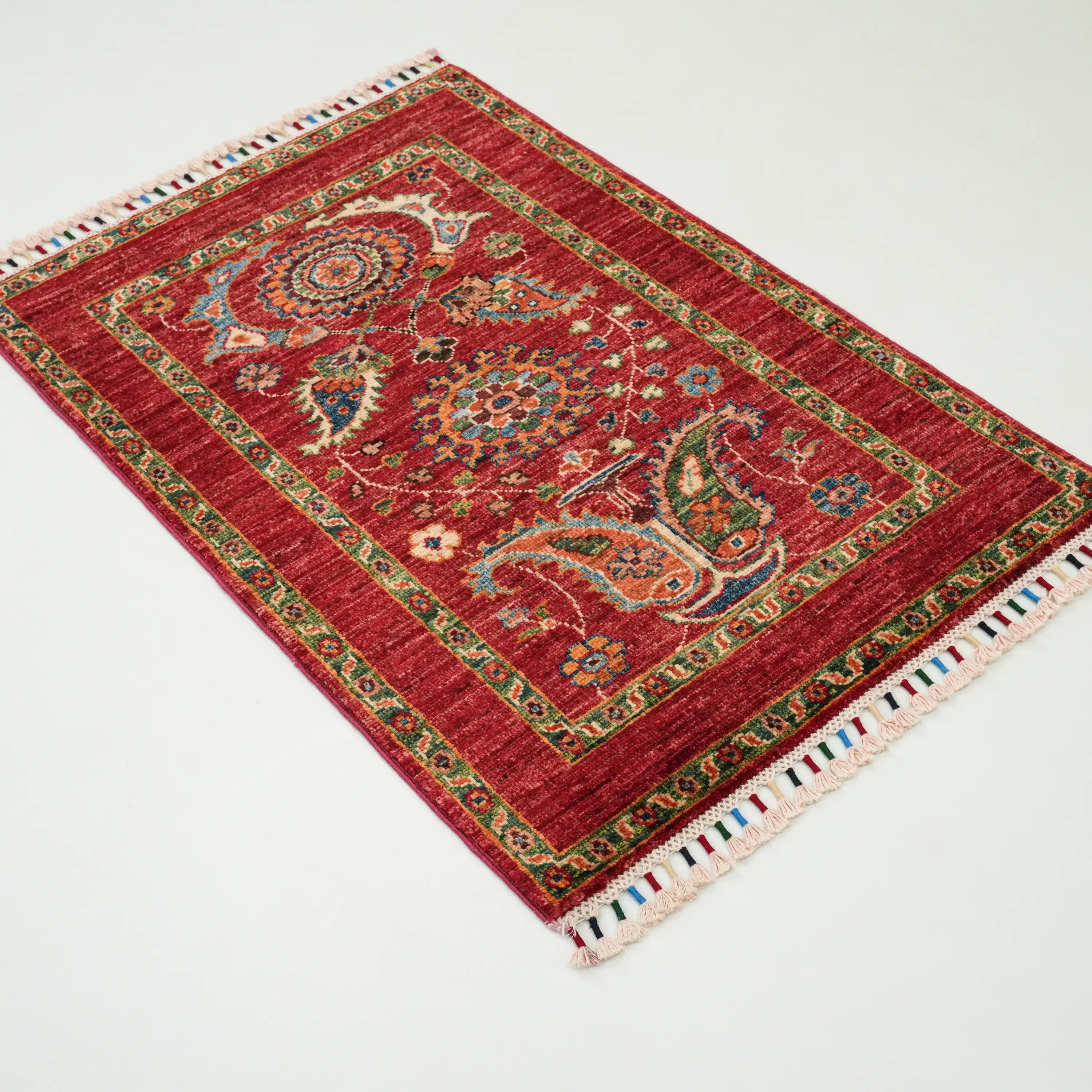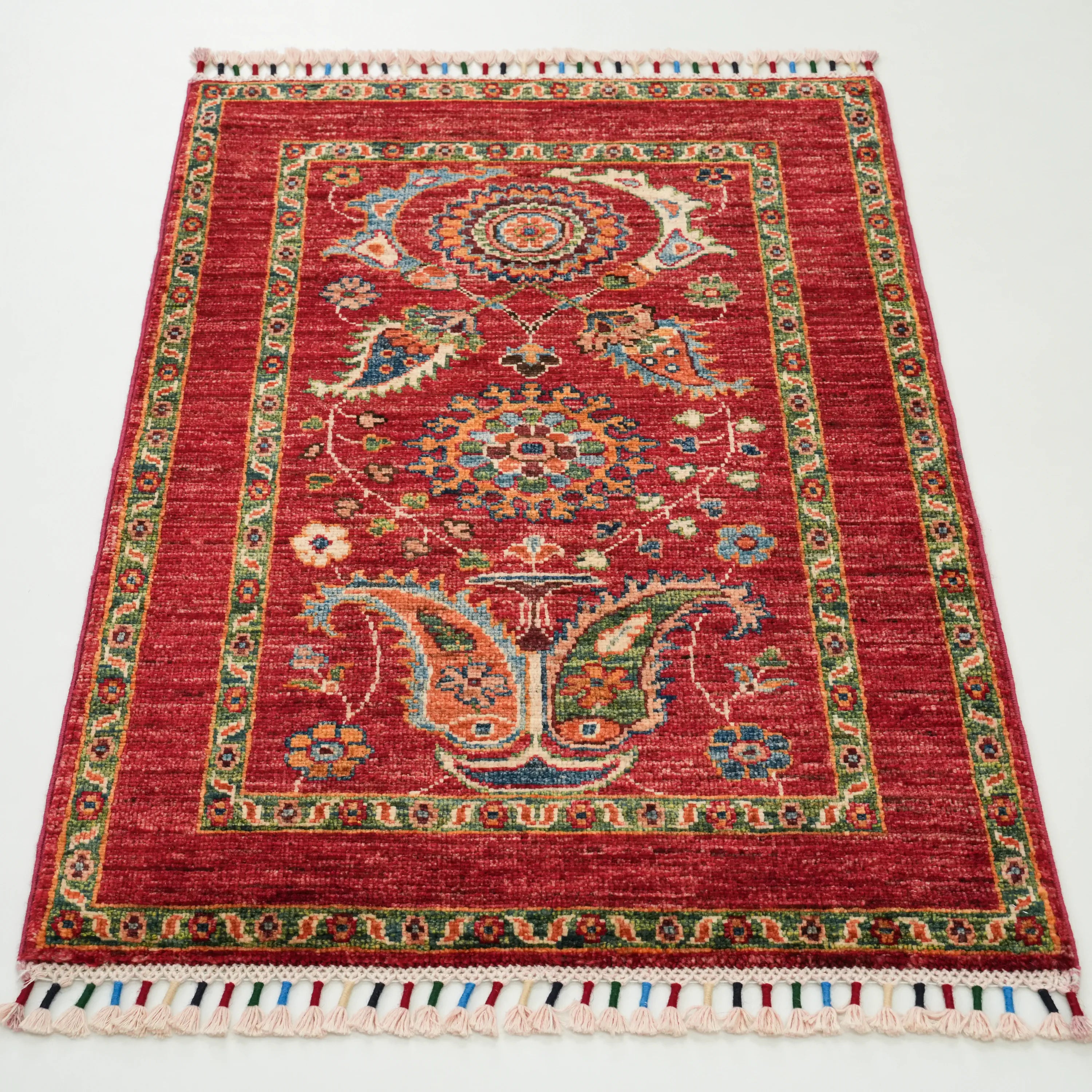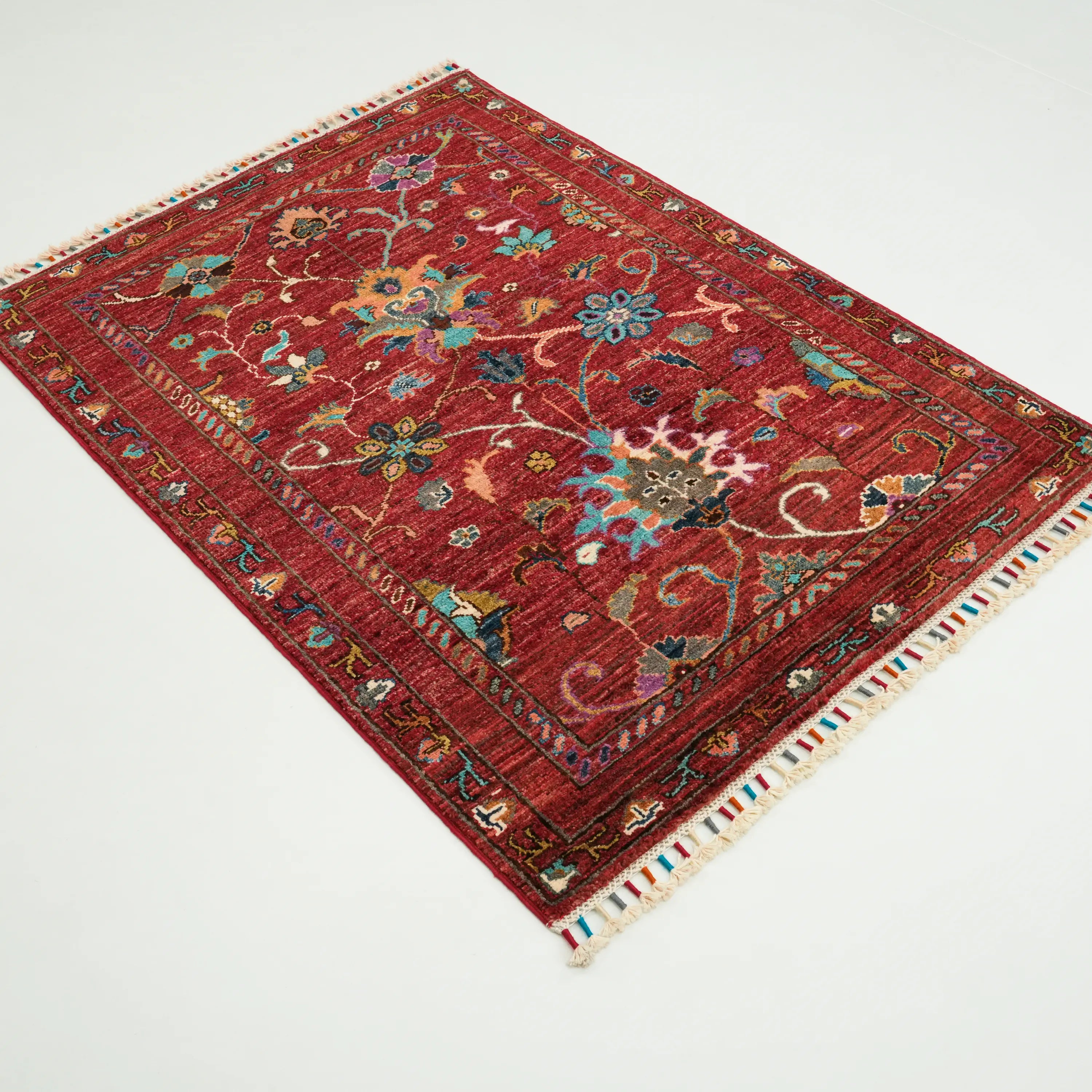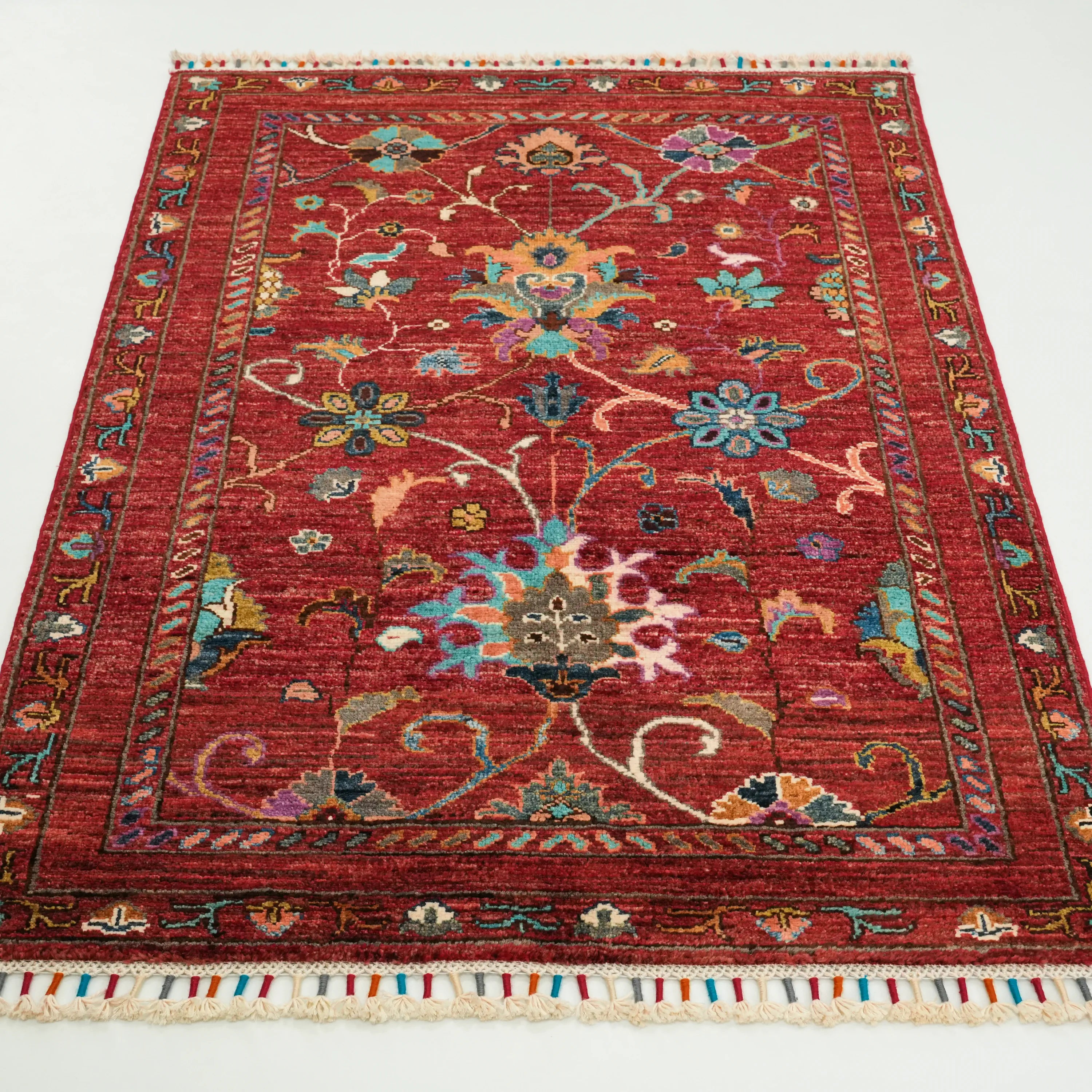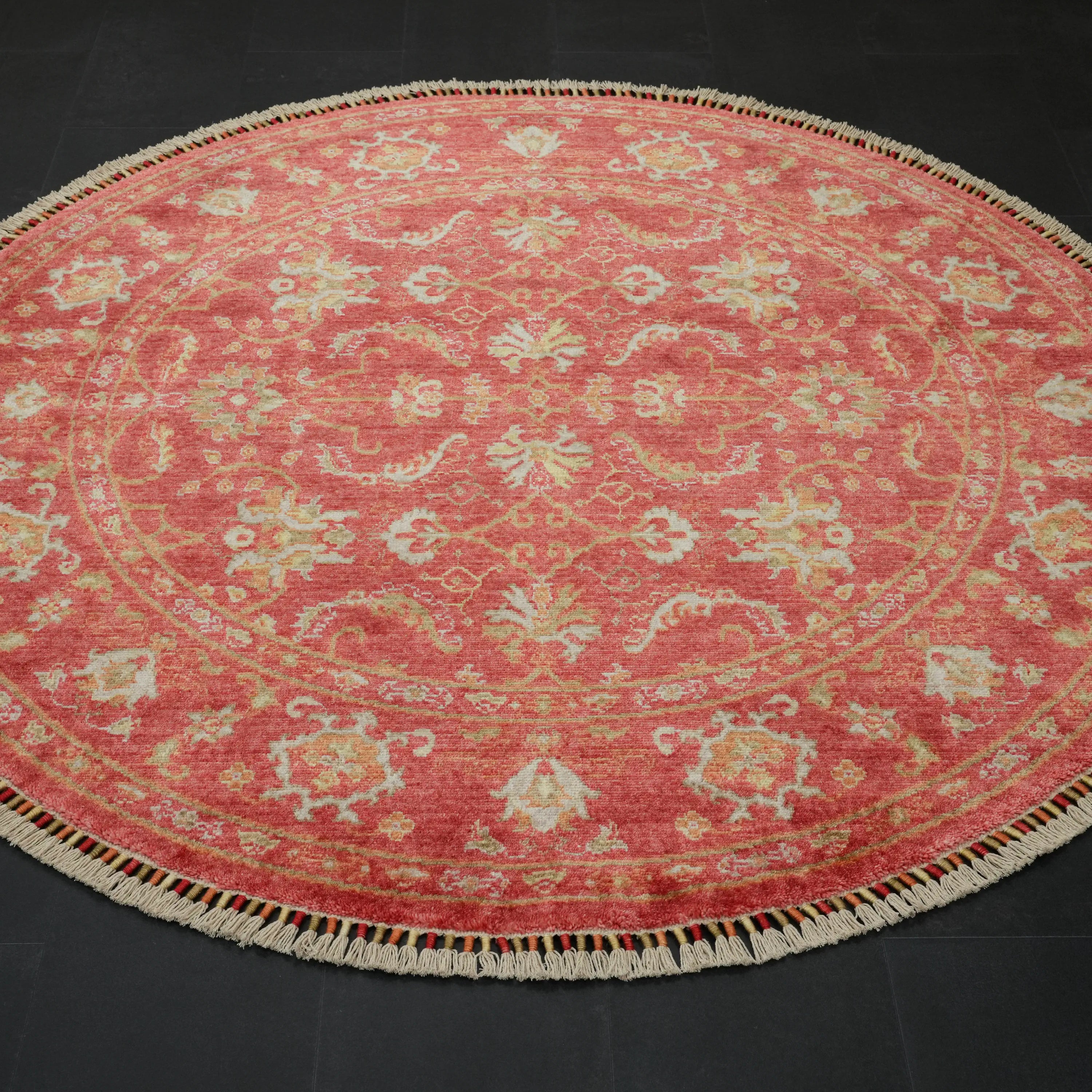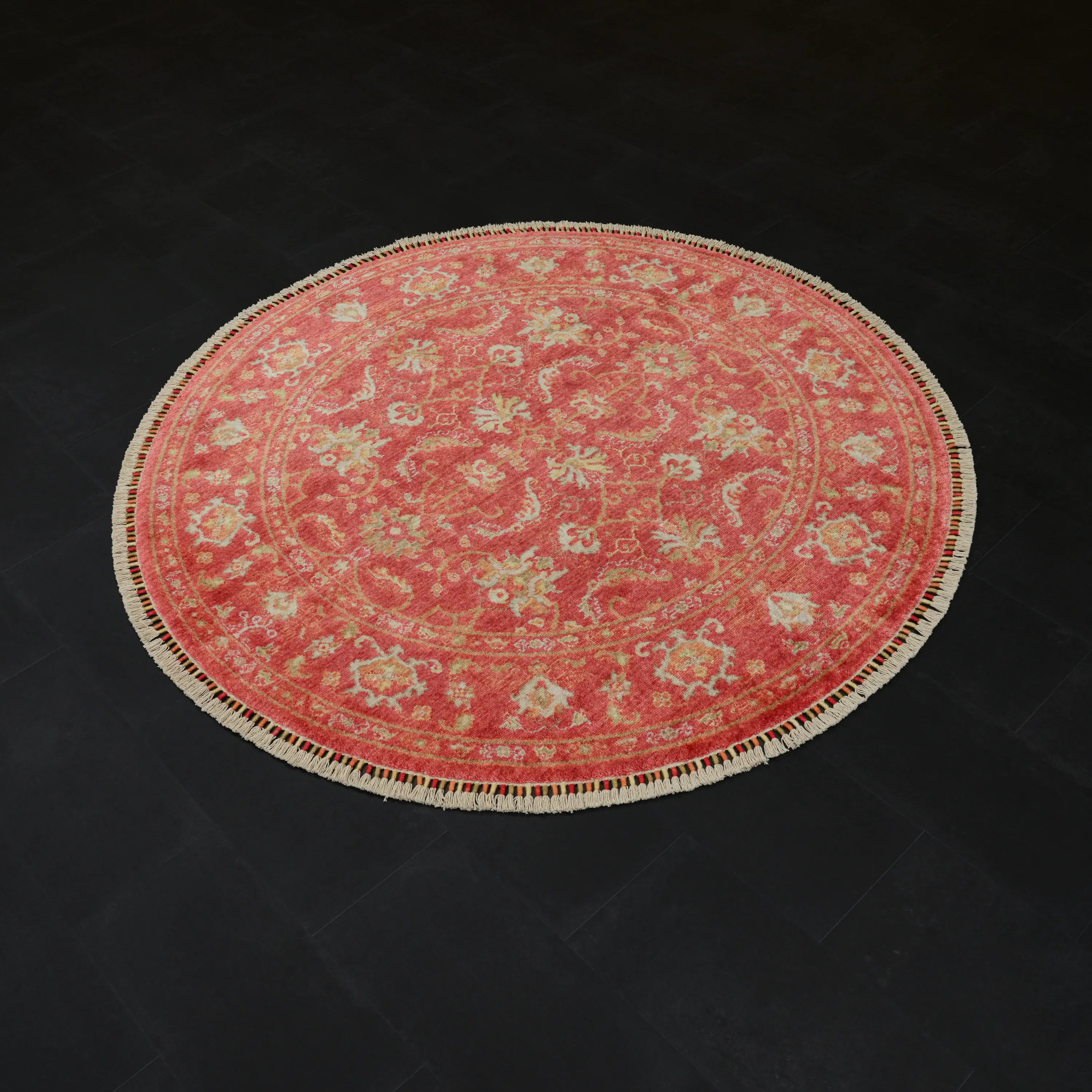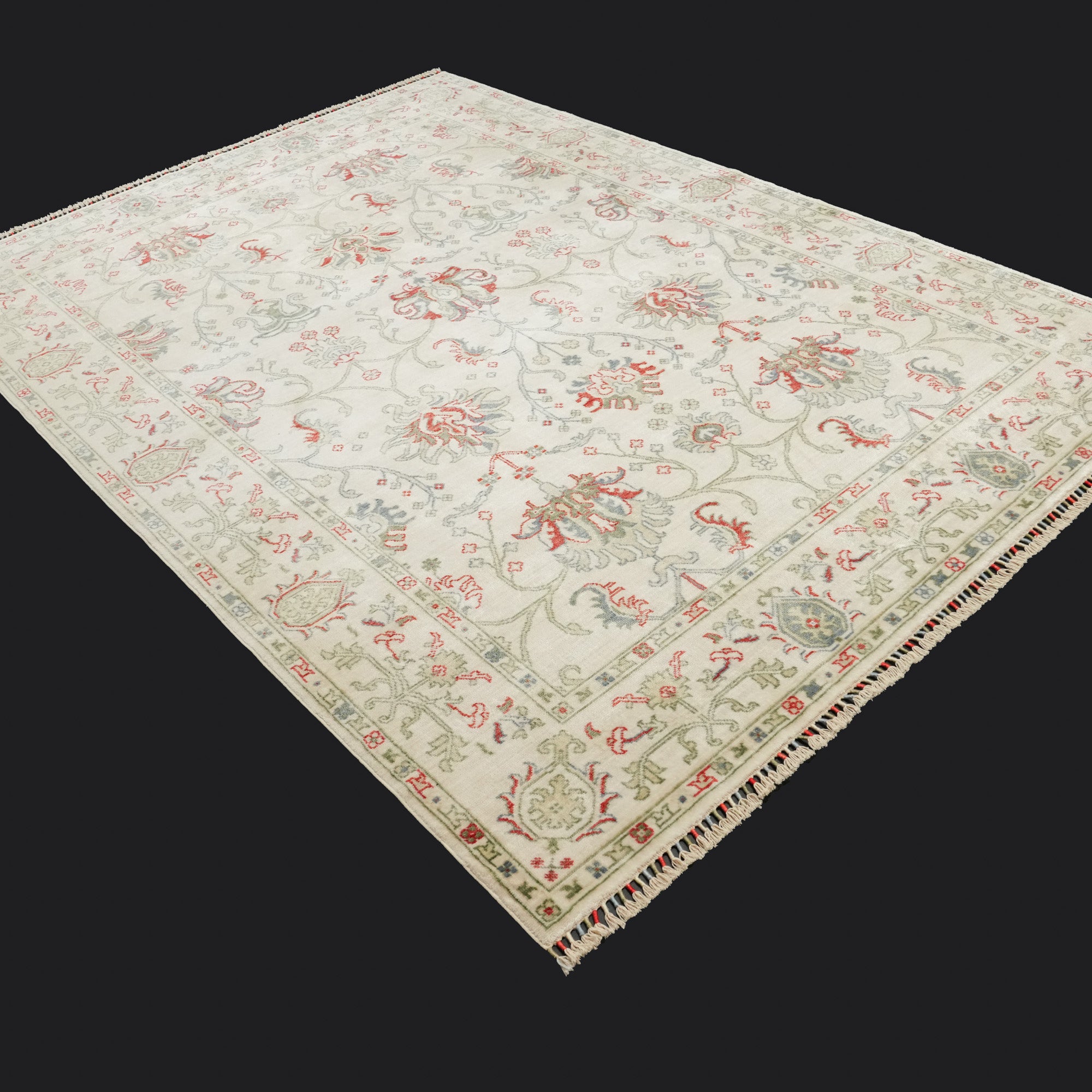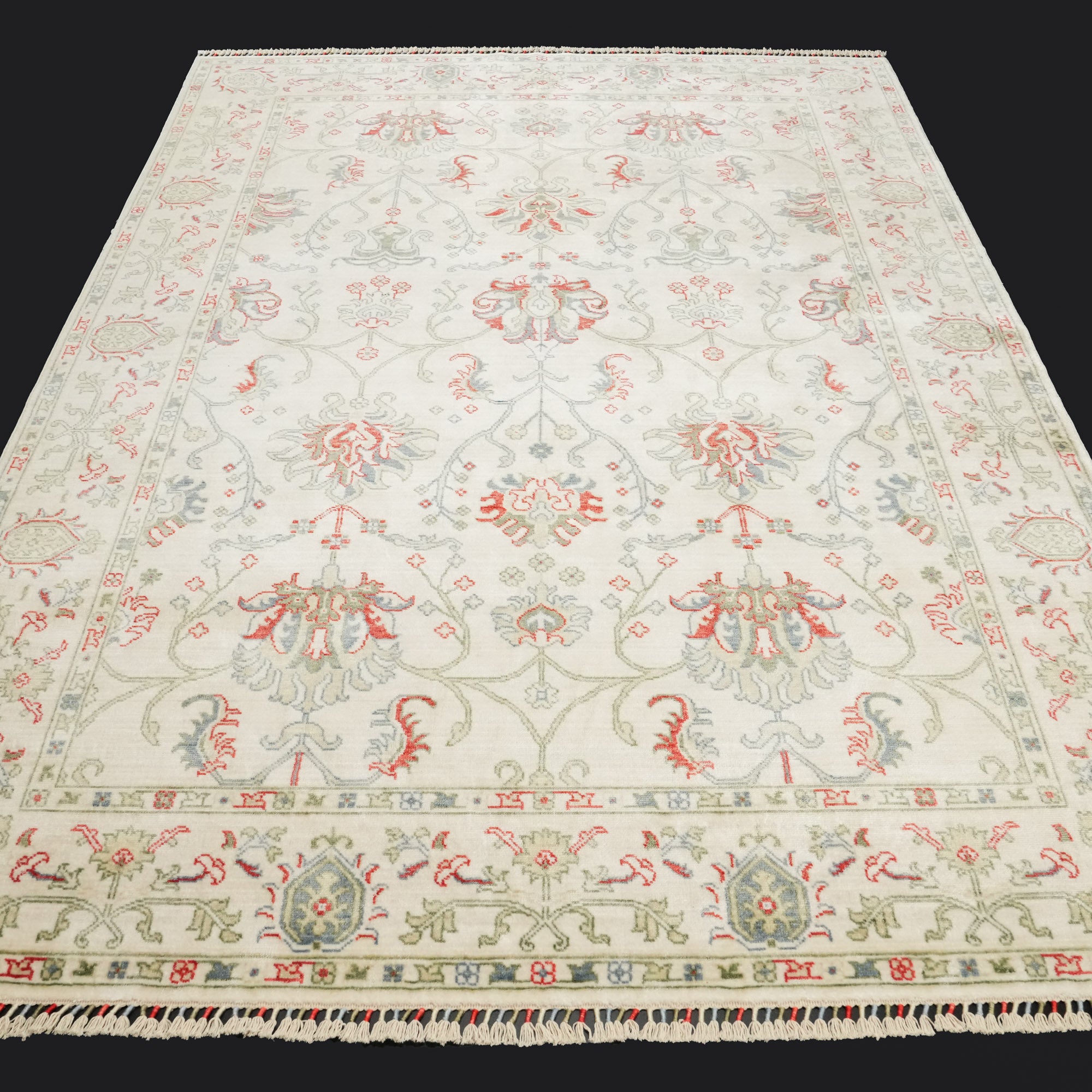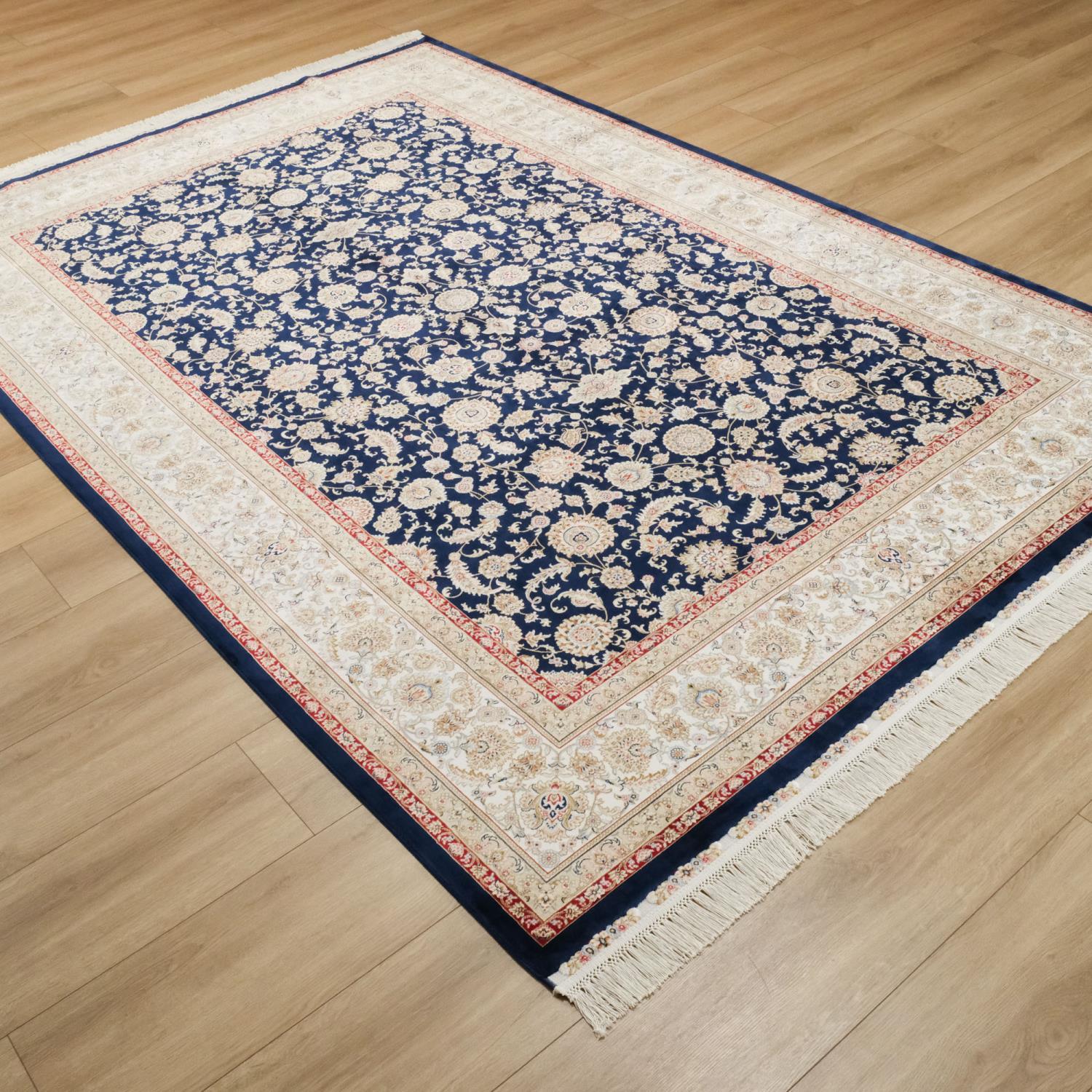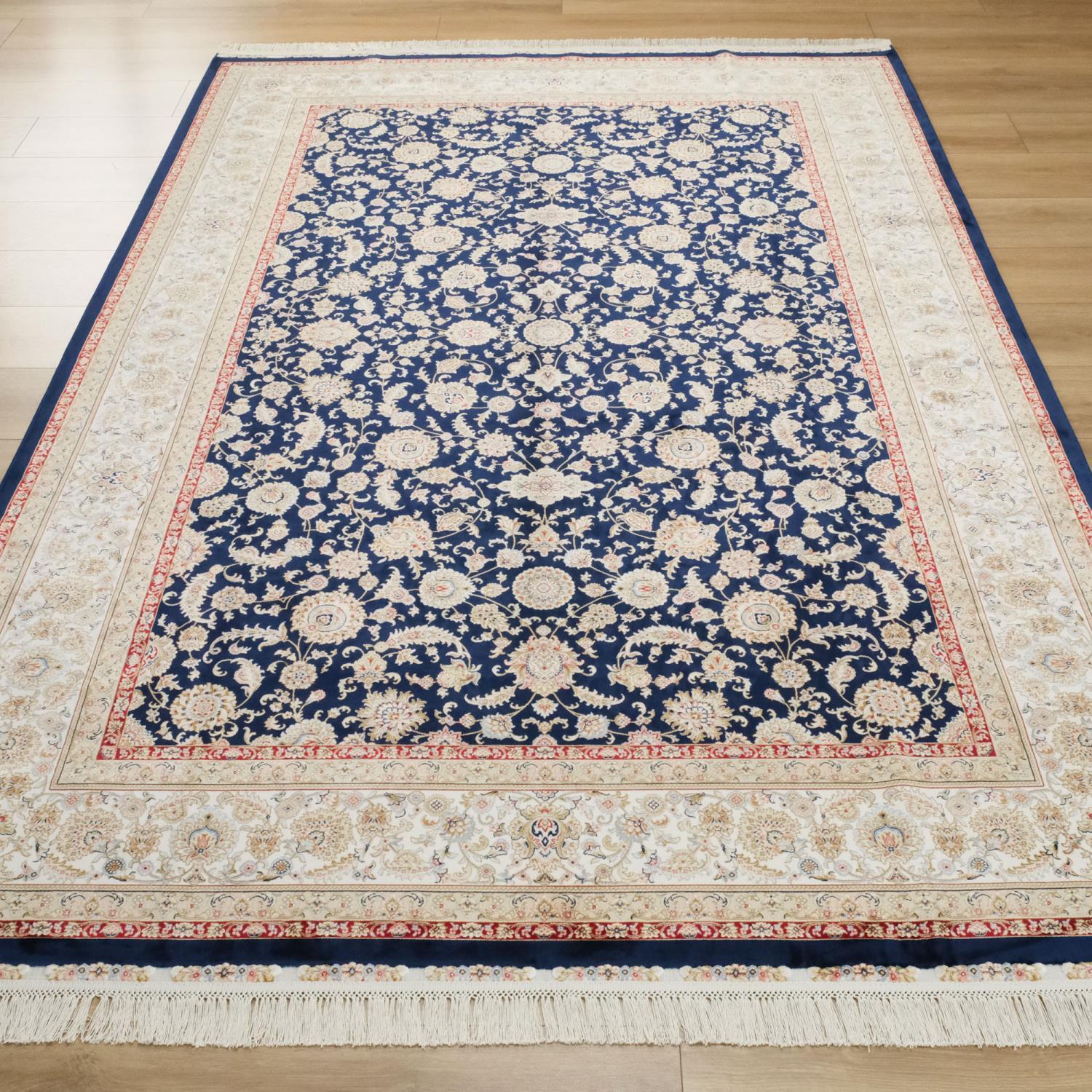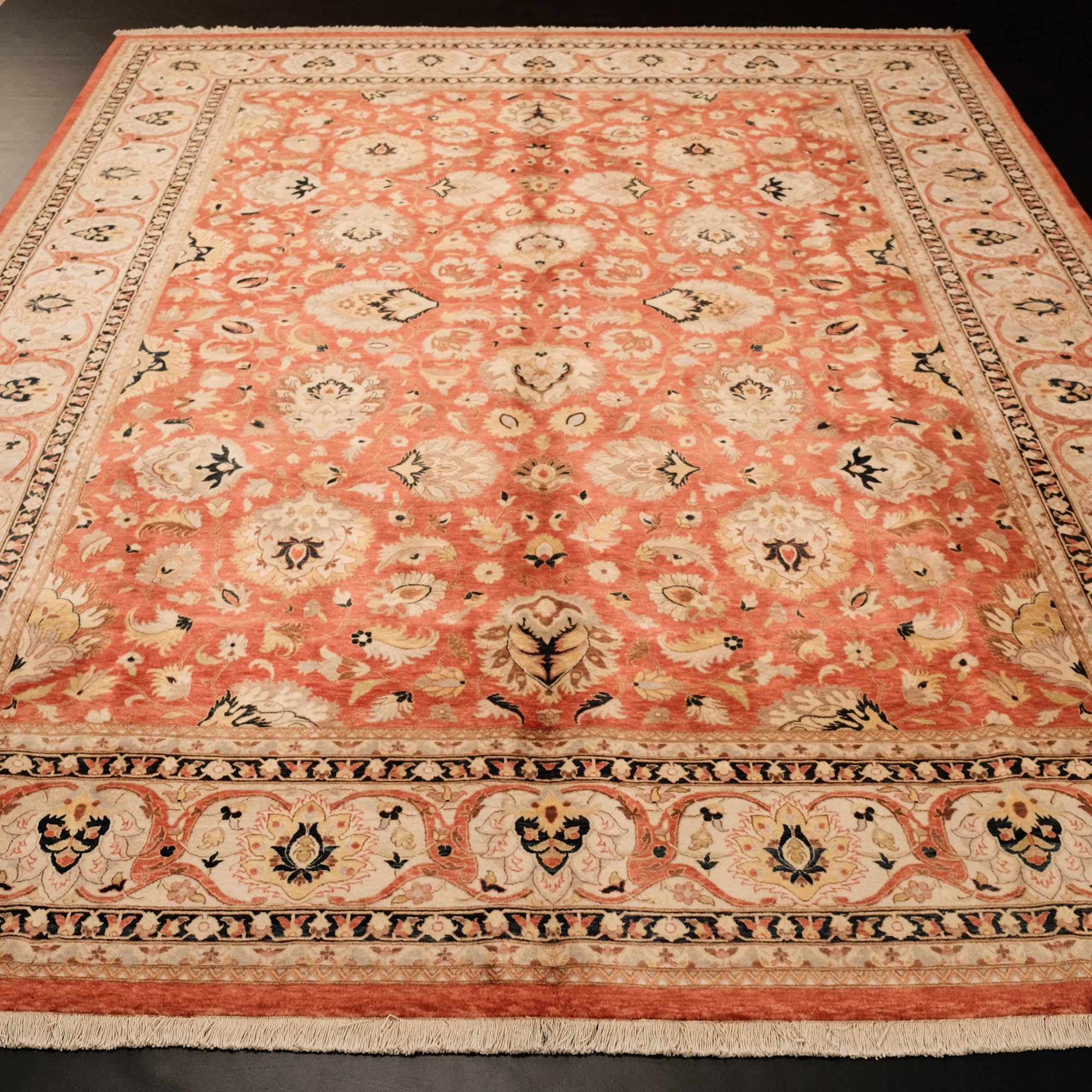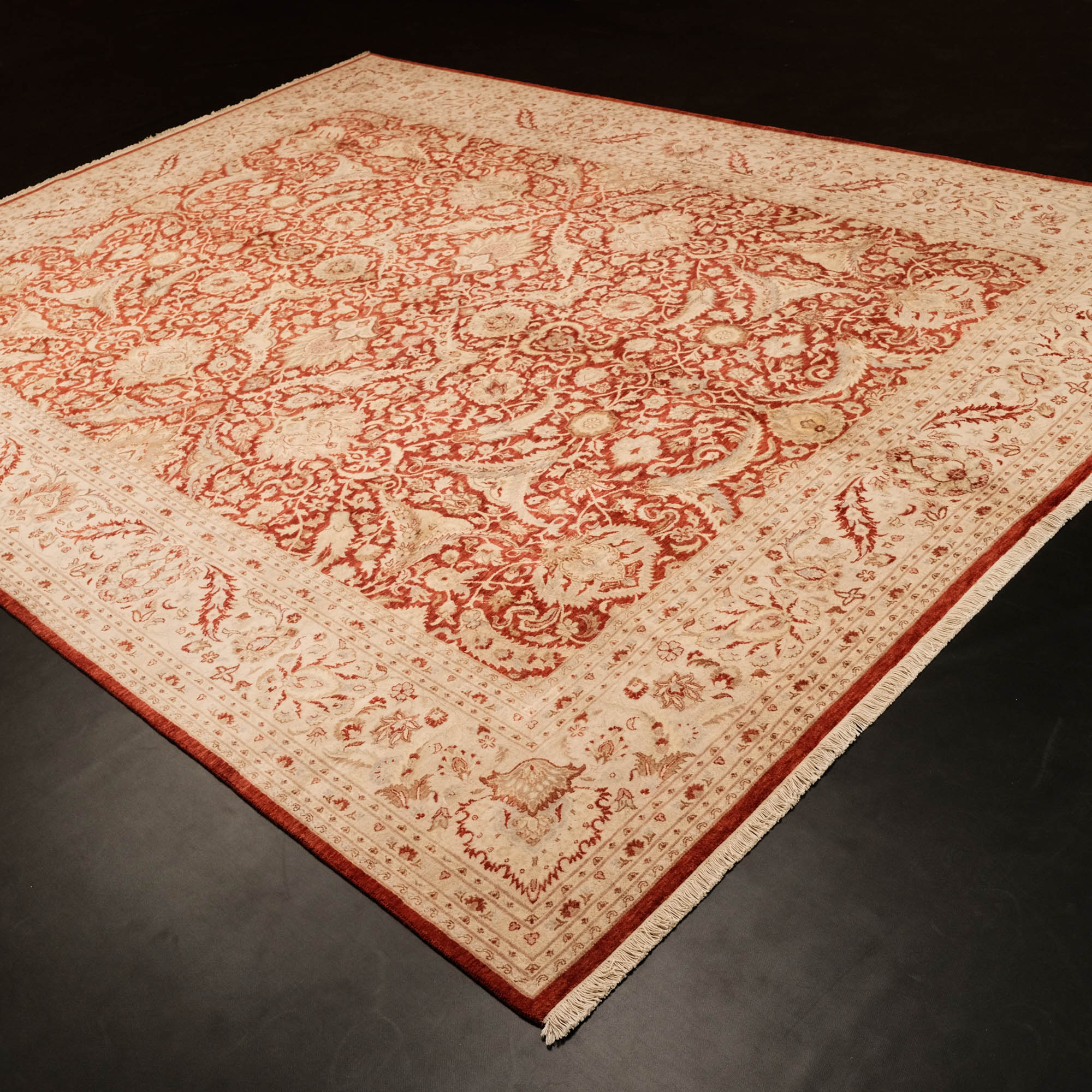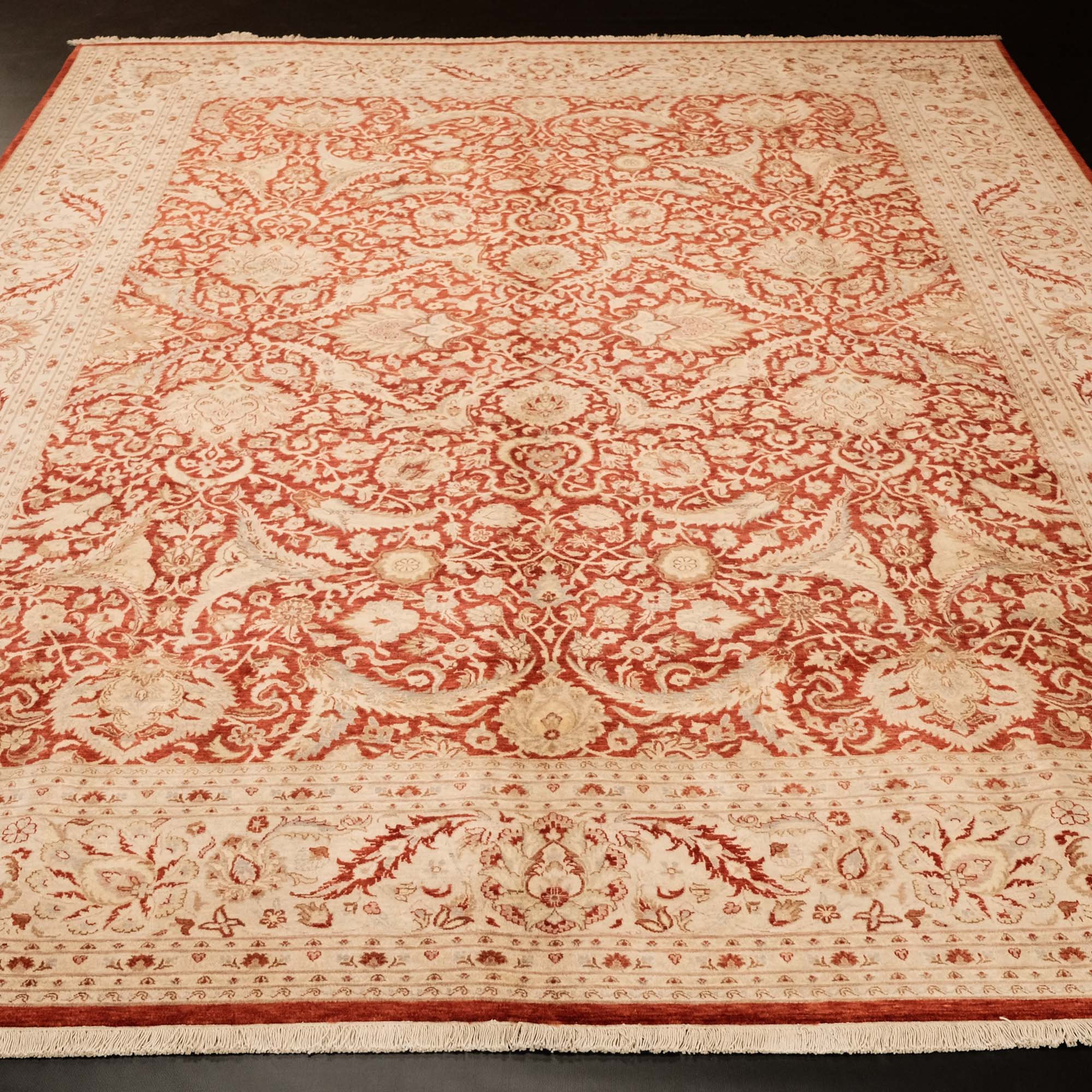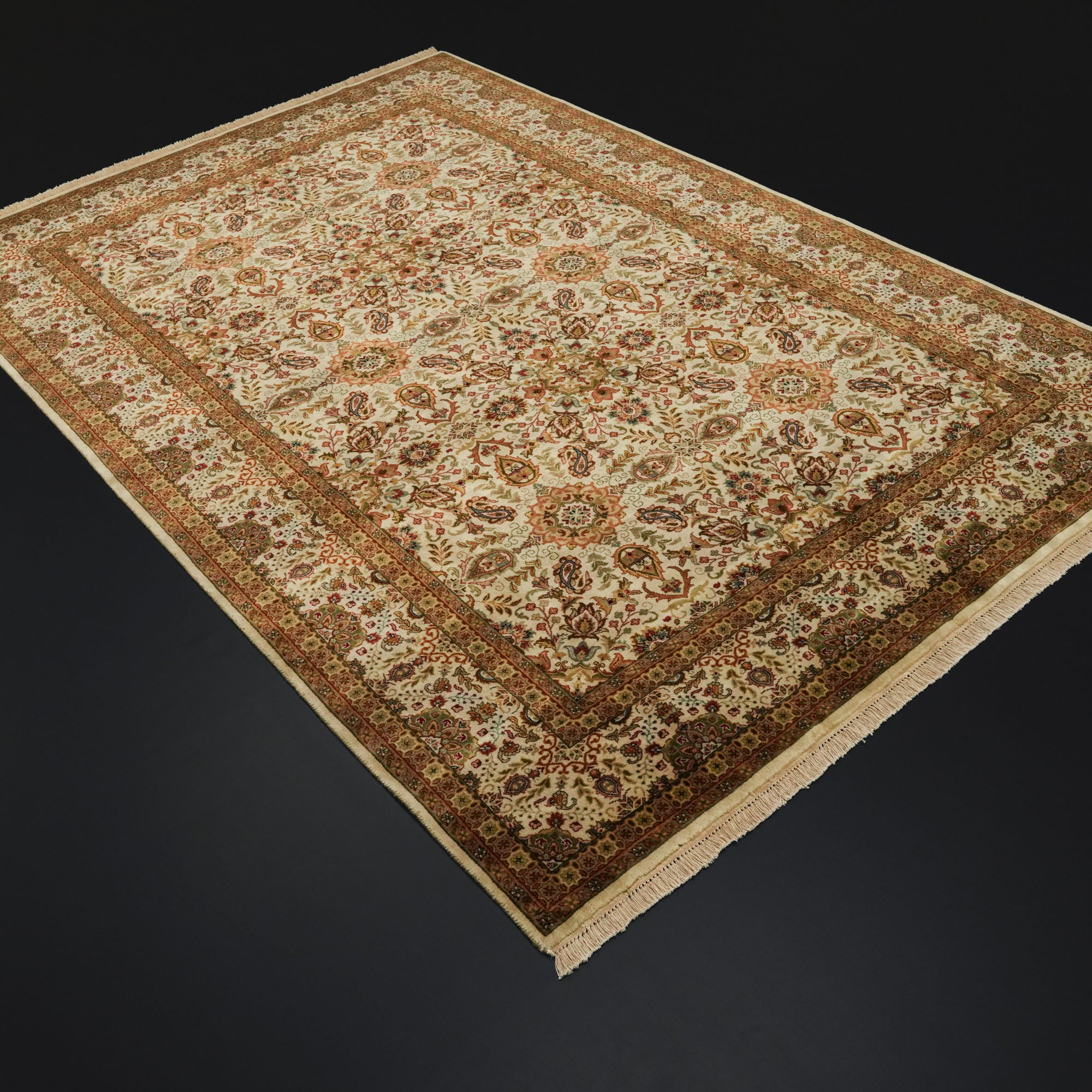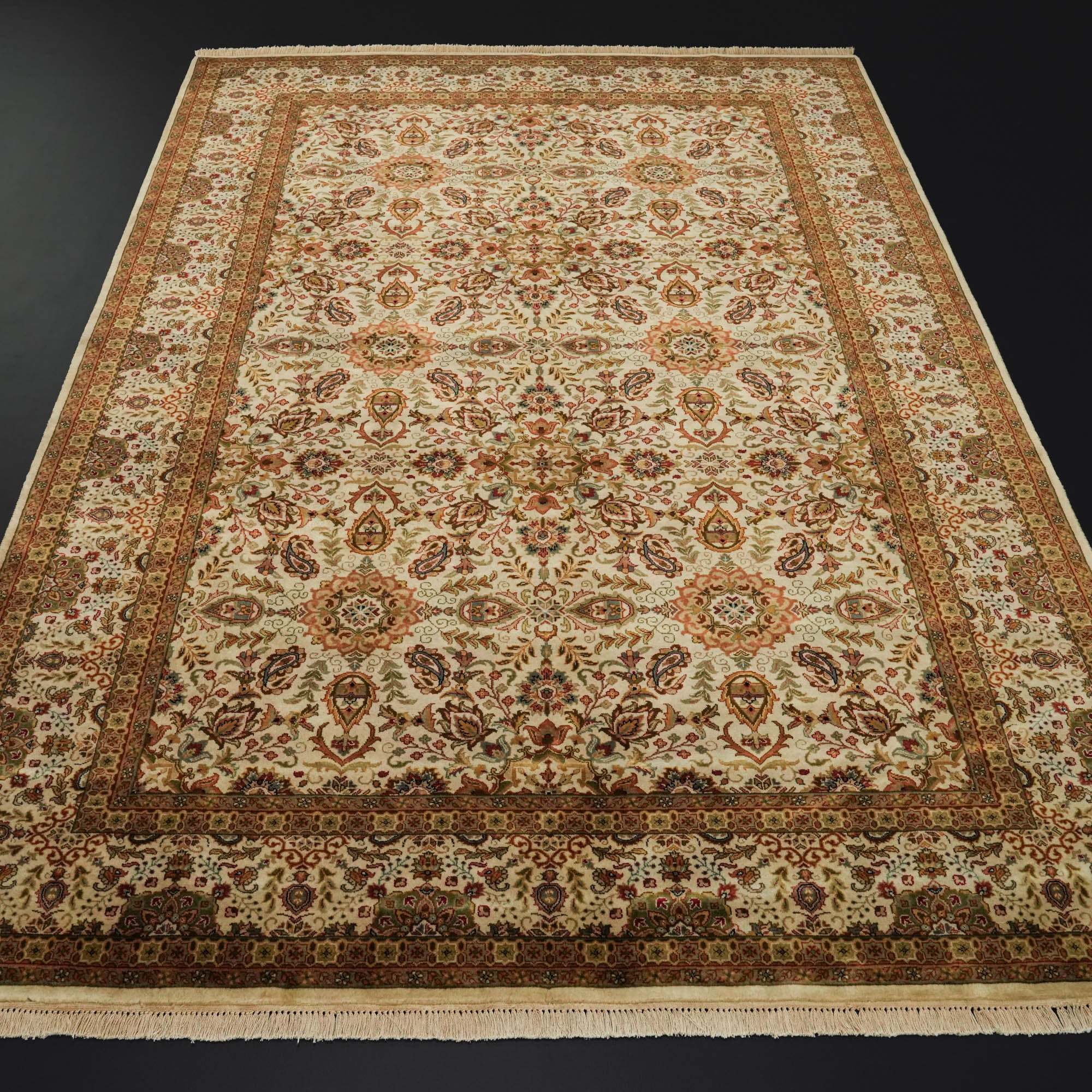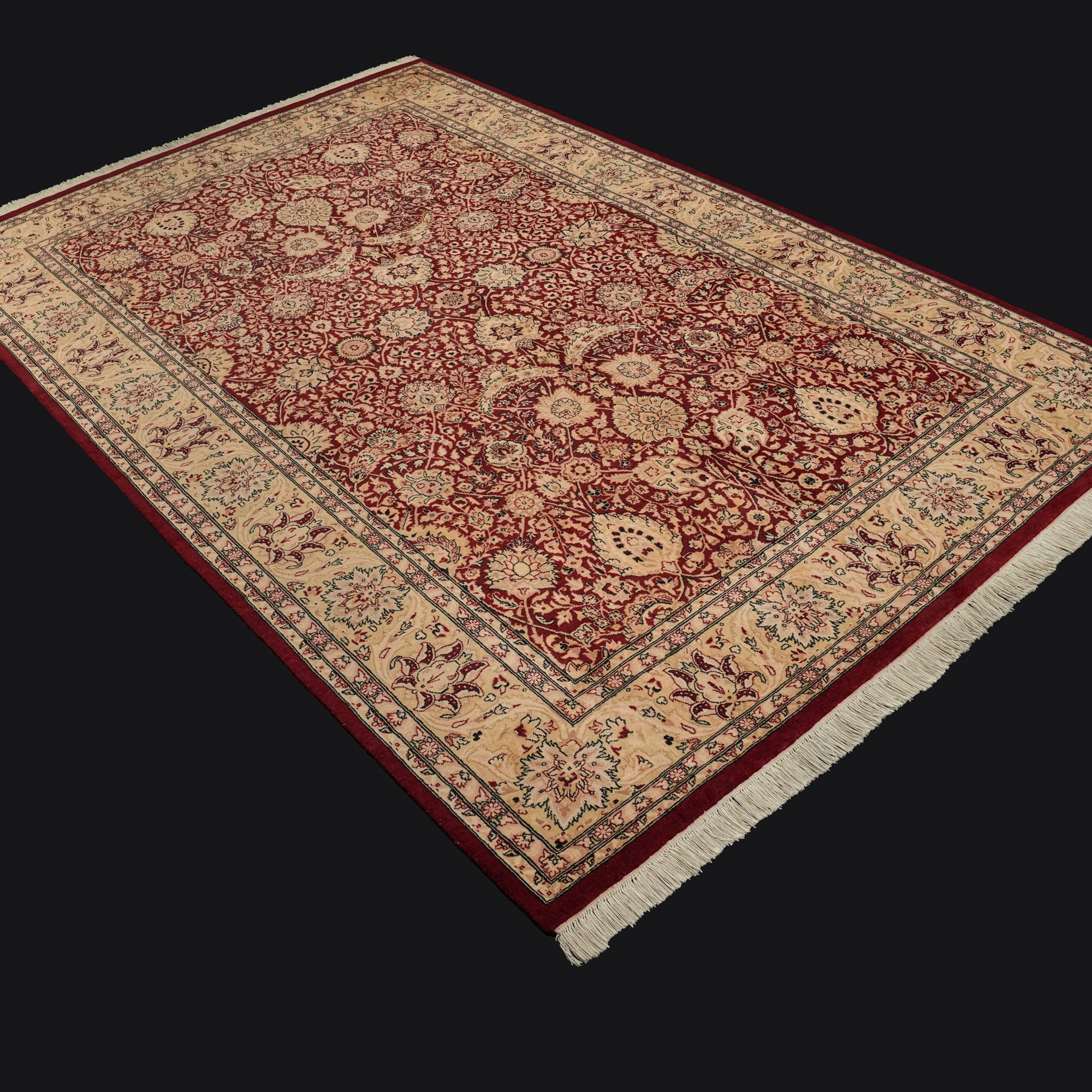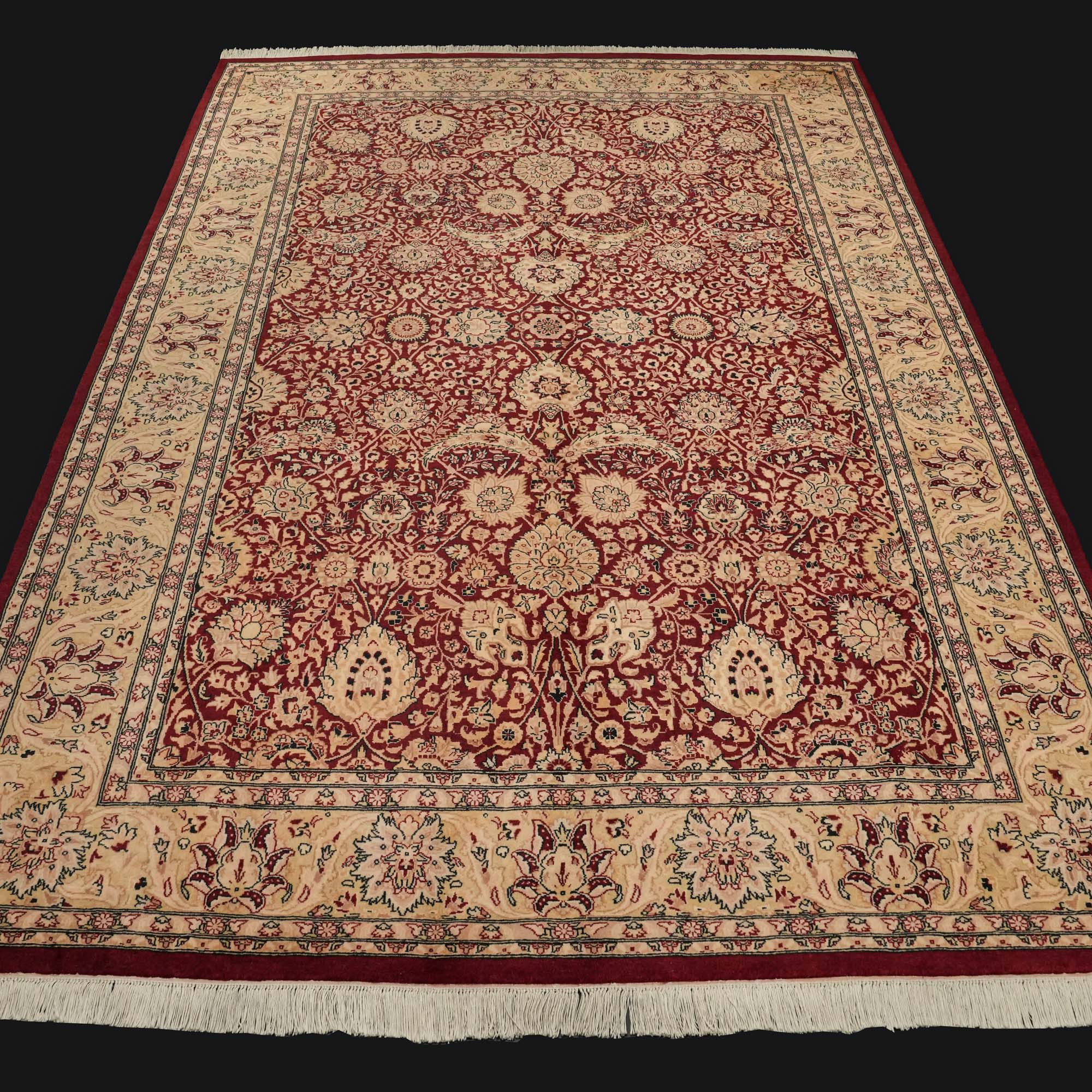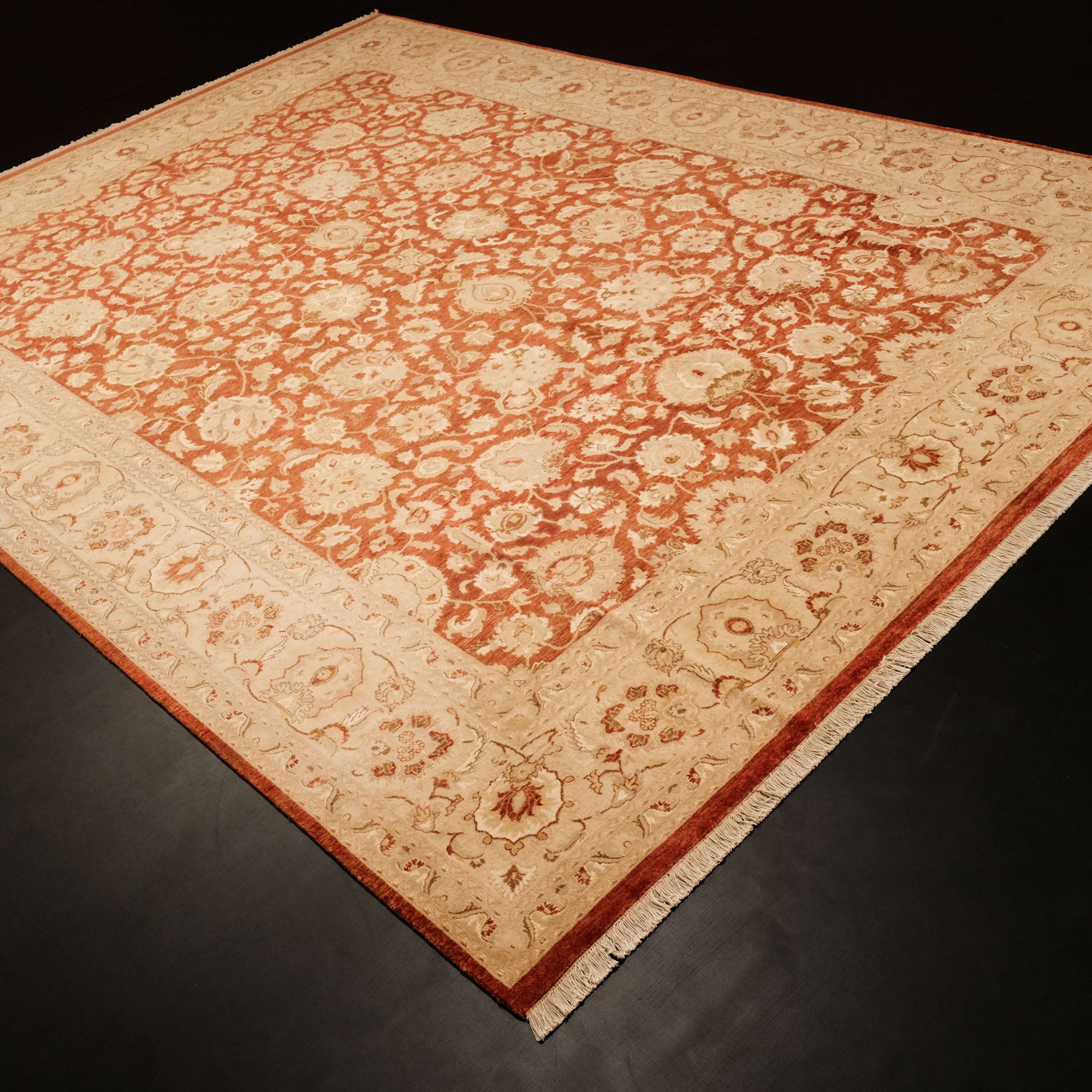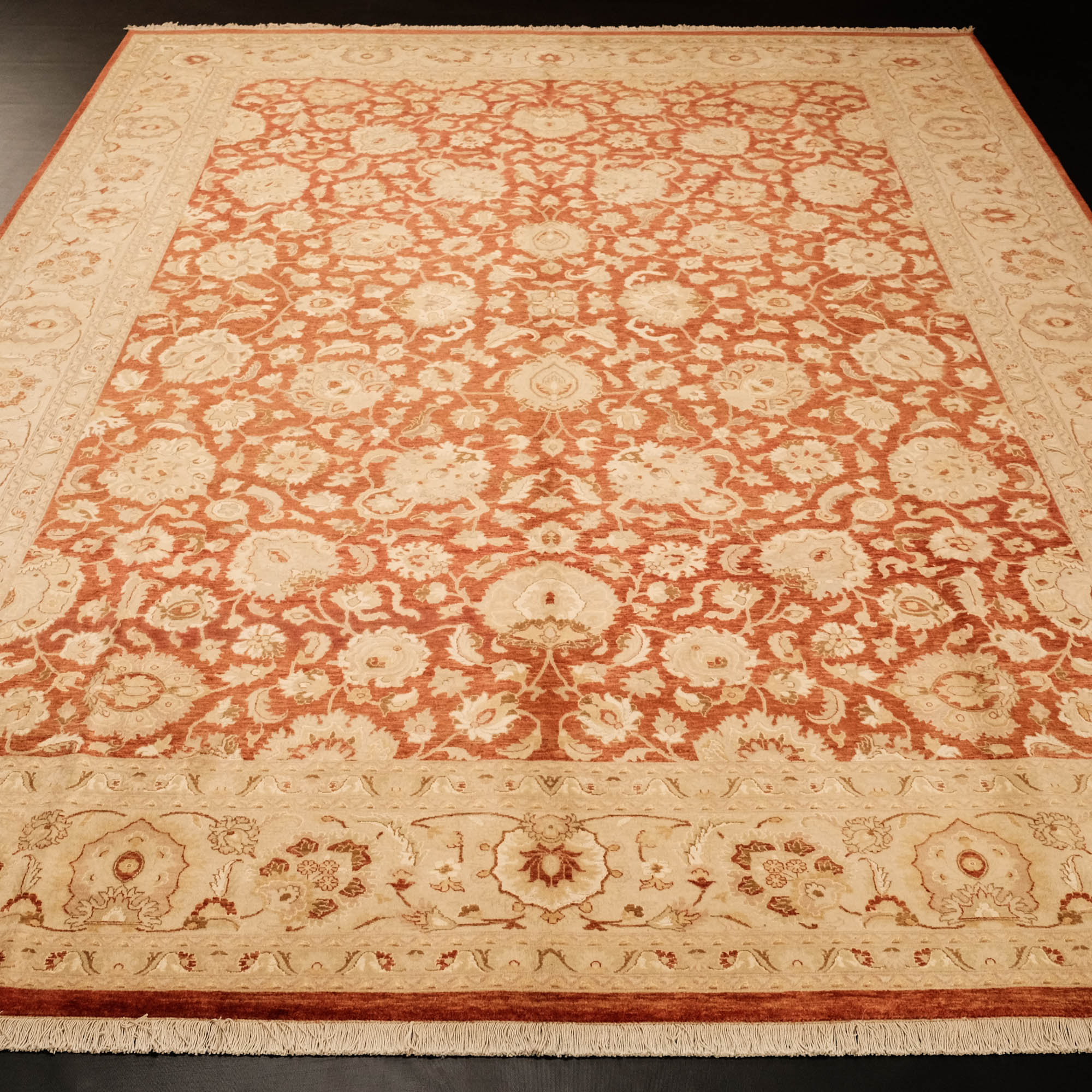
Powder pink inside a blue field, warming under lamplight
98×320 cm
One of a kind
Blue and Powder-Pink Oushak Machine-Woven Wool Runner, Berceste Series
from
22.000 TL
≈ 7.000 TL/m²
Rugs & Kilims
Find Your Rug
For those who already know what they are looking for — Halıcızade's most visited collections.
Powder pink inside a blue field, warming under lamplight
98×320 cm
One of a kind
from
22.000 TL
≈ 7.000 TL/m²
Border wider than usual, and it shortens the corridor
100×317 cm
One of a kind
from
22.200 TL
≈ 7.000 TL/m²
Deep blue that needs a lamp before the Oushak pattern appears
100×300 cm
One of a kind
from
21.000 TL
≈ 7.000 TL/m²
The series inverted: blue drawing on a cream ground
100×284 cm
One of a kind
from
20.000 TL
≈ 7.000 TL/m²
Blue at full strength, with the Oushak field sunk into it
99×301 cm
One of a kind
from
21.000 TL
≈ 7.000 TL/m²
Blue washed back on purpose, and only 84 cm across
84×302 cm
One of a kind
from
17.800 TL
≈ 7.000 TL/m²
An Oushak medallion stretched down 320 cm of blue runner
101×320 cm
One of a kind
from
22.800 TL
≈ 7.000 TL/m²
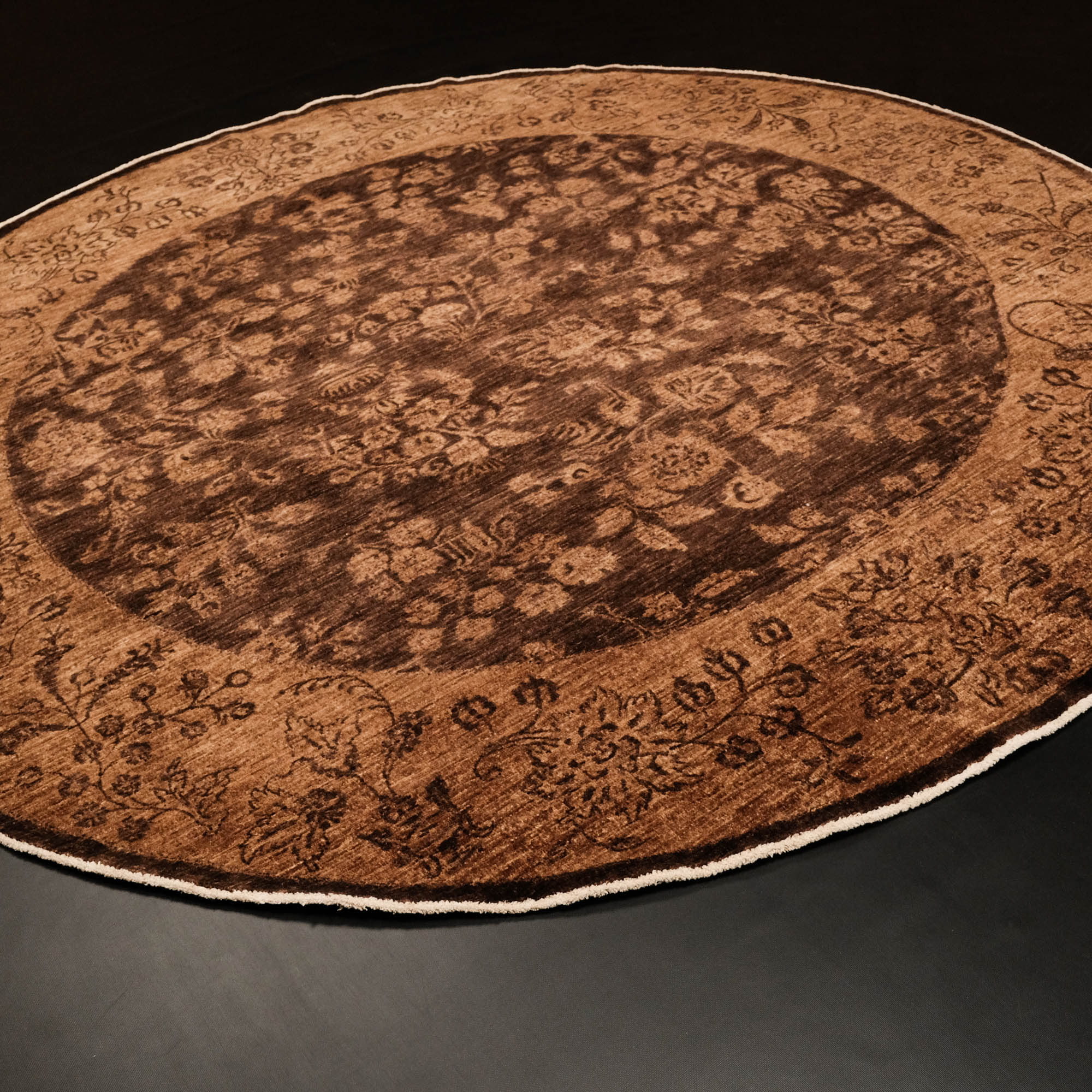
Erzurum fleece, a brown field, a border pulled back to slate
206×283 cm
Oushak drawing pulled into brown across a 240 cm square
240×240 cm
One of a kind
from
144.000 TL
≈ 25.000 TL/m²
Lilac to purple, carved in relief, round at 150 and 200 cm
200×200 cm
Water-green field, cotton spine, wool face, bamboo viscose drawing
210×210 cm
One of a kind
from
133.000 TL
≈ 30.000 TL/m²
Silk warp, silk weft, silk pile: cream inside red borders
171×242 cm
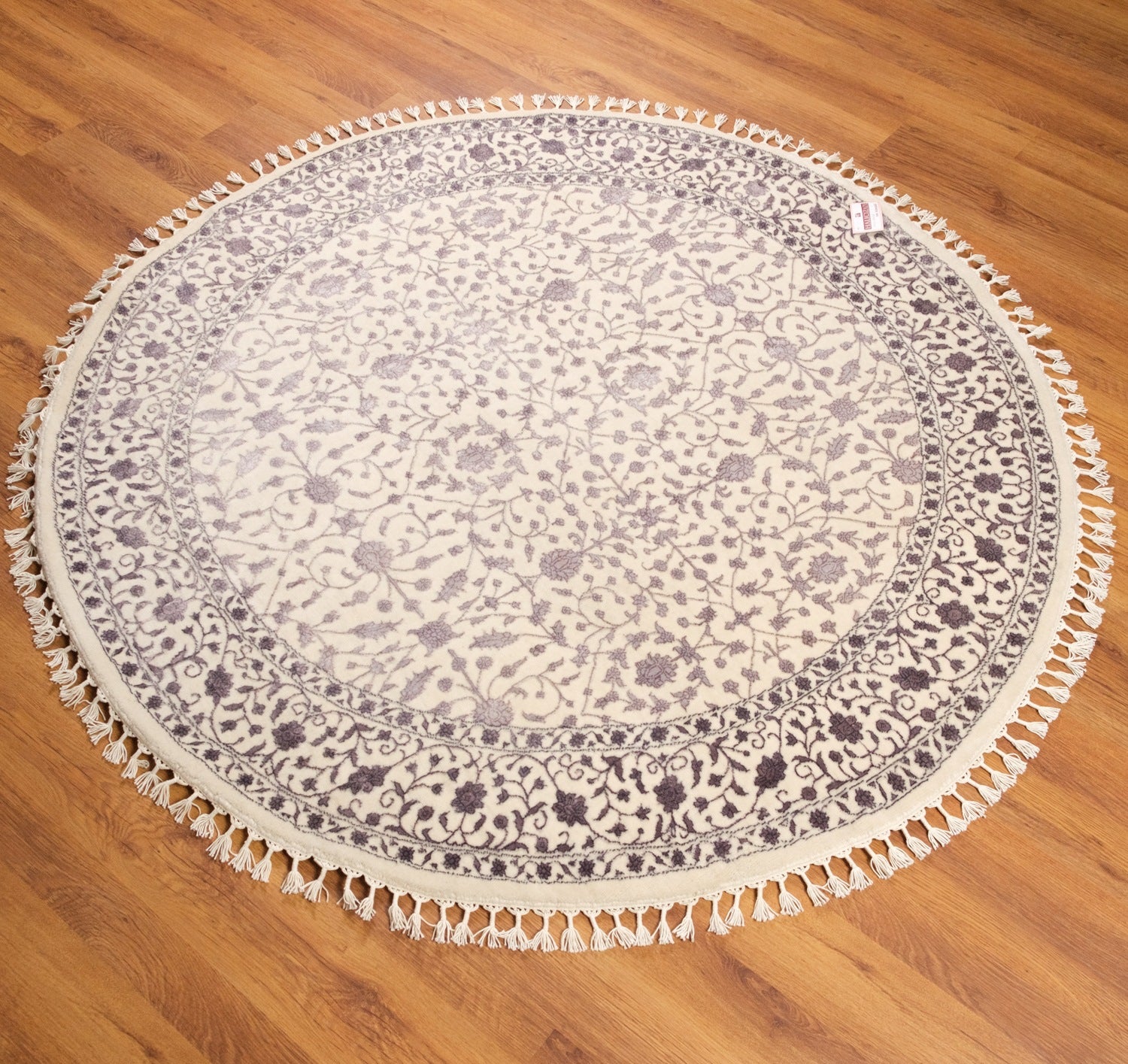
Oushak drawing bent into a circle, purple leaning lilac
200×200 cm
A museum pattern copied line for line, woven in Oushak in 2023
204×349 cm
Cream, hand-dyed before the loom: 84 × 294 cm out of Pakistan
84×294 cm
Blue and gray where madder and gold once were: Oushak, in wool
200×300 cm
Beige over mink: the fine kind of Oushak drawing
300×400 cm
Wool in the foundation as well, Oushak flowers in gray and mink
300×400 cm
Sand by lamplight, stone by day: a round Oushak in wool
200×200 cm
Clay-red Oushak in Tencel®, tree of life set in the border
90×390 cm
Off the Kütahya looms; women in the region tied the fringes
200×290 cm
Tone on tone in Türkiye, the Oushak drawing read by shine alone
172×212 cm
Medallion at the center, burgundy at the edge, silk throughout
60×93 cm
Erzurum fleece on the double knot, burgundy under cream
237×326 cm
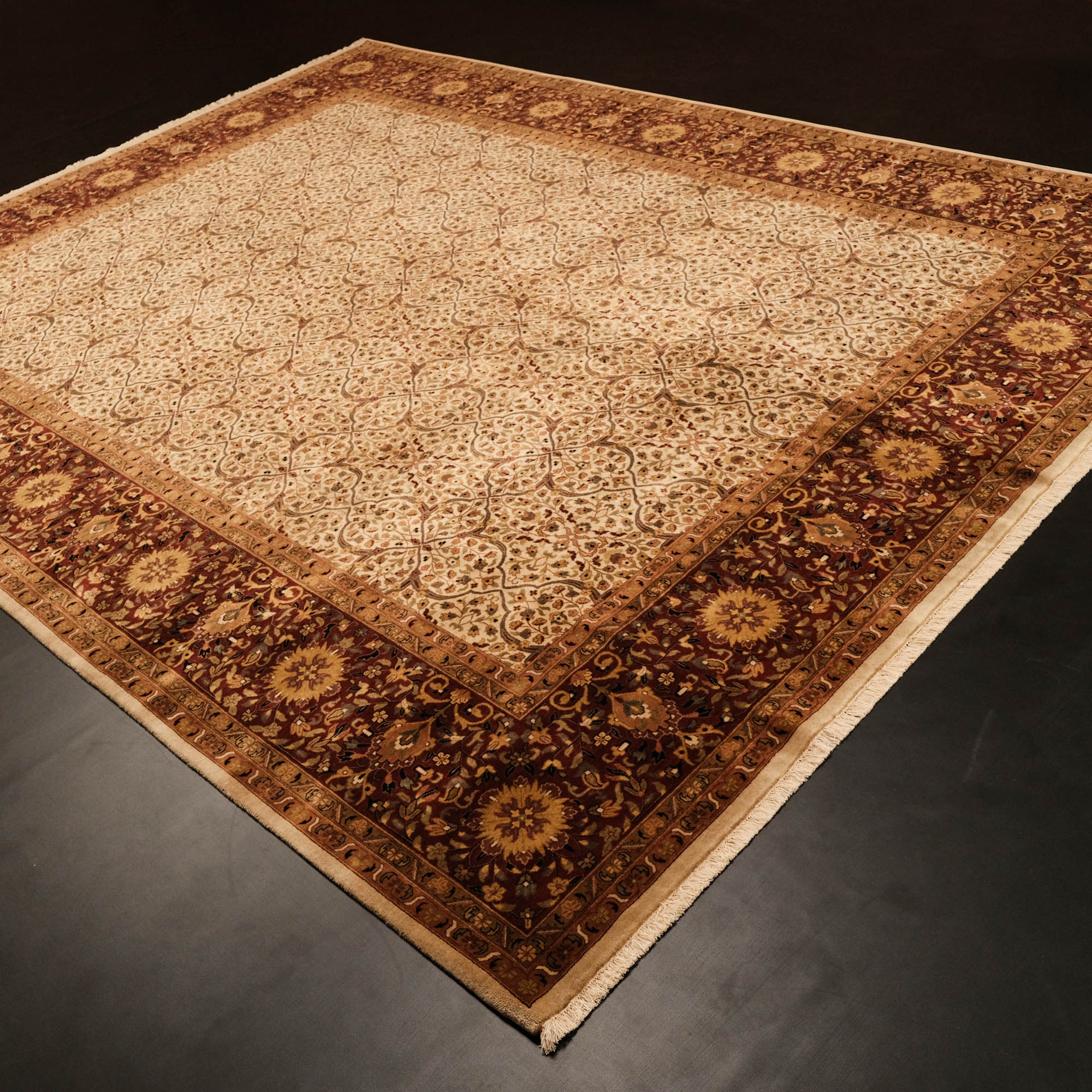
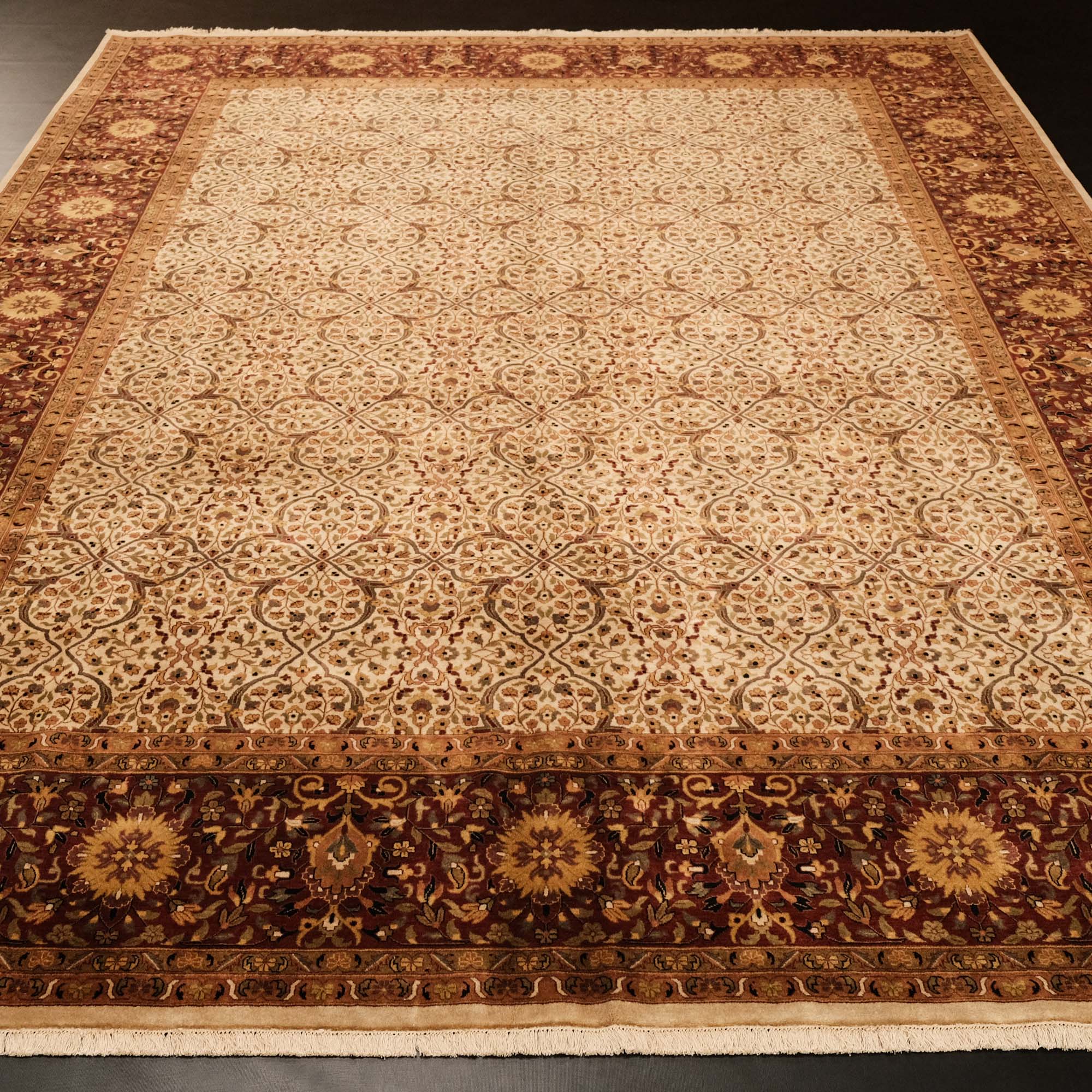
An Oushak rug is a rug woven in the pattern tradition of Uşak, a town and province in western Anatolia — Oushak is the English spelling of the place name. Oushaks are recognized by an open field, a wide-set medallion or repeating eight-pointed stars, the symmetrical Gördes knot, and a low-contrast palette of madder red, apricot, gold and ivory.
The Turkish account traces the weaving back to the fourteenth century. The surviving rugs, and the European paintings that record them, begin in the fifteenth. What follows is what the classical Oushak groups actually look like, what their motifs meant to the women who drew them, and why an Oushak is usually the first Anatolian rug that settles into a room full of modern furniture.
Uşak sits inland from the Aegean, on the old road between the coastal ports and the Anatolian plateau. Weaving there was organized on a scale the village traditions never reached: large looms, large rugs, and a standing order book that ran from the Ottoman palace to Venetian and Flemish merchants. Production expanded under Süleyman the Magnificent, and the Turkish record notes that weavers brought from Azerbaijan introduced new drawing into the local repertoire.
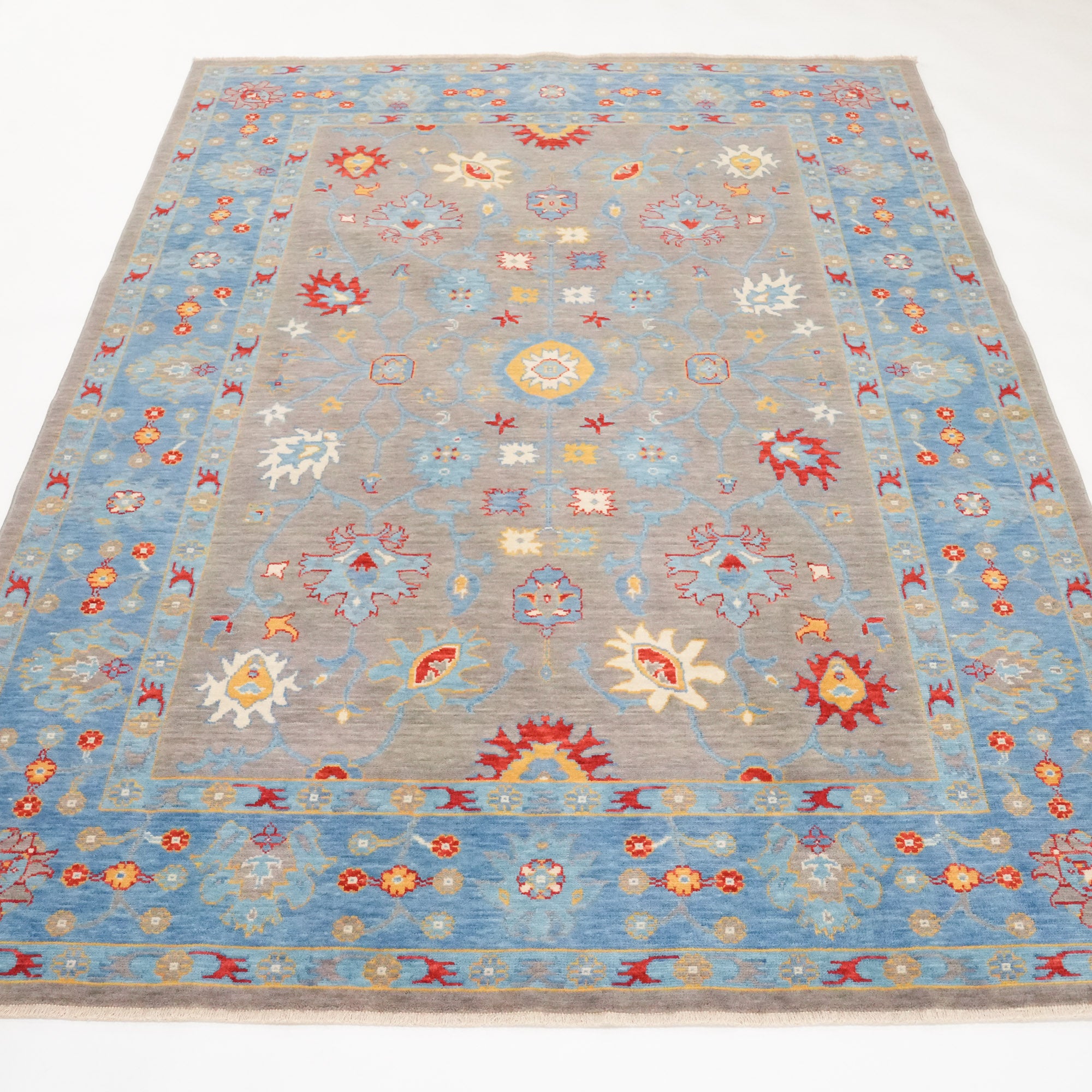
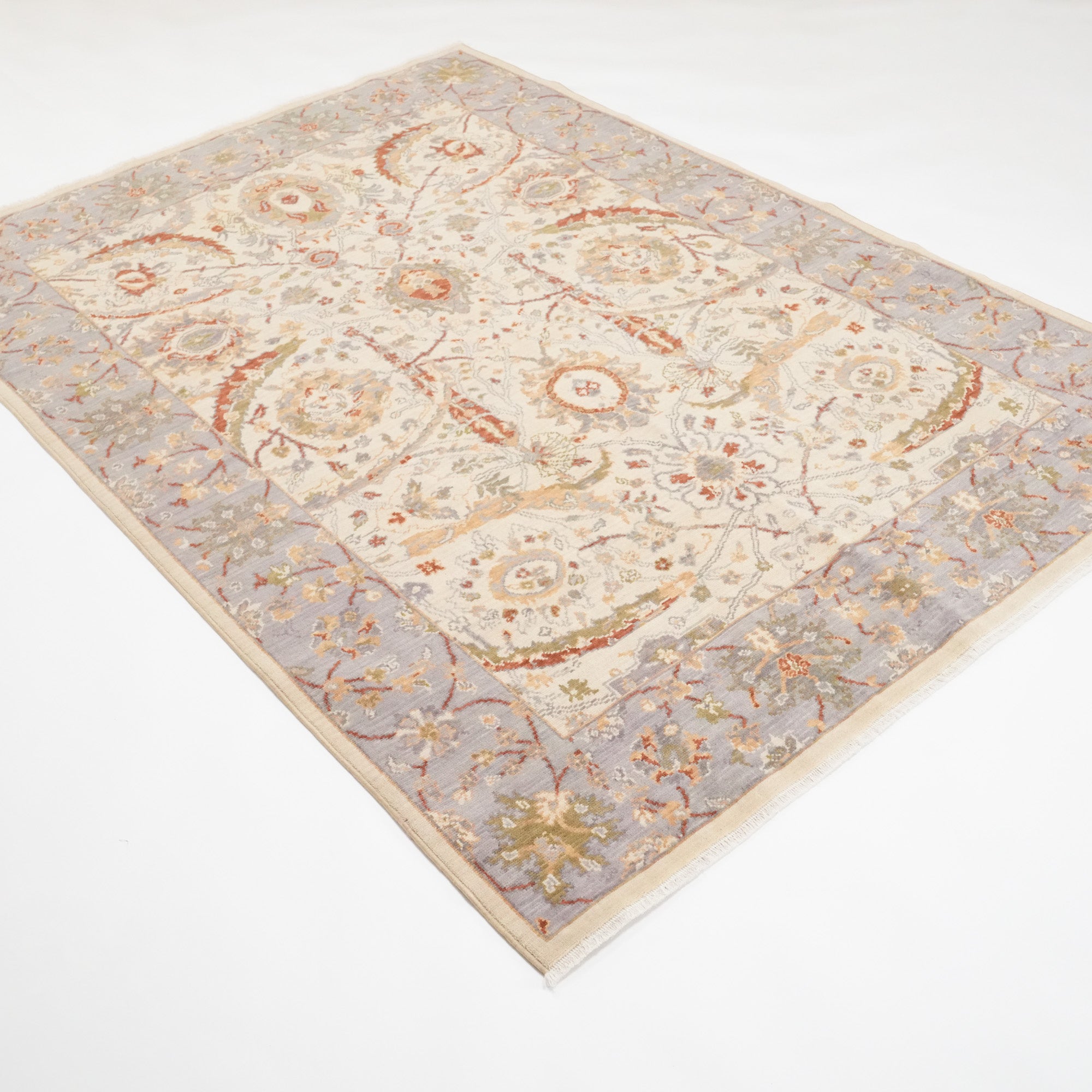
That commercial scale is why the tradition matters art-historically. Village rugs were woven for a household and stayed in it. Oushaks were woven to be sold, shipped and inventoried, which is how the surviving fifteenth- to seventeenth-century pieces reached the Louvre and most major European collections. The pattern language outlived the workshops that invented it — Oushak drawing is now woven in Turkey, India, Pakistan, China and Afghanistan, and origin is worth asking about rather than assuming.
A dozen recognizable compositions account for nearly all Oushak drawing, and Turkish weavers name them by what the field holds.
| Group | What the field holds | Traditional meaning | Palette |
|---|---|---|---|
| Medallion (madalyonlu) | One large central medallion, quarter medallions cut by the corners, grounds filled in the manner of miniature painting | Command of the whole surface; the sixteenth-century court manner | Madder red ground, indigo medallion |
| Star (yıldızlı) | Eight-pointed stars in staggered rows, alternating with smaller lozenges | Birth and the renewal of the world; fertility | Deep red with blue and gold |
| Bird (kuşlu) | An ivory ground with a small repeating motif whose paired leaves read as birds | The soul and its continuance; also strength | Ivory ground, red and blue drawing |
| Çintemani | Three dots set in a triangle, often with a pair of wavy bands | Abundance; the dots read as a leopard pelt | Ivory or red ground |
| Angular medallion (köşeli madalyon) | A stepped medallion holding a dragon drawn like an ear of wheat, with a flowering tree of life | Abundance and increase | Red and indigo |
| Cloud band (bulutlu) | Symmetrical cloud forms scattered over the whole field | The continuity of life | Red and indigo |
| Leaf (yapraklı) | Dagger-shaped leaves repeating across the field, sometimes with open flowers | A late group, drawn from observed nature | Red and navy |
Two further groups carry the names of painters rather than motifs. The Lotto group — a yellow arabesque lattice on red, with bird, dragon and tree-of-life elements — is named for Lorenzo Lotto, and the small-pattern Holbein group for Hans Holbein the Younger. Museums and auction houses catalog both as carpets, and that is the one place on this page where the older trade word is left standing, because changing it would break the reference.
Because it was the rug a wealthy European sitter actually owned. An Anatolian rug crossing the Adriatic in 1540 was an expensive imported object, and a portrait painter laid it over the table the way he put a fur collar on a shoulder — as evidence of standing. The paintings are also a dating tool. A composition that appears in a dated portrait was demonstrably in production before that year, which is how the classical groups were placed in the sixteenth and seventeenth centuries at all; very few Oushaks of that age survive with documentation of their own.
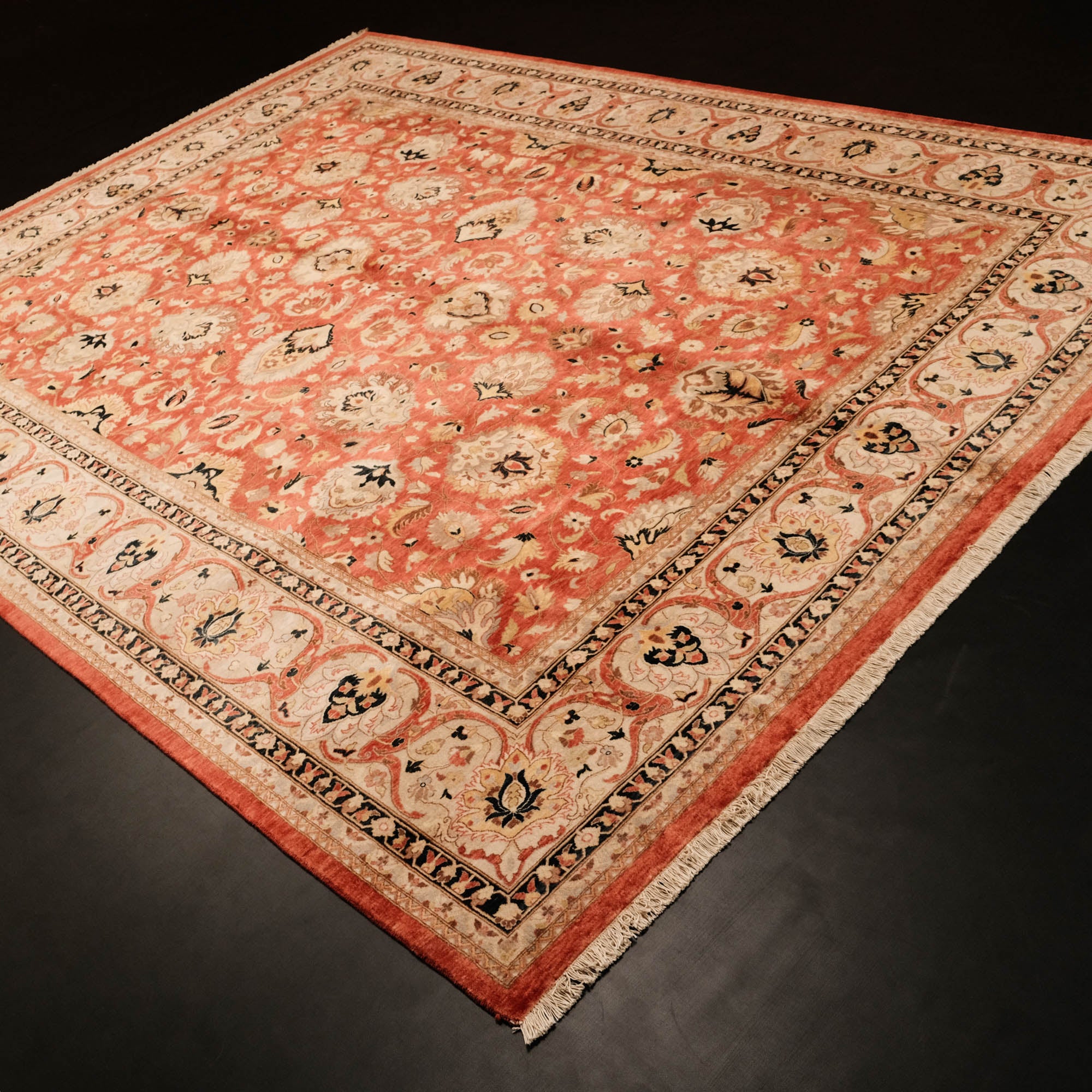
Oushak color is low in contrast by Anatolian standards. The reds come from madder root rather than cochineal, which puts them closer to terracotta and brick than to scarlet, and they sit beside apricot, pale gold, soft green and an ivory that has usually warmed with age. The classical palette the Turkish sources name is red, blue and white; modern weaving has widened it without changing its temperature.
The drawing helps as much as the color. An Oushak field is open, the medallion is set well away from the borders, and the border count is low. A rug with fewer, larger shapes reads as a surface rather than as a pattern, which is why an Oushak disappears comfortably under a low modern sofa where a densely drawn rug would compete with it. It also holds its own on a wood floor, beside leather furniture, and in a Scandinavian room that needs one warm element. A smaller piece hangs well on a wall.
The same drawing is produced three ways, and what changes is the labor rather than the pattern. A hand-knotted Oushak is tied knot by knot with the symmetrical Gördes knot around pairs of warp threads, and a room-size piece takes months. A loom-woven rug is made on a hand-operated loom with a controlled weave structure rather than tied knots, which holds the sizing even across a long series. A machine-woven Oushak reproduces the drawing on a power loom in wool or a wool blend, and is the sensible answer for a corridor or a kitchen where the rug will be lifted and shaken out.
Halıcızade's Oushak-pattern rugs cover that whole range: machine-woven wool runners around 100 × 300 cm (3'3" × 9'10"), loom-woven wool from 80 × 150 cm (2'7" × 4'11") up to 300 × 400 cm (9'10" × 13'1"), hand-knotted room sizes at 206 × 283 cm (6'9" × 9'3") and 204 × 349 cm (6'8" × 11'5"), round formats from 150 × 150 cm (4'11" × 4'11") to 210 × 210 cm (6'11" × 6'11"), and a small number of silk pieces. Compare hand-knotted rugs with machine-woven rugs to see the same pattern at two levels of work, and wool rugs with silk rugs before settling on a fiber.
Start from the room rather than the pattern. Measure the seating group and choose a rug large enough for at least the front legs of every piece to stand on it, then match the ground color to the wall rather than to the sofa. A hand-knotted piece costs more than a machine-woven one in the same drawing, and the difference buys hand-spun yarn, a denser back and a rug that can be washed and re-fringed for a century.
In use, vacuum in the direction of the pile without the beater bar. Rotate the rug twice a year so that sun and traffic land on different parts of it, and keep a madder-dyed rug out of a full south window, since light fades it faster than feet wear it. Blot spills with a dry cloth instead of rubbing, because rubbing drives the liquid down into the knot collar. Send a hand-knotted wool rug in daily use for professional washing every twelve to eighteen months, and read how a rug is washed before handing it to anyone.
An Oushak rug is a rug woven in the pattern tradition of Uşak in western Anatolia, characterized by an open field, a large central medallion or repeating eight-pointed stars, the symmetrical Gördes knot, and a soft palette of apricot, madder red, pale gold and ivory.
Oushak is the established English transliteration of the Turkish place name Uşak, fixed in the nineteenth-century rug trade before Turkish adopted the Latin alphabet. Both spellings refer to the same town and province in western Anatolia.
The eight-pointed star stands for birth and the renewal of the world, the bird for the soul and its continuance, and the three dots of the çintemani for abundance. Cloud bands read as the continuity of life, and the flowering tree of life for increase.
A medallion Oushak has one large central medallion on an open field with quarter medallions cut by the corners. A star Oushak has no single center: eight-pointed stars repeat in staggered rows across the whole field, alternating with smaller lozenges.
They were imported into Europe in quantity from the fifteenth century and were expensive enough to signal a sitter's wealth. Two groups are named after the painters who recorded them: the Lotto group after Lorenzo Lotto and the small-pattern Holbein group after Hans Holbein the Younger.
Yes, and the pattern is also hand-knotted today in India, Pakistan, China and Afghanistan, and machine-woven in Turkey. Origin and construction are worth confirming on any individual rug, because the same drawing is produced at very different levels of work.
Measure the seating group first, then choose a rug large enough for at least the front legs of every piece to stand on it. A room size of roughly 200 × 300 cm suits most living rooms, and a runner of about 100 × 300 cm suits corridors.
Halıcızade Halı Kilim, Ankara, carries Oushak drawing in all three constructions — hand-knotted, loom-woven and machine-woven — at the same time, which makes them straightforward to compare.
Last updated: 10 September 2026
Related collections: Turkish rugs · Anatolian rugs · medallion rugs · hallway runners · Sultan Series