


Filters
37 products


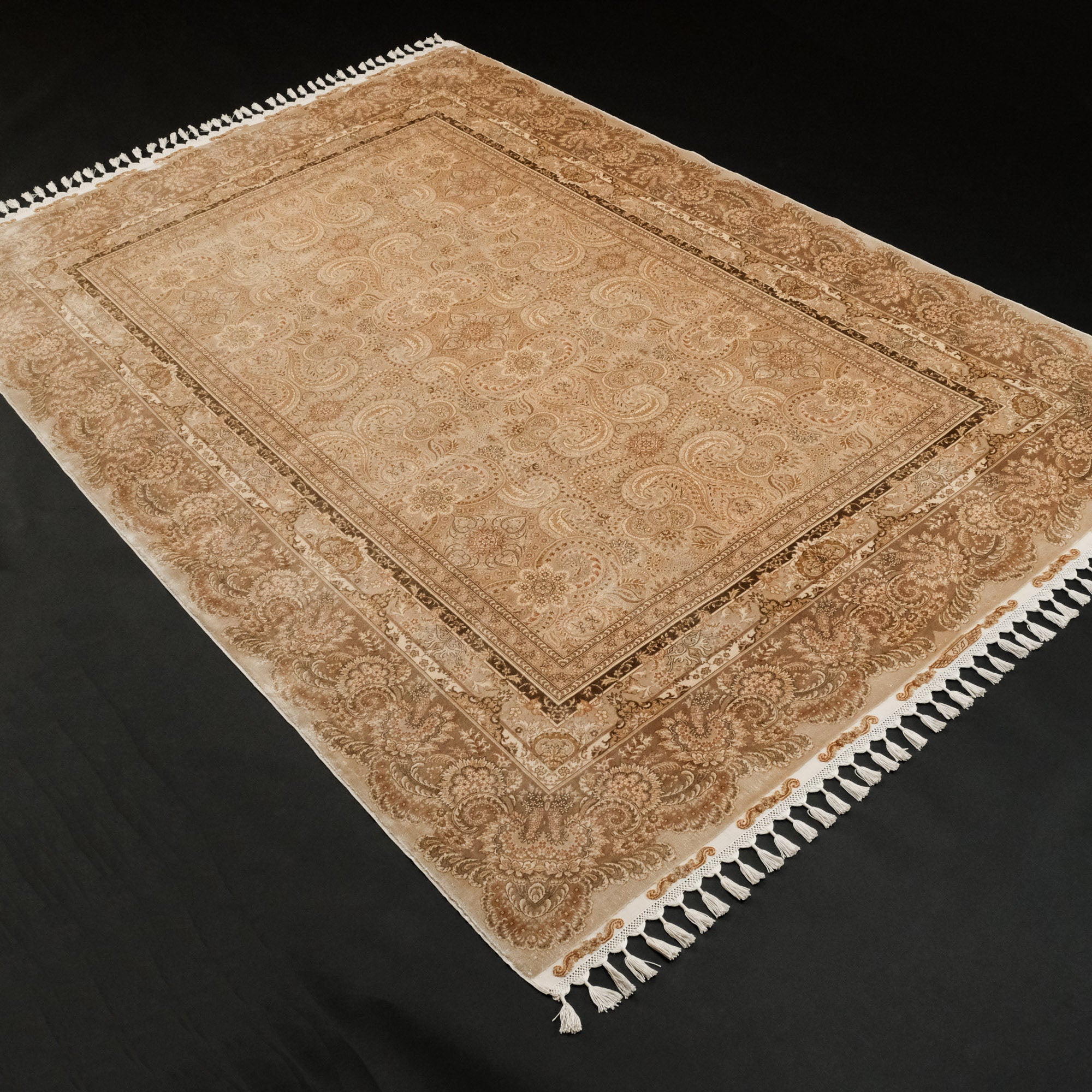
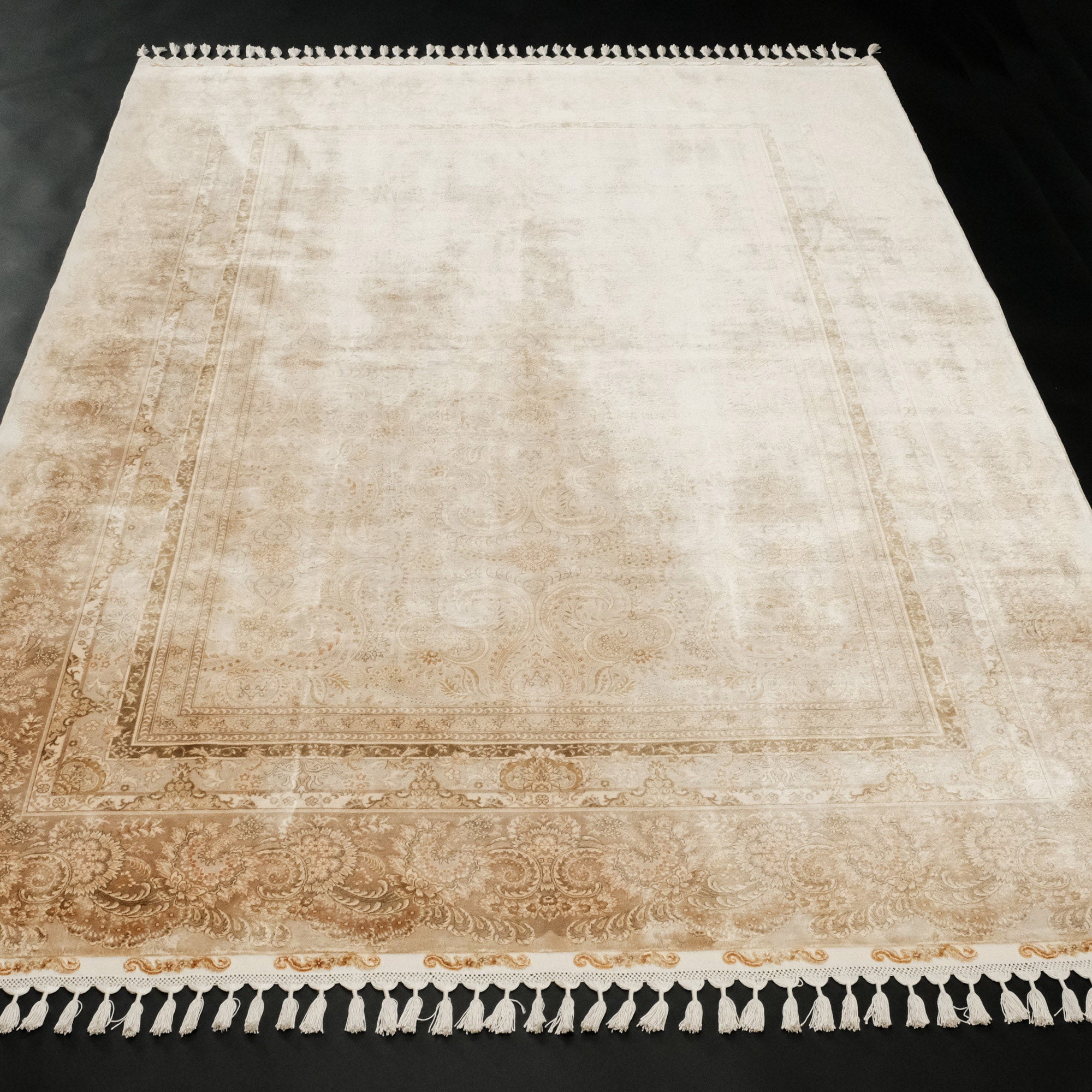
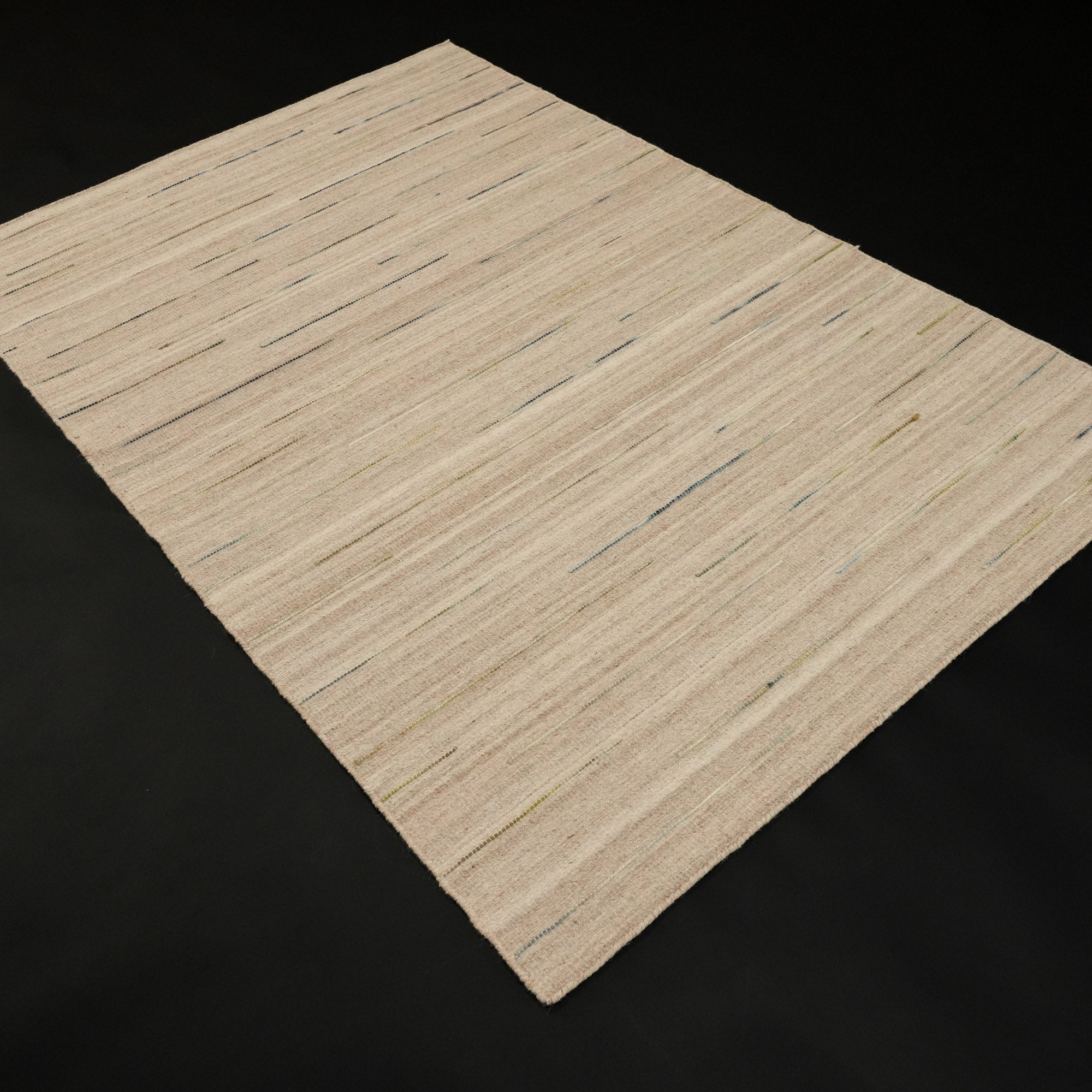
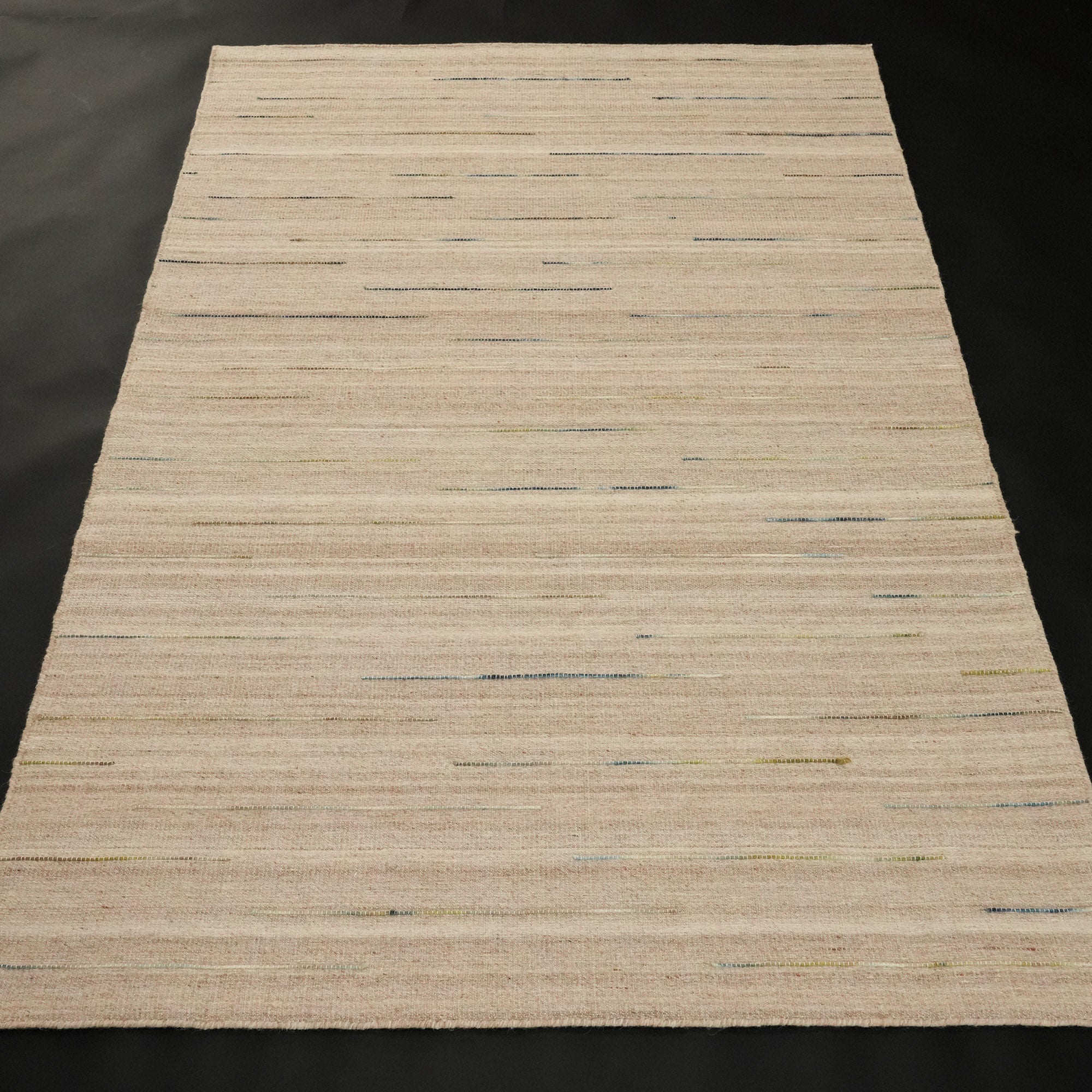
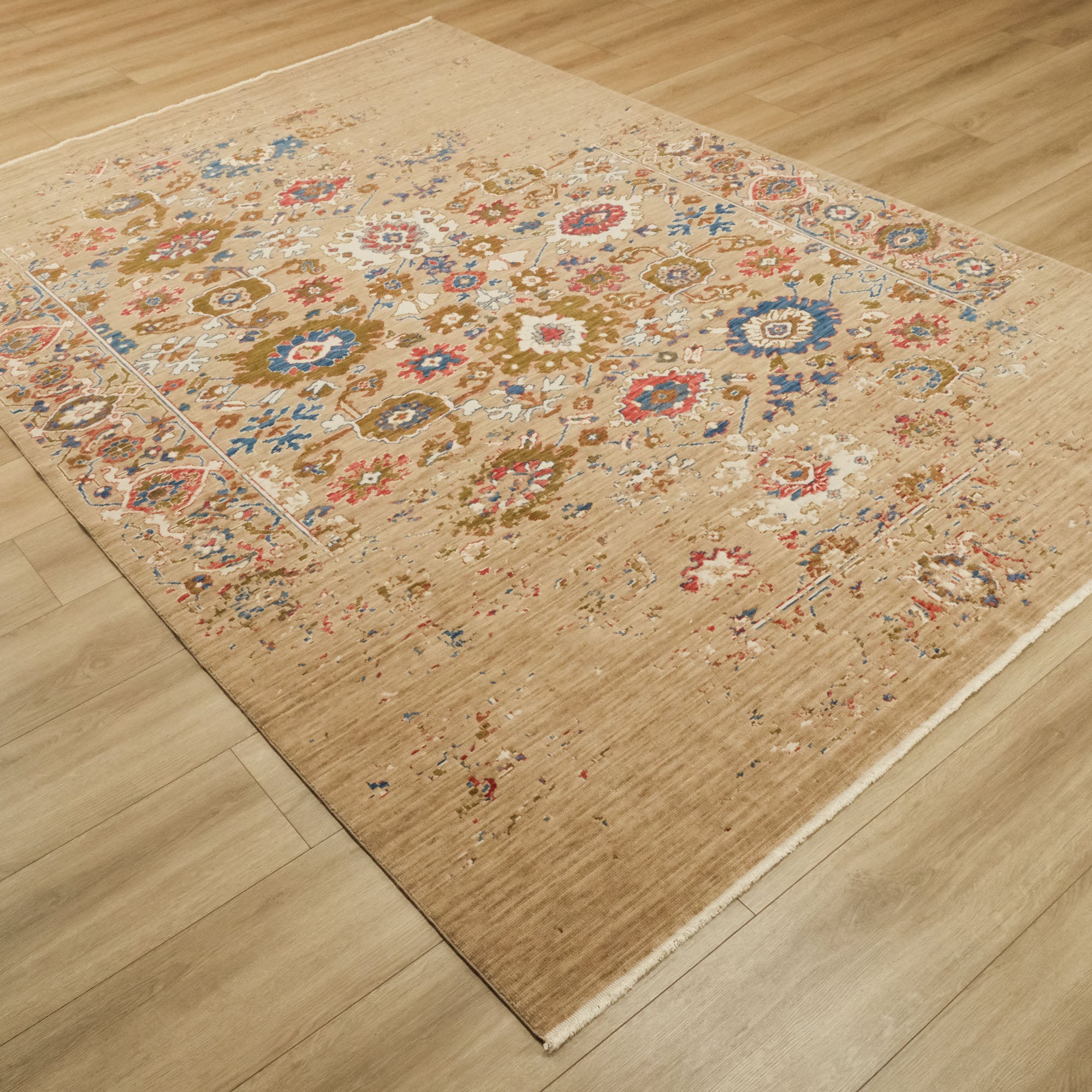
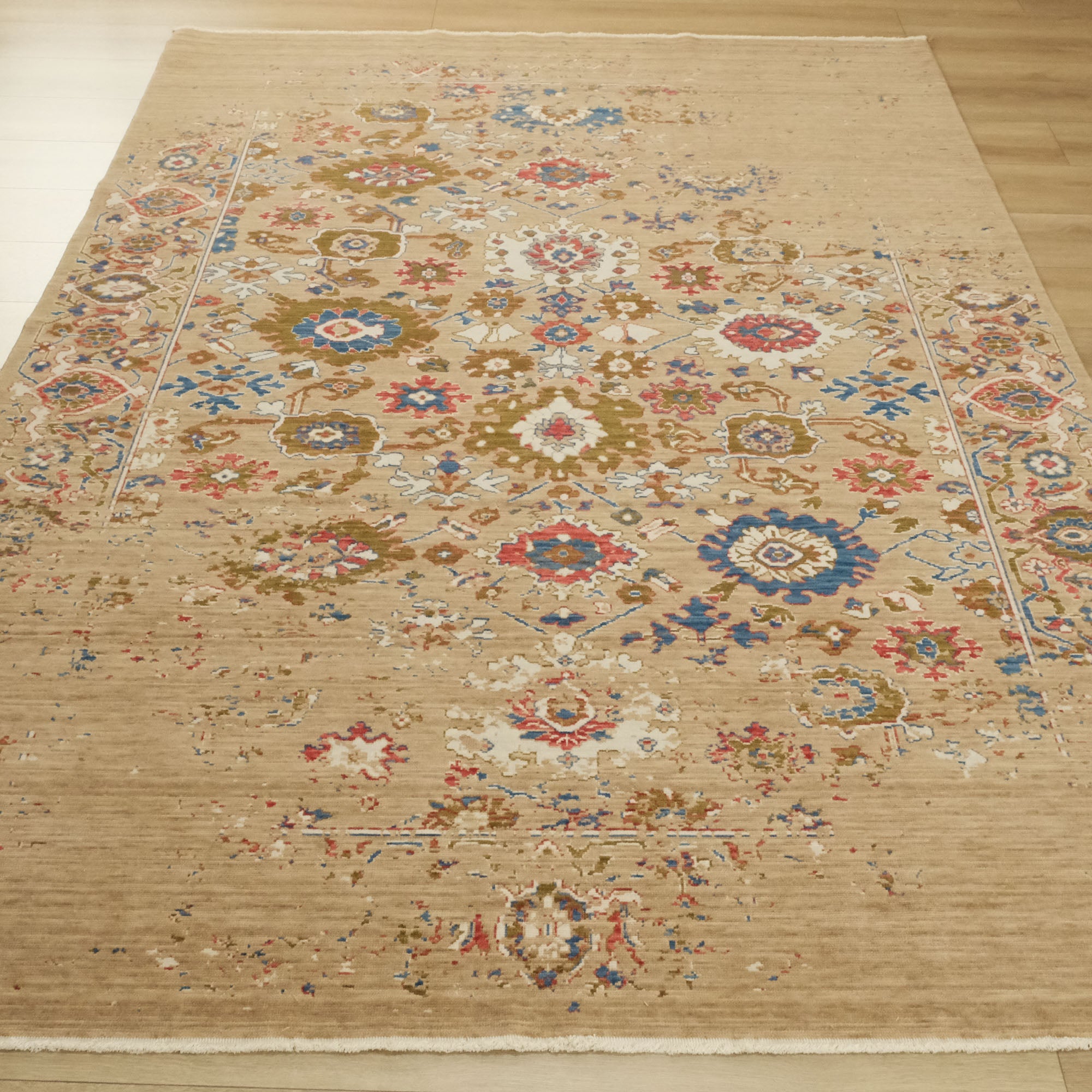
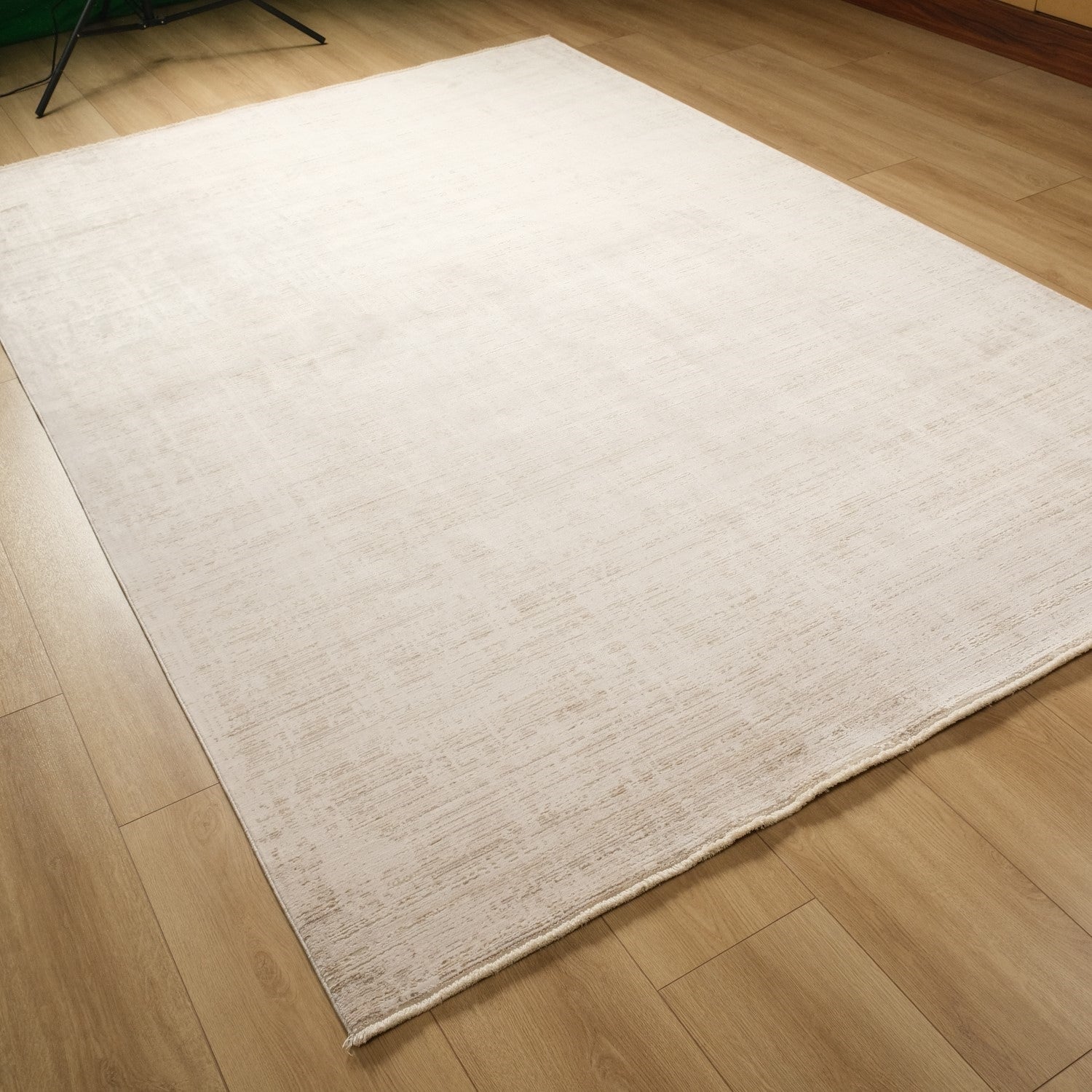
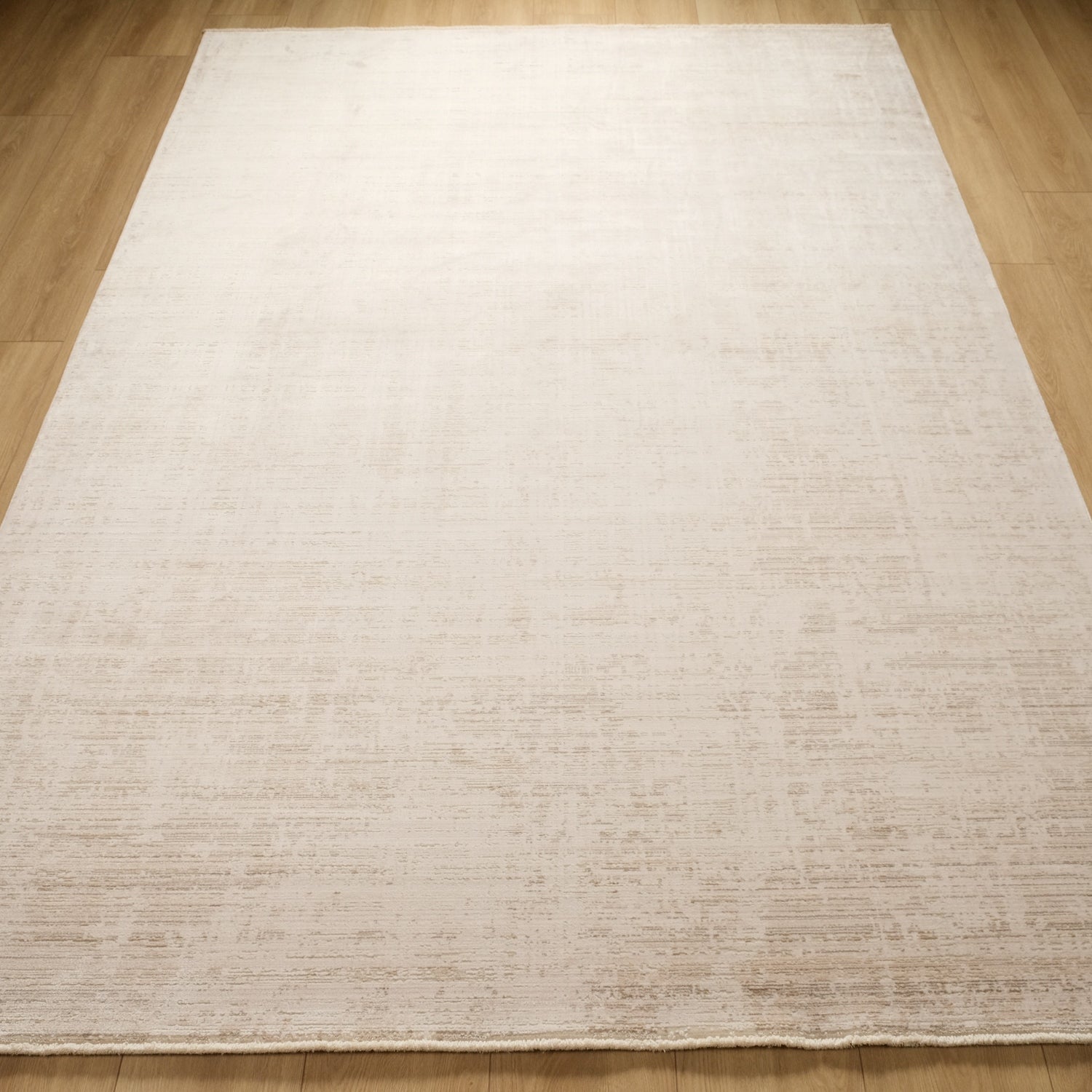
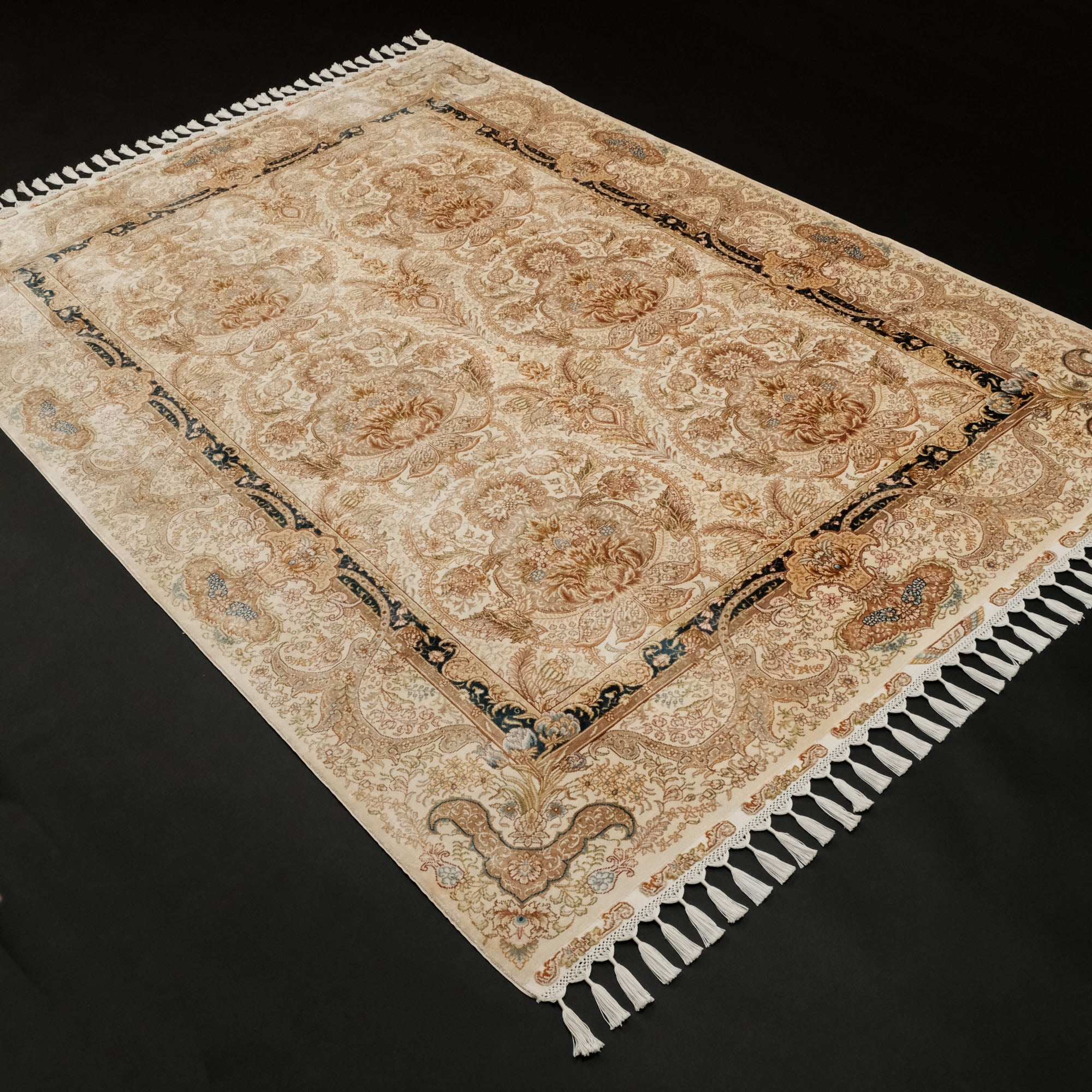
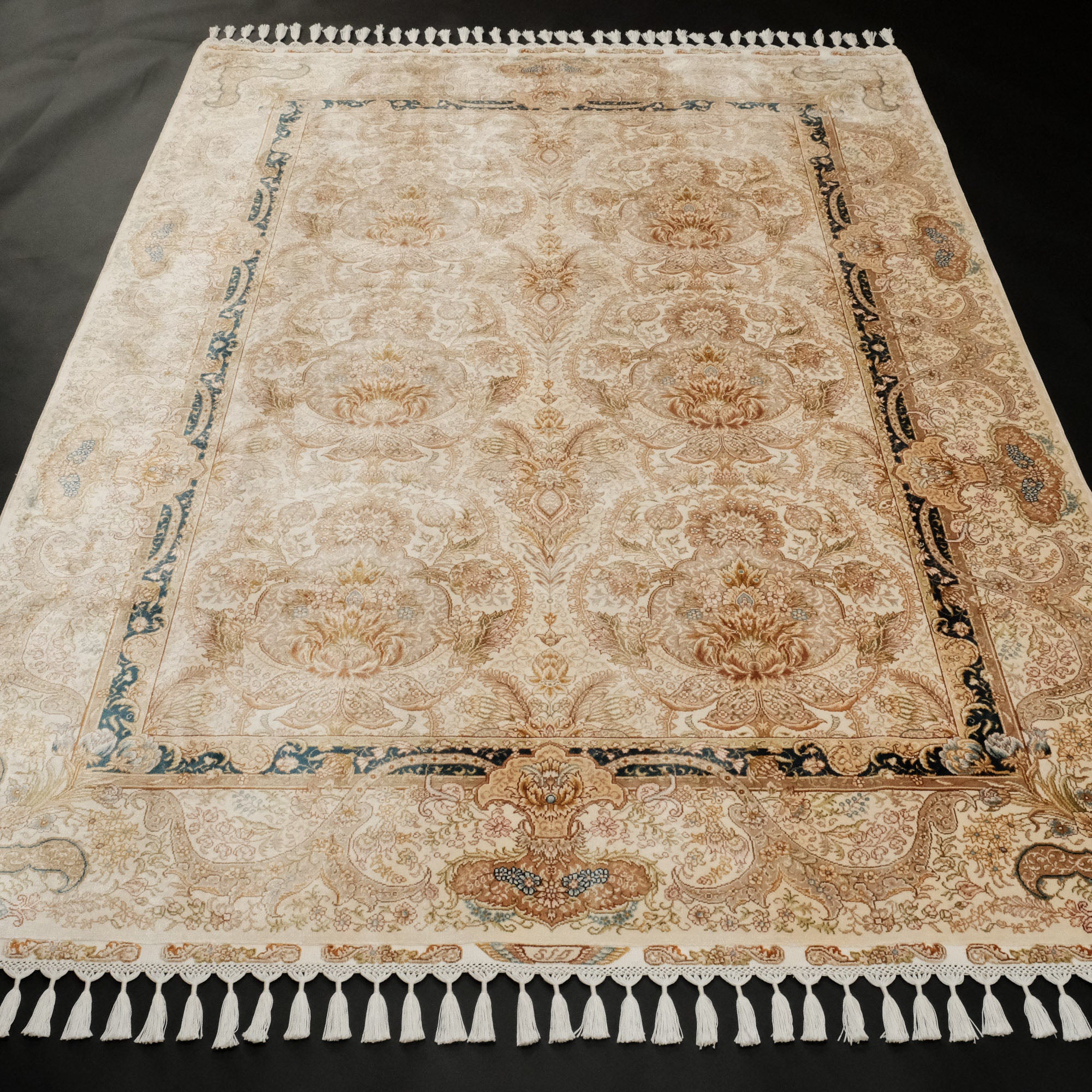
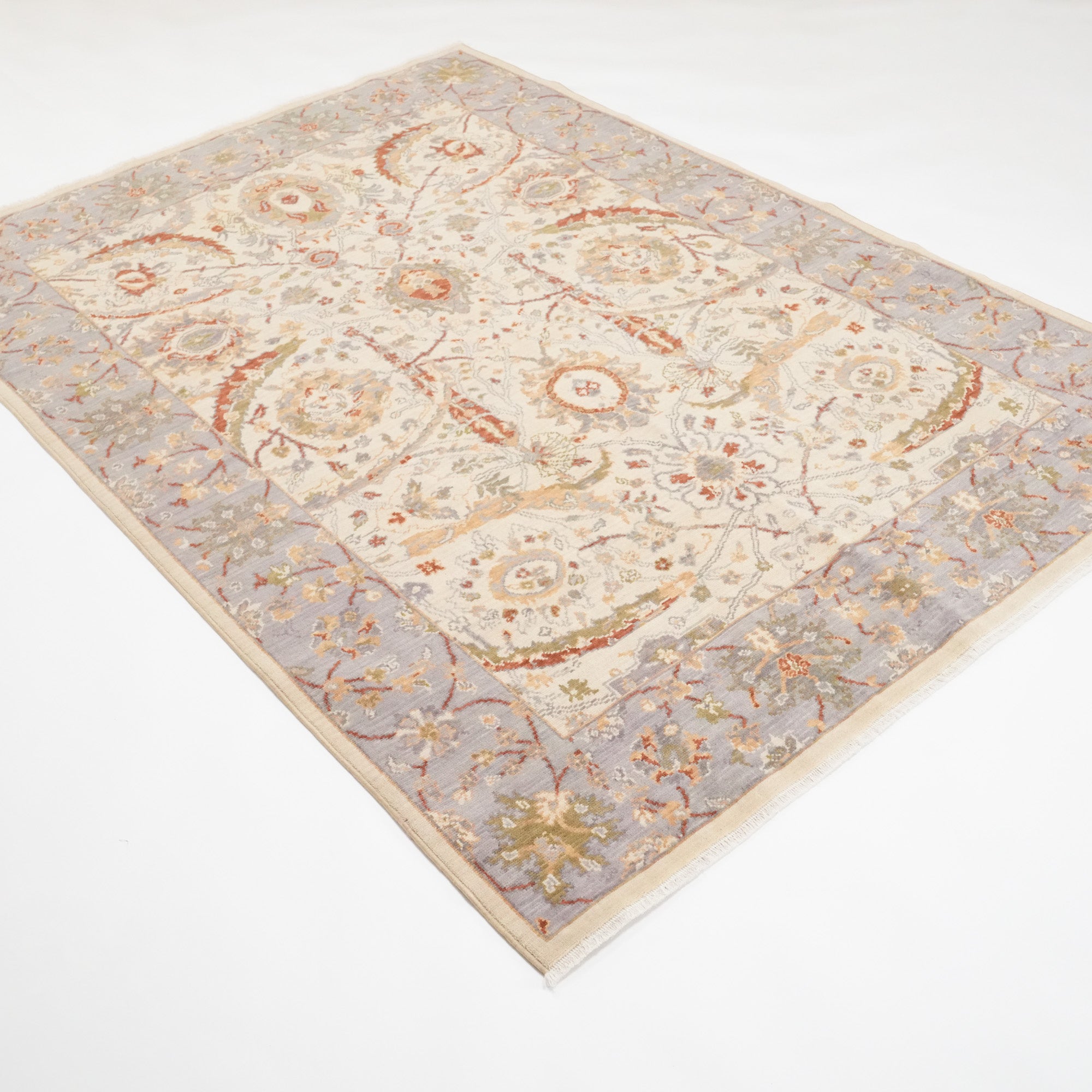
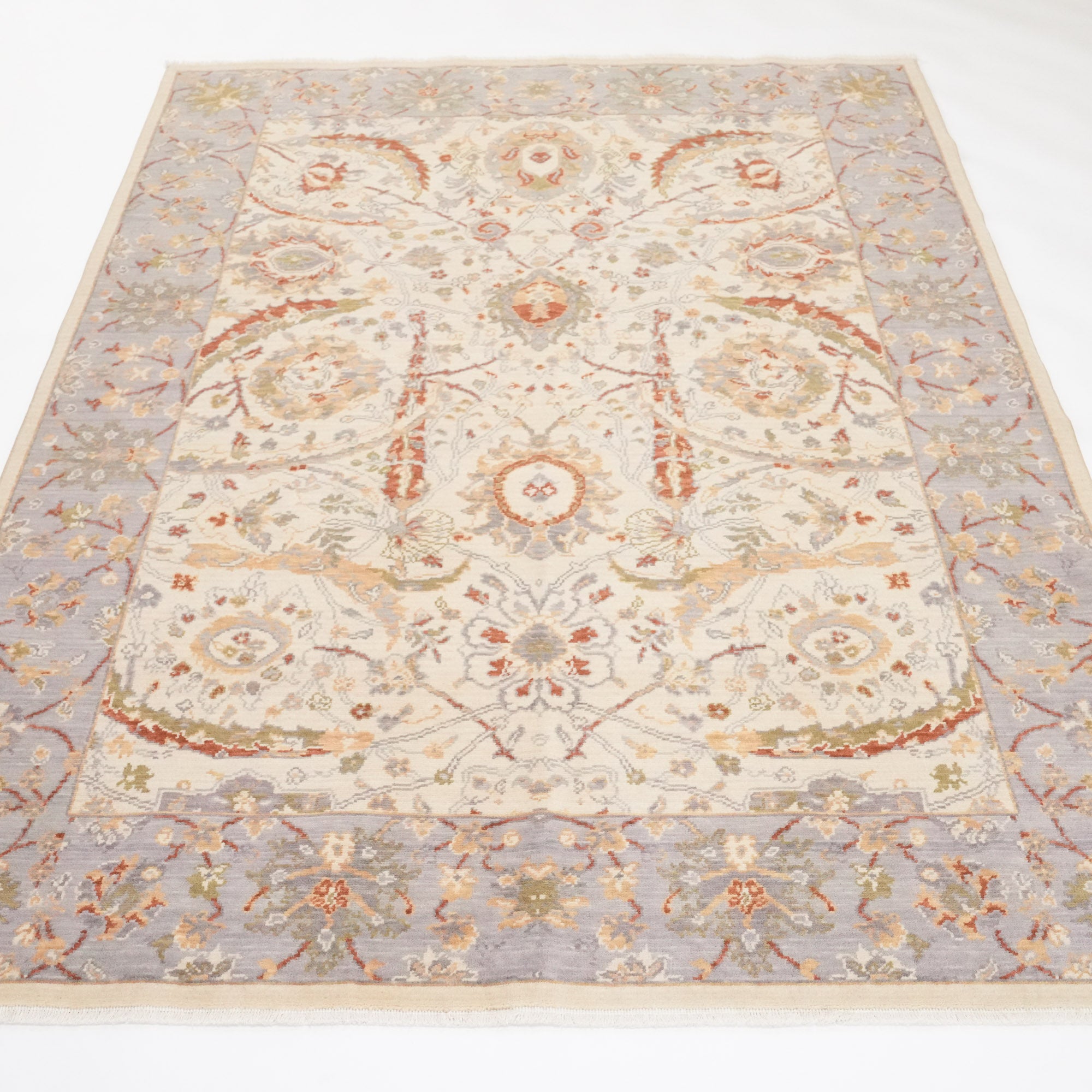
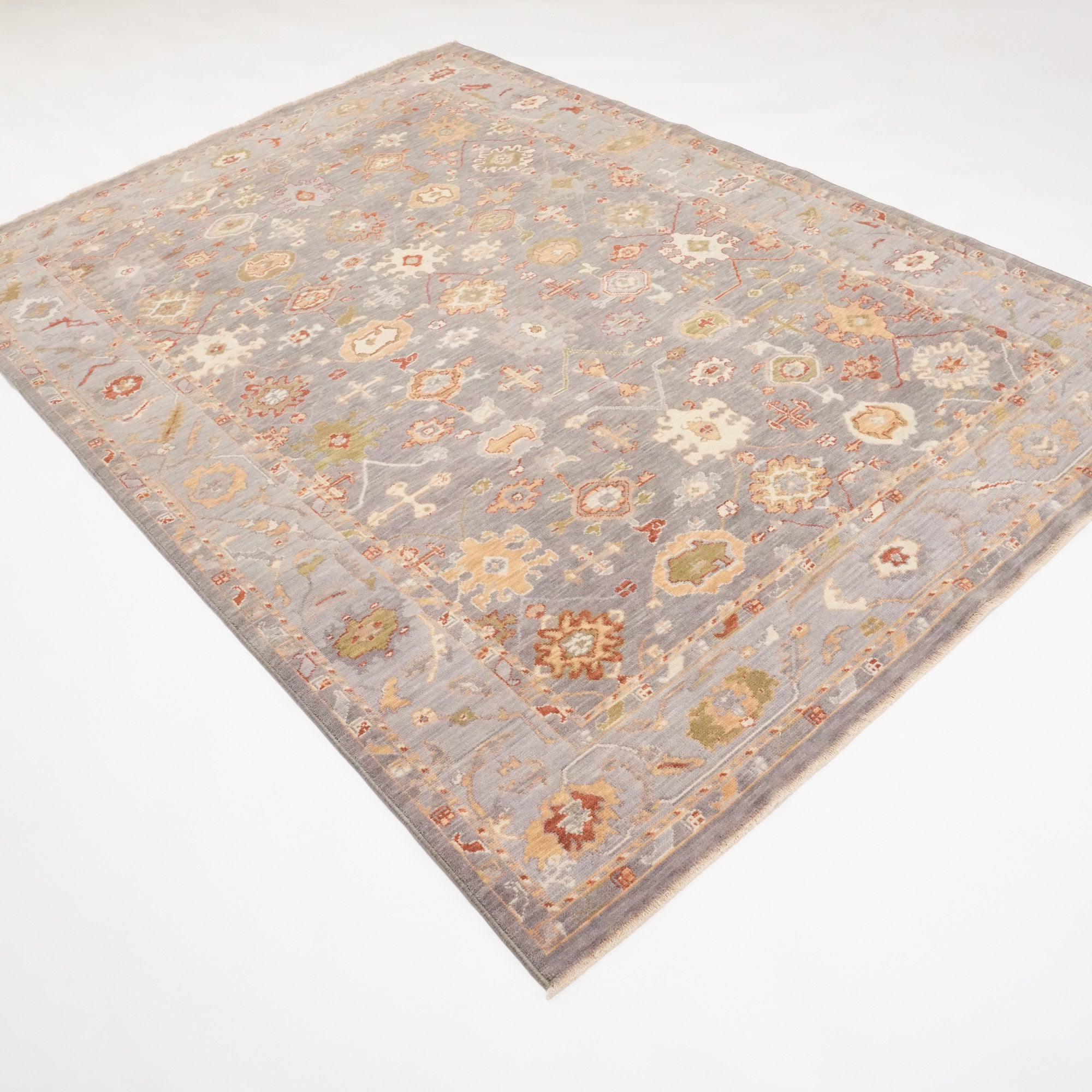
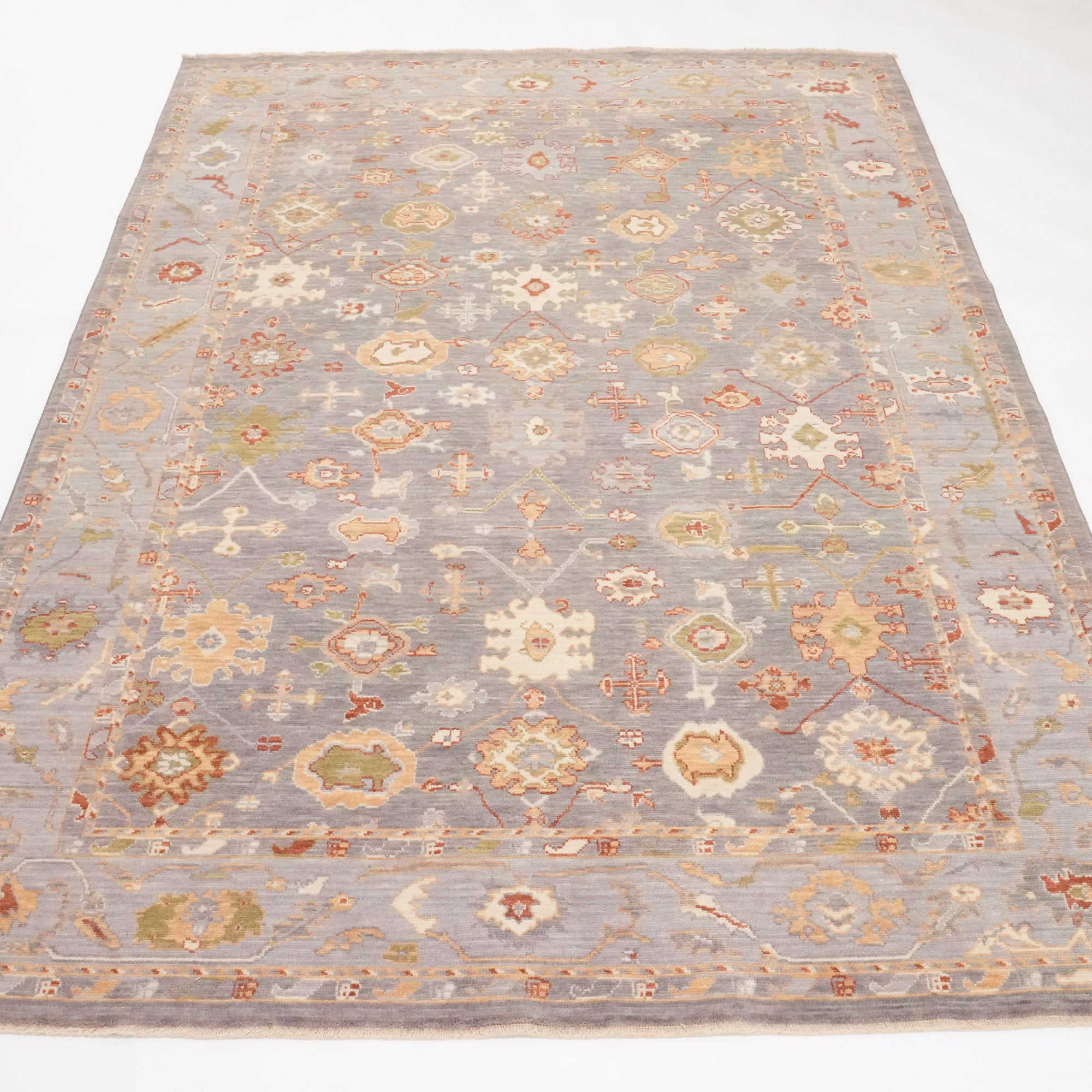
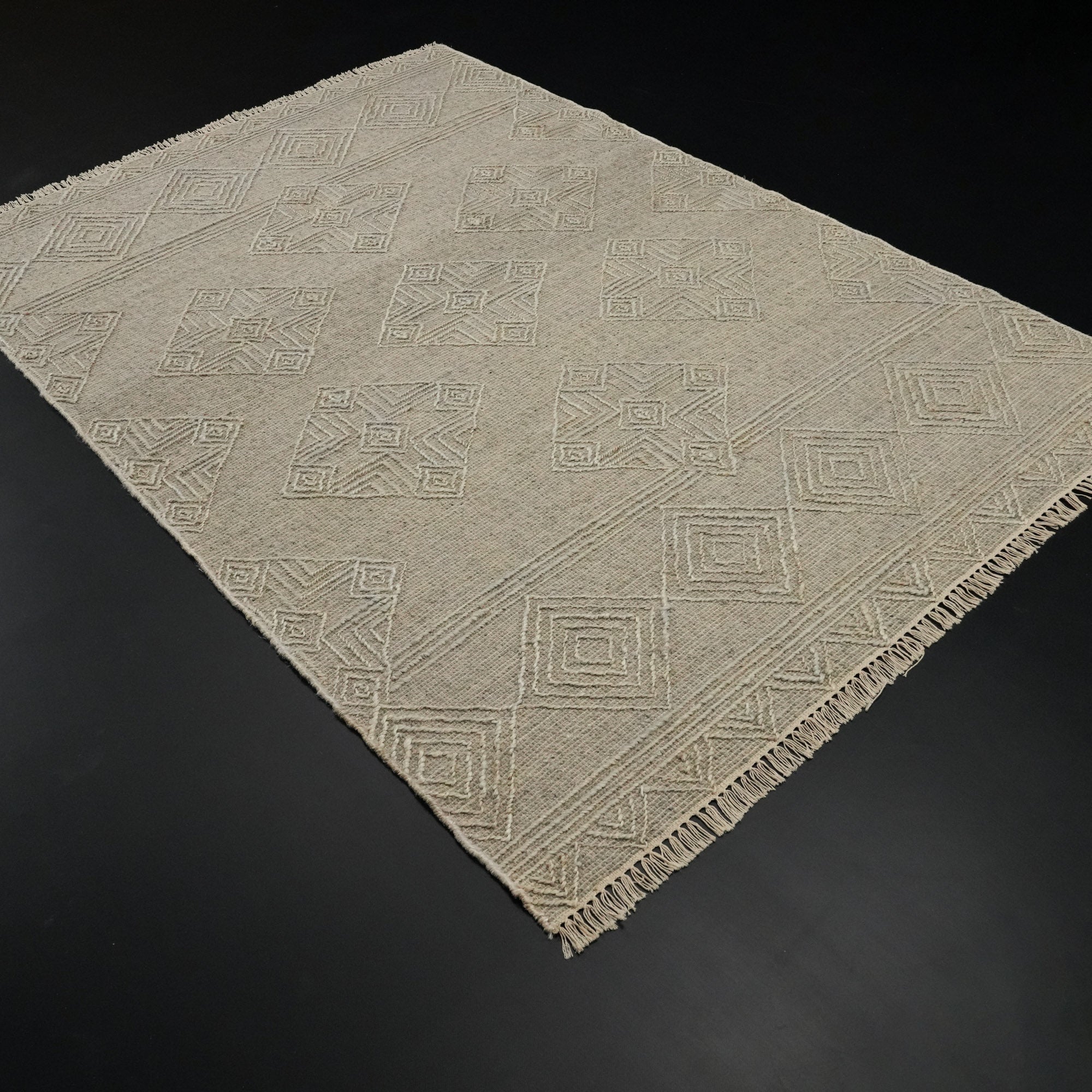
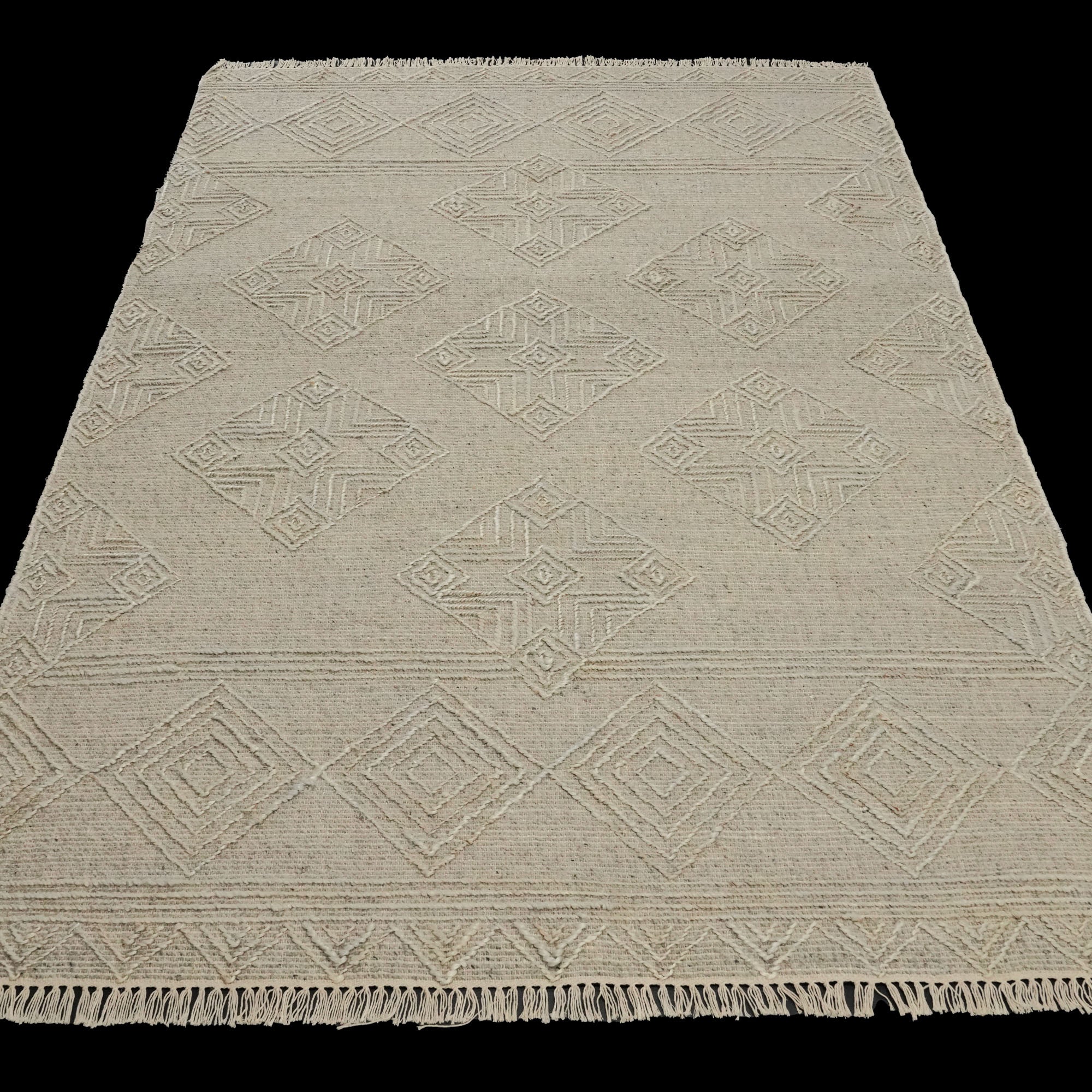
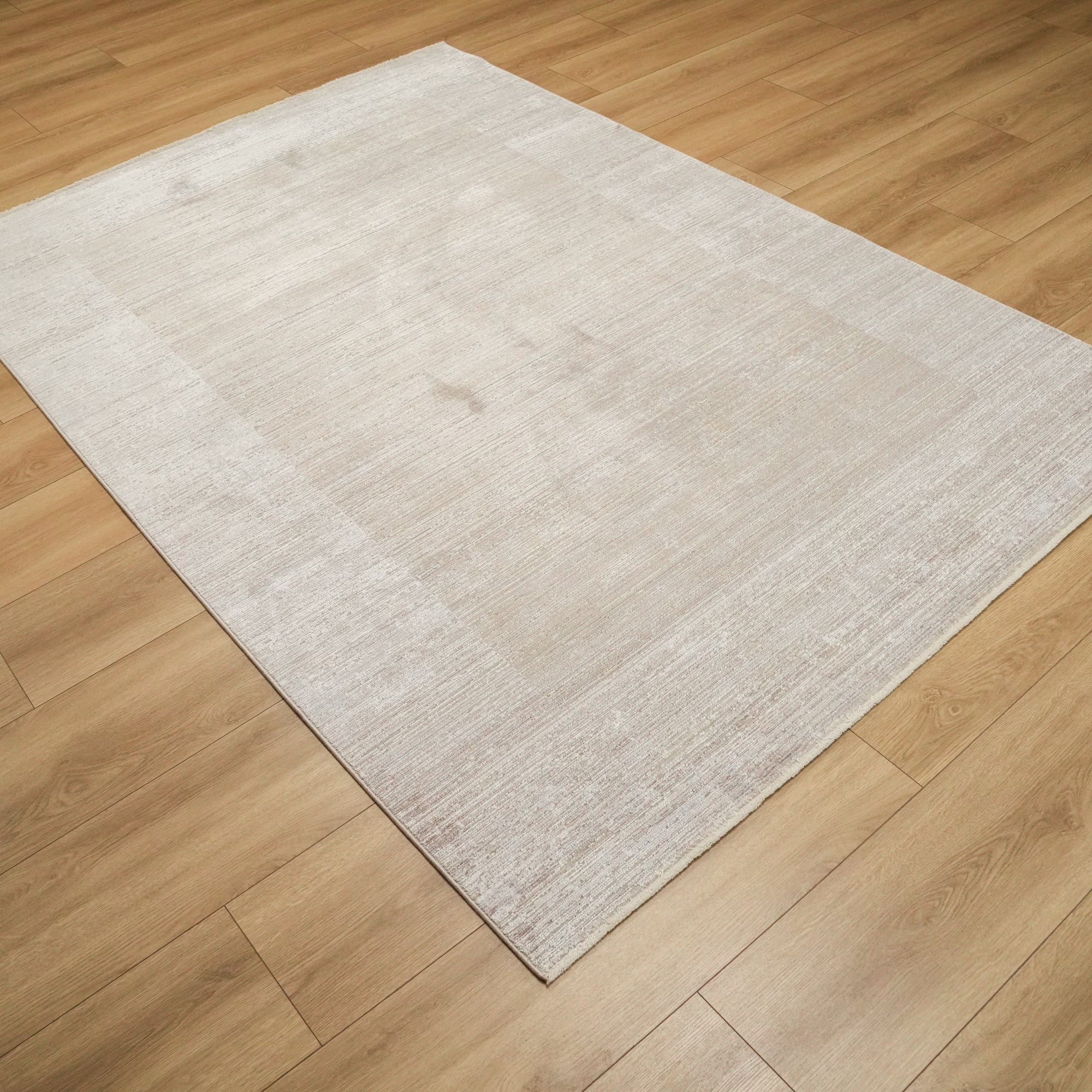
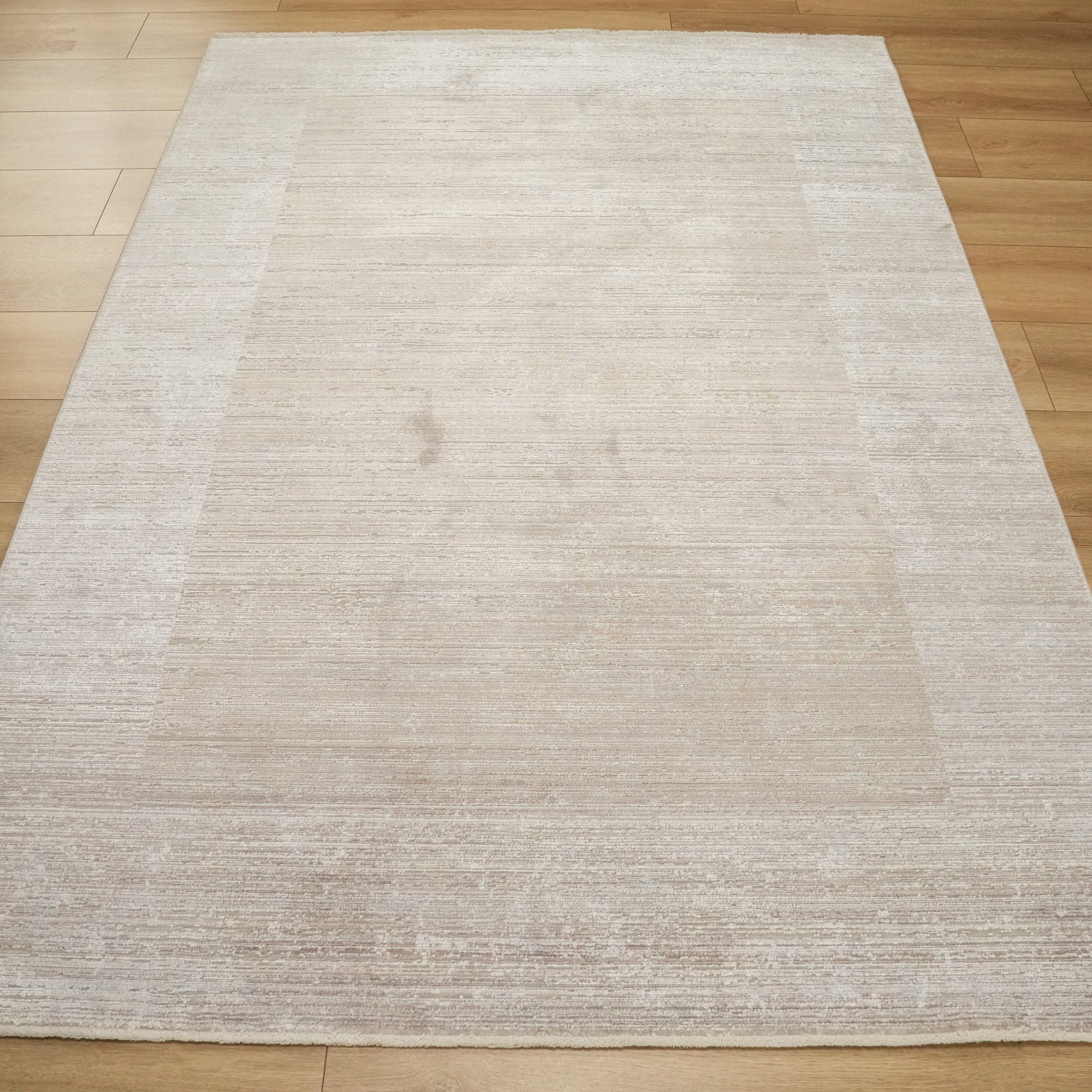
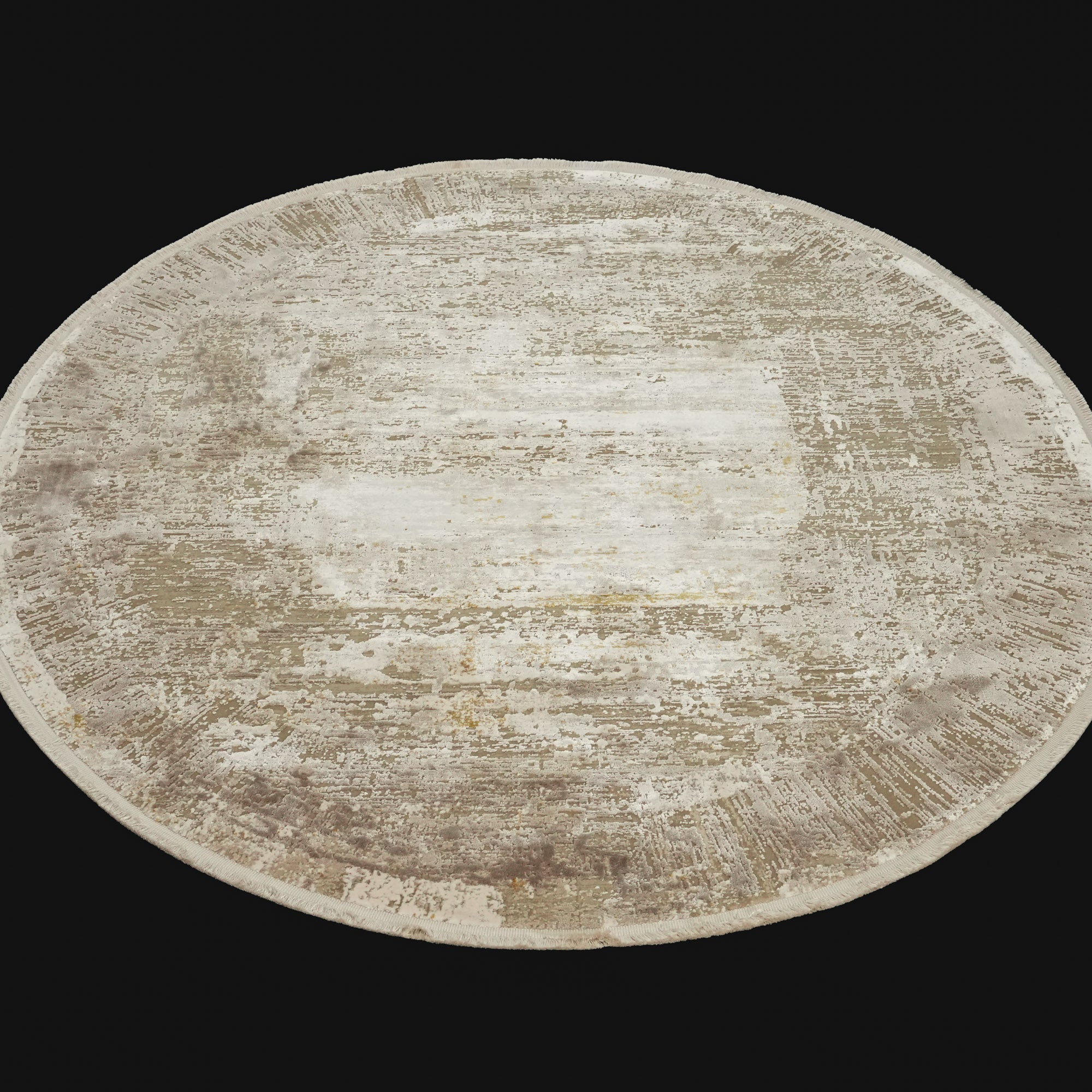
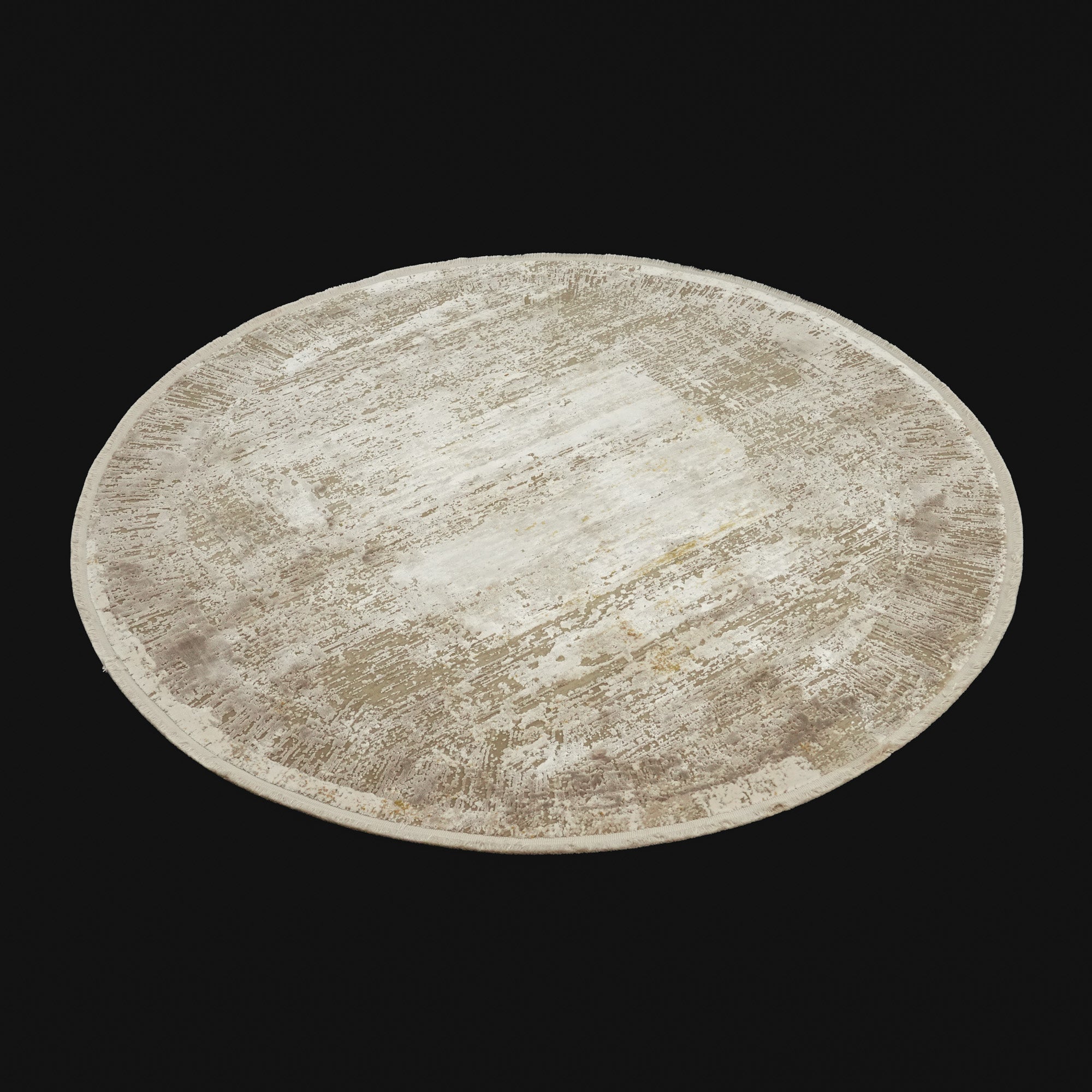
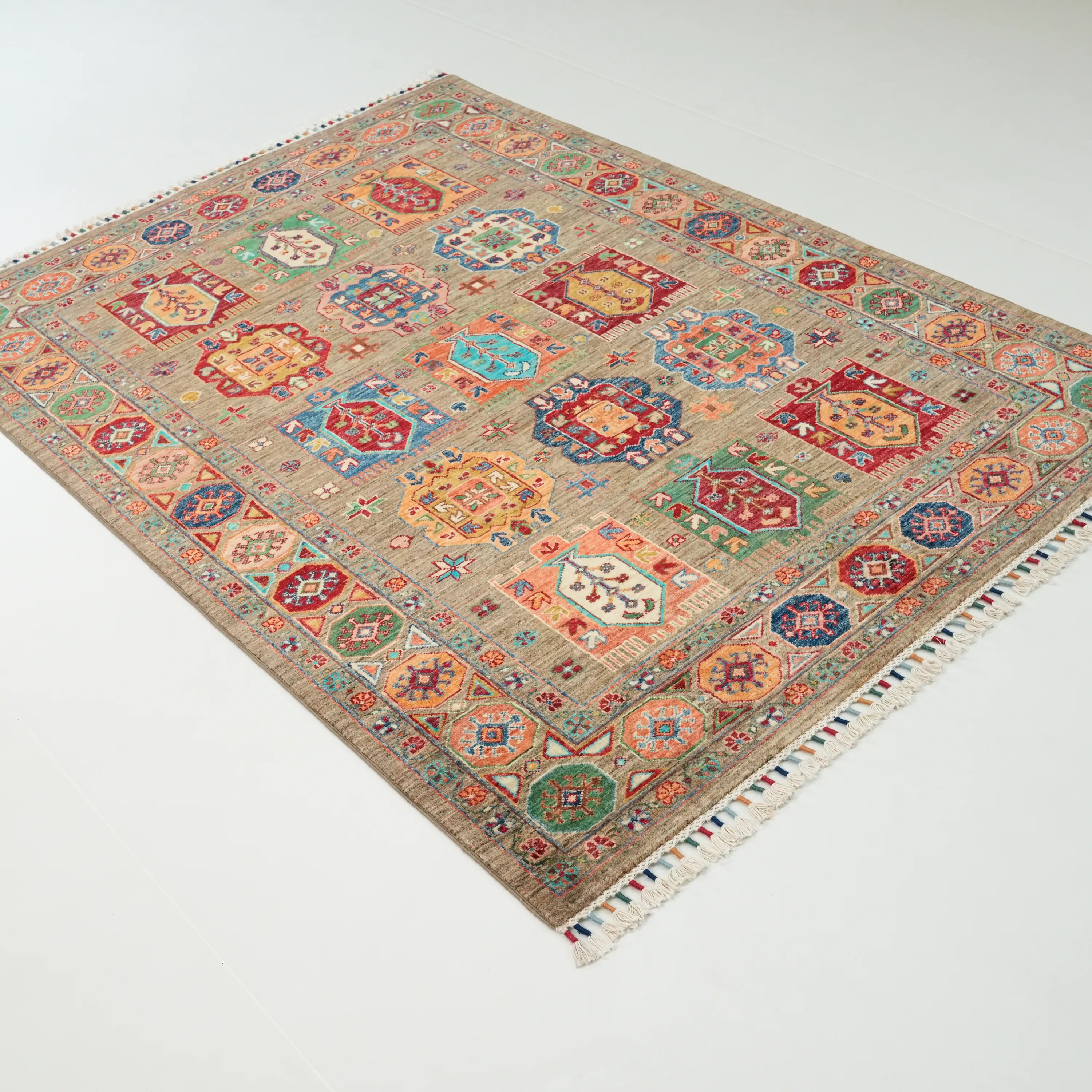
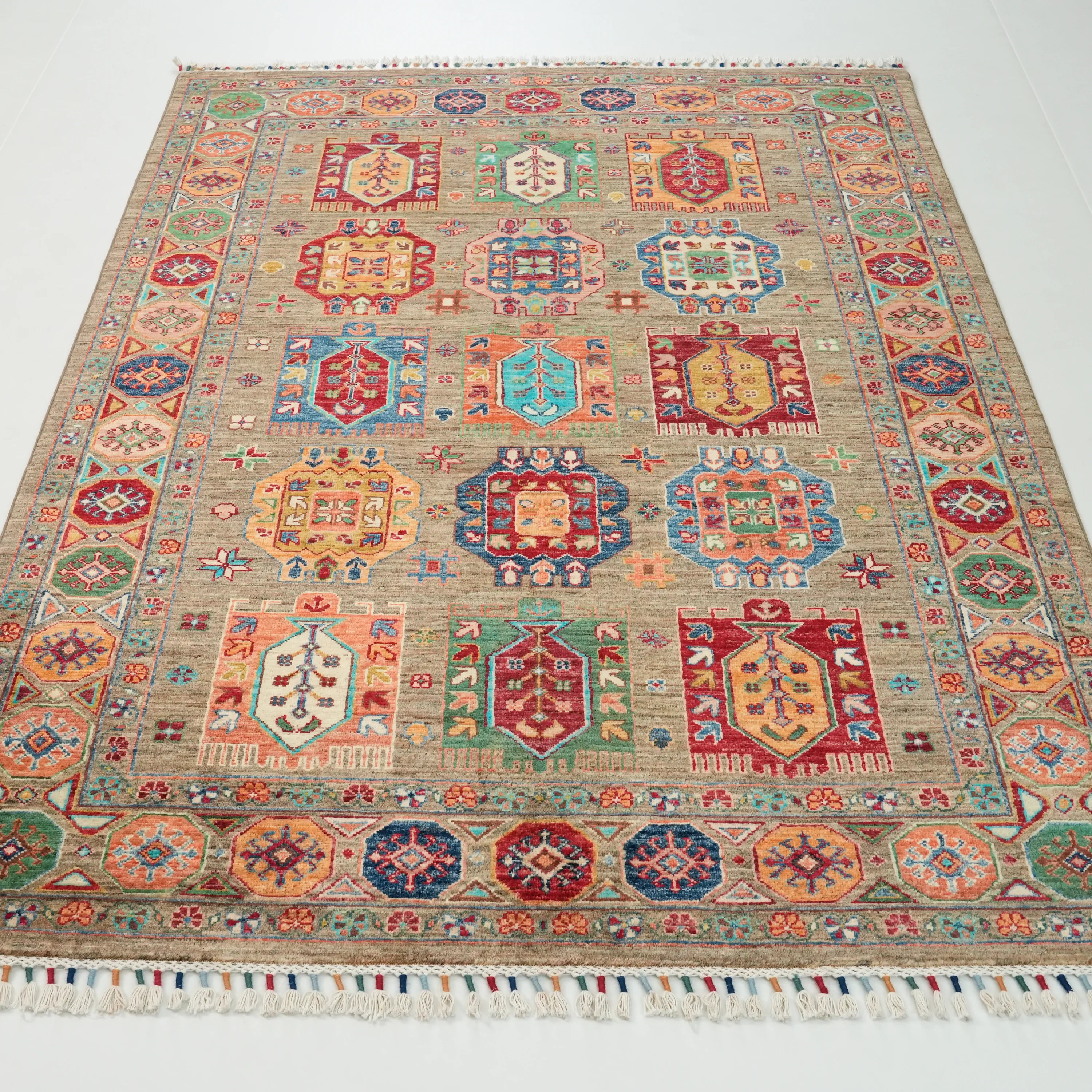


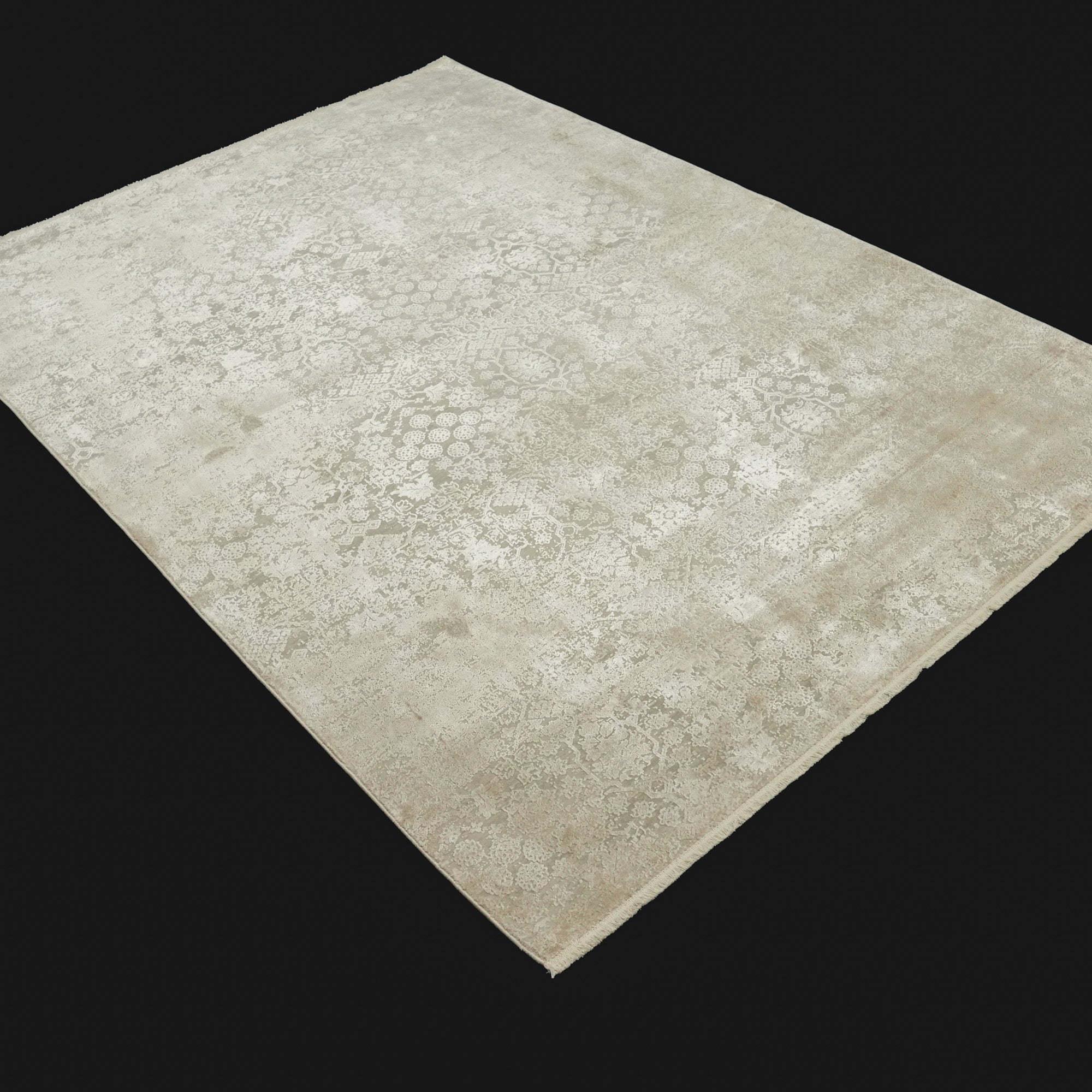
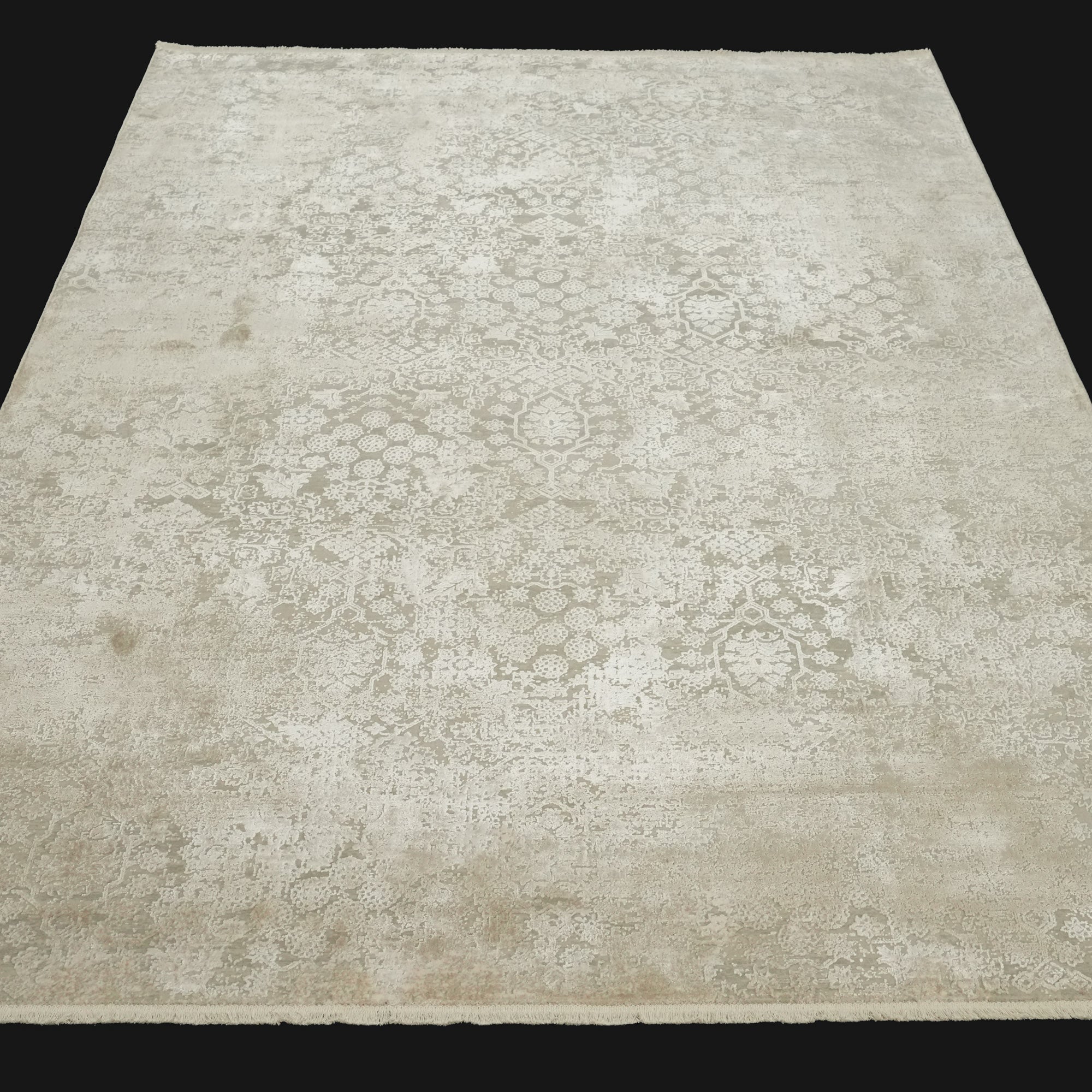
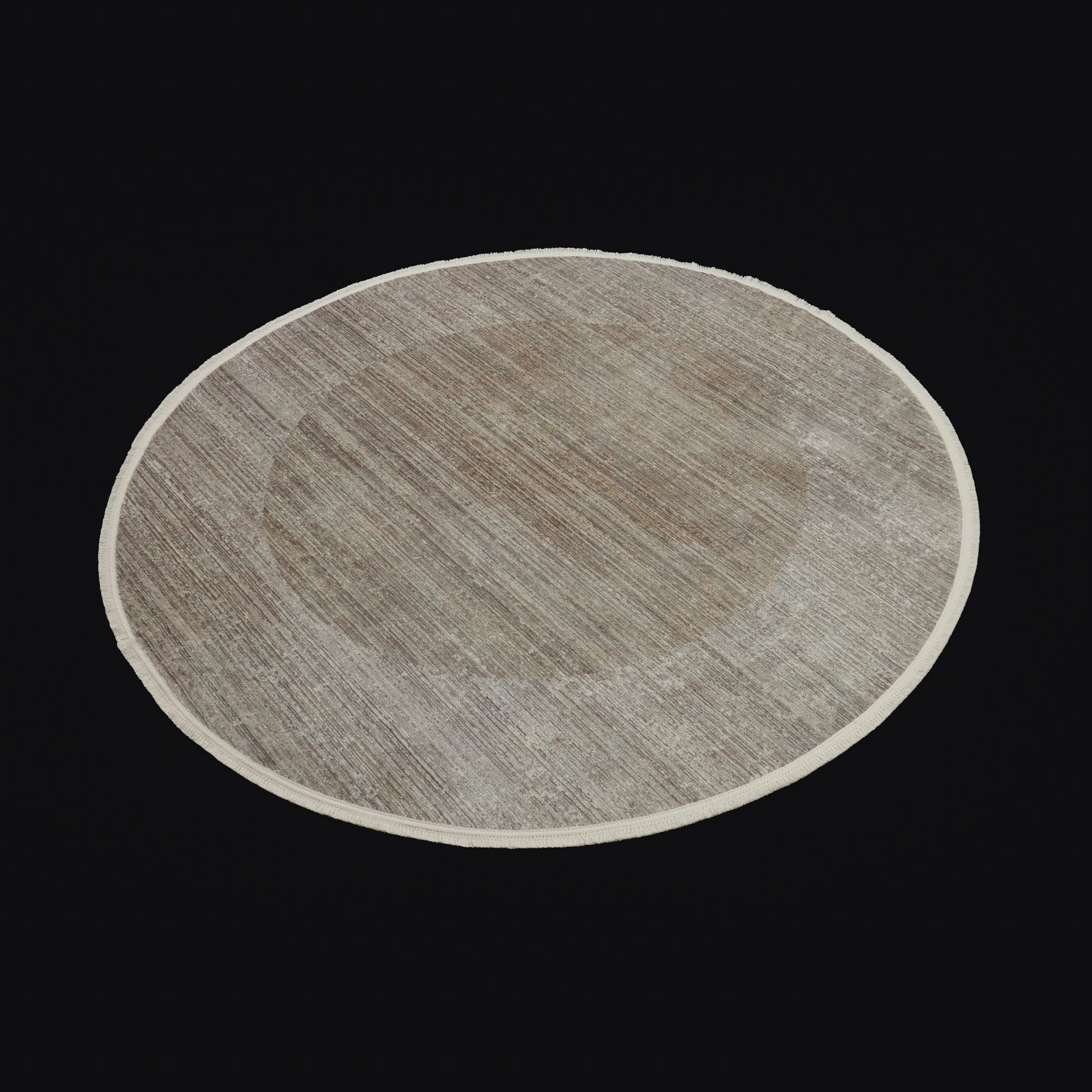
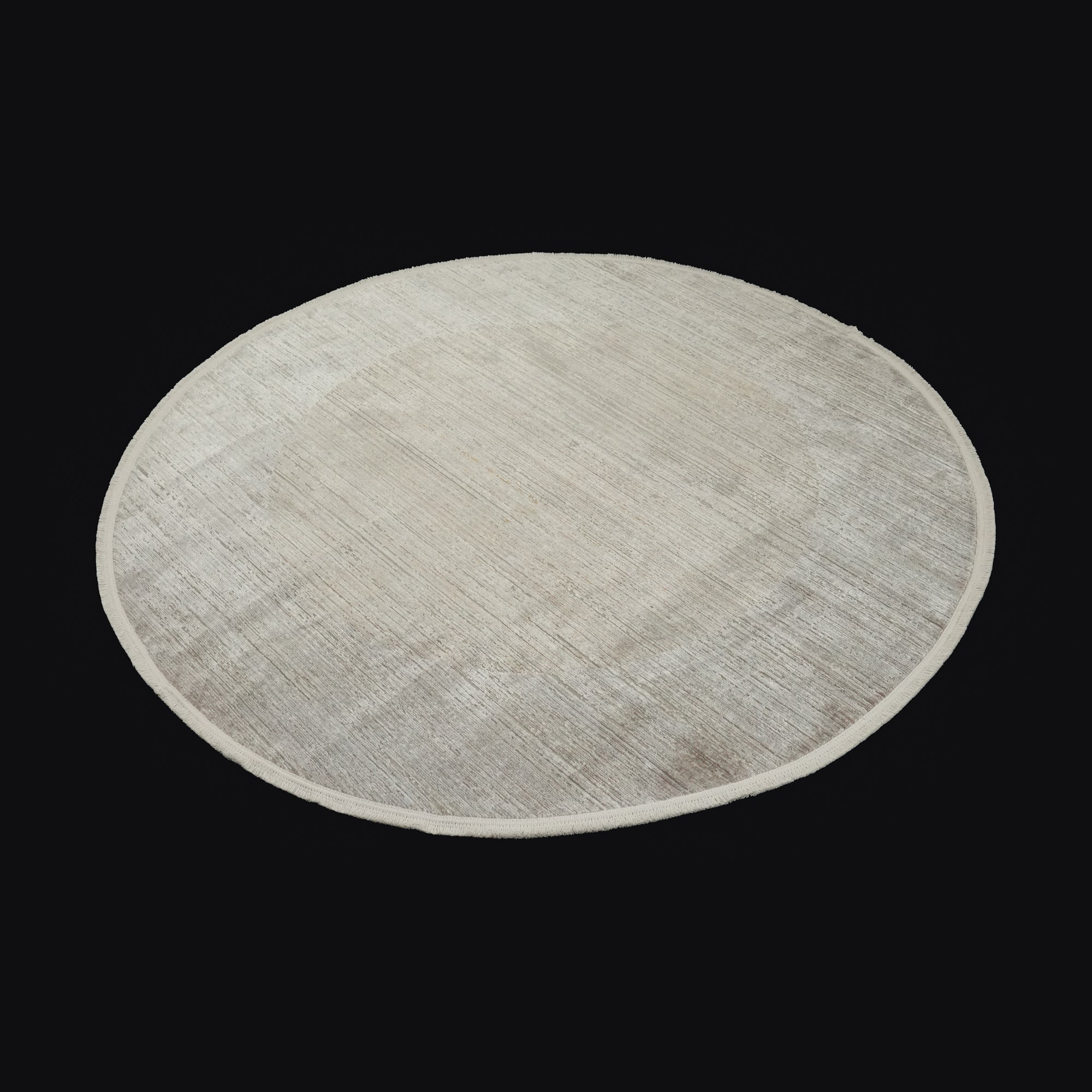
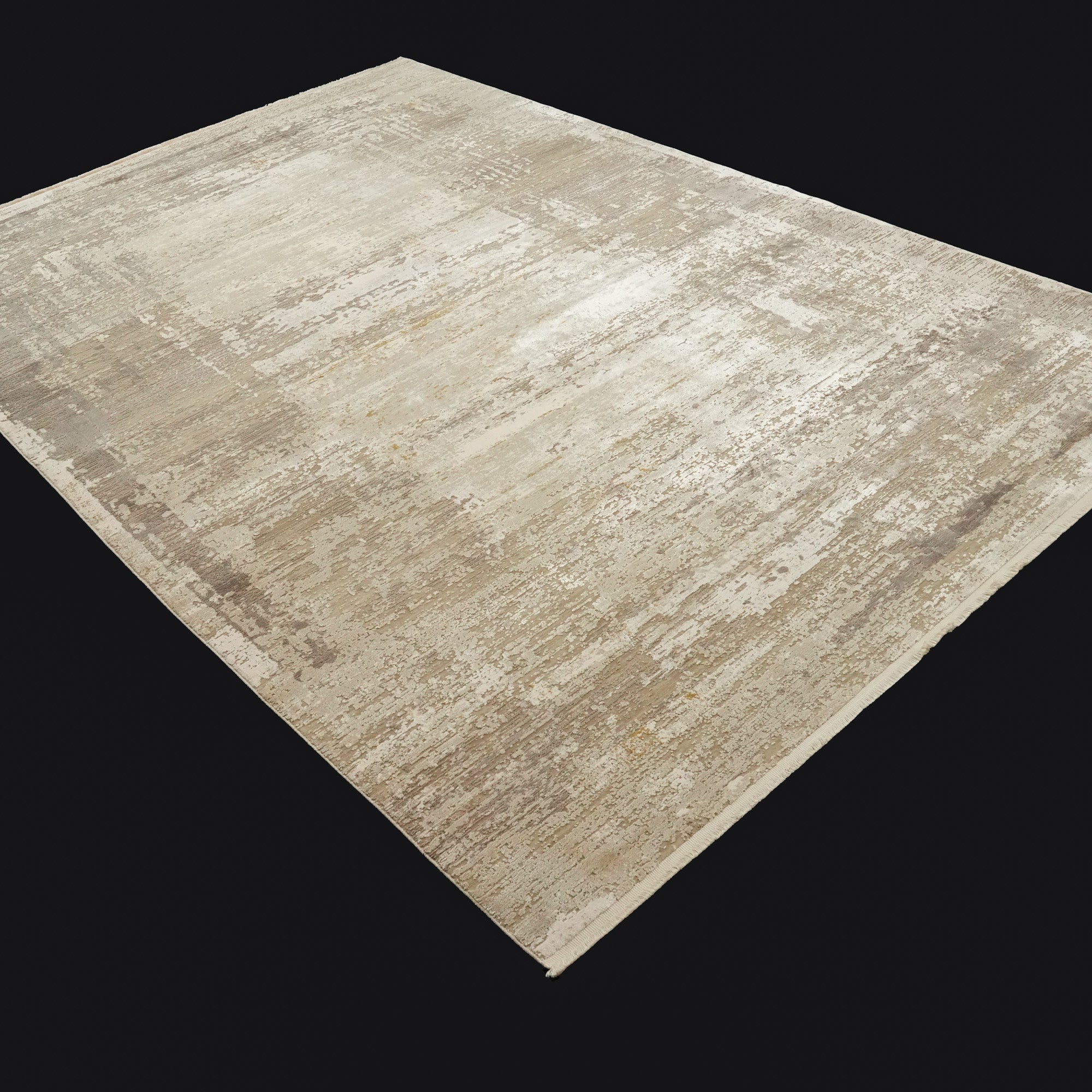
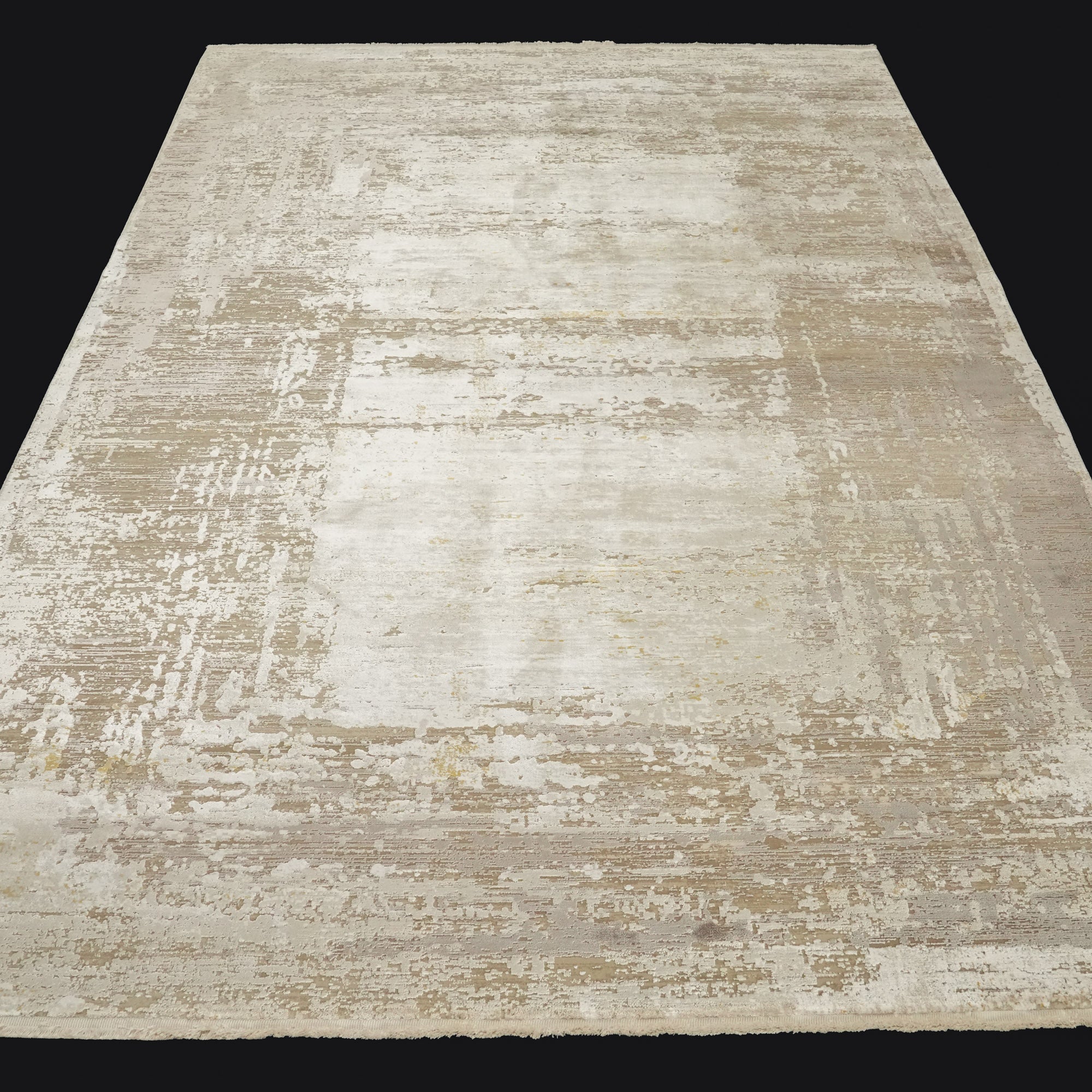
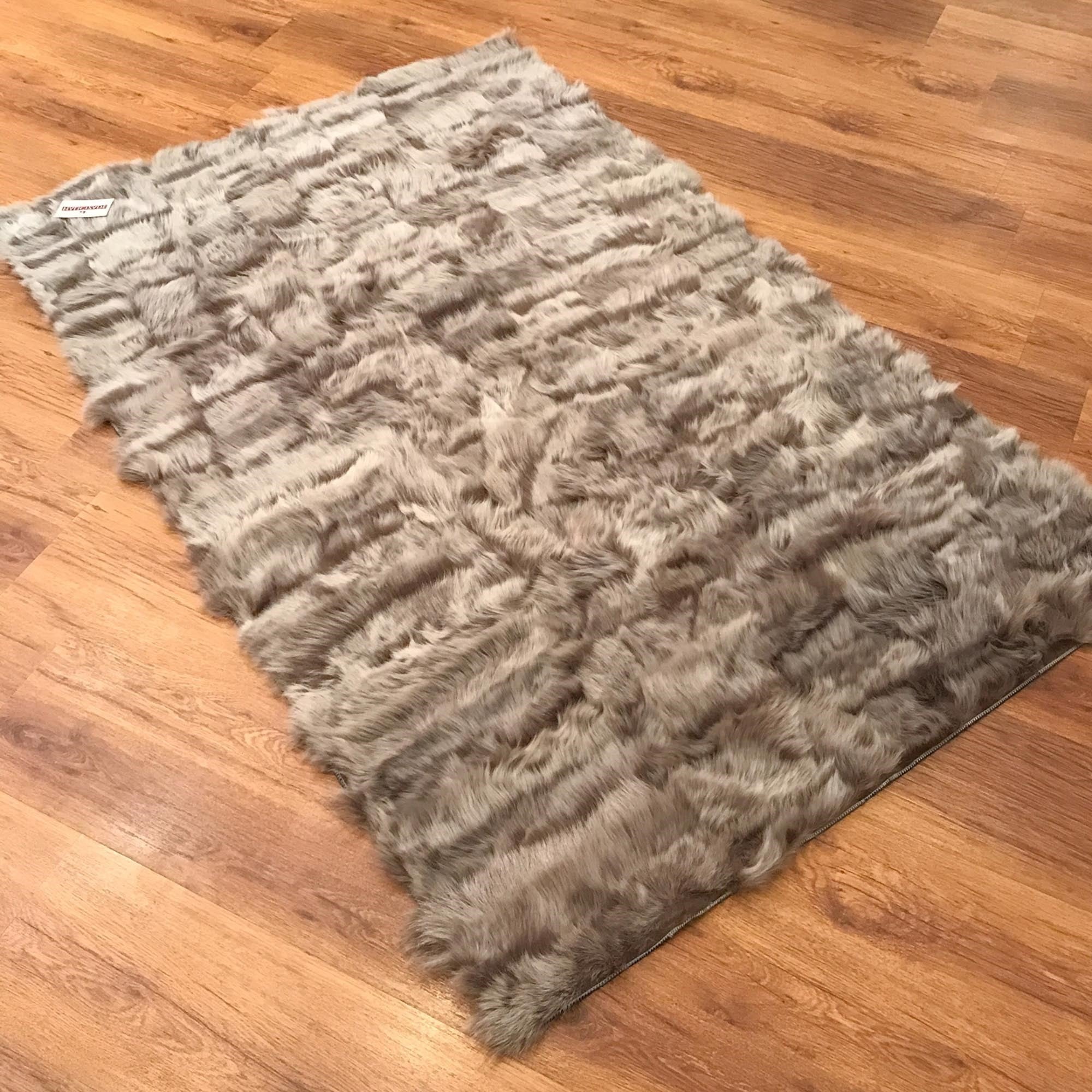
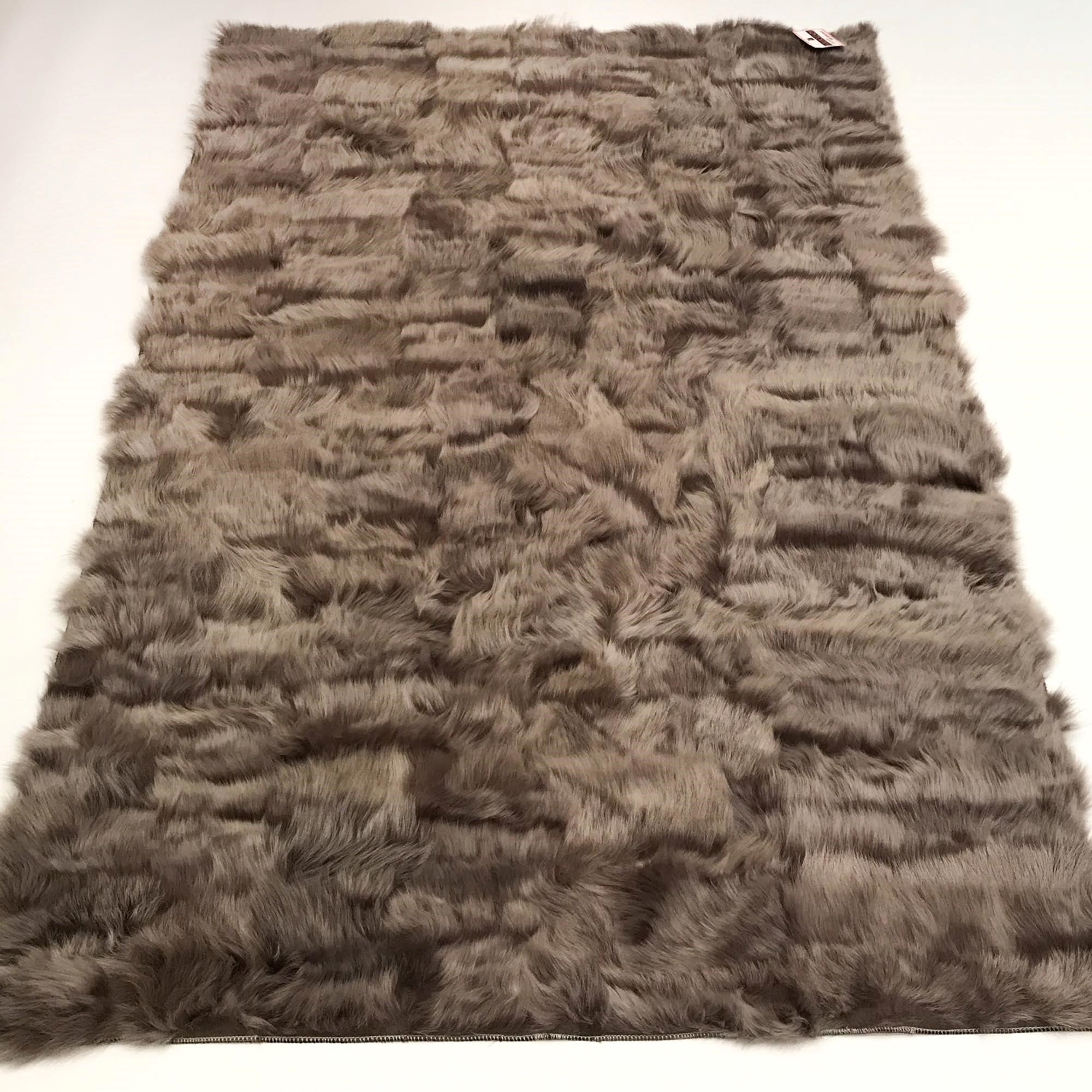
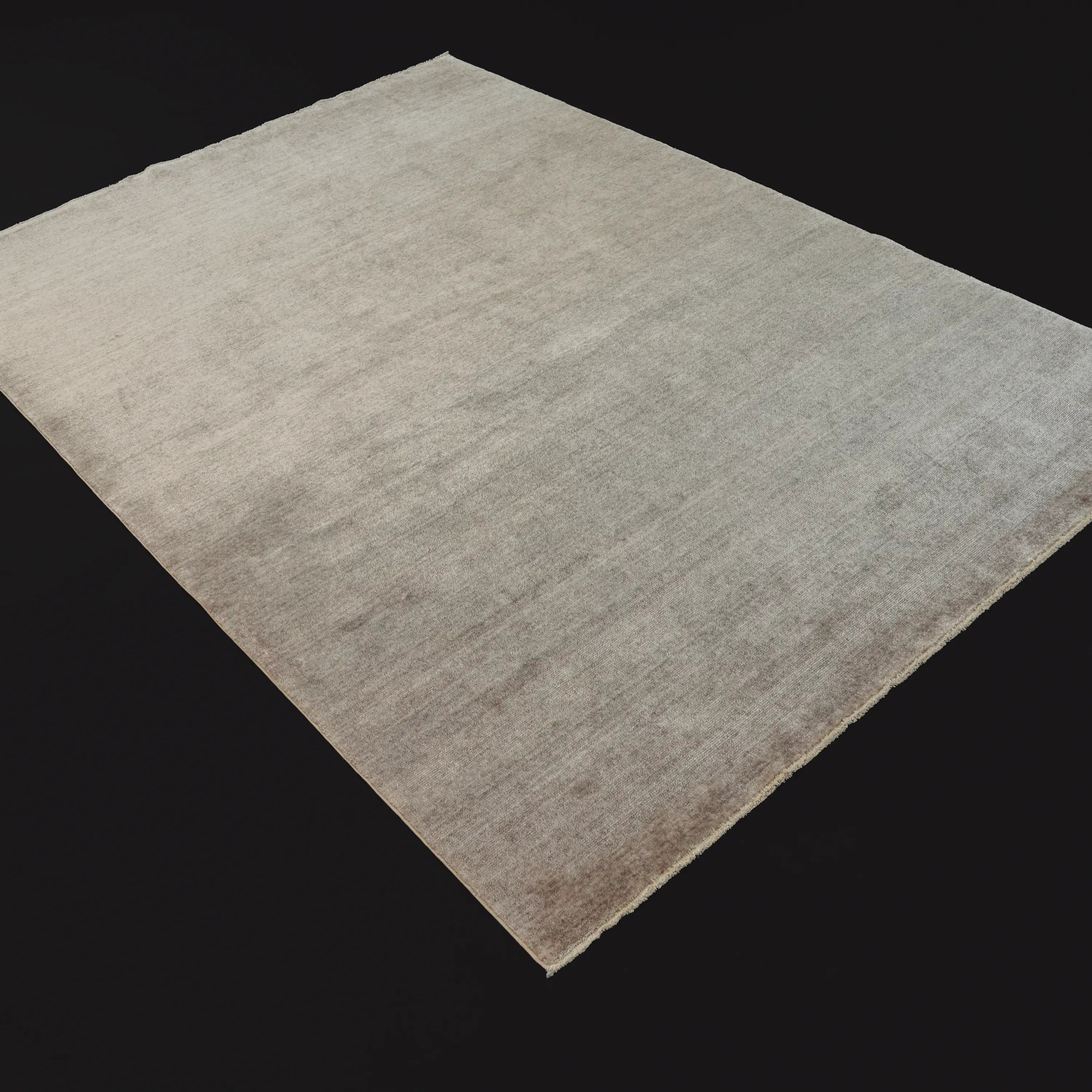

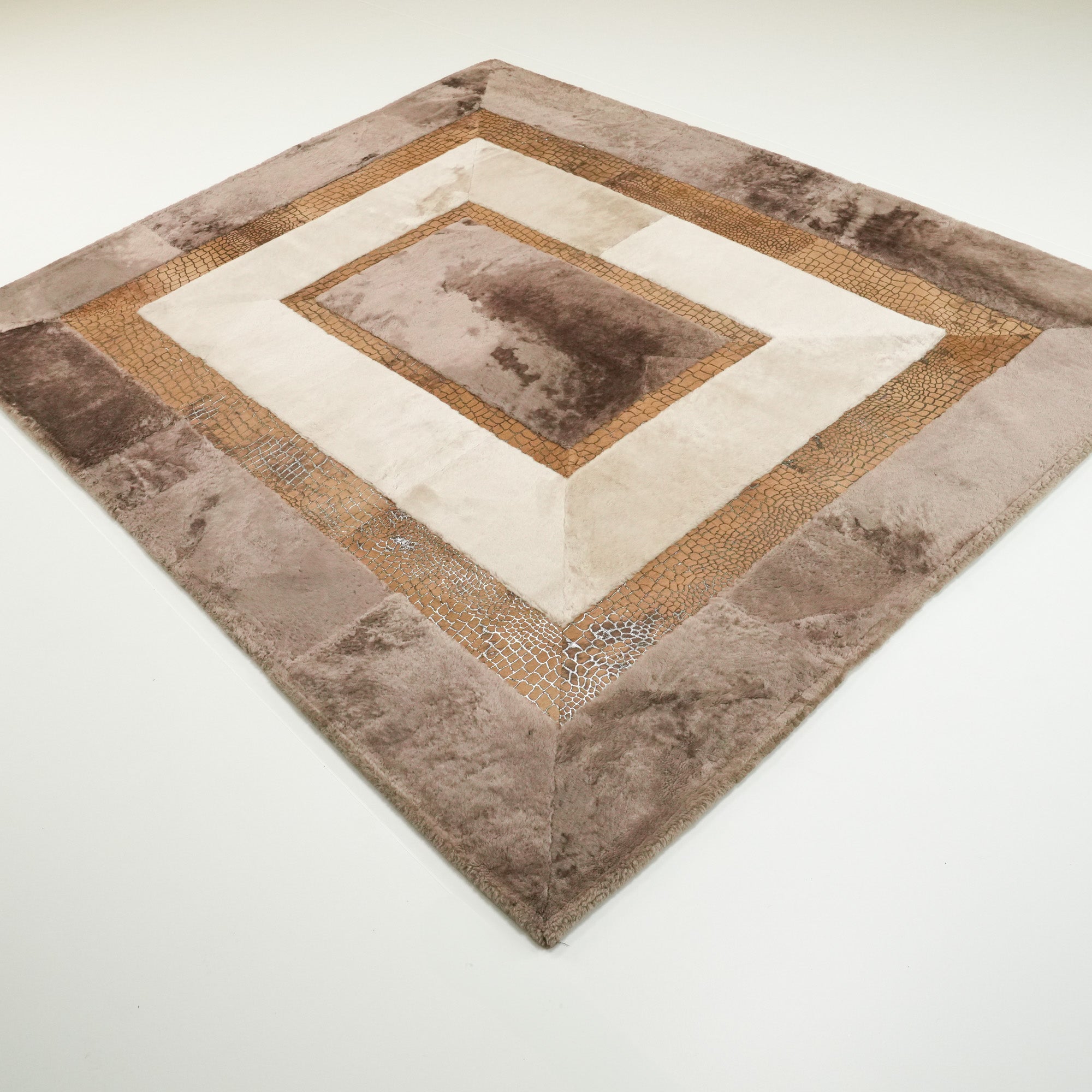
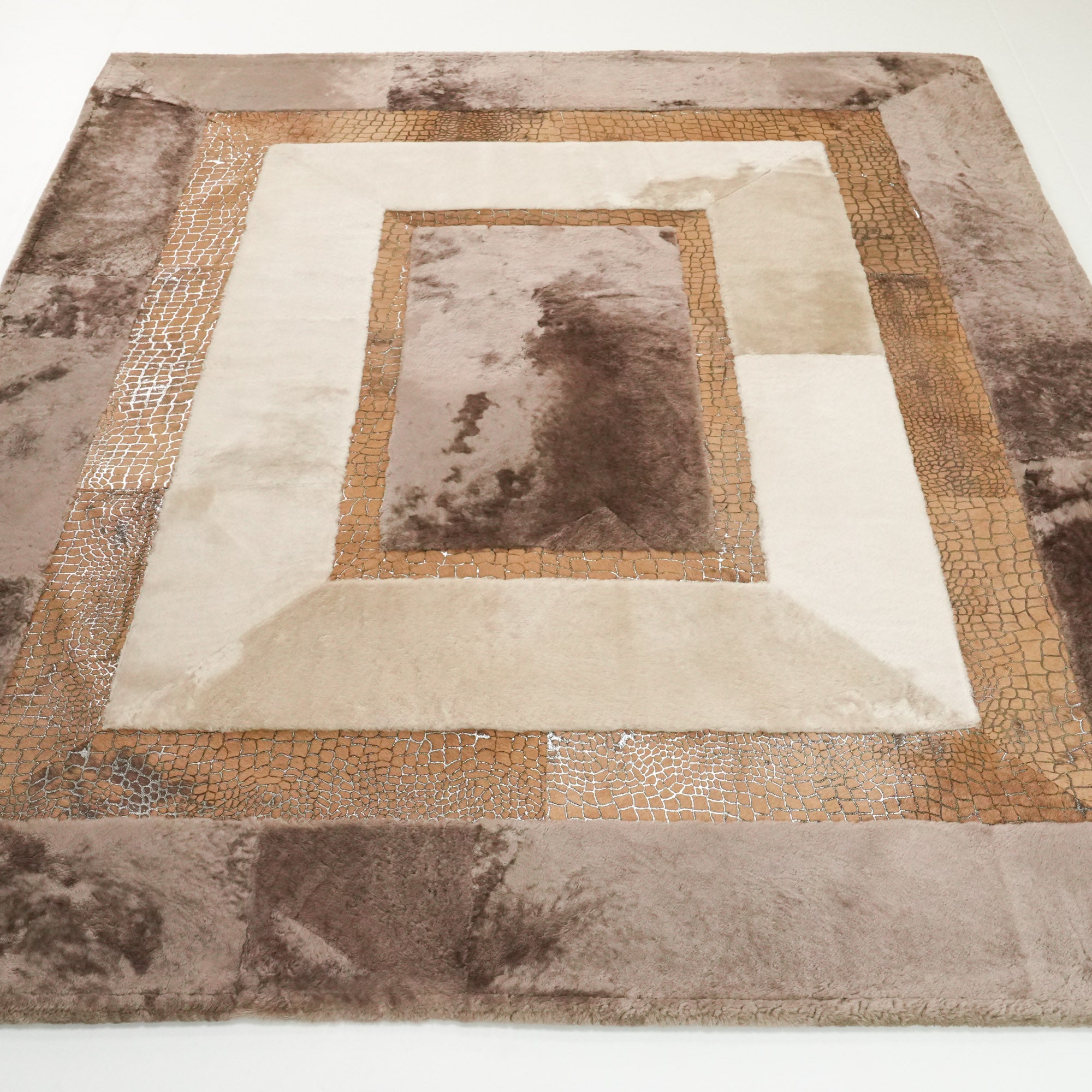
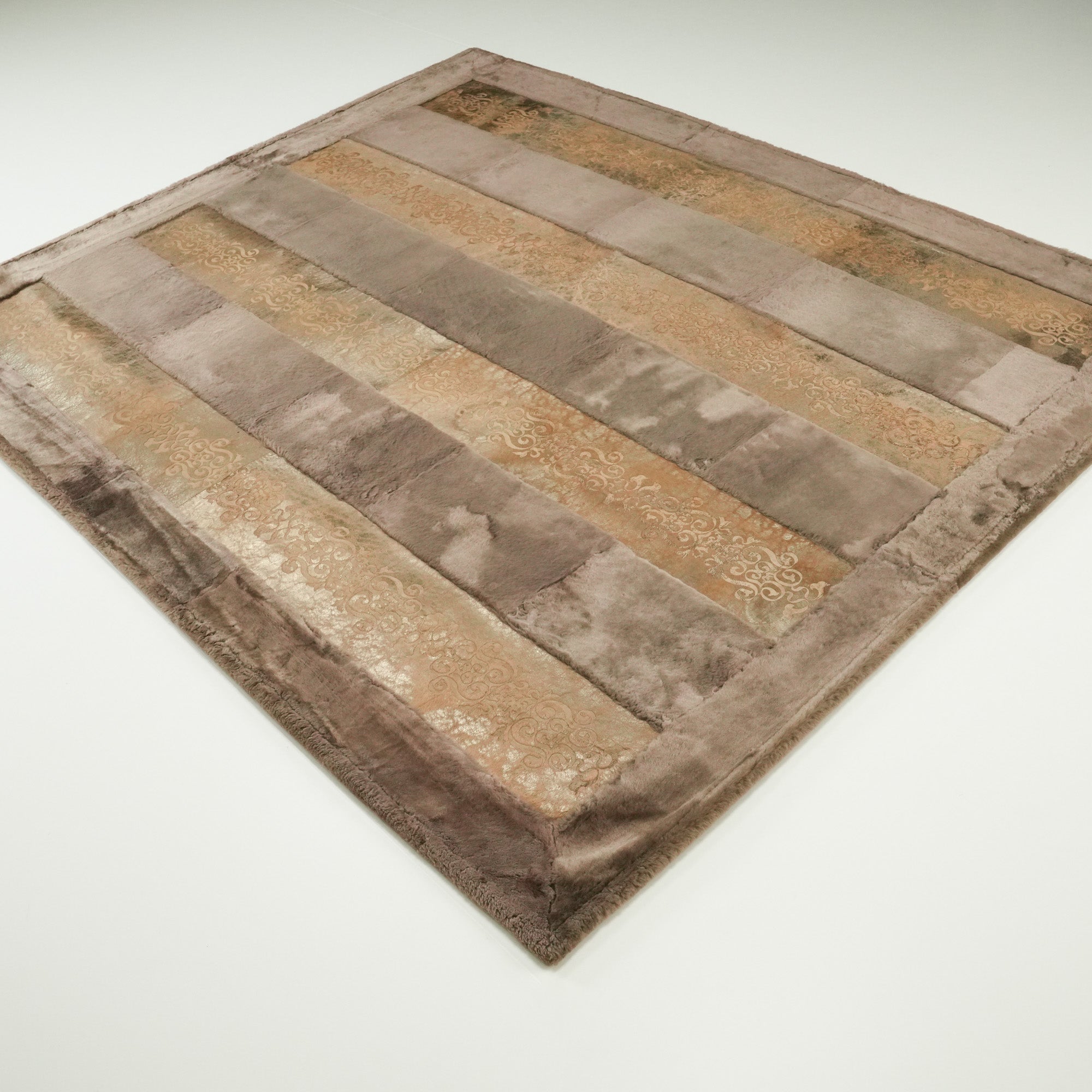
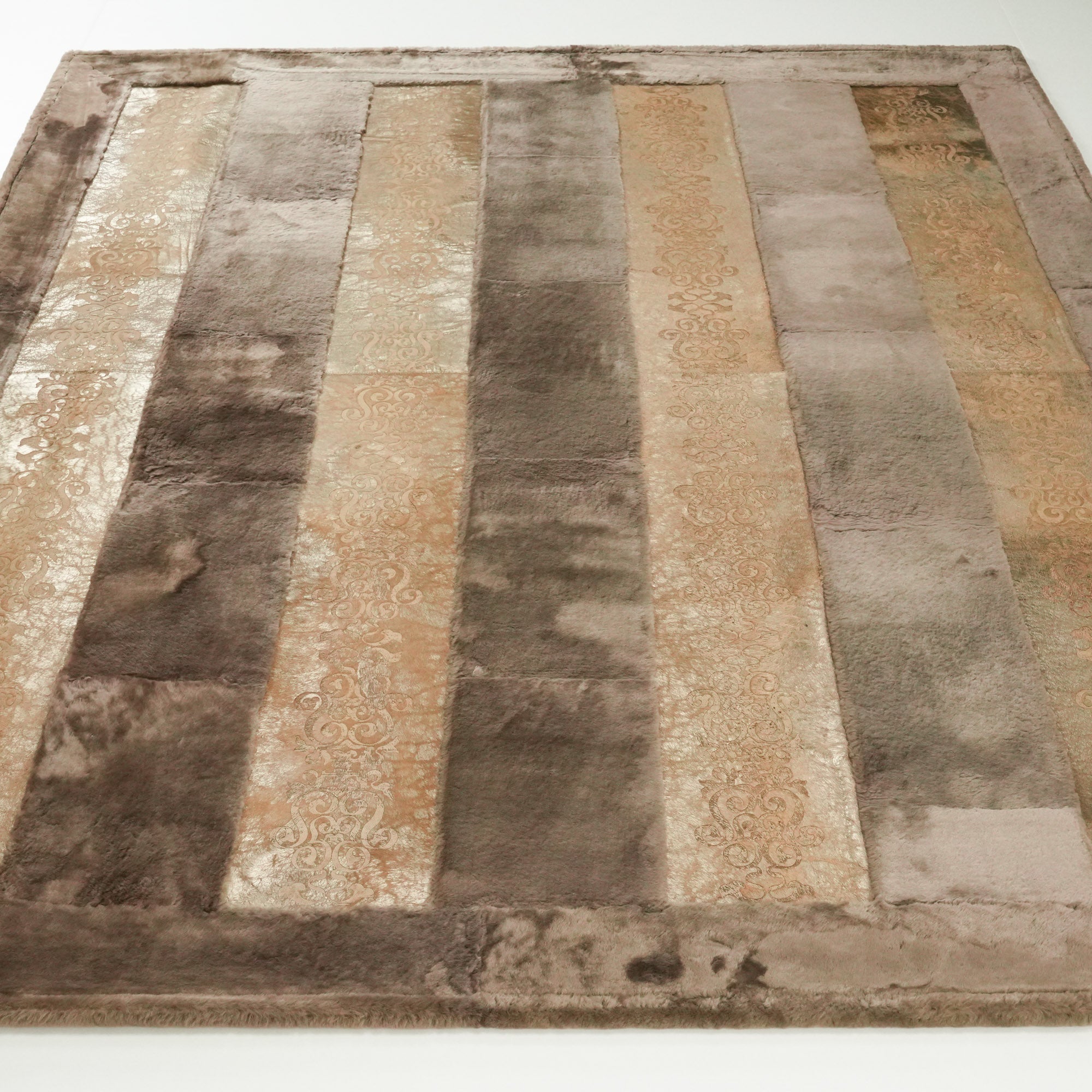
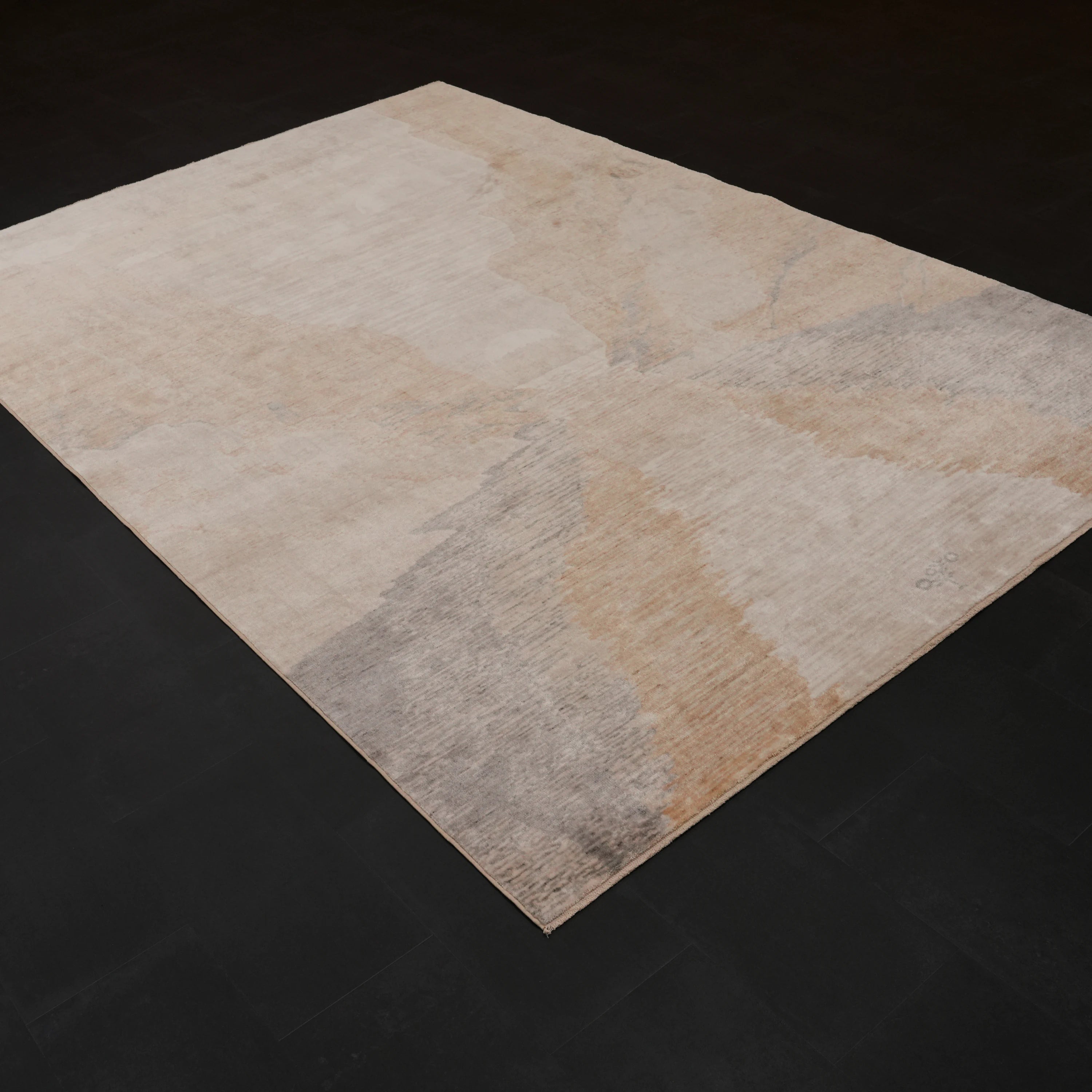
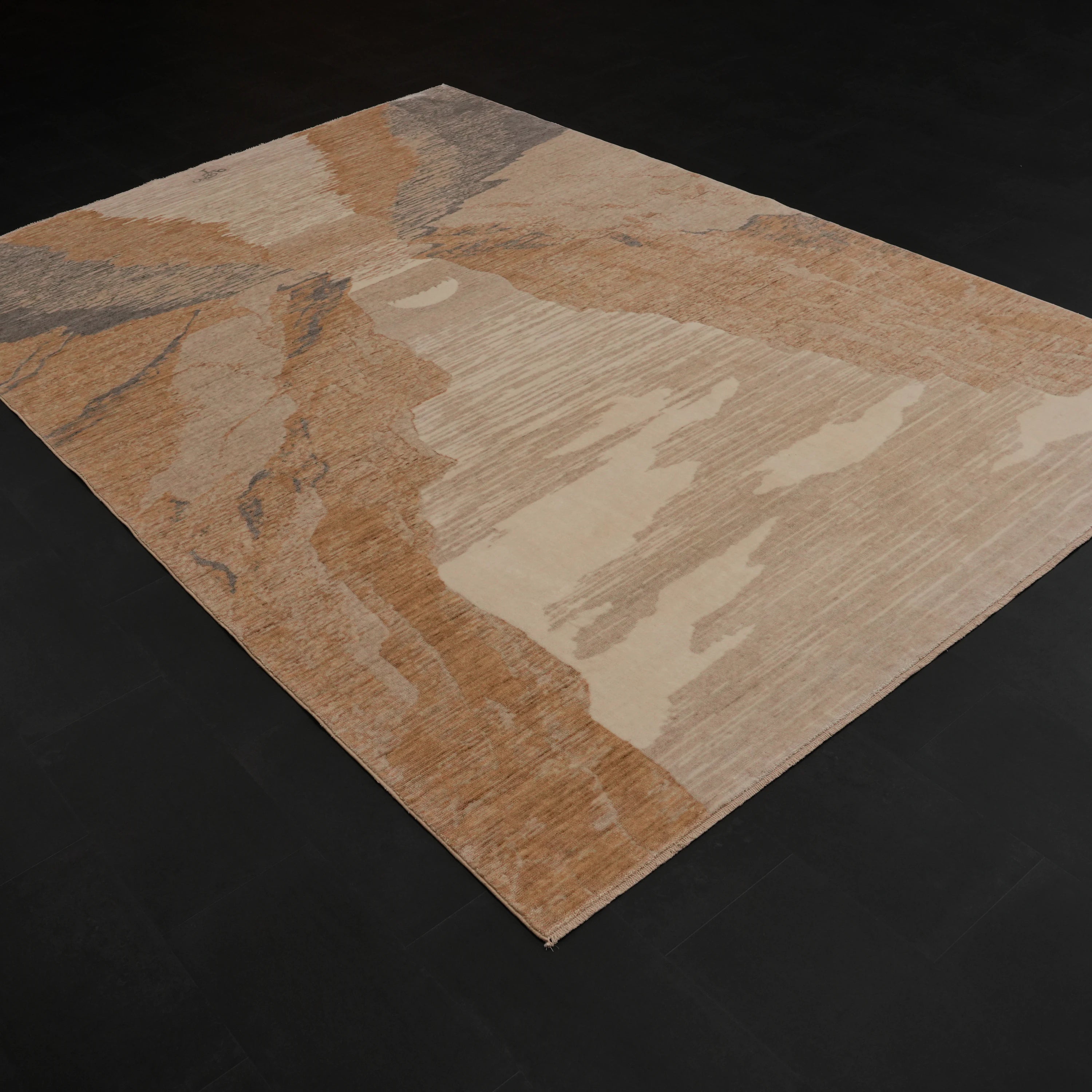
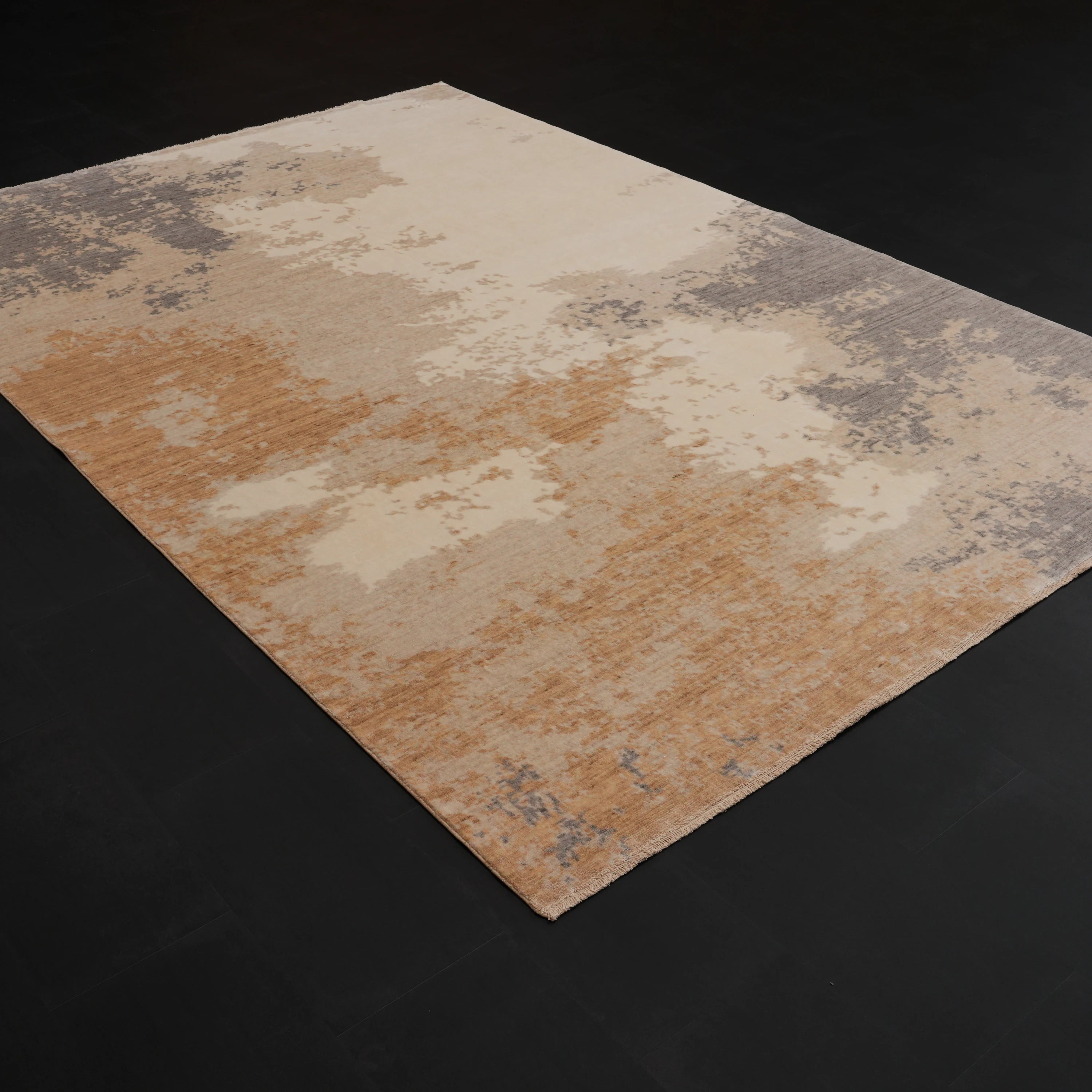
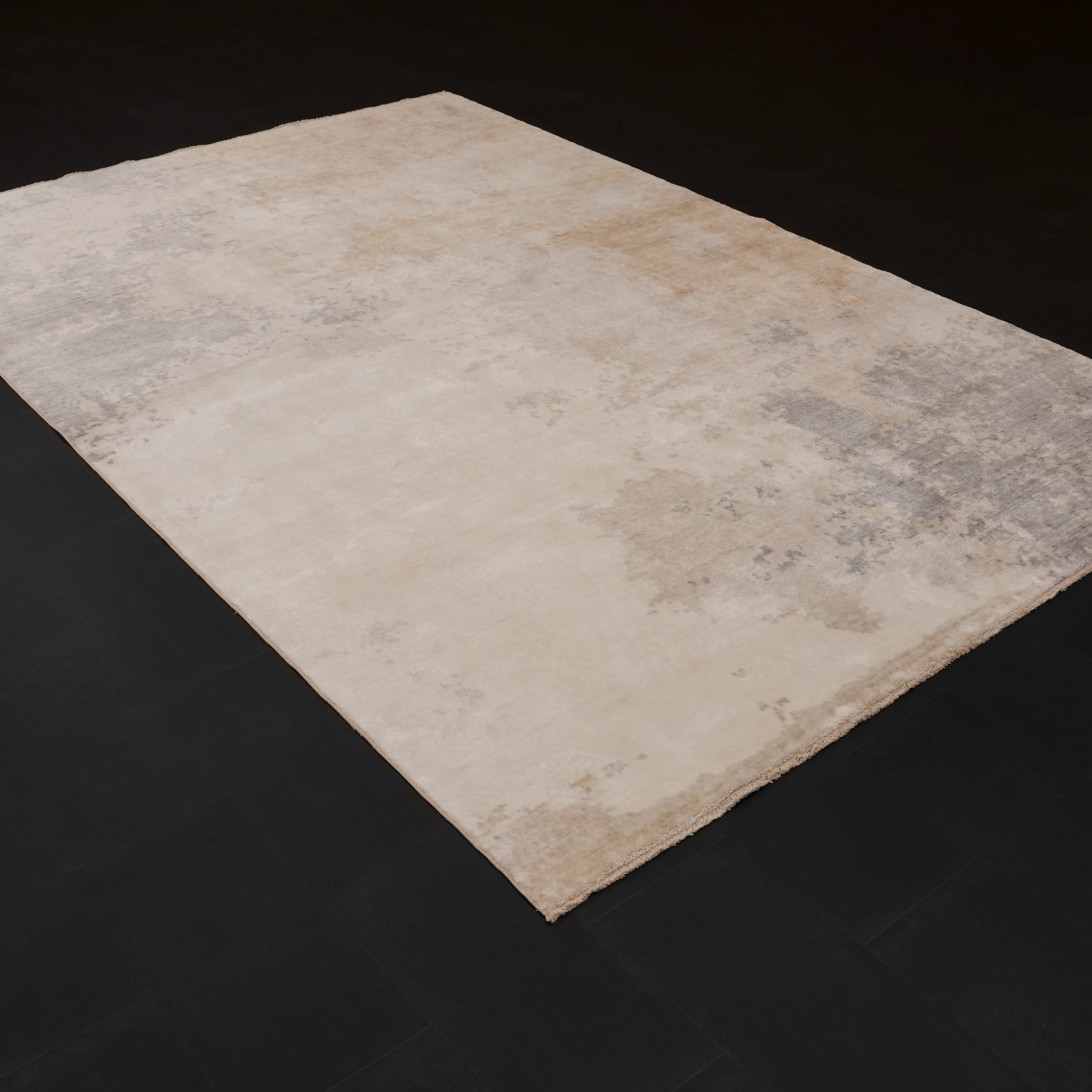
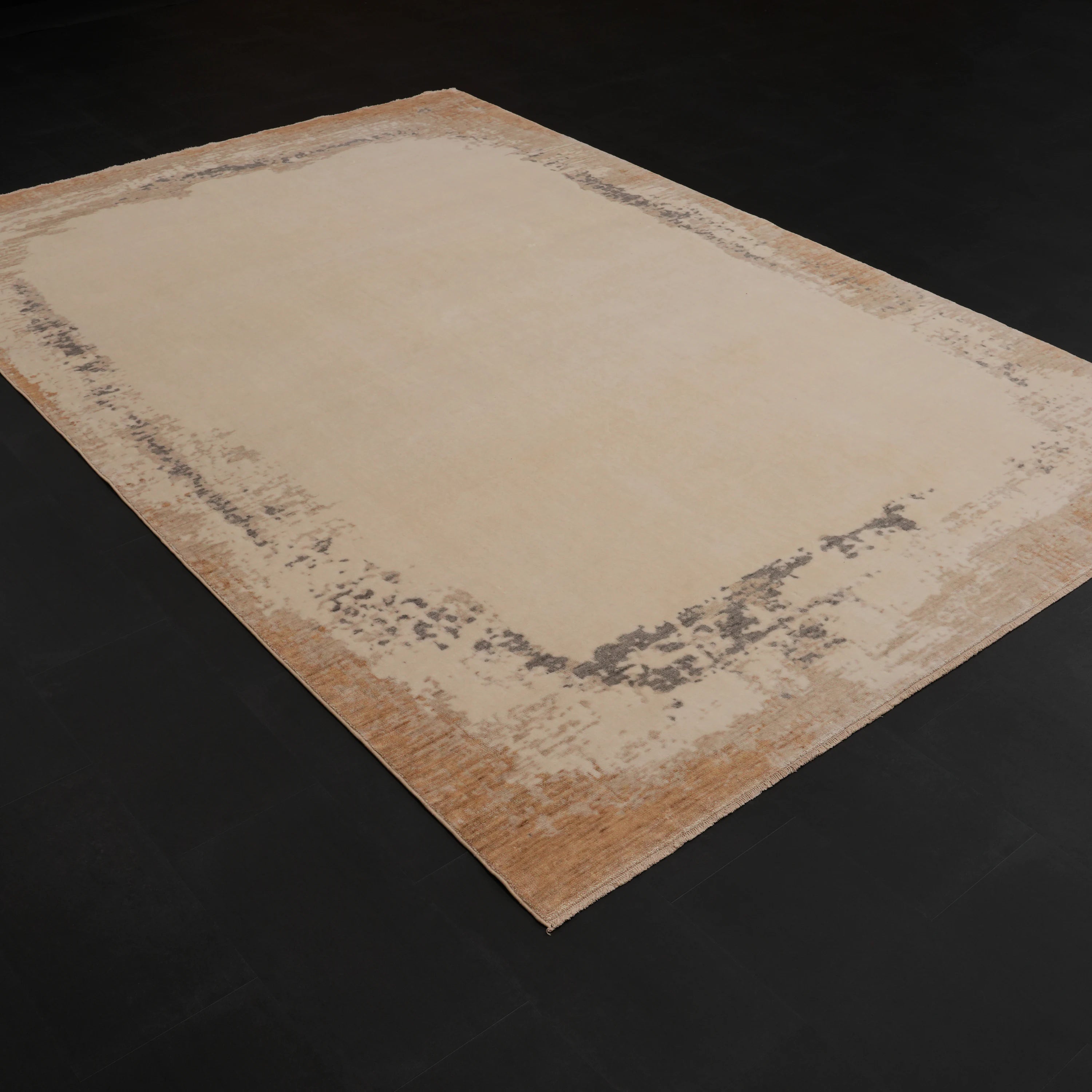
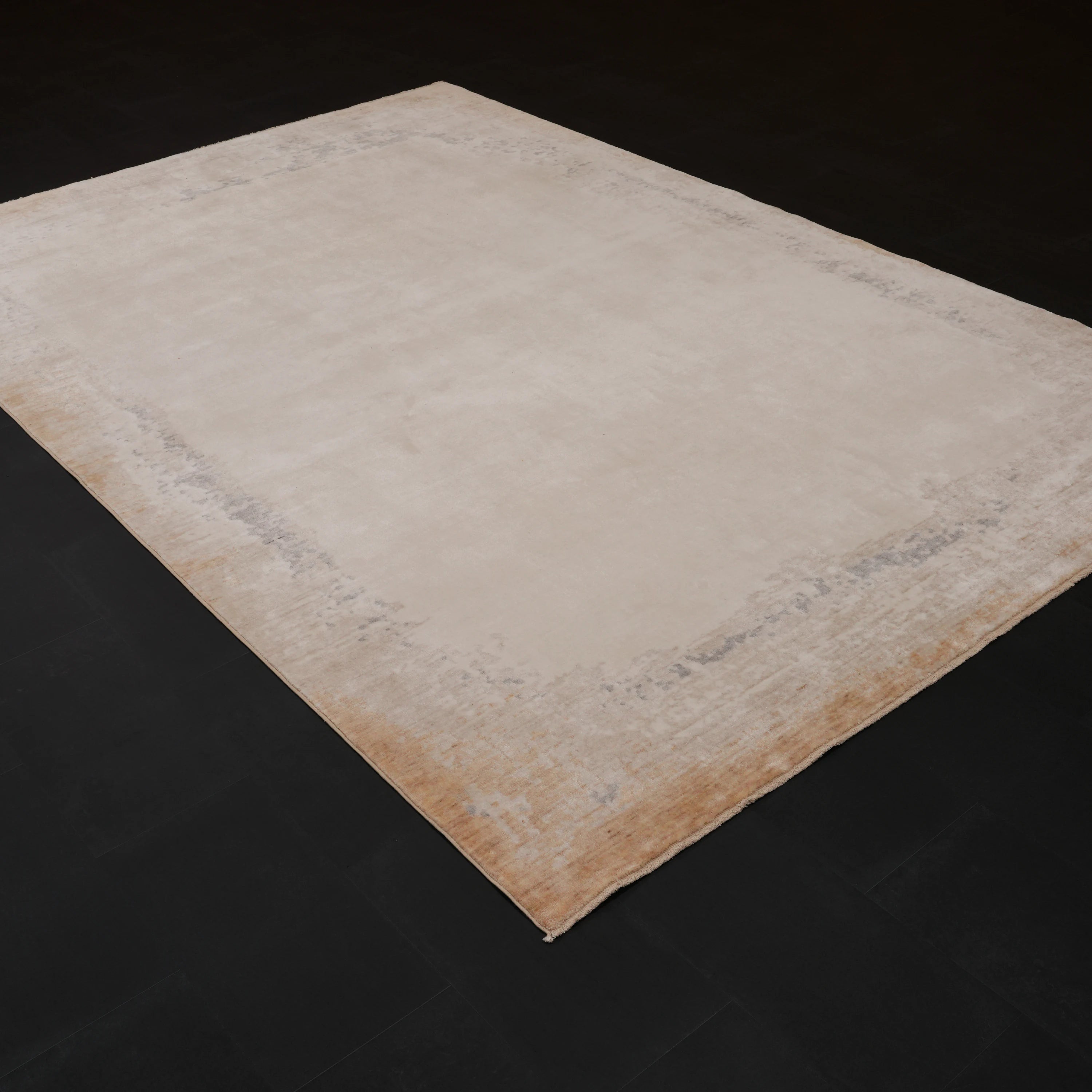
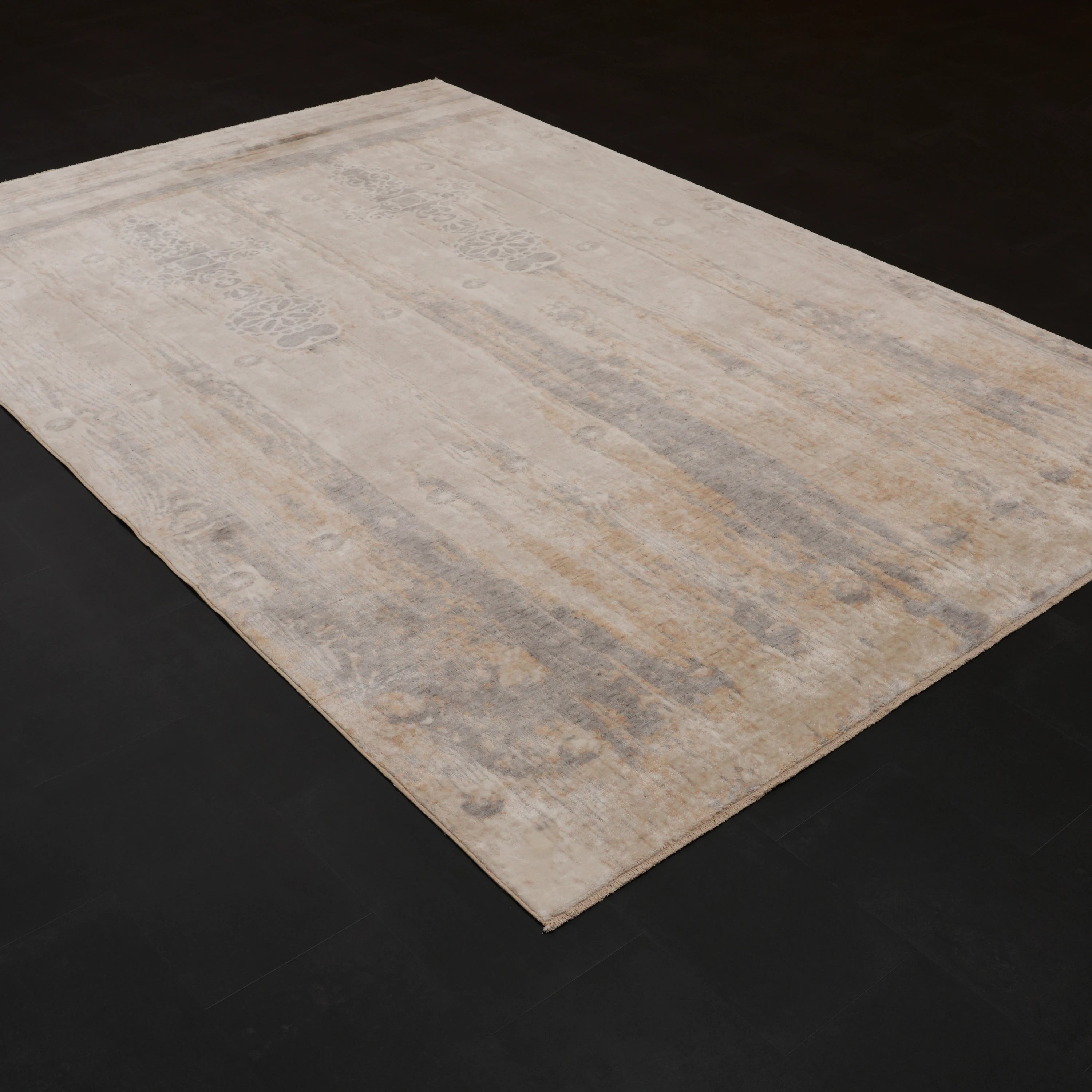
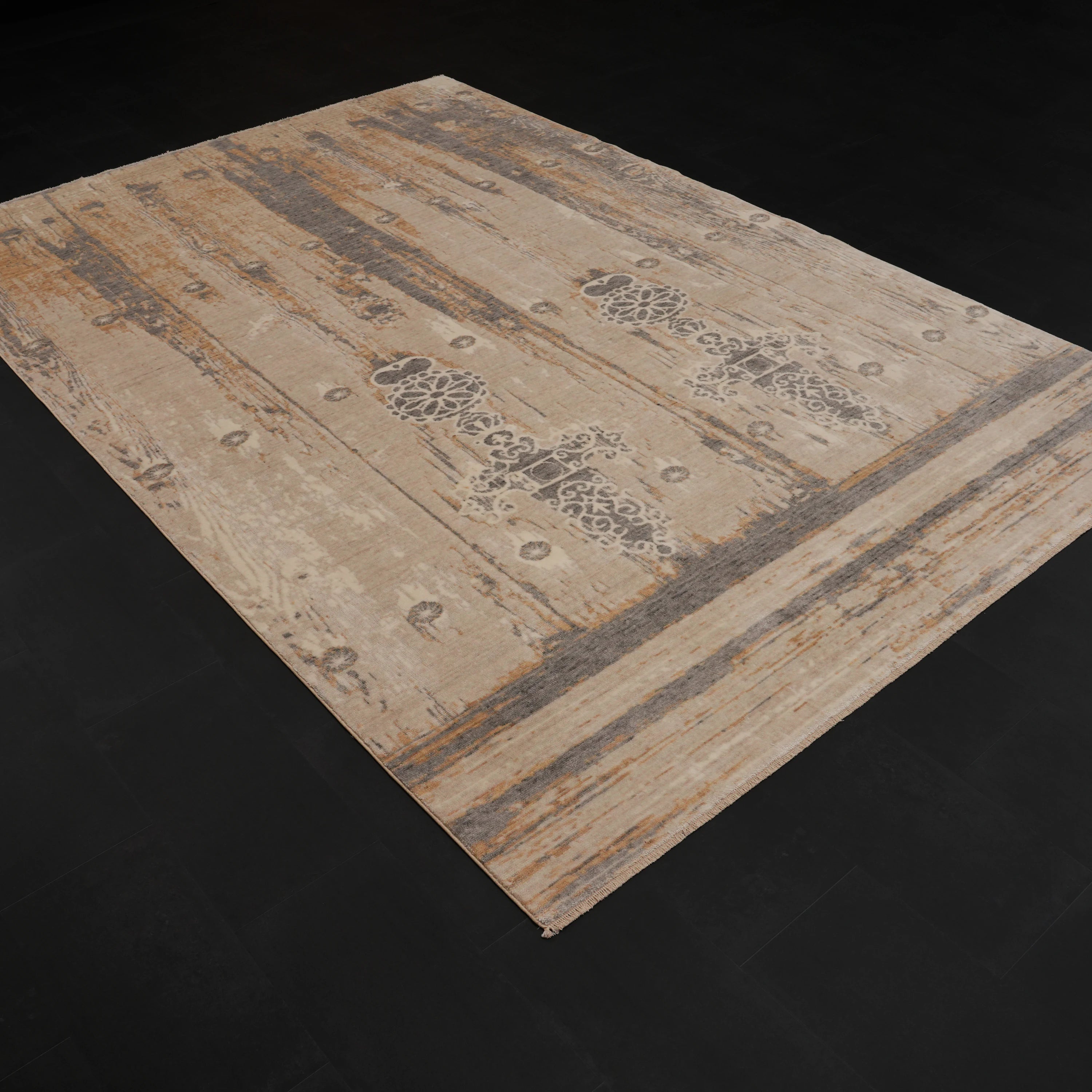


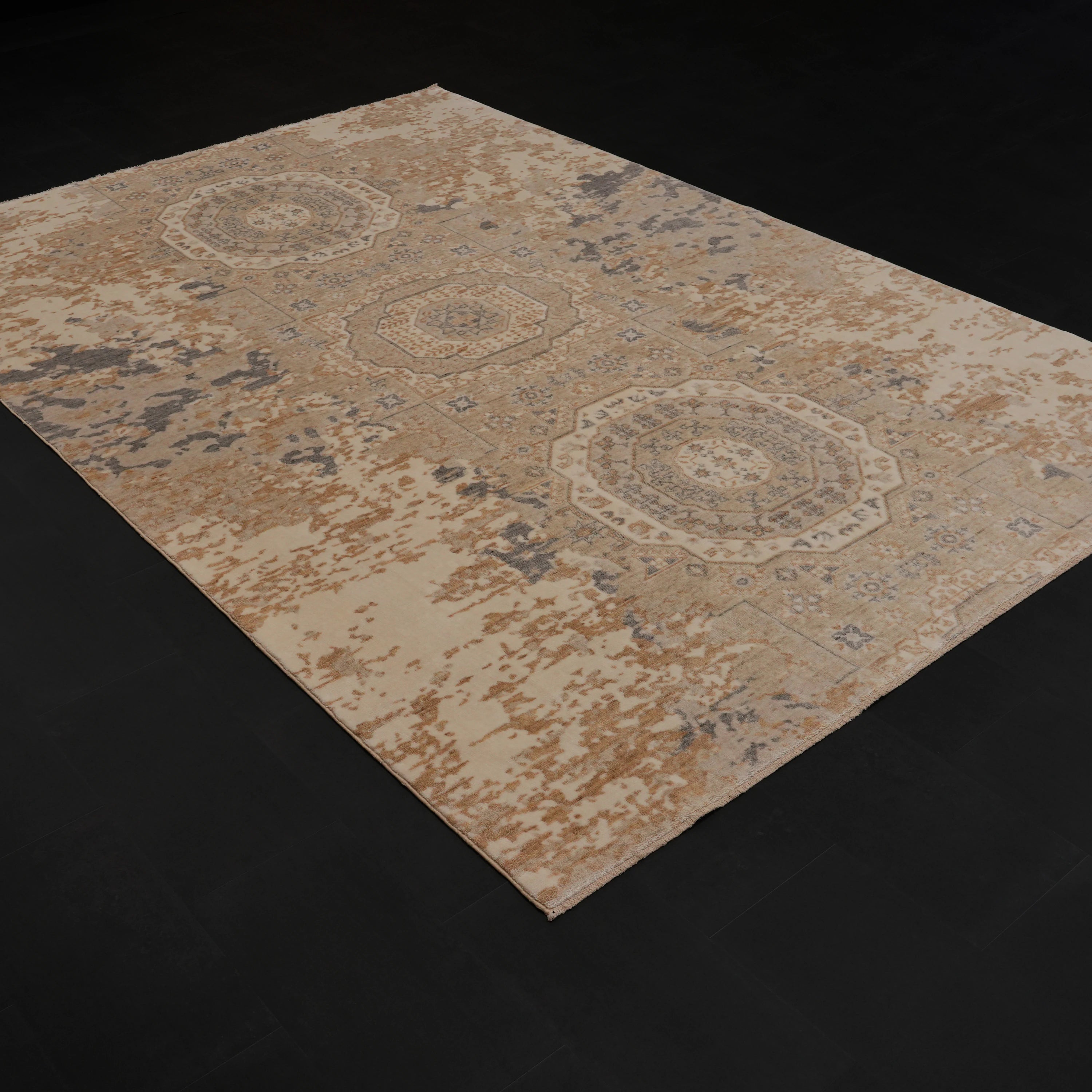
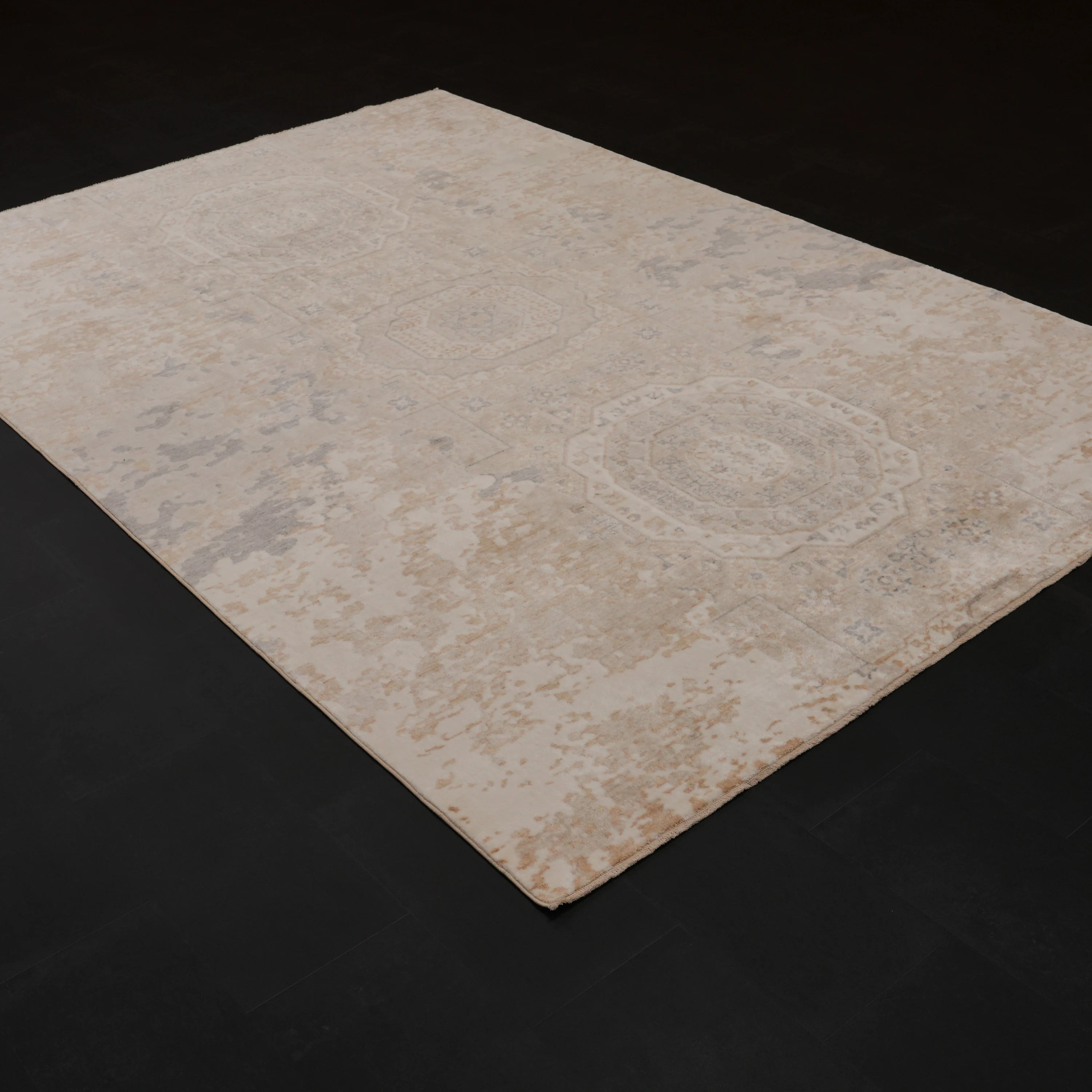


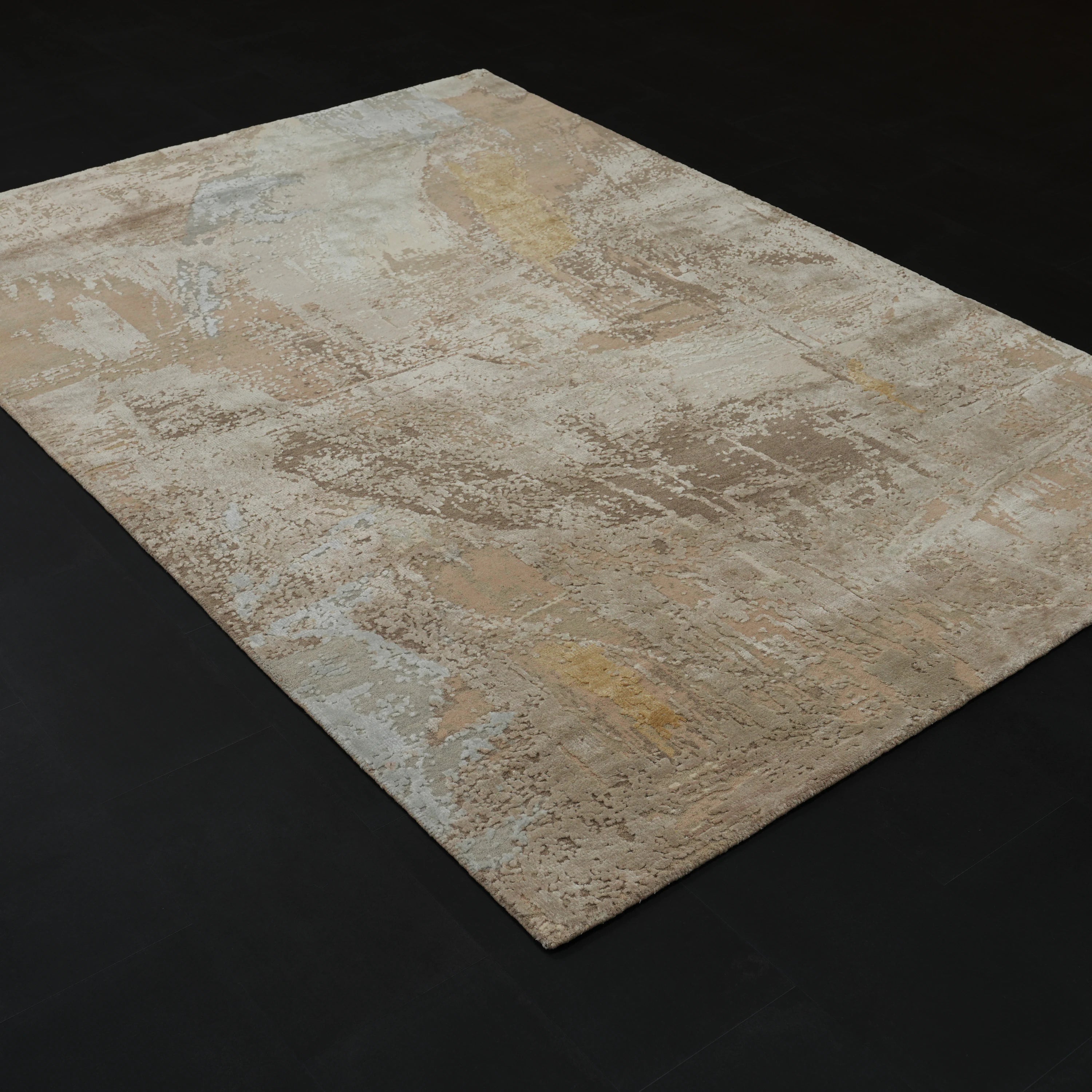
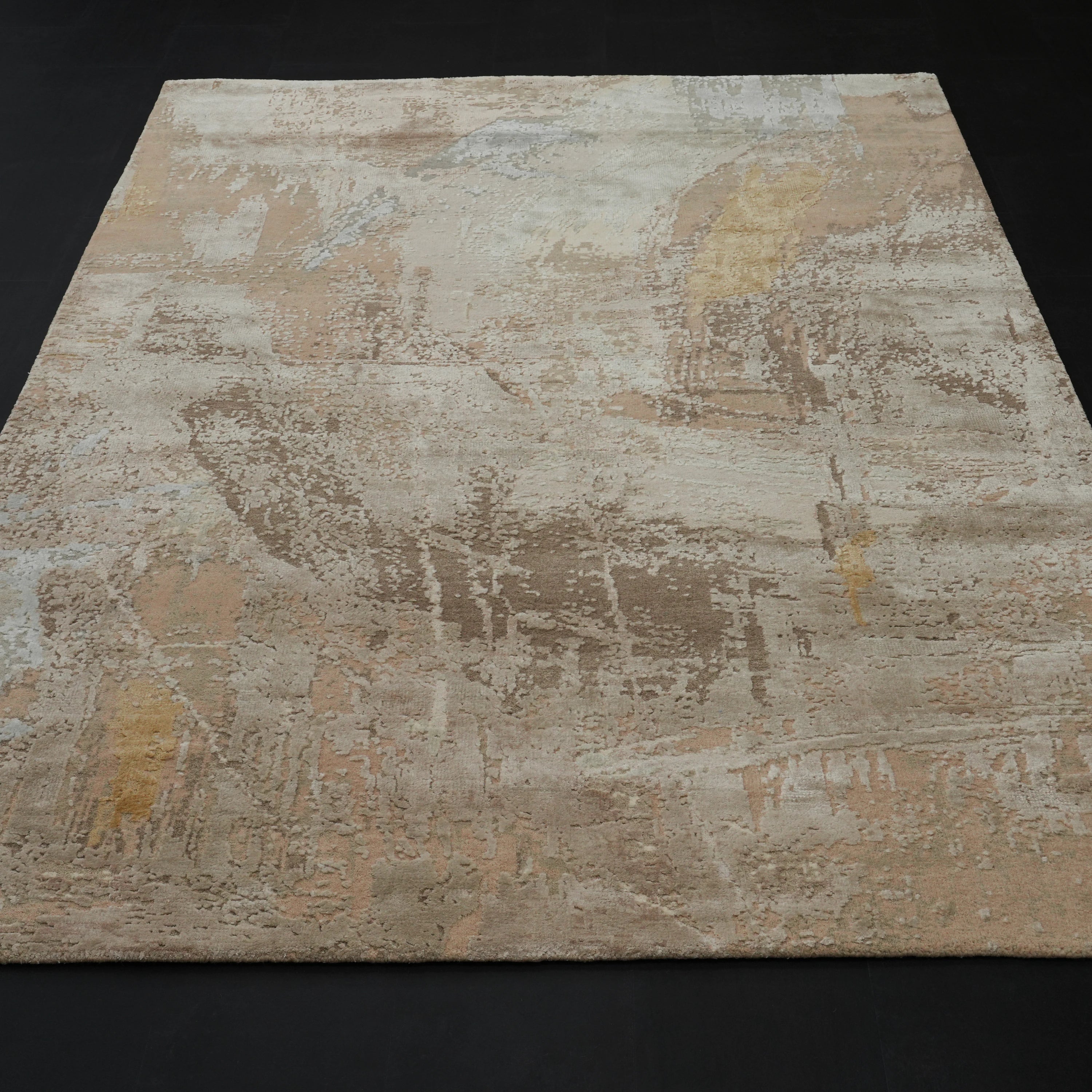
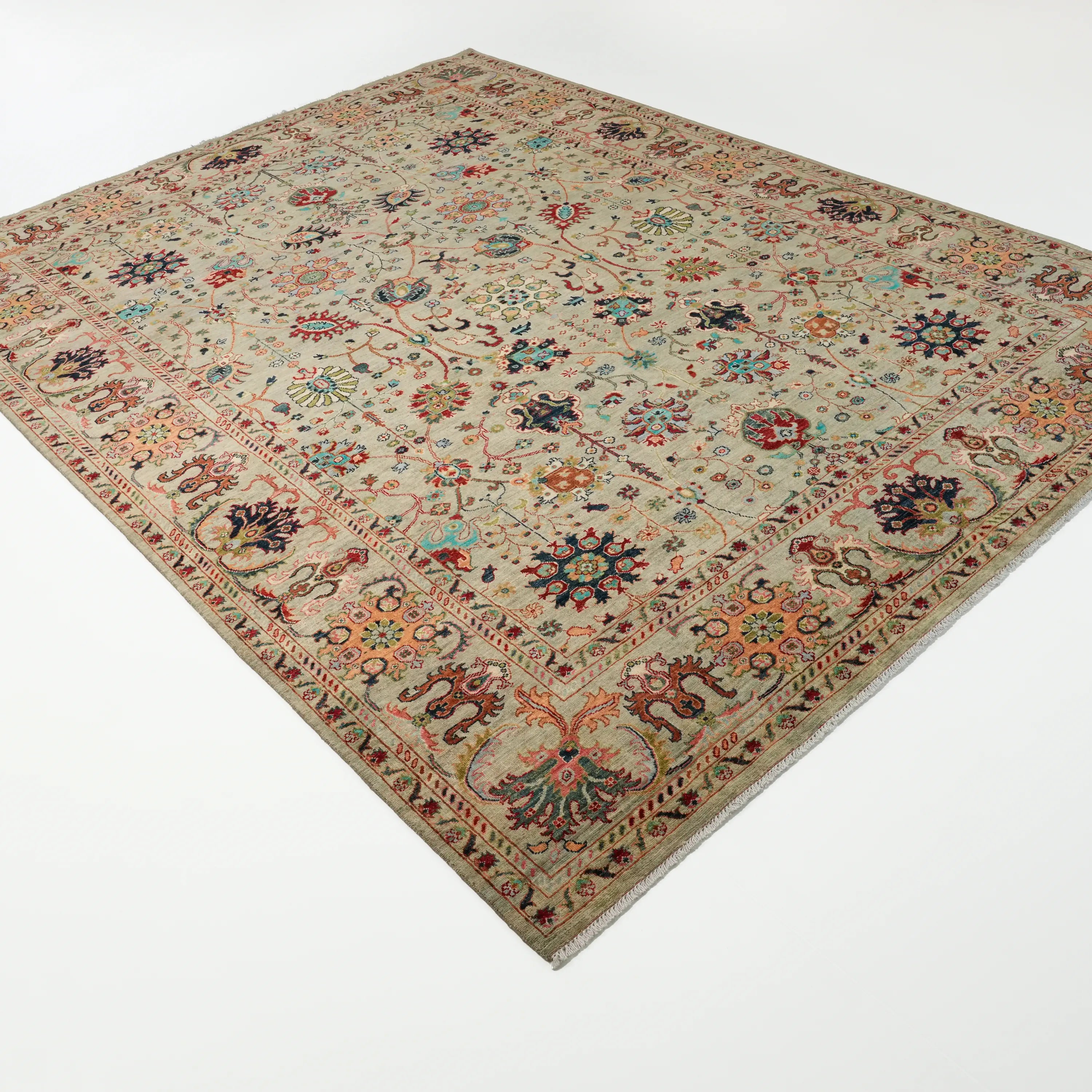
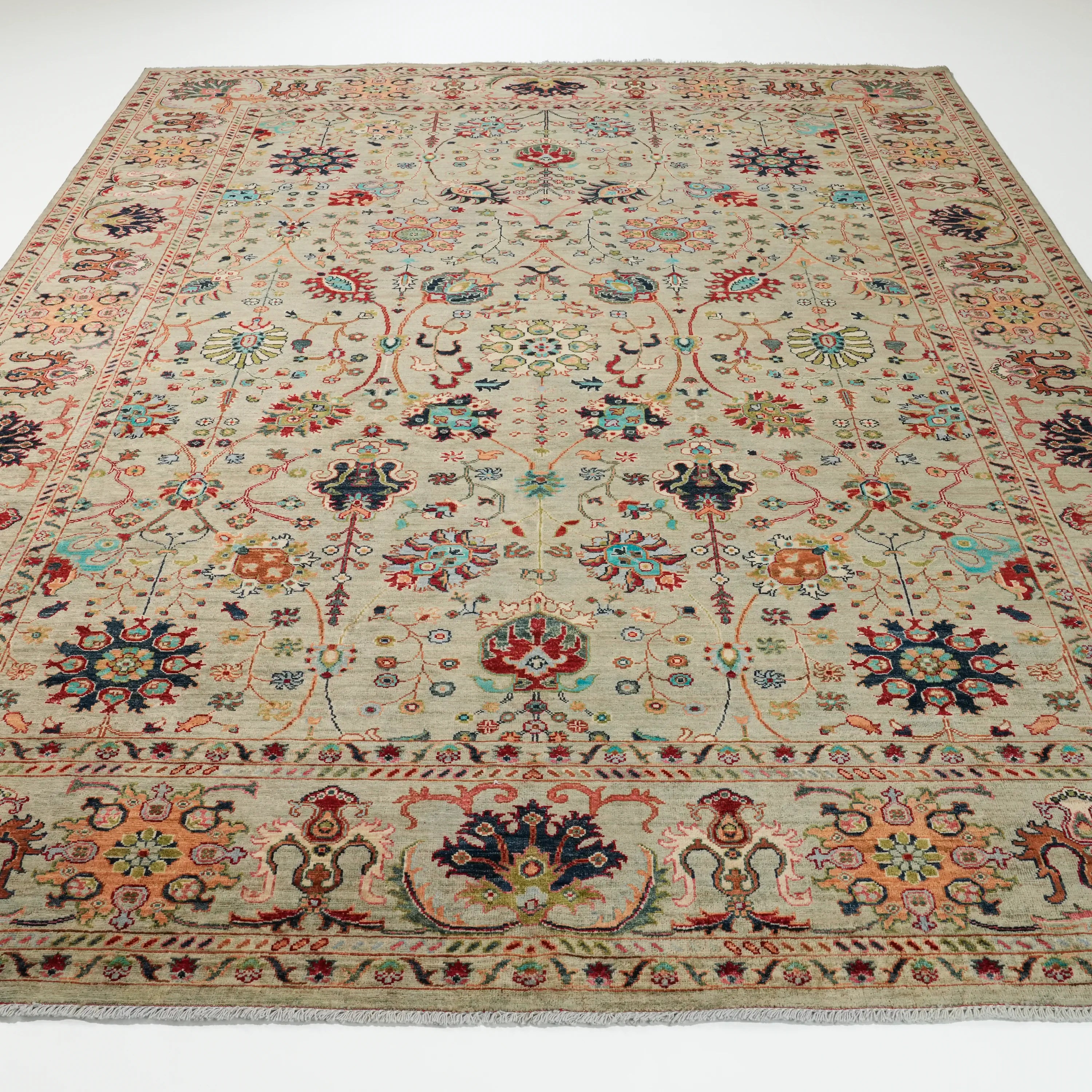
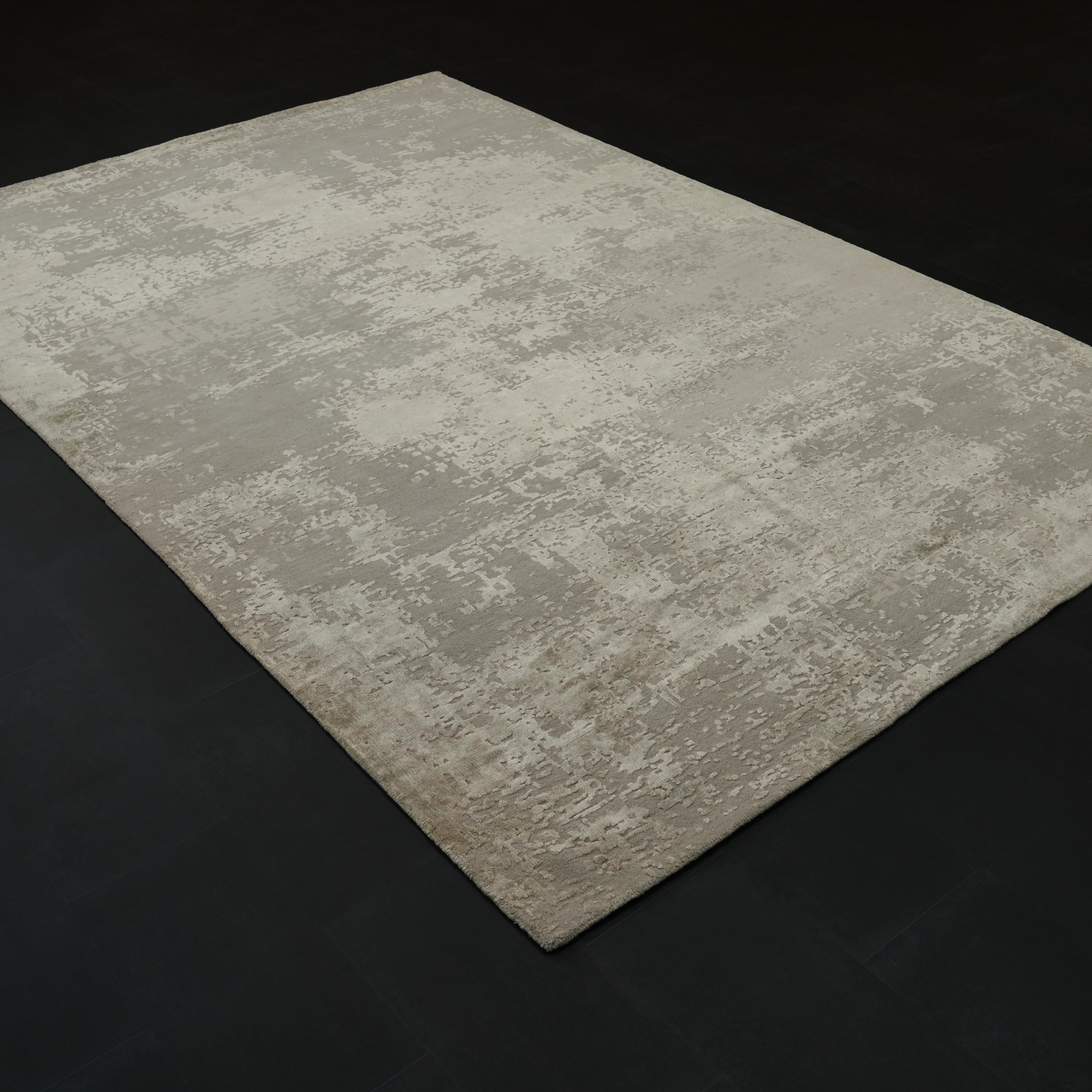
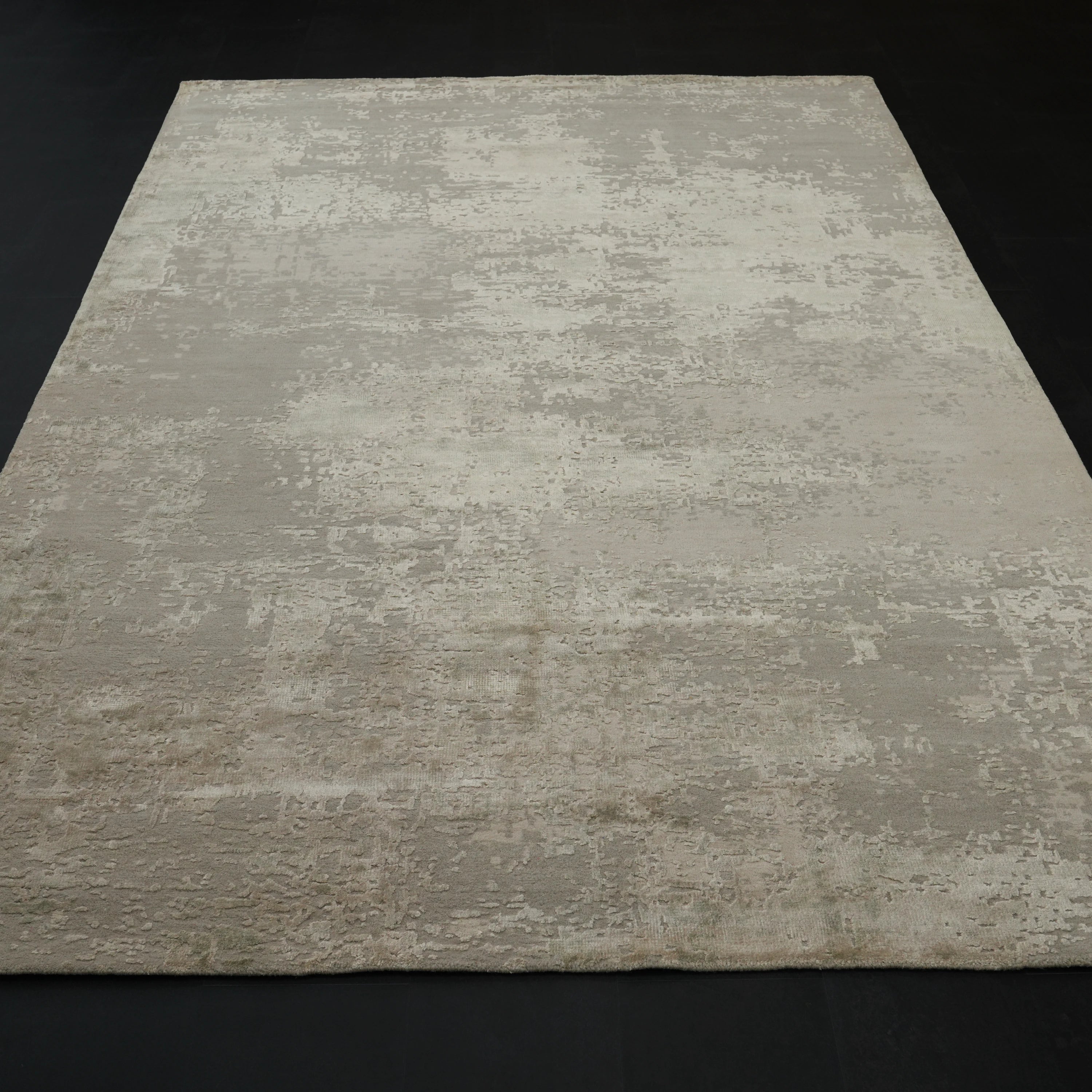
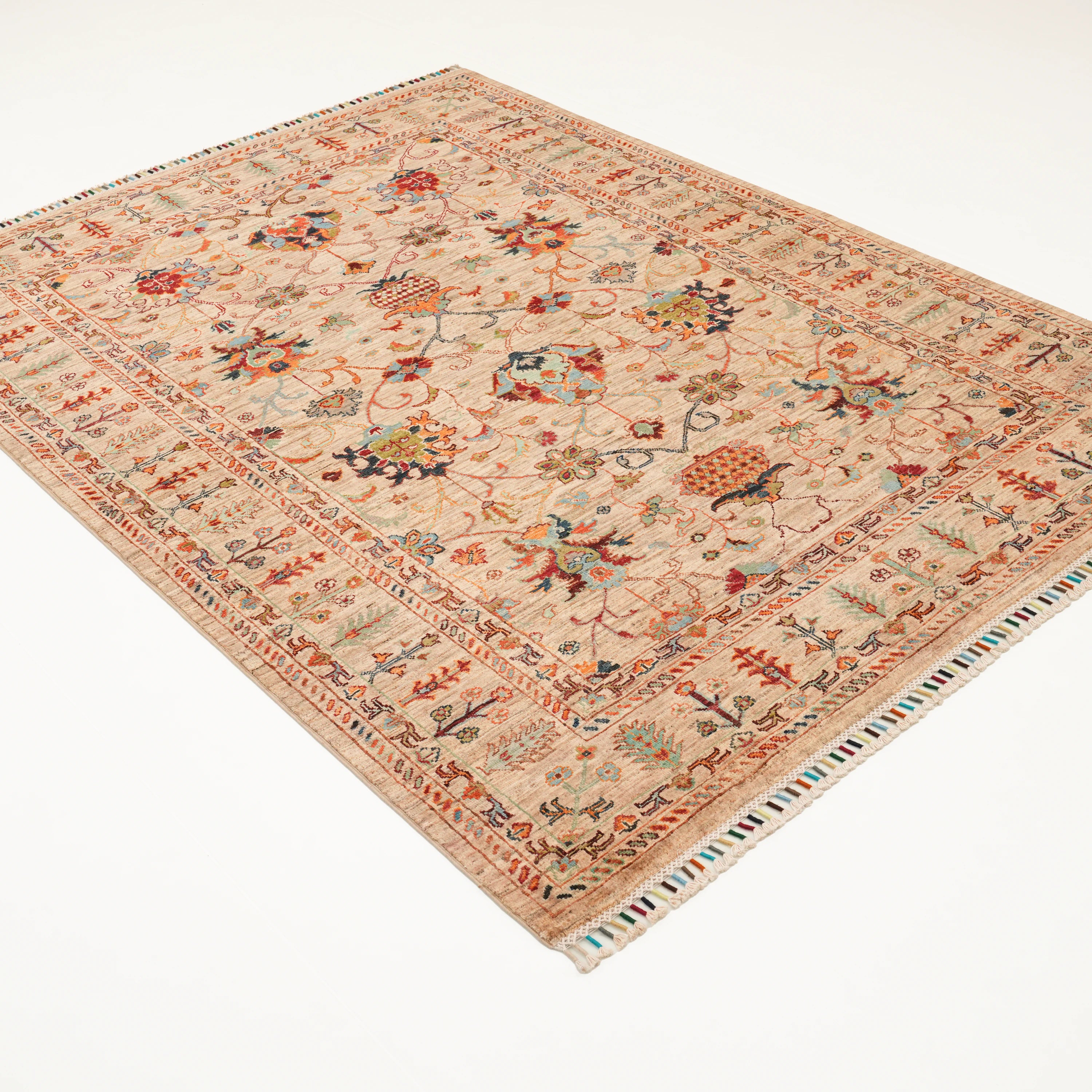
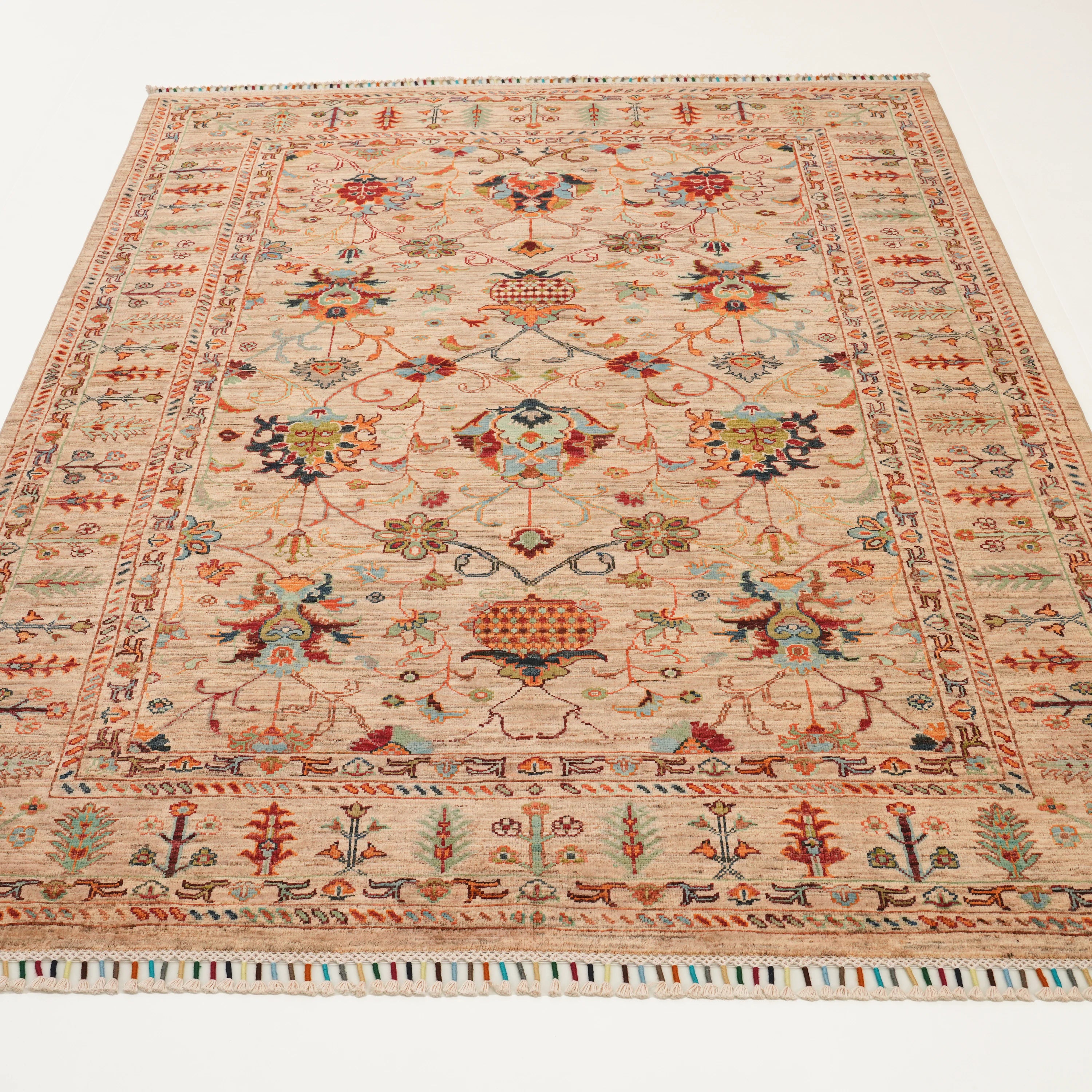
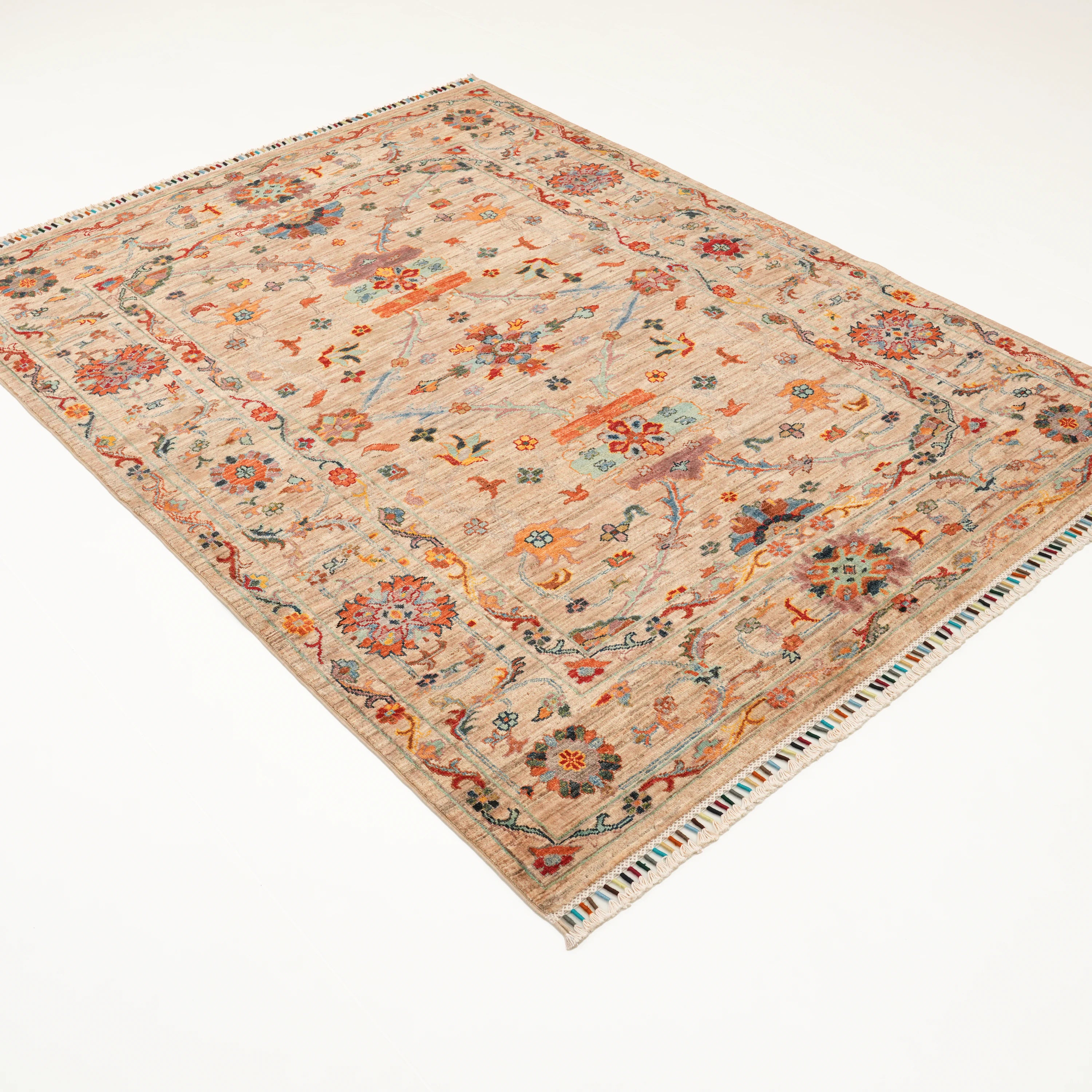
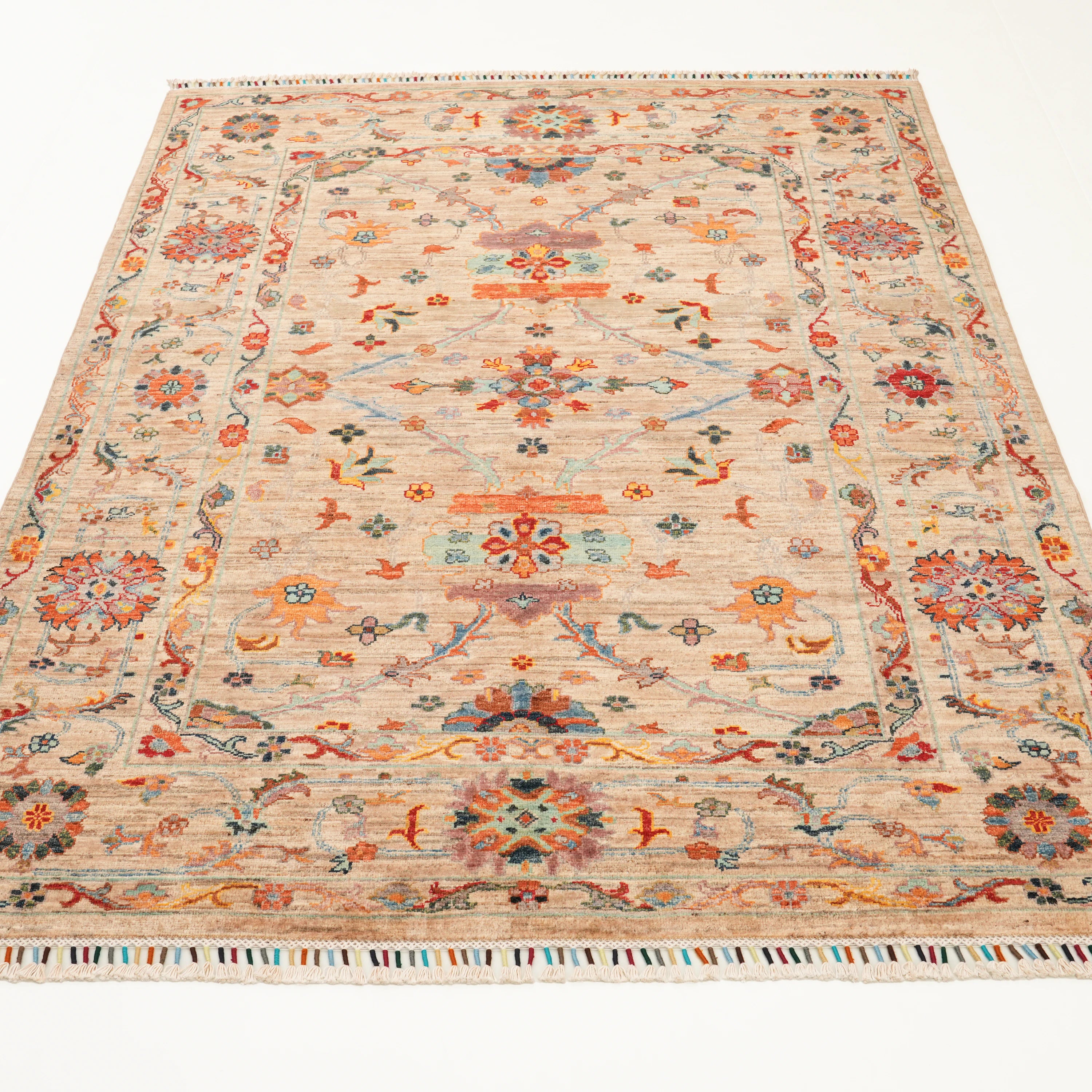


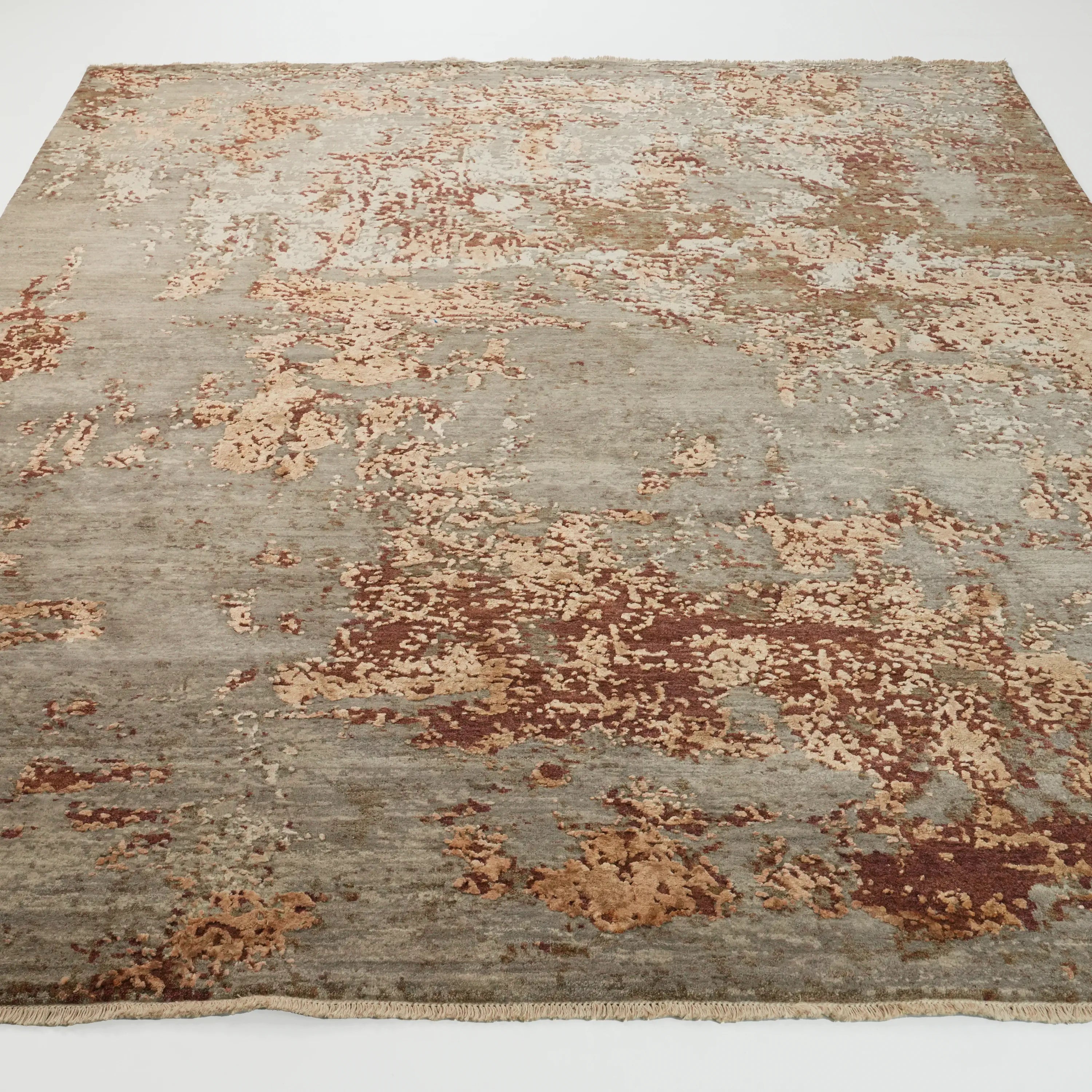
A taupe (vizon) rug is a floor covering woven in a warm grayish-brown neutral tone, sitting between beige and gray, popular in contemporary Turkish rug design for its versatility with both modern and traditional decor.
Taupe occupies a genuinely useful in-between space in the neutral color spectrum, warmer than gray, cooler and more sophisticated than beige, which is exactly why it's become such a popular contemporary choice despite having less deep historical rooting than more traditional Turkish rug neutrals.
A Contemporary Neutral Gaining Traditional Ground
Vizon (mink) is a more recently popularized neutral in Turkish rug design compared to traditional cream or camel tones, reflecting broader contemporary interior design trends toward sophisticated, muted neutrals. It has been increasingly adopted across both modern loomed pieces and reinterpreted traditional patterns.
How Taupe Differs from Beige and Gray
Taupe sits at the precise midpoint between warm beige and cool gray, carrying enough brown undertone to feel grounded and warm-adjacent, while still reading as sophisticated and contemporary rather than as a purely warm earth tone.
Why Choose a Taupe Rug from Halicizade
We carry taupe across multiple pattern families, from vintage-style overdyed pieces to more contemporary designs, specifically because its versatility spans a wider decorating range than either pure beige or pure gray individually.
Styling a Taupe Rug
Taupe's balanced warmth and coolness make it one of the more forgiving neutral choices in our catalog.
- Pairs naturally with cream, rust and charcoal for a sophisticated, layered neutral palette.
- Works equally well in bedrooms and living rooms given its calm, versatile character.
- A strong choice for bridging a room that mixes warm and cool-toned furniture.
- Particularly popular in vintage-style overdyed pieces given how well the tone suits a faded aesthetic.
Taupe vs. Beige vs. Gray
| Taupe | Beige | Gray | |
|---|---|---|---|
| Undertone | Balanced warm-gray | Warm | Cool |
| Mood | Sophisticated, versatile | Cozy, traditional | Modern, crisp |
| Pairs especially well with | Rust, charcoal, cream | Cream, natural wood | Navy, blush, brass |
Care & Maintenance
Standard wool care applies, regular vacuuming, prompt spill treatment, and professional cleaning every 12-18 months; taupe's mid-tone depth hides everyday soiling reasonably well.
Frequently Asked Questions
What is the difference between taupe and beige?
Taupe carries a cooler, grayer undertone than beige, which is warmer and more strictly brown-toned; taupe sits closer to the midpoint between beige and gray.
Is vizon a traditional Turkish rug color?
It's a more recently popularized neutral in Turkish rug design compared to traditional cream or camel tones, reflecting broader contemporary interior trends, though it now appears across both modern and reinterpreted traditional patterns.
What colors pair well with a taupe rug?
Cream, rust and charcoal pair particularly well with taupe, and it also bridges rooms that mix warm and cool-toned furniture.
Is taupe considered a warm or cool neutral?
It's genuinely balanced between the two, carrying enough brown undertone to feel warm-adjacent while still reading as sophisticated and slightly cool compared to pure beige.
What patterns are available in taupe?
Taupe appears across vintage-style overdyed pieces and more contemporary modern designs, given how well the tone suits both a faded aesthetic and a clean contemporary look.
Does taupe work in both modern and traditional rooms?
Yes, this cross-style versatility is one of taupe's main appeals, working equally well with contemporary and traditional decor.