Three weaving traditions printed in blocks, and it washes at home
 75×300 cm



Rugs & Kilims
Find Your Rug
For those who already know what they are looking for — Halıcızade's most visited collections.
Three weaving traditions printed in blocks, and it washes at home
75×300 cm
 %30
155×230 cm
%30
155×230 cm
from
1.925 TLwas2.750 TL
%30 off≈ 1.700 TL/m²
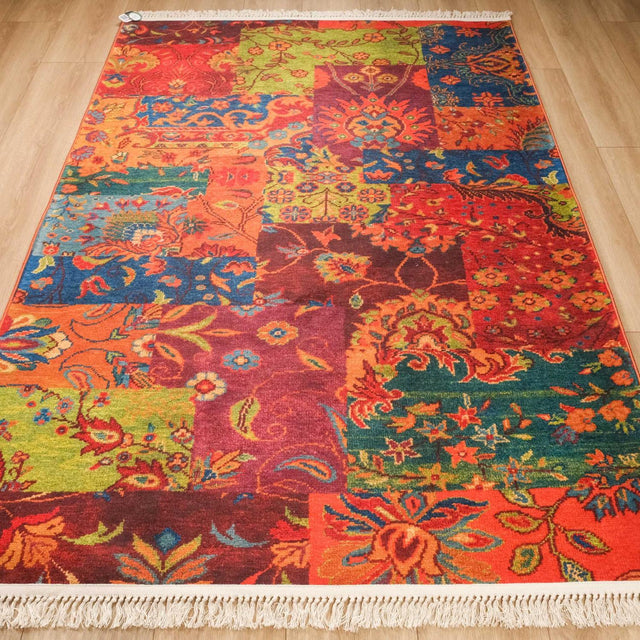
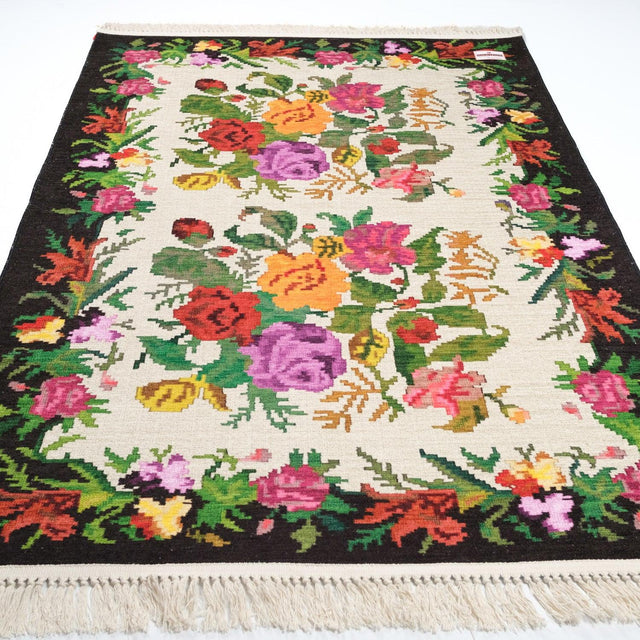
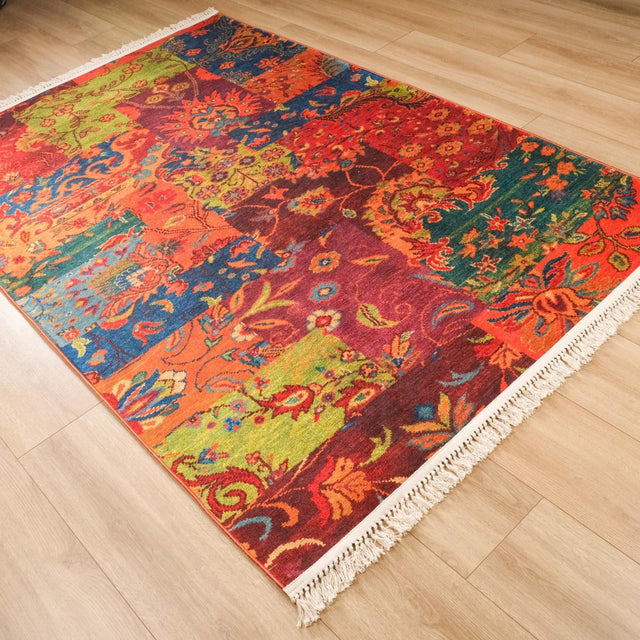
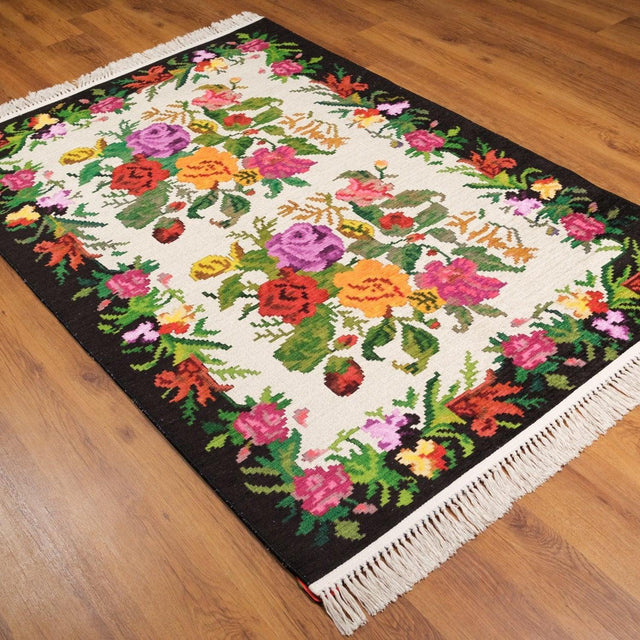
A digital print rug carries its pattern as ink printed onto a woven synthetic ground rather than as knots or colored weft. High-resolution printing puts any design, photograph or color combination on the surface, and the printed panel is then bonded to a non-slip backing. These rugs are made in Türkiye and cost a fraction of hand-knotted work.
This page explains how the pattern gets onto the rug, what printing can and cannot do compared with weaving, the three constructions sold here, and how a printed rug is washed.
The design is printed, not built. A pattern, a photograph or a color scheme is sent to a high-resolution printing machine, which lays it onto prepared fabric cut to the ordered size; the printed panel is then joined to a non-slip base, which is what holds the rug flat and extends its working life. Because the pattern is a file rather than a loom setup, several different designs can be combined into one rug, and a piece can be made to pick up the dominant colors of a specific room or office.
The consequence is that there is no knot structure at all. Every digital print rug is synthetic, and the drawing sits on the surface instead of running through the pile — which is why the back of one of these rugs tells you nothing about the front. Compare a hand-knotted rug, where the pattern is visible on both faces.
| Type | Build | Suits |
|---|---|---|
| Non-slip base | Printed panel bonded to a grip backing; made for long service in changing conditions | Kitchens, bathrooms, balconies, entrances |
| Velvet surface | A denser printed pile with a closer, softer hand; size, pattern and color specified by the buyer | Living rooms and bedrooms, where the rug is looked at closely |
| Cotton and polyester | Cotton blended with polyester yarn; the lightest of the three | Rooms where the rug will be washed often |
The cotton and polyester construction can be washed by hand or in a machine, which is the practical reason most people choose it. Other washable constructions are grouped in machine-washable rugs.
It lifts the ceiling on how many colors a rug can hold. A woven rug is limited by the number of dyed yarns on the loom; a printed rug is limited only by the file, so photographic gradation, fine detail and a large color range cost nothing extra to produce. Polyamide face fabrics take the ink well and hold the color under normal use.
The trade is depth. Printed color sits on the surface of the fibers rather than through them, so as the pile wears, the pattern wears with it. That is a different aging behavior from a dyed wool rug, where color runs the full length of the fiber.
The three are different products at different prices, and the useful distinction is where the pattern lives.
For thickness rather than pattern, the low-profile end of the range is collected in thin rugs.
In rooms where a rug gets wet, gets walked on hard, or needs to change. Kitchens, bathrooms, balconies and entrances suit a printed non-slip rug because it can go in the machine when something is spilled on it; see kitchen rugs and bathroom rugs. Children's rooms suit it because the design range covers subjects no loom would produce, and because the rug is inexpensive enough to replace when the child's taste moves on. Offices use it for the same reason a company uses printed signage — a specific palette can be matched exactly. The technique also produces runners, which is the format most corridors want.
Before ordering, check four things.
These rugs can go in a domestic washing machine, and their makers recommend 30 °C. Do not spin them: lay the rug flat and let it dry on its own, out of direct sunlight, because sustained sun will fade printed color faster than use will. Depending on traffic, three or four washes a year is a reasonable rhythm, and a professional clean is an option for a deep wash.
Between washes, a vacuum every day or two on a well-used rug keeps the surface bright, and a barely damp cloth lifts light surface dirt. Avoid hard-surface cleaners and chemical solvents. They strip printed color and change the hand of the fibers, and the damage is not reversible — so treat spills quickly rather than strongly.
A rug whose pattern is printed onto a woven synthetic ground with a high-resolution printing machine, then bonded to a non-slip backing. There is no knot structure, and the design sits on the surface of the fibers rather than running through them.
Turn it over. A woven or knotted rug shows the pattern on the back, because the color is part of the structure; a printed rug shows a plain ground or a bonded backing, because the pattern exists only on the printed face.
Yes. Makers recommend washing at 30 °C without spinning, then laying the rug flat to dry away from direct sunlight. Three or four washes a year suits most households, and the cotton and polyester construction can also be washed by hand.
Sustained direct sunlight will fade printed color, which is why these rugs should be dried in shade and kept out of a full south window. Chemical and hard-surface cleaners cause the same loss more quickly, and neither effect can be reversed.
Synthetic fibers throughout. Polyamide face fabrics take the ink and carry the wear, and one construction blends cotton with polyester yarn for a lighter, more washable rug. All of them are printed rather than knotted.
Kitchens, bathrooms, balconies, entrances, children's rooms and offices. The technique suits any room where the rug needs washing often, where the design range matters more than the construction, or where a specific palette has to be matched.
Related collections: machine-washable rugs · machine-woven rugs · thin rugs · kitchen rugs