


Filters
1066 products
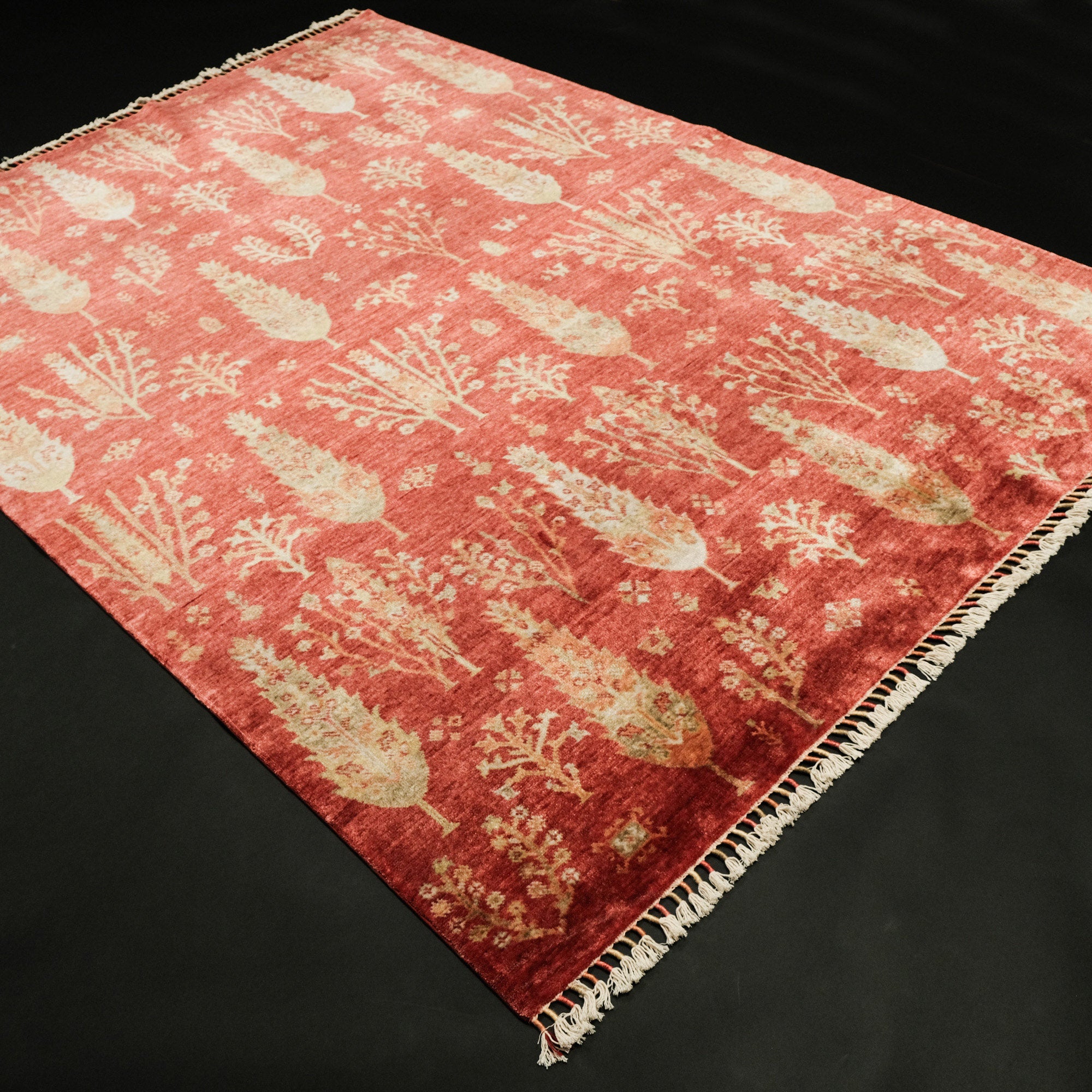
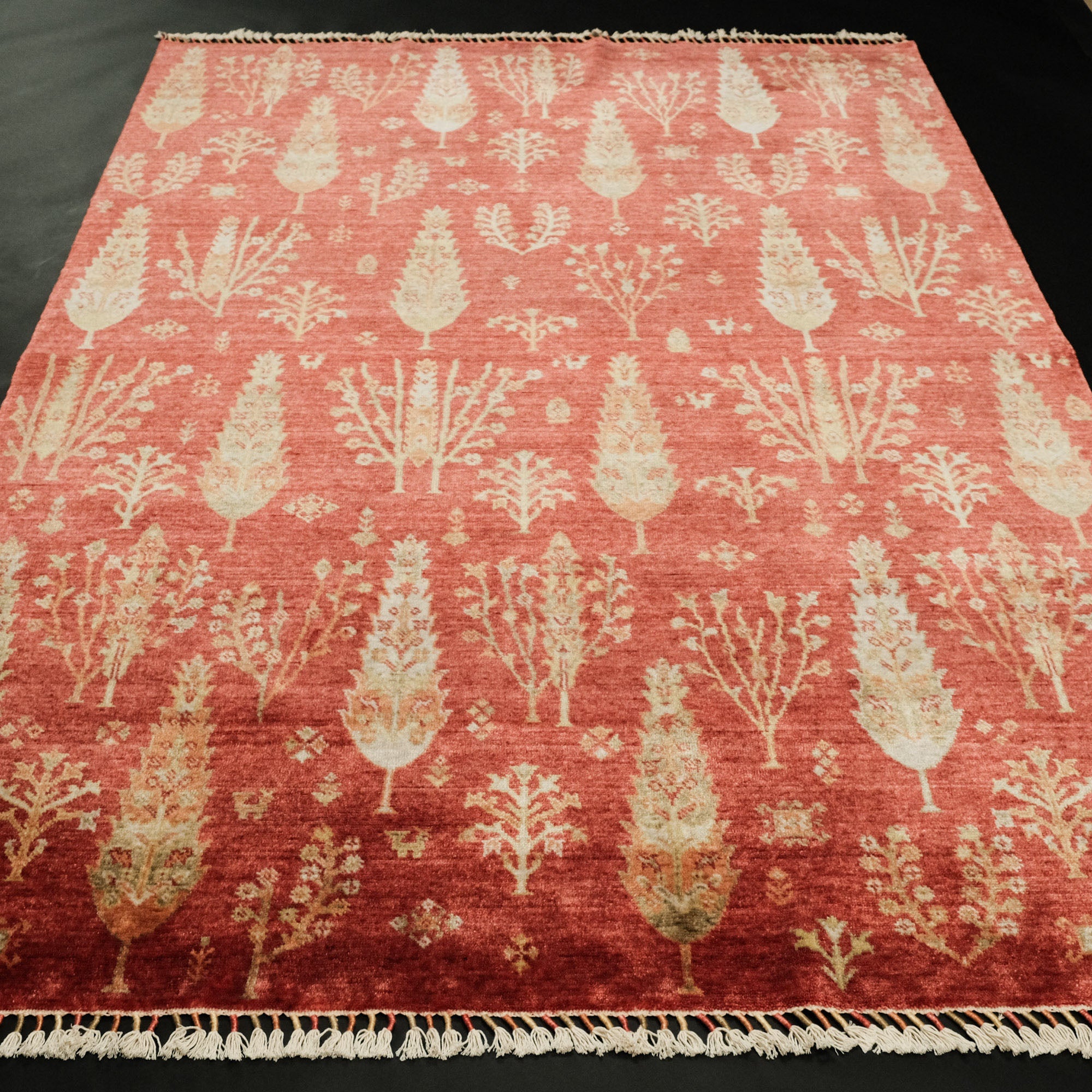
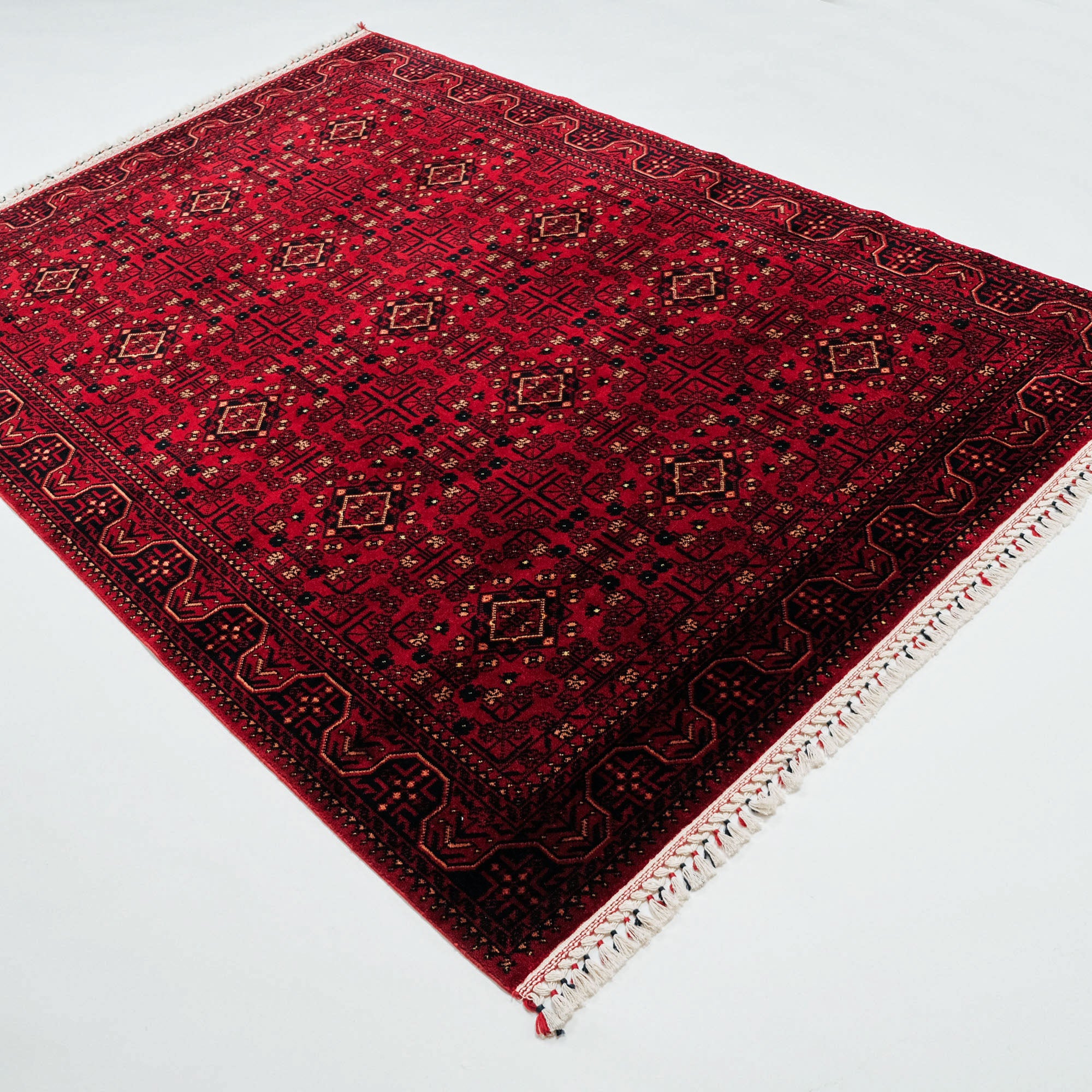
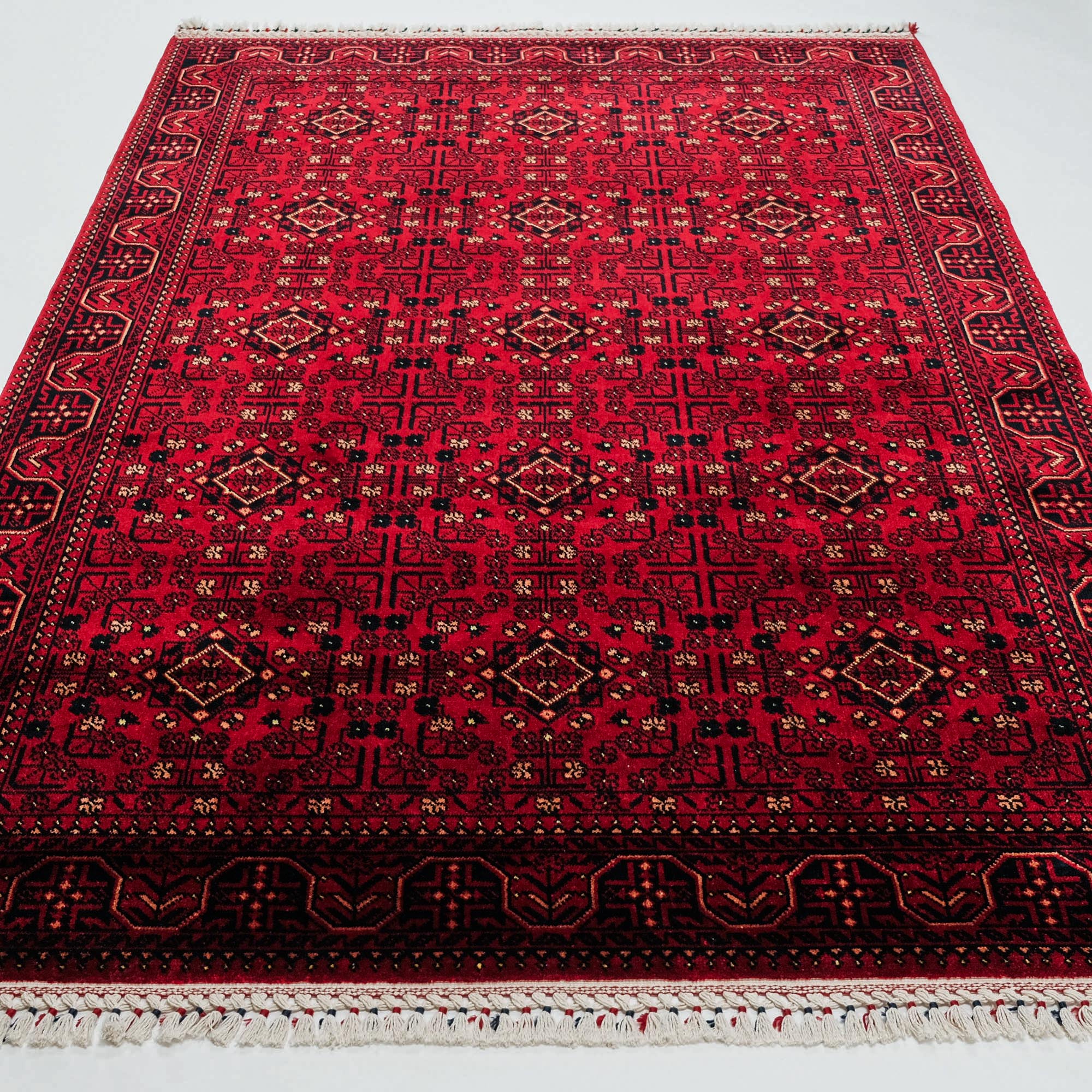
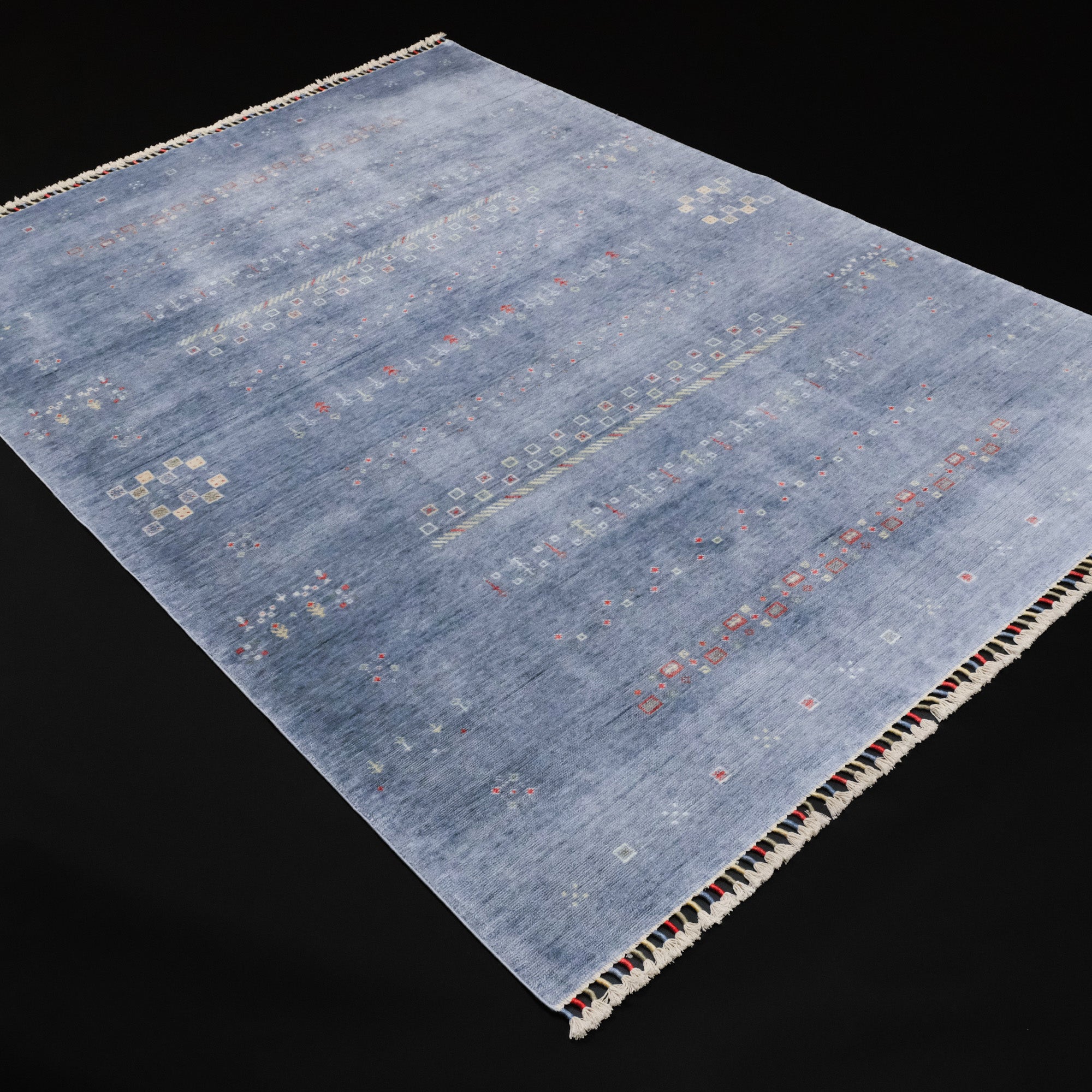
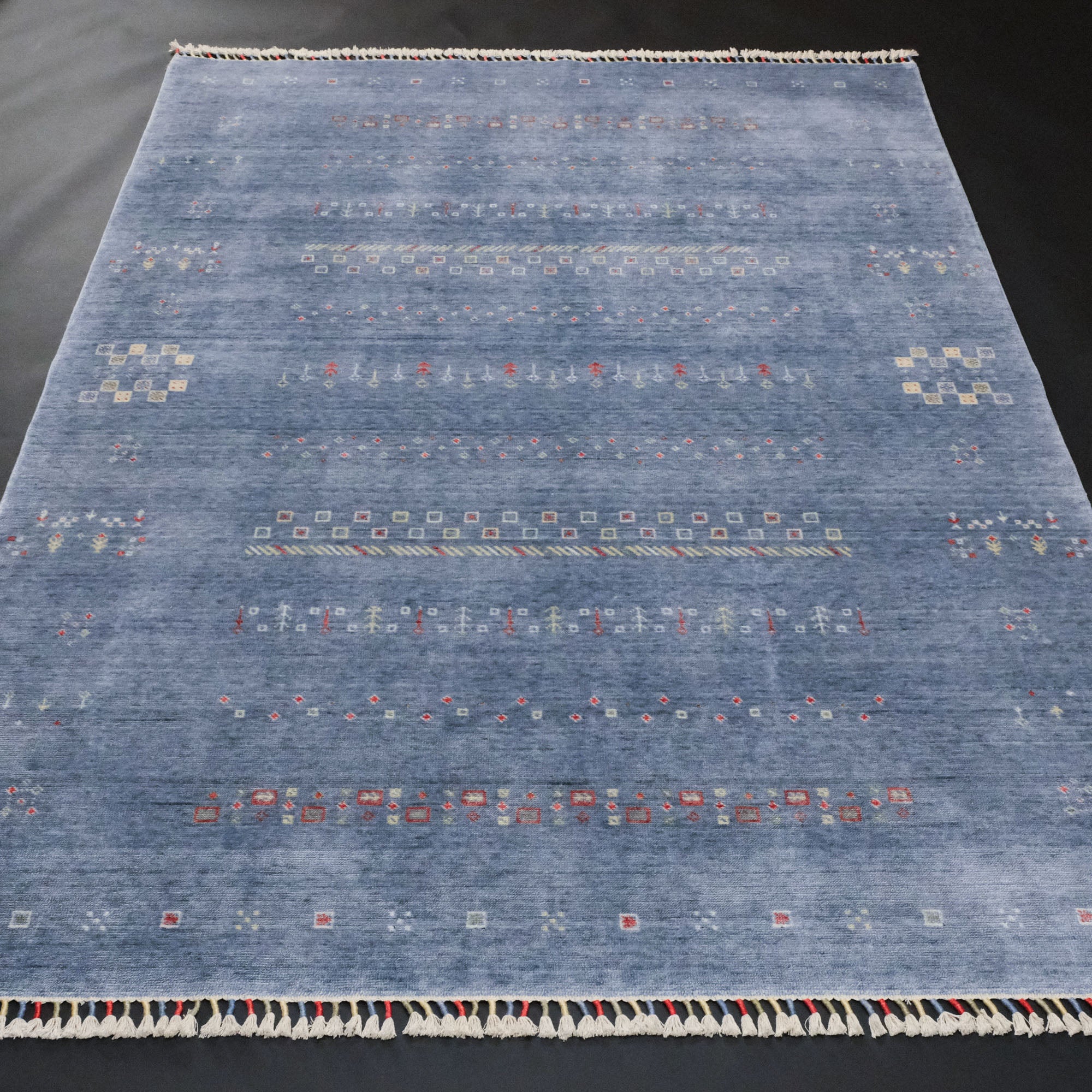
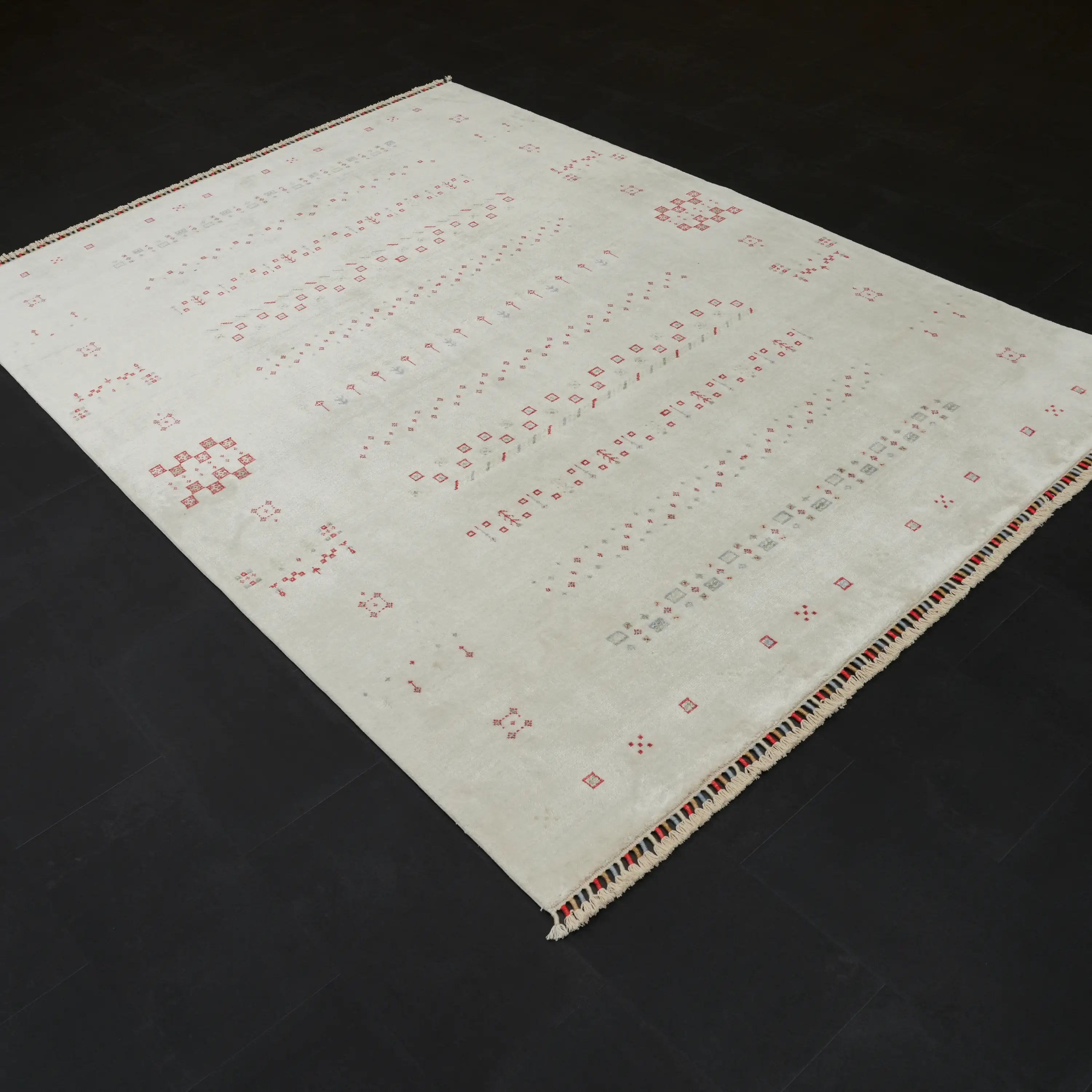
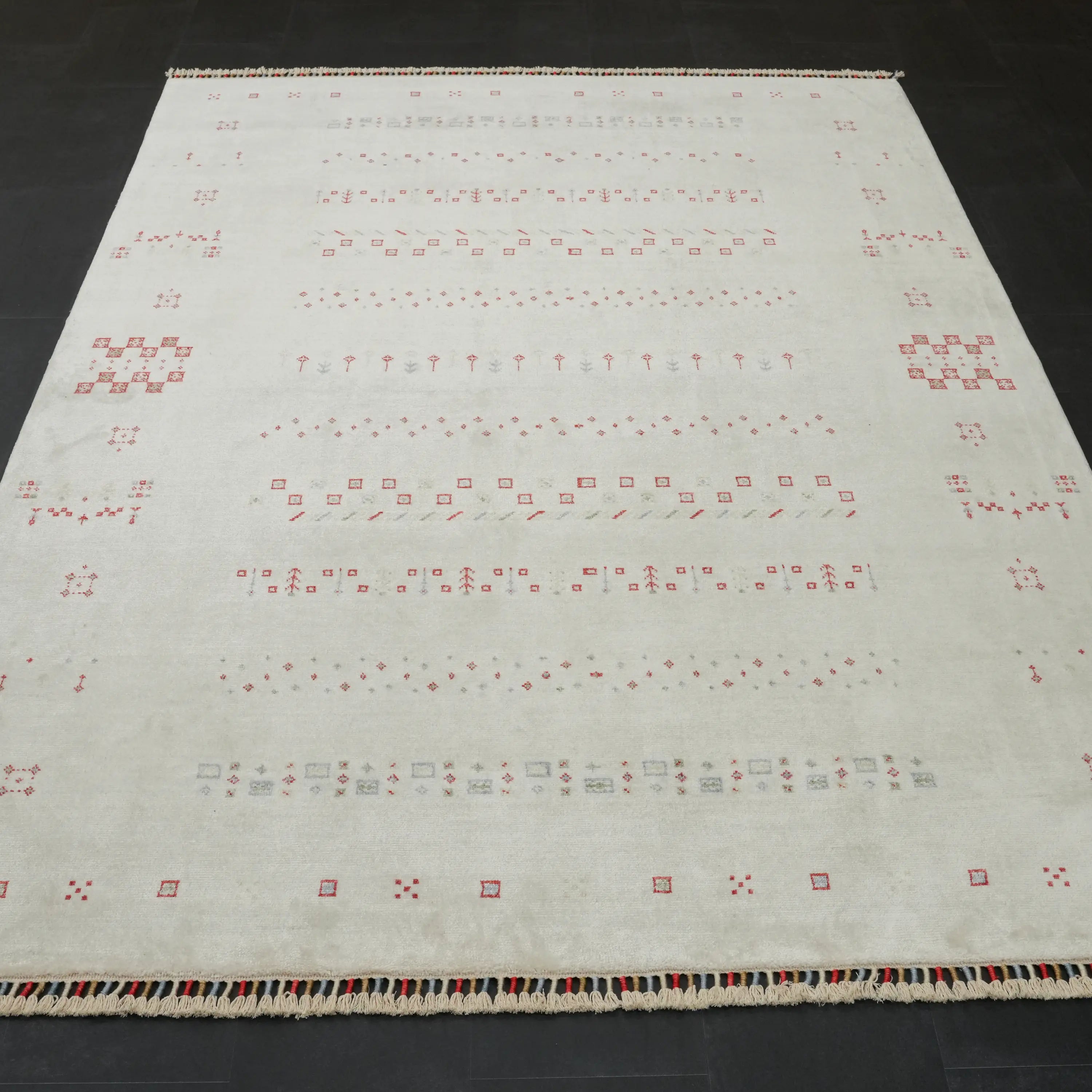
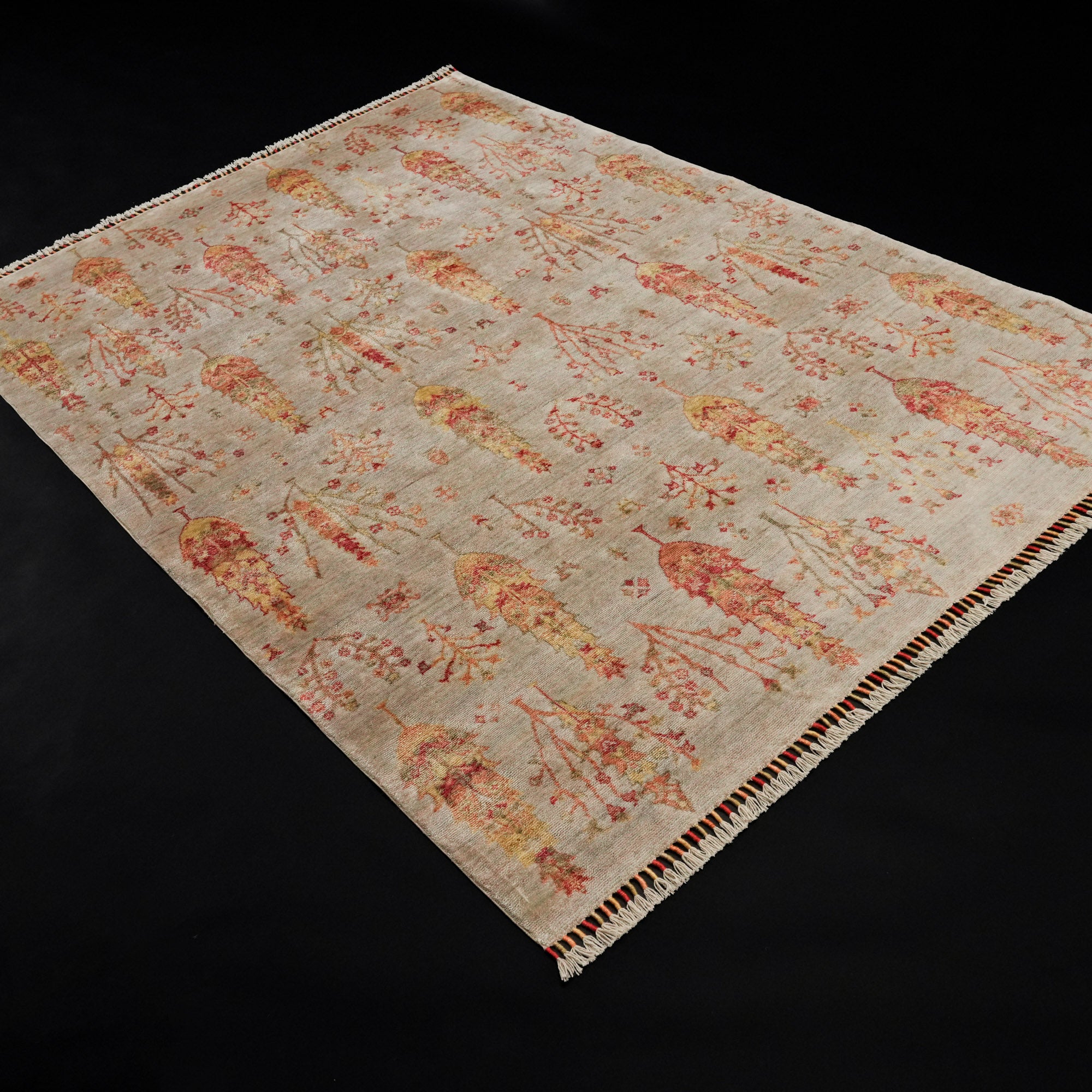
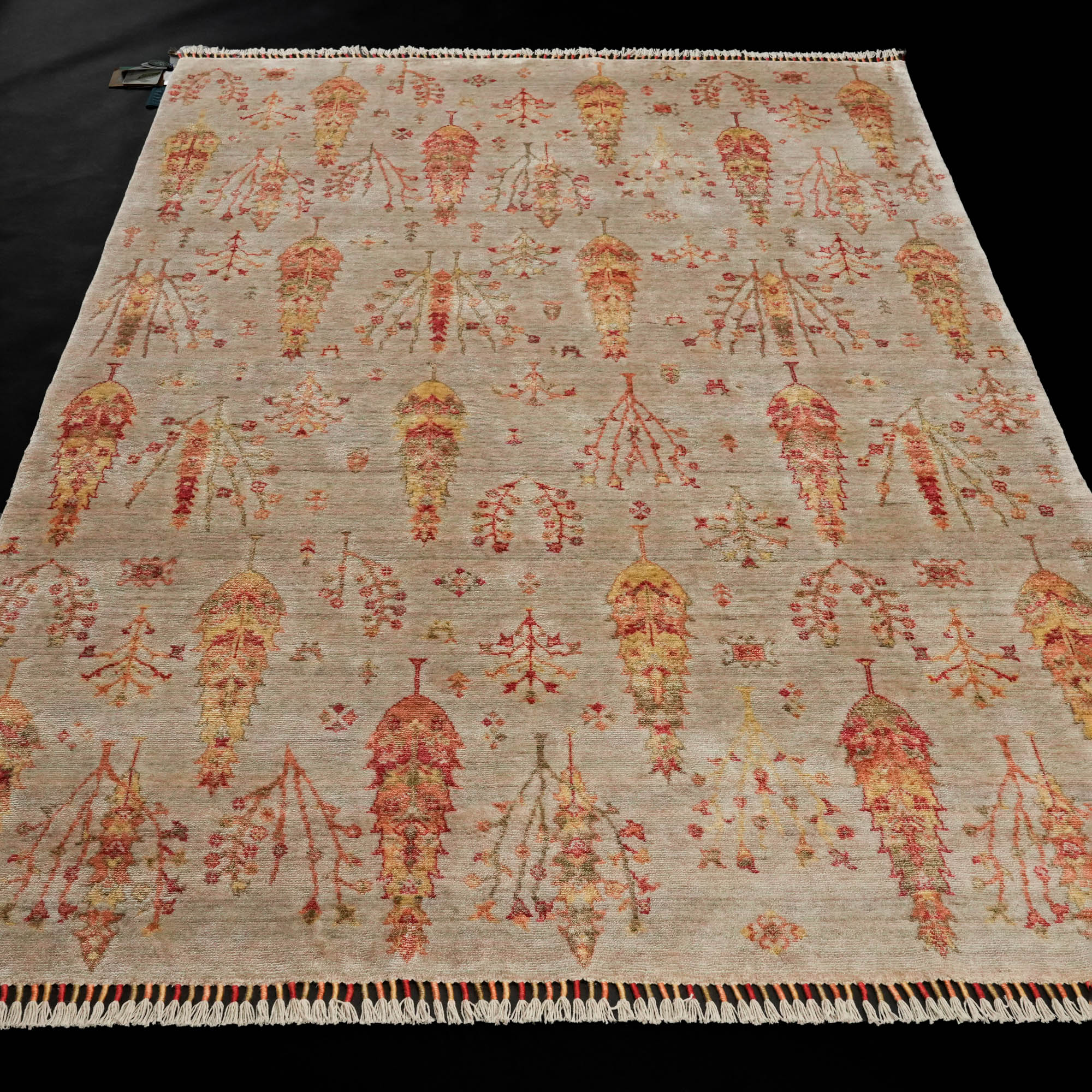
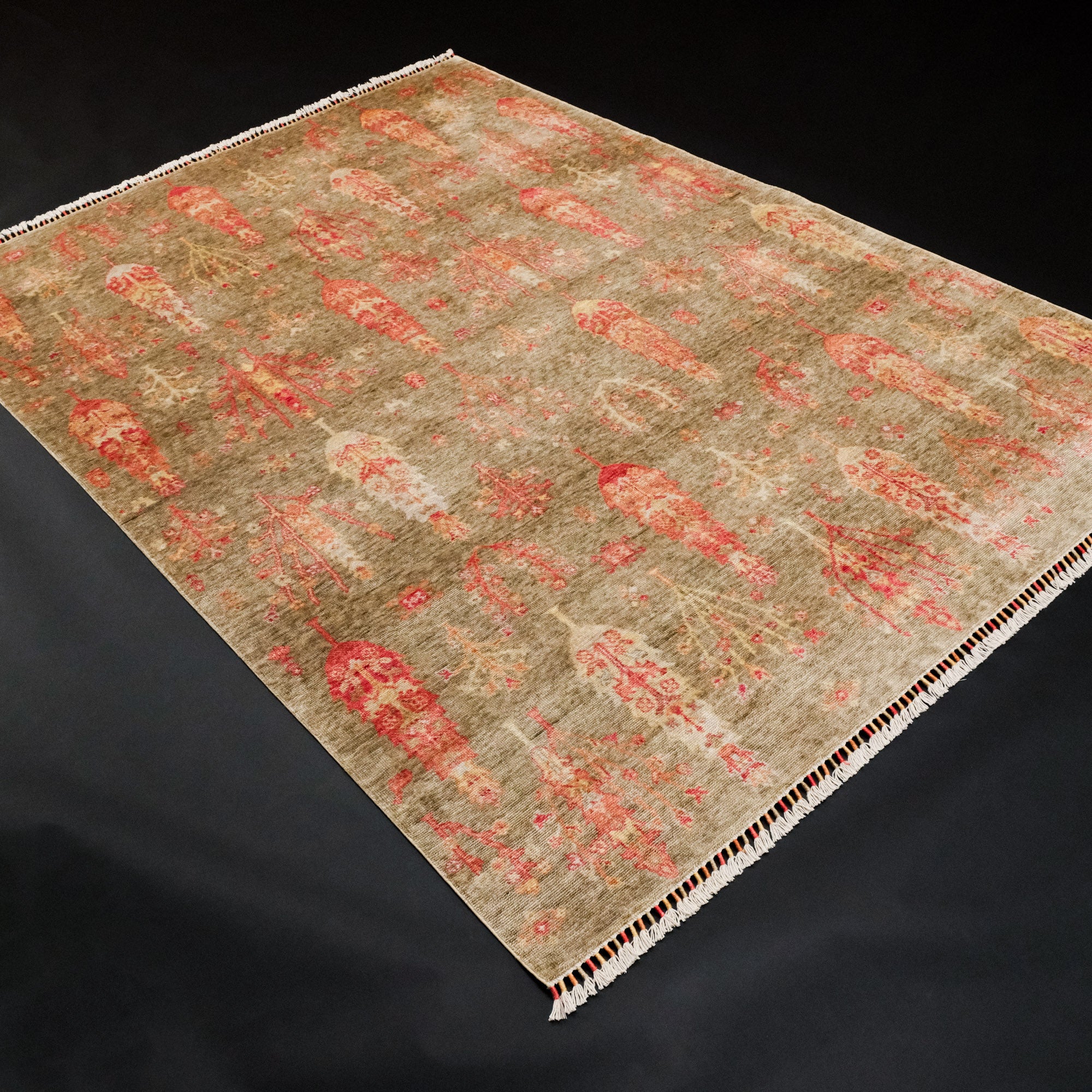
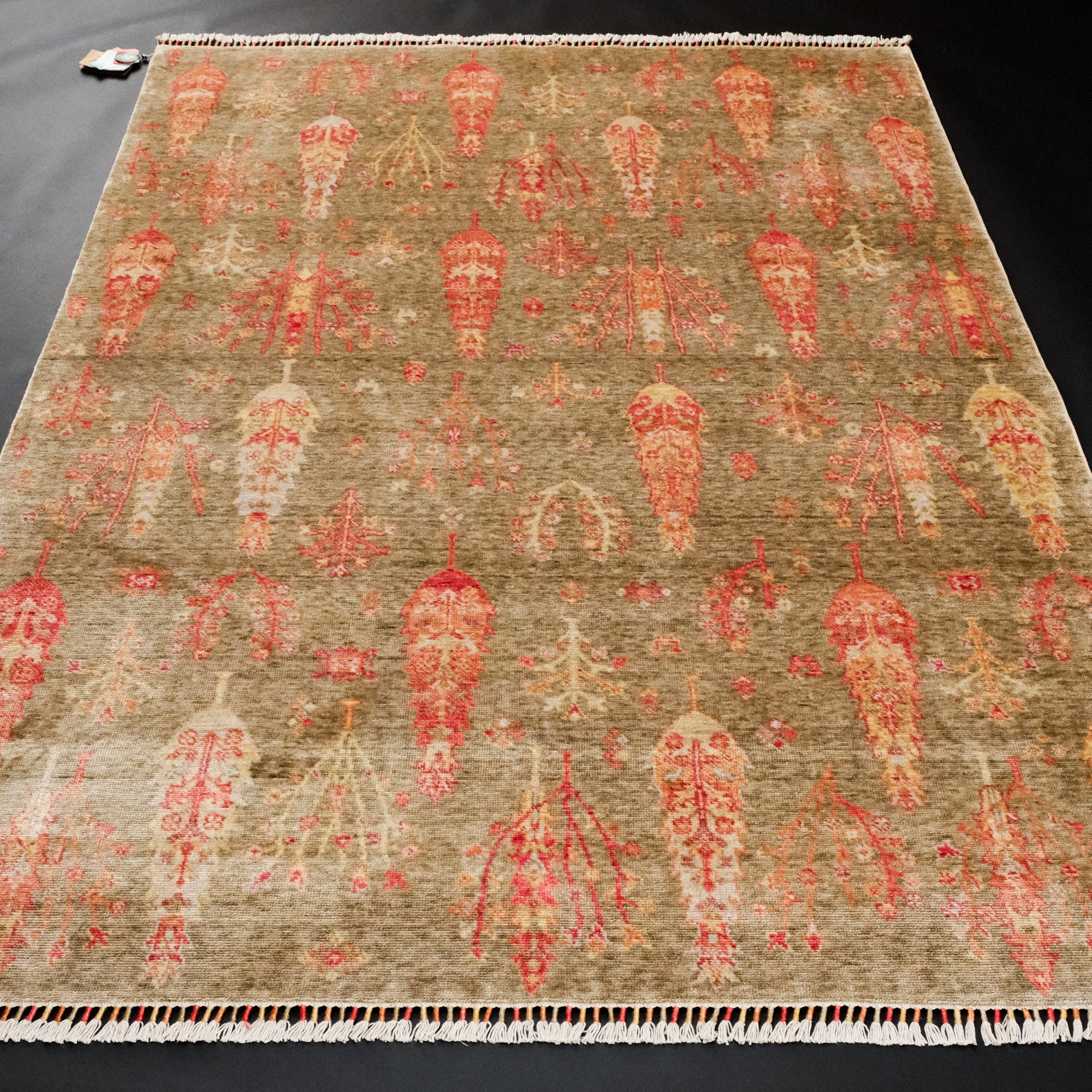
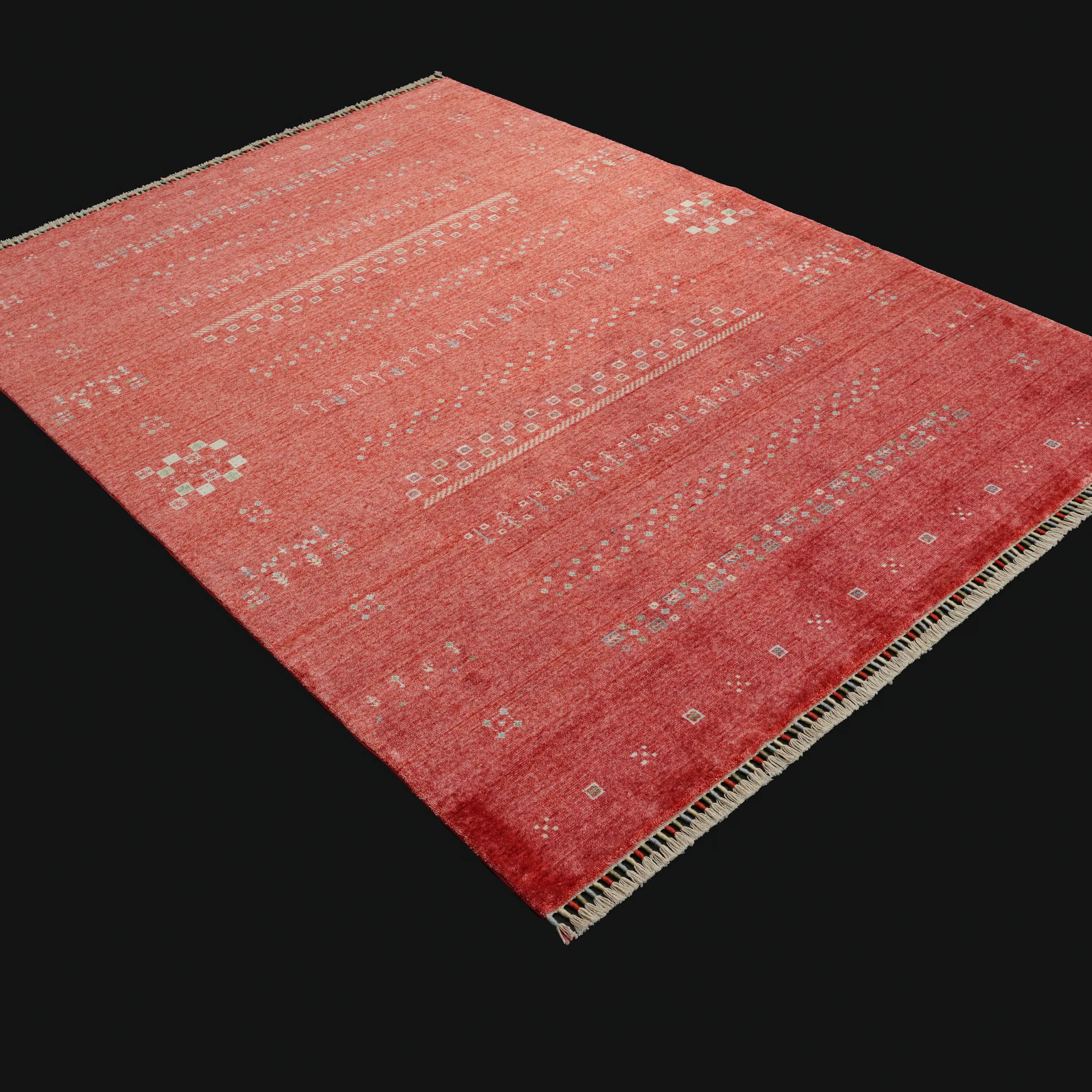
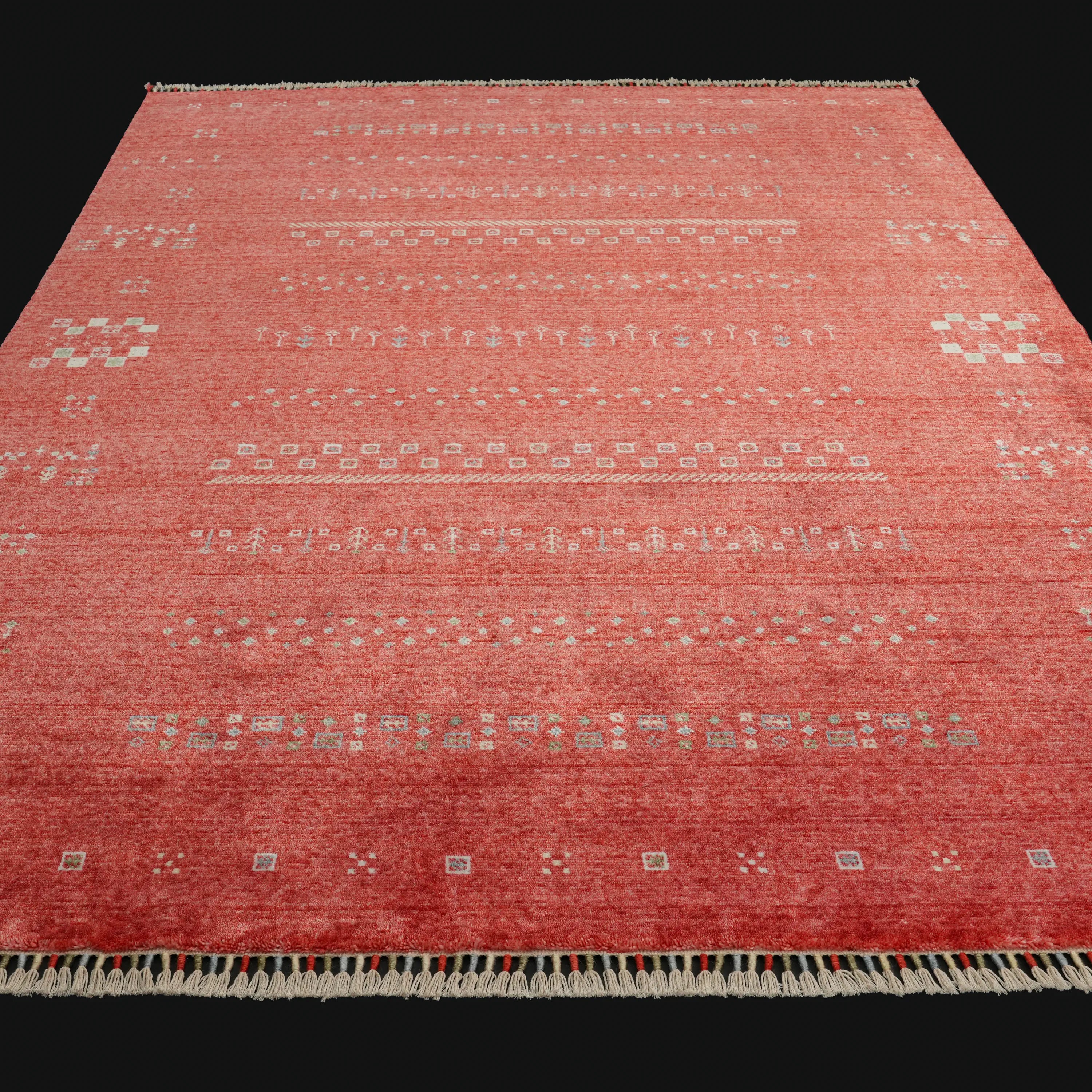
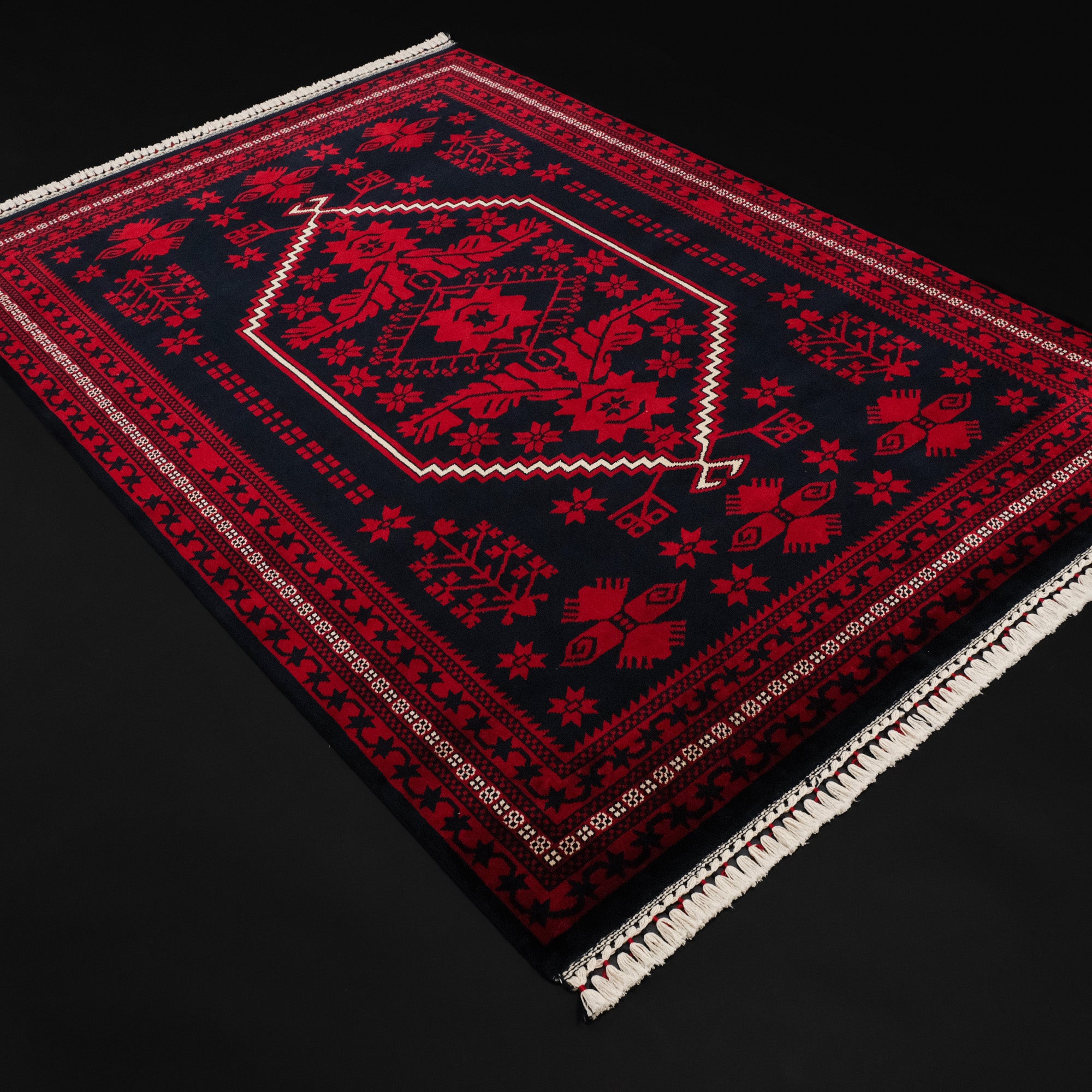
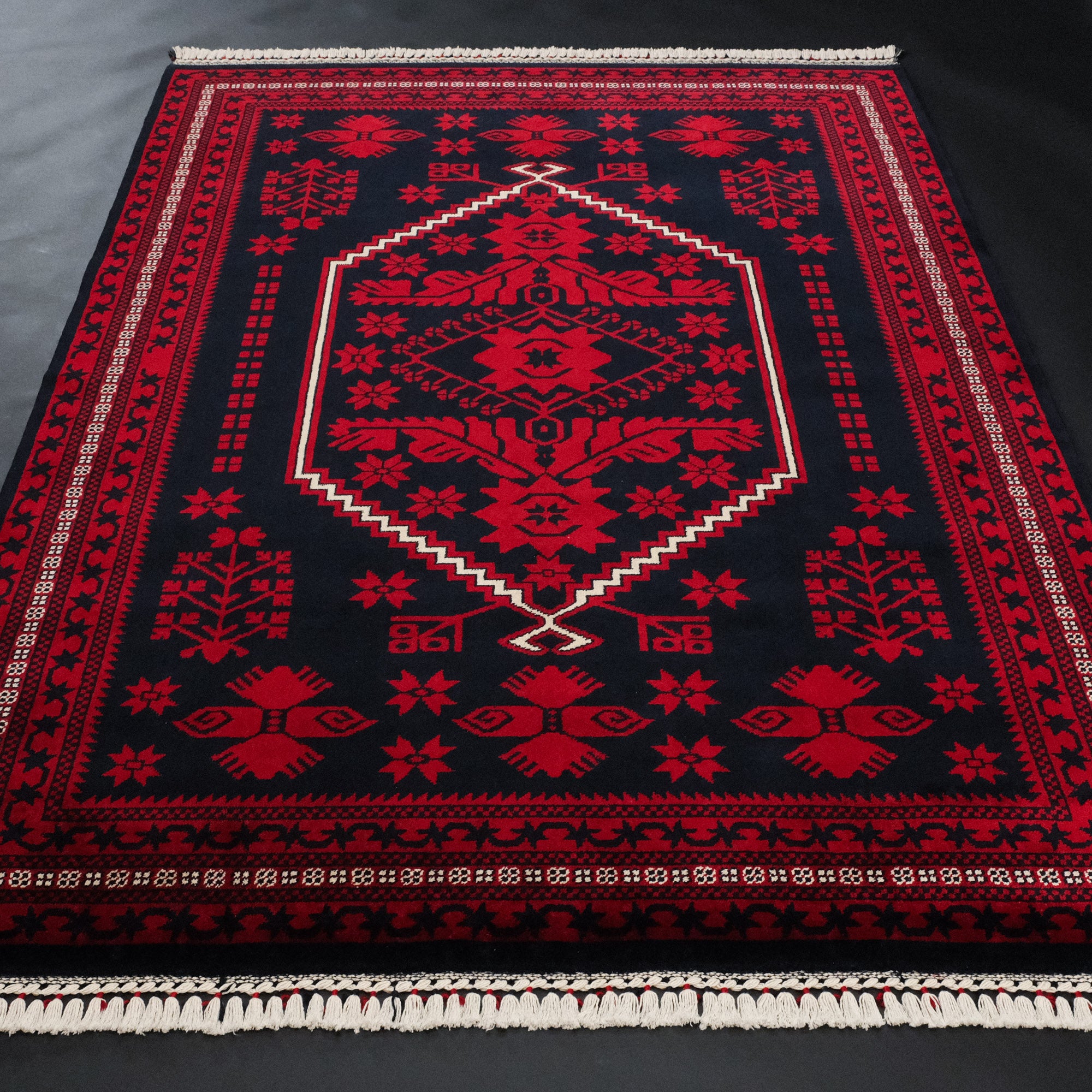
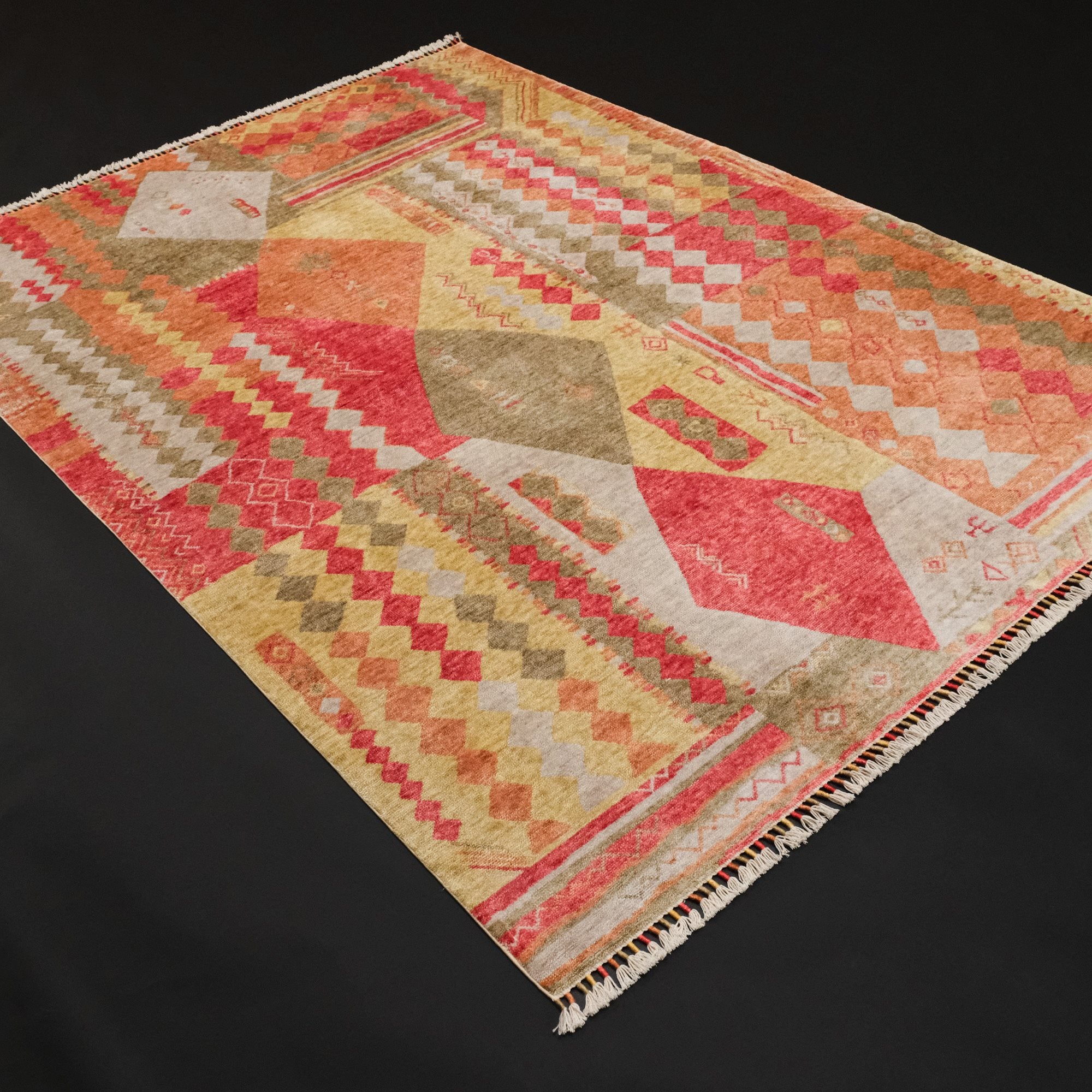
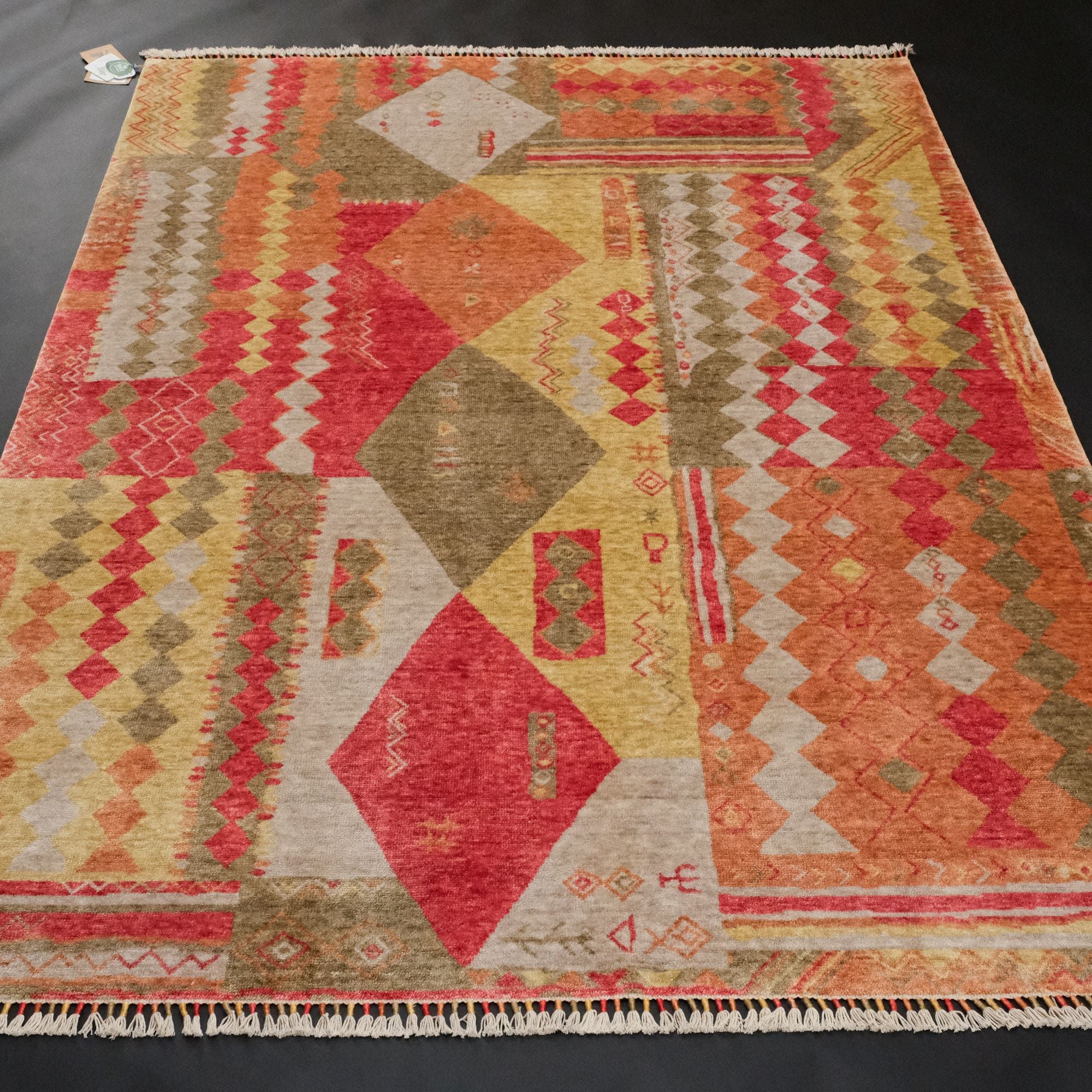

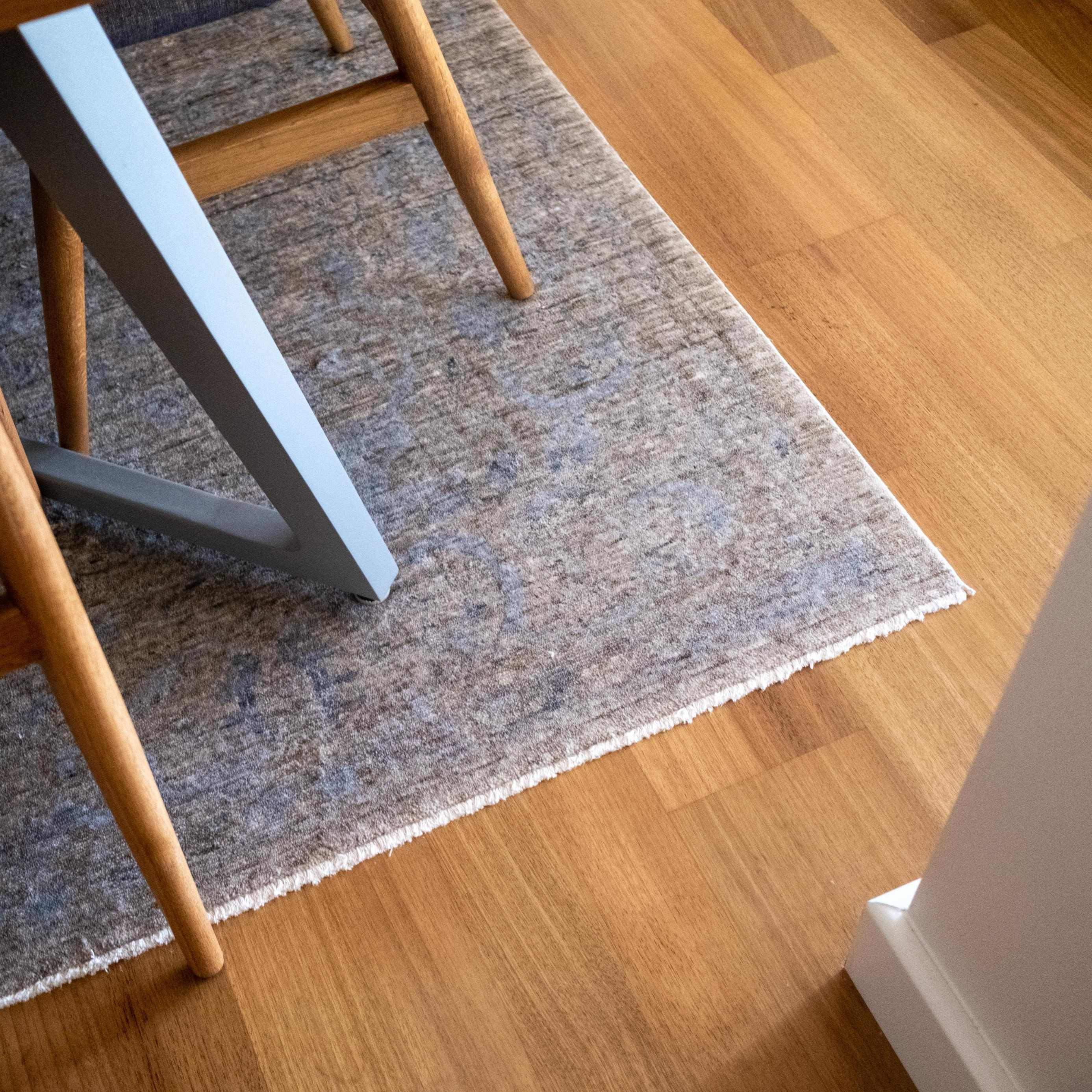
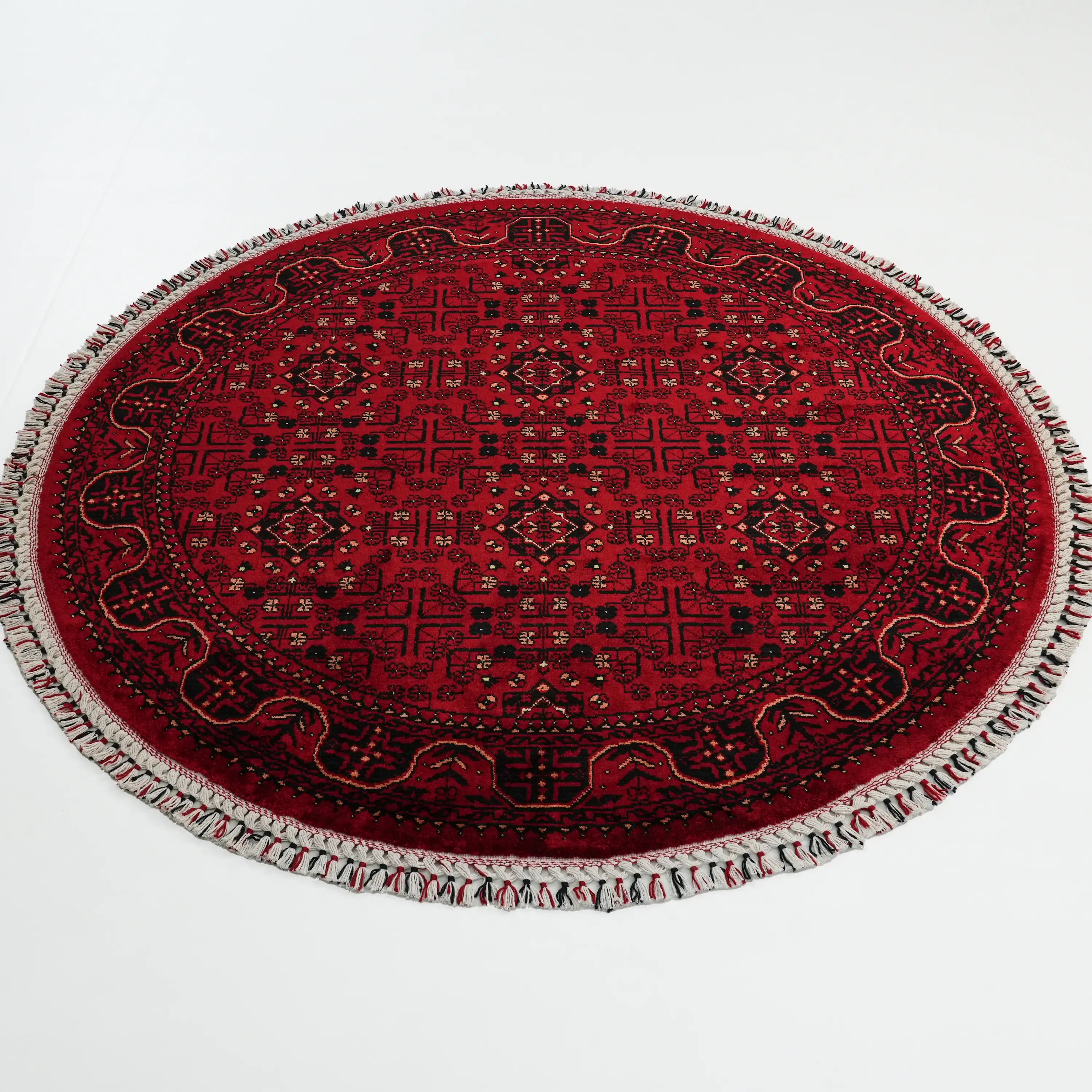
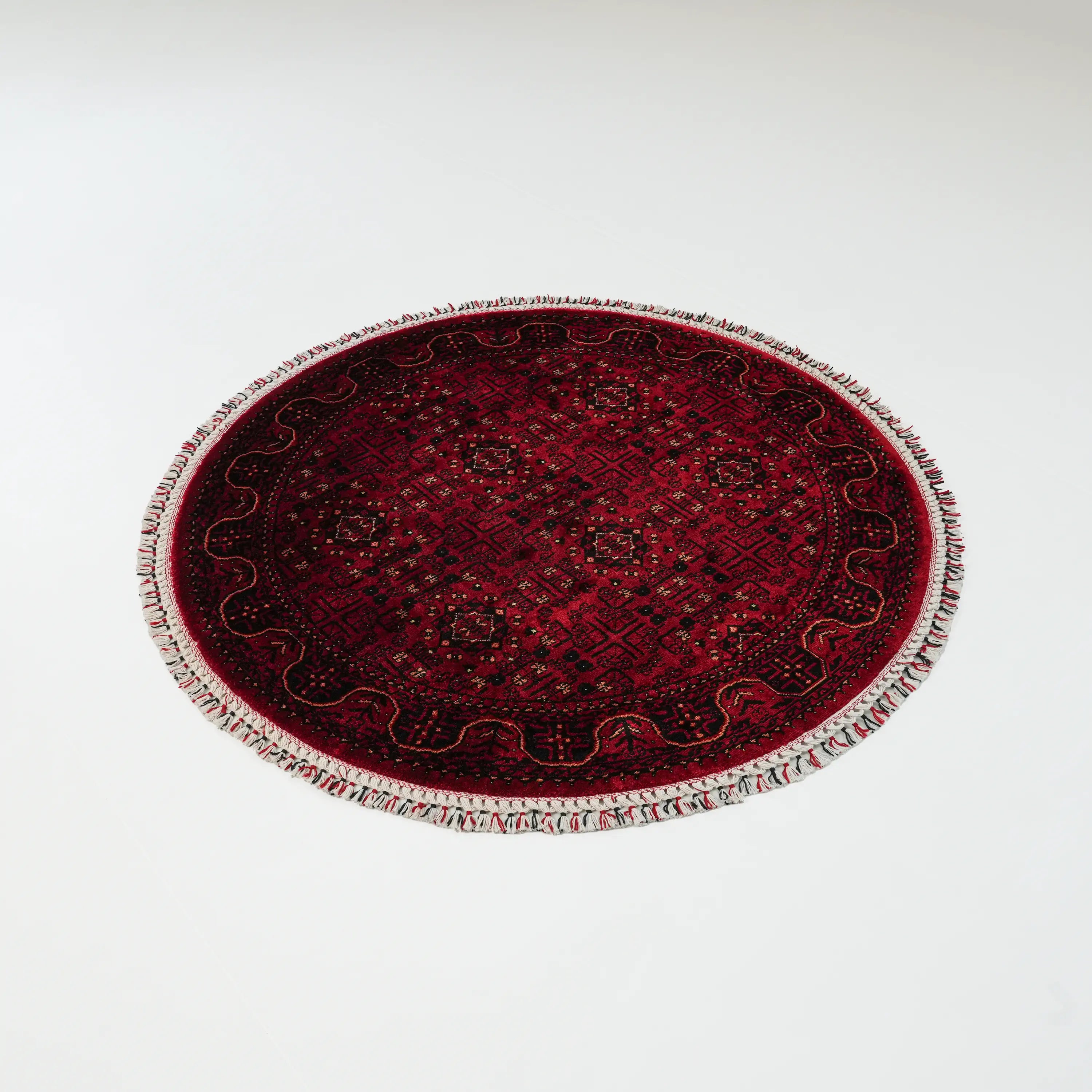
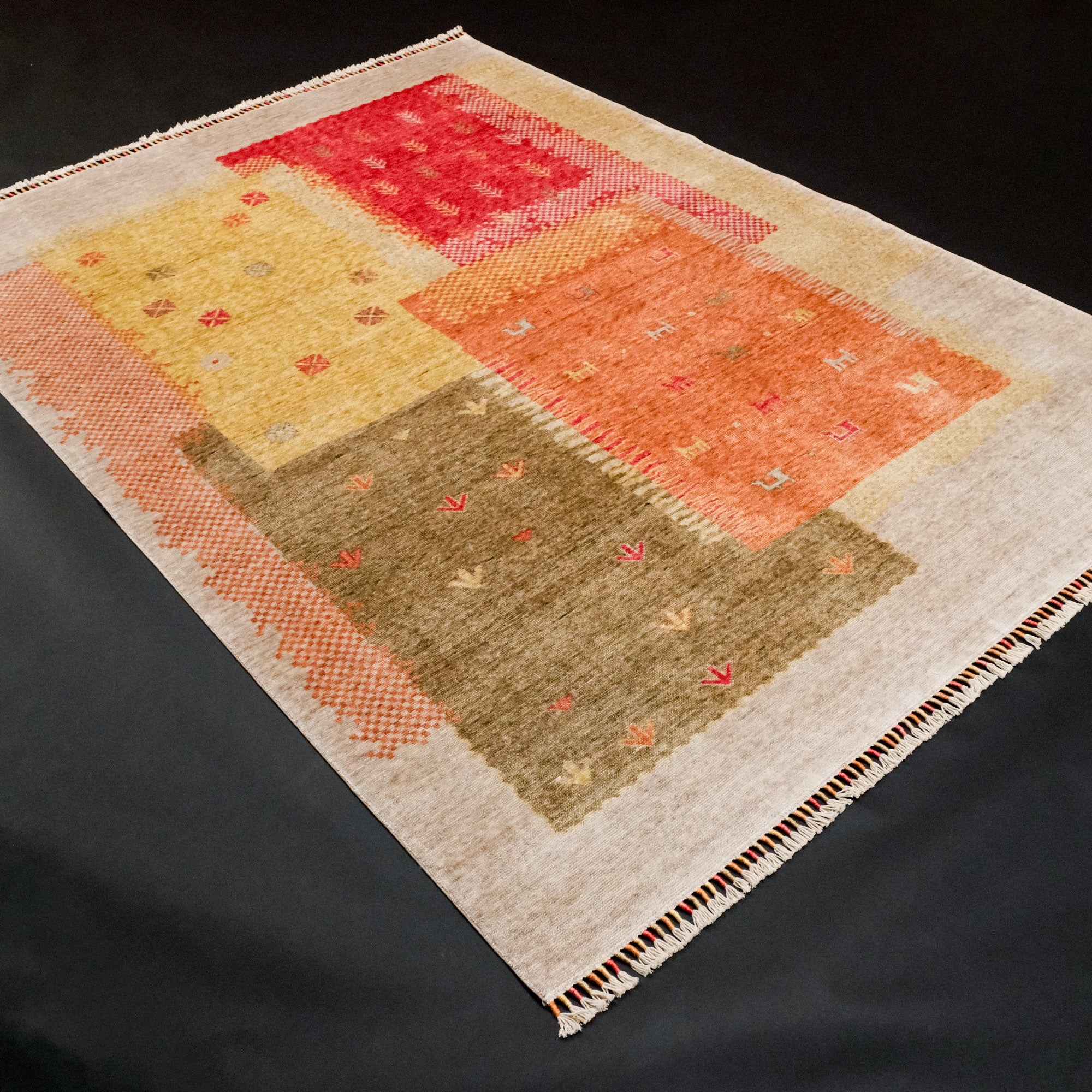
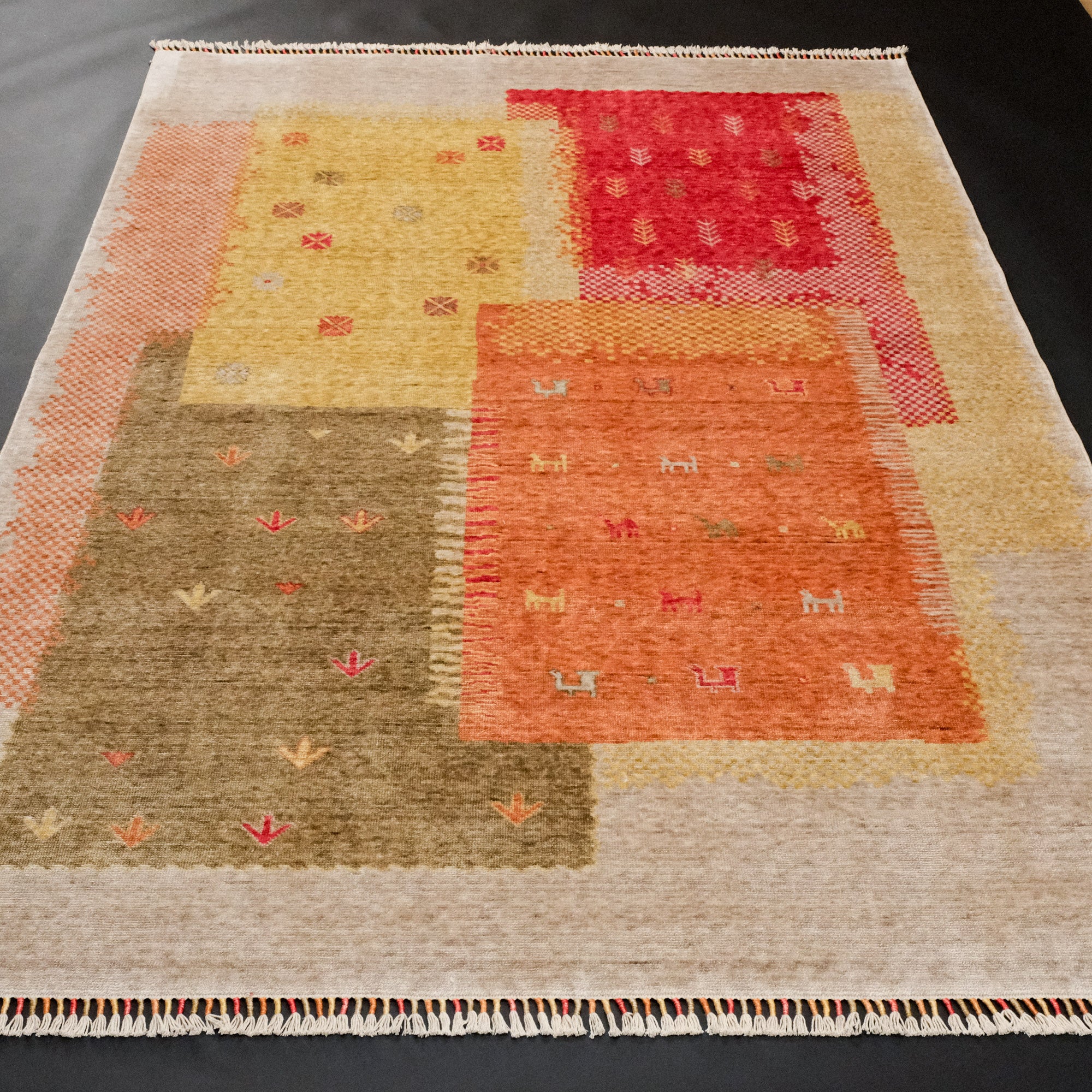
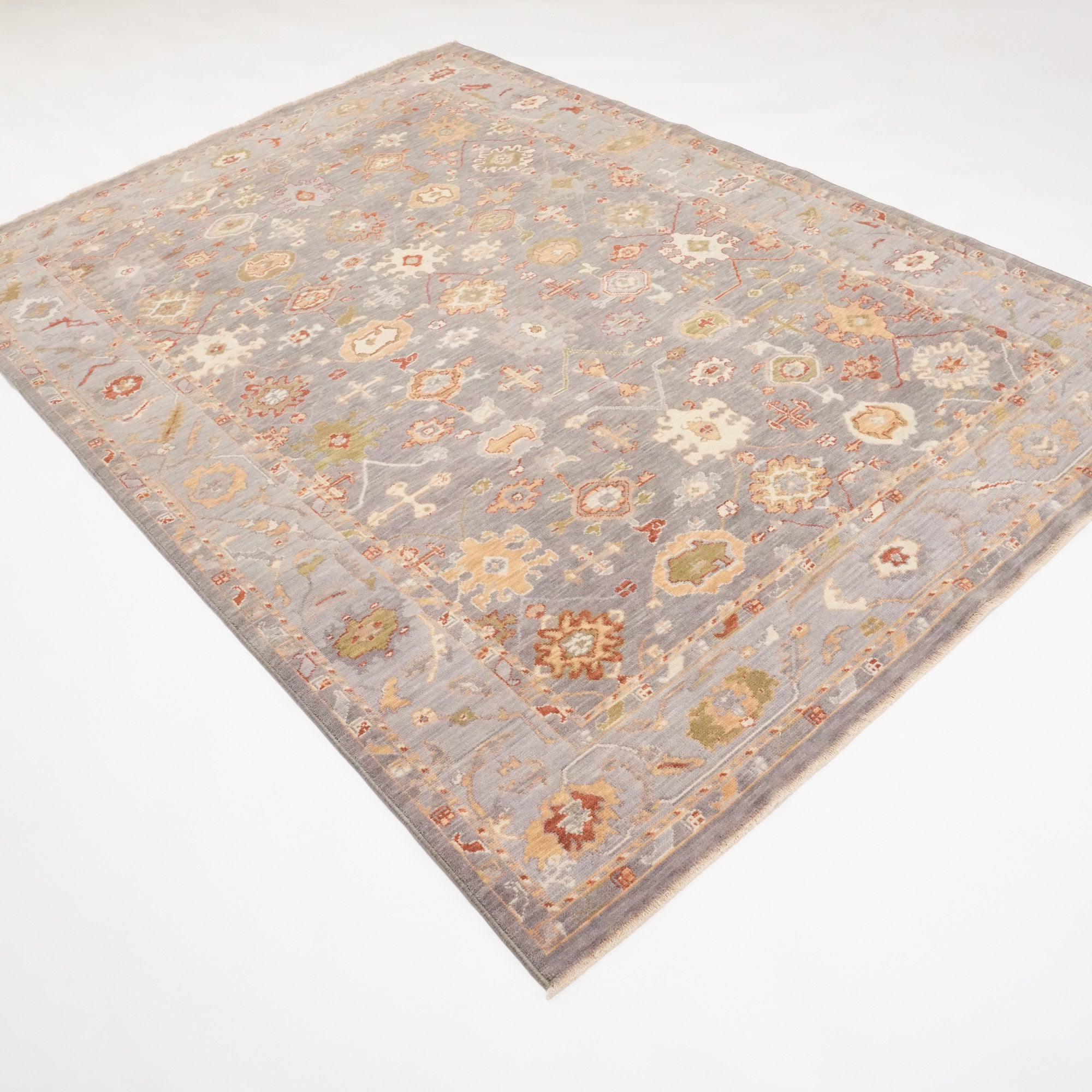
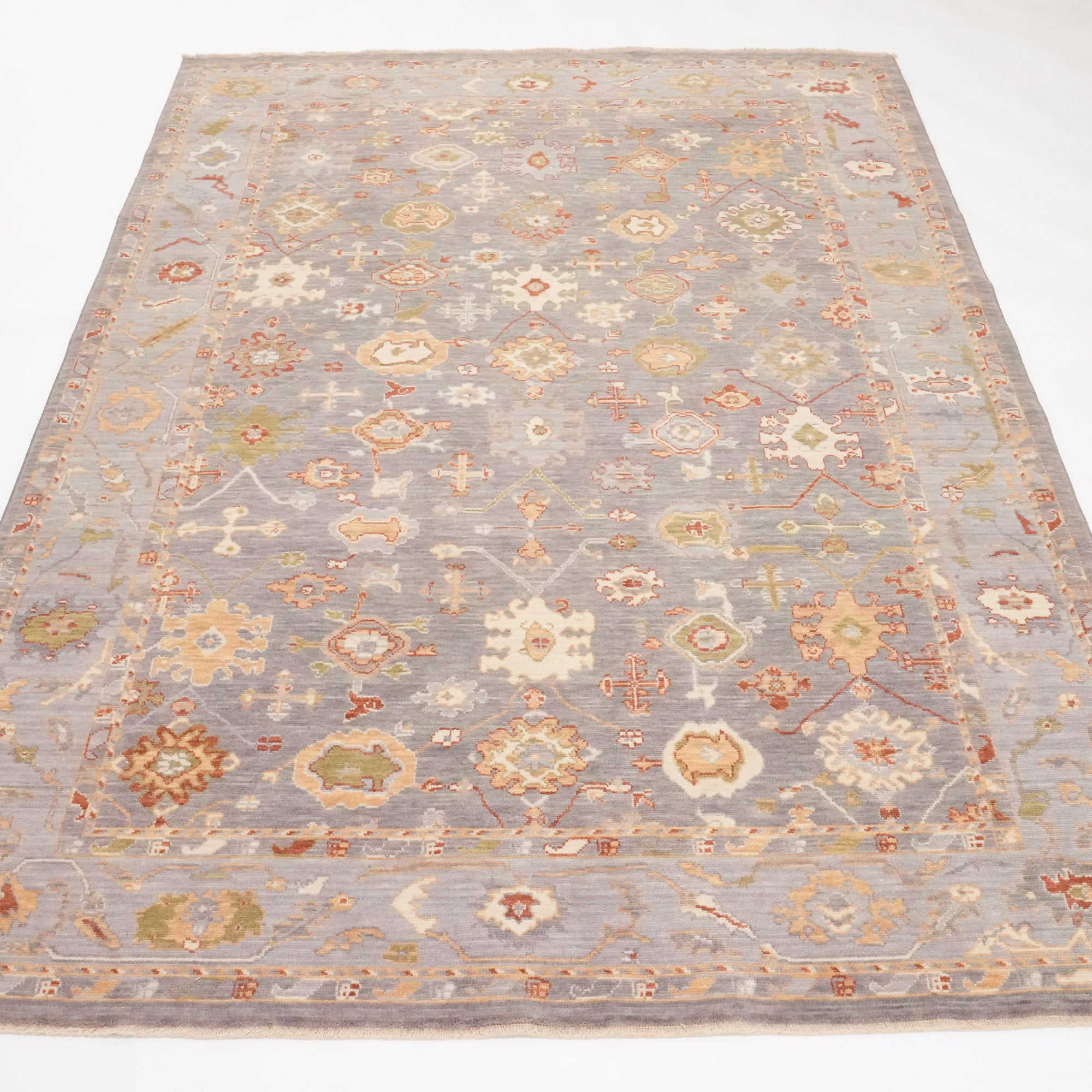
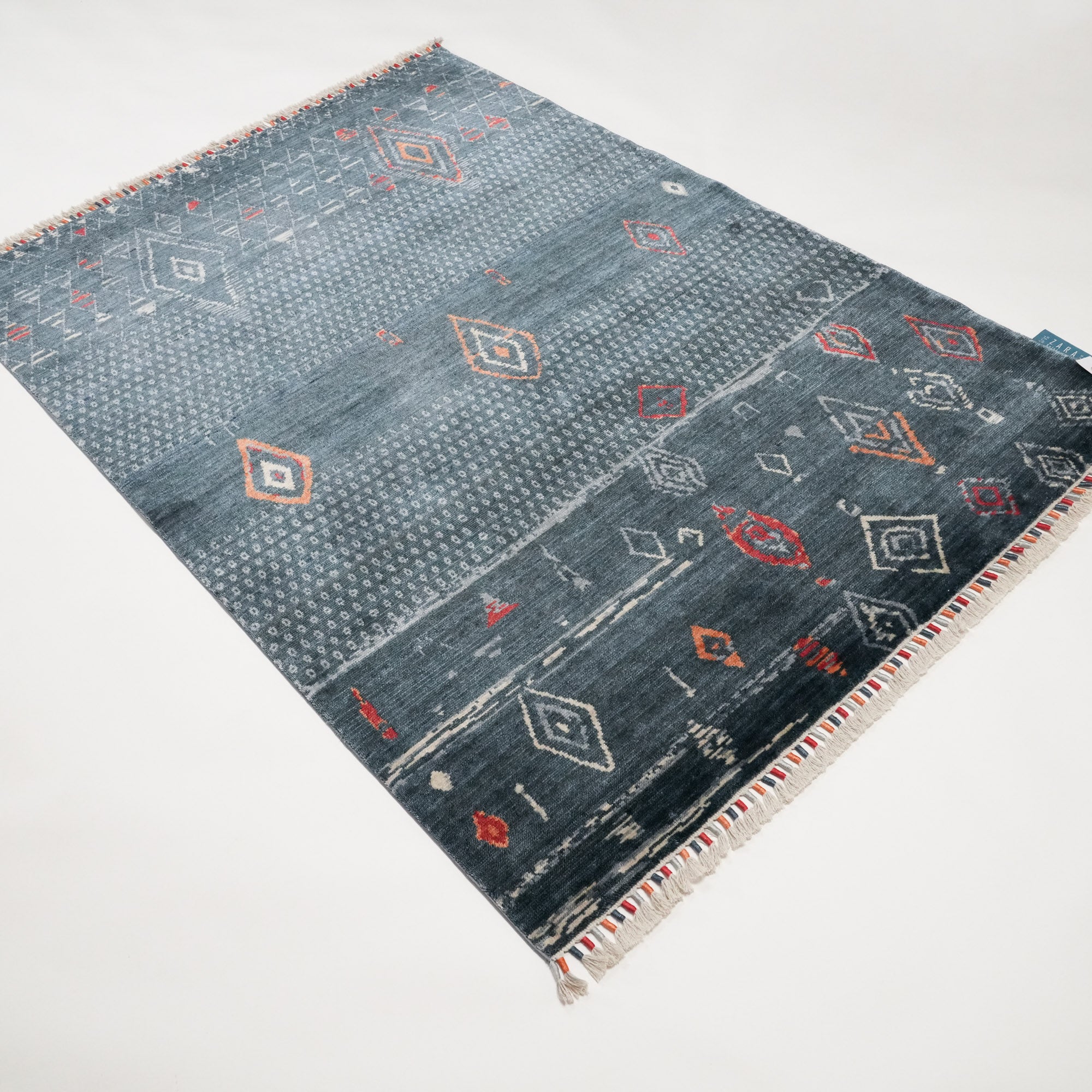
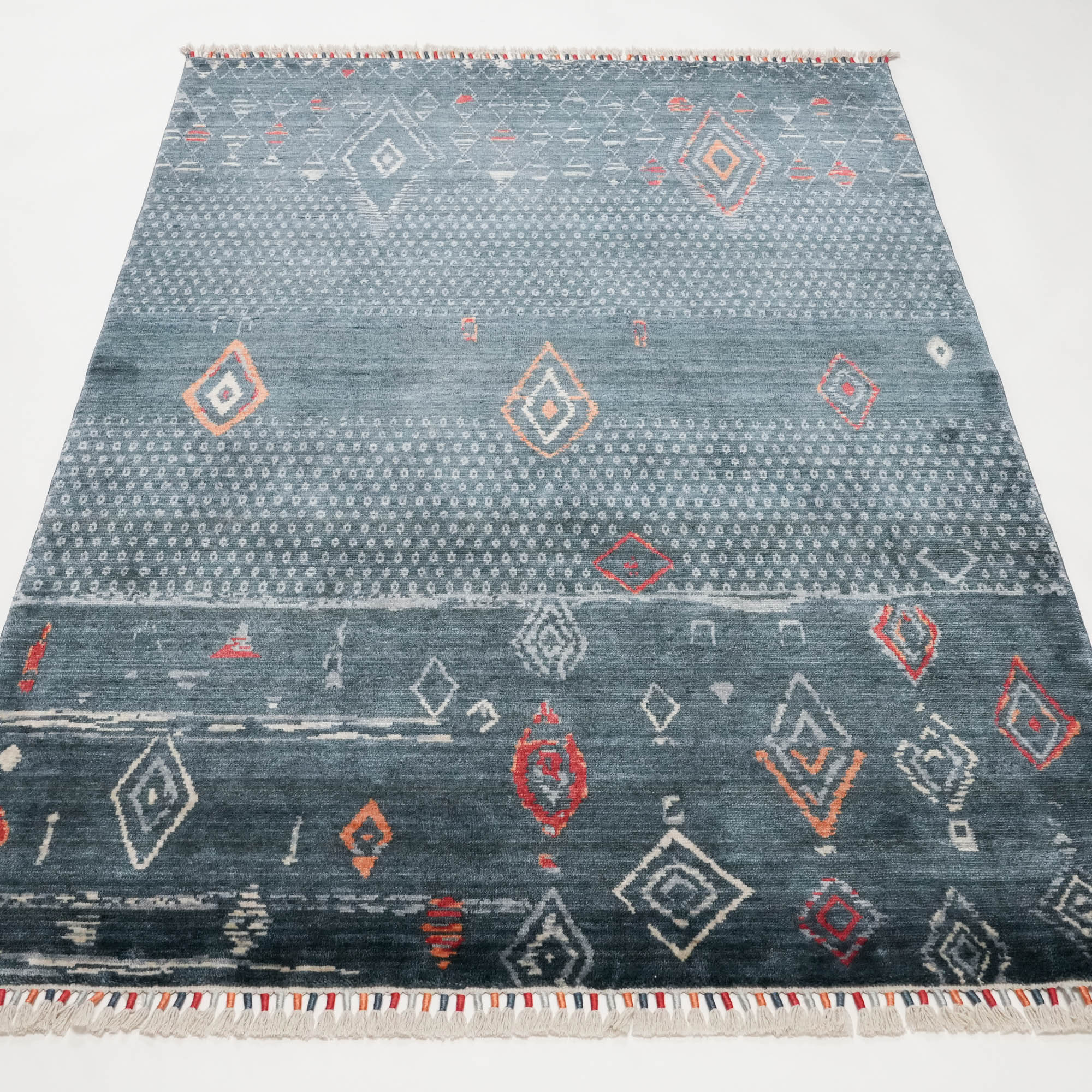


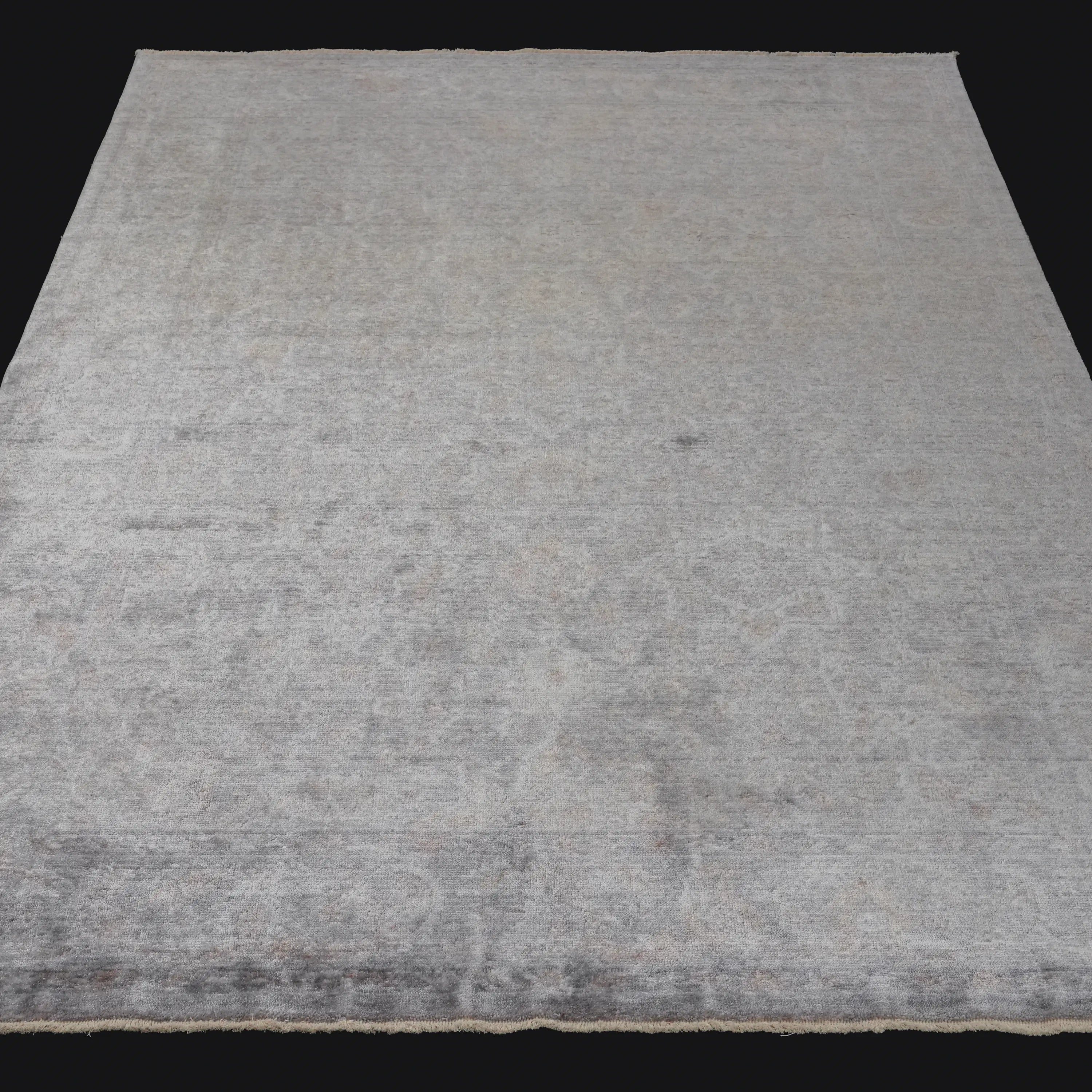
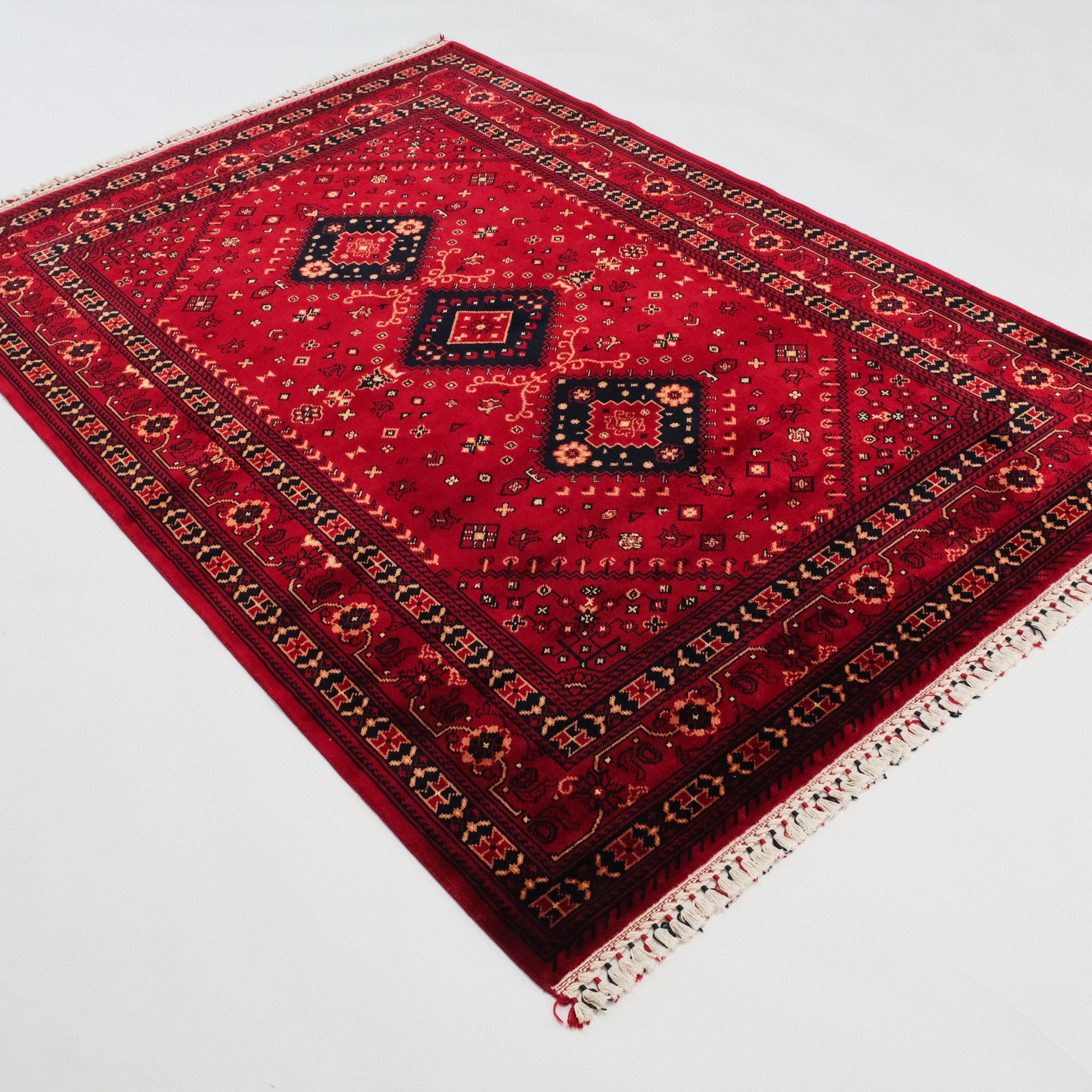
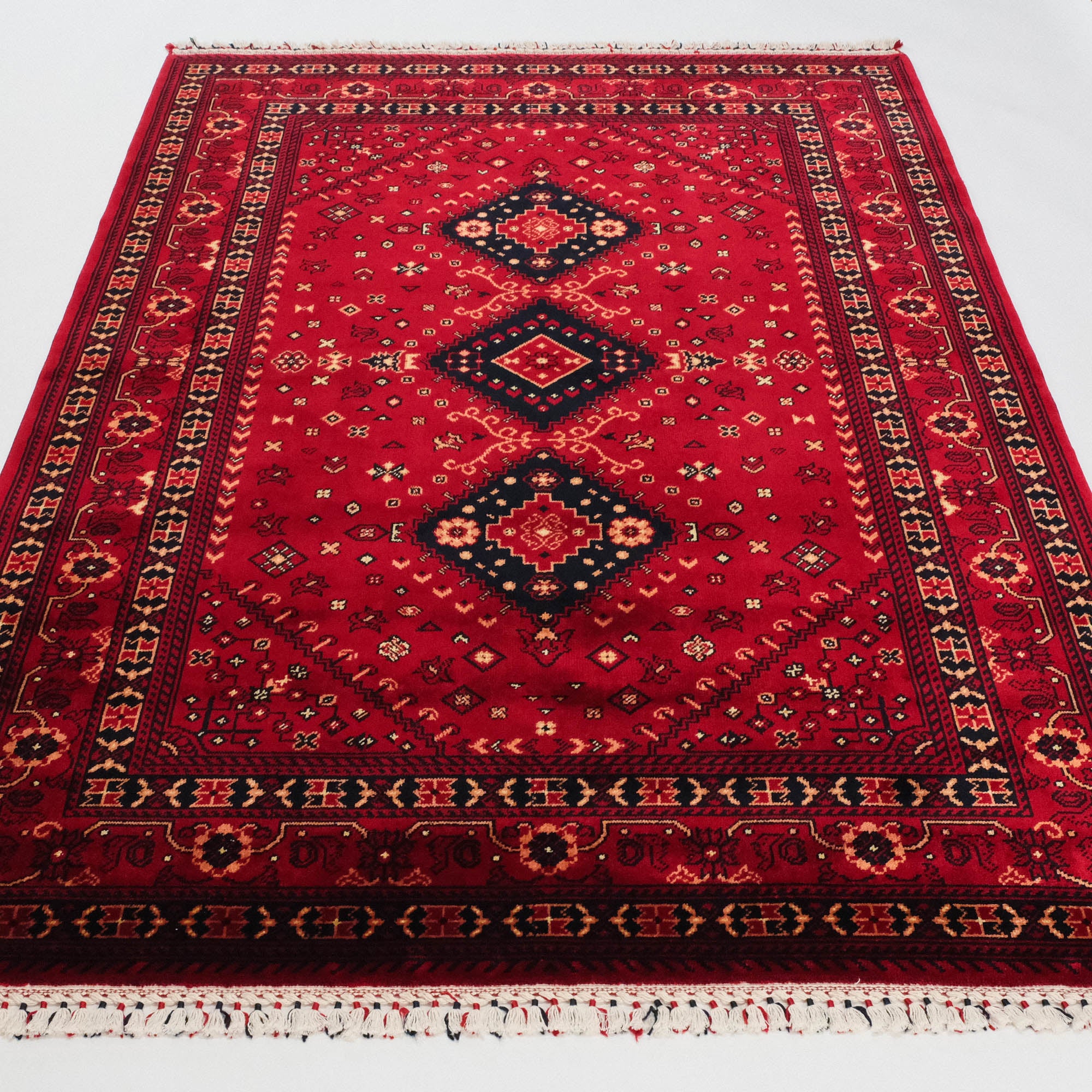
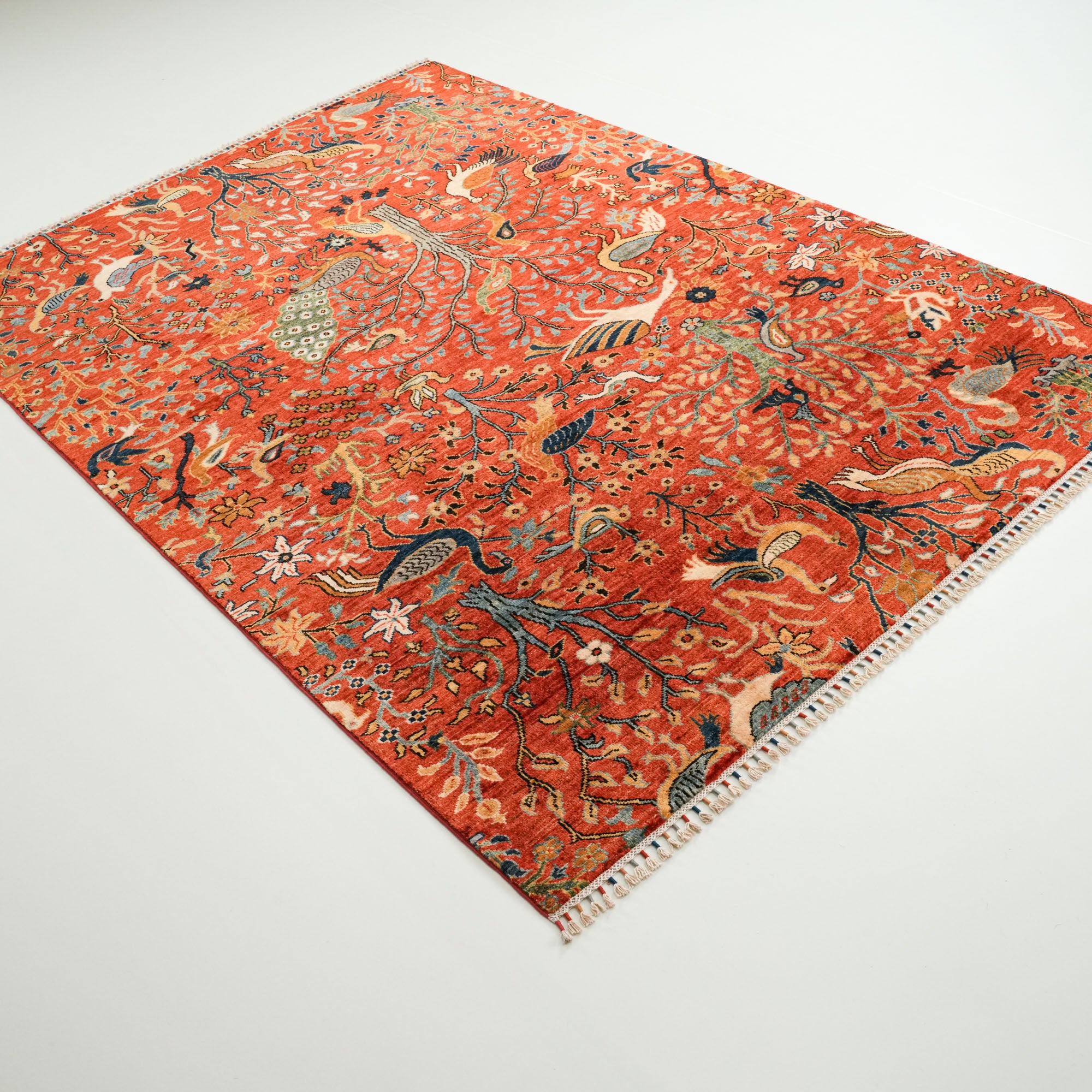
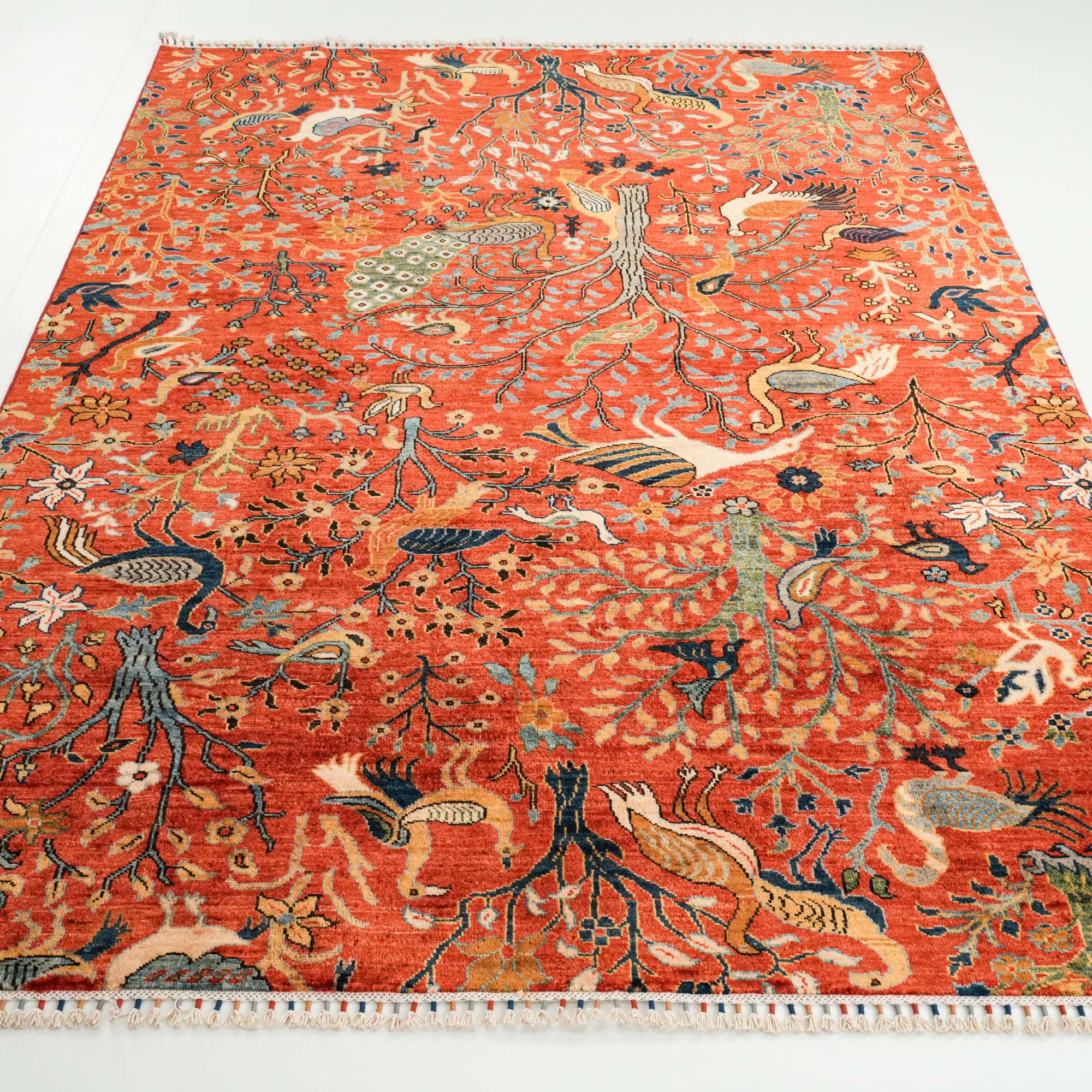
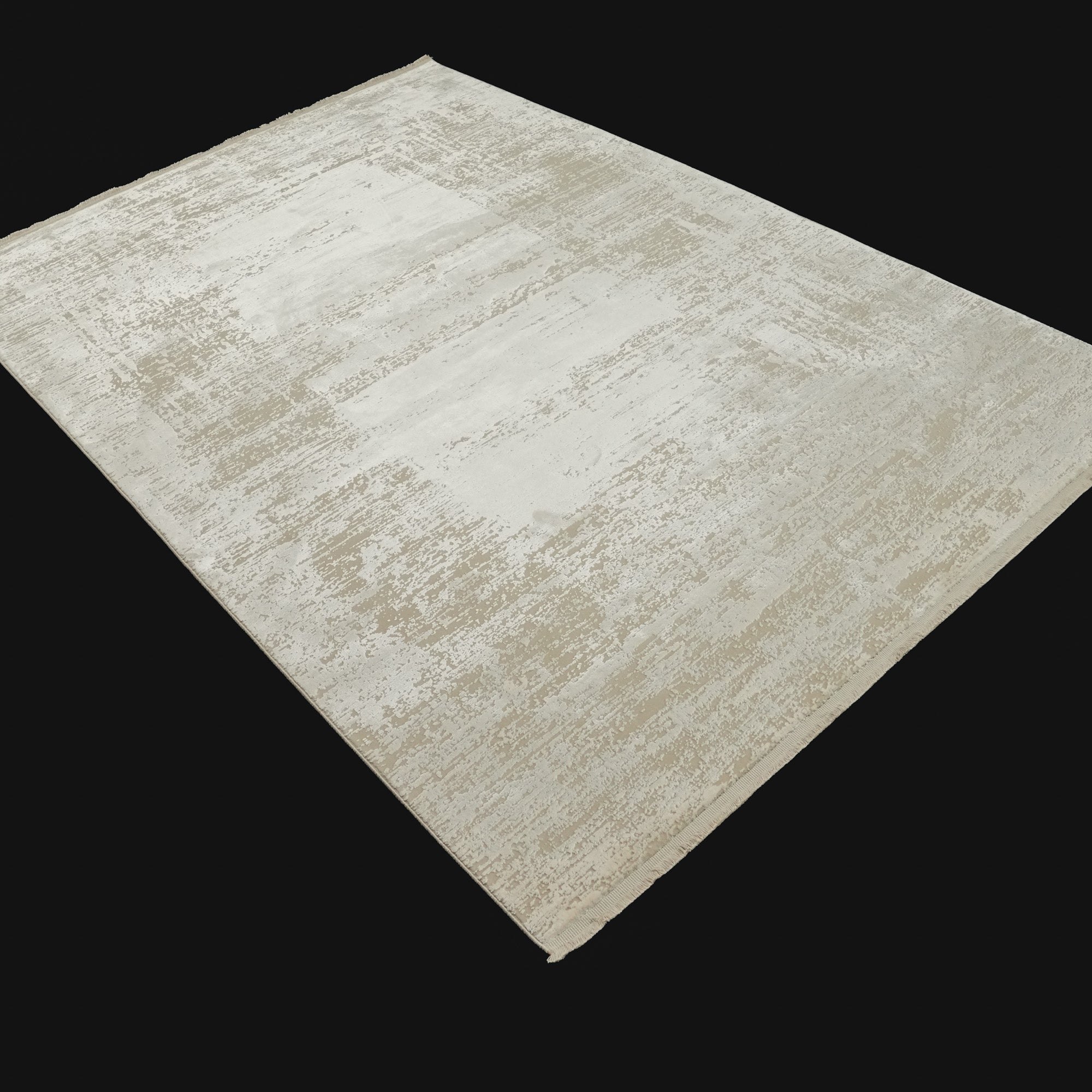
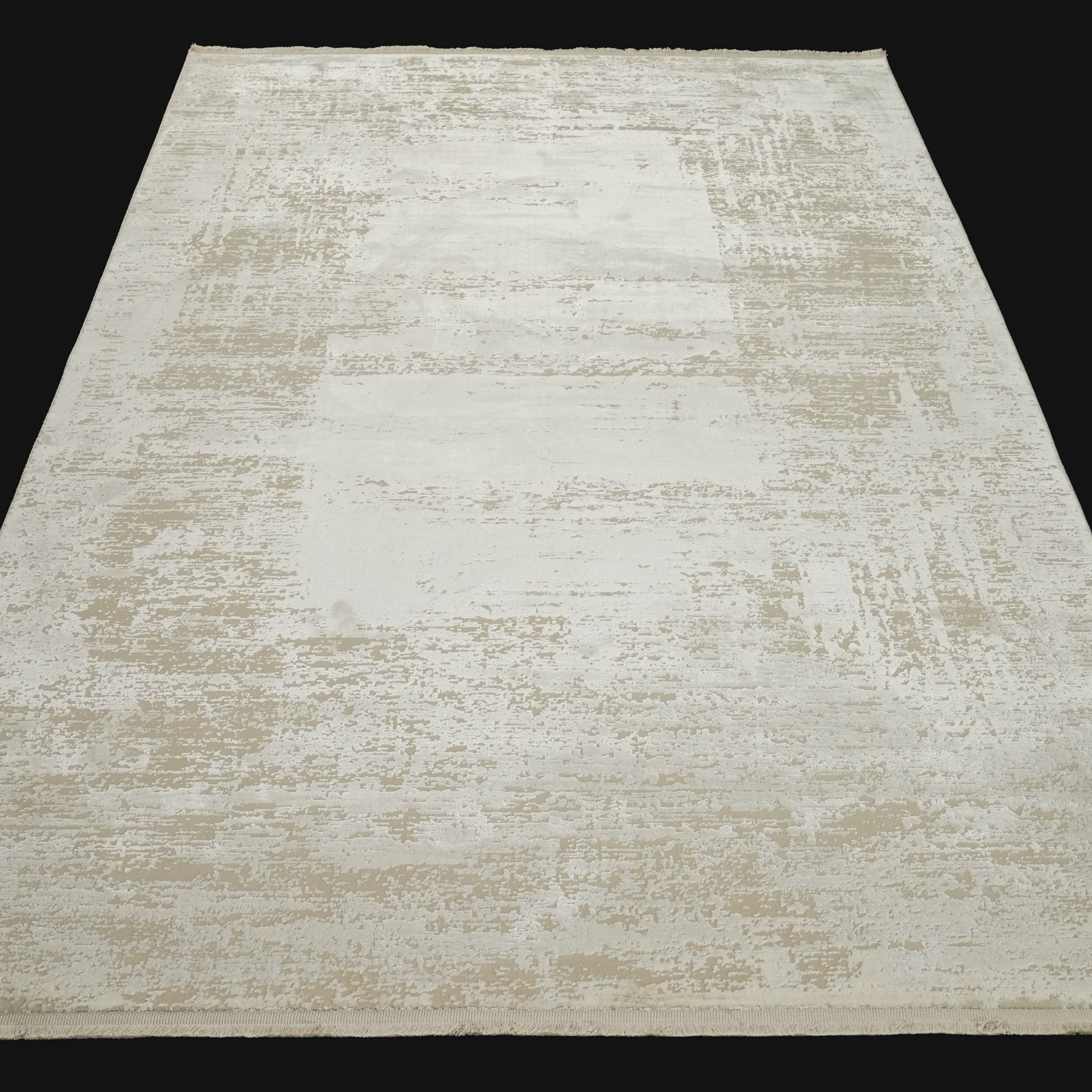
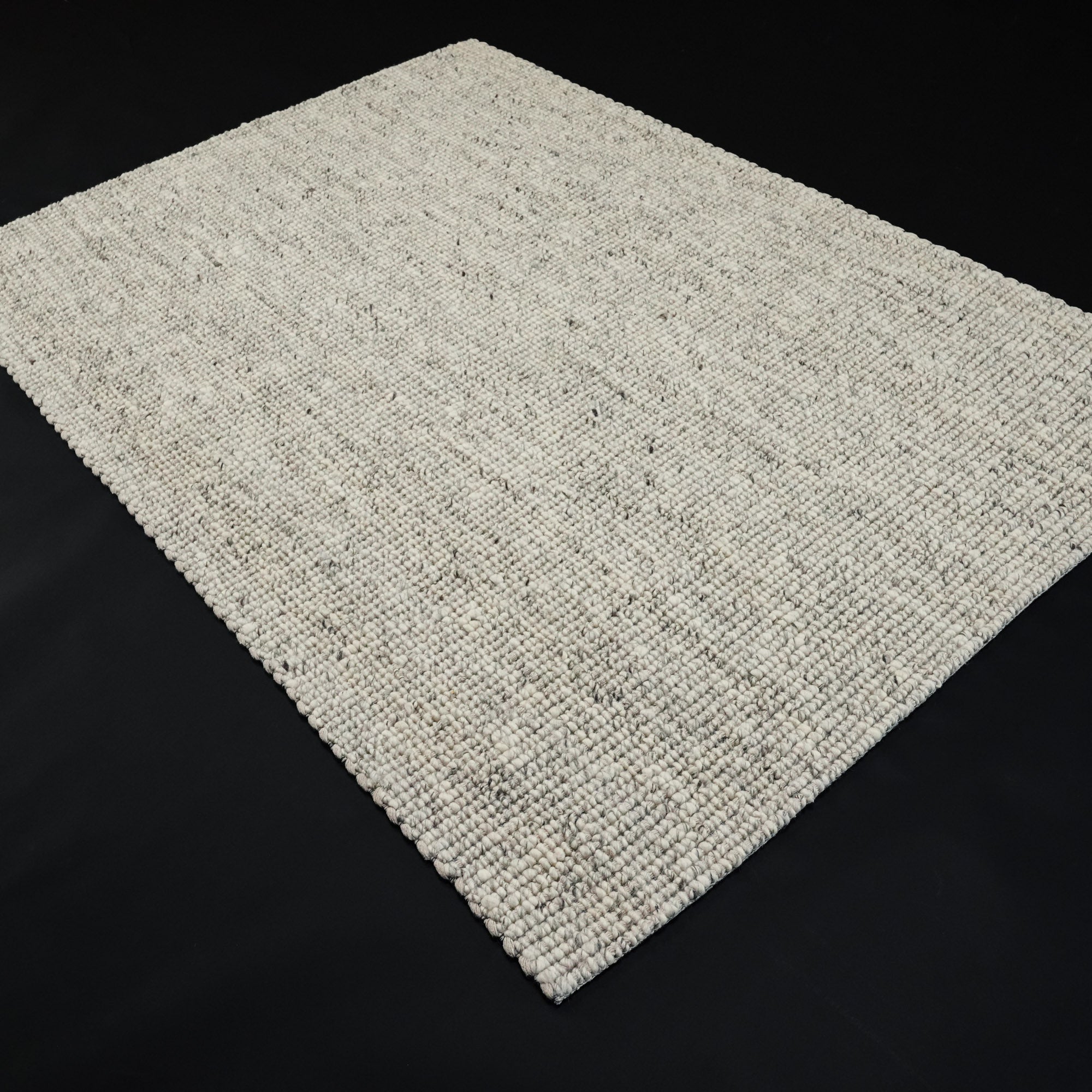
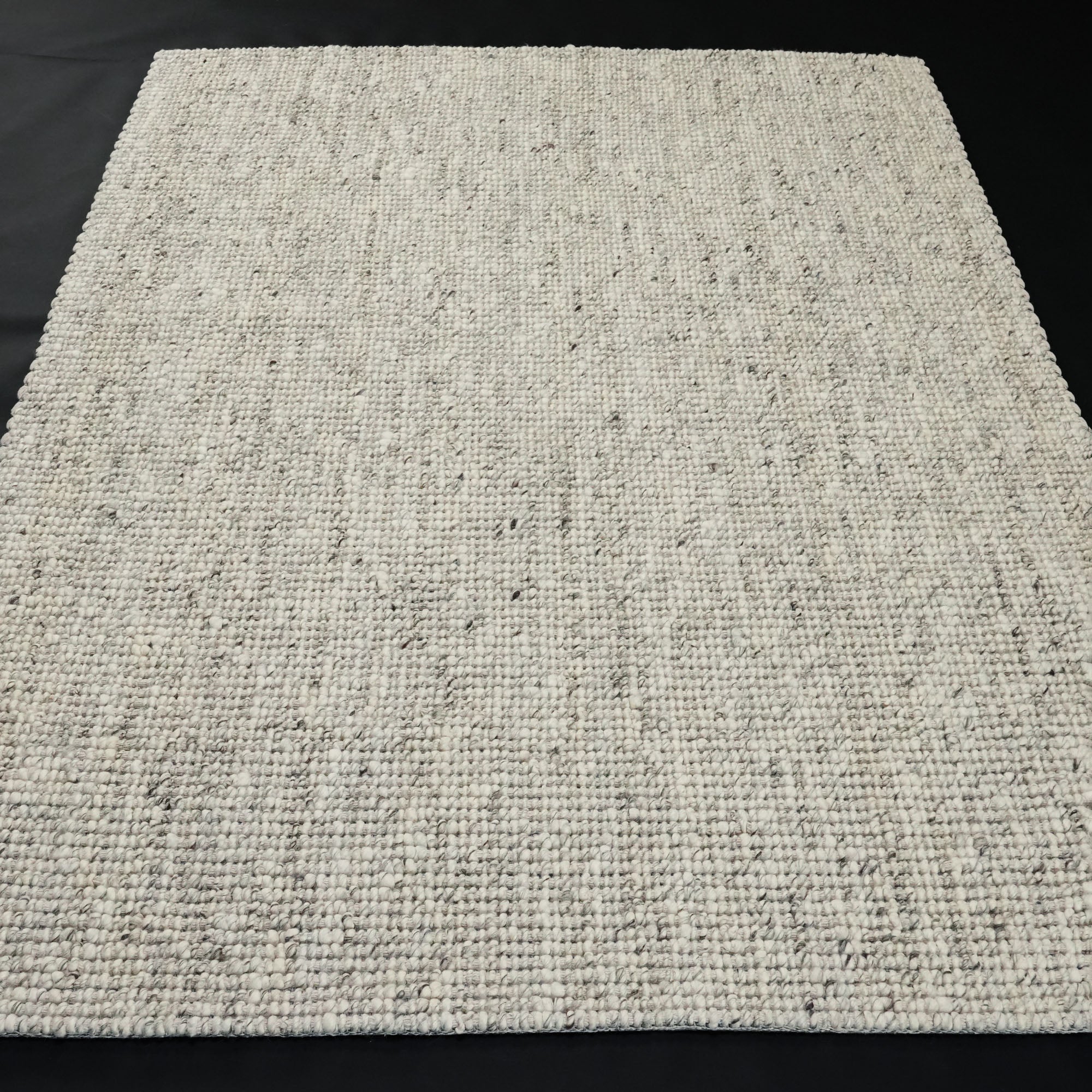
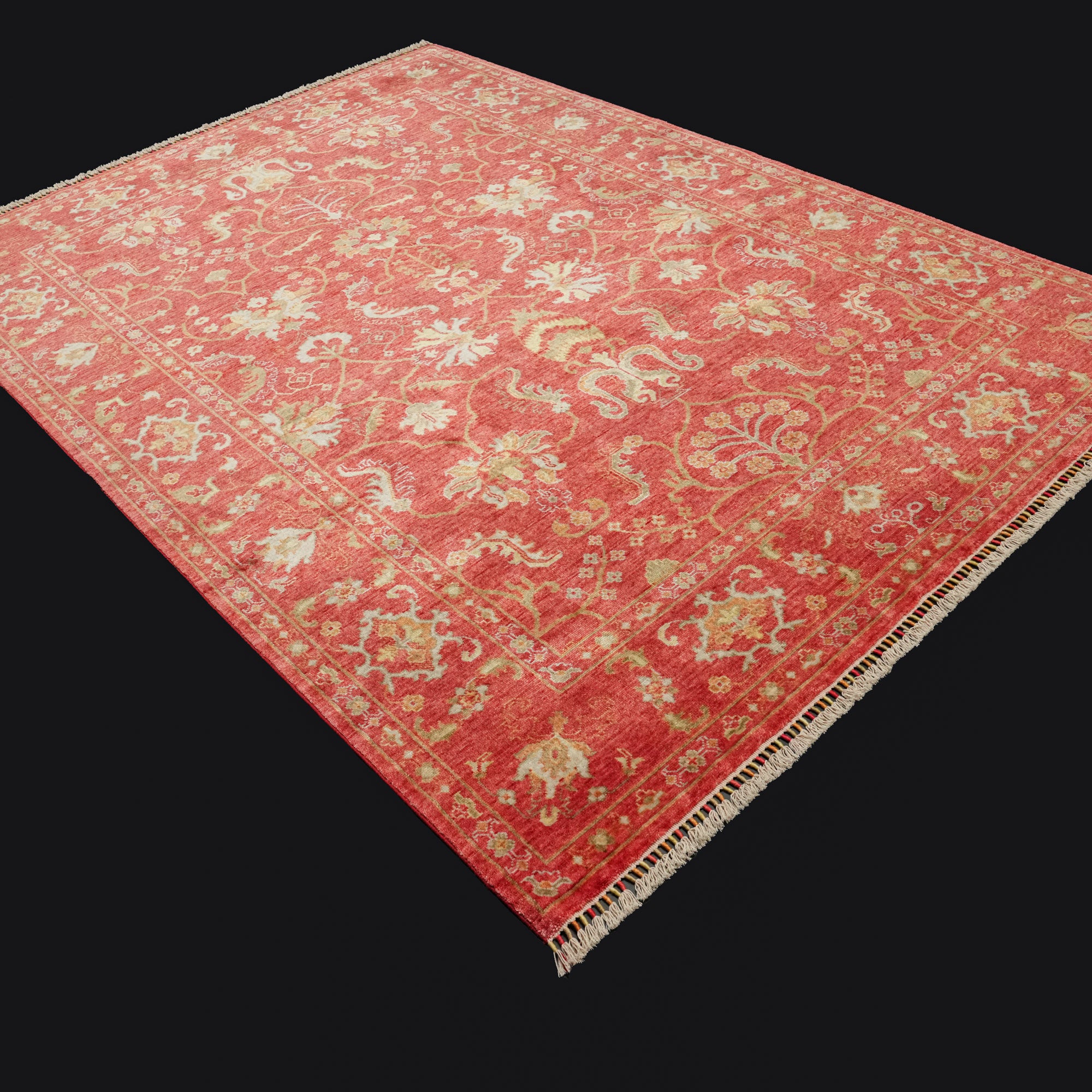
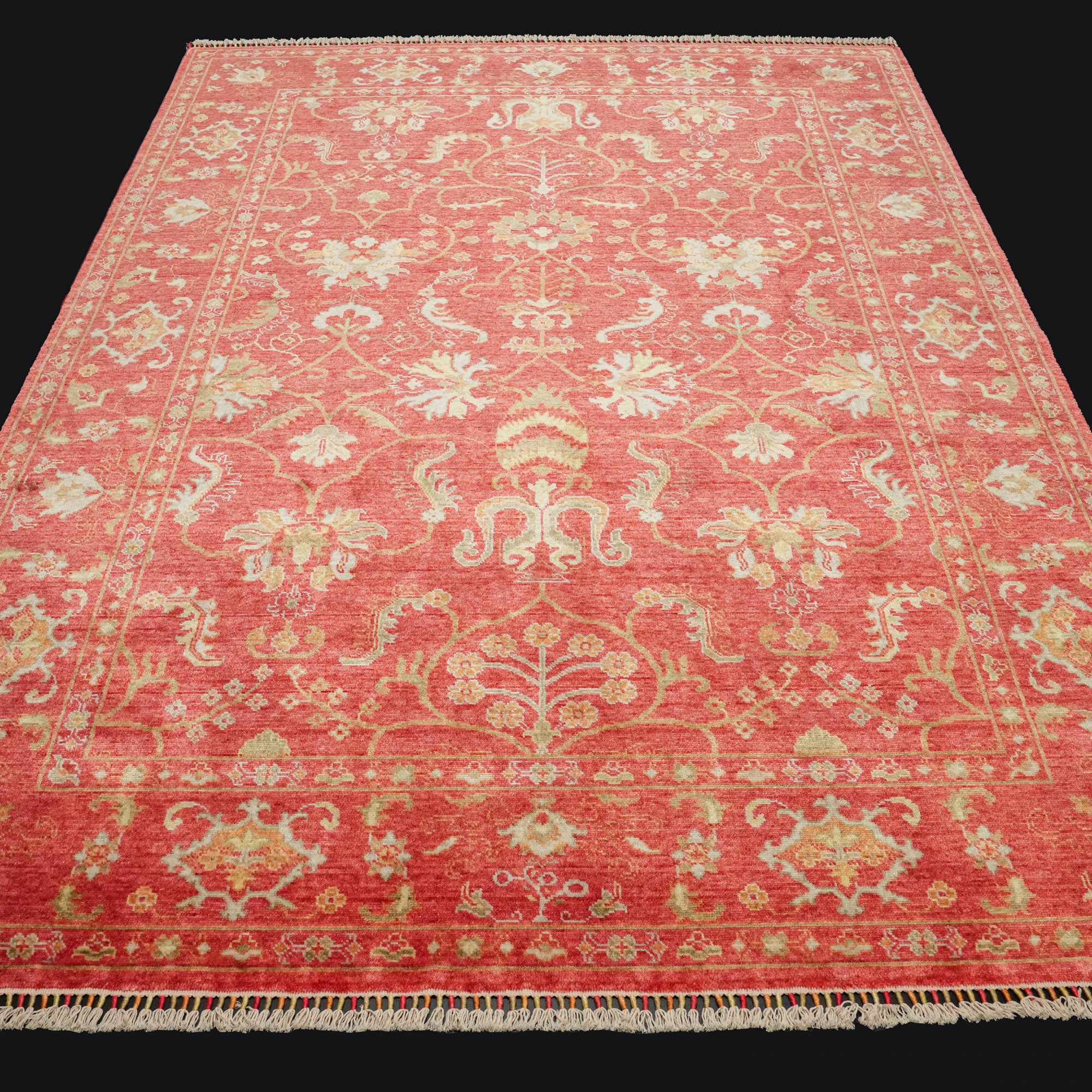
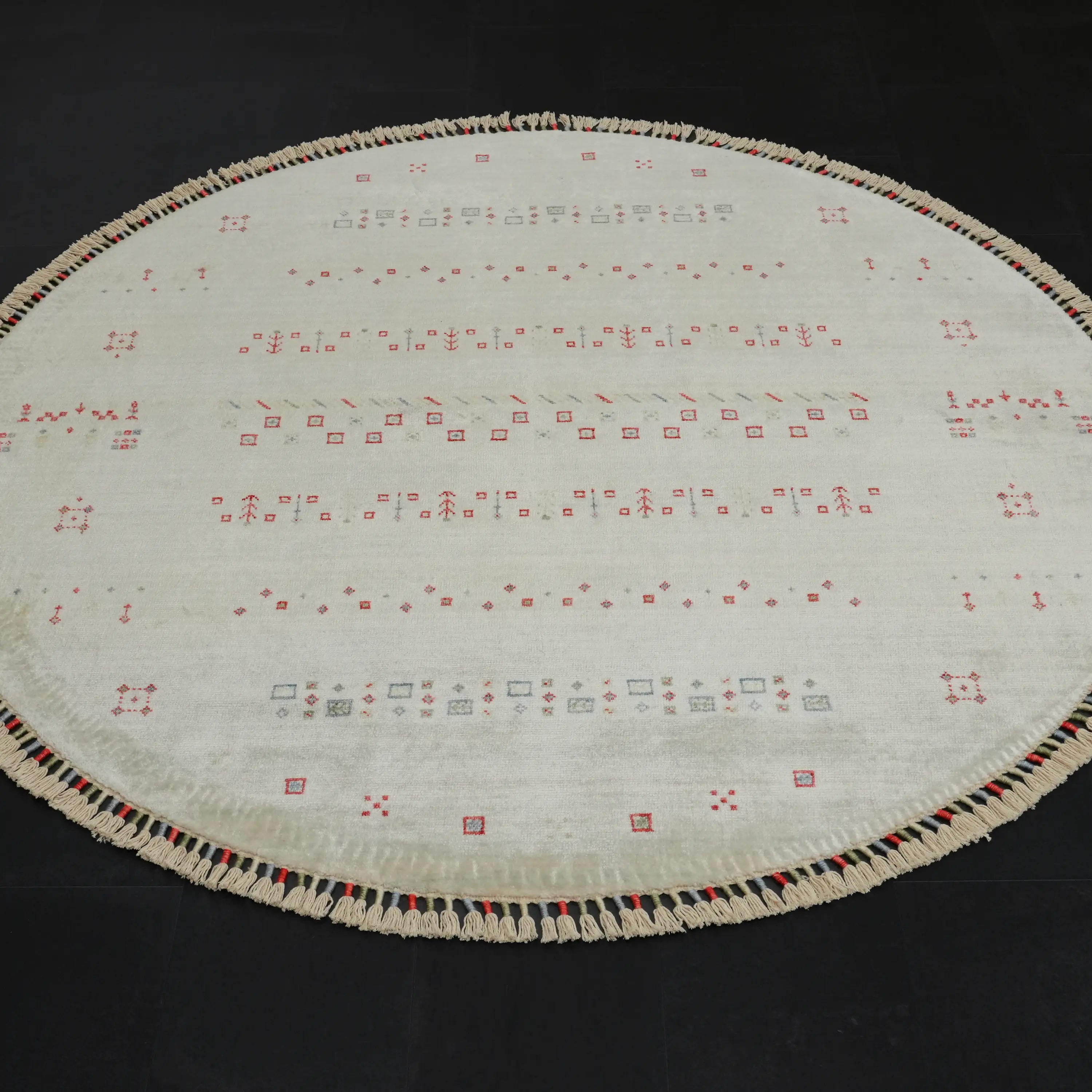
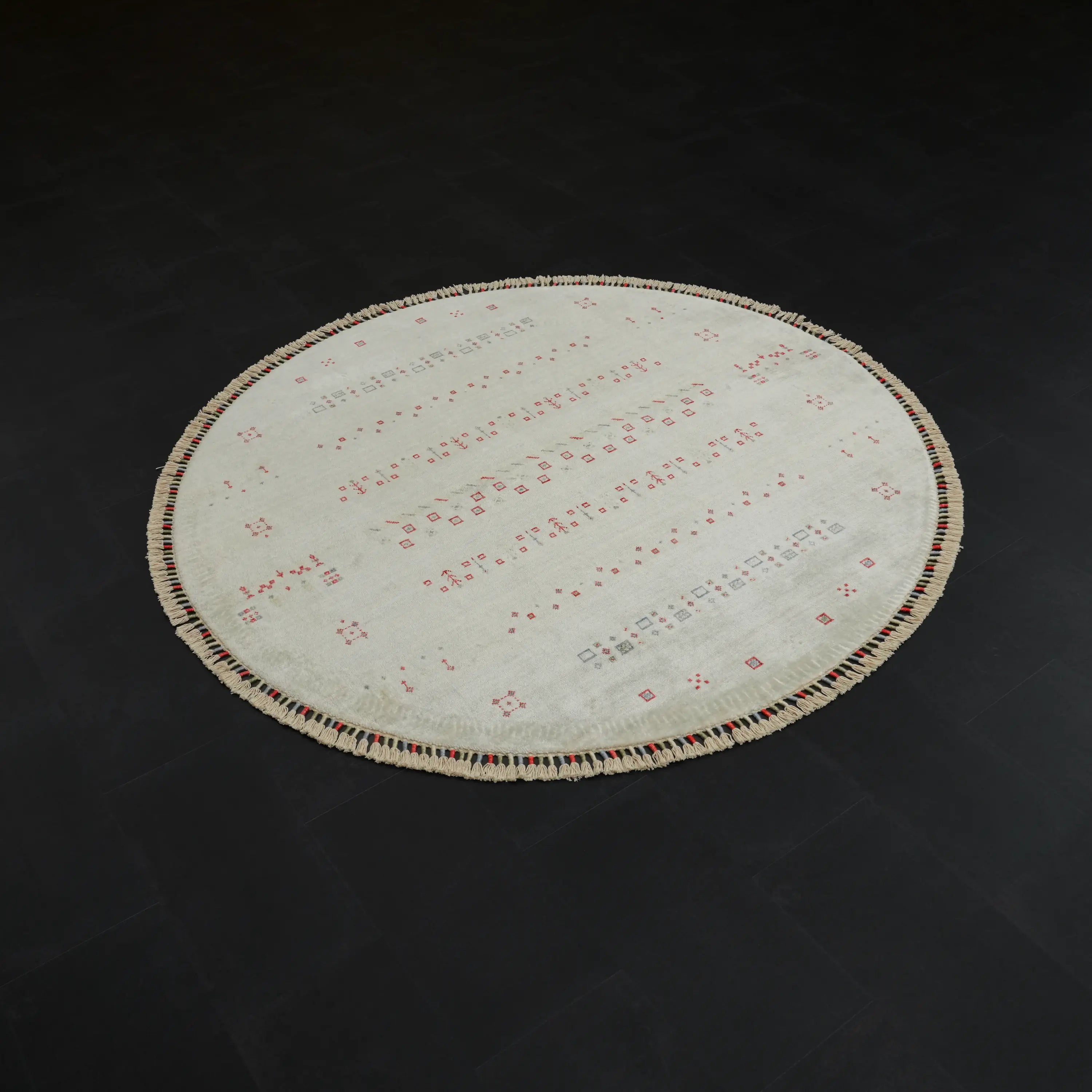
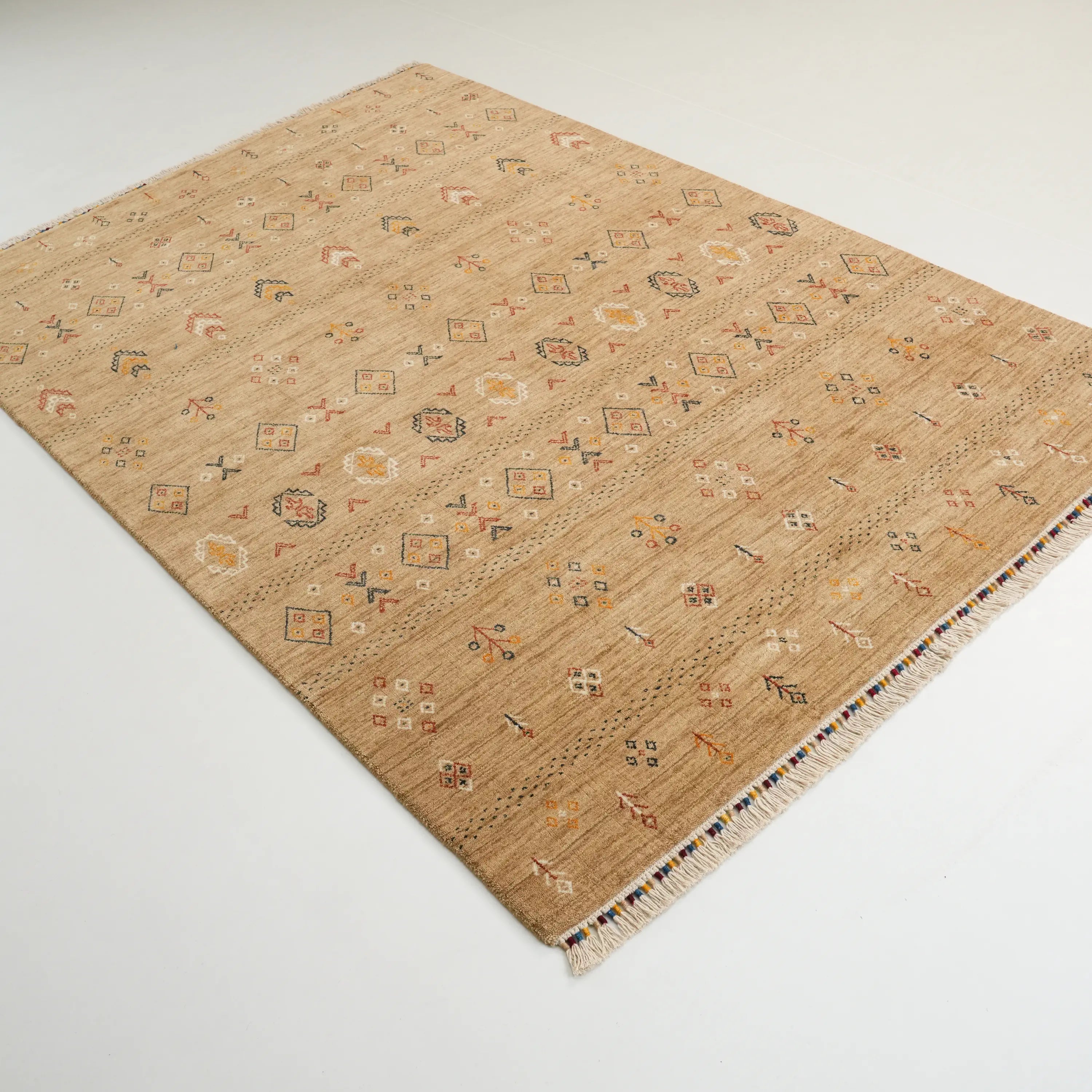
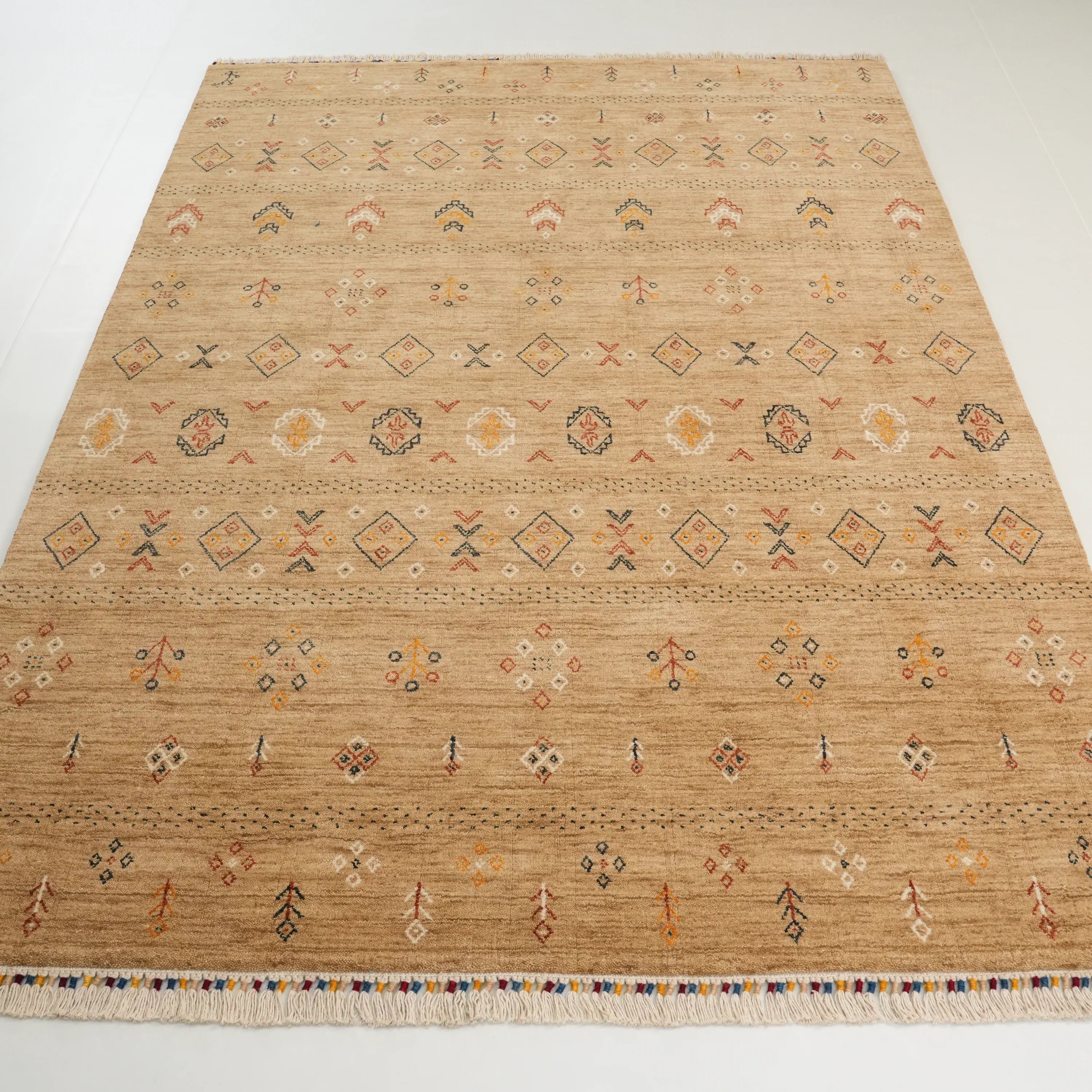
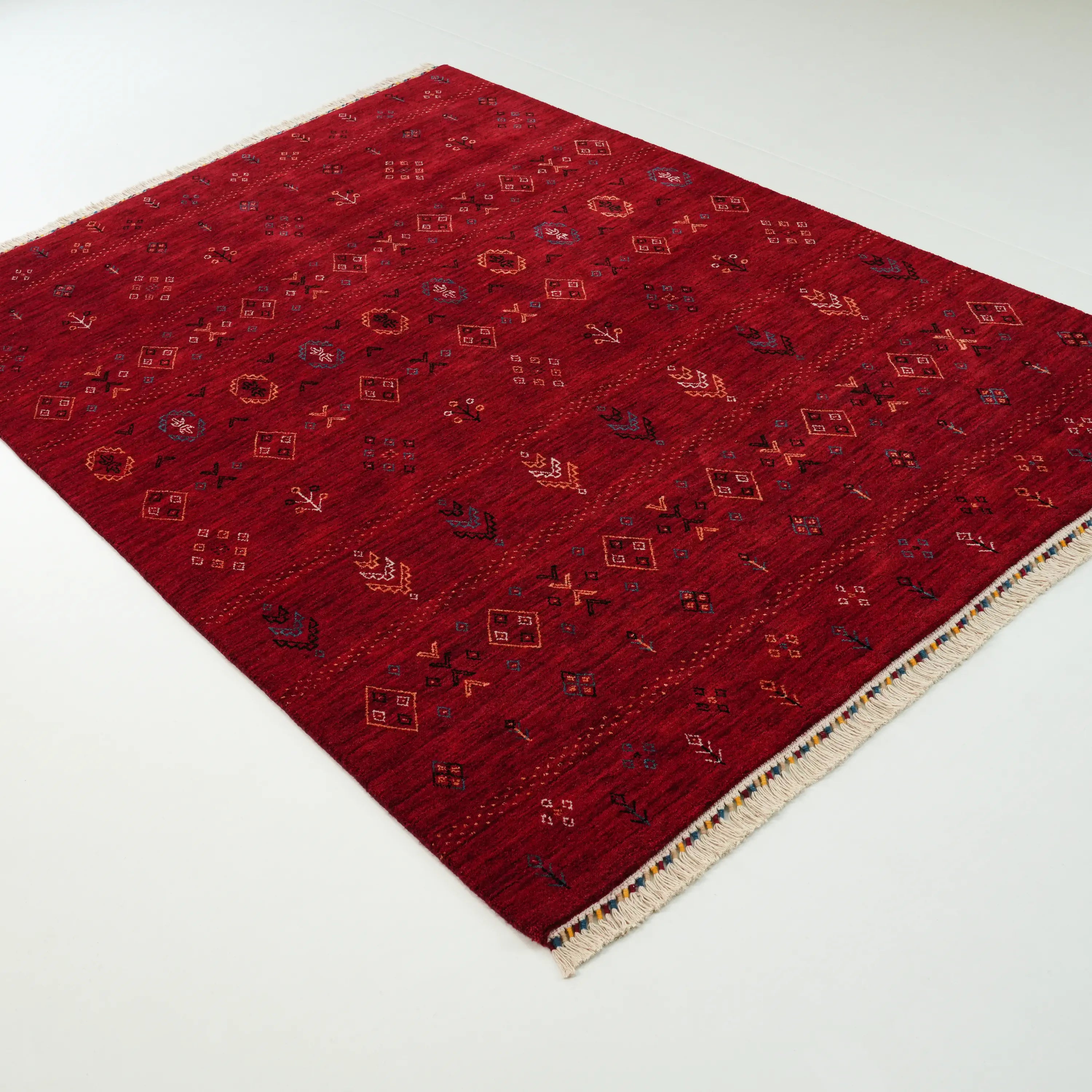
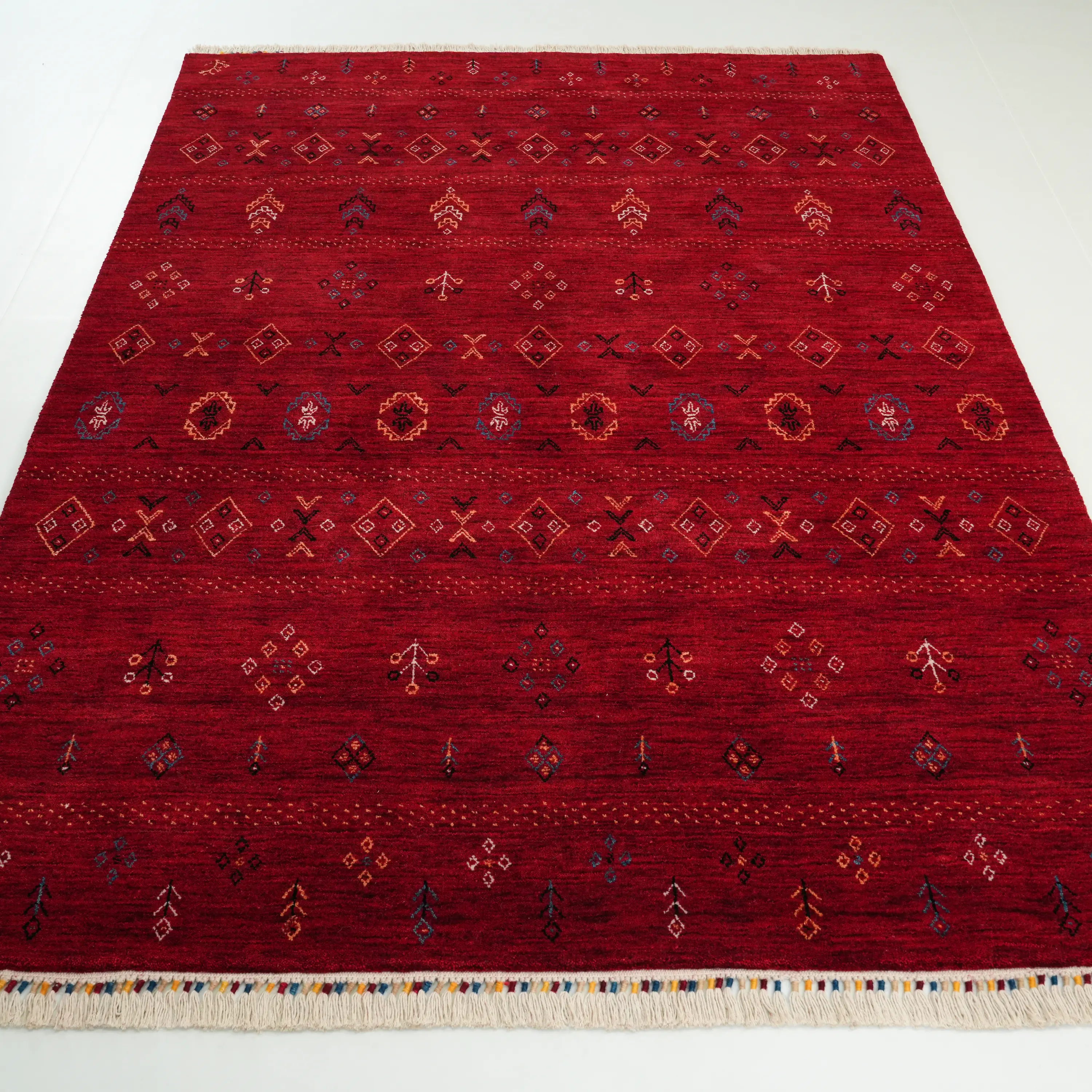
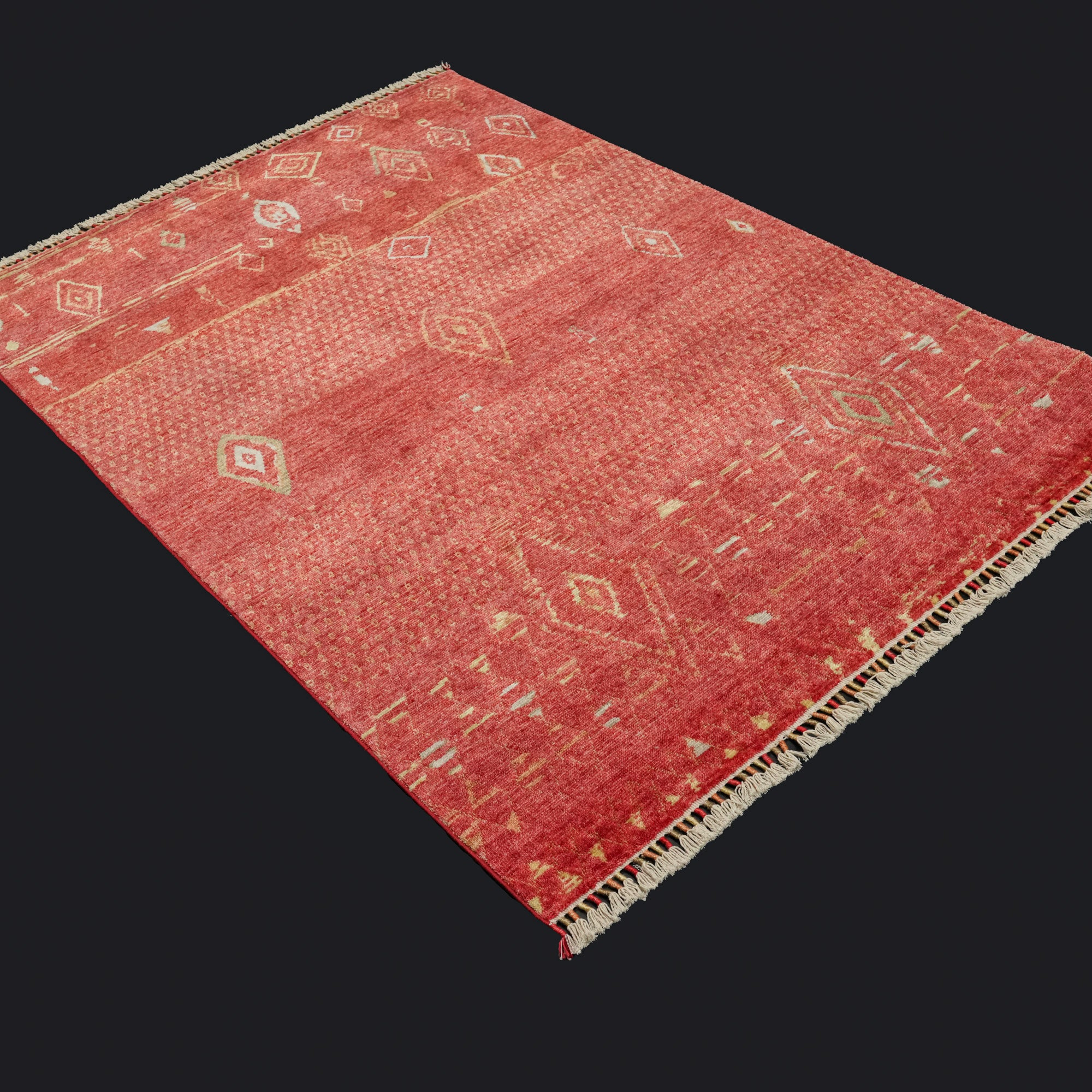
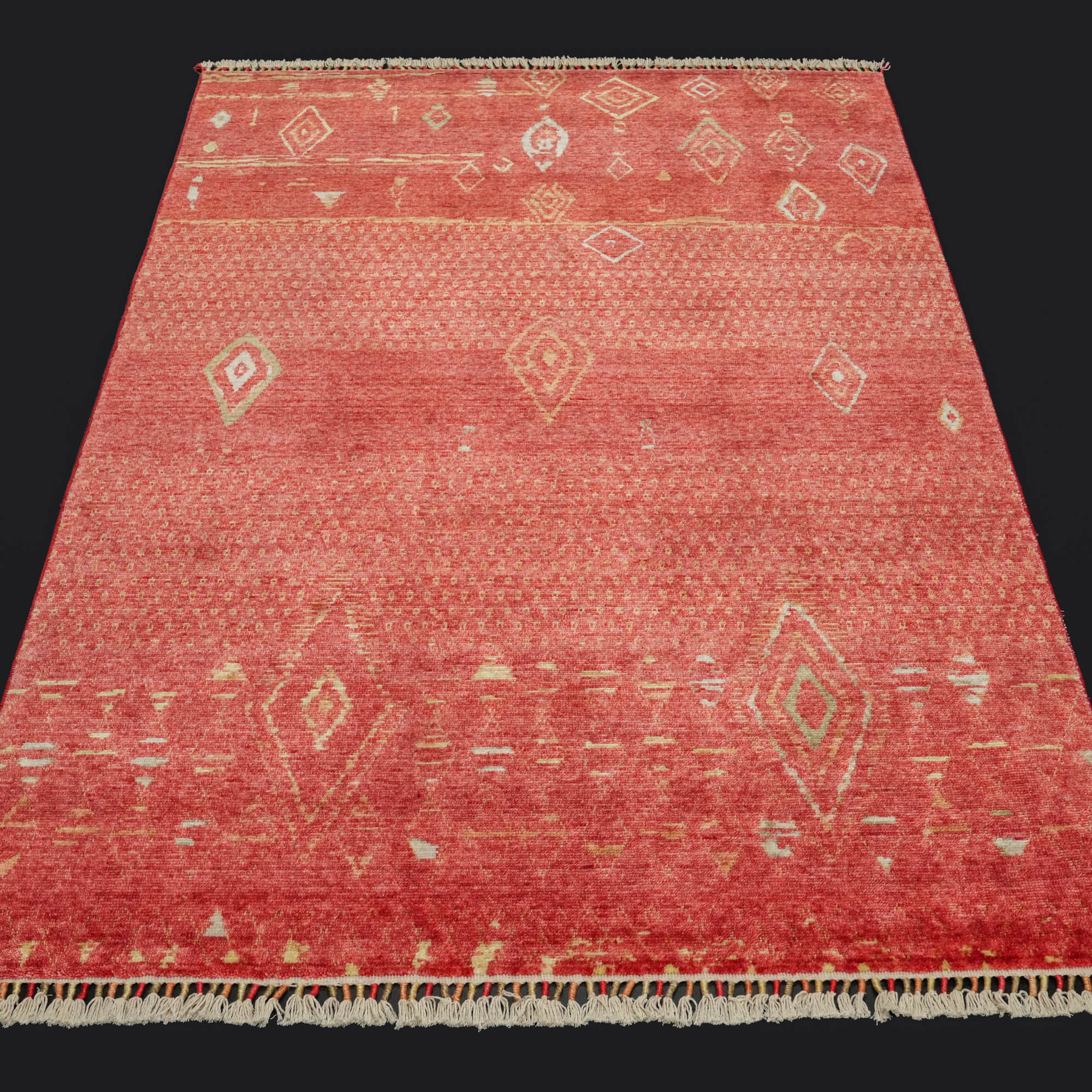
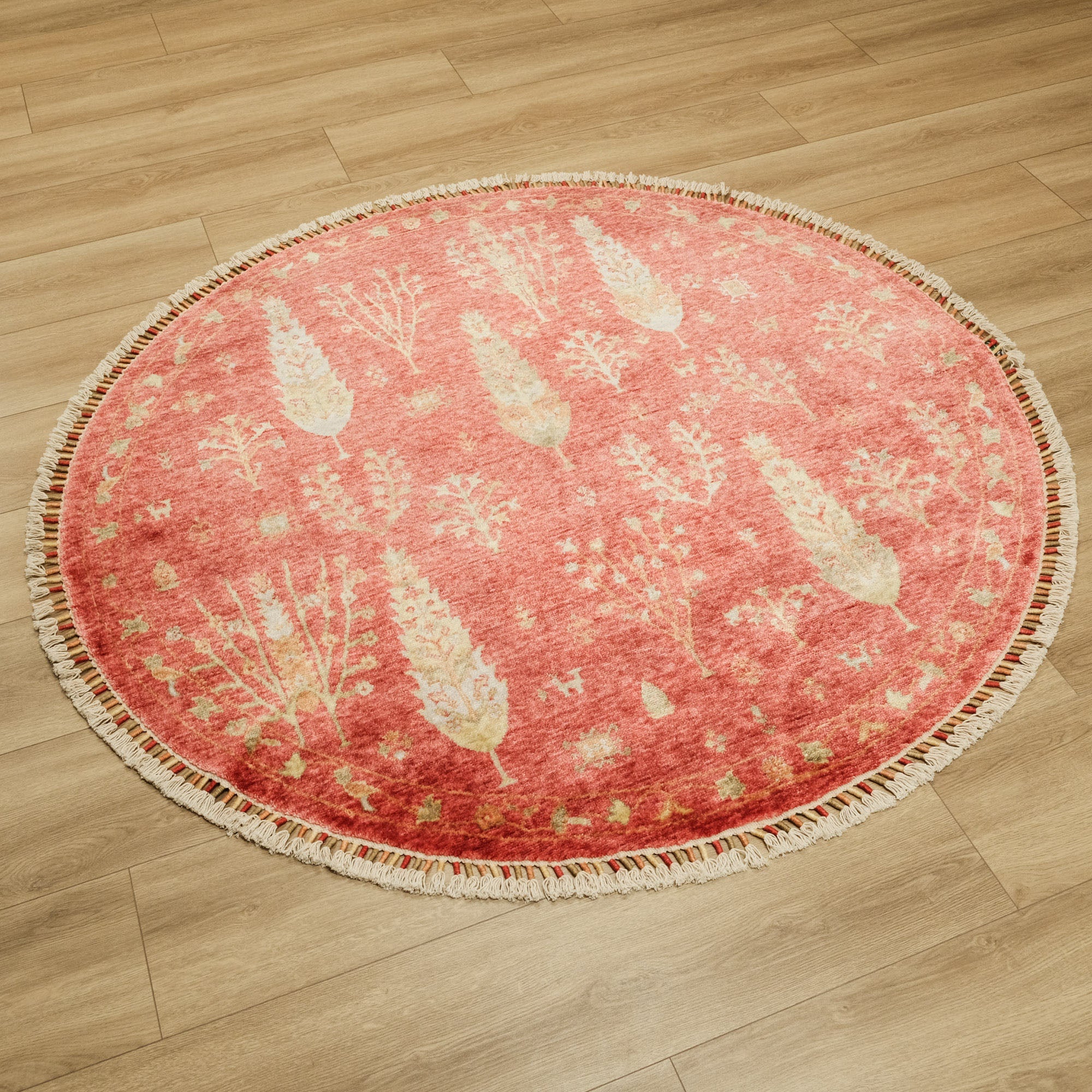
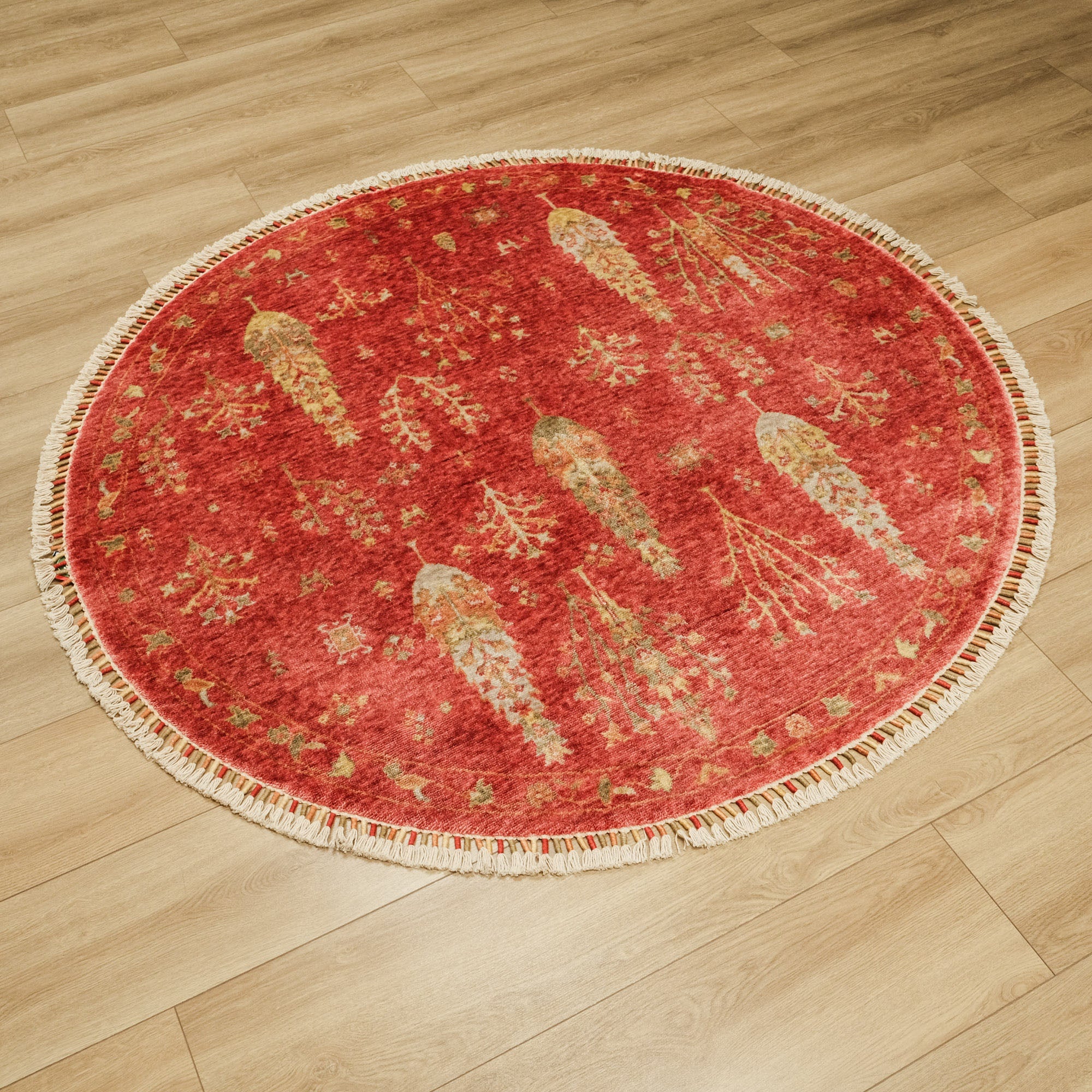
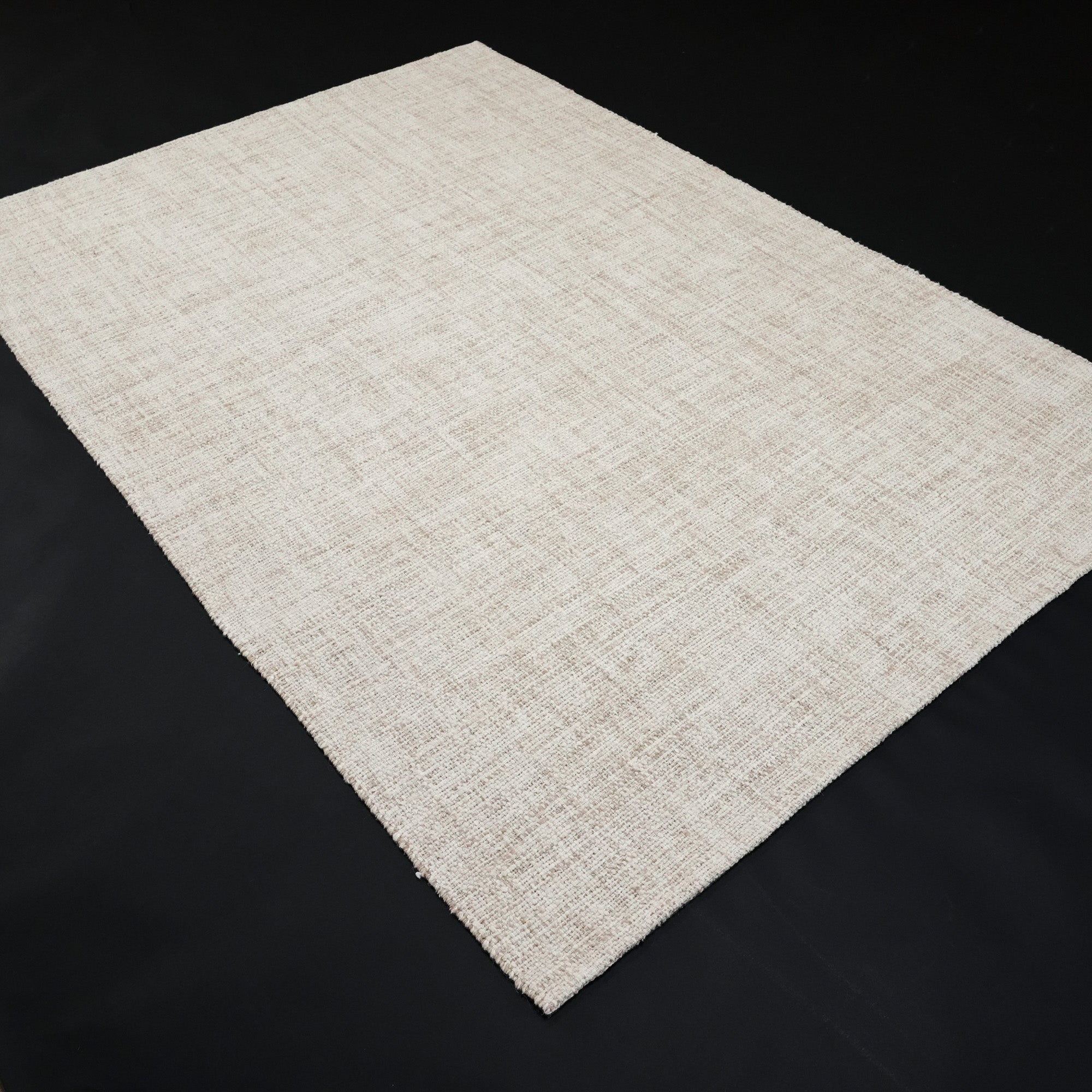
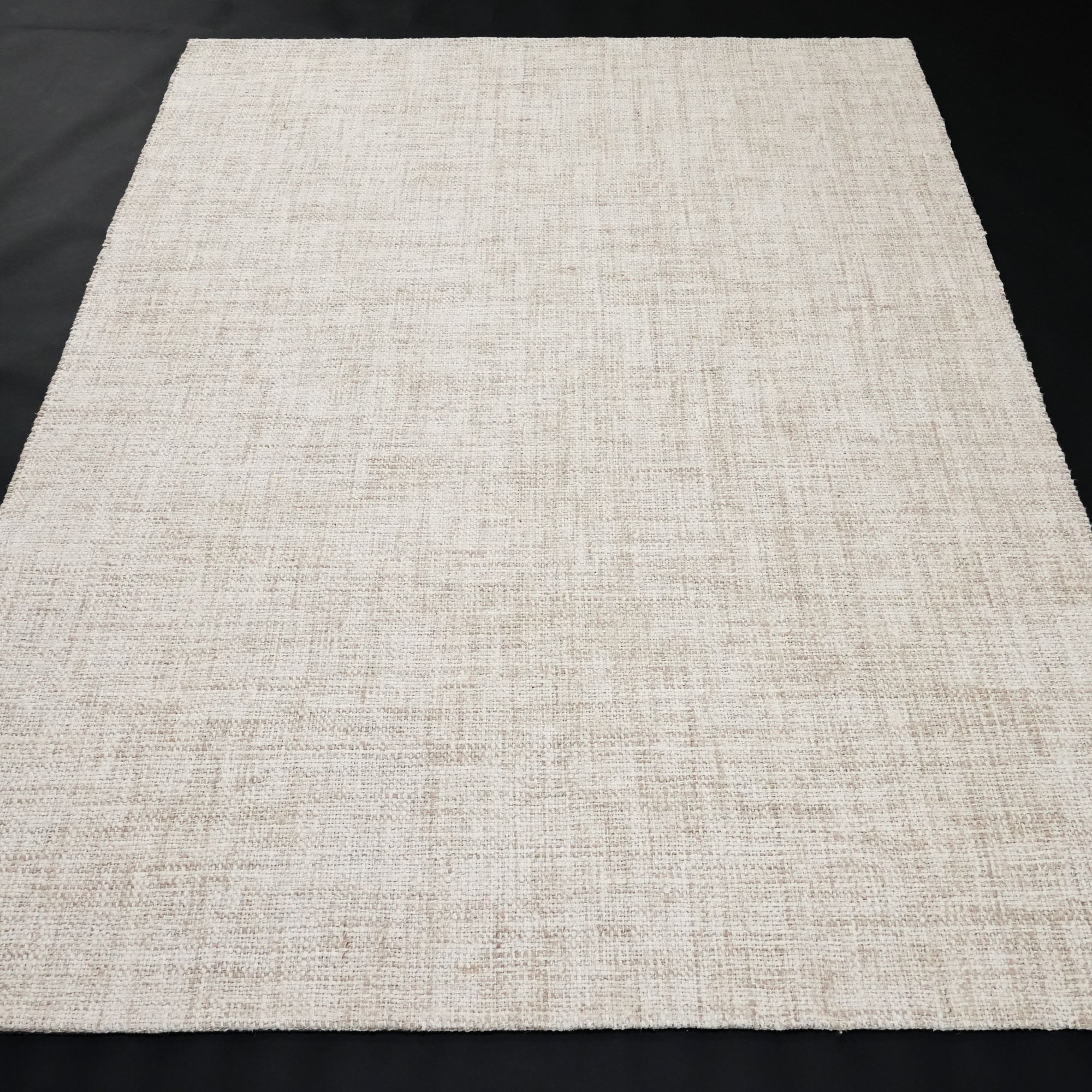
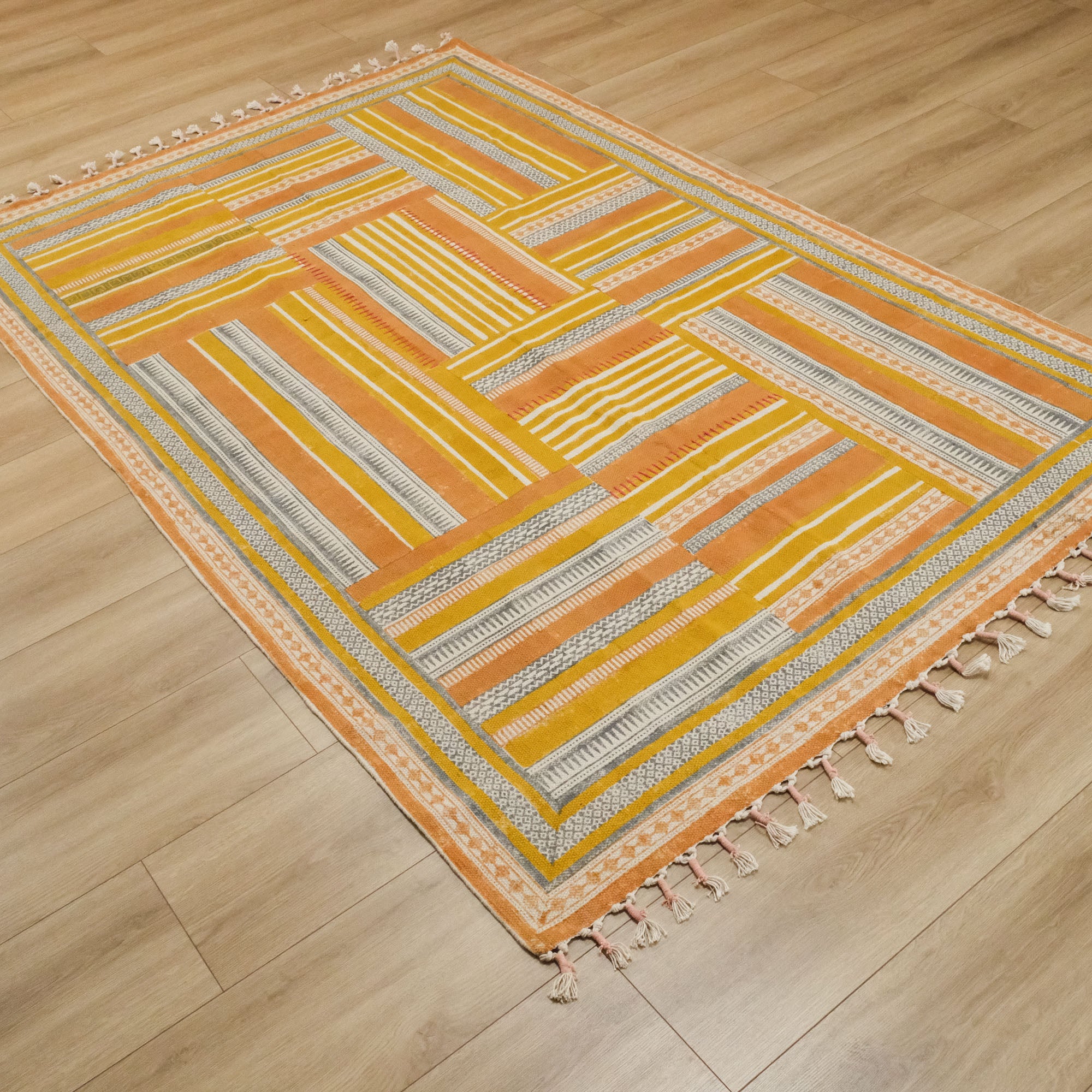
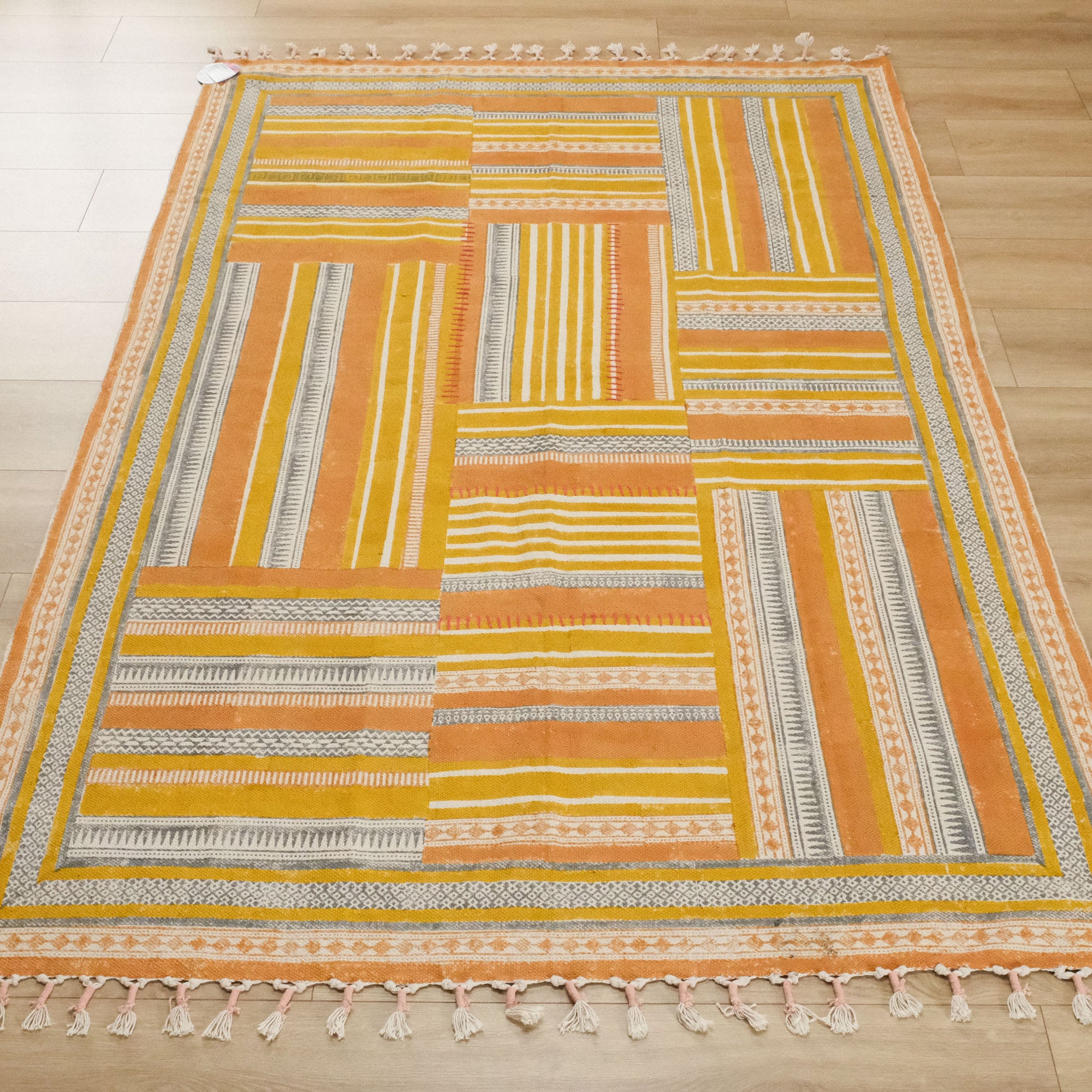
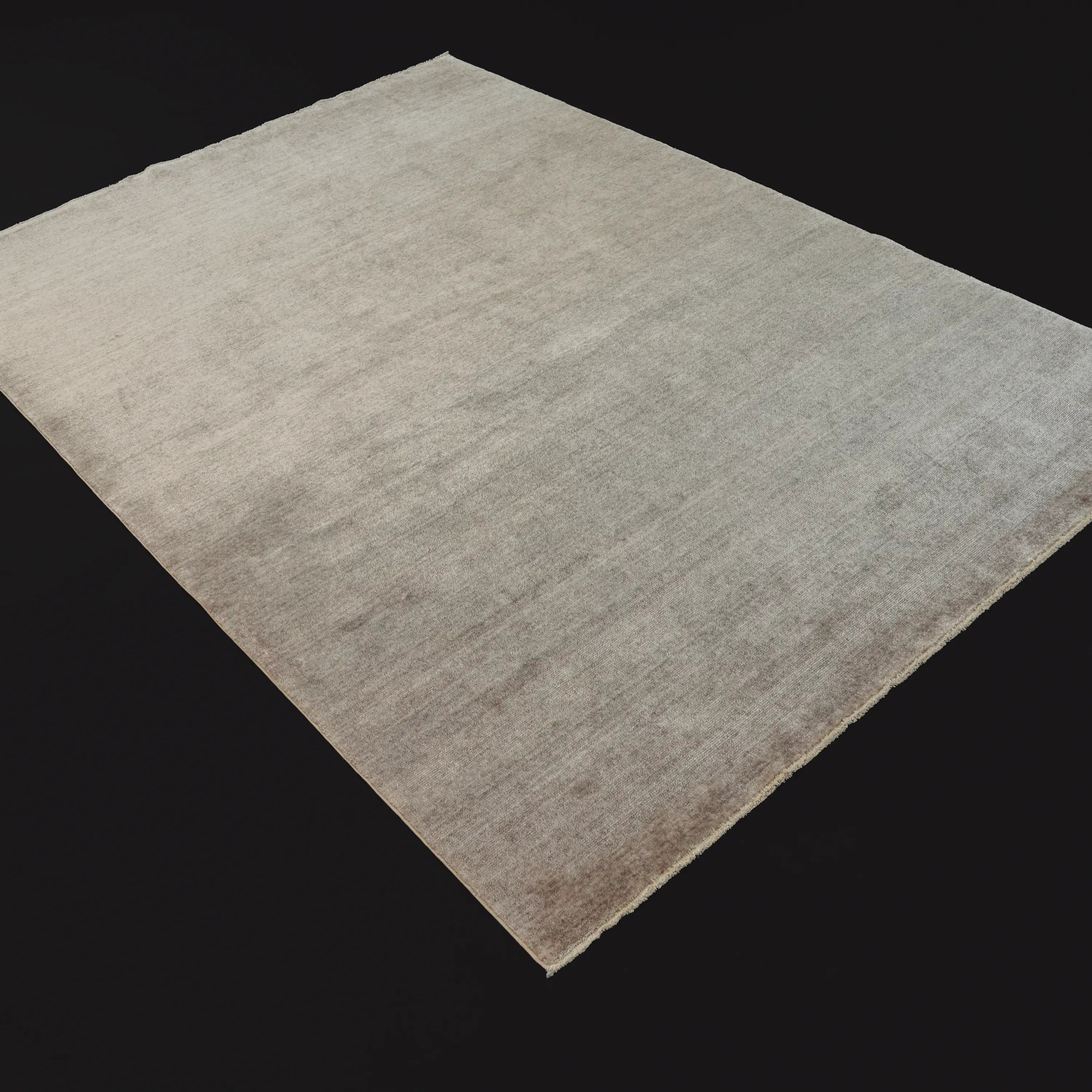

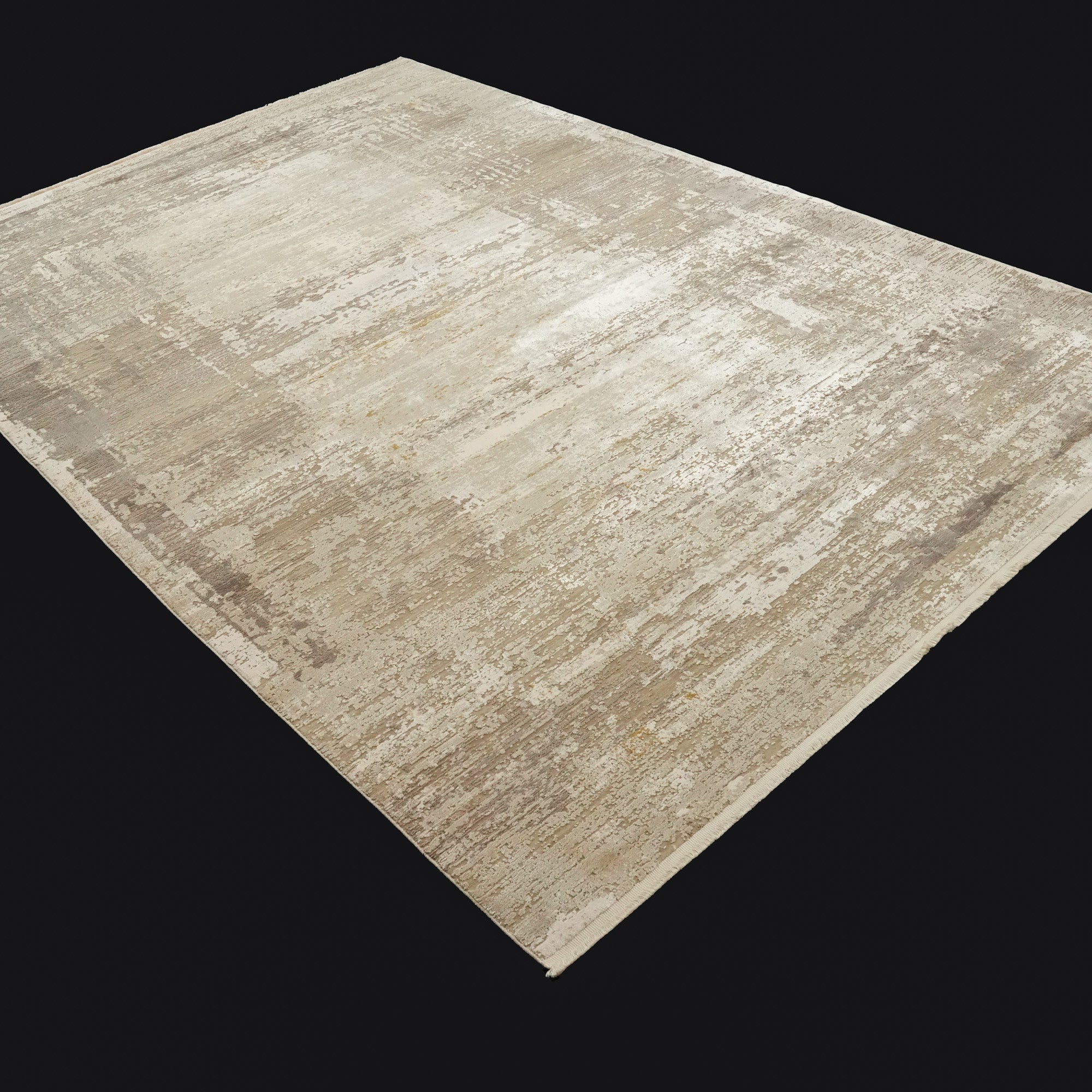
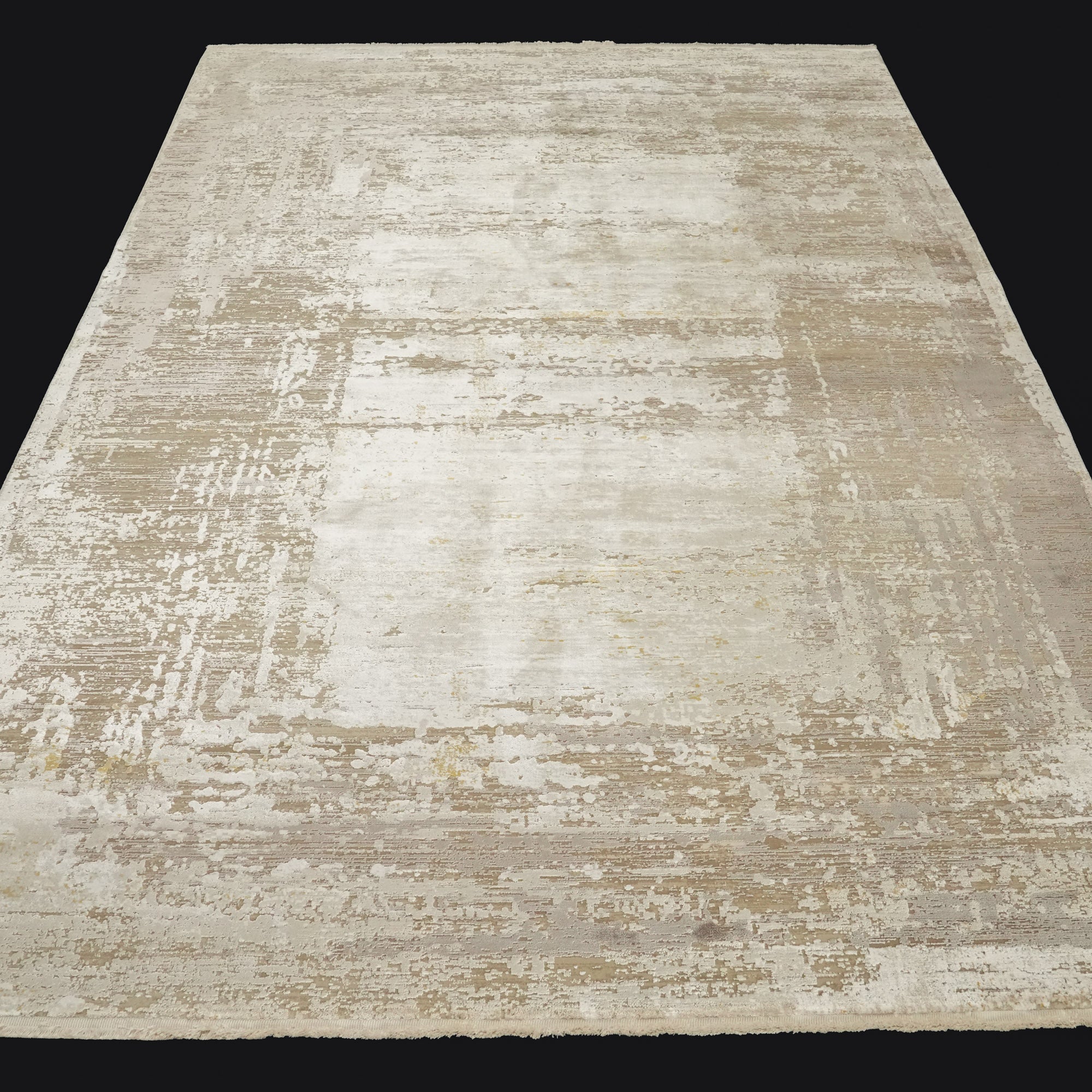
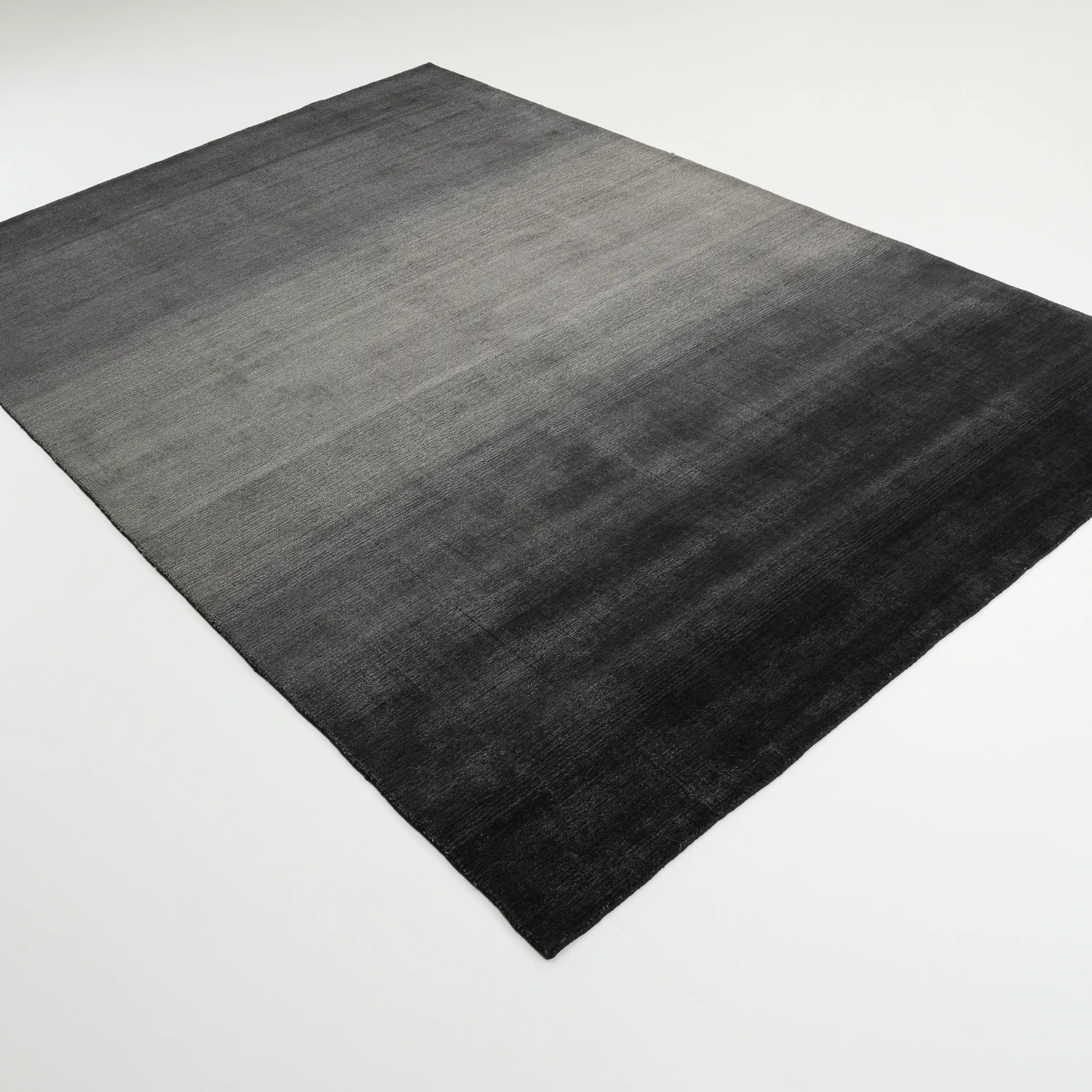
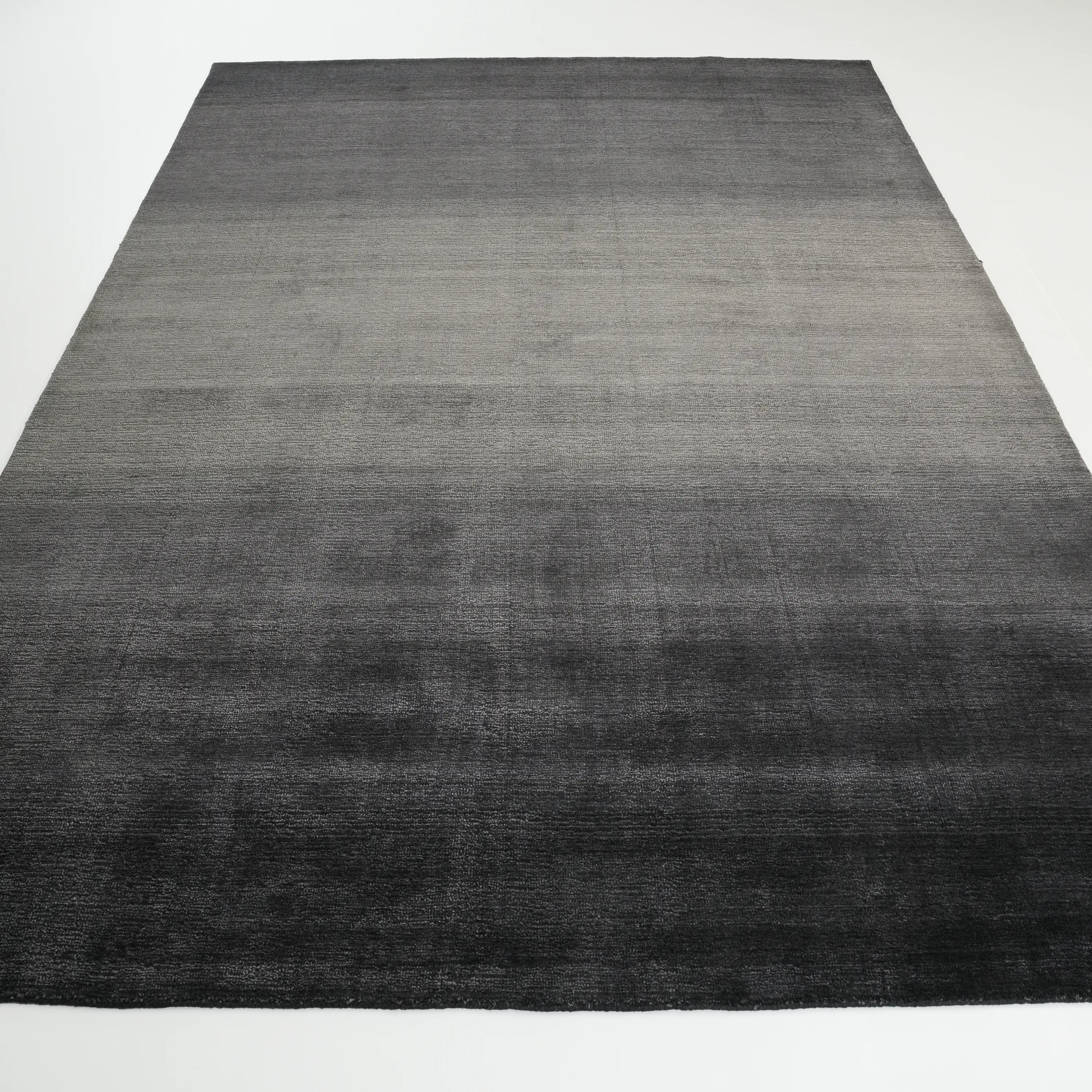
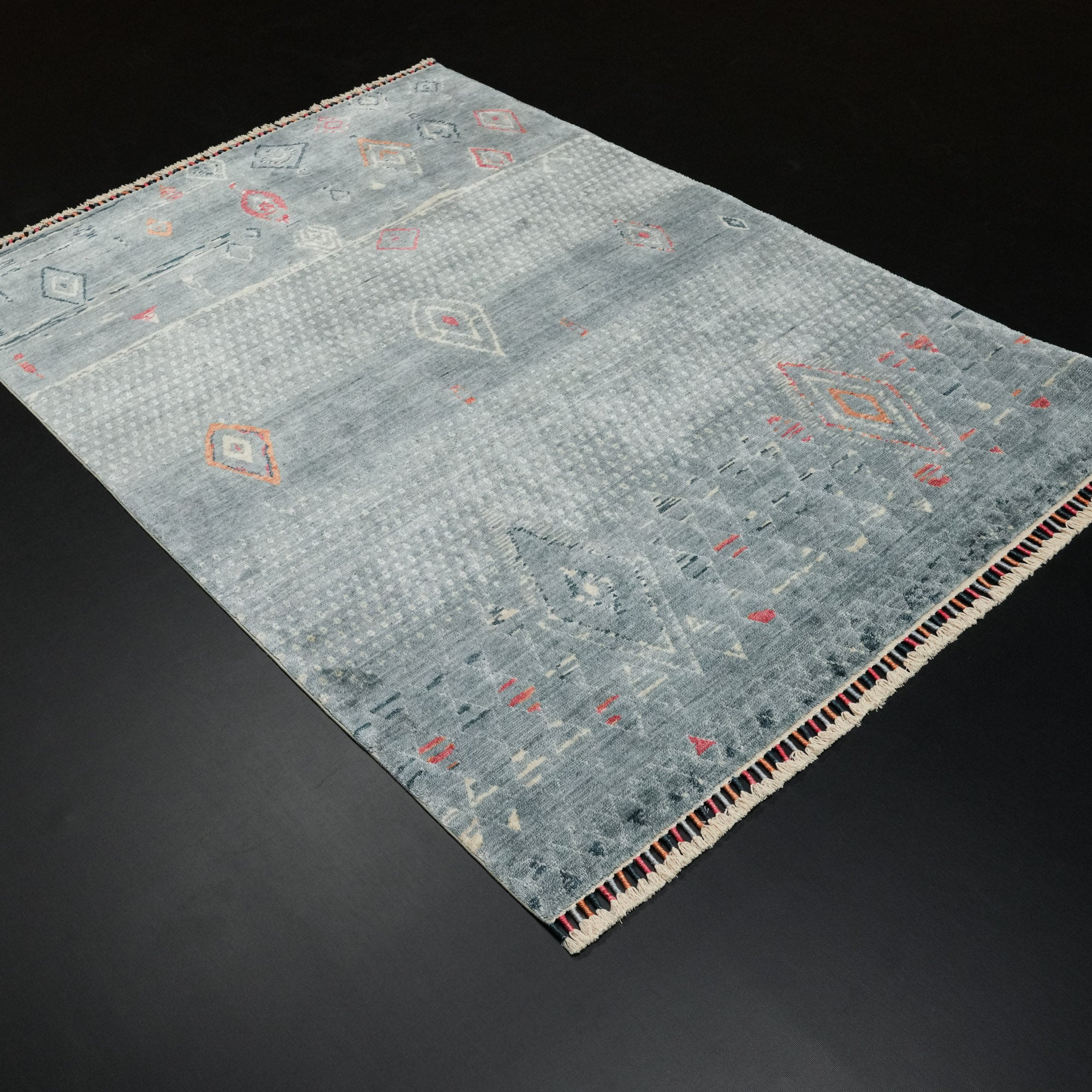
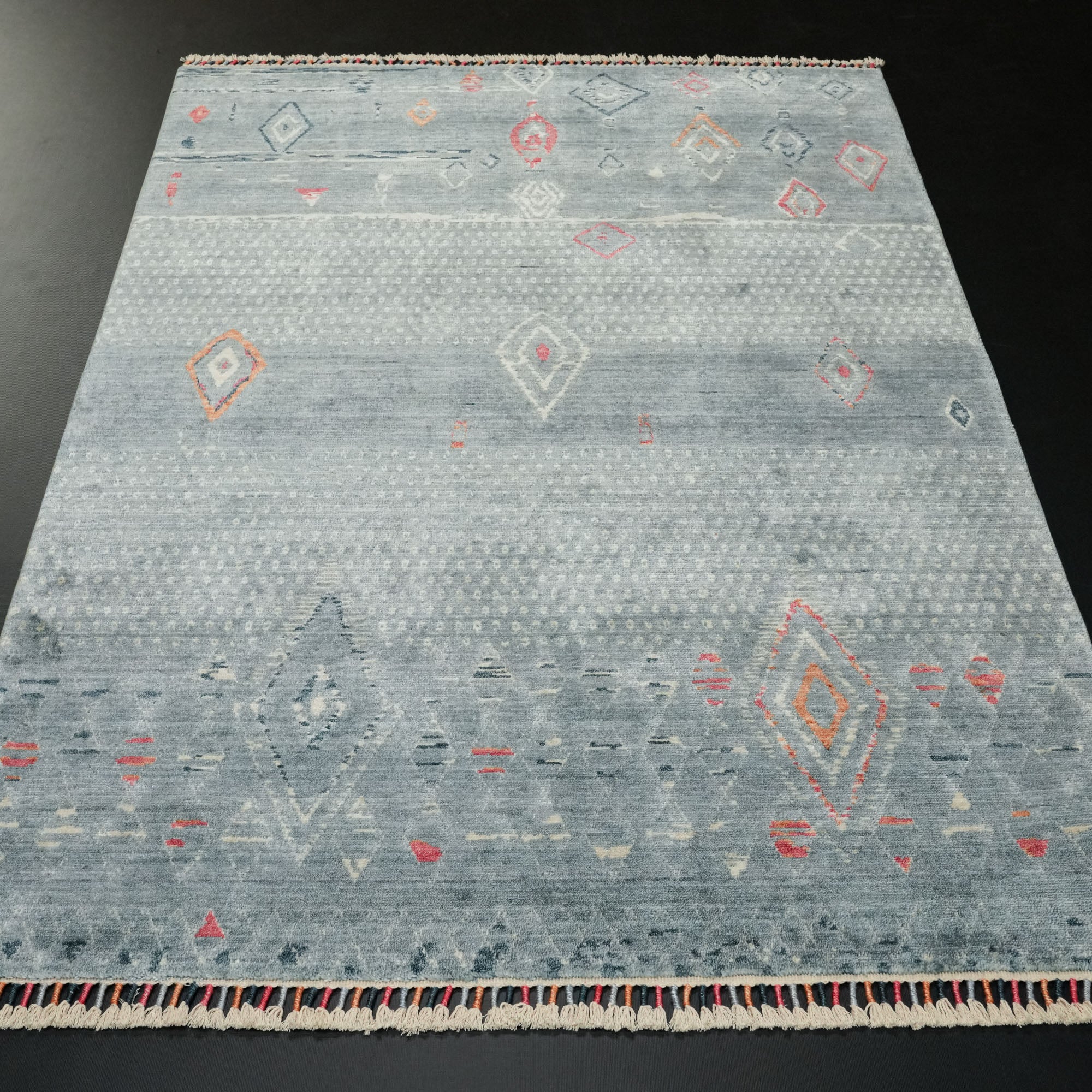
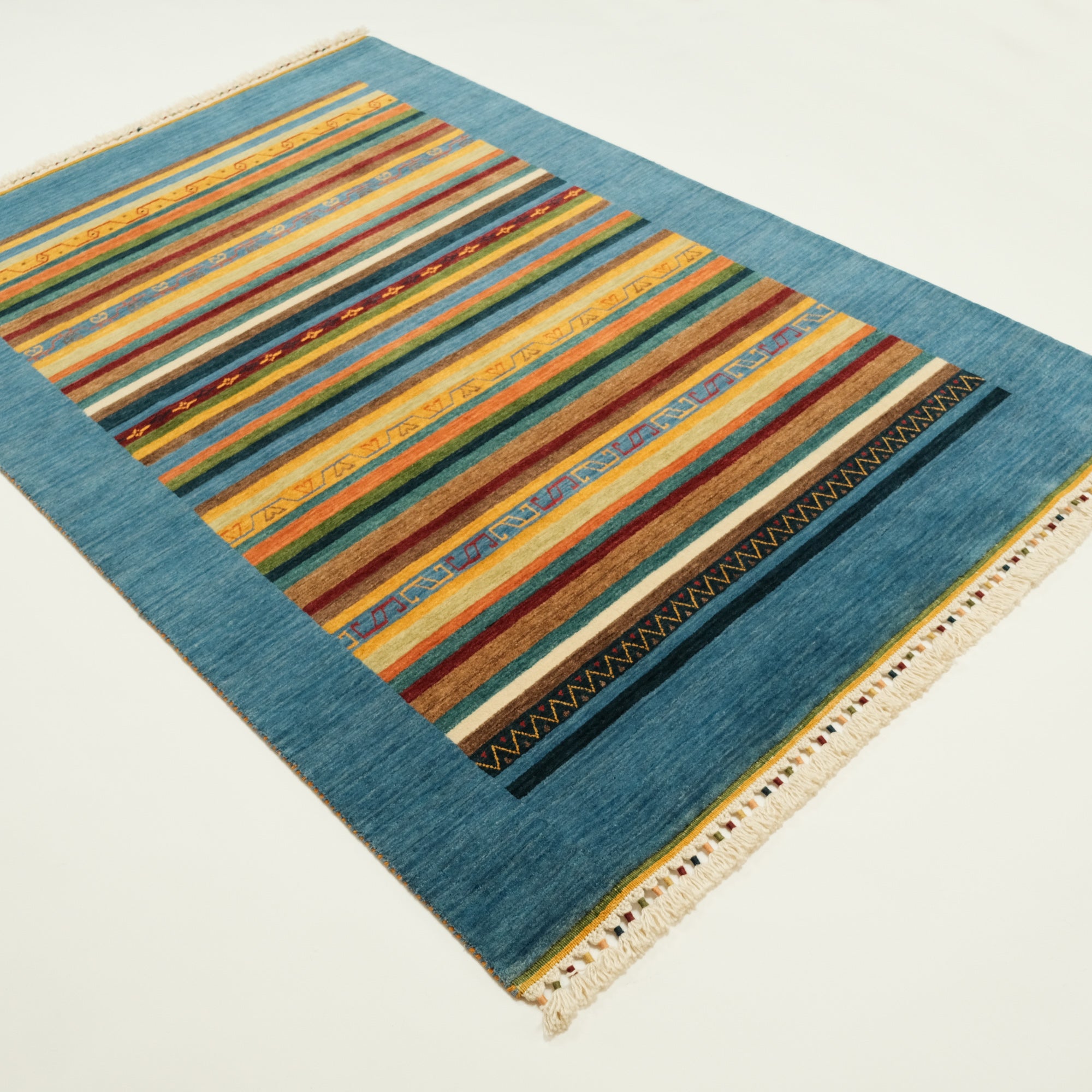
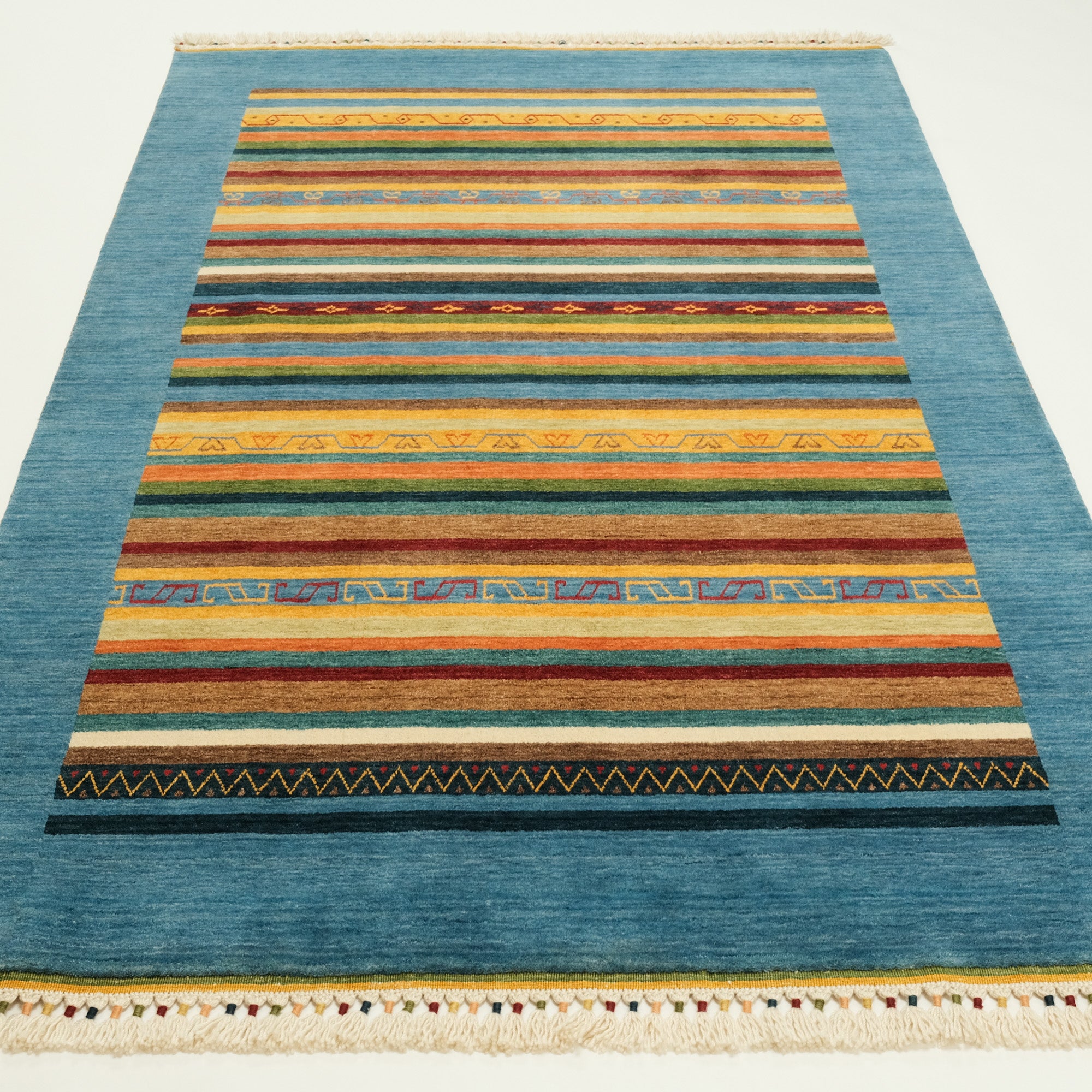
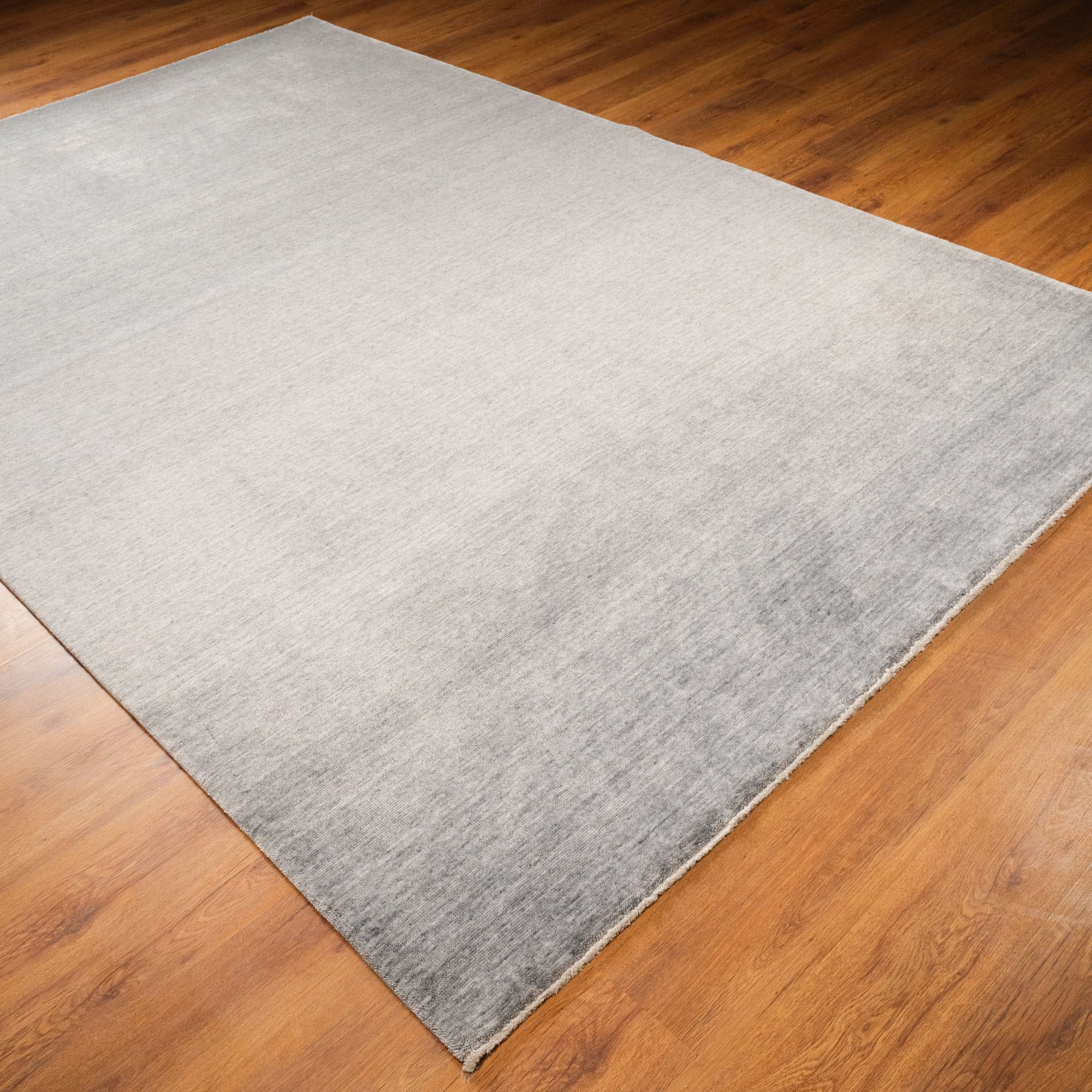
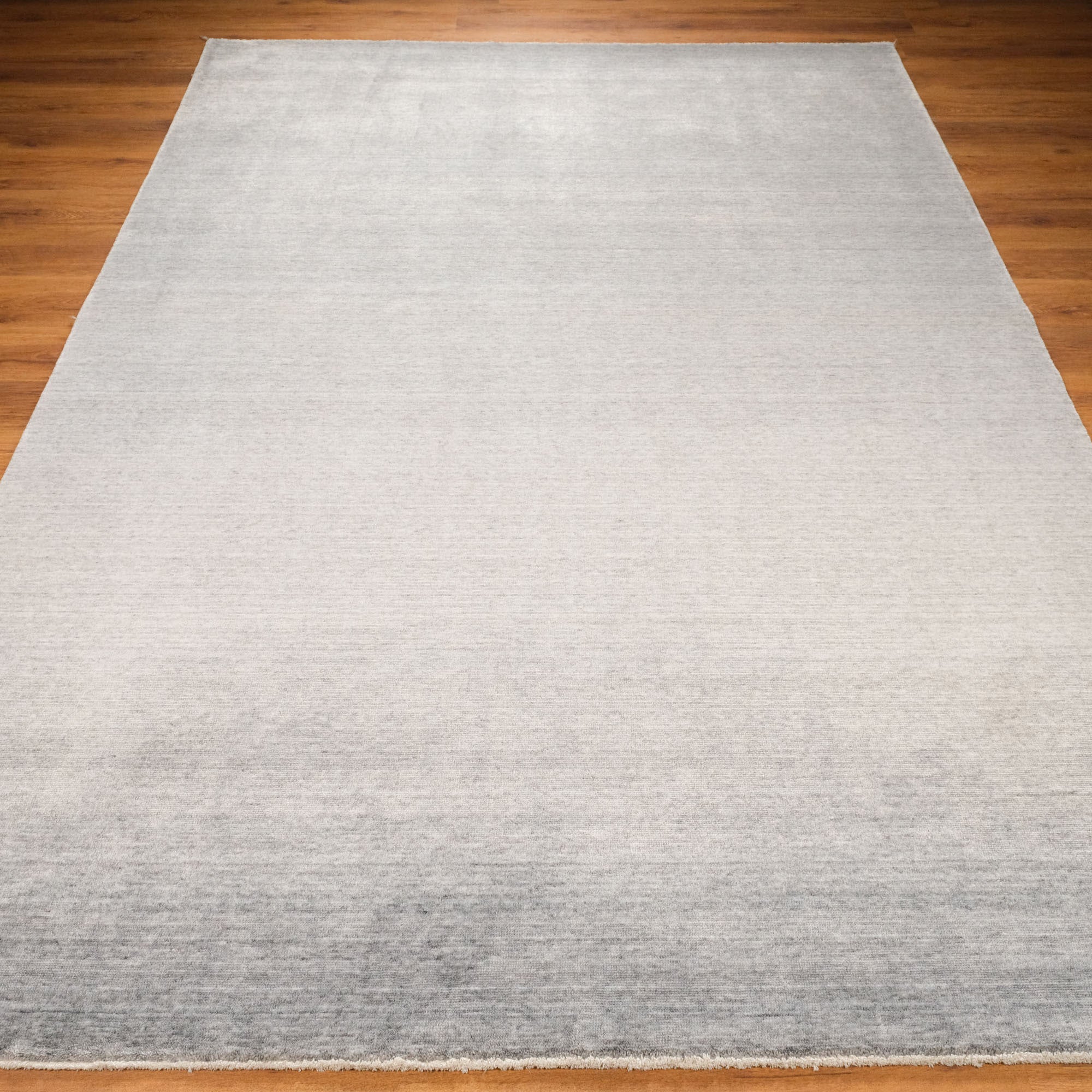
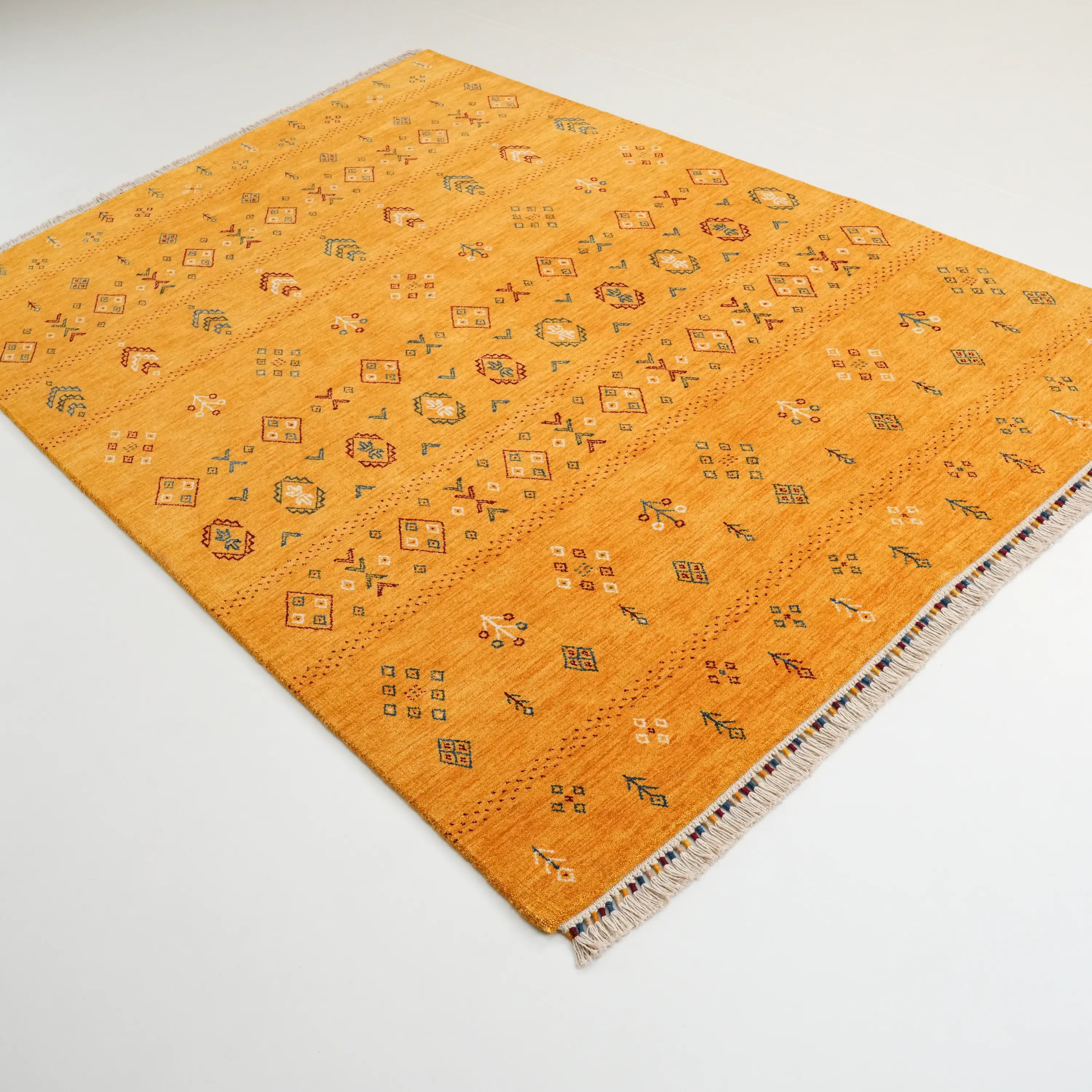
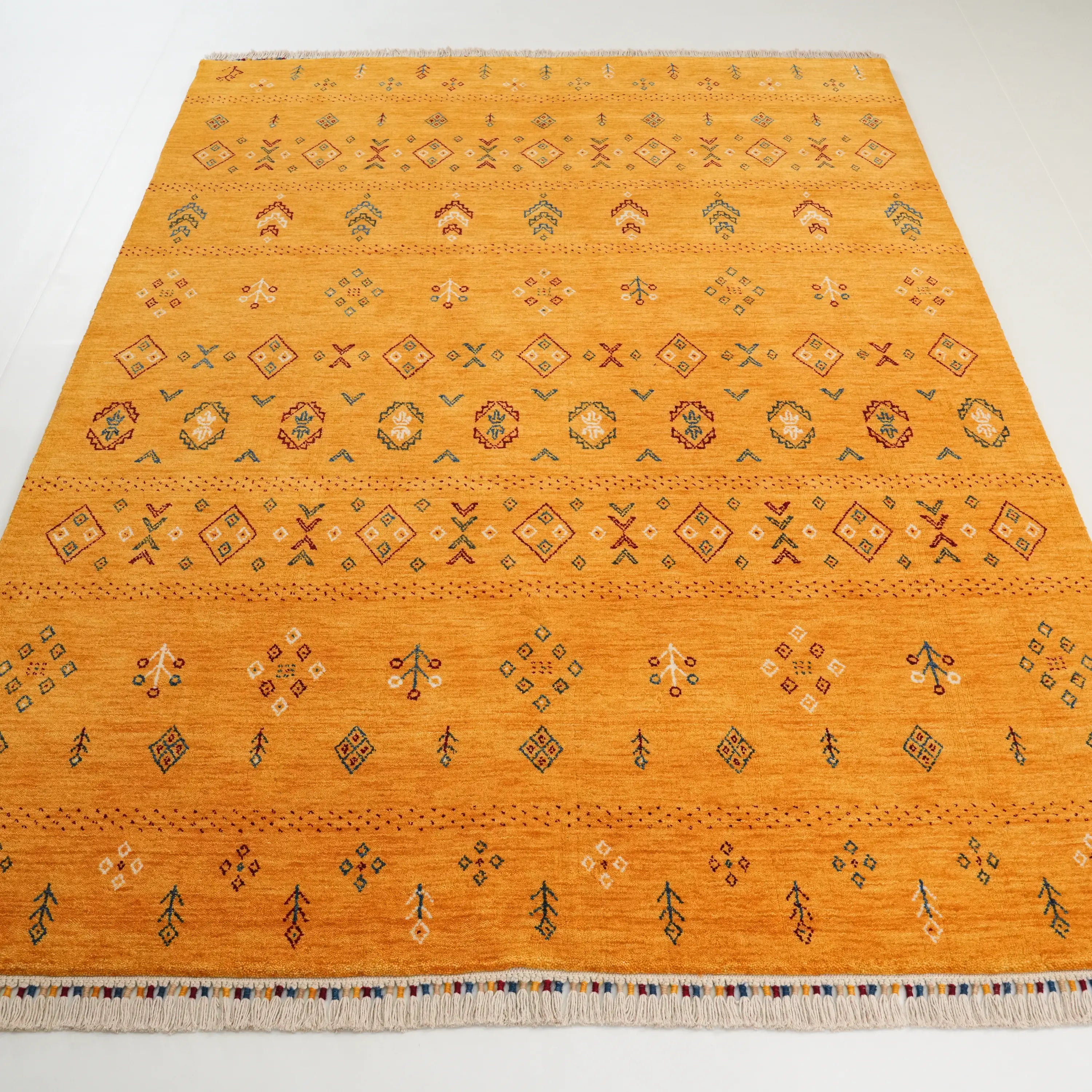
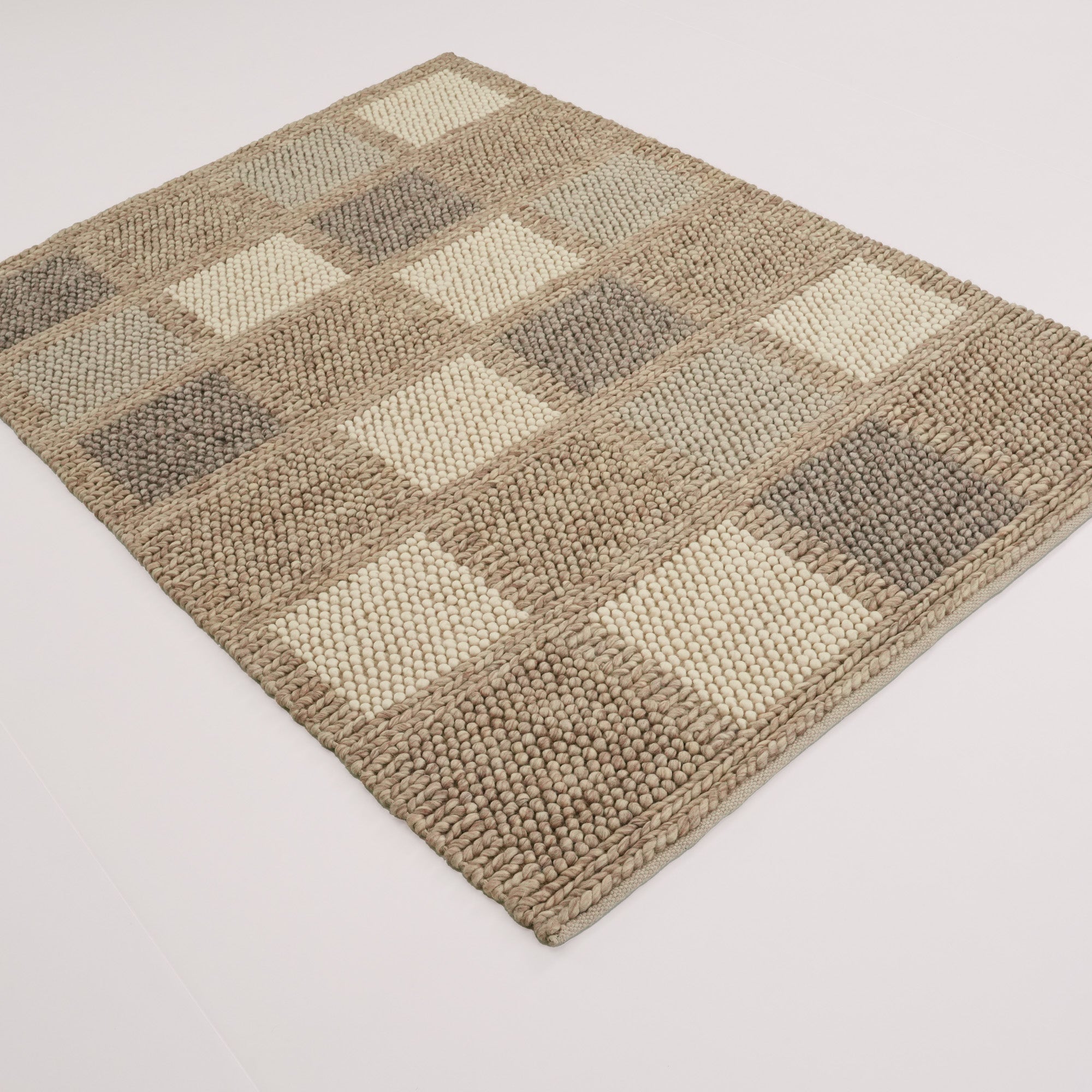
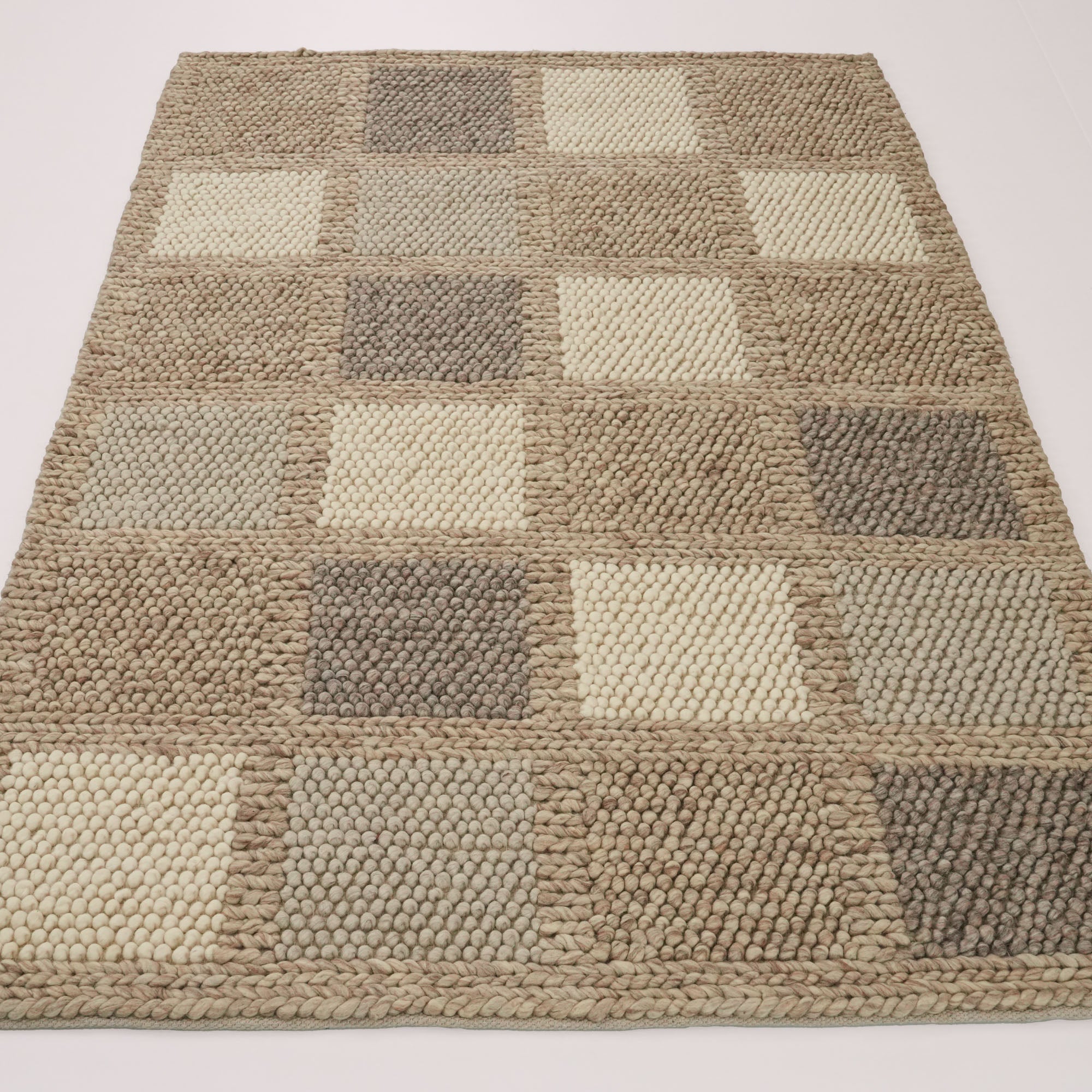
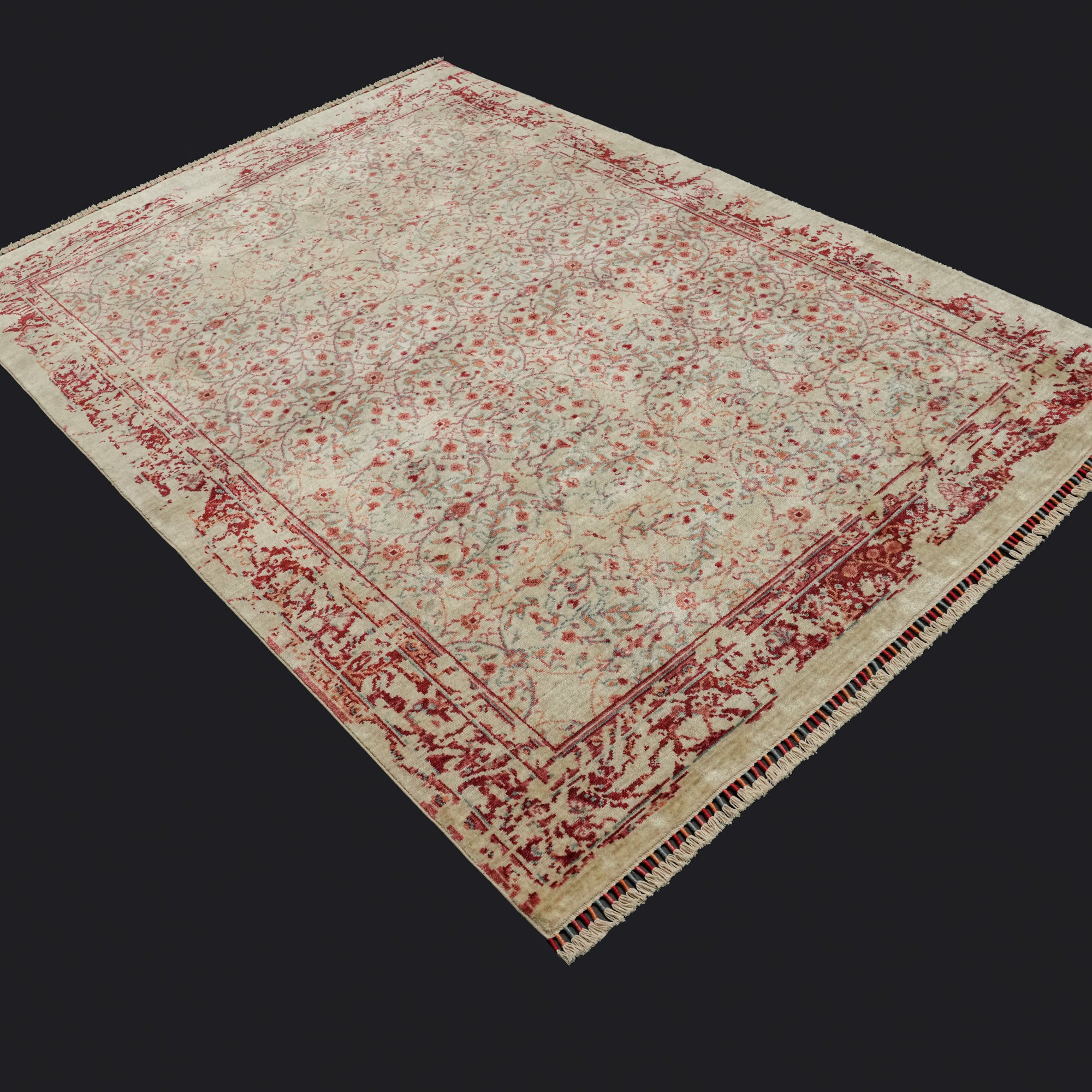
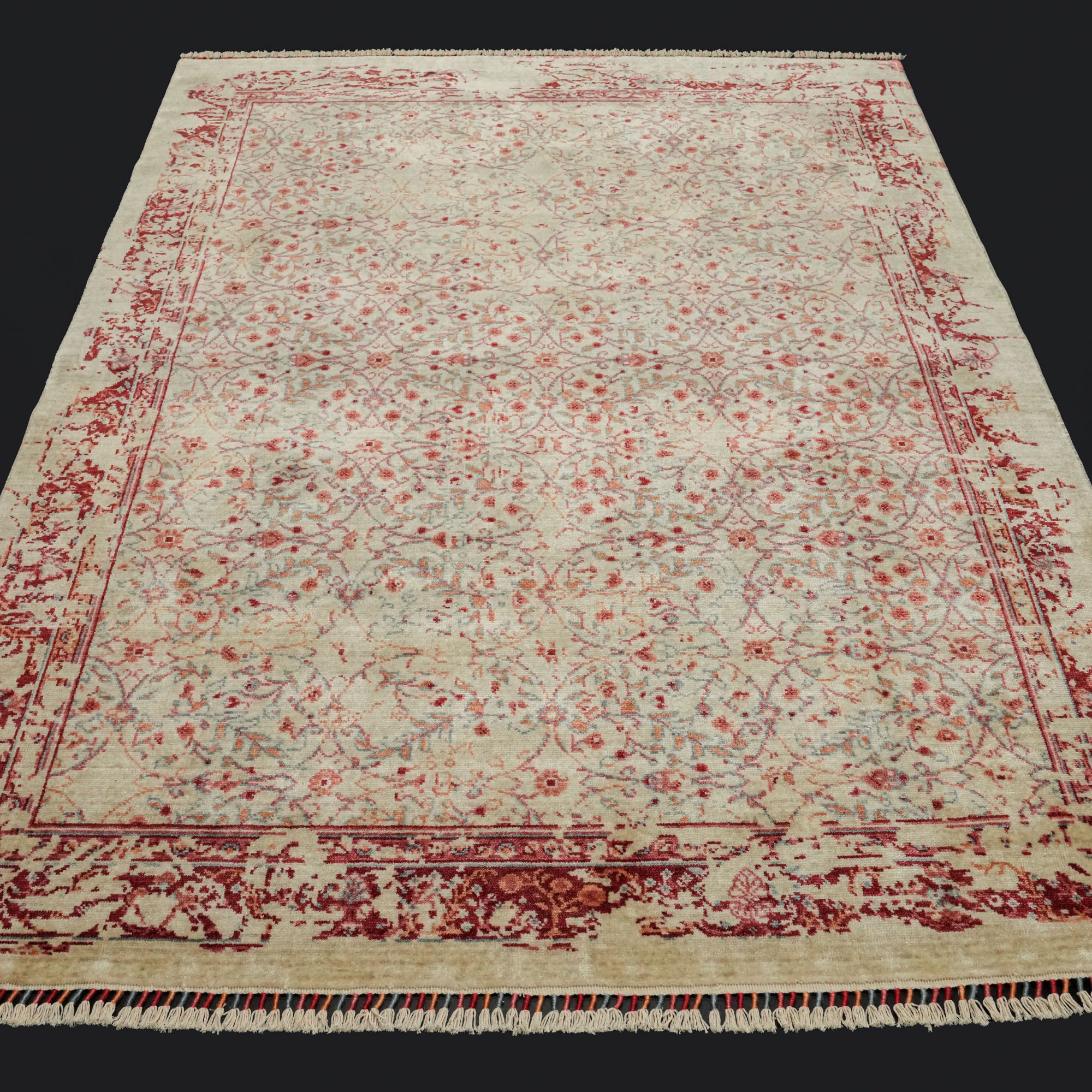
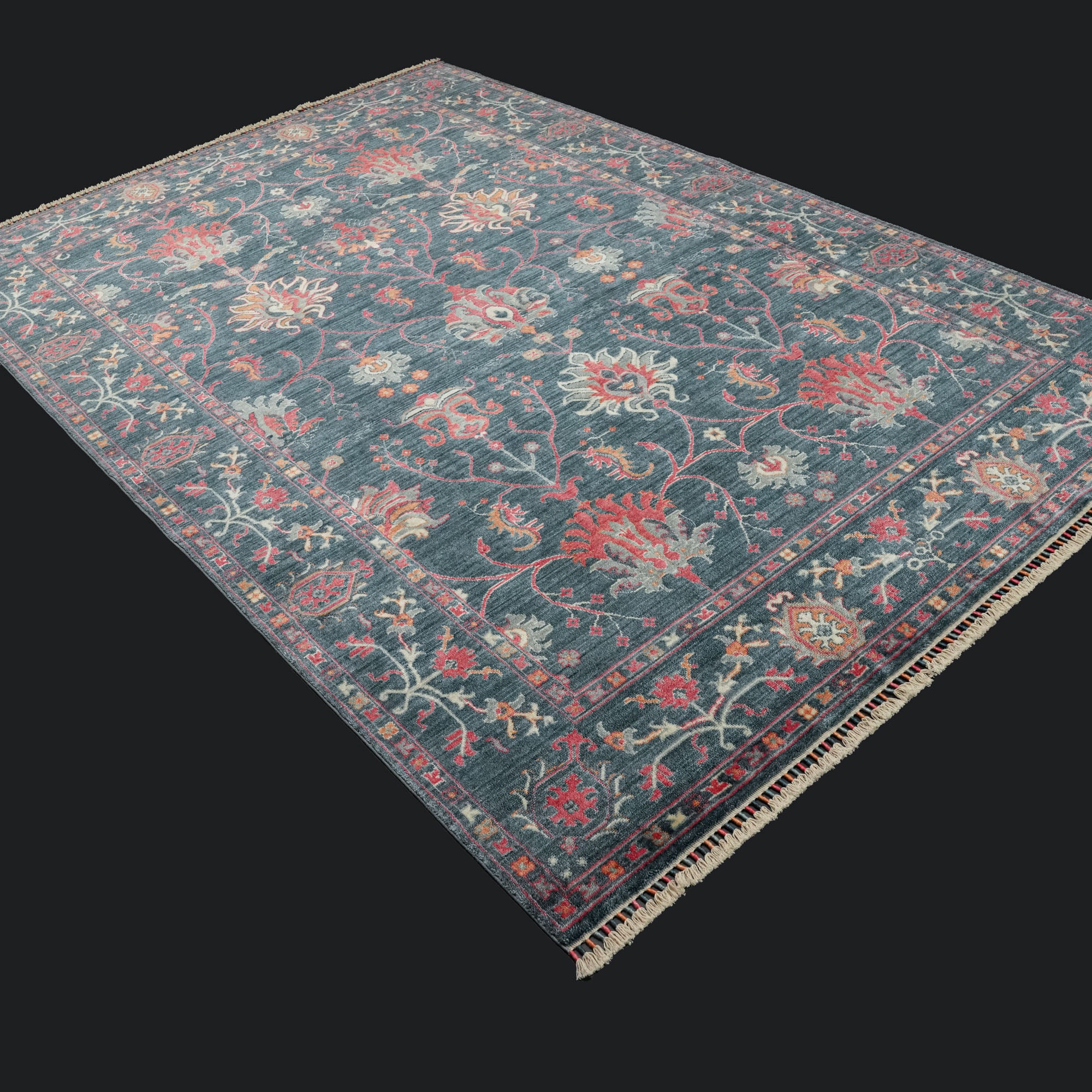
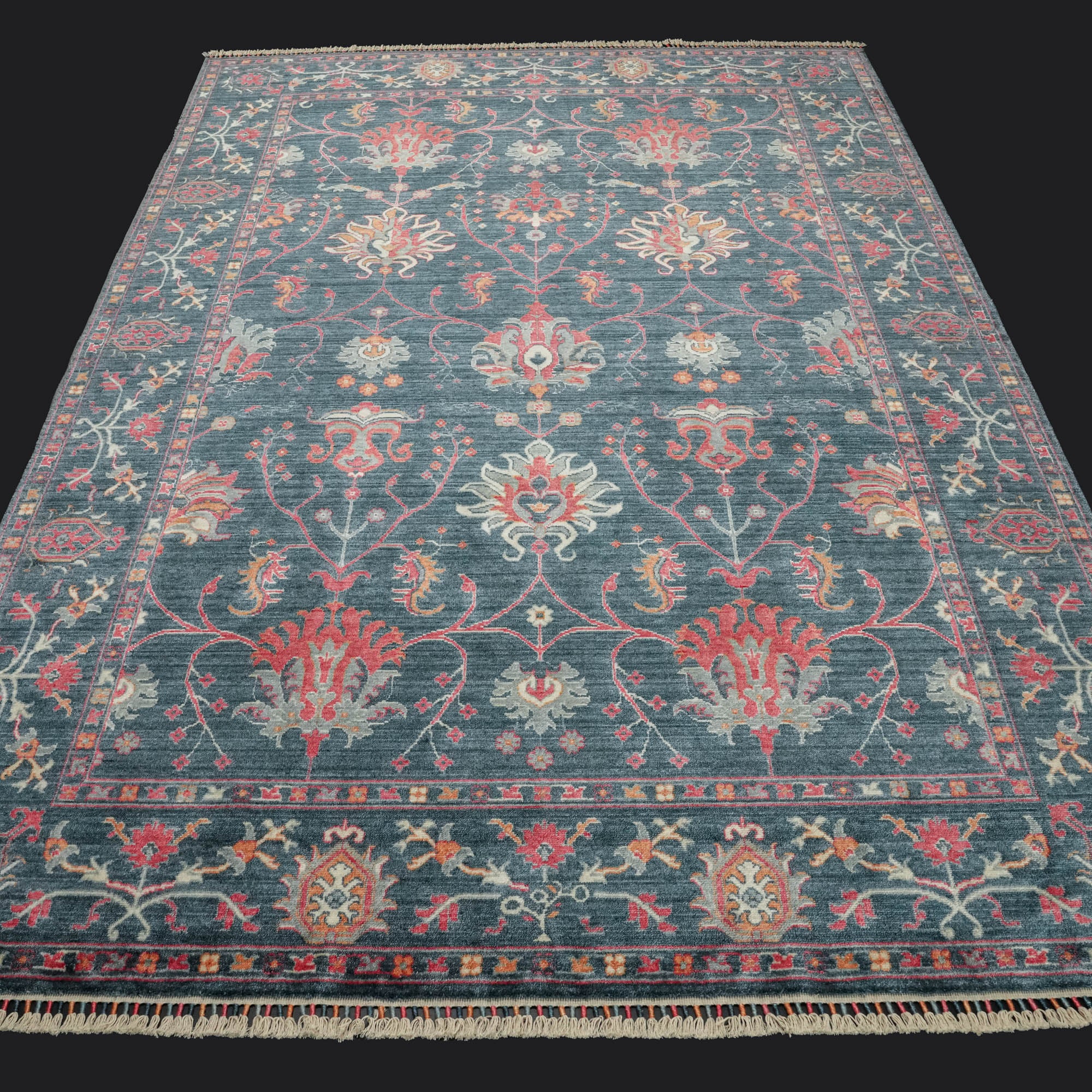
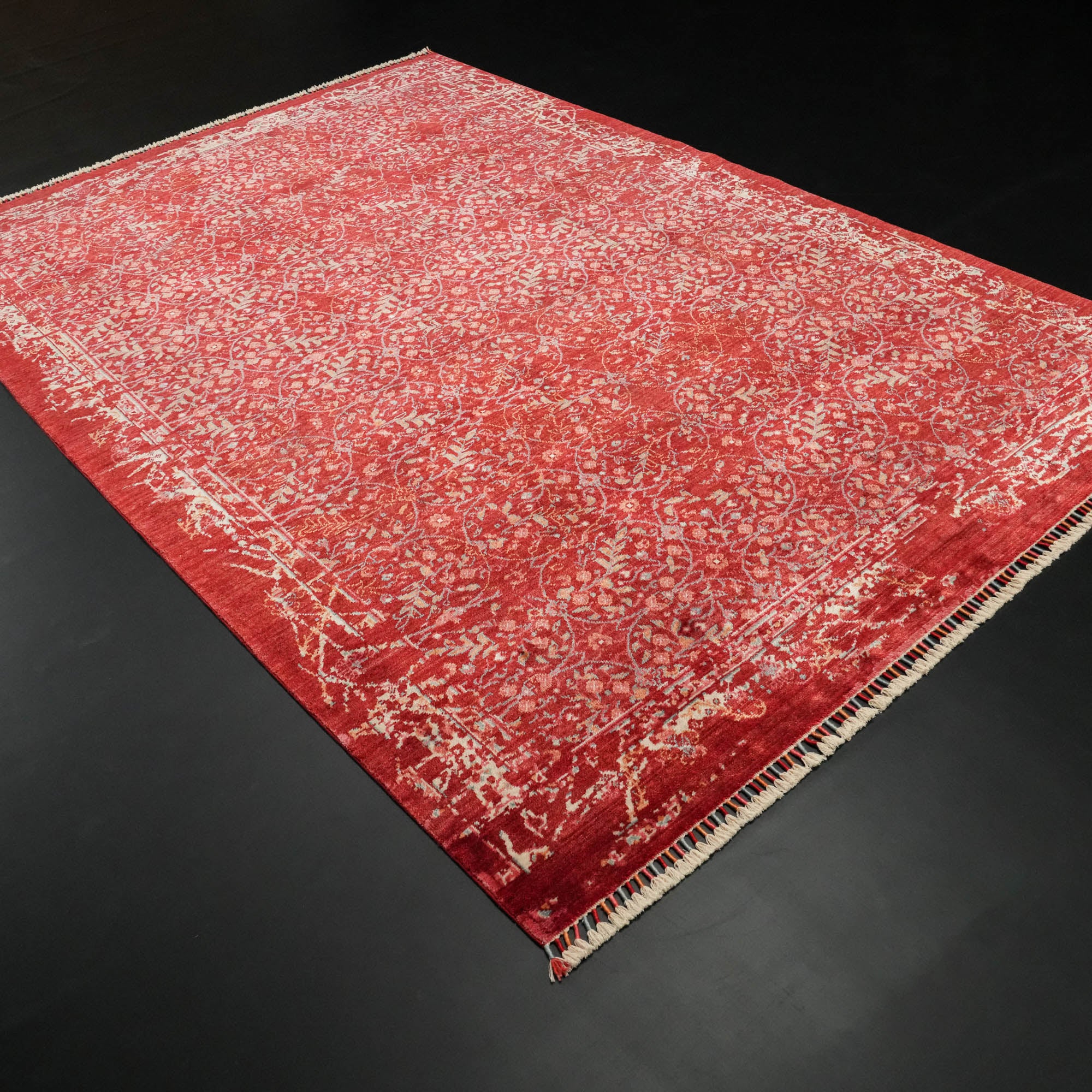
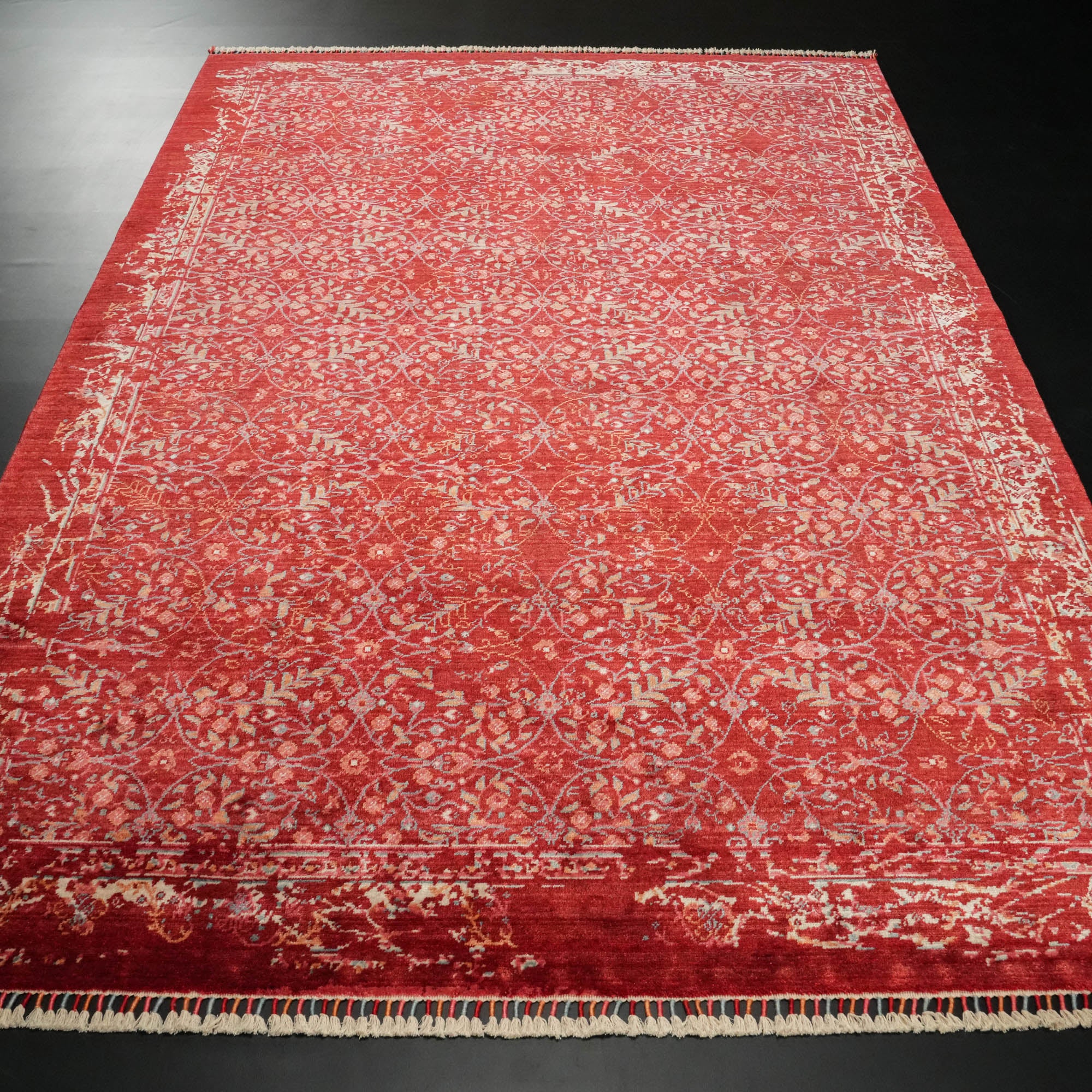
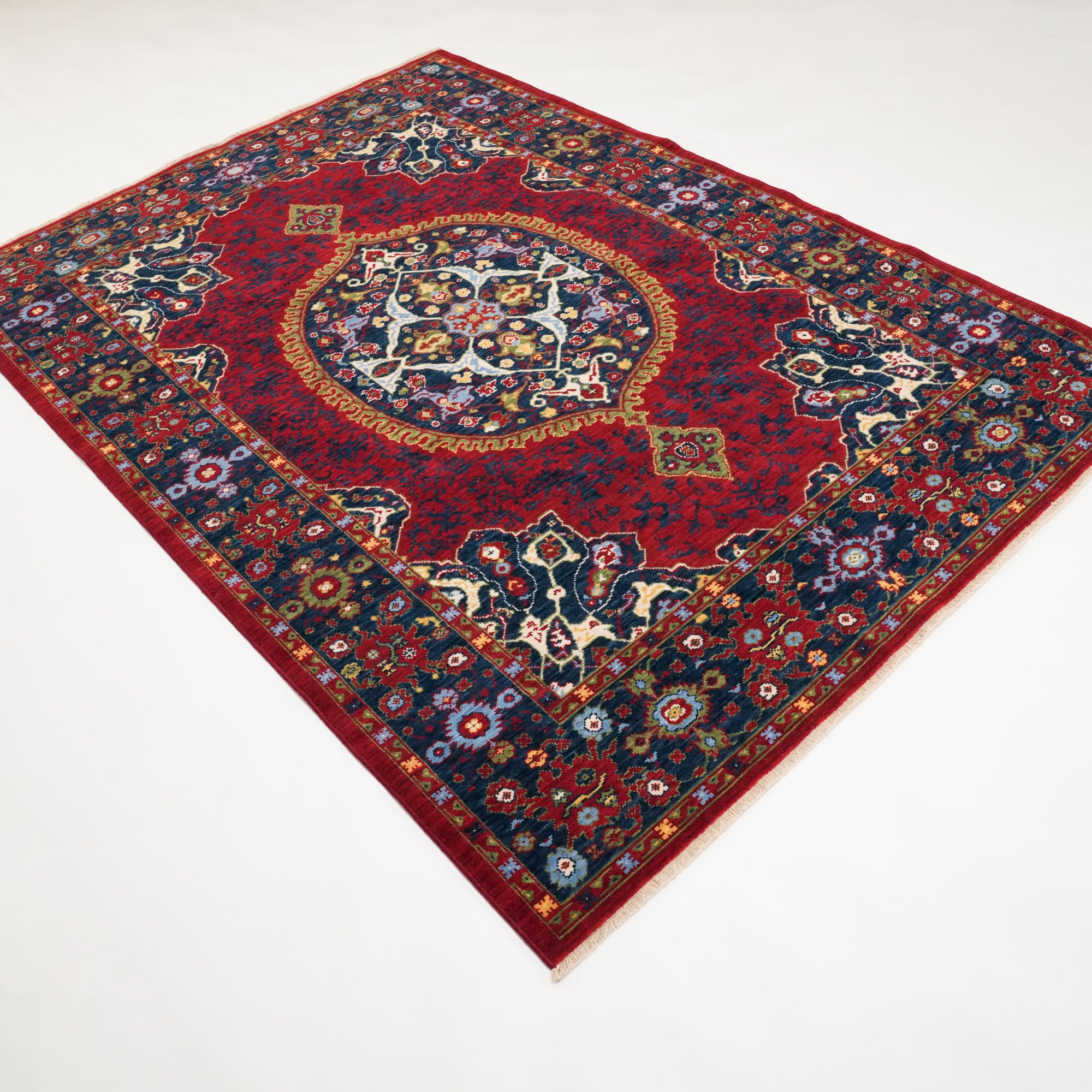
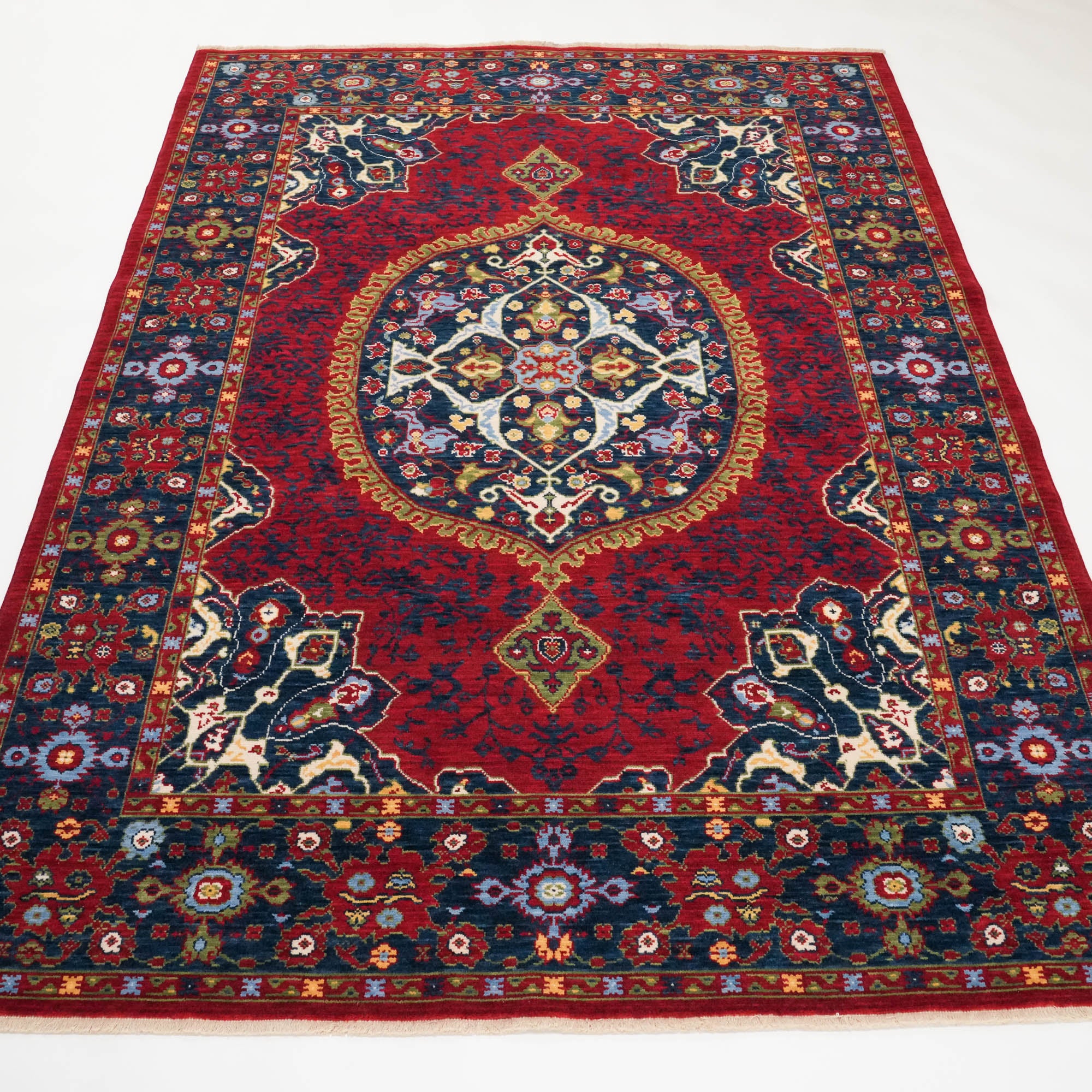
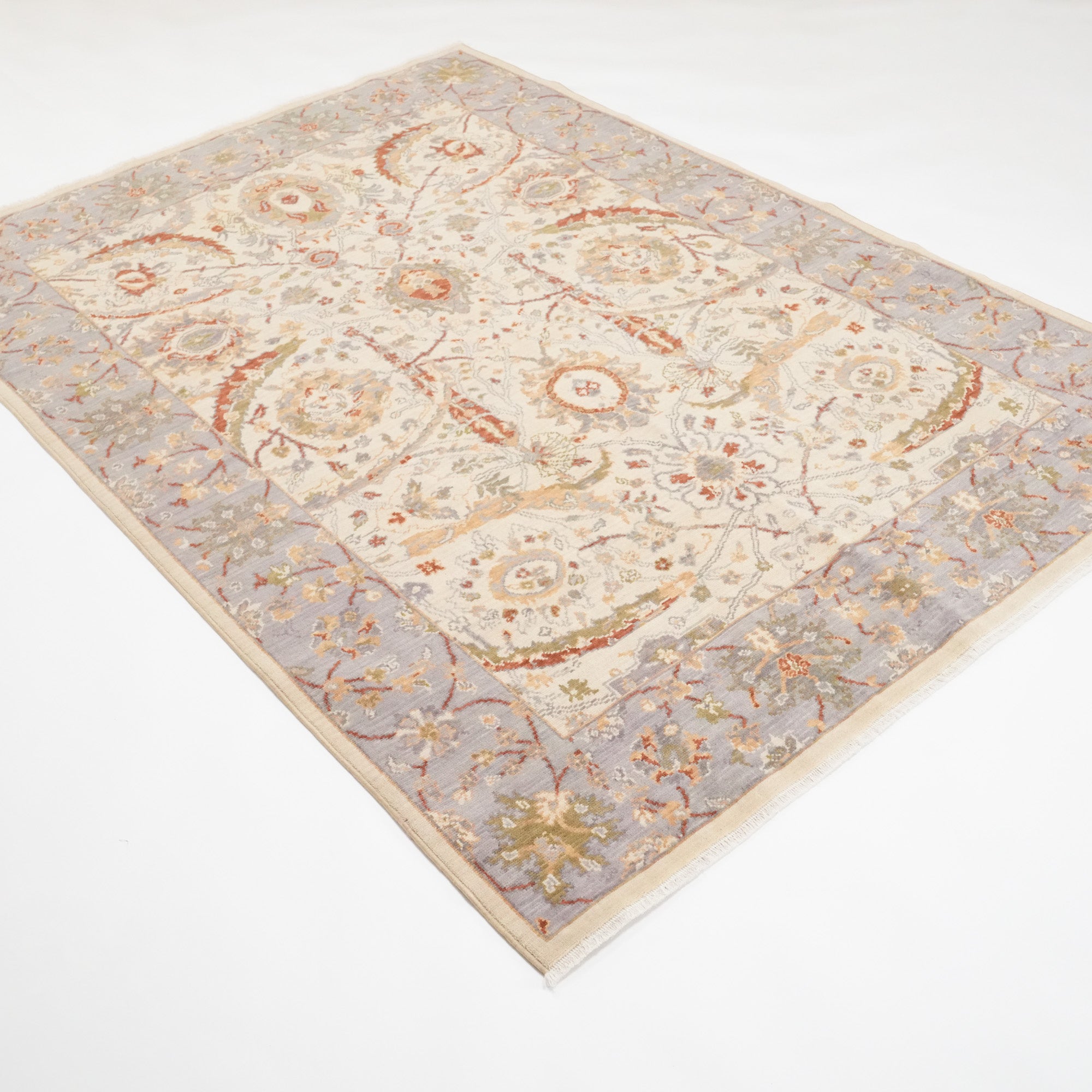
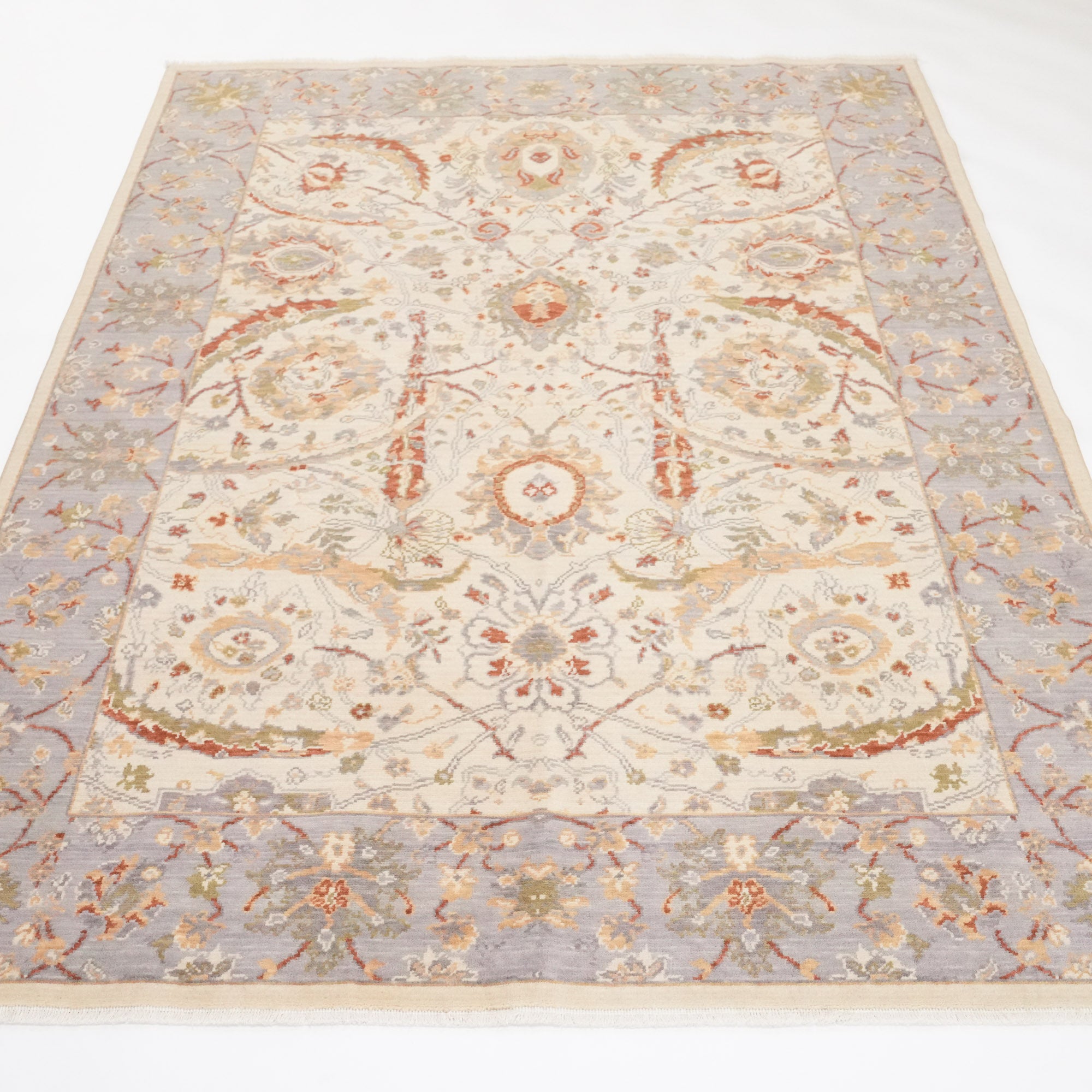
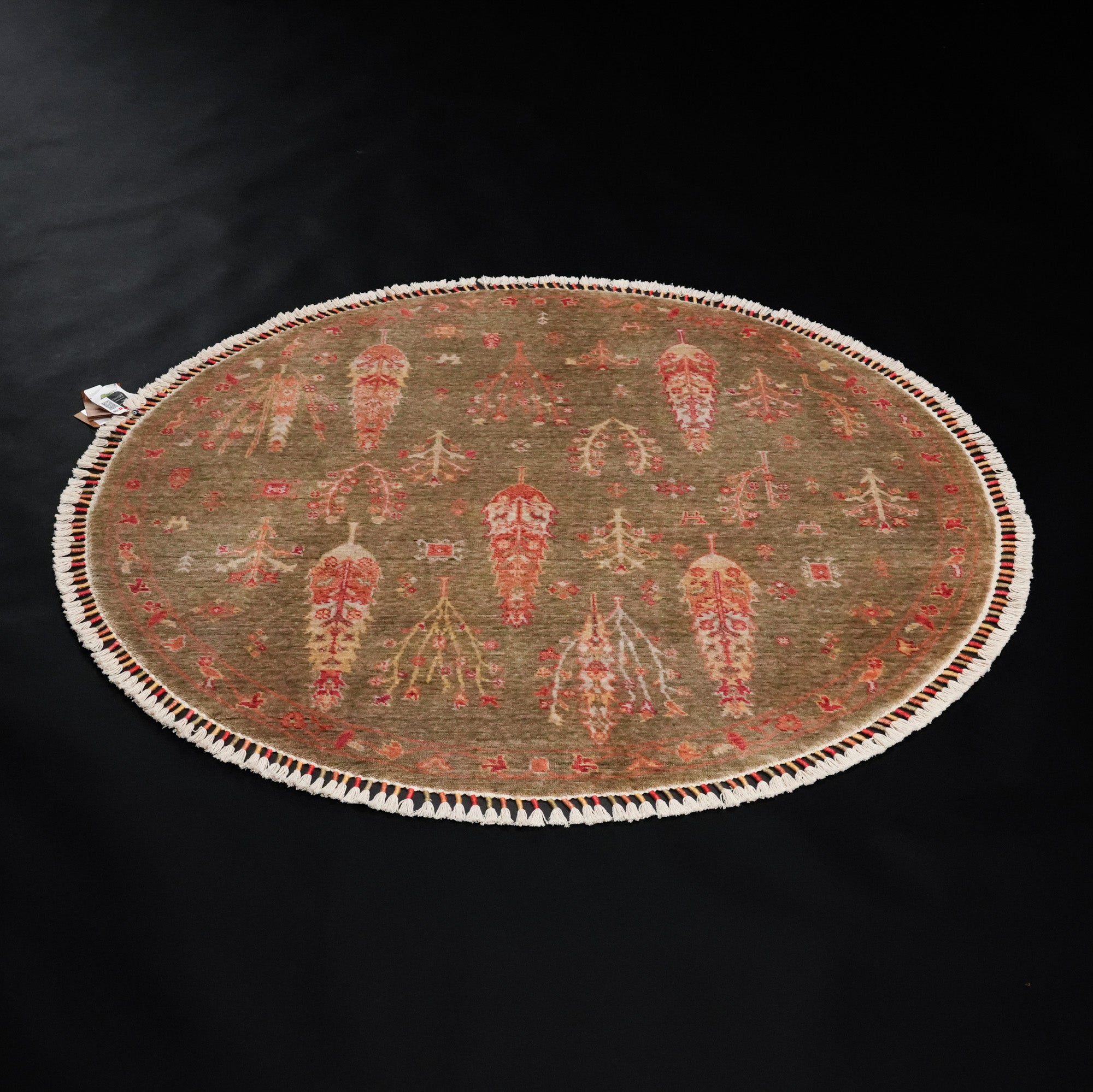
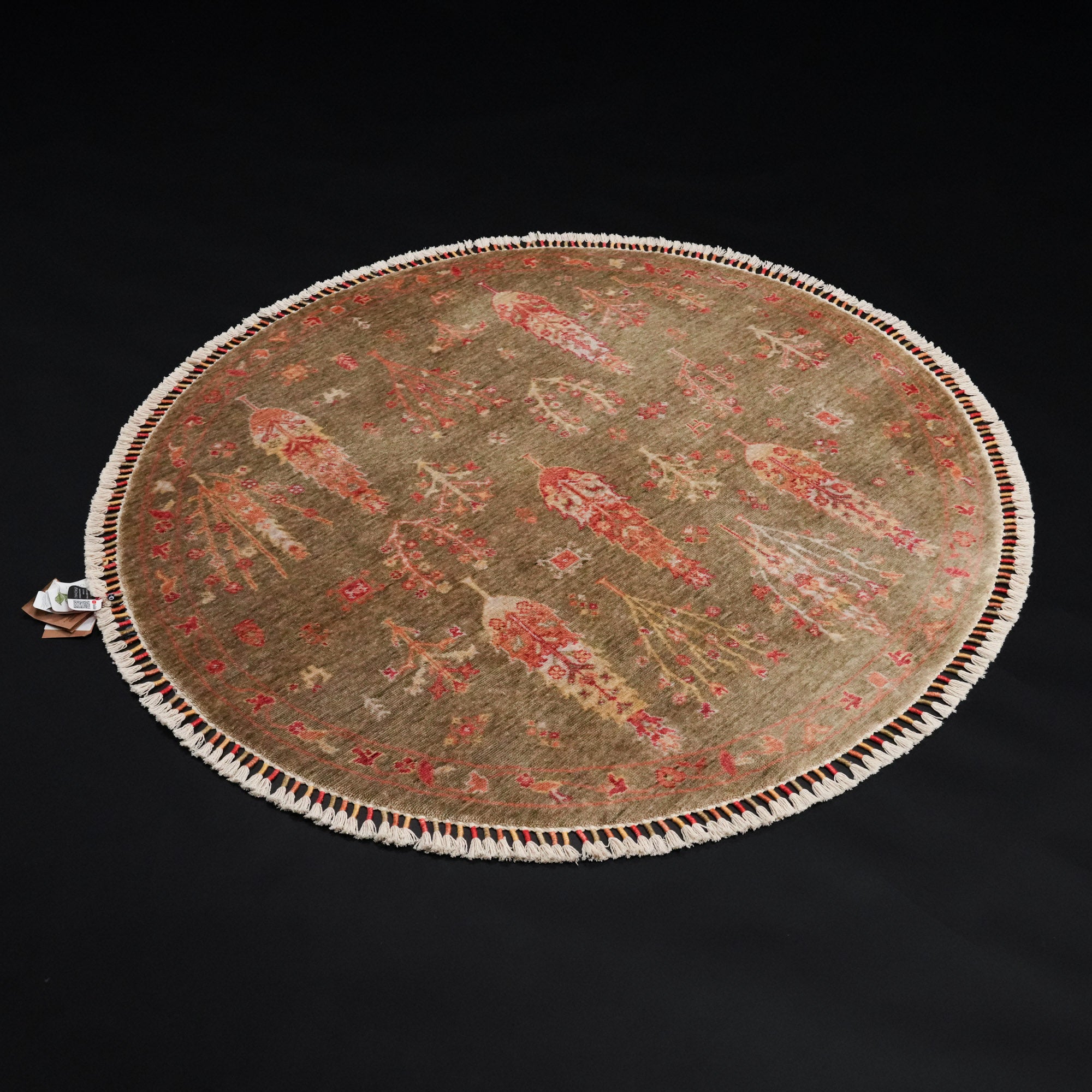
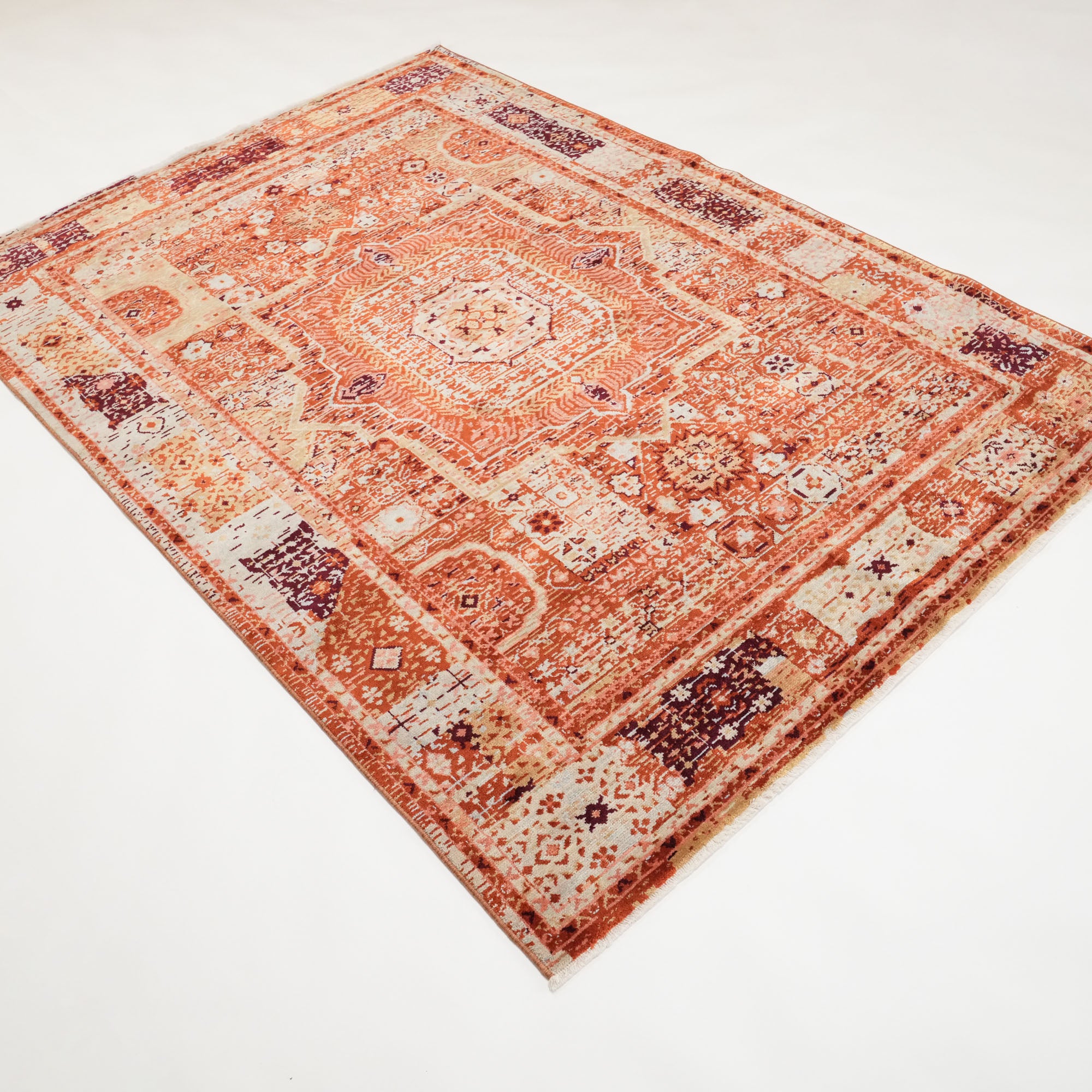
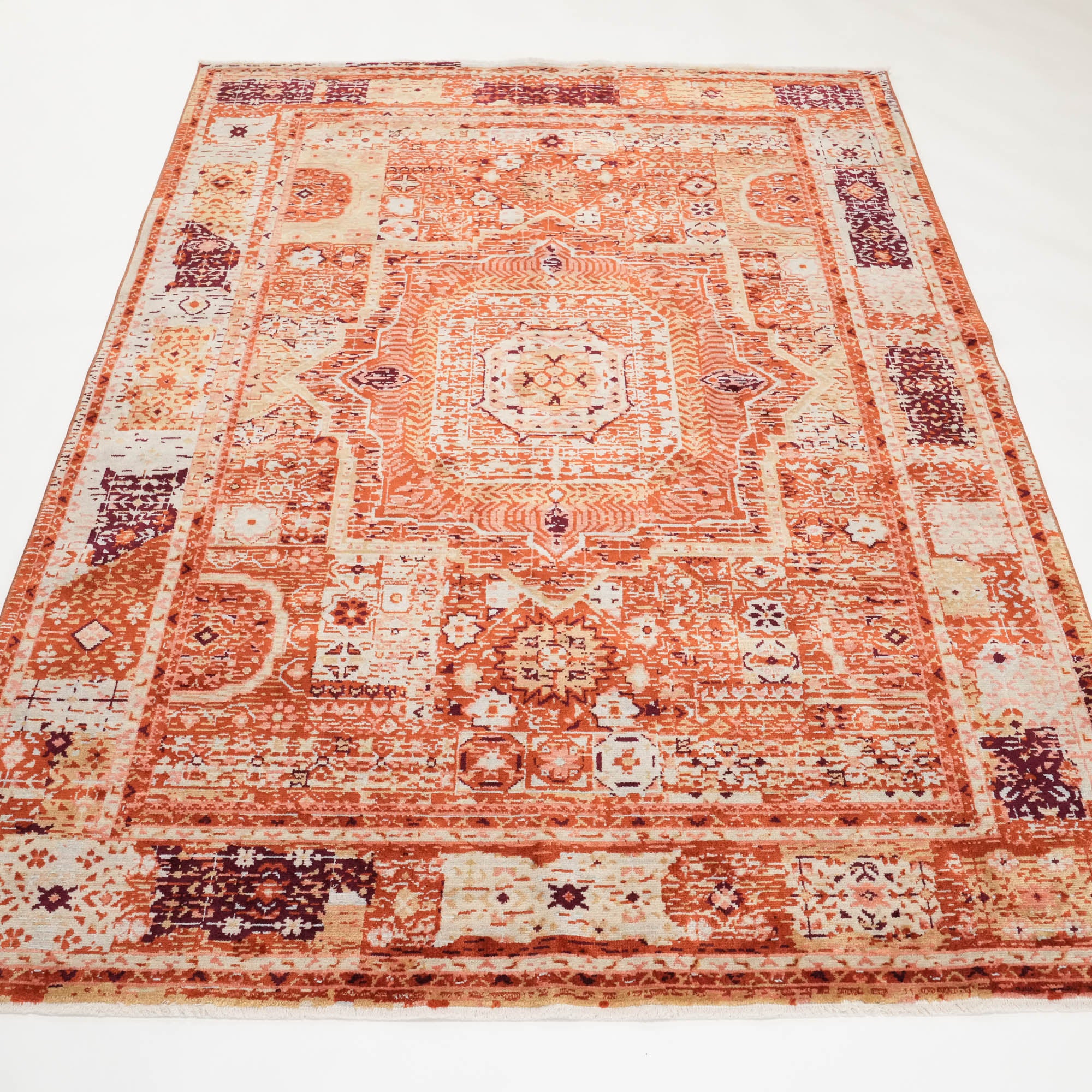
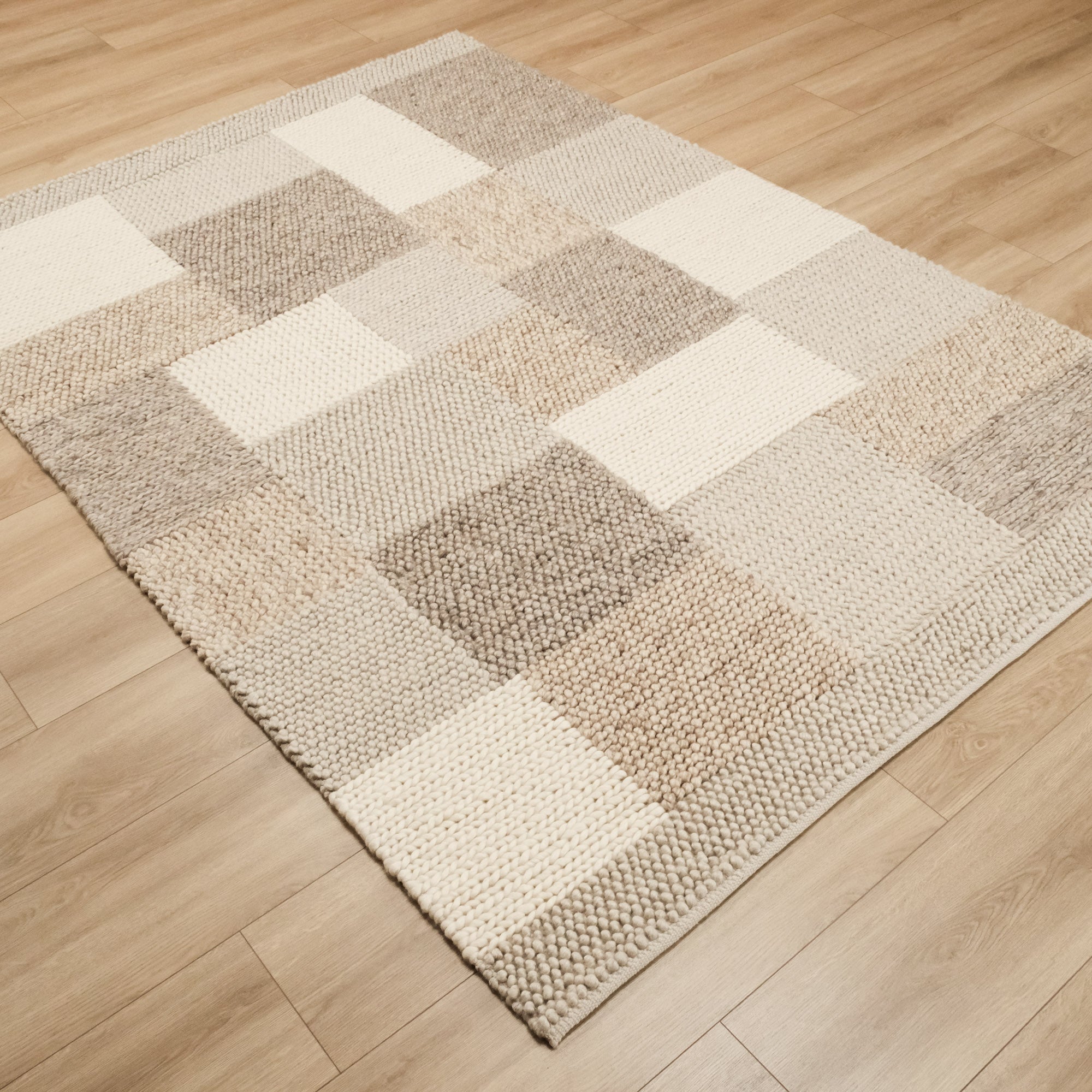
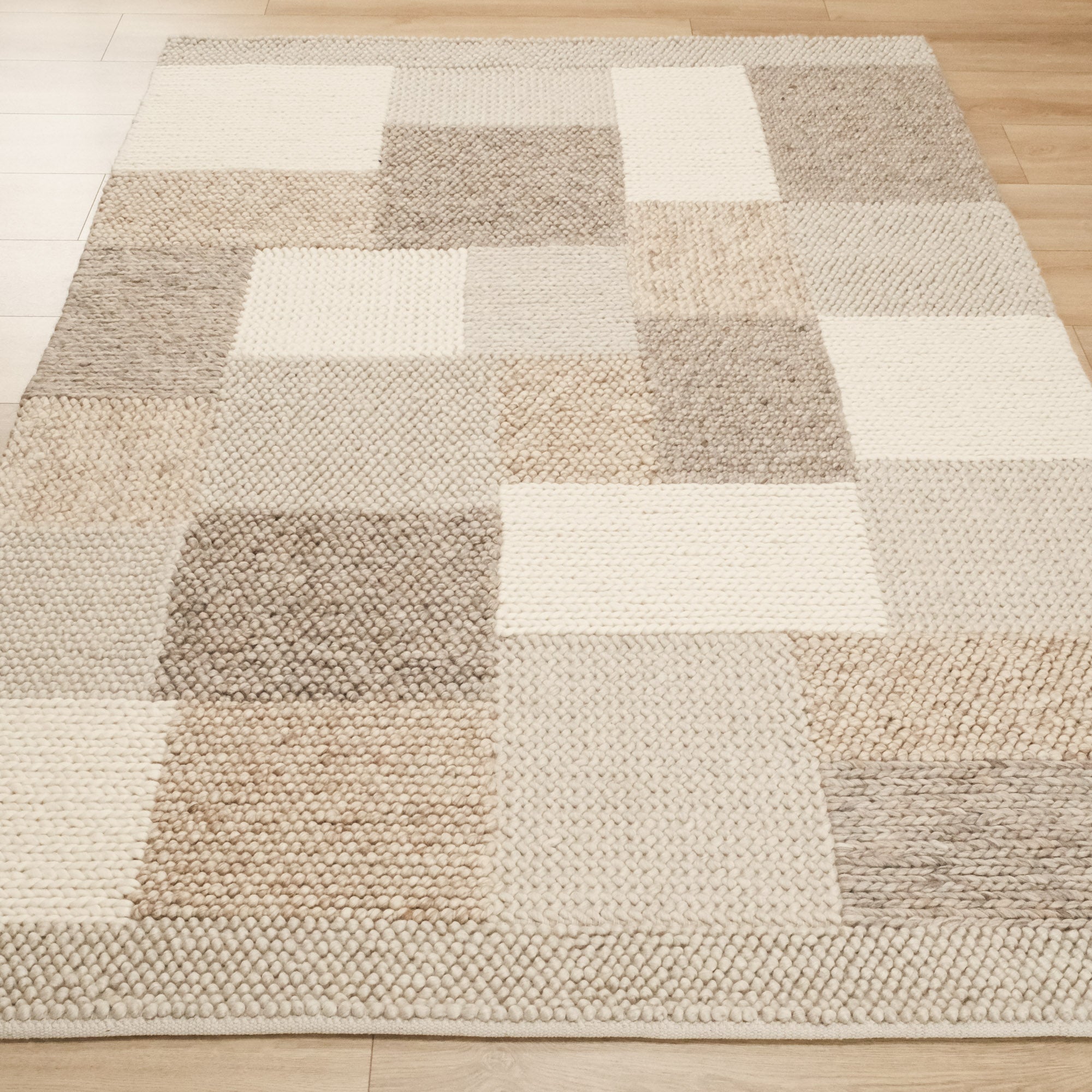

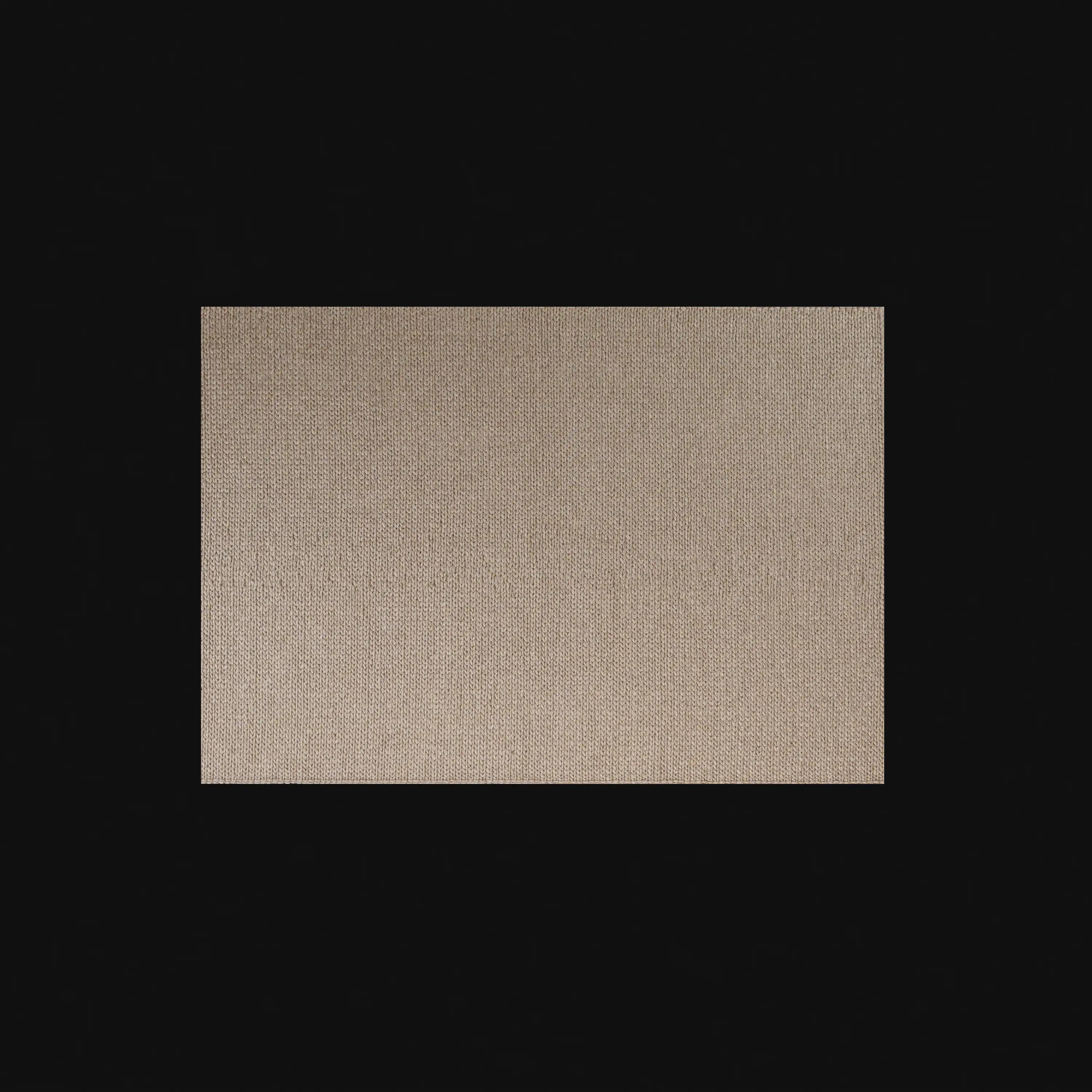
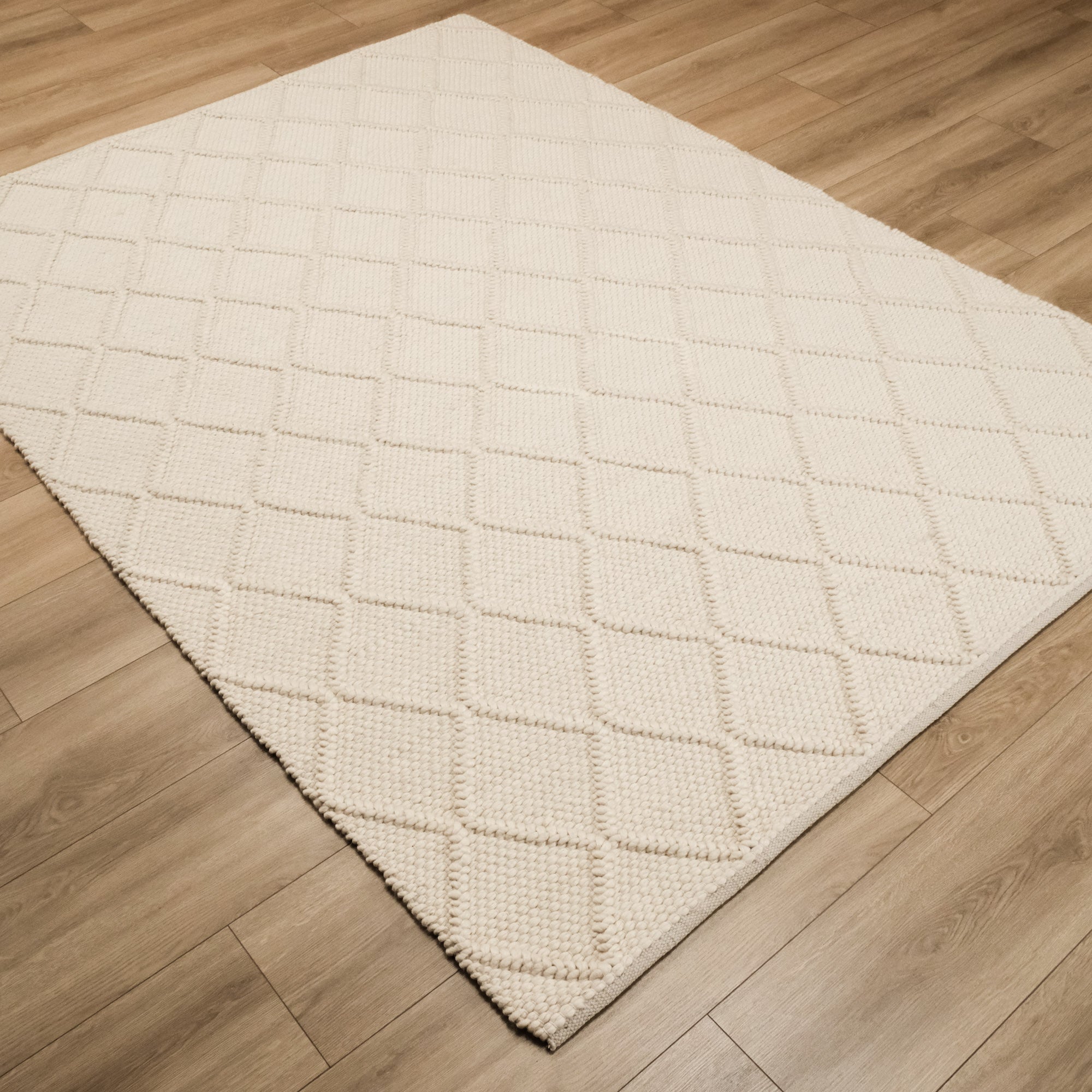
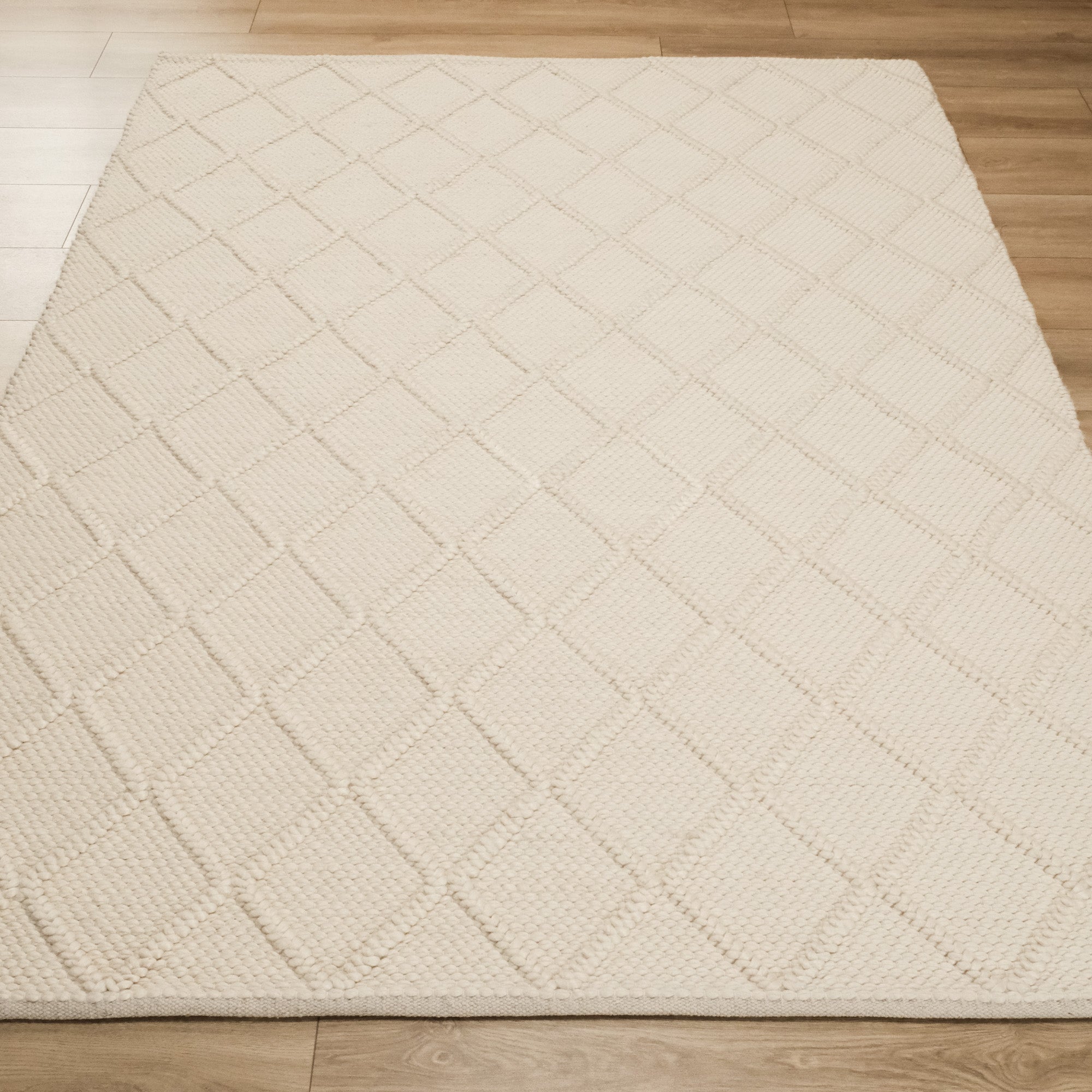


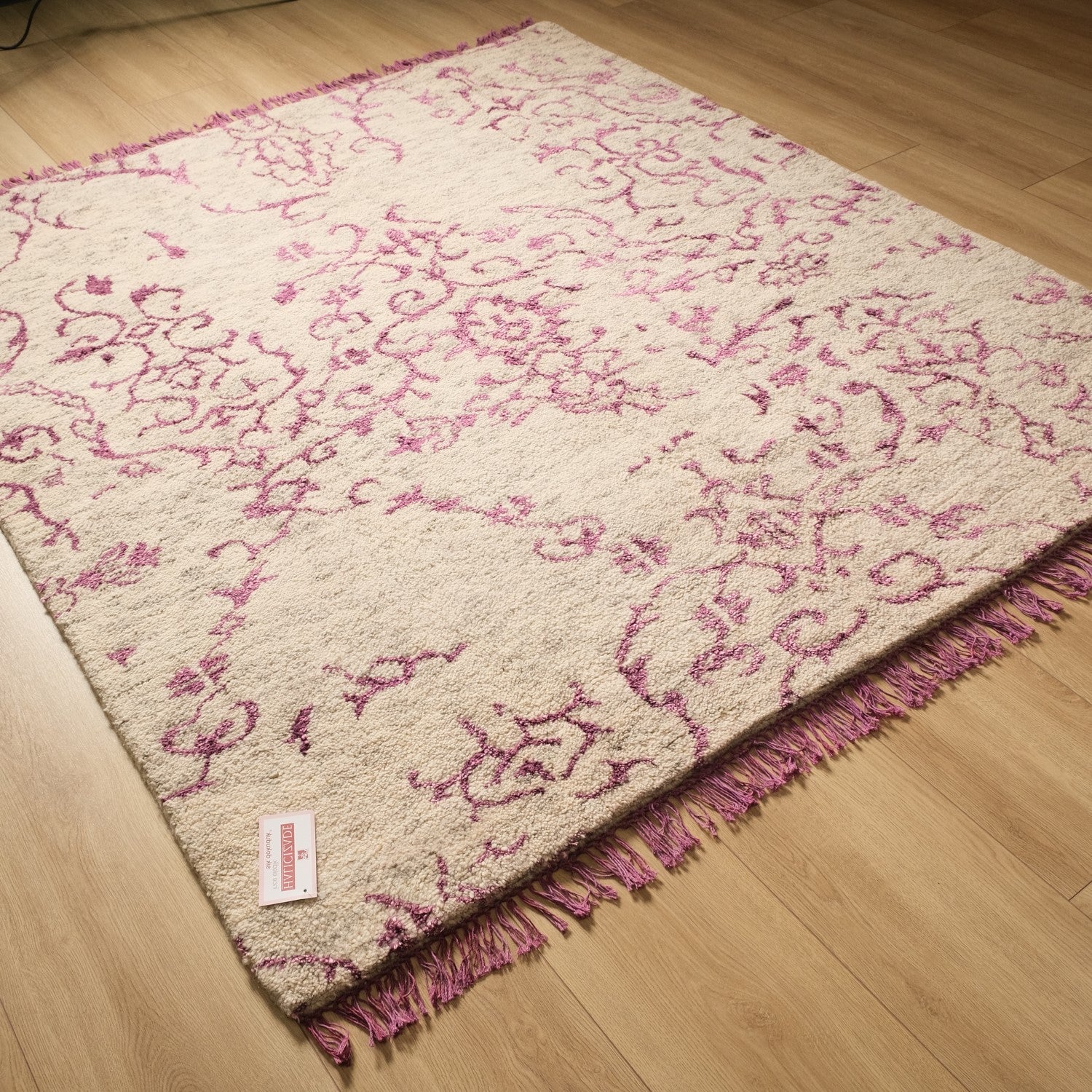
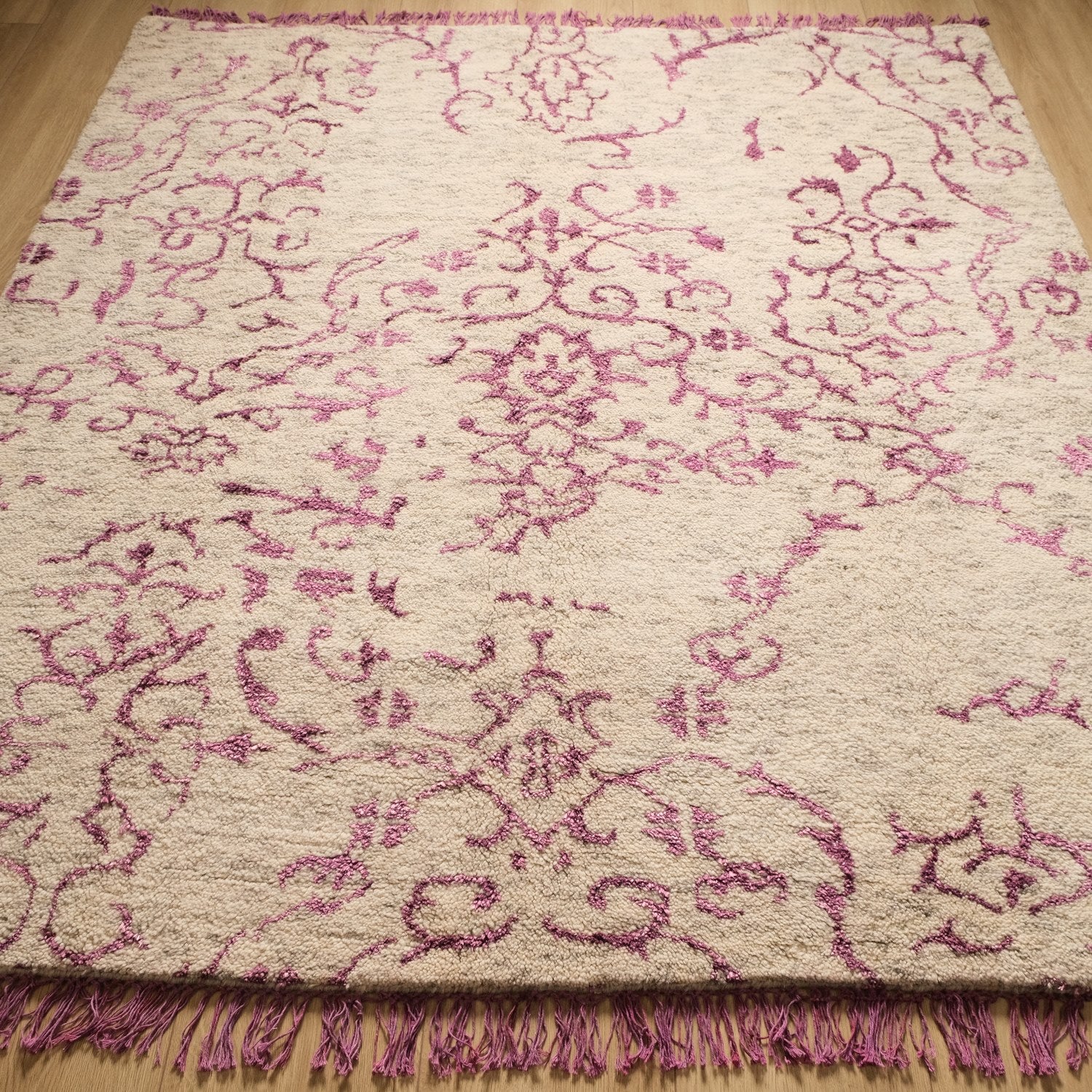
Fiber decides more about a rug than pattern does — how it feels underfoot, how long the pile stands up, what a spill does to it and who ends up cleaning it. This page sets the materials the store weaves in side by side, says what each one costs you, and links straight through to the range in that fiber.
Read the sentence after each fiber name; that is the trade-off nobody mentions in a showroom.
The fibers, and what each one costs you
Wool — the default, and deservedly. A crimped protein staple that springs back after furniture, takes madder and indigo deep into the fiber, and is slow to take a spill because of the lanolin left in it after scouring. It costs you cleaning: wool takes cooking oil into the fiber rather than onto it, so a soiled wool rug is a job for a hand washer, and a new one sheds for its first few months.
Silk — a continuous filament reeled off the cocoon, cold at first touch, changing value as you walk around it, and fine enough to carry the drawing of the Hereke and Kayseri traditions. It costs you tolerance: it abrades where it is walked on and rings where it gets wet. For the finest end of the range, see pure silk rugs.
Cotton — the warp under most Anatolian pile and, on its own, a flat, cool, thin weave that folds and lifts with one hand. It costs you loft and depth of color: cotton crushes underfoot and holds dye less deeply than wool. In exchange, small thin flatweaves are the one thing here that can simply be washed.
Tencel — spun from dissolved eucalyptus and beech pulp, with a genuine silk-like sheen at a fraction of silk's price and low enough absorbency that a spill sits on the surface long enough to be lifted. It costs you wet strength: the fiber weakens while damp, so blot and never scrub.
Viscose — the same chemistry by an older process, cheaper again, with the same sheen. It costs you the same wet weakness plus a shorter working life, because the pile lies down sooner under traffic.
Bamboo — viscose made from bamboo pulp, soft and lustrous. It costs you drying time: left damp for hours the pile can yellow, so a spill under a door needs blotting rather than ignoring.
Acrylic — a synthetic that imitates wool's loft and holds its color under a sunlit window better than most fibers, at the lowest price on this page. It costs you recovery: acrylic pills and flattens, and it does not spring back.
Jute and rush — stem and leaf fibers, coarse, dry and warm brown, giving a texture no animal fiber can. It costs you water: both brown at the edge of a wet patch and the mark does not lift, so they are brushed and dry-cleaned, never washed.
Cowhide — hair lying flat on hide, with no pile and no knots, in an irregular outline. It costs you flexibility: cowhide is dry-clean only, cannot be cut to a room, and wipes only with the grain.
Two filters cut across the list: natural fiber rugs, for pile with no synthetic yarn in it, and synthetic rugs, for acrylic and its relatives.
At a glance
| Fiber | Category | Feel | Wear | Cleaning route |
|---|---|---|---|---|
| Wool | Natural, protein | Springy, matte, warm | Excellent; recovers from pressure | Professional hand wash |
| Silk | Natural, protein | Cold, fine, light-changing | Low abrasion tolerance | Specialist only |
| Cotton | Natural, cellulose | Flat, cool, thin | Moderate; crushes | Small thin flatweaves wash |
| Tencel | Regenerated cellulose | Smooth, sheen | Good; weak while wet | Blot, then professional wash |
| Viscose | Regenerated cellulose | Smooth, sheen | Moderate; flattens sooner | Blot, then professional wash |
| Bamboo | Regenerated cellulose | Soft, lustrous | Moderate; yellows if left damp | Blot and dry quickly |
| Acrylic | Synthetic | Wool-like, lighter | Holds color in sun; pills | Home cleaning tolerated |
| Jute and rush | Natural, plant stem | Coarse, dry, textured | Good dry, poor wet | Brushing and dry cleaning |
| Cowhide | Natural, hair on hide | Flat, no pile | Very good; nothing to pull | Dry cleaning only |
Which one to choose
- A room used every day — wool, low to medium pile.
- A room that is looked at — silk, where knot count buys visible drawing.
- A floor that gets wet — cotton flatweave, or tencel blotted promptly.
- A sunlit window and a tight budget — acrylic.
- Texture as the point — jute, rush or cowhide, in a dry spot.
Frequently asked questions
Which rug material lasts longest in a busy room?
Wool. The fiber is crimped and elastic, so a pile crushed under furniture lifts again once the weight moves, and its scale structure keeps soil near the tip where a vacuum reaches it rather than letting it fall to the base of the knot.
Is tencel a natural fiber?
No. Tencel and viscose are regenerated cellulose: wood pulp dissolved into a solution and extruded as filament. The raw material is a plant, but the fiber itself is manufactured, which is why the two are listed separately from wool, cotton, silk and jute.
Silk or wool for a living room?
Wool for a room in daily use, because it recovers from pressure and tolerates a proper wash. Silk for a room that is looked at more than walked on, where the higher knot count its fine filament allows buys drawing you can actually see.
Is acrylic worth considering against wool?
Acrylic holds its color under a sunlit window better than most fibers and costs a fraction of wool. It gives that back in loft: the pile flattens and pills sooner, and it does not spring up again the way a crimped wool staple does.
Which rug material handles a floor that gets wet?
A thin cotton flatweave, which absorbs evenly and can be washed in small sizes, or a tencel or viscose pile blotted promptly. Keep jute and rush away from water entirely, because both brown at the edge of a wet patch and stay that way.
Also filter by: weave · color · natural fiber