
Pamuk ve Tencel®'den, kesimi tam daire
 200×200 cm



Rugs & Kilims
Find Your Rug
For those who already know what they are looking for — Halıcızade's most visited collections.
Pamuk ve Tencel®'den, kesimi tam daire
200×200 cm
Deseni Halıcızade'nin, tezgâhı Kütahya'nın
 200×200 cm
Otantik desen, dikdörtgen değil daire üstünde
 300×300 cm
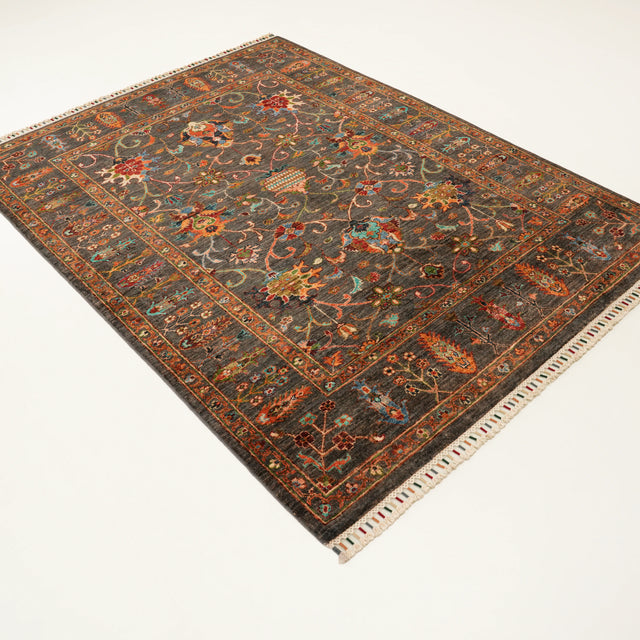 156×204 cm
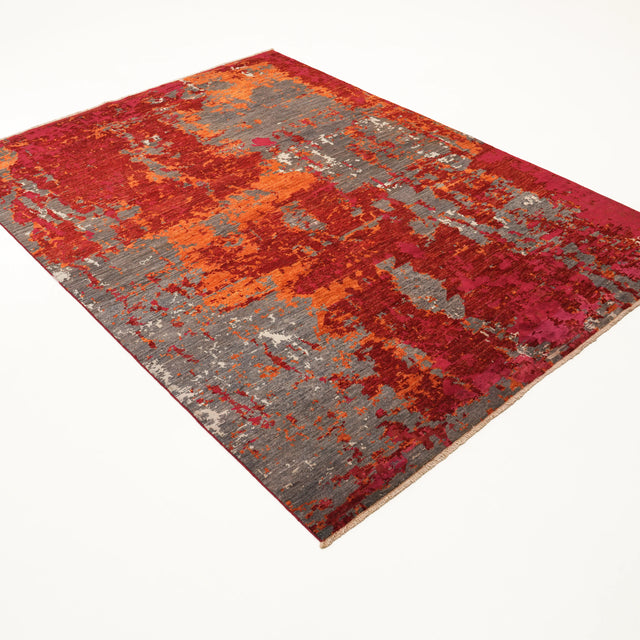 167×233 cm
One of a kind
from
137.000 TL
≈ 35.000 TL/m²
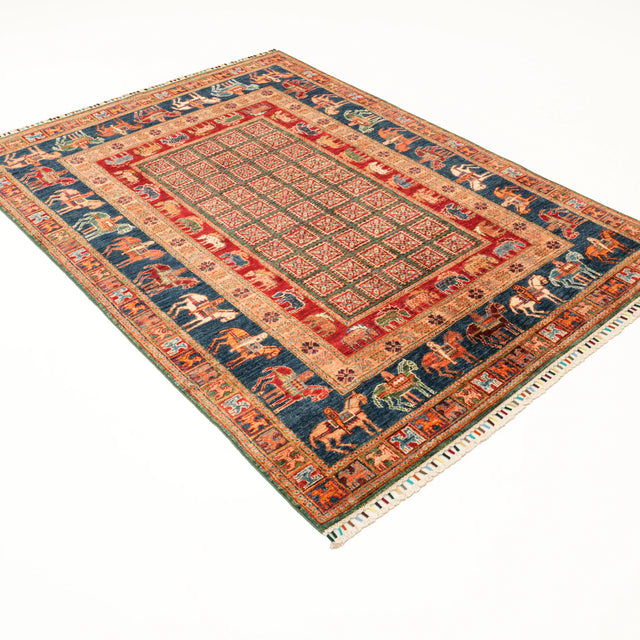 149×208 cm
One of a kind
from
55.000 TL
≈ 17.500 TL/m²
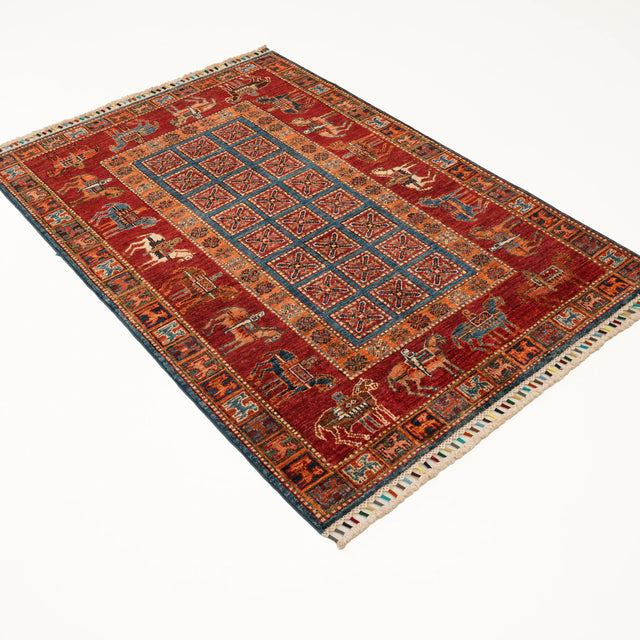 107×154 cm
One of a kind
from
29.000 TL
≈ 17.500 TL/m²
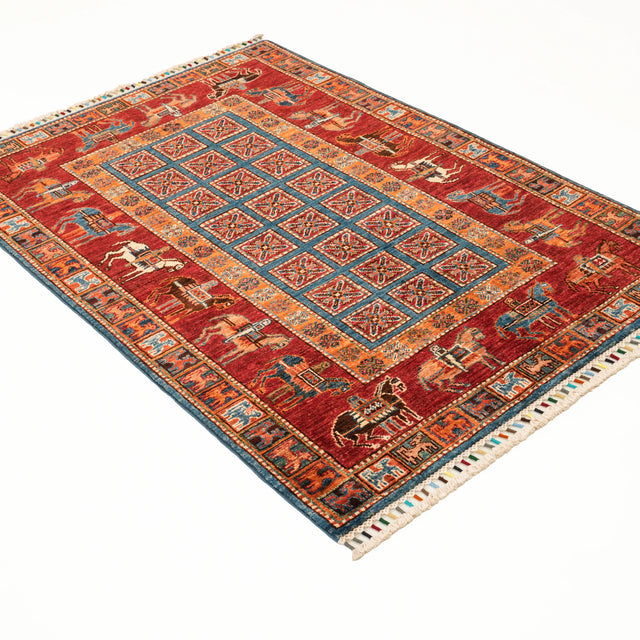 108×157 cm
One of a kind
from
30.000 TL
≈ 17.500 TL/m²
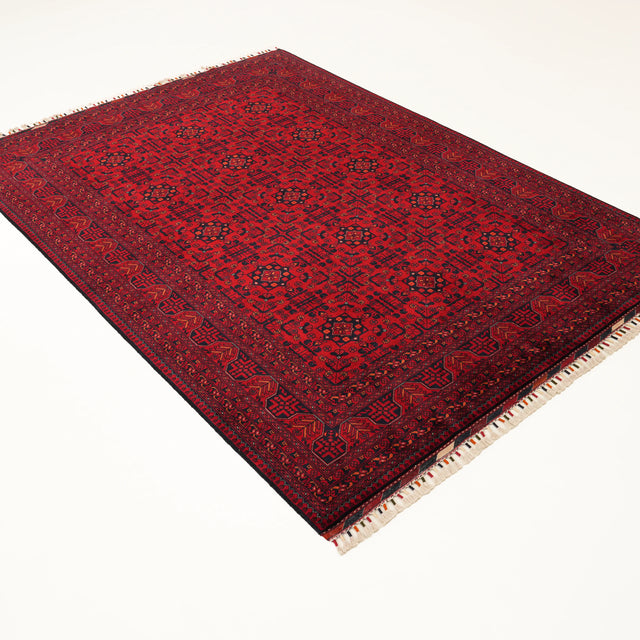 164×232 cm
Altay kurganlarındaki 2500 yıllık halının deseni
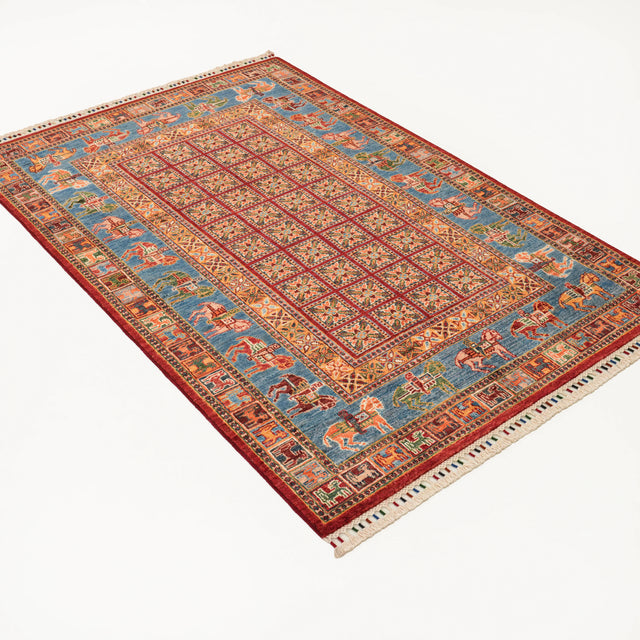 127×187 cm
One of a kind
from
42.000 TL
≈ 17.500 TL/m²
Gri zeminde turkuaz ve turuncu, Afganistan'da çift düğüm
 123×186 cm
İkinci elden geliyor: elde dokunmuş, tek ipliği yün
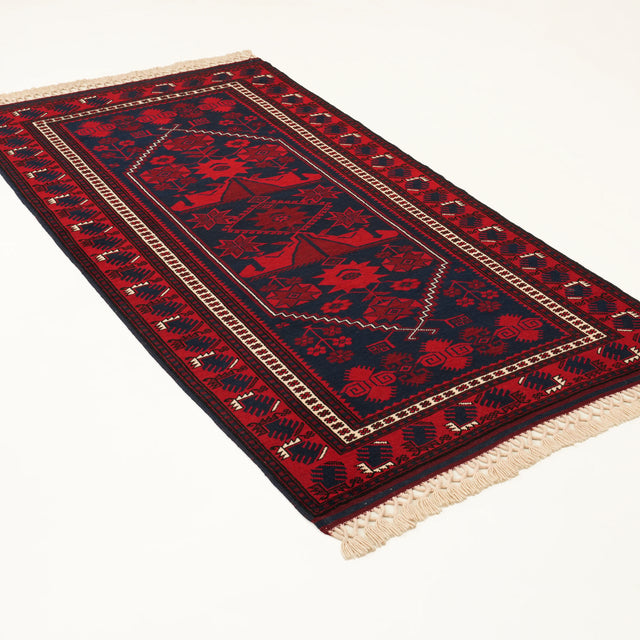 117×217 cm
Kula in Manisa: hooked figures over a cream ground
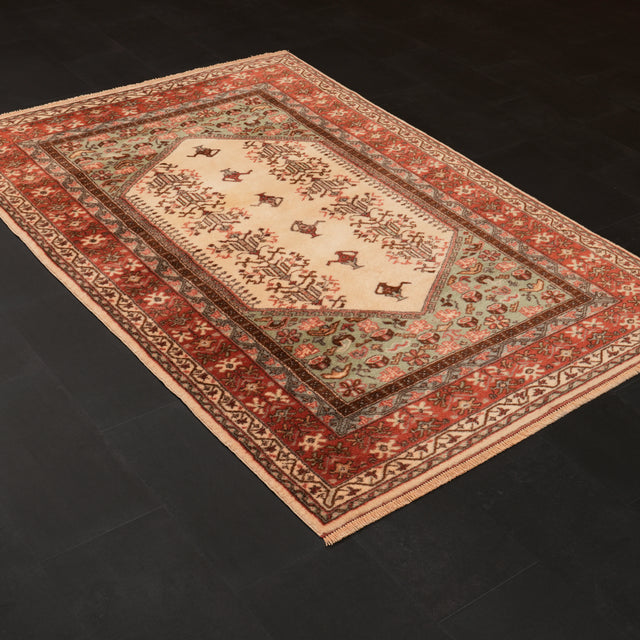 132×190 cm
A meter wide, for a hall that cannot take more
 100×153 cm
One of a kind
from
31.000 TL
≈ 20.000 TL/m²
Indigo and undyed ivory drawn over a madder ground
 101×163 cm
Rows of guls, the medallion dealers call elephant's foot
 106×155 cm
Geometry spread evenly, so nothing has to be centered
 122×181 cm
Burgundy that reads as two colors between morning and lamp
 124×182 cm
Bilicik in burgundy, 125 × 183 cm of Turkmen drawing
 125×183 cm
Two months of one weaver's time, 117 × 184 cm
 117×184 cm
Frames running inward, worked in silk alone, in China
 124×185 cm
Navy and black hold the burgundy down, 99 × 159 cm
 99×159 cm
Terra Potta in blocks and split fields, dyed from plants
 160×210 cm
One of a kind
from
105.000 TL
≈ 31.000 TL/m²
Seventy years out of a Kayseri village, wool throughout
 124×223 cm
An entryway rug is the small rug laid inside the front door, usually between 80 x 150 cm (2'7" x 4'11") and 130 x 190 cm (4'3" x 6'3"), or a runner where the hall is narrow. It has to clear the door swing, take grit and wet soles, and be light enough to lift and shake out.
An entry is the hardest floor in a house and the smallest budget in the room. What follows is the geometry — door clearance, proportions, runner lengths — and what an entry floor actually does to a rug.
Measure the gap under the door leaf before you measure the floor.
An interior door swings through an arc equal to its own width, usually 80 to 90 cm, and it passes over whatever is under it at a fixed height. Compare that gap against the pile height of the rug plus any pad beneath it. Pile depth across these collections runs from about 5 mm to over 25 mm: 5 mm passes under almost any door, 12 mm often does not, and anything deeper has to begin outside the door's arc.
Two ways out if the clearance is tight. Set the rug behind the arc, starting where the door's leading edge stops, which suits a hall long enough to take a runner. Or pick a flat-woven kilim, which has no pile at all — the pattern is made by the weft itself, so the whole rug is a few millimeters thick and reversible into the bargain.
Grit, water and point loads, in that order of damage.
The sand and street grit carried in on shoe soles is abrasive. It works down between the tufts and cuts the yarn from below, which is why an entry rug wears out from the base rather than the surface, and why vacuuming it more often than the rest of the house is not fussiness. Water arrives with it in wet weather, and a rug left damp against a hard floor stays damp underneath. Then there are the point loads: a heel, a dropped bag, the leg of a hall bench in the same spot for years.
This is what should decide the ground color. Street grit is gray-brown, so it vanishes into a mottled or patterned field and shows plainly on a flat pale one. Cream and white belong in an entry where shoes come off at the door.
The size is set by the floor that shows around the rug, not by the rug.
Leave 10 to 15 cm of bare floor along each long side. That strip is what tells the eye it is looking at a rug rather than at fitted carpet, and it is also what stops the rug from being kicked up against the skirting every time the door opens. Working backward from a typical 160 cm wide entry hall, that puts the rug at 130 cm wide or under.
The sizes that land in an entry, and what each one suits:
Many of the pieces here are small hand-knotted rugs whose measurements are irregular by nature: 117 x 217, 124 x 185, 132 x 190 cm. Each rug's measured size is on its own page.
A runner is proportioned to the corridor, not to the door.
Leave 15 to 20 cm of floor at each end, so the runner never runs into the skirting board, and at least 10 cm of floor on each side along its length. A runner that touches the walls makes a corridor read narrower than it is, which is the opposite of what it is there to do. Runners are woven 80, 90 and 100 cm wide, in lengths from 300 up to 600 cm — long enough that most apartment corridors and stair landings can be done in one piece rather than two. Lengths and widths are set out at hallway runners, and the proportions are worked through at greater length in the hallway runner guide.
| Construction | Thickness | Behavior in an entry | Trade |
|---|---|---|---|
| Flat-woven kilim | No pile at all | Clears any door, lifts and shakes out in one hand, reversible | Thin underfoot, and the weave shows wear along a fold line |
| Hand-knotted wool, low pile | Low and dense | Dense enough to hold grit at the surface where a vacuum reaches it | The highest cost per square meter of the four |
| Loom-woven | Low to medium | Even pile, consistent sizes, a step below hand-knotting in price | Less character than a knotted piece |
| Machine-woven | Low to medium | Light, cheap to replace, repeatable if a second one is needed | No abrash, no irregularity, nothing that improves with age |
Compare them at handwoven kilims, hand-knotted rugs and machine-woven rugs. Where a maker states that a rug can go in a washing machine, it is listed under machine-washable rugs.
On a hard floor, put a thin pad under it. A small rug in a doorway travels a few millimeters with every step until somebody kicks the corner of it, and a pad also lifts the rug enough for air to move underneath — worth having in the one room where wet shoes land.
Vacuum an entry rug more often than the rest of the house, with the beater bar off and in the direction of the pile, and take it outside to shake two or three times a year. Blot a spill with a dry cloth rather than rubbing it, since rubbing drives the liquid into the knot collar where it sets. Once or twice a year send it for professional washing, and read how a rug is cleaned before you try anything stronger at home.
Most entries take something between 80 x 150 cm (2'7" x 4'11") and 130 x 190 cm (4'3" x 6'3"). The rule that matters more than the size is the border: leave 10 to 15 cm of bare floor along each long side so the rug reads as laid down rather than fitted.
Measure the gap between the bottom of the door leaf and the finished floor, then compare it with the pile height plus any pad. A pile of about 5 mm clears most interior doors; anything from 12 mm up often does not, in which case the rug has to start beyond the door's swing.
One that leaves 15 to 20 cm of floor at each end, so the runner never touches the skirting. Across the width, keep at least 10 cm of floor showing on both sides, or the runner makes the corridor look narrower than it is.
A dense, low pile of any construction. Flat-woven kilims are the easiest to lift and shake out, machine-woven rugs are the cheapest to replace when a hall is hard on them, and a small hand-knotted wool rug takes grit better than its size suggests.
A mid to dark ground with a broken pattern. Grit that walks in from outside is gray-brown, so it disappears into a patterned or mottled field and shows plainly on a flat pale one. Cream and white belong in a hall with a shoes-off habit.
Some of the rugs here are stated by their makers to be machine washable, and those are listed together. For everything else, vacuum regularly, blot spills rather than rubbing them, and send the rug for professional washing once or twice a year.
On a hard floor, yes. A thin pad keeps a small rug from traveling every time someone steps on the corner of it, and it lets air move under the pile, which matters most in the one room of the house where wet shoes land.
Related collections: hallway runners · handwoven kilims · round rugs · machine-washable rugs


