

Filters
3 products

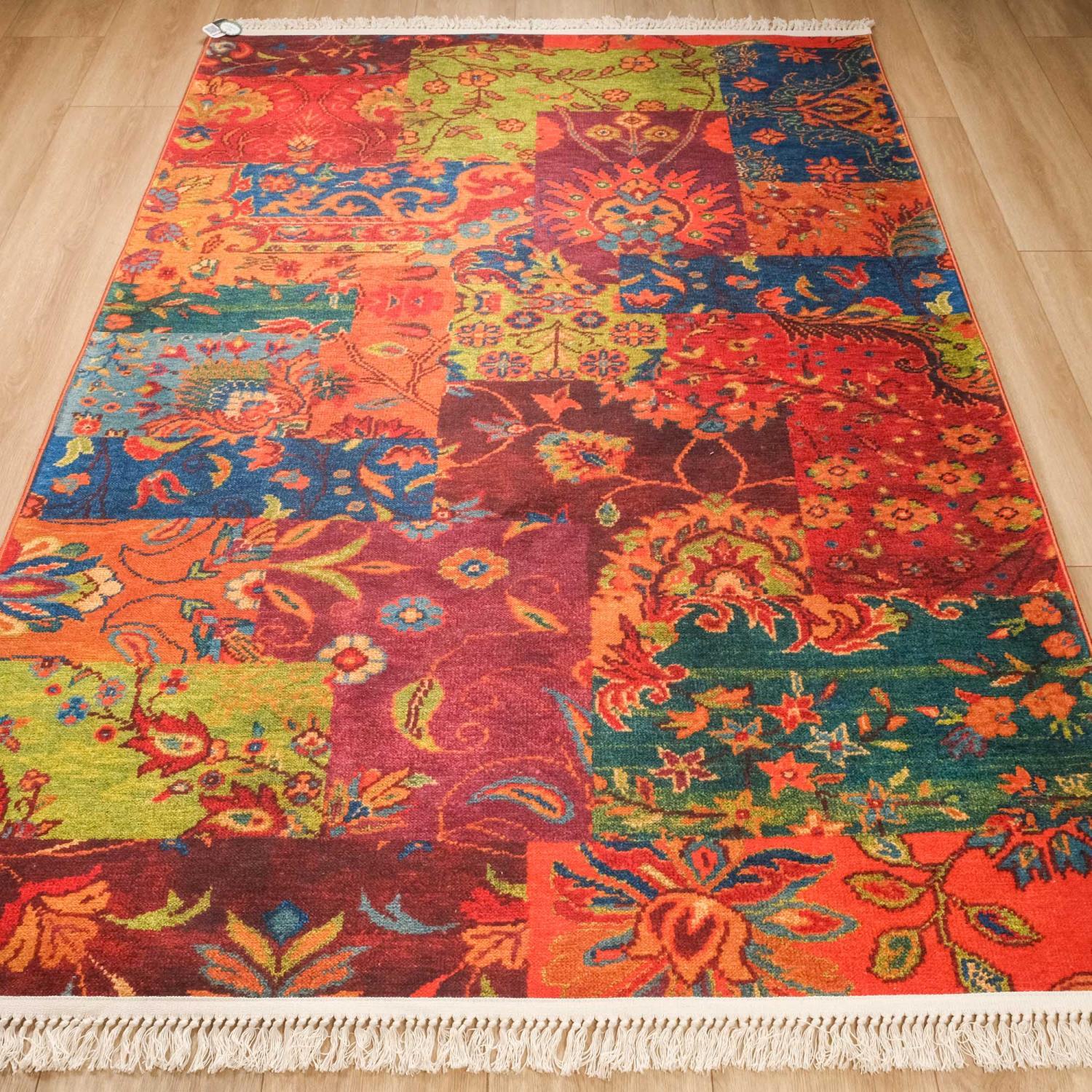
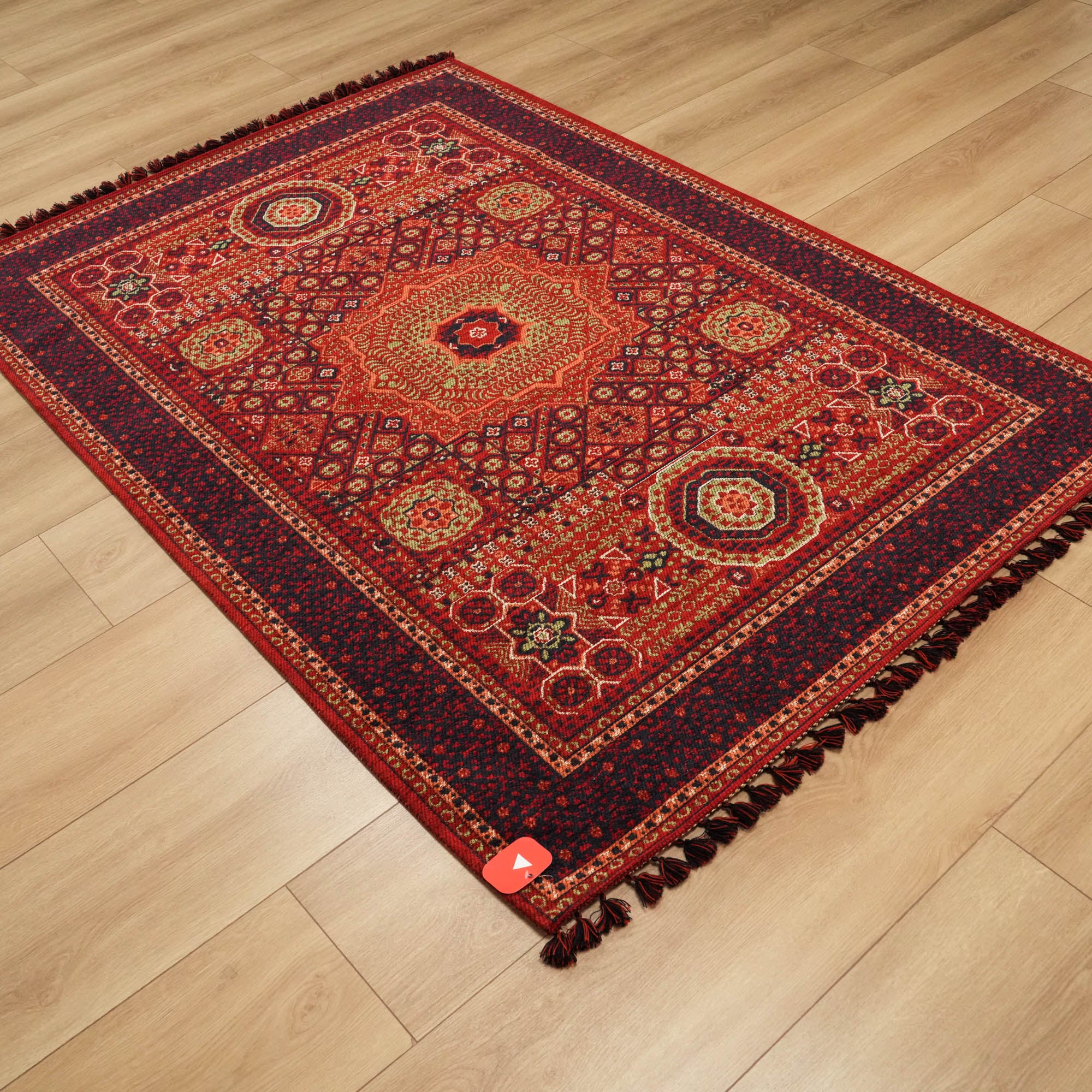
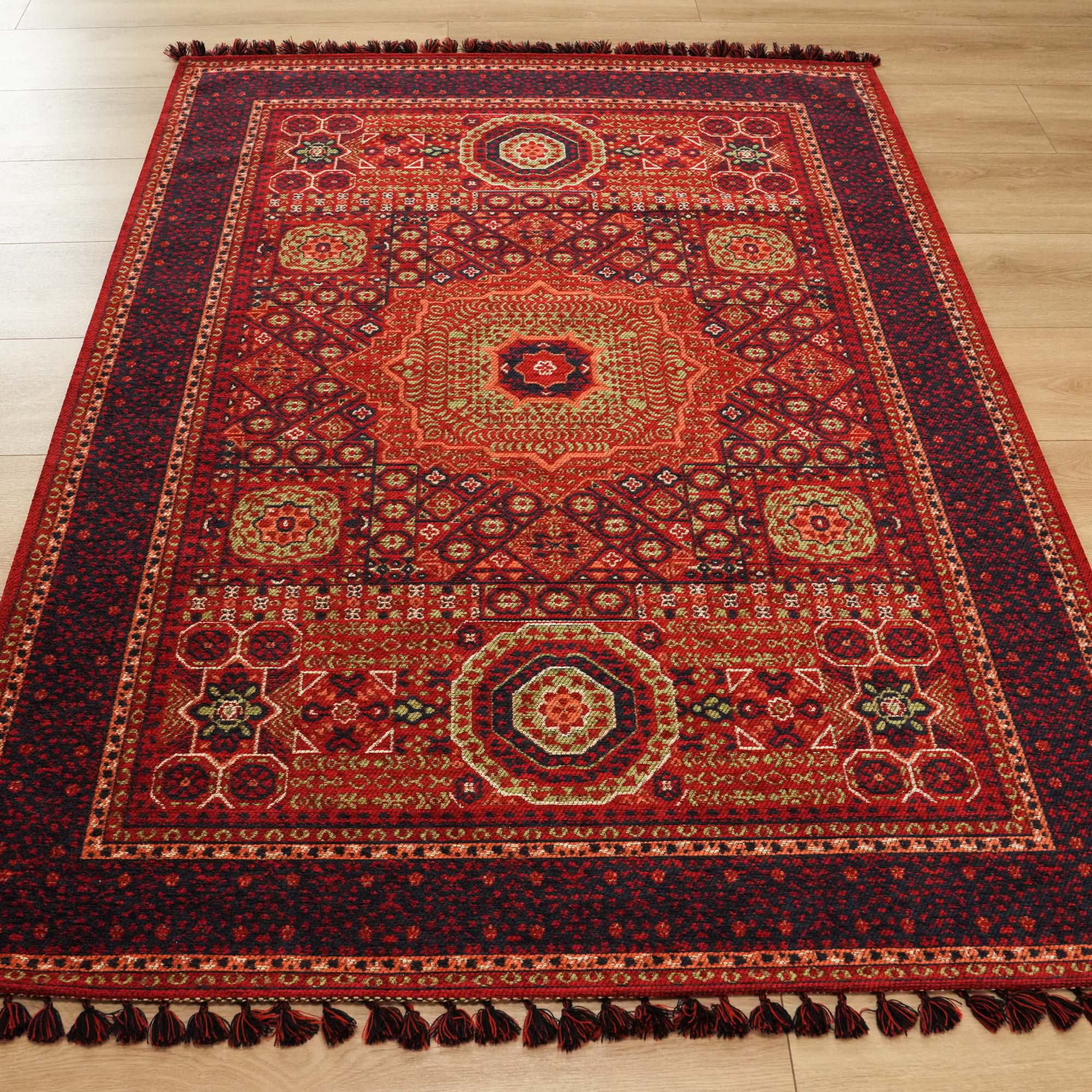


A lightweight or thin rug uses a low-pile or flatweave construction, making it easier to move, layer over other flooring, and fit under furniture or doors than a thicker, high-pile alternative.
Thickness is a genuine functional variable in rug choice, not just an aesthetic one, and this collection exists specifically for situations where a lower profile solves a practical problem a plush pile can't.
A Practical Category Across Multiple Constructions
This collection spans flat-woven kilims, low-pile machine-loomed rugs, and thinner wool weaves, gathered not by pattern or region but by their shared low-profile, lightweight construction, useful whenever thickness itself is the deciding factor.
Why Lower Pile Means Lighter Weight
Pile height and yarn density are the primary drivers of a rug's overall weight; a flat-woven or low-pile construction uses substantially less material per square foot than a plush, high-pile rug, directly translating to easier handling and portability.
Why Choose a Lightweight Rug from Halicizade
We curate this collection for buyers with a specific practical need, moving furniture or doors that clear the floor closely, frequent rug rotation, or simply preferring a lower-profile look, rather than for a specific aesthetic alone.
When a Thin Rug Makes Sense
A lower-profile rug solves specific practical problems that a plush pile can create.
- Rooms with doors that swing close to the floor: a thin rug avoids the clearance problems a plush pile creates.
- Under heavy furniture that's difficult to move: a lighter rug simplifies rearranging.
- Layering over a larger base rug: a thin top layer sits more naturally than a thick one.
- Households that rotate or wash rugs frequently: lighter weight makes this meaningfully easier.
Thin/Lightweight vs. Plush Pile Rug
| Thin/Lightweight Rug | Plush Pile Rug | |
|---|---|---|
| Weight | Light, easy to move | Heavier |
| Door/furniture clearance | Excellent | Can be restrictive |
| Cushioning underfoot | Minimal to moderate | Excellent |
| Best for | Layering, frequent rotation, tight clearances | Comfort-focused living and bedrooms |
Care & Maintenance
Care varies by specific construction, flatweaves are often machine washable, while low-pile wool follows standard vacuuming and professional cleaning practice; check the individual product listing.
Frequently Asked Questions
Why choose a thin rug over a thicker one?
Practical reasons like tight door clearance, easier furniture rearranging, frequent rug rotation, or simply preferring a lower-profile look.
Are thin rugs less durable than thick ones?
Not necessarily; durability depends more on fiber and weave density than pile height alone, though thin rugs generally offer less cushioning underfoot.
Can thin rugs be used for layering?
Yes, their low profile makes them a natural top layer over a larger, thicker base rug.
Do thin rugs work well in rooms with in-floor heating?
Yes, a lower pile height generally allows heat to transfer more efficiently than a very thick, dense pile.
Are flat-woven rugs the same as thin rugs?
Flatweave is one common construction method for achieving a thin, lightweight rug, though low-pile loomed rugs can also fall into this category.
Is a thin rug easier to clean?
Often yes, particularly flat-woven pieces, which are lighter to shake out and, in some cases, machine washable.