

Filters
5 products
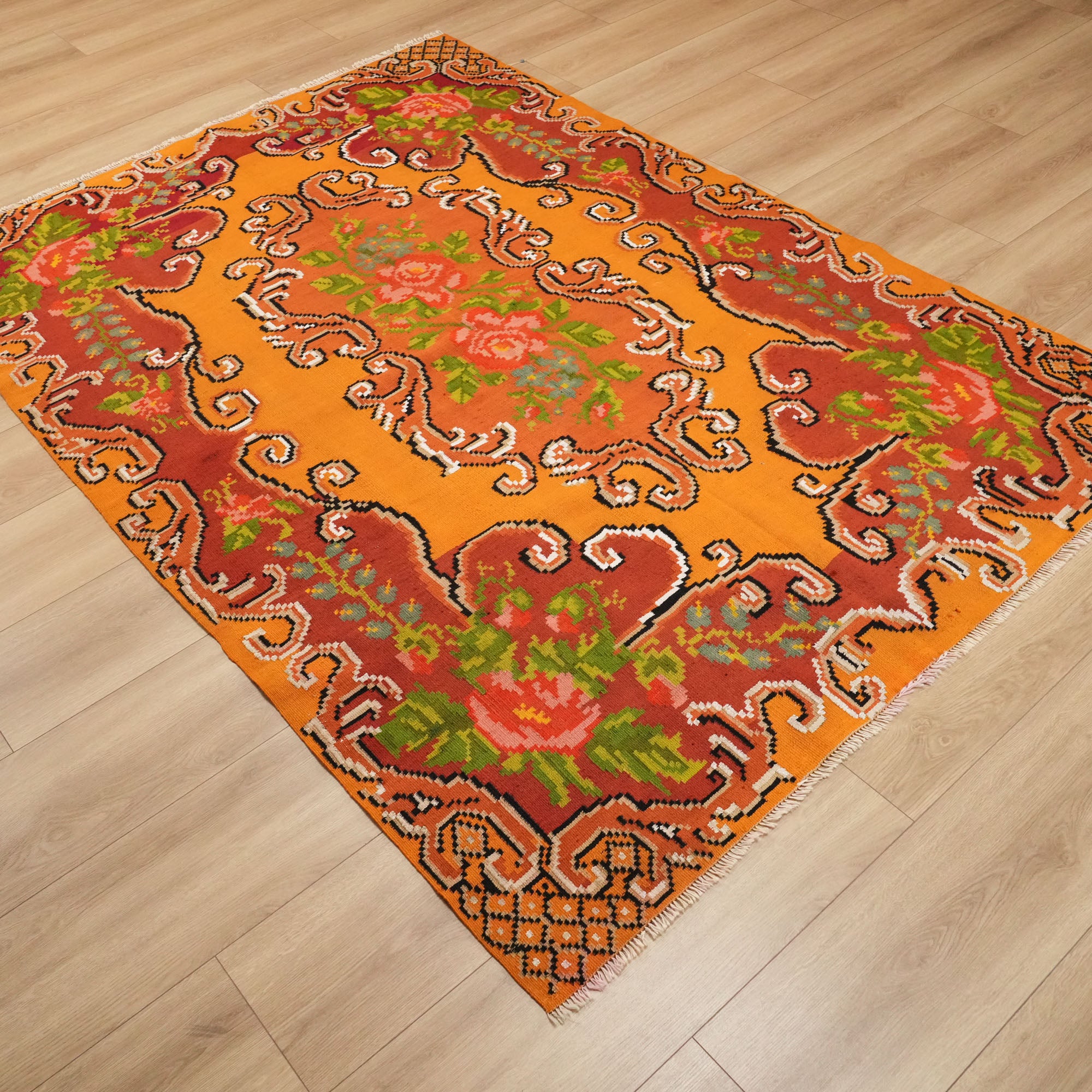
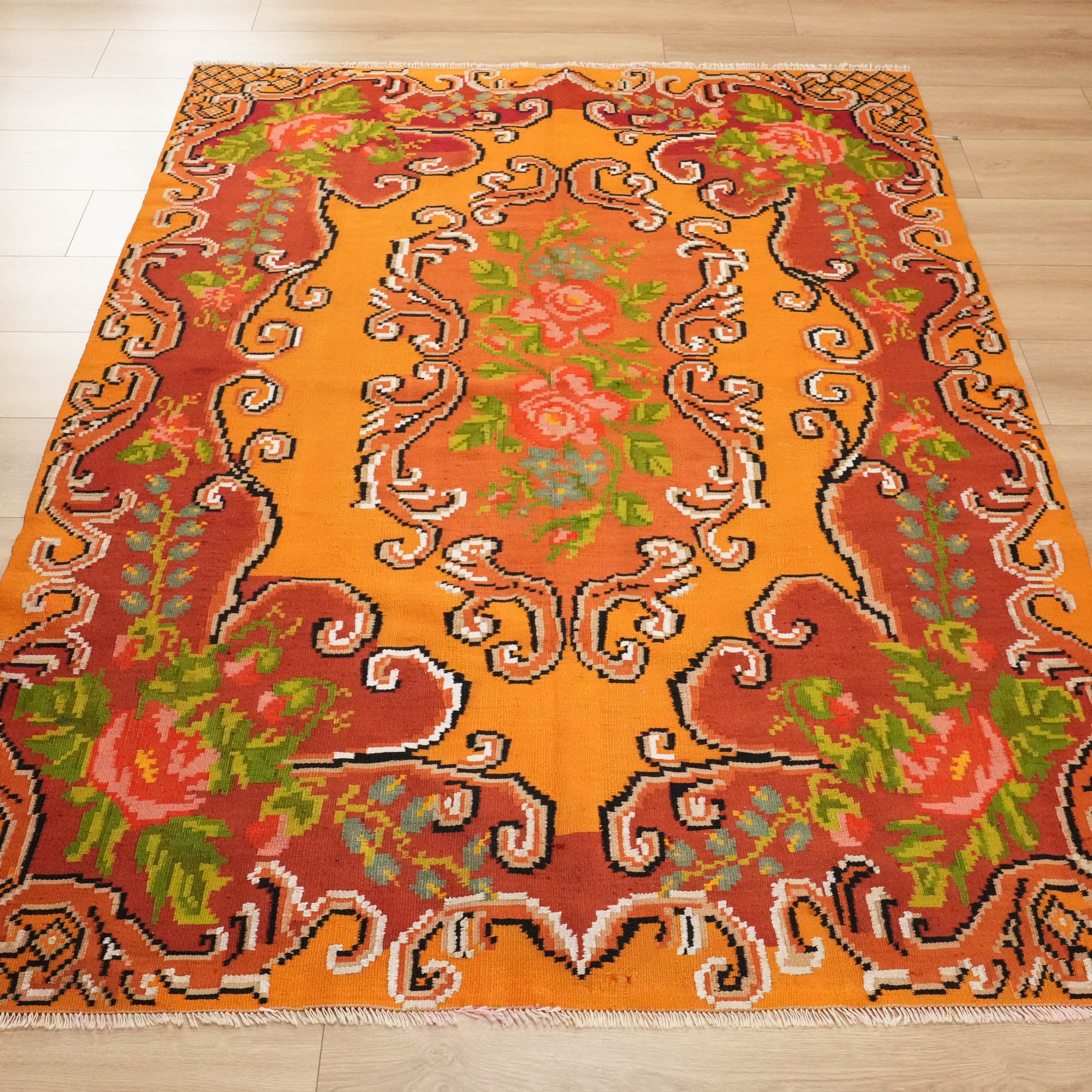
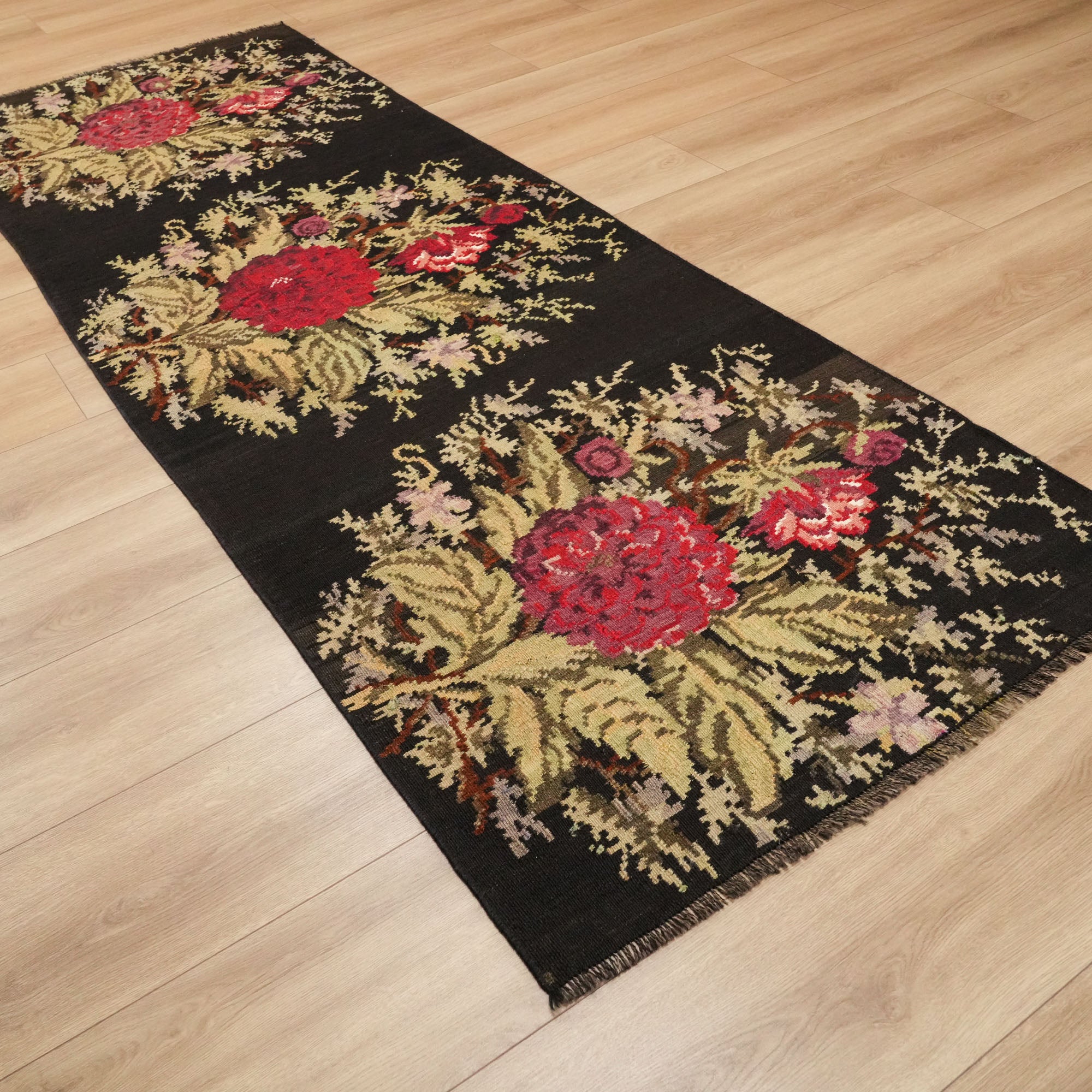
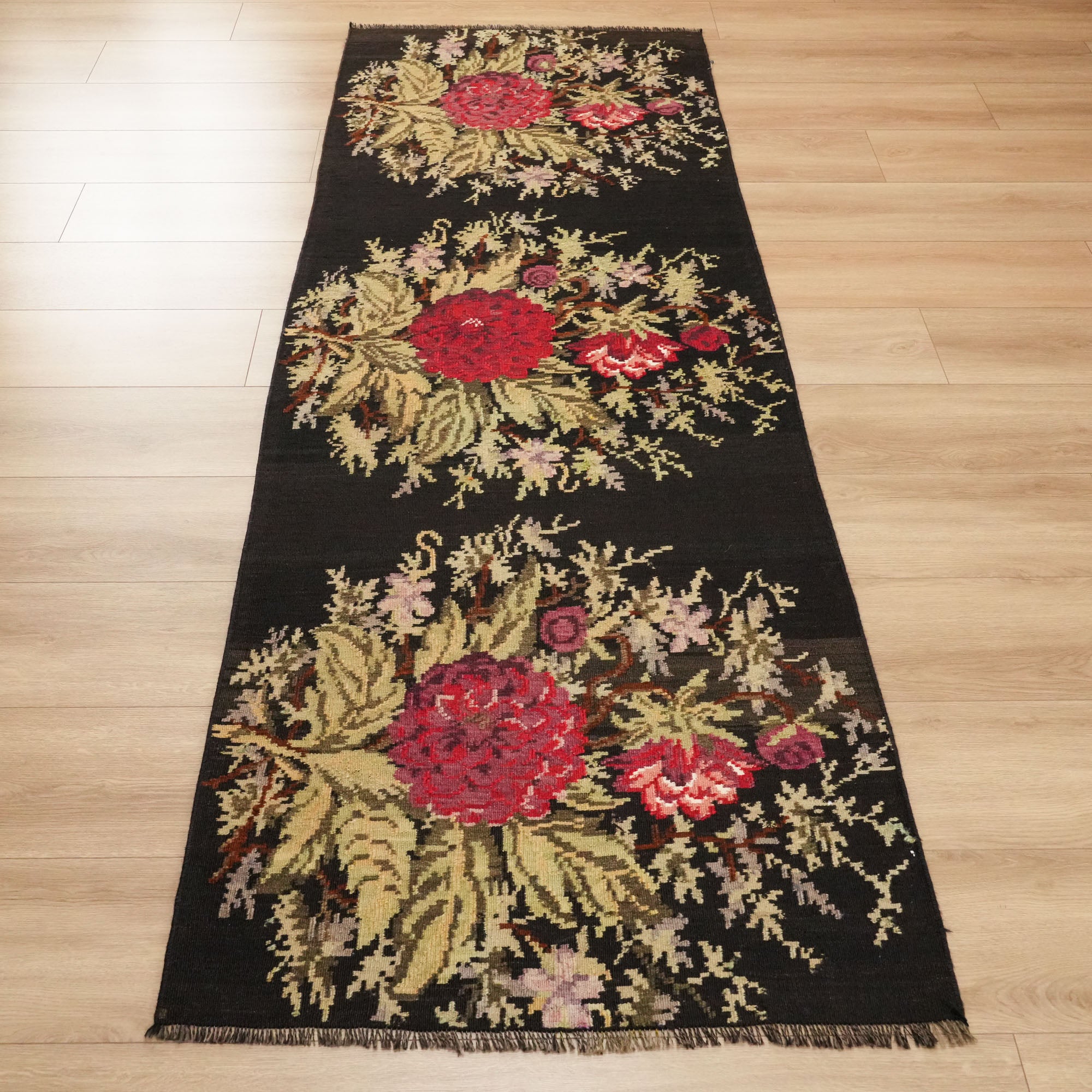


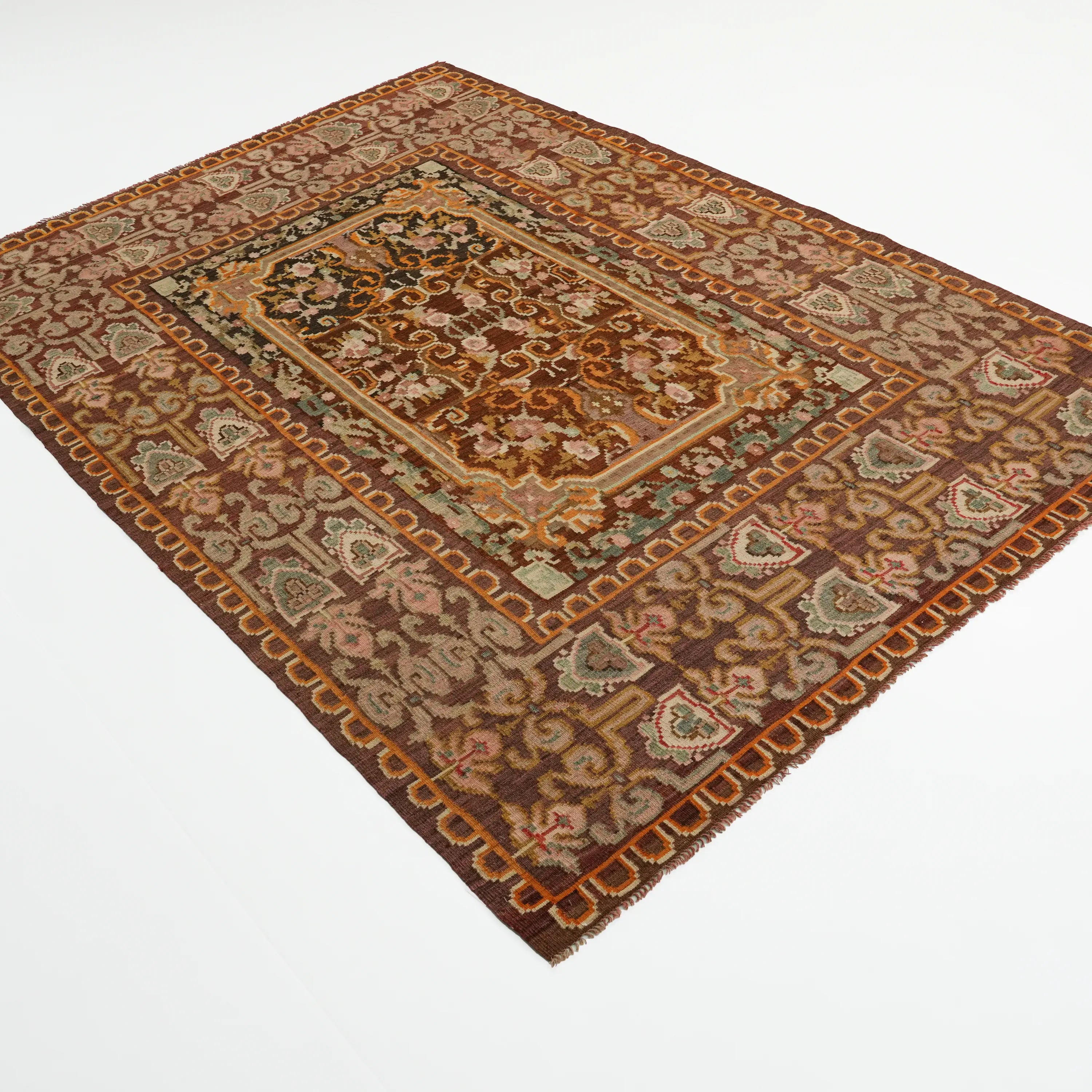
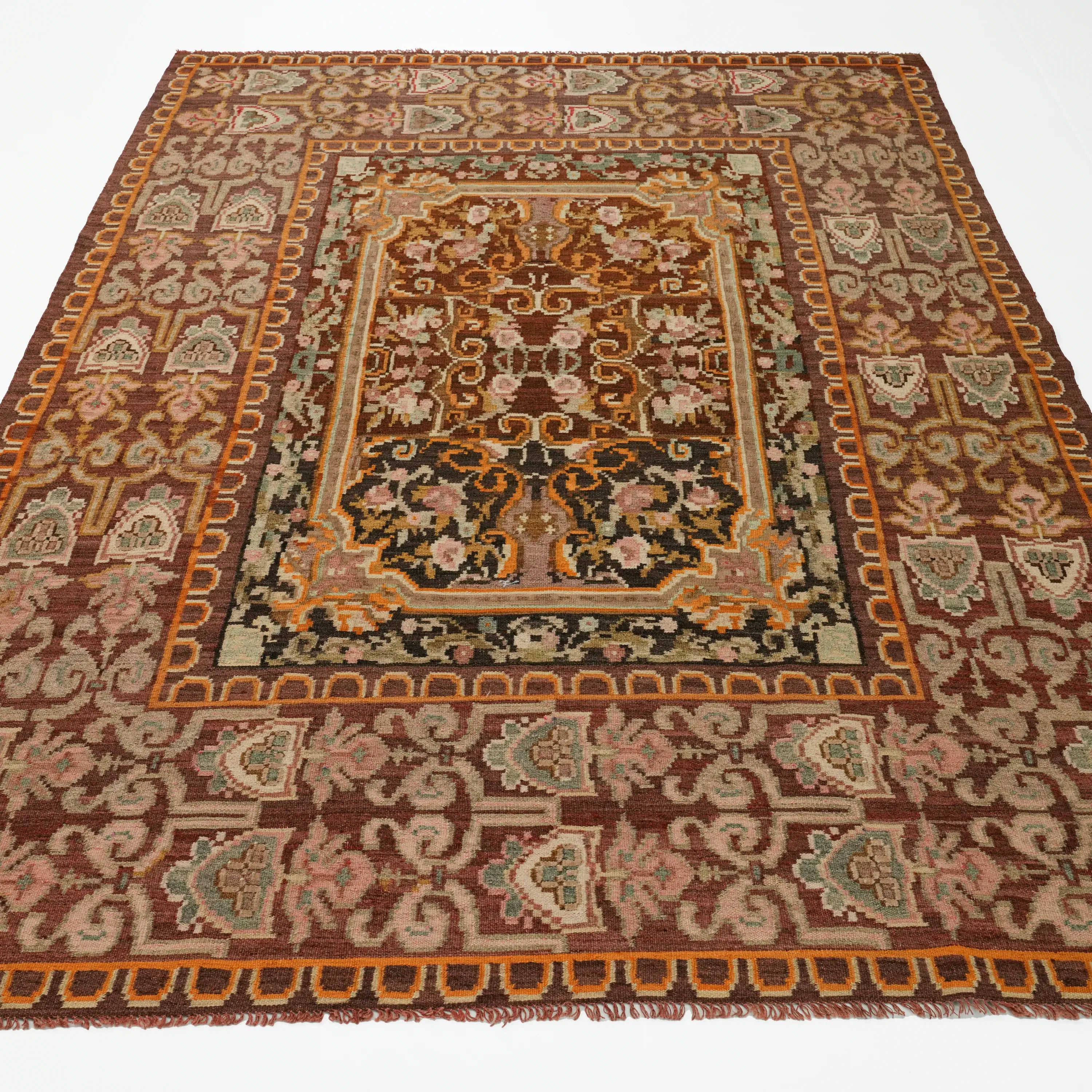


A Karabakh kilim is a flat-woven rug following the weaving tradition of the Karabakh region in the South Caucasus, known for bold geometric motifs, richly saturated color, and a distinct pattern vocabulary separate from Anatolian Turkish kilim design.
Karabakh weaving represents a Caucasian tradition adjacent to, but distinct from, Anatolian Turkish kilim design, and that regional distinction shows clearly in its characteristic motifs and typically bolder color saturation.
A Caucasian Weaving Tradition
Karabakh, in the South Caucasus region, has a distinct rug and kilim weaving tradition historically shaped by its position along regional trade routes, producing bold geometric and stylized floral motifs in richly saturated color combinations recognized as separate from, though related to, neighboring Anatolian and Persian traditions.
Flatweave Construction and Bold Motifs
Like other kilims, Karabakh pieces are flat-woven through interlocked warp and weft rather than knotted, but the pattern vocabulary, bold medallions, dragon and stylized floral motifs, and typically more saturated color palette distinguish it visually from Anatolian Turkish kilim design.
Why Choose a Karabakh Kilim from Halicizade
We carry Karabakh kilim design specifically to give buyers access to this distinct Caucasian pattern vocabulary, richer and often bolder in color than typical Anatolian kilim work, rather than treating all regional kilim traditions as interchangeable.
Styling a Karabakh Kilim
This tradition's bold color and pattern make it a strong statement piece for rooms wanting rich visual interest.
- Eclectic and traditional living rooms suit Karabakh's bold, saturated pattern particularly well.
- Works well as a wall hanging given the kilim's light weight and graphic pattern clarity.
- Pair with simple, neutral furniture that lets the rich color and pattern lead the room.
- A strong choice for buyers specifically interested in Caucasian, rather than purely Anatolian, weaving heritage.
Karabakh Kilim vs. Anatolian Kilim
| Karabakh Kilim (Caucasian) | Anatolian Kilim (Turkish) | |
|---|---|---|
| Region | South Caucasus | Anatolia, Turkey |
| Typical motifs | Bold medallions, dragon, stylized florals | Diamonds, hooks, geometric stripes |
| Color saturation | Often richer, bolder | Varies, often more restrained |
Care & Maintenance
Kilims can be vacuumed on both sides given their reversibility; avoid prolonged wet exposure since the flat construction and natural fiber together are more moisture-sensitive than a dense pile rug.
Frequently Asked Questions
What is a Karabakh kilim?
A flat-woven rug following the weaving tradition of the Karabakh region in the South Caucasus, known for bold geometric motifs and richly saturated color.
How is a Karabakh kilim different from a Turkish Anatolian kilim?
Karabakh weaving is a distinct Caucasian tradition with its own characteristic motifs, bold medallions, dragon and stylized floral patterns, and typically bolder color saturation than Anatolian kilim work.
Are Karabakh kilims hand-woven?
Traditional Karabakh kilims are hand-woven; Halicizade's pieces drawing on this tradition may vary in construction, check the specific product listing.
Can a Karabakh kilim be used as a wall hanging?
Yes, like other kilims, its light weight and bold, graphic pattern make it a popular choice for wall display in addition to floor use.
What colors are typical of Karabakh kilims?
Richly saturated colors are characteristic of the tradition, often bolder than typical Anatolian kilim palettes.
What rooms suit a Karabakh kilim best?
Eclectic and traditional living rooms benefit most from this tradition's bold, saturated pattern and rich color.