

Filters
2 products
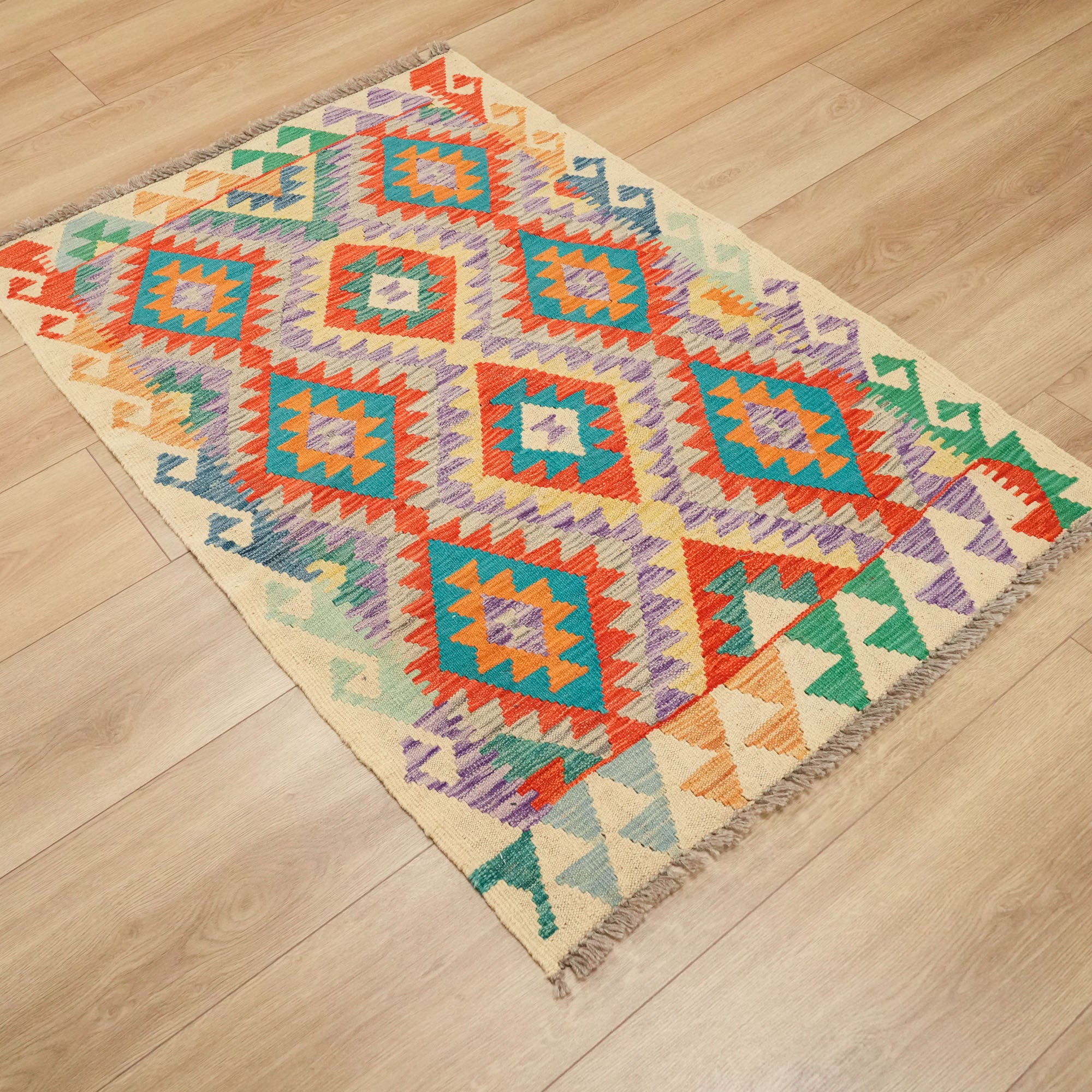
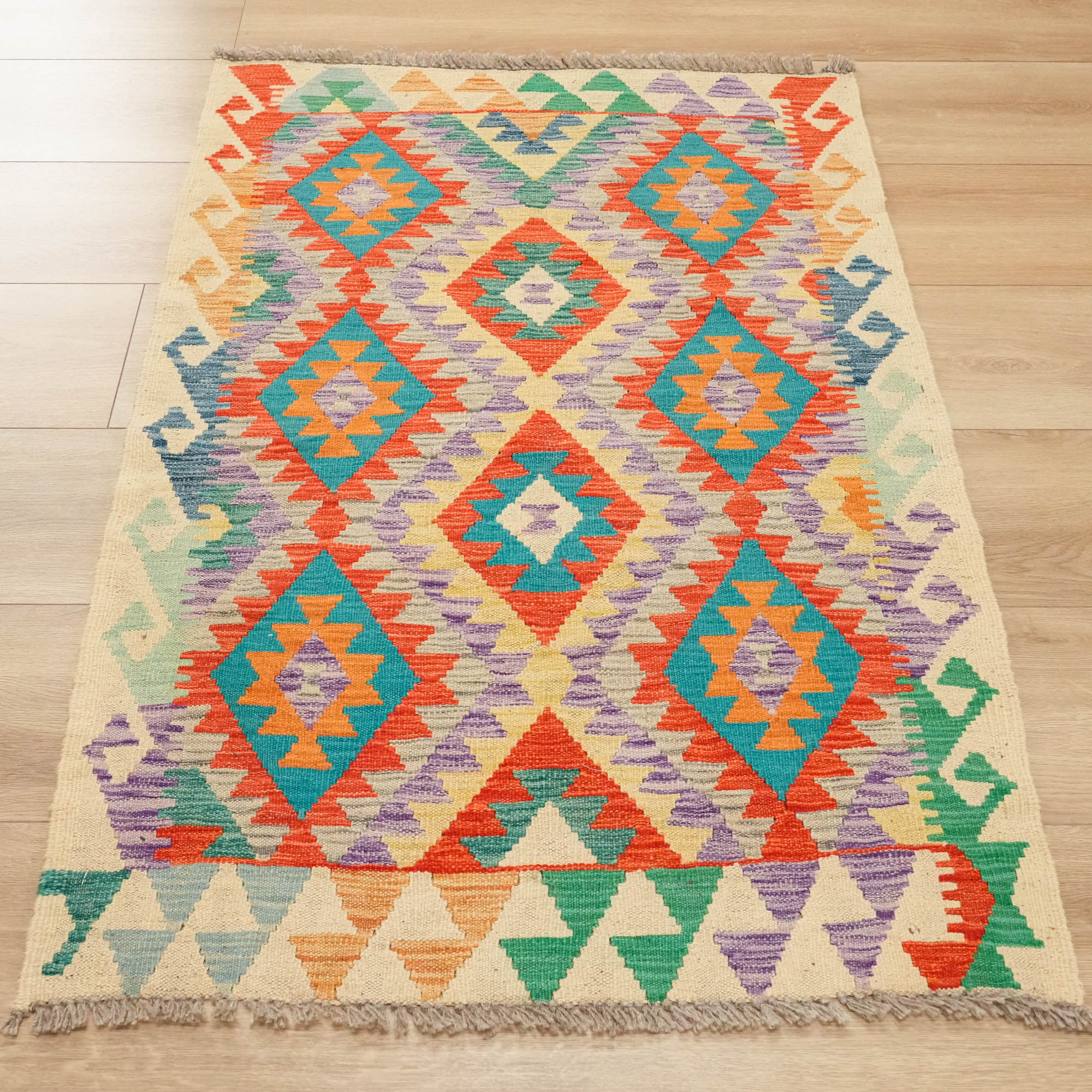
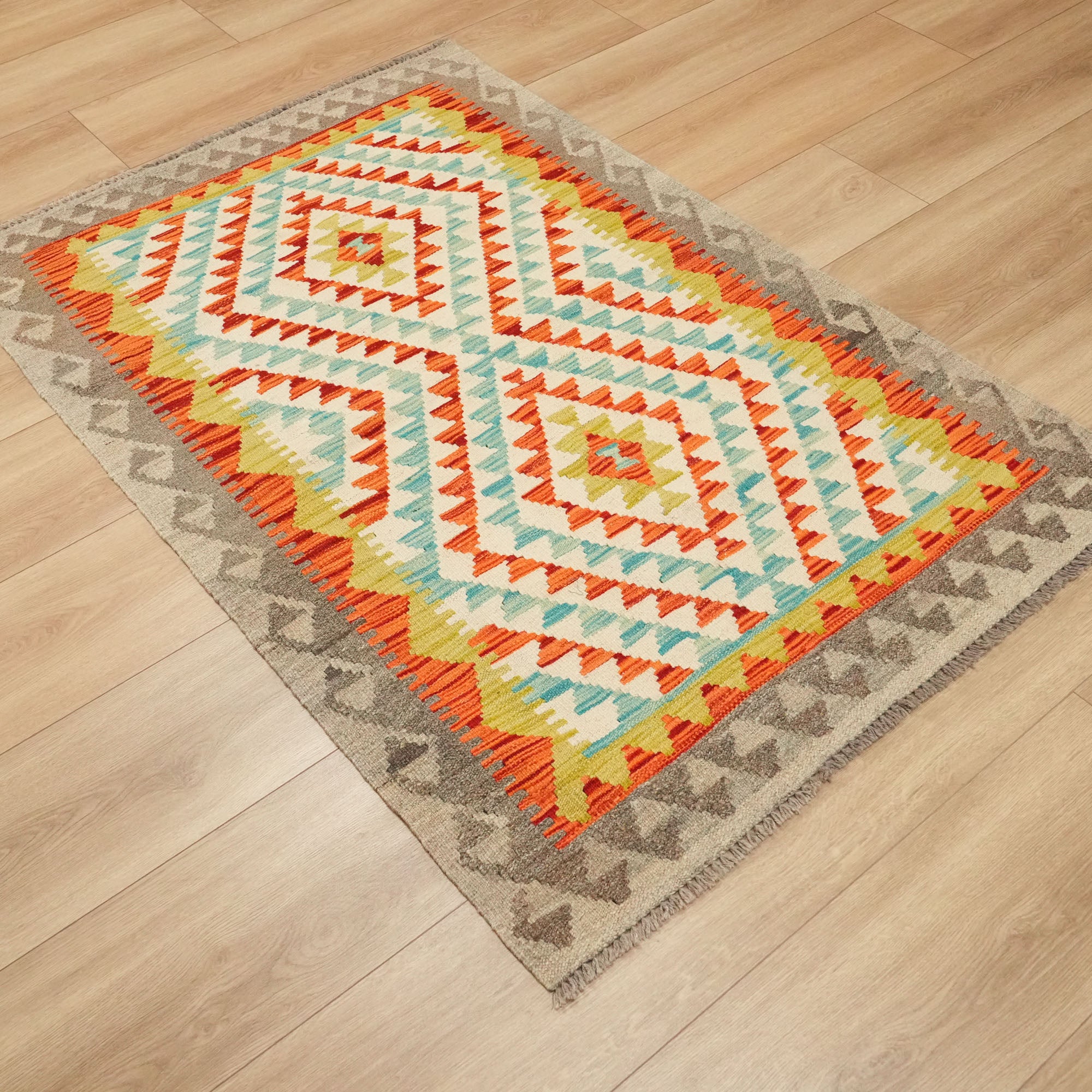
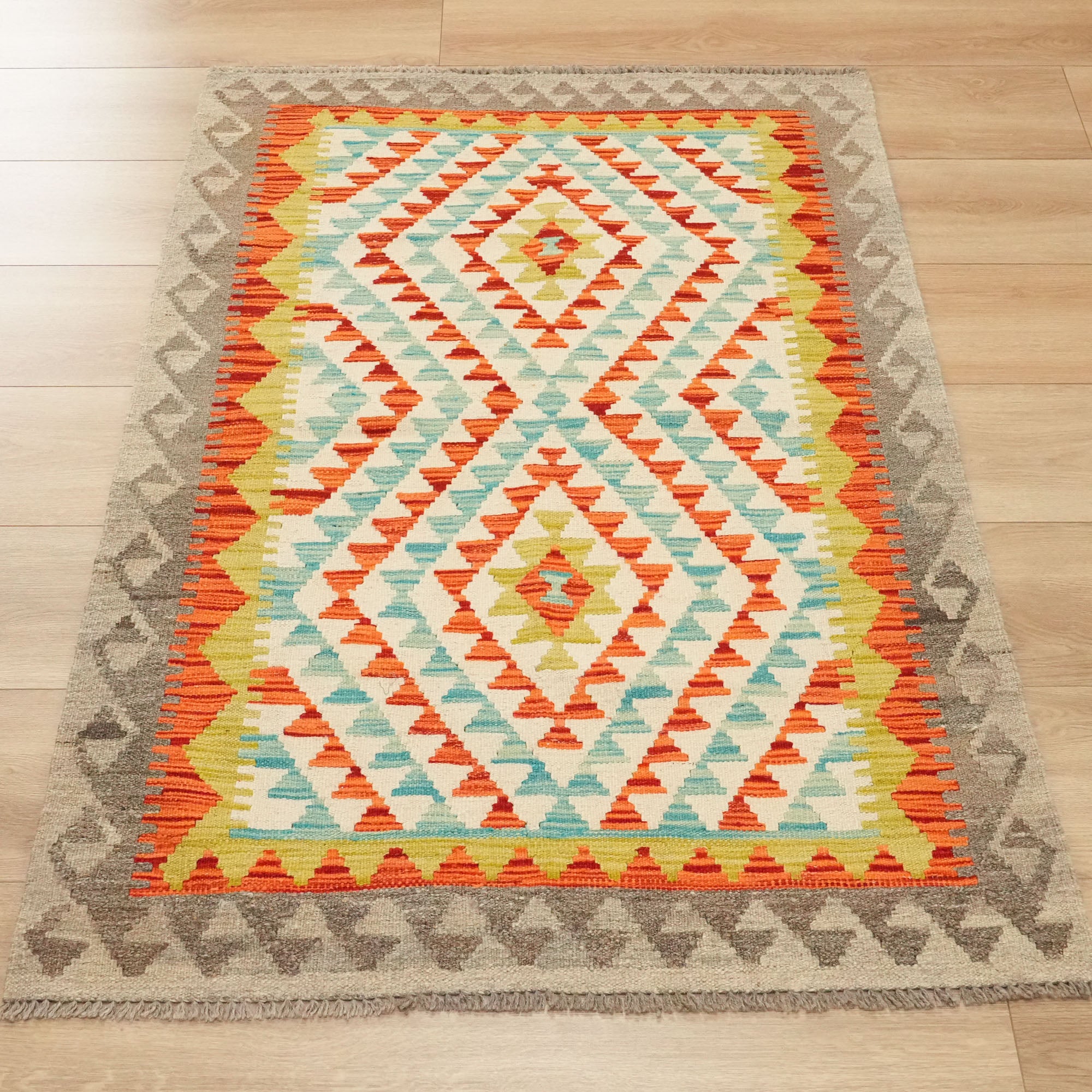
Afghan Kilim; a special weaving tradition distinguished by its handcraftsmanship, cultural richness, and aesthetic details, each possessing unique designs. Within this tradition, many models woven with different techniques and motif understandings such as Adreskan, Berceste, Kaleynev, Meliki, and Mişvani are included. Each model carries the geographical, ethnic, and artistic traces of the region where it is woven; it is priced according to factors such as the material used, pattern density, and size. You can also explore Afghan Kilim models and budget-friendly alternatives more closely through Halıcızade.
What is Afghan Kilim?
Afghan Kilim is a flat-woven (pileless) carpet type, traditionally handwoven on looms by masters belonging to different ethnic groups of Afghanistan, distinguished by geometric patterns and natural colors. Afghan handwoven wool kilims are produced as part of a centuries-old weaving tradition, especially in villages around Herat, Badgis, by Baluch, Turkmen, and Muşvani communities.
Afghanistan has historically been located on the Silk Road, serving as an important center of trade and cultural interaction; this has enriched the art of kilim weaving. Therefore, carpet weaving holds a significant place in the economic and cultural structure of Afghan society. Today, Afghan kilims woven with techniques passed down through generations in many villages are regarded as authentic, cultural, and artistic products both in local markets and internationally.
What Are the Types of Afghan Kilim?
Afghan kilims are divided into 5 types according to regional weaving traditions, ethnic origins, and techniques used. This diversity, ranging from Adreskan to Meliki, Berceste to Mişvani, reflects Afghanistan’s rich weaving heritage.
Afghan Adreskan Kilim
Afghan Adreskan kilim is one of the traditional handwoven flat kilim types named after the Adraskan region in Herat province in western Afghanistan. These kilims, usually adorned with geometric patterns, are detailed with the Soumak (weft wrapping) technique, making the pattern edges distinct. Diamond motifs, linear stripes, and stylized symbols frequently appear on the field. The color palette dominated by red, navy, cream, and earth tones is obtained with natural root and plant dyes. Woven with 100% wool yarn, Adreskan kilims are lightweight and can be used both as floor coverings and decorative wall hangings.
Afghan Berceste Kilim
Afghan Berceste kilim is a special handwoven carpet type produced by the Muşvani tribe around Herat, notable for its embossed patterns and rich weaving techniques. The word “Berceste” means “distinguished, striking” in Persian, and the technique used in these kilims adds pile motifs and Soumak workmanship to the flat weave base, creating a three-dimensional appearance.
It generally presents a layout enriched with geometric patterns, crosses, and stylized symbols around a large central motif (rose or diamond-shaped medallion). Warm colors such as red, burgundy, navy, and earth tones are obtained with natural dyes, reflecting traditional aesthetics. Berceste kilims, used both as floor coverings and decorative pieces, carry artistic and cultural value with their unique weaving structure.
Afghan Kaleynev Kilim
Afghan Kaleynev kilim is a traditional hand kilim produced in the region between Badgis and Herat in northwestern Afghanistan, distinguished by its fine weave and simple color palette. Usually named after the Kalai-Nau area, these kilims are made with flat weaving technique suitable for the lightweight and portable needs of nomadic communities.
In Kaleynev kilims, small diamonds, triangles, and zigzag patterns are regularly spread across the entire surface as main motifs. The natural color palette dominated by earth tones such as brown, brick, cream, and green is obtained with plant dyes and softens into a pastel look over time. With their lightness, aesthetic simplicity, and durable structure, these kilims are elegant pieces preferred both as floor coverings and wall decorations.
Afghan Meliki Kilim
Afghan Meliki kilim is one of the finest handwoven kilim types, produced by Baluch-origin weavers, known for its high pile density and elegant motif details. Also called “Miniature kilim,” these pieces present a balanced layout on a sparse field with small geometric or stylized botanical motifs. Especially wide and detailed border bands form the most striking part of the kilim.
In Afghan Meliki kilims, colors such as navy, yellow, and green contrast with soft ground colors like red, burgundy, and brown. These colors are obtained with natural dyes and develop a settled, natural appearance over time. Soumak technique is used in weaving along with cotton warp and natural wool yarns. Due to its fine craftsmanship and rarity, Meliki kilims are unique pieces mostly preferred for decorative purposes and have collectible value.
Afghan Mishvani Kilim
Afghan Mişvani kilim is a handwoven kilim type produced by the Muşvani (Mushwani) tribe living in the Herat region, notable for its unique embossed motifs created by combining kilim and carpet weaving techniques. While the field is prepared as flat weave, certain motifs gain an embossed appearance through short pile knotting and Soumak (weft wrapping) technique.
Afghan Musvani Kilim varieties generally feature large diamond-shaped centers, octagonal rose motifs, and geometric patterns made of zigzag stripes spread throughout the kilim. Woven with a vivid and contrasting color palette dominated by red, navy, black, and cream, these kilims offer a strong aesthetic and cultural expression. Thanks to their durable structure, Mişvani kilims are suitable for use both as floor coverings and wall hangings, and beyond being traditional dowry items, they remain valuable pieces preferred in authentic and artistic decorations today.
What Are the Characteristics of Afghan Kilim?
Afghan kilims have features such as rich motif variety, entirely handwoven production, use of natural wool and plant dyes, fine texture, cultural depth, and high decorative value. The main features that distinguish Afghan kilims from other kilim types can be listed as follows:
- All are handwoven on traditional looms by master weavers; they are not mass-produced.
- Generally woven with 100% wool yarns, with cotton warp in some types.
- Some kilim types use Soumak and pile knotting techniques alongside flat weaving.
- Symmetrical and traditional motifs such as diamonds, octagons, and lozenges are prominent; motifs carry cultural identity.
- In types like Berceste, Mişvani, and Musvani, patterns protrude from the surface; this technique creates visual depth.
- Red, navy, burgundy, and earth tones dominate; colors soften over time, gaining an antique look.
- Flat woven kilims emphasize lightness, offering easy transport and cleaning advantages.
What Is the Difference Between Afghan Kilim and Afghan Carpet?
There are differences between Afghan kilim and Afghan carpet due to weaving techniques and surface structures. Afghan kilim is a pileless (flat woven) textile product, while Afghan carpet is produced with knotted (pile) weaving technique and has a soft, velvety texture on the surface. Afghan kilim handwoven models are generally thinner, lighter, and easier to carry; carpets are thicker, heavier, and known for their insulating properties. In kilims, motifs are usually created by wrapping weft yarns around the warp, whereas in carpets, patterns are formed by tying colored yarn knots. Both products are handmade in Afghanistan and carry cultural value; however, kilims are more suitable for nomadic lifestyles, practical, and multipurpose.
Where Are Afghan Kilims Used?
Afghan kilims are used in living rooms, sitting rooms, entrances and corridors, bedrooms, wall decorations, as prayer rugs, or as coverings. With their lightweight structure and aesthetic texture, these kilims can be utilized in almost every area of the home. Thanks to their traditional motifs, they are ideal for those who want to create a warm and characterful atmosphere. For example, an Afghan kilim laid on the floor in a modernly furnished sitting room attracts attention with its red tones, adding vibrancy to the space; when hung on the wall, it becomes an impressive focal point like an ethnic art object. Small-sized models also offer functional and decorative solutions under coffee tables or as divan covers.
What Should Be Considered When Buying an Afghan Kilim?
When buying an Afghan kilim, attention should be paid to the weaving technique, type of yarn used, authenticity of motifs, and naturalness of colors. Each of these hand-crafted kilims is unique; therefore, the technical, aesthetic, and cultural qualities of the selected product should be considered. Important points to consider when purchasing an Afghan kilim are as follows:
- Authentic Afghan kilims are handwoven on traditional looms. Machine-made carpets may have similar patterns but differ in weaving technique and feel.
- A quality Afghan kilim is usually made of 100% wool or wool-cotton blend. Products using synthetic yarns should be avoided.
- Original kilims have cultural meanings in every motif; symmetries, geometric structures, and color transitions in patterns reflect craftsmanship.
- Kilims colored with plant dyes have deeper and more natural tones; colors improve over time. Excessively bright or artificial colors may indicate synthetic dye.
- The product should be chosen according to the dimensions of the intended area; options for different spaces such as living room, corridor, or wall should be evaluated.
What Is the Price Range of Afghan Kilim?
The price range of Afghan kilim varies according to the size of the kilim, weaving technique, quality of materials used, pattern density, production time, and the quality of handcraftsmanship. Afghan kilims with original designs produced by hand weaving and natural dyes are offered at higher prices, while small-sized and simply patterned kilims are more affordable. For example, there can be significant price differences between a basic flat woven kilim and a Mişvani kilim with a mixed structure using Soumak and pile techniques. Additionally, Afghan kilim prices are higher for collectible or rare motif pieces compared to standard models.
Where to Buy Afghan Kilim?
Afghan kilim can be obtained from reliable sales points specialized in traditional handwoven carpet and kilim models, online stores, or boutique companies offering handwoven products. Halıcızade, operating in this field for many years, is one of the trustworthy addresses that stand out especially in terms of variety and quality of handwoven Afghan kilims. You can find many Afghan kilims with different sizes, colors, and technical features in the Halıcızade online store, and if you wish, you can also have the chance to examine them closely in the showroom.