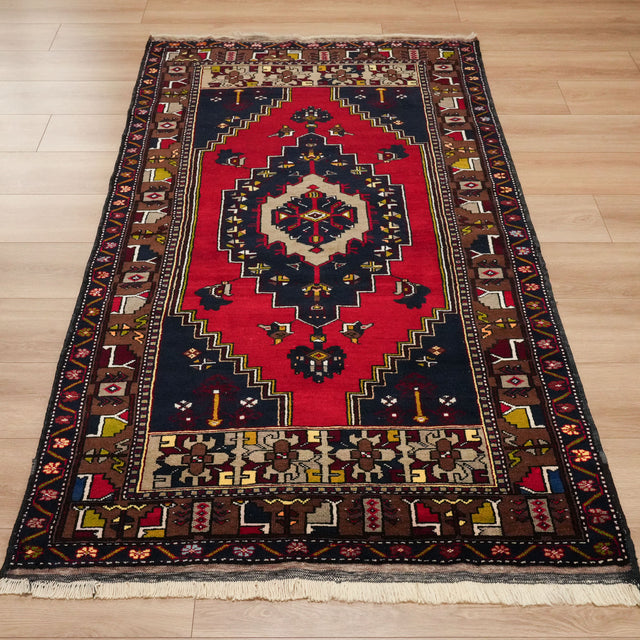
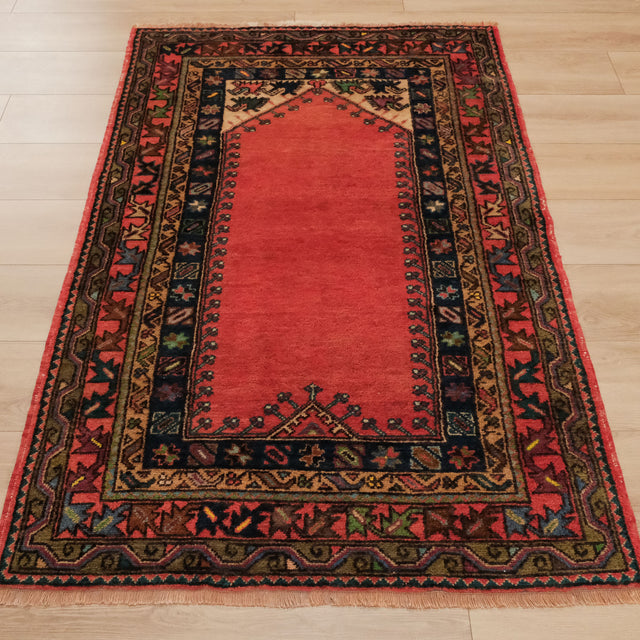
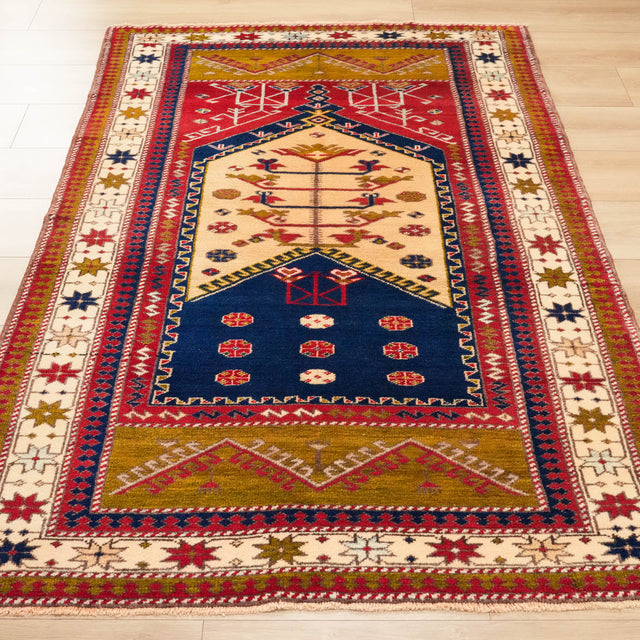
Oushak without the knots: a flat wool kilim, 119 × 188 cm
 119×188 cm



Rugs & Kilims
Find Your Rug
For those who already know what they are looking for — Halıcızade's most visited collections.
Oushak without the knots: a flat wool kilim, 119 × 188 cm
119×188 cm
Kars Sevan in wool: red leads, and the warp never shows
 184×316 cm
Bought once already: a cream Kayseri, wool over cotton
 198×288 cm
Bahçecik village wool, 100 × 180 cm and no pile in it
 100×180 cm
Turkmen tent drawing, closely knotted, cream and black on burgundy
 131×184 cm
Spun on a kirmen spindle, colored out of plant roots
 162×252 cm
Silk in the motifs takes the light, Erzurum wool below
 179×260 cm
Cicim from Antalya: the wool figures stand above the ground
 163×300 cm
Chest-kept village wool, turned into a cushion at 45 × 91 cm
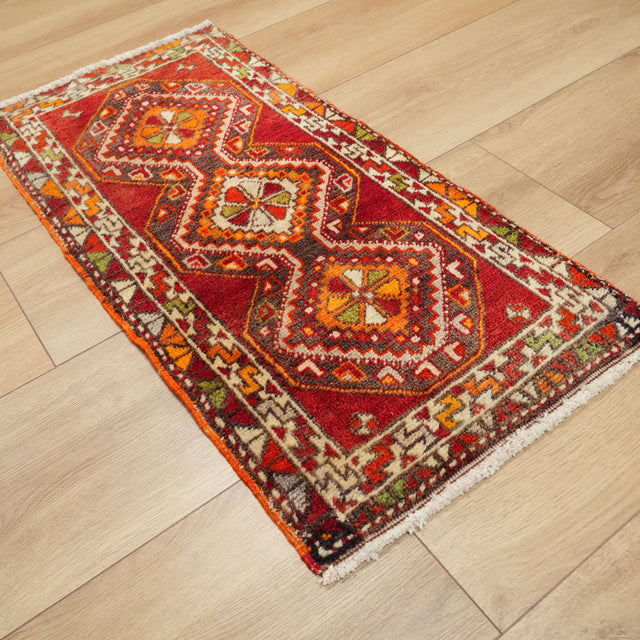 45×91 cm
A bolster, not a cushion: navy Taşpınar wool, 52 × 120 cm
 52×120 cm
Taşpınar navy on a cushion 120 cm long, and wool throughout
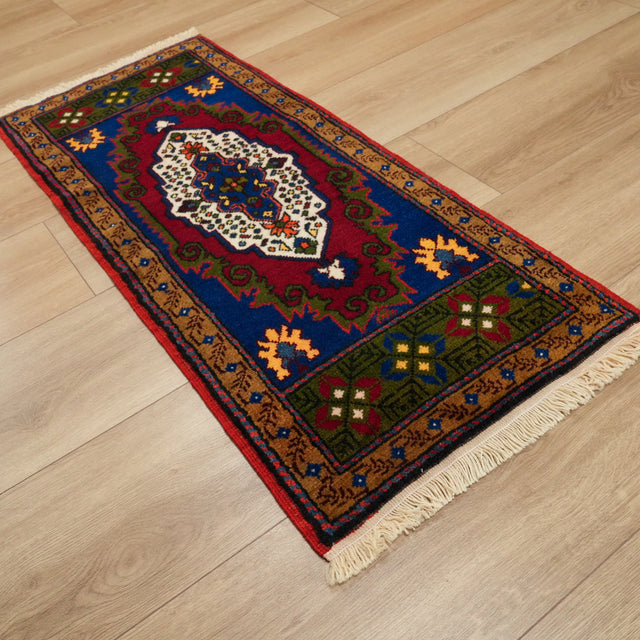 52×120 cm
Madder red banding lot by lot, Karakeçili wool from Balıkesir
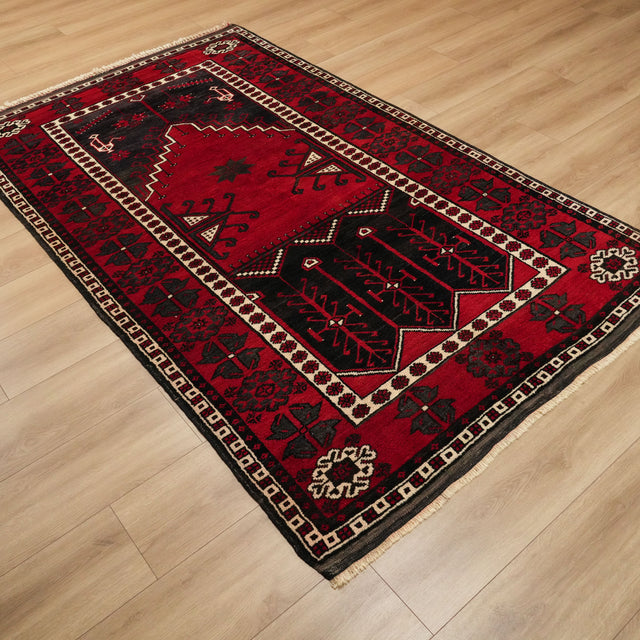 153×251 cm
Bolster proportion, not a cushion: red İnlice wool
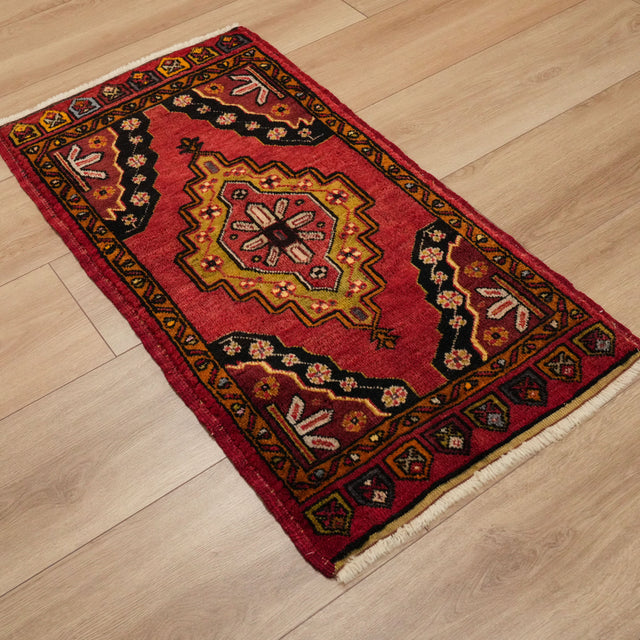 56×108 cm
Denizli's Çal district, cicim brocade raised off the weave
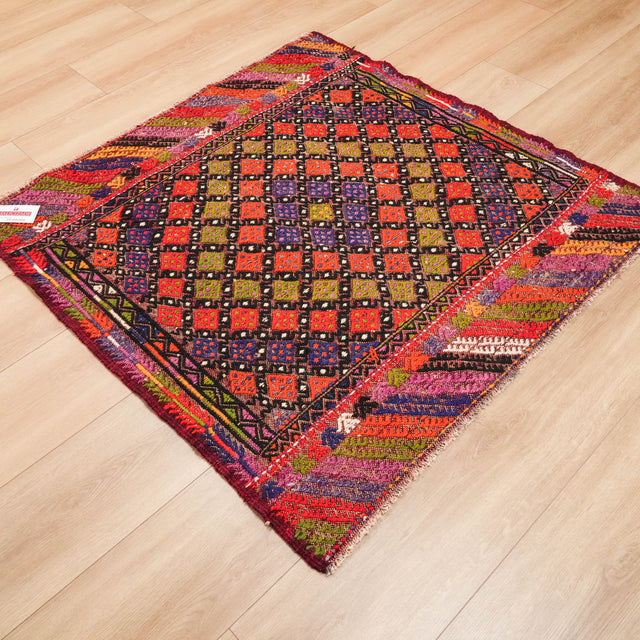 126×130 cm
Kozak cicim above Bergama, wool from end to end
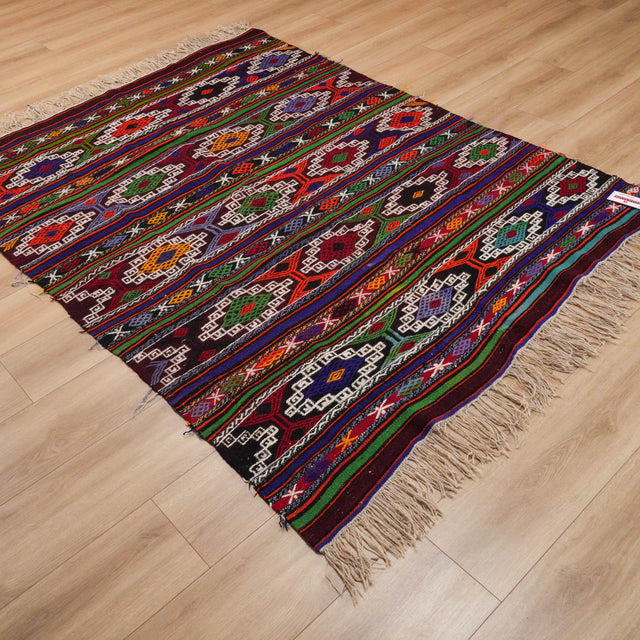 171×231 cm
Navy cicim at 47 × 102 cm, sized for a wall
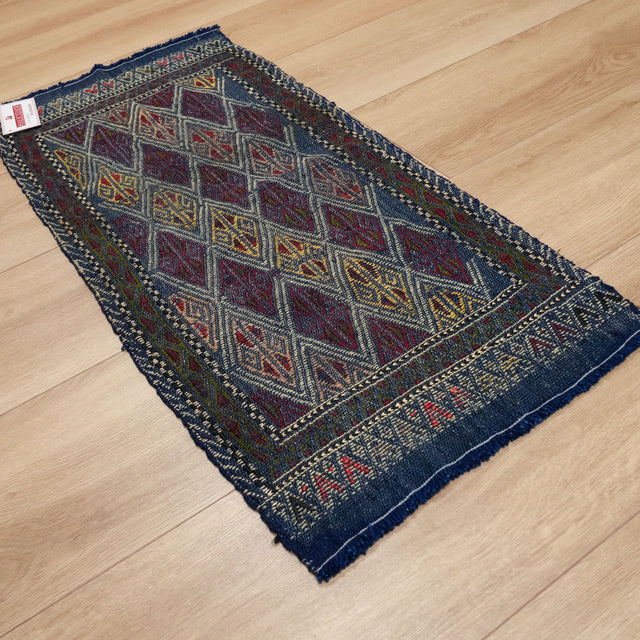 47×102 cm
Wool heavy enough for a stone floor: red, navy and mustard
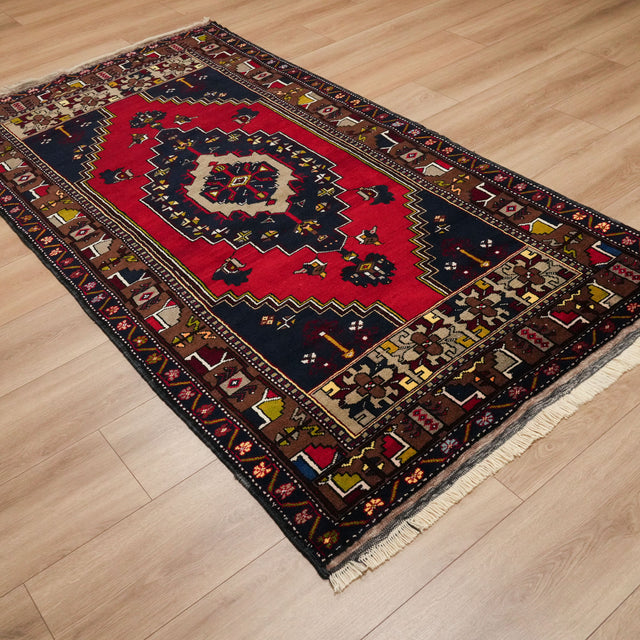 130×240 cm
A dowry chest kept this red: İnlice wool, cushion size
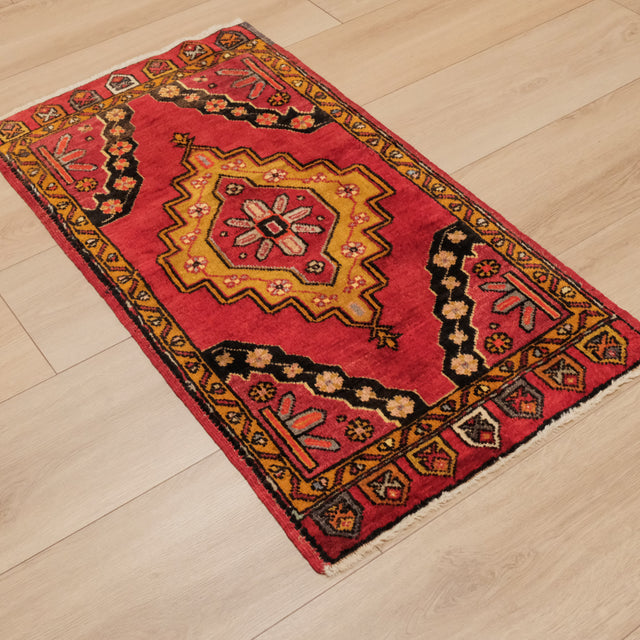 57×107 cm
One of a kind
from
12.000 TL
≈ 19.500 TL/m²
Keçi Muhsine: red wool, dye lifted from plants
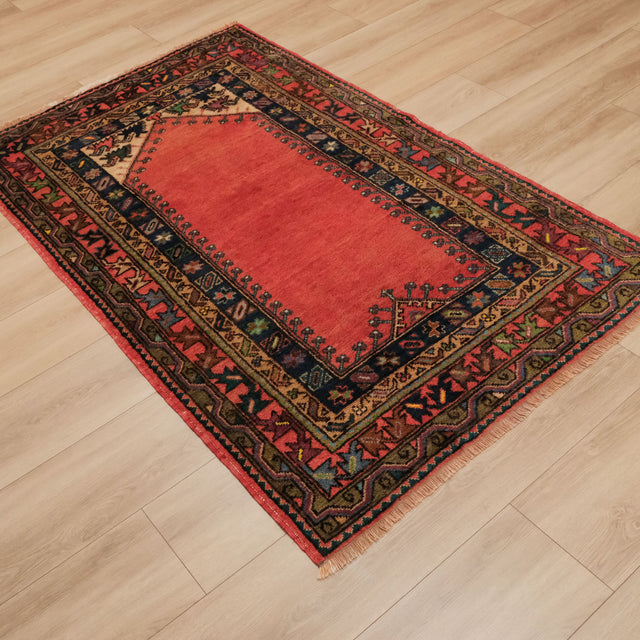 117×192 cm
Star ranks brocaded over orange, root-dyed wool from Fethiye
 127×176 cm
A prayer niche on red, wool that came out of a chest
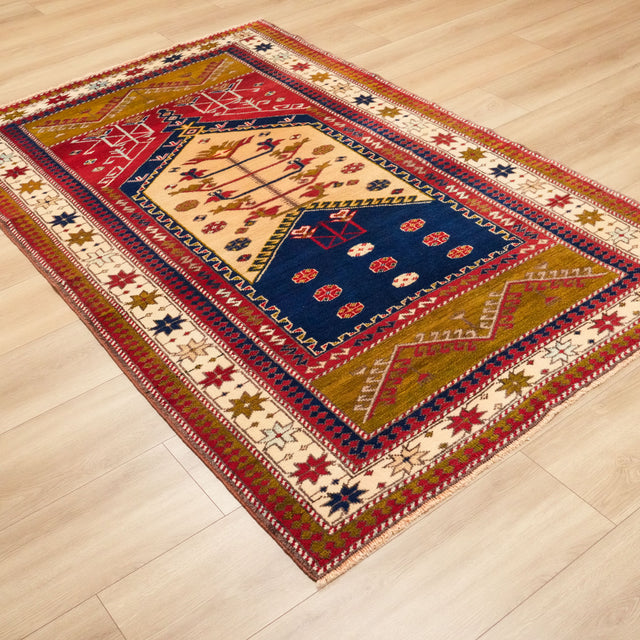 137×215 cm
Konya İnlice weaving, chest-kept, now a 62 × 107 cm cushion
 62×107 cm
One of a kind
from
12.000 TL
≈ 18.000 TL/m²
Wool over cotton at Ortaköy, red ground, out of a chest
 117×246 cm
Cream flatweave with silk in it, wrapped rather than tied
 123×193 cm
A rare rug at Halıcızade is a single old handwoven piece — an antique or semi-antique Anatolian rug, a village kilim, a prayer rug — bought one at a time from auctions and private collections. The pile and the weft are wool, the weaving is by hand, and the stock is usually one. When a piece sells, nothing replaces it.
The shop calls this section Nâdir Parçalar, rare pieces. What follows is what the words on these product pages mean: what a chest-kept rug is, how cicim, sumak and tülü differ from one another, why a band of uneven color is evidence rather than damage, and what the trade is actually claiming when it says antique.
They are collected, not ordered. Pieces are bought individually at auction and out of private collections rather than wholesale, and nothing here is commissioned from a working loom, so the spread of regions is the result of what turned up rather than of a plan.
The weight of the selection is Anatolian: Konya and its villages of Karapınar and İnlice, Oushak, Çanakkale, Van, Kayseri, Kula, Yahyalı, Sivas, Sivrihisar, Taşpınar in Aksaray, and Antep. Less common districts turn up too — Kars, Döşemealtı, Balıkesir's Karakeçili and Yağcıbedir weavers. Among them are Yörük weavings, village kilims and prayer rugs, and a few Turkmen pieces that came by way of Afghanistan.
A chest-kept rug — sandık eskisi in Turkish — was woven and then never put on a floor. It waited folded in a dowry chest, and it either traveled to the bride's new house or it never left.
Sunlight never reached it and no one walked on it. Madder red and indigo blue keep the depth they had on the loom, and the pile never met the weight that lays it down. A kilim that comes out of a chest is noticeably darker than a relative woven the same year and spread on a floor. Fold lines are visible for the first weeks and settle as the rug takes its own weight; heat or an iron flattens the pile permanently, and the pile does not come back.
These are three flat-weaving techniques, and they are told apart by the surface rather than by the pattern.
| Technique | How it is made | Surface | How the pattern reads |
|---|---|---|---|
| Cicim | Motif worked onto a finished flat weave with a separate supplementary yarn | Raised — a fingertip finds the motif standing above the ground | Sharp, drawn, slightly embroidered |
| Sumak | Weft wrapped around the warps one by one; no pile is formed and the tail ends are left loose behind | Flat and ribbed, with a shaggy back | The back reads almost as clearly as the front |
| Tülü | Long-piled central Anatolian weaving, sparse knots holding long tufts of mohair or wool | Deep and lying flat | Close up rather than across a room |
| Knotted pile | Rows of knots tied on the warp, beaten down and clipped level | Dense, even, upright | At any distance; fine drawing needs a high knot count |
More of the same techniques, in current production, sits under handwoven kilims.
Natural dye is a plant record. Red comes from madder root, yellow from mignonette flowers, blue from indigo — and two skeins boiled in the same pot do not come out the same tone.
When the weaver reaches the end of one dye lot and starts another, a horizontal band of slightly different color appears across the field. That band is abrash, and it is not a defect. It marks where the work stopped and where it started again. A synthetic-dyed rug has no abrash because it has no pause worth recording.
The formal definition is a hundred years and older, which is the line customs authorities and auction houses work to. The Turkish rug trade uses the word far more loosely, and a fifty-year-old Yörük kilim and a Konya rug just out of a chest are often sold under the same one.
The house convention is plainer. Antique means a hundred years or more; semi-antique, fifty to a hundred; vintage, roughly twenty to eighty; anything else is new. These are trade usage and nothing more — no body issues, registers or audits them.
A year is written on a piece here only where there is documentation or a source that can be checked. Where the age is documented, the year appears in the product name itself, as in "Certified 80 Years". A name with no year in it means the age is not documented, and no number is offered in its place.
Where a piece carries no documented year, its age can still be estimated. Four signs are worth trusting, and none of them gives a date on its own.
Read together they give a range rather than a year, and the range is an estimate. Product pages carry the details that can be seen and leave out the ones that cannot.
Four things: area in square meters, knot density, whether the dye is natural or synthetic, and condition. A small prayer rug and a room-sized weaving more than three meters long sit at opposite ends of a wide band, and both are here.
Workmanship raises a price more reliably than scarcity does. Two kilims from the same district are priced differently when one is densely beaten and the other open. Each product page carries its own size, fiber, technique and price per square meter.
The edges are not parallel. One end runs a few centimeters wider than the other, corners are slightly out of square, and somewhere a row of motifs steps out of line. Loom tension shifts over months of weaving and the cloth records it, so none of it is corrected.
Sizes are not standard either. A kilim may be half as wide as it is long, or a narrow runner may reach nearly 400 × 90 cm (13'1" × 2'11"). A shape like that does not drop into most living rooms — it belongs in a corridor, on a landing, at the foot of a bed. The room is chosen for the rug rather than the other way round.
A chest-kept rug, sandık eskisi in Turkish, was woven and then stored folded in a dowry chest instead of being laid on a floor. Sun and traffic never reached it, so its natural dyes stay deeper than those of a rug of the same age in daily use.
No. Abrash is a horizontal band of slightly different color left where the weaver moved from one dye lot to the next. It is a mark of hand-dyed yarn and hand weaving; it is never corrected, and in an old rug it is often the most interesting thing in the field.
A hundred years or more under the formal definition used by customs and auction houses. Halıcızade uses antique for a hundred years and over, semi-antique for fifty to a hundred, and vintage for roughly twenty to eighty. These are trade conventions with no issuing authority.
By four signs read together: the softening of madder and indigo, pile tips worn thin toward the knot, hand-spun warp yarn that thickens and thins along its length, and irregular knot rows on the back. Together they suggest a range rather than a year.
Because tension on a hand loom changes over the months a rug takes to weave. One end commonly runs a few centimeters wider than the other, corners sit slightly out of square, and a row of motifs may step out of line. None of it is straightened afterward.
Not from this section. Pieces here are collected individually from auctions and private collections rather than woven to order, and most are held in a stock of one. Once a rug sells, a similar piece may appear later, but the same rug will not.
Related collections: vintage rugs · authentic Anatolian rugs · handwoven kilims