



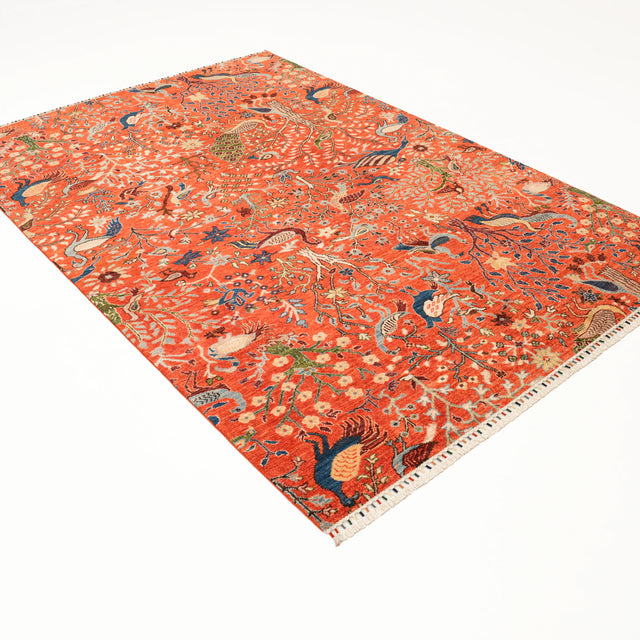
 188×274 cm
Products
-
 188×274 cm
-
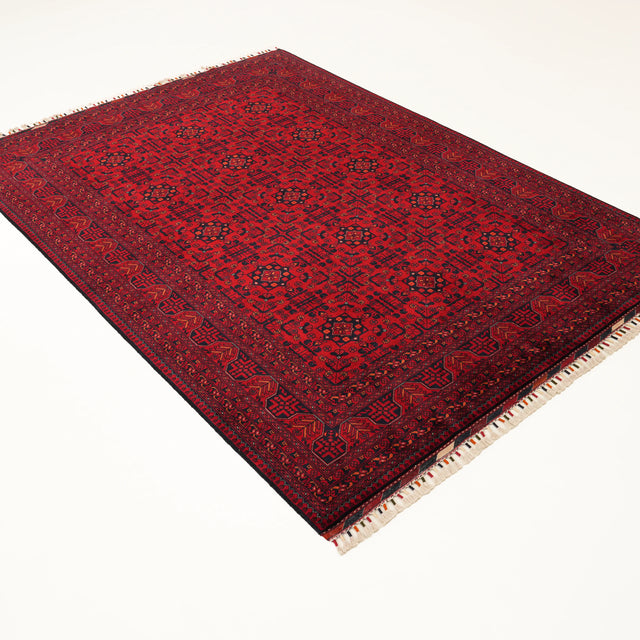 164×232 cm
-
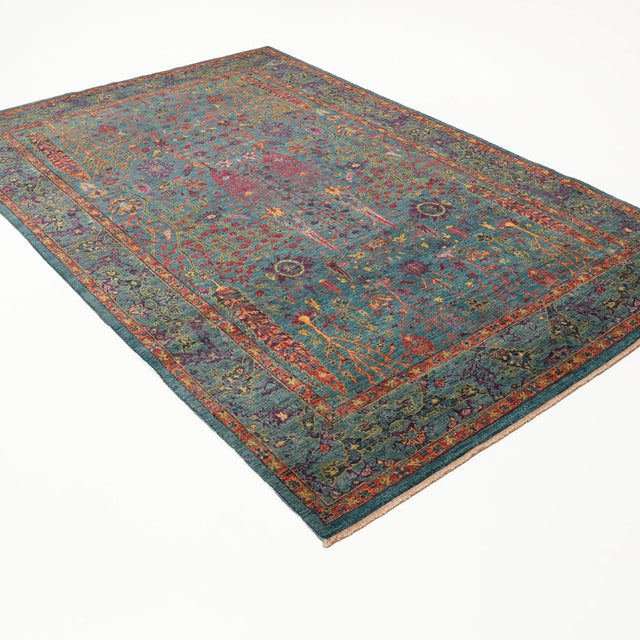 195×300 cm
-
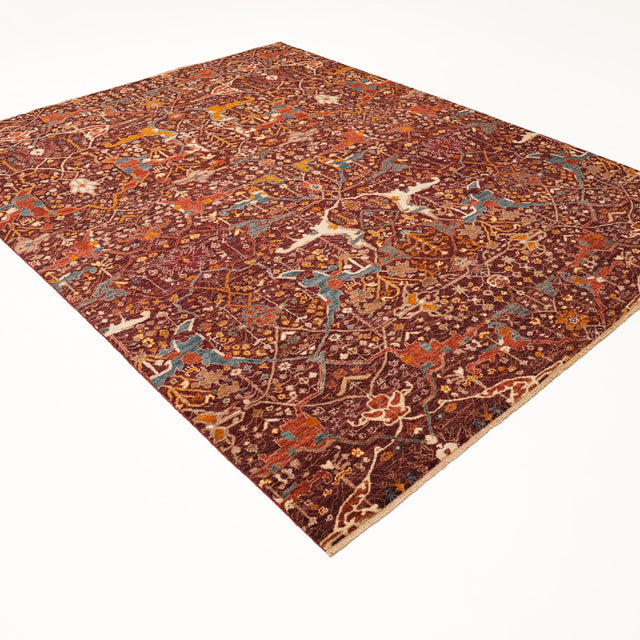 241×312 cm
-
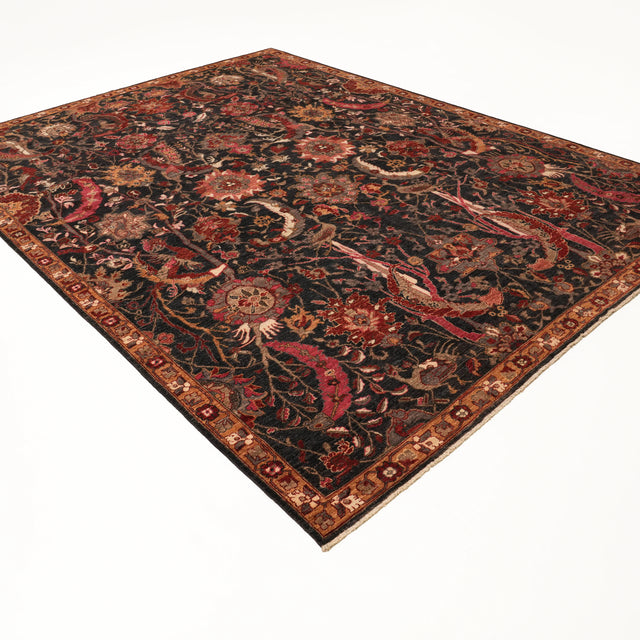 266×357 cm
-
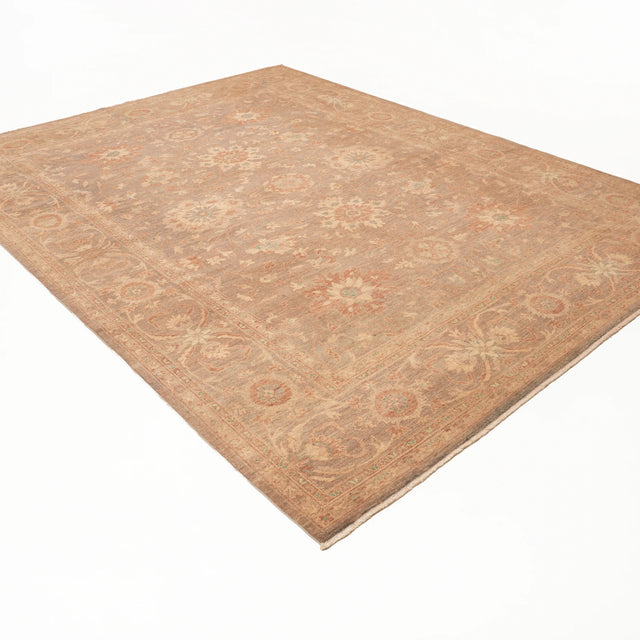 271×361 cm
-
Saçakları Kütahya'da, evlerde tek tek örülüyor
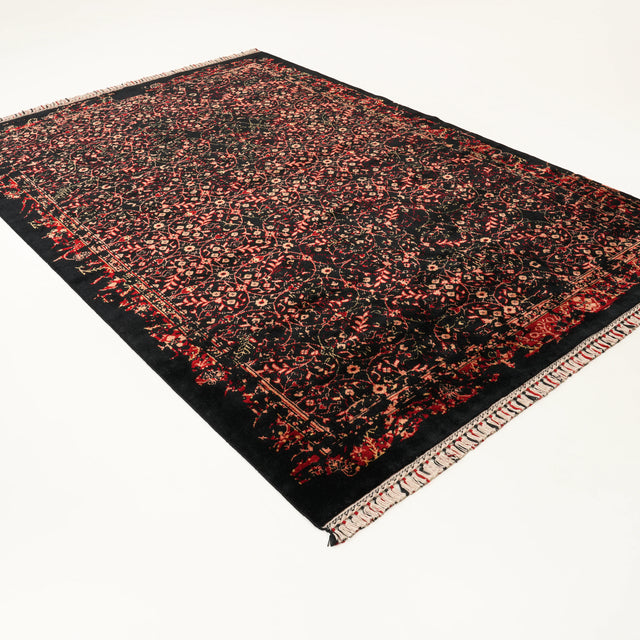 200×300 cm
-
Ortada sekizgen bir madalyon, iki yanında iki küçüğü
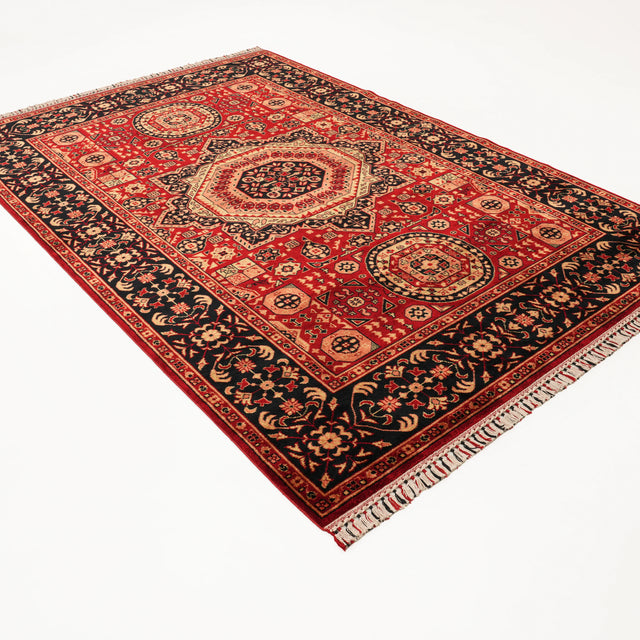 200×300 cm
-
Deseni müze arşivlerindeki Bahtiyari halılarından
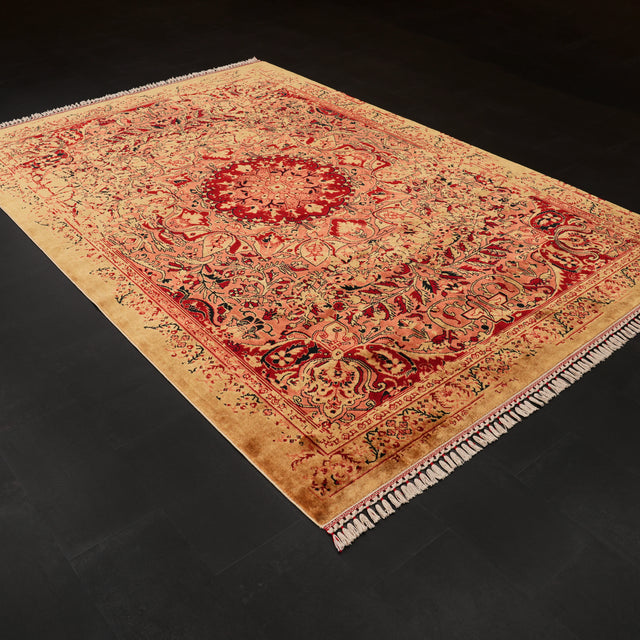 200×300 cm
-
Madalyon yok: çiçekler bordüre kadar yayılıyor
 200×300 cm
-
Fırça izlerini andıran katmanlar, siyah zemin üstünde
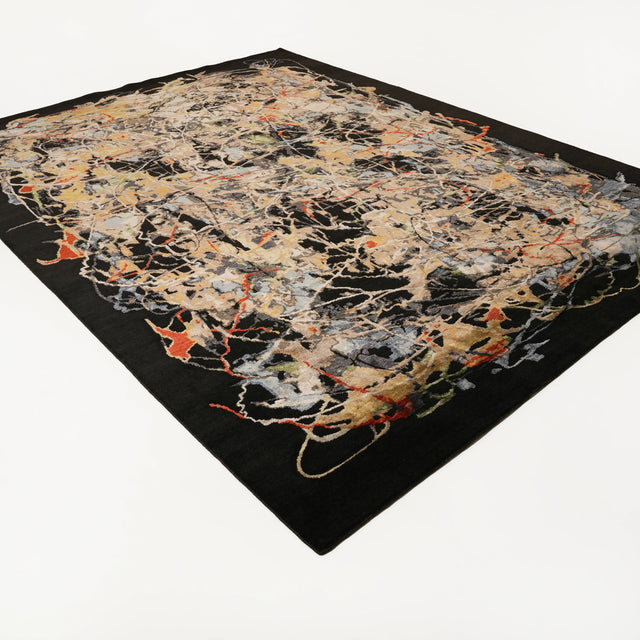 275×370 cm
One of a kind
Multicolor Abstract Handwoven Wool and Bamboo Rug, Aren Series
from 410.000 TL
≈ 40.000 TL/m² -
Altay kurganlarındaki 2500 yıllık halının deseni
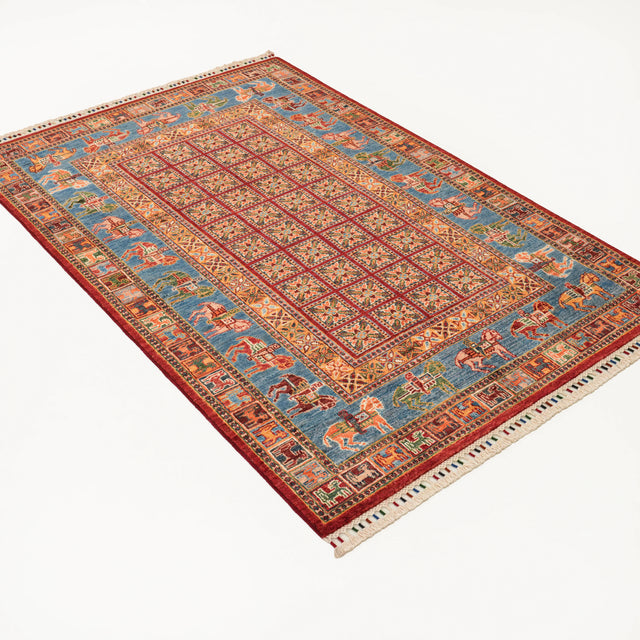 127×187 cm
One of a kind
Multicolor Pazyryk-Pattern Handwoven Wool Rug, Şahzade Series
from 42.000 TL
≈ 17.500 TL/m² -
Gri zeminde turkuaz ve turuncu, Afganistan'da çift düğüm
 123×186 cm
-
On altıncı yüzyıl Uşak desenleri, turuncuya çevrilmiş
 213×293 cm
One of a kind
Orange Oushak-Pattern Handwoven Wool Rug, Şahzade Series
from 110.000 TL
≈ 17.500 TL/m² -
Dokumada kuşlar var, on santimetrekarede iki bin düğüm
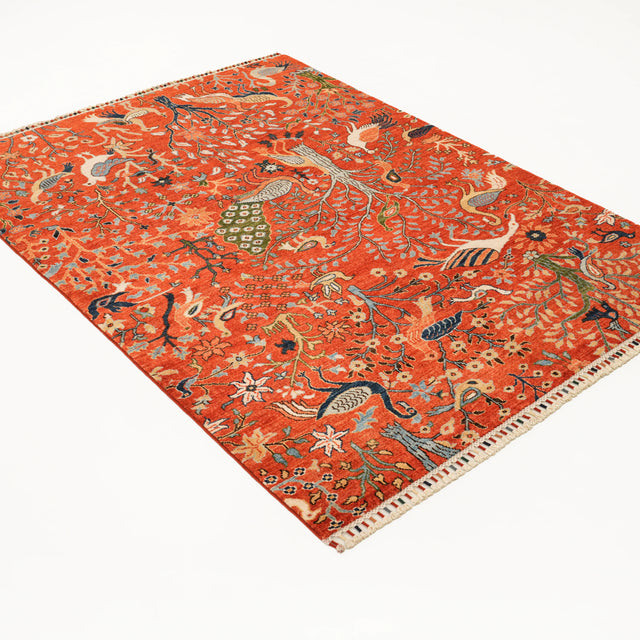 152×203 cm
-
İpek iplikler ışığı tutuyor, antrasit ona göre değişiyor
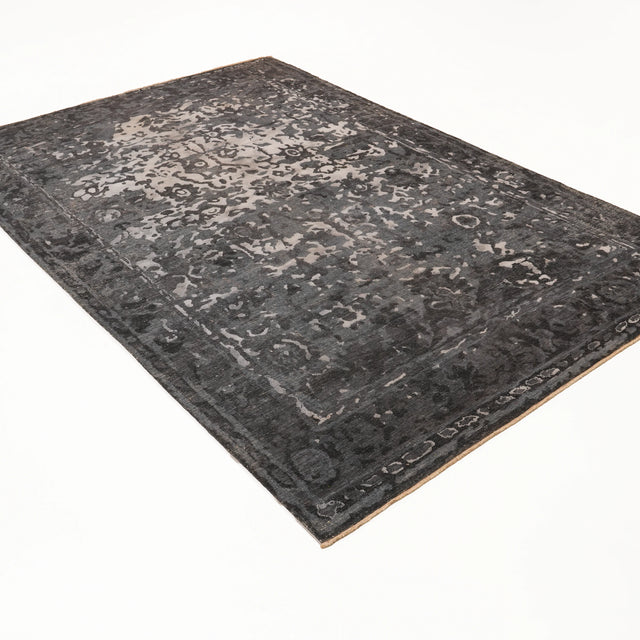 194×291 cm
One of a kind
Anthracite Vintage-Pattern Handwoven Wool and Silk Rug, Ayan Series
from 148.000 TL
≈ 26.000 TL/m² -
Desensiz bir gri, pamuk çözgü üstüne yün dokunmuş
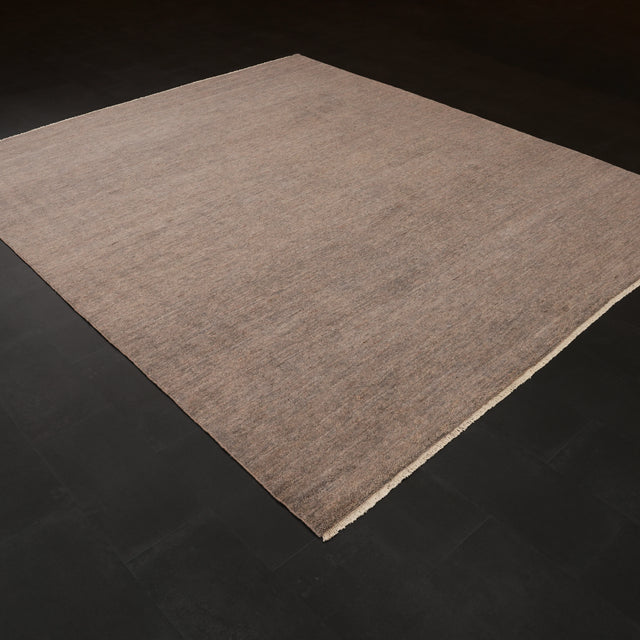 249×289 cm
One of a kind
Gray Handwoven Wool Rug with Vintage Pattern, Retro Series
from 180.000 TL
≈ 25.000 TL/m² -
Her dokumaya bir hayat ağacı işleniyor, zemin turuncu
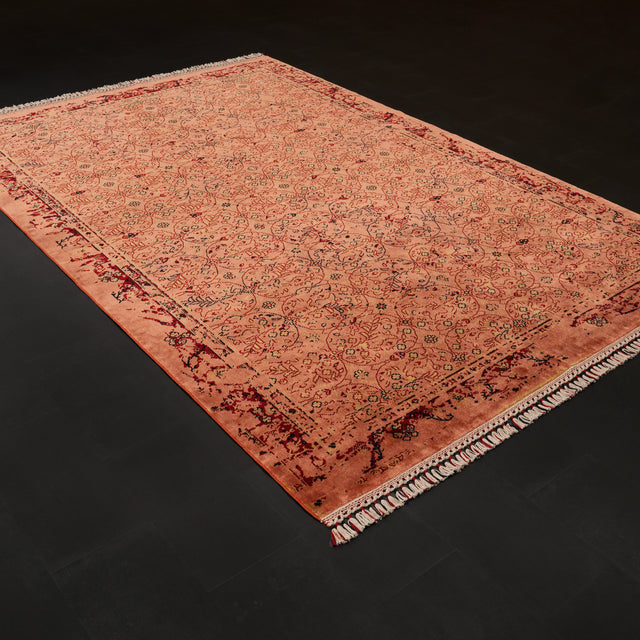 200×300 cm
-
Tek renk ama tek ton değil: gri ile vizon arası
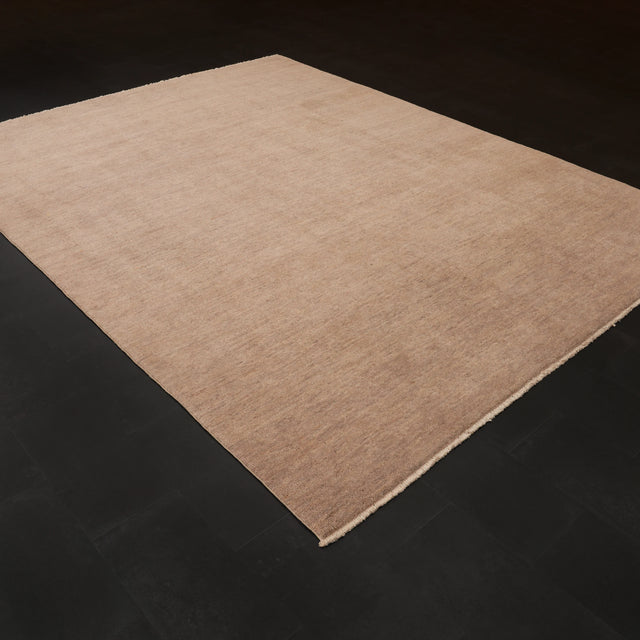 238×309 cm
-
Kremin üstünde yine krem, kontrast yerine ton farkı
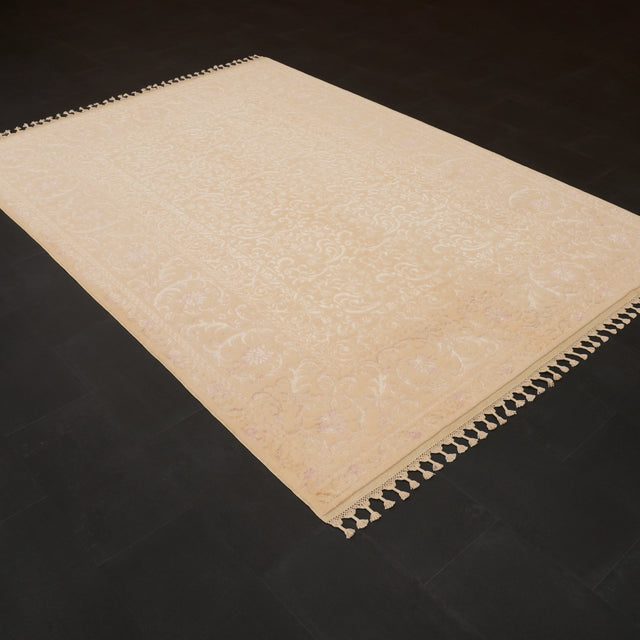 176×249 cm


New arrivals is the twenty most recent rugs and kilims added to the Halıcızade range. It is rebuilt automatically about every two weeks and holds whatever has just come in — new colorways off the workshop looms, hand-knotted village pieces bought in from Anatolia, pure silk, and contemporary flat-woven kilims.
A rug shop restocks in two ways at once. Some pieces come off its own looms in a planned sequence of colors; others turn up one at a time, because a village rug that has been in a chest for forty years surfaces when it surfaces. This page carries both, and what follows is how to tell them apart before you buy.
What "new" means on this page
Newly listed, not newly woven. The collection holds the last twenty pieces added to the catalog, in the order they were added, and it is refreshed automatically about every fortnight. A rug can be new to the site and eighty years old on the loom.
That distinction matters more here than anywhere else on the site. The house standard follows trade usage: antique means a hundred years or more, semi-antique fifty to a hundred, vintage twenty to eighty, and new is new. No authority issues these definitions and no certificate accompanies them — they are conventions among dealers, and every listing states the age band it belongs to.
What has been arriving
- New colorways from the house series — Zima, Zade, Şahzade and Ayan, drawn in the workshop and woven in wool or Tencel at room sizes.
- Hand-knotted wool from Anatolia — Milas, Bünyan and Develi pieces, several dyed with madder and indigo, and a number of them sandık eskisi: woven, folded into a dowry chest and never put on a floor. See hand-knotted rugs.
- Vintage wool — the Retro, Emirgân and Aren series, hand-knotted in faded Oushak and vintage drawing.
- Pure silk — handwoven Hereke-pattern and classical pieces, at the knot counts that fine silk allows. See pure silk rugs.
- Kilims — contemporary flat-woven designs, including the Studio Potato and Bohem groups. See handwoven kilims.
Hand-knotted or loom-woven?
Both techniques arrive here in the same fortnight, and they behave differently on a floor.
| Hand-knotted | Loom-woven | |
|---|---|---|
| How it is made | Knot tied around pairs of warp threads, row by row, by hand | Woven on a loom with a controlled weave structure and no tied knots |
| Weight and feel | Thick, heavy, dense underfoot | Thinner and lighter, with a flatter surface |
| Pattern | Regional and village drawing, slightly irregular | Consistent across a run; suits contemporary drawing |
| Lifespan and price | Reckoned in generations; the higher band | Long service at a substantially lower price |
The full comparison is set out in what a loom-woven rug is.
Three things to settle before ordering
Measure first, choose fiber second, read the origin line third.
- The area. Decide whether the rug should sit under all the furniture legs, under the front legs only, or float clear of them, then measure that rectangle. A 200 × 300 cm (6'7" × 9'10") rug is the common living-room answer; a corridor wants a runner.
- The fiber. Wool for warmth and wear, Tencel lyocell for color and a soft low sheen, cotton for a crisp flat surface, silk for rooms that are looked at more than walked on. Start at wool rugs.
- The origin. Every listing here states size, material, pattern and where the rug was made, which is the line that separates a Milas woven in Anatolia from a Milas pattern woven elsewhere.
The first weeks with a new rug
Lay it on a clean, dry floor and leave it flat for a few days so the curl from the roll relaxes; do not fight a fold with weight on the corners, because the crease sets. Light shedding in the first weeks is normal on a wool pile — it is the short fiber left from shearing the pile level, and it subsides. Vacuum at low suction rather than picking at it, and read why a new rug sheds if it seems heavy. A rug pad under the piece stops it traveling and takes some of the abrasion that would otherwise reach the knots.
Frequently asked questions
How often is the new arrivals collection updated?
About every two weeks. The page holds the twenty most recently listed rugs and kilims, rebuilt automatically, so a piece added today is generally visible here within the same fortnight and drops off as twenty newer pieces appear.
Does "new arrival" mean the rug is newly made?
No. It means newly listed. The collection mixes rugs just off the workshop looms with hand-knotted village pieces and vintage wool that may be several decades old, and each listing states its own age band.
What is the difference between a hand-knotted and a loom-woven rug?
A hand-knotted rug is tied knot by knot around pairs of warp threads, which makes it thick, heavy and long-lived. A loom-woven rug is made on a loom without tied knots, which makes it thinner, lighter and considerably less expensive for the same size.
What does sandık eskisi mean?
It is the Turkish trade term for a rug that was woven, folded into a dowry chest and stored rather than used. Such pieces come to market decades later with their color unfaded and their pile unworn, because they never spent a day on a floor.
How long does a piece stay available?
Most of the hand-knotted and vintage rugs listed here exist as a single piece in one size and one colorway, so they are not reordered once sold. Series rugs in wool or Tencel are woven in runs and can usually be repeated in the same colorway.
What should I do when a new rug is delivered?
Put it on a clean dry floor and leave it flat for several days so the roll relaxes. Expect light shedding from a wool pile for the first few weeks, vacuum at low suction, and use a rug pad underneath to keep the piece from sliding and to reduce wear on the knots.
Related collections: customer favorites · Tree of Life signature rugs · vintage rugs · rare rugs