

Filters
75 products
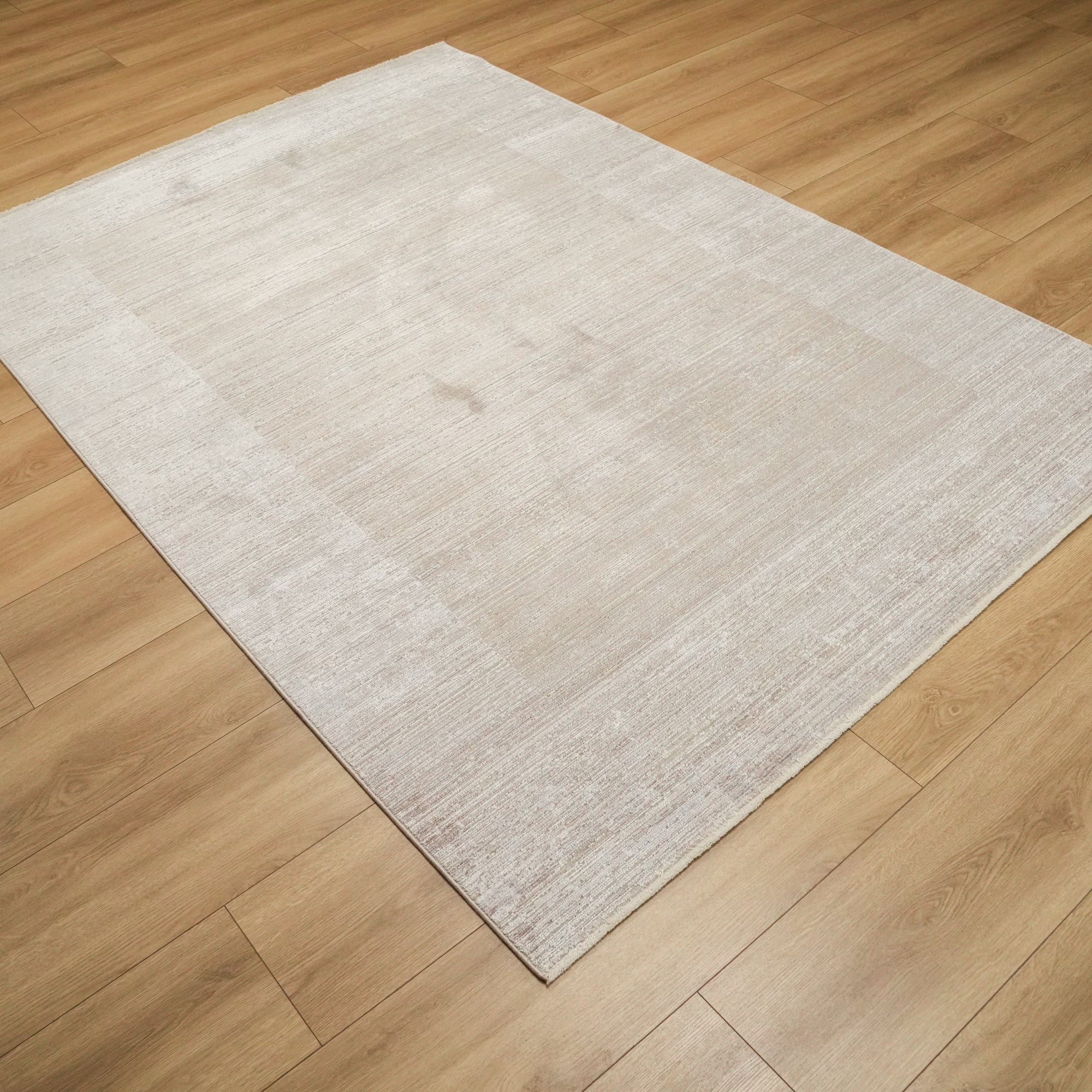
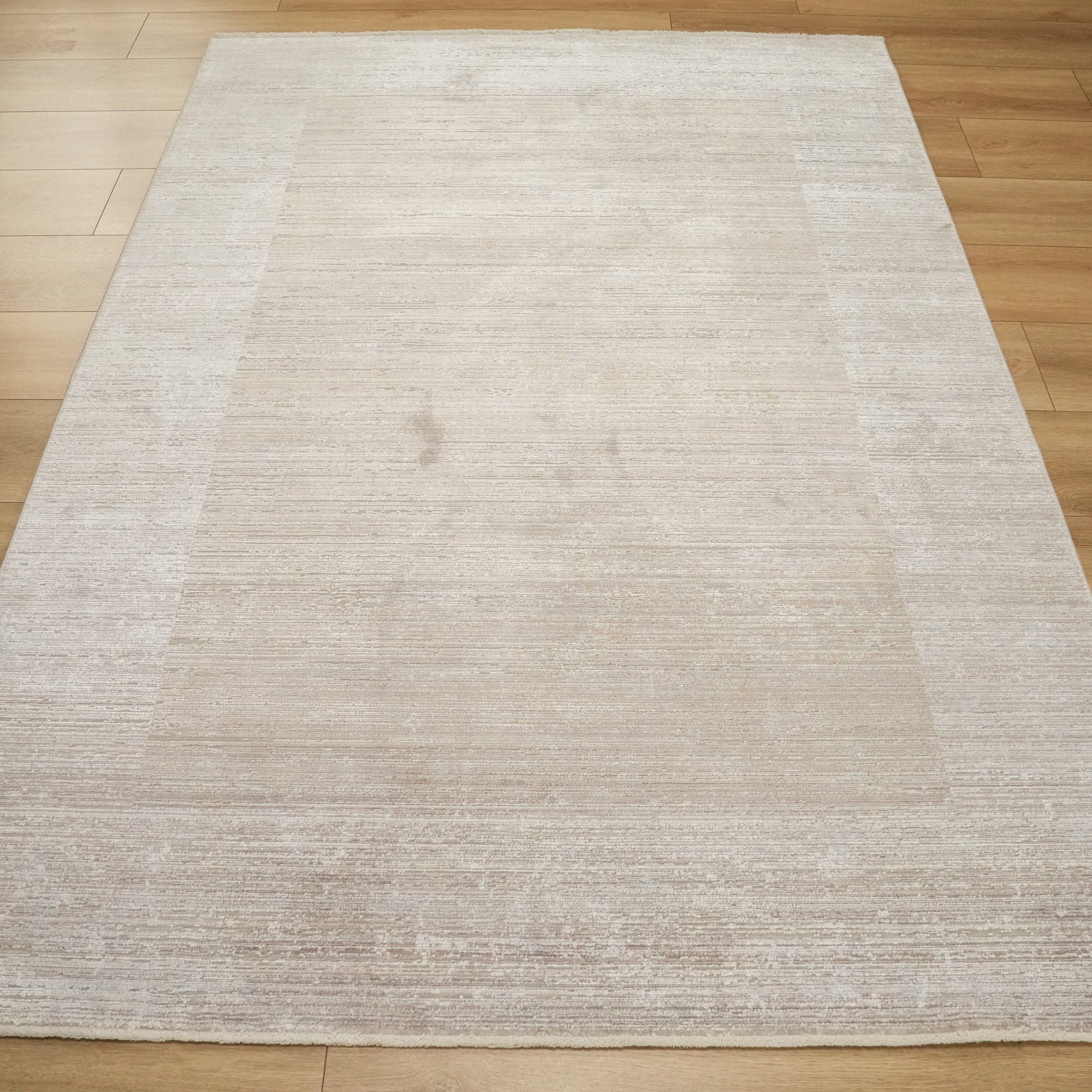
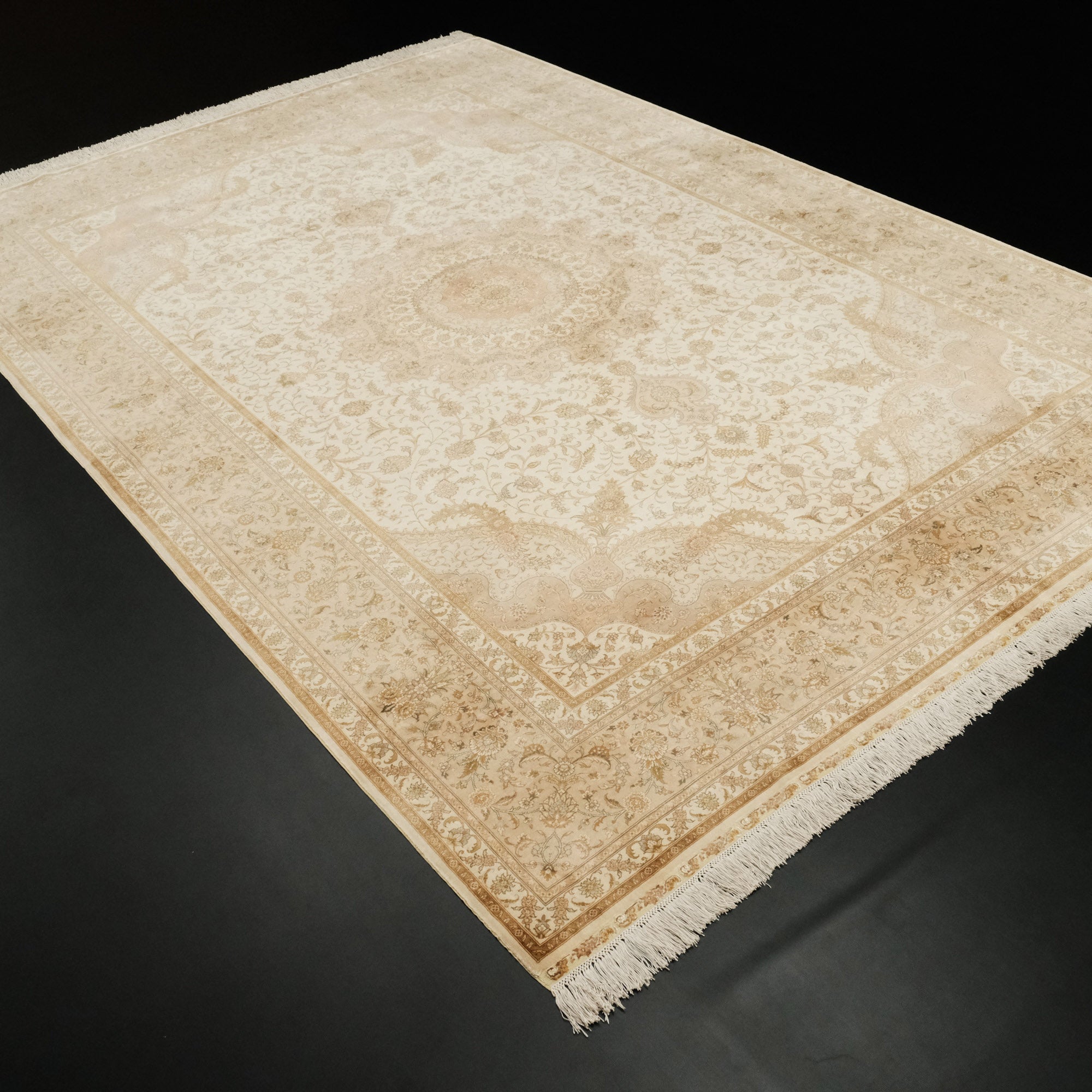
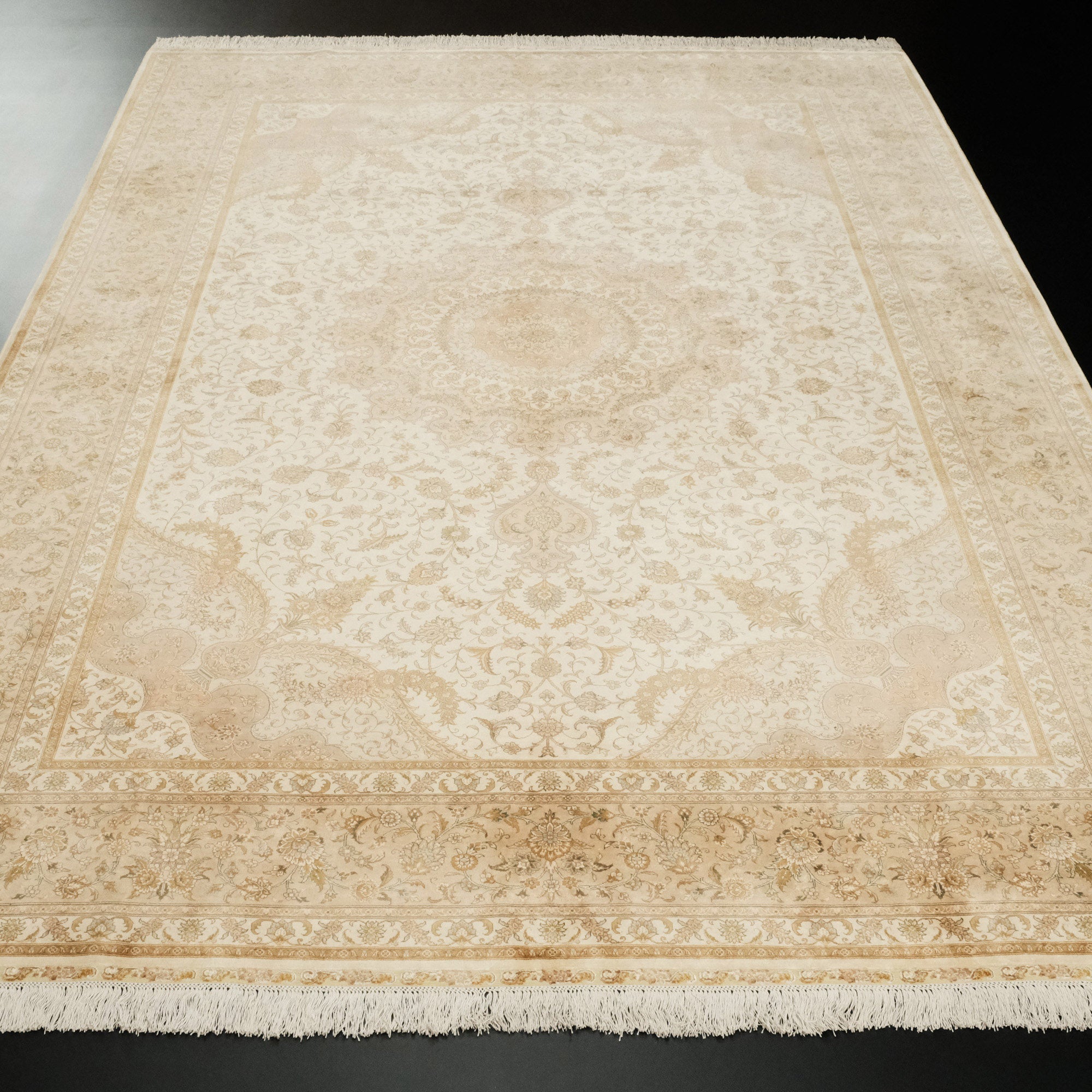
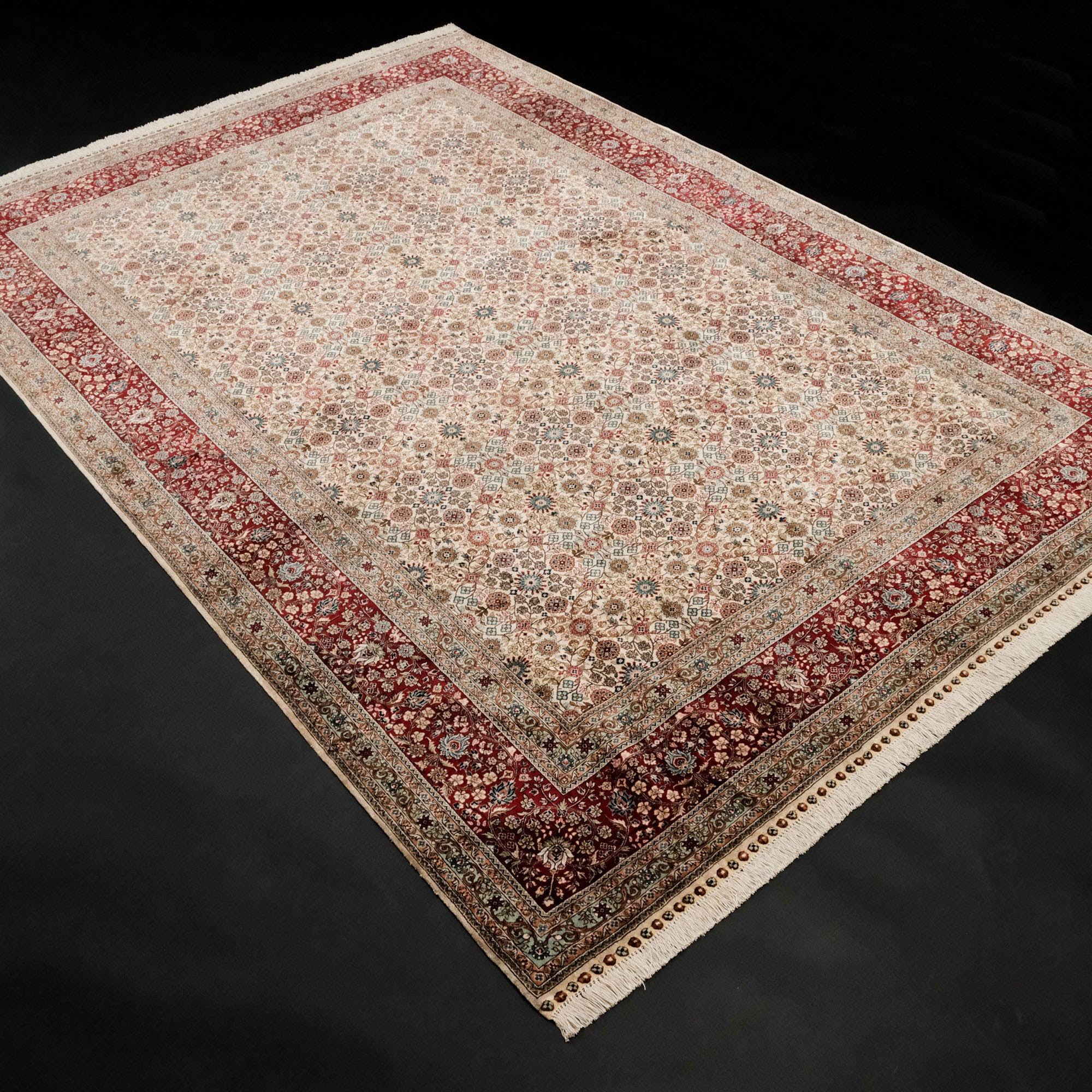
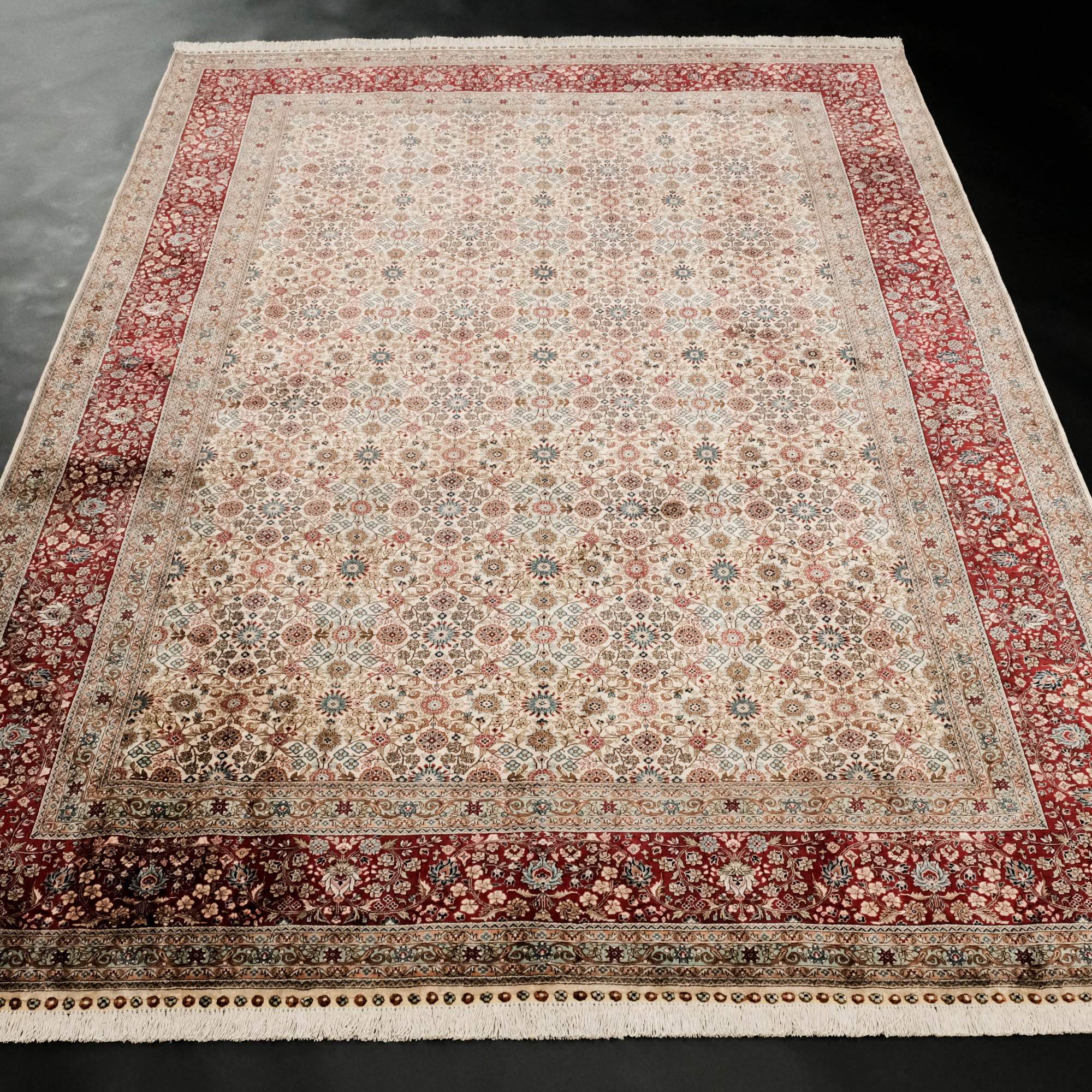
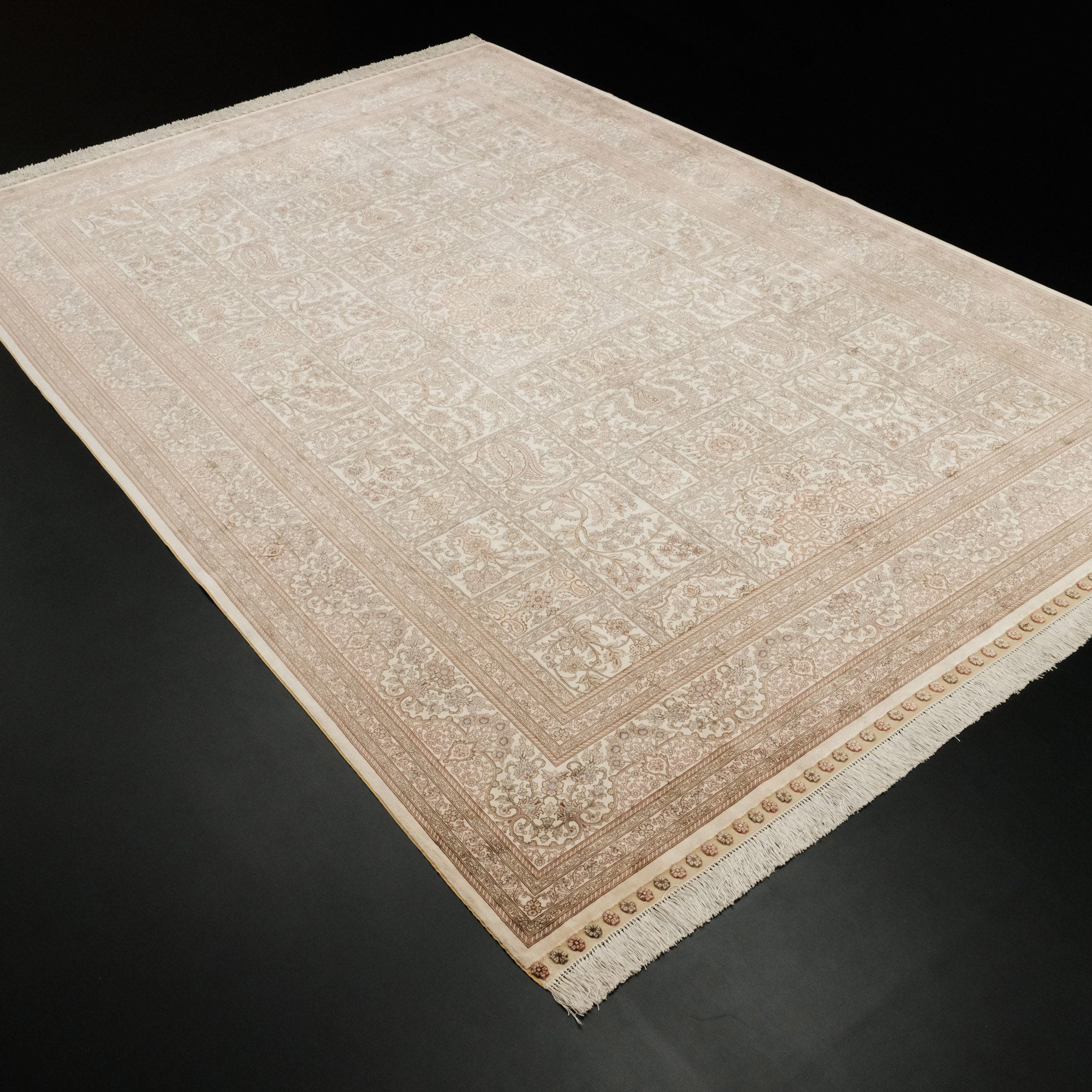
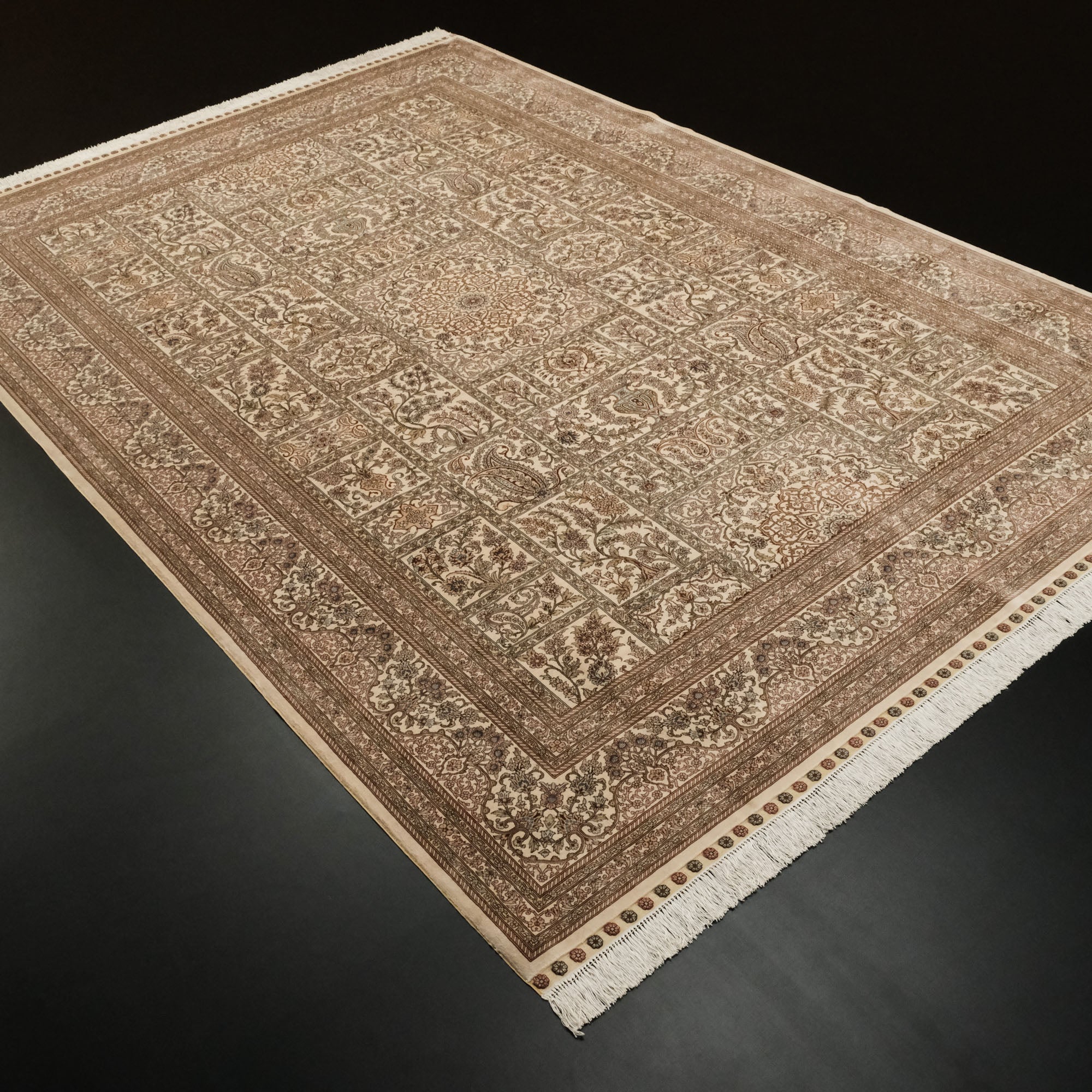
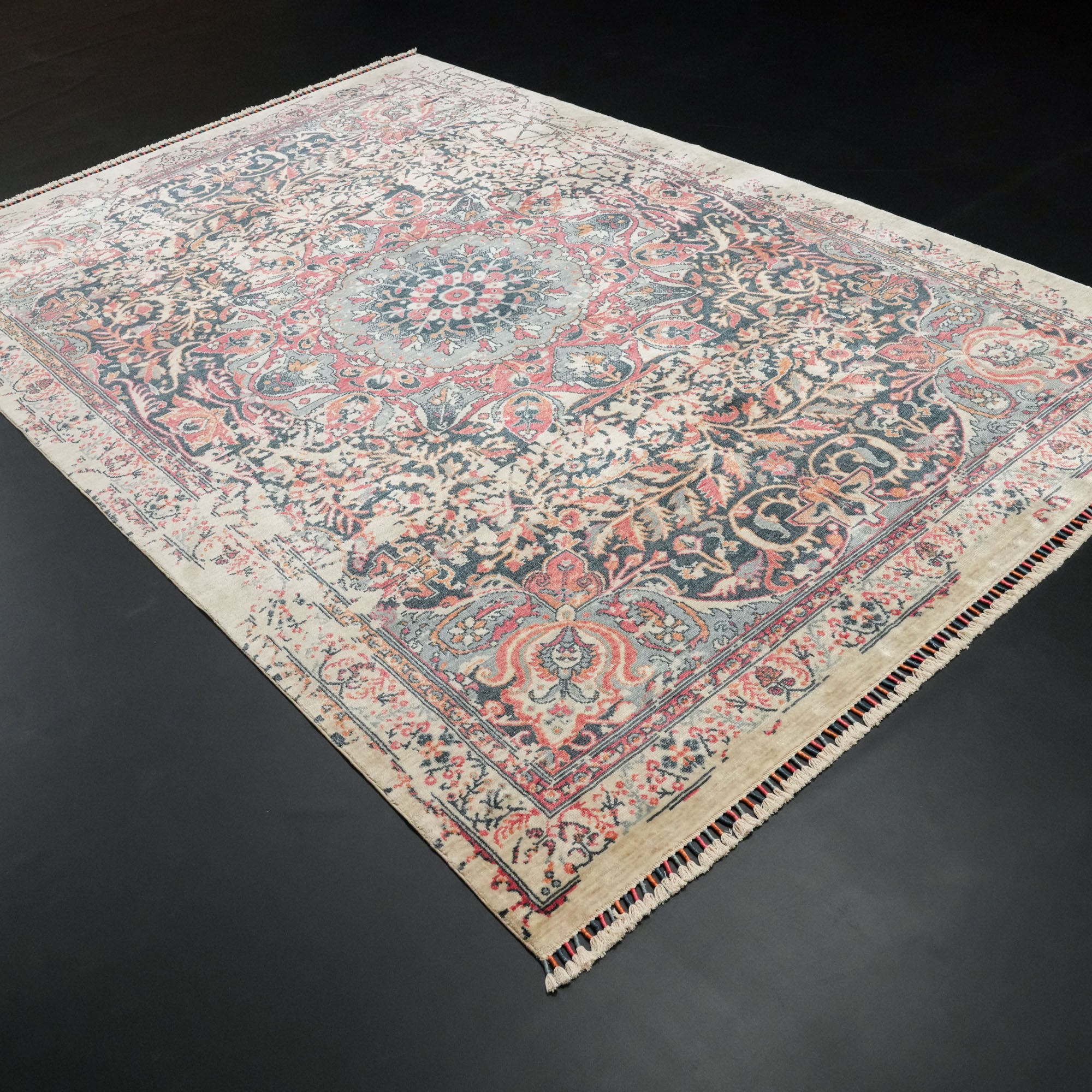
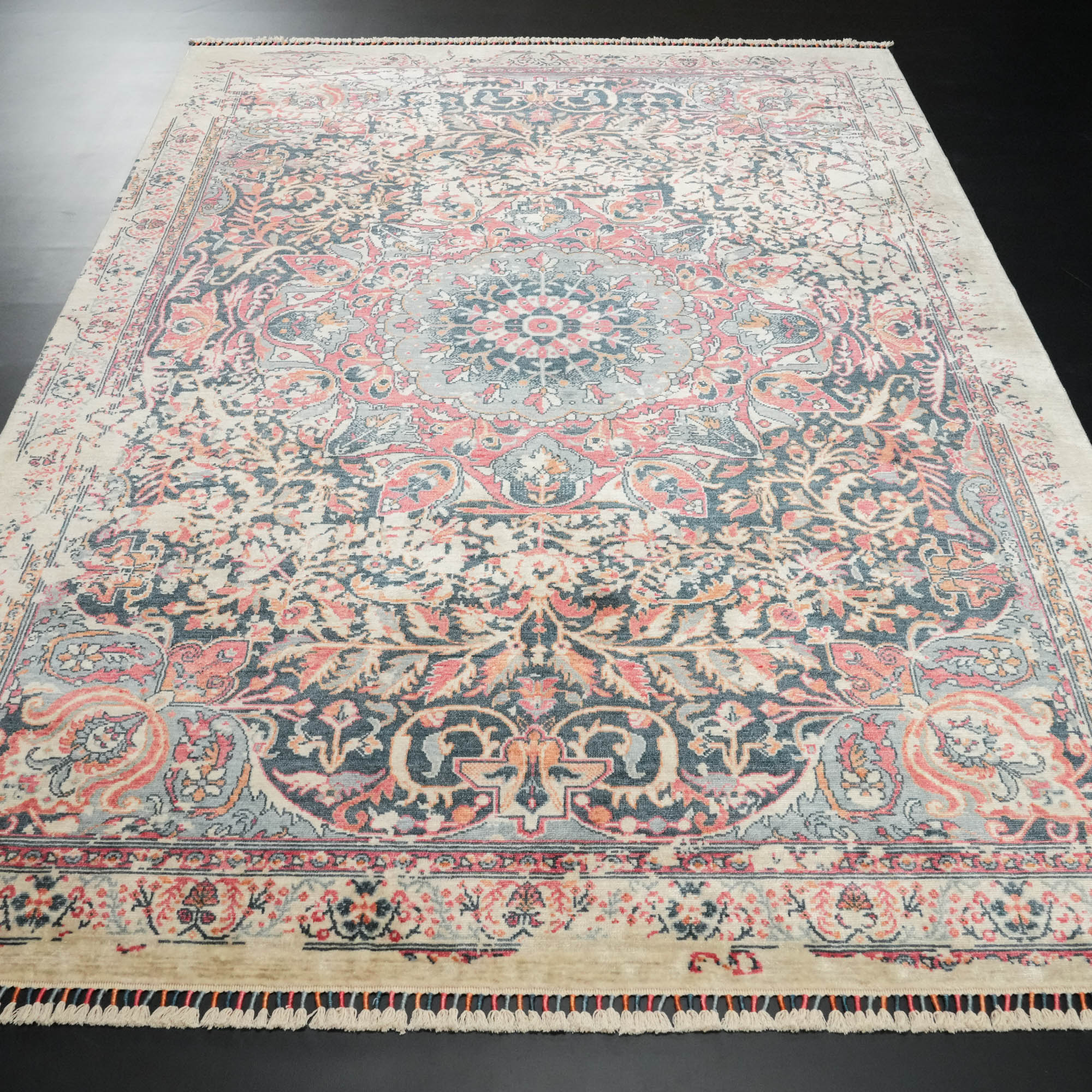
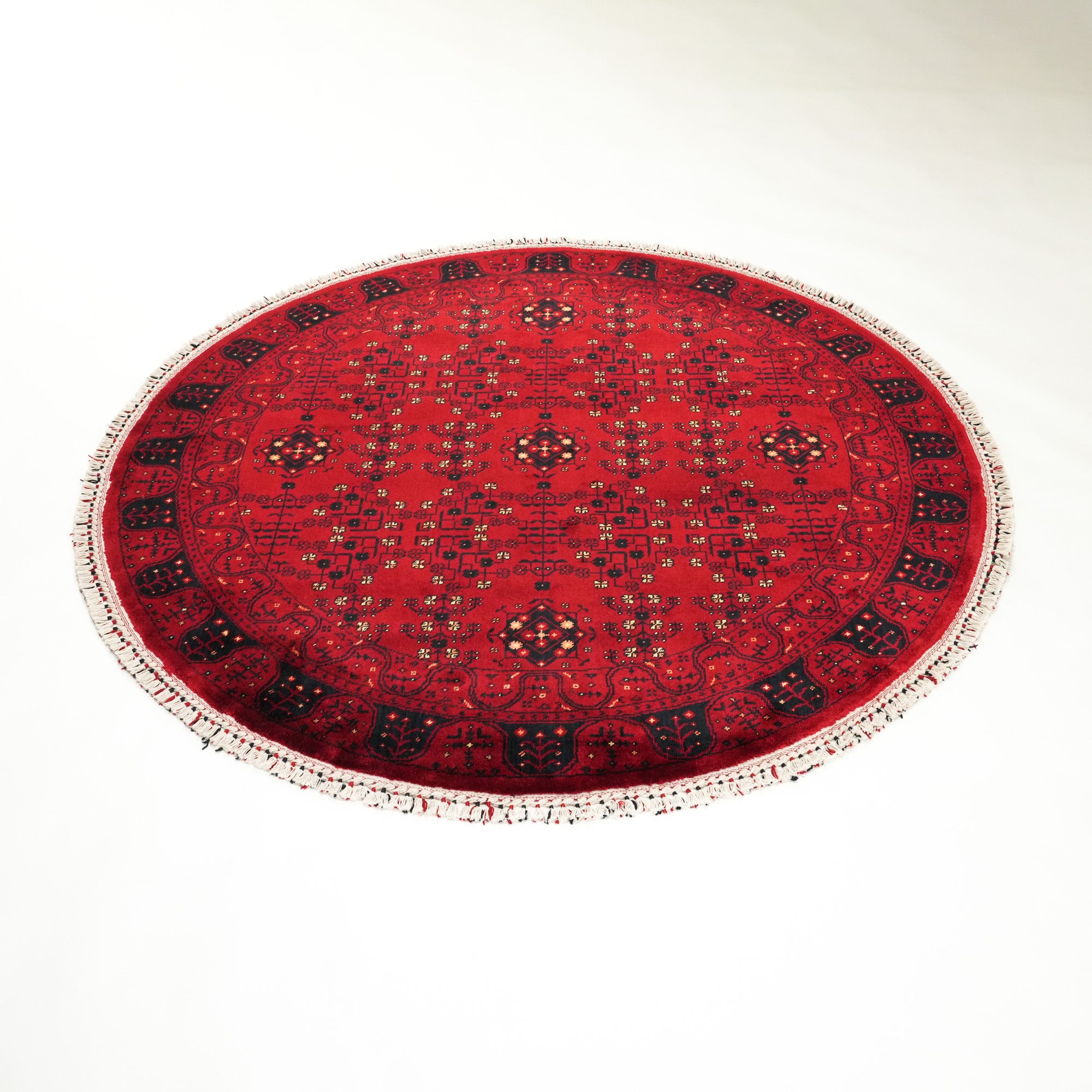
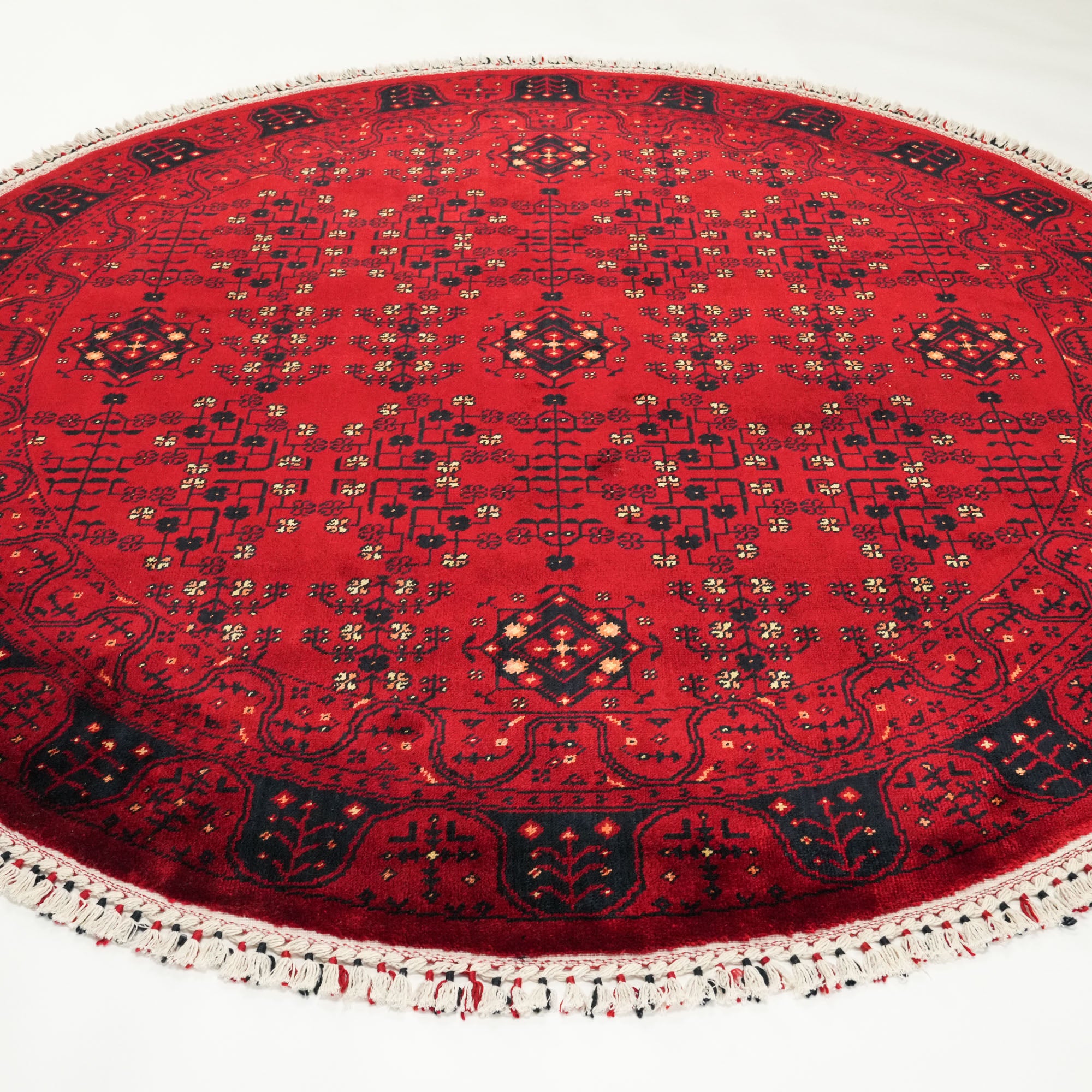
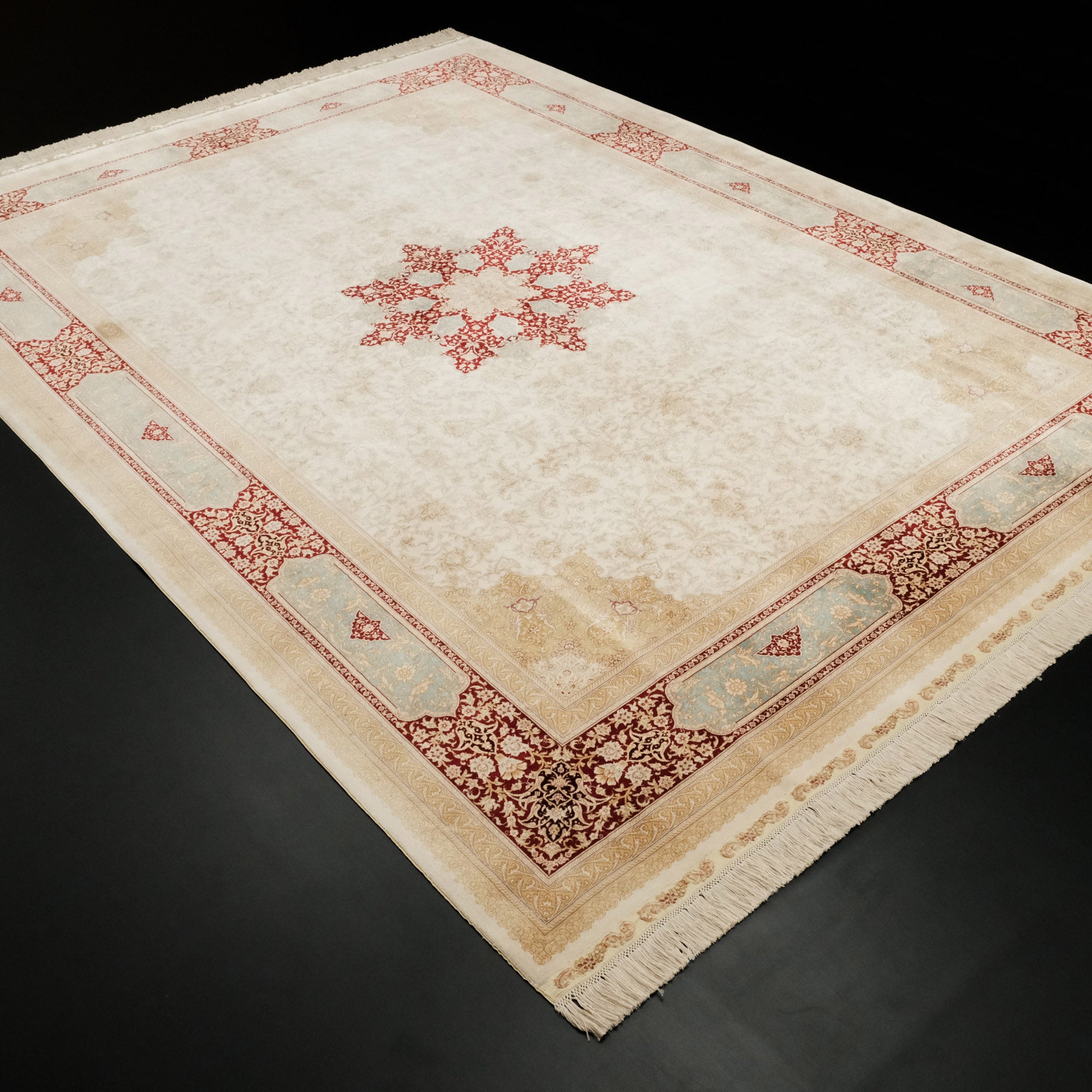
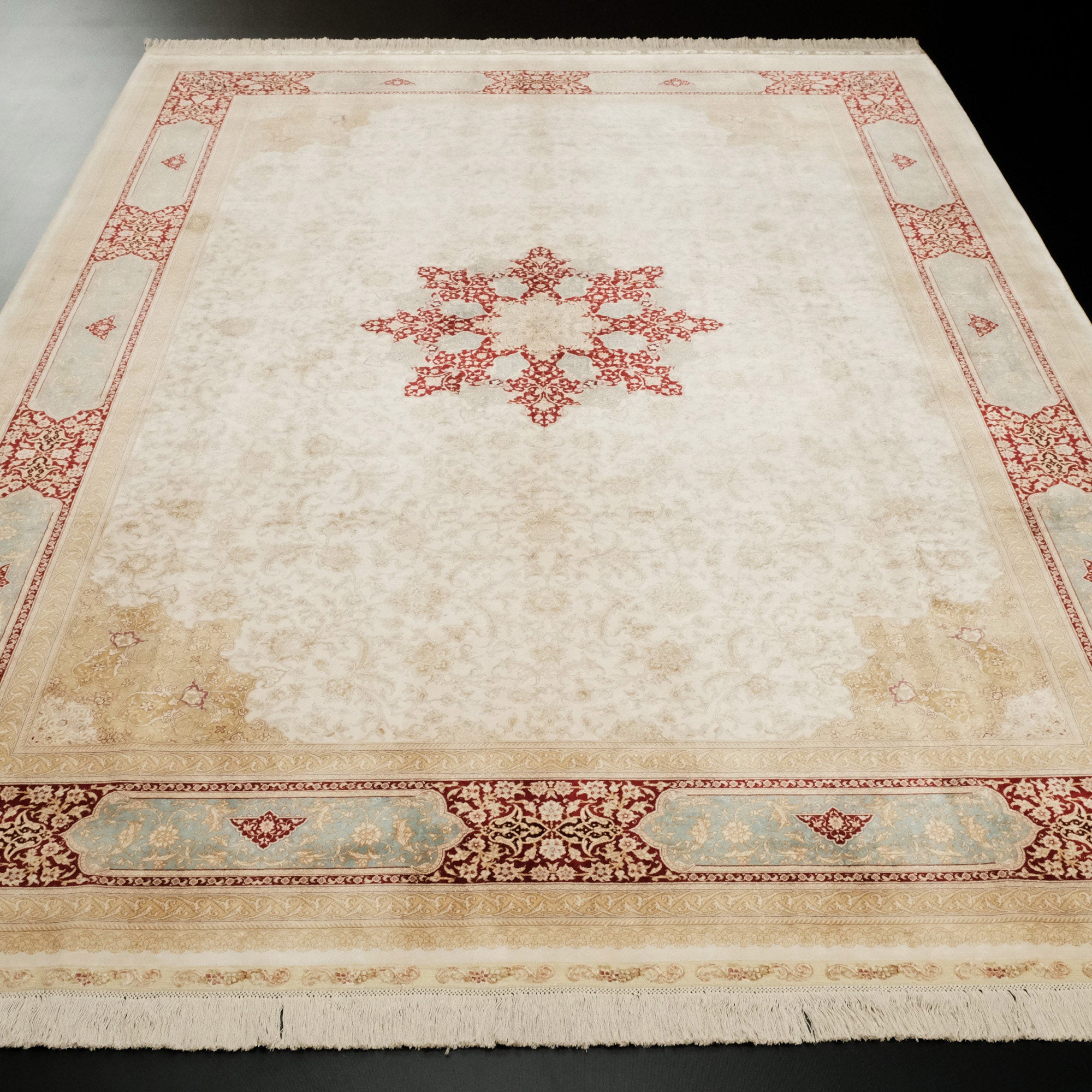


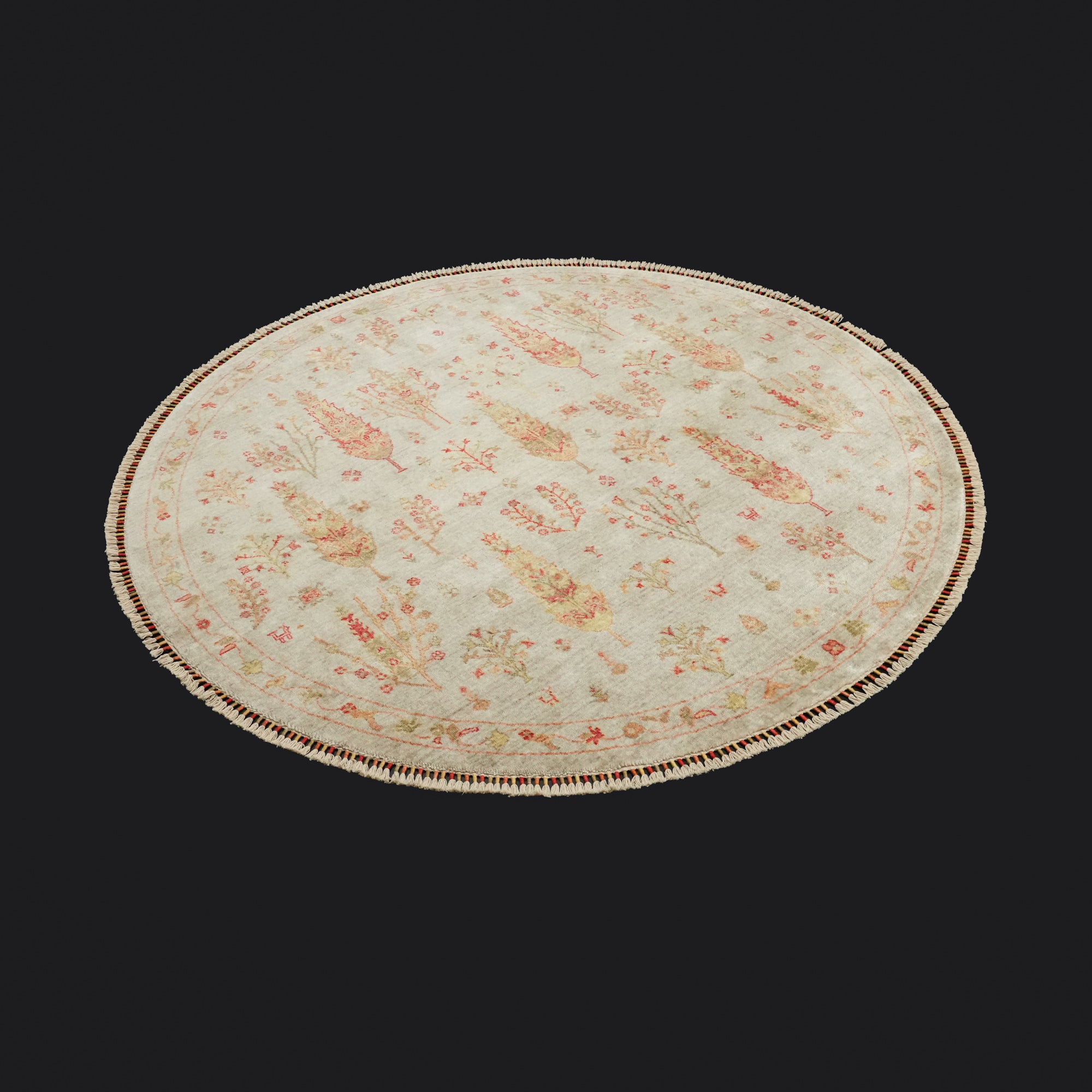
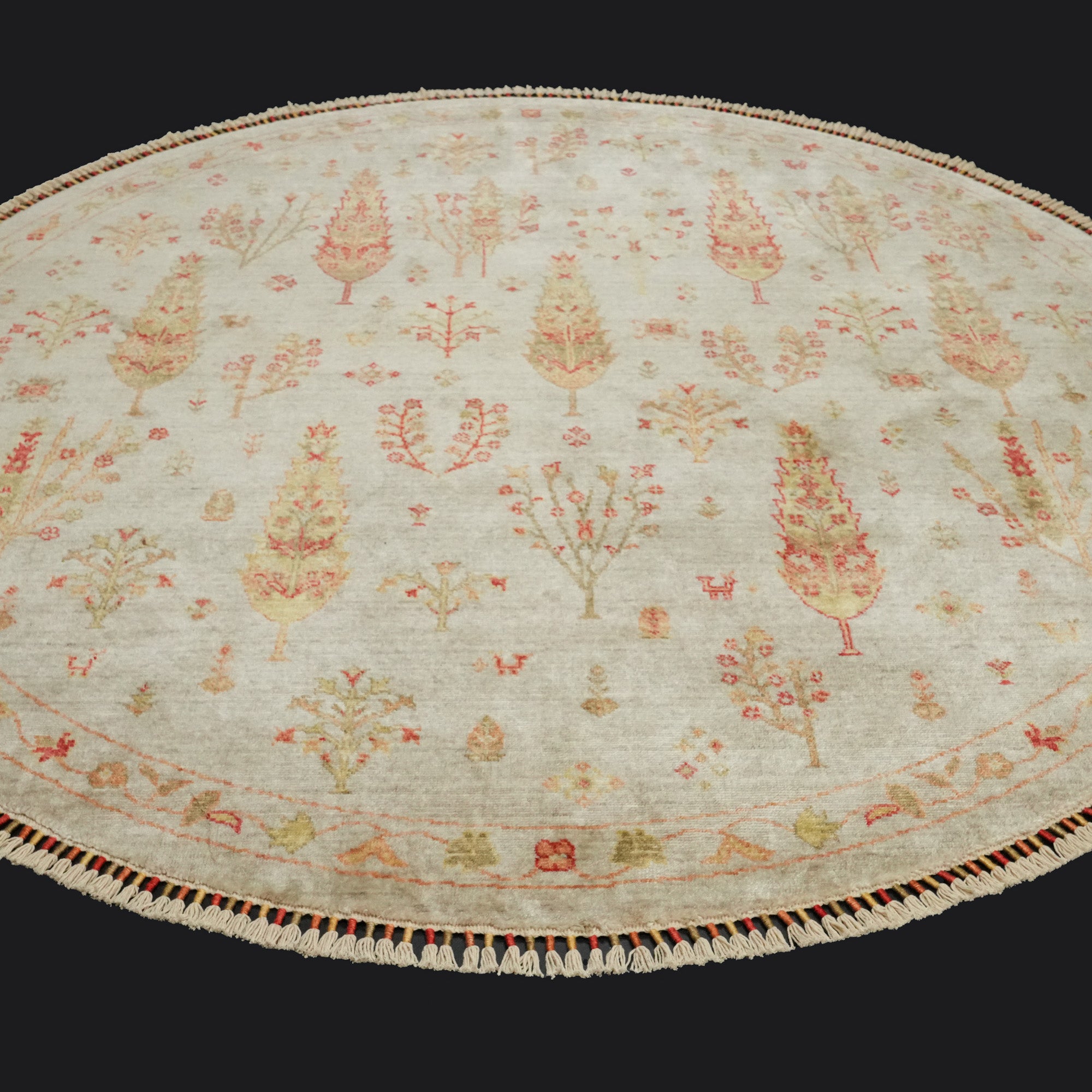
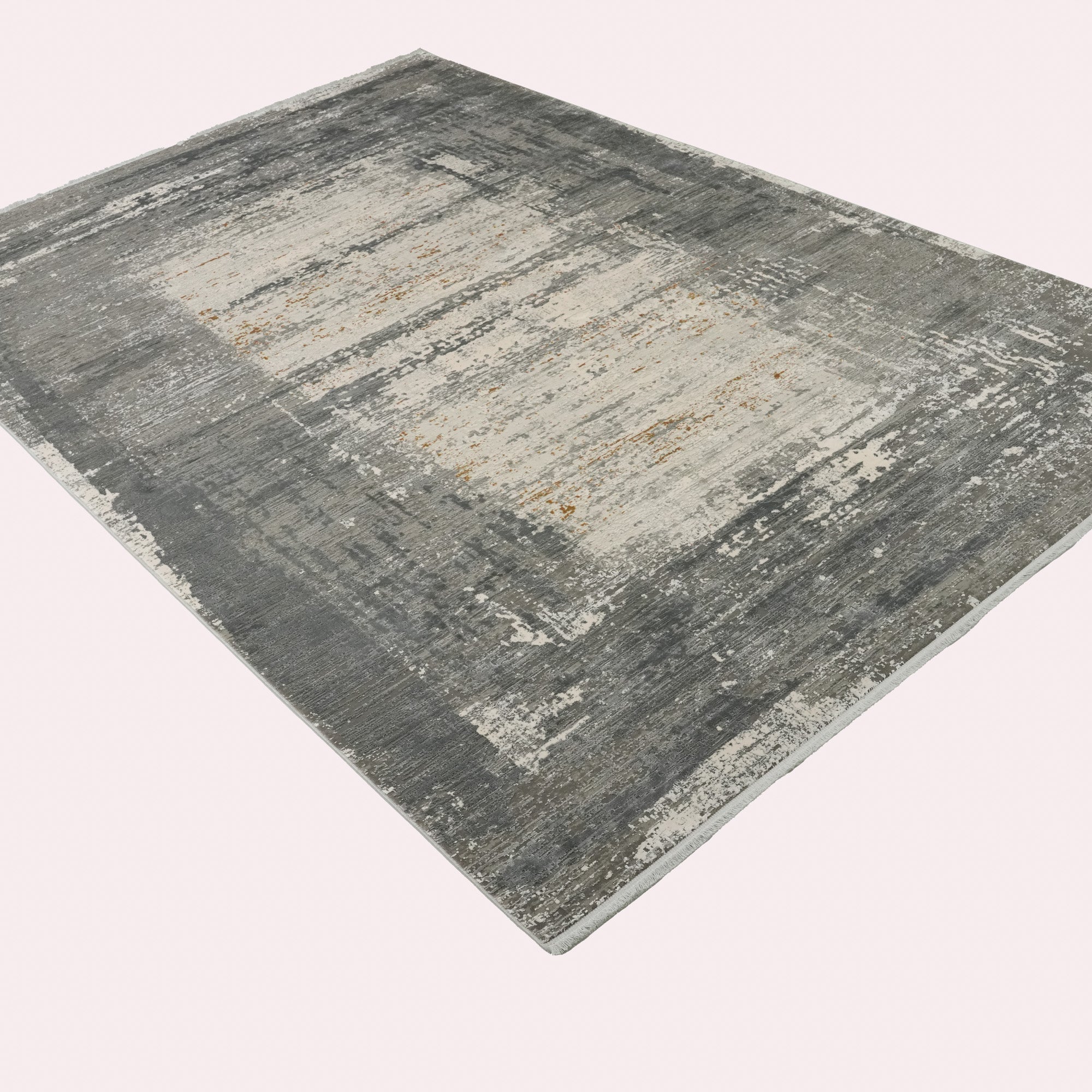
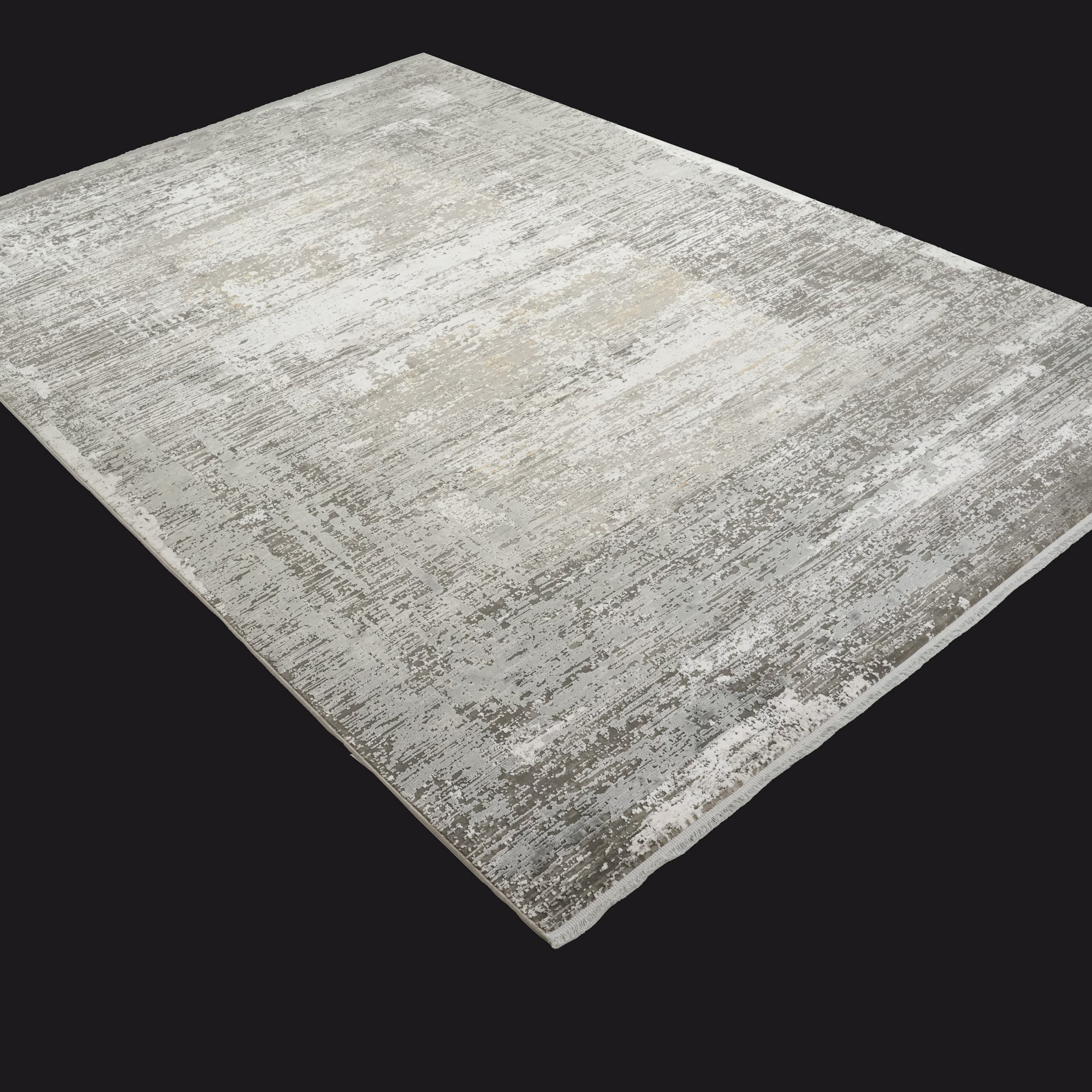
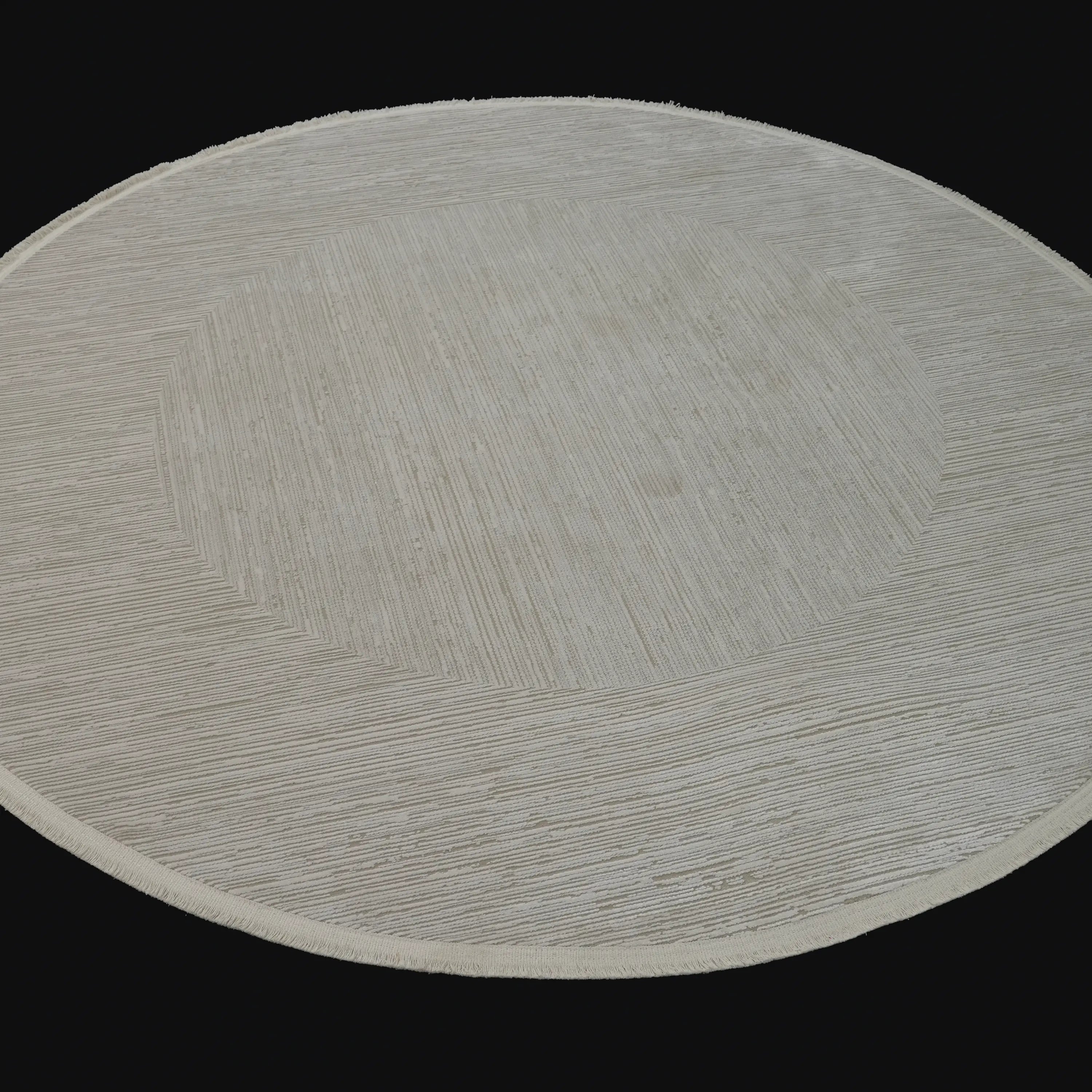
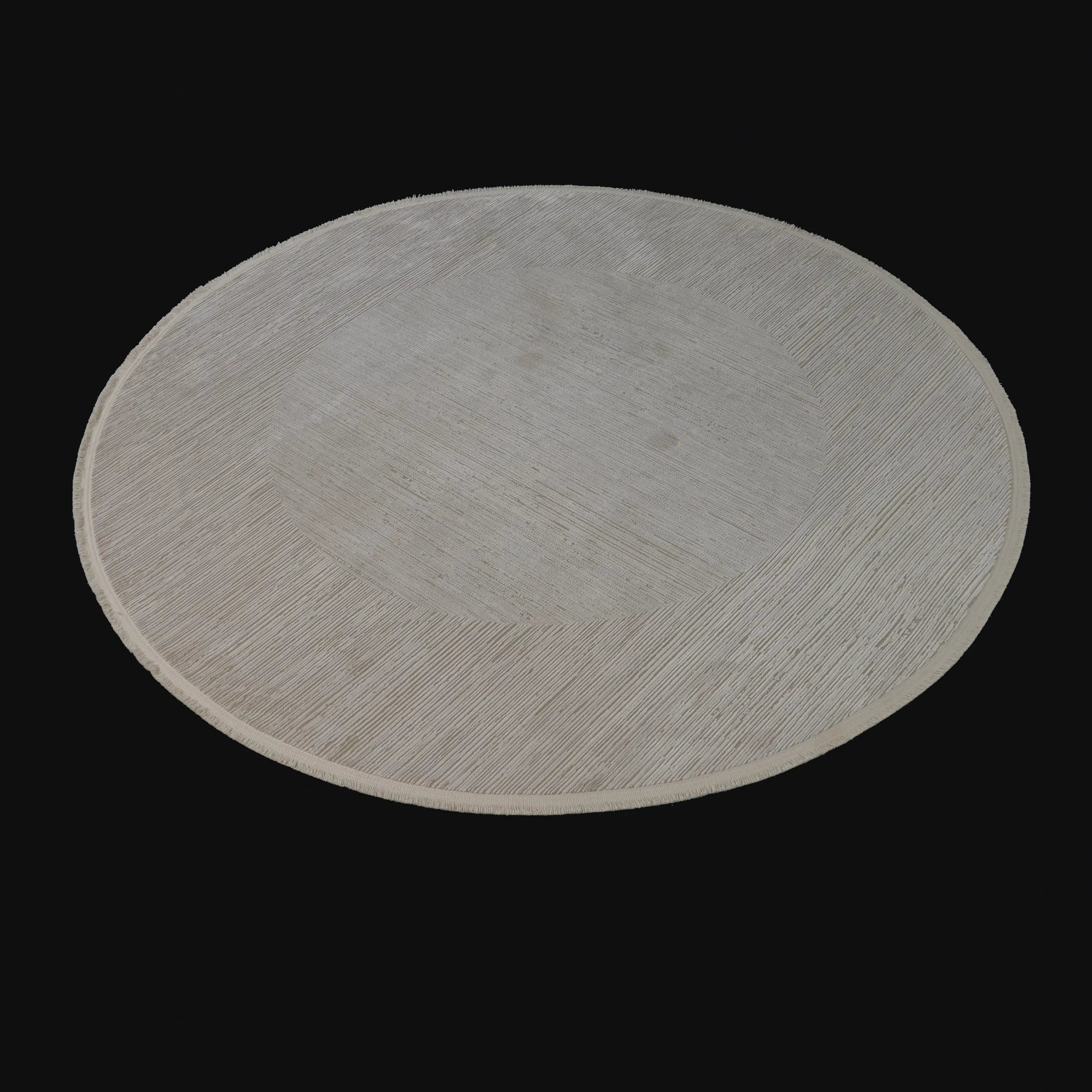

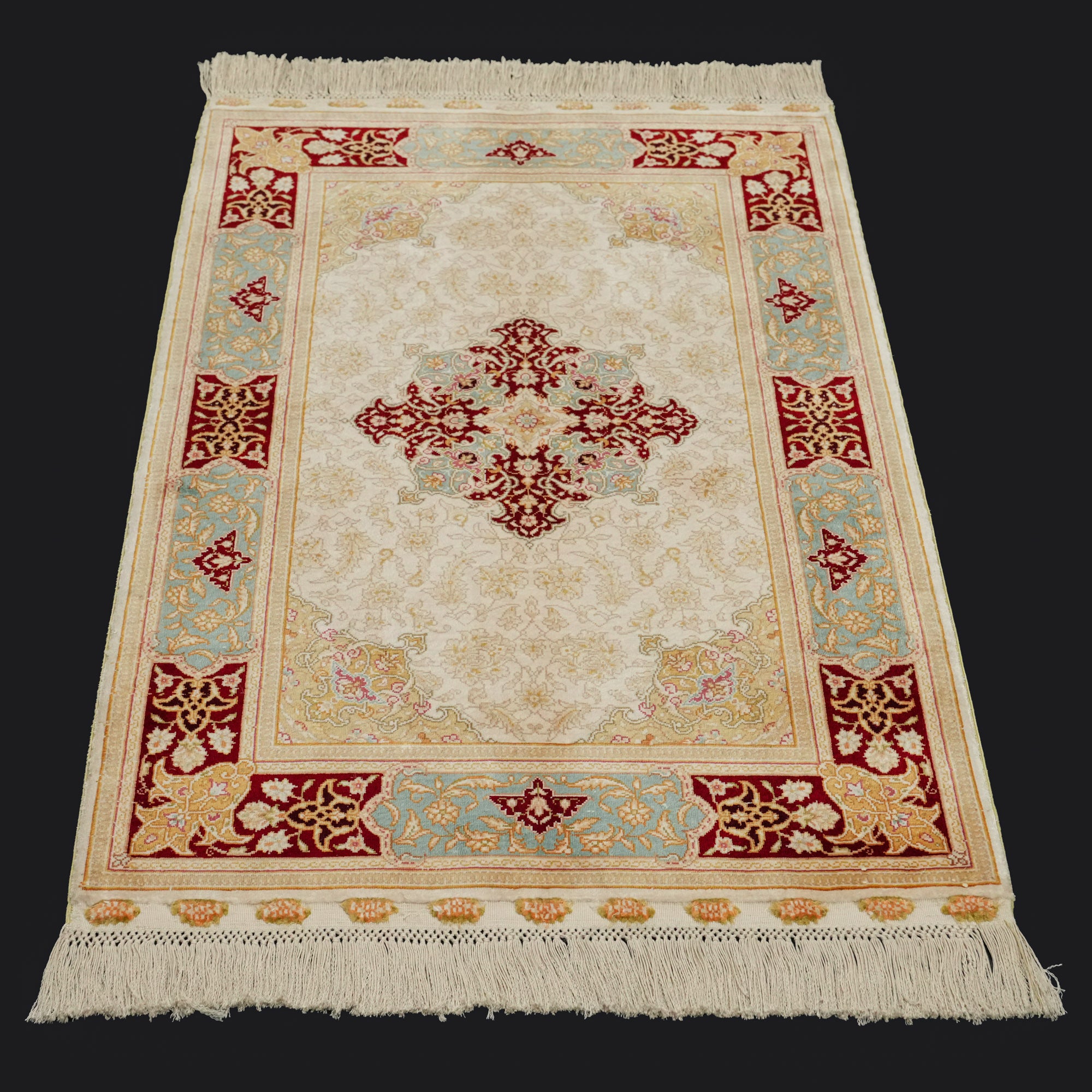
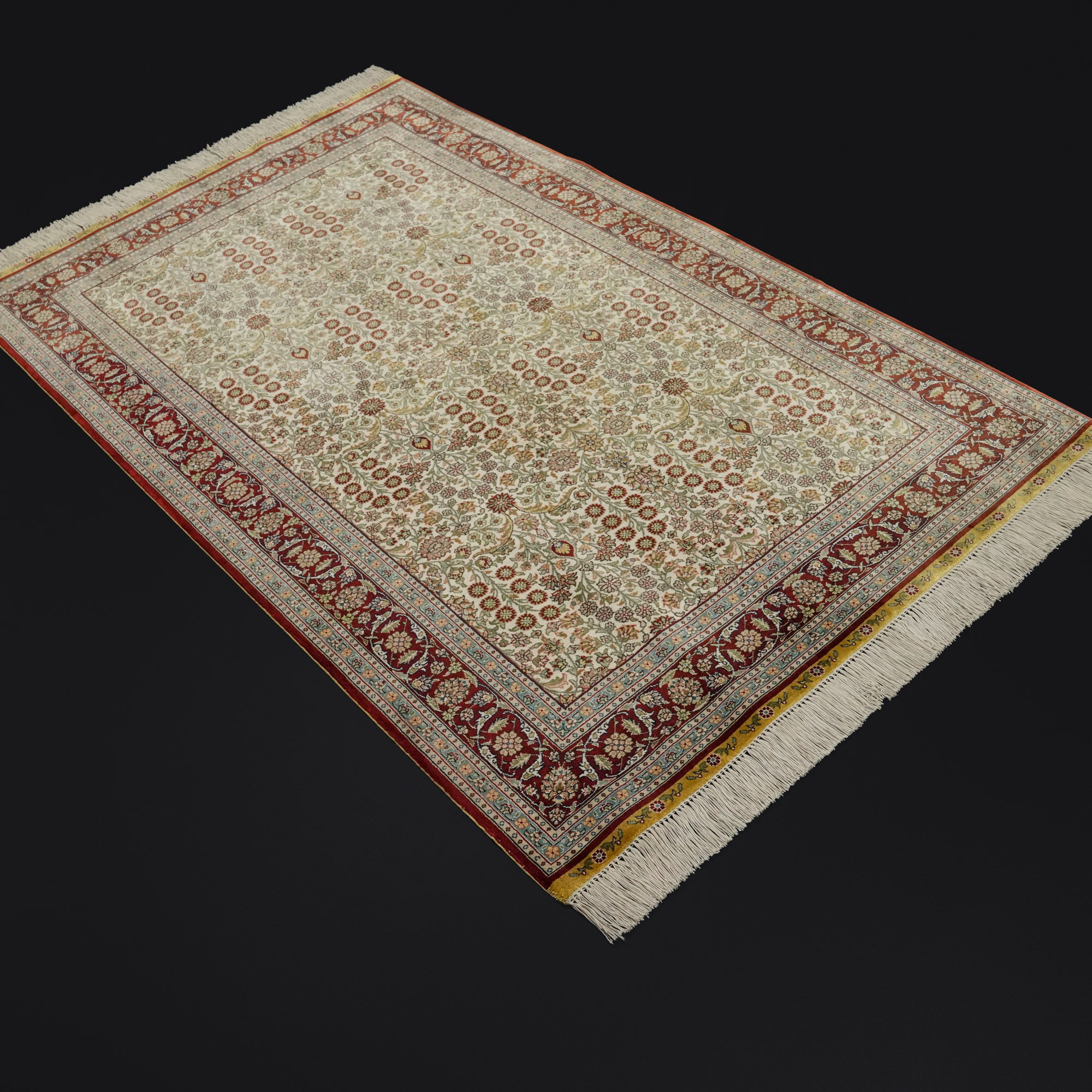
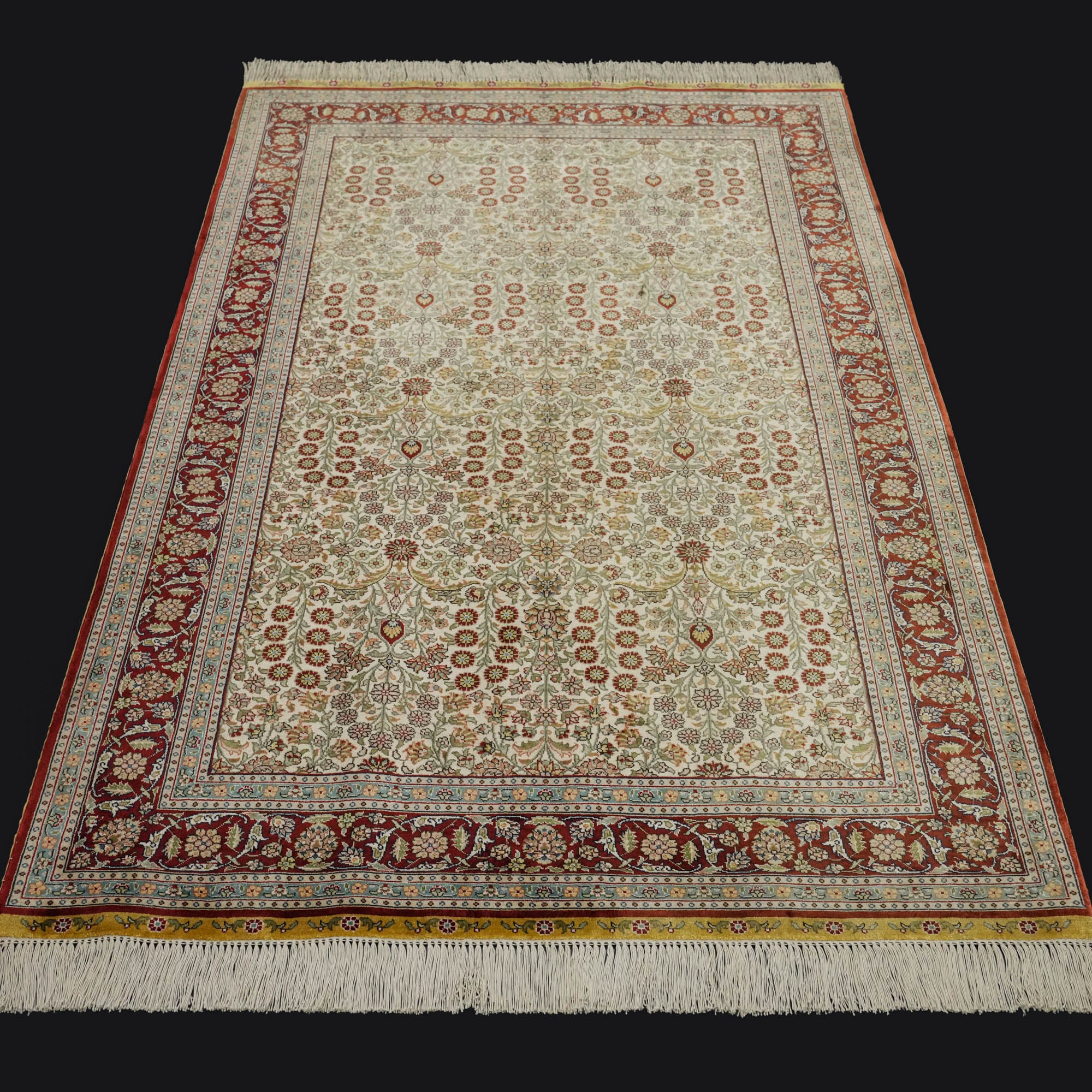
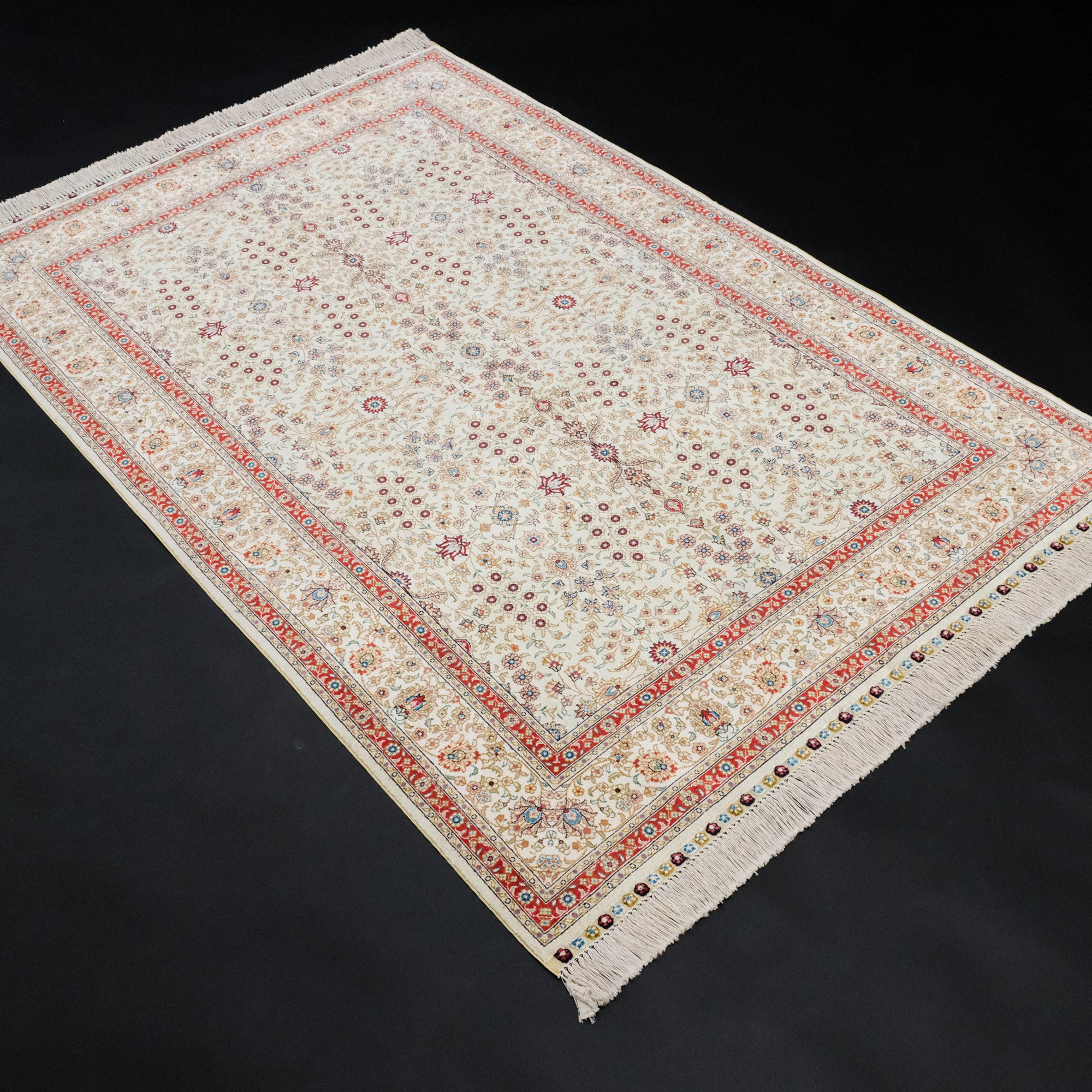
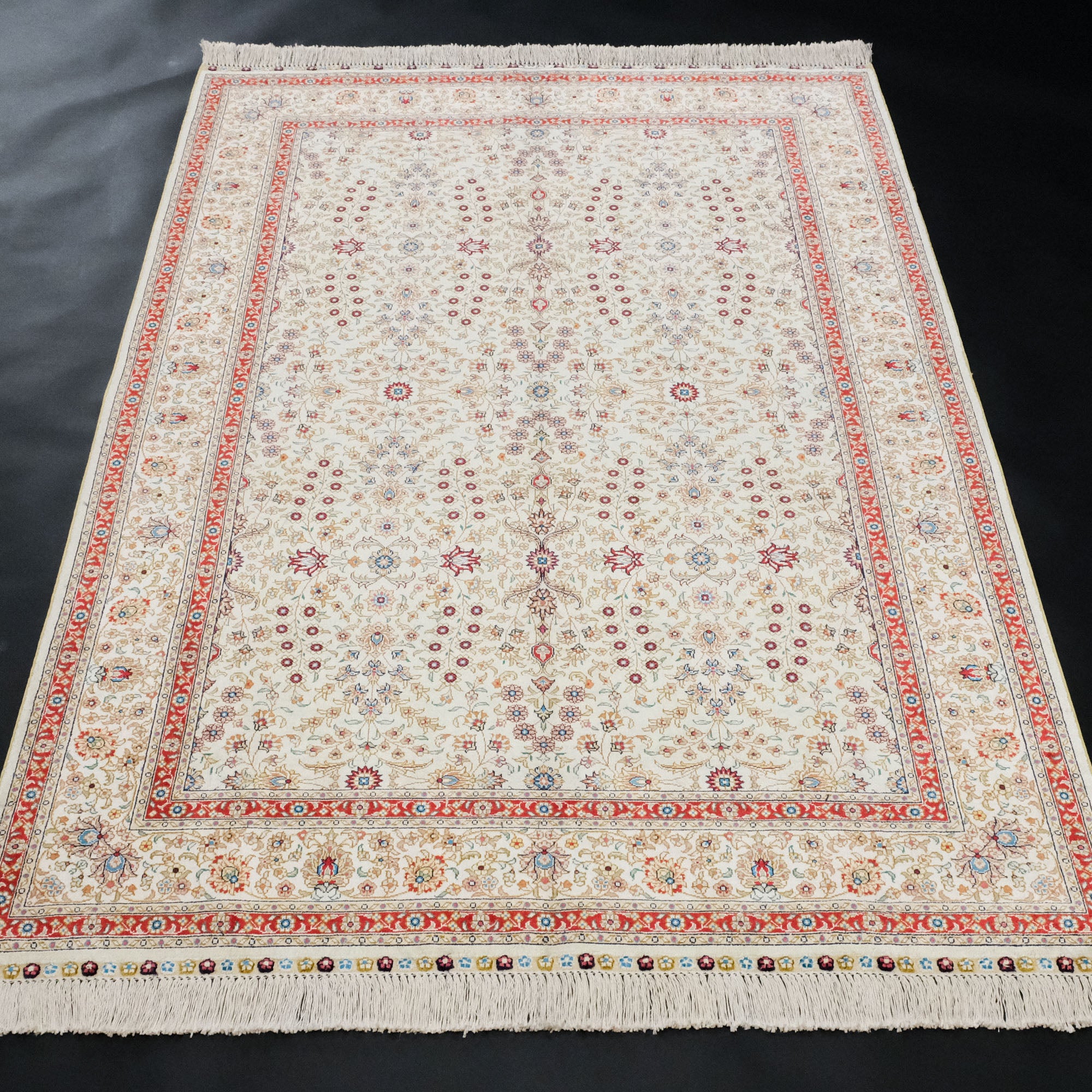
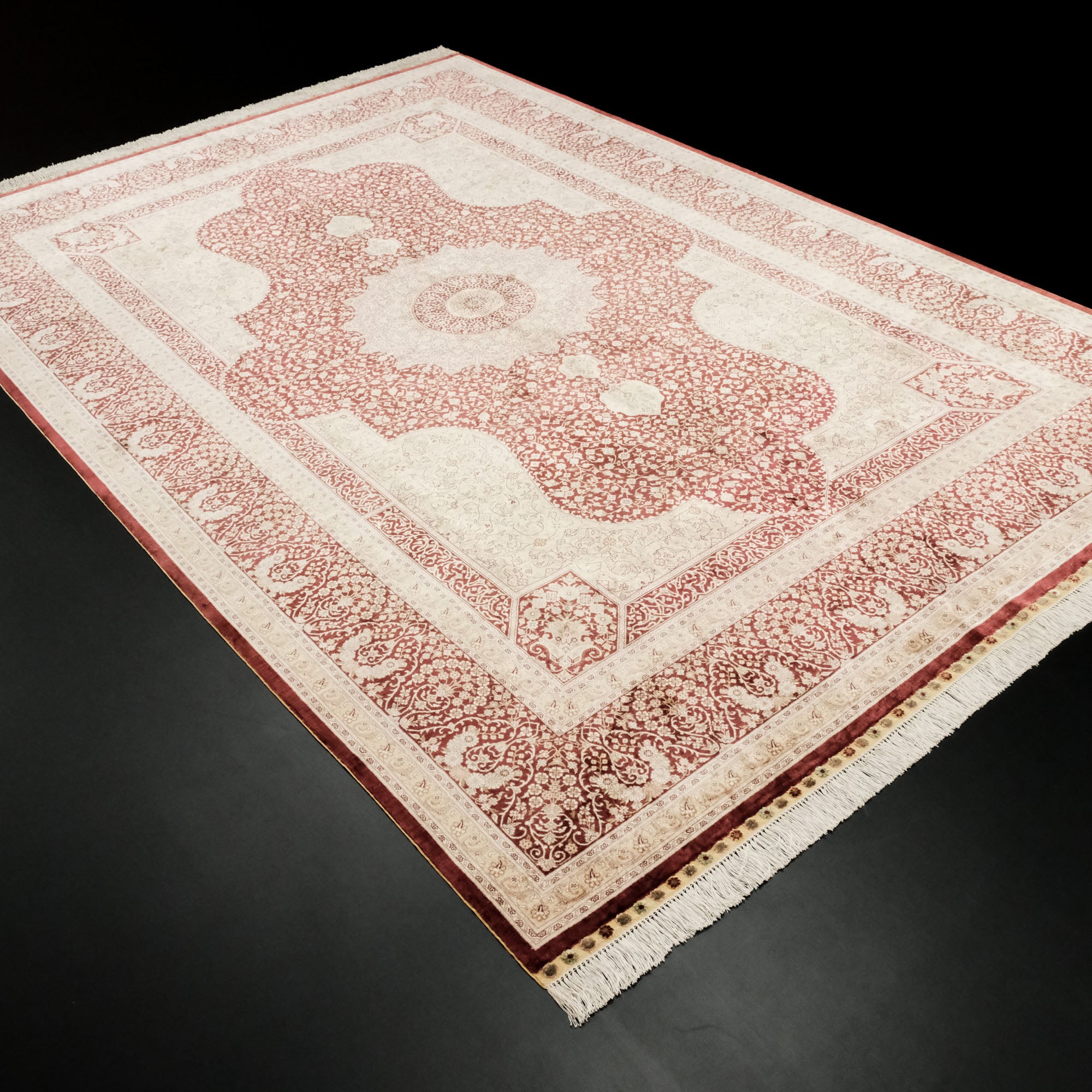
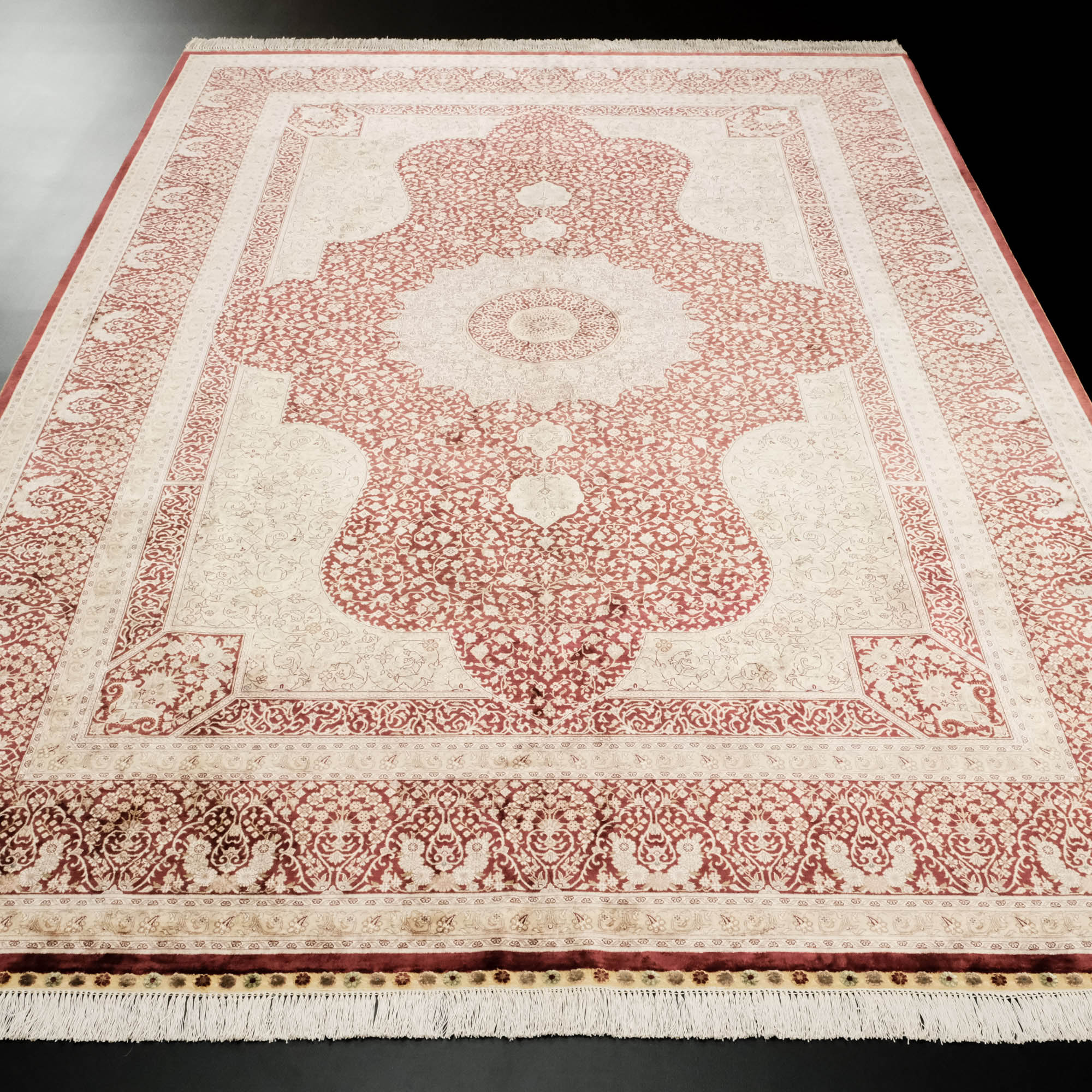
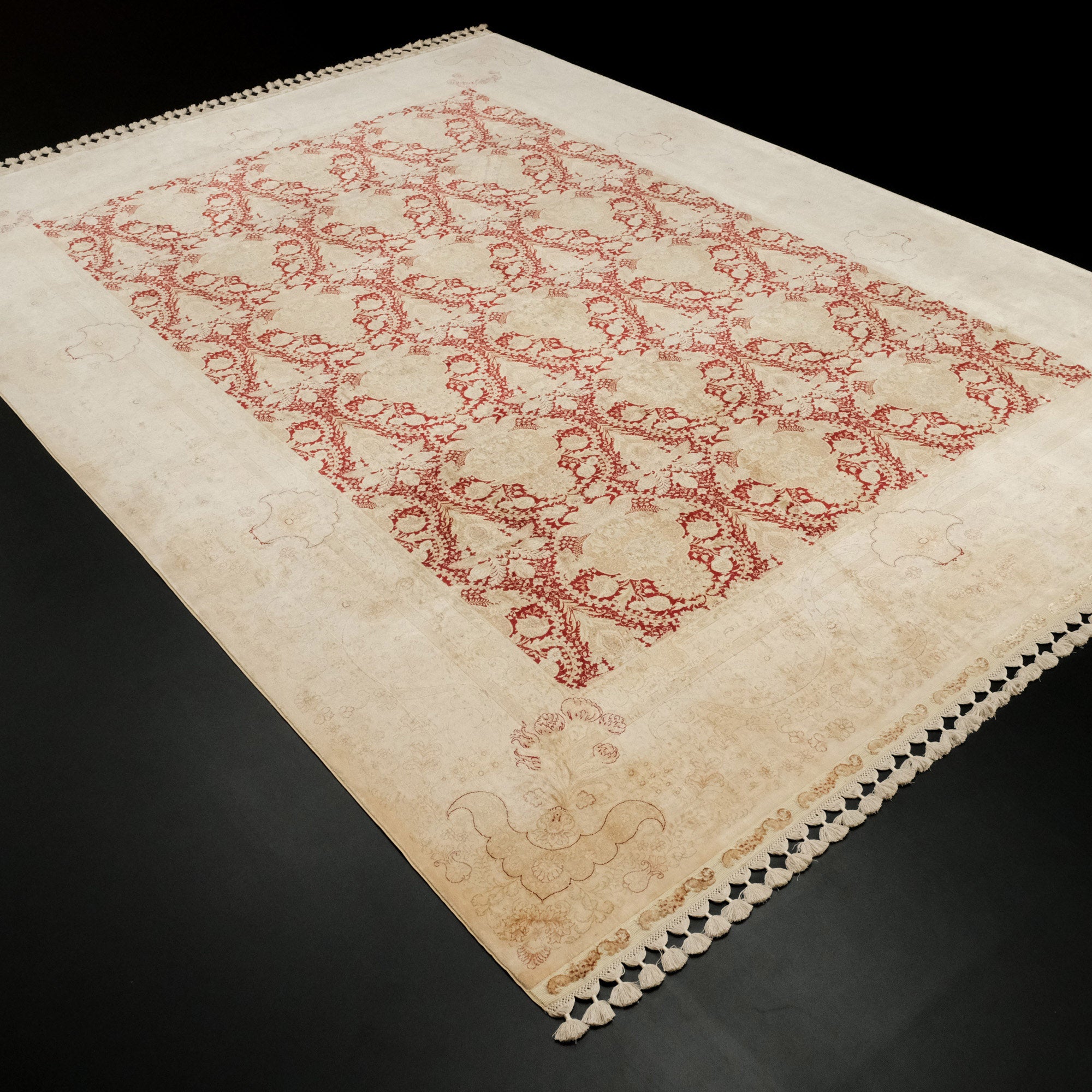
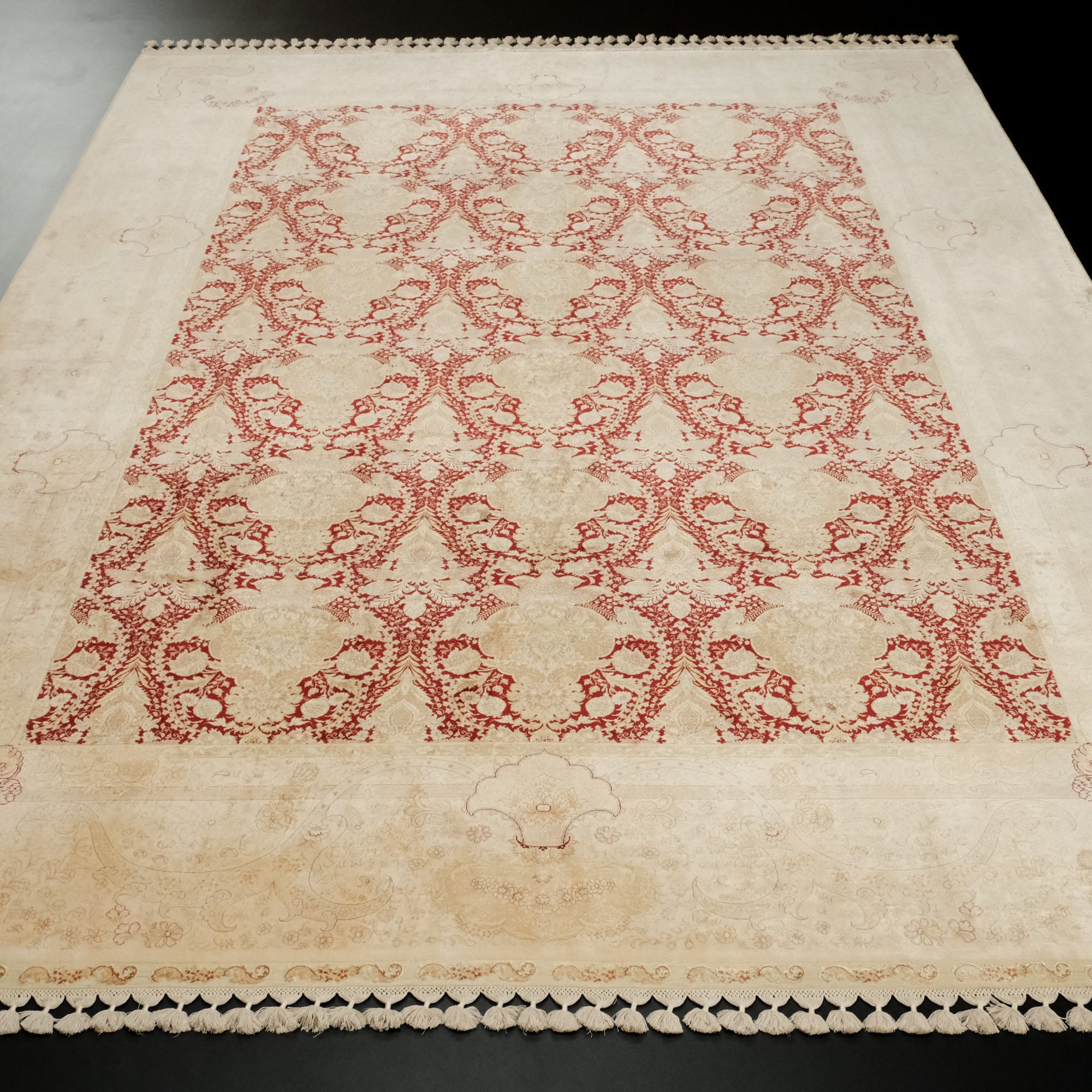
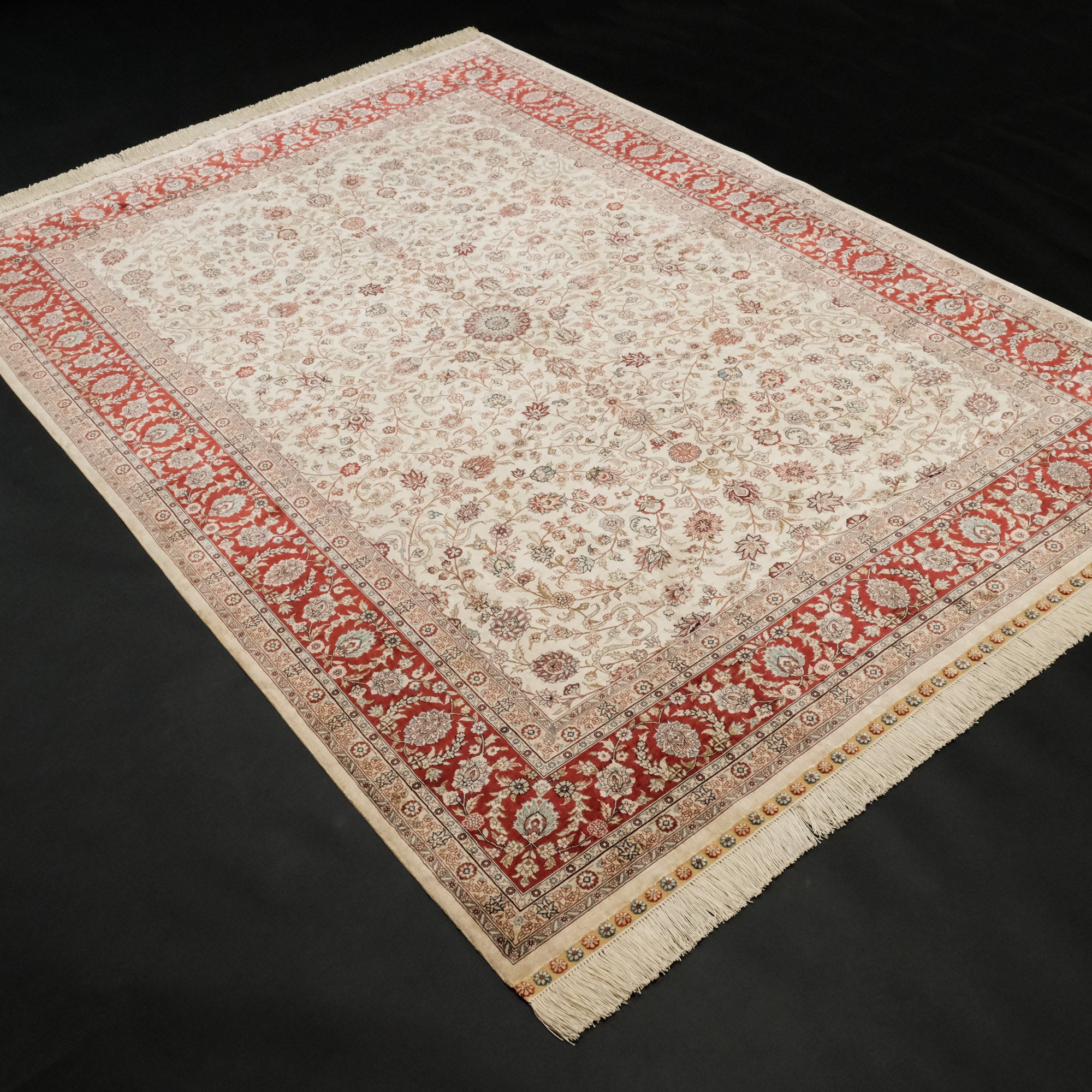
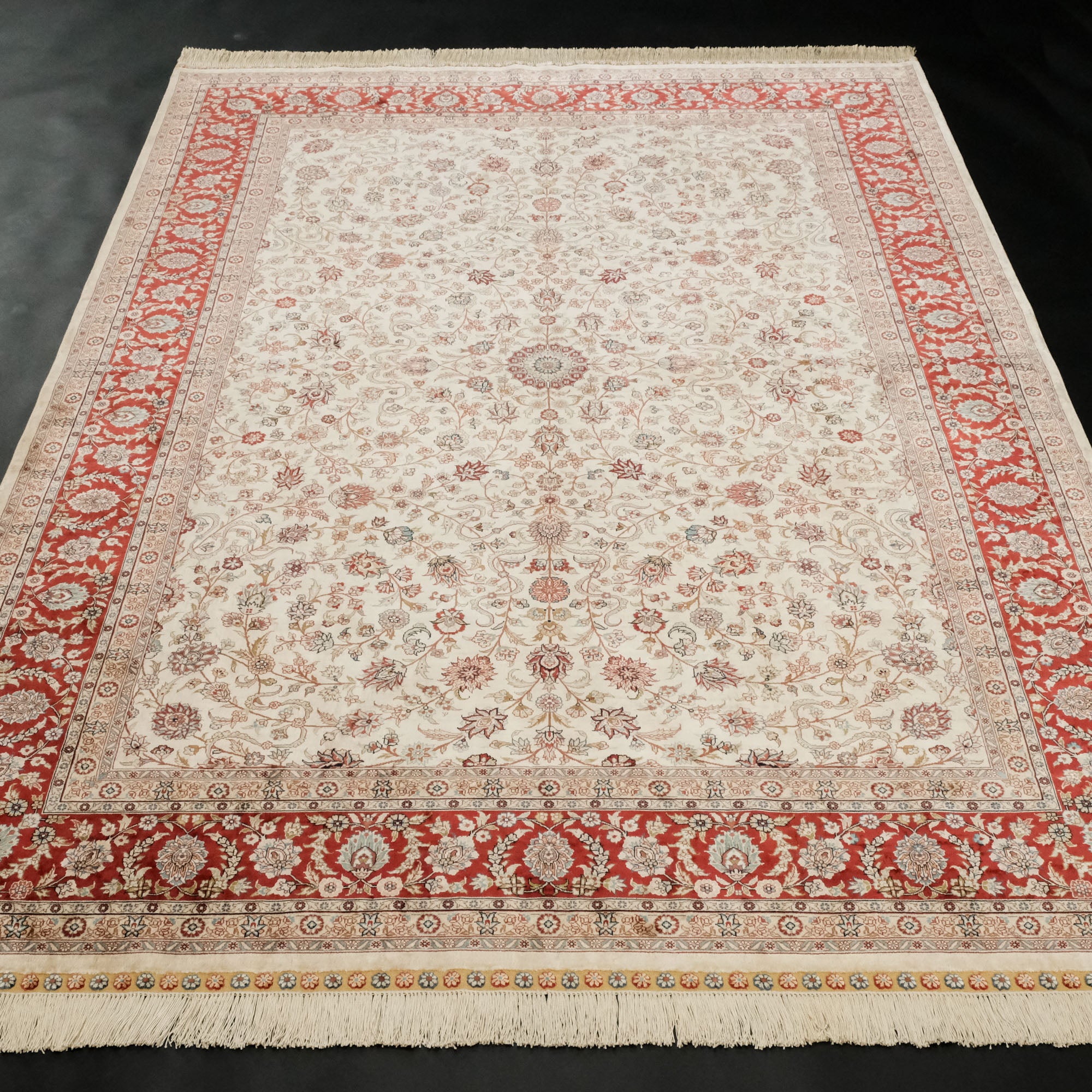
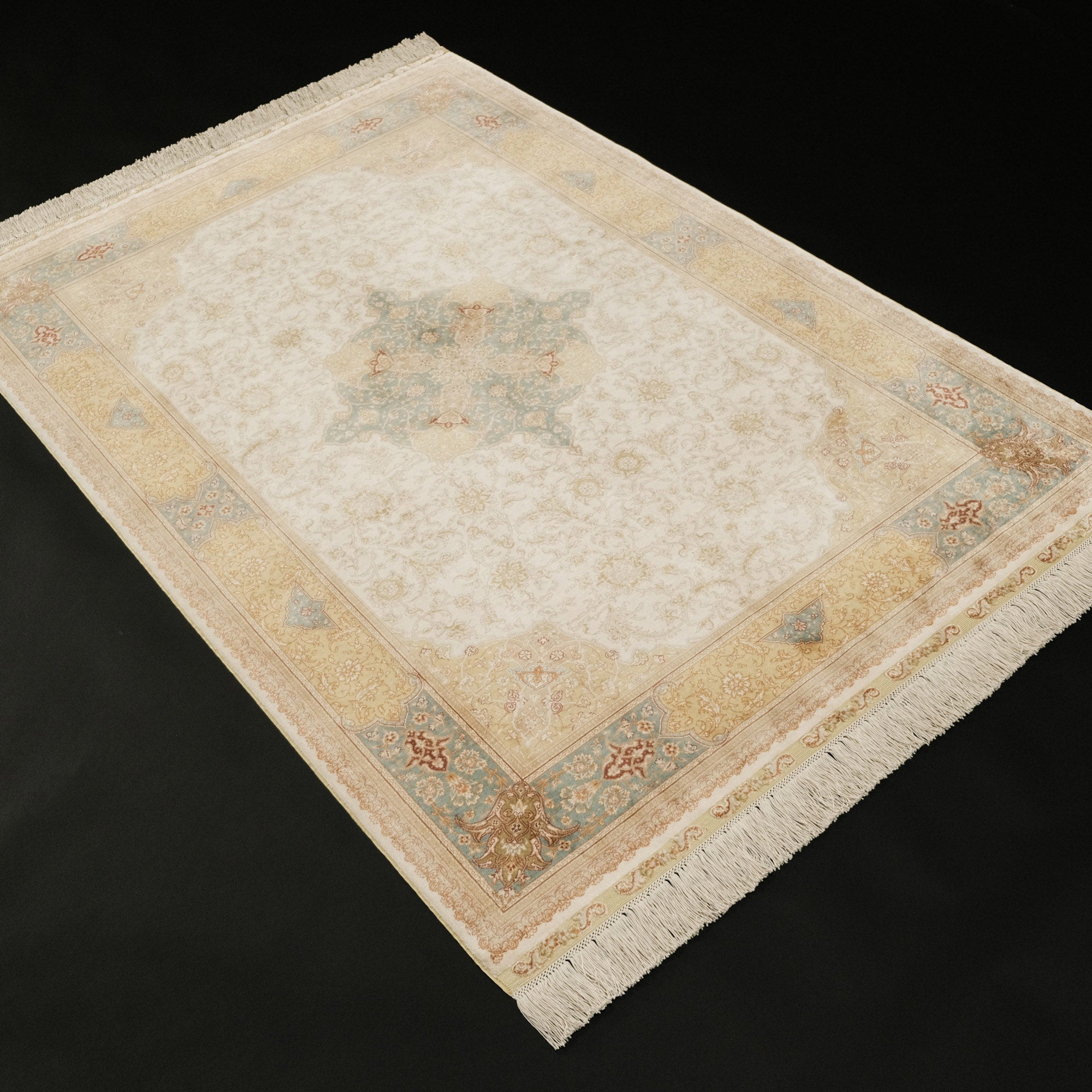
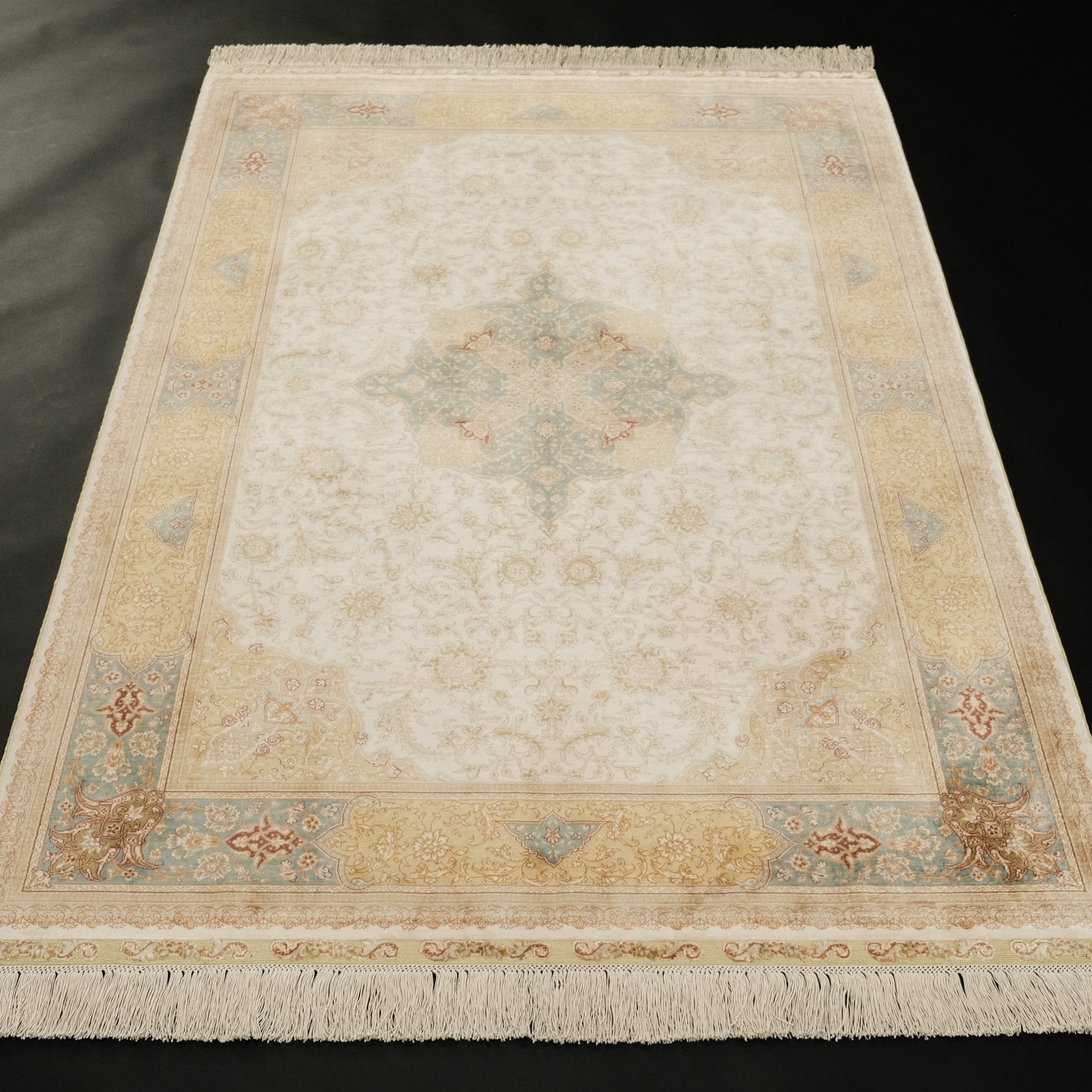
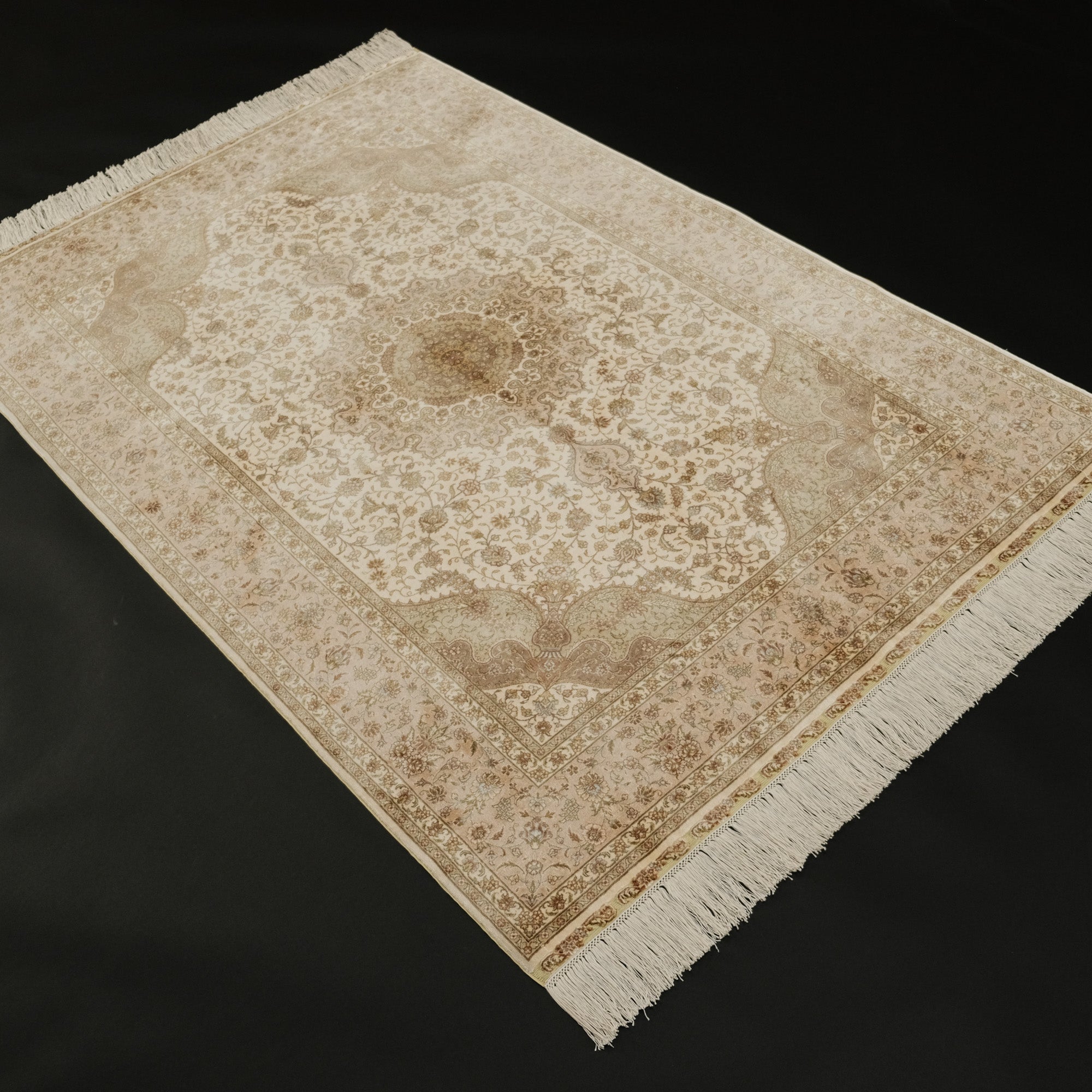
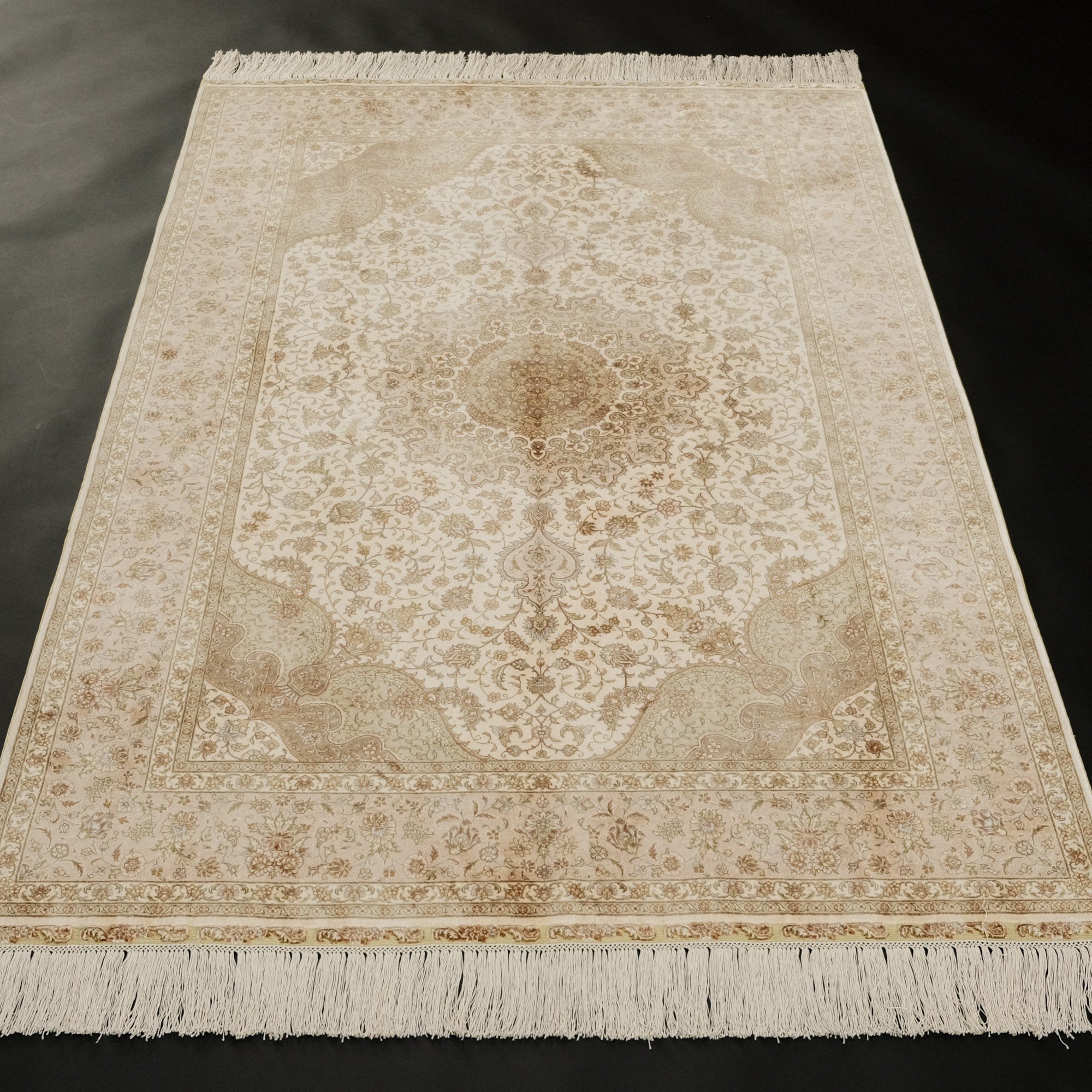
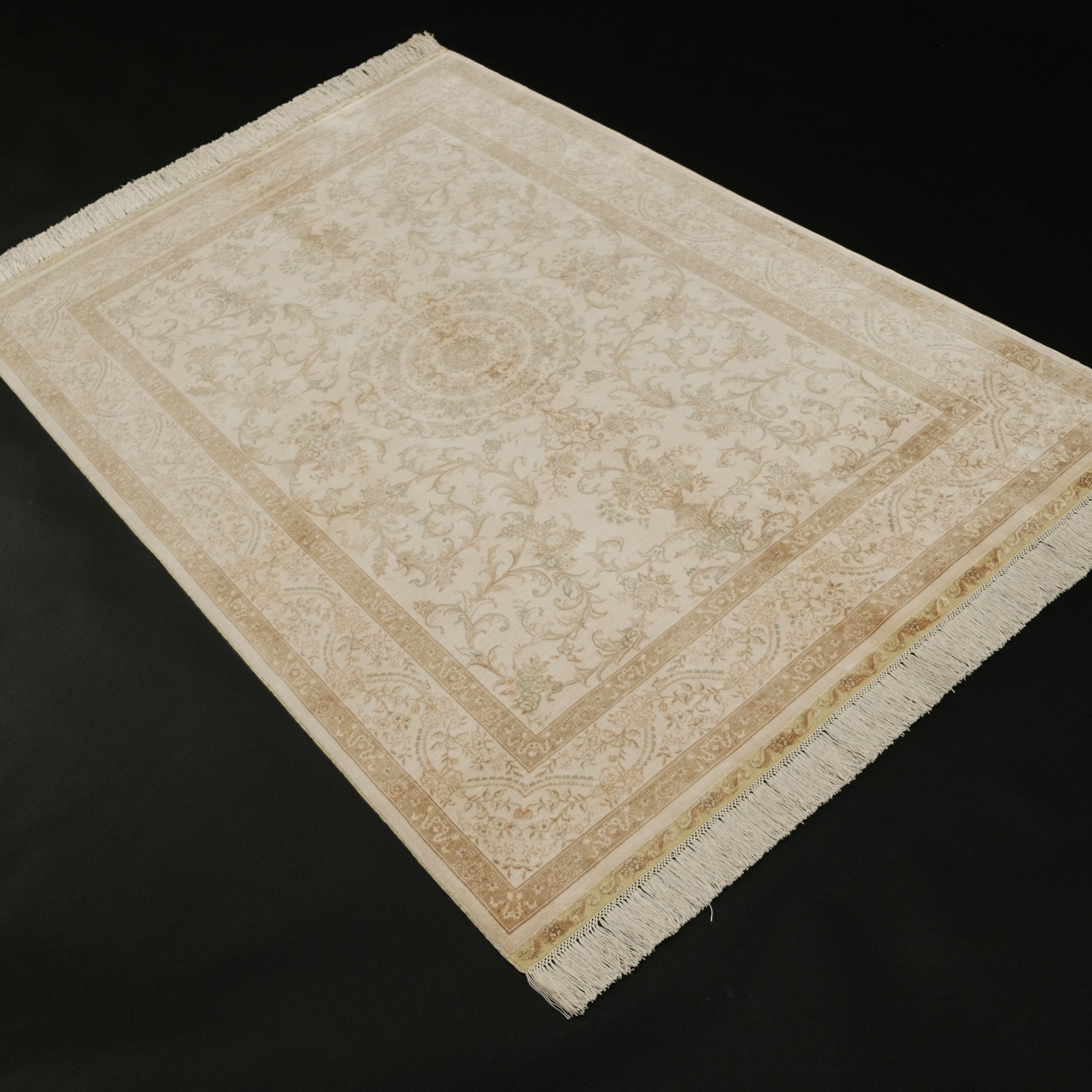
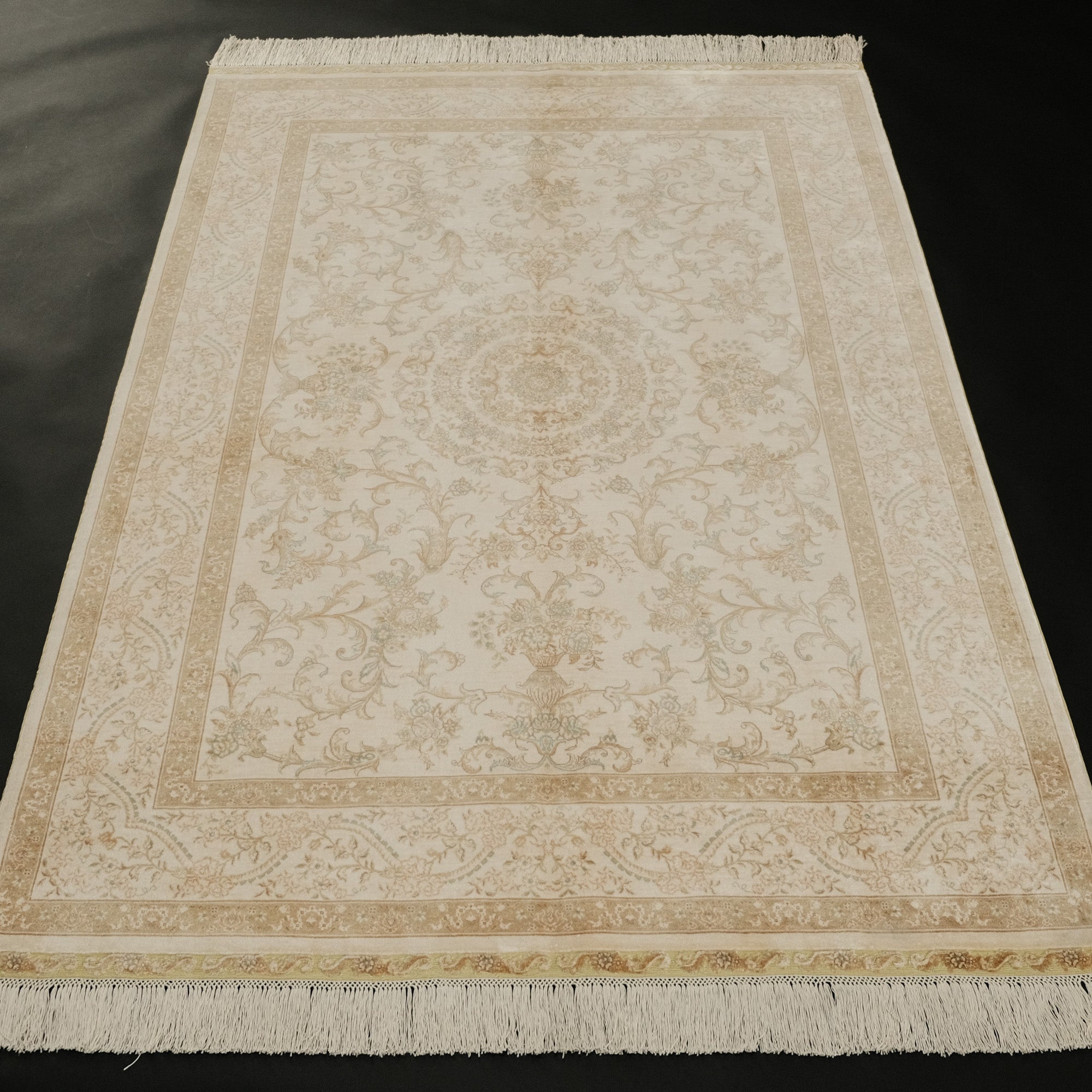


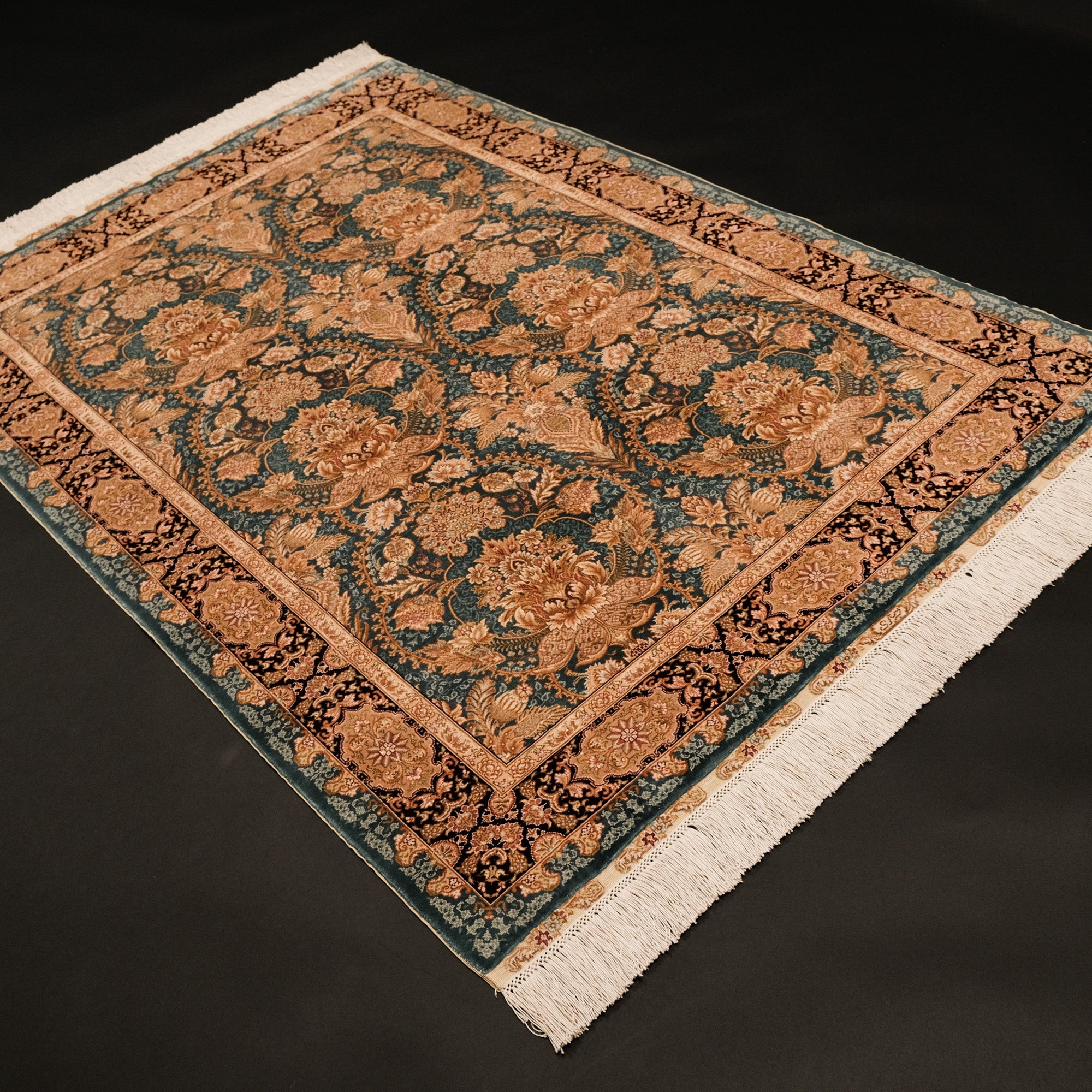
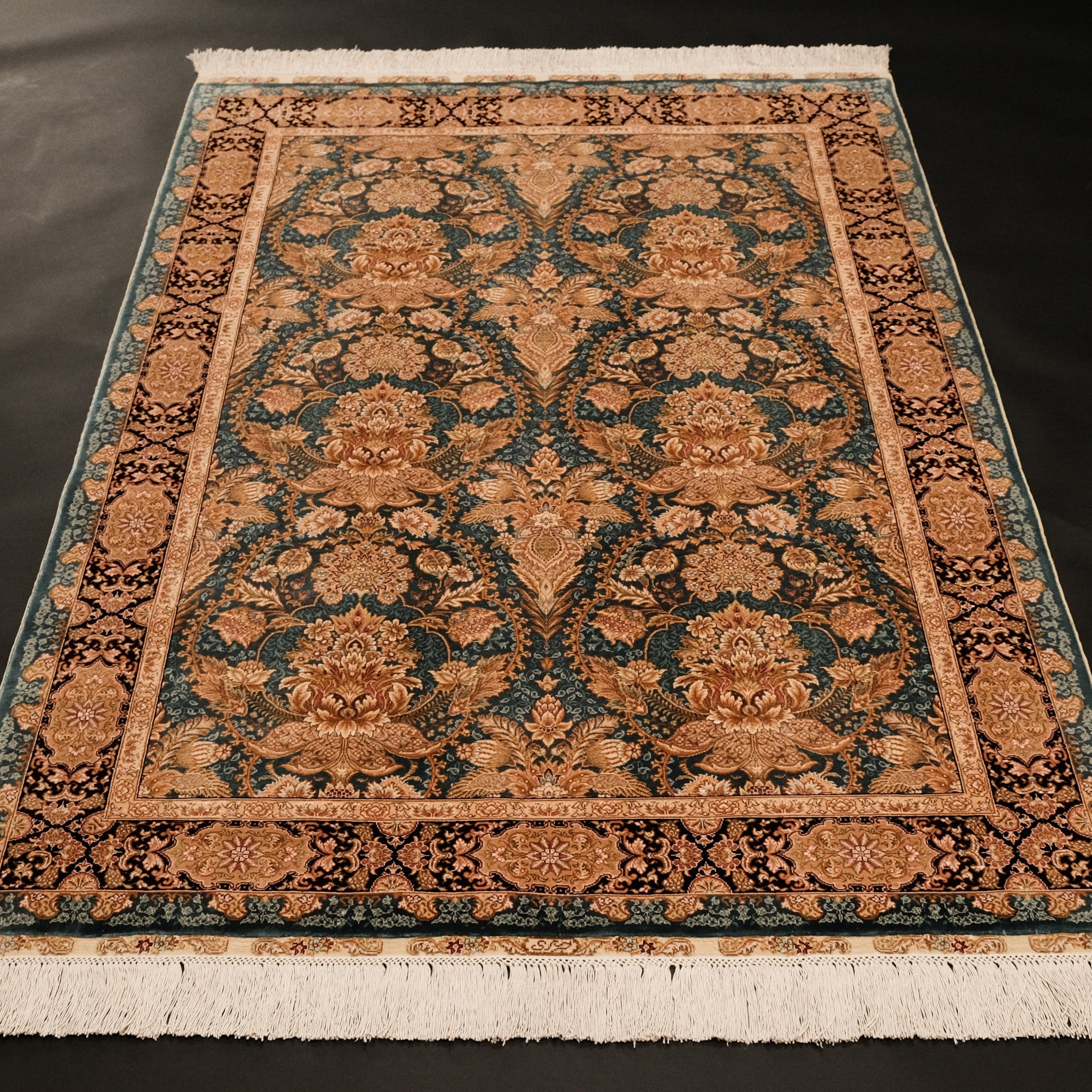
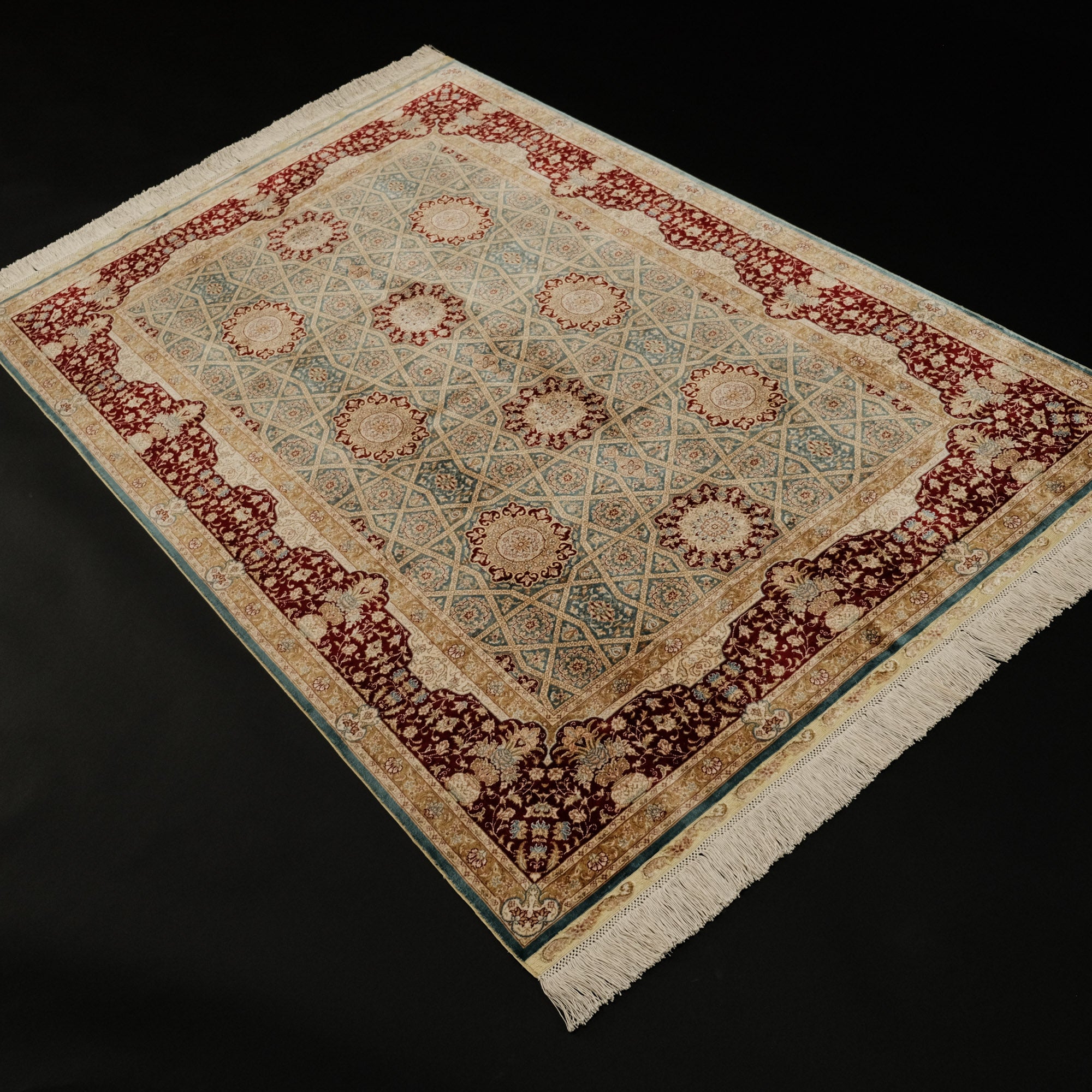
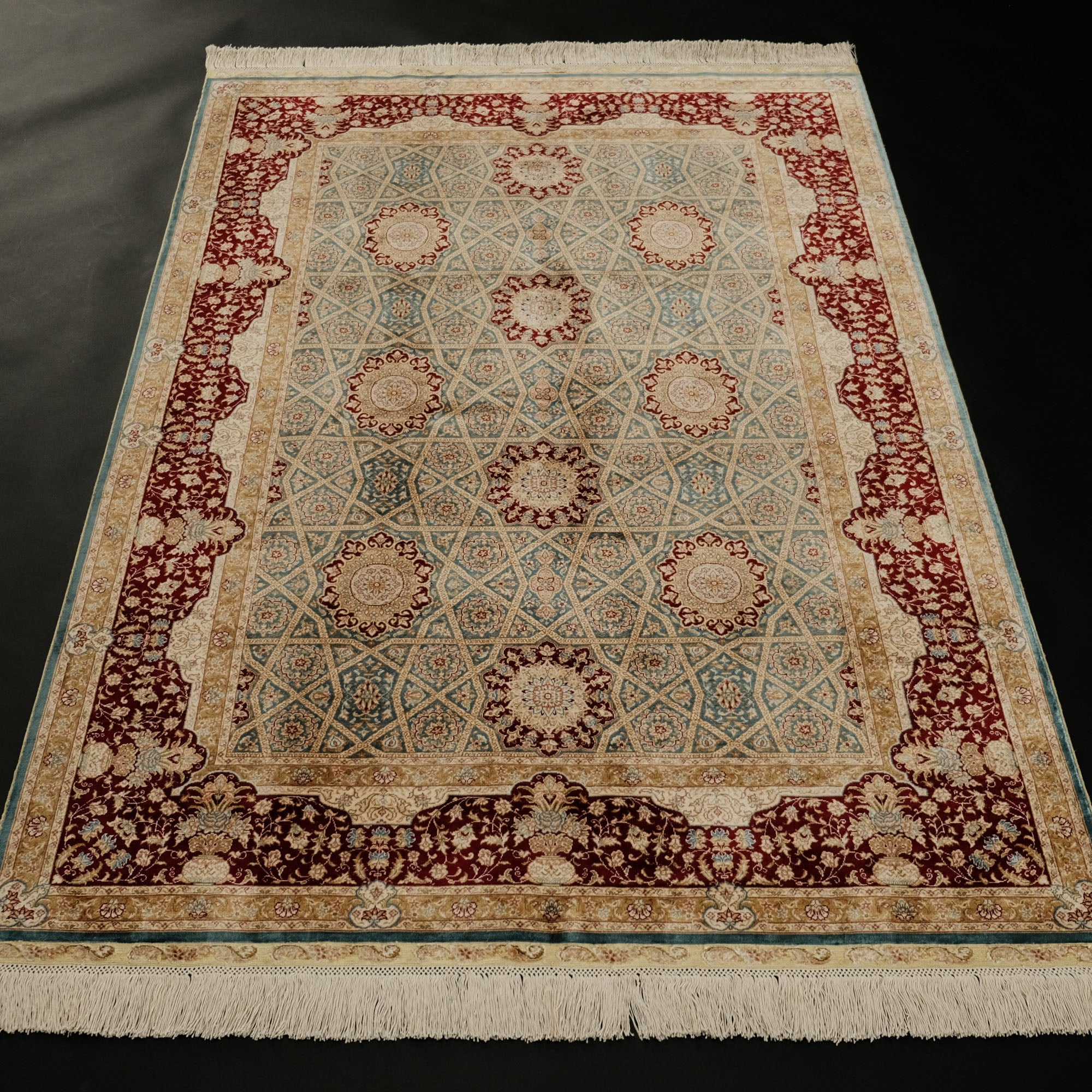
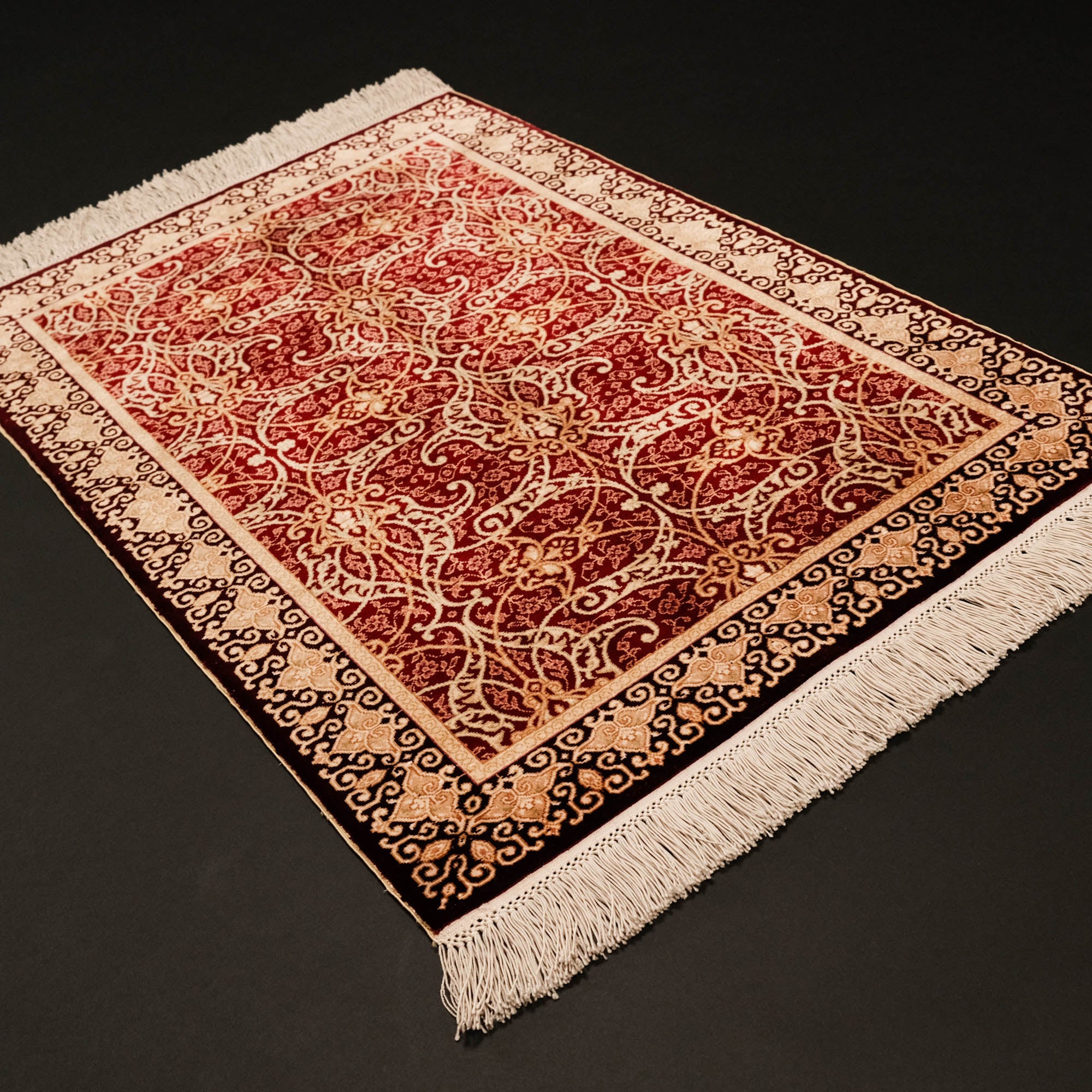
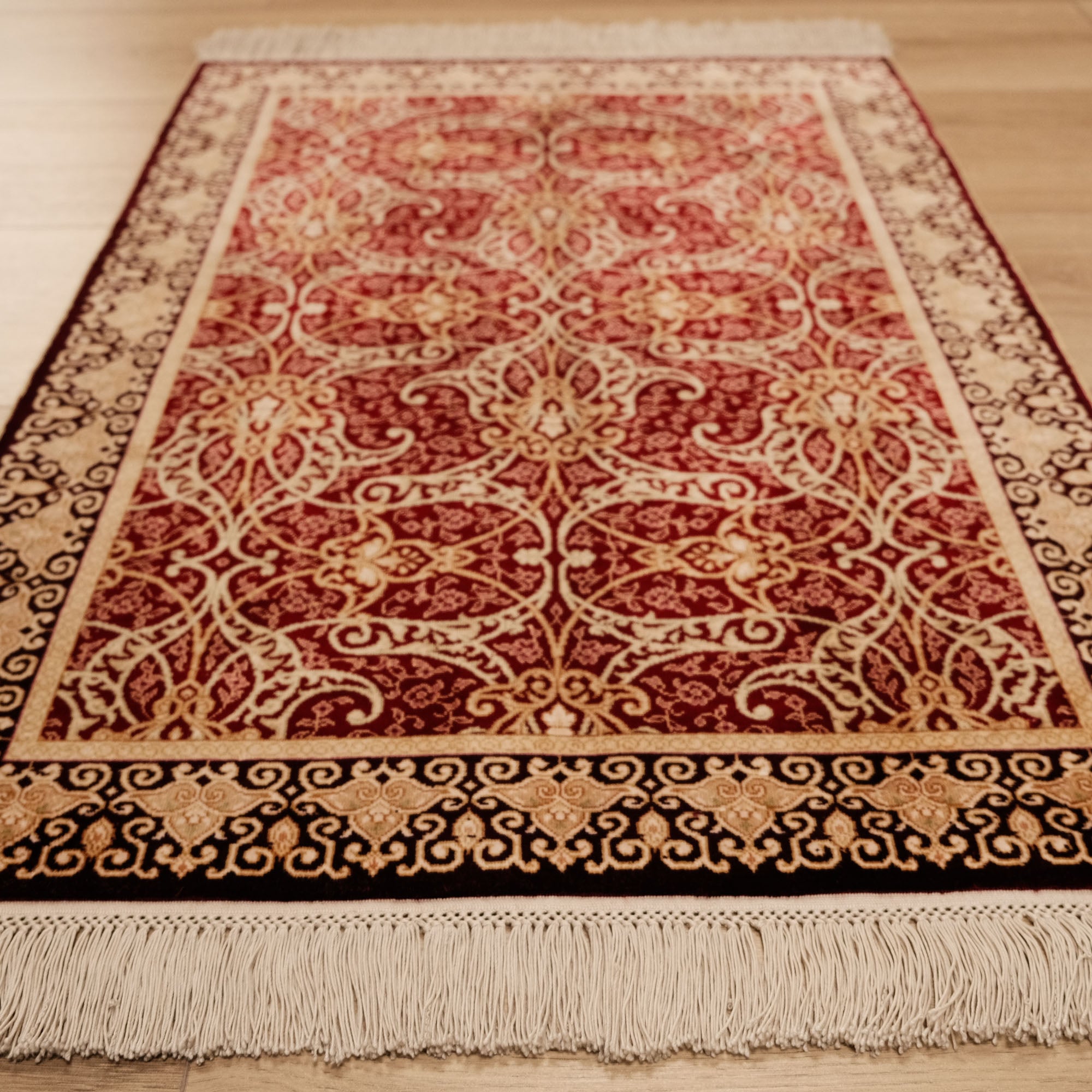
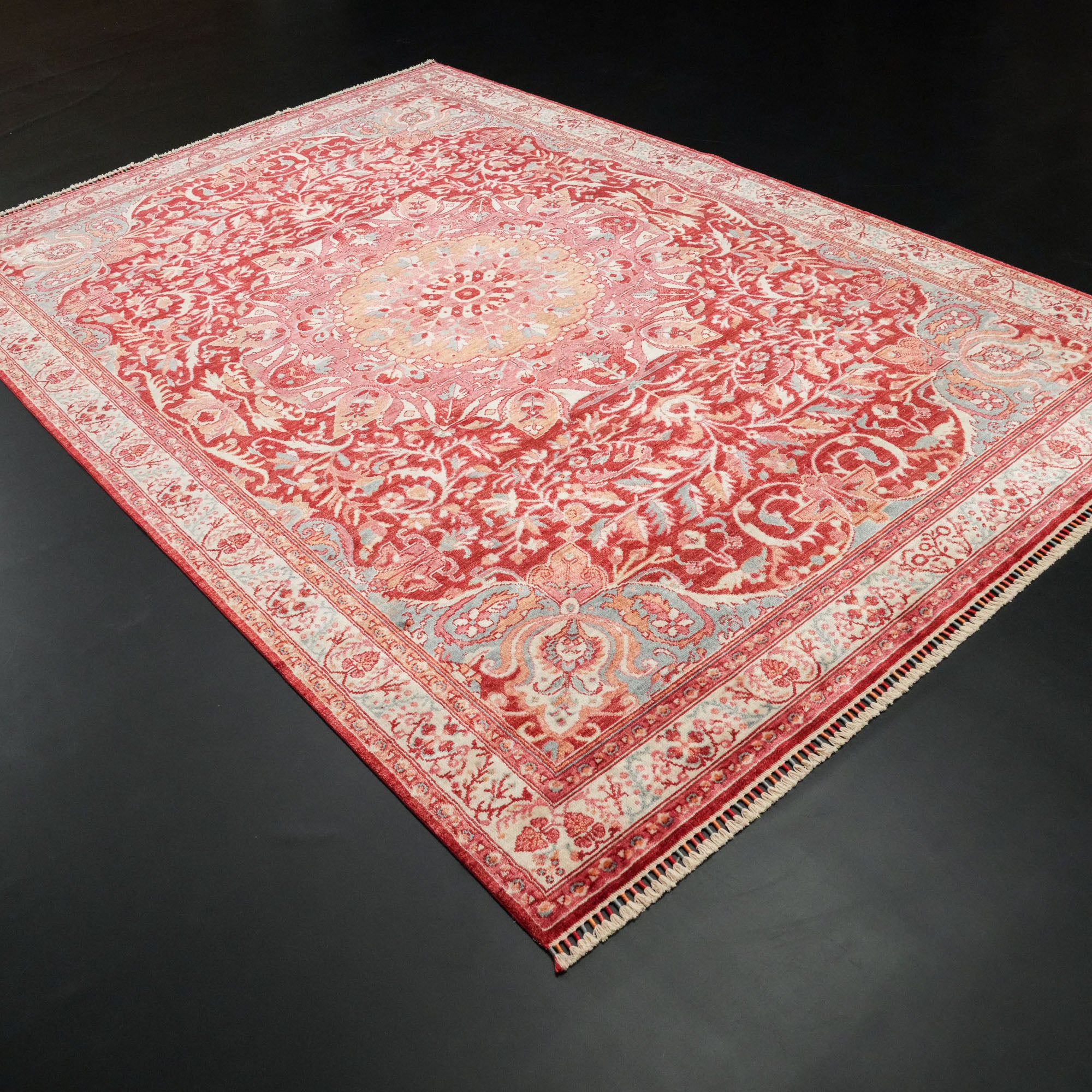
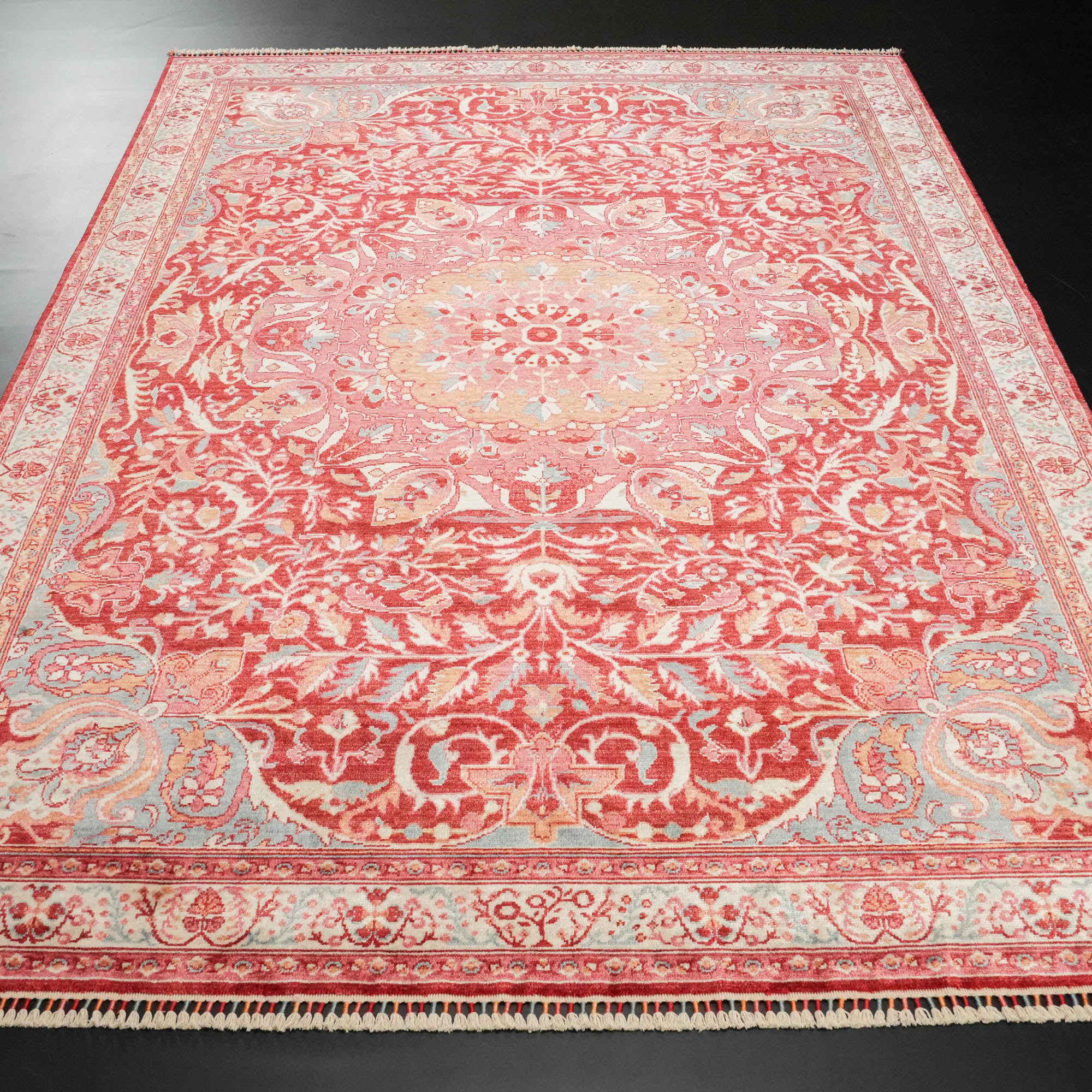
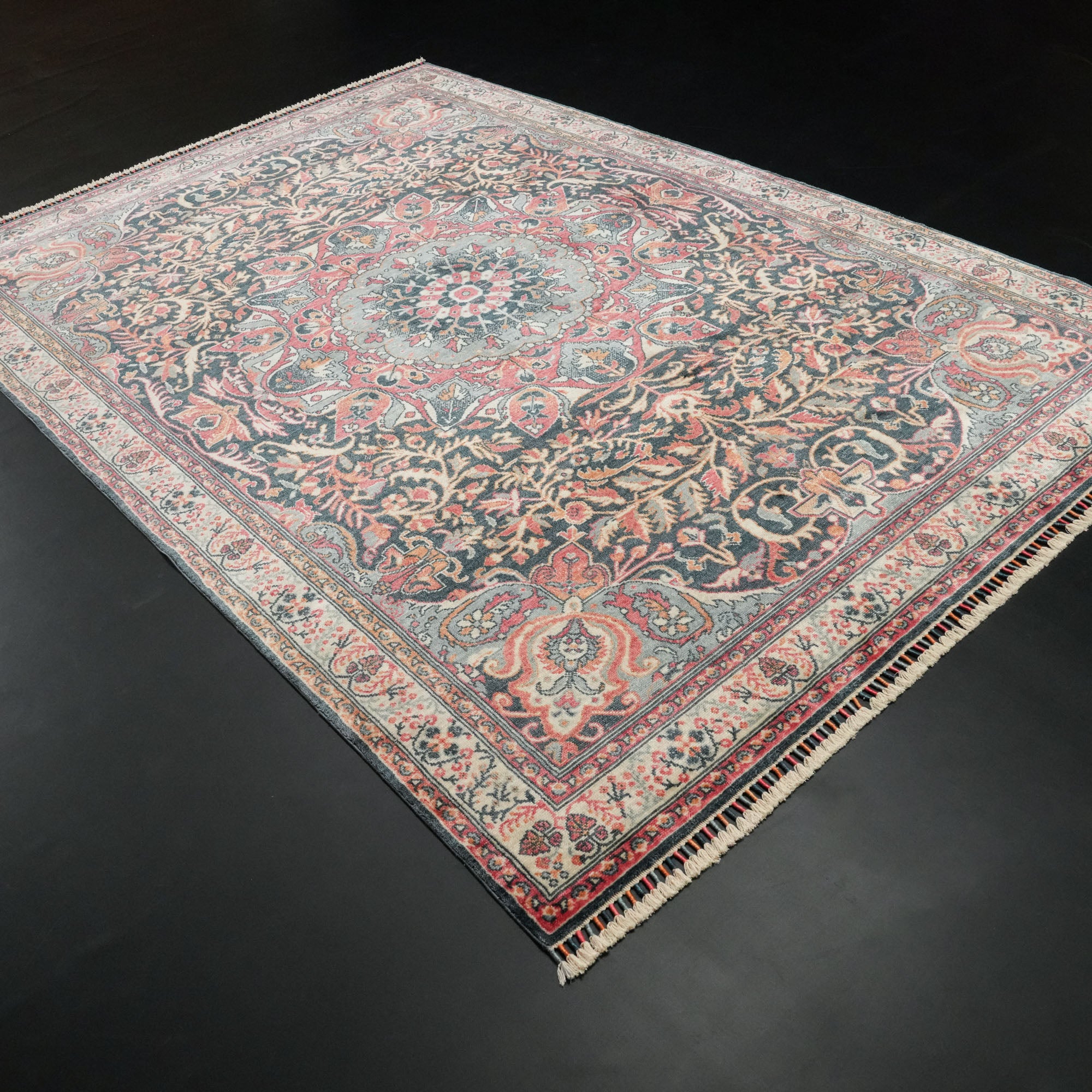
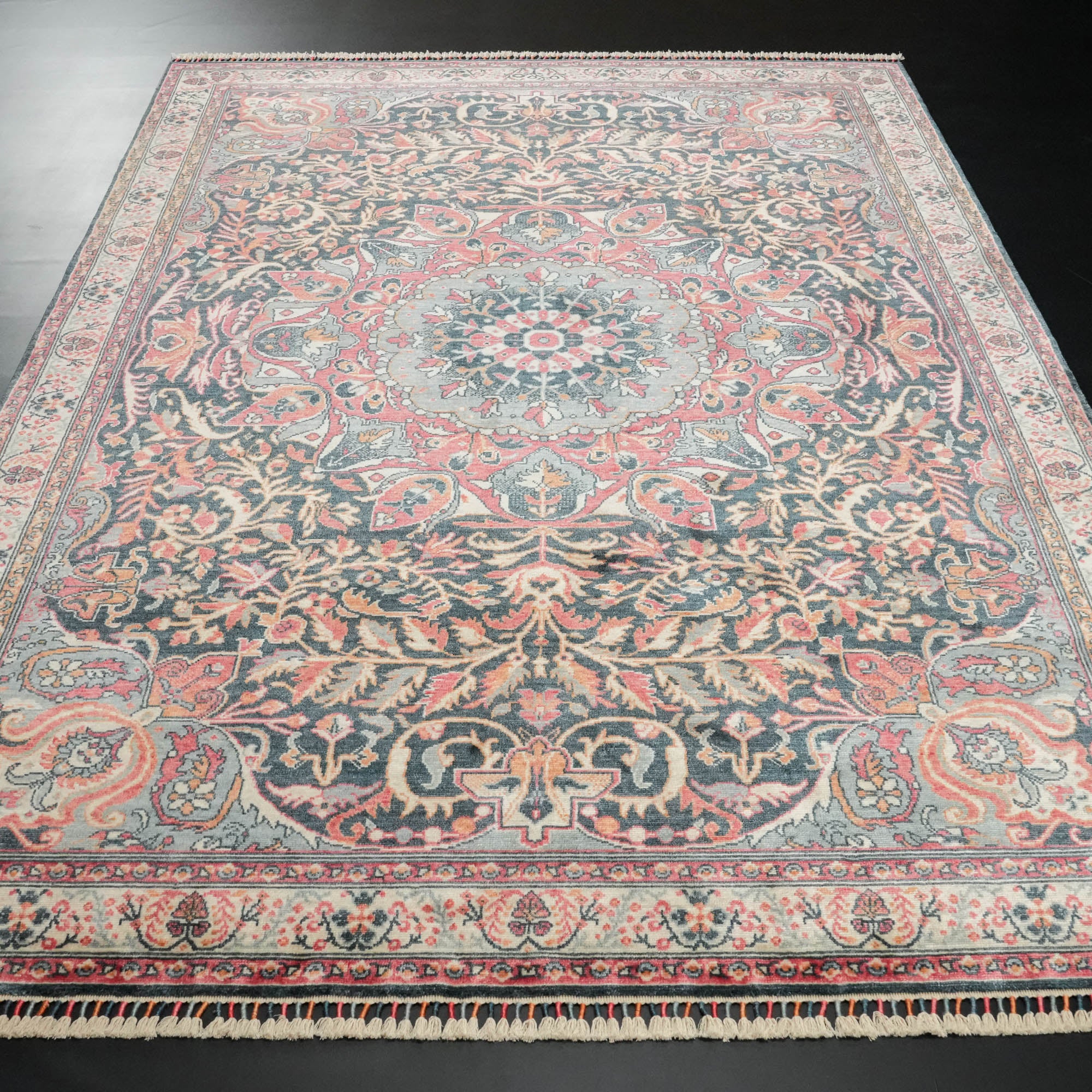
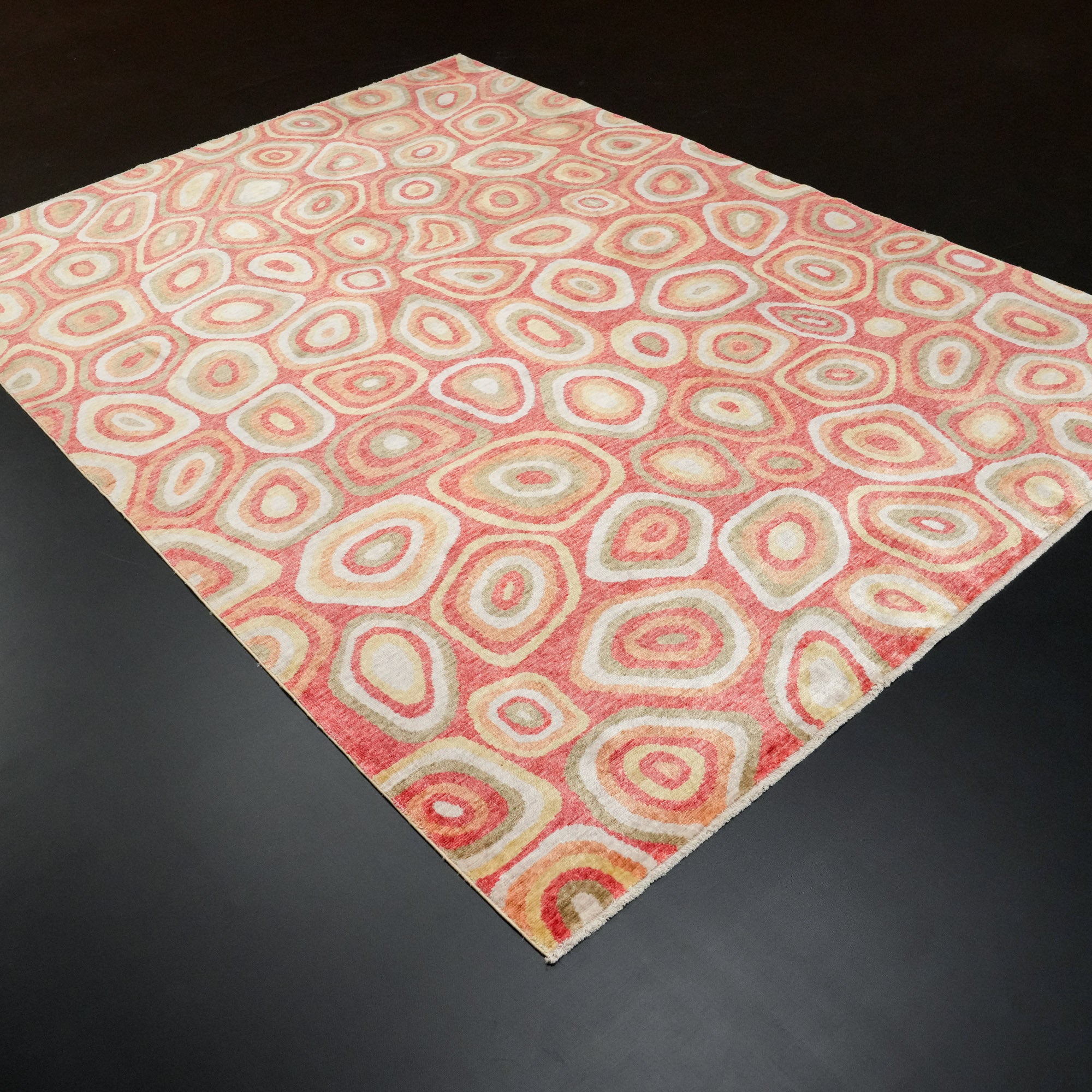
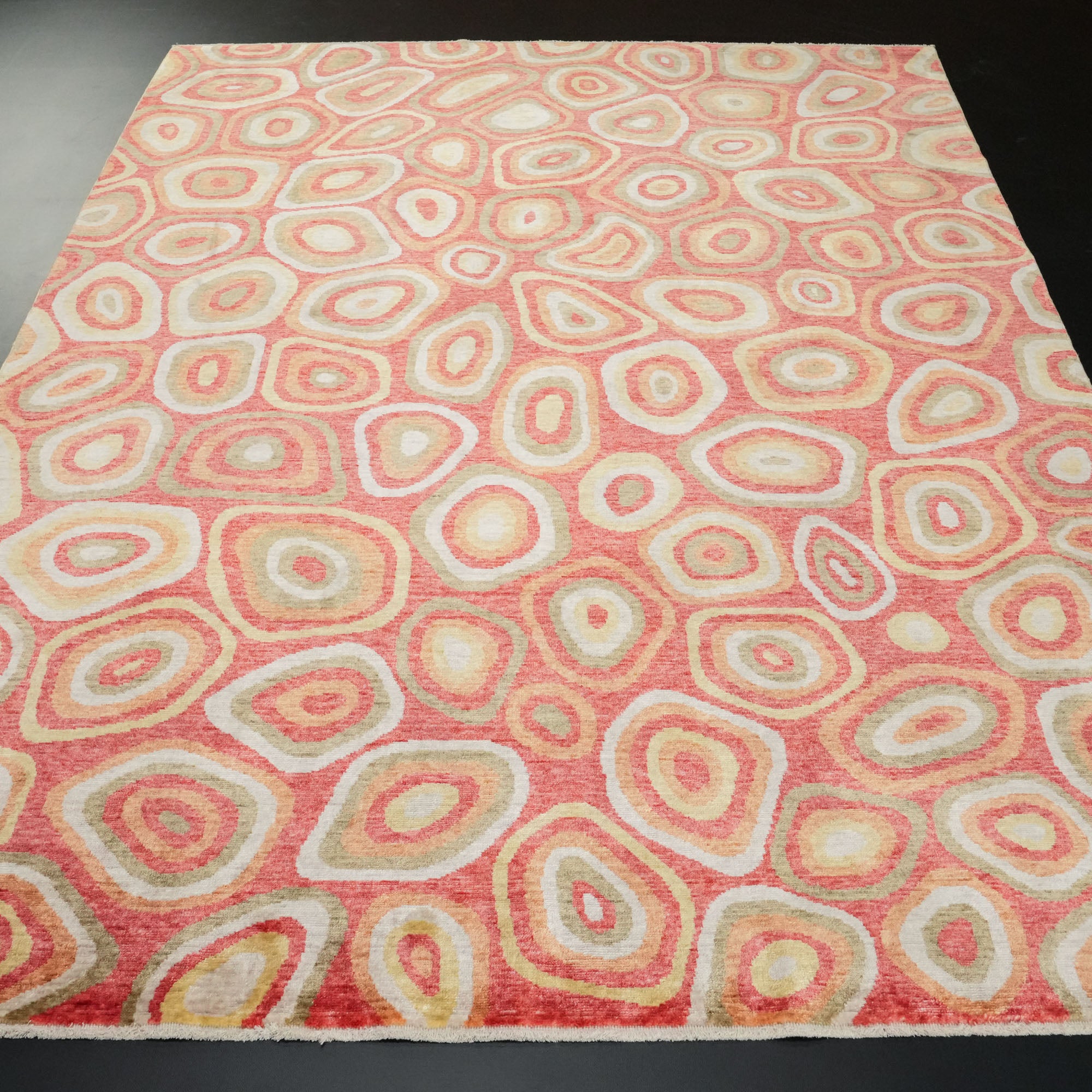
A hypoallergenic rug is selected for characteristics that reduce allergen buildup and exposure, natural fiber content, tighter weave structure, and ease of cleaning, making it a more suitable choice for households managing dust or fiber allergies.
No rug is completely allergen-proof, but material choice and construction genuinely affect how much dust, dander and allergen material a rug traps and releases, and that's exactly what this collection is curated around.
A Curation Based on Allergen-Relevant Traits
This collection gathers pieces selected specifically for traits that matter to allergy sufferers, natural fiber over synthetic, tighter and lower-pile weave structures that trap less dust, and materials that tolerate more frequent, thorough cleaning.
Why Natural Fiber and Weave Density Matter
Natural fibers like wool don't off-gas the volatile organic compounds sometimes found in synthetic backings, and a tighter, lower-pile weave holds less dust and dander deep within the fiber than a very thick, loose shag pile, both factors directly relevant to allergen exposure.
Why Choose a Hypoallergenic Rug from Halicizade
We select for natural fiber content and manageable pile density specifically because these characteristics genuinely reduce dust and allergen buildup compared to synthetic, high-pile alternatives, a meaningful practical difference for allergy-sensitive households.
Choosing the Right Hypoallergenic Rug
A few additional considerations help further reduce allergen exposure beyond the base material choice.
- Wool and cotton over synthetic backing materials, which can off-gas volatile organic compounds.
- Lower or flat pile over thick shag, which traps less dust deep within the fiber.
- Machine-washable flatweaves offer the most thorough cleaning option for high-allergen-risk households.
- Vacuum with a HEPA-filter vacuum regularly regardless of rug material to further reduce allergen buildup.
Allergen-Relevant Comparison by Fiber and Pile
| Factor | Better for Allergies | Worse for Allergies |
|---|---|---|
| Fiber | Wool, cotton (natural) | Synthetic with off-gassing backing |
| Pile height | Low or flat | Thick, high shag |
| Cleaning | Machine washable or easily professionally cleaned | Difficult to clean thoroughly |
Care & Maintenance
Vacuum regularly with a HEPA-filter vacuum, wash flatweave pieces per care instructions, and have pile rugs professionally cleaned more frequently than the standard interval if allergies are a significant concern.
Frequently Asked Questions
Are wool rugs hypoallergenic?
Wool is naturally hypoallergenic in the sense that it doesn't off-gas volatile organic compounds, though like any fiber it can trap dust and dander that needs regular cleaning.
Is a low-pile rug better for allergies than a thick shag rug?
Generally yes, a tighter, lower-pile weave holds less dust and dander deep within the fiber than a very thick, loose shag pile.
Should I avoid synthetic rugs if I have allergies?
Not necessarily avoid entirely, but be aware some synthetic backing materials can off-gas volatile organic compounds; natural fiber options are often preferred for allergy-sensitive households.
How often should hypoallergenic rugs be cleaned?
More frequently than the standard 12-18 month interval if allergies are a significant concern, along with regular HEPA-filter vacuuming.
Are machine-washable rugs good for allergy sufferers?
Yes, machine-washable flatweave pieces offer the most thorough cleaning option, which is particularly valuable for high-allergen-risk households.
Can any rug be completely allergen-free?
No rug is completely allergen-proof, but material choice, weave density and cleaning frequency all meaningfully reduce allergen buildup and exposure.