



 198×307 cm
Products
-
 198×307 cm
-
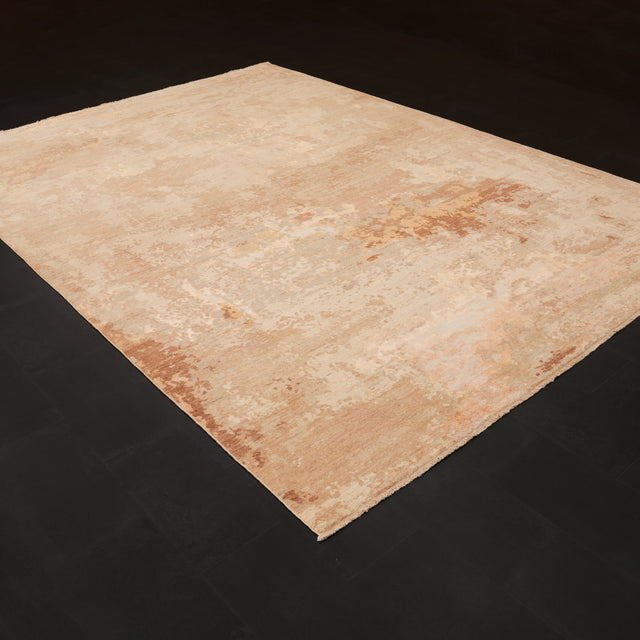 249×349 cm
-
 167×245 cm
One of a kind
Ayan Serisi El Dokuma Anadolu Desenli İpekli Lacivert Halı
from 144.000 TL
≈ 35.000 TL/m² -
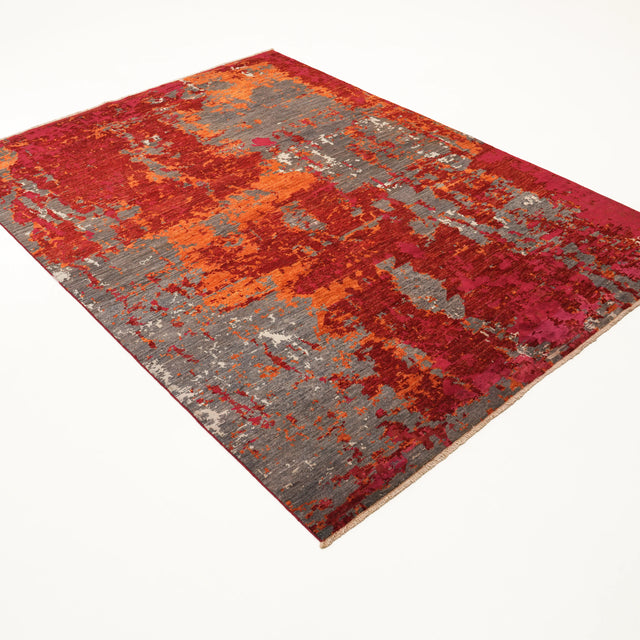 167×233 cm
One of a kind
Ayan Serisi El Dokuma Soyut Desenli İpekli Rengarenk Halı
from 137.000 TL
≈ 35.000 TL/m² -
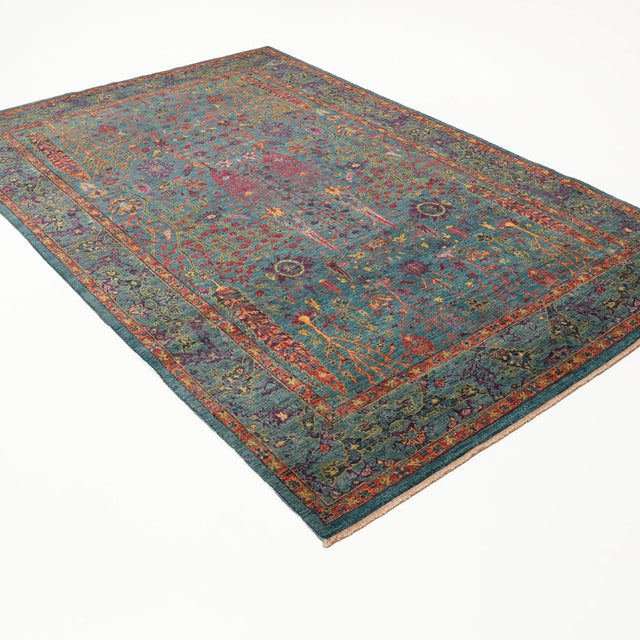 195×300 cm
One of a kind
Turquoise Oushak-Pattern Handwoven Wool and Silk Rug, Ayan Series
from 205.000 TL
≈ 35.000 TL/m² -
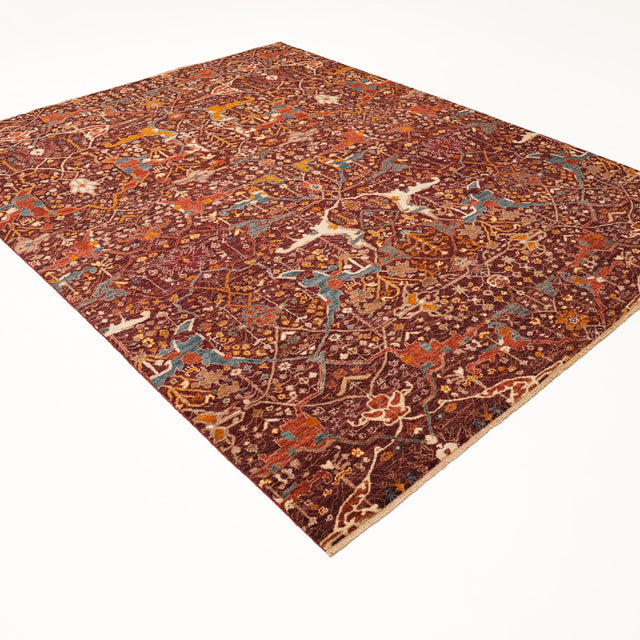 241×312 cm
-
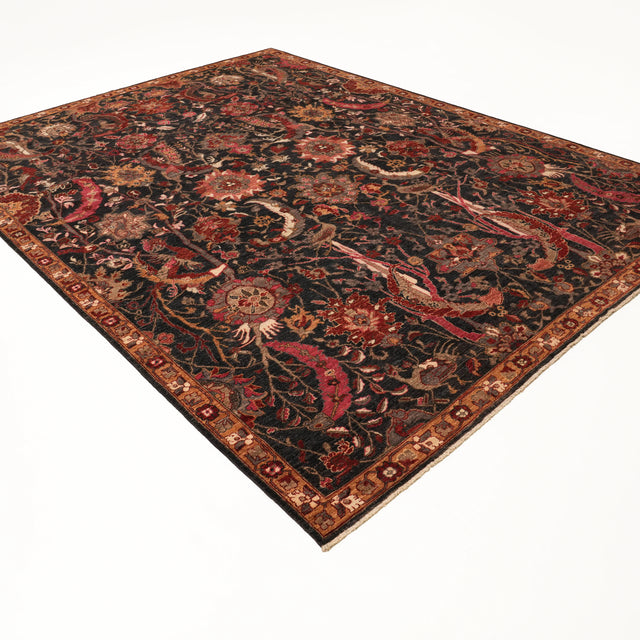 266×357 cm
-
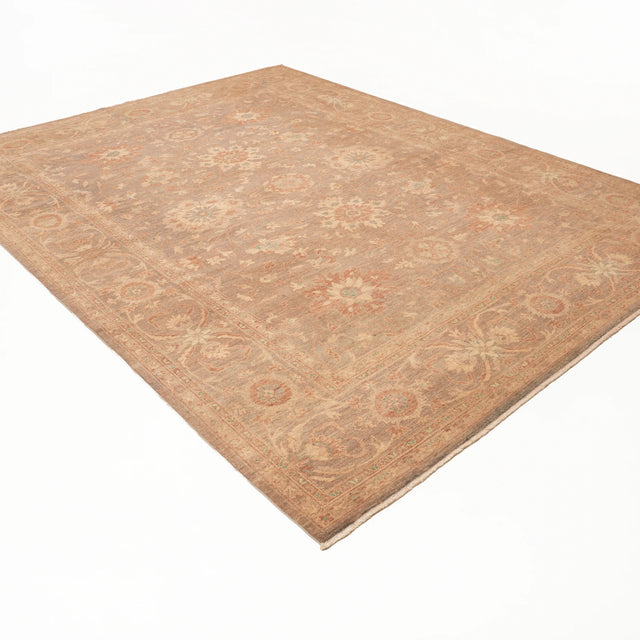 271×361 cm
-
İpek iplikler ışığı tutuyor, antrasit ona göre değişiyor
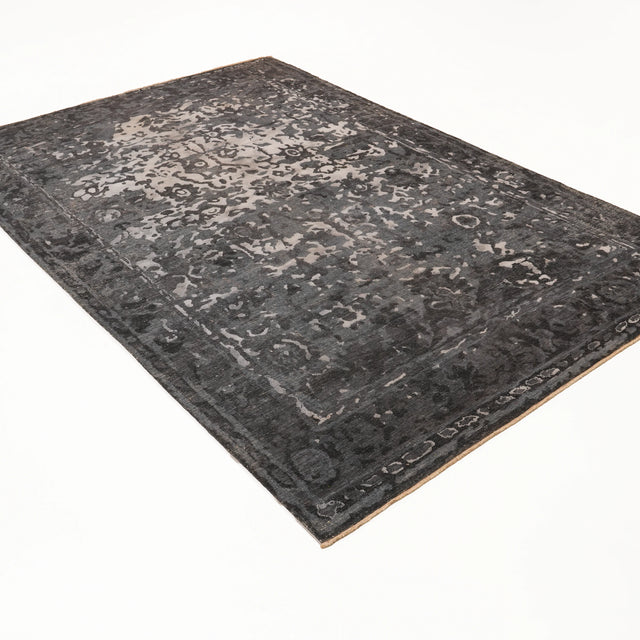 194×291 cm
One of a kind
Anthracite Vintage-Pattern Handwoven Wool and Silk Rug, Ayan Series
from 148.000 TL
≈ 26.000 TL/m² -
Nearly square at 247 × 287, brown with turquoise in it
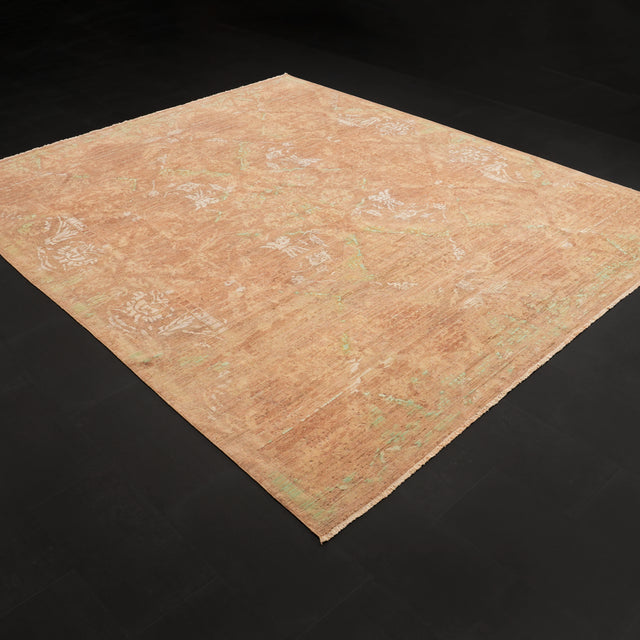 247×287 cm
One of a kind
Brown Vintage-Pattern Hand-Knotted Silk and Wool Rug, Ayan Series
from 182.000 TL
≈ 26.000 TL/m² -
Turquoise at not quite three square meters, the smallest Ayan
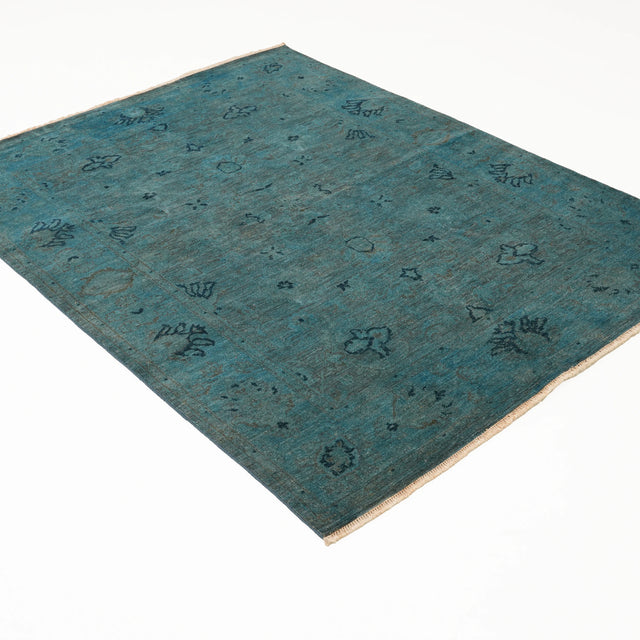 150×194 cm
One of a kind
Turquoise Vintage-Pattern Handwoven Wool Rug, Ayan Series
from 59.000 TL
≈ 20.000 TL/m² -
Woven once and never again: blue, 241 × 293 cm, Pakistan
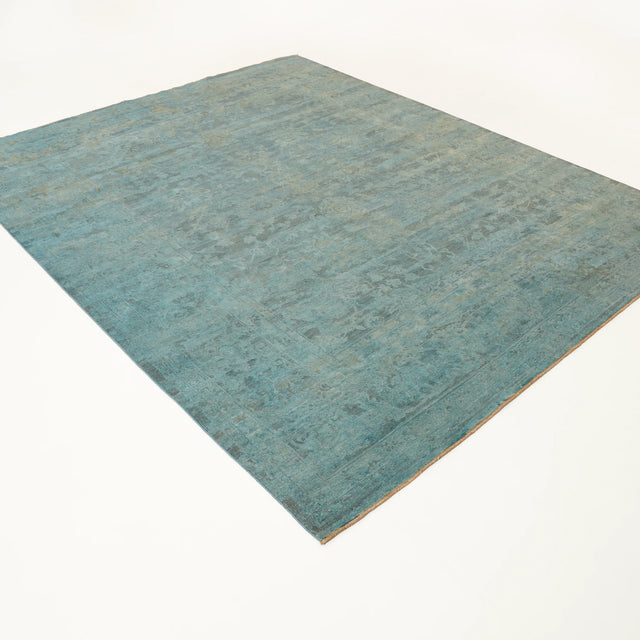 241×293 cm
-
Gray banded by the dye lot, 243 × 298 cm from Pakistan
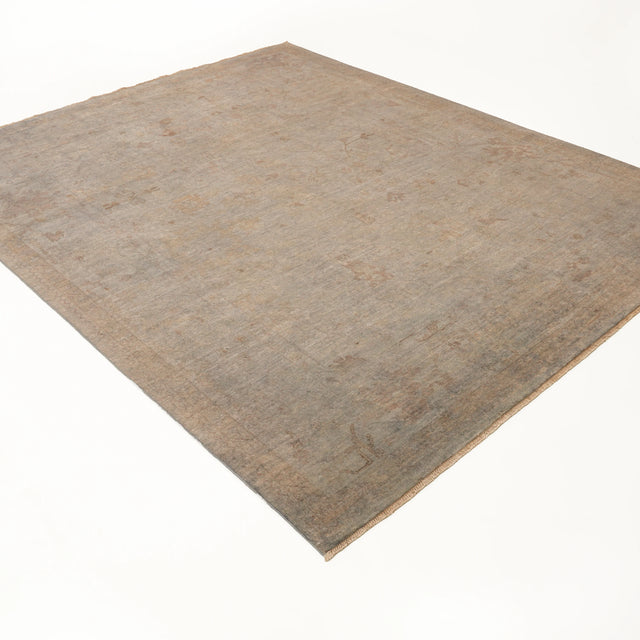 243×298 cm
-
Seven square meters of blue, Pakistani wool over cotton
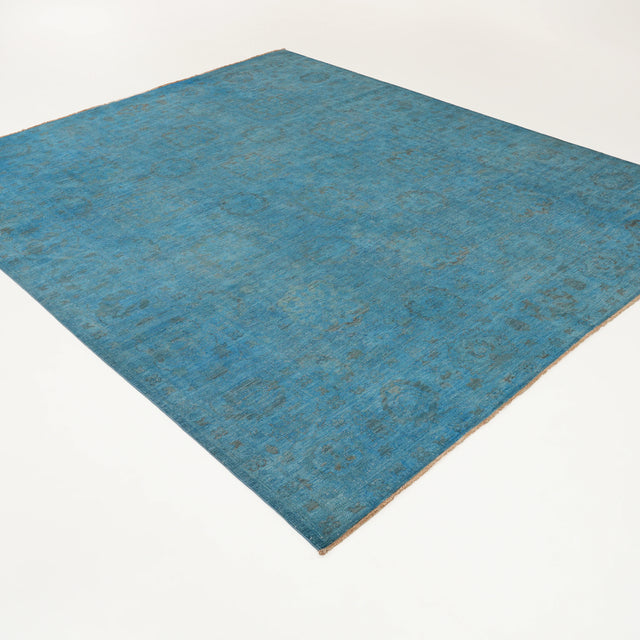 237×290 cm
-
Embers at the center of gray, silk carrying the heat
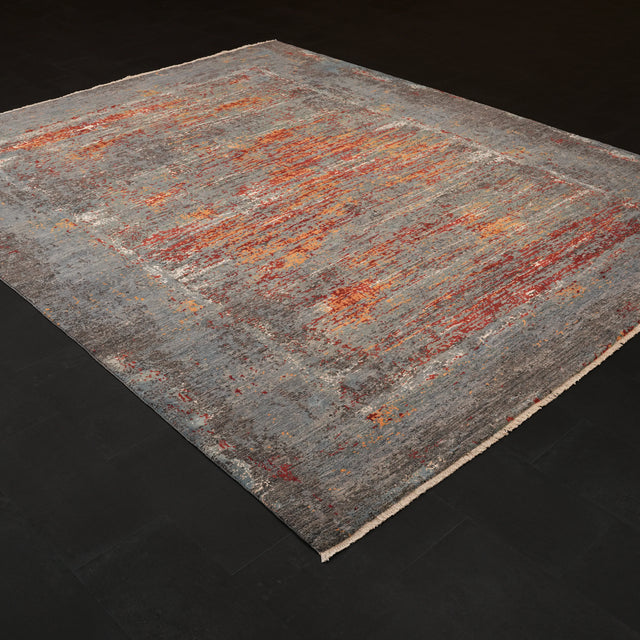 250×306 cm
One of a kind
Gray Abstract Hand-Knotted Wool and Silk Rug, Ayan Series
from 385.000 TL
≈ 50.000 TL/m² -
Flowers in hexagon cells, pink-terra fade, wool and silk
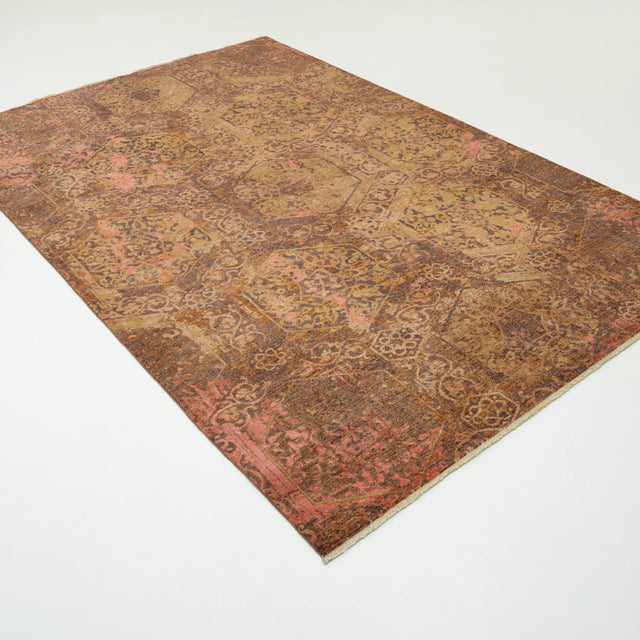 192×295 cm
One of a kind
Brown Vintage Hand-Knotted Wool and Silk Rug, Ayan Series
from 285.000 TL
≈ 50.000 TL/m² -
Brown planes over light gray, and the silk stays in the brown
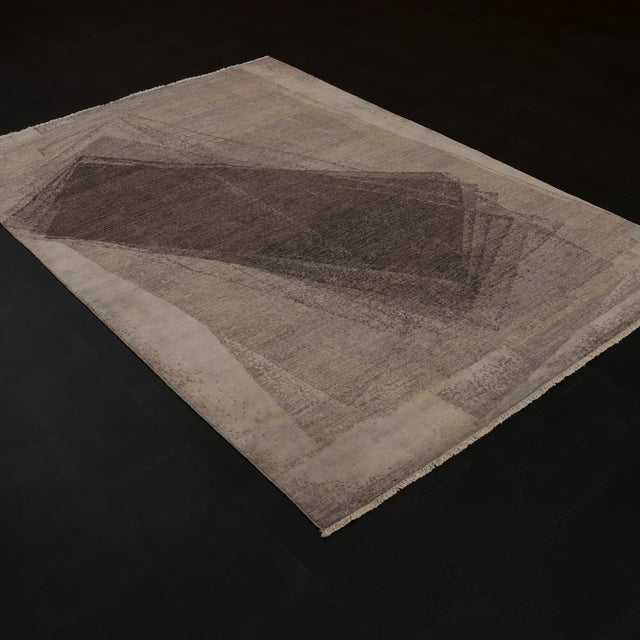 168×240 cm
One of a kind
Gray Geometric Hand-Knotted Wool and Silk Rug, Ayan Series
from 205.000 TL
≈ 51.000 TL/m² -
Cream brush marks across khaki, wool with silk run through
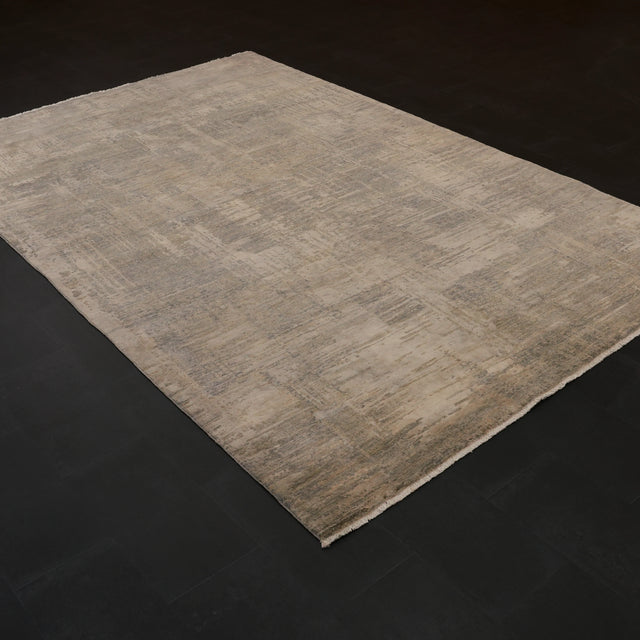 201×302 cm
One of a kind
Khaki Green Plain Hand-Knotted Wool and Silk Rug, Ayan Series
from 305.000 TL
≈ 50.000 TL/m² -
Small flowers covering the ground, doubled knots in Pakistan
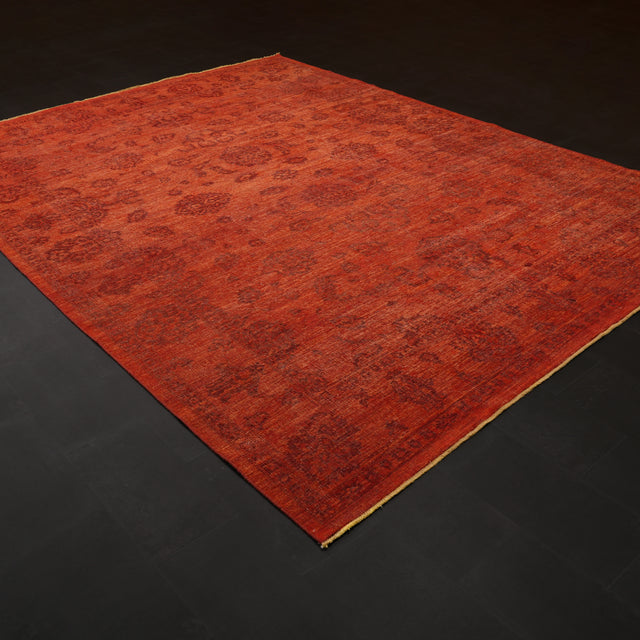 274×362 cm
-
Turquoise at many depths, 270 × 360 cm without a motif
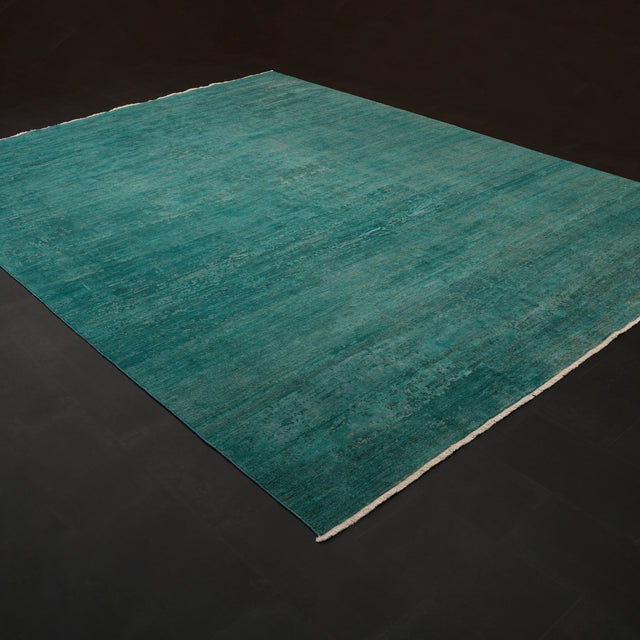 270×360 cm
One of a kind
Turquoise Plain Hand-Knotted Wool and Silk Rug, Ayan Series
from 500.000 TL
≈ 51.000 TL/m² -
Brick orange only where the silk runs, over deep red
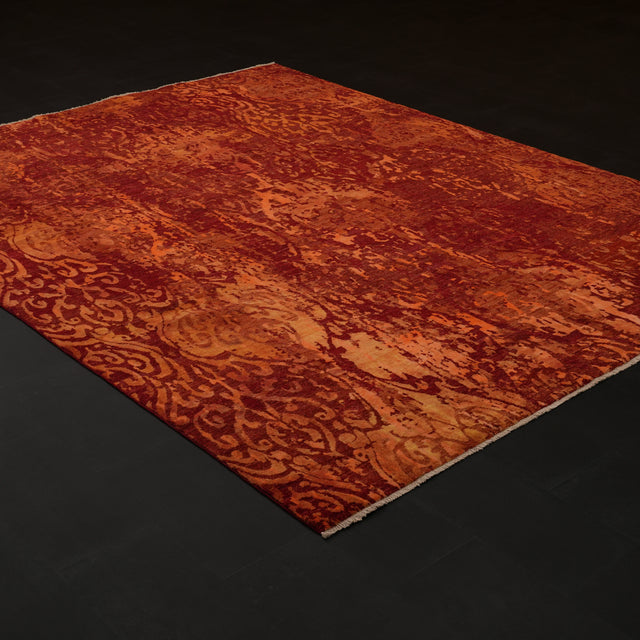 234×303 cm
-
Ten square meters of curving orange, anchored in navy
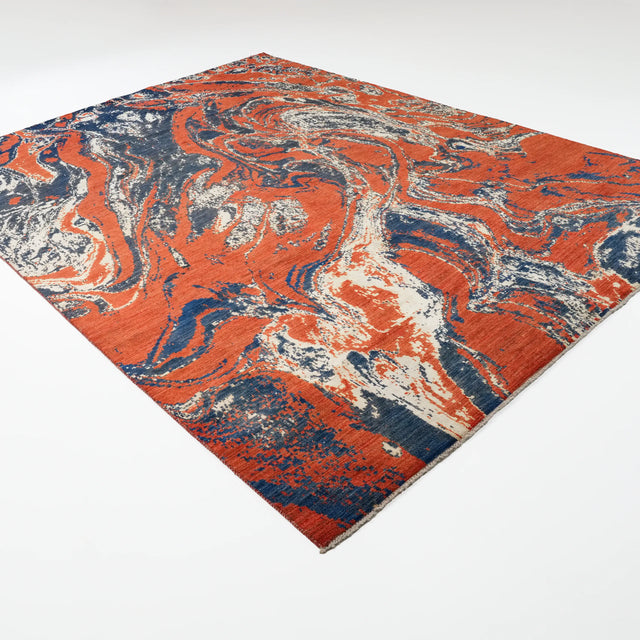 275×370 cm
-
Orange and green sparking off a blue ground, Gördes-knotted
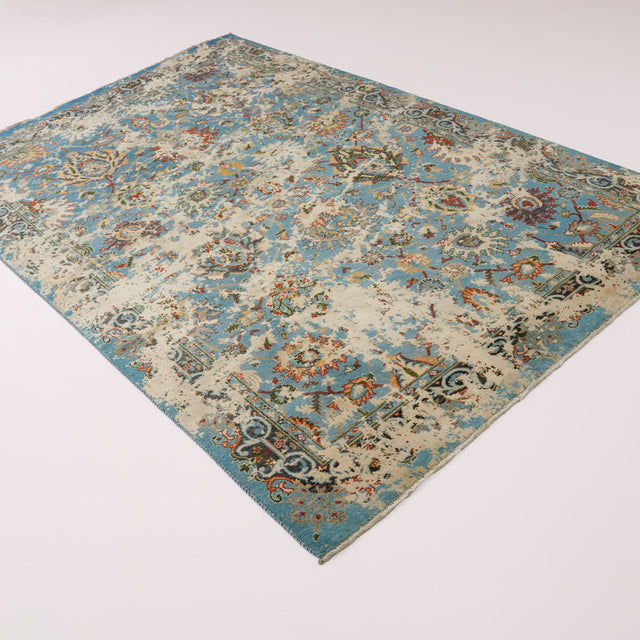 184×288 cm
-
Navy dyed to several strengths in one wool field
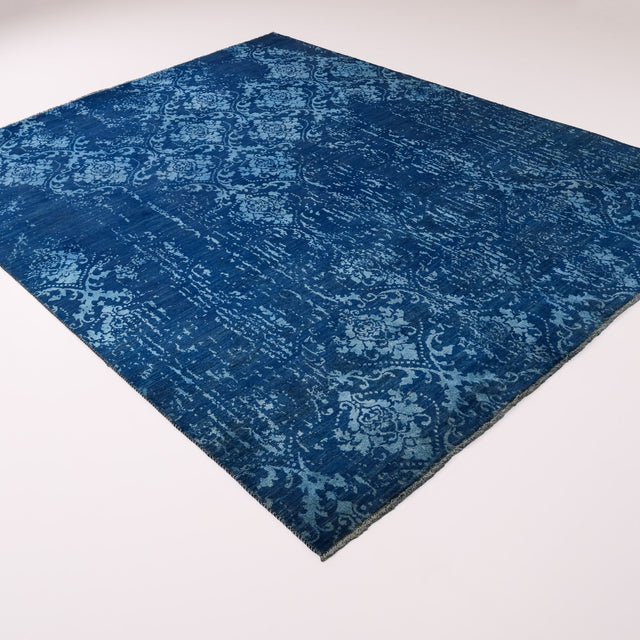 246×315 cm


The Ayan Collection is Halıcızade's one-off hand-knotted line: each rug is tied with the symmetrical Gördes knot in wool, or in wool with a silk pile, in vintage, abstract and geometric drawings, at sizes from 150 × 194 cm (4'11" × 6'4") to 275 × 370 cm (9'0" × 12'2"), and no design is repeated.
The name comes from the Turkish idiom ayan beyan — out in the open, impossible to miss. It is an unusually literal name for a collection. These are the rugs at the top of the house range, and the thing they have in common is that each one exists once: one weaver, one dye lot, one drawing, never rewoven. What follows is what the double knot actually is, why two Ayan rugs of the same color are not the same color, and what separates the wool pieces from the silk ones.
What is the Gördes double knot?
It is the symmetrical knot of Anatolian weaving, and it holds by wrapping two warp threads instead of one.
The weaver takes a single length of yarn, passes it behind two adjacent warp threads, and brings both ends forward between them before cutting. Both ends are anchored, which is where the Turkish name for it — the double knot — comes from, and why there is no loose end to work free. The alternative, the asymmetrical Senneh knot used across much of Persia, loops one warp and passes behind the other; it draws a slightly finer line and grips slightly less. On a rug meant to be walked on for fifty years, the Gördes knot is the conservative choice, and it is the one the Ayan Collection uses throughout.
Why is no Ayan rug repeated?
Because the conditions that made it cannot be reassembled.
Yarn for the collection is dyed in small lots to order, so the same nominal color arrives at the loom in several tones at once. That is what gives an Ayan navy its depth: not one blue but four or five, laid in as the weaver works through the skeins, in the horizontal banding a rug person calls abrash. Change the dye lot, the weaver or the pace of the work and the surface changes with it. The house treats this as the point rather than as a fault, and it does not reweave a sold design.
Wool or silk?
Wool for a room in use, silk for a room on display.
| Wool pile | Wool with silk pile | |
|---|---|---|
| Surface | Matte, warm, opaque | Reflective, and it changes value with the angle of light |
| Wear | High. Suits daily traffic | Lower. Suits low-traffic rooms |
| Care | Vacuum with a brushless head; professional washing when needed | Professional washing only |
| Colors woven so far | Navy, blue, turquoise, gray, red, terracotta | Gray, brown, green, red, turquoise |
| Price position | The entry into the collection | The top of it |
Both are knotted the same way and to the same density. The choice is about light and about traffic, not about quality. See wool rugs and silk rugs for the same distinction across the rest of the range.
What does the price buy?
Time at the loom, a dye lot that exists once, and a structure built to outlast its owner.
The Ayan Collection is the most expensive line the house makes, and the cost is not decoration. It is months of a weaver's work at a knot count fine enough to draw a curve; yarn dyed in small batches rather than pulled from stock; and a symmetrical knot that keeps the pile anchored long after a machine-woven rug of the same age has begun to shed. A rug like this is bought the way a piece of furniture is bought, not the way a floor covering is — see also investment-grade rugs. Every piece is priced individually on its own product page, since size, fiber and knot density all move it.
How do you tell a good hand-knotted rug?
Turn it over, then weigh it in your hands.
On a hand-knotted rug the pattern reads clearly on the back, knot by knot, because the back is the same weaving as the front. A machine rug shows a grid, a backing or a glue line instead. Weight is the second test: hand-knotted work is markedly heavier than a machine rug of the same size, because there is more yarn in it. If a single fiber can be spared, wool singes like hair and stops, and silk shrinks back rather than melting into a bead the way a synthetic does. For the same construction across the rest of the range, see hand-knotted rugs.
Frequently Asked Questions
What is the Ayan Collection?
Halıcızade's one-off hand-knotted line, tied with the symmetrical Gördes knot in wool or in wool with a silk pile, in vintage, abstract and geometric drawings, at sizes from 150 × 194 cm to 275 × 370 cm. No design is repeated.
What is the difference between a hand-knotted rug and a machine-made one?
In a hand-knotted rug every knot grips its own pair of warp threads and holds independently, so there is no single fixing to fail. In a machine rug the pile is locked in by the weaving action, and heavy use can eventually work it loose.
What does the Gördes double knot mean?
It is the symmetrical Anatolian knot. One length of yarn wraps two adjacent warp threads and both of its ends are brought forward between them, so both ends are anchored. The structure is tighter than a single-anchored knot and directly affects density, pattern sharpness and working life.
Should I choose a wool or a silk Ayan rug?
Wool is matte, warm and hard-wearing, and it suits a room in daily use. Silk carries a luster that shifts with the angle of light, needs more careful maintenance, and sits at the top of the collection's price range.
Why does one Ayan rug contain several shades of the same color?
Yarn is dyed in small lots for each piece, so a single nominal color reaches the loom in several tones. The banding this produces is called abrash, and it is what gives the surface its depth once the rug is on the floor.
What sizes does the Ayan Collection come in?
From 150 × 194 cm up to 275 × 370 cm, or roughly 3 to 10 square meters. More than half fall between 6 and 8 square meters, which is living-room scale, with a few small enough for a hallway or a study.
How is an Ayan rug cared for?
Vacuum in a single direction with a brushless head. Blot spills with a dry cloth, pressing straight down rather than rubbing. Send the rug out for professional washing when it needs it, and the house arranges that for its own customers.
Related collections: vintage rugs and abstract patterned rugs. Pieces from the collection can be seen at the Ankara showroom, and every product page carries a room-view tool that places the rug in your own space.