

Filters
9 products
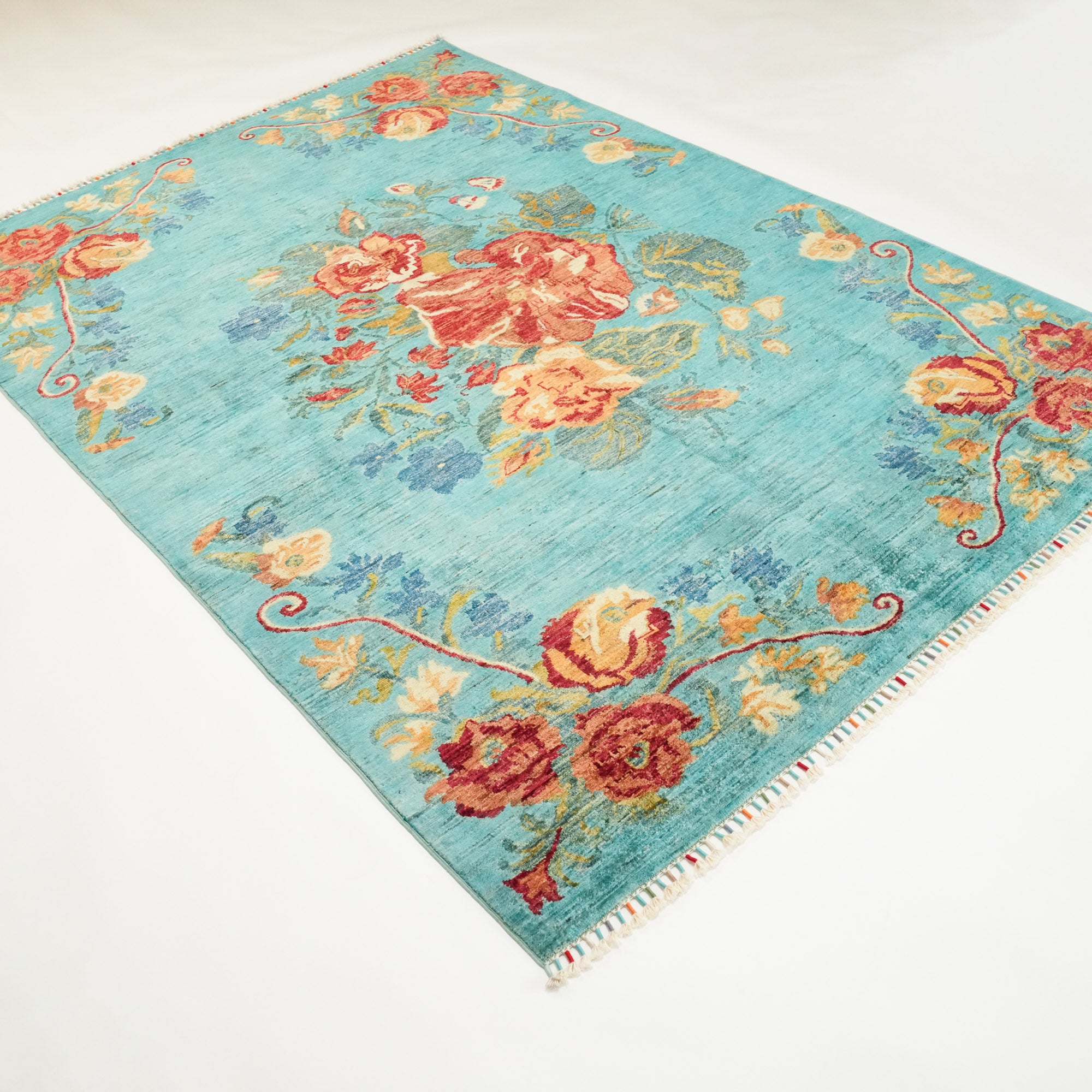
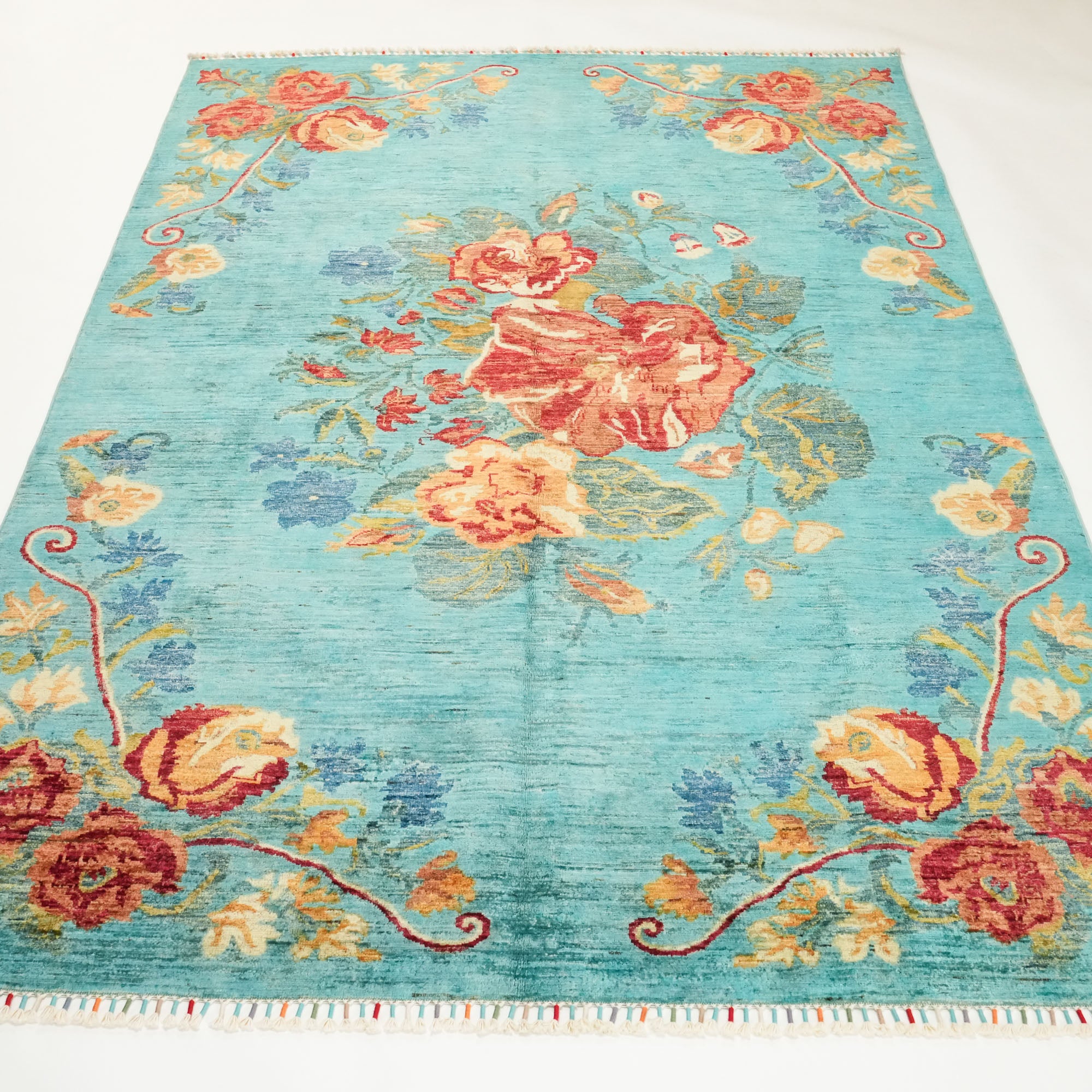
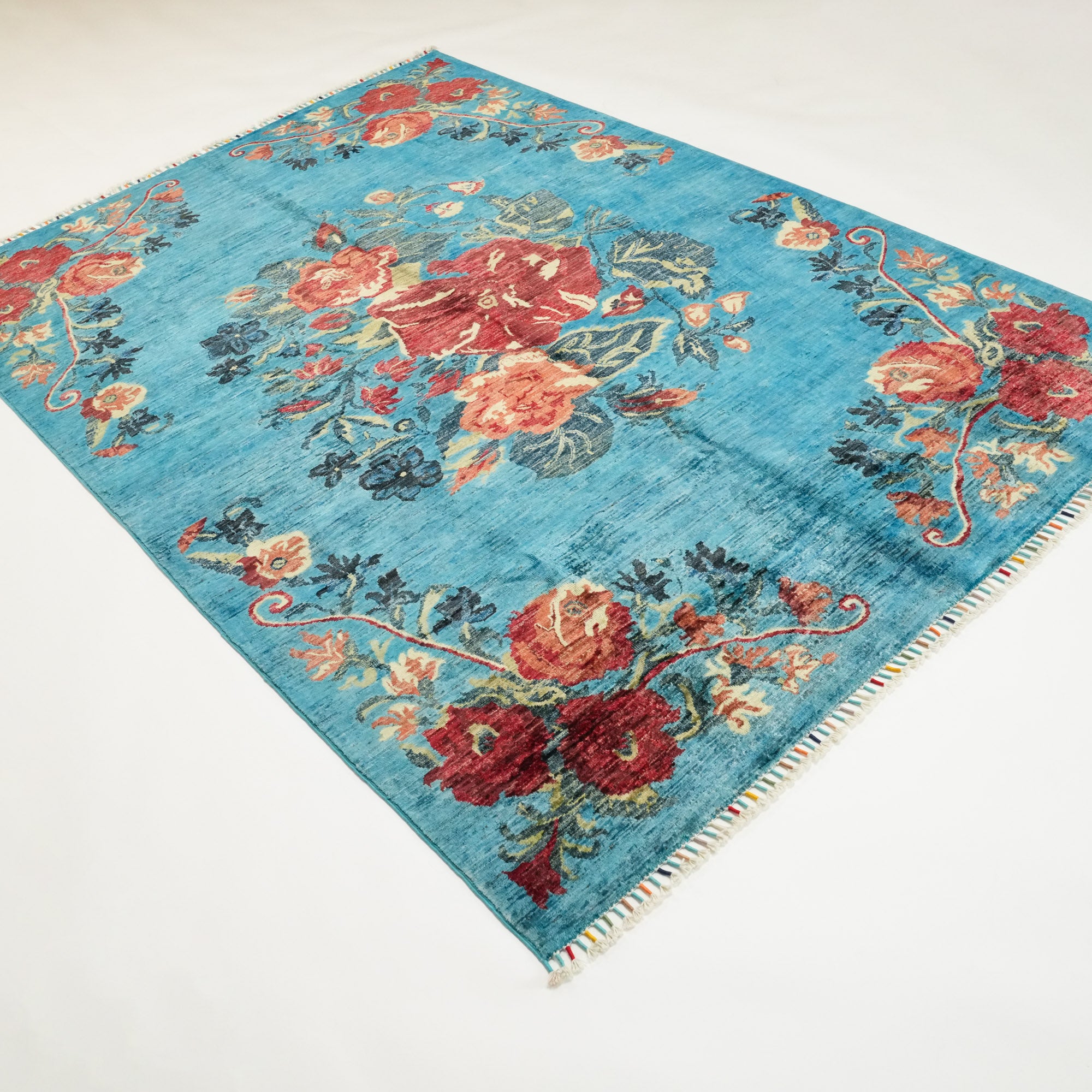
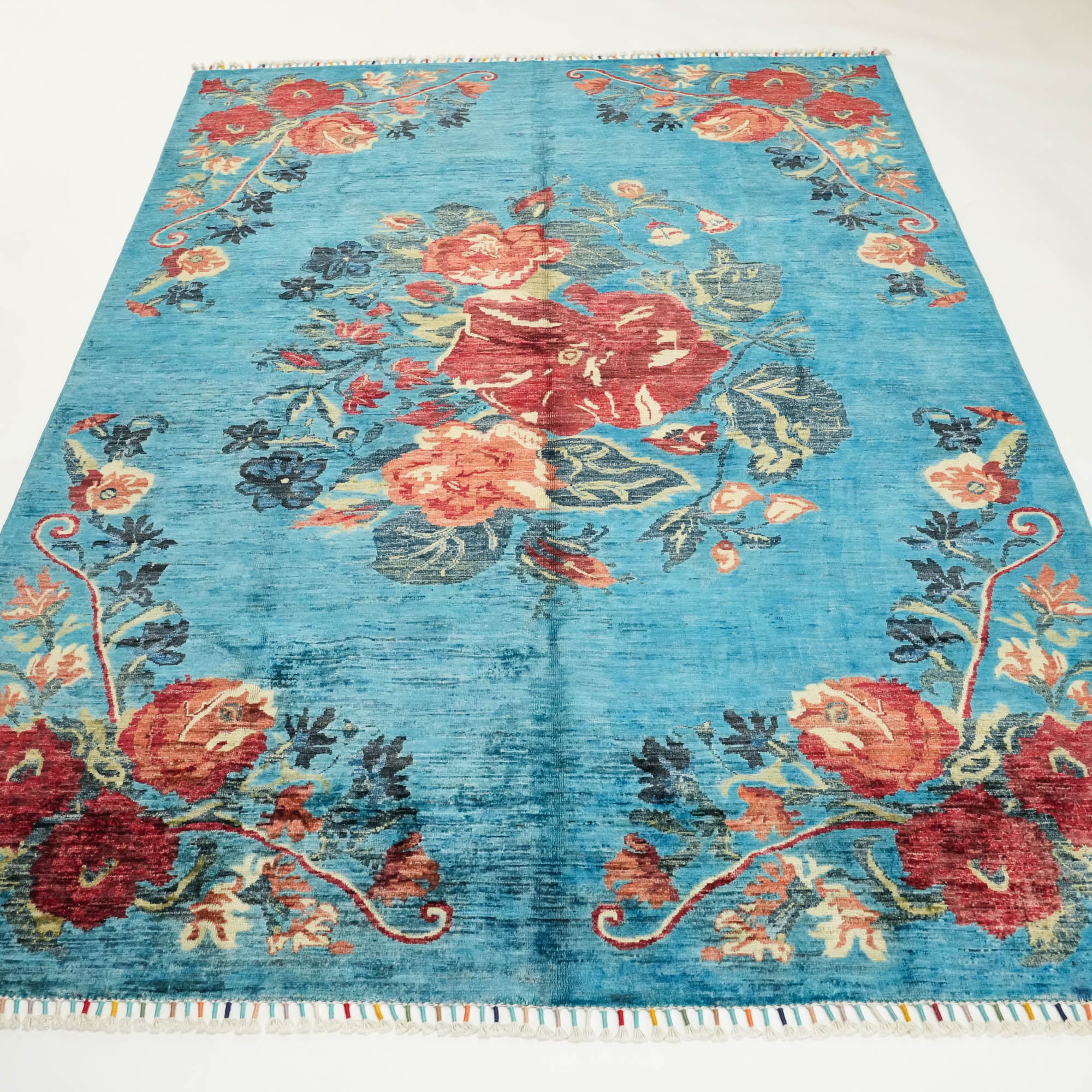
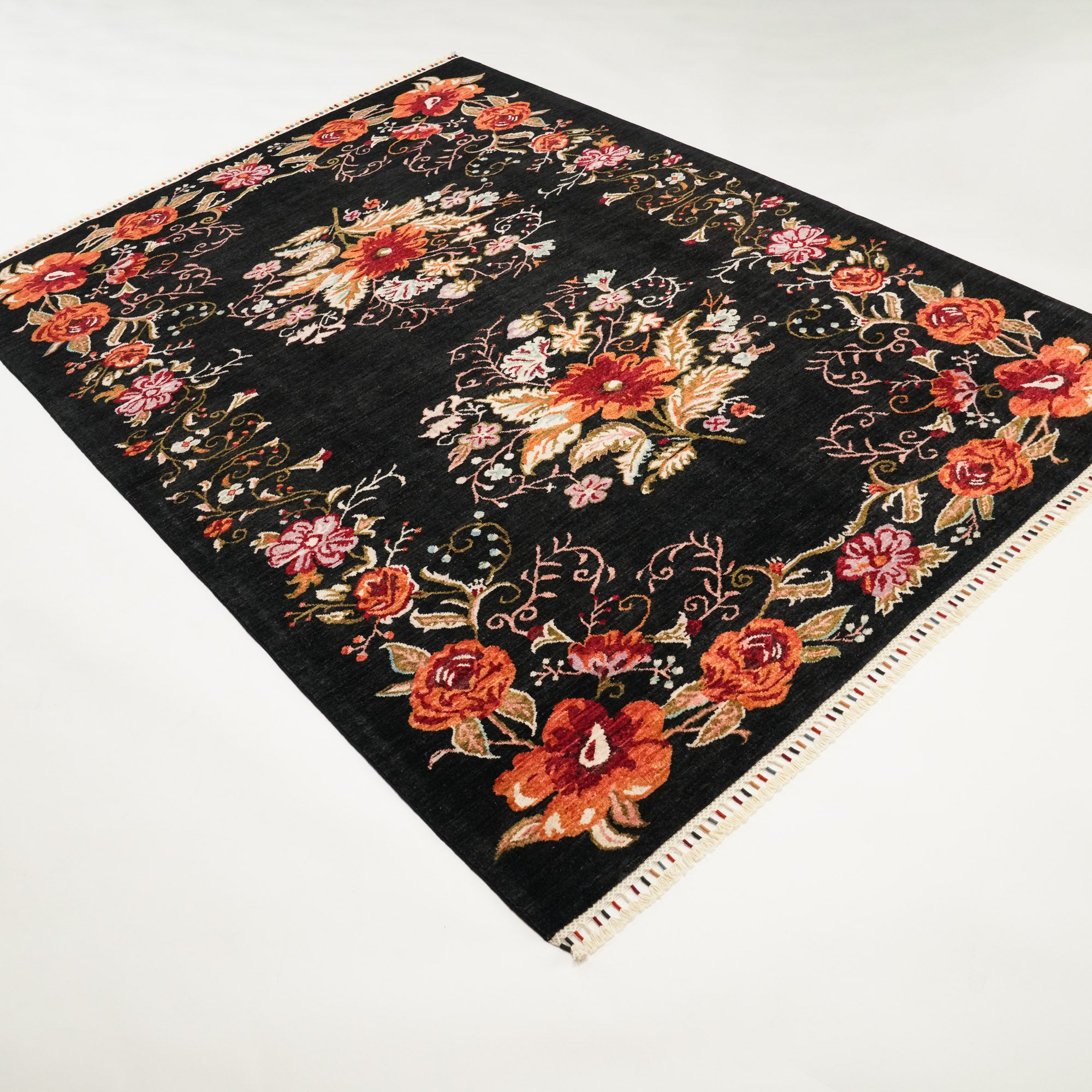
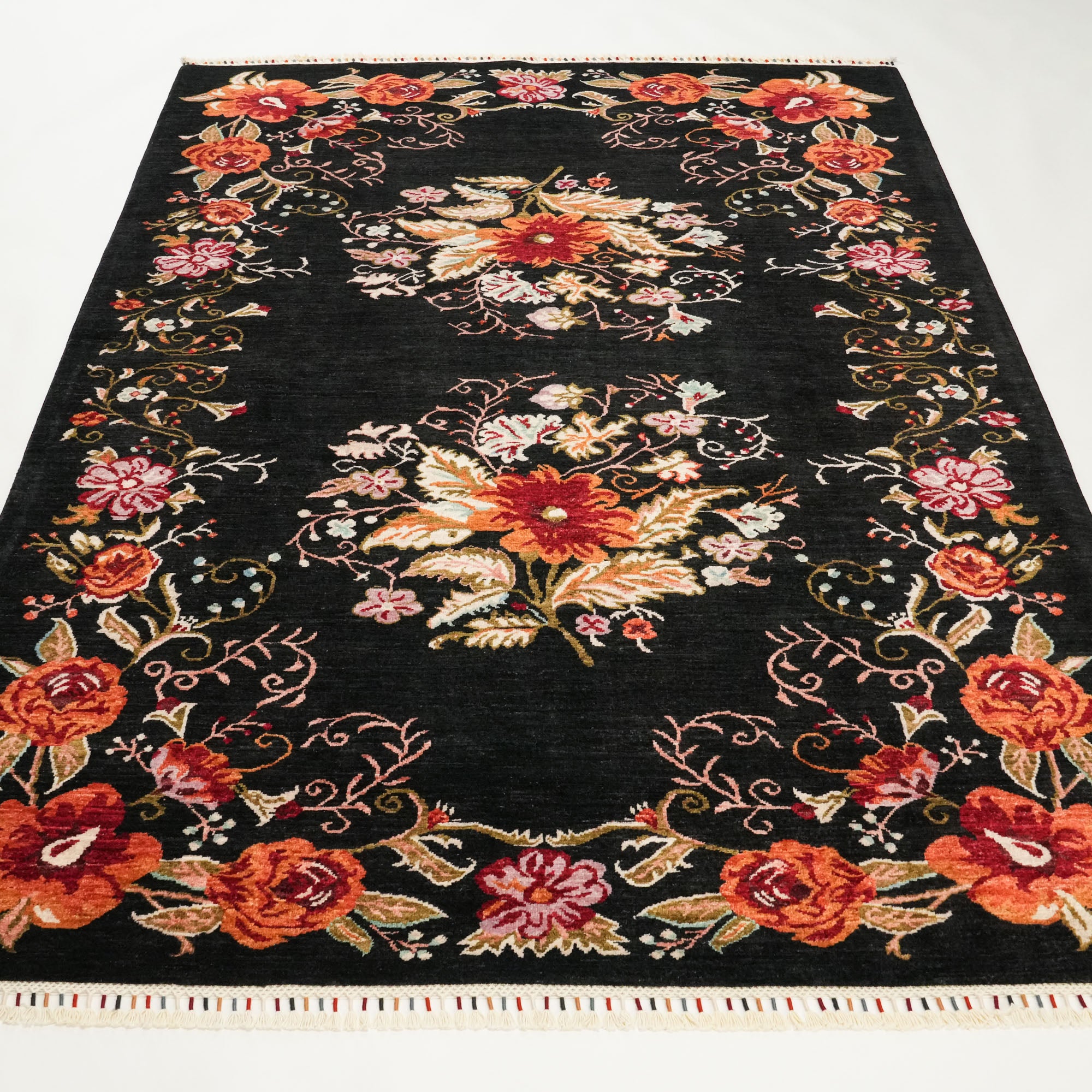
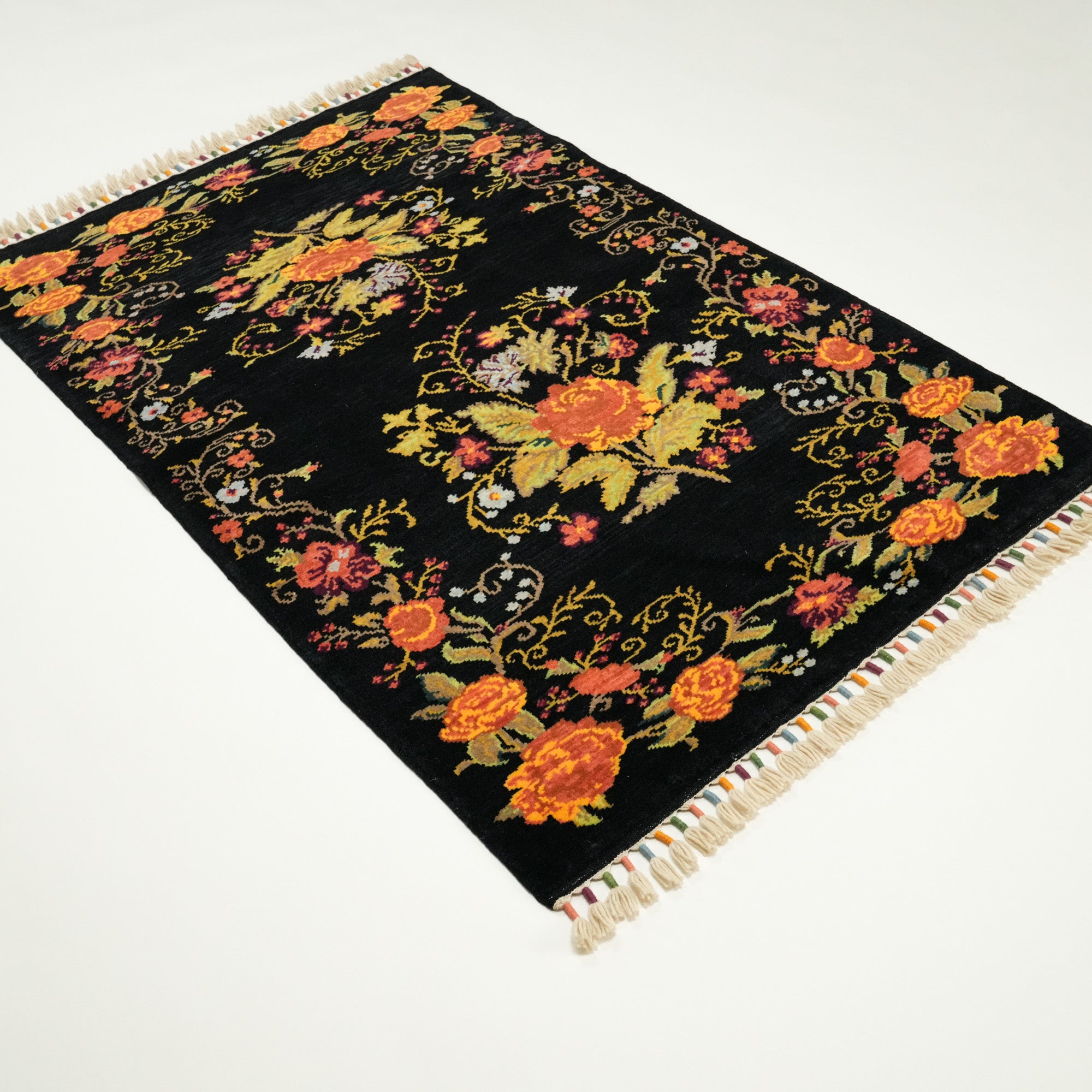
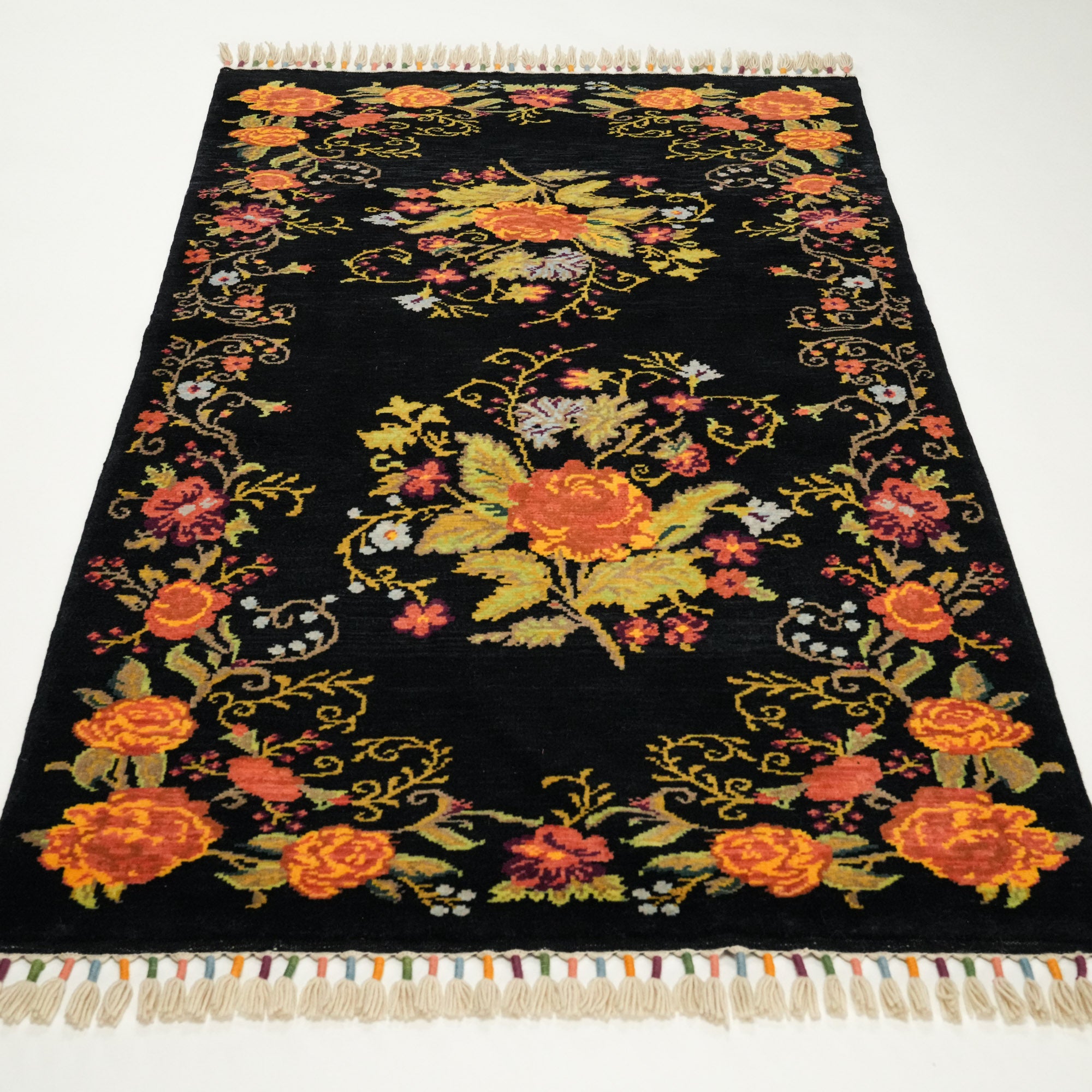
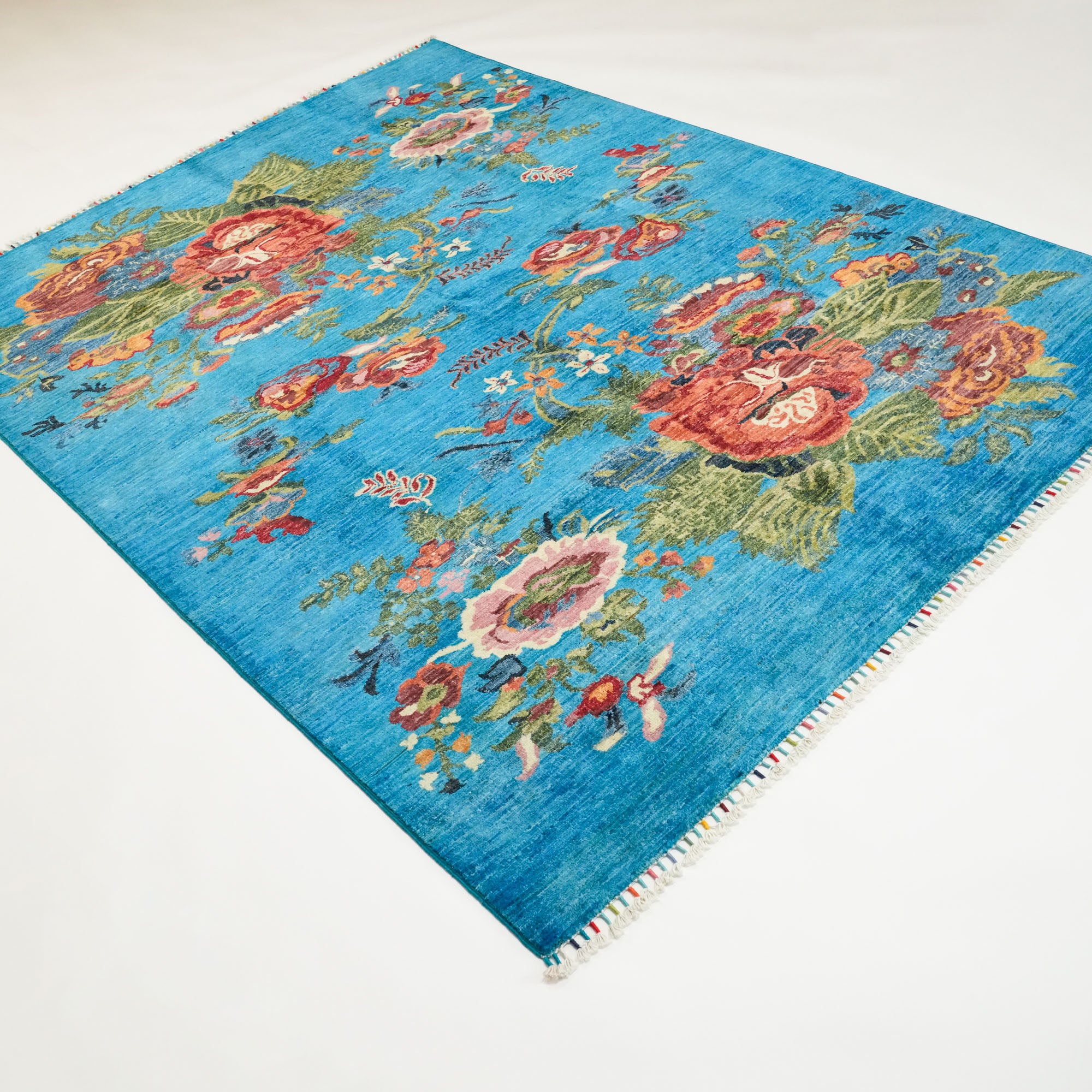
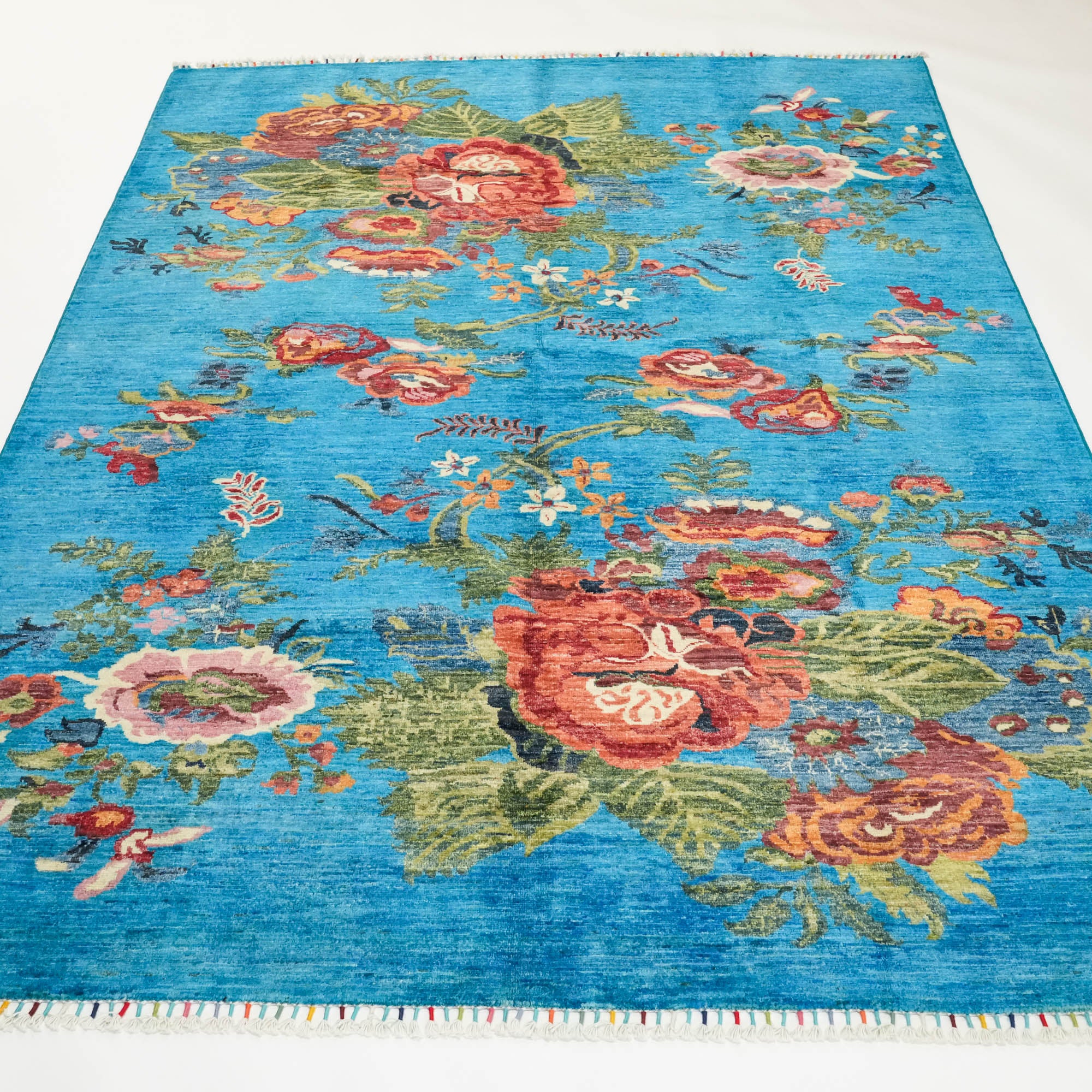
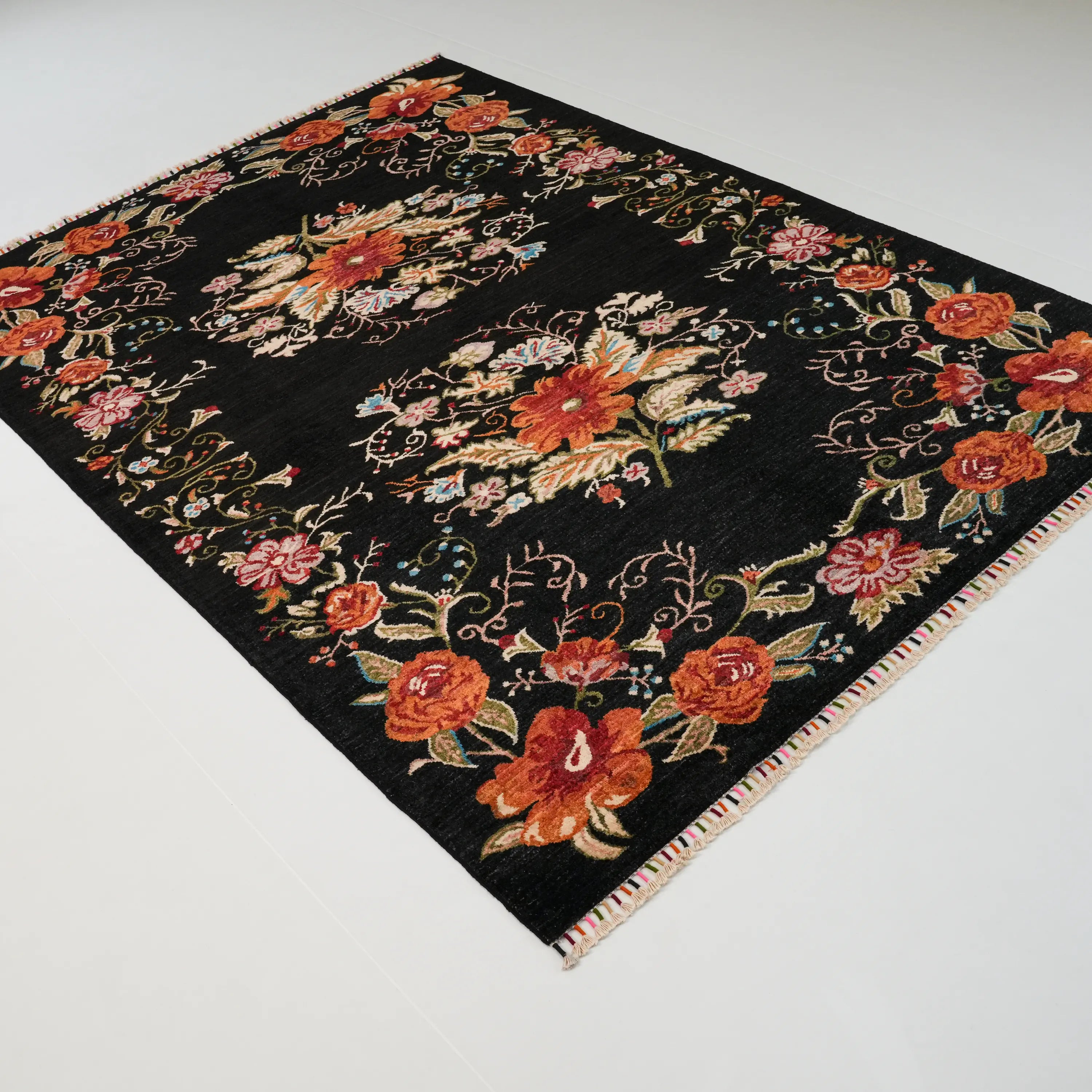
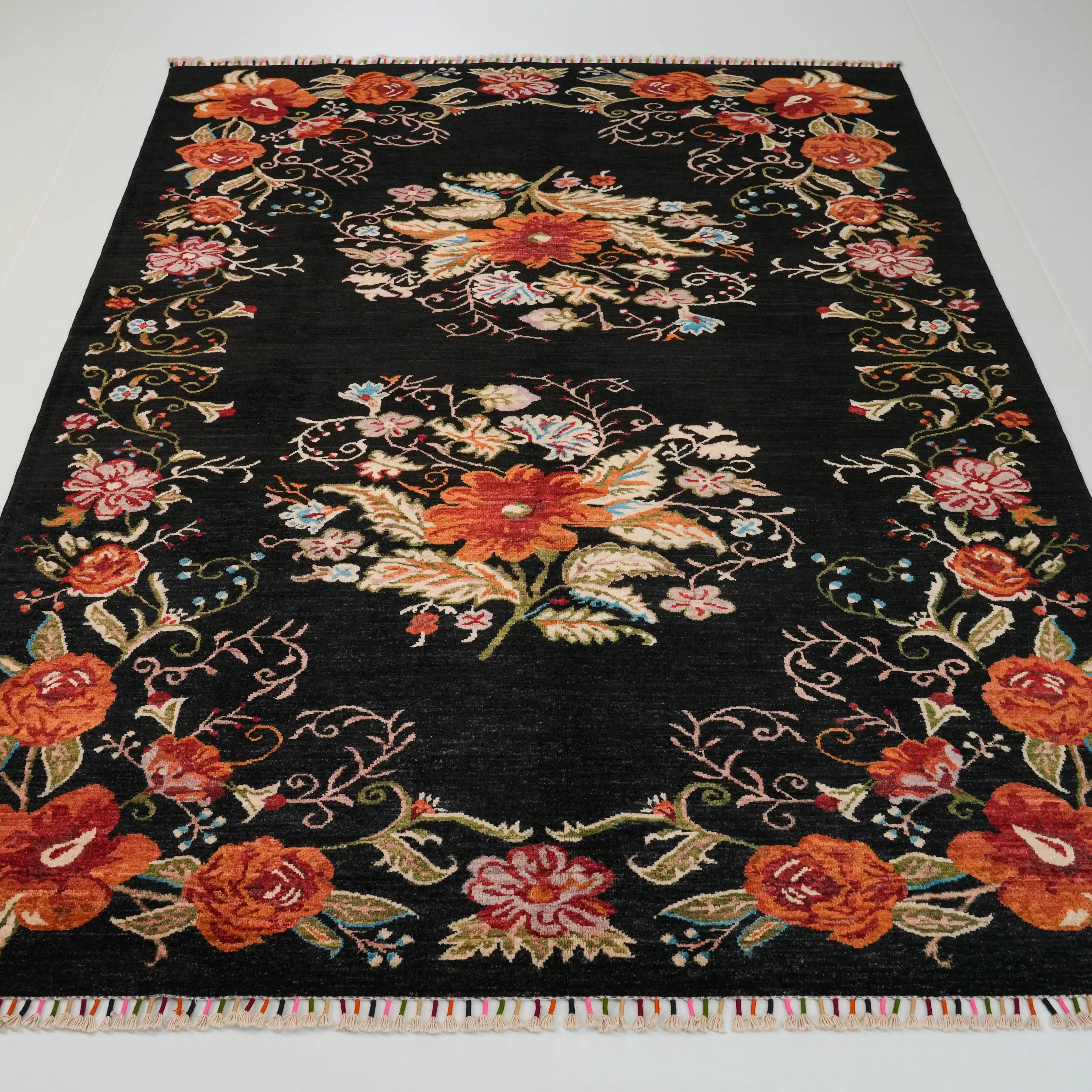
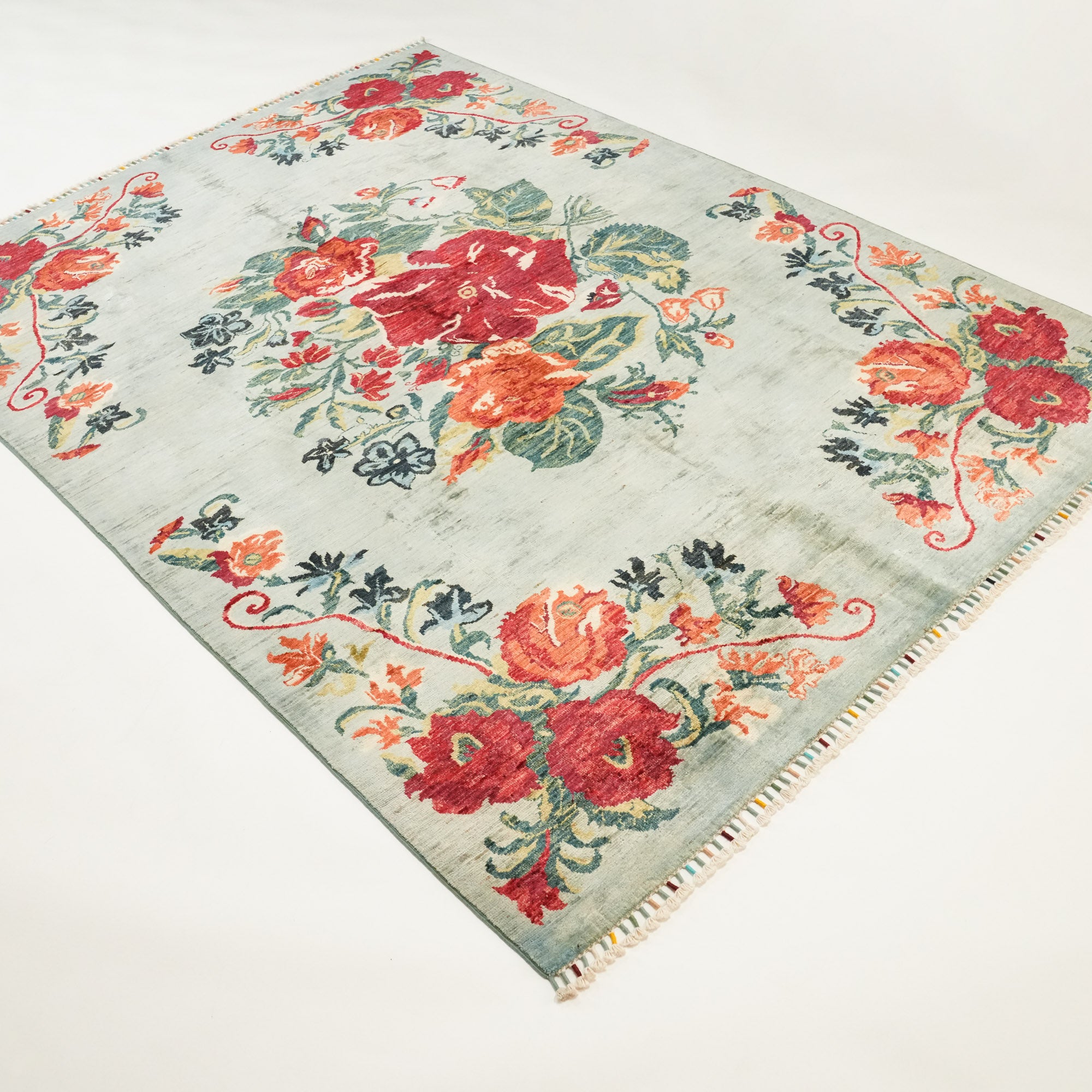
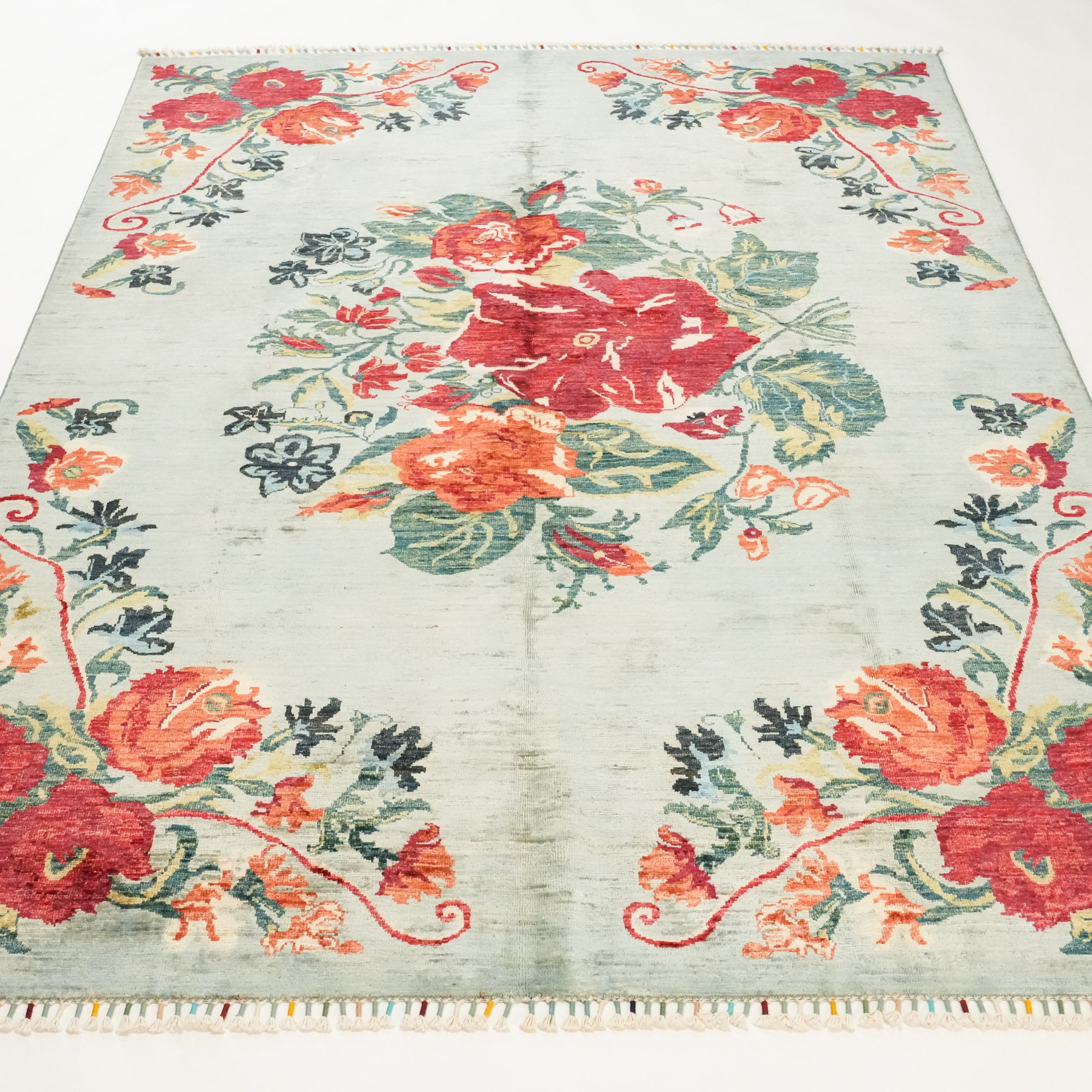


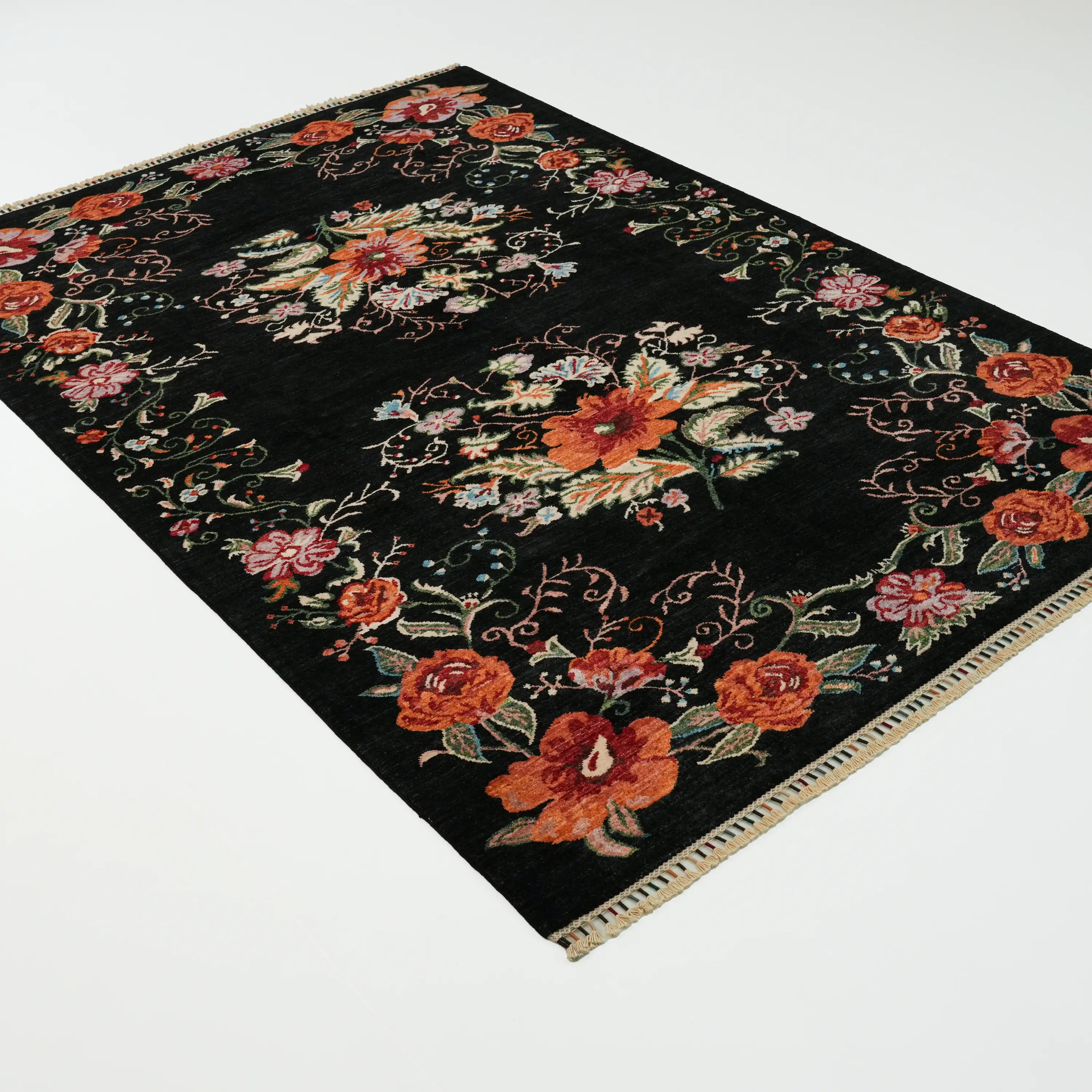
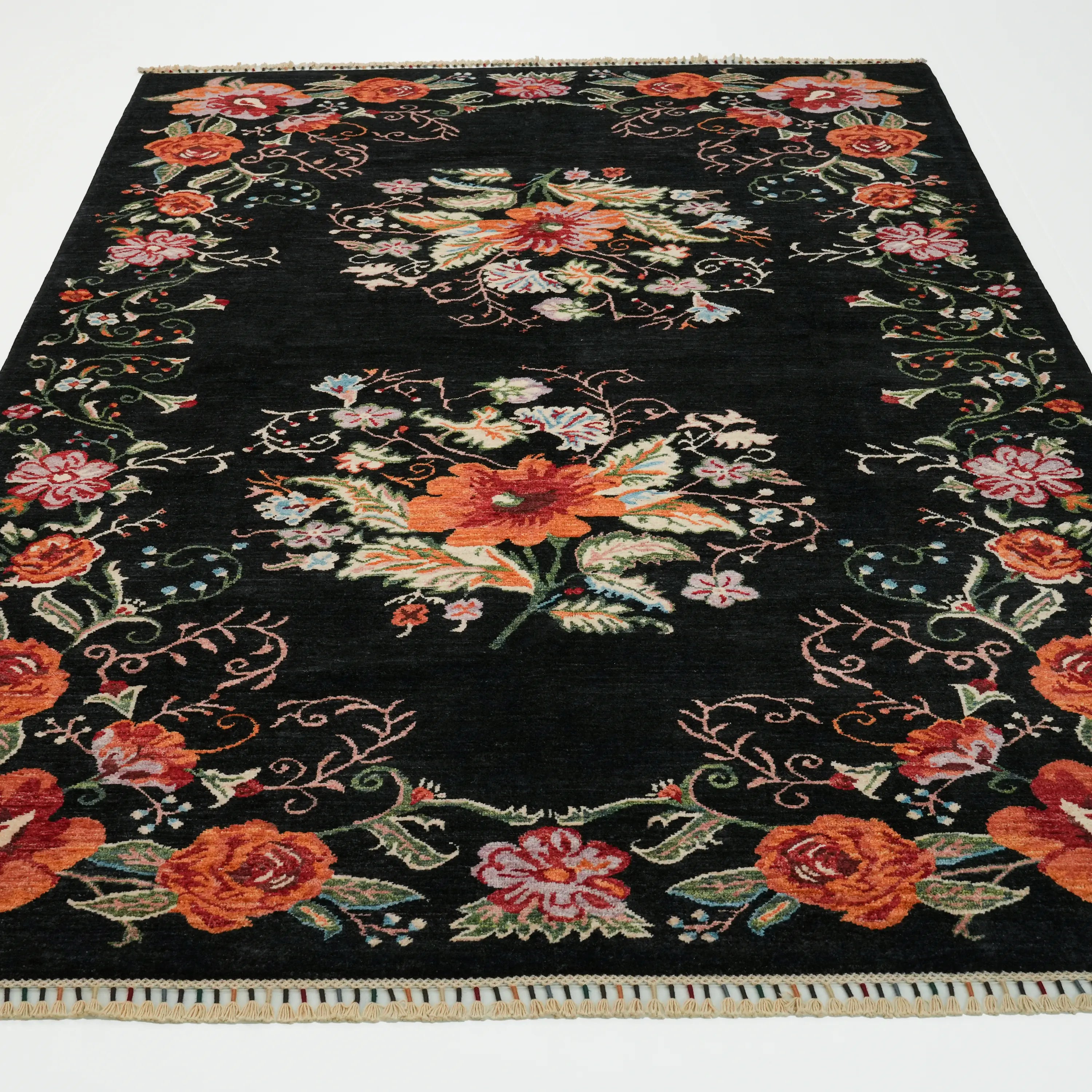
A Karabakh rug is a knotted pile rug following the design tradition of the Karabakh region in the South Caucasus, distinct from the flat-woven Karabakh kilim, known for bold medallion compositions and richly saturated color.
This piece complements our Karabakh kilim collection by representing the region's knotted pile tradition specifically, since Karabakh weaving spans both flat and pile construction with related but distinguishable pattern conventions.
A Caucasian Pile-Weaving Tradition
Alongside its recognized flatweave kilim tradition, the Karabakh region of the South Caucasus also has a distinct knotted pile carpet history, historically produced for both local use and regional trade, characterized by bold medallion and floral compositions in rich, saturated color combinations.
Knotted Pile Construction With Caucasian Motifs
Unlike the interlocked flatweave of a Karabakh kilim, Karabakh pile rugs are hand-knotted, producing a denser, plusher rug that carries forward the region's characteristic bold medallion and stylized floral motif vocabulary in a different structural format.
Why Choose a Karabakh Rug from Halicizade
We offer Karabakh-pattern pile construction to give buyers access to this Caucasian design tradition's richer, plusher pile format alongside our flat-woven Karabakh kilim collection.
Styling a Karabakh Rug
This tradition's bold medallion work and rich color suit traditional and eclectic rooms wanting real visual presence.
- Traditional and eclectic living rooms suit Karabakh's bold, saturated medallion pattern particularly well.
- Pair with simple, neutral furniture that lets the rich color and pattern lead the room.
- A strong choice for buyers specifically interested in Caucasian, rather than purely Anatolian, weaving heritage.
- Works well as a formal centerpiece given the tradition's structured medallion composition.
Karabakh Pile Rug vs. Karabakh Kilim
| Karabakh Pile Rug | Karabakh Kilim | |
|---|---|---|
| Construction | Hand-knotted pile | Flat-woven, interlocked warp/weft |
| Weight and feel | Denser, plusher | Lighter, thinner |
| Typical use | Formal centerpiece | Casual use, layering, wall hanging |
Care & Maintenance
Standard wool care applies, regular vacuuming, prompt spill treatment, and professional cleaning every 12-18 months, consistent with traditional hand-knotted pile construction.
Frequently Asked Questions
What is the difference between a Karabakh rug and a Karabakh kilim?
The rug is hand-knotted pile construction, denser and plusher, while the kilim is flat-woven, lighter and reversible; both draw on the same regional Caucasian design tradition.
What motifs are typical of Karabakh pile rugs?
Bold medallion and stylized floral compositions in rich, saturated color combinations.
Are Karabakh pile rugs hand-knotted?
Traditional Karabakh pile rugs are hand-knotted; Halicizade's pieces drawing on this tradition may vary in construction, check the specific product listing.
What rooms suit a Karabakh rug best?
Traditional and eclectic living rooms, where the bold, saturated medallion pattern can serve as a formal centerpiece.
How does Karabakh compare to Anatolian Turkish carpet design?
Karabakh is a distinct South Caucasus tradition, related to but separate from Anatolian Turkish weaving, with its own characteristic motifs and often bolder color saturation.
What colors are typical of Karabakh pile rugs?
Rich, saturated color combinations are characteristic of the tradition, generally bolder than more restrained regional palettes.