Mustard and brick red at both ends, cream in between
 %60
120×180 cm



Rugs & Kilims
Find Your Rug
For those who already know what they are looking for — Halıcızade's most visited collections.
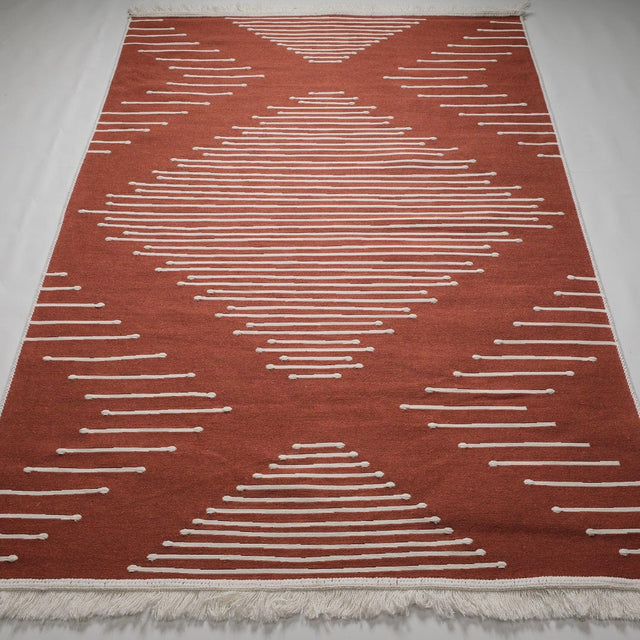
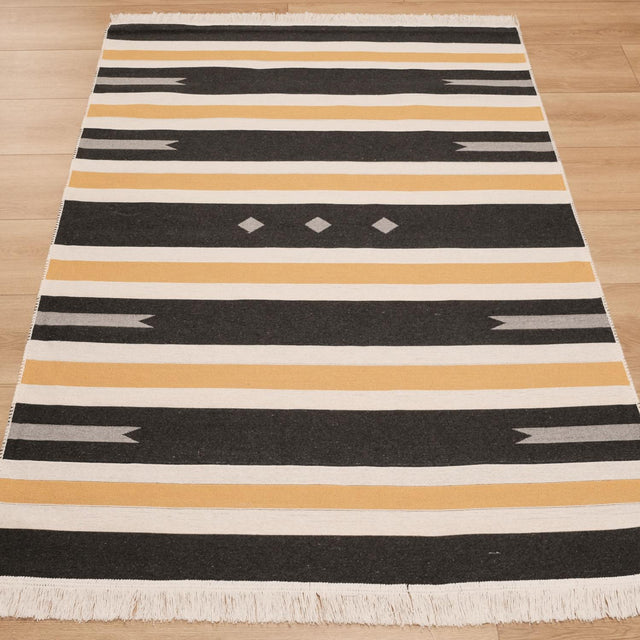
Mustard and brick red at both ends, cream in between
%60
120×180 cm
 %30
160×230 cm
from
1.050 TLwas1.500 TL
%30 off≈ 900 TL/m²
 %30
160×230 cm
from
1.050 TLwas1.500 TL
%30 off≈ 900 TL/m²
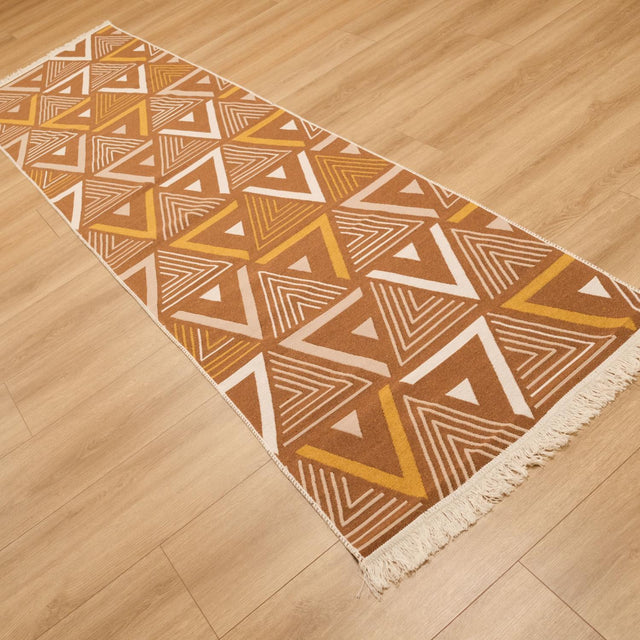
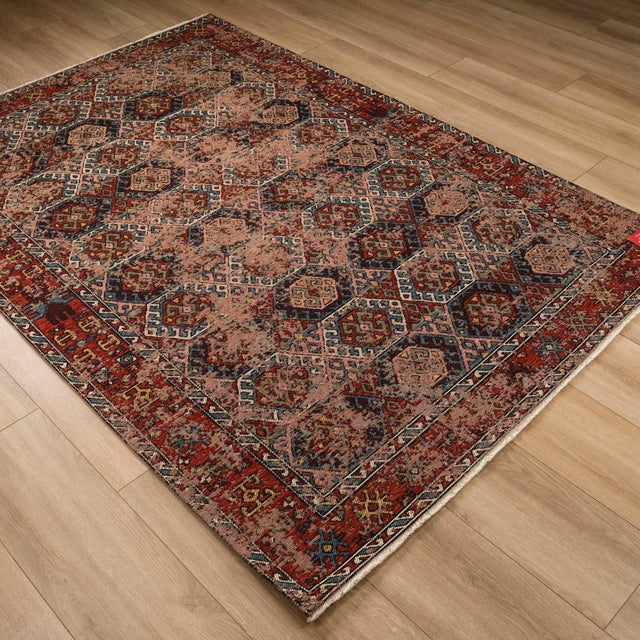
Eighty centimeters by three meters, no tone in charge
 %30
80×300 cm
One of a kind
from
5.250 TLwas7.500 TL
%30 off≈ 2.200 TL/m²
 %30
160×230 cm
from
1.925 TLwas2.750 TL
%30 off≈ 900 TL/m²
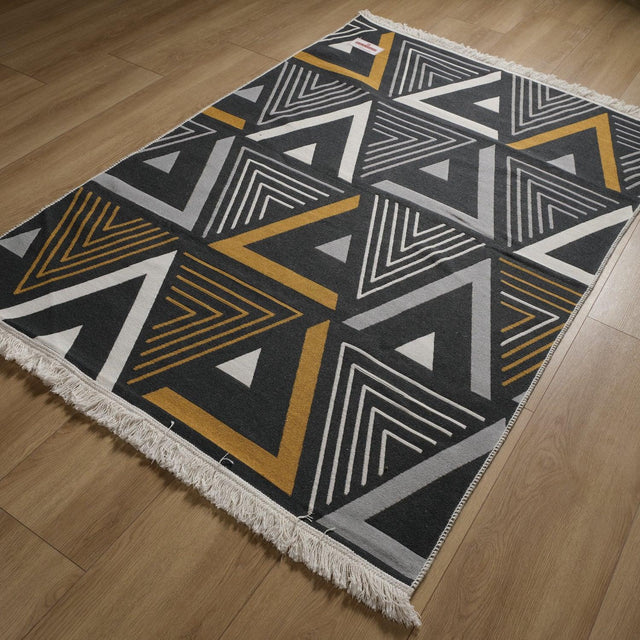
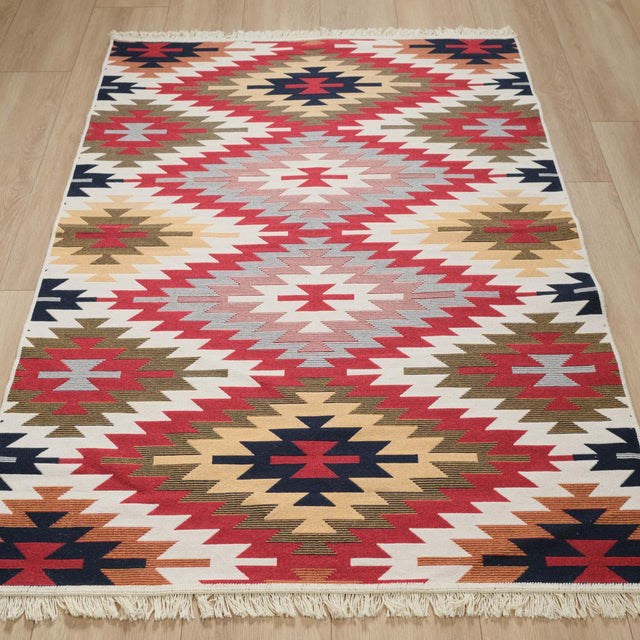
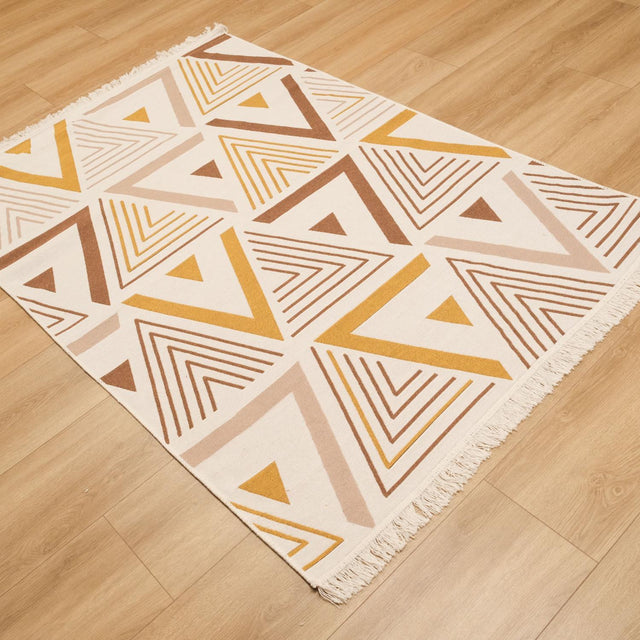
Yellow, cream and black geometry in 100% cotton
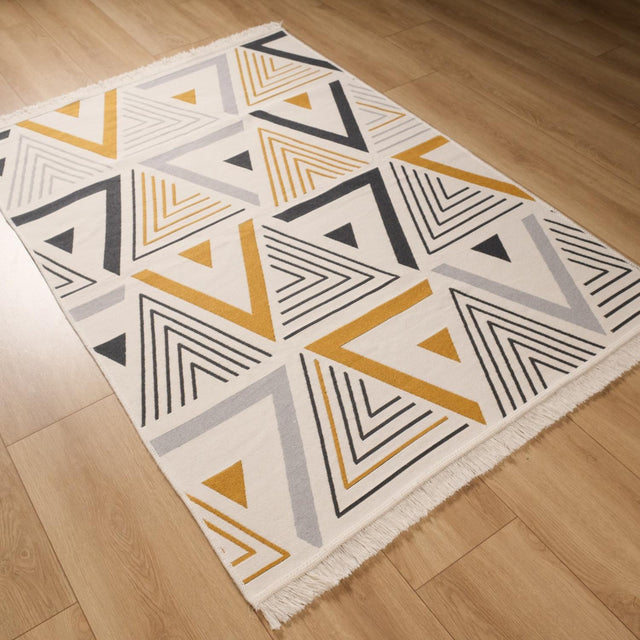 %30
160×230 cm
One of a kind
from
3.281 TLwas4.688 TL
%30 off≈ 900 TL/m²
 %30
160×230 cm
from
3.281 TLwas4.688 TL
%30 off≈ 900 TL/m²
 %30
160×230 cm
from
3.281 TLwas4.688 TL
%30 off≈ 900 TL/m²
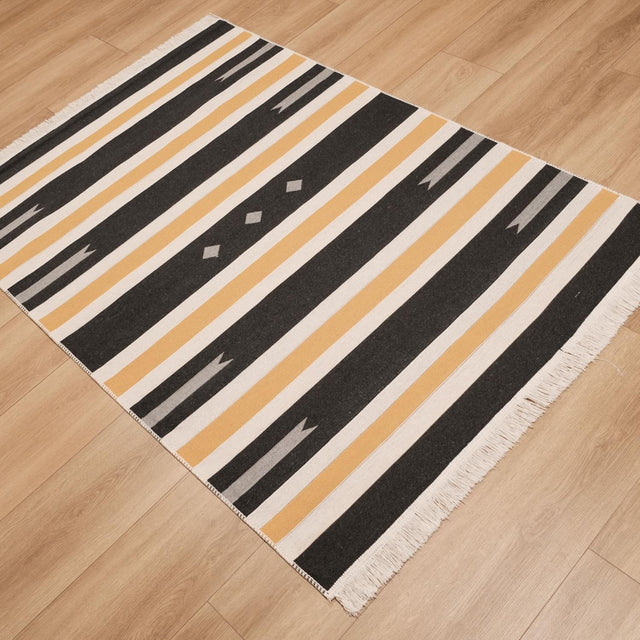 %30
160×230 cm
One of a kind
from
3.281 TLwas4.688 TL
%30 off≈ 900 TL/m²
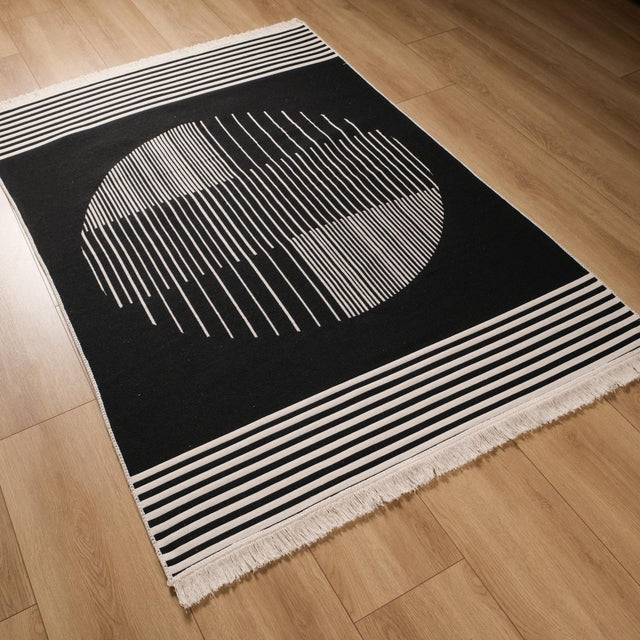 %30
80×300 cm
from
1.050 TLwas1.500 TL
%30 off≈ 900 TL/m²
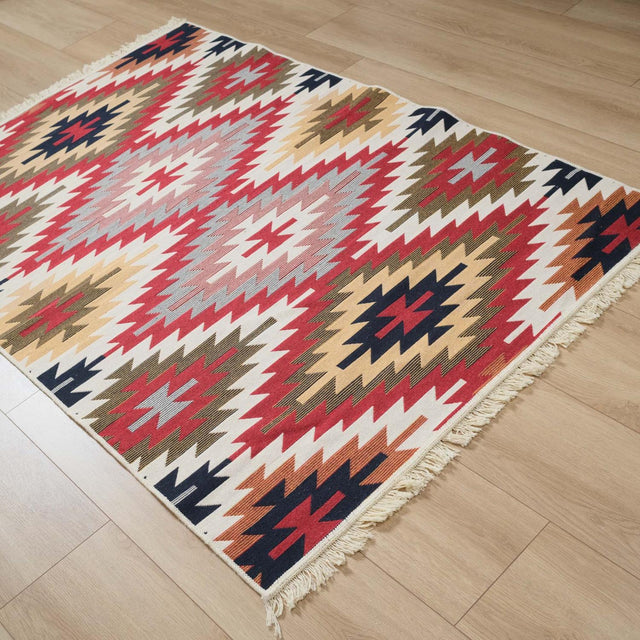 %30
80×300 cm
from
1.925 TLwas2.750 TL
%30 off≈ 900 TL/m²
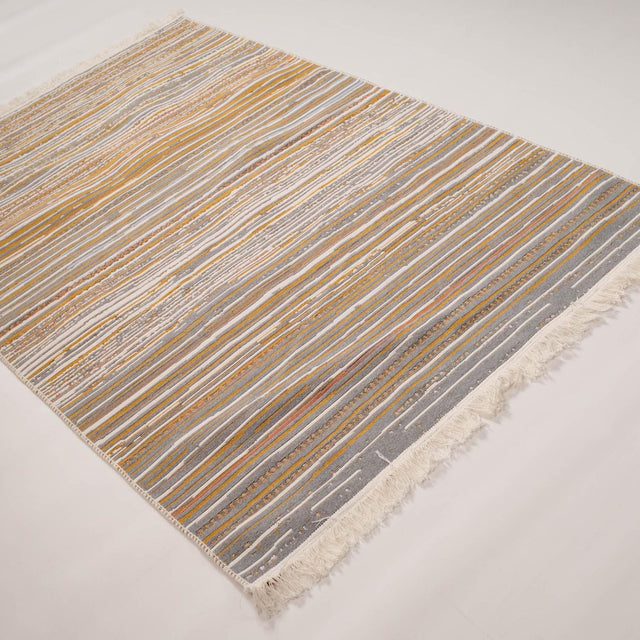 %30
160×230 cm
One of a kind
from
3.281 TLwas4.688 TL
%30 off≈ 900 TL/m²
 %30
160×230 cm
from
1.925 TLwas2.750 TL
%30 off≈ 900 TL/m²
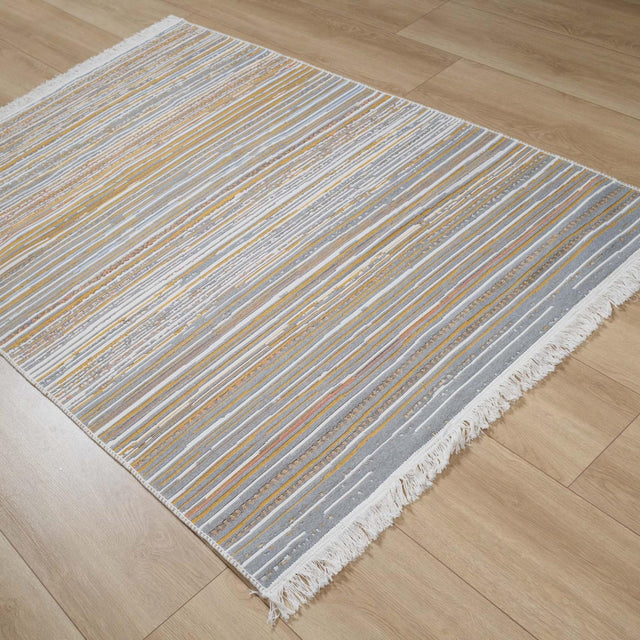
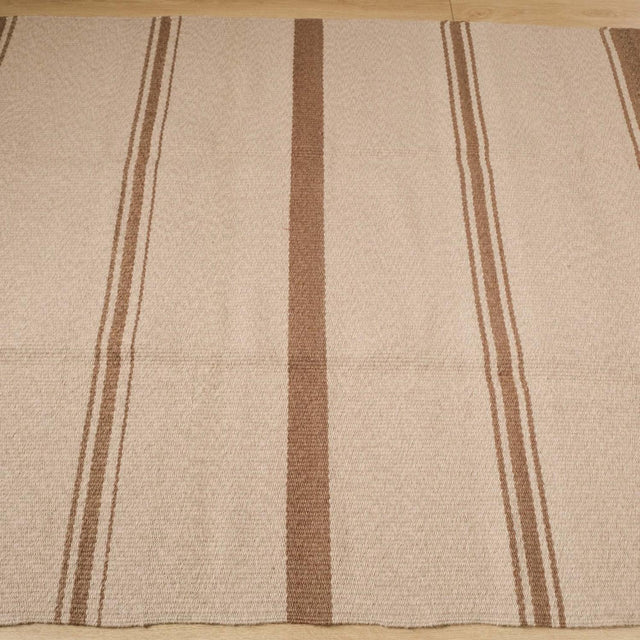
Stripes a machine keeps even: brown bands, flat-woven, no pile
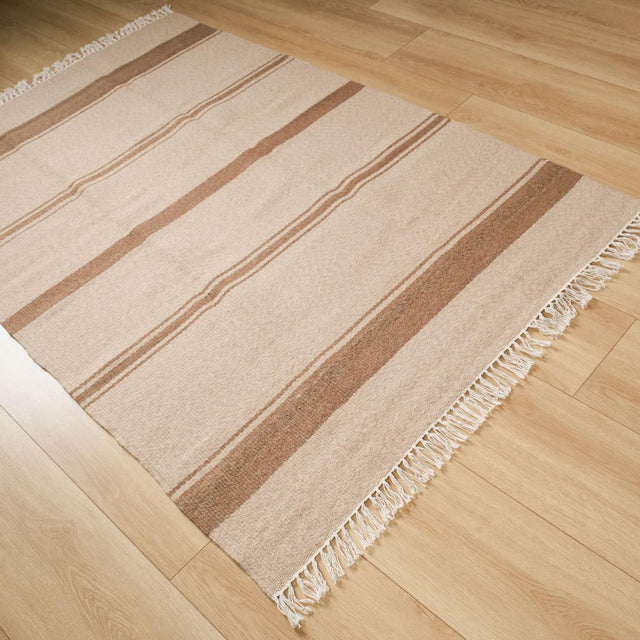 %60
120×180 cm
Sand-beige for its whole length, brown banding only at one end
 %60
120×180 cm
A machine-woven kilim is a flat, pile-free rug produced on a power loom in the pattern language of the handwoven kilim — geometric bands, hooked medallions, Anatolian motifs — at standard sizes and a fraction of the price. It is thin, light, reversible in some constructions, and made in cotton, wool or synthetic yarn.
A kilim is the flat-woven half of Turkish weaving: no knots, no pile, the pattern built by the weft itself. What follows is how the machine version differs structurally from the handwoven original, what it is made of, how the price tiers actually work, and where a machine kilim is the right answer.
The look is shared; the structure is not.
In a handwoven kilim the weaver builds each color area with its own weft, turning the yarn back at the edge of the shape. Where two colors meet along a vertical line the two wefts turn around different warps, which leaves a small gap — the slit that gives slit-woven kilims their name and their characteristic diagonal drawing, since a long vertical slit would weaken the fabric. The pattern is therefore identical on both faces, and the rug is genuinely reversible.
A power loom cannot turn a weft back on itself that way. It runs continuous wefts across the full width and produces the pattern by controlling which yarn shows on the face — so the reverse is a mirror, a muddle or a backing rather than a second usable face, and the slit is drawn rather than woven. Turn any flat-woven rug over and this is the first thing to check. Everything else follows: standard sizes instead of loom-width sizes, exact repeatability instead of drift, days instead of weeks. For what the original motifs mean, see kilim motifs and their meanings.
Three fibers, and the choice matters more than the pattern.
Sizes cluster in the small-to-medium range — roughly 2, 3, 4 and 6 square meters, which covers a runner at about 80 × 300 cm (2'7" × 9'10"), a bedside or kitchen piece at 120 × 180 cm (3'11" × 5'11"), and a seating-area rug at 160 × 230 cm (5'3" × 7'7").
There are four levels, and none of the machine-woven ones approaches a handwoven kilim.
| Tier | What it is | Care | Best for |
|---|---|---|---|
| Entry — cotton machine kilim | Thin, matte flatweave in cotton, often machine washable | Domestic washing machine where the label allows | Kitchens, children's rooms, summer use, first apartments |
| Middle — synthetic machine kilim | Acrylic or polypropylene, colorfast, often non-slip backed | Wipe clean; water does not harm it | Balconies, winter gardens, entries, pets |
| Upper — wool machine kilim | Wool flatweave on a power loom, heavier and warmer | Professional cleaning | Living rooms and bedrooms wanting the handwoven look |
| Above all three — handwoven kilim | Slit-woven by hand, fully reversible | Professional washing | Long ownership, layering, wall hanging |
The gap between the top machine tier and the bottom handwoven one is labor: a power loom does in hours what a weaver does in weeks, and that difference is most of the price of a handwoven piece. Current prices sit on each product page, since size, fiber and weave density all move them. Compare the alternative directly at handwoven kilims and Anatolian kilims.
Check the label before anything else, because the three fibers behave differently.
For routine cleaning, use a vacuum with the flat brushless head, working in one direction, and wipe with a damp cloth and plain soap in the same direction. For a spot on a washable piece, pour warm water through the back of the stained area first so that the soil moves out of the weave rather than deeper into it, then clean with mild soapy water and rinse. Dry flat and fully; a flatweave left damp and rolled will smell. Anything beyond a small spot on a wool piece should go to a professional. How a rug is washed covers the process in full.
A flat, pile-free rug woven on a power loom in the pattern language of the handwoven kilim. It reproduces the geometric bands and Anatolian motifs of the original at standard sizes, in cotton, wool or synthetic yarn, and at a fraction of the price.
Turn it over. A handwoven kilim shows the same pattern on both faces and has small gaps, called slits, where two colors meet on a vertical line. A machine-woven kilim has a mirrored, muddled or backed reverse and no true slits.
Cotton ones frequently are, where the label says so, and synthetic ones tolerate water well. Wool machine kilims should be cleaned professionally. Check the label before washing anything, and dry a flatweave flat and completely.
Cotton for kitchens and children's rooms where the rug will be washed often, synthetic for balconies, entries and homes with pets, and wool for living rooms where the look and the warmth underfoot matter more than washability.
Labor. A power loom produces in hours what a hand weaver produces in weeks, and that time is most of the cost of a handwoven kilim. Fiber and weave density account for the rest of the difference.
Yes, and it is one of the better places for one. The flat profile lets chairs slide rather than catch, there is no pile to hold crumbs, and a washable cotton or synthetic piece can be cleaned as often as the room needs.
Related collections: handwoven kilims · flatweave rugs · modern kilims · machine-woven rugs