
A gray frame on cream, and nothing at all inside it
 200×300 cm



Rugs & Kilims
Find Your Rug
For those who already know what they are looking for — Halıcızade's most visited collections.
A gray frame on cream, and nothing at all inside it
200×300 cm
Cream ground, and knots dense enough to keep each flower apart
 123×185 cm
Cream, two meters across, with the fringes knotted by hand
 200×200 cm
Five sizes, two of them runners, cream left between the figures
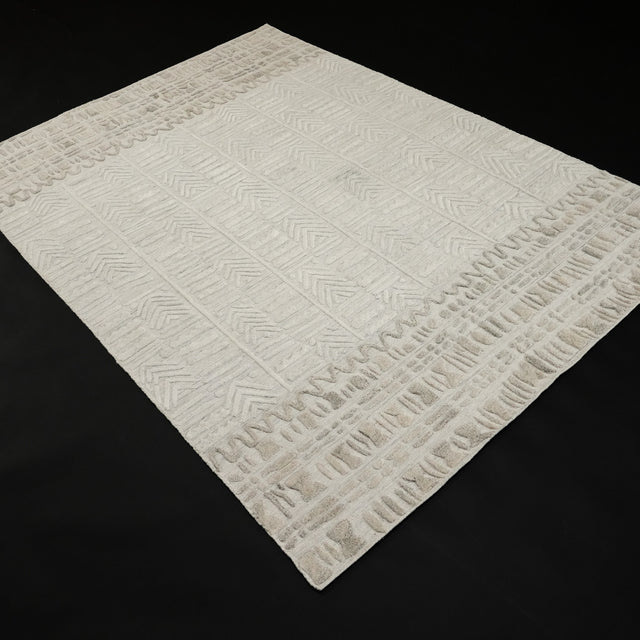 80×300 cm
White wool flat-woven over cotton, and no pile at all
 120×180 cm
White ground, a single drawn frame, viscose over acrylic
 200×300 cm
The frame turns into a ring: white, viscose over cotton
 200×200 cm
Narrow gray stripes on cream, wool weft over a cotton warp
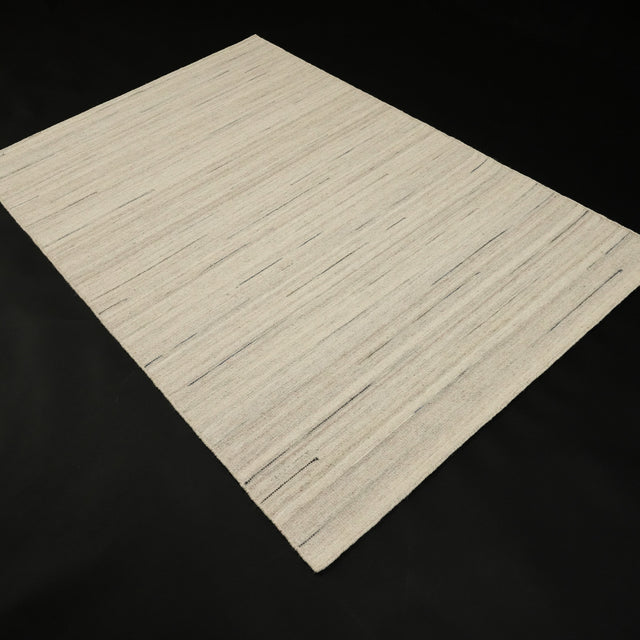 160×230 cm
Cypress trees on cream, every fringe knotted by hand in Oushak
 90×490 cm
One medallion in the middle of a field of pure silk
 124×183 cm
Cream and gold swapping places along the pile: 100% silk
 207×303 cm
Black frame around a turquoise center: silk and viscose
 171×243 cm
Silk warp, silk weft, silk pile: cream inside red borders
 171×242 cm
Ninety percent silk, ten percent wool, and no longer being woven
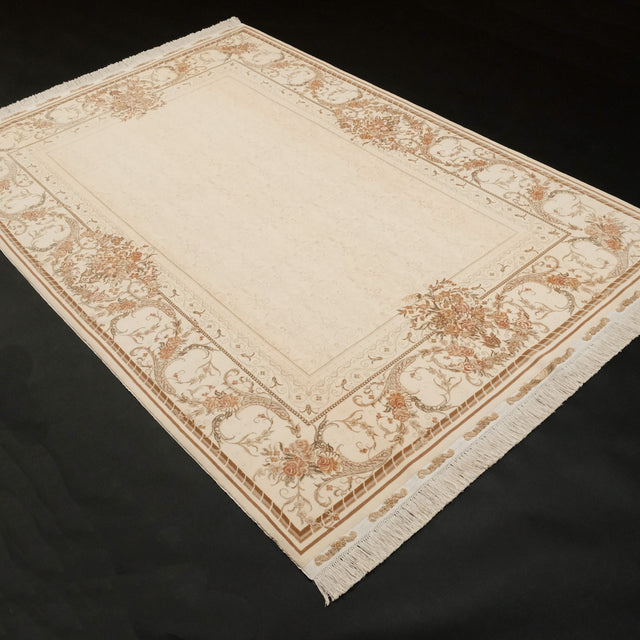 162×240 cm
Fine flowers on cream: pearl in raking light, pastel from above
 157×243 cm
Nine parts silk, one part wool, a medallion opening in layers
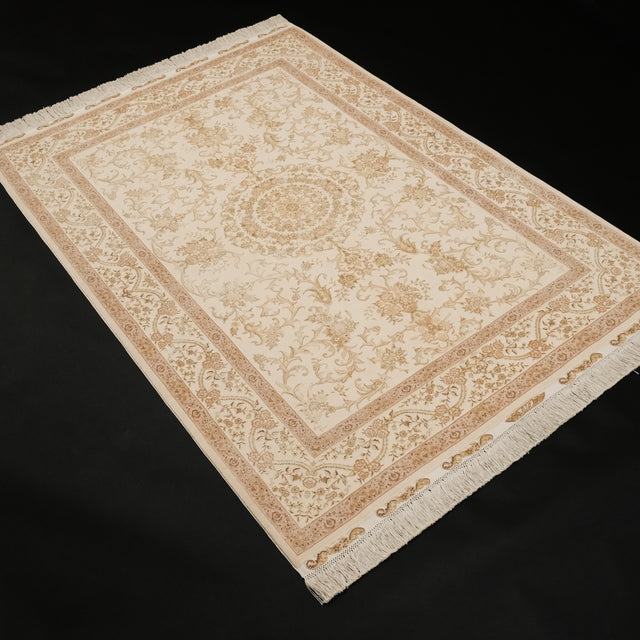 126×182 cm
One of a kind
from
148.000 TL
≈ 65.000 TL/m²
Silk held at pastel strength: blue, gold and earth on cream
 123×185 cm
Knots big enough to see, 2,800 grams a square meter
 100×400 cm
Matt white with the wool still showing, New Zealand fleece
 170×240 cm
Mermer means marble, and the veining is why: a cream circle
 200×200 cm
Cream marbling with no repeat, dense viscose and acrylic
 300×400 cm
Sarılma Rumi interlace on cream, wool knotted with silk
 172×240 cm
Empty cream between a dozen small motifs, Tencel® on cotton
 200×290 cm
Rush beside wool: cream, and dry cleaning only
 200×300 cm
A white rug is a rug woven in undyed or lightly bleached fiber — ivory wool, mercerized cotton, bamboo viscose or Tencel — rather than in a true optical white. Anatolian weavers had no white dye; the pale ground in an old rug is the natural fleece of the sheep, sorted for color and washed.
What follows is what the word white actually describes in a rug, how the color behaves under a household lamp against north-facing daylight, and what a pale floor costs in upkeep. The selection here runs from hand-knotted ivory silk and undyed wool to loom-woven Tencel and machine-woven viscose in cream.
White in a rug is an absence rather than an addition.
Fleece sorts naturally into ivory, ecru, gray and brown, and a weaver working from natural wool picks the palest lots for the ground. Undyed highland wool reads warm — a yellowish ivory that photographs as cream. Cotton, cellulose rather than protein, takes a cooler and brighter white, which is why it is used for warps and for flatweaves that need to look crisp. Bamboo viscose and Tencel are brighter again, and they carry a sheen that wool does not have.
The one genuinely white white is industrial. Machine-woven synthetic yarn is finished with fluorescent whitening agents, which absorb ultraviolet light and re-emit it as visible blue. That is why a new synthetic white looks bluer in daylight than in a photograph, and why it drifts toward yellow over several years as those agents break down. Undyed wool does the reverse — it darkens and warms slightly, and most owners prefer it that way.
The same rug reads as two different colors, and the gap is wider in white than in any other pale tone.
Domestic lamplight sits at roughly 2700 K, heavy in red and orange with very little blue in it. Under that light ivory wool goes frankly cream, cotton loses its edge, and a bluish machine-made white settles into something like paper. This is the flattering light for a pale rug, and the light most showroom photographs are taken in.
North-facing daylight is the opposite case: near 6500 K, blue-weighted, and constant through the day because no direct sun enters the room. Under it, ivory reads yellow and faintly grubby against a cool white wall, while a brightened synthetic white reads blue and hard. A north room is where a cream wool rug looks like a mistake and a cotton or Tencel white looks right. If the room faces north, judge the sample in that room rather than under the ceiling light.
Four things, in the order they actually cause trouble.
Lanolin is why wool is the most forgiving pale fiber: residual grease in scoured highland wool sheds dry soil rather than absorbing it, and most of that soil lifts out with suction alone. Read how a rug is cleaned before putting anything pale on a busy floor, and look at machine-washable rugs if the room is a kitchen or a nursery.
| Fiber | The white it gives | Under north daylight | Living with it |
|---|---|---|---|
| Undyed wool | Warm ivory with a yellow cast | Reads cream, warm against cool walls | Hides dry soil best and recovers from pressure; nothing in it to fade in sun |
| Cotton | Cooler, crisper, matte | Reads clean and neutral | Washable in flatweaves; browns if overwetted |
| Bamboo viscose | Bright, high sheen, shifts light to dark with the angle | Reads almost silver | Marks with water, crushes underfoot, professional low-moisture cleaning only |
| Tencel | Bright and silk-like | Clean and slightly cool | More wet strength than viscose, still not for kitchens or entries |
| Jute | Oatmeal rather than white, flecked | Reads gray-beige | Texture over color; keep water off it entirely |
| Machine-woven synthetic | The brightest white, optically brightened | Reads blue and hard | Cheapest to replace, and the one that yellows on a schedule |
Compare wool rugs, Tencel rugs and jute rugs before deciding which white you actually want.
If white turns out to be more than you want to maintain, the next tone over is cream, and the one after that is mink and taupe, which hides soil better than any other pale neutral.
In a pile rug, usually yes. A flat-woven cotton rug that fits in a washing machine is the workable version, and undyed wool is the most forgiving pile fiber because its residual lanolin sheds dry soil instead of absorbing it.
Machine-woven synthetic whites do, because the fluorescent whitening agents that make them look bright break down over several years. Undyed wool warms slightly and predictably instead, and cotton stays close to where it started if it is not overwetted.
Ivory is undyed wool with its natural yellow cast, cream is a shade darker and warmer again, and true white is either bleached cotton or an optically brightened synthetic. Only the last of the three is neutral under daylight.
Cellulose fibers such as cotton, jute, viscose and Tencel carry natural sugars and lignin that travel up the pile with water and dry at the tip as a yellow-brown bloom. Controlled moisture and fast drying are what prevent it.
Undyed wool in a pile rug, and cotton in a flatweave. Viscose and bamboo viscose are the hardest, because water leaves a permanent ring and the pile crushes where furniture stands on it.
Undyed wool has no dye in it to fade, so sun changes it very little. An optically brightened synthetic loses its brightness faster in strong light, and any pale rug still benefits from being rotated twice a year.
Related collections: cream rugs · wool rugs · Tencel rugs · plain-color rugs


