

Filters
117 products

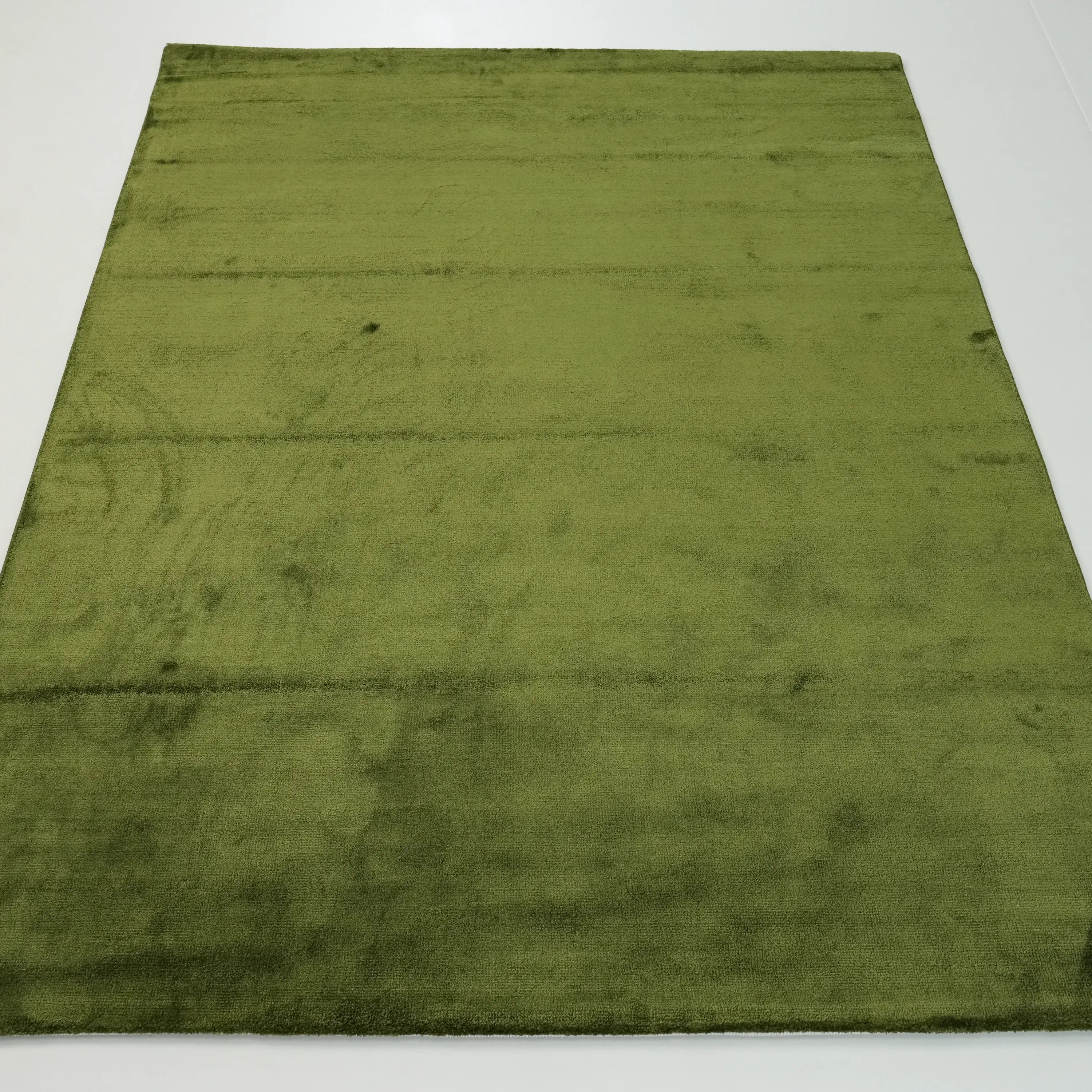


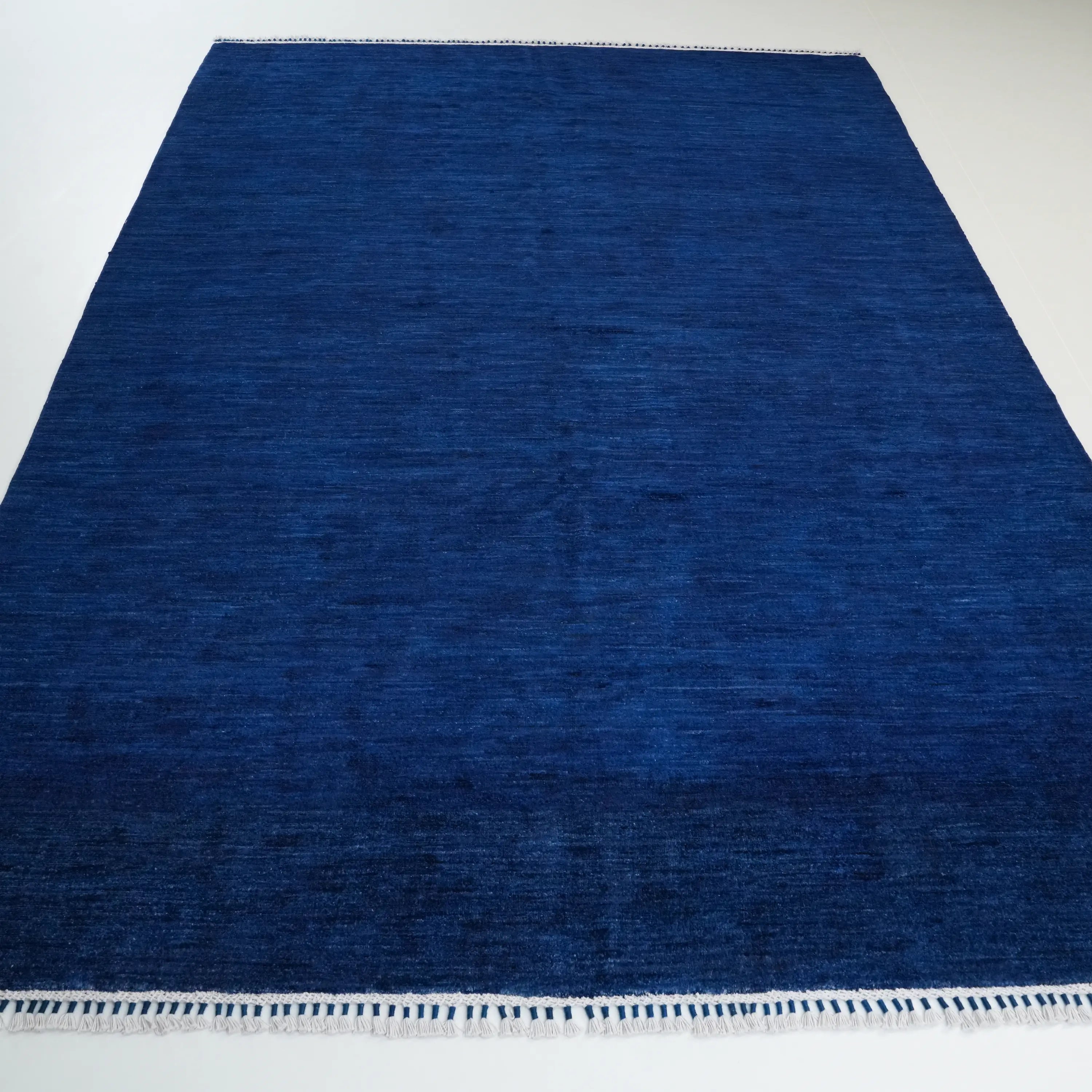
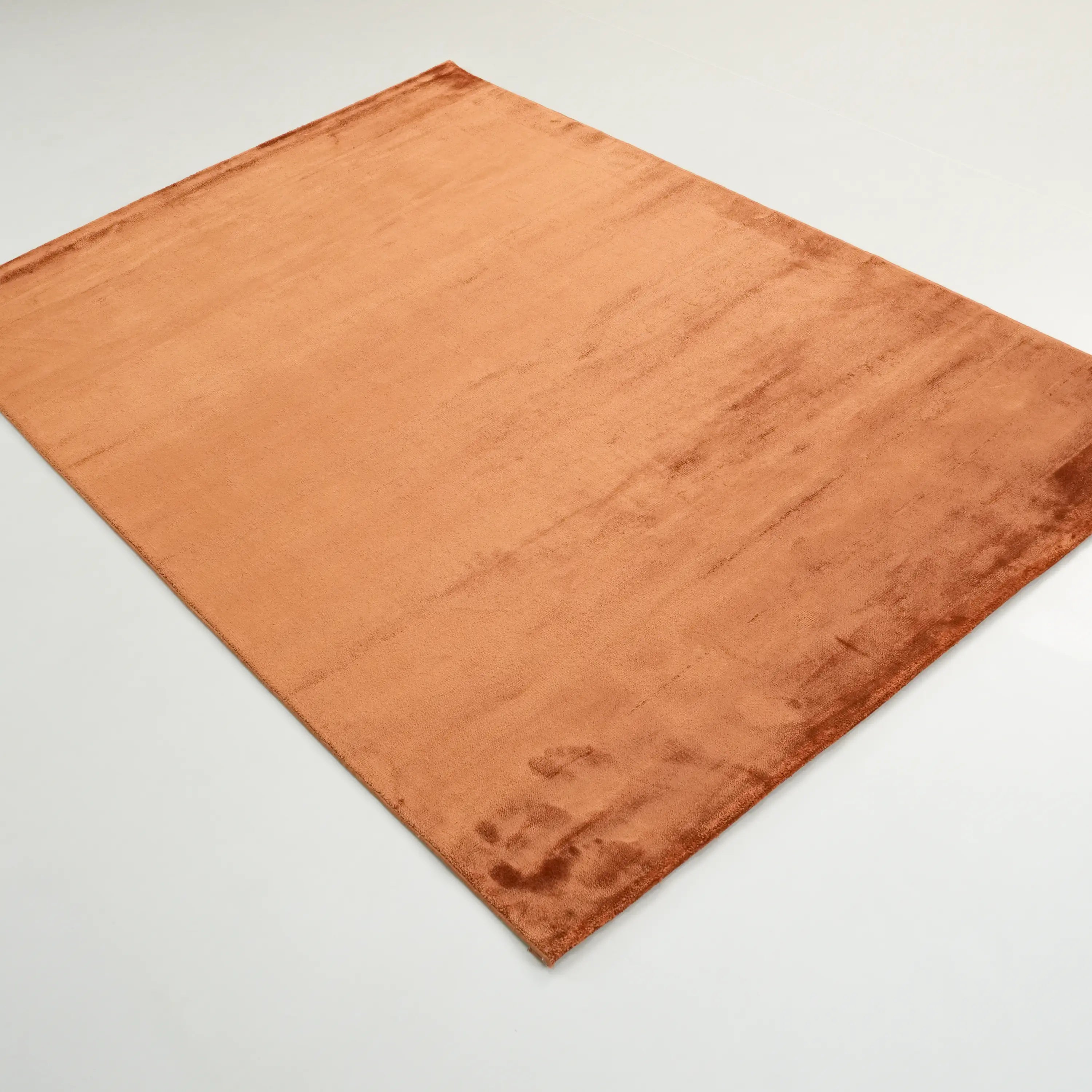
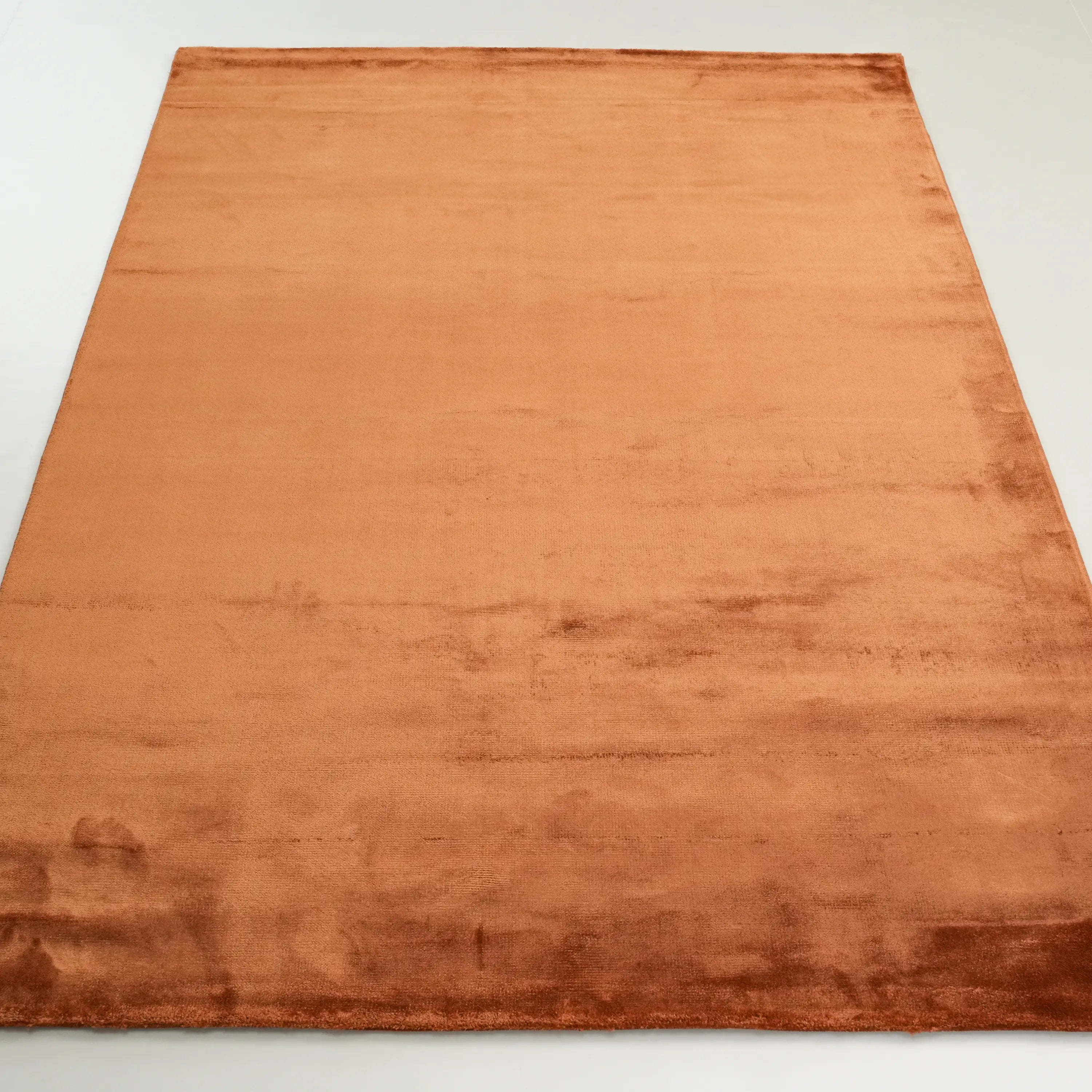
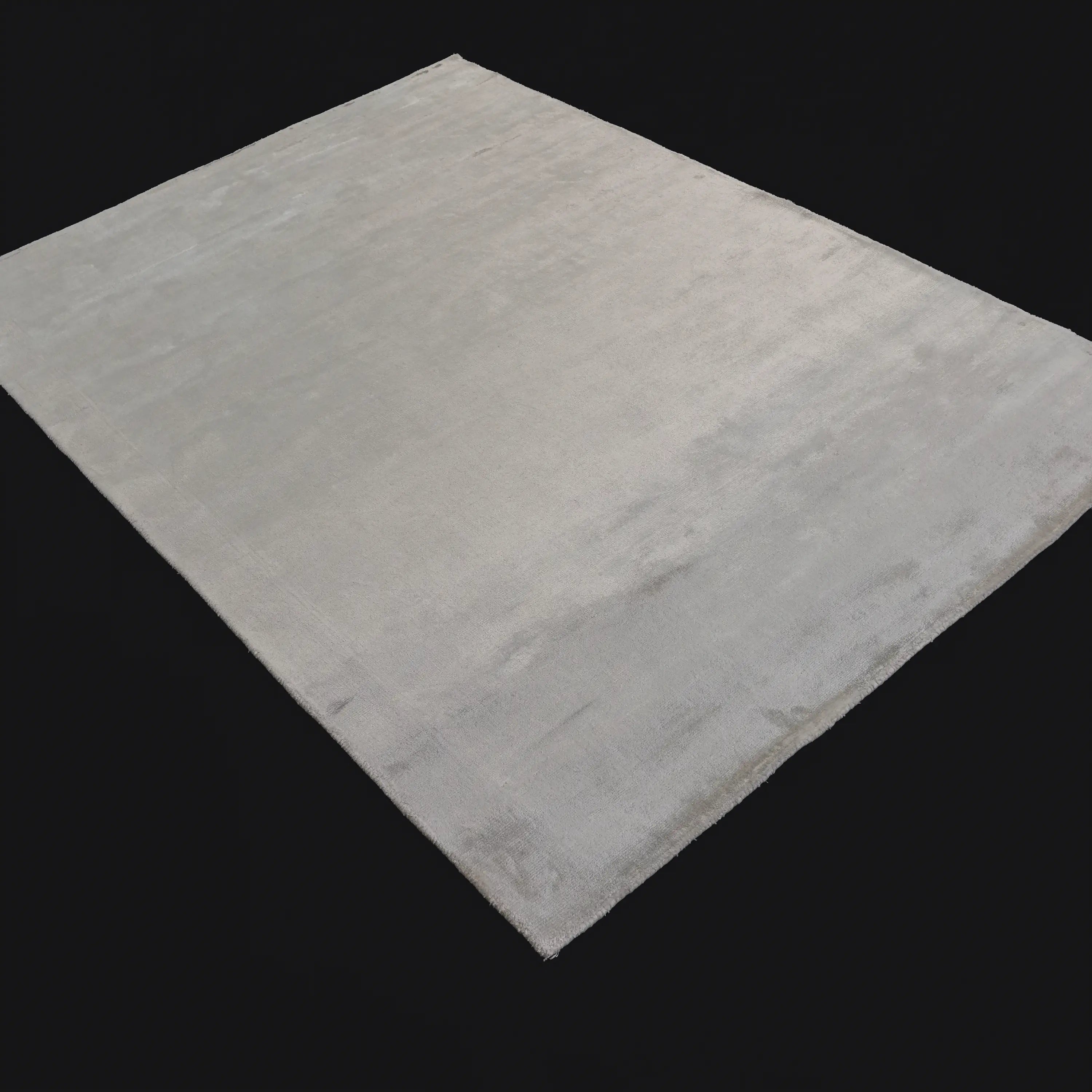
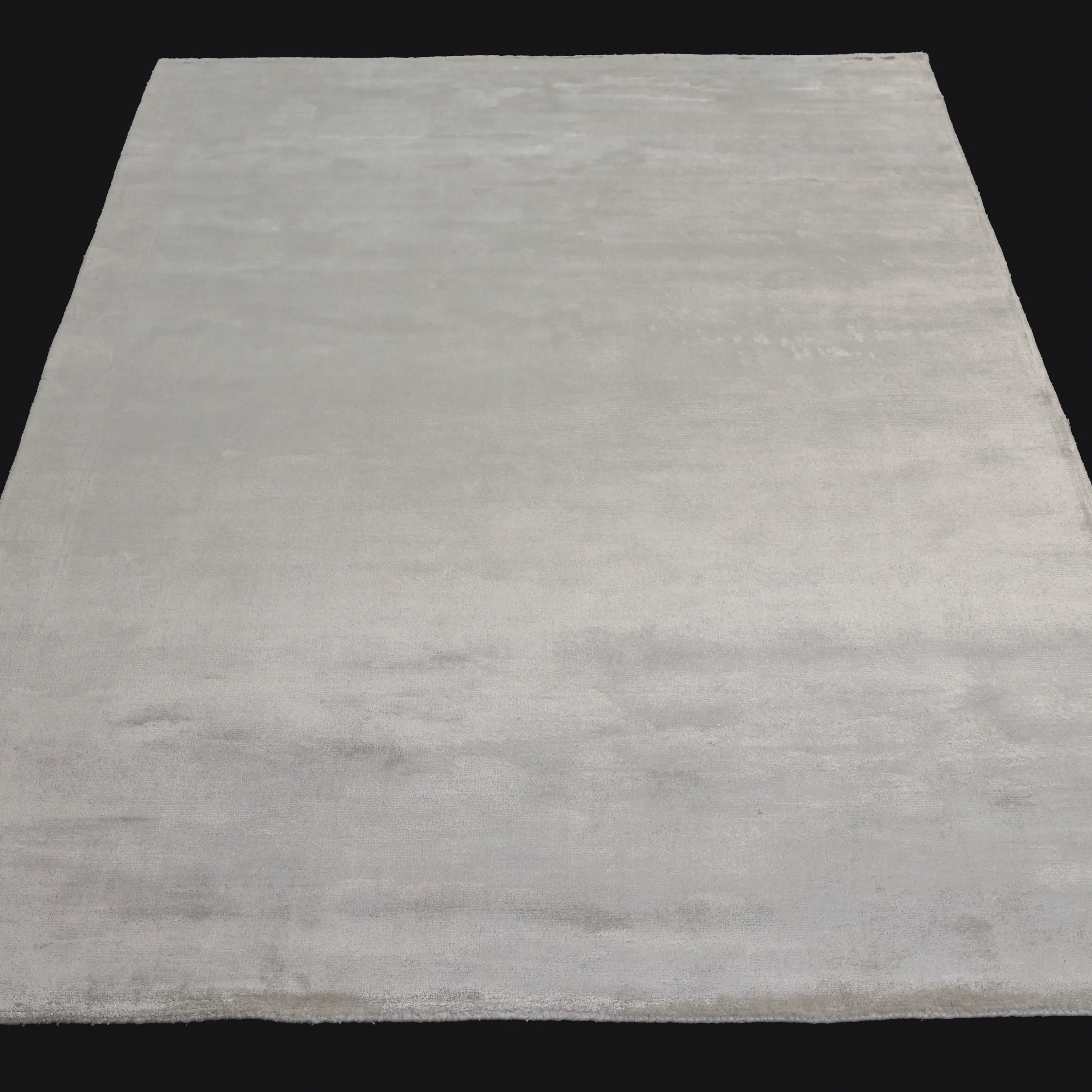


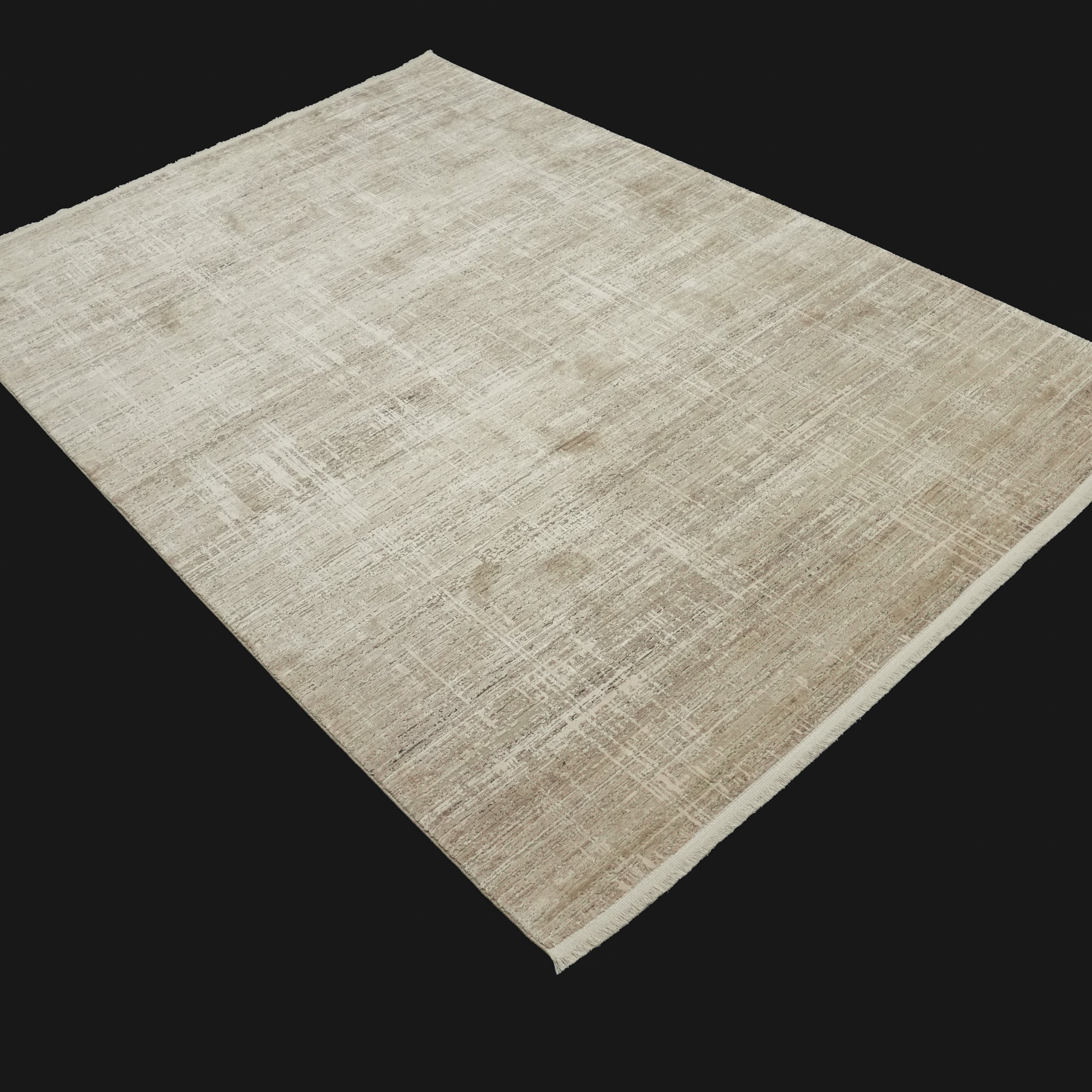
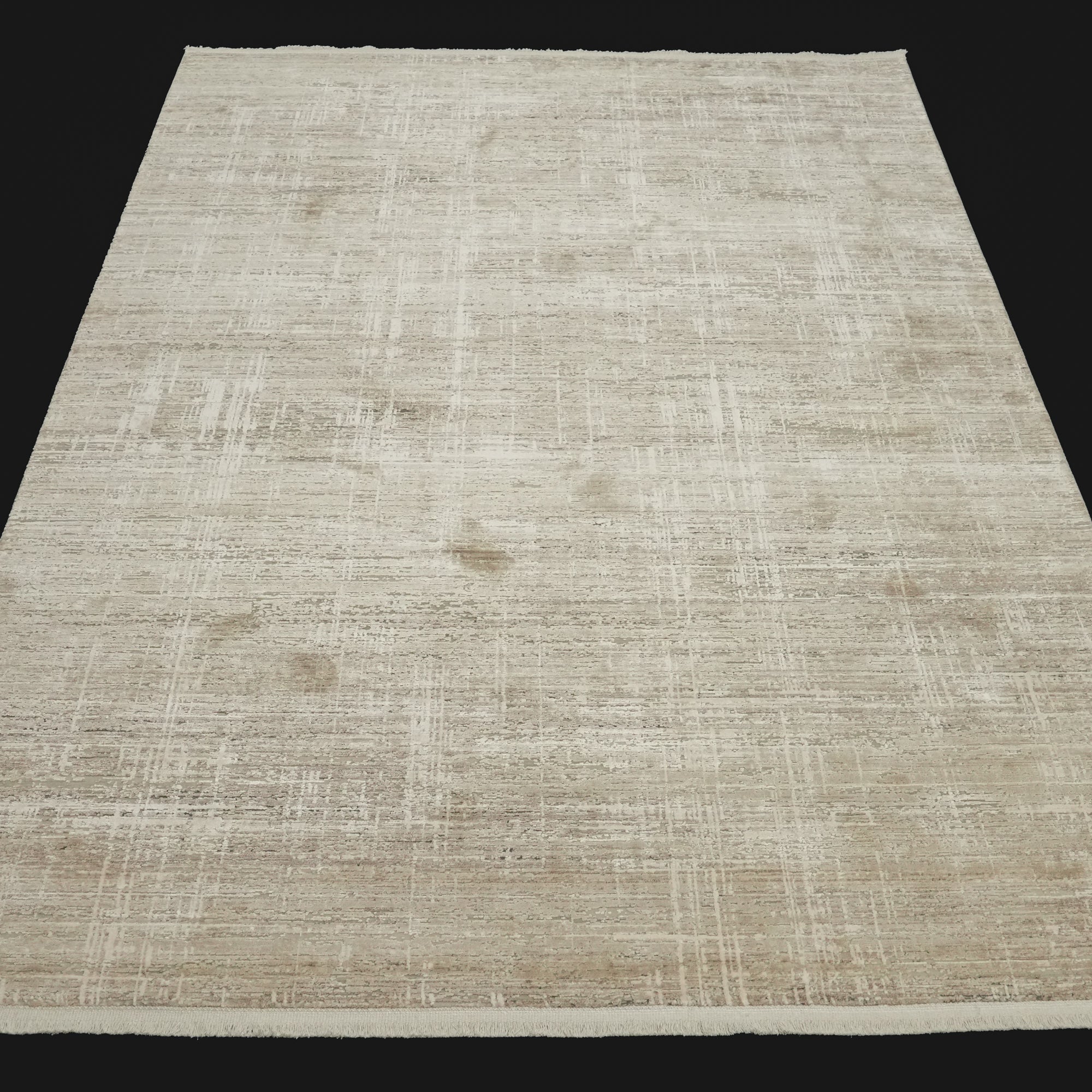
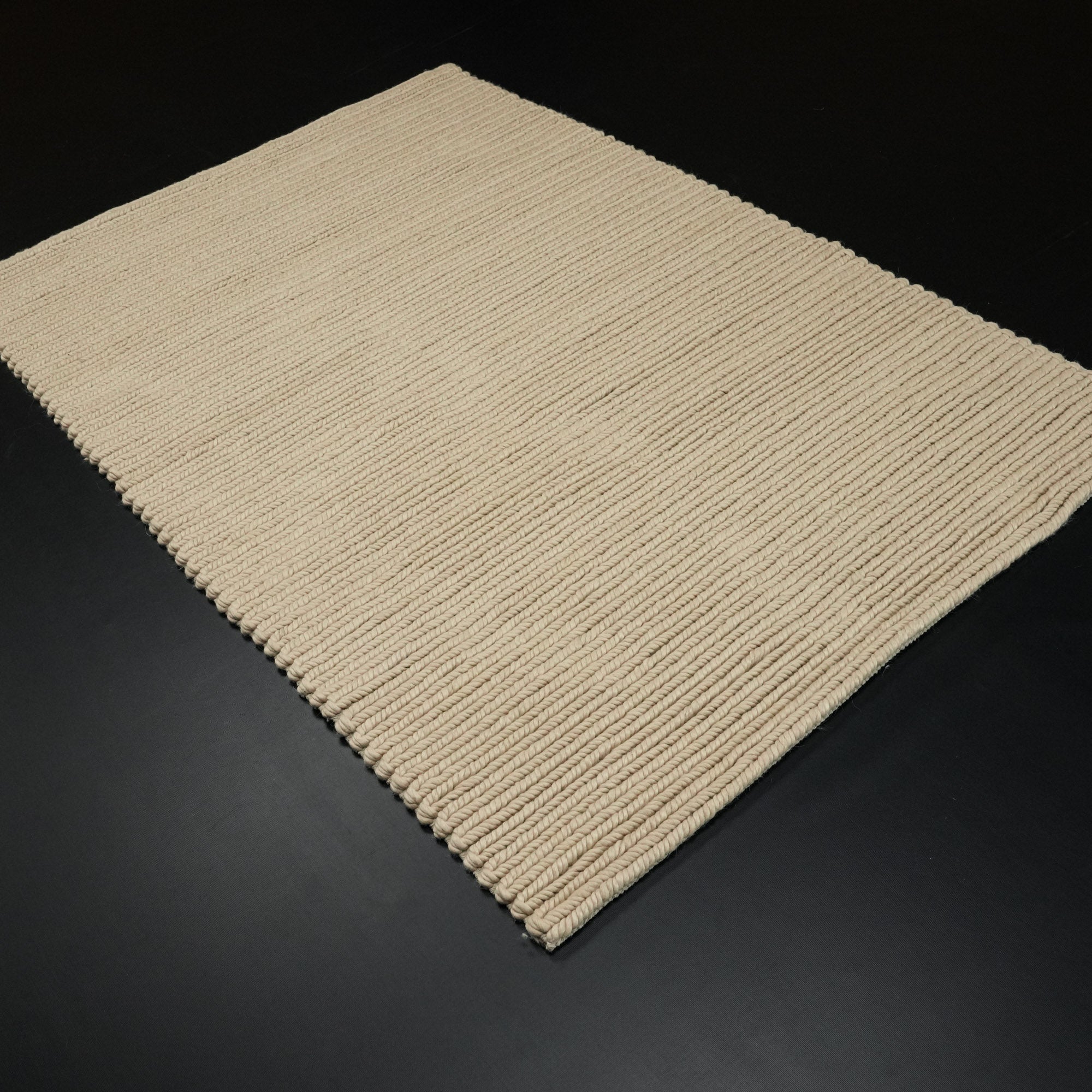
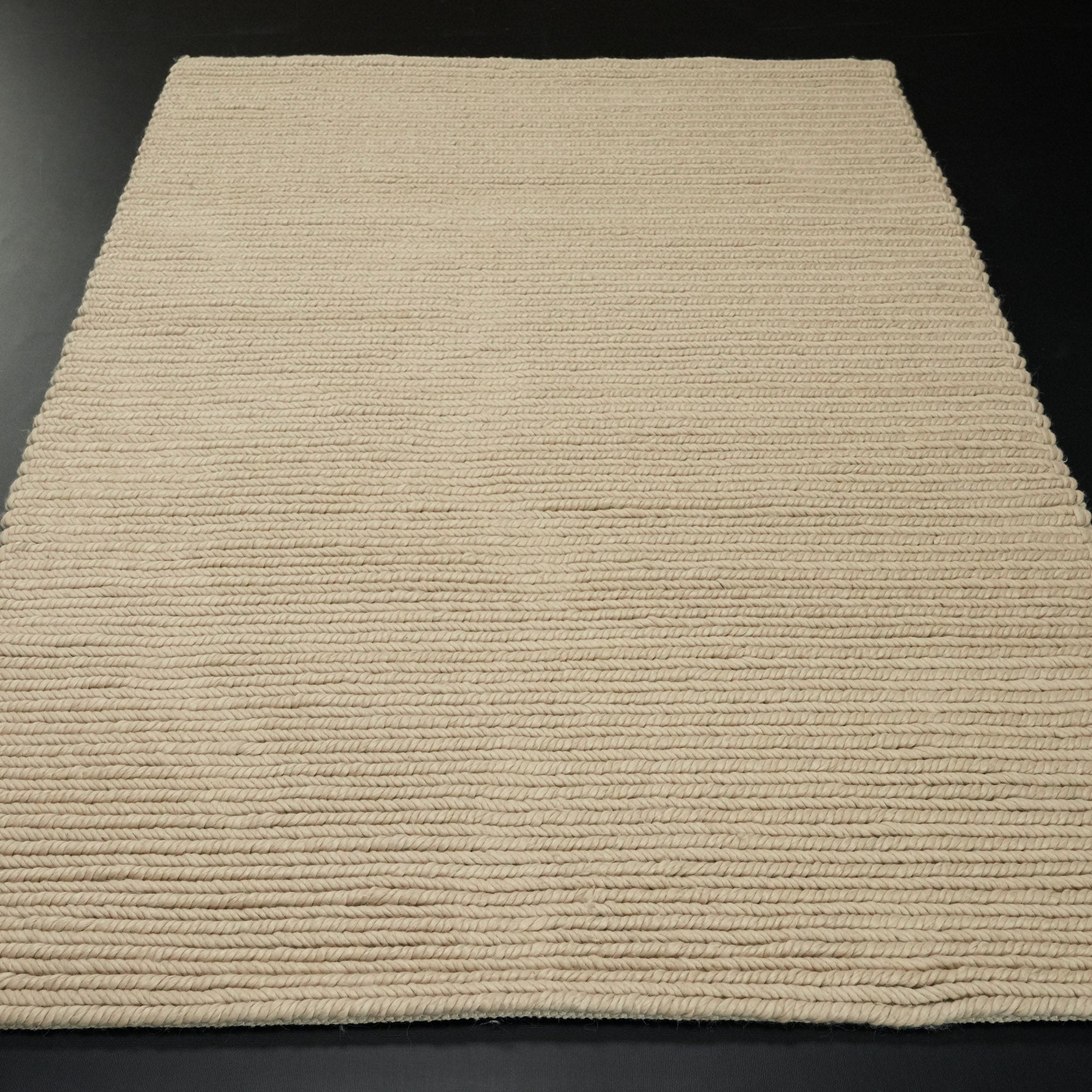

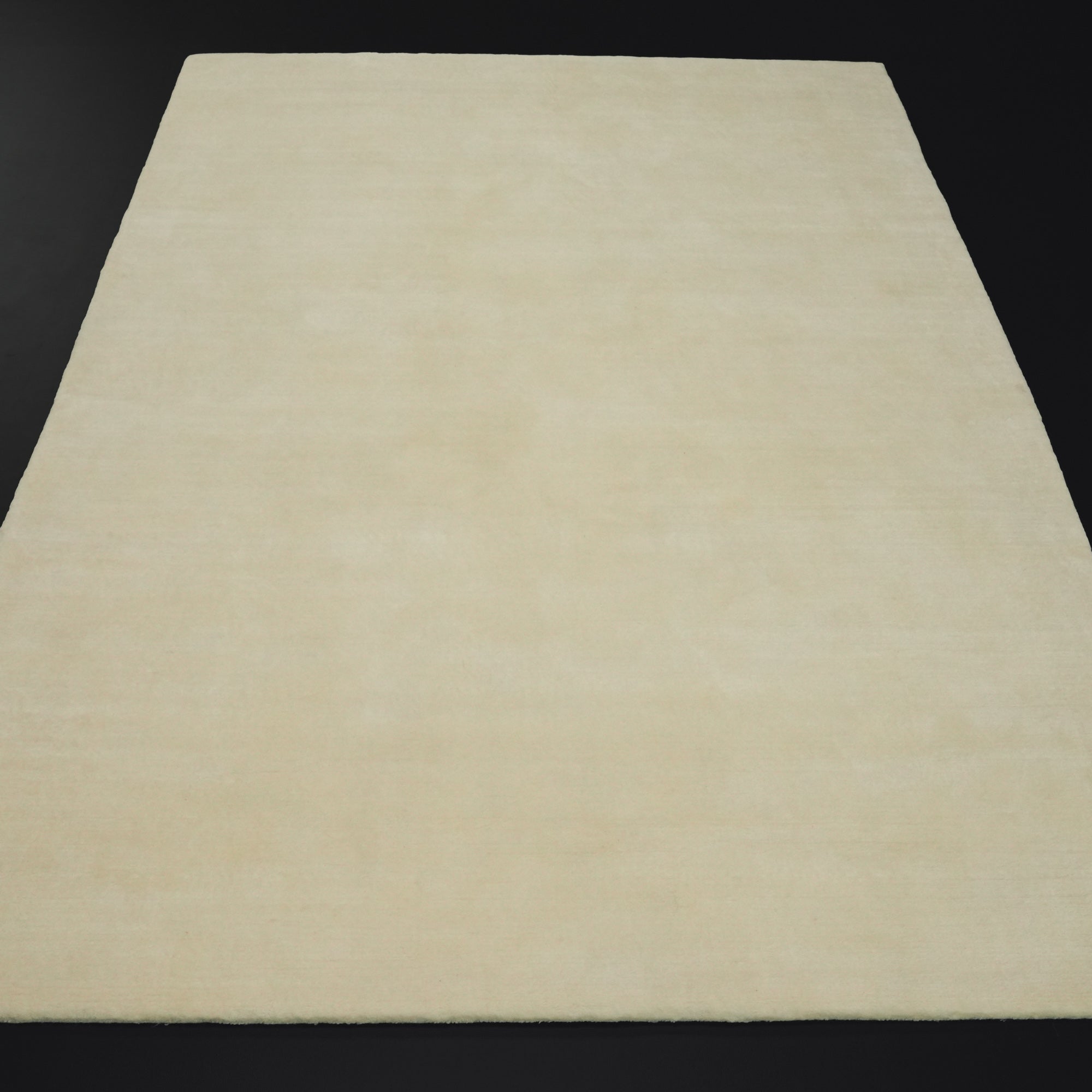

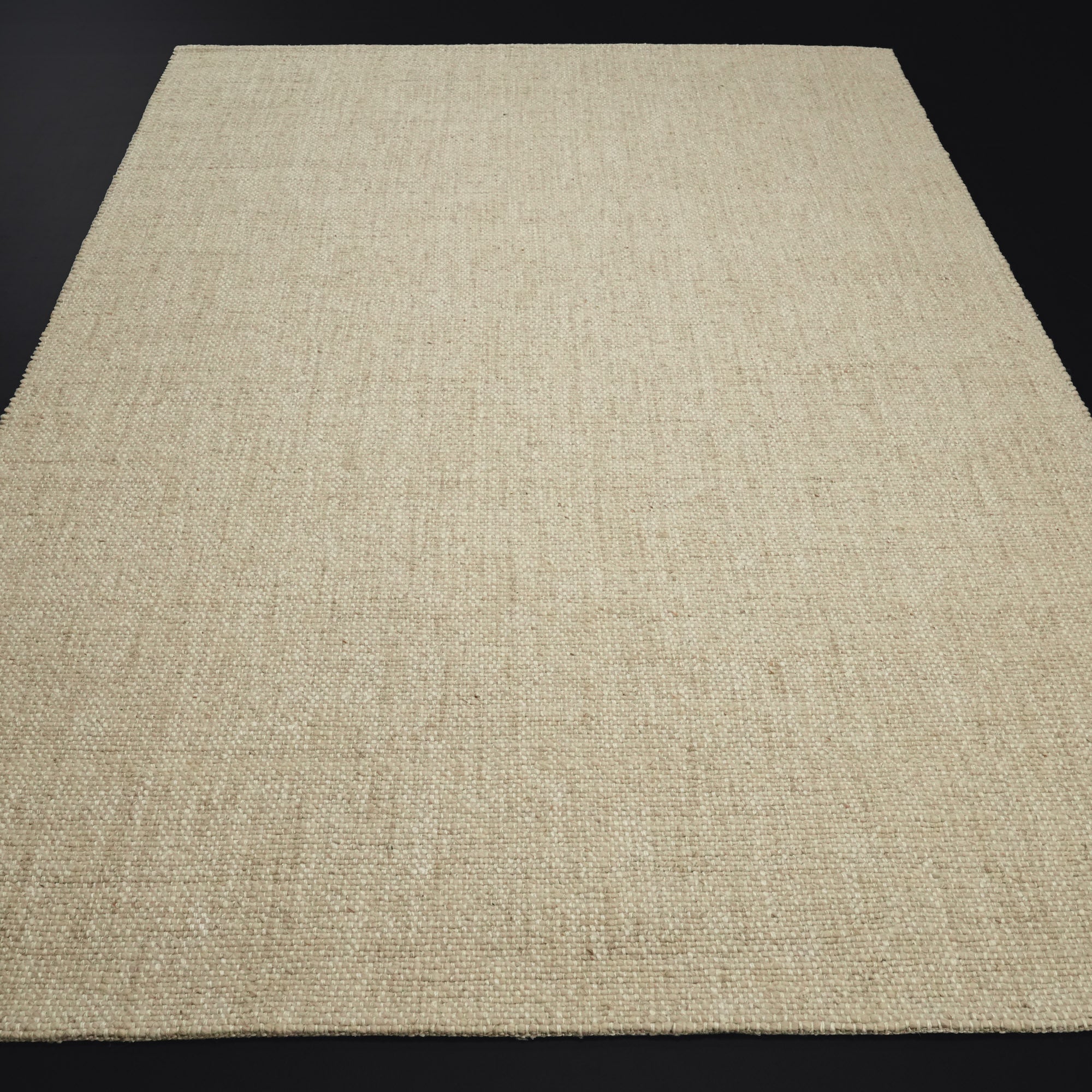
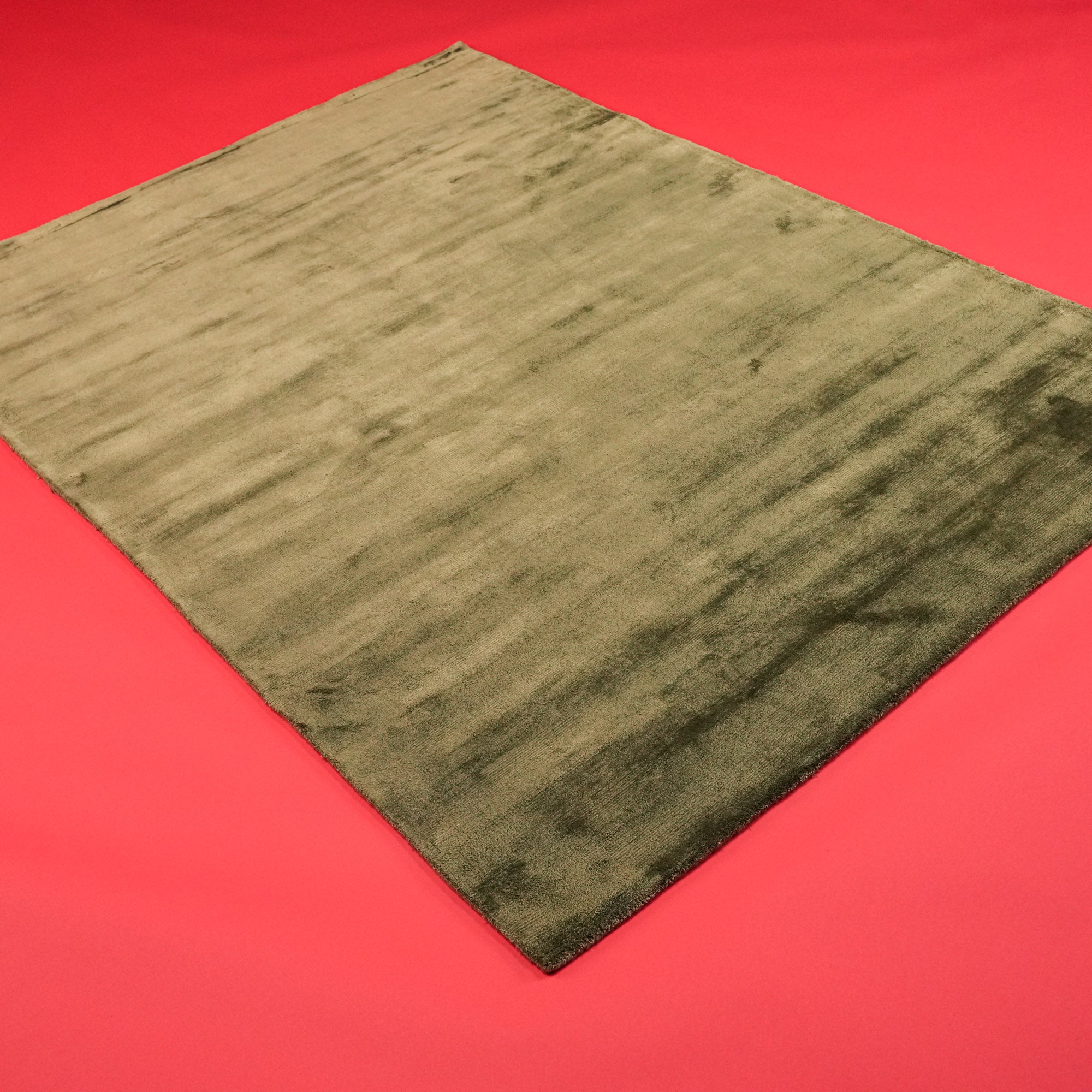
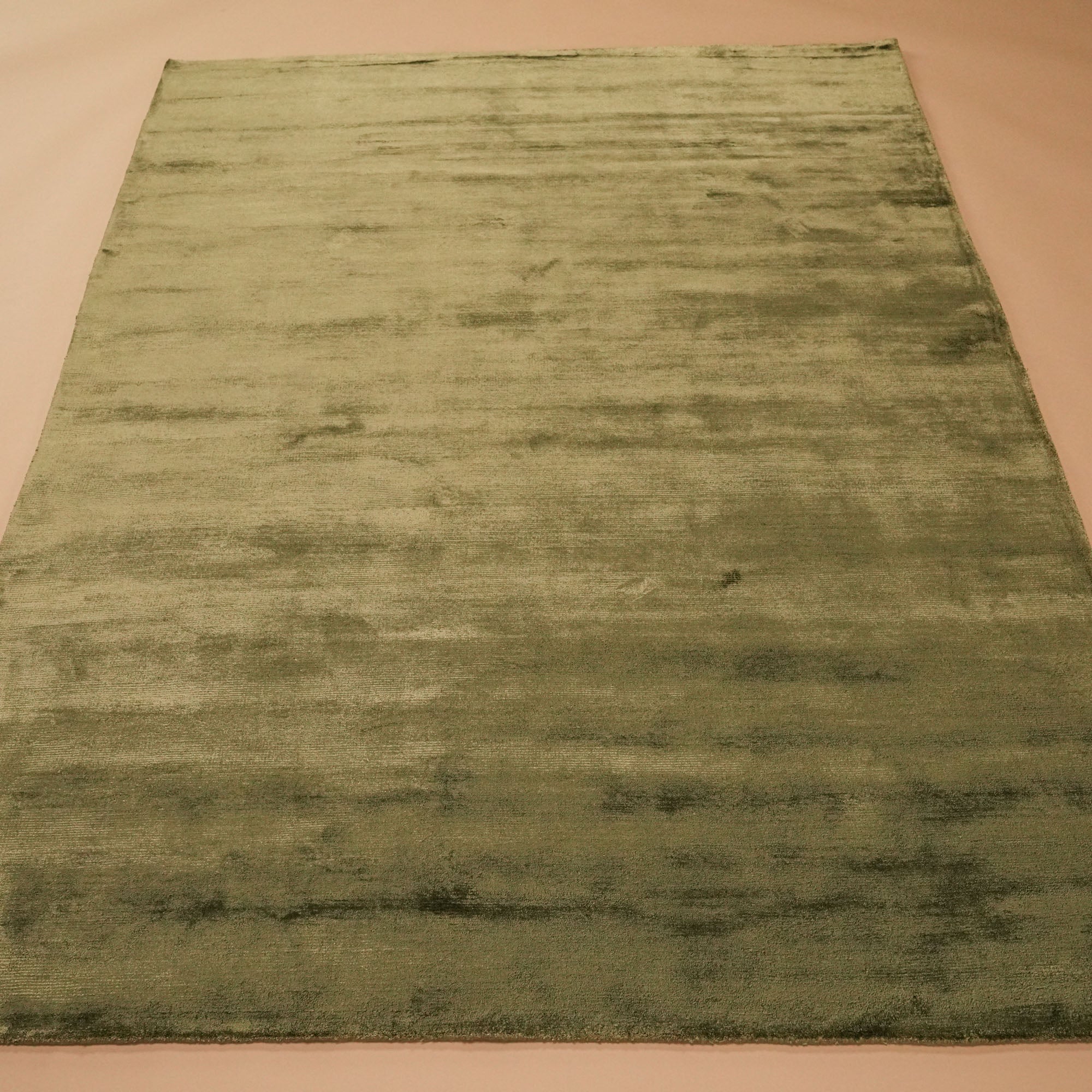
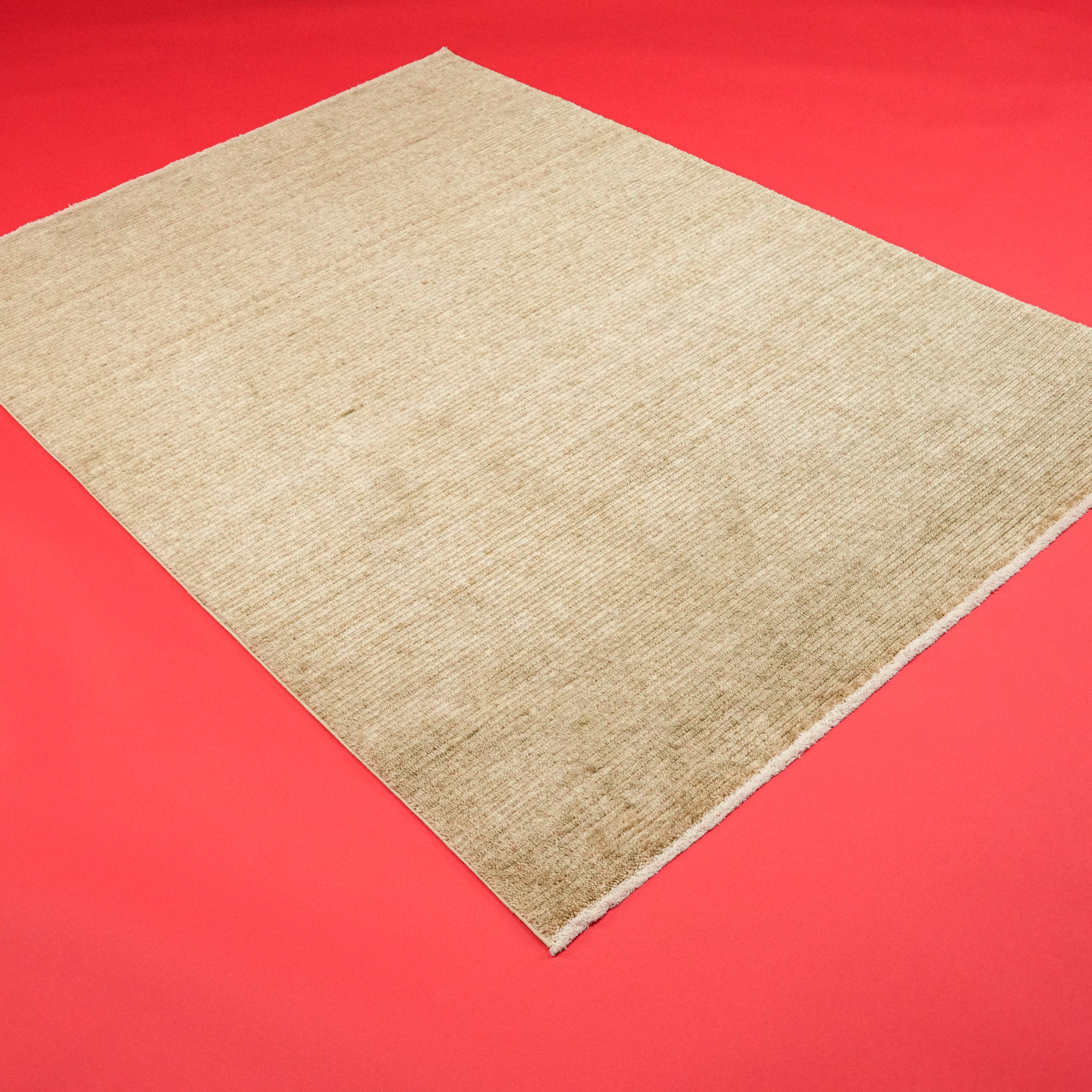
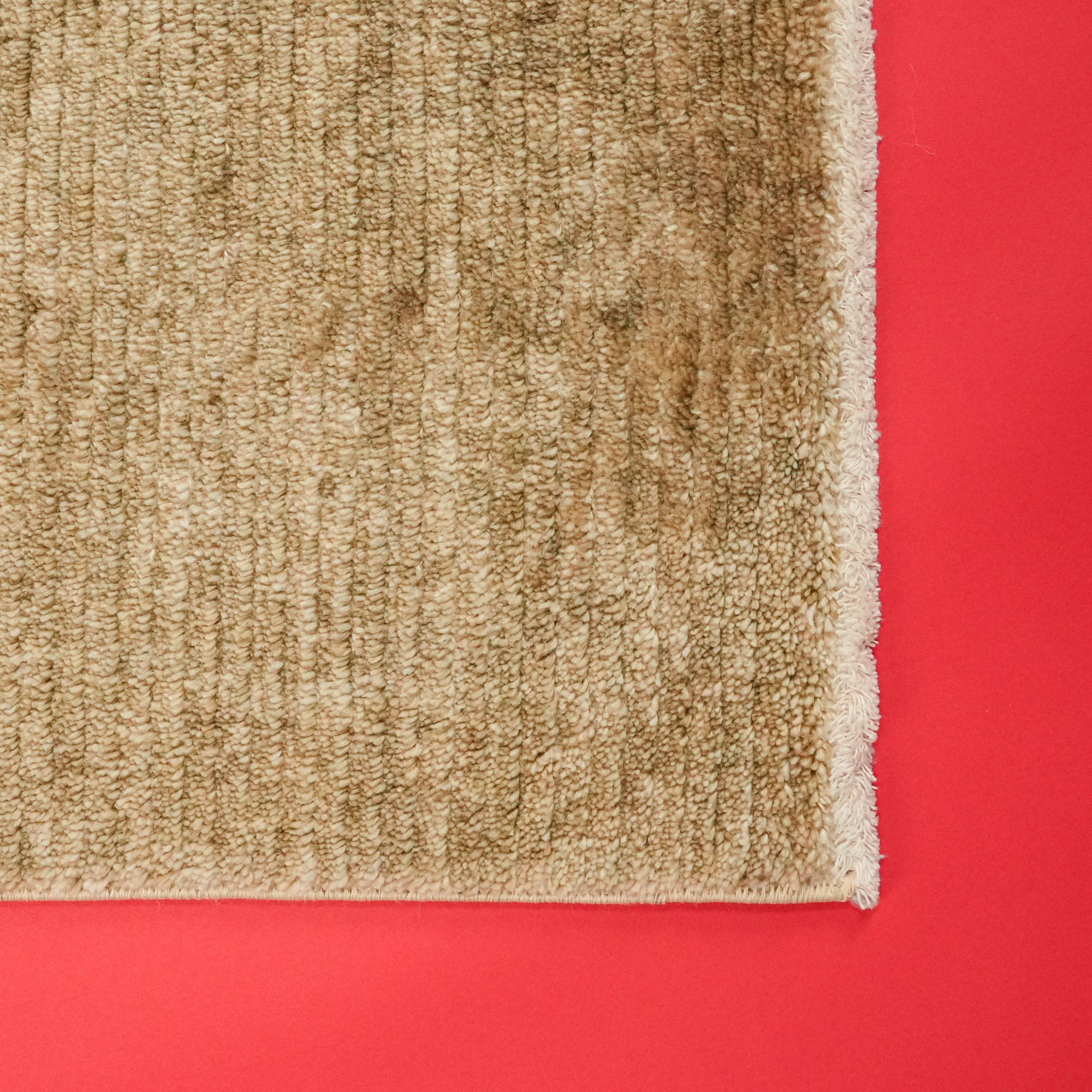
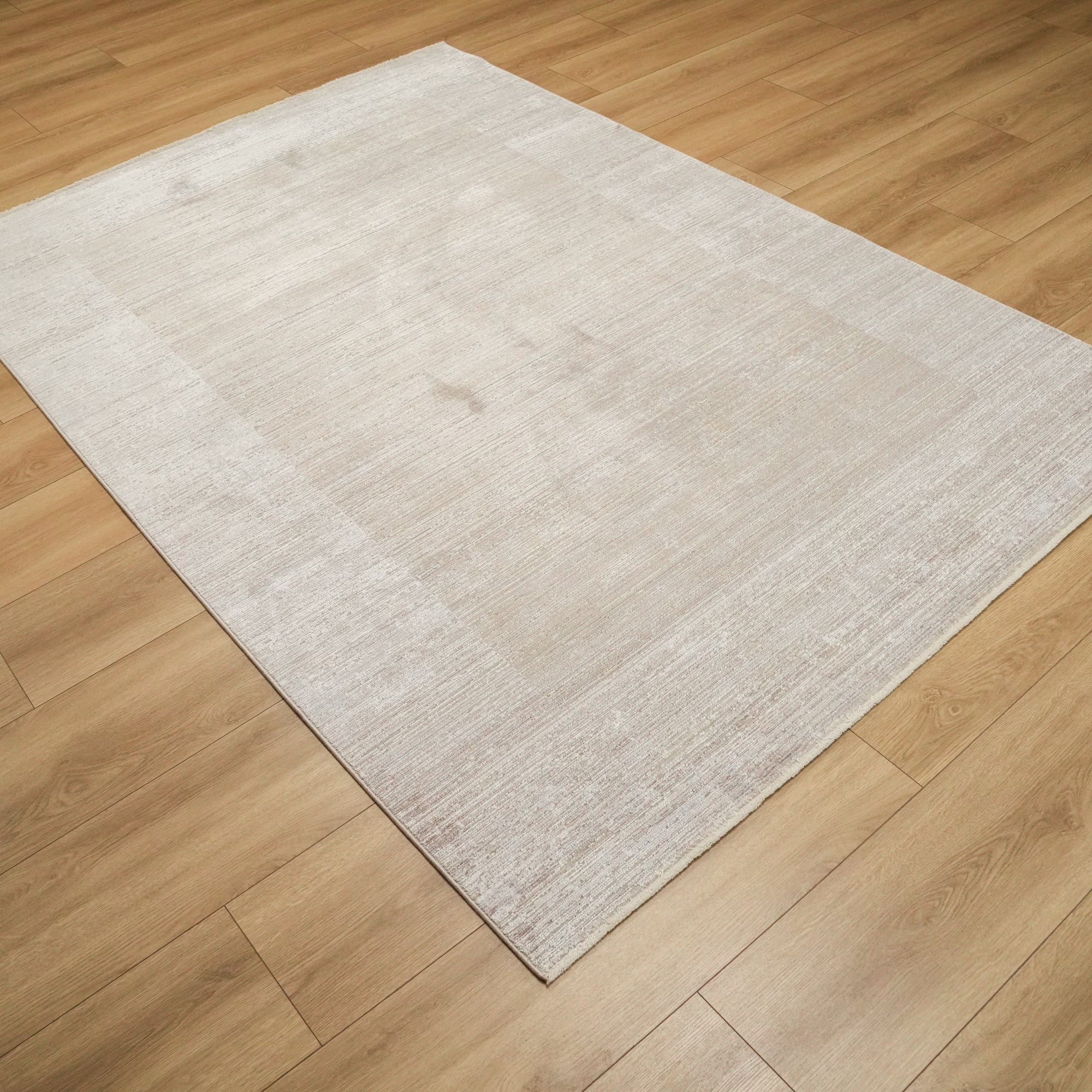
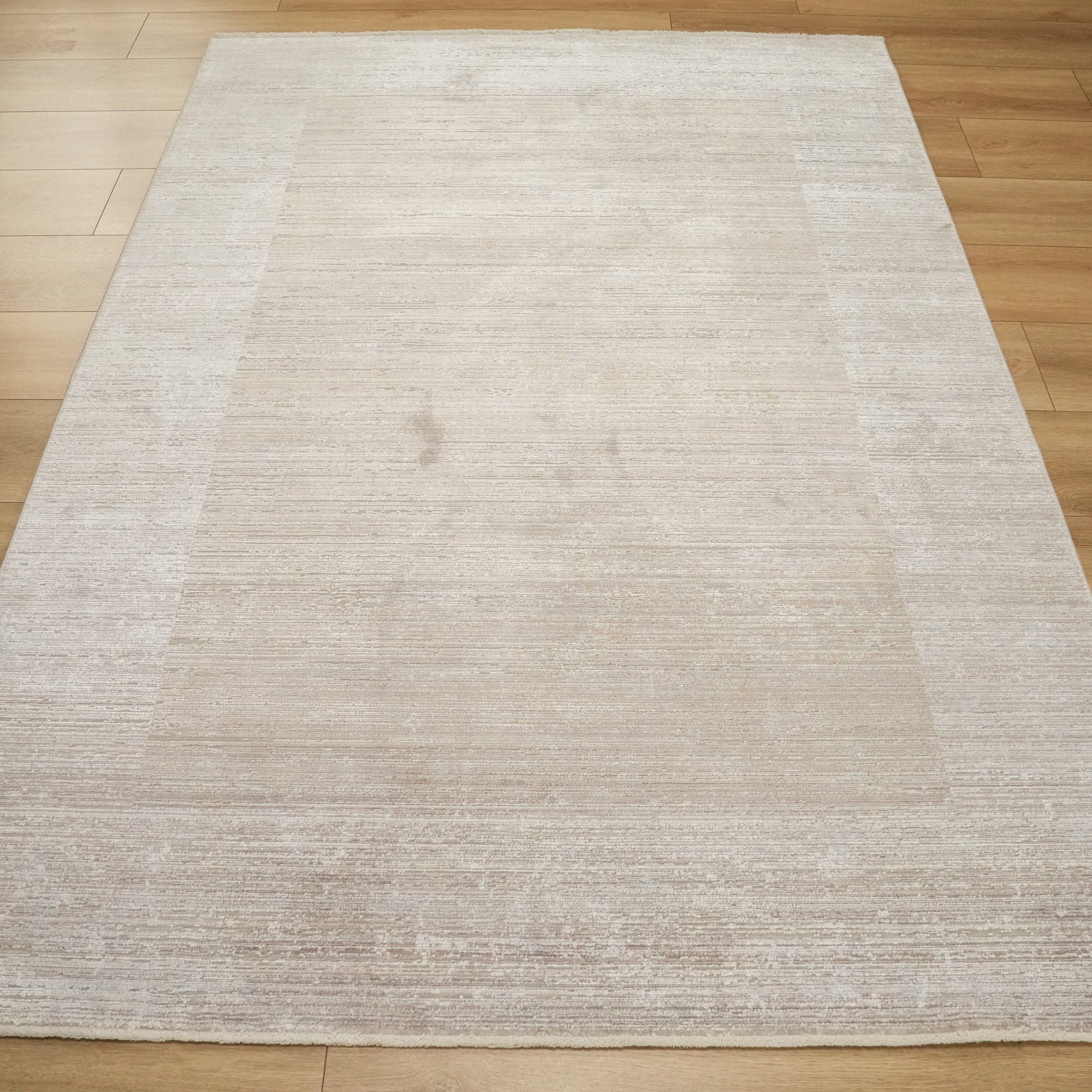
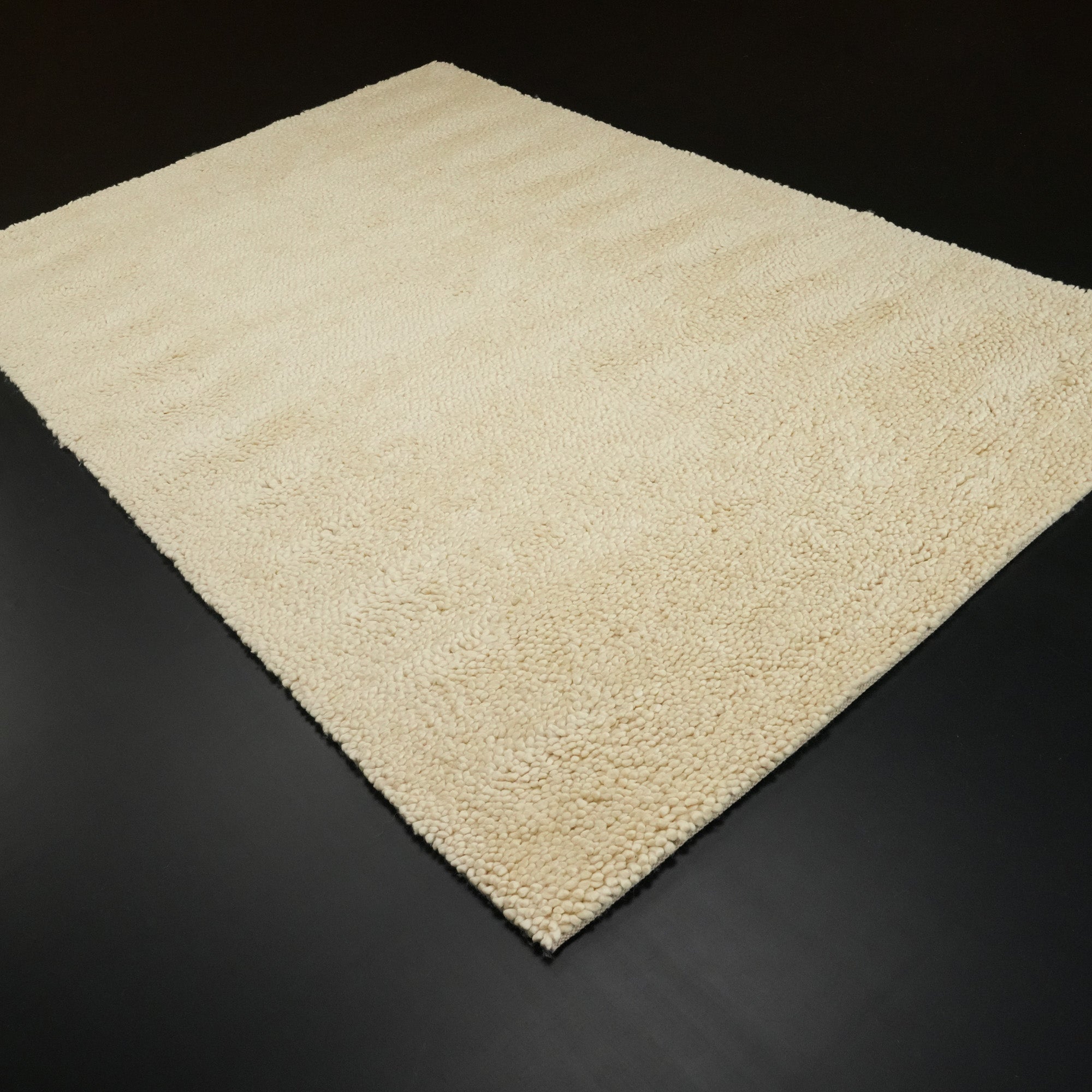
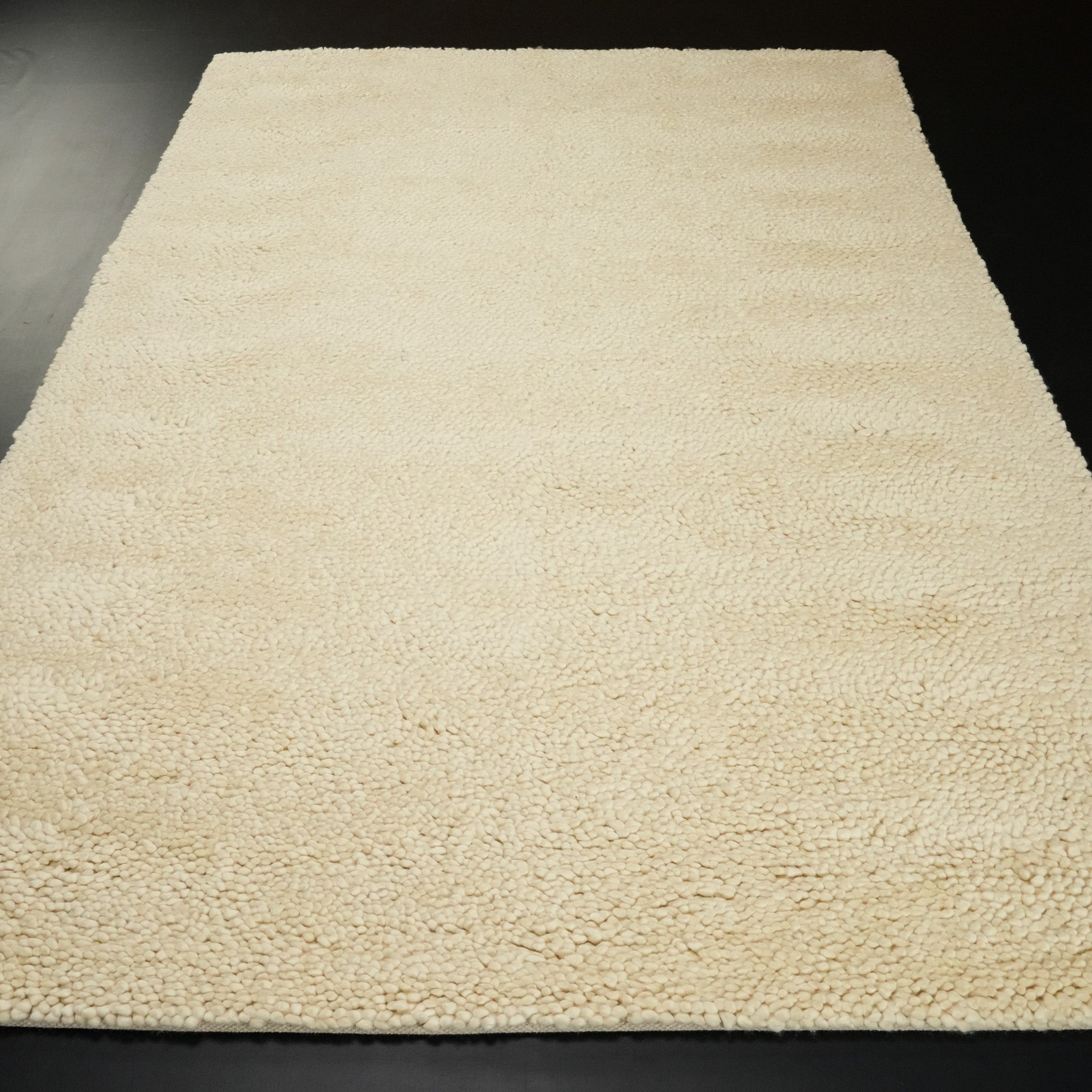
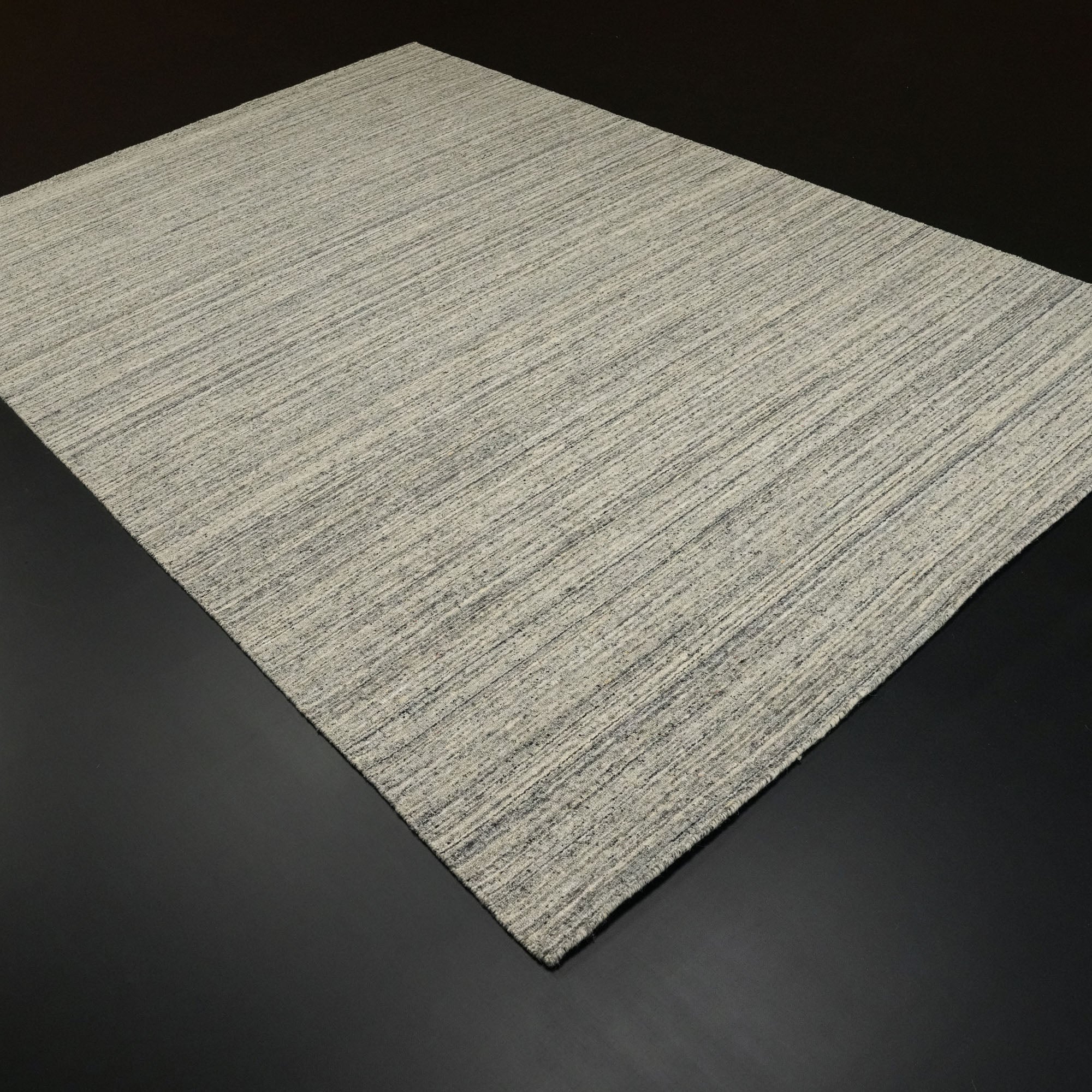
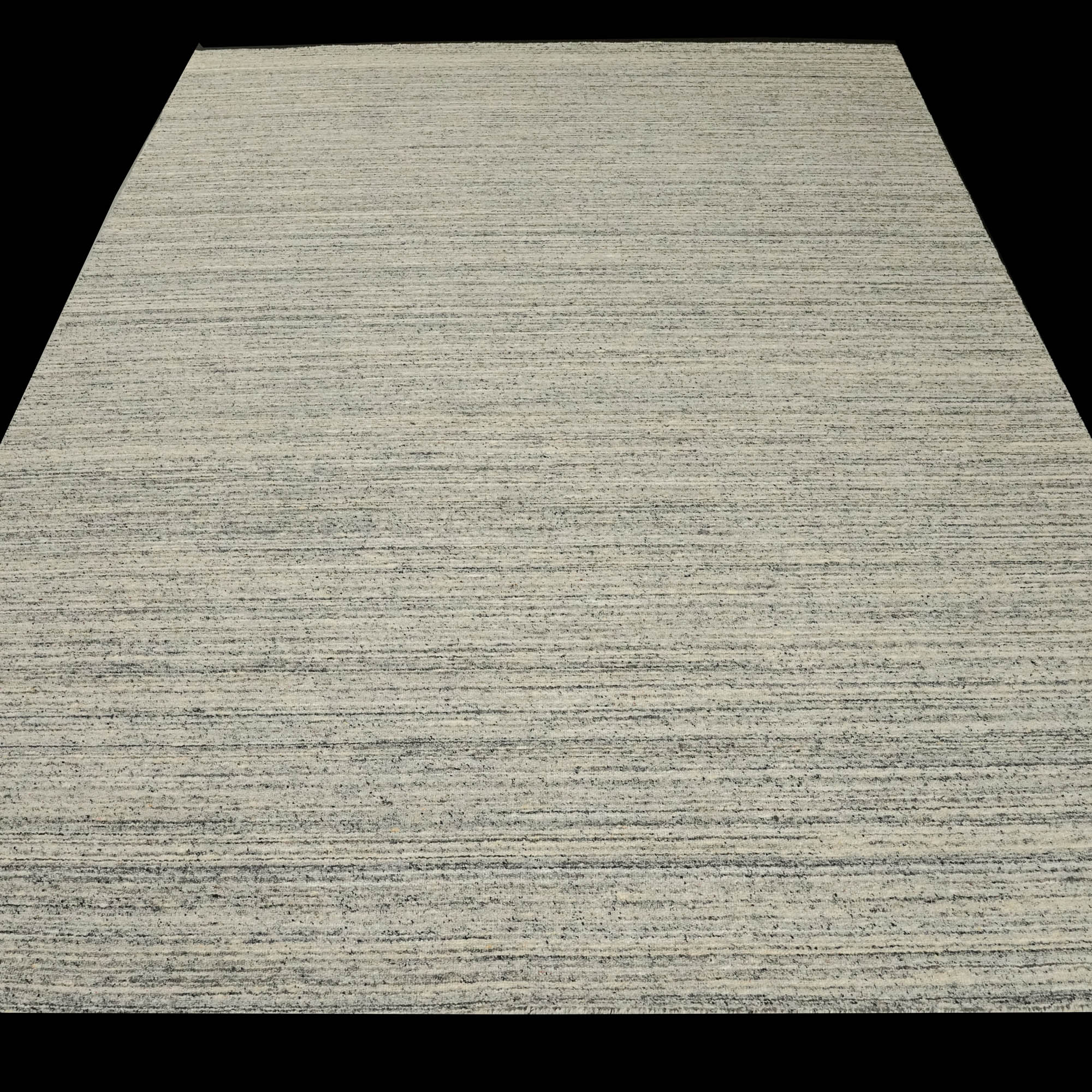
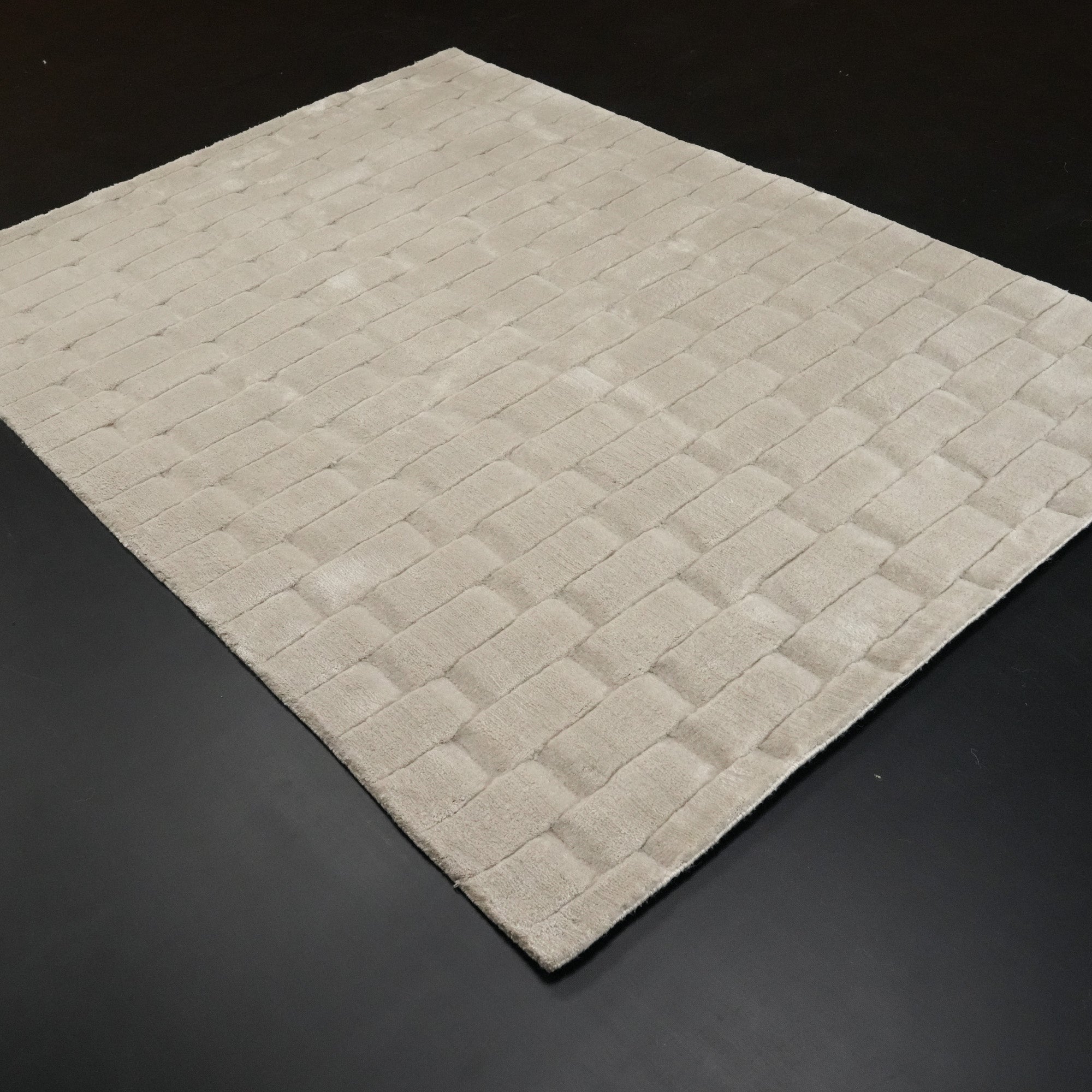
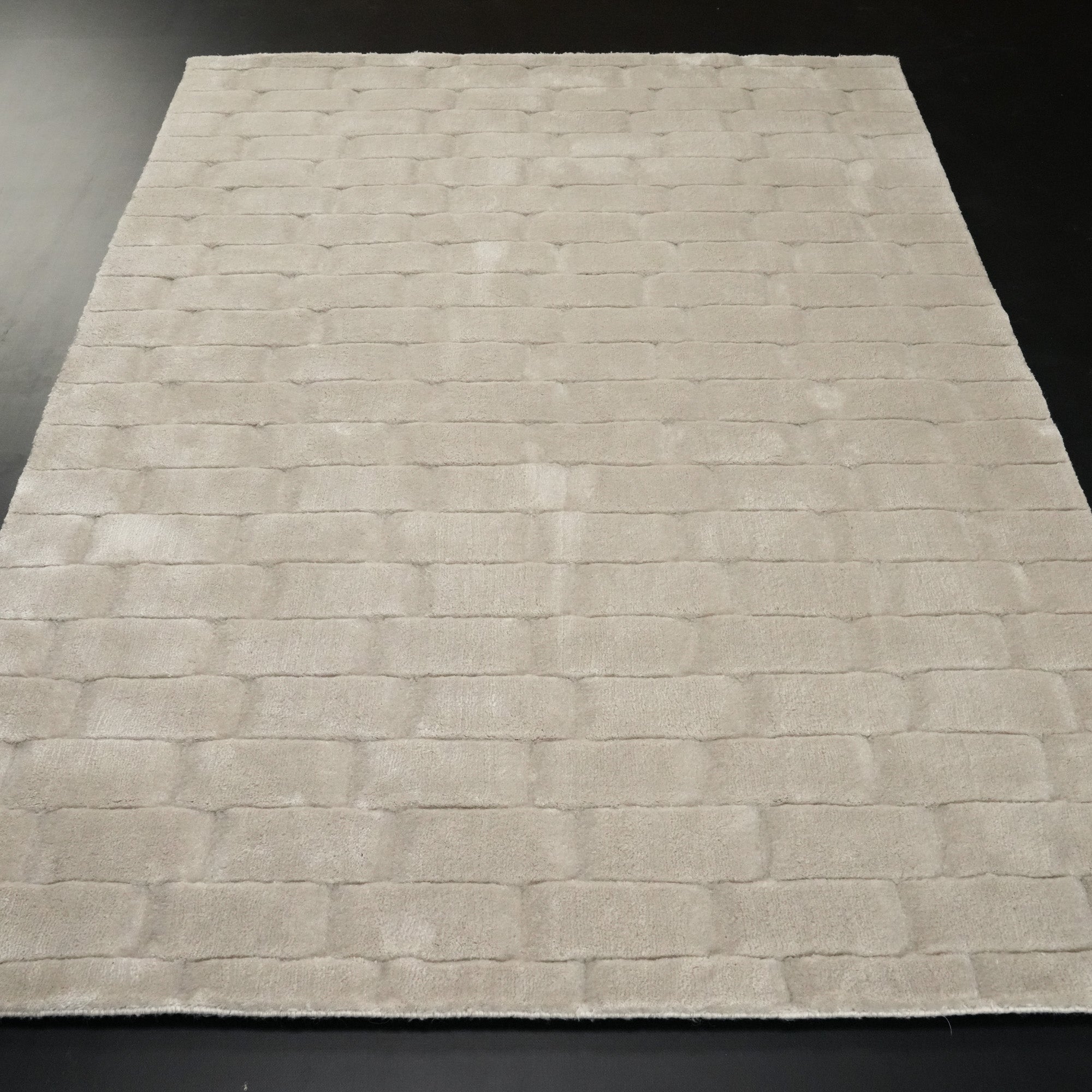
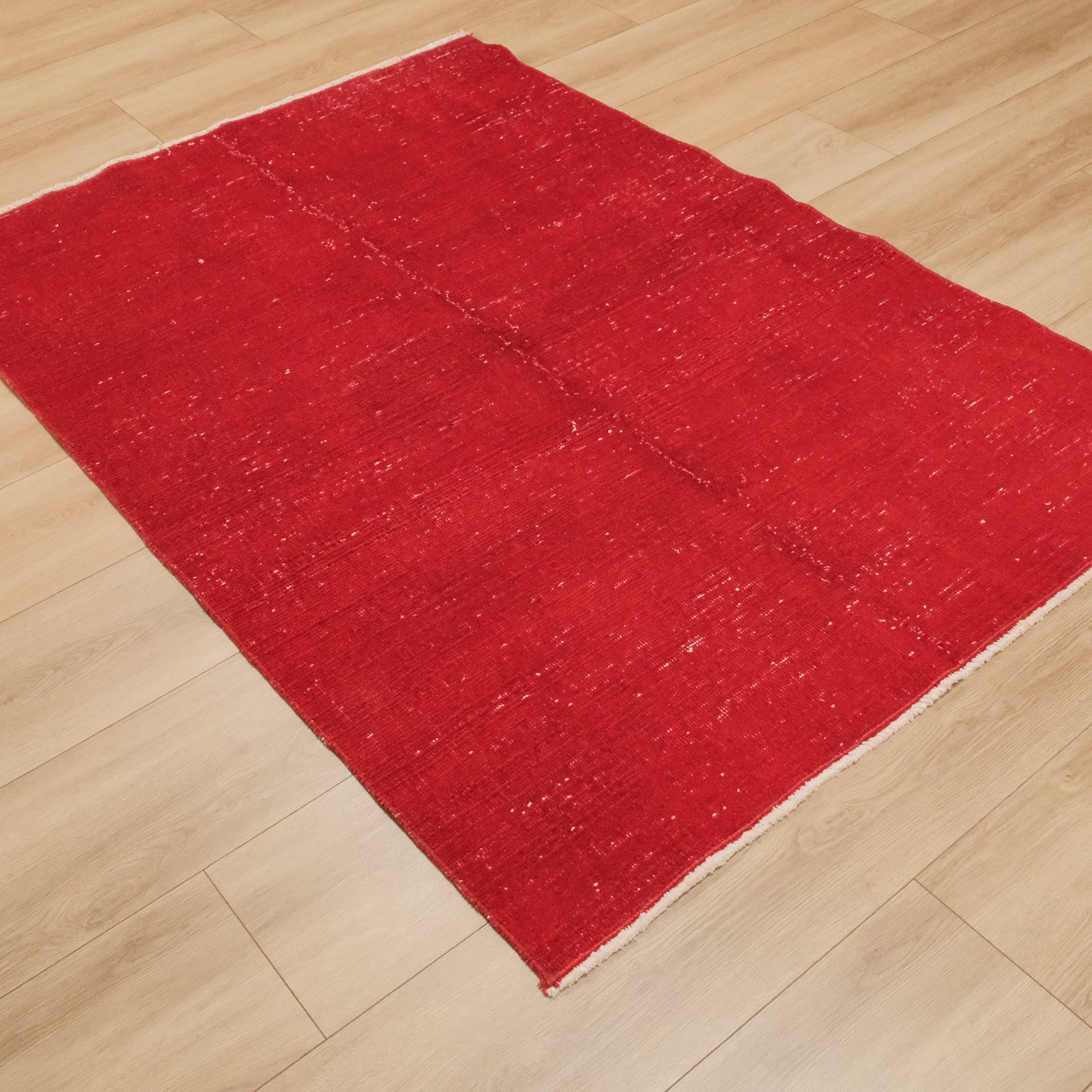
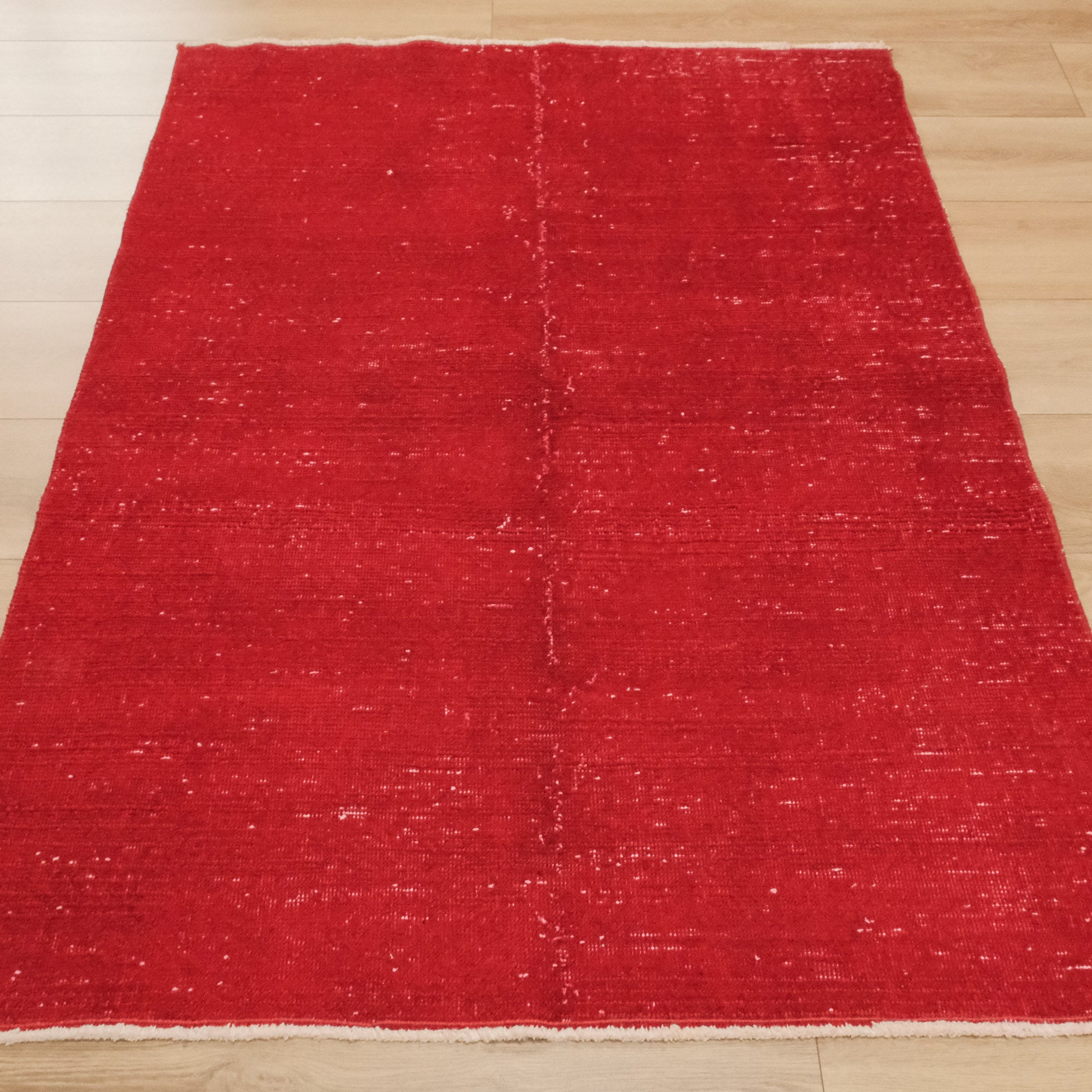
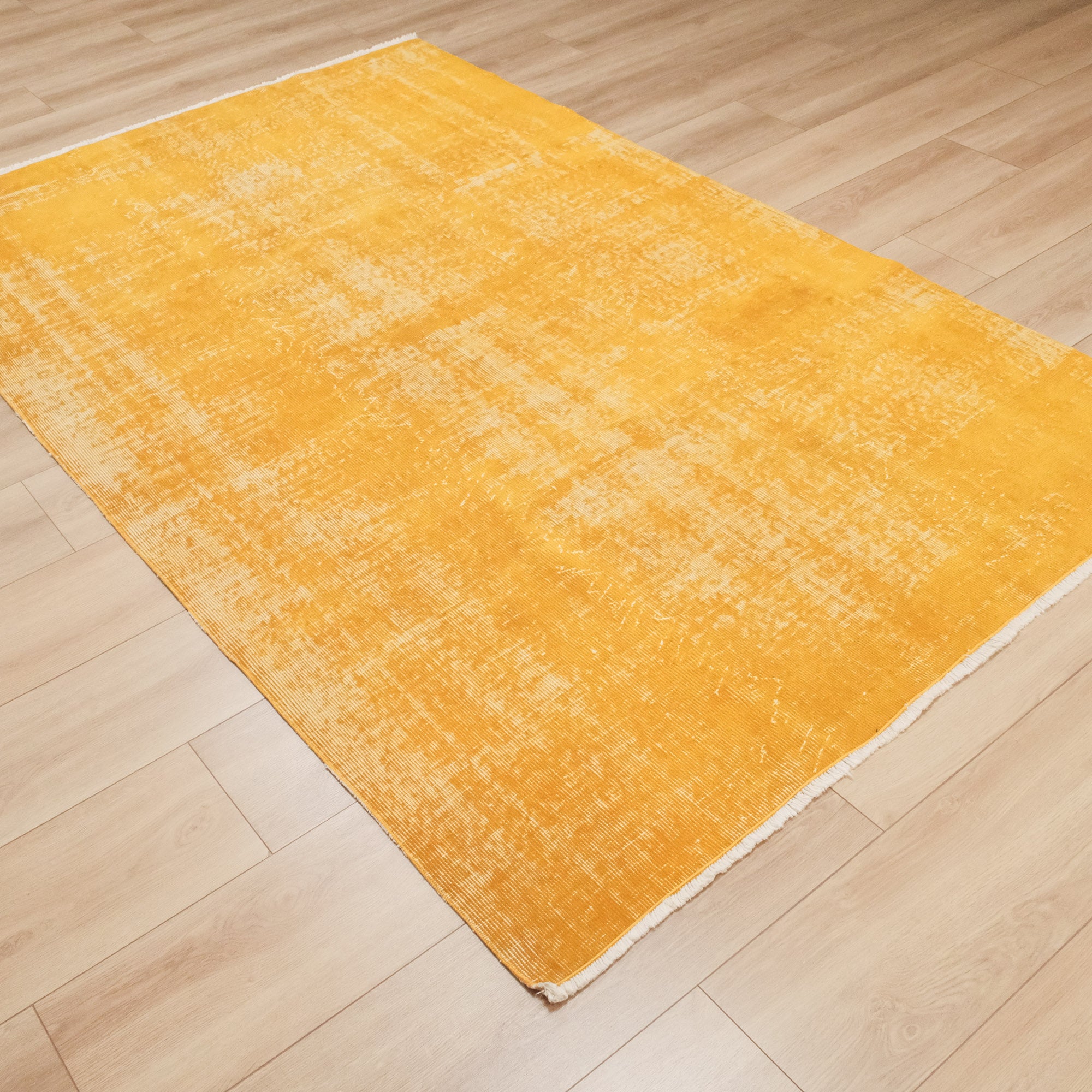
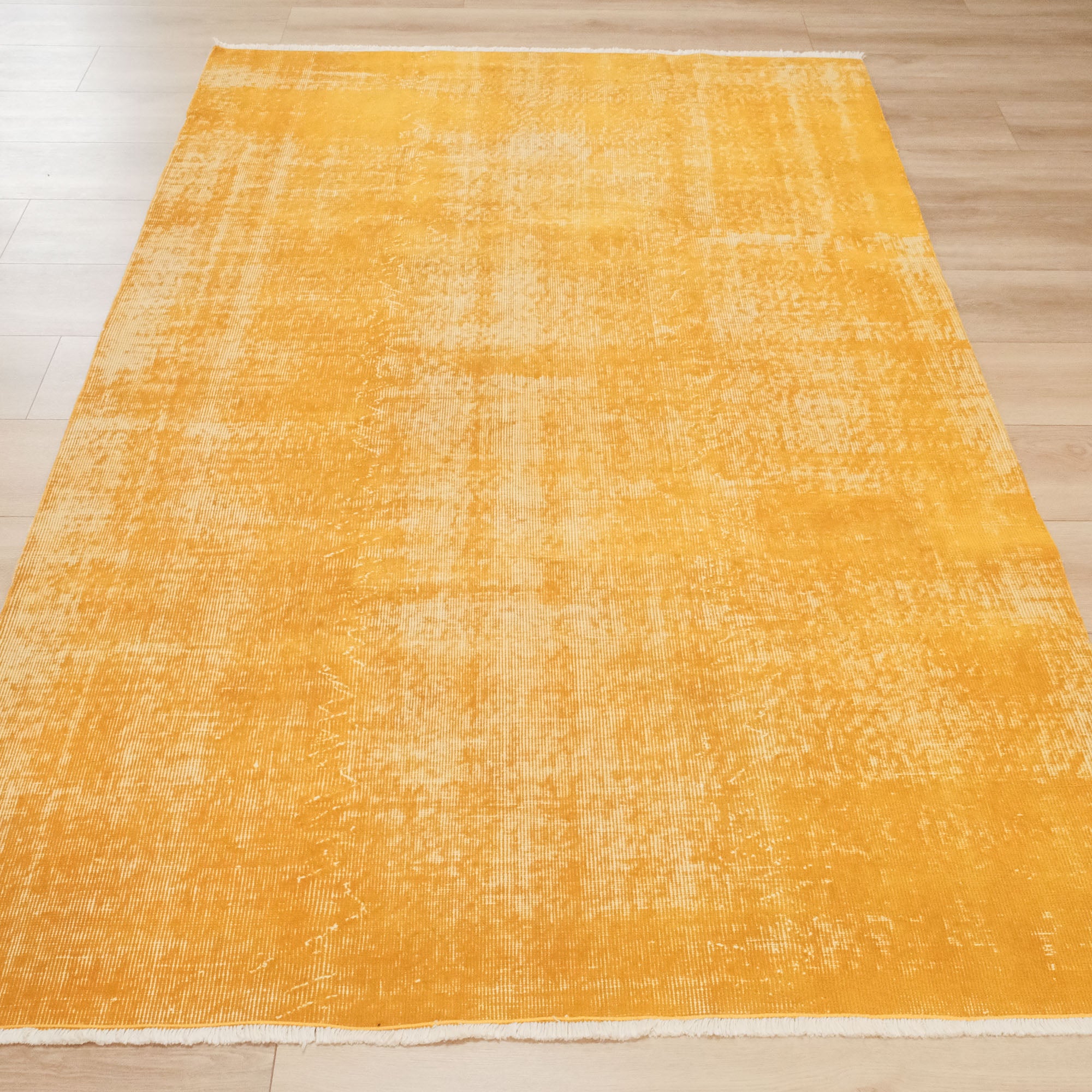
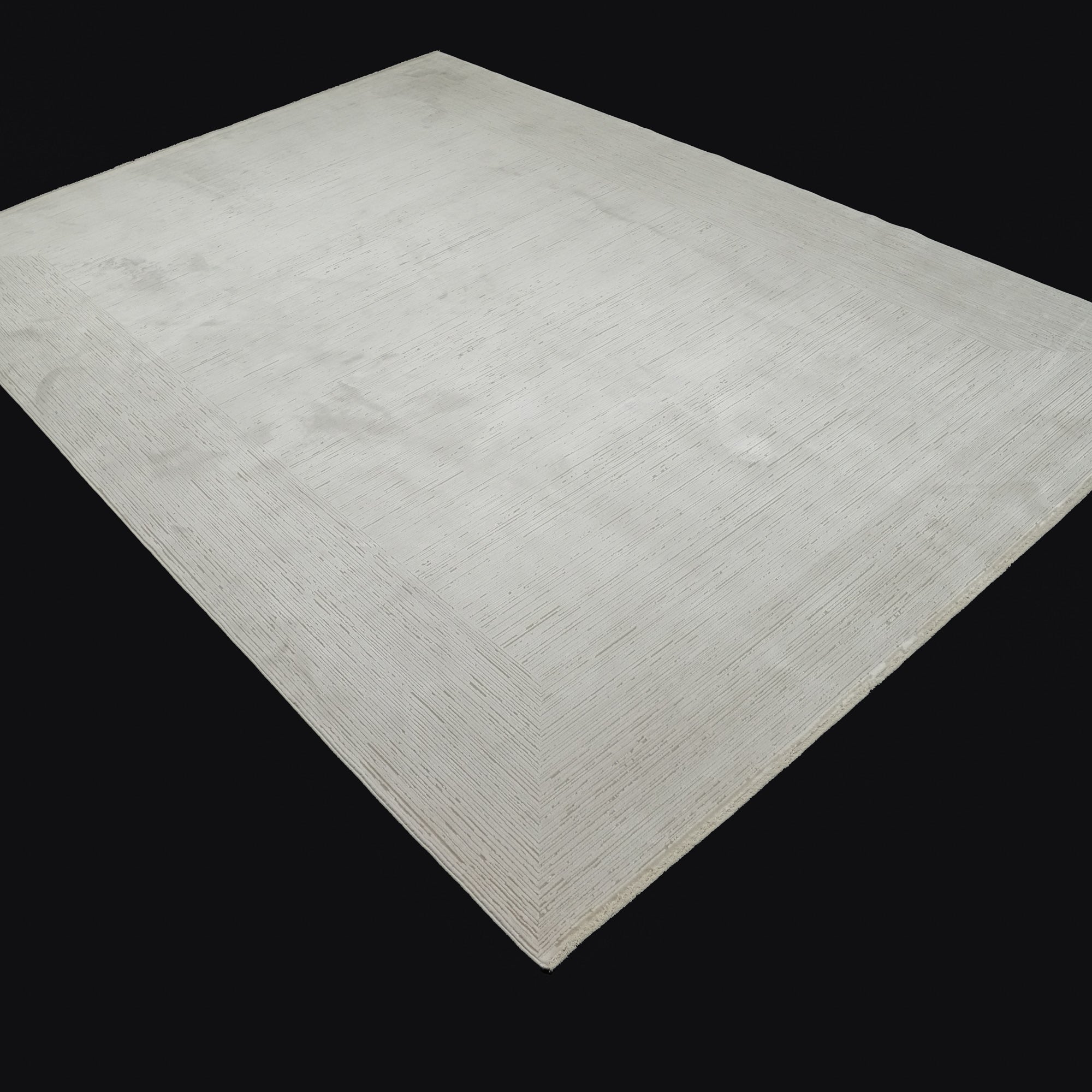
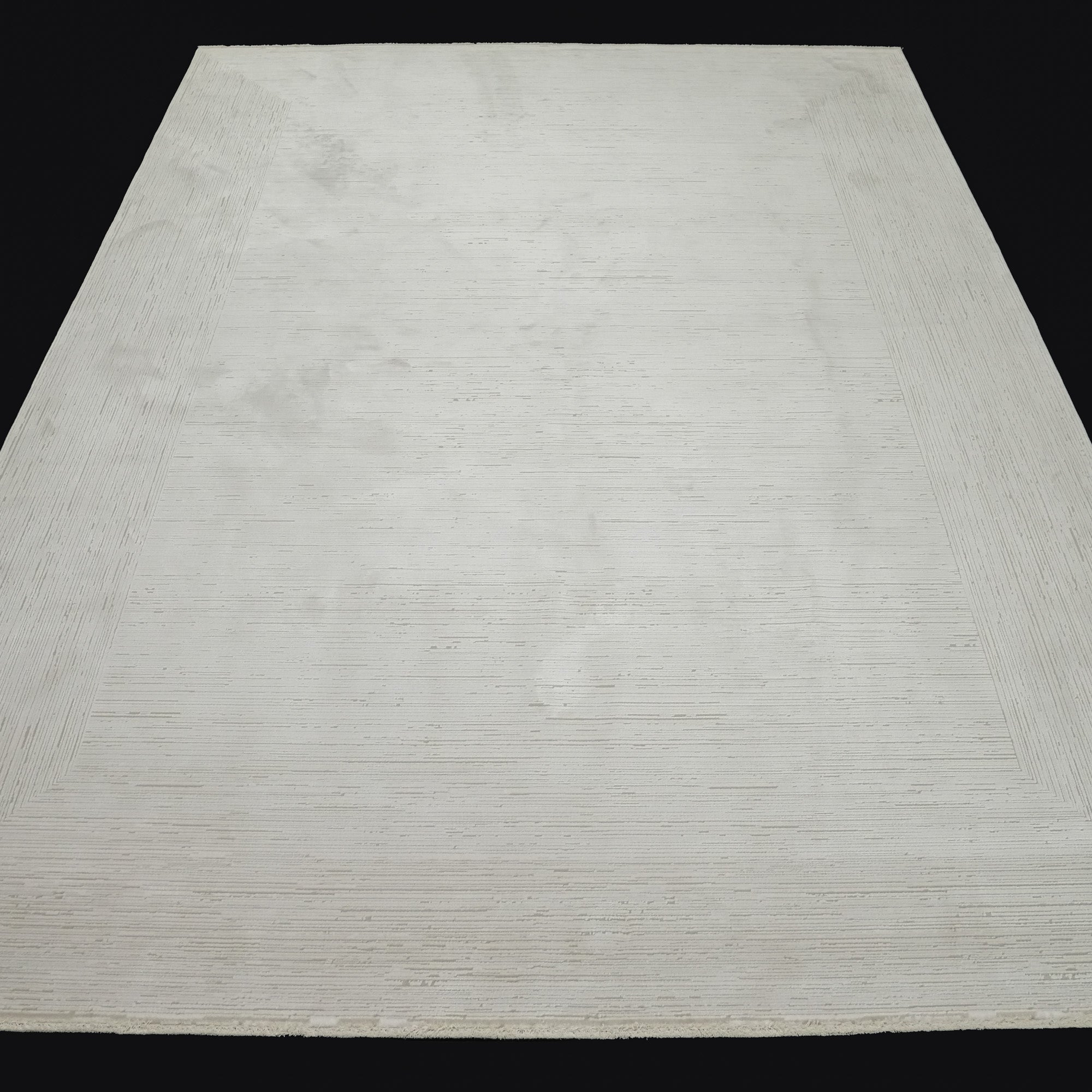
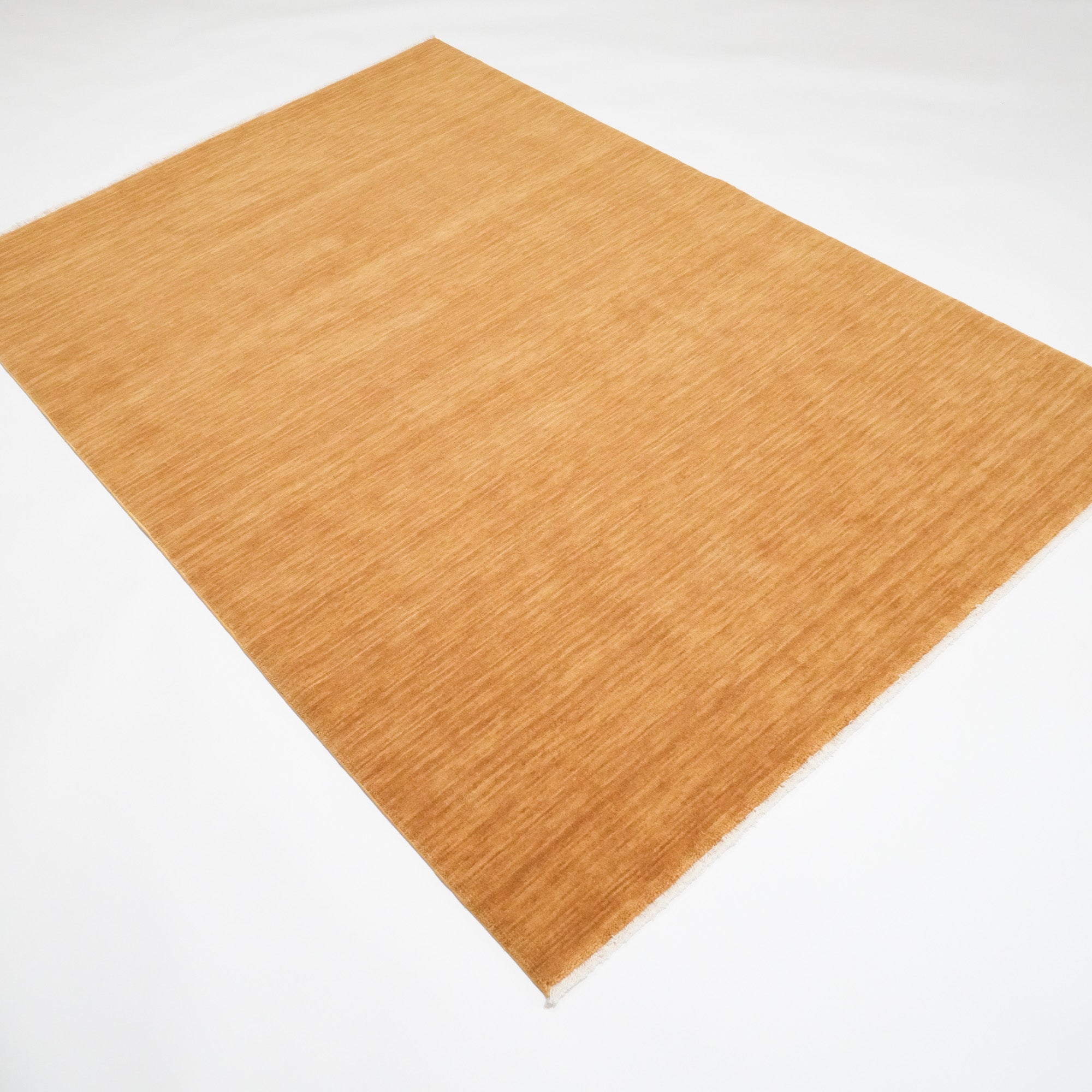
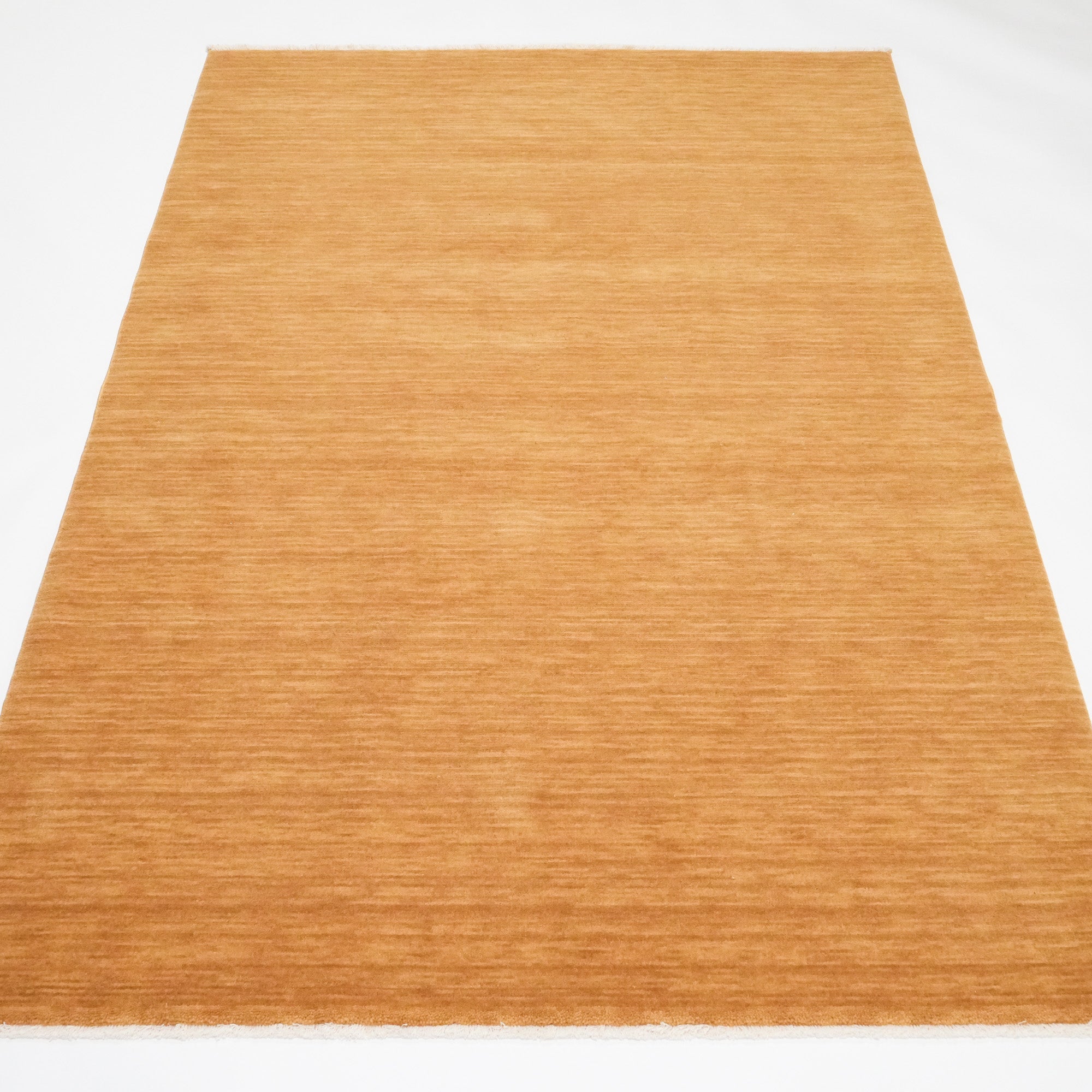
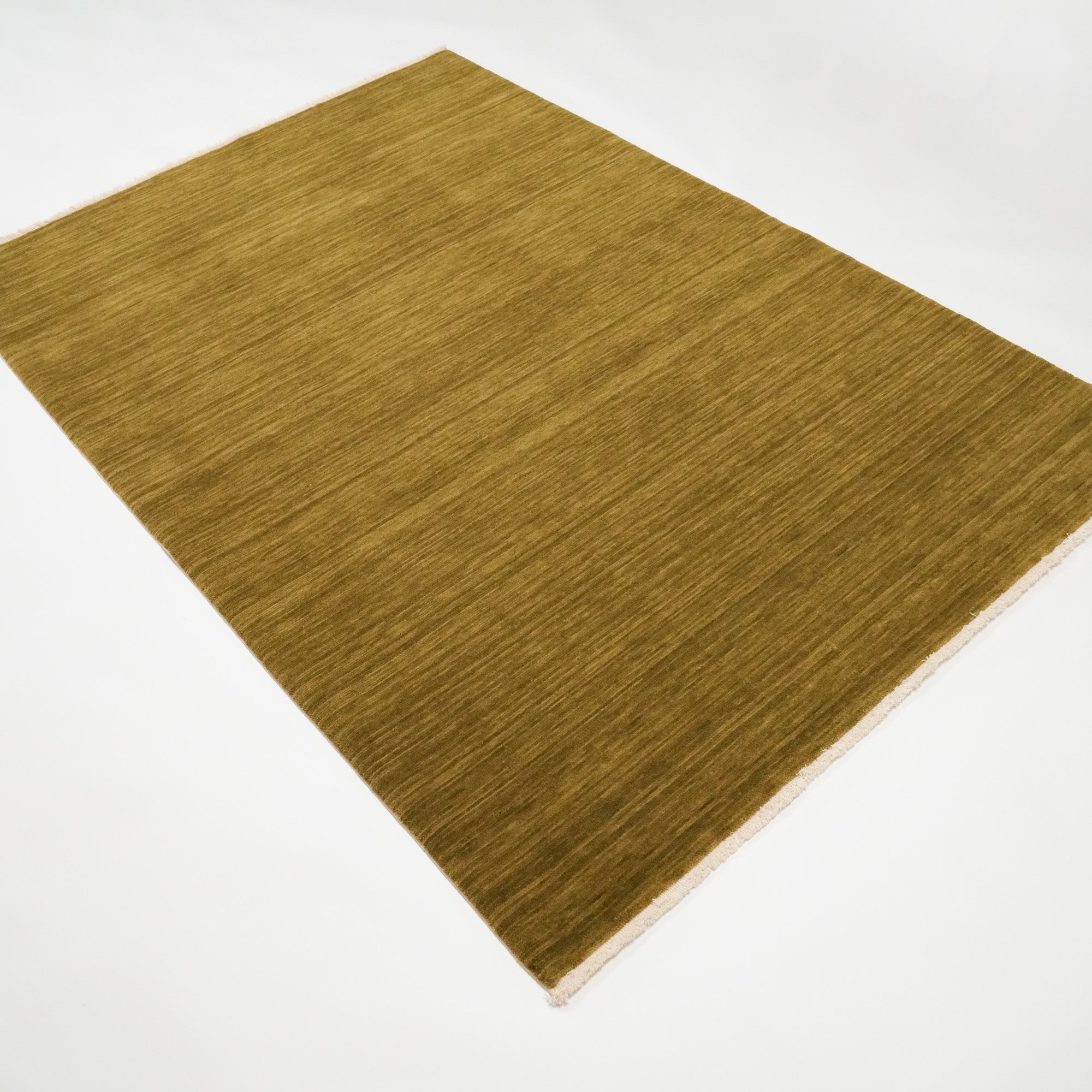
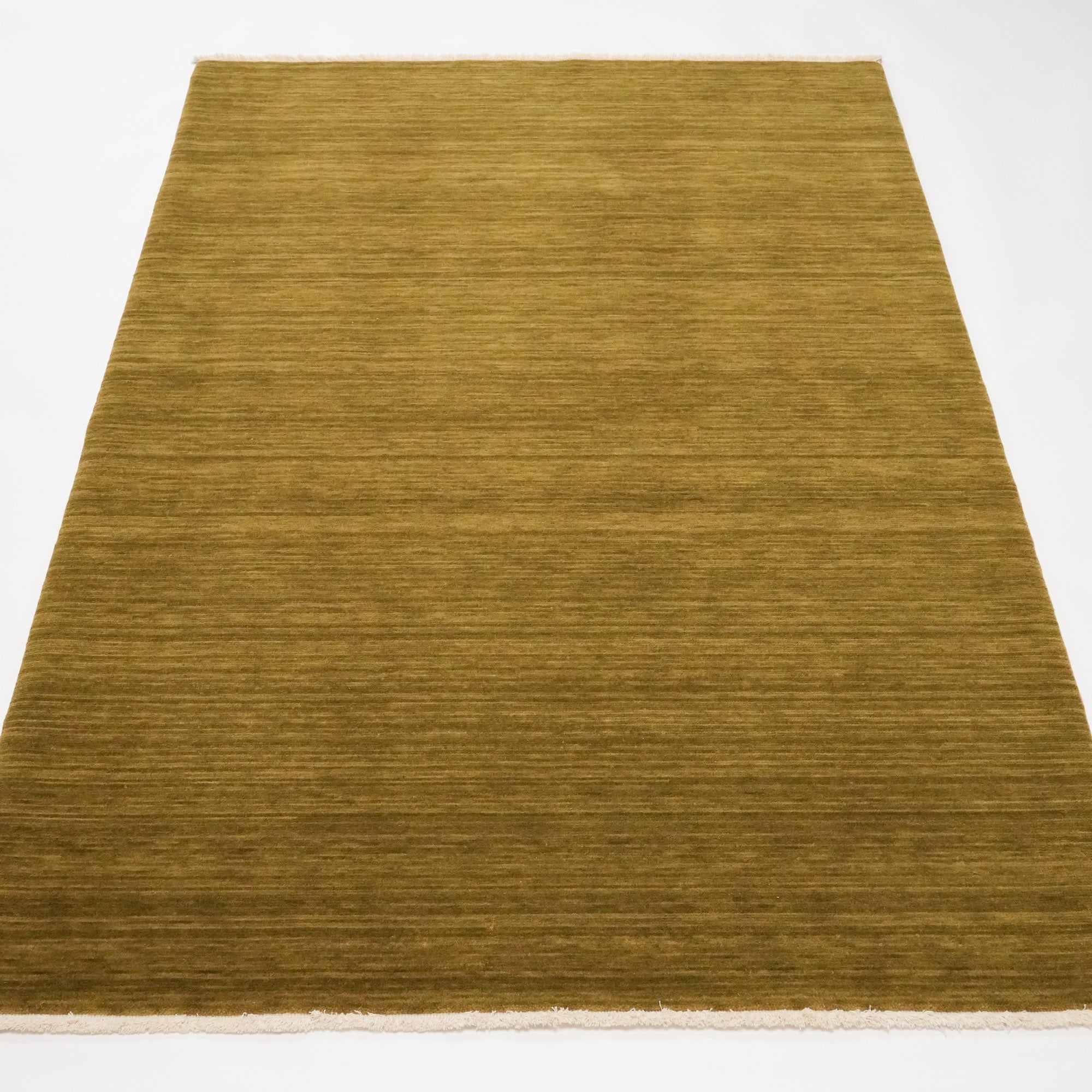
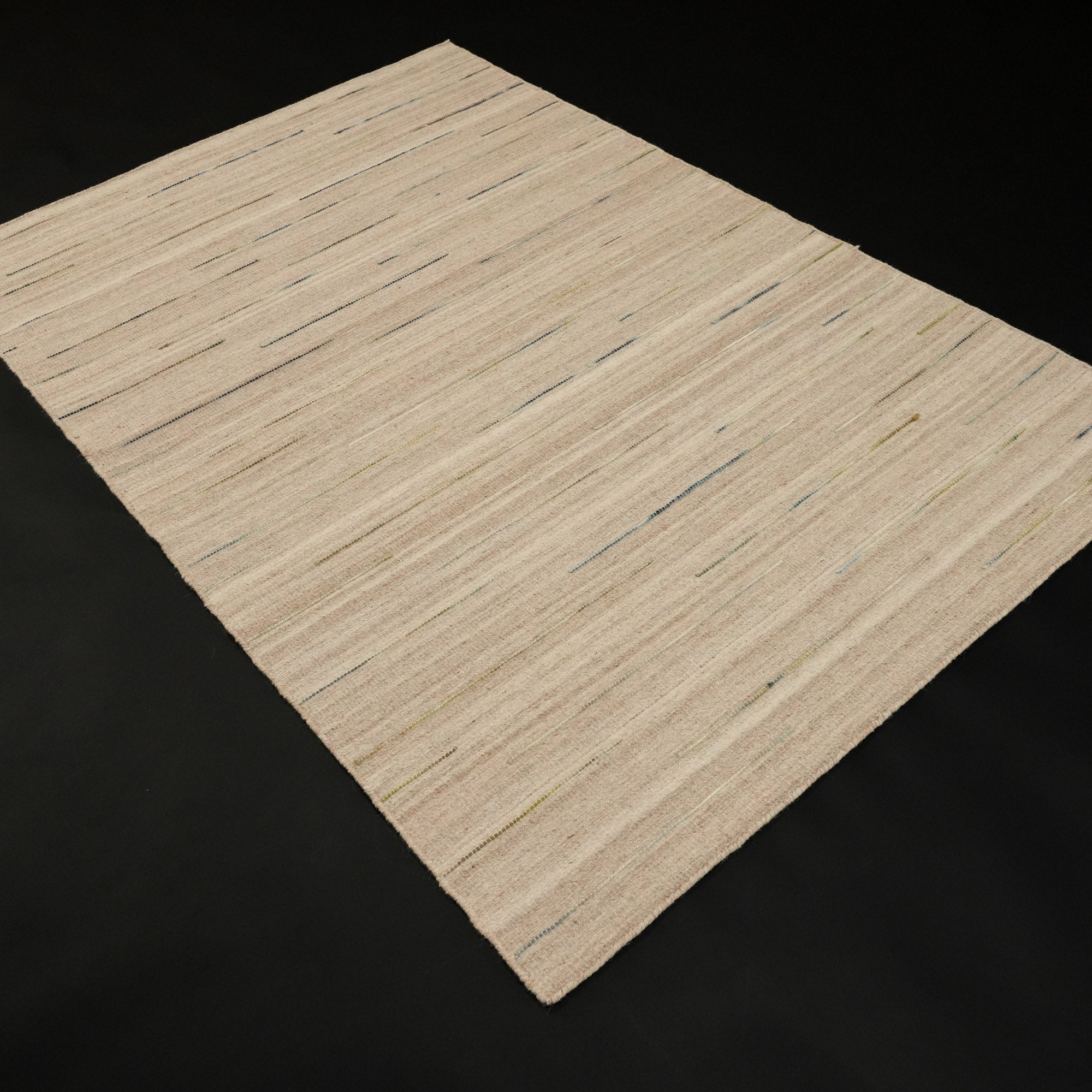
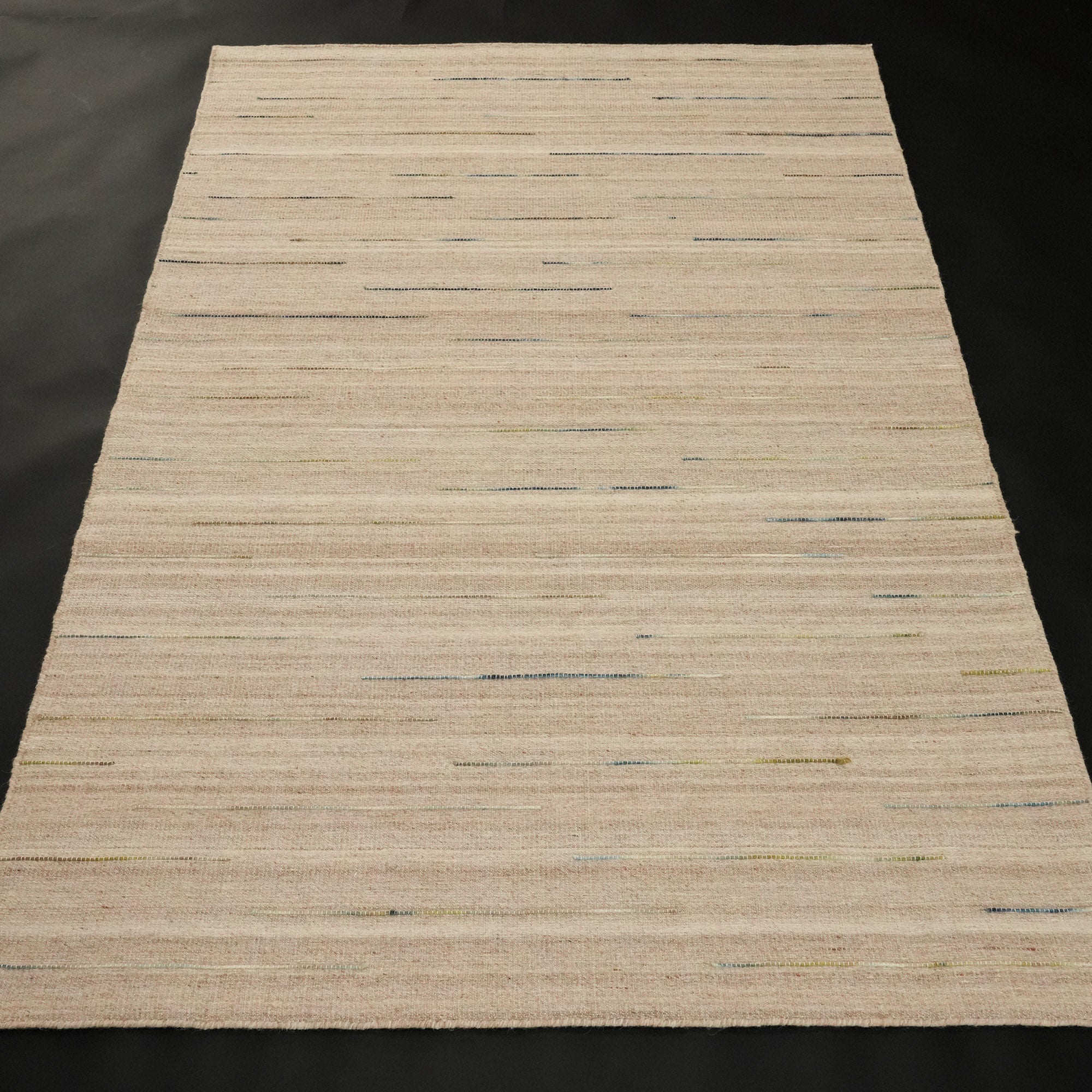
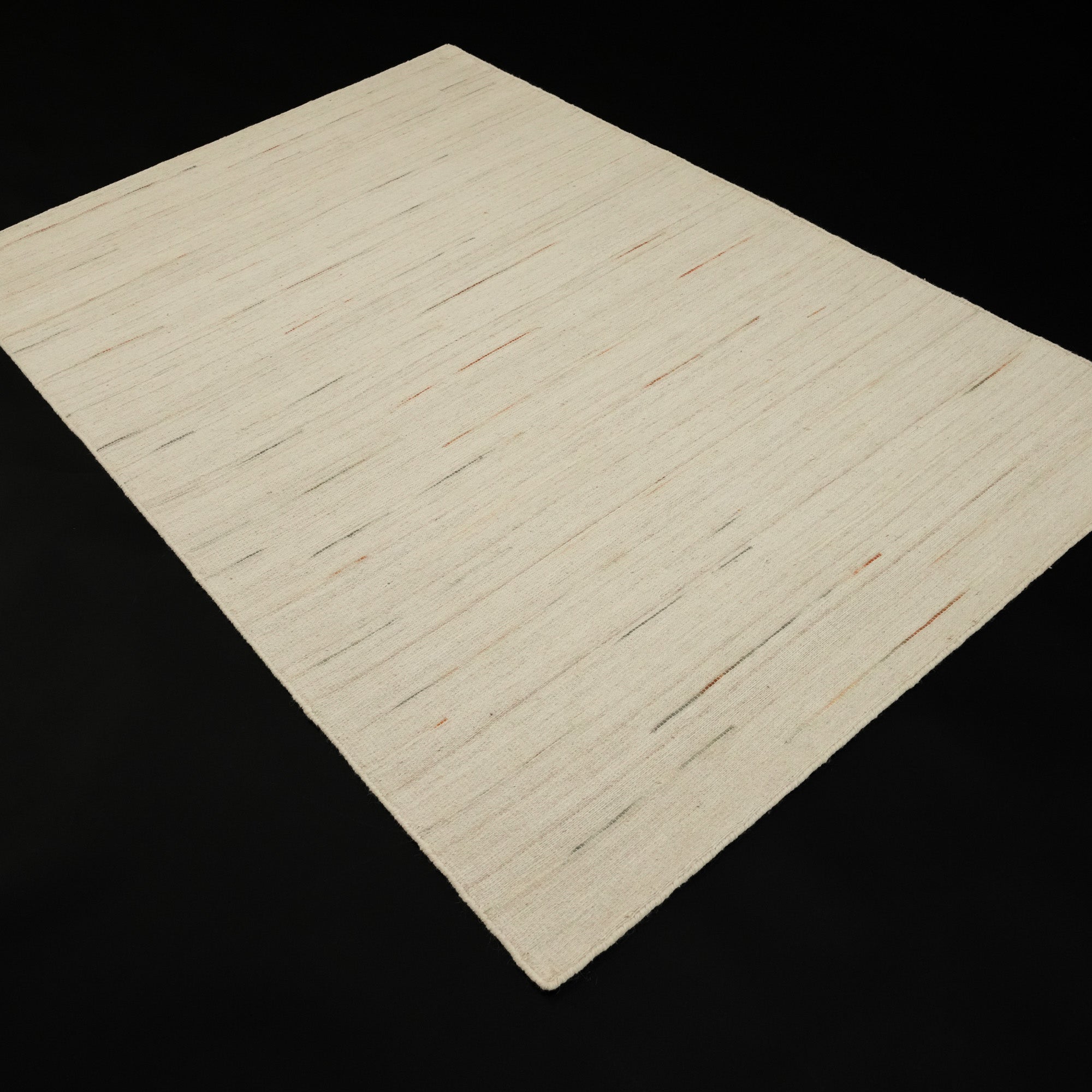
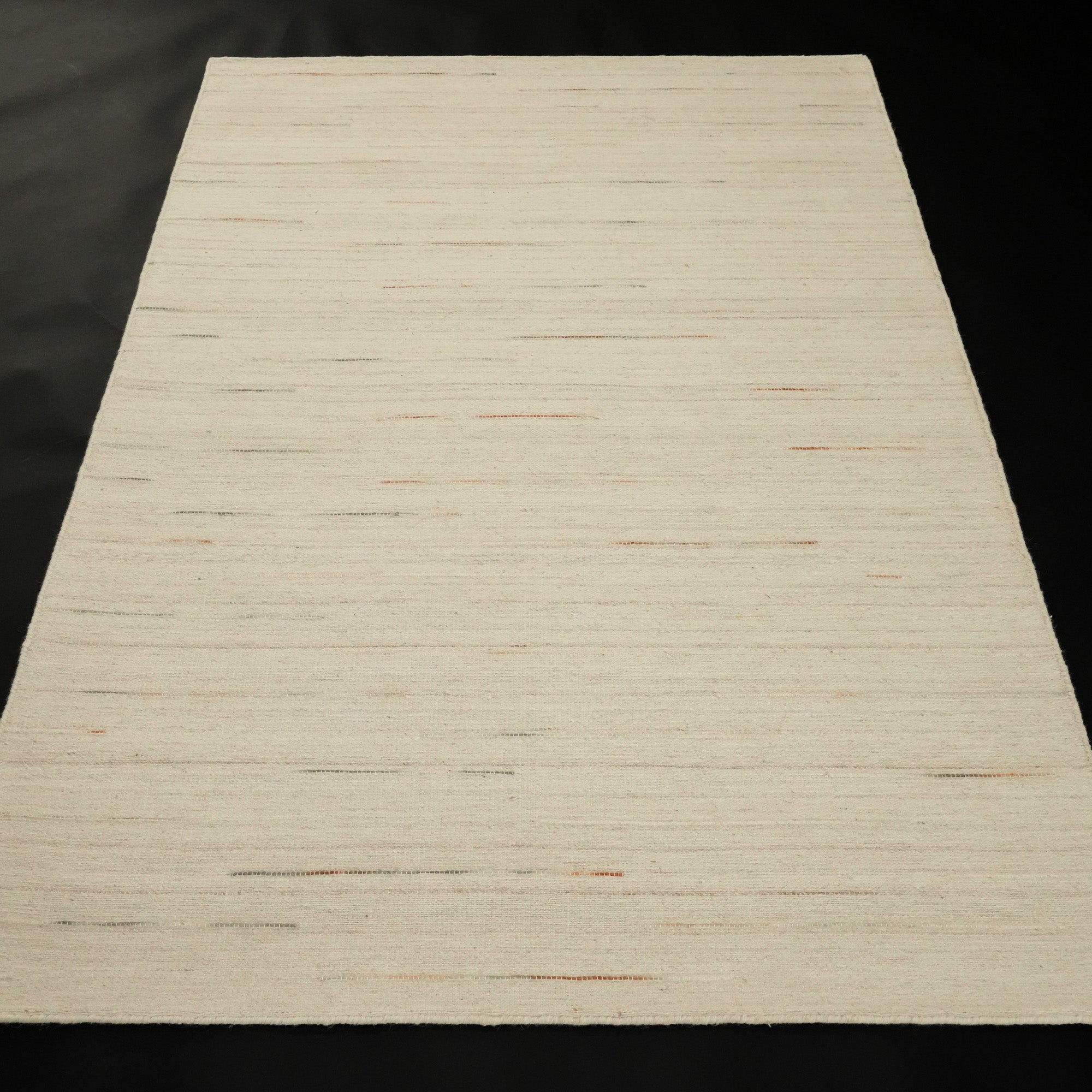
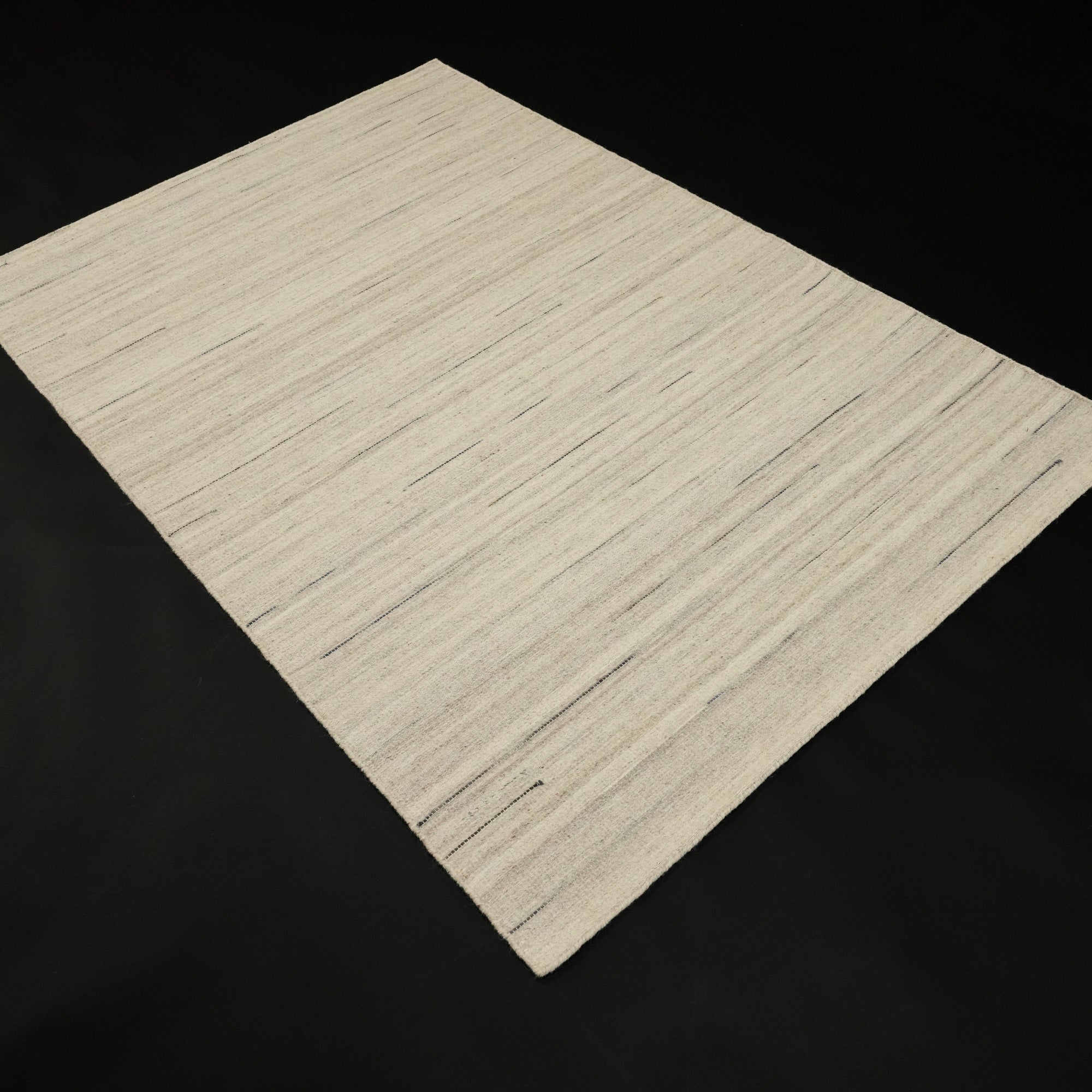
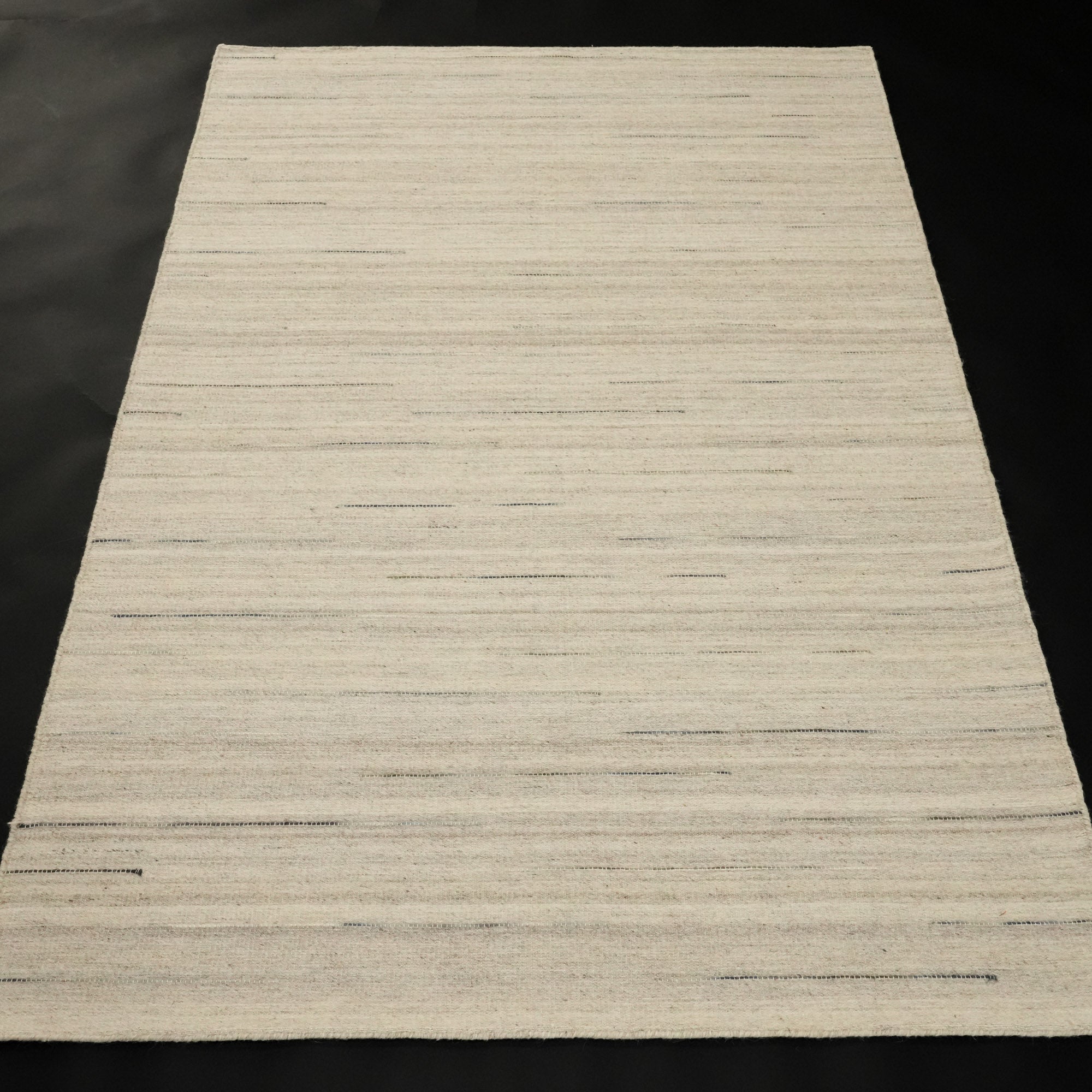
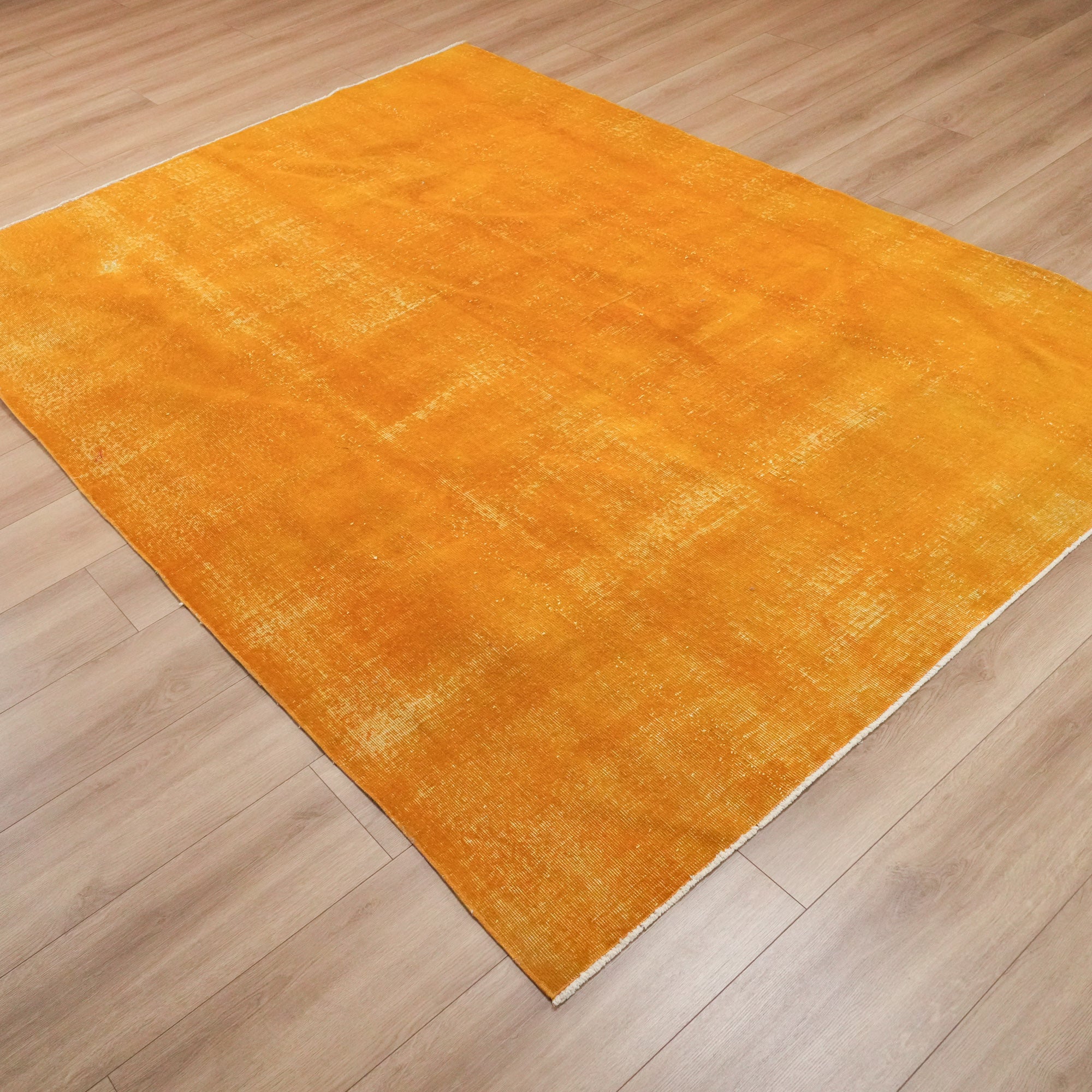
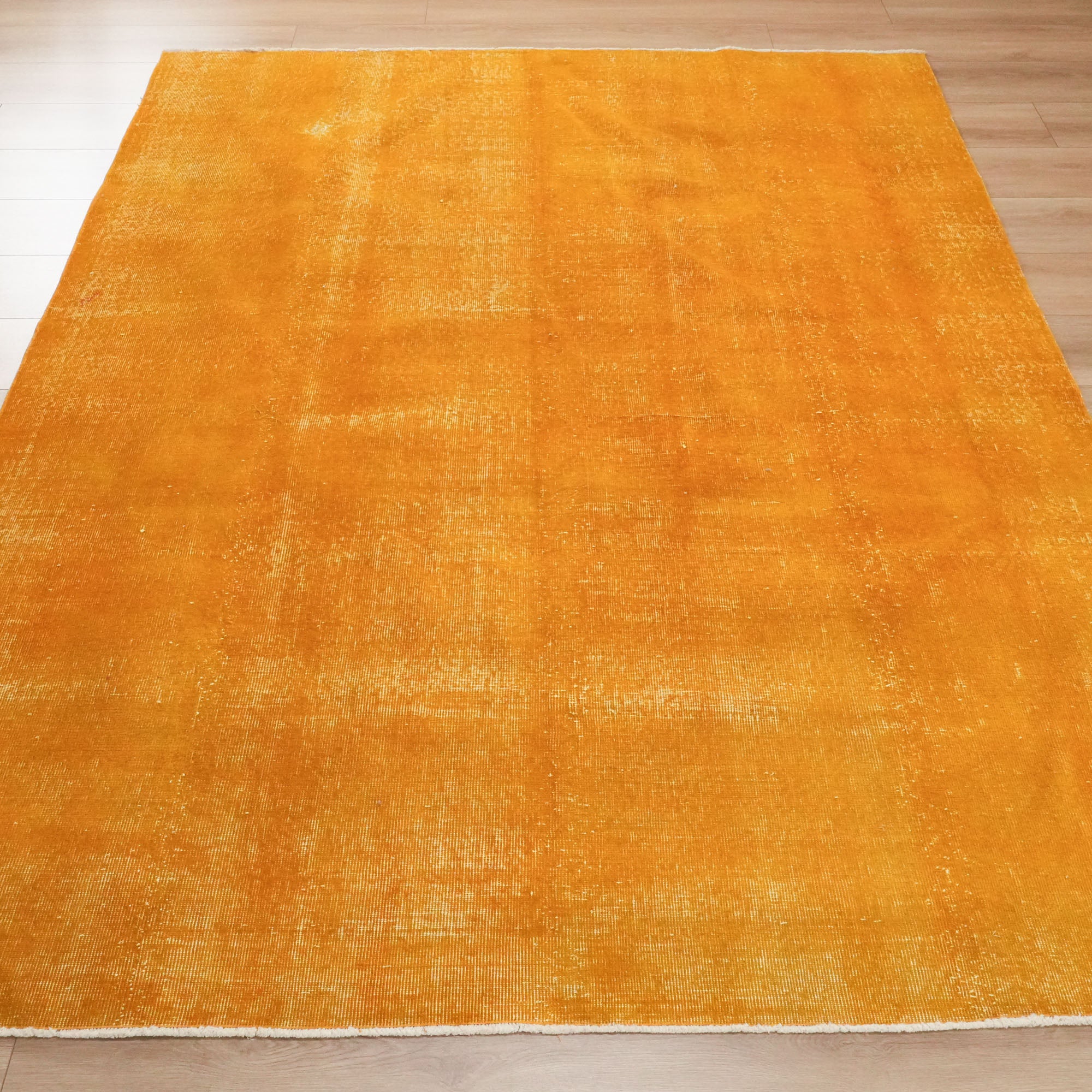
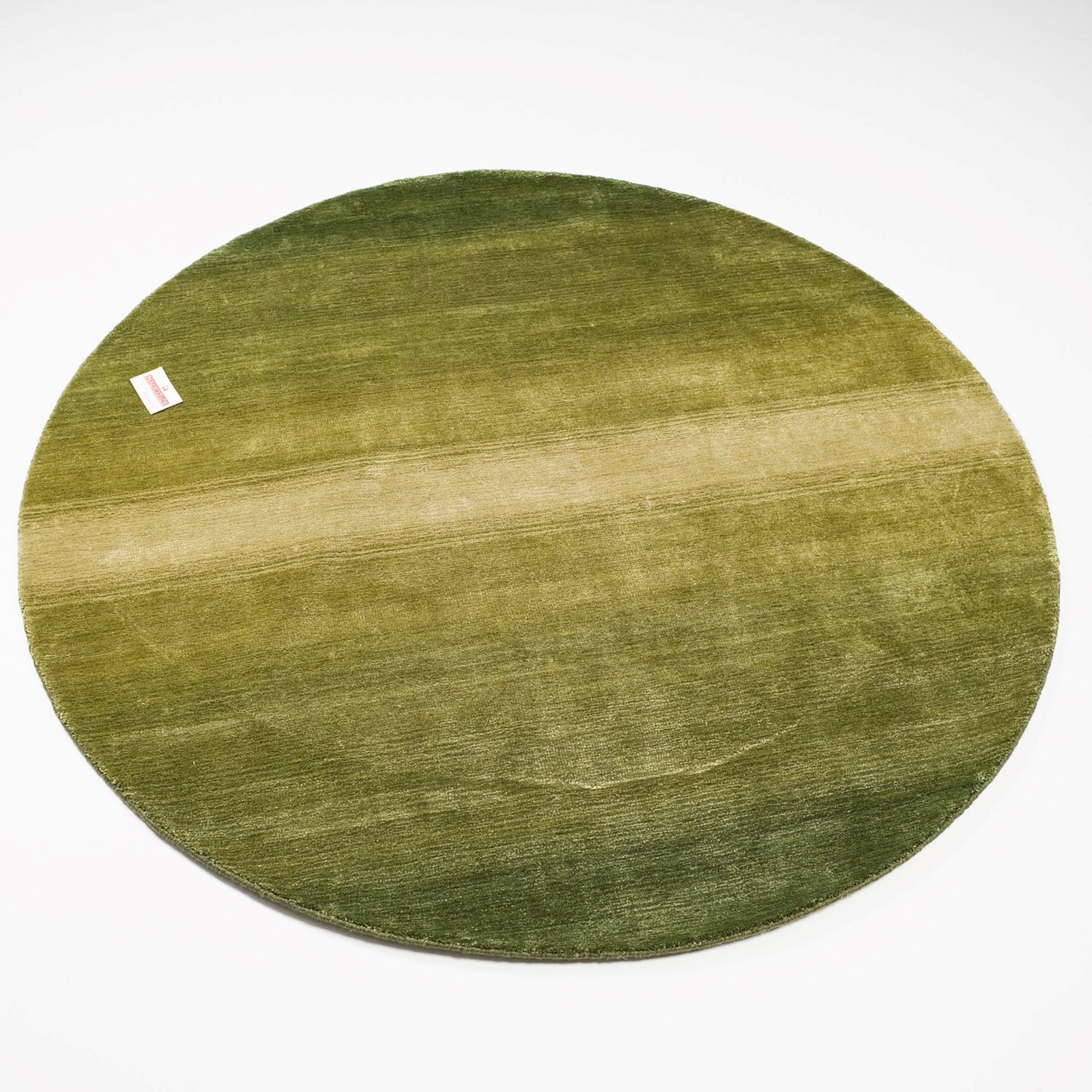
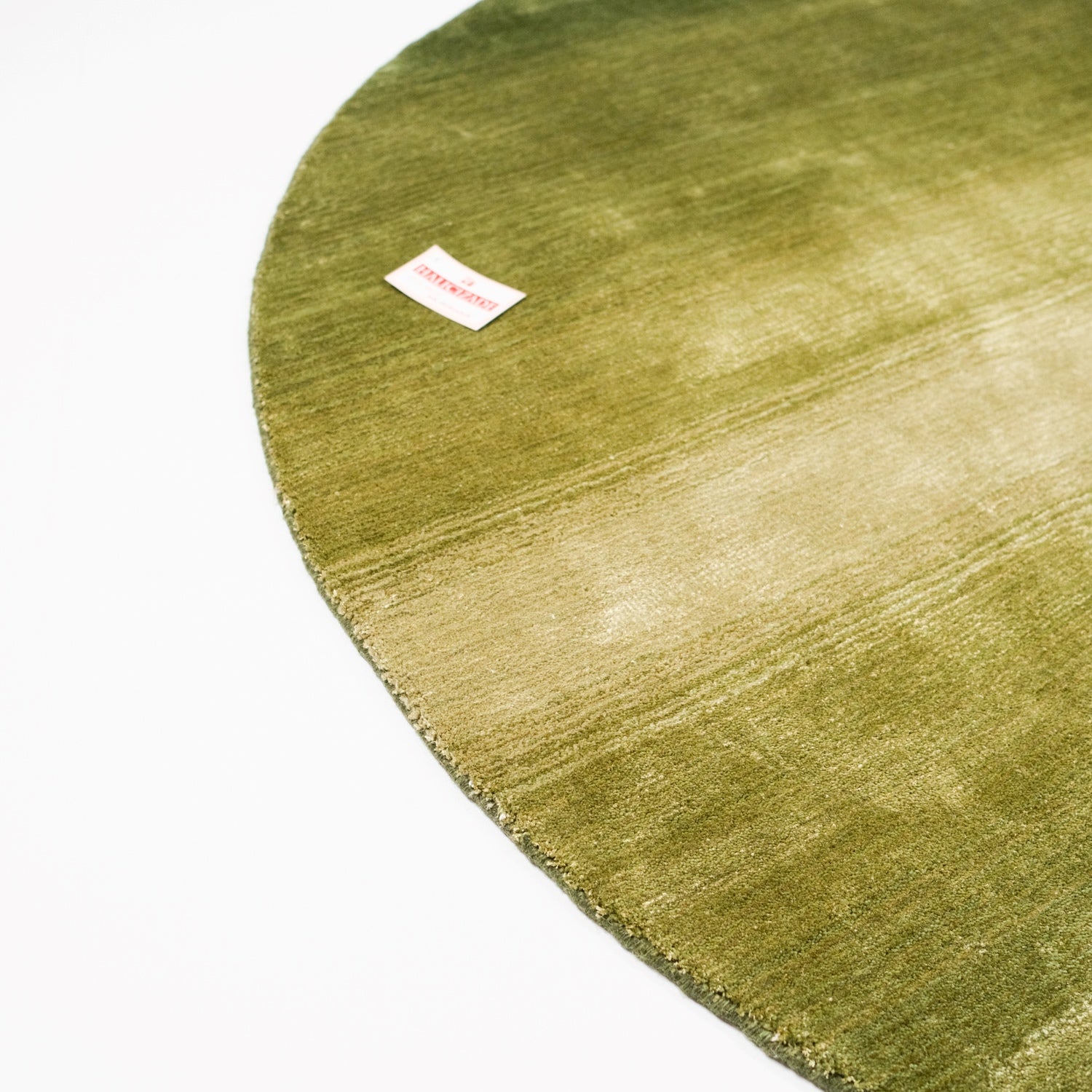
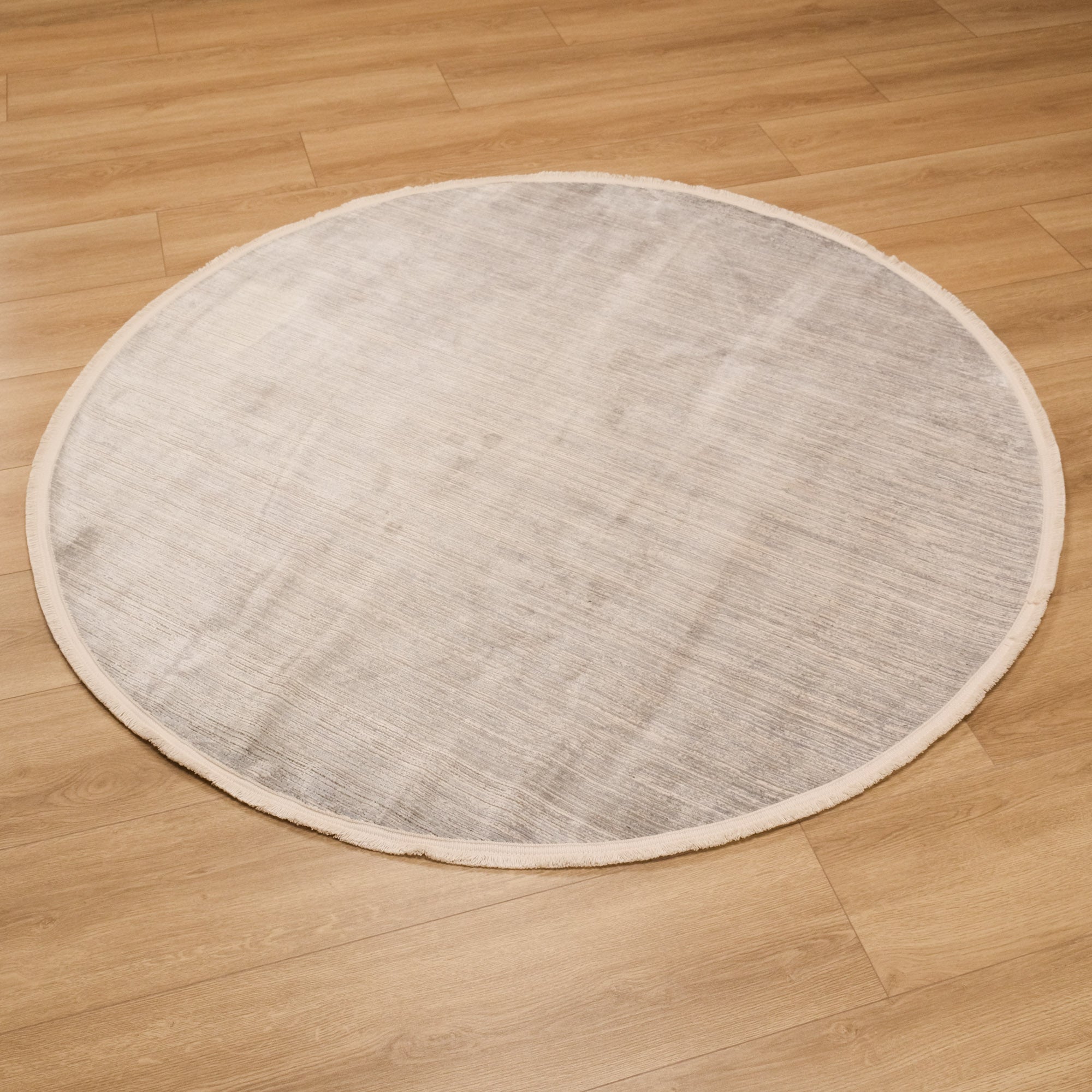
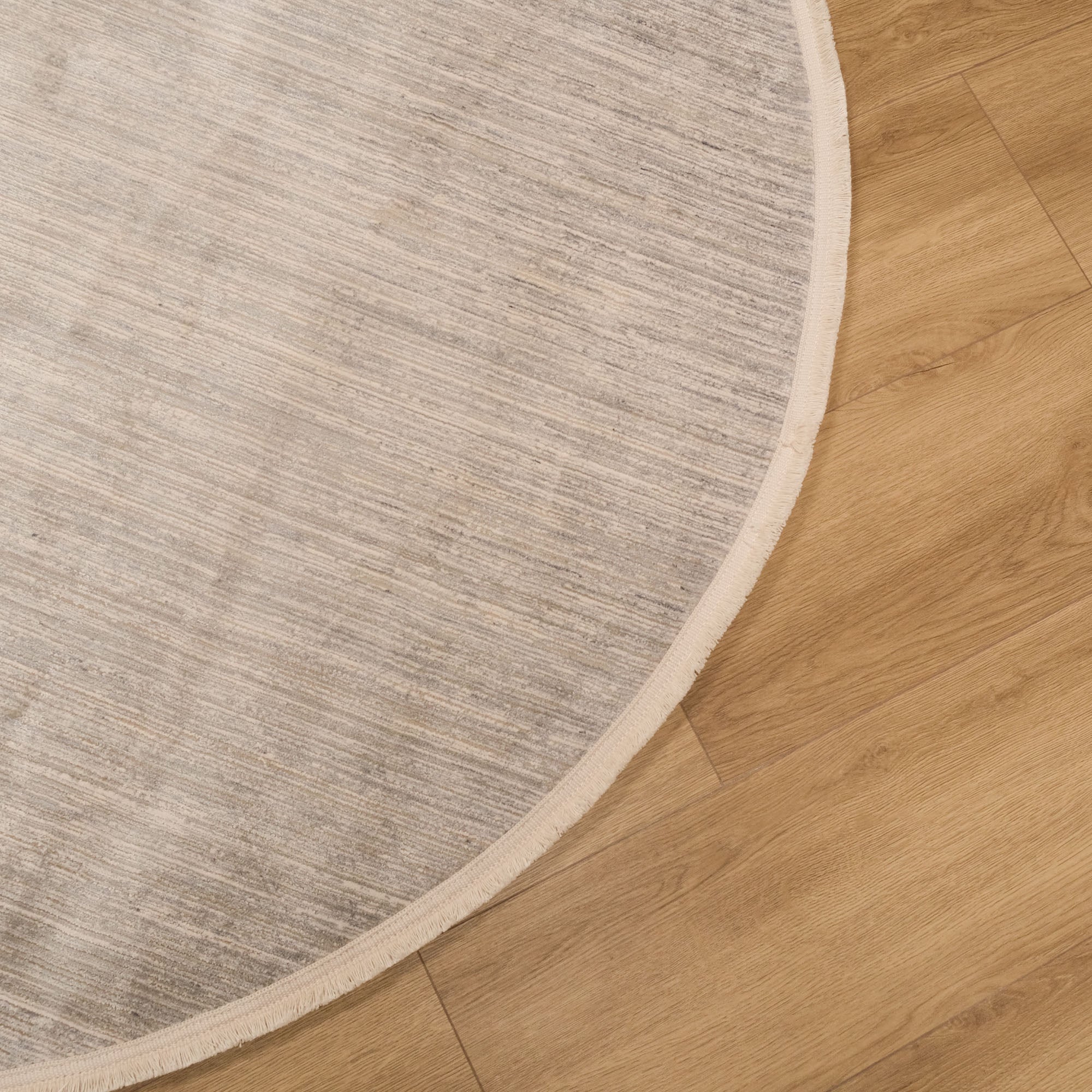
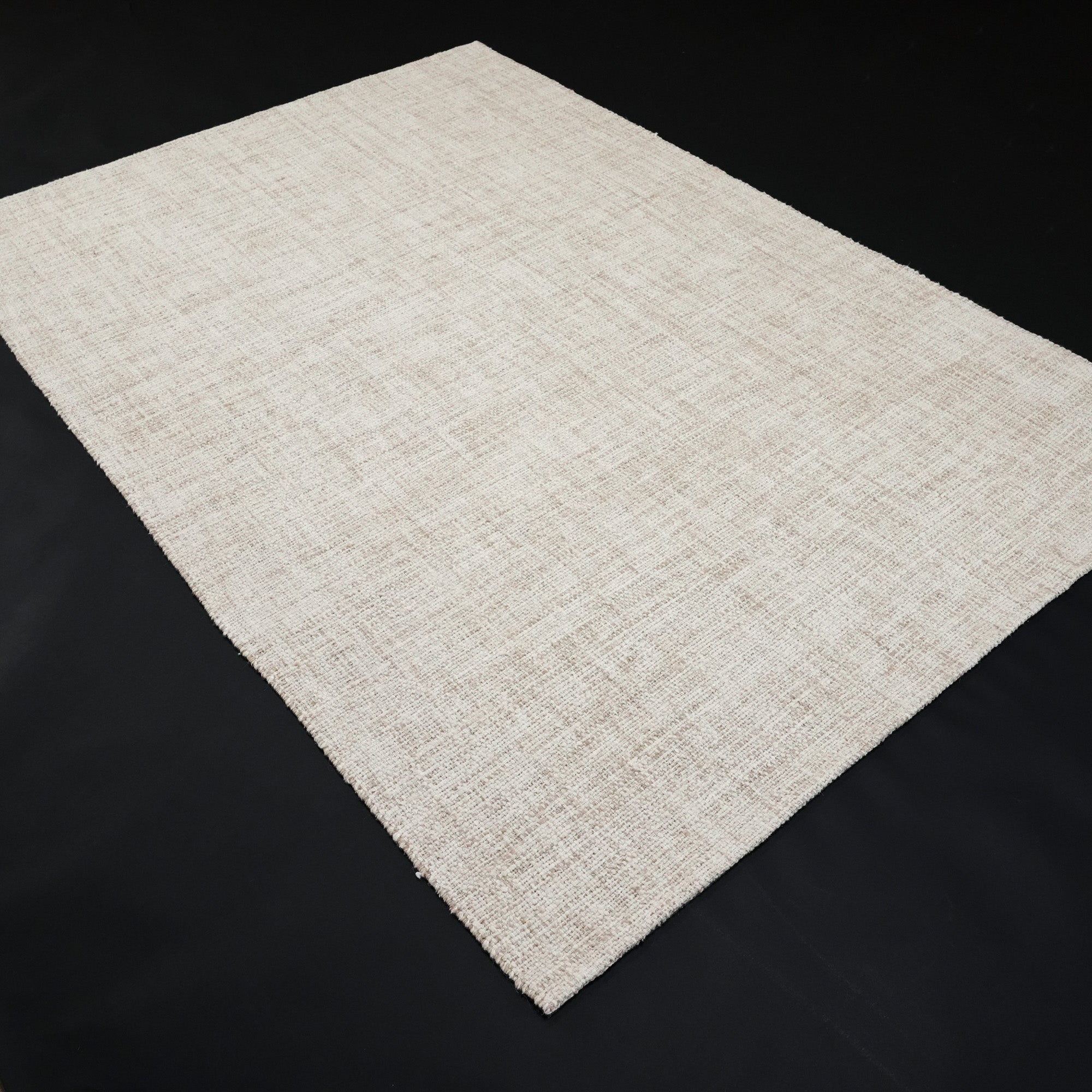
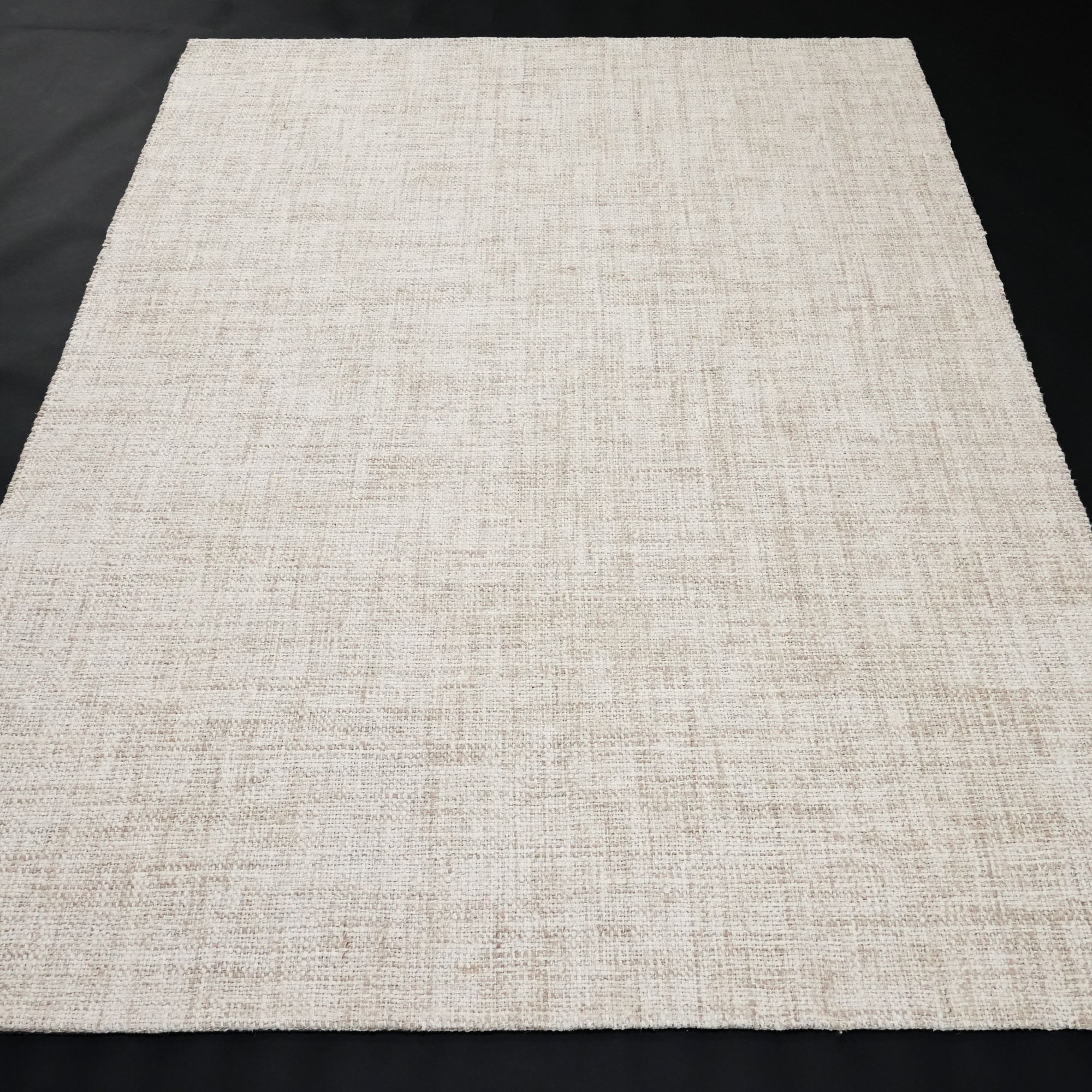
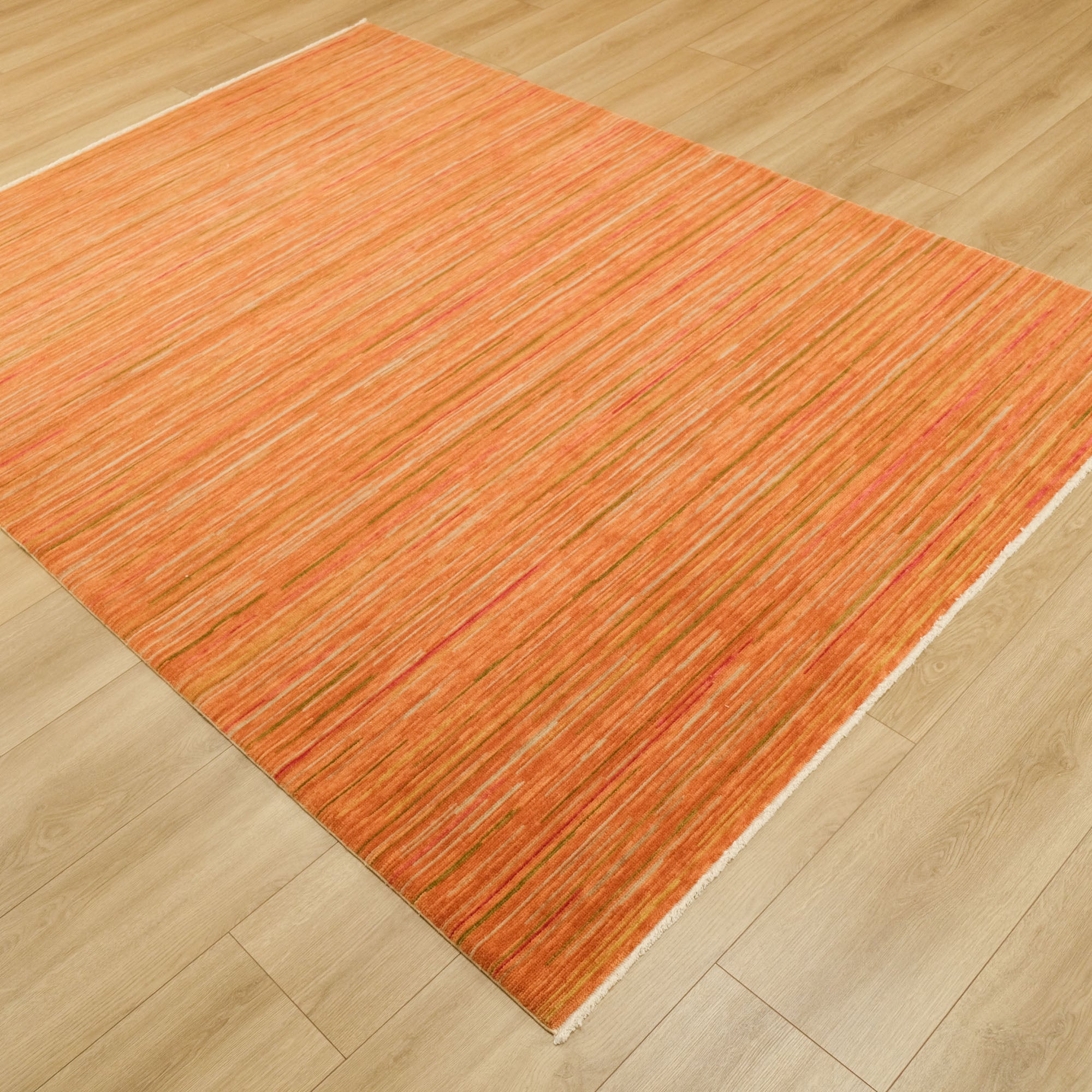
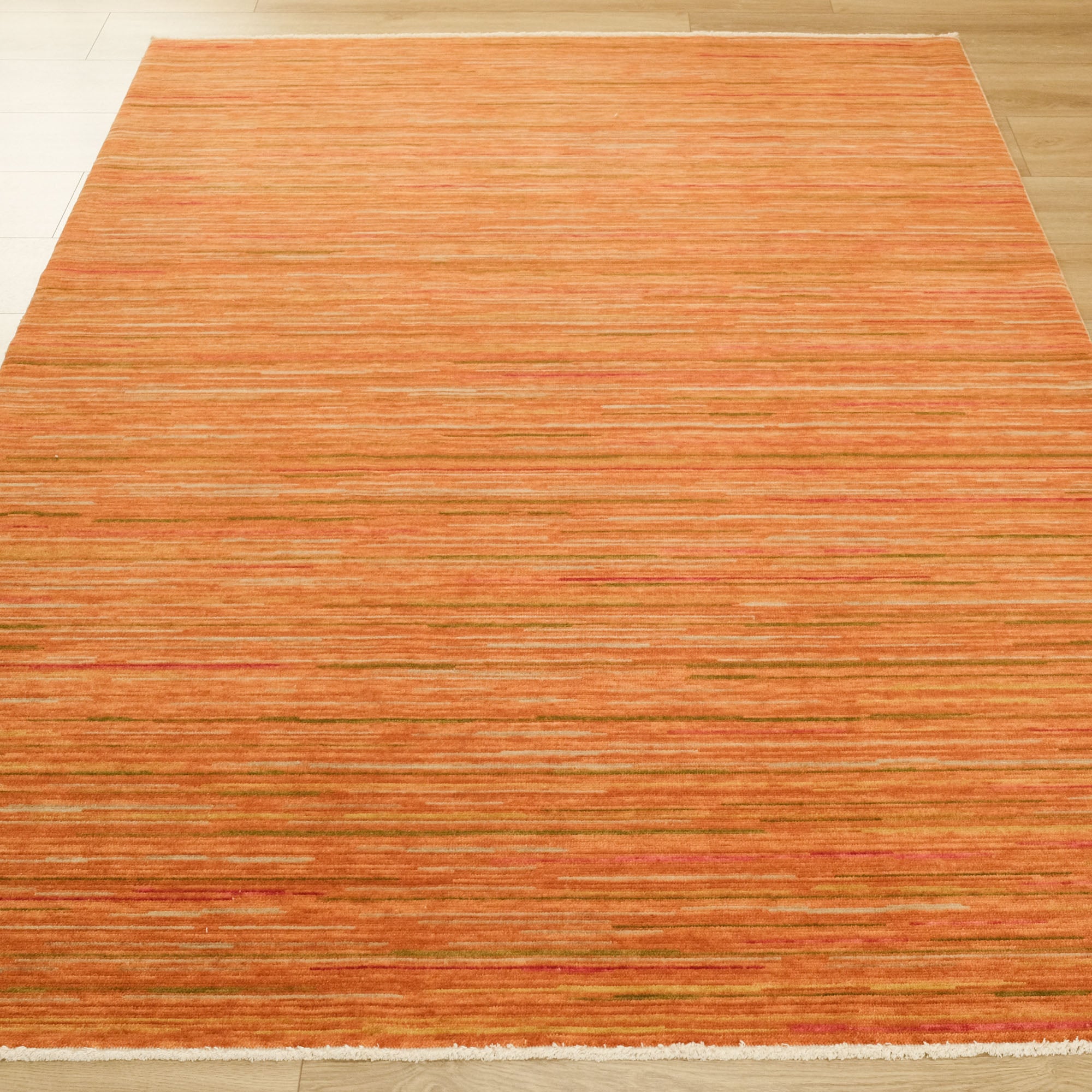
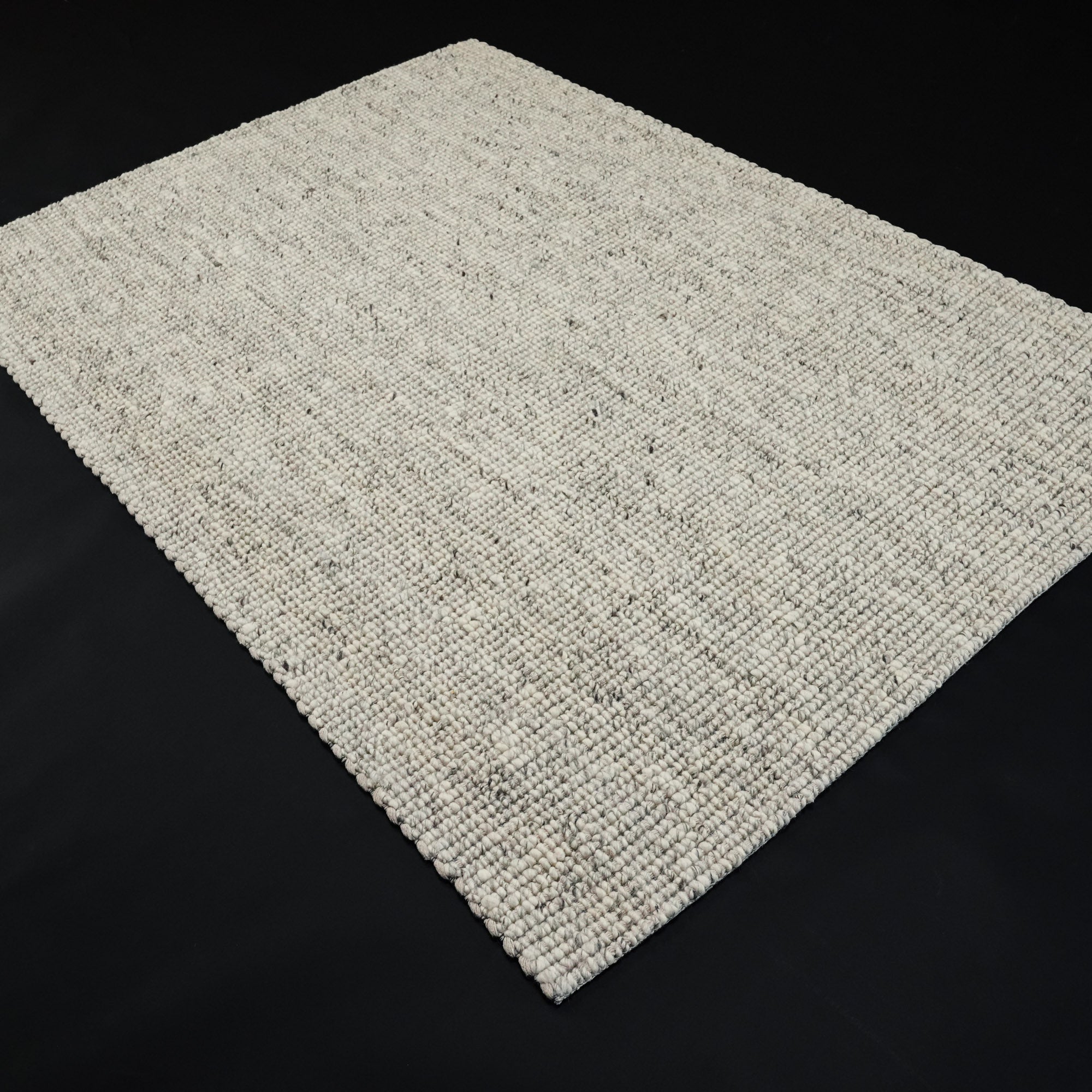
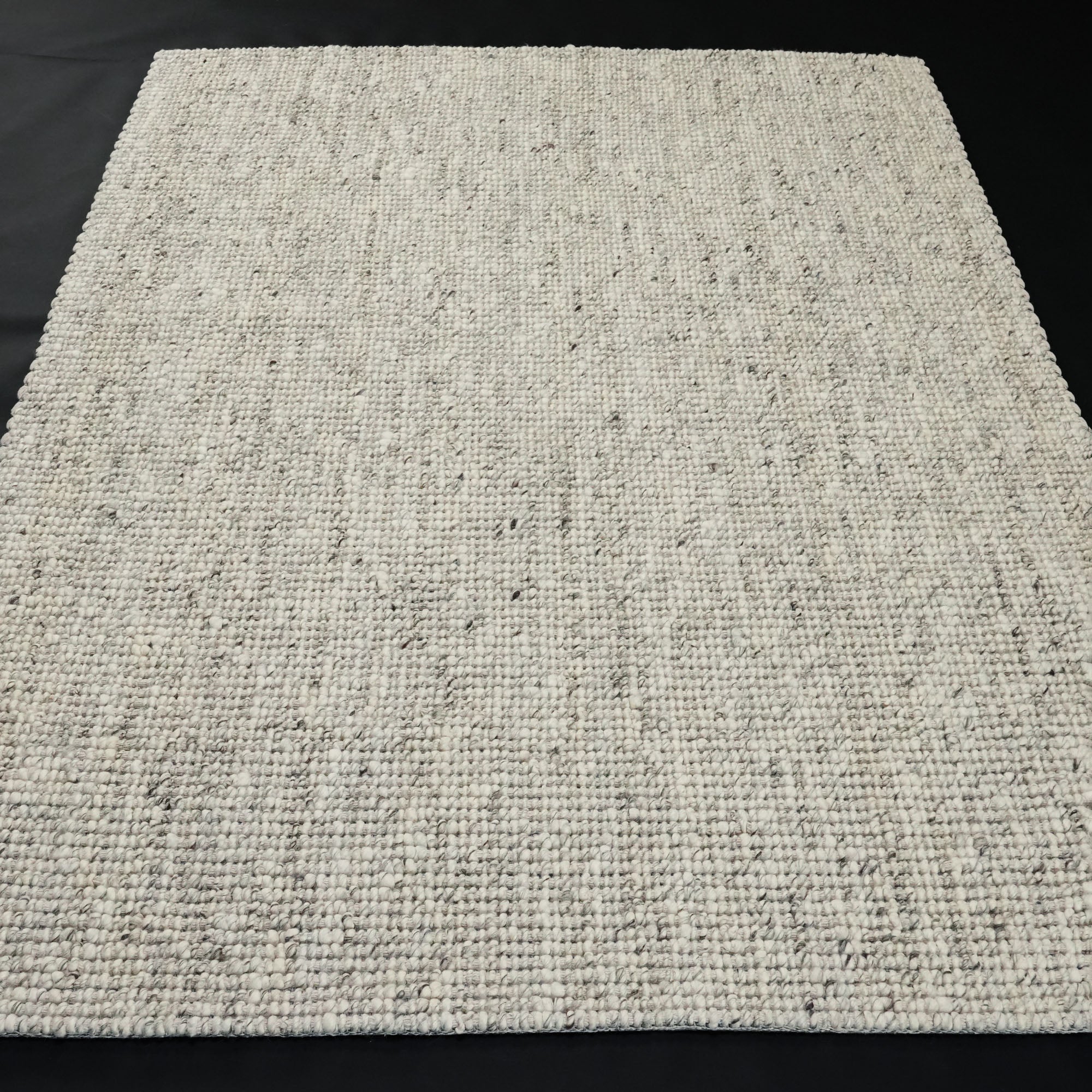
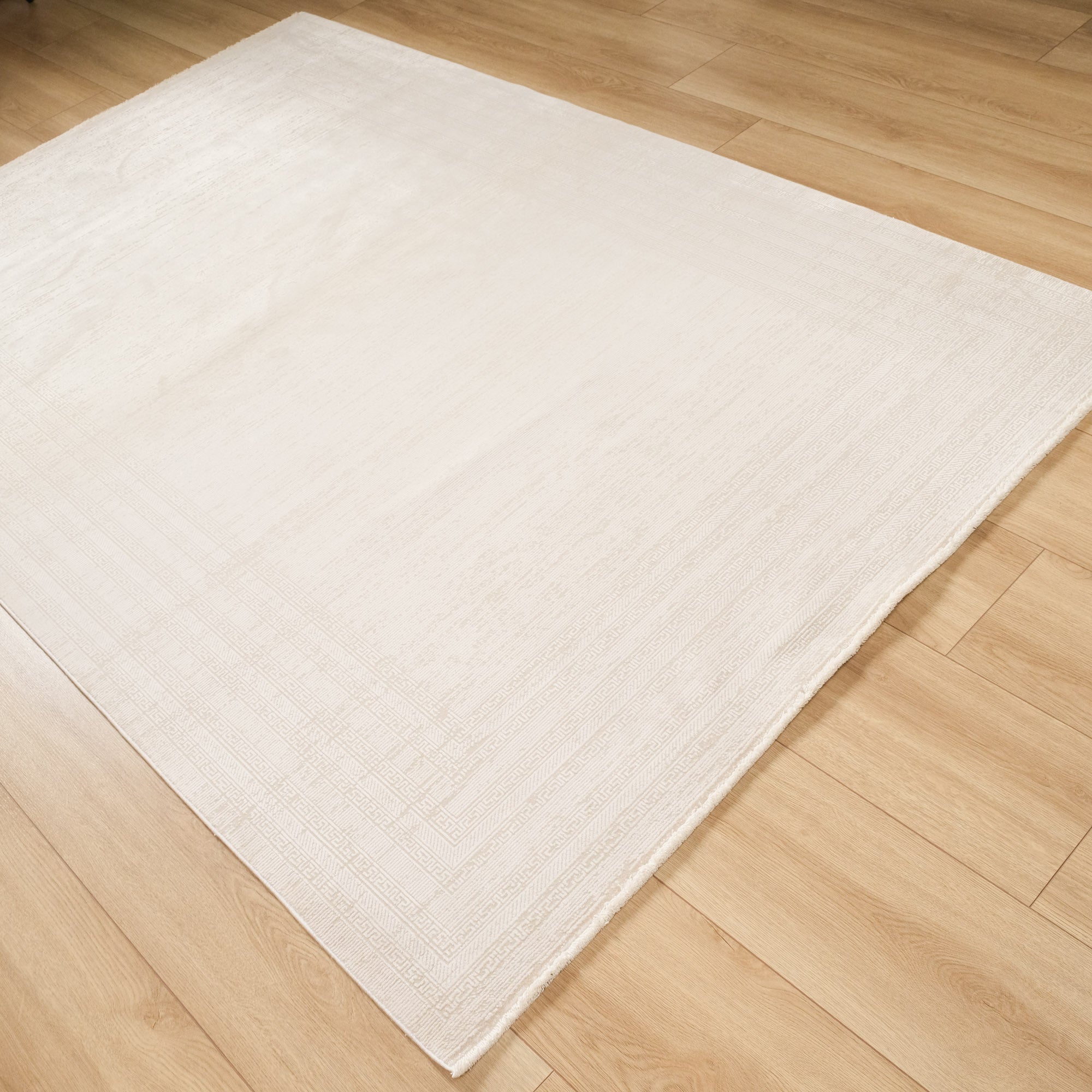
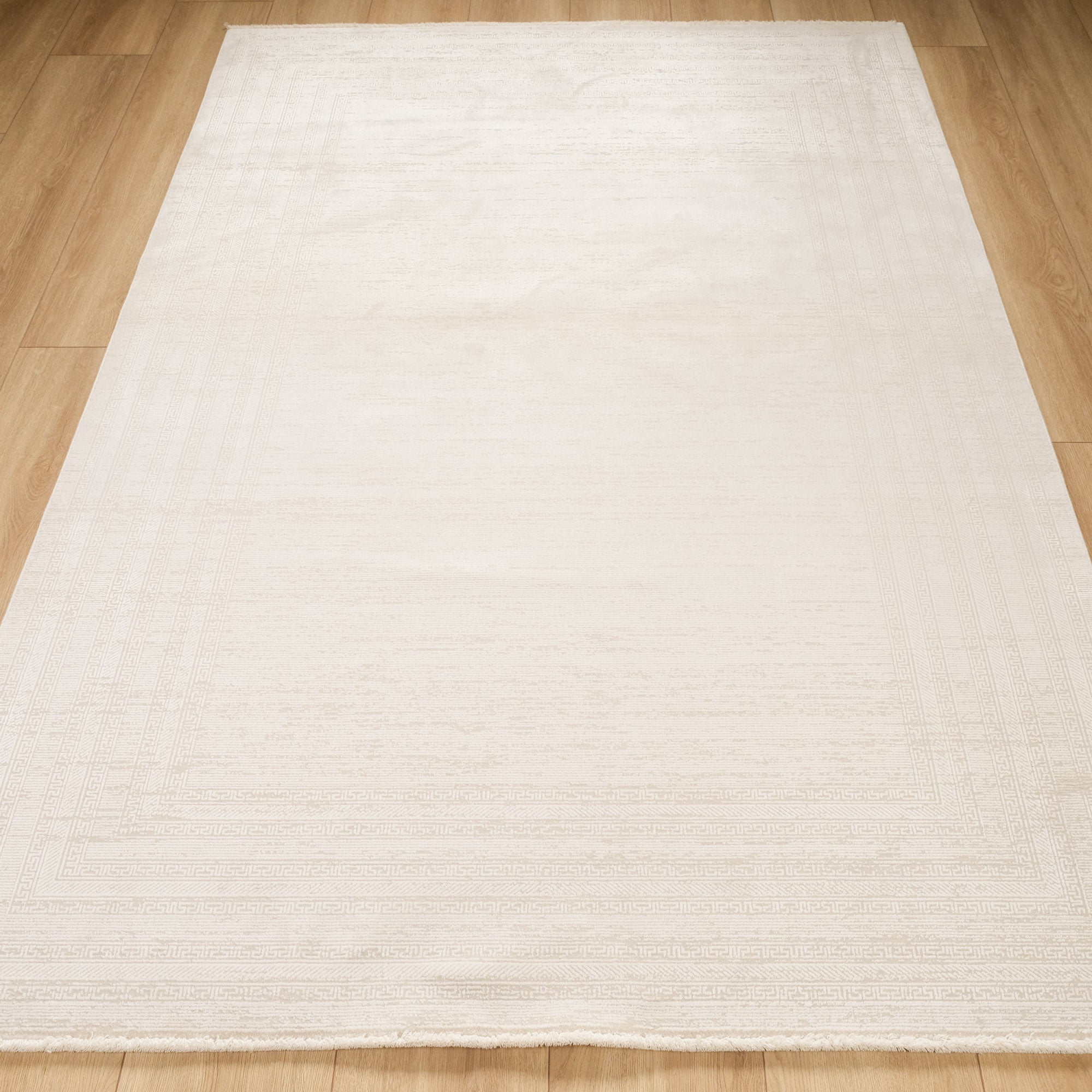

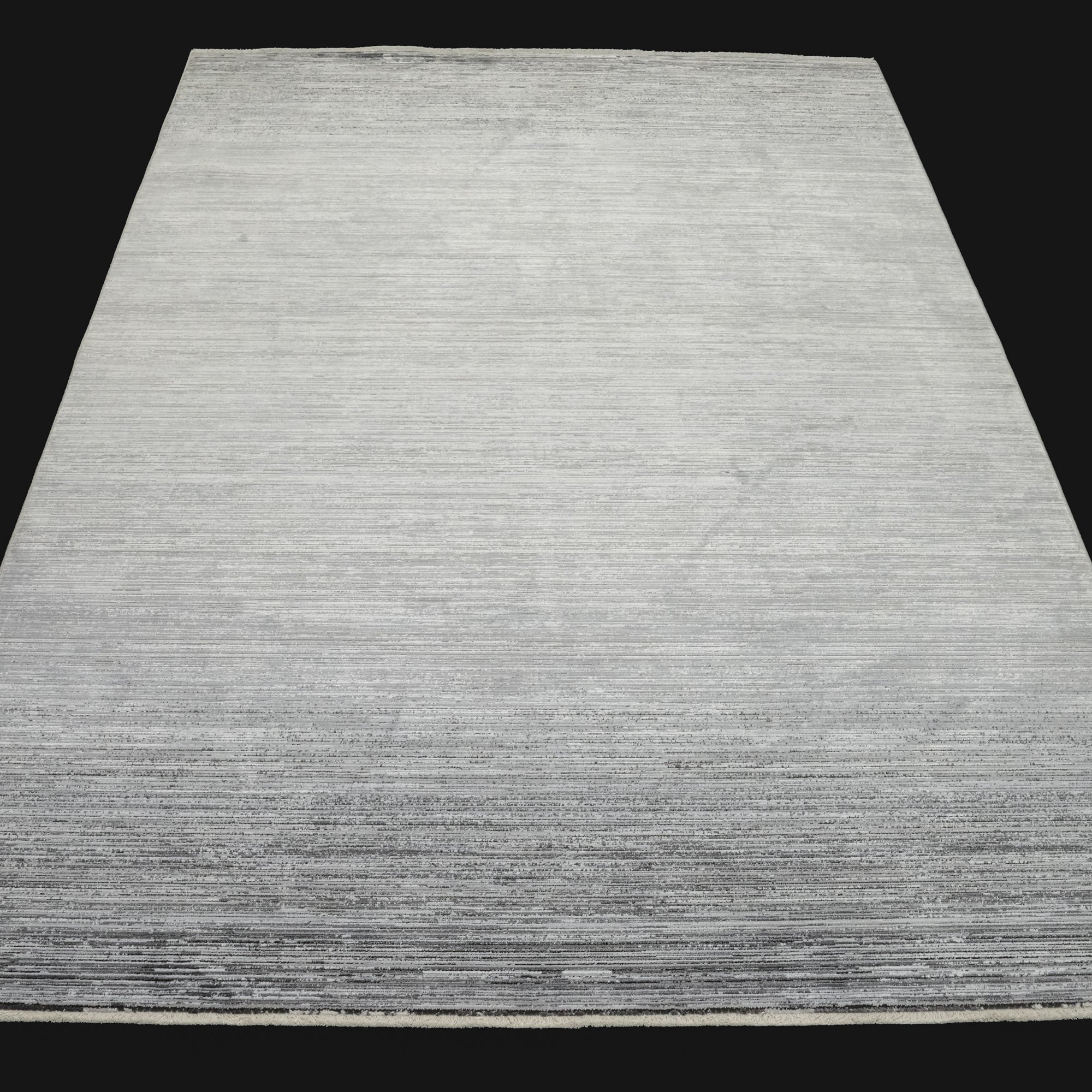
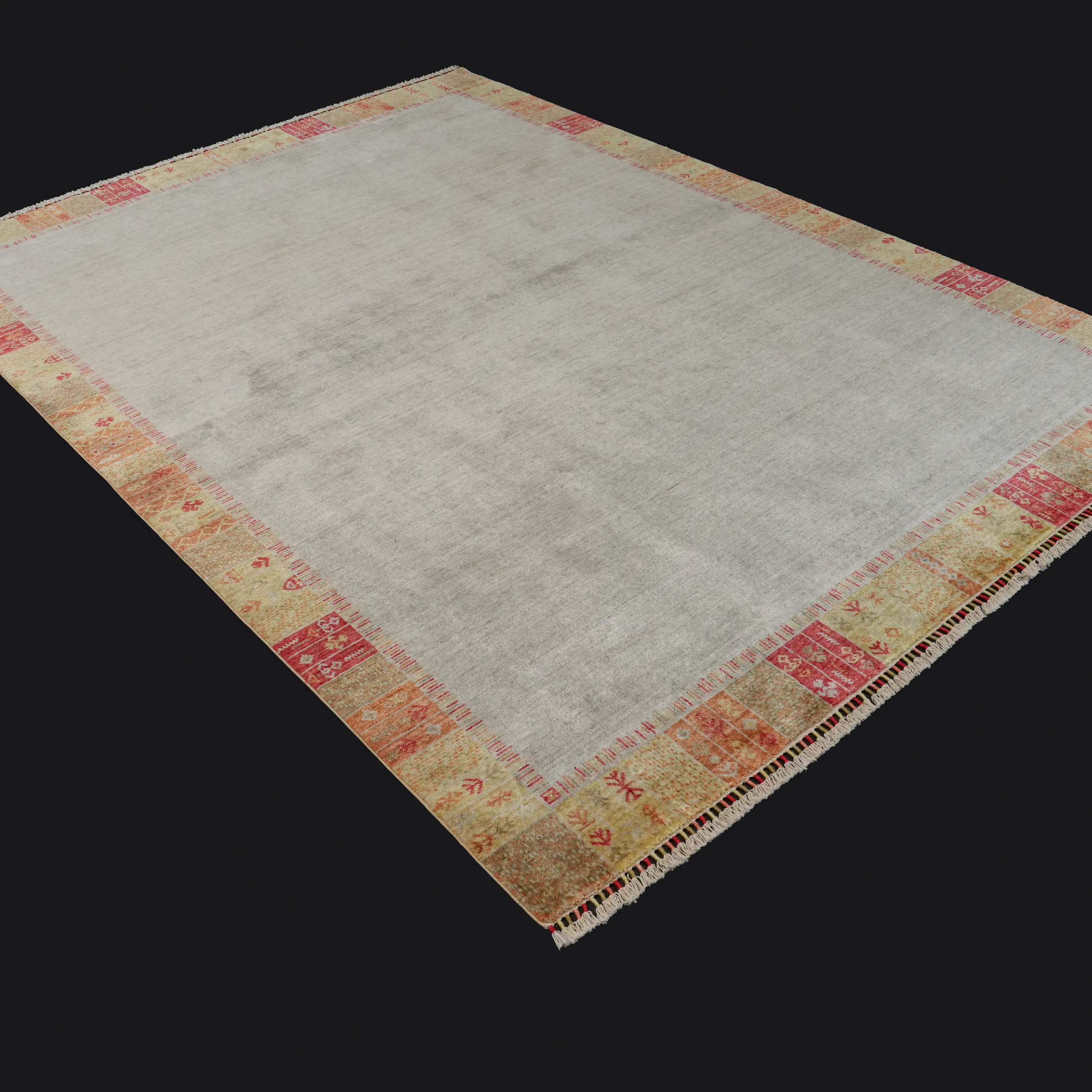
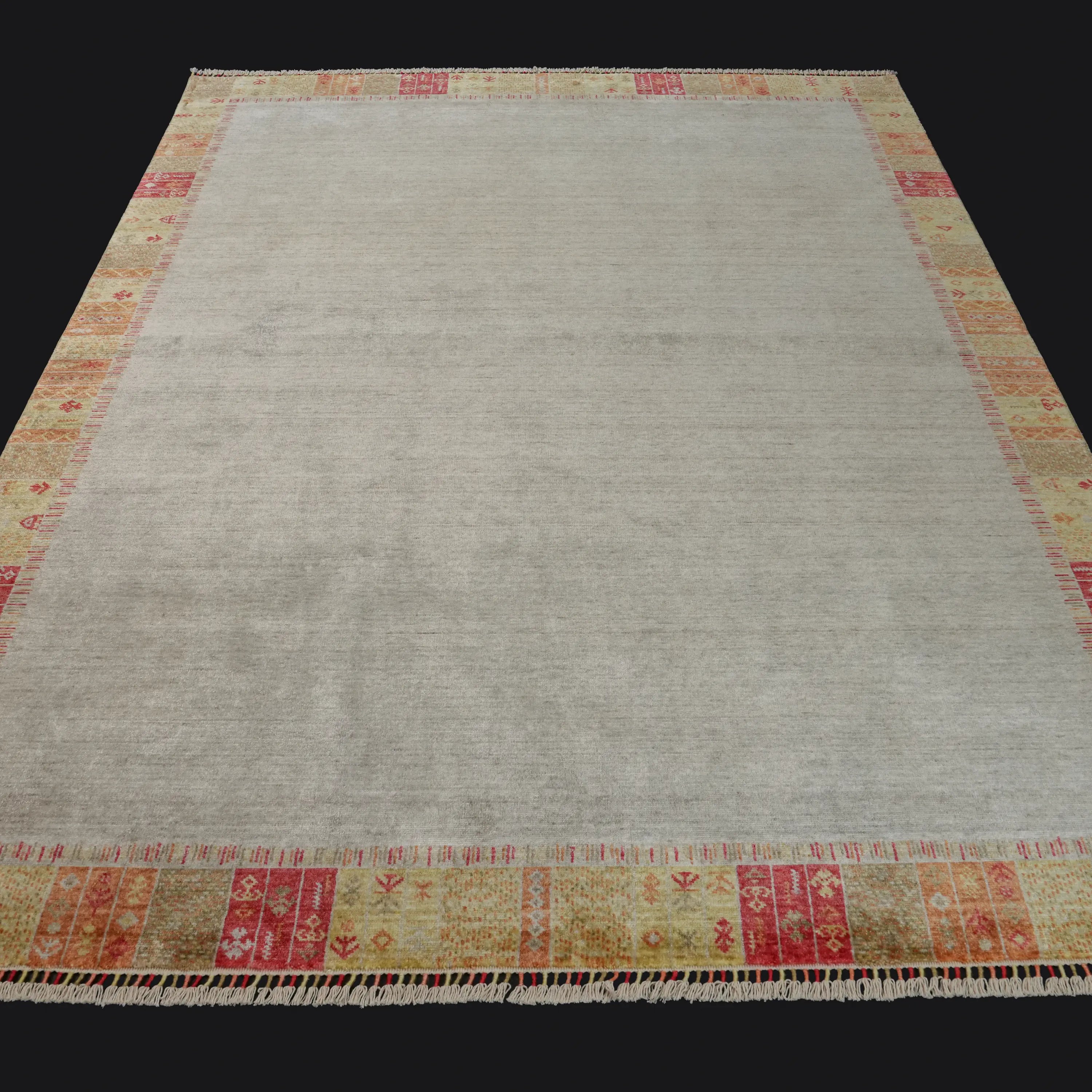
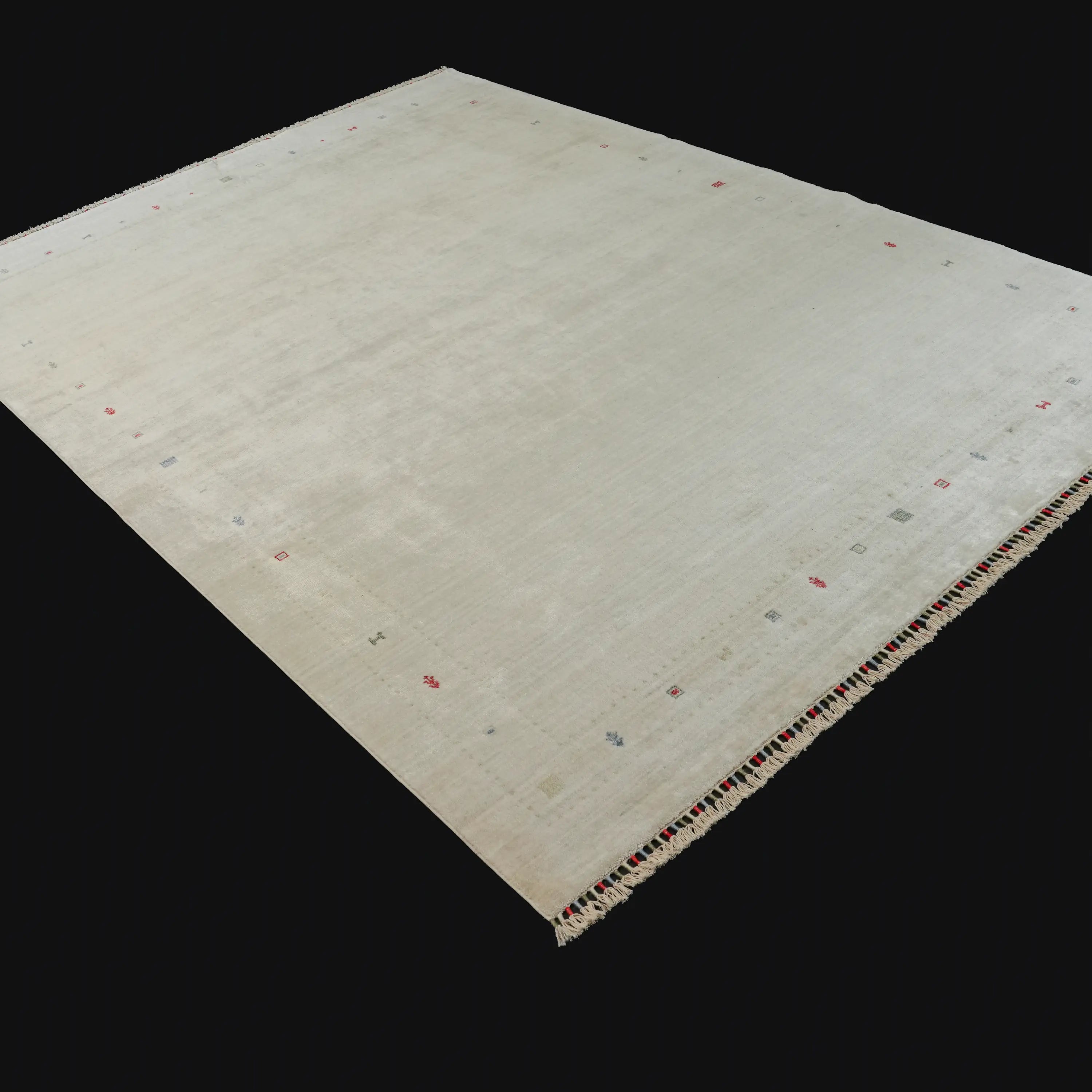
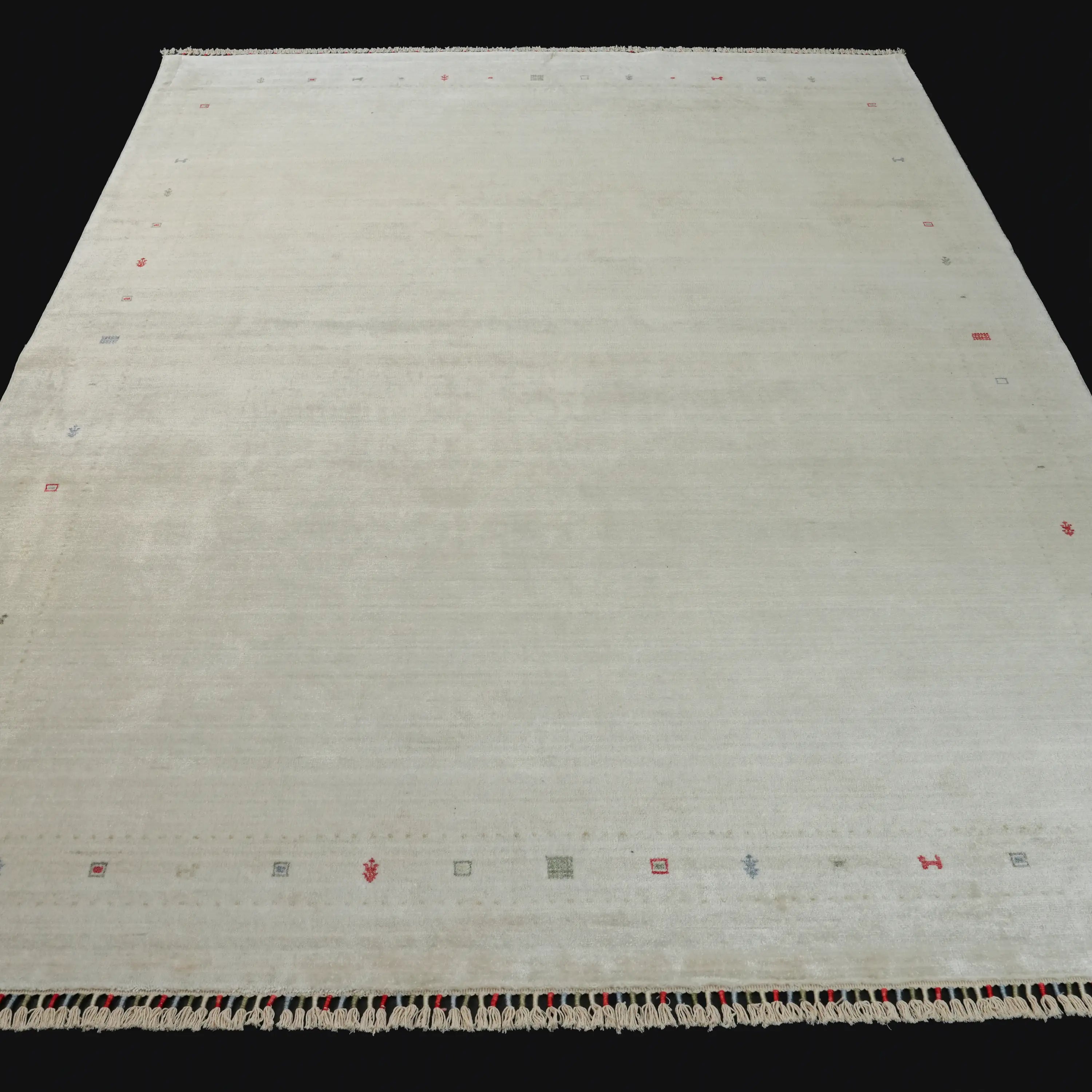
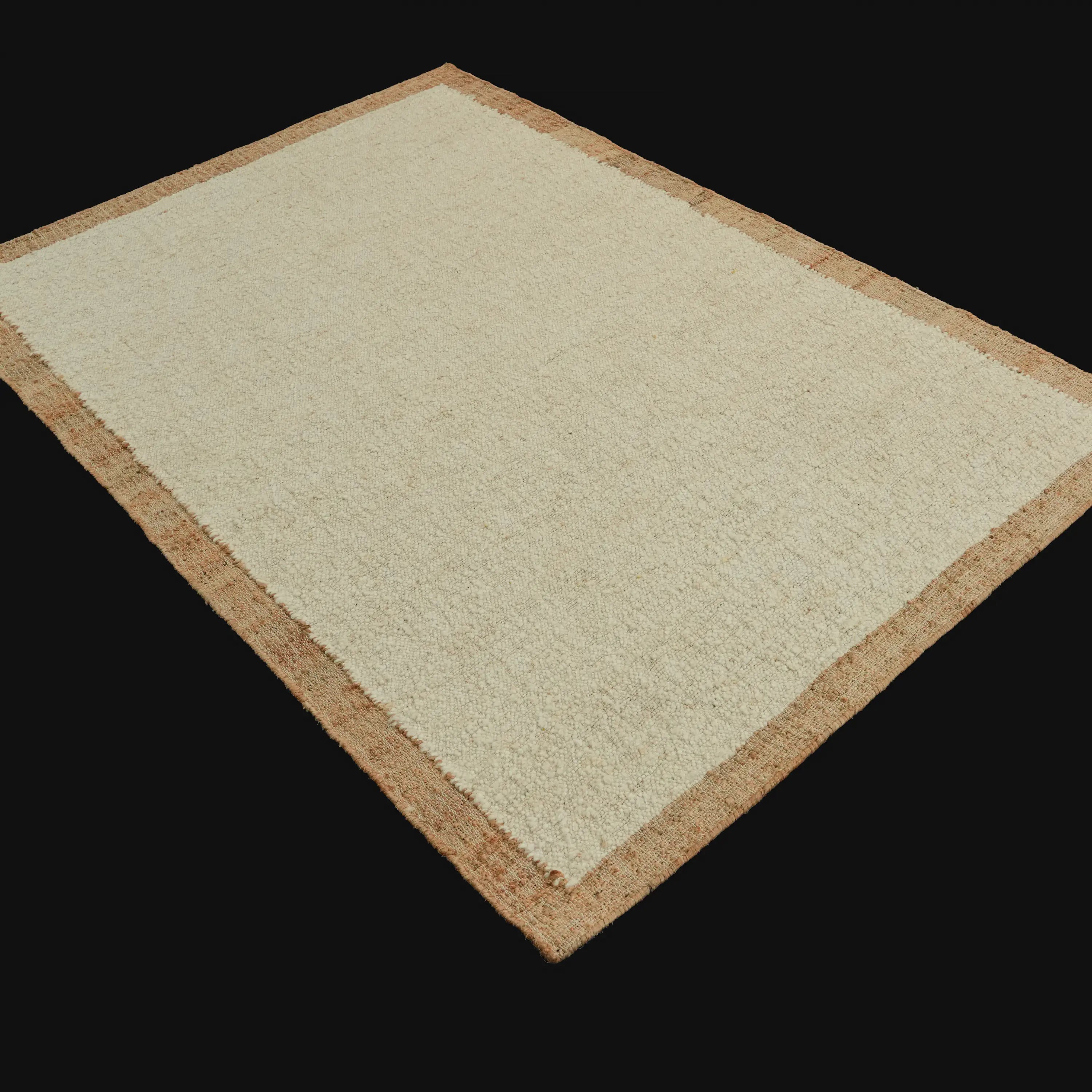
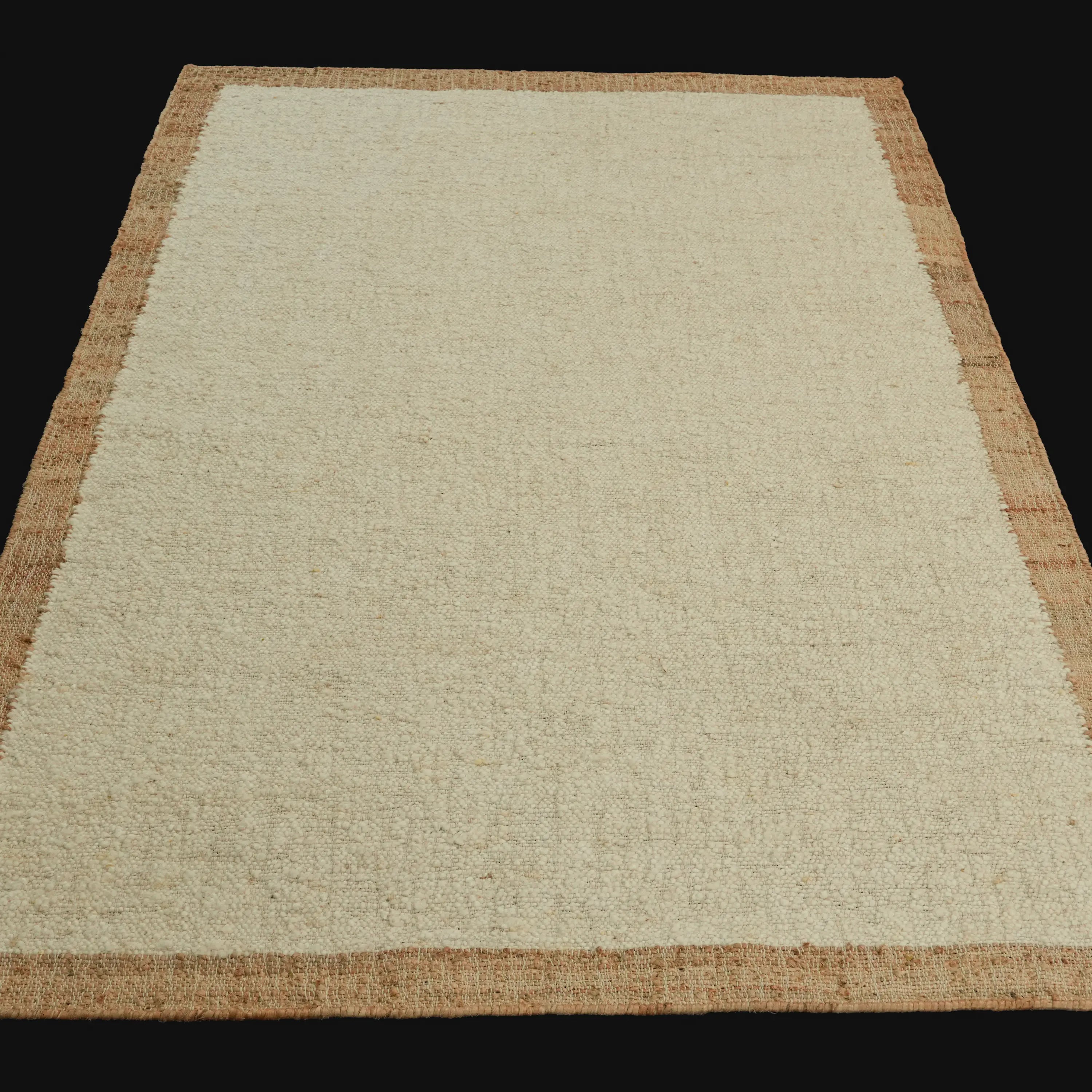
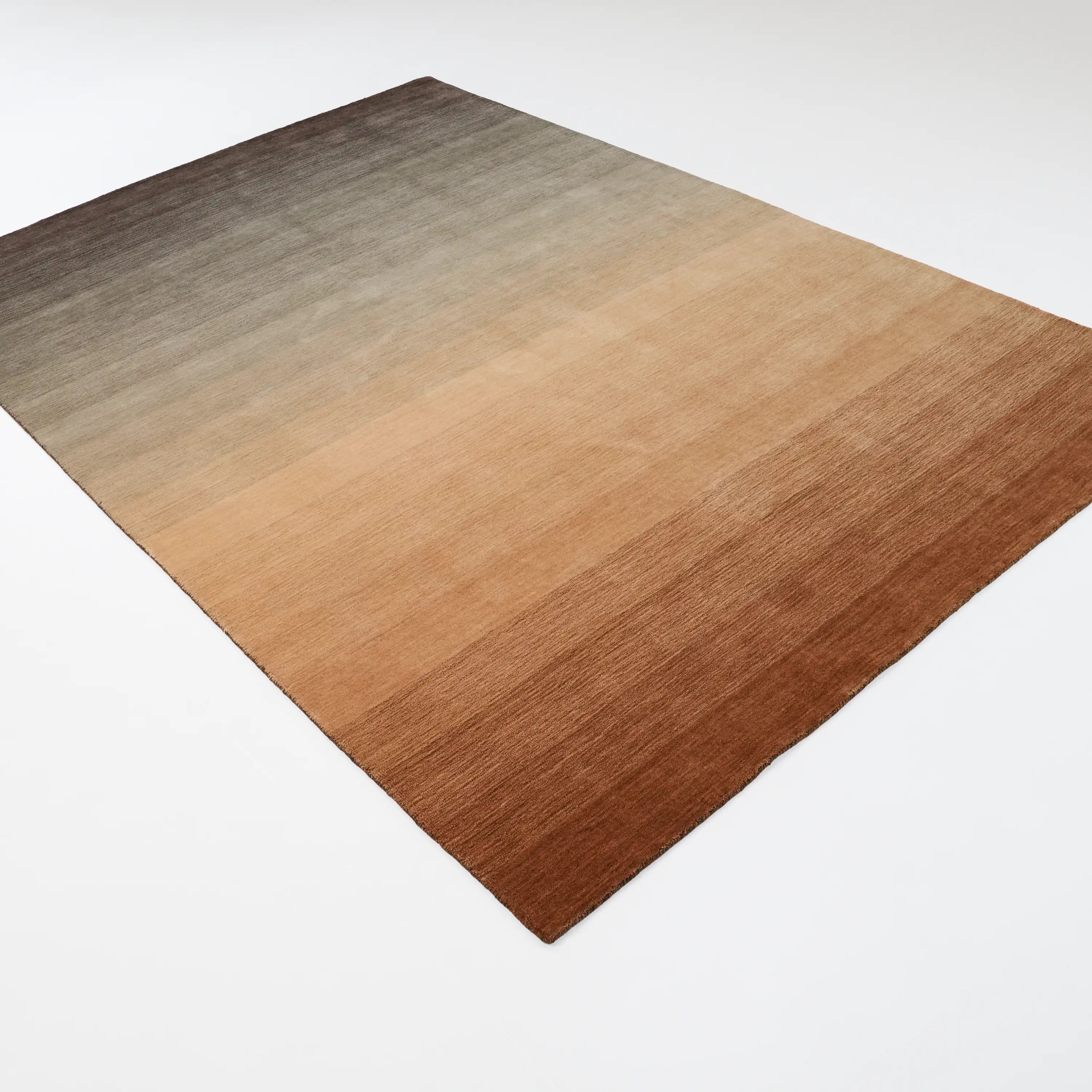


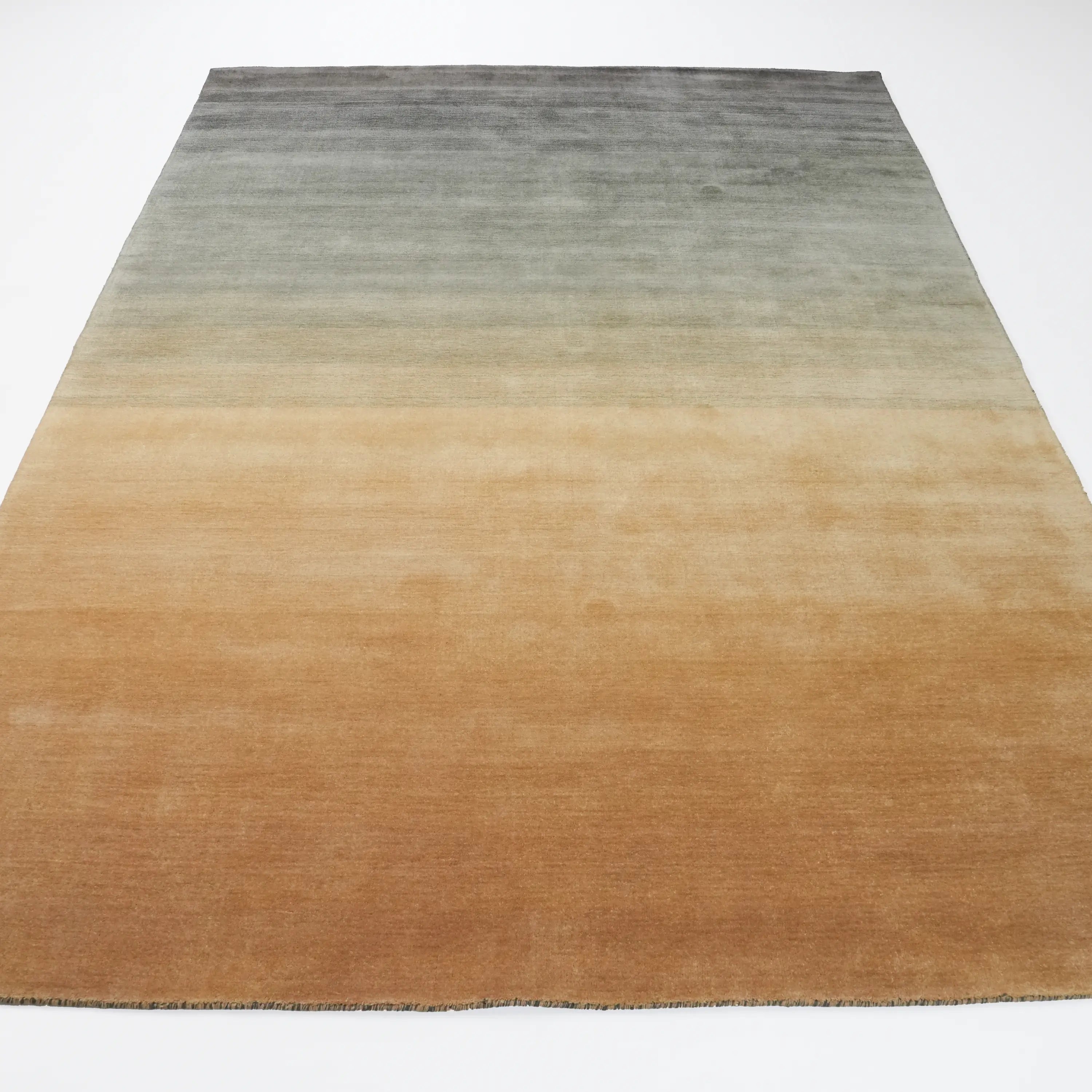


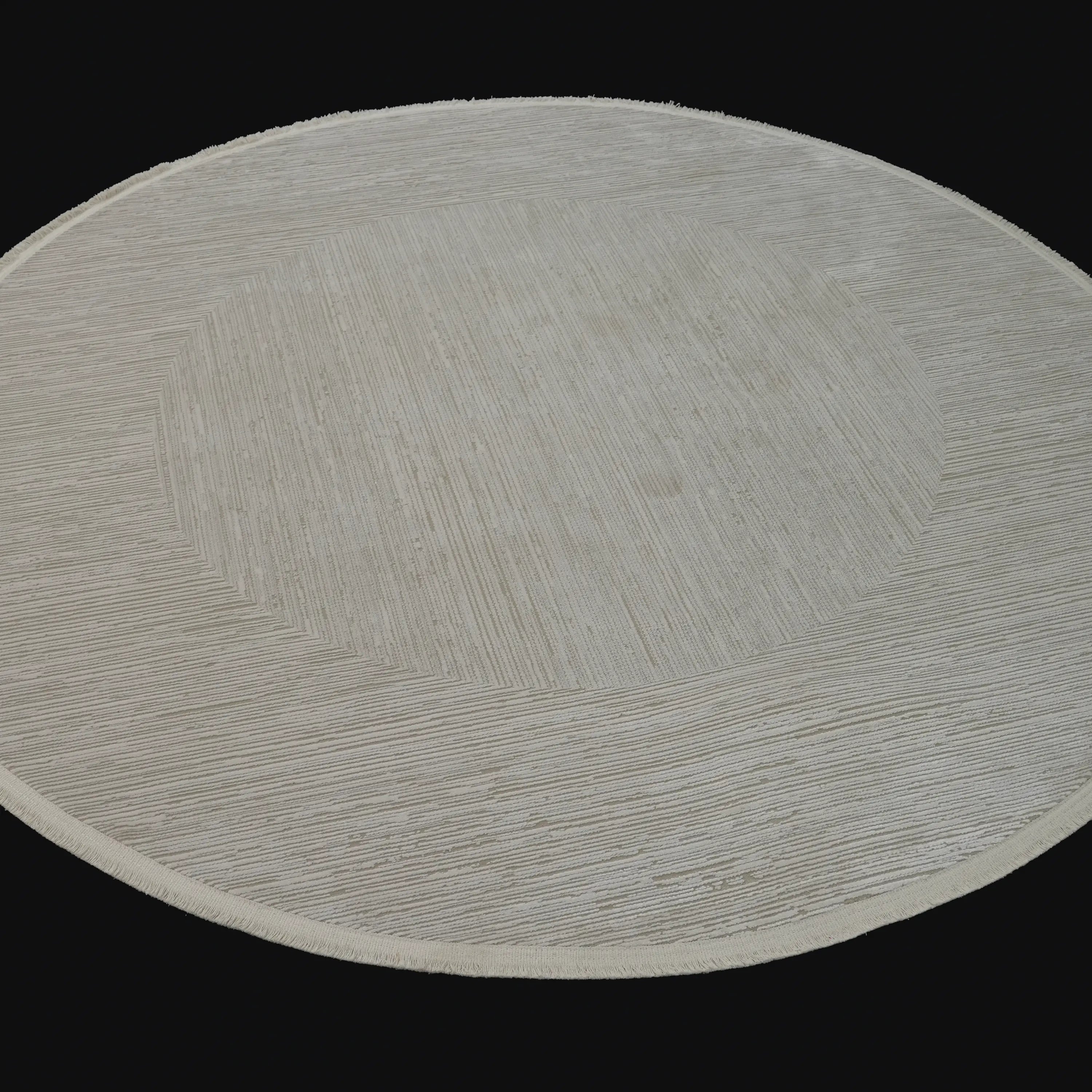
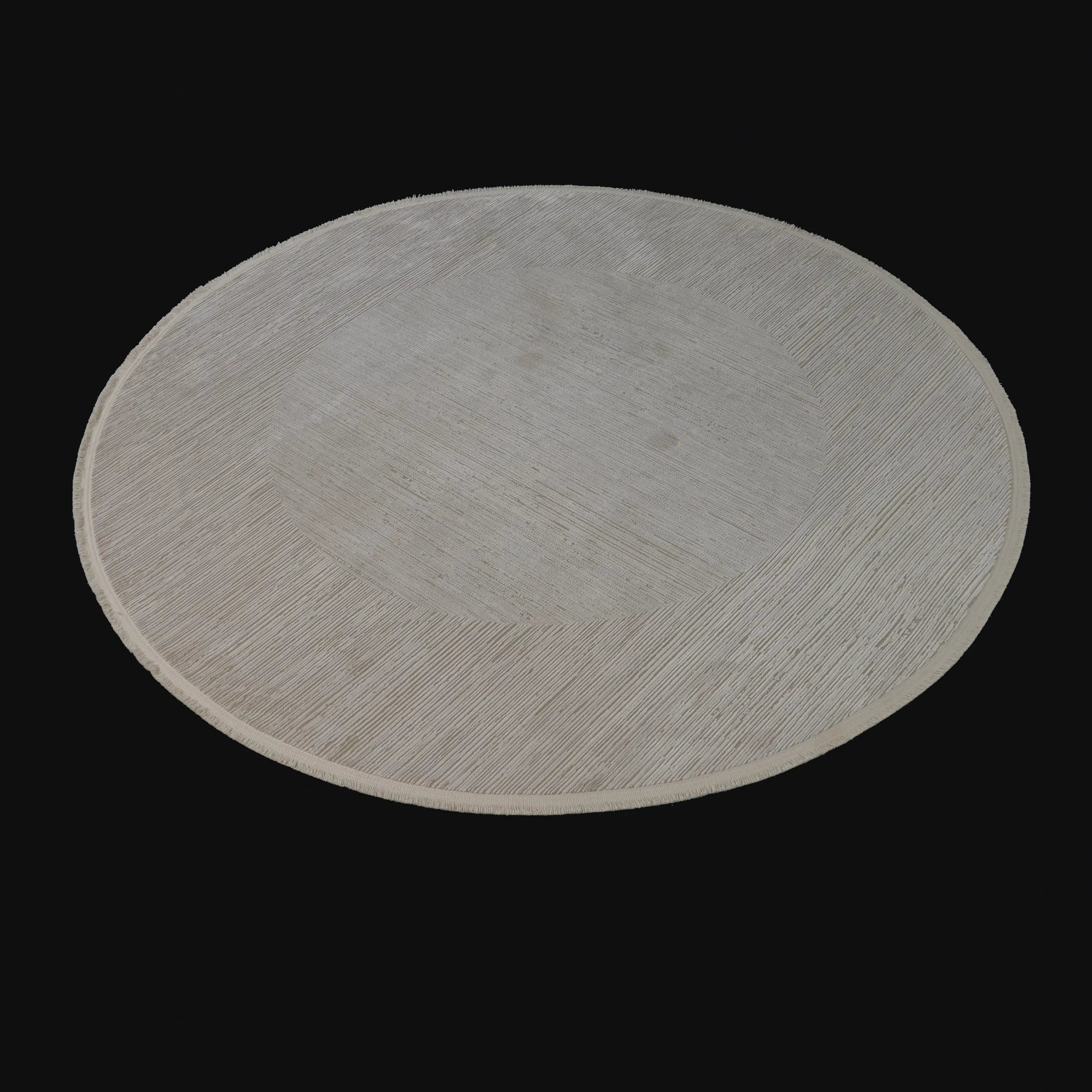


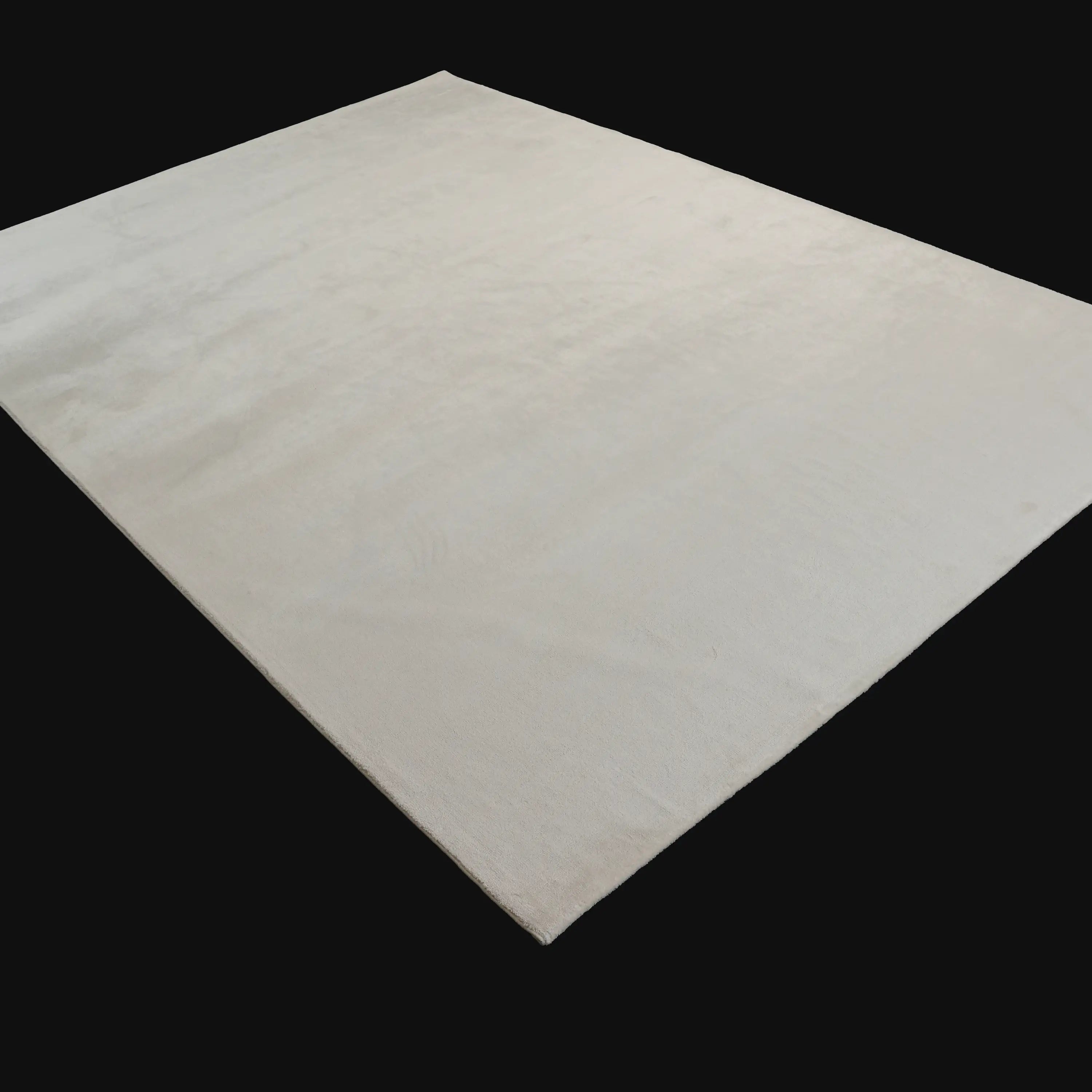

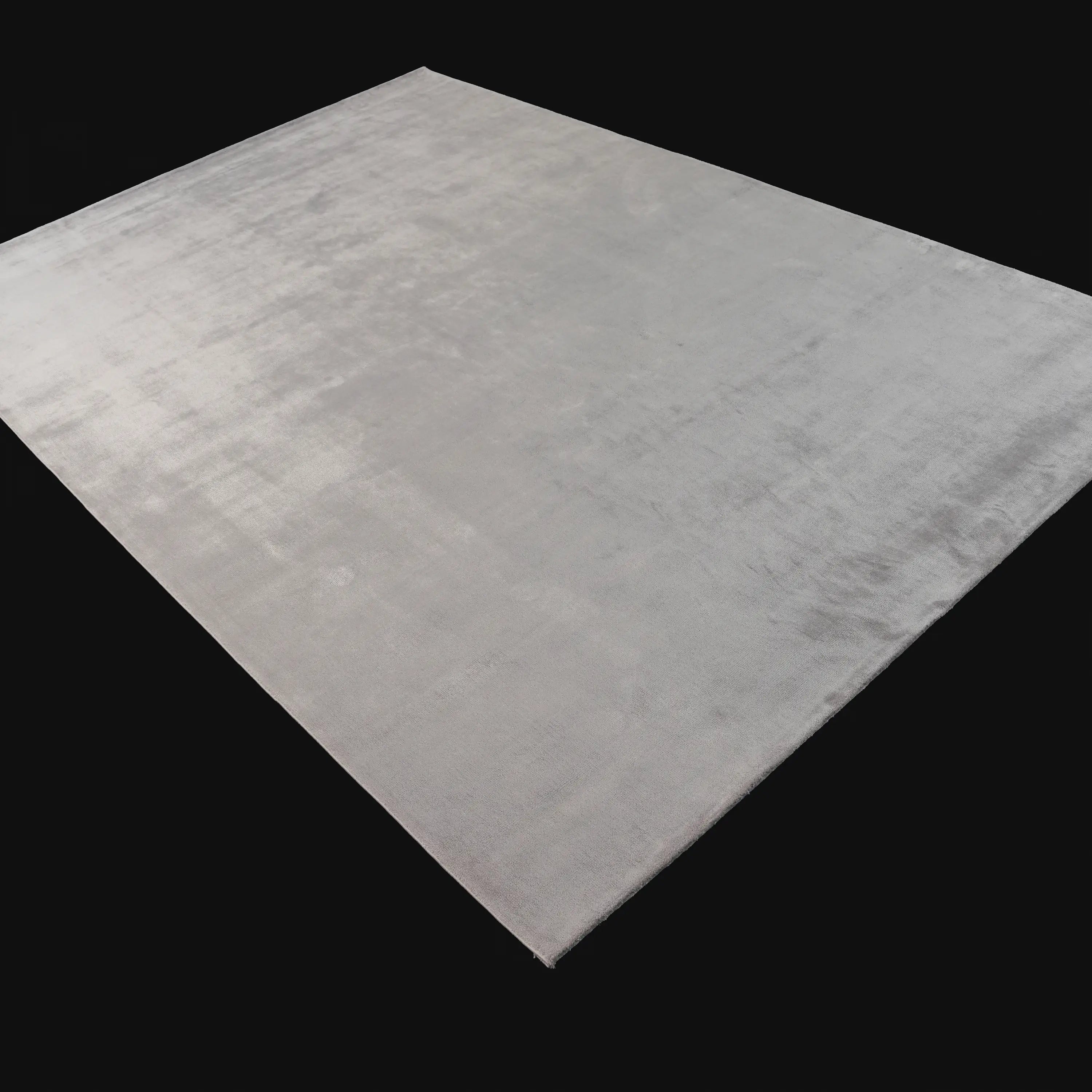

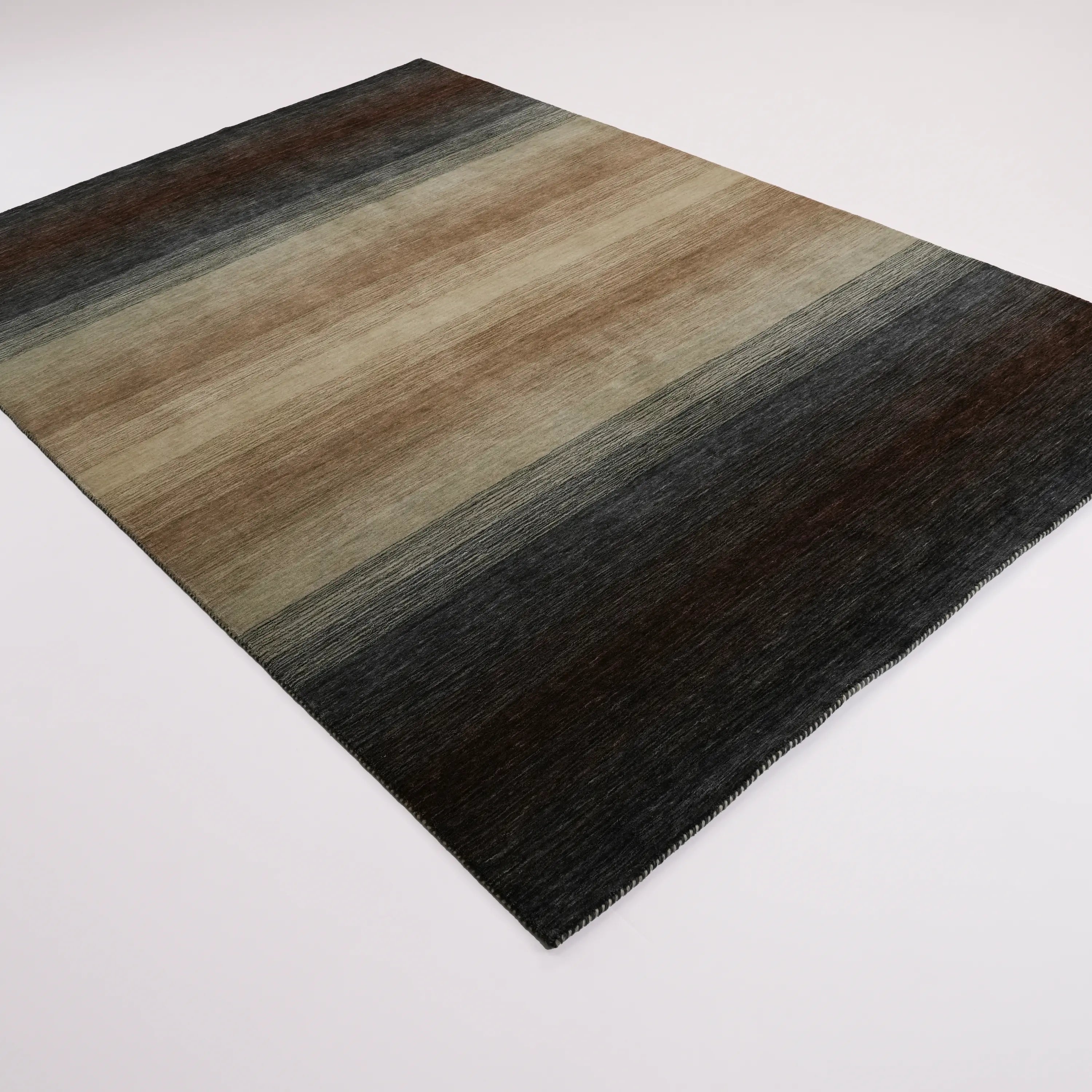
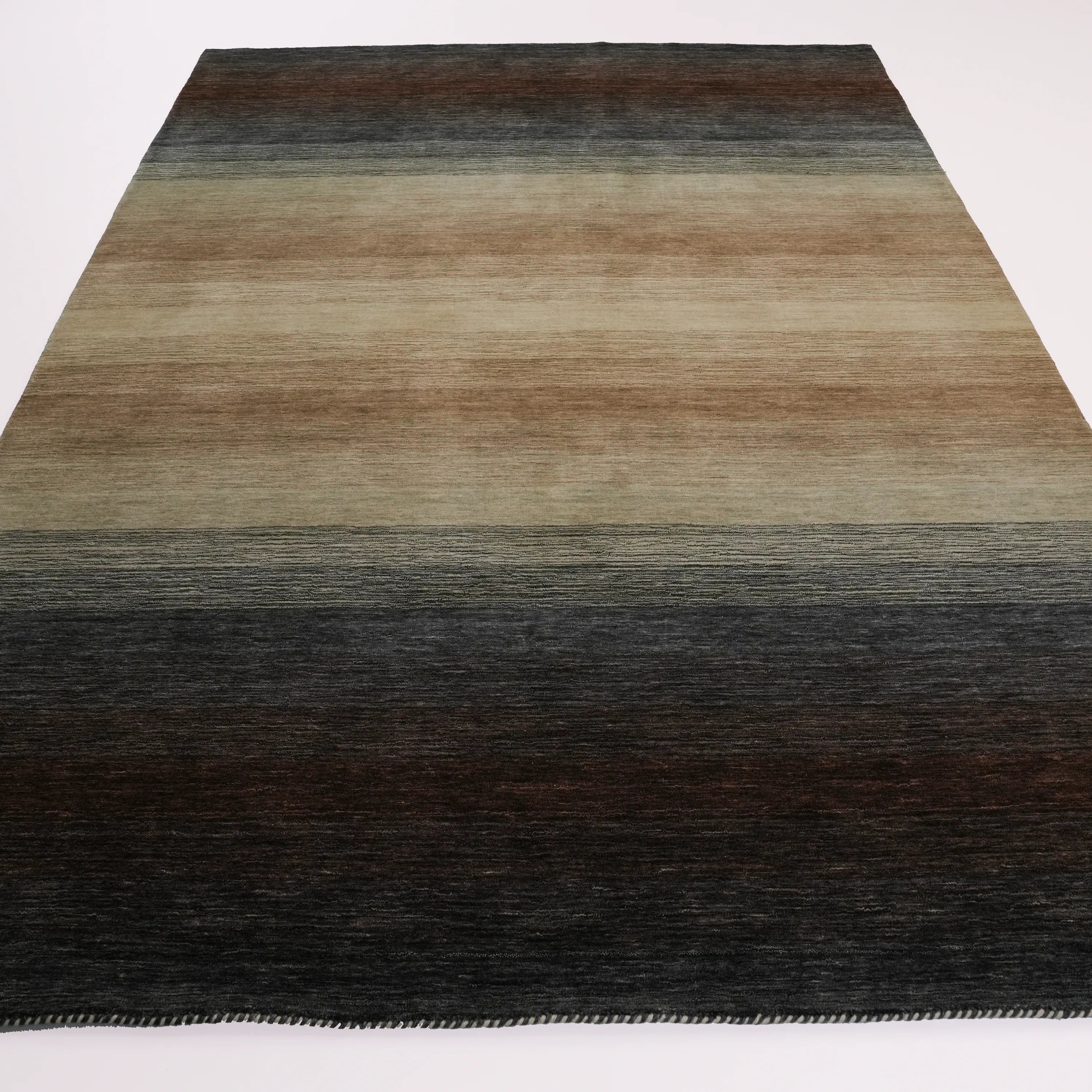
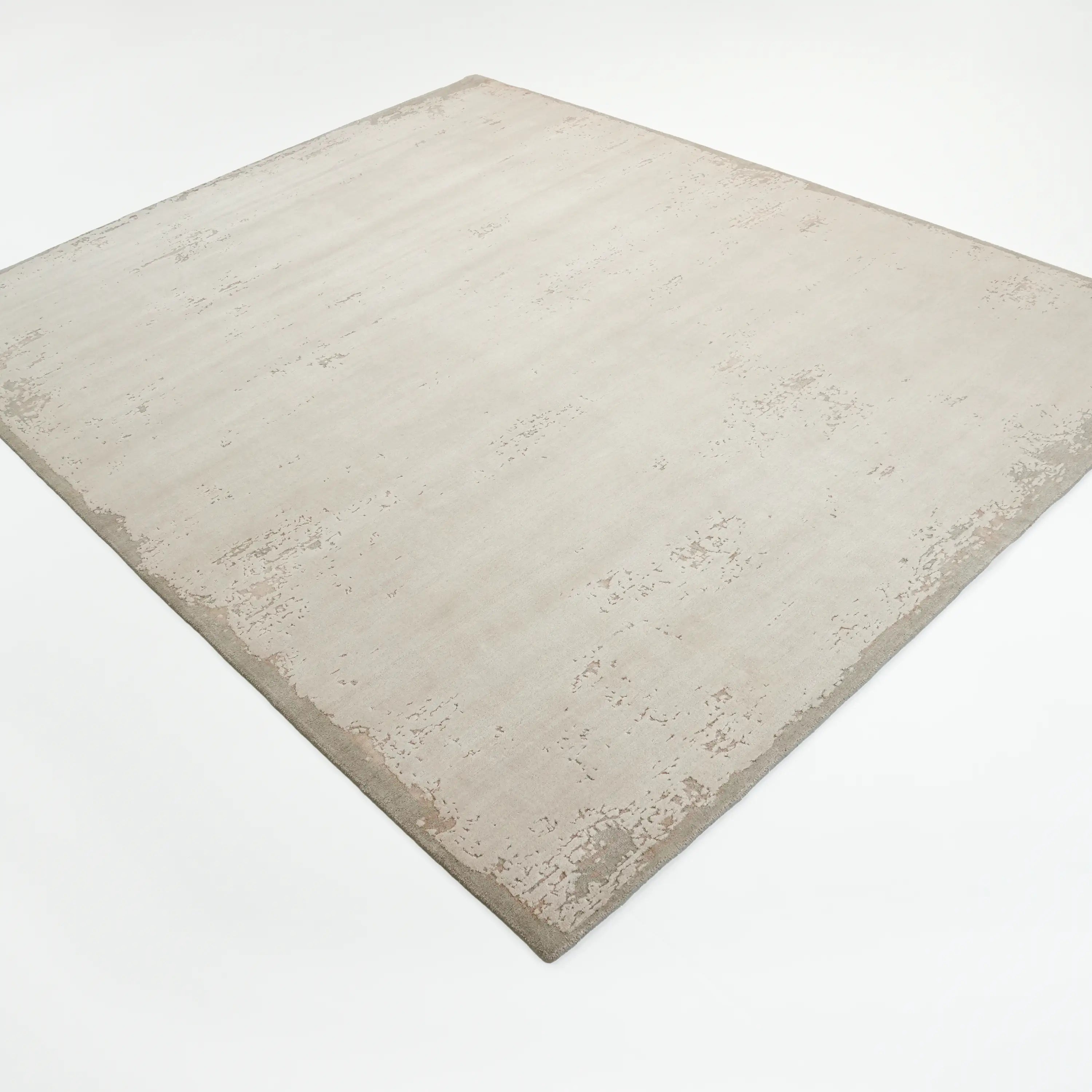


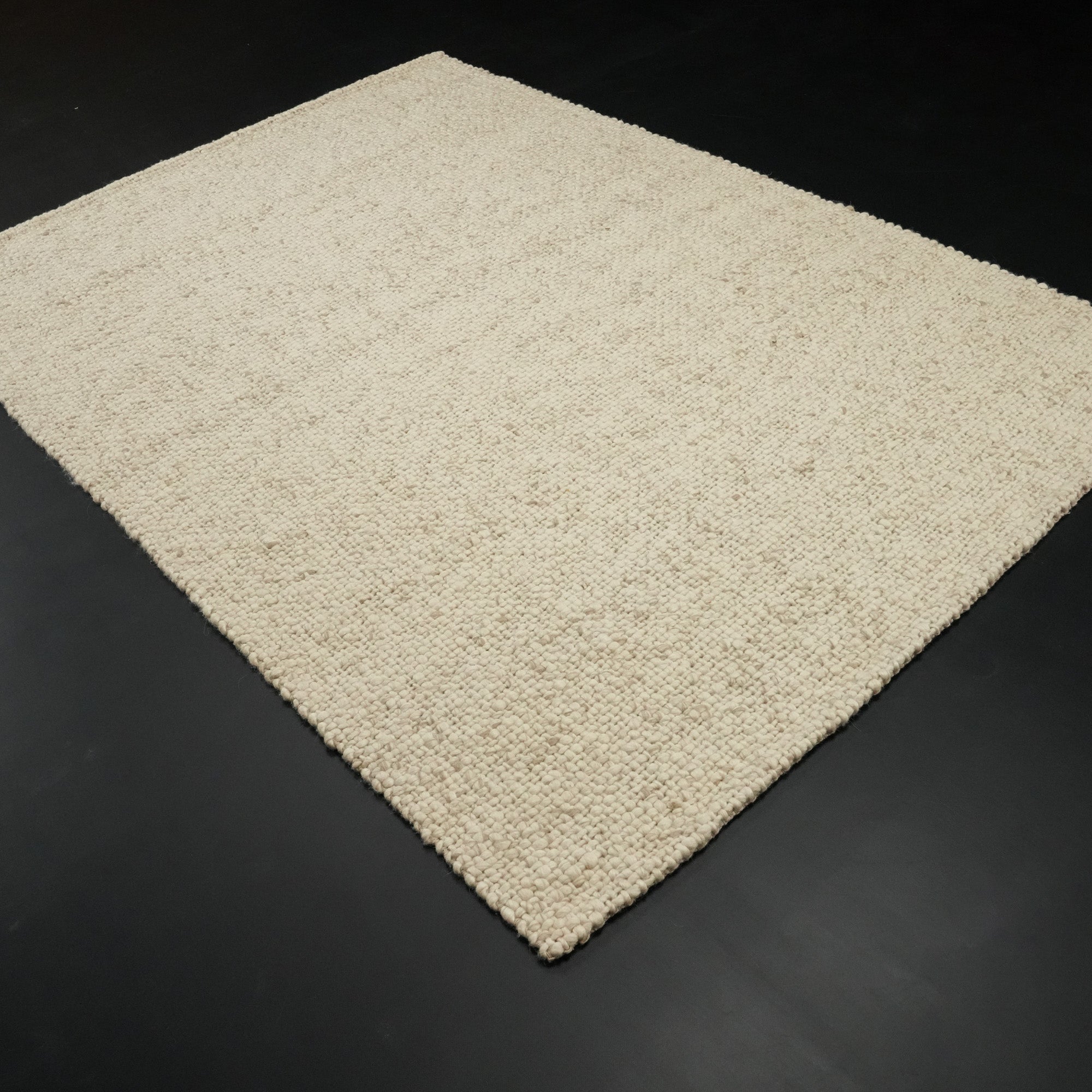
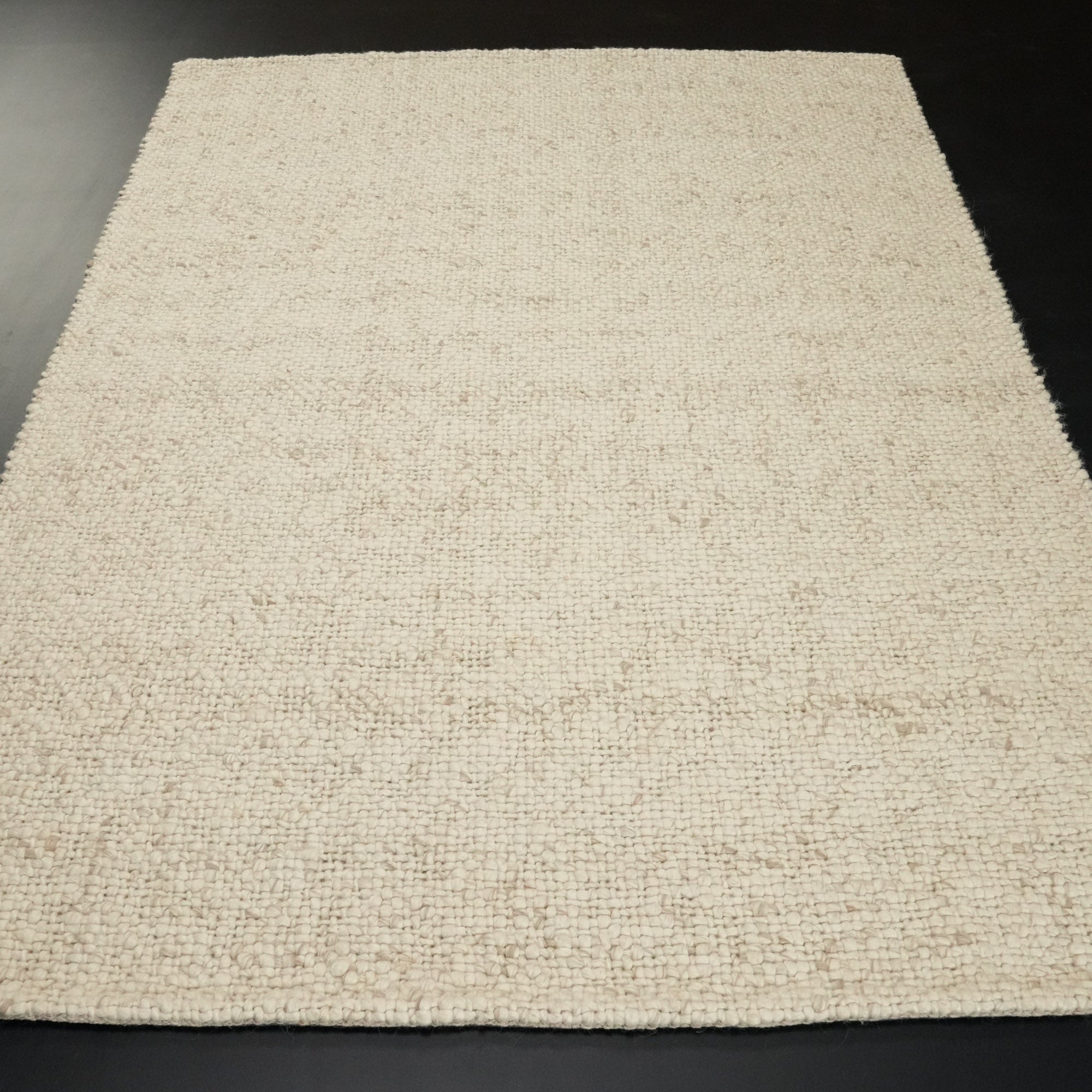
A plain rug is woven in a single solid color with no decorative pattern, letting fiber texture, pile height and color alone define the piece, a deliberately understated counterpoint to our pattern-forward collections.
Without pattern to lean on, a plain rug has to earn its place through texture and color alone, which actually makes material quality and dye consistency more important, not less, than in a patterned piece.
An Intentionally Restrained Design Choice
While Turkish weaving is historically associated with elaborate pattern work, plain, solid-colored rugs have long served a complementary role, functional floor coverings, layering bases, and pieces meant to recede rather than lead, and remain popular today for exactly that supporting function.
Why Quality Matters More Without Pattern to Hide Behind
With no pattern to distract the eye, small inconsistencies in dye saturation, pile density or edge finishing become more visible on a plain rug than they would on a busier design, which is why we hold plain pieces to particularly careful quality control.
Why Choose a Plain Rug from Halicizade
Because there's no pattern to mask inconsistency, we apply extra scrutiny to dye evenness and pile uniformity on every plain piece, ensuring the rug's simplicity reads as intentional refinement rather than as a lack of detail.
Styling a Plain Rug
A plain rug's flexibility comes from its ability to support almost any other element in a room.
- Works as a foundation for patterned furniture, art or textiles that would otherwise compete with a patterned rug.
- A natural base layer for layering a smaller patterned or kilim piece on top.
- Suits minimalist, modern and transitional interiors particularly well.
- Choose pile texture, flat, low, or plush, deliberately since texture carries more visual weight without pattern present.
Plain Rug vs. Subtly Textured Rug
| Plain (Flat Color) | Subtly Textured | |
|---|---|---|
| Surface interest | Comes purely from color and pile | Adds visible texture, low-relief pattern |
| Best for | Layering, pattern-heavy rooms | Minimalist rooms wanting subtle depth |
Care & Maintenance
Standard care applies based on the specific fiber; vacuum regularly and treat spills promptly, noting that stains and wear can be somewhat more visible on a plain surface than on a busy pattern.
Frequently Asked Questions
Do plain rugs show stains more than patterned rugs?
Yes, generally, without pattern to help disguise marks, stains and uneven wear can be somewhat more visible on a plain surface.
What is a plain rug best used for?
As a foundation for patterned furniture or art, or as a base layer for layering a smaller patterned rug on top.
Are plain rugs lower quality than patterned rugs?
No, quality is independent of pattern; in fact, Halicizade applies particularly careful quality control to plain pieces since dye and pile inconsistencies are more visible without pattern to mask them.
What colors are available in plain rugs?
Our plain collection spans the same broad color range as our patterned catalog, from neutrals to bold saturated tones.
Do plain rugs work in minimalist interiors?
Yes, they're a particularly natural fit for minimalist, modern and transitional interiors wanting an understated floor covering.
Can a plain rug still have texture?
Yes, pile height and weave structure can add tactile texture even without a printed or woven pattern; texture carries more visual weight when pattern is absent.