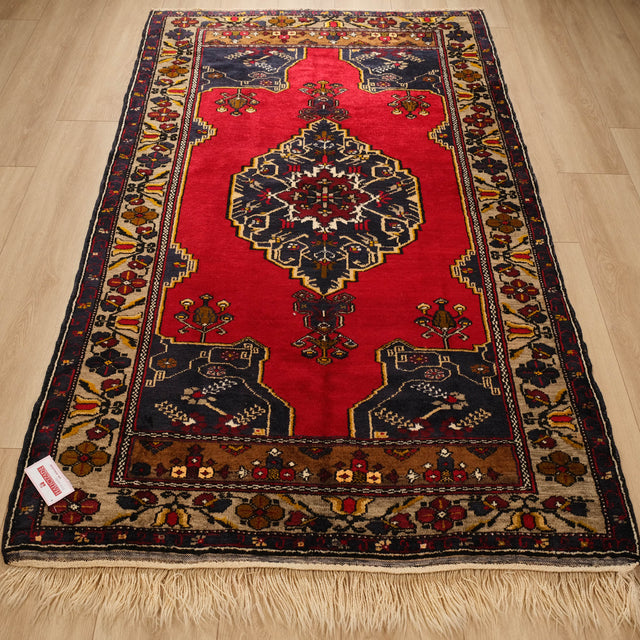
Neither navy nor mid-blue: a Kula on cotton warps
 131×199 cm



Rugs & Kilims
Find Your Rug
For those who already know what they are looking for — Halıcızade's most visited collections.
Neither navy nor mid-blue: a Kula on cotton warps
131×199 cm
Çanakkale geometry in wool, 110 × 185, kept in a chest
 110×185 cm
A saddlebag, not a rug: wool cicim from a dowry chest
 50×133 cm
Abrash across a red ground: Yörük work from the Çukurova
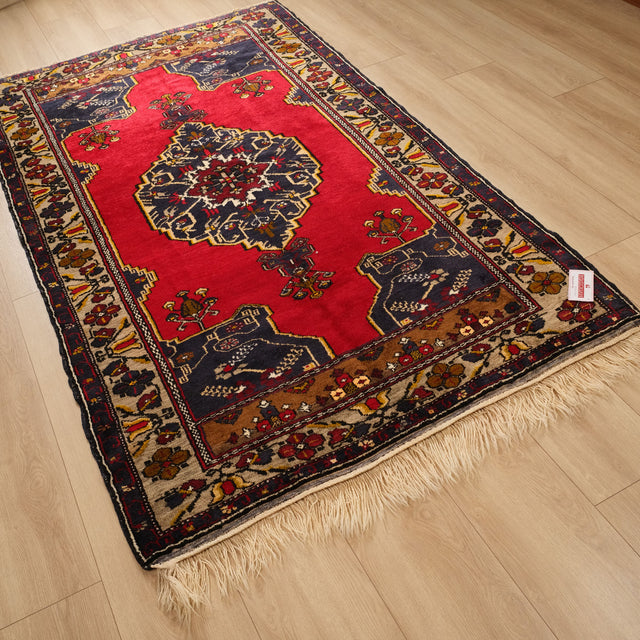 138×235 cm
Wool cicim from Mut, its motifs raised off the ground
 103×141 cm
One of a kind
from
26.000 TL
≈ 18.000 TL/m²
Wool over wool, the older way, and the field is red
 138×205 cm
A Yoruk rug follows the weaving tradition of the Yoruk, historically nomadic pastoralist communities across Anatolia, known for bold, saturated color, dense knotting, and durable construction suited to a mobile, functional lifestyle.
Yoruk weaving represents the broader nomadic pastoralist tradition behind several of our more specific regional collections, like Yagcibedir, and understanding that shared root helps situate those more specific traditions within their wider context.
The Yoruk, traditionally nomadic pastoralist communities who moved seasonally across Anatolia with their herds, developed a weaving tradition shaped directly by that mobile lifestyle, functional, durable pieces woven for tents, storage bags and floor coverings, using bold, saturated natural dyes and dense, hard-wearing knotting.
Yoruk weaving prioritizes dense, hard-wearing knotting and sturdy wool, construction choices driven directly by the practical demands of nomadic life, where a rug needed to withstand transport, variable weather, and constant functional use.
We honor the Yoruk tradition's emphasis on durability and bold, functional color work, construction priorities shaped directly by nomadic necessity rather than purely decorative concerns.
This tradition's durability and bold color make it a practical, striking choice for active, well-used rooms.
| Yoruk (Nomadic) | Settled Workshop Tradition (e.g. Hereke, Kayseri) | |
|---|---|---|
| Original purpose | Functional, mobile, everyday use | Often finer, more decorative or commissioned work |
| Construction priority | Durability, dense knotting | Fine detail, exceptional density |
| Loom type historically | Portable ground loom | Fixed vertical workshop loom |
Standard wool care applies, regular vacuuming, prompt spill treatment, and professional cleaning every 12-18 months; Yoruk construction's inherent durability makes it particularly forgiving of everyday use.
Historically nomadic pastoralist communities who moved seasonally across Anatolia with their herds, developing a weaving tradition shaped directly by that mobile lifestyle.
Bold, saturated color, dense knotting, and durable construction, all shaped by the practical demands of a nomadic, functional lifestyle.
Yoruk weaving specifically prioritizes dense, hard-wearing knotting given its functional origins, making it a particularly durable traditional choice.
The portable horizontal ground loom, suited to their nomadic, mobile lifestyle.
Yagcibedir is a specific Yoruk community's tradition within the broader Anatolian Yoruk nomadic weaving heritage.
Living rooms and family spaces, where the tradition's inherent durability and bold, functional design suit active, everyday use particularly well.