
Döşemealtı red, uneven because the yarn came off a spindle
 130×216 cm



Rugs & Kilims
Find Your Rug
For those who already know what they are looking for — Halıcızade's most visited collections.
Döşemealtı red, uneven because the yarn came off a spindle
130×216 cm
Chest-kept Herki runner, orange shifting batch by batch
 80×346 cm
Karabagh roses on black, double-knotted in Afghanistan
 215×301 cm
Mustard and gold on wool, tied with the double knot
 202×308 cm
Flower heads that shift row to row, black wool from Afghanistan
 173×240 cm
Baloch burgundy with aubergine and camel wool, tied in Afghanistan
 91×136 cm
Two rows of medallions on mustard, knotted thin and close
 80×111 cm
Ranks of Turkmen medallions, hand-knotted in Afghan wool
 85×140 cm
Seven decades in a dowry chest, madder red, all wool
 106×176 cm
Beige squares in a grid that drifts, wool knotted loop by loop
 170×240 cm
Navy dyed to several strengths in one wool field
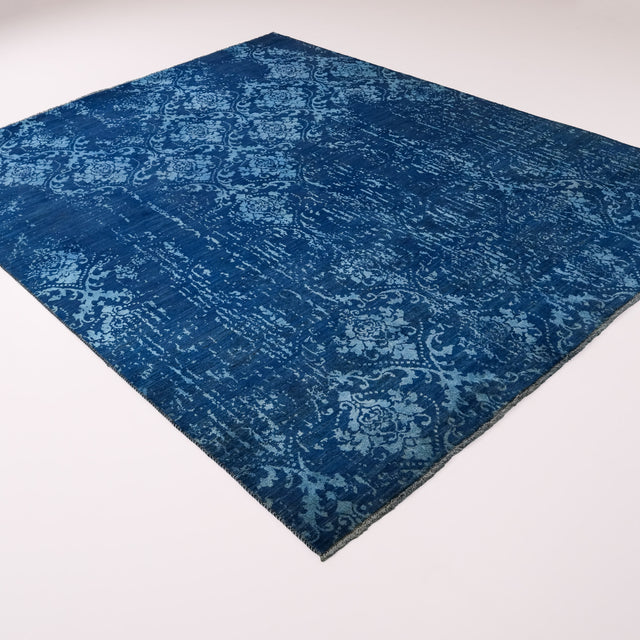 246×315 cm
Shawl motifs in rows, red leading blue and green
 155×204 cm
One of a kind
from
55.500 TL
≈ 17.500 TL/m²
Zara registers running across a yellow wool ground
 124×178 cm
One of a kind
from
61.000 TL
≈ 28.000 TL/m²
Two thousand knots per ten square centimeters, and every color
 161×216 cm
One of a kind
from
80.000 TL
≈ 23.000 TL/m²
Turkmen looms, a mustard field, figures a few tones under
 176×246 cm
An empty cream center, mustard bands, wool over cotton
 125×179 cm
One of a kind
from
45.000 TL
≈ 20.000 TL/m²
Blue on blue, double-knotted, one piece in every size
 243×345 cm
Red quieted by a cream medallion, silk and viscose in the pile
 91×152 cm
Fuchsia against anthracite, panels out of Bünyan, Isparta, Ladik
 111×170 cm
Medallion at the center, burgundy at the edge, silk throughout
 60×93 cm
The Hereke nine-flower drawing, worked in silk on silk
 94×154 cm
A blue medallion out of China, and silk doing the shine
 88×310 cm
Beige on beige until the silk catches a lamp
 178×265 cm
Karabagh flowers on black, the tassels dyed to match them
 109×169 cm
Handwoven rugs are handmade in the fullest sense, tied knot by knot. The work changes with the size of the rug, but what every one of them demands is patience and time. Different weaving techniques come together in these rugs, and what matters most is that people weave and knot them. Woven in many different regions, they carry traces of the past and give the room they're laid in a character of its own. If machine-made rugs are products of technology, handwoven rugs are the manuscripts of the trade. Because they bring together so many different weaving techniques, they are well-made, valuable pieces.
A handwoven rug is one woven carefully with hand-tied knots. These rugs don't come out of a factory; they are woven on their own hand looms. Made of wool or silk, they use natural fibers, and their durability and quality make them suited to many years of use. Drawing their strength from different cultures and traditions, they bring a classic feel to a room. Handwoven wool rugs, which also come in modern and ultramodern designs, include Afghan rugs, Oushak rugs, Kayseri rugs, Isparta rugs, Persian rugs and handwoven Milas rugs.
Handwoven Taşpınar rugs carry Anatolia's long history, and their designs are predominantly geometric. Handwoven Malatya rugs are valuable pieces made entirely of wool and colored using the traditional dyeing methods of handwoven rugs. Their designs are geometric as well, and reflect the region's rich culture.
As technology advanced rapidly, the number of handwoven rugs began to decline. That has made handwoven Bukhara rugs, which are now quite rare, a very good choice for anyone who favors classic, regional décor. Handwoven Bünyan rugs, another scarce type, differ from the others in combining a wool structure with a cotton warp. Handwoven Nevşehir rugs and handwoven Oushak rugs, both with deep roots, are known as early symbols of the move to settled life. The handwoven Afghan Oushak rug is among the oldest known handwoven rug types, and handwoven Shirvan rugs also have a very long history. More recent handwoven patchwork rugs are built by joining separate pieces into one.
These rugs are made of cotton, wool or silk and colored with natural root dyes. Handwoven silk rugs are worked on a variety of looms and come to life with designs and motifs from different parts of the world. Persian rugs are one example: the red and blue used in handwoven wool rugs there are important details that reflect the country's culture. Traditional Turkish handwoven rugs also put a range of color front and center, with yellow, red and orange used very often.
The best-known handwoven rug regions in Türkiye include Milas, Afyon, Sivas, Kayseri, Isparta and Antalya. Handweaving has become a traditional art, and traces of it can be found in nearly every region. Handwoven Milas and Isparta rugs are among the most widely known and used.
The knots are one of the most important clues. The Gördes knot used in Anatolian handweaving is symmetrical; what is irregular is not the knot itself but the rows of knots. Rows tied by hand never line up to the millimeter the way they do in a machine-made rug; they drift slightly. Looking closely at the motifs makes it easy to tell machine-made from handmade. In a handwoven rug the motifs and designs take shape one by one by hand, while machine-made rugs are more uniform and alike. The knots in these rugs are distinct and easy to see.
The yarn is another good way to tell handwoven rugs from others. It also pays to study the design, because the patterns worked into a handwoven rug look more natural.
Handwoven rugs are classic pieces, so they are used mostly in living rooms, bedrooms and family rooms. They are a fixture of home décor and well suited to long use, so it makes sense to choose a design that suits the furniture and accessories in the room. Because traditional rug weaving reflects the culture it comes from, these rugs can also be handed down from one generation to the next. For smaller spaces, a handwoven prayer rug is an ideal piece for anyone who wants to use it both as a prayer rug and as an ordinary rug.
These rugs have clear advantages over many other kinds of rug. The first is that they are easy to clean. They don't need frequent washing and can stay in use with a dry clean at regular intervals. A well-made, natural knot structure is another important advantage, because it lets the rug last much longer. And thanks to the range of designs worked into the surface, they adapt easily to many different rooms and styles of décor.
When buying a handwoven rug, there are a few points to check, such as the type of yarn and the knot density. They are listed below.
Handwoven rugs are favorite pieces in many homes, and storing them properly matters as much as using them. Kept in the right conditions, they can be used for many years. Before the rug goes away, wipe it down and vacuum it, and lift loose hair and lint off the surface with a soft brush. Roll it rather than folding it, since folding can damage the rug over time; rolling keeps it from losing its shape. Extreme heat and extreme cold both harm the rug's structure, so the right place to store it is at room temperature.
Mothballs are not the way to protect a rug from moths during long storage. Naphthalene is restricted for consumer sale in the European Union and the United Kingdom, and breathing it indoors is inadvisable. Instead, after rolling the rug, wrap it in cotton cloth, a linen sheet or a breathable rug bag; don't use plastic or stretch film, which trap moisture inside. Lavender sachets or cedar blocks placed beside the roll keep moths away naturally; their scent fades over time, so replace them every few months. However well a rug is stored, it still benefits from being aired now and then. Unrolling it and airing it for a few hours keeps moths from settling in and keeps the rug from losing its shape.
Handwoven rug prices vary with the type of yarn, the knot density, the design and even the color. That is why it is worth looking at and comparing rugs from different sellers before buying. The price per square meter depends on the space the rug is meant for. Handwoven Bünyan rugs and handwoven Oushak wool rugs, for example, are offered in predetermined sizes and priced accordingly. Handwoven Manisa Demirci rugs can be made to the size you need, and their price depends on the design.
Antique handwoven wool rugs are considered more affordable than regular handwoven rugs, though this too varies from brand to brand. Every handwoven rug is one of a kind; end-of-series pieces and last remaining handwovens are listed among the outlet handwoven rugs. You can browse the affordable rugs in Halıcızade's handwoven silk rug prices category at any time and find many designs that suit both your budget and your décor.
These rugs are washed less often than other kinds of rug. Because of their natural structure, they should be washed at intervals rather than constantly, so they don't lose their shape. As valuable, well-made pieces, they should be dry cleaned or washed by a professional rug-cleaning company. This is especially worthwhile for secondhand handwoven rugs.
To protect the natural root dyes, use mild cleaning products and soaps when washing. Bleach and similar products make the dyes run on naturally dyed handwoven wool rugs and damage the rug. Air the rug for a while first, then wash it with a soft cloth or brush. Right after washing, leave it to dry in a cool place. A rug left damp rots faster and develops a strong smell, and direct sunlight fades its colors. Airing the rug at regular intervals is also important to protect it from humidity and damp.
These rugs are made by hand, and cleaning them calls for attention and care. For everyday cleaning, a vacuum on a low setting easily takes dust and dirt off the surface. For routine cleaning, a lightly damp cloth is also a good way to lift dust and dirt. This also helps the rug last longer.
Among the most important and eye-catching pieces in a home, handwoven rugs are rare pieces that carry you back into the past. A rug chosen from Halıcızade's handwoven collection becomes part of your décor and takes you on a journey through time. Through Halıcızade, you can choose the designs that suit your home and order them at an affordable price in a single click.
Related collection: If you love natural materials, take a look at our wool rugs.
Keep exploring our regional and traditional handwoven rugs:


