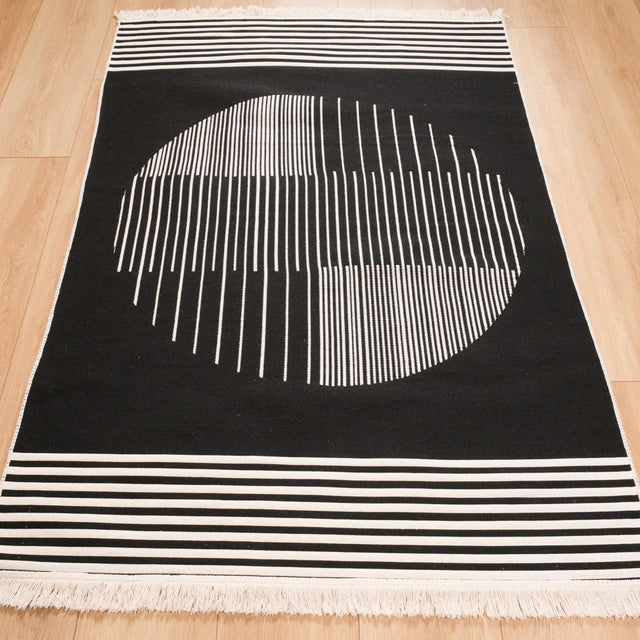
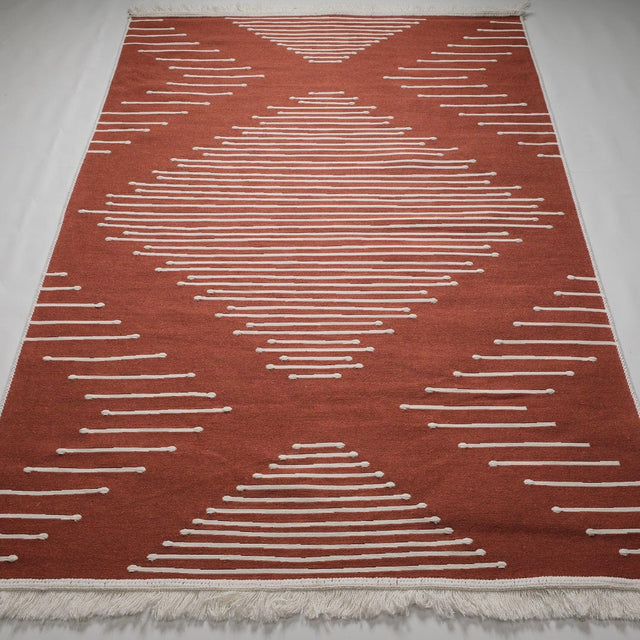
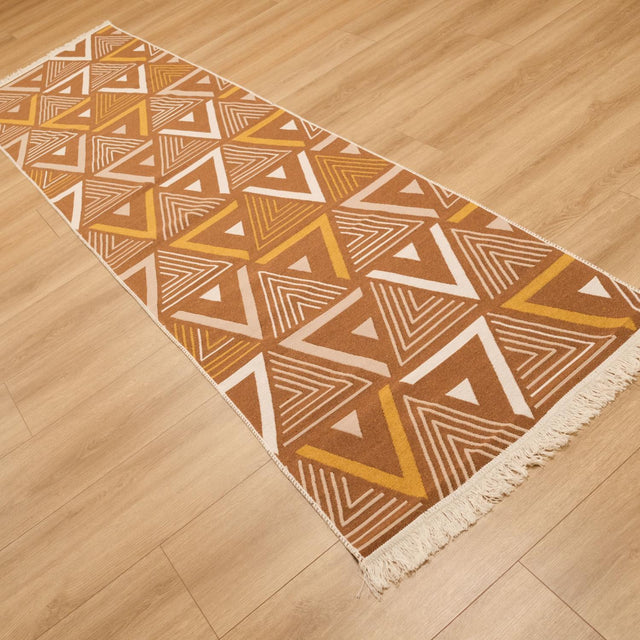
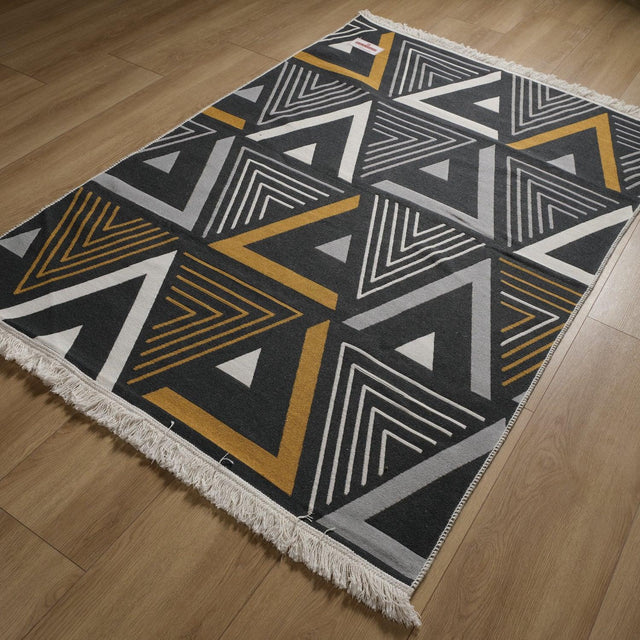
 %30
80×300 cm
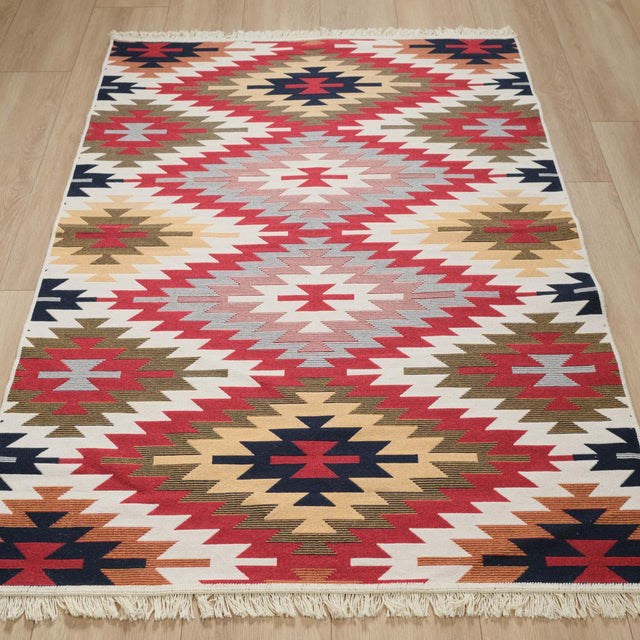
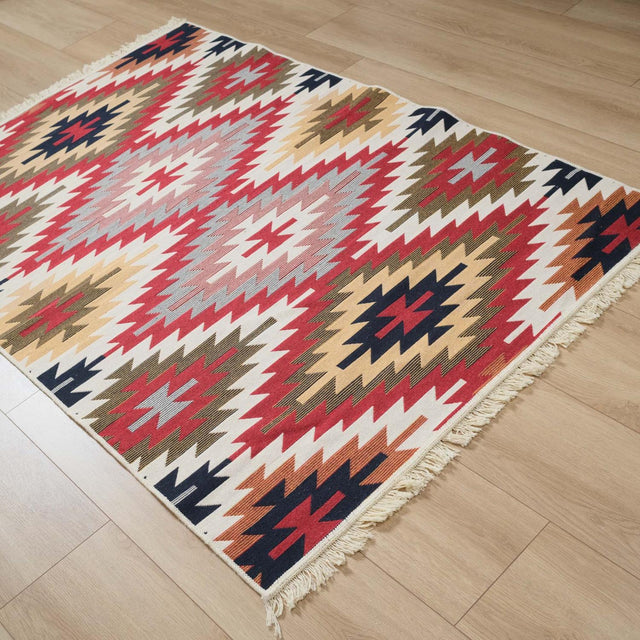
Multicolor Anatolian Machine-Woven Cotton Kilim, Kehribar Series
from
1.925 TLwas2.750 TL
%30 off≈ 900 TL/m²



Rugs & Kilims
Find Your Rug
For those who already know what they are looking for — Halıcızade's most visited collections.
%30
80×300 cm
from
1.925 TLwas2.750 TL
%30 off≈ 900 TL/m²
 %30
160×230 cm
from
3.281 TLwas4.688 TL
%30 off≈ 900 TL/m²
 %30
80×300 cm
from
1.050 TLwas1.500 TL
%30 off≈ 900 TL/m²
 %30
160×230 cm
from
1.050 TLwas1.500 TL
%30 off≈ 900 TL/m²
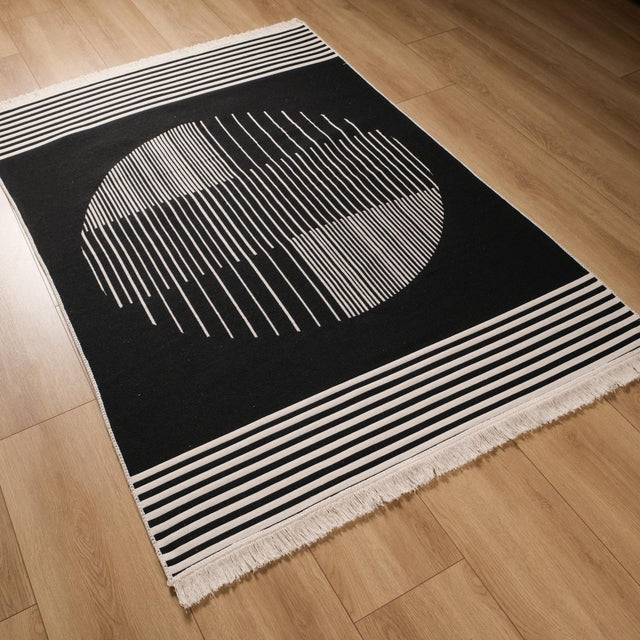
Unbroken black in Tencel®, a single mark for the forehead
 80×130 cm
One of a kind
from
15.000 TL
≈ 14.500 TL/m²
 %30
160×230 cm
from
1.925 TLwas2.750 TL
%30 off≈ 900 TL/m²
 %30
160×230 cm
from
3.281 TLwas4.688 TL
%30 off≈ 900 TL/m²
 %30
160×230 cm
from
1.925 TLwas2.750 TL
%30 off≈ 900 TL/m²
 %30
160×230 cm
from
1.050 TLwas1.500 TL
%30 off≈ 900 TL/m²
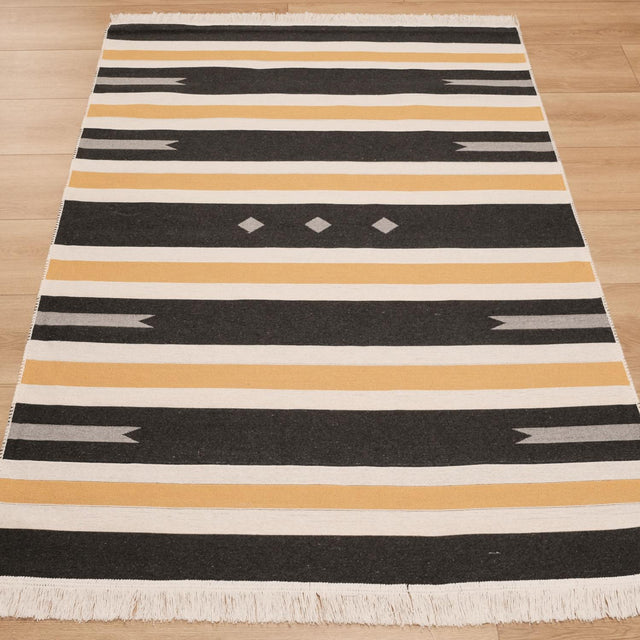
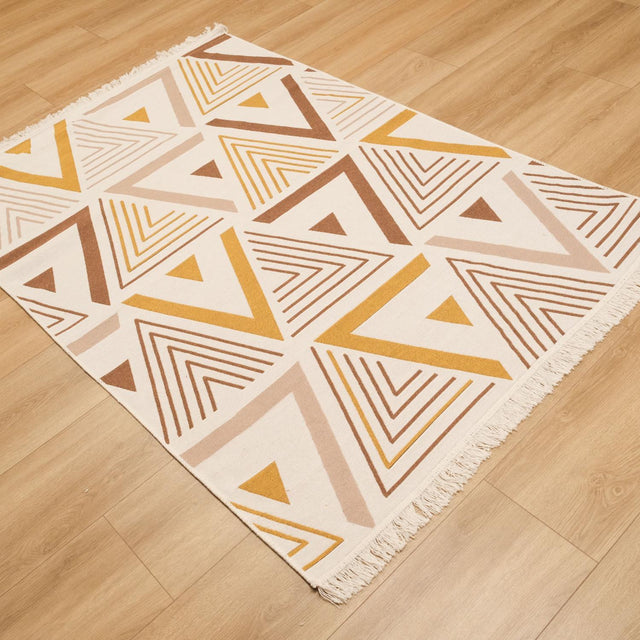
Yellow, cream and black geometry in 100% cotton
 %30
160×230 cm
One of a kind
from
3.281 TLwas4.688 TL
%30 off≈ 900 TL/m²
Bahtiyari deseni bir eşarba geçmiş, tek lifi ipek
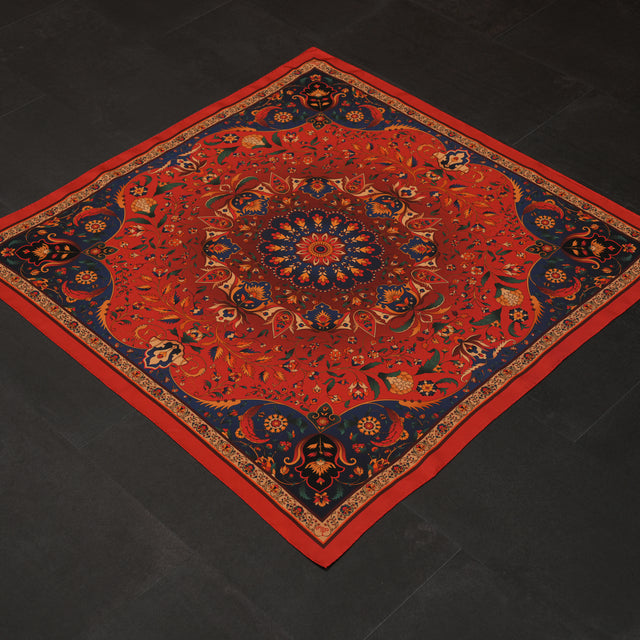 90×90 cm
Mihrabı tek yöne bakıyor: elde dokunmuş saf ipek
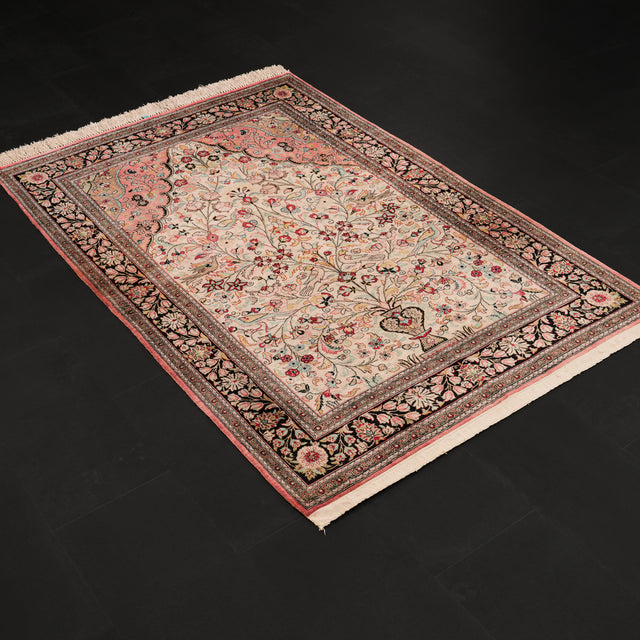 104×155 cm
Root-dyed wool from Çal, a yellow ground past its century
 95×132 cm
Sixty-one by ninety-three centimeters, wool and nothing else
 61×93 cm
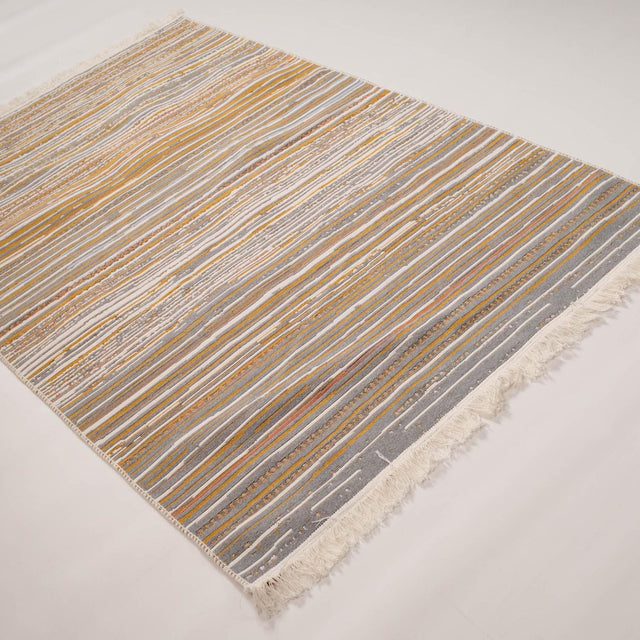 %30
160×230 cm
One of a kind
from
3.281 TLwas4.688 TL
%30 off≈ 900 TL/m²
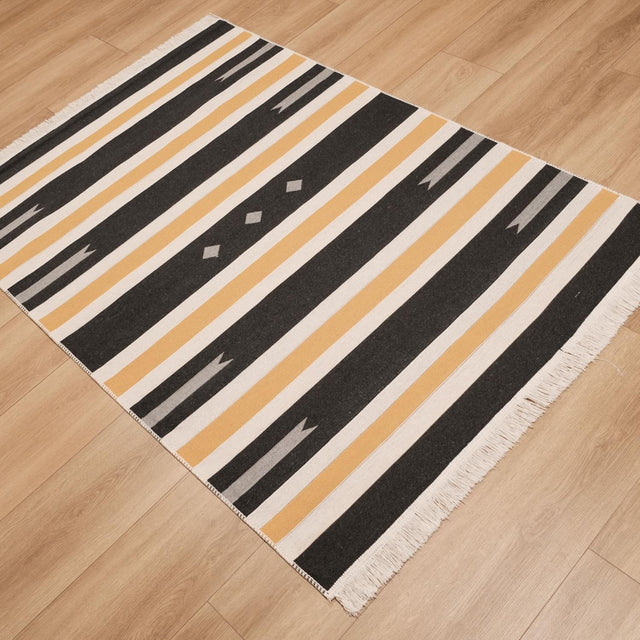 %30
160×230 cm
One of a kind
from
3.281 TLwas4.688 TL
%30 off≈ 900 TL/m²
Anadolu deseni, 30'a 50: elde dokunmuş bir kilim kılıfı
 30×50 cm
Ranks of Turkmen medallions, hand-knotted in Afghan wool
 85×140 cm
A flatweave with wool in its warp, never quite square
 140×176 cm
Eighty by ninety-seven centimeters, geometric, and meant for a wall
 80×97 cm
Six colors in stacked bands, half a meter of Afghan wool
 50×50 cm
Village color at full strength, no pile anywhere in it
 50×50 cm
One of a kind
from
2.800 TL
≈ 11.000 TL/m²
Orange leading, blue cooling: a kilim cushion for the floor
 50×50 cm
One of a kind
from
2.800 TL
≈ 11.000 TL/m²
Bolster proportion, not a cushion: red İnlice wool
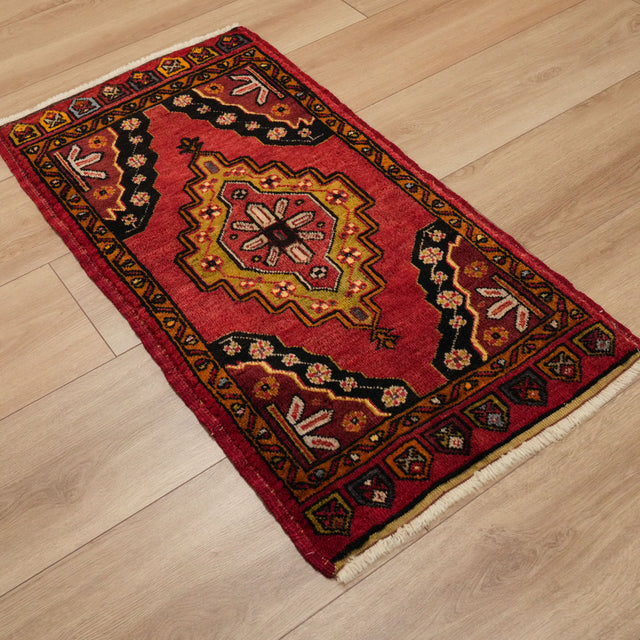 56×108 cm
A rug given as a gift is normally a small one: a prayer rug, a cushion face, a woven panel or a mat of about a square meter, chosen because it can be carried, unrolled anywhere and kept for decades. This collection gathers twenty-three such pieces, handwoven and machine-woven.
The difficulty with giving a rug is that the recipient's floor is already spoken for. The pieces here get around it by being small enough to go on a wall, a bed, a chest or a bench, or by being cheap enough to replace a doormat without ceremony. What follows is what is in the collection, what the age descriptions mean, and how to choose between the groups.
Portability, a size that does not commit anyone to a room layout, and a pattern that means something.
A 2 × 3 m rug is a decision about a house. A 50 × 50 cm (1'8" × 1'8") kilim cushion face is a piece of weaving, and it can sit on a chair in a flat the giver has never seen. That is the whole logic of this collection: everything in it is under about 2 m² and most of it is well under, so it travels in a suitcase and lands anywhere.
The second thing is that Anatolian weaving carries a motif vocabulary that is worth explaining when you hand it over — the hands-on-hips elibelinde, the ram's horn, the eye, the tree of life. A gift that comes with a story attached outlives one that does not. The motifs and the arguments about what they actually meant are set out in kilim motifs and their meanings.
Four groups, at four quite different levels of expense and formality.
Two of the prayer rugs here are genuinely old, and the terms used for them are trade usage rather than certification.
One is a Yahyalı village prayer rug of eighty years or more, dyed with madder and other natural dyes, at 78 × 122 cm (2'7" × 4'0"). The other is a Denizli Çal prayer rug of a hundred years or more, also naturally dyed, at 95 × 132 cm (3'1" × 4'4"). Both are described in the Turkish trade as sandık eskisi — chest-aged: woven for a household, folded into a dowry chest, used a handful of times and folded away, so the colors were never bleached and the wear is at the folds rather than in the middle.
The house uses a single set of age bands: antique is 100 years or more, semi-antique 50 to 100, vintage 20 to 80, and everything else is new. These are ordinary commercial terms with no issuing authority behind them and no certificate attached, and the bands overlap because the trade's usage overlaps. How the distinction is actually made is discussed in antique versus vintage handwoven rugs.
| Piece | Size | Made how | Suits |
|---|---|---|---|
| Kilim cushion face | 50 × 50 cm (1'8" × 1'8") | Handwoven wool | Any household; the smallest piece of real weaving |
| Woven panel | 80 × 97 cm (2'7" × 3'2") | Handwoven wool | A wall rather than a floor; an office or a study |
| Prayer rug, new | 80 × 130 cm (2'7" × 4'3") | Loom-woven Tencel | A personal gift, given new |
| Prayer rug, old | 78 × 122 to 95 × 132 cm (2'7" × 4'0" to 3'1" × 4'4") | Handwoven wool, naturally dyed | A significant occasion; a single unrepeatable piece |
| Small village rug | 85 × 140 cm (2'9" × 4'7") | Handwoven wool | A bedside, a hall, a landing |
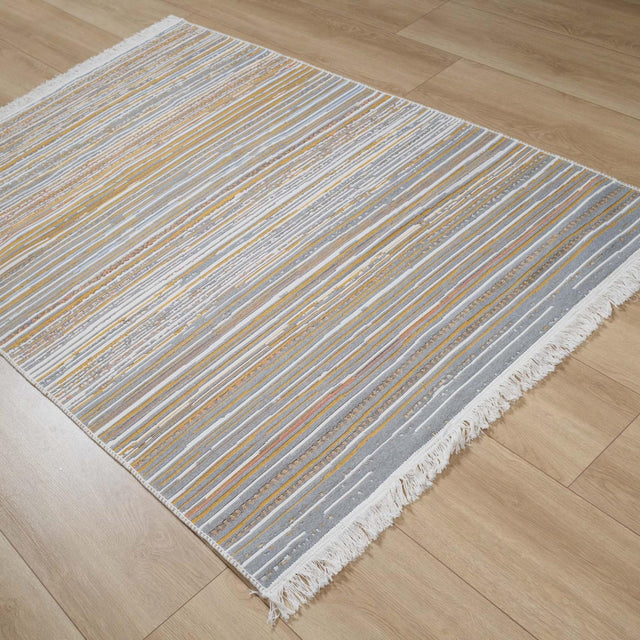
| Cotton kilim | 80 × 150 to 160 × 230 cm (2'7" × 4'11" to 5'3" × 7'7") | Machine-woven, washable | A first flat, a kitchen, a student |
Three things worth knowing.
Every handwoven piece here is a single item rather than a size that can be reordered, so a second one in the same pattern does not exist. Sizes are given as woven, and a handwoven rug is never exactly rectangular — a centimeter or two of difference between the two ends is a property of the object and not a fault. And the old pieces come as they are: the wear and the abrash, the band of slightly different color where the weaver moved from one dye lot to the next, are the evidence that the thing was made by hand and dyed in small batches.
For care, a wool cushion face or a small village weaving is vacuumed gently with the beater bar off and spot-blotted rather than rubbed; the cotton kilims go in a machine on a cool, gentle cycle and dry flat out of the sun.
Something under about two square meters, which is small enough to travel and small enough that the recipient is not committed to a room layout. Cushion faces at 50 × 50 cm, prayer rugs around 80 × 130 cm and small village weavings up to about 140 × 180 cm are the usual choices.
It is the most personal weaving in the Anatolian repertoire, woven with a directional niche at one end for the use of one person, and it is given as a gift in Türkiye for exactly that reason. It suits a significant occasion rather than a casual one.
Chest-aged translates the Turkish sandık eskisi. It describes a piece woven for a household, folded into a dowry chest, used only occasionally and stored, so its colors were never bleached by daylight and its wear shows at the folds rather than across the middle.
The house uses antique for 100 years and older, semi-antique for 50 to 100 years, and vintage for 20 to 80. These are ordinary trade terms with no issuing authority behind them, no certificate attached, and overlapping bands, because commercial usage itself overlaps.
The machine-woven cotton kilims can, on a cool gentle cycle, dried flat out of direct sun. The handwoven wool pieces cannot: they are vacuumed with the beater bar off, blotted rather than rubbed when something is spilled, and sent to a professional rug washer for anything more.
Yes. Every handwoven item in this collection is a single object with its own measurements, and there is no second one in the same drawing. The machine-woven kilims are the opposite case, available in several sizes and reorderable.
A woven panel is made to hang, and an old prayer rug is often given to be hung rather than walked on. Small weavings also work over the end of a bed, over the back or arm of a chair, on a chest, or on a table under something heavy.
Related collections: handwoven prayer rugs · rug and kilim accessories · Anatolian kilims · machine-woven kilims