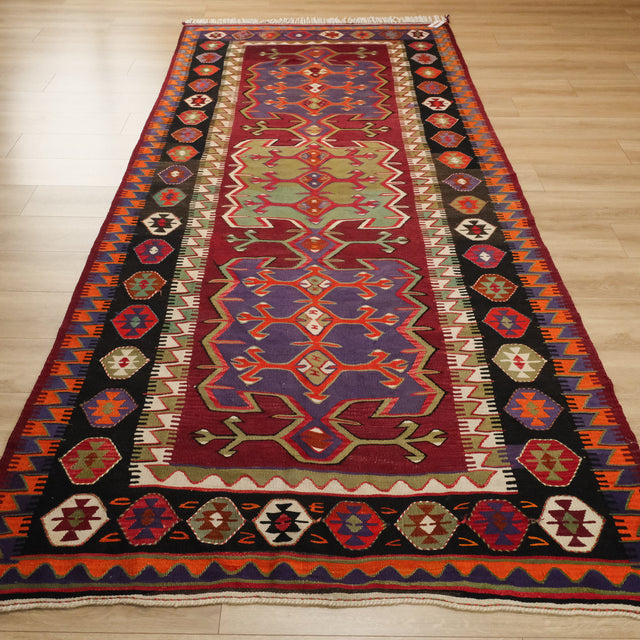
Rengârenk bir kilim, Uşak deseninde ve yünden
 119×188 cm

Translation missing: en.hz.card.one_only
Hand-Woven Anatolian Patterned Colorful Oushak Rug
from 24.000 TL≈ 10.500 TL/m²



Rugs & Kilims
Find Your Rug
For those who already know what they are looking for — Halıcızade's most visited collections.
Rengârenk bir kilim, Uşak deseninde ve yünden
119×188 cm
Translation missing: en.hz.card.one_only
from 24.000 TL≈ 10.500 TL/m²
Bahçecik köyünden yün bir kilim, Anadolu düzeninde
 100×180 cm
Translation missing: en.hz.card.one_only
from 26.000 TL≈ 14.500 TL/m²
Kars Sevan'dan yün bir kilim, Anadolu deseninde
 184×316 cm
Translation missing: en.hz.card.one_only
from 92.000 TL≈ 16.000 TL/m²
Cicim tekniğiyle yün, Antalya'dan bir Anadolu düzeni
 163×300 cm
Translation missing: en.hz.card.one_only
from 75.000 TL≈ 15.500 TL/m²
Konya Akören'den yün bir kilim, dört metreye yakın
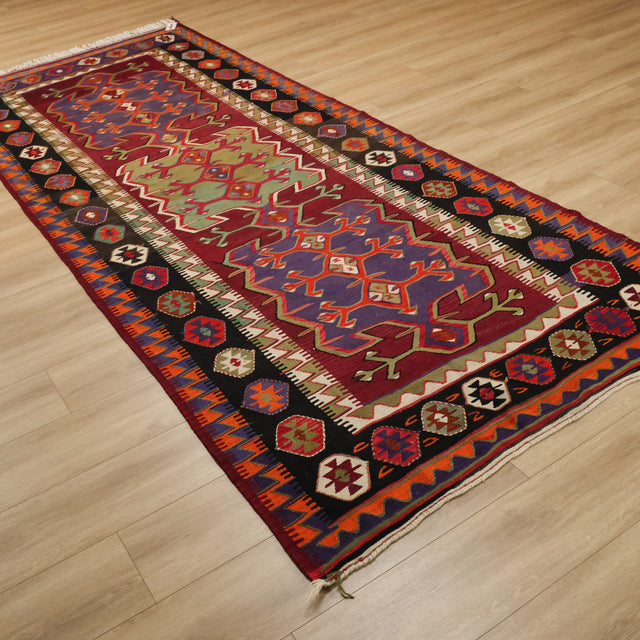 158×393 cm
Translation missing: en.hz.card.one_only
from 63.000 TL≈ 10.000 TL/m²
Kök boyayla yün, Konya'dan bir köy kilimi
 91×190 cm
Translation missing: en.hz.card.one_only
from 38.000 TL≈ 22.000 TL/m²
Yünden bir soyutlama, seksenlikten iki metreliğe
 120×170 cm
Rengarenk bir soyutlama, baştan sona yün
 80×140 cm
Translation missing: en.hz.card.one_only
from 25.100 TL≈ 22.000 TL/m²
Lacivert üstünde geometri, tasarımı bir stüdyodan
 120×170 cm
Translation missing: en.hz.card.one_only
from 44.500 TL≈ 22.000 TL/m²
Hindistan'da elde dokundu, geometrisi baştan sona pamuk
 120×180 cm
Türkmen ve Afgan motifleri aynı kilimde yan yana duruyor
 101×154 cm
Translation missing: en.hz.card.one_only
from 6.400 TL≈ 4.100 TL/m²
Barak köy dokuması: yün ve pamuk, Anadolu deseni
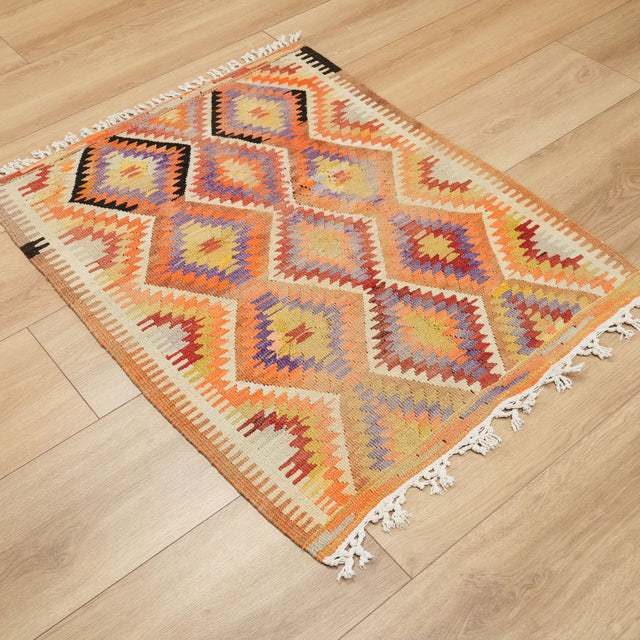 78×98 cm
Translation missing: en.hz.card.one_only
from 16.000 TL≈ 21.000 TL/m²
Karapınar cicimi, sandık eskisi, baştan sona yün
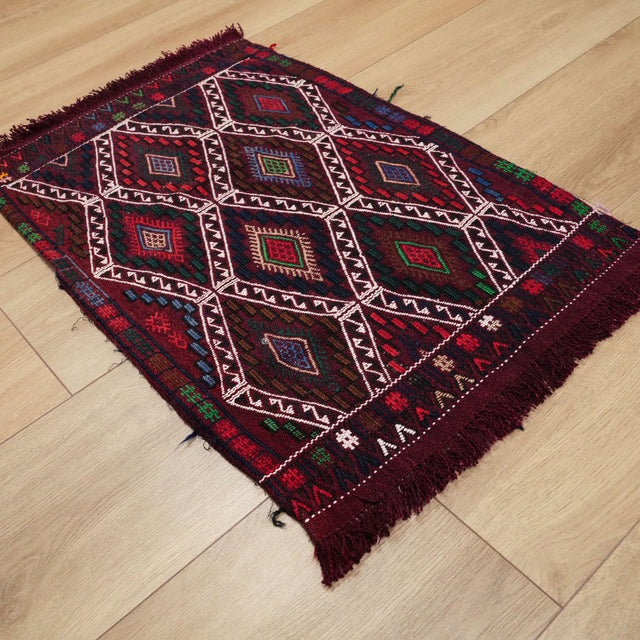 54×81 cm
Translation missing: en.hz.card.one_only
from 17.000 TL≈ 39.000 TL/m²
Karabağ deseni Moldova tezgâhında dokunmuş, gülleri iri
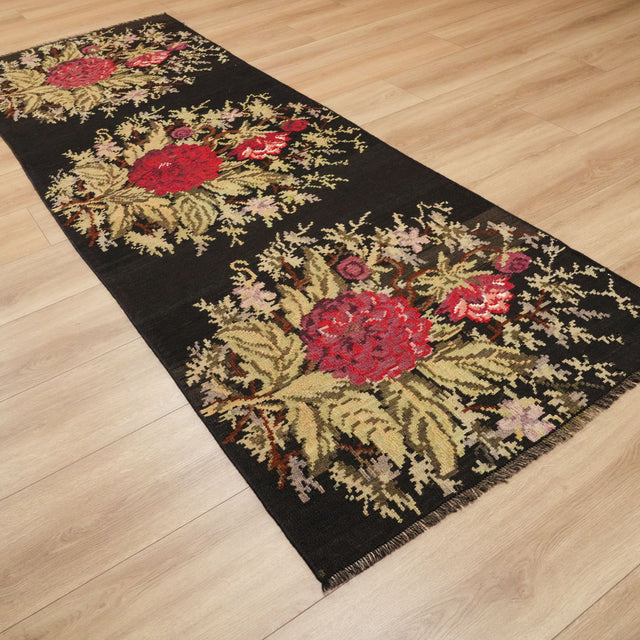 94×268 cm
Translation missing: en.hz.card.one_only
from 33.000 TL≈ 13.000 TL/m²
Zemin koyu olacakken sarıya dönmüş, güller yerinde duruyor
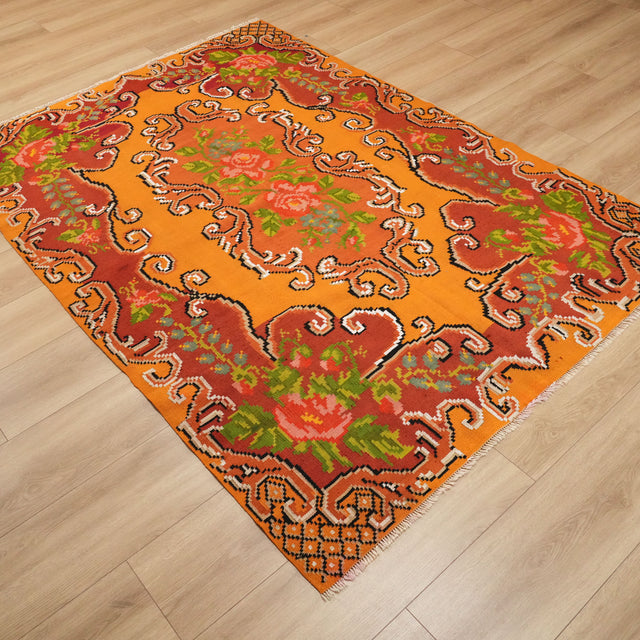 162×232 cm
Translation missing: en.hz.card.one_only
from 44.000 TL≈ 11.500 TL/m²
Çal cicimi, sandık eskisi: yün ve pamuk, neredeyse kare
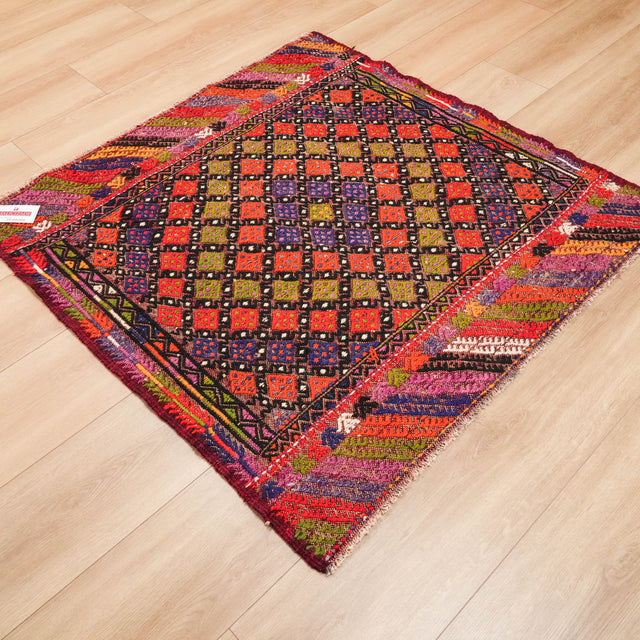 126×130 cm
Translation missing: en.hz.card.one_only
from 27.000 TL≈ 16.500 TL/m²
Kozak cicimi: Anadolu deseni, baştan sona yün
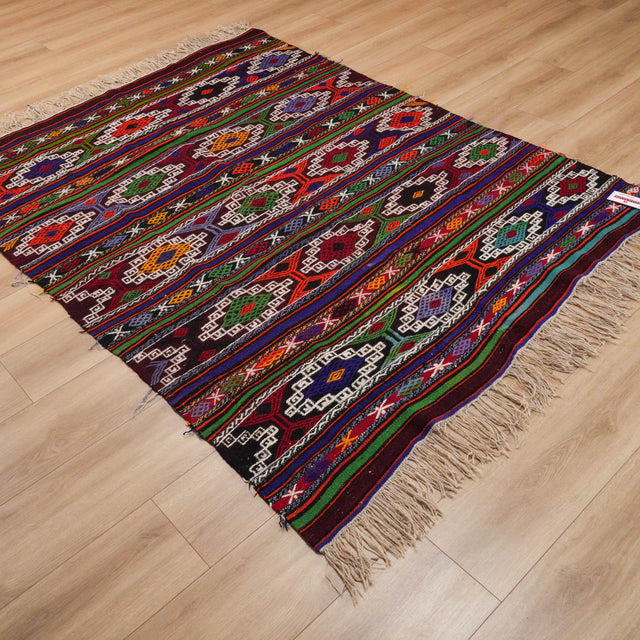 171×231 cm
Translation missing: en.hz.card.one_only
from 59.000 TL≈ 15.000 TL/m²
Afganistan'da elde dokundu: geometrik bir düzen
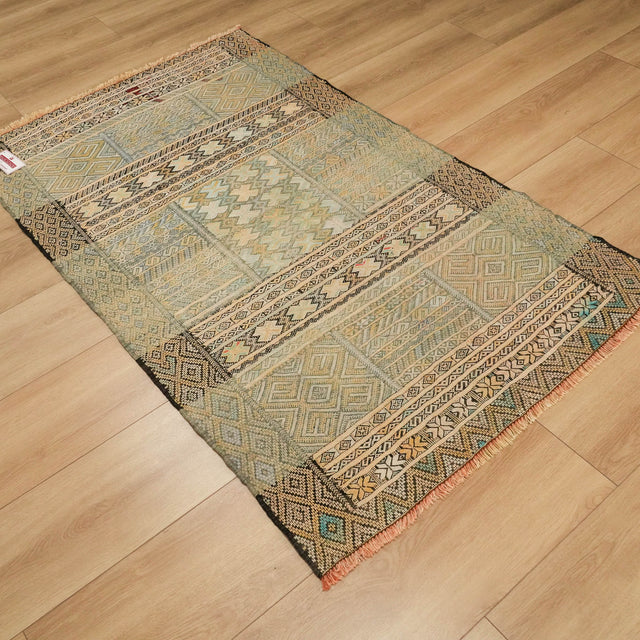 104×168 cm
Translation missing: en.hz.card.one_only
from 20.000 TL≈ 11.500 TL/m²
Mut yöresinin kilimi, çok renkli ve baştan sona yün
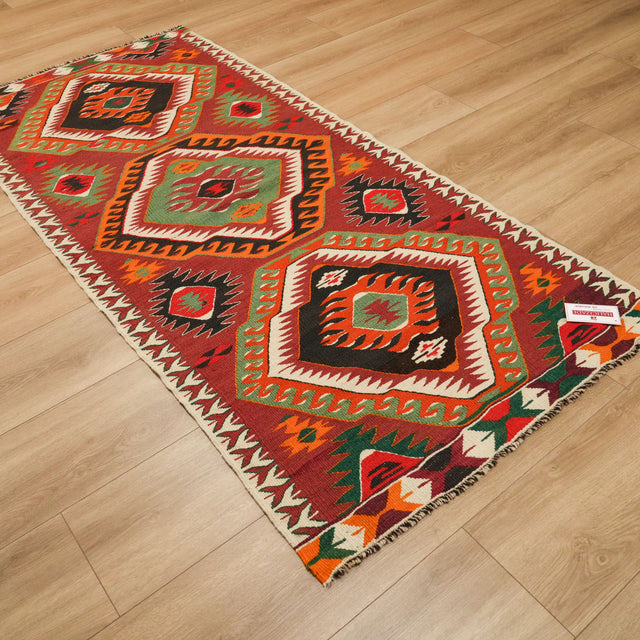 97×212 cm
Translation missing: en.hz.card.one_only
from 35.000 TL≈ 17.000 TL/m²
Krem zeminde ince gri çizgiler, Hindistan el tezgâhı
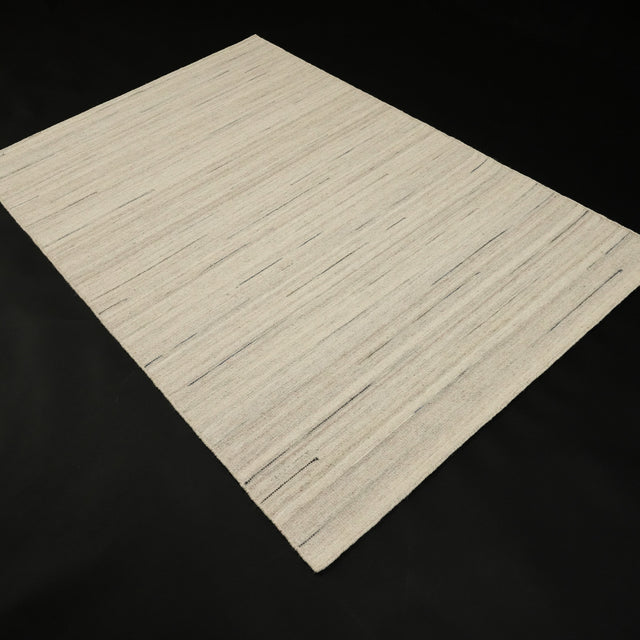 160×230 cm
Beyaz zeminde belli belirsiz yeşil çizgiler
 120×180 cm
Küçük ölçülü lacivert cicim, baştan sona yün
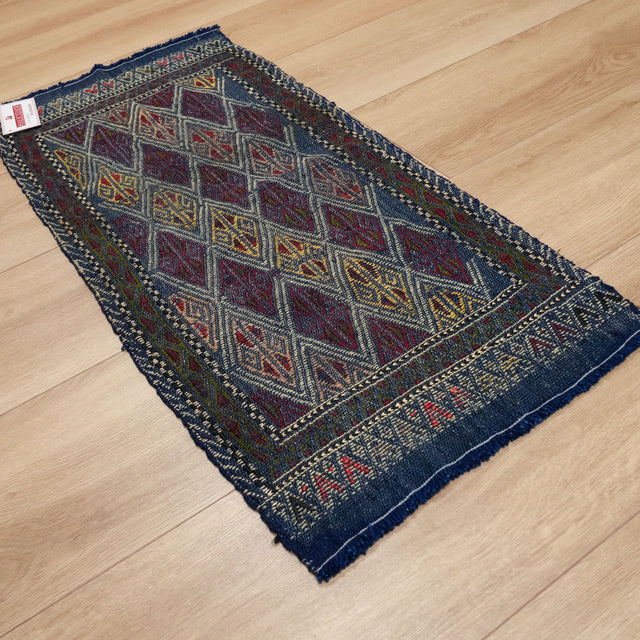 47×102 cm
Translation missing: en.hz.card.one_only
from 7.000 TL≈ 14.500 TL/m²
Kök boyalı turuncu, yıldız motifli bir cicim
 127×176 cm
Translation missing: en.hz.card.one_only
from 49.000 TL≈ 22.000 TL/m²
Sumak tekniği: düğümsüz, sarma ilmekli bir Ortadoğu kilimi
 123×193 cm
Translation missing: en.hz.card.one_only
from 44.000 TL≈ 18.500 TL/m²
A kilim is a flat-woven rug made without knots or pile, created by interlocking the warp and weft threads directly, giving it a thinner, reversible construction and a distinctly graphic look compared to a knotted pile rug.
Kilims represent one of the oldest and most technically distinct forms of Turkish weaving, and their construction difference from a knotted pile rug shapes everything about how they look, feel and perform in a home.
Kilims are among the oldest forms of Turkish weaving, historically used as tent floors, saddle bags and wall hangings across nomadic communities before becoming a staple of settled home decor. Their flat, lightweight, portable construction made them practical for a mobile lifestyle in a way a heavier knotted pile rug never could be.
A kilim's pattern is created entirely through the interlocking of colored weft threads directly into the warp, with no knots and no raised pile. This produces a rug that's thinner, lighter and fully reversible, since both faces of the weave are equally finished, unlike a knotted rug's single pile face.
Because kilims have no pile, their patterns read with unusual clarity and graphic boldness, and our kilim collection favors the strong diamond, hook and stripe motifs typical of Anatolian flatweave specifically because this construction renders those shapes especially crisply.
A kilim's light weight and reversibility open up placement options a heavier pile rug doesn't have.
| Kilim (Flatweave) | Knotted Pile Rug | |
|---|---|---|
| Construction | Interlocked warp/weft, no knots | Individually tied knots, raised pile |
| Weight | Light | Heavier |
| Reversibility | Fully reversible | Single-sided |
| Pattern style | Bold, graphic, geometric | Fine detail possible, wide range of styles |
| Typical price | More accessible | Higher, reflects knotting time |
Kilims can be vacuumed on both sides given their reversibility; shake out lighter pieces periodically, and while wool kilims are durable, avoid prolonged wet exposure since the flat construction and natural fiber together are more moisture-sensitive than a dense pile rug.
A kilim is flat-woven with no pile, while a regular pile rug is knotted, giving the kilim a thinner profile, a reversible surface, and lighter weight.
Kilims are very durable for their weight thanks to a tight flatweave construction, though they show wear differently than pile rugs and are best suited to low-to-medium traffic areas.
A wool kilim is best kept indoors or in a covered outdoor space, as prolonged sun and moisture exposure will fade its natural dyes over time.
Their flat, lightweight, portable construction made them practical for a mobile lifestyle, unlike heavier knotted pile rugs, and they served multiple functions, floor coverings, tent walls, saddle bags.
No, the flat construction offers less cushioning and insulation than a knotted pile rug, though many buyers layer a kilim over a thicker base rug to combine both benefits.
Yes, their light weight and bold, graphic pattern make kilims a popular choice for wall display in addition to floor use.