
 245×309 cm

One of a kind
Aren Serisi El Dokuma Vintage Desenli İpekli Turkuaz Halı
from
495.000 TL
≈ 65.000 TL/m²



Rugs & Kilims
Find Your Rug
For those who already know what they are looking for — Halıcızade's most visited collections.
245×309 cm
One of a kind
from
495.000 TL
≈ 65.000 TL/m²
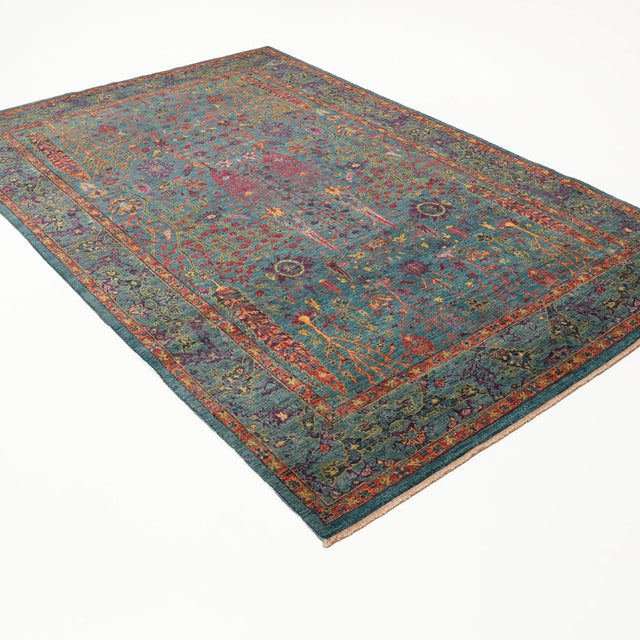 195×300 cm
One of a kind
from
205.000 TL
≈ 35.000 TL/m²
A turquoise that leans green, double-knotted in Afghanistan
 177×234 cm
One of a kind
from
72.500 TL
≈ 17.500 TL/m²
Orange let into blue, one part in five, 212 × 290 cm
 212×290 cm
Turquoise at not quite three square meters, the smallest Ayan
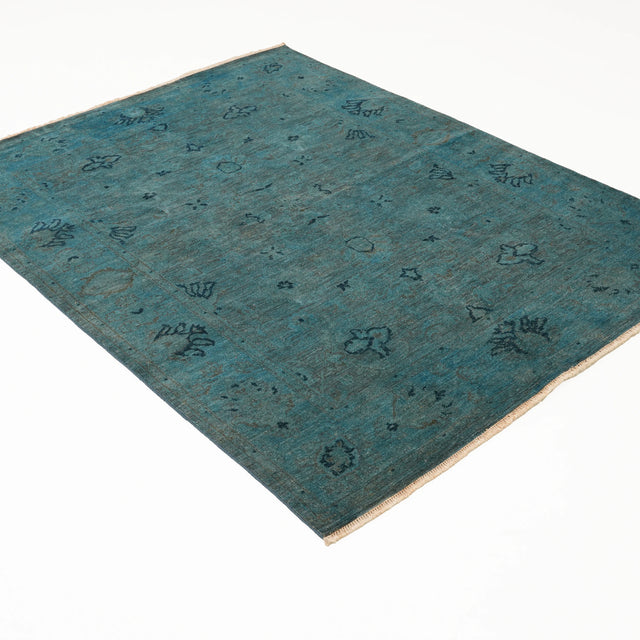 150×194 cm
One of a kind
from
59.000 TL
≈ 20.000 TL/m²
Cairo geometry in turquoise: octagons inside squares, no flowers
 152×209 cm
One of a kind
from
56.000 TL
≈ 17.500 TL/m²
Turquoise at many depths, 270 × 360 cm without a motif
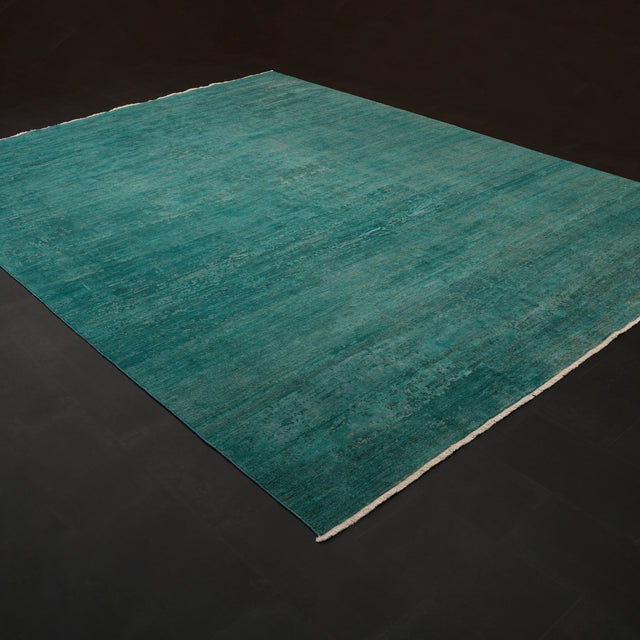 270×360 cm
One of a kind
from
500.000 TL
≈ 51.000 TL/m²
Turquoise that deepens by noon, Oushak drawing faded over it
 209×287 cm
Every knot tied twice, and an Oushak in blue and brown
 310×420 cm
Many tones inside one turquoise, hand-dyed and knotted in Pakistan
 197×261 cm
One of a kind
from
109.000 TL
≈ 21.000 TL/m²
Yellow warming a gray turquoise: 100% viscose on cotton
 200×300 cm
Relief woven into a flat kilim, blue stepping into cream
 170×240 cm
Turquoise instead of the usual red, 90 × 118 cm of wool
 90×118 cm
Orange and green sparking off a blue ground, Gördes-knotted
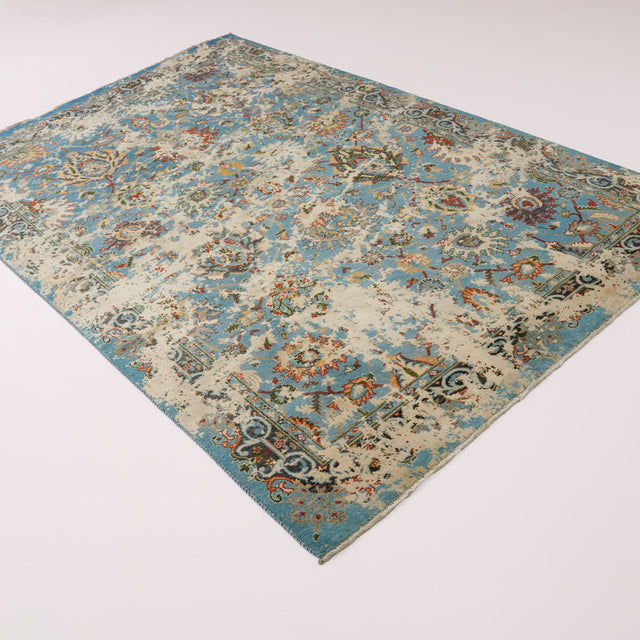 184×288 cm
Karabagh roses opened out full-face, orange over strong blue
 170×248 cm
Turquoise under cream and gold, Oushak drawn eight by eight
 108×159 cm
Cream medallions at intervals over turquoise, viscose on cotton
 123×185 cm
A turquoise rug is woven in the blue-green of the mineral it is named for, a color that sits between cyan and green and stays cool in daylight. Halıcızade's turquoise collection is small and mostly hand-knotted wool — Oushak, Anatolian and Mamluk drawing, plain grounds, and flat-woven kilims — in round and rectangular formats.
Turquoise is the one bright color that behaves like a neutral in an Anatolian palette, because the traditions it comes out of used it as a ground rather than an accent. This page covers where the color sits in Turkish decorative art, what is actually in the collection, and how a blue-green floor works against wood and cream.
They are three different jobs, not three shades of one.
| Color | Composition | In a room | Pairs with |
|---|---|---|---|
| Turquoise | Blue with a clear green cast, high brightness | Lifts a neutral room; reads cool and open | Cream, pale oak, brown, brass |
| Blue | No green; darker as it saturates | Recedes and quiets a room | White, gray, dark wood |
| Teal | Blue-green at low brightness | Behaves as a dark neutral | Rust, mustard, walnut |
For the deeper end of the same family, see blue rugs.
The color arrives in weaving with a long history behind it.
Turquoise glaze is one of the constants of Anatolian building and ceramics, on Seljuk tiled minarets and portals from the thirteenth century and later in the Iznik potteries, whose blue-greens traveled across Ottoman architecture on tile panels. Weavers worked in the same visual culture, and turquoise entered rug palettes as a field color rather than a highlight. That is the reason a turquoise rug carrying Anatolian or Oushak drawing does not look like a modern recoloring — the combination is older than the idea of an accent color.
Sixteen pieces, weighted toward hand-knotted wool.
Most of the collection is hand-knotted wool: Oushak and Mamluk medallion drawing, Anatolian village patterns, vintage-effect grounds and plain fields where the turquoise carries the whole rug. There are flat-woven kilims in Anatolian designs, which are thin, reversible and light enough to hang or layer, and round formats for rooms where a rectangle does not fit.
Fiber changes the color more than the pattern does. Wool holds turquoise as a matte, slightly dusty green-blue; silk and bamboo viscose make the same dye look glassy and much brighter. Machine-woven turquoise, where the collection carries it, comes in a wider spread of patterns at a lower price. Compare wool rugs for the matte end of that range.
In rooms that need one thing to happen on the floor.
Turquoise does its clearest work against cream walls and pale wood, where it is the only saturated color in the room. With brown and walnut it reads as the opposite of the wood and warms it; with gray it can go cold, so a rug with a cream or ivory border helps. In small rooms and narrow halls a light turquoise ground pushes the walls apart visually, which a dark rug will not do.
It is also a standard choice for children's and babies' rooms, where the color is wanted and the pattern matters less — see baby and kids room rugs. In a bedroom or a living room, a turquoise field with brown or ivory drawing sits more easily than a plain one.
The fiber decides both the color and the cleaning.
Weigh four things: the weave, the fiber, the drawing and how often the rug will have to be cleaned. Vacuum on a regular schedule. Blot a spill immediately with a white cloth or paper towel, pressing rather than rubbing, then treat the mark with a cleaner the maker allows. Keep bleach away from the pile. When a rug is washed, dry it out of direct sunlight — sun is what takes the brightness out of a turquoise dye, and it does it unevenly. A rug in daily use is generally given a professional wash about once a year, sooner in a busy room.
A turquoise rug is woven in the blue-green of the mineral it is named after, a color sitting between cyan and green. It reads cool and bright in daylight and holds more green under warm artificial light than most blues do.
Turquoise is blue with a clear green cast and high brightness. Blue has no green in it and goes darker rather than lighter. Teal is the same blue-green family as turquoise but much deeper and closer to a neutral in a room.
Turquoise glaze runs through Anatolian architecture and ceramics from the Seljuk period onward, on tiled minarets and later on Iznik pottery. The color has a long history in Turkish decorative art independent of rug weaving, which is why it reads as familiar rather than novel.
Rooms that are otherwise neutral. Turquoise works against cream walls, pale wood and brown furniture, and it is common in children's rooms, bedrooms and kitchens. In a narrow hall a light turquoise makes the space read wider than a dark rug does.
This collection is mostly hand-knotted wool, in Oushak, Anatolian, Mamluk and plain designs, with kilims among them. Machine-woven turquoise exists in a wider range of patterns at a lower price and with a shorter working life.
Keep it out of a full south-facing window, rotate it twice a year so that the light falls on different parts of the pile, and dry it in the shade rather than in the sun after any wet cleaning. Direct sun fades a bright dye faster than feet wear it.
Related collections: blue rugs · Anatolian rugs · kilims · colorful rugs


