

Filters
199 products
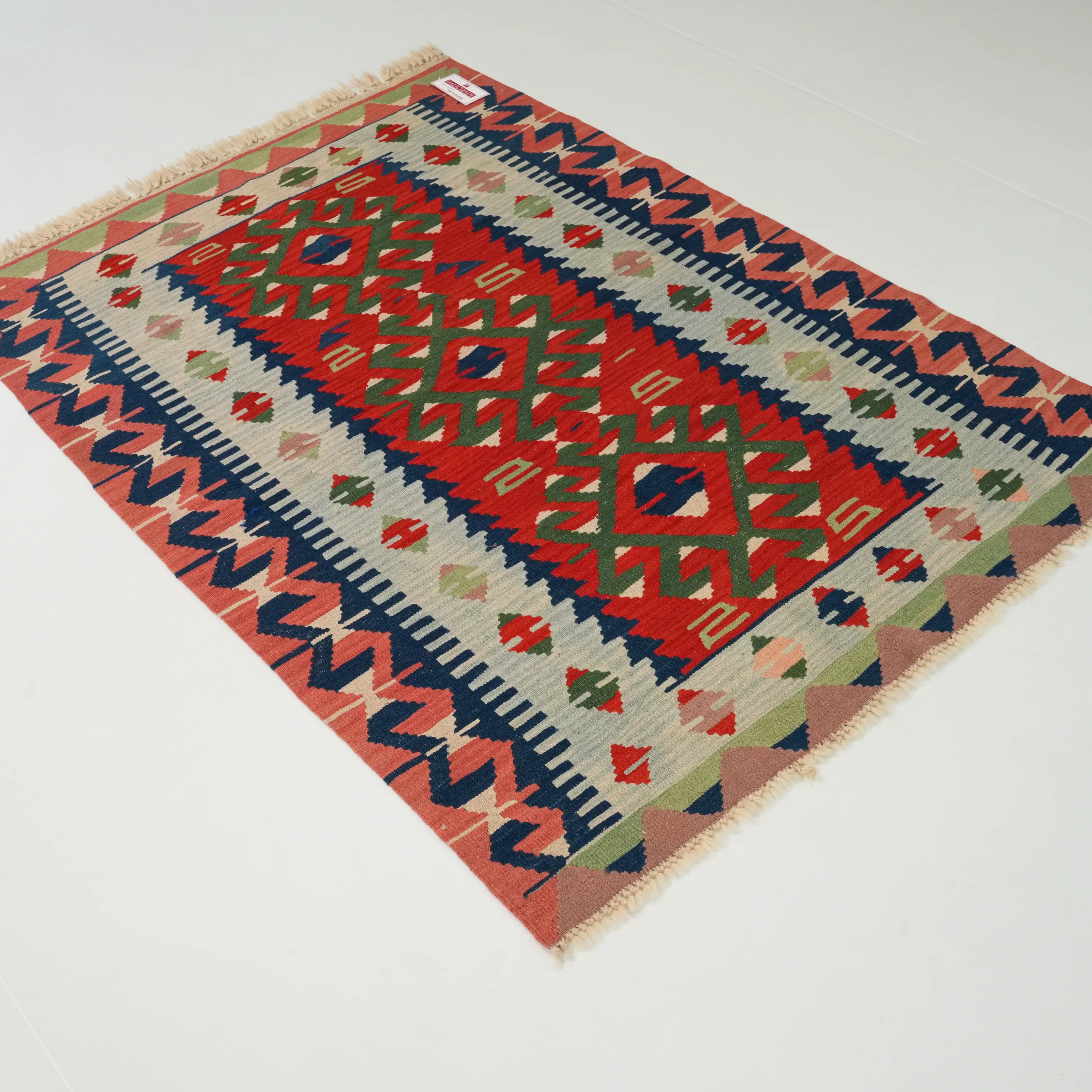
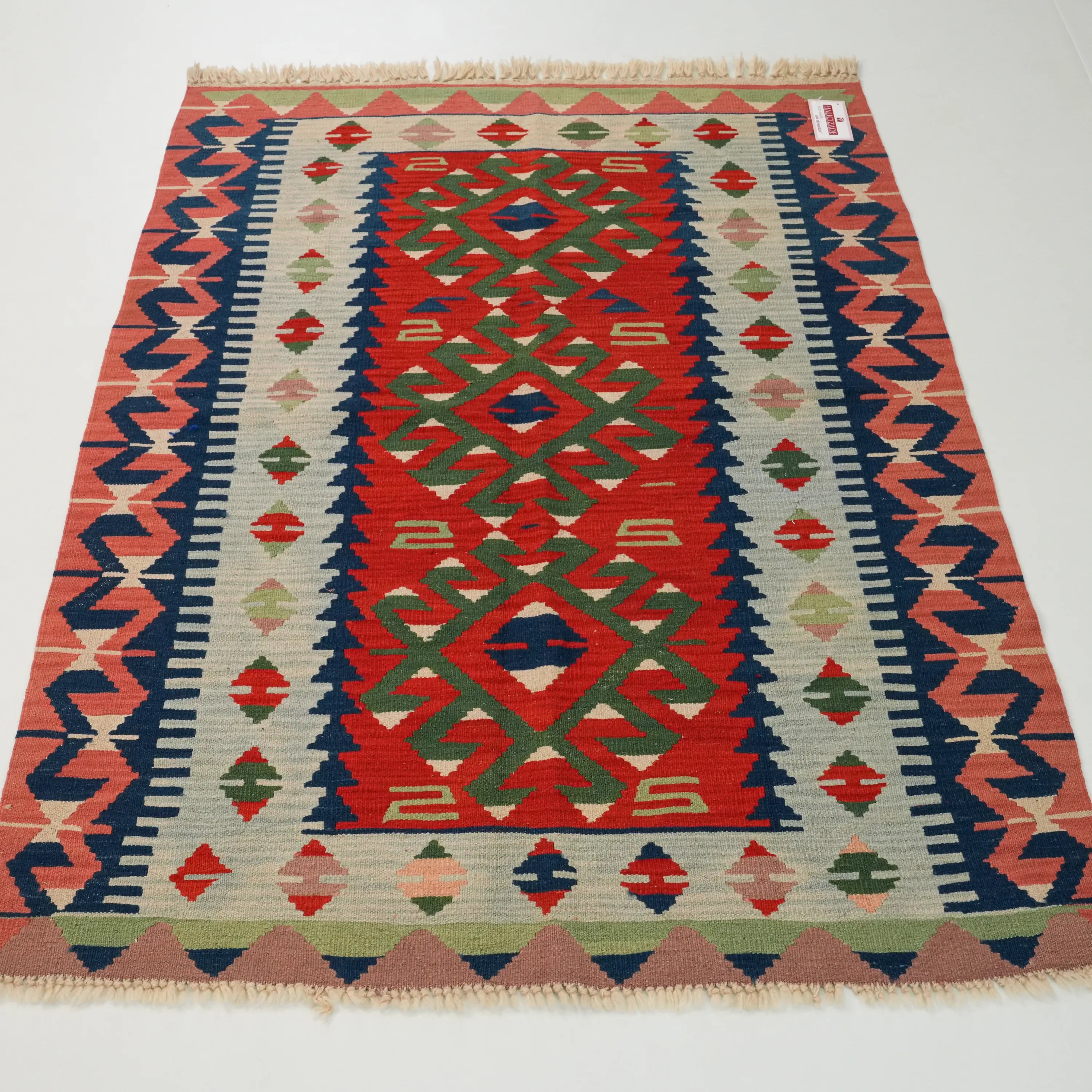
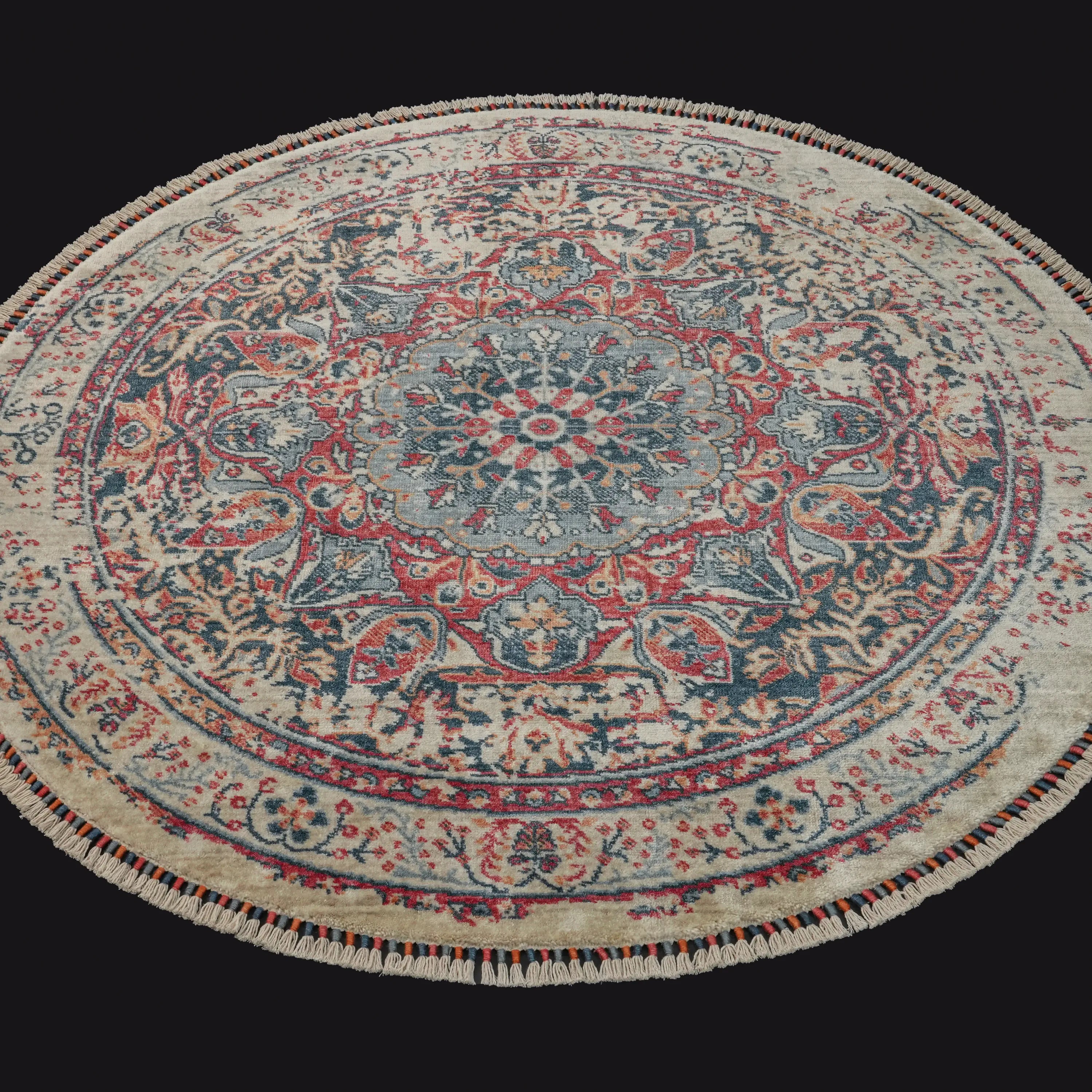
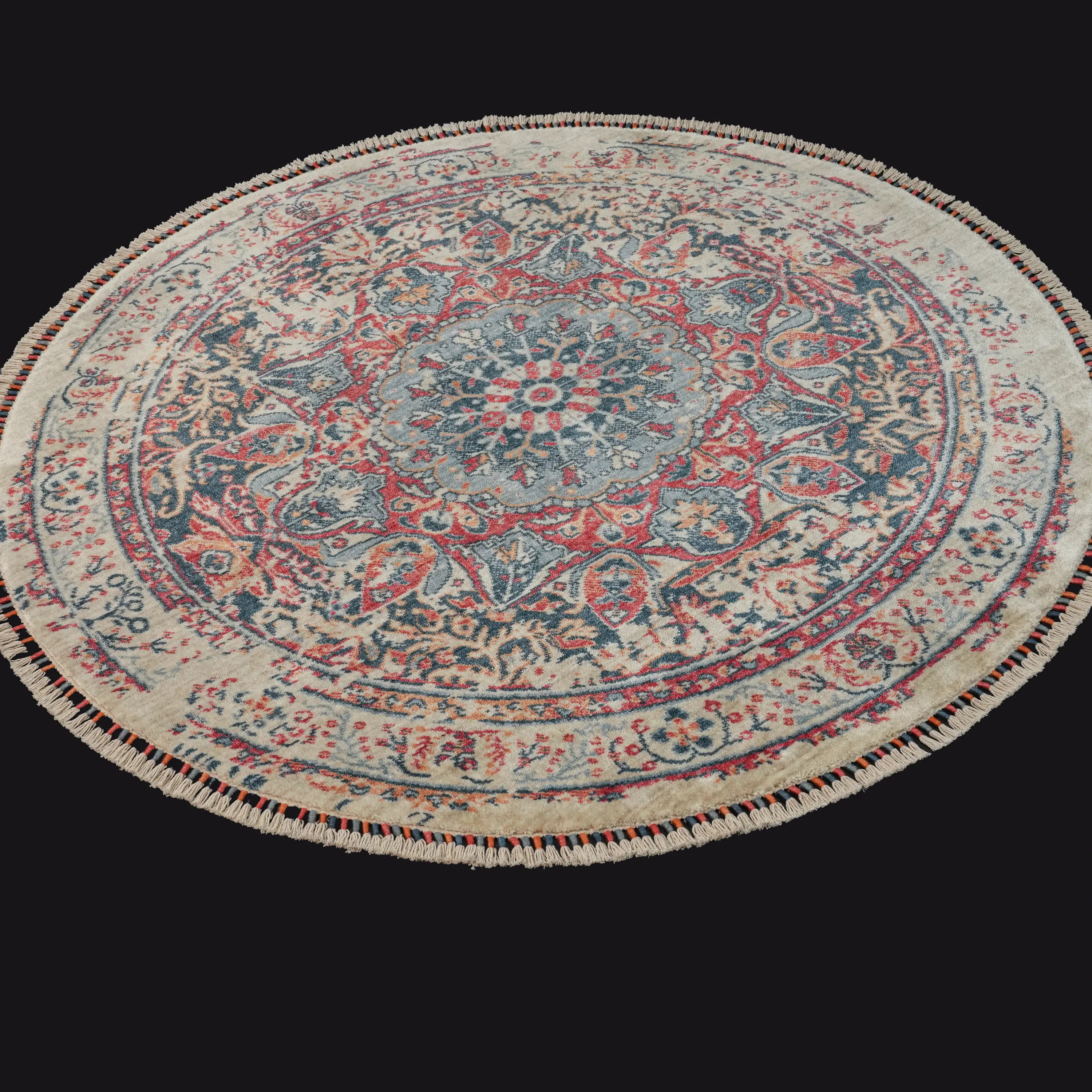


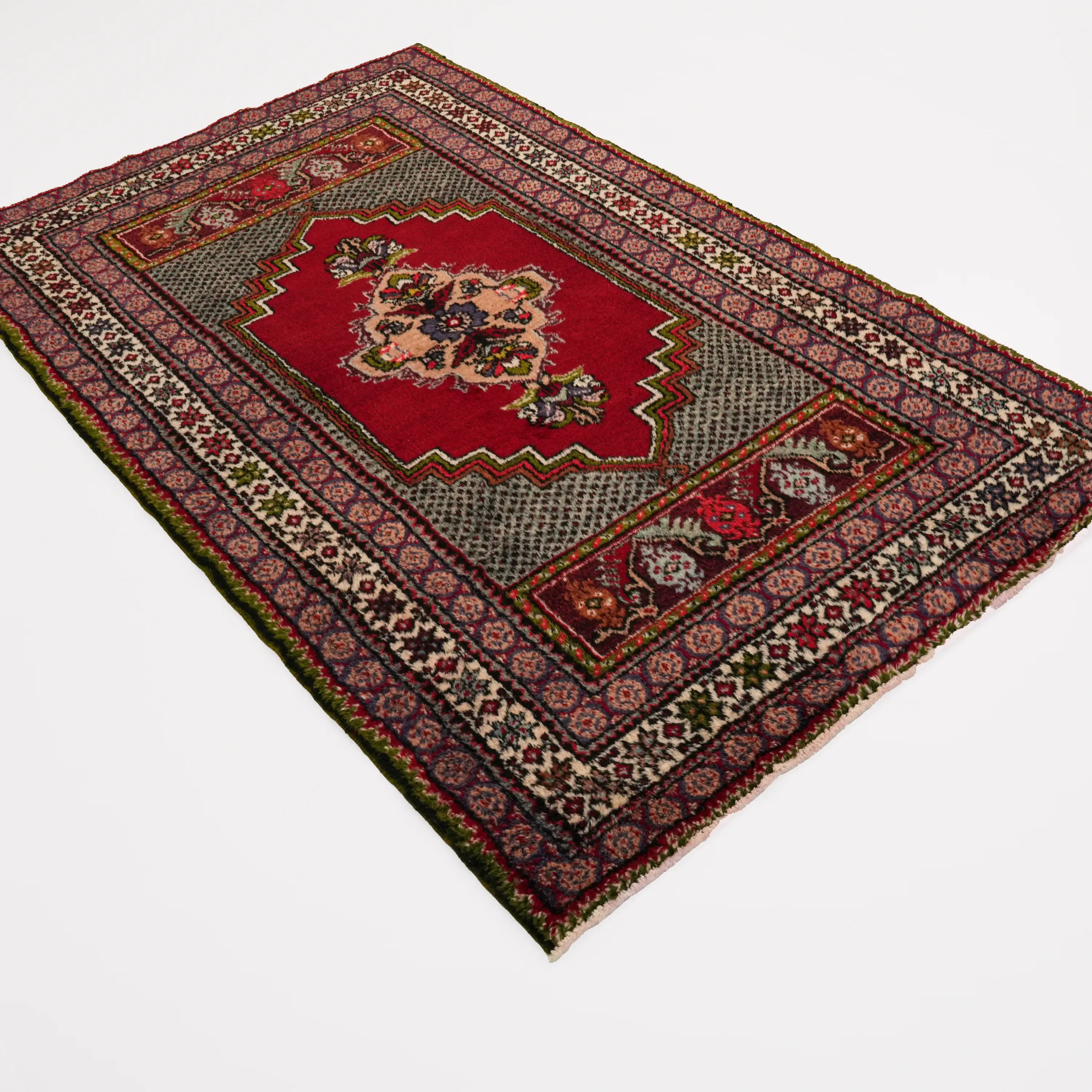
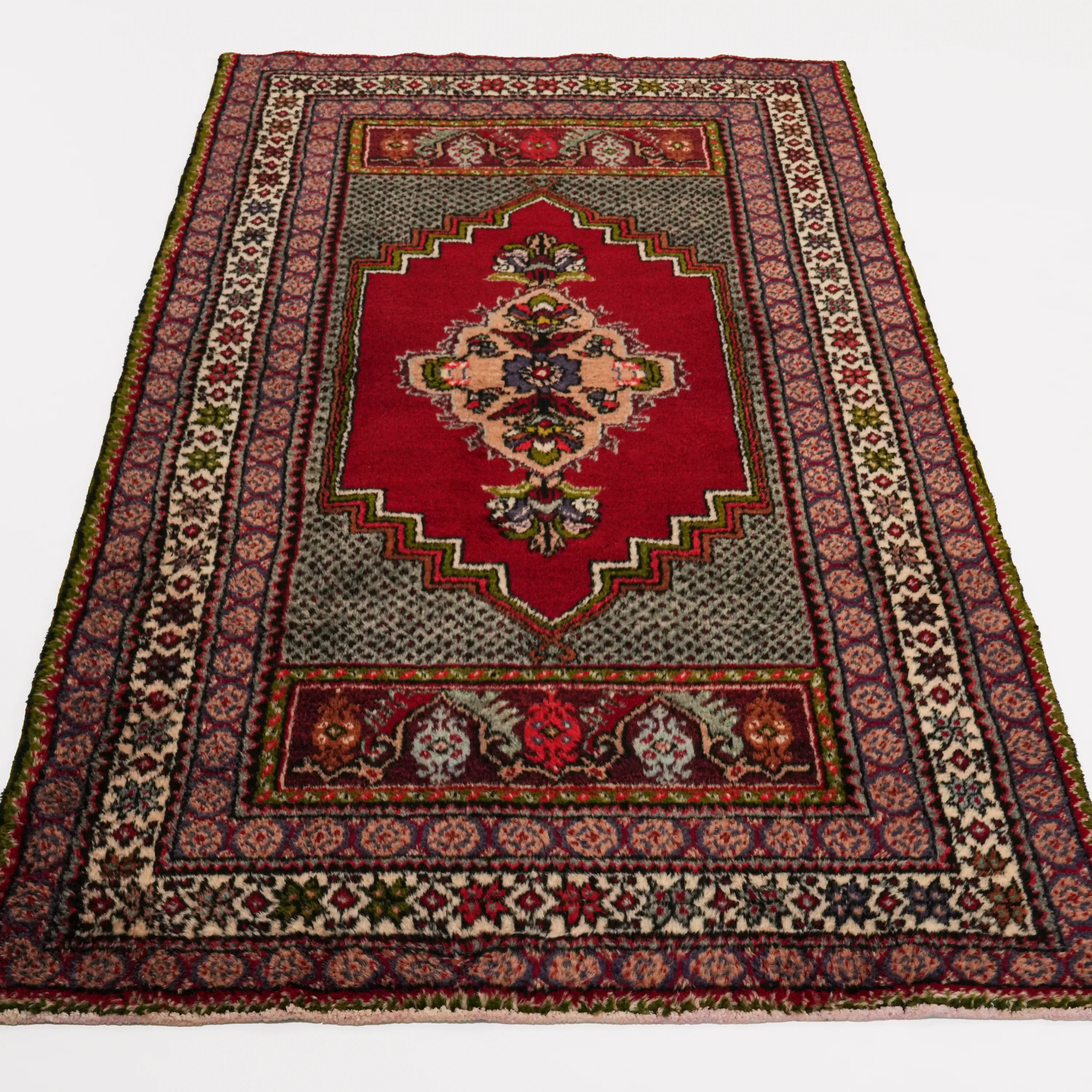
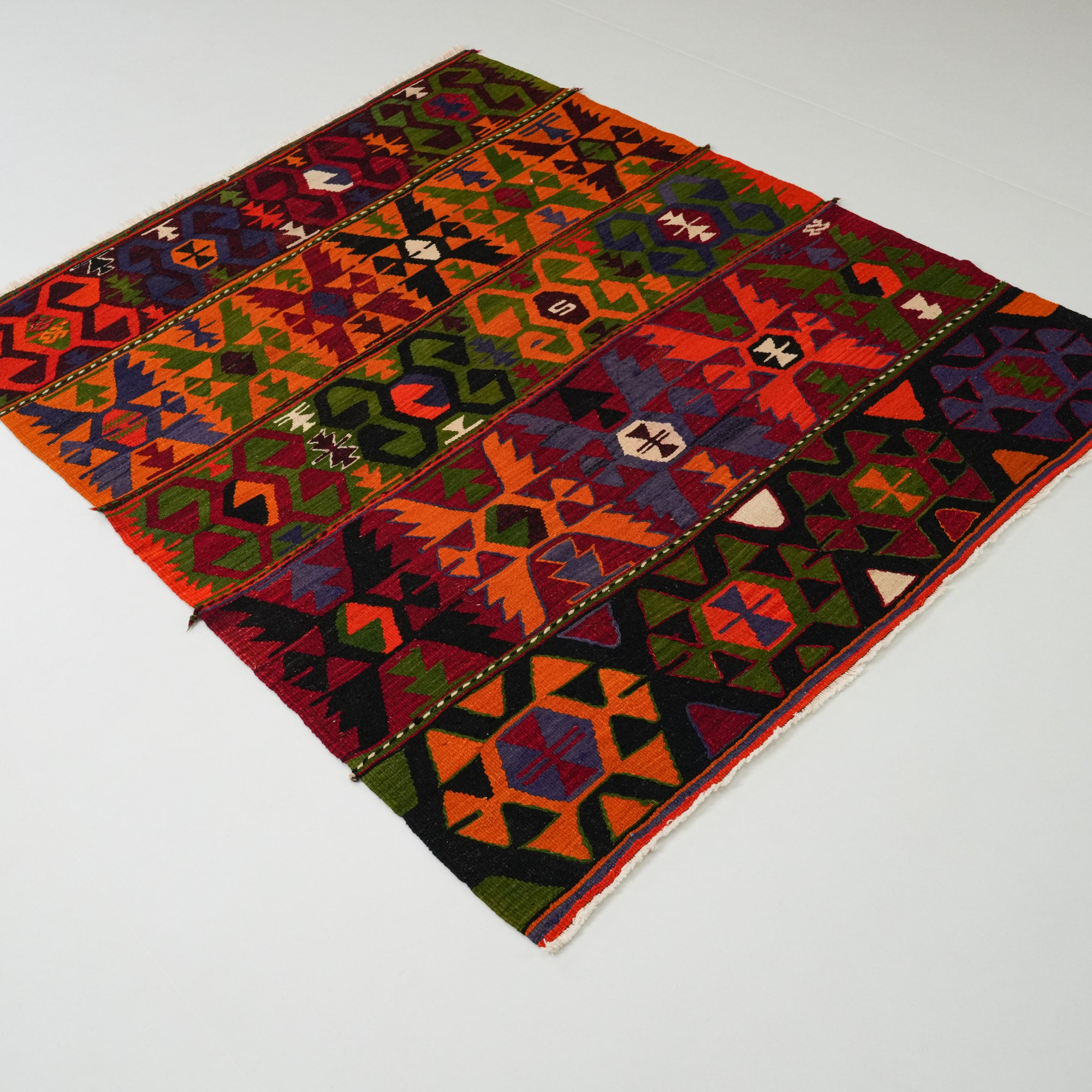
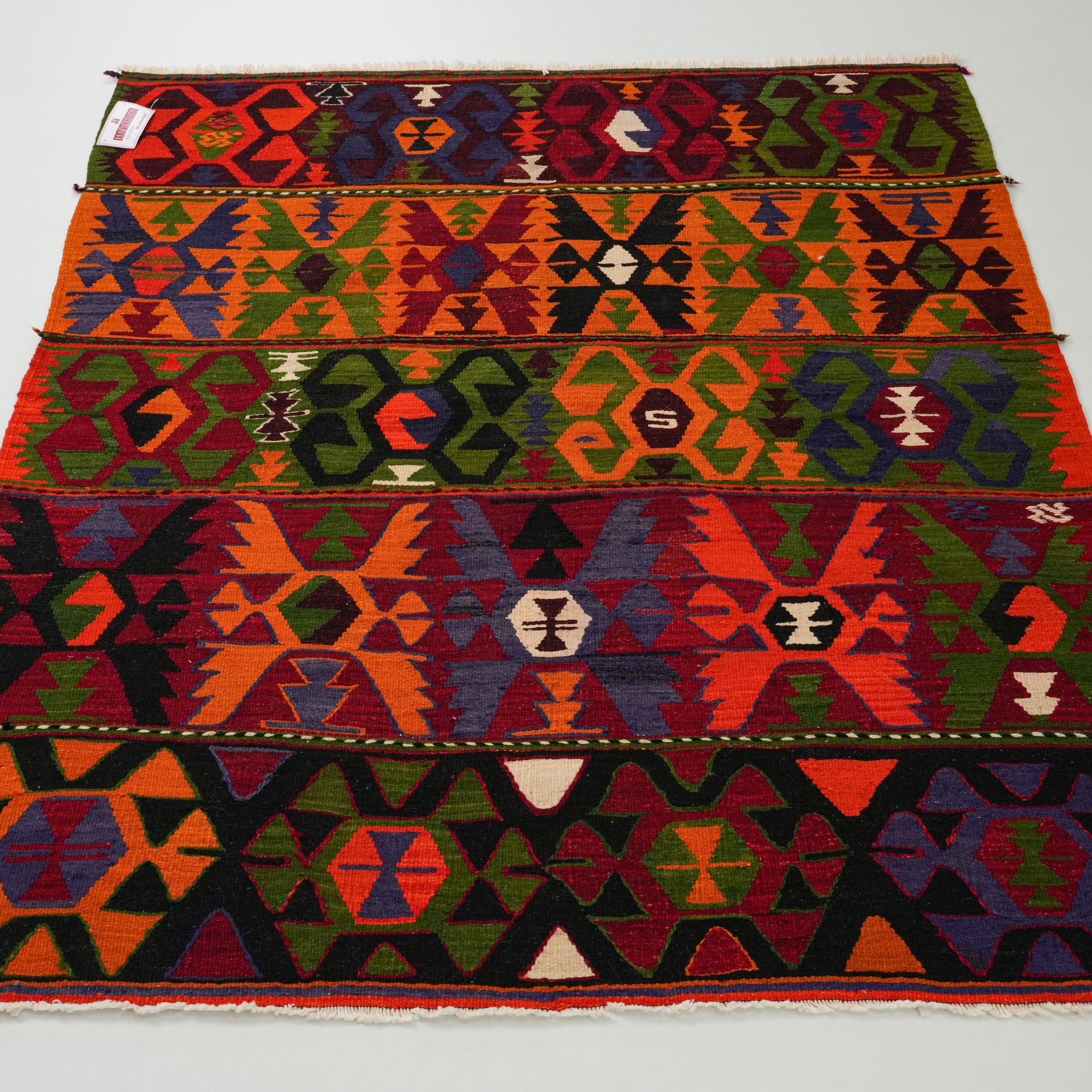
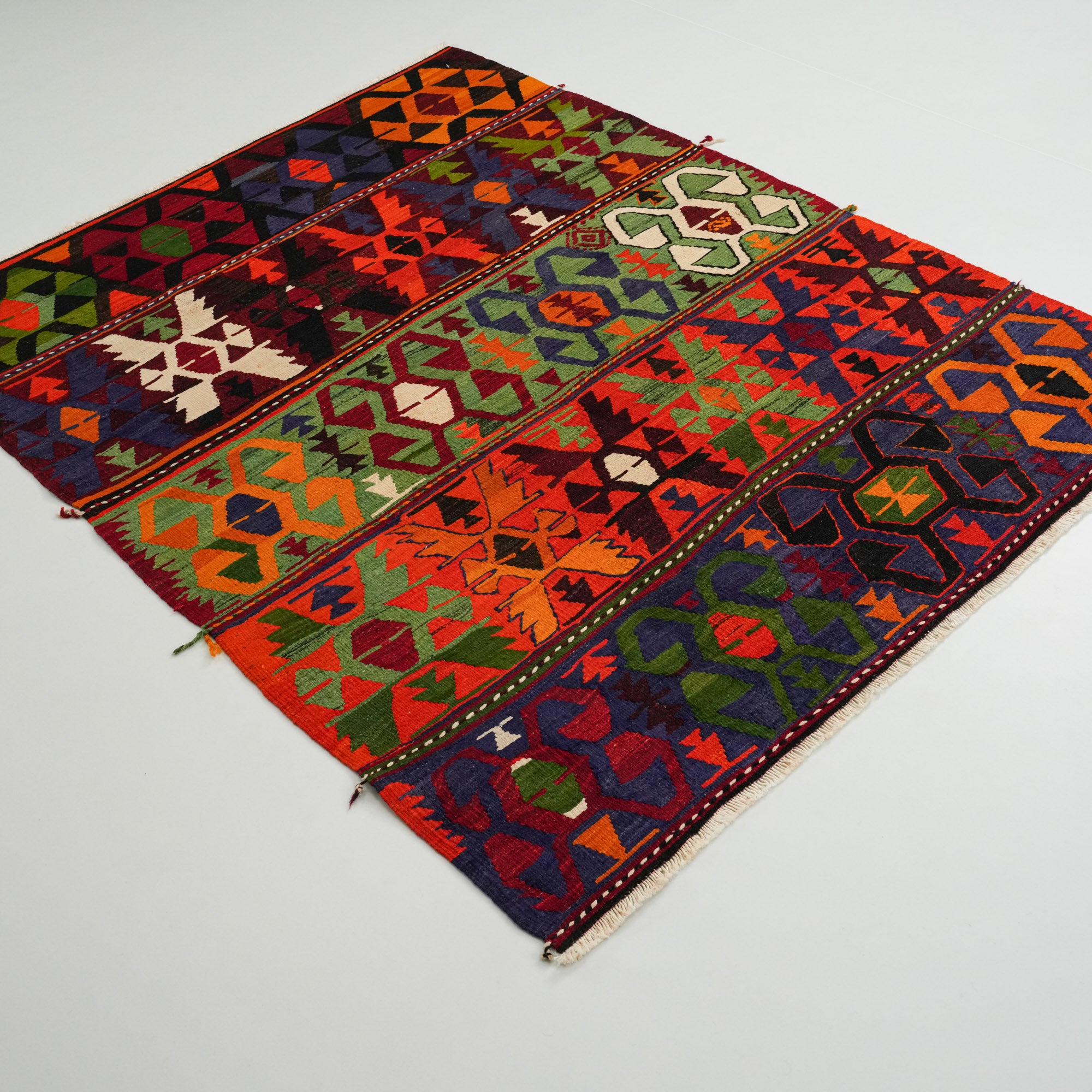
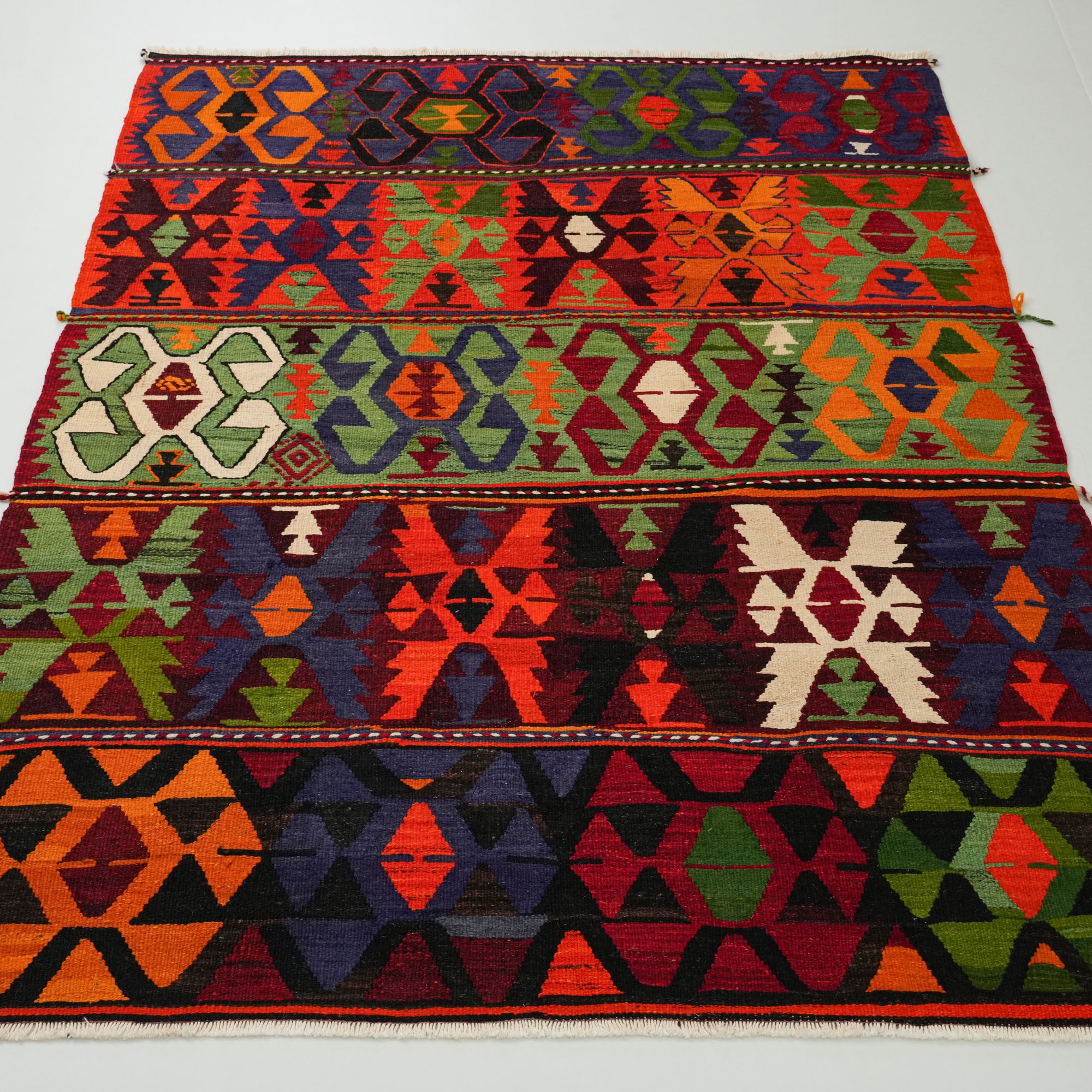
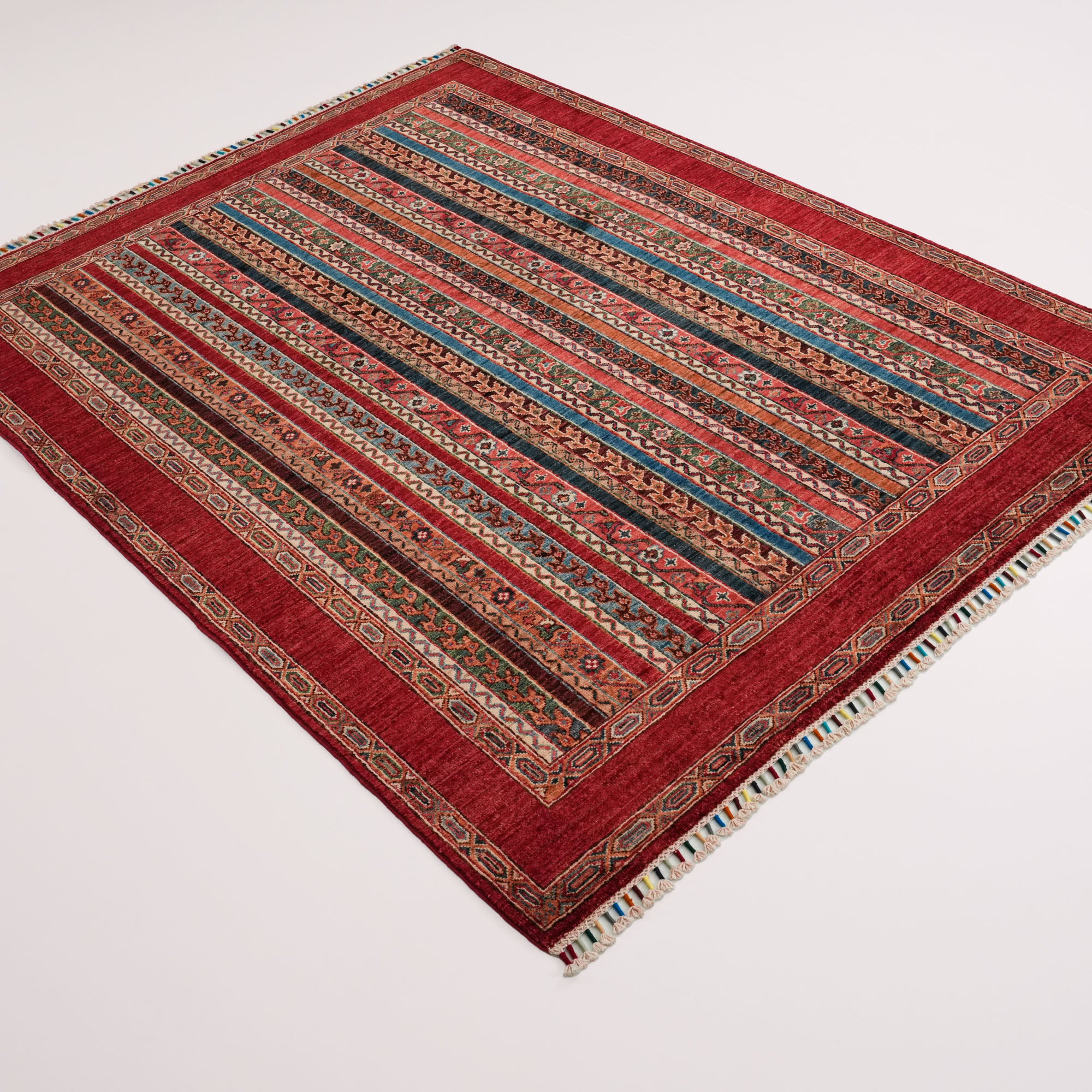
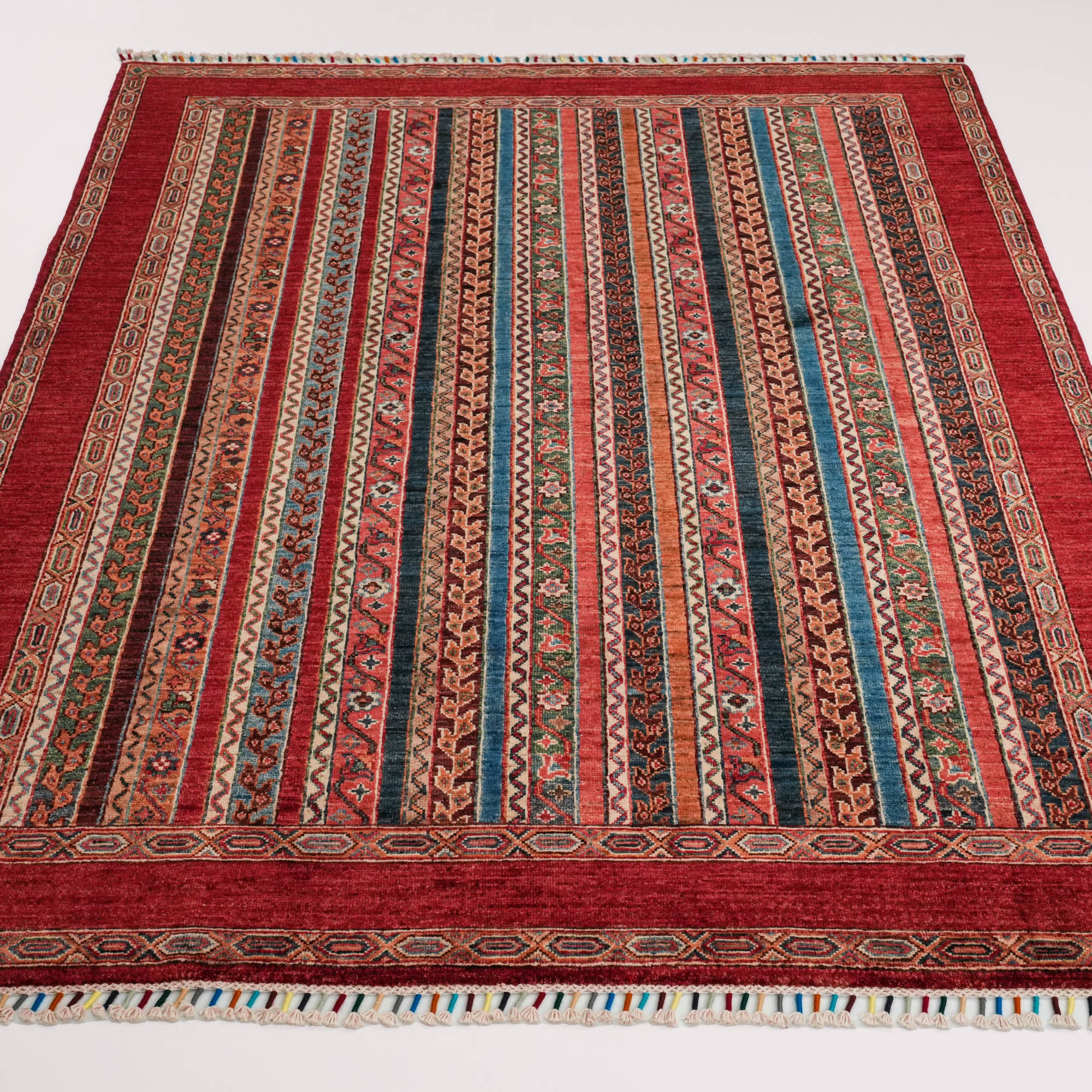
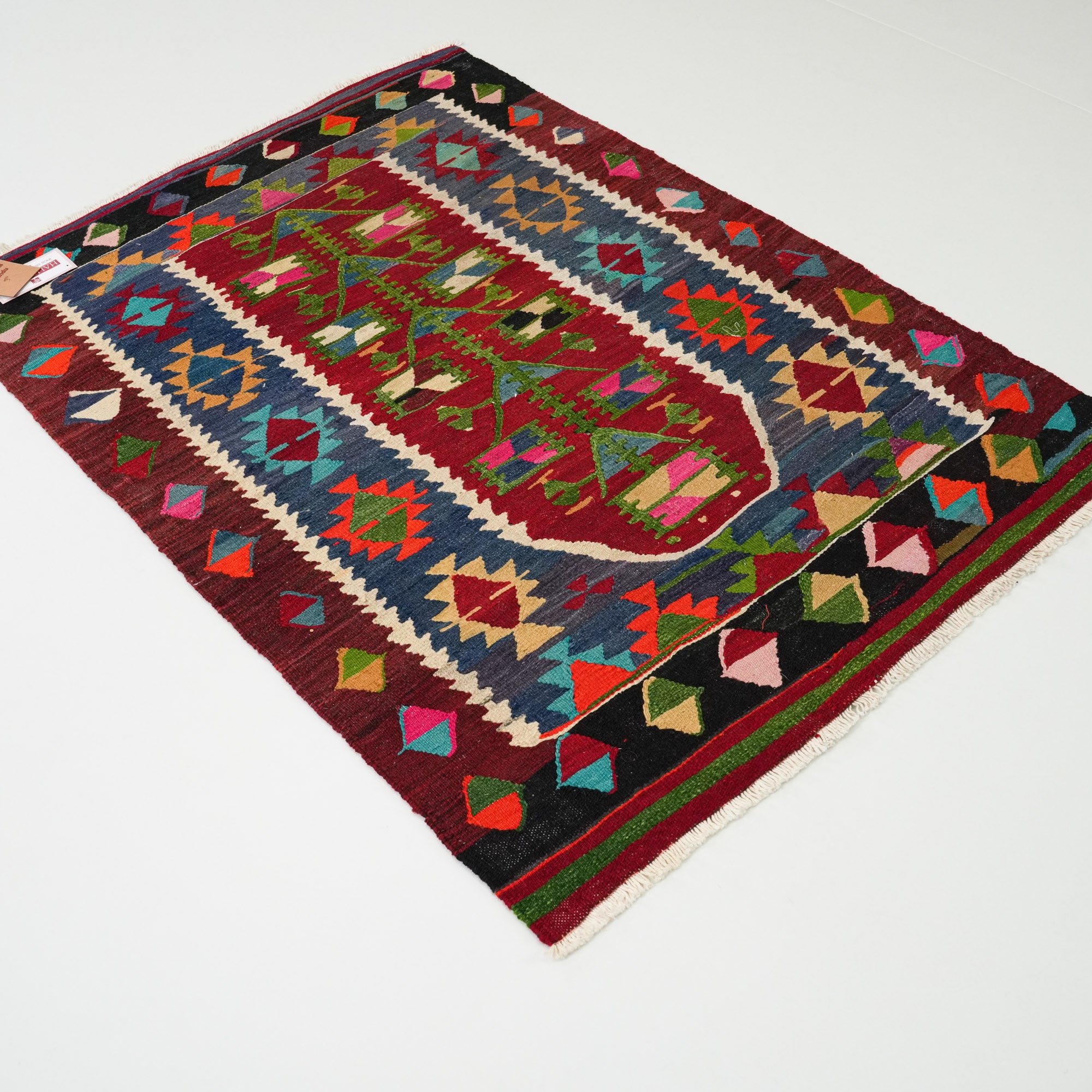
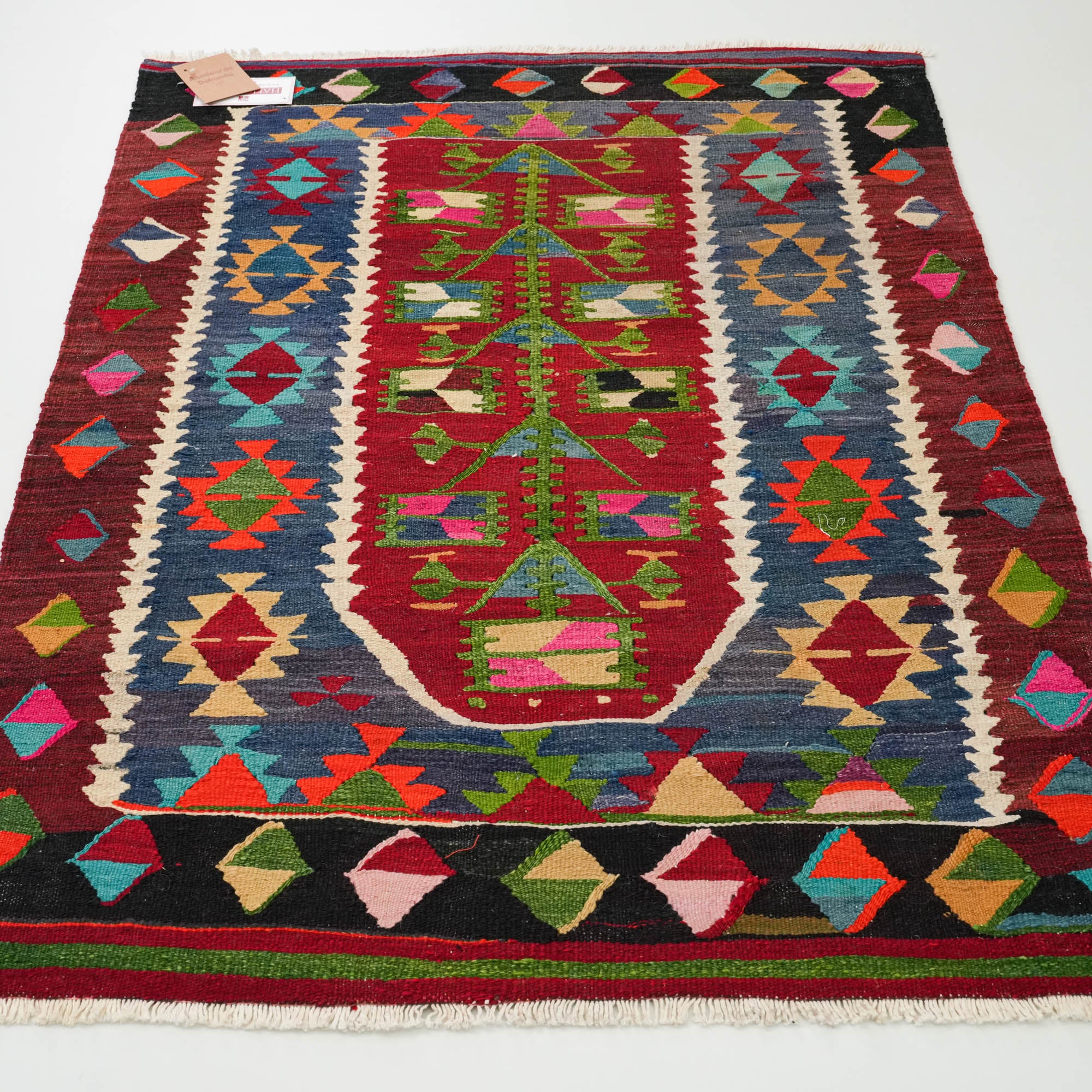
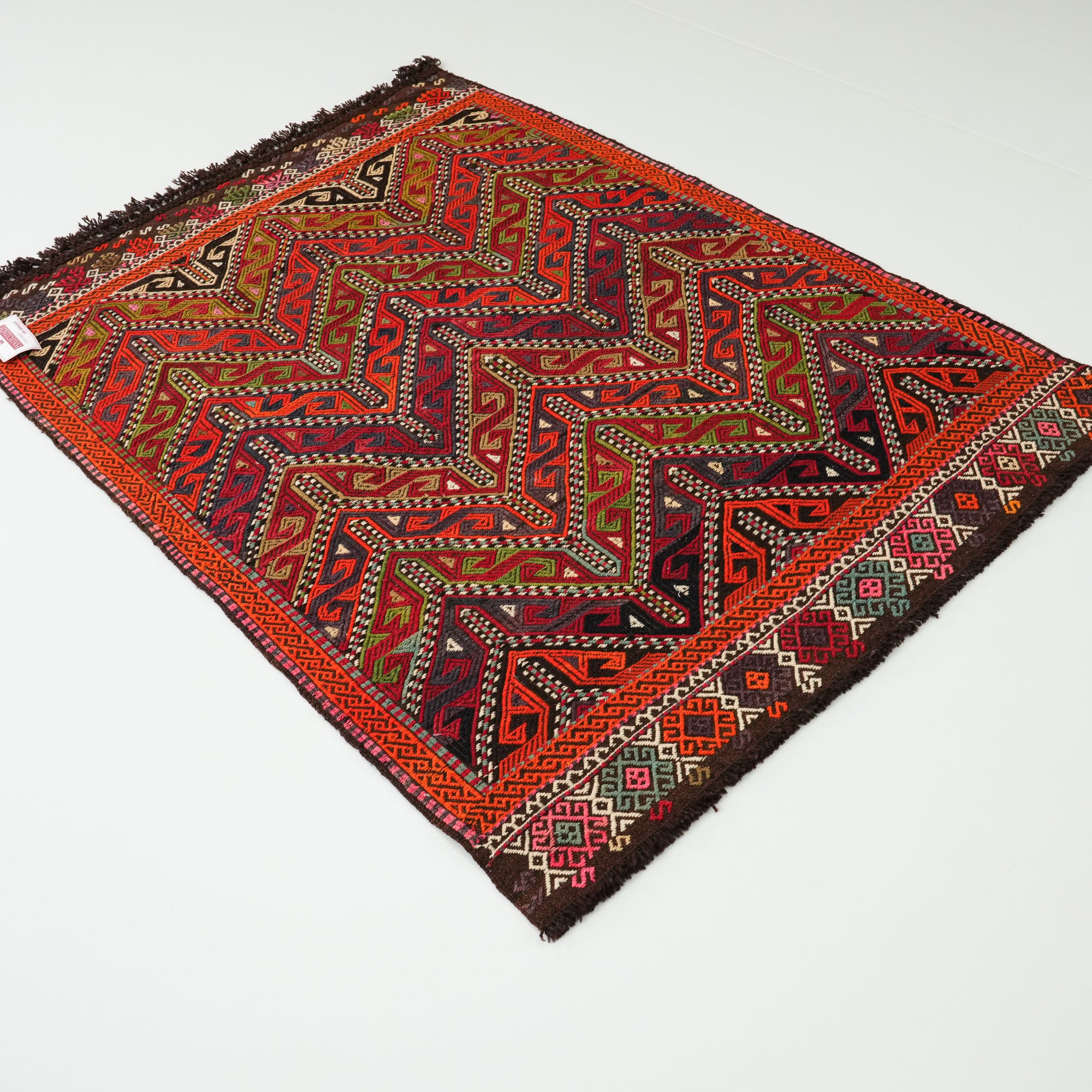
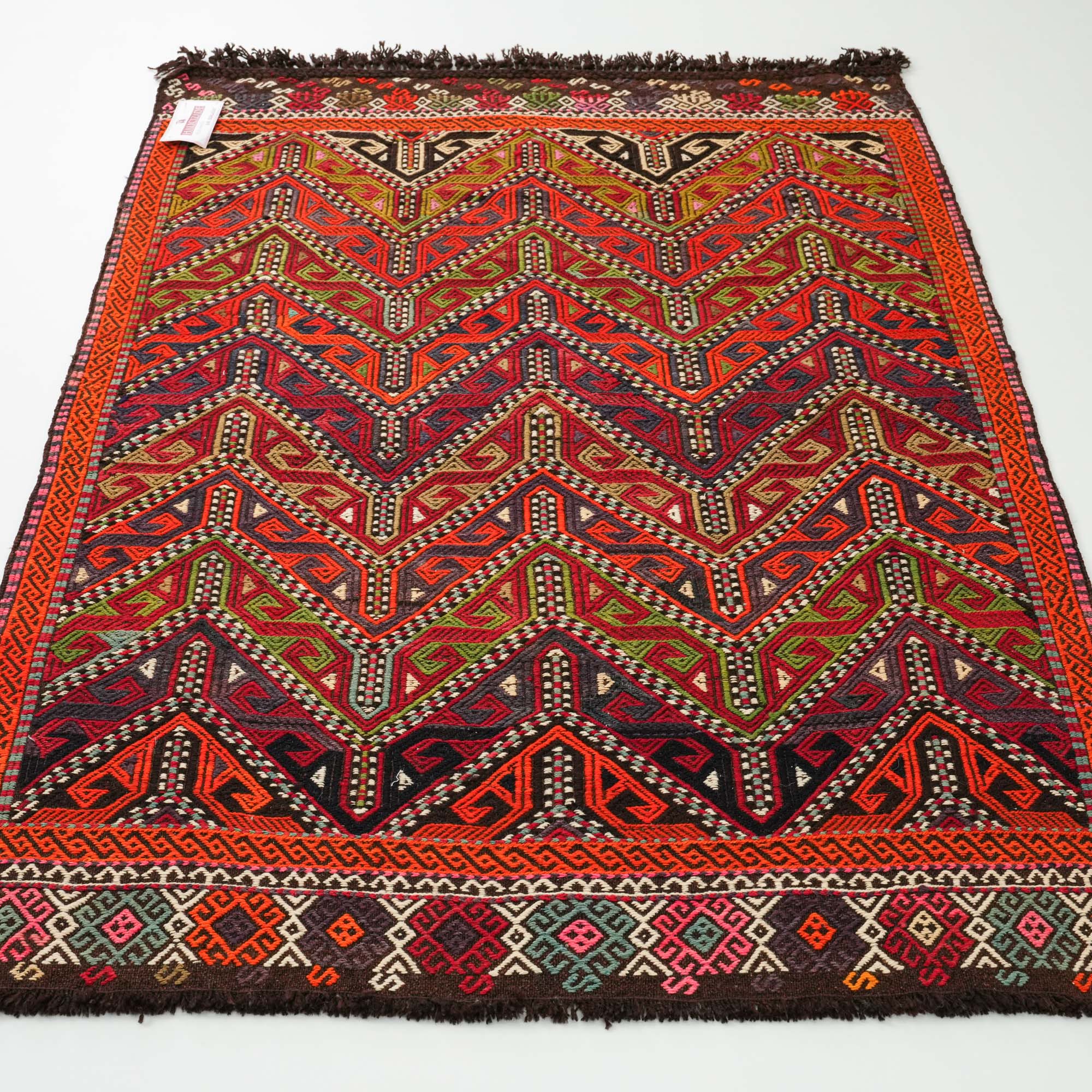
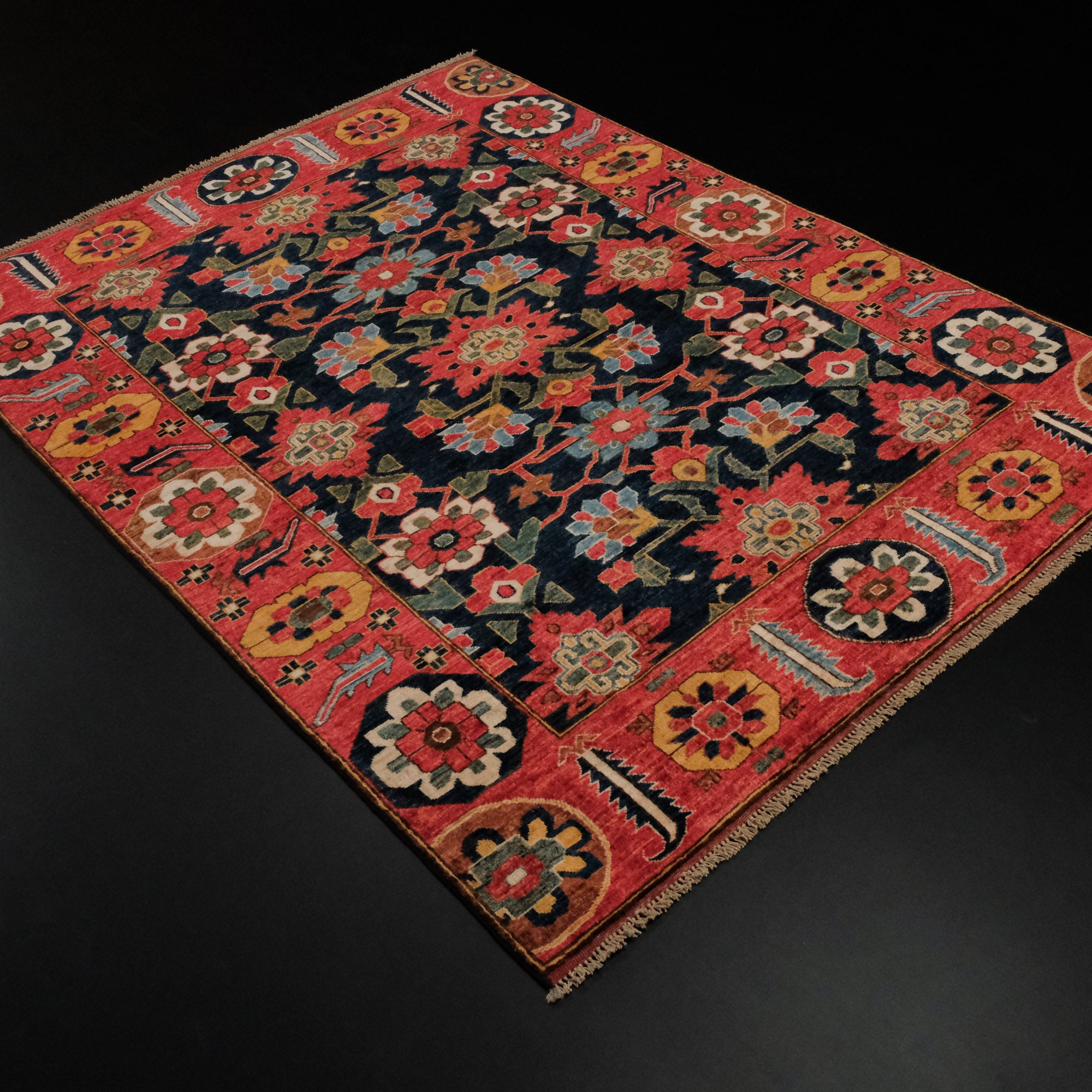
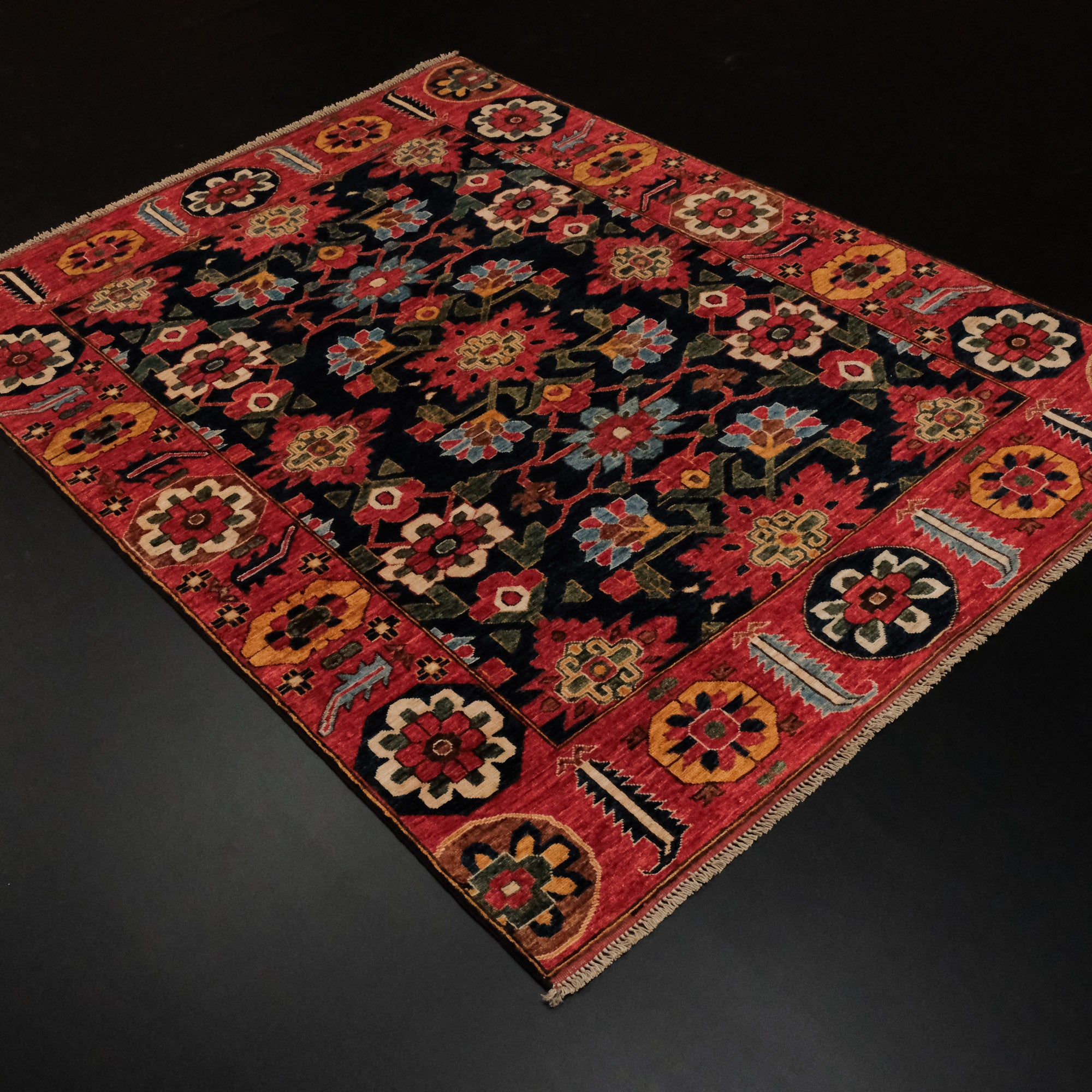
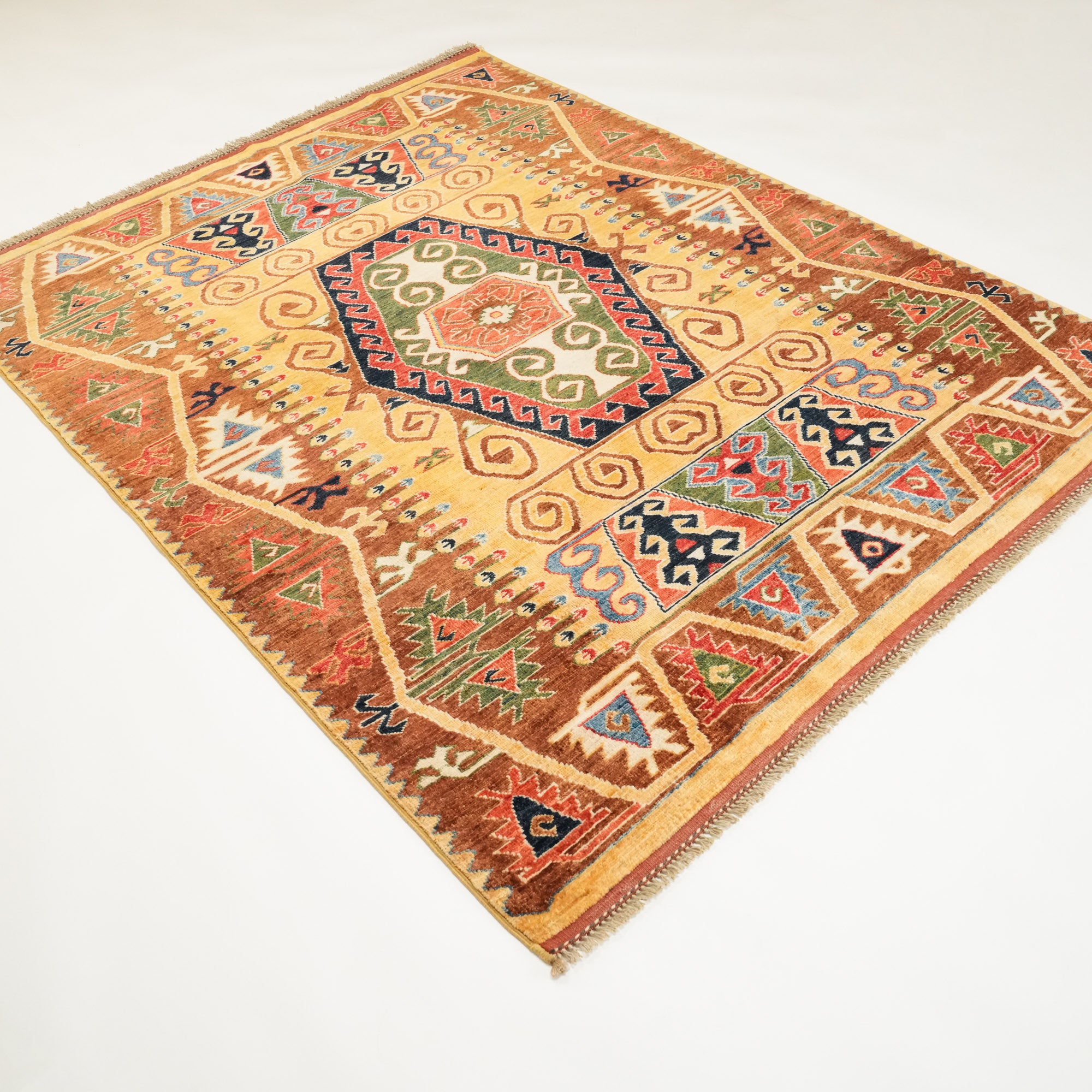
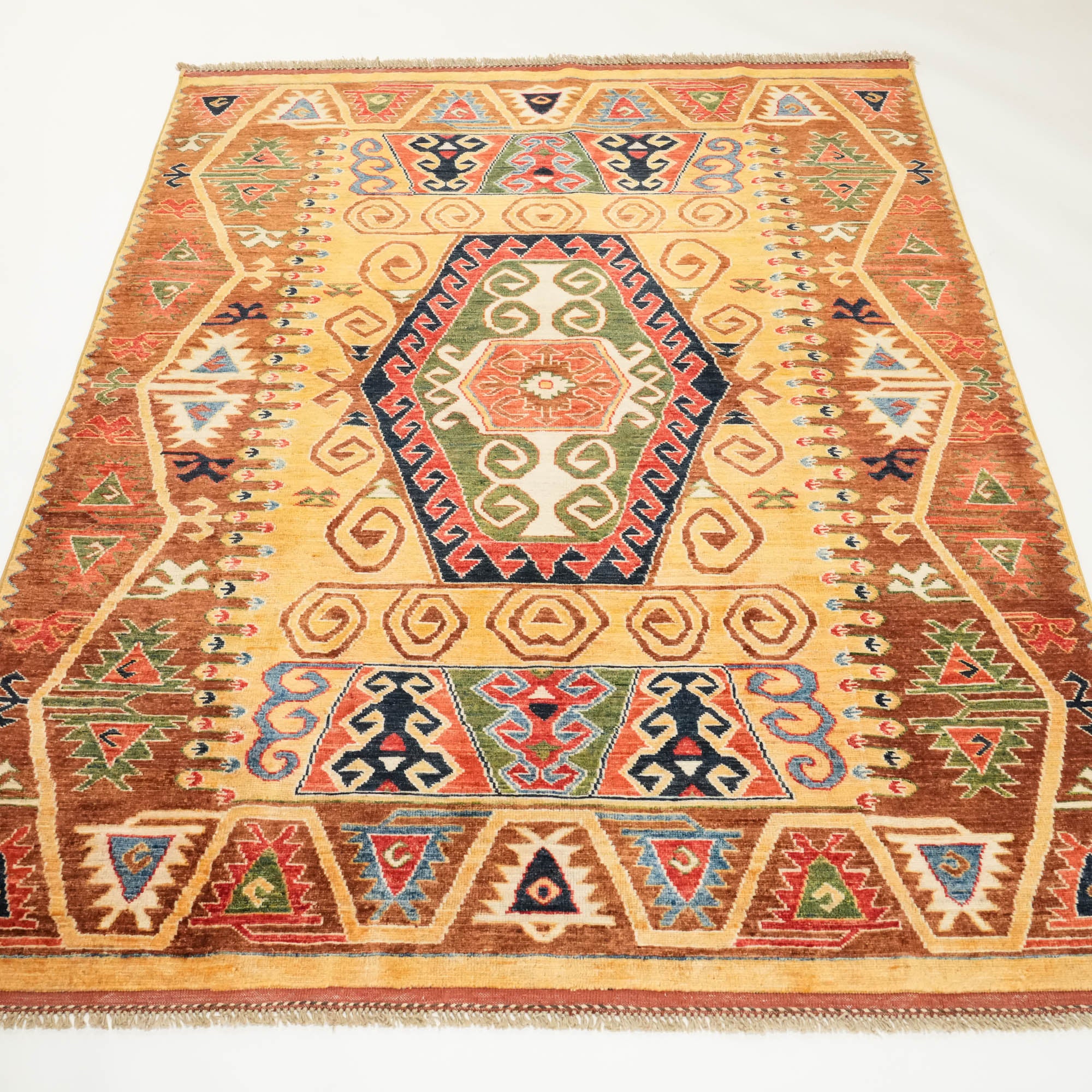
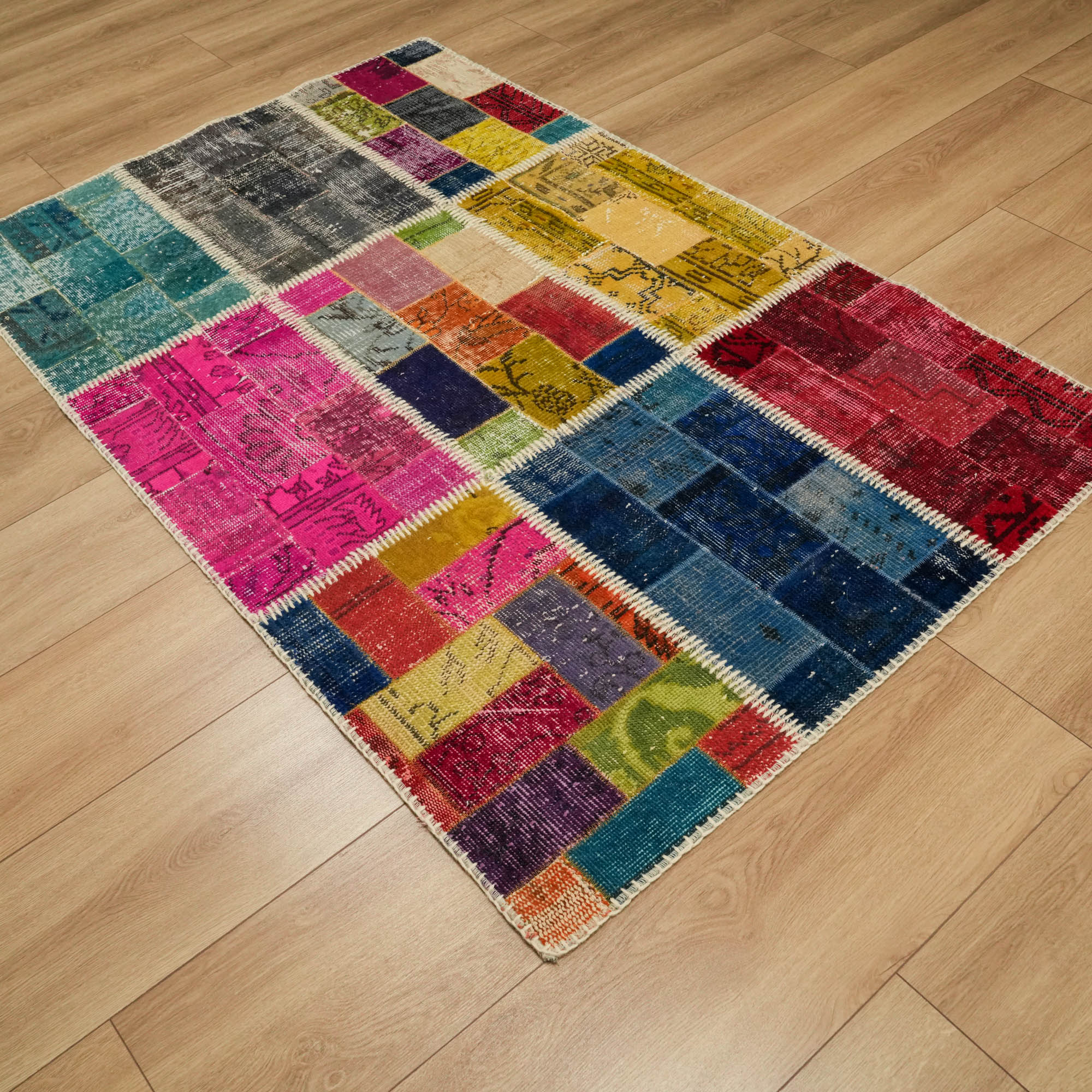
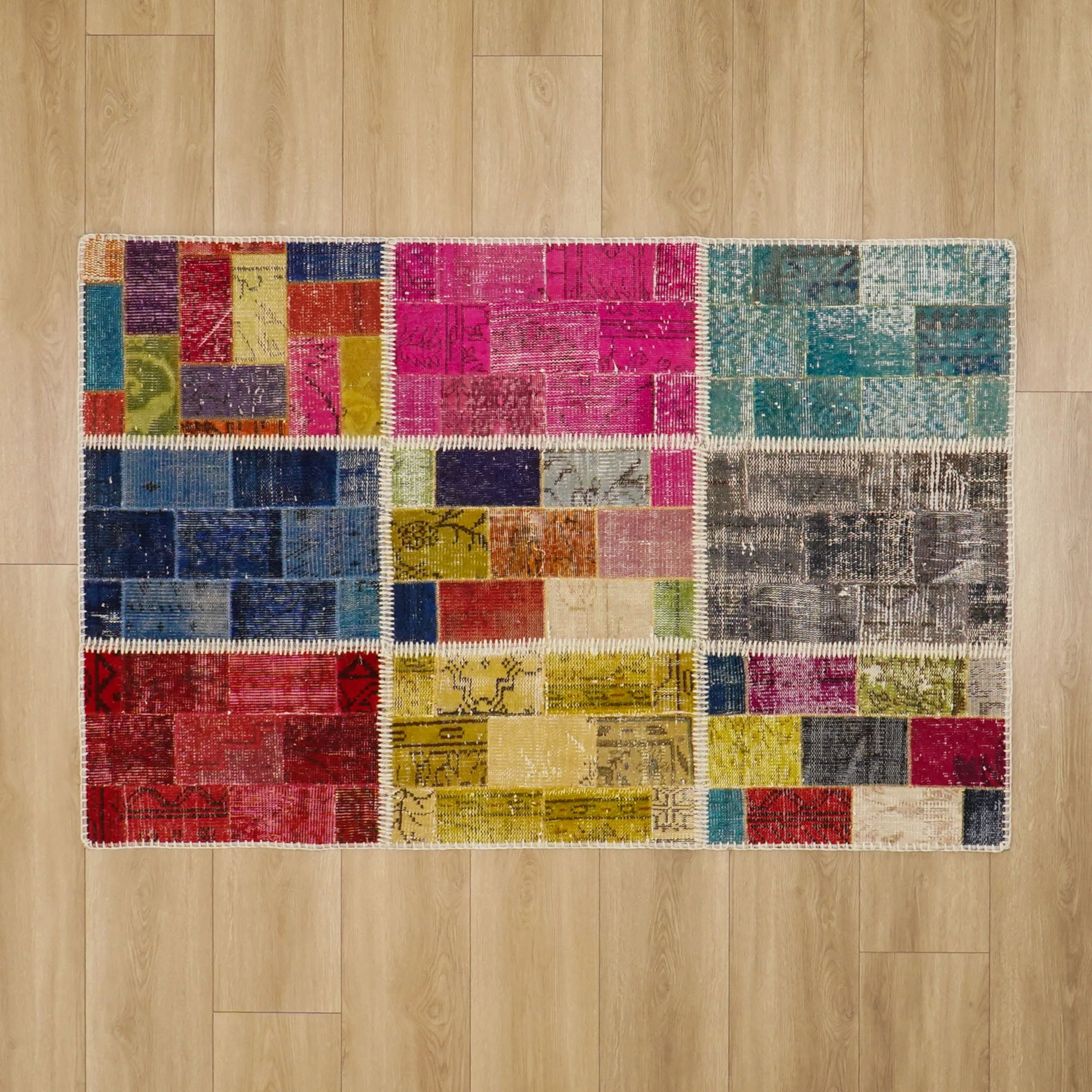

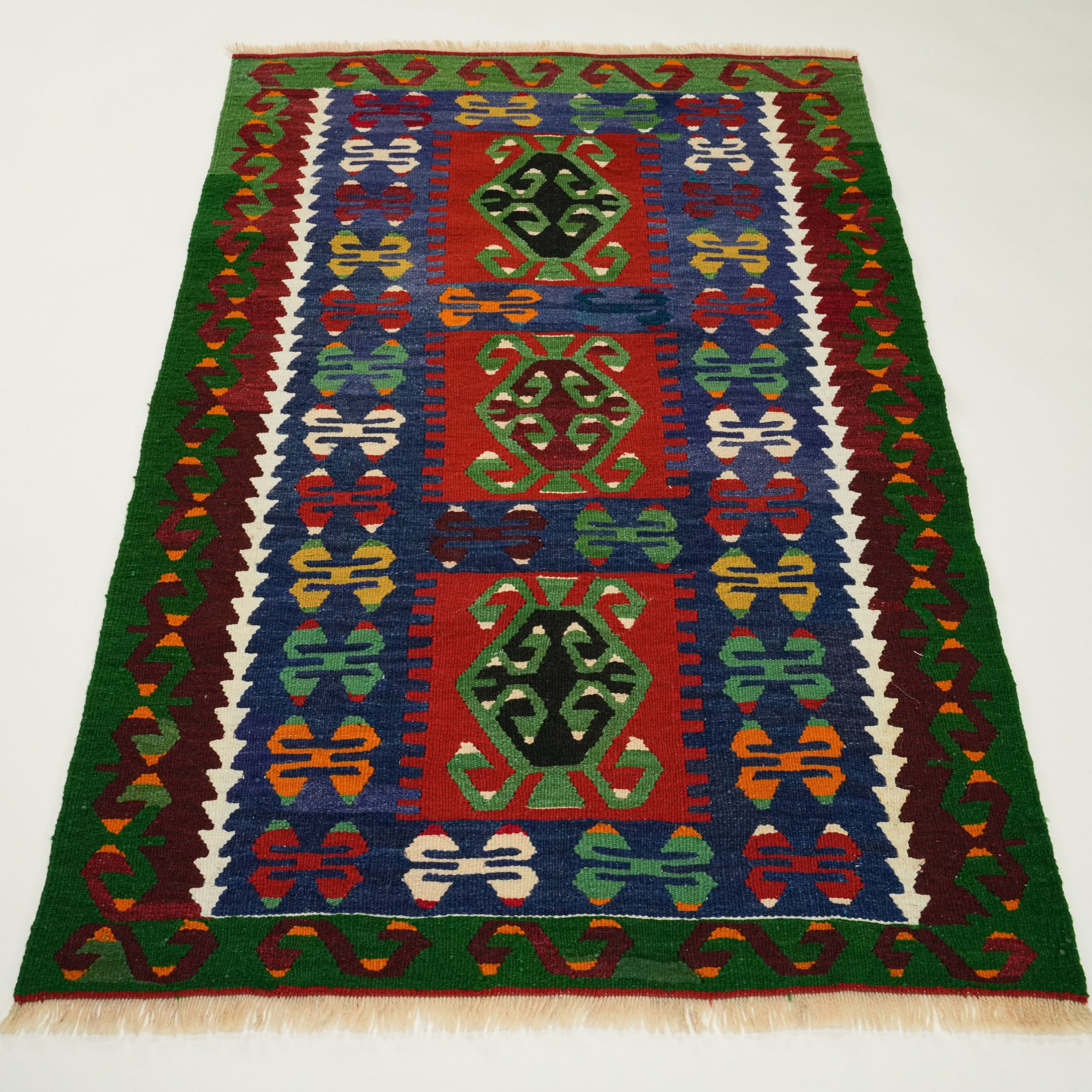
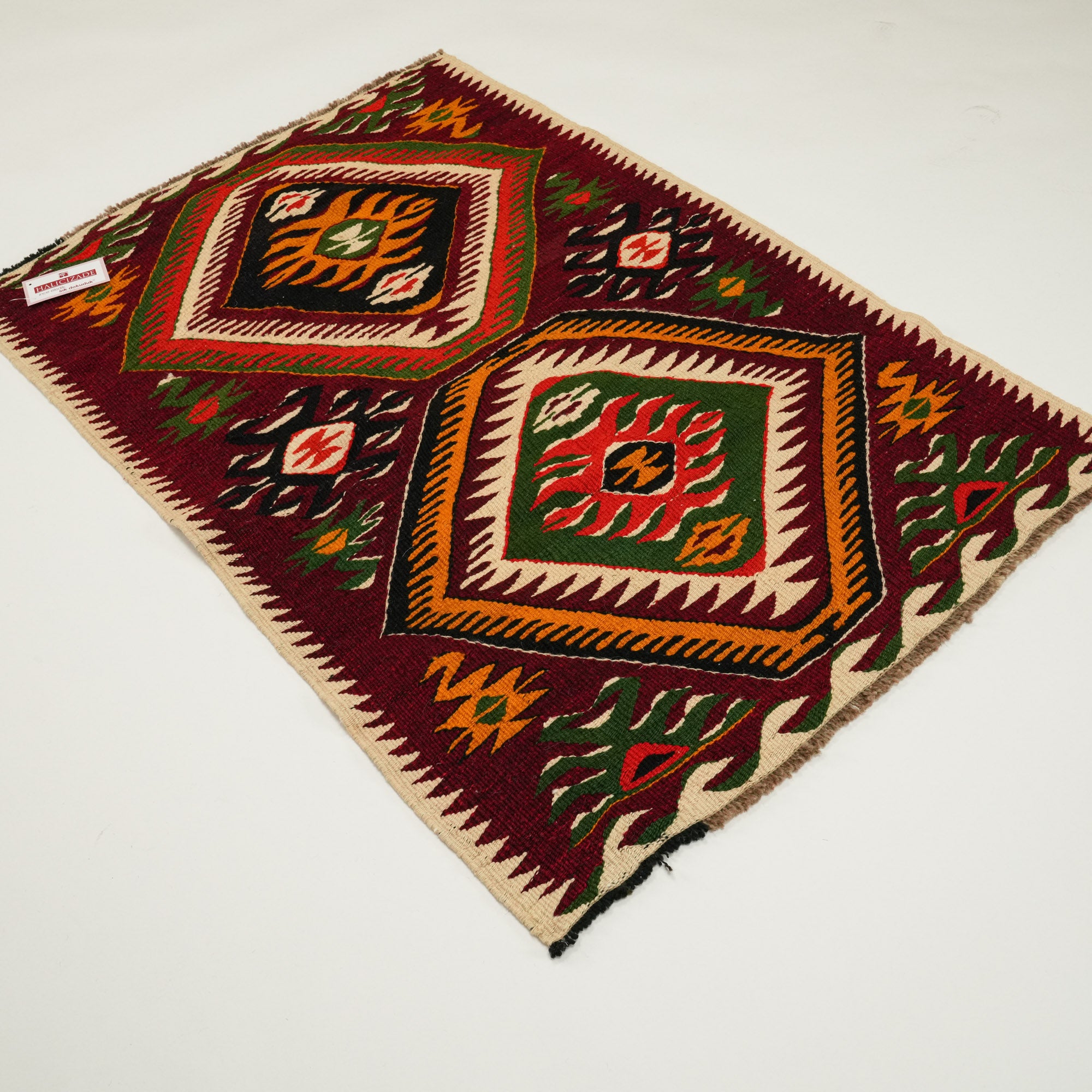
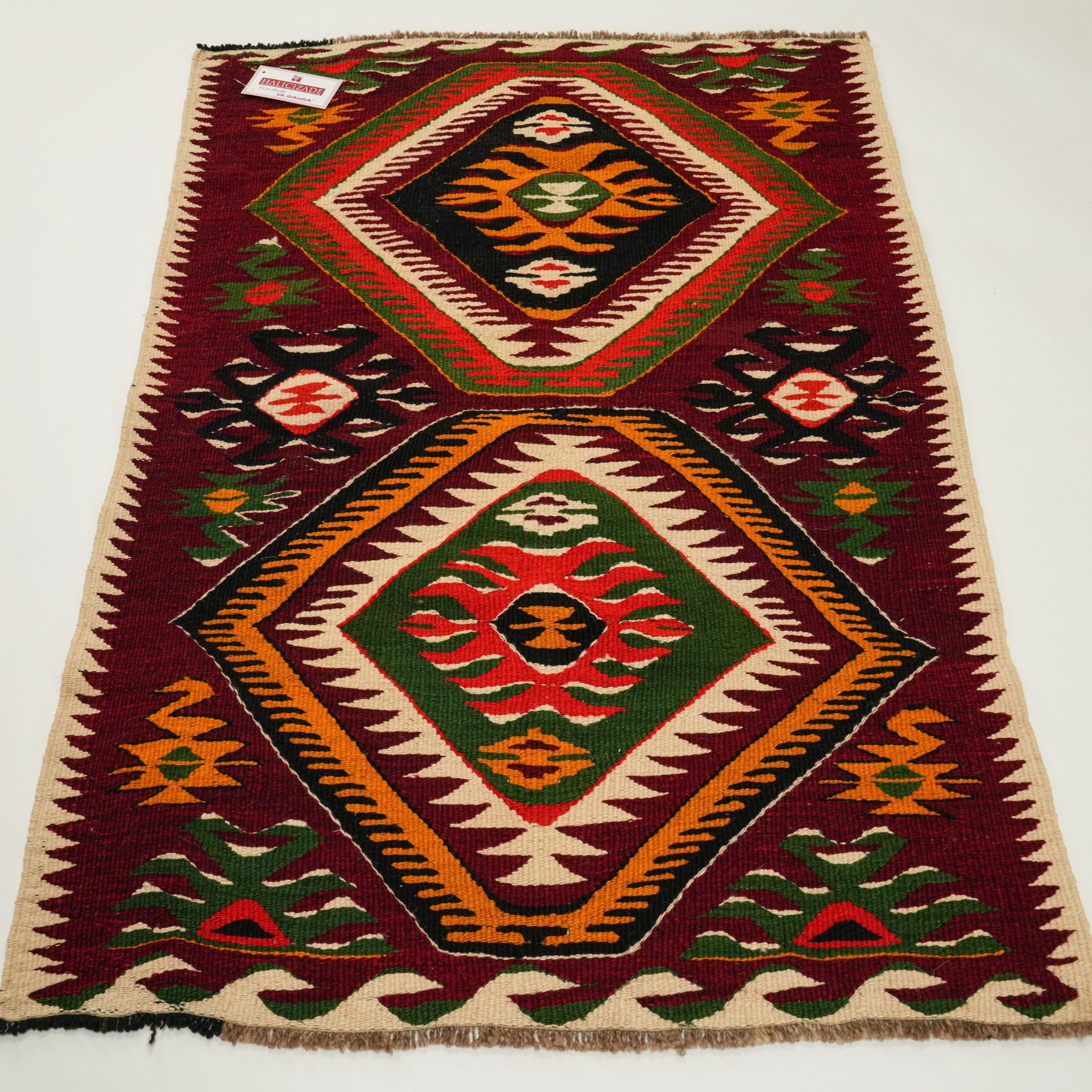
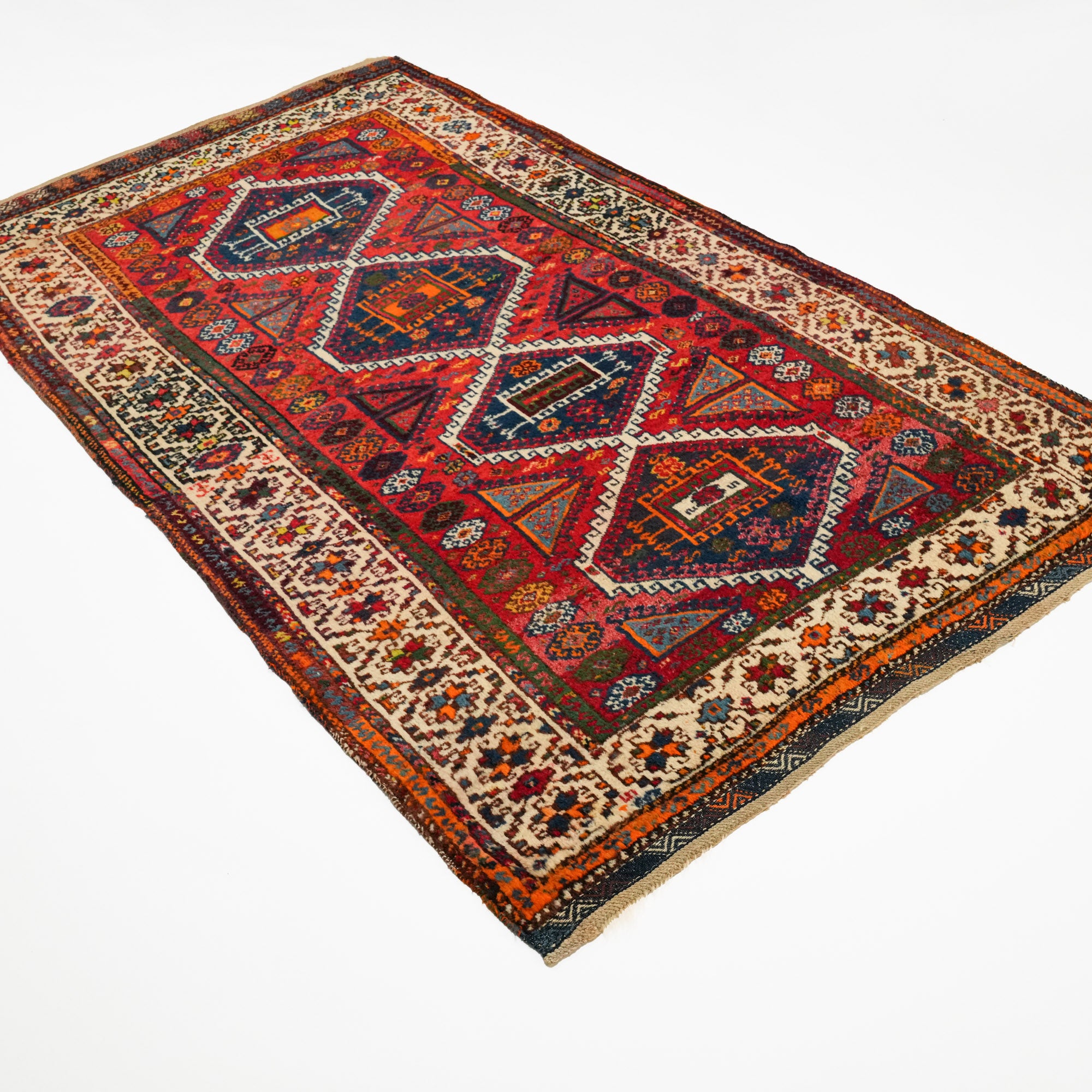
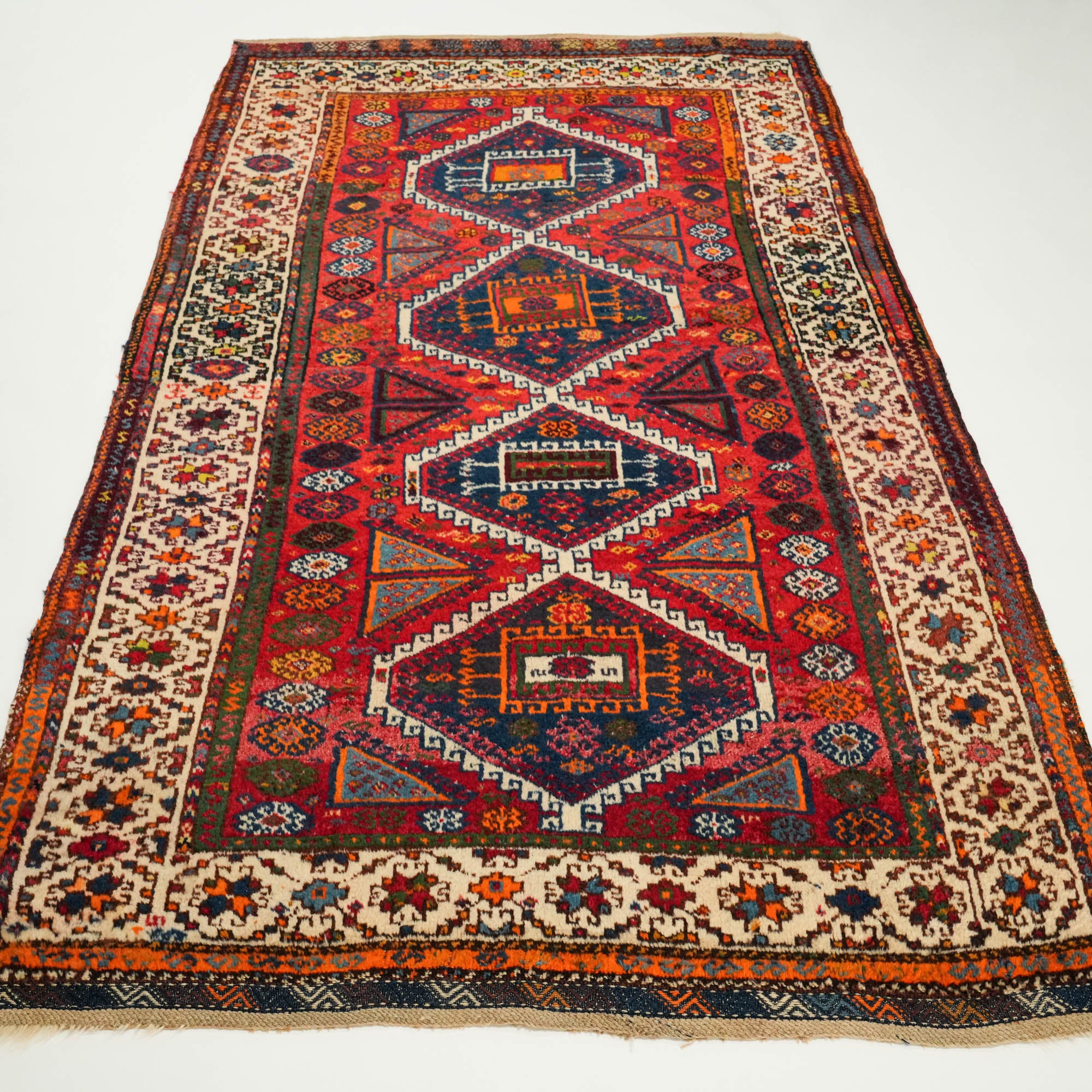
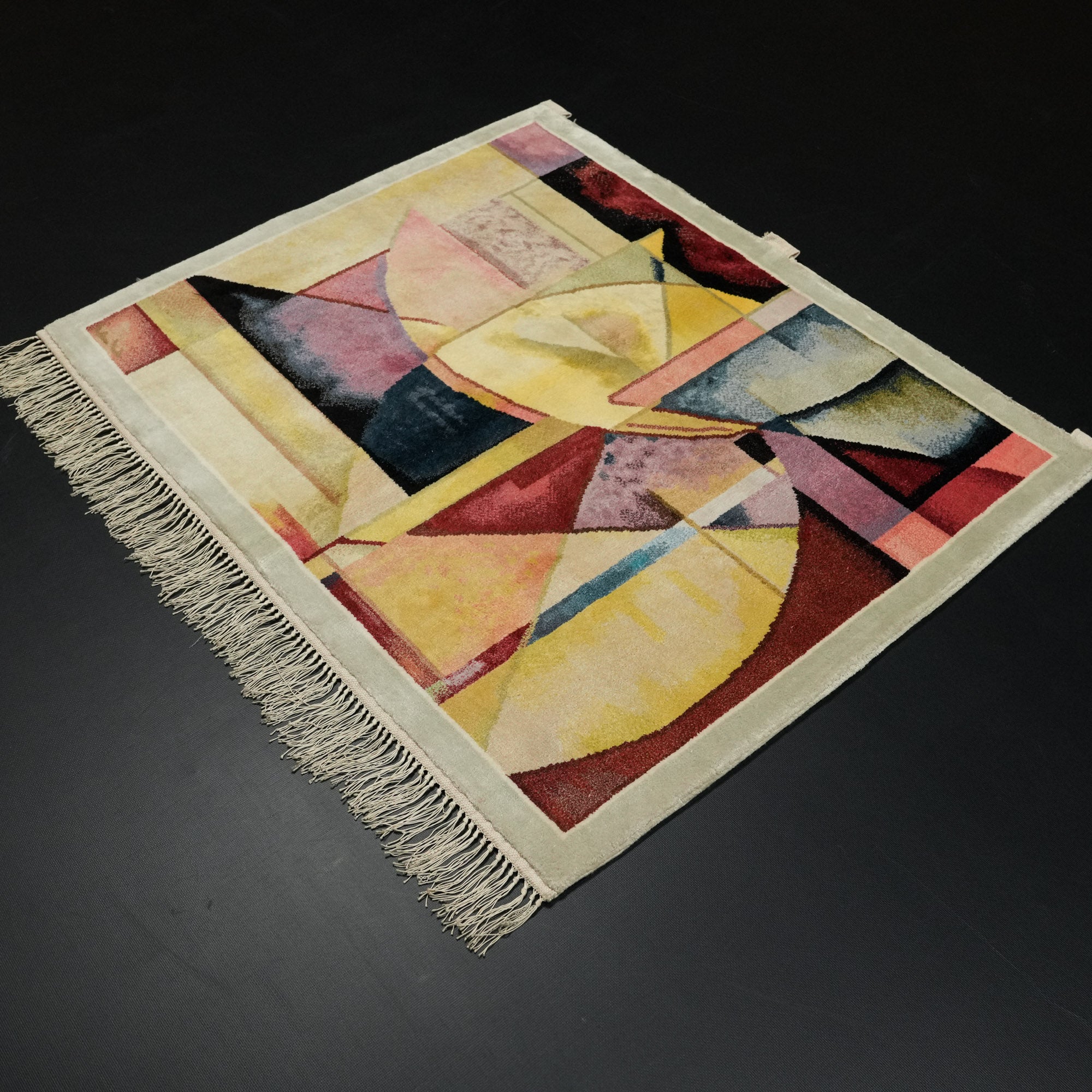
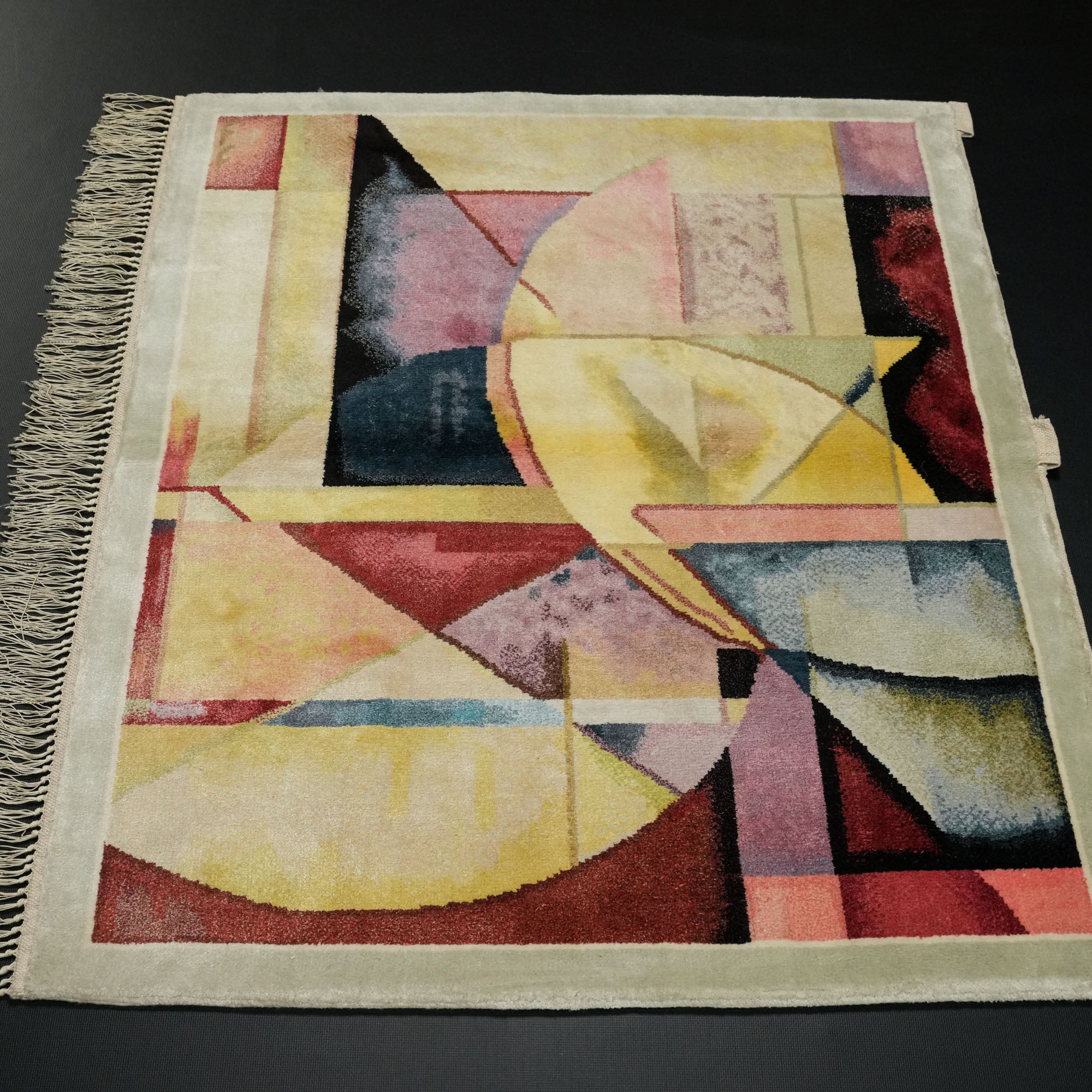
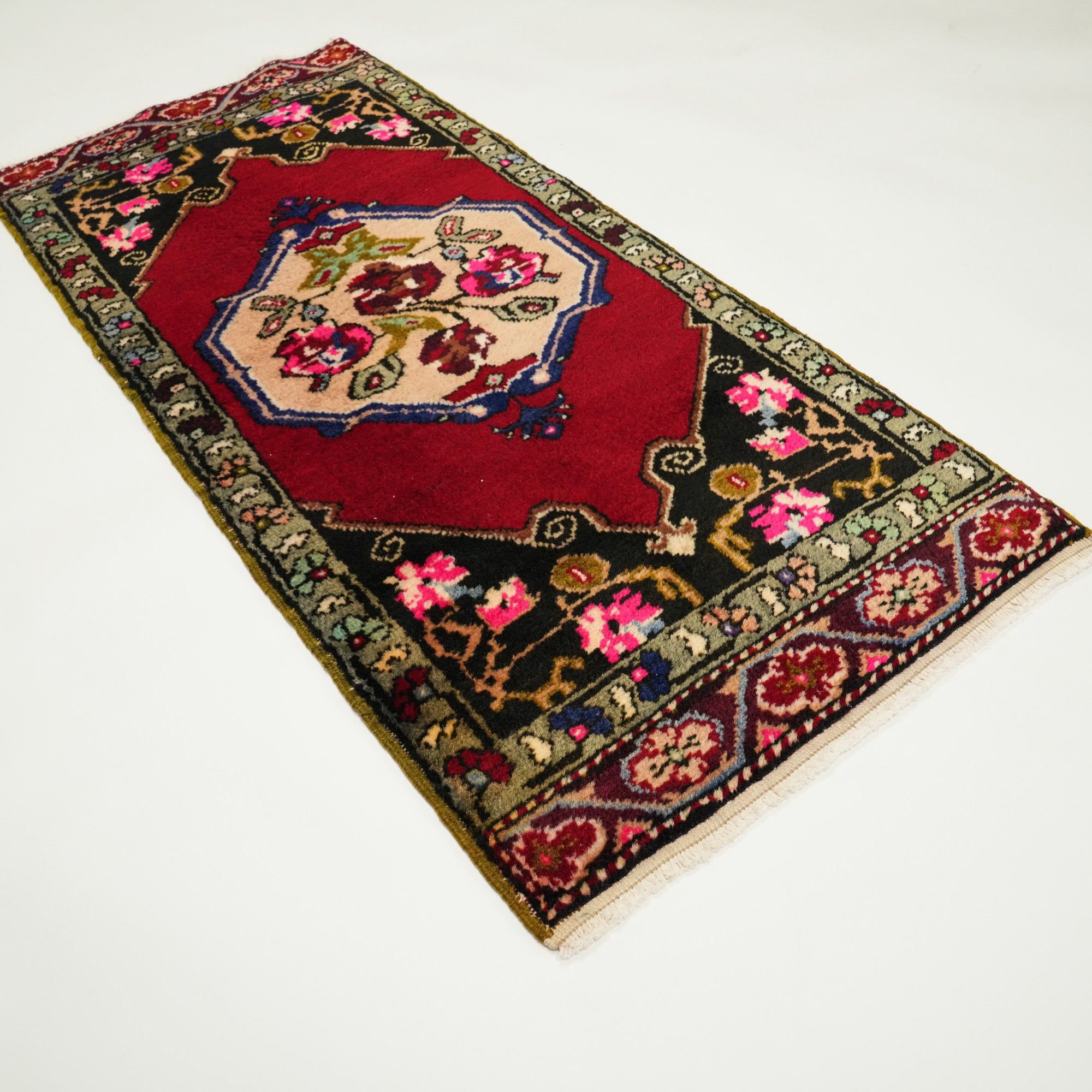
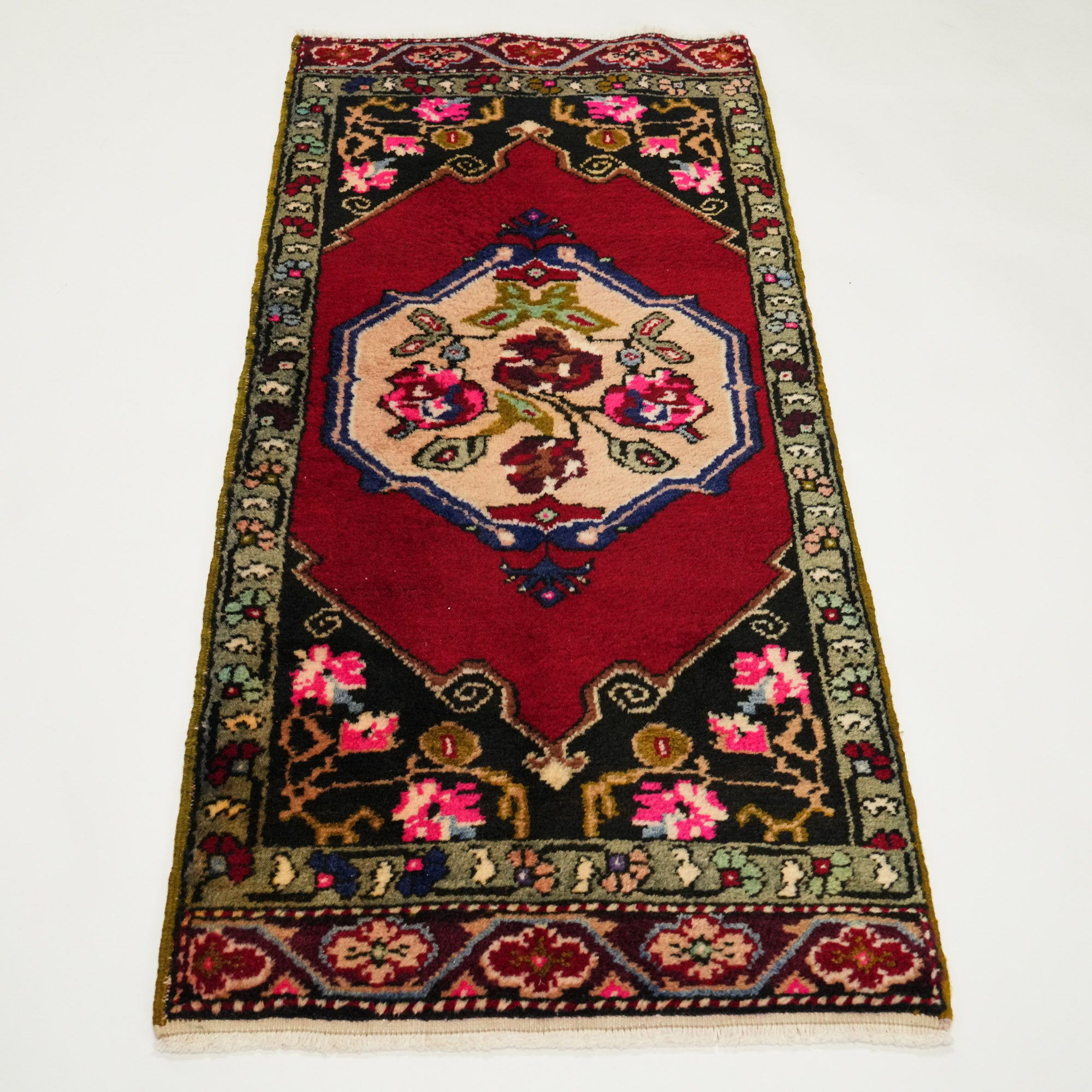
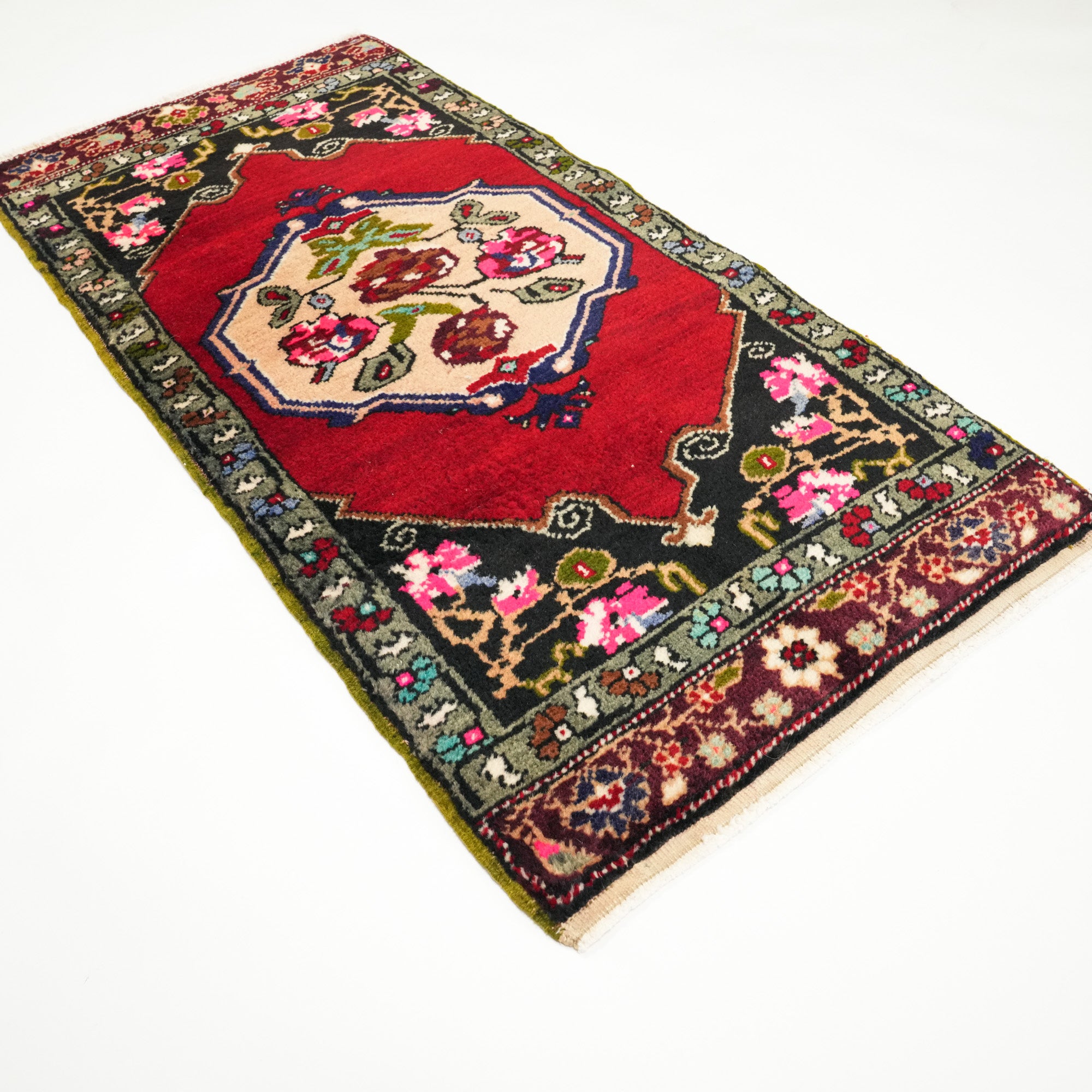
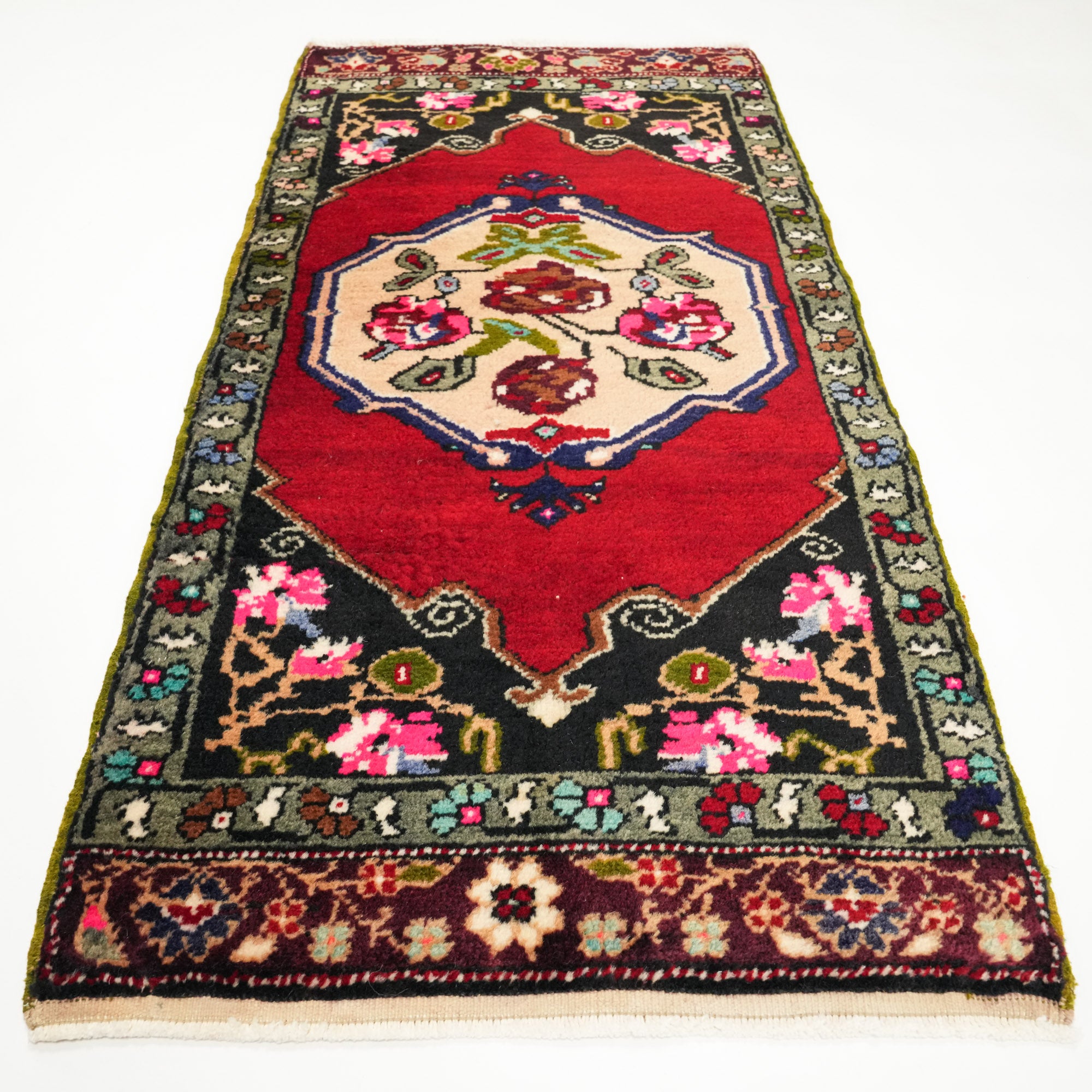
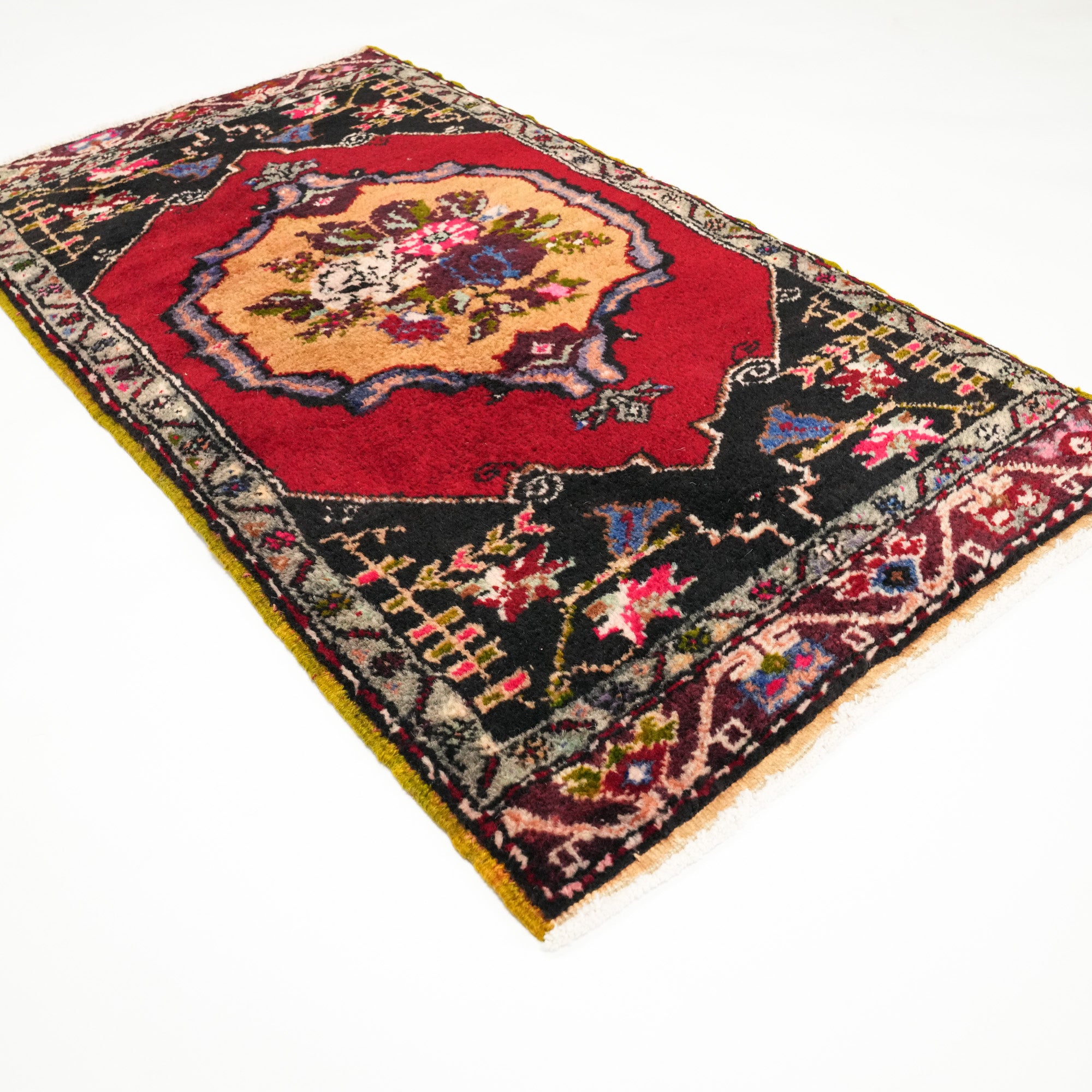
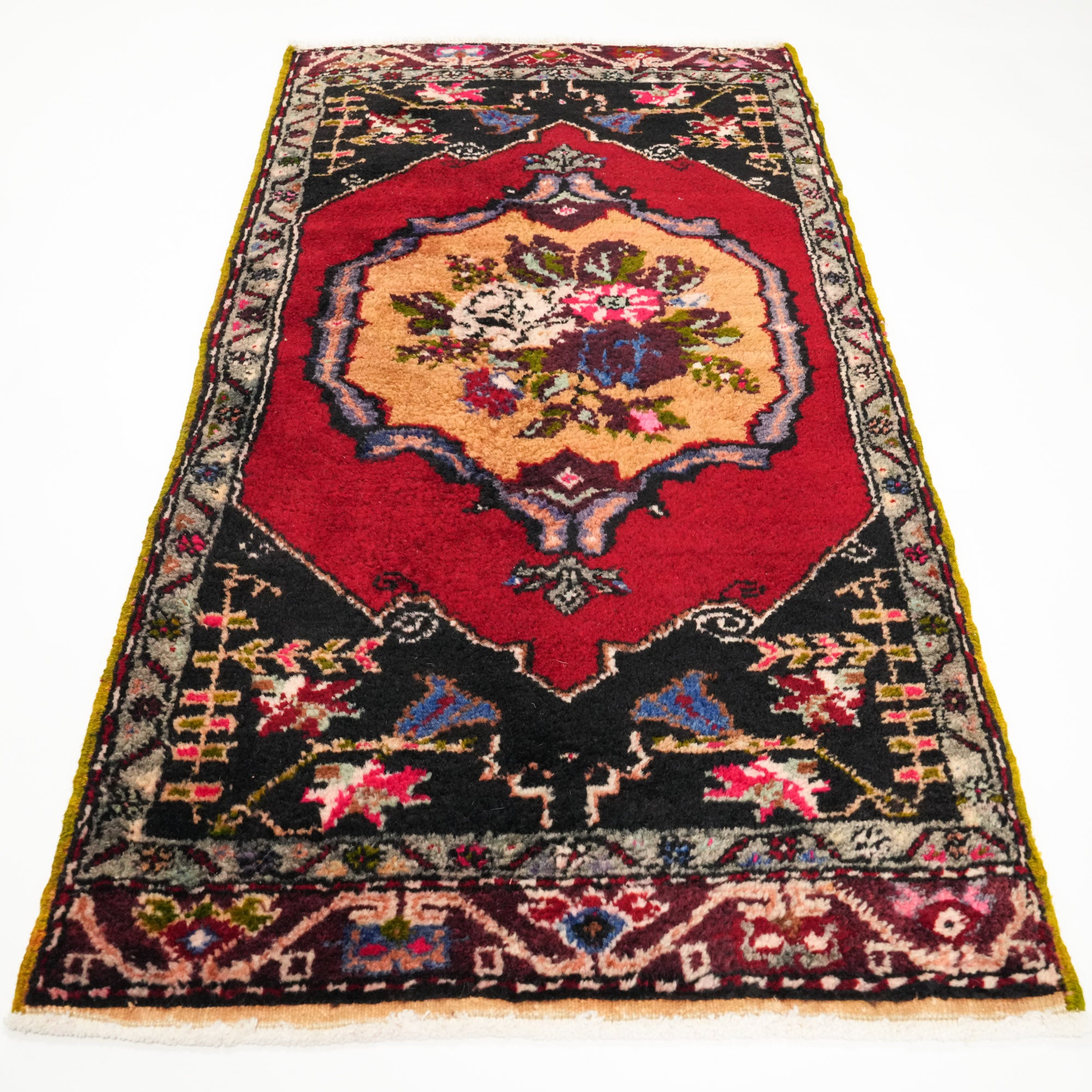
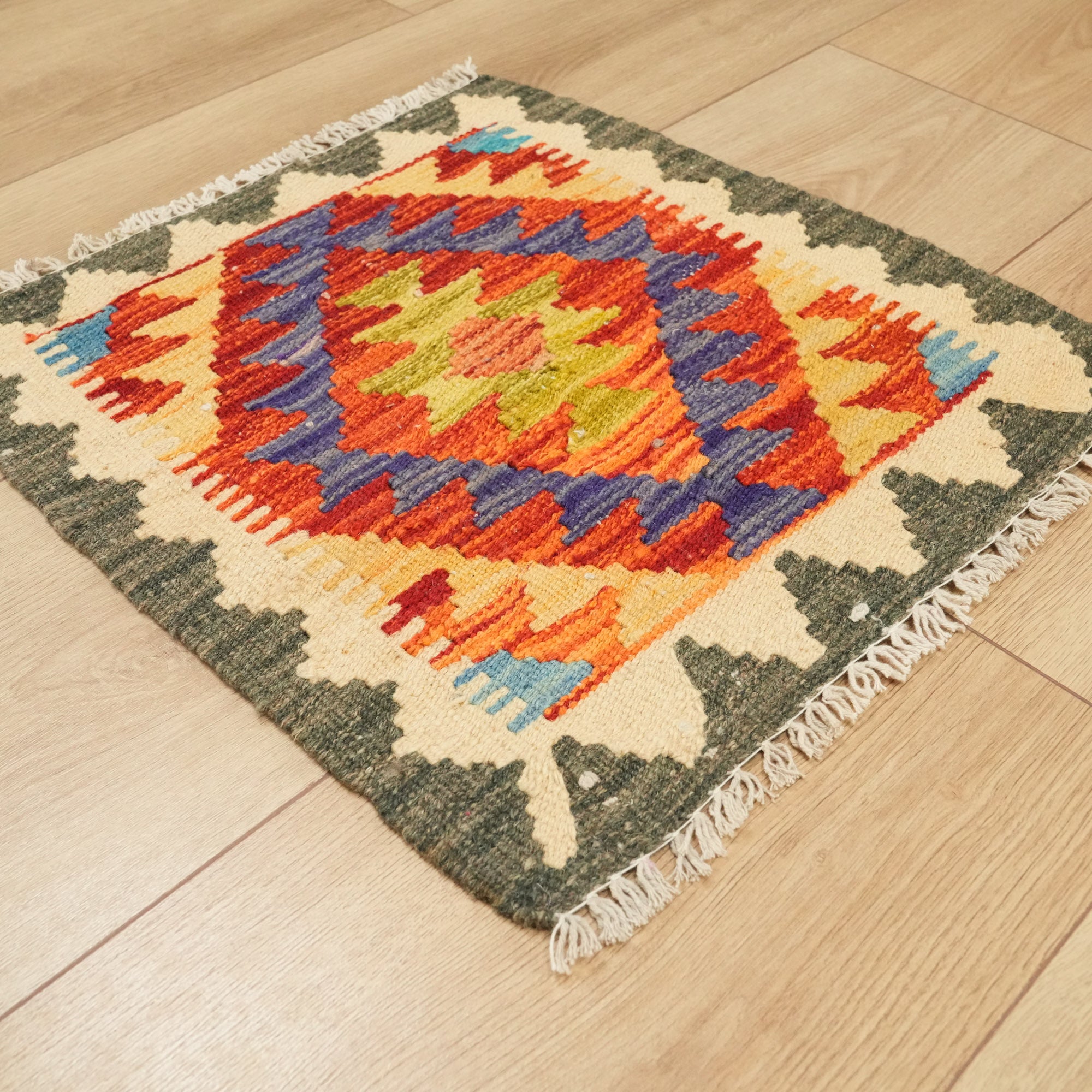
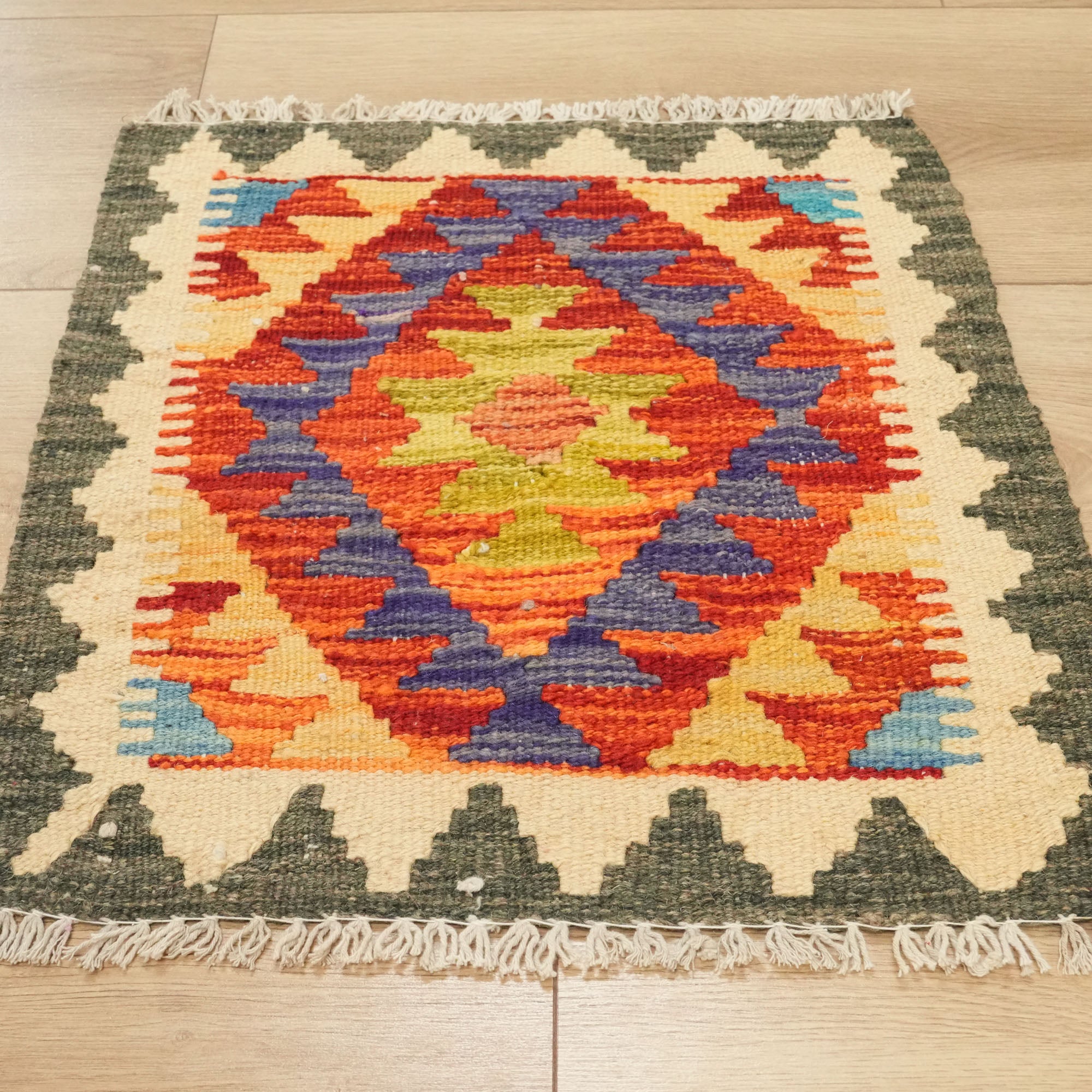
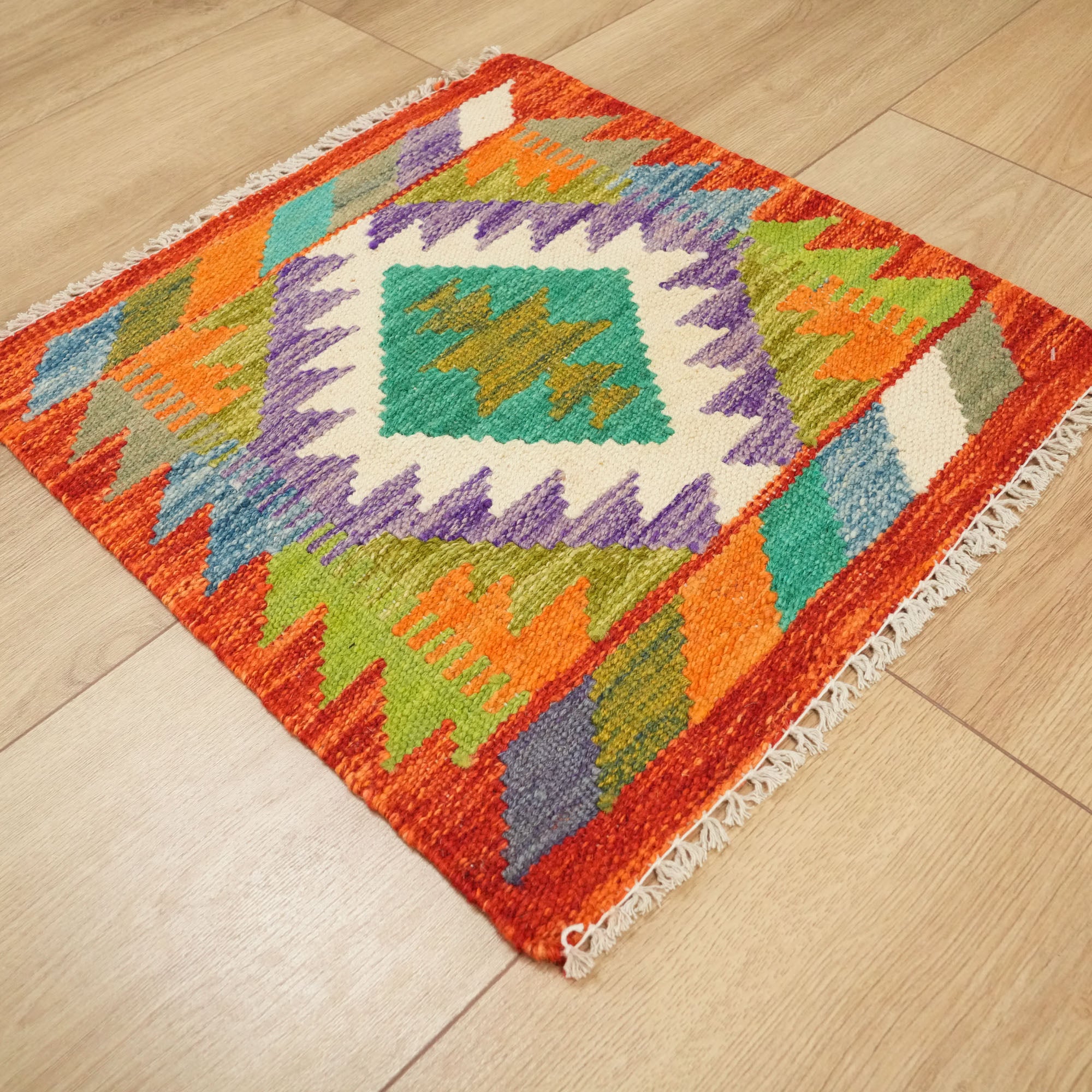
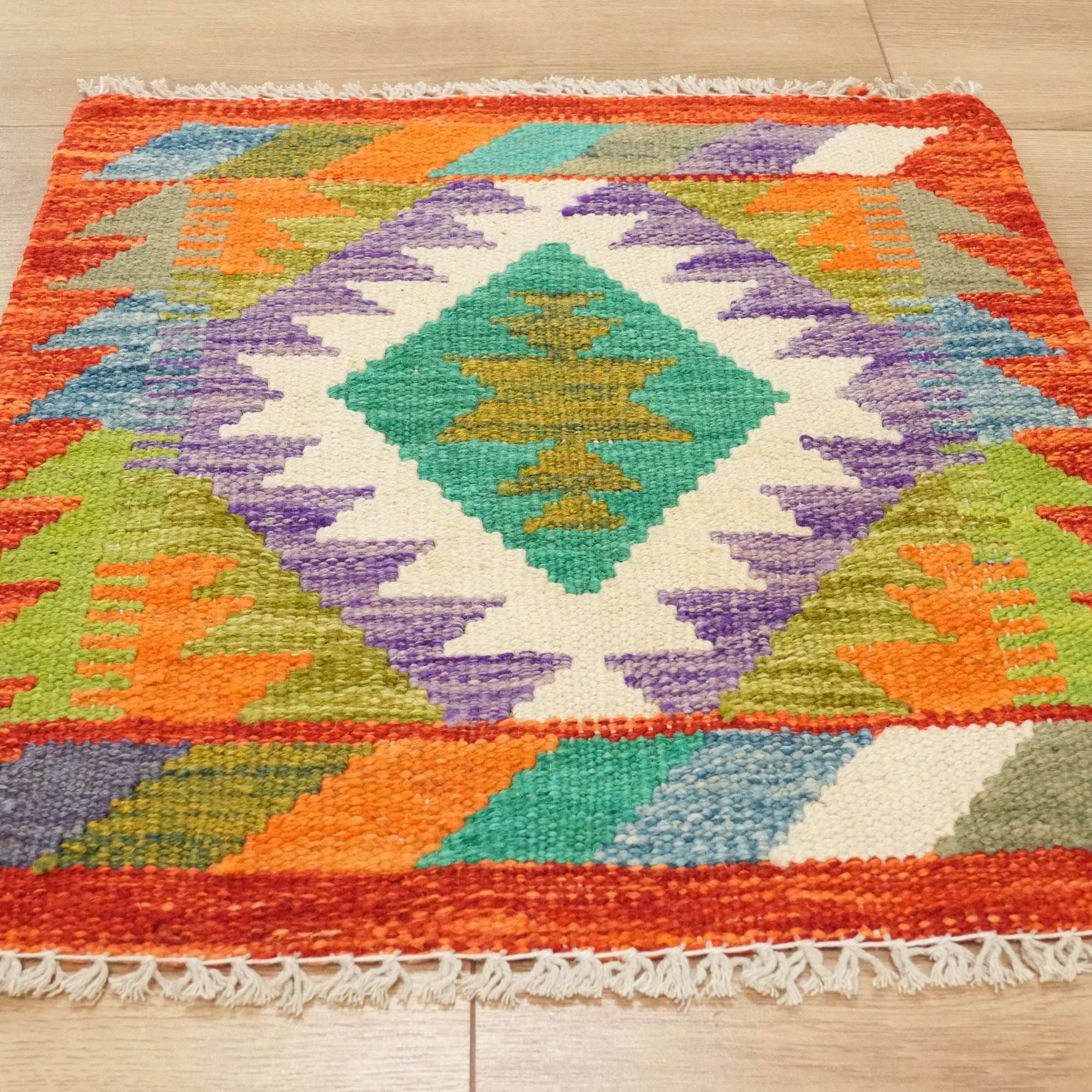
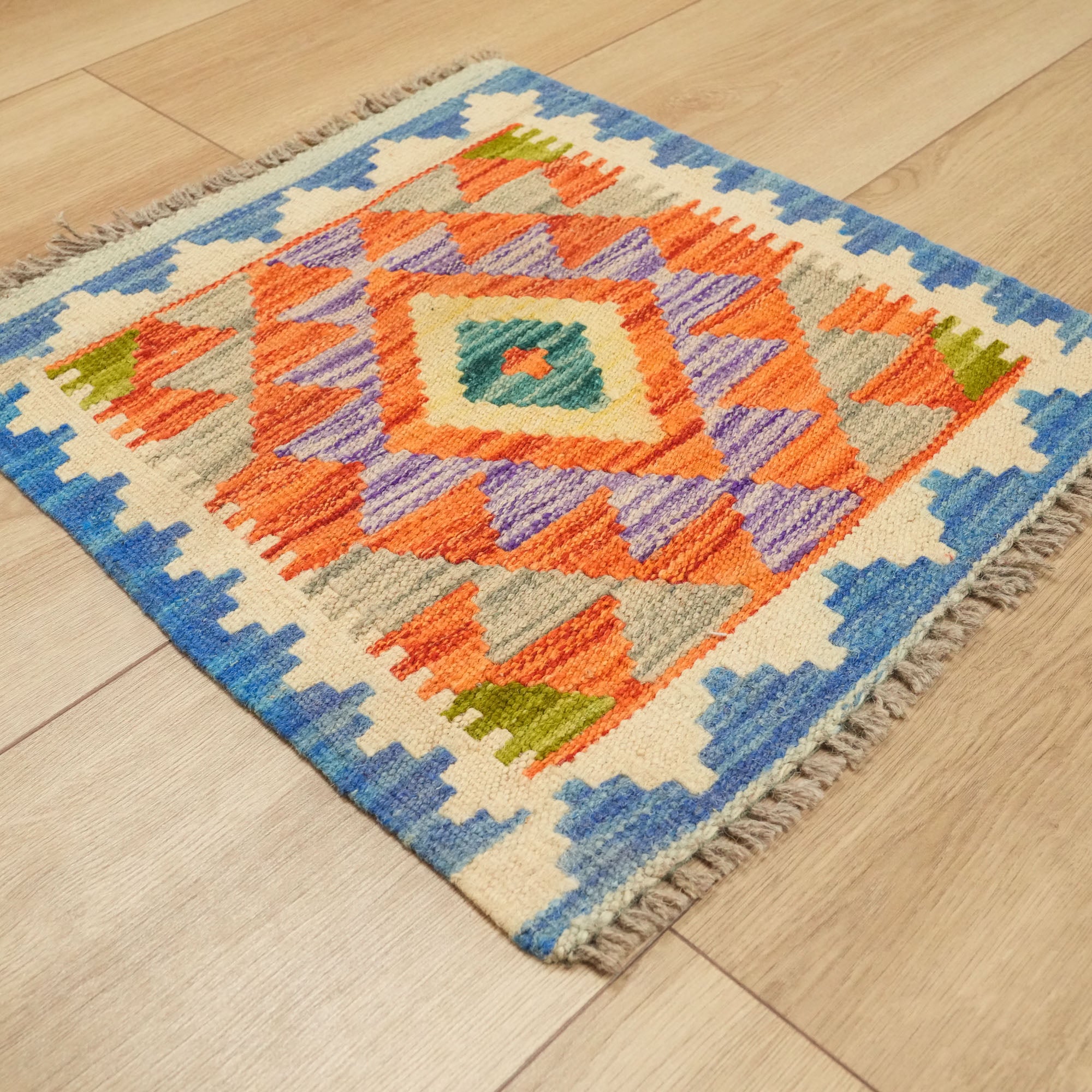
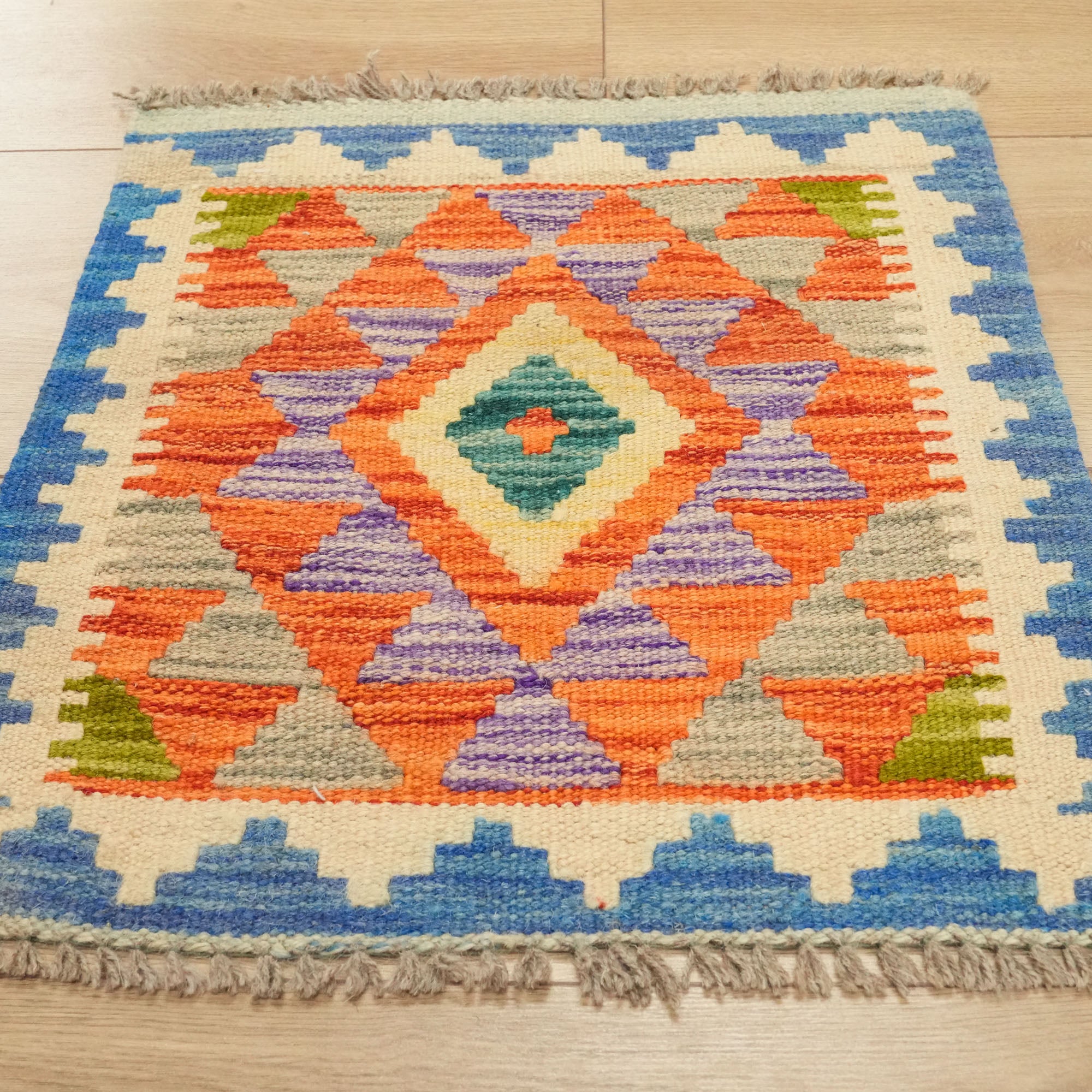
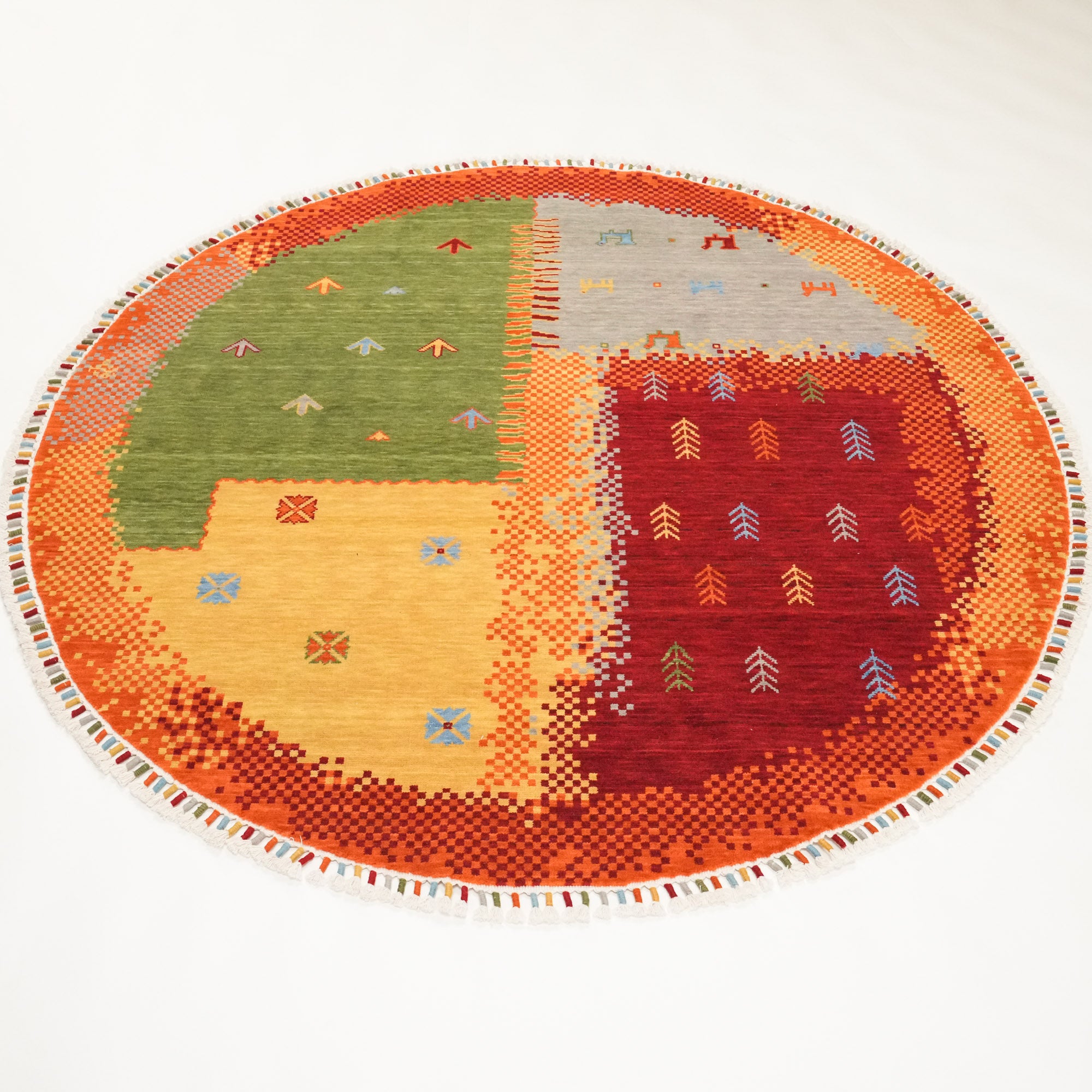

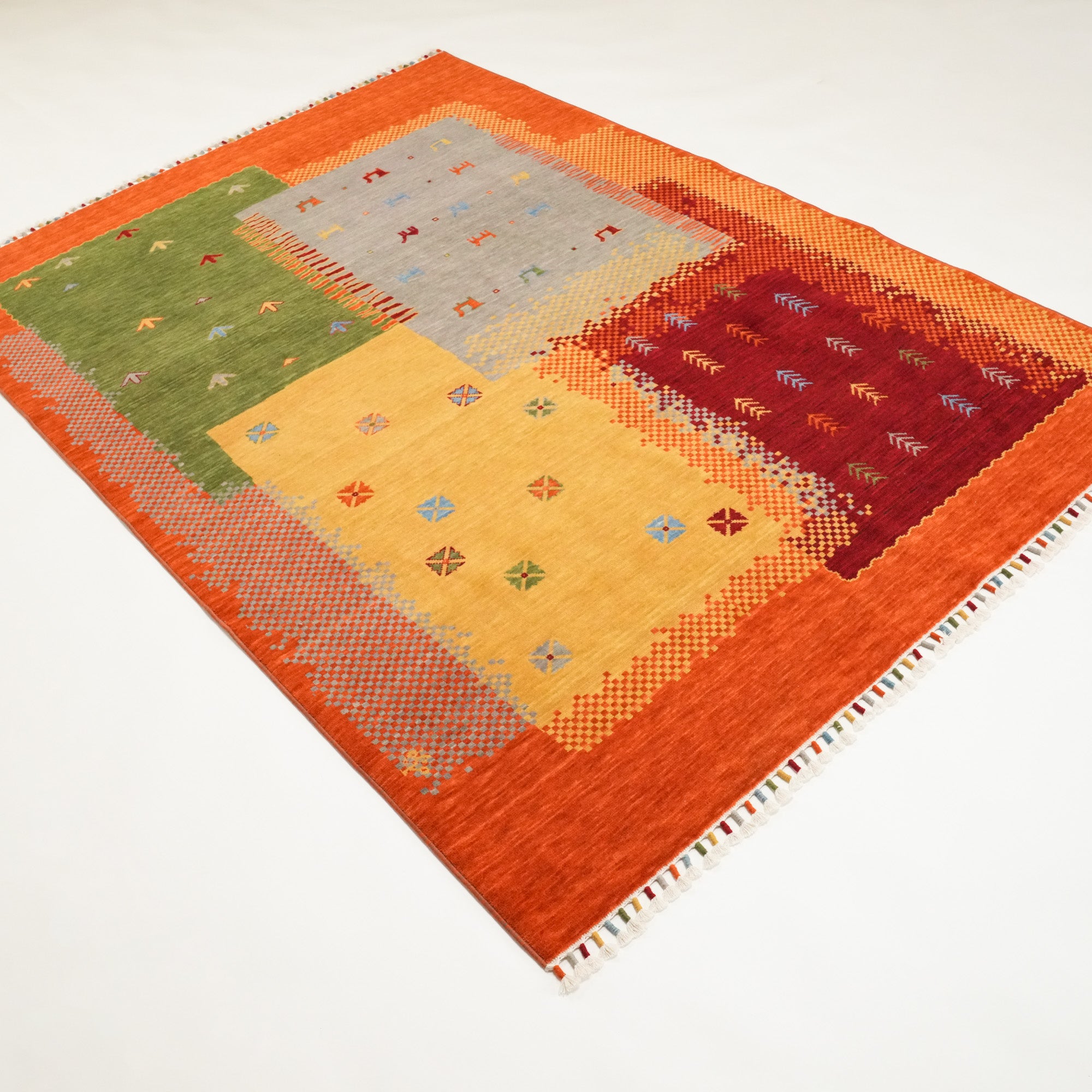
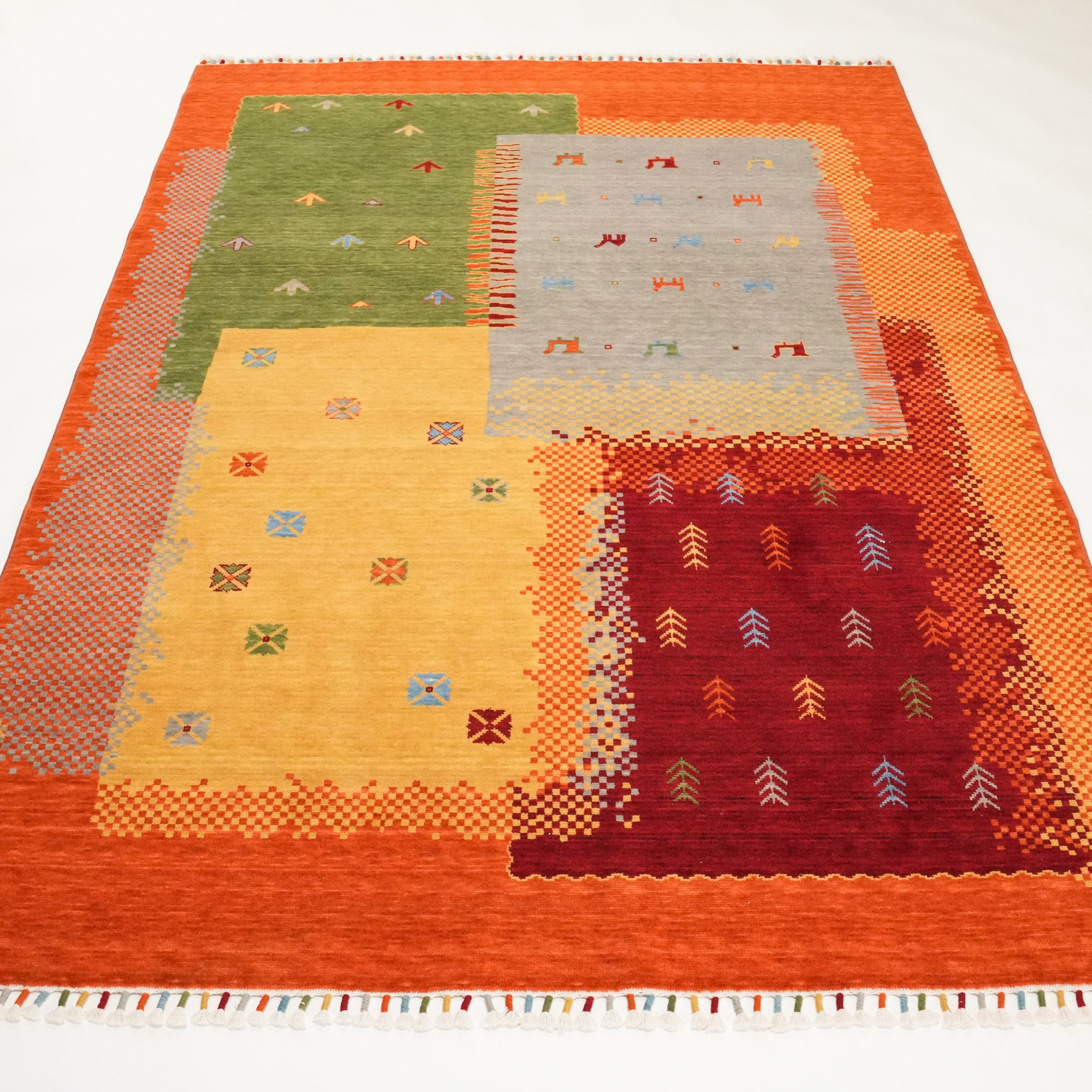
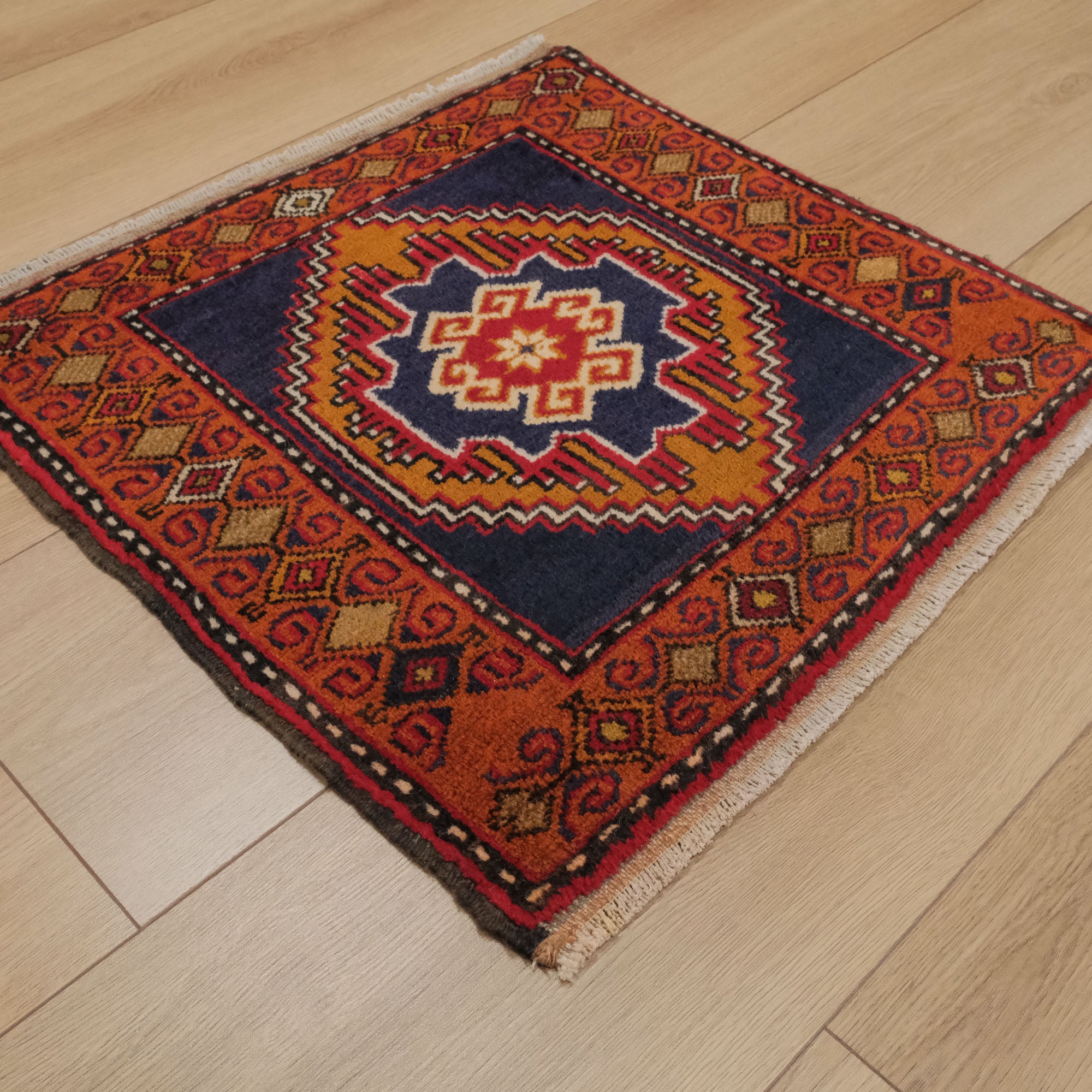
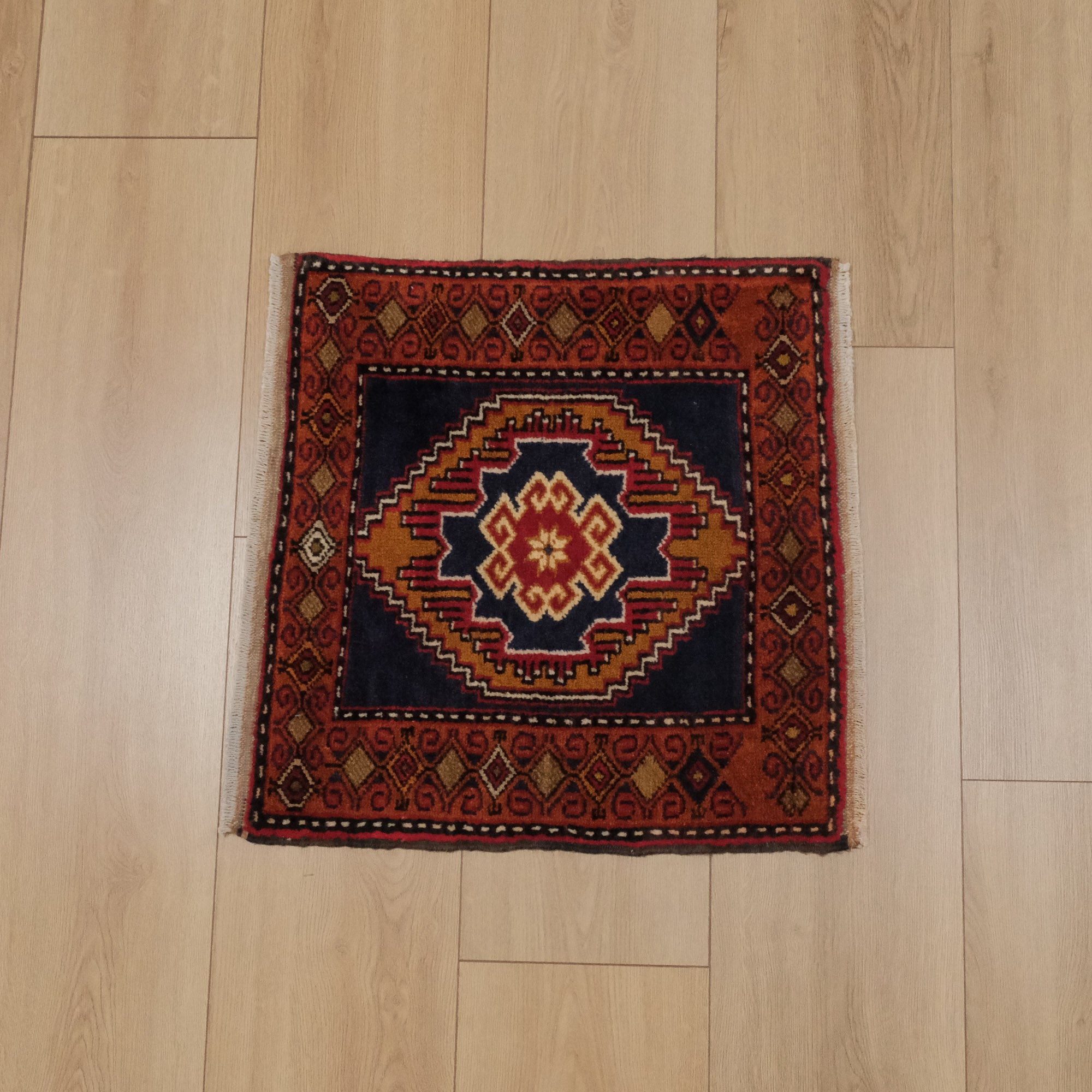
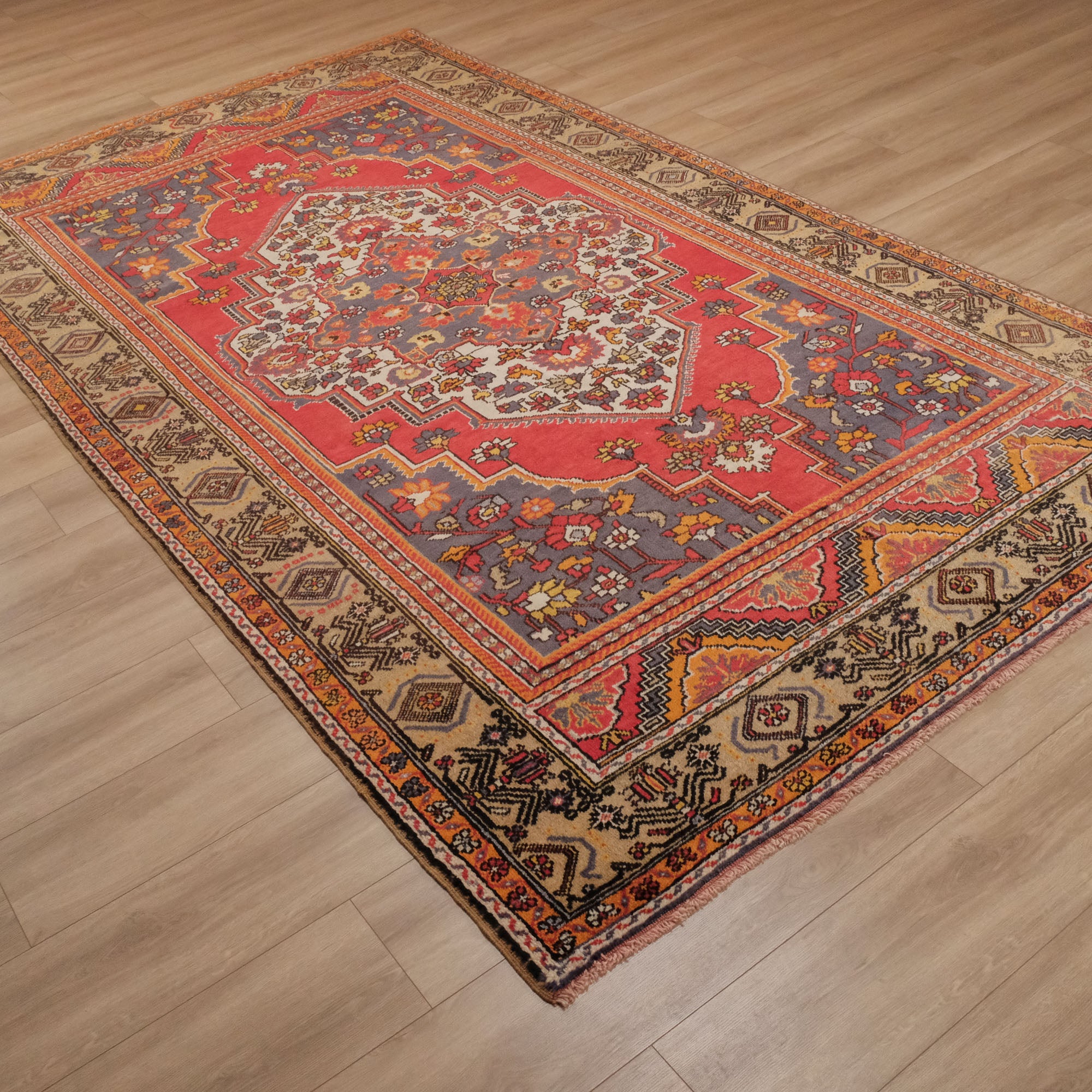
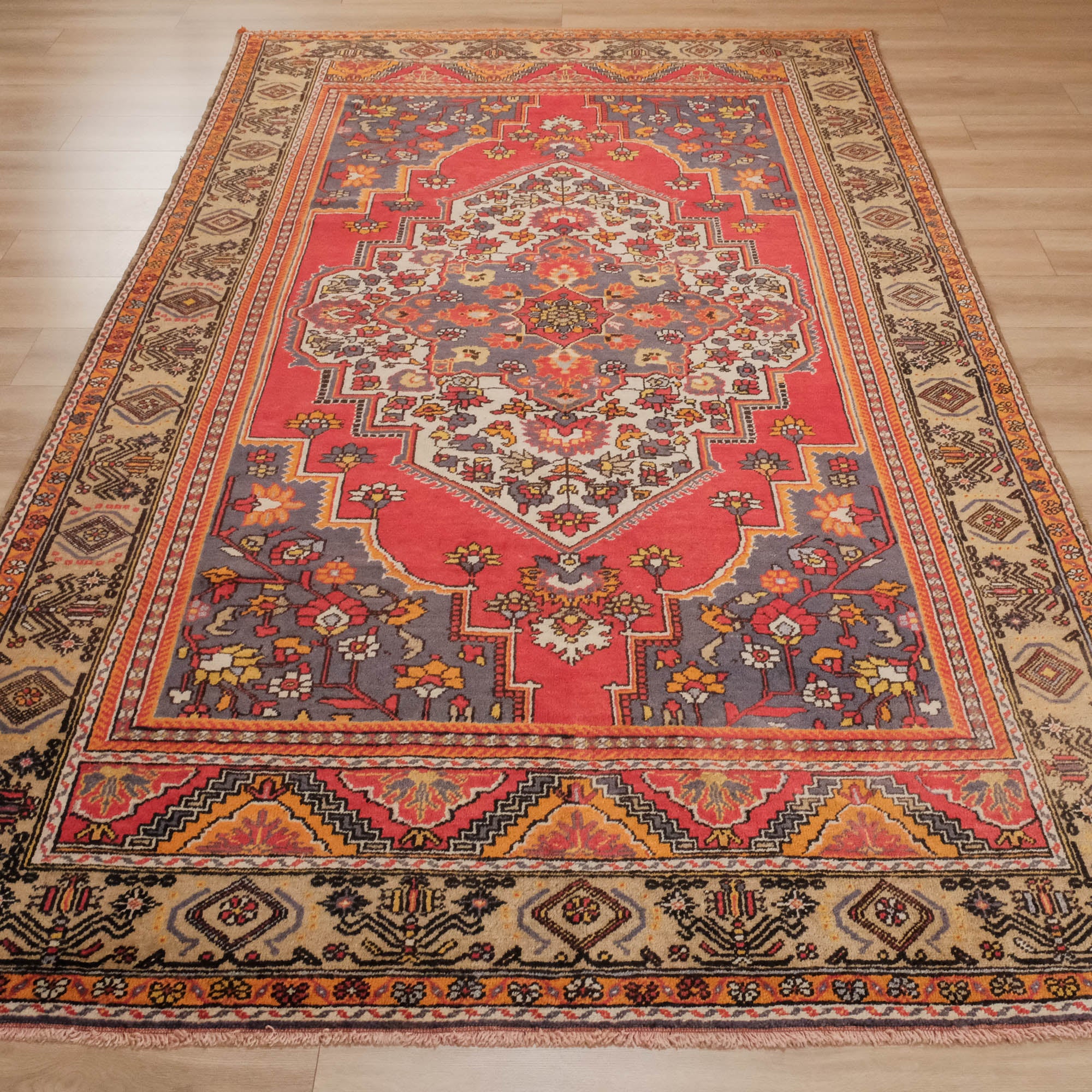
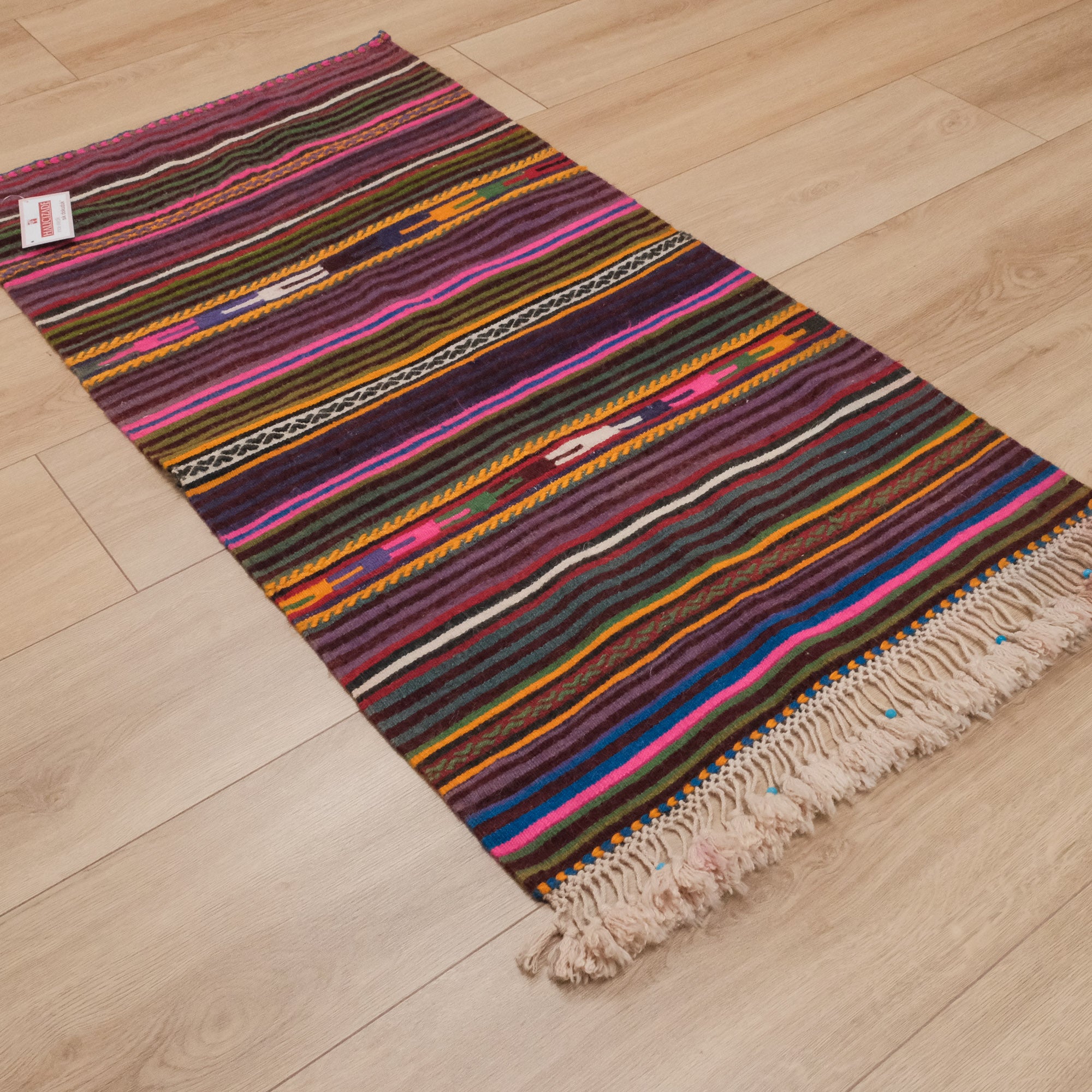
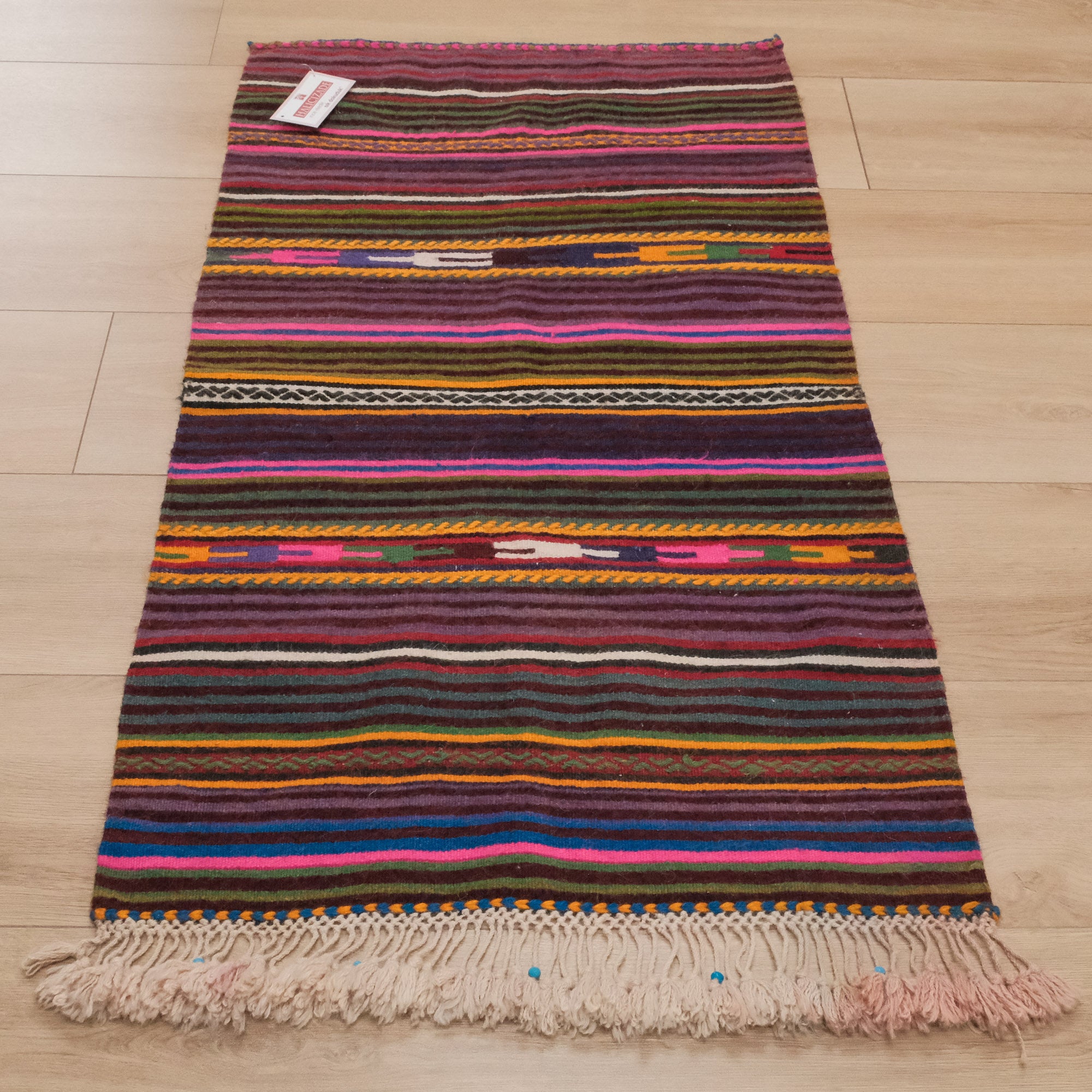

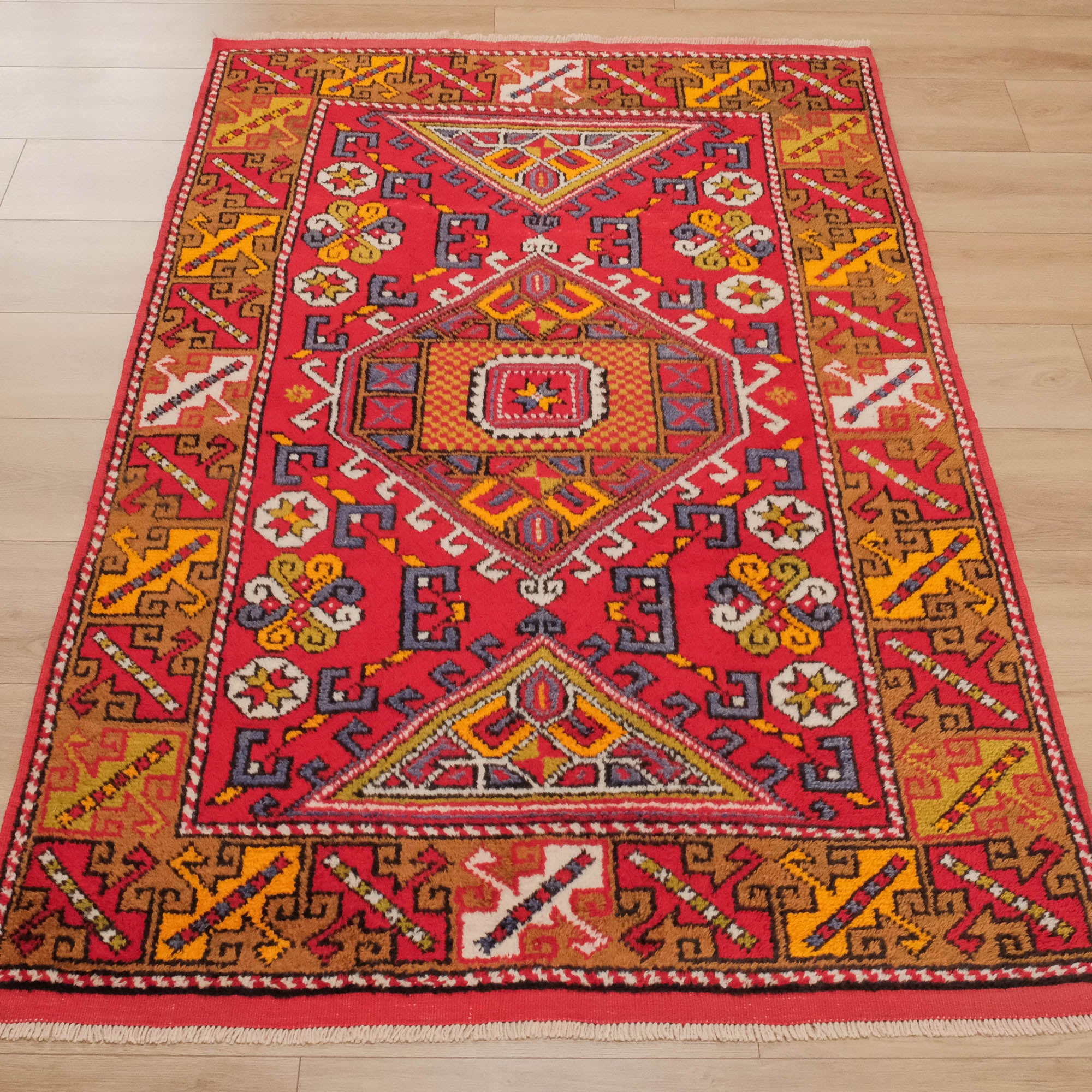
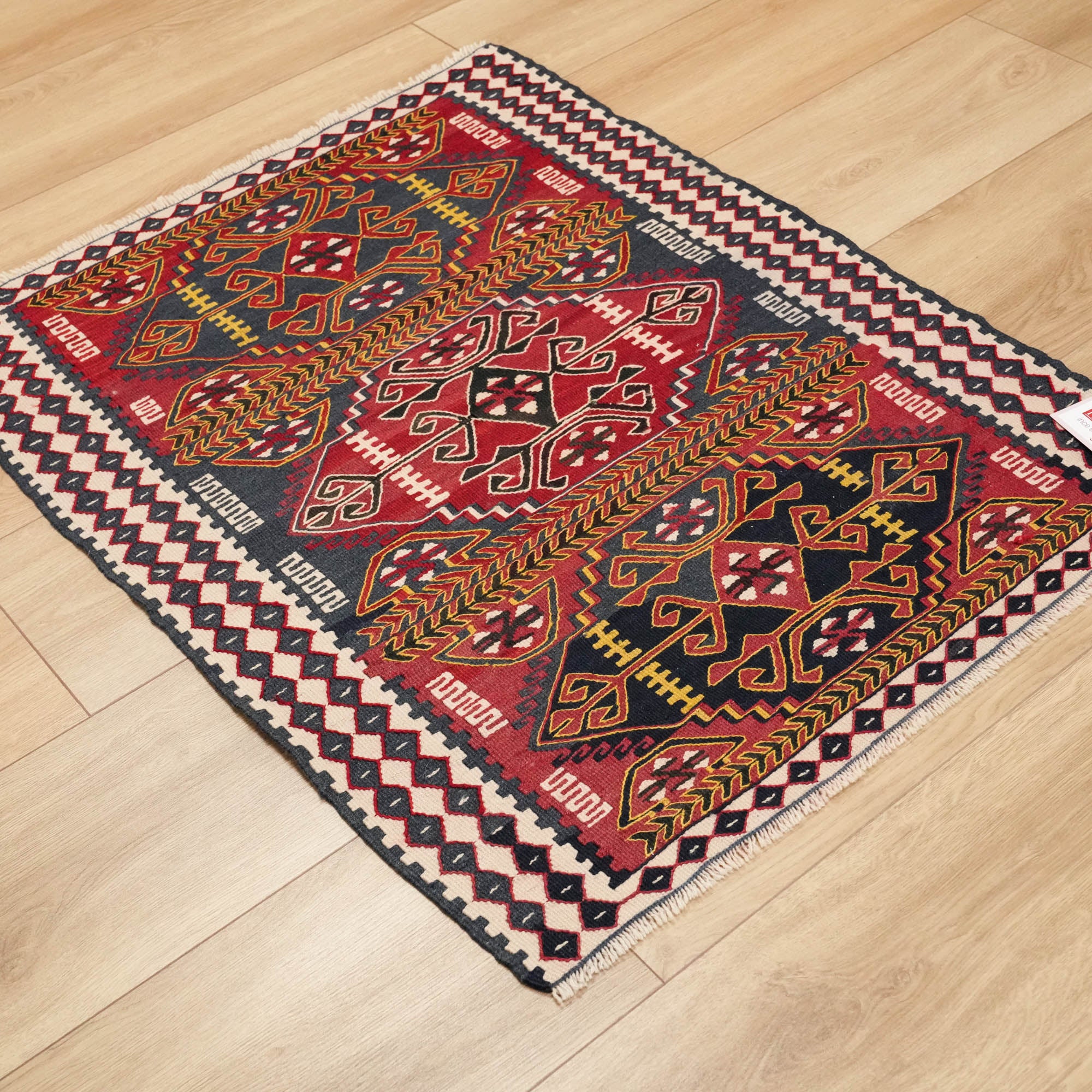
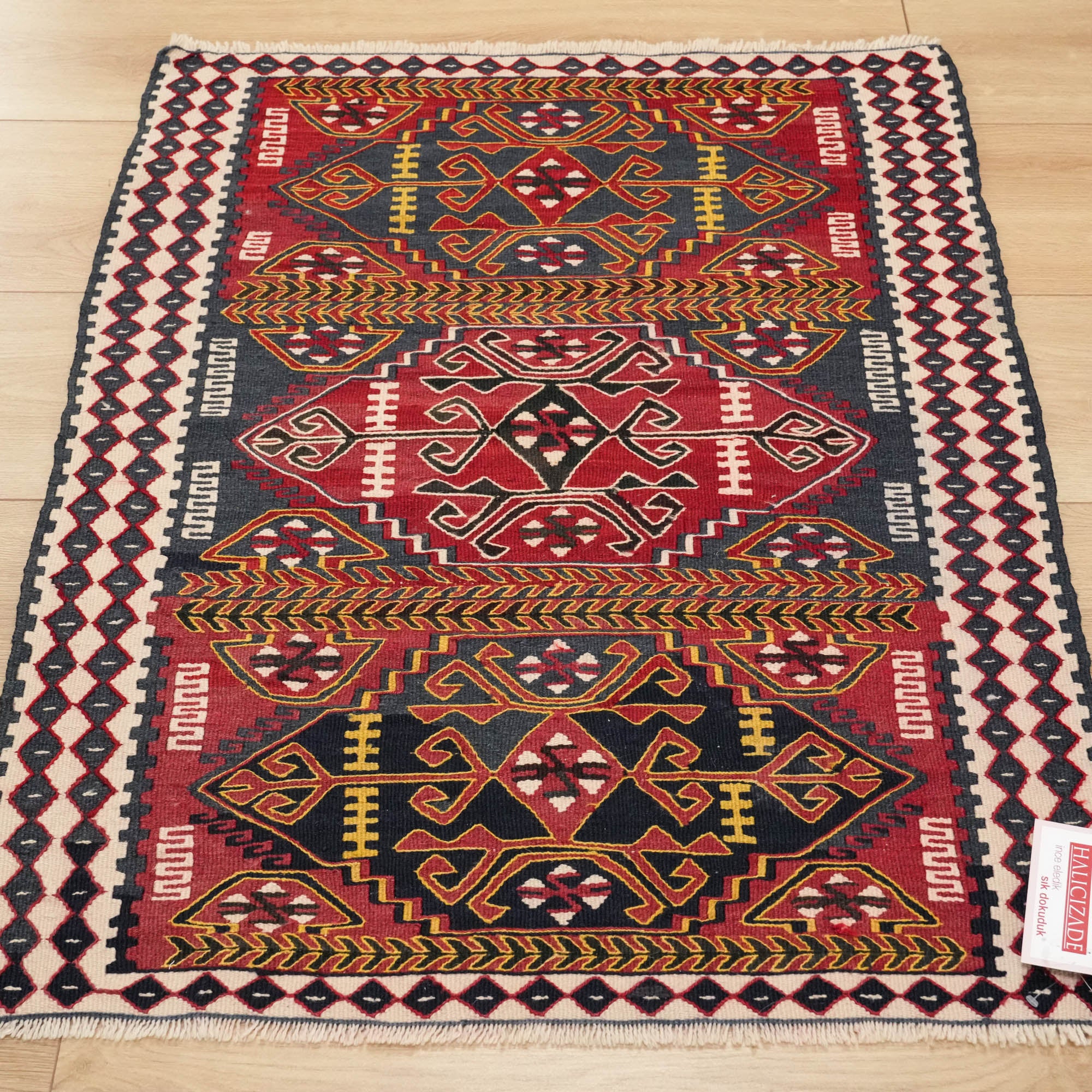
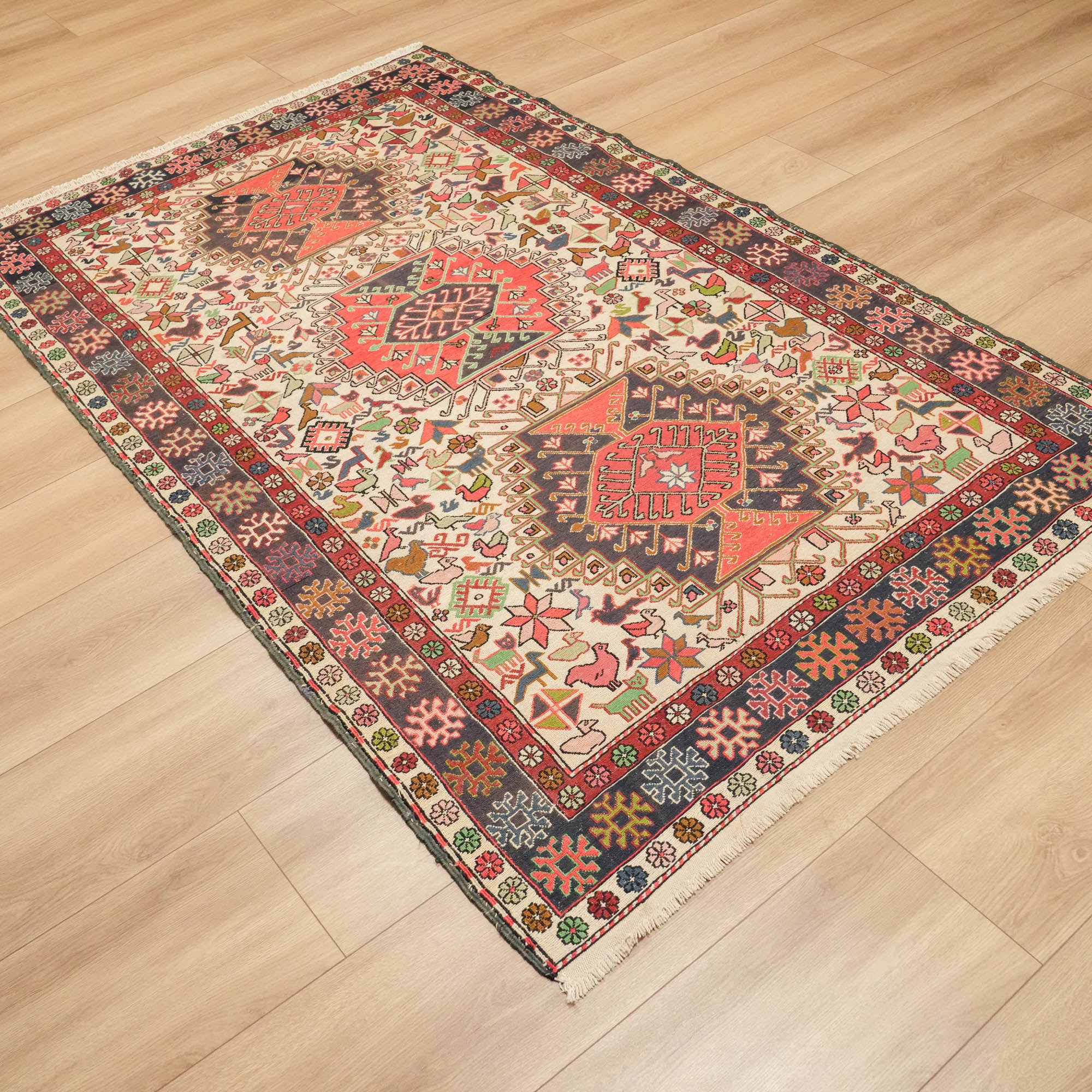
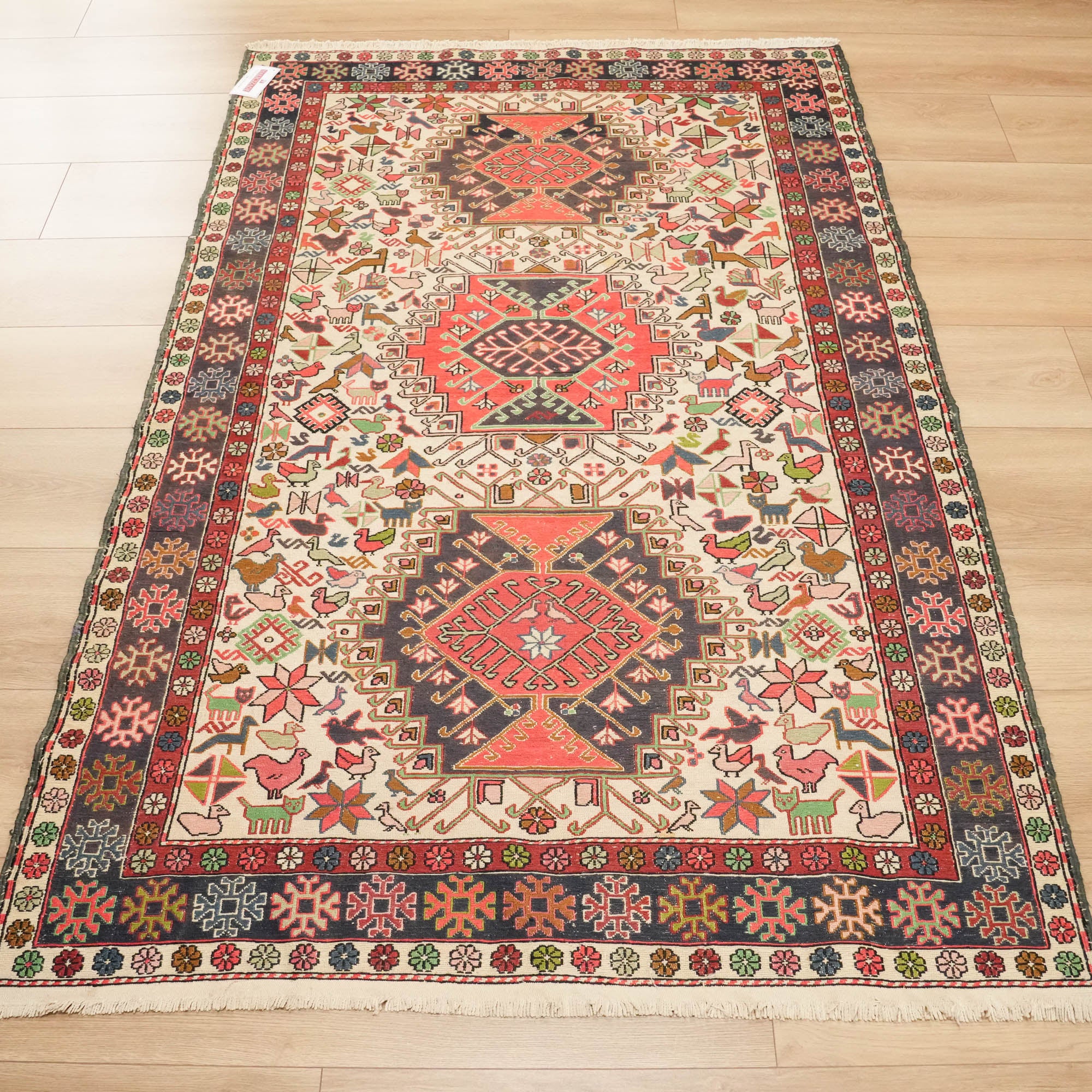
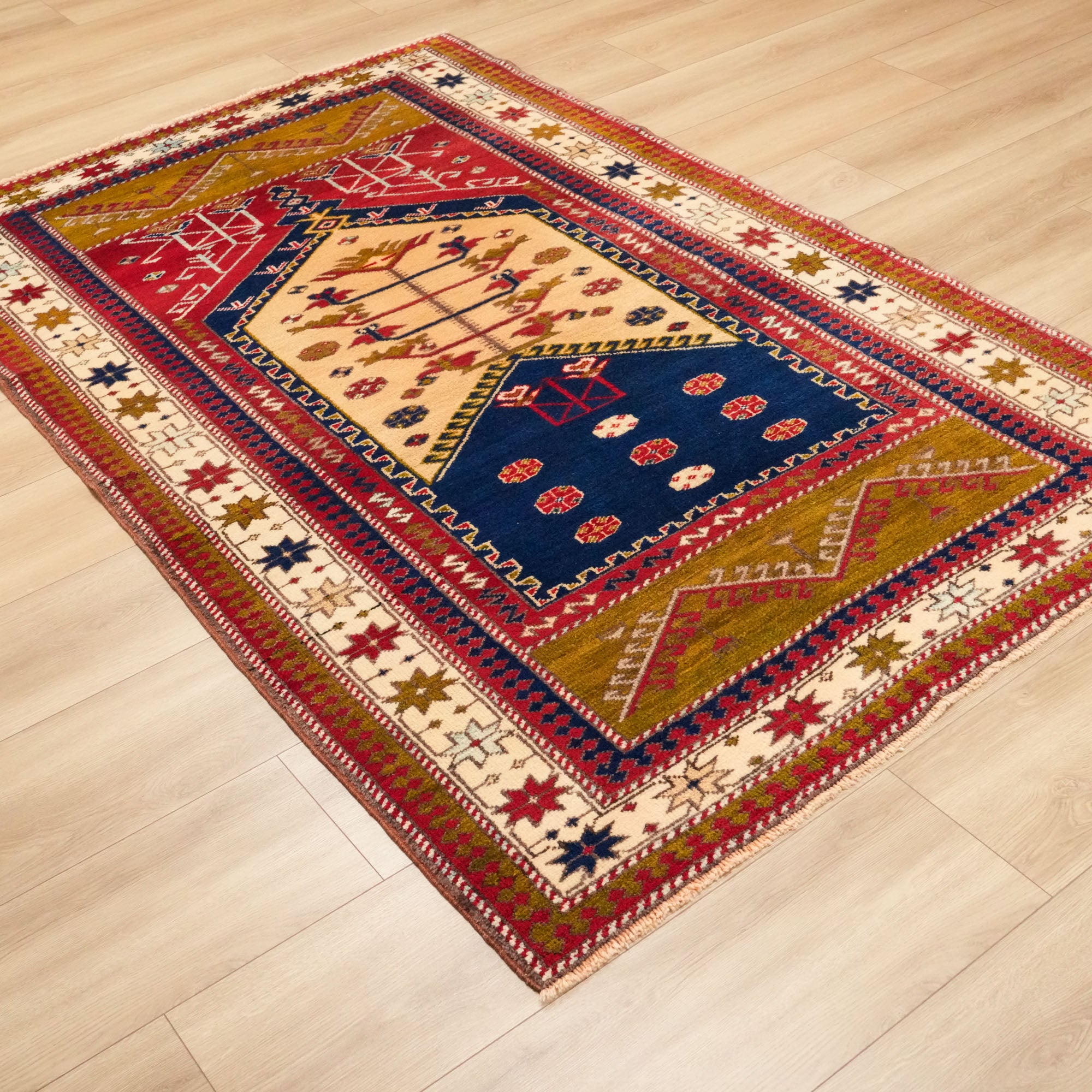
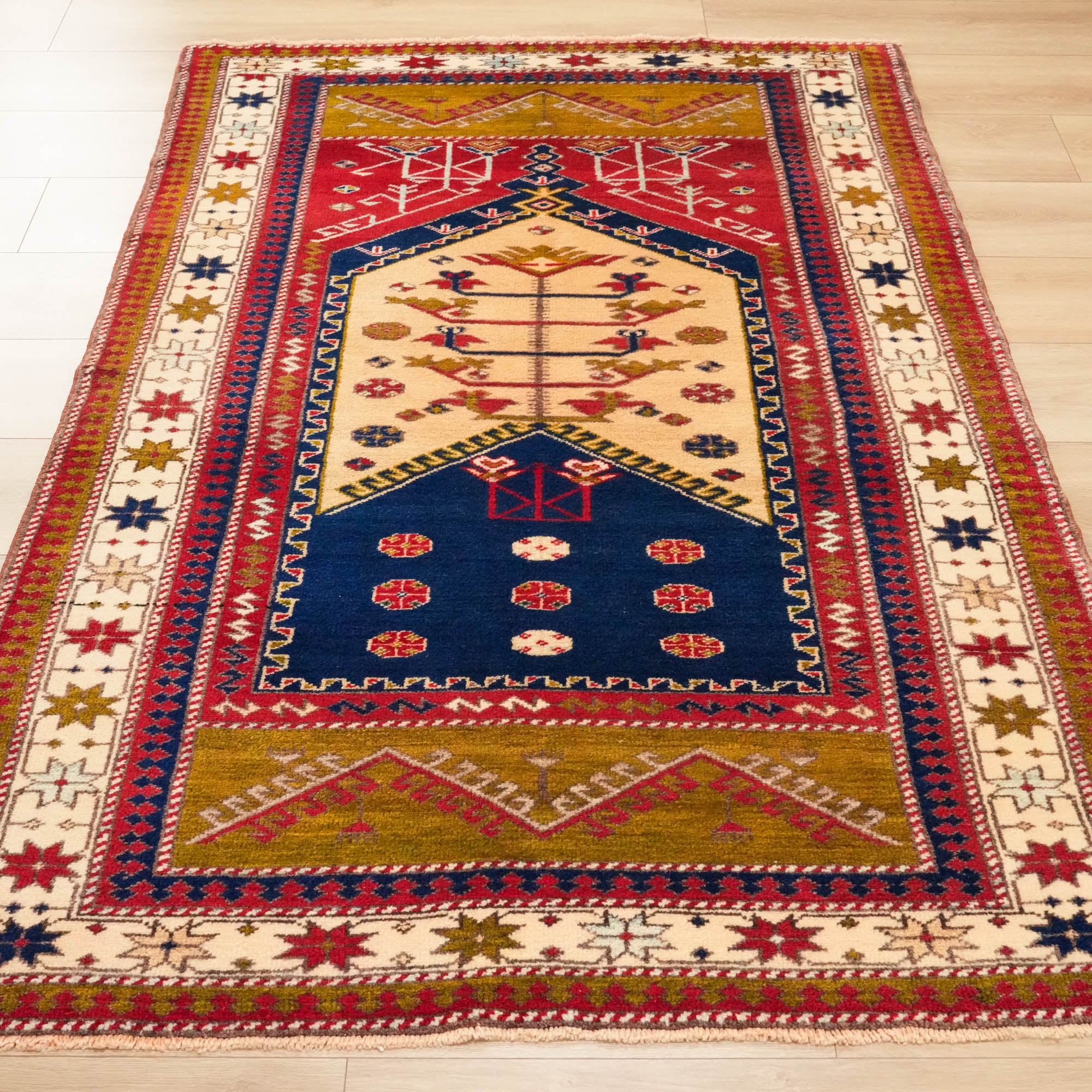
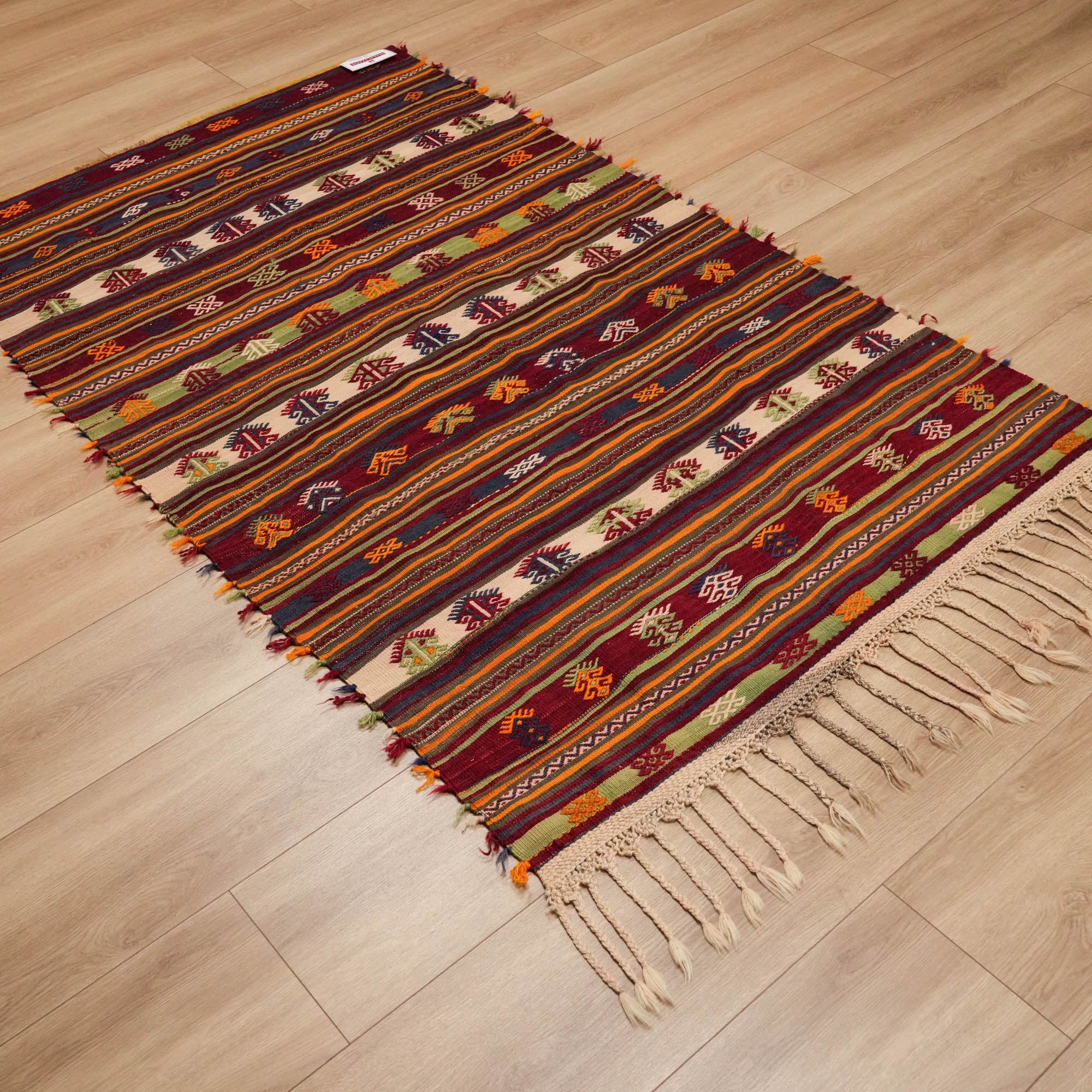
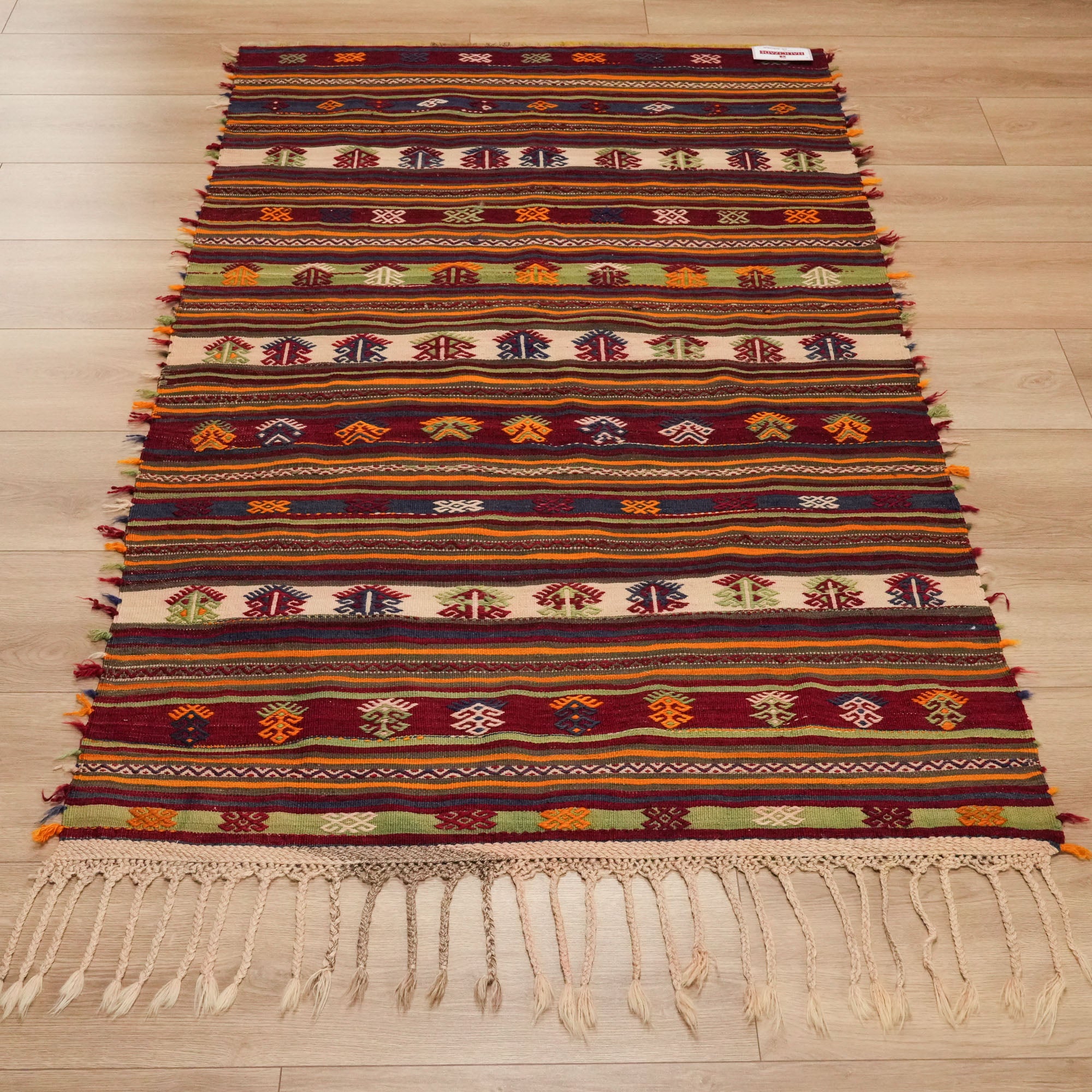
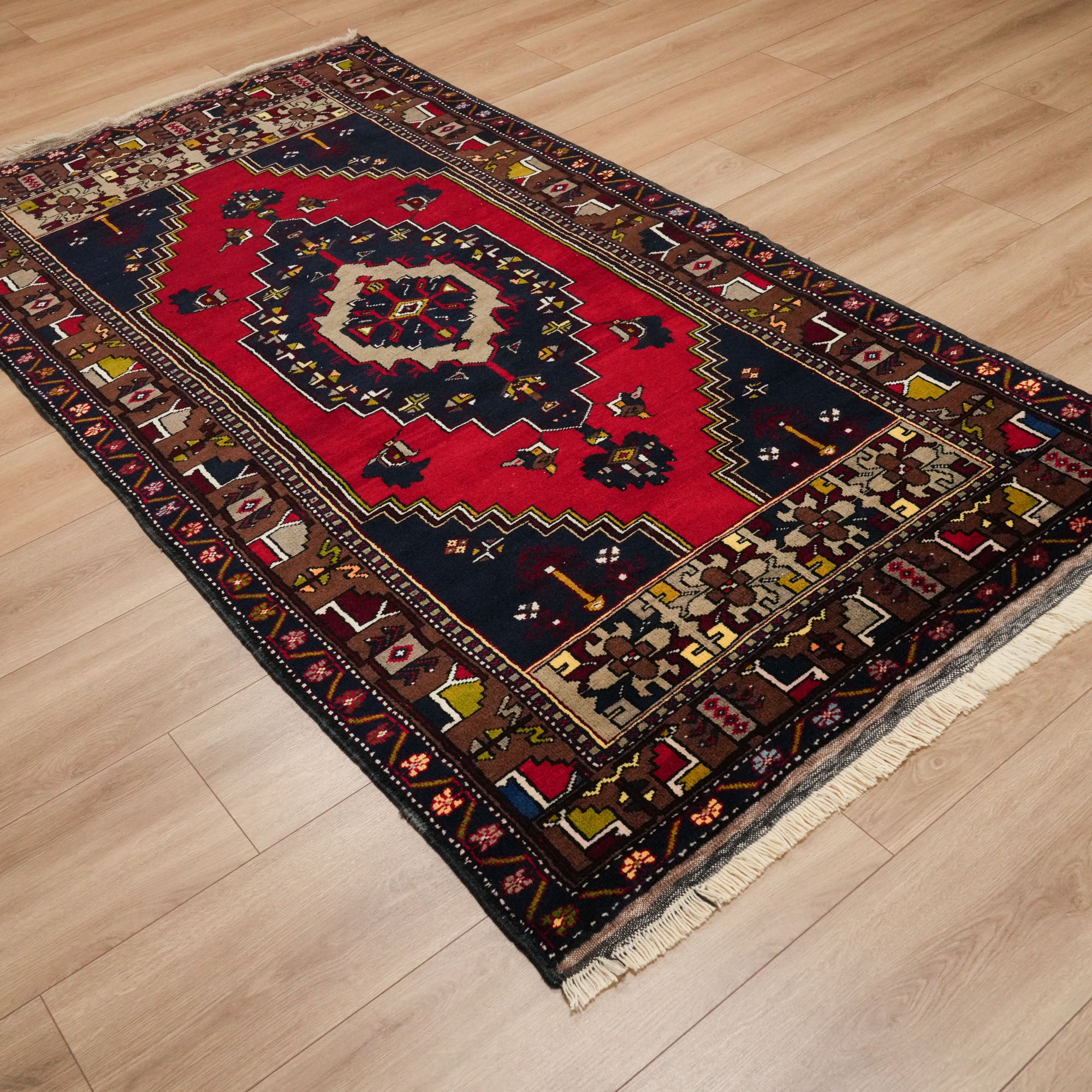
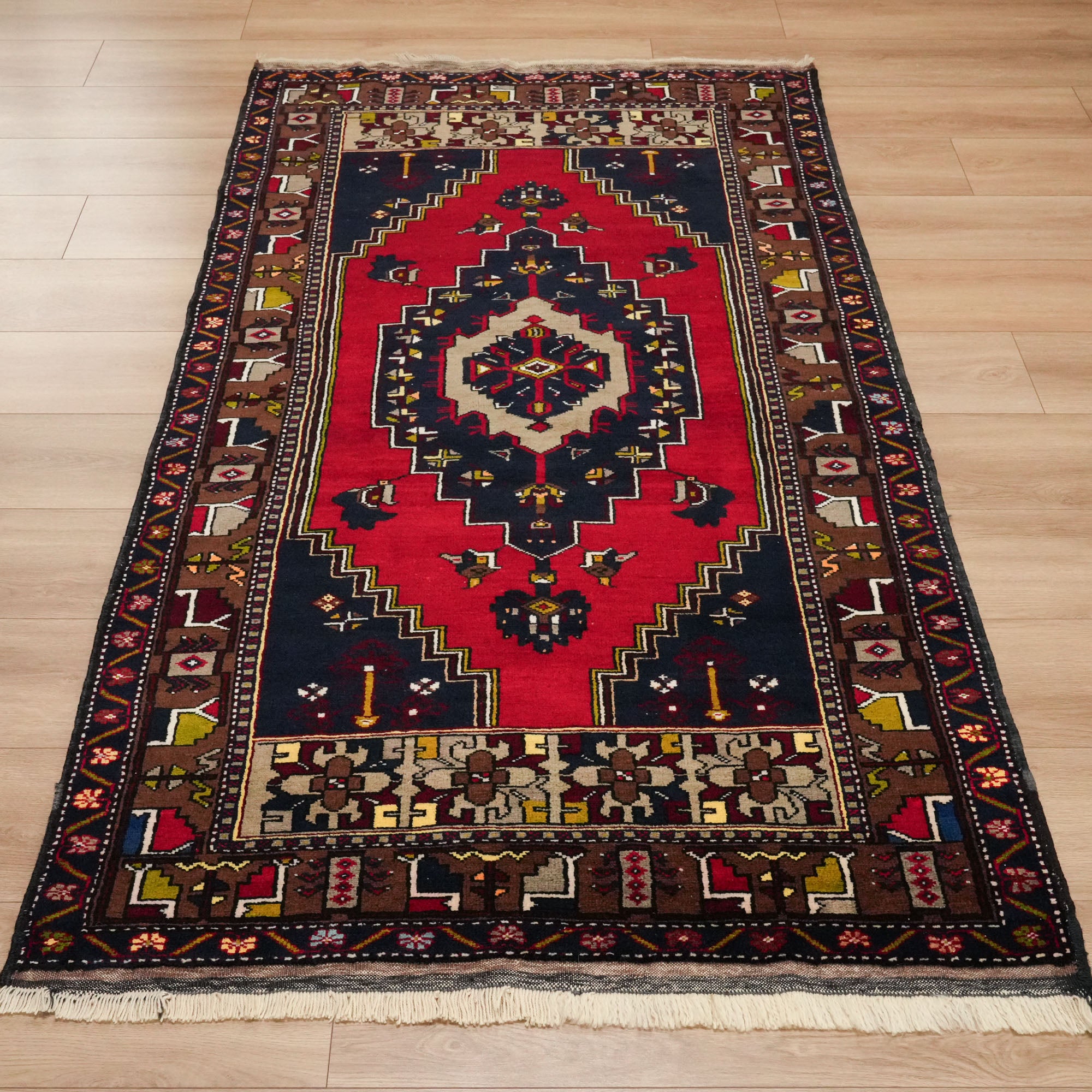
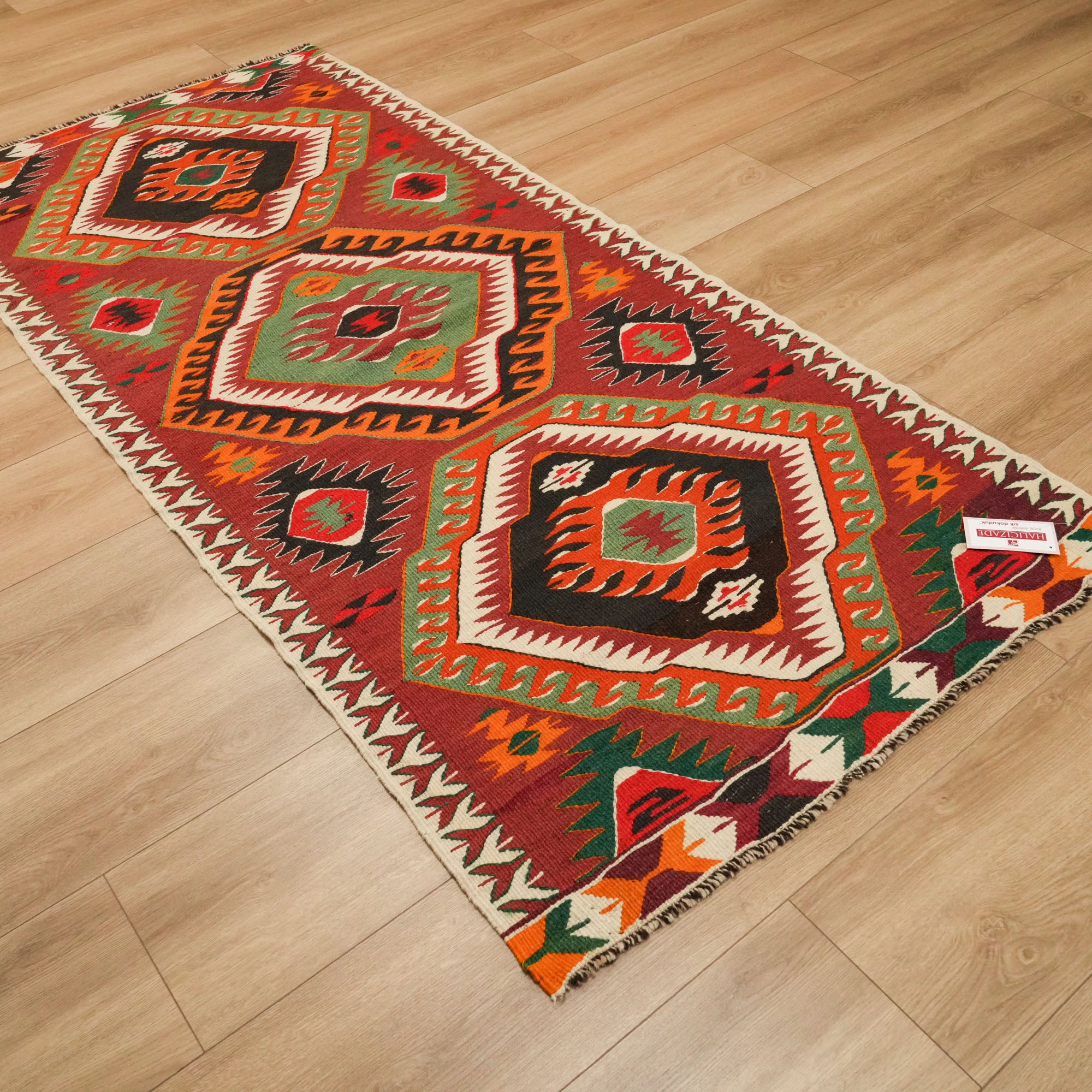
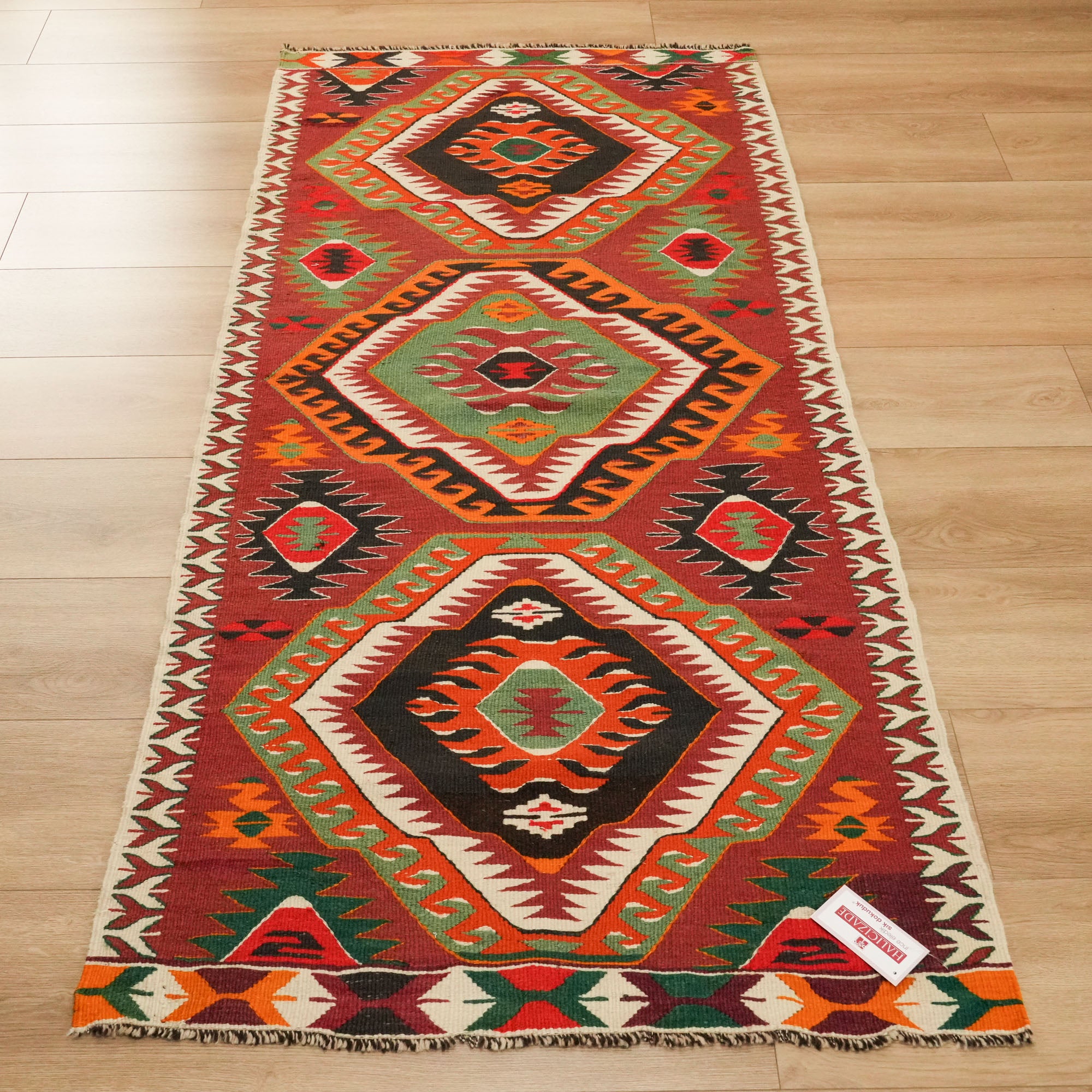
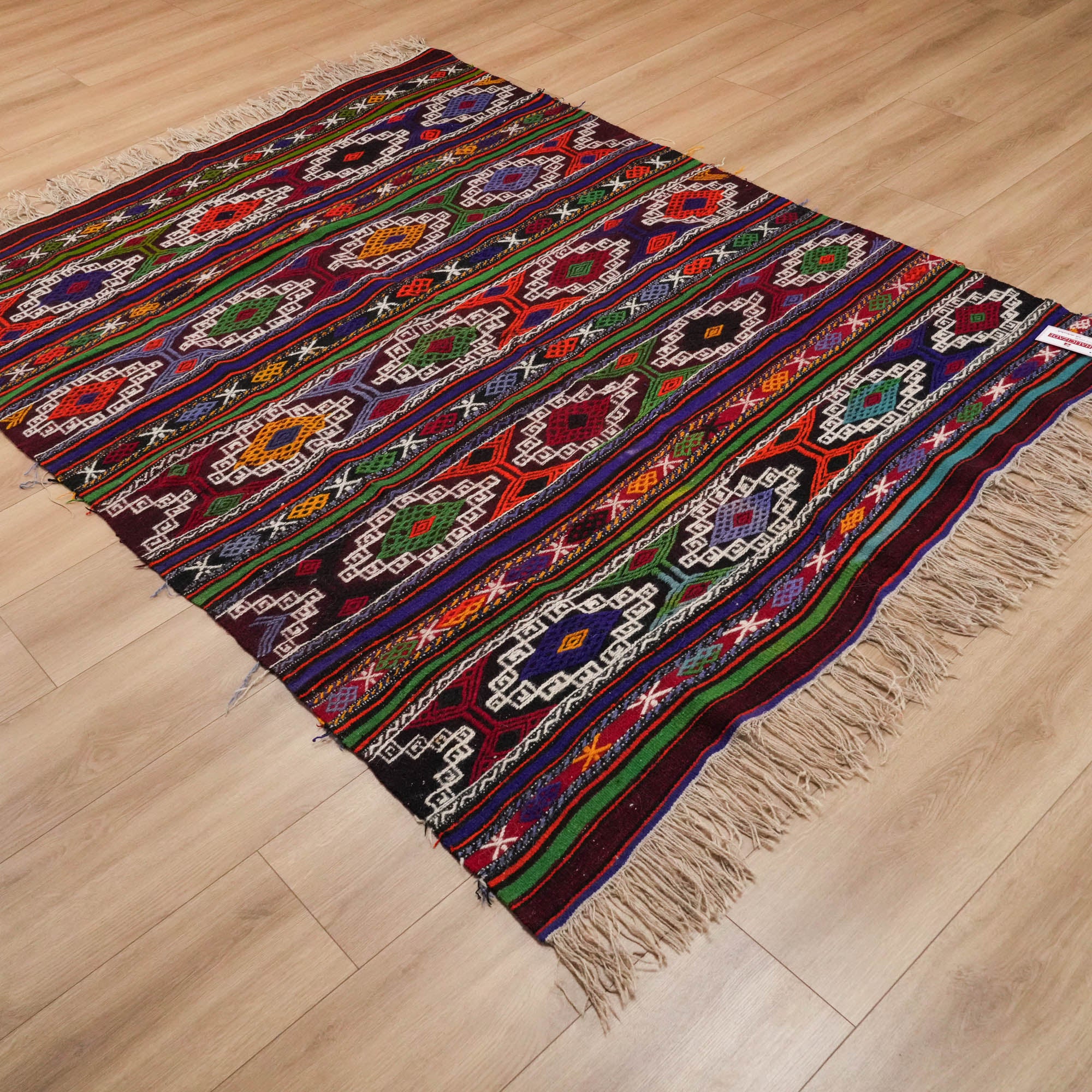
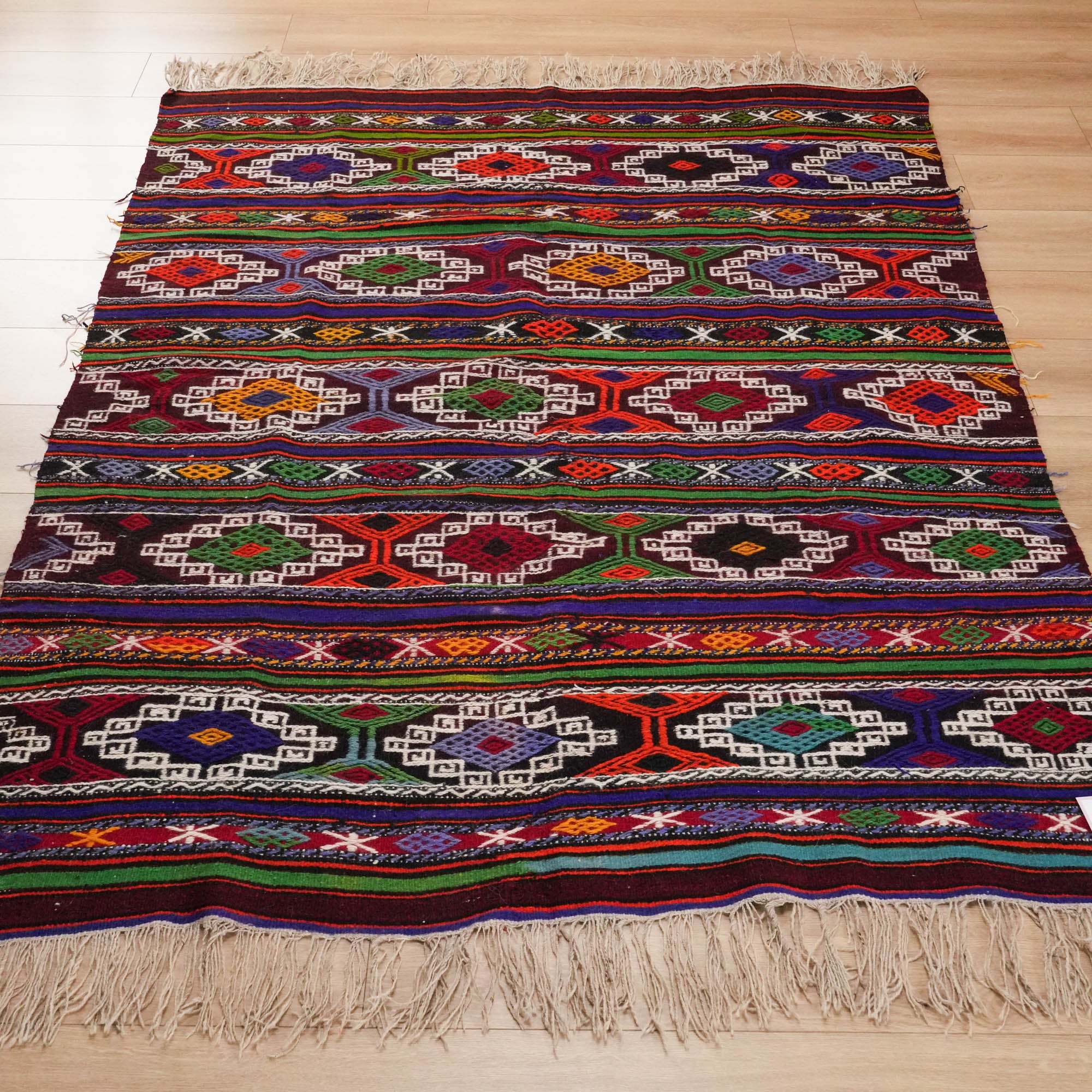
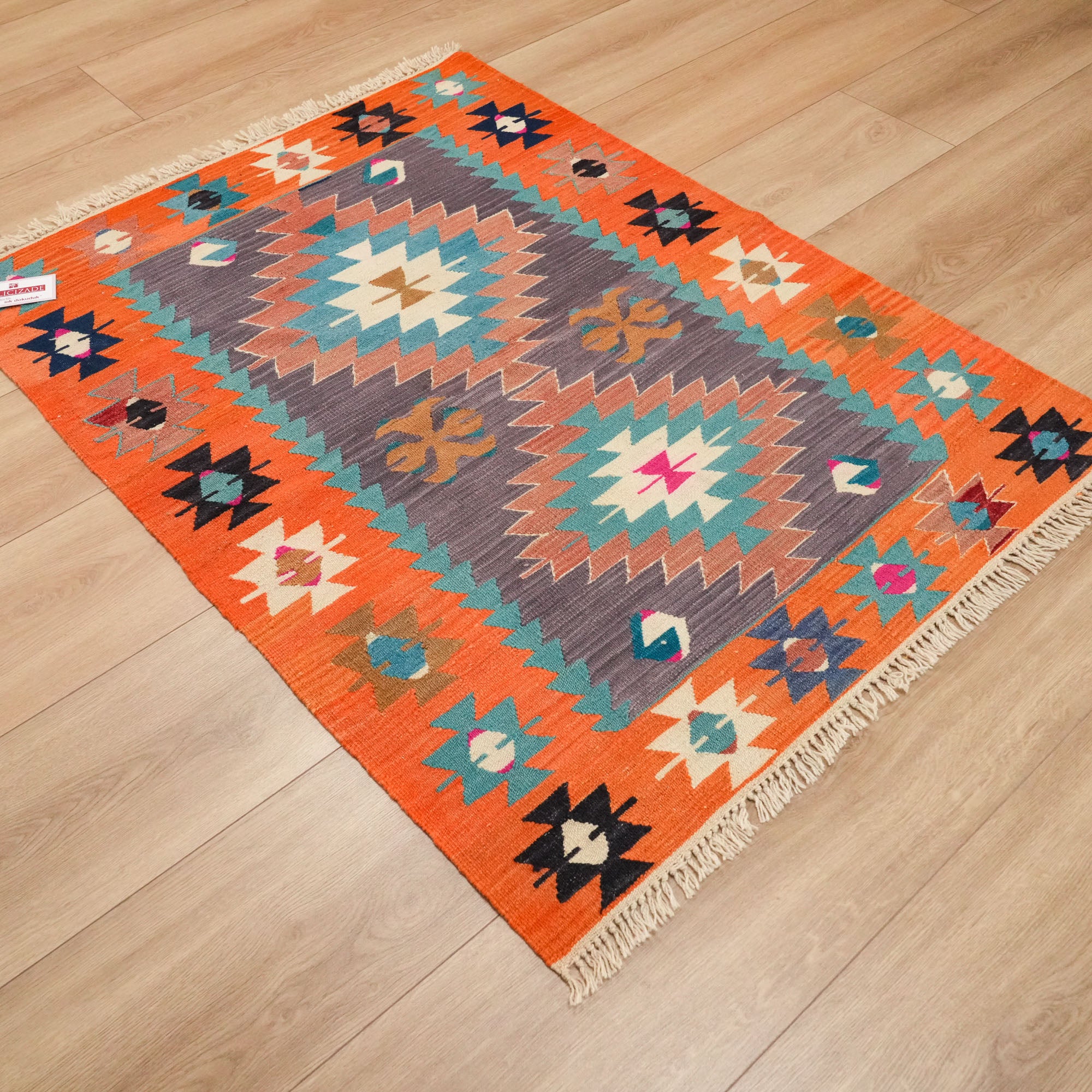
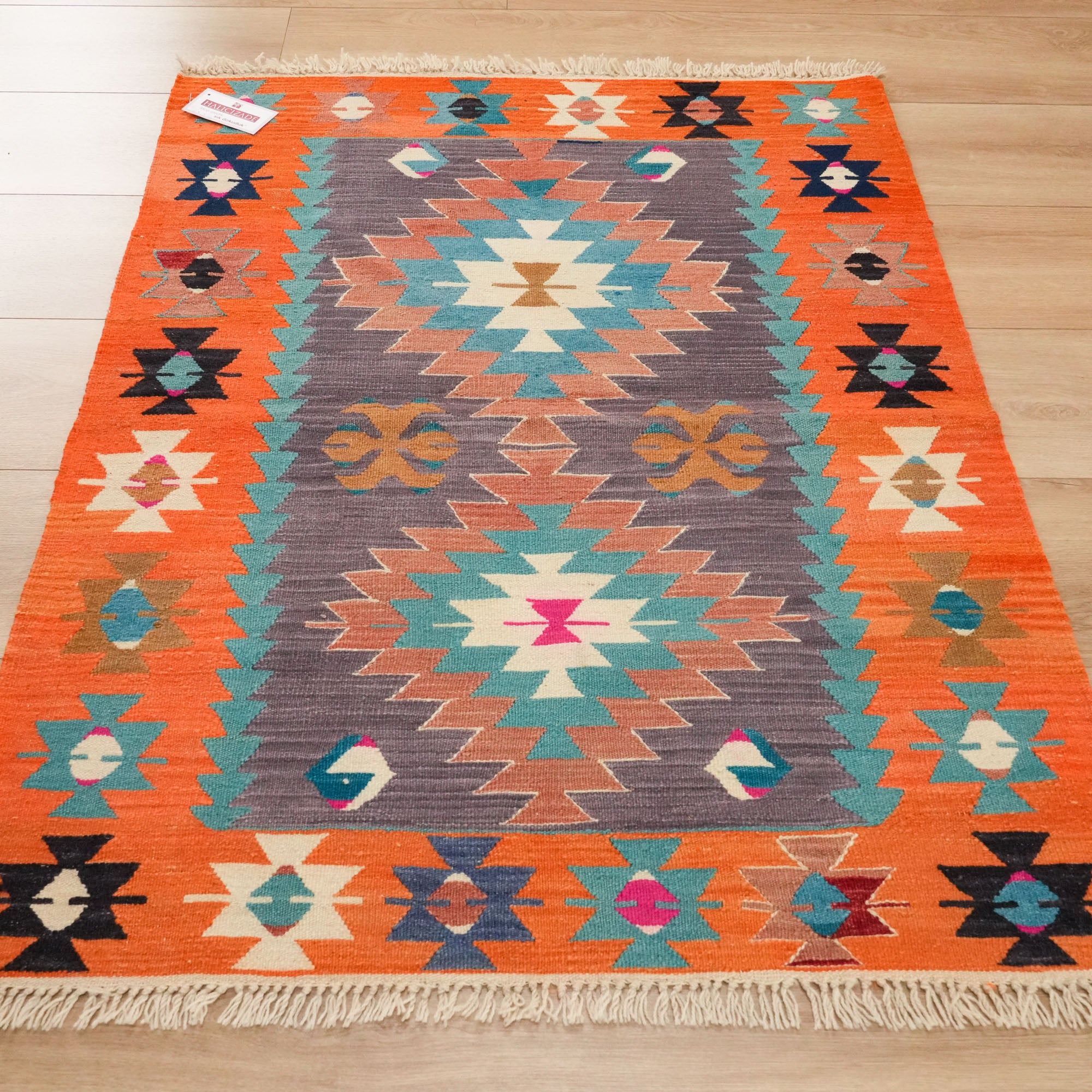
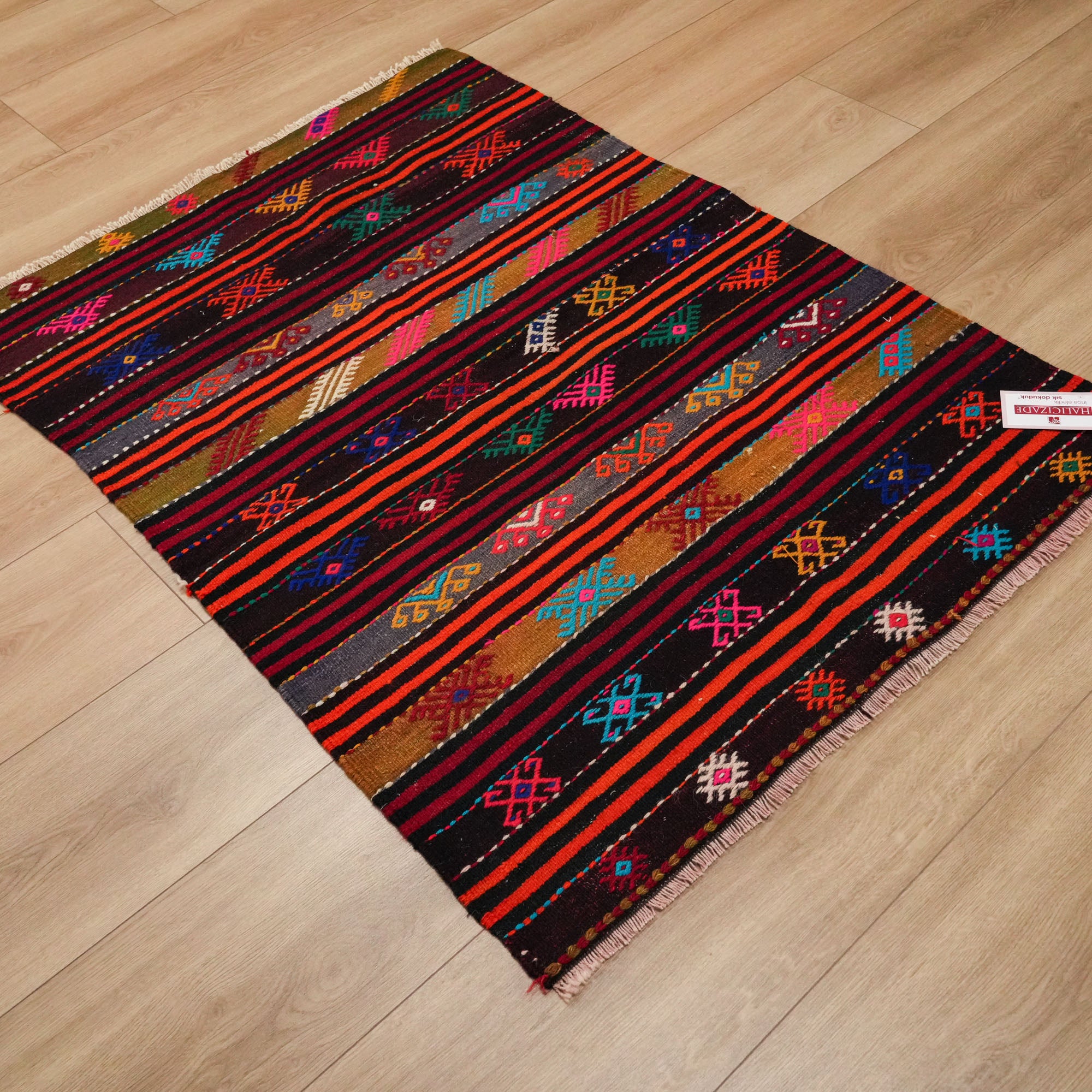
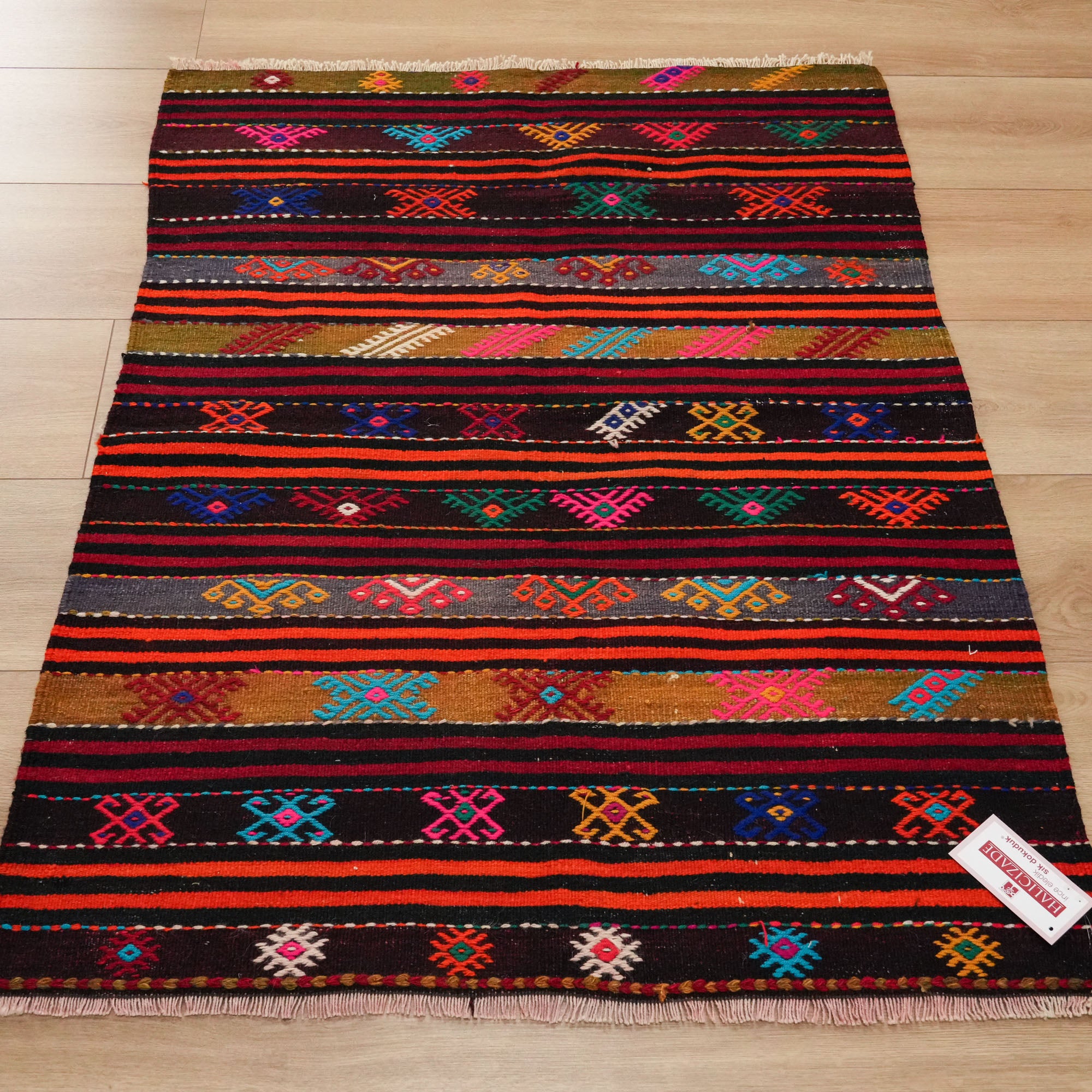
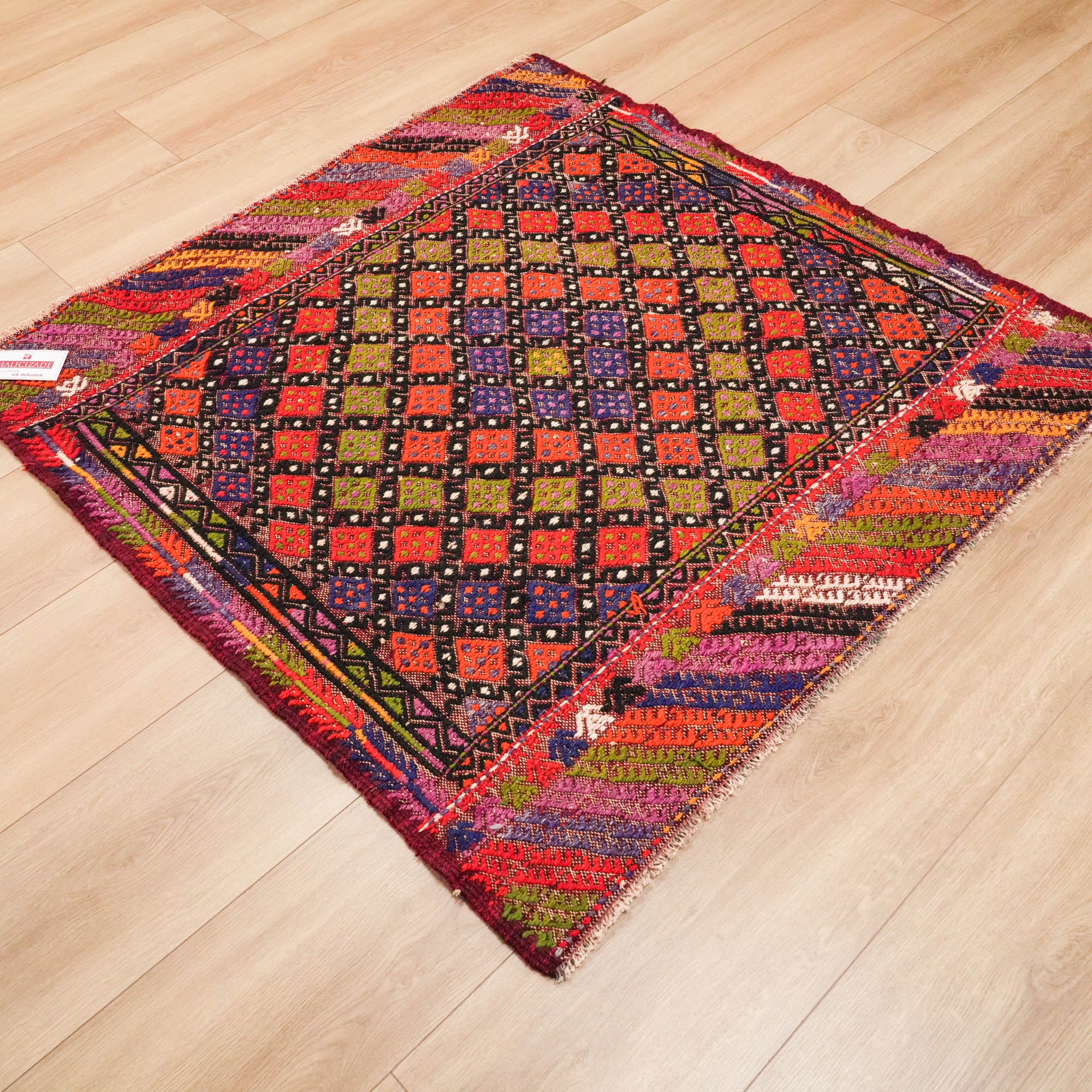
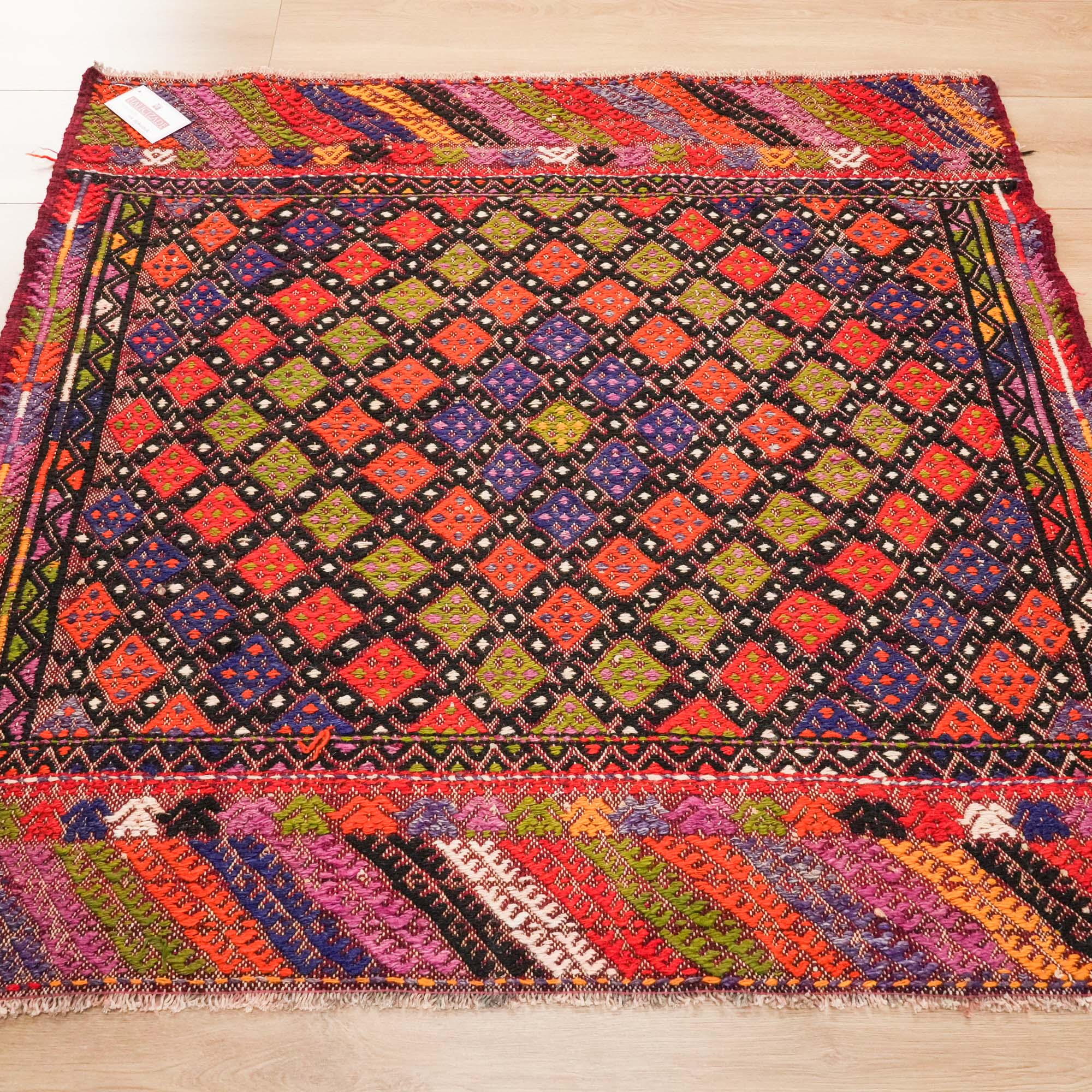
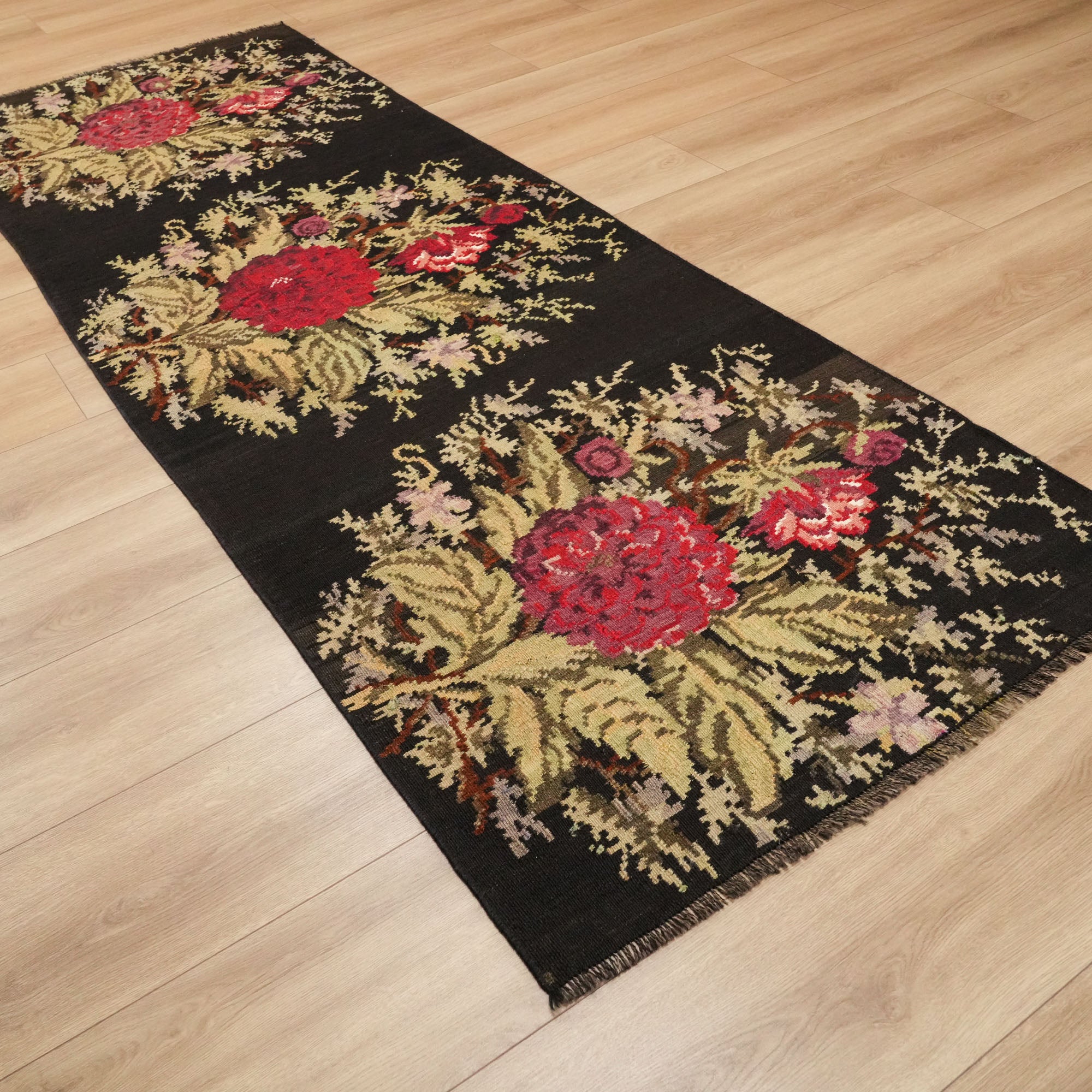
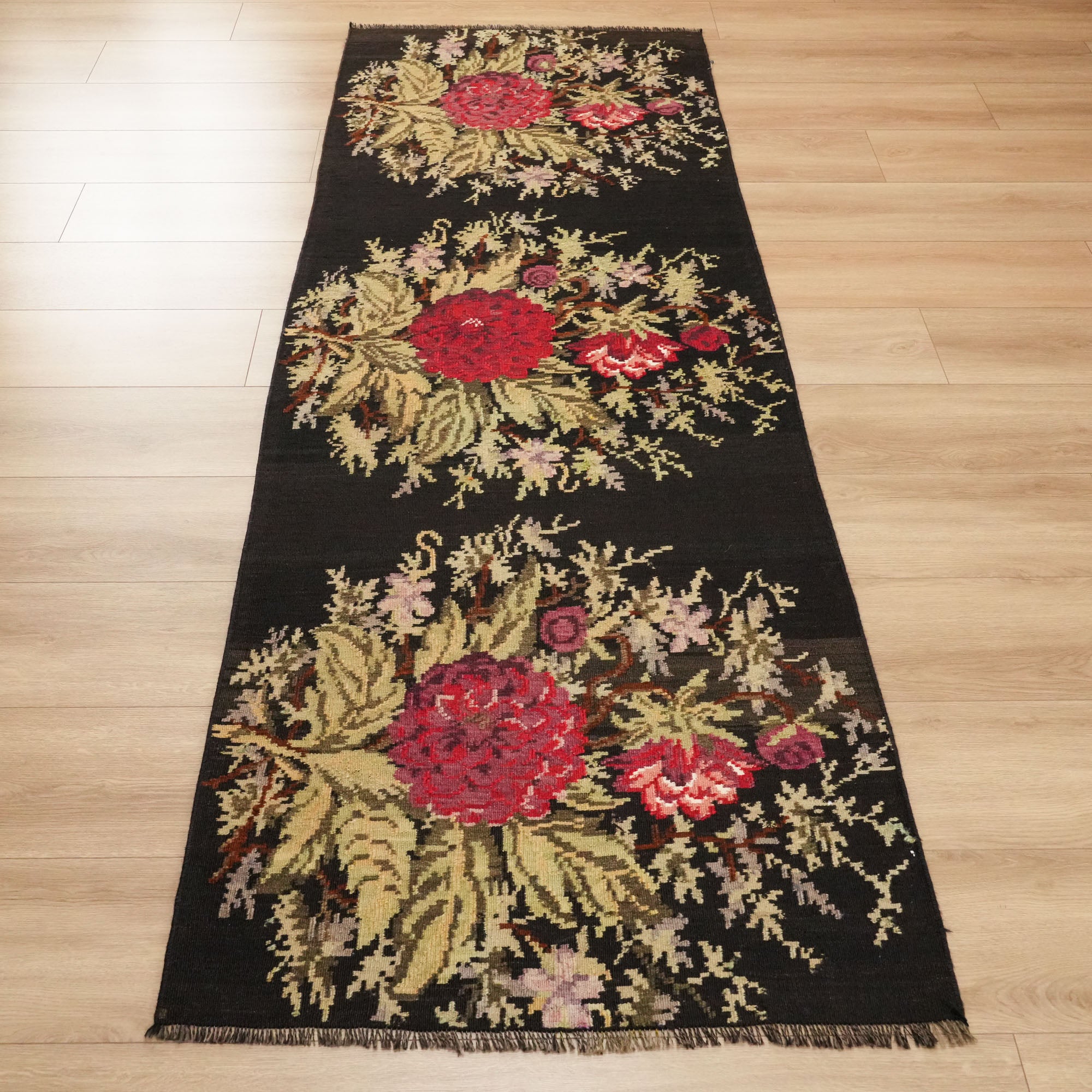
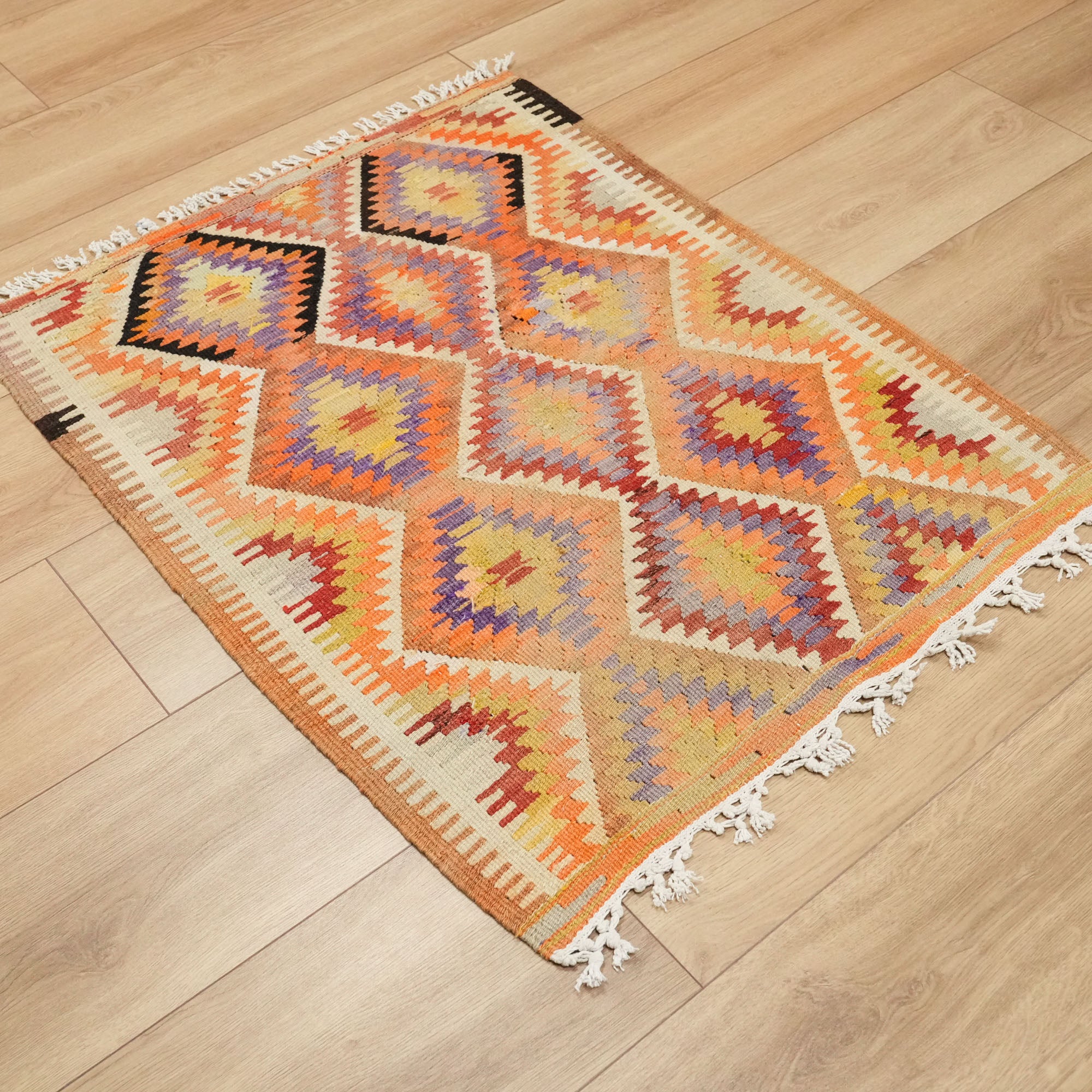
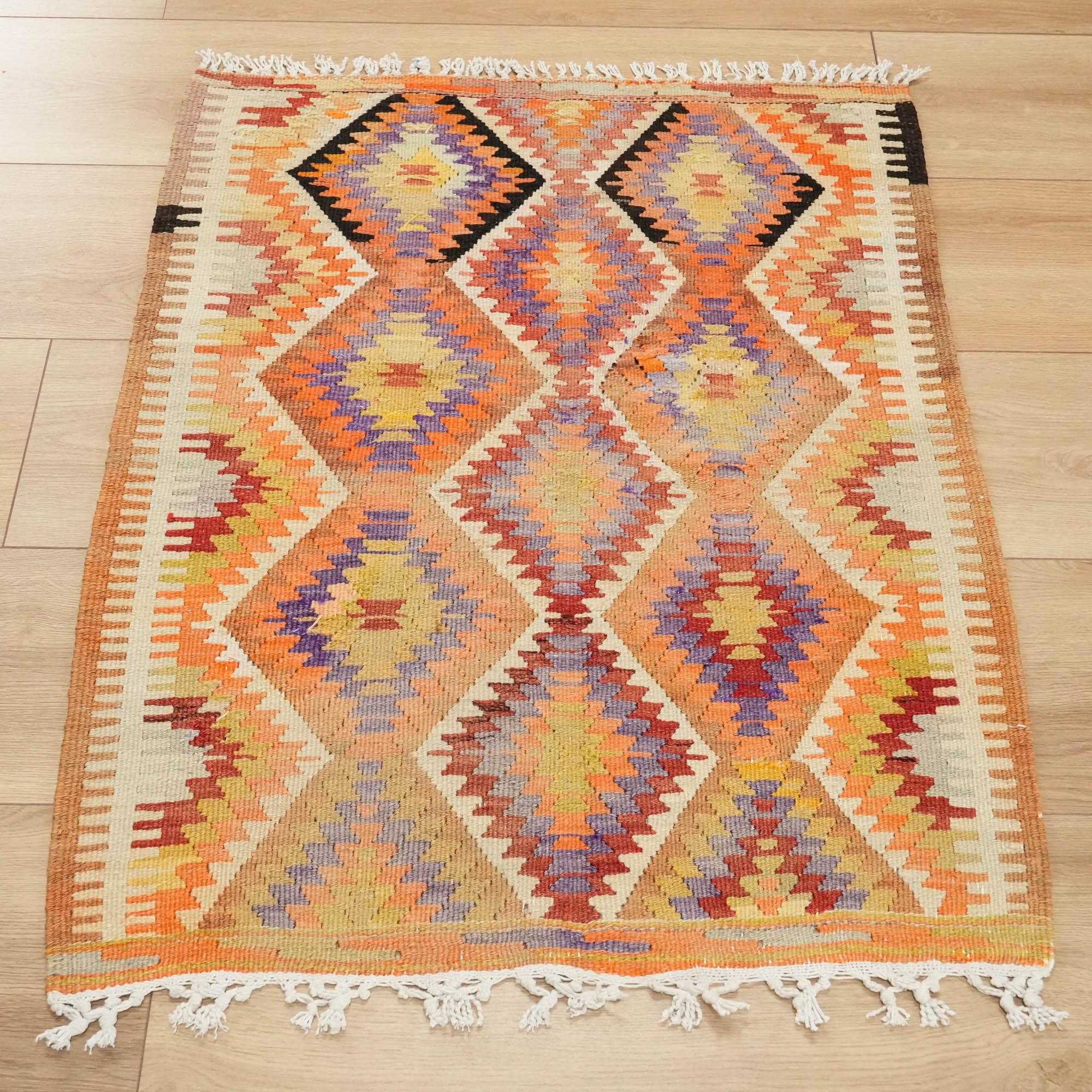
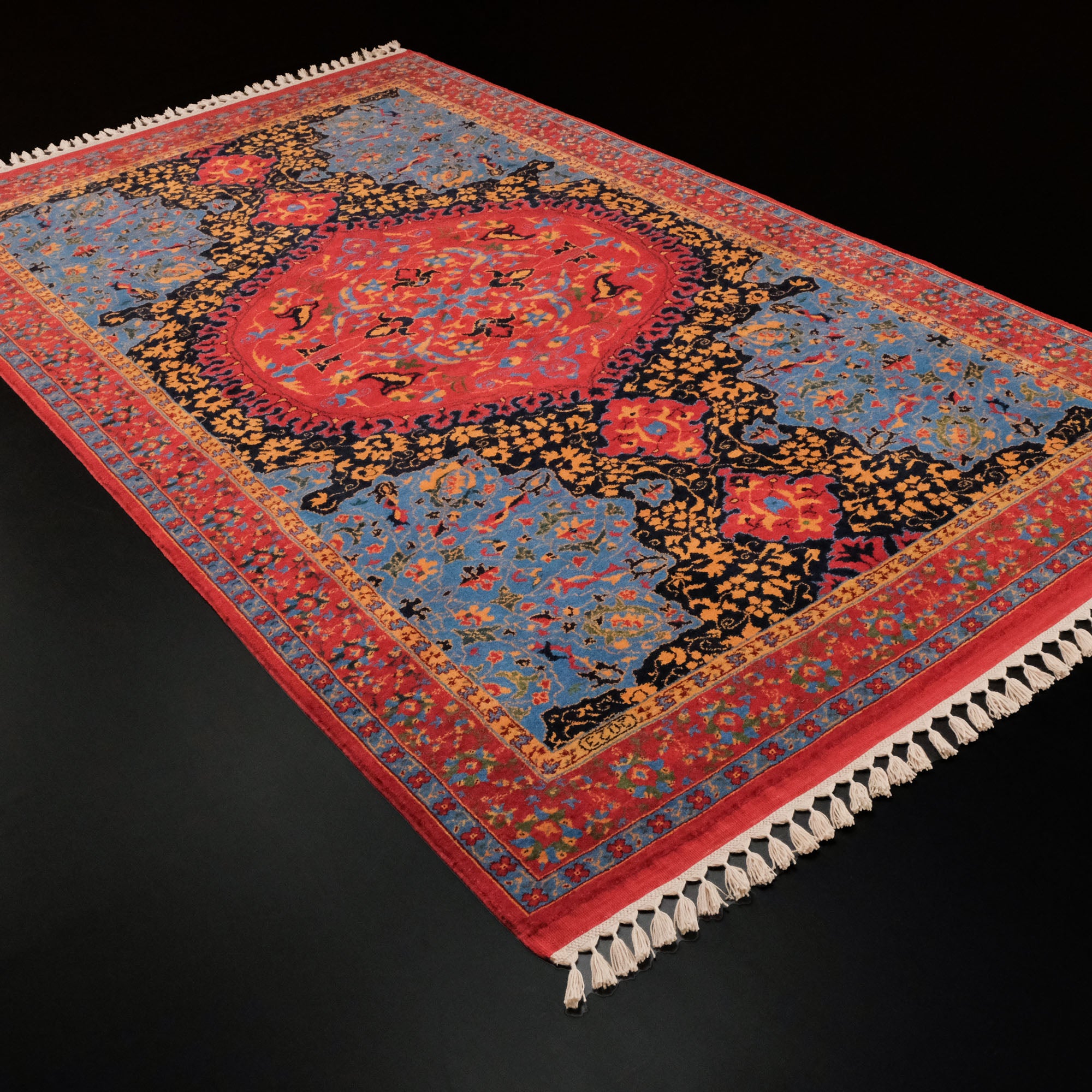
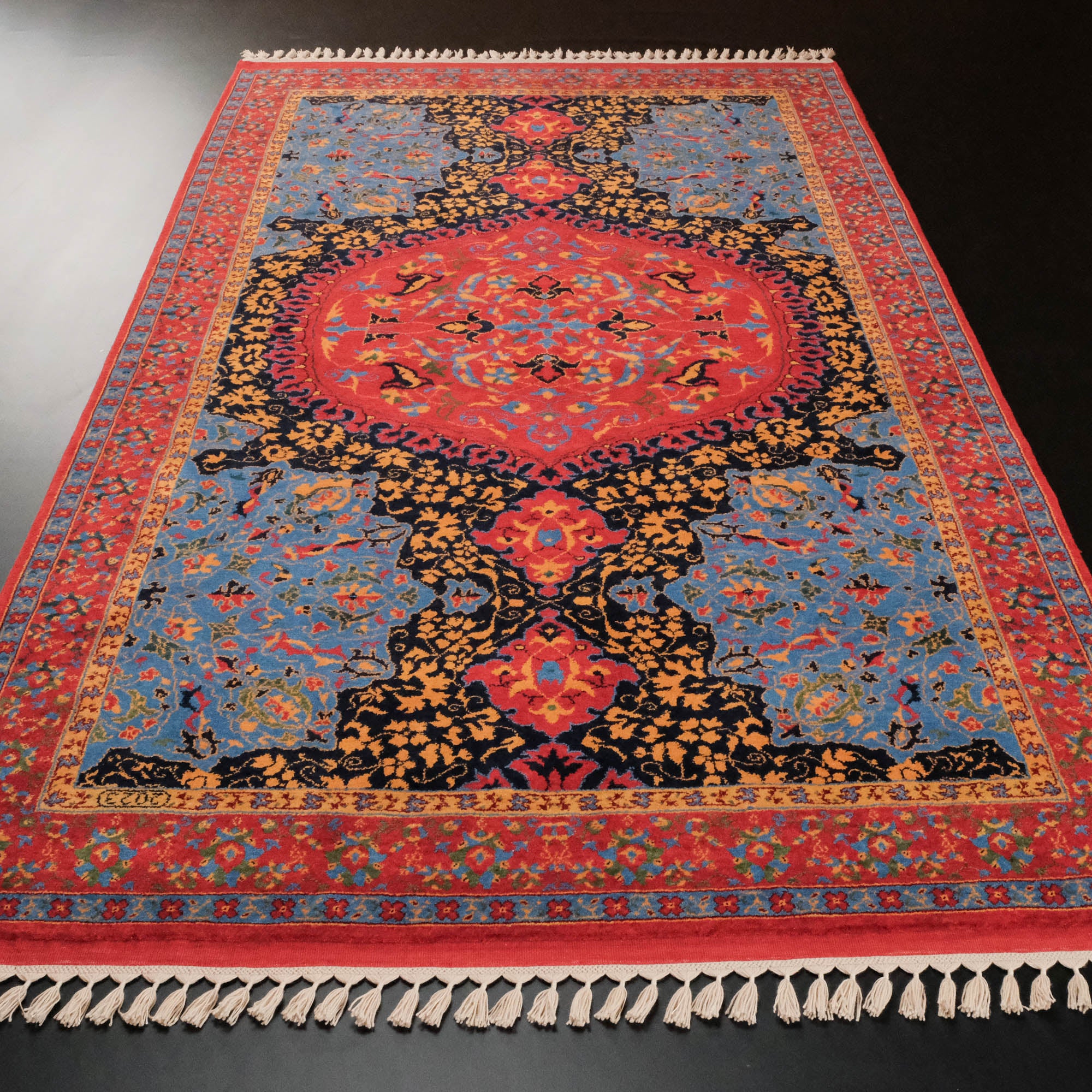
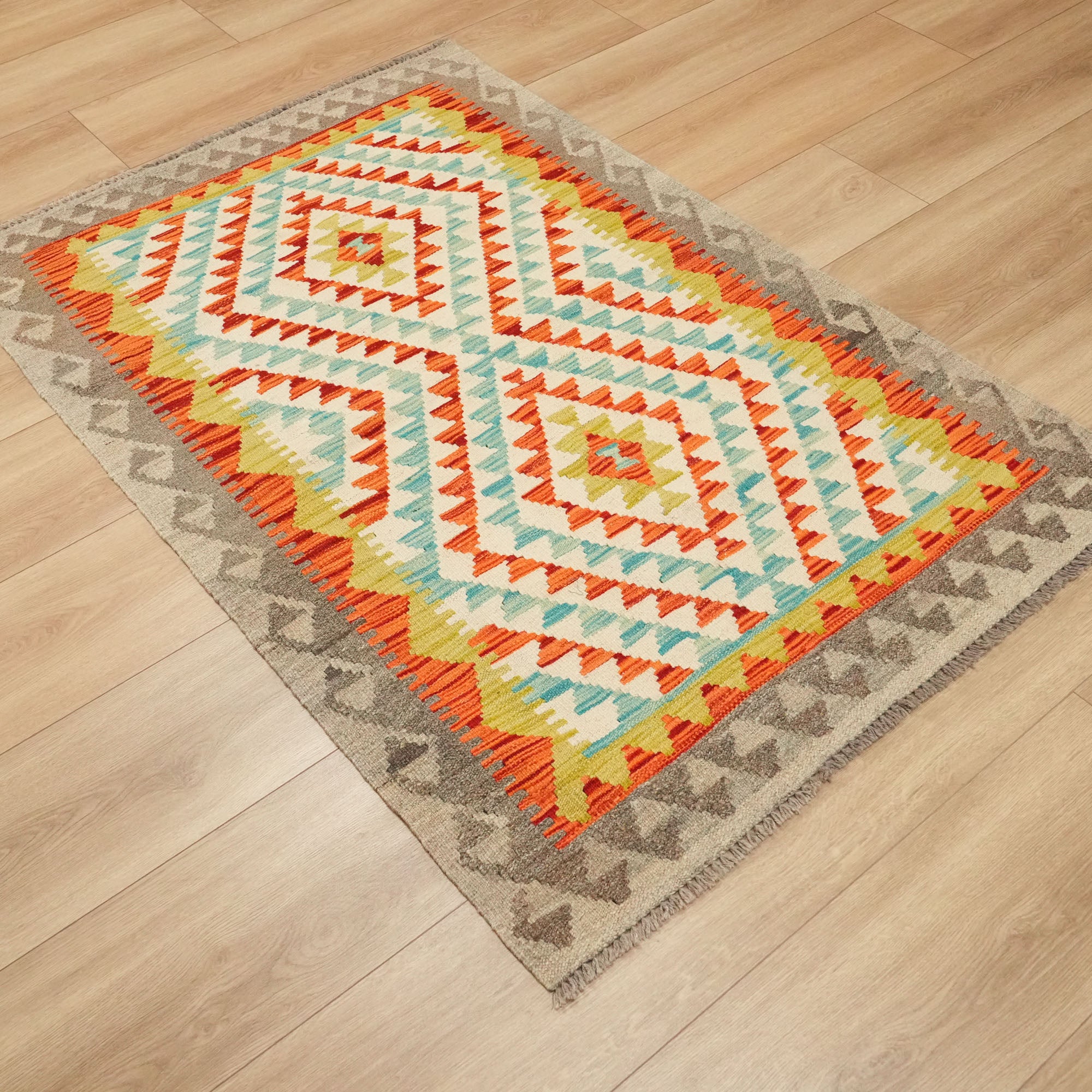
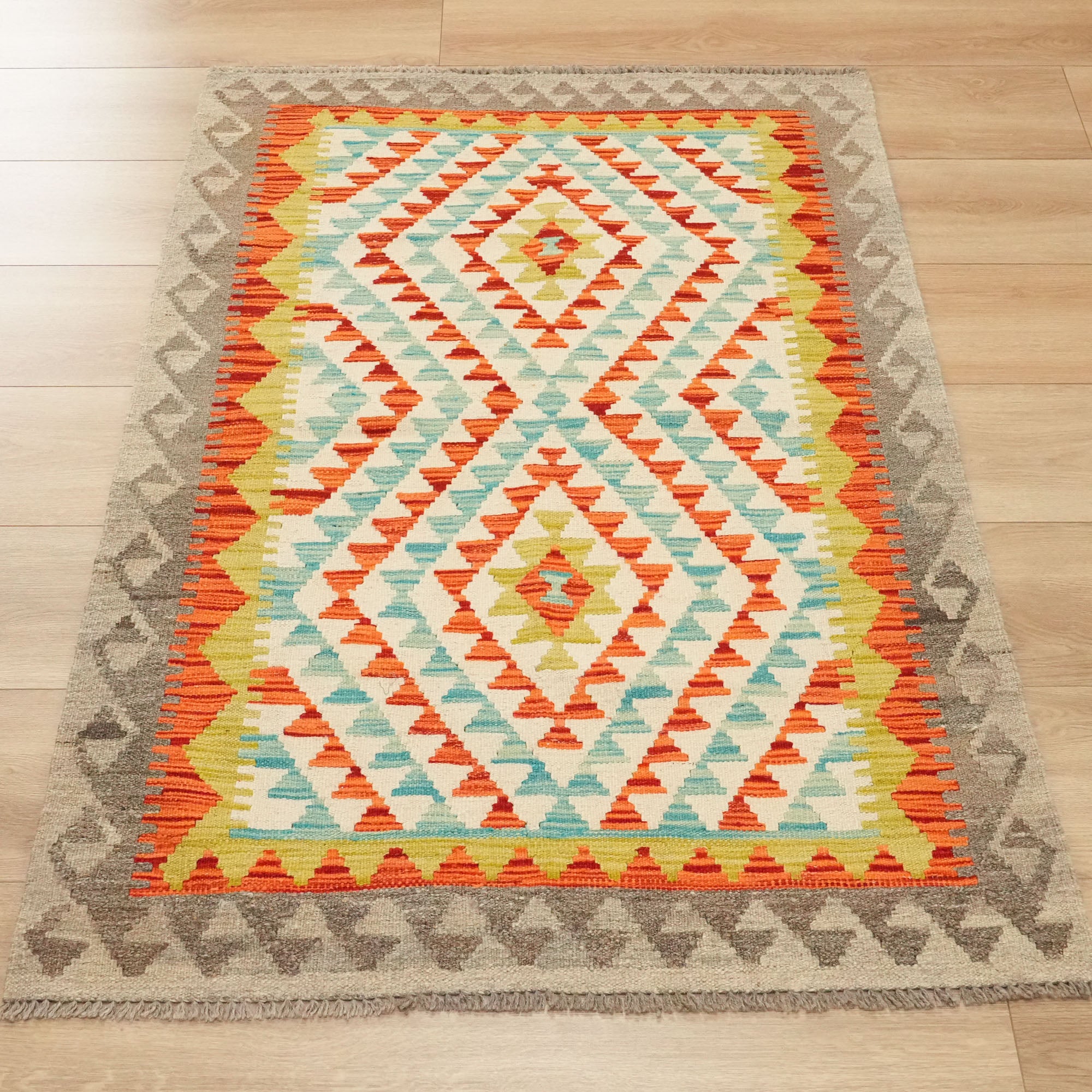
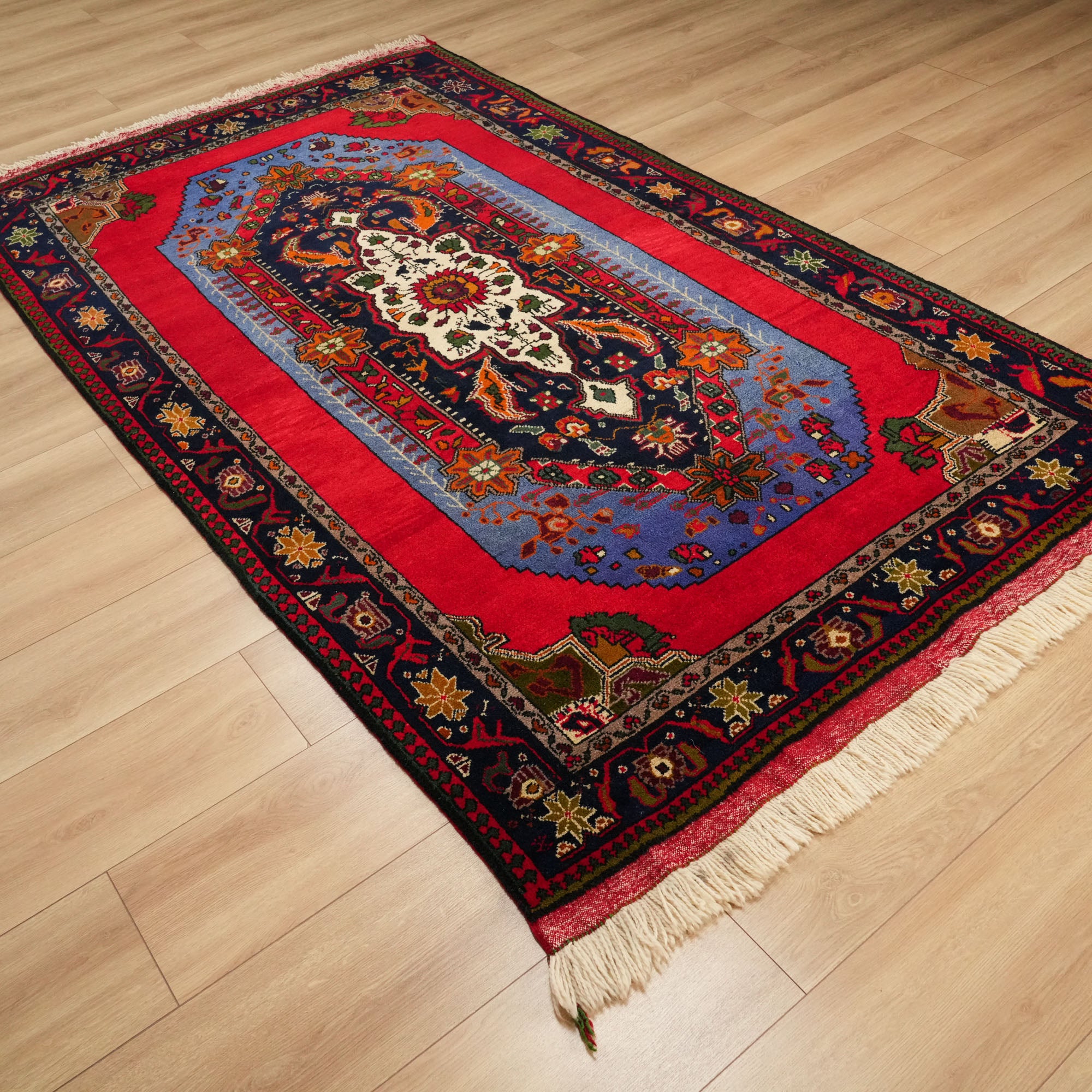
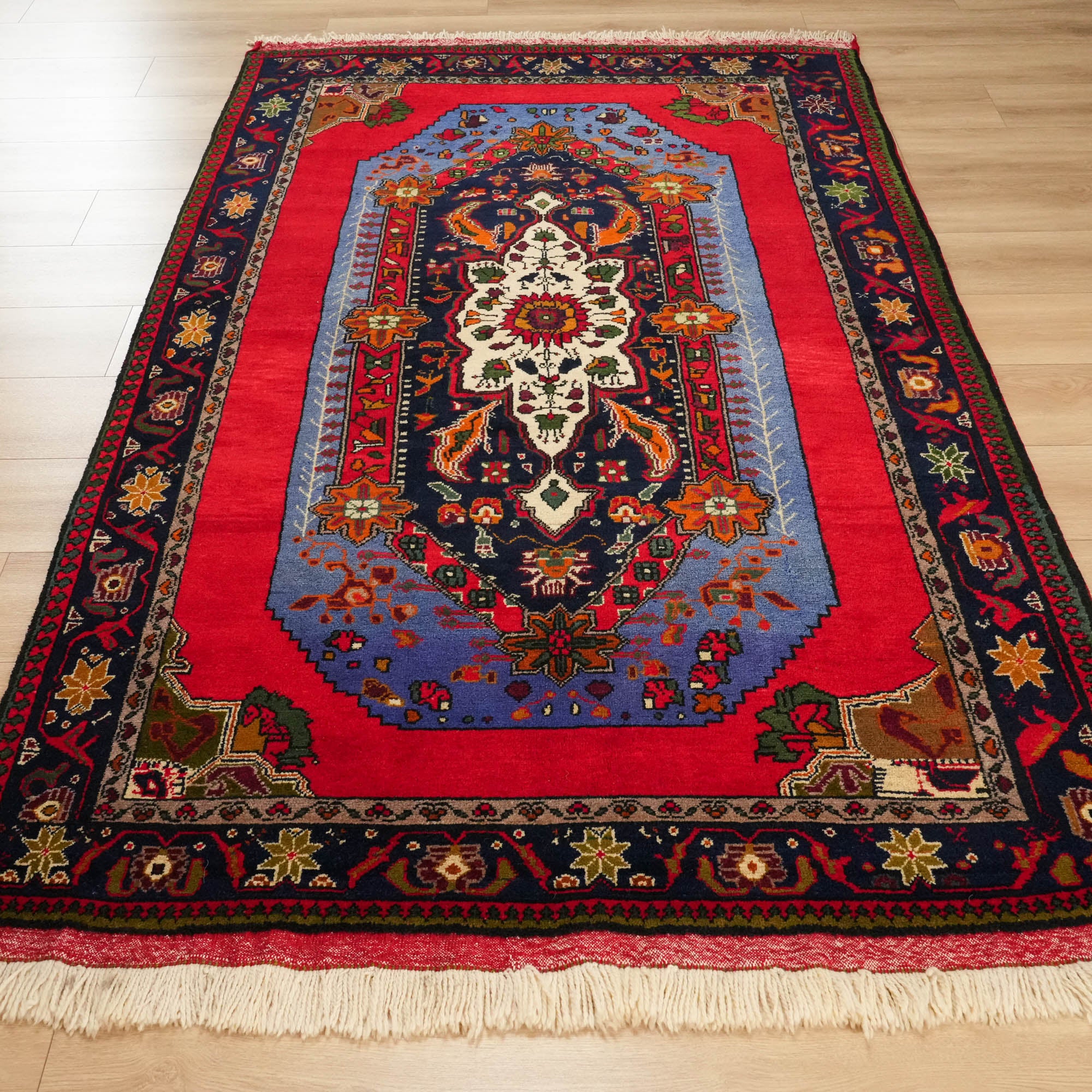
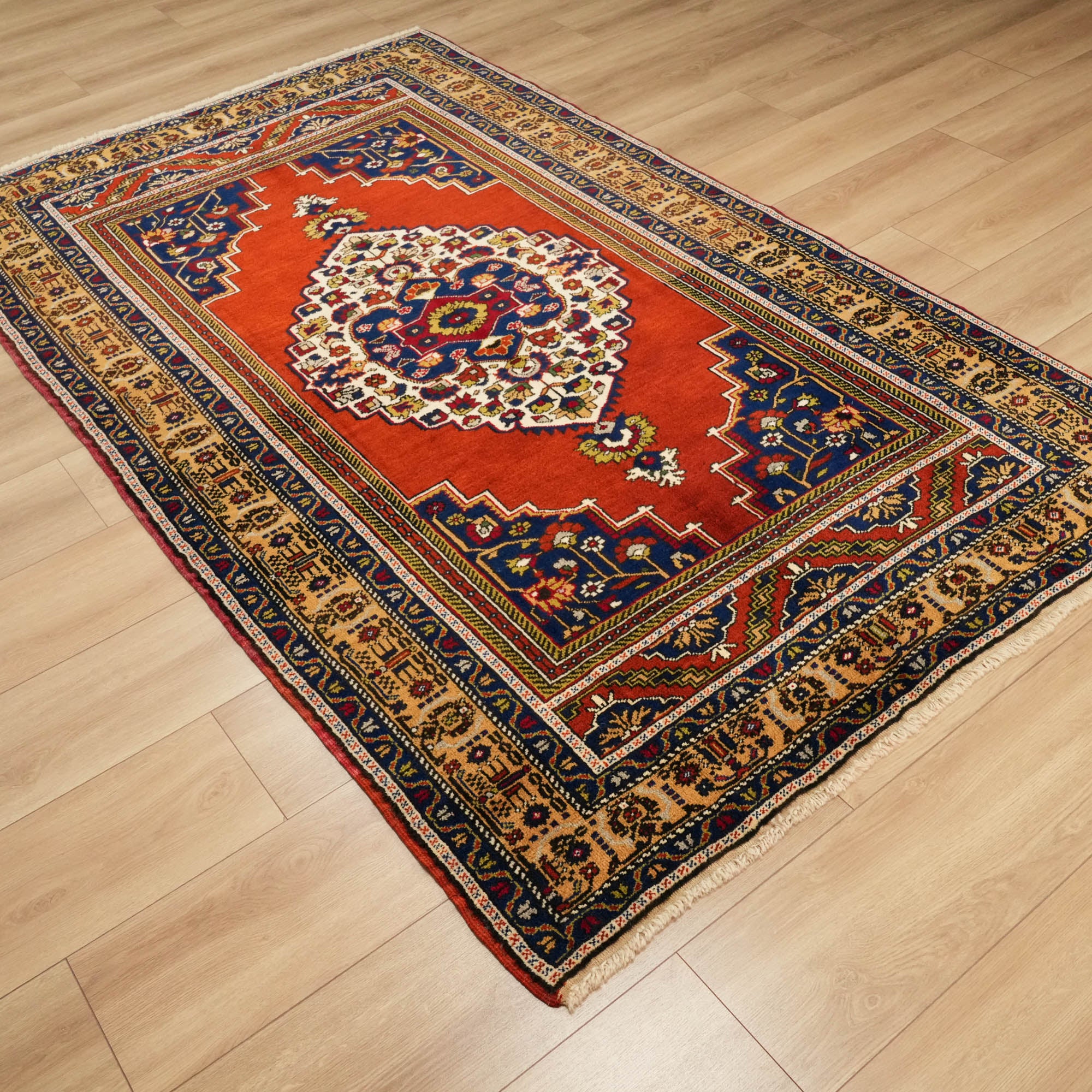
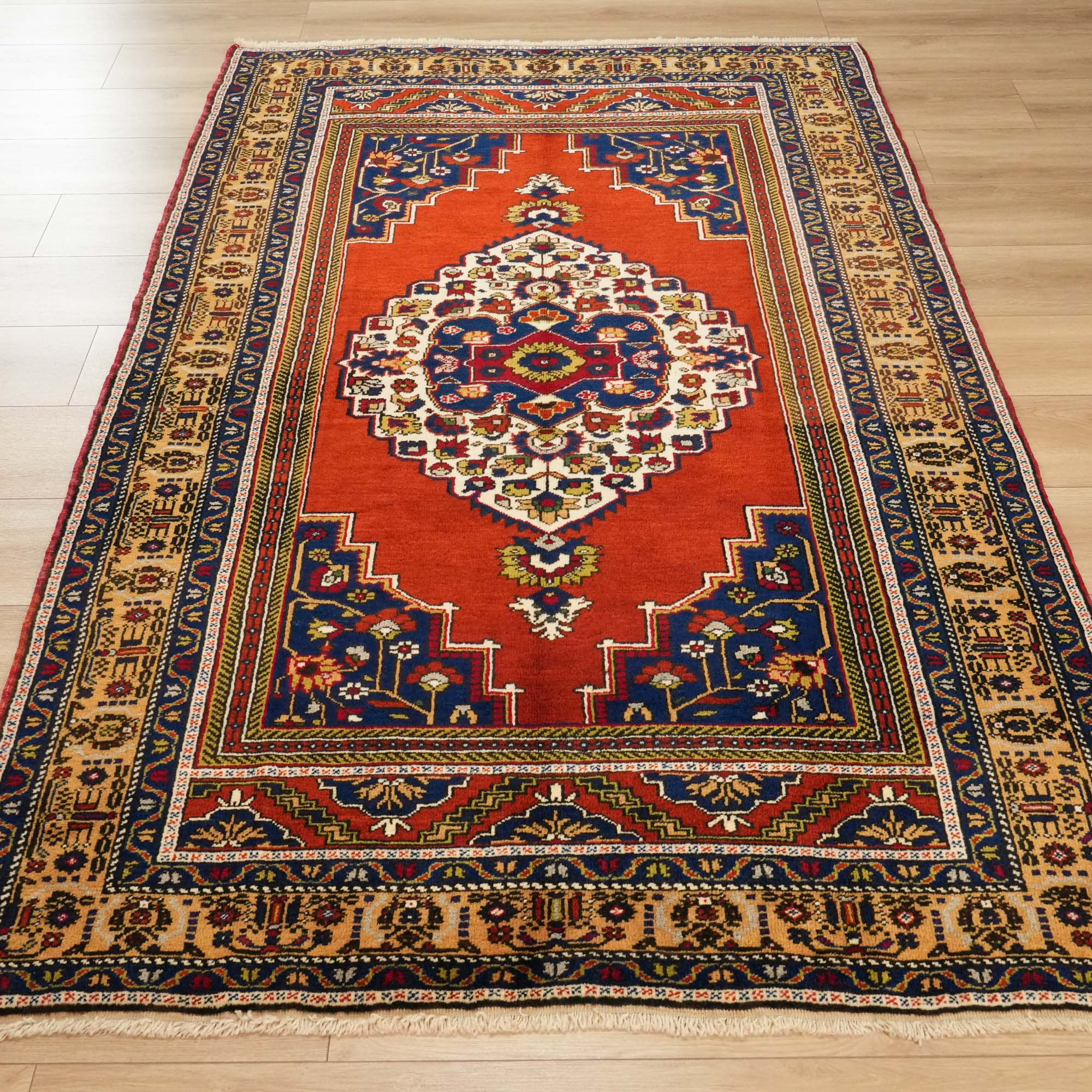
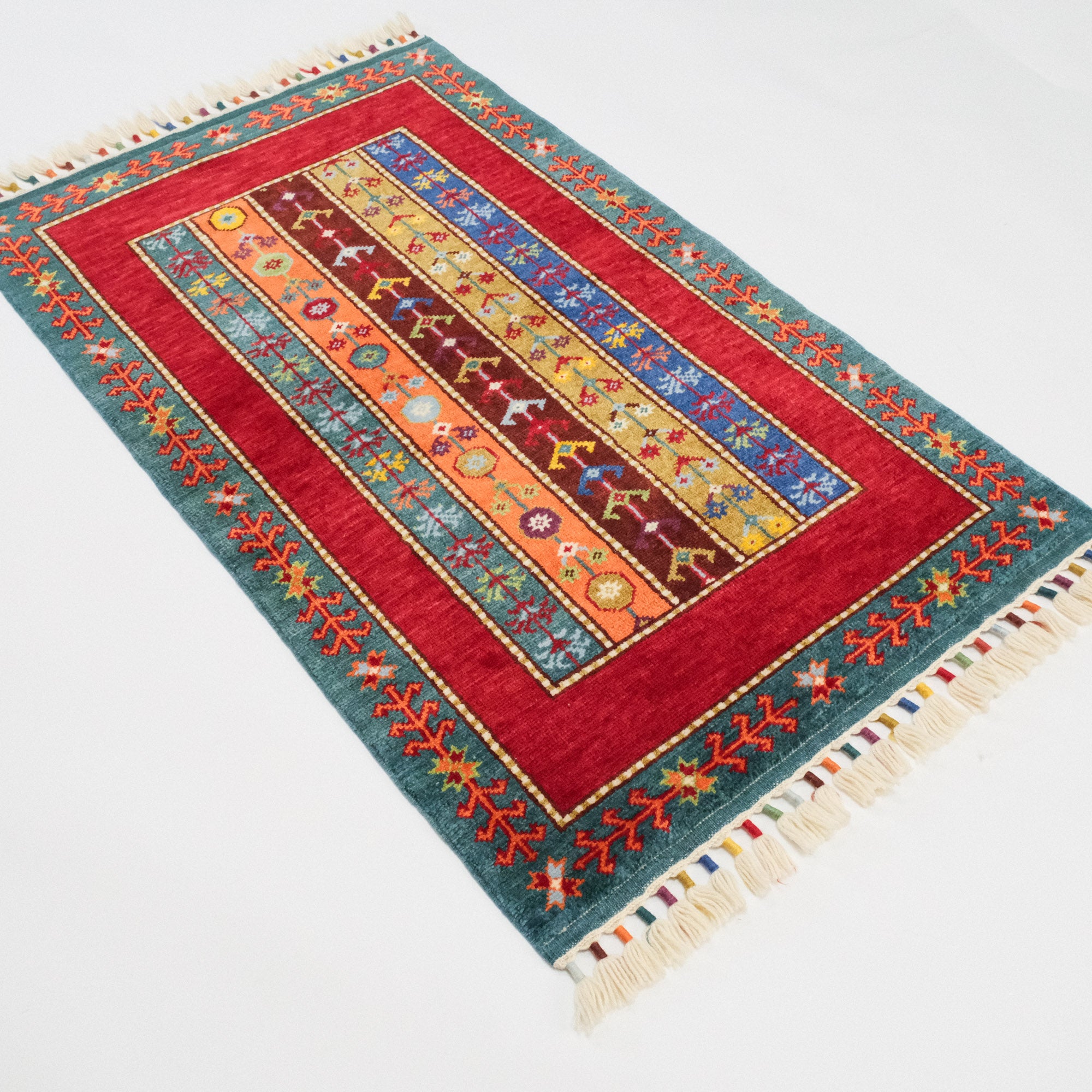
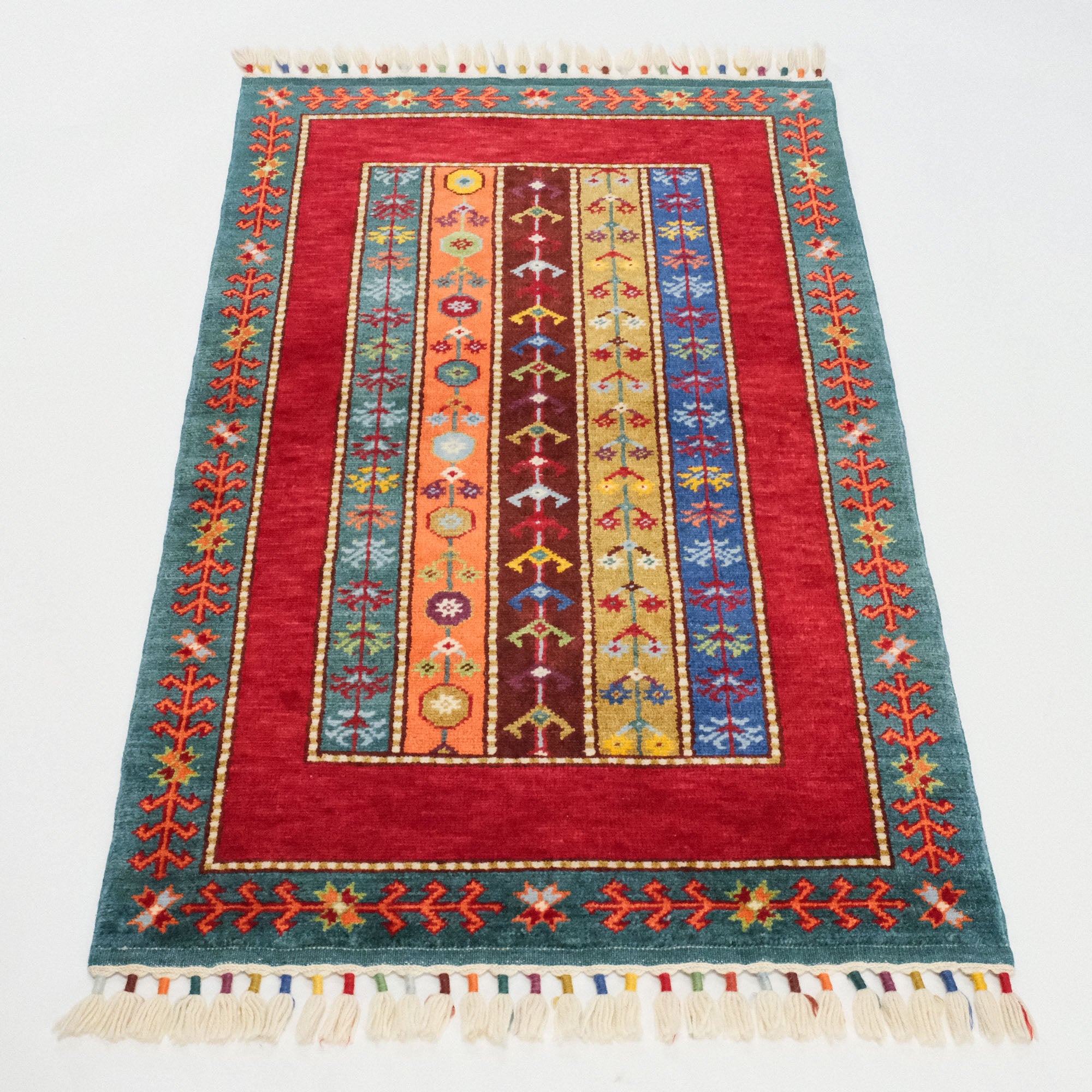
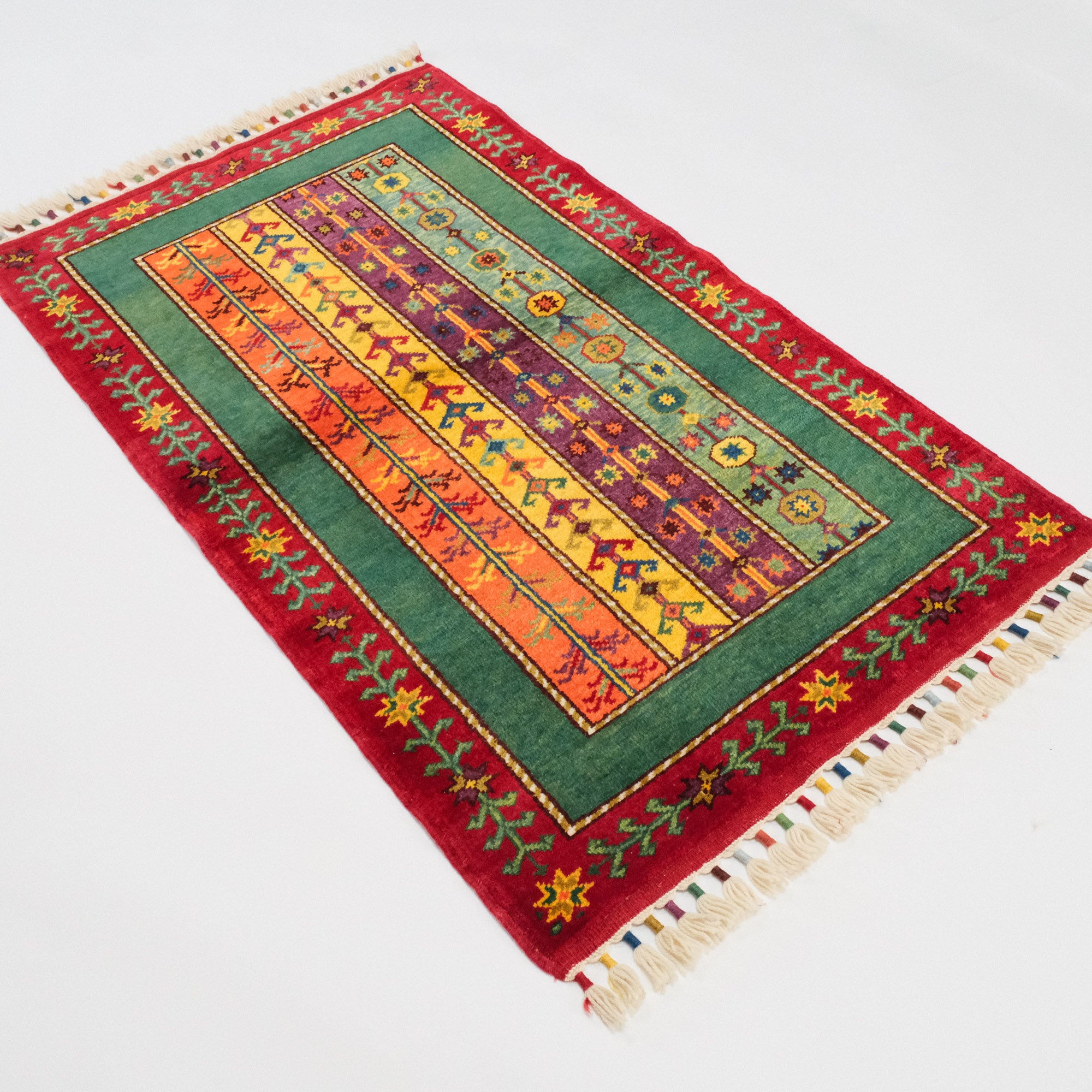
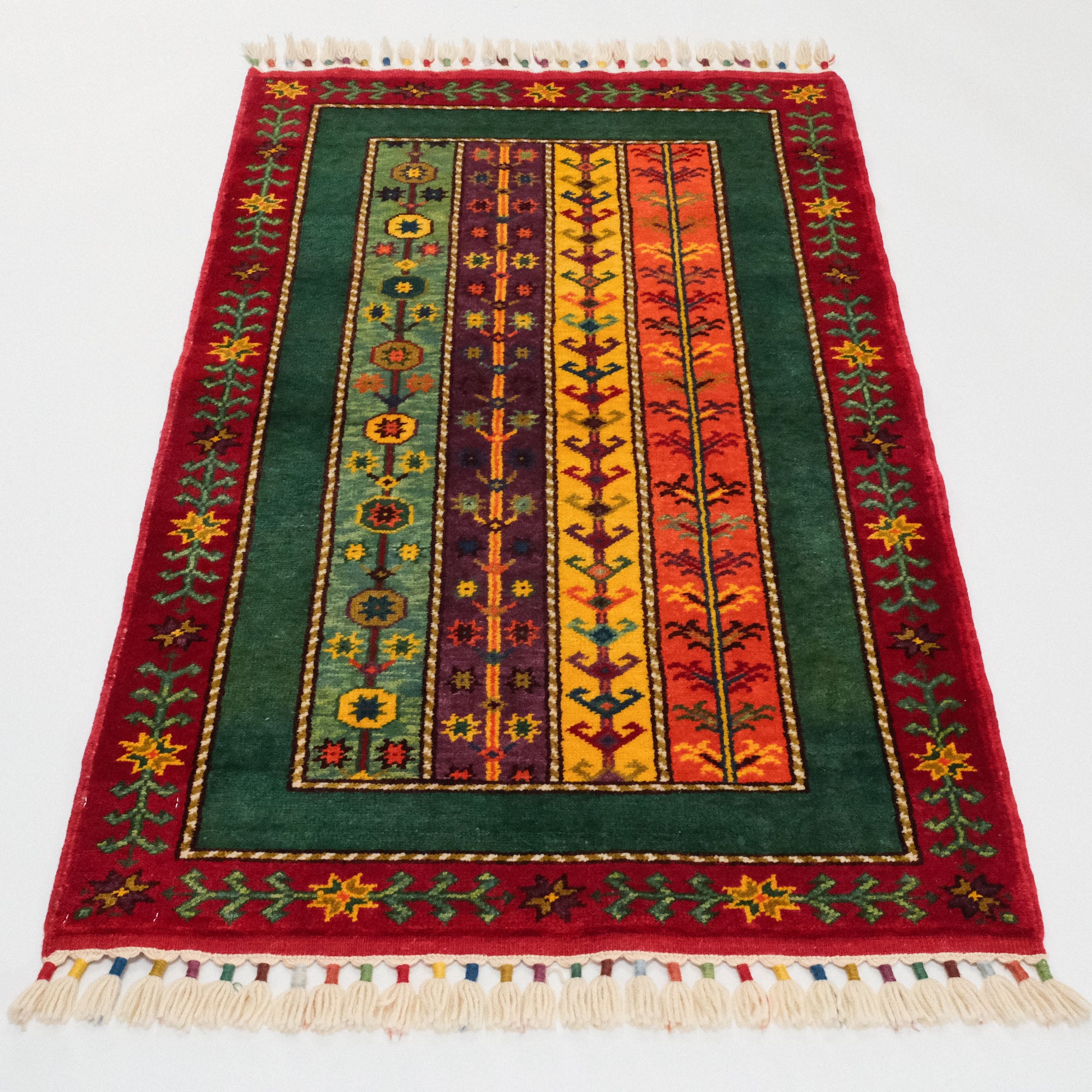
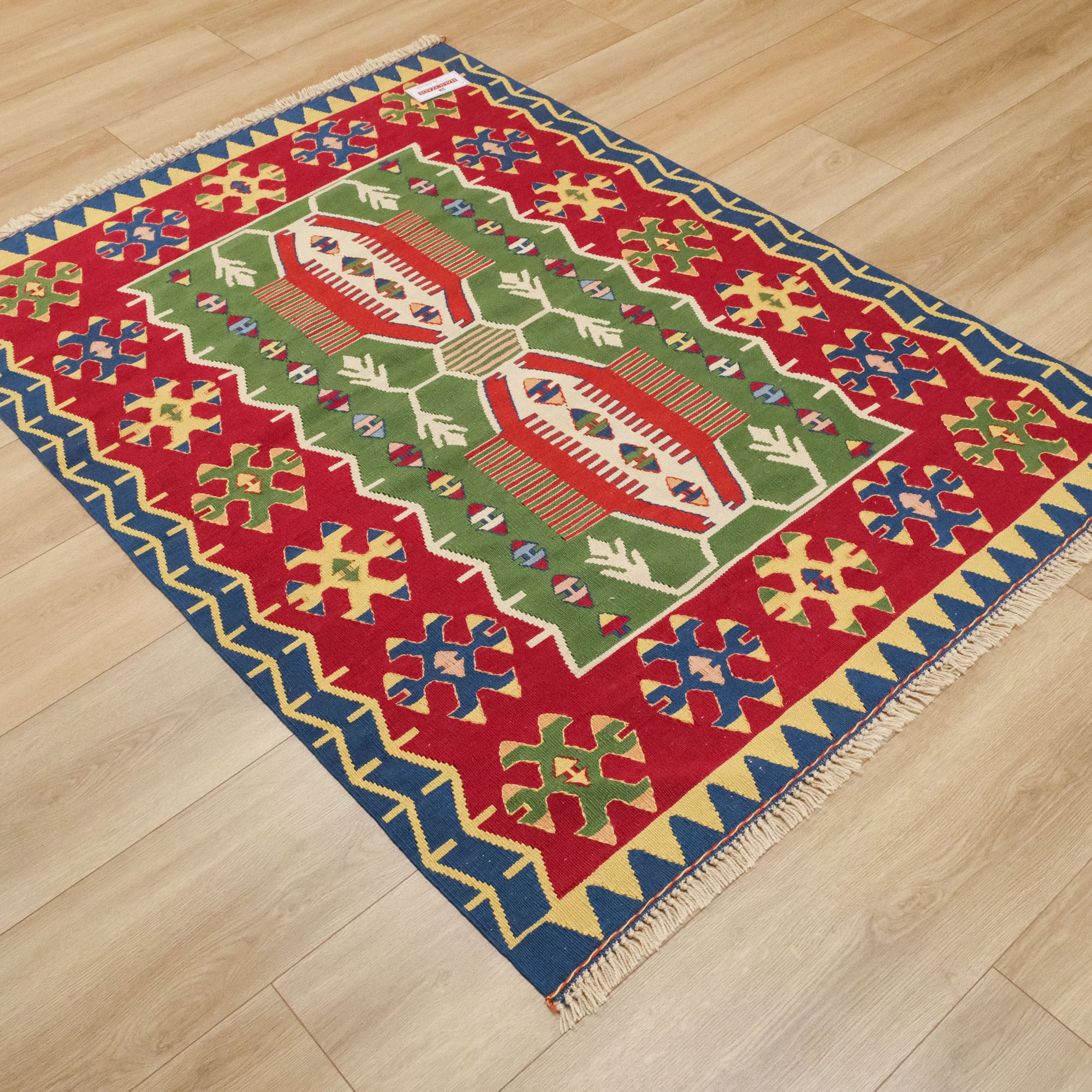
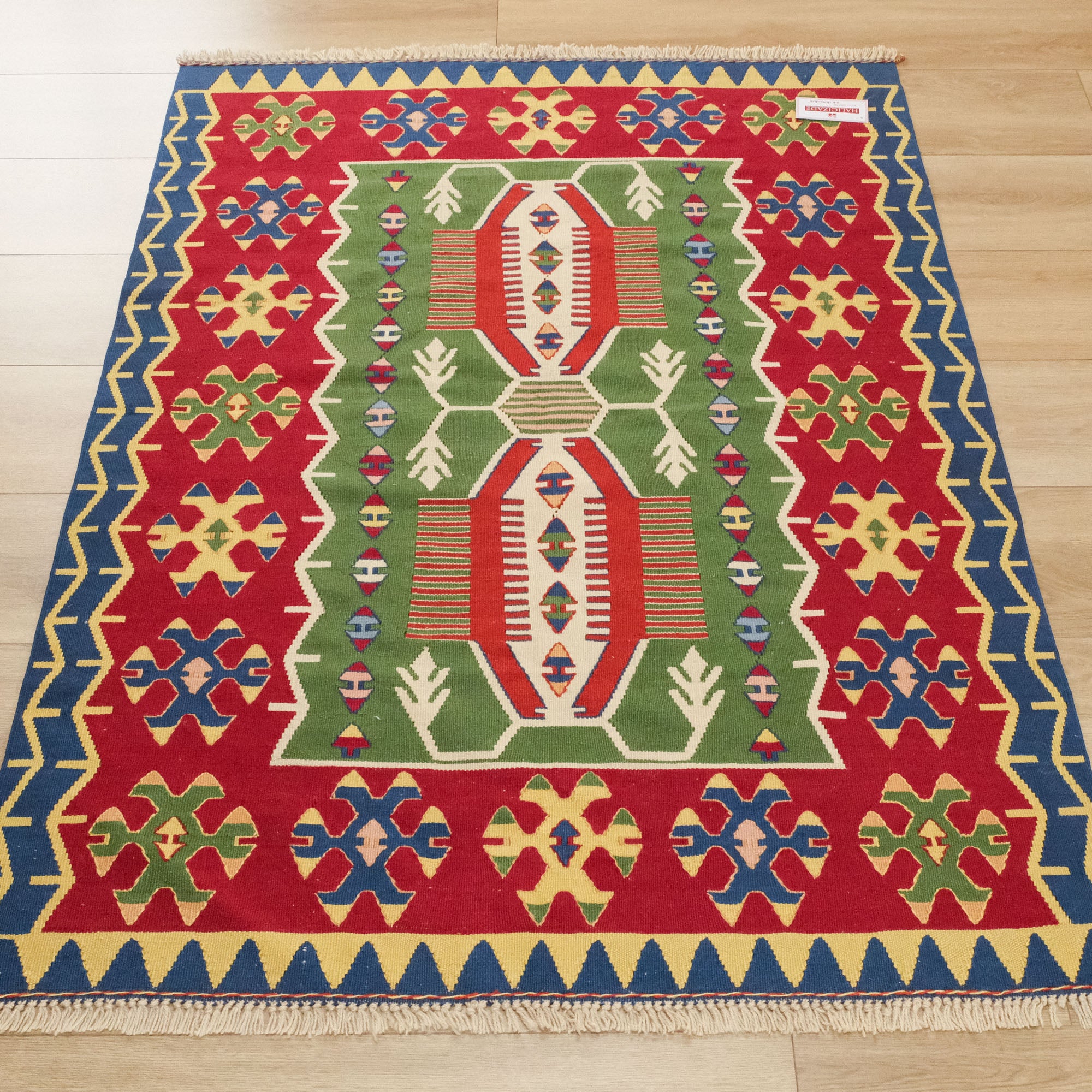
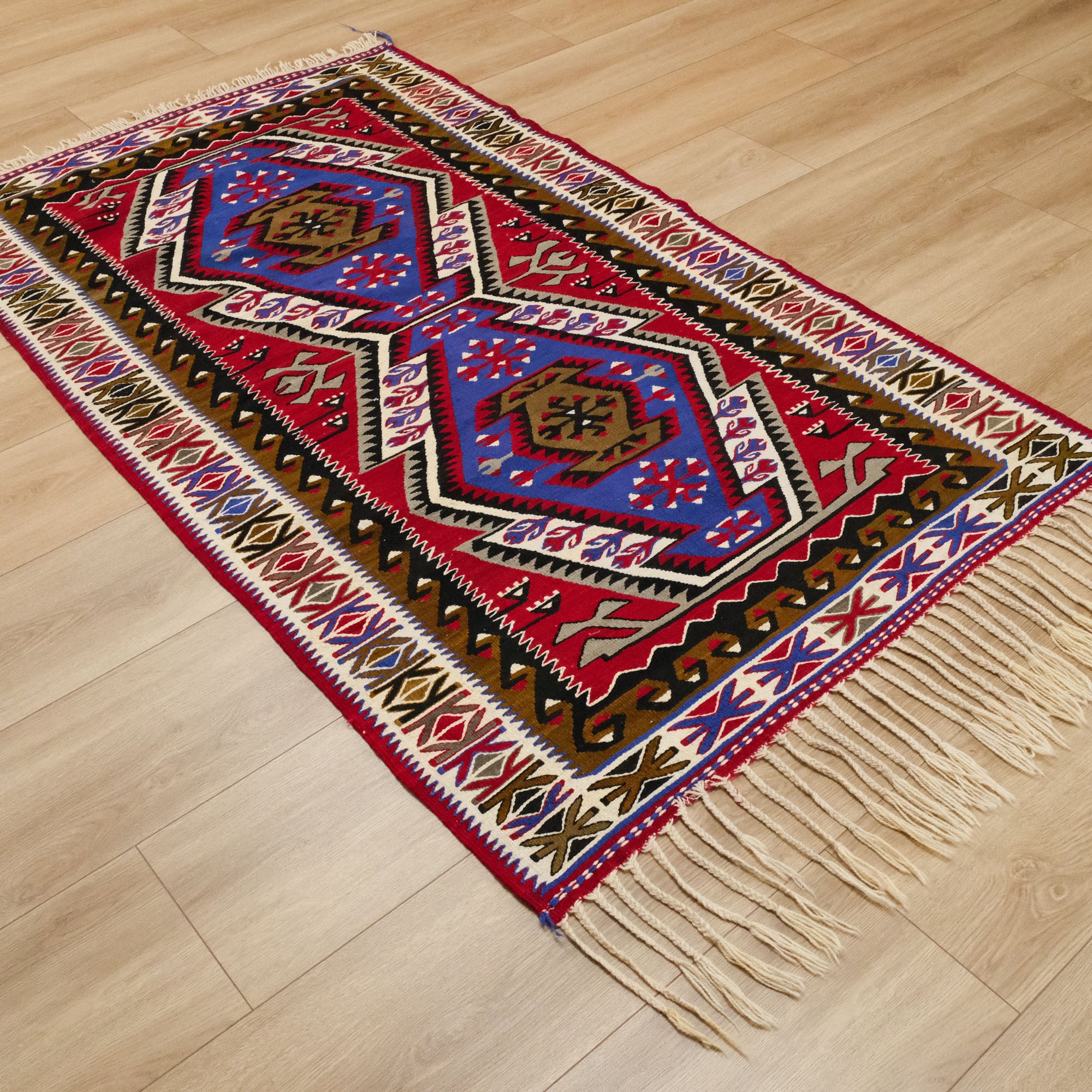
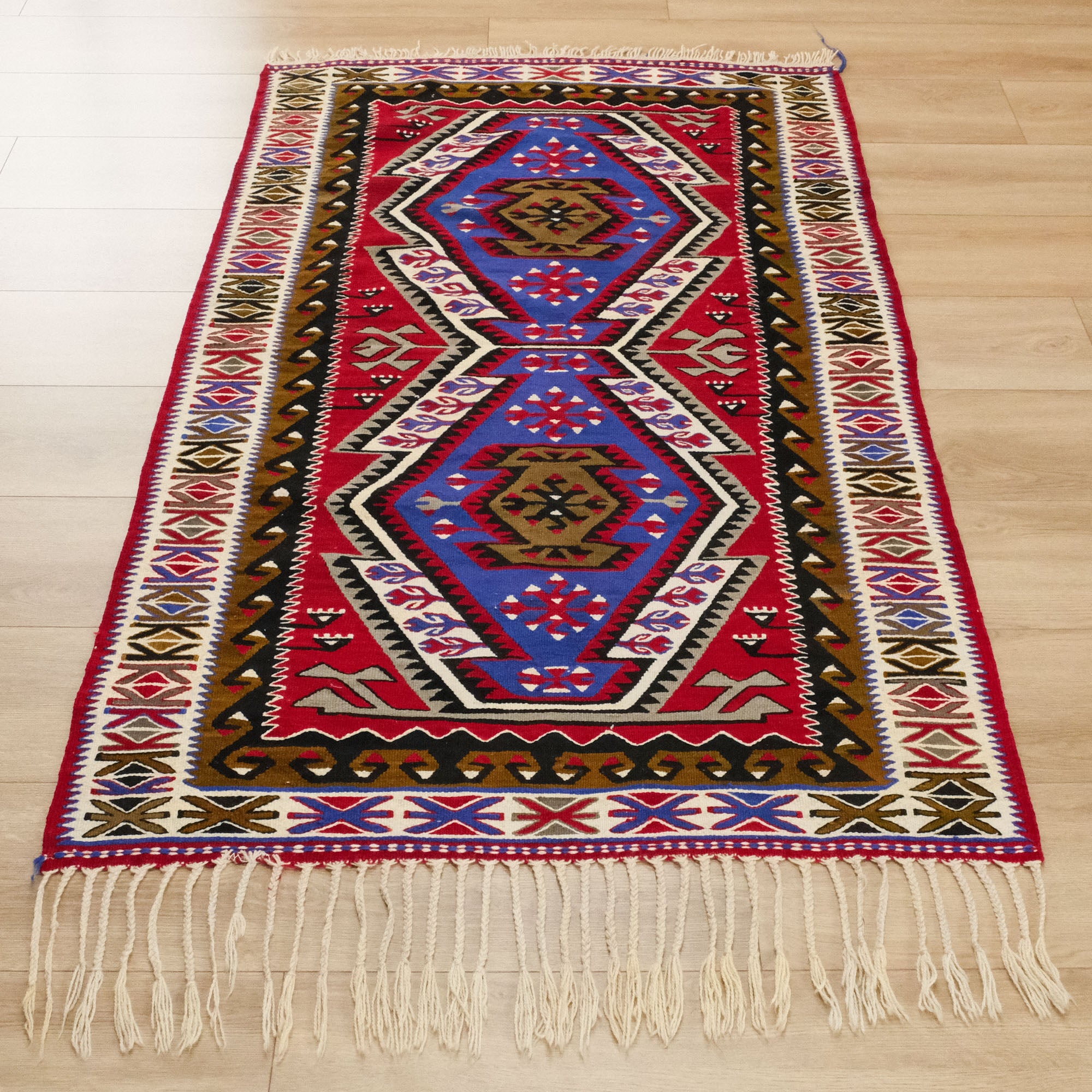
A colorful or multicolor rug combines several distinct hues across its field and border rather than relying on a single dominant color, a pattern style with deep roots in Anatolian tribal weaving where dye availability historically varied village to village.
Multicolor rugs intimidate some buyers who worry about matching, but they're often easier to work with than a single bold accent color, because the rug itself already contains a built-in palette you can pull from for the rest of the room.
Why Traditional Weaving Produced Multicolor Patterns
Village weavers historically worked with whatever natural dyes were locally available in a given season, which meant a single rug might combine reds from madder root, yellows from local plants, and blues from indigo trade, not as a deliberate multicolor design statement in the modern sense, but as a practical reflection of available materials. That layered, varied color approach became a defining aesthetic in its own right.
How We Curate Multicolor Balance
A multicolor rug can easily tip into visual chaos if the color relationships aren't considered carefully, we check every multicolor design in this collection specifically for color balance, ensuring no single hue fights for dominance in a way that reads as unintentional rather than confidently layered.
Why Choose a Colorful Rug from Halicizade
Our multicolor collection spans anywhere from four to a dozen or more distinct hues per rug, curated so the overall effect reads as rich and intentional regardless of how many individual colors are present.
Making a Multicolor Rug Work in Your Room
The easiest approach to styling a multicolor rug is using it as your room's built-in color reference rather than trying to match it to an existing scheme.
- Pick one or two dominant colors from the rug and repeat them in cushions, art or accessories elsewhere in the room.
- Keep furniture mostly solid-color and simple, letting the rug provide the room's visual pattern and complexity.
- Avoid pairing with heavily patterned furniture or wallpaper, which competes with the rug rather than complementing it.
- Multicolor rugs are particularly forgiving in high-traffic rooms since varied color and pattern naturally disguise everyday soiling.
Multicolor vs. Single-Accent-Color Rugs
| Multicolor Rug | Single Dominant Color Rug | |
|---|---|---|
| Styling approach | Rug provides the room's color reference | Room is built around one accent tone |
| Hides everyday wear | Very well | Depends on shade |
| Best paired with | Simple, solid-color furniture | More flexible, can pair with pattern |
| Visual complexity | High | Low to moderate |
Care & Maintenance
Multicolor patterns are genuinely more forgiving of everyday soiling than a solid color, but the same wool-care basics apply, regular vacuuming, prompt spill treatment, and professional cleaning every 12-18 months.
Frequently Asked Questions
How many colors are typical in a multicolor rug?
Multicolor rugs in this collection typically combine anywhere from four to a dozen or more distinct hues, depending on the pattern's regional origin.
Do colorful rugs work with patterned furniture?
It's generally best to pair a colorful rug with simpler, solid-color furniture and let the rug provide the room's visual pattern.
Are multicolor rugs harder to match with decor?
Not necessarily; picking one or two dominant colors from the rug to repeat elsewhere in the room usually ties the space together easily, often more simply than matching a single bold accent color throughout.
Why do traditional Turkish rugs often combine so many colors?
Village weavers historically worked with whatever natural dyes were locally available, which often resulted in rugs combining several colors from different plant and mineral sources rather than a single planned palette.
Do multicolor rugs hide stains well?
Yes, the varied color and pattern of a multicolor rug naturally disguises everyday soiling better than a solid-color rug, making it a practical choice for high-traffic rooms.
What room works best for a multicolor rug?
Living rooms and family rooms are especially popular, though a multicolor rug can work in almost any room where you want the floor to be the space's visual anchor.