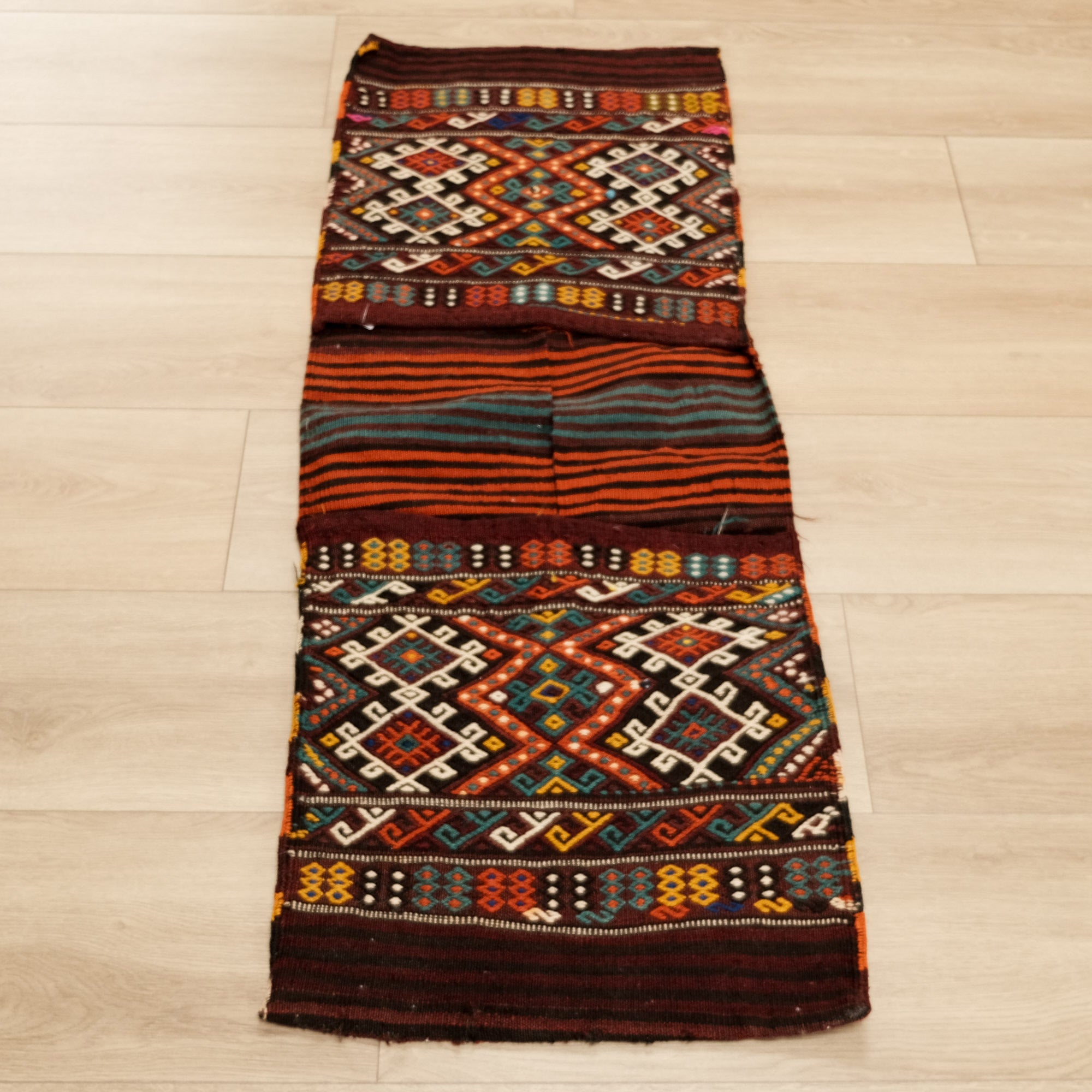
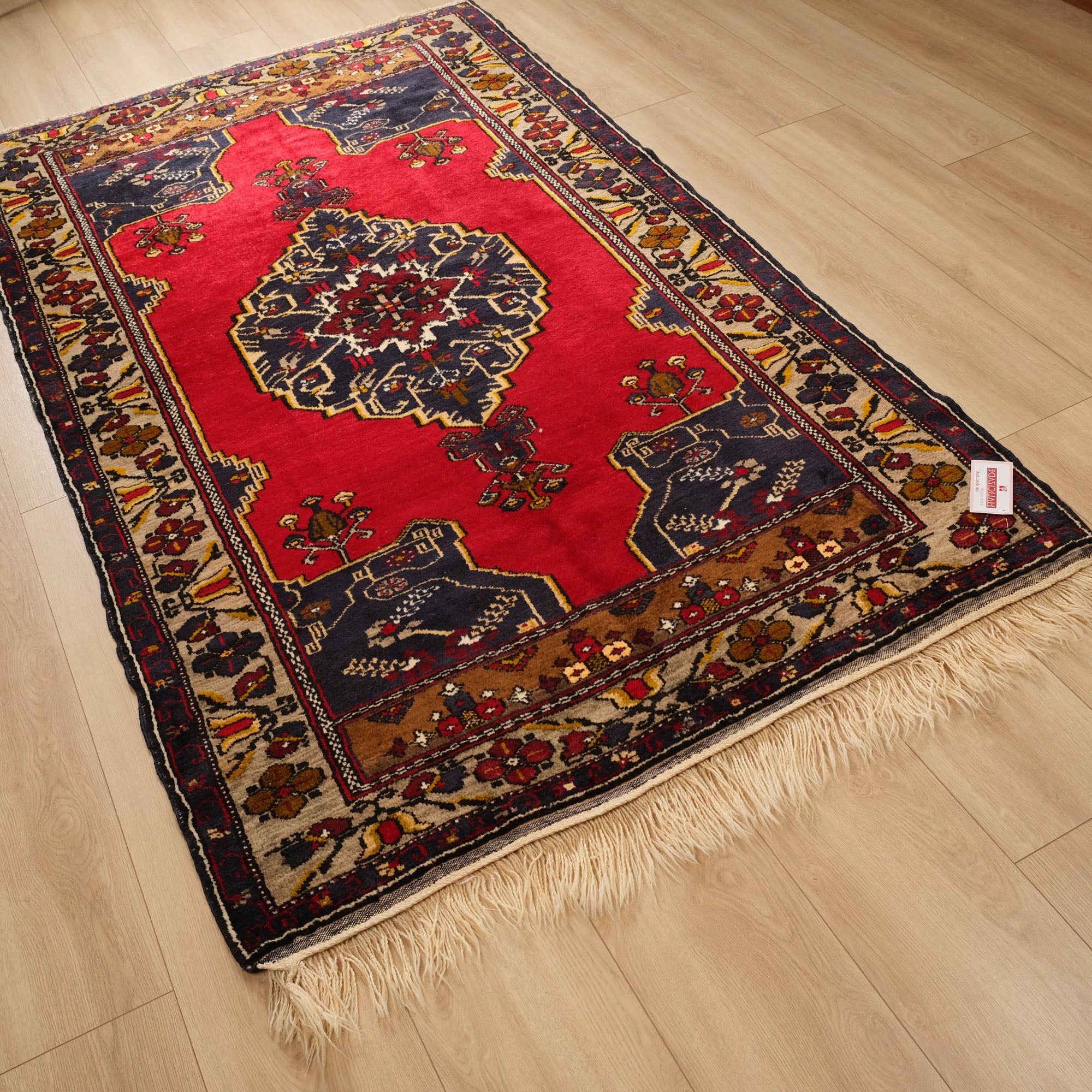
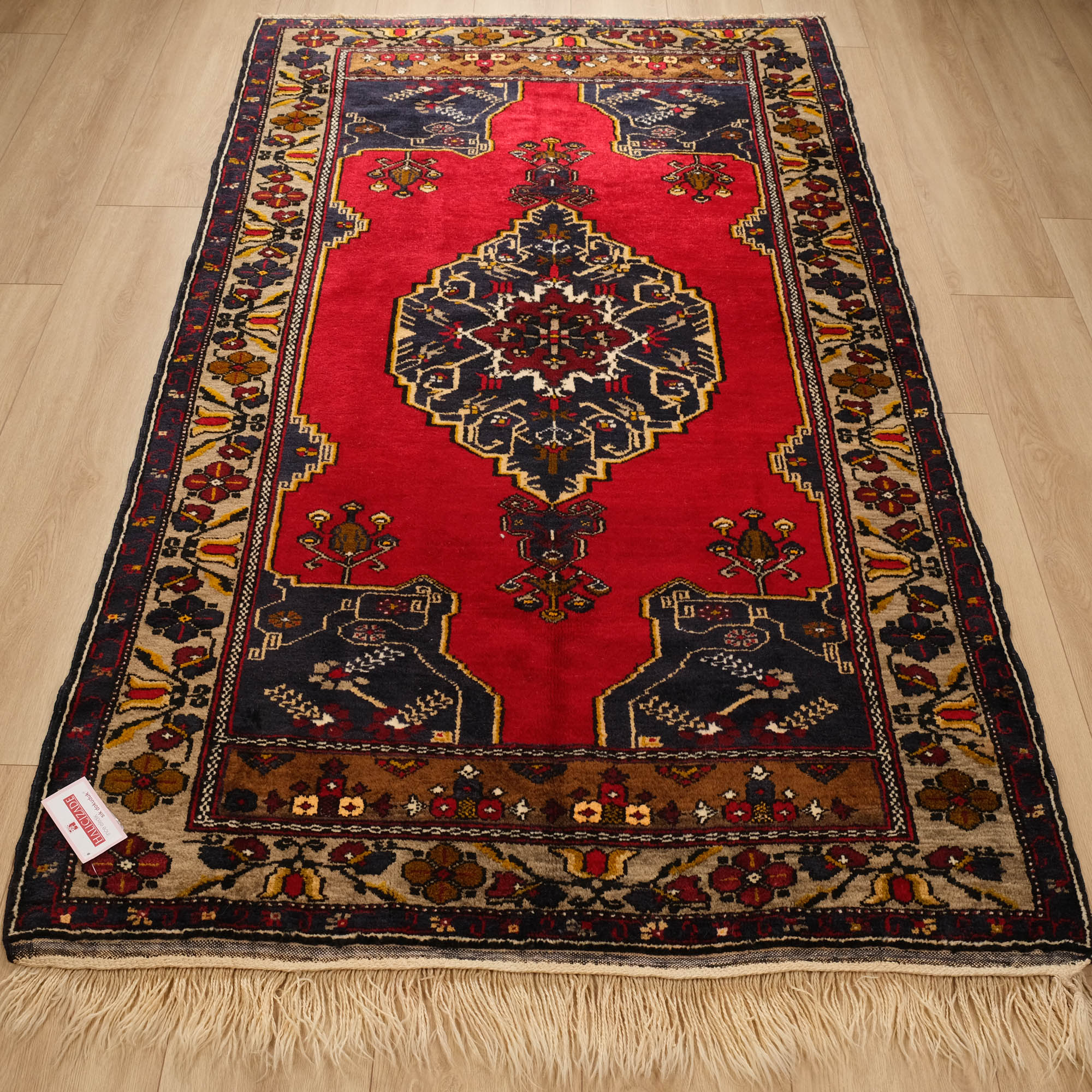
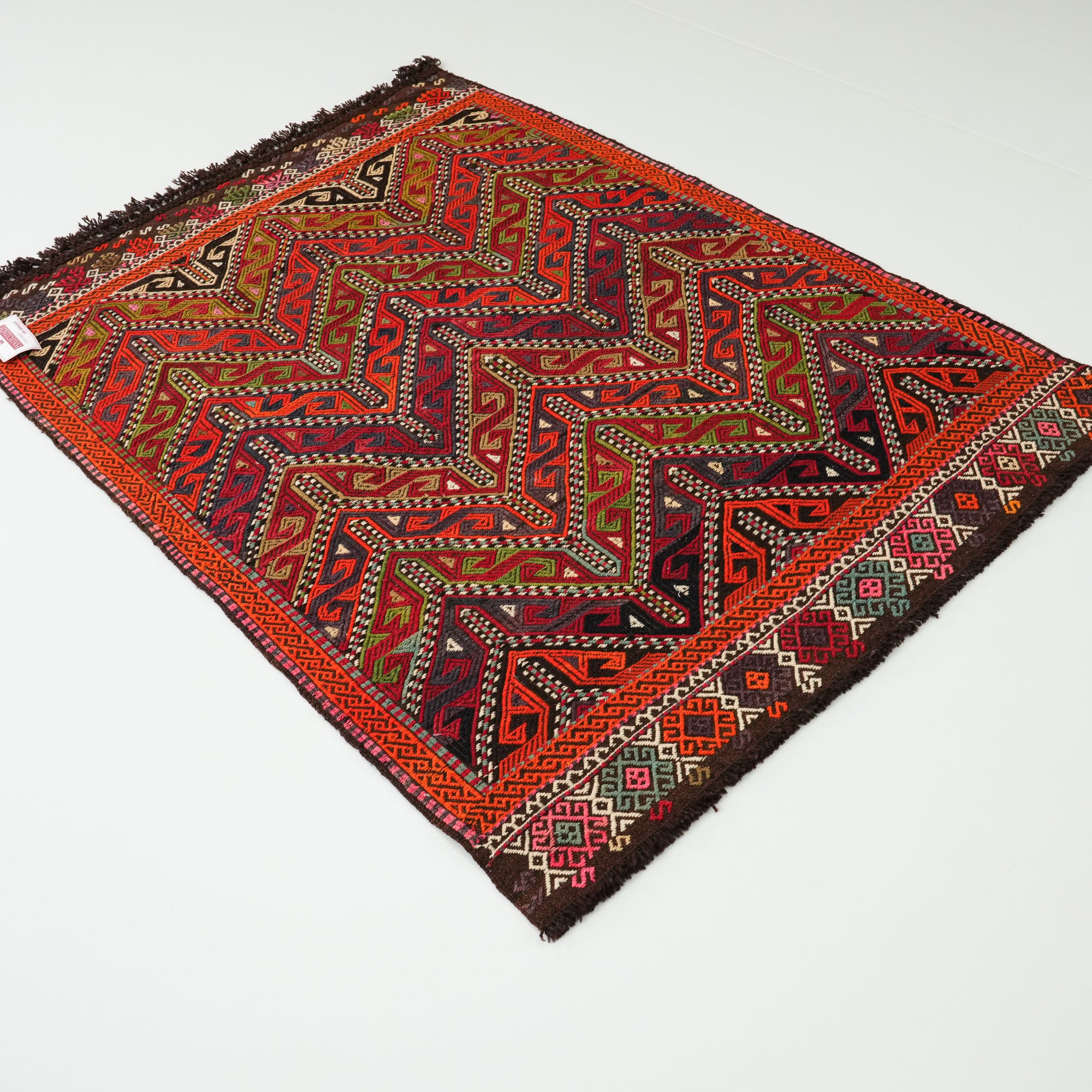
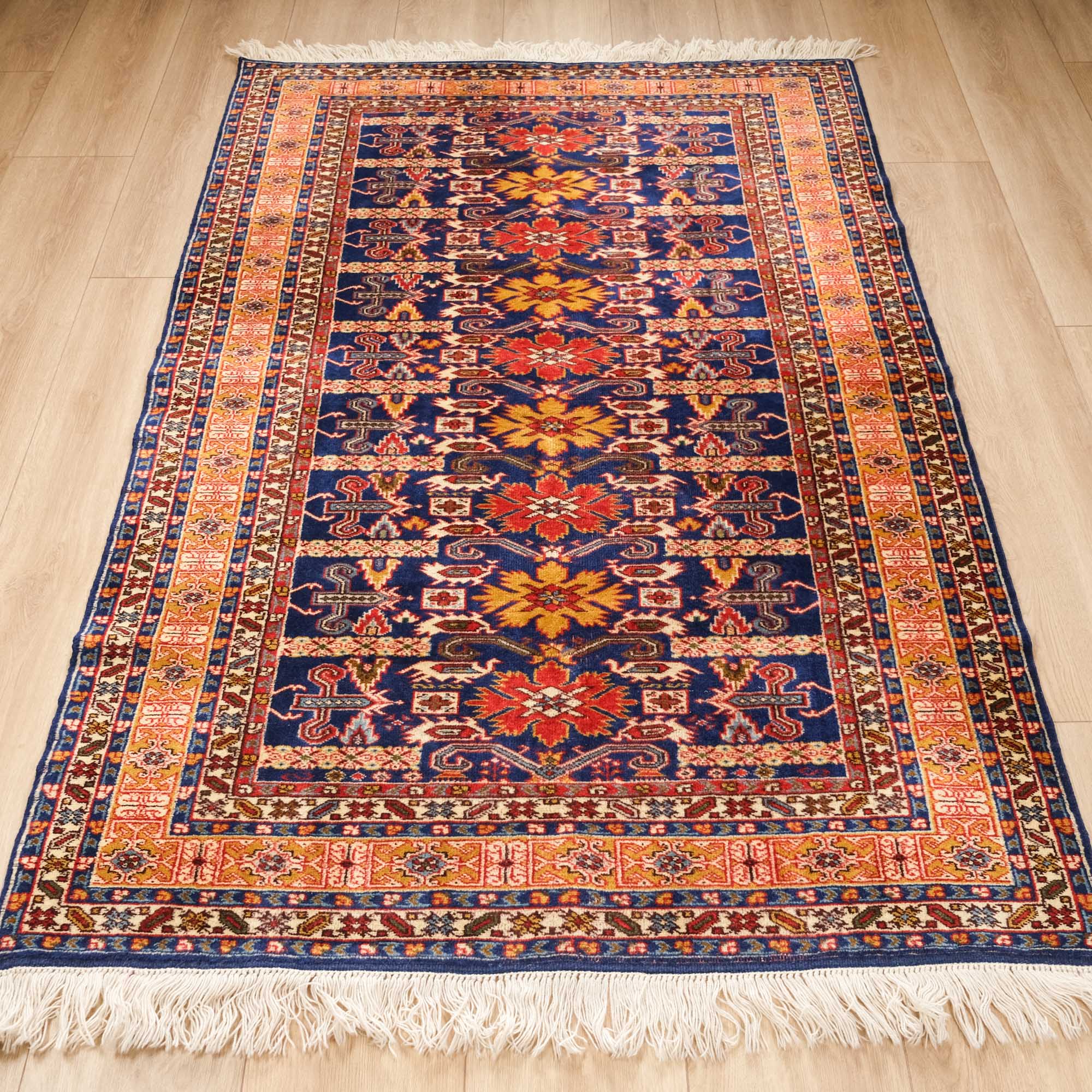
Yoruk Carpet

Göçebe Türk boyları otağ kurmadan önce atın üzerinden önce halıyı indirirlerdi, çünkü halı neredeyse ev oradadır. Bu kültür, Yörüklerin kültürü, hepimizin kültürü. Yörükler halıyı sever, bakın bakalım, siz Yörük halılarını sever misiniz?

Filters

Sort by:

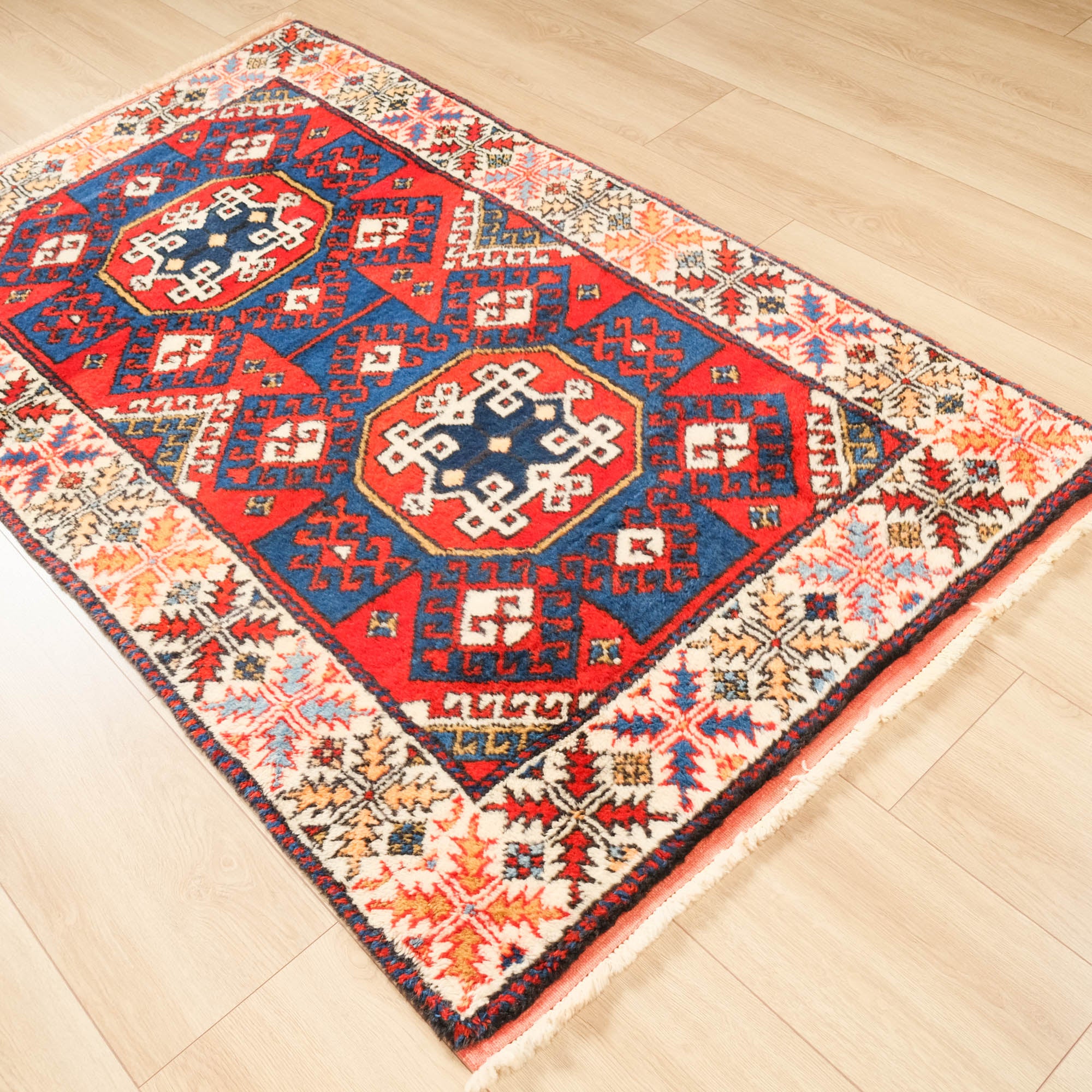
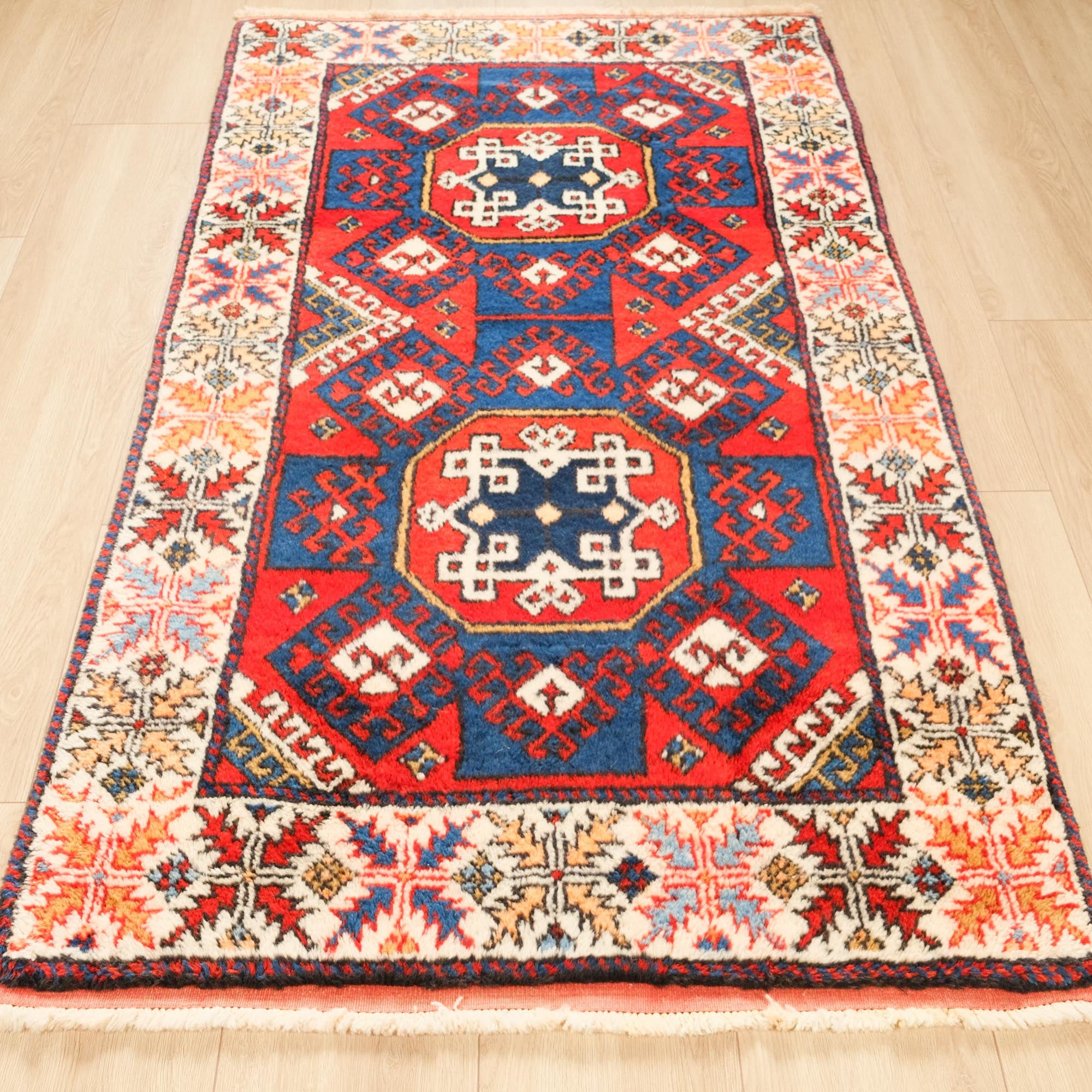
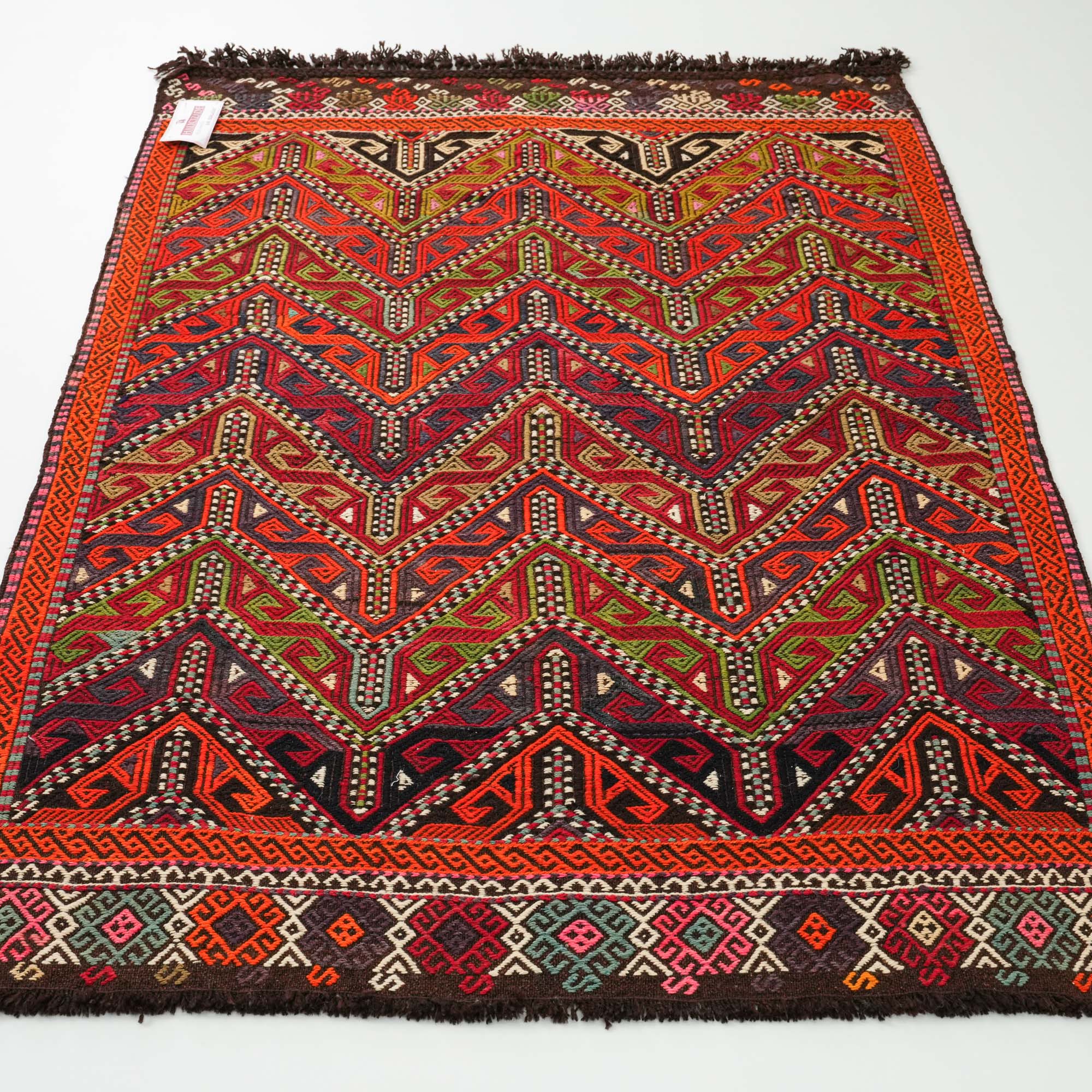
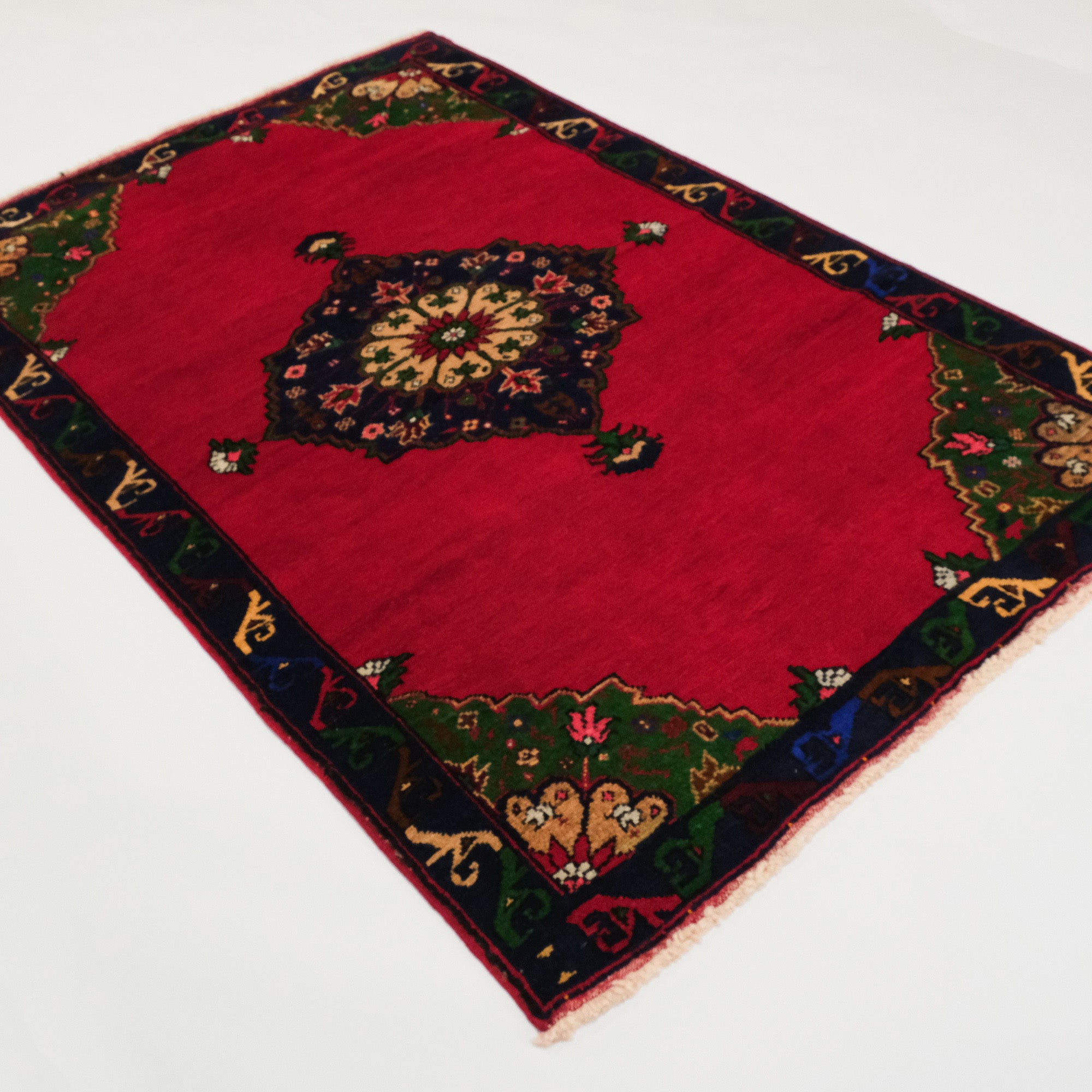
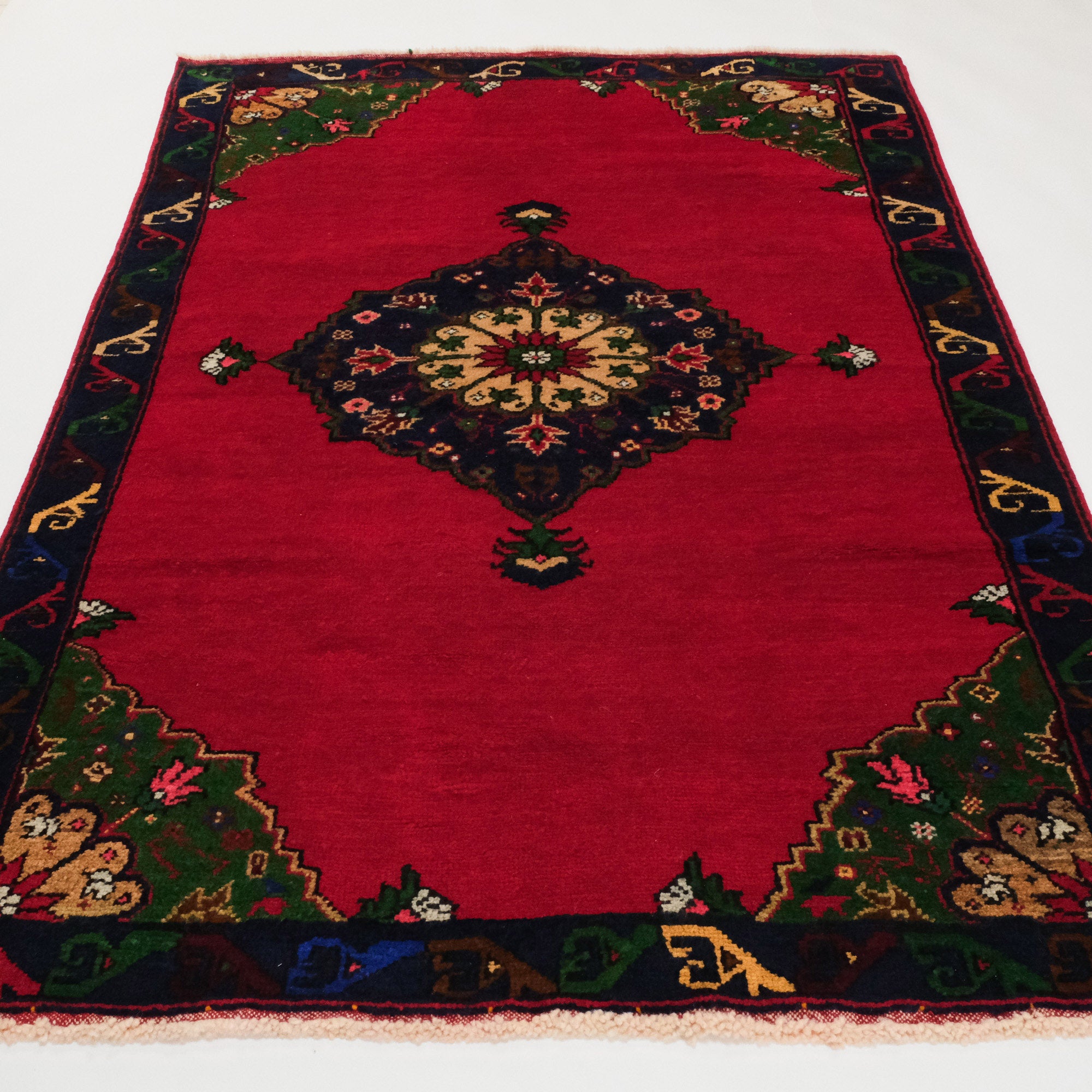
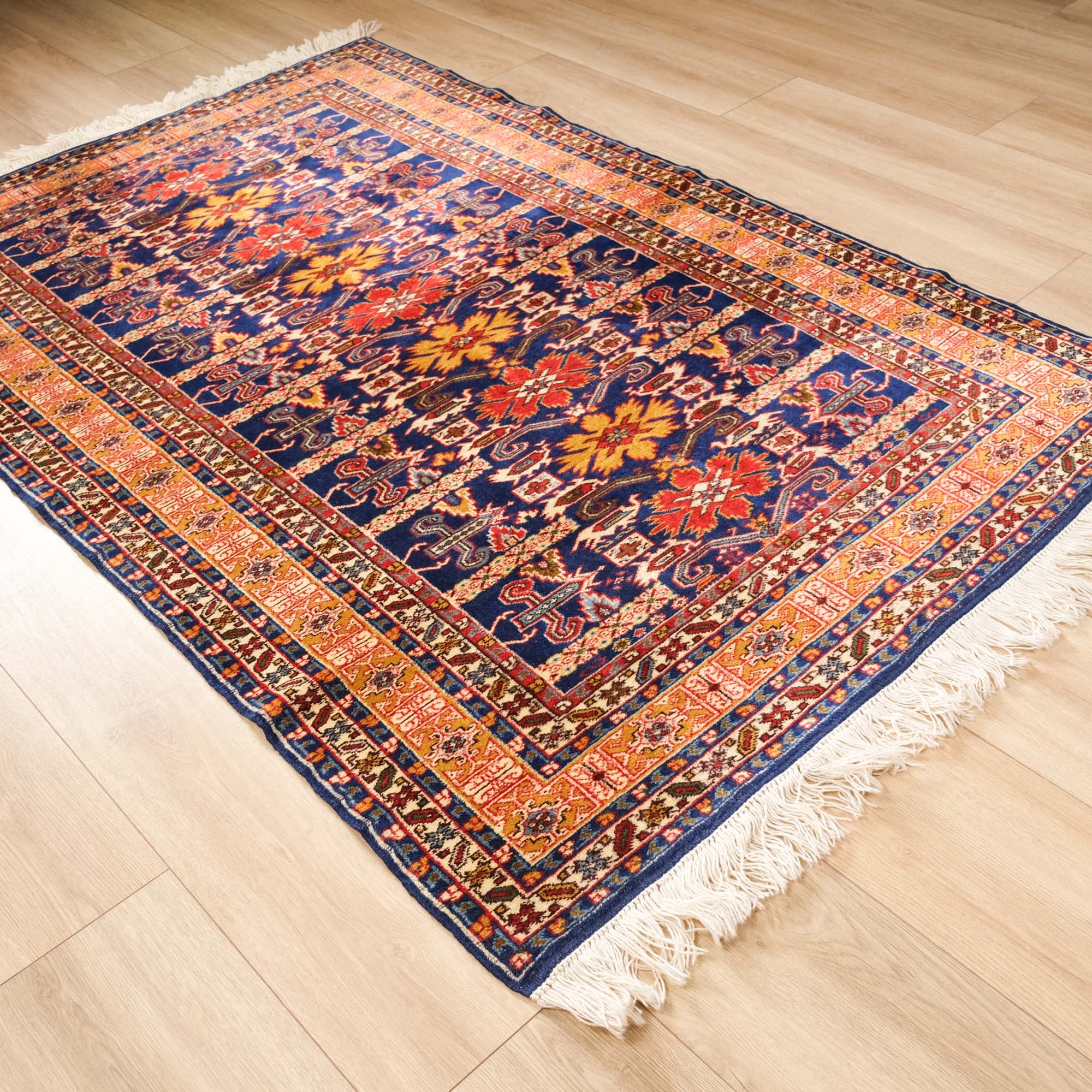
Yörük rug, expresses the cultural and historical richness of Anatolia as a unique representative of Turkish weaving art. These rugs showcase hand-weaving mastery, the depth of traditional motifs, and the vibrancy of colors, offering both historical and aesthetic value. 

Yörük rugs, with their various models each telling a different story, are ideal for those who want to enrich their living spaces. These rugs from various regions of Anatolia provide an authentic touch in homes and workplaces. 

You can immediately discover this unique world of Yörük rugs through Halıcızade.

What is a Yörük Rug?

Yörük hand rug, is a traditional type of rug produced in Anatolia by the Yörüks, a subculture of the Turkish ethnic group. These handcrafted, labor-of-love rugs are adorned with the rich motifs and colors of Yörük culture, woven over time and with care as works of art. 

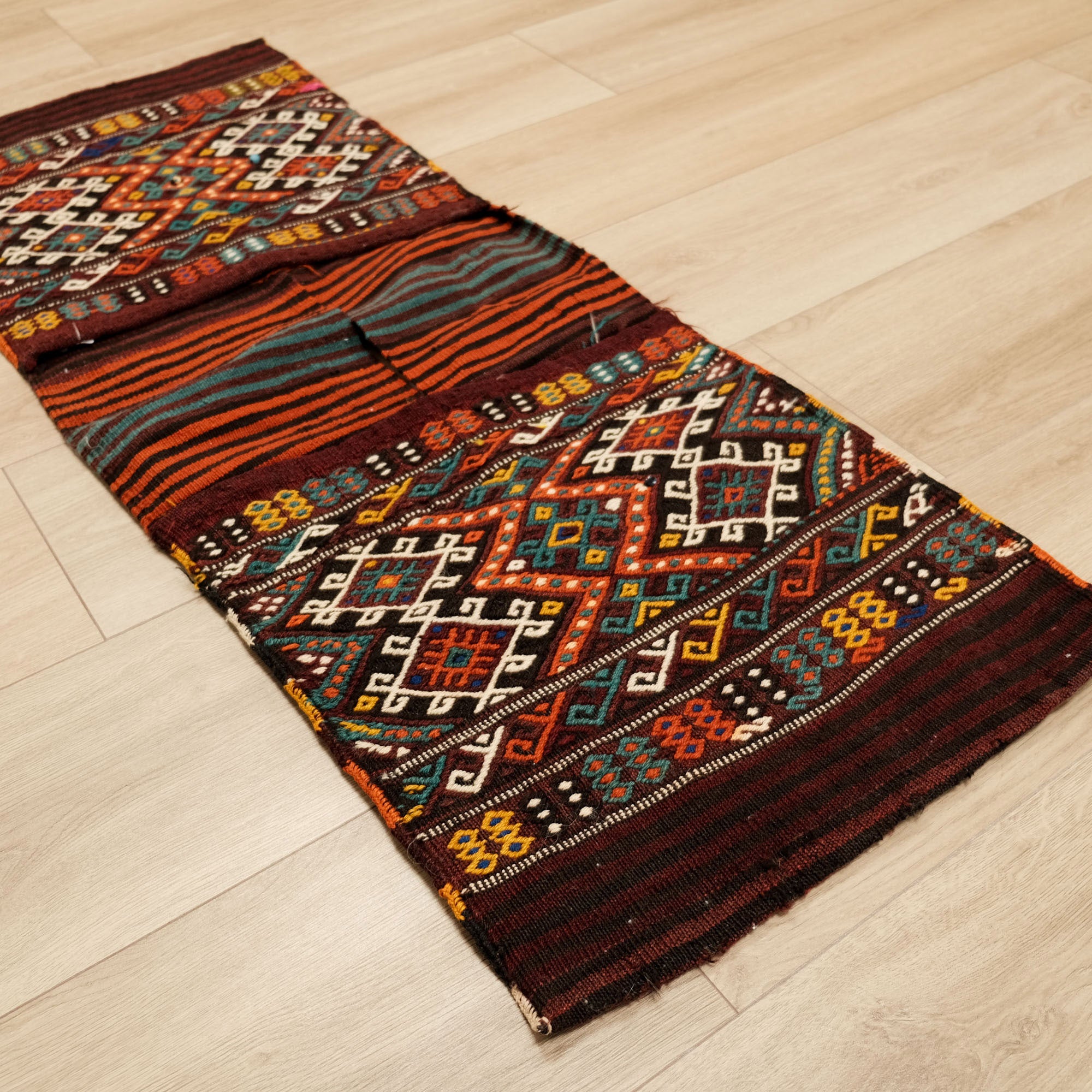
Yörük rug weaving is known for its woolen warps and fillings, dazzling colors, and intricate geometric motifs. Behind each motif and color choice lies a deep meaning and cultural heritage. Yörük rugs reflect the history, beliefs, and lifestyle of the Yörüks.

History of the Yörük Rug

Yörük rug, has developed throughout history as an art form reflecting the lifestyle of nomadic Turkish communities. Originating from Central Asia, these rugs gained a unique character with the spread of the Yörüks to Anatolia. Initially woven by nomadic tribes for use in tents, these rugs gradually became a means of aesthetic and cultural expression. 

The oldest Turkish rug considered as Yörük kilim, dates back to Central Asia and the early periods of Turkish culture. Yörük kilims and rugs are filled with rich motifs reflecting the lifestyle, beliefs, and aesthetic understanding of the Yörüks and are among the most valuable examples of Turkish rug making.

In Which Regions Are Yörük Rugs Traditionally Produced?

Yörük Rug varieties, are produced in different parts of Anatolia such as İzmir, Manisa, Çanakkale, Konya, Milas, Kayseri, Sivas, Kars, Kırşehir, and Malatya. Each region has its own unique patterns and color uses, Turkish hand rugs makes Yörük Rugs special among them. These rugs are unique works reflecting the weaving tradition and artistic skill of the Yörük and Turkmen tribes and belong to Anatolia's handwoven rug shows the diversity of the art.

How Are Yörük Rugs Produced?

Yörük Rugs, are produced with traditional methods. This process requires great effort and skill. The main materials are usually wool and sometimes goat hair. Wool is dyed and hand-spun into yarn. Rugs are generally woven using a technique called Gördes knot. This technique is one of the fundamental features of Turkish Rug weaving. Turkish Rug Yörük Rugs, one of the varieties, are both durable and aesthetically rich due to this weaving technique. 

What Are the Features of the Yörük Rug?

The features of Yörük Rugs can be listed as handwoven, rich motifs, vivid colors, and original designs. In addition, the features of the Yörük Rug are as follows:

  • Yörük Rugs, woven using wool and sometimes goat hair, are produced with traditional weaving techniques.
  • Vivid and meaningful colors are used. For example, green Yörük Rug symbolizes nature, abundance, and renewal. 
  • In addition to green, colors such as red, blue, and white are also frequently used.

What Are the Yörük Rug Models?

Yörük Rug models, Yağcı Bedir, Döşeme Altı-Antalya, Yunt Dağı and Ayvacık can be listed. Yörük Rugs are woven with natural materials and decorated with traditional motifs. Yörük Rug models can be described as follows:

Yağcı Bedir Rug

Yağcı Bedir Rug is an important part of the Yörük rug weaving tradition, produced in the Sındırgı region of Balıkesir and the Bergama region of İzmir. These rugs are made from sheep's wool and colored with natural dyes. Known for their sturdy structure and fine knots, Yağcı Bedir Rugs reflect both traditional Turkish motifs and regional characteristics. The most beautiful rug varieties These rugs, located among, emphasize the richness and handcraft of Yörük culture.

Döşeme Altı-Antalya Rug

Döşeme Altı-Antalya Rug is another type of Yörük rug woven in the Döşemealtı region of Antalya. These rugs are decorated with bright red, blue, and white colors as well as motifs such as the sheep's eye, knife tip, and hand. Meaningful motifs like the tree of life are also frequently used. Noted for their high knot density and quality craftsmanship, Döşeme Altı-Antalya Rugs represent the aesthetic richness of Yörük culture.

Yunt Mountain Rugs

Yunt Mountain Rugs are special Yörük rugs woven by Türkmen and Yörük tribes in the Yunt Mountain region north of Manisa-Center. The Yörüks living in the Yunt Mountain region produce these rugs using wool from their own animals and vegetable dyes. These rugs reflect the cultural richness of the region as a vivid example of traditional Yörük weaving art.

Ayvacık (Çanakkale) Rugs

Yörük Rug of Çanakkale It takes this name when woven uniquely by Yörüks in the Ayvacık region. Woven using symbols from daily life and natural motifs Çanakkale Yörük Rug, are multicolored and aesthetically rich. Ayvacık rugs are considered valuable works that showcase the artistic talents and cultural expressions of the Yörüks.

Tekeli Yörük Rugs (Barutçu Village Rugs)

The rugs of the Tekeli Yörüks are unique Yörük rugs woven in the regions where the Tekeli Yörüks live, especially in the village of Barutçu. These rugs are known for the village's distinctive motifs and weaving style. Barutçu village rugs are a vibrant representation of Yörük culture with their handcraft and traditional weaving techniques. Each reflects the rich cultural heritage and artistic skill of the Yörüks.

Zeytinköy Rugs

Zeytinköy Rugs are traditional rugs woven by Yörüks in the Zeytinköy region of Turkey. These rugs reflect the rich weaving tradition of Yörük culture by using the region's unique motifs and colors. Zeytinköy Rugs contribute to the preservation of this cultural heritage by being woven with handcraft and traditional techniques.

Antique Yörük Rug

Antique Yörük Rug, Yörük Rug weaving art is one of the oldest and most valuable examples. Yörük Rugs become more valuable as they age antique Yörük Rug becomes. These rugs are especially sought after by collectors due to their historical value and rarity. Antique Yörük hand Rug, carrying the handcraft, motifs, and weaving techniques from hundreds of years ago, shedding light on the deep history of Yörük culture.

Balıkesir Yörük Rug

Balıkesir Yörük Rug, It is a special type of rug reflecting the traditional weaving culture of the Balıkesir region. These rugs represent the rich weaving tradition of the Yörüks and contain the characteristic patterns of the region. They also stand out with their colors. Usually handwoven, these rugs are known for their quality wool use and rich motifs.

Milas Yörük Rug

Milas Yörük hand Rug, are rugs produced with the Yörük weaving tradition in the Milas region. Milas Rugs have a unique aesthetic enriched with patterns and colors specific to the region. These rugs are considered valuable works that embody the traditional handicrafts and cultural heritage of the Milas region, carrying this heritage to the present day.

What are Yörük Rug Patterns/Motifs? 

Yörük rug motifs, It symbolizes the beliefs of Yörük culture, their connection with nature, and daily life. Each motif carries specific meanings, reflecting the rich cultural heritage of Yörük Rugs. The meanings of Yörük Rug patterns are as follows:

  • Tree of Life Motif: The Tree of Life is a motif frequently seen in Yörük Rugs. Turkish Rug motifs This pattern found among them represents the continuity of life, fertility, and the renewing power of nature. It also symbolizes paradise or spiritual ascension.
  • Carob Motif: From Turkish patterns This motif, which is one of them, represents masculinity, strength, and abundance. The ram's horn reflects the close relationship of the Yörüks with animal husbandry and the importance of sheep in their lives.
  • Hand Motif: Meaning protection and peace Yörük kilim motifs This pattern, found among them, is used as a defense against bad energies. It is also seen as the personal signature of the rug weaver.
  • Eye Motif: Turkish rug kilim motifs Among them, the eye pattern serves the purpose of protection from the evil eye. According to traditional beliefs, it is used to keep away bad energies and negative gazes.
  • Abundance Motif: It means abundance and prosperity. This motif symbolizes fertility and the generosity of nature.
  • Plant Motifs: It represents harmony with nature and natural beauties. For example, carnation motifs symbolize love and romance.
  • Elibelinde Motif: It is associated with motherhood and fertility. This motif is connected to the protection of family and community.
  • Star Motif: Meaning hope, luck, and adherence to the cosmic order rug and kilim motifs is among them. It holds an important place in Yörük culture.
  • Knife Tip Motif: It symbolizes courage and strength. It also means protection and defense.
  • Sheep's Eye Motif: Represents protection and security. Rug carpet motifs when it comes to this pattern, it reflects the importance Yörüks give to sheep and goats.

Where Are Yörük Rugs Used?

Yörük Rugs are used in living rooms, bedrooms, entrance corridors, or as wall decorations in homes. A Yörük Rug provides a warm and authentic atmosphere, offering a unique aesthetic contribution to spaces. Especially preferred in spaces compatible with traditional or ethnic decoration, Yörük Rugs also attract attention by creating a contrasting effect in modern interiors. Additionally, some restaurants and hotels also use this type ethnic Rug varieties used to create an authentic and cultural atmosphere.

What to Pay Attention to When Buying a Yörük Rug?

When buying a Yörük Rug, attention should be paid to points such as weaving quality, color vibrancy, motif clarity, the condition of the Rug, and authenticity. The factors to consider when purchasing a Yörük Rug can be listed as follows:

  • Pay attention to the Rug being tightly and neatly woven.
  • Make sure the colors are vibrant and unfaded.
  • Look at whether the motifs are clear and neat.
  • Check whether the Rug is worn or damaged.
  • Verify that the Rug is a genuine Yörük Rug.

How to Recognize a Yörük Rug?

A genuine Yörük Rug is identified by paying attention to whether it is handwoven, the materials used, the colors, and the motifs. Yörük Rugs are generally made from wool or goat hair and traditional knotting techniques are used in their production. 

Its colors are vibrant as they are obtained with natural dyes. However, fading may occur over time. Its motifs are traditional patterns carrying cultural meanings. Additionally, these Rugs have a tight and neat weave, bearing clear traces of handmade craftsmanship. Considering these features of an authentic Yörük Rug, its originality can be confirmed.

How to Clean a Yörük Rug?

Cleaning a Yörük Rug involves stain removal using a slightly damp cloth, professional dry cleaning, and vacuuming at low power. These methods should be applied carefully to prevent damage to the Rug and to extend its lifespan. 

Avoid using harsh chemicals or strong detergents; natural and gentle cleaning products should be preferred to prevent color fading. Especially when deep cleaning is required, professional cleaning services suitable for the delicate structure of the Rug should be obtained.

How to Wash Yörük Rug?

Yörük Rug is washed by hand on the floor, not with an automatic Rug washing machine. Yörük Rug washing The process should be done by an expert in the field. Because incorrect washing can cause fading of the Rug's colors and shorten its lifespan. 

During the washing process of Yörük Rug, chemical shampoos should be avoided and lukewarm or cold water should be preferred instead of hot water. To preserve the colors of the Rug, washing should be done with gentle movements. Also, excessive friction should be avoided to protect the natural fibers of the Rug. After the washing process is completed, the Yörük Rug should be dried flat in the shade.

How Much Are Yörük Rug Prices?

Yörük Rug prices, vary according to factors such as the size of the Rug, the materials used, weaving quality, and the complexity of the motif. Especially antique Yörük Rug prices, are higher due to factors such as rarity and historical value. 

Yörük hand Rug prices, is more expensive than machine-made rugs due to the labor and time required in the production process. Price of root-dyed handwoven Yörük Rug are higher due to the use of natural dyes and the difficulty of obtaining these dyes. Generally, handmade Rug prices; is determined based on factors such as labor in production, material quality, and artistic value.

Where to Buy Yörük Rug?

Yörük Rug is purchased from traditional Rug stores in Turkey, cultural markets, and handicraft sales points. It is also possible to buy Yörük Rug from reliable sources online. One of the places where you can buy Yörük Rug online is Halıcızade. Through Halıcızade, you can also find various Yörük Rug options and handmade Rug prices You can review and add the products you like to your cart with one click.