

Filters
375 products
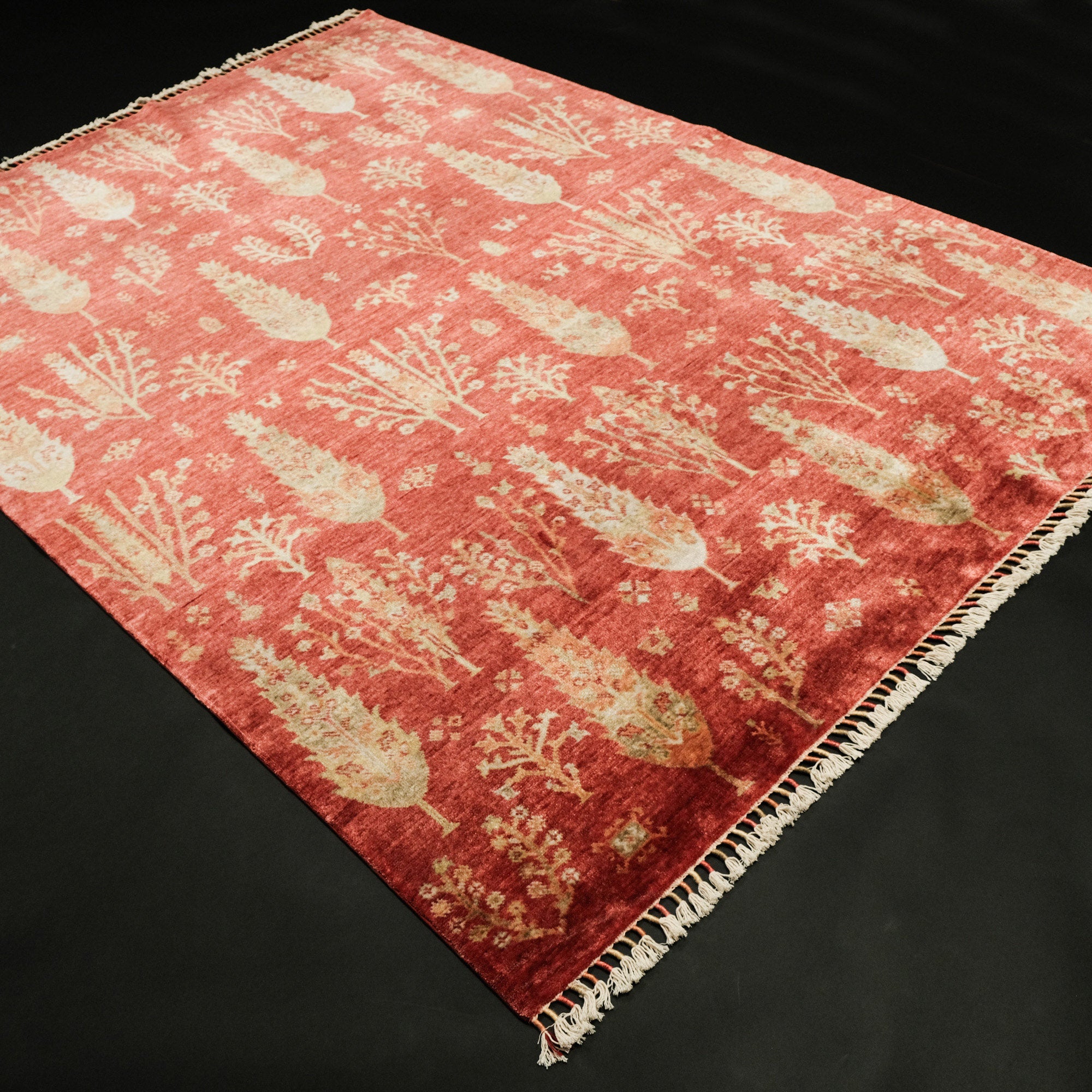
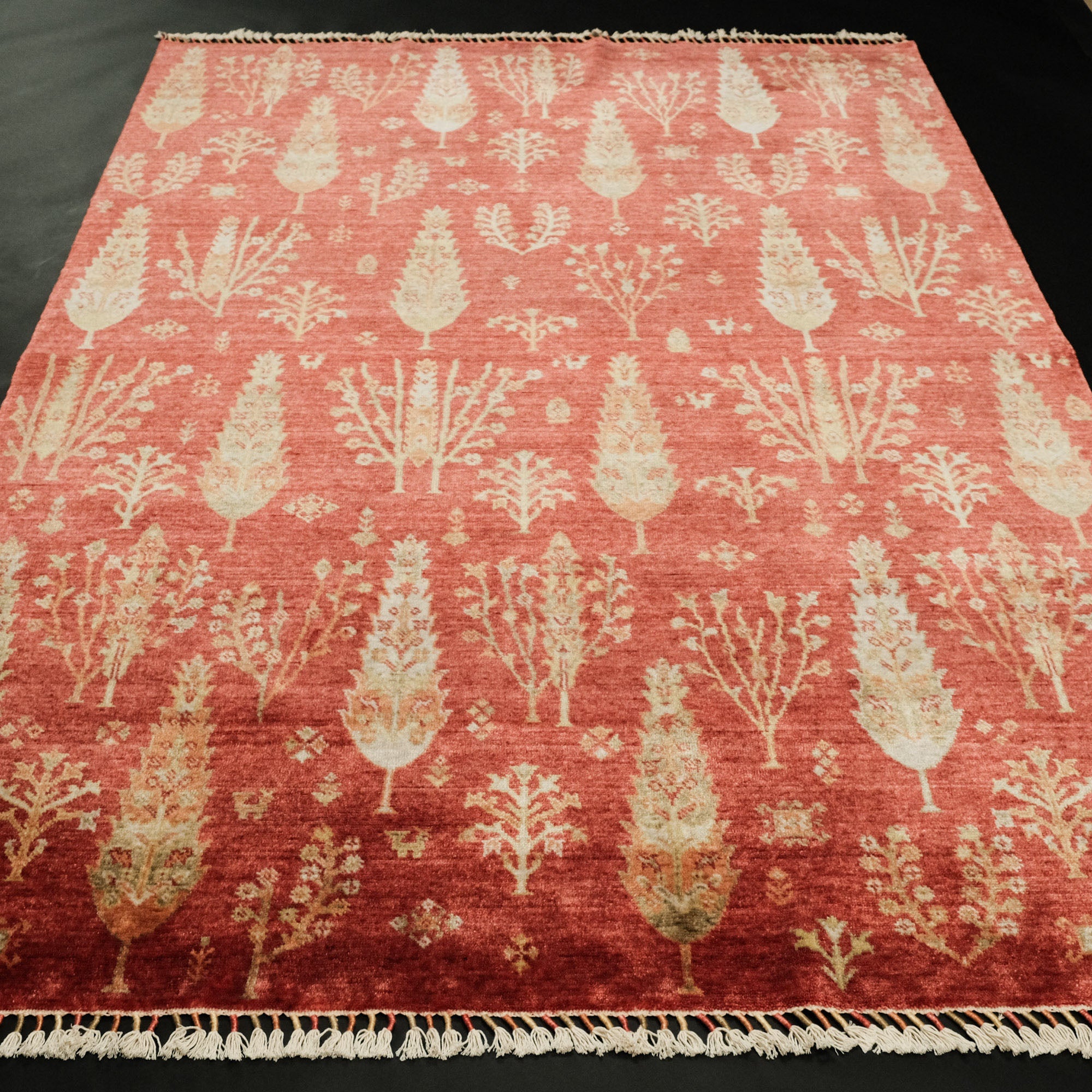
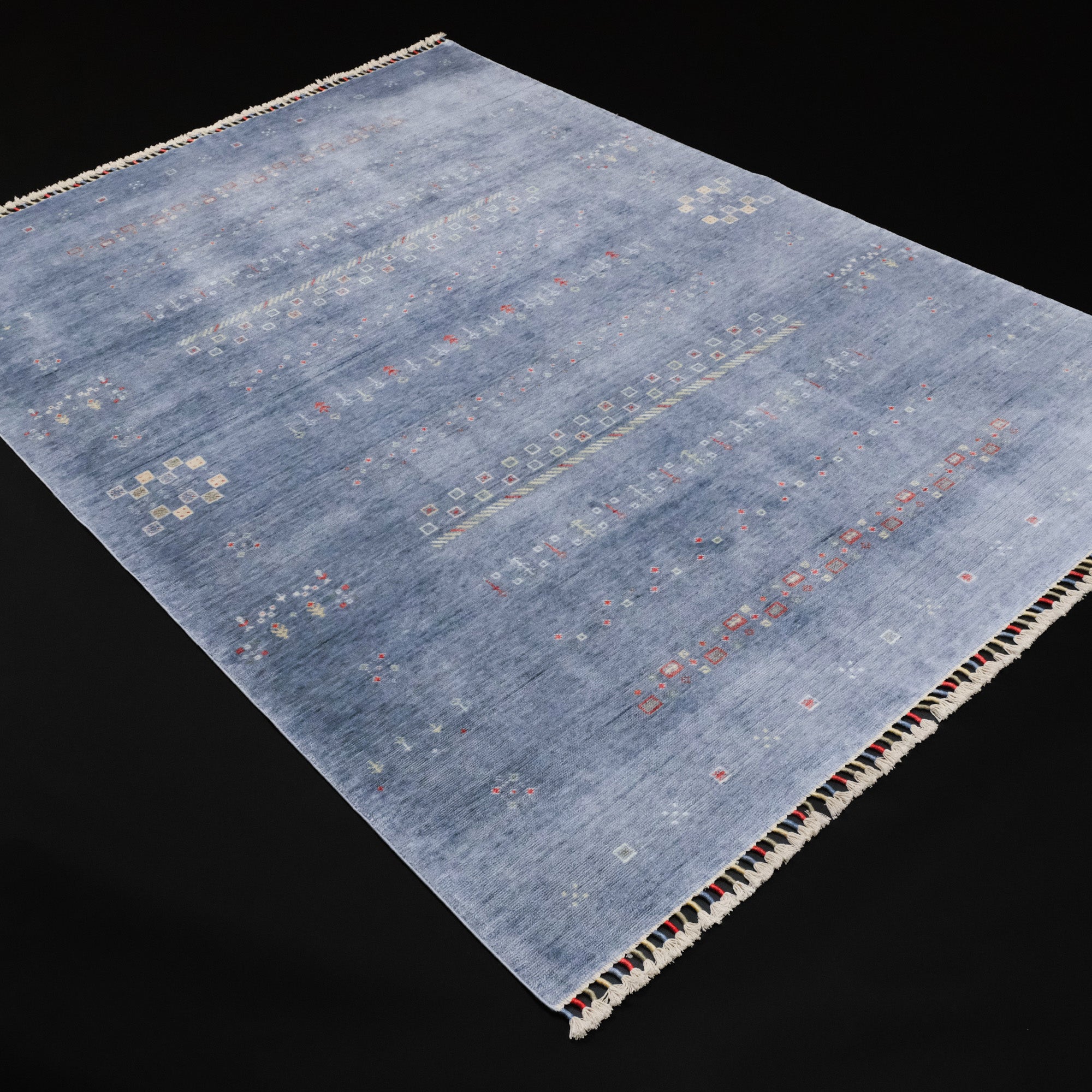
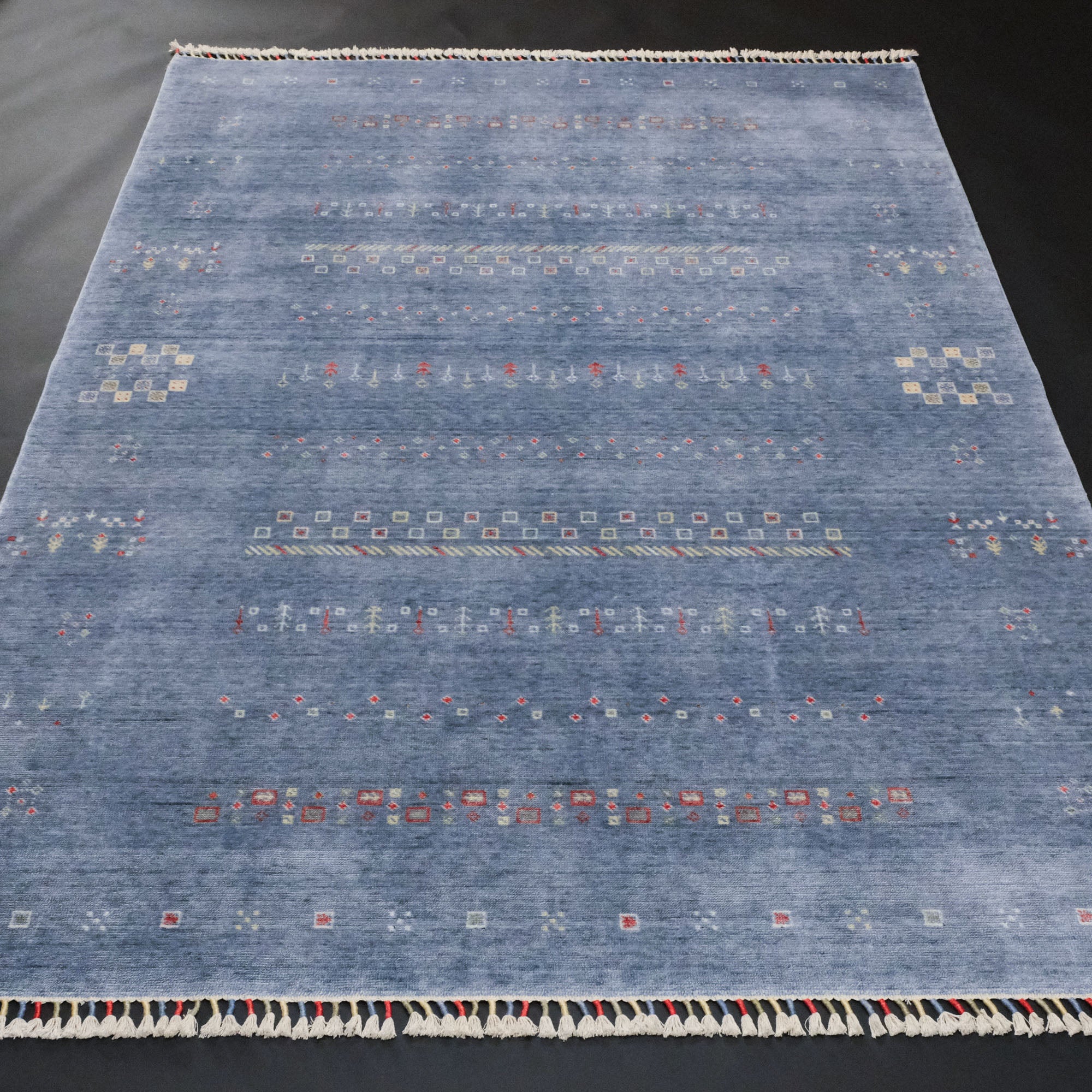
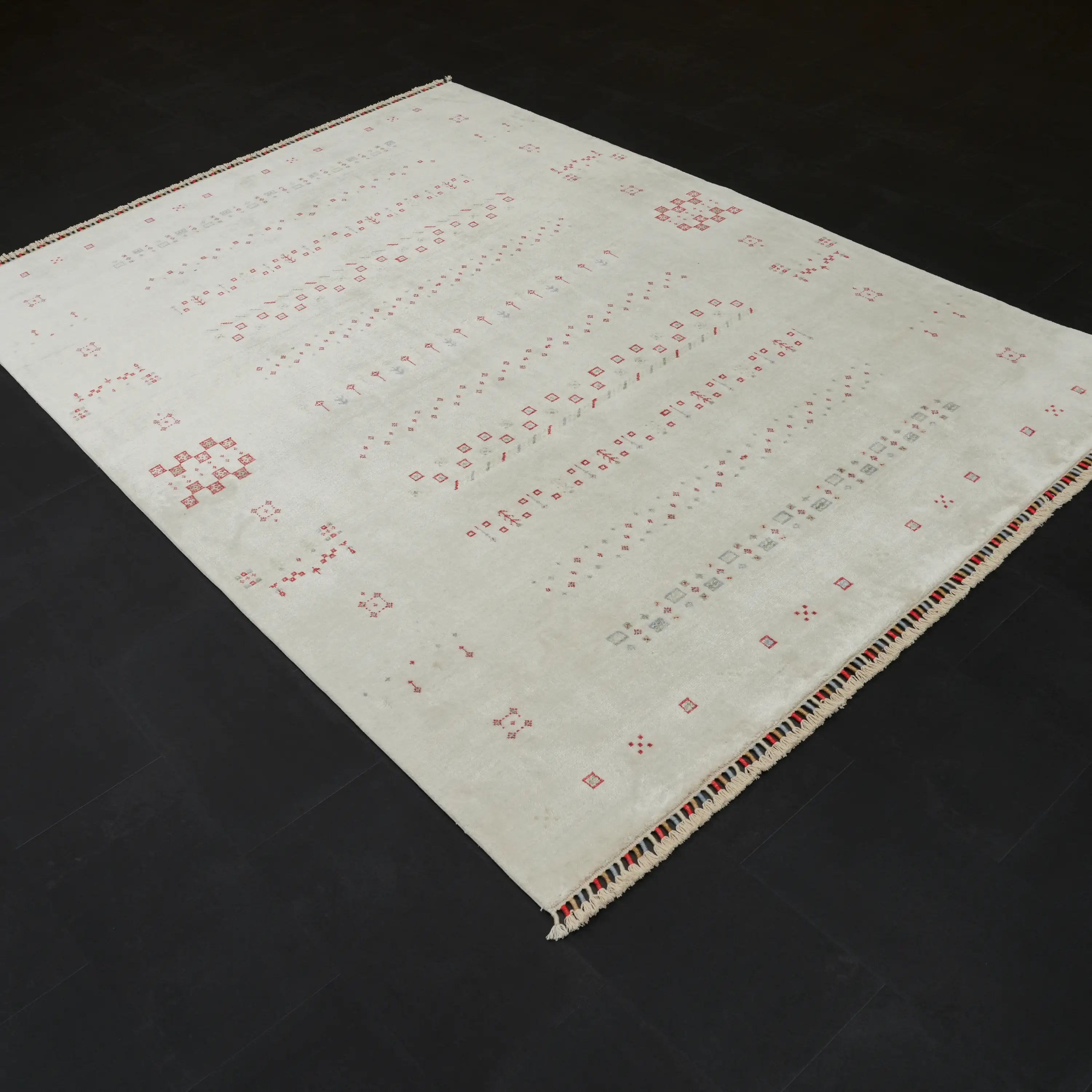
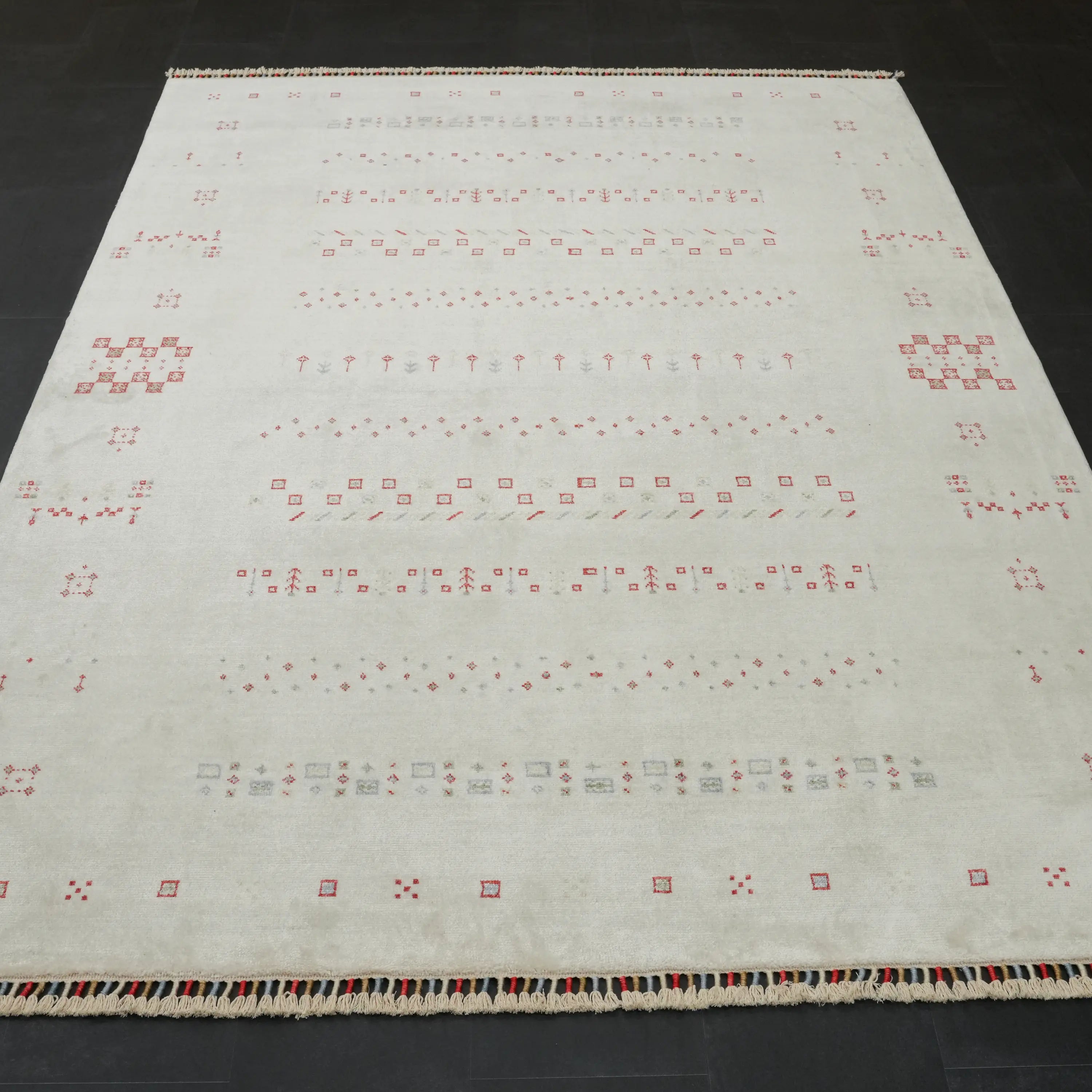
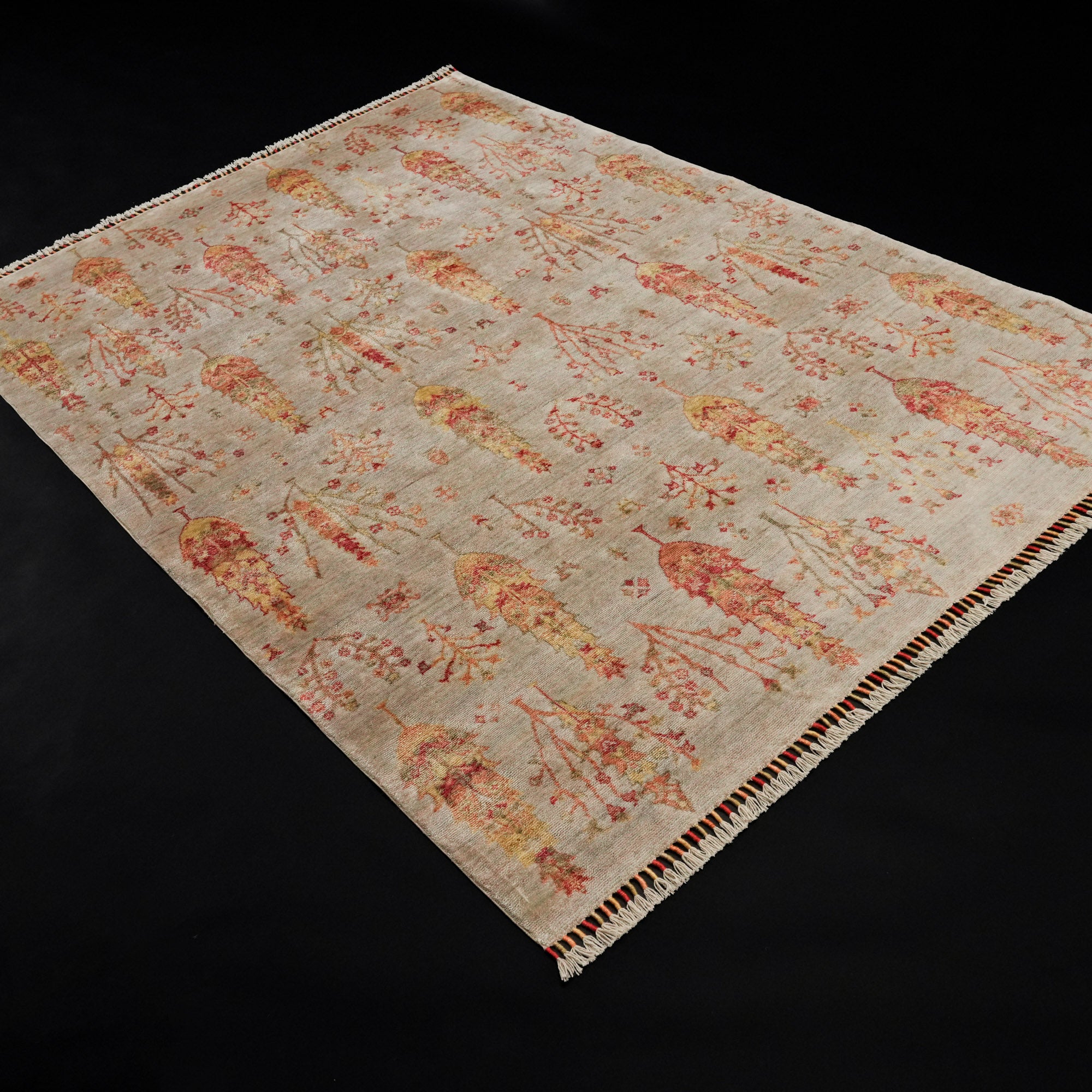
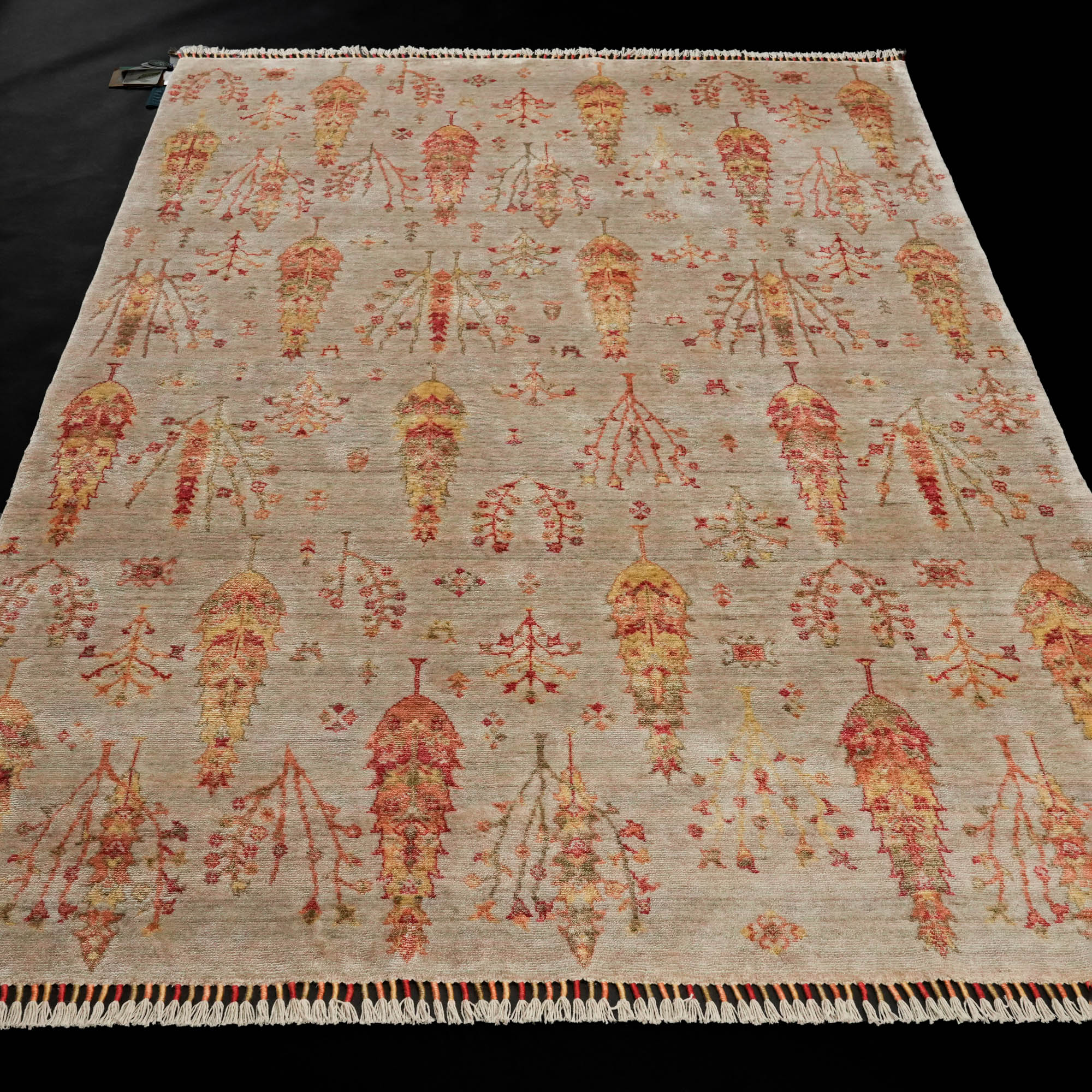
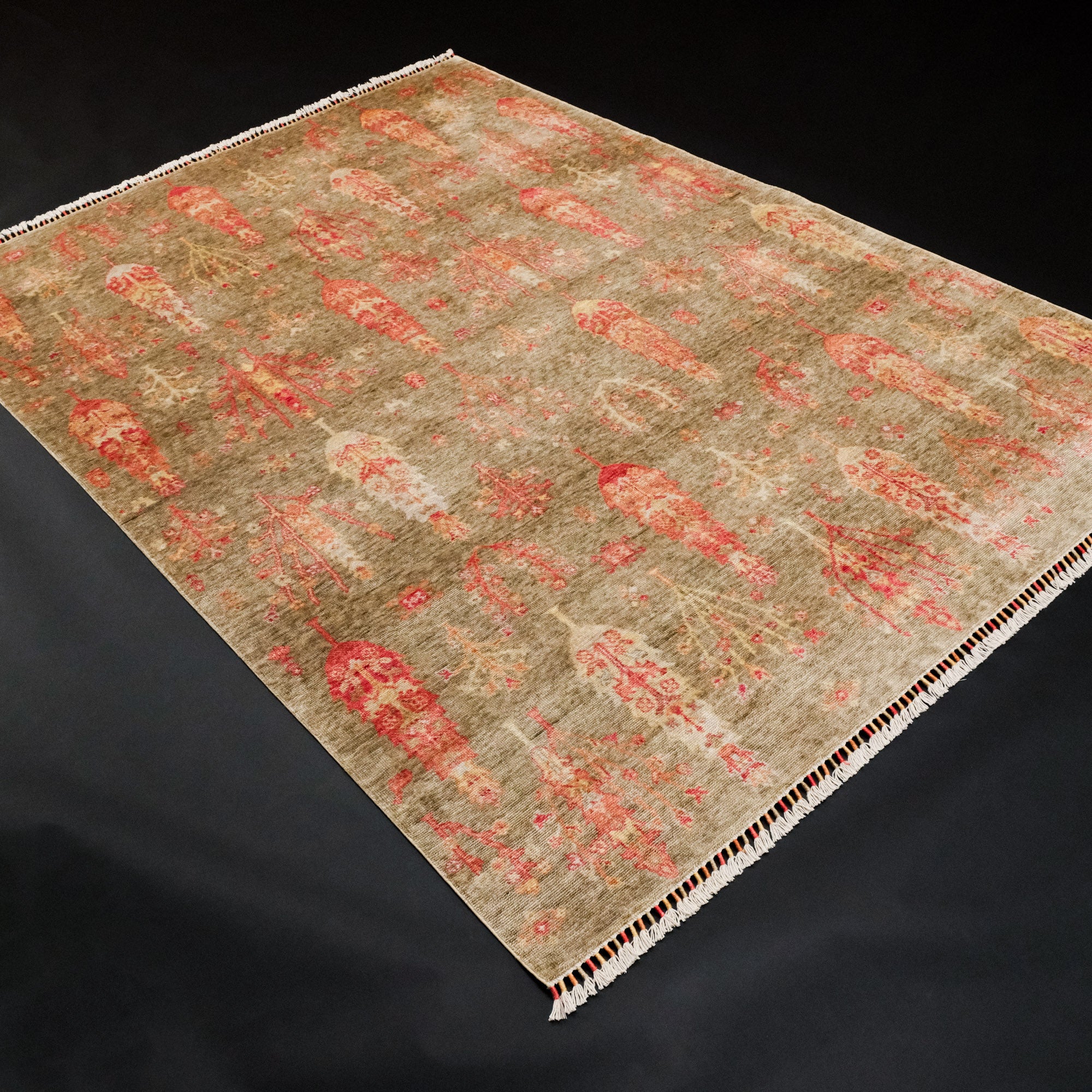
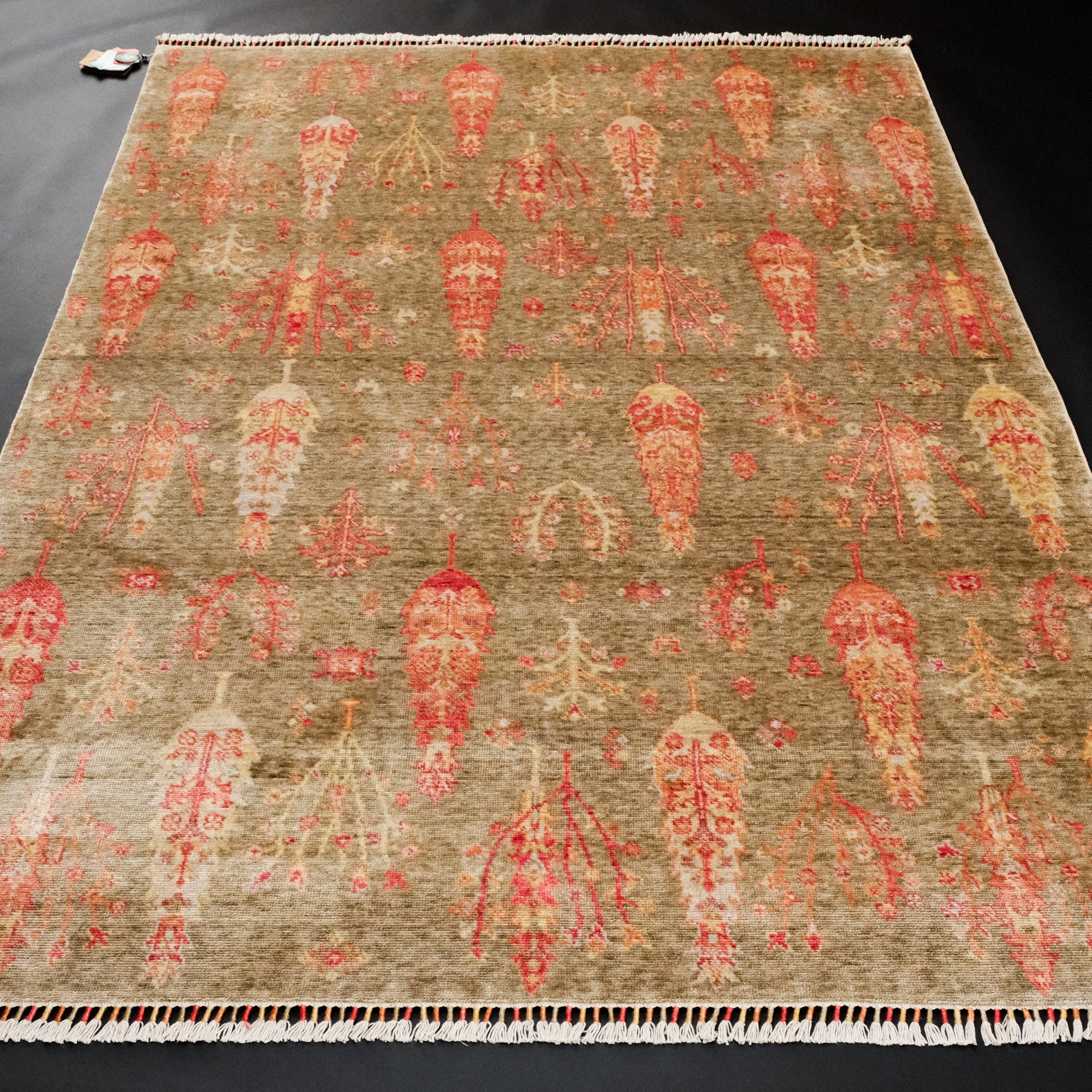
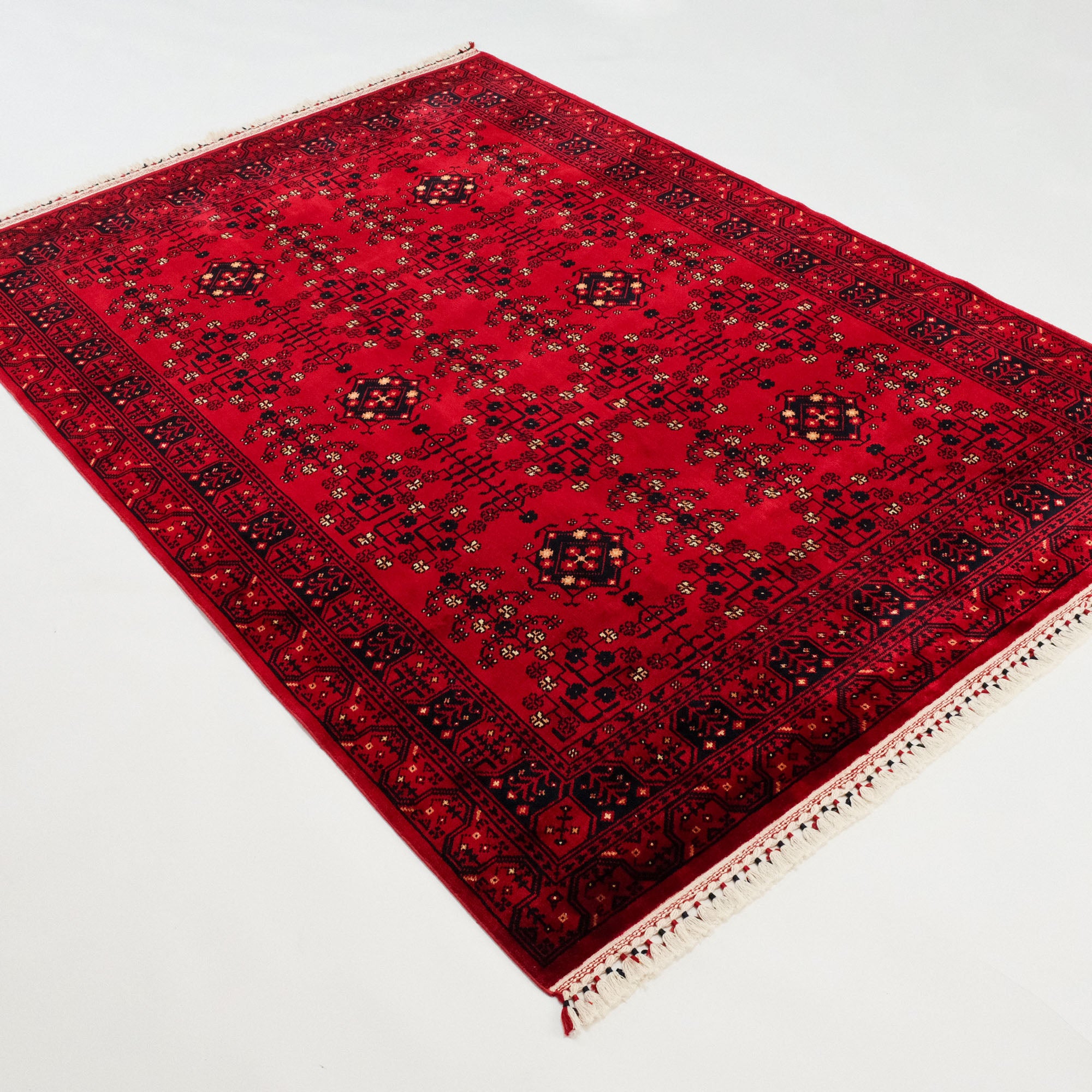
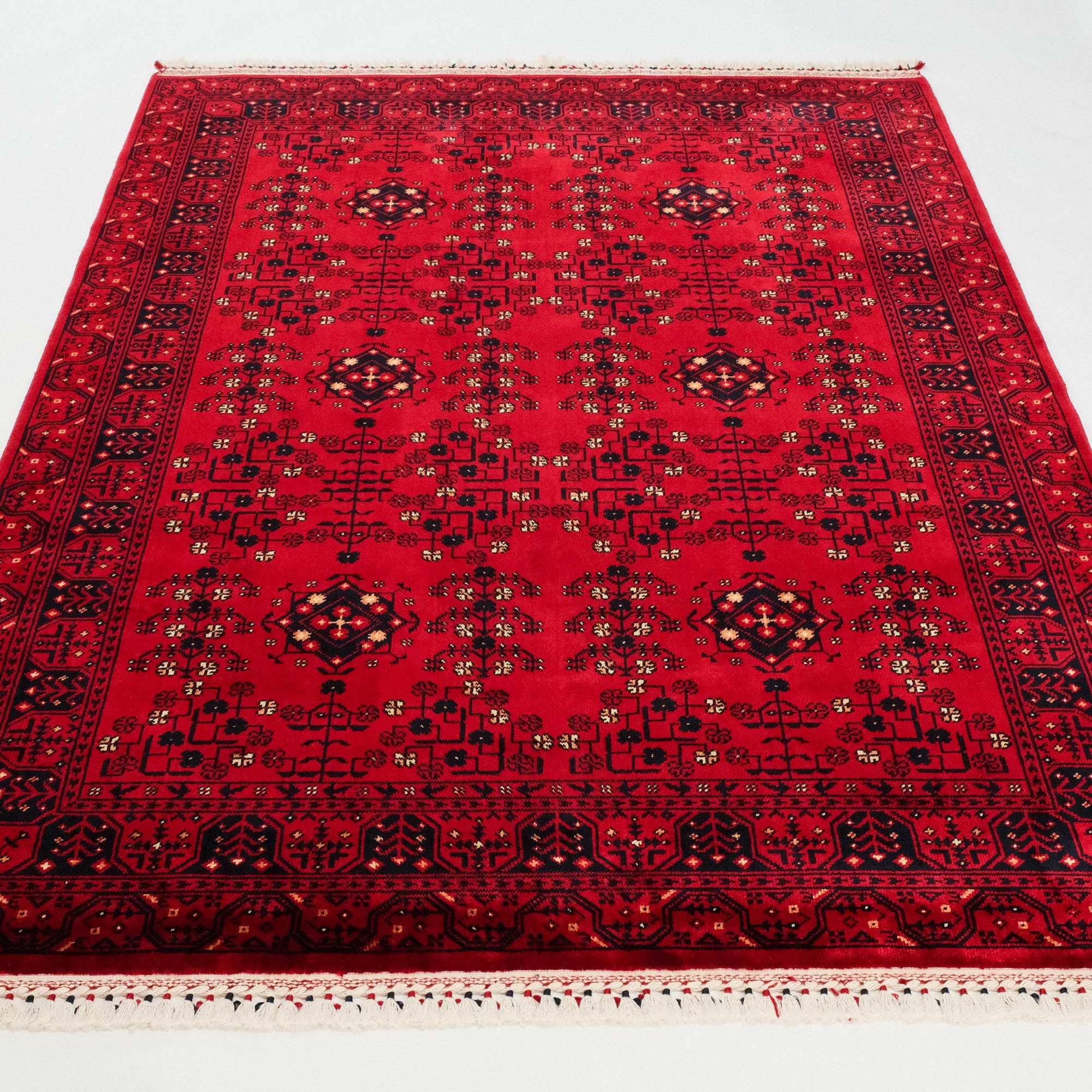
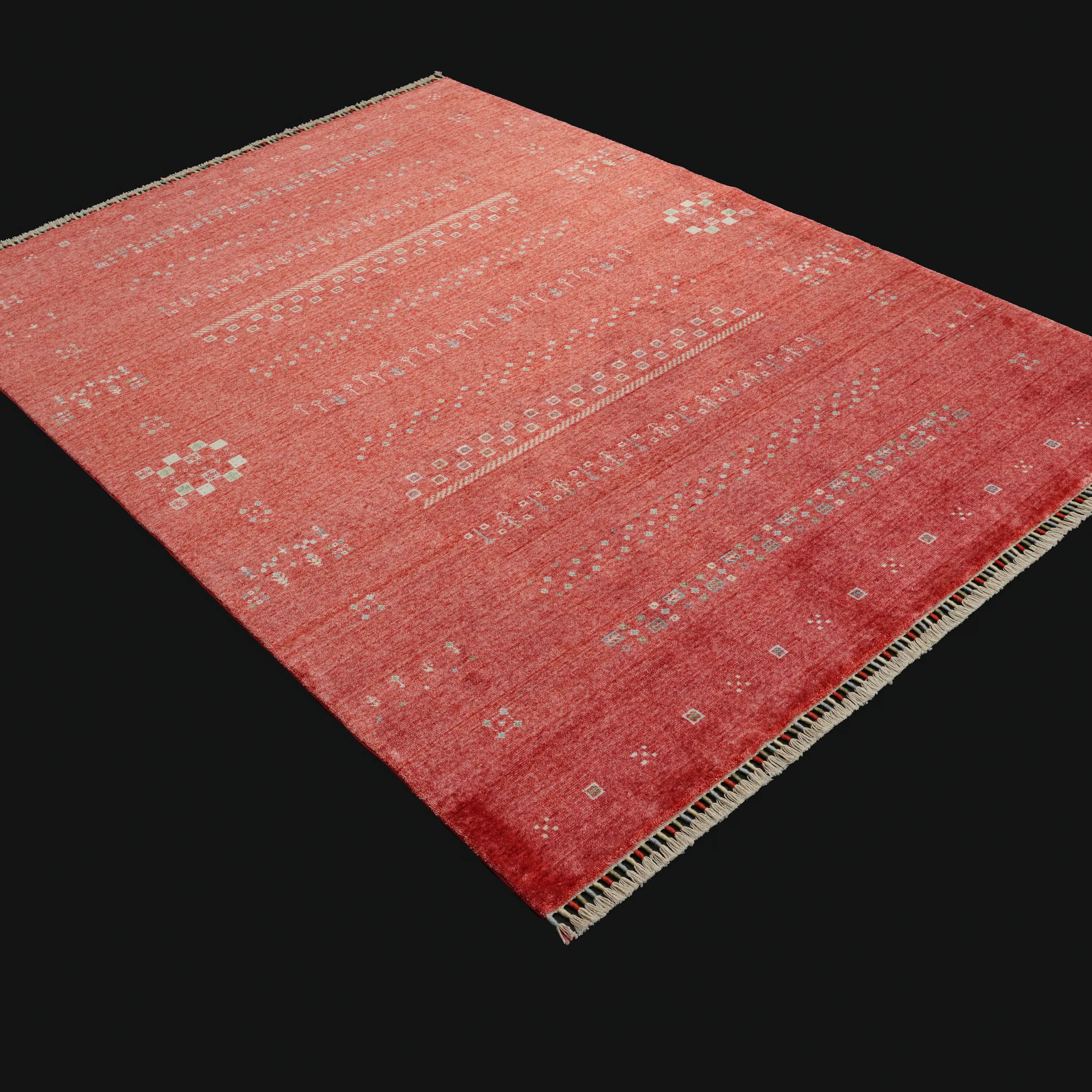
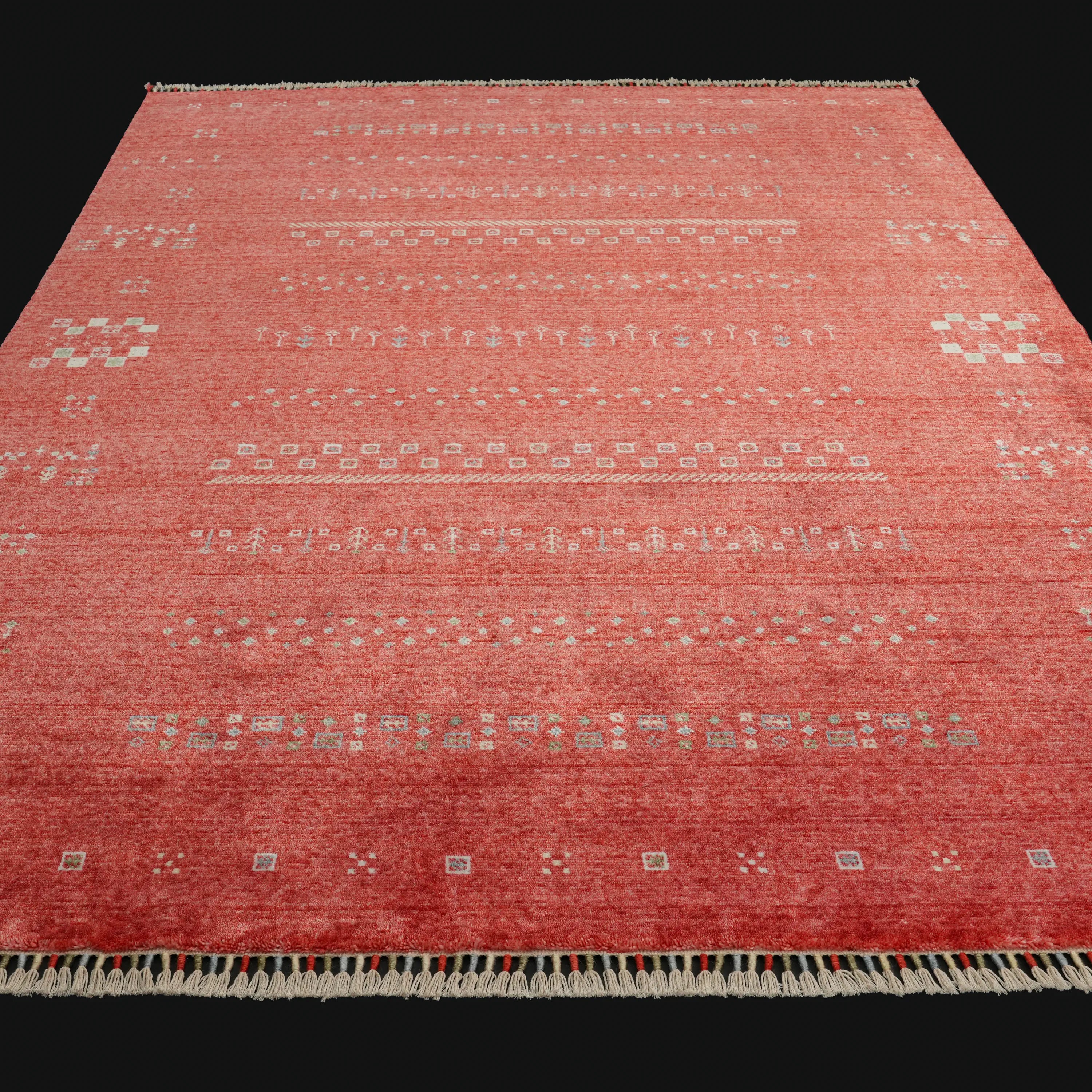
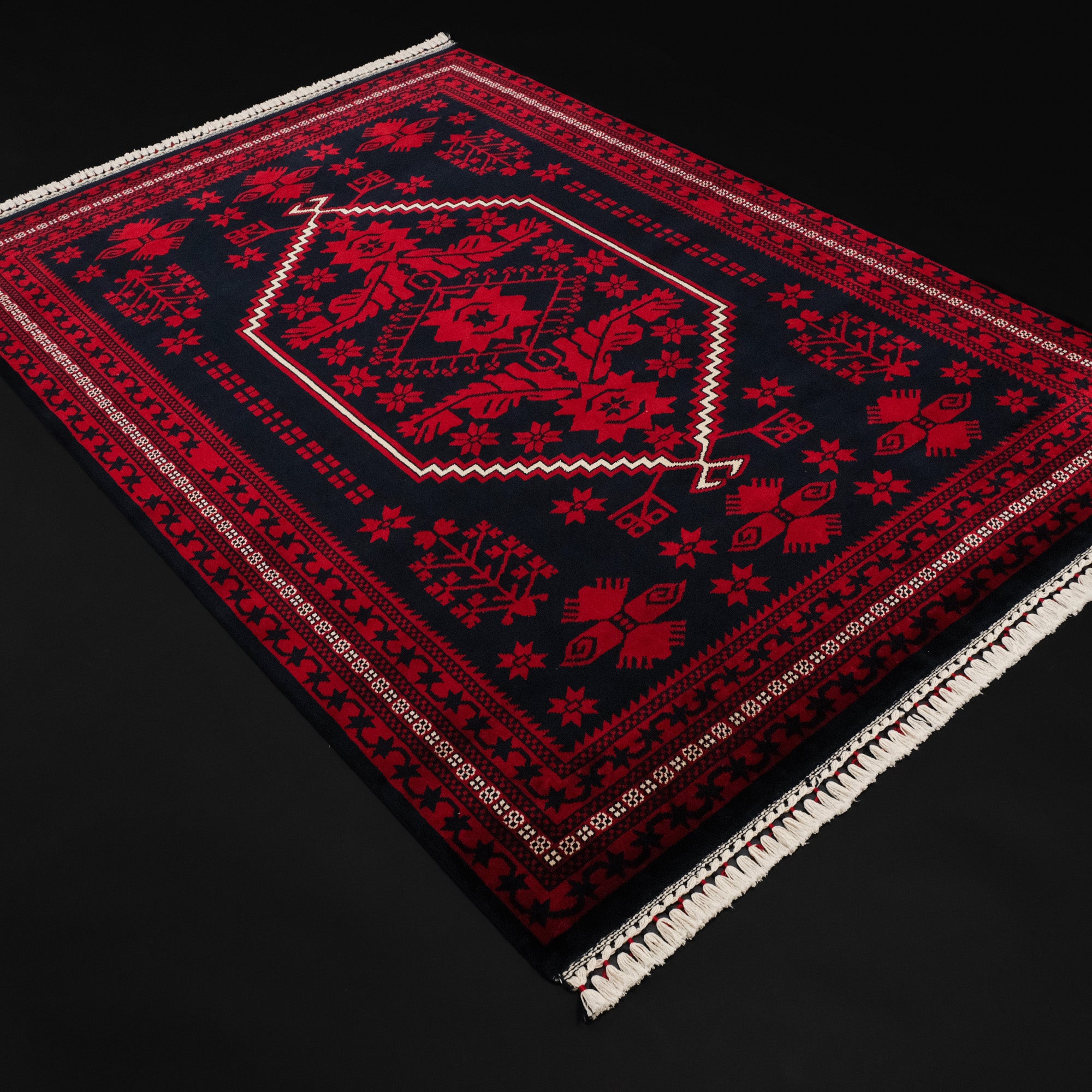
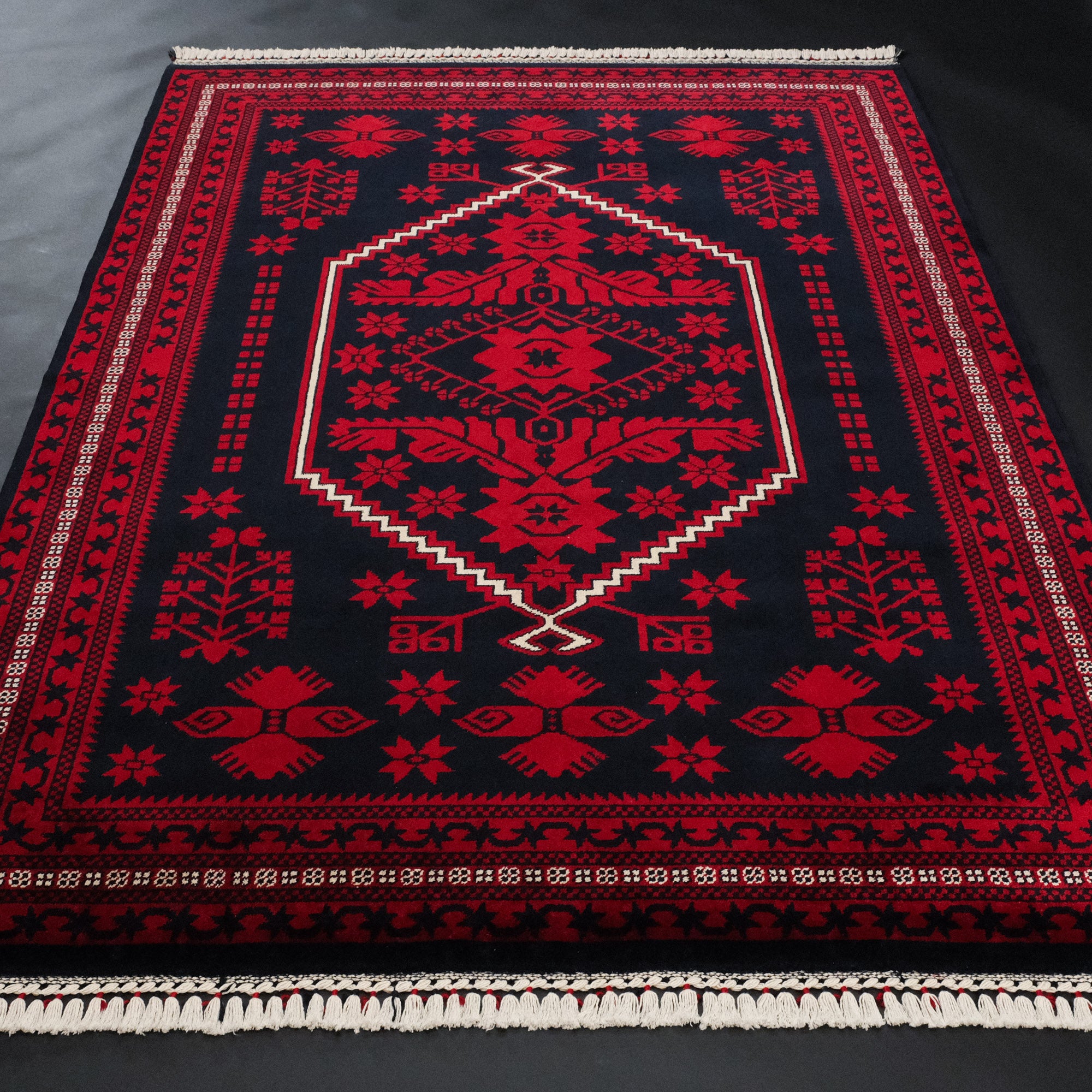
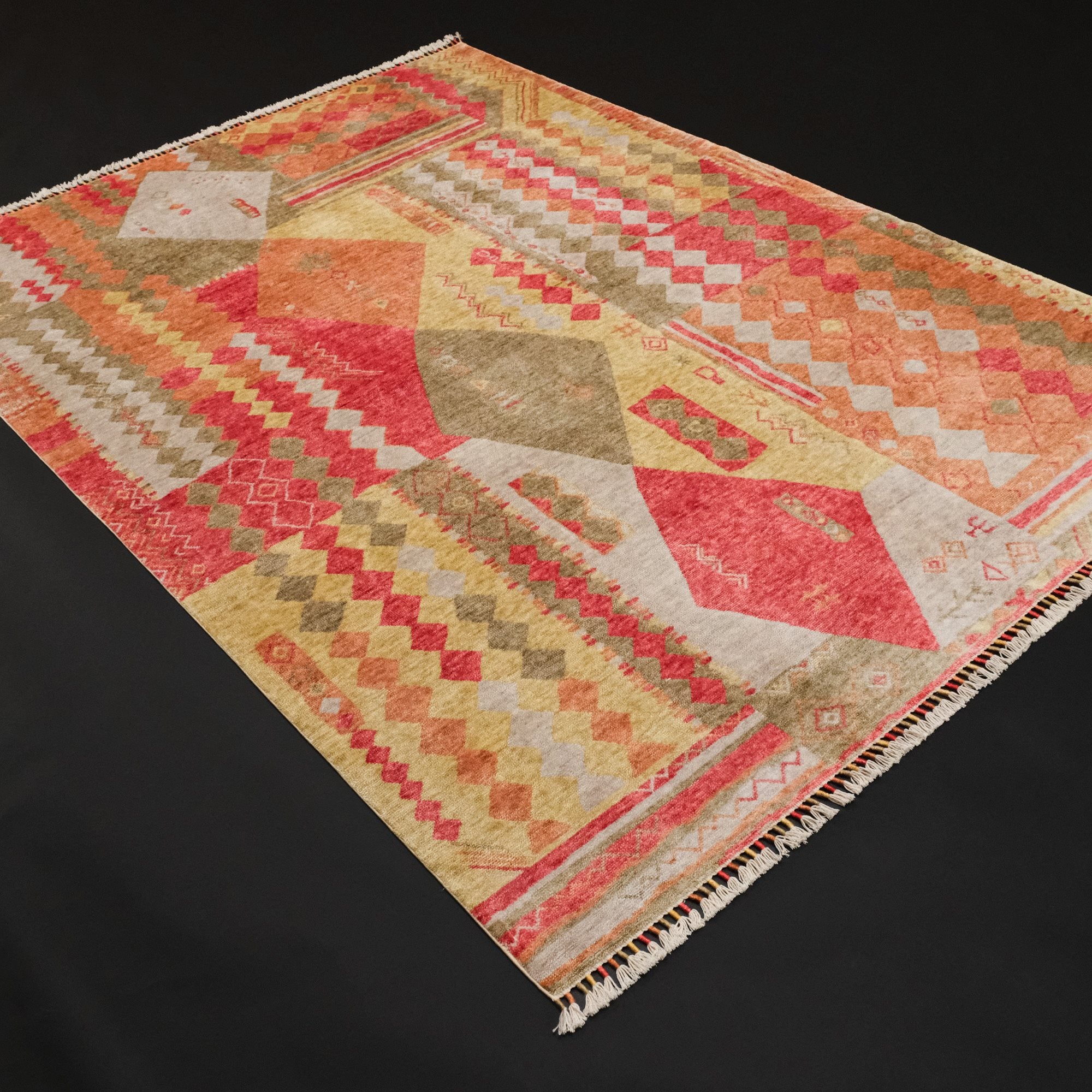
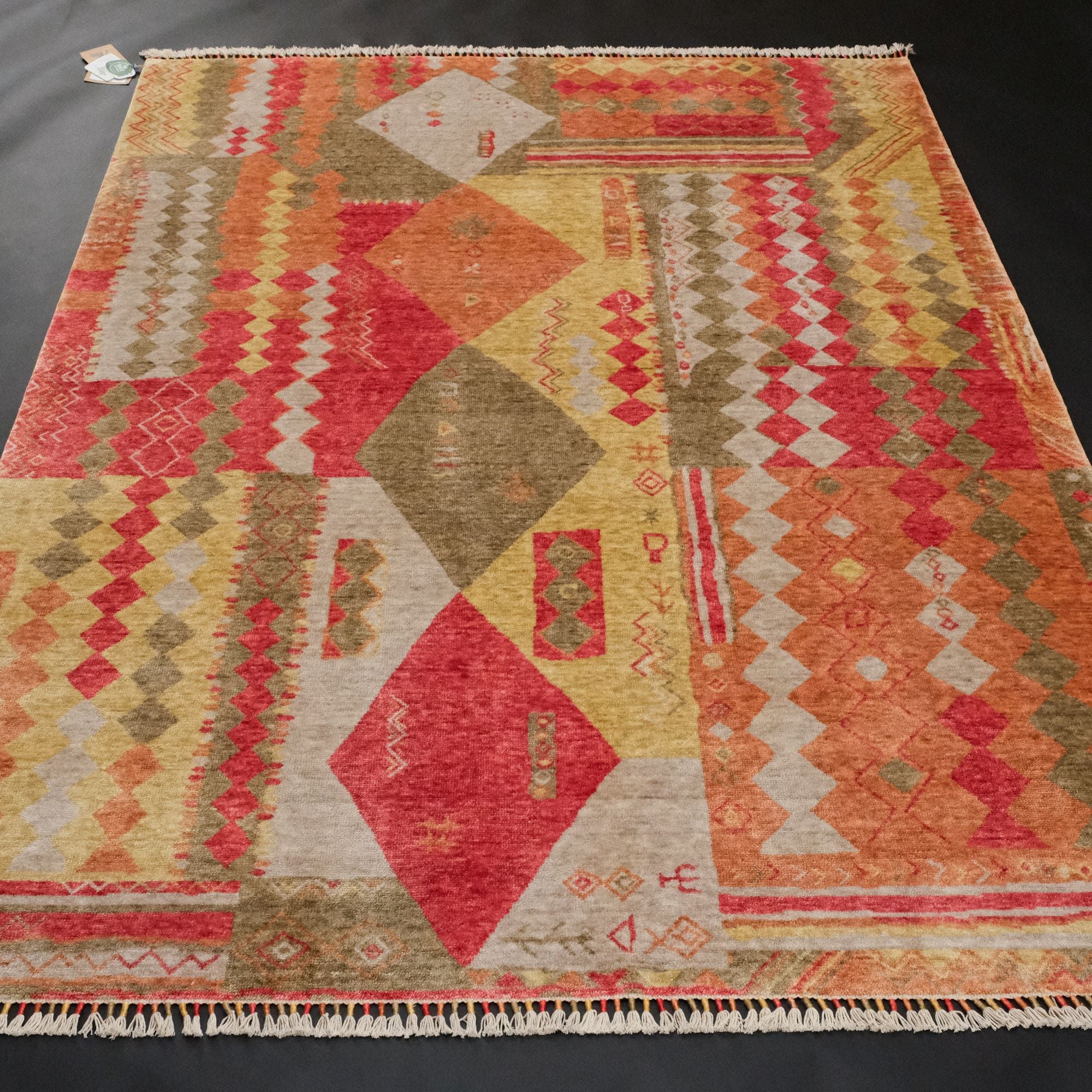
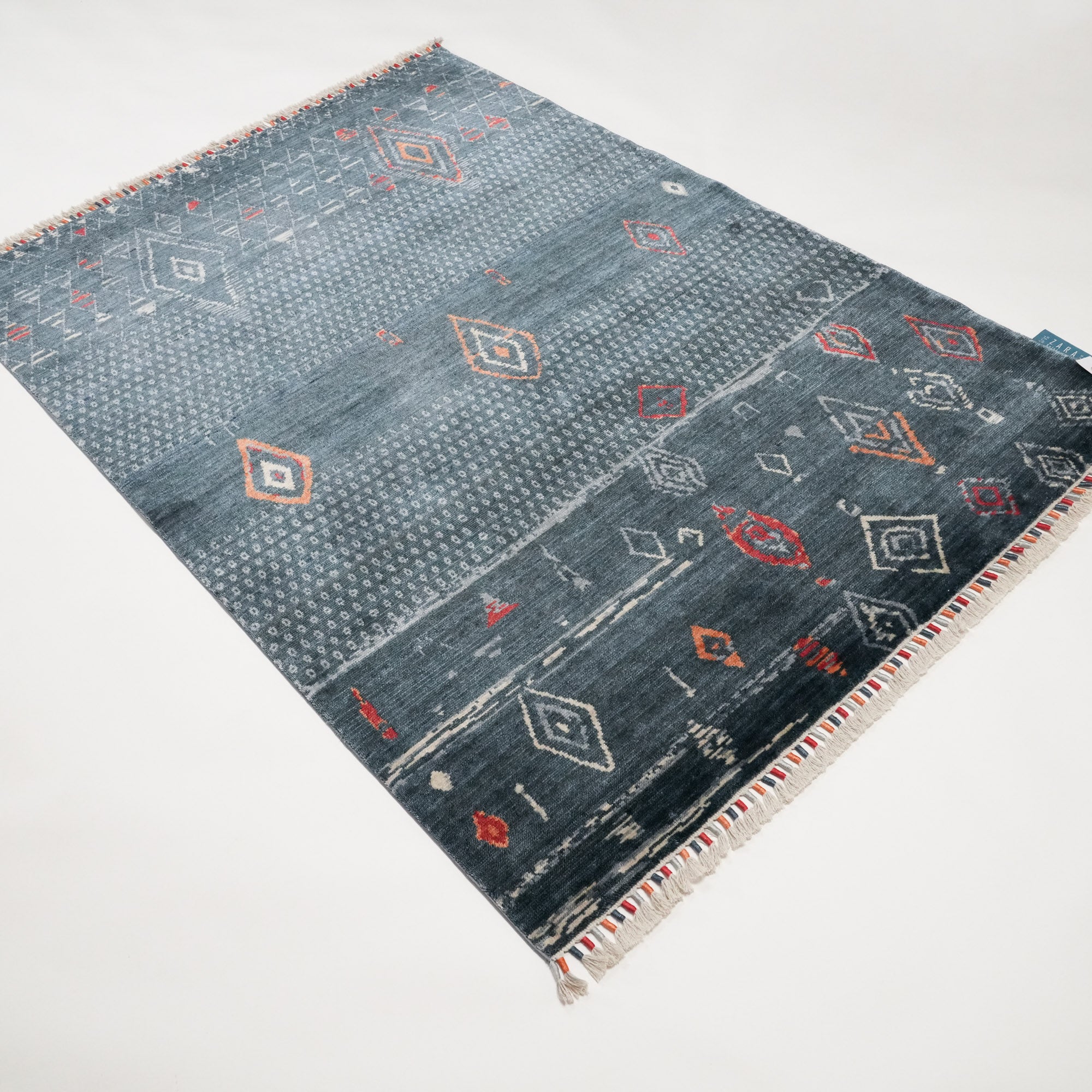
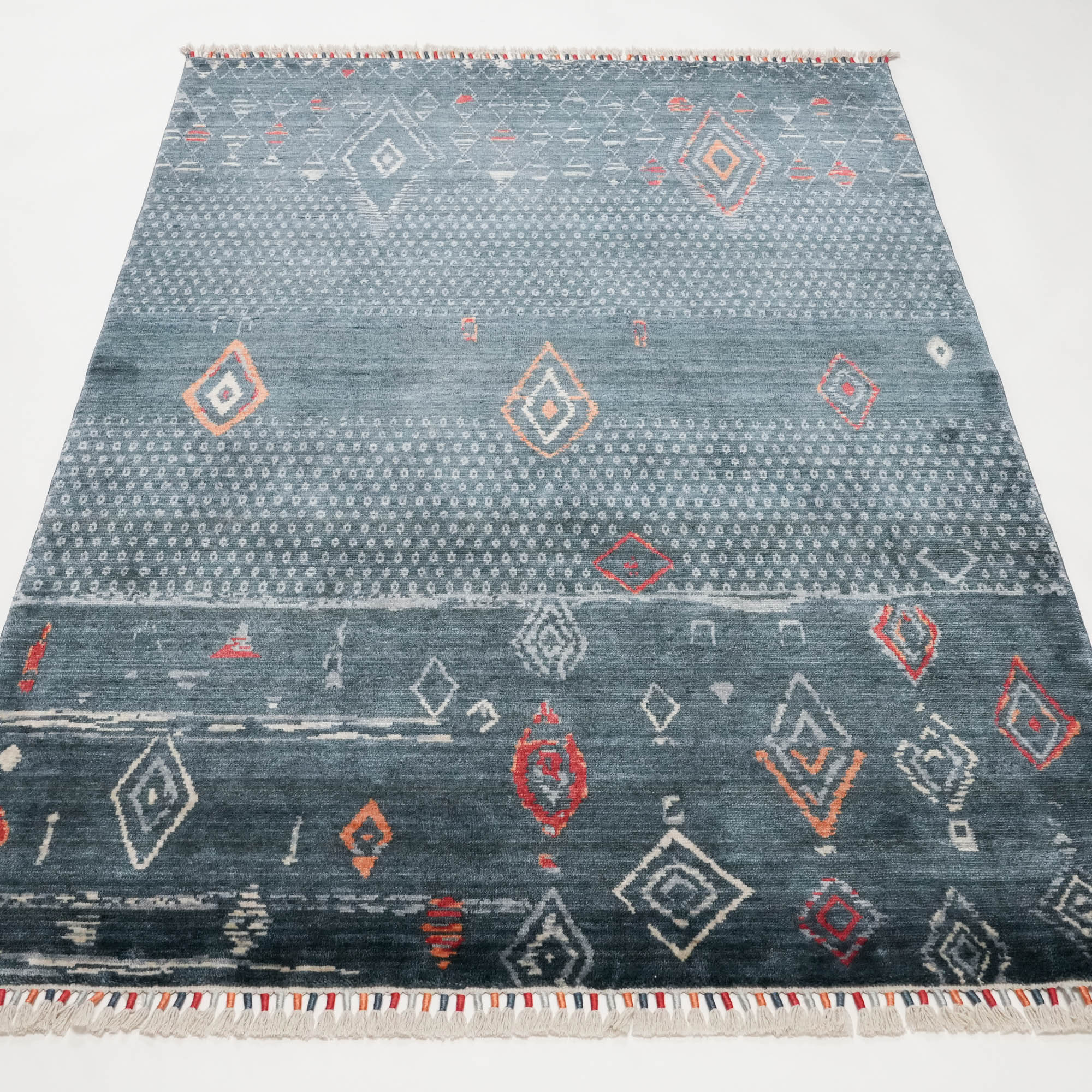
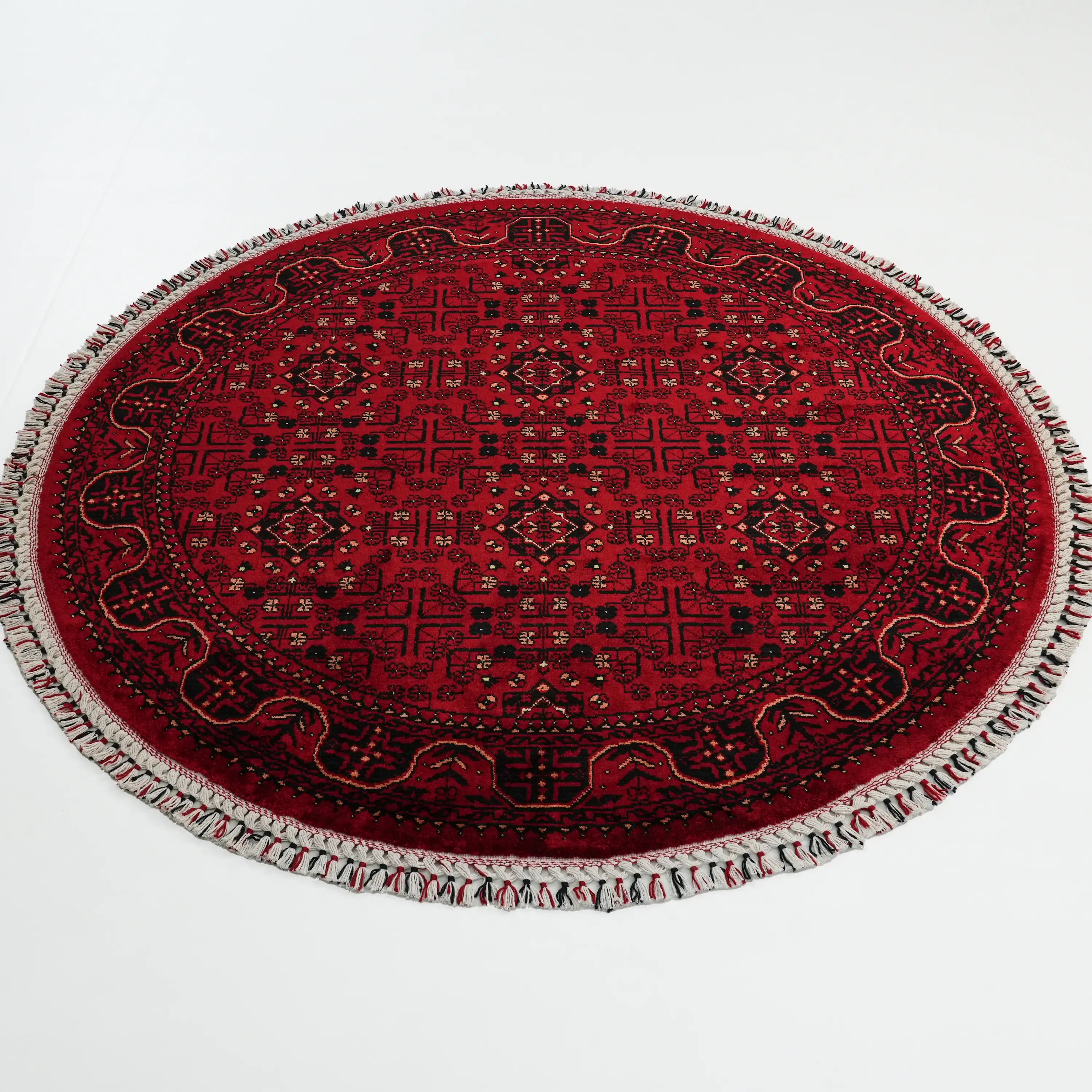
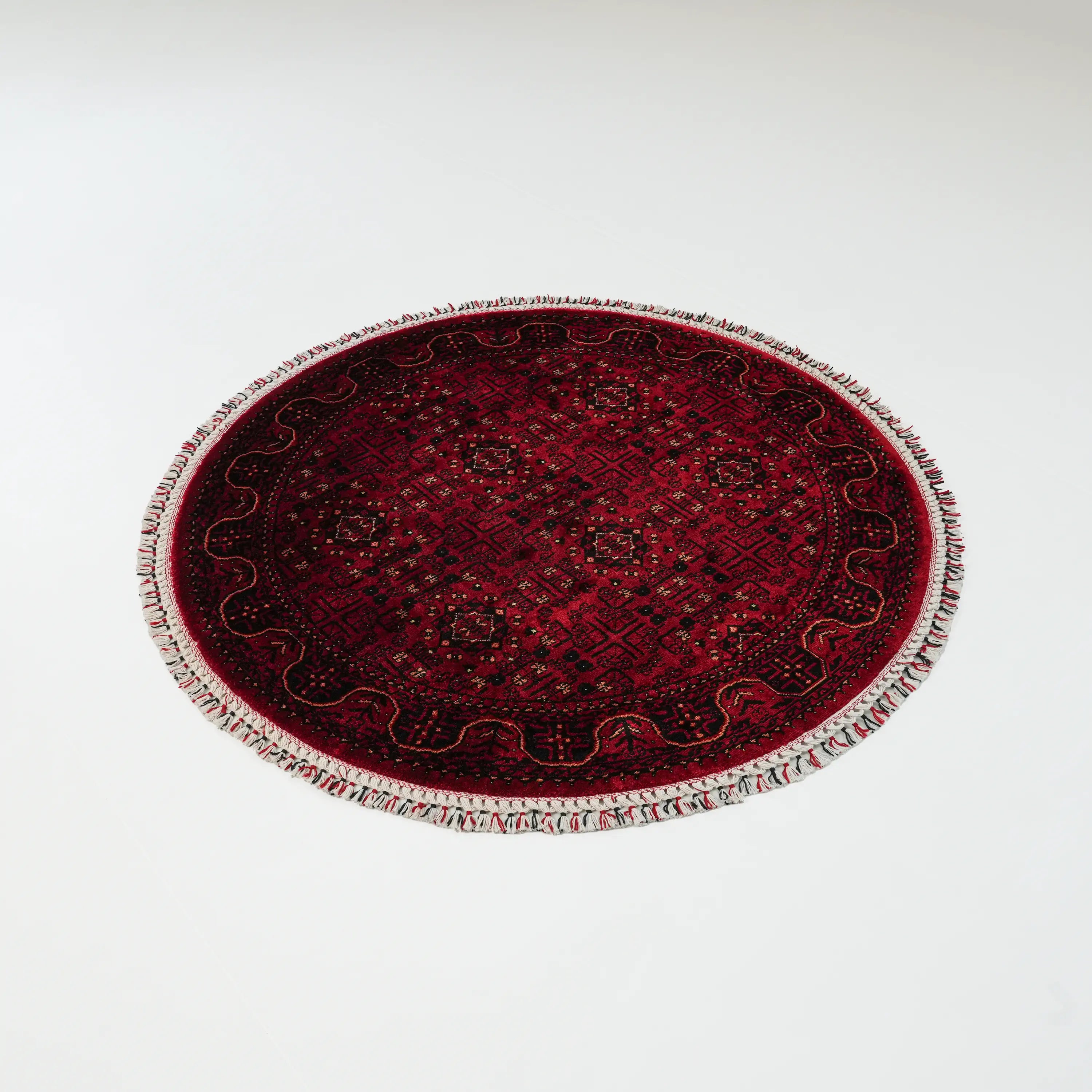
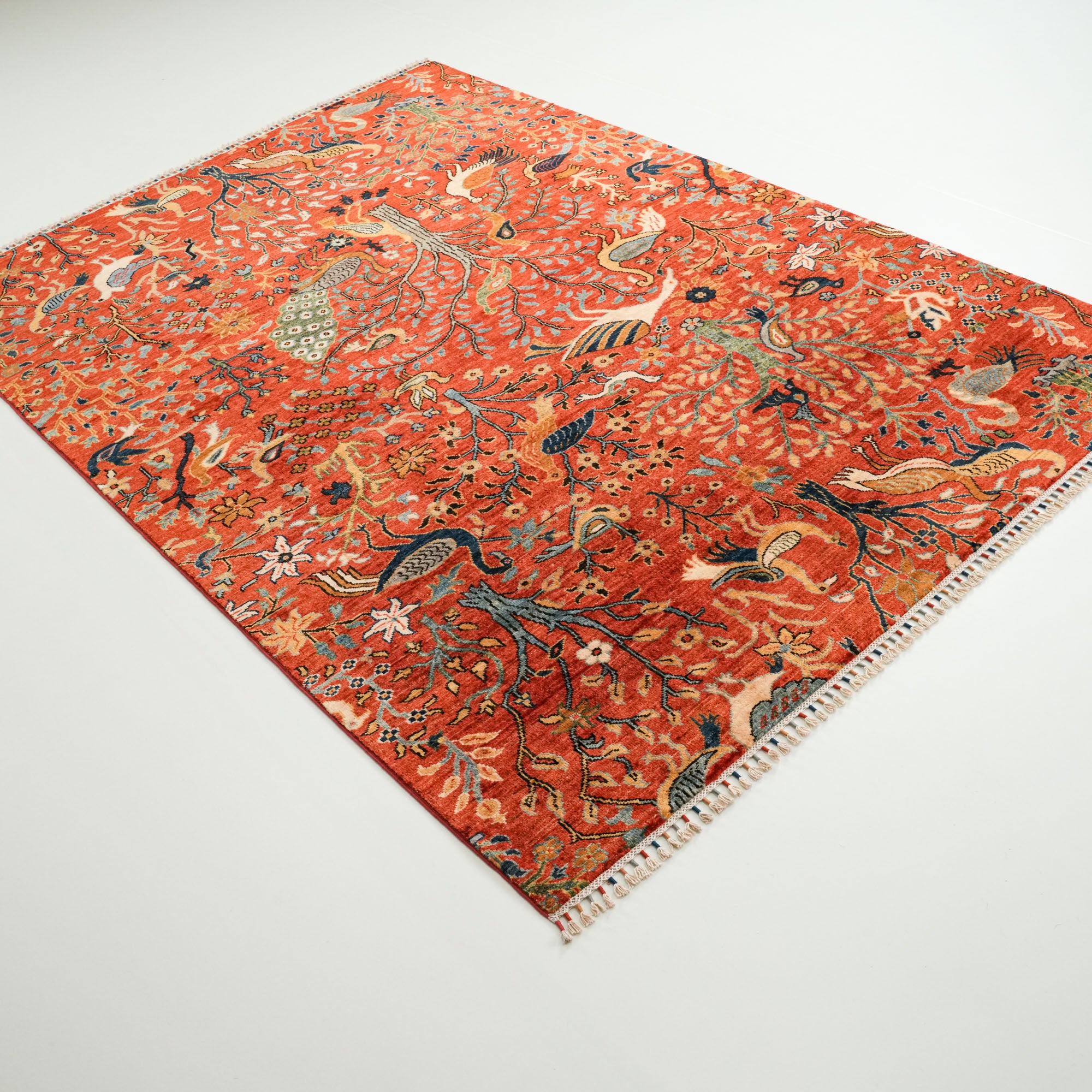
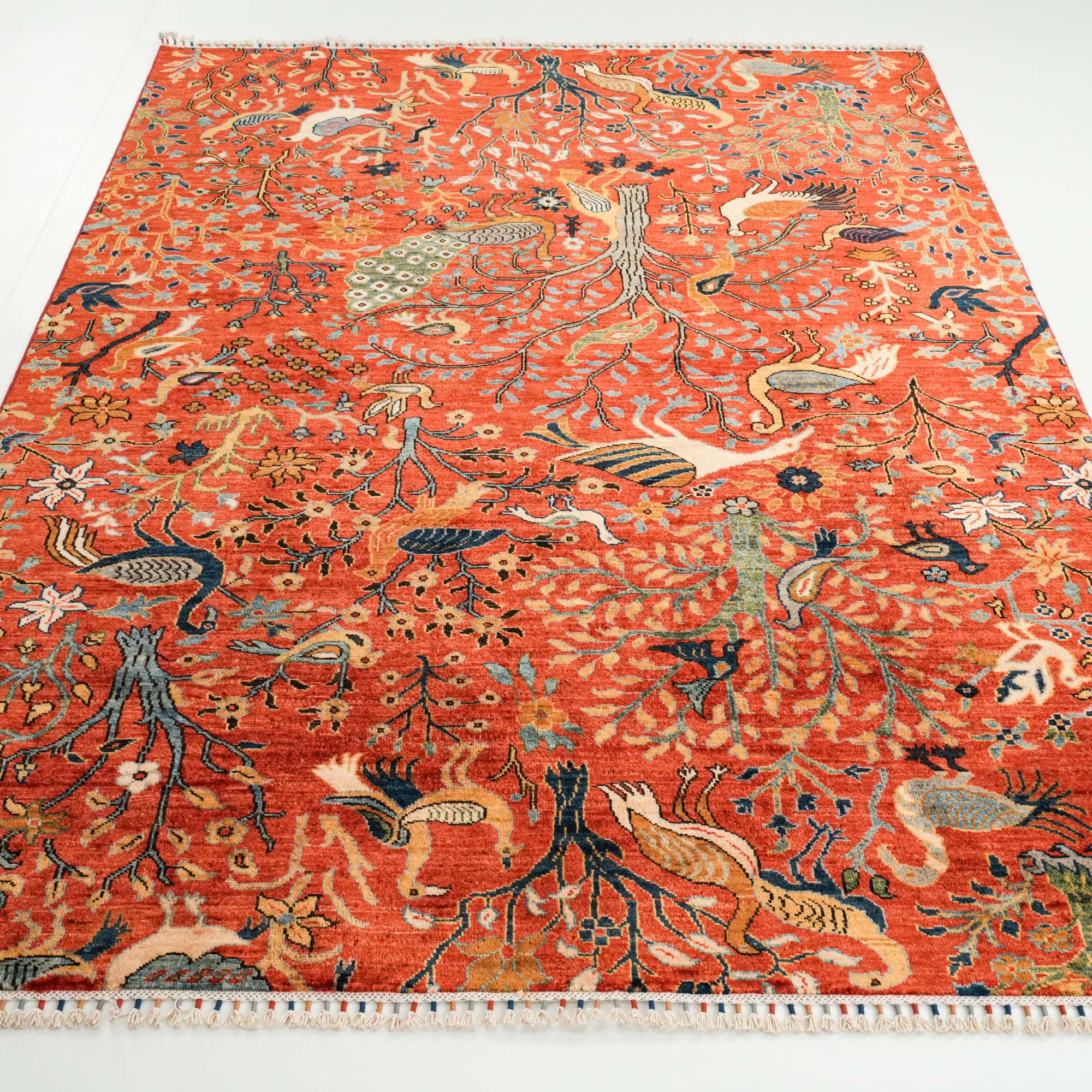
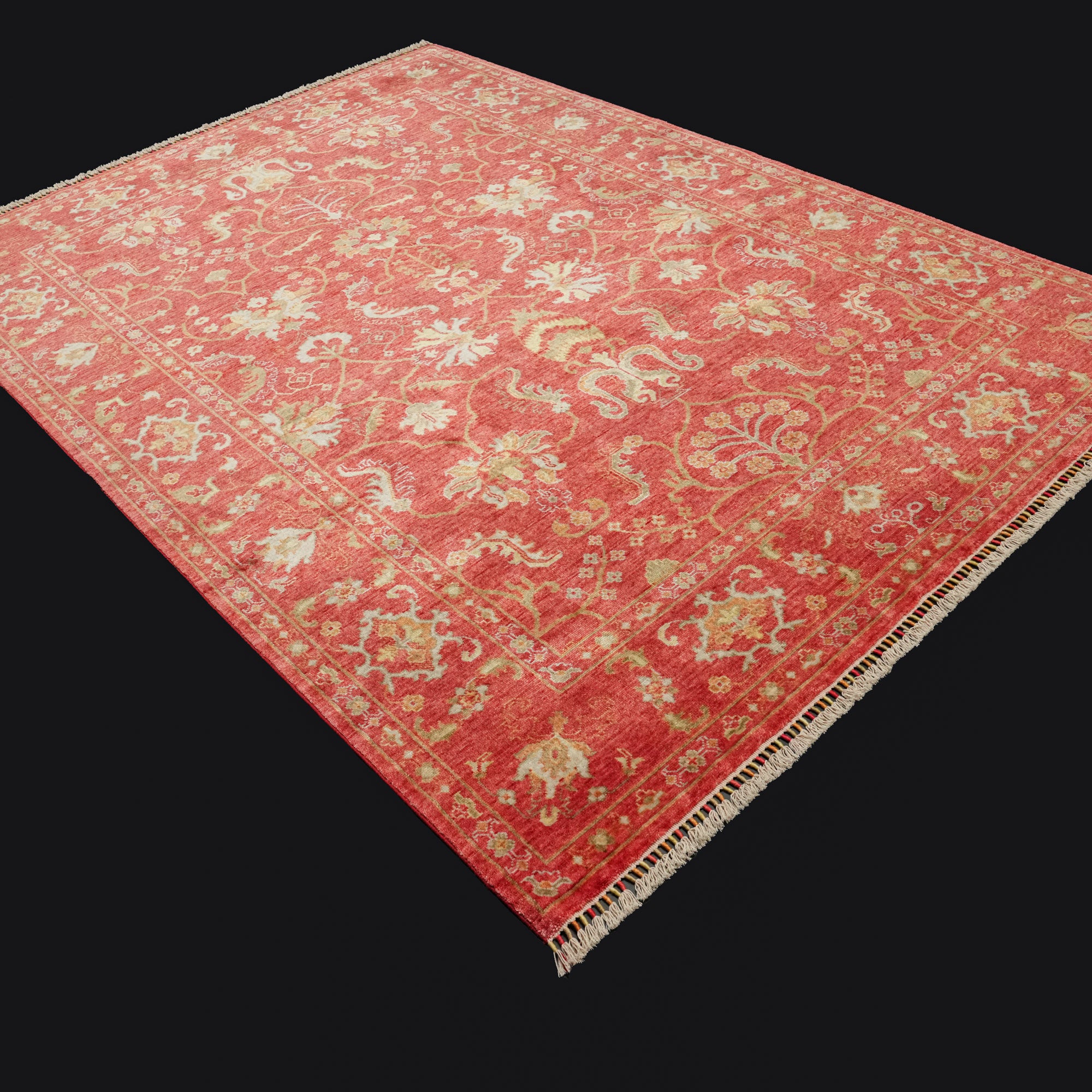
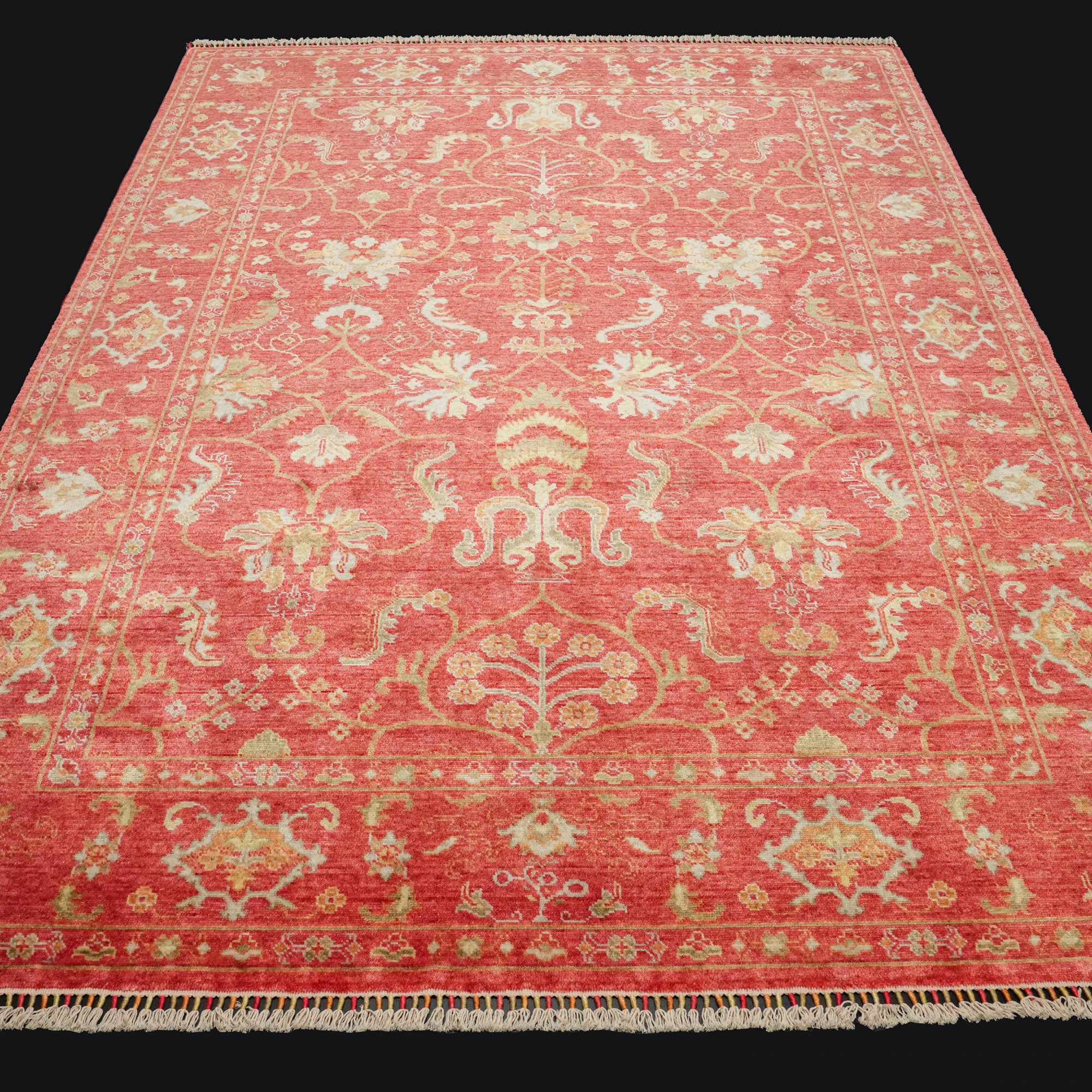
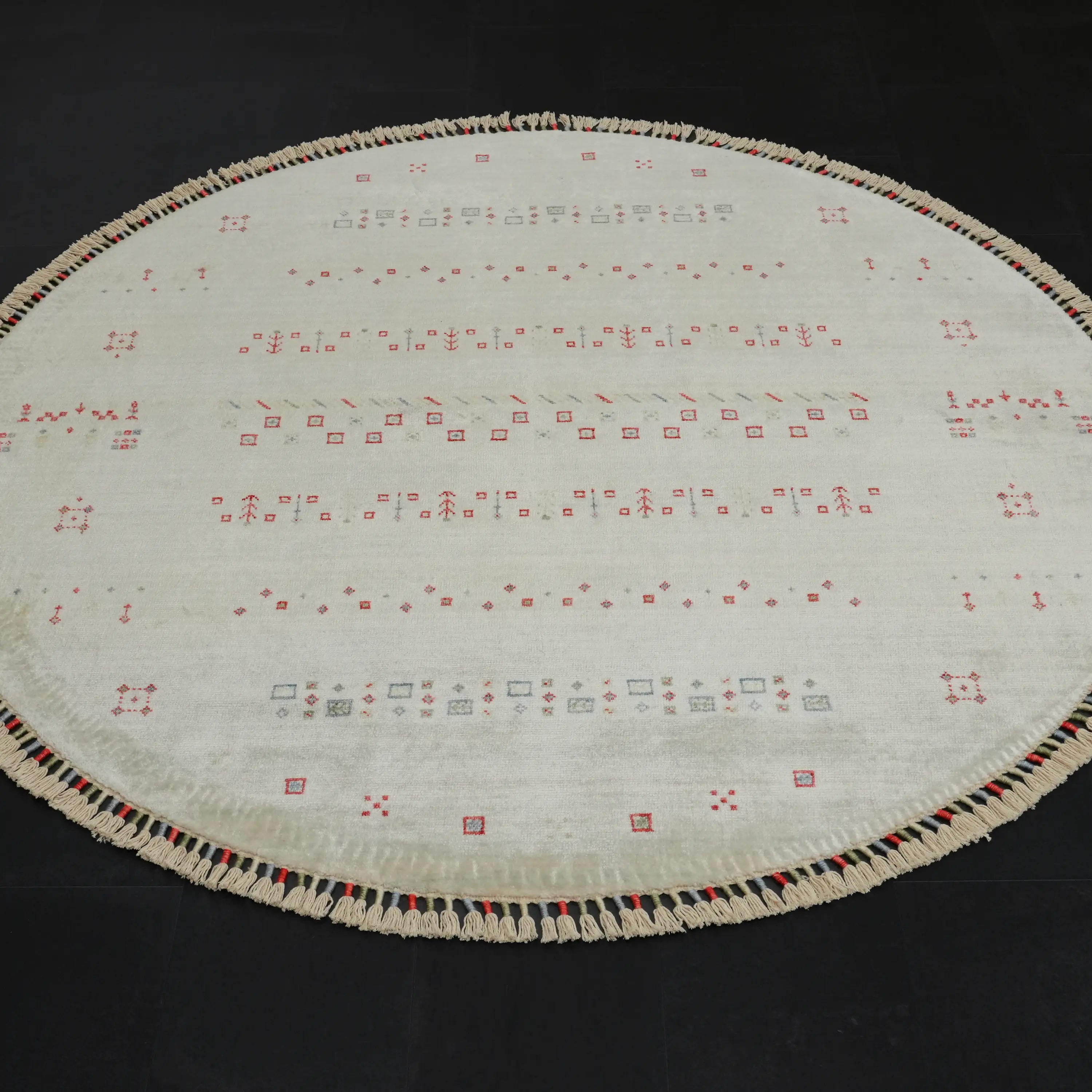
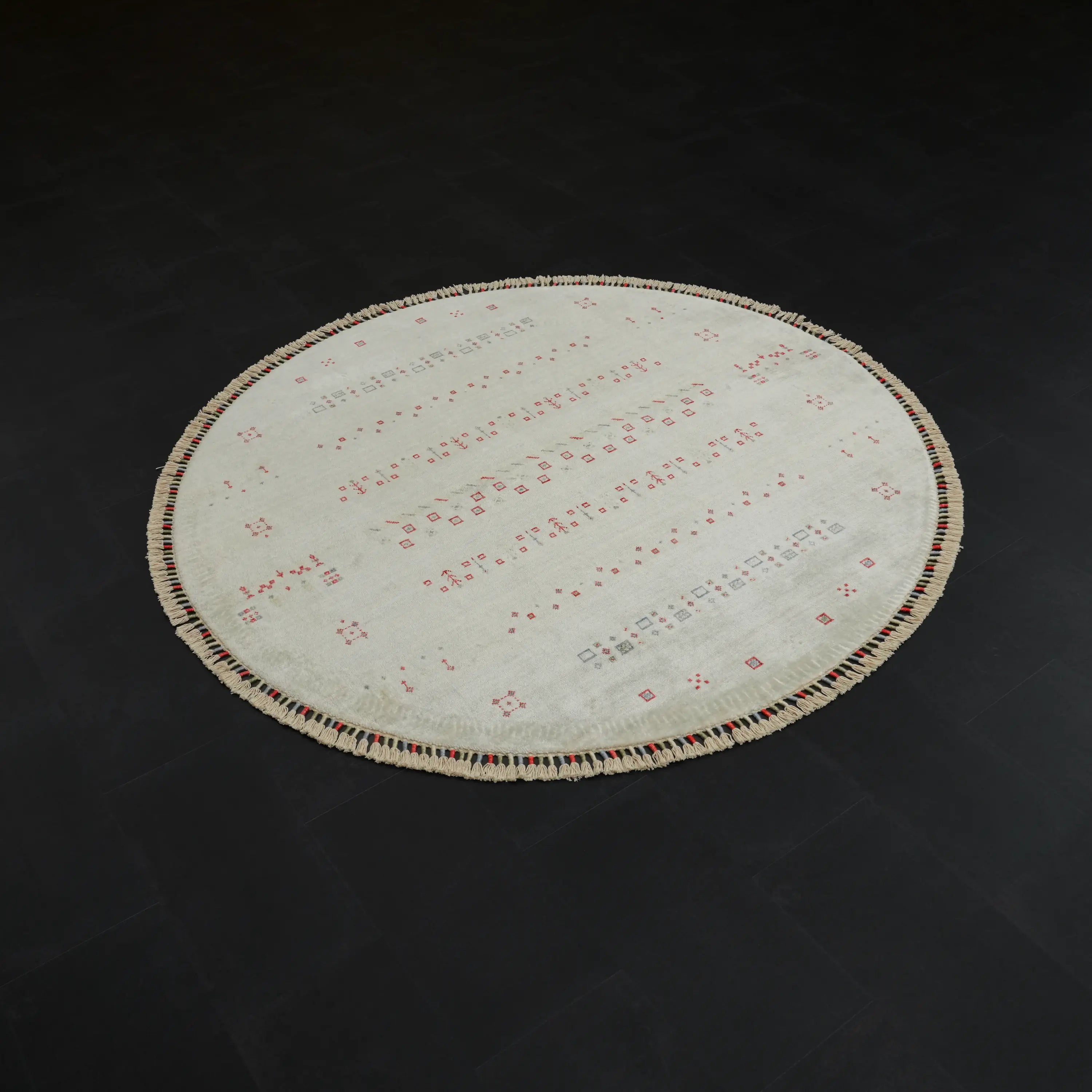
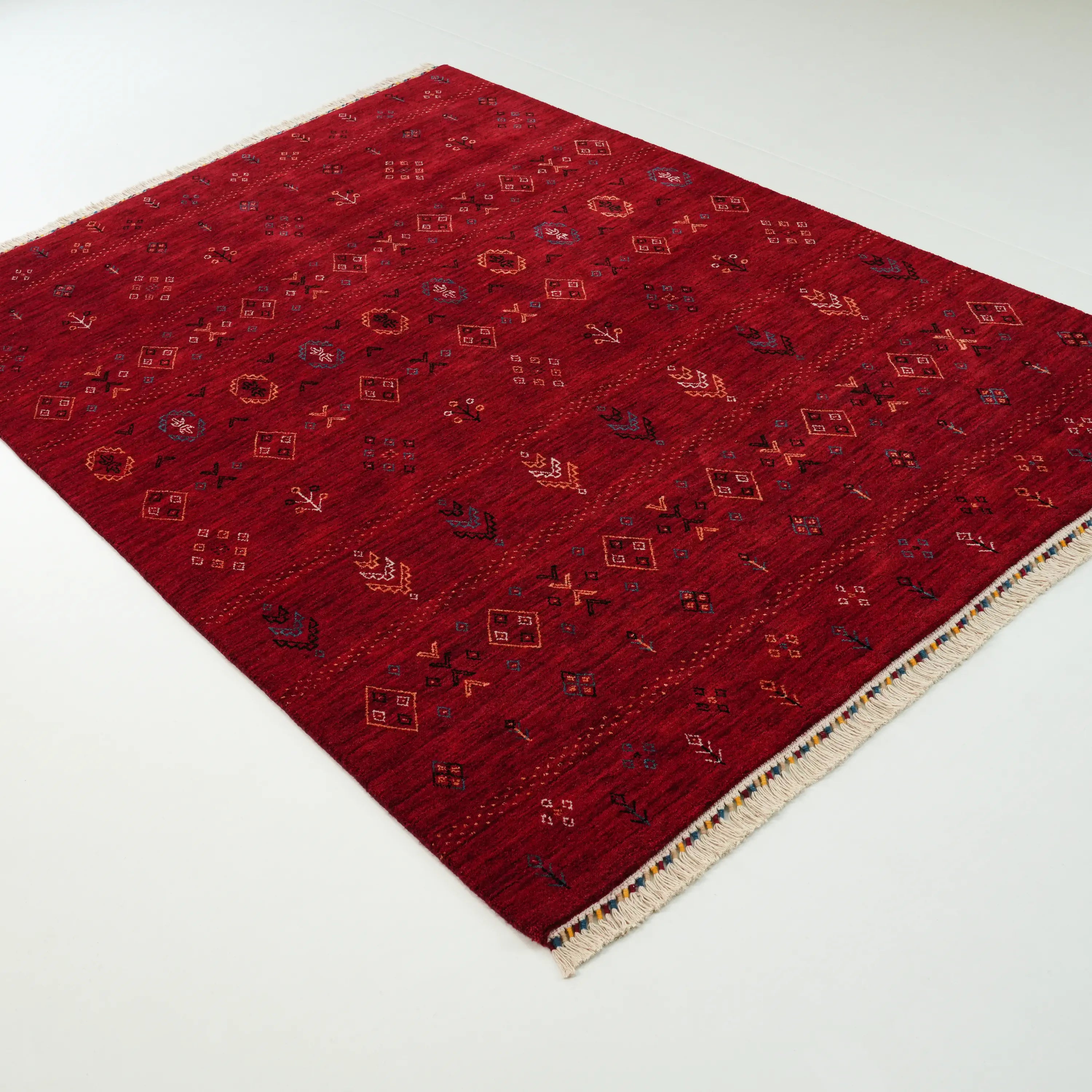
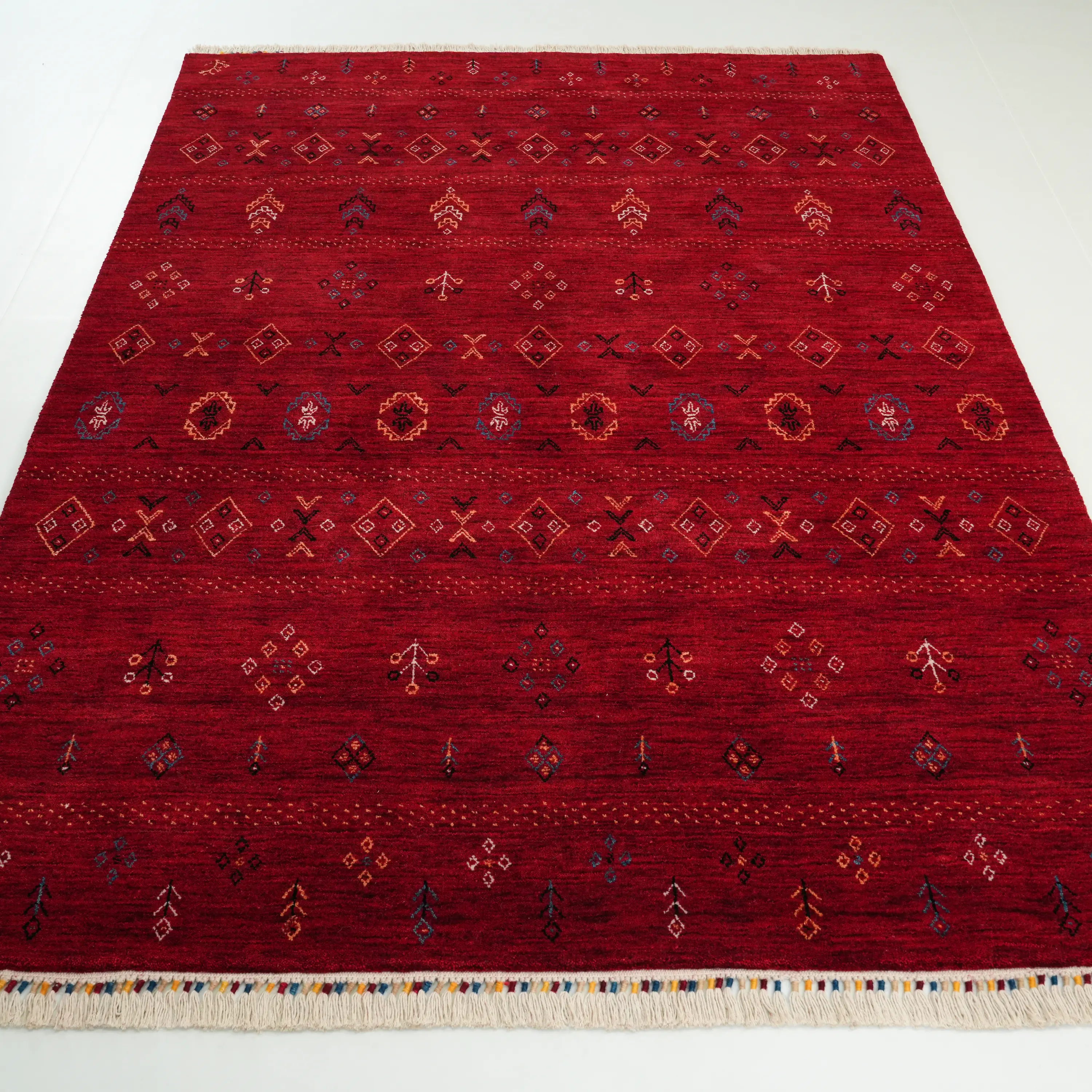
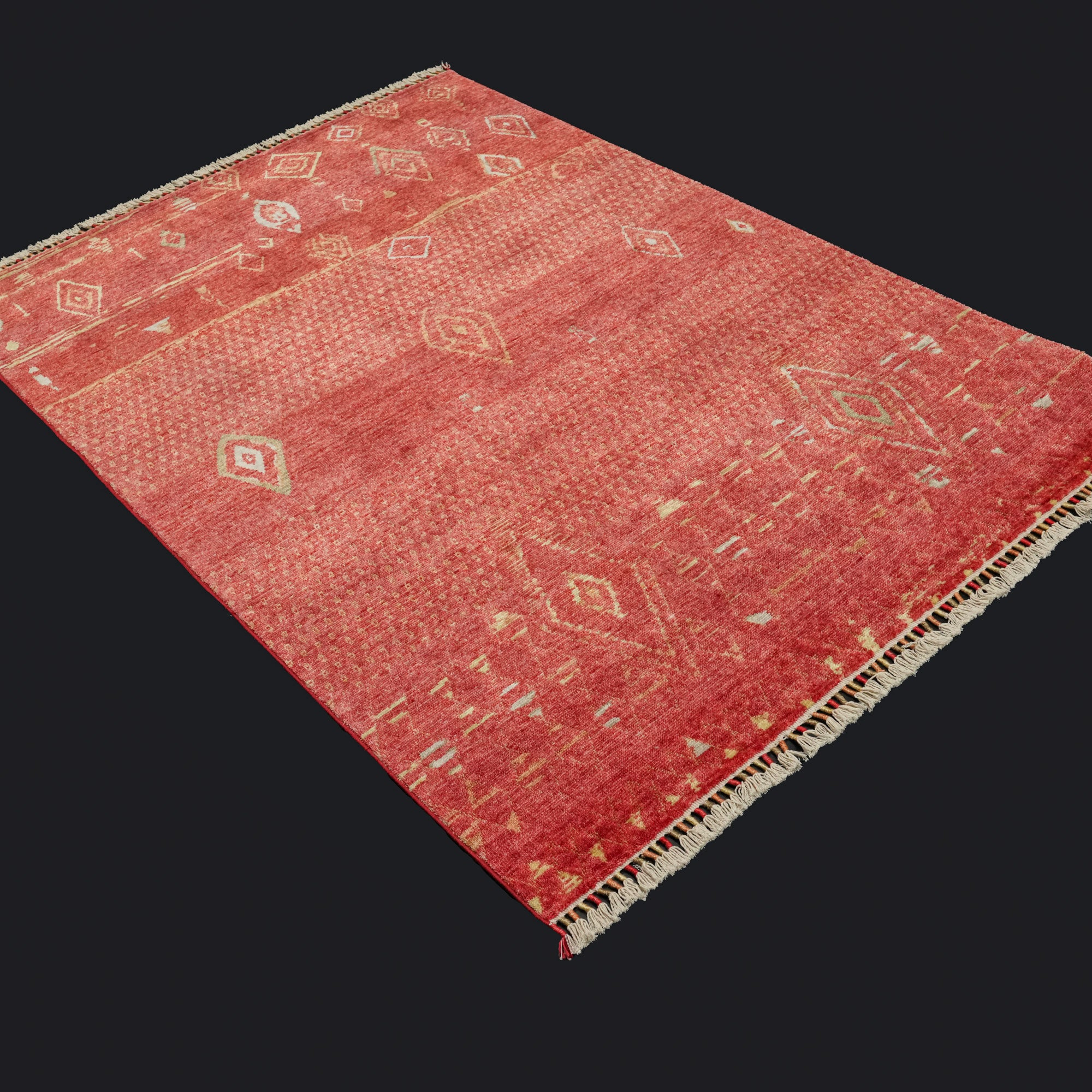
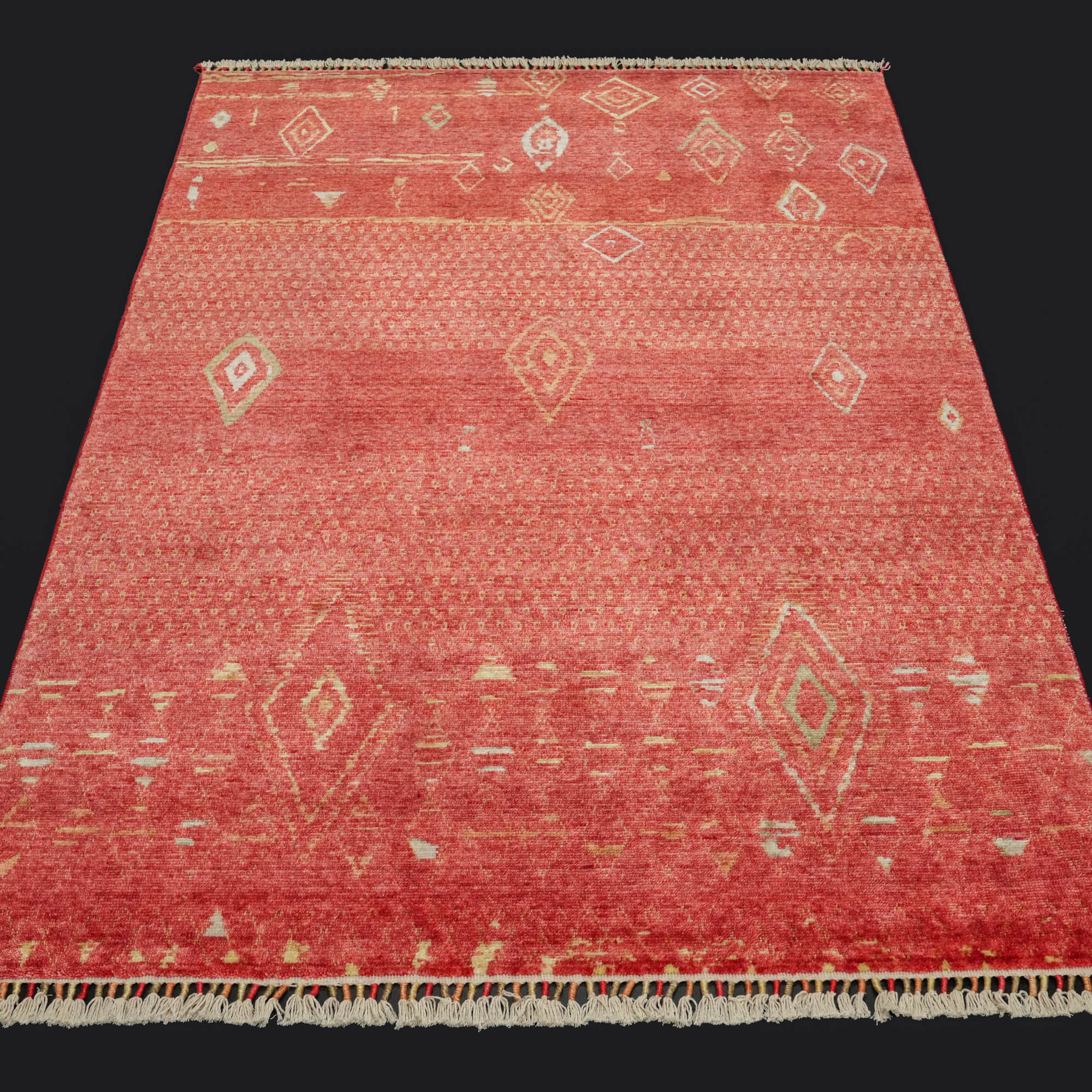
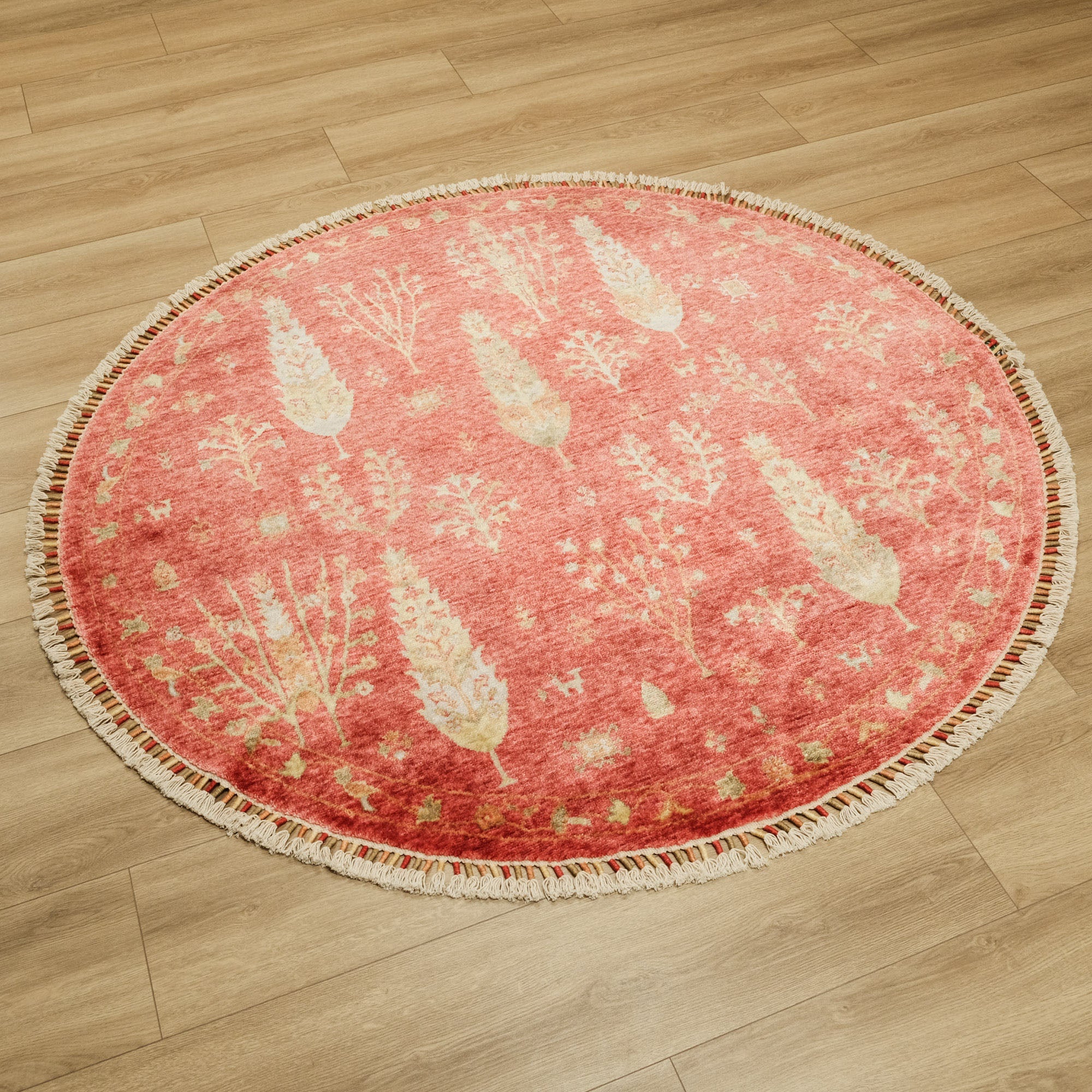
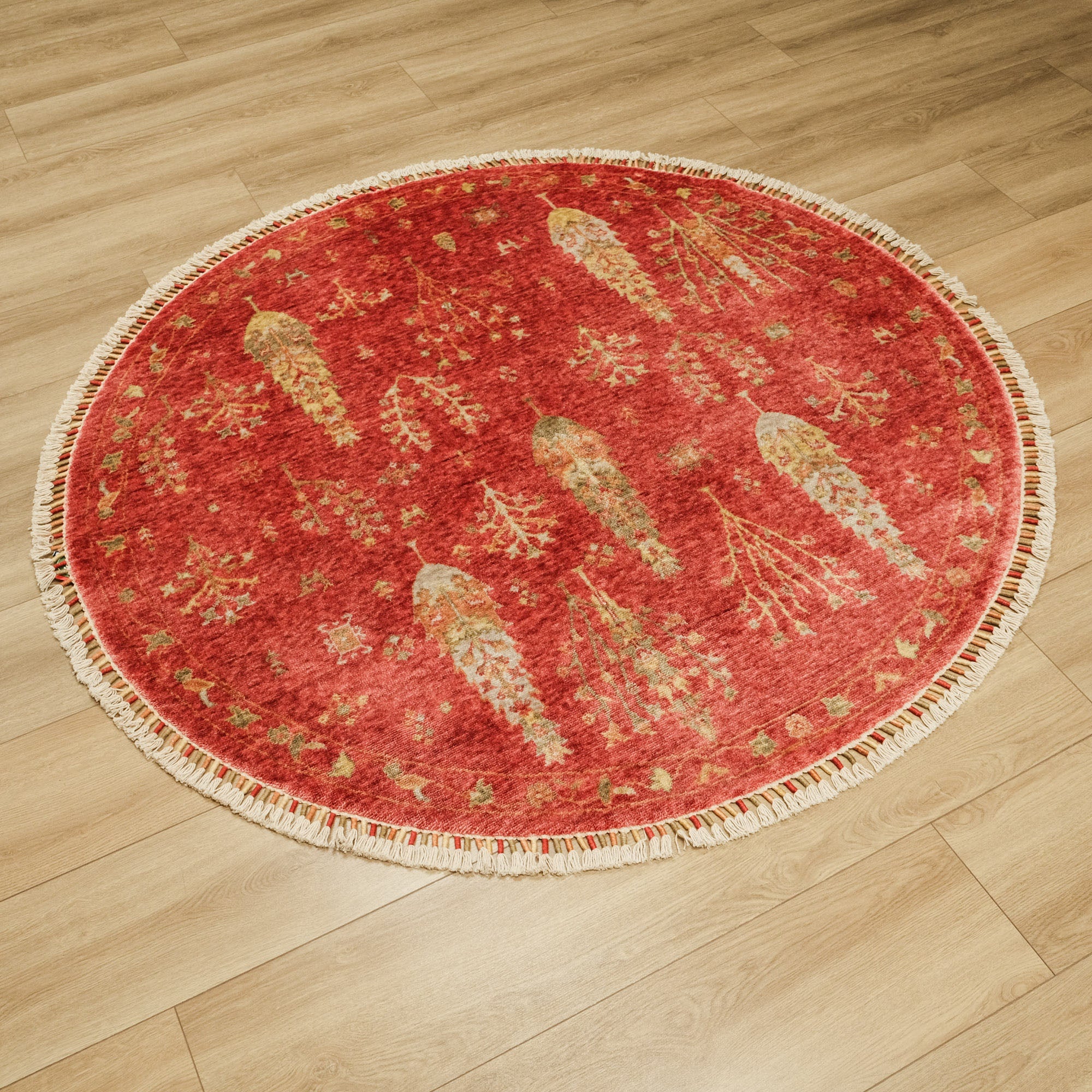
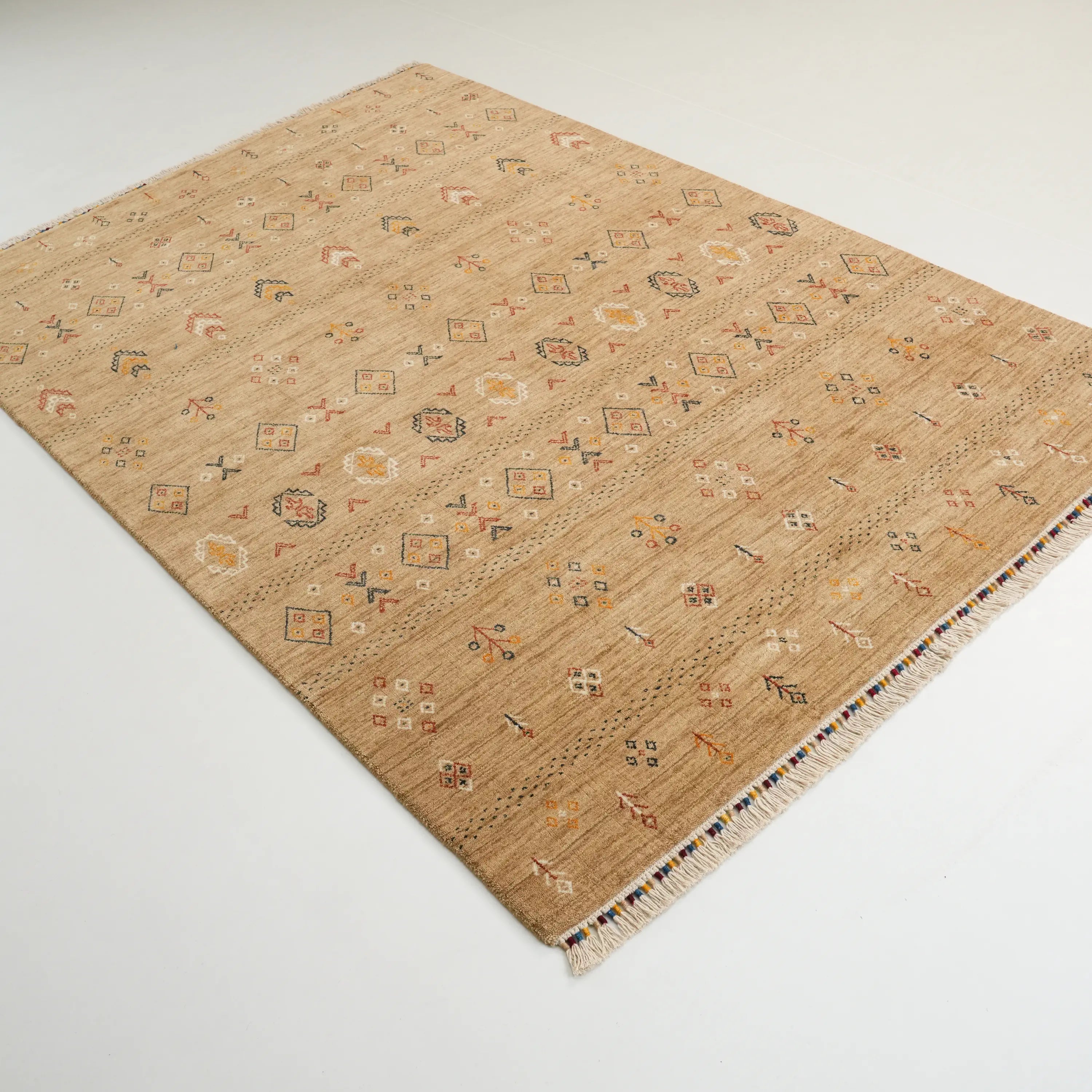
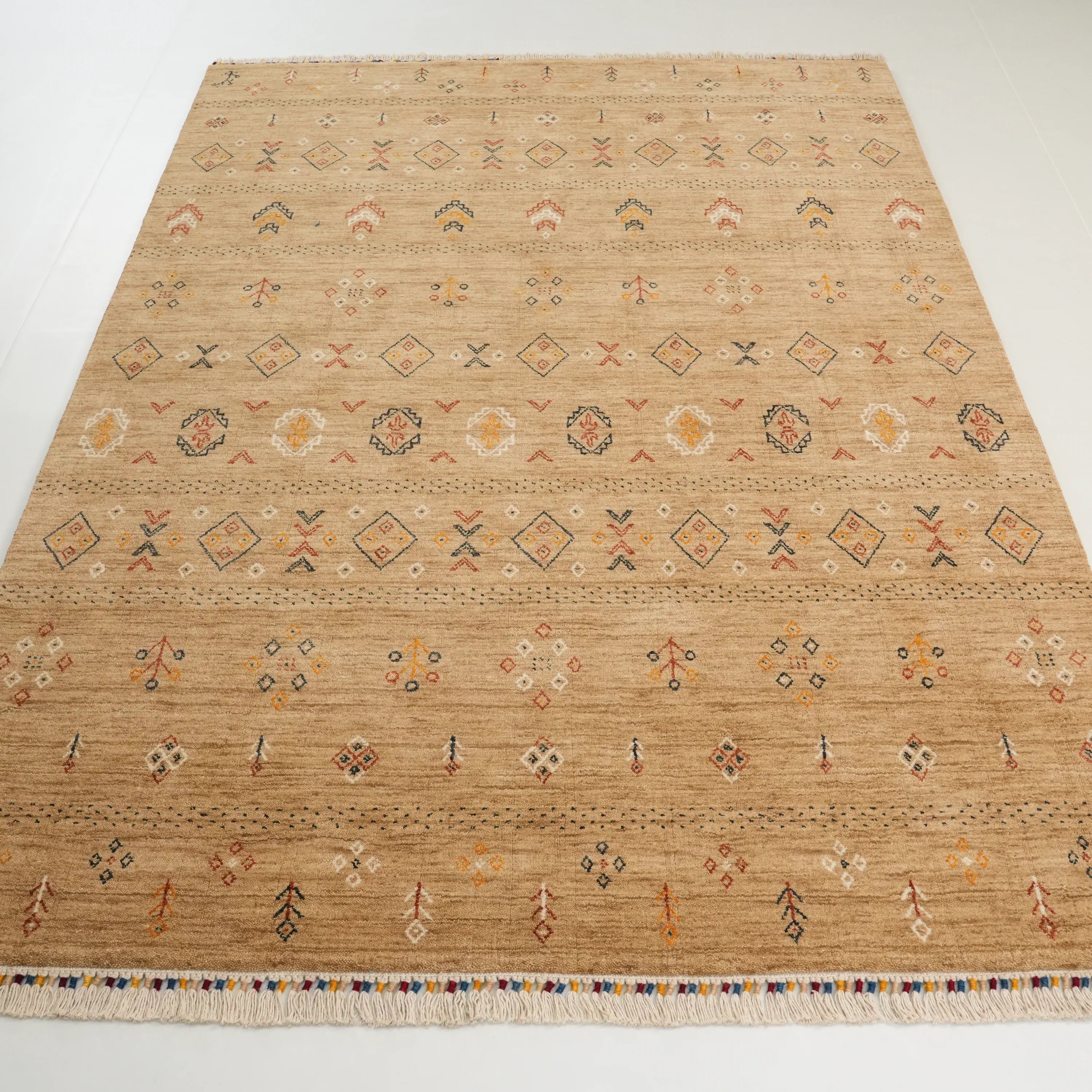
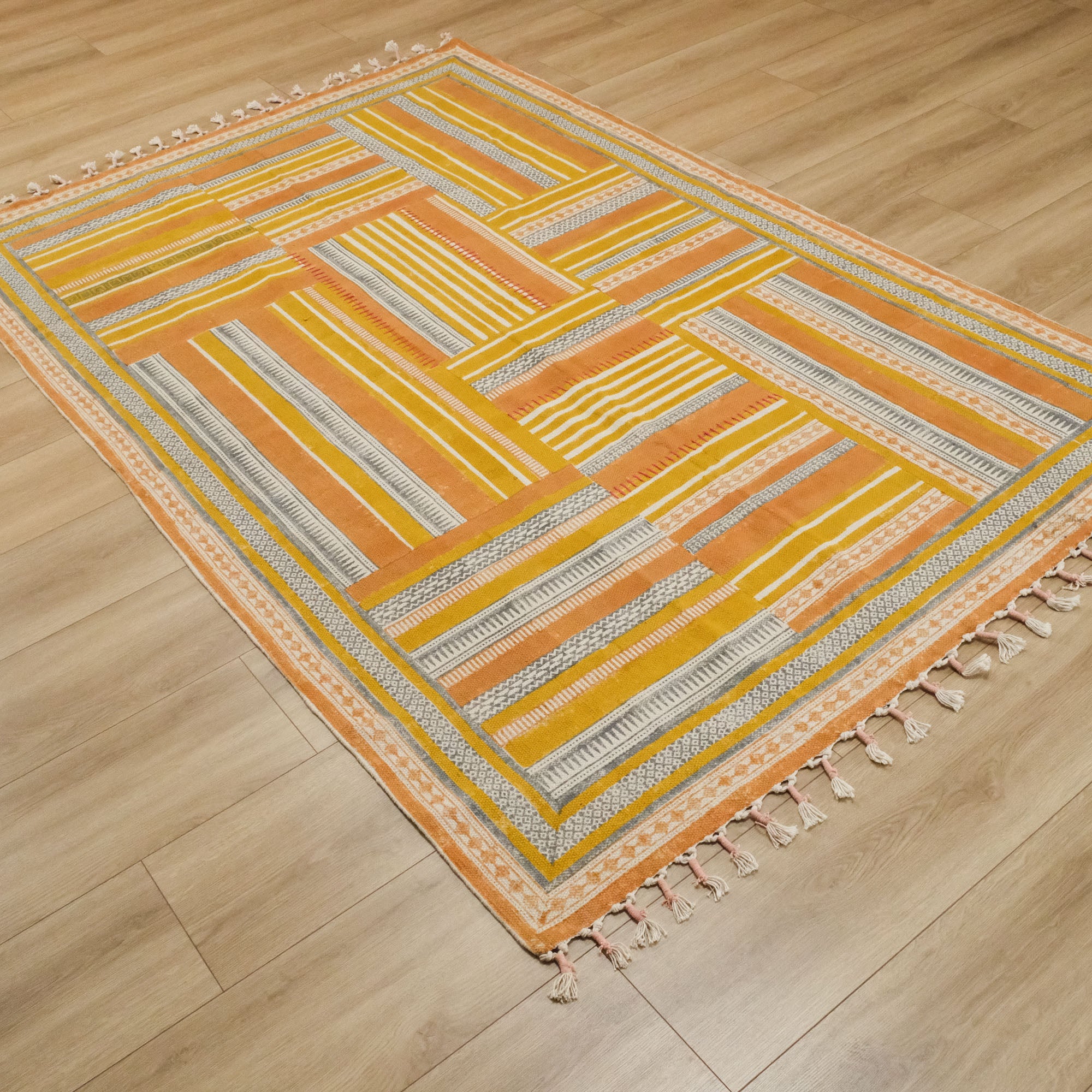
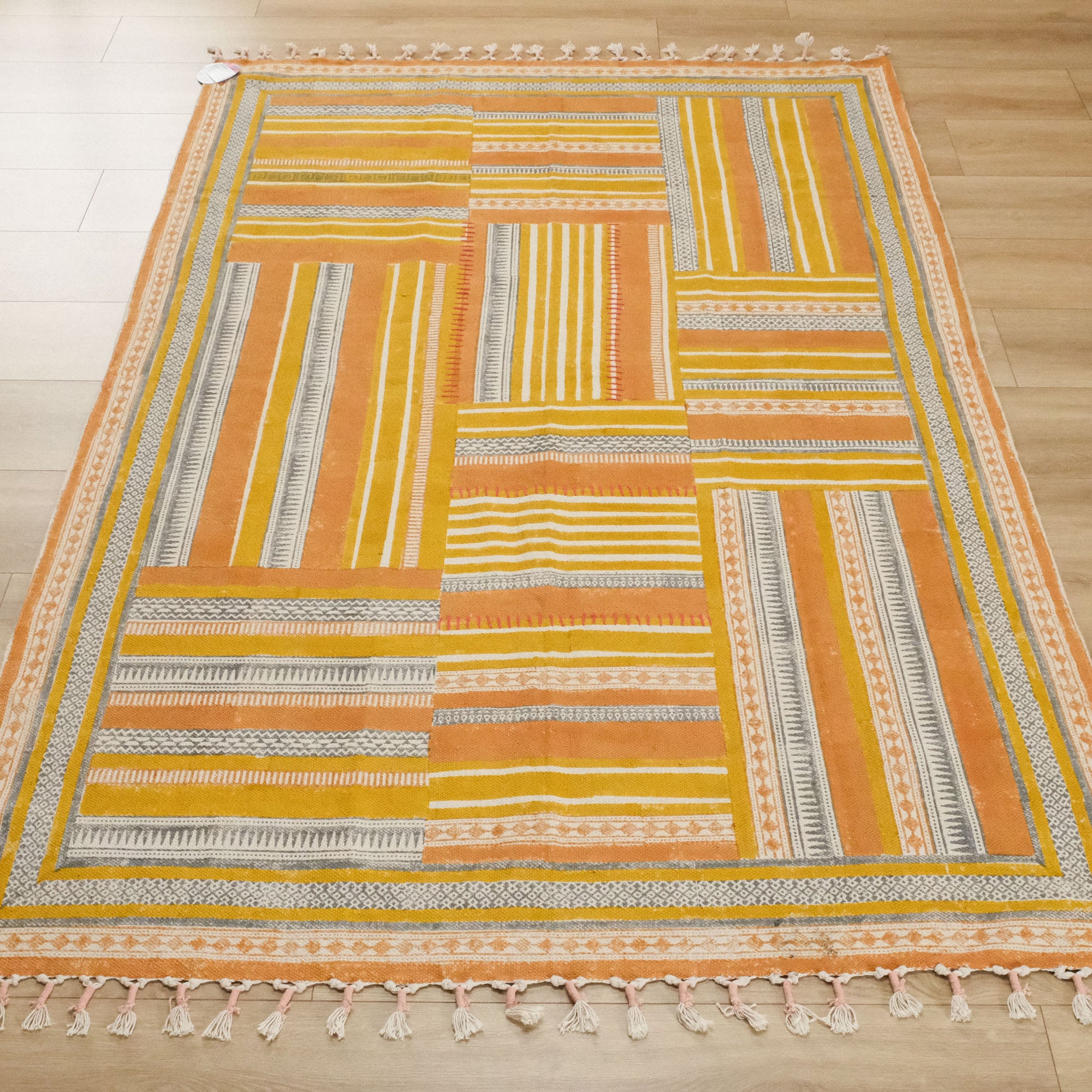
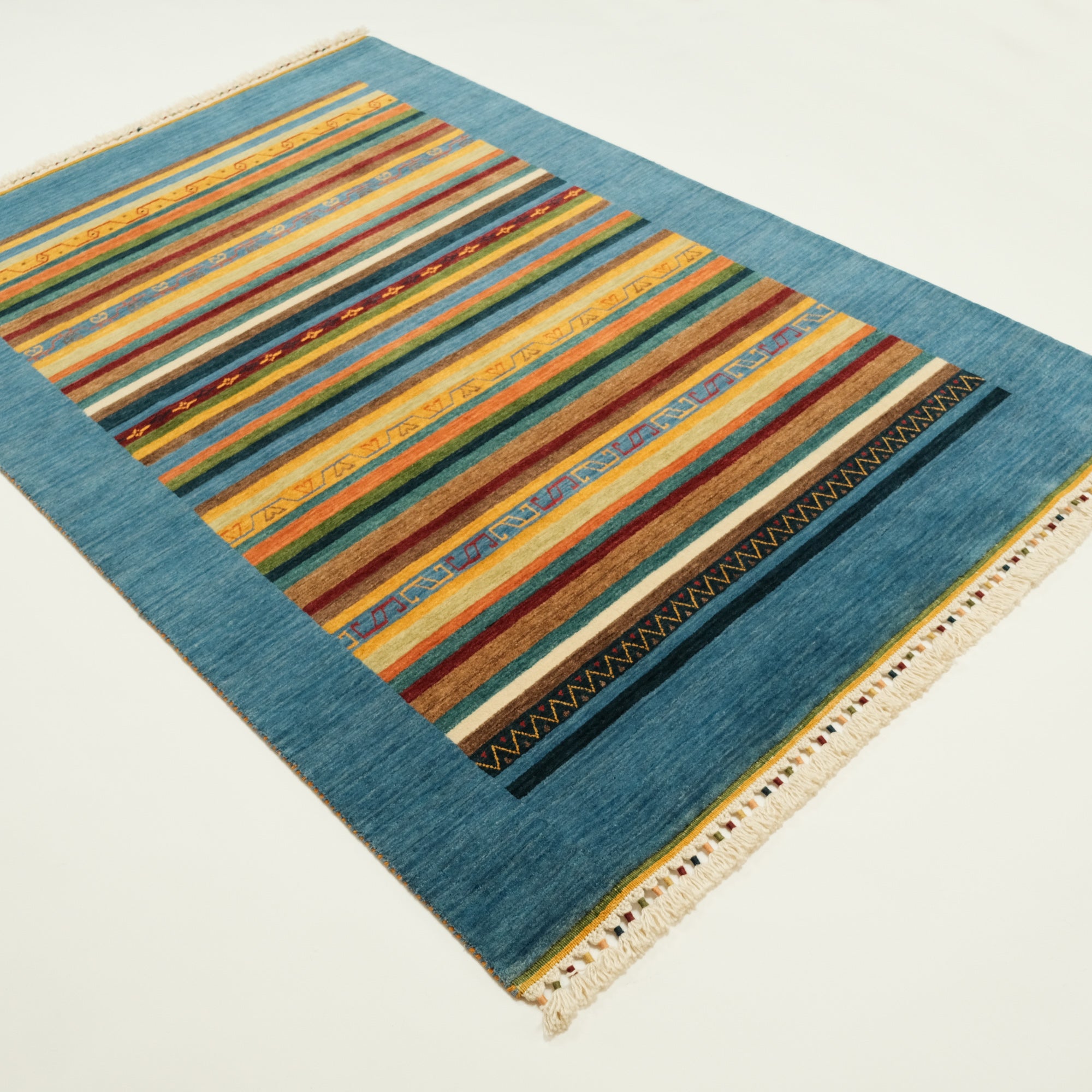
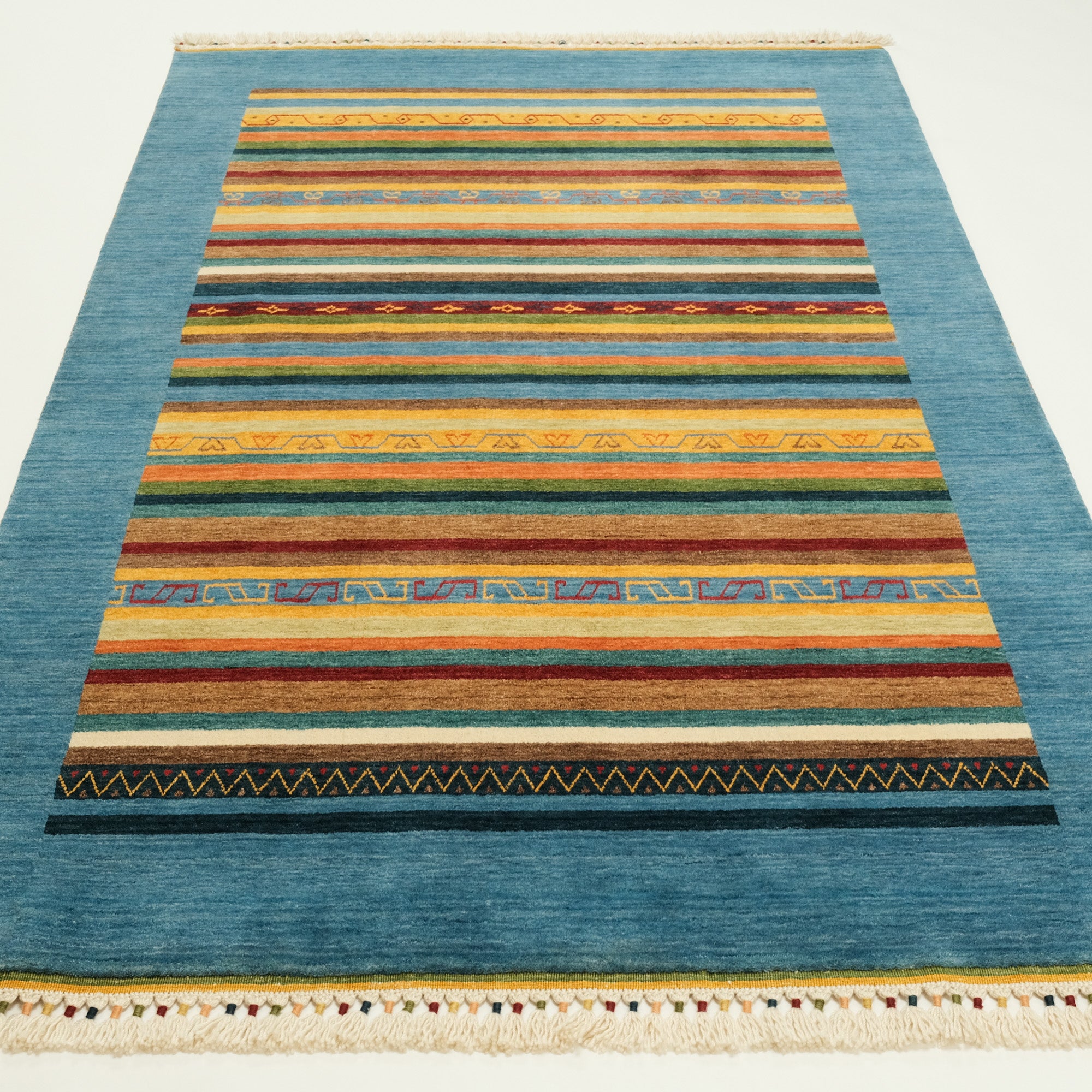
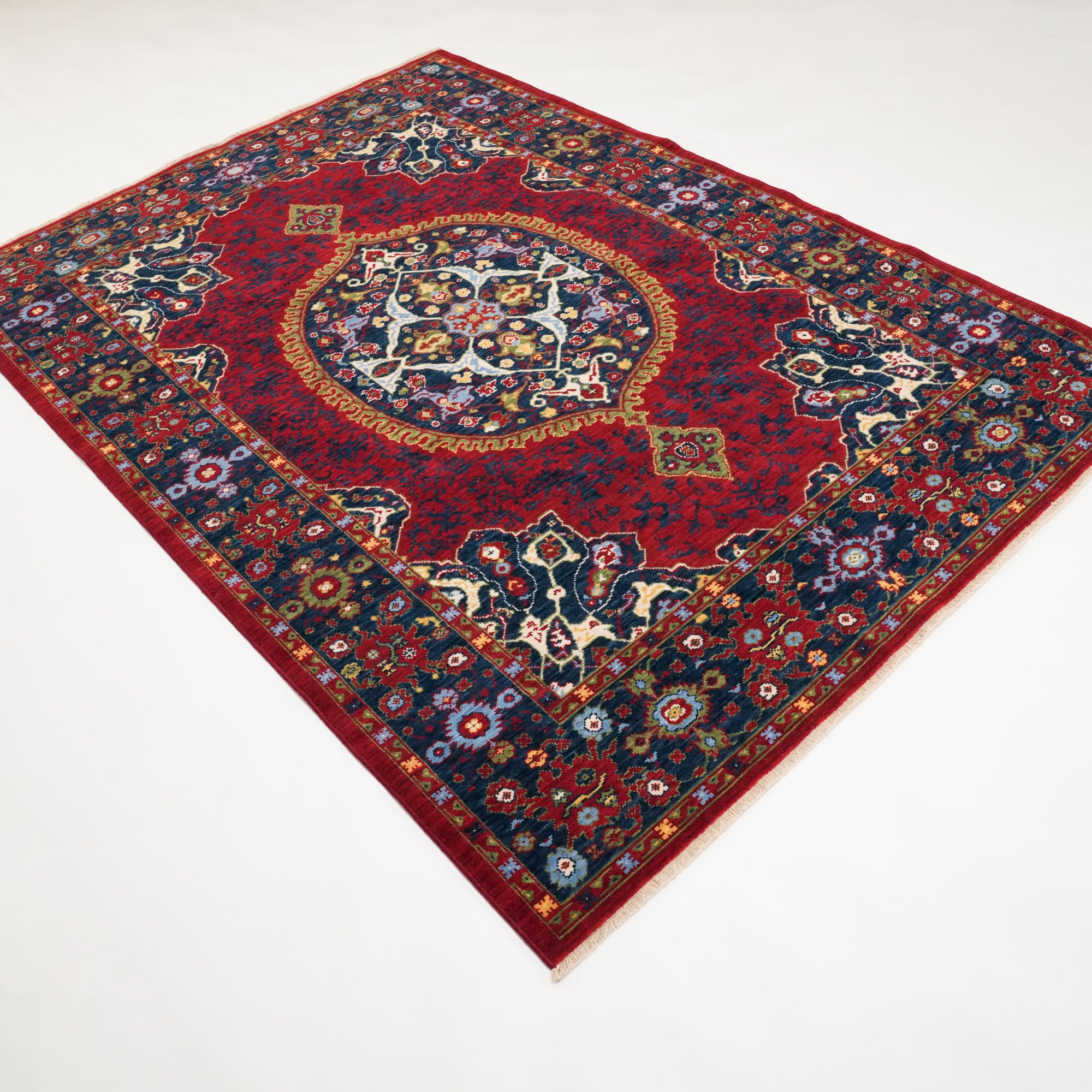
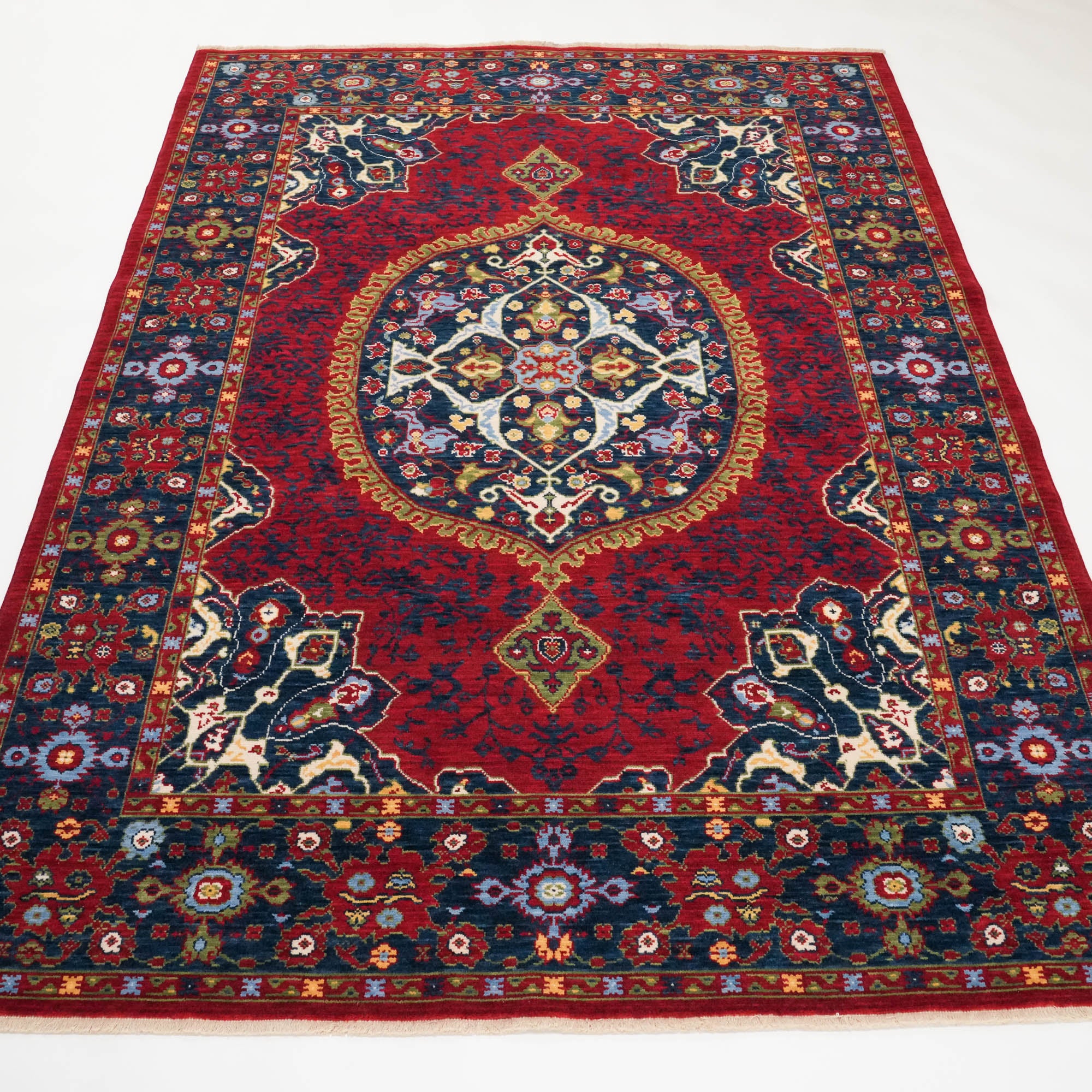
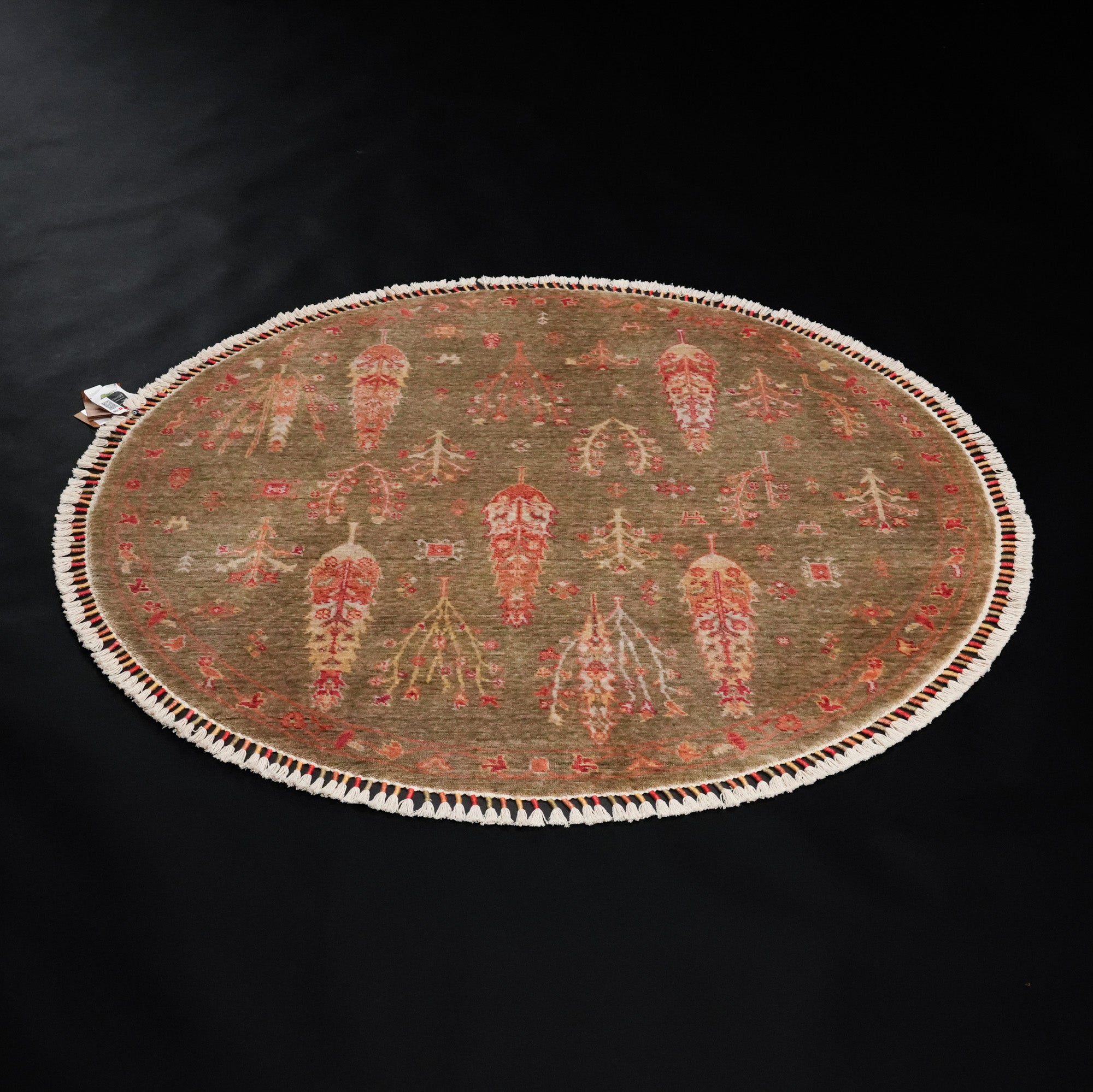
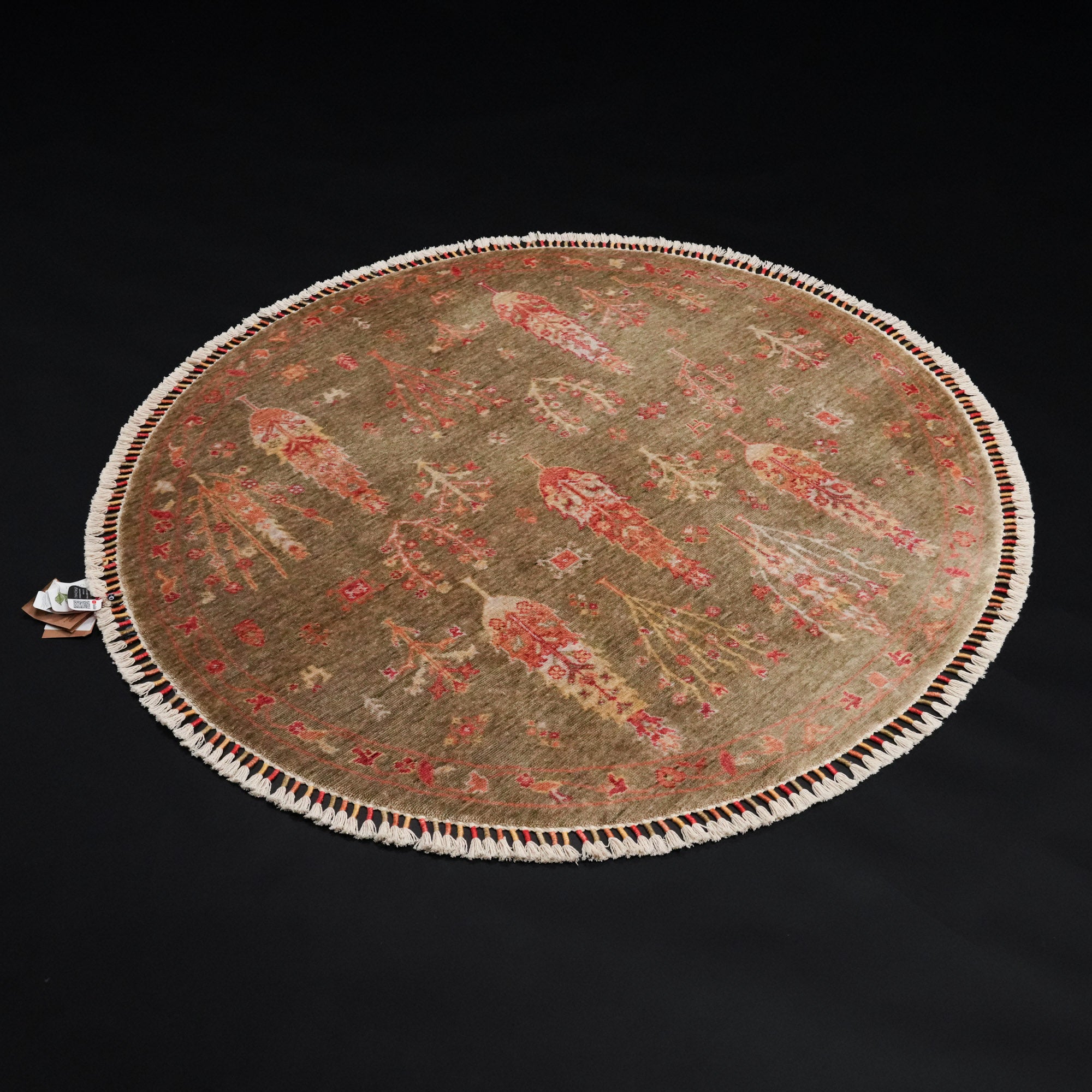
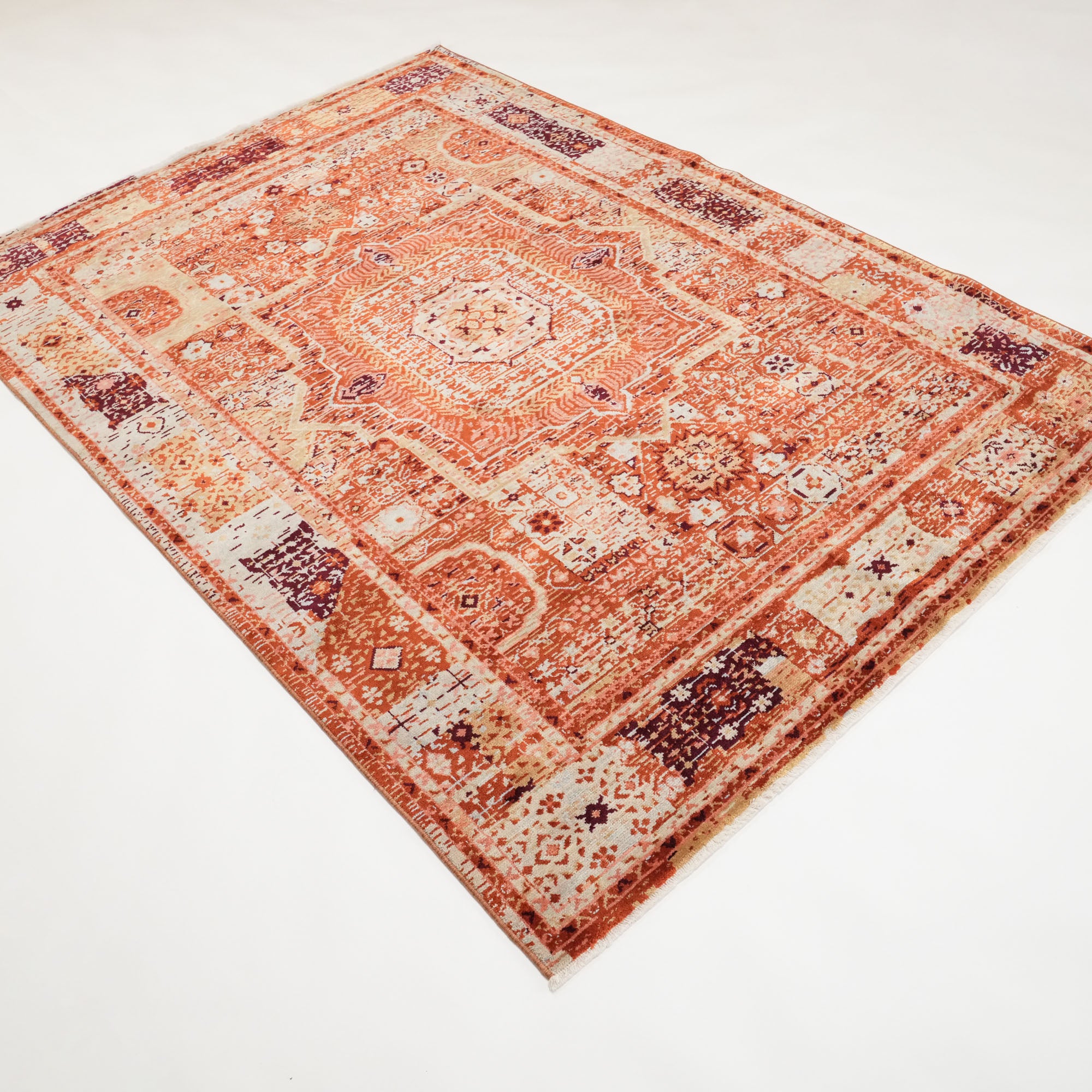
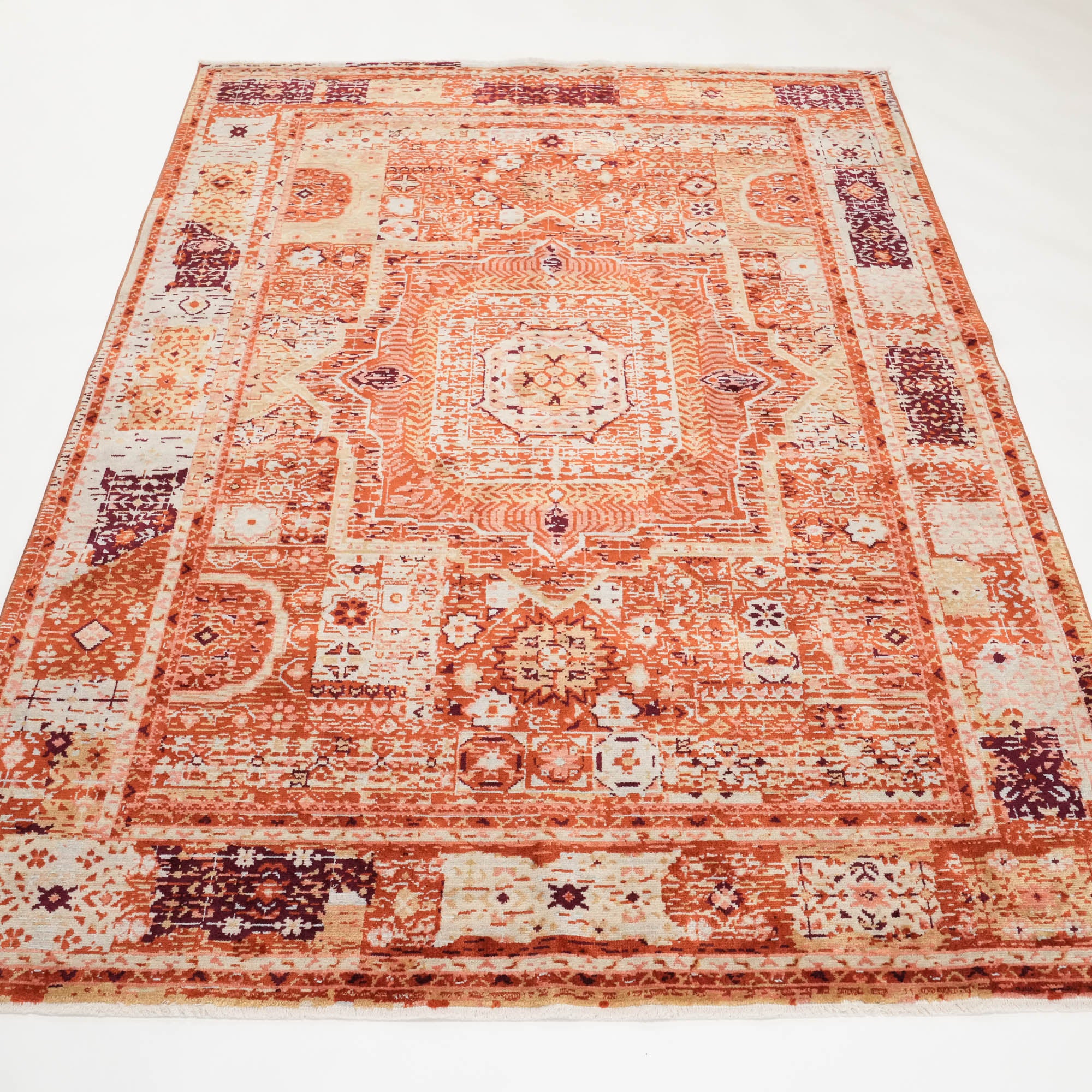
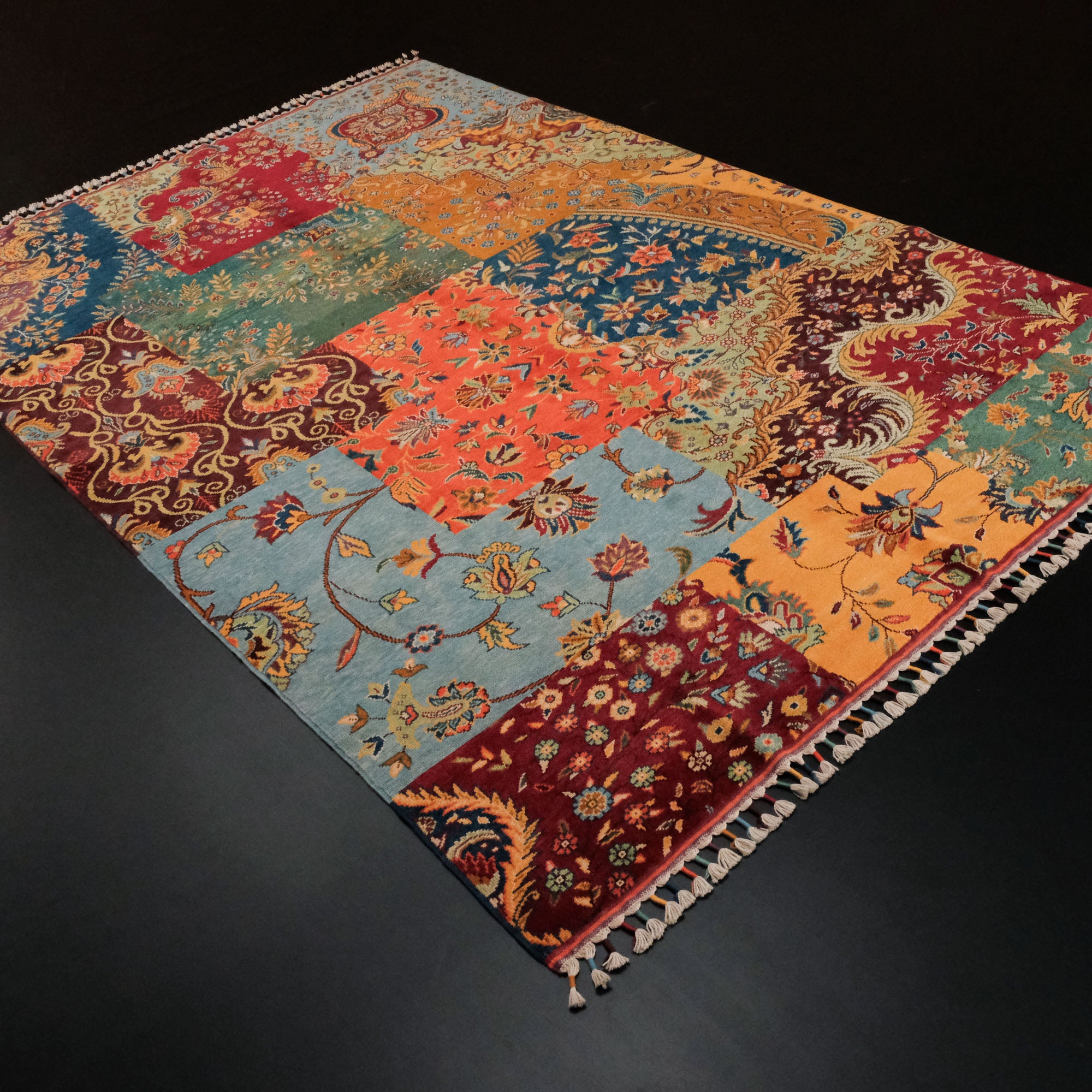
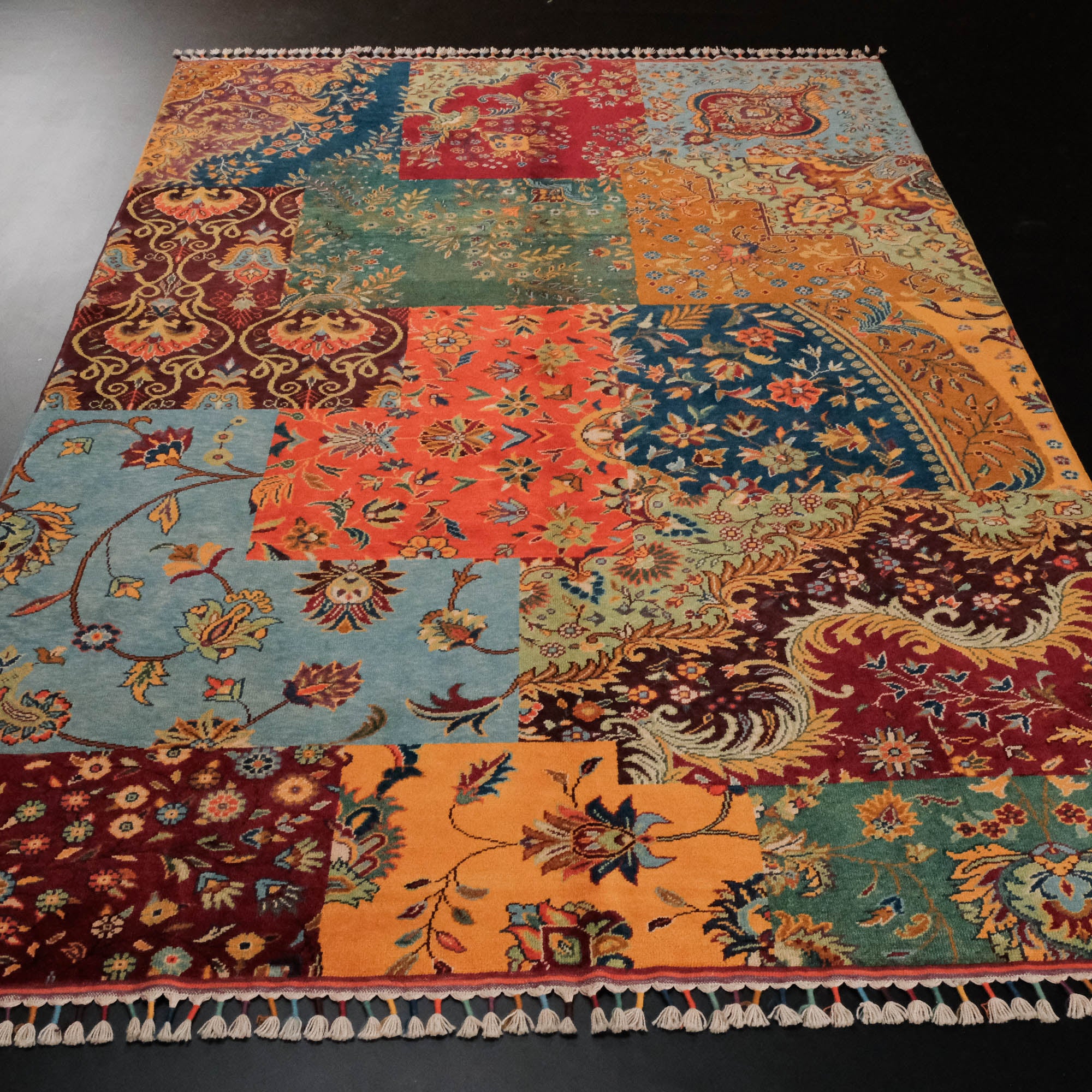
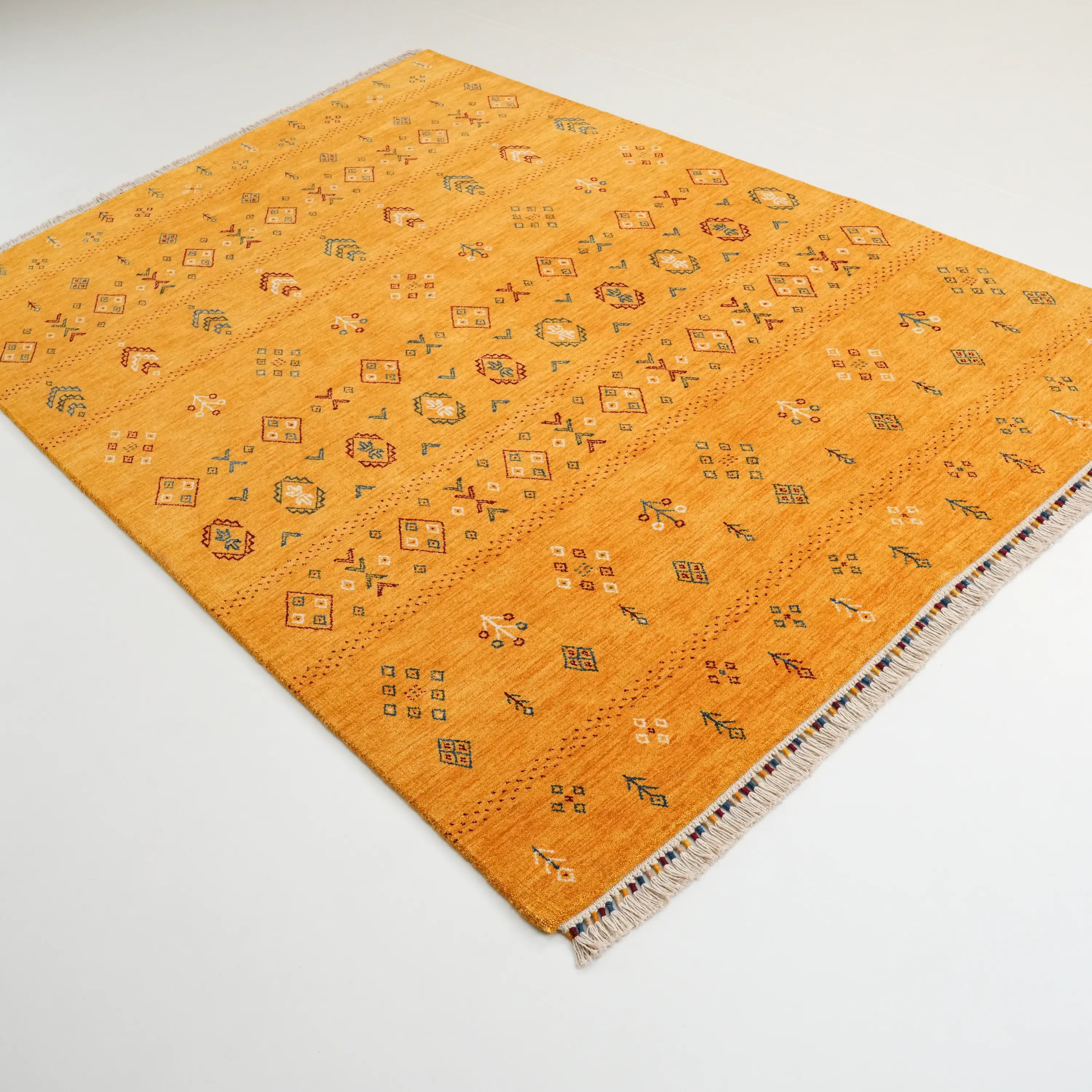
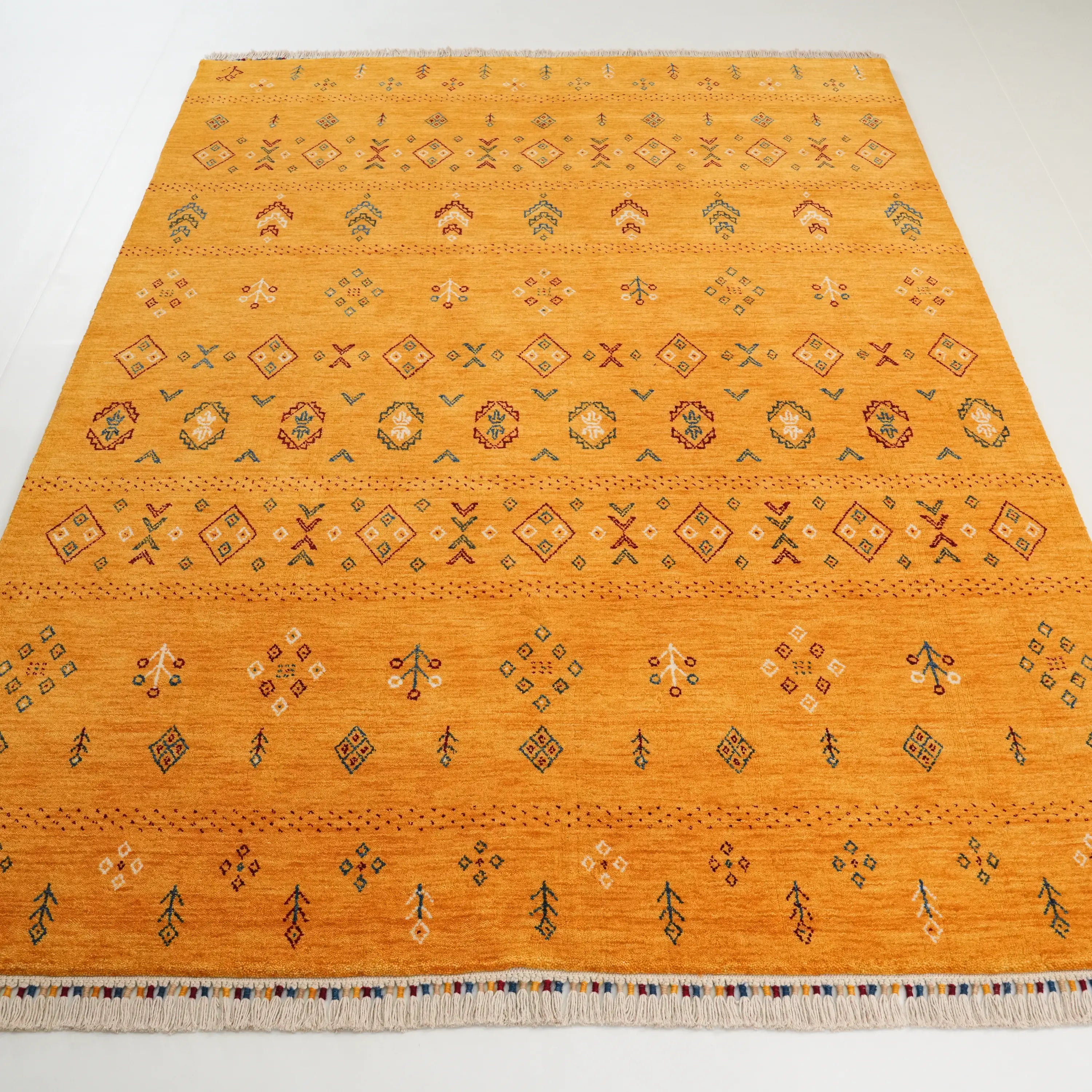
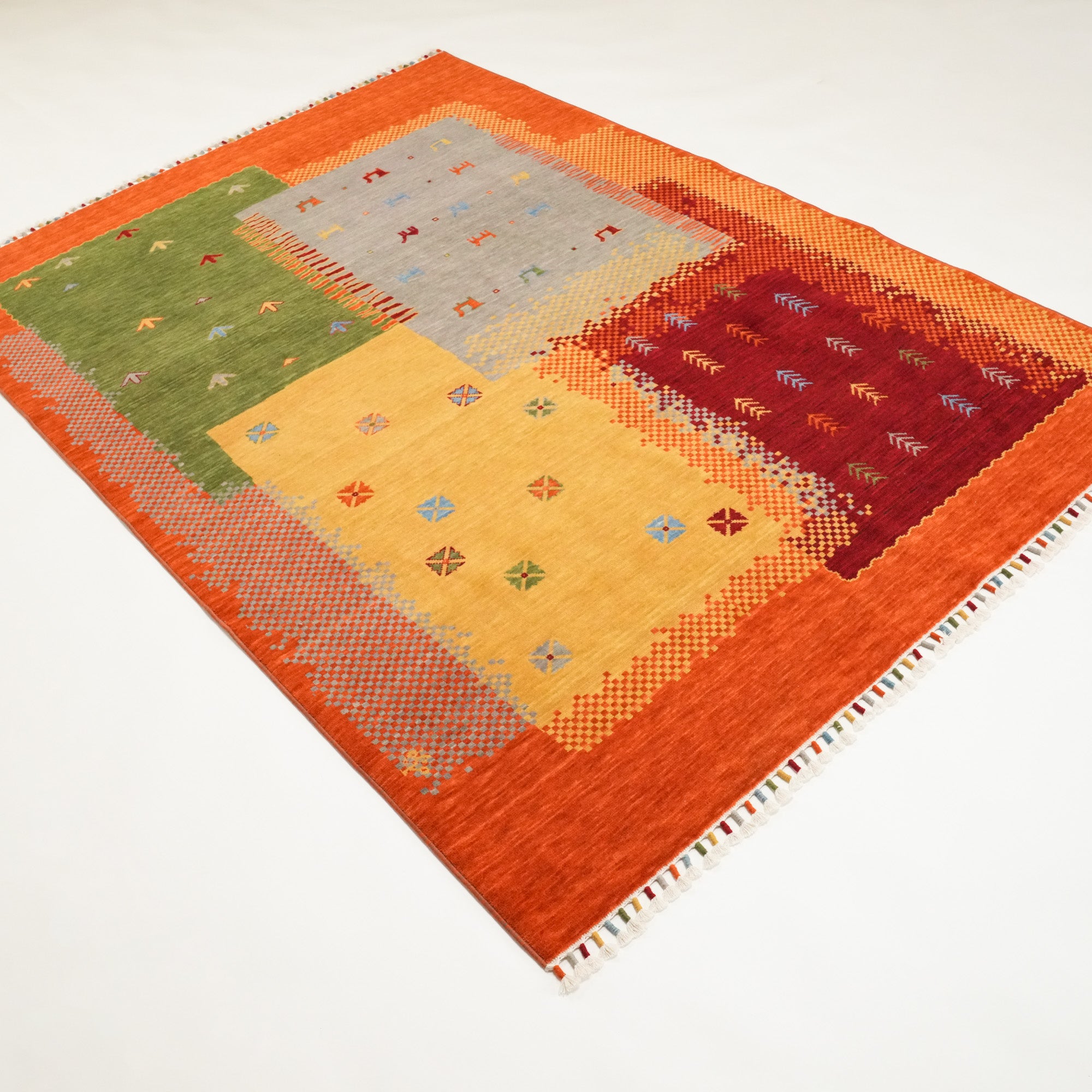
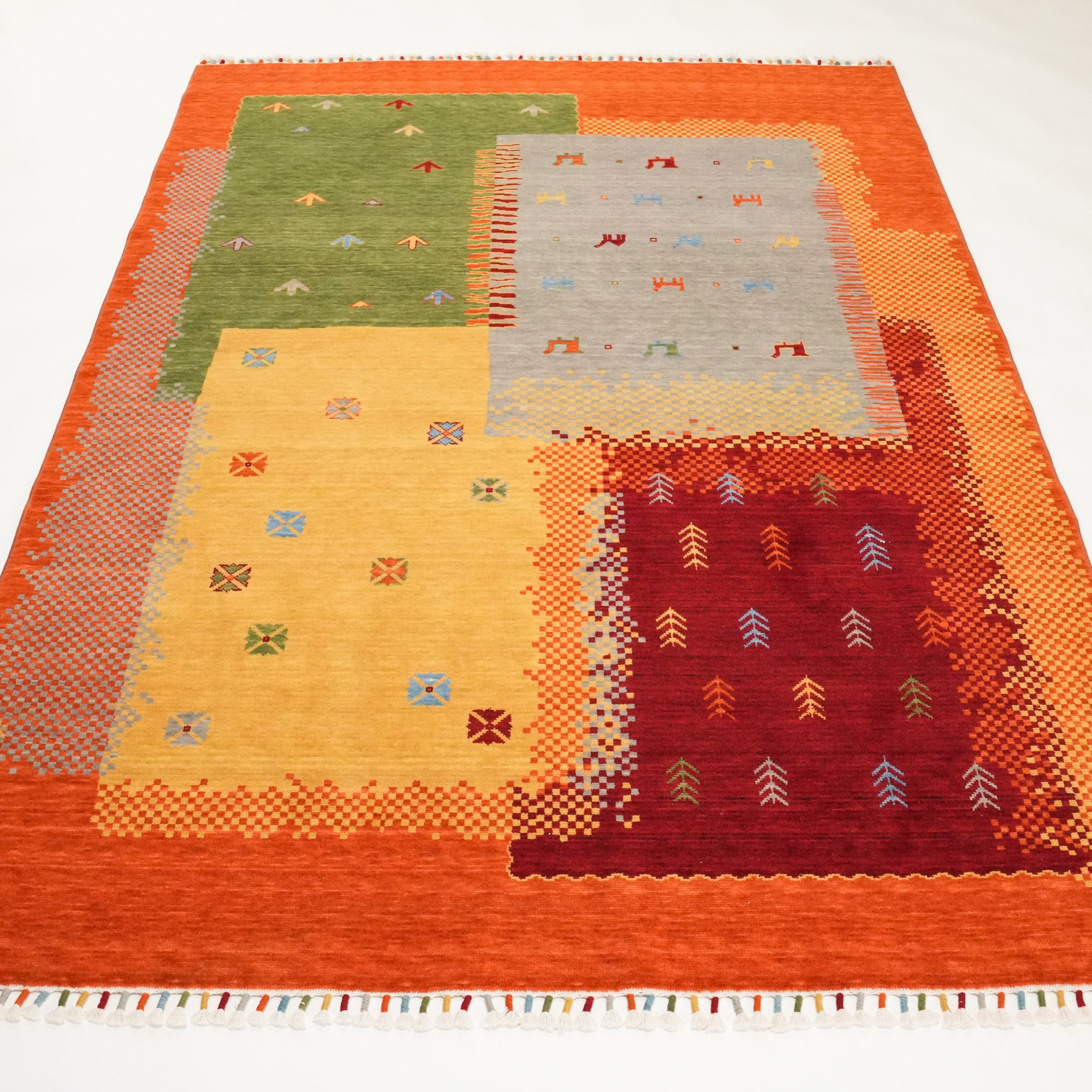
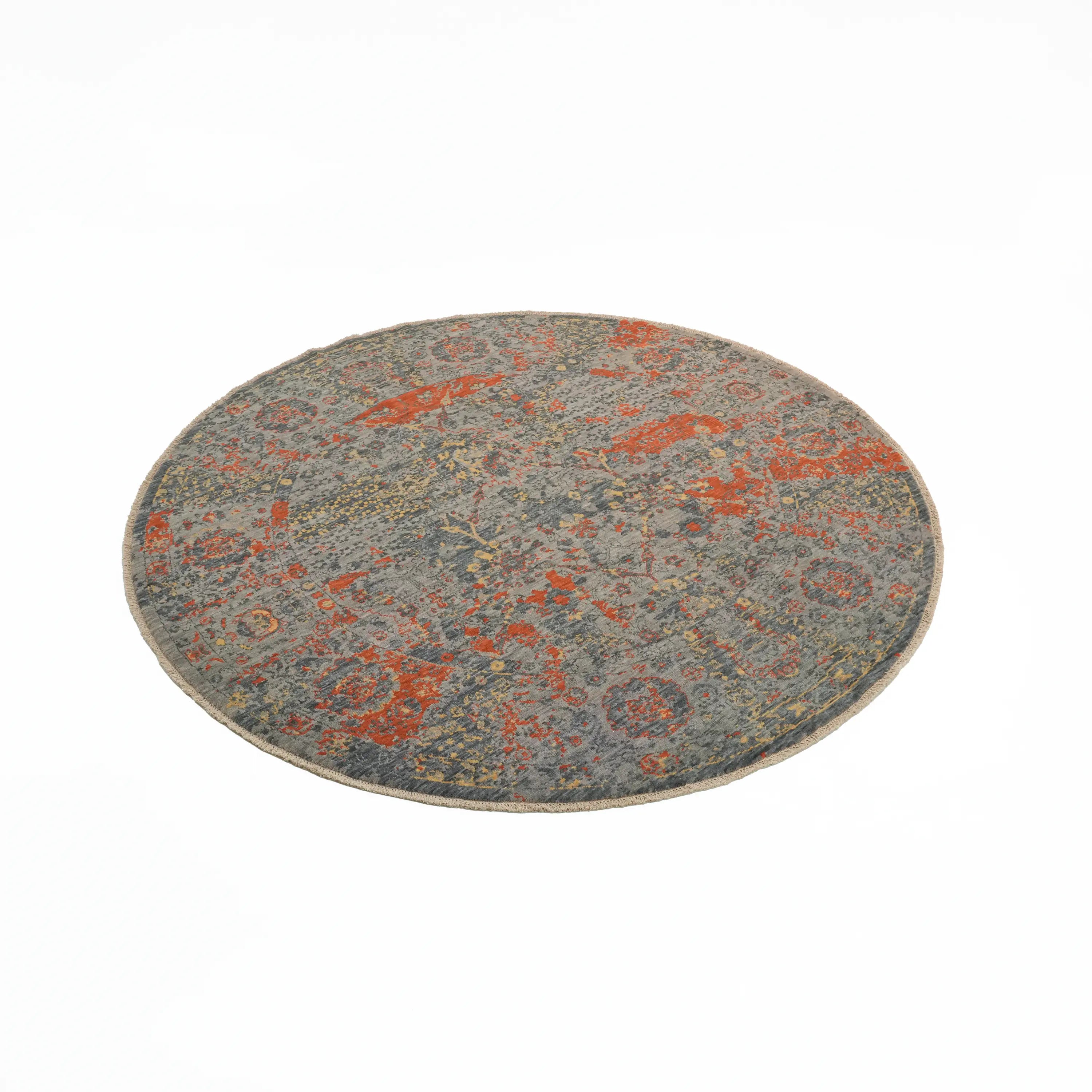

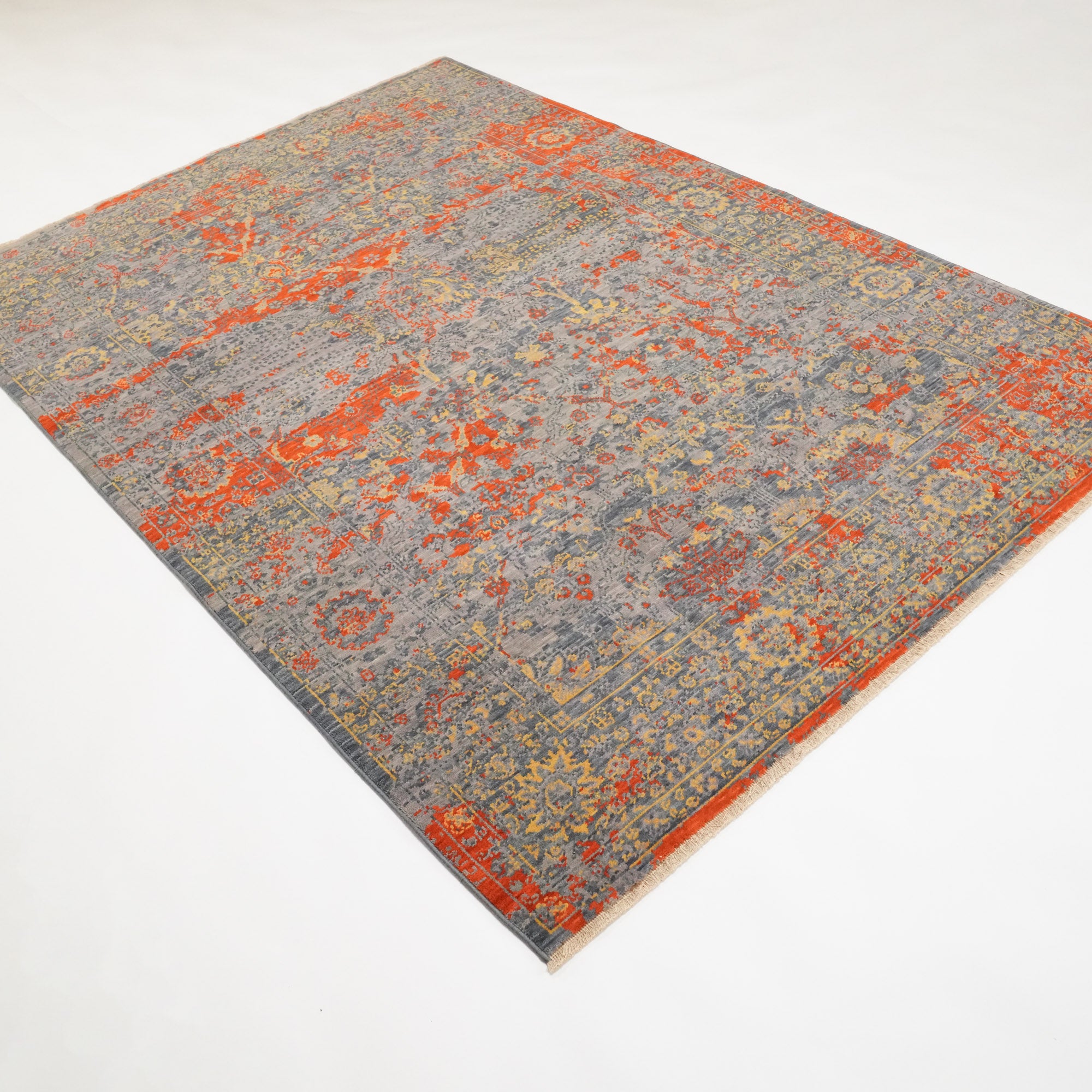
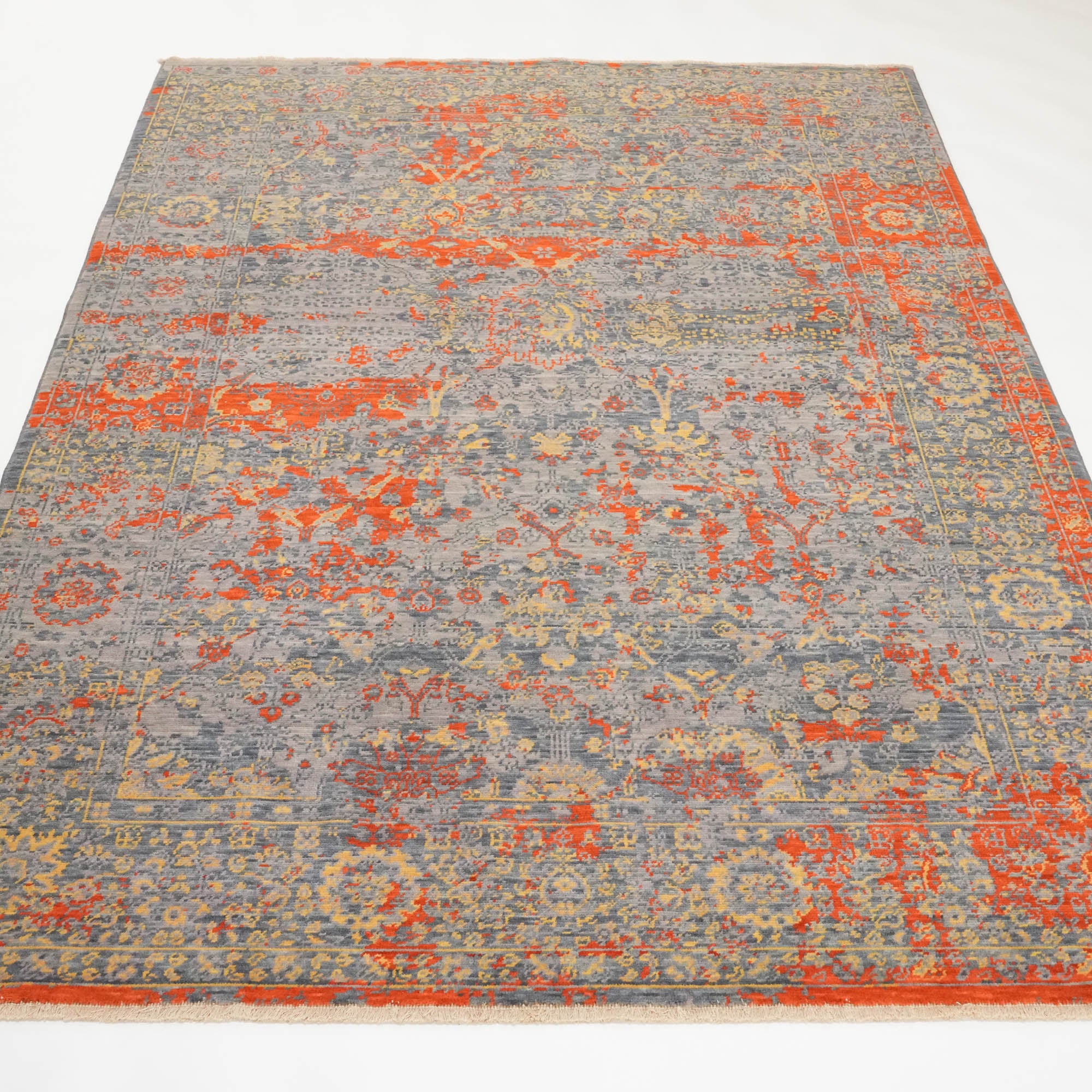
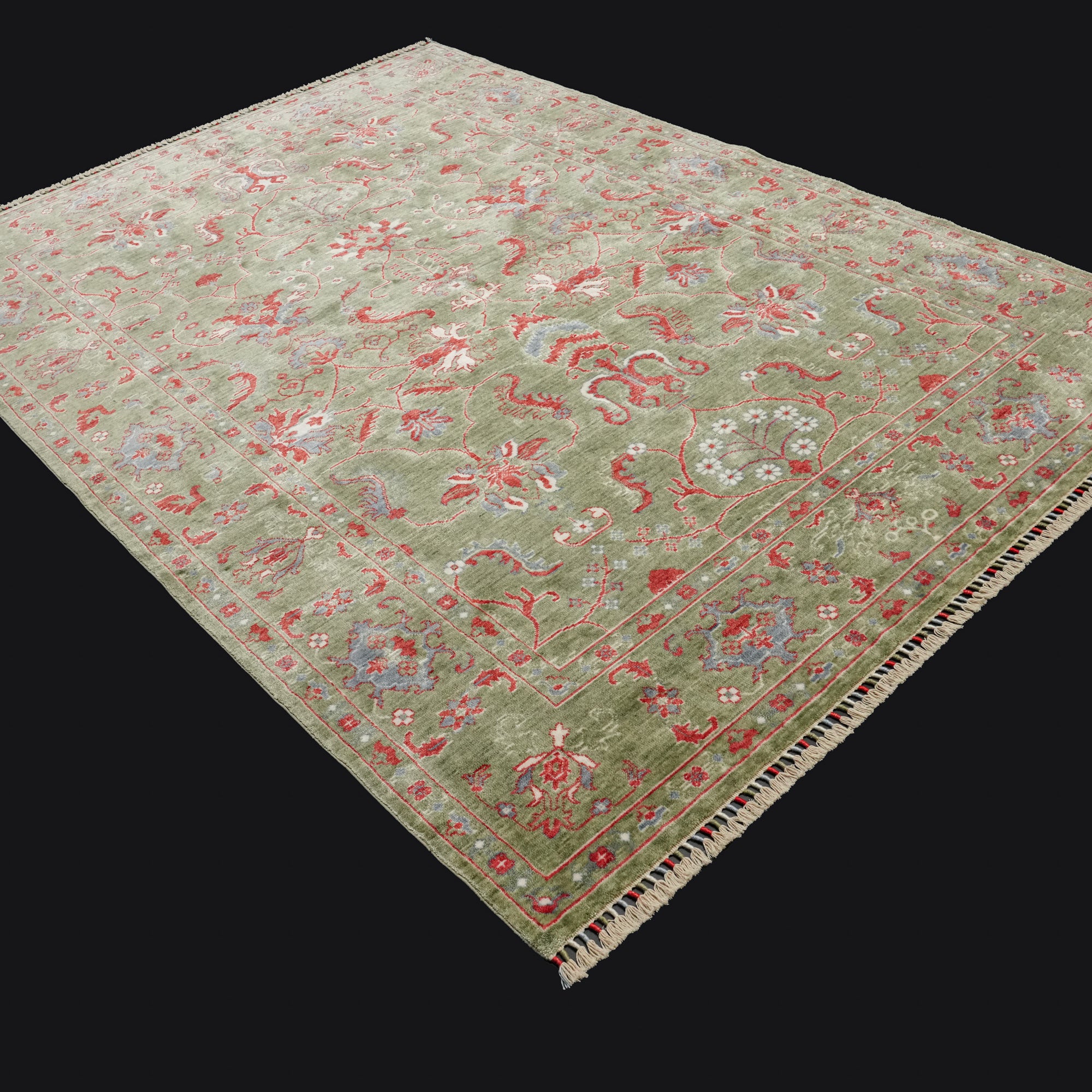
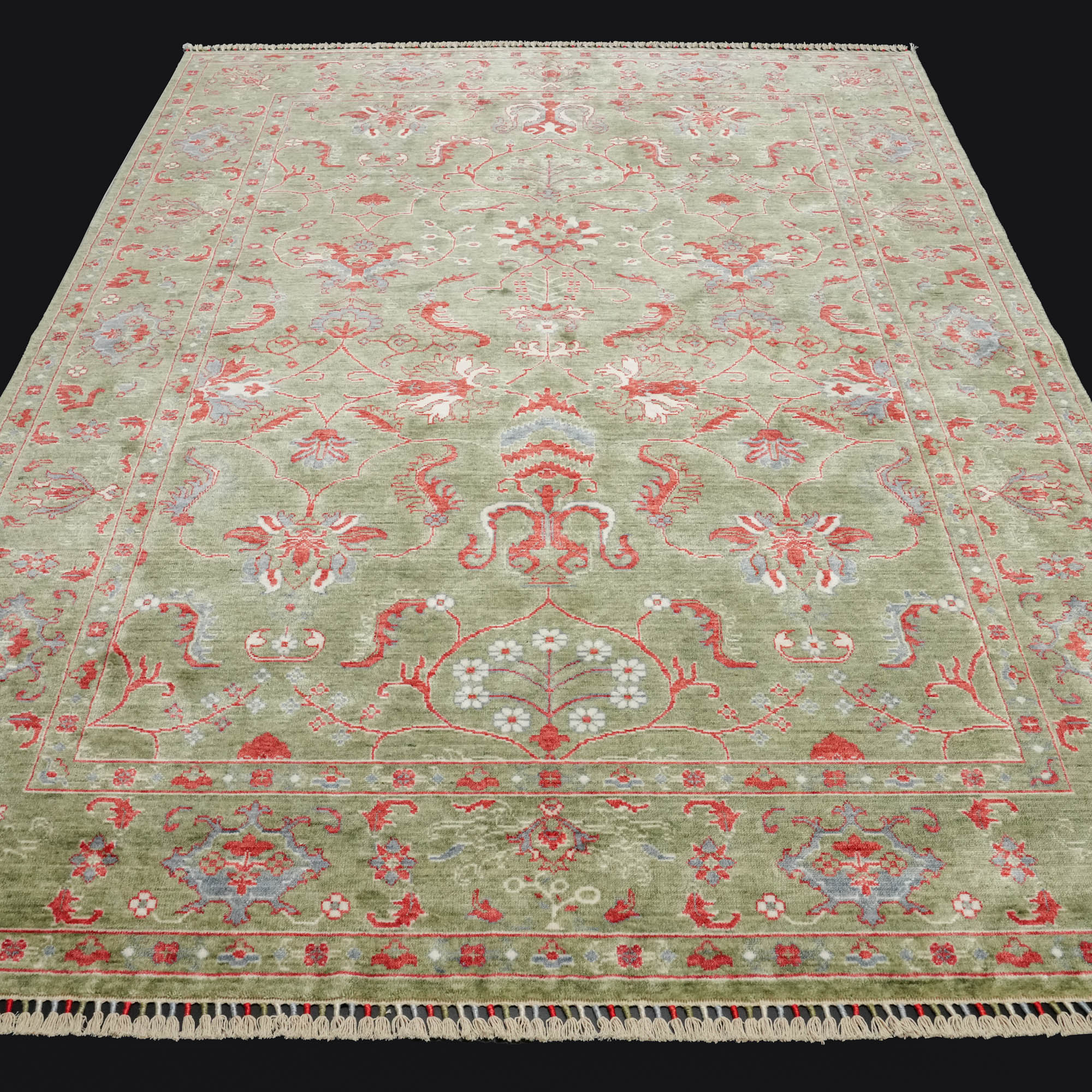
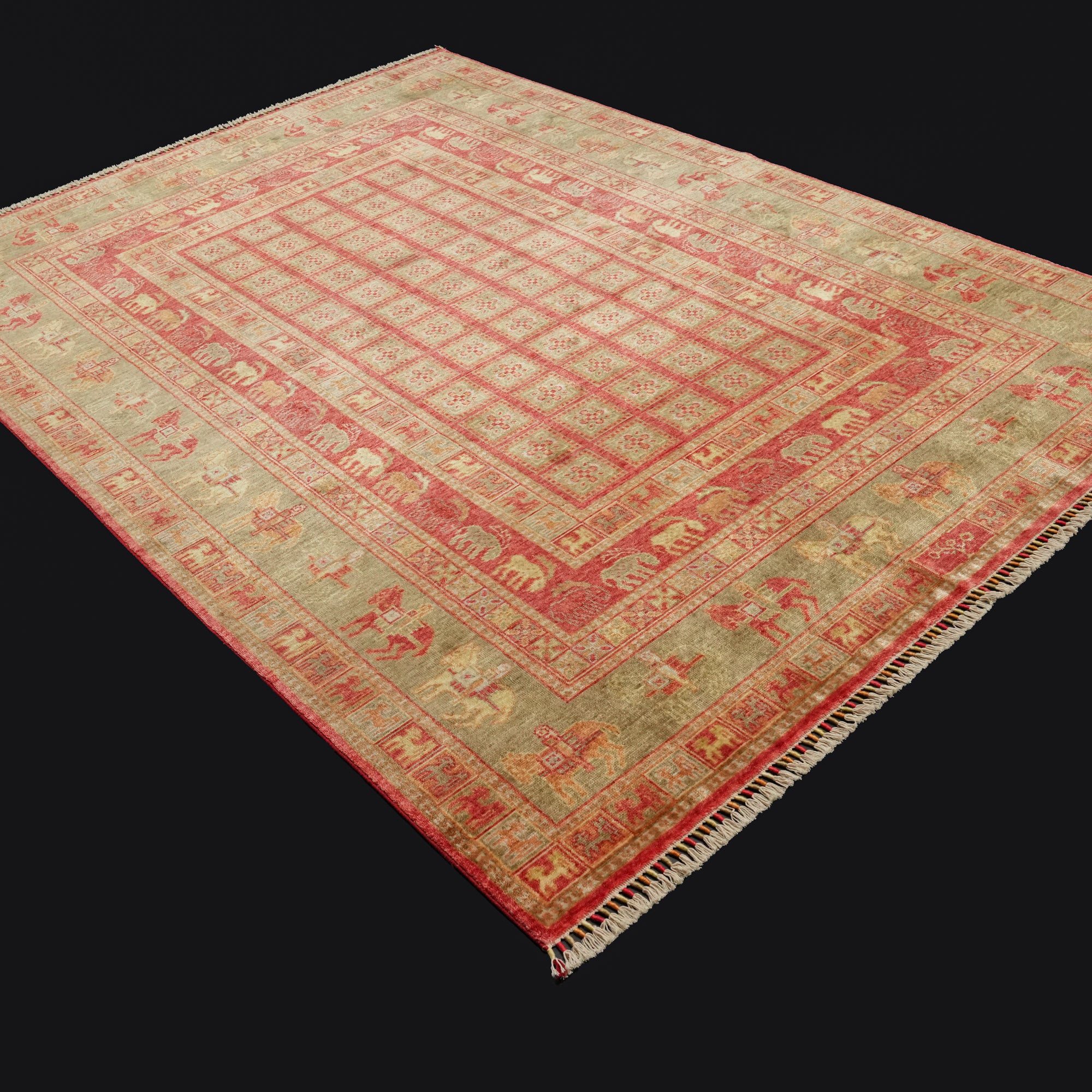
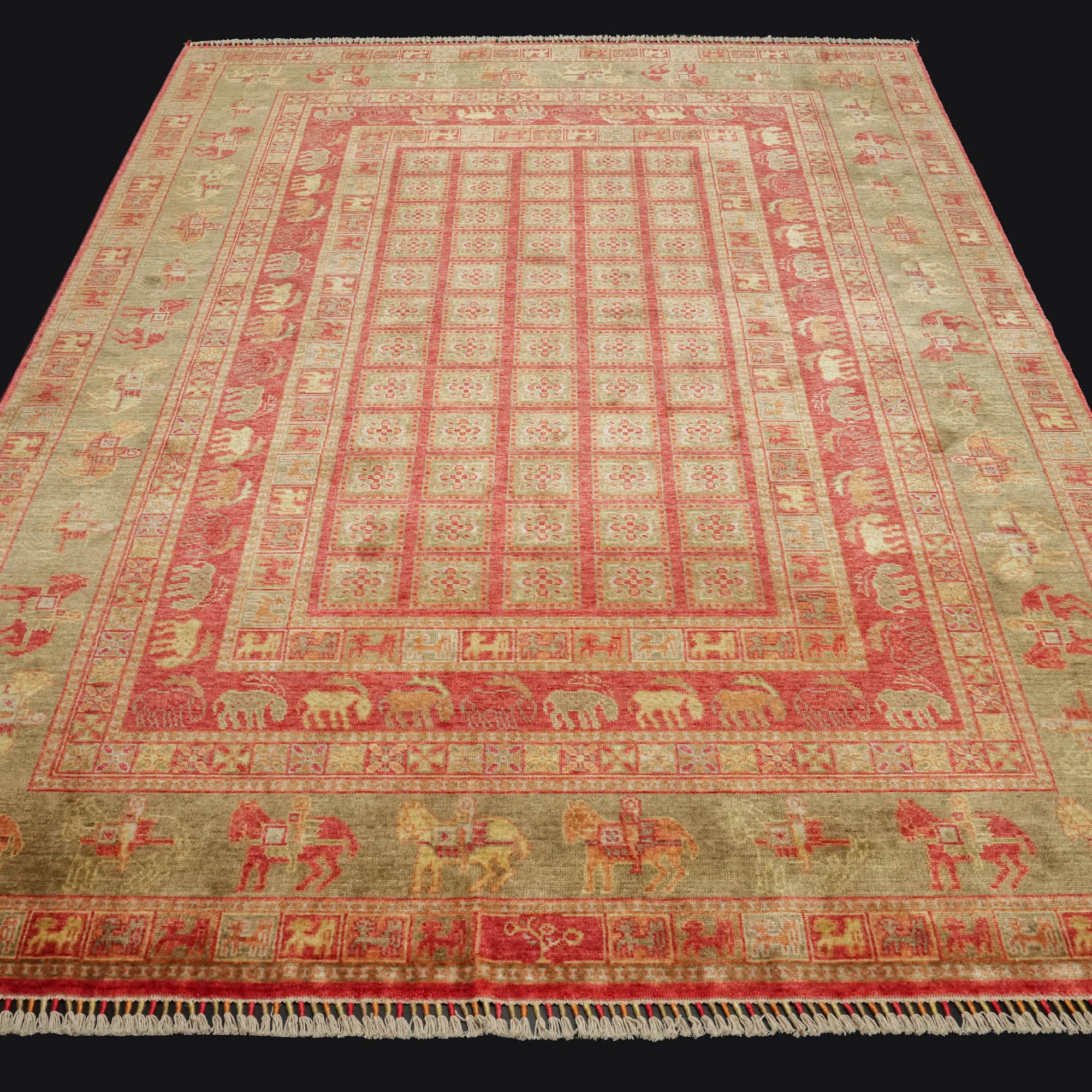
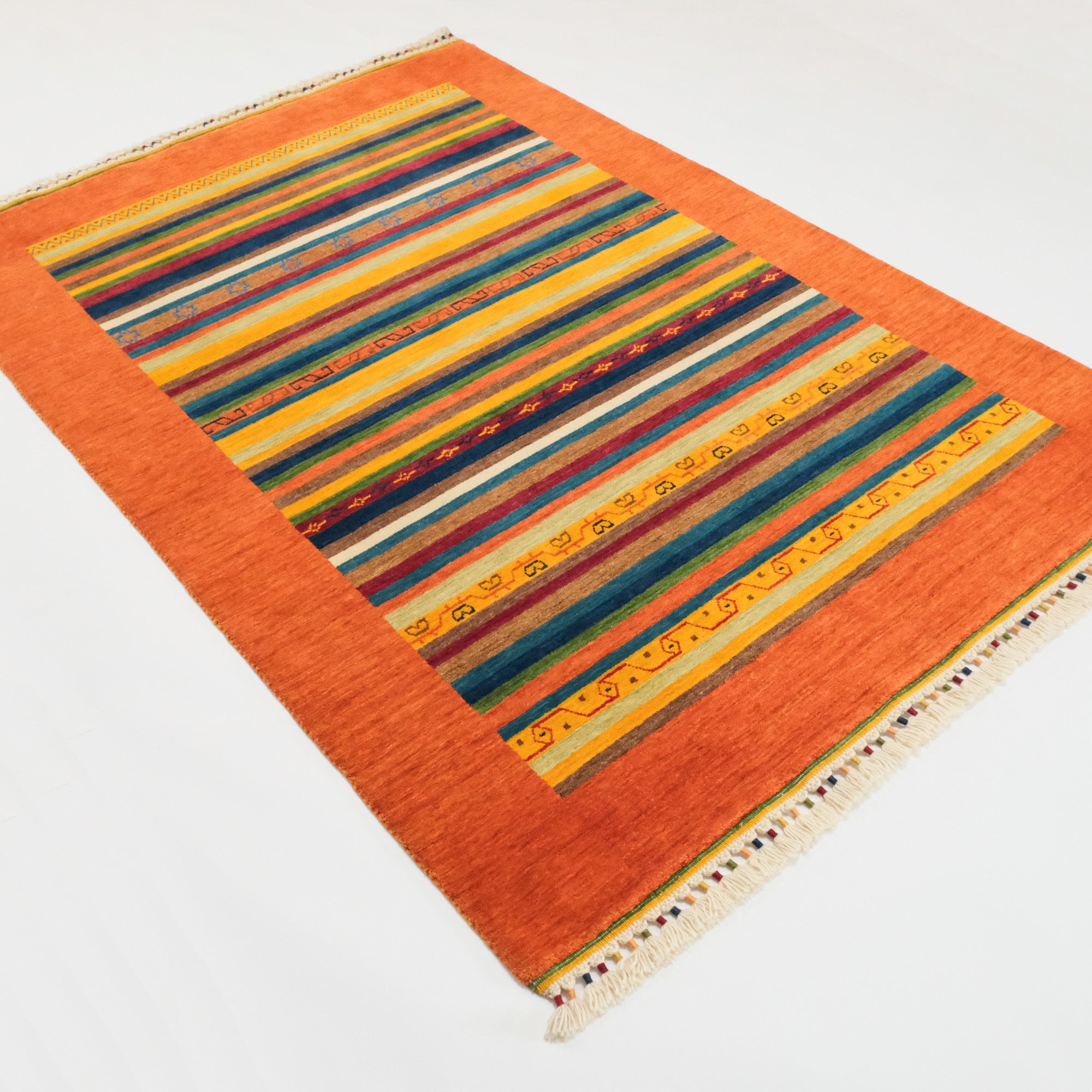
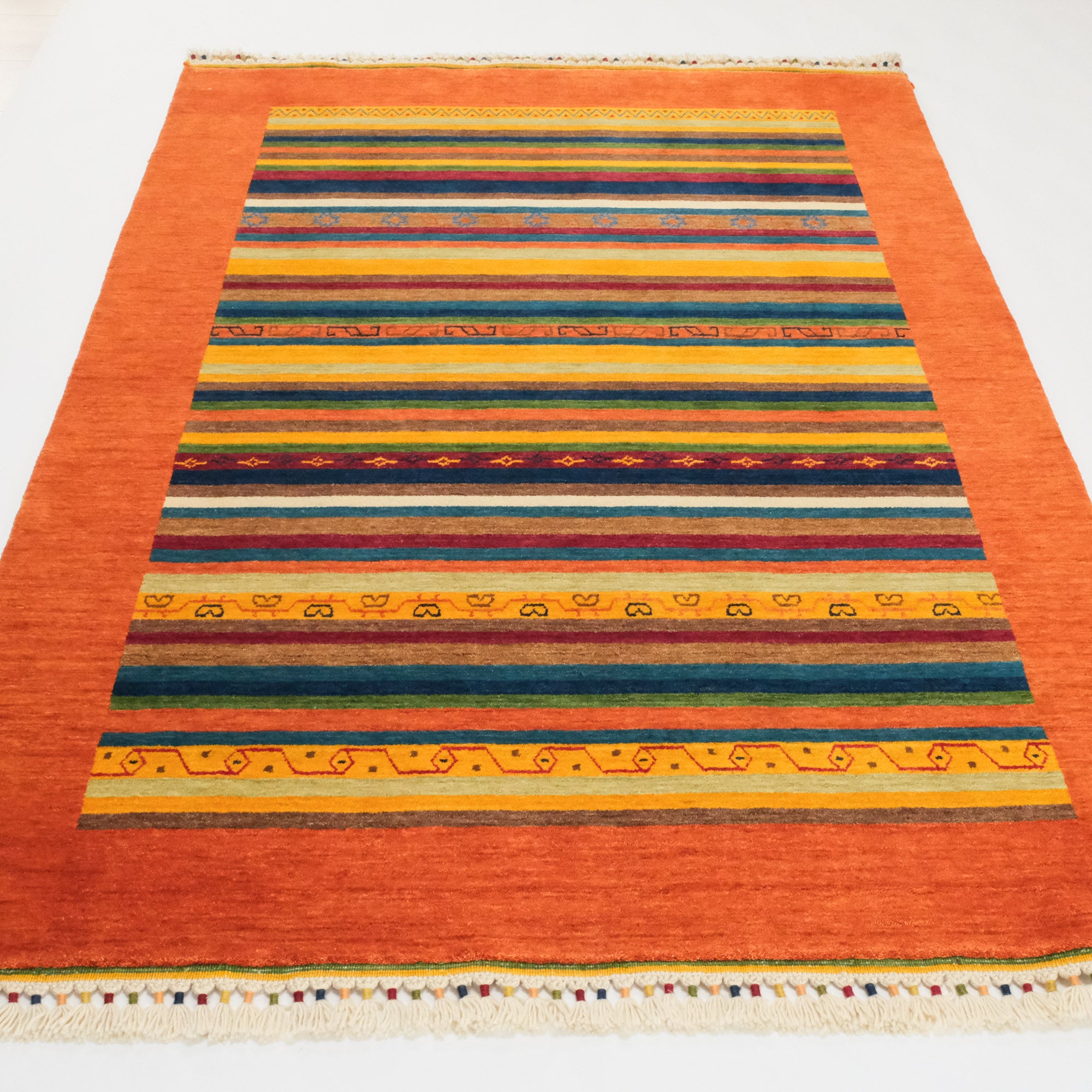
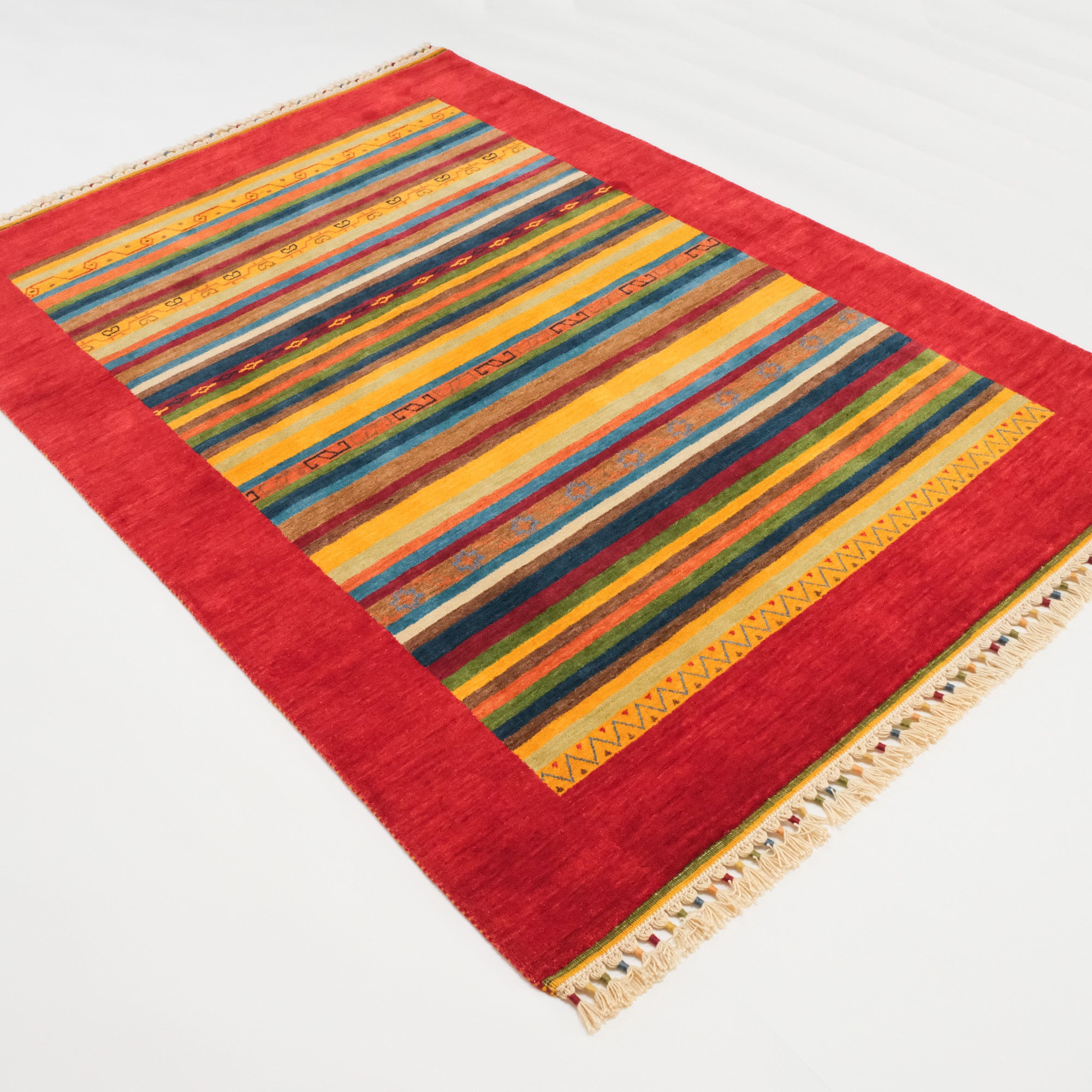
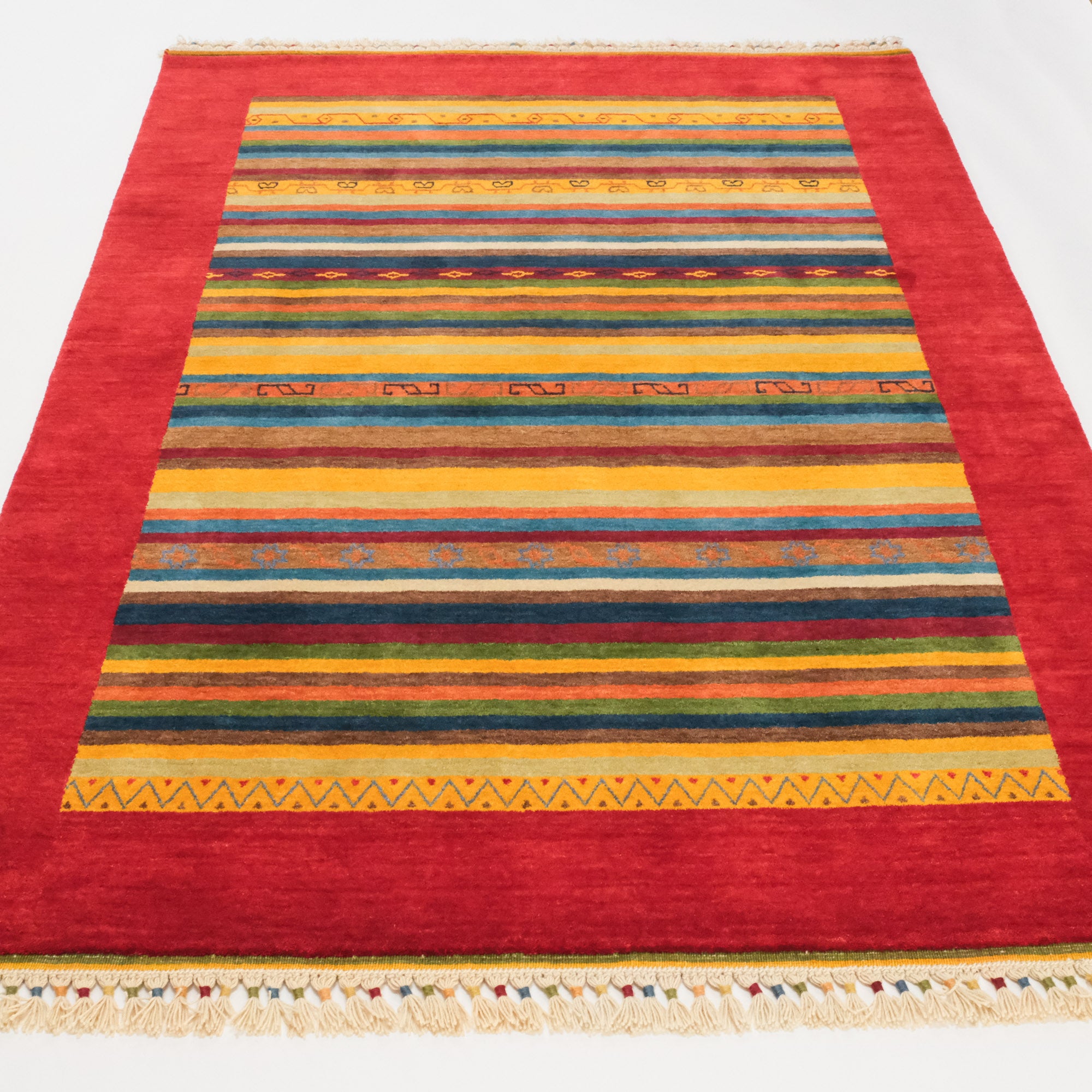
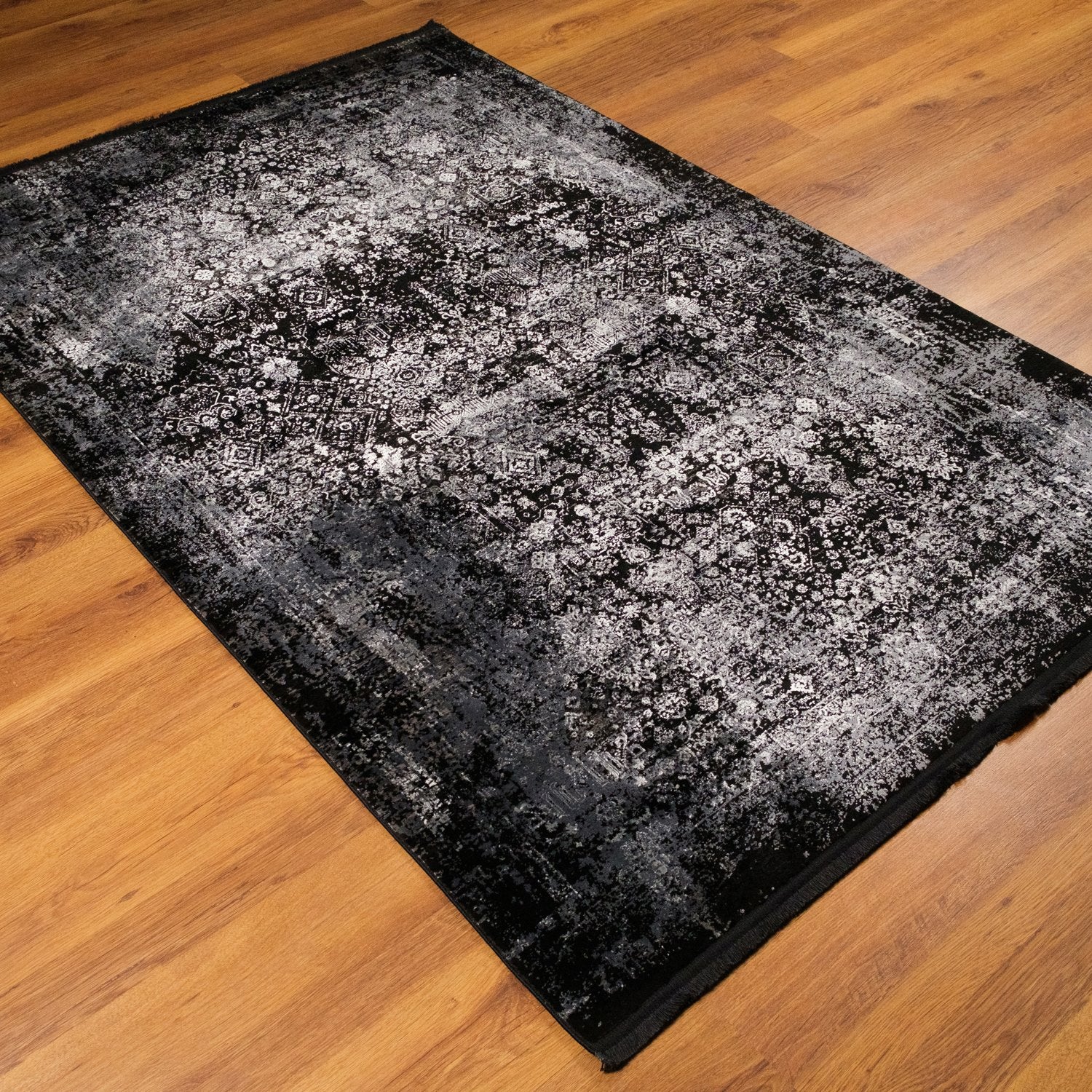
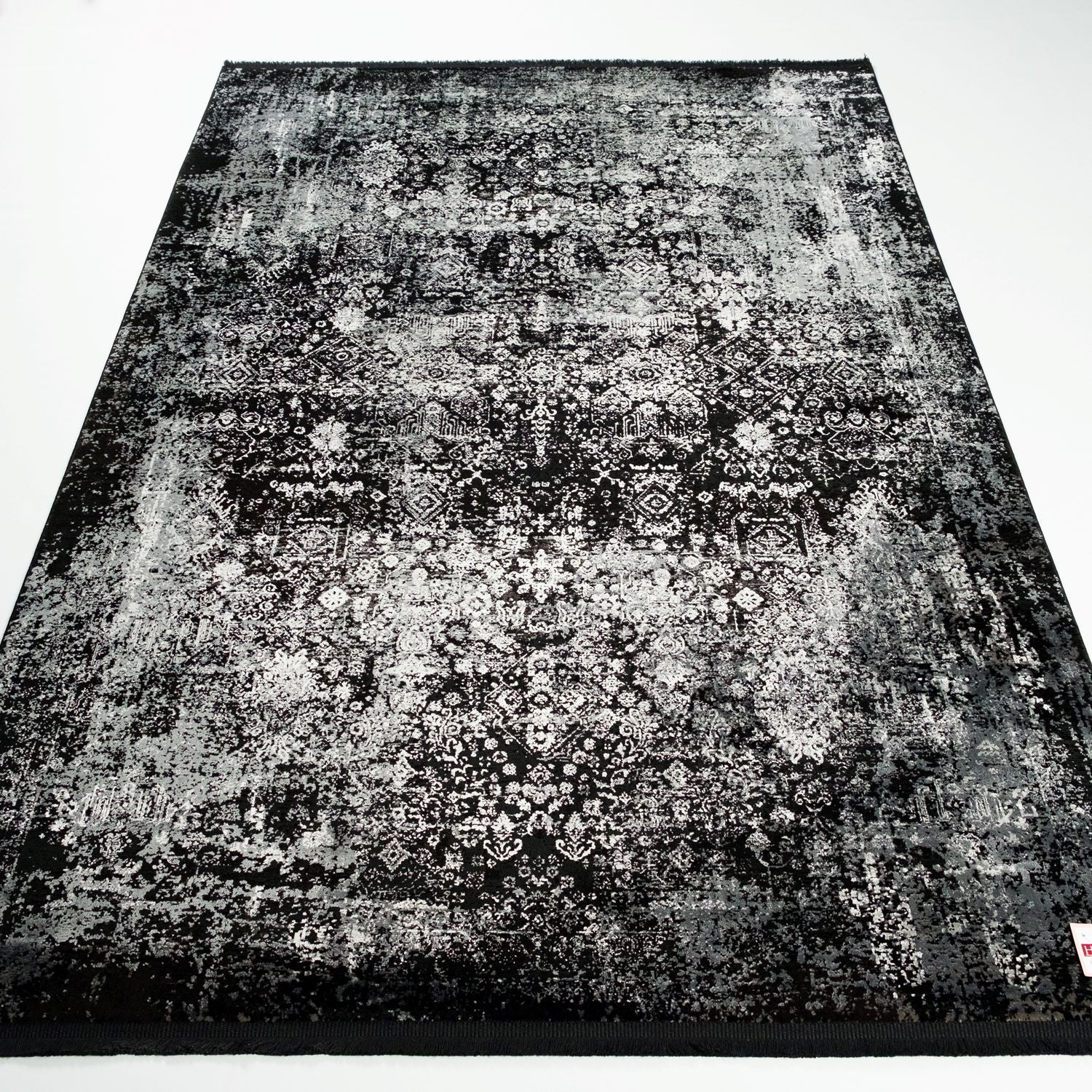


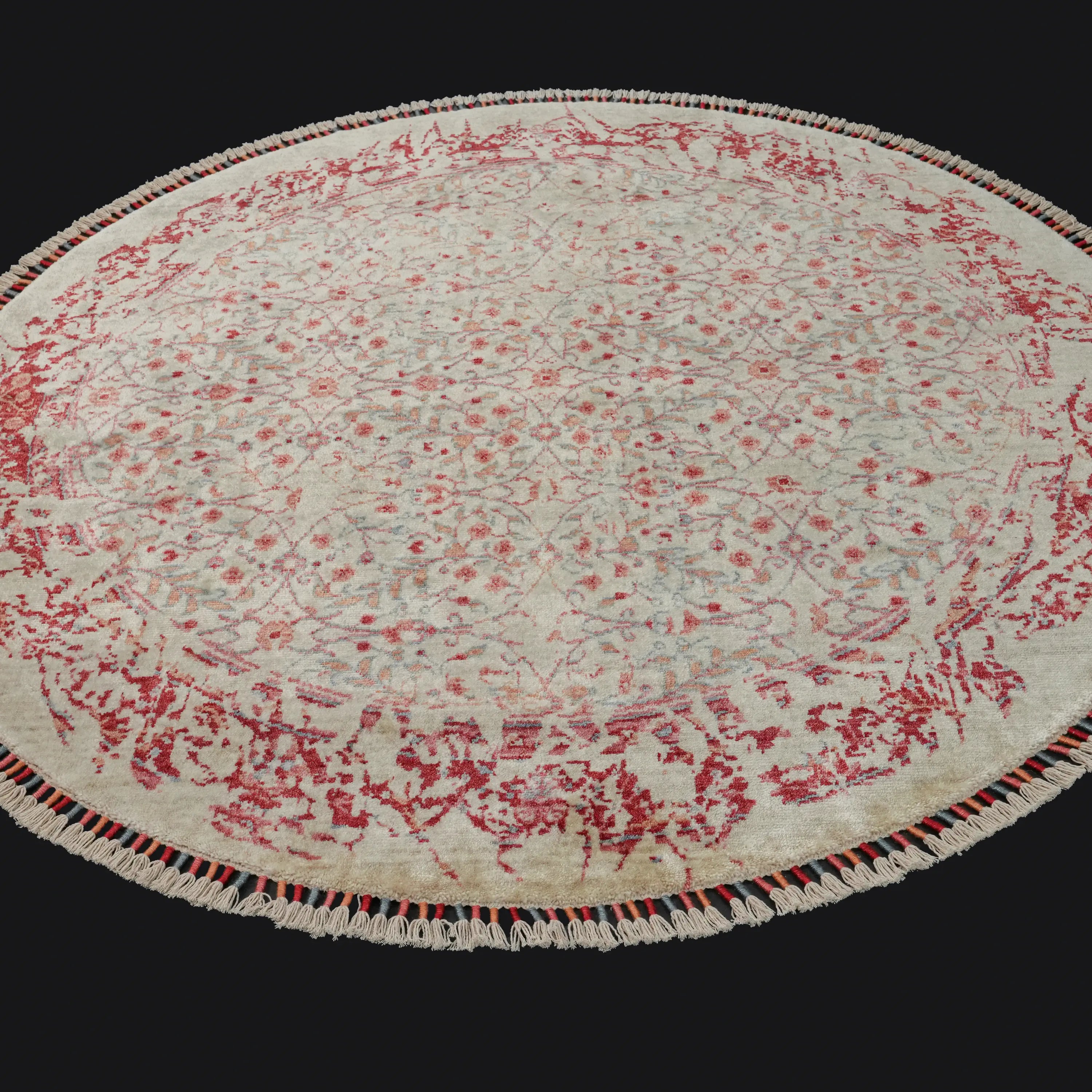

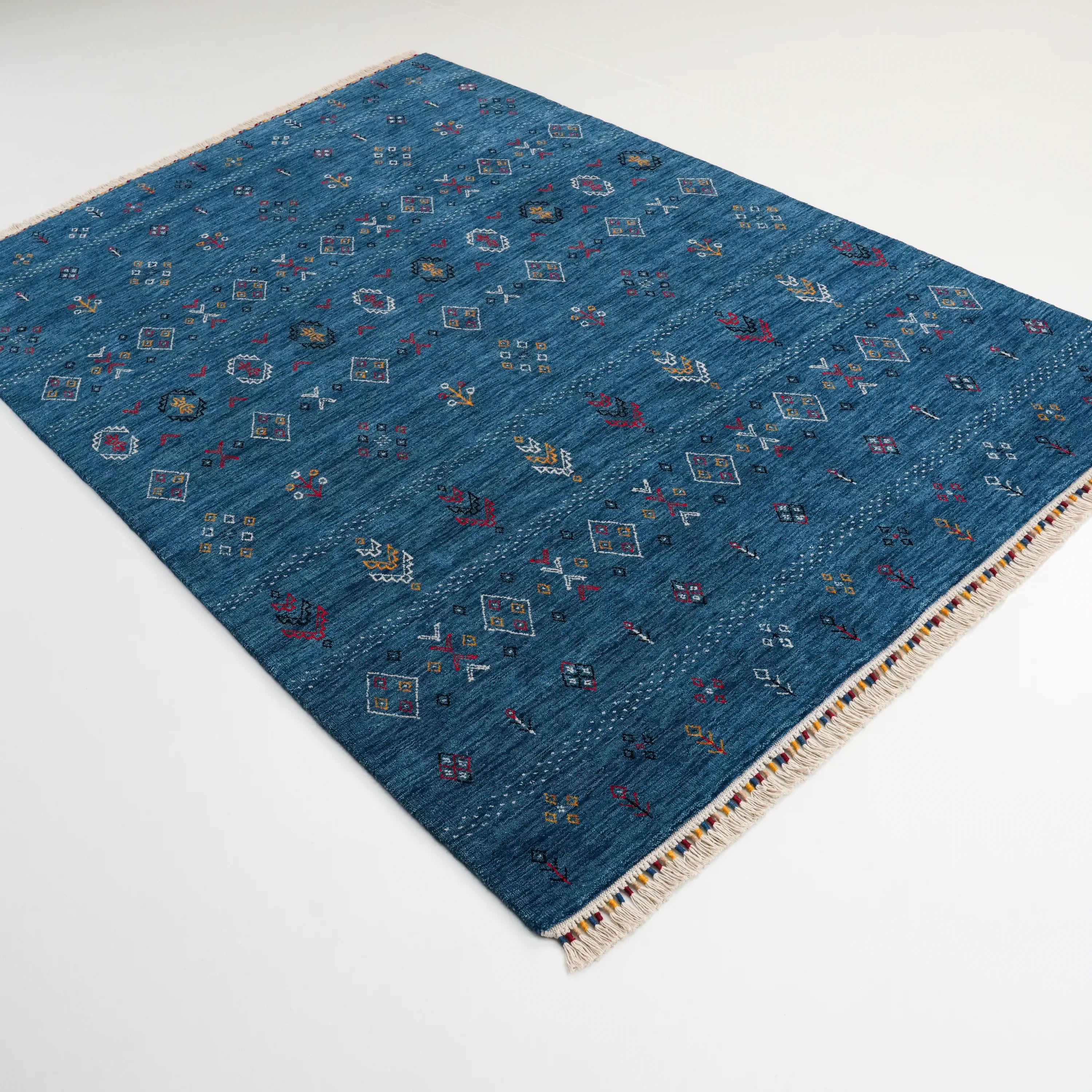
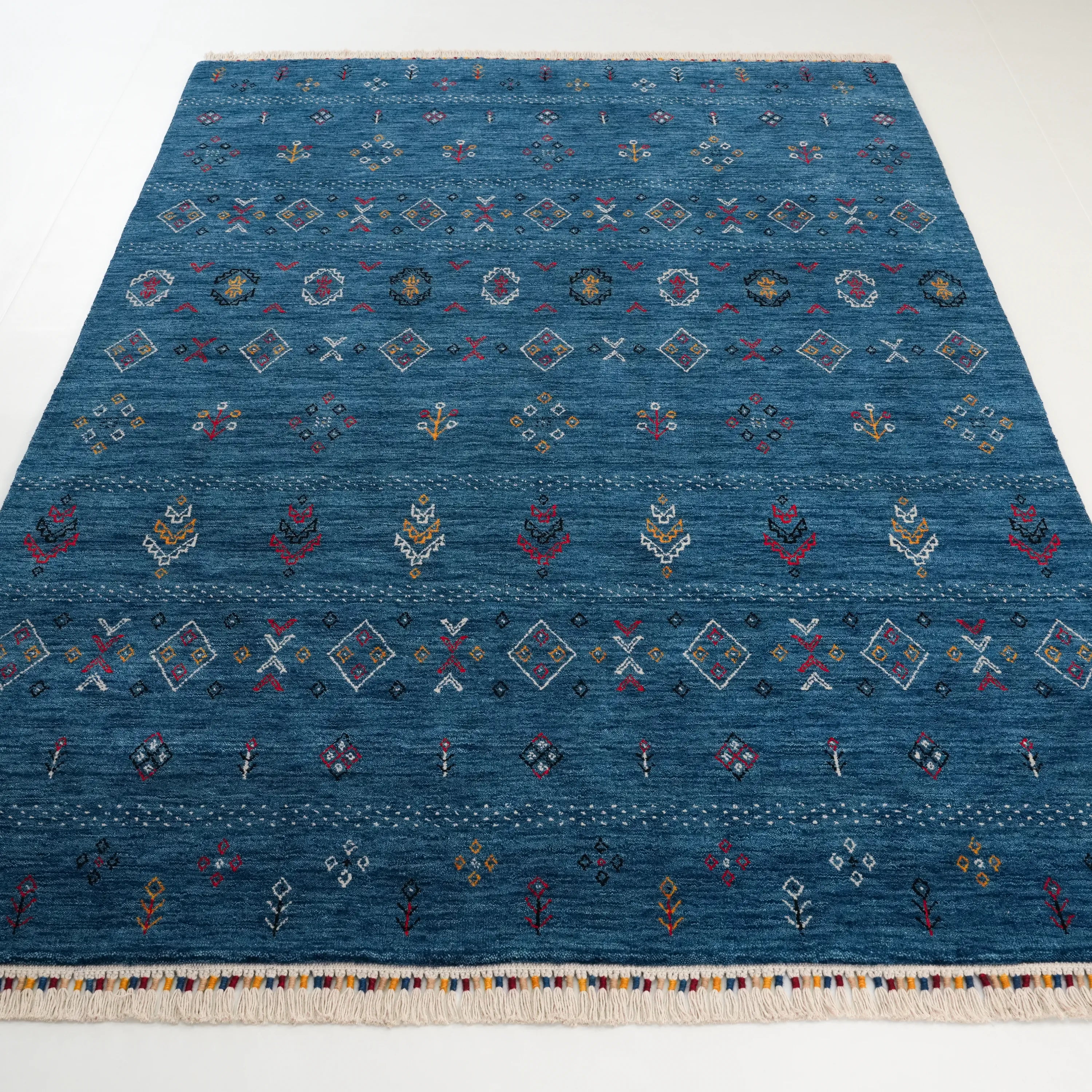
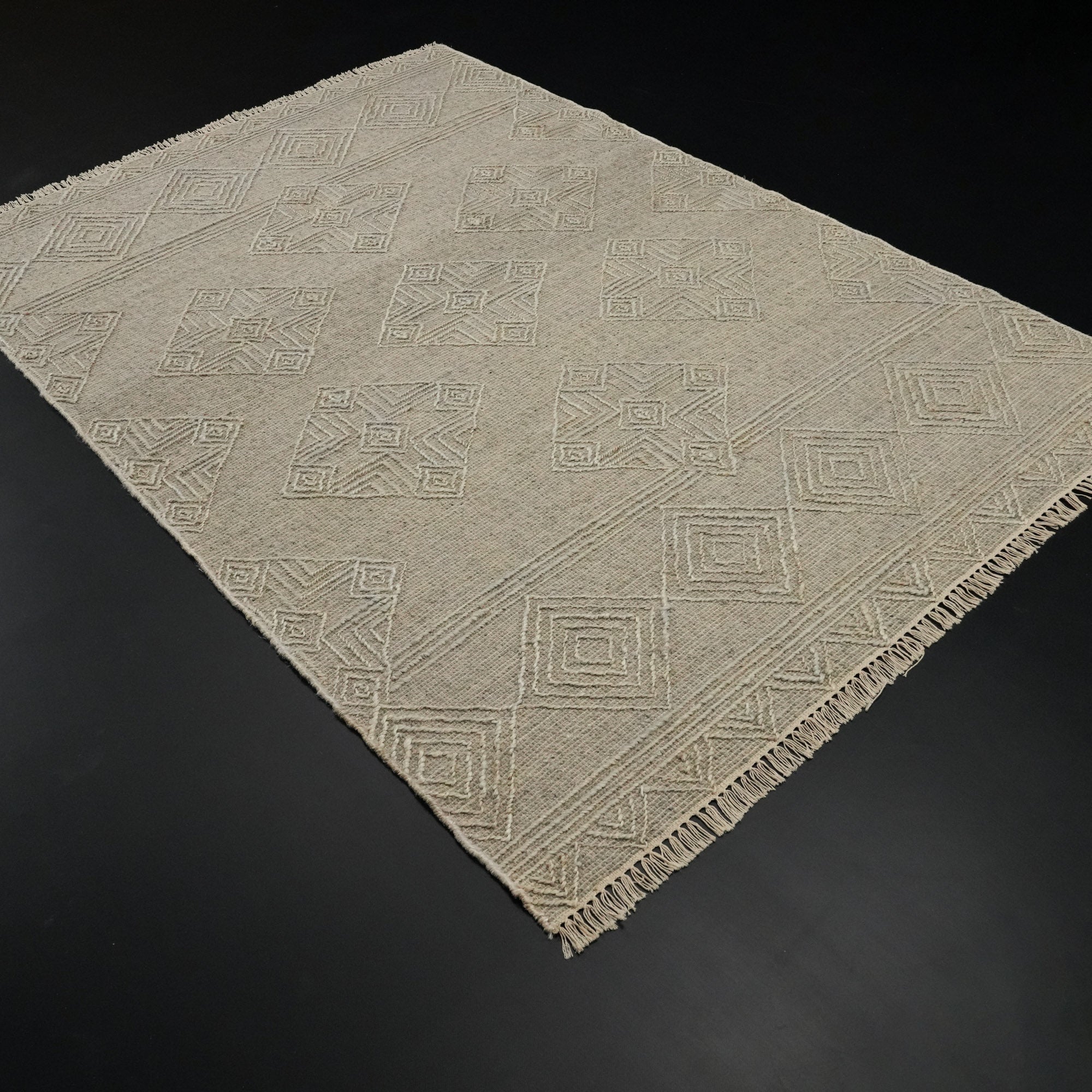
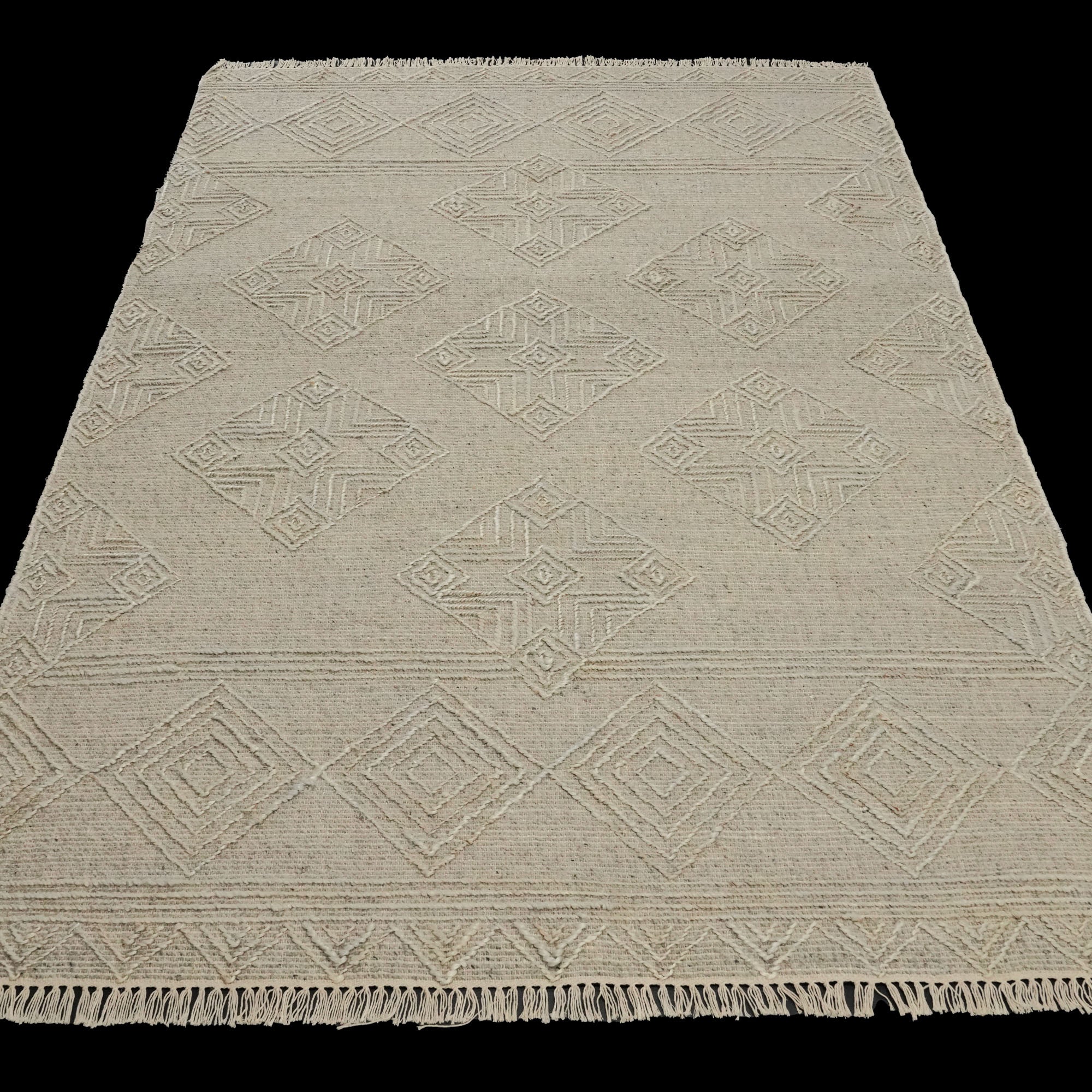
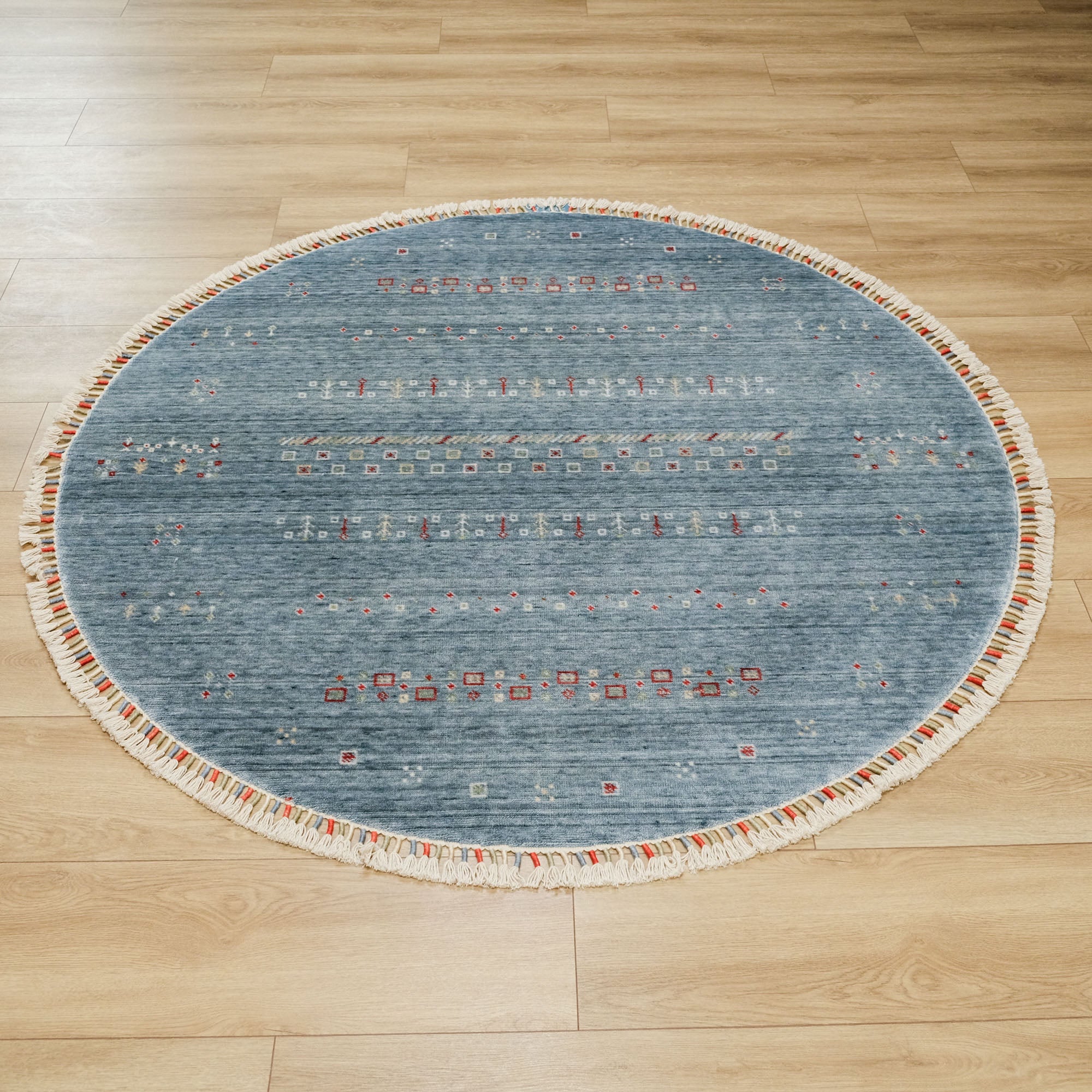
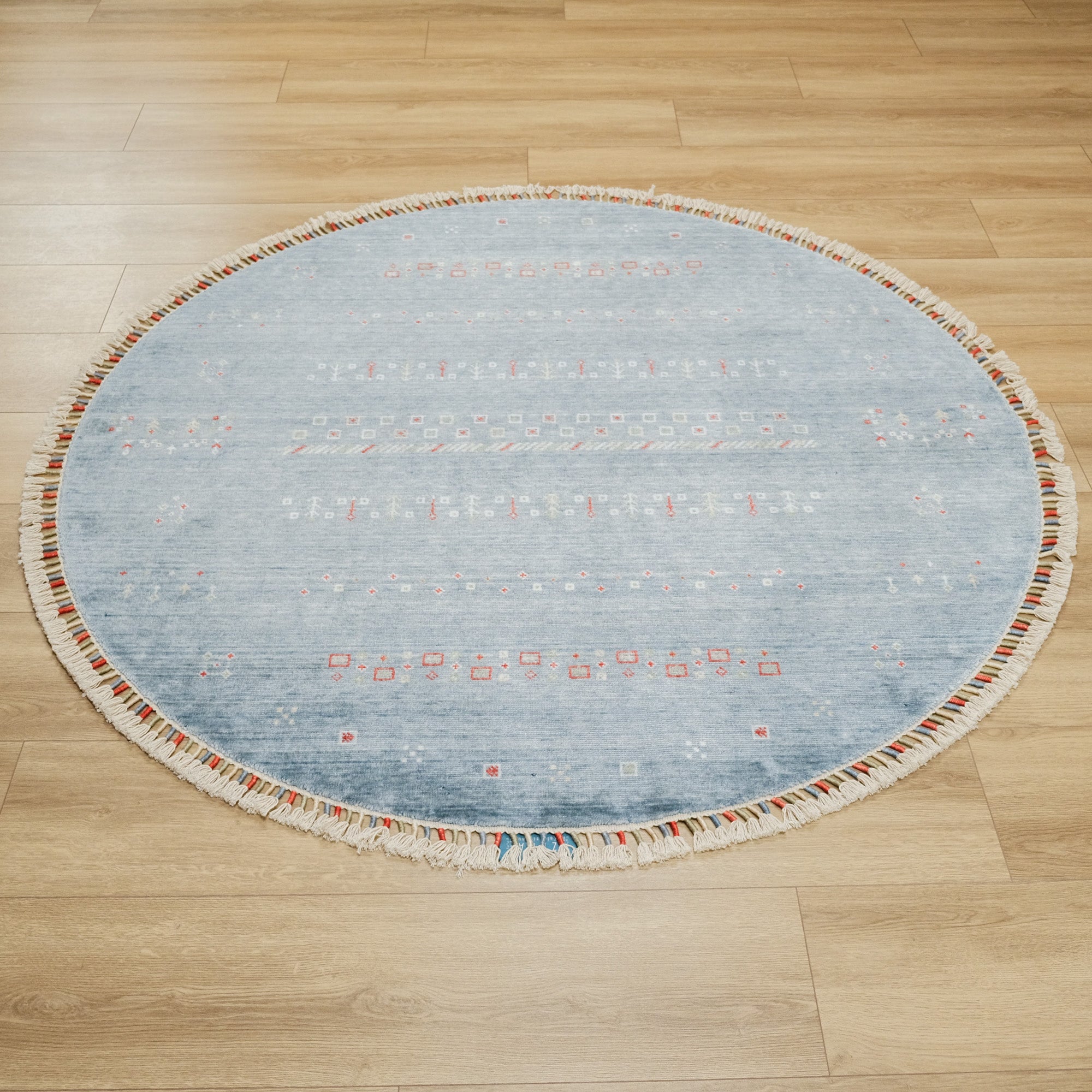
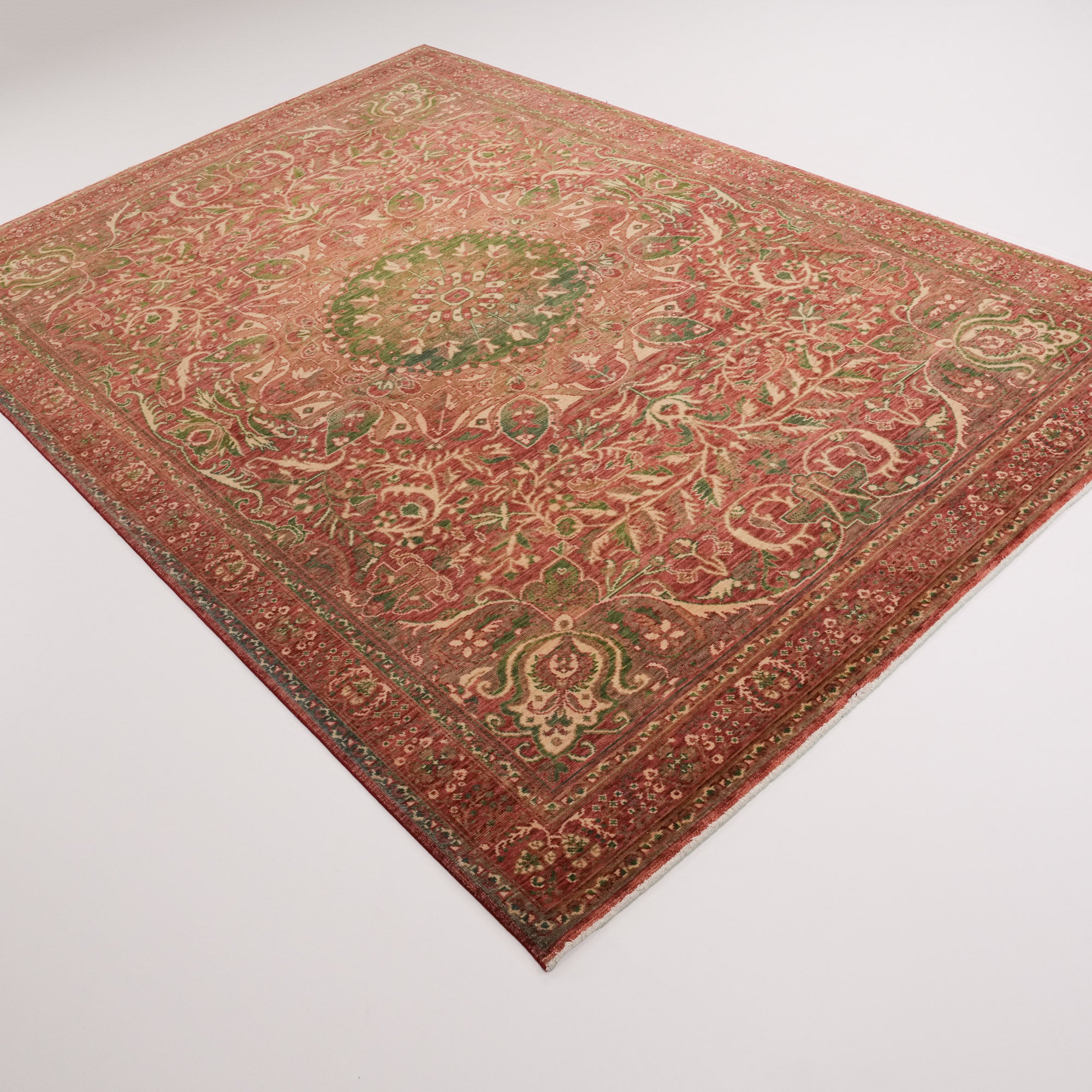
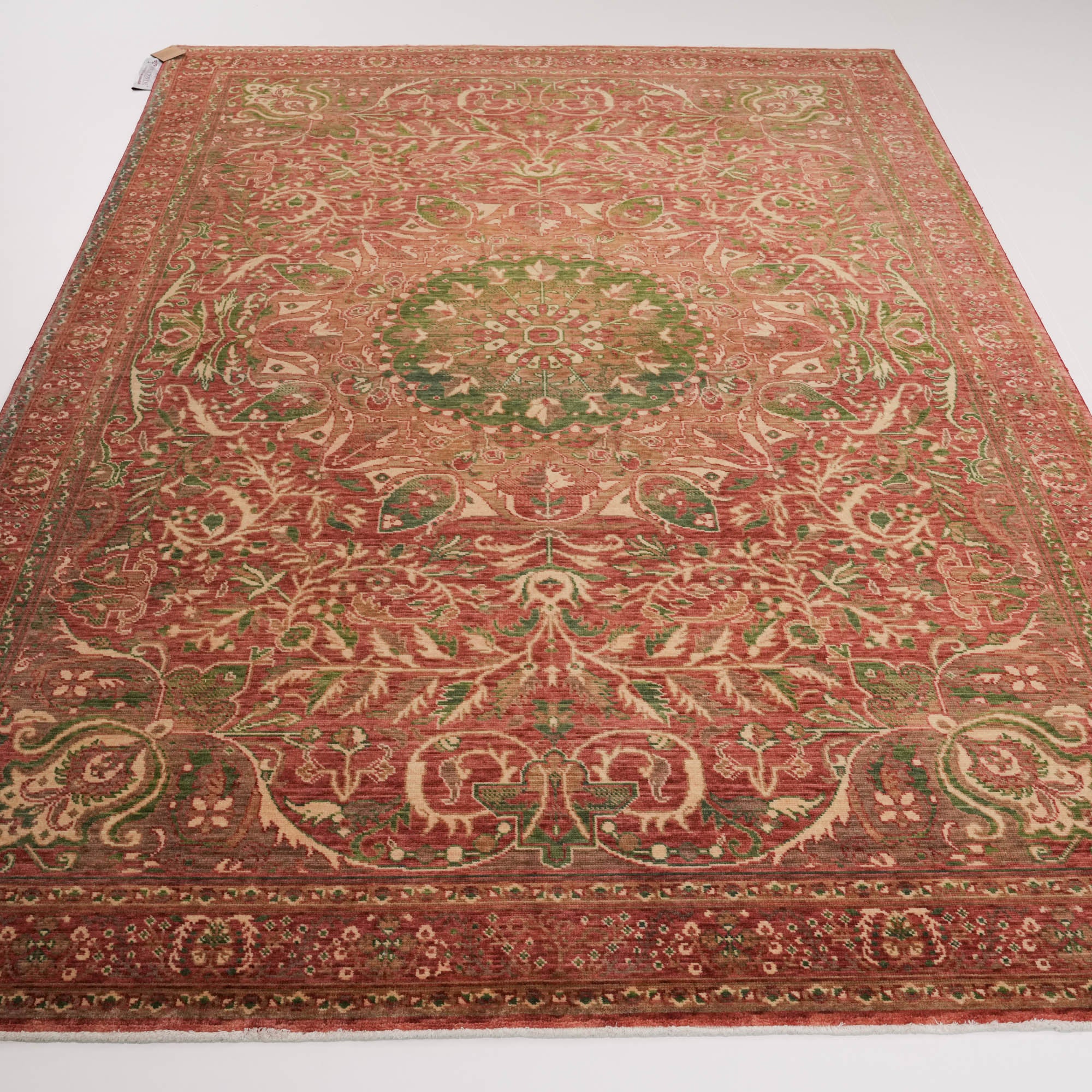
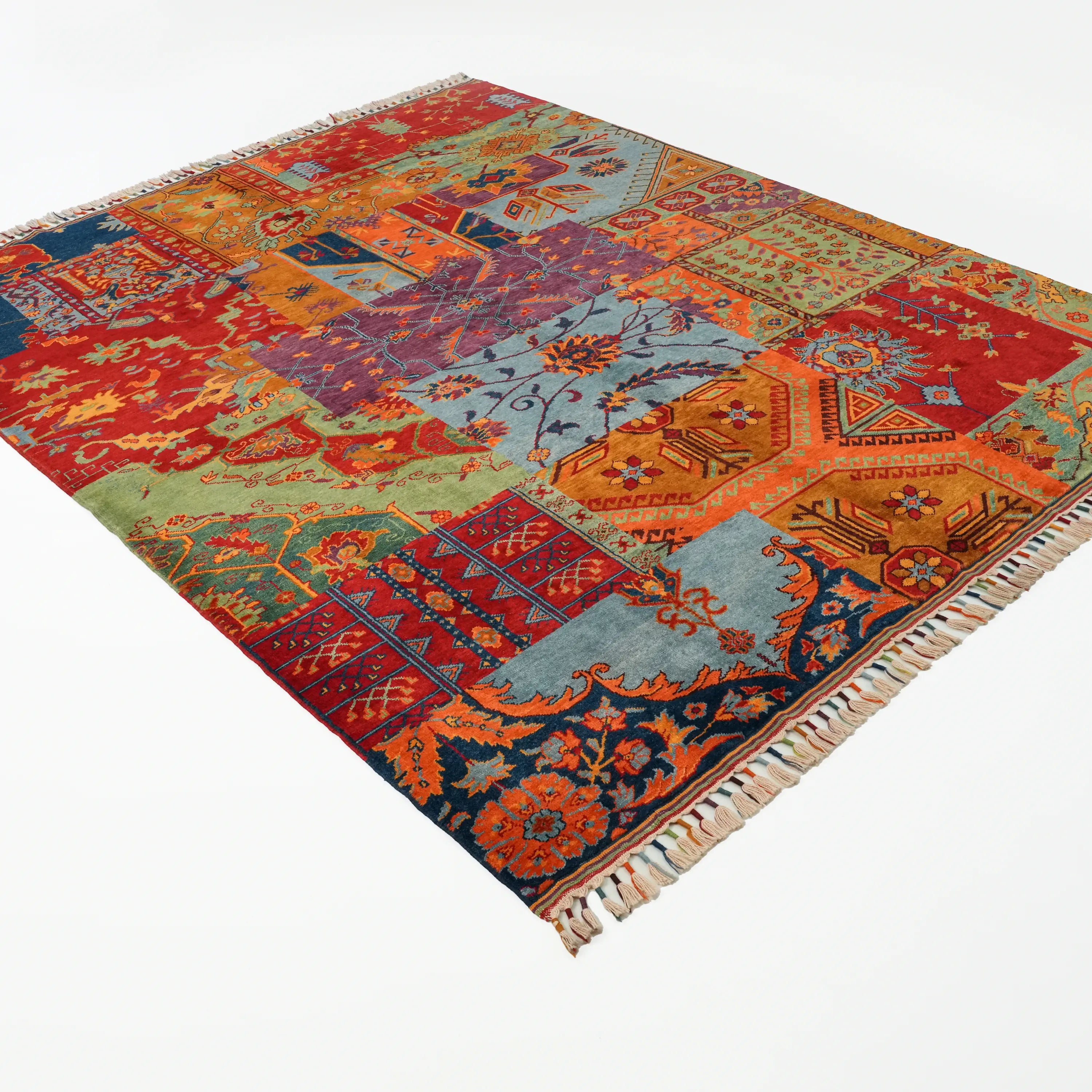
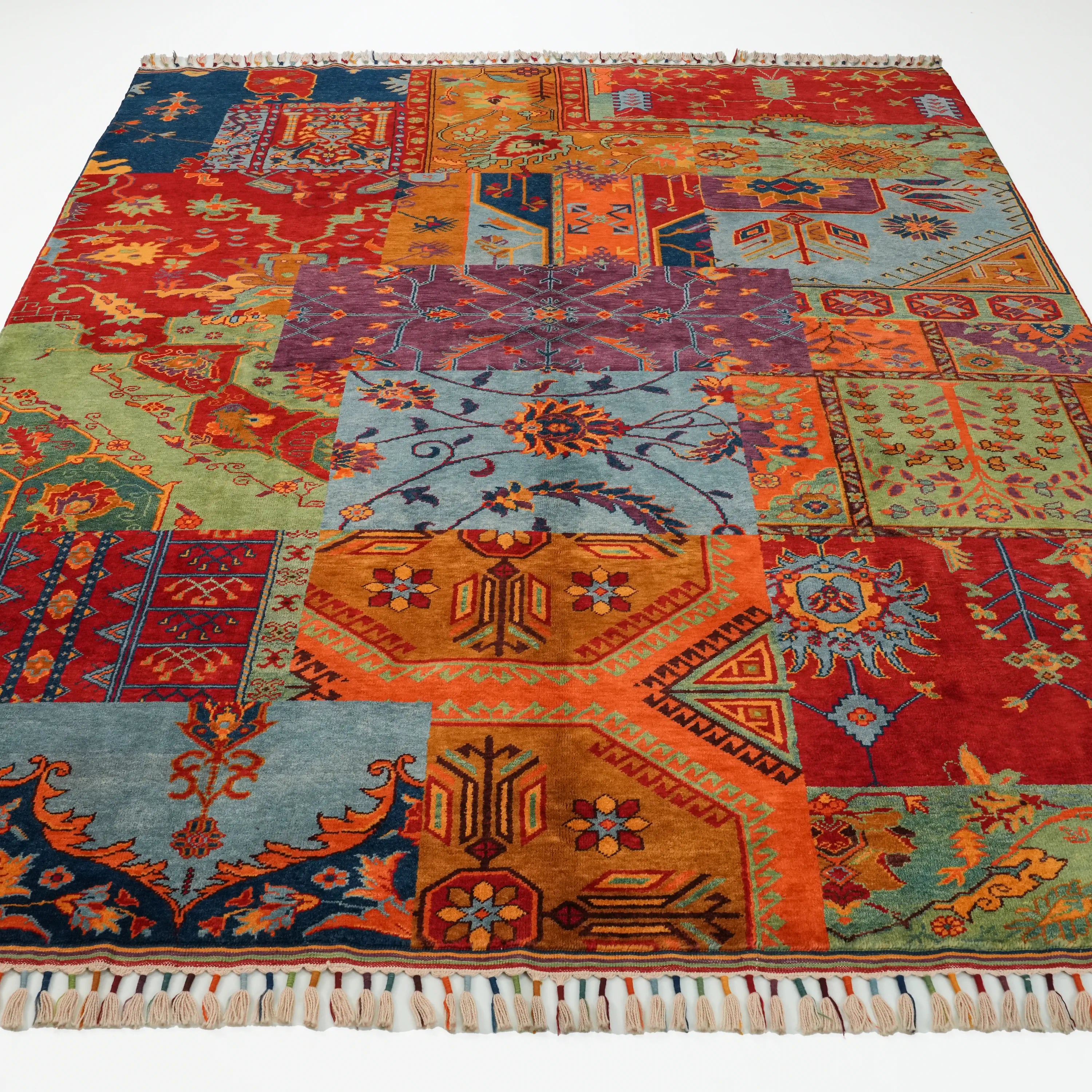
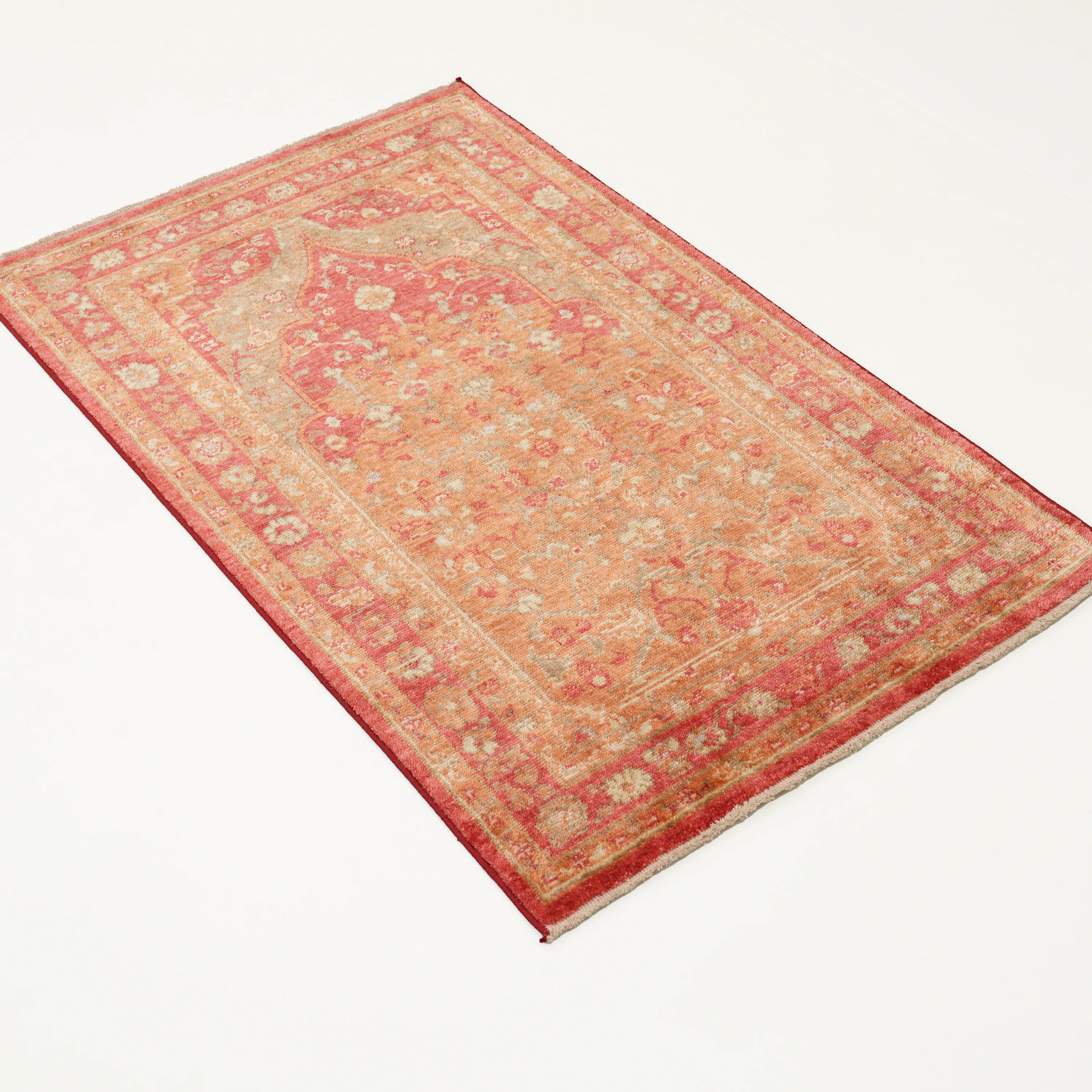
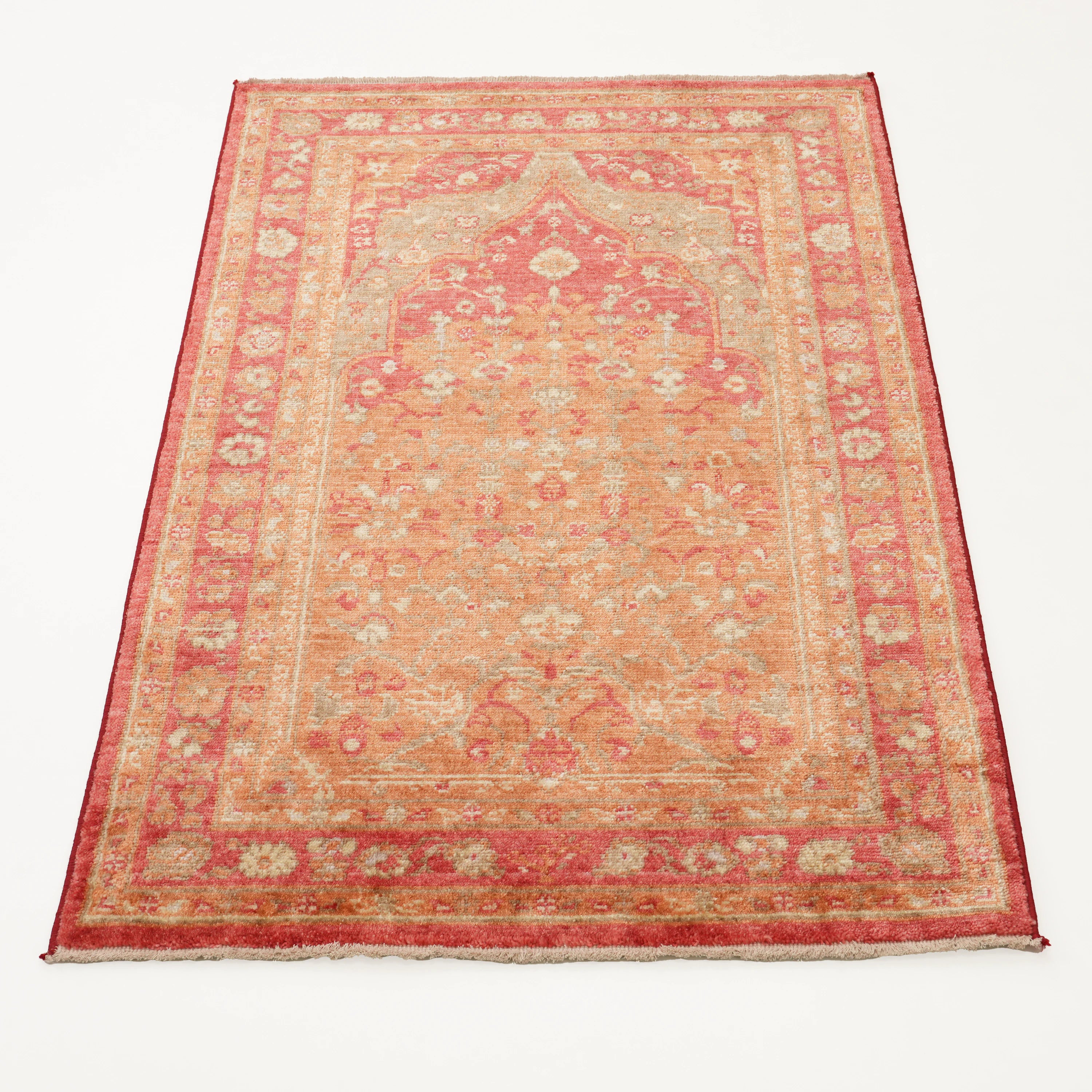
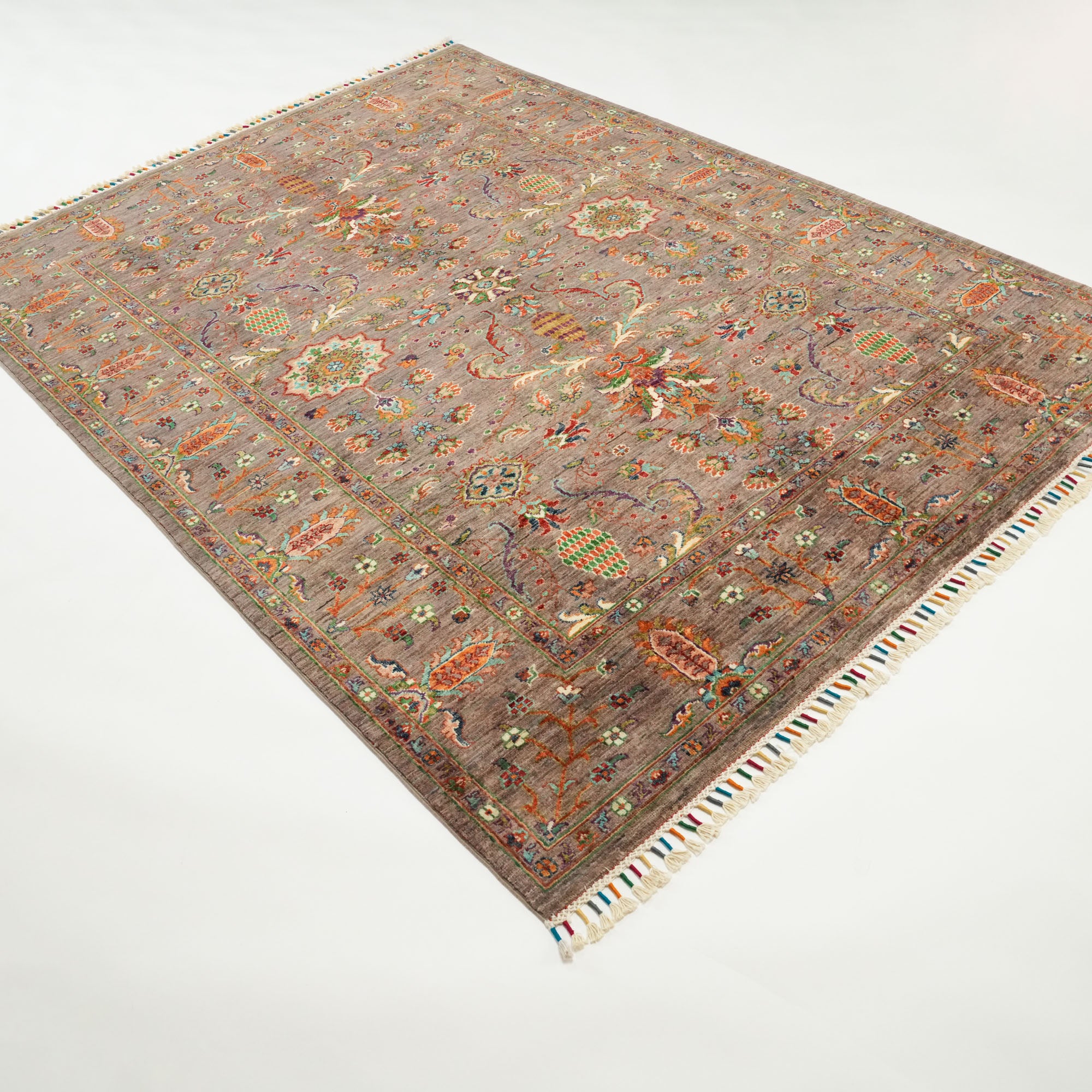
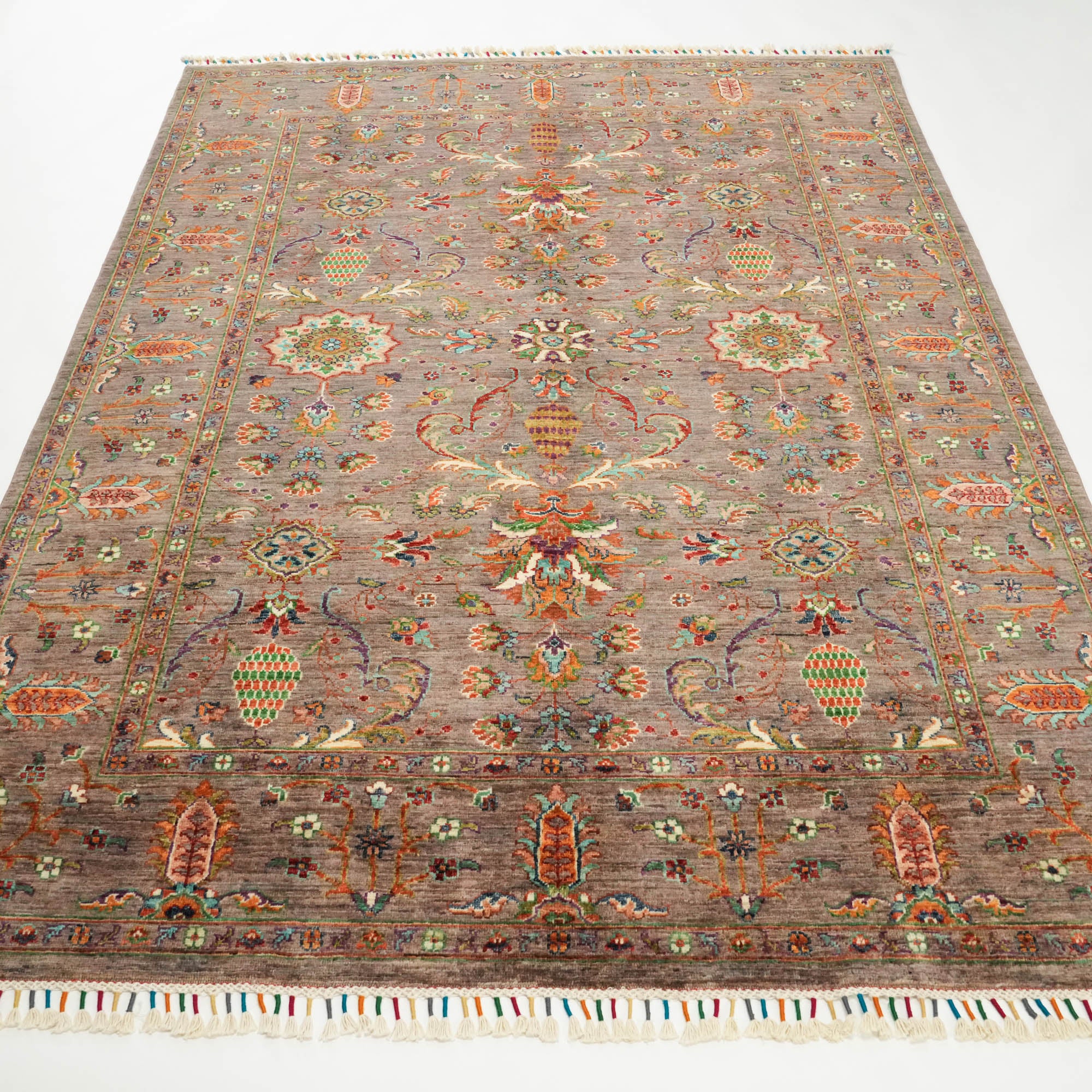
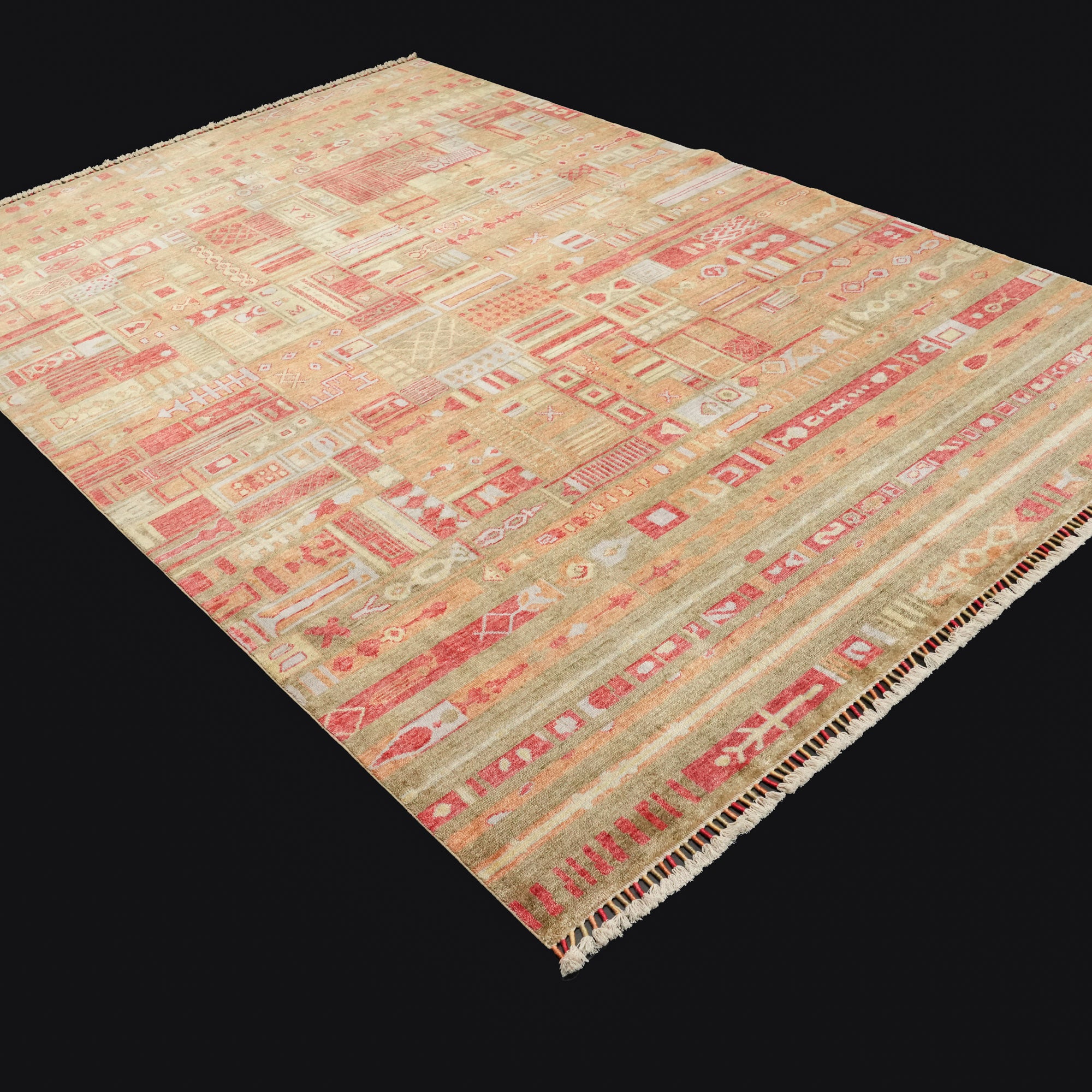
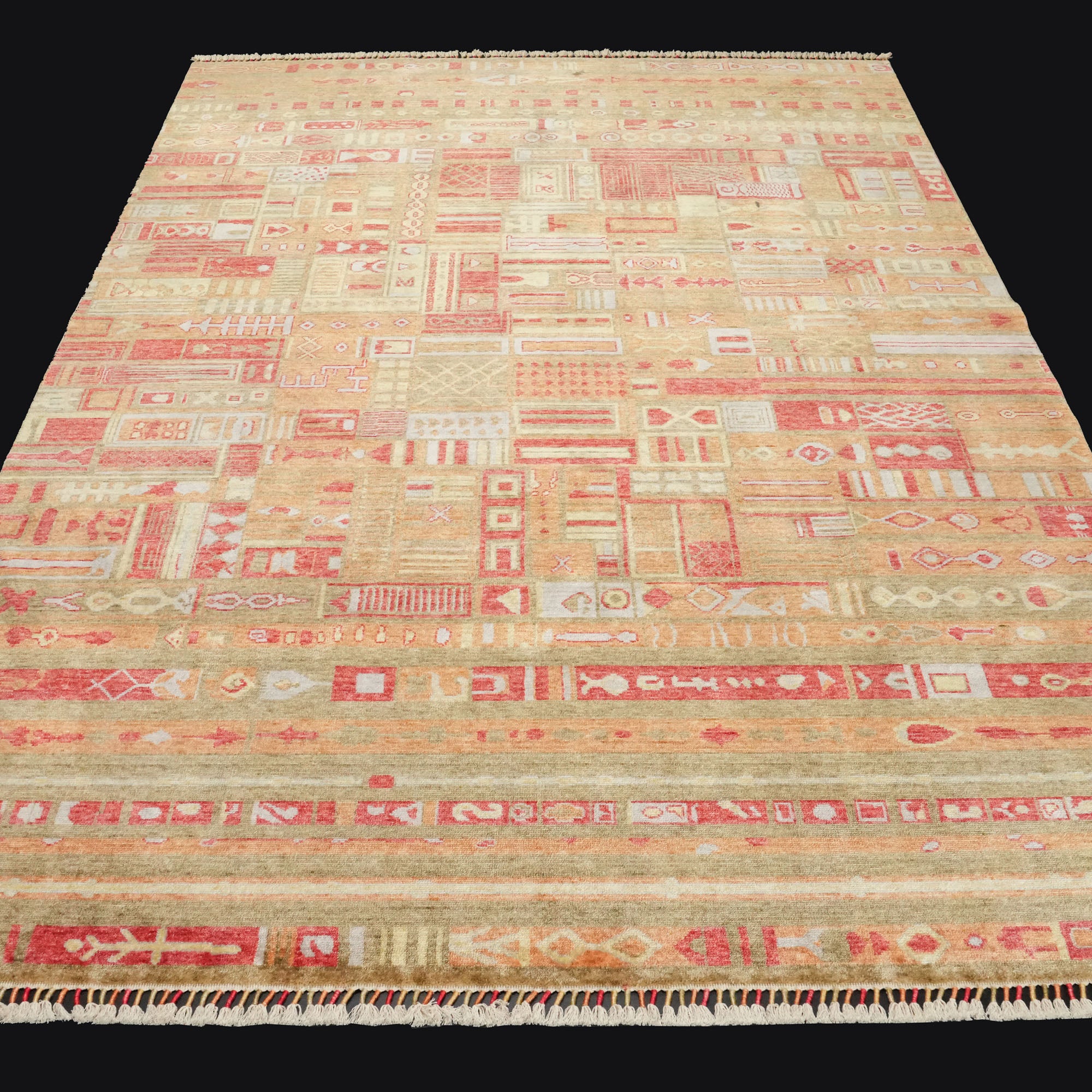
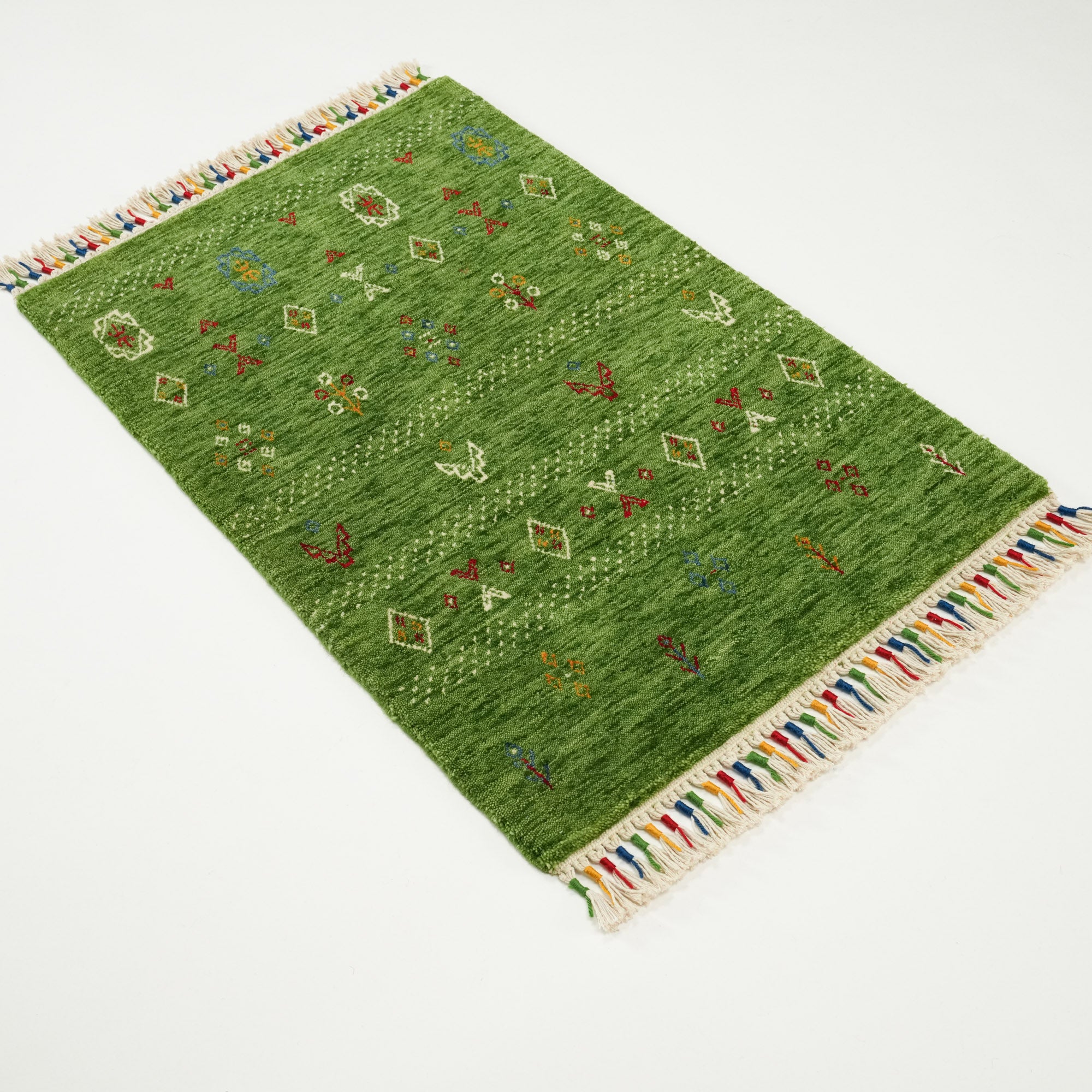
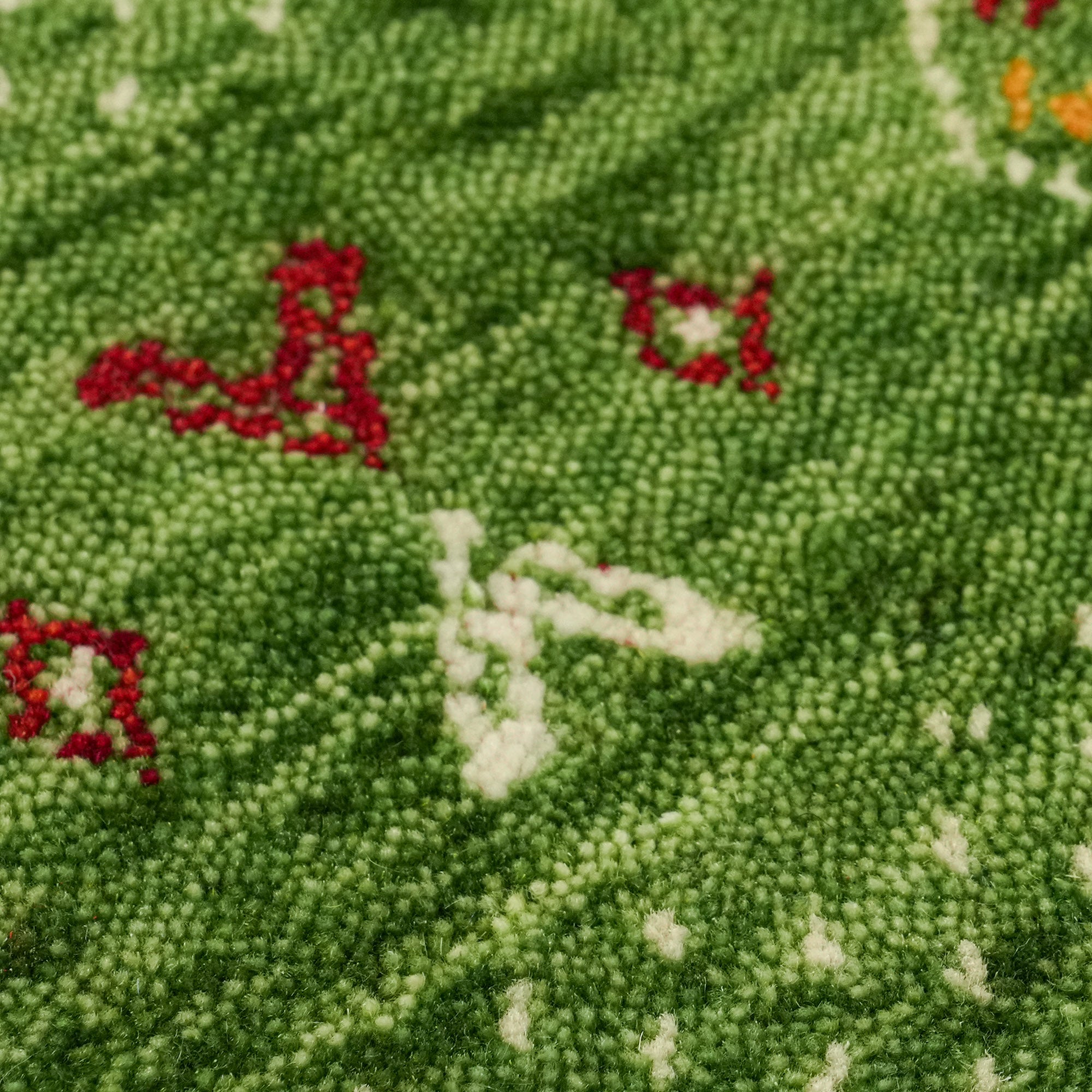
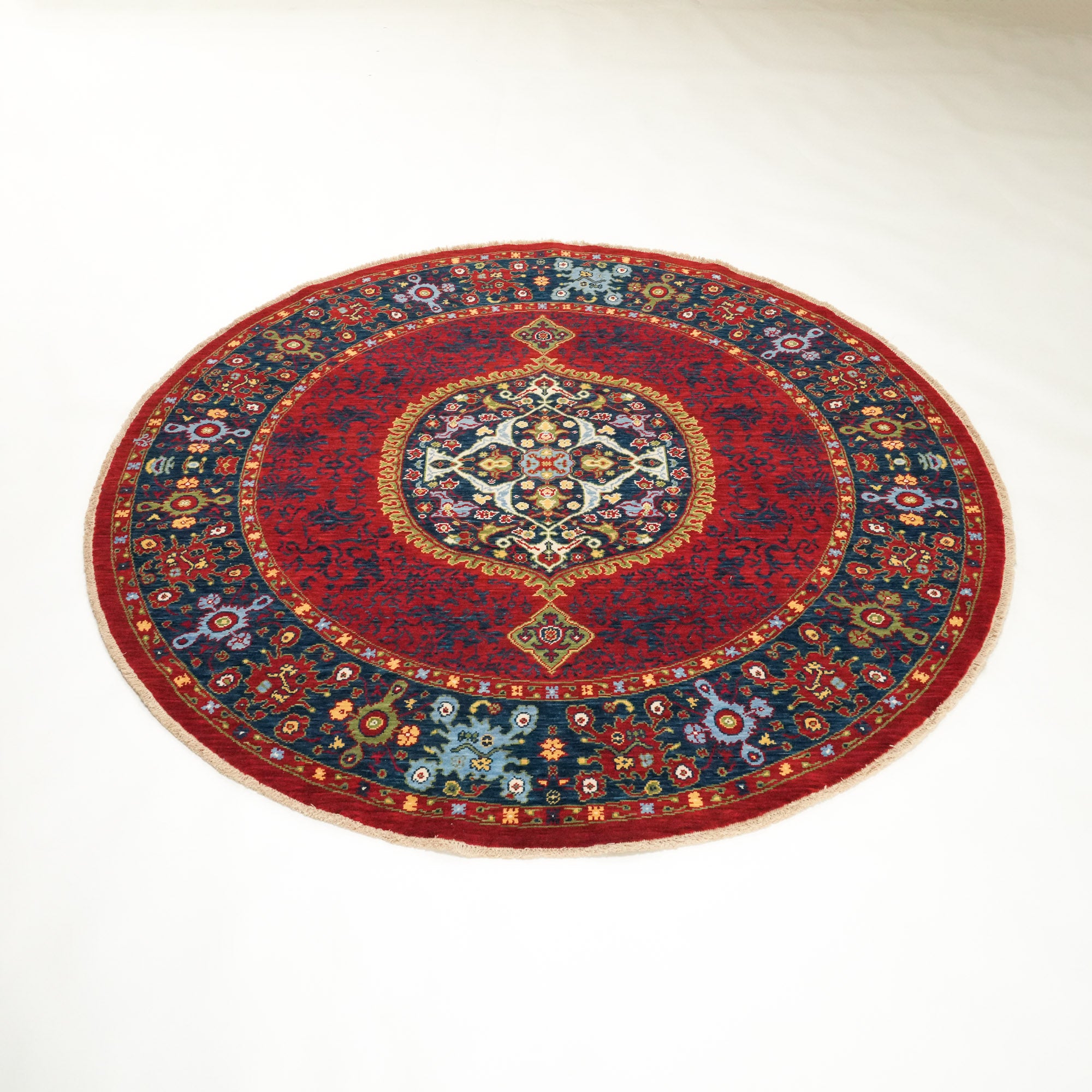
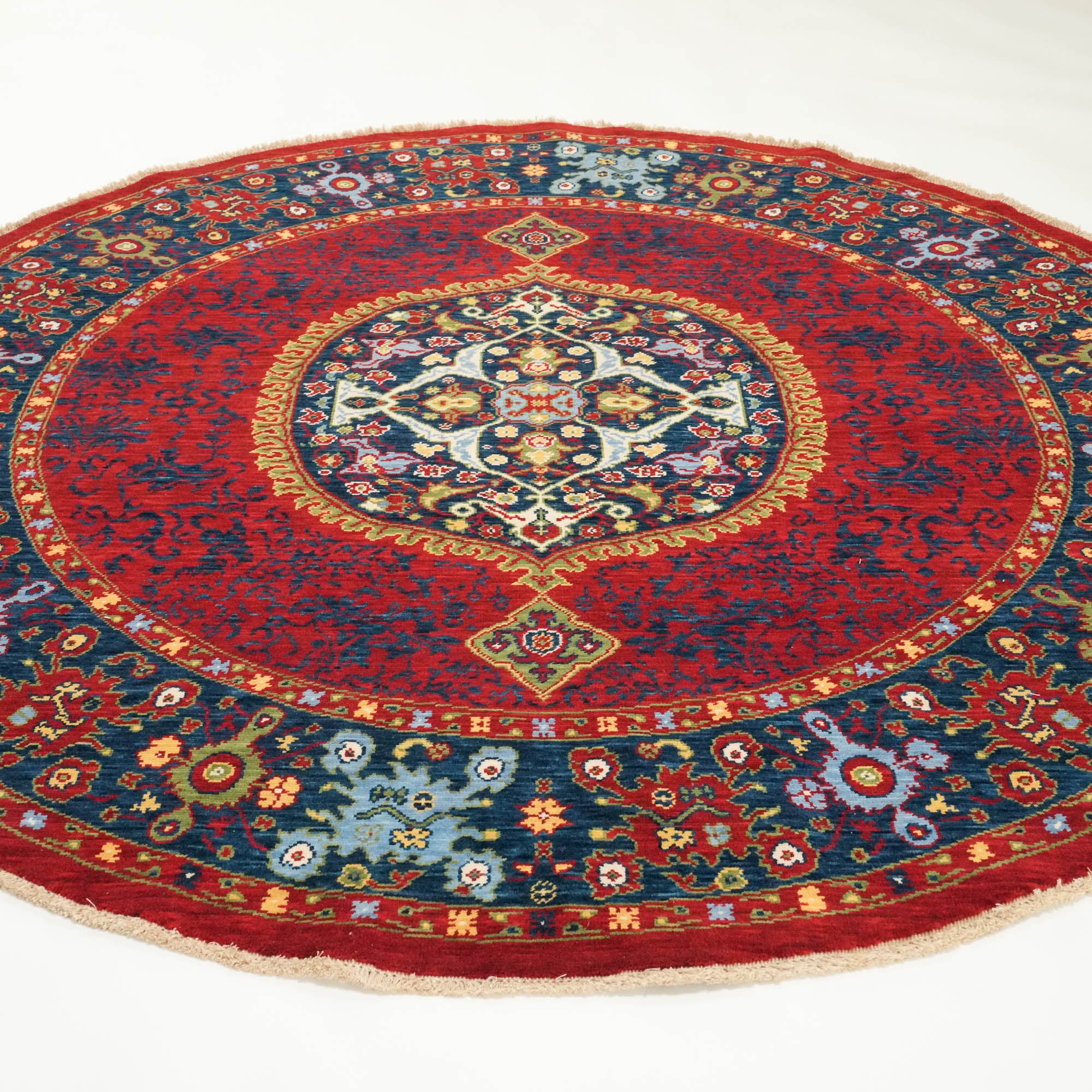
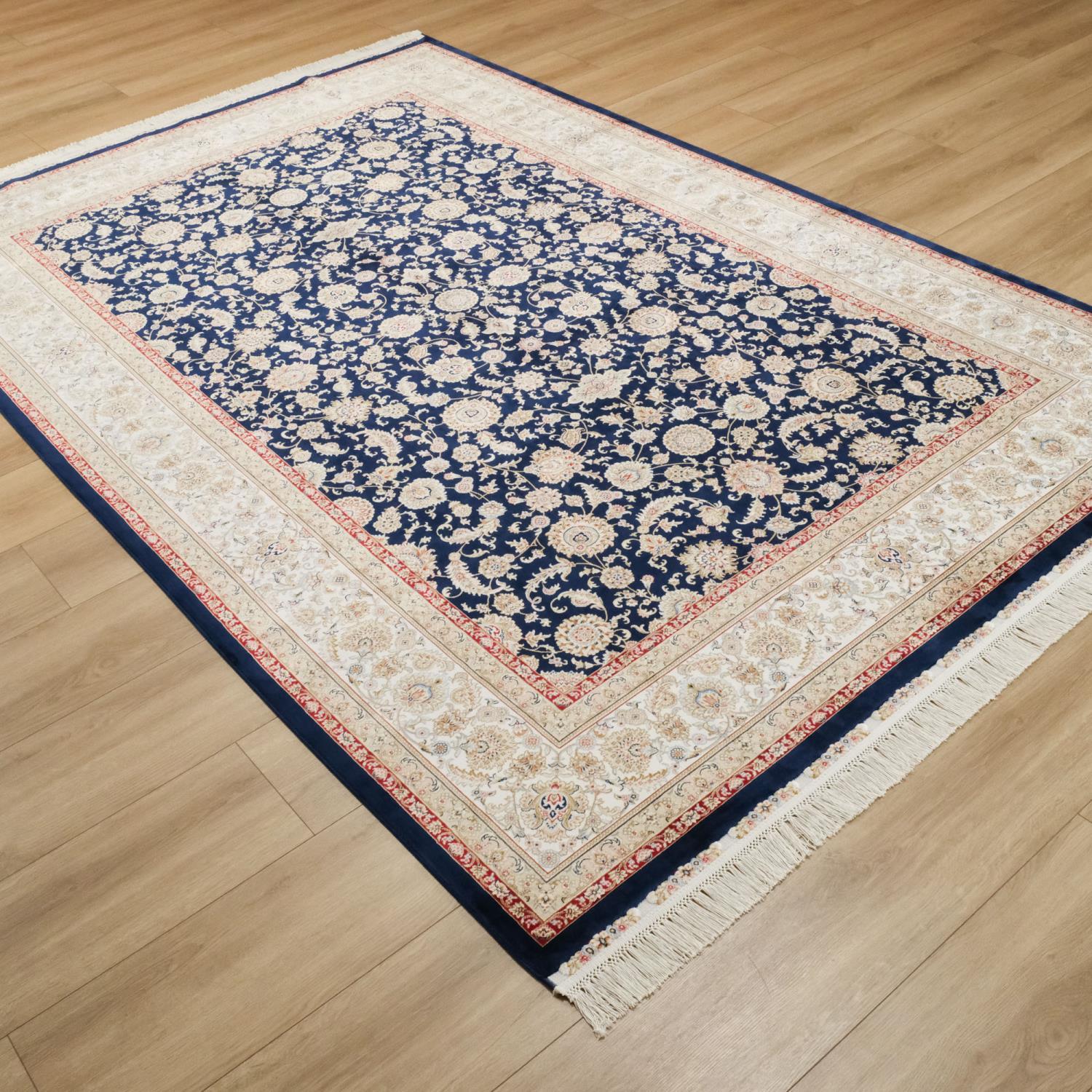
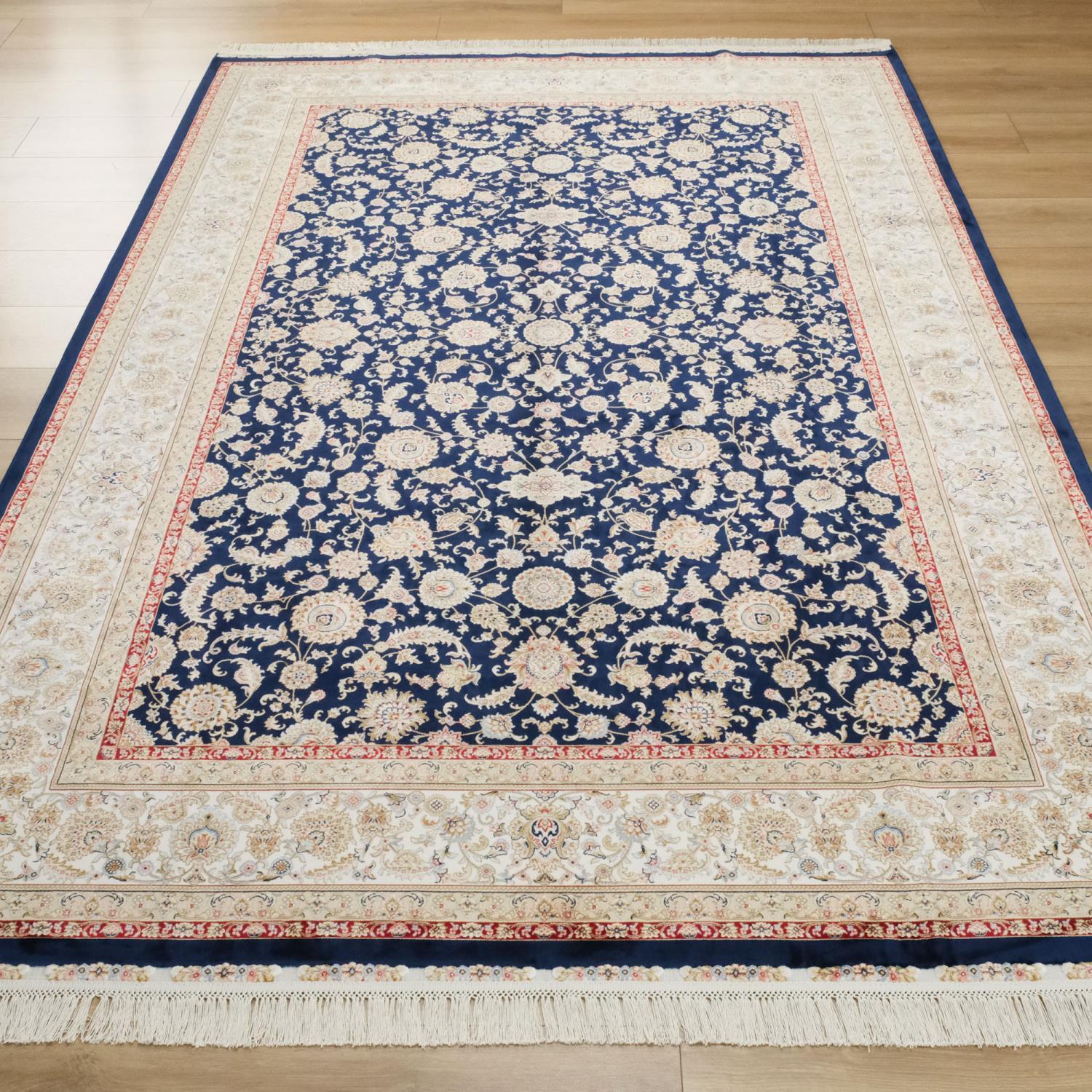
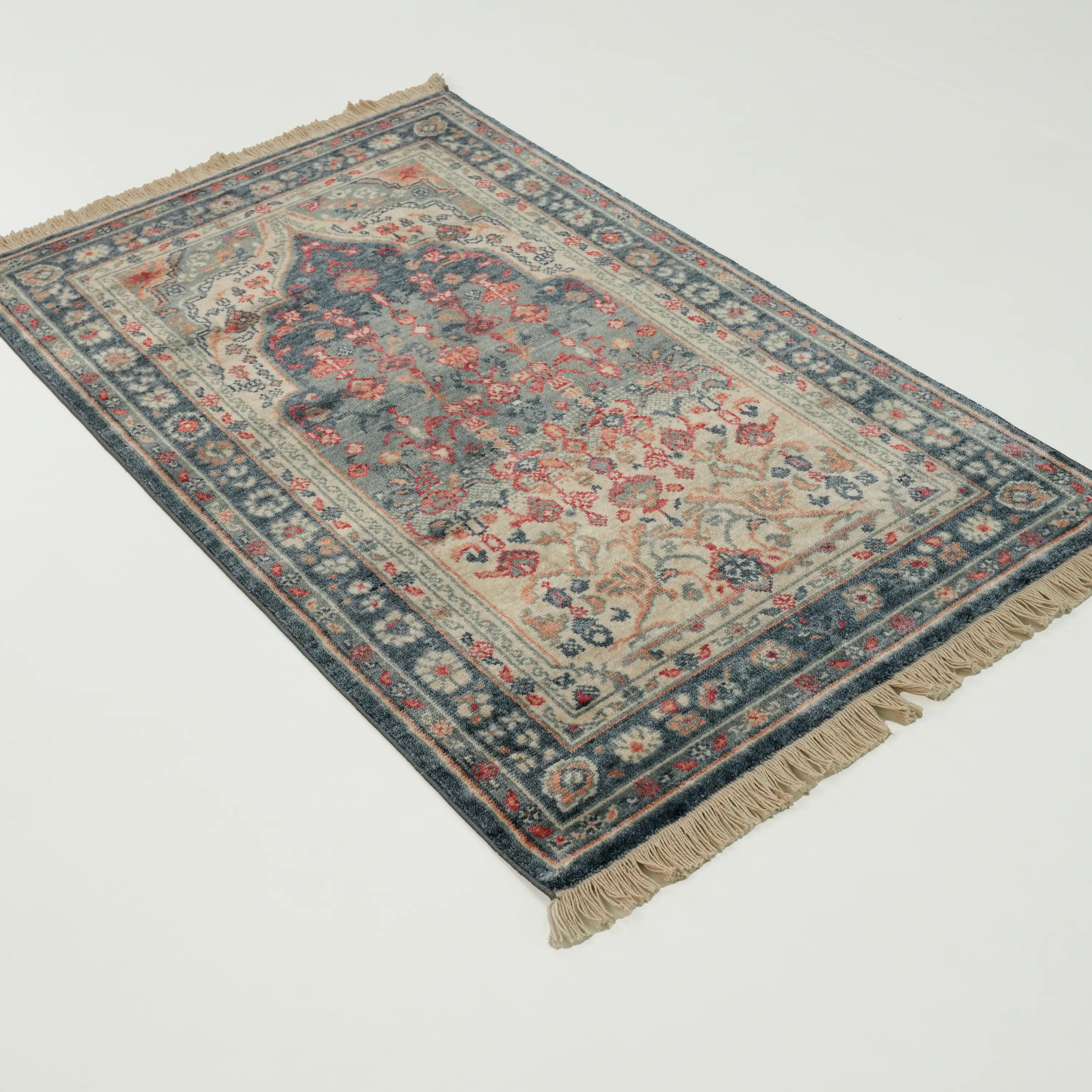
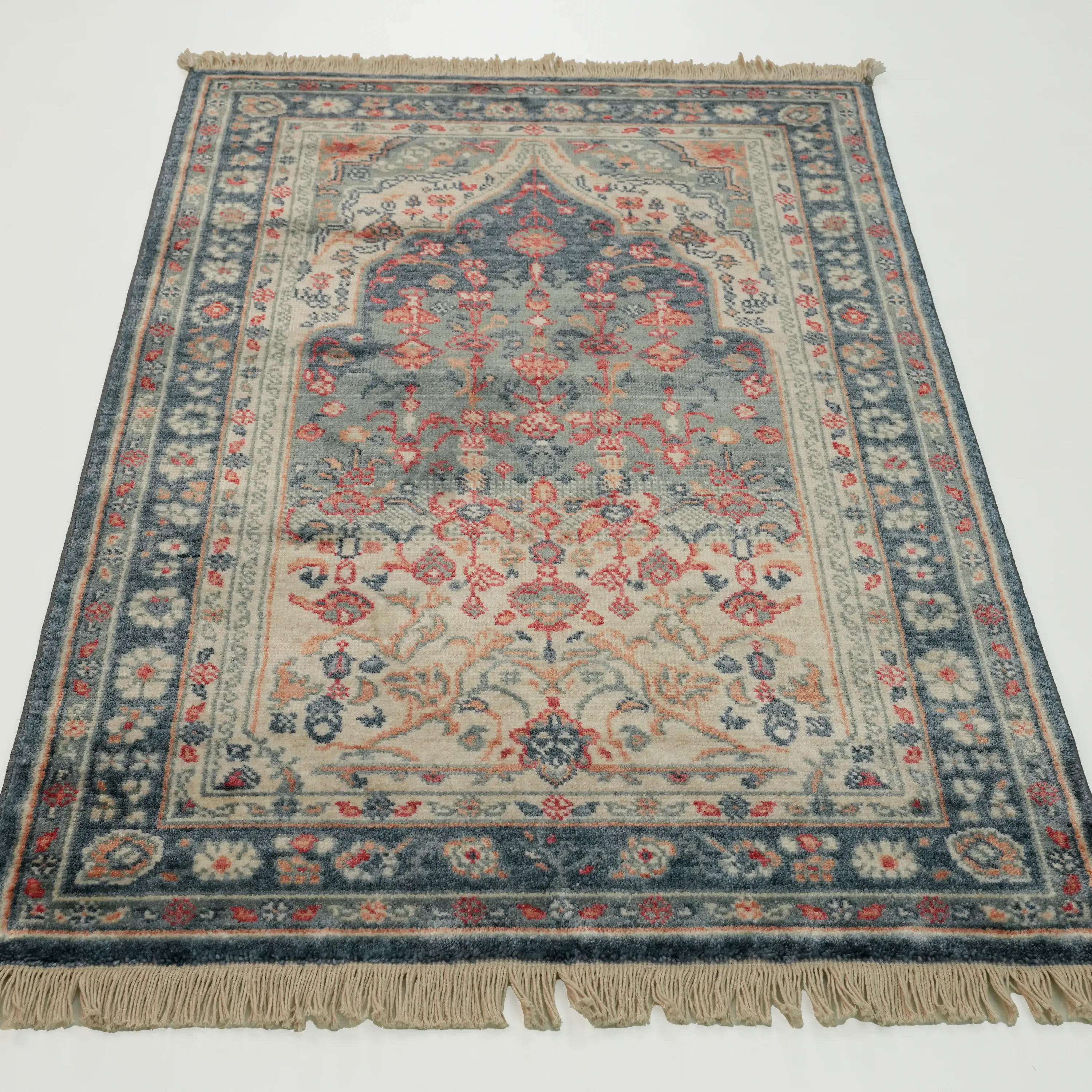
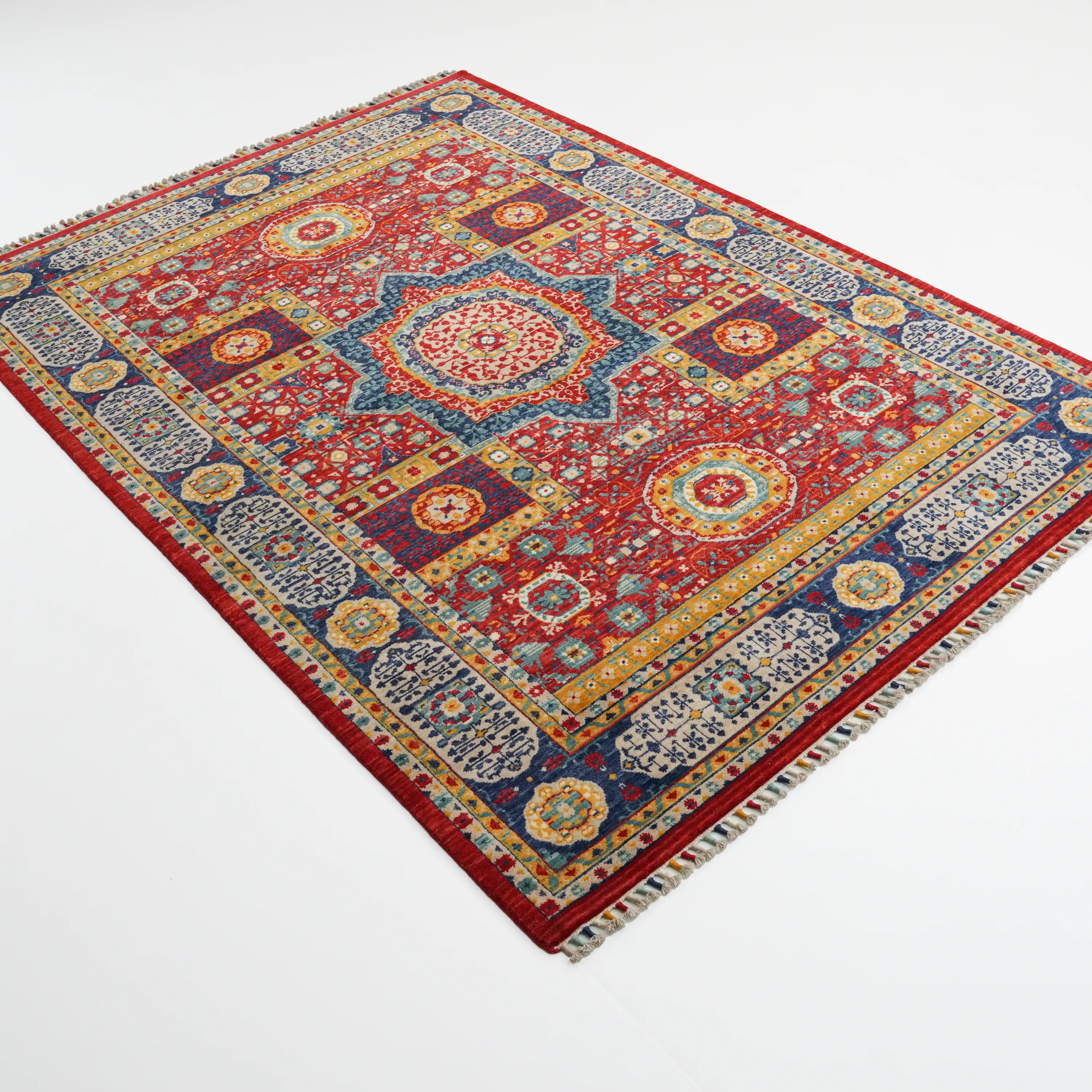
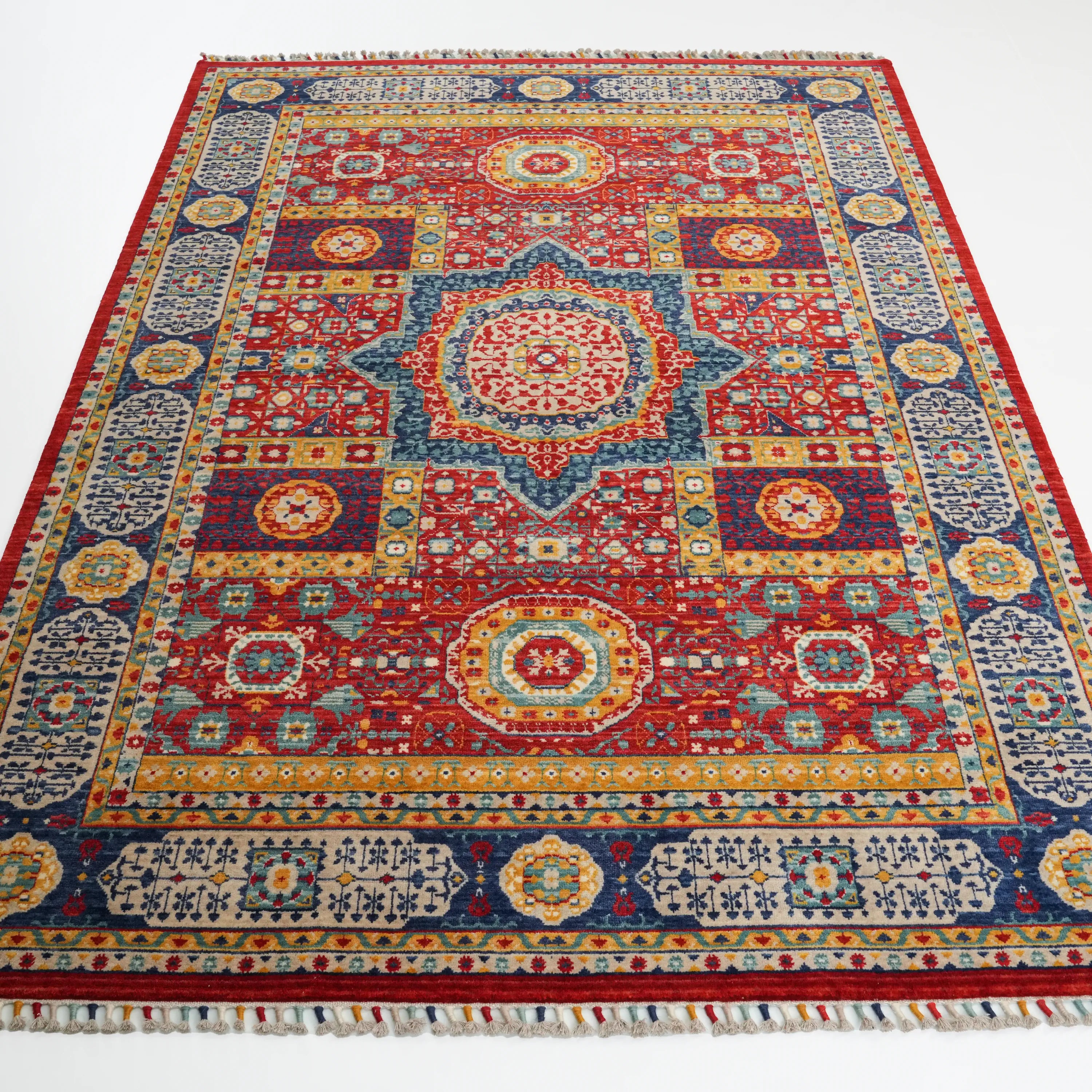
An authentic rug is produced using traditional materials and techniques faithful to its originating regional or tribal weaving culture, hand-knotted or hand-woven with natural fiber, as opposed to a machine-made or stylistically reinterpreted piece.
Authenticity in rug making is a specific, meaningful claim, not a vague marketing term, and it's worth being precise about what actually qualifies a piece for that label.
What 'Authentic' Actually Means in Rug Making
An authentic rug follows the traditional production process of its originating culture closely, hand construction, natural fiber, and, where relevant, traditional dyeing methods, distinguishing it from machine-made reproductions or contemporary reinterpretations that borrow a traditional pattern's look without its underlying technique.
Hand Construction and Natural Materials as the Standard
Pieces in this collection are hand-knotted or hand-woven using natural wool, cotton or silk, produced according to the traditional methods of their originating regional or tribal weaving culture rather than adapted for machine production or modern material substitution.
Why Choose an Authentic Rug from Halicizade
We curate this collection specifically for buyers who want to be certain a rug's traditional character comes from genuine traditional production, not simply a traditional-looking pattern applied through modern machine construction.
Styling an Authentic Rug
Given the craftsmanship and traditional weight these pieces carry, they suit rooms built around heritage appreciation particularly well.
- Traditional and formal living rooms let authentic craftsmanship be appreciated and displayed properly.
- A strong choice for buyers treating the rug as a long-term investment and heritage piece.
- Choose a room with enough open floor for the full pattern and hand-knotted detail to remain visible.
- Works well passed down as an heirloom piece given the durability of genuine traditional construction.
Authentic (Traditional) Construction vs. Machine Reproduction
| Authentic Rug | Machine Reproduction of a Traditional Pattern | |
|---|---|---|
| Construction | Hand-knotted or hand-woven | Power-loomed |
| Materials | Traditional natural fiber | May vary, often synthetic blends |
| Price | Higher, reflects labor and materials | More accessible |
| Longevity | Decades with proper care | Years, replaced more readily |
Care & Maintenance
Rotate periodically, vacuum without a beater bar, and have it professionally cleaned rather than washed at home to preserve traditional materials and construction over decades of use.
Frequently Asked Questions
What makes a rug 'authentic'?
Traditional materials and techniques faithful to its originating regional or tribal weaving culture, hand-knotted or hand-woven with natural fiber.
Is an authentic rug the same as a hand-knotted rug?
Closely related, authenticity requires hand construction plus fidelity to traditional materials and methods specific to the rug's originating culture.
Are authentic rugs more expensive than machine-made ones?
Generally yes, reflecting the labor-intensive hand construction and higher-quality traditional materials involved.
How can I verify a rug is authentically made?
Check the back for natural, slightly irregular hand-knotting (versus a perfectly uniform machine backing), and ask about the specific fiber and dye methods used.
Are authentic rugs a good long-term investment?
Many buyers treat genuinely authentic, well-made pieces as long-term investment and heirloom items given their durability and craftsmanship.
What fibers are typically used in authentic rugs?
Natural wool, cotton or silk, depending on the specific traditional weaving culture the piece follows.