

Filters
117 products
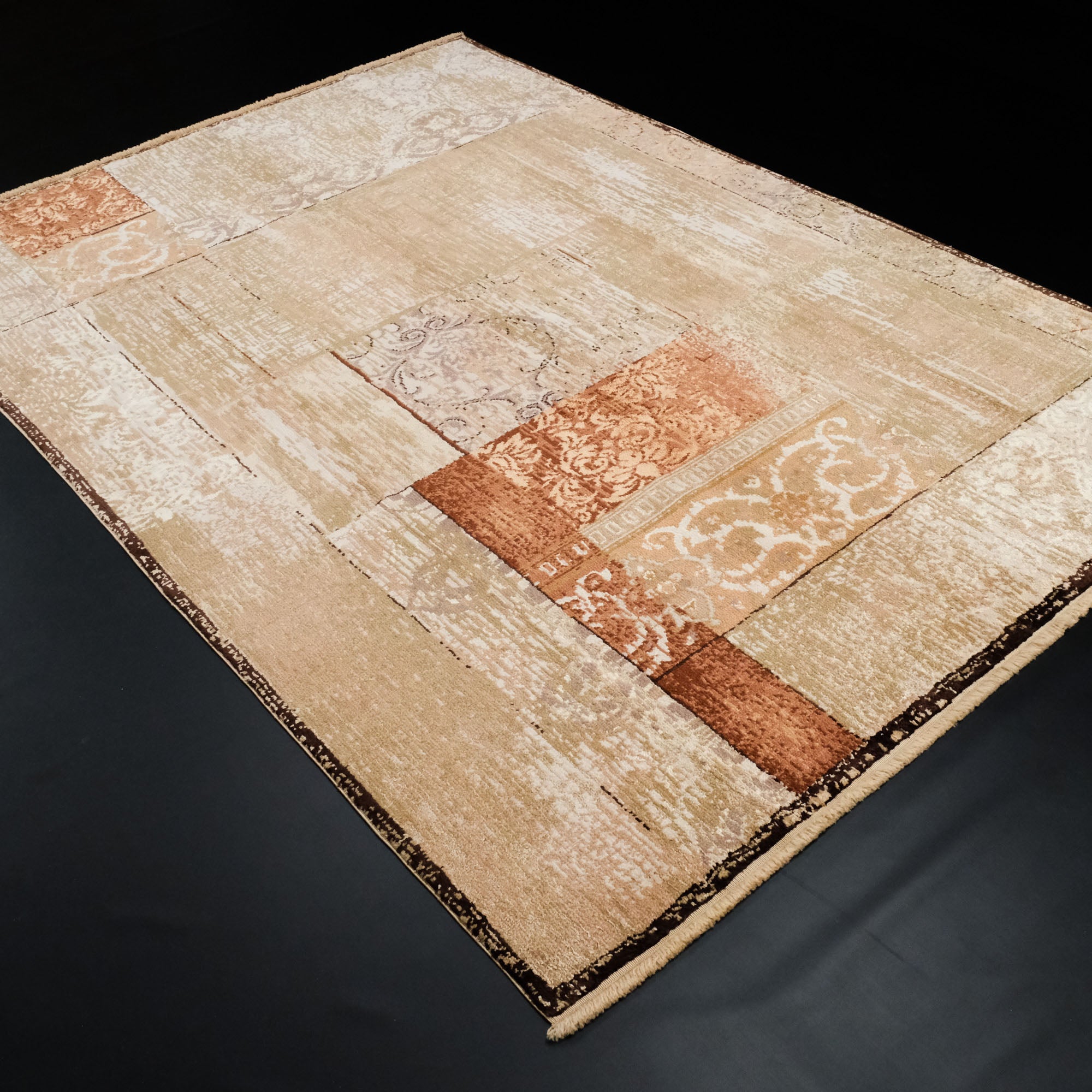
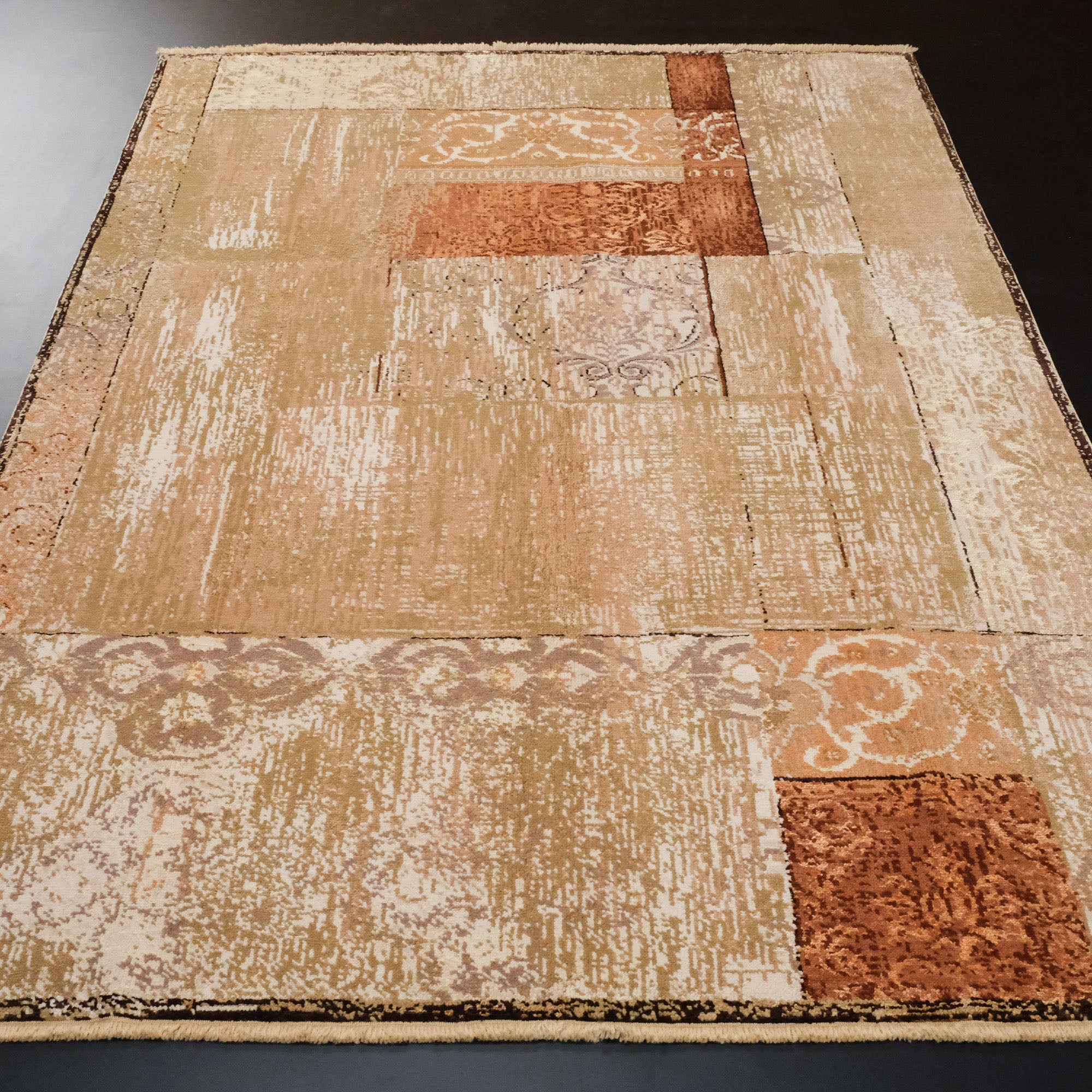
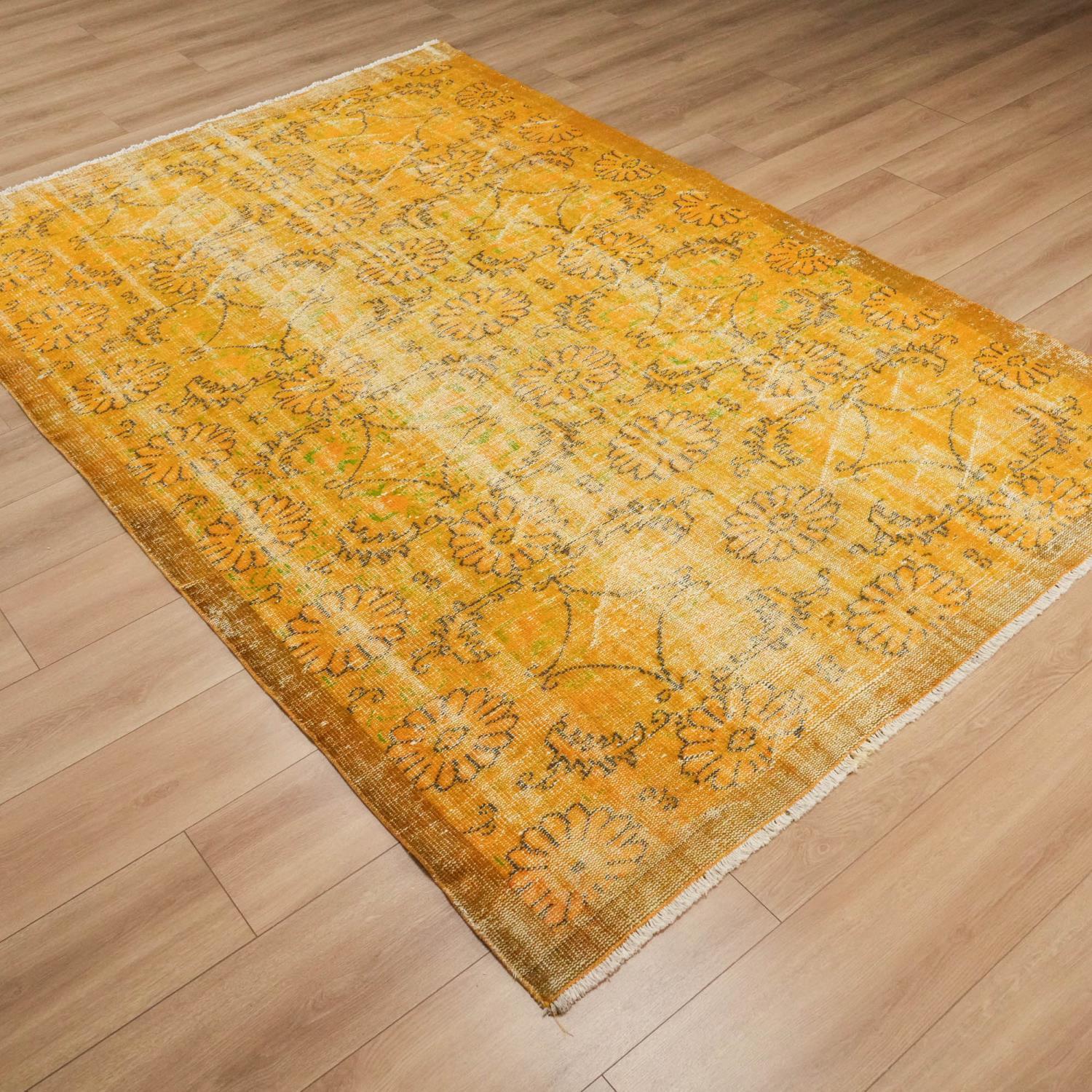
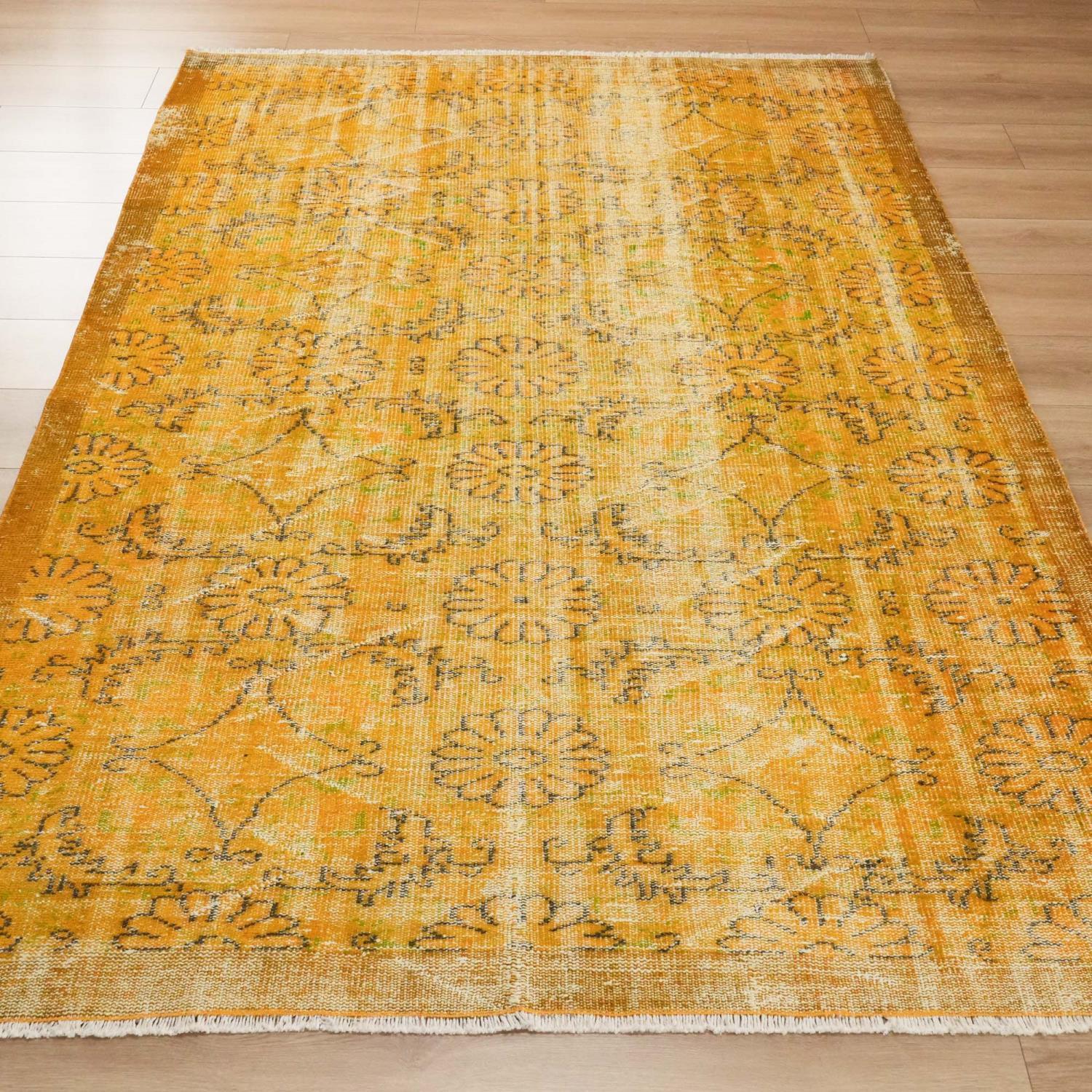
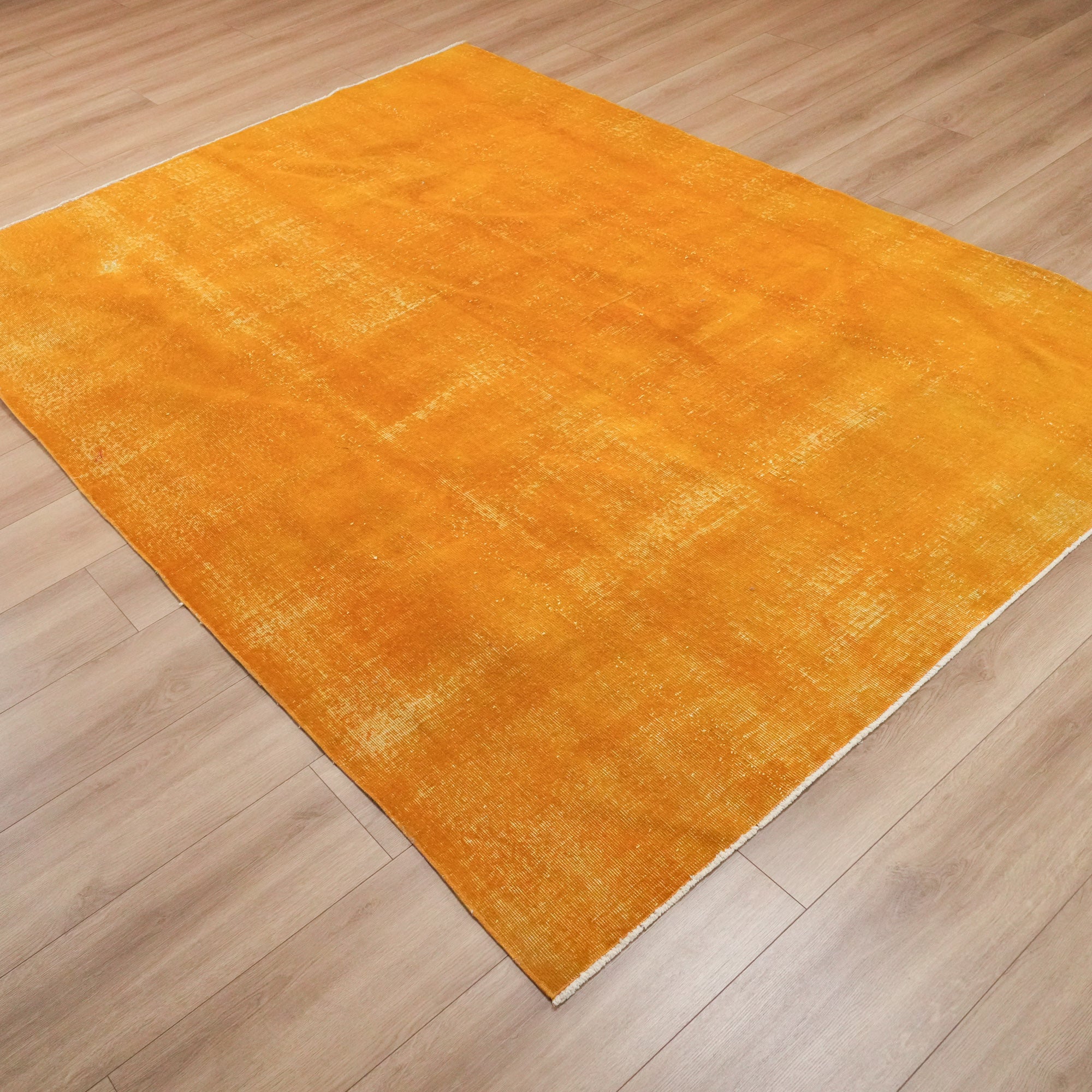
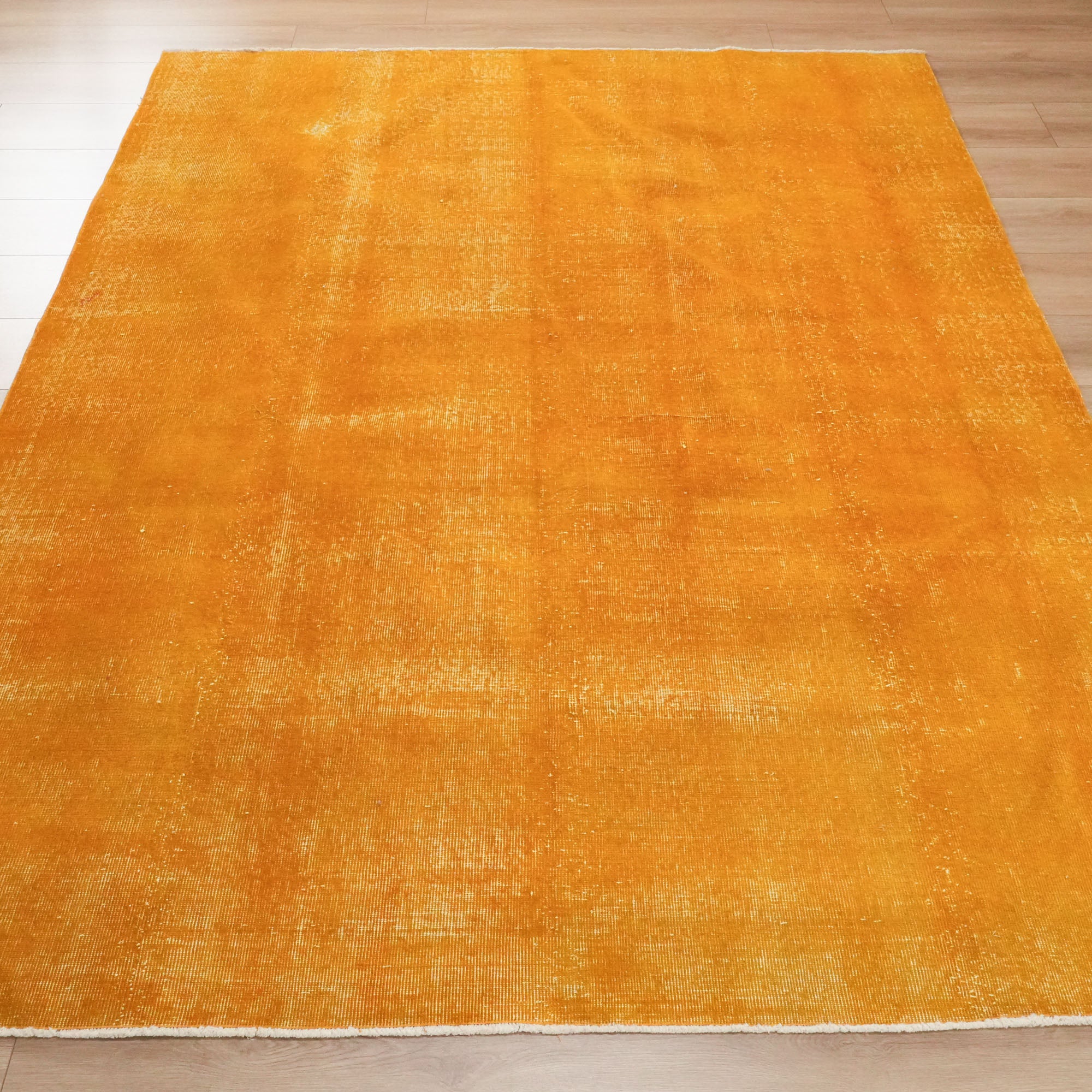
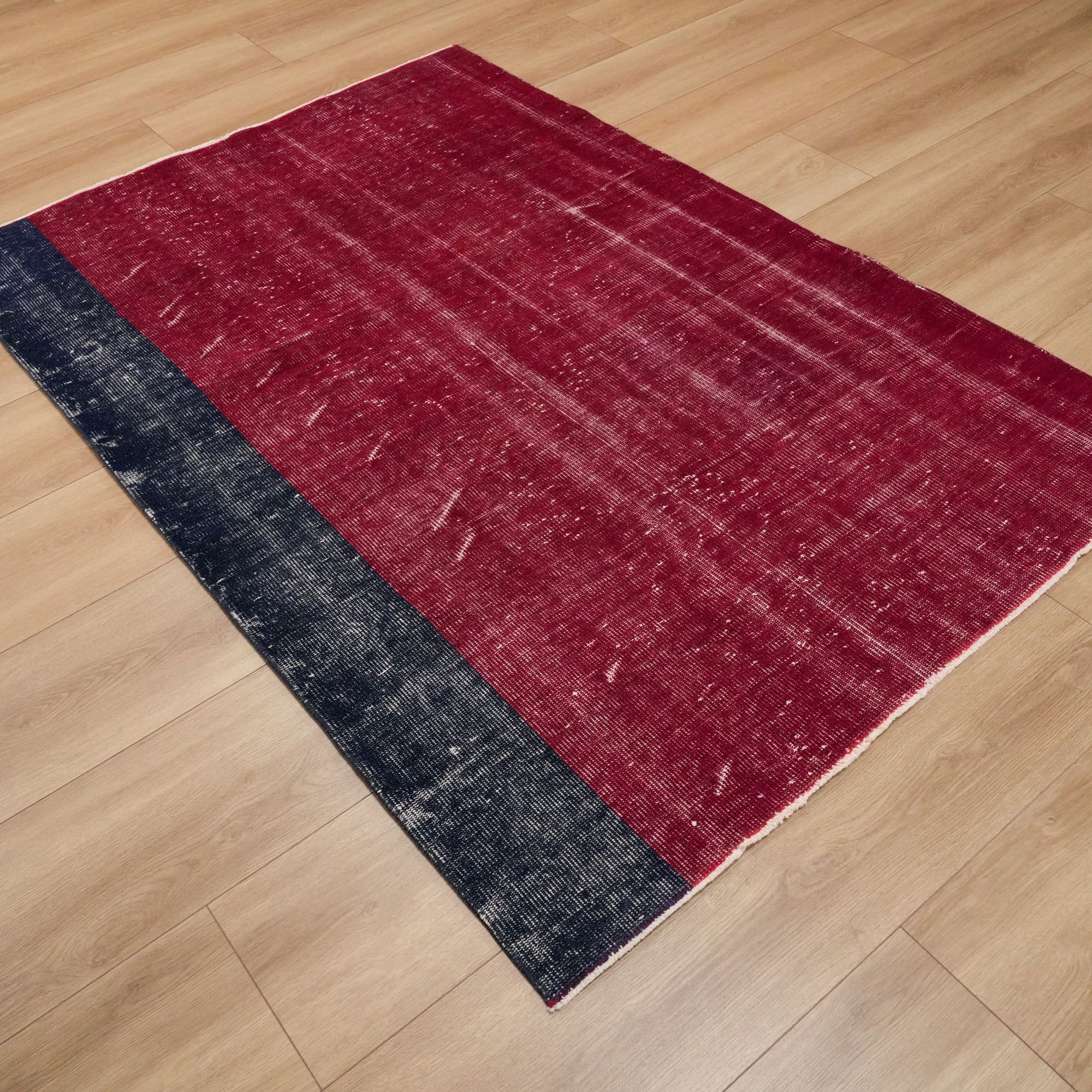
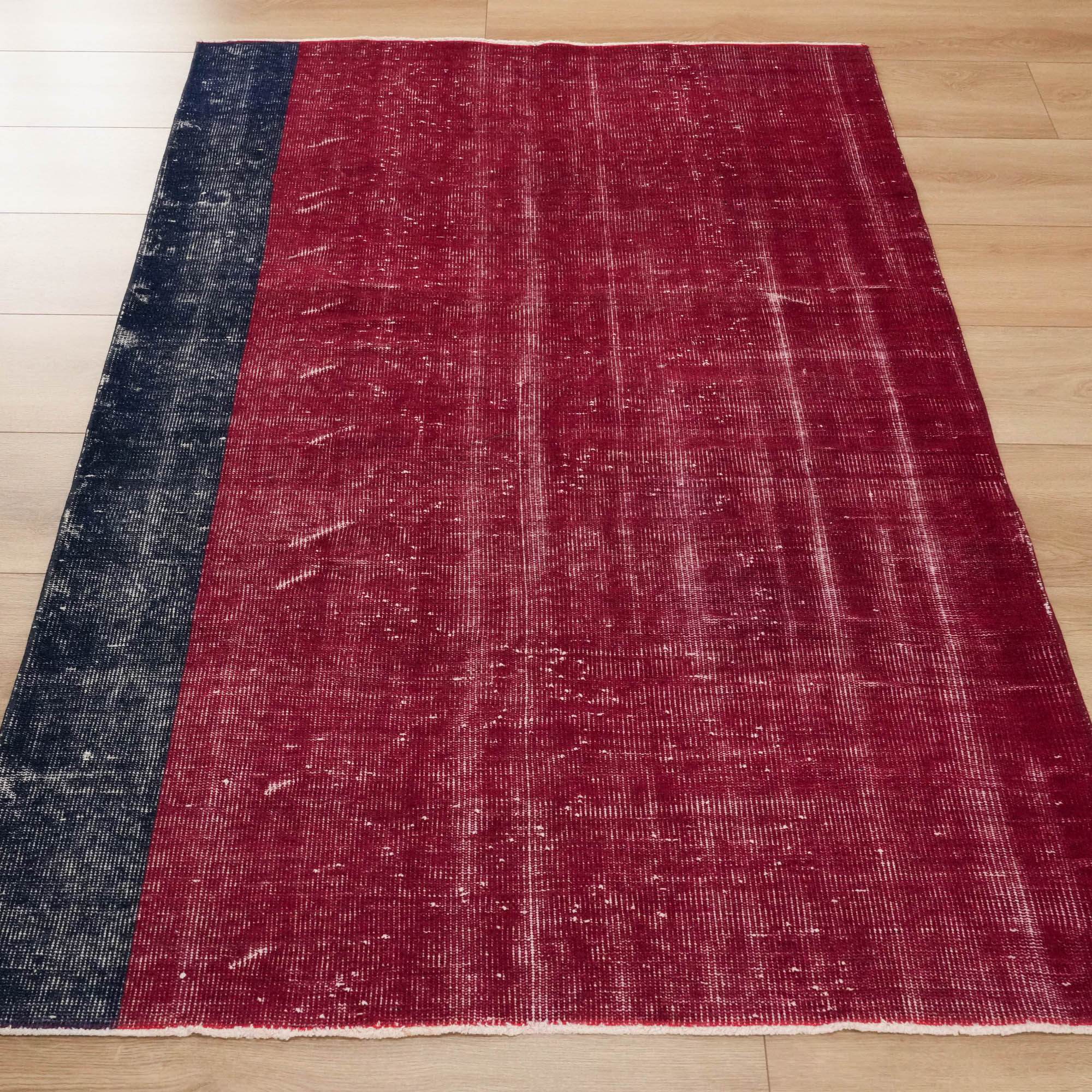
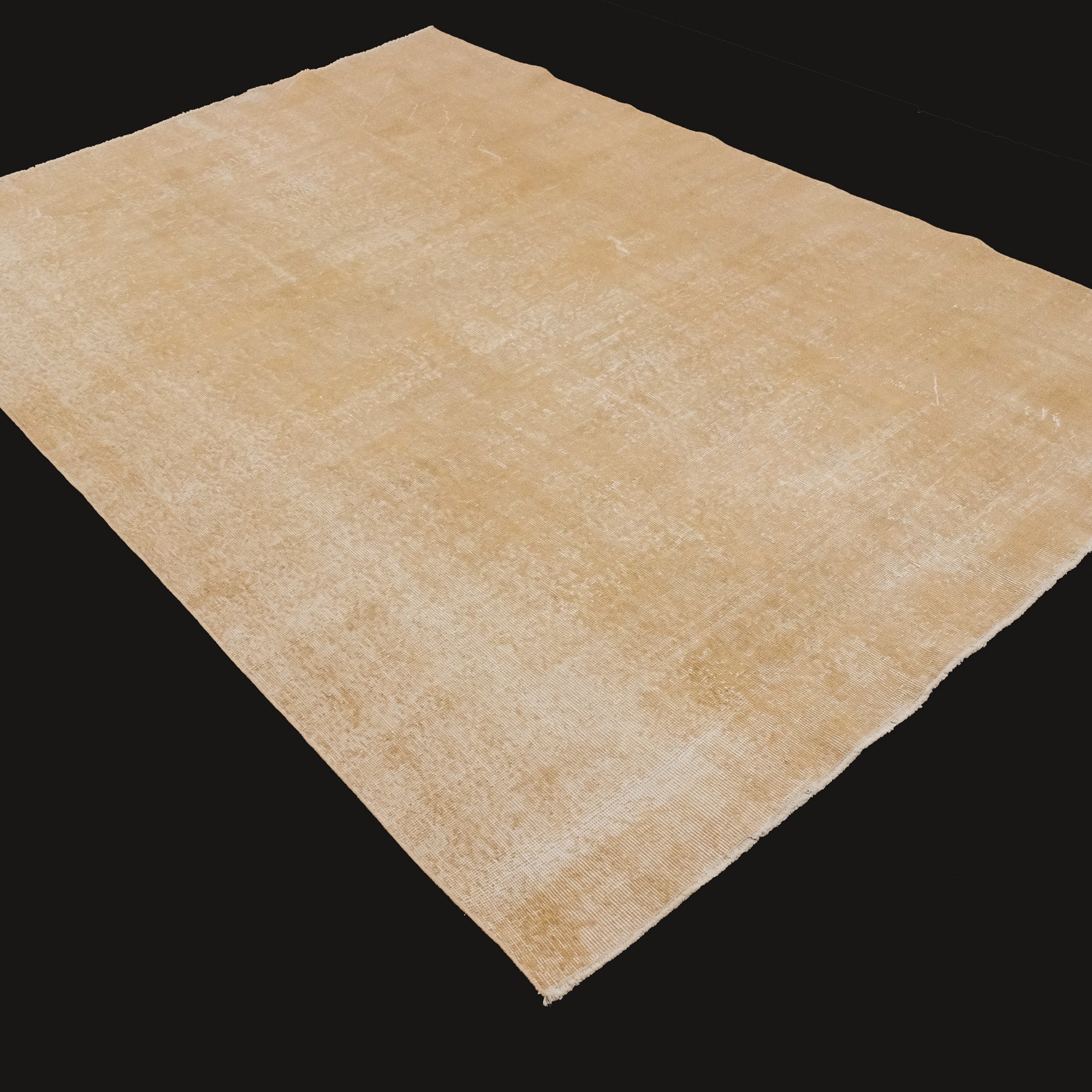
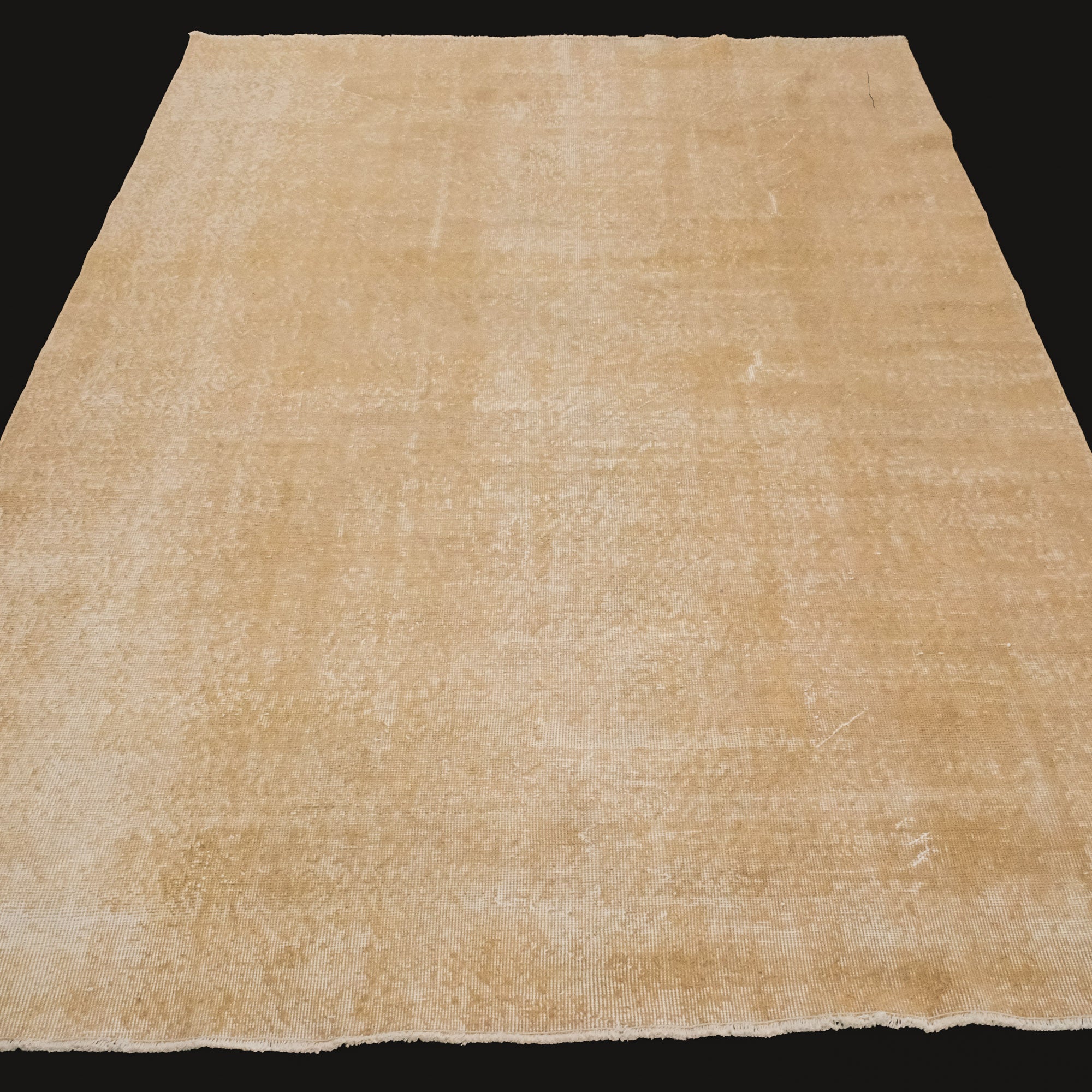
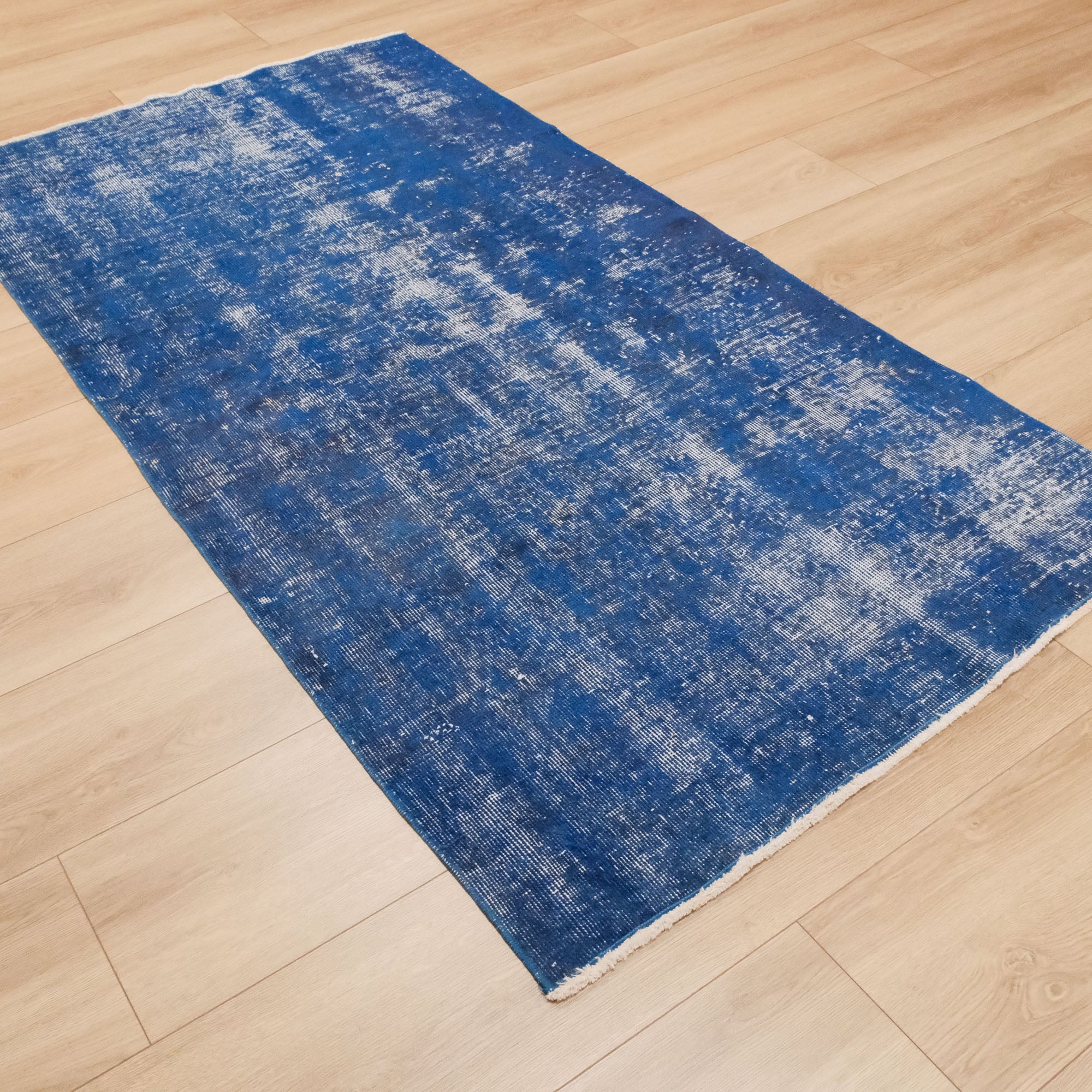
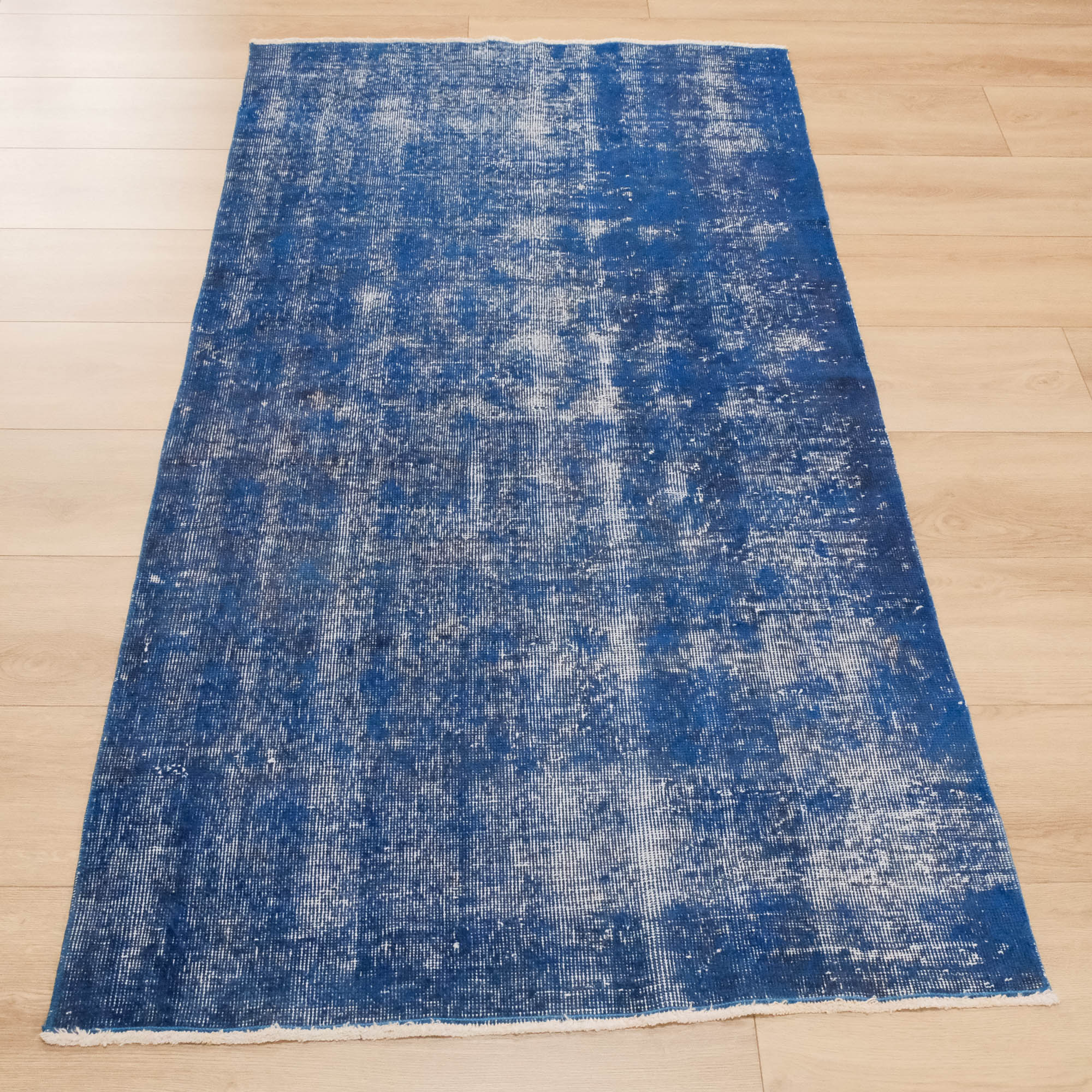

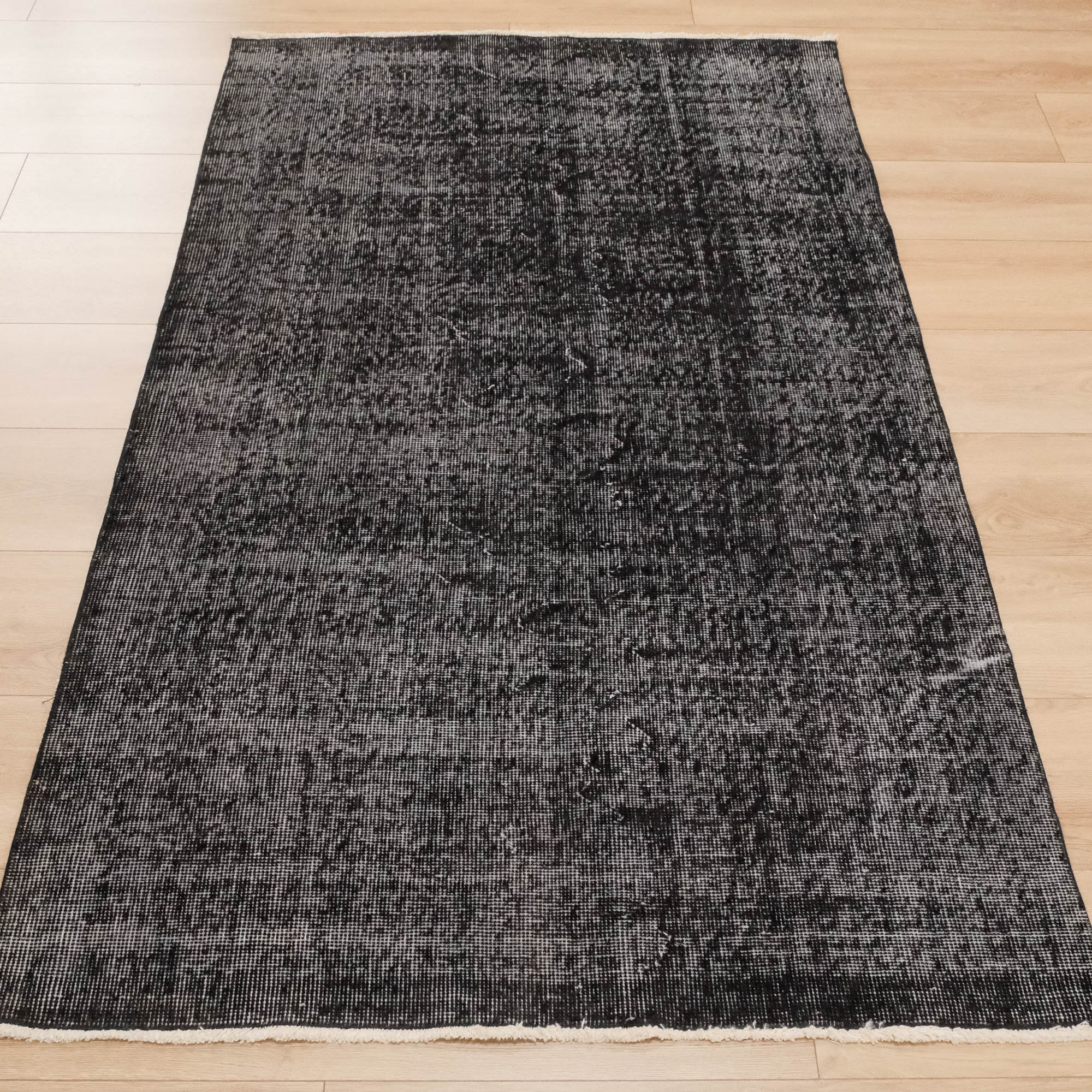
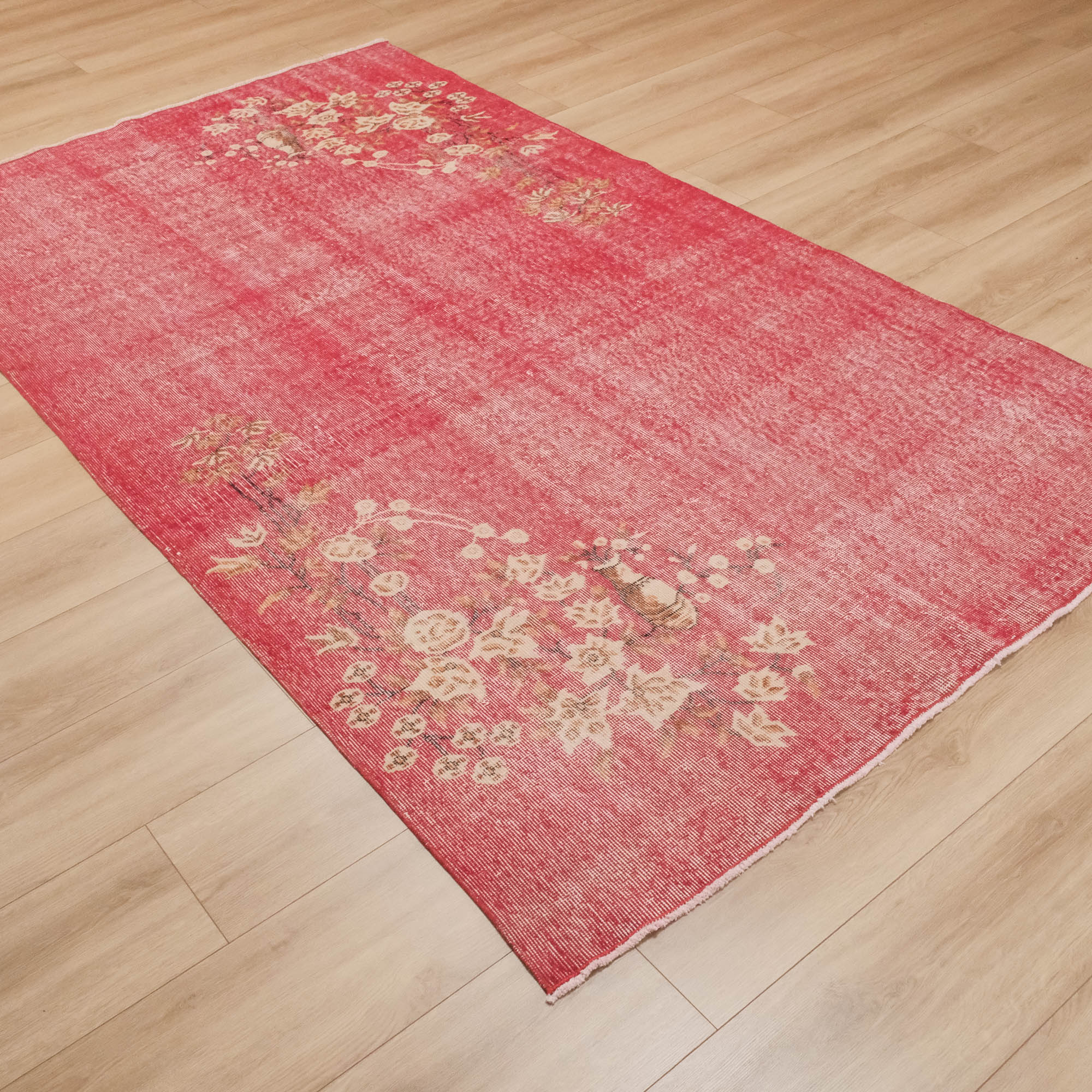
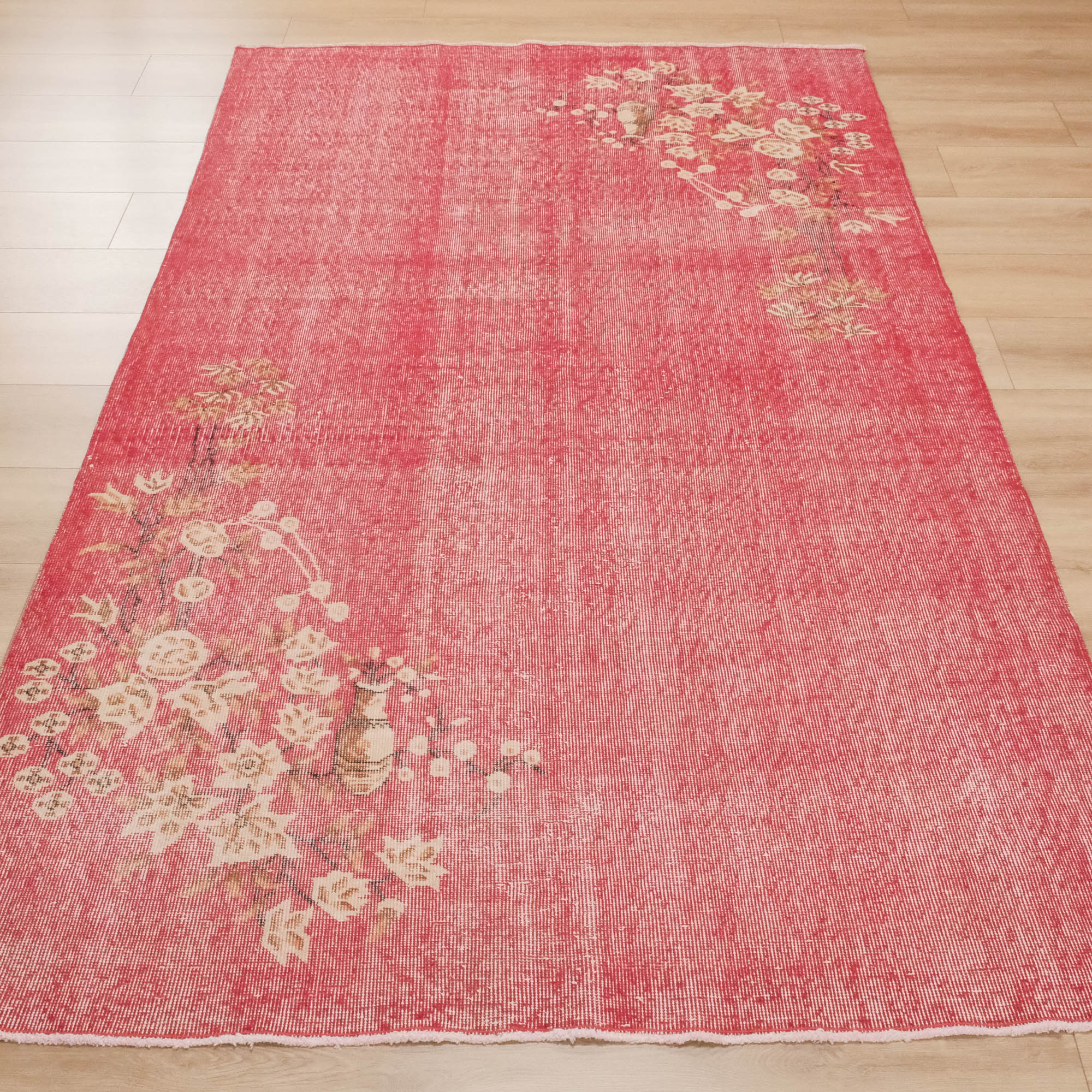
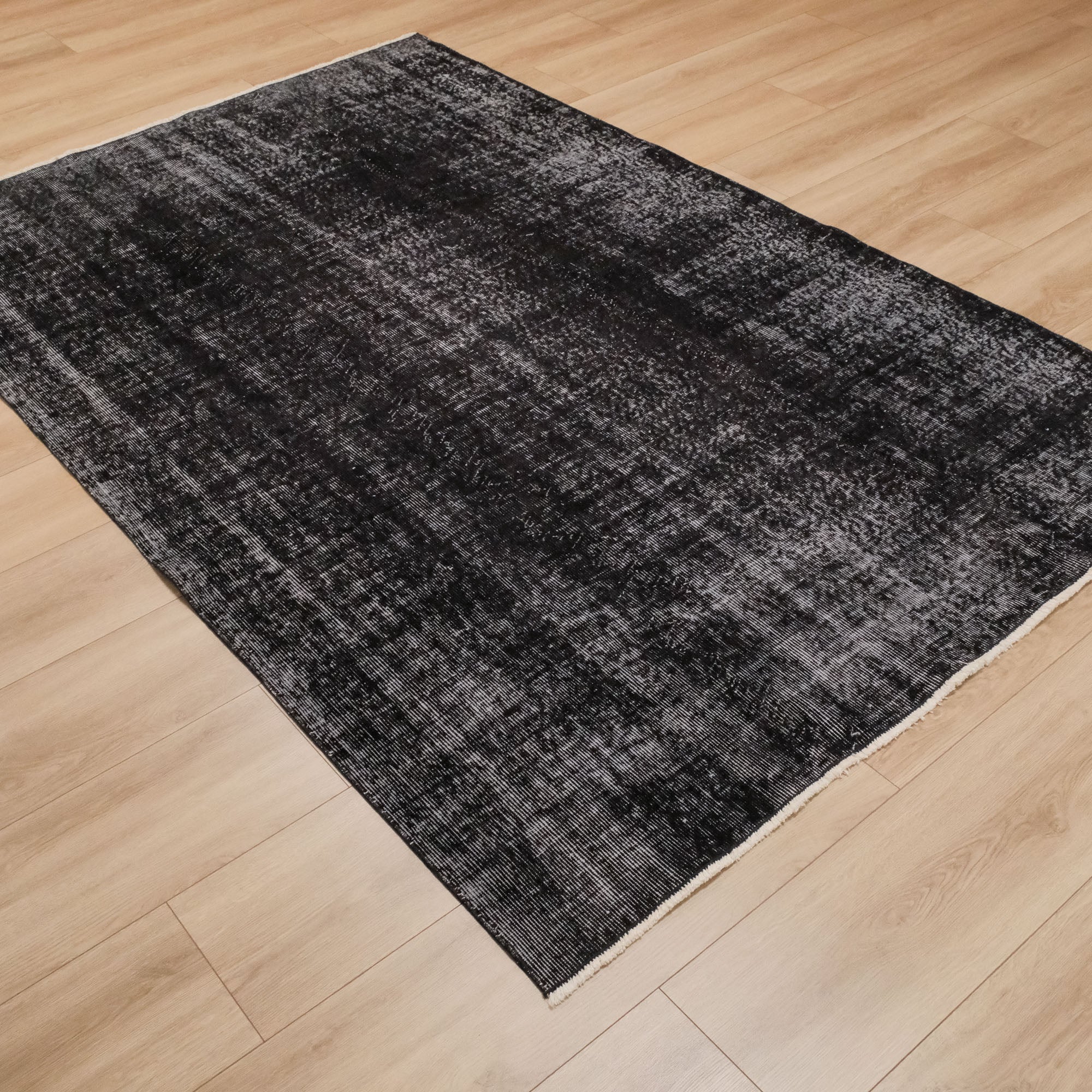
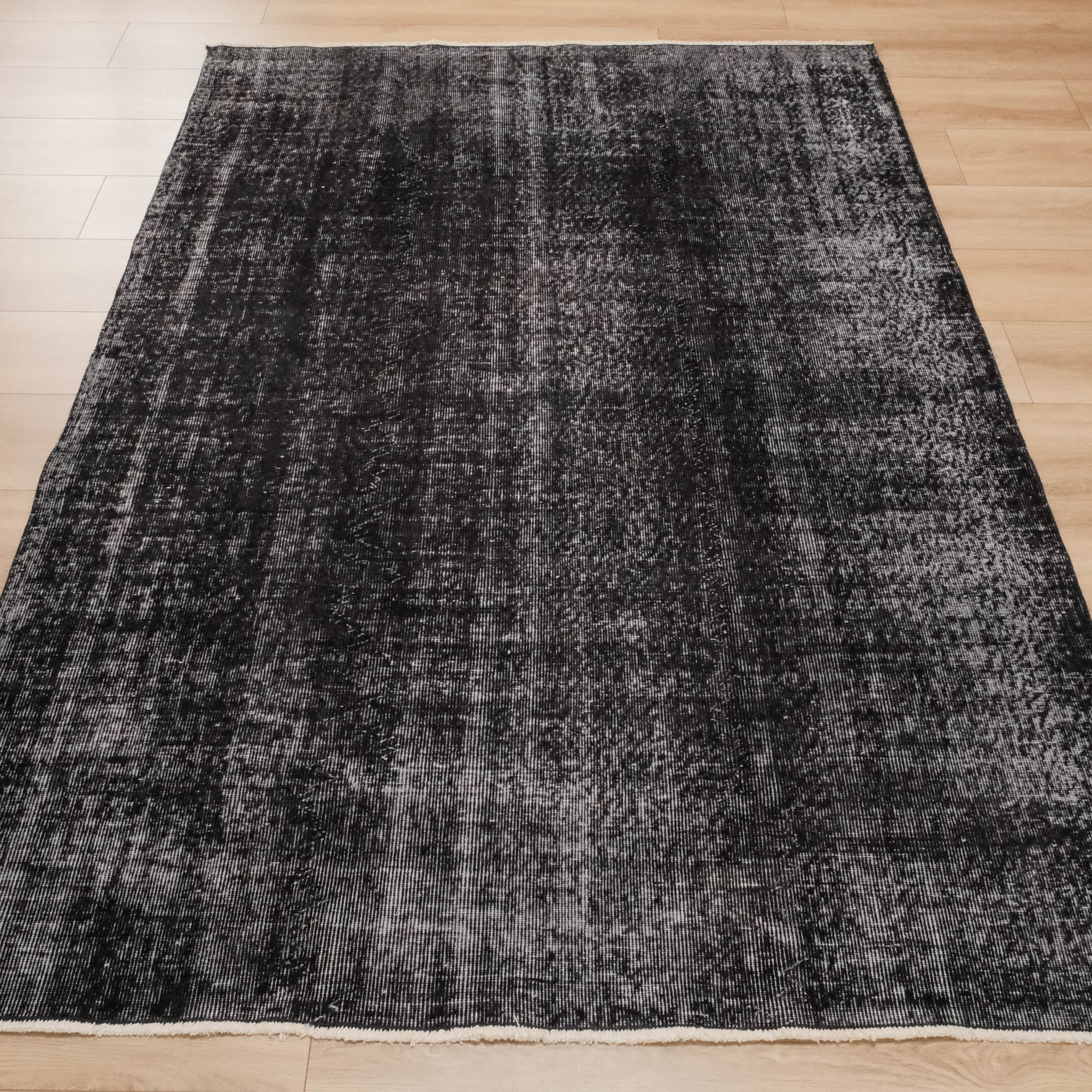
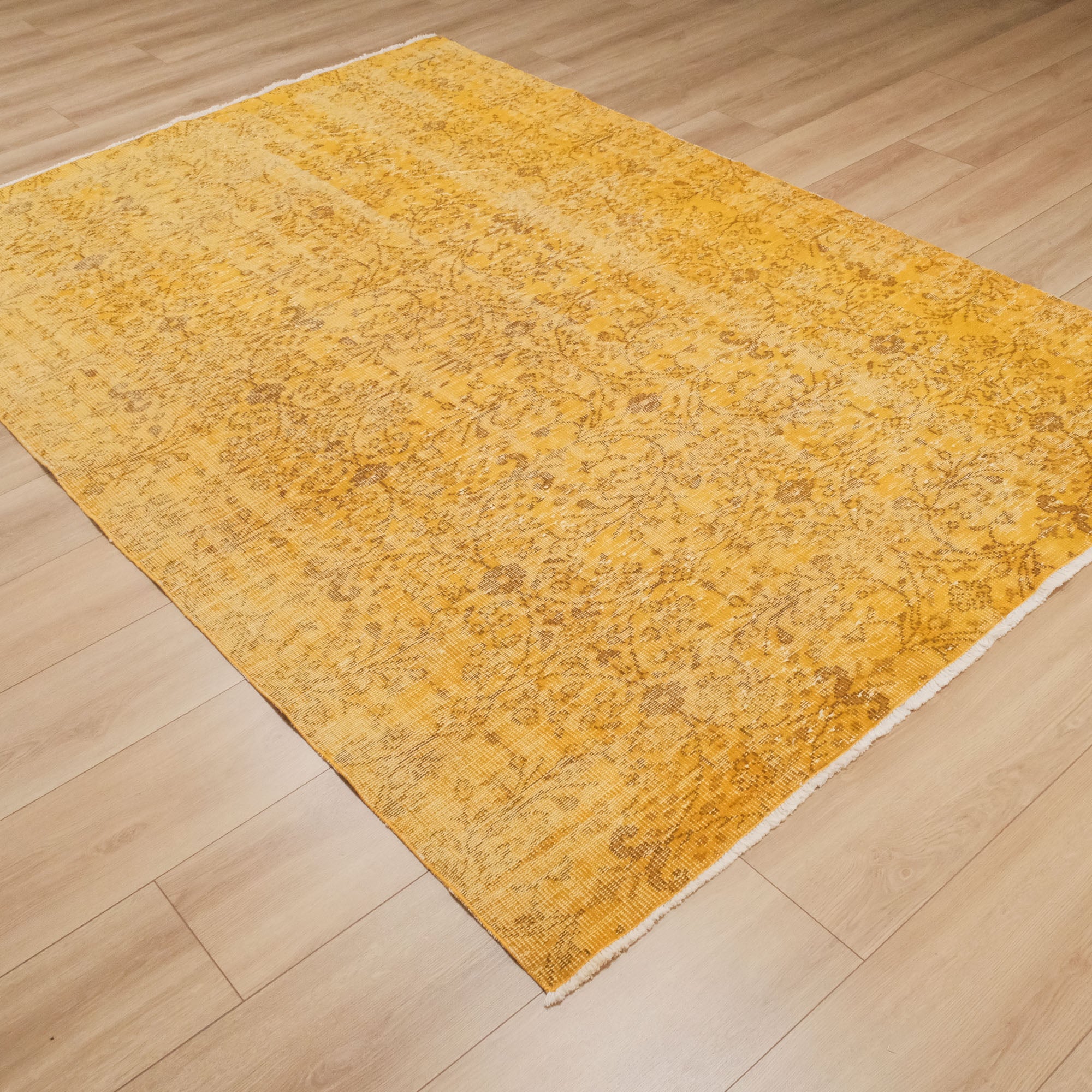
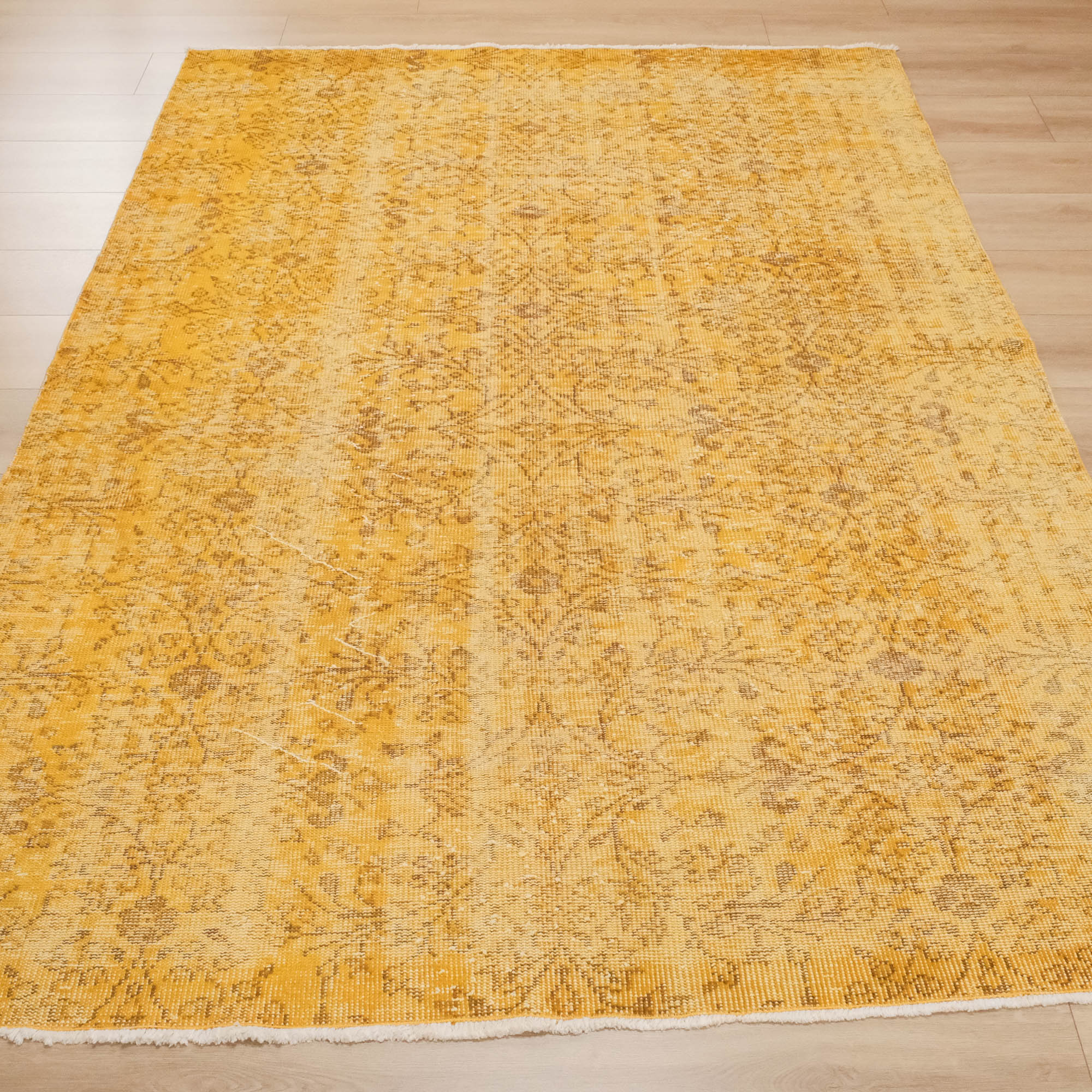
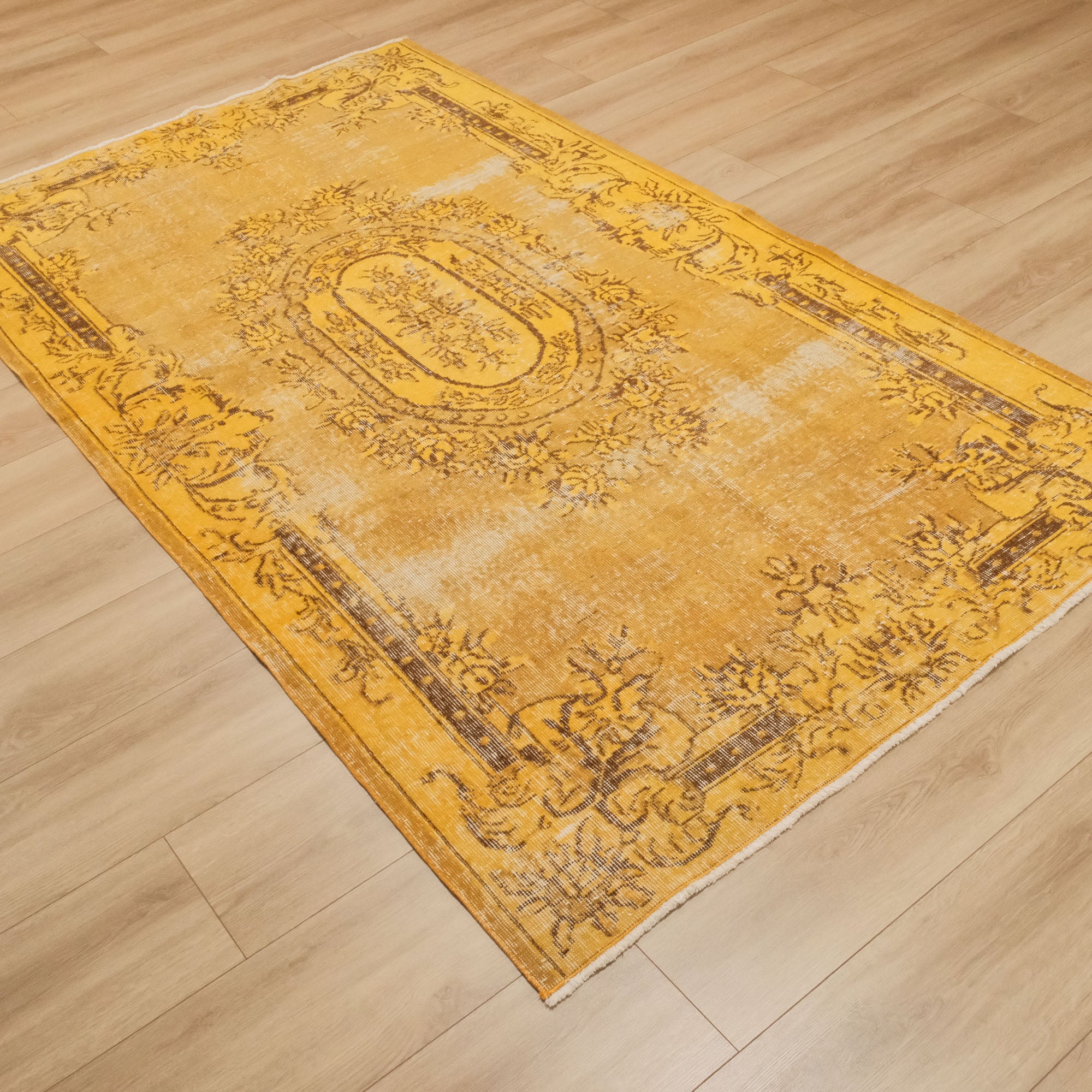
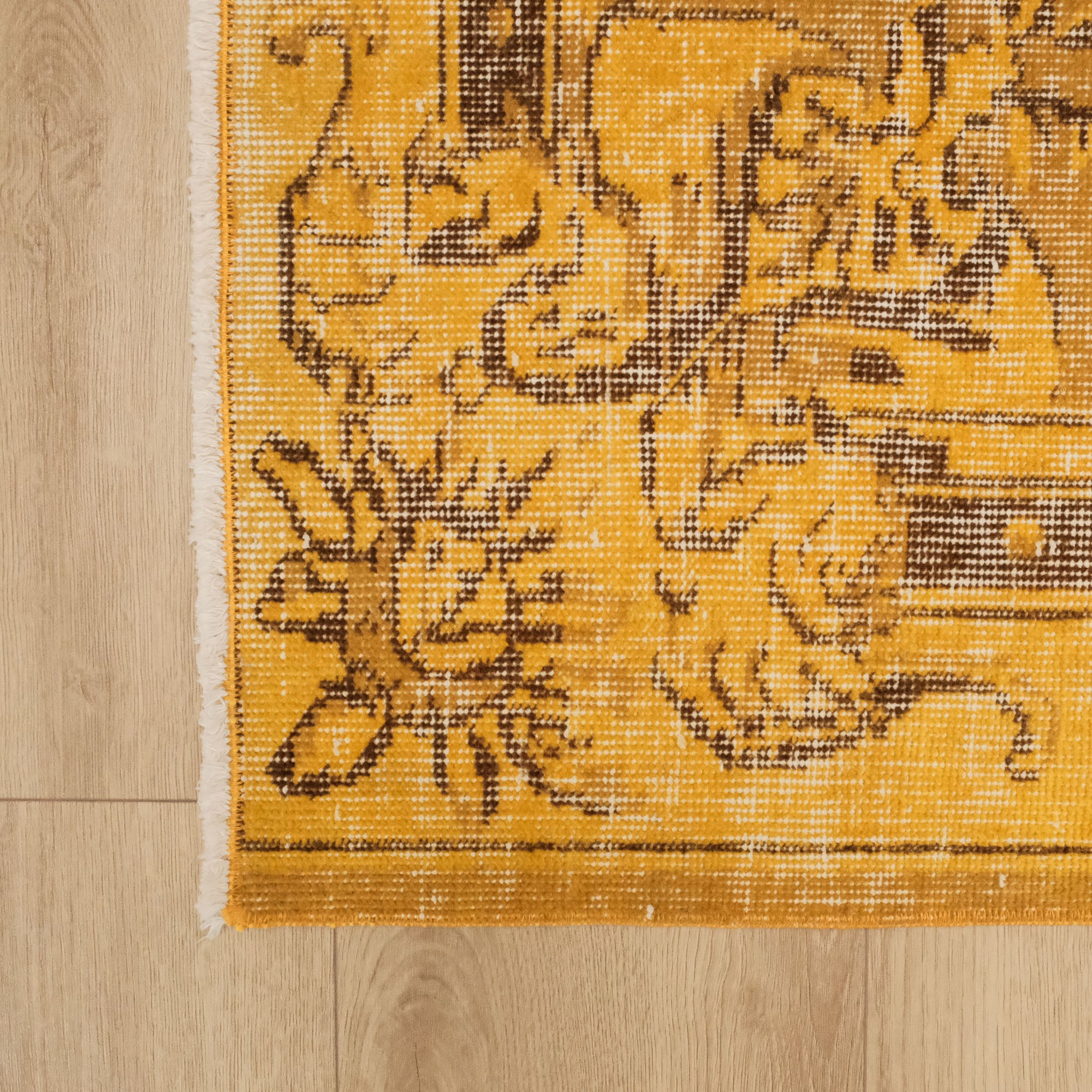
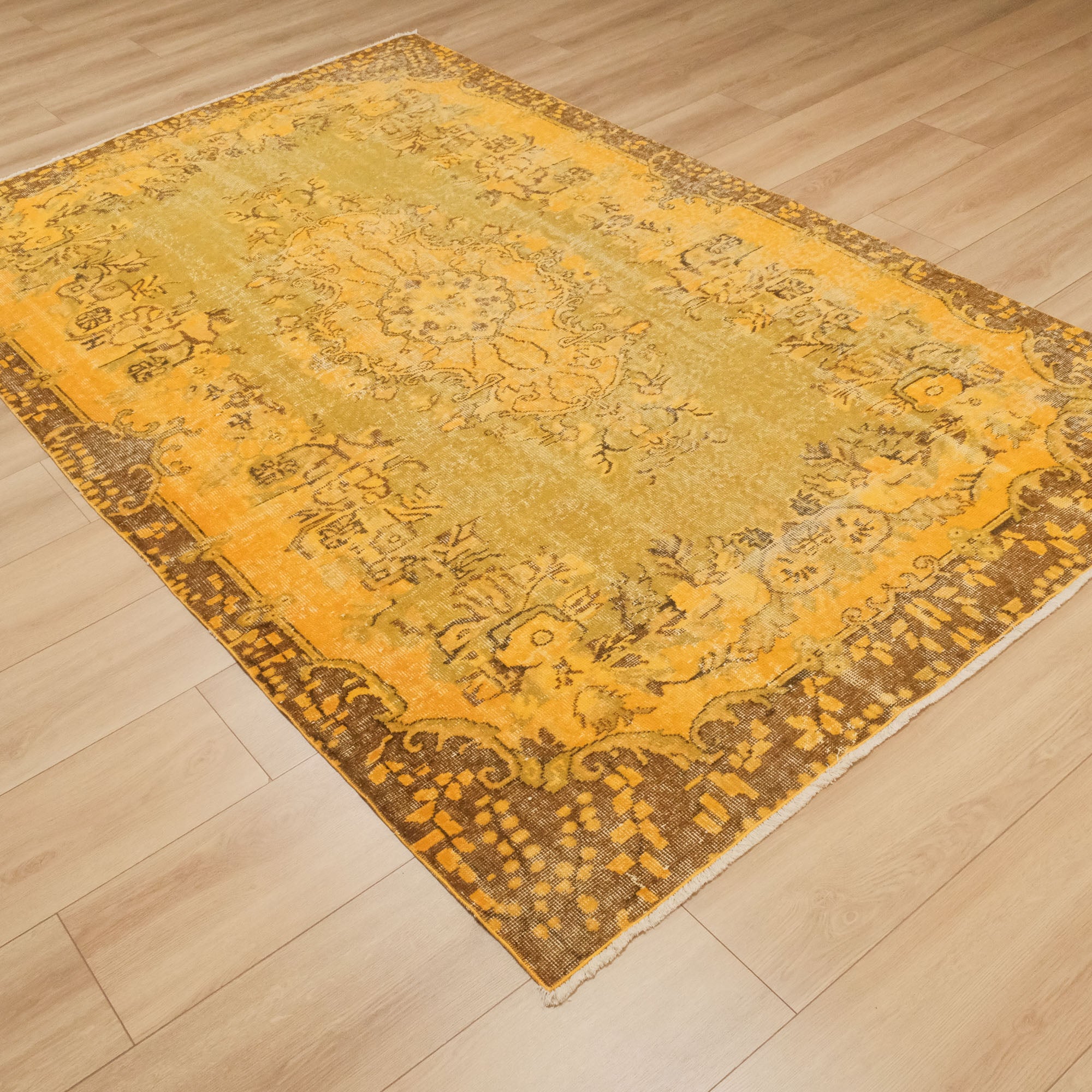
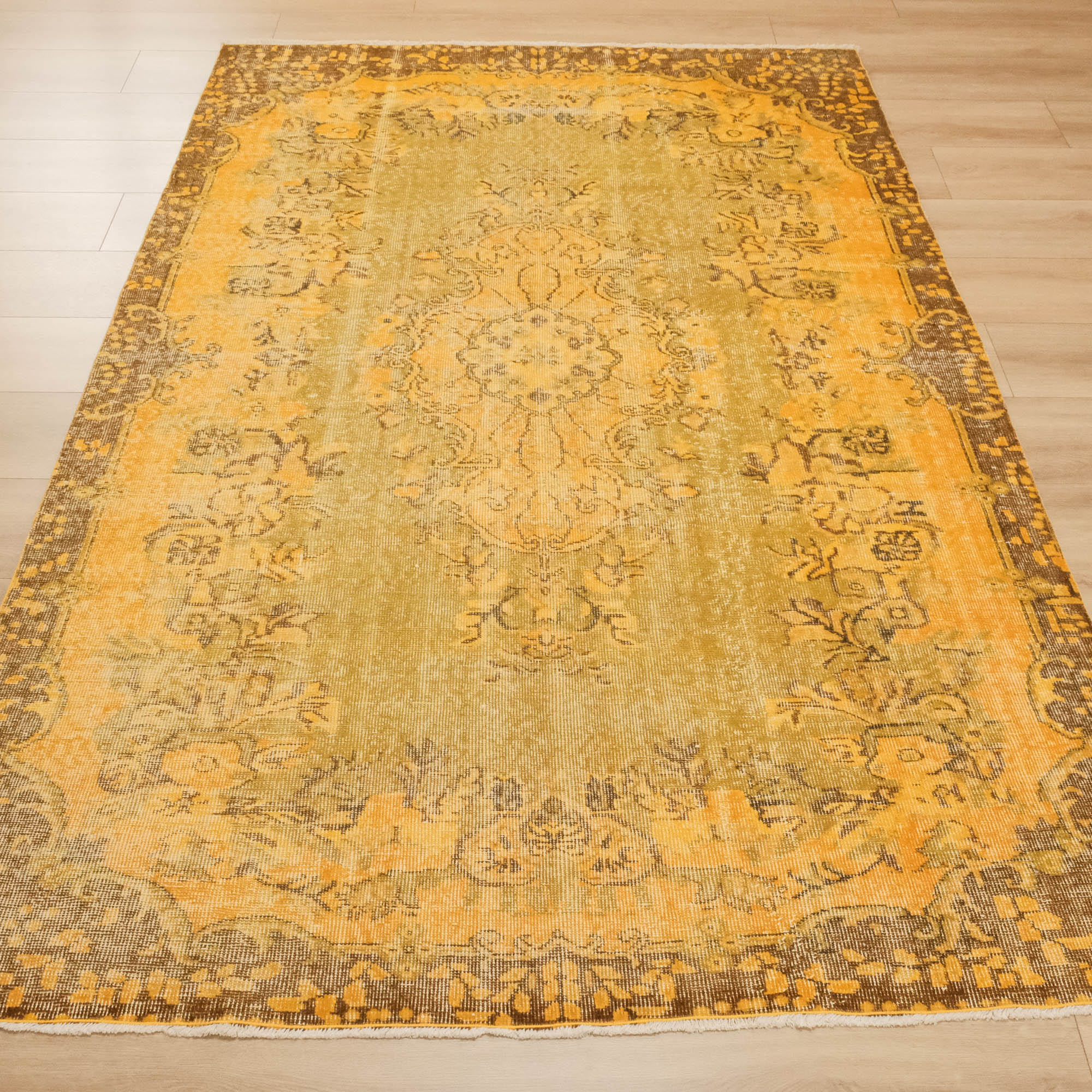
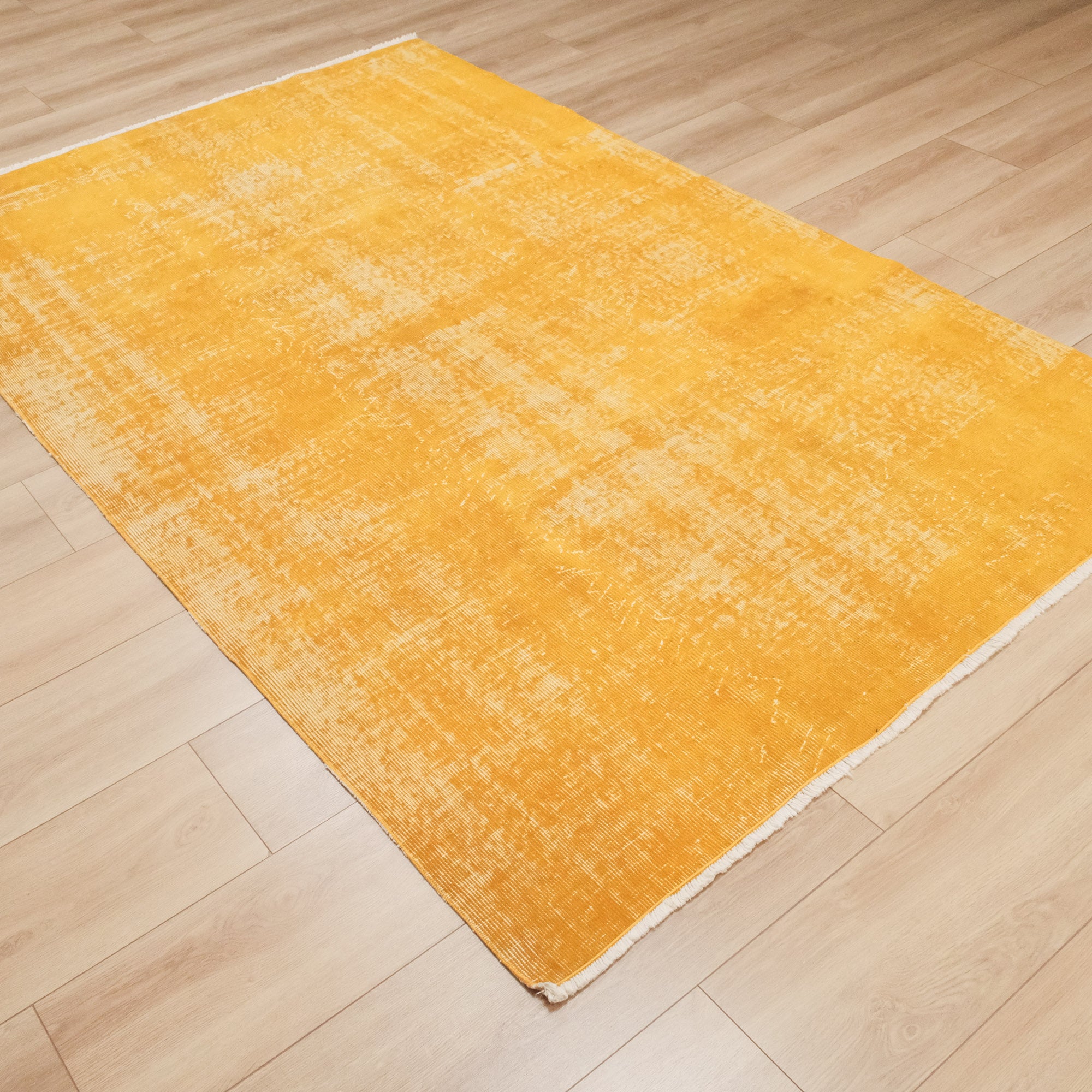
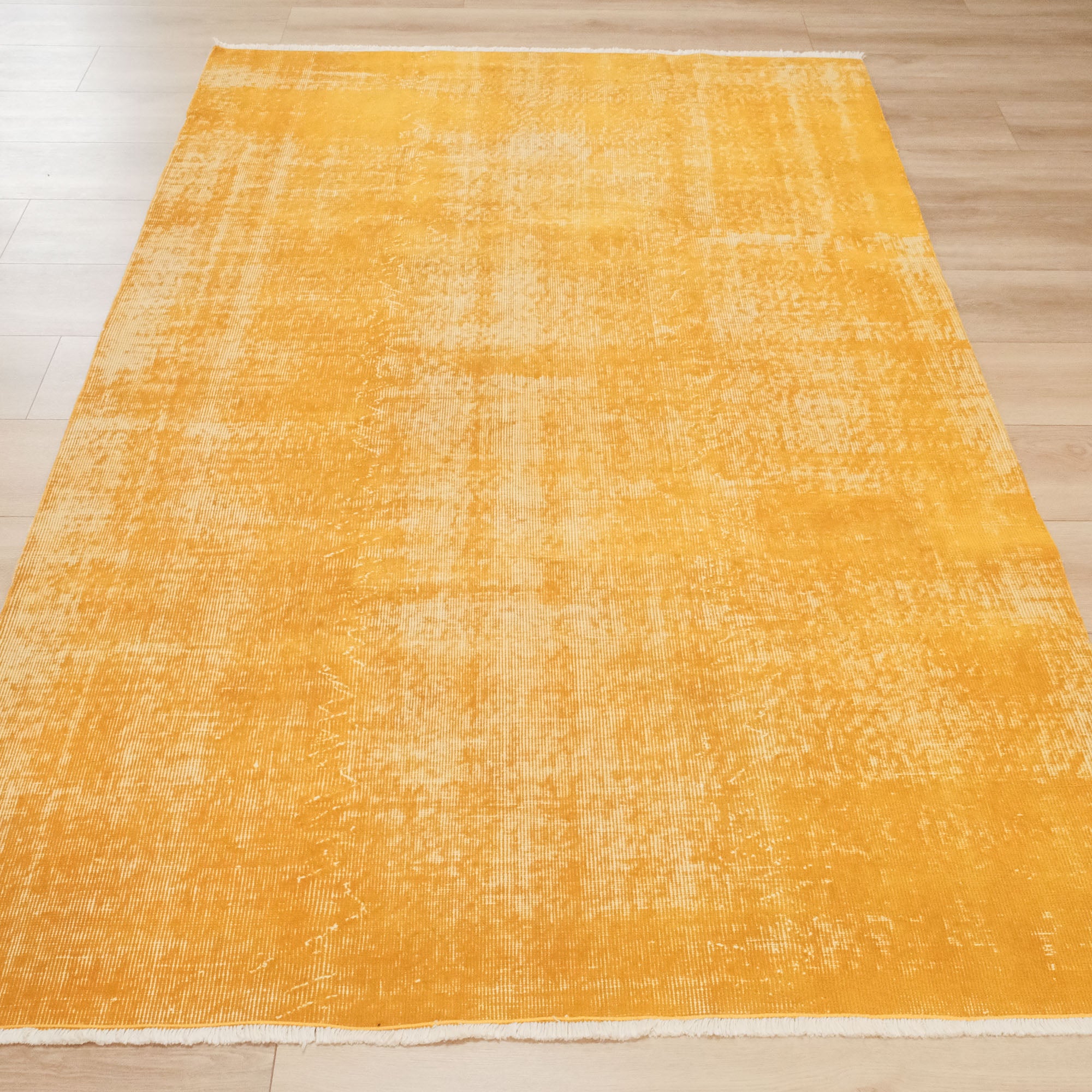
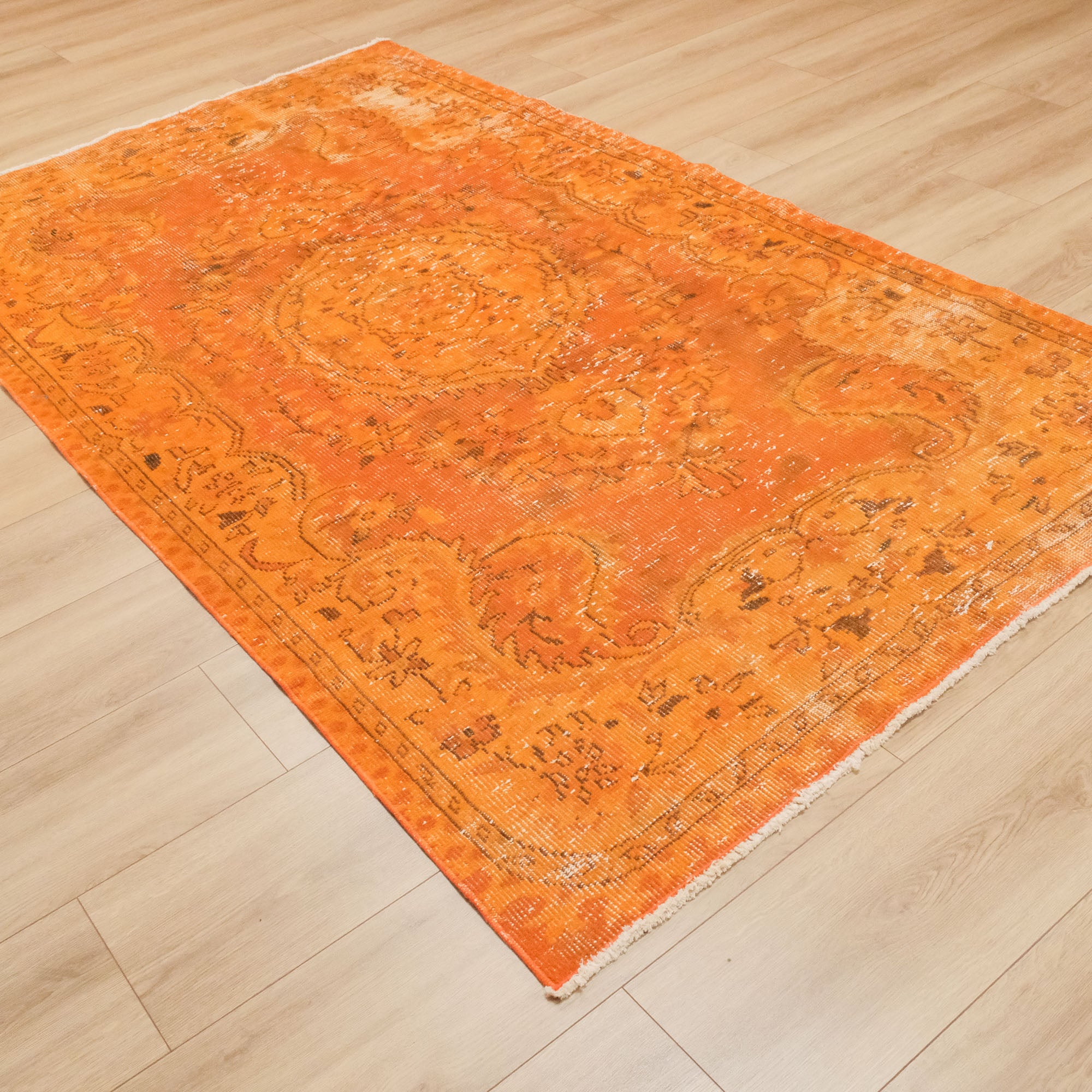
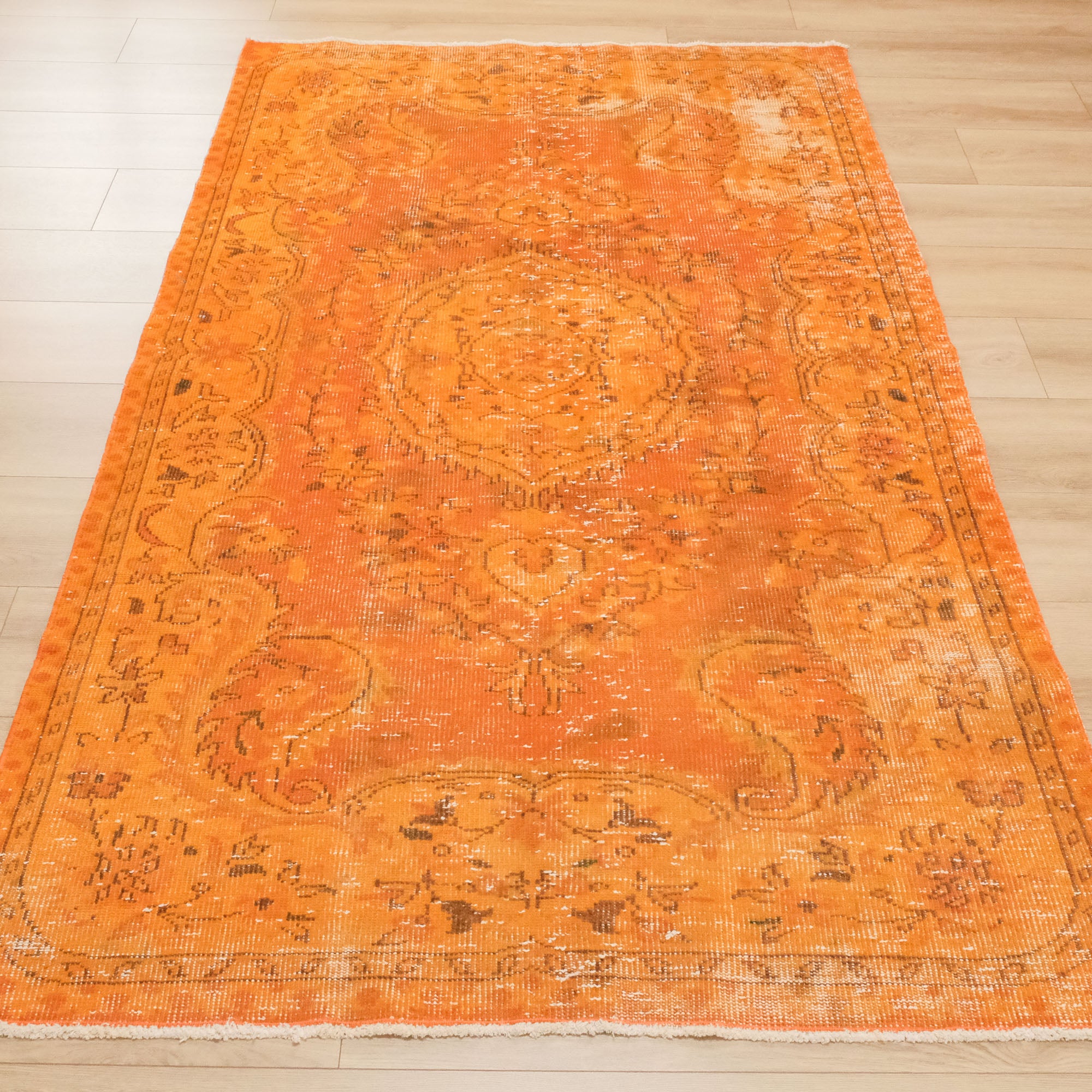
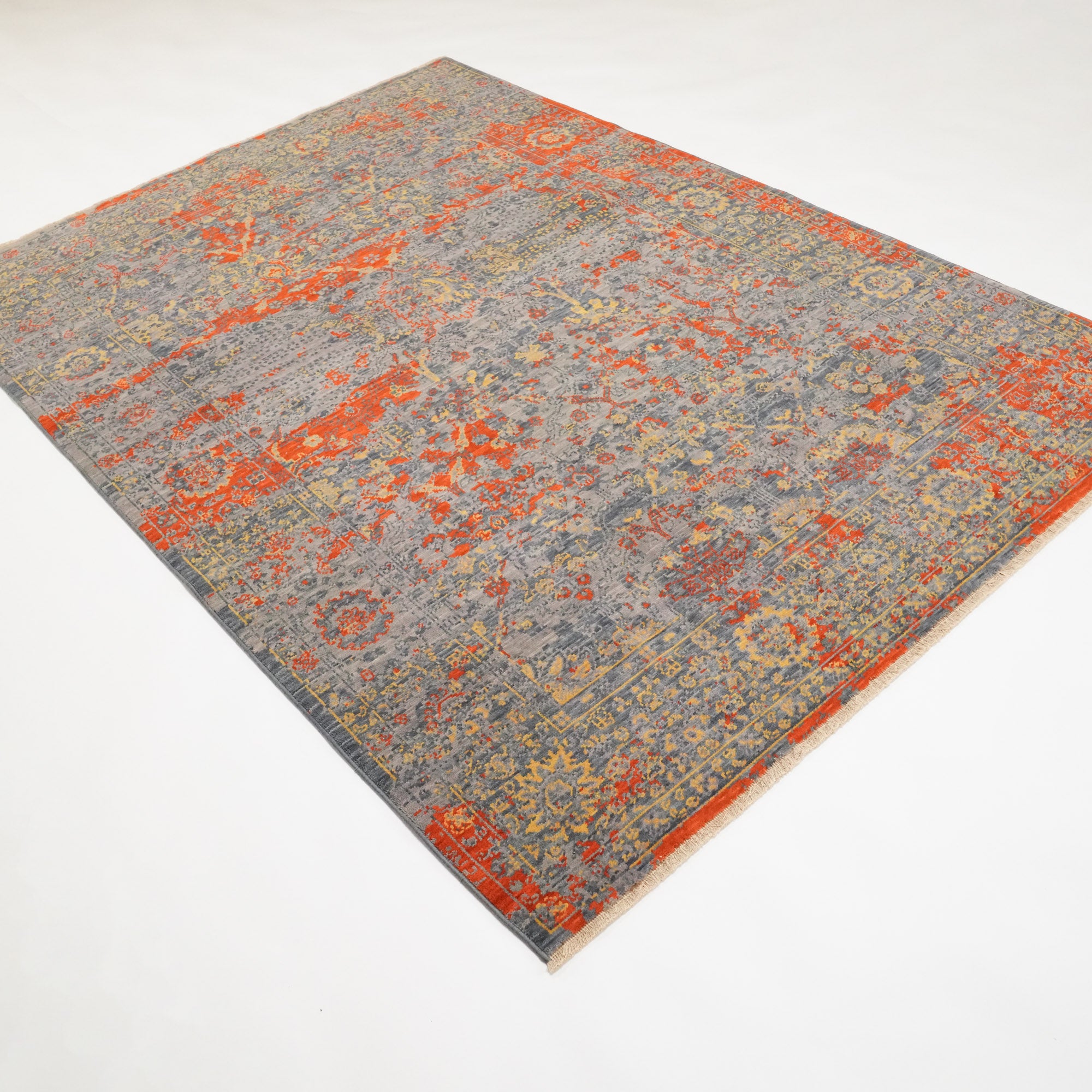
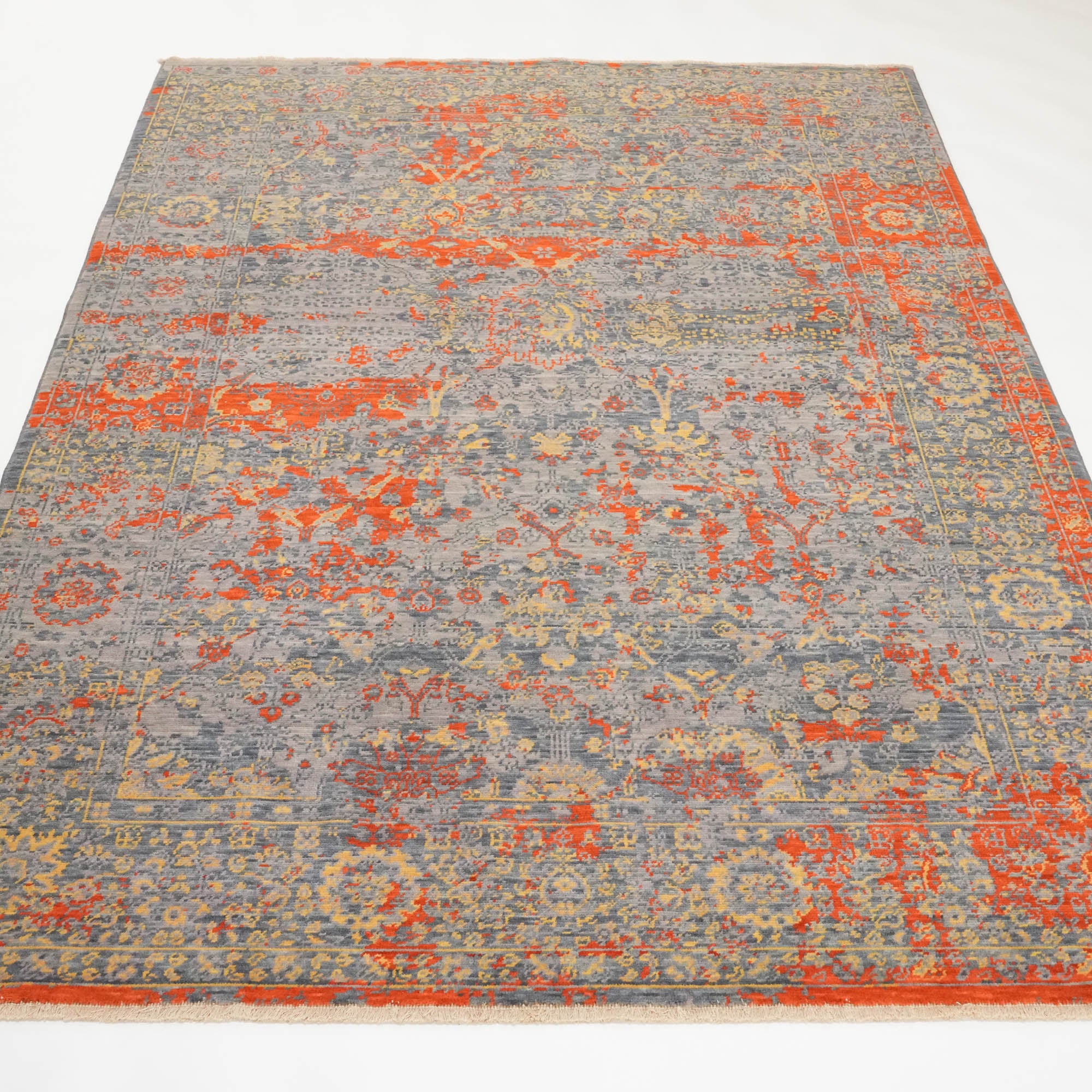
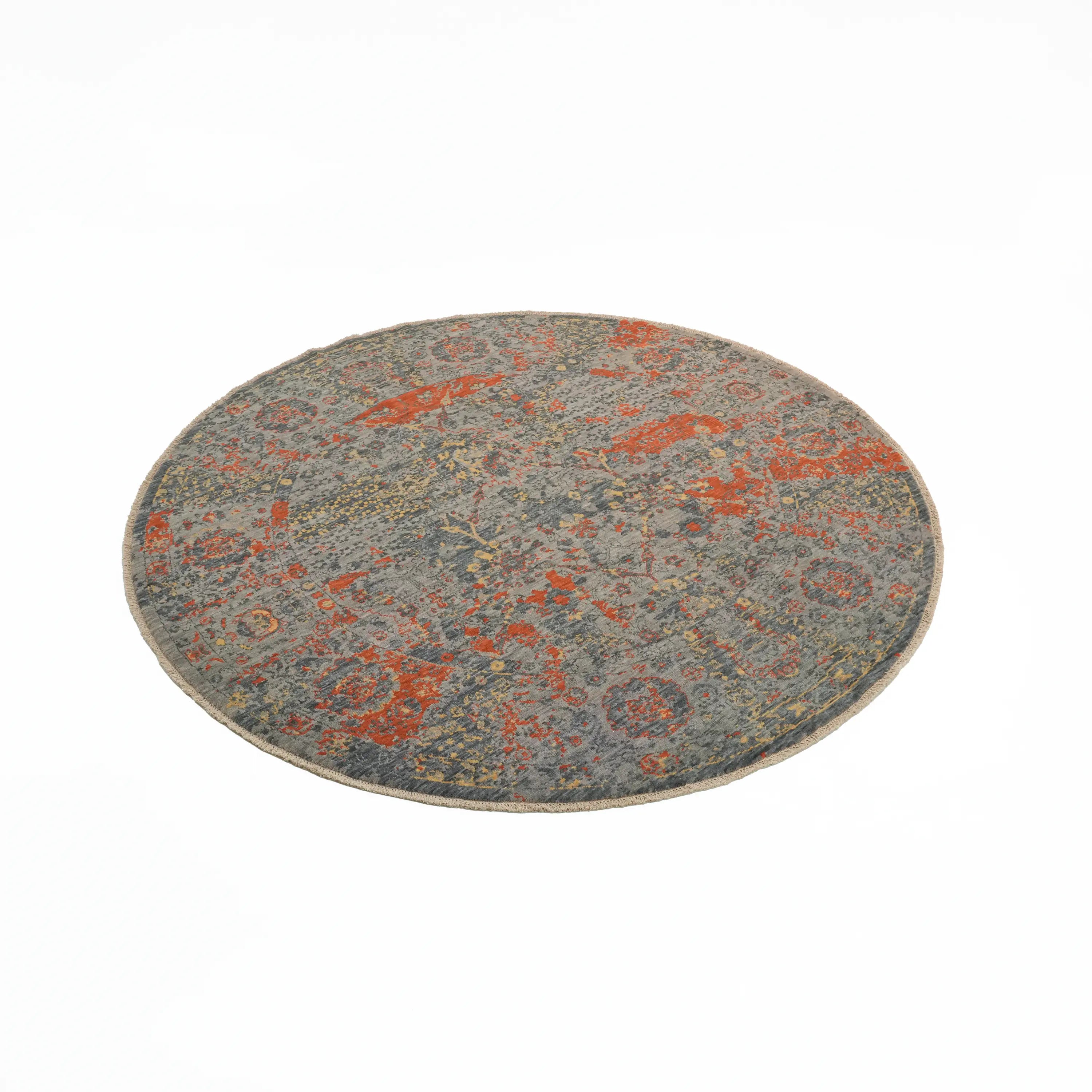

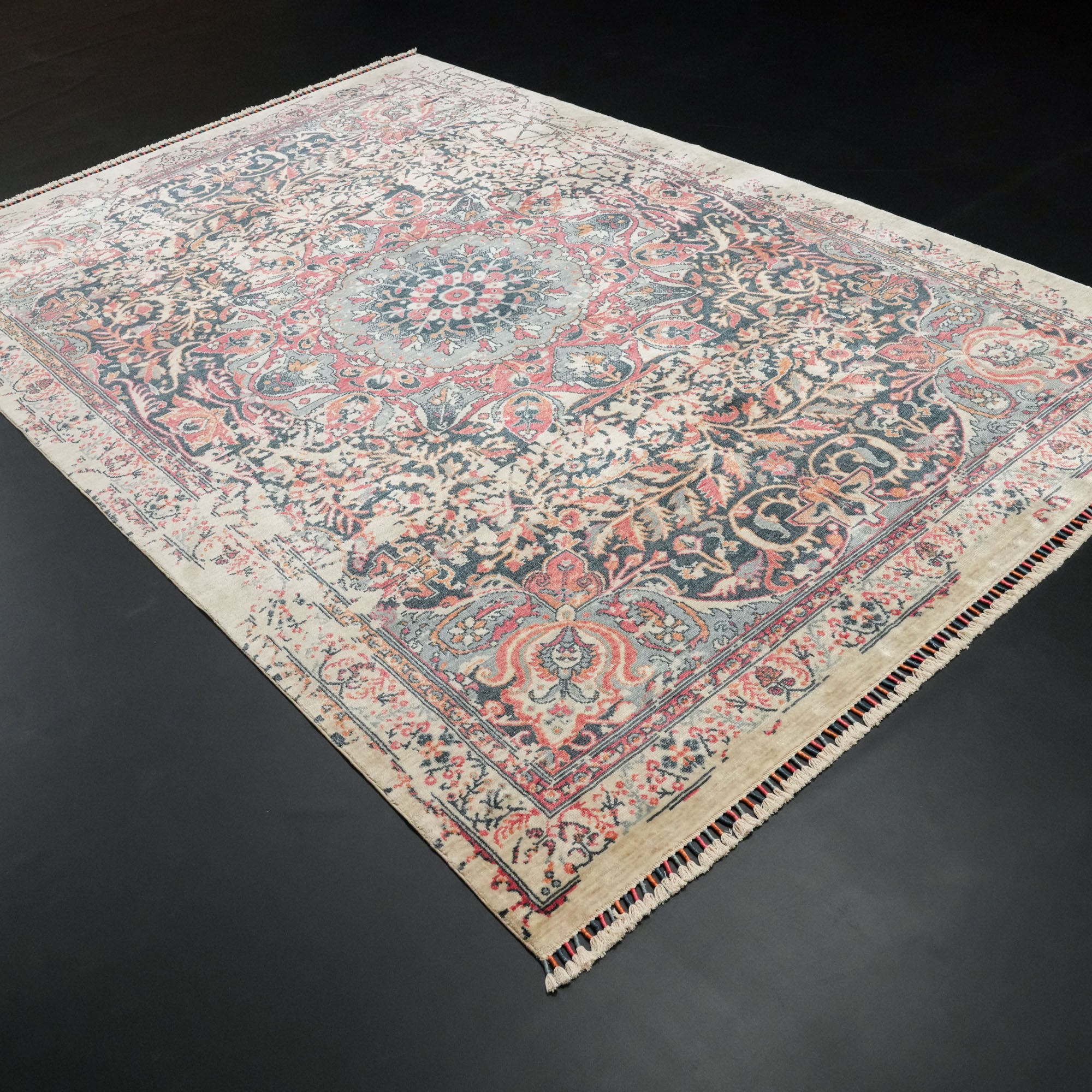
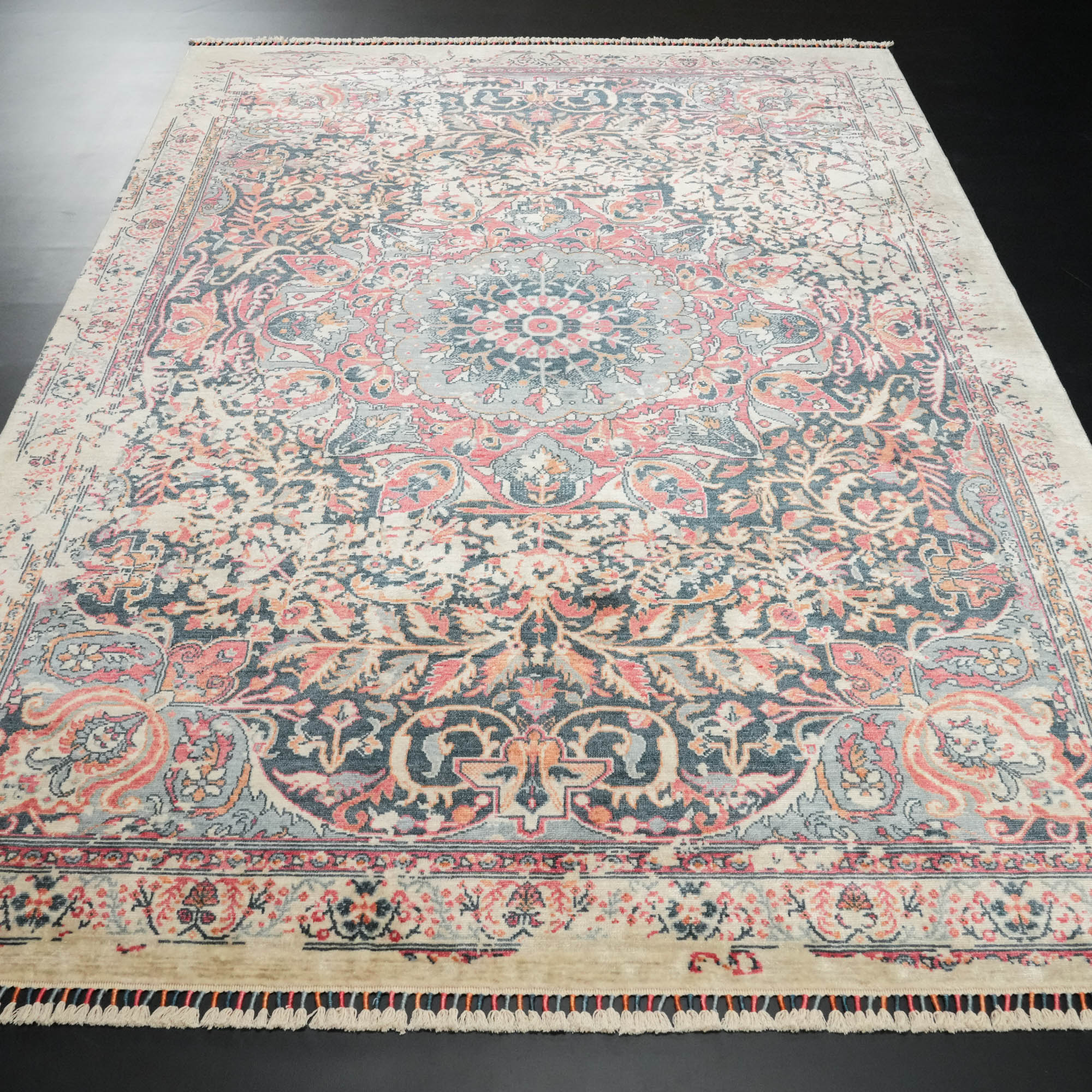


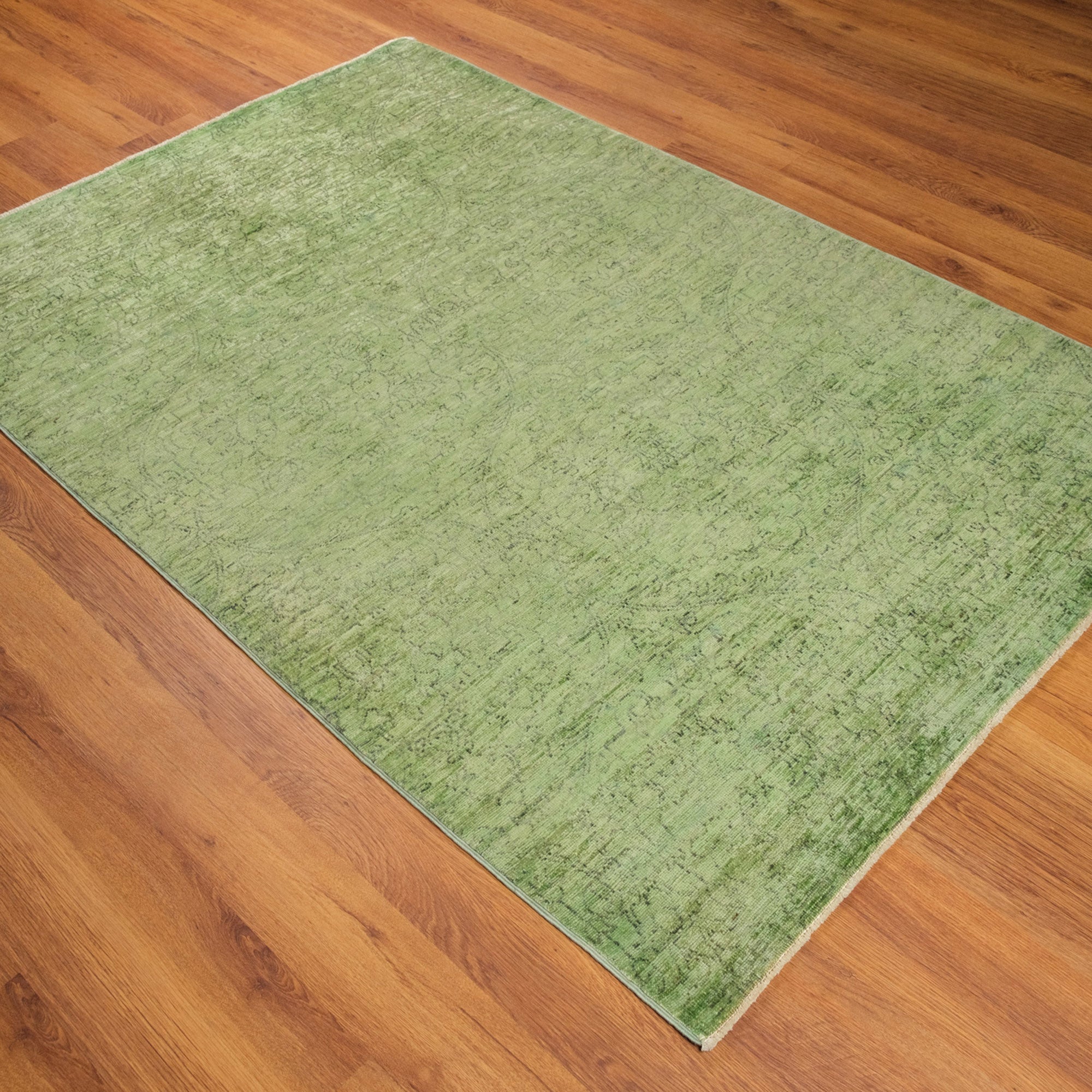
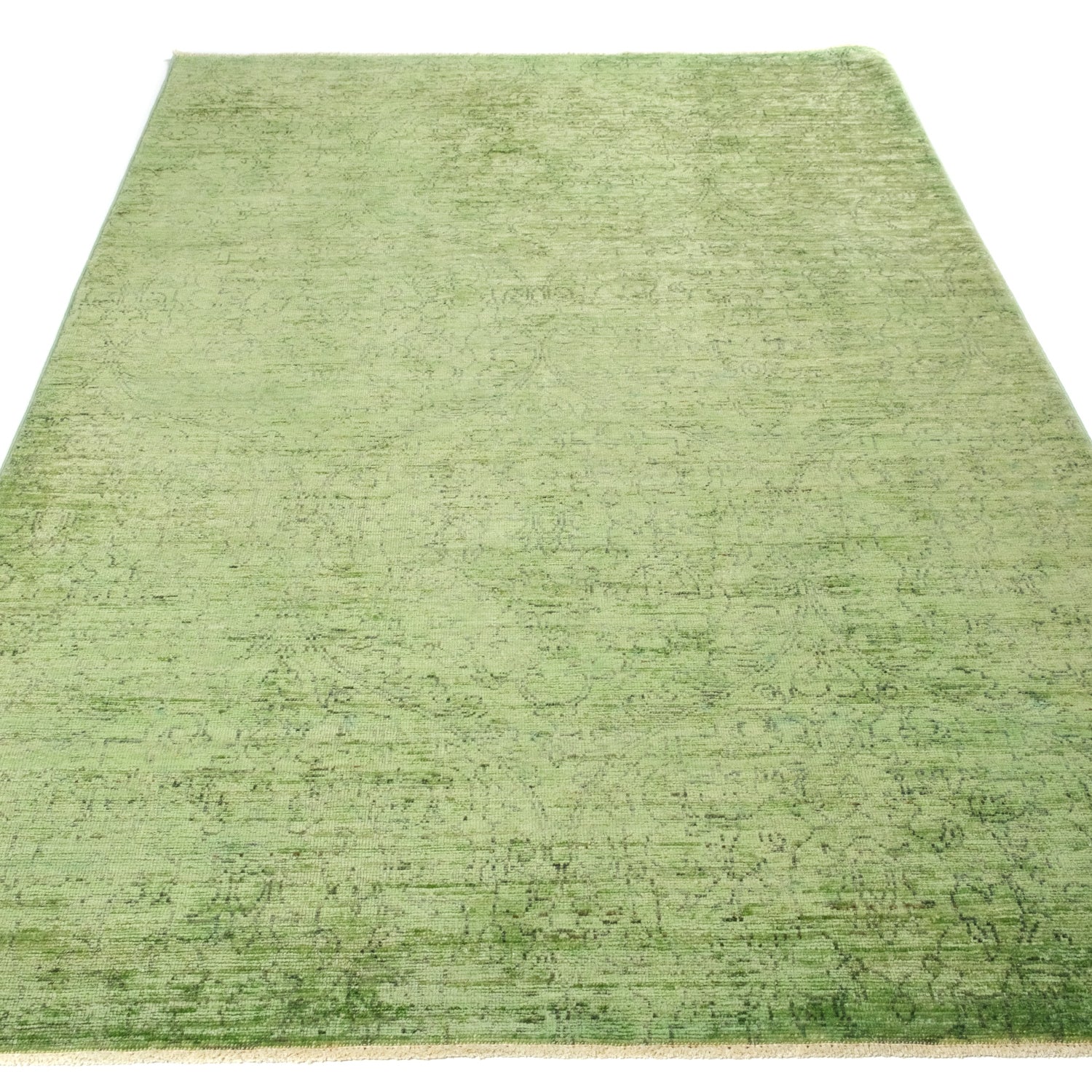
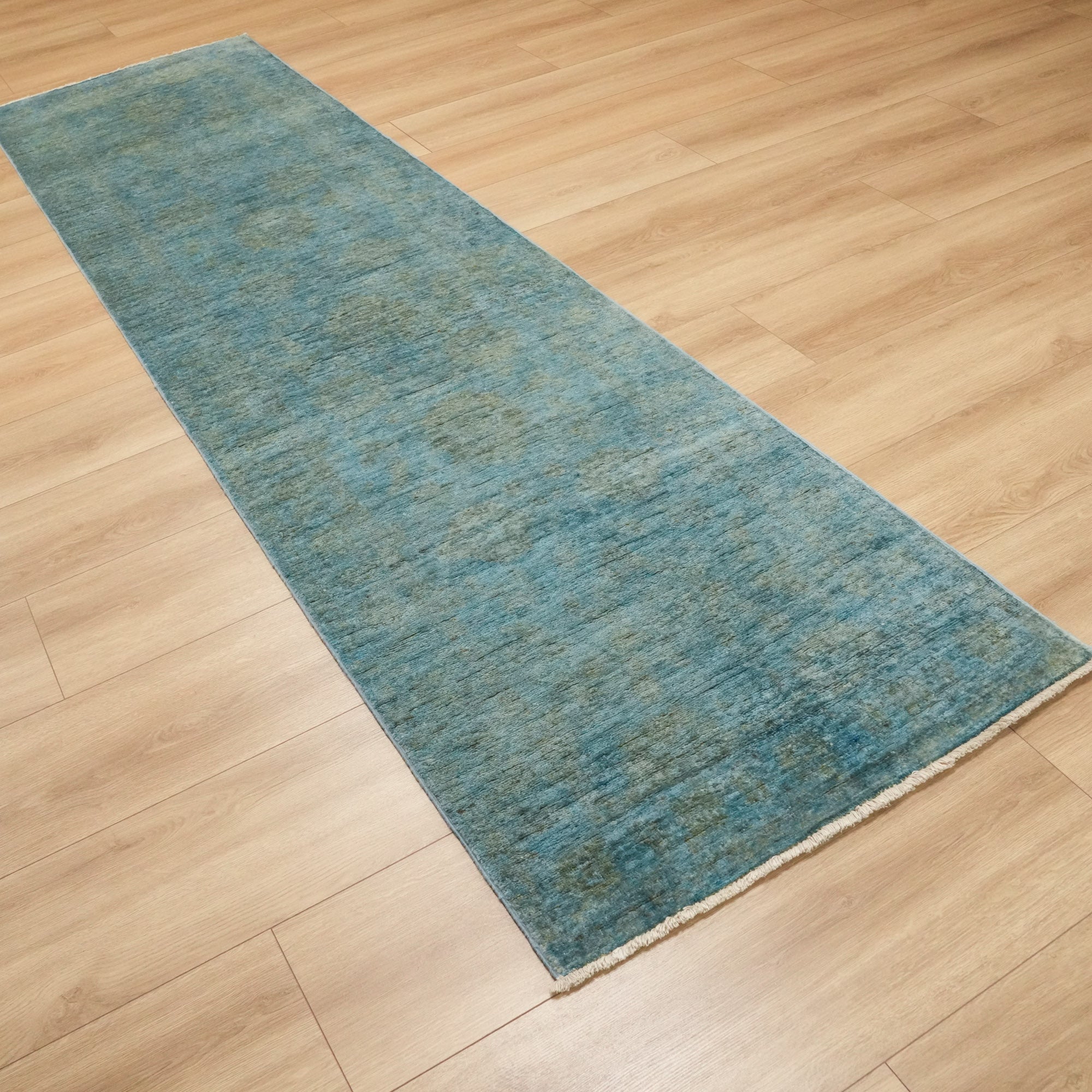
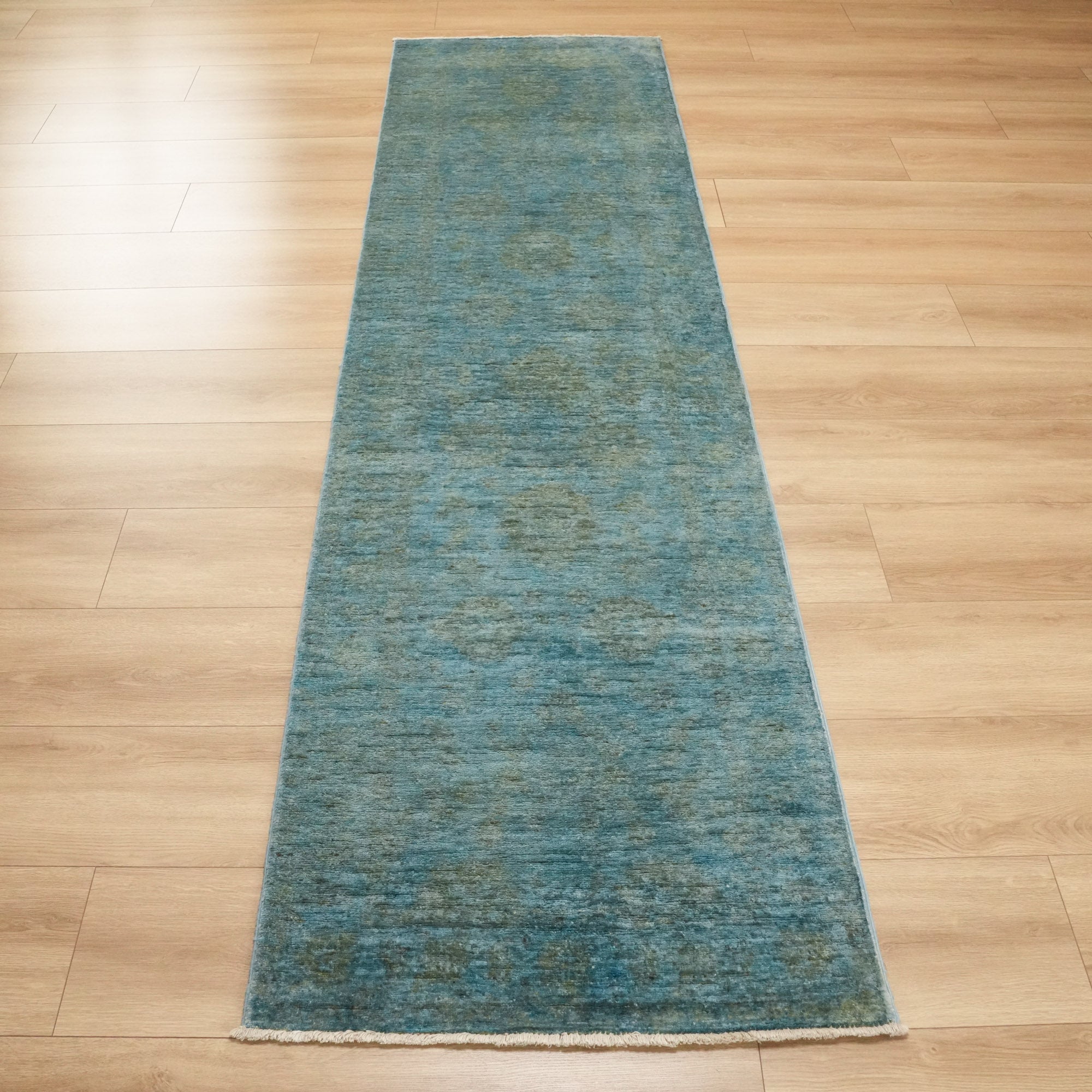
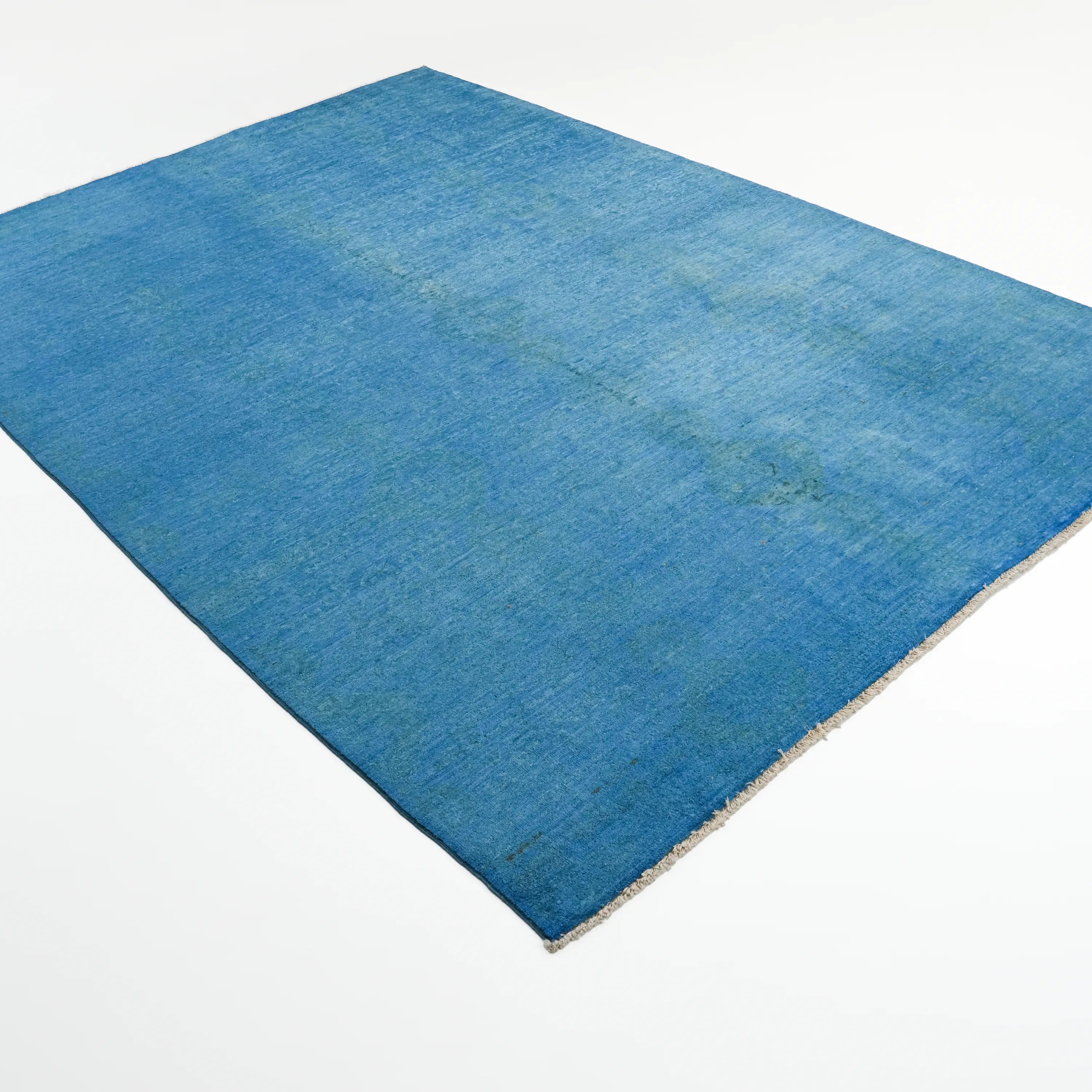

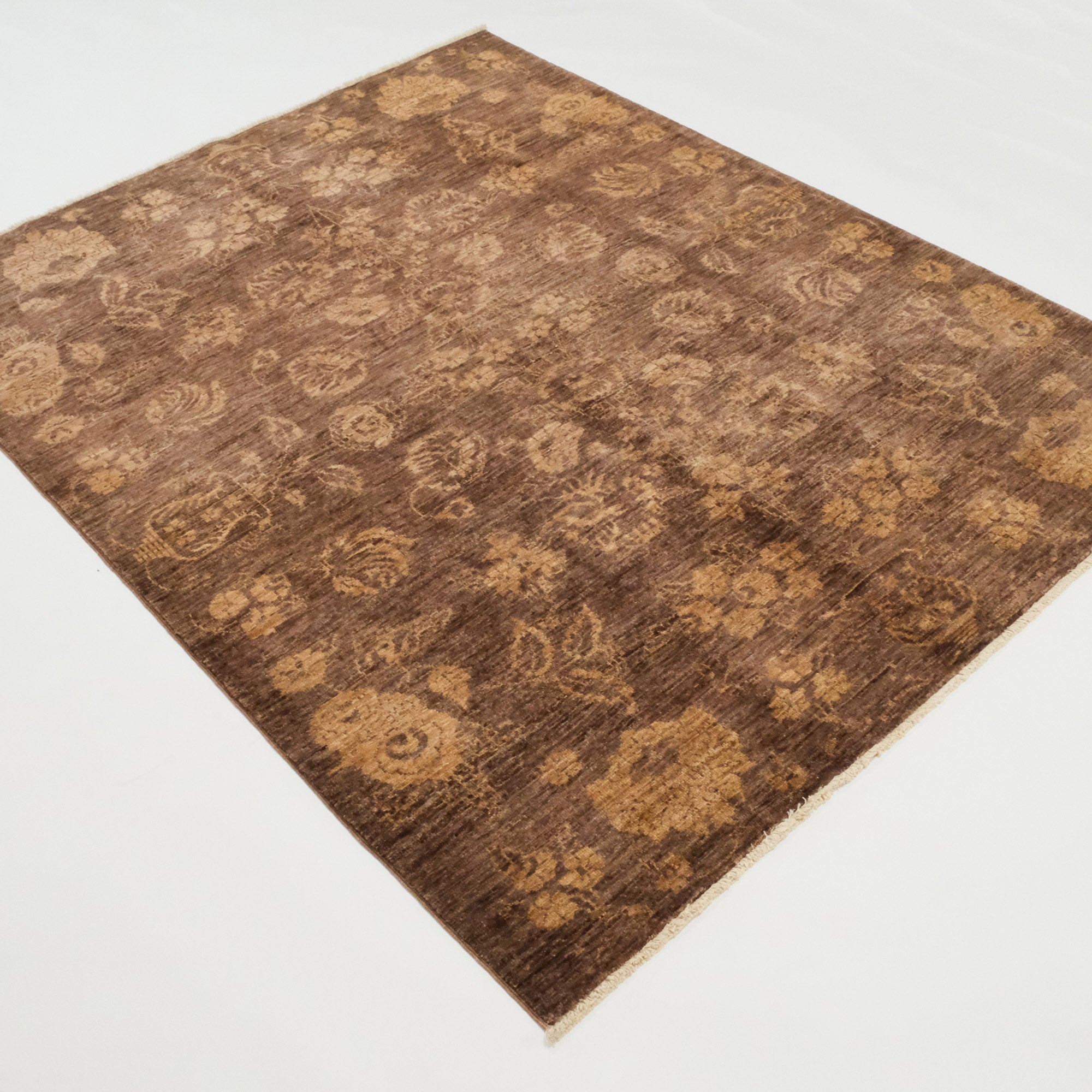
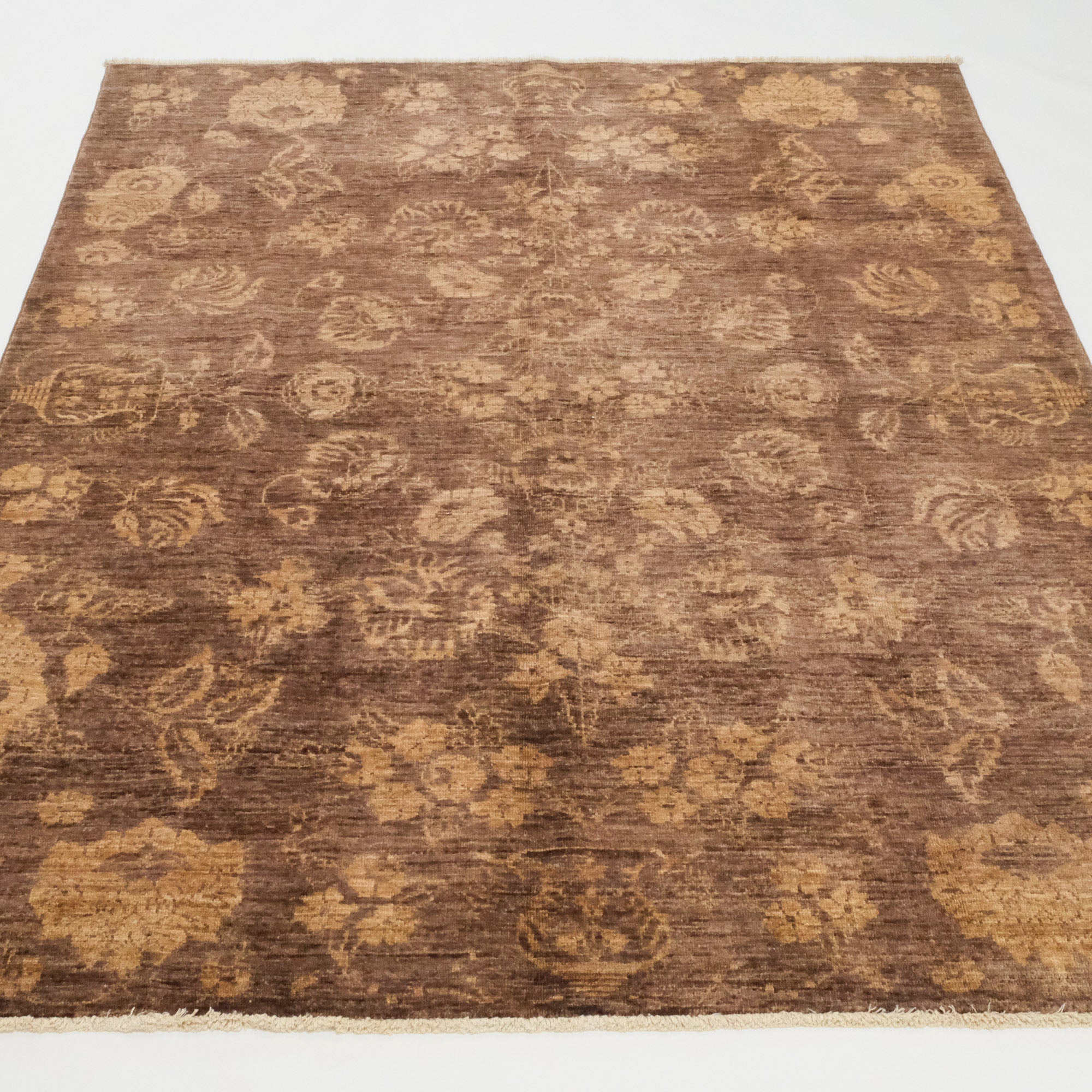

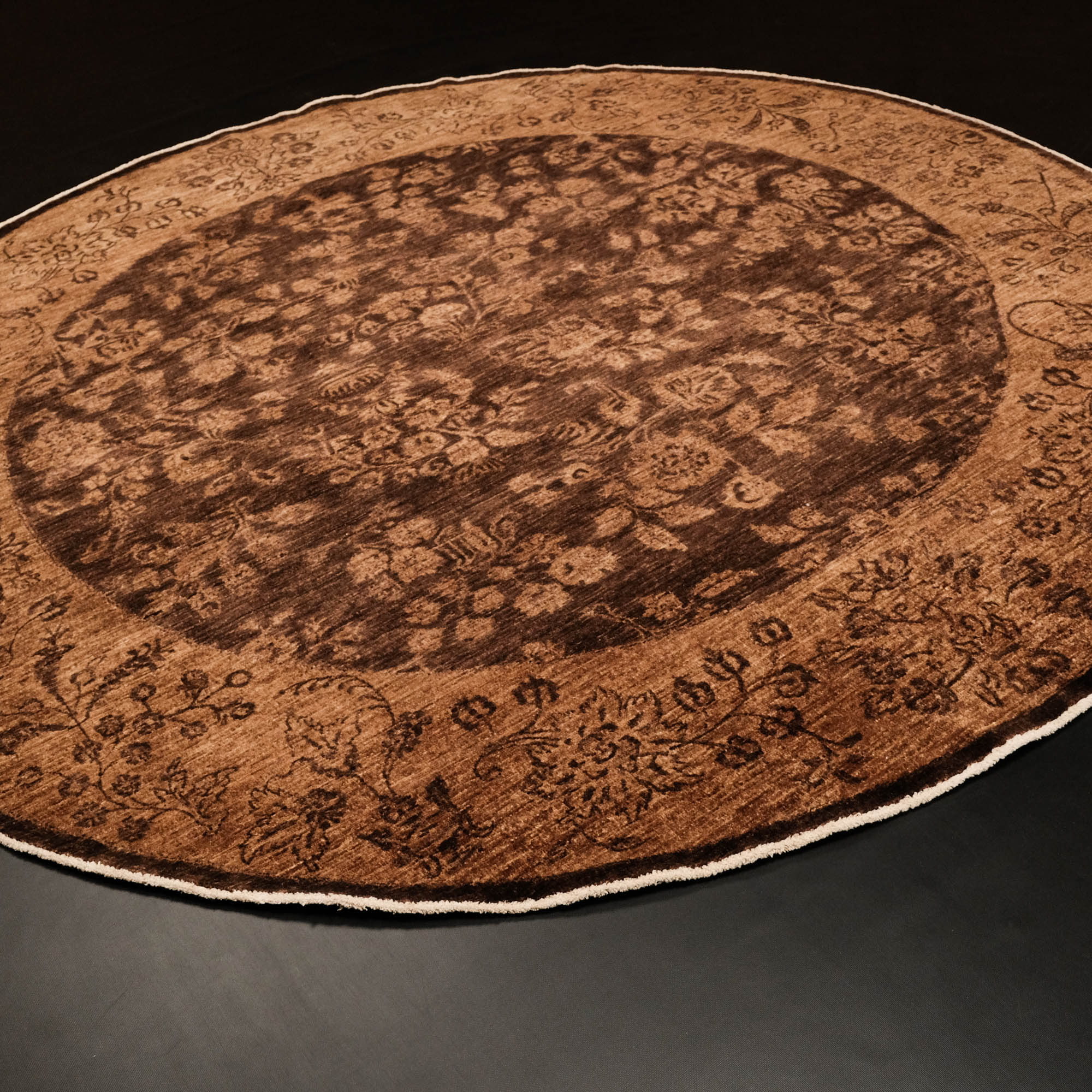
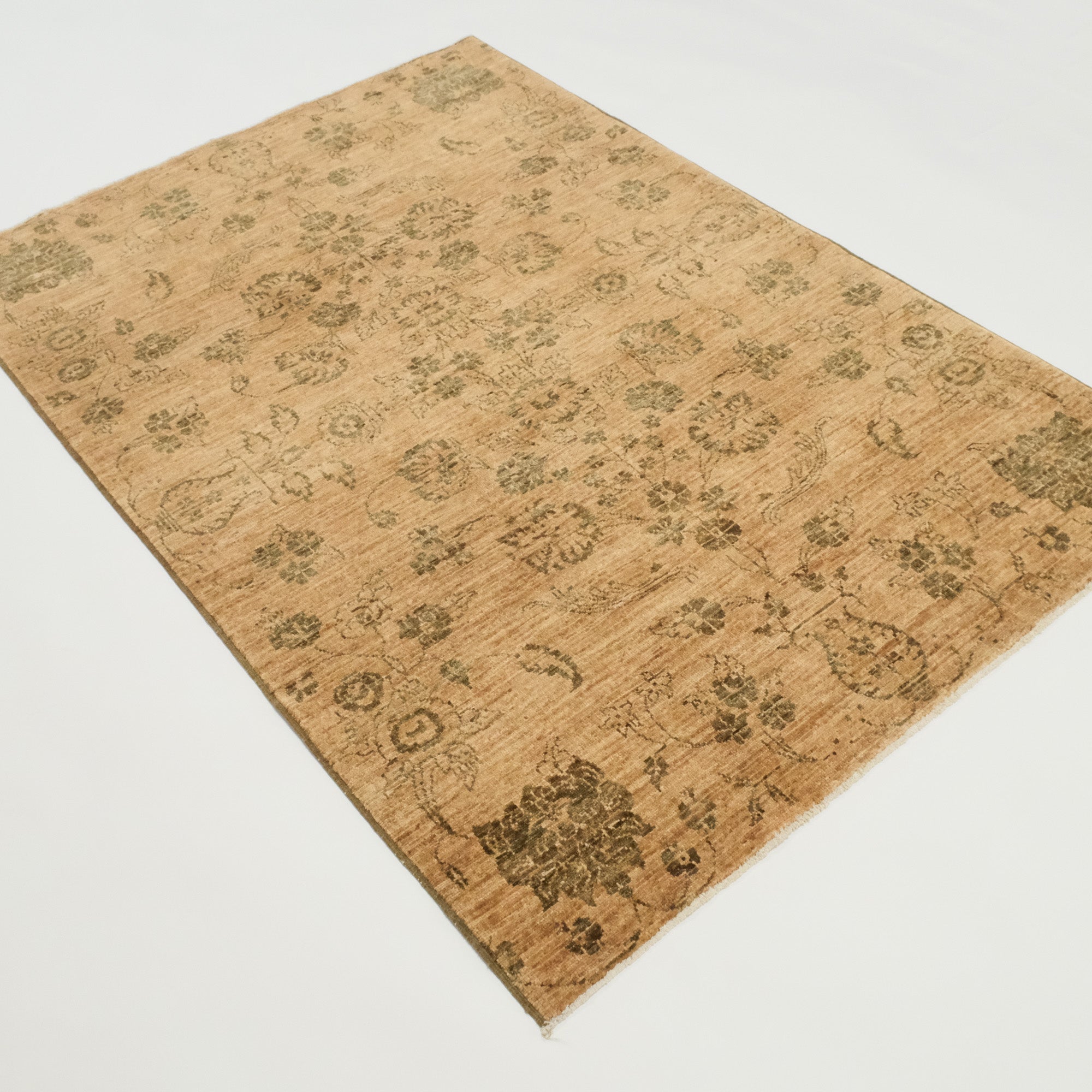
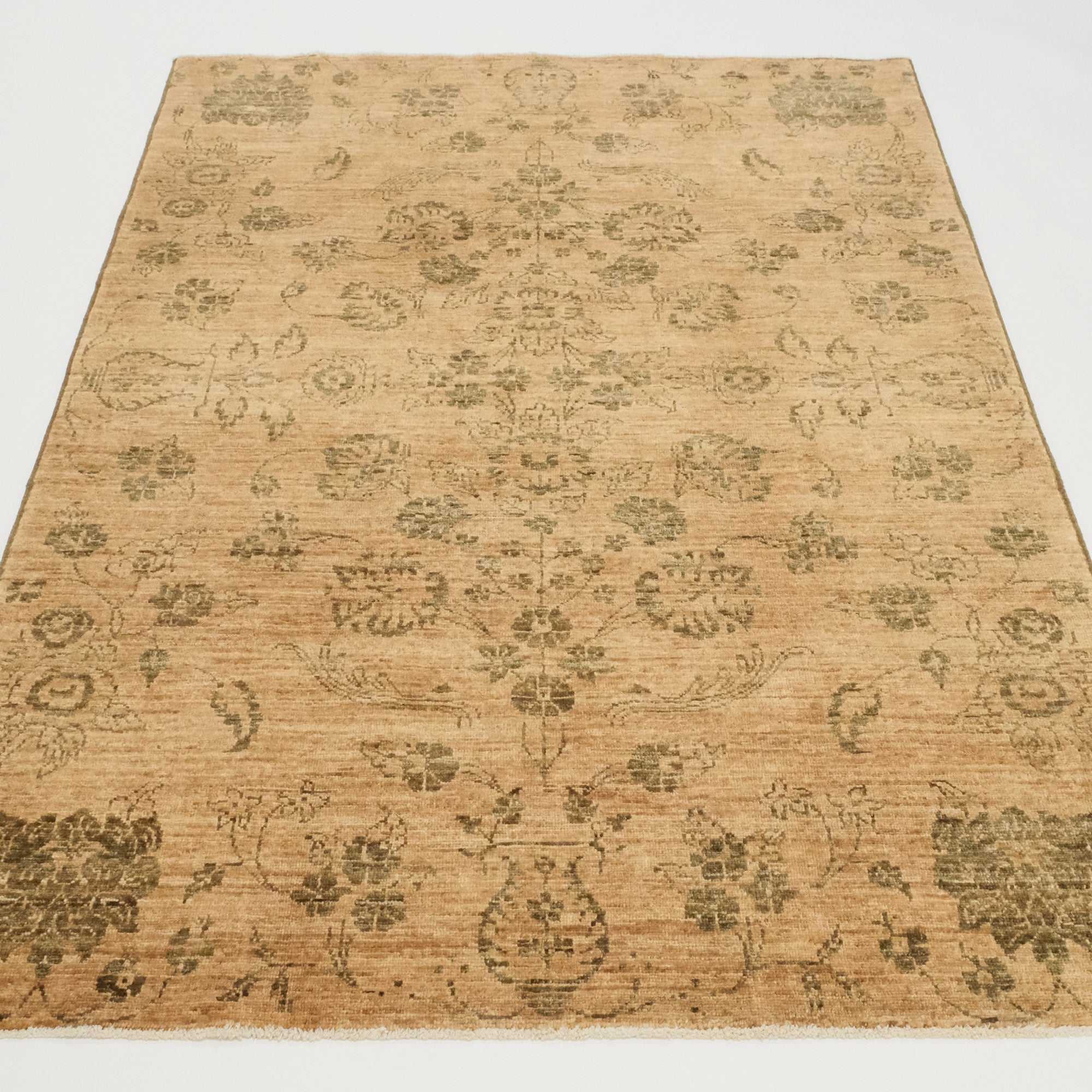
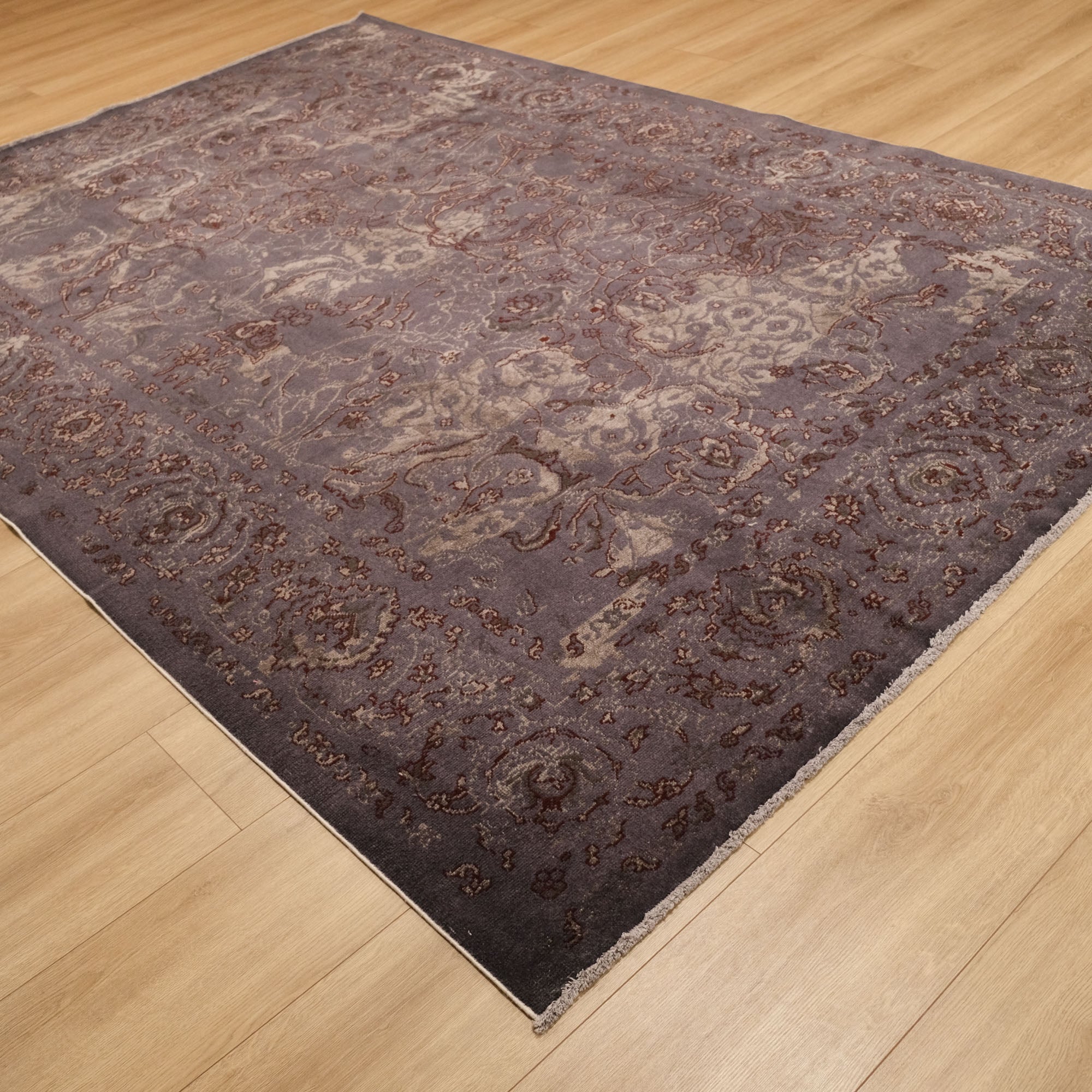
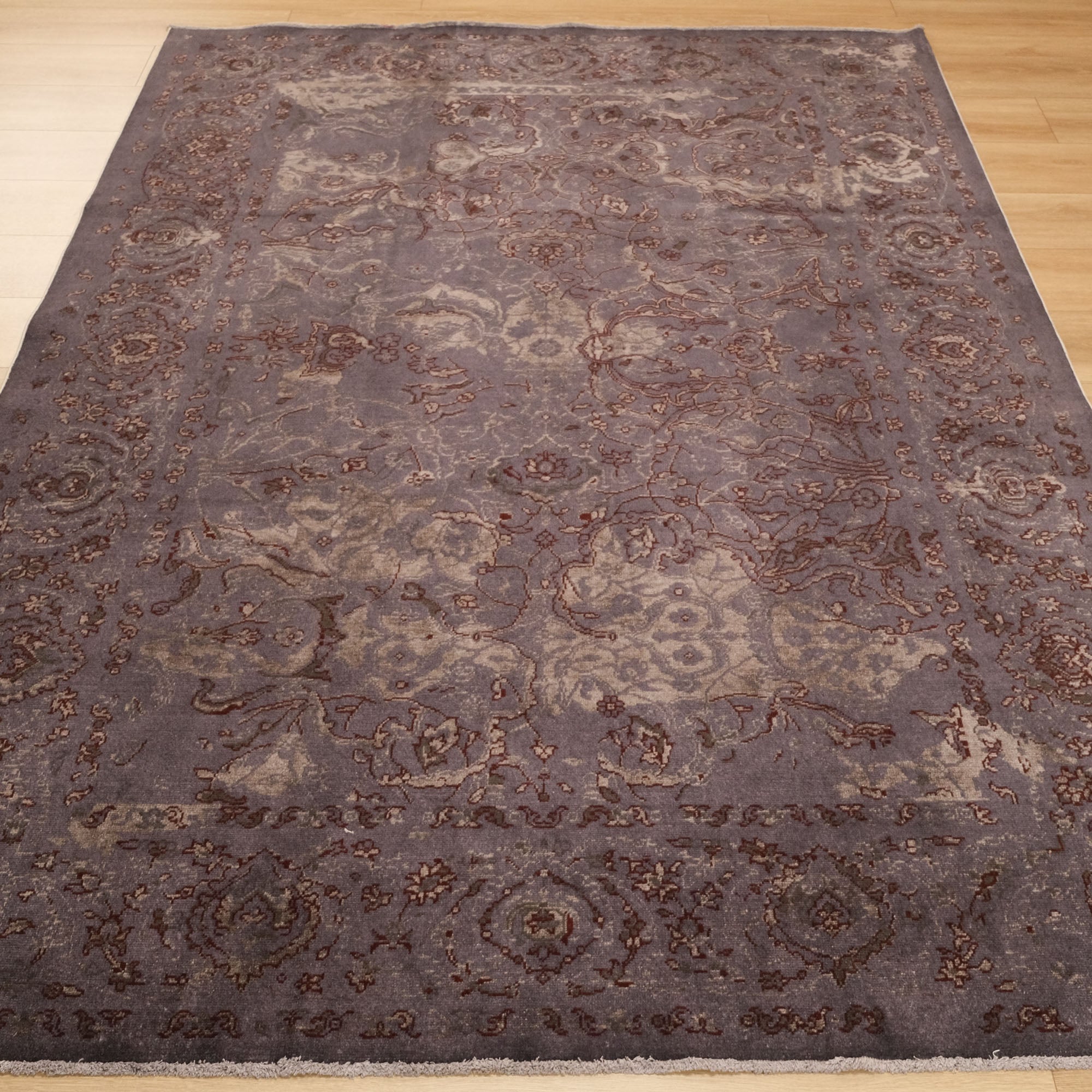
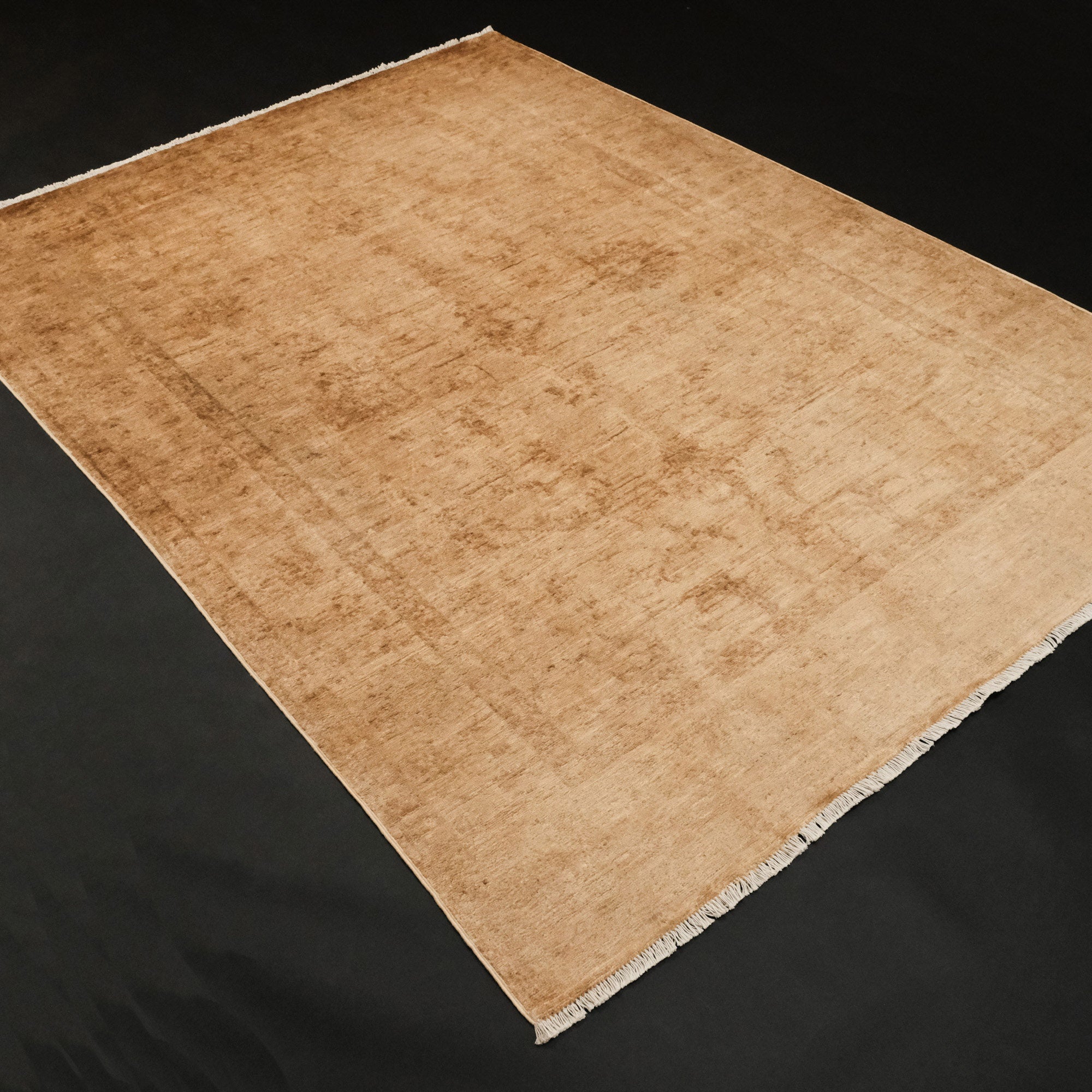
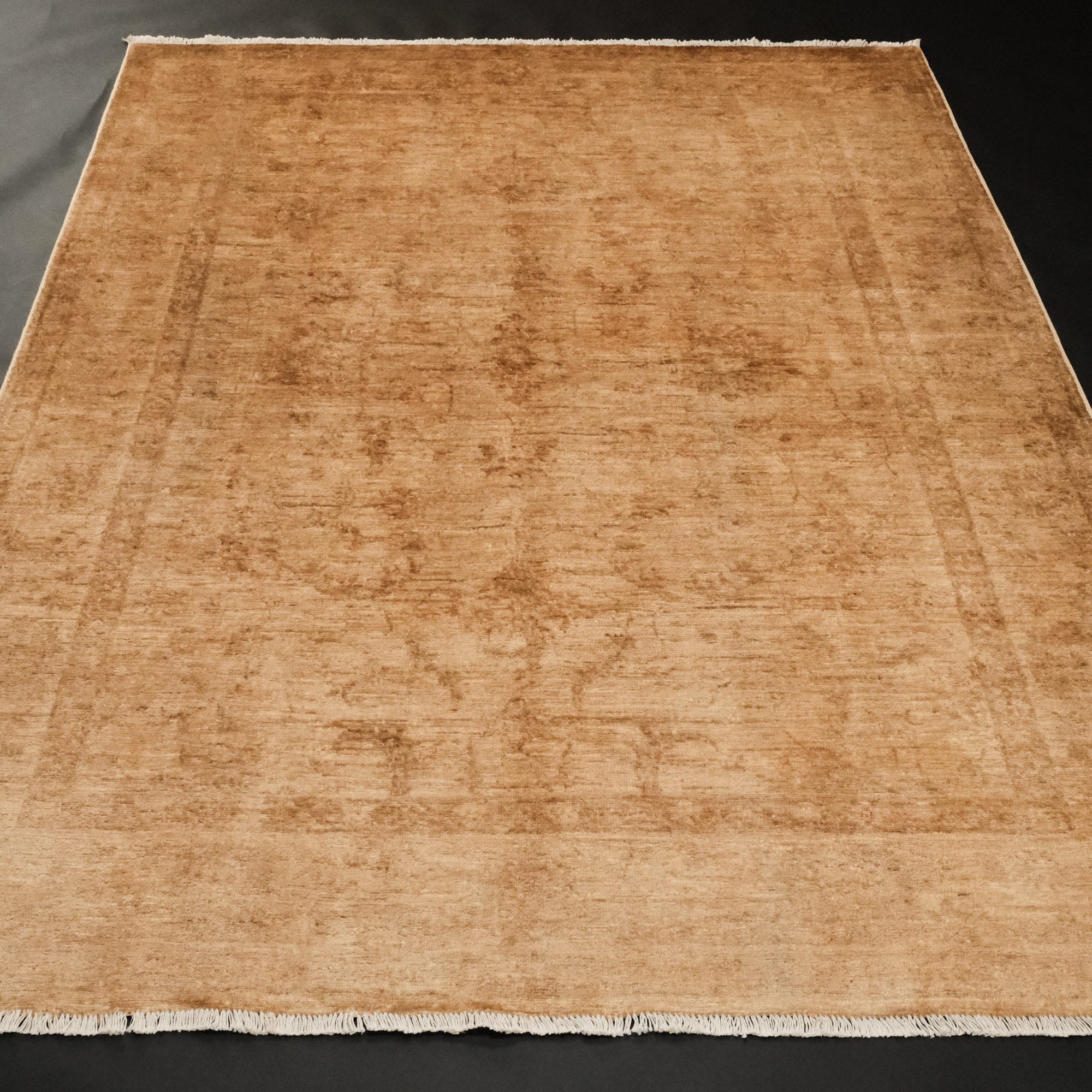
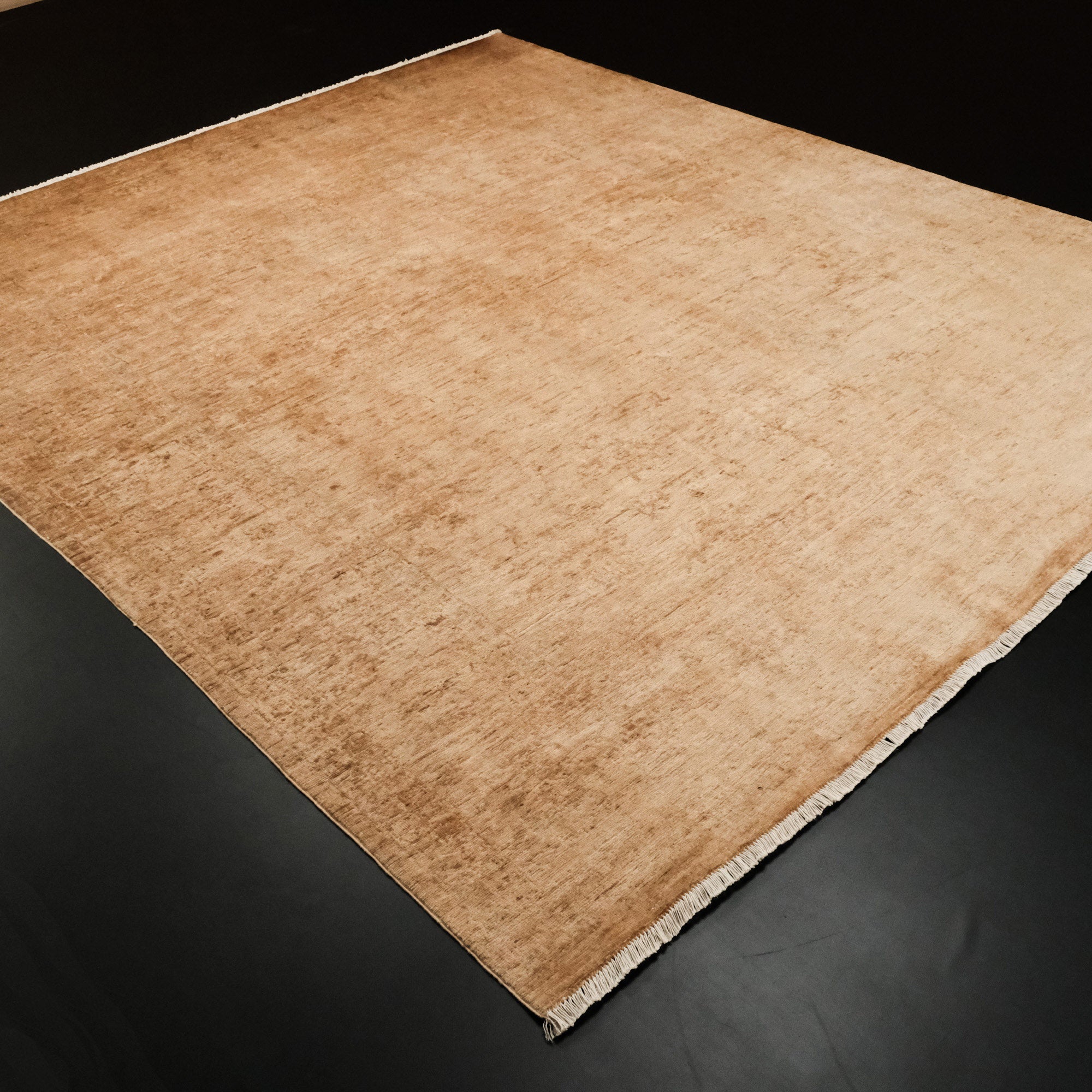
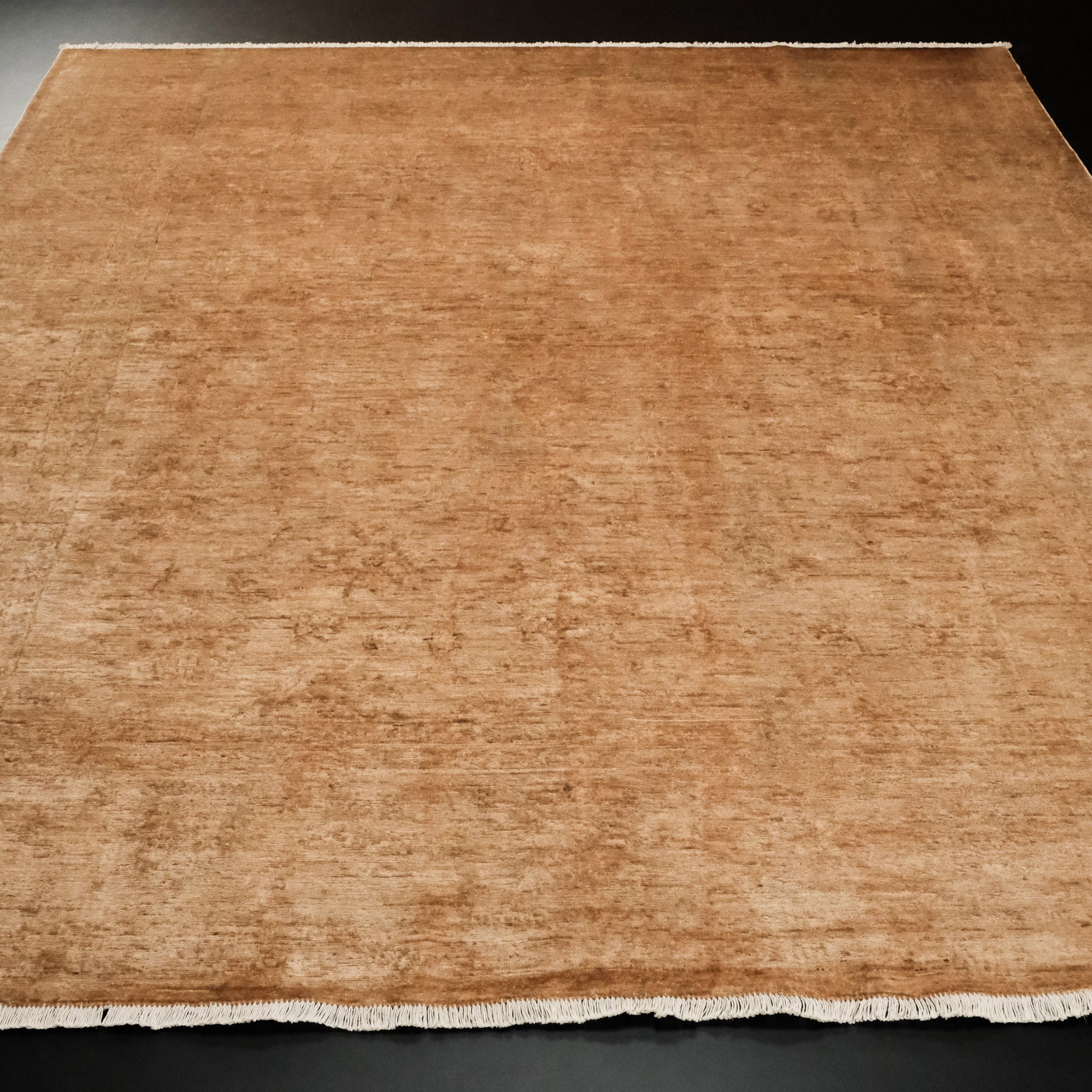
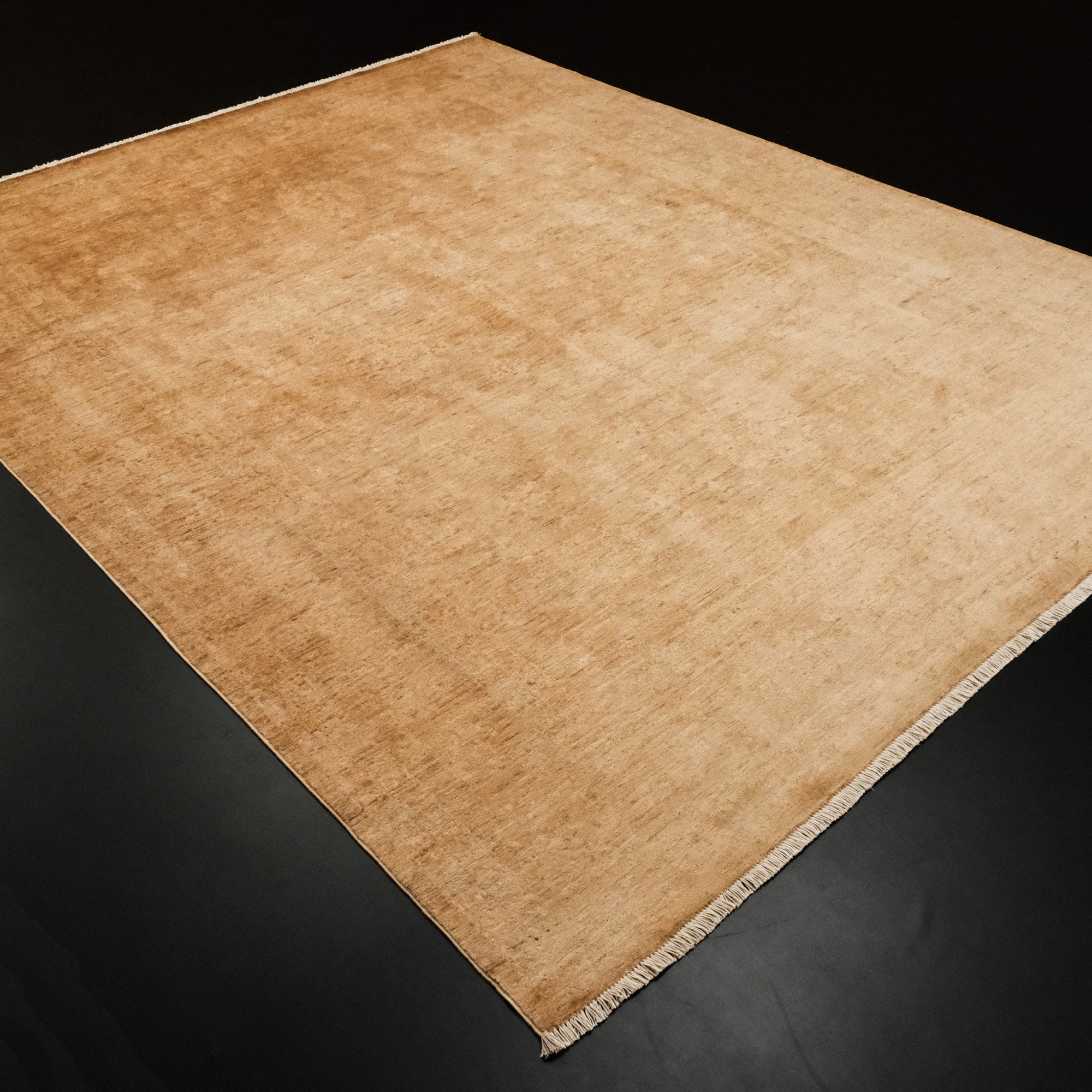
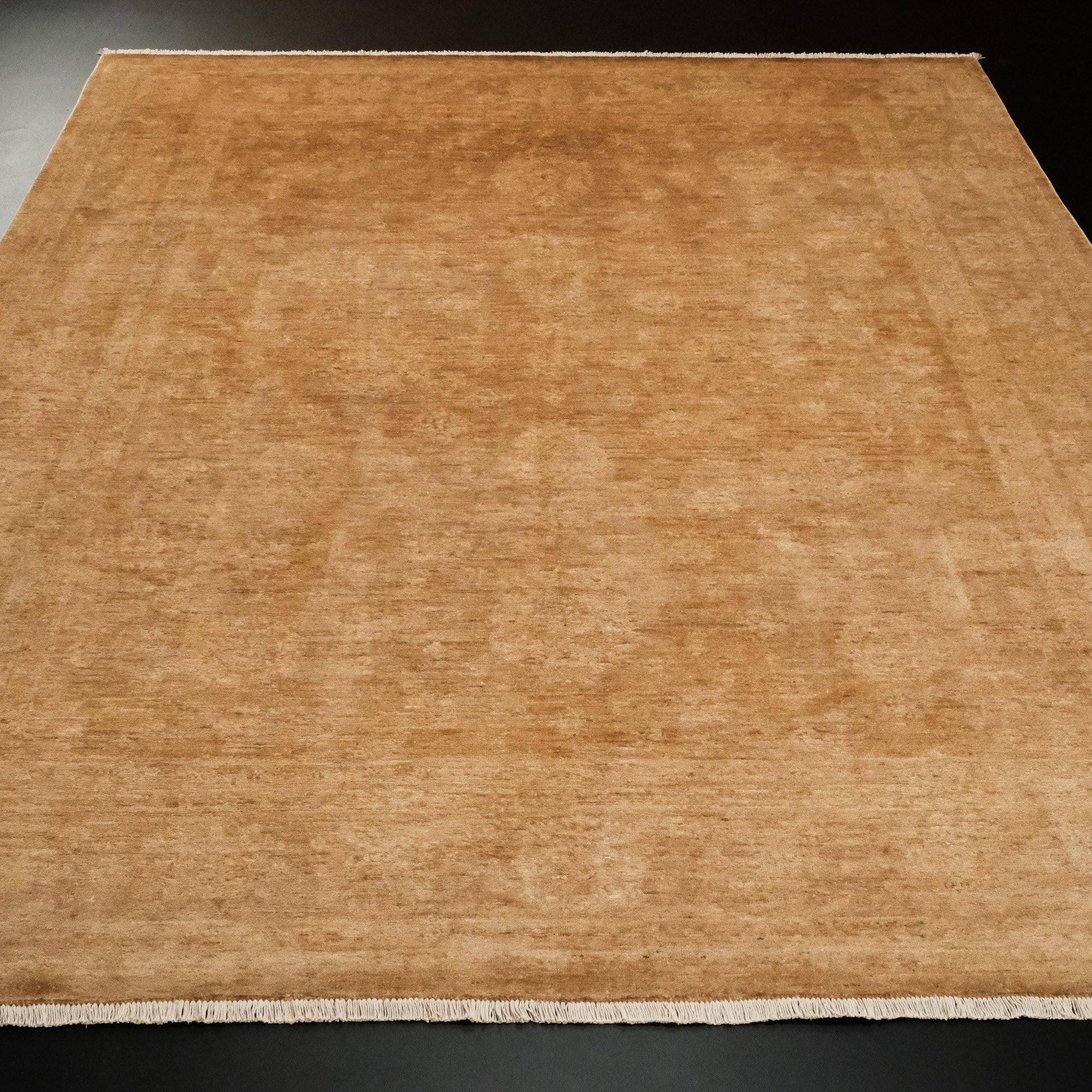
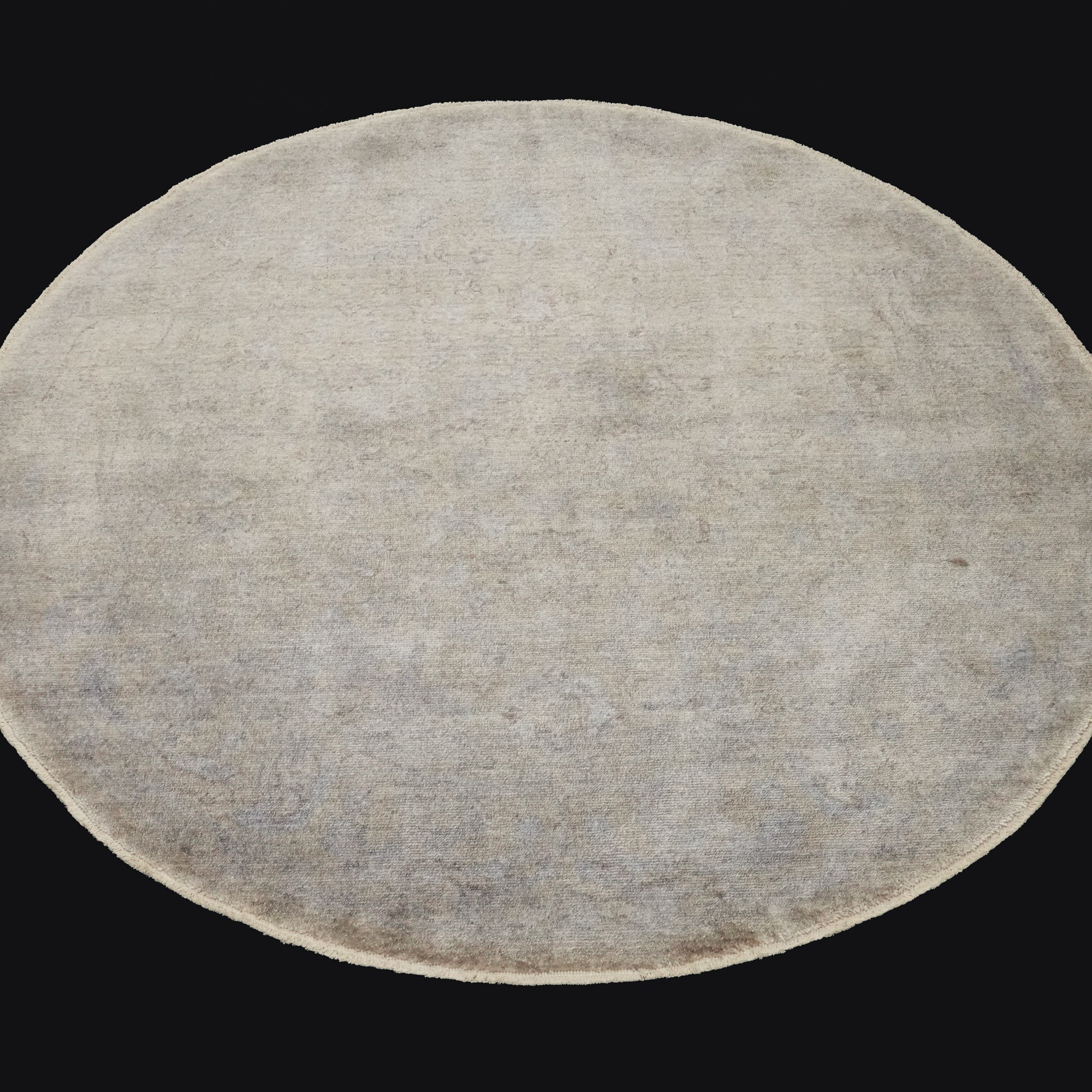
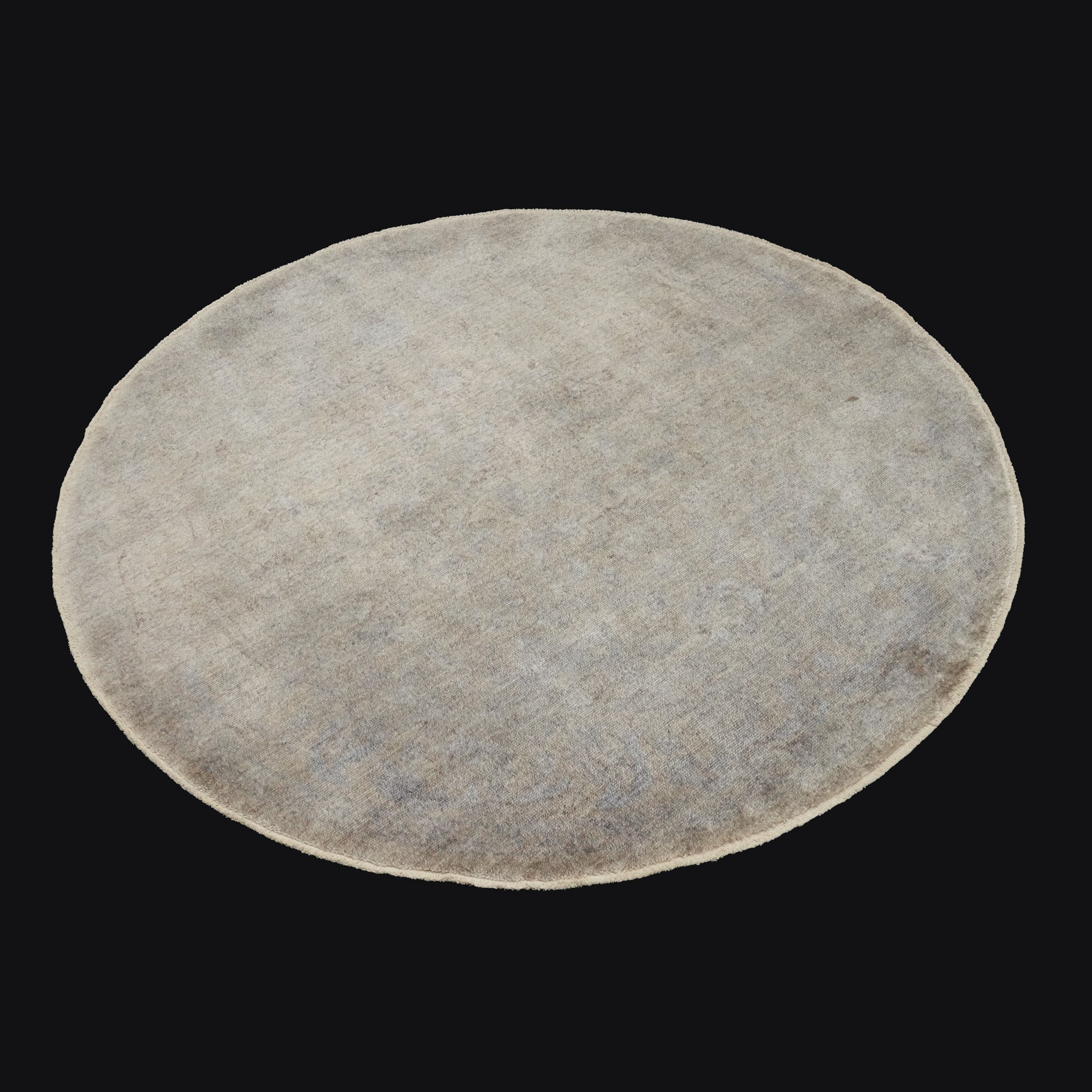
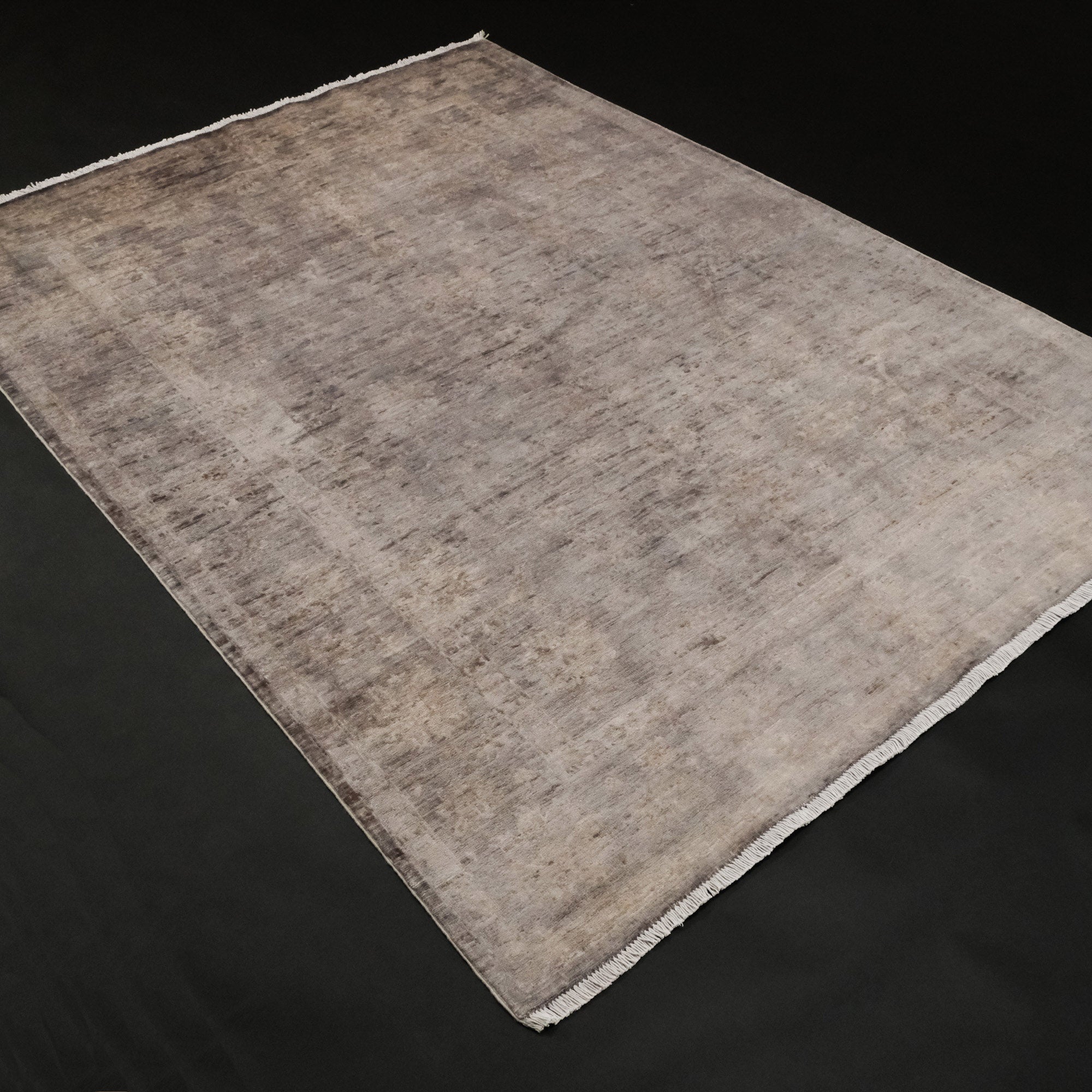
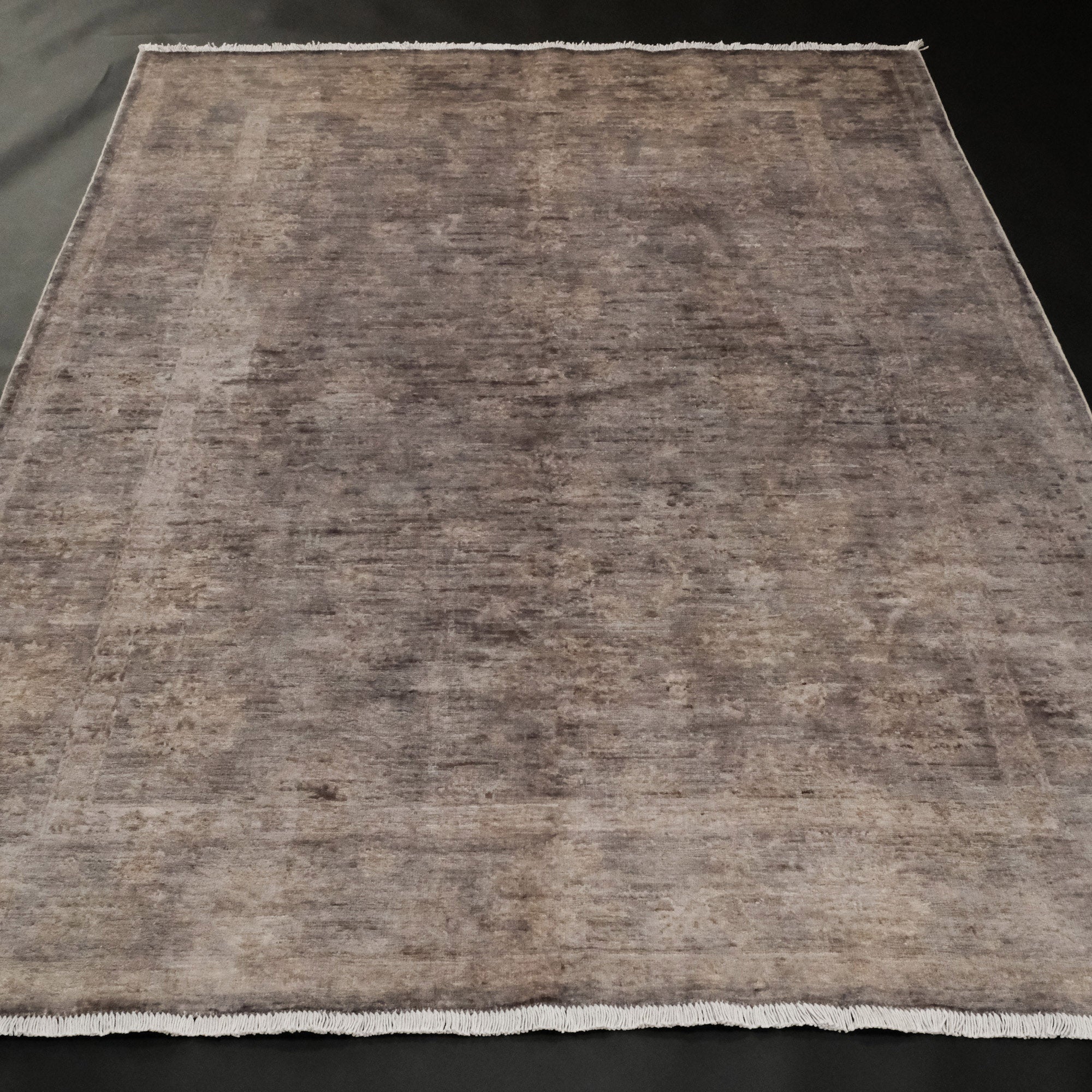
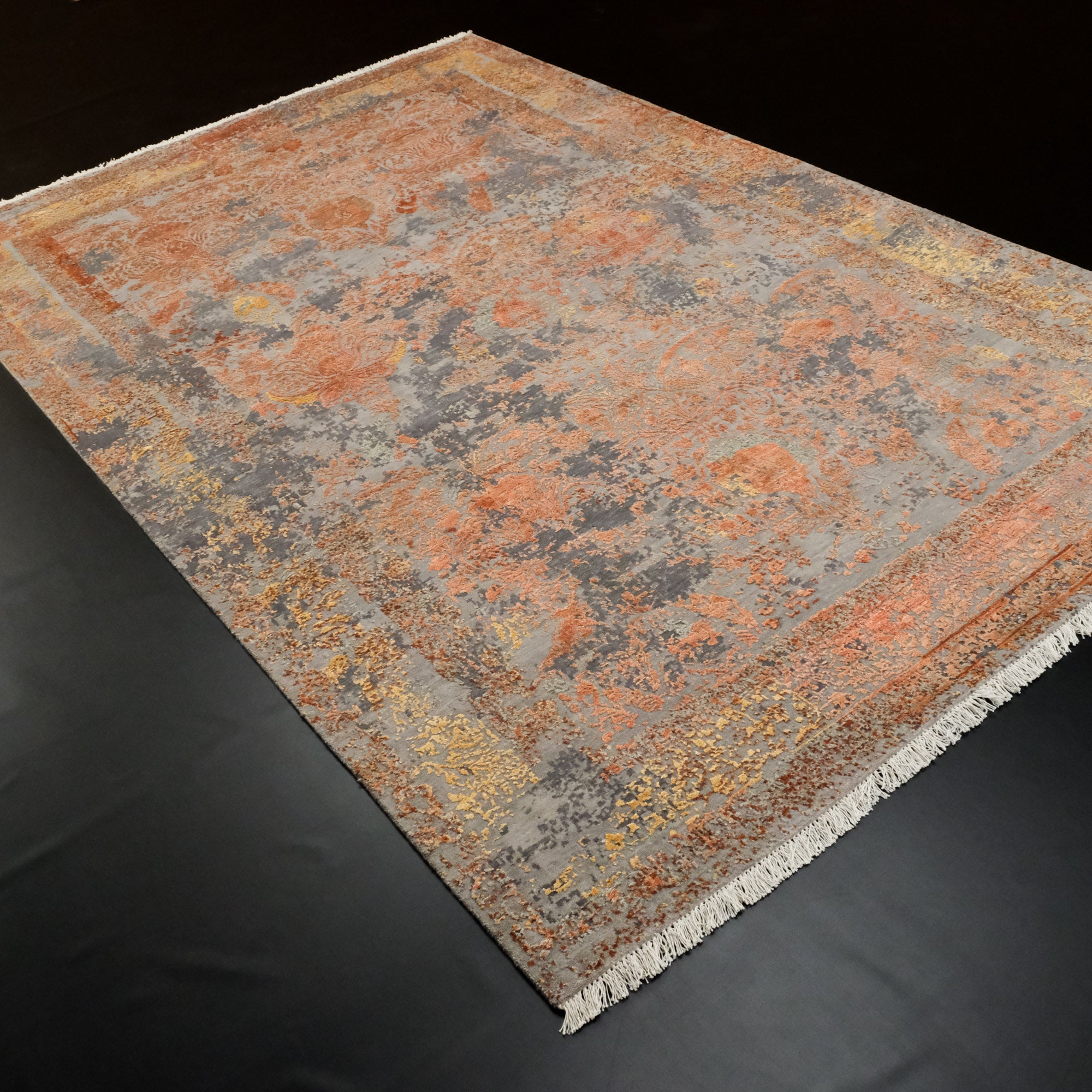
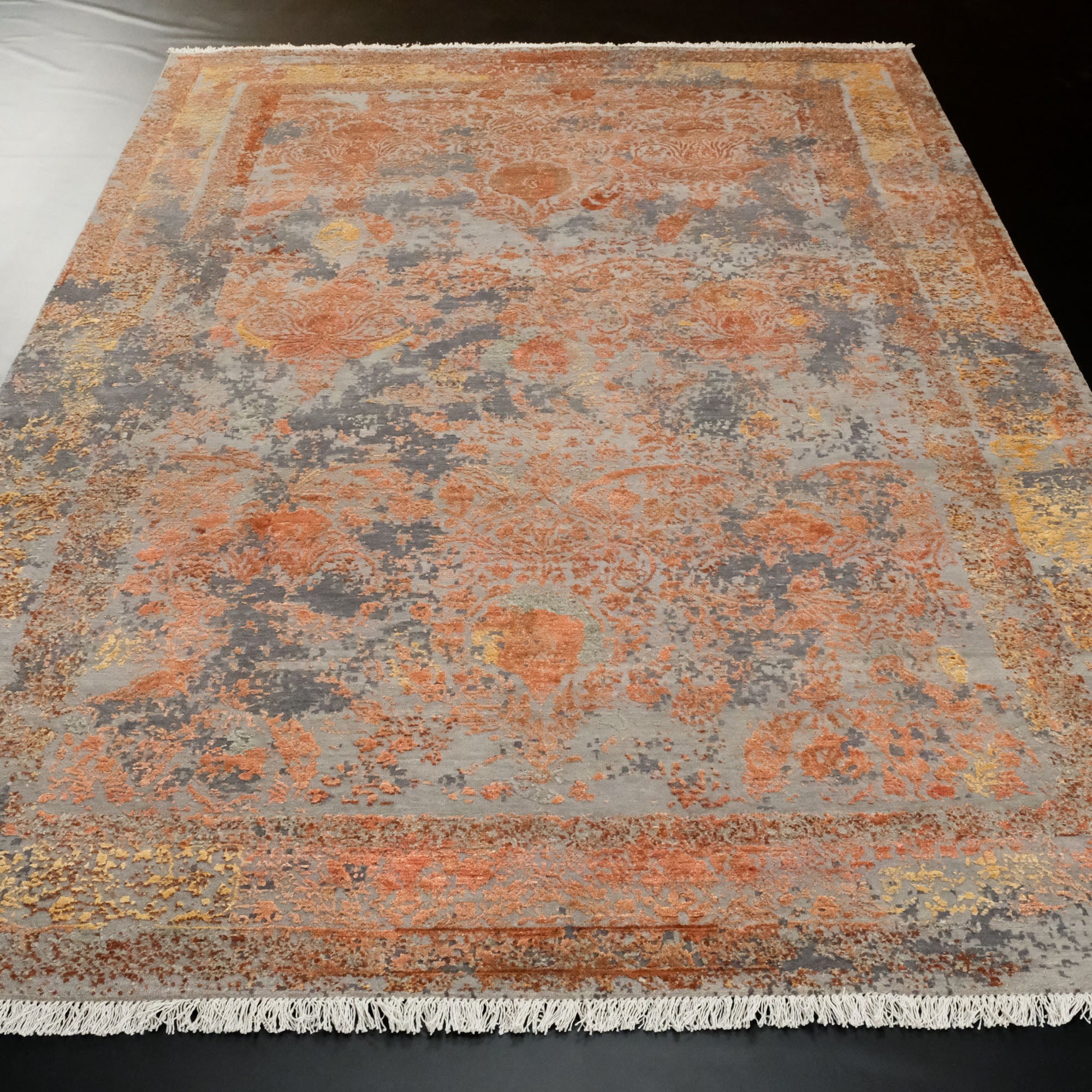
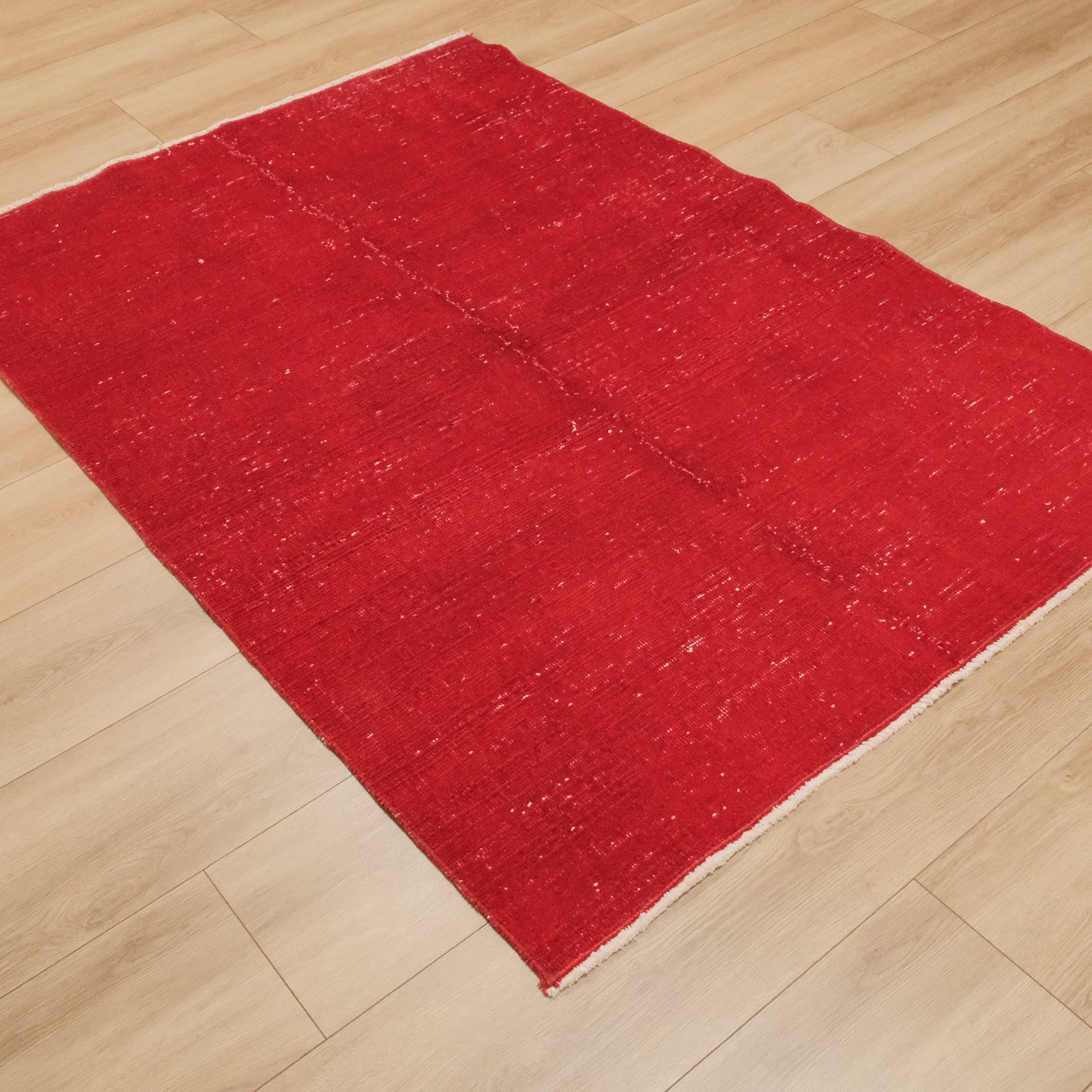
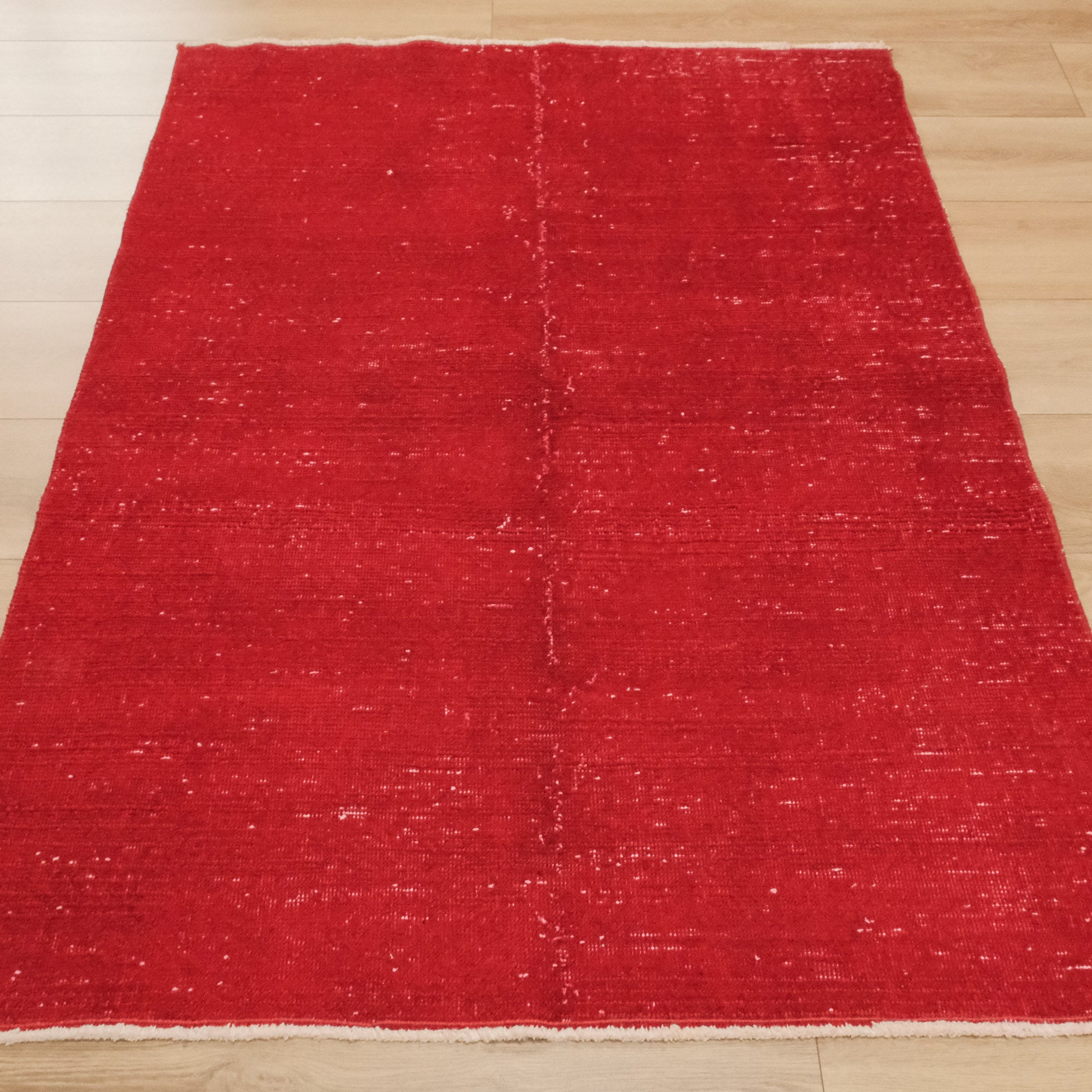
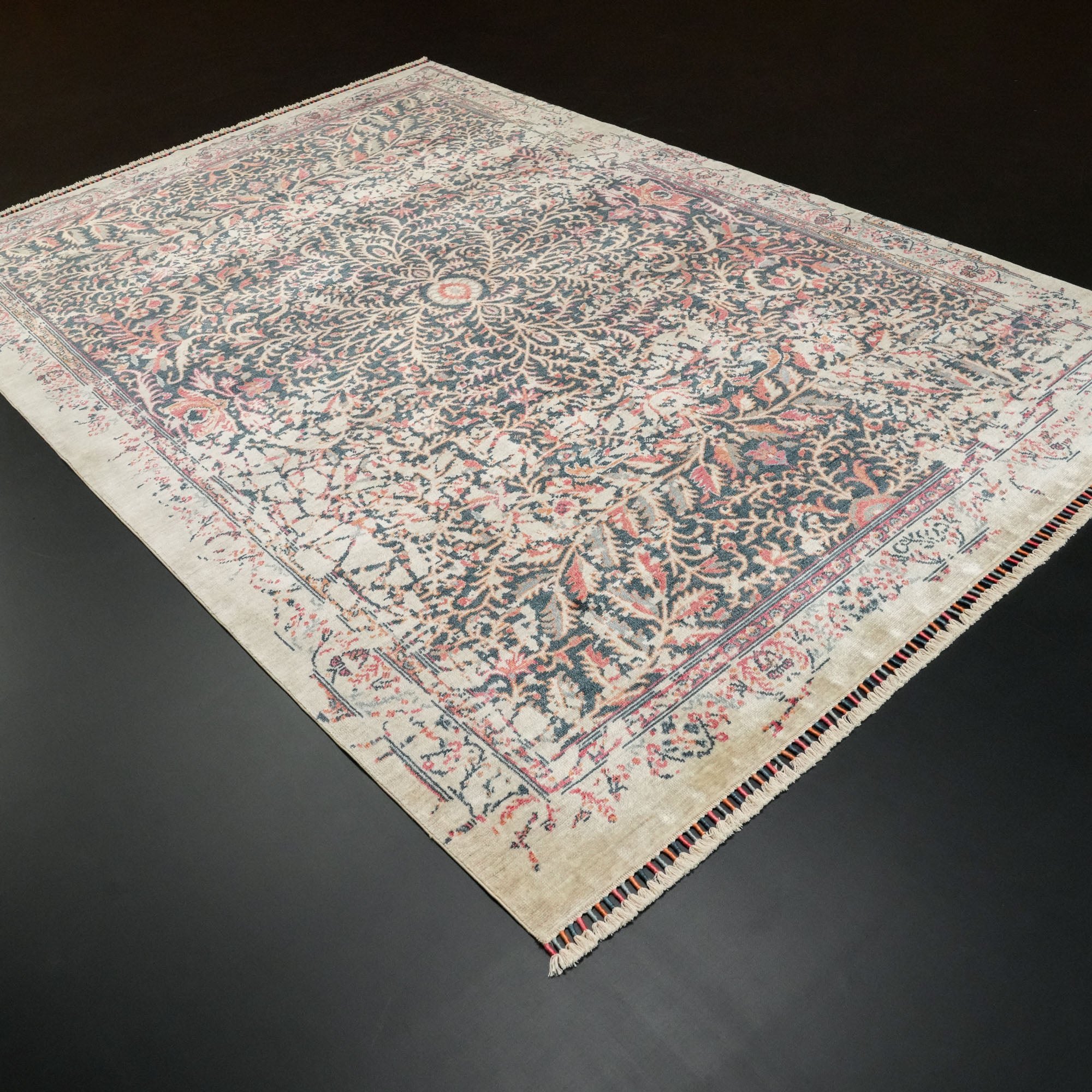
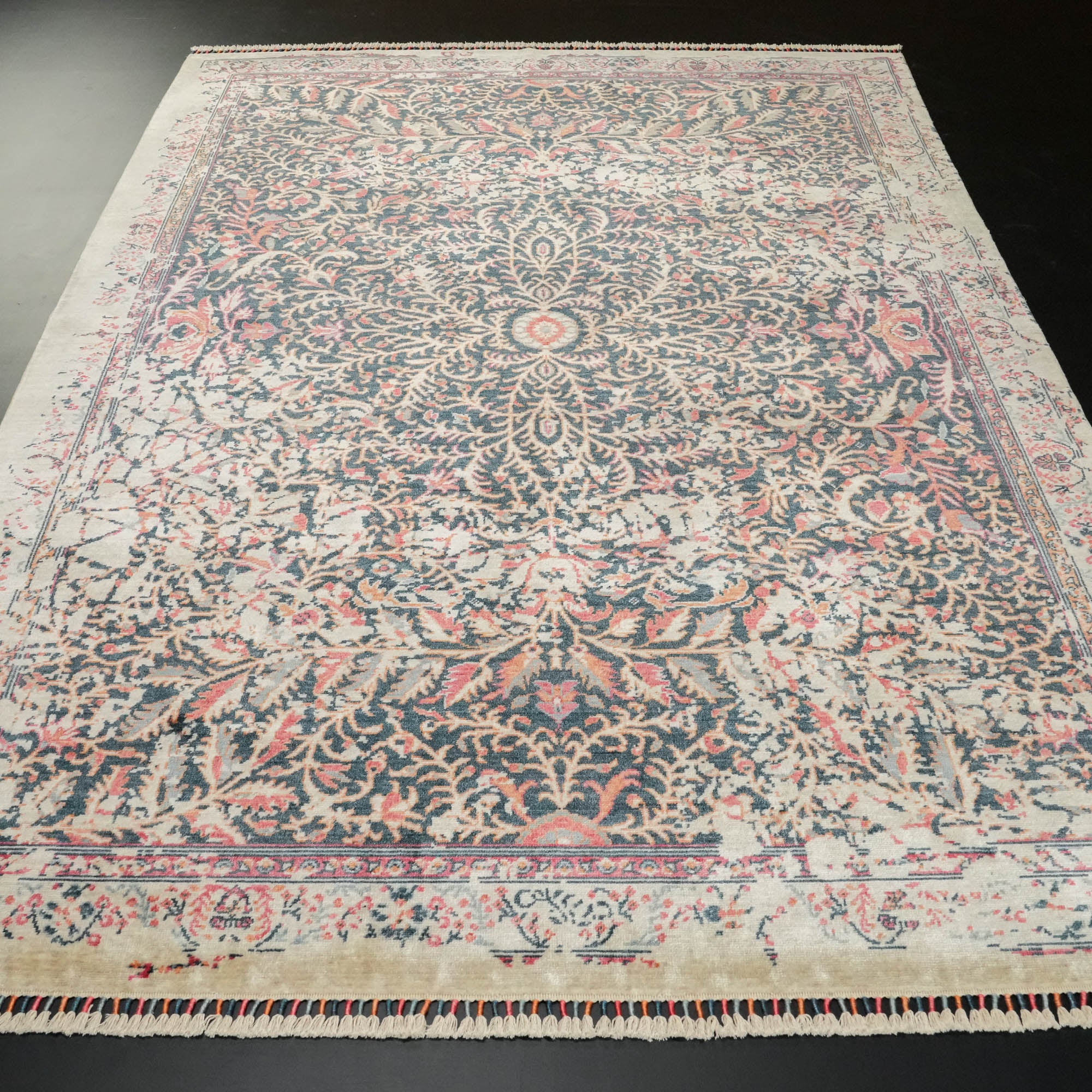
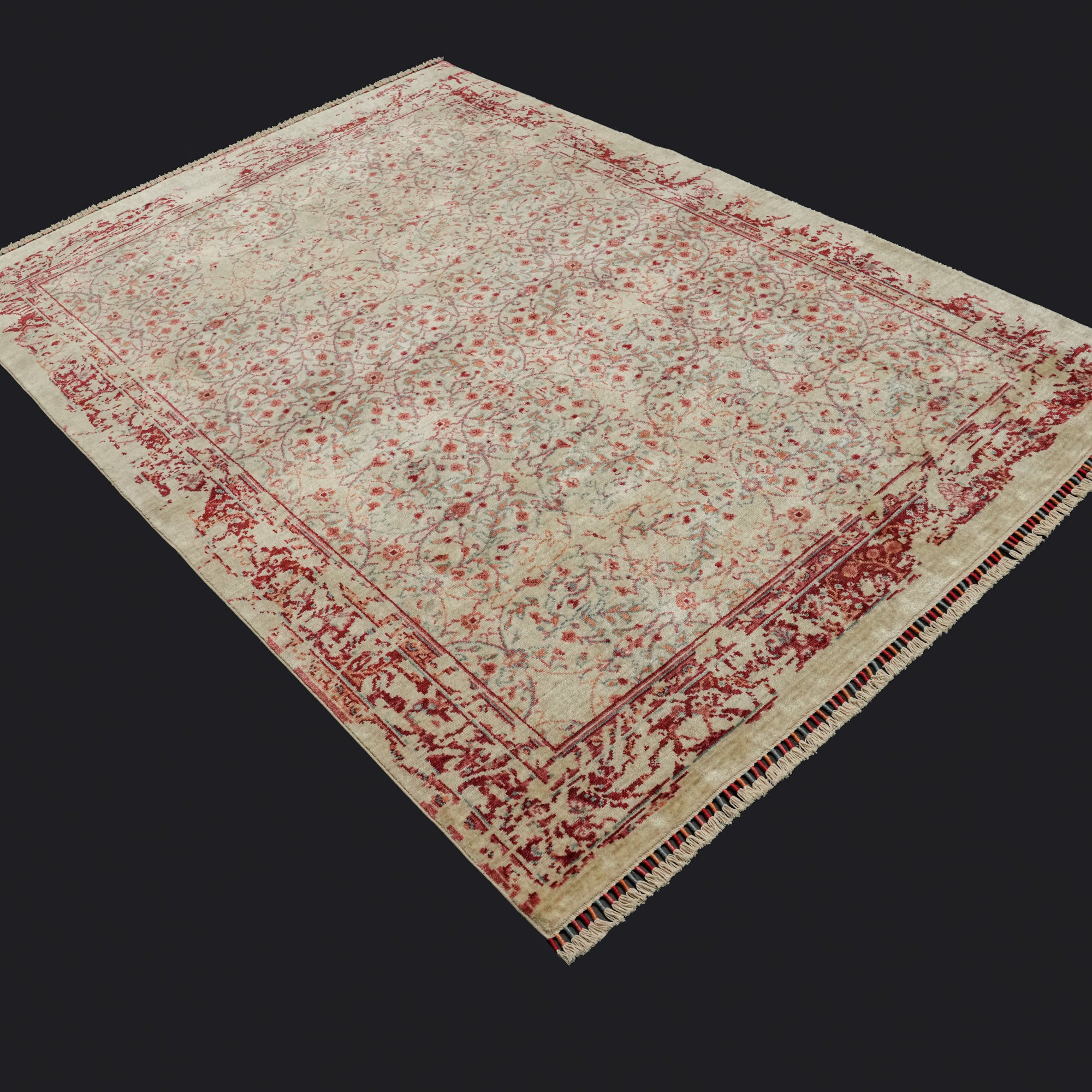
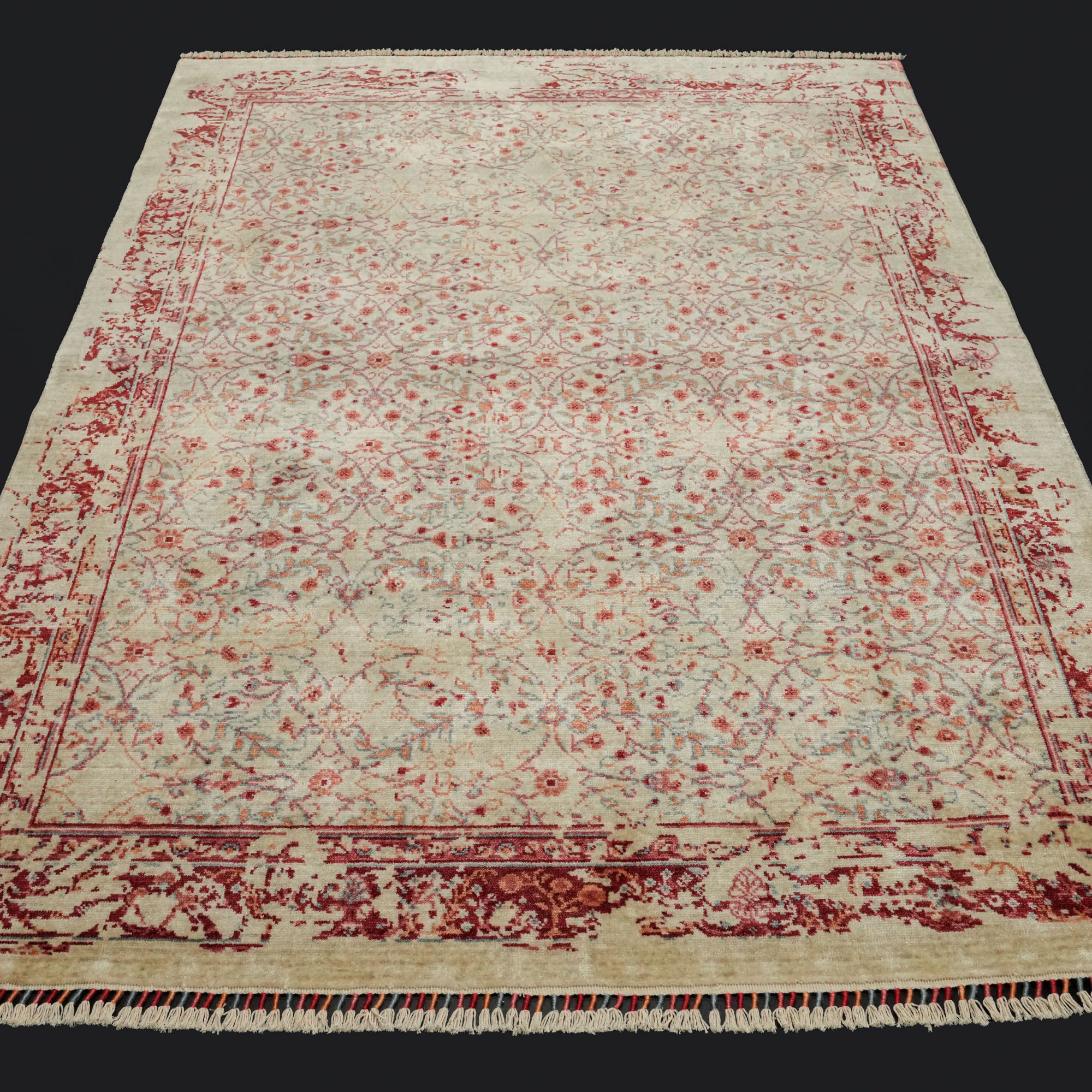
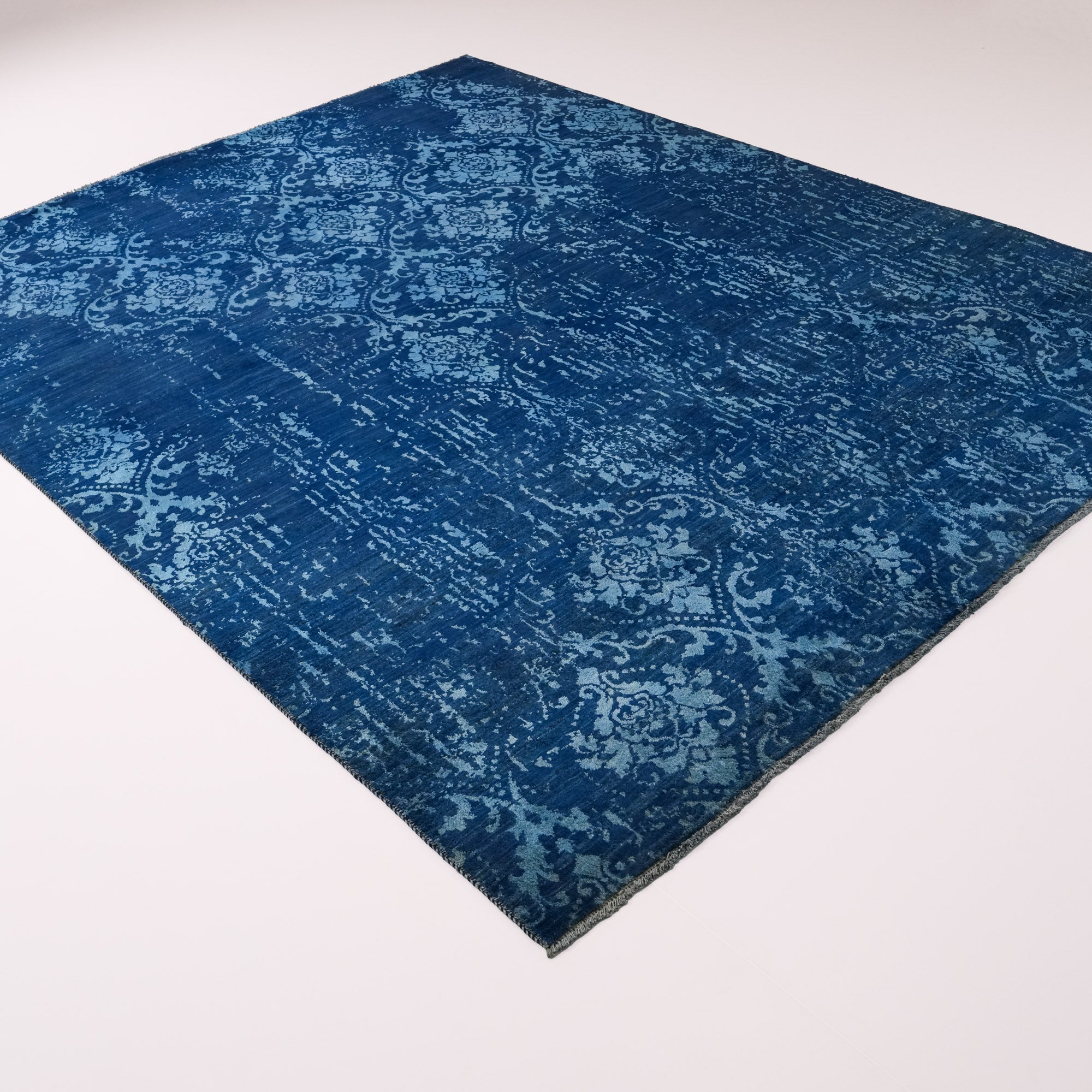
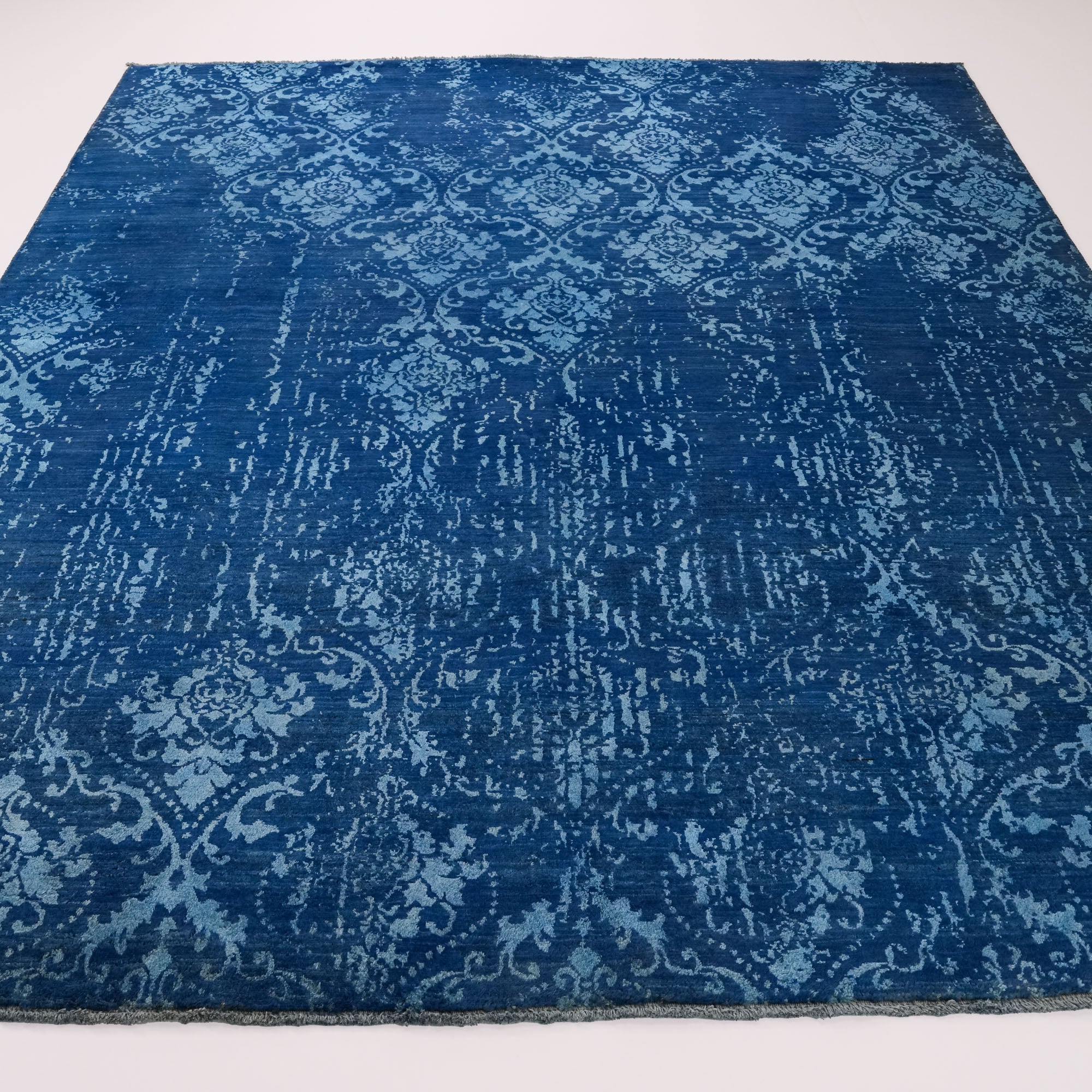
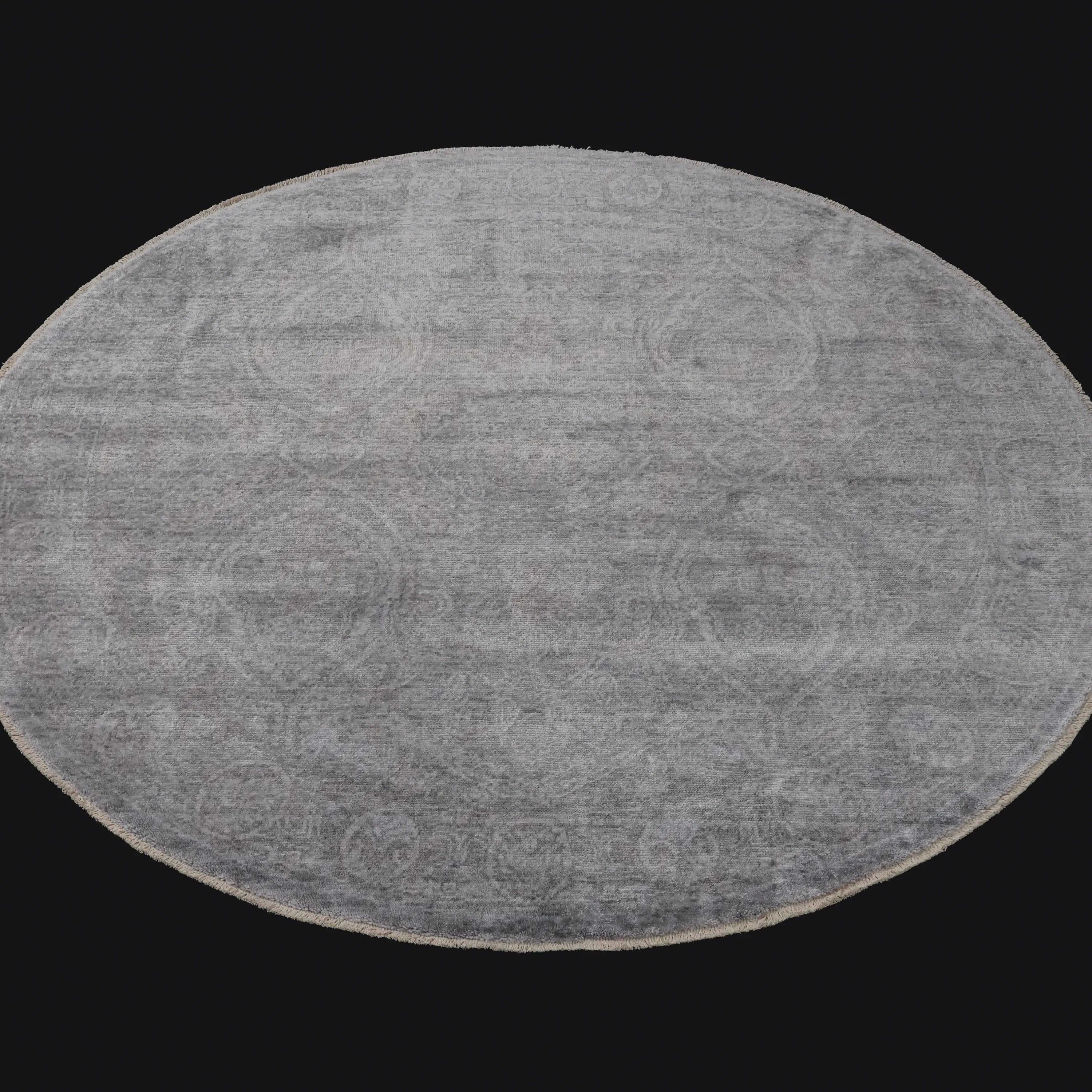
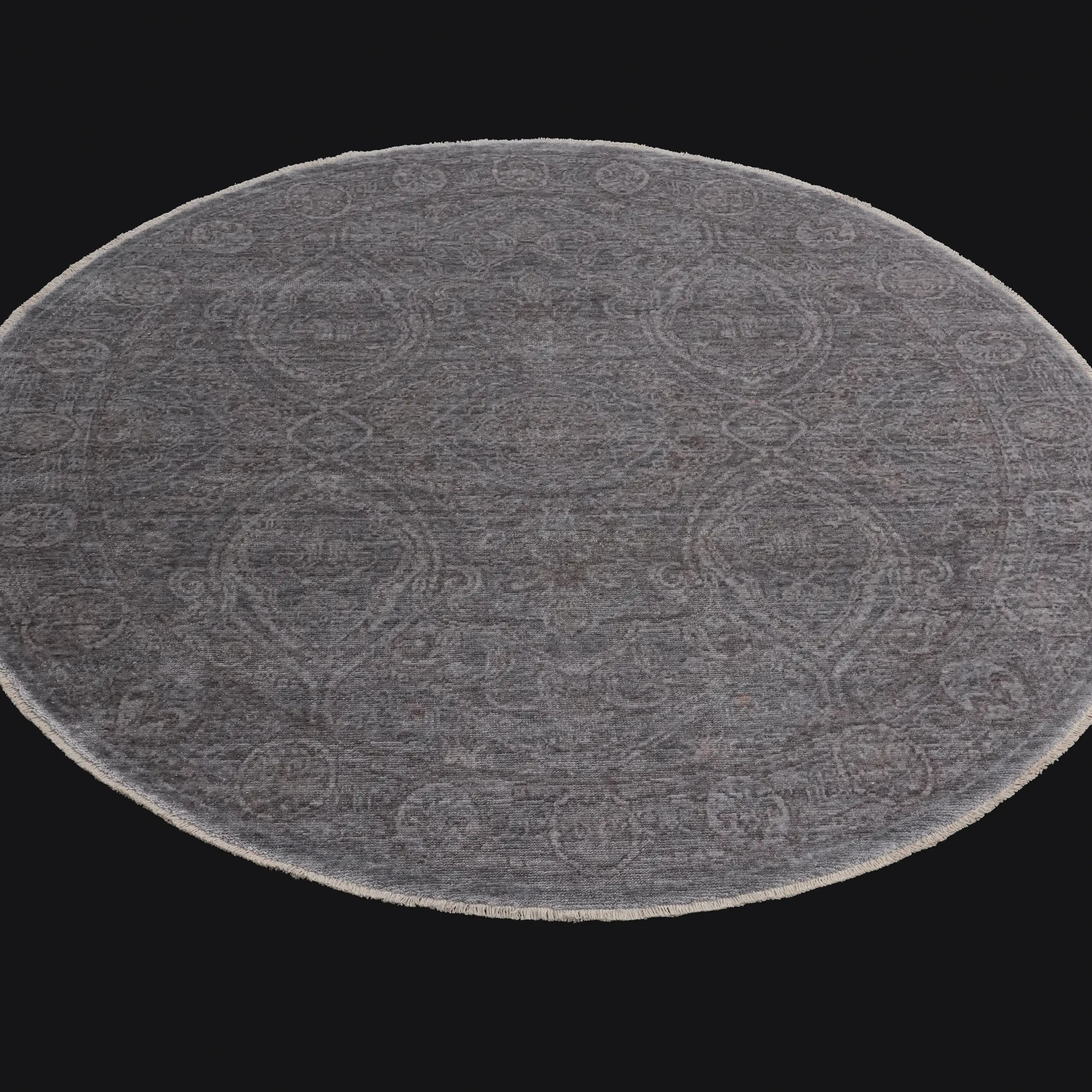
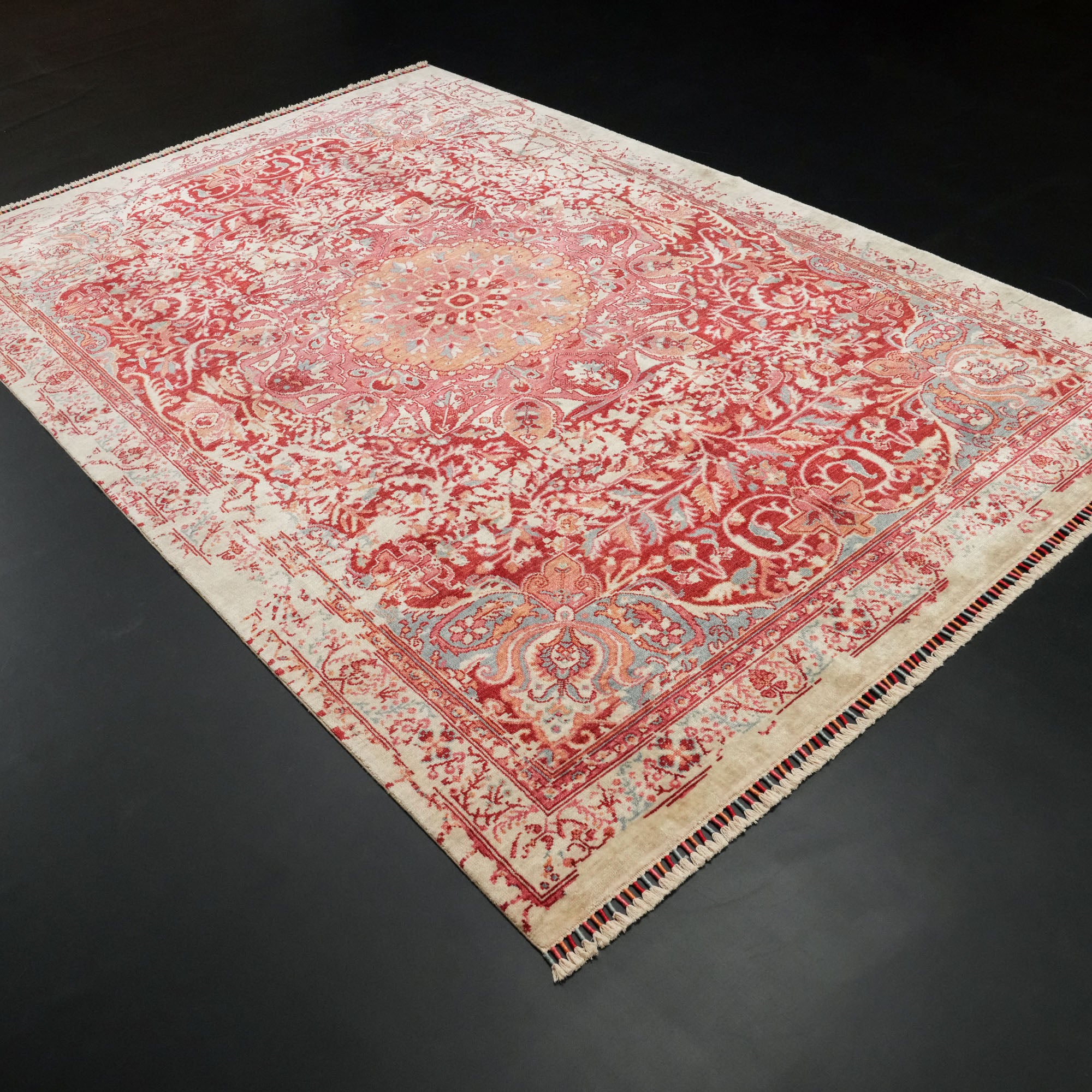
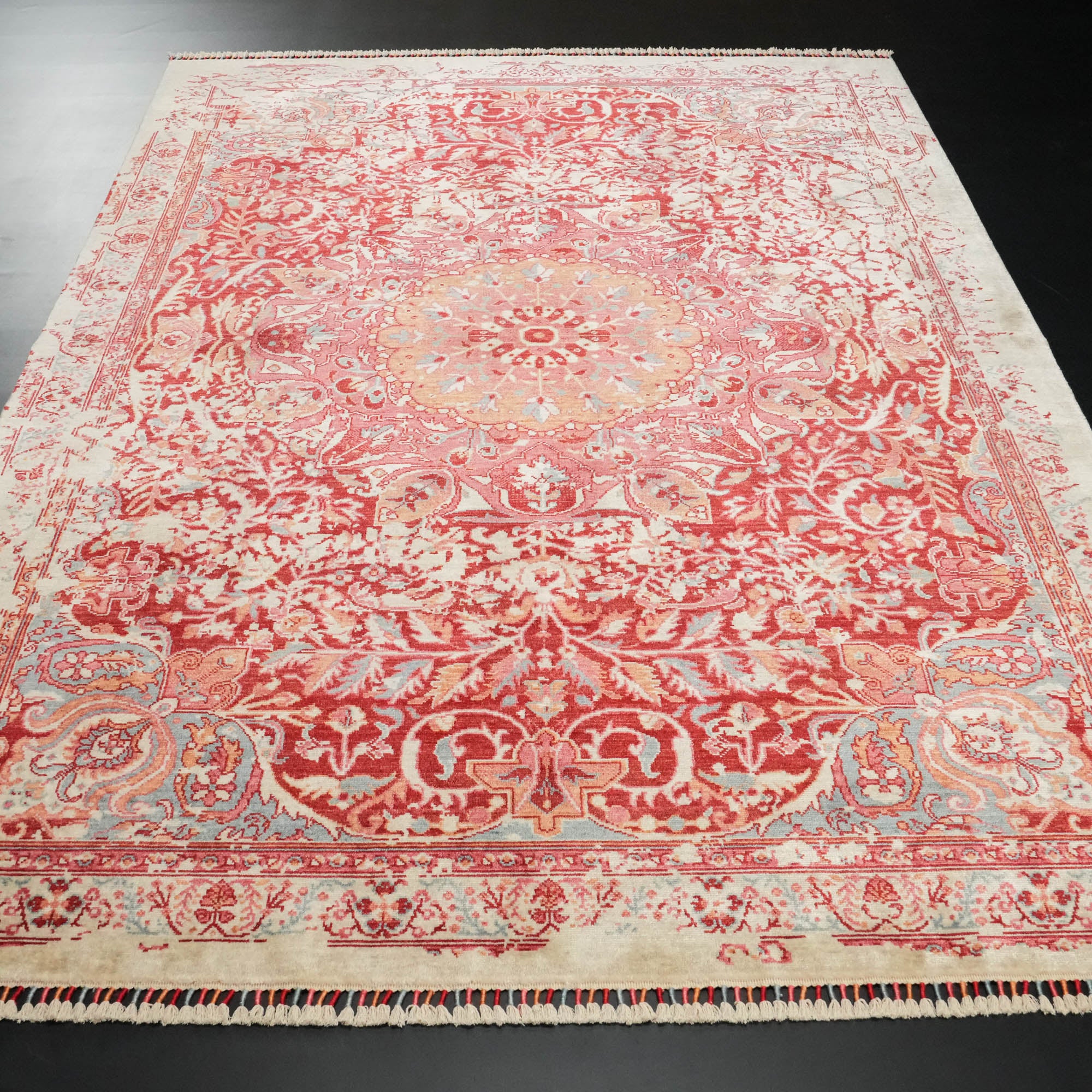
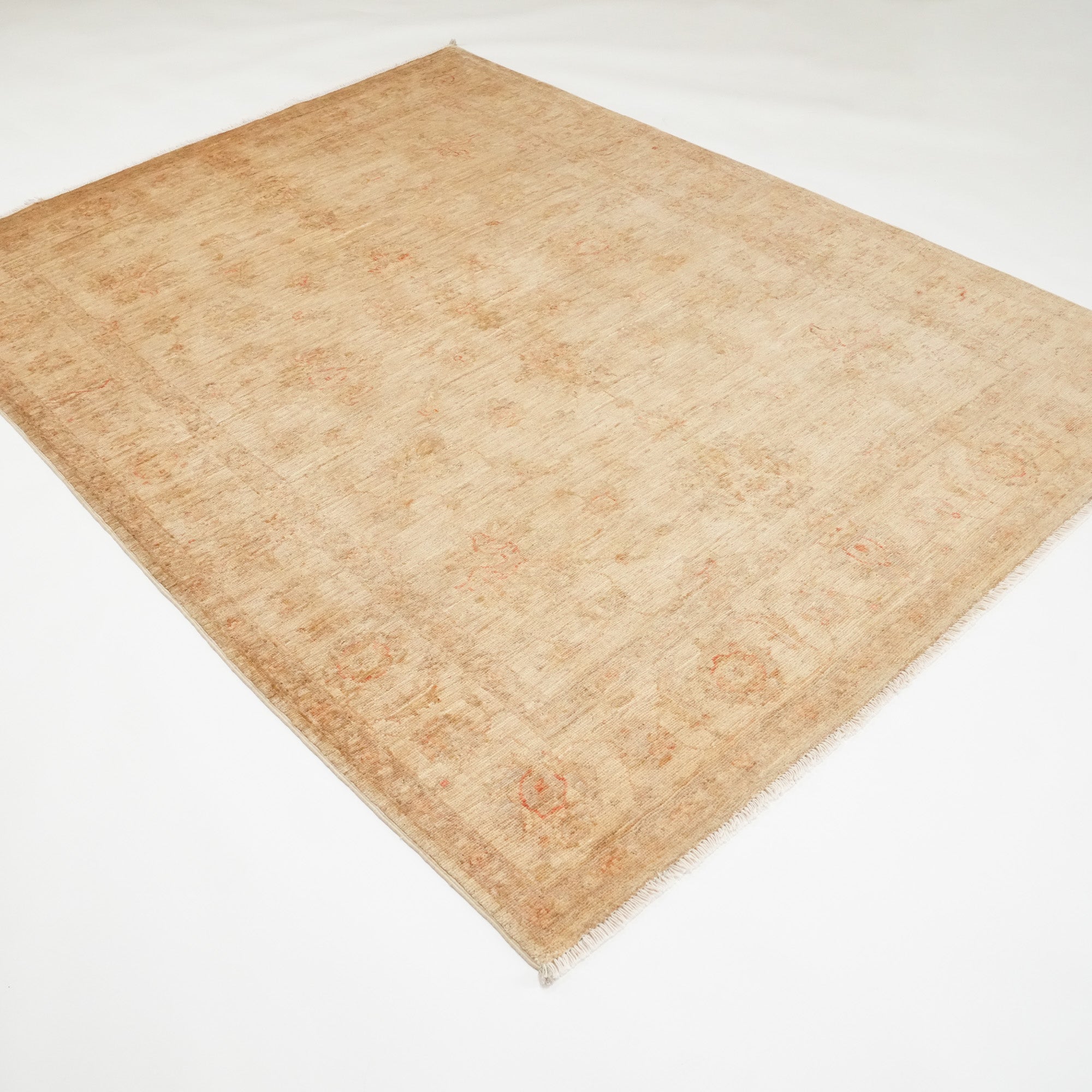
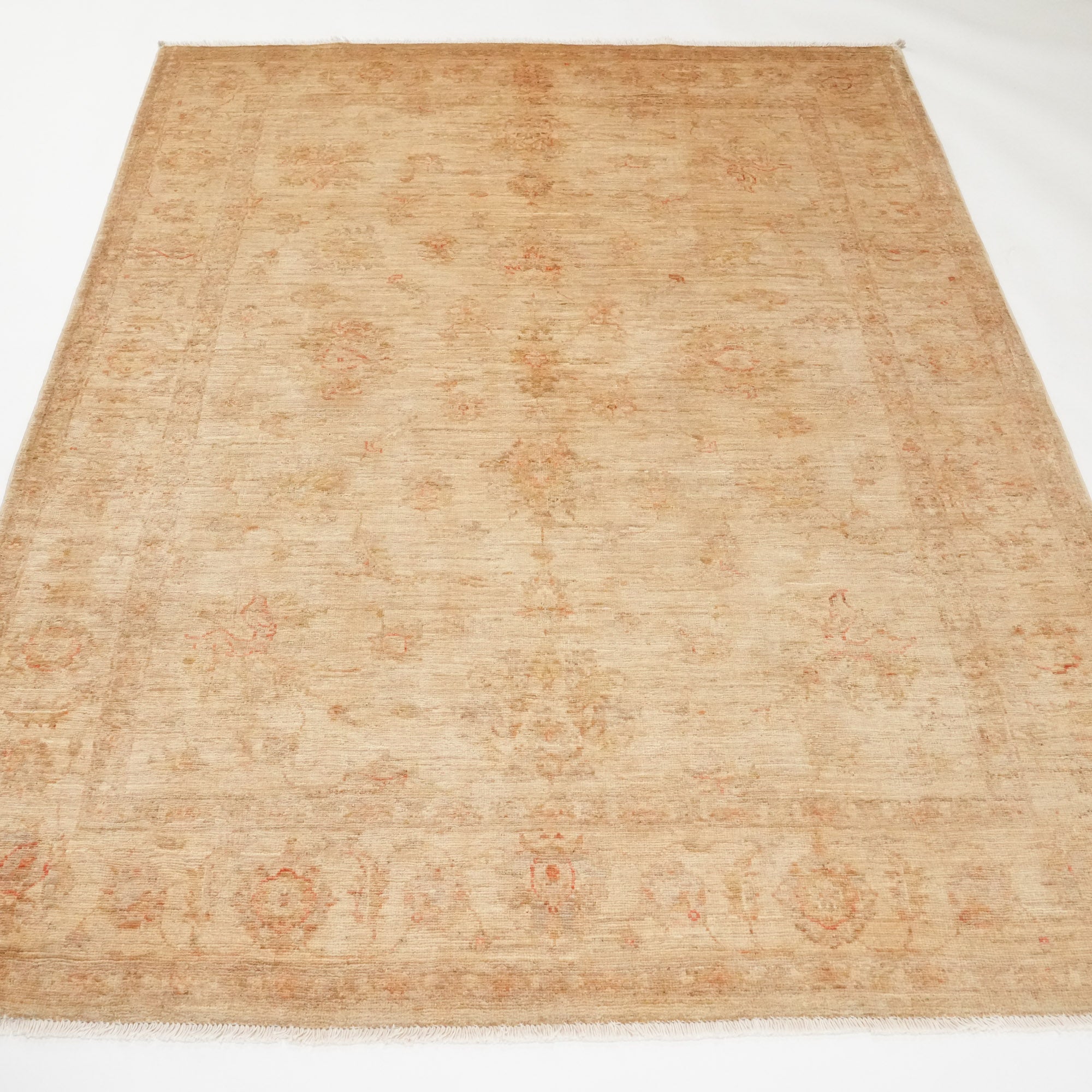
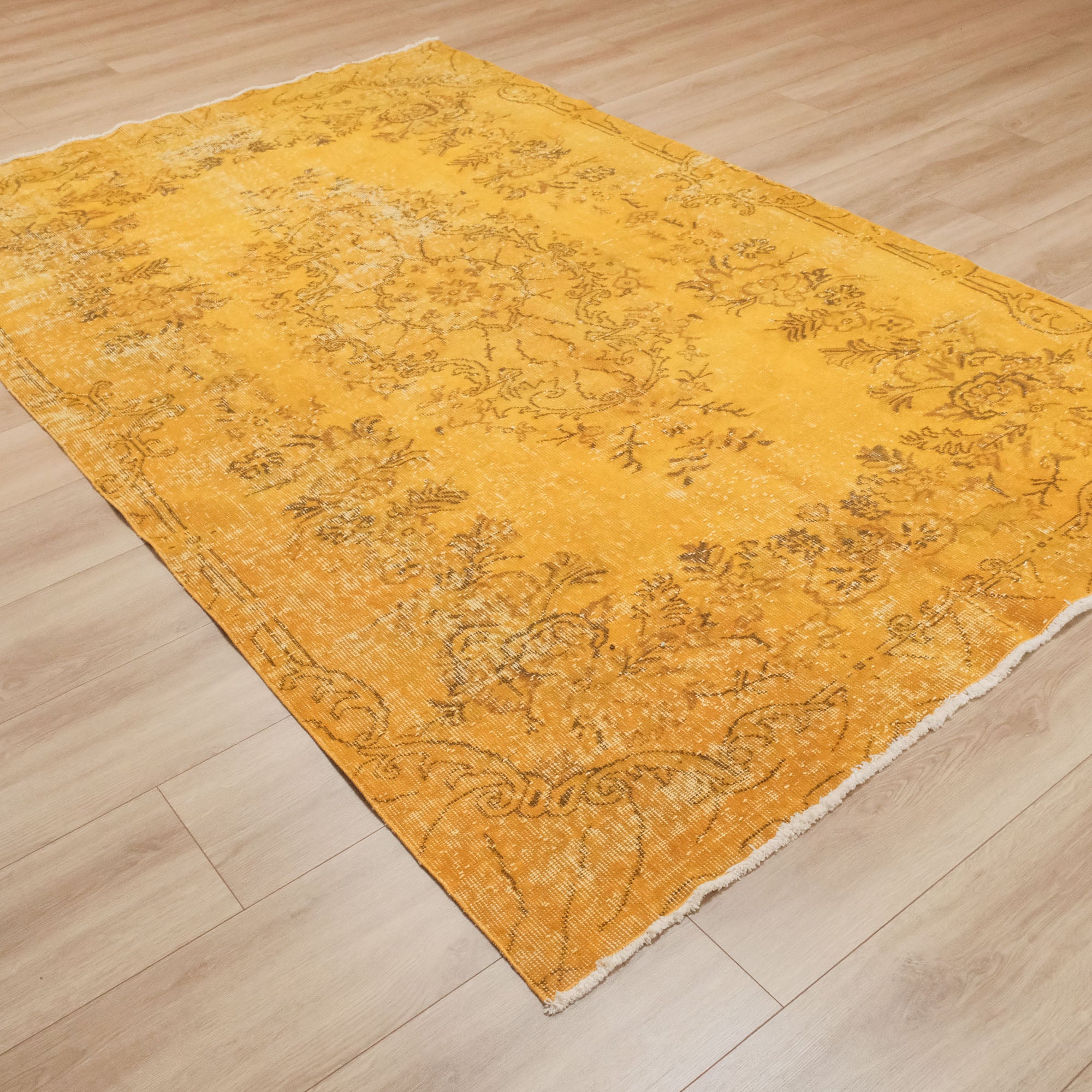
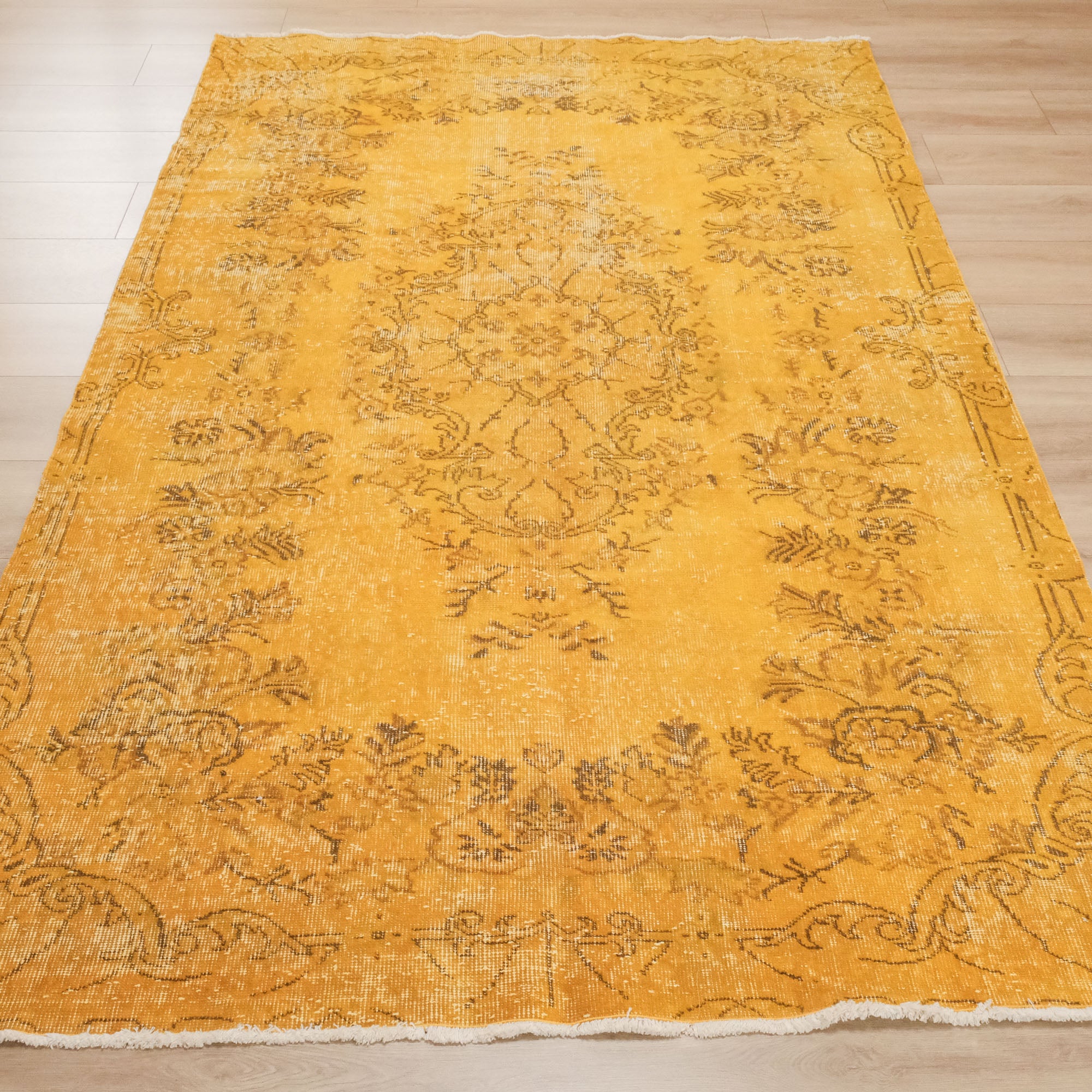
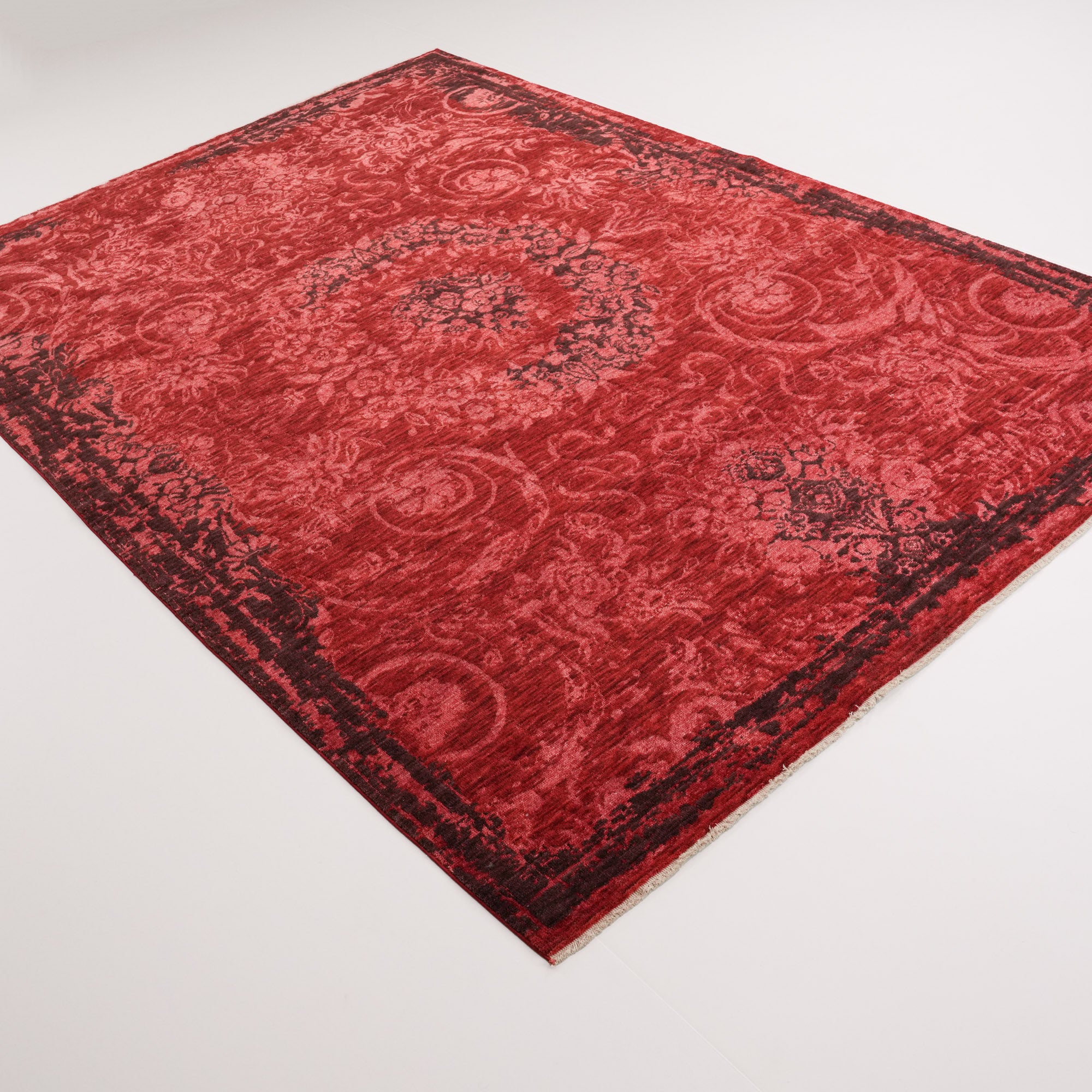
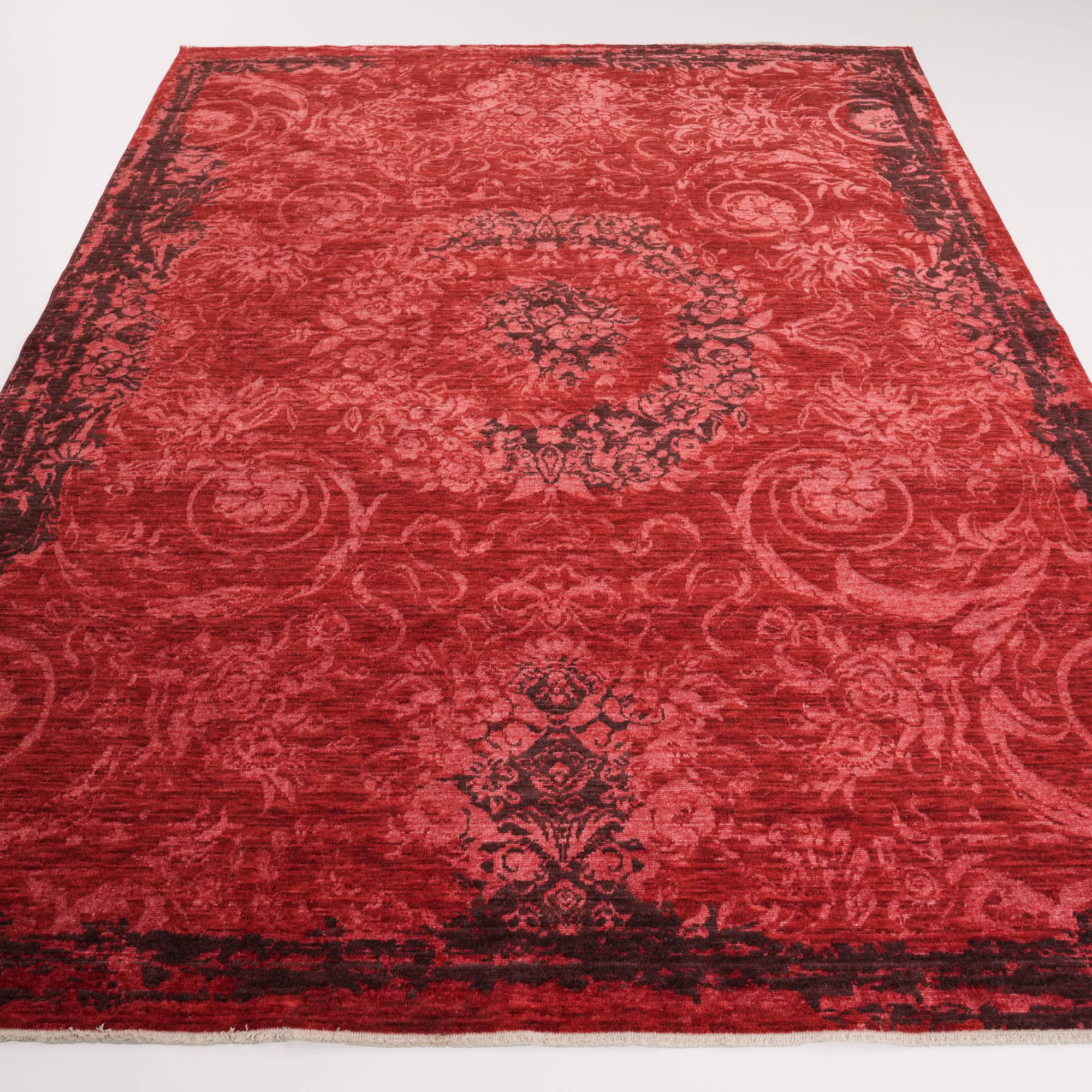
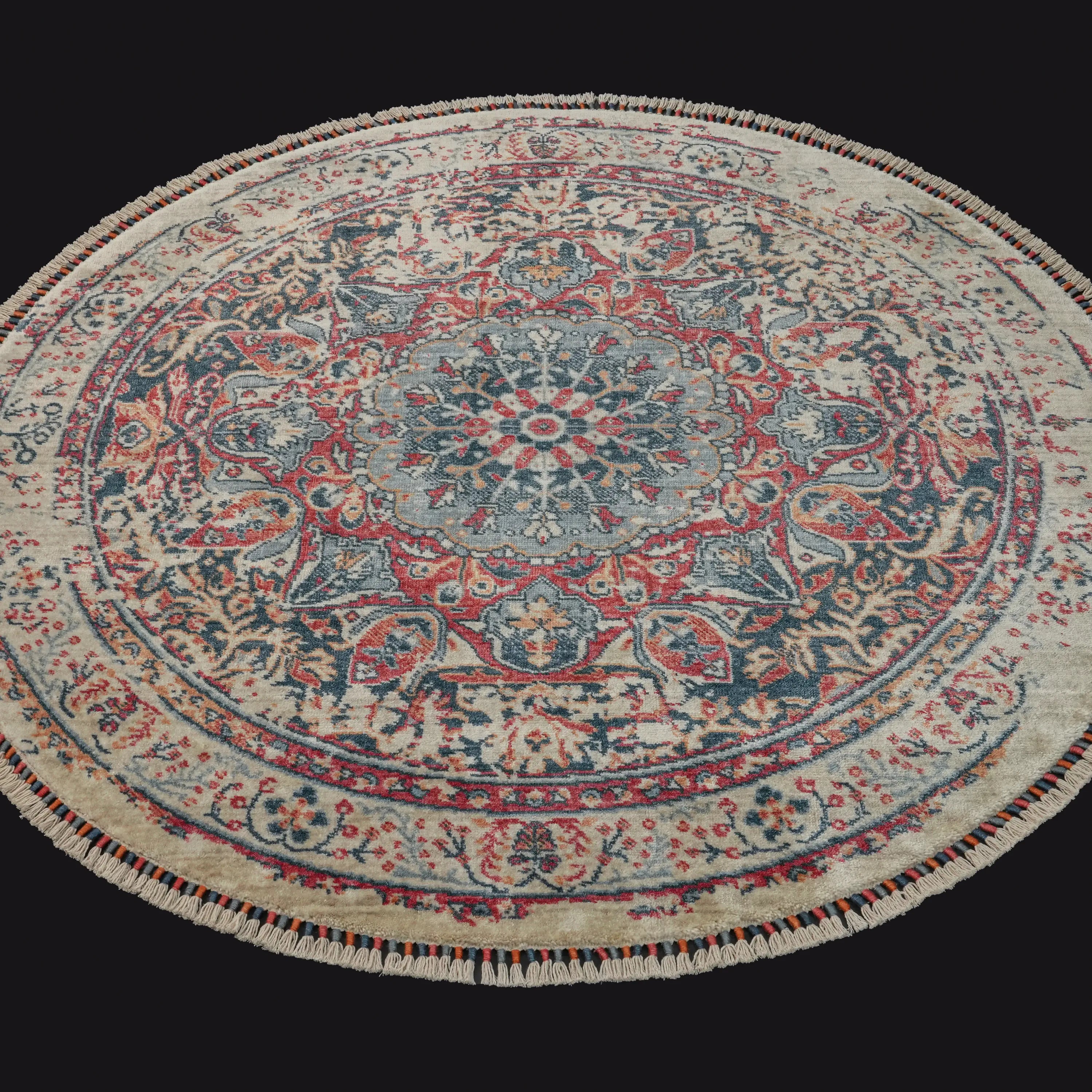
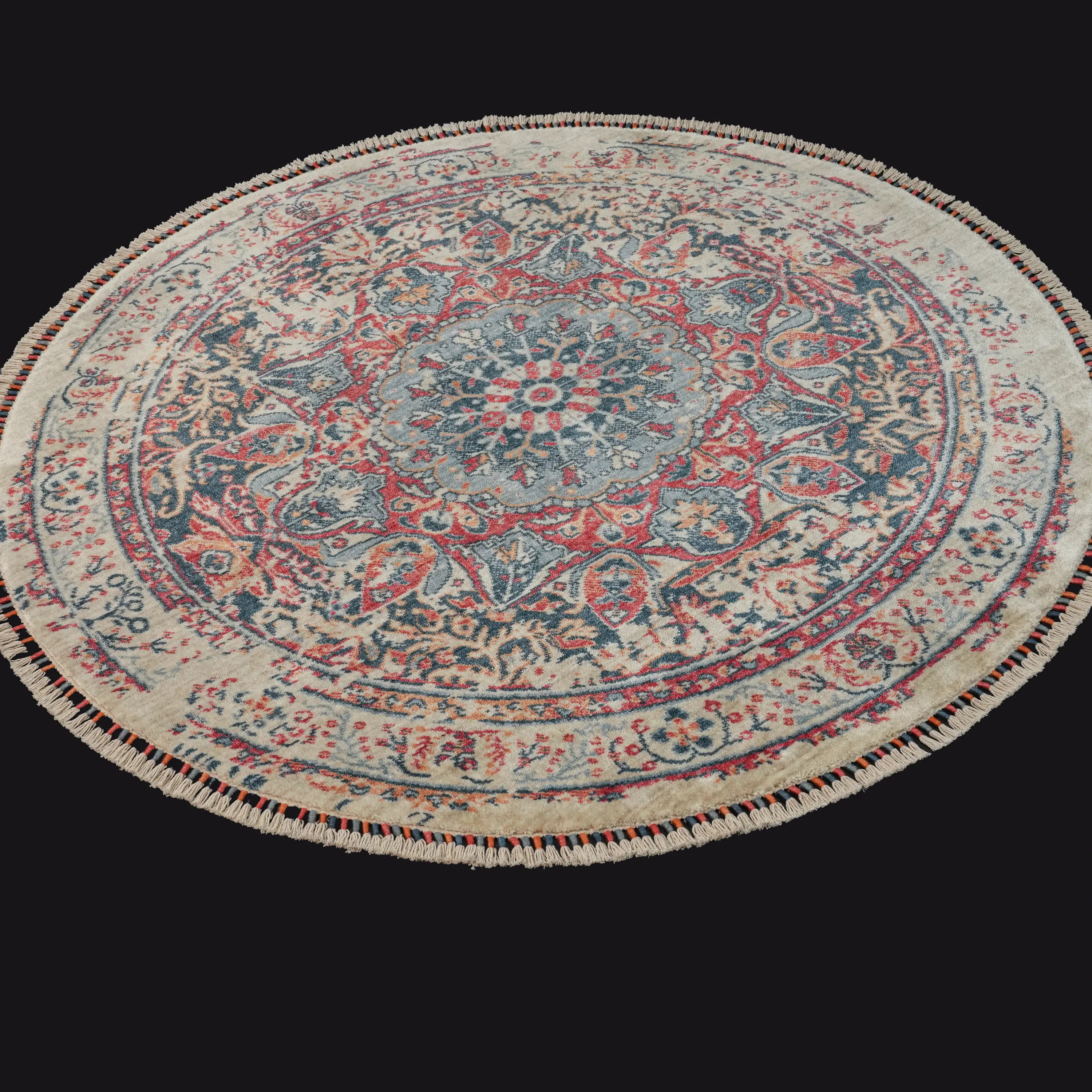
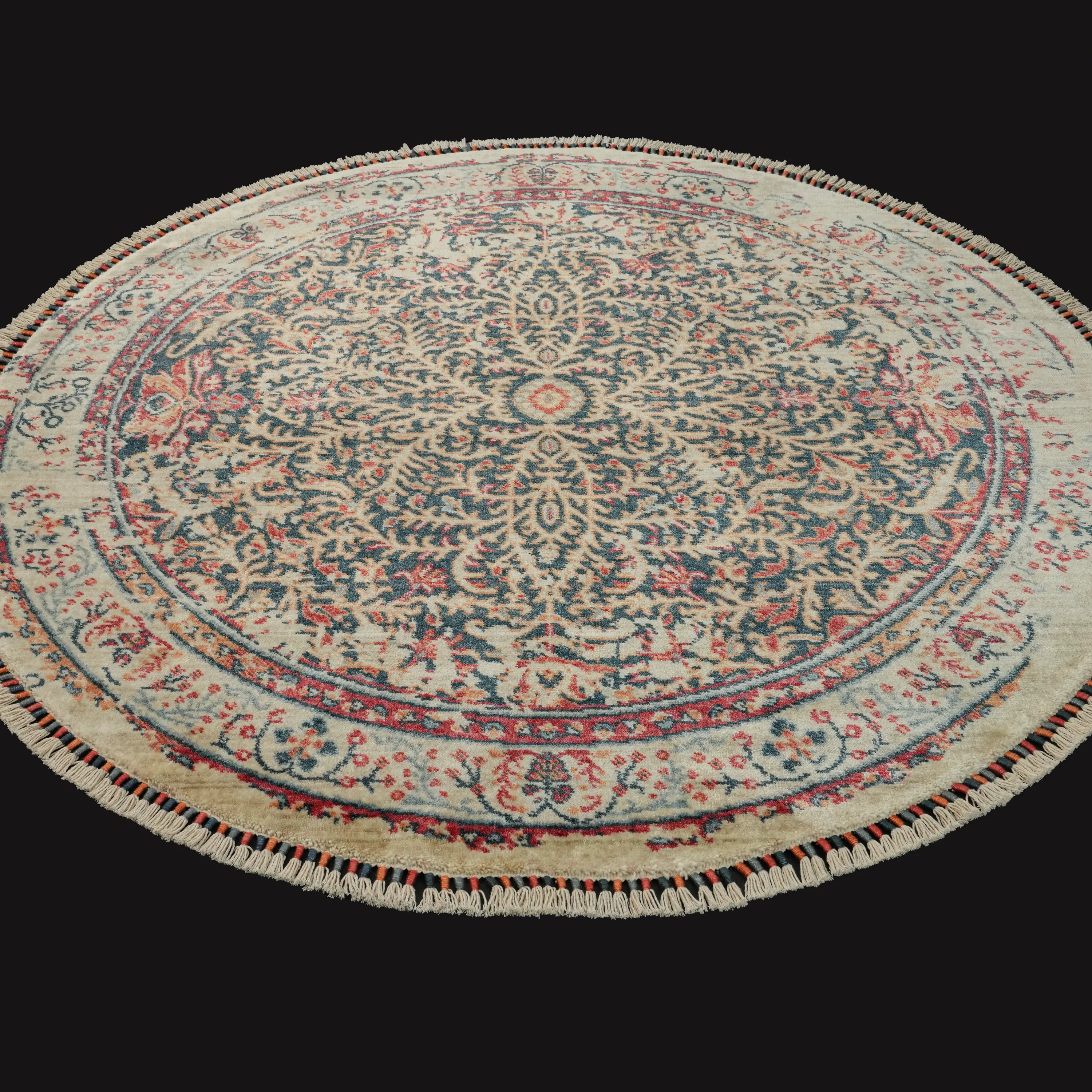
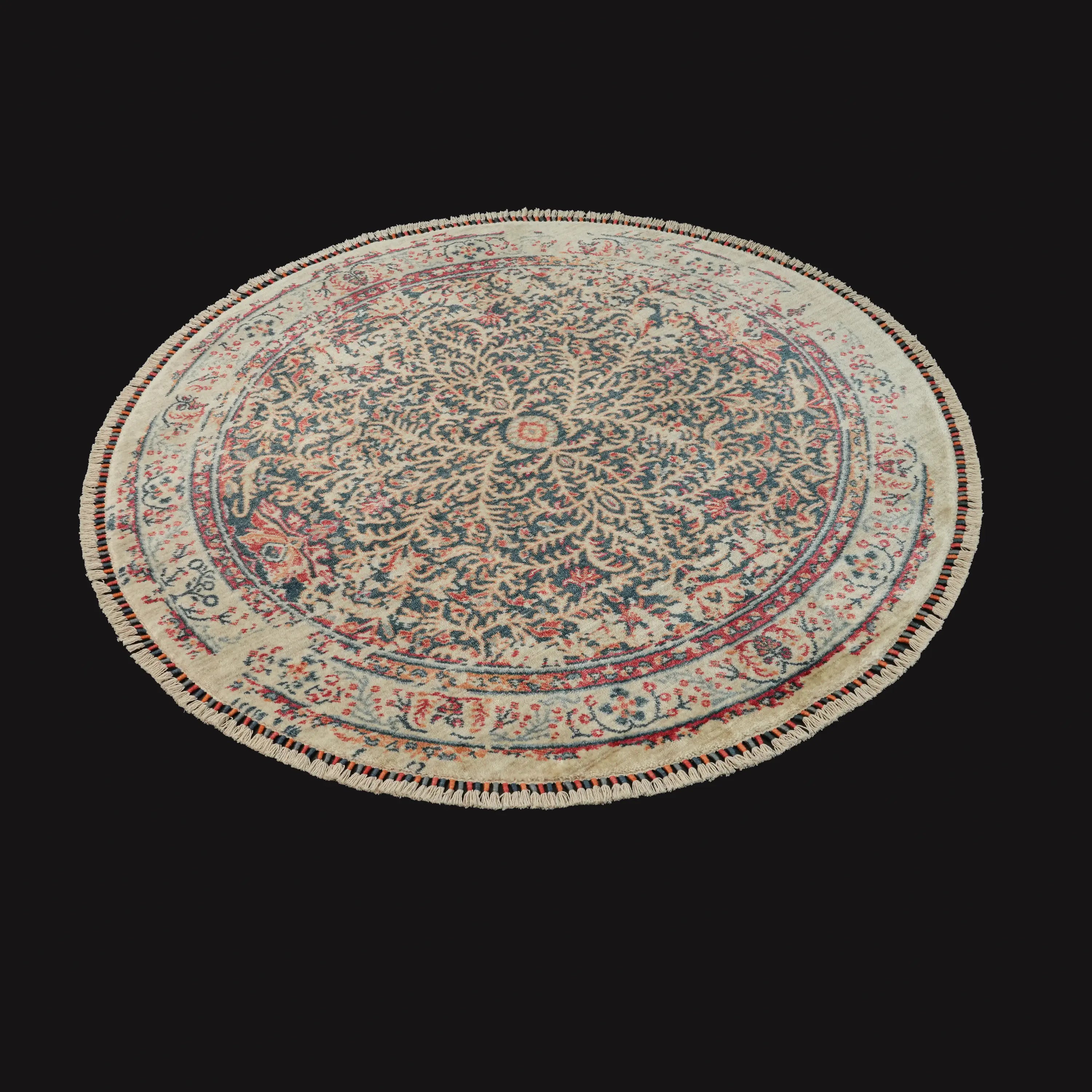
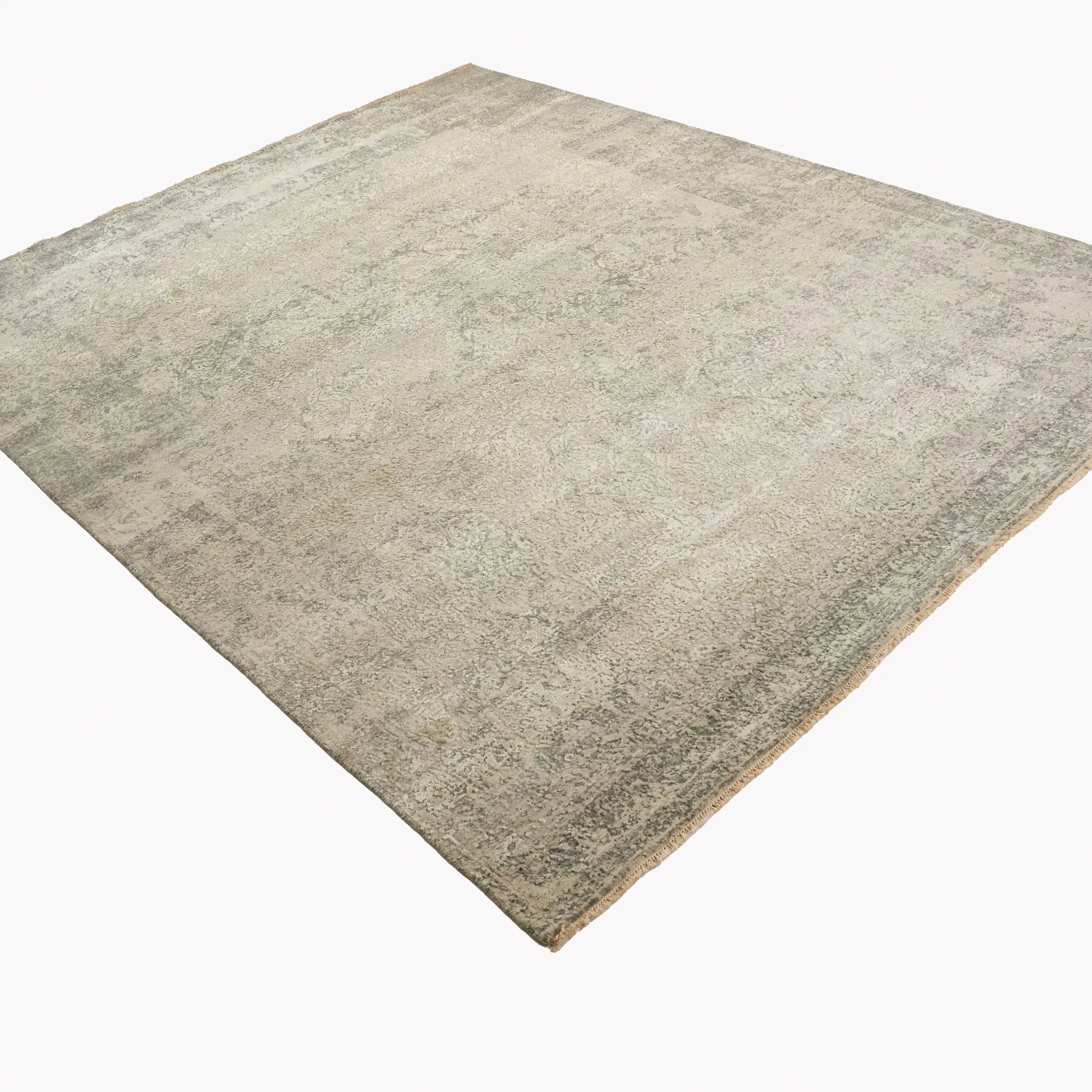
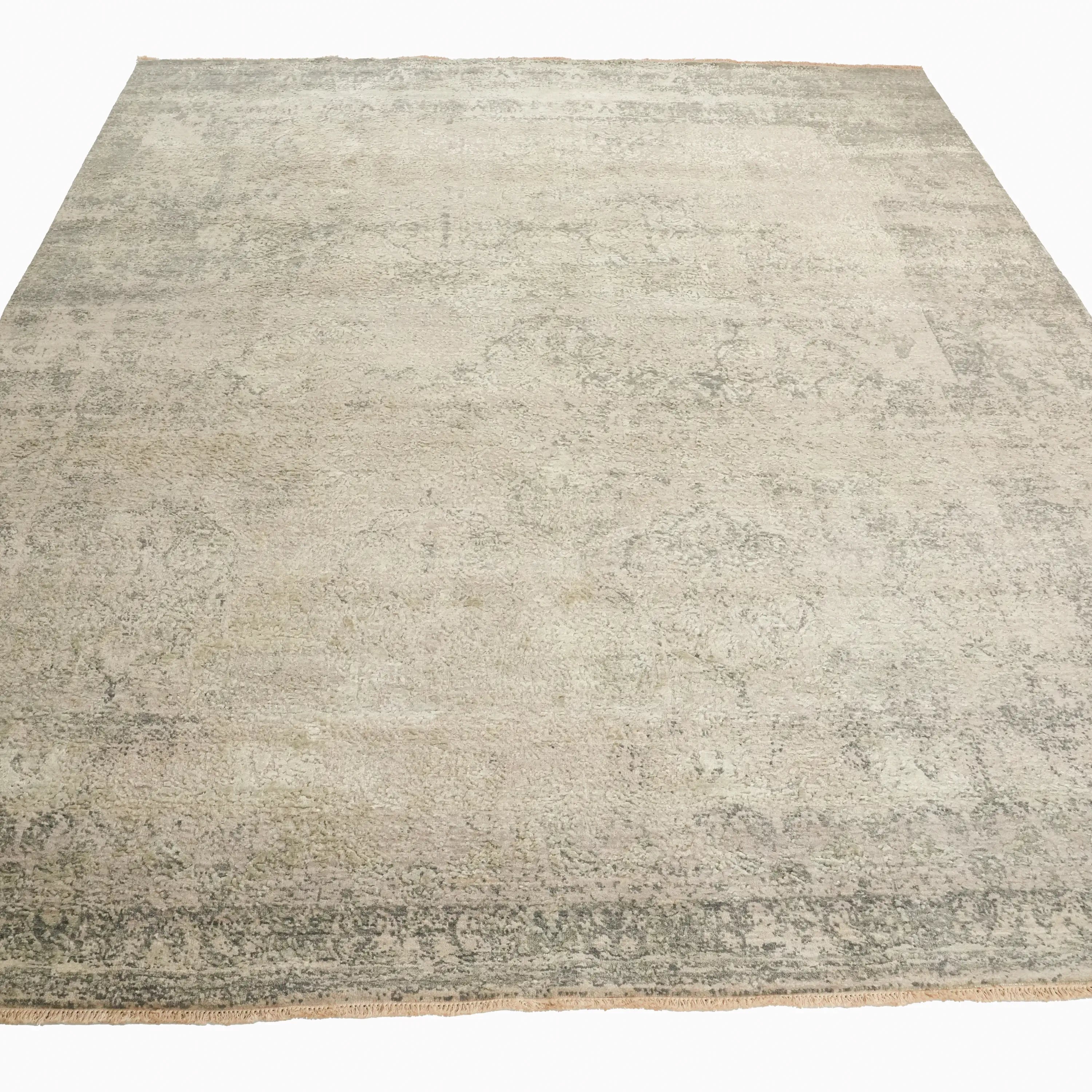
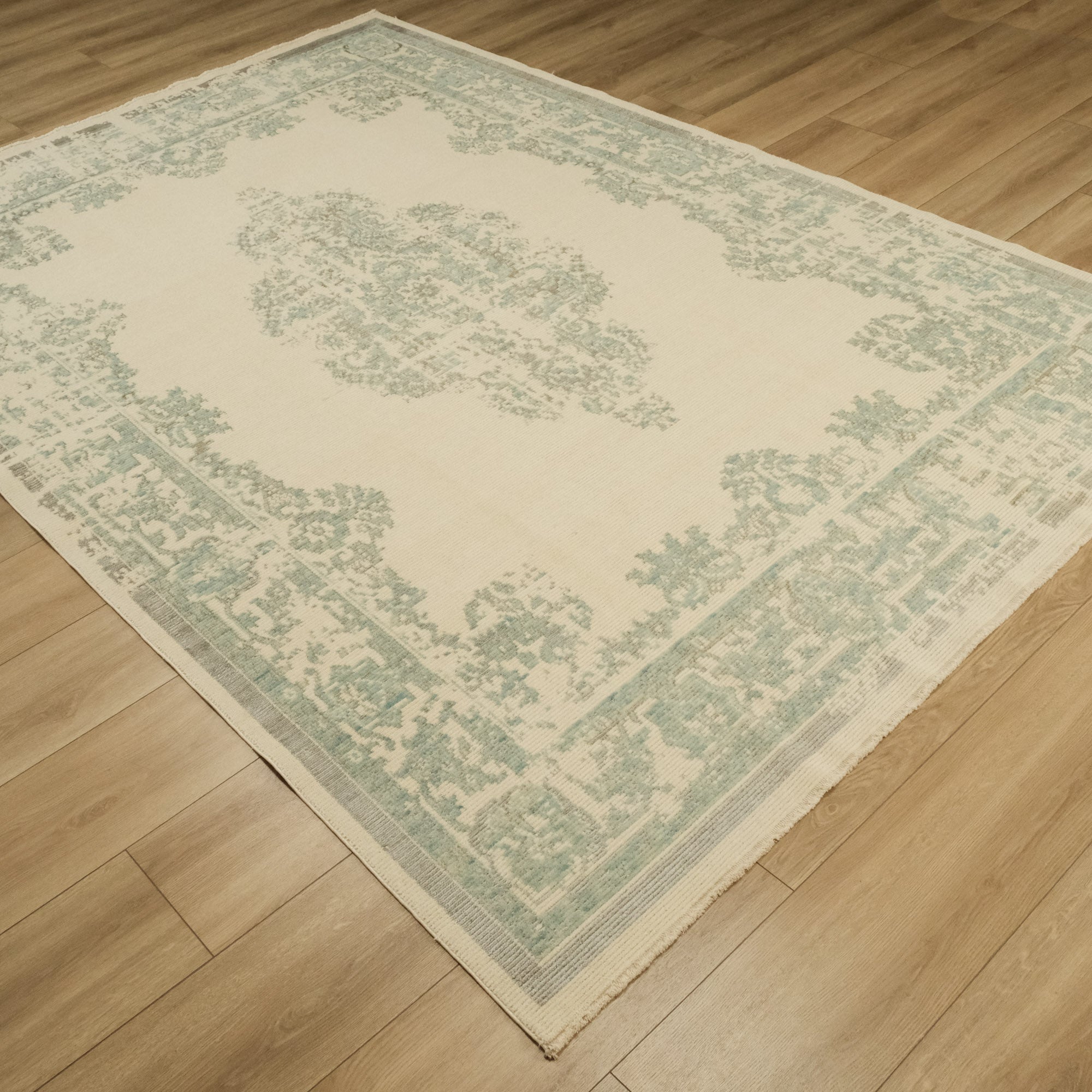
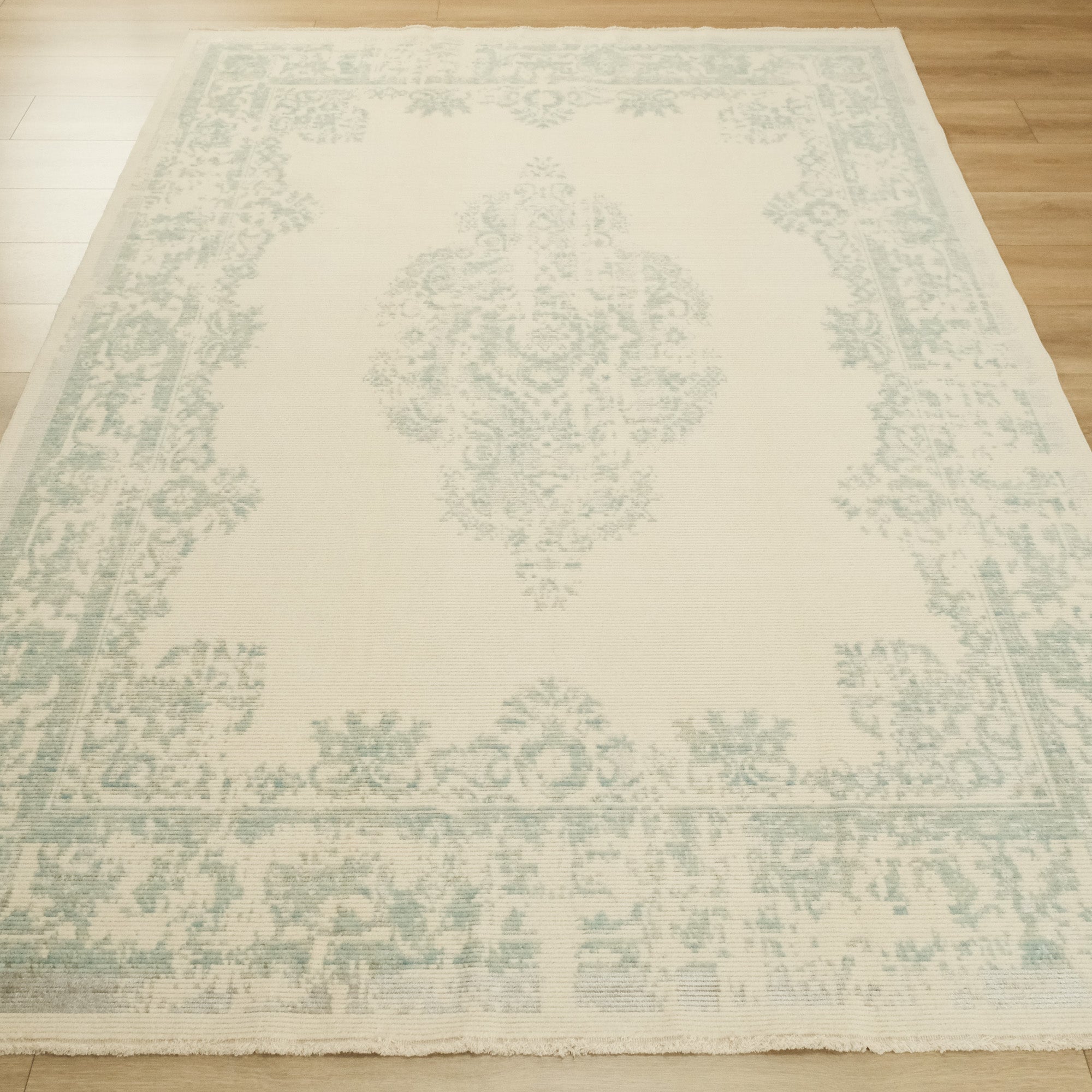
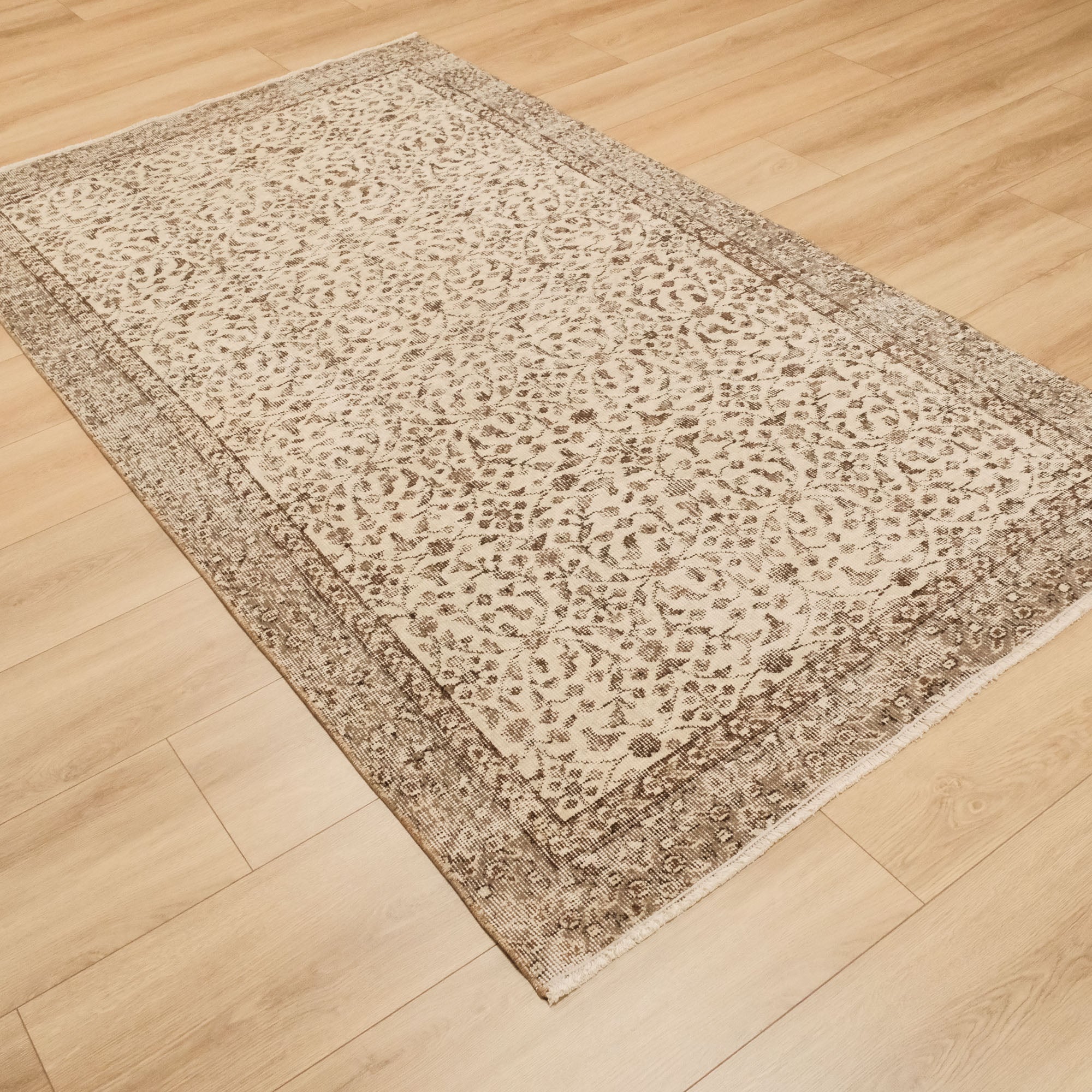
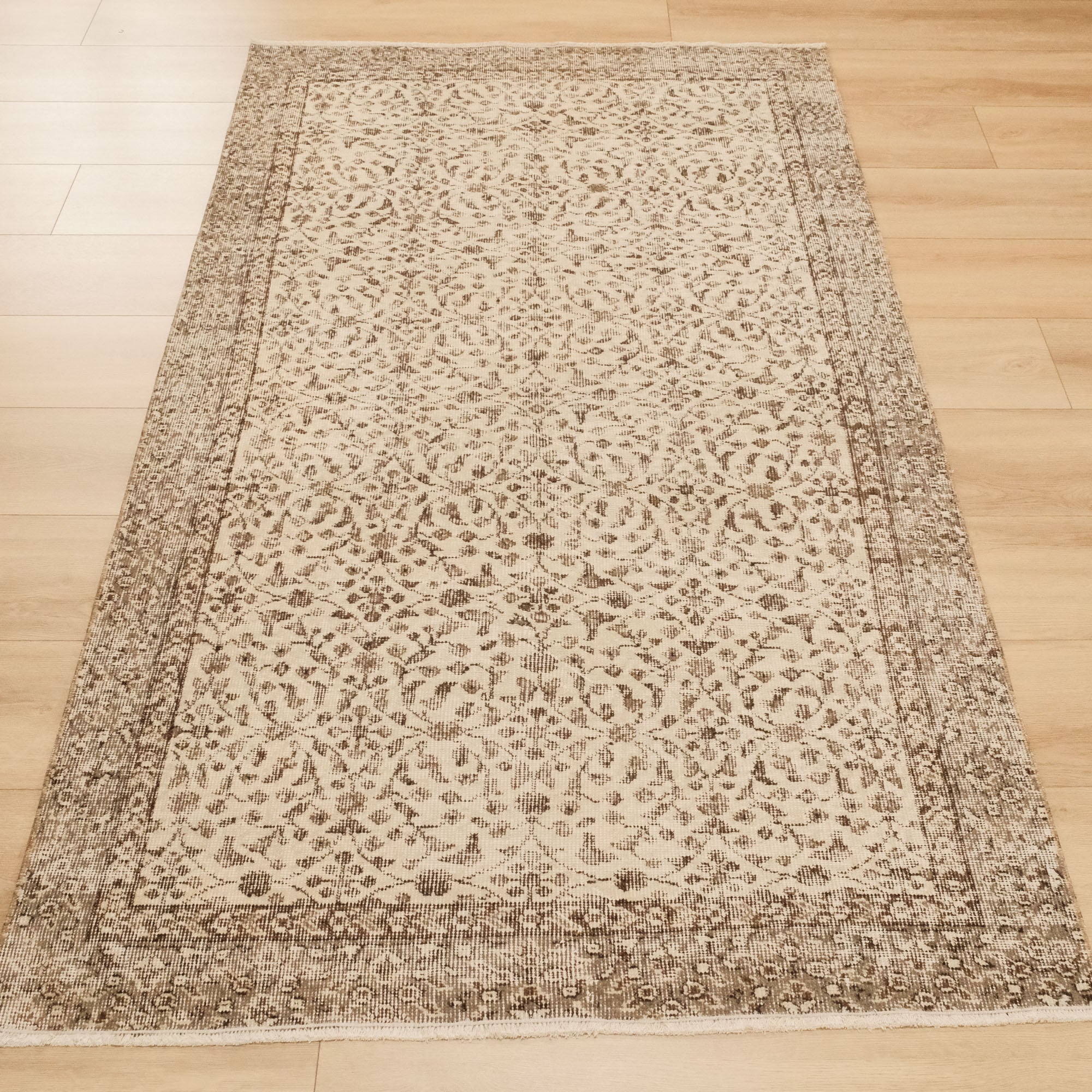
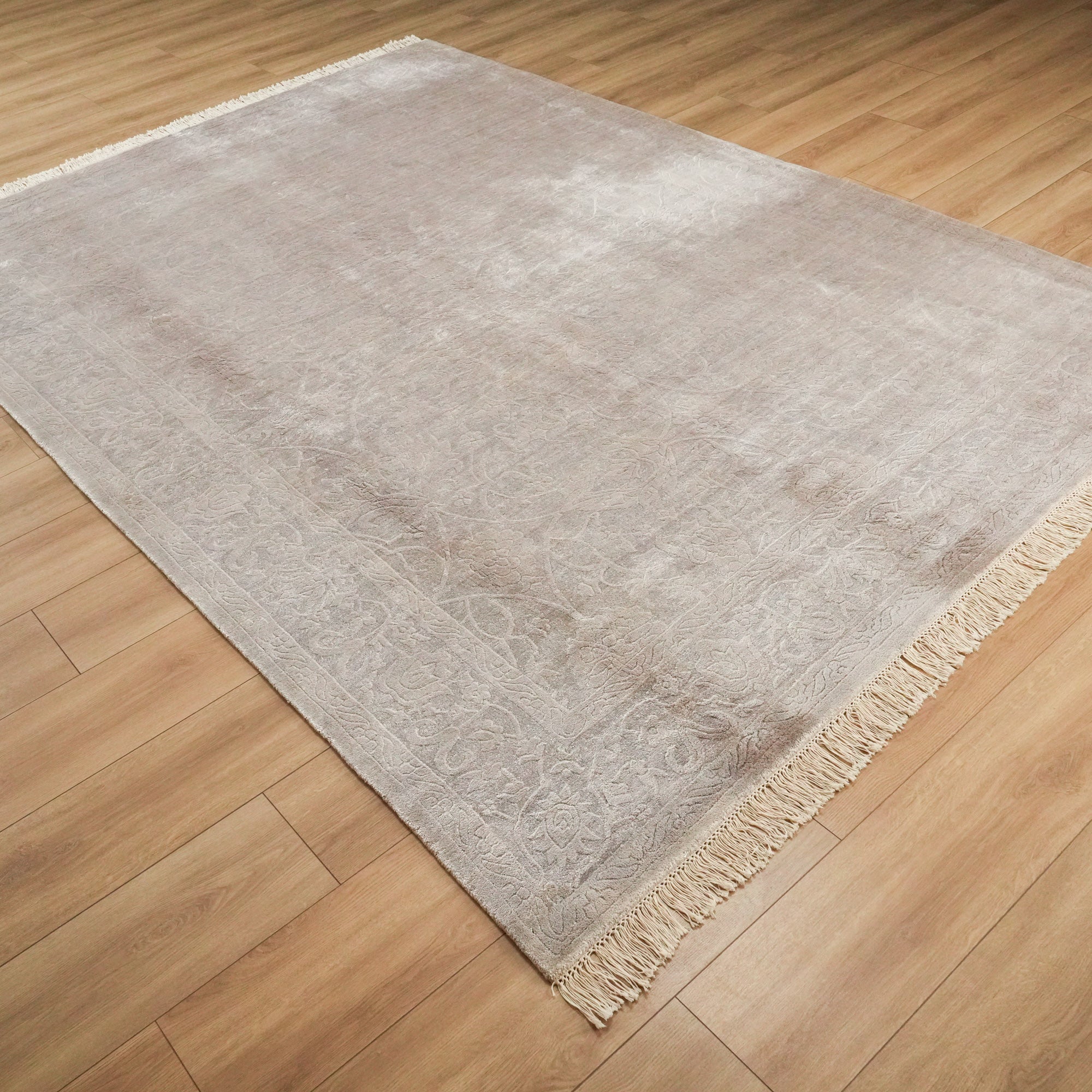
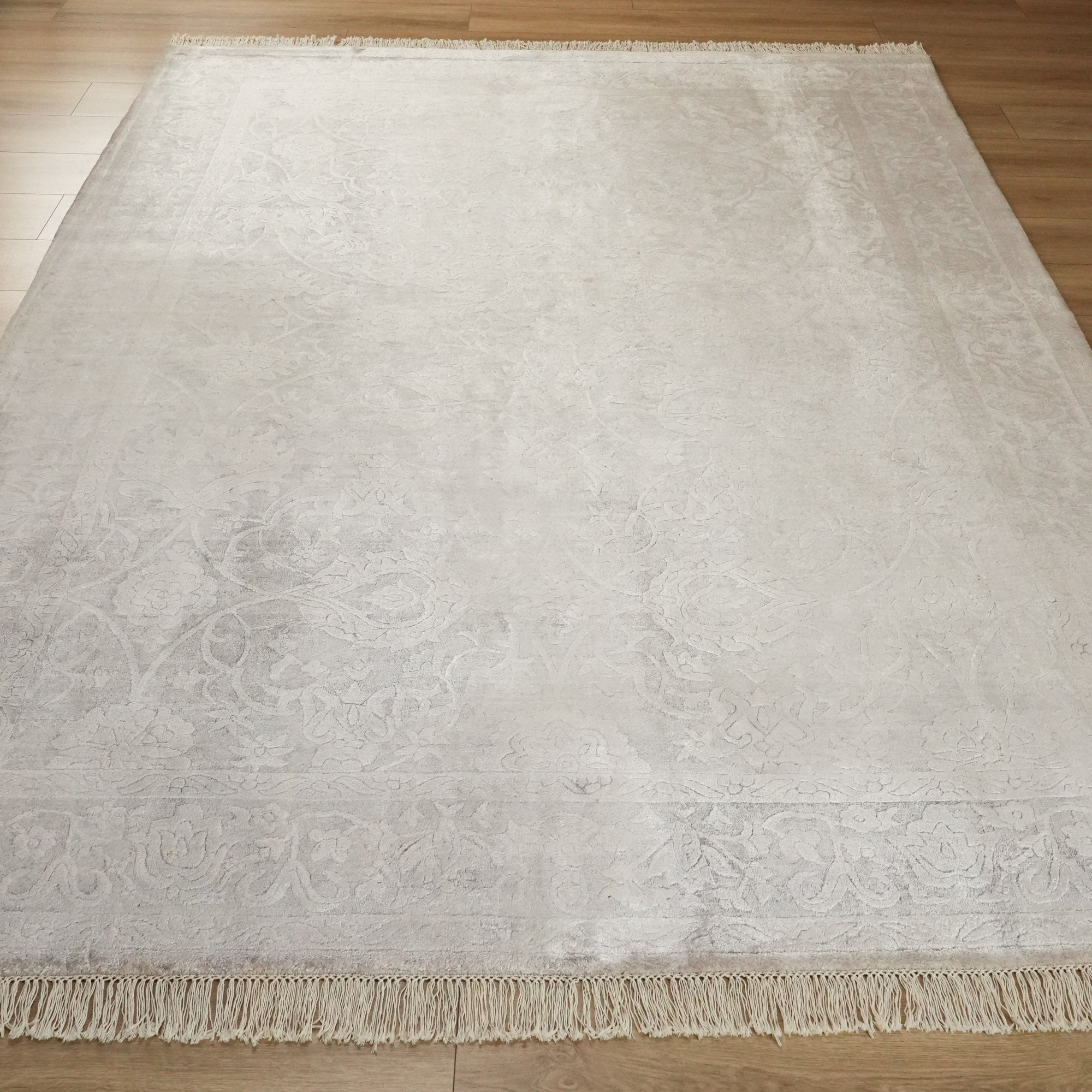
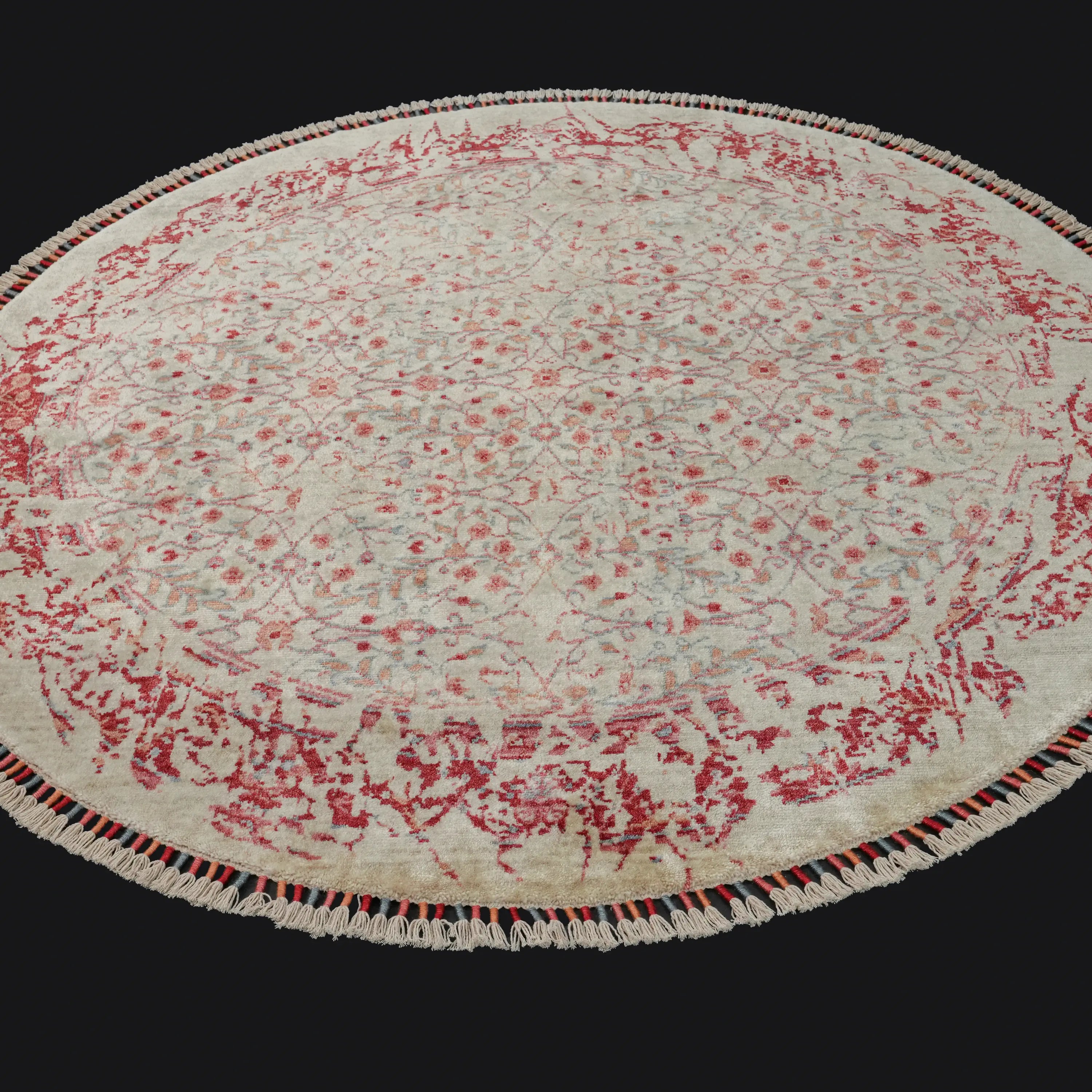


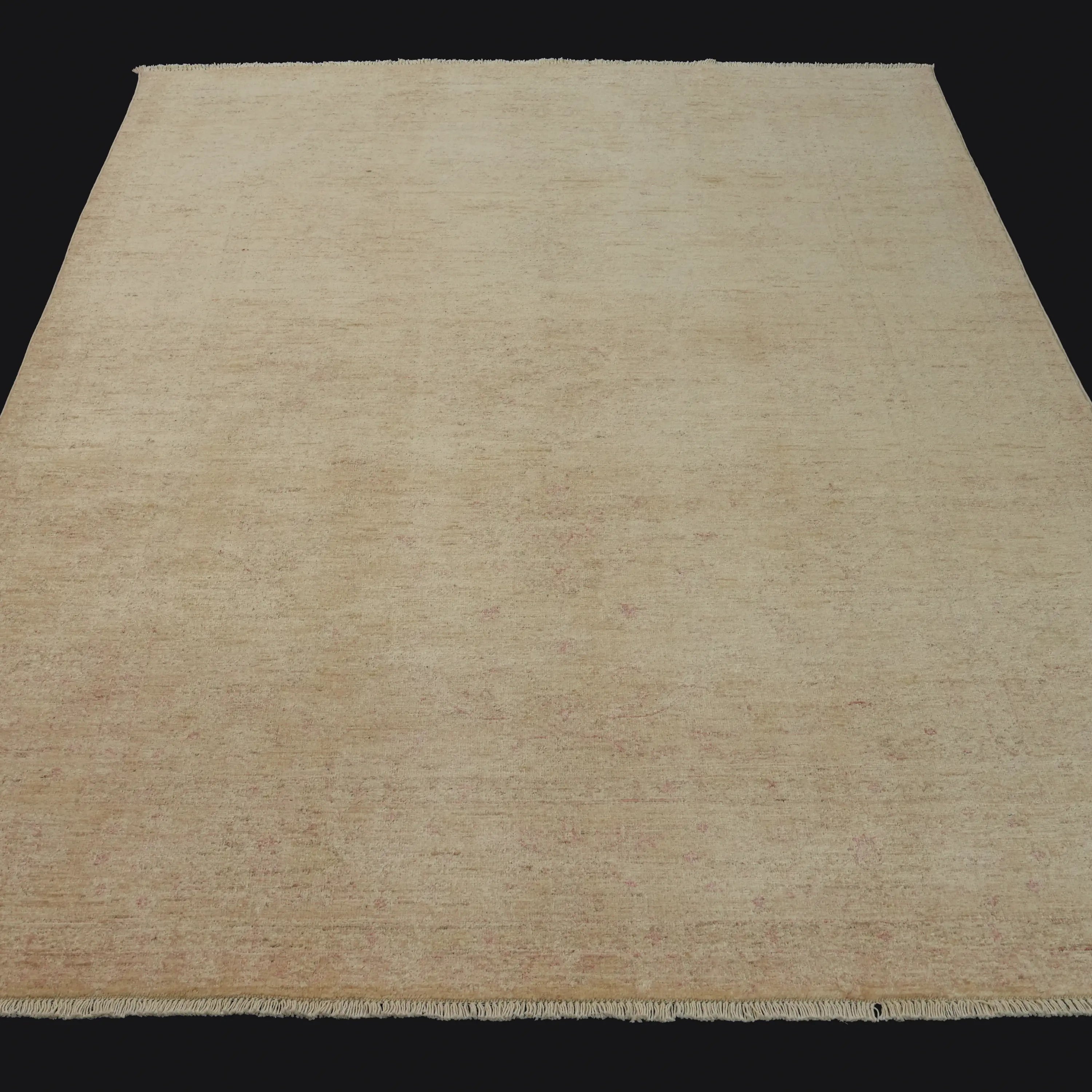
A vintage or retro-style rug reproduces the faded colors, softened wear patterns and mid-century-influenced motifs of older, well-used Turkish rugs, giving a room an instantly lived-in, collected-over-time character without requiring an actual decades-old piece.
The vintage look has become one of the most requested rug aesthetics in Western interiors over the past decade, and it's worth understanding exactly how that faded, worn-in character is achieved, since it's a deliberate finishing process rather than simply age.
From Genuine Antiques to a Reproducible Aesthetic
The vintage rug trend began with genuine antique and semi-antique Turkish and Persian rugs, pieces that had naturally faded and softened over decades of light and use, prized by designers for the way that wear made bold patterns feel calmer and more livable. As demand for that look outpaced the supply of genuine antiques, workshops developed controlled processes to reproduce the effect on new rugs.
How the Vintage Look Is Achieved
The faded, worn appearance is created through controlled overdyeing and washing techniques applied to a newly woven rug, muting the original color saturation and softening high-contrast pattern edges to mimic decades of gradual light exposure and foot traffic. This is a distinct, deliberate finishing step separate from the weaving itself.
Why Choose a Vintage-Style Rug from Halicizade
We recreate this faded palette through controlled overdyeing and washing so the look is consistent and repeatable rather than a matter of chance, letting you choose a specific vintage colorway with confidence rather than hoping a genuinely aged piece happens to be available.
Where Vintage-Style Rugs Work Best
Vintage-style rugs are unusually versatile precisely because their muted palette softens whatever pattern sits underneath it.
- New or very modern interiors: vintage-style rugs are especially popular for softening a space that might otherwise feel sterile.
- Living rooms and bedrooms alike: the muted palette works in almost any room without competing for attention.
- Layering: a smaller vintage-style piece works well over a larger neutral base rug.
- Traditional rooms wanting a softer look: choose a vintage treatment over a traditional pattern rather than a bold, saturated original.
Vintage-Style vs. Genuine Antique
| Vintage-Style (New, Overdyed) | Genuine Antique | |
|---|---|---|
| Color consistency | Predictable, chosen colorway | Varies by individual piece's wear history |
| Price | More accessible | Significantly higher, collector-driven |
| Availability | Reliable, repeatable | Limited, one-of-a-kind |
| Construction condition | New, full structural integrity | Variable, depends on age and prior care |
Care & Maintenance
Vintage-style rugs are cared for exactly like any other wool piece of equivalent construction, regular vacuuming, prompt spill treatment, and professional cleaning every 12-18 months; the overdyed finish doesn't require special handling beyond standard wool care.
Frequently Asked Questions
Is a vintage-style rug the same as an antique rug?
No, a vintage-style rug is a new rug finished to look aged and faded, while an antique rug is an actual older piece, typically several decades old or more.
How is the faded look achieved on vintage-style rugs?
The faded, worn appearance is created through controlled overdyeing and washing techniques applied to a newly woven rug.
Do vintage-style rugs work with modern furniture?
Yes, their muted, worn-in color palette is especially popular for softening the look of contemporary and minimalist interiors.
Are vintage-style rugs less durable because of the overdye process?
No, the overdyeing process affects color and surface appearance, not the underlying weave structure, so durability is comparable to a non-overdyed rug of the same construction.
Why did the vintage rug trend become so popular?
Designers were originally drawn to genuine antique rugs for how their natural fading softened bold traditional patterns; as demand outpaced antique supply, workshops developed processes to reproduce that same look on new rugs.
Can any pattern be given a vintage treatment?
Most pattern families can be overdyed to a vintage finish, though the effect is most dramatic on originally bold, high-contrast traditional patterns.