

Filters
136 products
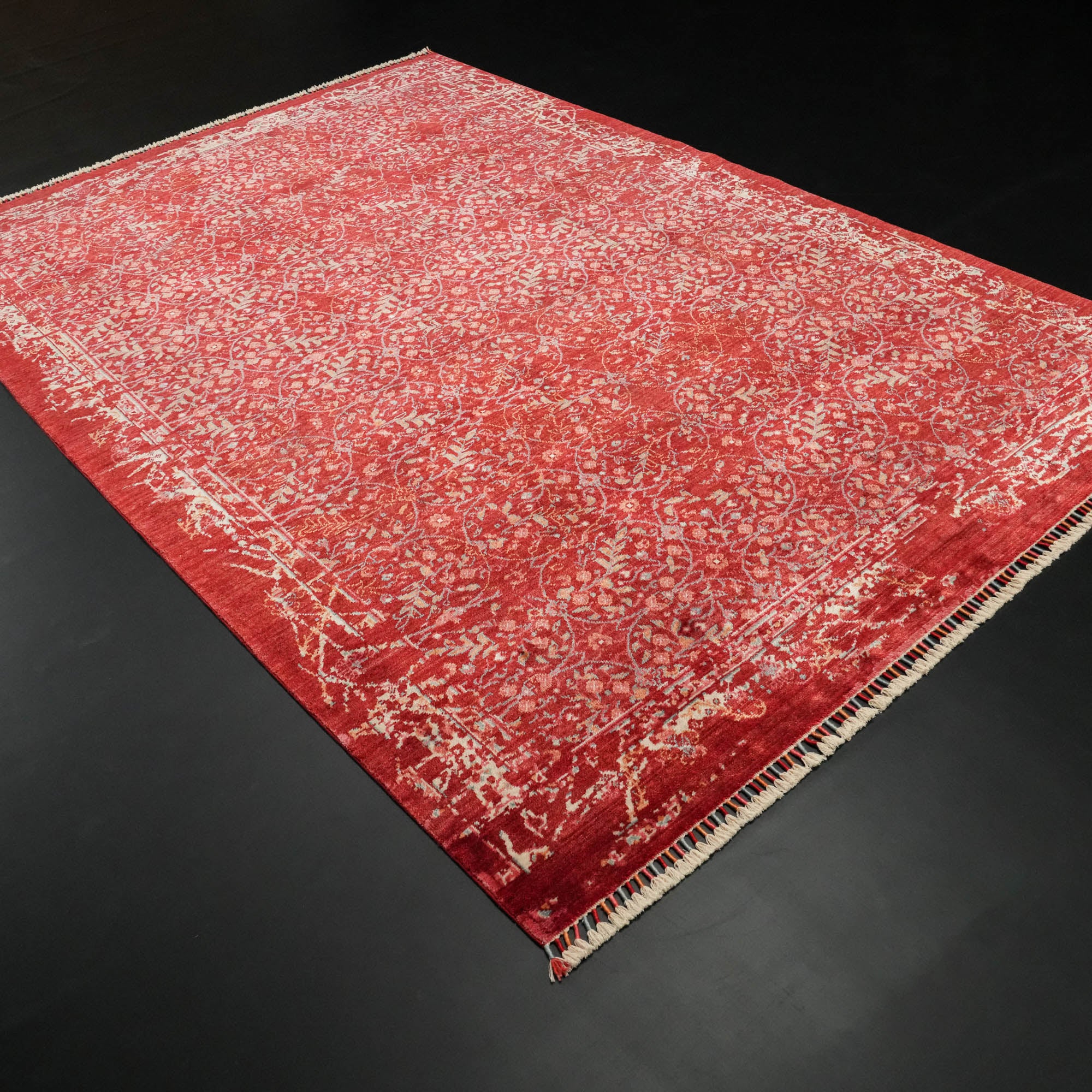
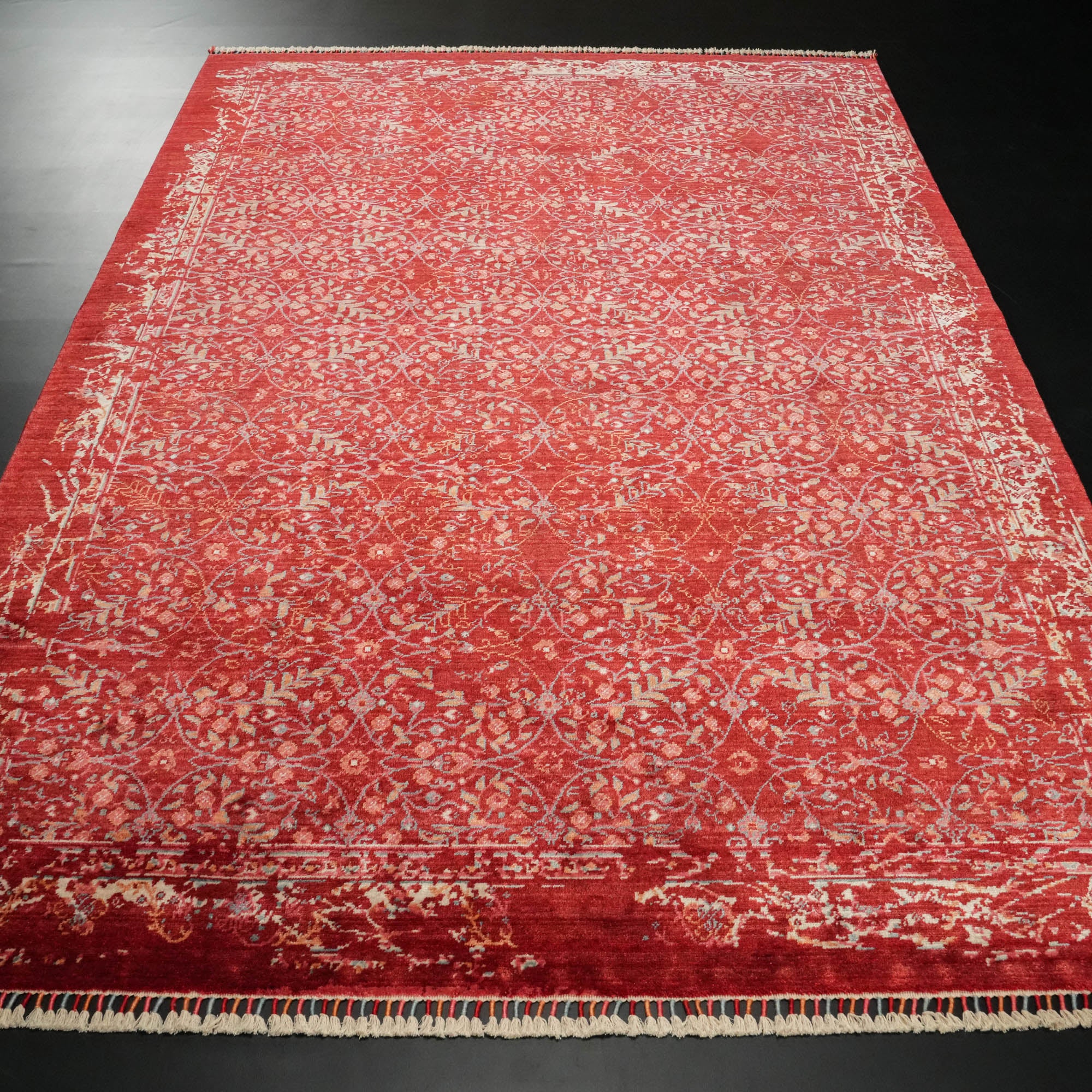
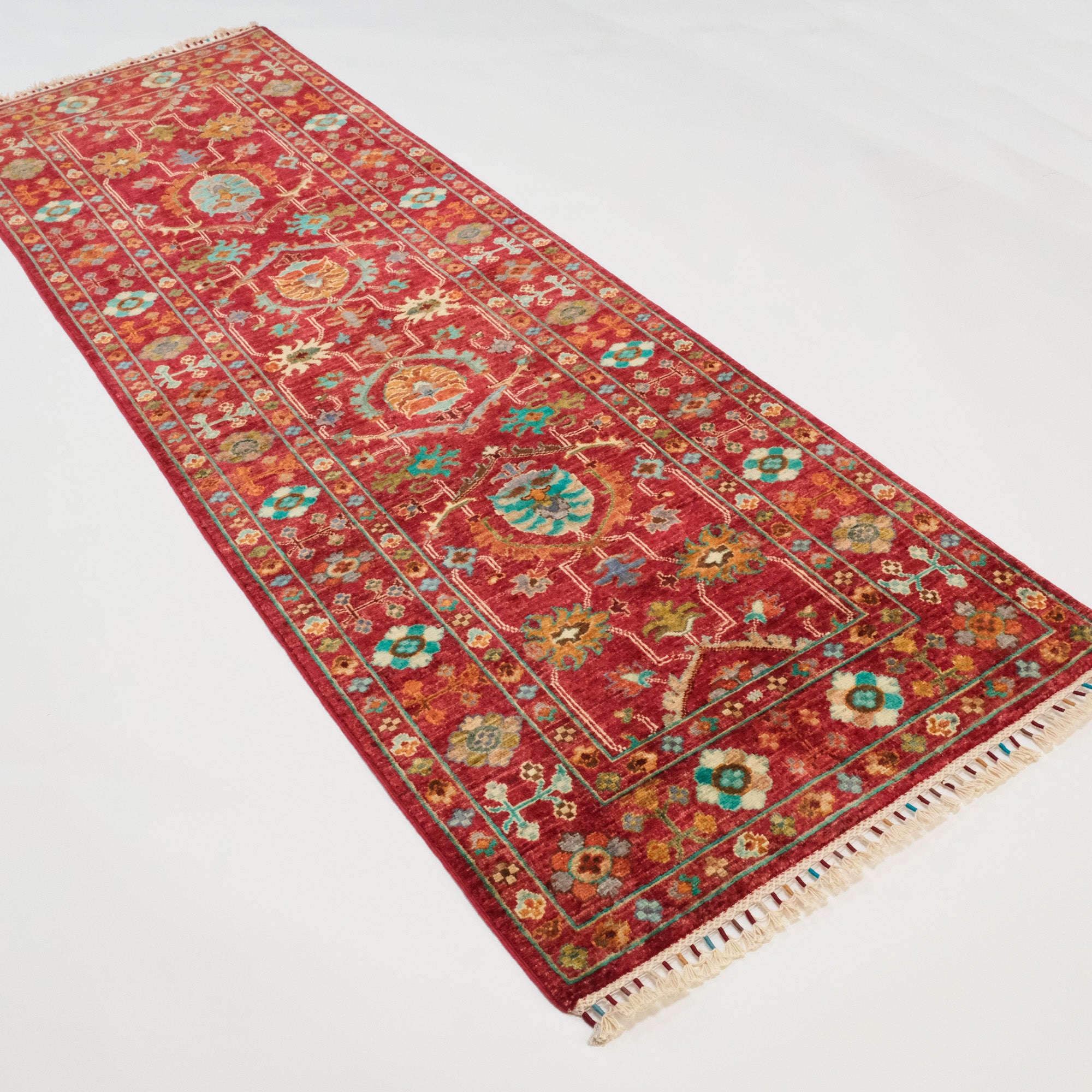
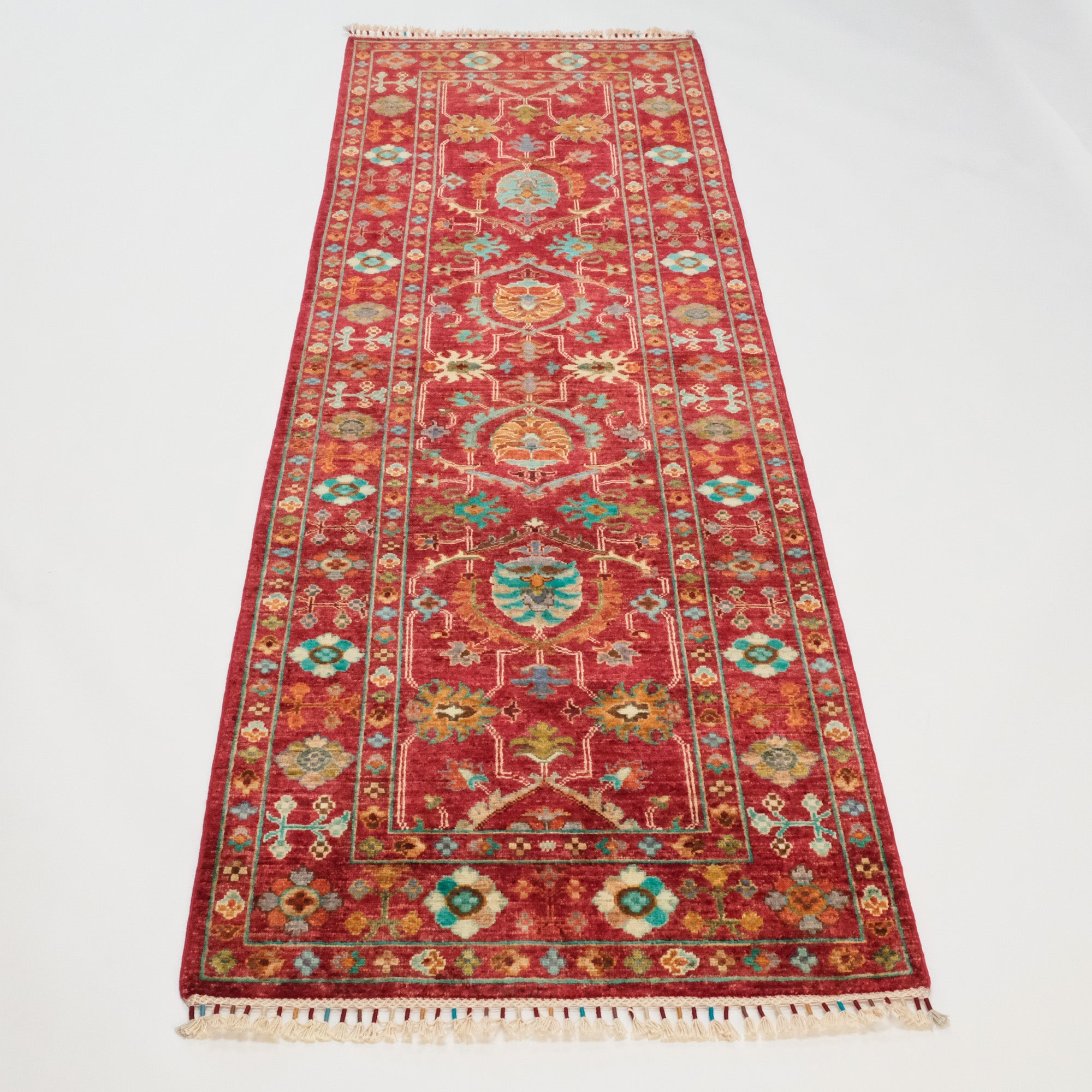
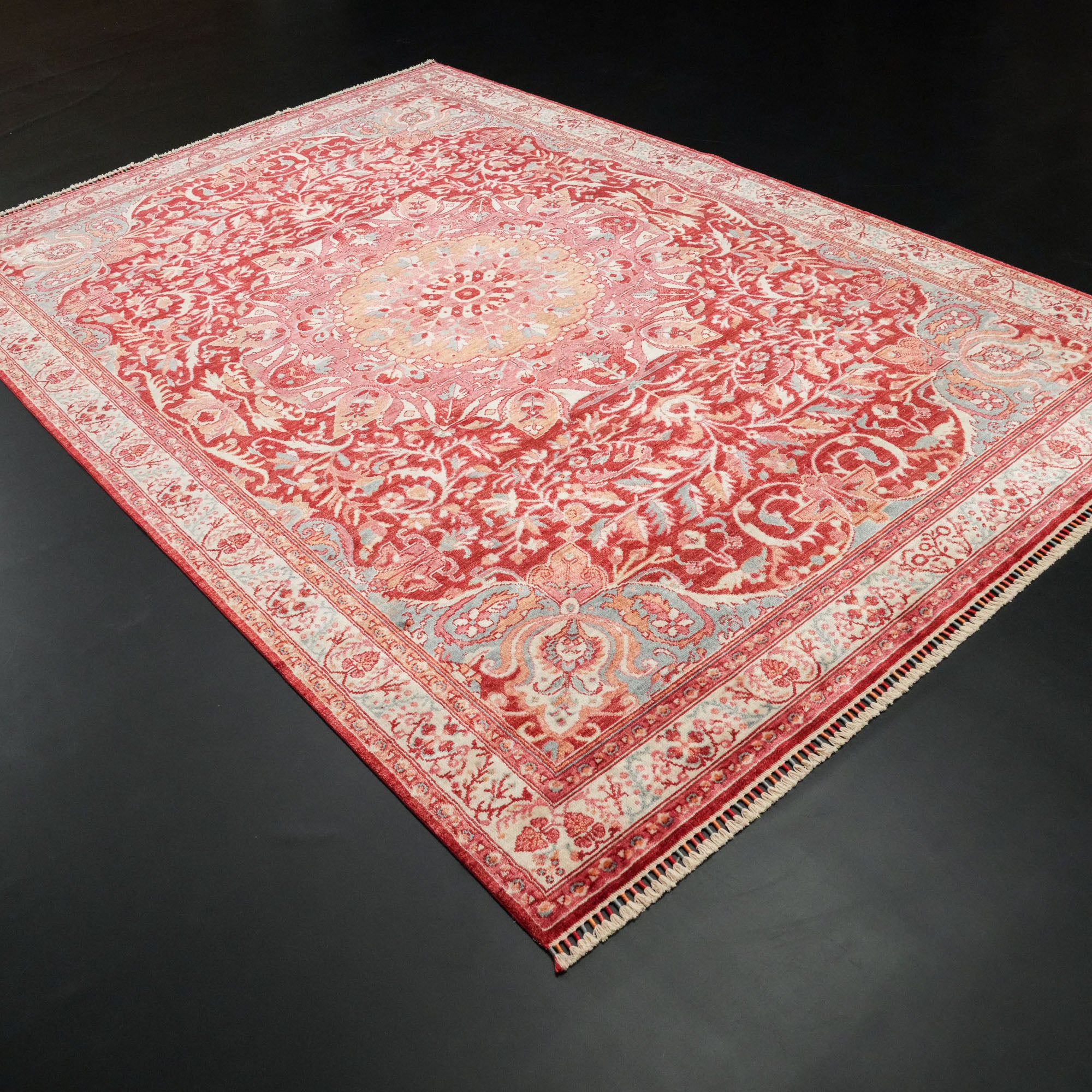
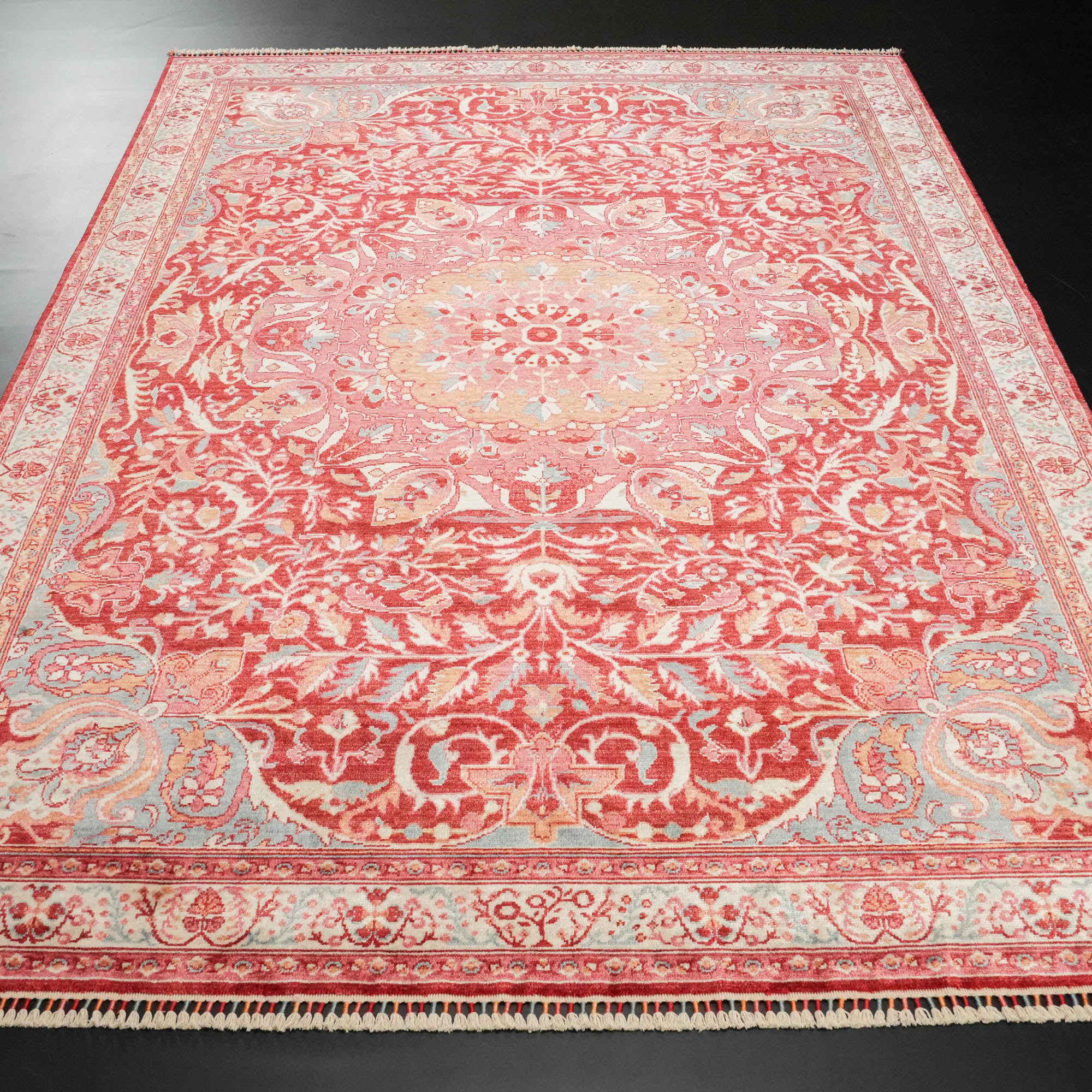
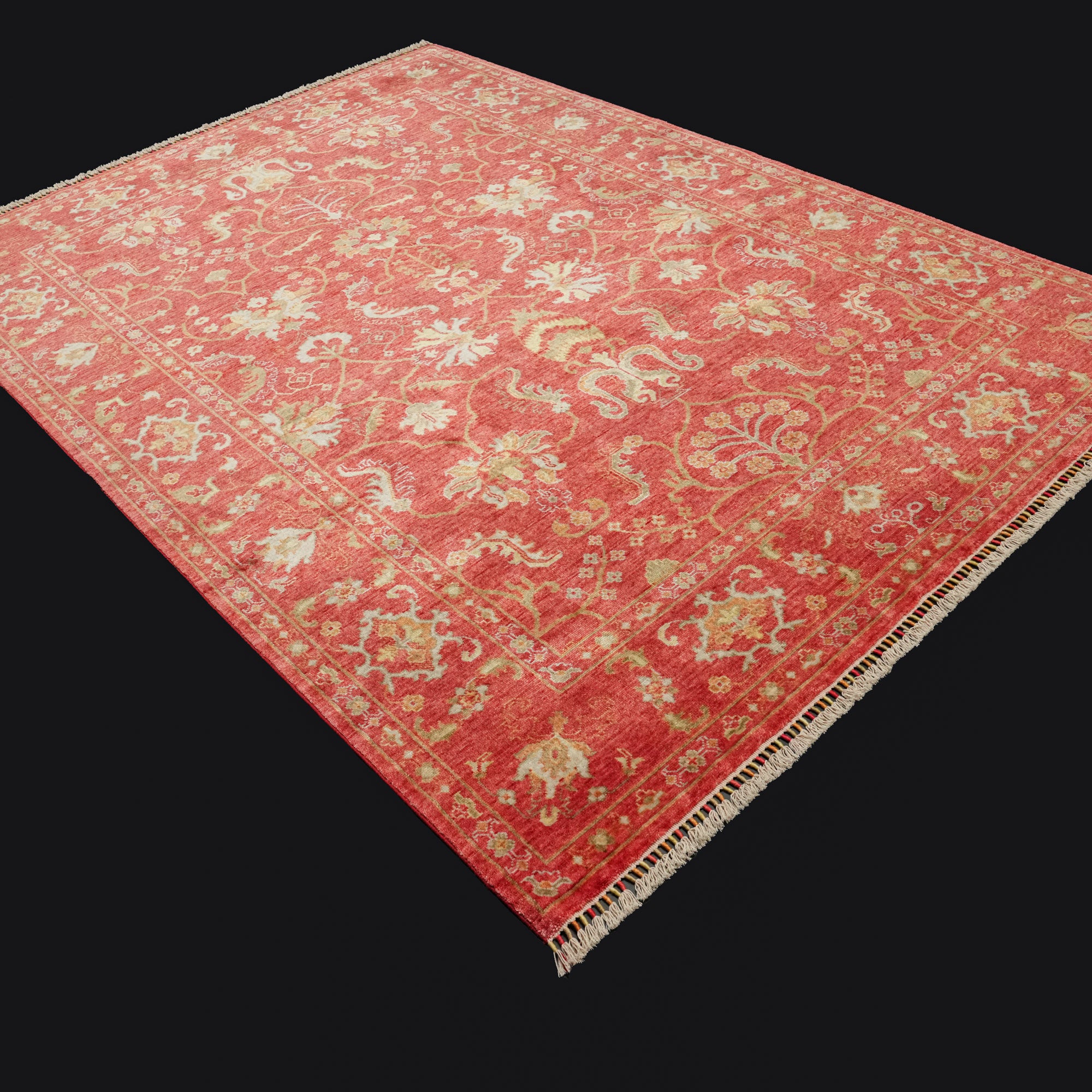
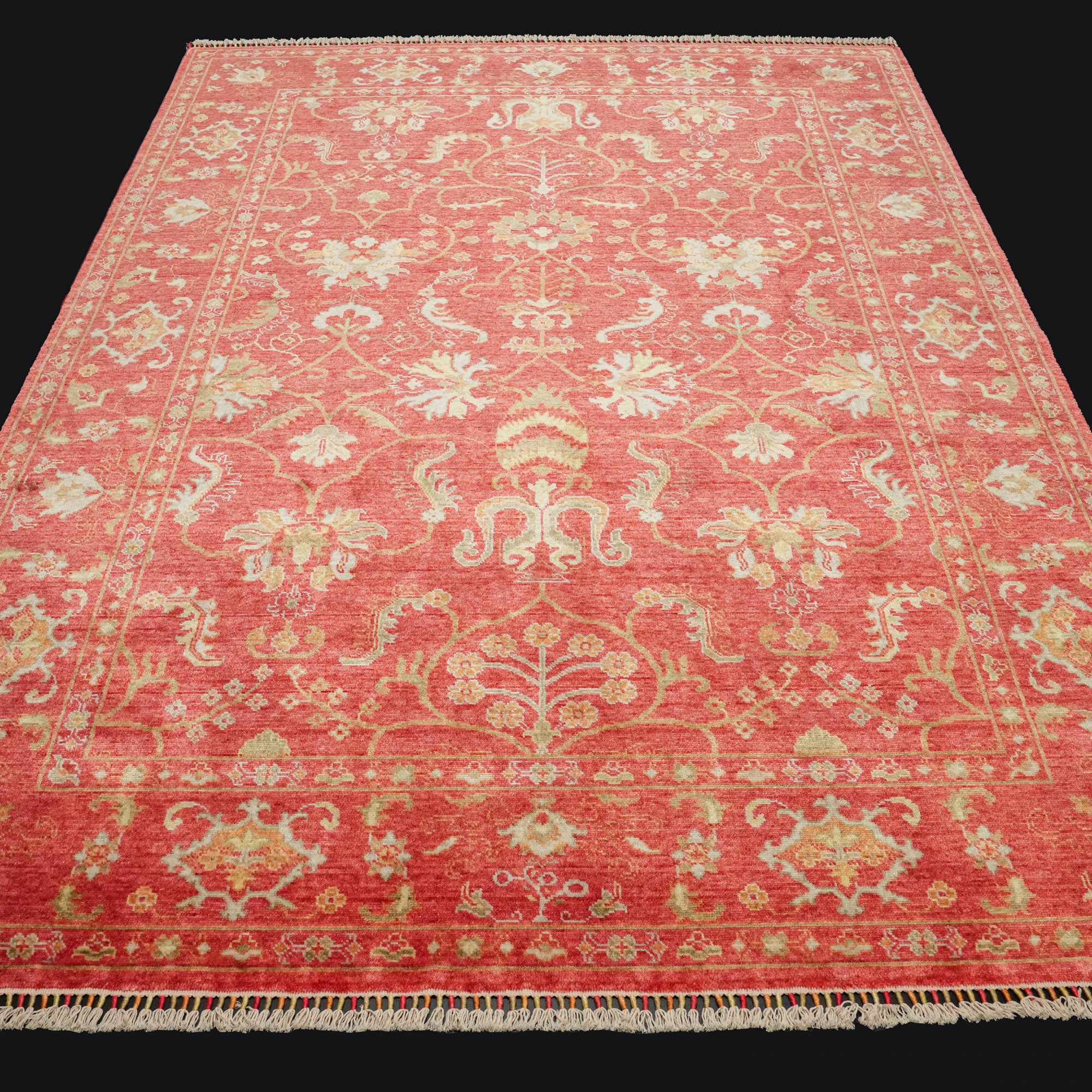
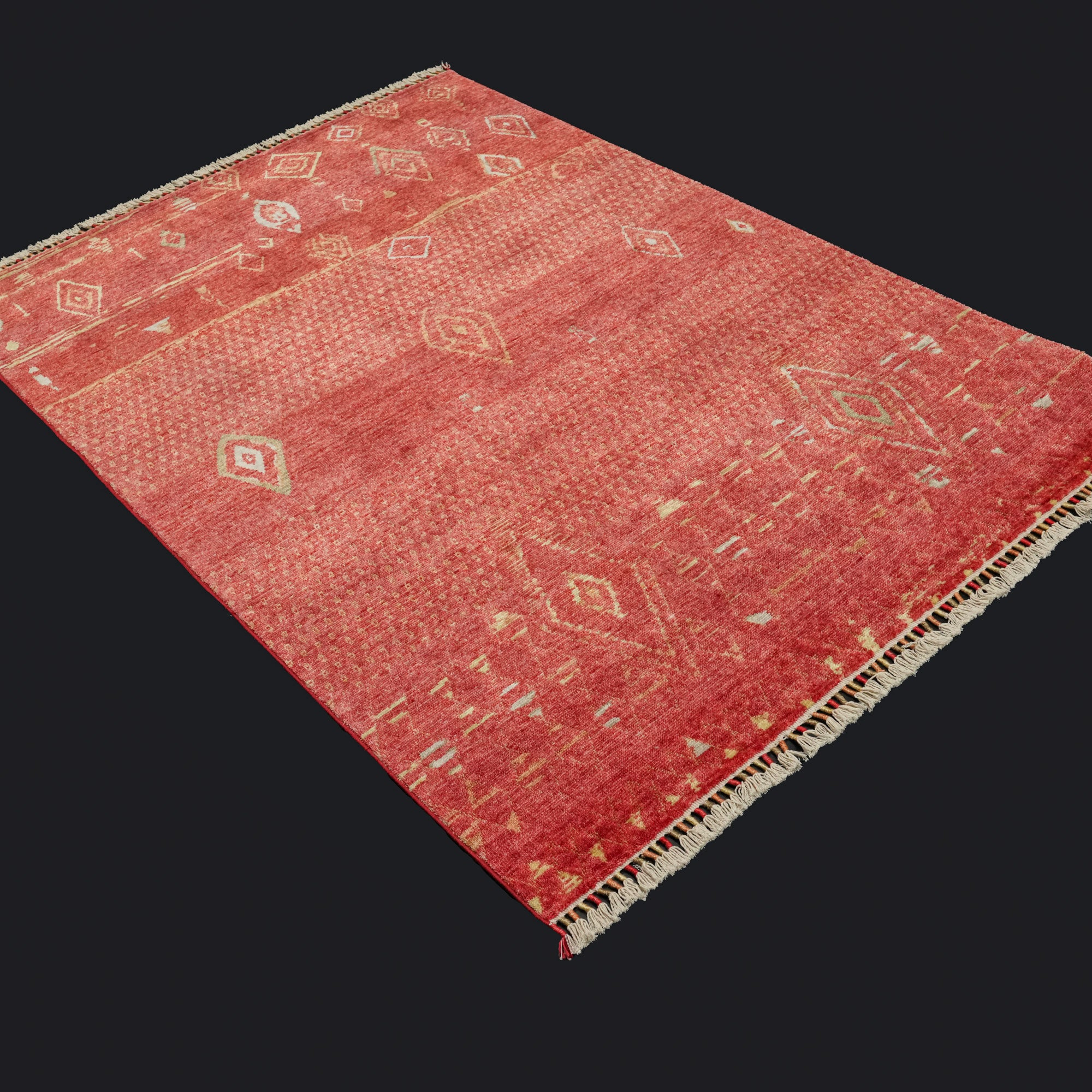
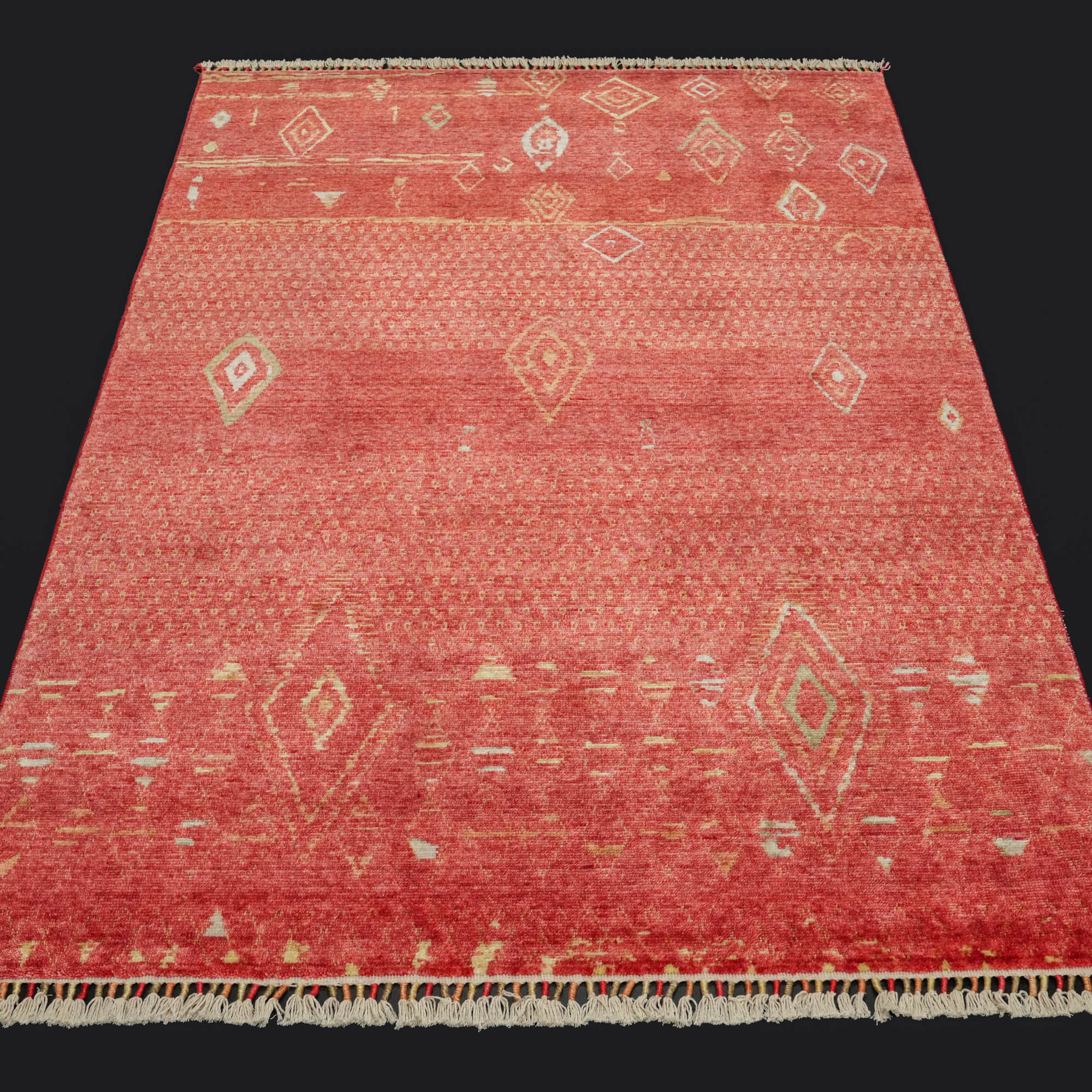
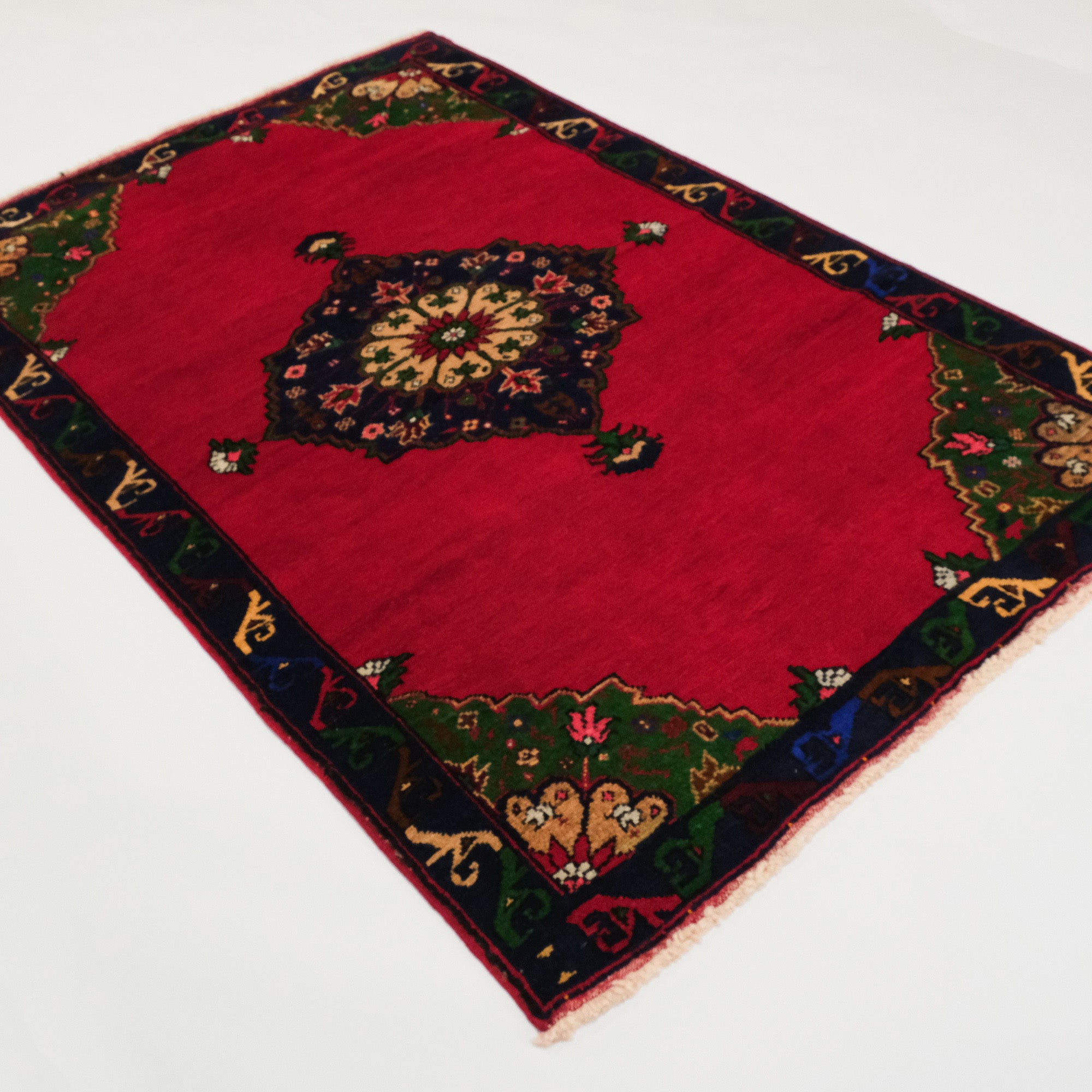
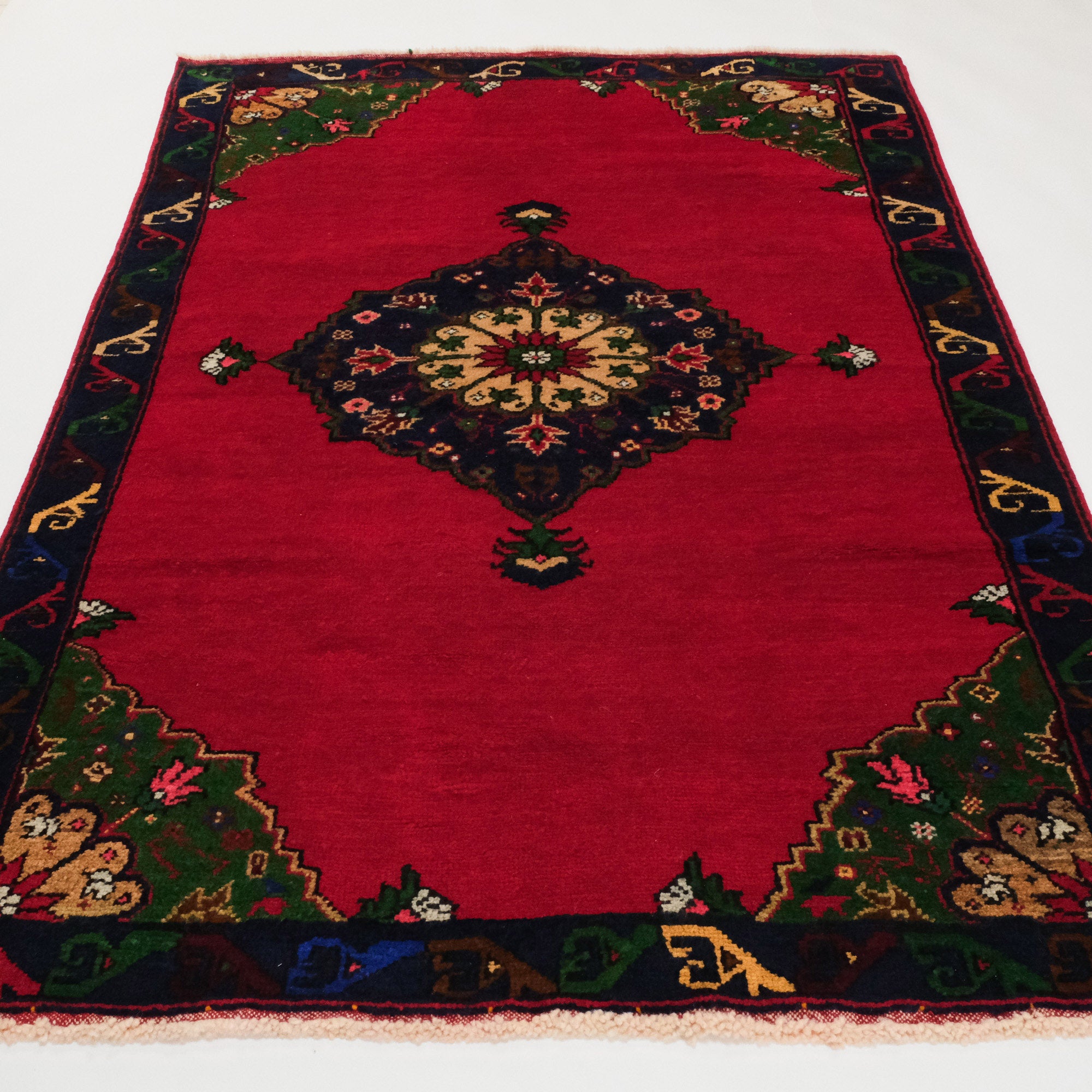
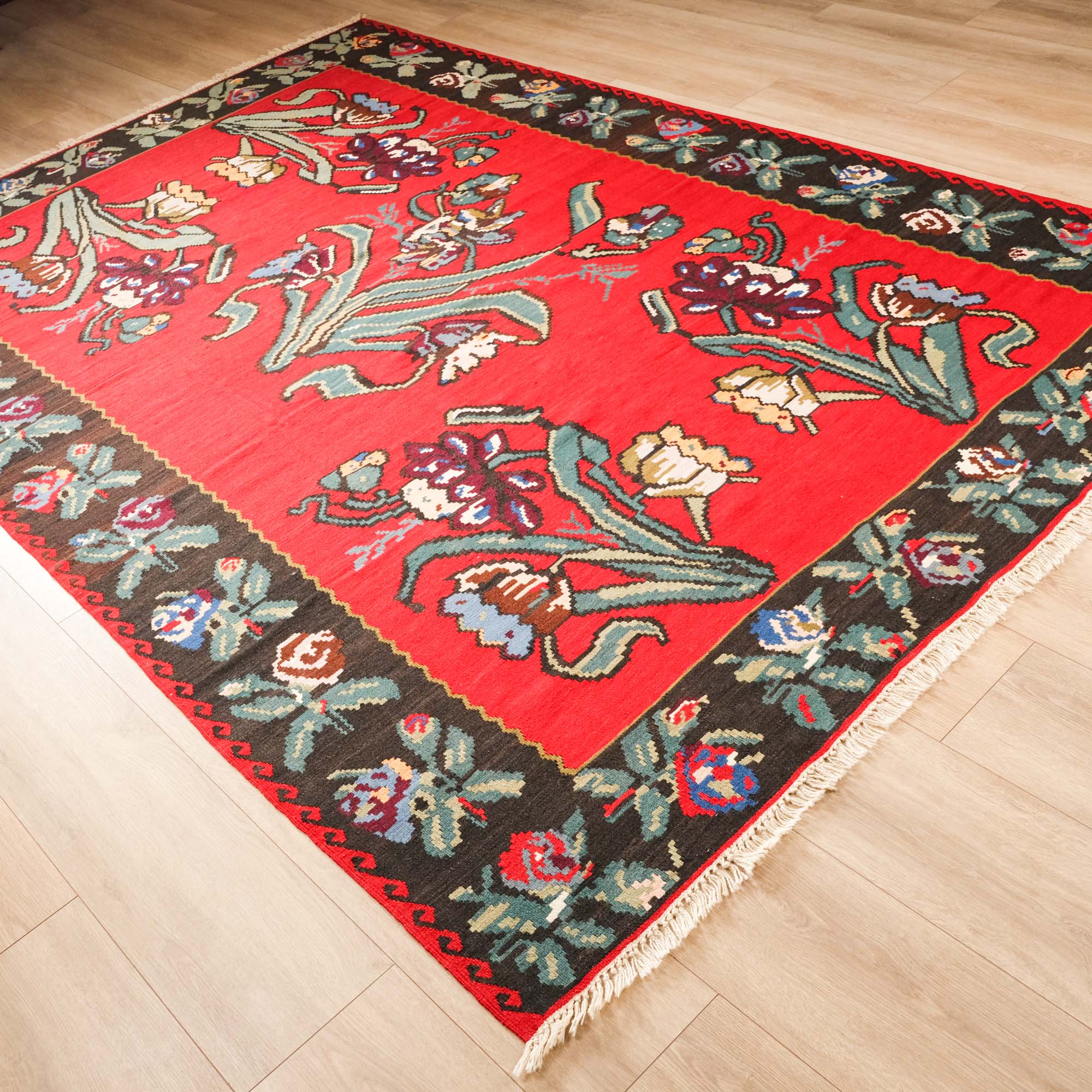
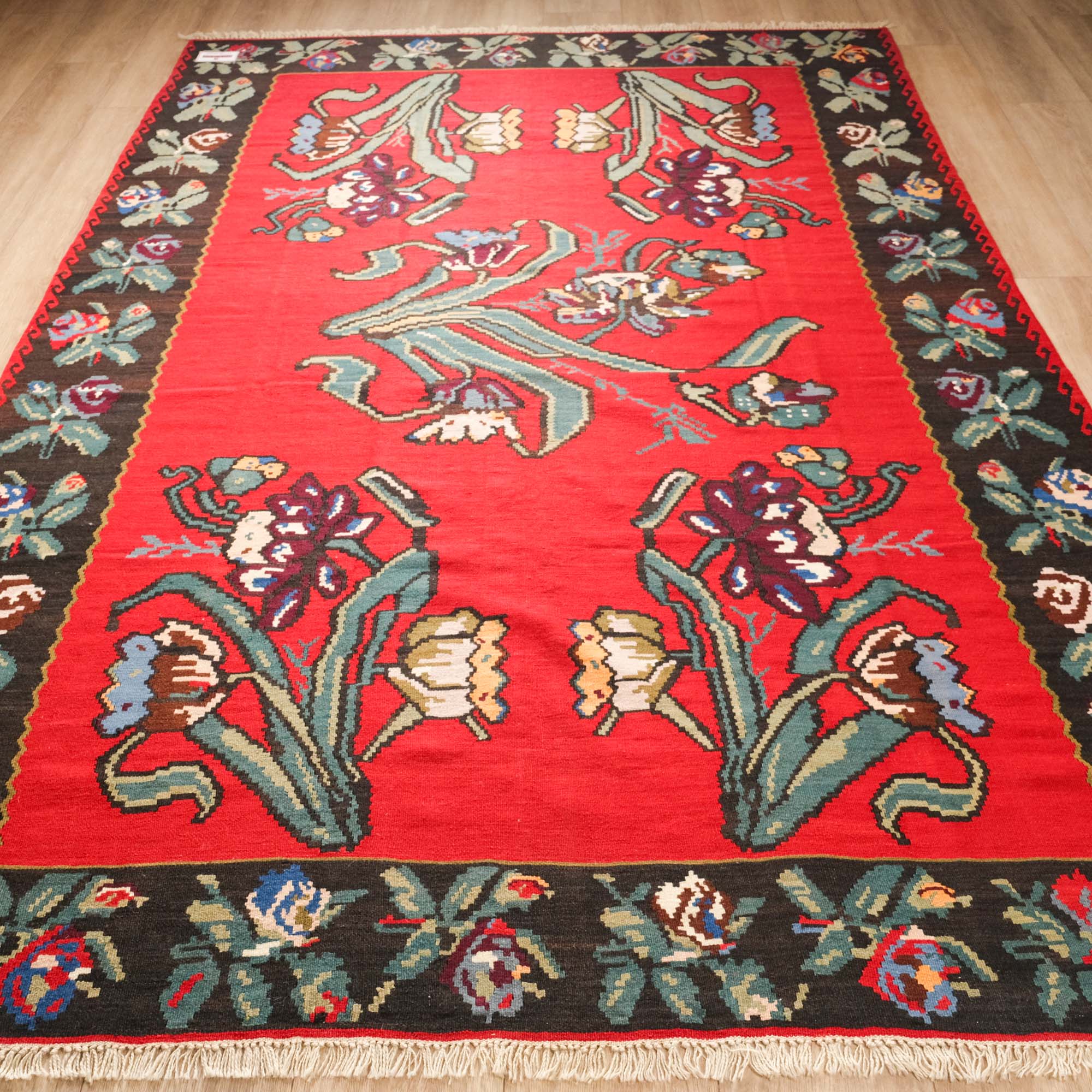
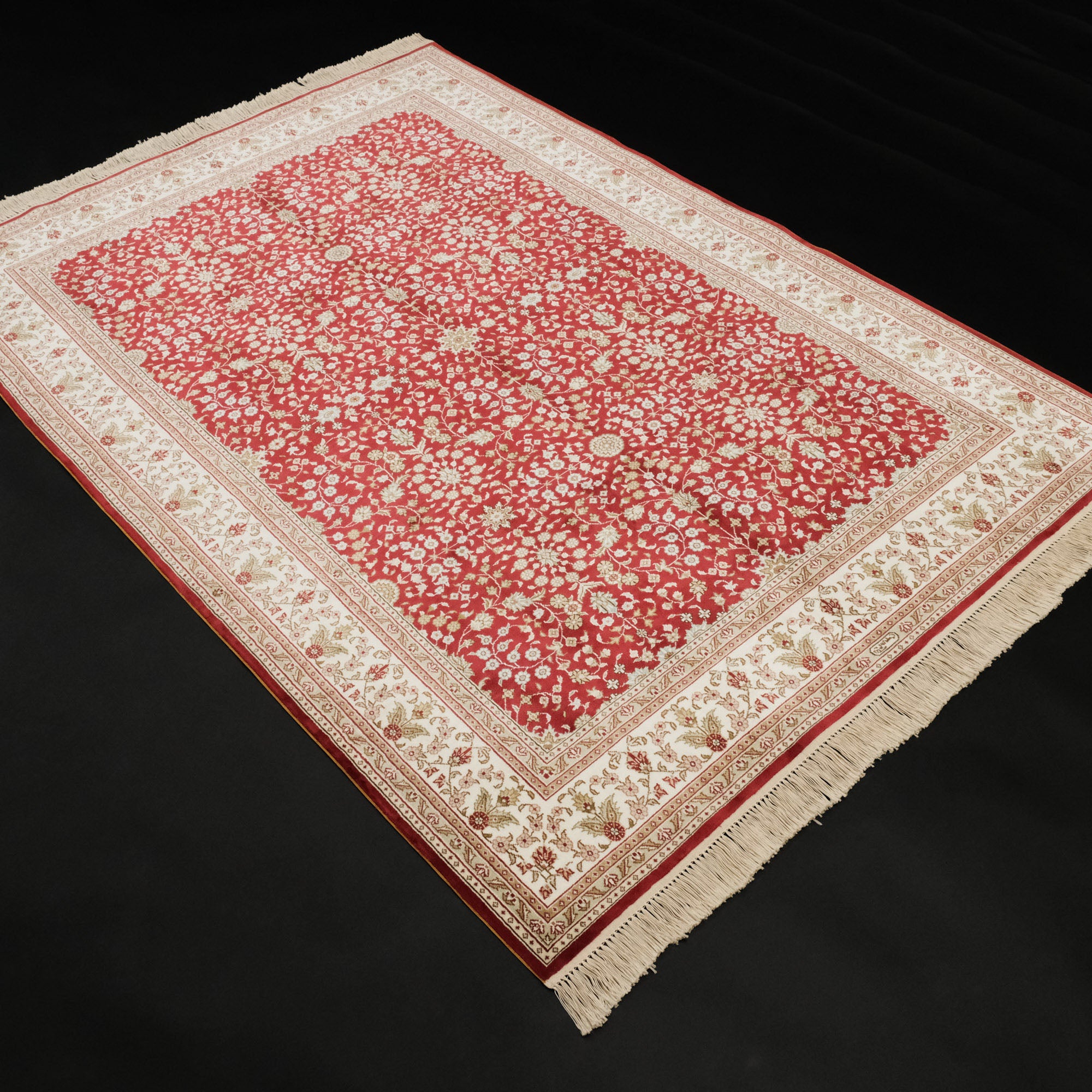
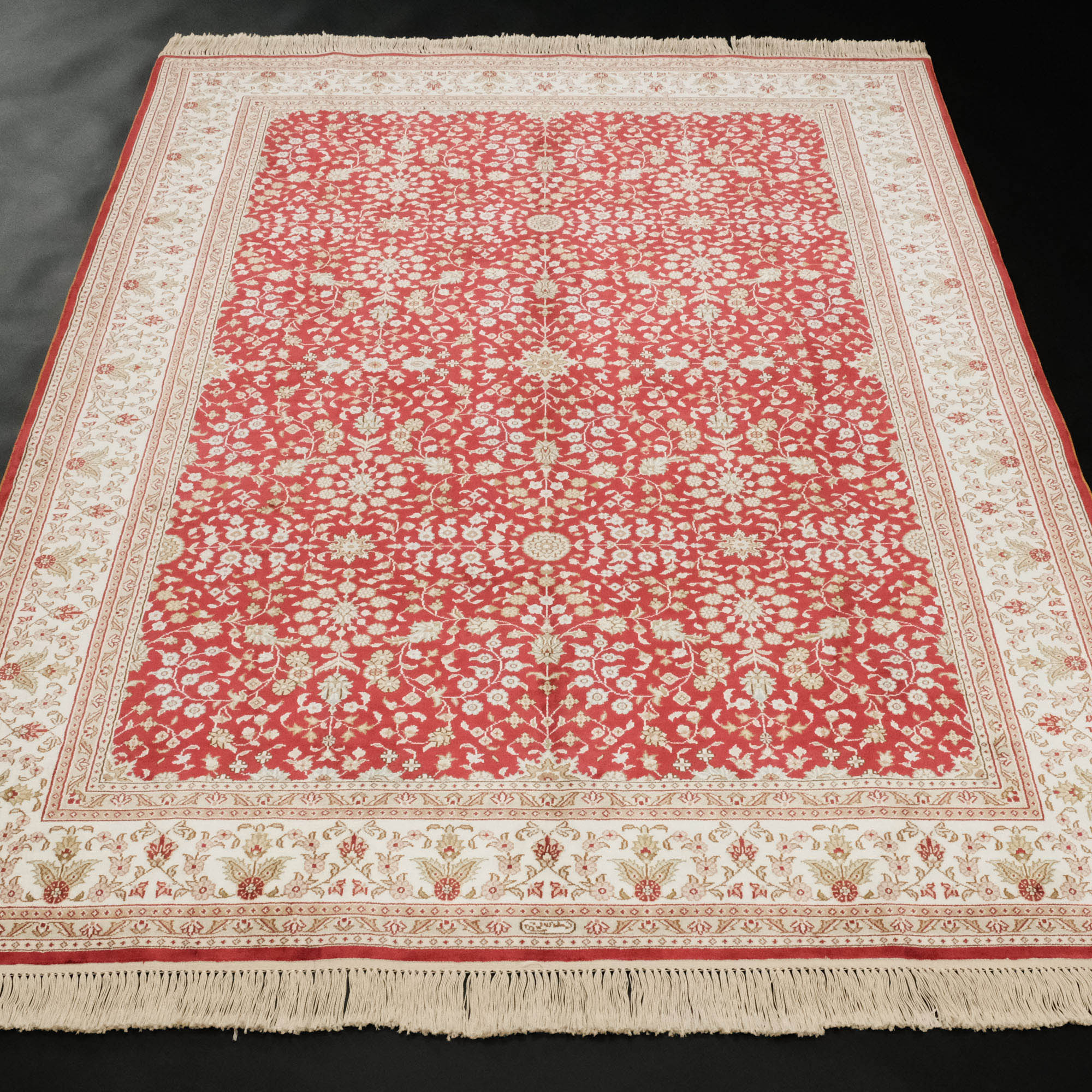
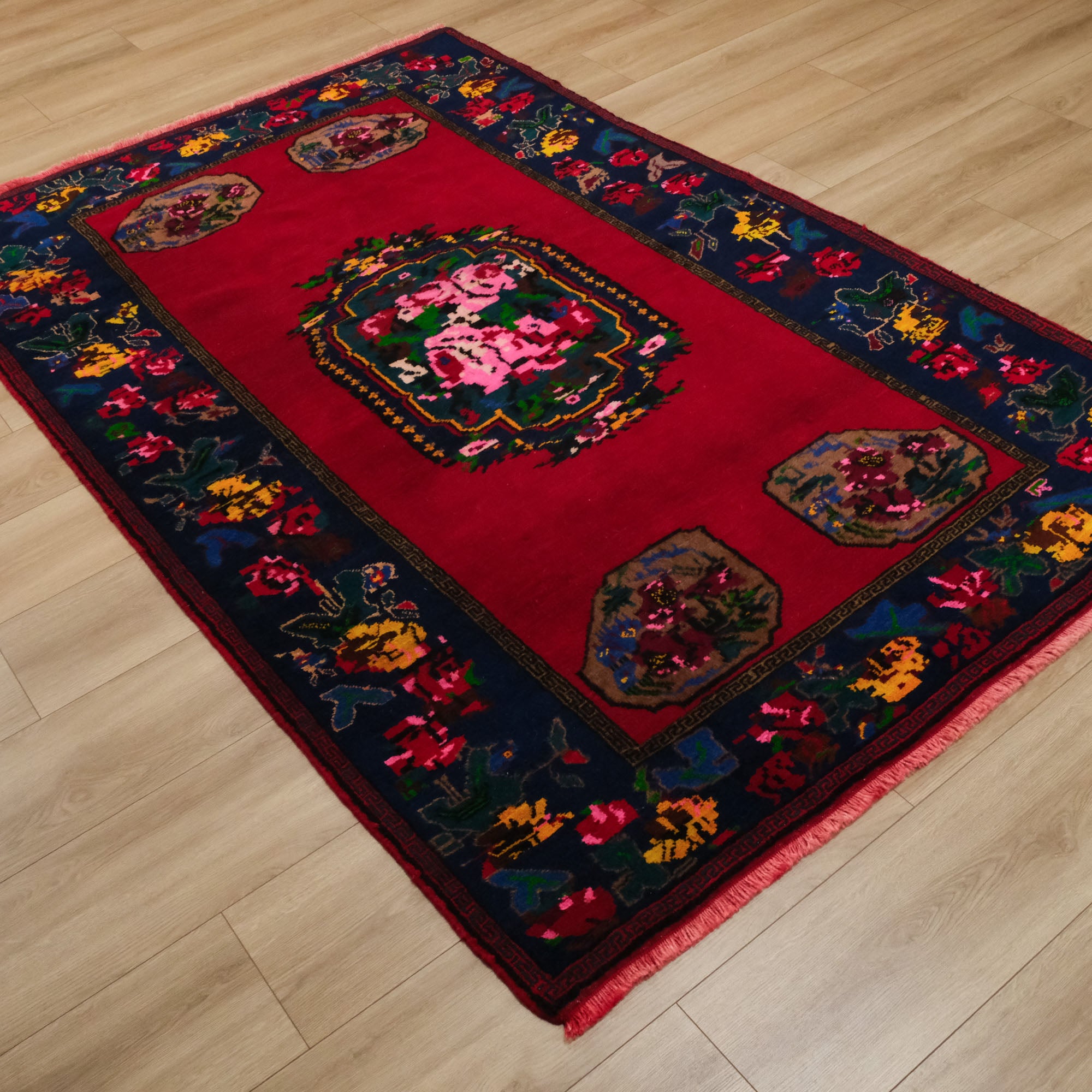
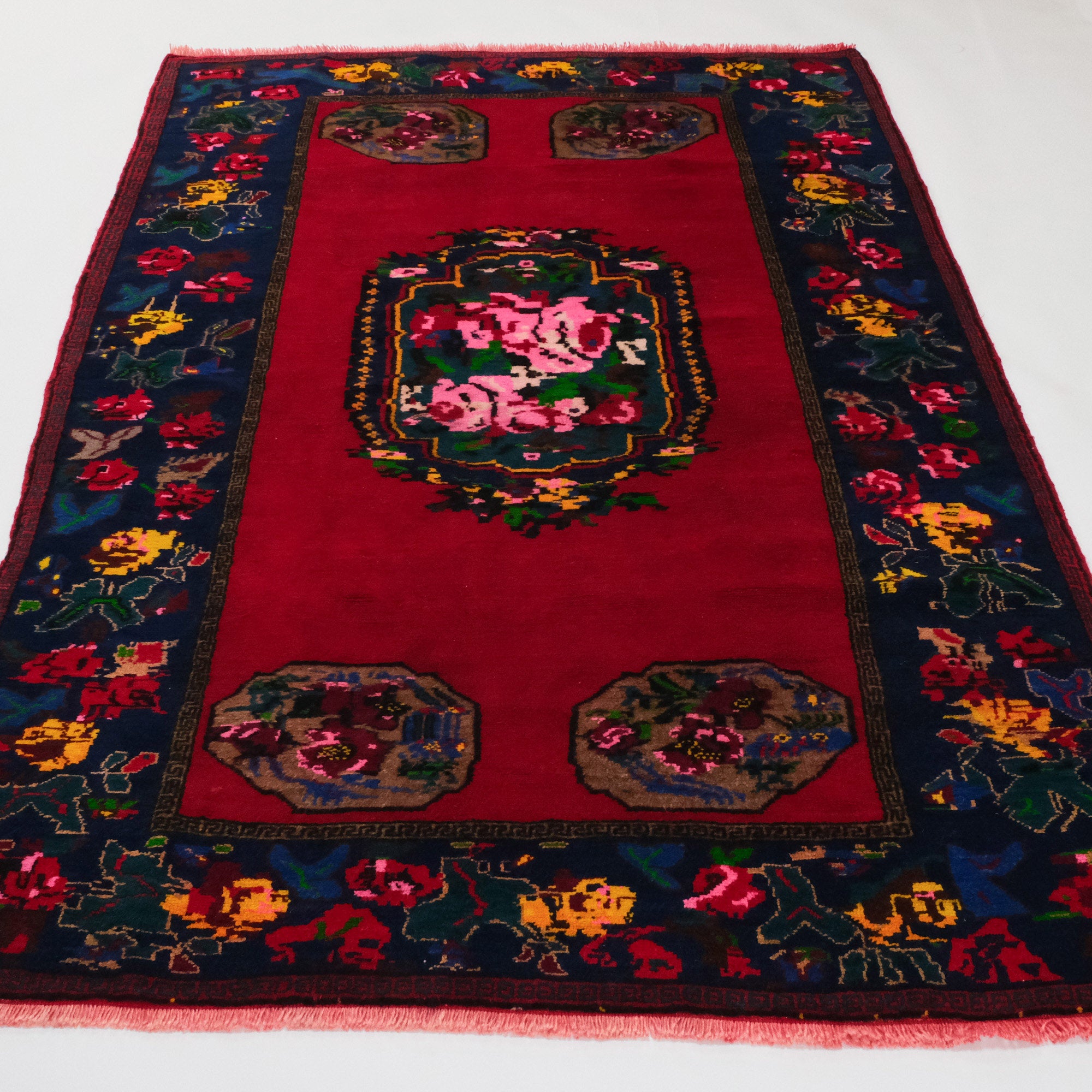
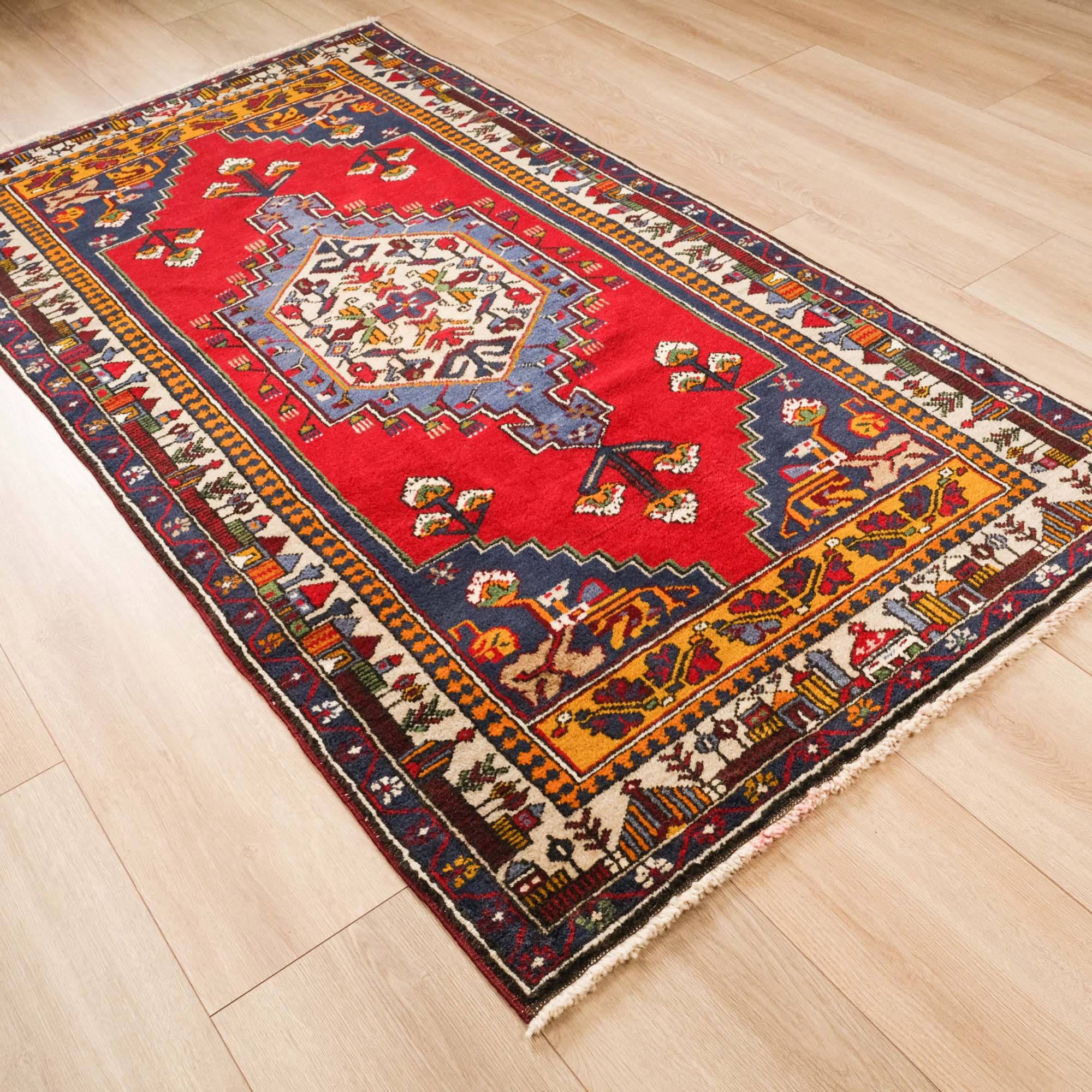
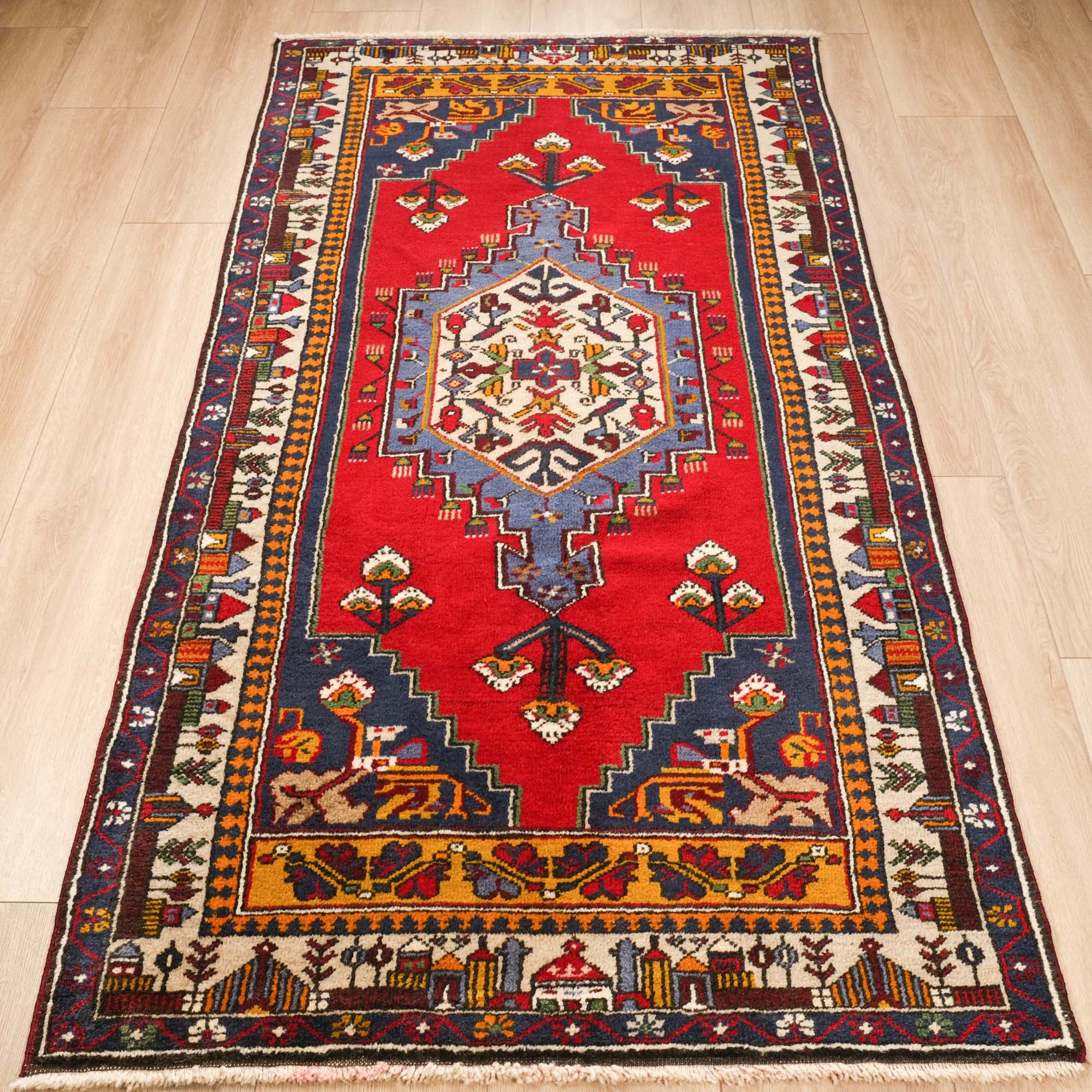
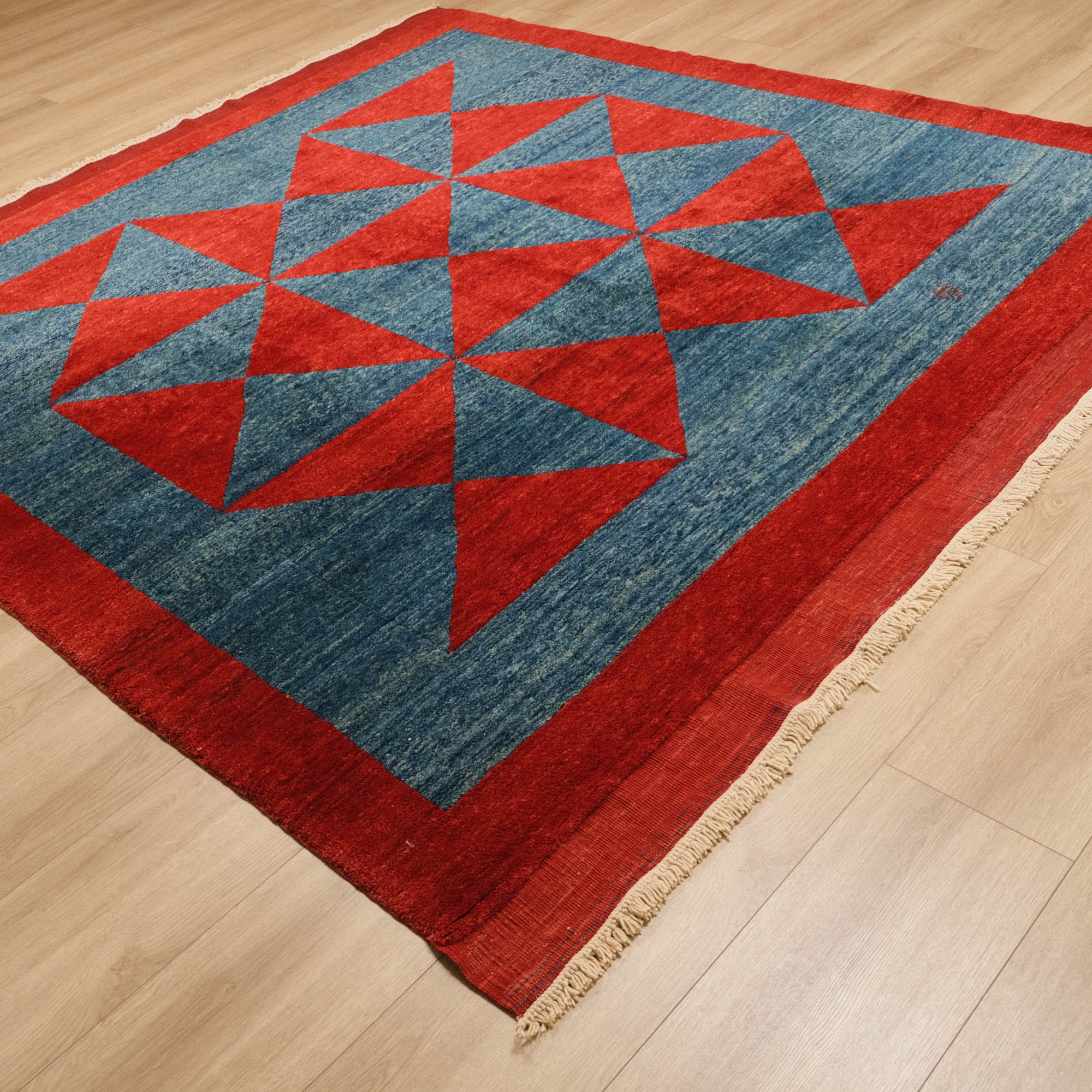
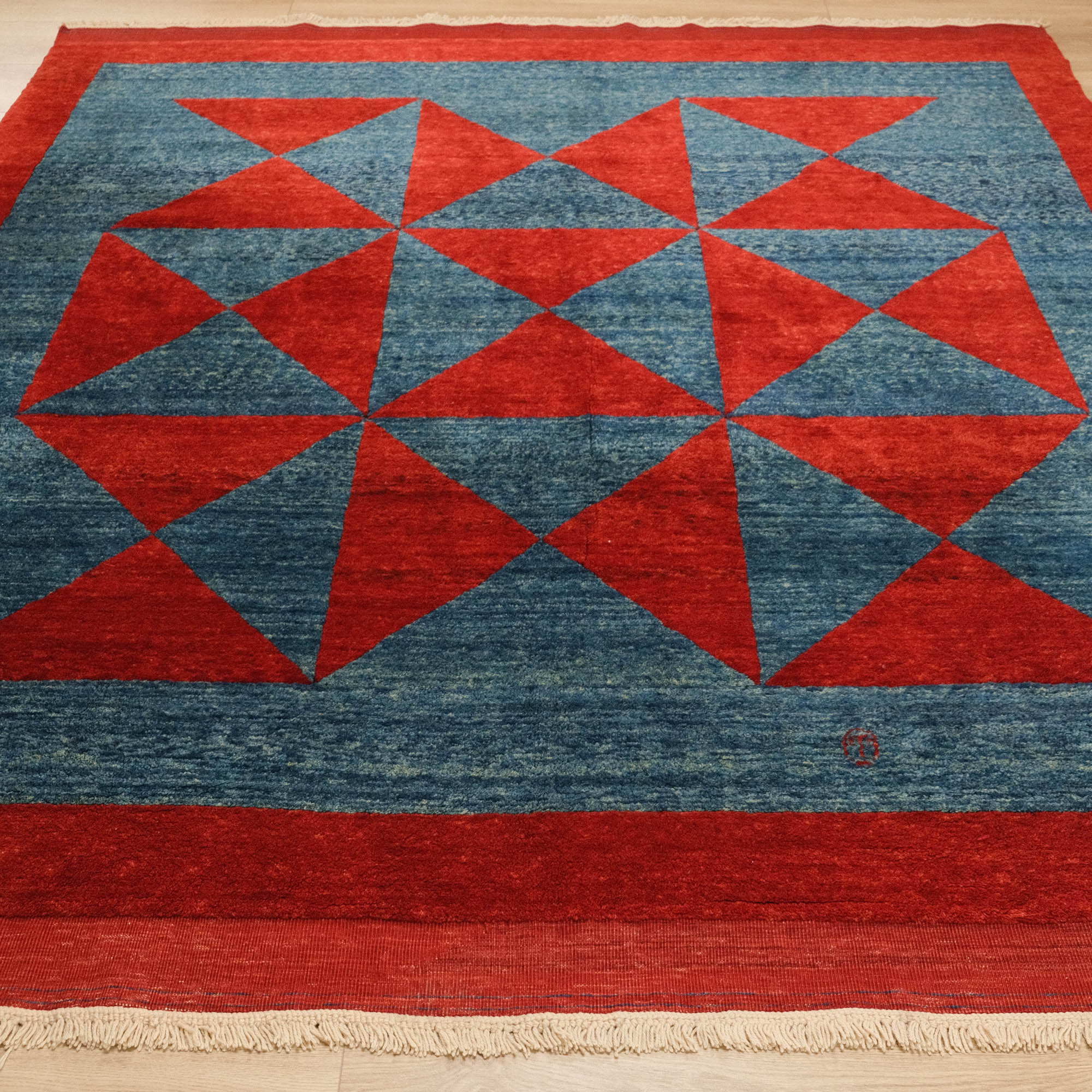
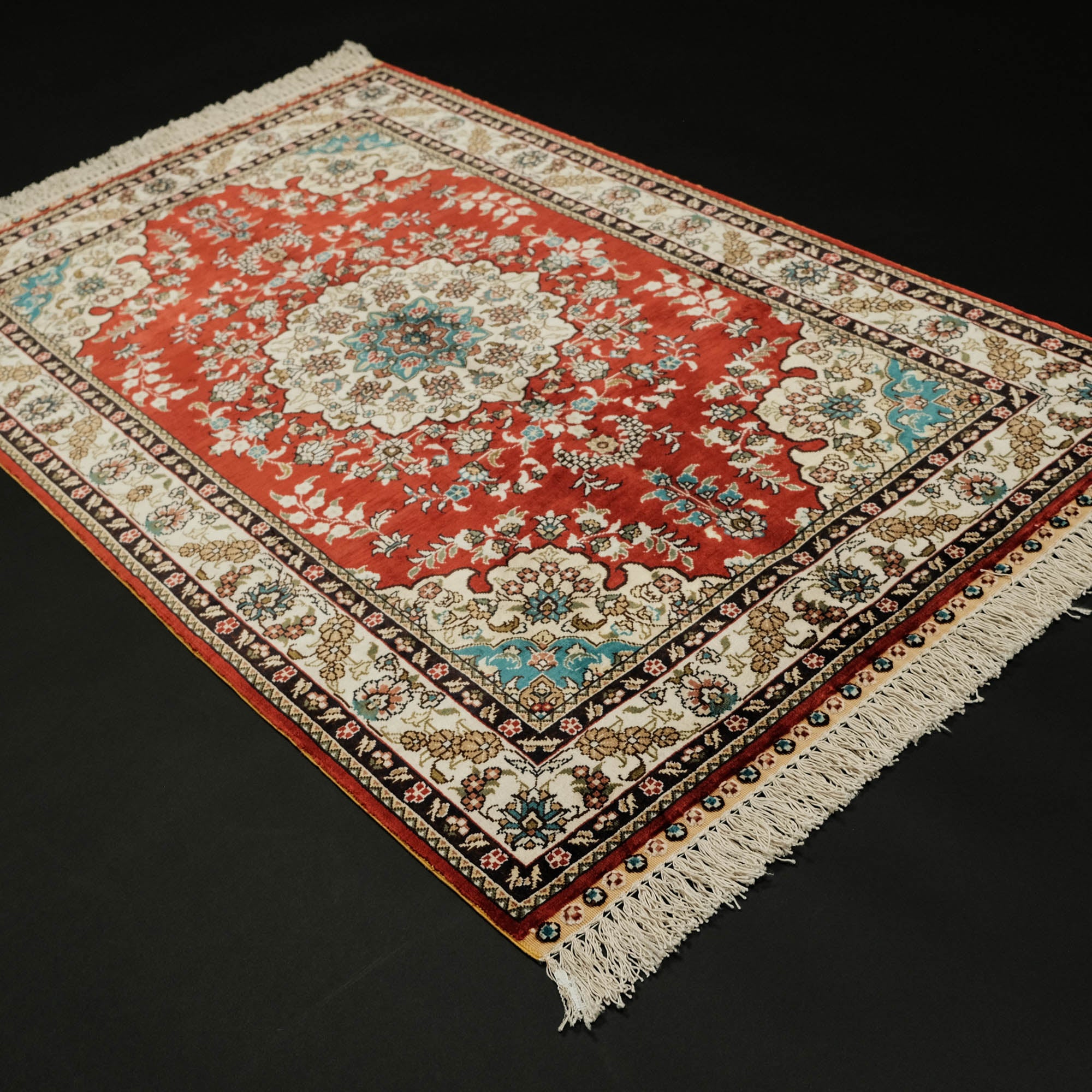
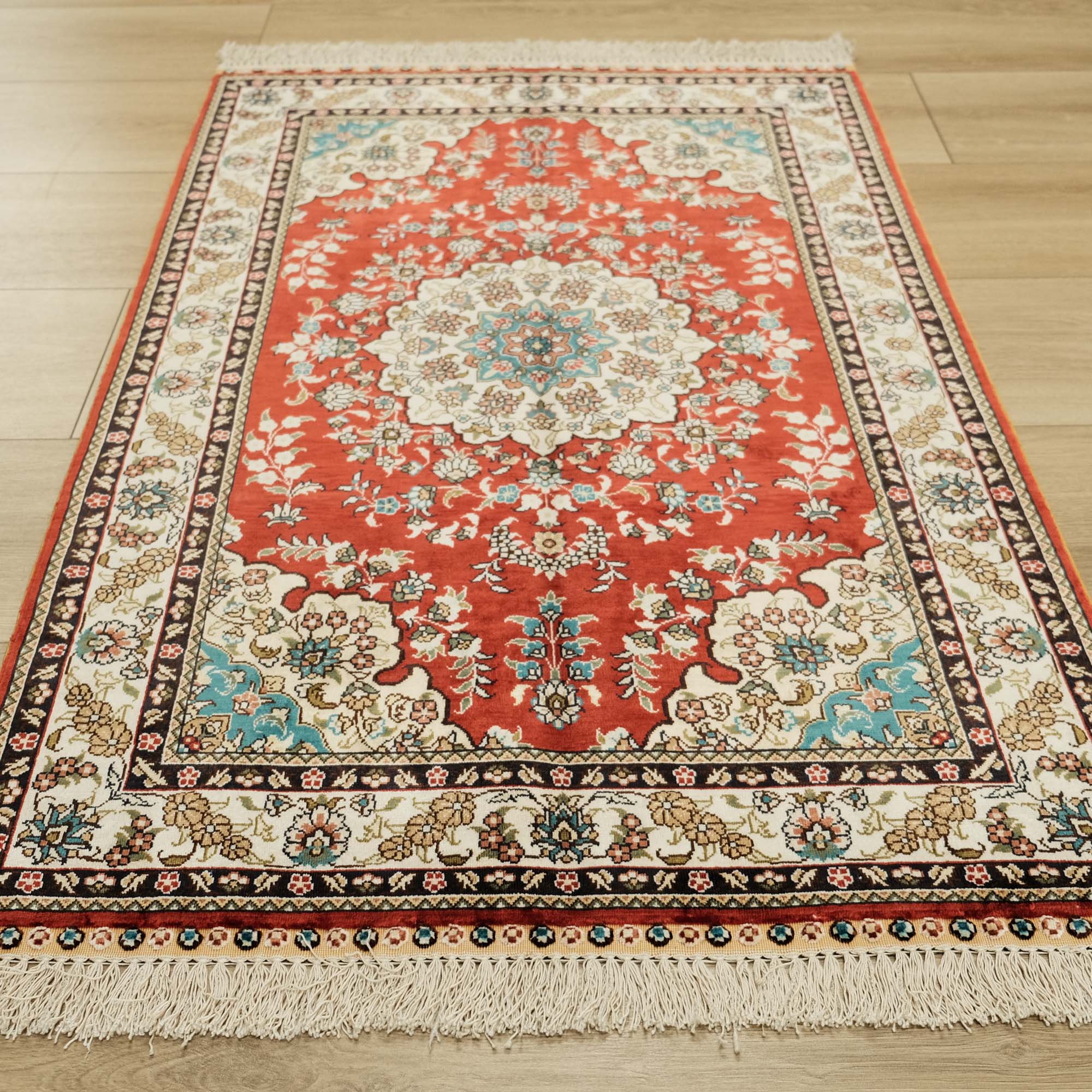
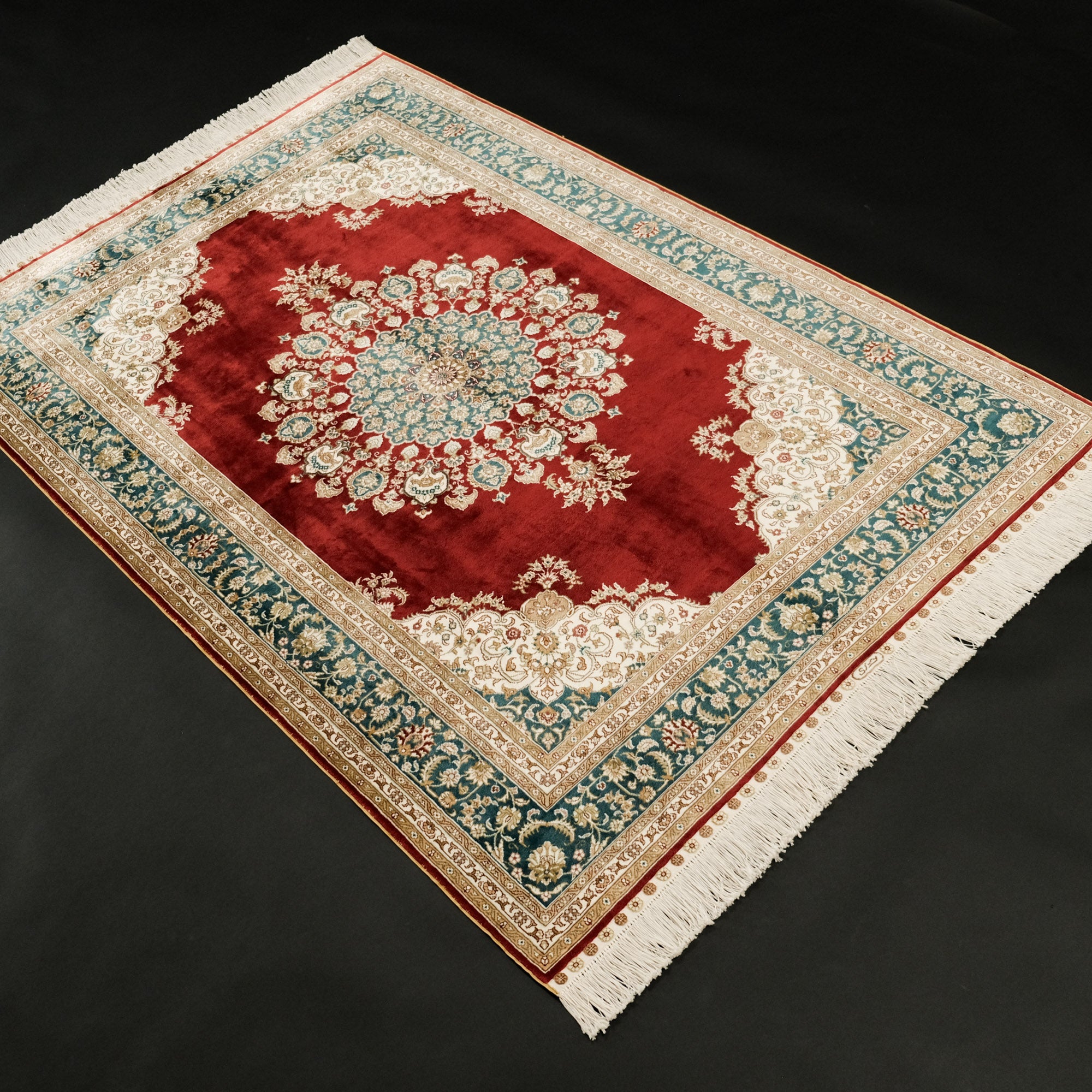
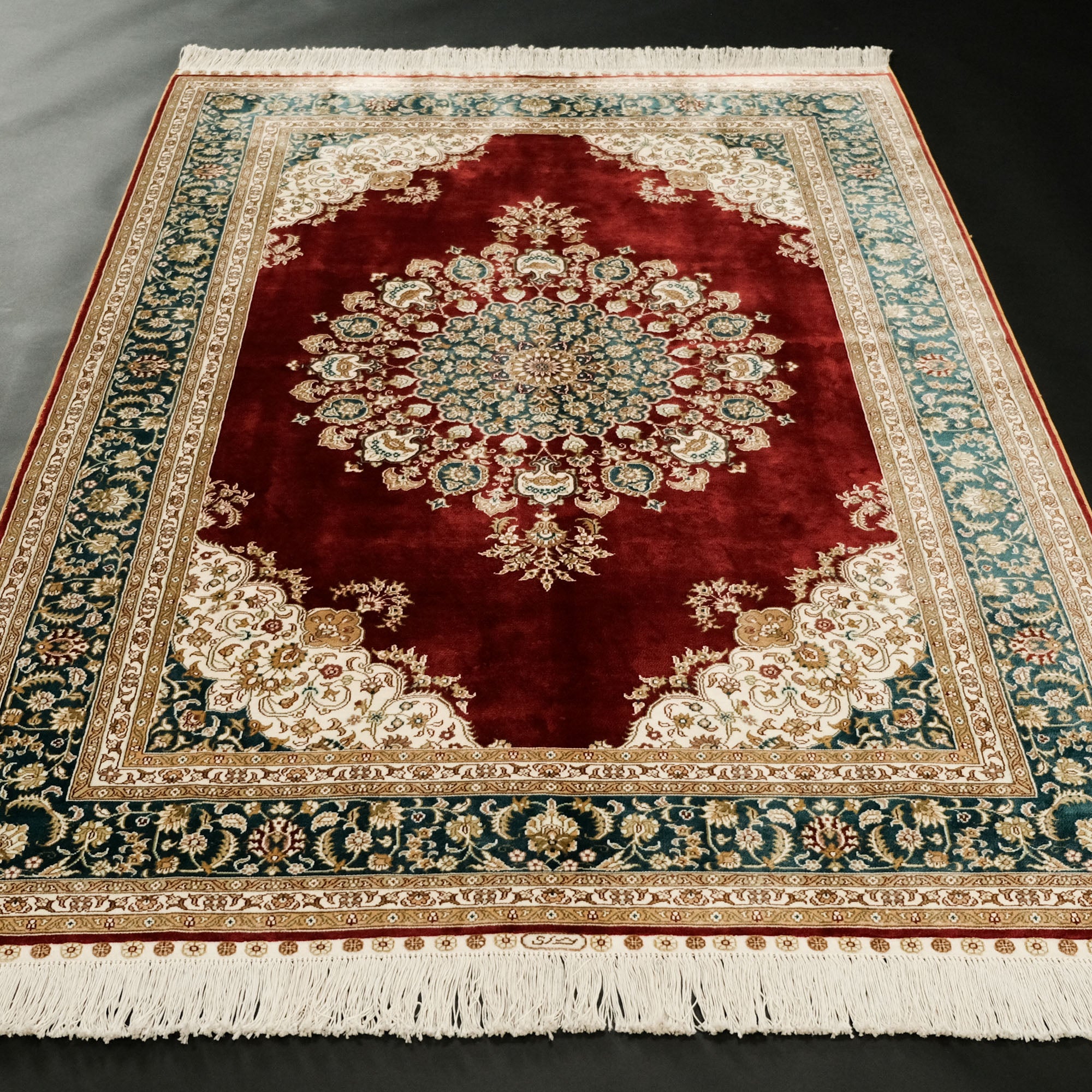
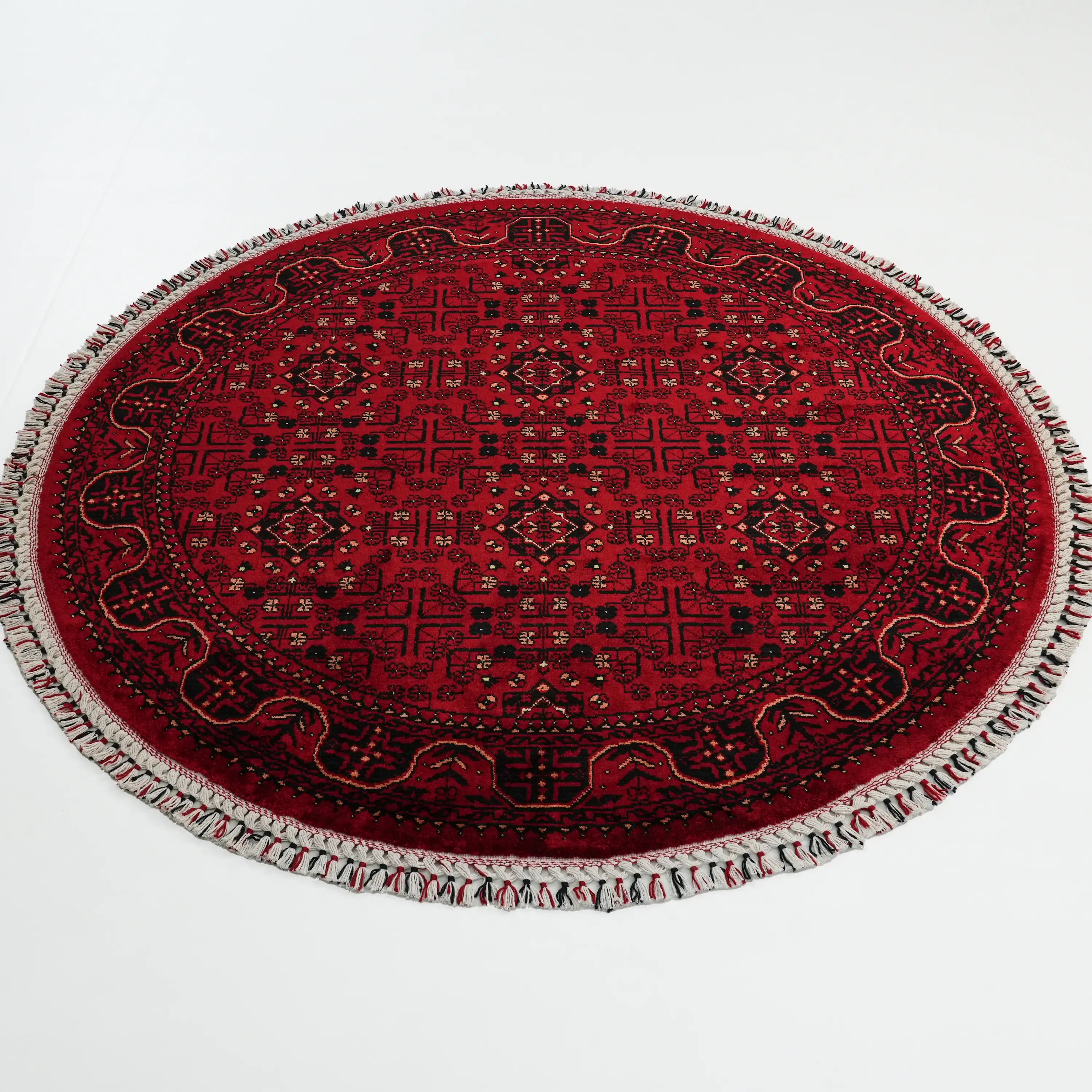
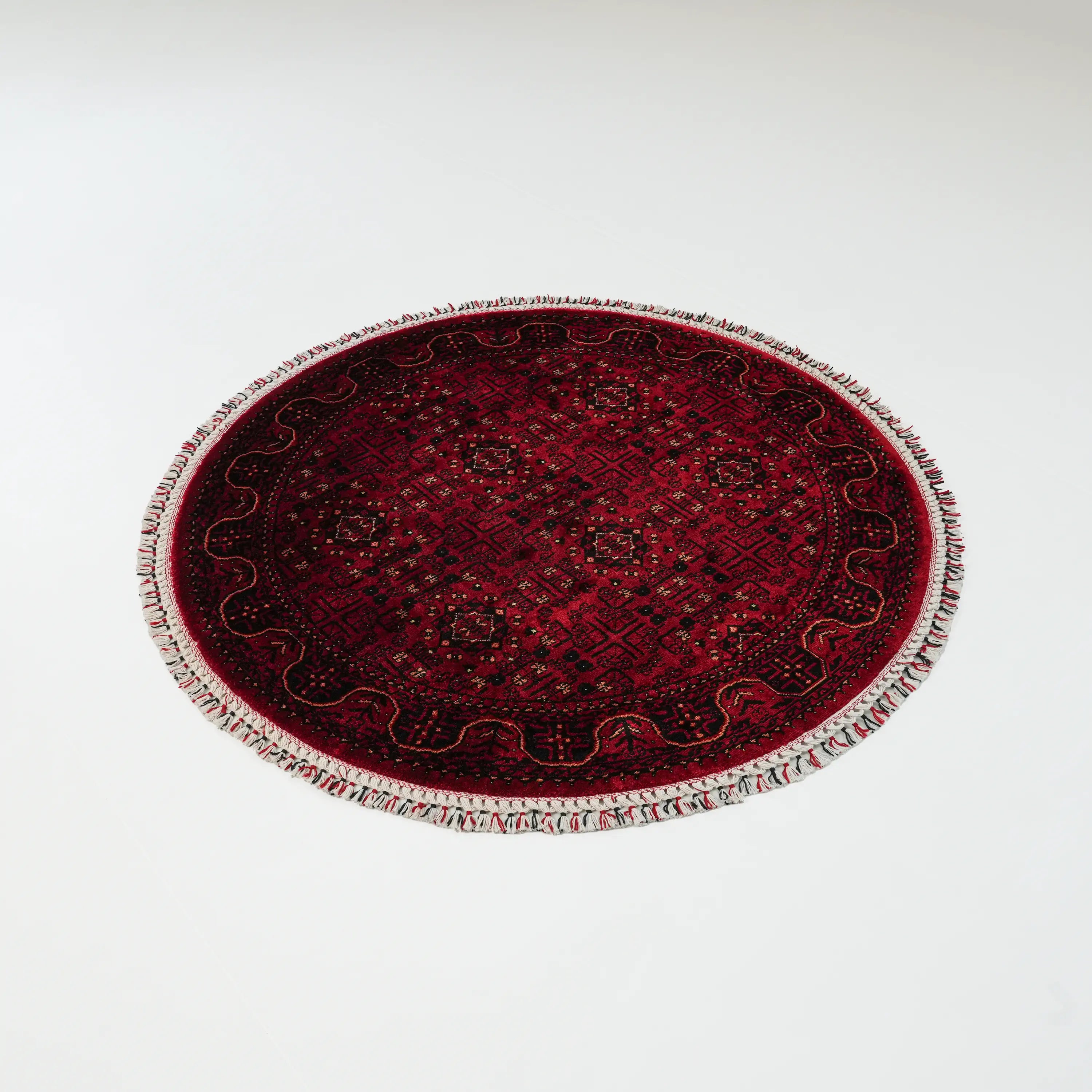
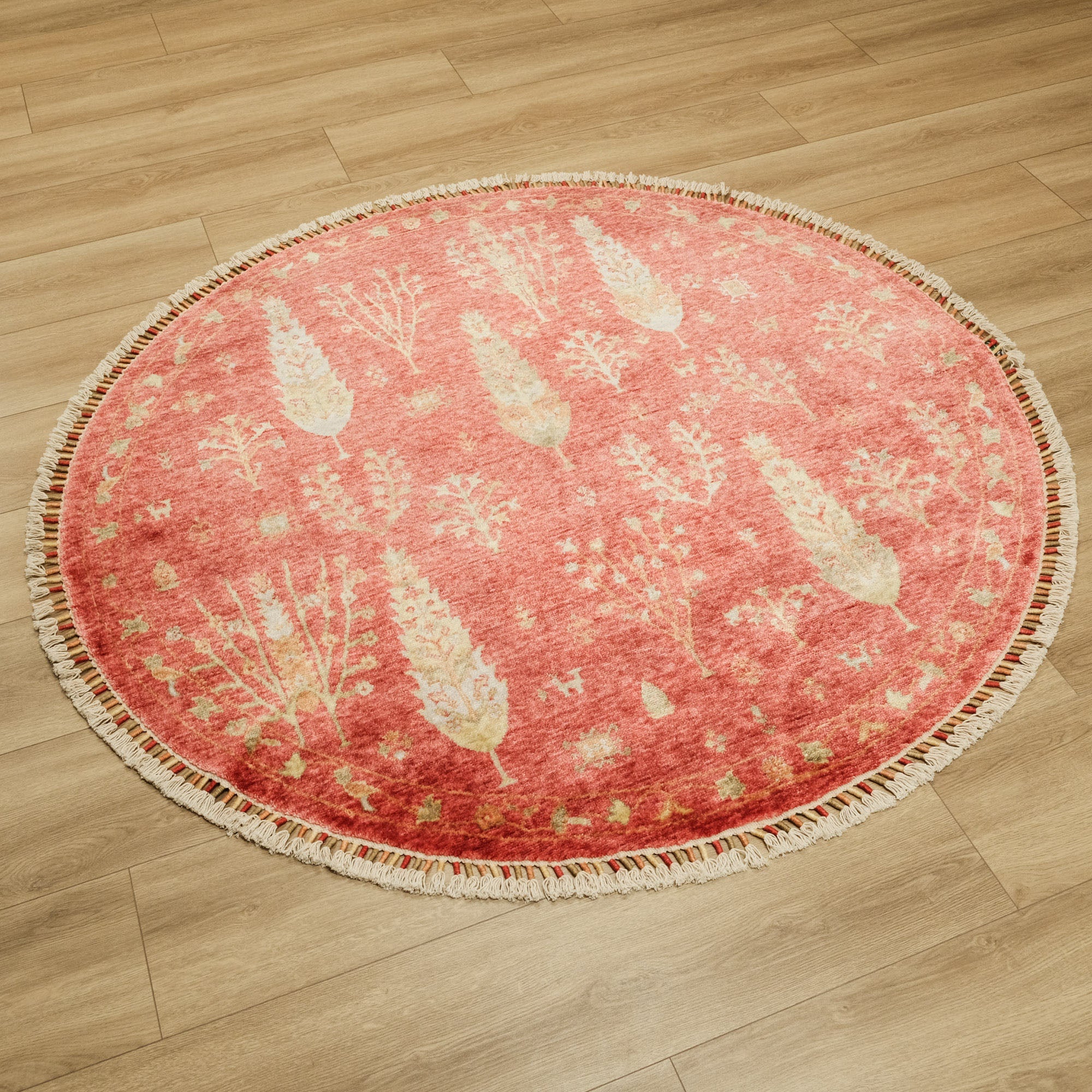
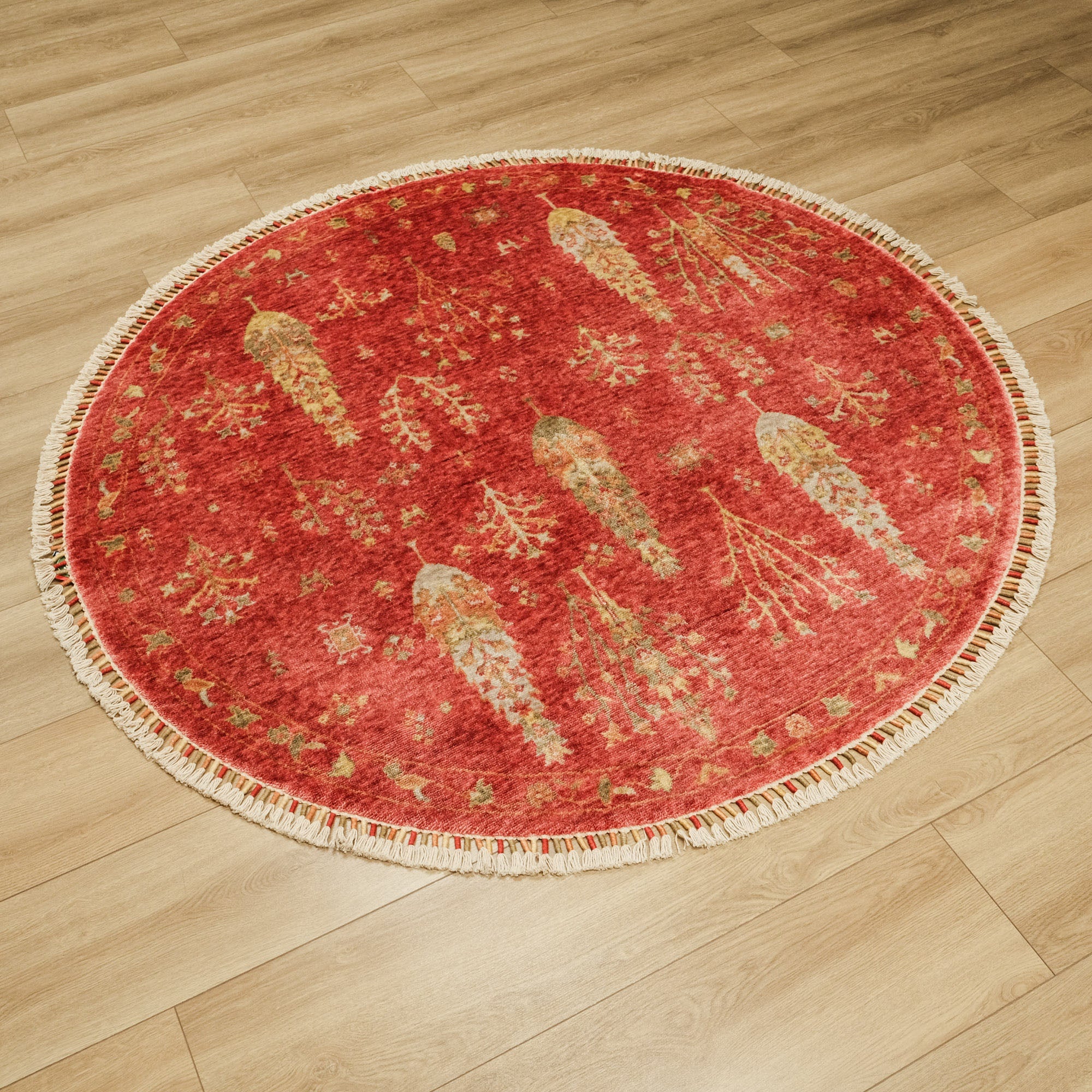
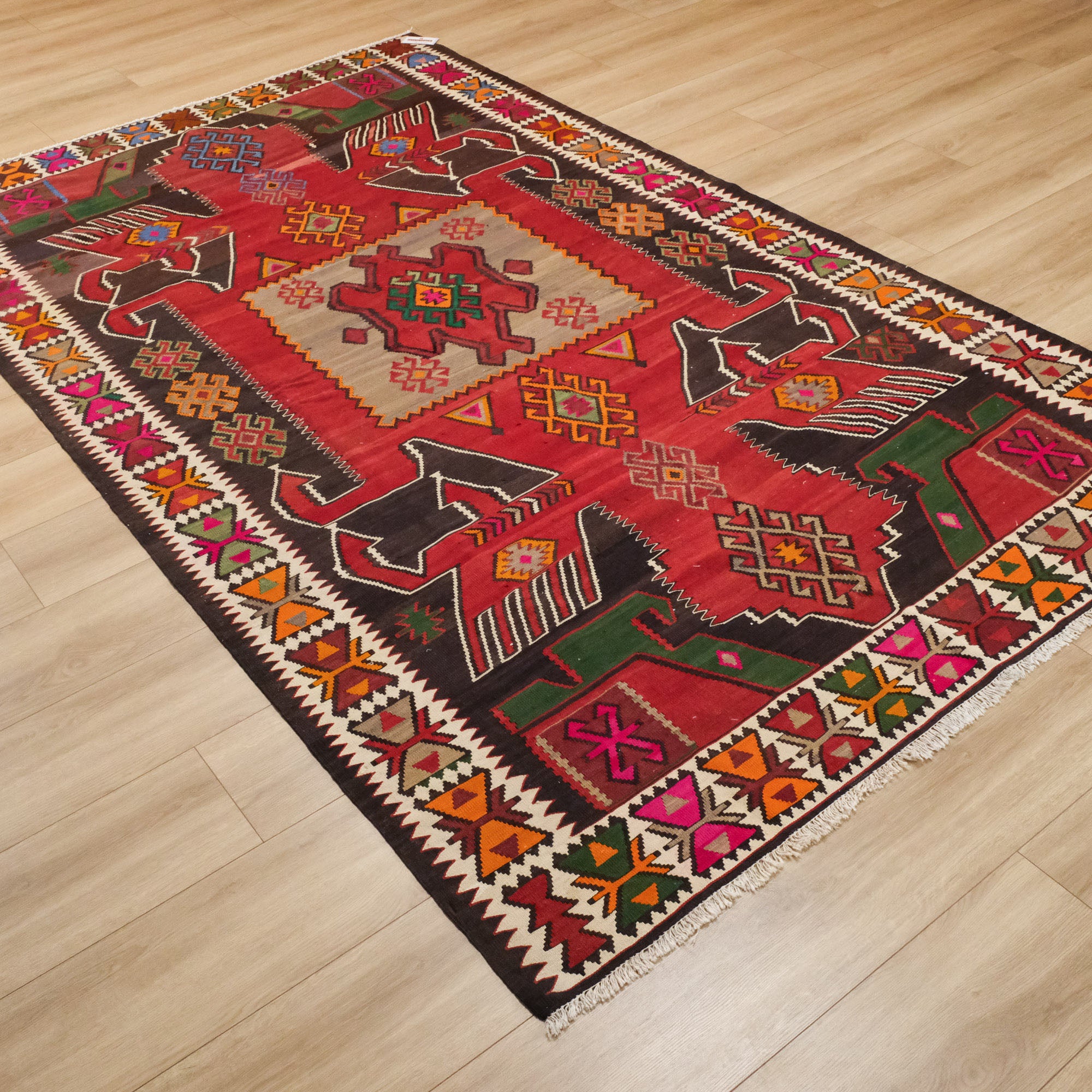
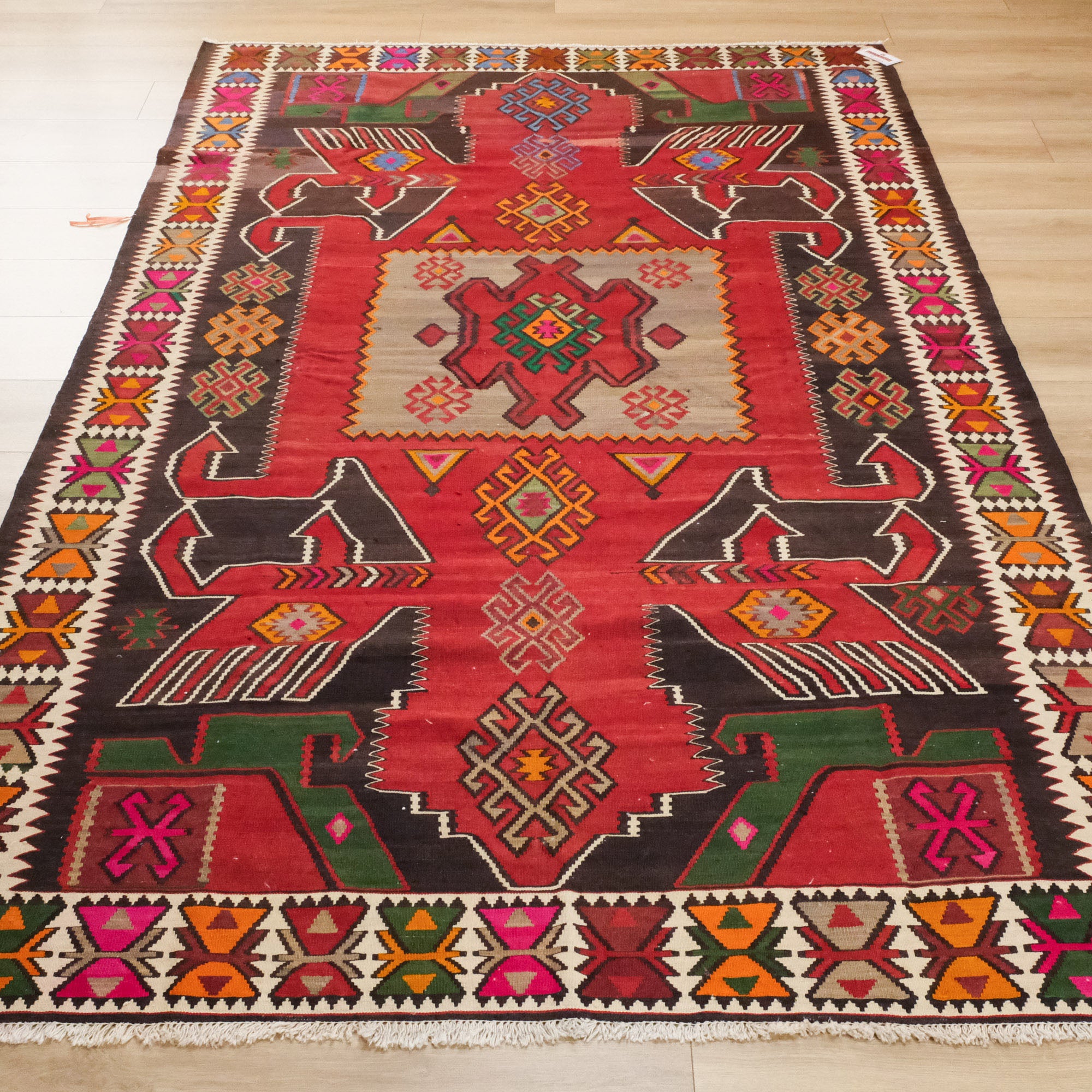
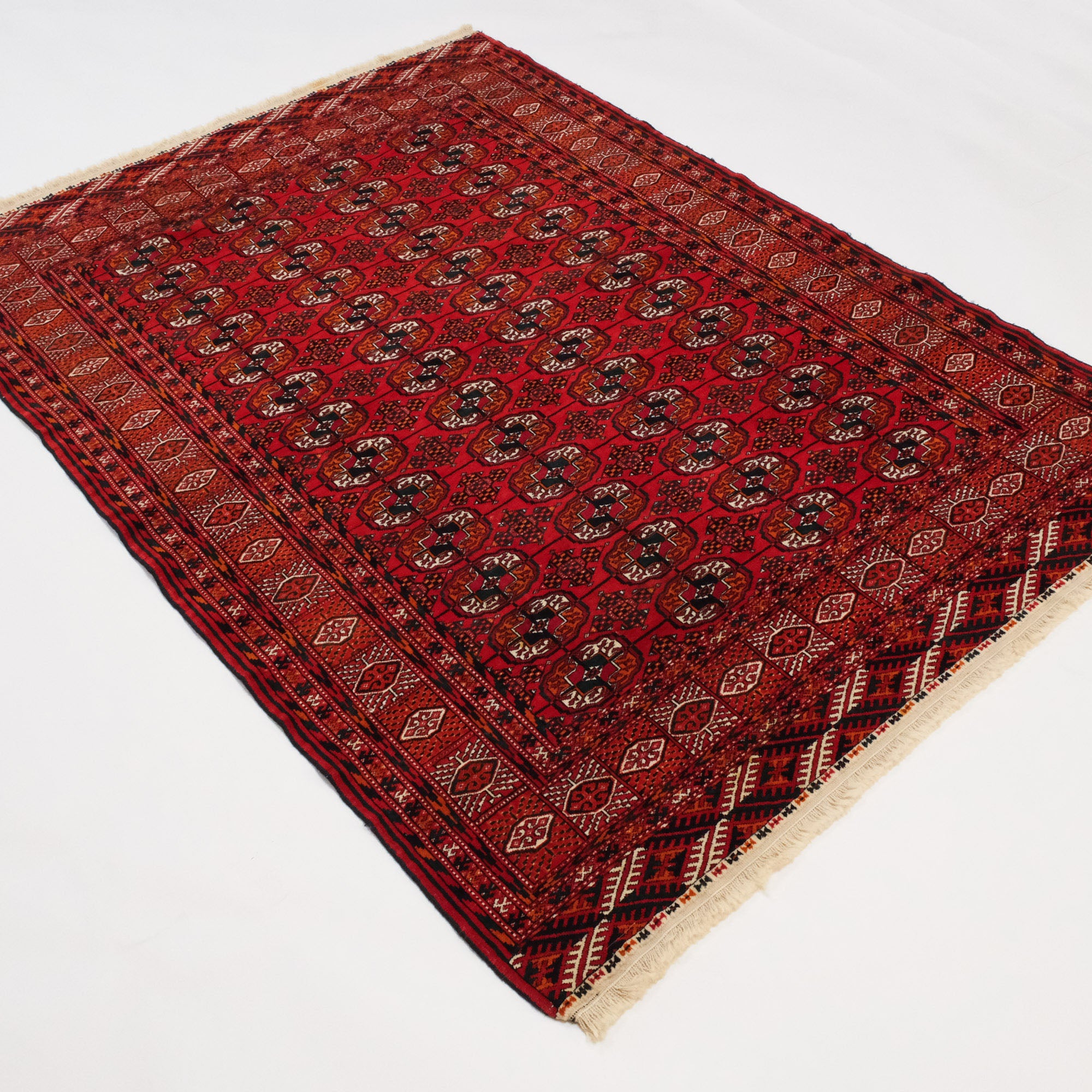
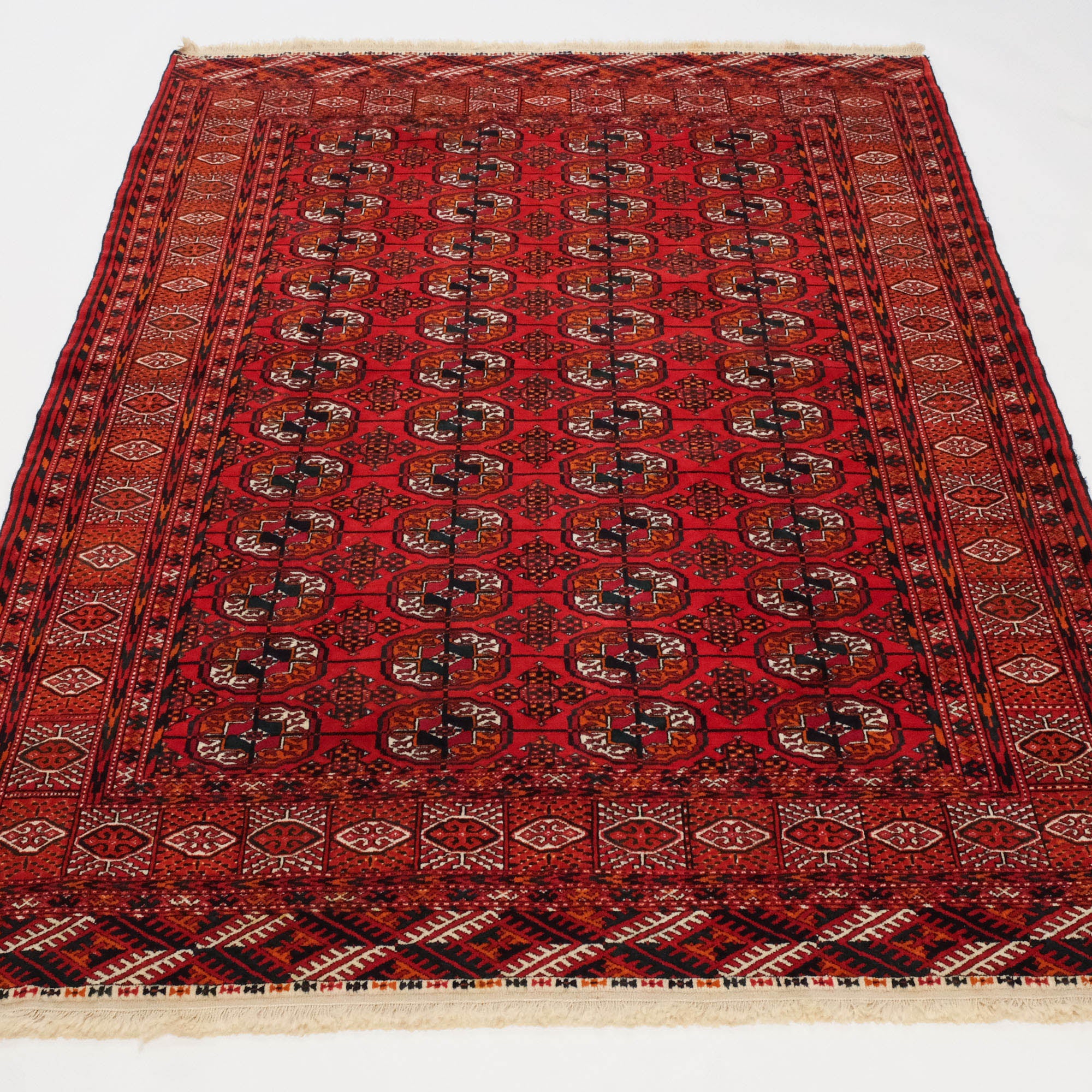
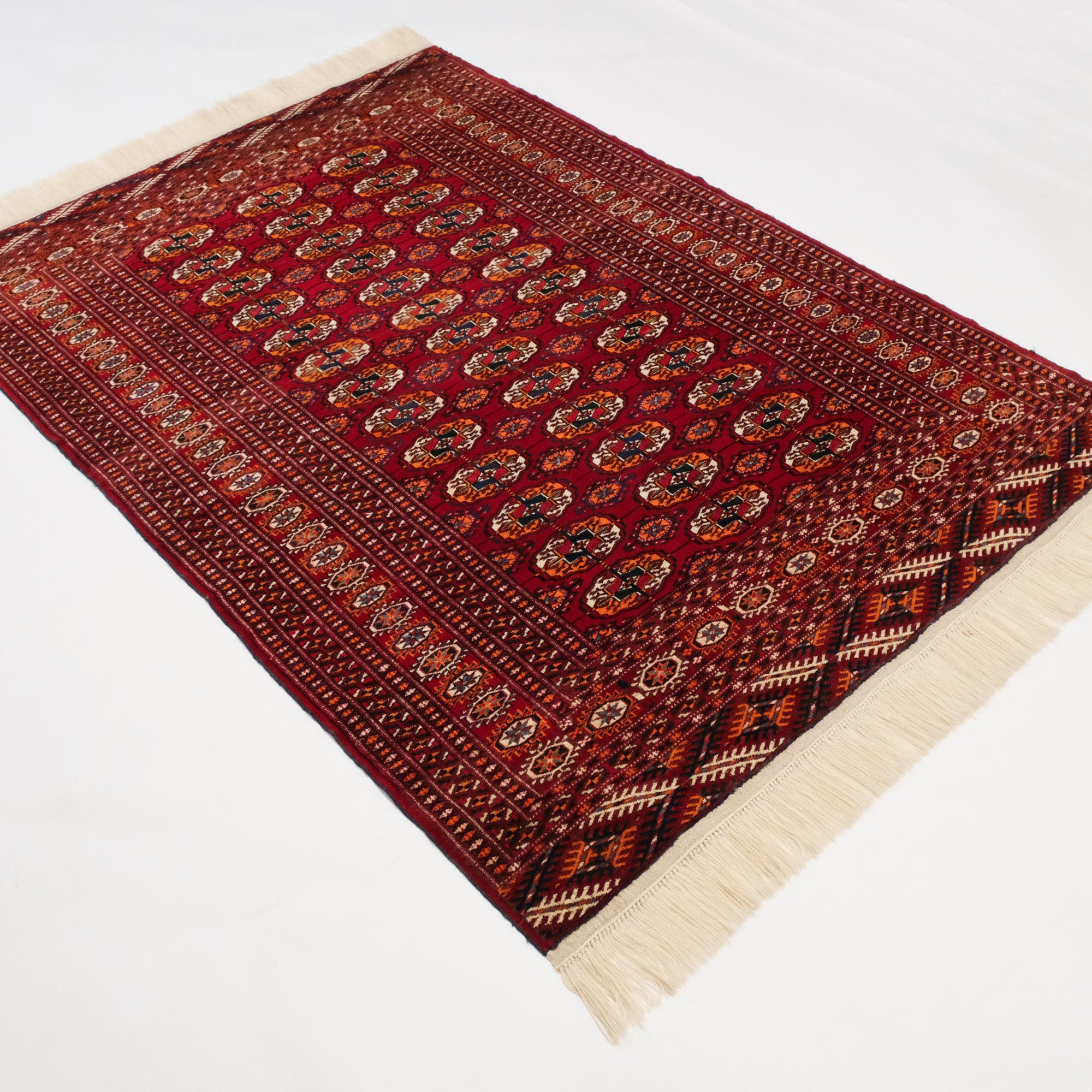
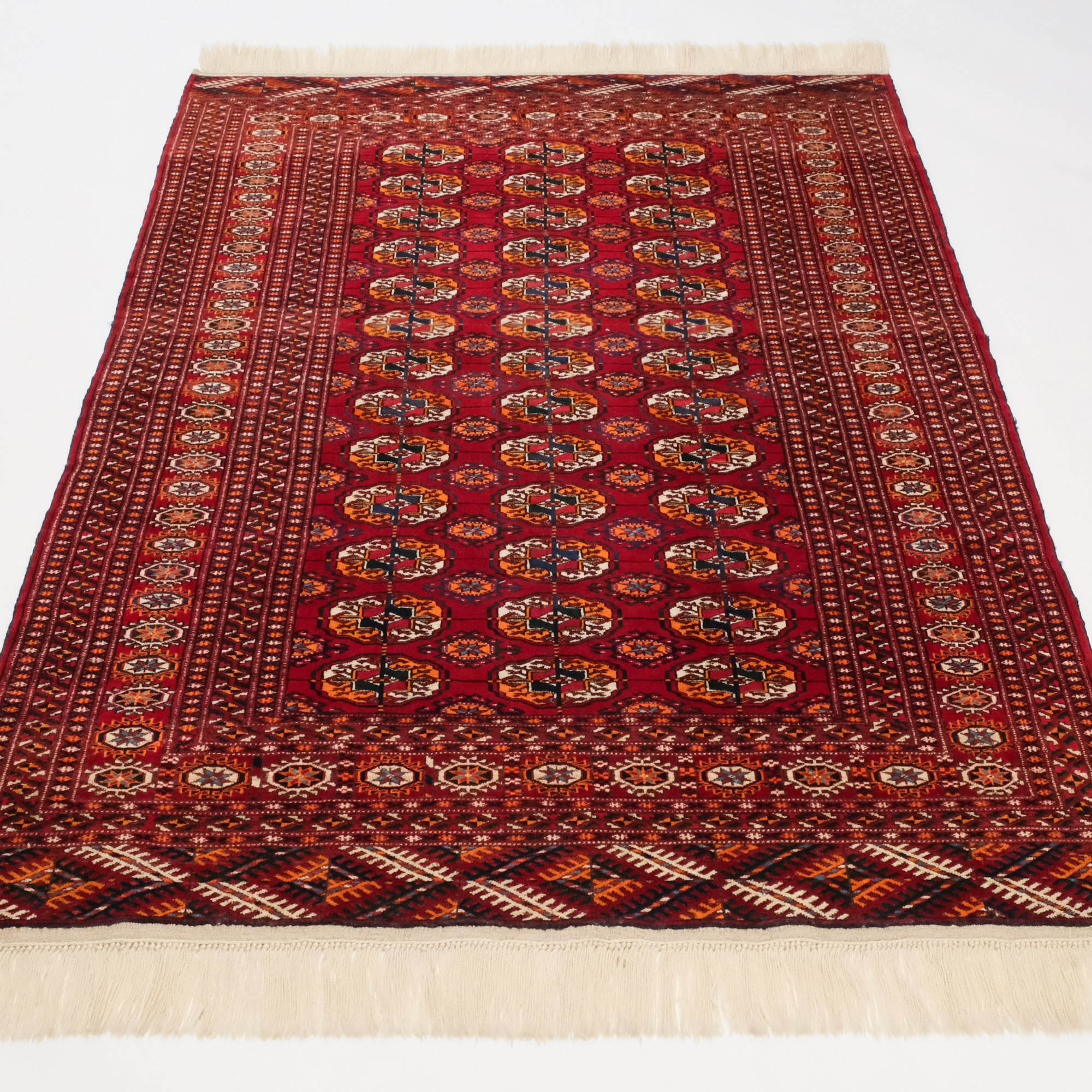
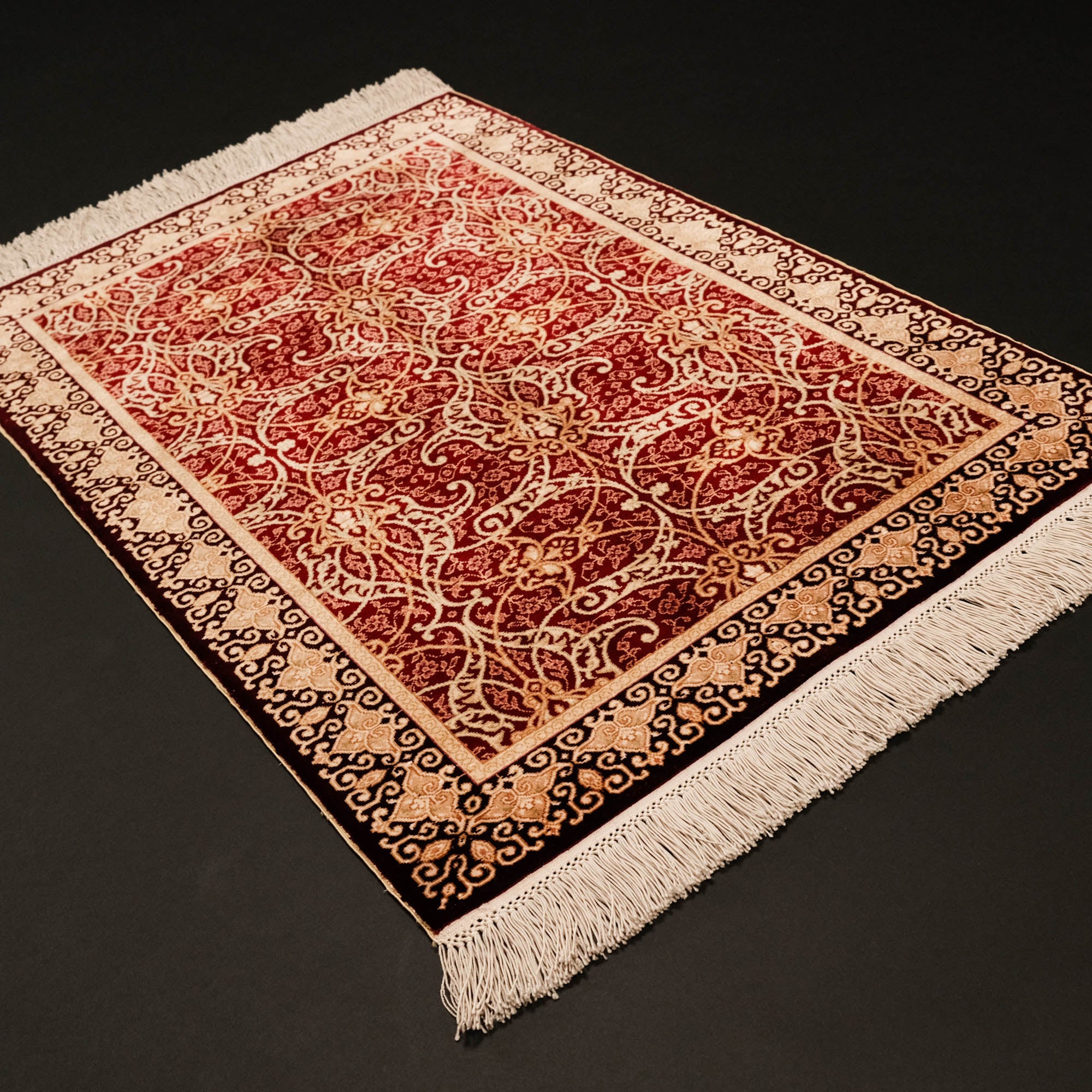
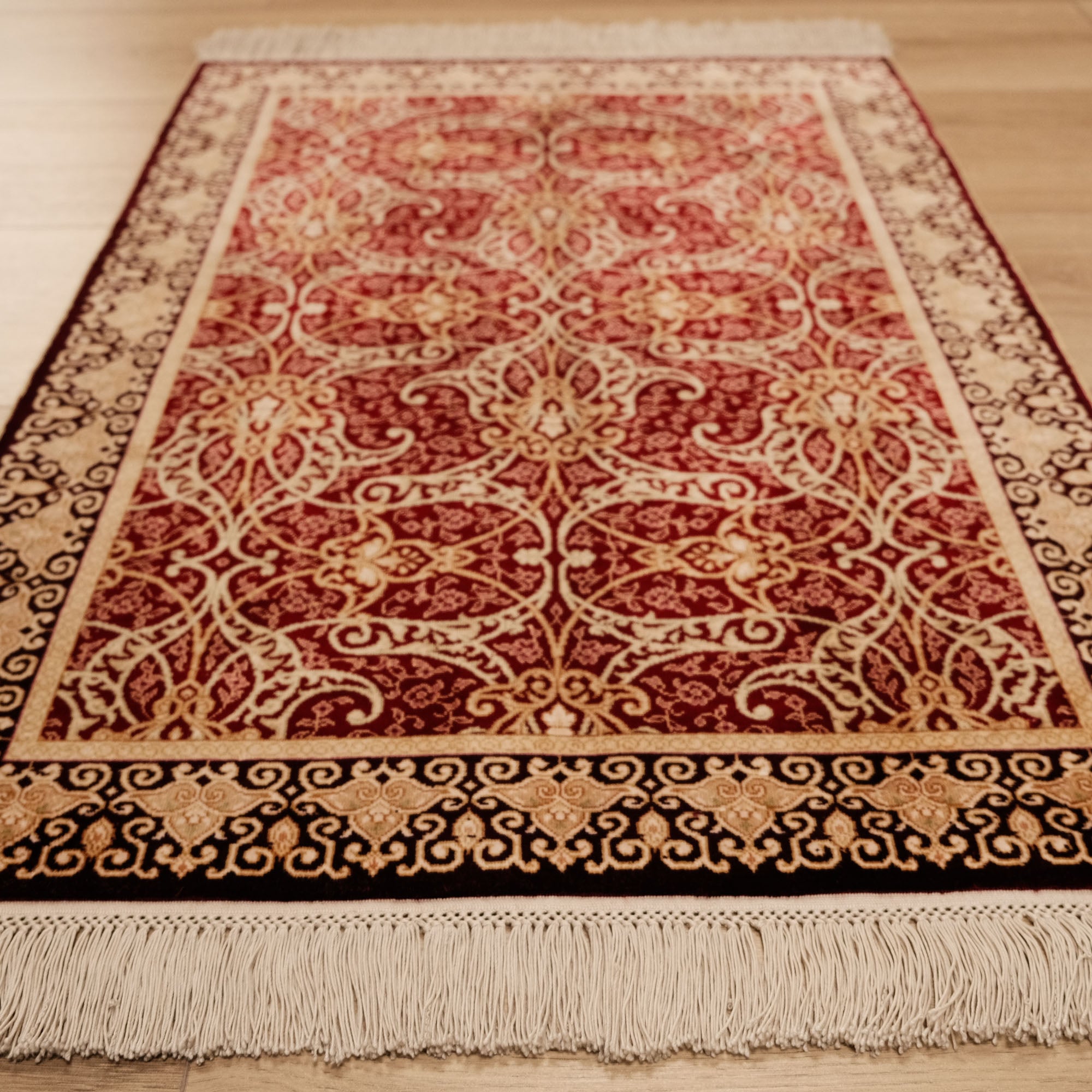
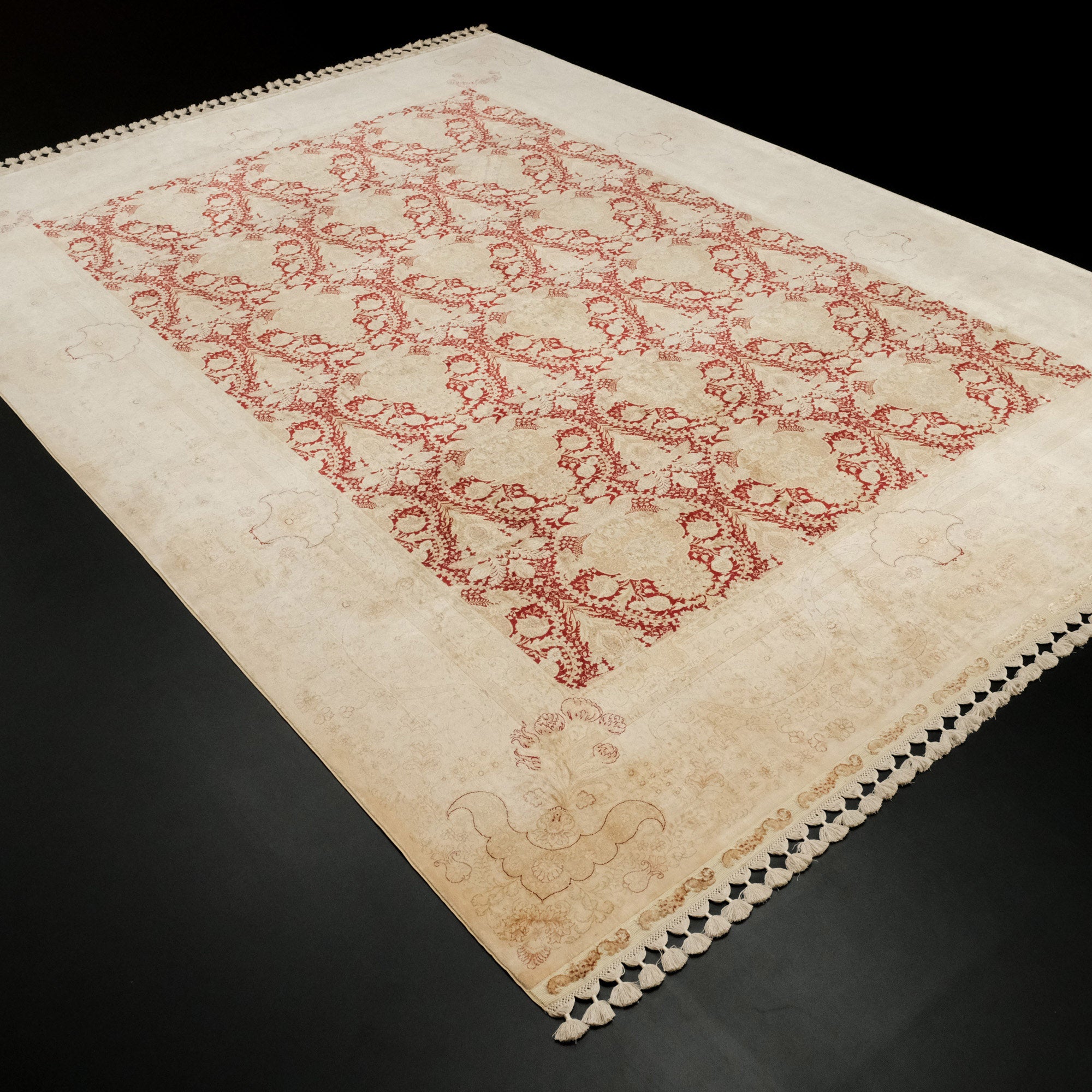
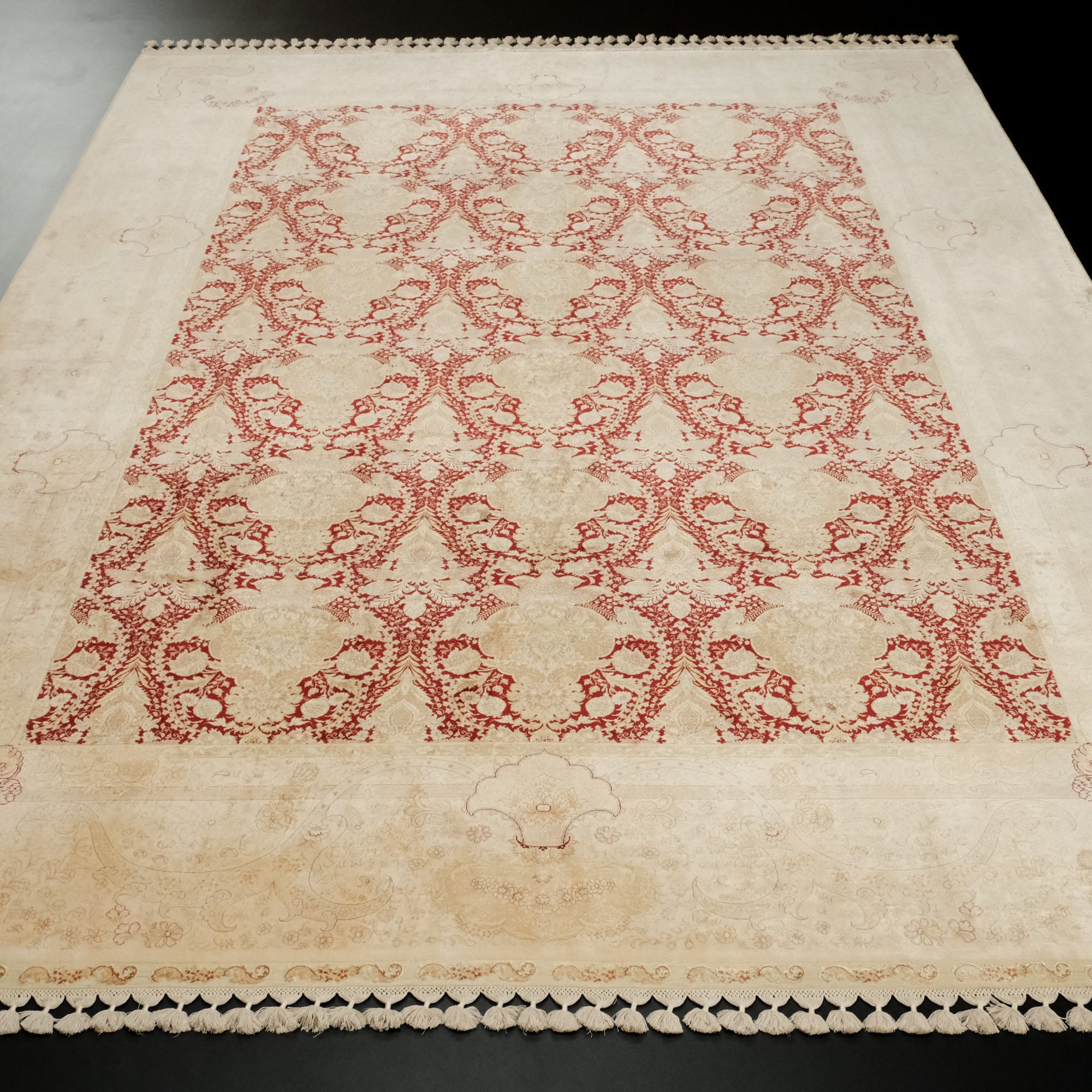
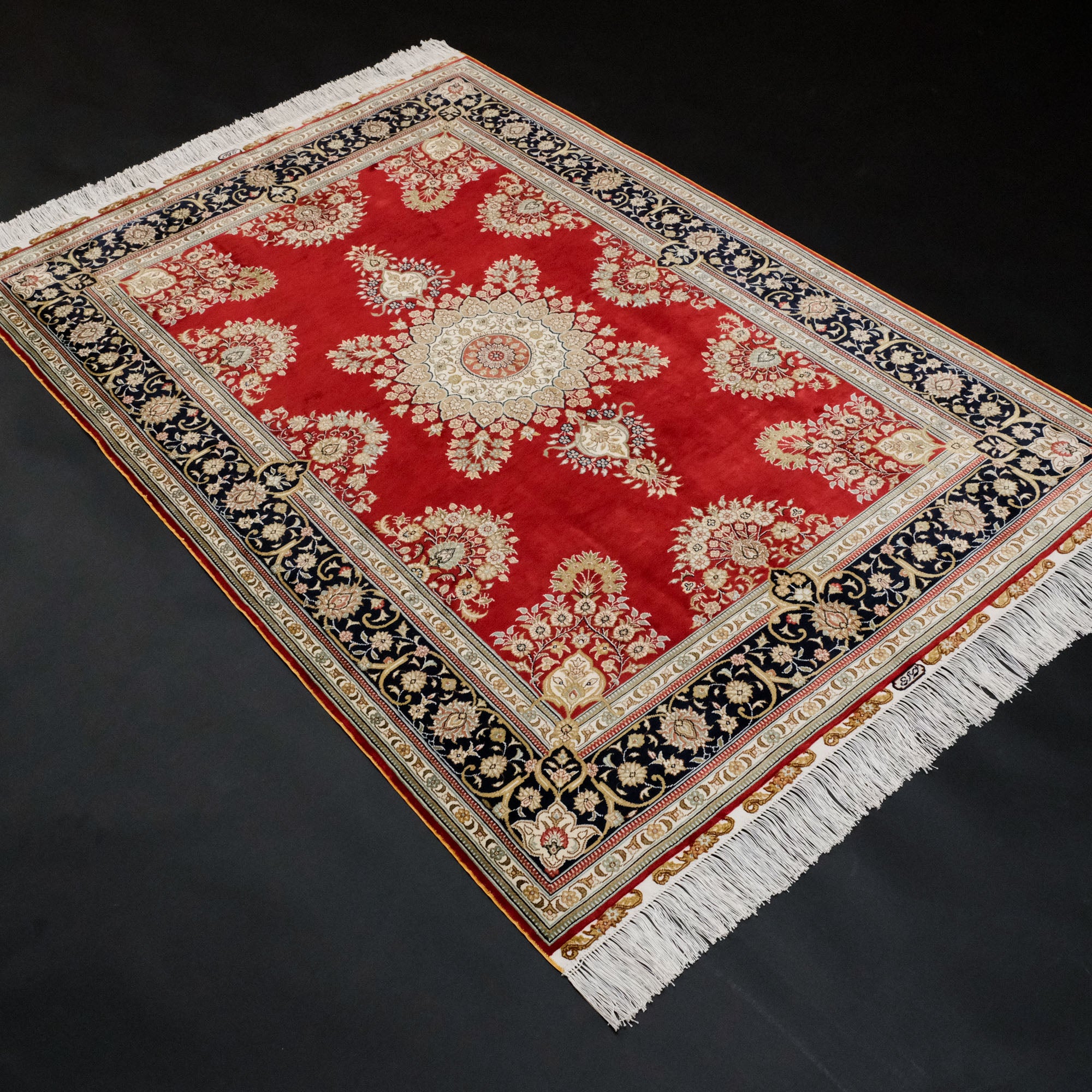
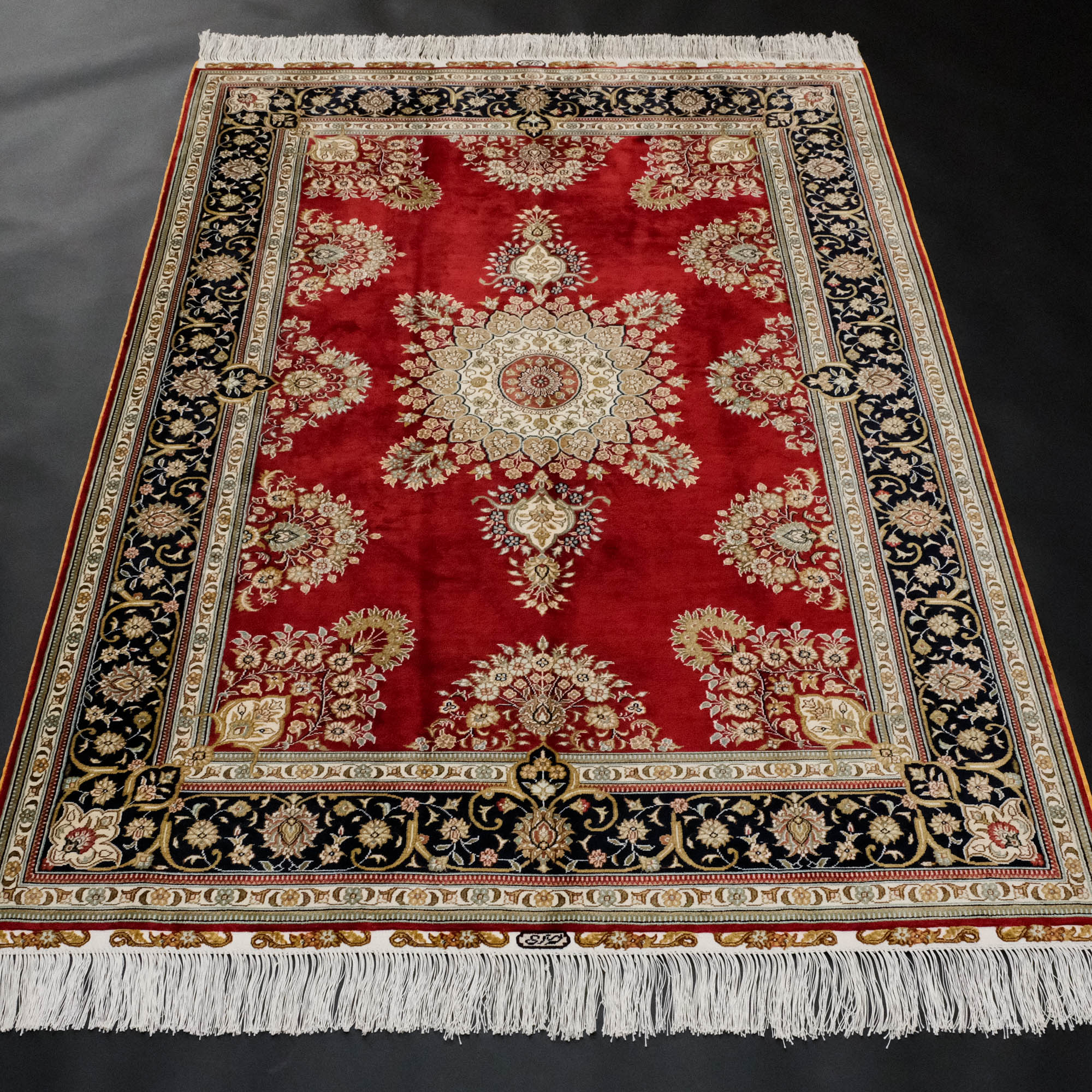
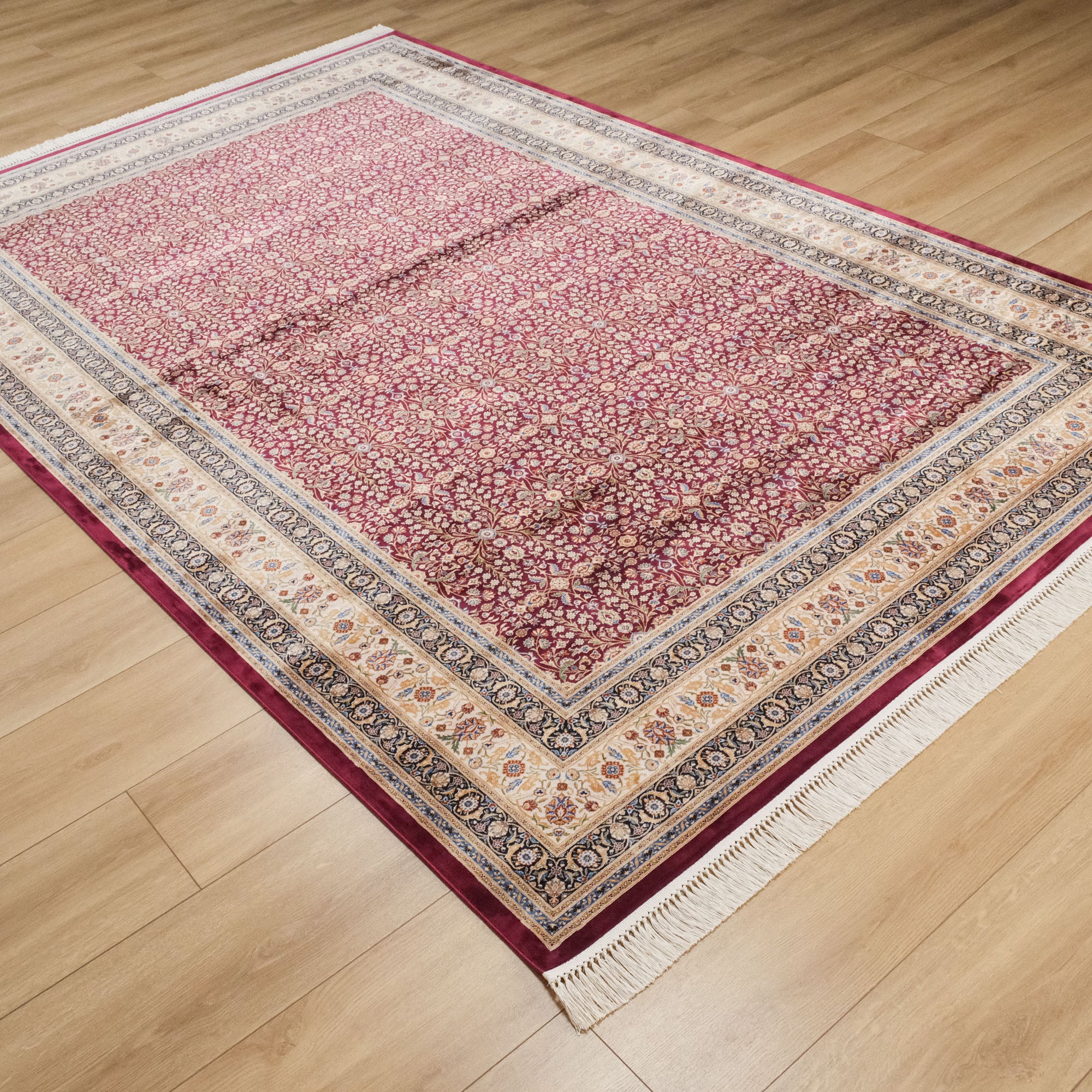
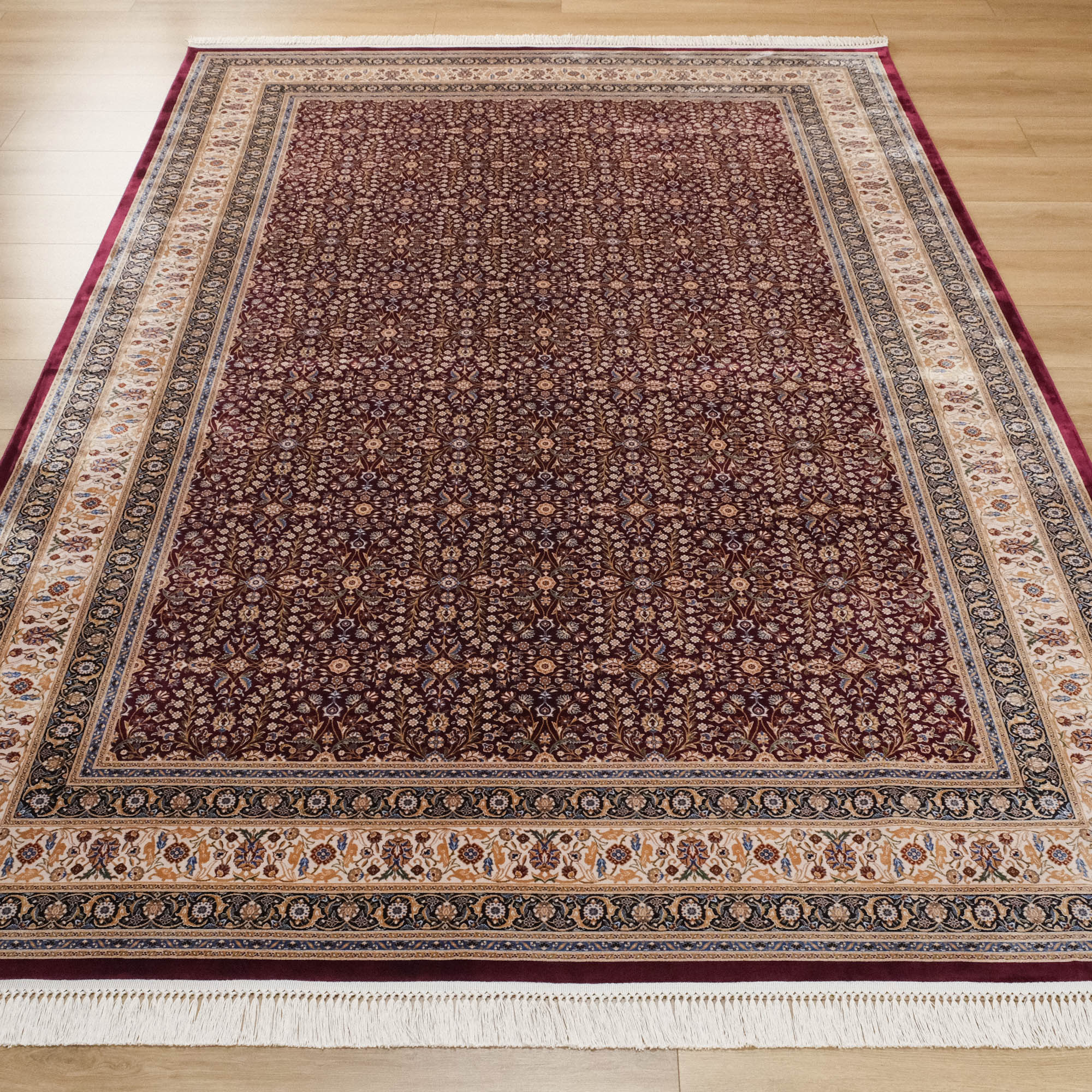
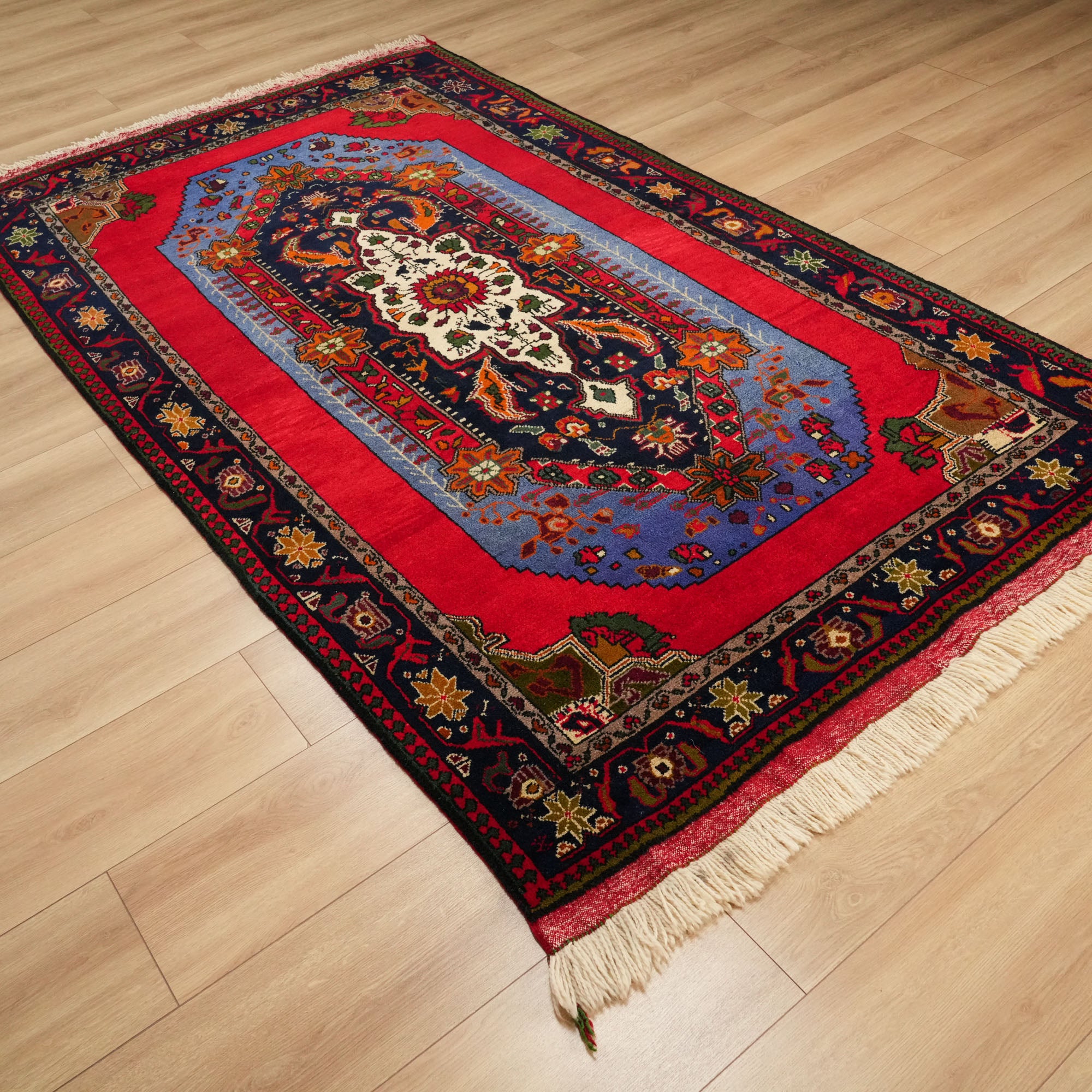
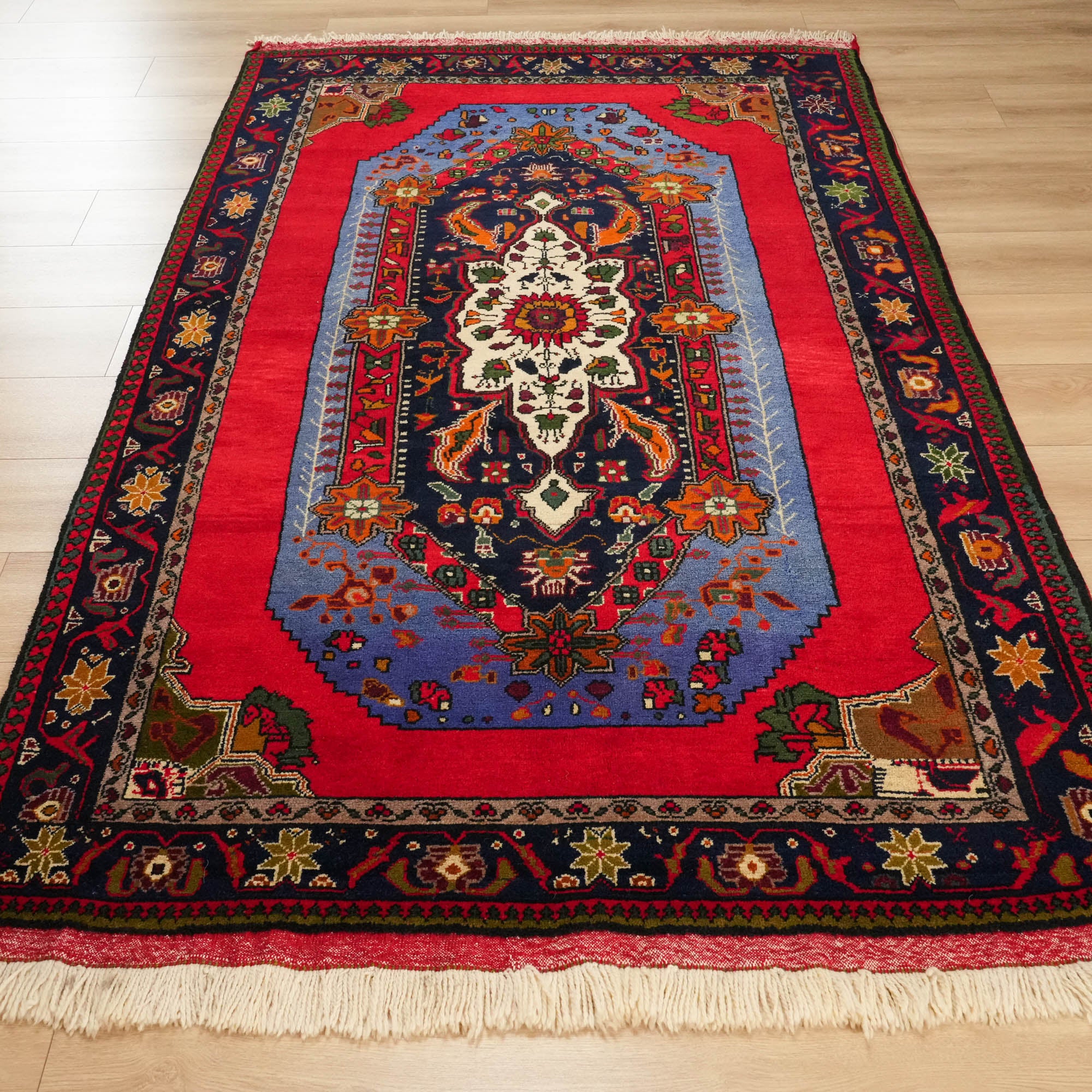
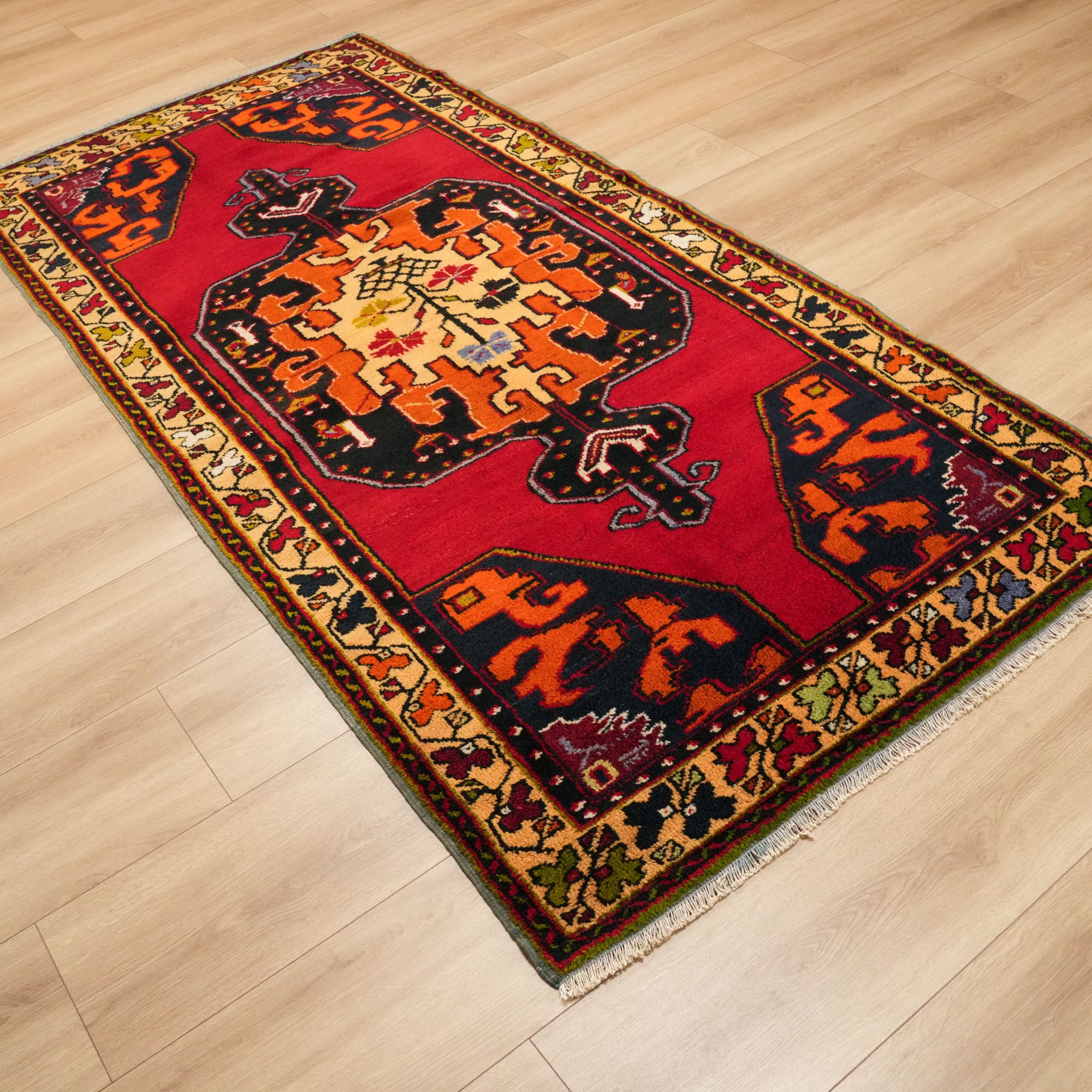
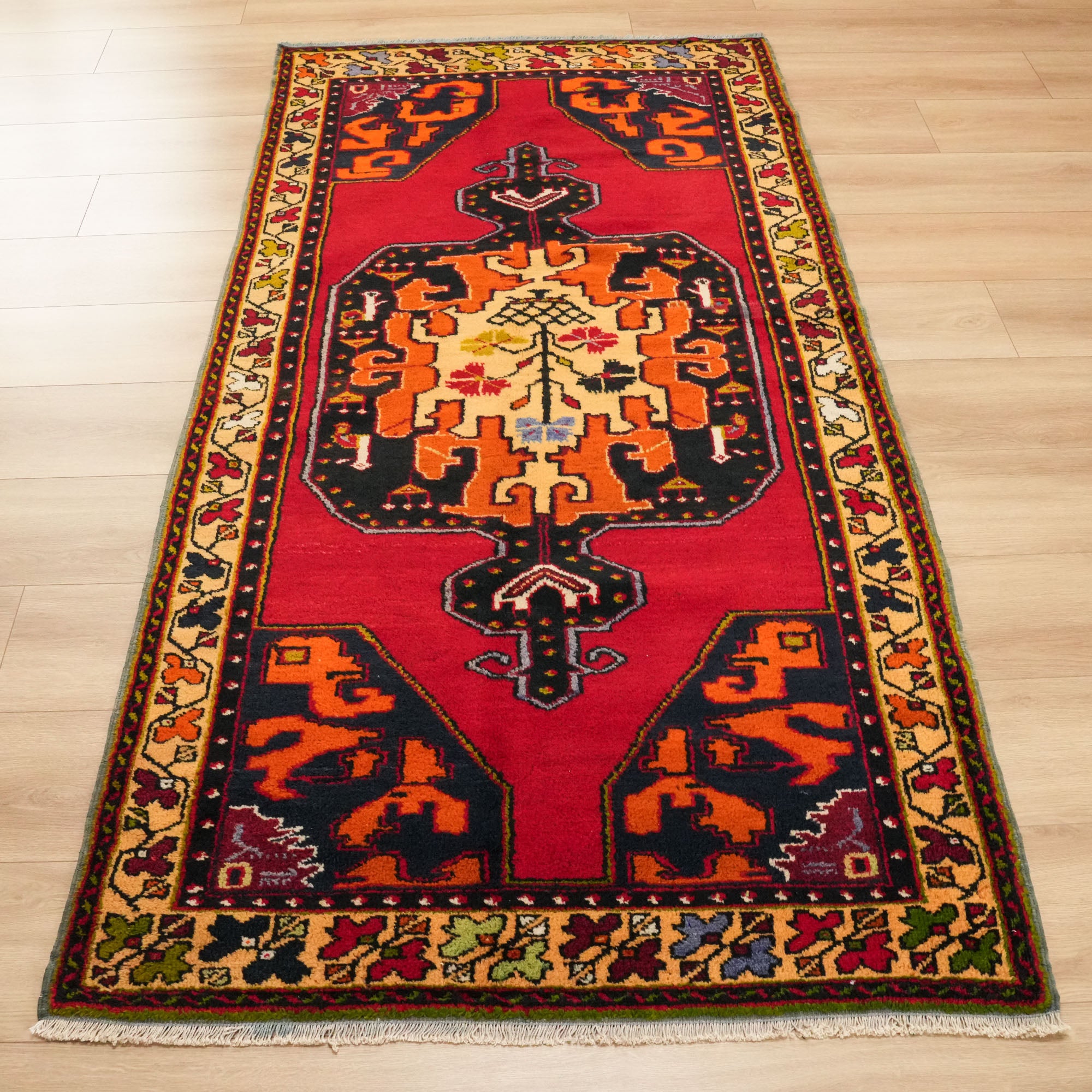
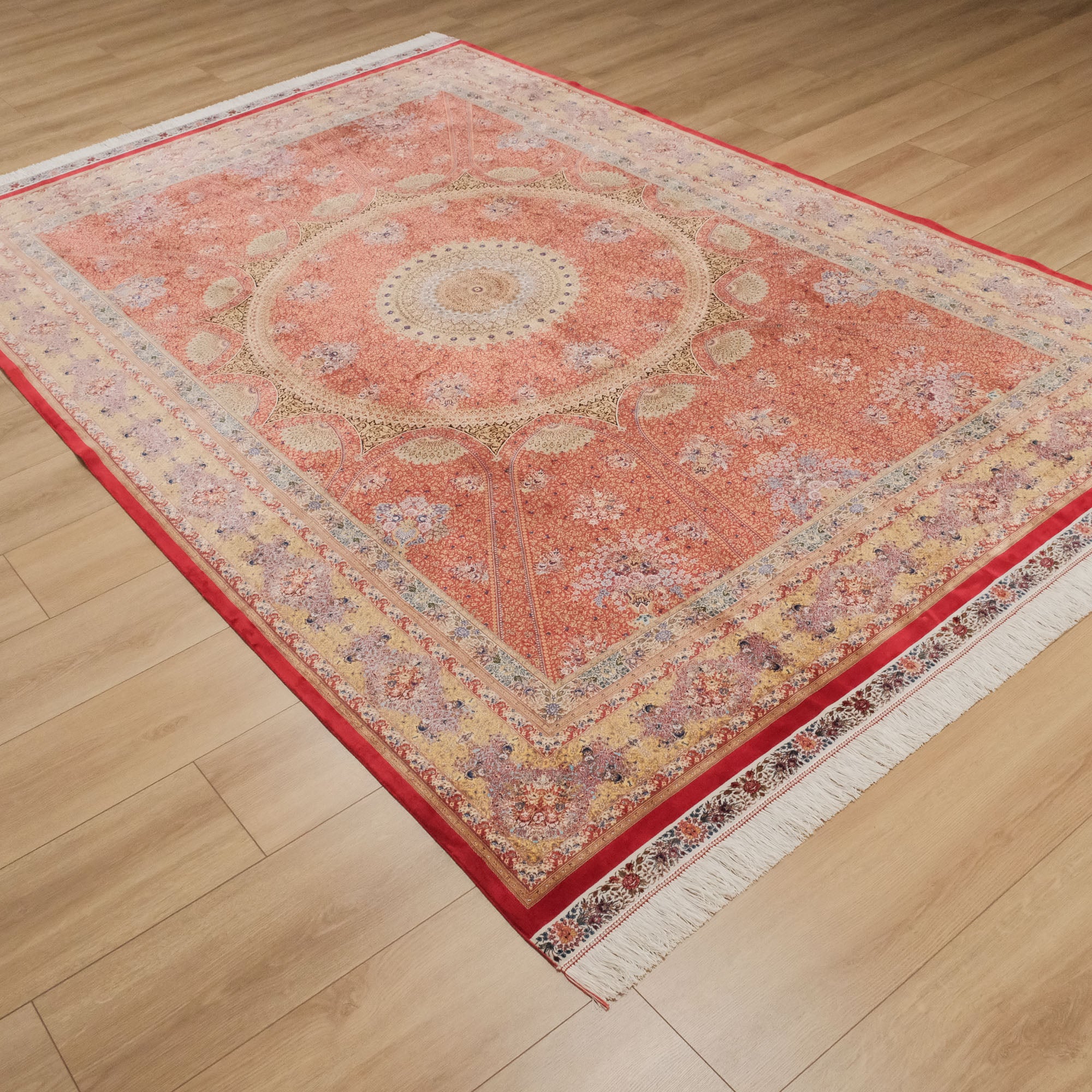
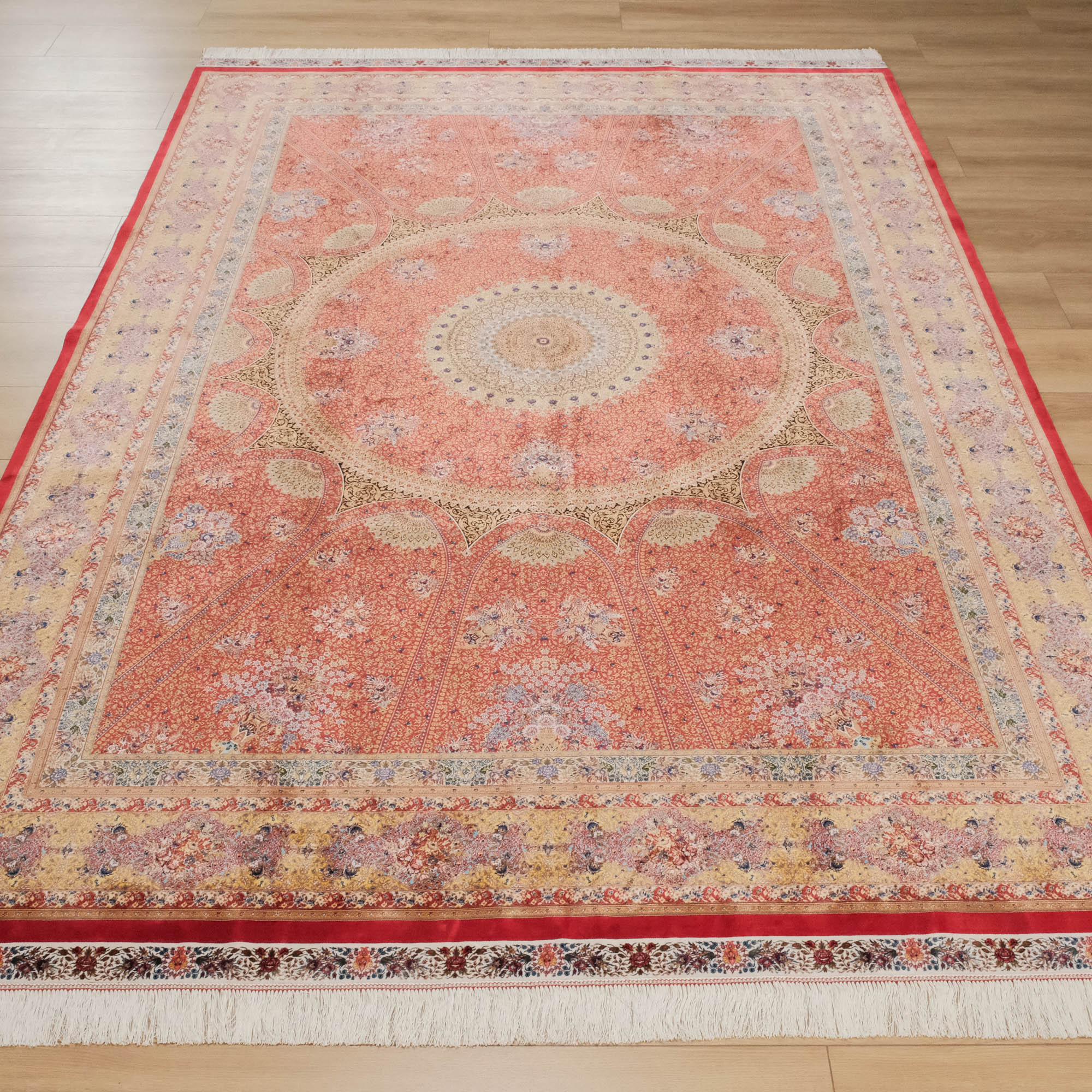
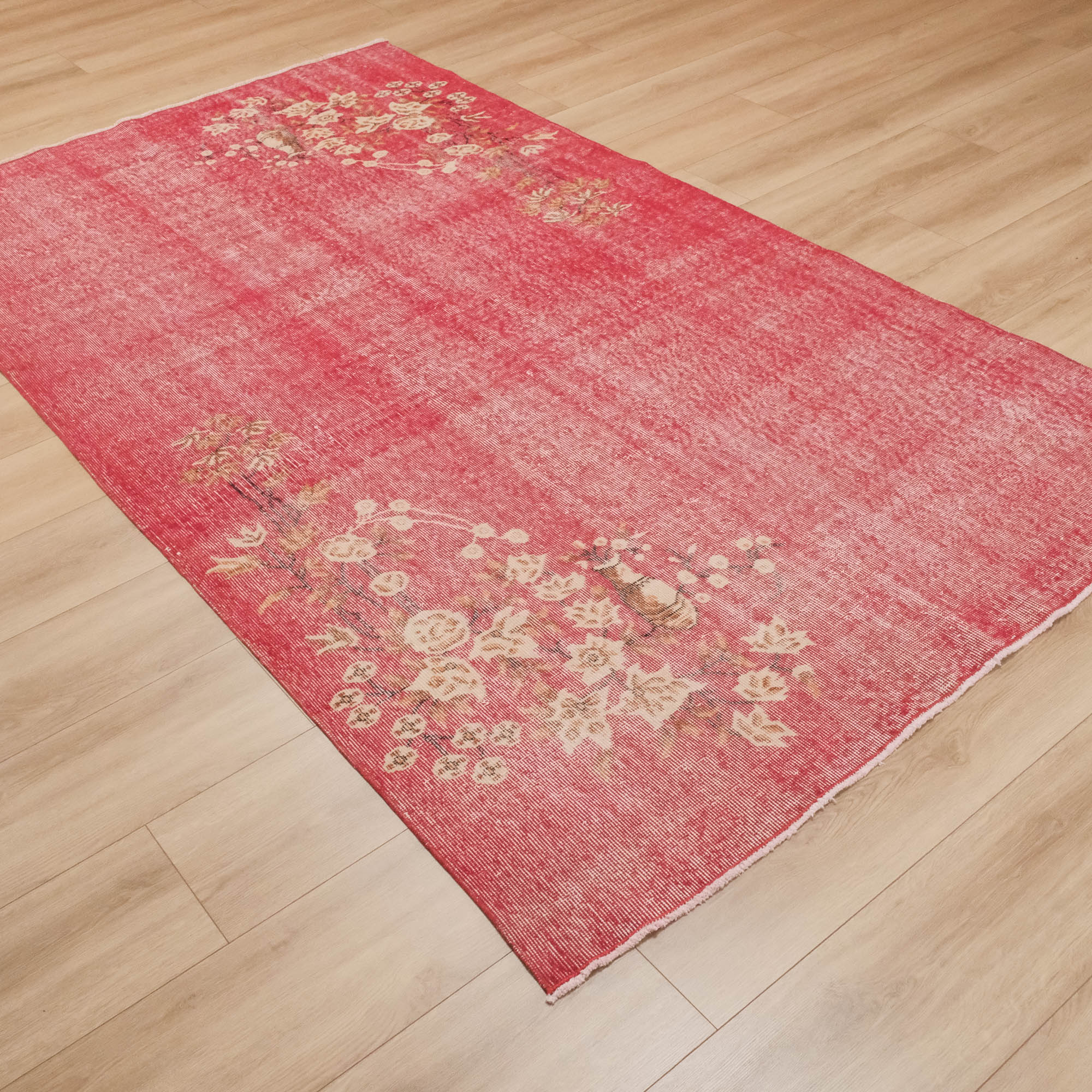
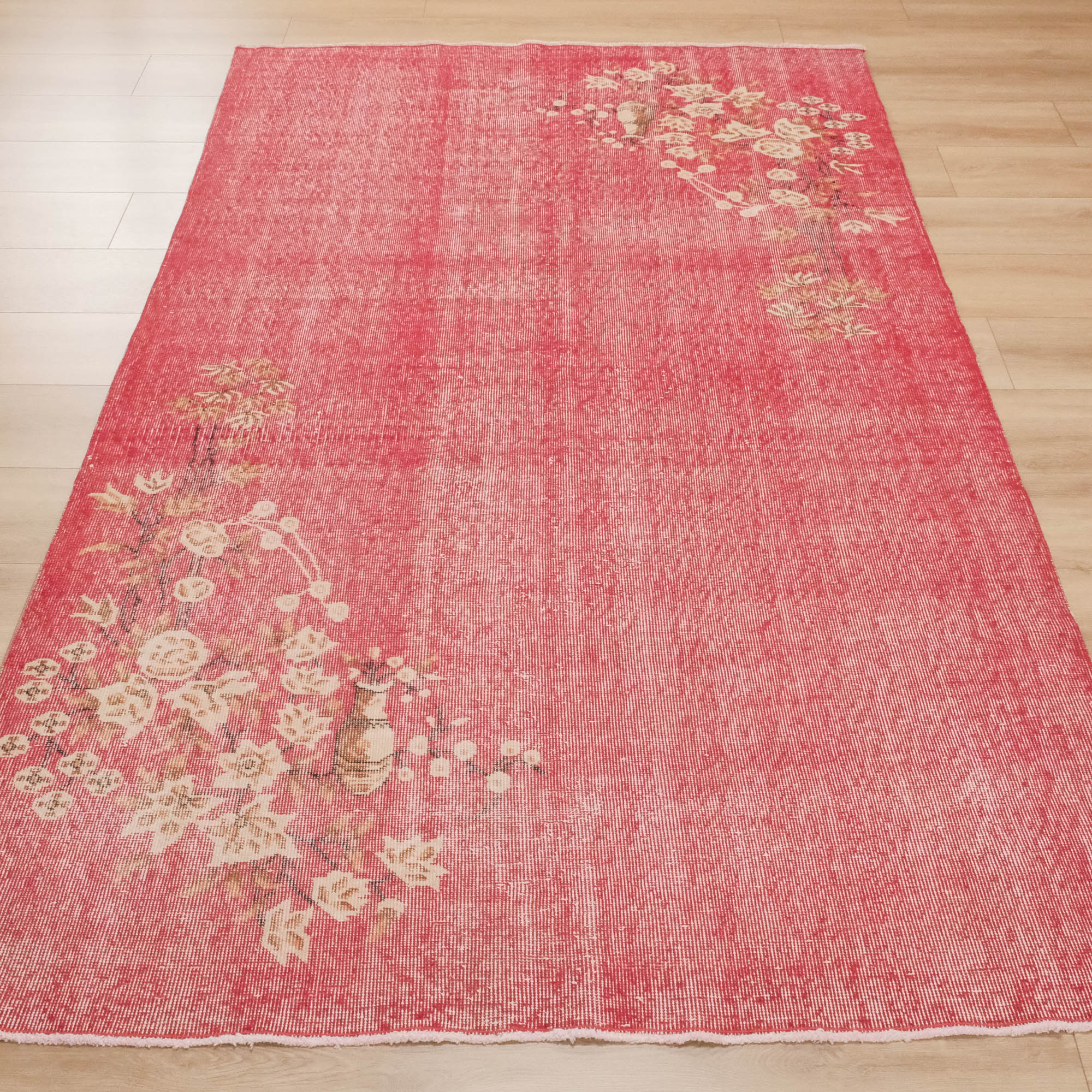
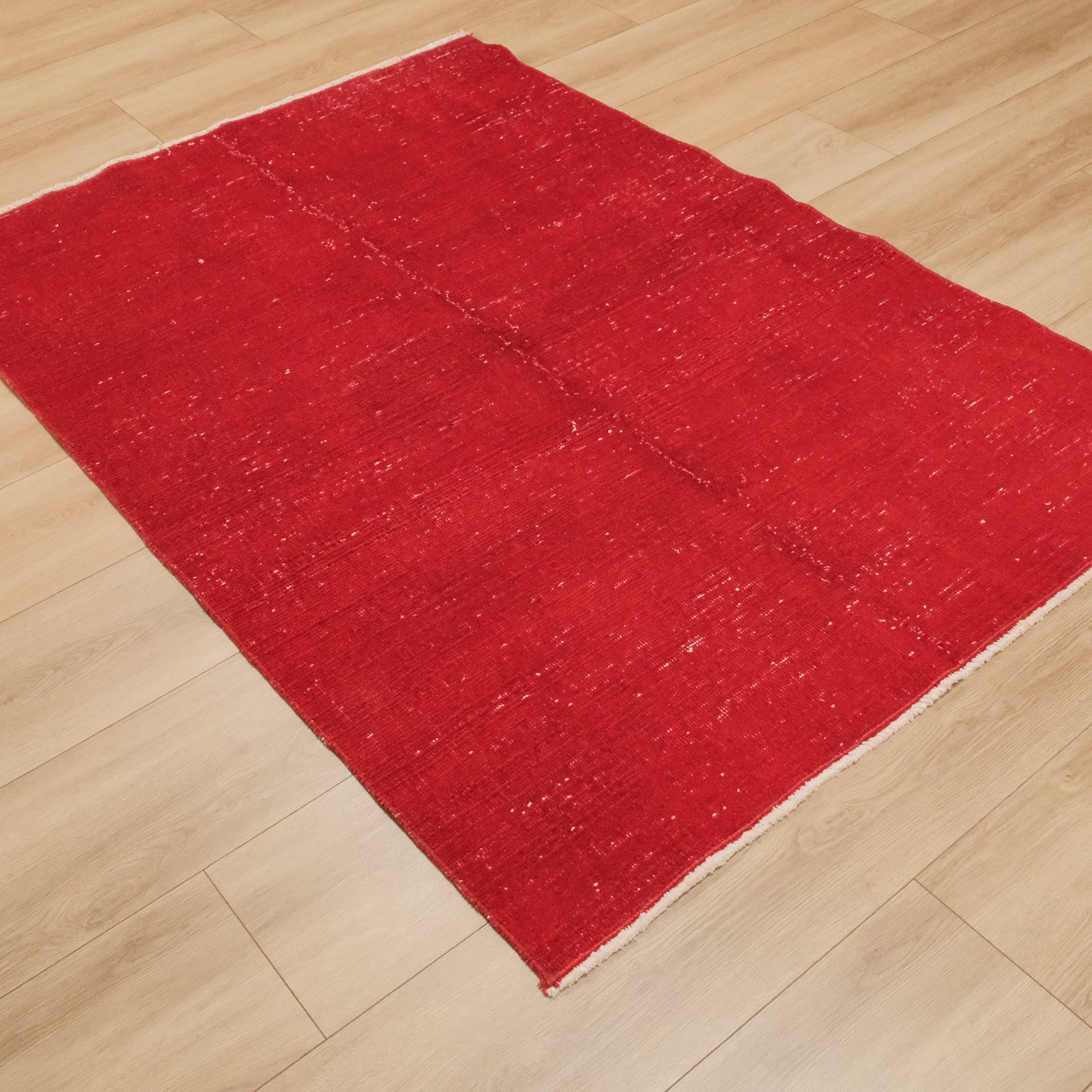
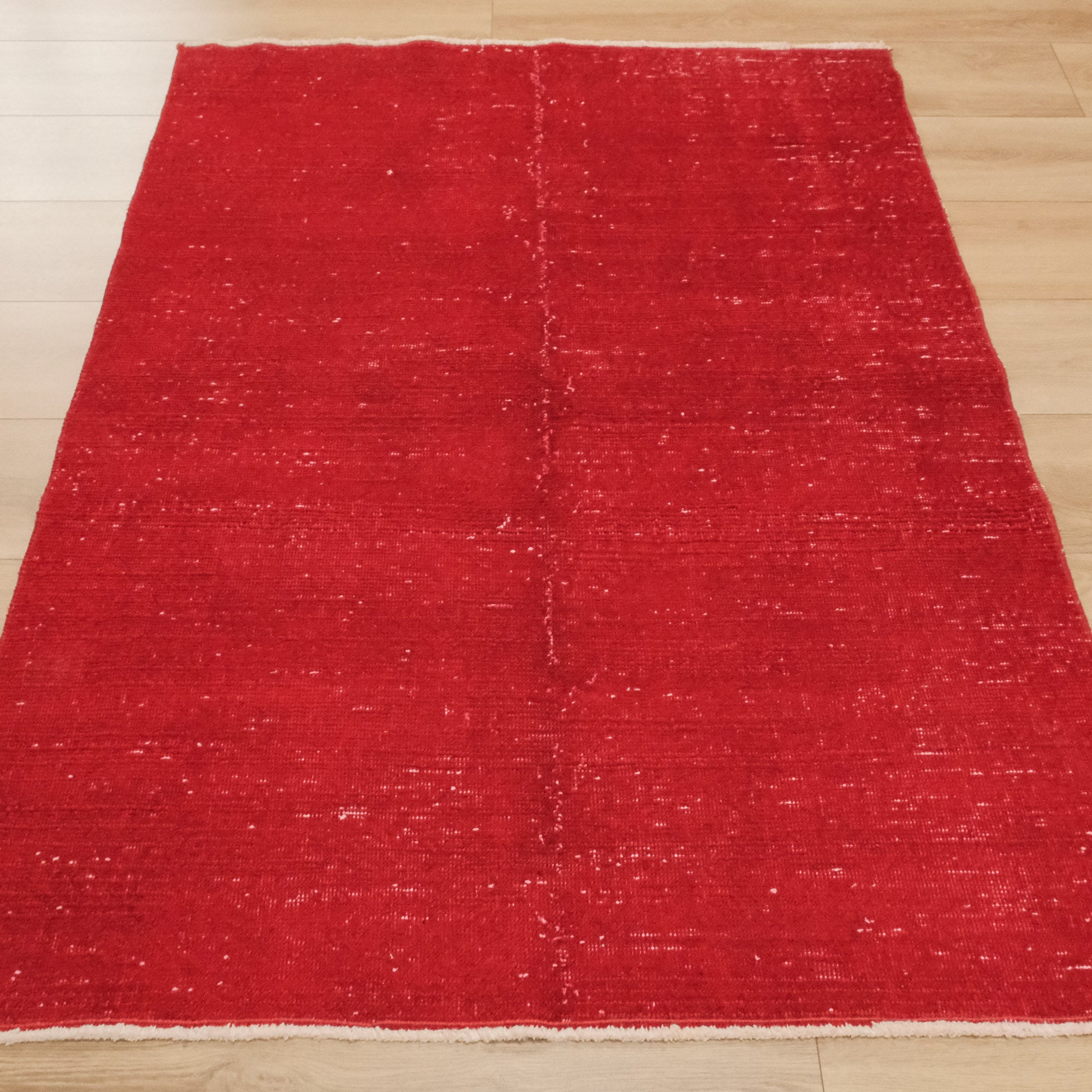
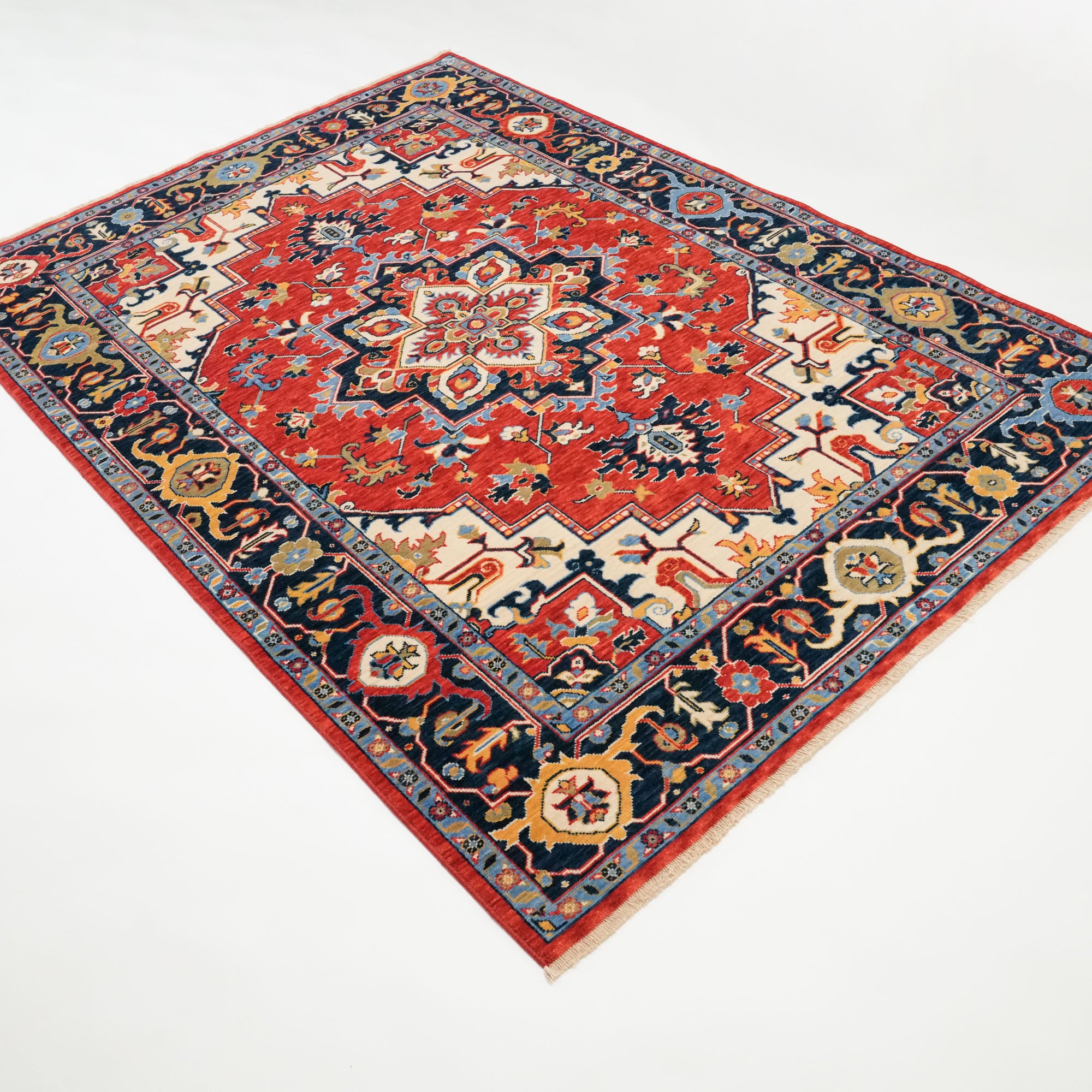
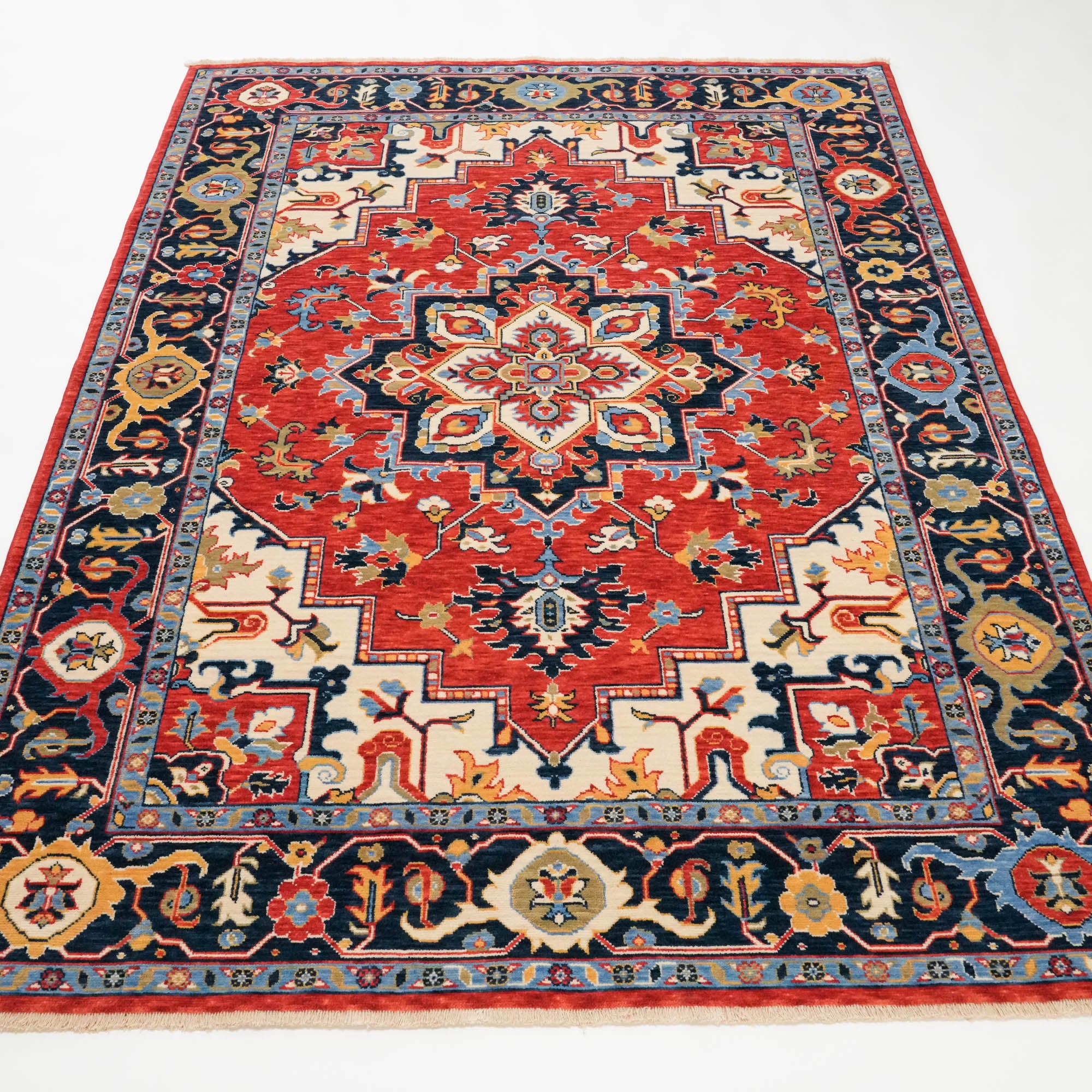
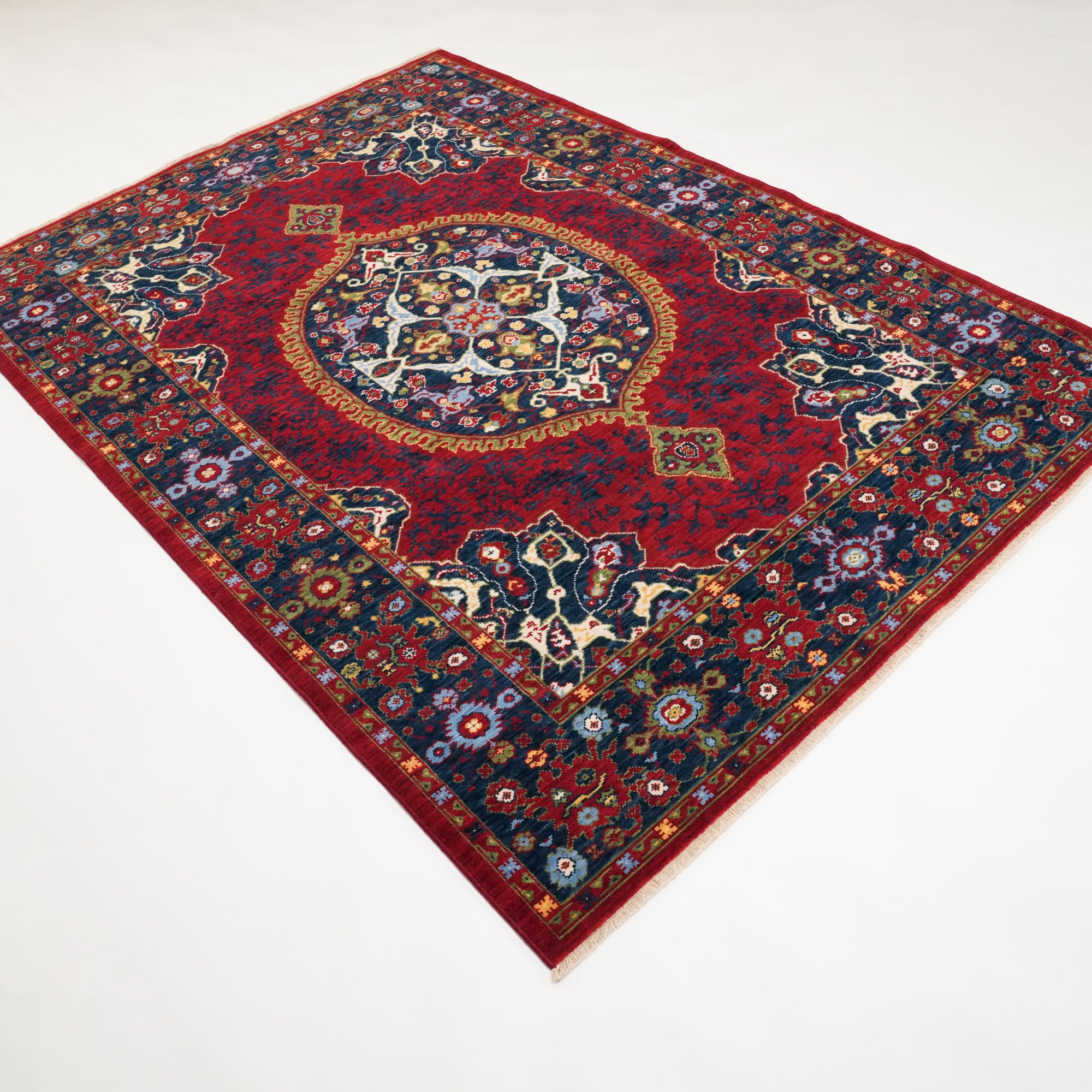
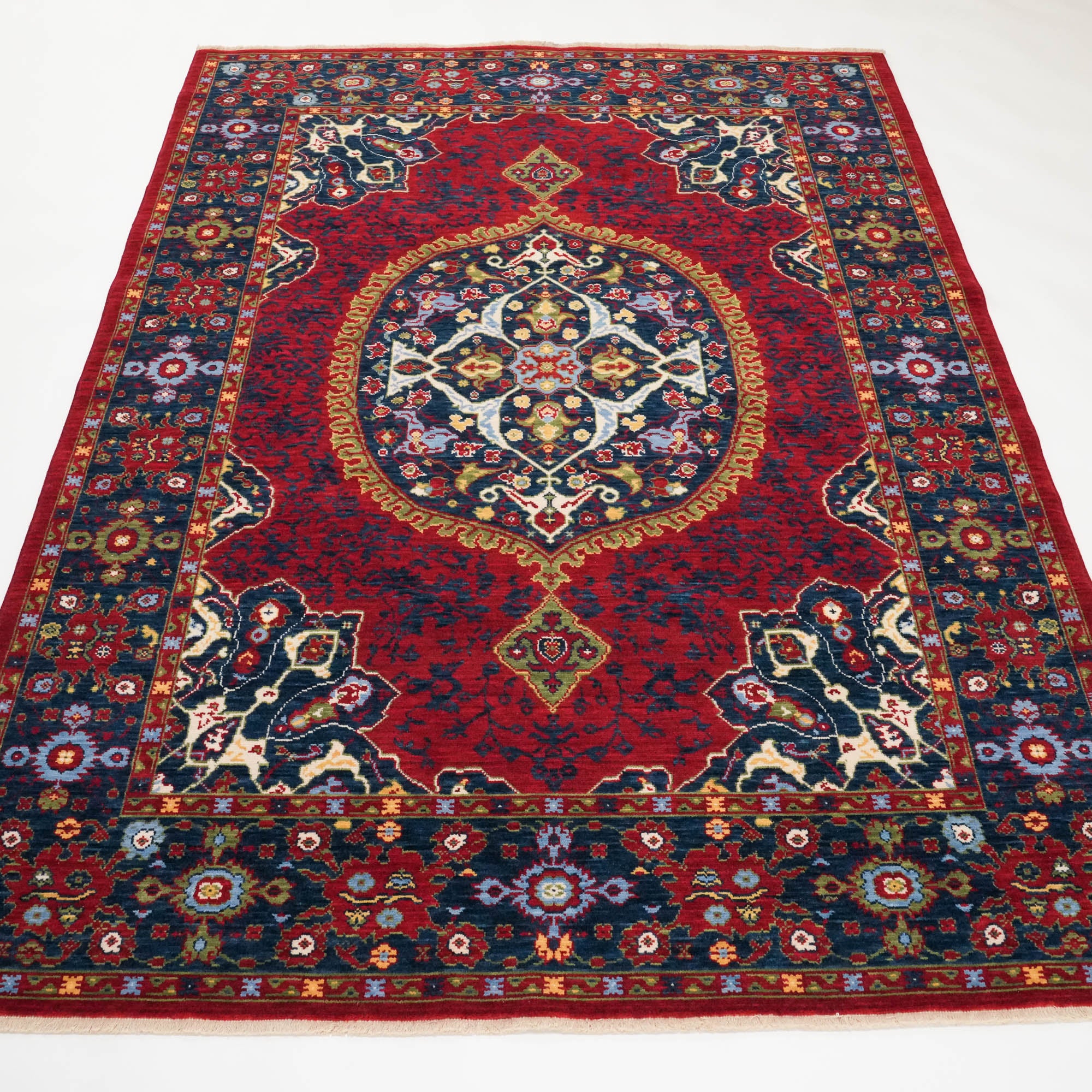
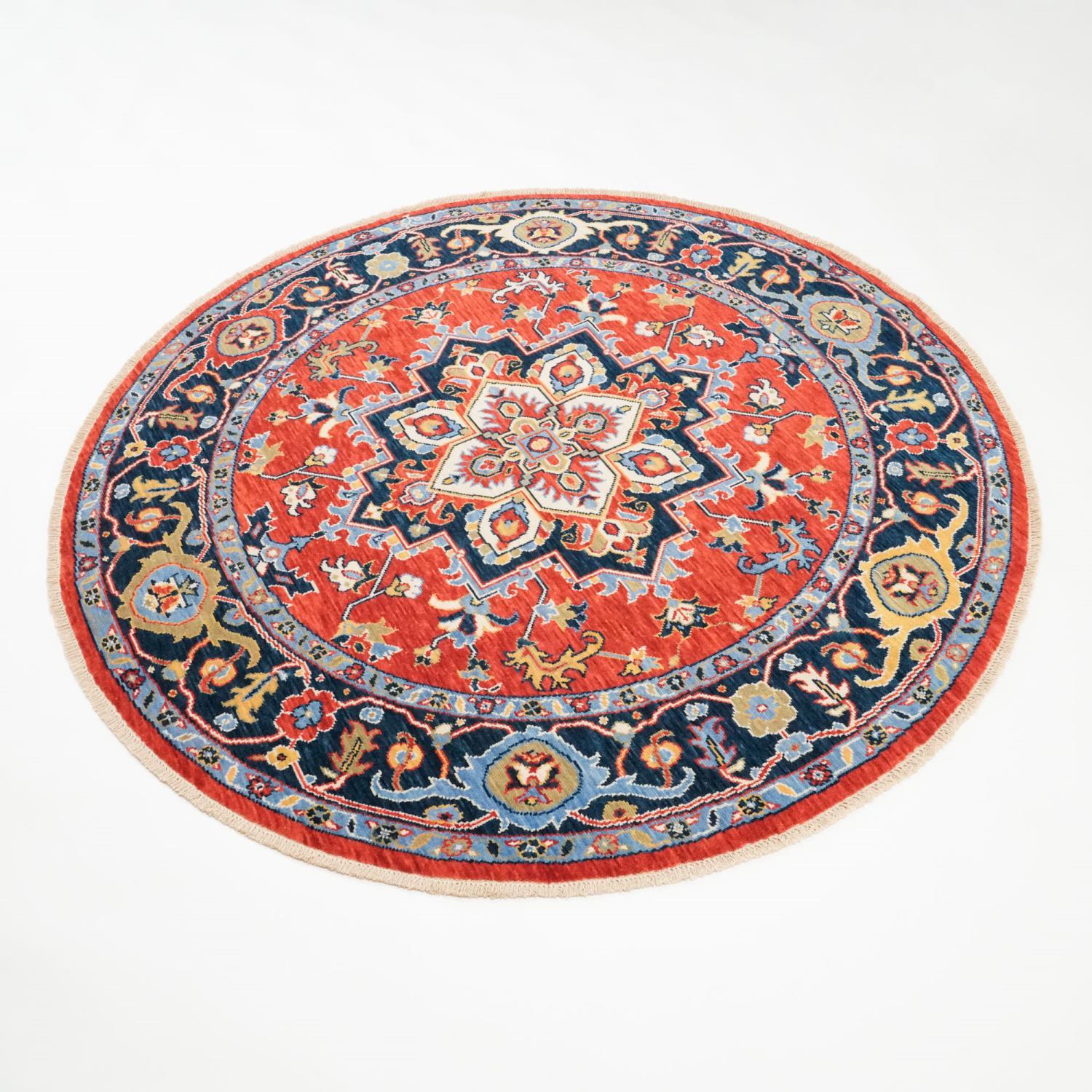
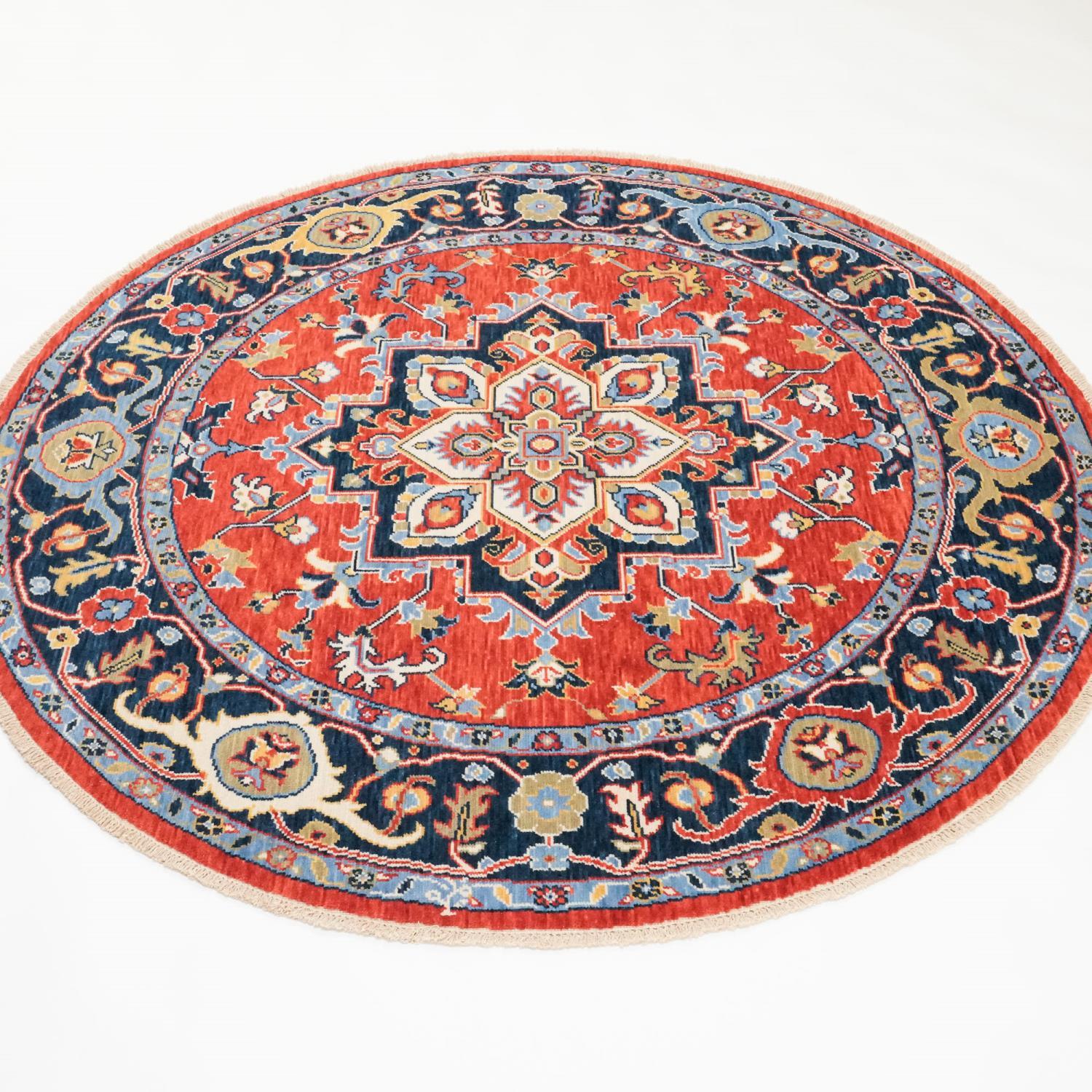
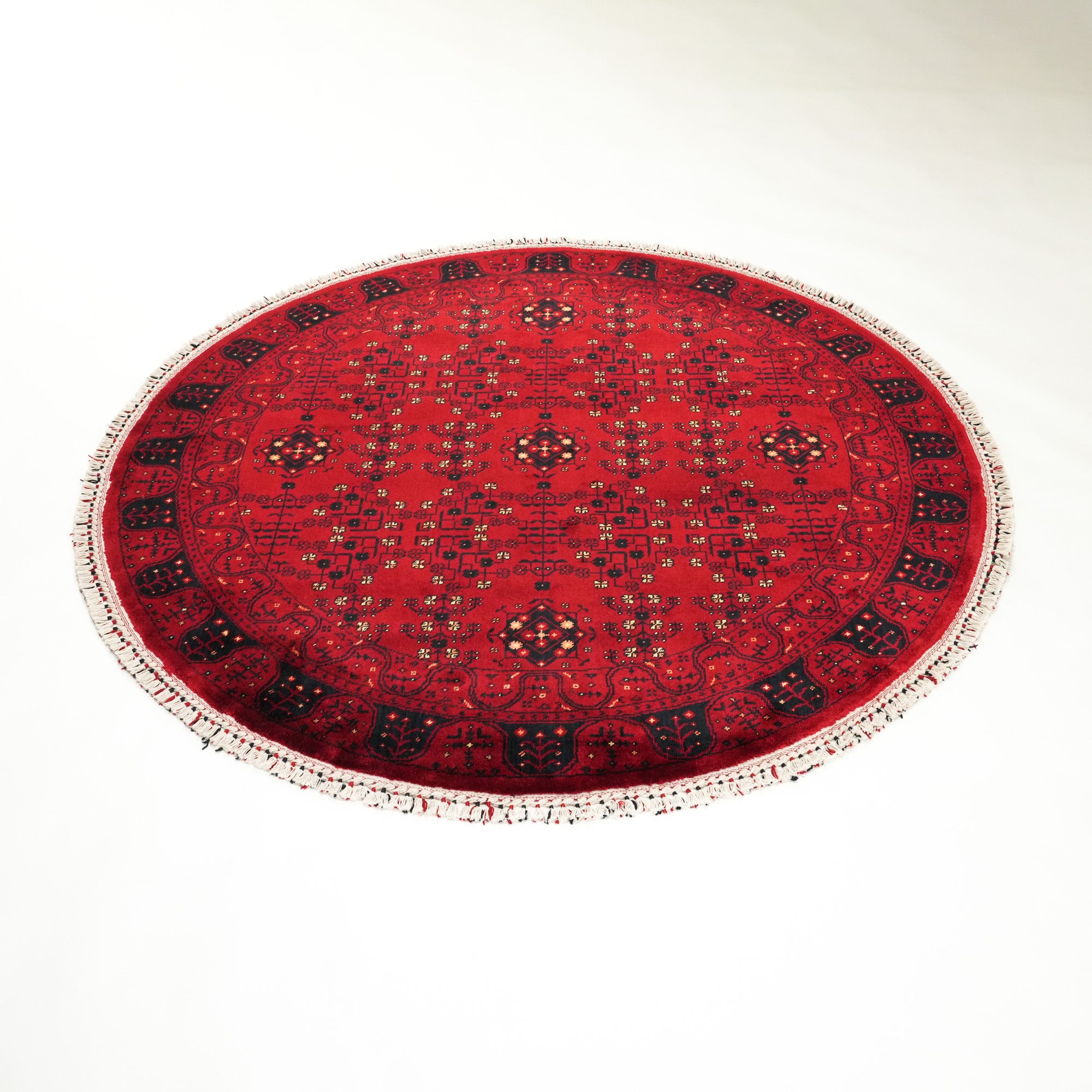
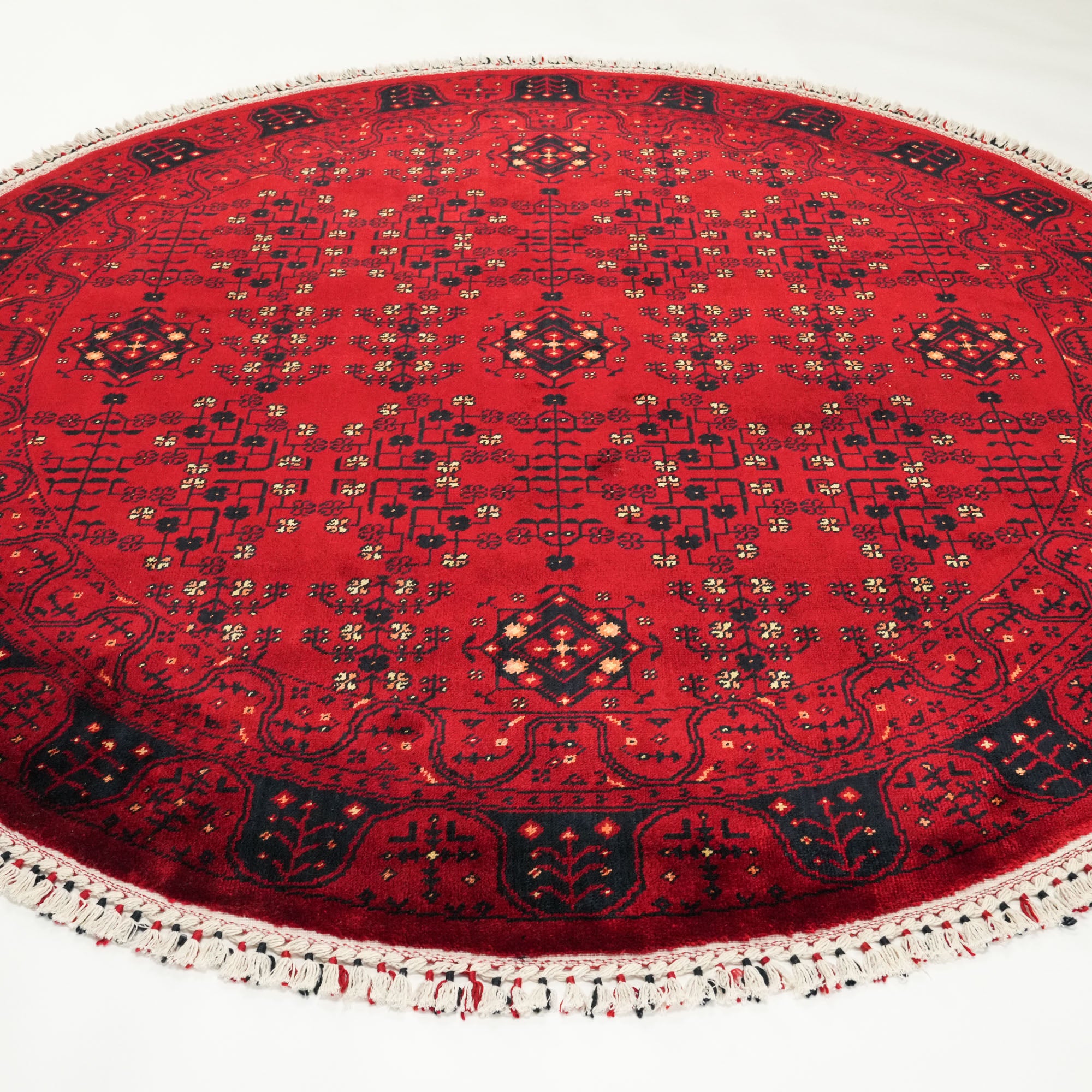
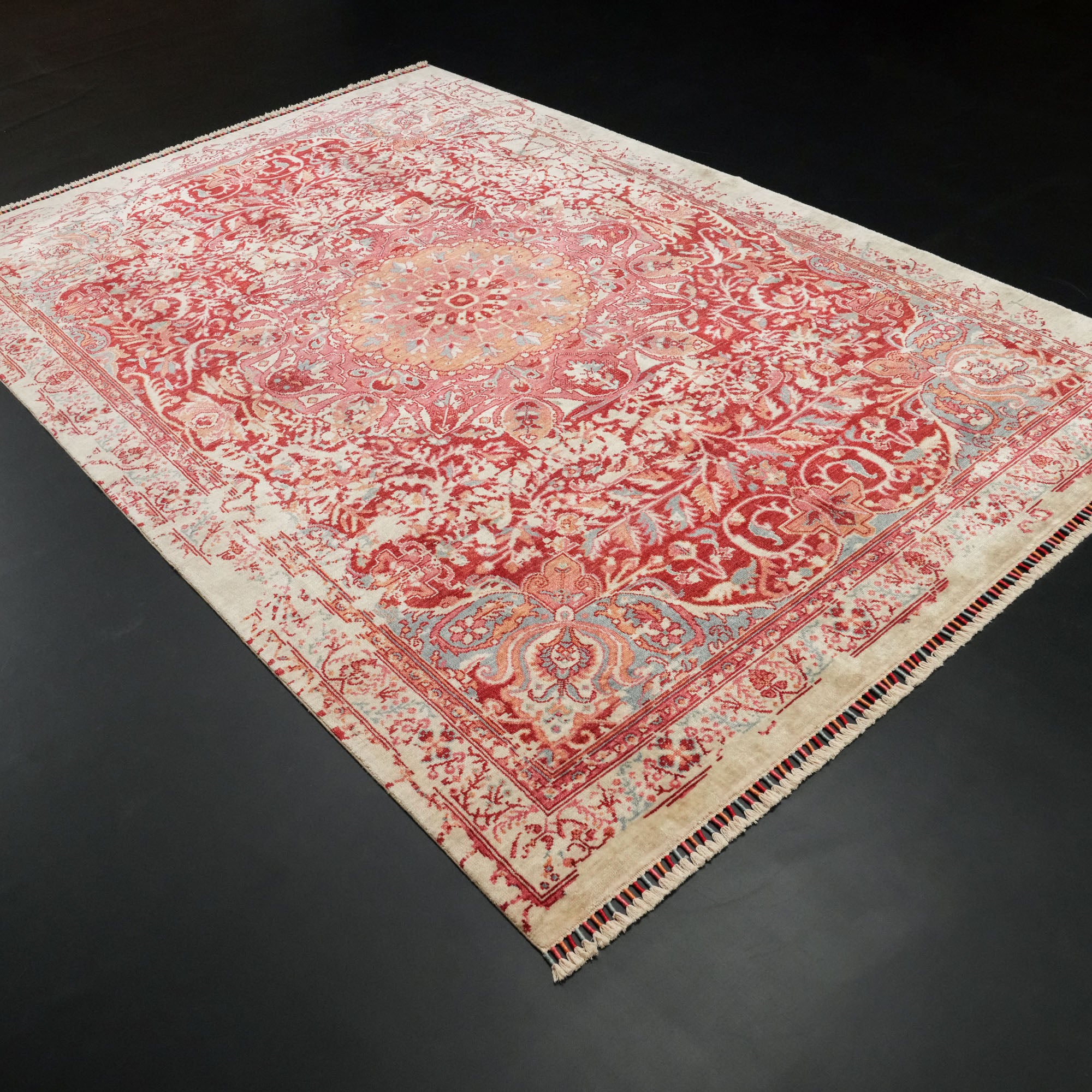
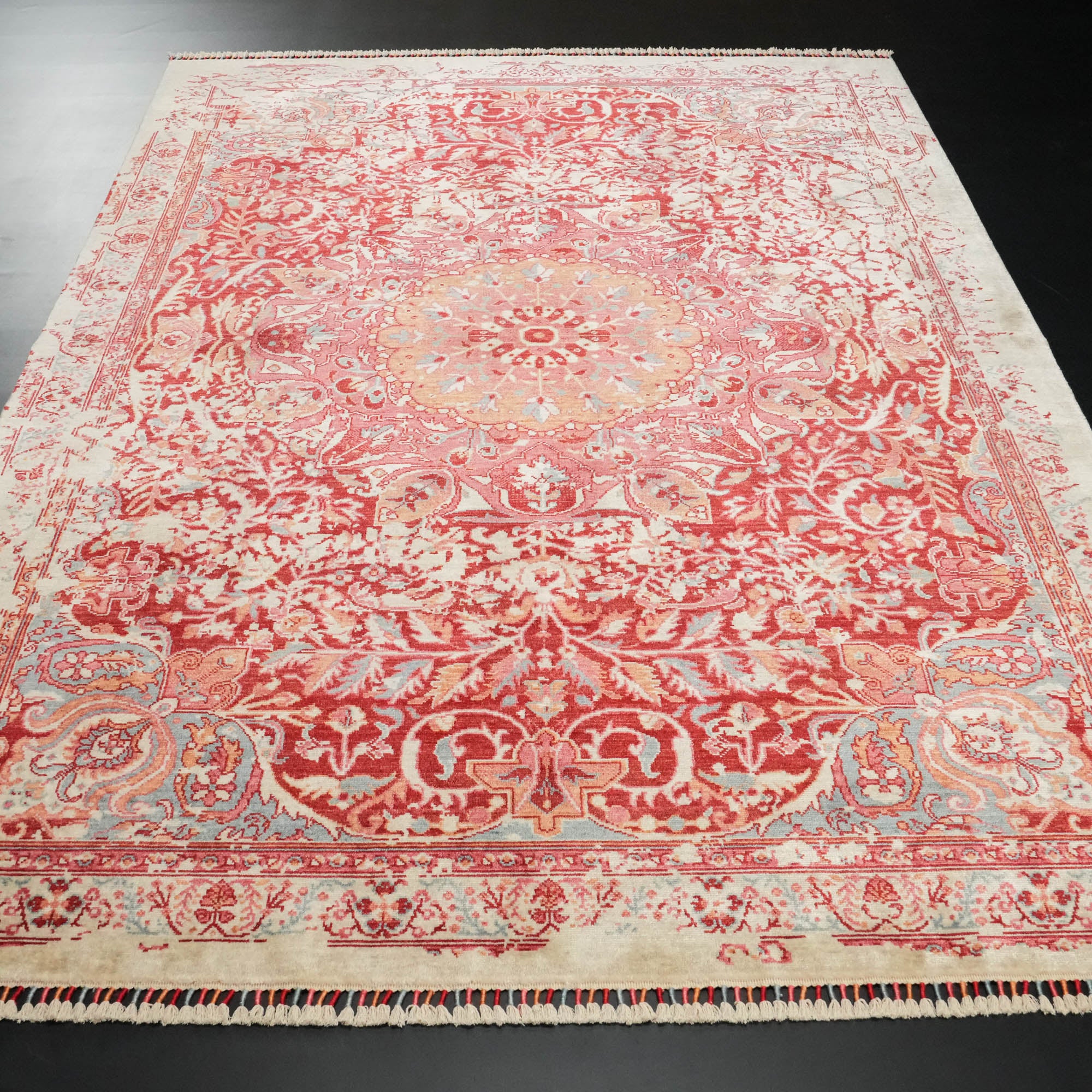
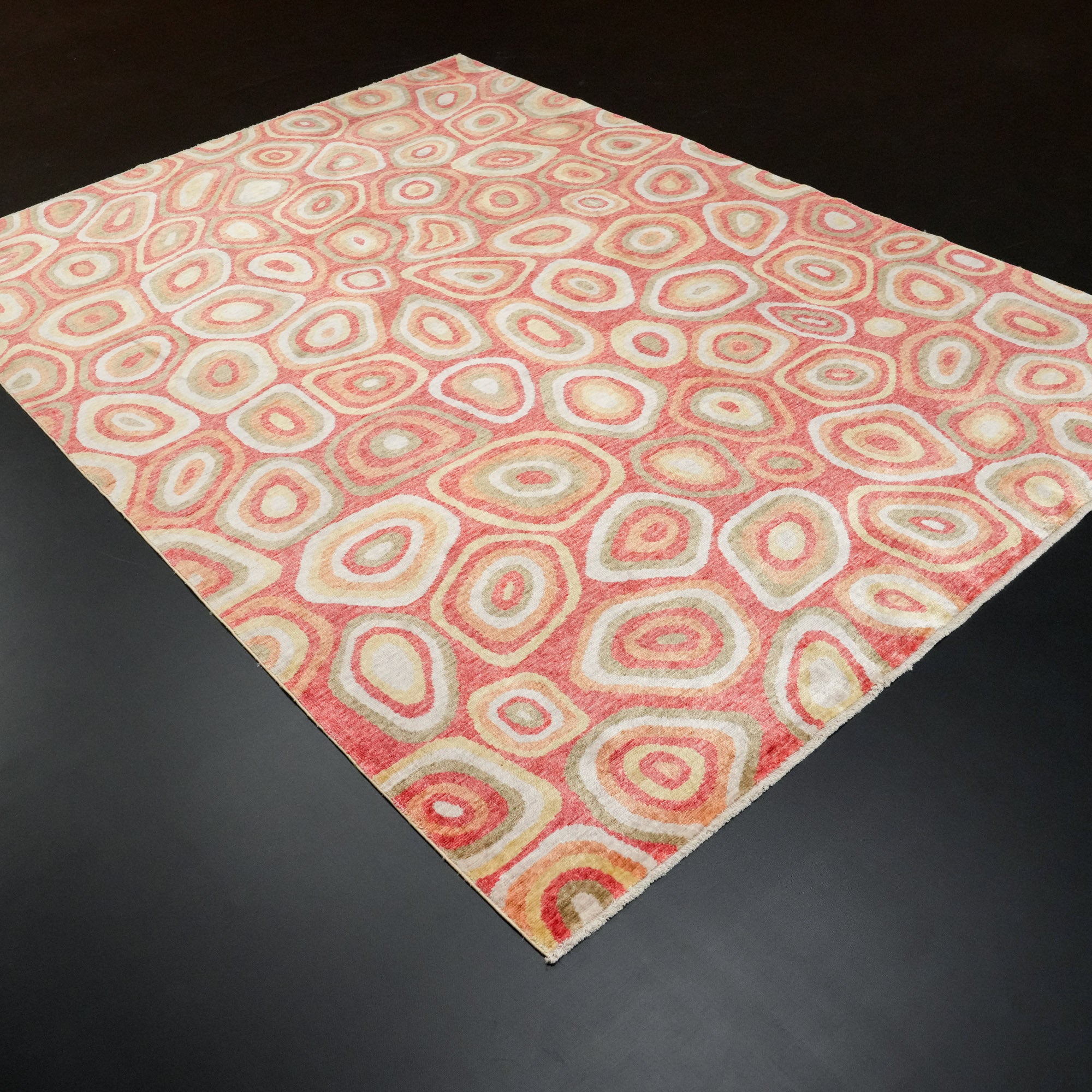
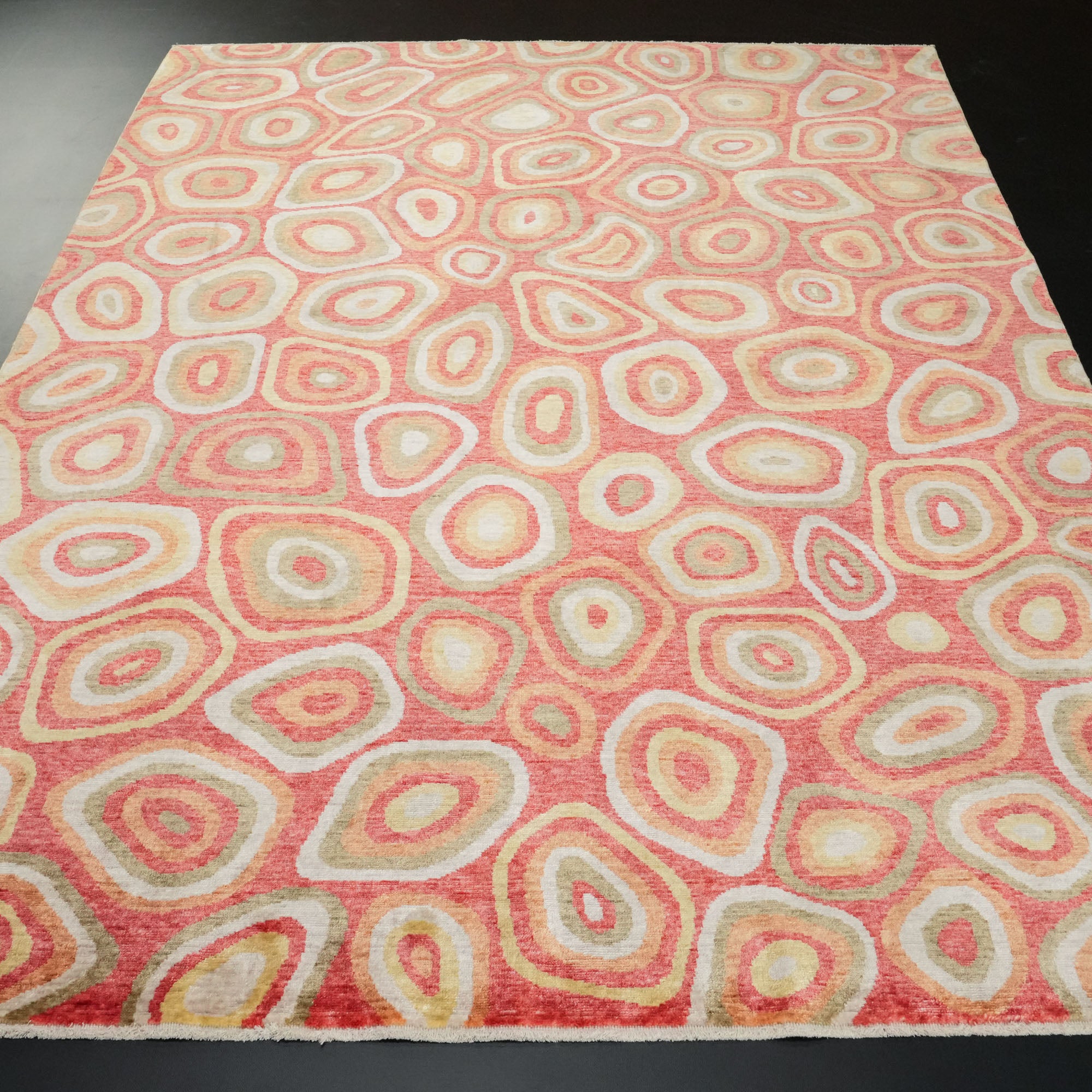
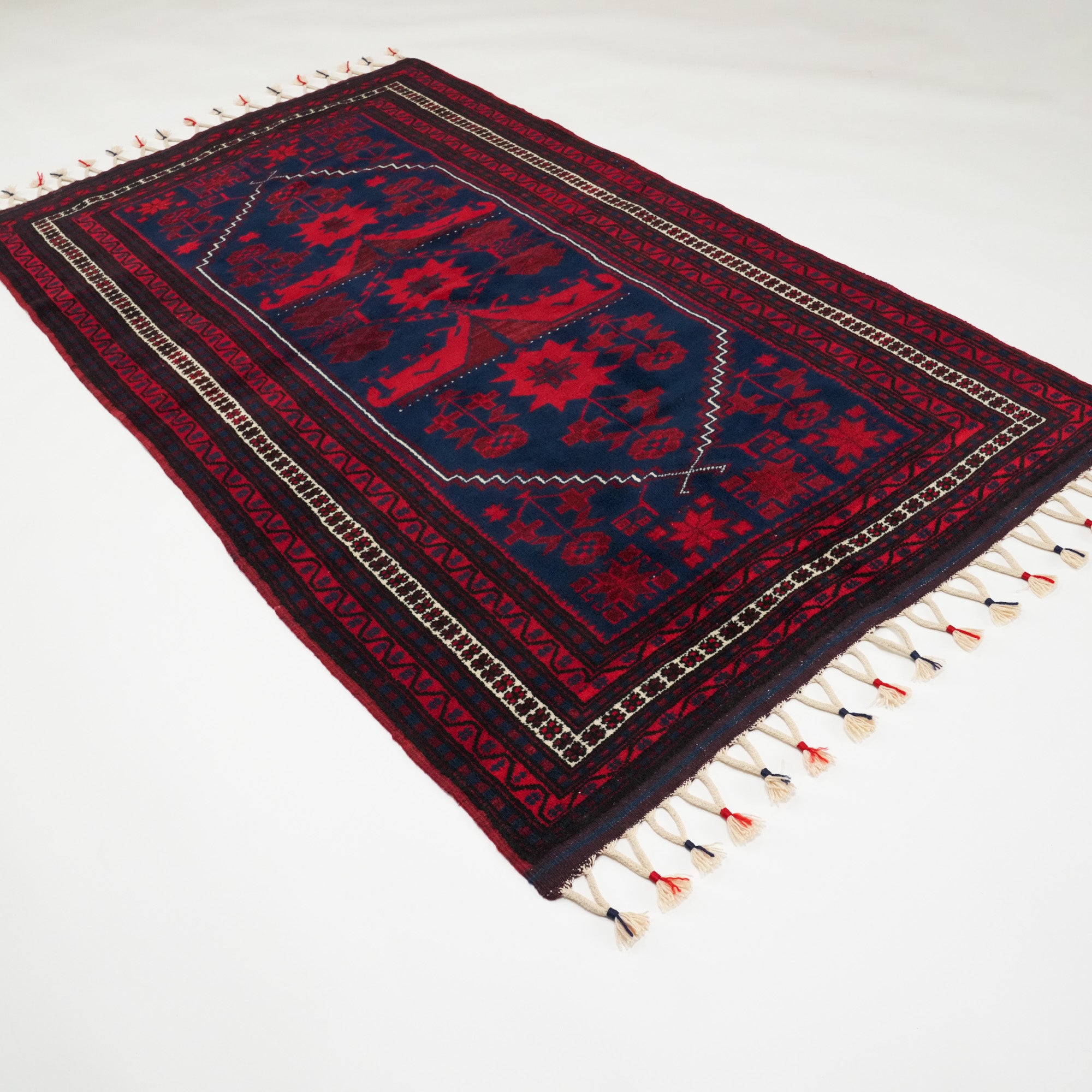
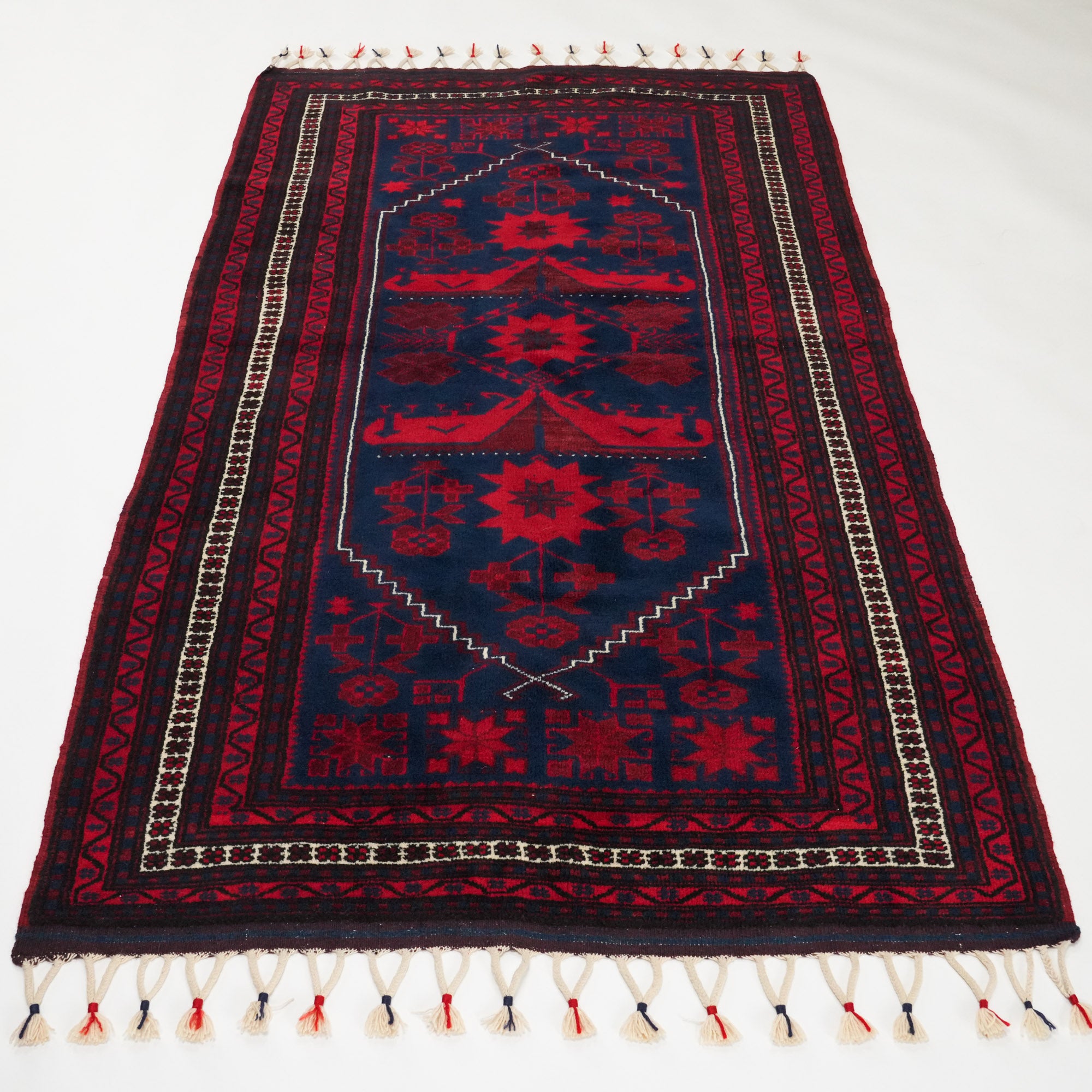
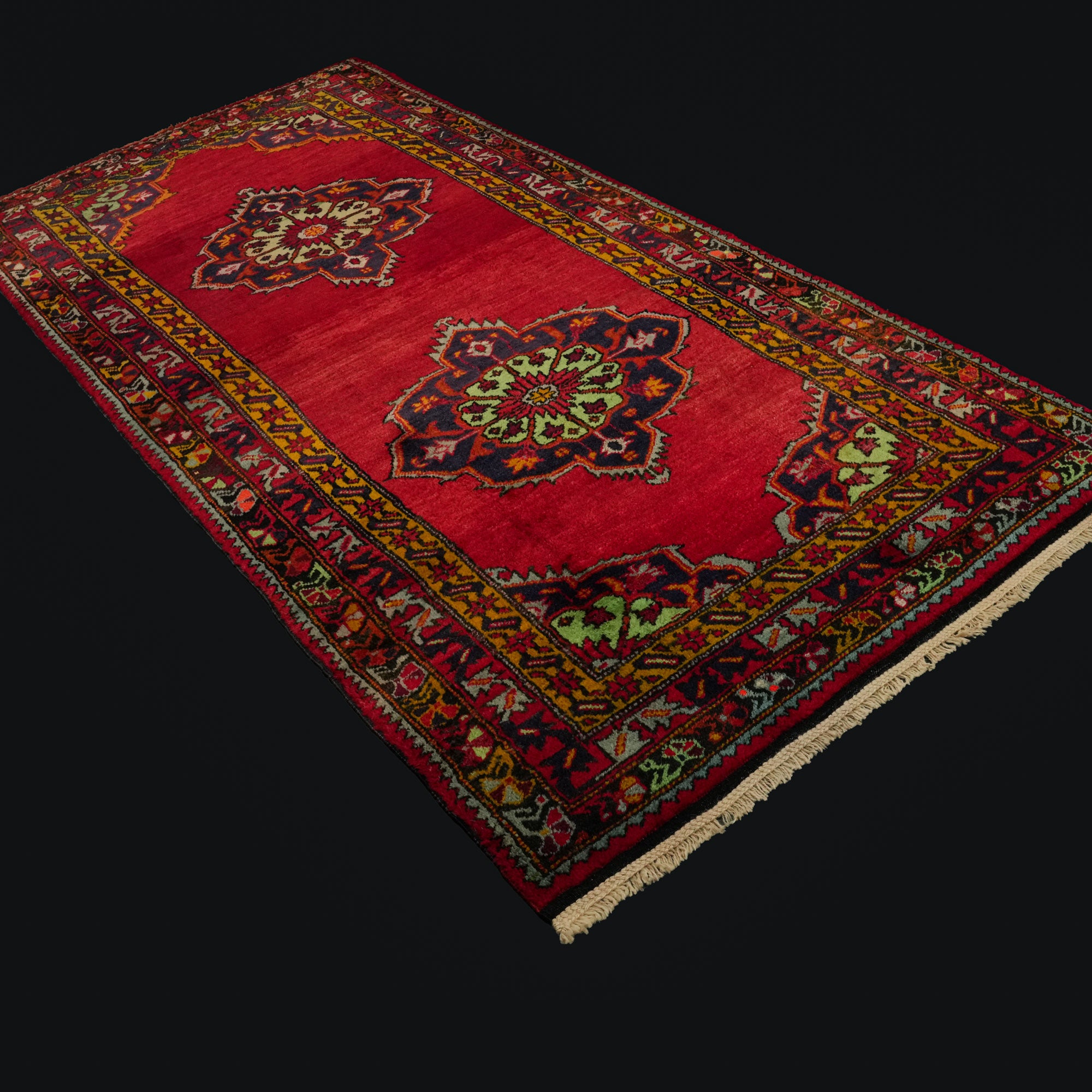
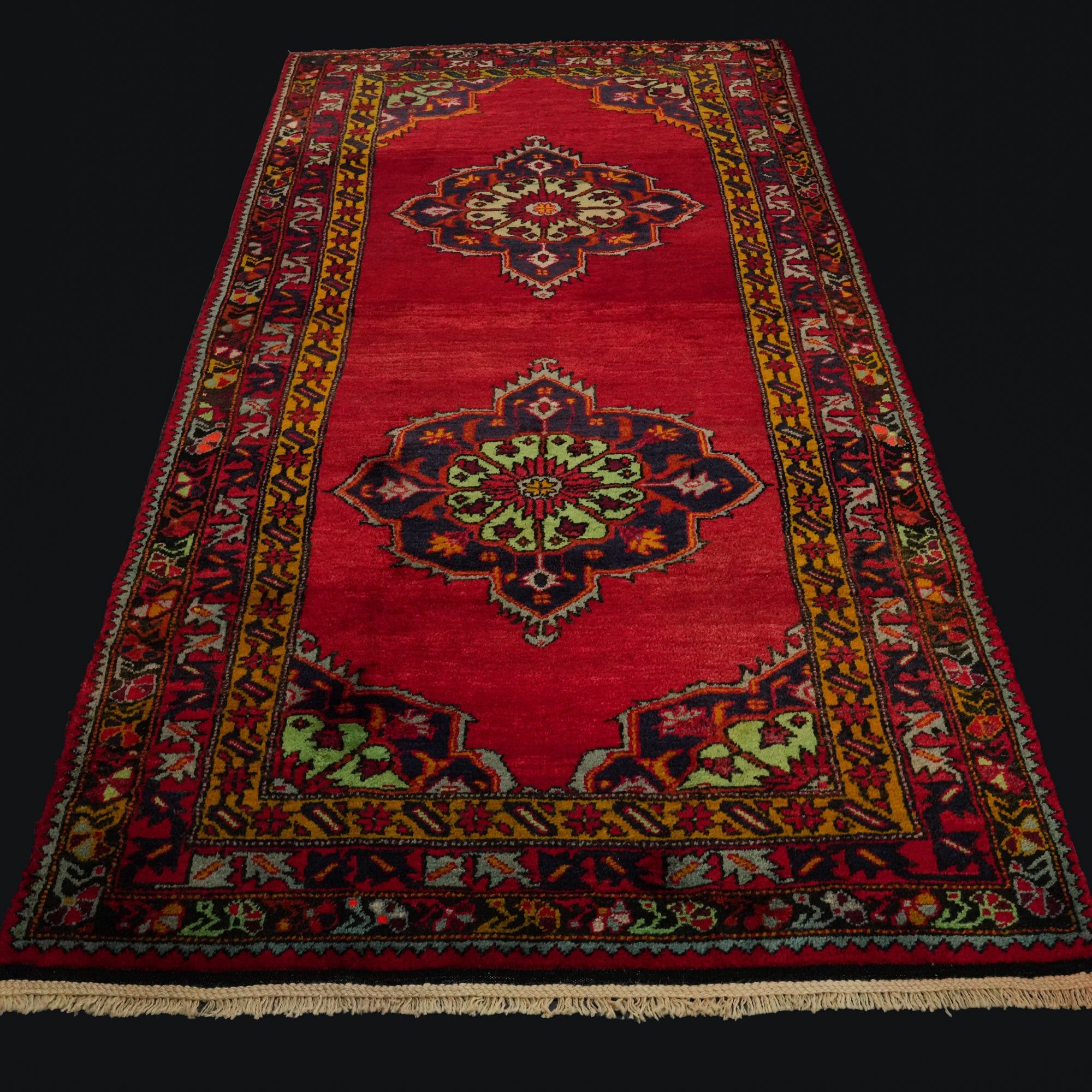
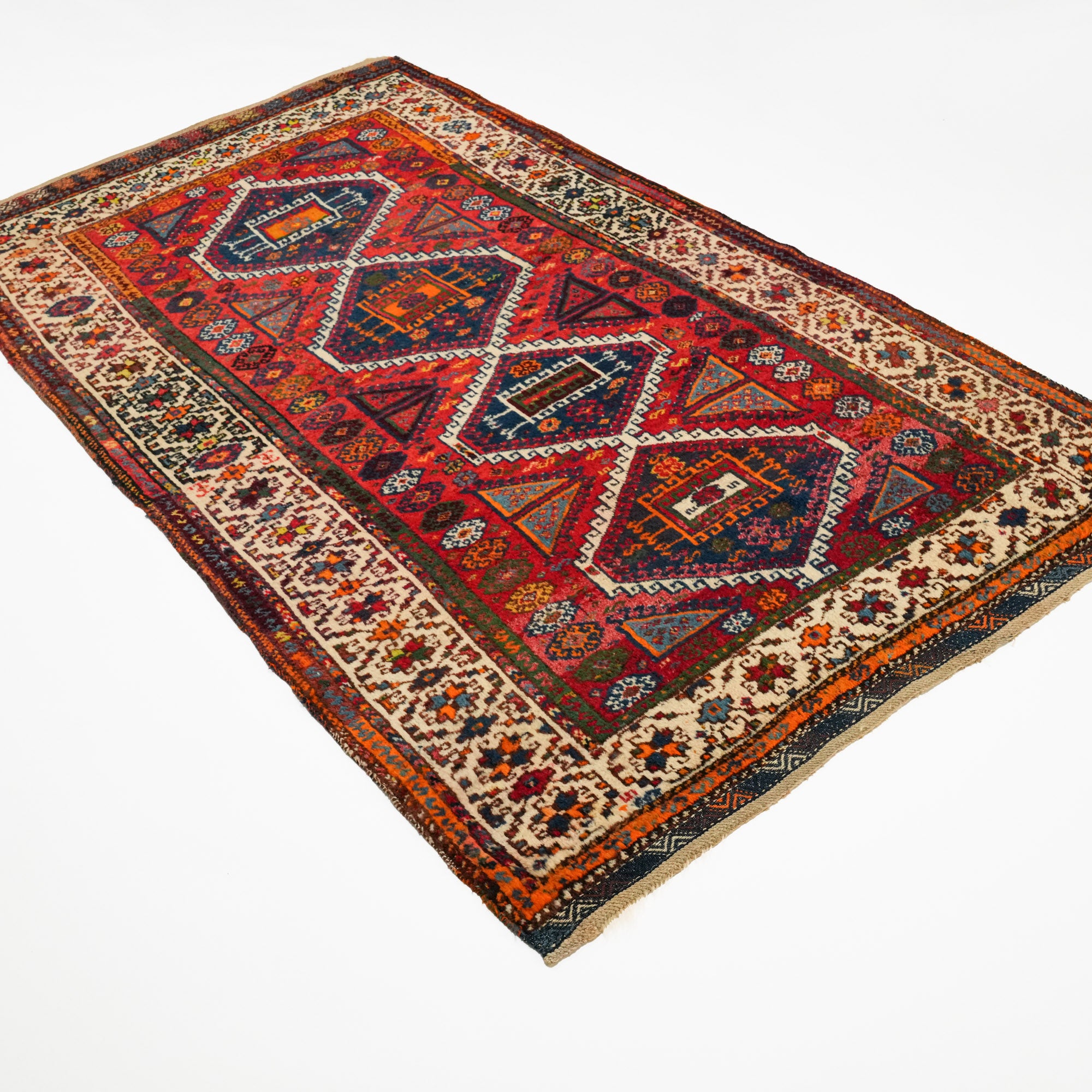
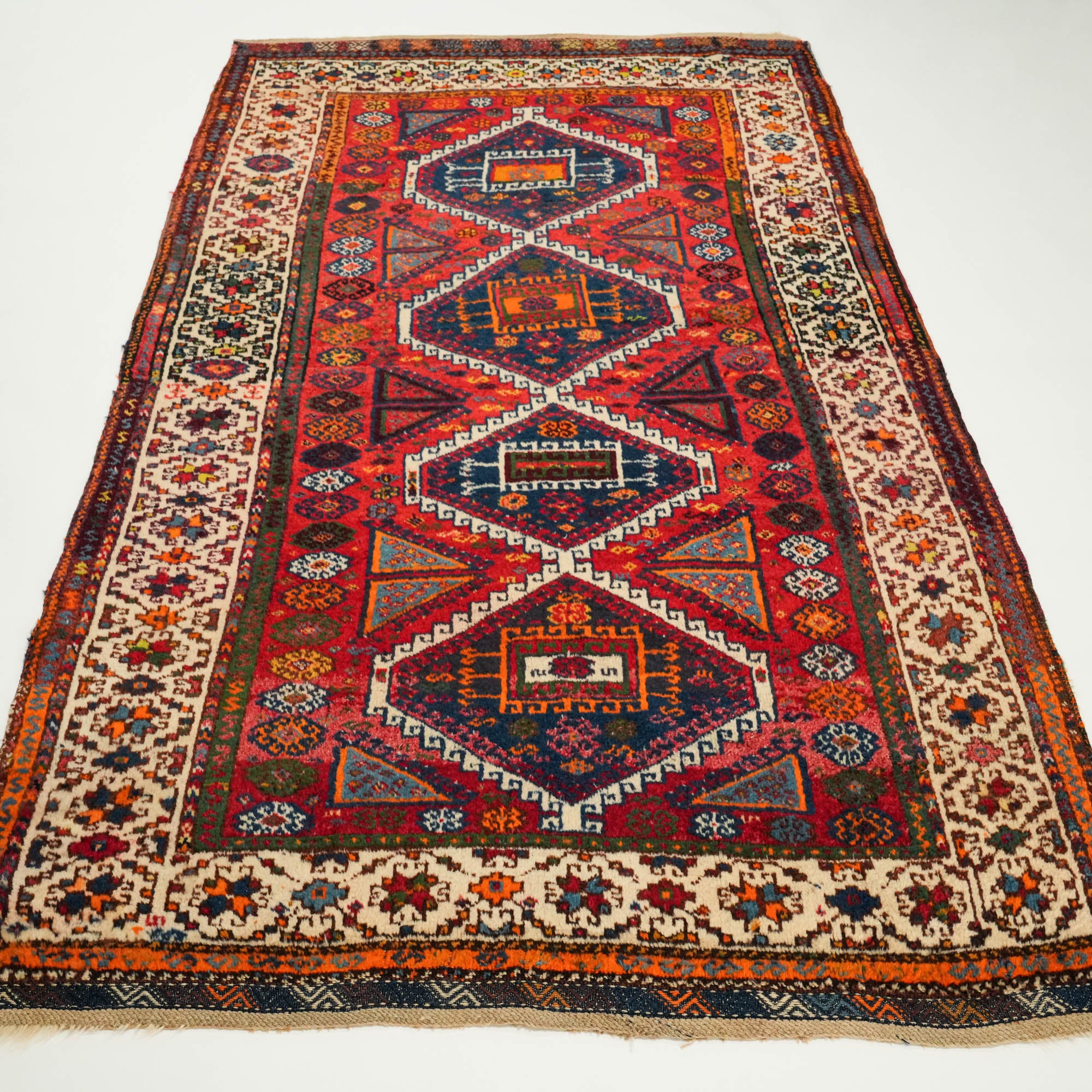
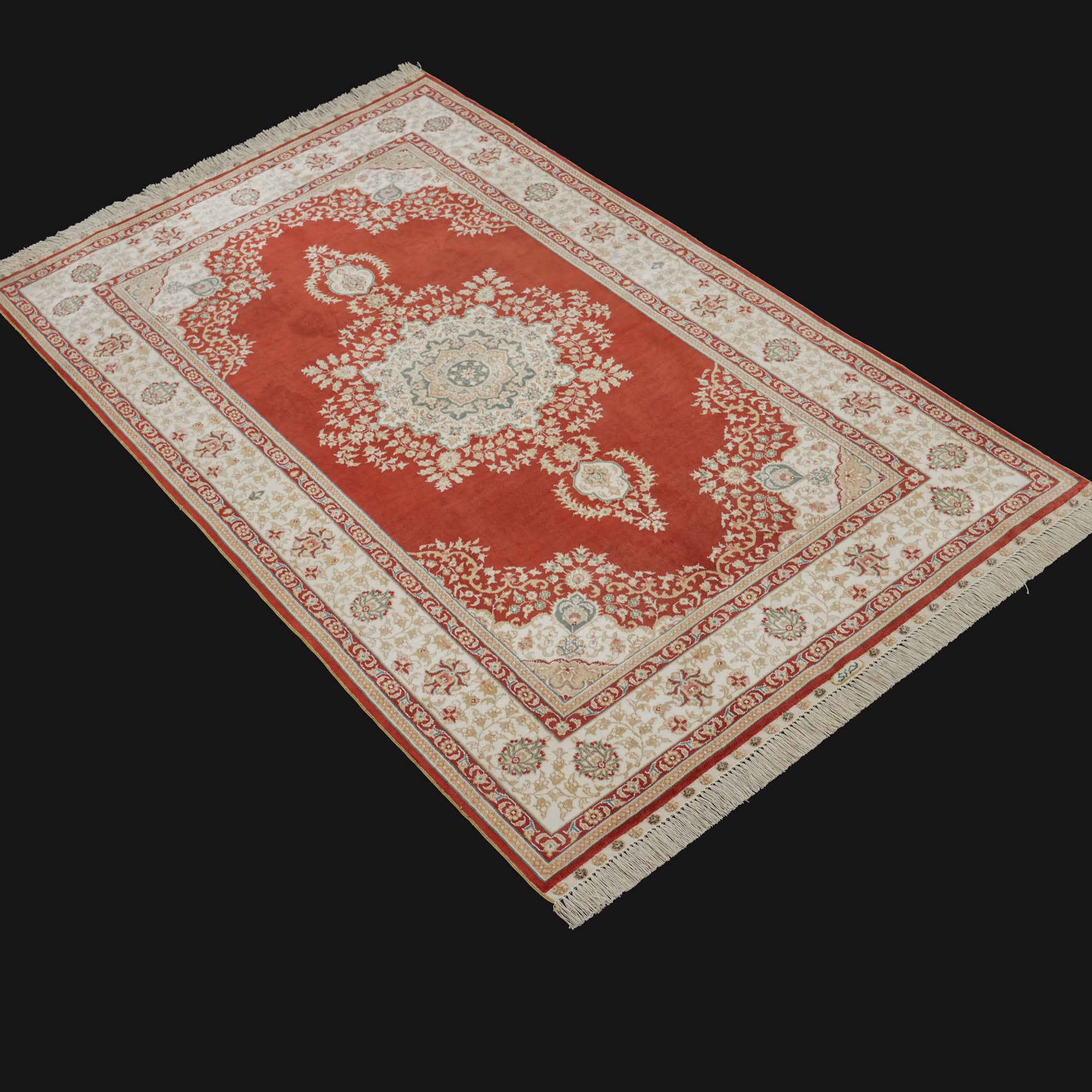
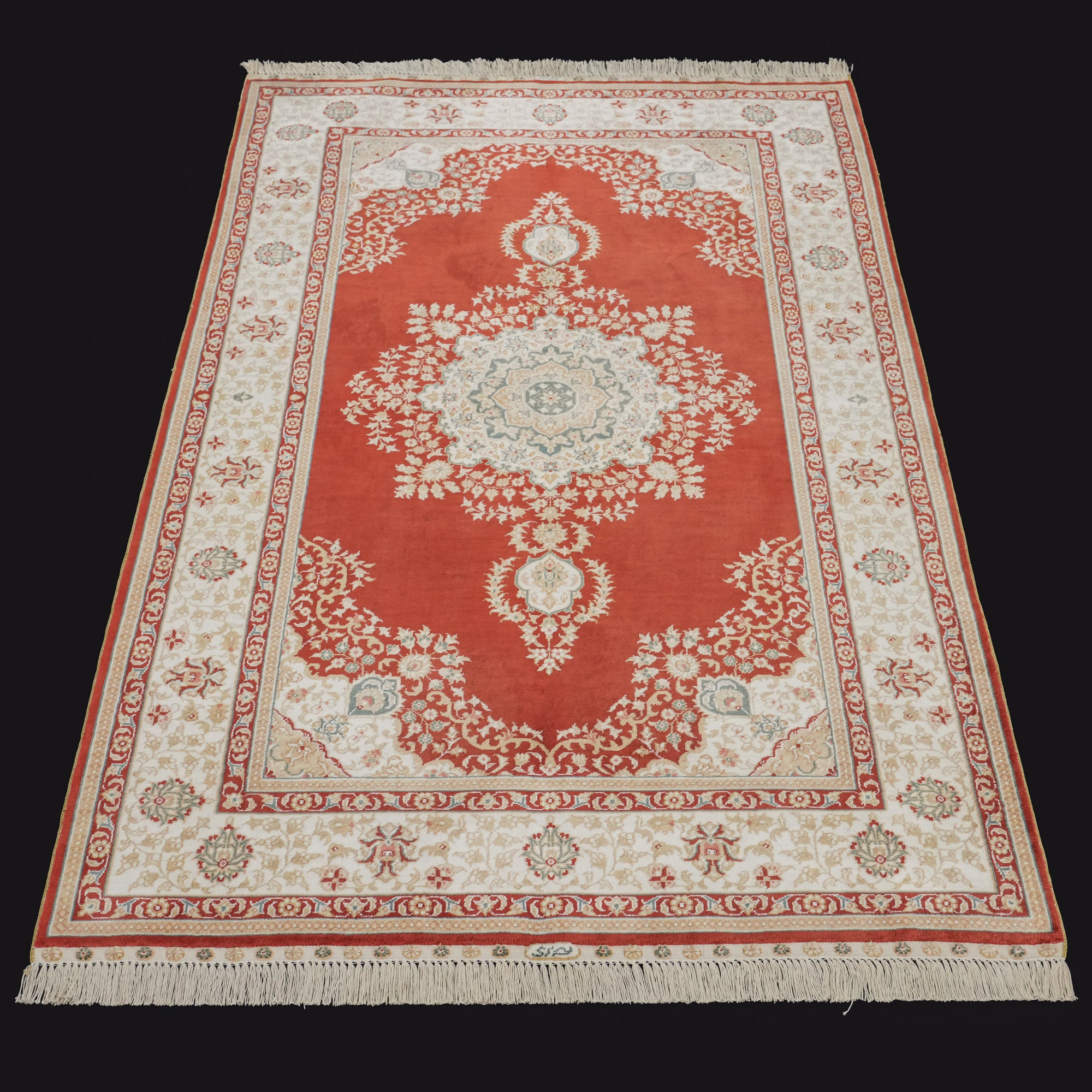
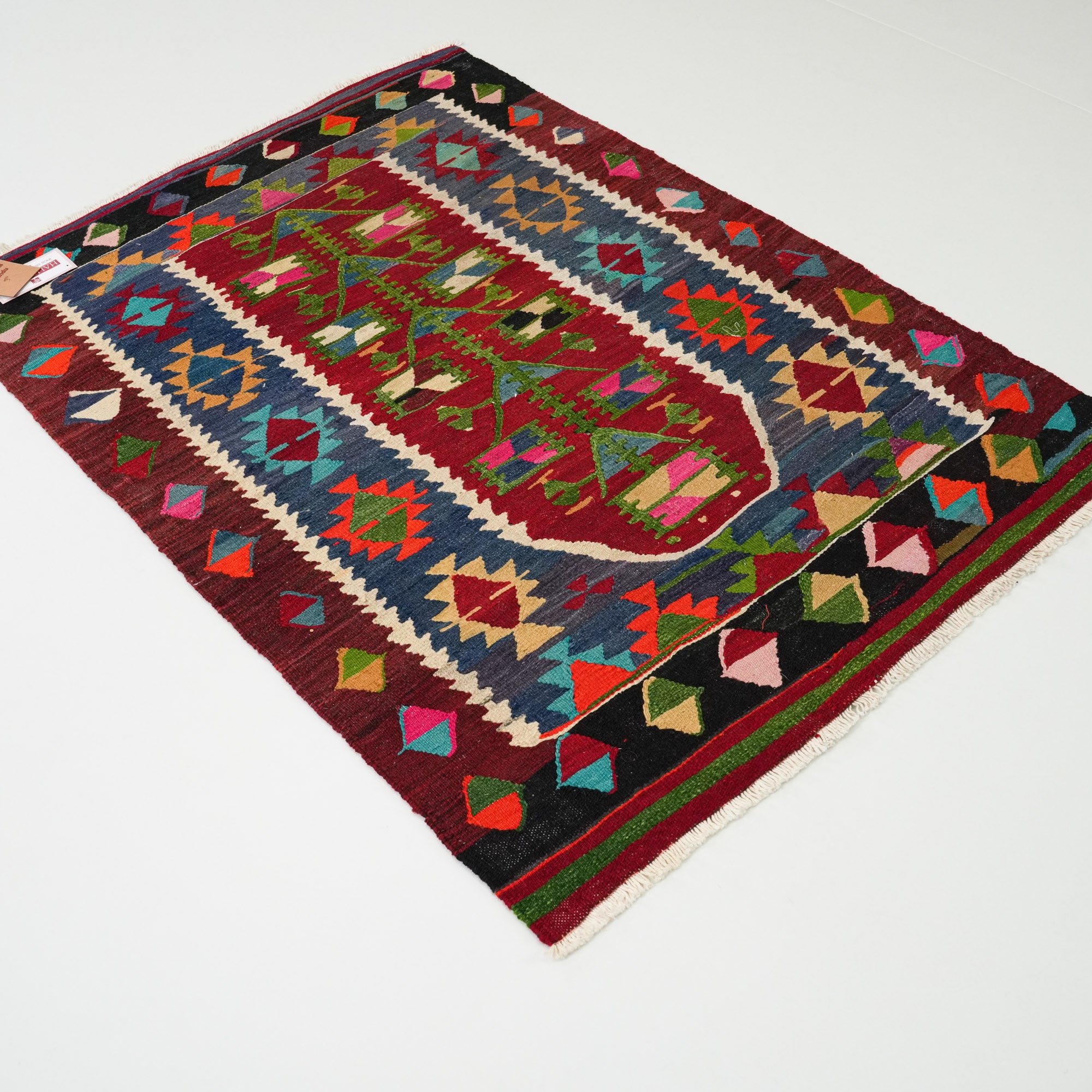
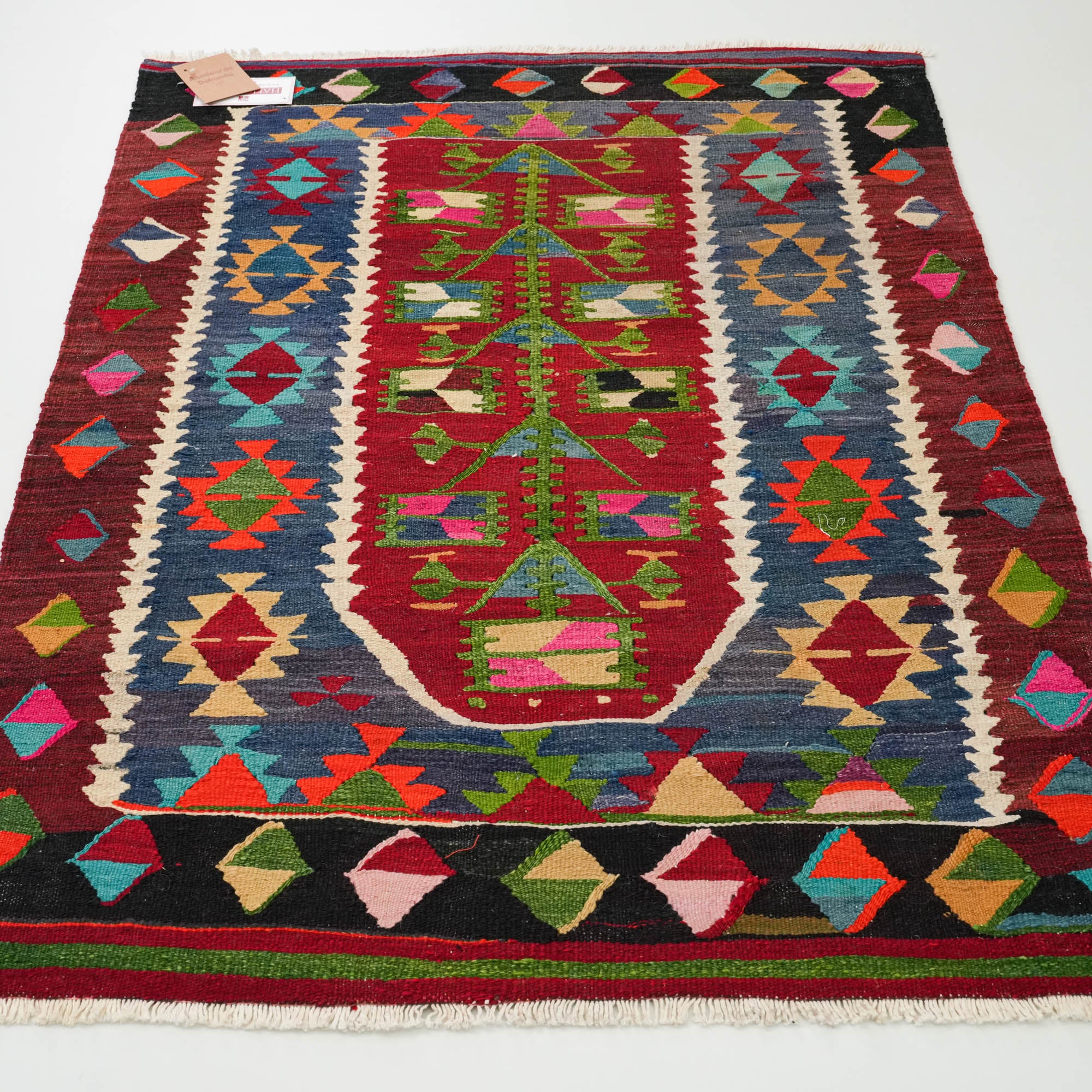
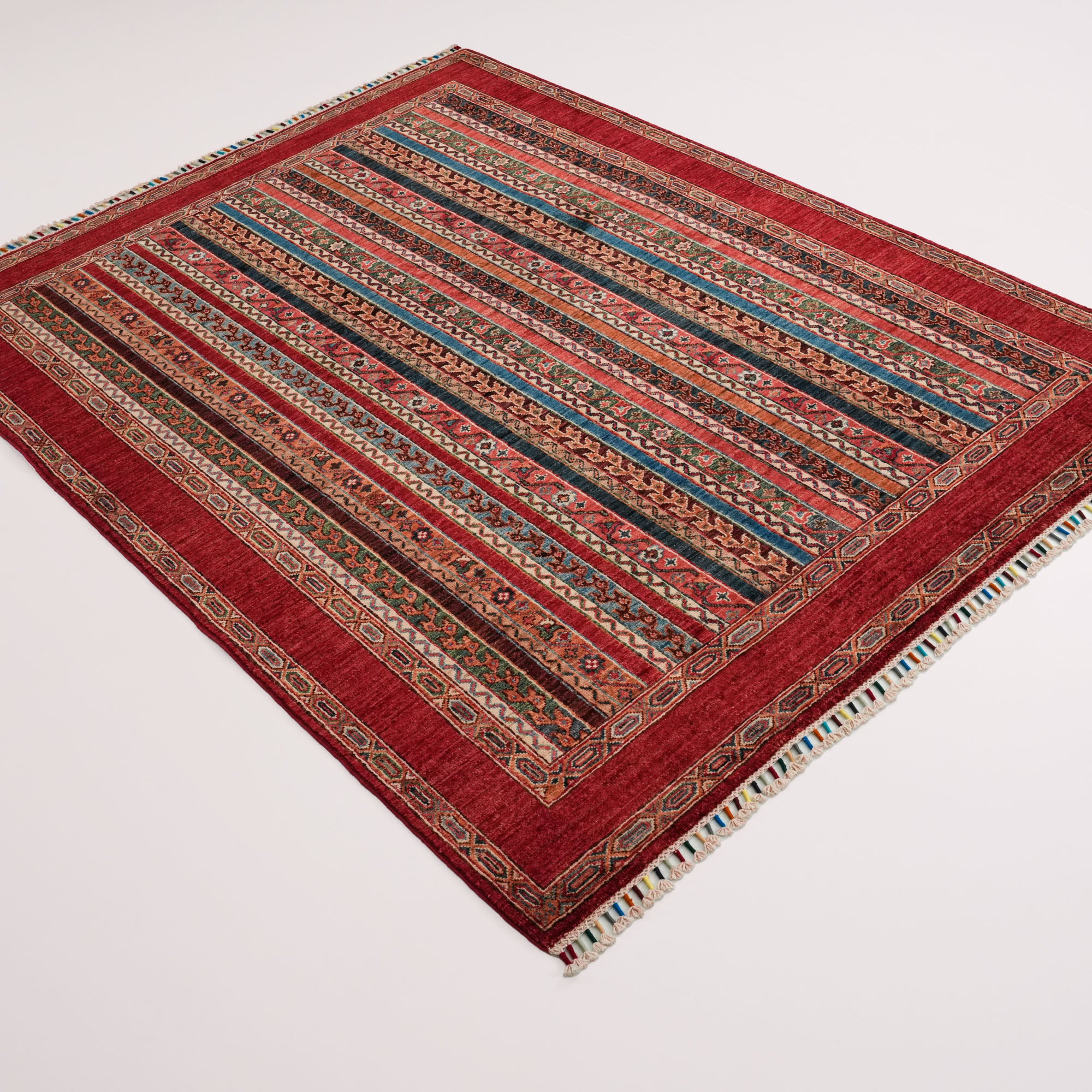
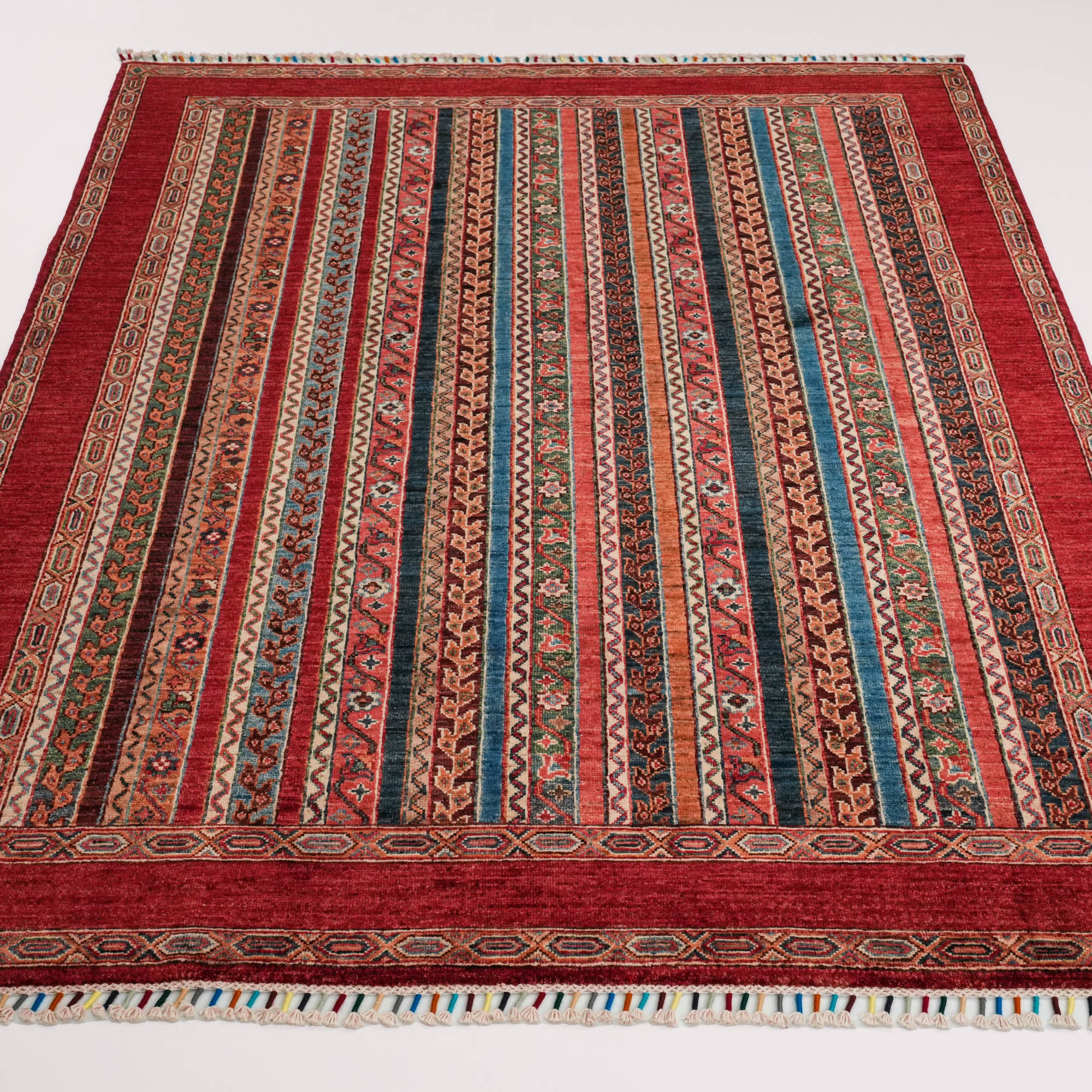
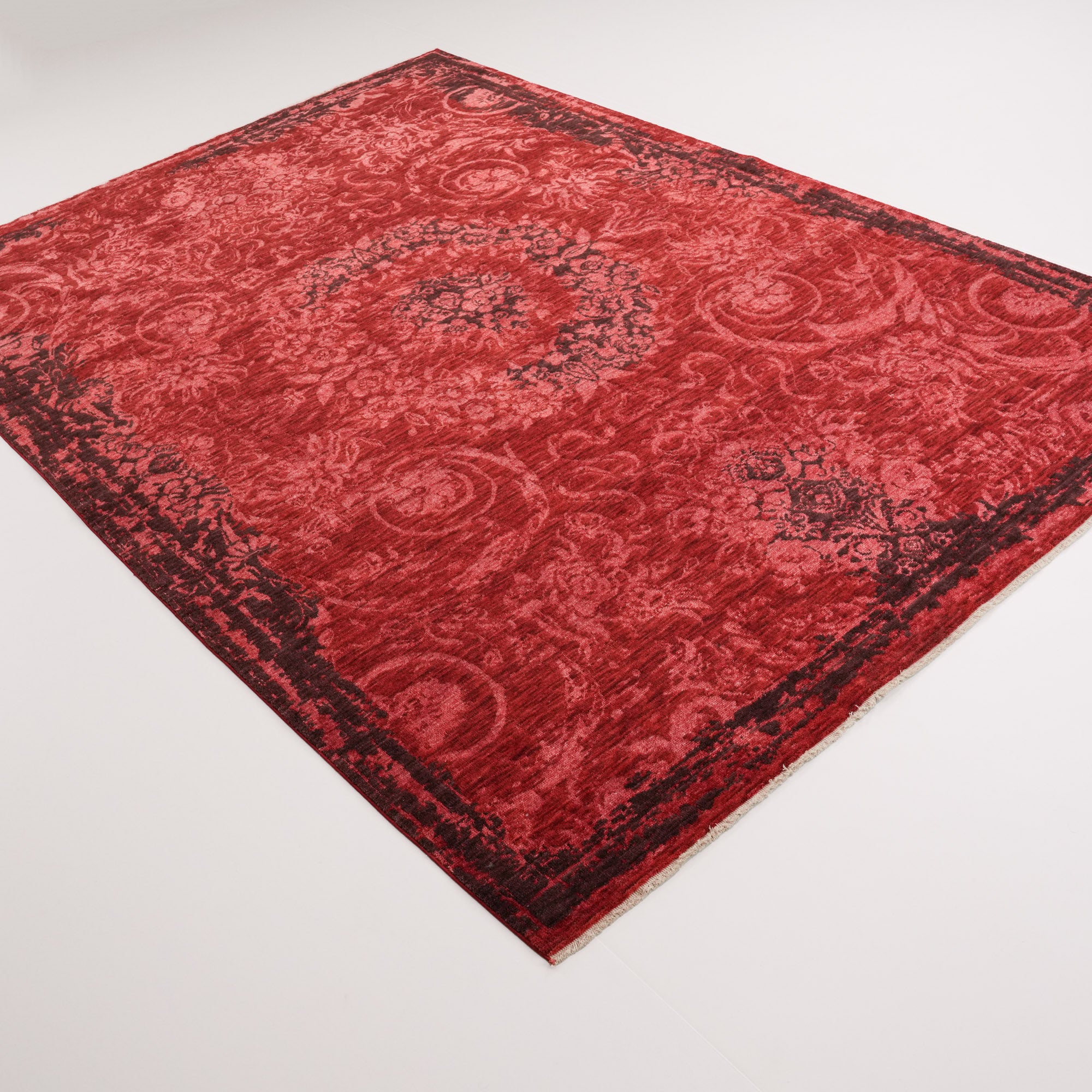
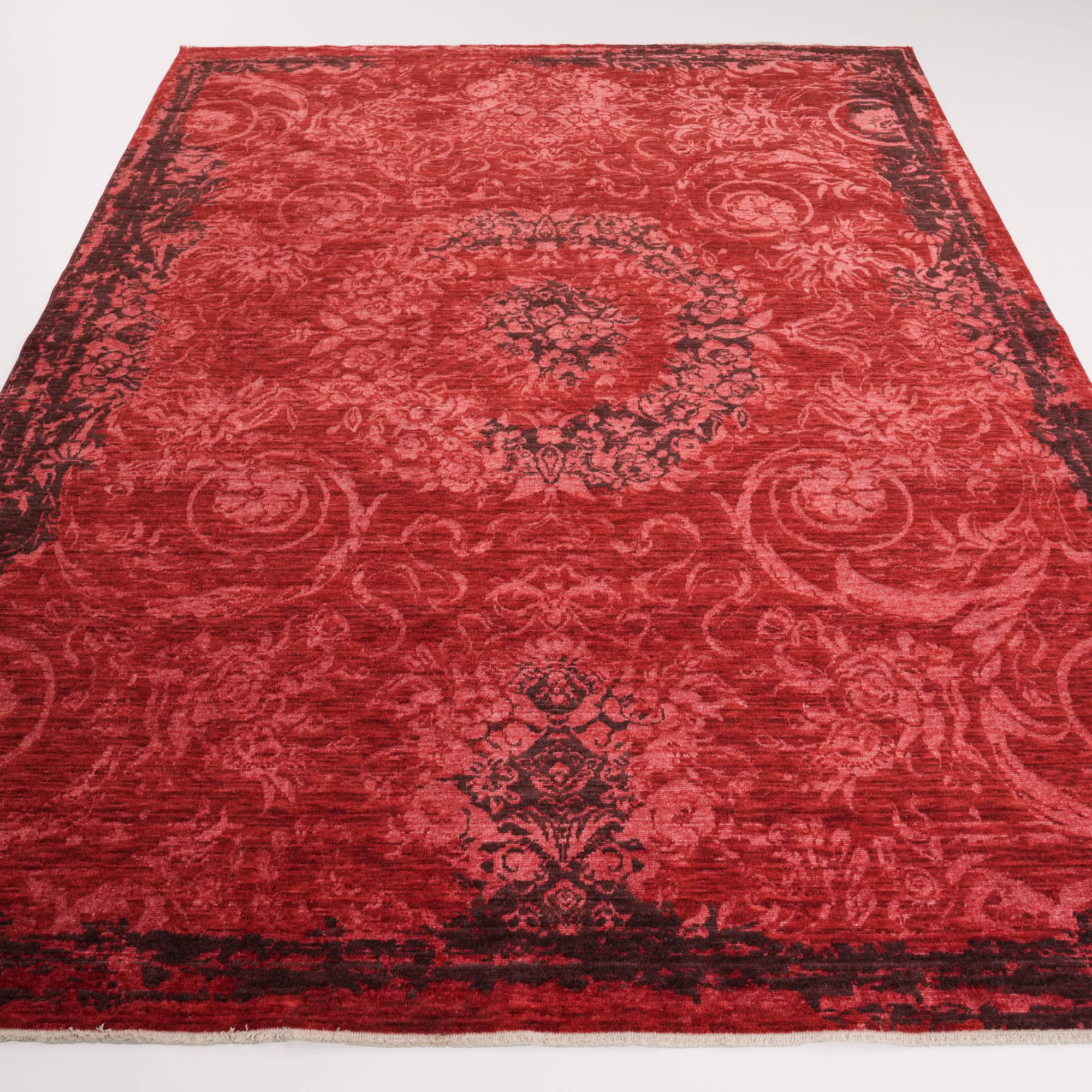
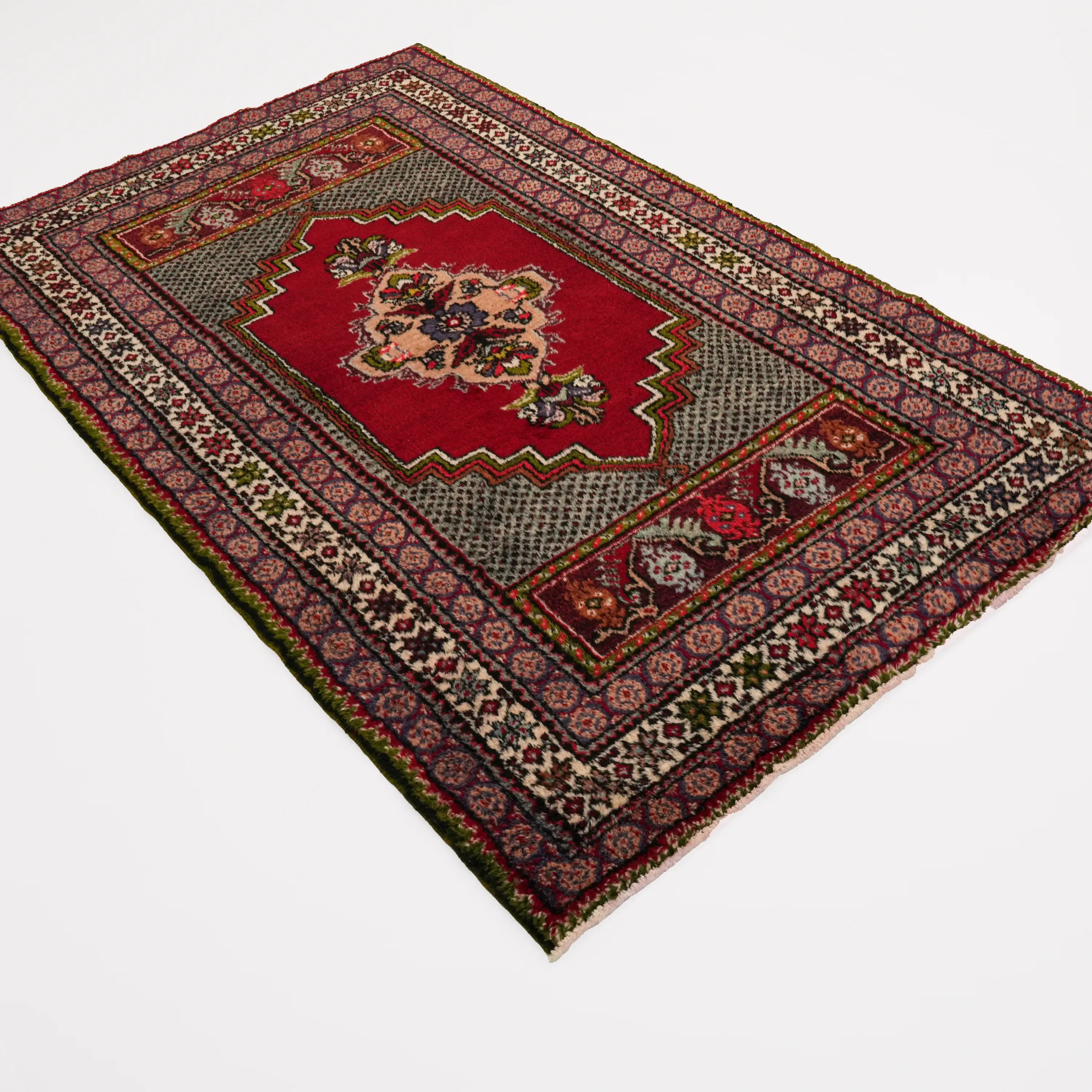
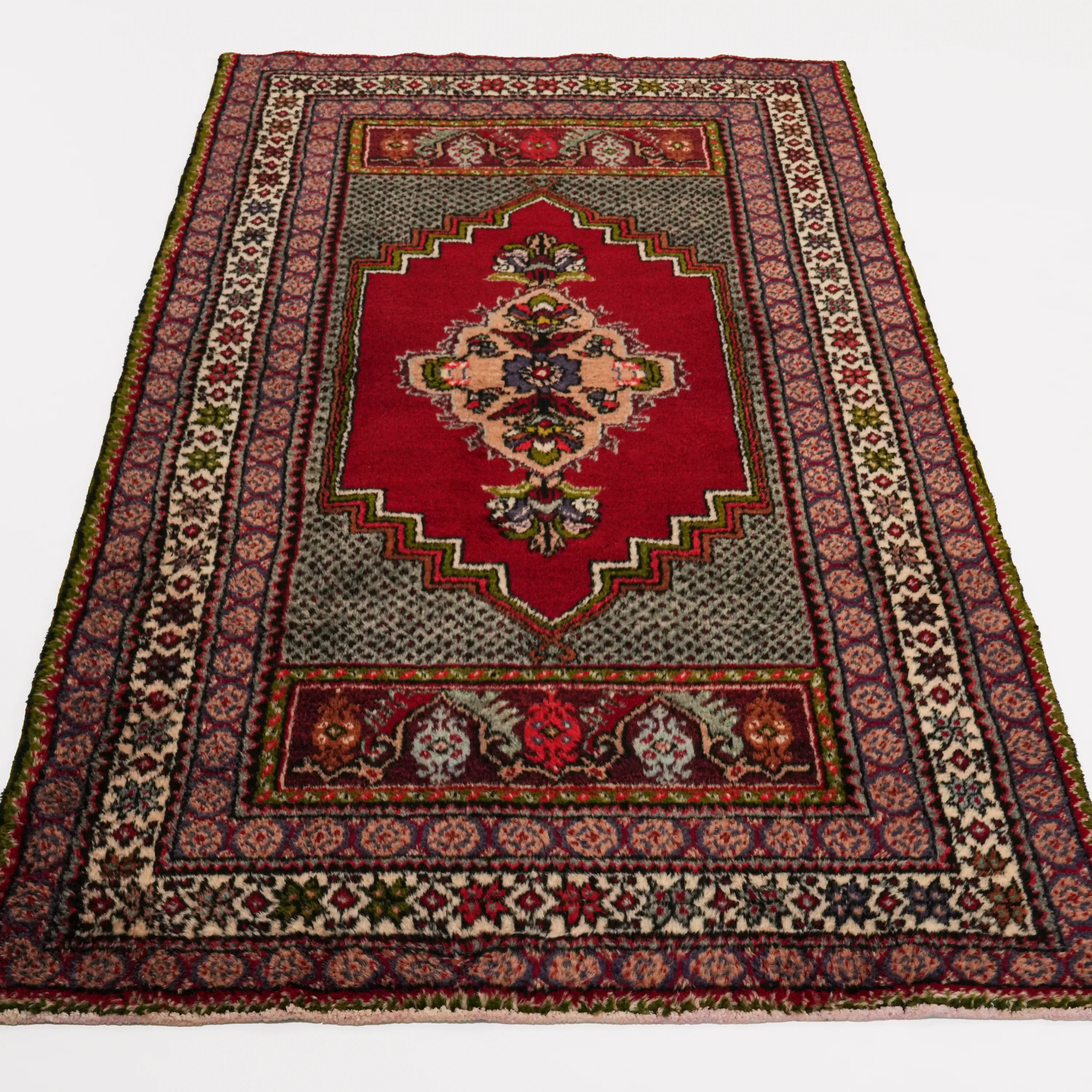
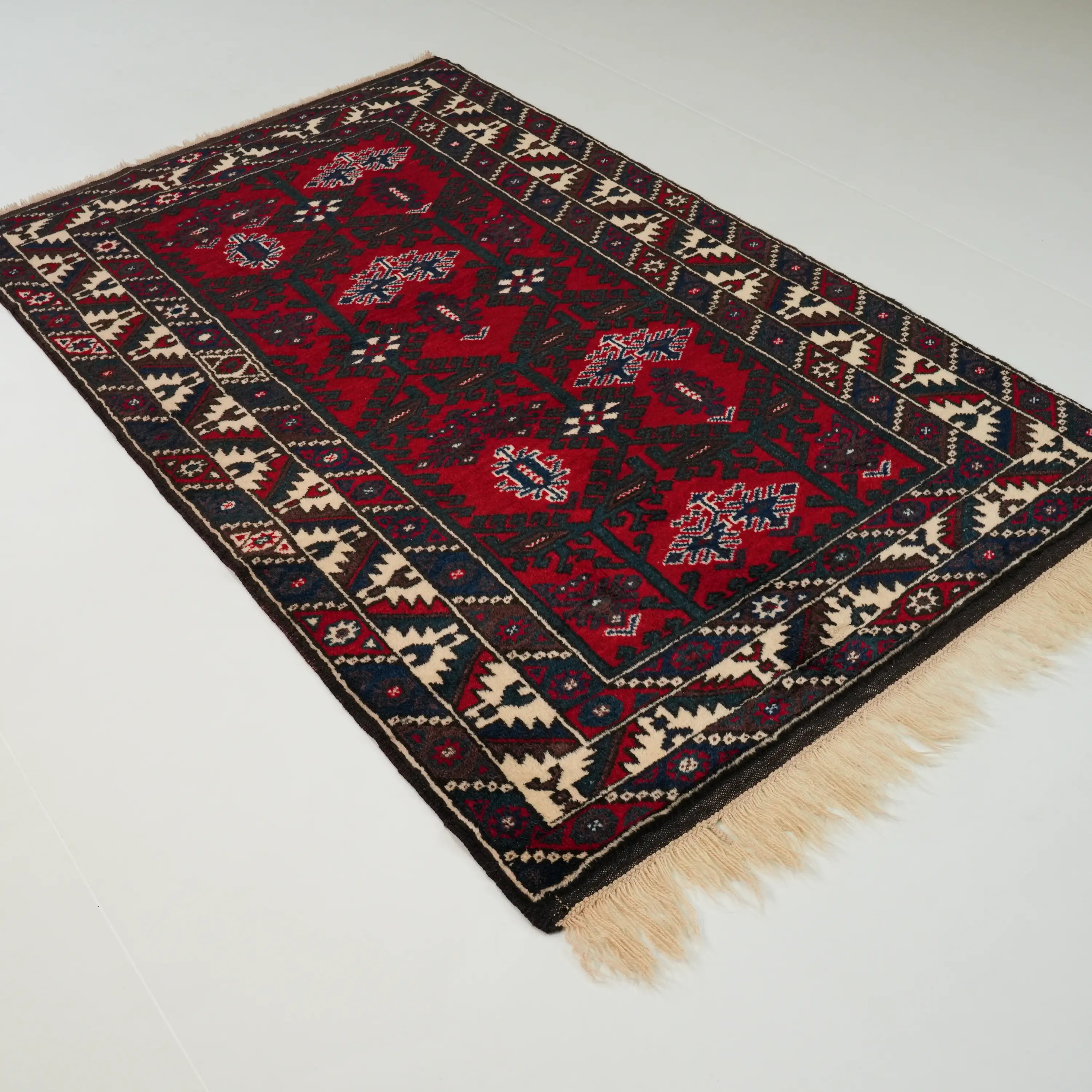
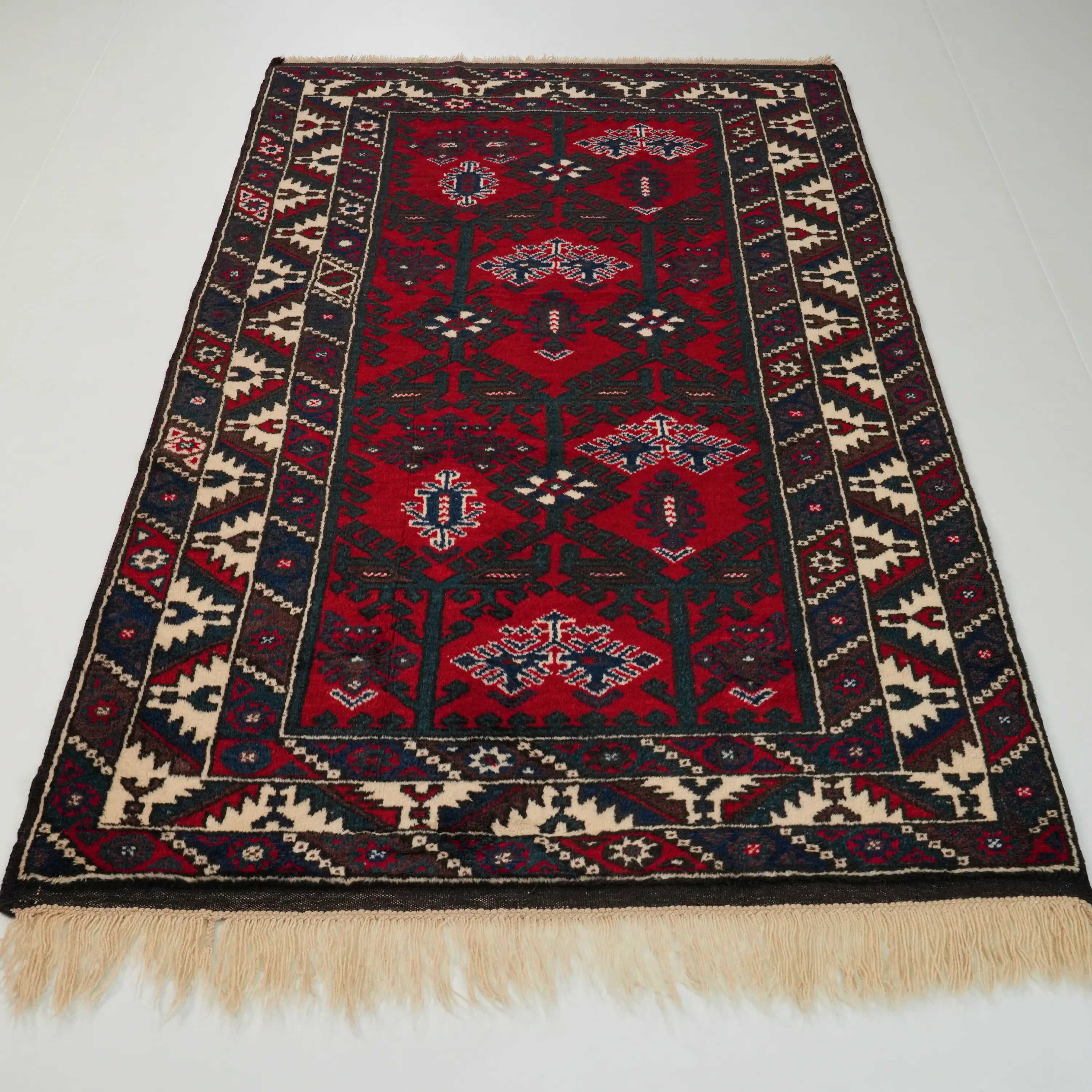


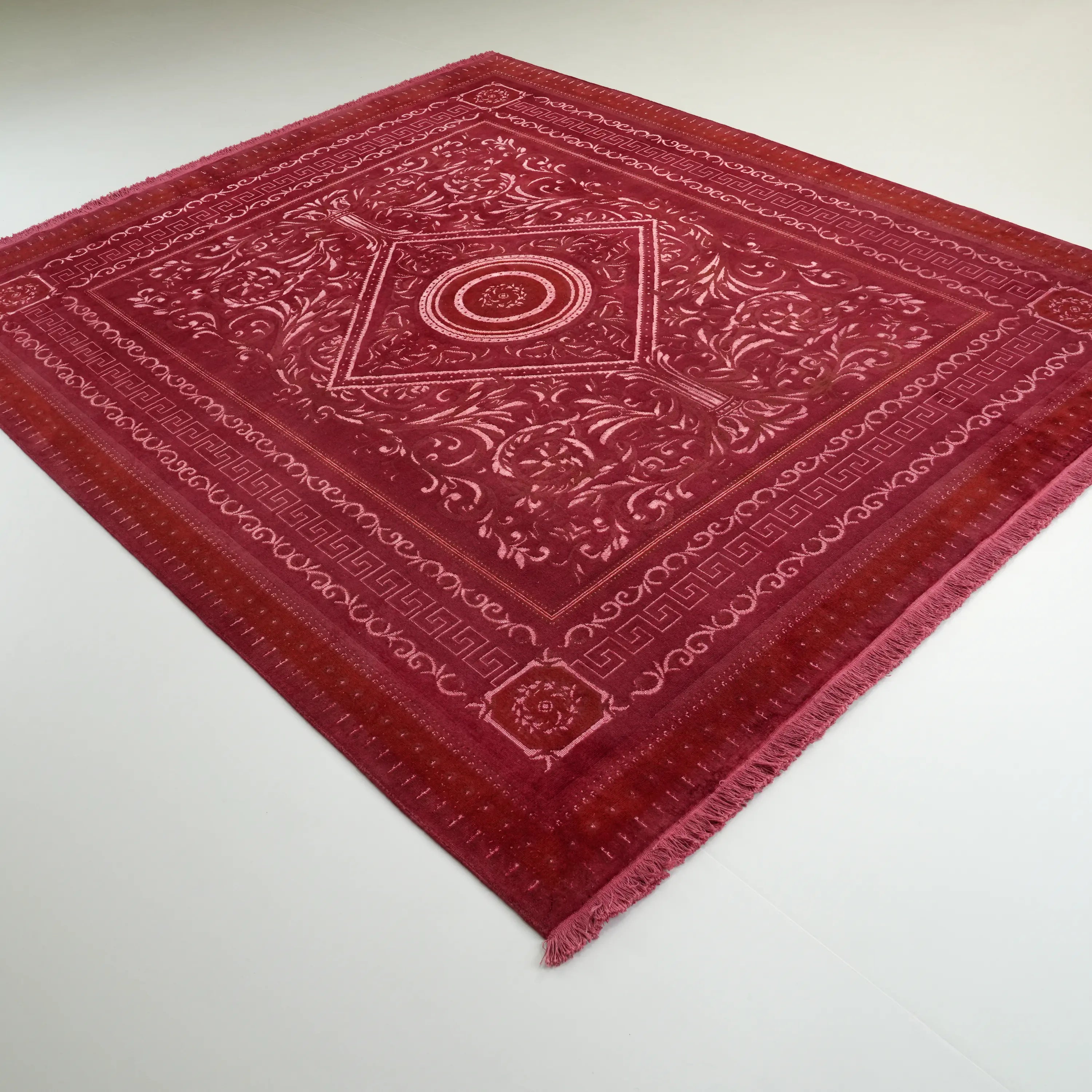
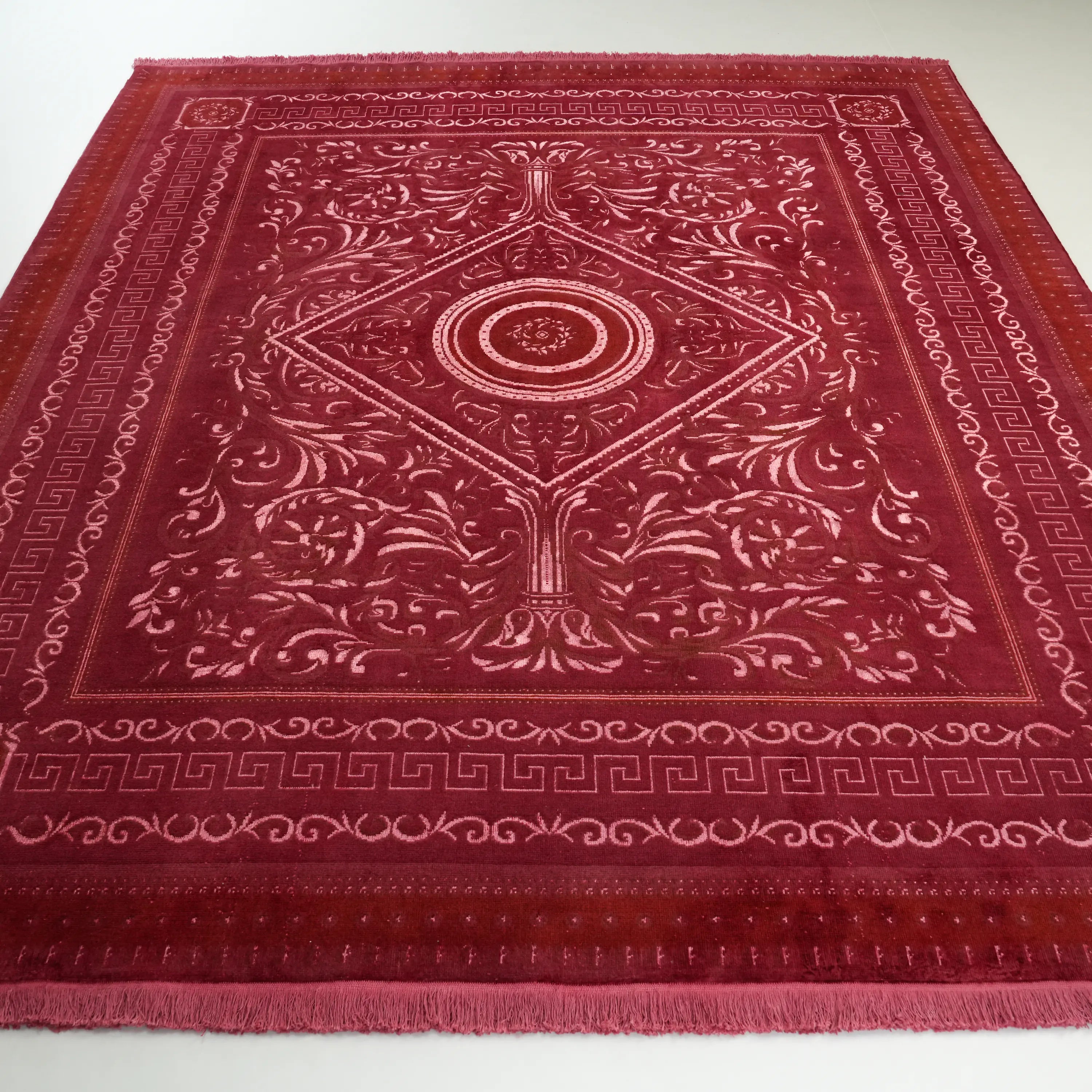
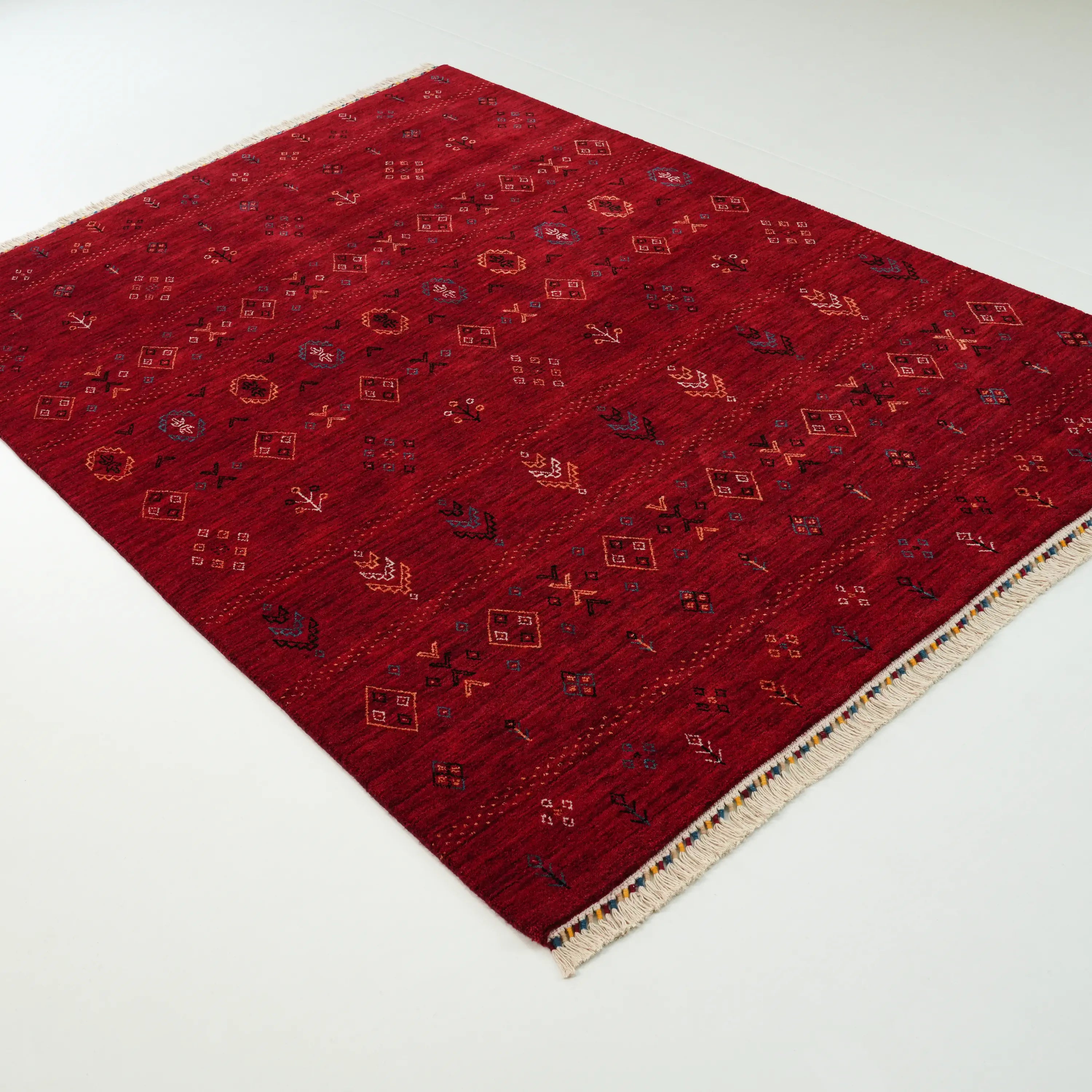
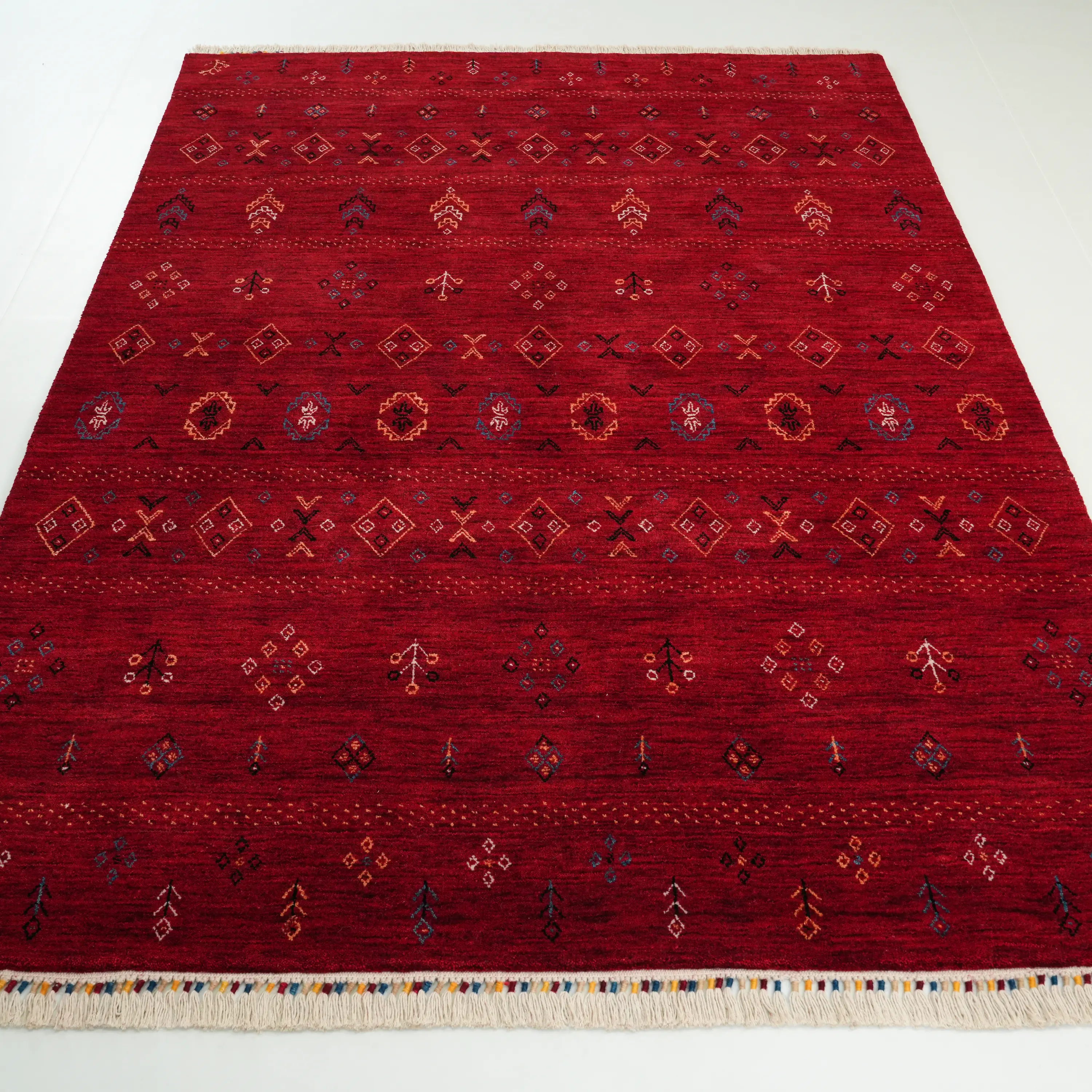
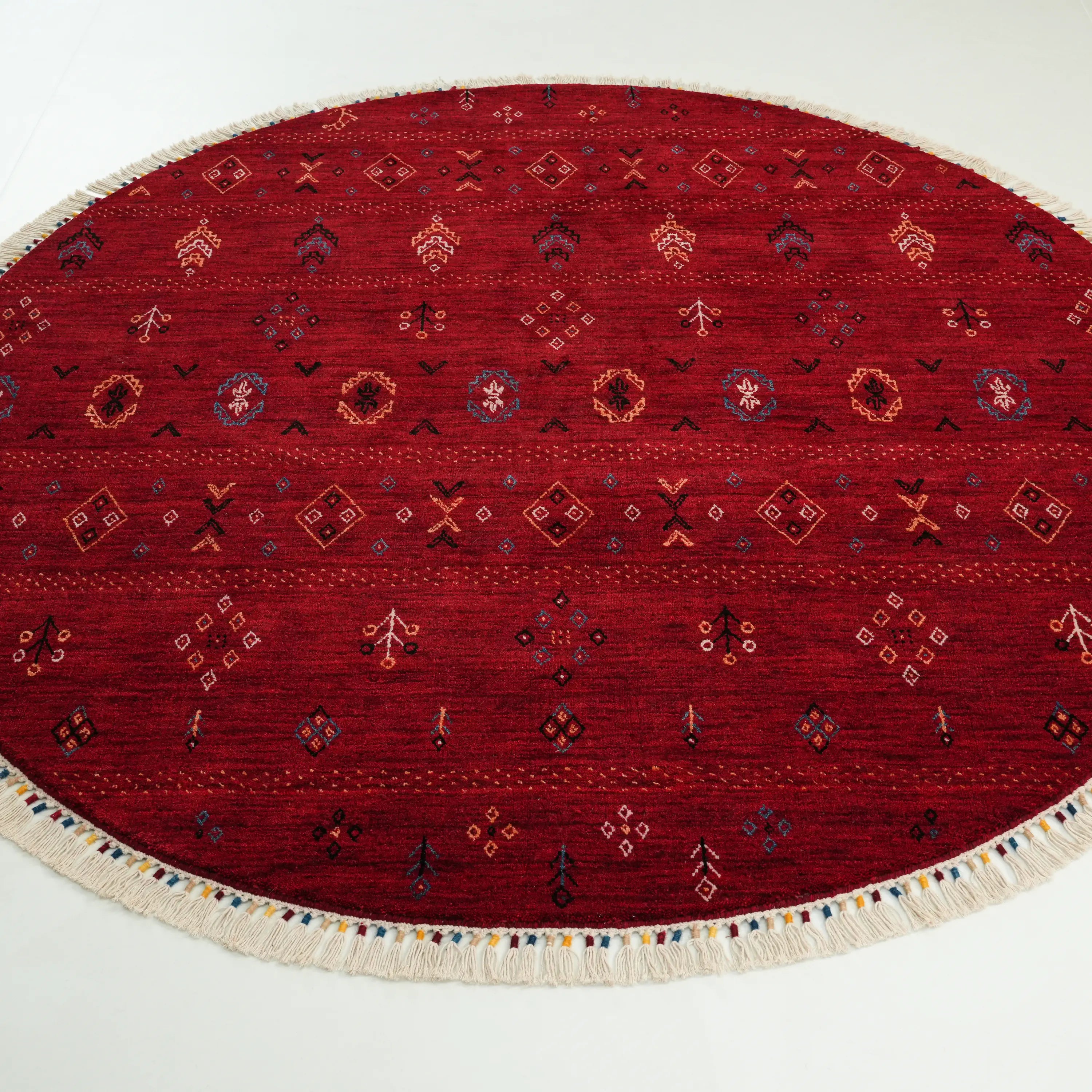
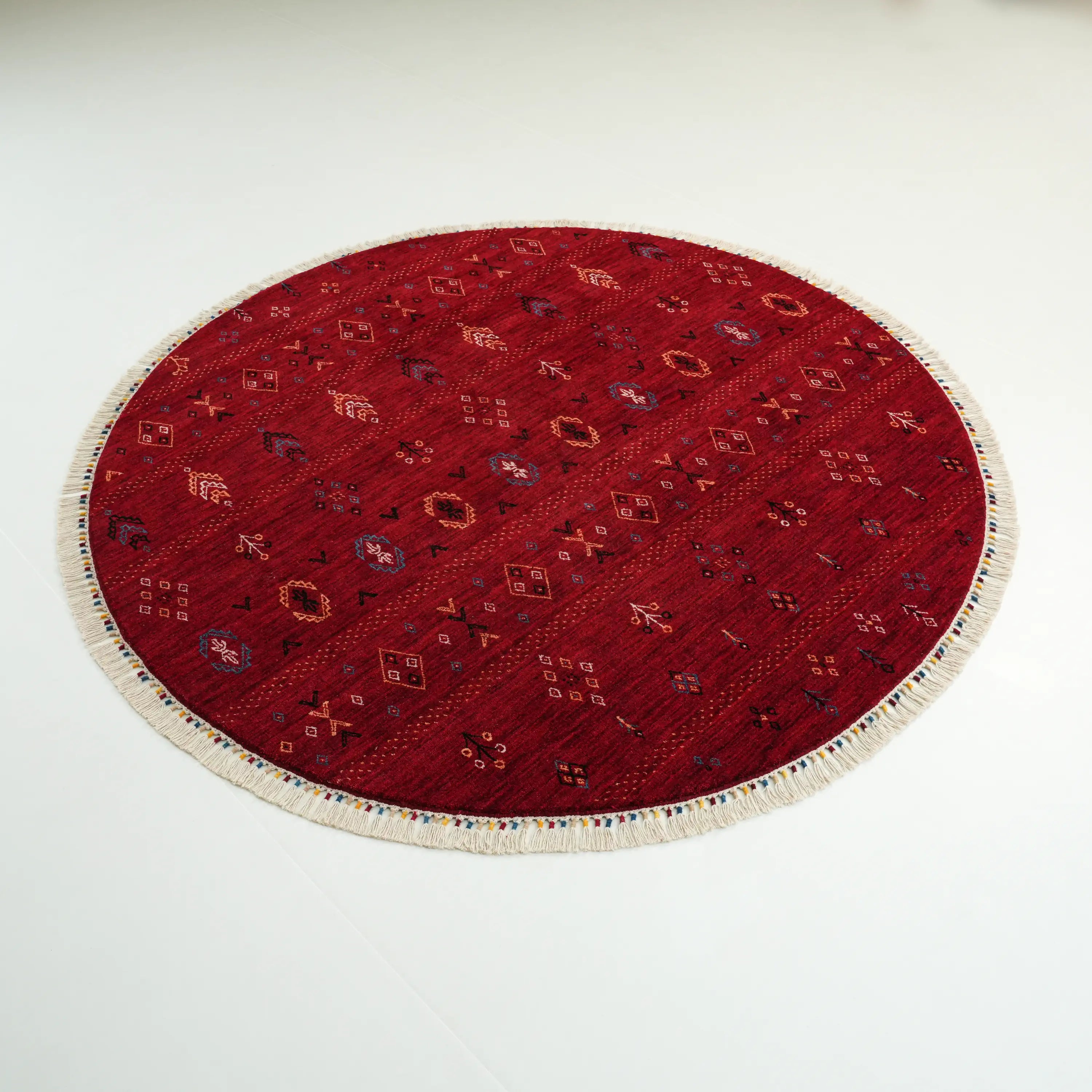
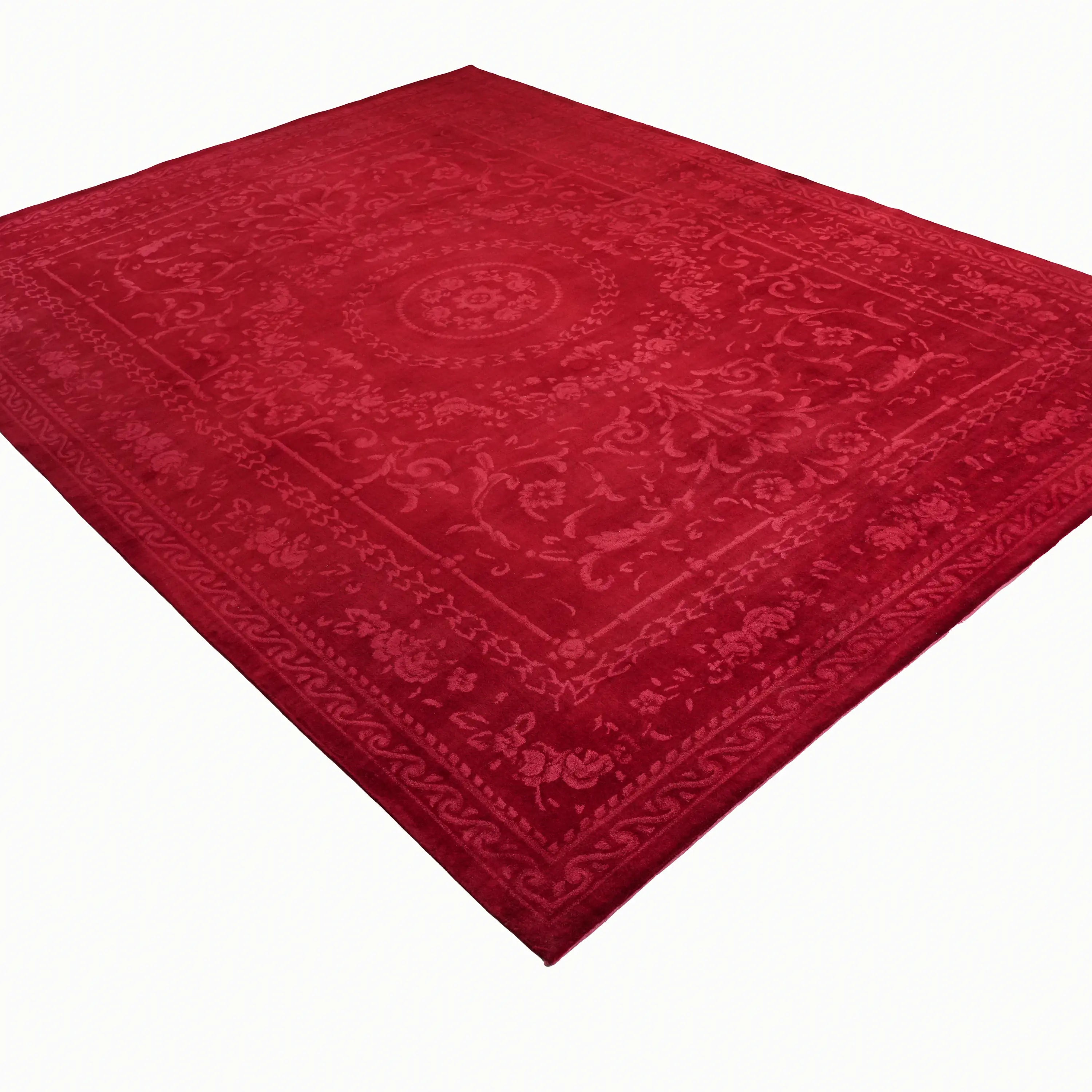

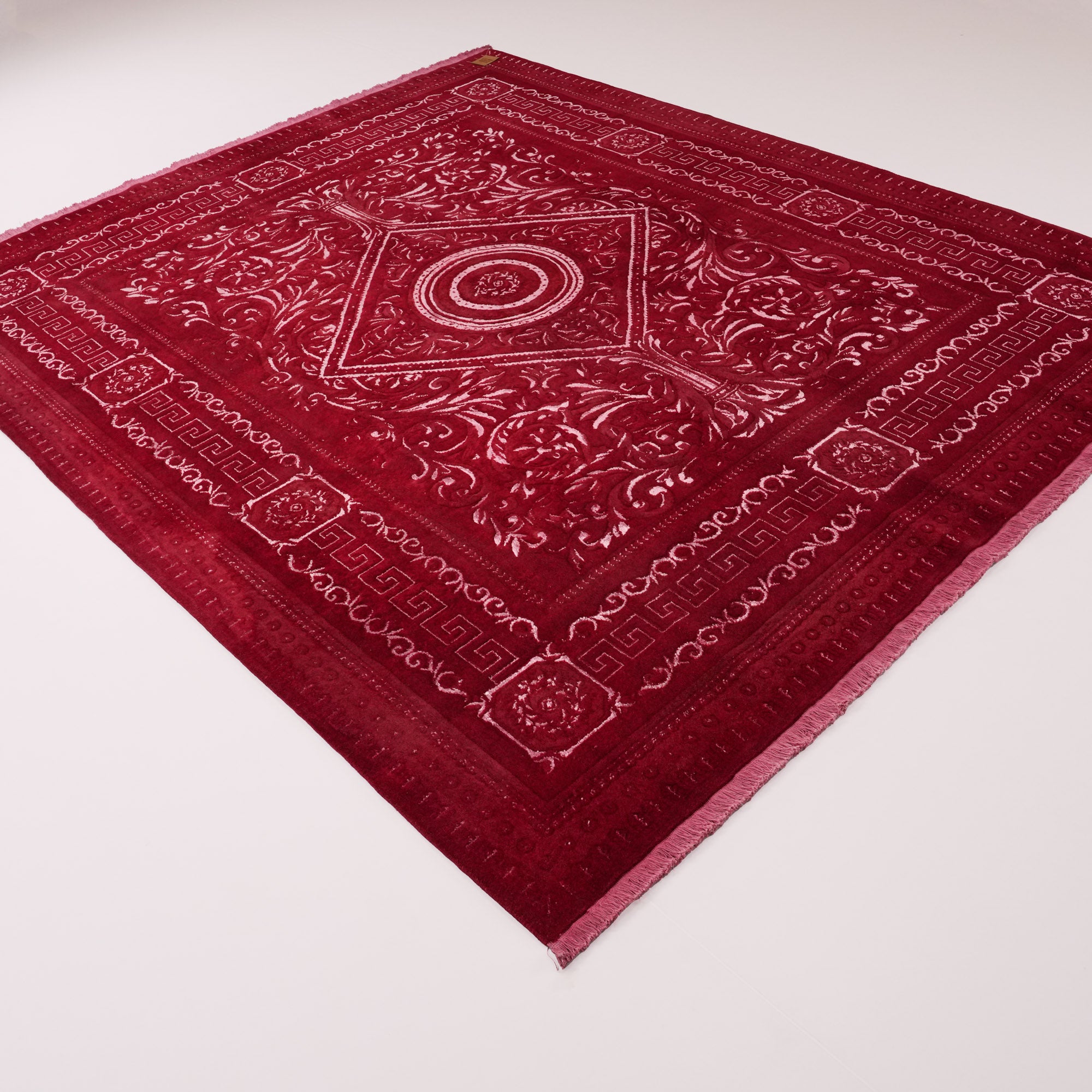
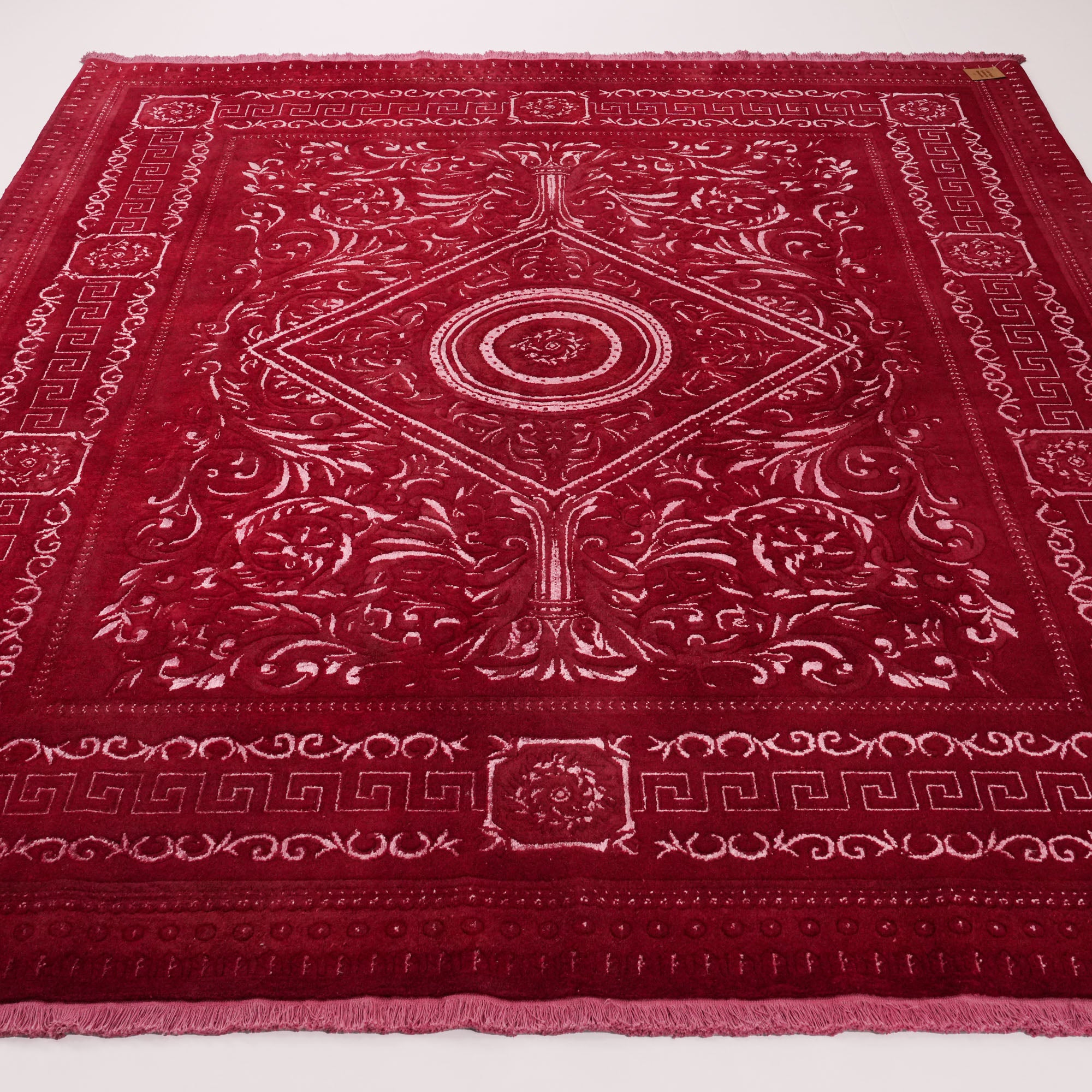
A red rug is a floor covering woven or dyed predominantly in red tones, from bright madder-root red to deep burgundy and brick, historically the single most common and symbolically significant ground color across Turkish and broader Central Asian weaving traditions.
If any color could be called the traditional default of Turkish rug weaving, it's red, deep madder-root reds have been used in Anatolian weaving for centuries as a symbol of protection and vitality, and remain the most common ground color across antique and contemporary pieces alike.
Why Red Dominates Traditional Turkish Weaving
Madder root, a plant-based dye source, was widely available across Anatolia and produced a reliably strong, long-lasting red, which is a large part of why red became the default ground color for so many regional weaving traditions, from Turkmen gul-medallion rugs to Anatolian village work. Beyond its practical availability, red carried symbolic associations with protection, vitality and good fortune across these weaving cultures.
The Range of Red We Carry
Our red collection spans bright madder red (bold, traditional, most closely tied to historical dye sources), brick and rust-red (warmer, slightly muted), and deep burgundy (richer, more formal). Each reflects a slightly different historical dye tradition and reads very differently in a room.
Why Choose a Red Rug from Halicizade
Because red carries this much historical weight in Turkish weaving, we treat colorfastness verification especially carefully for this color, an unstable or uneven red dye is more visually obvious, and more disappointing, than in almost any other color family.
Styling Red by Shade
Red's specific shade dramatically changes the mood it brings to a room, from energetic and bold to warm and traditional.
- Bright madder red: energetic, traditional; pairs well with cream, navy and natural wood tones.
- Brick or rust-red: warmer, more muted; pairs naturally with terracotta, sage and cream.
- Deep burgundy: rich, formal; pairs well with navy, gold accents and dark wood.
- Living rooms and dining rooms are the most common placement for a red rug given the color's bold, statement-making presence.
Red Shade Comparison
| Shade | Mood | Pairs Well With | Best Rooms |
|---|---|---|---|
| Madder Red | Bold, energetic, traditional | Cream, navy, natural wood | Living room, dining room |
| Brick / Rust-Red | Warm, muted, earthy | Terracotta, sage, cream | Living room, kitchen |
| Burgundy | Rich, formal, traditional | Navy, gold, dark wood | Living room, dining room |
Care & Maintenance
Red dye, particularly traditional madder-based red, is generally quite colorfast, but as with any color, moderate sun exposure and prompt spill cleanup will help preserve its depth over the long term.
Frequently Asked Questions
What wall colors go best with a red rug?
Cream, white and warm gray walls let a red rug lead the room's palette, while navy walls pair particularly well with deeper burgundy-toned rugs.
Why is red so common in traditional Turkish rugs?
Madder root, a widely available plant-based dye source across Anatolia, produced a reliably strong red, making it the practical default for many regional weaving traditions, alongside its symbolic association with protection and vitality.
Is red rug dye colorfast?
Traditional madder-based red is generally quite stable and colorfast compared to some other traditional dyes, though moderate sun exposure and prompt spill cleanup still help preserve its depth over time.
What is the difference between madder red and burgundy in rugs?
Madder red is a brighter, more traditional red tied directly to historical plant-dye sources, while burgundy is a deeper, more purple-leaning red that reads as richer and more formal.
What Turkish rug patterns are available in red?
Red appears across nearly every pattern family in our catalog, Anatolian geometrics, Turkmen gul medallions, Oushak-style florals and kilim patterns, both as a dominant ground color and as a pattern accent.
Is a red rug a good choice for a dining room?
Yes, red's bold, traditional presence works particularly well in dining rooms, historically one of its most common placements in Turkish interior tradition.