

Filters
18 products
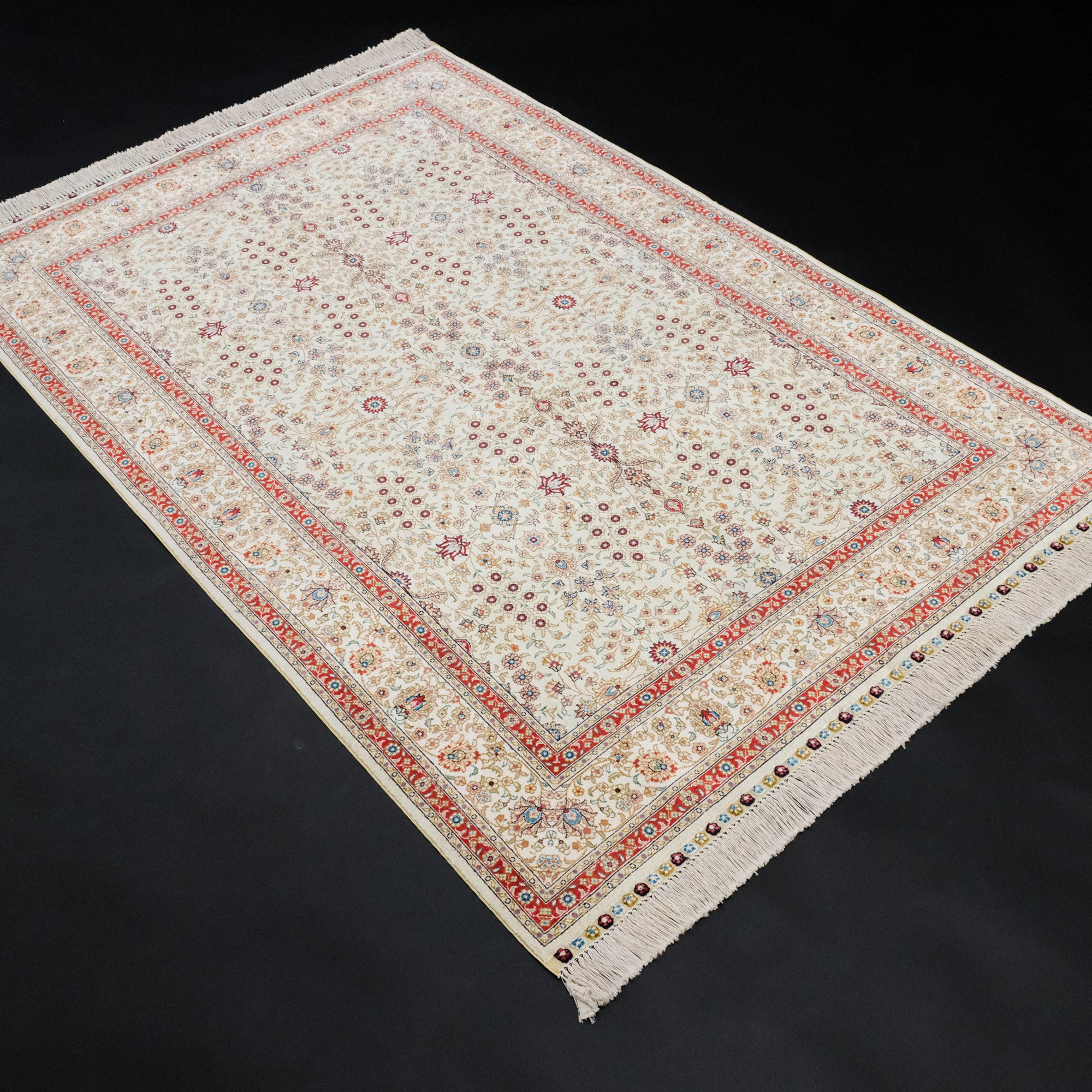
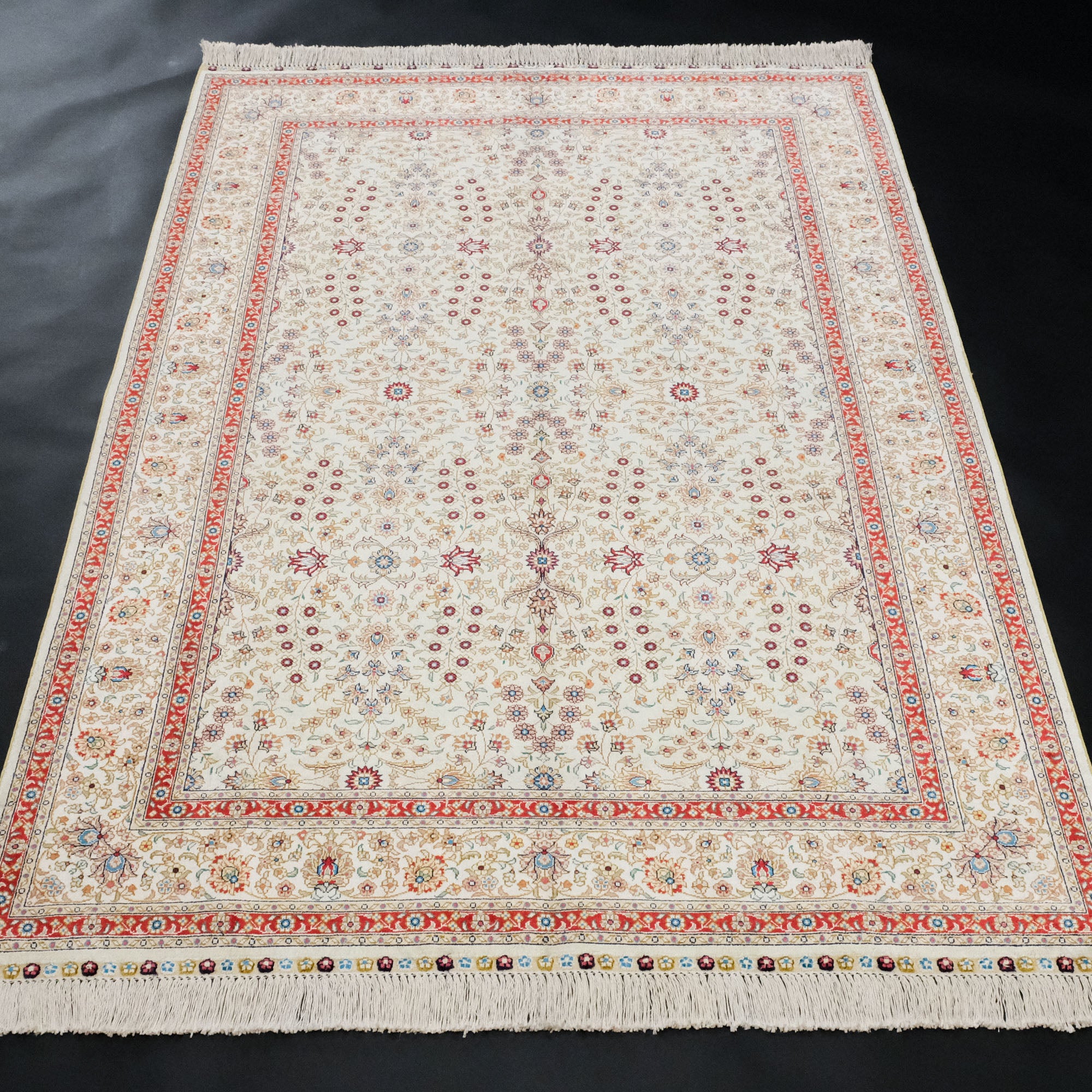
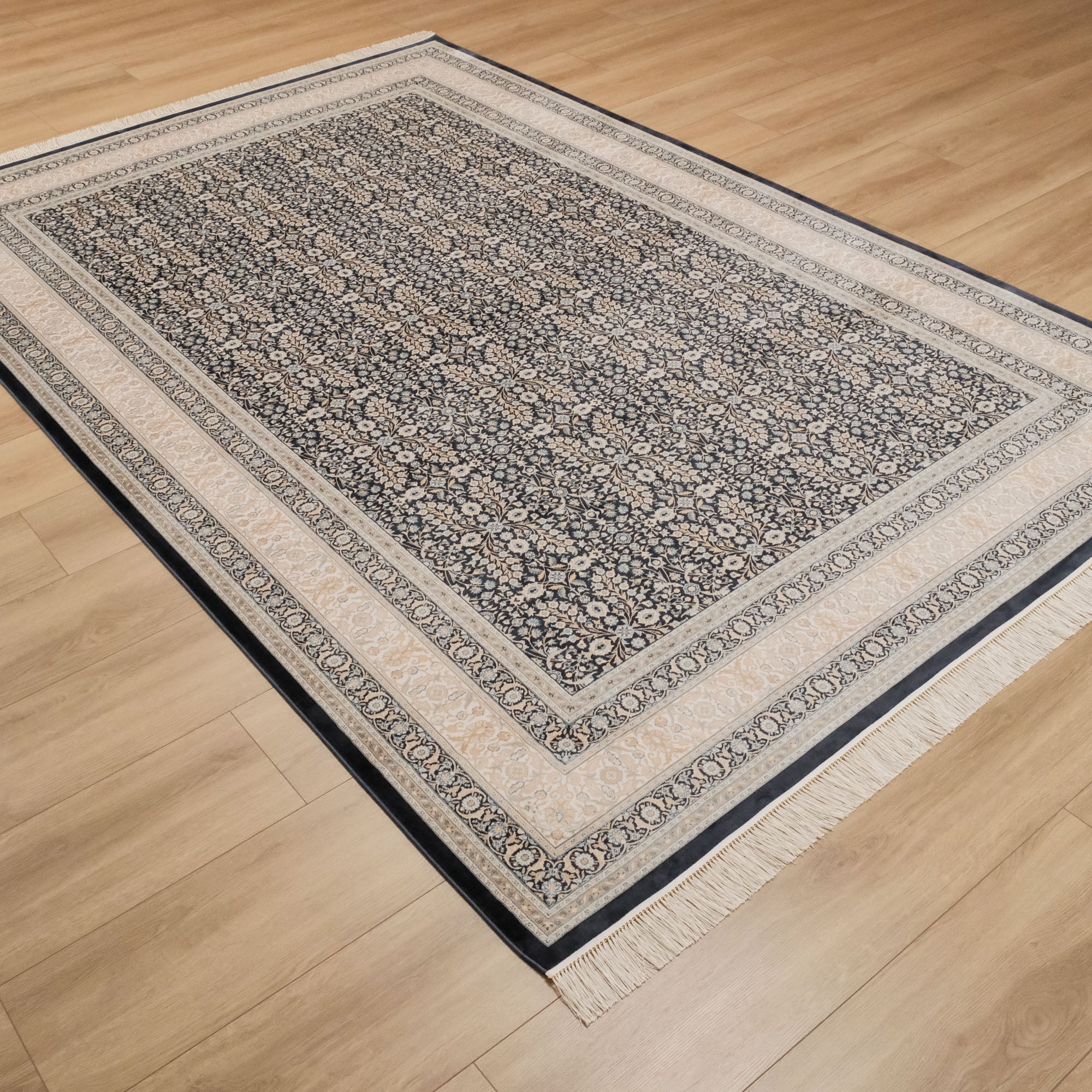
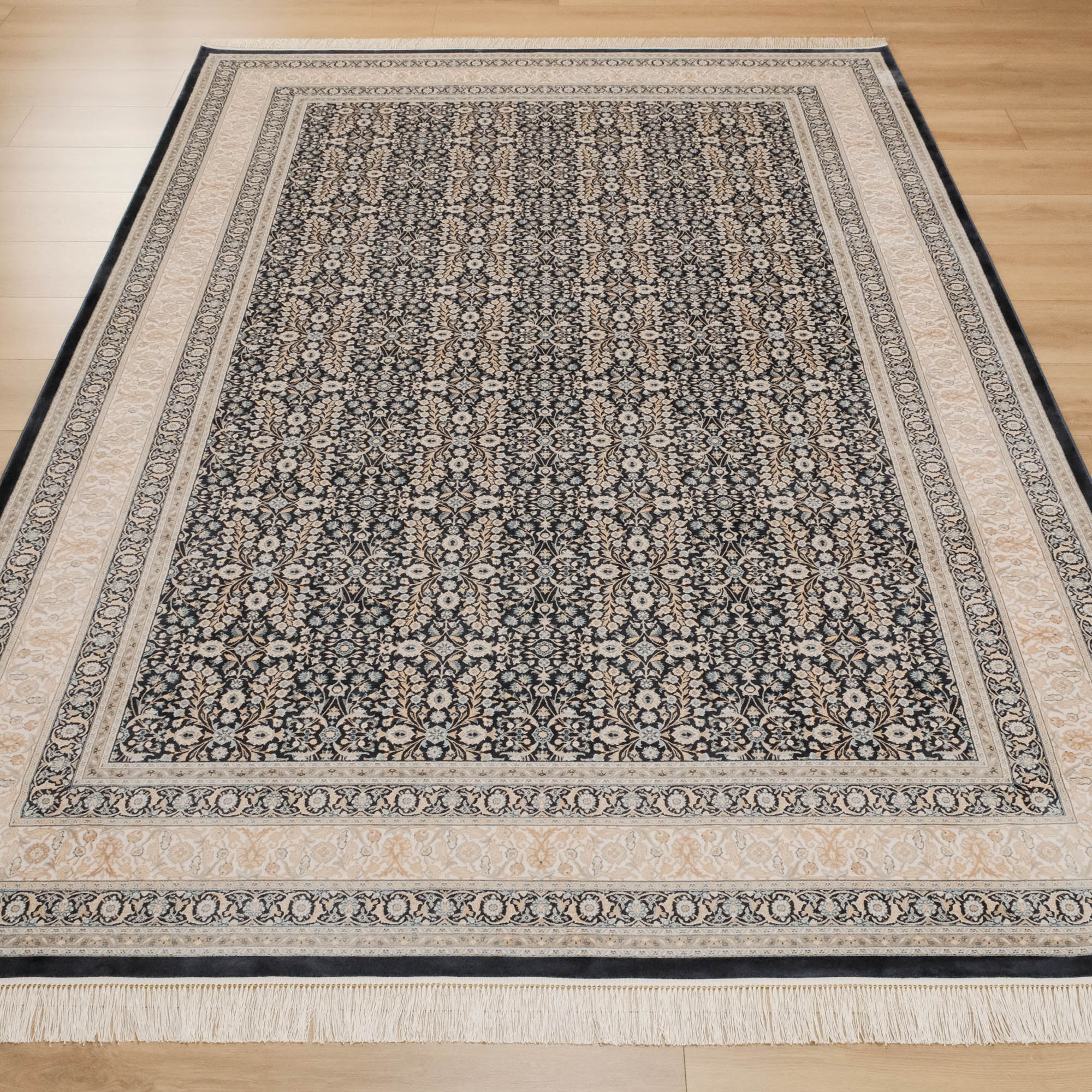
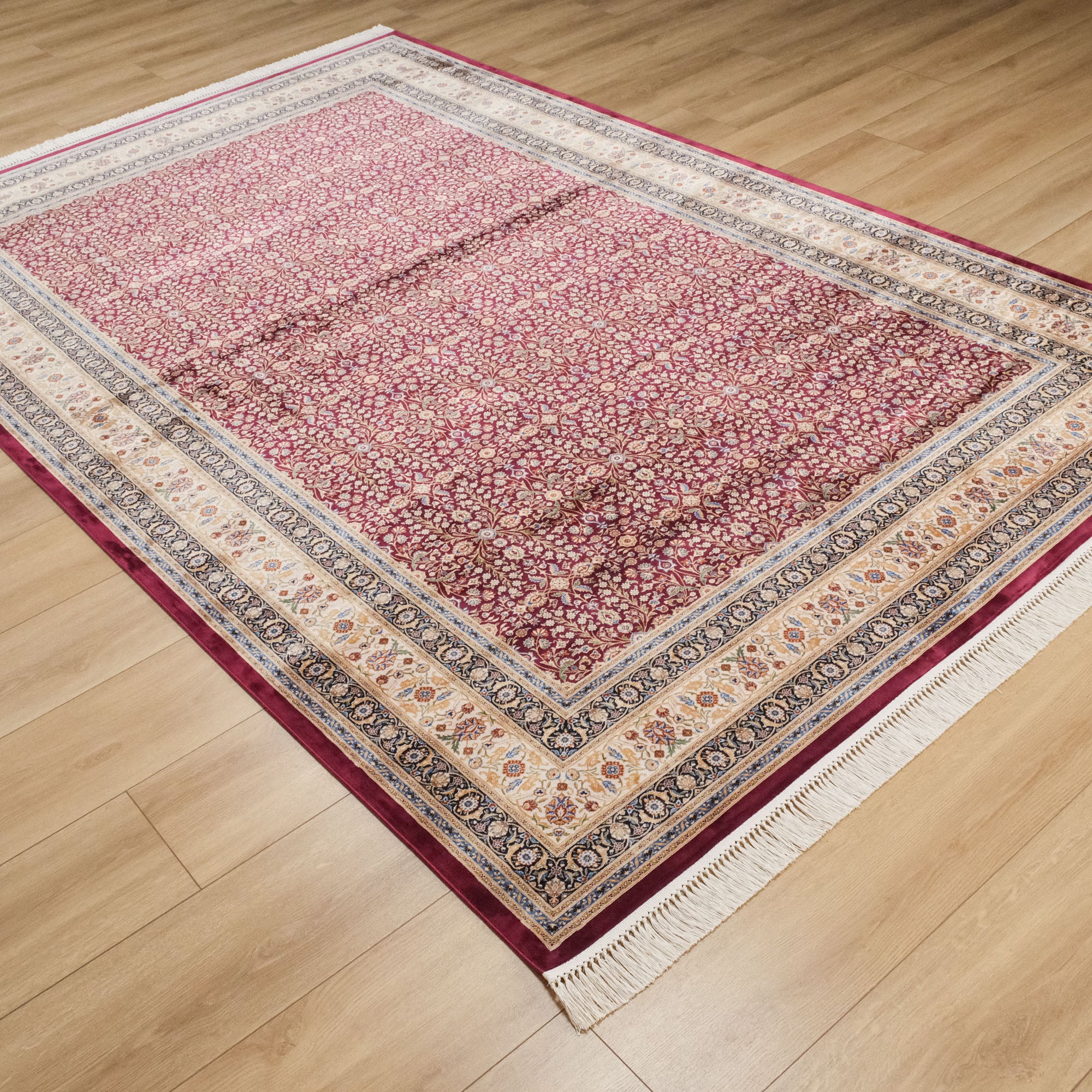
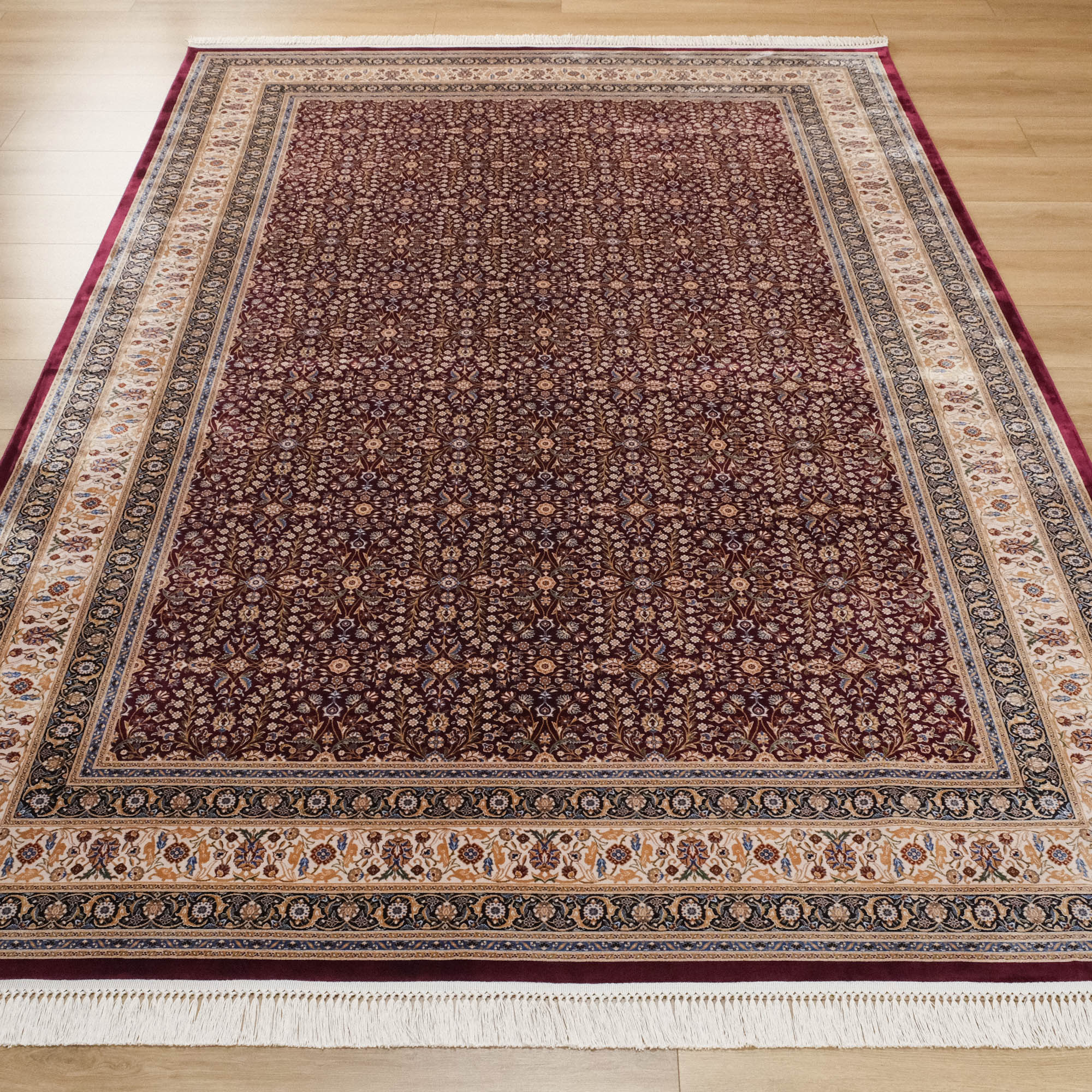
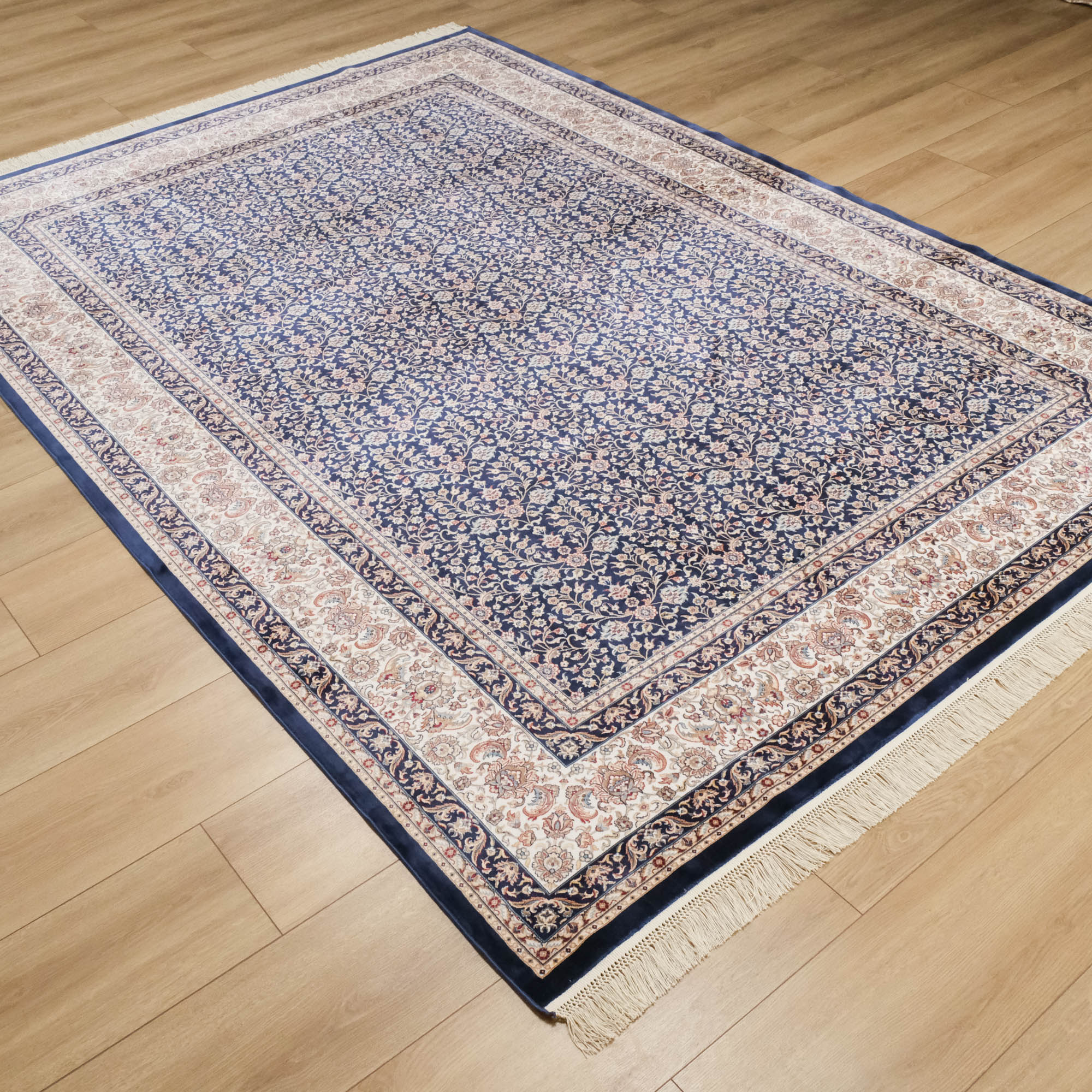
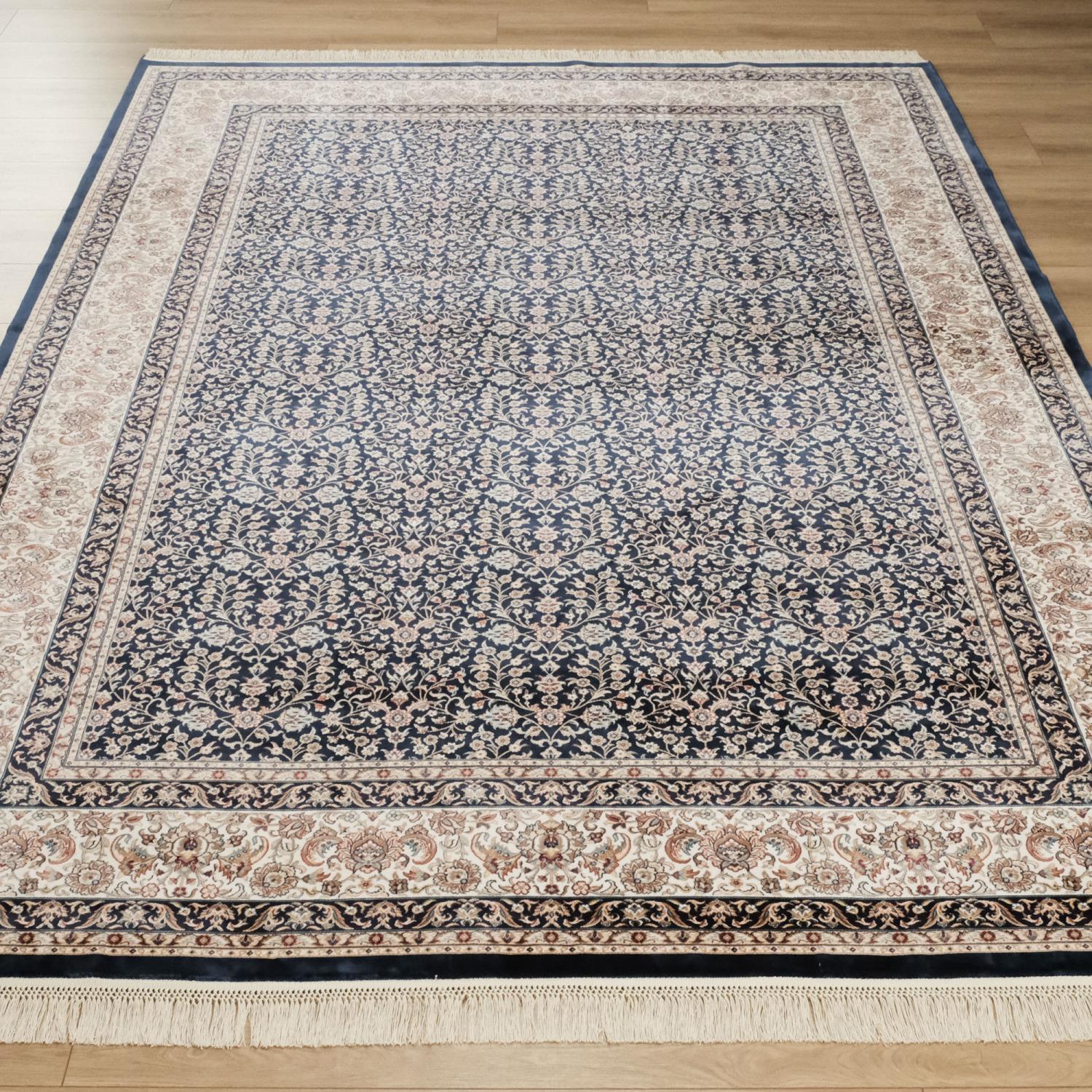
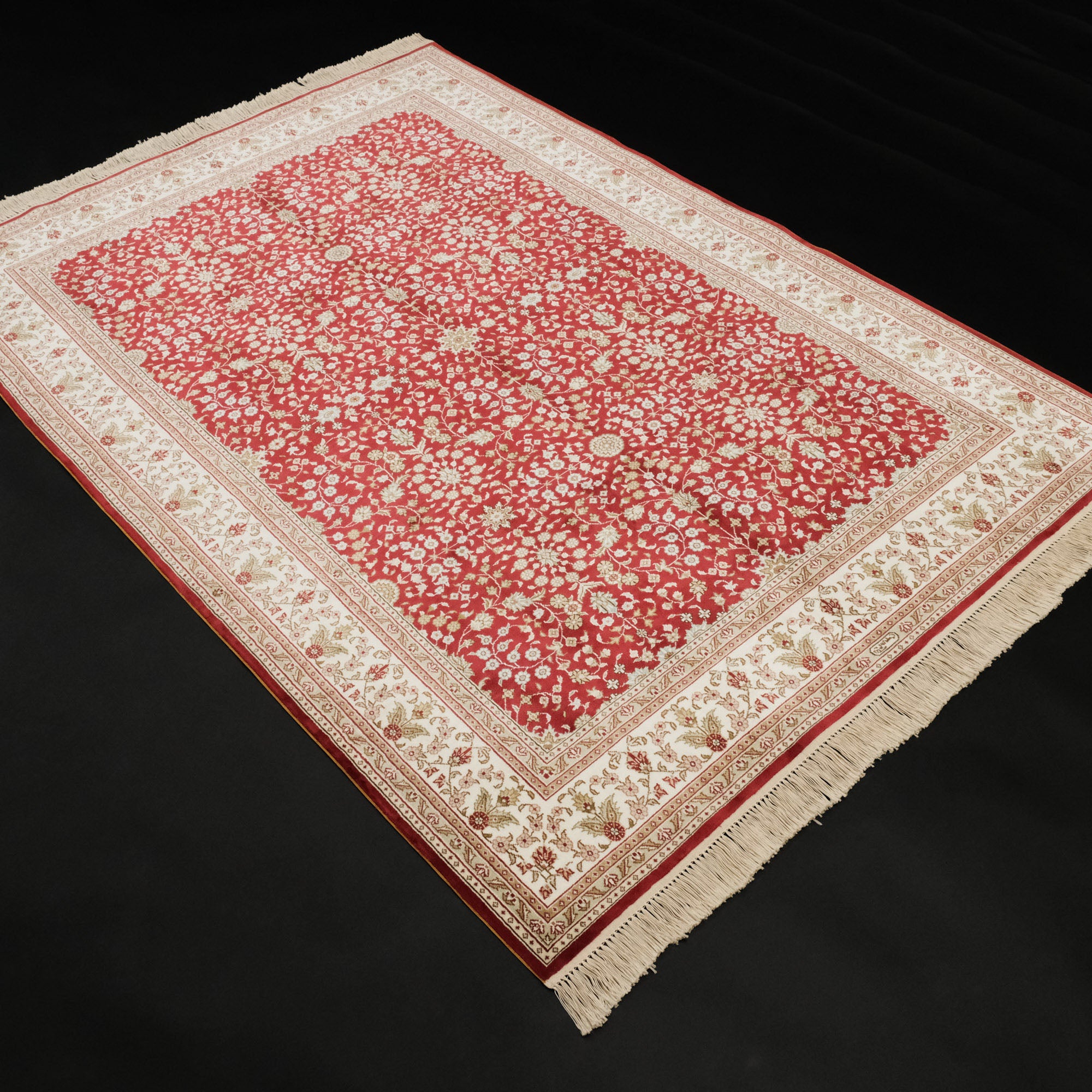
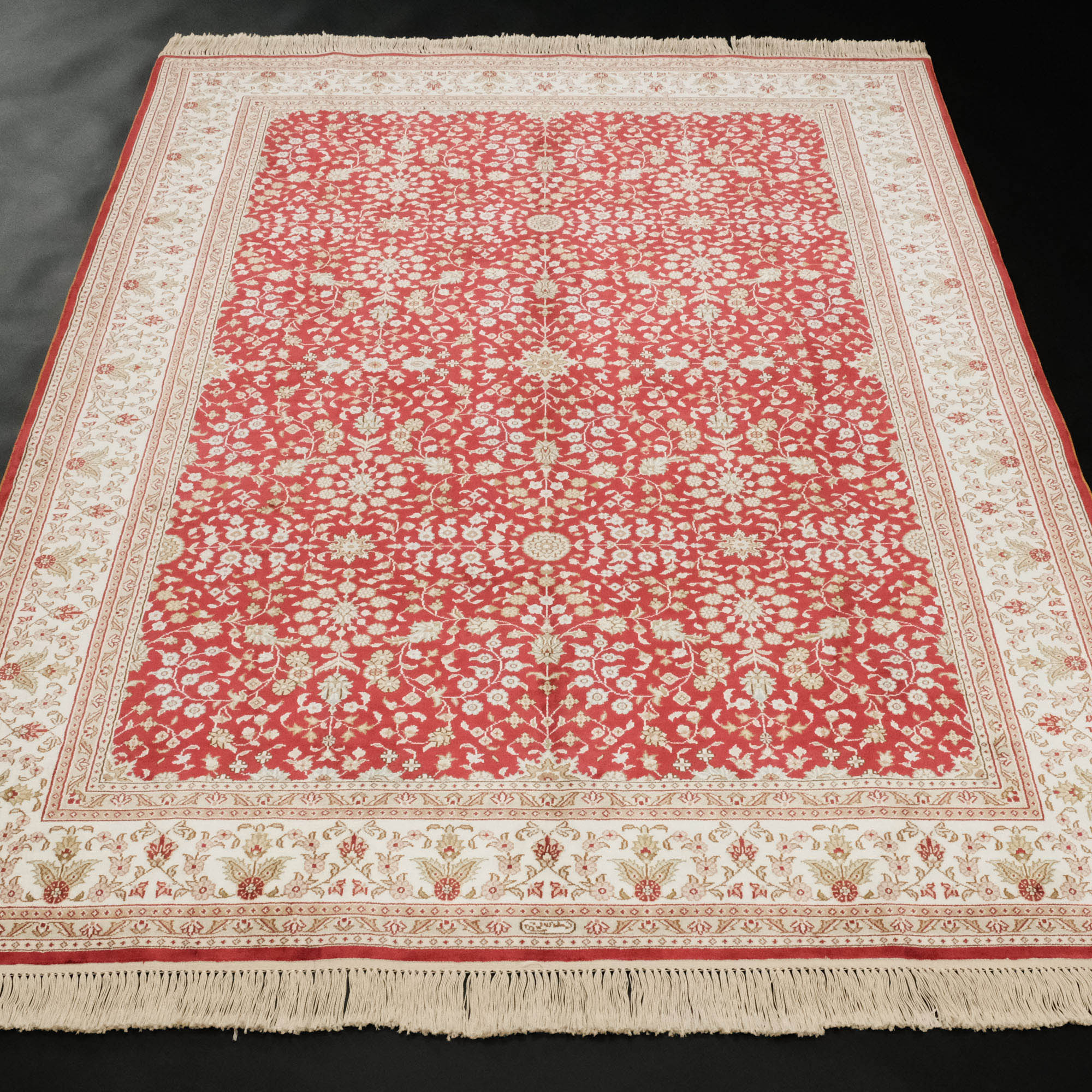
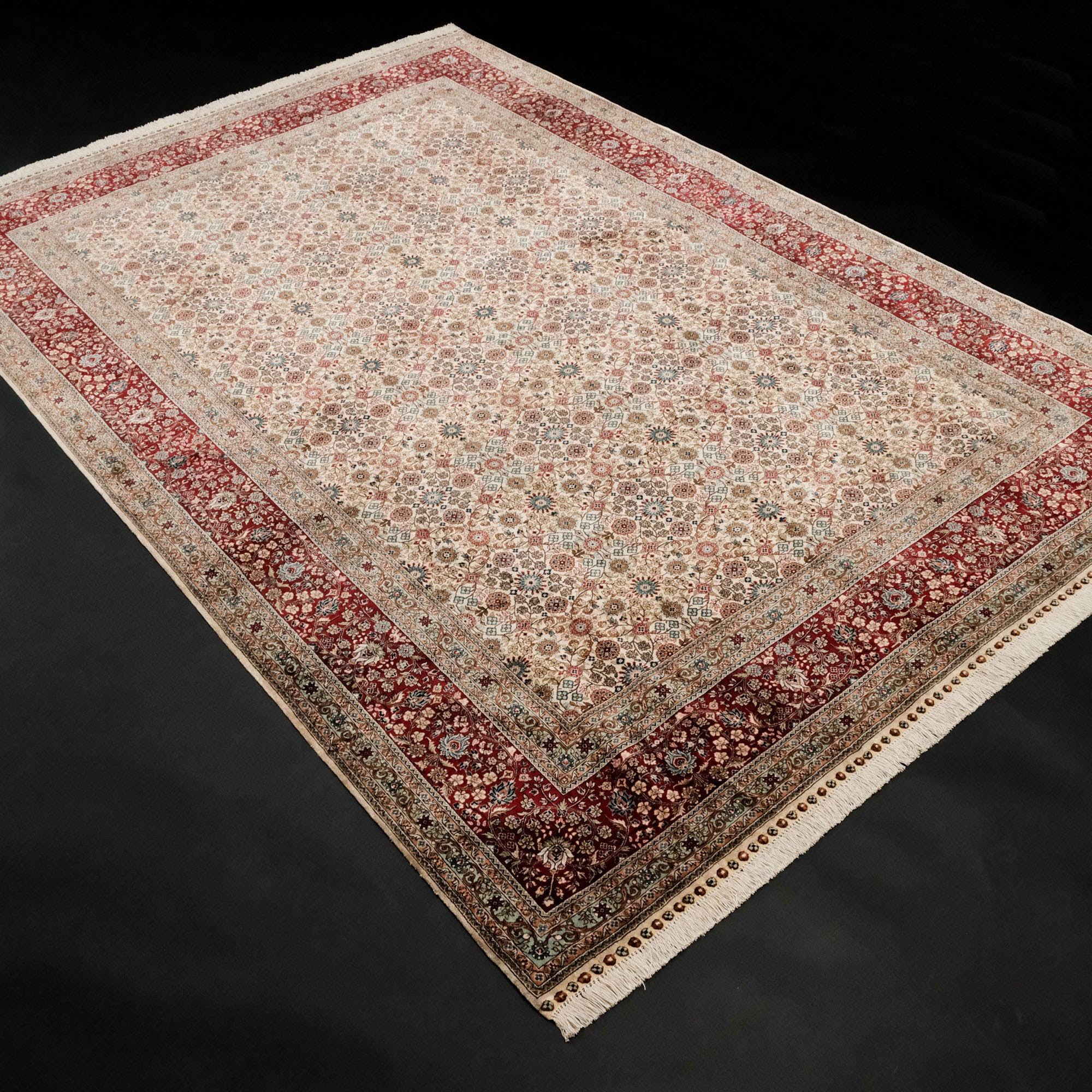
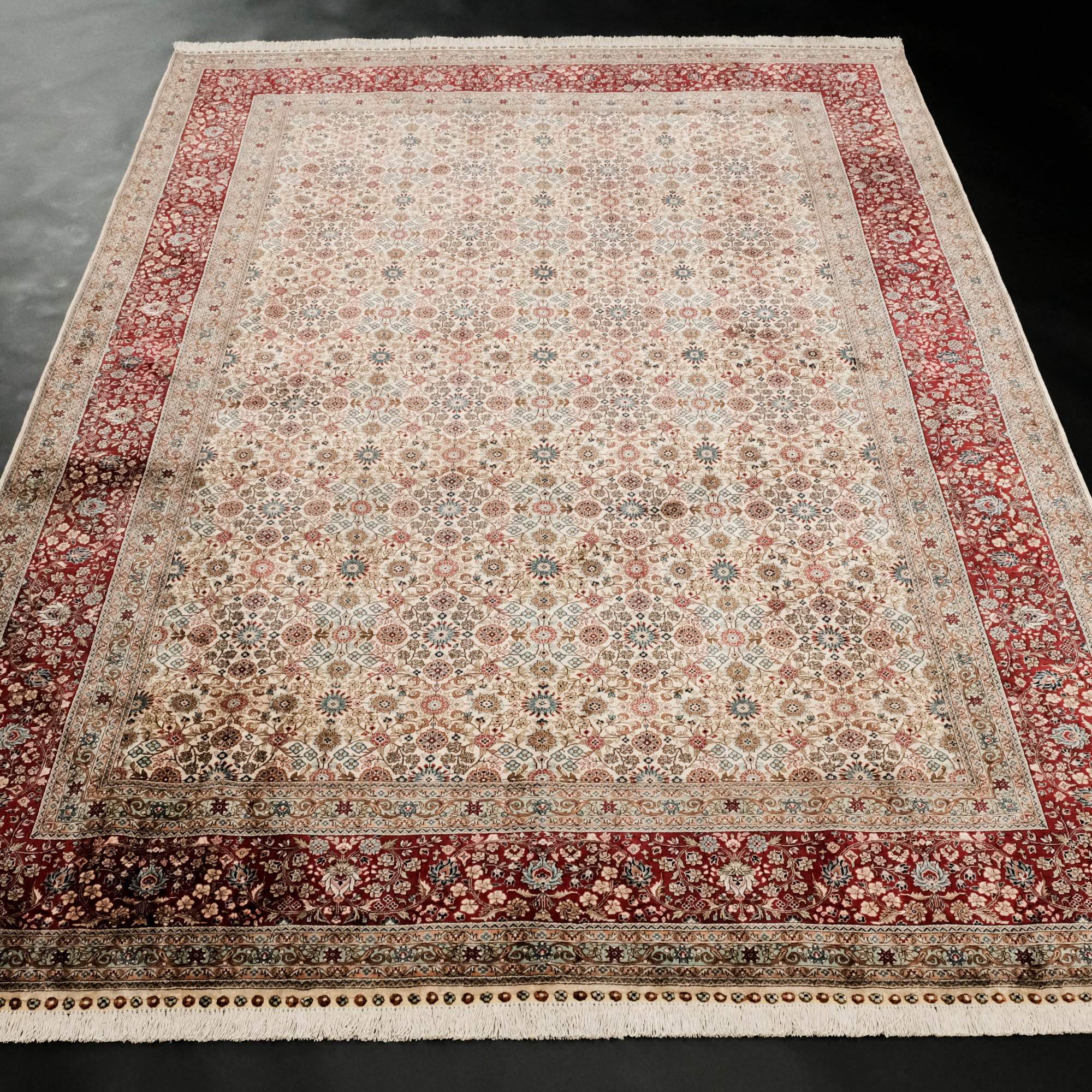
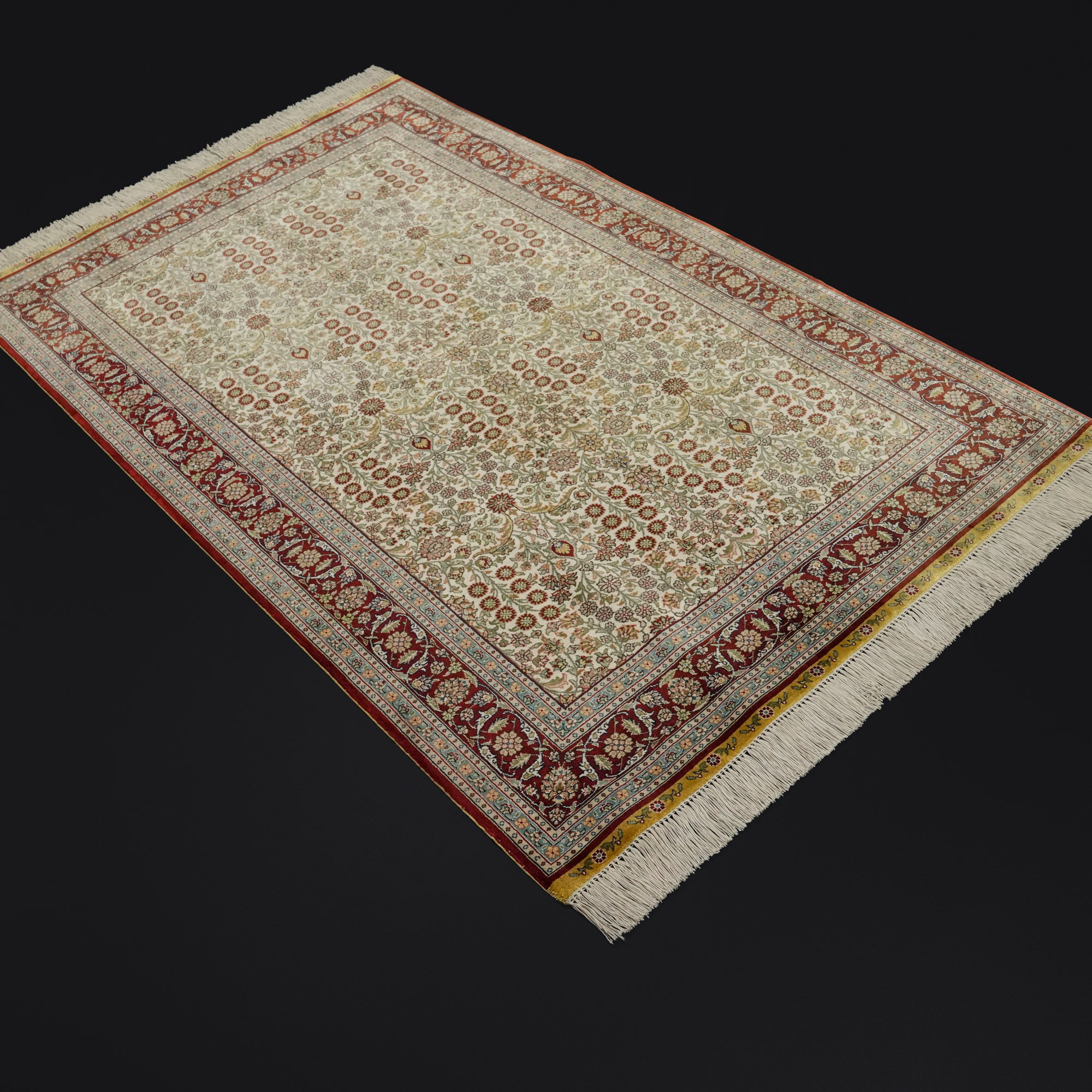
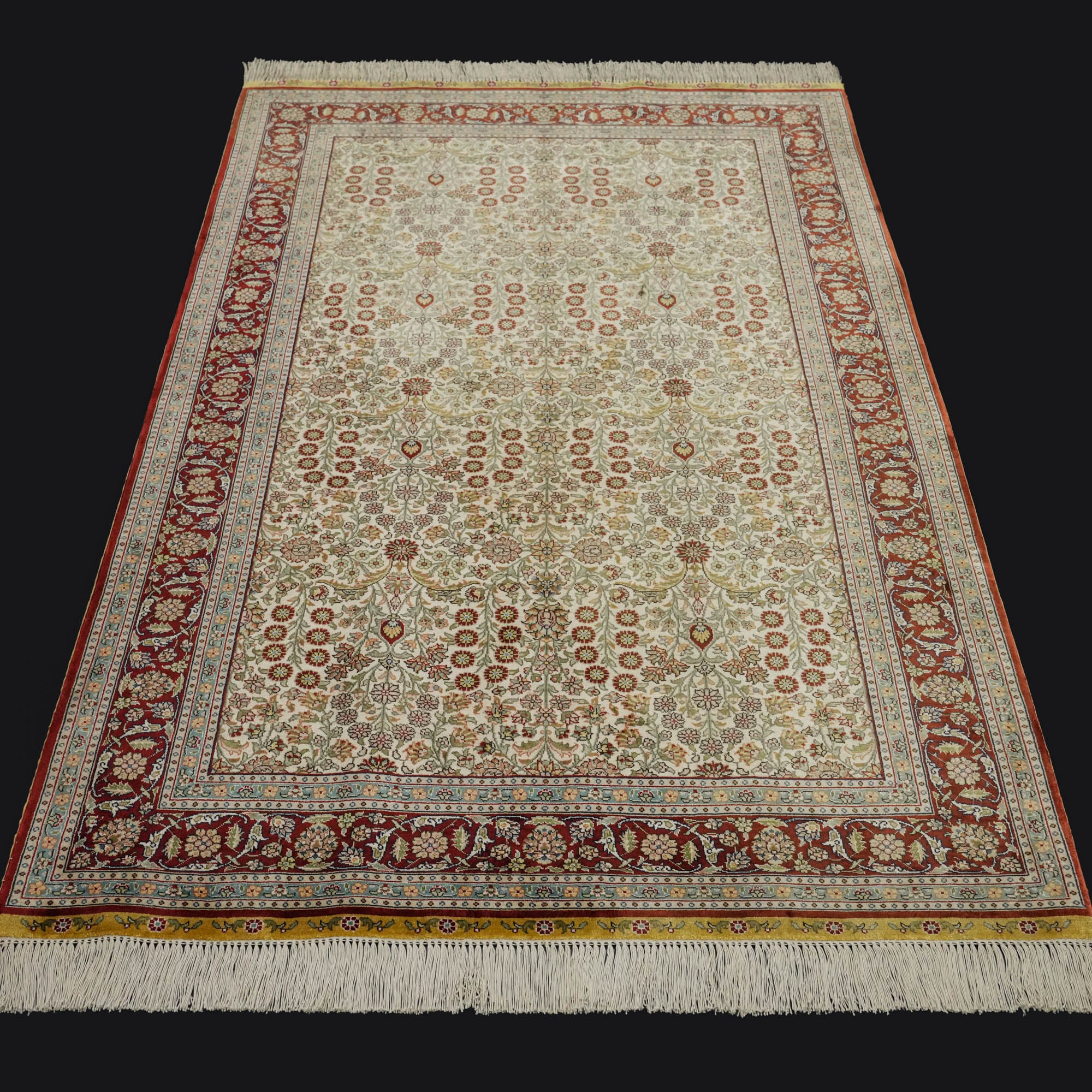
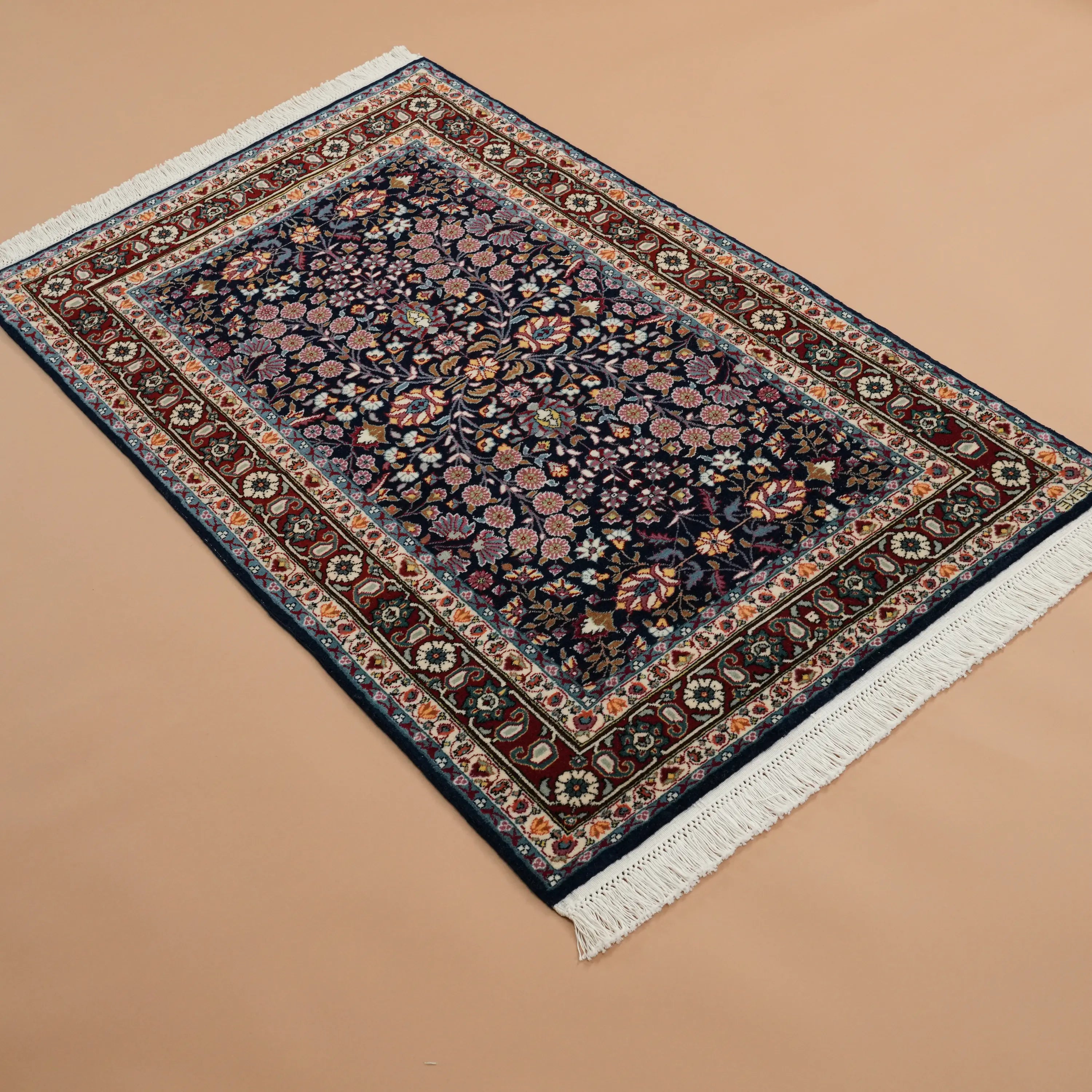
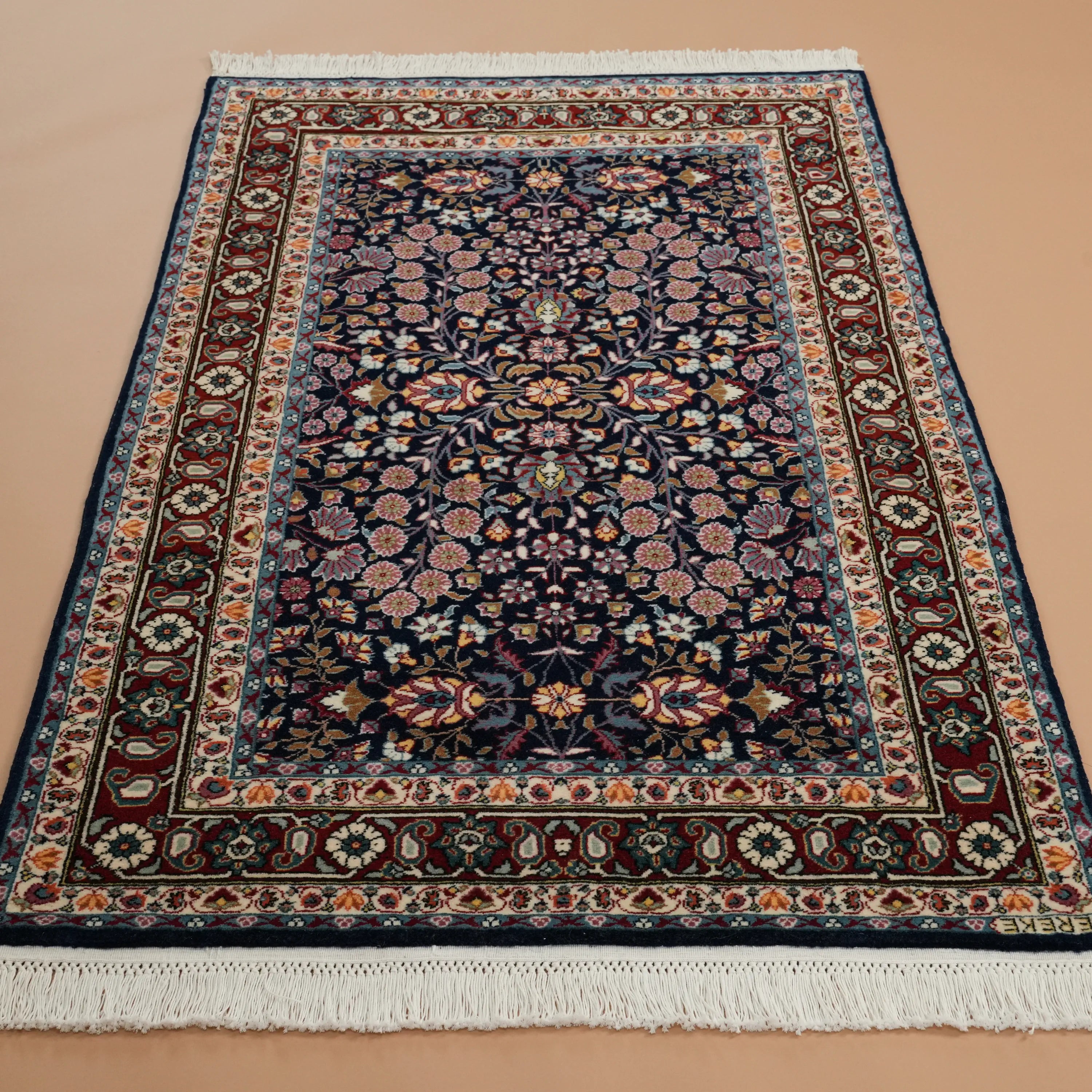
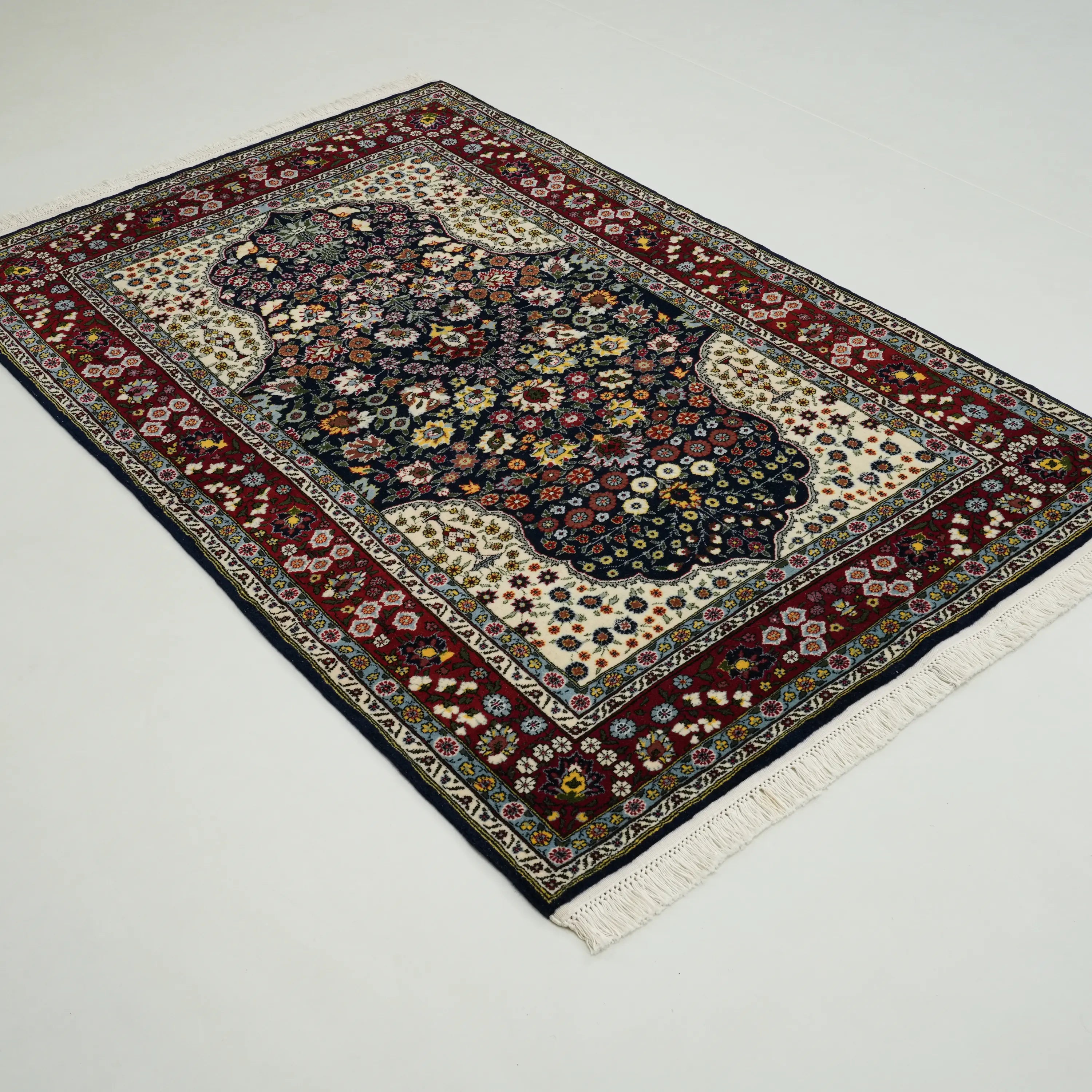
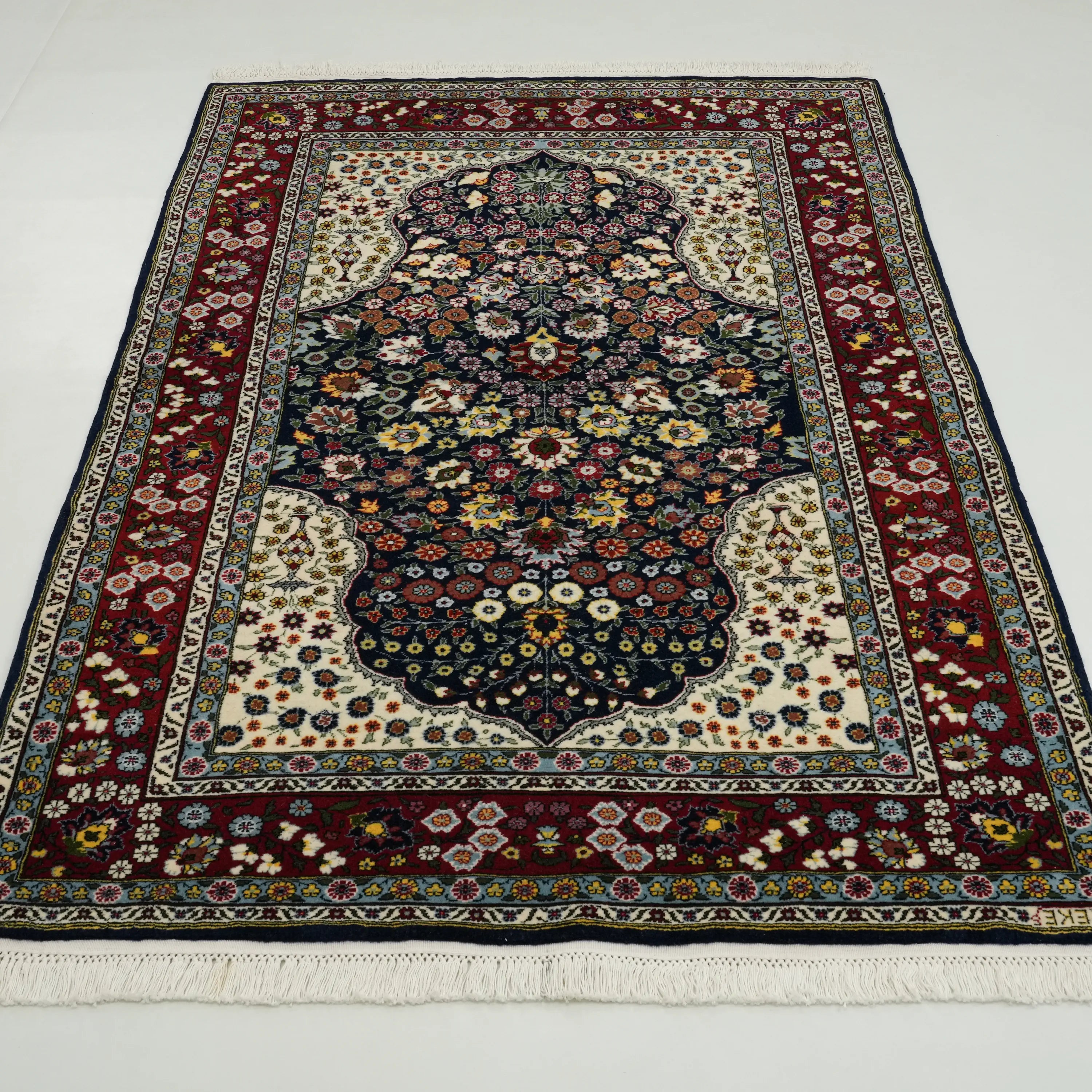

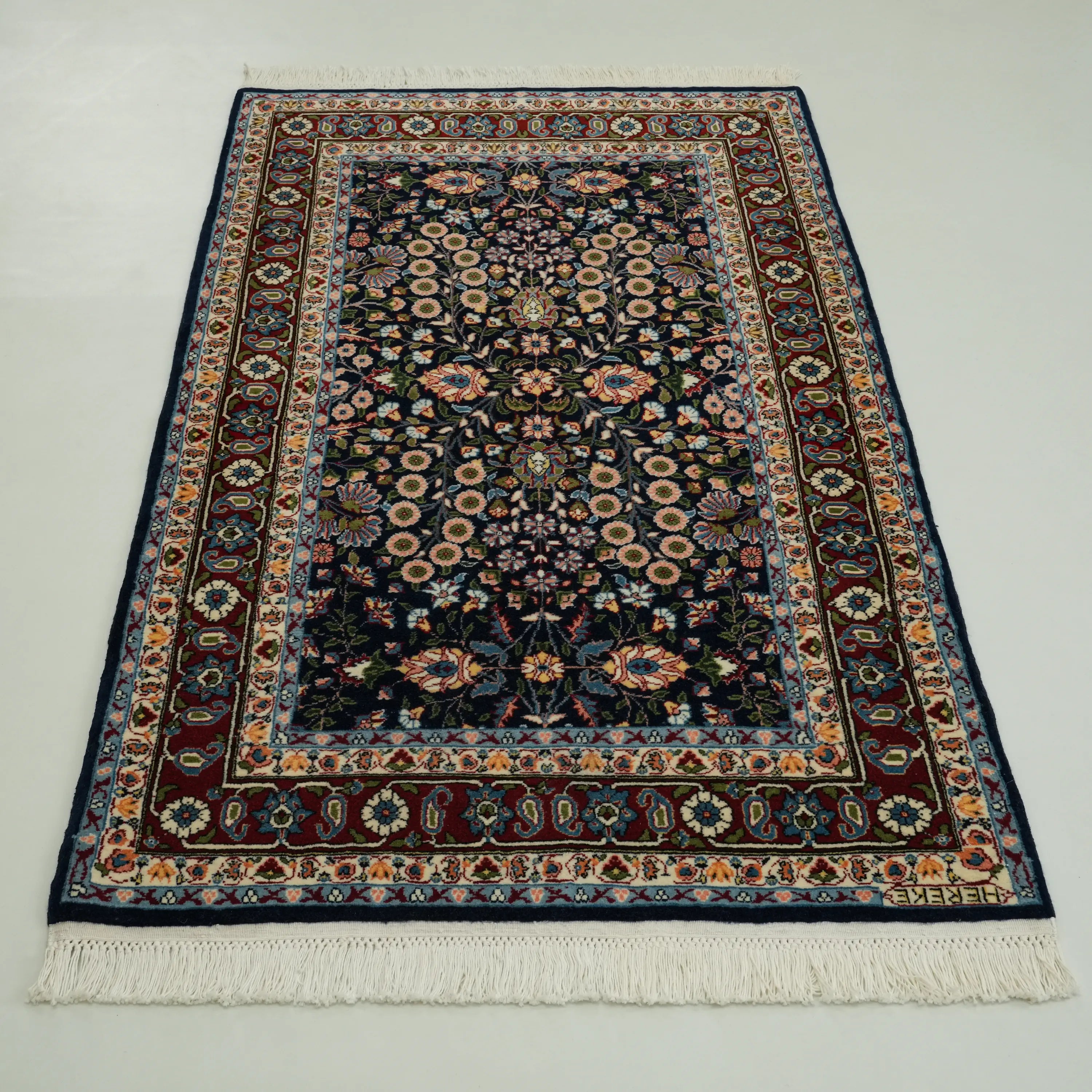


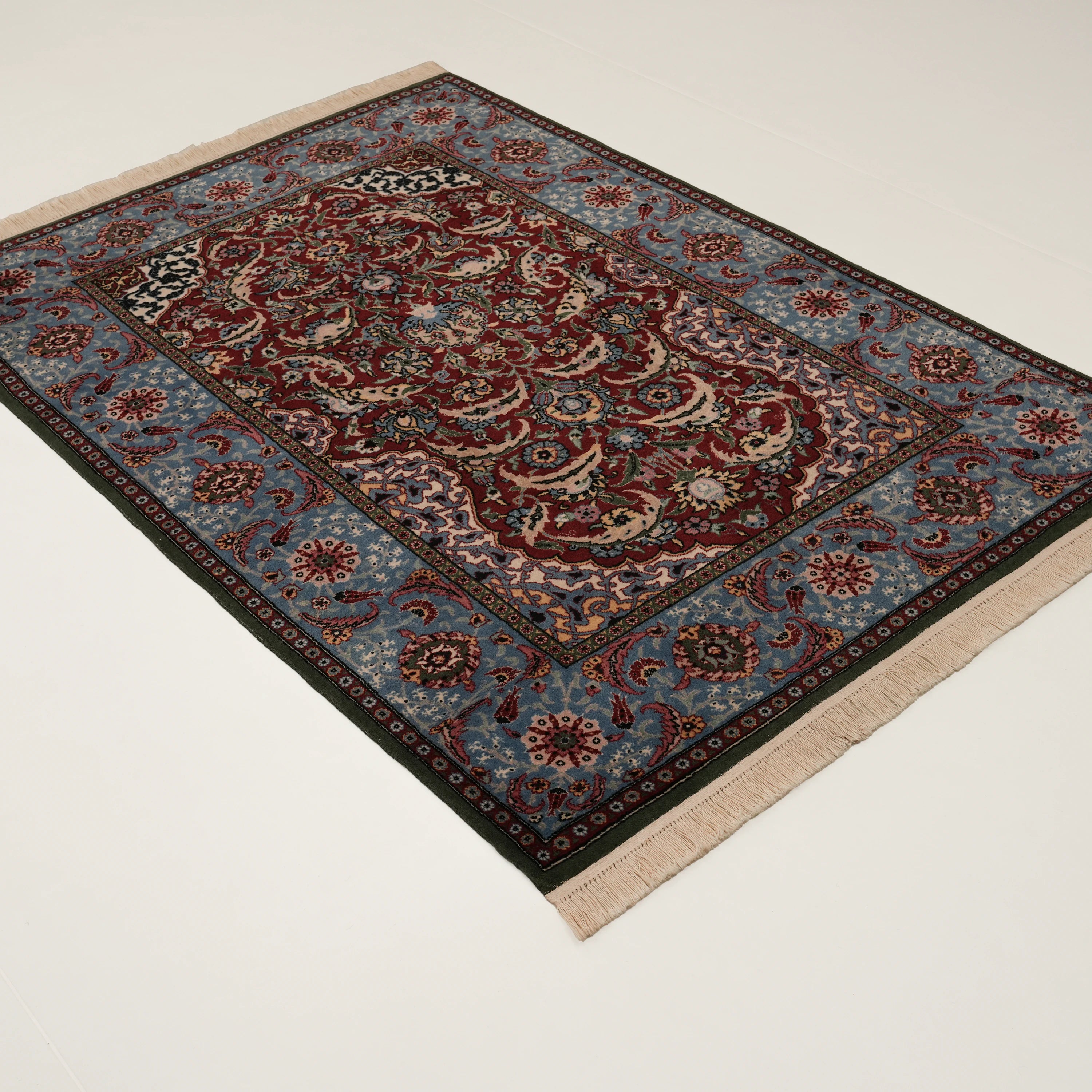
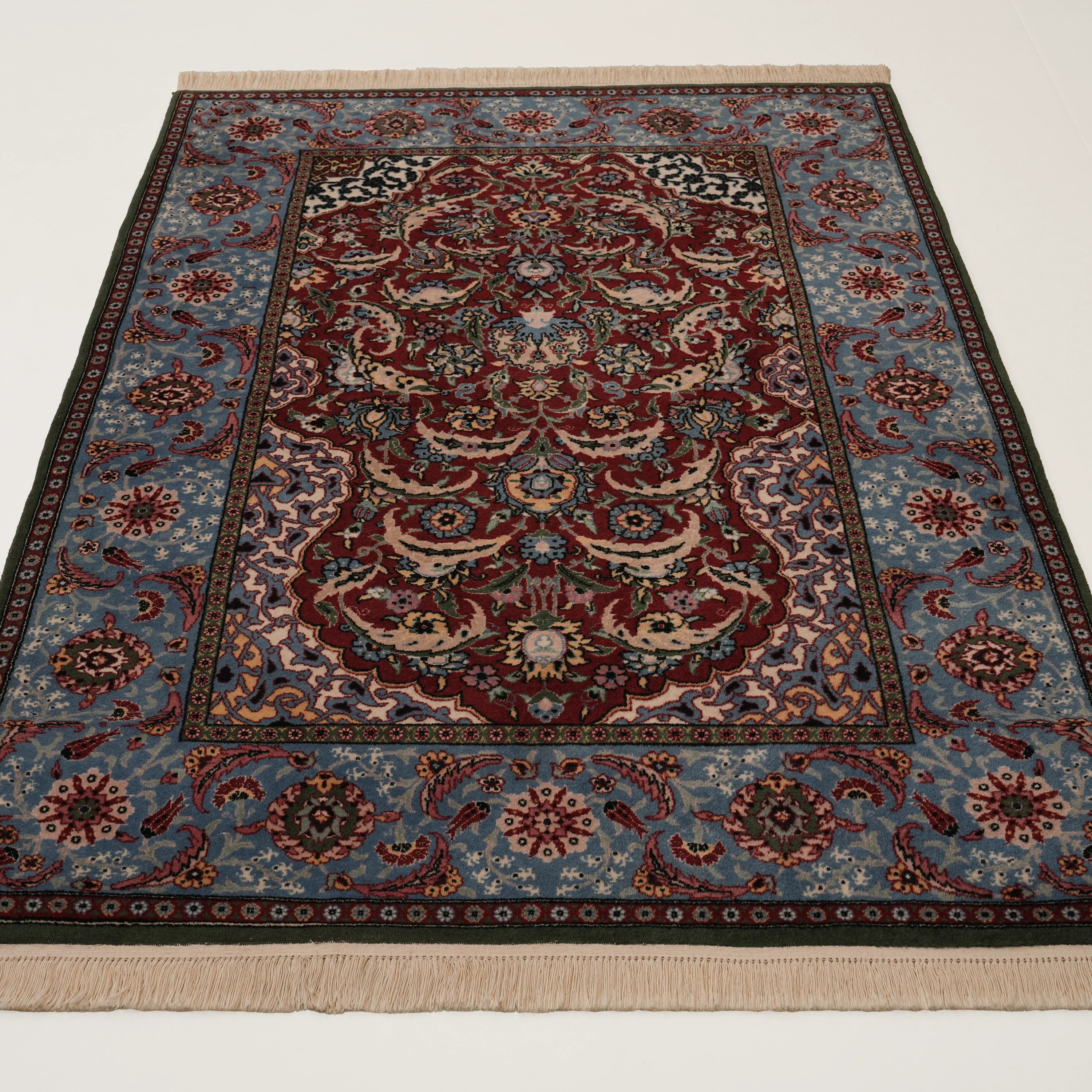
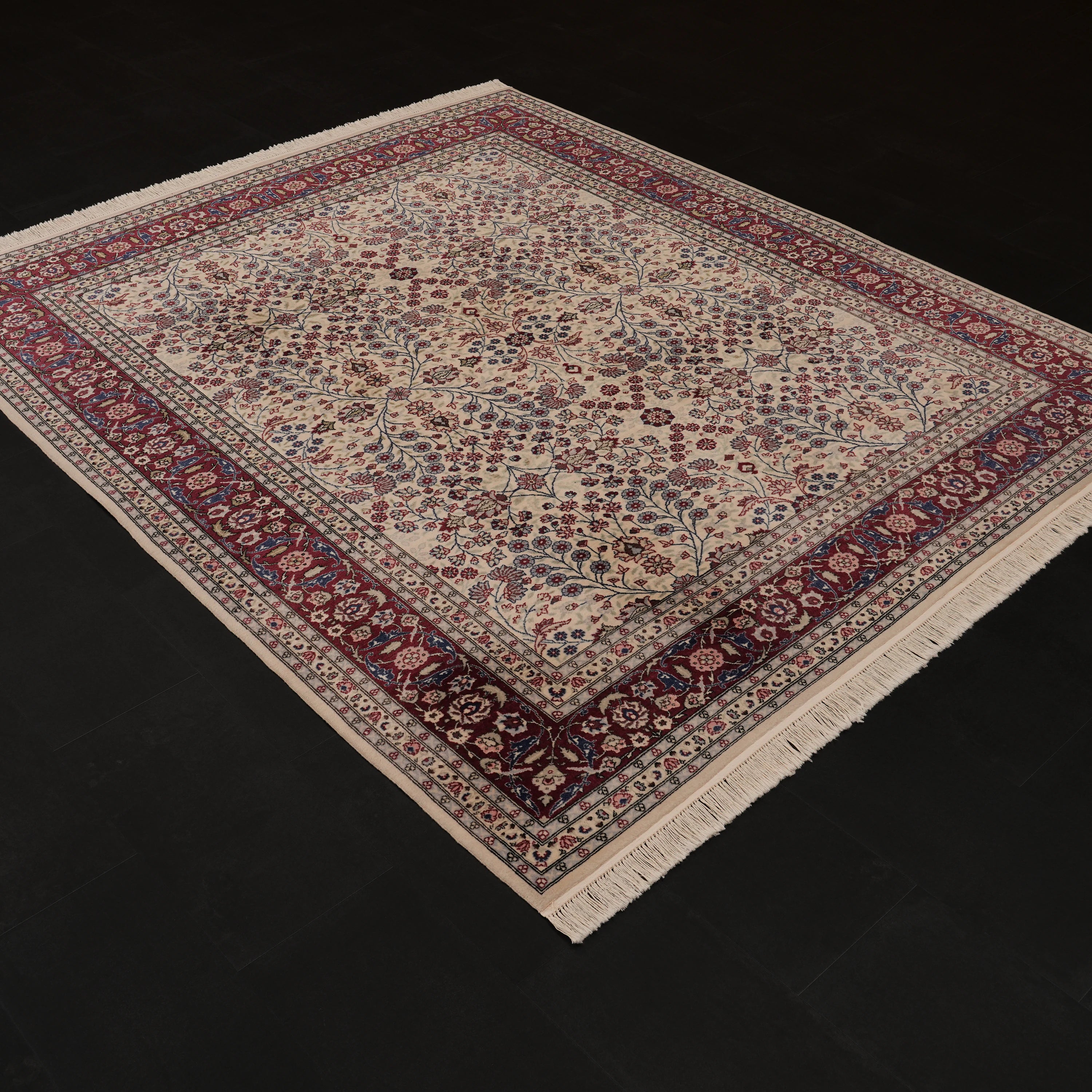
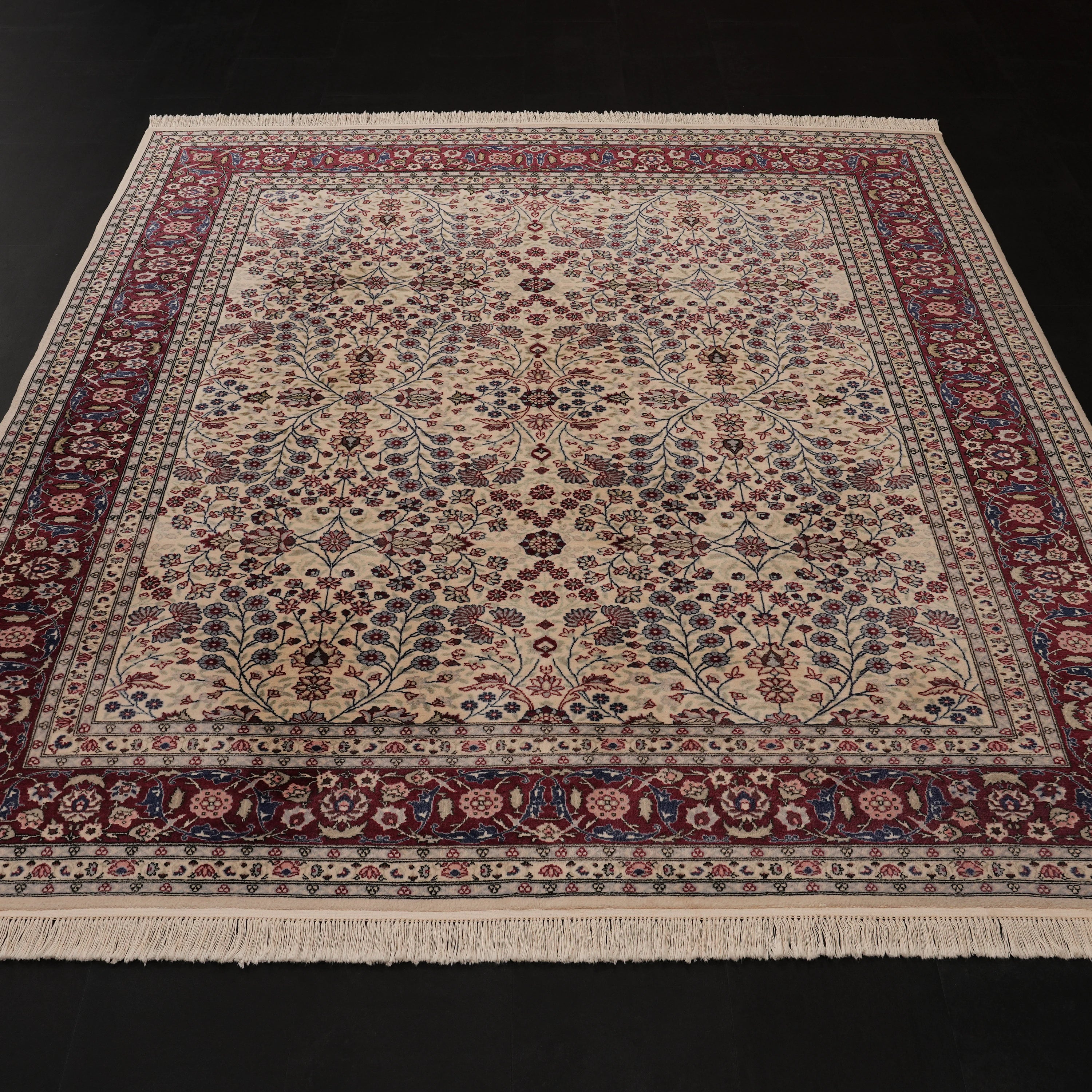
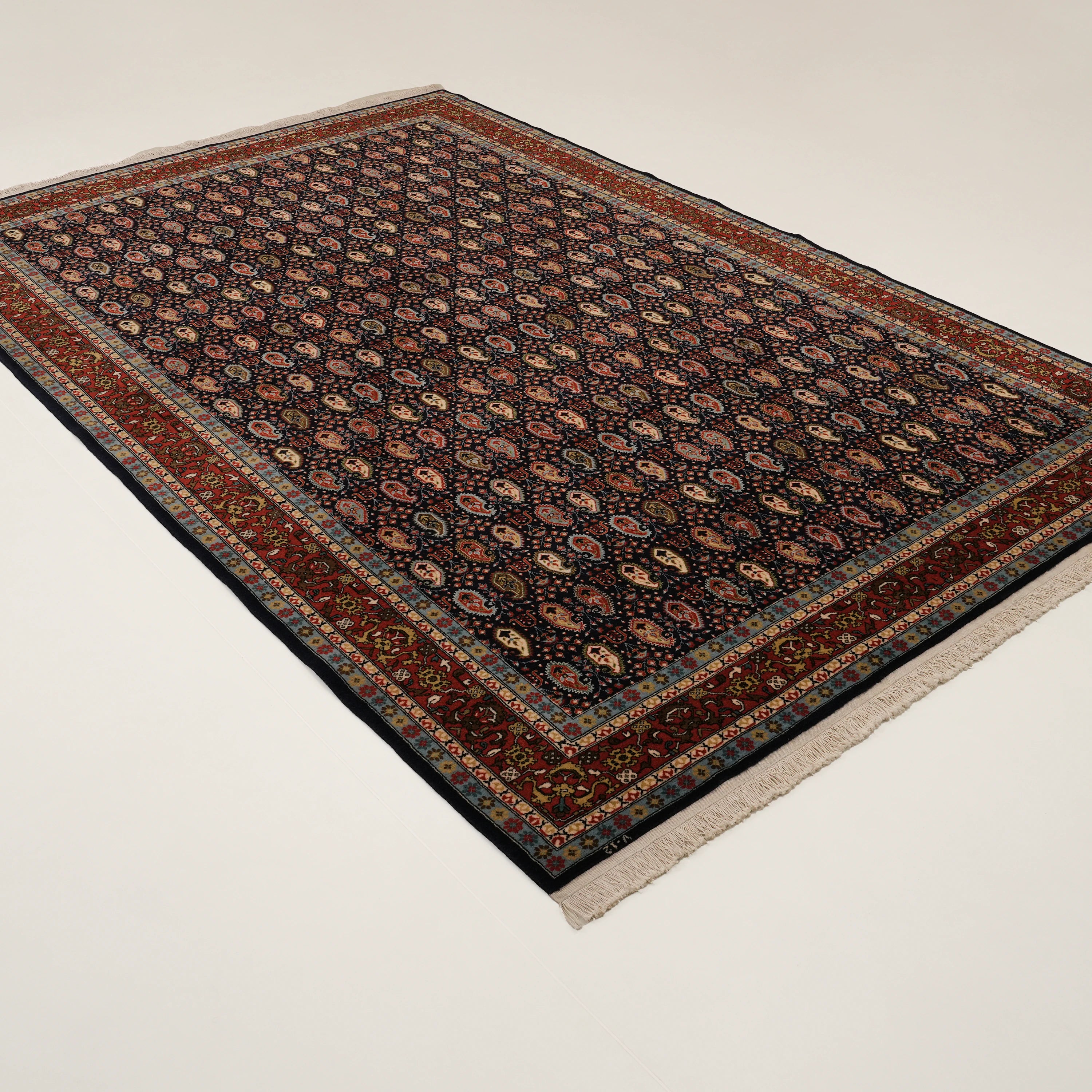
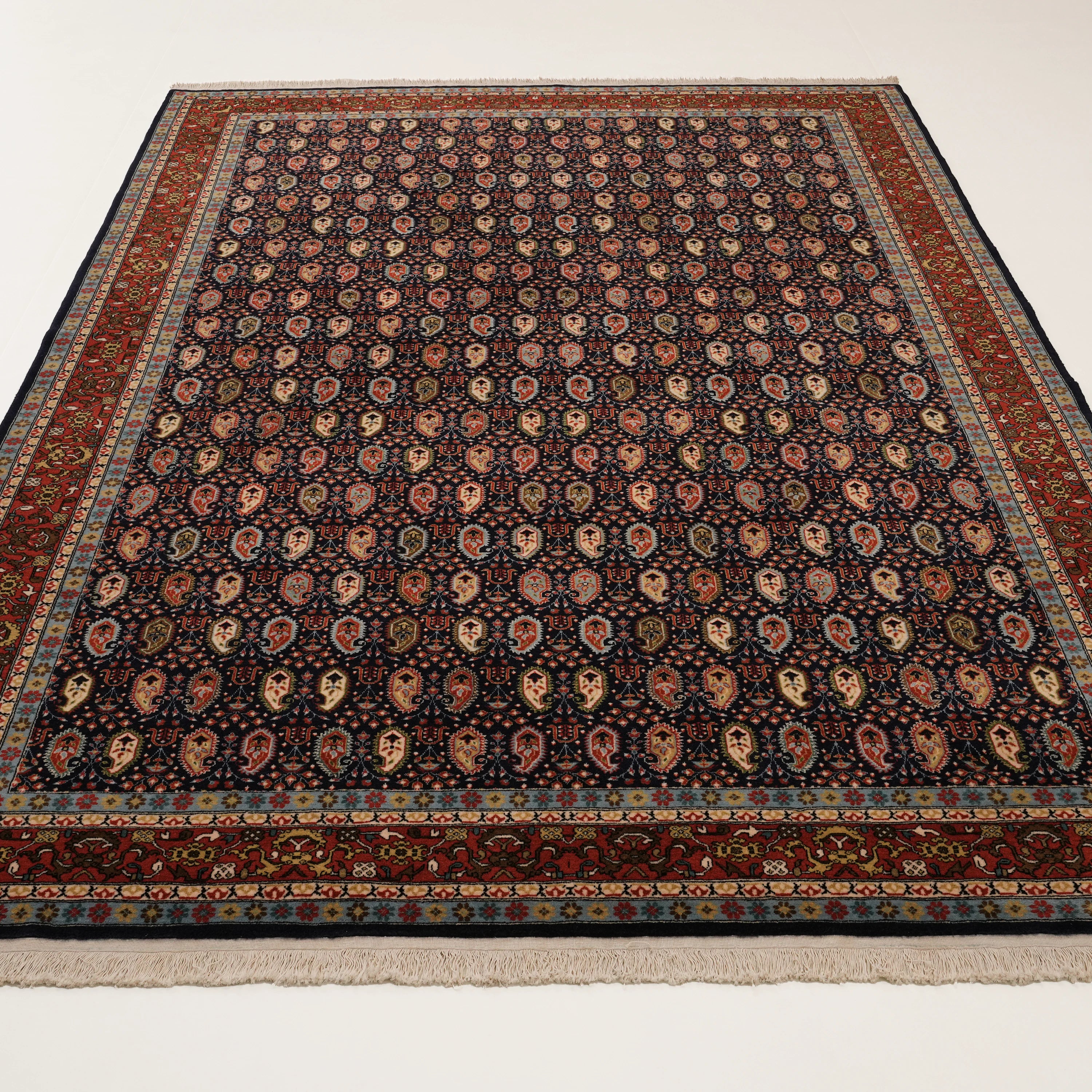
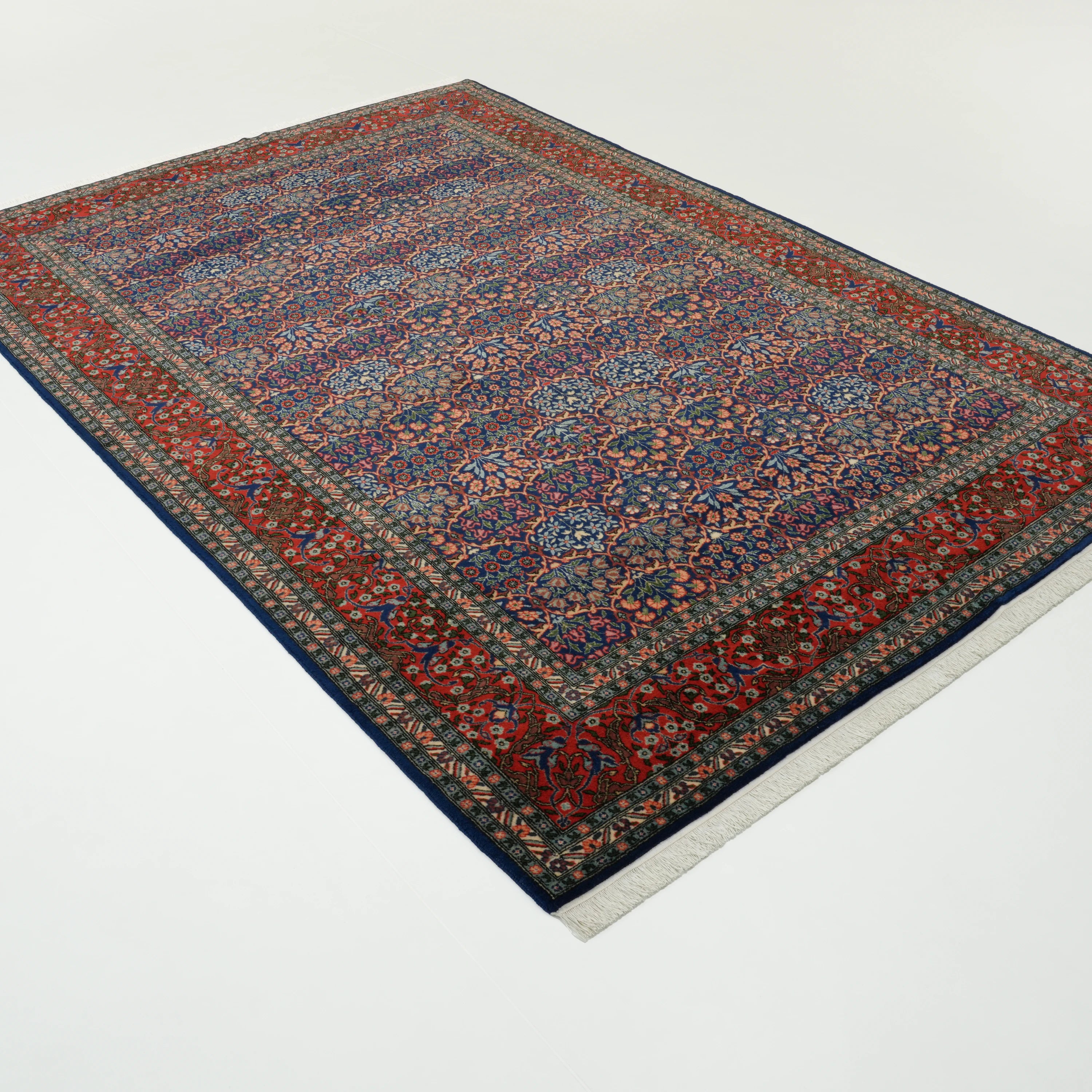
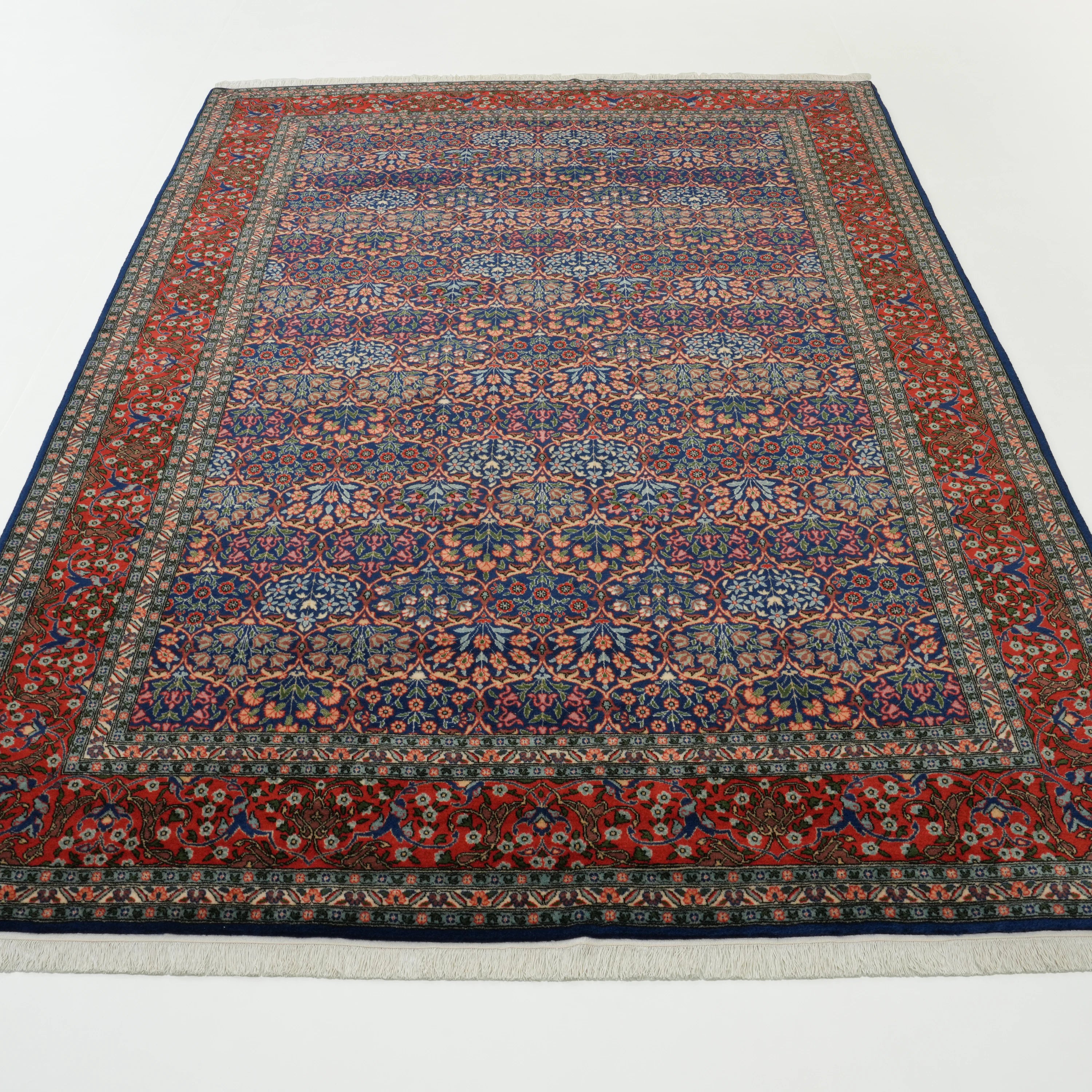
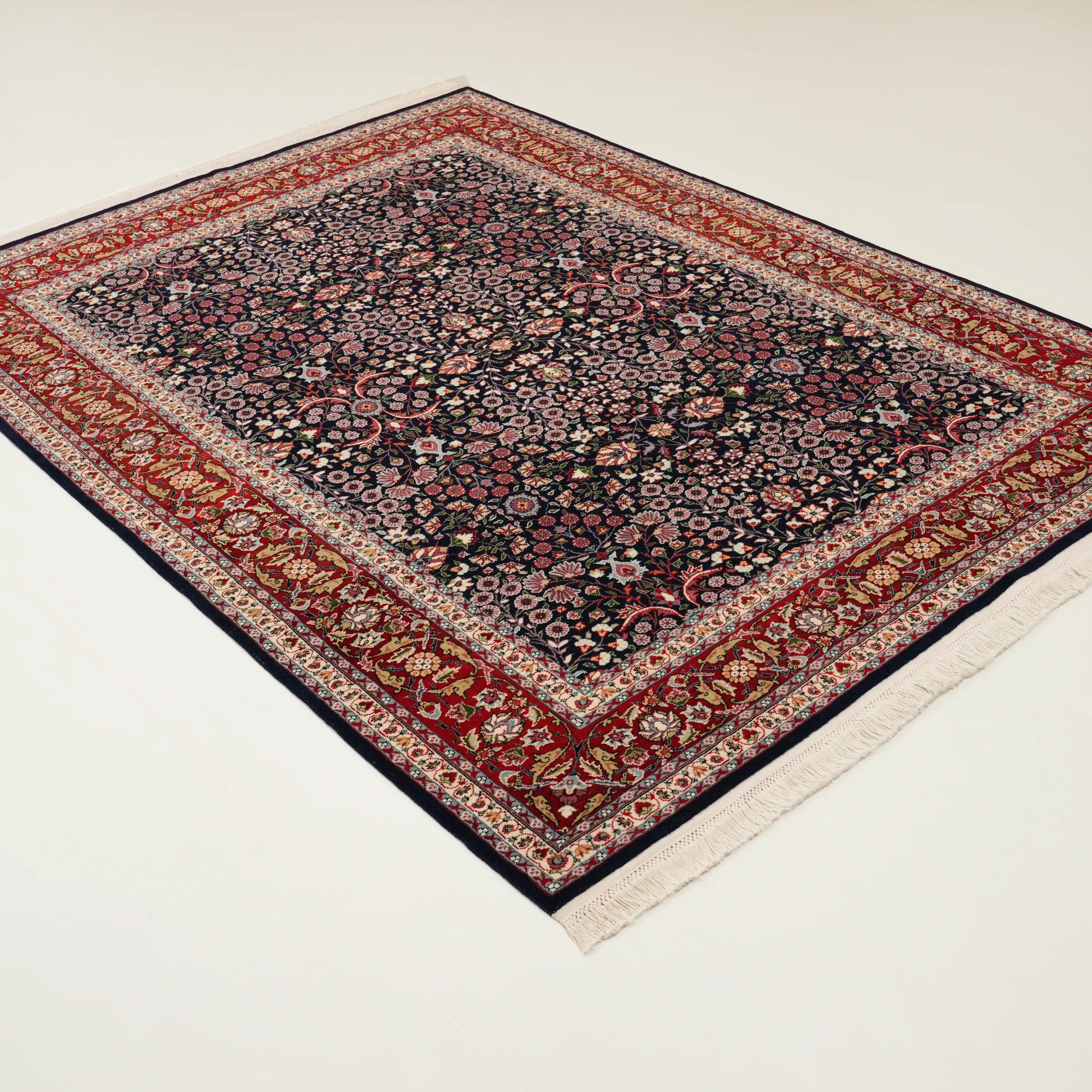
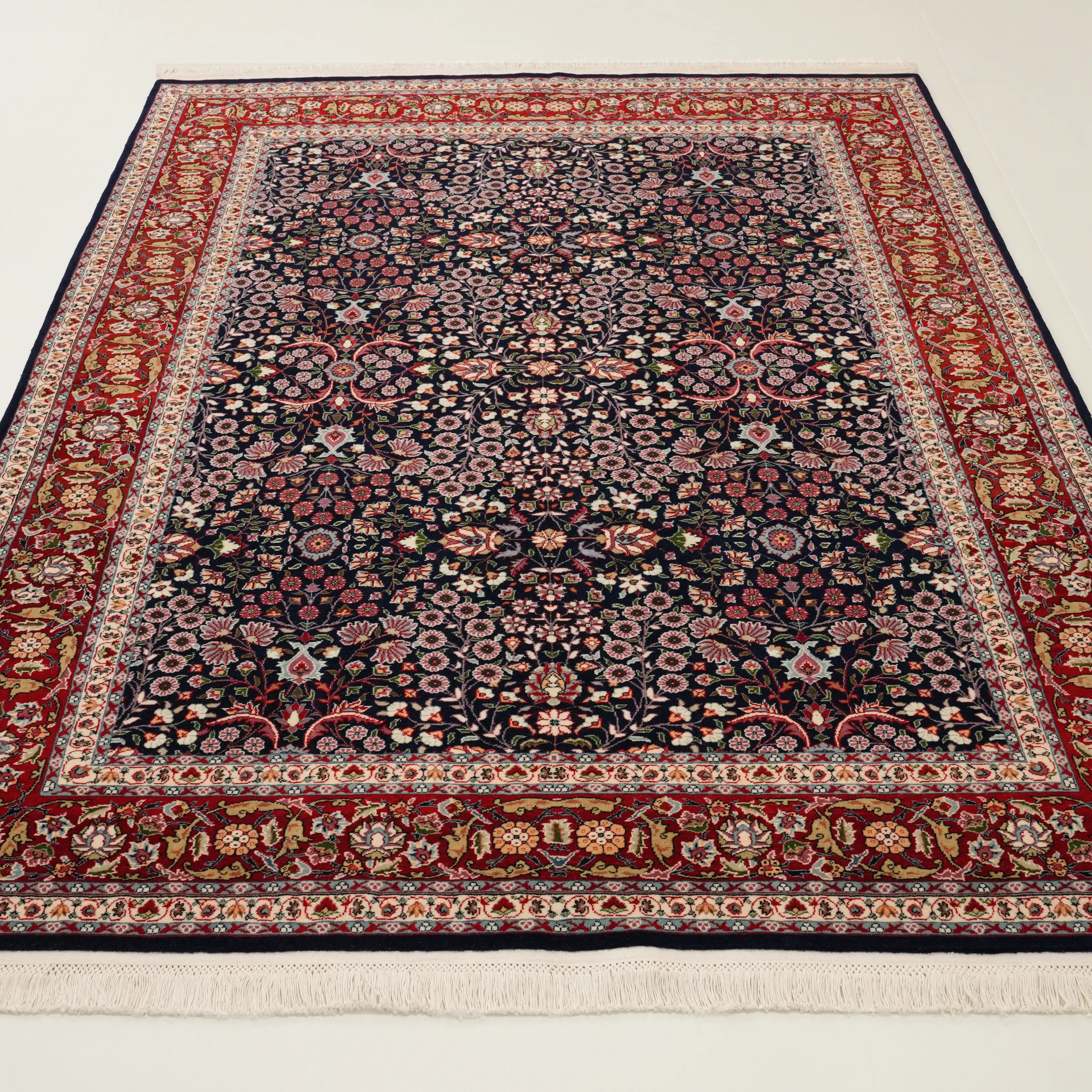
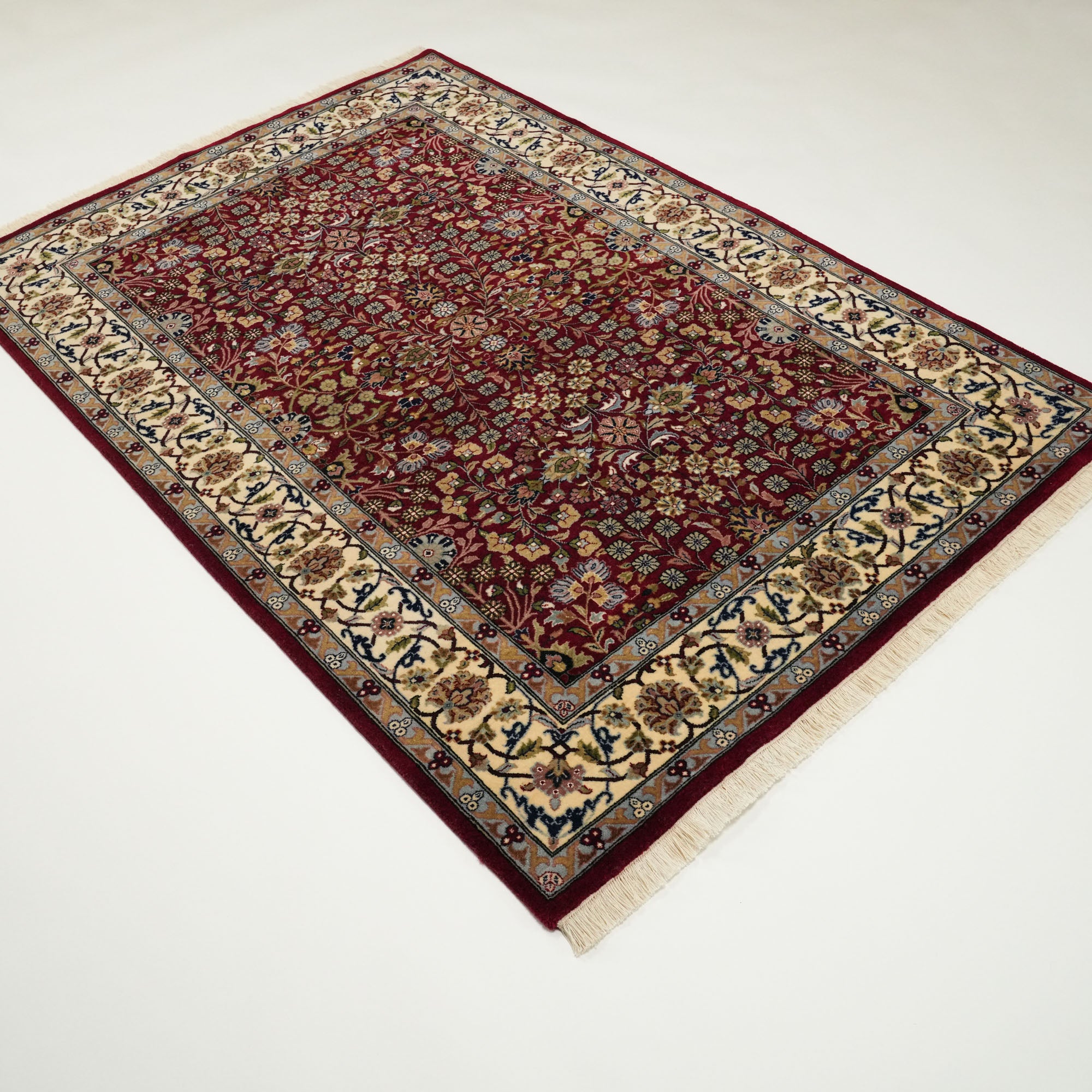
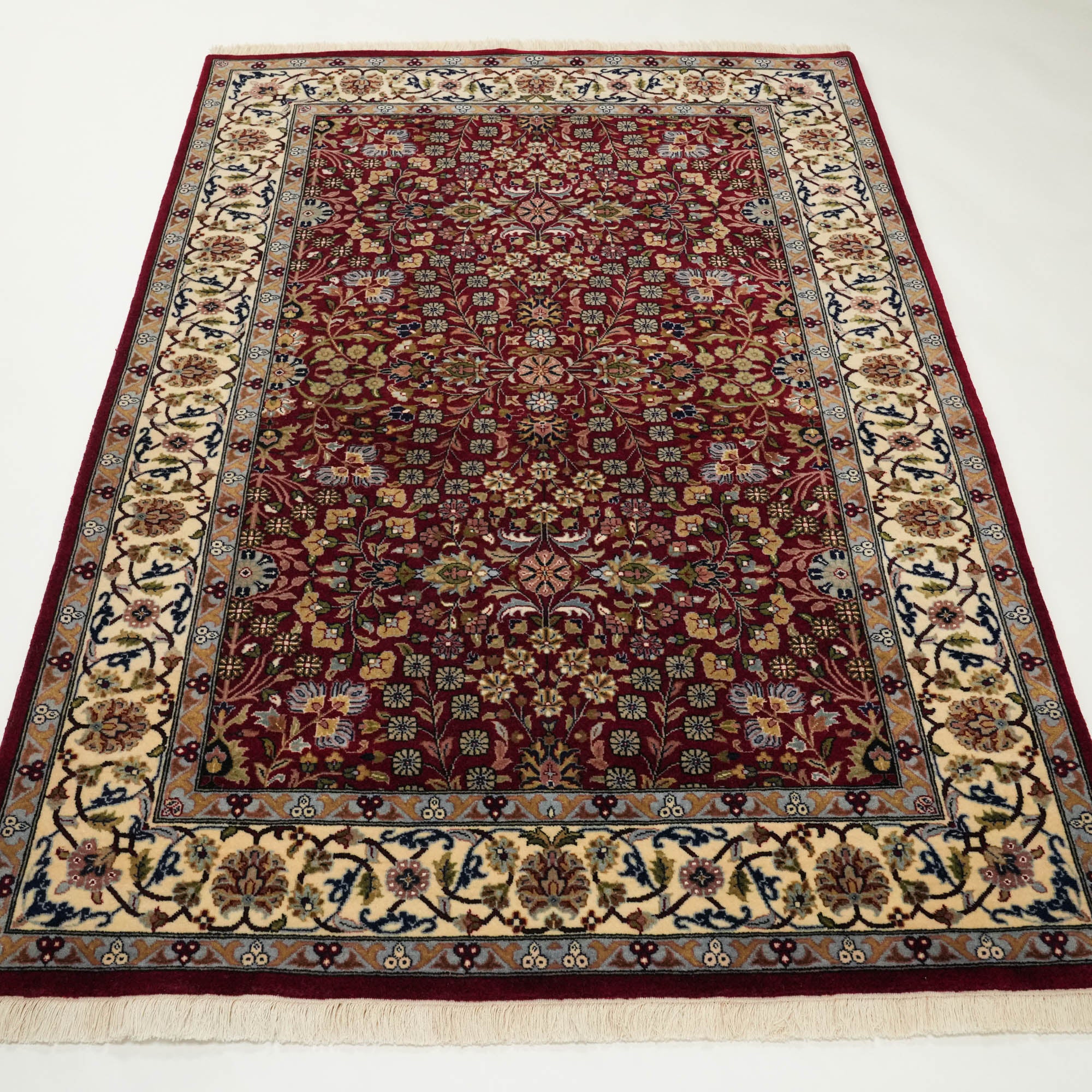
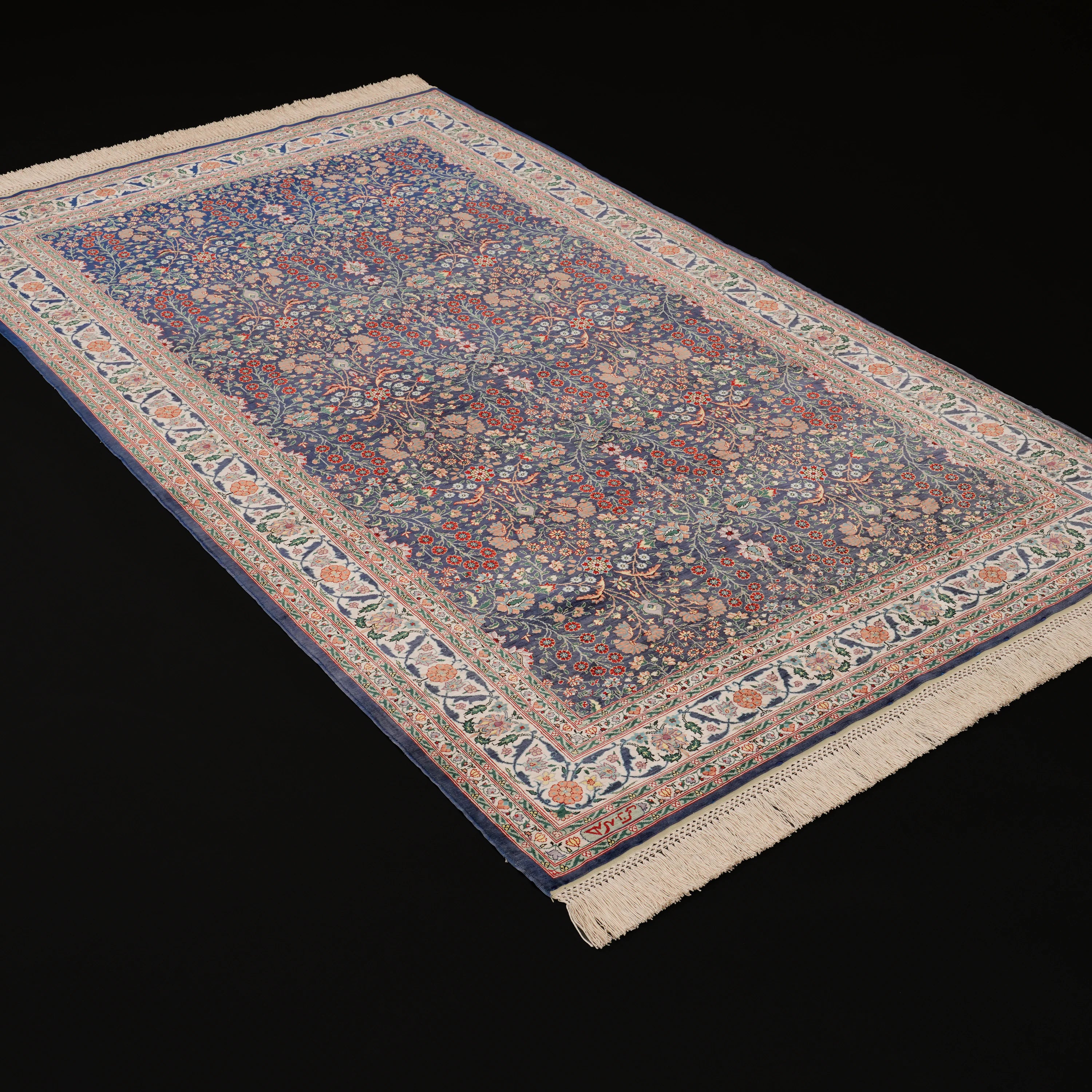
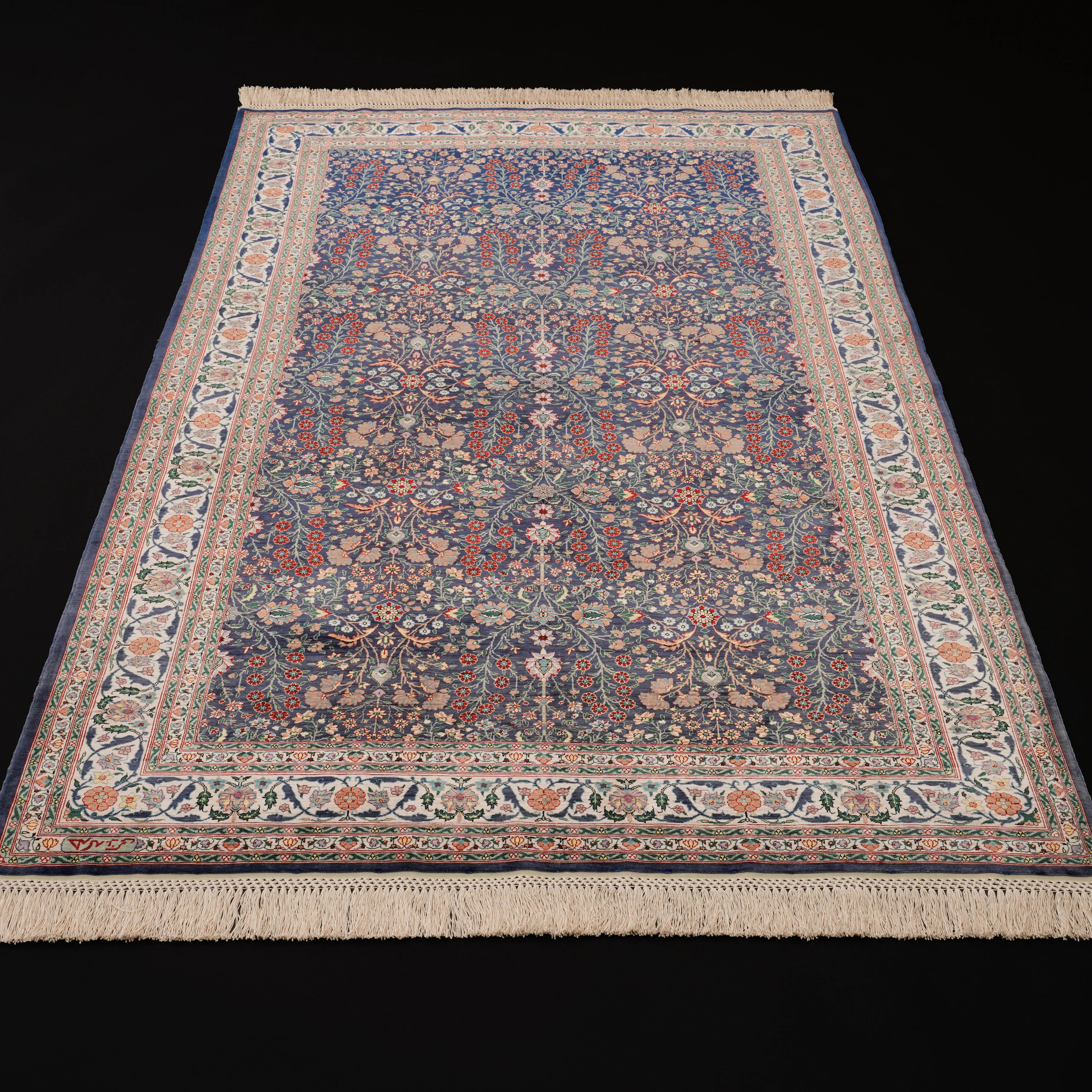
A Hereke rug follows the design tradition of Hereke, a Turkish town renowned for producing some of the finest, most tightly knotted rugs in the country's weaving history, often combining wool and silk in a single piece to achieve exceptional pattern detail.
Hereke's reputation rests specifically on knot density, and understanding just how fine that density gets compared to standard hand-knotted rugs explains why the name carries the prestige it does within Turkish weaving.
A Town Synonymous With Fine Weaving
Hereke, on Turkey's Sea of Marmara coast, became renowned starting in the 19th century for producing exceptionally fine, densely knotted rugs originally commissioned for the Ottoman palace, establishing a reputation for craftsmanship that the town's weaving tradition has maintained since.
Exceptional Knot Density and Wool-Silk Blending
Hereke rugs are known for remarkably high knot density, often far exceeding standard hand-knotted construction, and frequently blend silk with wool, using silk's fine fiber to render exceptionally detailed pattern work that wool alone couldn't achieve at the same scale.
Why Choose a Hereke-Design Rug from Halicizade
We honor Hereke's reputation for exceptional density and detail in our designs drawing on this tradition, since knot count and fiber quality are precisely what distinguish this style from more standard Turkish weaving.
Styling a Hereke-Design Rug
Given the fine detail this style is known for, placement should let that craftsmanship be appreciated up close.
- Formal living rooms and studies where fine pattern detail can be viewed and appreciated closely.
- Choose a room with enough open floor for the full intricate pattern to be visible.
- A strong choice for buyers treating the rug as a long-term investment and craftsmanship showcase.
- Avoid heavy furniture coverage that would obscure the rug's fine detail.
Hereke vs. Standard Hand-Knotted Rug
| Hereke-Design | Standard Hand-Knotted | |
|---|---|---|
| Knot density | Exceptionally high | High, standard range |
| Common fiber blend | Wool and silk combined | Primarily wool |
| Pattern detail | Extremely fine | Fine to moderate |
| Price | Premium | Mid-range to premium |
Care & Maintenance
Rotate periodically, vacuum without a beater bar, and have it professionally cleaned rather than washed at home to preserve the fine knotting and any silk content over decades of use.
Frequently Asked Questions
What makes Hereke rugs special?
Exceptionally high knot density and frequent wool-silk blending, producing remarkably fine, detailed pattern work, a reputation dating to 19th-century Ottoman palace commissions.
Are Hereke-design rugs made with silk?
Many traditional Hereke rugs blend silk with wool to achieve their signature fine detail; check the specific product listing for fiber composition.
How does Hereke's knot density compare to standard hand-knotted rugs?
Hereke rugs are known for remarkably high knot density, often exceeding standard hand-knotted construction significantly.
Why is Hereke associated with the Ottoman palace?
Hereke's fine weaving tradition began with rugs commissioned for the Ottoman palace in the 19th century, establishing the town's lasting reputation for craftsmanship.
Are Hereke-design rugs a good investment?
Given the exceptional density and detail this style is known for, many buyers treat a well-made Hereke-design piece as a long-term investment.
How should I care for a Hereke-design rug?
Rotate periodically, vacuum without a beater bar, and have it professionally cleaned rather than washed at home.