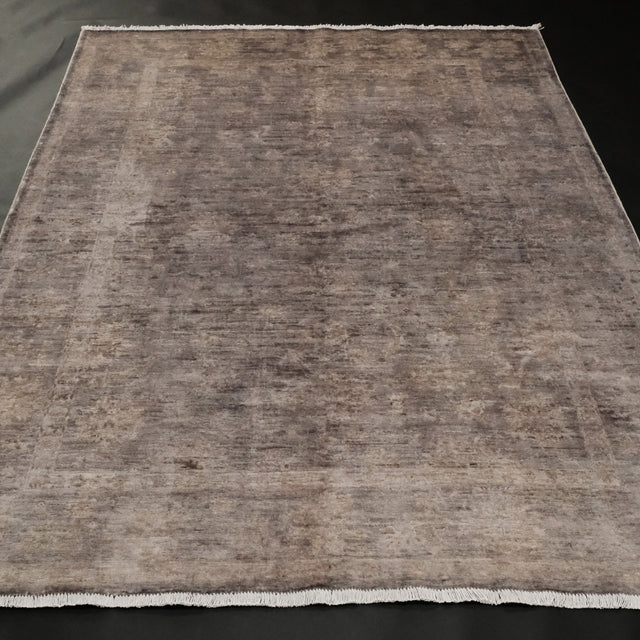
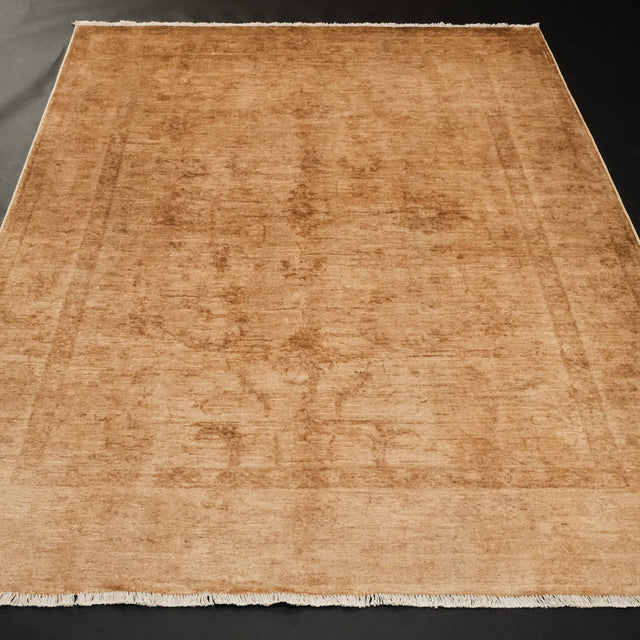
Gold and blue over cream: viscose, knotted in China
 169×240 cm



Rugs & Kilims
Find Your Rug
For those who already know what they are looking for — Halıcızade's most visited collections.
Gold and blue over cream: viscose, knotted in China
169×240 cm
Black frame around a turquoise center: silk and viscose
 171×243 cm
Silk warp, silk weft, silk pile: cream inside red borders
 171×242 cm
Ninety percent silk, ten percent wool, and no longer being woven
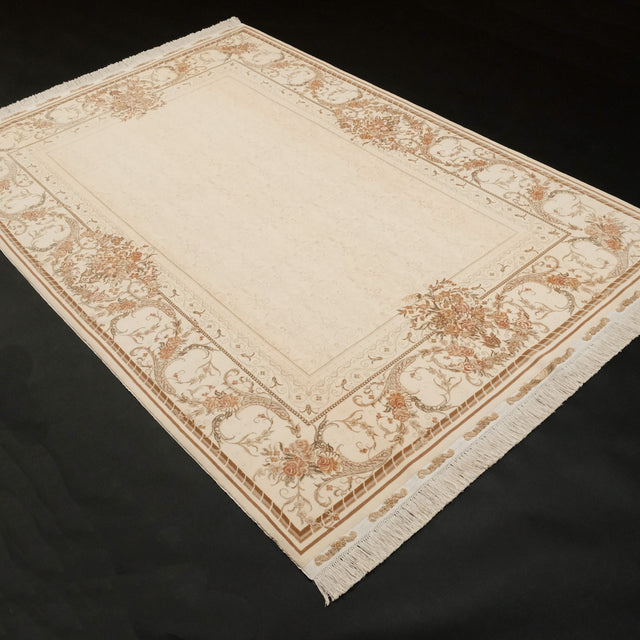 162×240 cm
Cream and red medallion on a black ground, silk in the pile
 167×241 cm
An Oushak drawing with the reds taken out, gray on gray
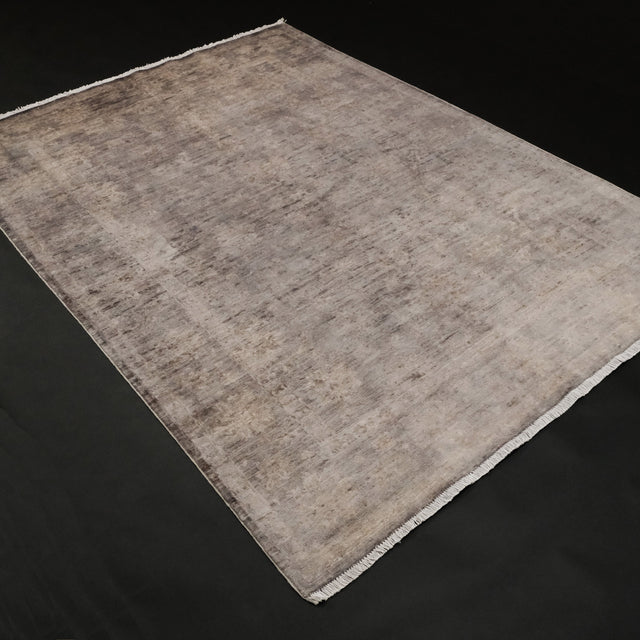 172×238 cm
Two yellows in one Oushak field, wool over a cotton warp
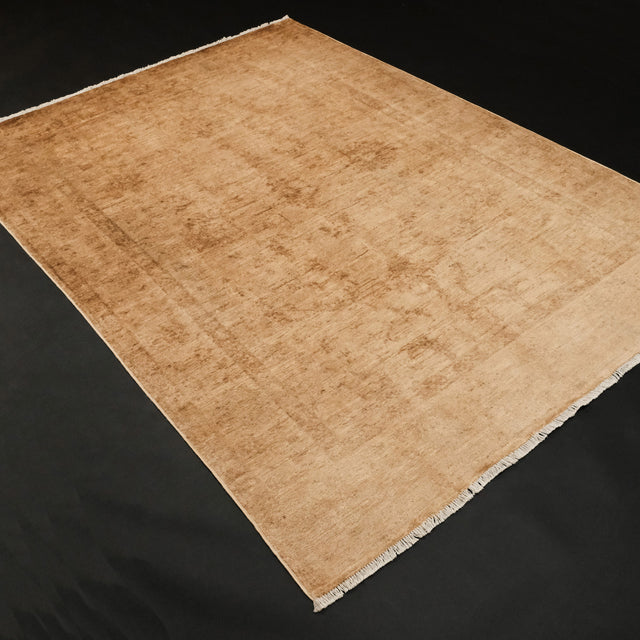 175×244 cm
One of a kind
from
108.000 TL
≈ 25.000 TL/m²
Fine flowers on cream: pearl in raking light, pastel from above
 157×243 cm
Burgundy field inside a cream frame, silk and viscose over cotton
 171×243 cm
Panels stepping from red to earth, Tencel® over cotton
 90×290 cm
Eight sizes, and the same faint moiré runs through all of them
 160×230 cm
Reversible wool flatweave, from eighty centimeters to two meters
 120×170 cm
from
36.500 TL
≈ 33.000 TL/m²
Village-woven in Balıkesir: burgundy cicim, wool end to end
 158×234 cm
Cypresses in ranks on green, Tencel® over a cotton base
 90×490 cm
Cream heathered with gray, wool loops knotted in India
 240×340 cm
Anatolian motifs a half-tone under the beige, sharpening by lamp
 300×390 cm
A new rug in an old rug's colors: beige wool, cocoon silk
 166×241 cm
A palace drawing on navy, a hundred reeds of cotton and viscose
 240×340 cm
Cypress trees on cream, every fringe knotted by hand in Oushak
 90×490 cm
Five sizes, two of them runners, cream left between the figures
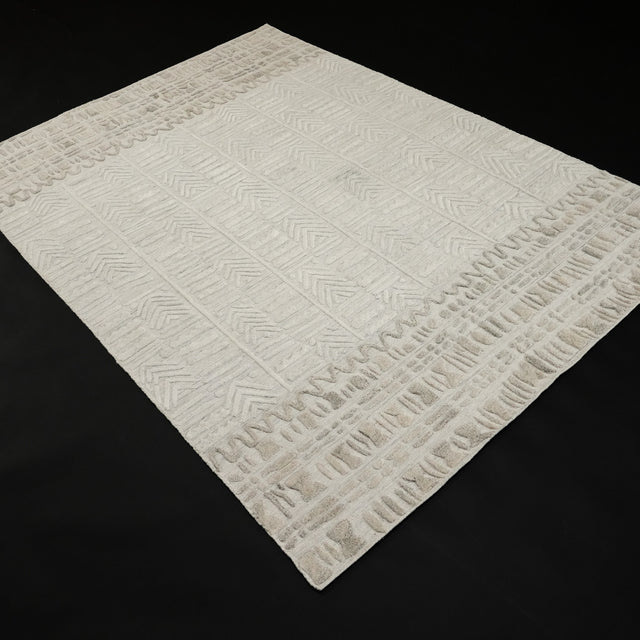 80×300 cm
Narrow gray stripes on cream, wool weft over a cotton warp
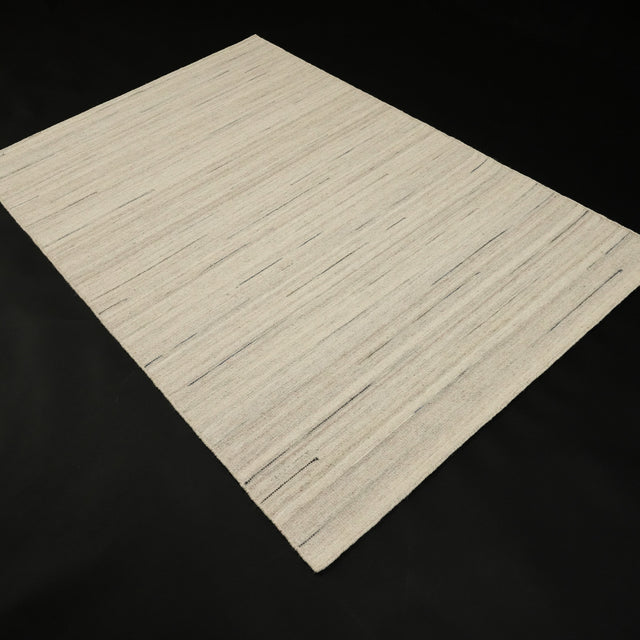 160×230 cm
White wool flat-woven over cotton, and no pile at all
 120×180 cm
Burgundy filled edge to edge, no open ground, all viscose
 200×300 cm
A medallion mirrored on both axes, blue and white over red
 300×400 cm
A 4 square meter rug is the trade name for a rug of about 160 x 230 cm (5'3" x 7'7"), which covers 3.68 m². The band also takes in 170 x 240 cm (5'7" x 7'10") and the square 200 x 200 cm (6'7" x 6'7"). It is the size for a living room of 12 to 16 m², a single bed, or a dining table of four.
A rug size is a trade name rather than a measurement, and this one covers between roughly 3.6 and 4.4 square meters depending on the piece. What follows is the dimensions that actually fall in the band, the room each of them suits, and where the size stops working.
Three shapes, and a spread of handwoven sizes around them.
| Size | Feet and inches | Area | What it is for |
|---|---|---|---|
| 160 x 230 cm | 5'3" x 7'7" | 3.68 m² (39.6 sq ft) | The trade standard: a 12 – 16 m² living room, a single bed, a table of four |
| 170 x 240 cm | 5'7" x 7'10" | 4.08 m² (43.9 sq ft) | The same rooms with a little more reach toward the seating |
| 200 x 200 cm (square) | 6'7" x 6'7" | 4.00 m² (43.1 sq ft) | A square room, a breakfast corner, a landing |
| 190 – 210 cm round | 6'3" – 6'11" diameter | 2.84 – 3.46 m² | An entry, a reading chair, a round table of four |
| 158 x 234 · 167 x 241 · 175 x 244 cm | 5'2" x 7'8" · 5'6" x 7'11" · 5'9" x 8'0" | 3.70 – 4.27 m² | Handwoven pieces, each one a single size |
The last row is the reason the band exists. A handwoven rug comes off the loom at whatever the loom gave it, so the catalog carries 169 x 240, 171 x 243 and 172 x 238 cm alongside the round numbers. All of them are sold as four square meters. The figure on the product page is the one to measure against. Every other size in the range is tabulated in the rug size guide.
A living room of 12 to 16 m², and not much larger. In a room that size a 160 x 230 cm rug sits under the coffee table and in front of the seating, with the front legs of the sofa either on the pile or just off it, and at least 30 cm (12") of bare floor showing on every side.
Put the same rug in a room of 18 m² or more and it fails in a specific way: the furniture is set wider than the rug is long, so the rug never meets it and reads as an island in the middle of the floor. That room wants six square meters. Going the other way, a room under about 10 m² is better served by three.
The difference is 40 cm of width, and that is usually the difference between a room that groups and a room that does not.
| 4 square meters | 6 square meters | |
|---|---|---|
| Common sizes | 160 x 230 · 170 x 240 · 200 x 200 | 200 x 290 · 200 x 300 |
| Actual area | 3.68 – 4.08 m² | 5.80 – 6.00 m² |
| Living room it suits | 12 – 16 m² | 18 – 24 m² |
| In an 18 – 24 m² room | Stays under the coffee table and never reaches the seating | Front legs of the seating stand on the pile |
| Bedroom | Under a single bed, or across the foot of a double | Under a double, 60 – 70 cm showing each side |
| Dining | A table of four | A table of six to eight, chairs pulled out |
Where the answer falls between the two, take the larger. A rug that is too small narrows a room; one that is slightly too large collects it.
Around 250 rugs, across every construction the store sells. Hand-knotted wool and silk-blend pieces in Oushak, medallion and framed patterns. Loom-woven wool series — Tempus, Zara, Taftan, Nostalji and others — in vintage, geometric and patchwork drawing. Handwoven kilims in wool, flat and reversible. Machine-woven rugs in viscose and cotton for floors that need to be lifted and shaken out often.
Construction is worth deciding before pattern, because it sets both the price and the way the rug ages: see hand-knotted rugs, wool rugs and living room rugs.
A rug of four square meters is light enough for one person to lift, which changes the maintenance. Take it outside and shake it rather than working over it with a machine, and turn it end for end twice a year so the wear and the light land on different parts of the pile.
Vacuum without the beater bar, in the direction of the pile. Blot a spill by pressing a dry cloth into it instead of rubbing. Use an underlay: at this size the rug is light enough to creep across a hard floor, and an underlay also keeps the corners flat. Each product page carries the washing method for that particular piece.
The trade standard is 160 x 230 cm, which is 5'3" x 7'7" and covers 3.68 square meters. Also sold under the same name are 170 x 240 cm (5'7" x 7'10", 4.08 square meters) and the square 200 x 200 cm (6'7" x 6'7", 4.00 square meters).
About 40 to 44 square feet, depending which size in the band you take. A 160 x 230 cm rug covers 39.6 square feet, a 170 x 240 cm rug covers 43.9, and a square 200 x 200 cm rug covers 43.1.
A living room of roughly 12 to 16 square meters, where the rug sits under the coffee table in front of the seating. In a room of 18 square meters or more it stops short of the furniture and strands itself in the middle of the floor; that room wants six square meters.
For a table of four, yes. A chair needs 50 to 60 cm of rug beyond every edge of the table top so its back legs stay on the pile when it is pushed out, which a 160 x 230 cm rug provides for a table around 100 x 140 cm. A table of six needs six square meters.
Under a single bed, yes, with the rug started about 40 cm below the head so the nightstands stay on the floor. Under a double it works laid across the foot of the bed rather than beneath it, since 160 cm of width leaves nothing to step onto at the sides.
Because each one is woven individually and a loom has no fixed setting. Pieces here measure 158 x 234 cm, 167 x 241 cm, 172 x 238 cm and 175 x 244 cm, all of which fall in the same band. The true size of every rug is printed on its own product page.
Take four in a room under 18 square meters and six in a room of 18 to 24. Where the answer falls between the two, take the larger: a rug that is too small narrows a room, while a rug that is slightly too large collects it.
Related collections: 6 m² rugs · wool rugs · living room rugs · Sivas rugs