
Squares from different Anatolian looms, brought together in Kütahya
 200×300 cm



Rugs & Kilims
Find Your Rug
For those who already know what they are looking for — Halıcızade's most visited collections.
Squares from different Anatolian looms, brought together in Kütahya
200×300 cm
Silk motifs raised above the gray, carved one by one
 246×305 cm
One of a kind
from
495.000 TL
≈ 66.000 TL/m²
One thread of red warming the blue, Tencel® on cotton
 200×200 cm
Layer on layer toward a center star, in Tencel® and cotton
 200×200 cm
Light gray to anthracite, wool on cotton off an Aegean loom
 200×300 cm
Silver in the morning, mink by late afternoon: a 160 cm circle
 160×160 cm
One of a kind
from
24.600 TL
≈ 9.600 TL/m²
Beige squares in a grid that drifts, wool knotted loop by loop
 170×240 cm
Orange and green sparking off a blue ground, Gördes-knotted
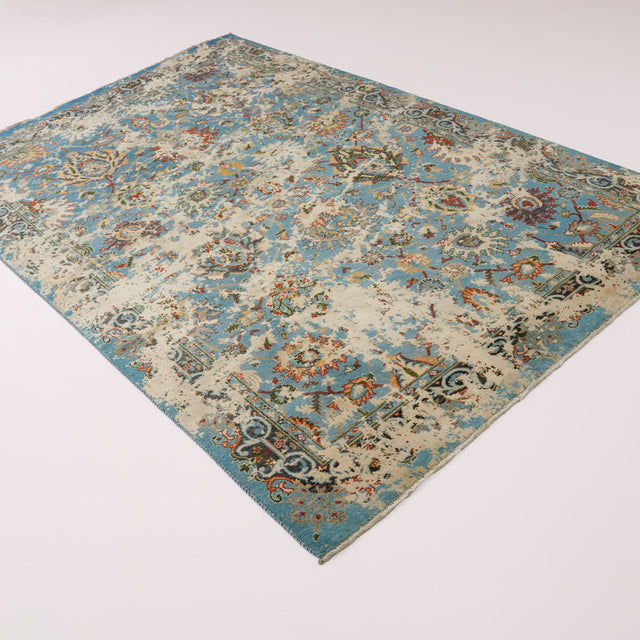 184×288 cm
Navy dyed to several strengths in one wool field
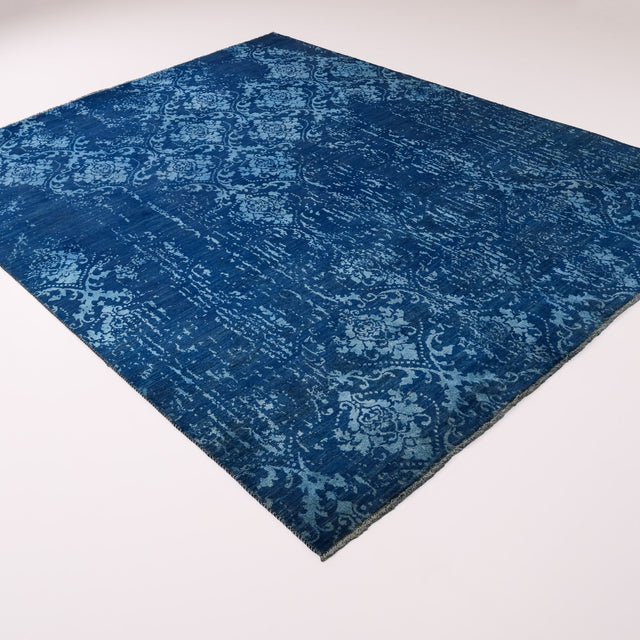 246×315 cm
Figures rubbed almost out, plum border, wool over cotton
 200×300 cm
Zara registers running across a yellow wool ground
 124×178 cm
Red laid over cattle hide, the grain still showing through
 165×232 cm
Damask drawn in cream over a beige cowhide ground
 180×240 cm
Squares of South American hide, mink gray-brown throughout
 200×240 cm
Pale hide in brick courses, no two pieces the same beige
 210×255 cm
Black hide laid like brickwork, a few pieces flecked silver
 195×220 cm
Fuchsia against anthracite, panels out of Bünyan, Isparta, Ladik
 111×170 cm
One dye bath, a dozen reds, black panels cut across them
 113×171 cm
A tree of life runs the border, red flowers loose on cream
 240×340 cm
Northern geometry on red, loom-woven in Oushak from Tencel®
 170×240 cm
One of a kind
from
39.200 TL
≈ 9.600 TL/m²
Vintage drawing worn into mink, woven at a hundred reeds
 300×400 cm
Marble veins in cream and beige, machine-woven at 100 reed
 300×400 cm
Mink drifting into beige, cotton and Tencel®, no drawing at all
 300×390 cm
Scandinavian figures thin on blue, Tencel® off an Oushak loom
 130×190 cm
One of a kind
from
23.800 TL
≈ 9.600 TL/m²
A pet-friendly rug is chosen for construction before pattern: a low, dense, cut pile with no loops for a claw to catch, a ground dark or broken enough that hair and wear do not read across it, and a fiber that will still be intact after being cleaned many times.
Nothing in this section is sold as animal-proof, and no rug is. What follows is what actually changes when a cat or a dog lives on the floor with you — which pile survives a claw, what happens inside each fiber when something lands on it, what dark grounds and abrash really do — and where the honest limits are.
A claw catches a loop and pulls it into a run; a cut pile gives it nothing to hook.
In a loop-pile rug the yarn goes down into the foundation and comes back up as an intact arch standing above the surface. A claw slides under the arch, takes it, and because the yarn is continuous the pull travels — one drawn loop becomes a line across the field. The hand-knotted and loom-woven rugs gathered here are cut pile: each length of yarn is tied around its pair of warps and the ends are trimmed level, so the worst a claw does is fluff a tuft that a vacuum lays flat again. Keep the pile short as well as cut. A short, tightly packed surface answers a landing claw with the whole field rather than with one yarn.
Every fiber here takes liquid; they differ in where it goes and how fast.
Wool is a protein staple with an overlapping scale surface and a trace of lanolin left after scouring, so a fresh spill sits up on the surface for a few seconds before it wicks into the cortex. Once it is in, water-based liquid carries pigment with it and the dyestuff binds to the protein — which is why wool goes to a hand washer rather than to a cloth. Urine is the hard case: it turns alkaline as it dries and sets in the fiber. See wool rugs.
Cotton is cellulose with no surface barrier at all. It absorbs straight through, evenly and fast, which sounds worse than wool and is often better — a thin cotton flatweave takes the liquid all the way and a small one can be washed outright rather than treated. See cotton rugs.
Tencel and viscose are regenerated cellulose, and they lose much of their strength while wet. The fibrils swell, the pile lies down where the liquid sat, and the flattened patch dries as a ring. Blot by pressing a dry cloth into it. Scrubbing a wet cellulose pile snaps fiber ends and leaves a fuzzed, paler patch that cleaning does not undo.
Cowhide has no pile to pull at all — hair lies flat on the hide in one direction, so a claw skates across it. It wipes with the grain and it is dry-clean only; a soaking is what damages it, not a scratch. See cowhide rugs.
Silk marks with a water ring and abrades where a claw skids, and jute browns at the edge of the wet patch and stays brown. Both are on the wrong side of this collection's logic.
Color hides more shed hair over a year than any fiber choice does.
A plain cream field shows every dark hair on it from across the room, and a plain charcoal field does the same for a white cat. Match the ground to the animal rather than only to the room: the reliable answer is a mid-tone, broken surface — a madder-and-indigo village pattern, a vintage rug that has already softened, a patchwork, or anything carrying abrash, the band of slightly different color left where a weaver moved from one dye lot to the next. Abrash is evidence of hand dyeing, and it happens to be the best camouflage in the catalog, because an eye reading a field that already varies does not stop on a hair or a scuff. Flat-woven pieces do the same job with pattern instead of pile; see handwoven kilims.
Nearly every rug in this section carries a professional-wash instruction, and none of them is machine washable.
The hand-knotted wool pieces, the loom-woven tencel and viscose pieces and the machine-woven low-pile rugs are all labeled for professional washing; the cowhide pieces are labeled dry-clean only. Each product page states its own method, and that line is the one worth reading before the price. If a machine wash is the deciding factor in a house with animals, the store keeps a separate machine-washable rug section. Between washes, vacuum with a smooth head and no beater bar, and lift a spill by pressing rather than rubbing — rubbing drives it to the knot collar where it sets. The method in full is in how to clean a rug.
Four exclusions, and they are worth being blunt about.
| Fiber | What a claw does to it | What a spill does | Cleaning route | With animals |
|---|---|---|---|---|
| Wool, cut pile | Fluffs a tuft; the pile recovers | Beads for seconds, then wicks into the fiber | Professional hand wash | The default choice |
| Cotton flatweave | Nothing to pull; no pile | Absorbs straight through | Small thin pieces can be washed | Good near a feeding bowl |
| Tencel and viscose | Cut pile, no loops to catch | Sits on the surface; flattens if left wet | Blot, then professional wash | Workable with prompt blotting |
| Cowhide | Claws skate across the hair | Wipe with the grain; do not soak | Dry cleaning only | Good in an entry or under a chair |
| Silk | Scuffs where a claw skids | Leaves a water ring | Specialist only | Keep out of the room |
Construction, before pattern. A low, densely packed cut pile gives a claw nothing to hook, a dark or broken ground carries shed hair and traffic without showing it, and a fiber that tolerates repeated washing keeps the rug serviceable after the third accident.
In a loop pile the yarn dives into the foundation and comes back up as an intact arch. A claw slides under the arch and pulls, and one drawn loop drags its neighbors into a run across the field. A cut pile has no arch to catch.
Wool is the most forgiving pile here. It is crimped, so it lifts again after being lain on, and the residual lanolin means a fresh spill beads for a few seconds before it wicks in. Those few seconds are the whole margin for blotting.
Regenerated cellulose loses most of its strength while wet. The fibrils swell, the pile lies flat where the liquid sat, and the flattened patch dries as a visible ring. Press a dry cloth into it, never scrub, and let the area dry fully before walking on it.
It depends almost entirely on how fast the liquid was lifted. Urine turns alkaline as it dries and binds to wool's protein structure, so blot immediately by pressing rather than rubbing, then send the rug to a hand washer rather than treating it at home.
No. Nearly every piece here carries a professional-wash instruction from its maker, and the cowhide pieces are marked dry-clean only. If a machine wash is the deciding factor, the washable range is a separate section of the store.
No. Silk is a fine protein filament with no crimp and little abrasion tolerance, so a skidding claw scuffs the surface and water leaves a ring. Long and shaggy piles are the other exclusion, because hair works down into them and stays.
Related collections: wool rugs · cowhide rugs · handwoven kilims · machine-washable rugs


