
A rug from the Sultan Series Rugs collection Rug on the coverSultan Series Rugs

Collection

Sultan Series Rugs

If you appreciate classics and love to touch top-quality yarns, the Sultan series—with its wool, silk, timeless designs, and noble colors—is just for you.

Look Closer
  • 17rugs and kilims

17 products shown

Products

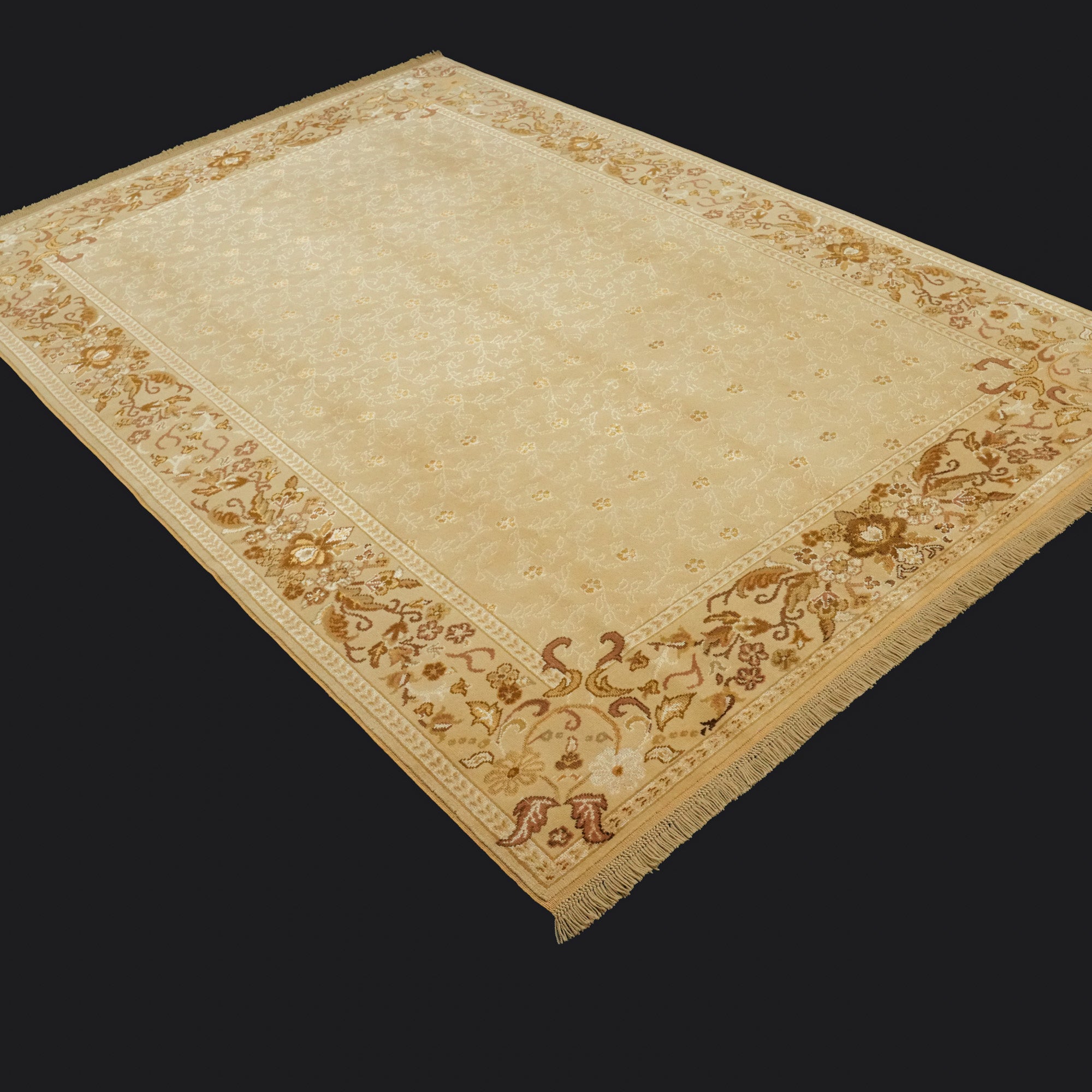
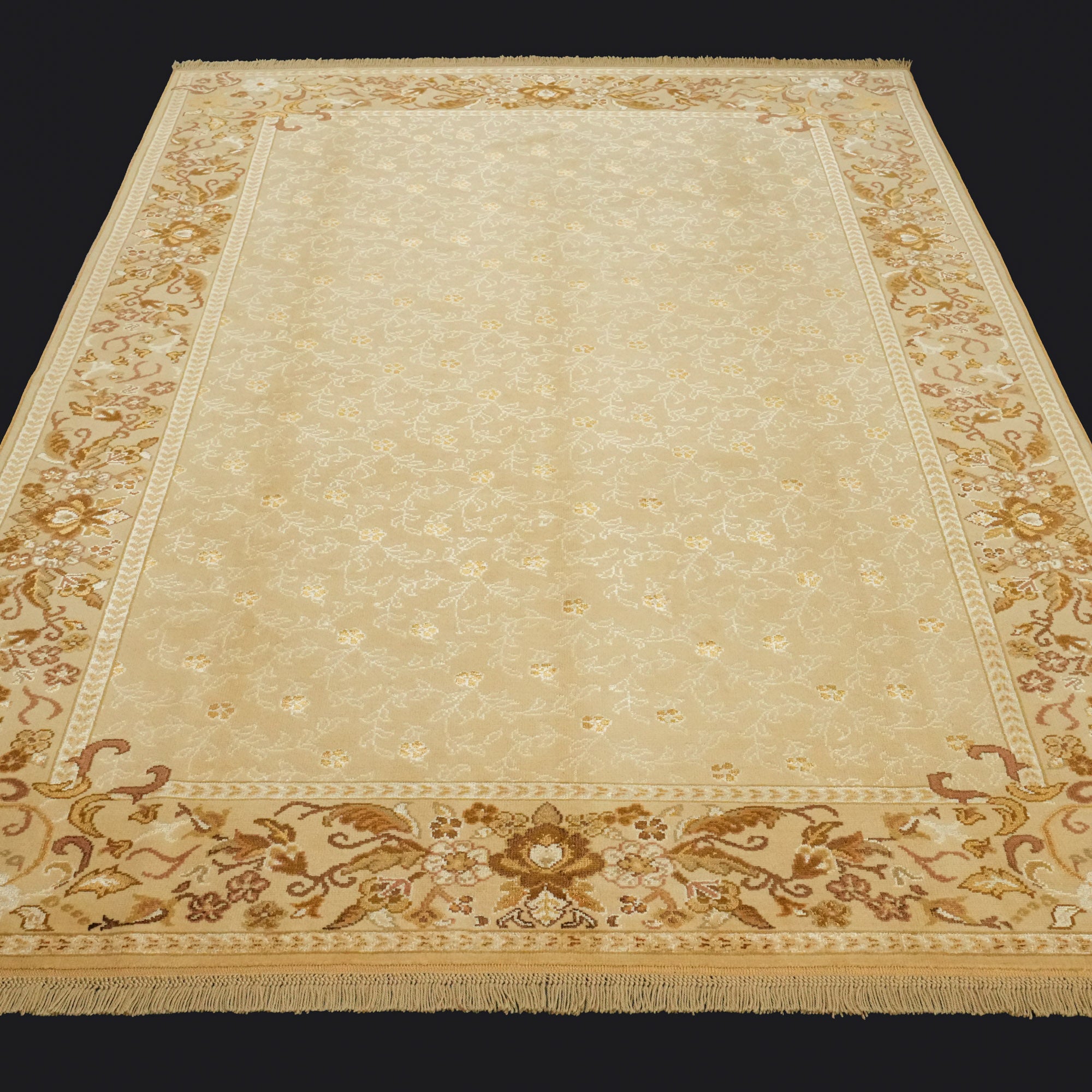
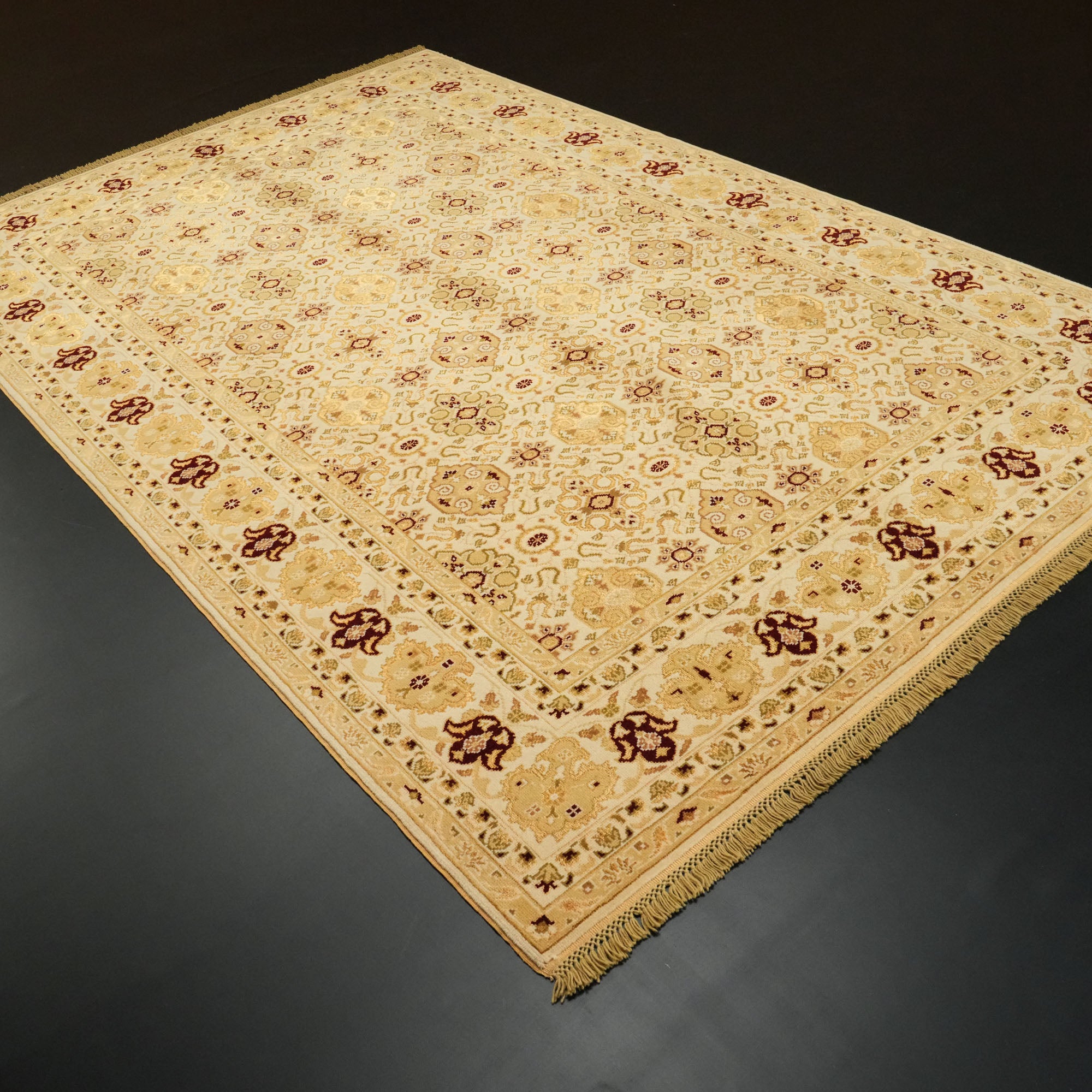
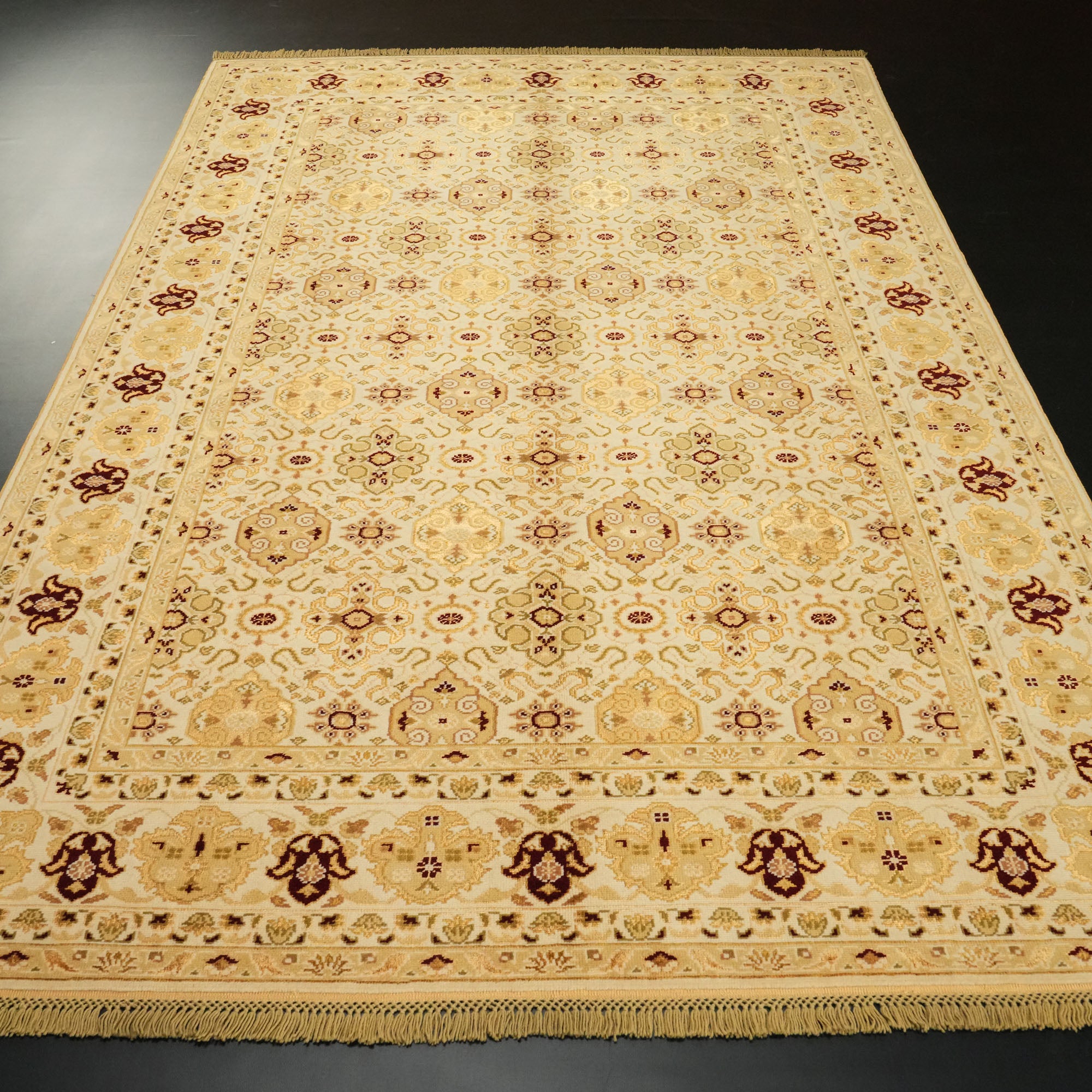
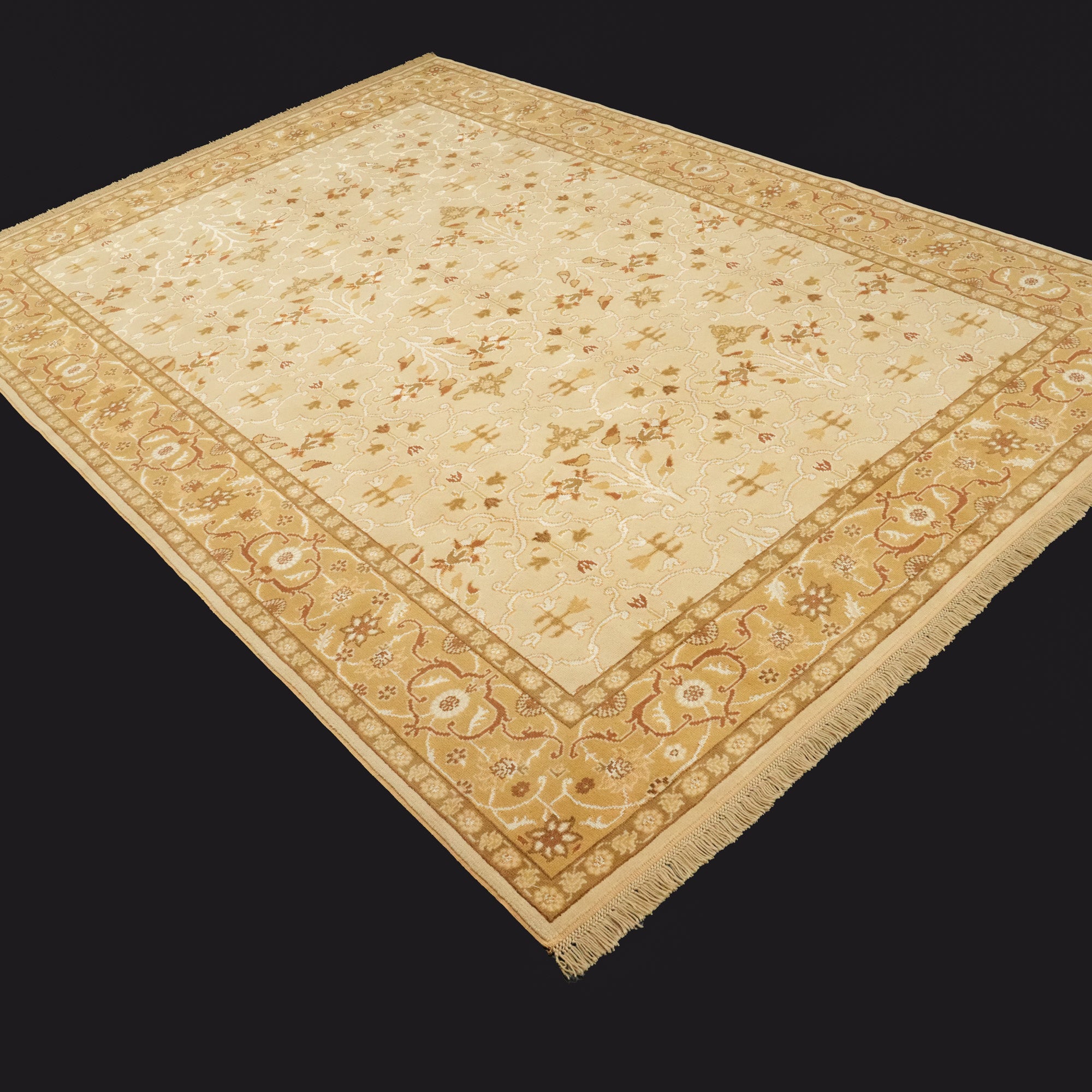
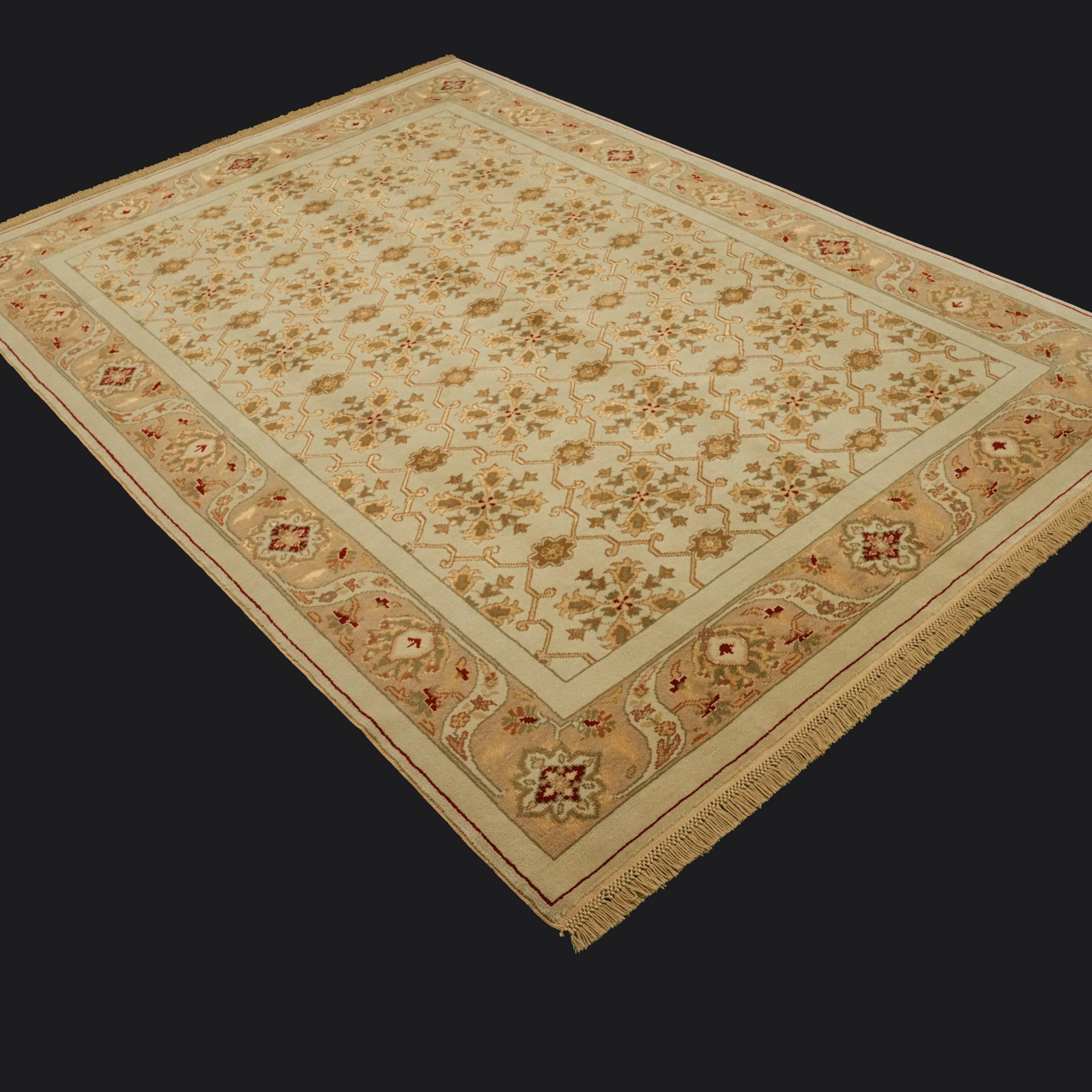
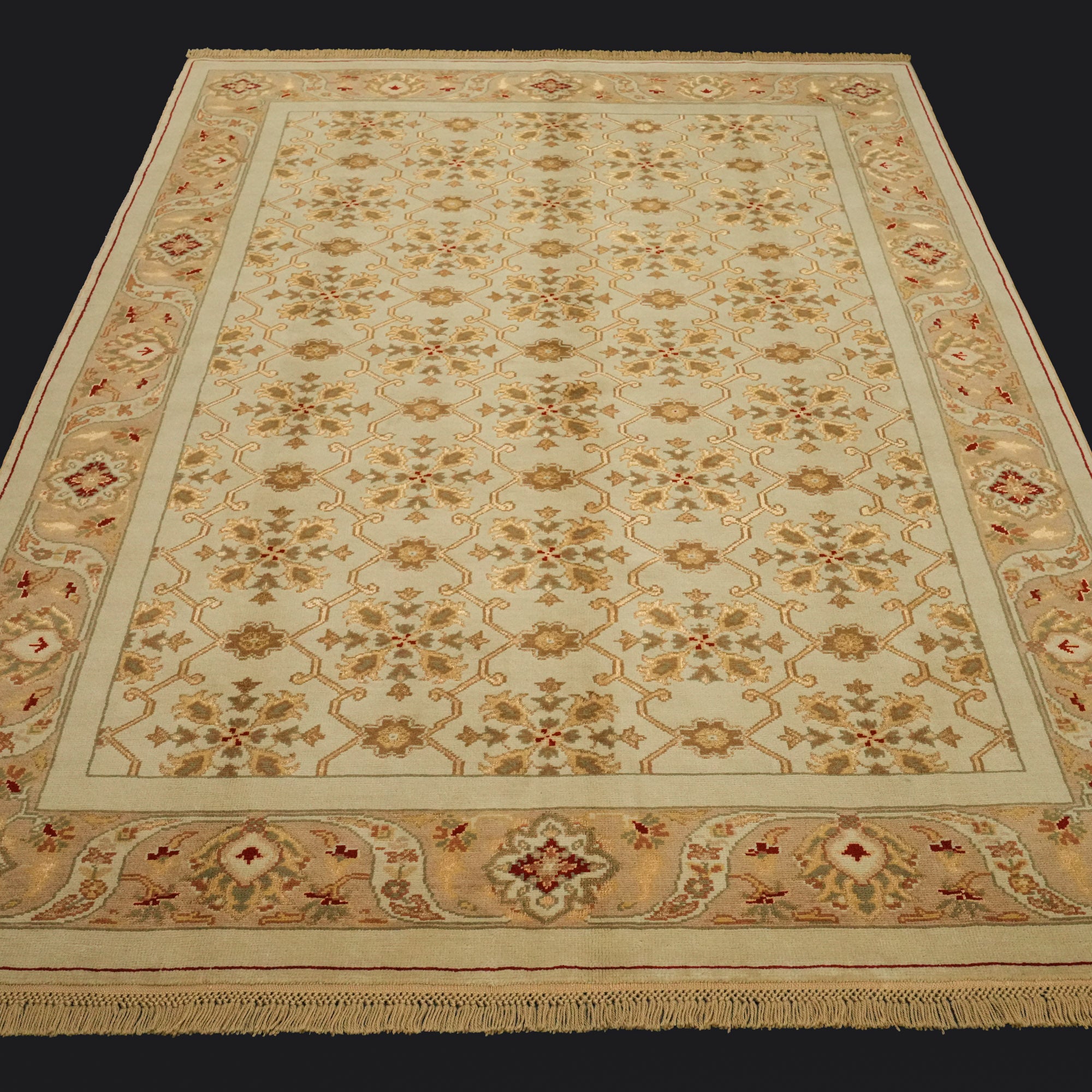
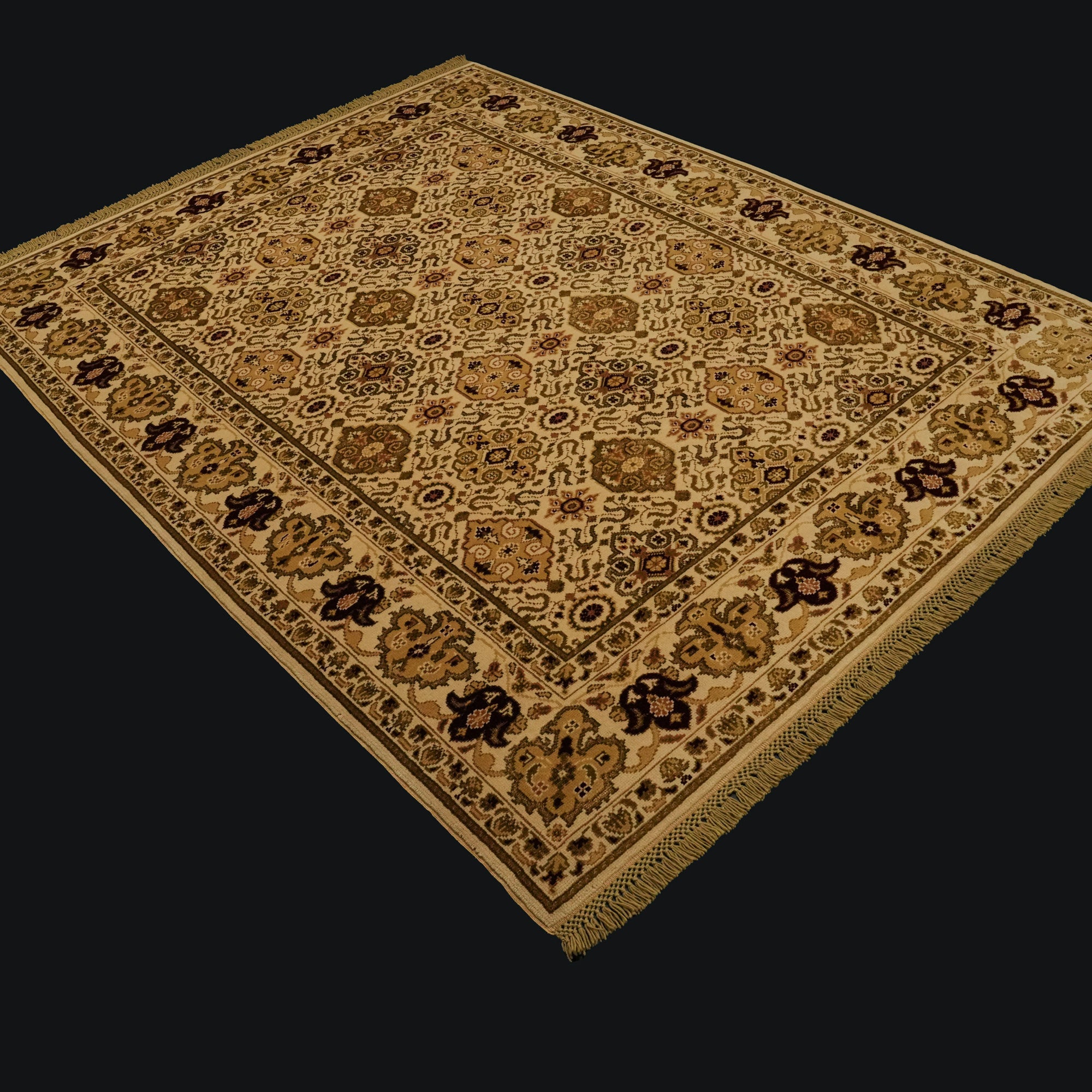
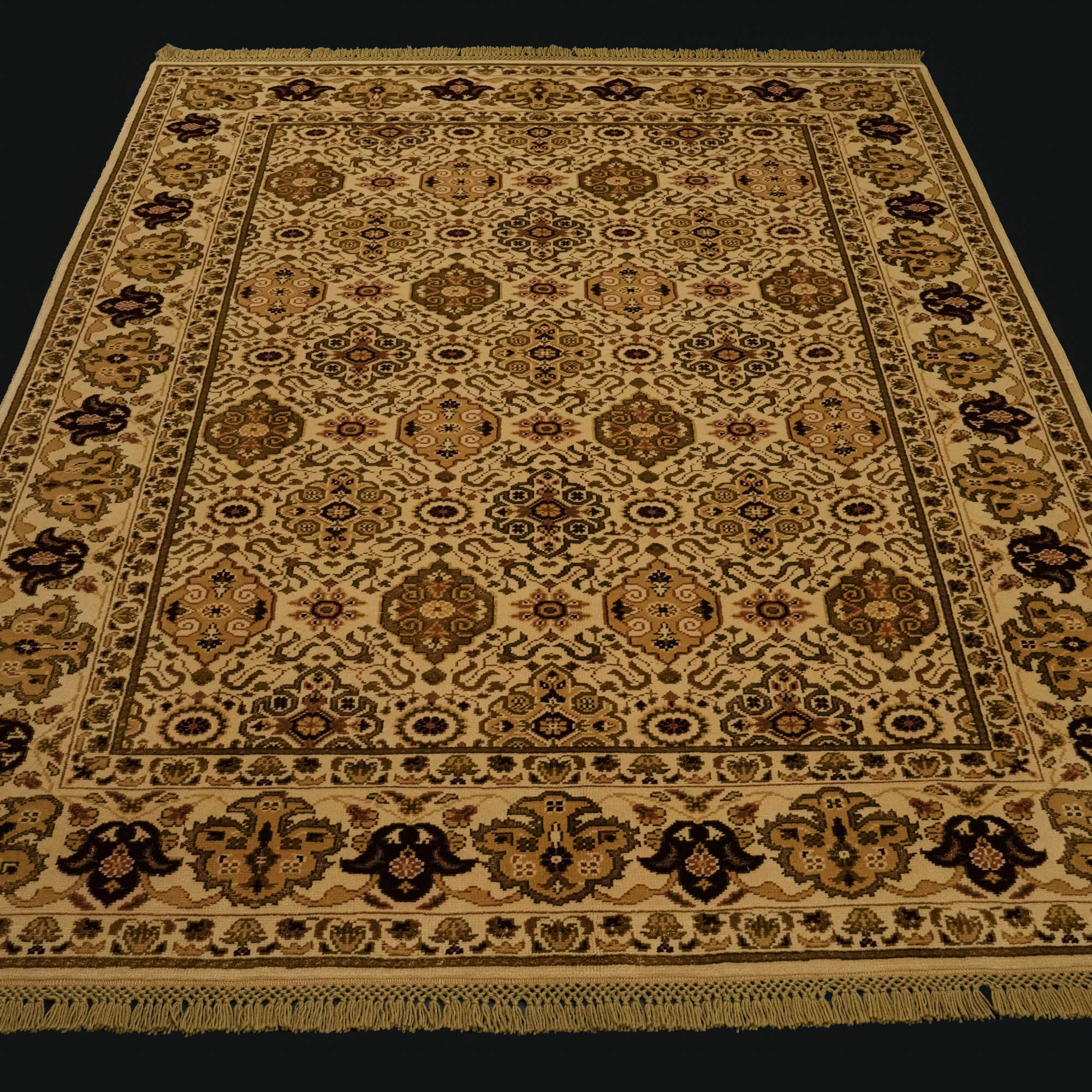
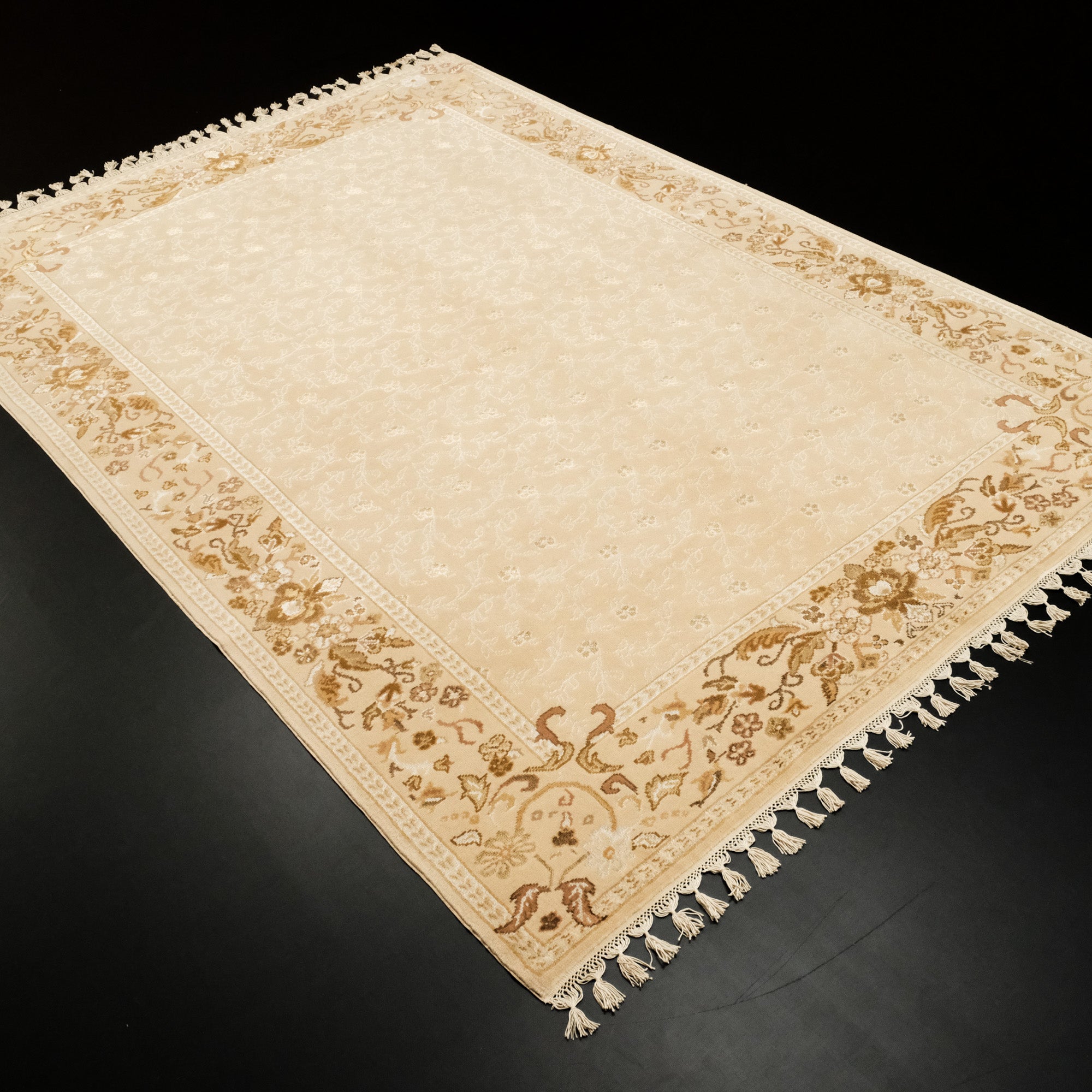
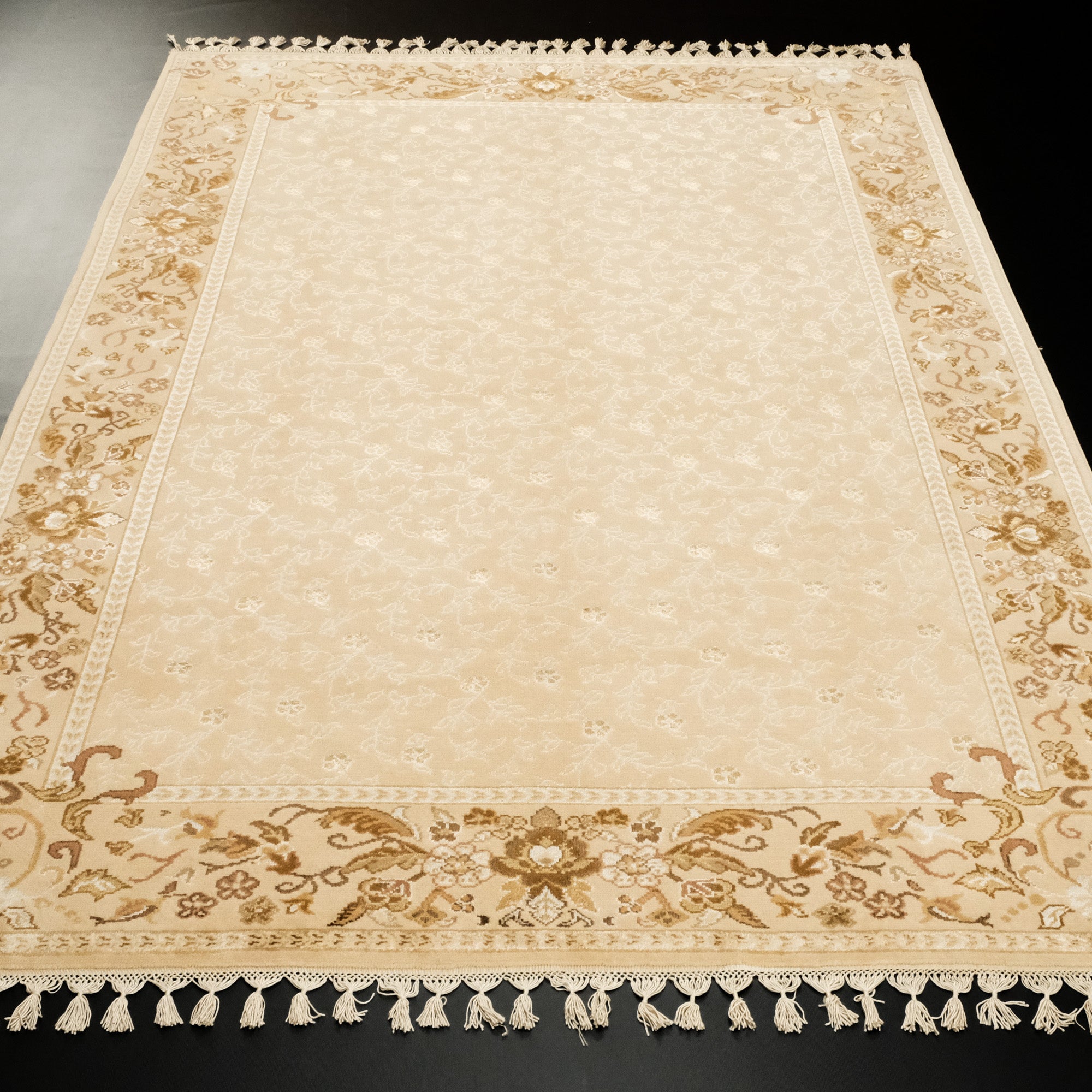
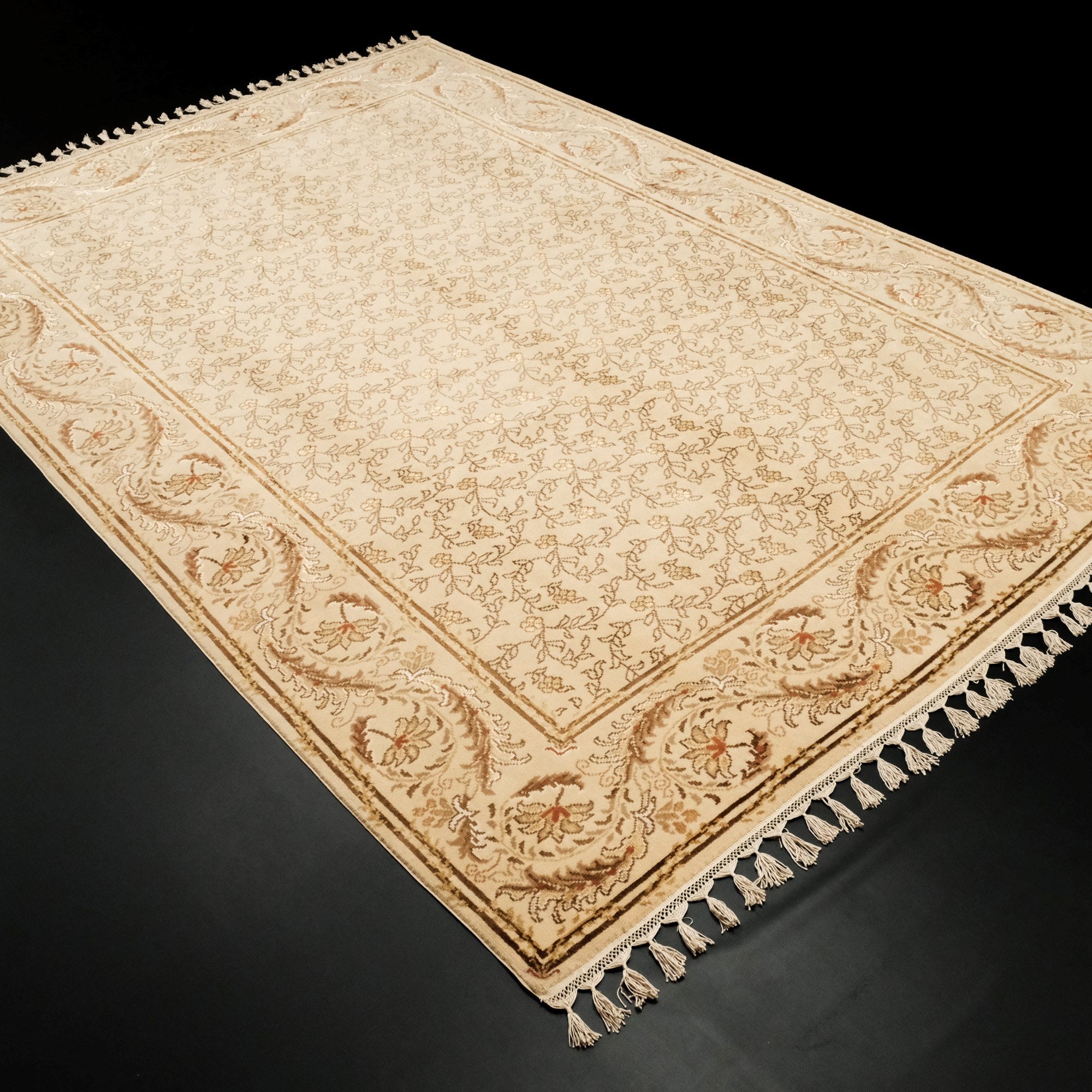
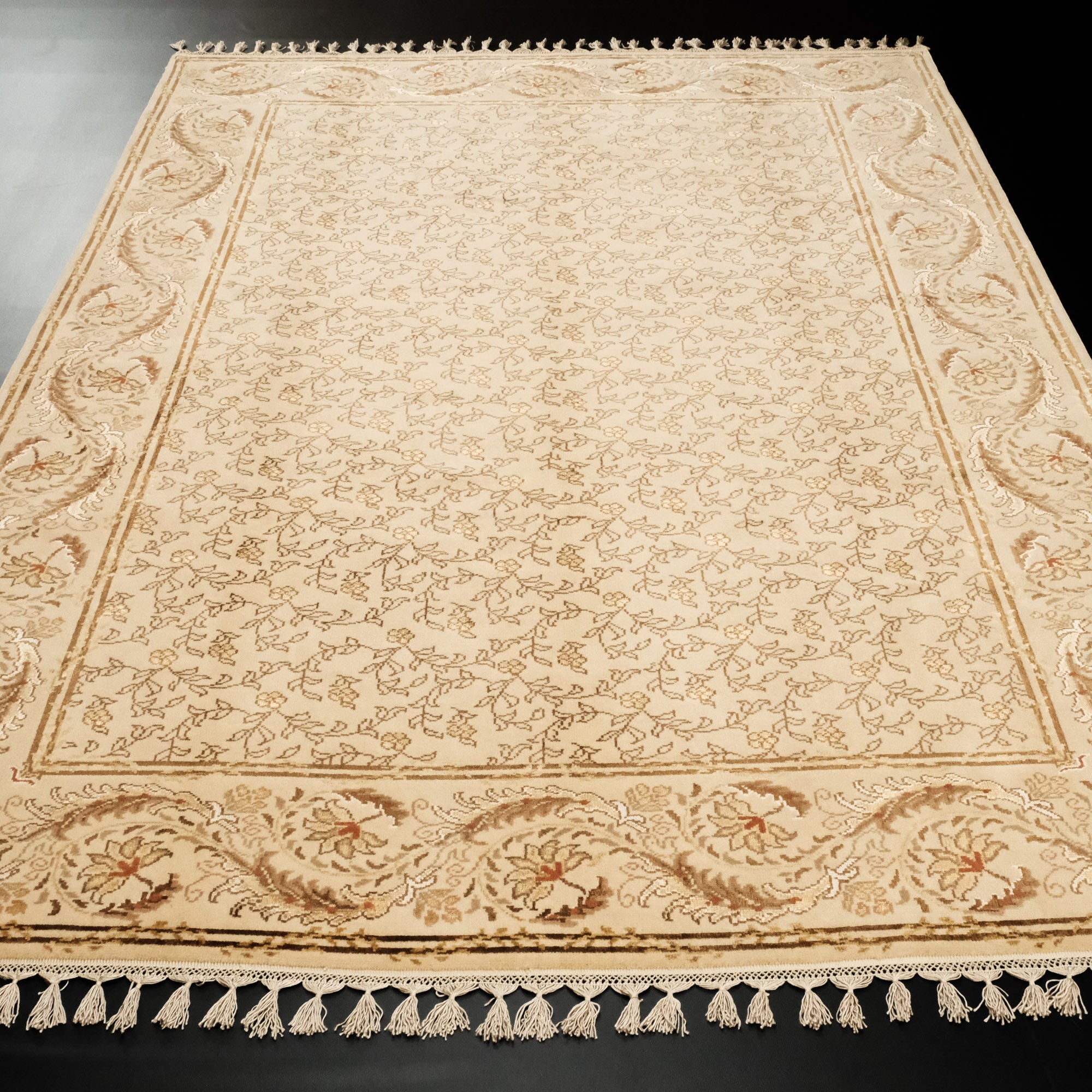
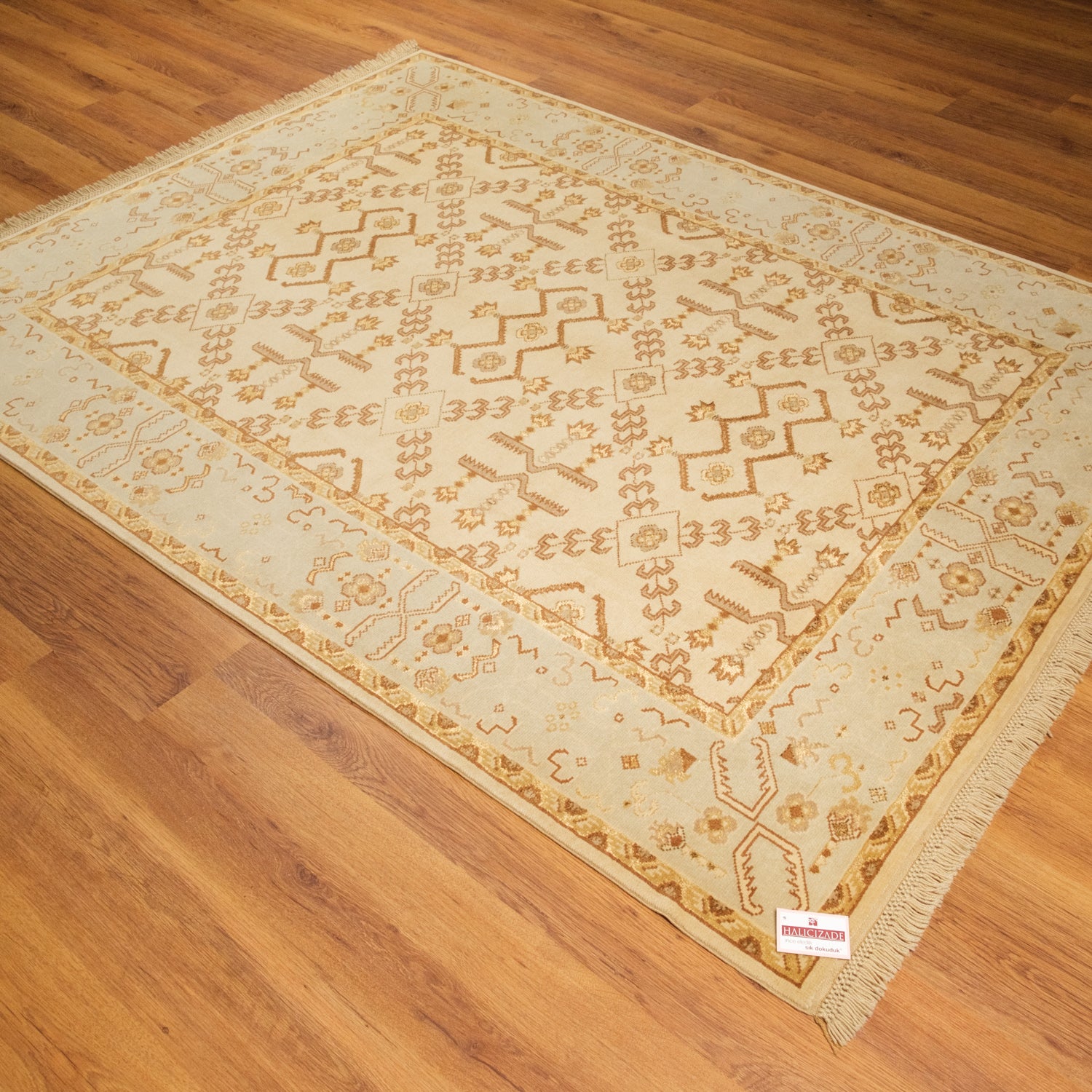
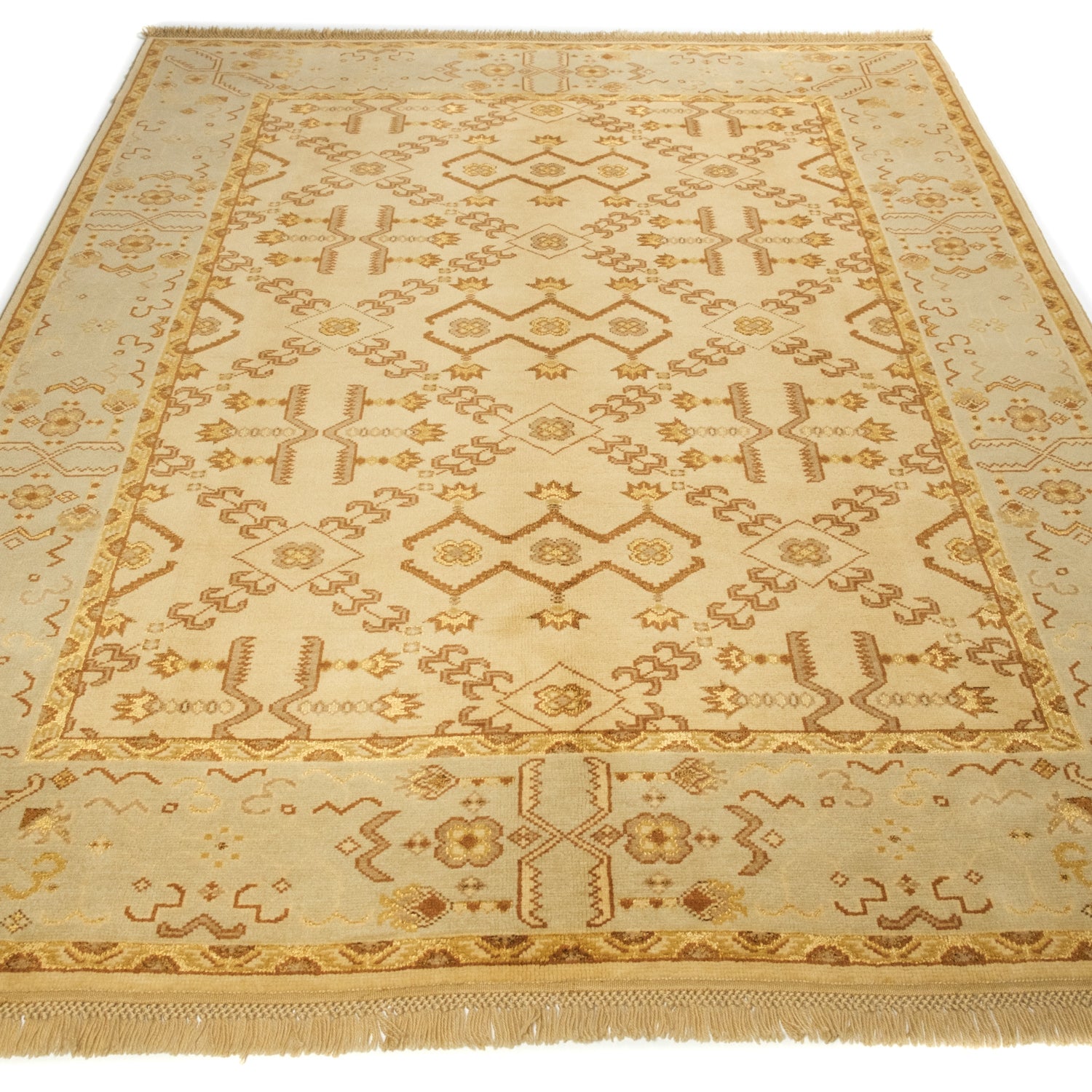
  1. Beige on beige until the silk catches a lamp

    Beige Oushak Floral Handwoven Rug, Sultan Series, 178×265 cm Halıcızade 178×265 cm

    One of a kind

    Beige Oushak Floral Handwoven Rug, Sultan Series

    Handwoven Rug · İpek · Wool ·Beige

    from 166.000 TL 35.000 TL/m²

    • Silk blend
    • All-natural fibers
    • Woven in wool
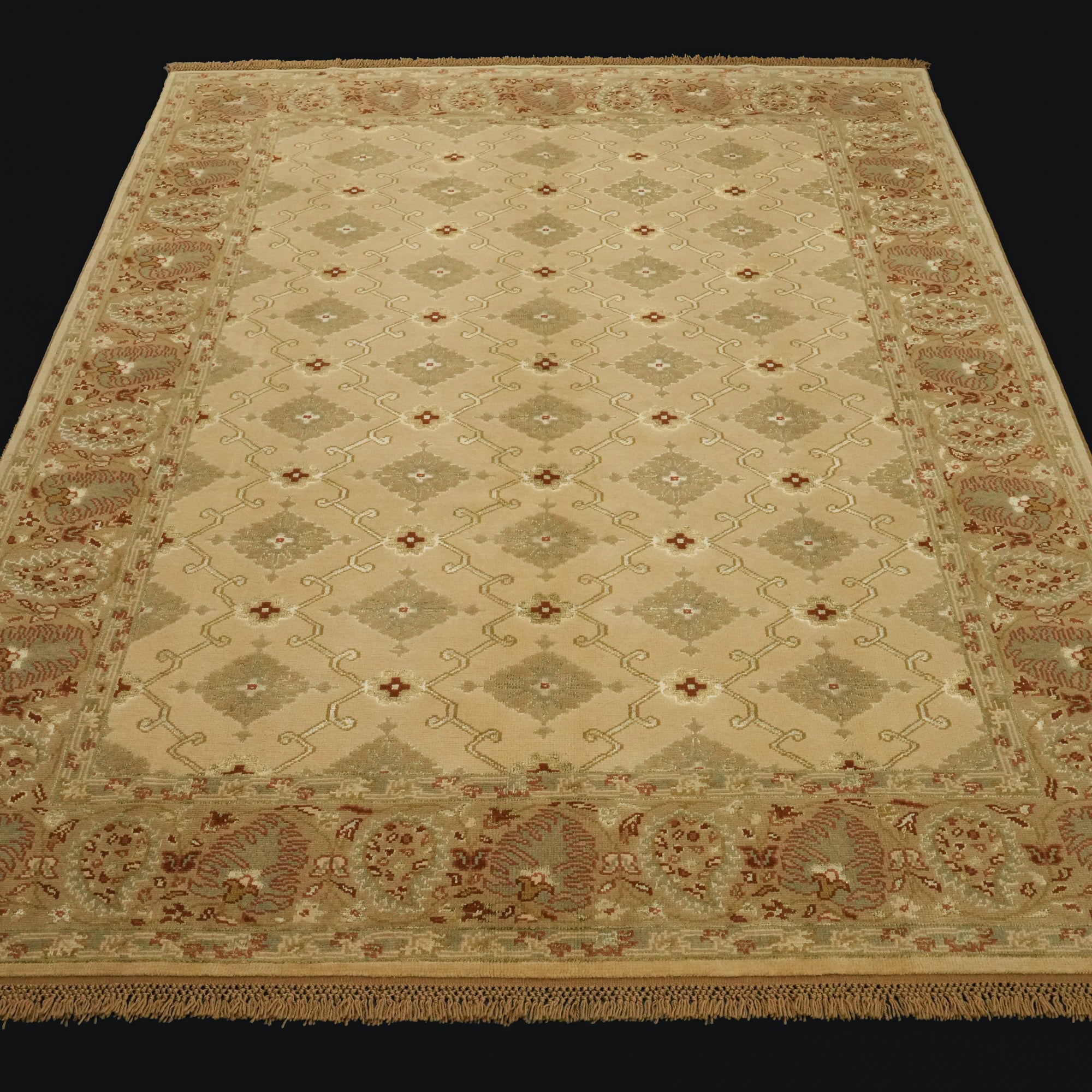
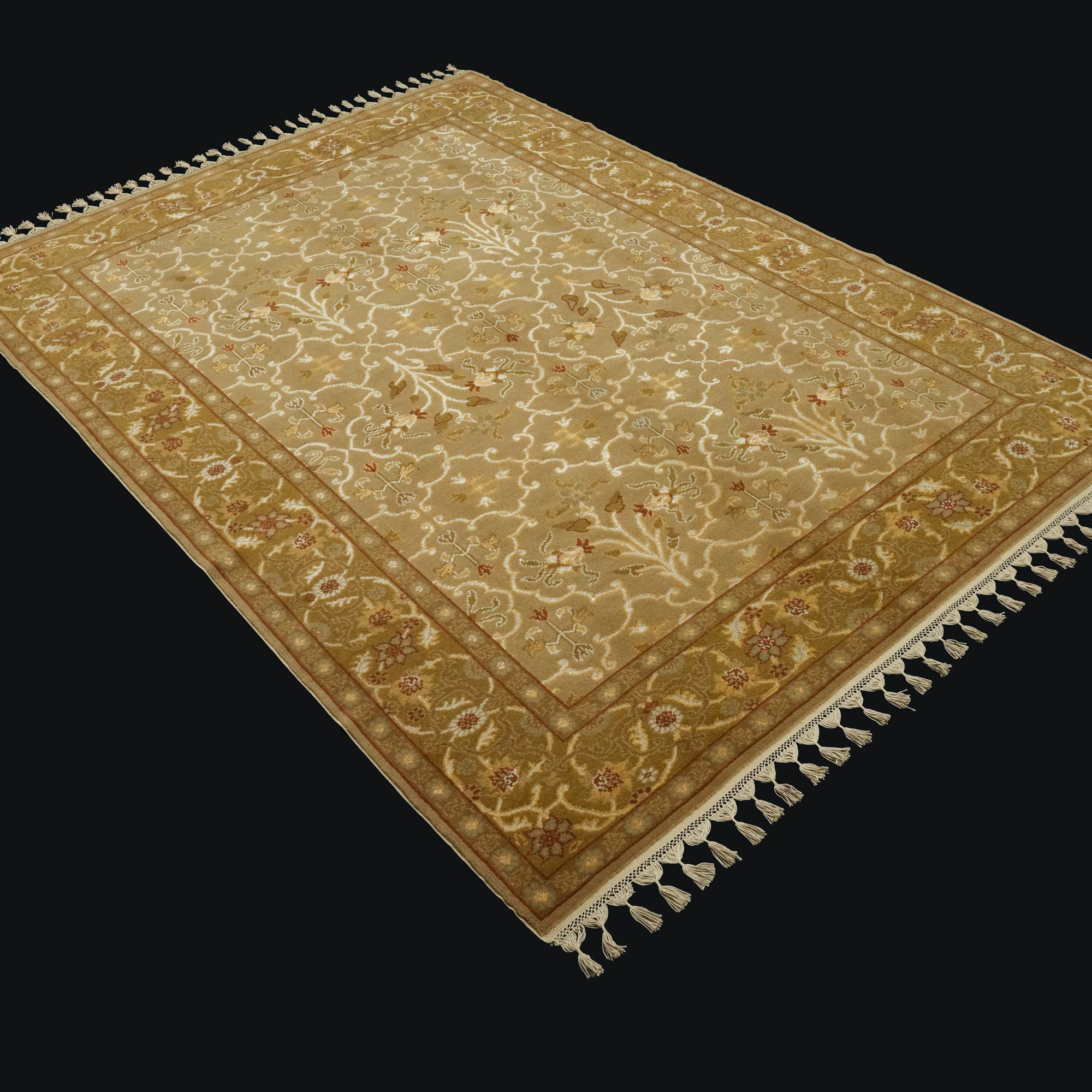
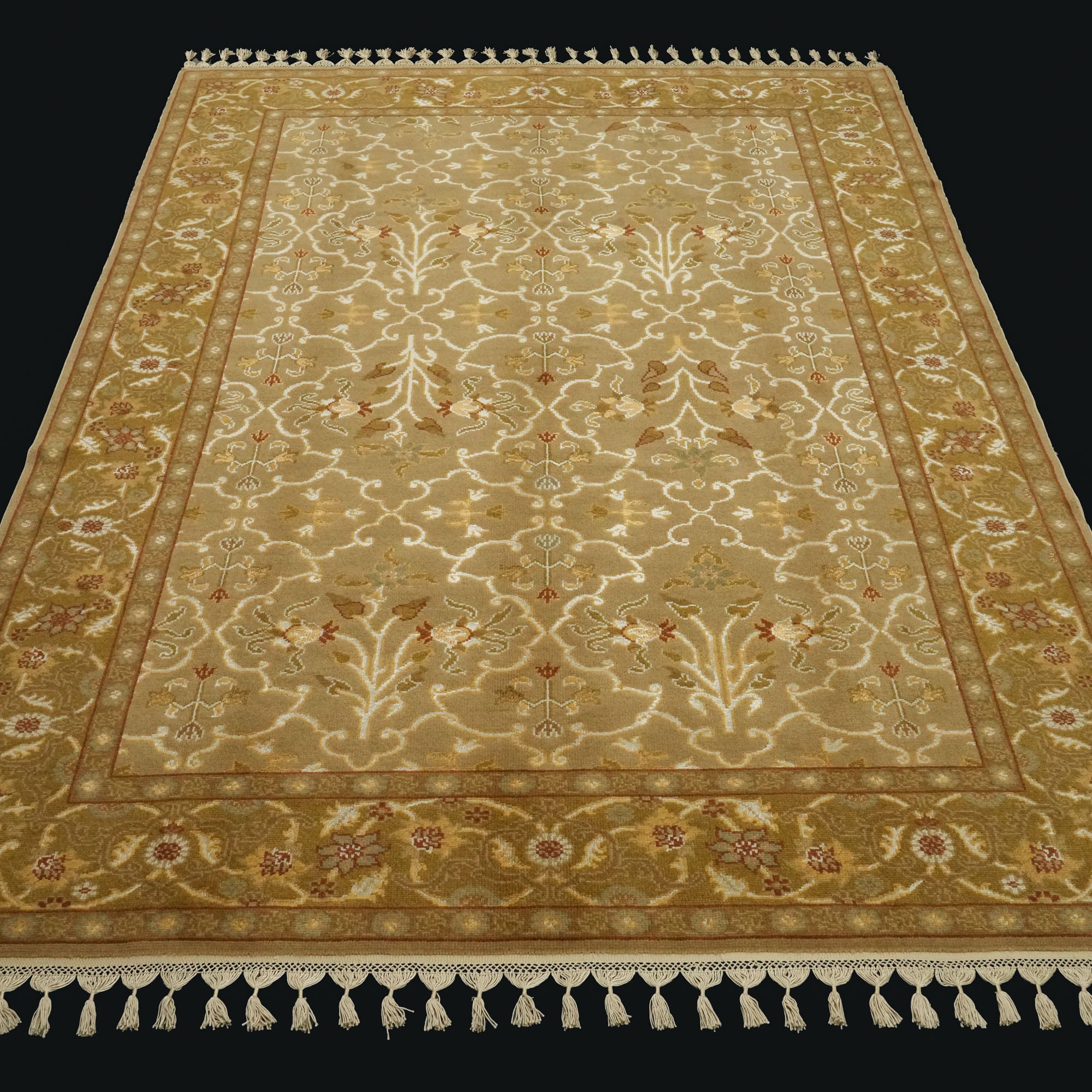
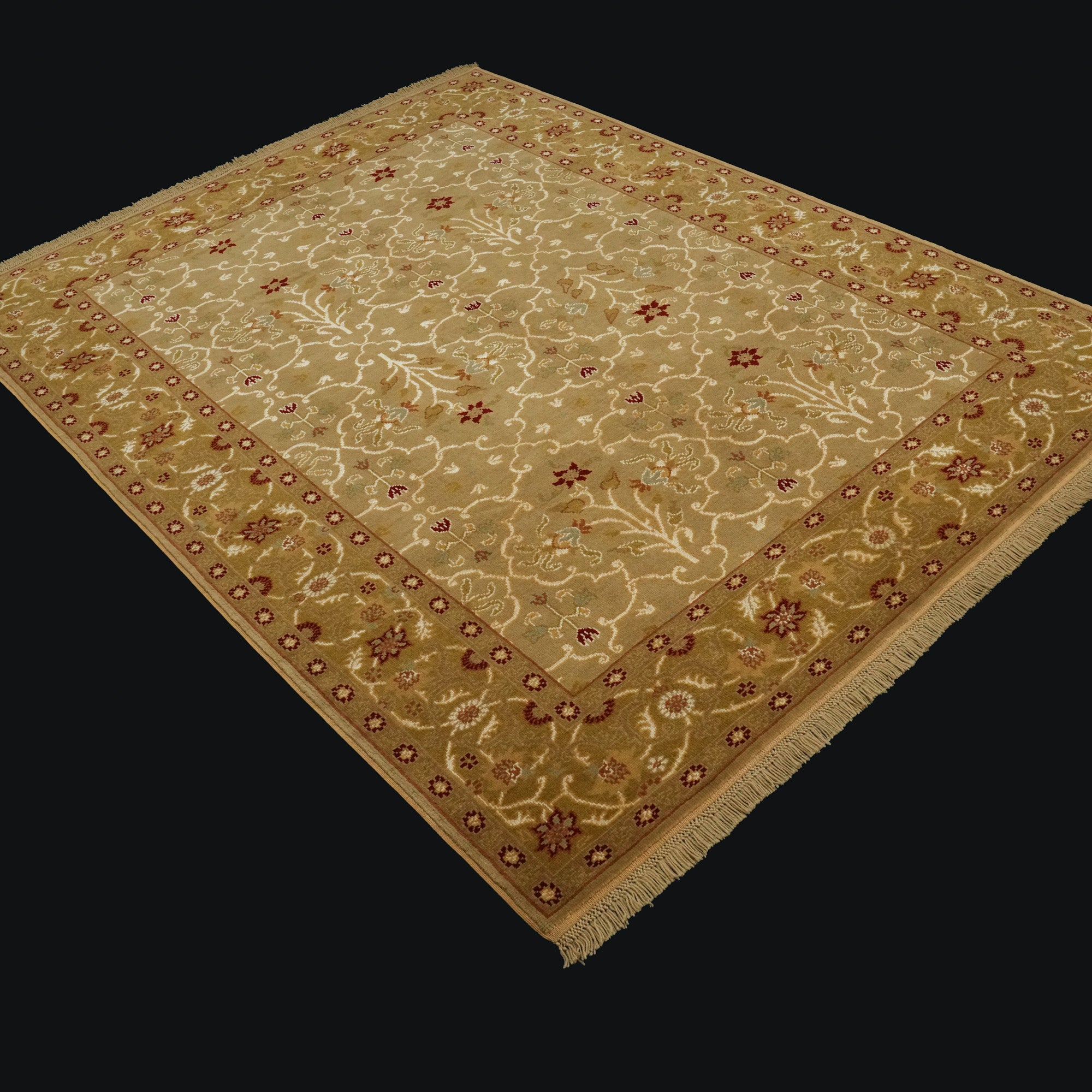
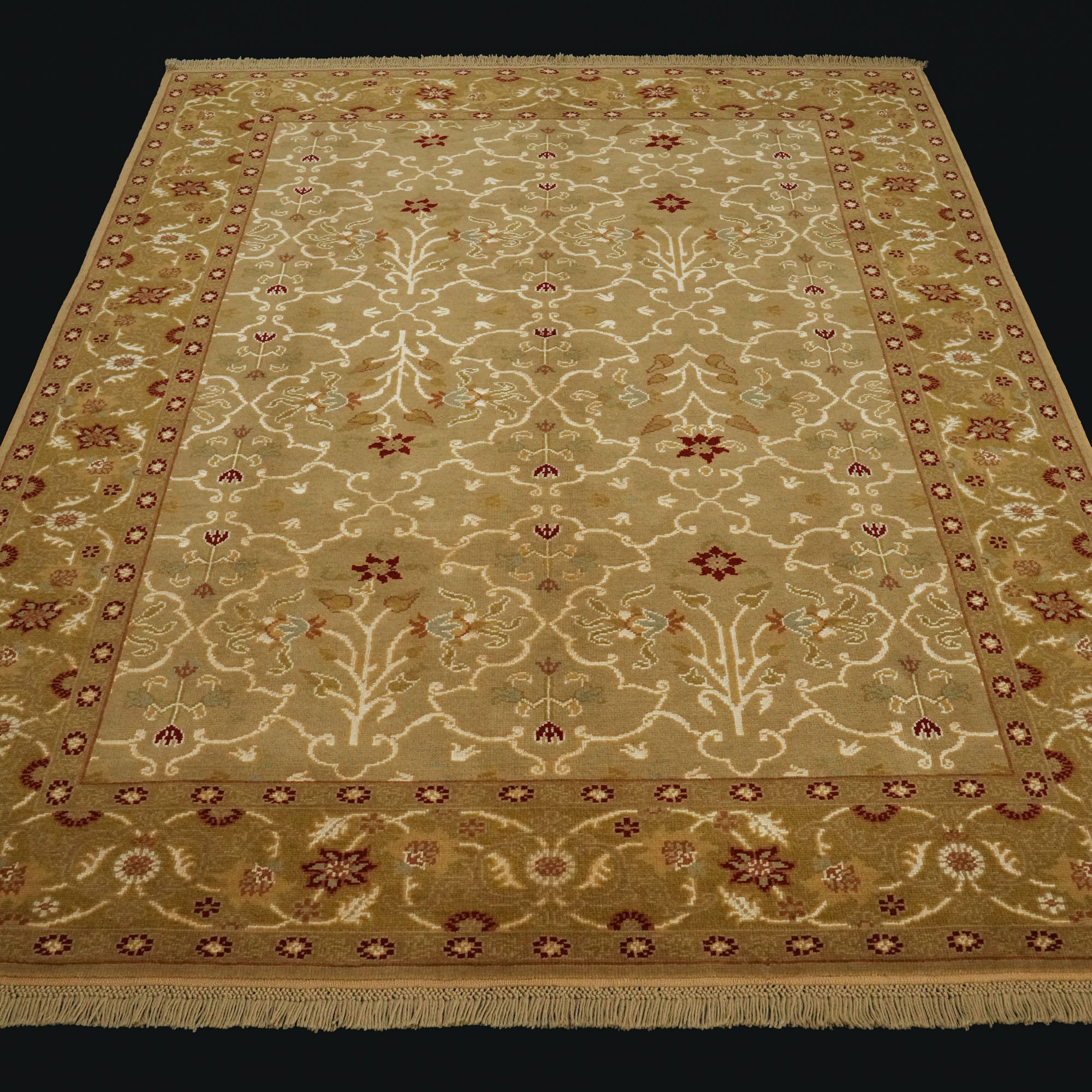
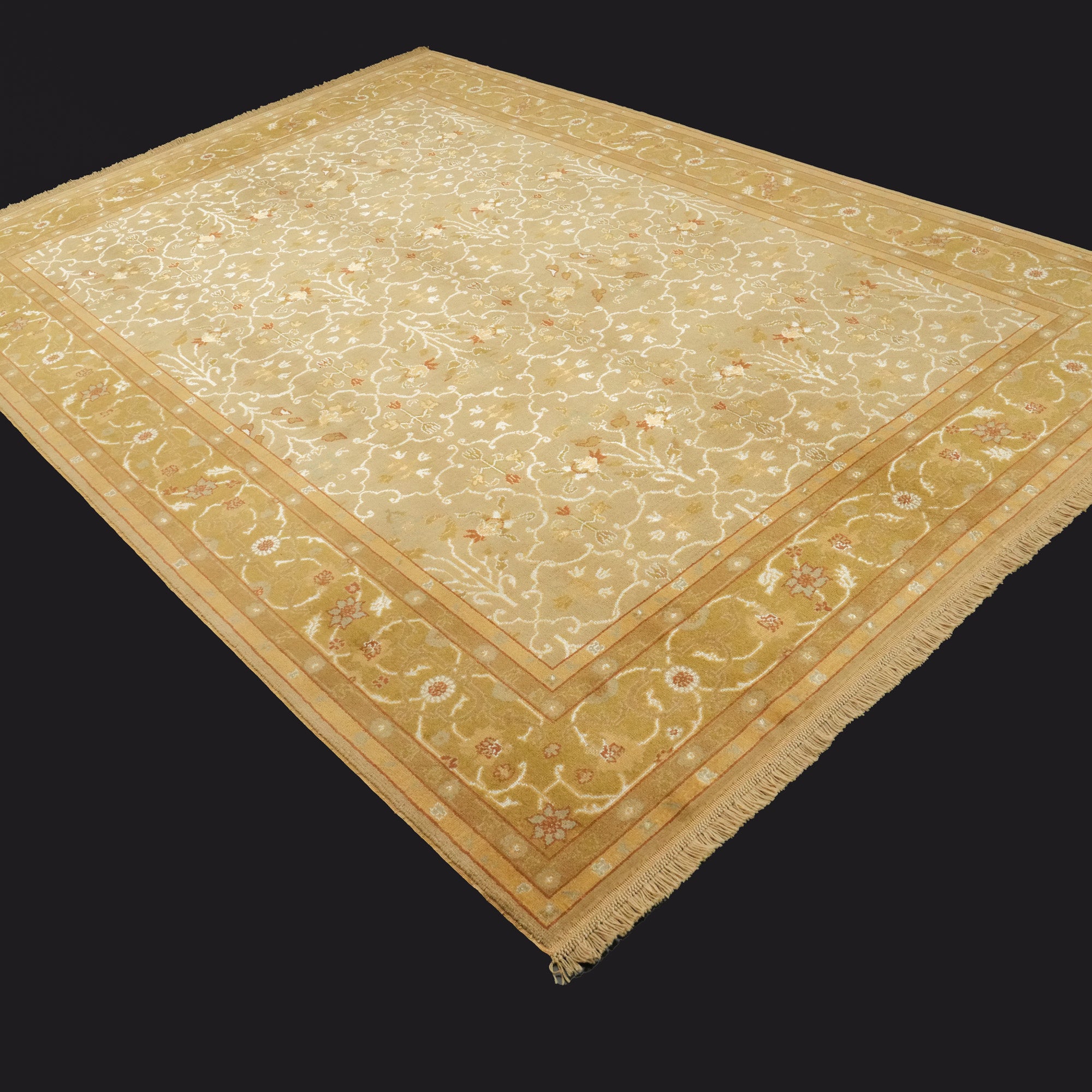
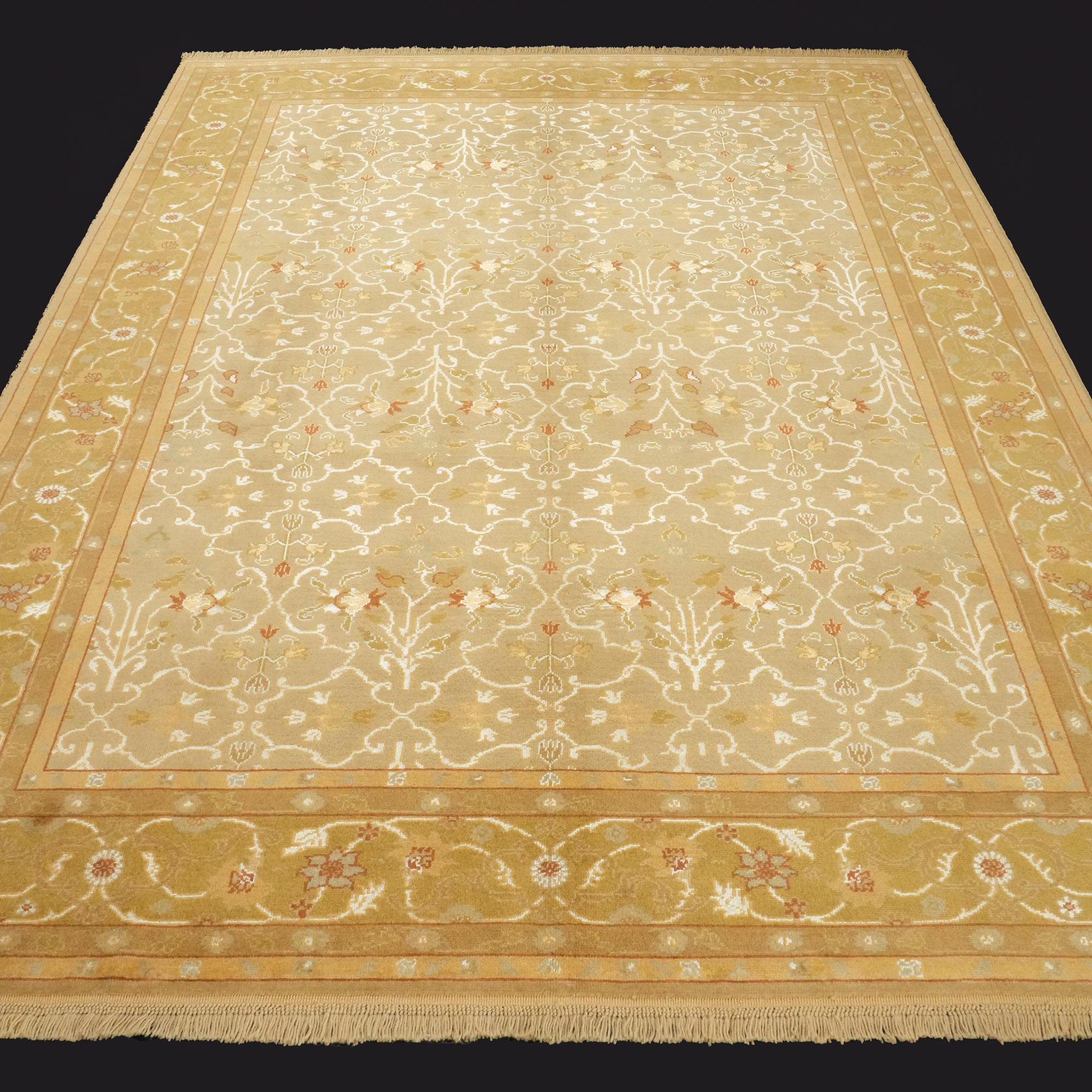
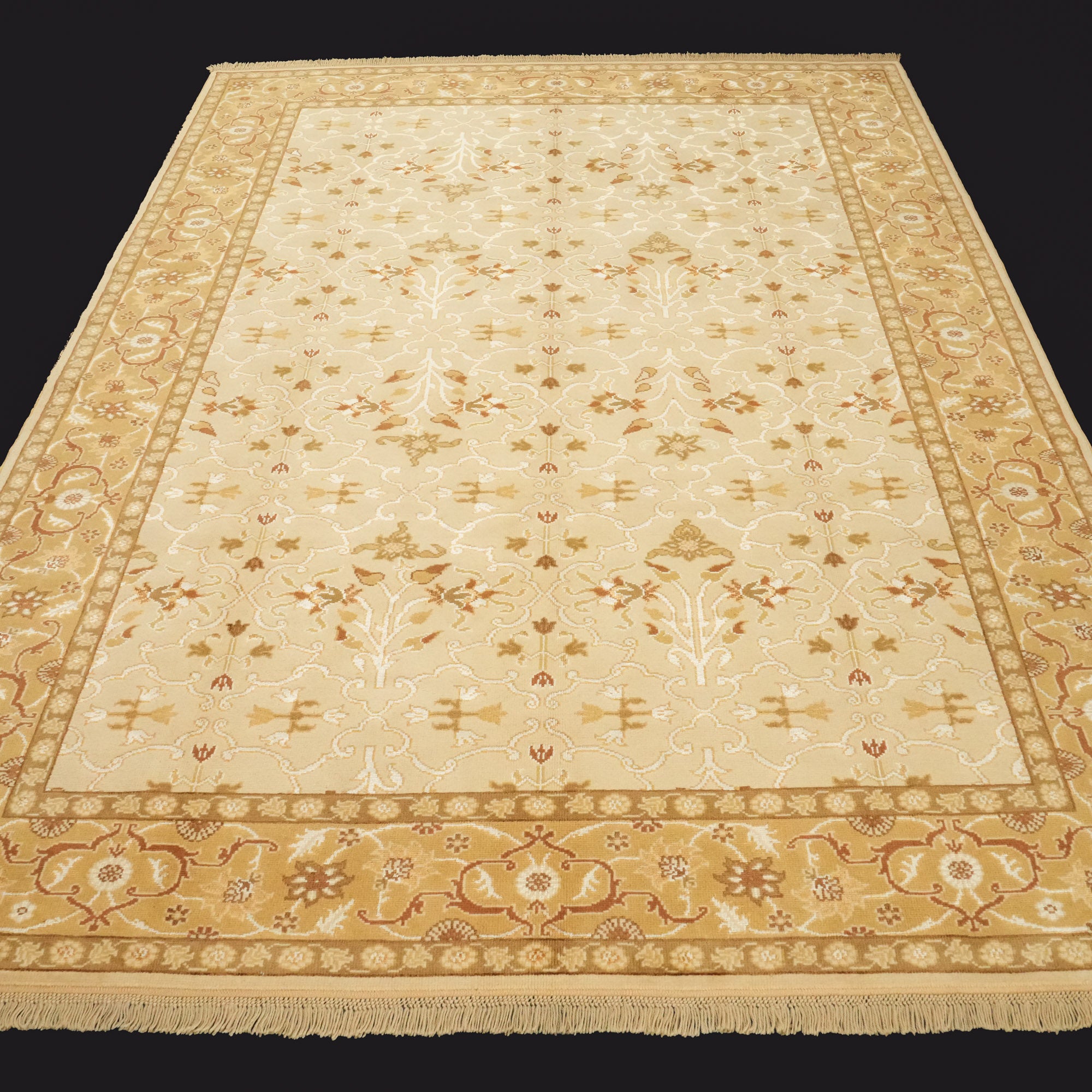
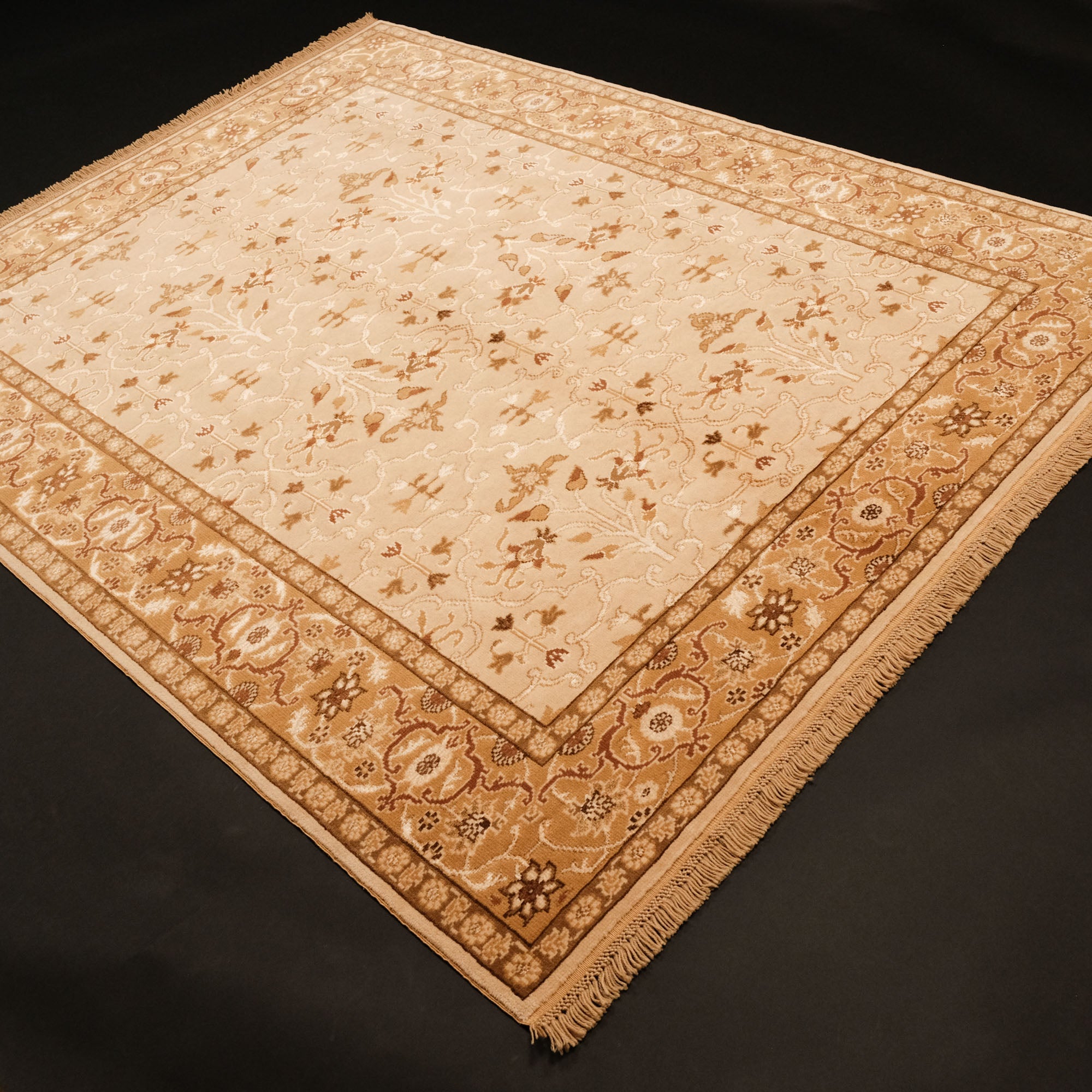
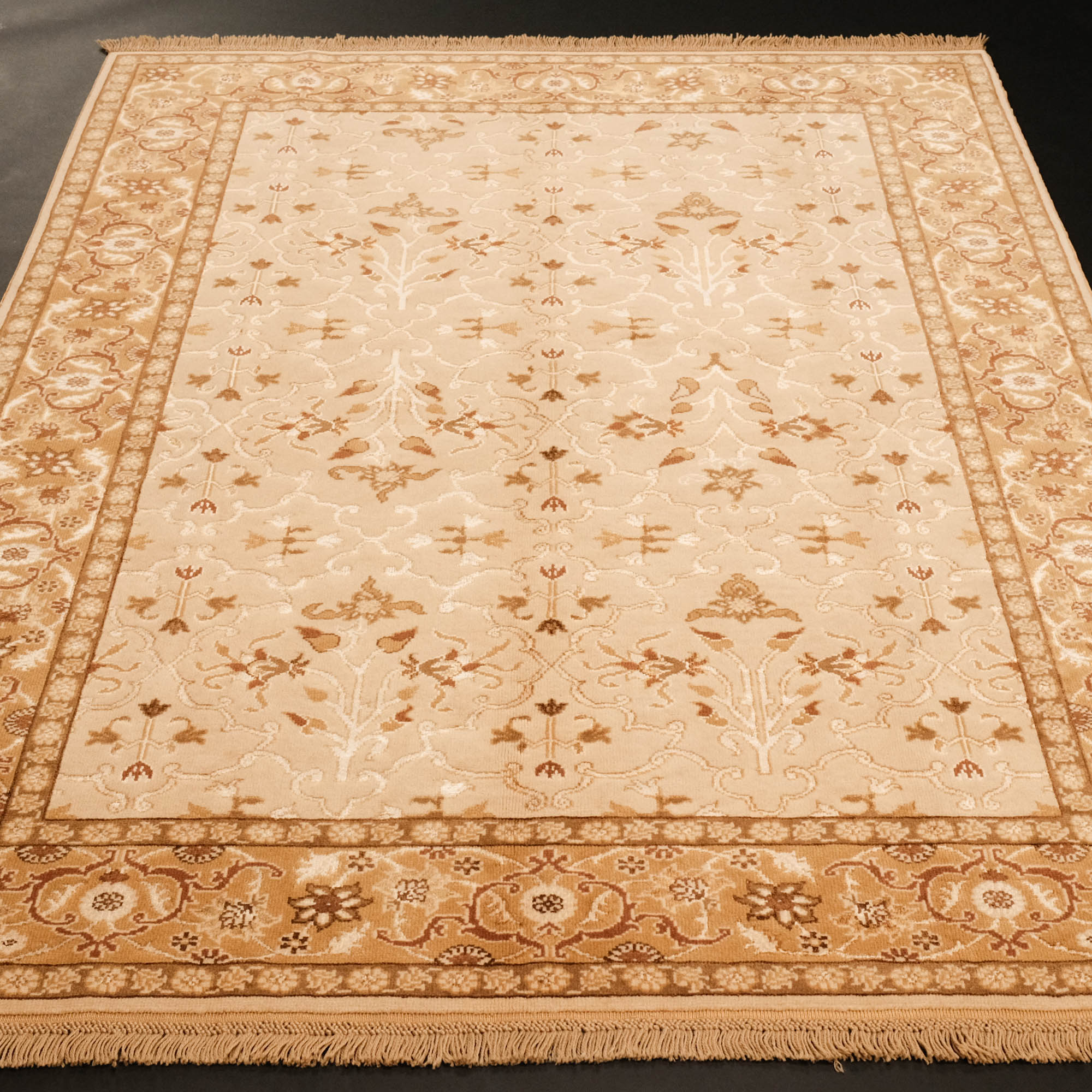
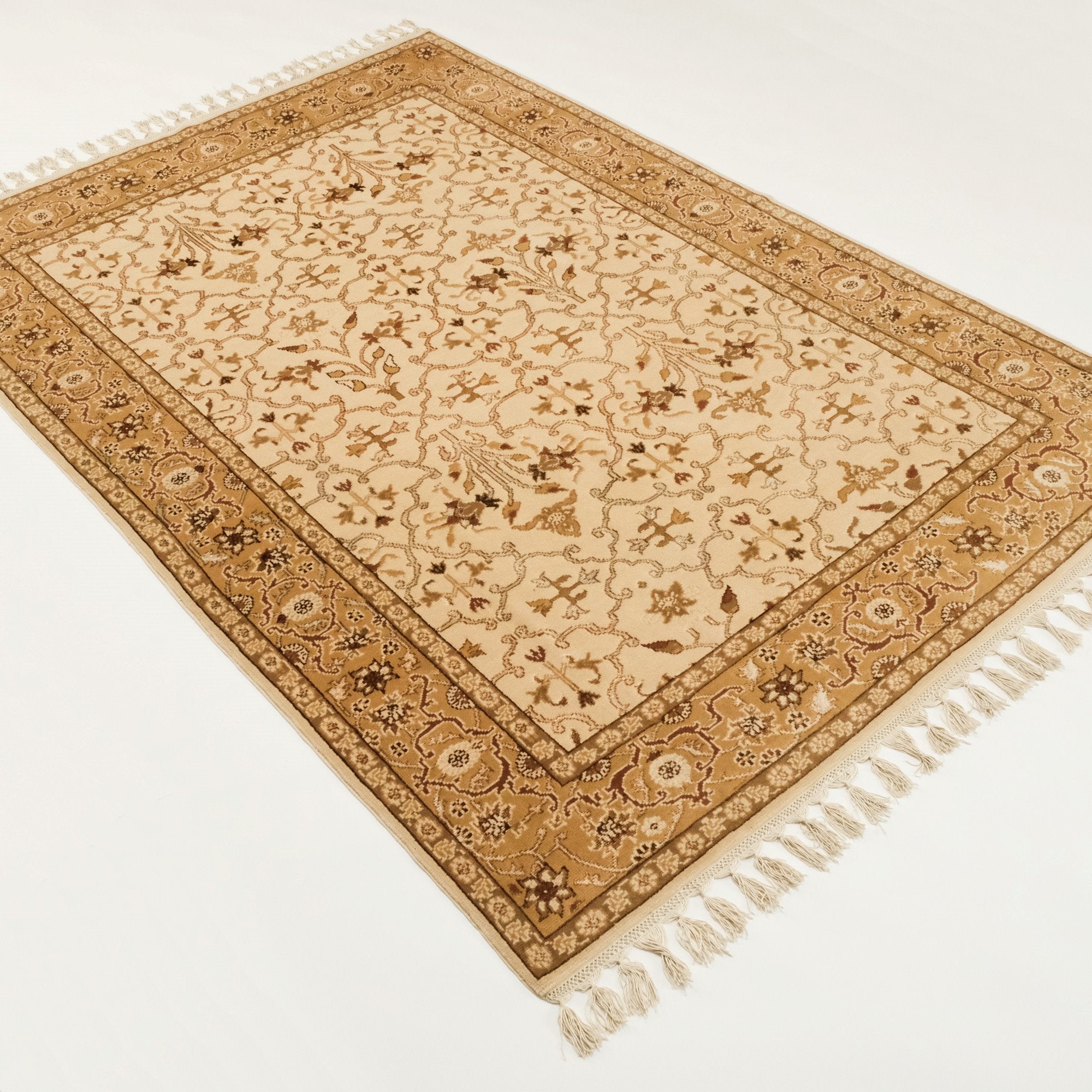
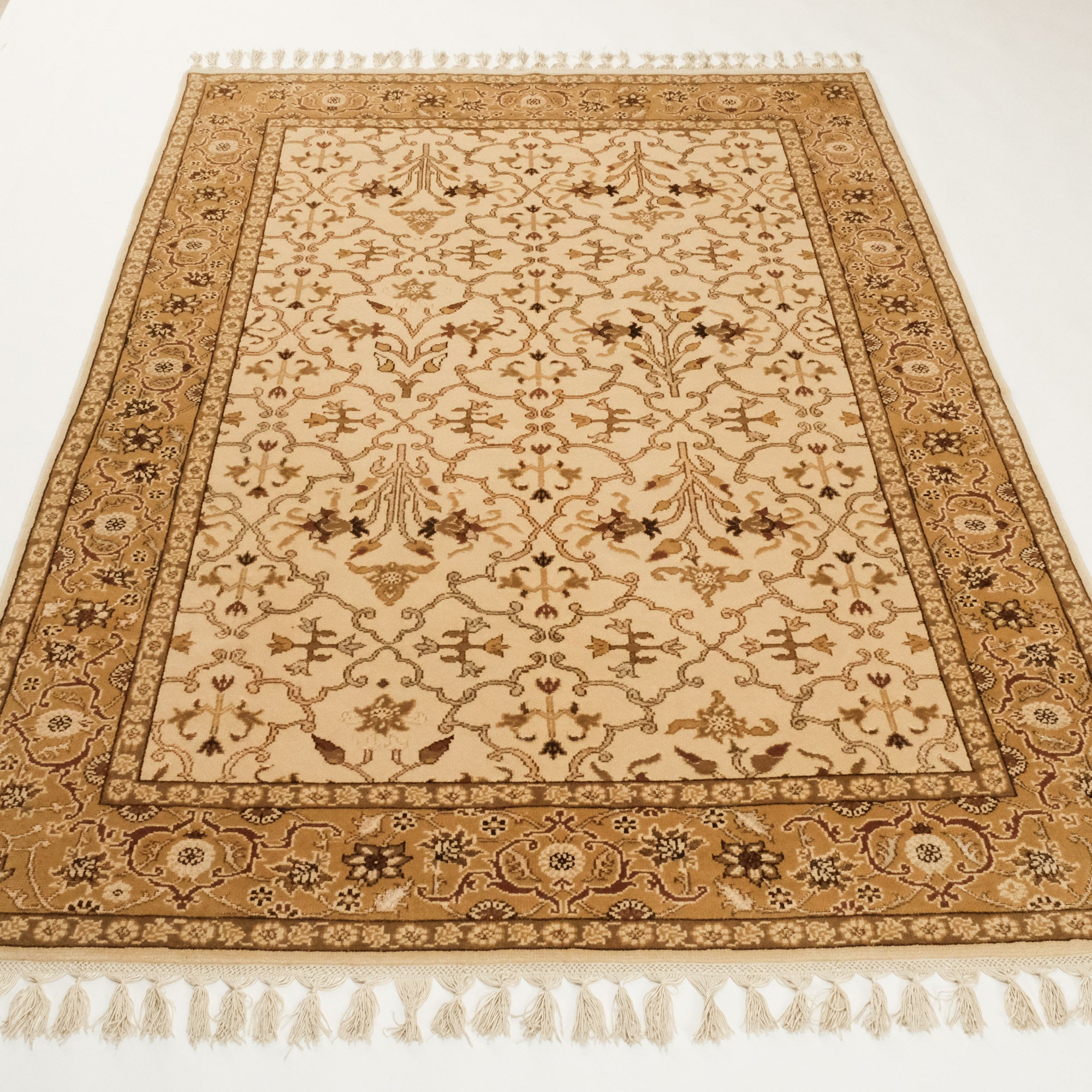
  2. A new rug in an old rug's colors: beige wool, cocoon silk

    Beige Oushak Handwoven Wool and Silk Rug, Sultan Series, 166×241 cm Halıcızade 166×241 cm

    One of a kind

    Beige Oushak Handwoven Wool and Silk Rug, Sultan Series

    Handwoven Rug · İpek · Wool ·Beige, Brown, Cream

    from 141.000 TL 35.000 TL/m²

    • Silk blend
    • All-natural fibers
    • Woven in wool

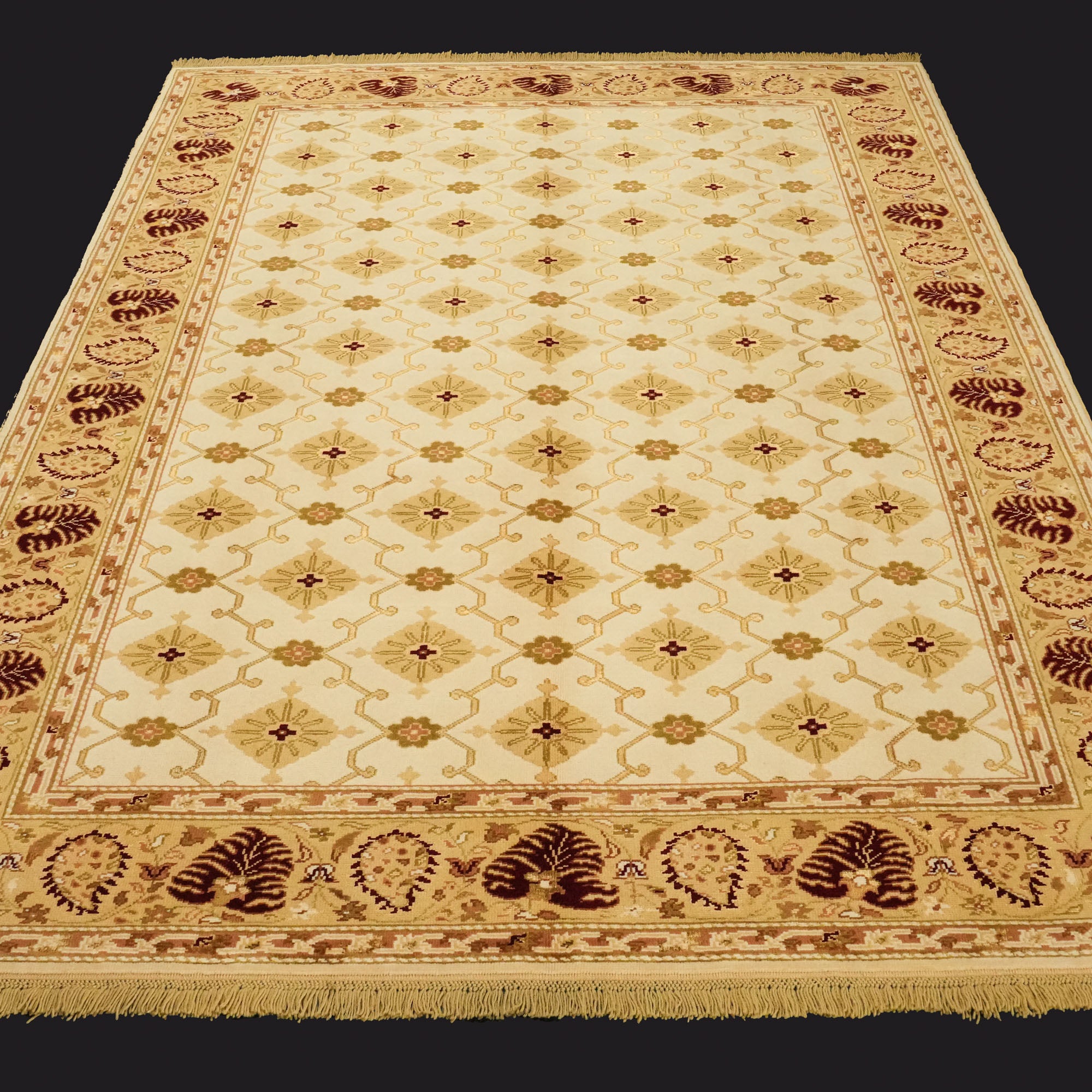
The Sultan Series is a discontinued collection of hand-knotted rugs woven in Turkey at high knot density, with a wool pile and pattern work in cocoon silk. It reads the Oushak motif vocabulary through three drawing families — floral fields, framed borders and the classic large medallion. Production has ended; what is in stock is what is left.

This page describes what the series is made of, how the three pattern groups differ, and why this combination of materials and knot density has become rare in Turkish weaving. Sizes and availability vary piece by piece, because none of the remaining rugs is being rewoven.

Wool ground, cocoon silk pattern

The defining technical feature of the series is the pairing of a matte wool ground with silk drawn into the pattern. Wool absorbs light and holds the field quiet. Silk does the opposite: it throws light back, so the motifs lift off the surface and change value as you walk around the rug. Neither fiber does this alone, and the contrast is what gives the field its depth.

The silk is cocoon silk — reeled from the silkworm cocoon, not a viscose or a synthetic imitation. It is finer than wool, which is why it can carry the tight interior drawing of a border or a medallion outline at a scale wool cannot hold. Compare the all-silk pieces in silk rugs and the wool-pile work in wool rugs to see what each fiber does on its own.

How the series interprets Oushak drawing

Three pattern groups run through the collection, and they are genuinely different rugs rather than three versions of one design.

Pattern groupWhat the field doesEffect in a room
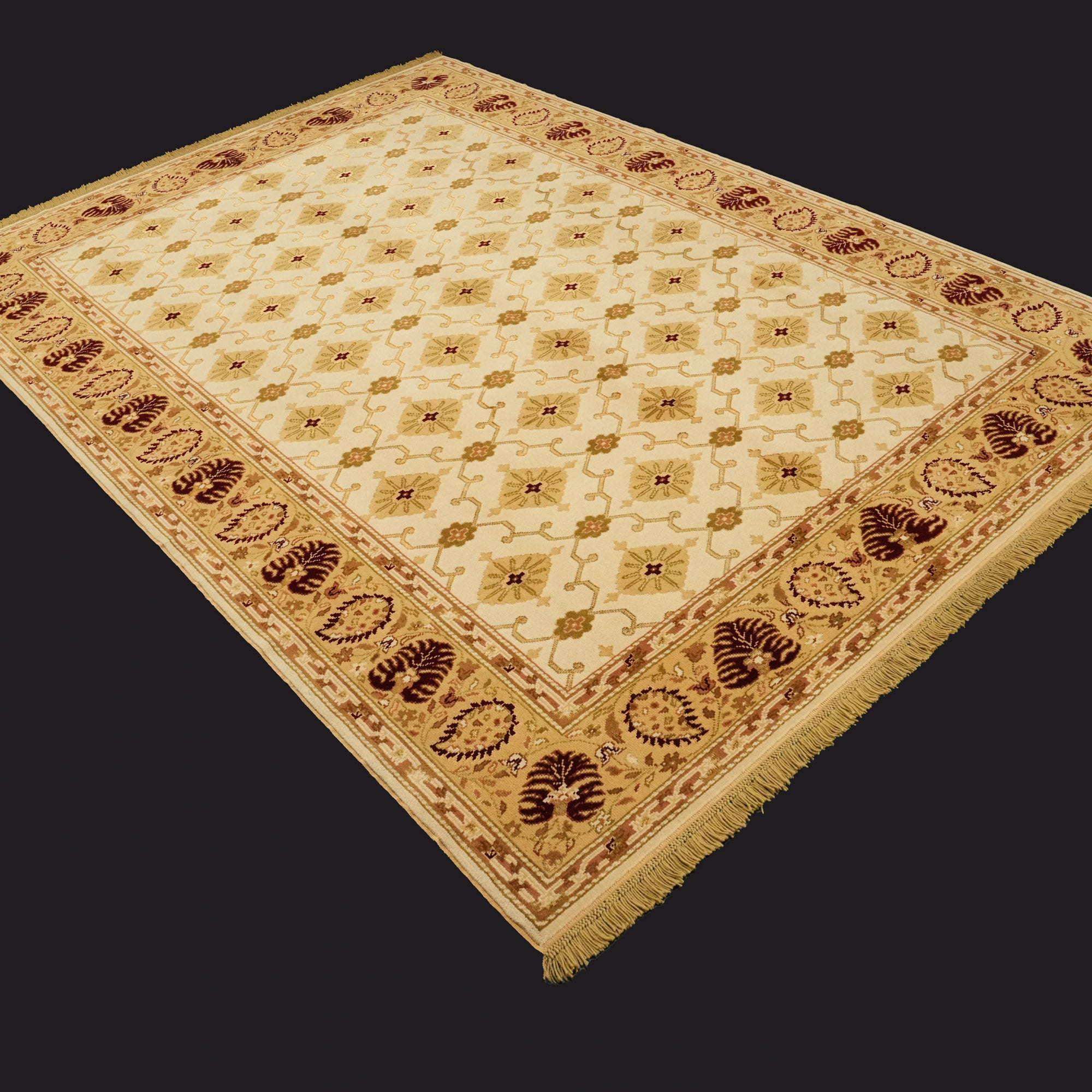
FloralFlower forms distributed across the whole field rather than gathered into a centerWarmer and softer; reads as pattern rather than as a single object
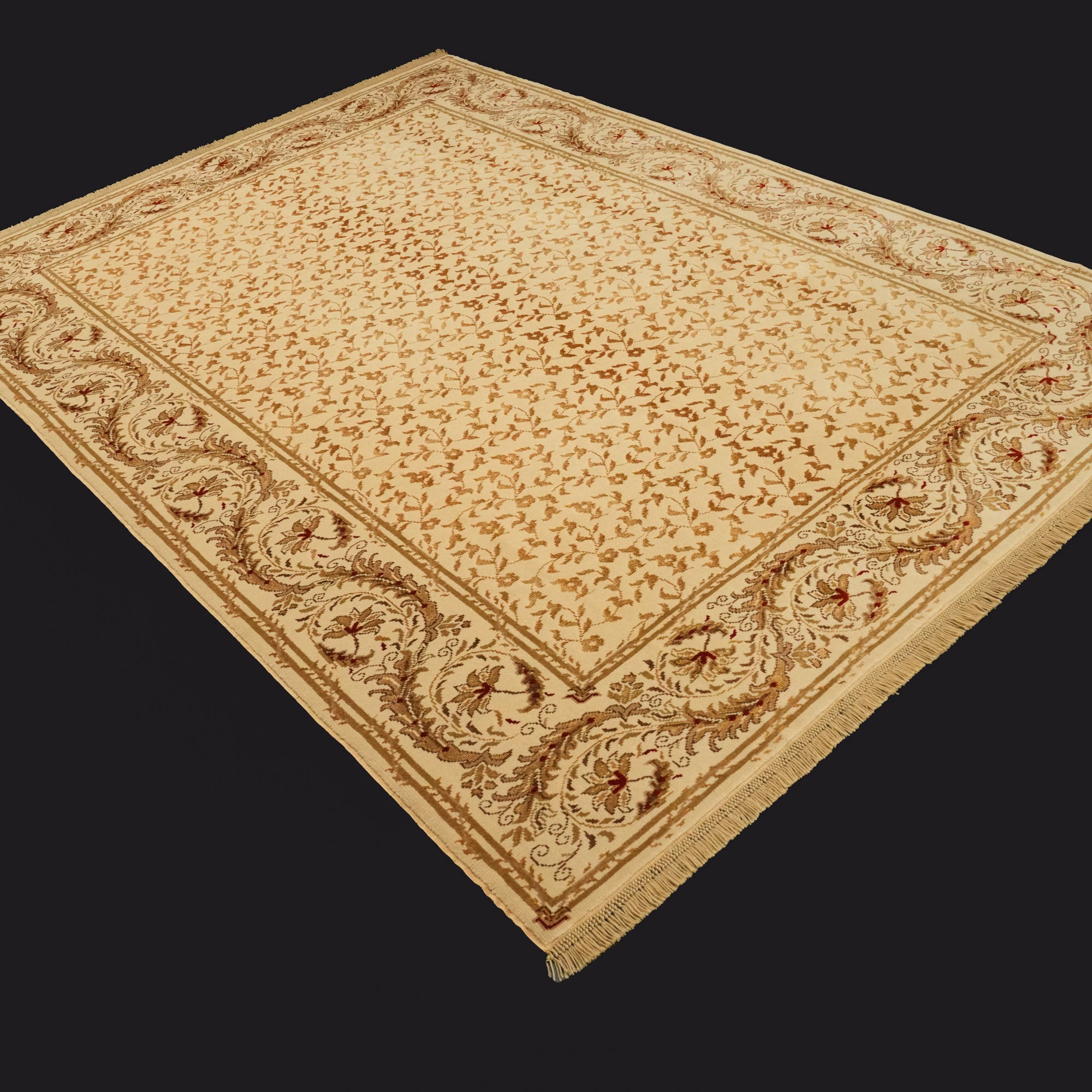
FramedA defined central area enclosed by a pronounced borderSets a strong focal point and squares up a seating group
Classic OushakLarge medallion forms with the traditional border sequenceClosest to the historical pattern language; the most formal of the three

Oushak is a weaving region in western Anatolia — Uşak in Turkish — known since the fifteenth century for open fields, wide-set medallions and a warm palette. The Sultan Series stays inside that vocabulary rather than modernizing it. For the region itself, see Oushak rugs.

The palette, and what it sits with

Beige, cream, gold-yellow and green run through every model in the series. It is a warm, low-contrast range that does not fight a room. Wood furniture picks up the gold and the cream; metal legs and frames read as a clean line against the green rather than as a clash. Because the value range is narrow, these rugs take a large amount of floor without dominating it.

Why rugs like these are getting harder to make

High knot density, cocoon silk and good wool in the same rug demand hours at the loom that fewer workshops are willing to commit. The cost sits in labor rather than in material alone: a fine wool-and-silk rug represents a weaver's long sequence of days on one piece. That kind of production has been contracting in Turkey year on year, which is the reason the Sultan Series was not continued. Other hand-knotted work at this level is grouped in hand-knotted rugs.

Sultan Series and Harem Series

Both are Turkish wool-and-silk hand-knotted collections, and they differ in wool and in drawing. The Harem Series is built on Erzurum oily fleece wool, whose lanolin content gives the pile its particular handle. The Sultan Series is defined instead by its pattern repertoire — the floral and framed groups have no equivalent among the Harem drawings.

Care

A wool-and-silk rug should be washed only by a specialist in handwoven rug cleaning. General-purpose cleaning services and machine washing are not appropriate for this construction, because the silk and the wool respond differently to water, heat and detergent. Between washes, vacuum in the direction of the pile with the beater bar off, rotate the rug twice a year and keep it out of a full south window.

What does a Sultan Series rug cost?

The series was priced between ₺100,000 and ₺250,000, and from ₺35,000 per square meter. Prices are listed in Turkish lira and converted into the visitor's own currency; shipping and duties on orders outside Turkey are calculated and collected at checkout. Orders are returnable within 14 days. Nothing further is being woven, so what is listed is what remains — when a size goes, it is not rewoven.

Frequently asked questions

Why is the Sultan Series no longer produced?

The series combines high knot density, cocoon silk and quality wool in one hand-knotted rug, and that combination of materials and loom hours has become increasingly difficult to sustain in Turkey. No new production is being made, so the pieces still in stock are the last examples.

What is cocoon silk?

Cocoon silk is real silk reeled from the silkworm cocoon rather than a viscose or synthetic substitute. It is much finer than wool, holds its sheen over long use, and reflects light where the wool ground absorbs it, which is what makes the pattern read as raised.

Which patterns does the Sultan Series use?

Three groups: floral models with flower forms spread across the field, framed models with a defined center inside a pronounced border, and classic Oushak models with large medallion forms and the traditional border sequence. All three sit within the Oushak pattern vocabulary of western Anatolia.

What is the difference between the Sultan Series and the Harem Series?

Both are hand-knotted wool-and-silk collections woven in Turkey. The Harem Series is distinguished by its Erzurum oily fleece wool; the Sultan Series is distinguished by its pattern repertoire, which adds floral and framed drawing to the classic Oushak medallion.

What colors does the Sultan Series use?

Beige, cream, gold-yellow and green dominate every model in the collection. The range is warm and low in contrast, which is why these rugs sit easily with both wood and metal furniture instead of competing with either.

How should a wool-and-silk rug be cleaned?

Only by professionals who specialize in washing handwoven rugs. General-purpose cleaning services and machine washing are not suitable, because wool and silk react differently to water and detergent. Routine care is vacuuming with the beater bar off and rotating the rug twice a year.

How much does a Sultan Series rug cost?

Between ₺100,000 and ₺250,000, and from ₺35,000 per square meter, depending on size and knot count. Prices are listed in Turkish lira and converted into the visitor's own currency, with shipping and duties on orders outside Turkey calculated at checkout.

The Sultan Series was made for Halıcızade Halı Kilim in Ankara; what is listed is what is left of it.

Last updated: 10 September 2026

Related collections: Oushak rugs · Harem Series rugs · silk rugs · hand-knotted rugs