

Filters
85 products
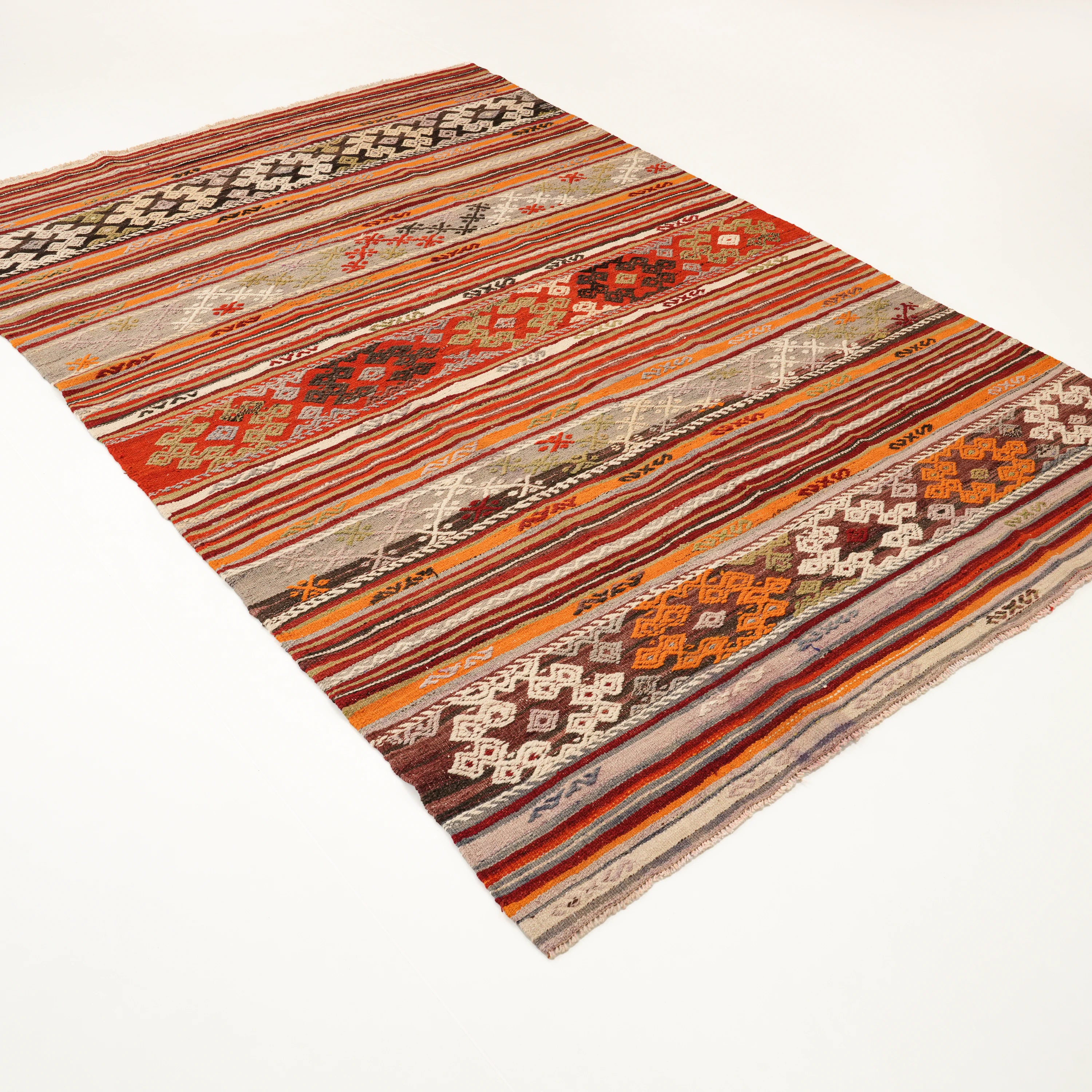
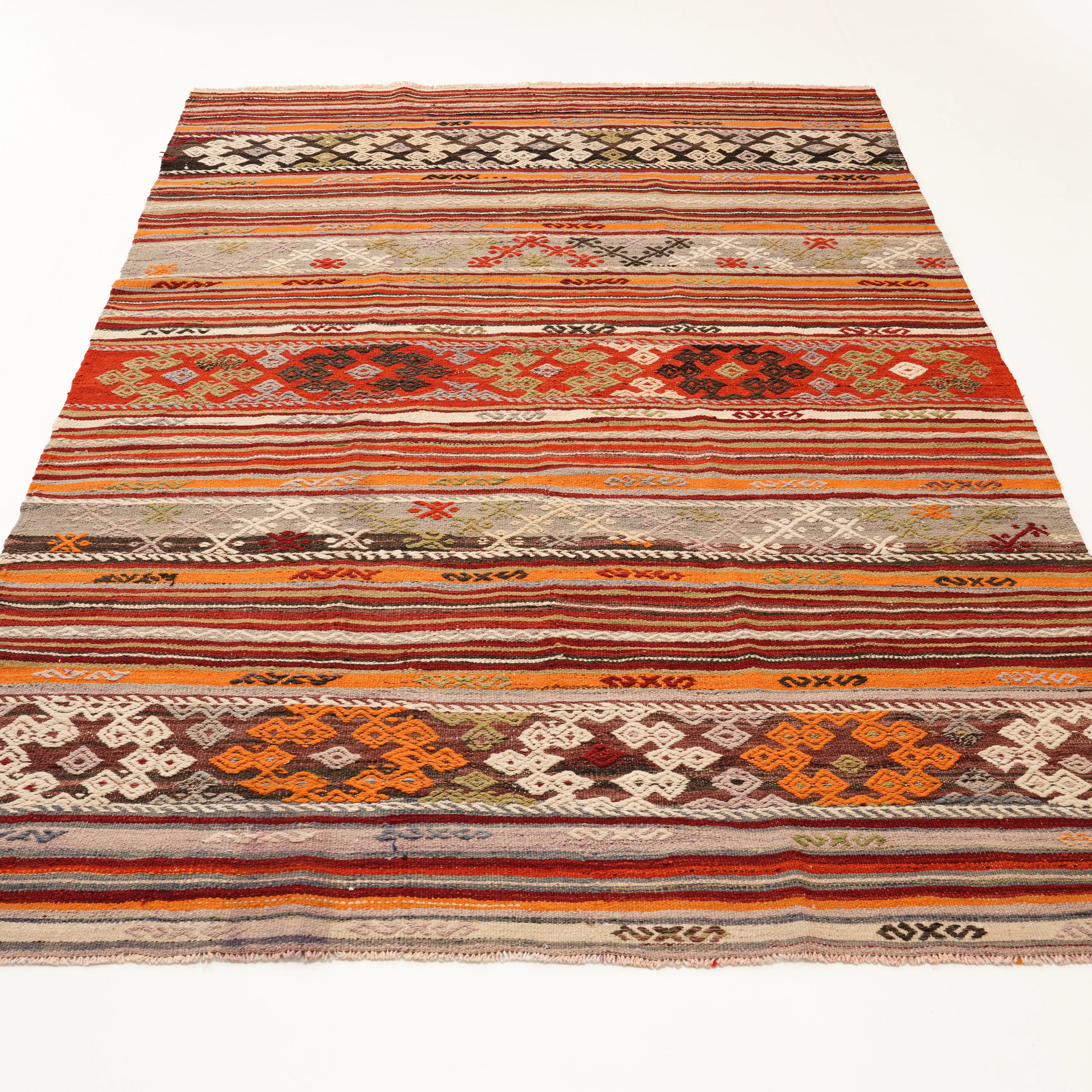


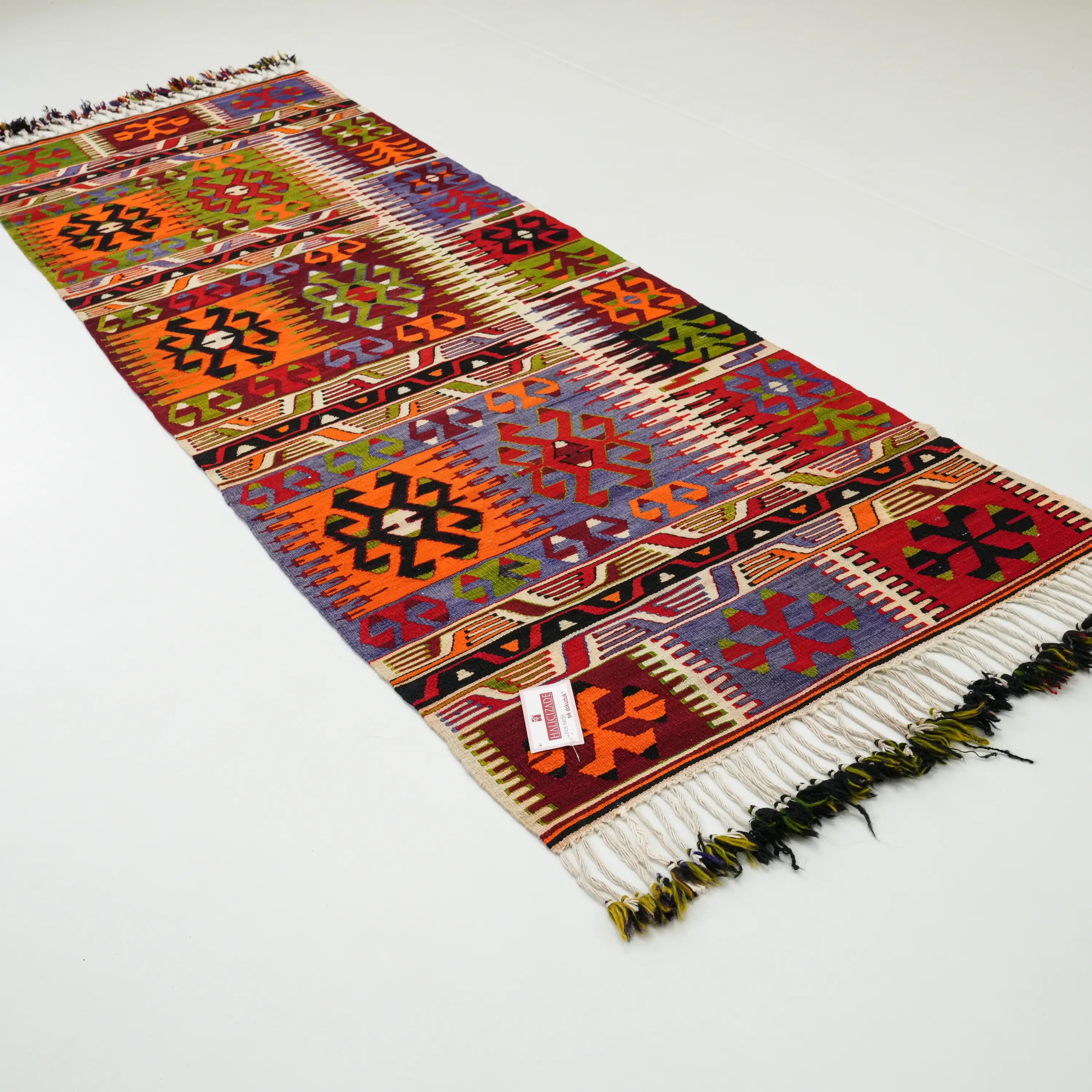
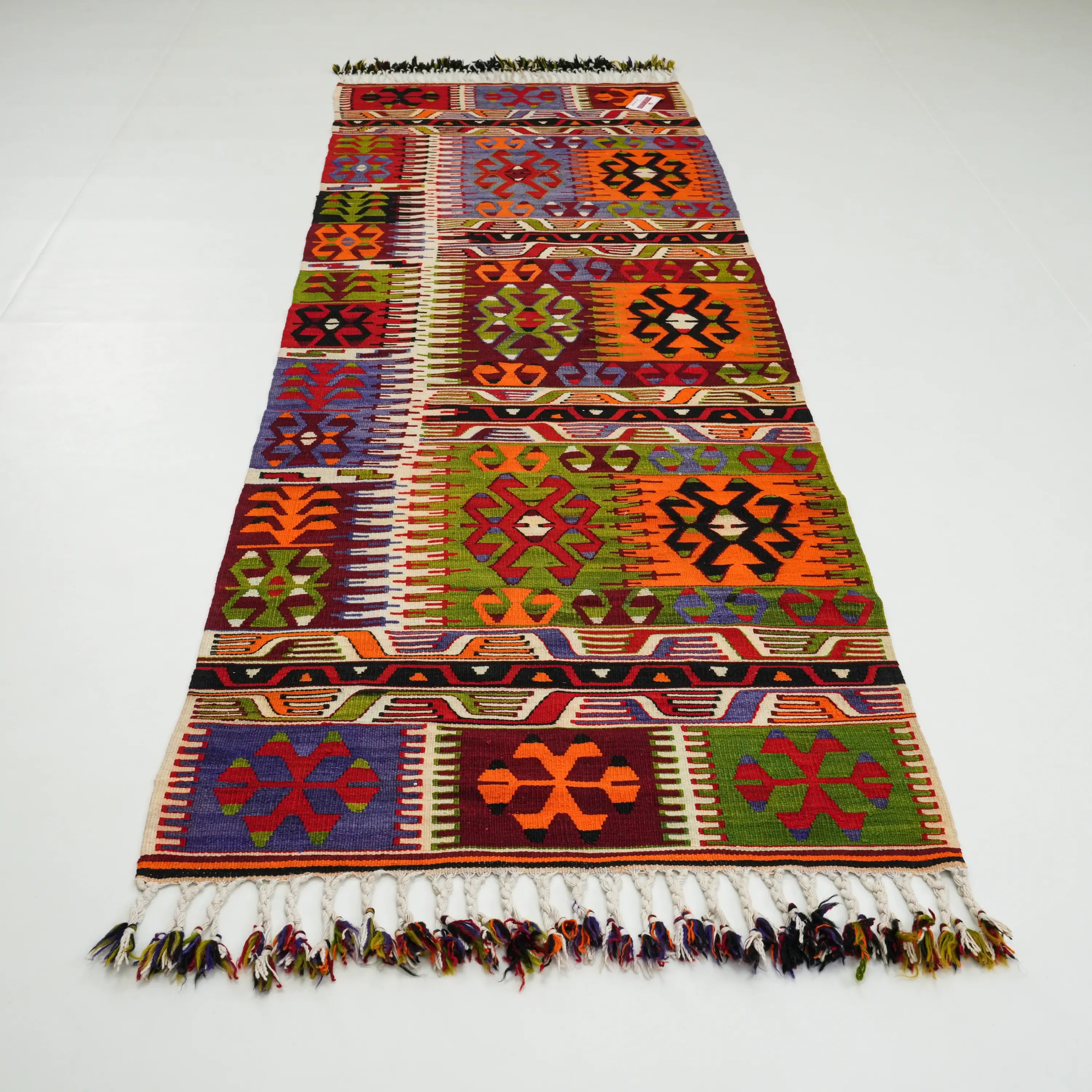
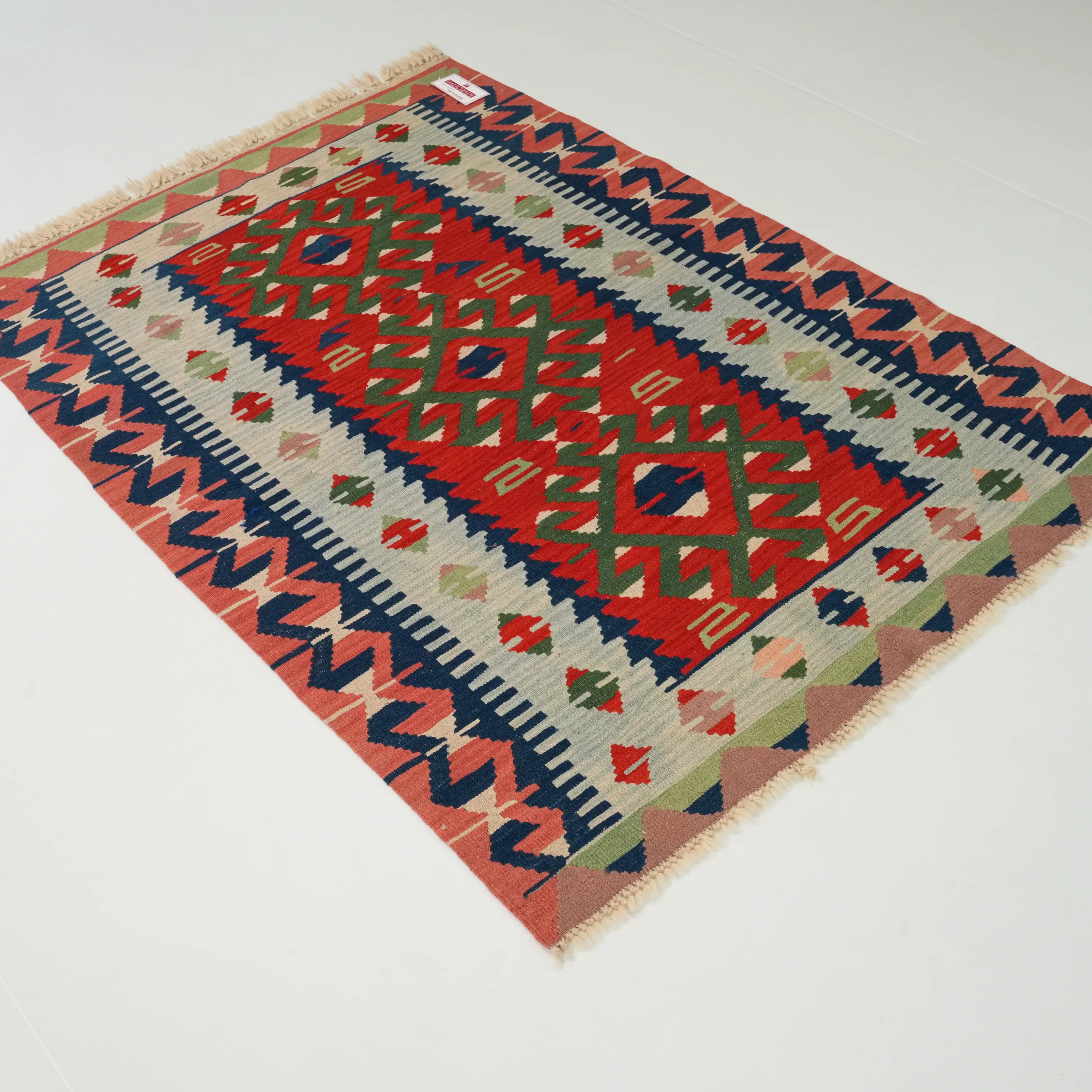
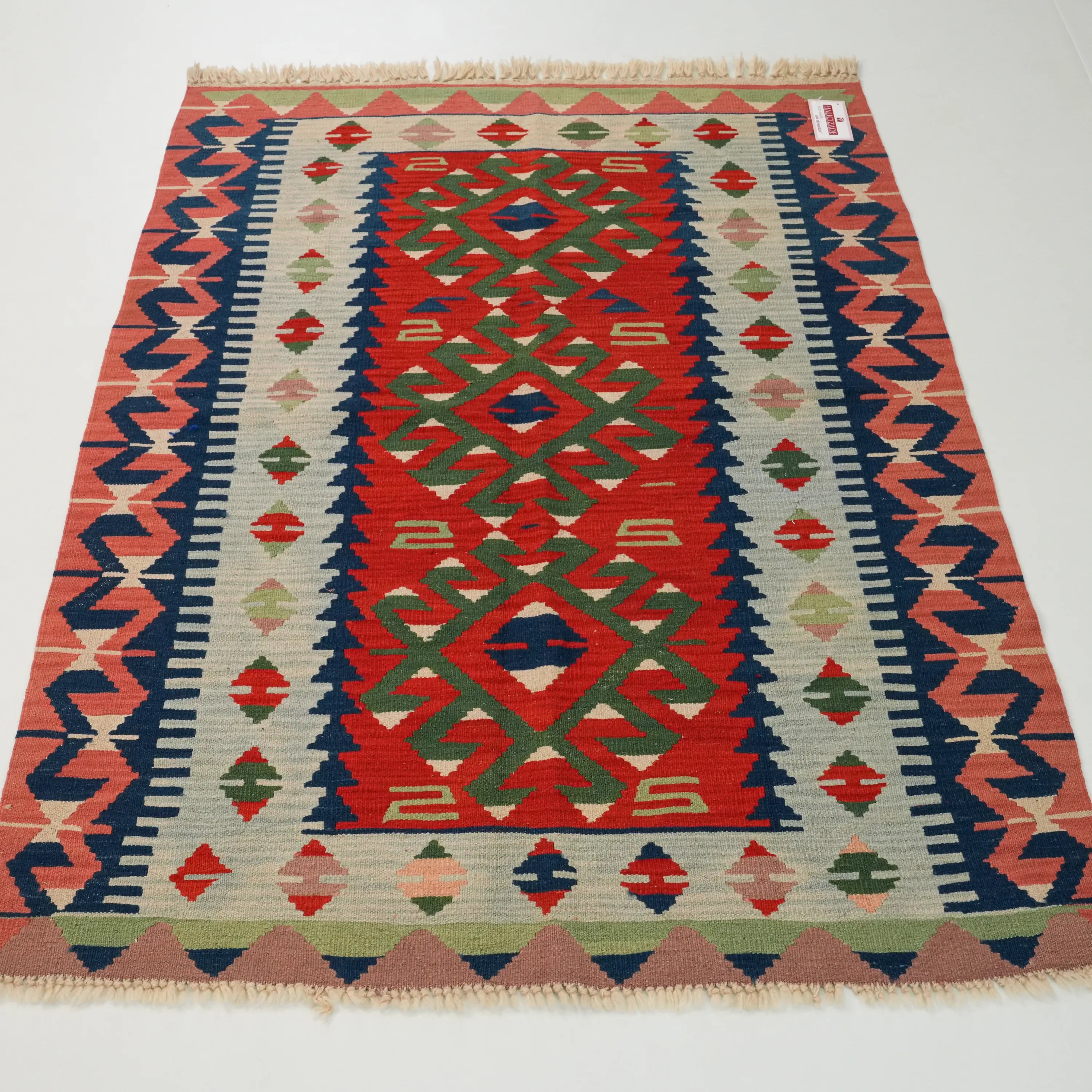
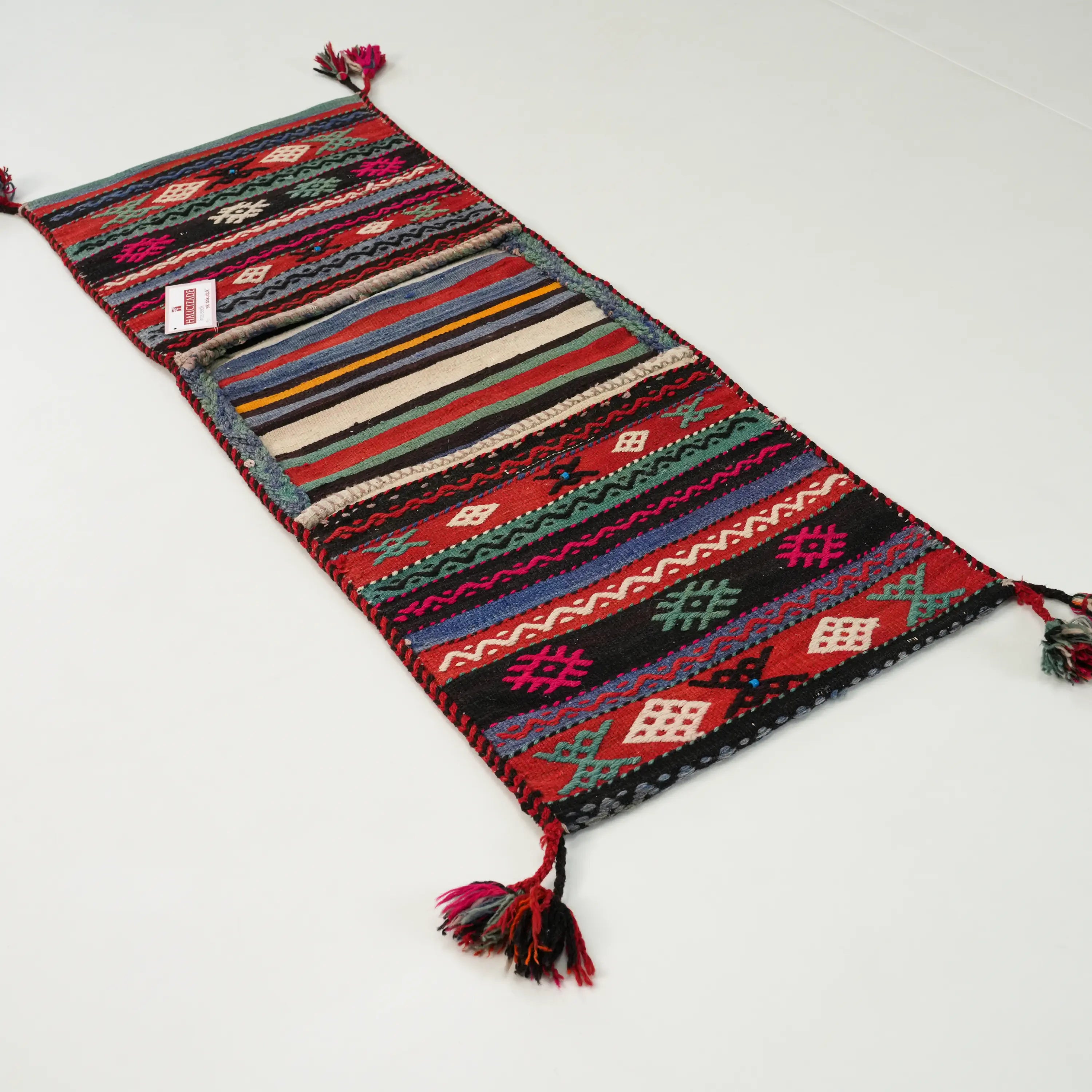


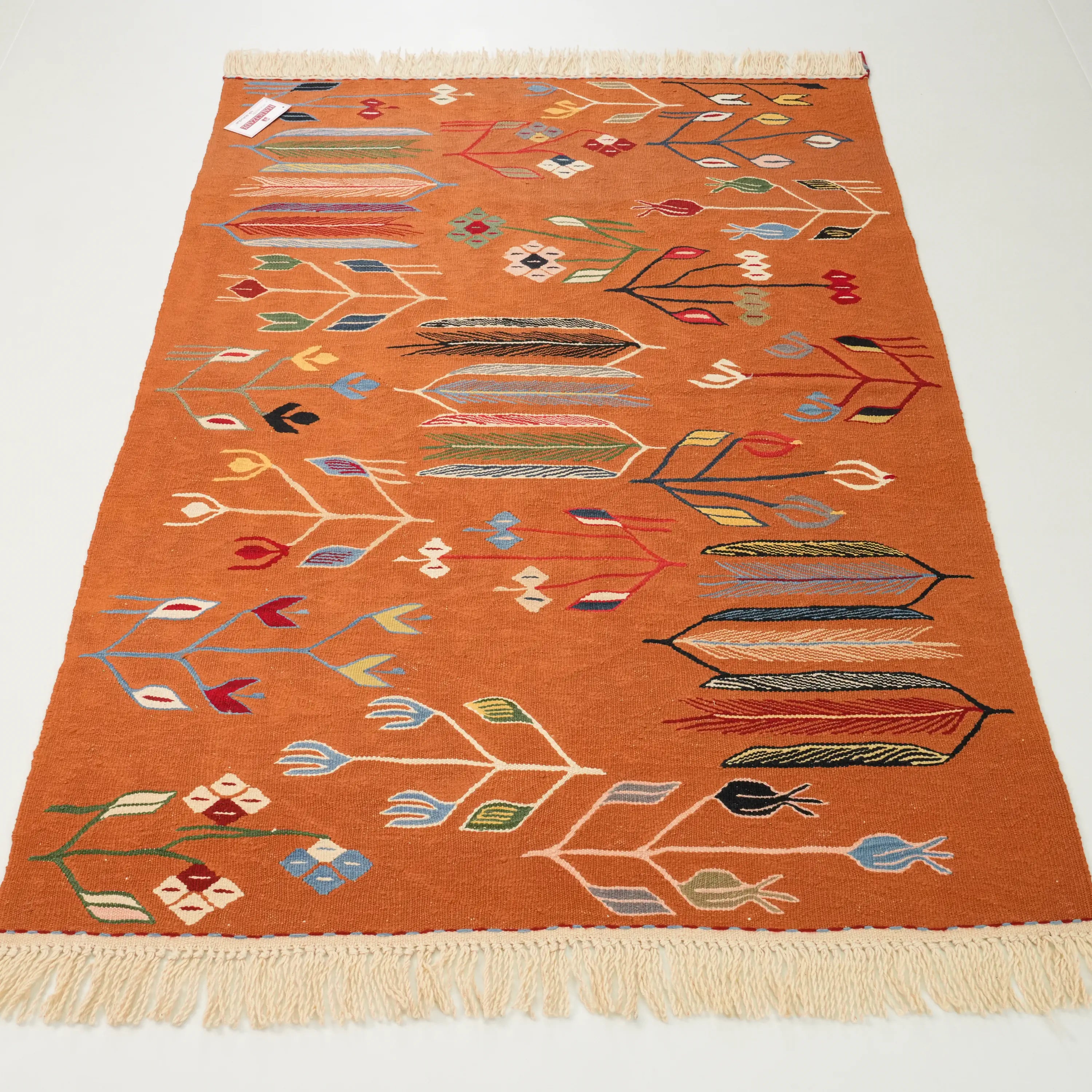
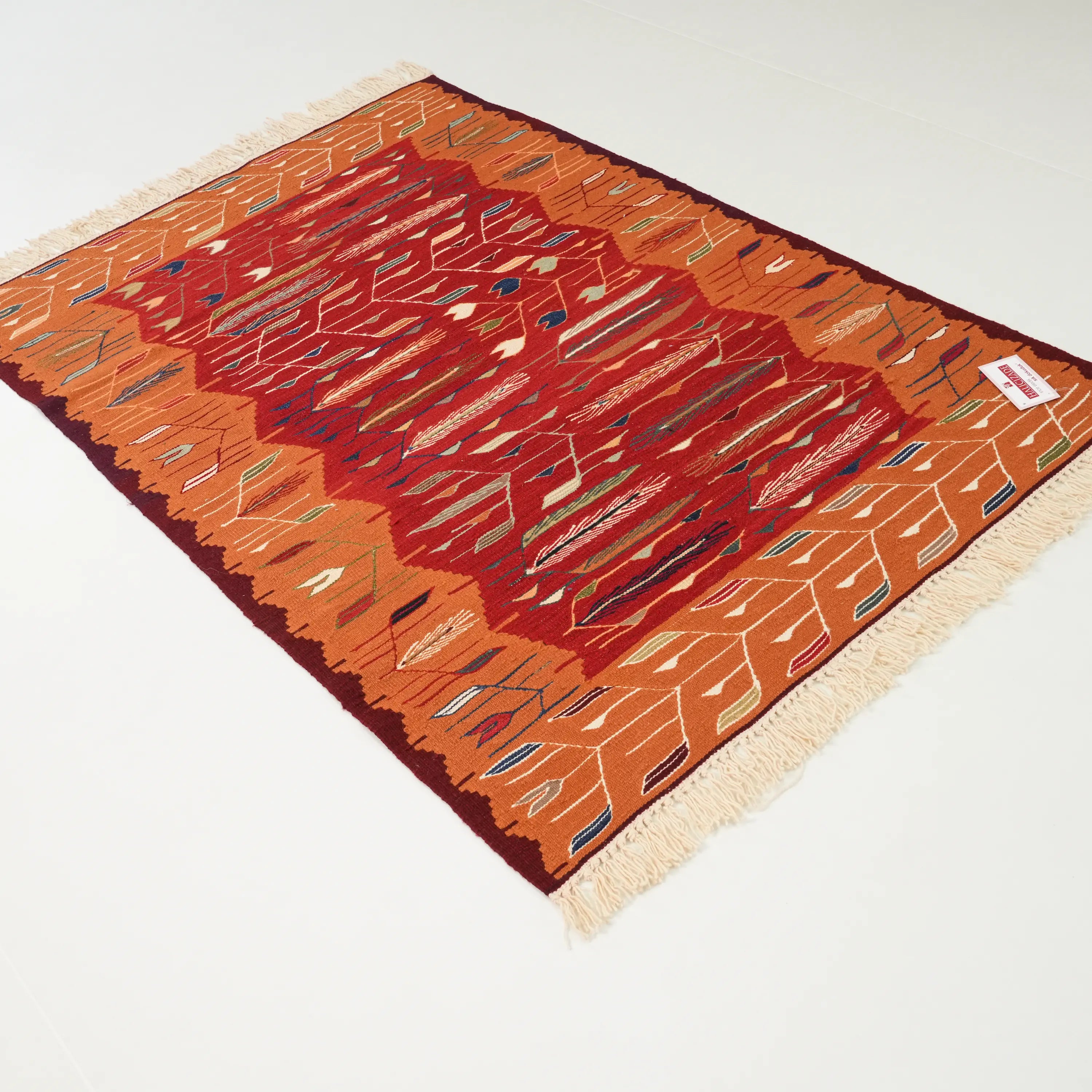
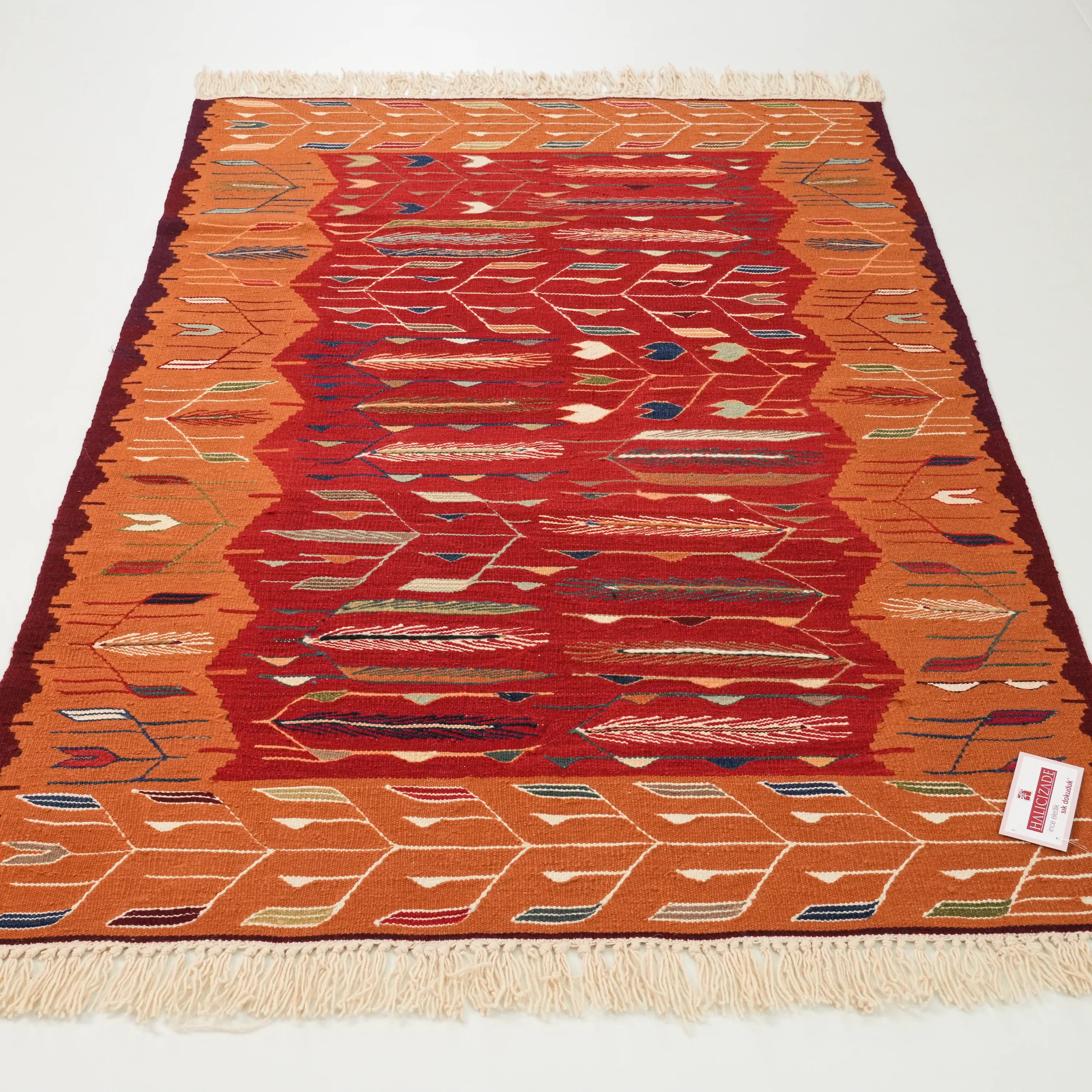


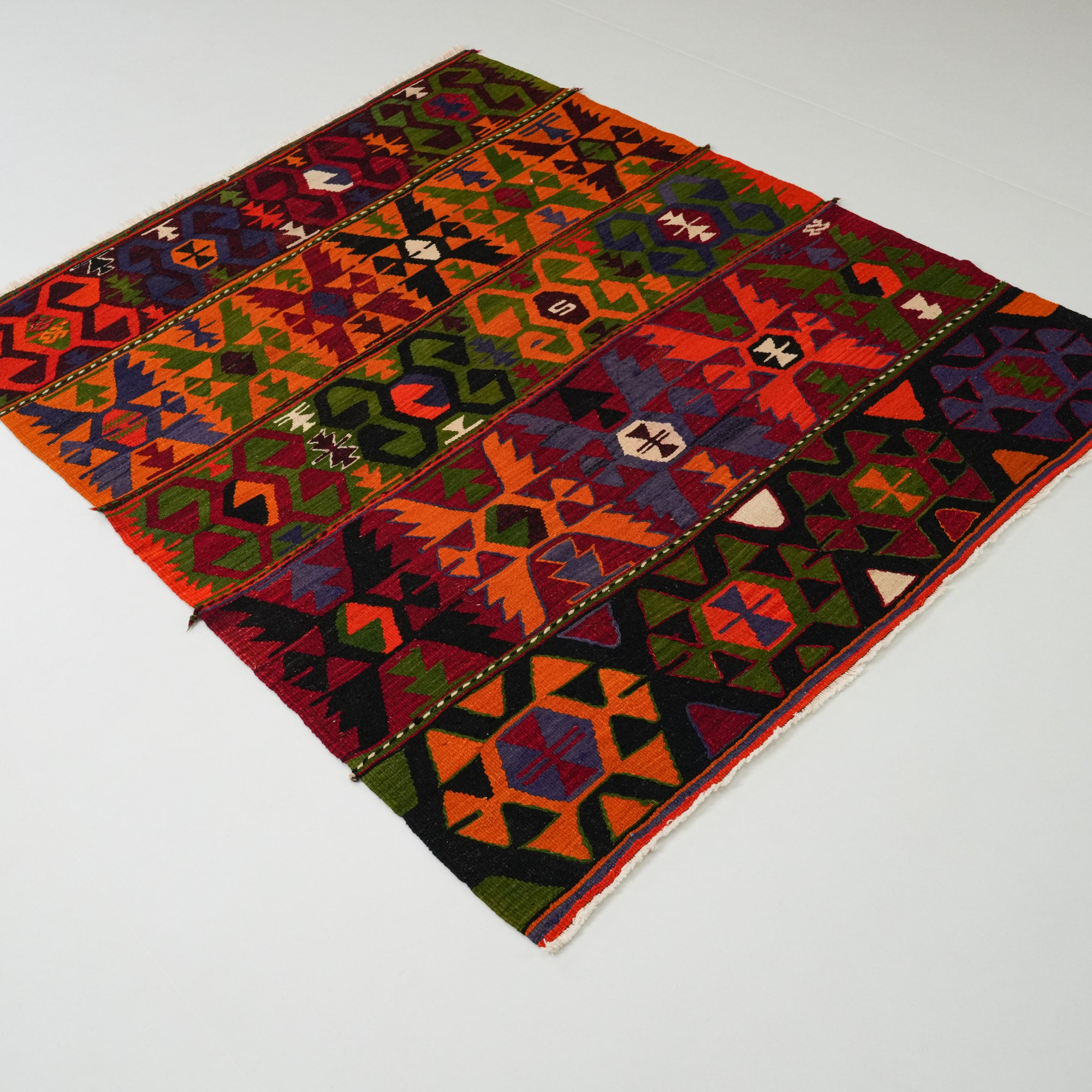
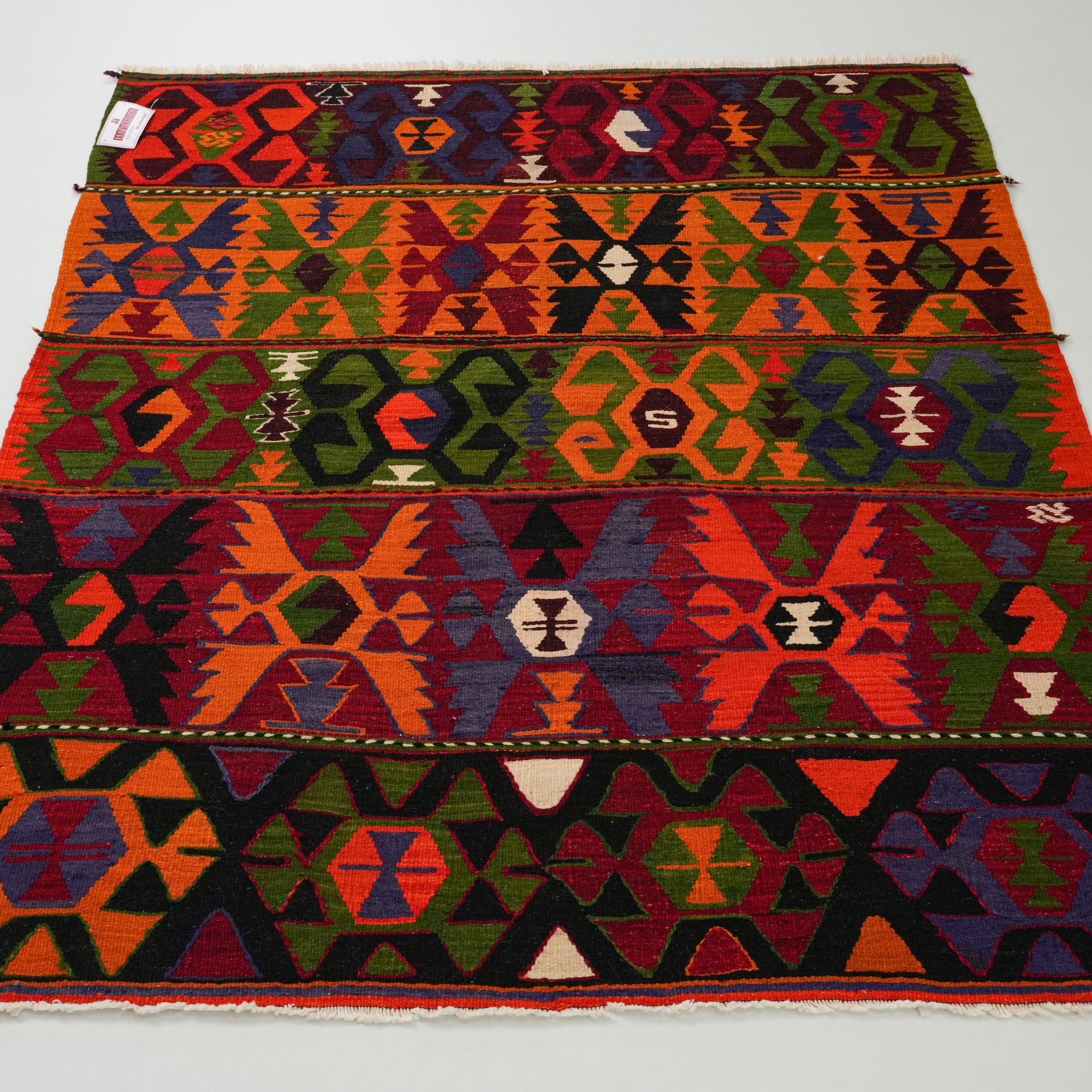
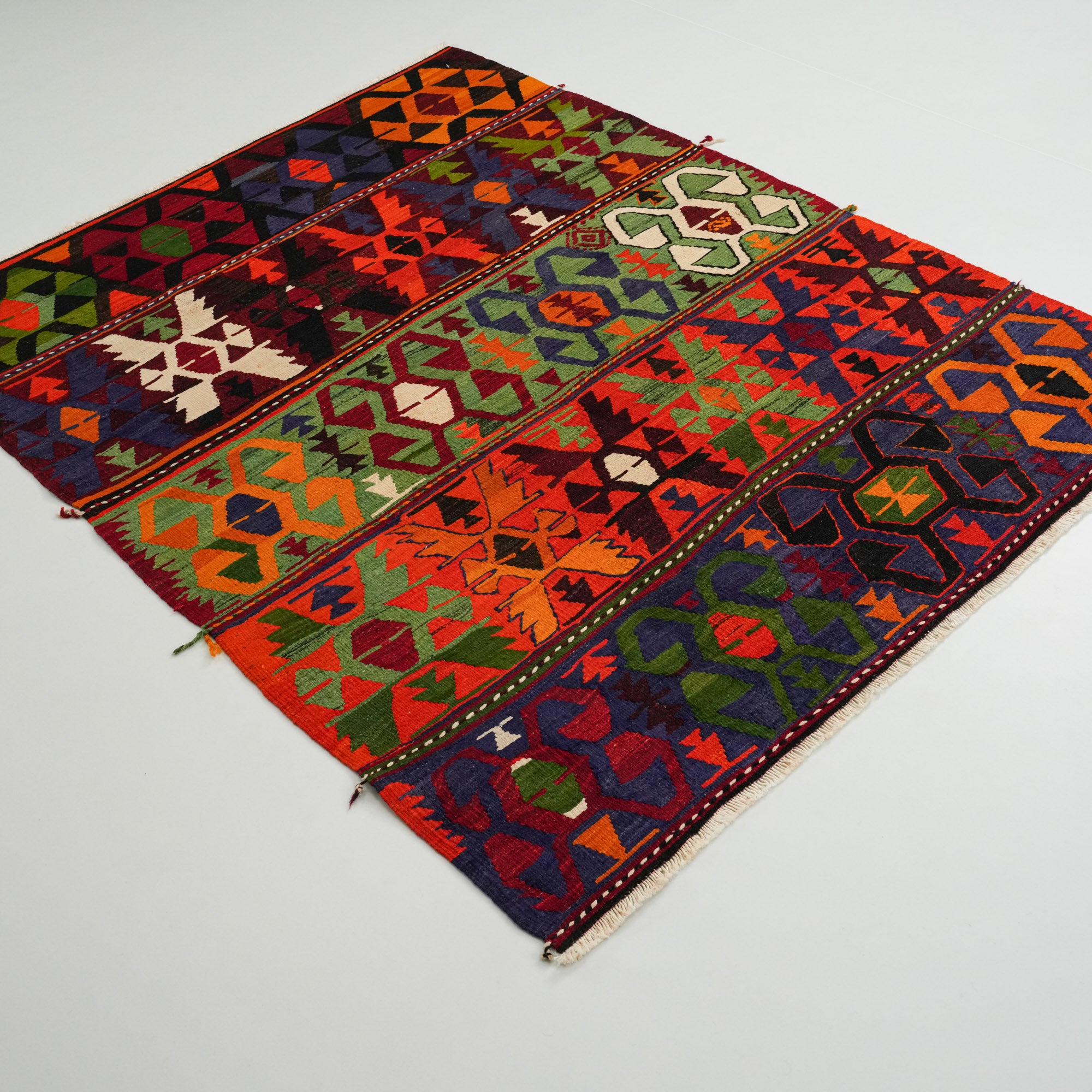
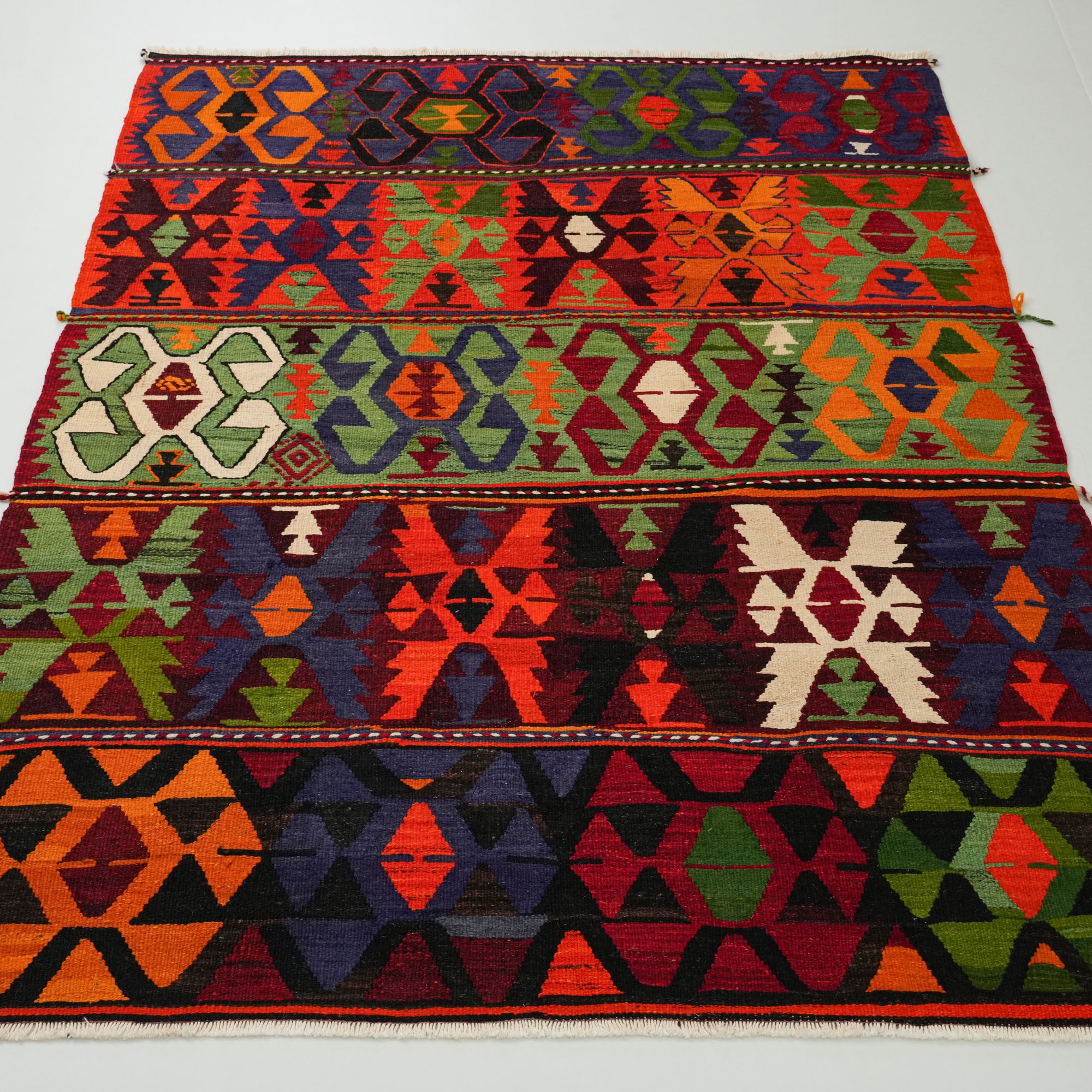
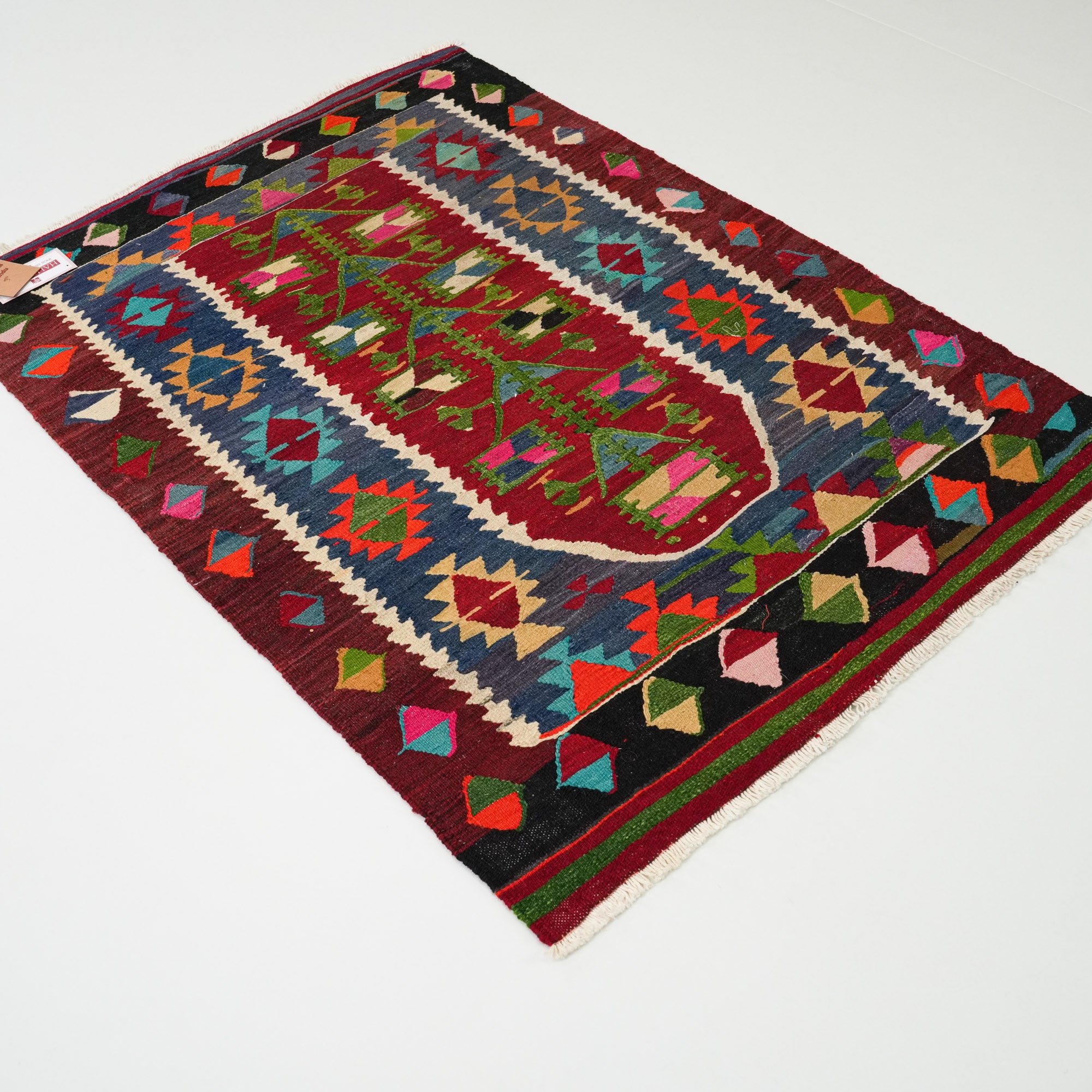
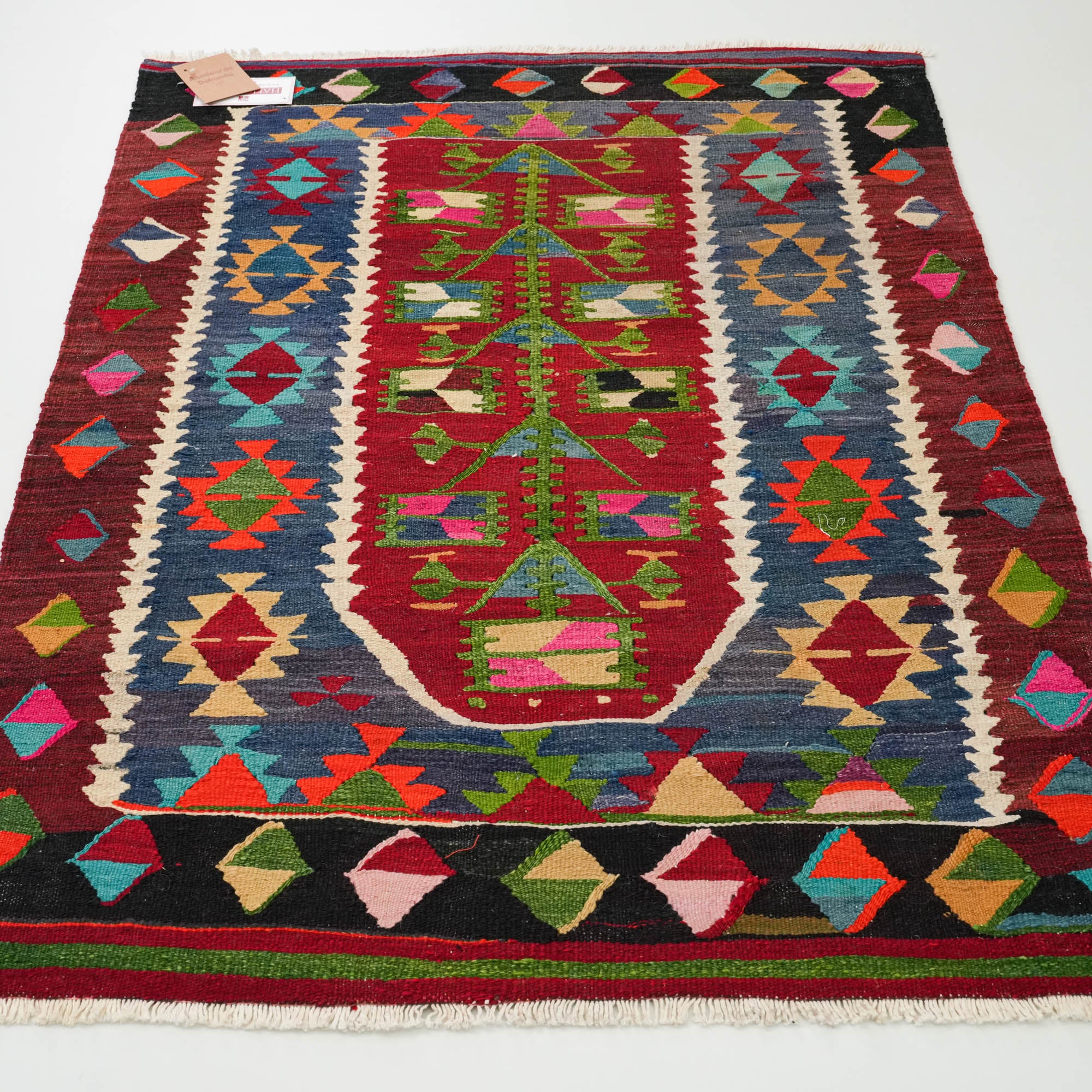
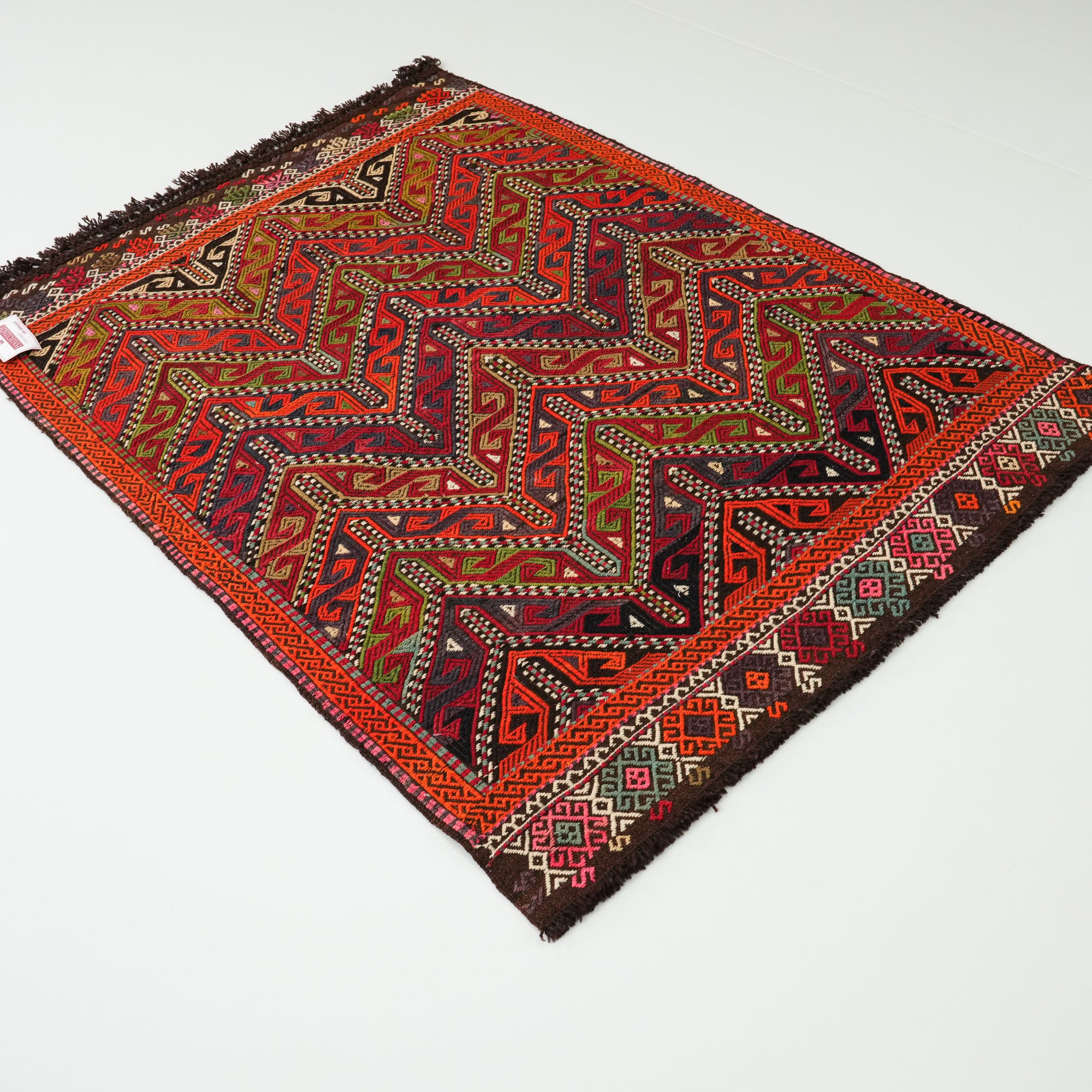
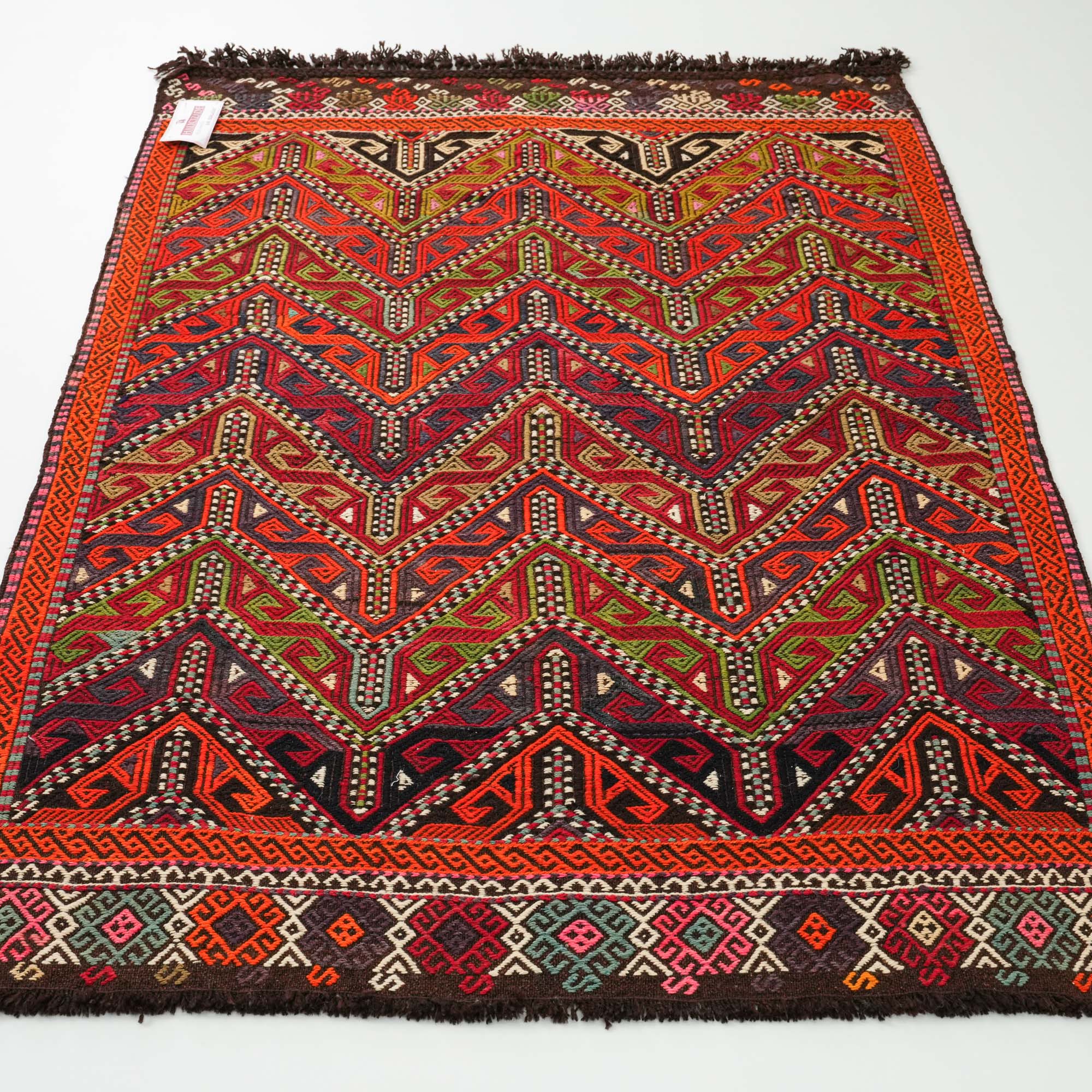

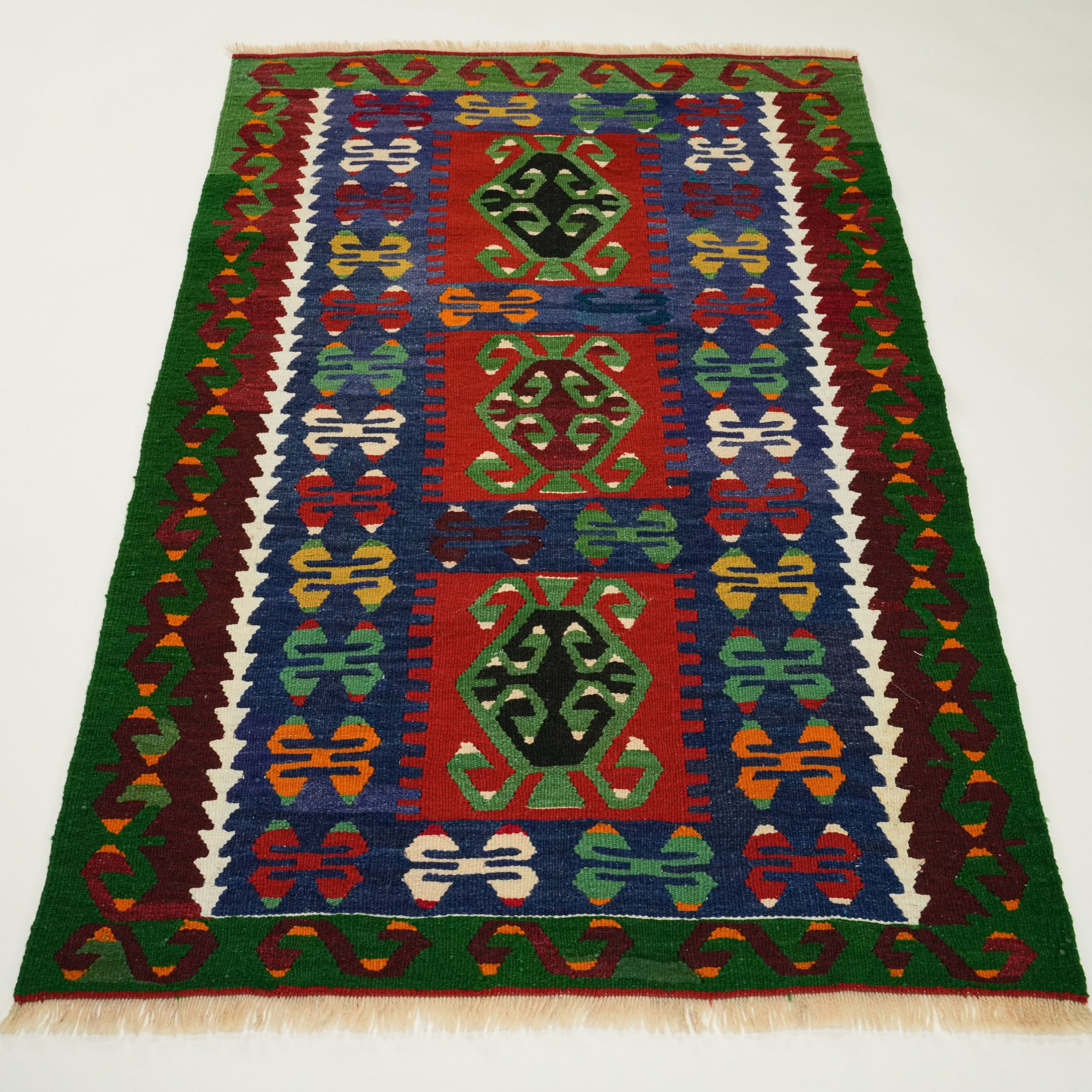
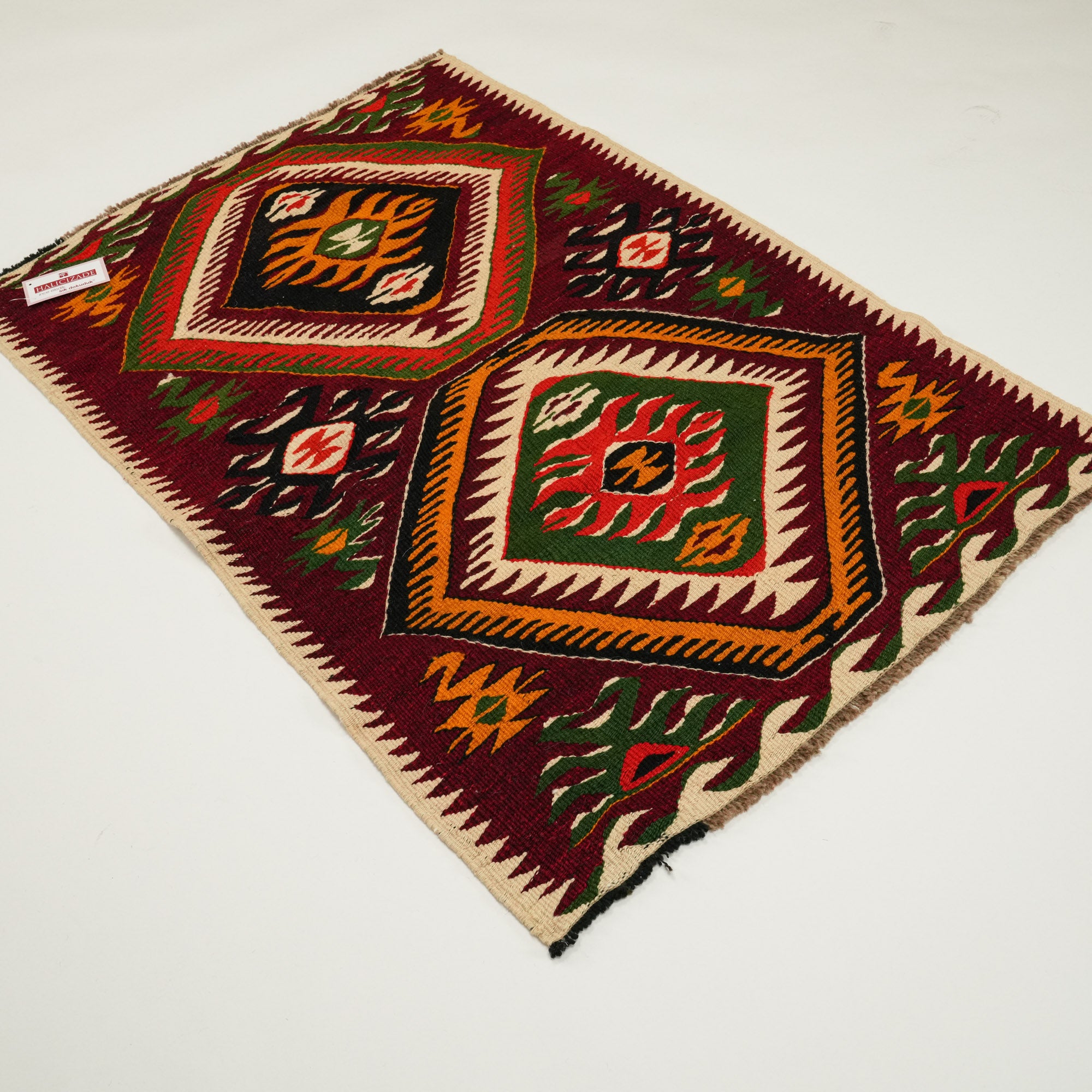
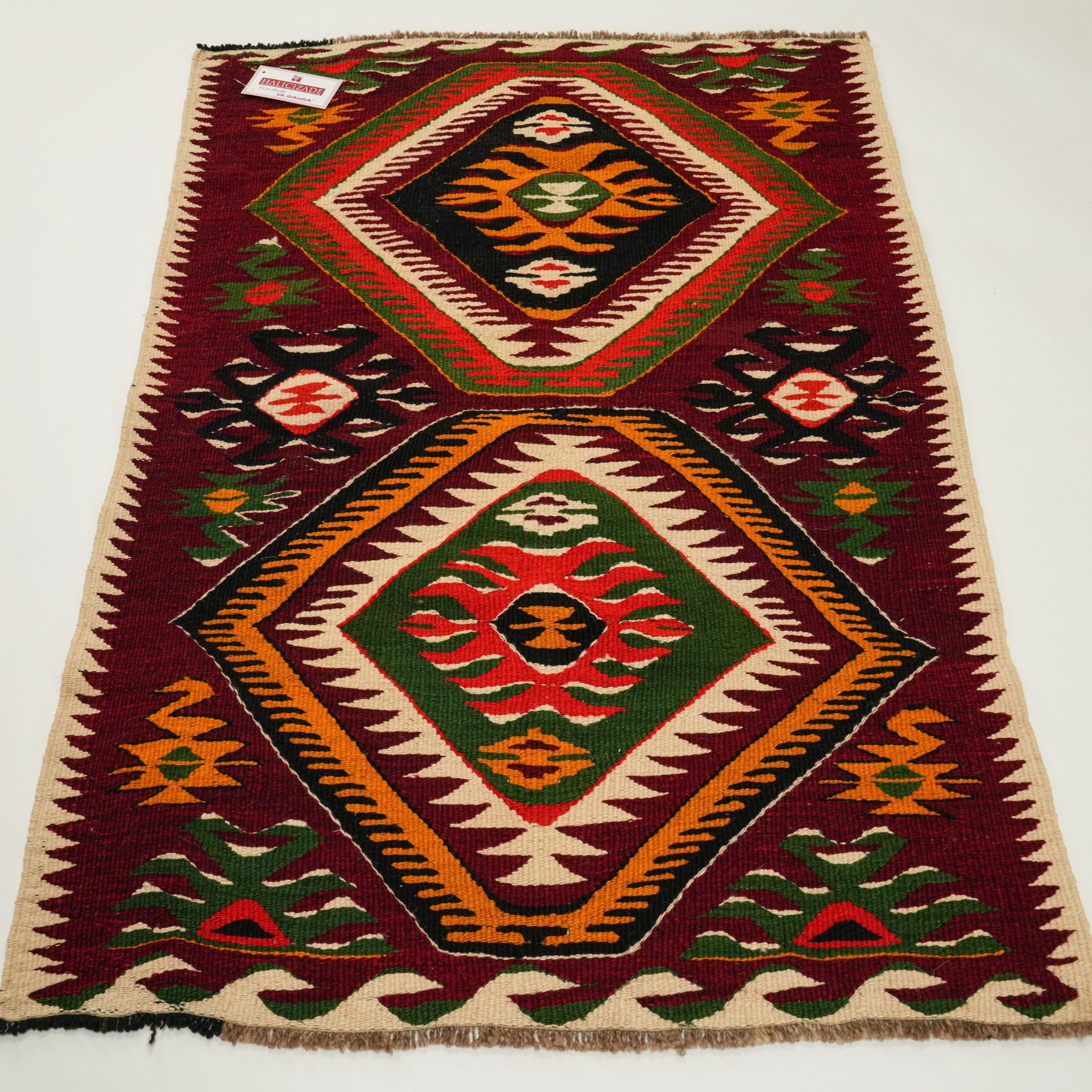
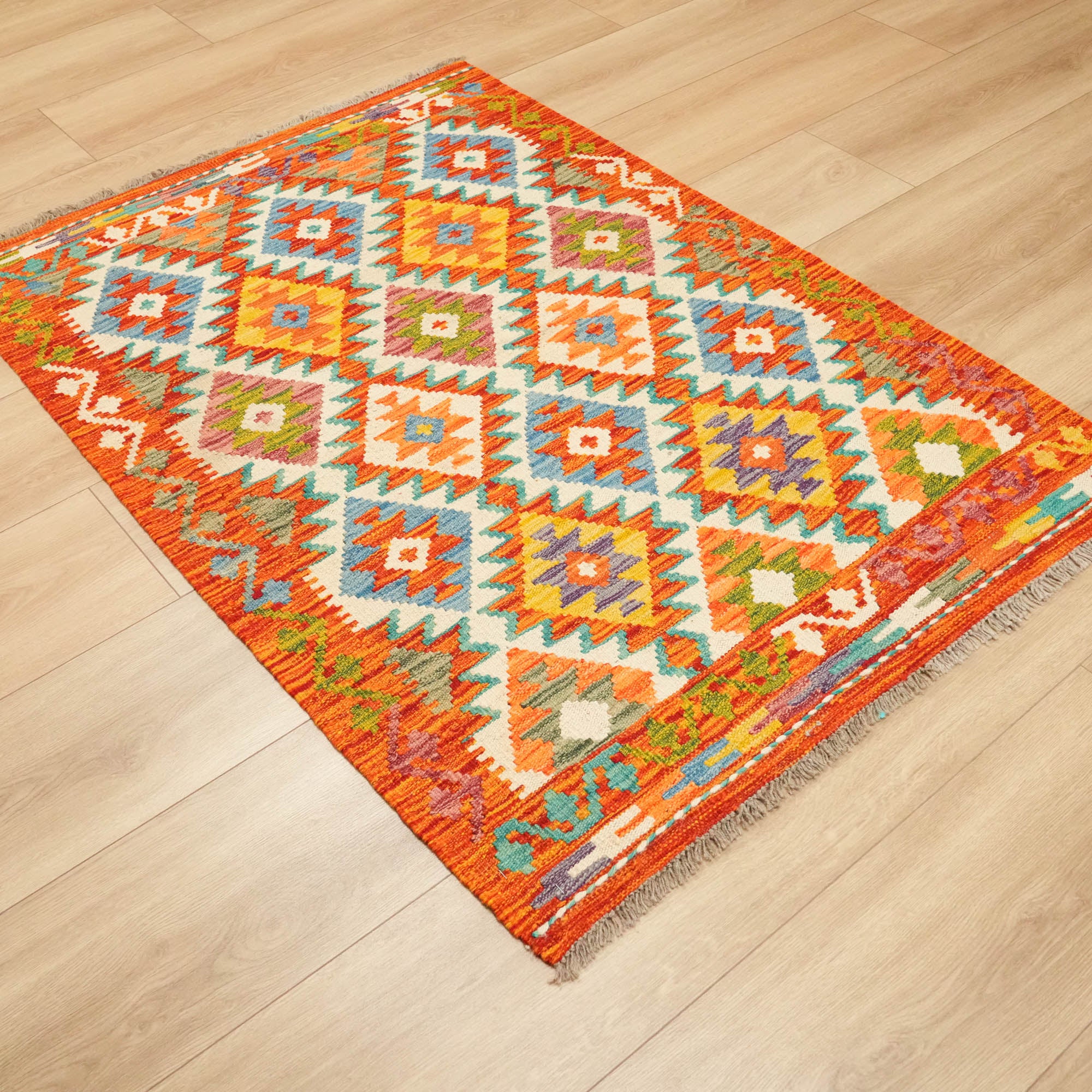
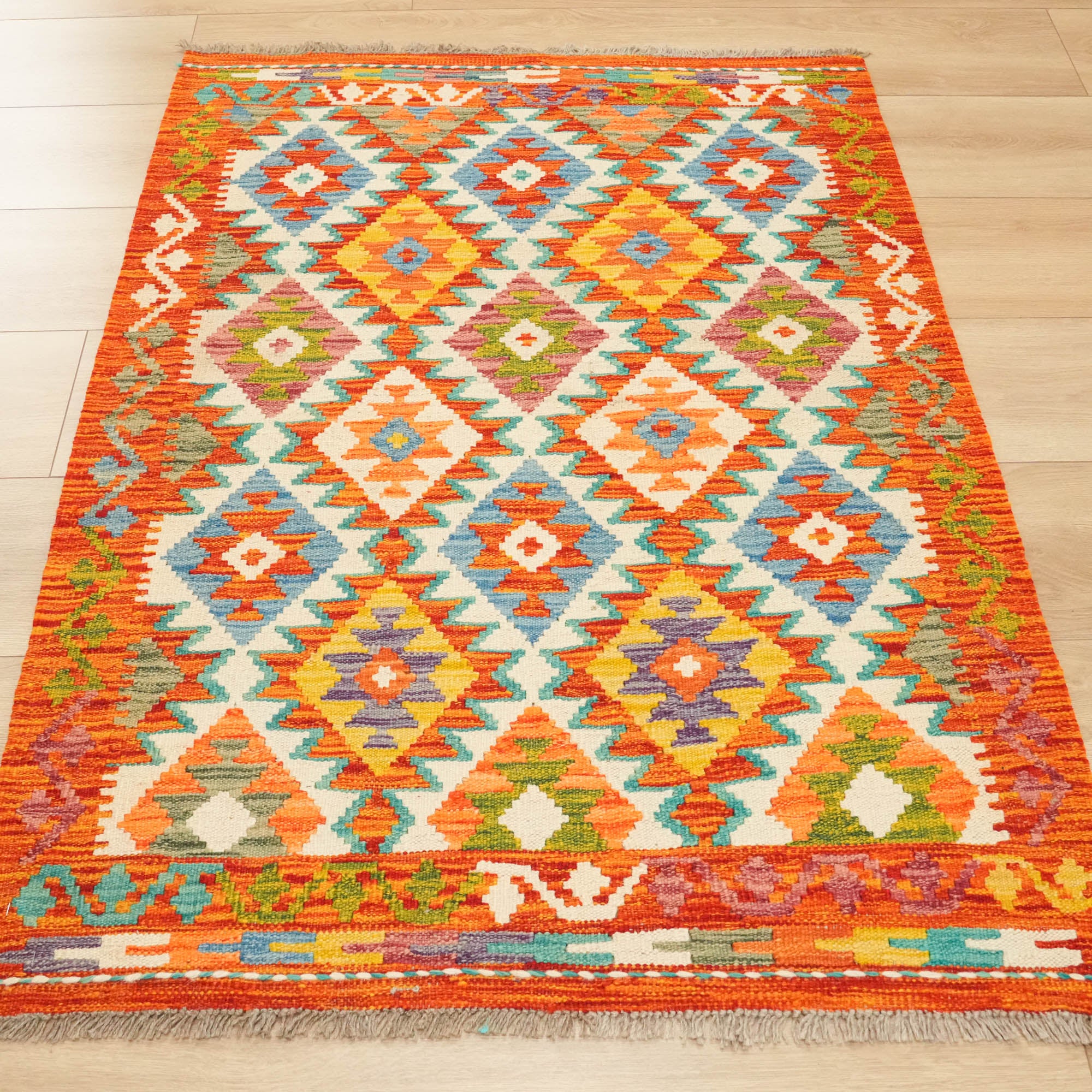

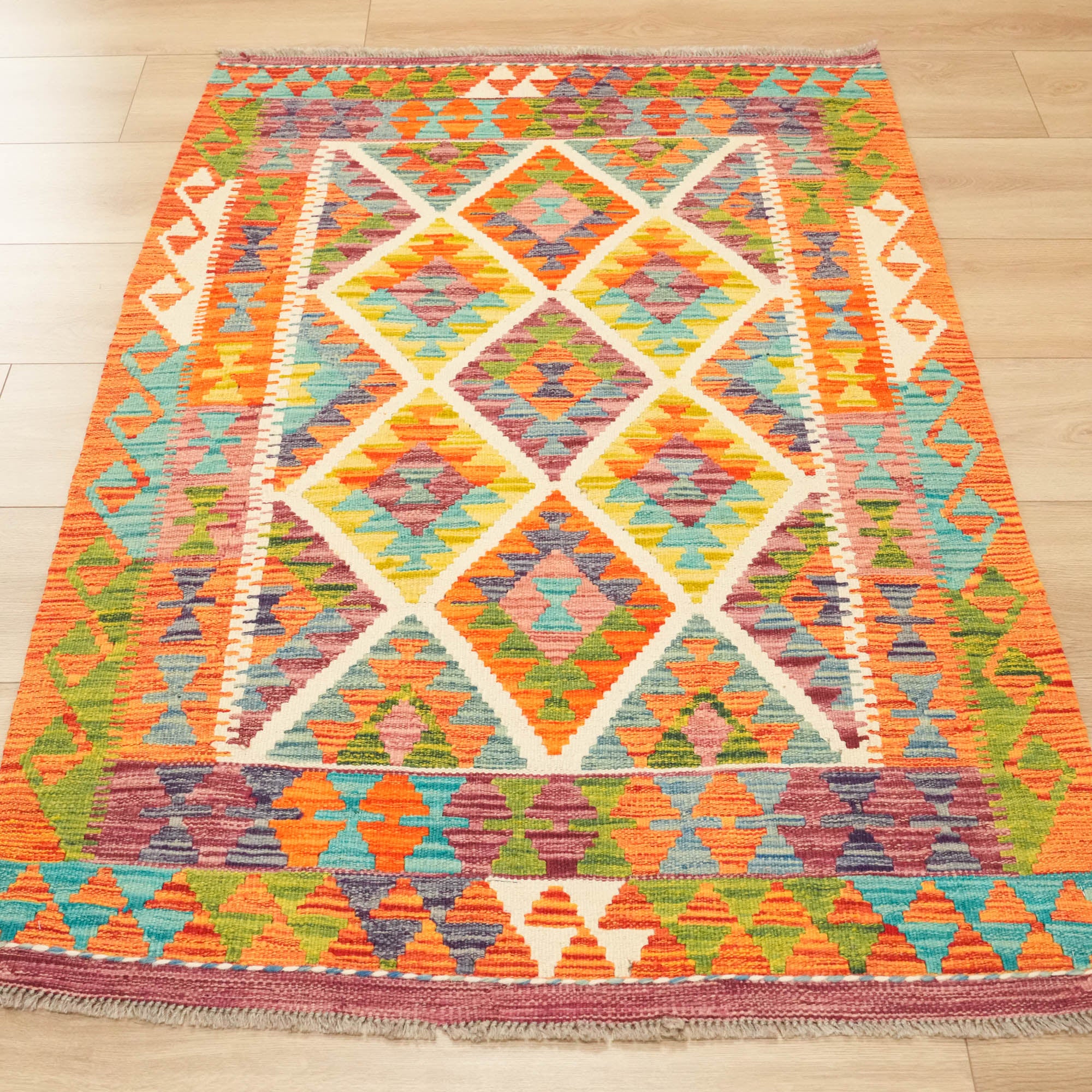
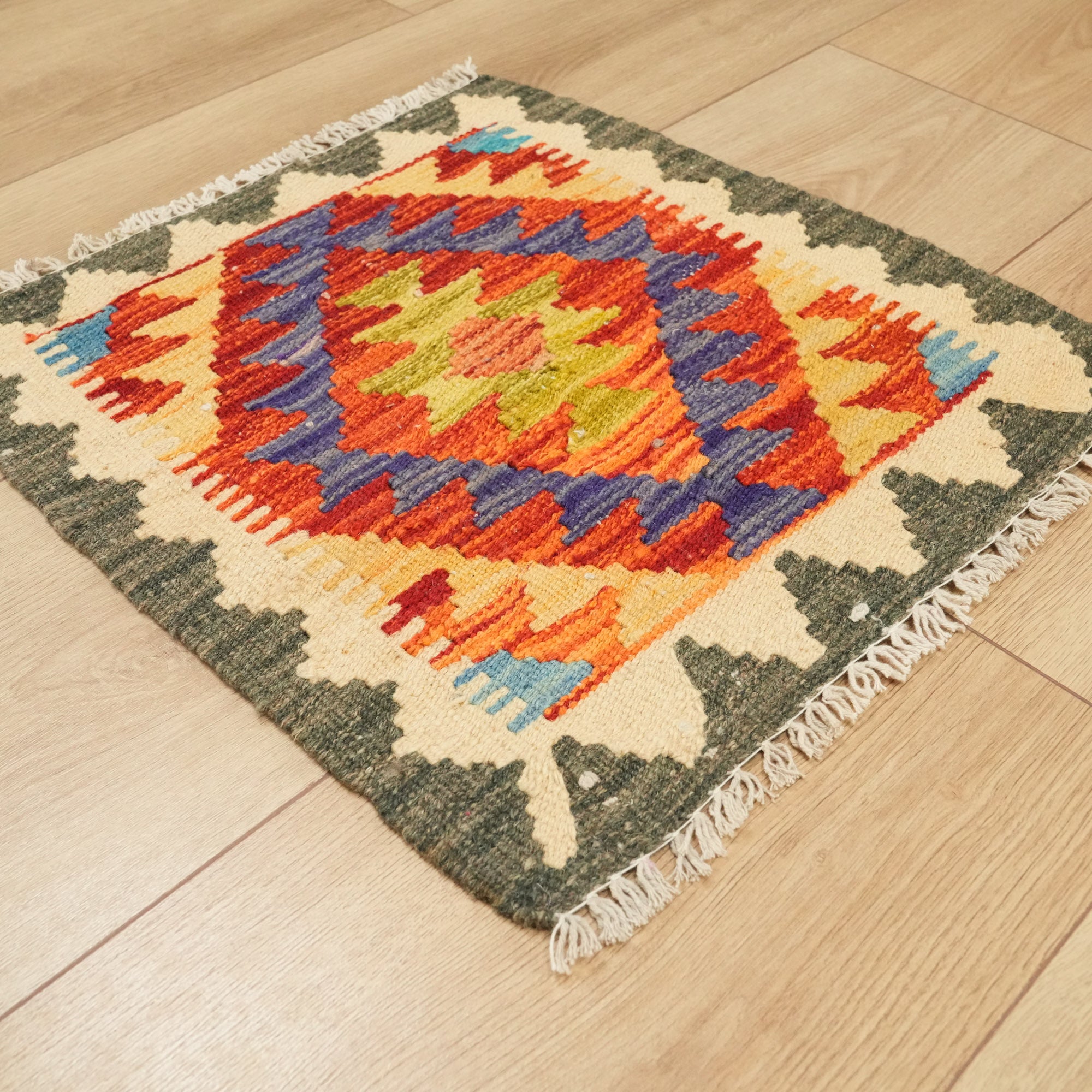
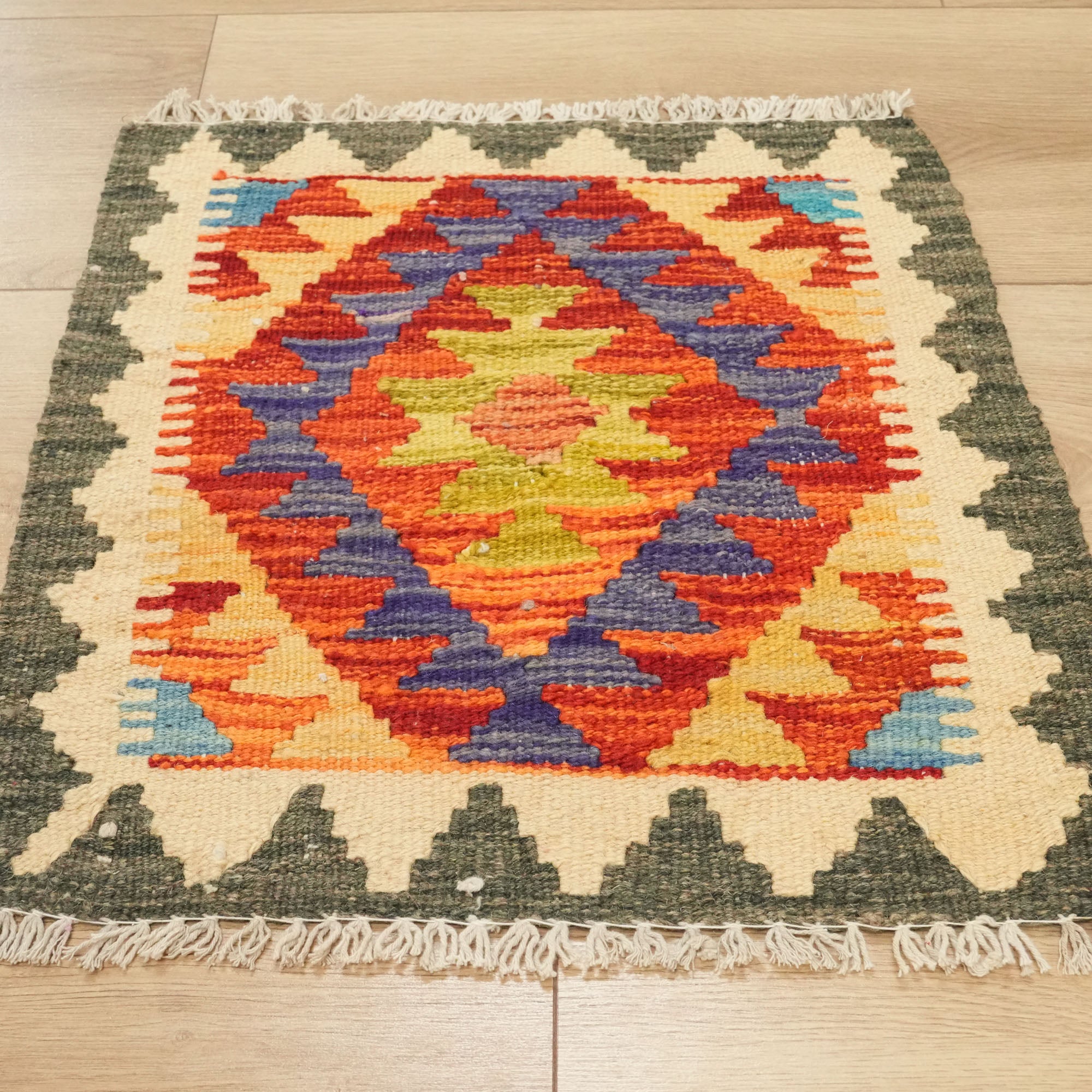
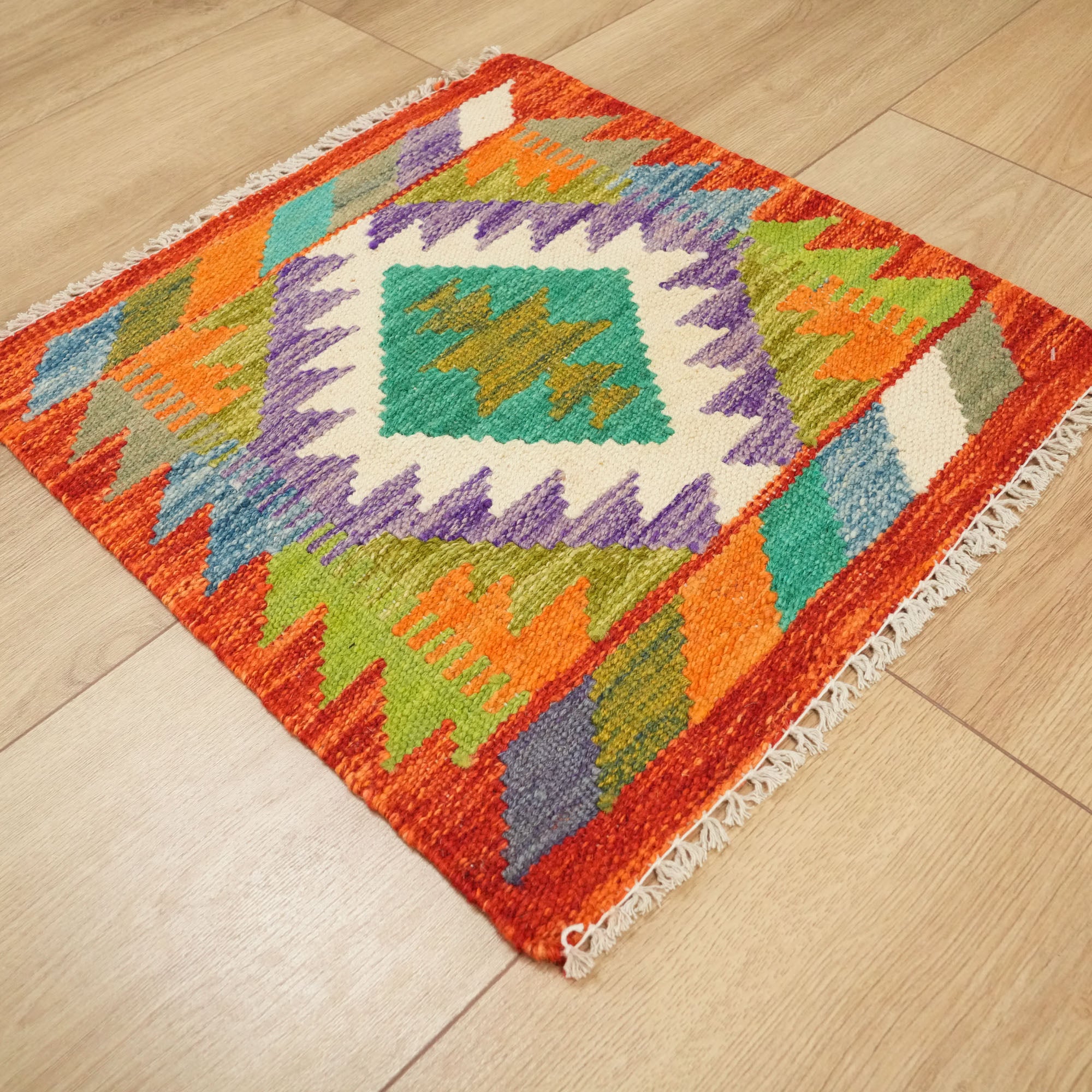
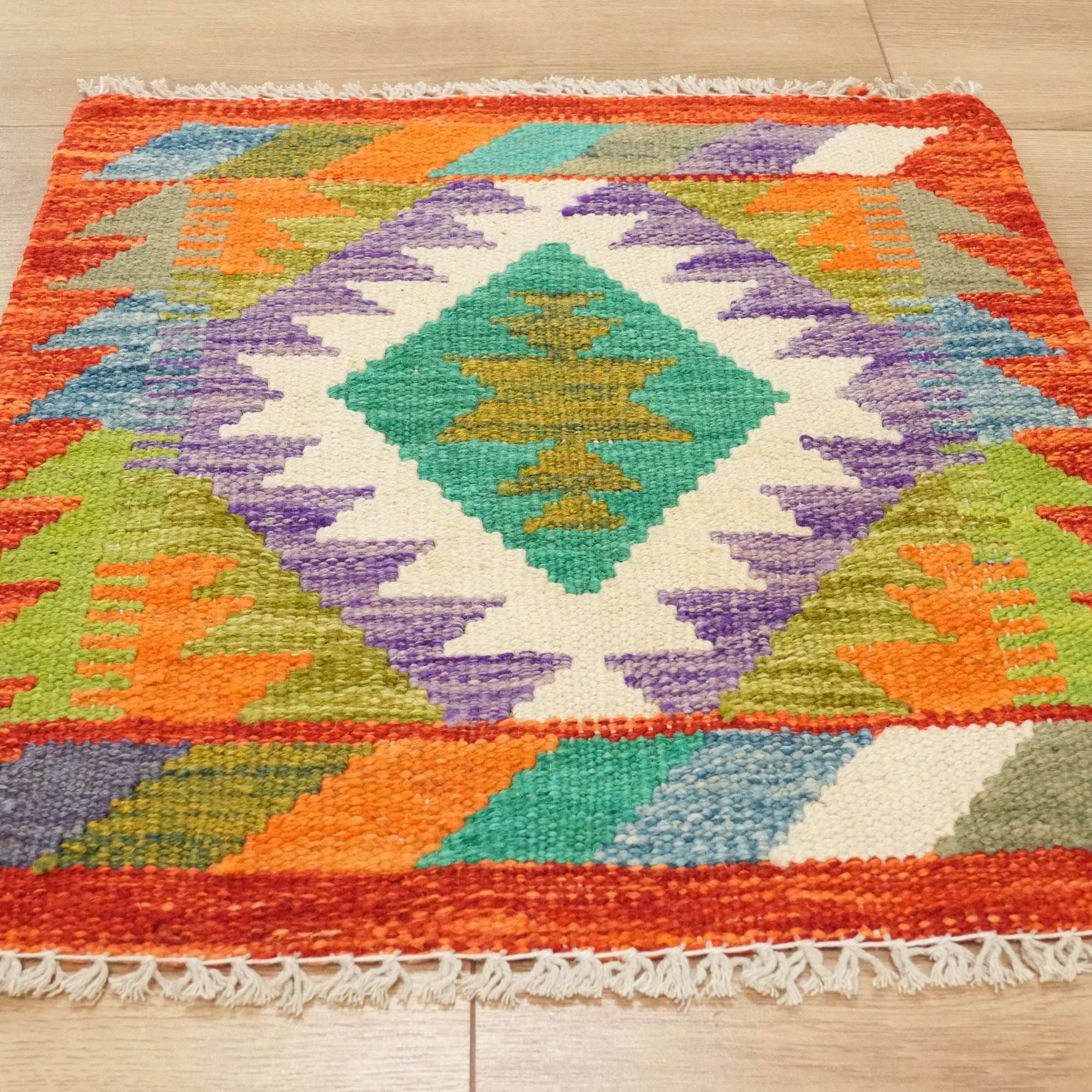
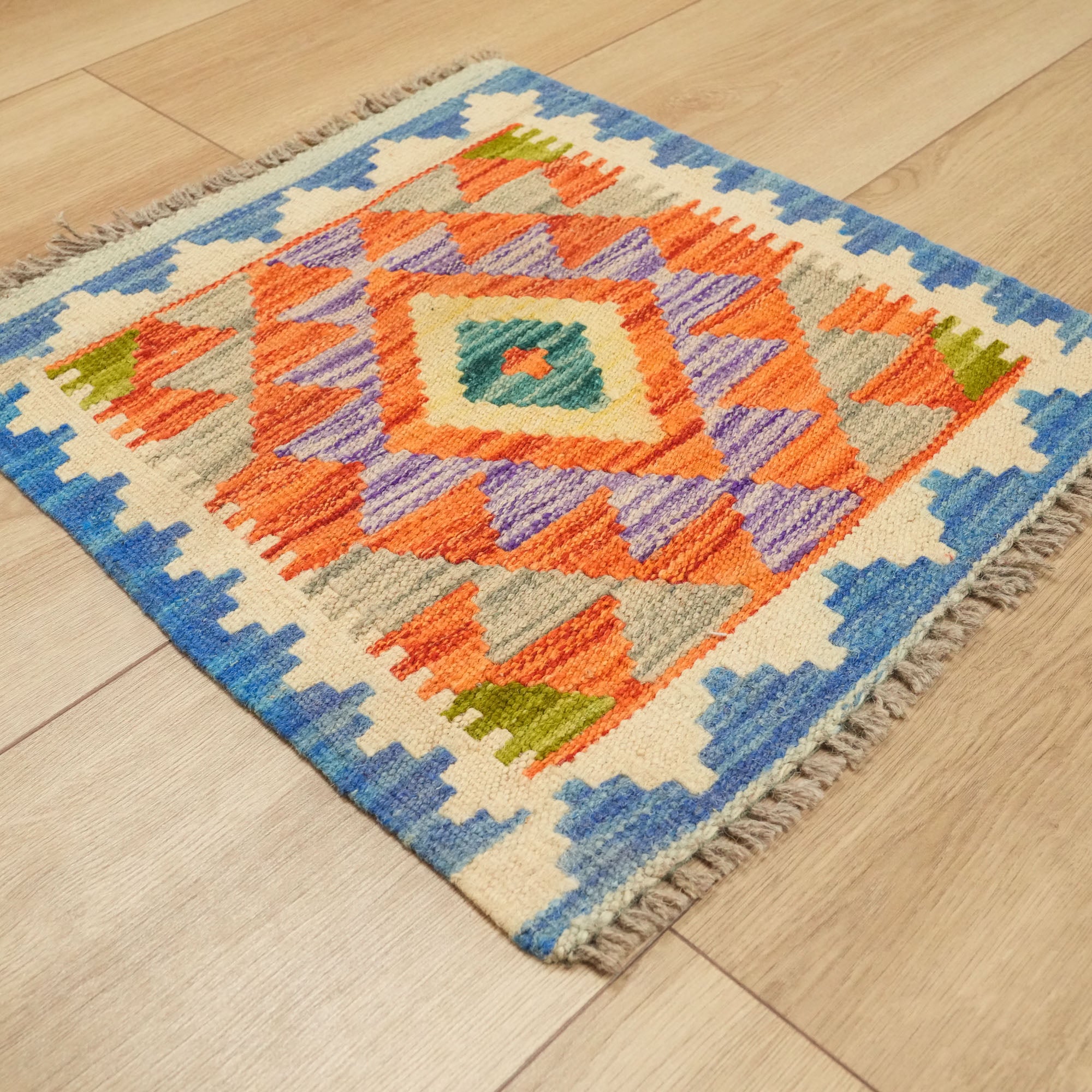
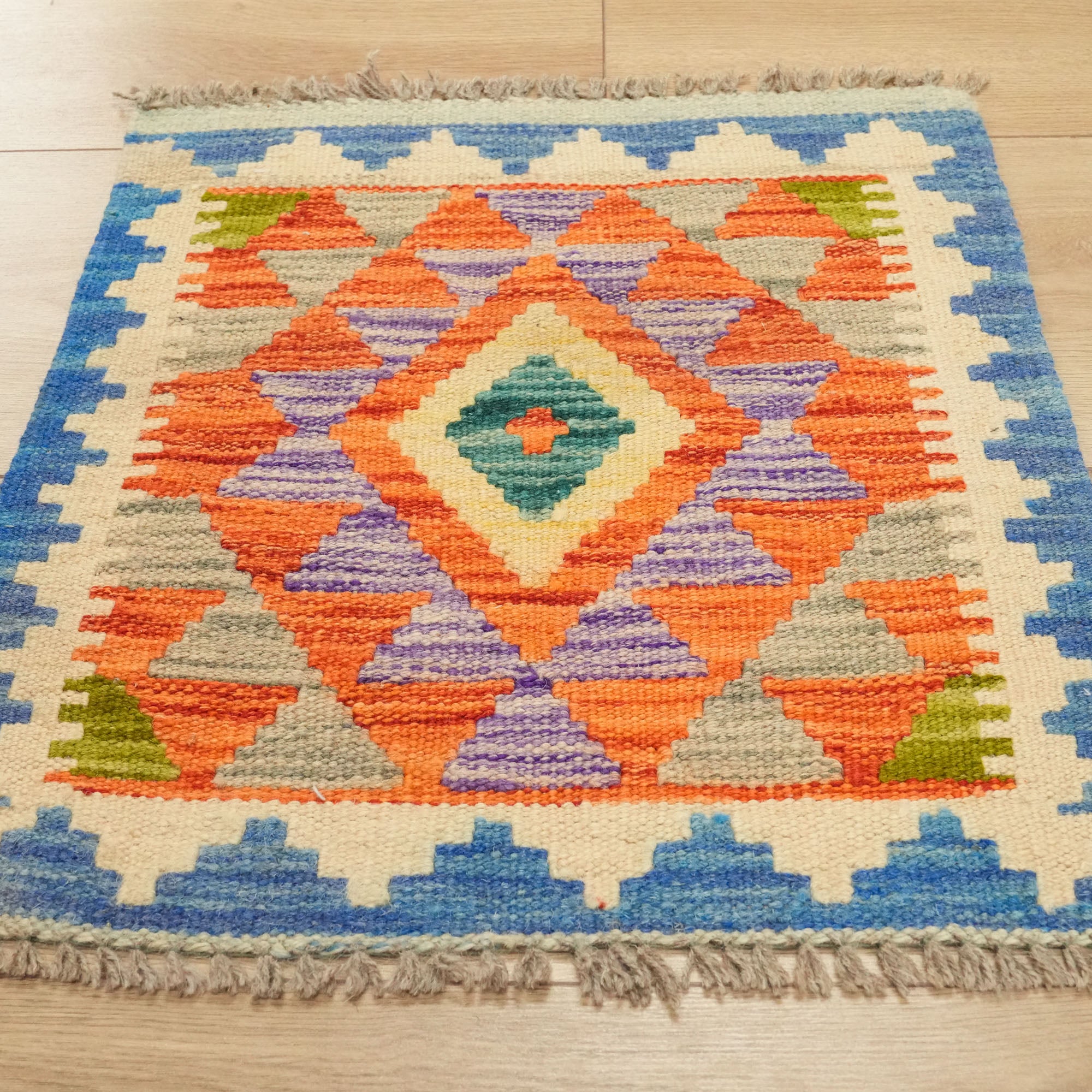
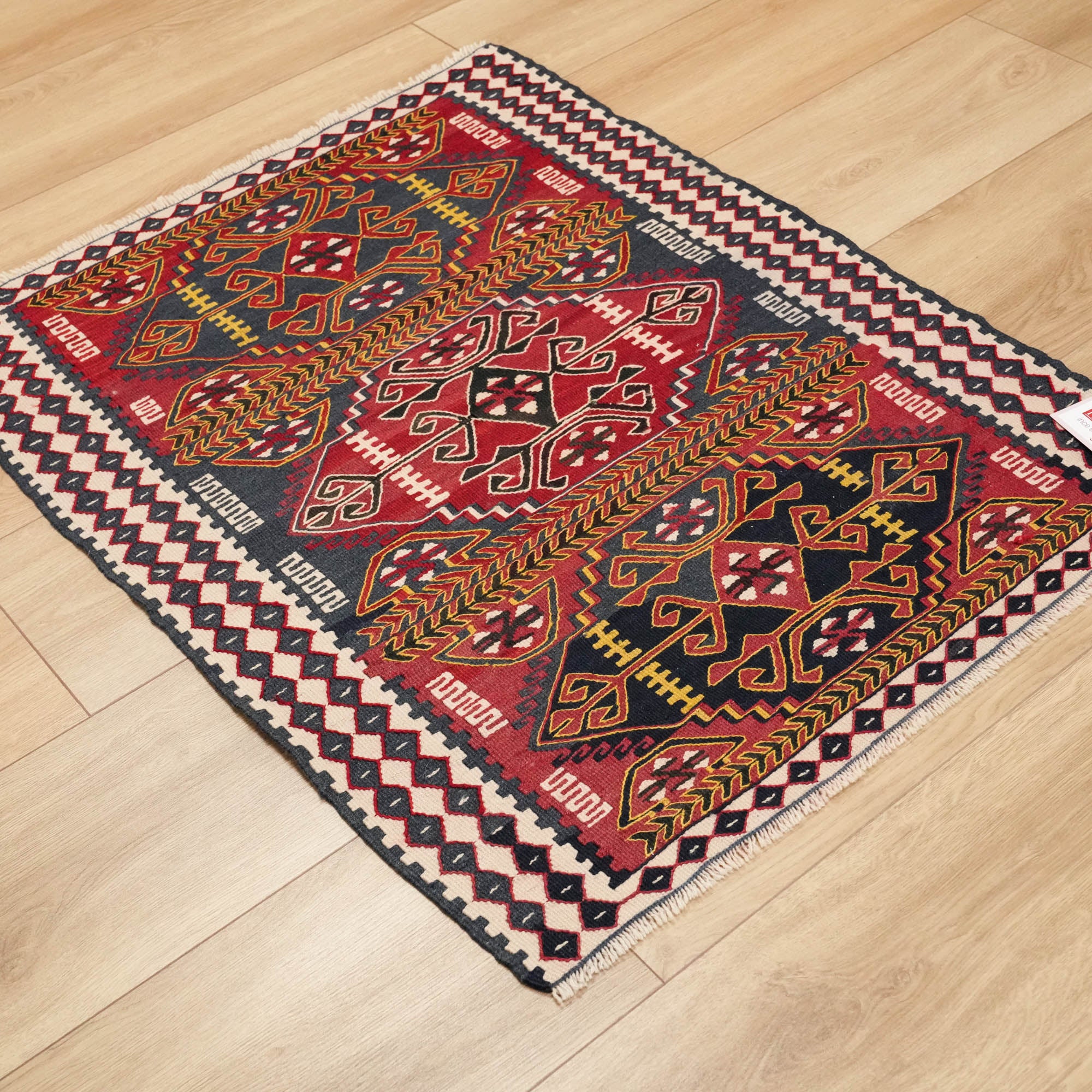
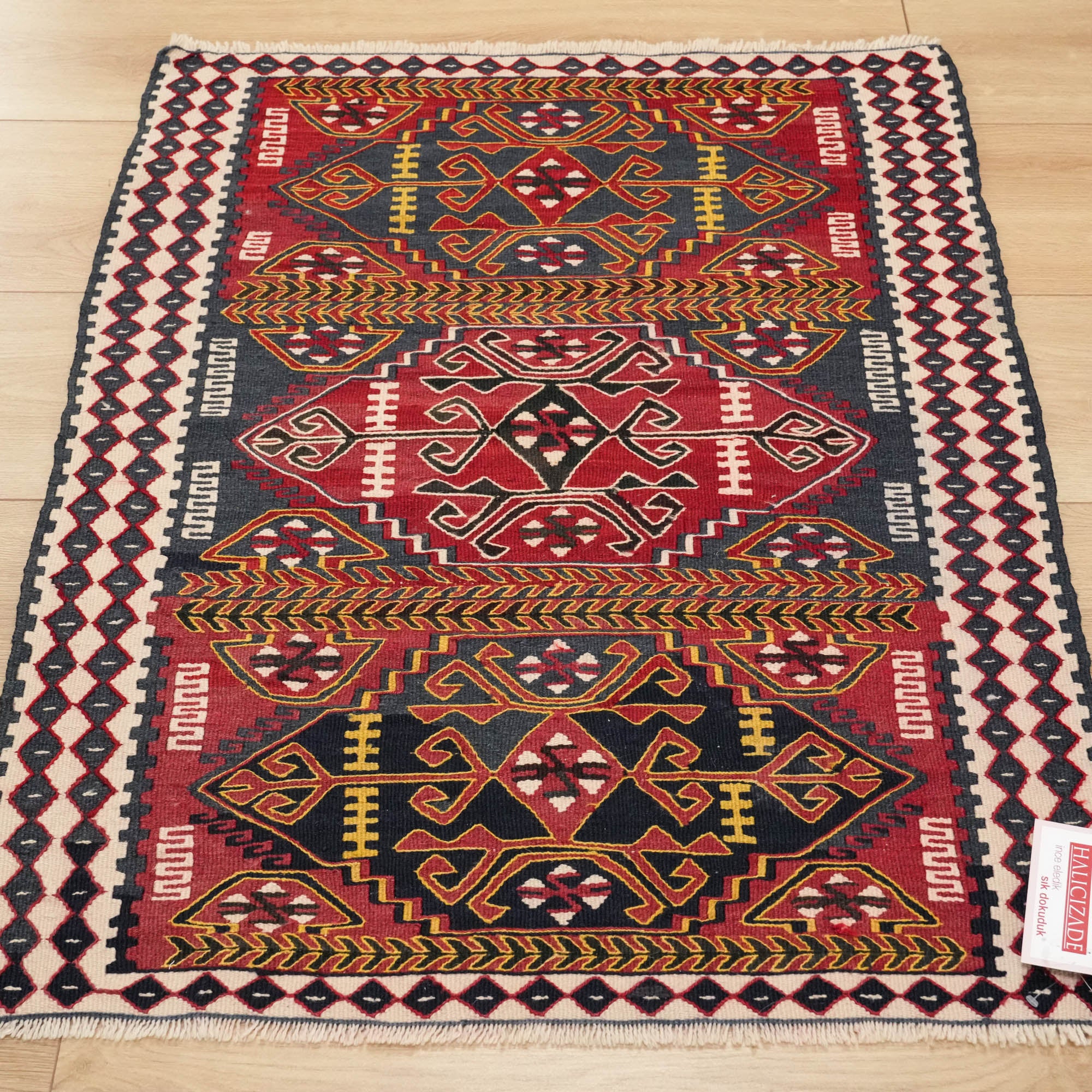
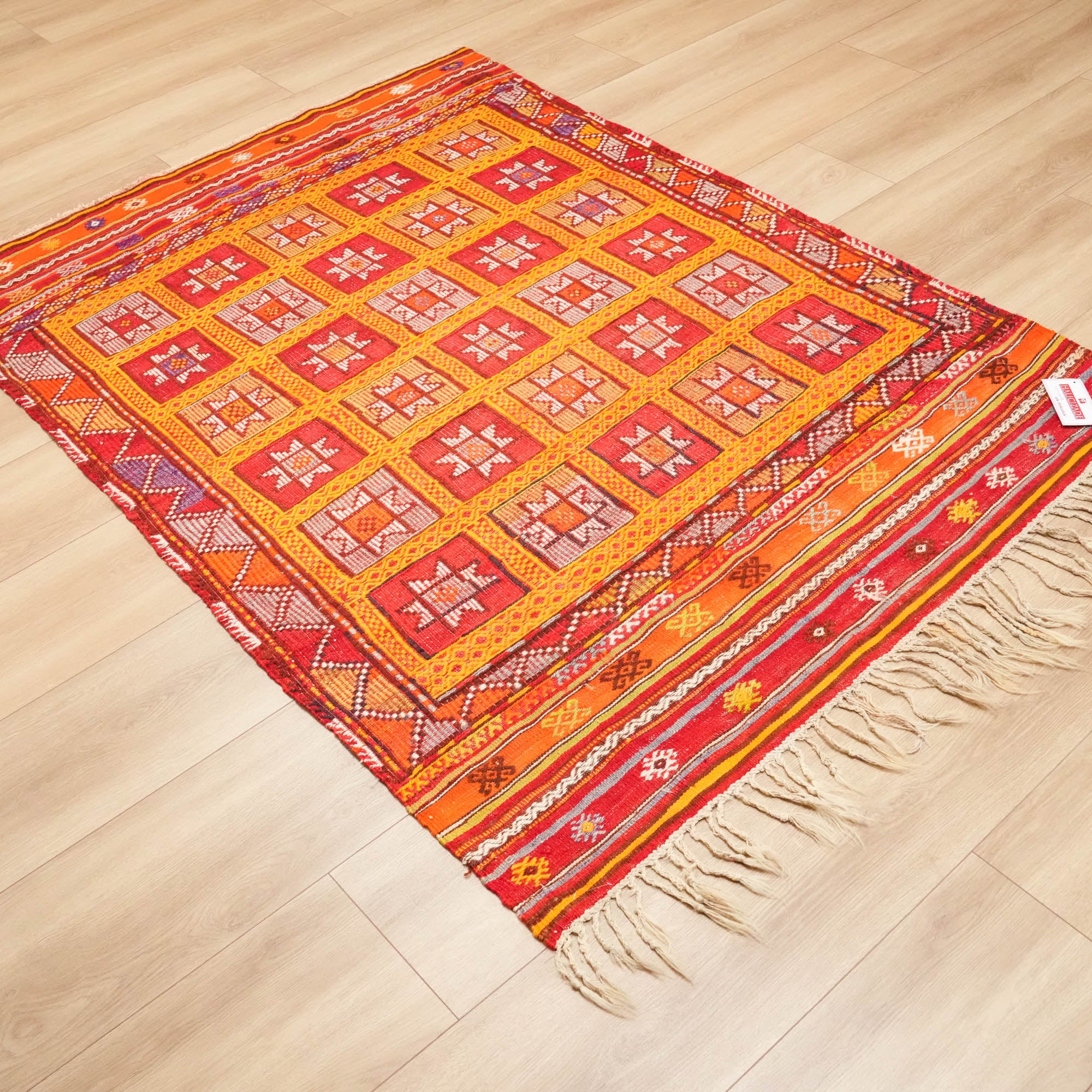
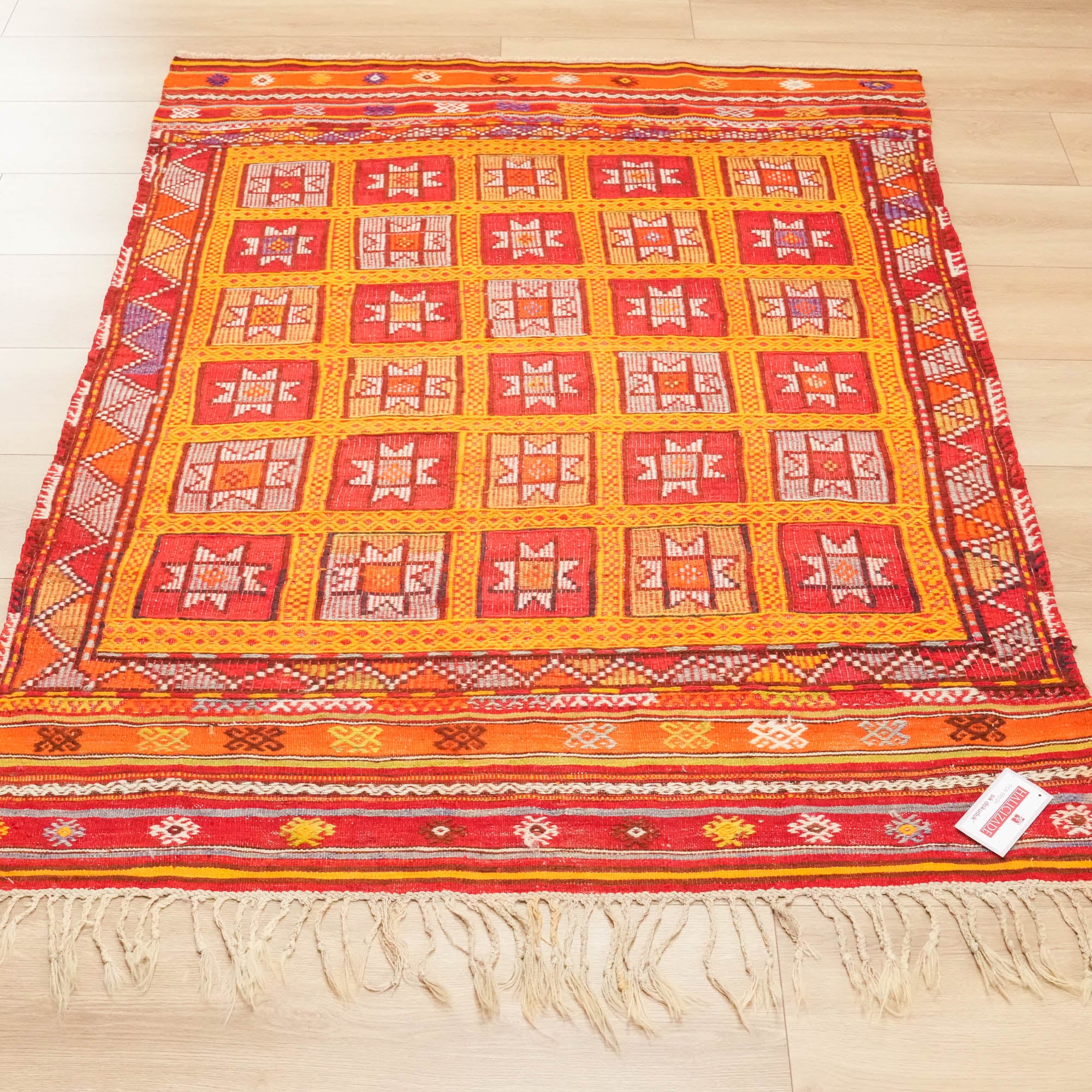
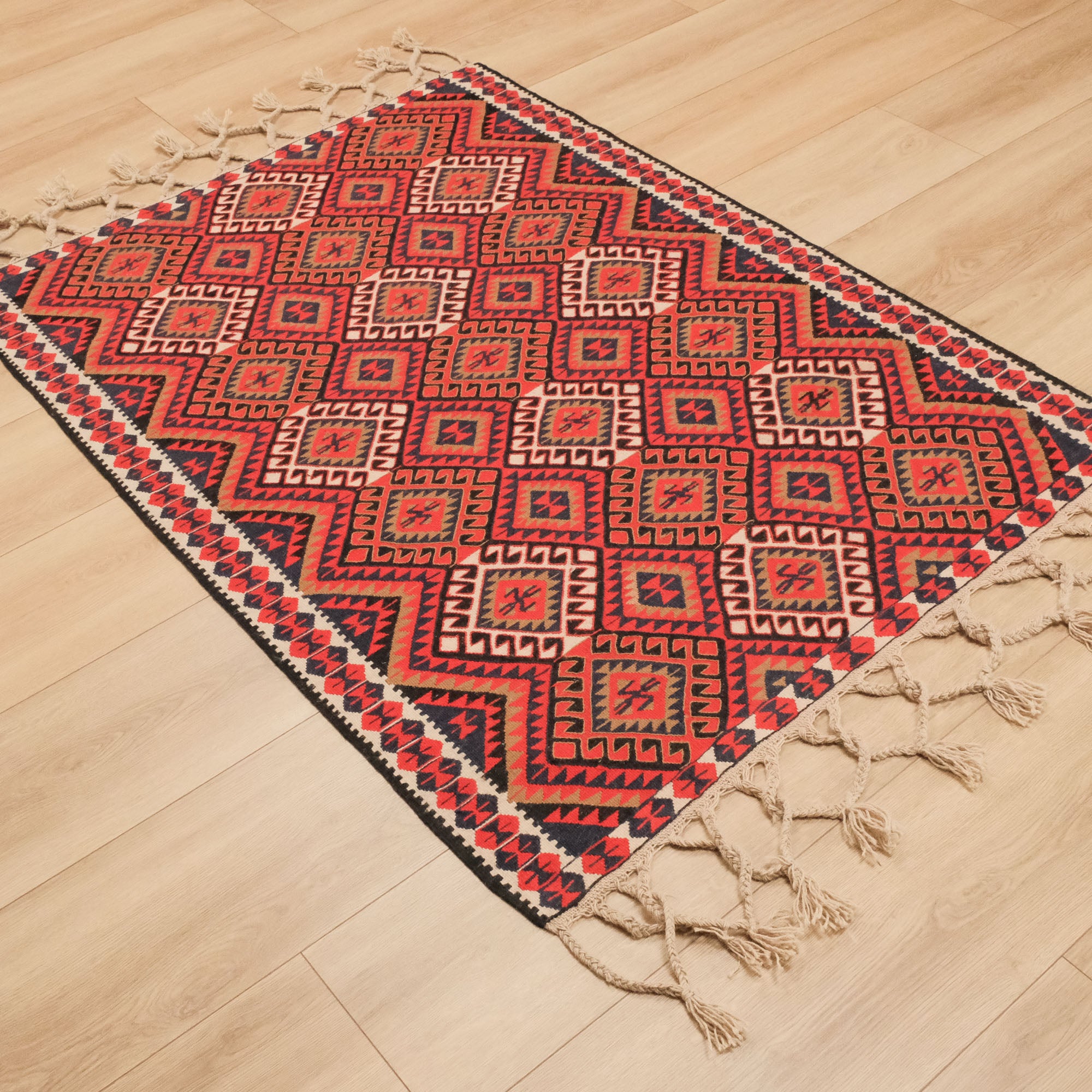
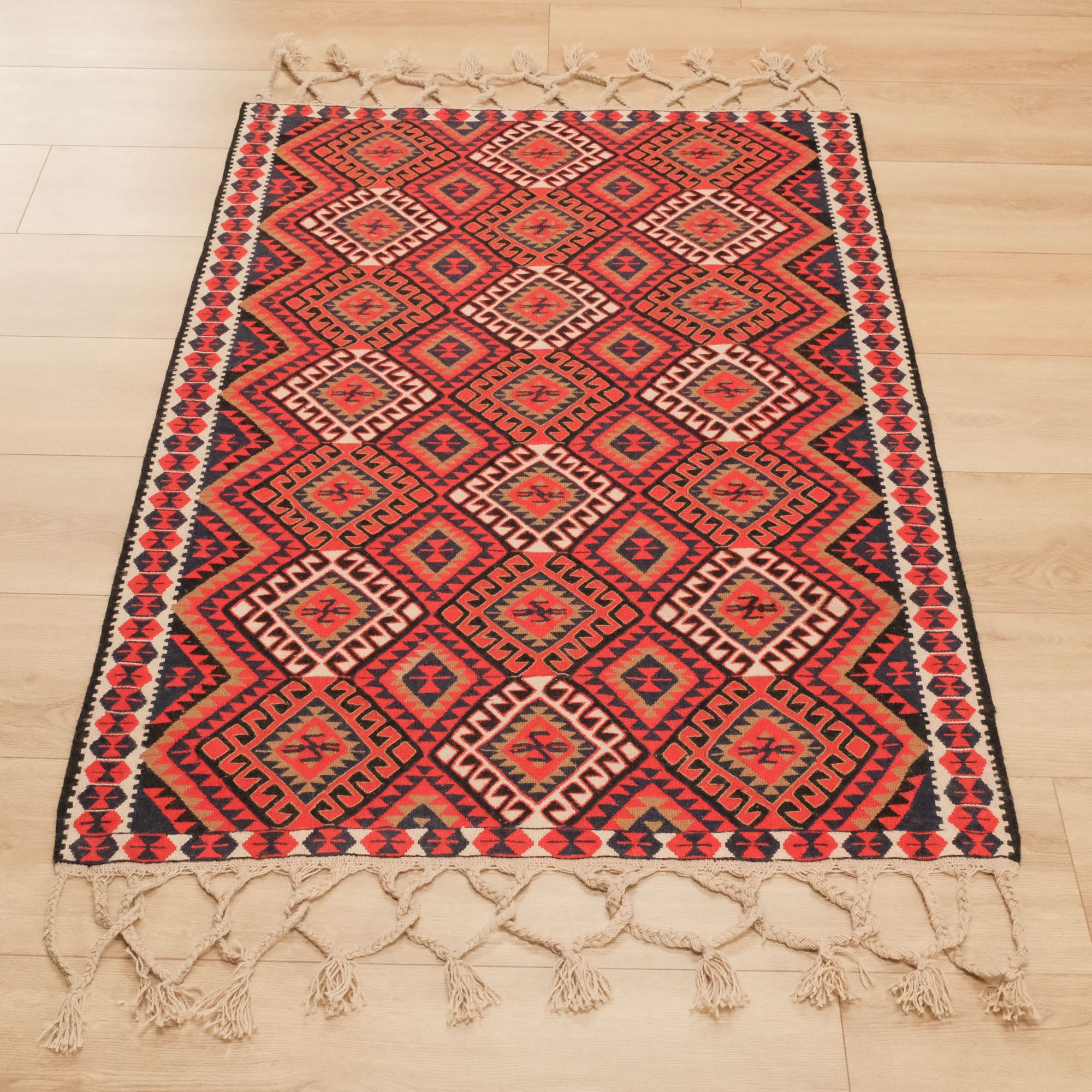
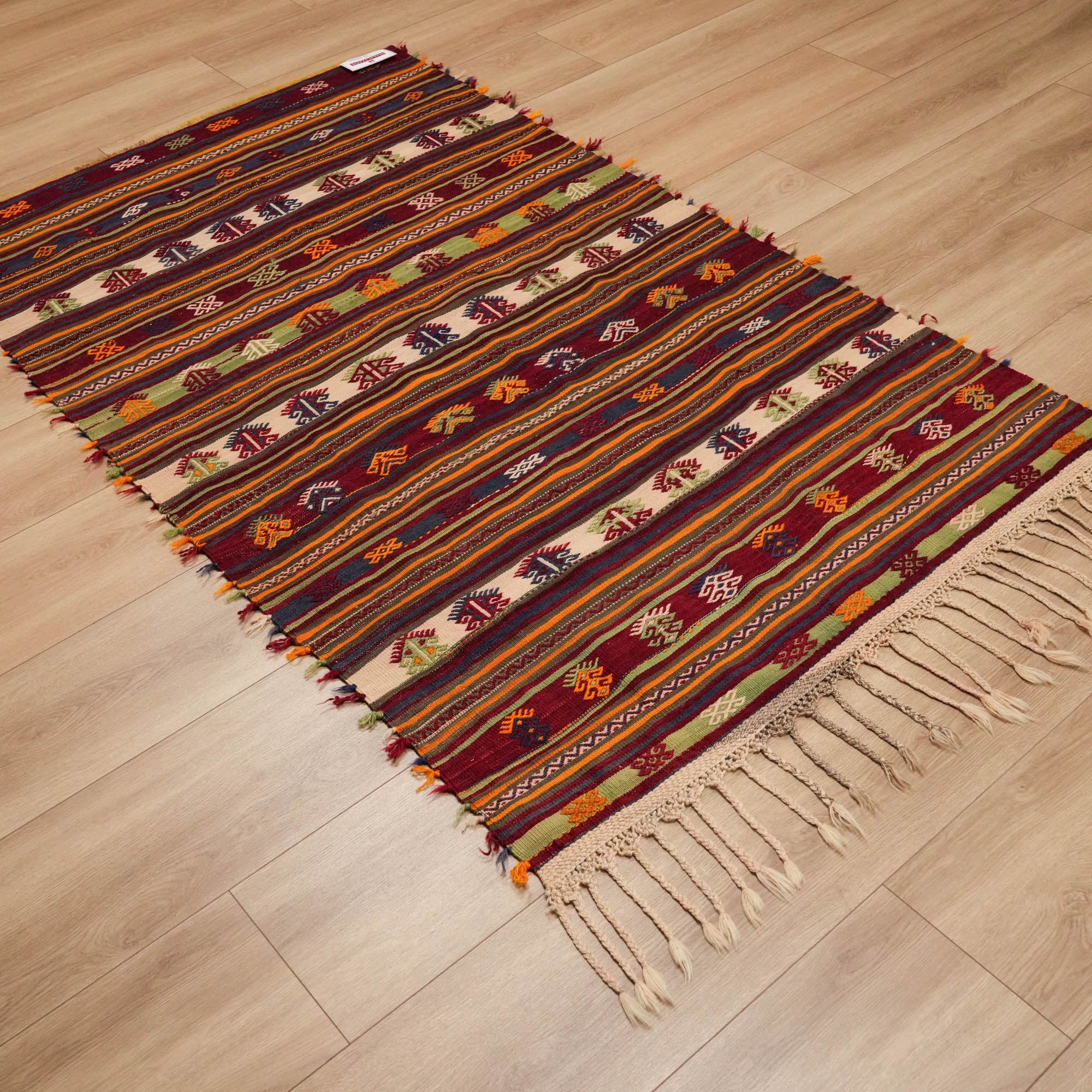
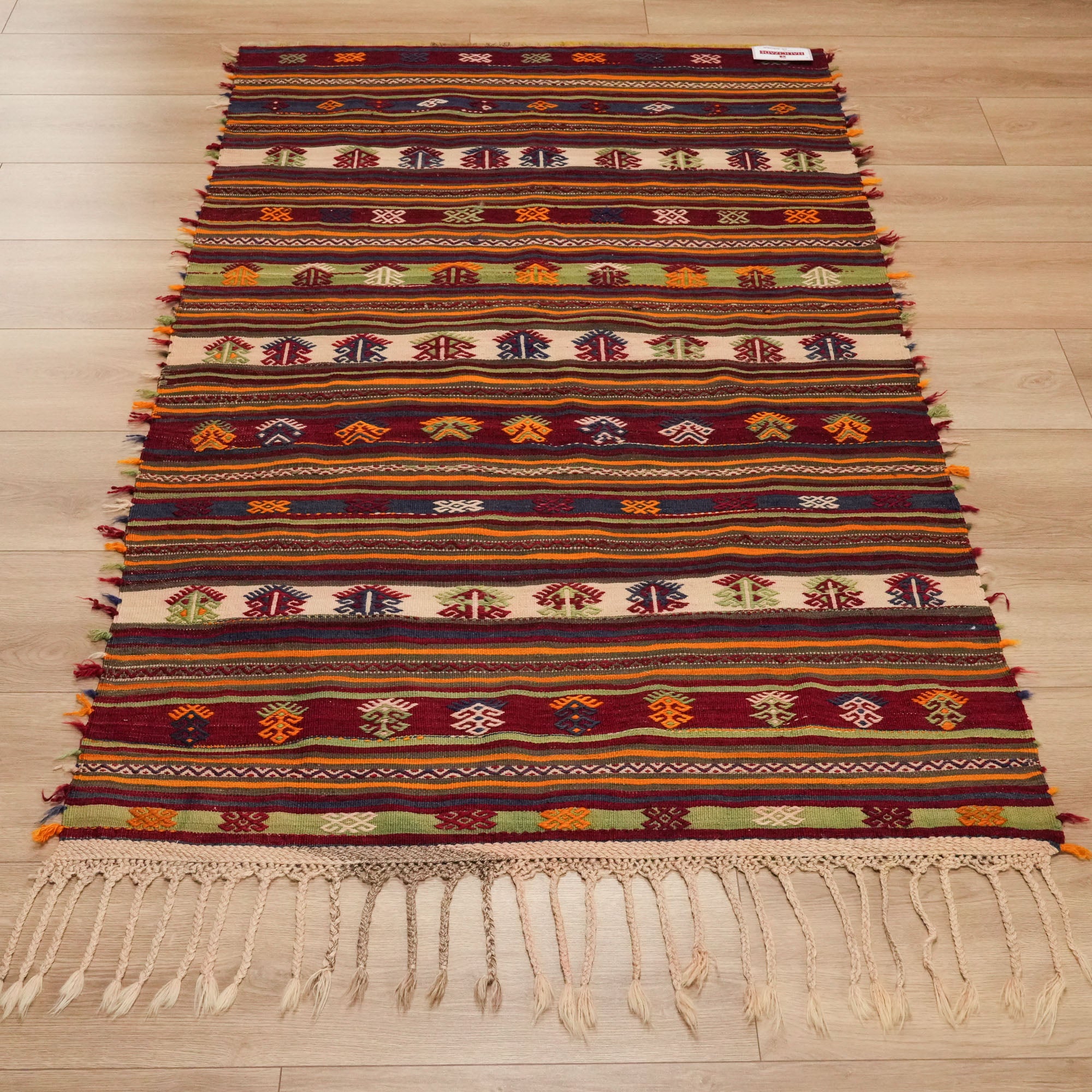
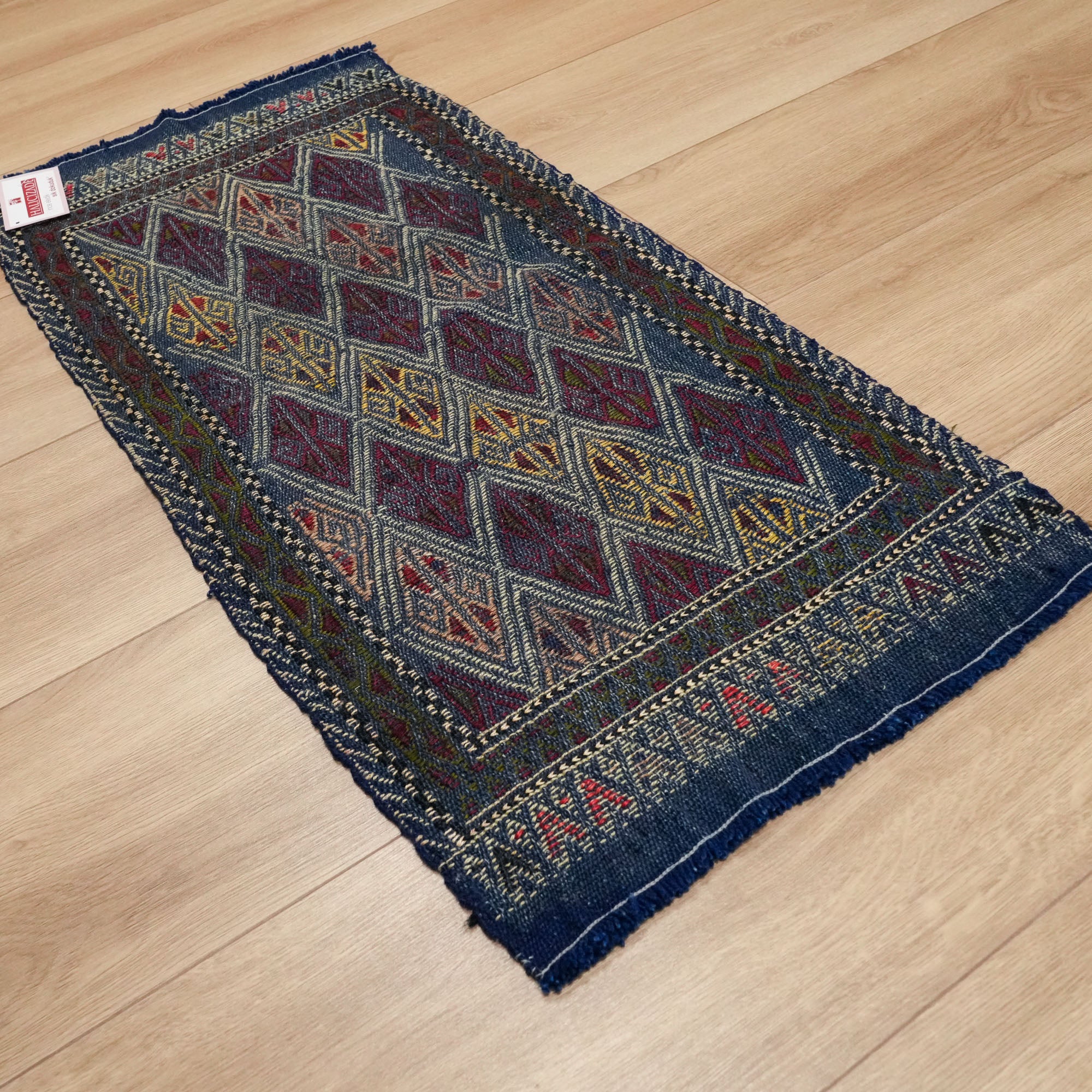
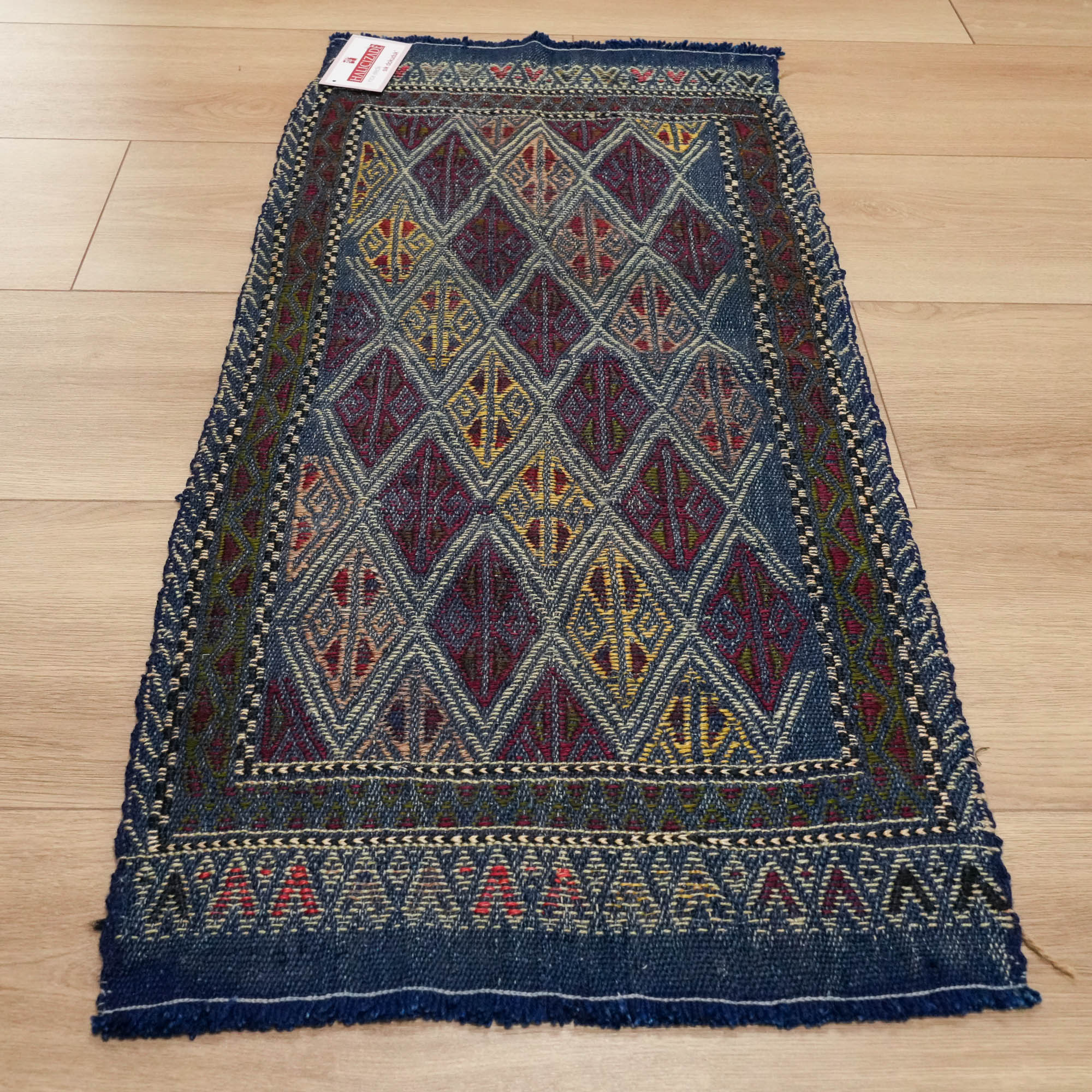
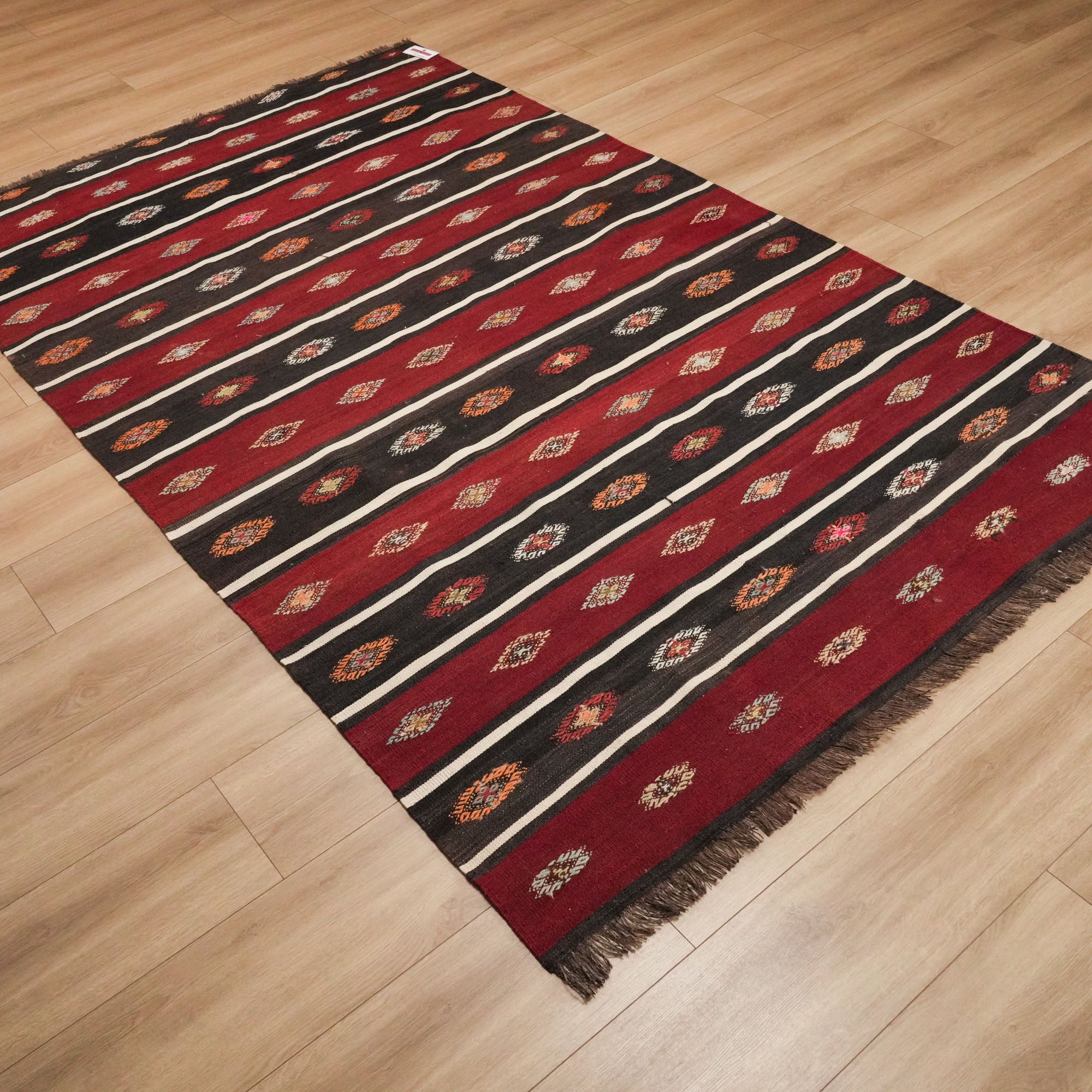
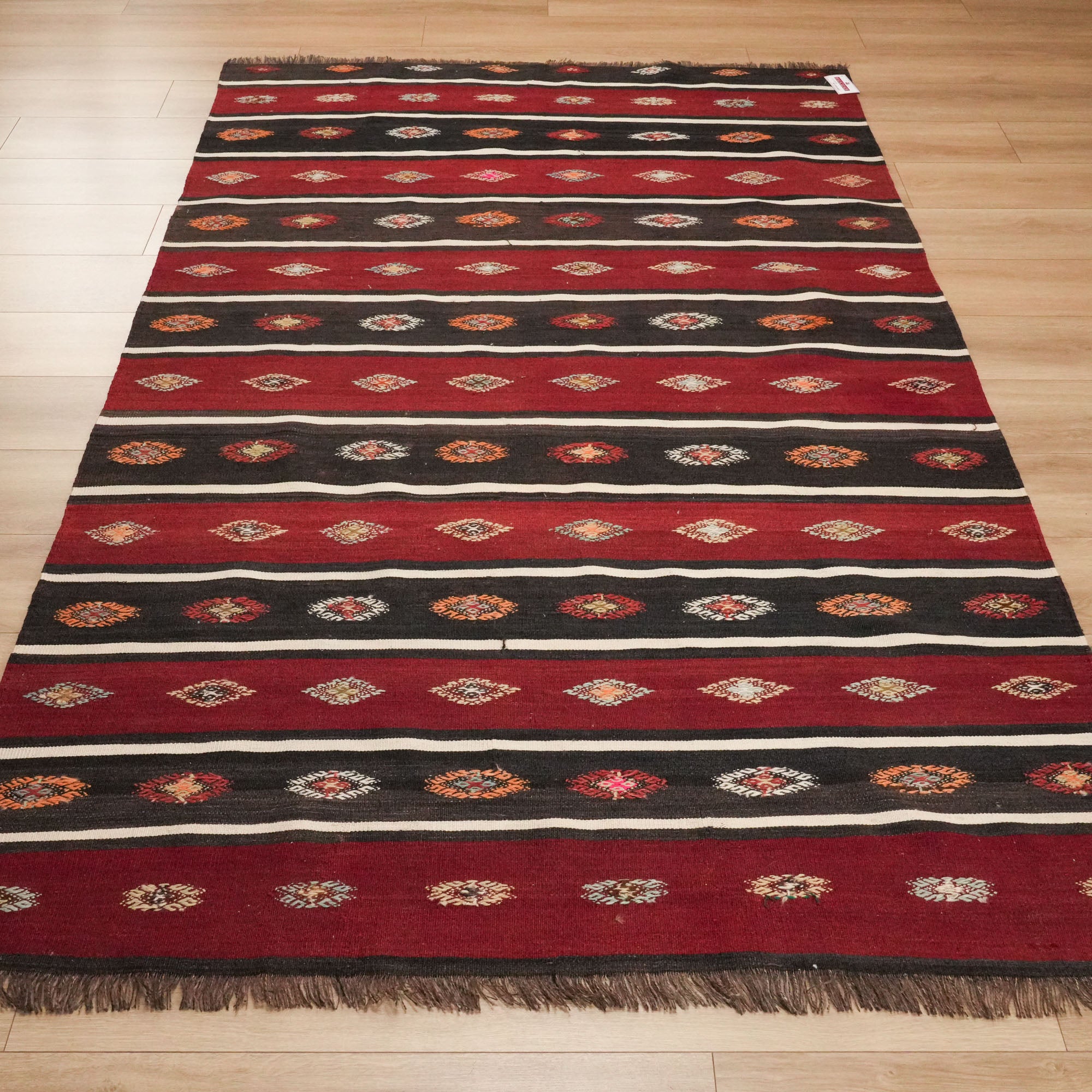
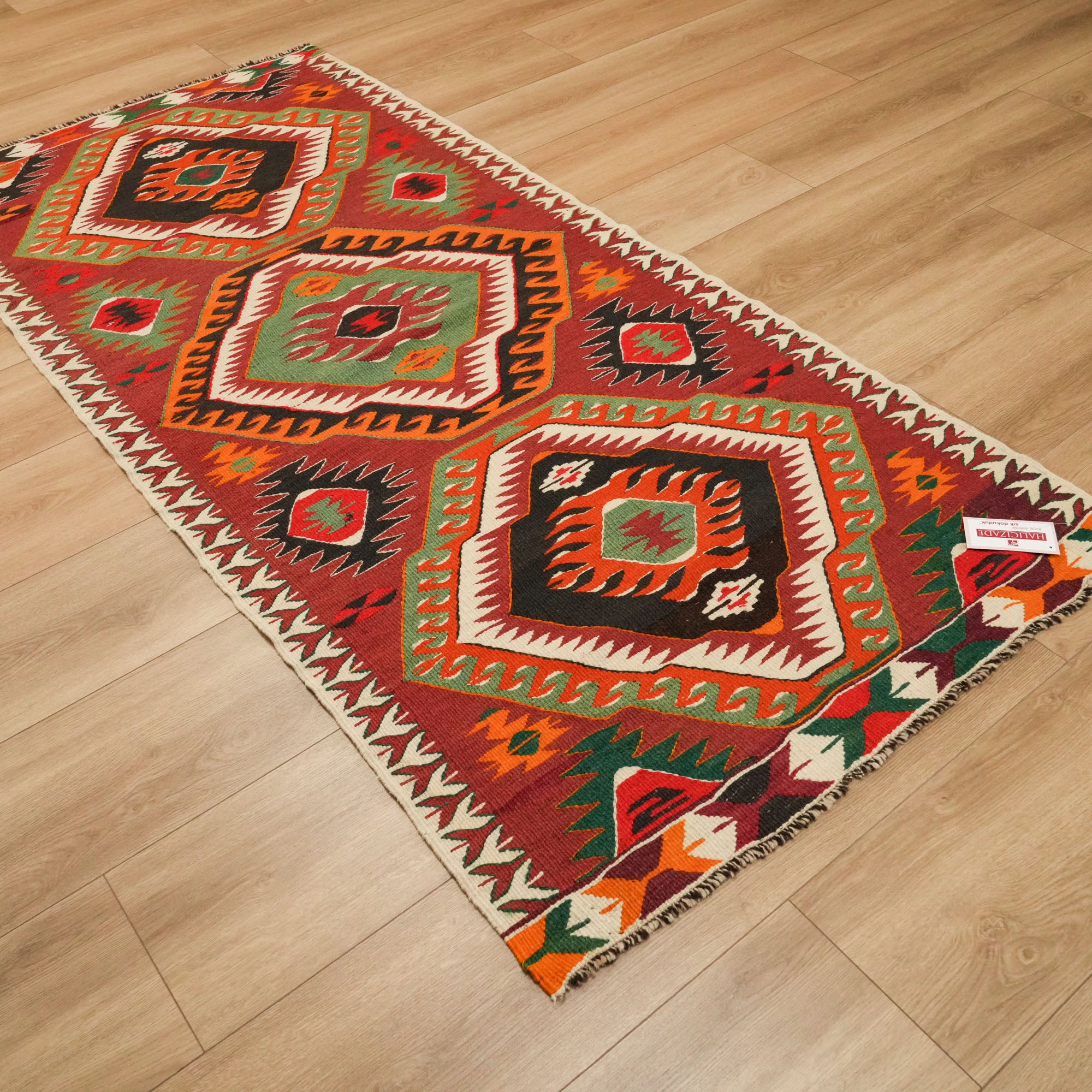
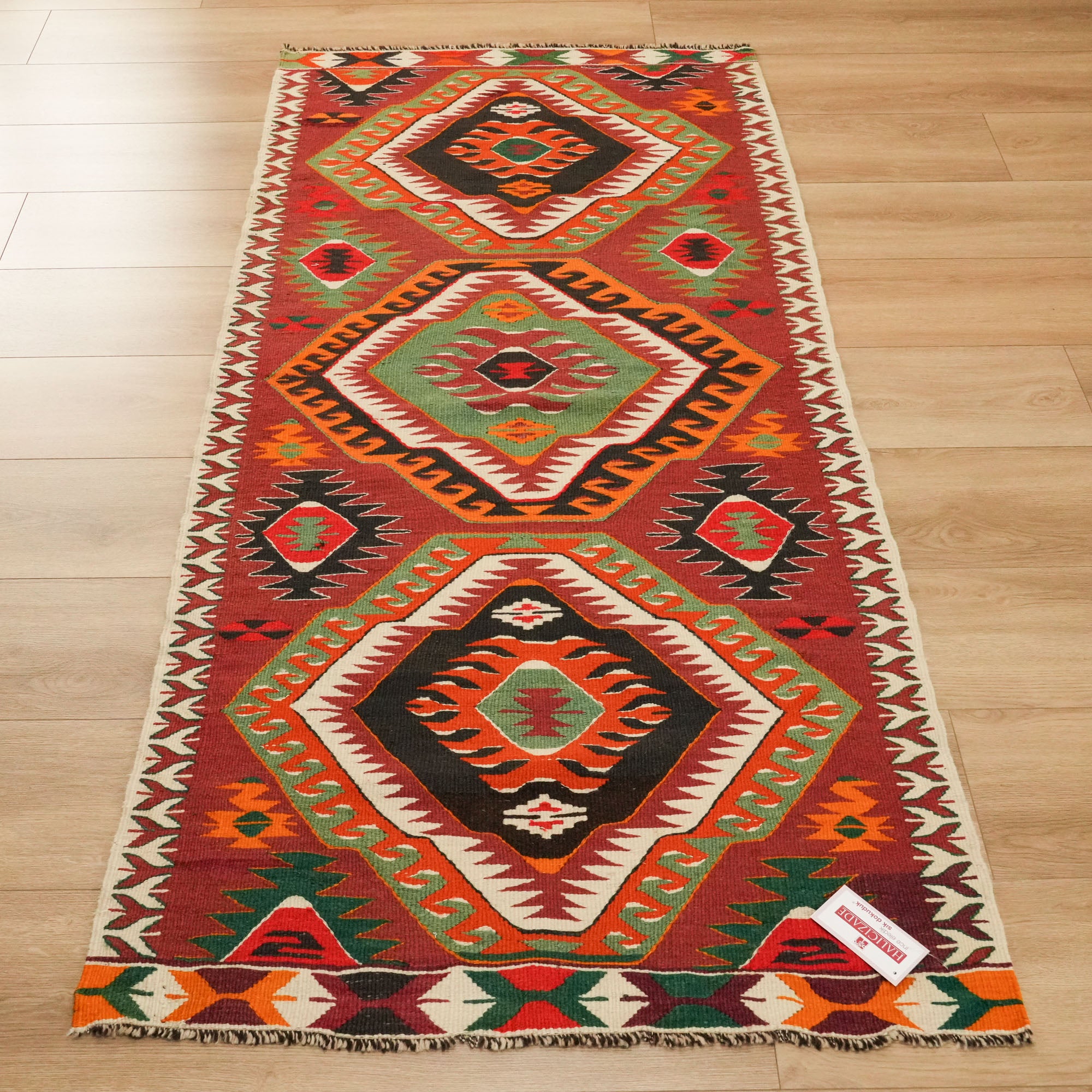
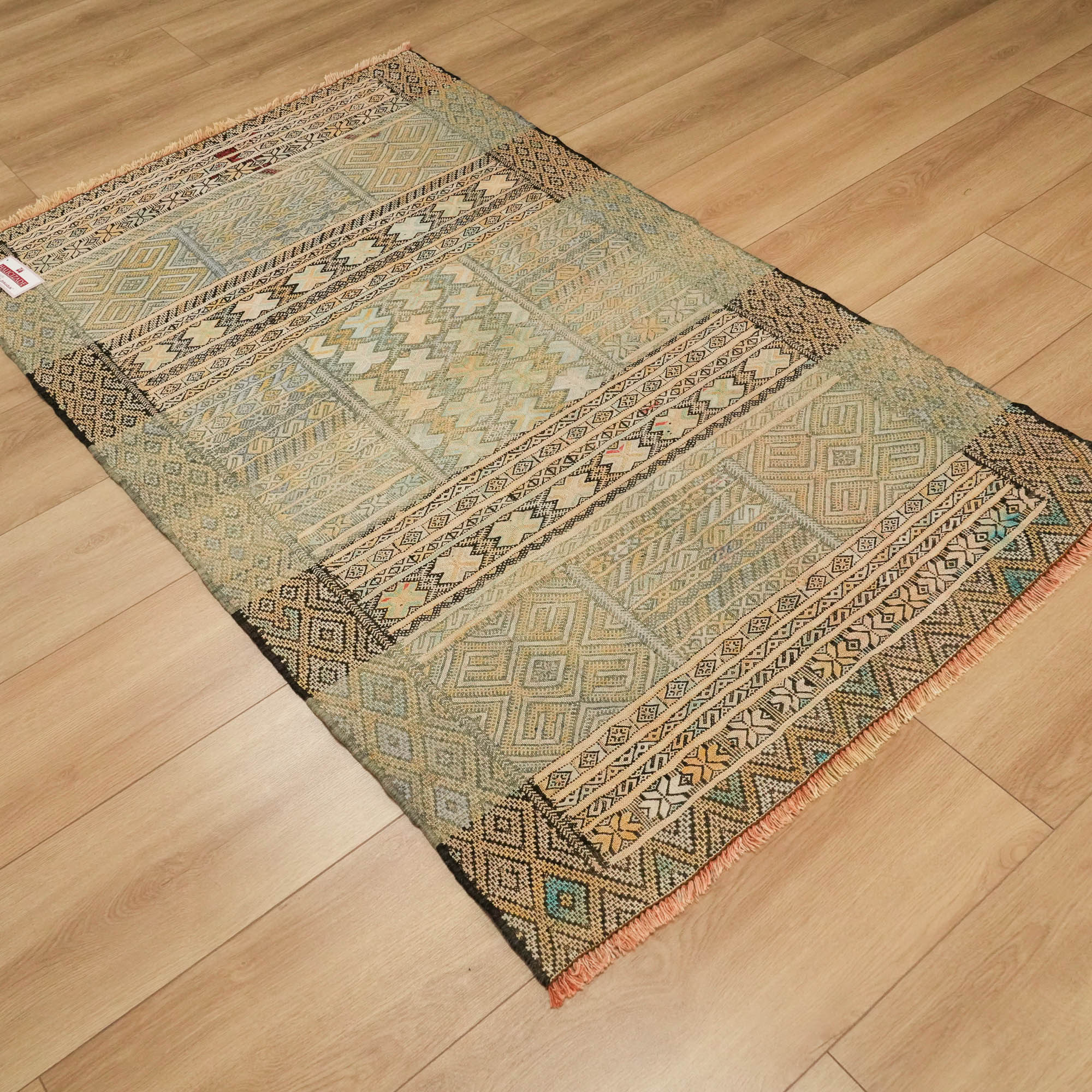
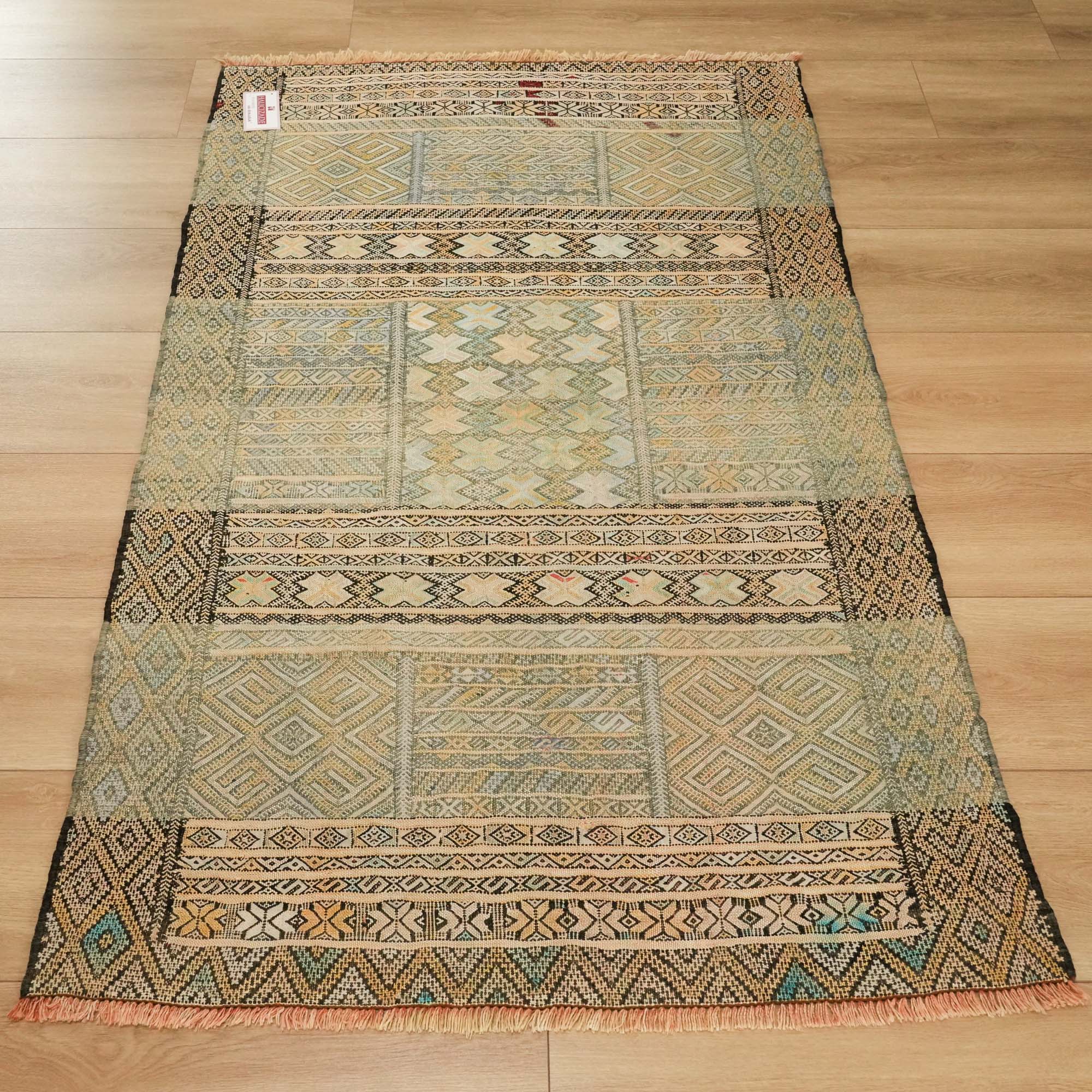
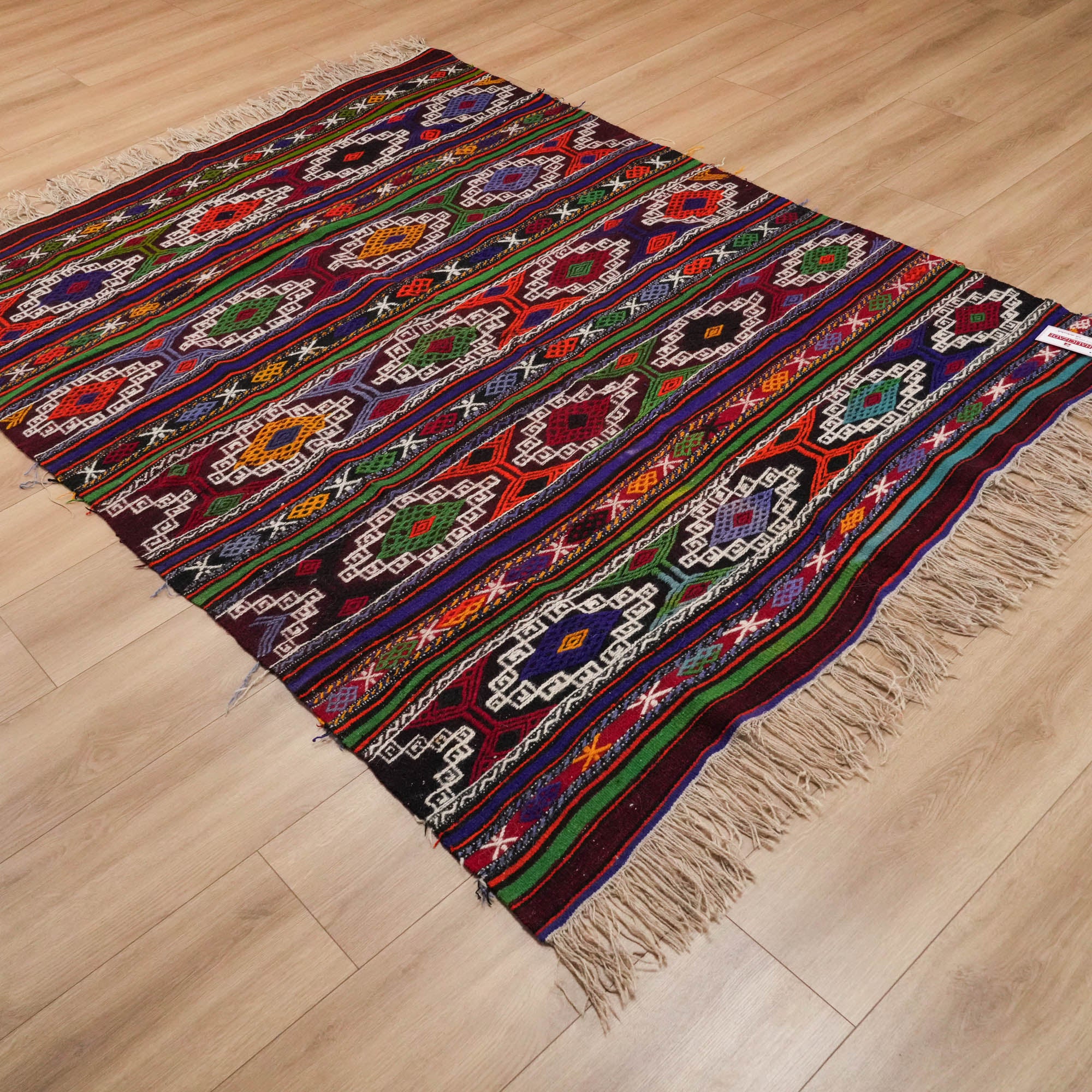
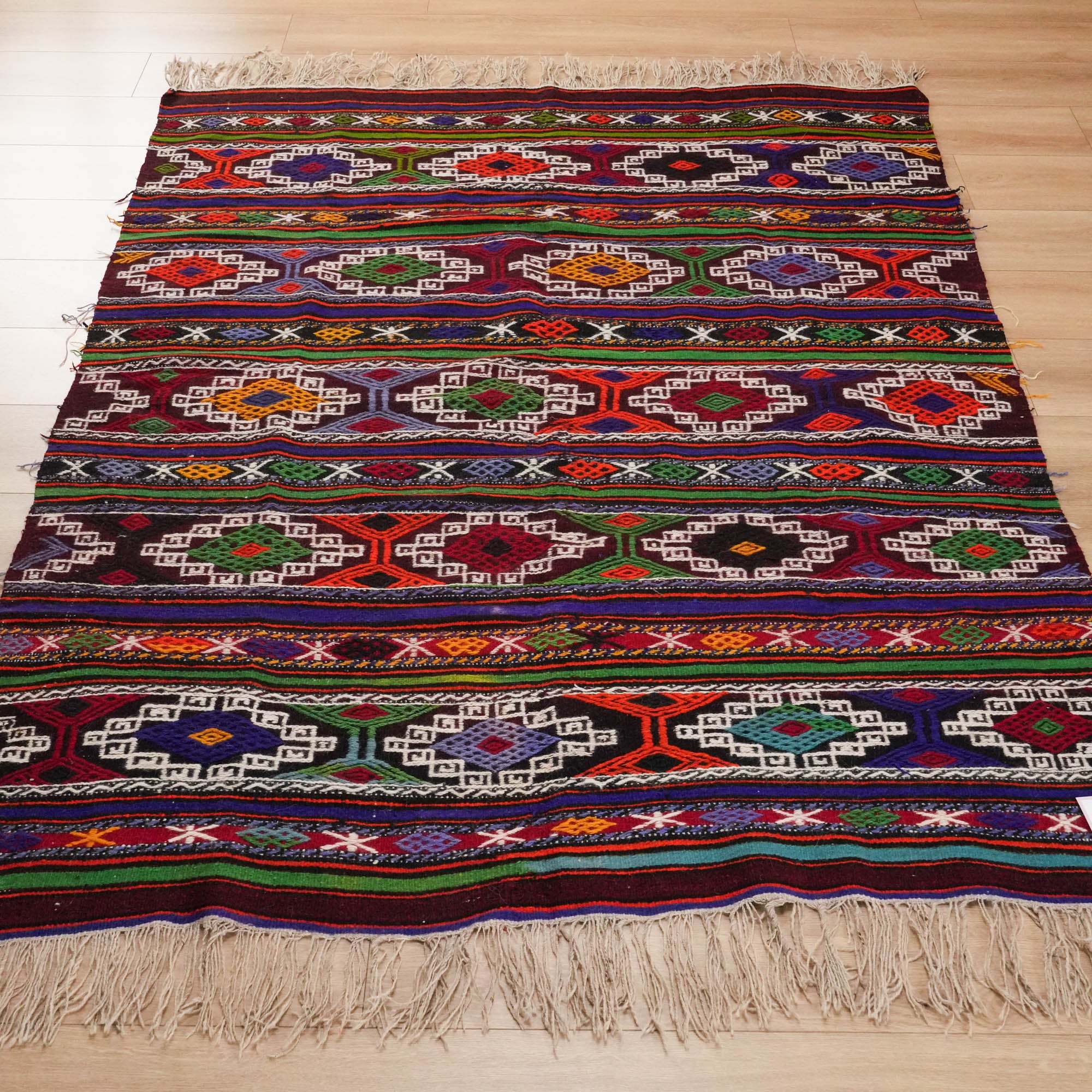
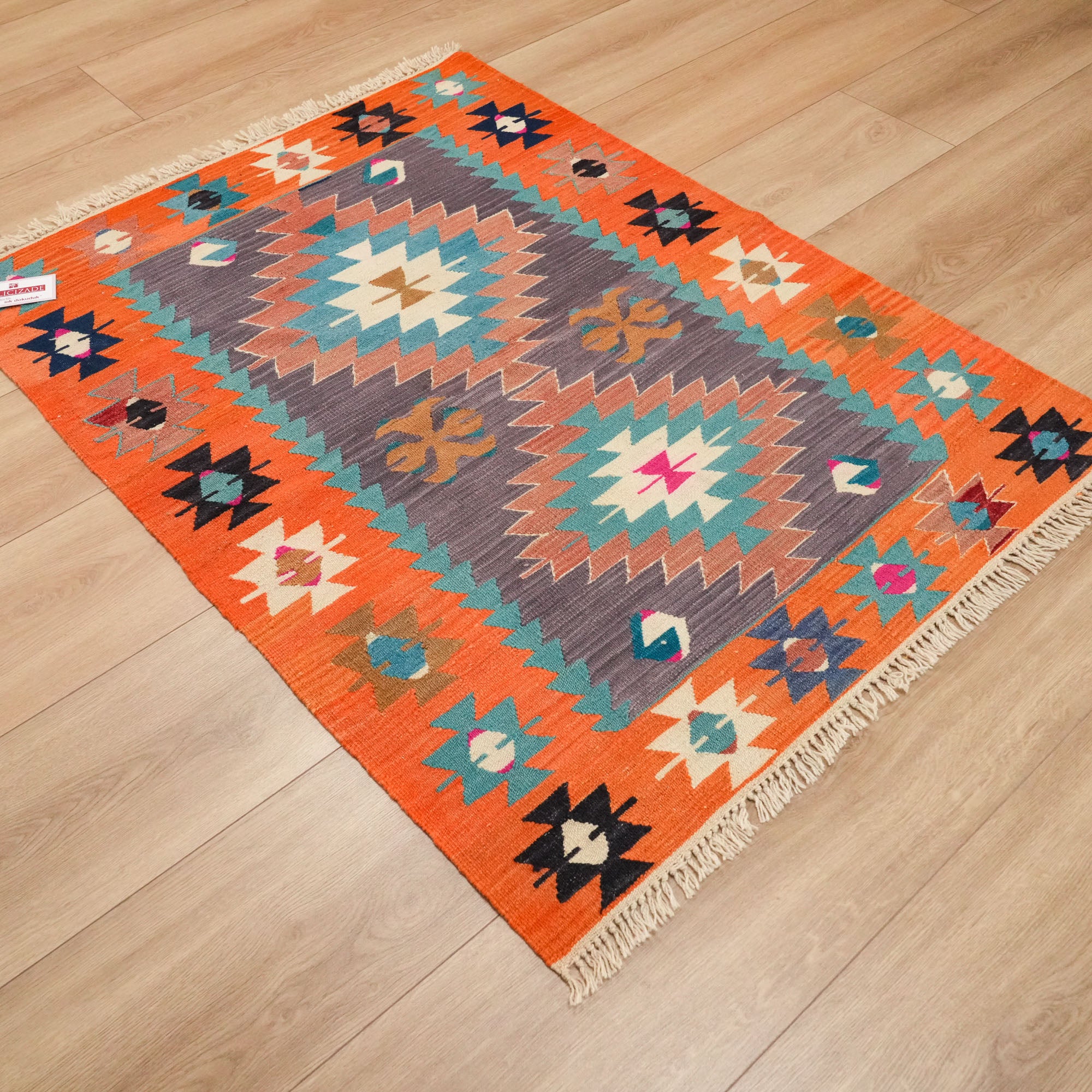
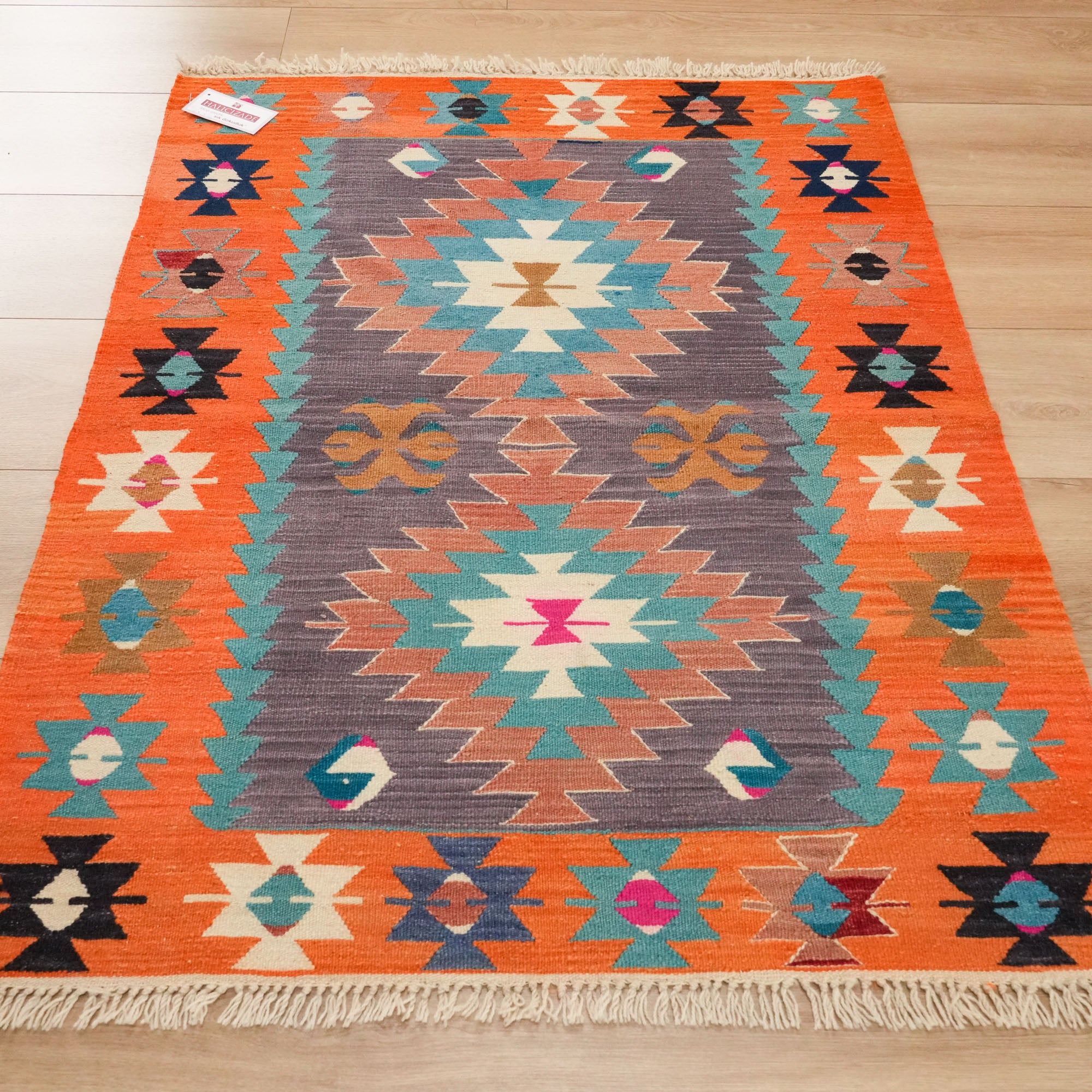
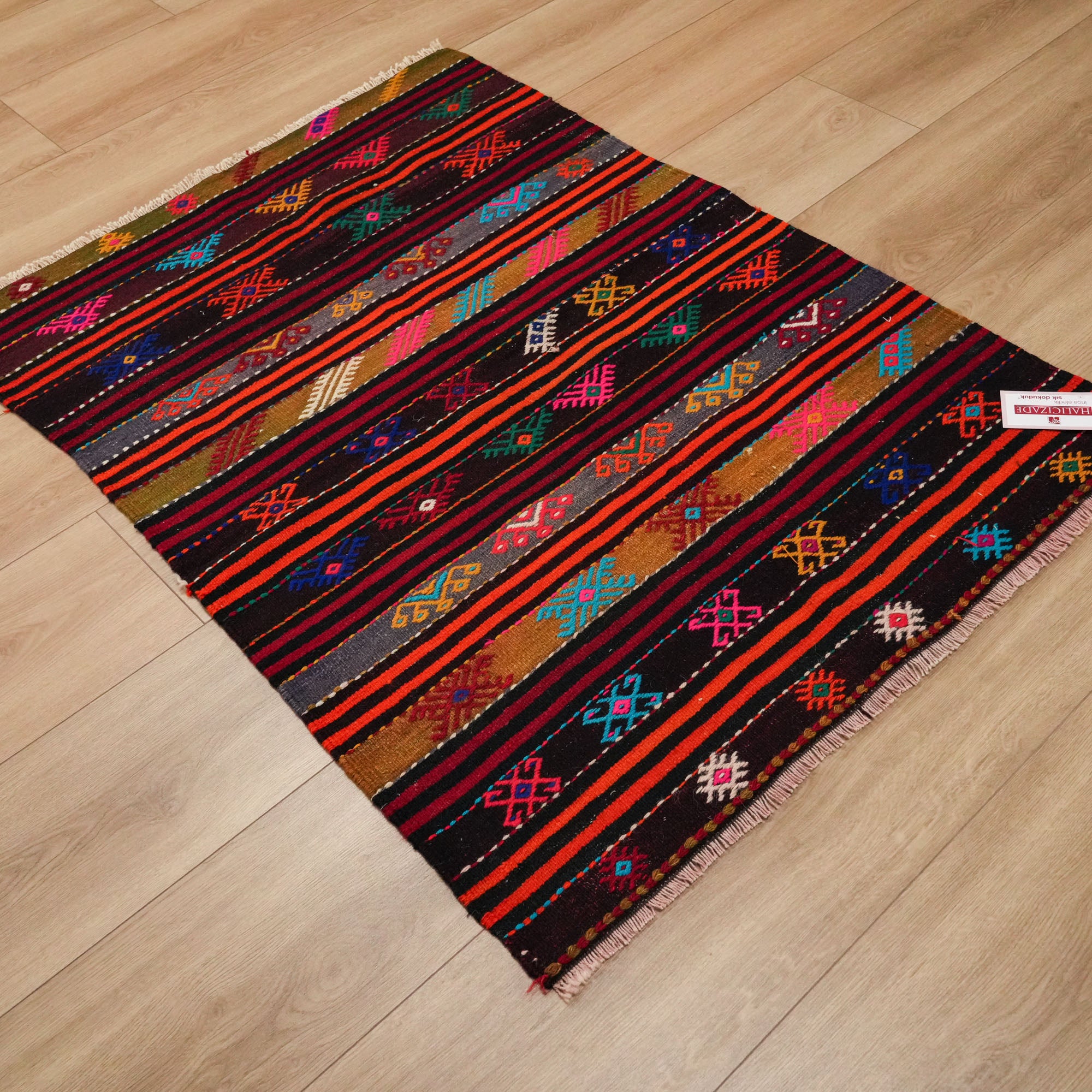
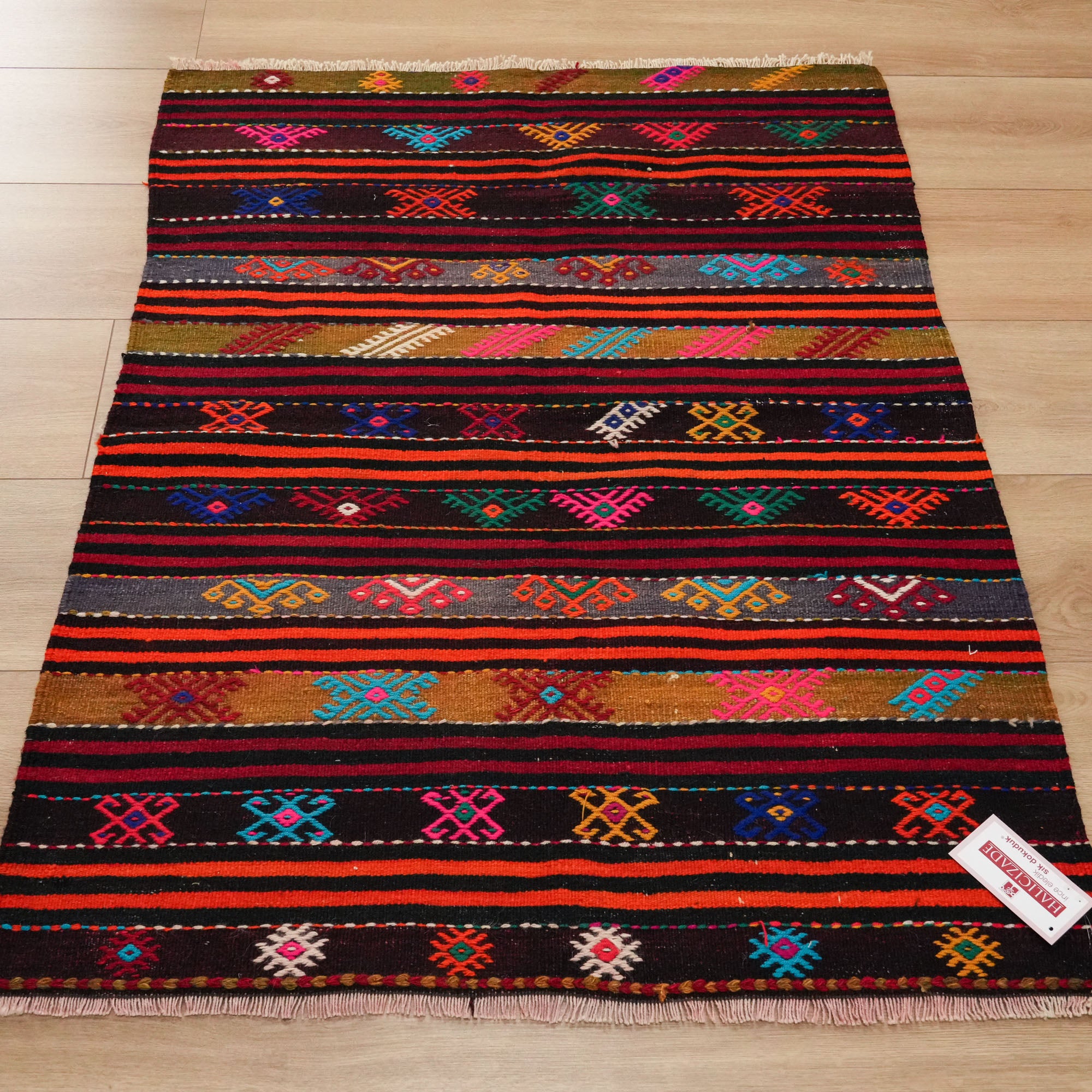
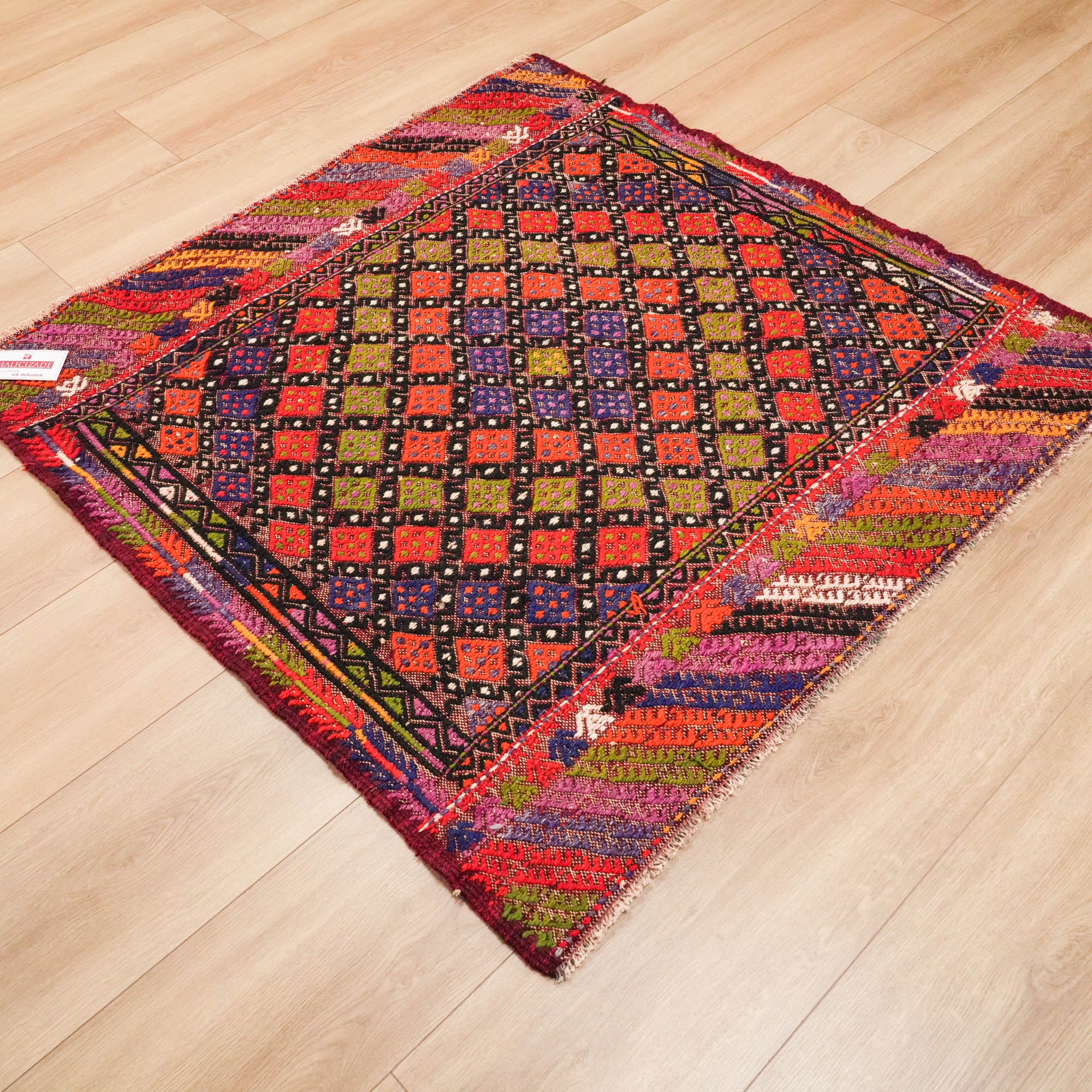
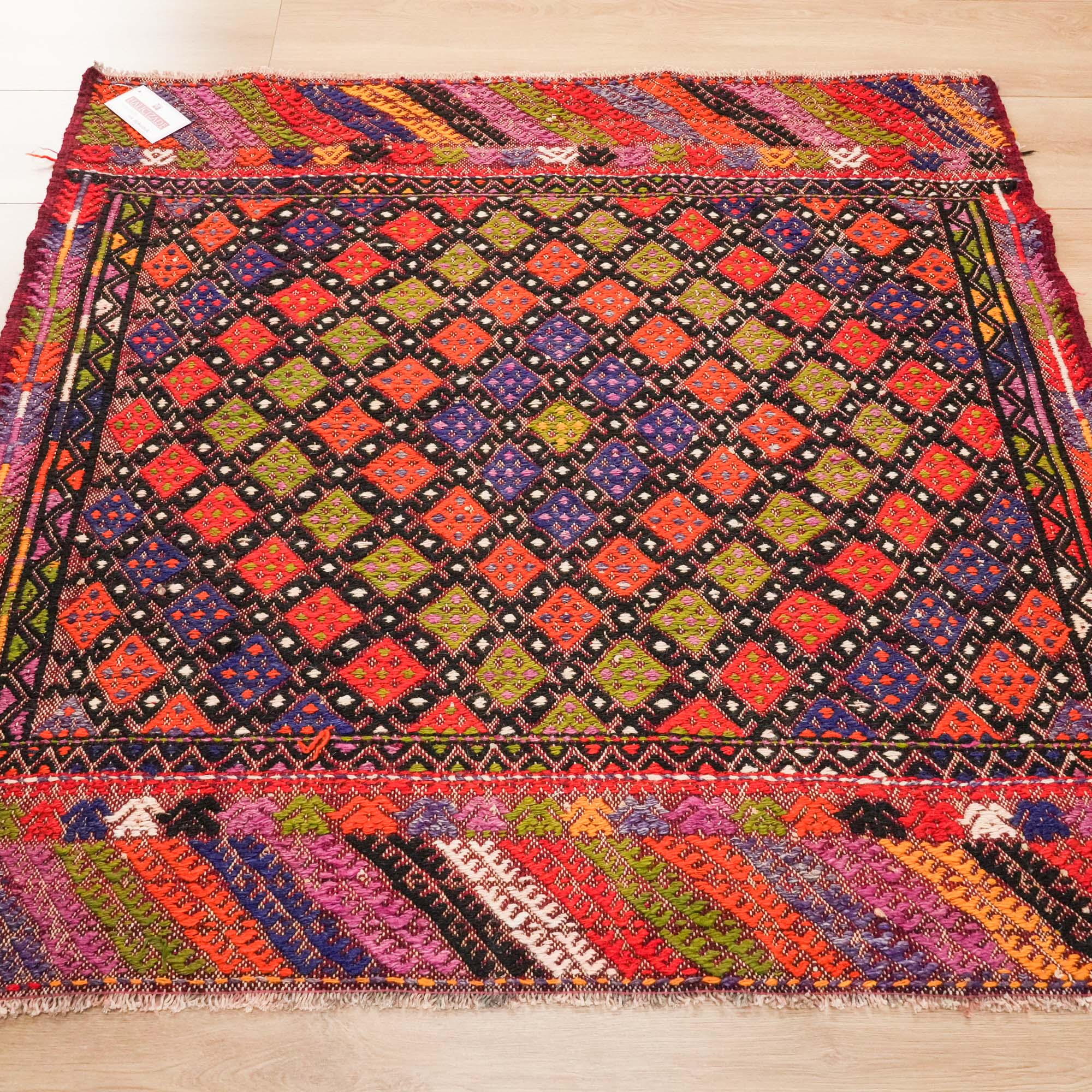
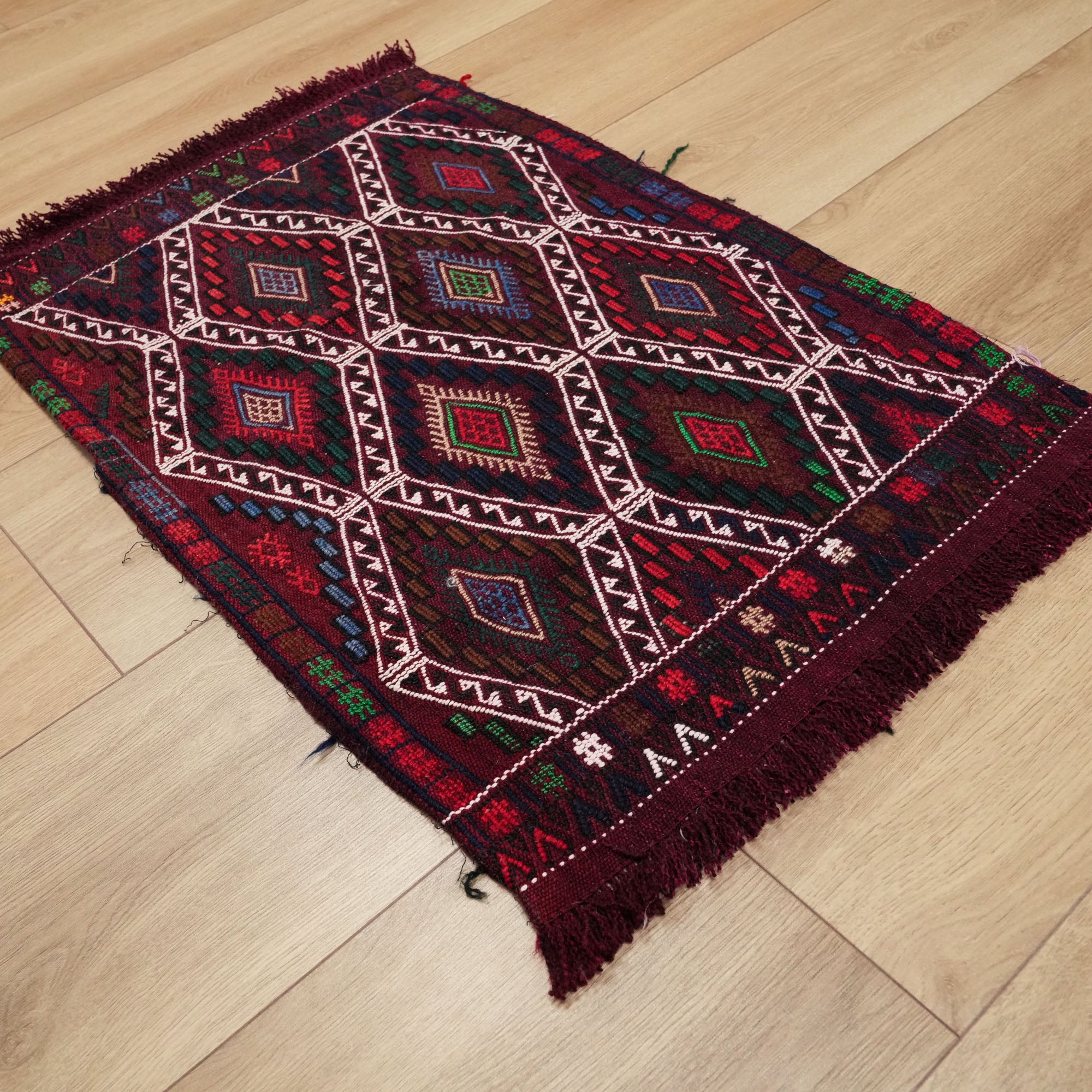
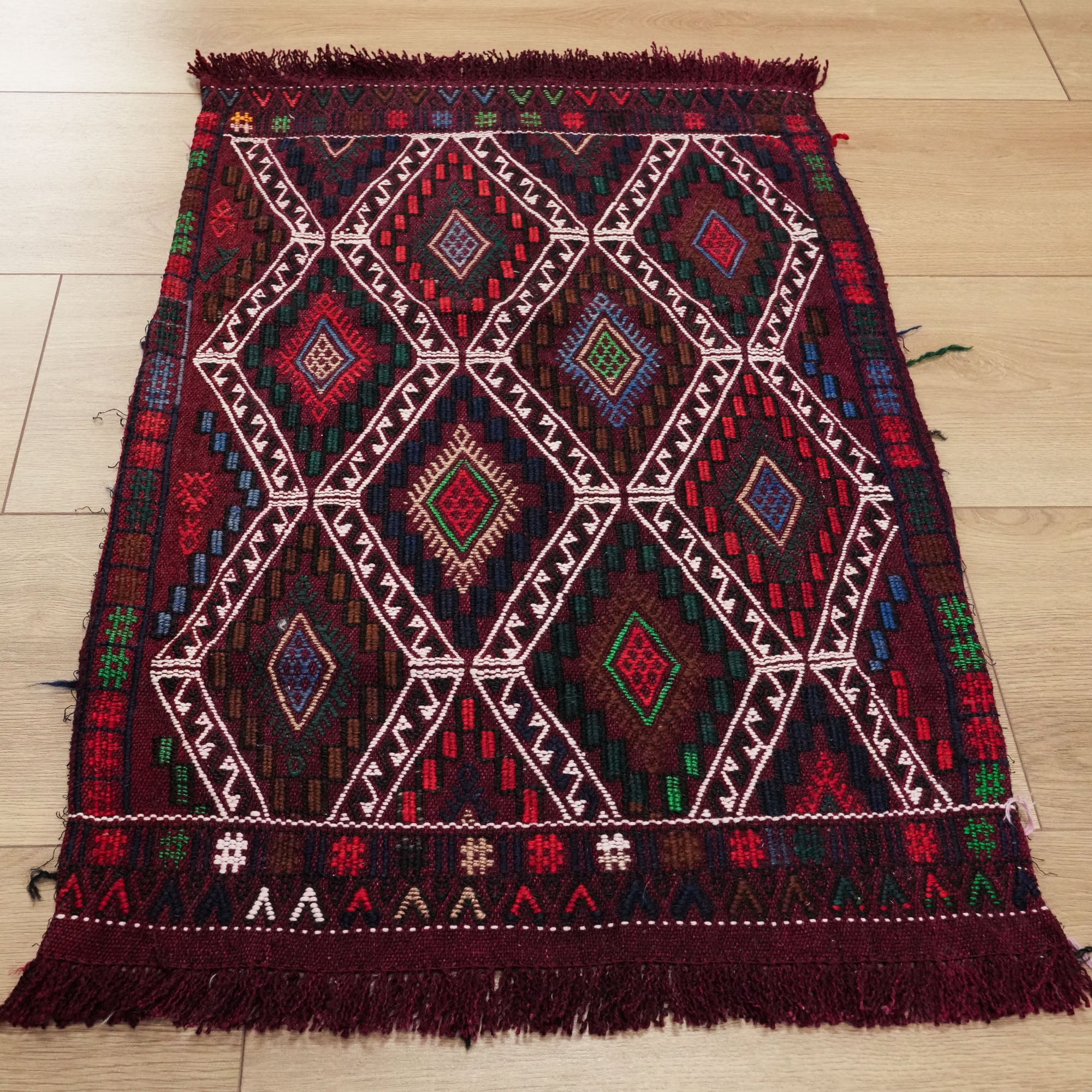
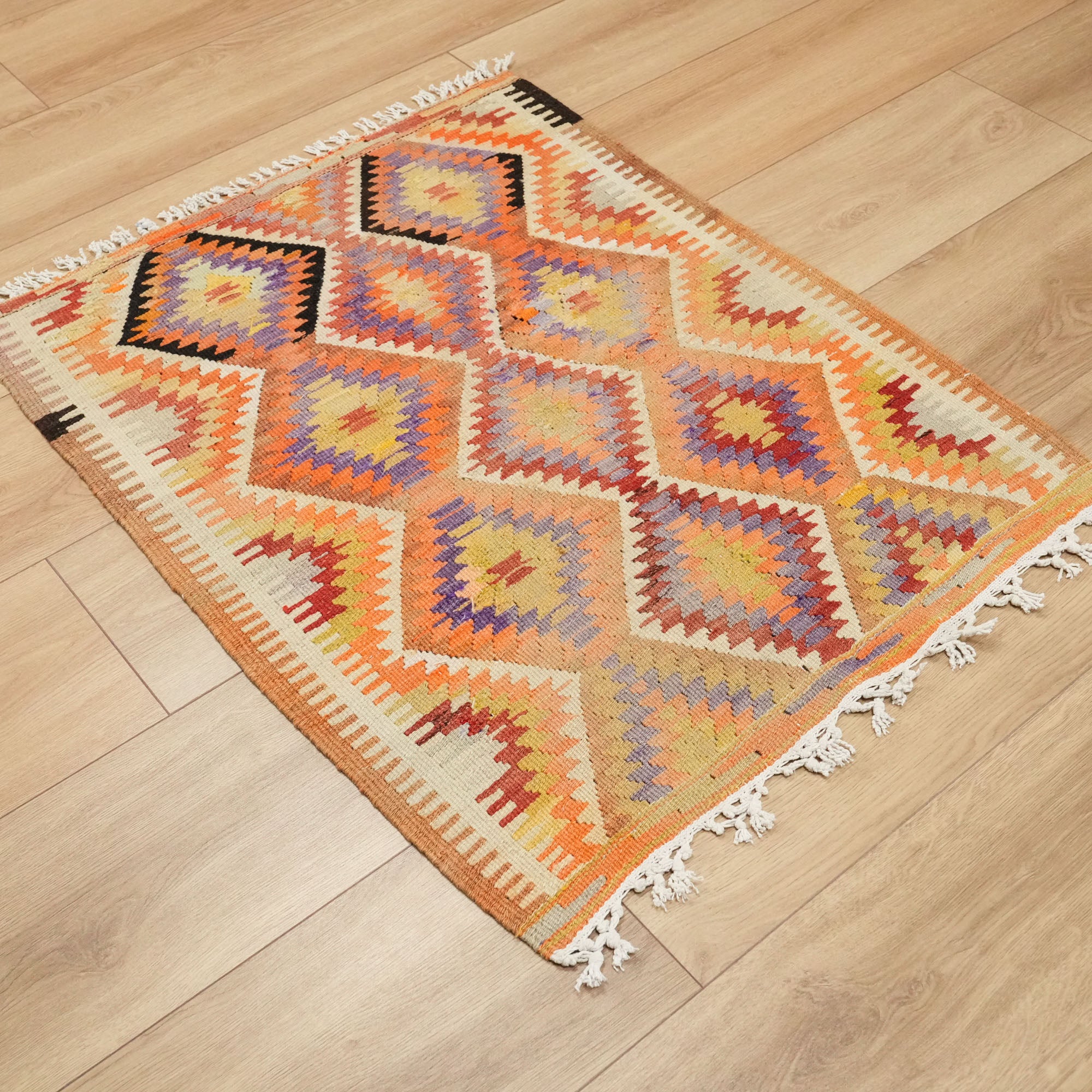
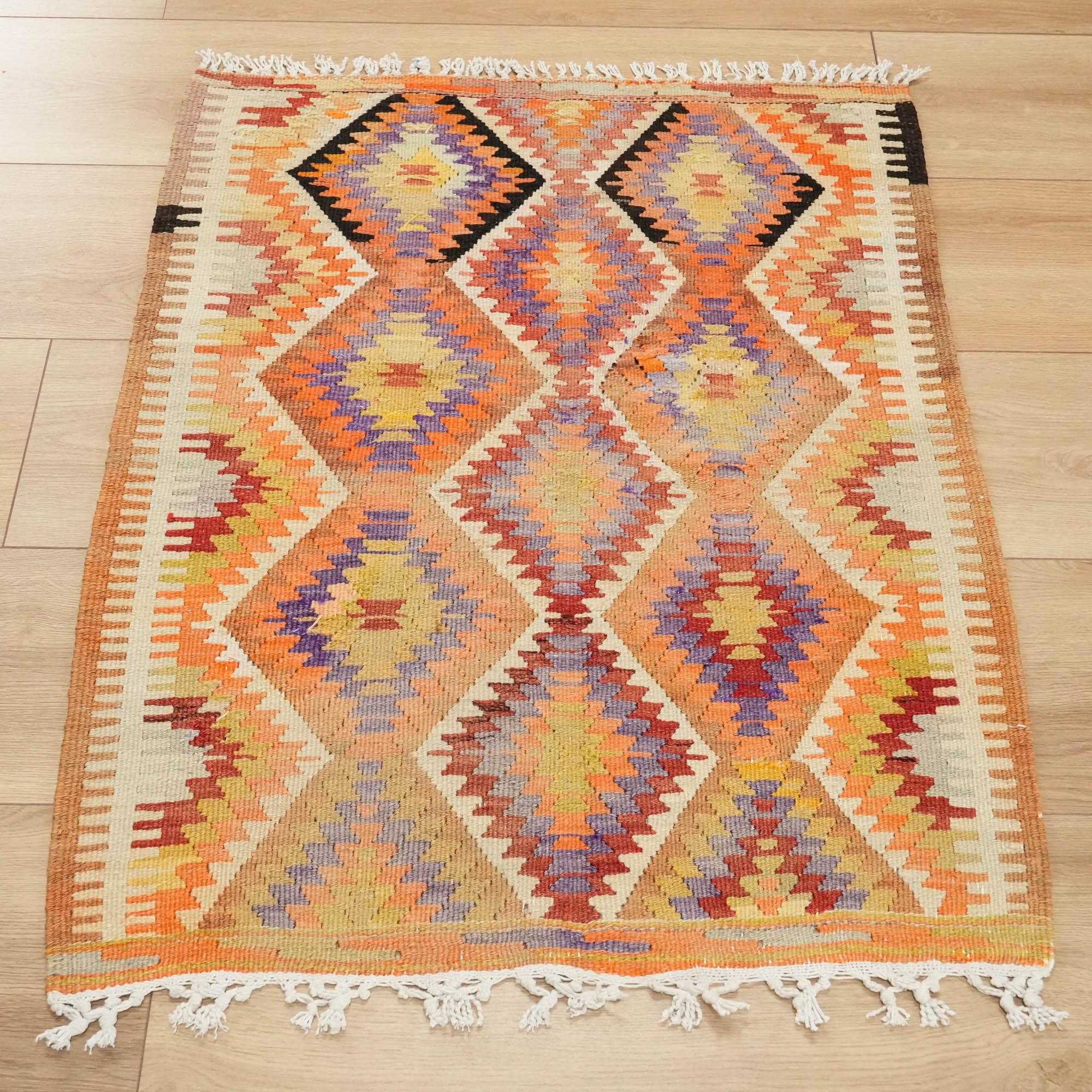
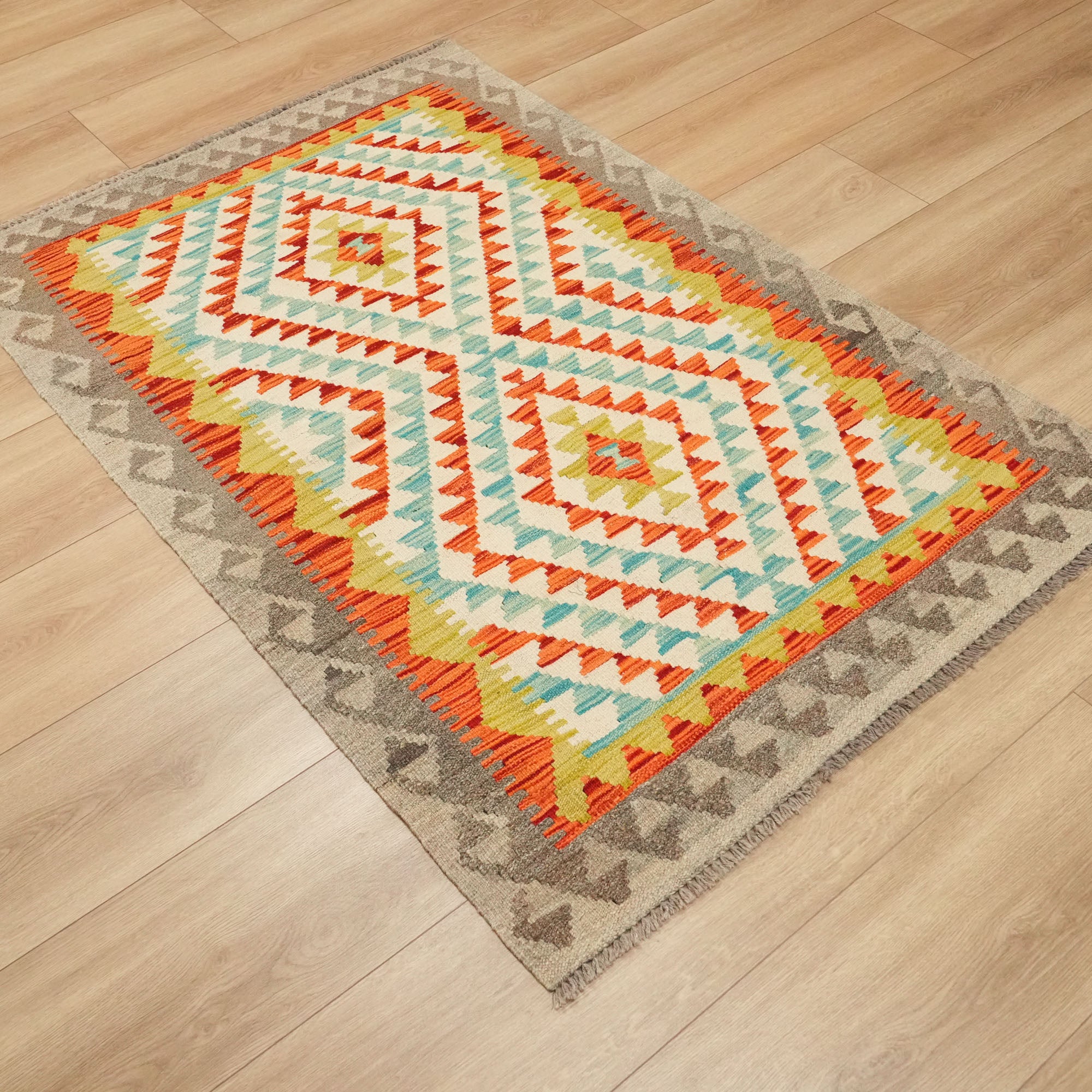
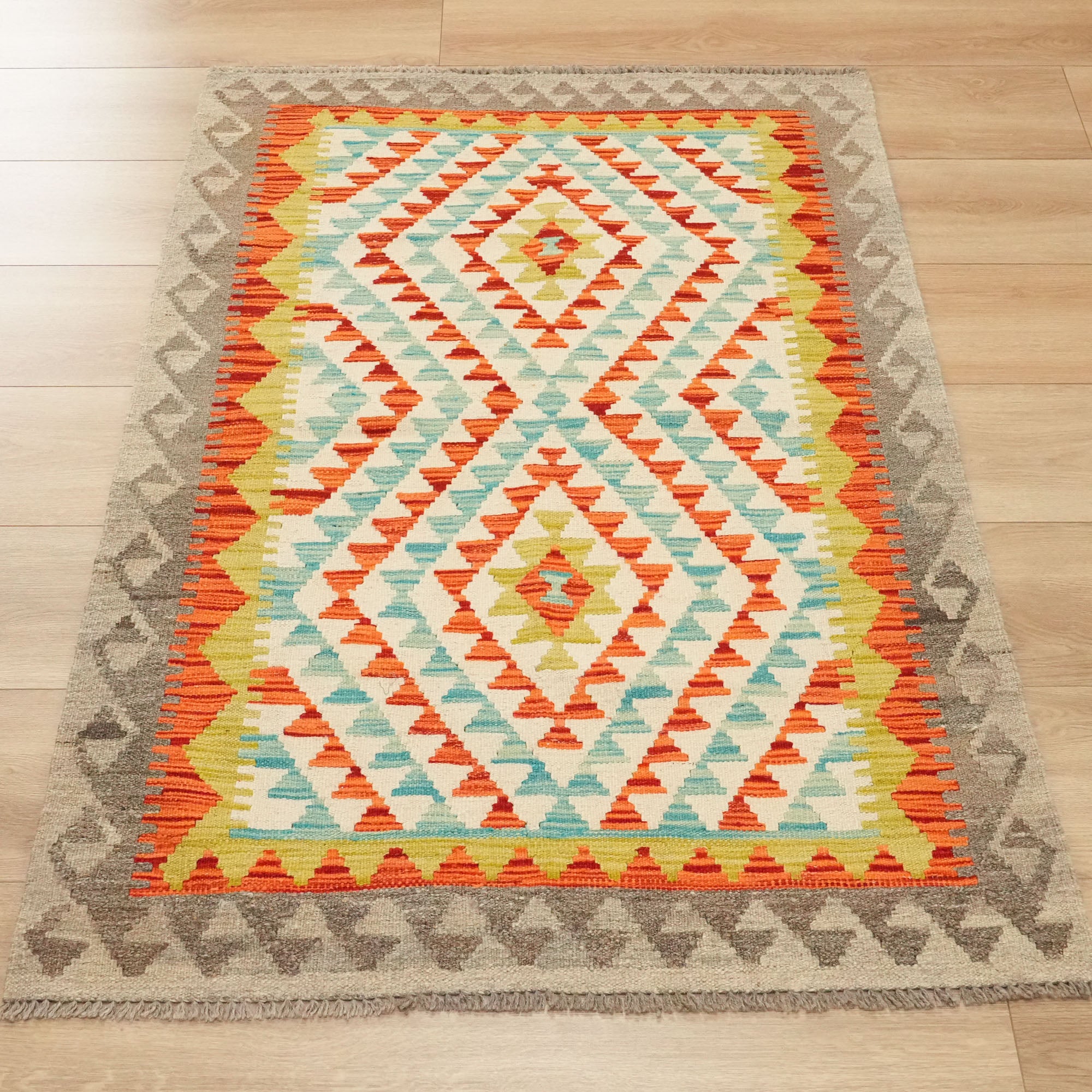
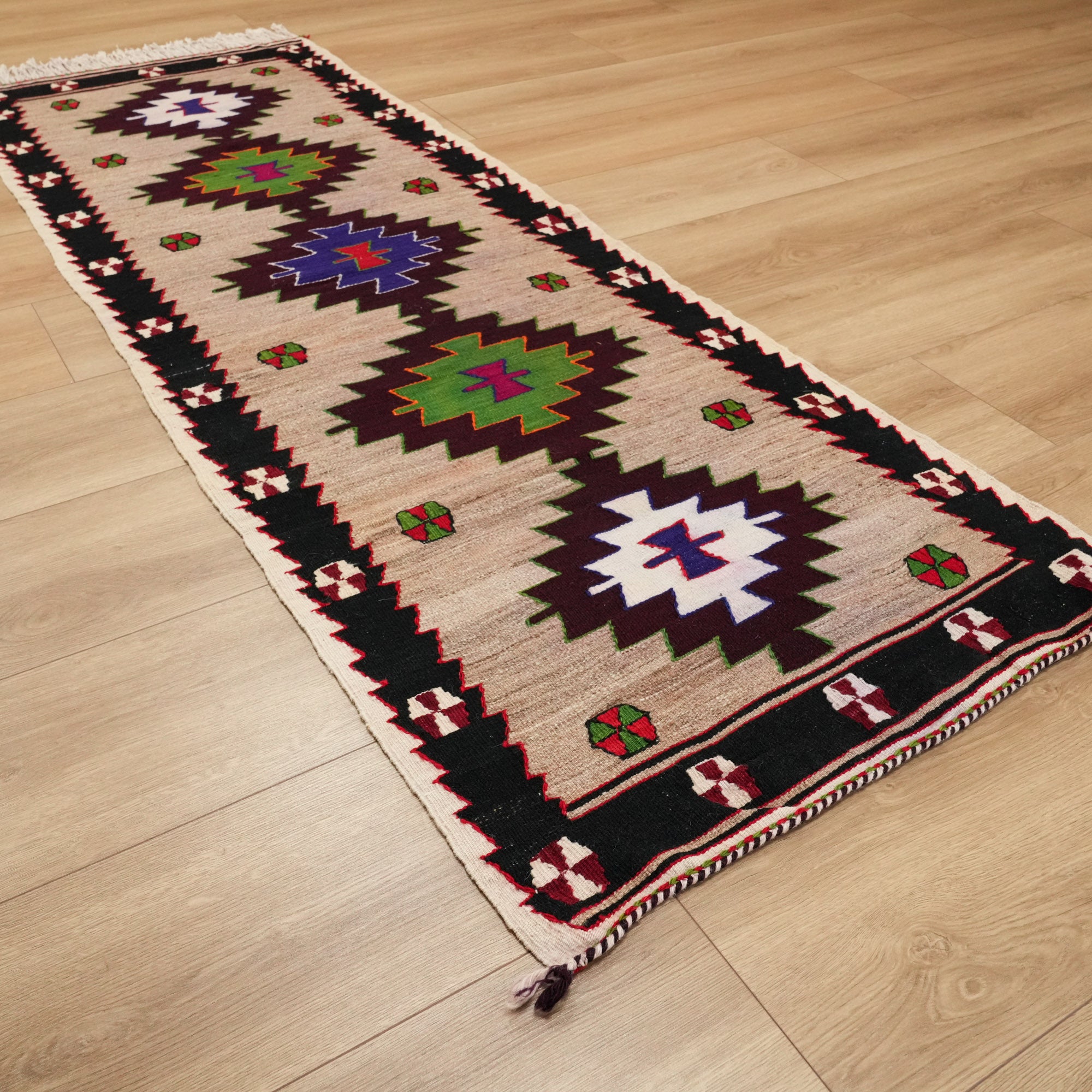
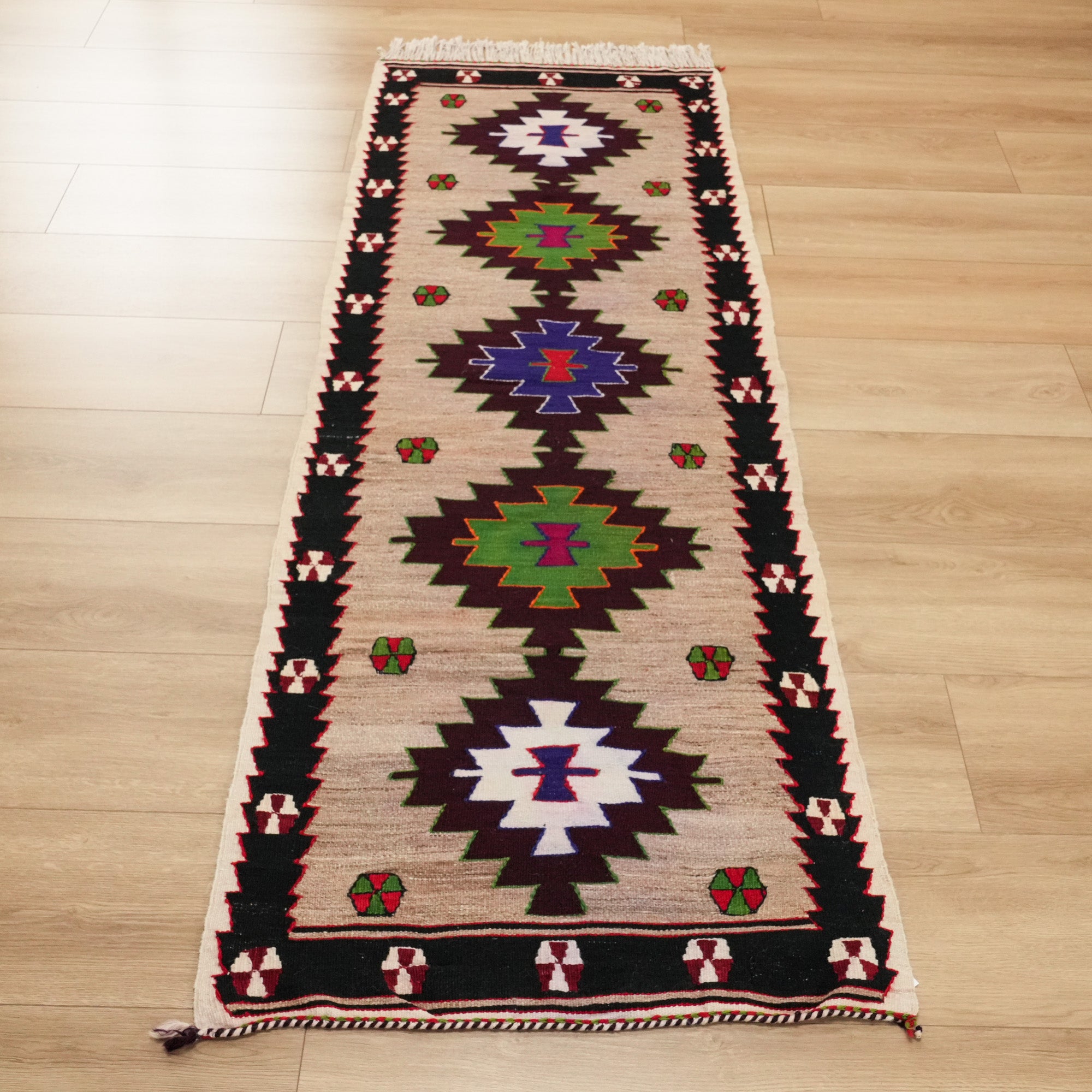
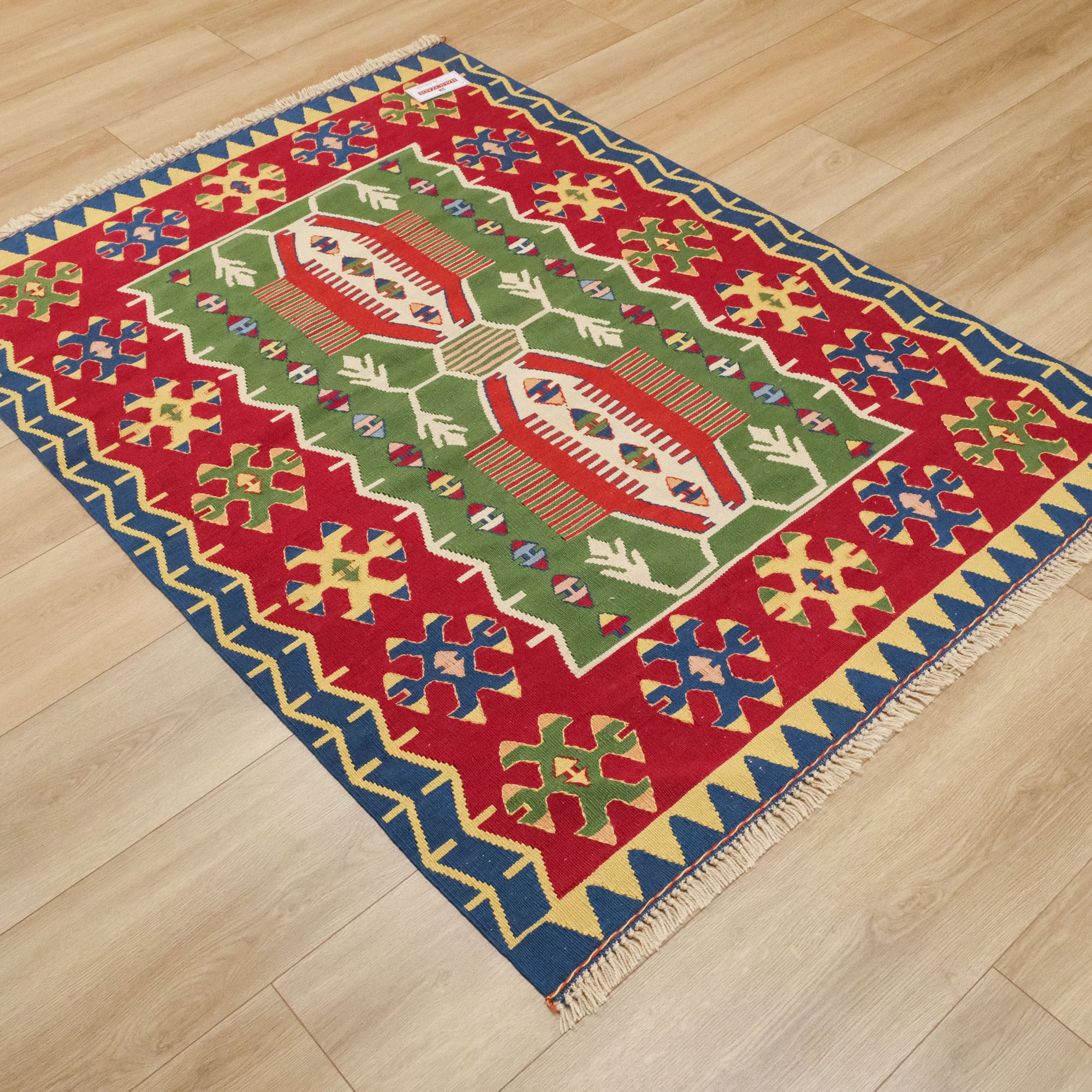
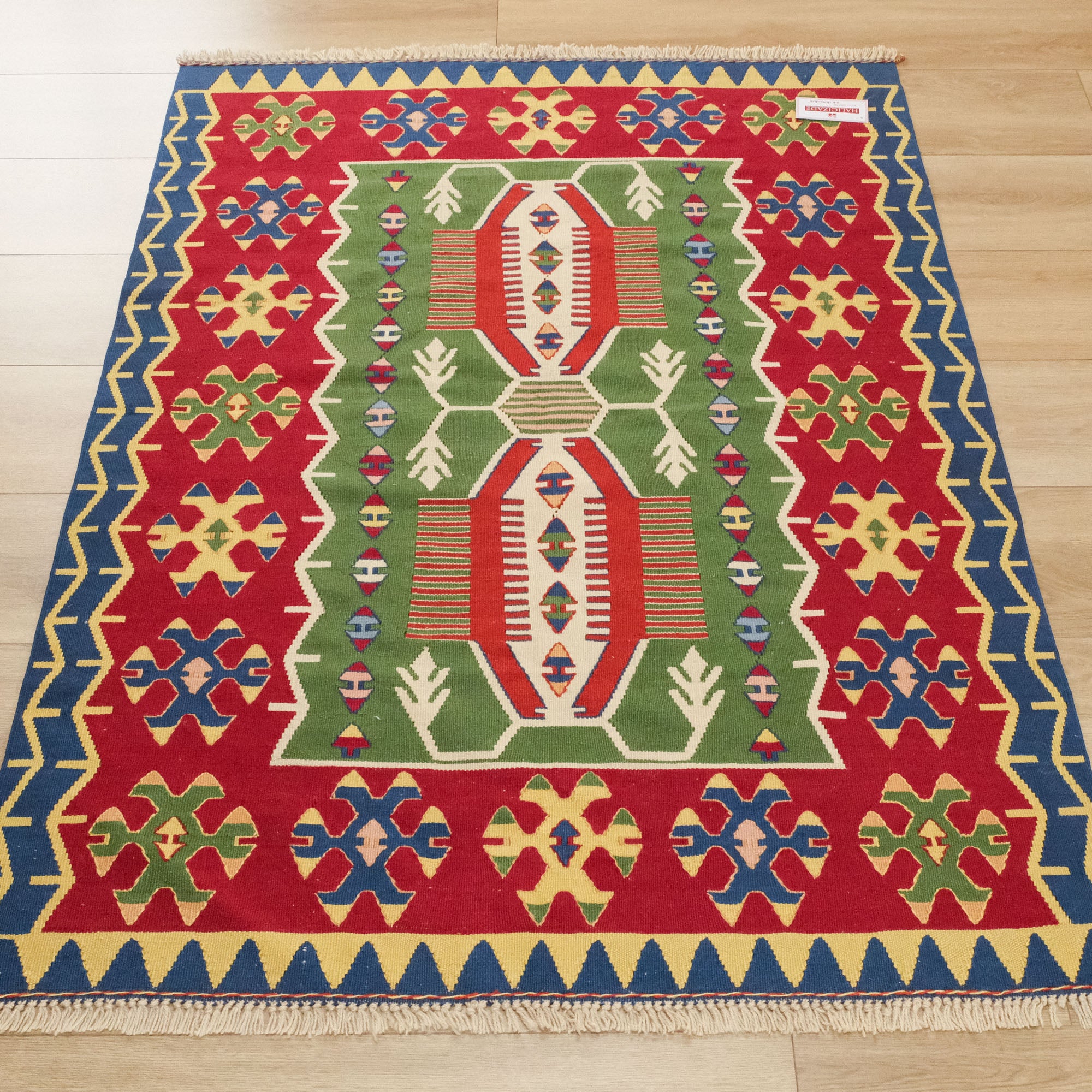
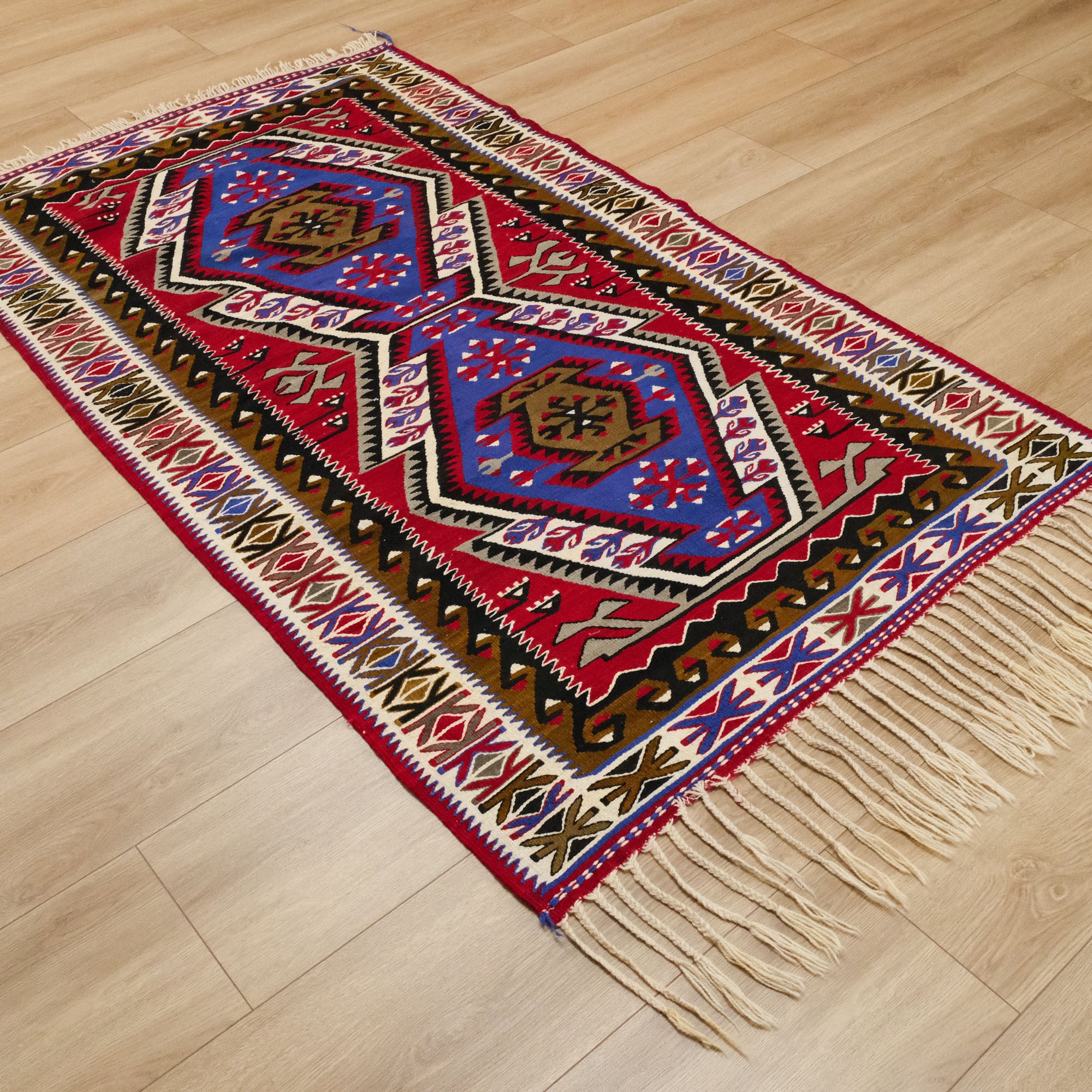
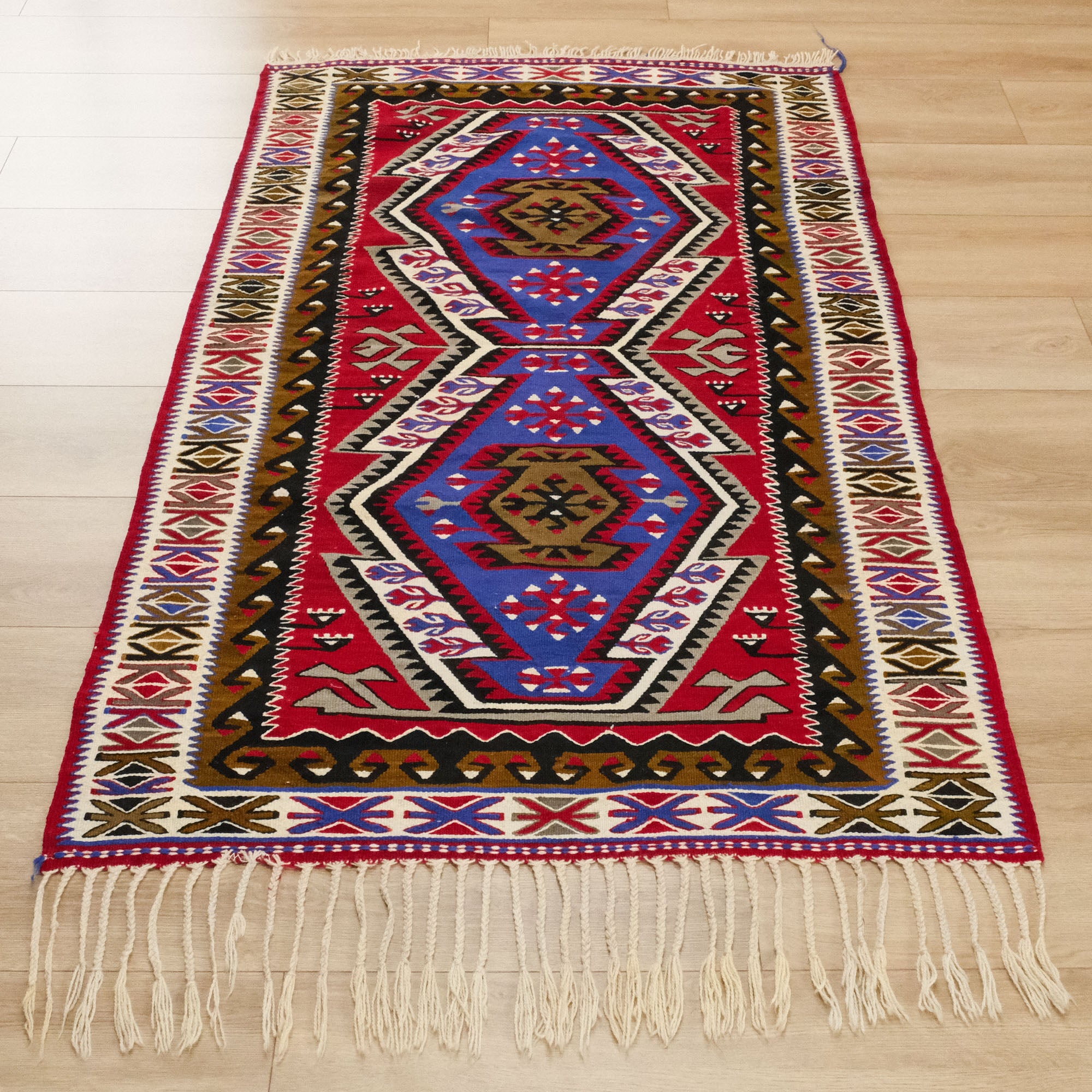
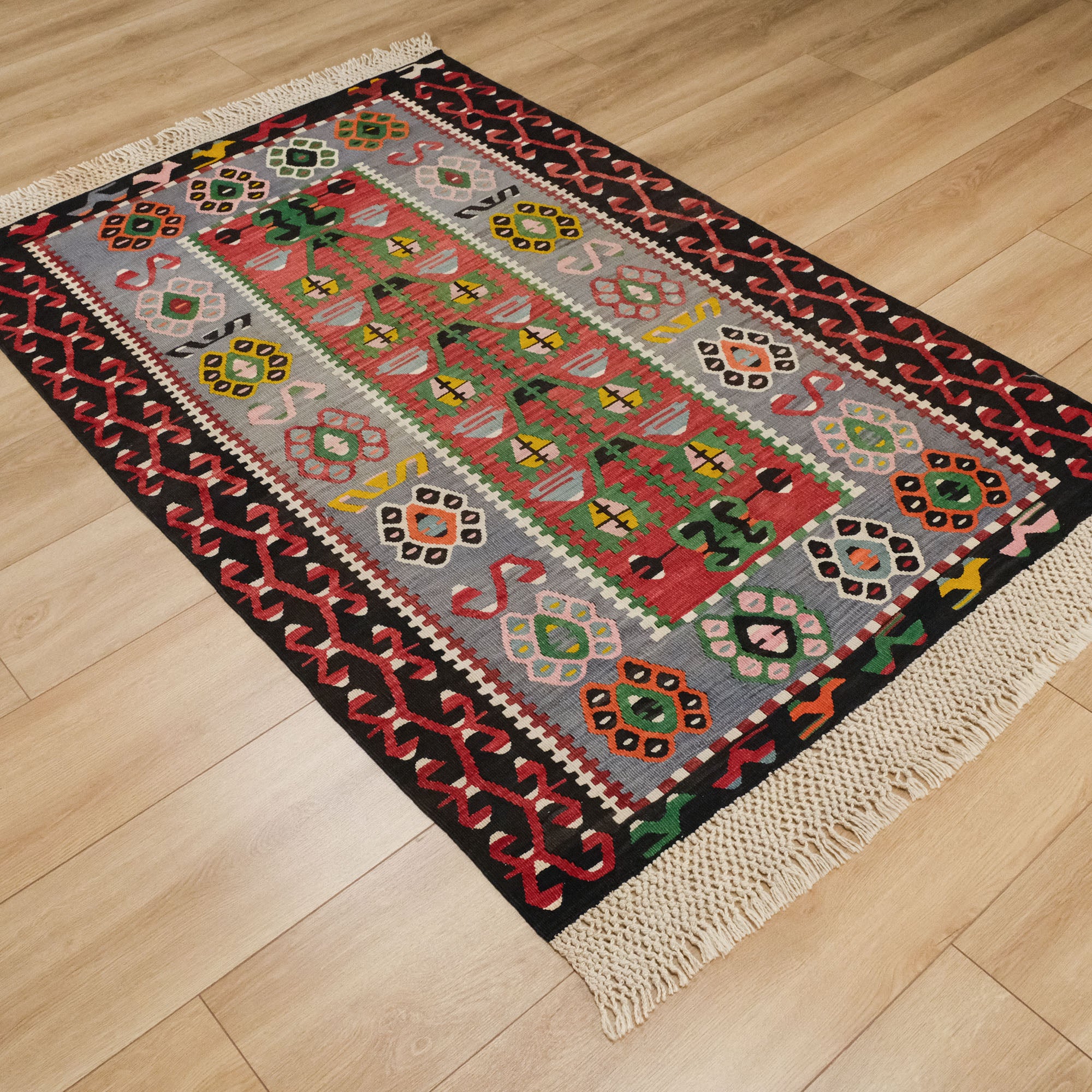
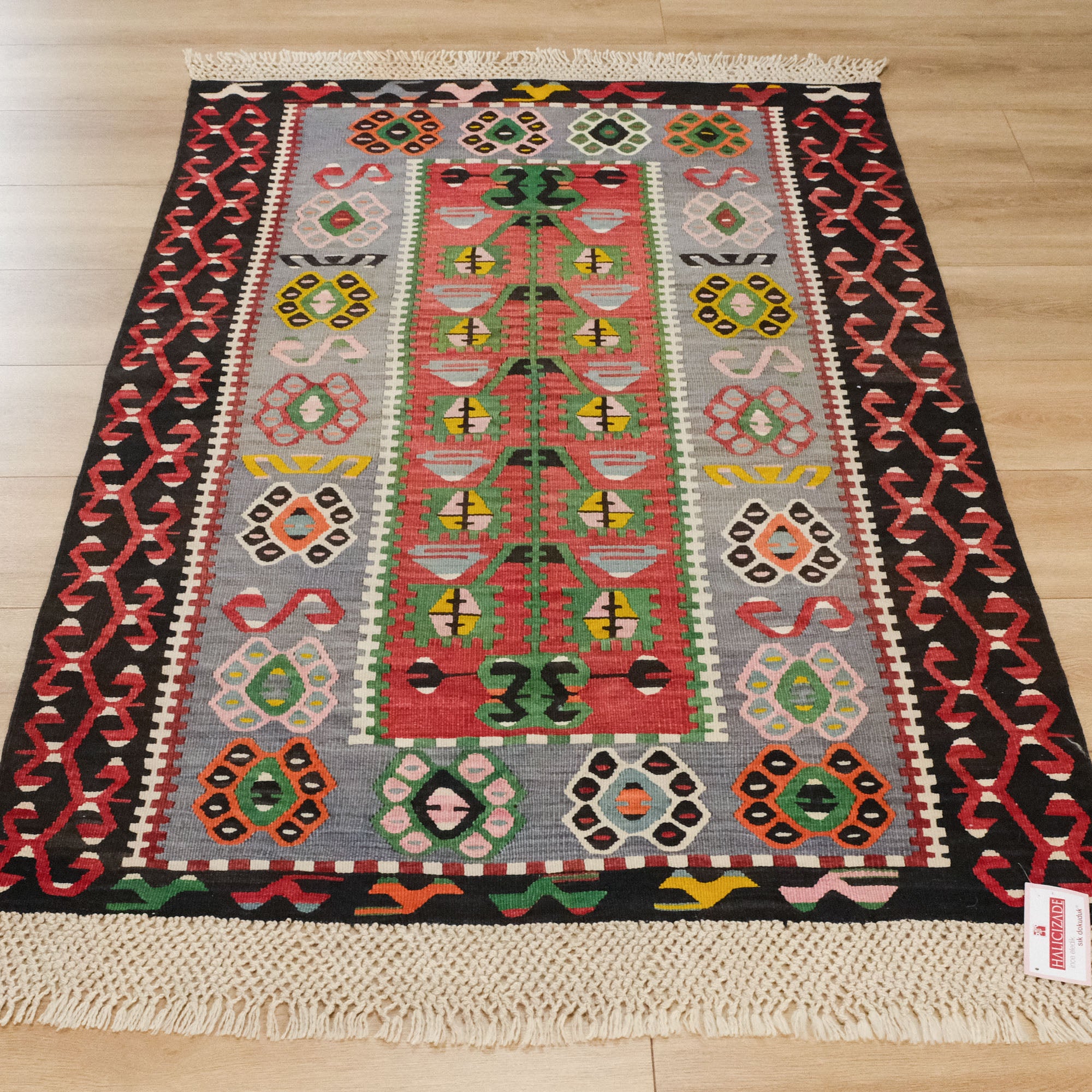
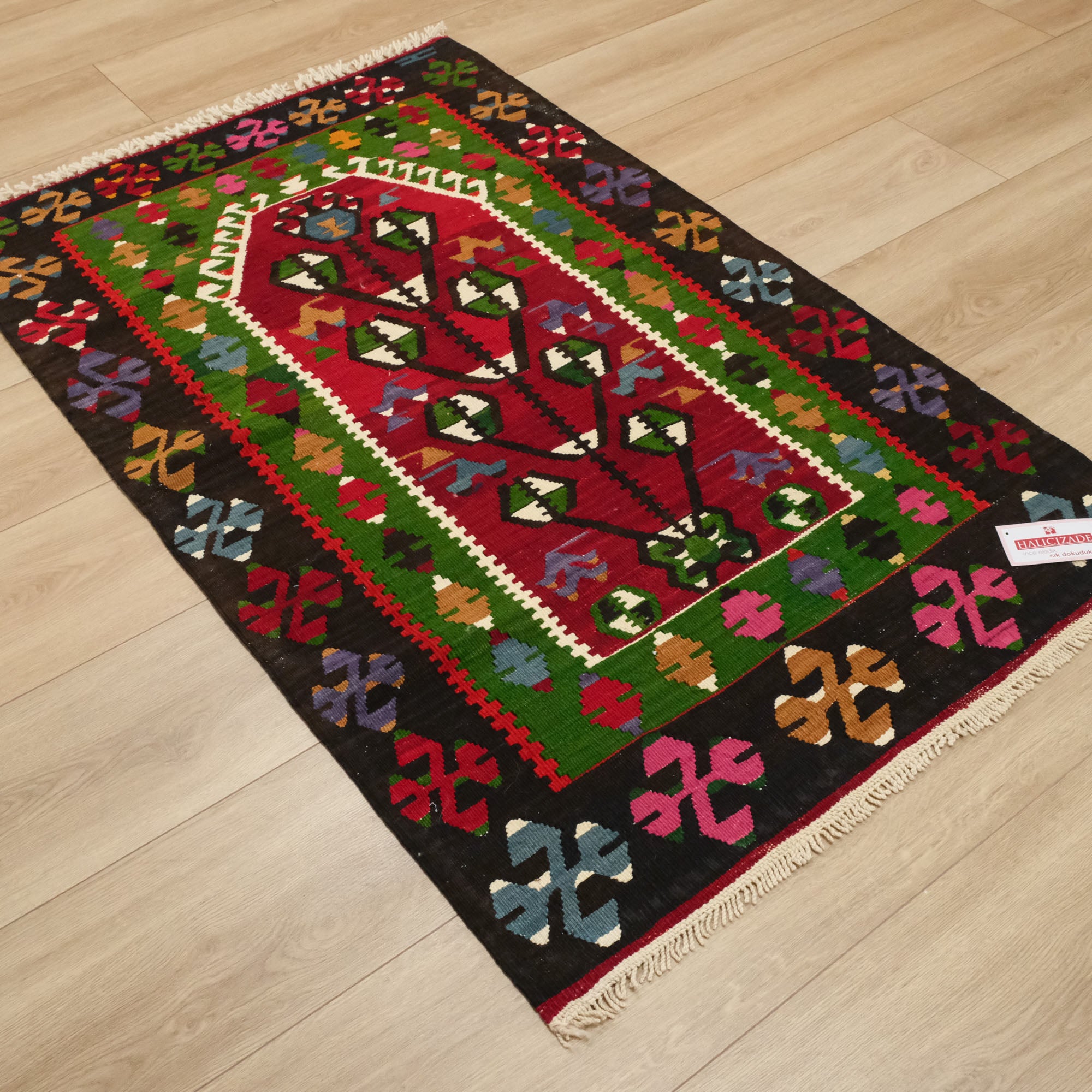
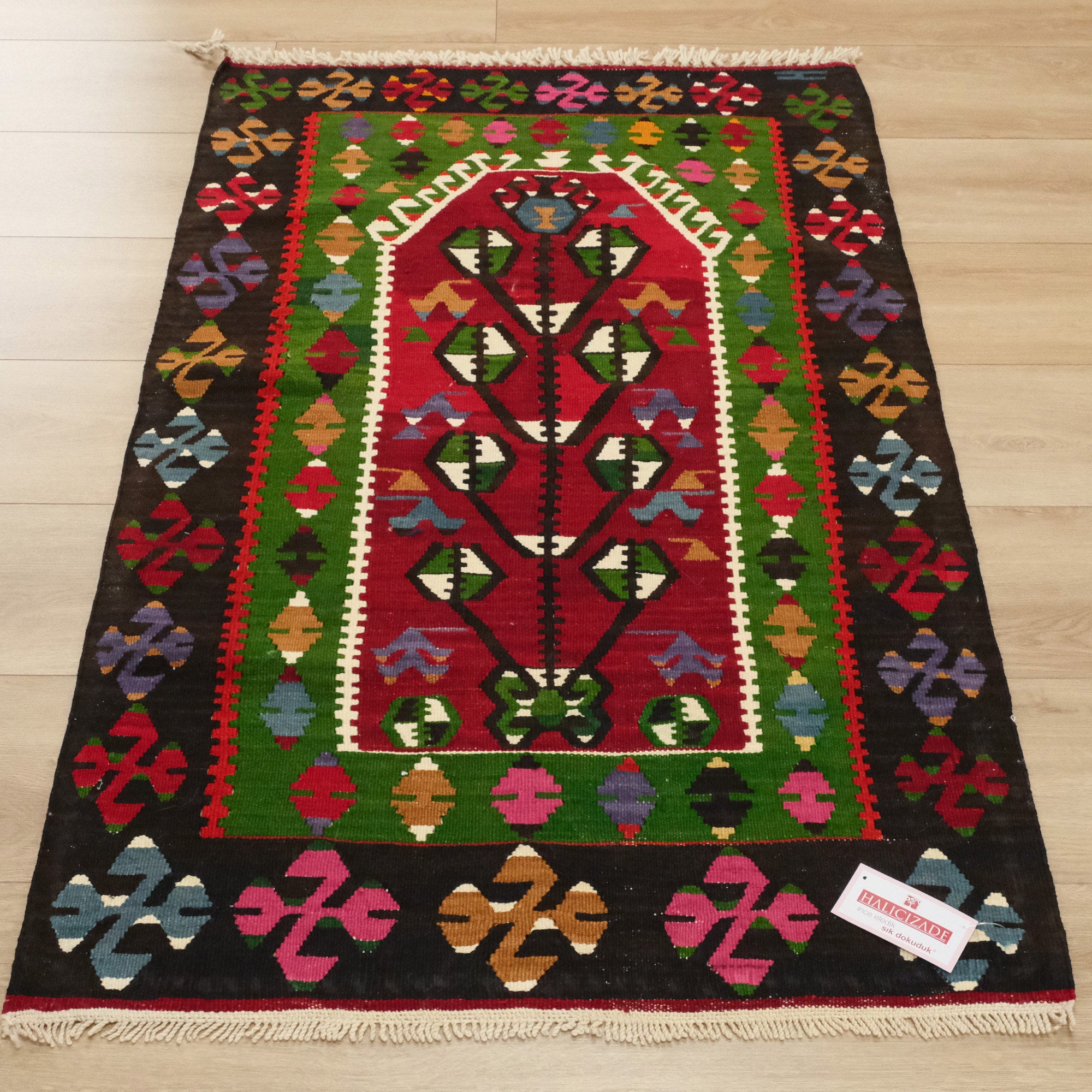
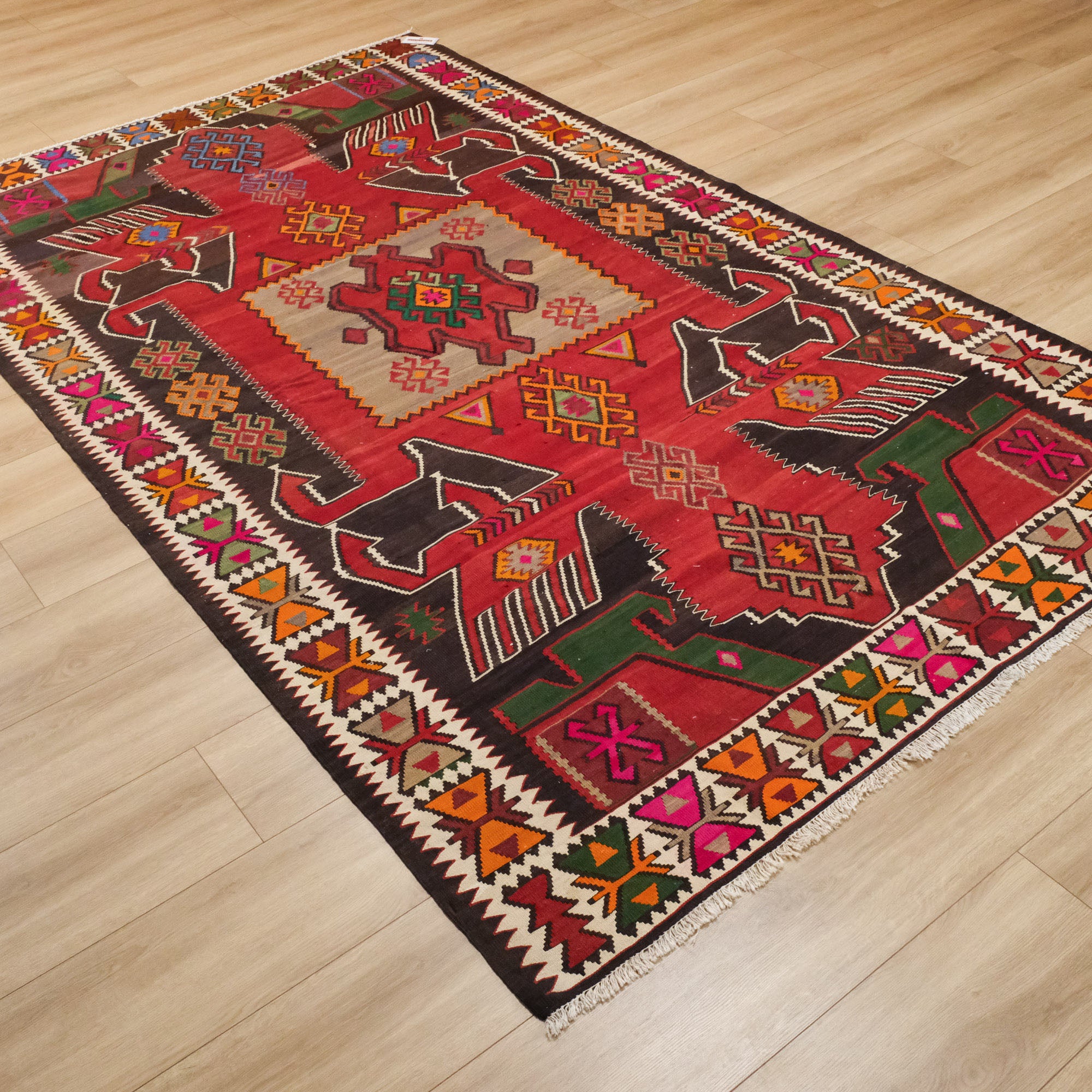
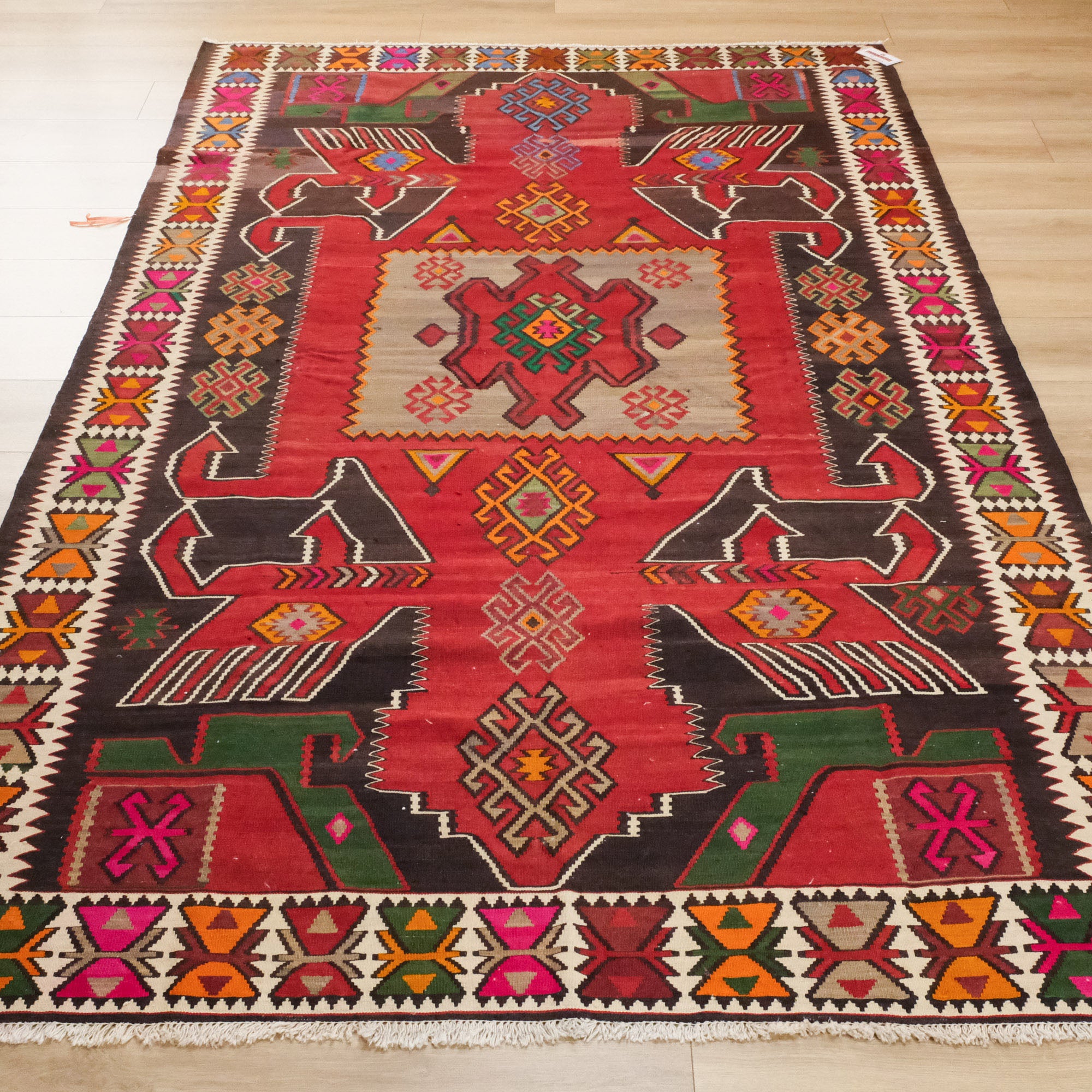
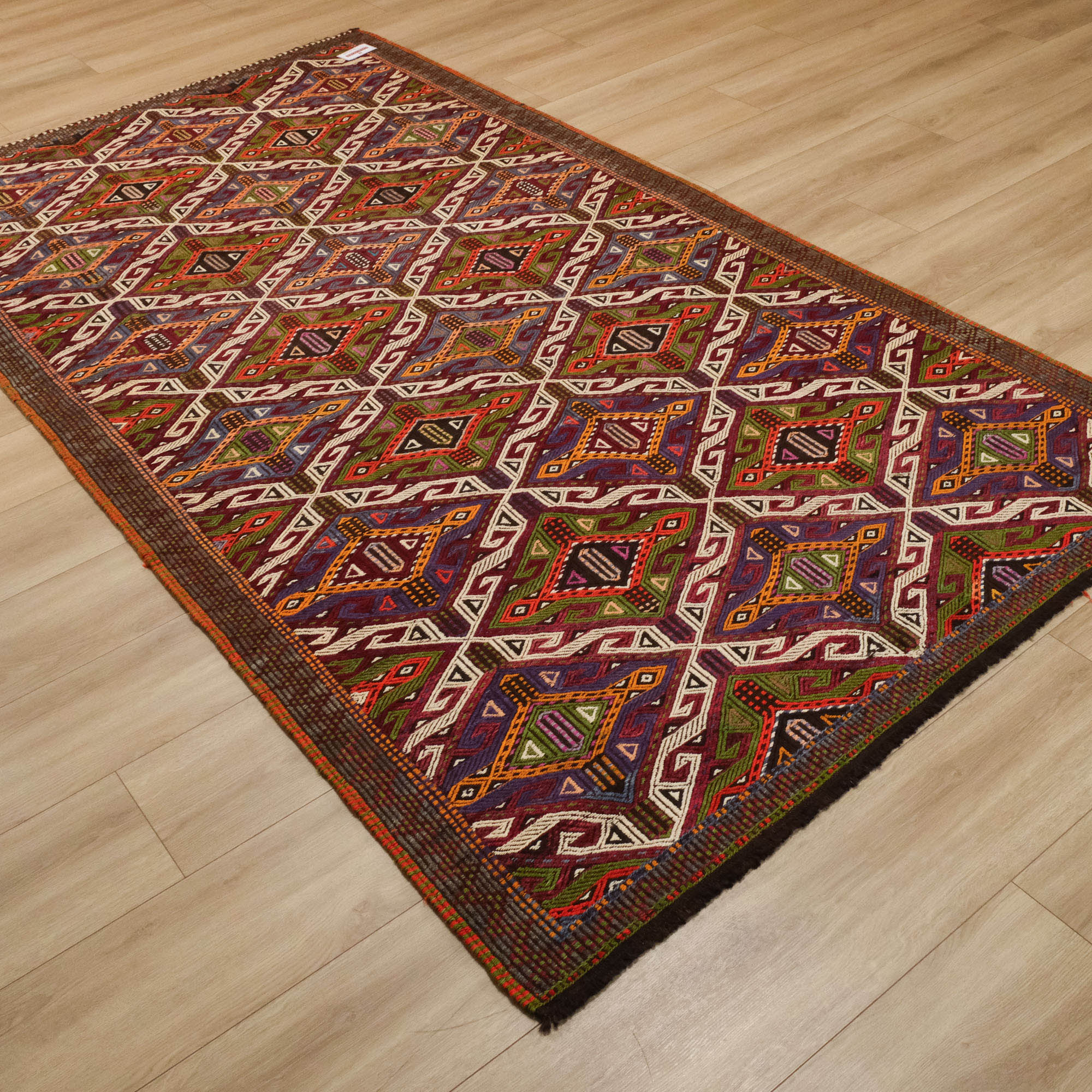
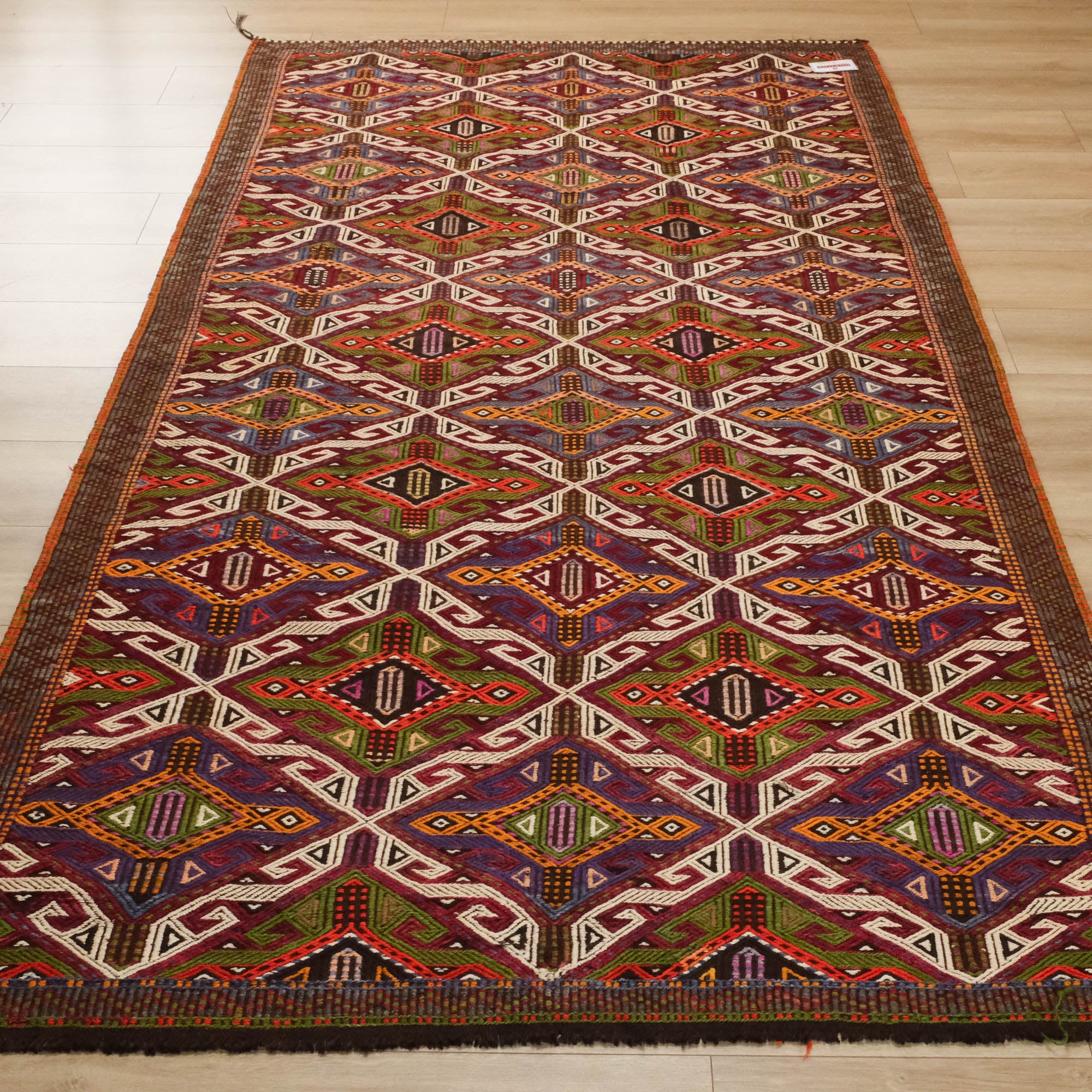
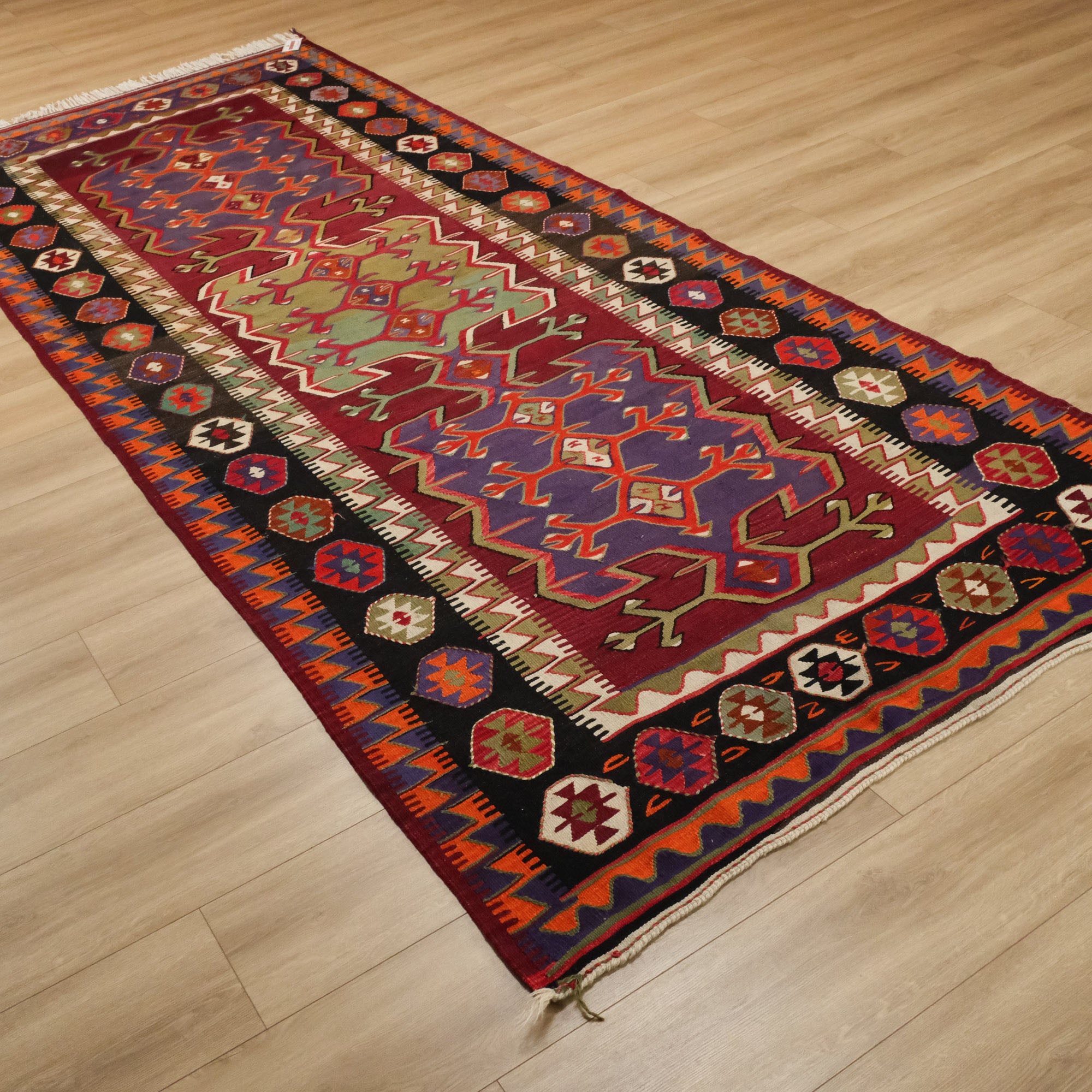
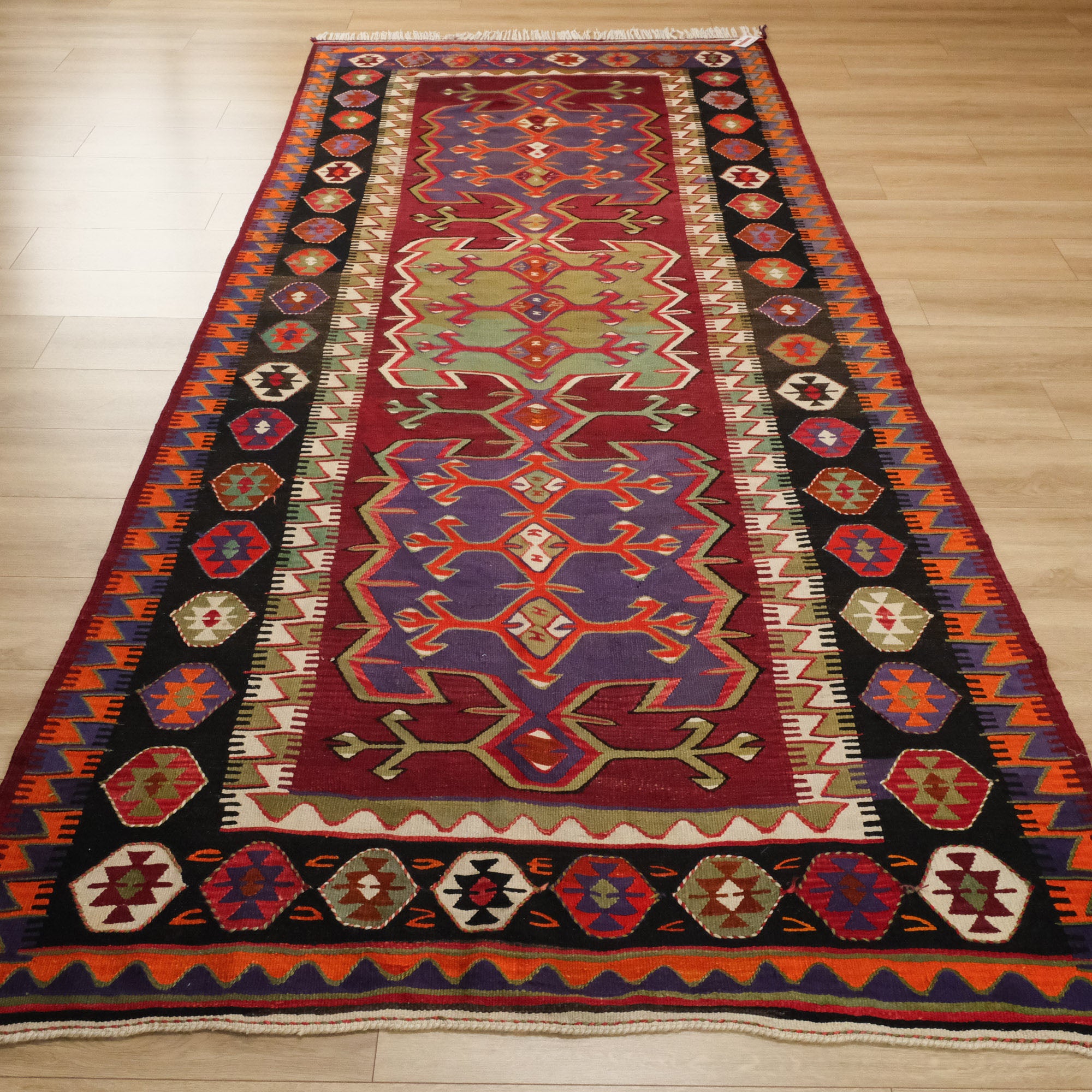
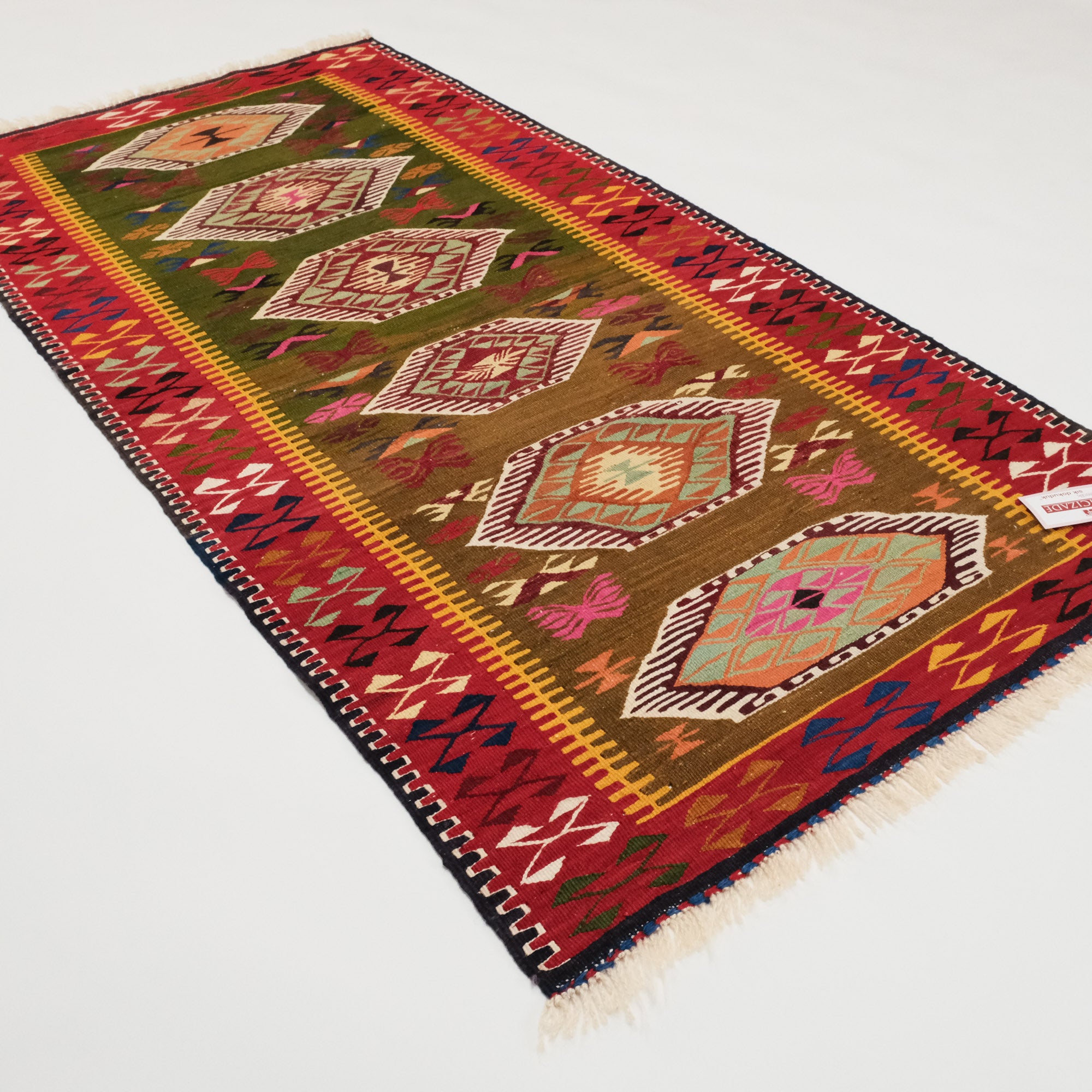
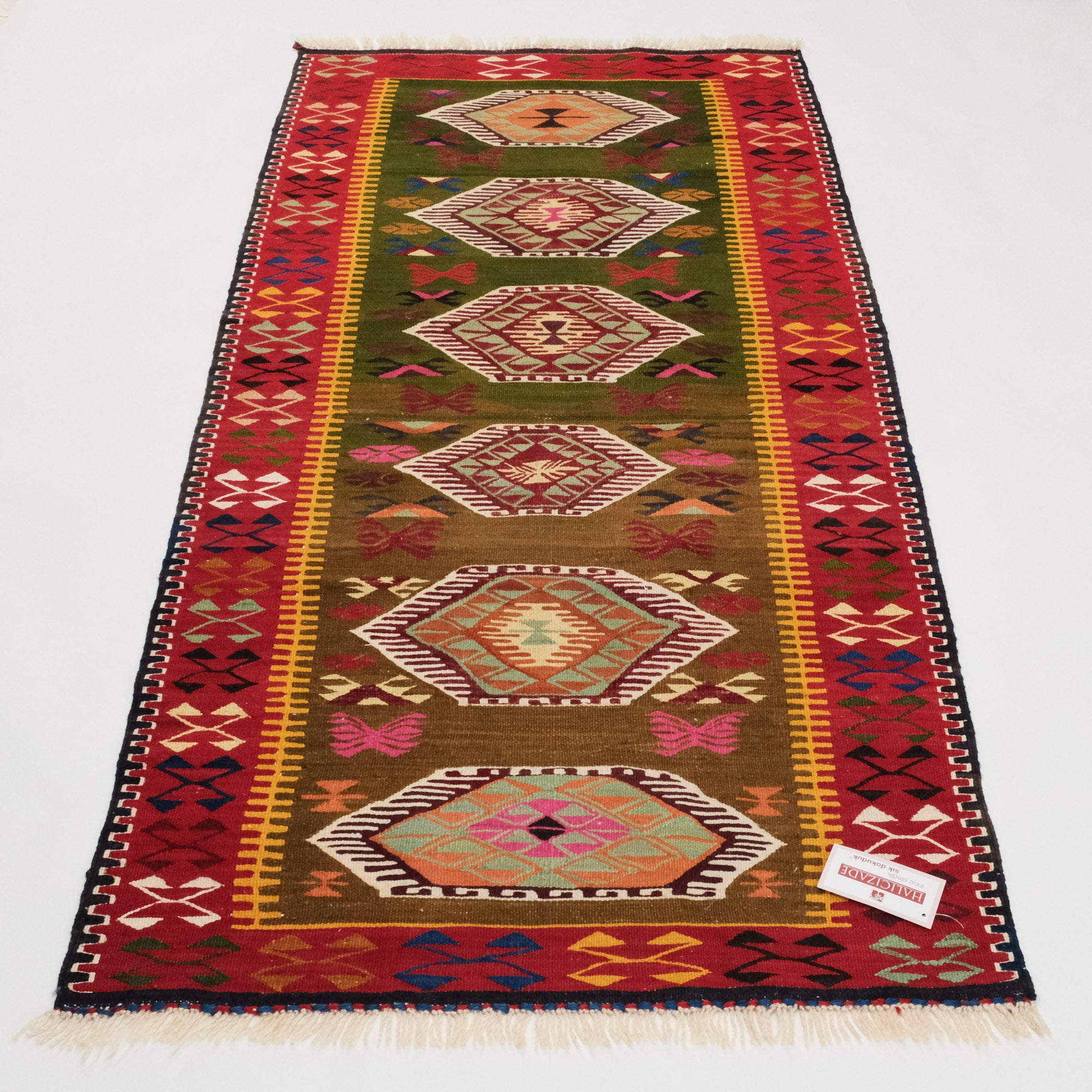
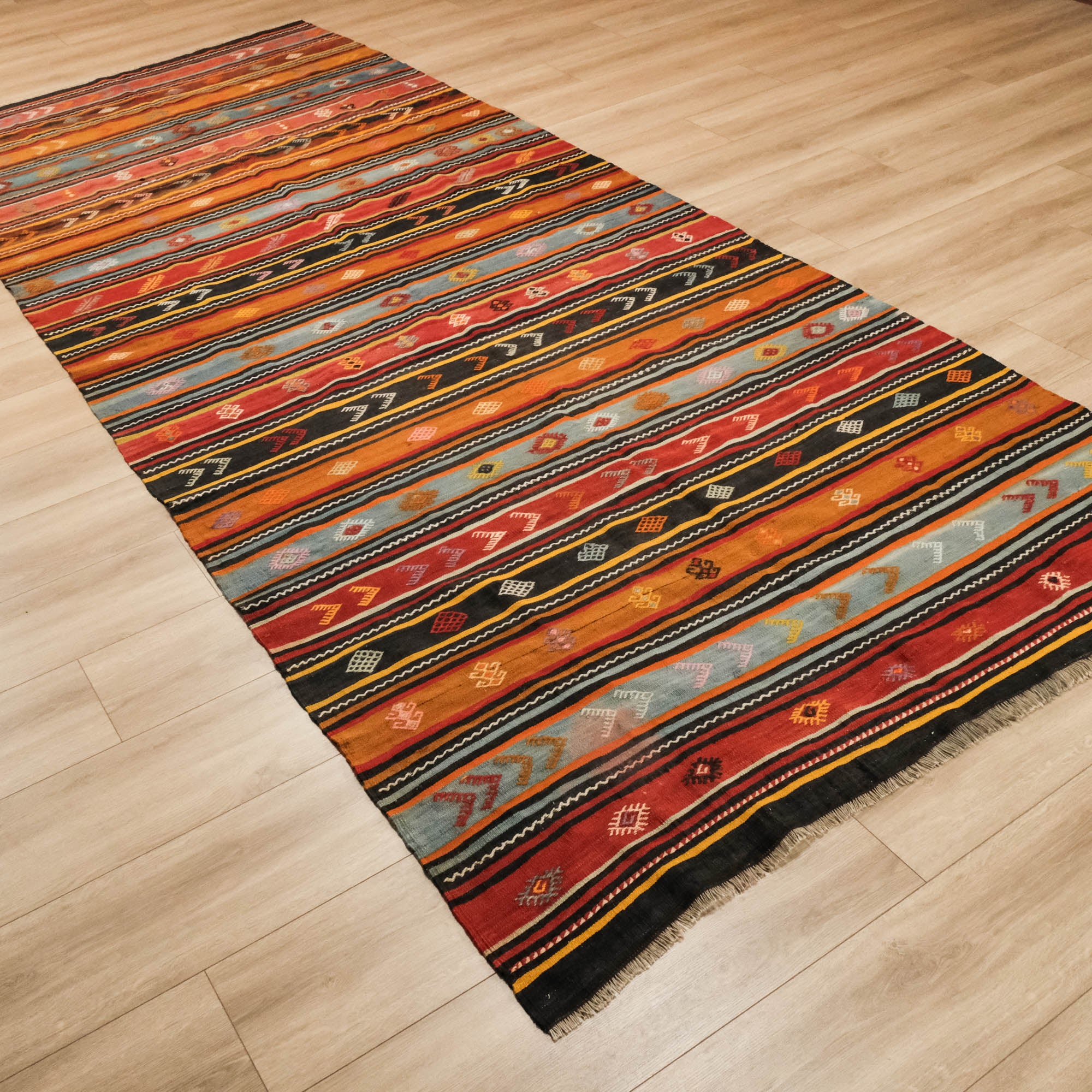
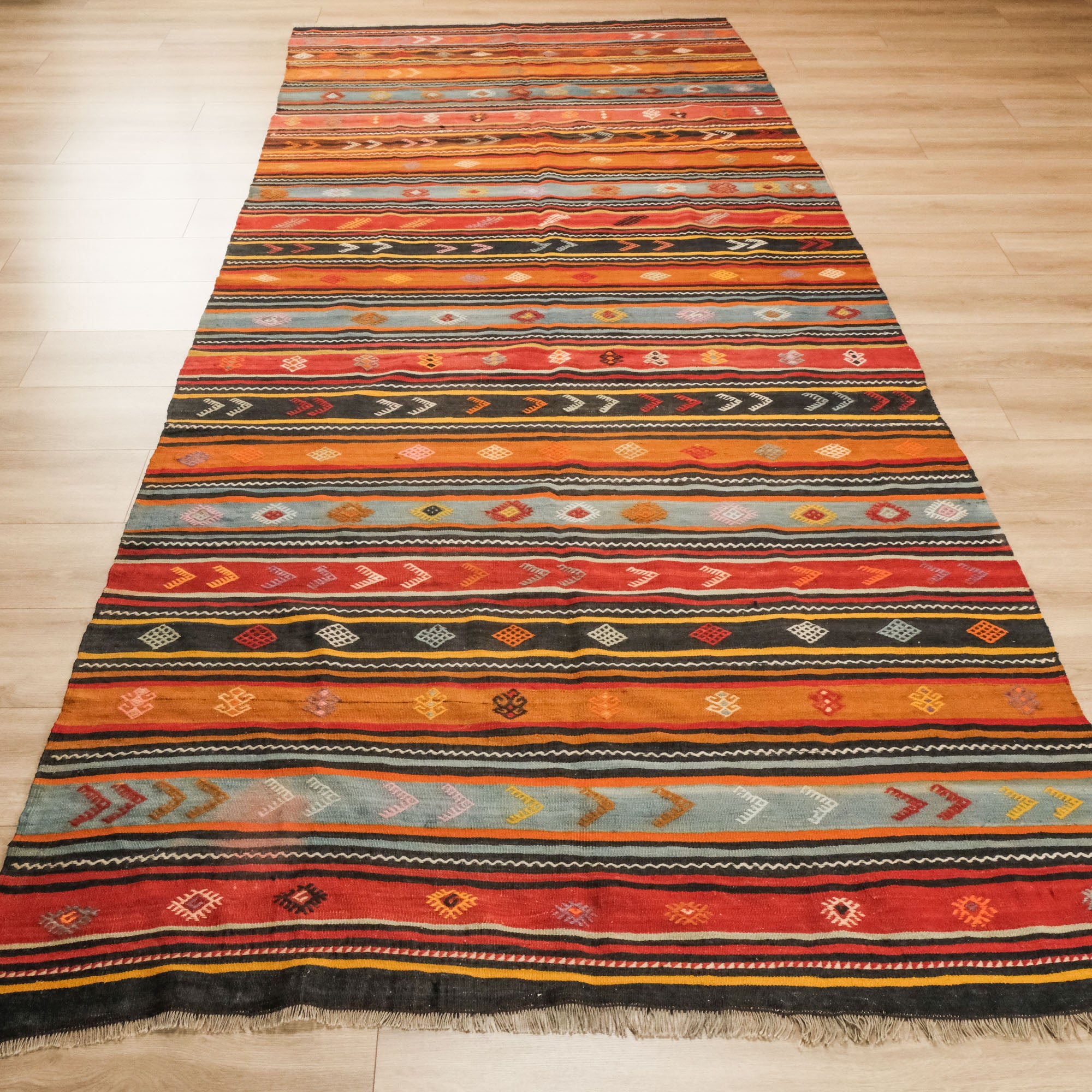
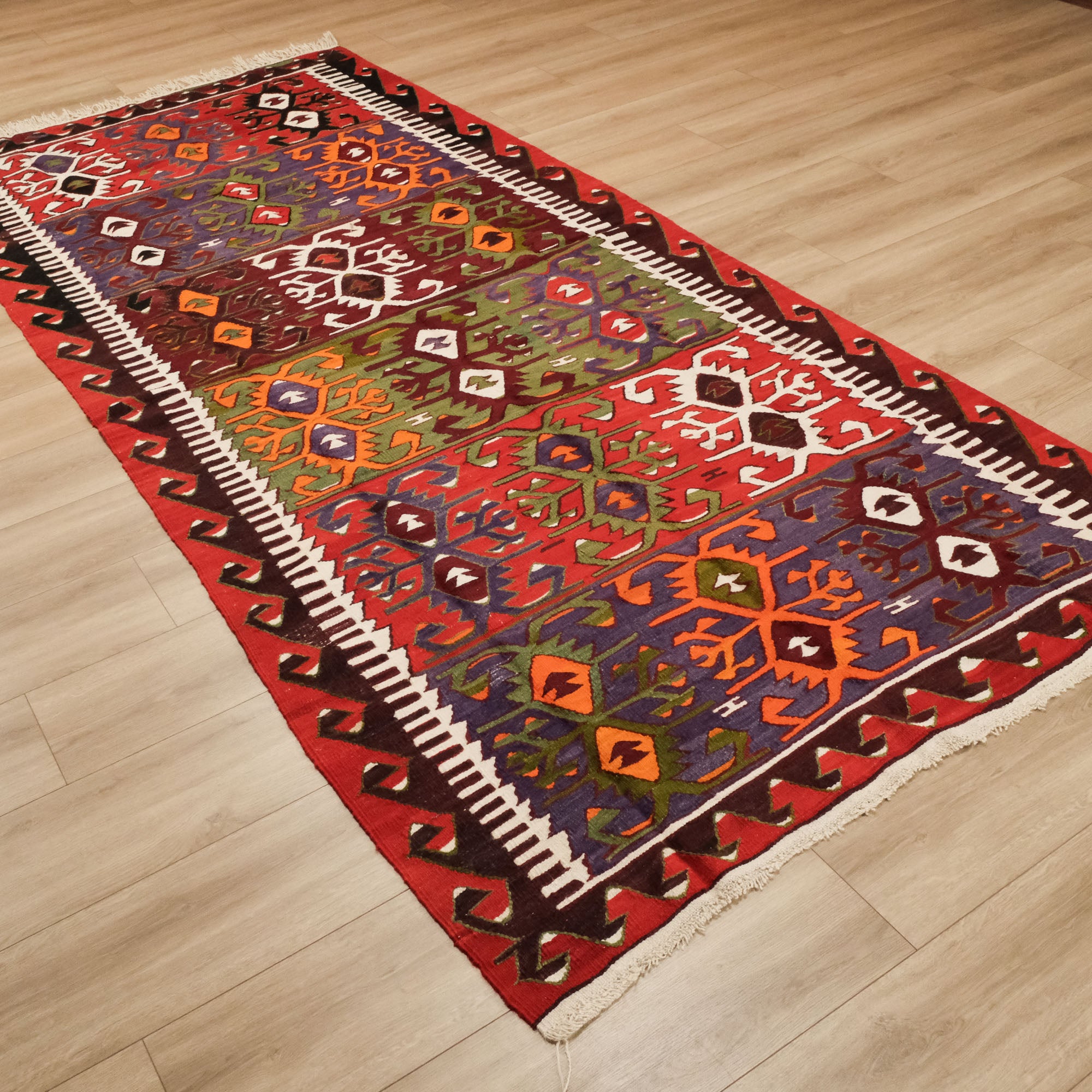
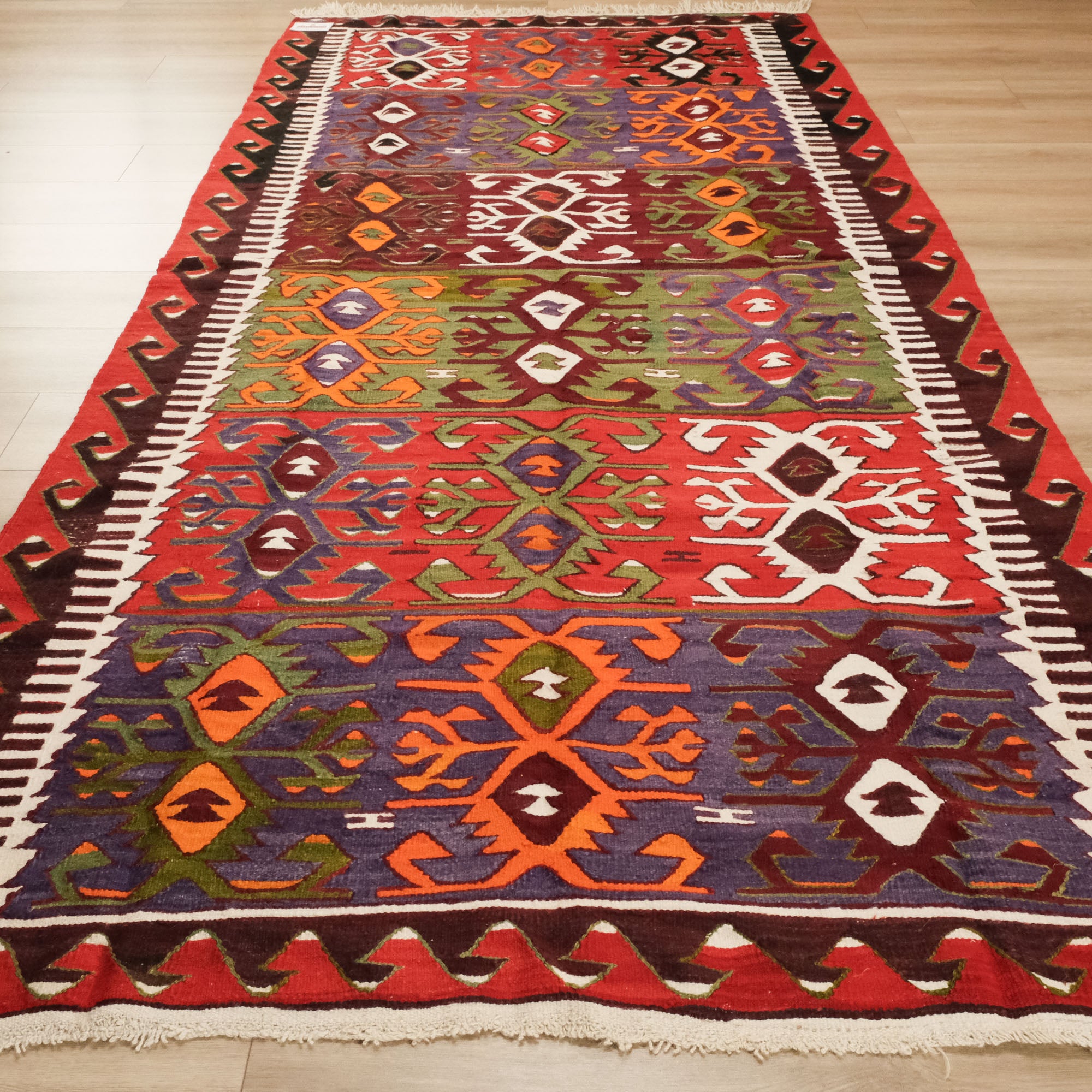
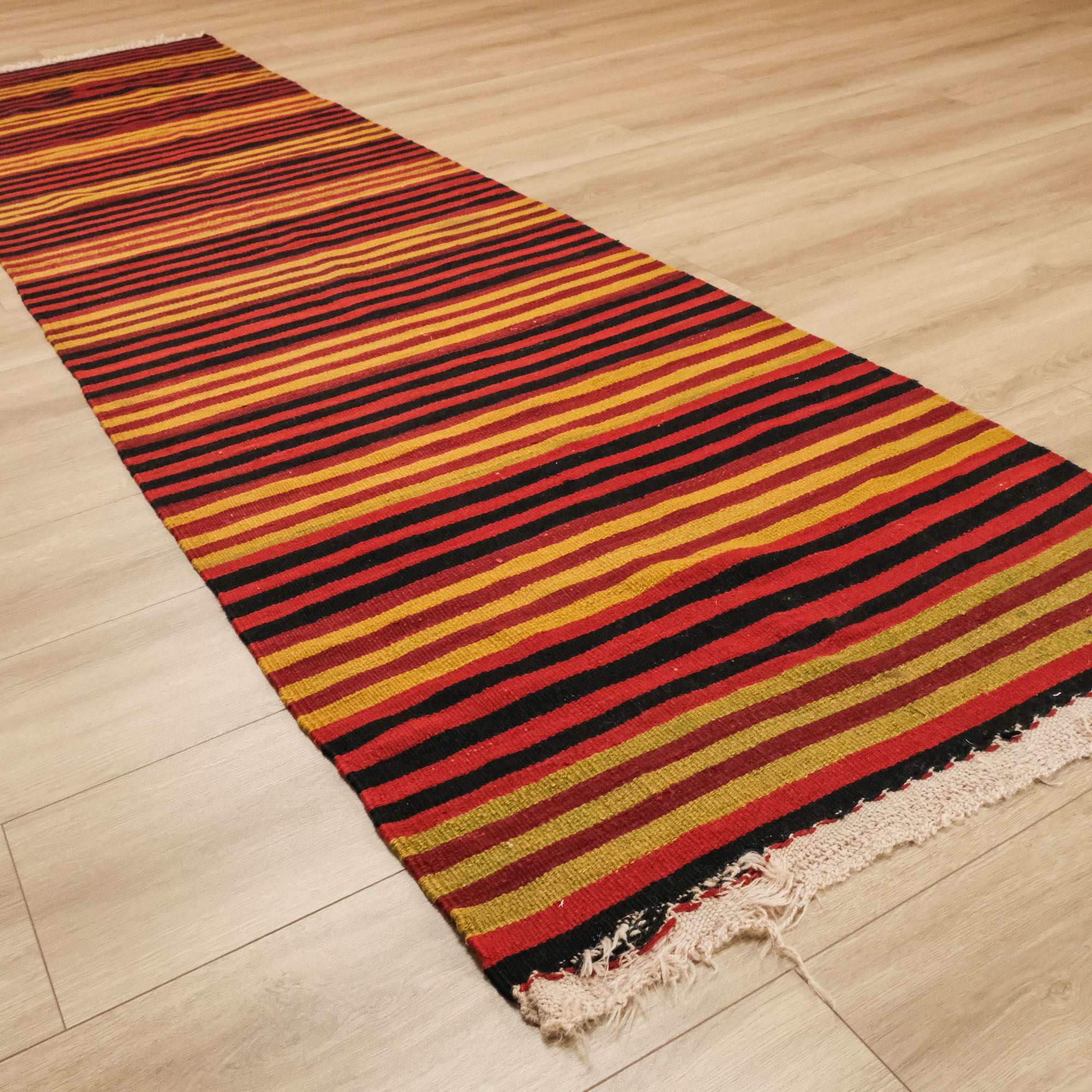
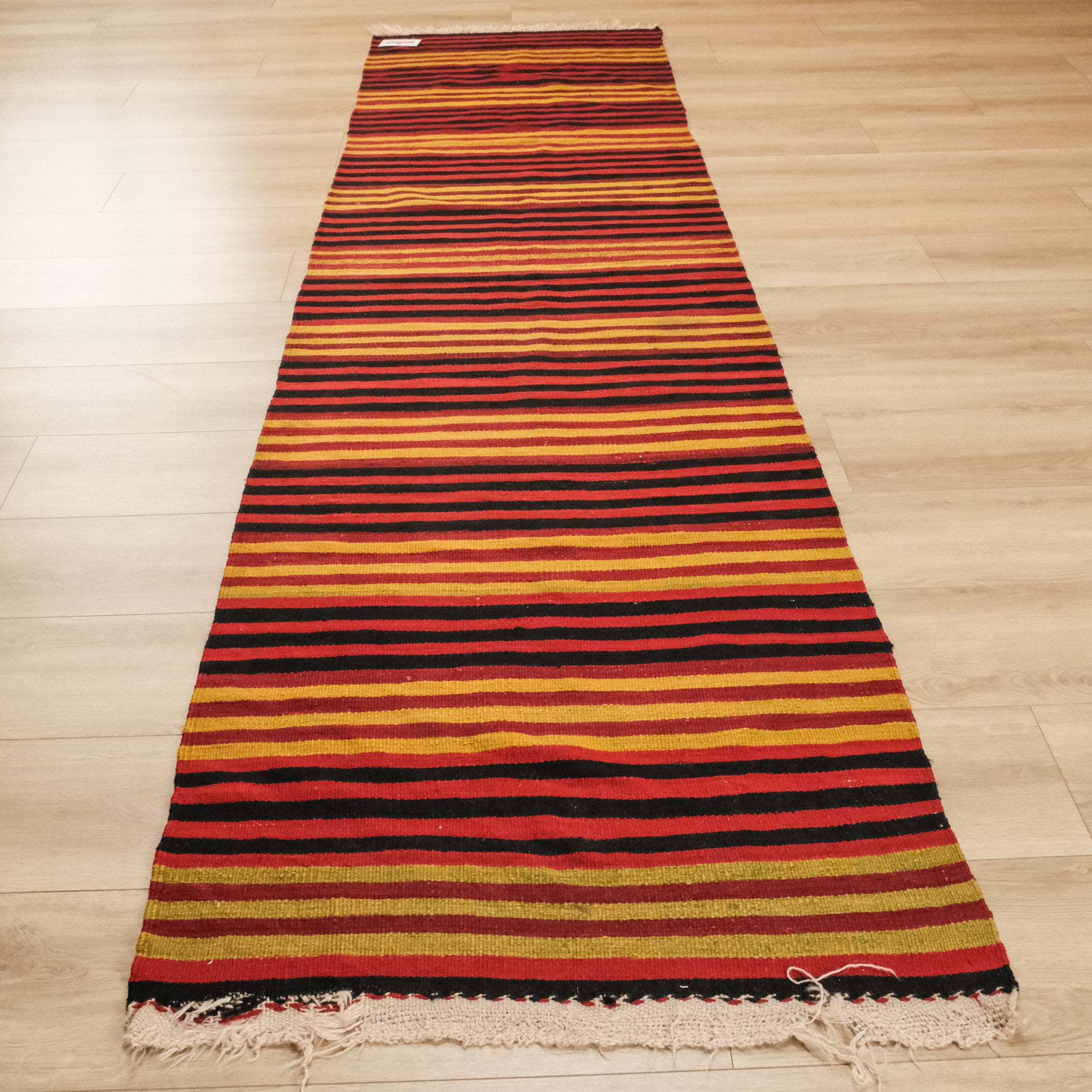
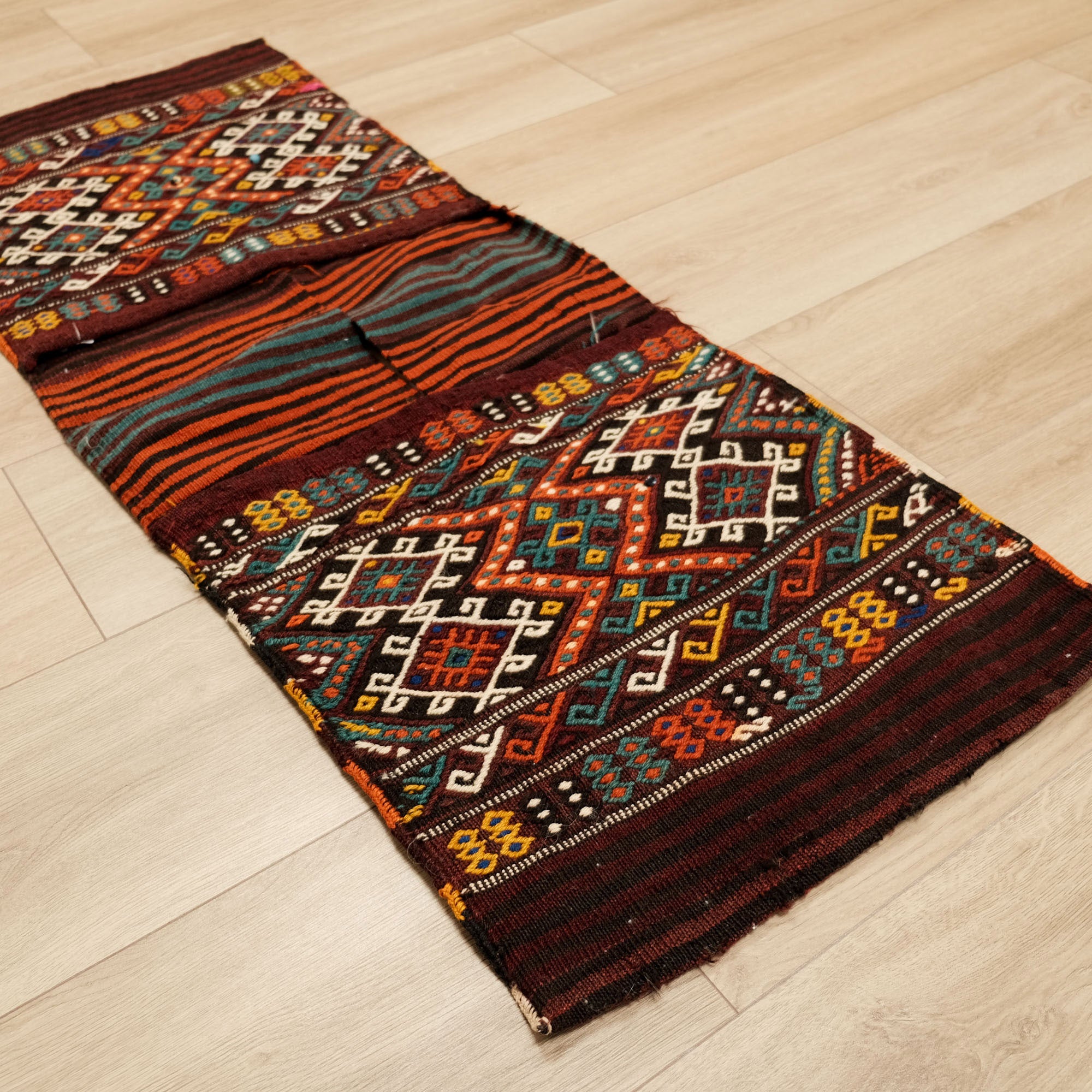
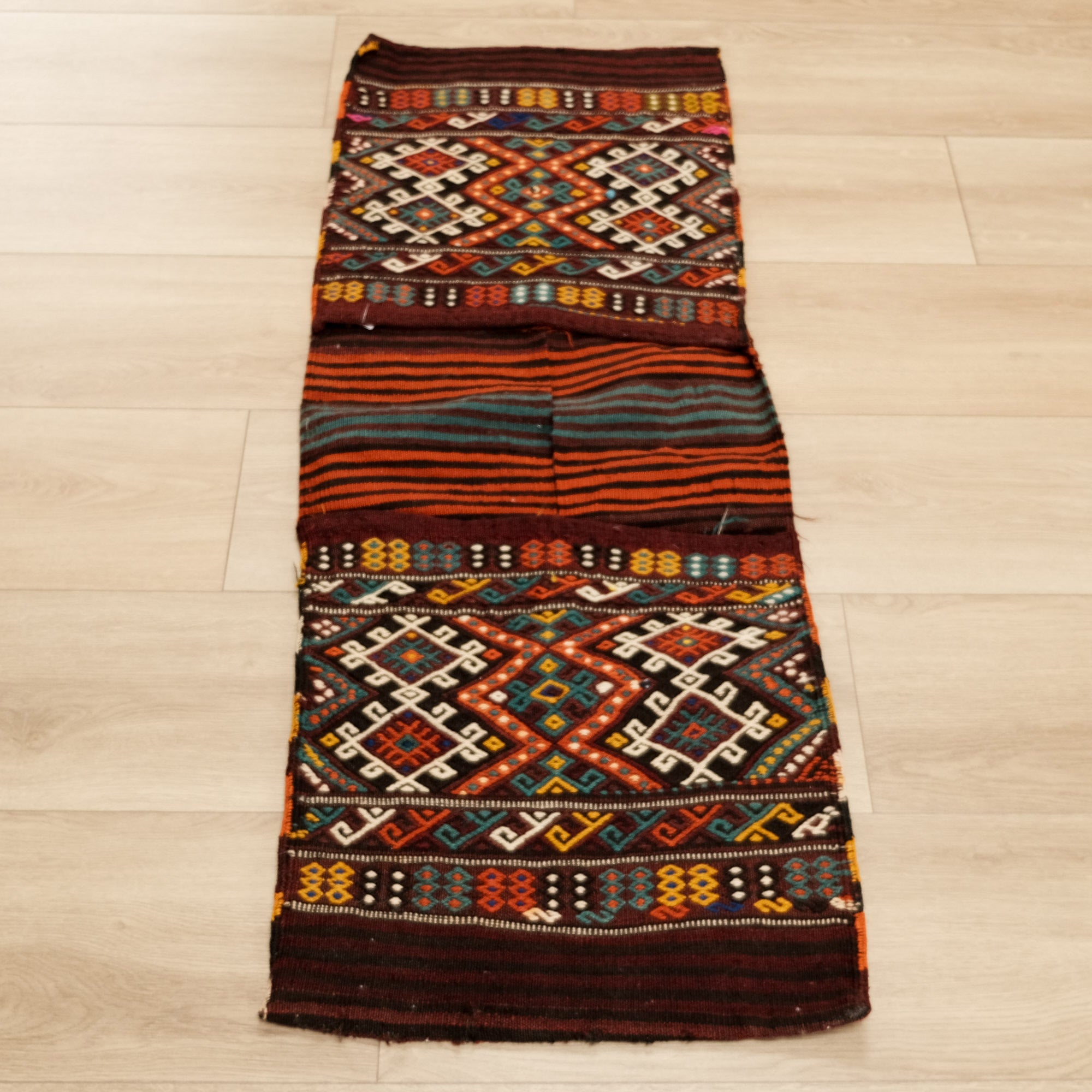
An Anatolian kilim refers broadly to flat-woven rugs from within the historic Anatolian region of Turkey, encompassing numerous local flatweave traditions and motifs, diamonds, hooks, stripes, unified by geography and shared technique rather than a single pattern.
Just as 'Anatolian rug' spans many regional pile-weaving traditions, 'Anatolian kilim' covers a similarly broad range of local flatweave styles, and that geographic breadth is worth understanding before narrowing to a specific look.
A Regional Flatweave Category, Not a Single Style
Anatolia's flatweave tradition spans numerous regional variations, each historically tied to specific nomadic or village weaving communities, sharing core techniques while differing in motif vocabulary, color palette and border convention from one area to the next.
Shared Flatweave Technique Across Regional Variation
Most traditional Anatolian kilims share the same core interlocked warp-and-weft flatweave technique and typically wool construction, with regional identity expressed primarily through motif choice, diamond and hook patterns, stripes, and specific color combinations rather than differing construction methods.
Why Choose an Anatolian Kilim from Halicizade
We use 'Anatolian kilim' to describe pieces drawing on this broad regional flatweave heritage, giving buyers access to the wider Anatolian kilim vocabulary in a single collection rather than requiring a specific sub-regional preference.
Styling an Anatolian Kilim
Given the range of patterns this term covers, styling depends on the specific piece's regional character.
- Casual living rooms, kitchens and entryways suit kilim's practical, durable flatweave particularly well.
- Layering over larger neutral rugs or sisal flooring is a popular, versatile use.
- A strong entry point for buyers wanting to explore Turkish flatweave heritage broadly before narrowing to a specific regional style.
- Works well as a wall hanging given the kilim's light weight and graphic pattern clarity.
Anatolian Kilim vs. a Specific Regional Kilim Style
| 'Anatolian Kilim' (Broad Category) | Specific Regional Style | |
|---|---|---|
| Scope | Covers many regional flatweave traditions | One specific village or tribal tradition |
| Pattern predictability | Varies by piece | More consistent, defined characteristics |
| Best for | Broad exploration of Turkish flatweave heritage | Buyers seeking a specific known style |
Care & Maintenance
Kilims can be vacuumed on both sides given their reversibility; avoid prolonged wet exposure since the flat construction and natural fiber together are more moisture-sensitive than a dense pile rug.
Frequently Asked Questions
What does 'Anatolian kilim' mean?
It refers broadly to flat-woven rugs from within the historic Anatolian region of Turkey, encompassing numerous local flatweave traditions rather than one specific pattern.
What motifs are common in Anatolian kilims?
Diamonds, hooks, and geometric stripes are among the most common motifs, though the specific vocabulary varies significantly by weaving region.
Are Anatolian kilims hand-woven?
Traditional Anatolian kilims are hand-woven; Halicizade also offers machine-loomed pieces drawing on this pattern heritage at a more accessible price point.
What fiber are Anatolian kilims typically made from?
Wool is the most traditional fiber, though cotton flatweaves also appear within the broader Anatolian kilim tradition.
Can Anatolian kilims be used as wall hangings?
Yes, their light weight and bold, graphic pattern make them a popular choice for wall display in addition to floor use.
Why choose a general Anatolian kilim over a specific regional style?
It's a strong entry point for buyers wanting to explore Turkish flatweave heritage broadly before narrowing their preference to a specific known regional style.