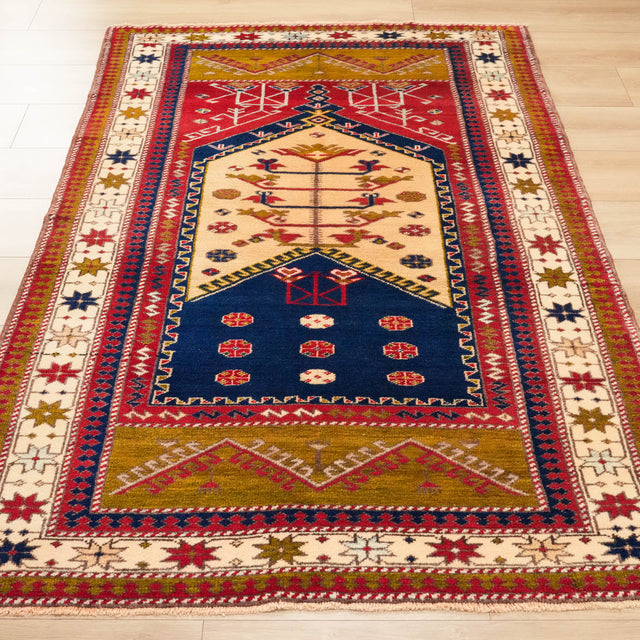
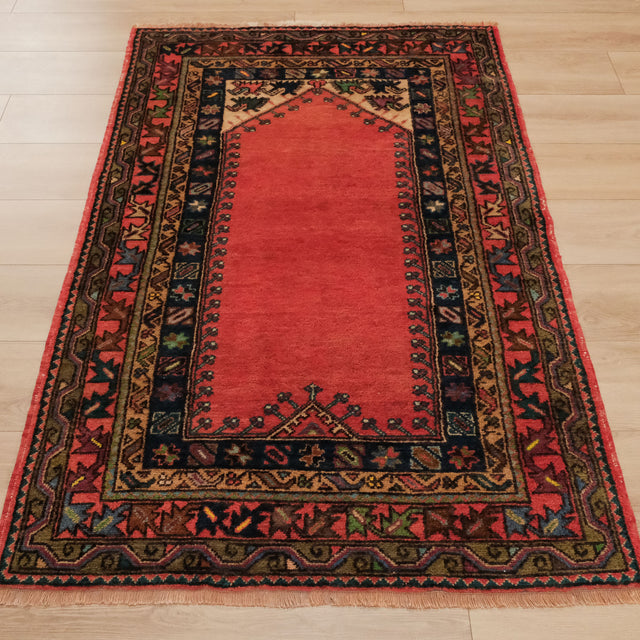
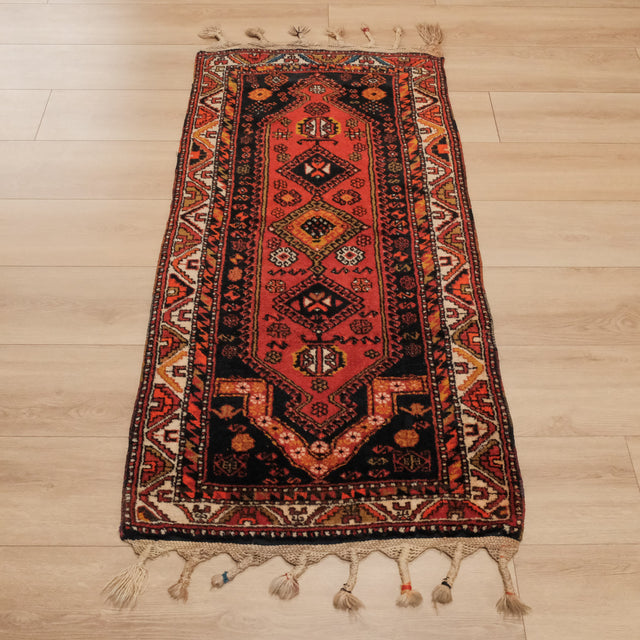
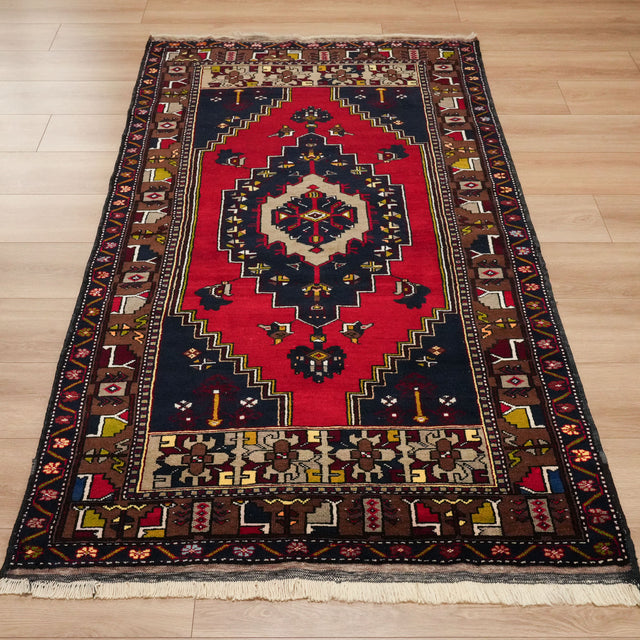
A prayer niche on red, wool that came out of a chest
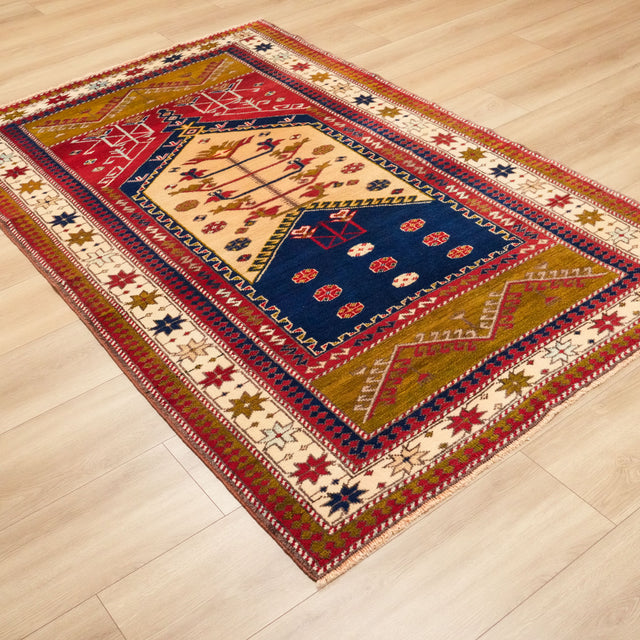 137×215 cm



Rugs & Kilims
Find Your Rug
For those who already know what they are looking for — Halıcızade's most visited collections.
A prayer niche on red, wool that came out of a chest
137×215 cm
Konya İnlice weaving, chest-kept, now a 62 × 107 cm cushion
 62×107 cm
One of a kind
from
12.000 TL
≈ 18.000 TL/m²
Fifty years and more behind it: Kula blue, all wool
 120×157 cm
One of a kind
from
28.500 TL
≈ 15.000 TL/m²
Van at the eastern edge, angular wool with no curve in it
 106×144 cm
Keçi Muhsine: red wool, dye lifted from plants
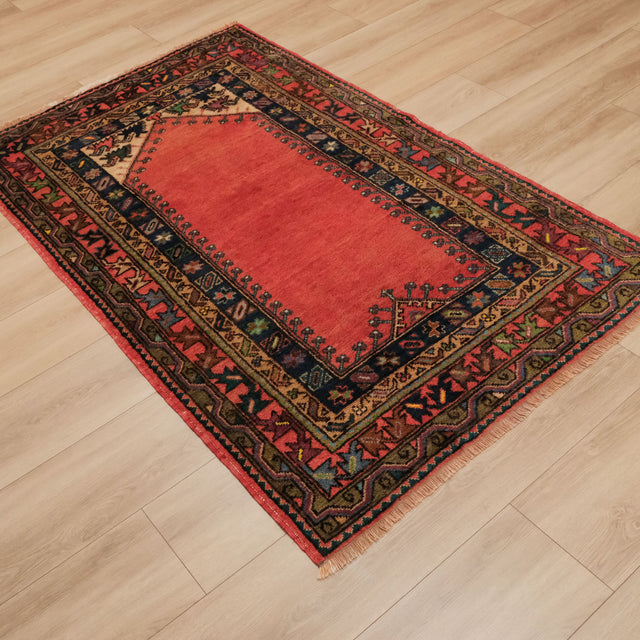 117×192 cm
Seventy-eight centimeters wide, orange, dyed from roots
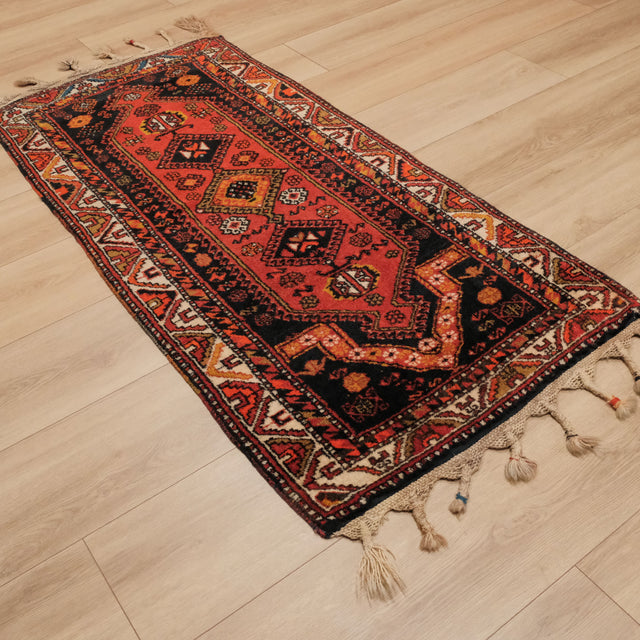 78×165 cm
One of a kind
from
77.000 TL
≈ 60.000 TL/m²
A dowry chest kept this red: İnlice wool, cushion size
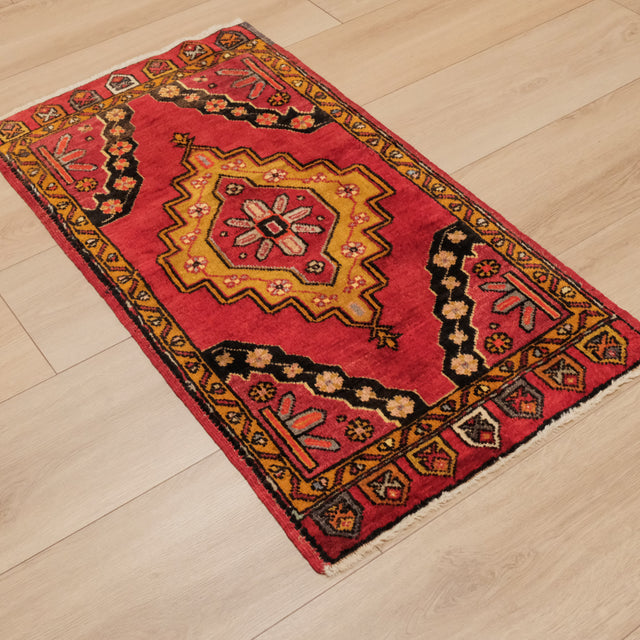 57×107 cm
One of a kind
from
12.000 TL
≈ 19.500 TL/m²
Karapınar red, banded where the dye lot changed
 133×225 cm
Narrow bands keep the colors from arguing: İnlice wool
 114×185 cm
Navy cicim at 47 × 102 cm, sized for a wall
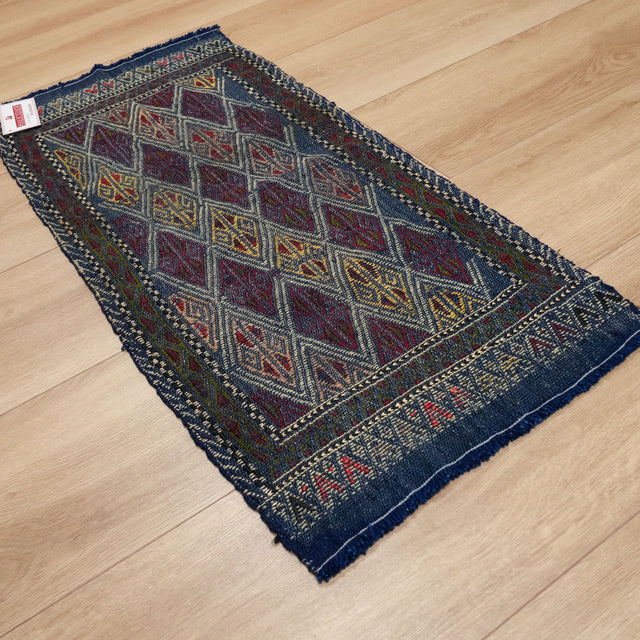 47×102 cm
Wool heavy enough for a stone floor: red, navy and mustard
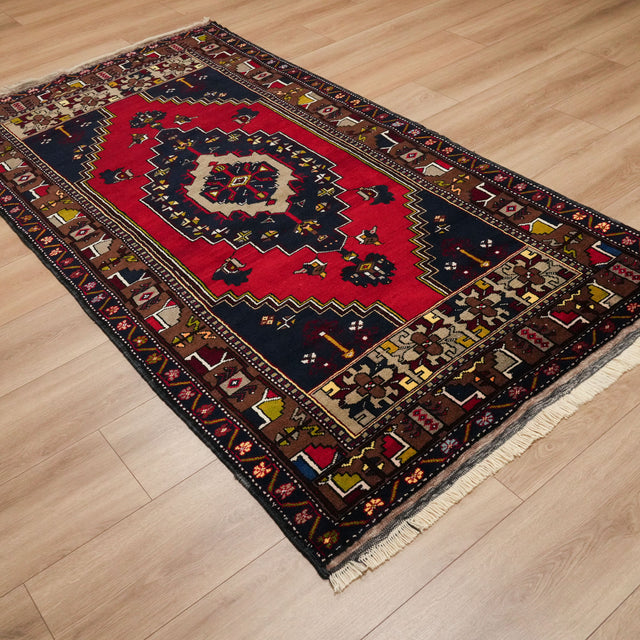 130×240 cm
Scandinavian figures over blue, Tencel® on an Oushak loom
 200×290 cm
Months in women's hands: Anadolu Şal patchwork in wool
 209×298 cm
One of a kind
from
225.000 TL
≈ 36.000 TL/m²
Mink ground, pastel rosettes, knotted in Afghanistan
 174×237 cm
Mut, under the Taurus: wool both faces, 97 × 212 cm
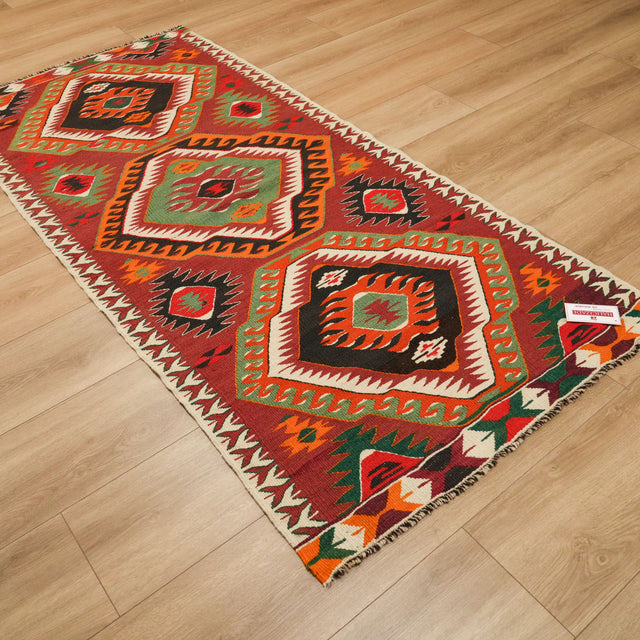 97×212 cm
Cream flatweave from Afghanistan, its geometry drawn in silk
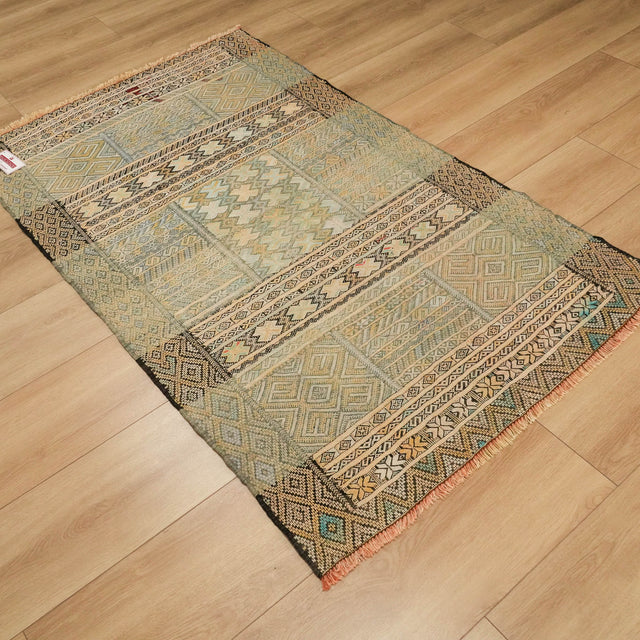 104×168 cm
Kozak cicim above Bergama, wool from end to end
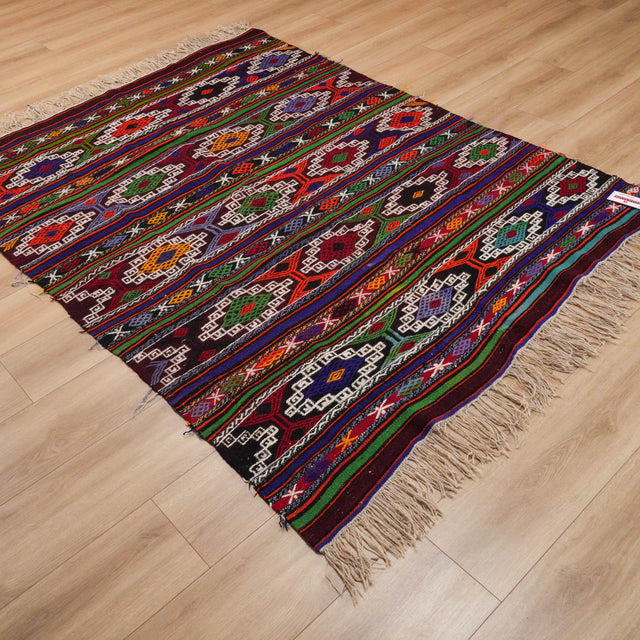 171×231 cm
Wool over cotton on a Konya village loom, 95 × 130 cm
 95×130 cm
Denizli's Çal district, cicim brocade raised off the weave
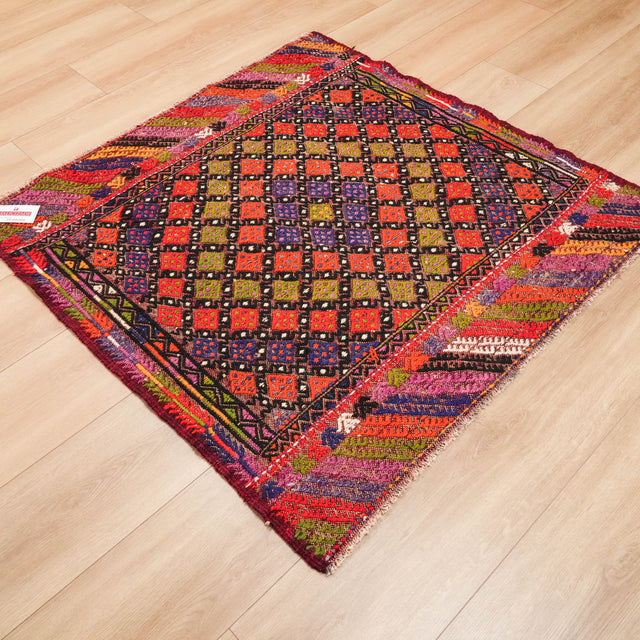 126×130 cm
Rust-orange out of Kars, chest-kept, and heavy in the hand
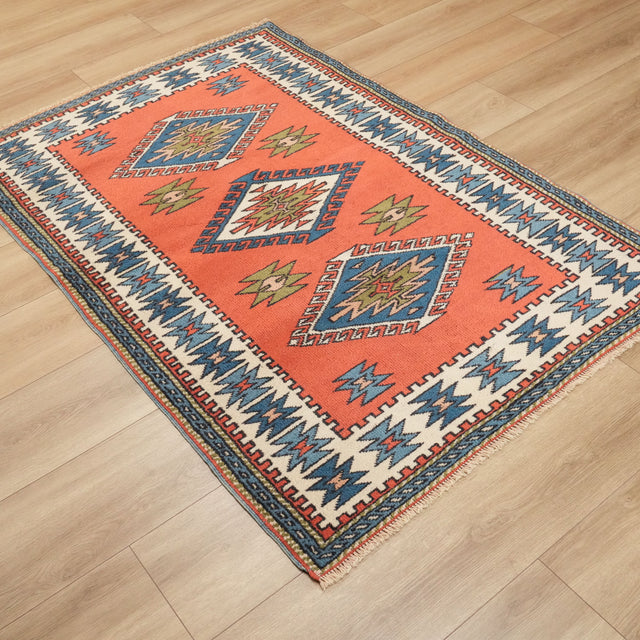 121×176 cm
Madder red banding lot by lot, Karakeçili wool from Balıkesir
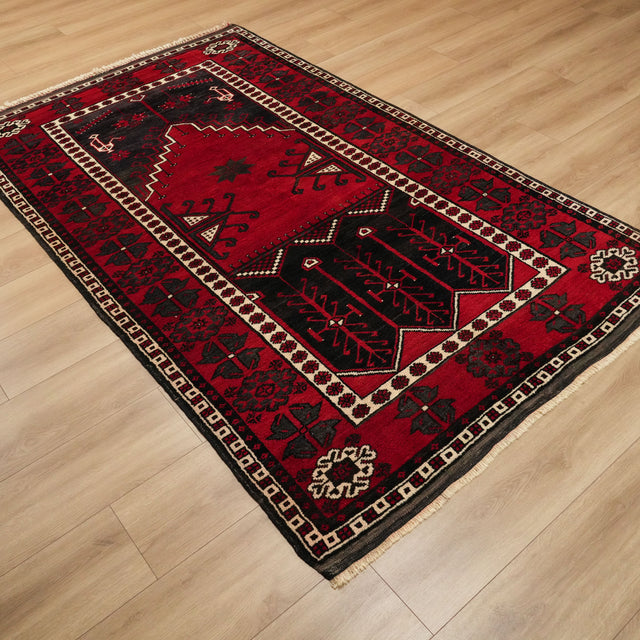 153×251 cm
Karapınar cicim in burgundy, 54 × 81 cm and all wool
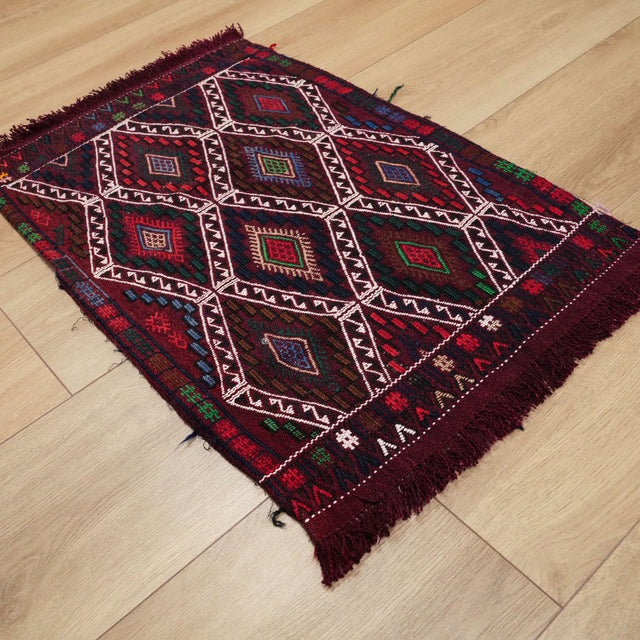 54×81 cm
Taşpınar navy on a cushion 120 cm long, and wool throughout
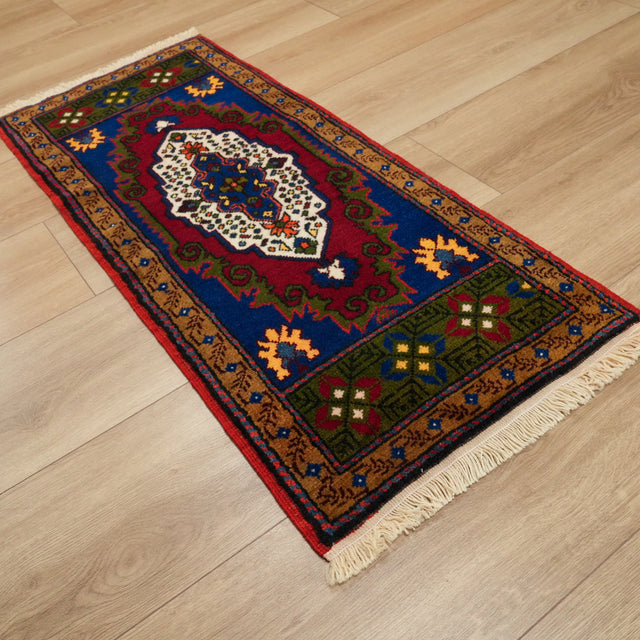 52×120 cm
A bolster, not a cushion: navy Taşpınar wool, 52 × 120 cm
 52×120 cm