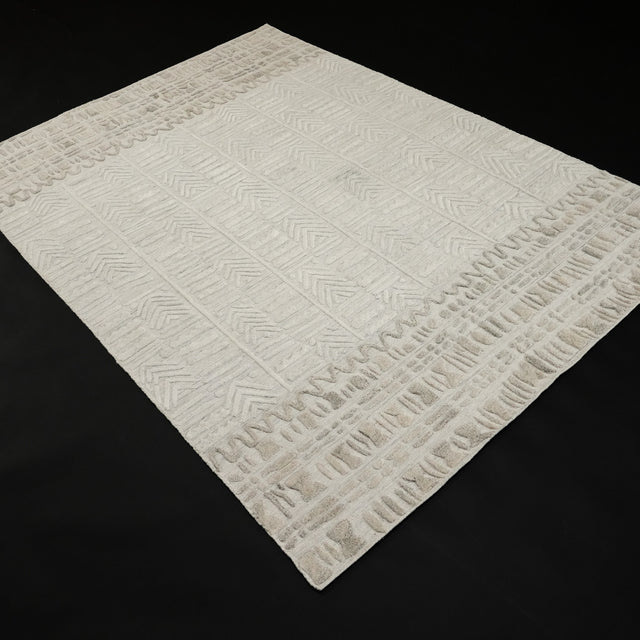
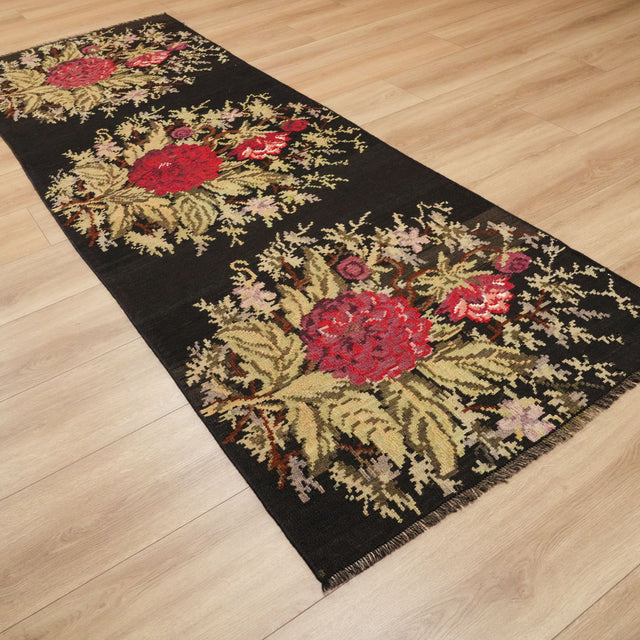
Runner & Hallway Rugs

The essence of being on a long, narrow path is the runners we lay in the corridor. When laying a rug in the corridor, we recommend leaving a gap of about 20-40 cm at the ends; if you’re obsessed with symmetry, use a single piece, but if aesthetics come first, lay multiple pieces.

Filters

Sort by:

104 products

Second Hand Anatolian Patterned Hand Woven Tulle RugSecond Hand Anatolian Patterned Hand Woven Tulle Rug
Zara serisi patchwork tezgah dokuma halı, rengarenk, 90x150 cm — HalıcızadeZara Serisi Patchwork Desenli Tezgah Dokuma Halı
Zara serisi otantik tezgah dokuma halı, kırmızı, 90x150 cm — HalıcızadeZara Serisi Otantik Desenli Tezgah Dokuma Halı - Kırmızı
Zara serisi otantik tezgah dokuma halı, mavi, 80x140 cm — HalıcızadeZara Serisi Otantik Desenli Tezgah Dokuma Halı - Mavi
Taftan Serisi Vintage Desenli Tezgah Dokuma HalıTaftan Serisi Vintage Desenli Tezgah Dokuma Halı
Toscana Serisi Sade Desenli Deri Post HalıToscana Serisi Sade Desenli Deri Post Halı
Tezgah Dokuma Çizgi Desenli Kahverengi Yün HalıTezgah Dokuma Çizgi Desenli Kahverengi Yün Halı
Yağcıbedir desenli tezgah dokuma halı, bordo, 90x150 cm — HalıcızadeNostalji Serisi Yağcıbedir Desenli Tezgah Dokuma Halı

A runner rug is a long, narrow rug designed for hallways, corridors and stairs, typically two to three feet wide and available in lengths that extend the full run of the space.

Runners solve a proportion problem no standard rectangular rug can: a hallway is long and narrow, and a rug cut to those exact proportions transforms what's often a purely functional passageway into a considered part of the home's design.

Runners in Turkish Weaving Tradition

Long, narrow woven formats have a deep history in Turkish and broader Central Asian textile tradition, historically used along the edges of tents, in front of prayer spaces, and lining the corridors of larger homes, well before 'runner' became a Western retail category. Kilim flatweave in particular lent itself naturally to this format, since a narrow flatweave is faster to weave and easier to transport than a full room-sized carpet.

Kilim vs. Knotted Wool Runners

We offer runners in two main constructions: flat-woven kilim, lightweight, reversible, and easy to reposition or replace, and denser hand-knotted wool, better suited to hallways with heavier daily traffic since the tighter pile resists crushing over years of consistent foot traffic in a single path.

Why Choose a Runner Rug from Halicizade

A hallway sees more repetitive, directional foot traffic than almost any other space in the home, everyone walks the same narrow path, day after day, which is why we specifically recommend denser construction for high-use hallways even though a lighter kilim looks just as good on day one.

Getting Runner Sizing Right

Unlike a room-sized rug, a runner's width matters as much as its length, too wide and it looks like an ill-fitting area rug, too narrow and it looks like an afterthought.

  • Standard hallway width (3-4 ft): choose a runner 2 to 2.5 ft wide, leaving a few inches of bare floor on each side.
  • Wider hallway (5 ft or more): a 3 ft wide runner reads more proportionate.
  • Length: leave a few inches of bare floor at each end of the hallway rather than running the rug wall-to-wall.
  • Stairs: a runner can continue up a staircase if cut or ordered to the right width; measure the narrowest stair tread first.
  • Multiple hallways: matching runners throughout create a more cohesive, intentional look than mixing patterns room to room.

Kilim Runner vs. Wool Runner

Flat-Woven Kilim RunnerHand-Knotted Wool Runner
WeightLight, easy to repositionHeavier, stays in place well
Best forLight-to-moderate traffic hallwaysHeavy daily traffic hallways
ReversibilityFully reversibleNot reversible
Typical priceMore accessibleHigher, reflects denser construction

Care & Maintenance

Vacuum in the direction of the pile weekly given the concentrated, repetitive foot traffic runners receive, and rotate end-to-end every few months so wear doesn't concentrate in the most-walked section.

Frequently Asked Questions

How wide should a hallway runner be?

Most hallway runners are 2 to 3 feet wide, chosen to leave a few inches of bare floor visible on either side of a standard hallway.

Can runner rugs be custom-cut to length?

Many runner rugs are available in multiple standard lengths, and some can be custom-ordered to match a non-standard hallway length.

Are kilim runners durable enough for a busy hallway?

Yes, flat-woven kilim runners are tightly constructed and hold up well to daily foot traffic, though a denser hand-knotted wool runner will generally last longer under very heavy use.

Can a runner rug be used on stairs?

Yes, provided it's cut or ordered to a width that fits your stair treads; measure the narrowest tread before ordering.

Should hallway runners match throughout the house?

It's not required, but using a consistent runner style across connected hallways generally creates a more cohesive, intentional look than mixing several different patterns.

How do I keep a runner from sliding on a hard floor?

A non-slip runner pad cut to the rug's dimensions is the most reliable solution, especially important in a narrow, frequently walked space.