
Low-contrast gray stripe, in every size up to 300 × 400 cm
 300×400 cm



Rugs & Kilims
Find Your Rug
For those who already know what they are looking for — Halıcızade's most visited collections.
Low-contrast gray stripe, in every size up to 300 × 400 cm
300×400 cm
Konya çubuklu: barred end to end, 152 × 376 cm
 152×376 cm
Hall-length Anatolian kilim in wool, patterned on both faces
 88×336 cm
Two diameters, 160 and 200 cm, and gray stripes on both
 200×200 cm
Narrow gray stripes on cream, wool weft over a cotton warp
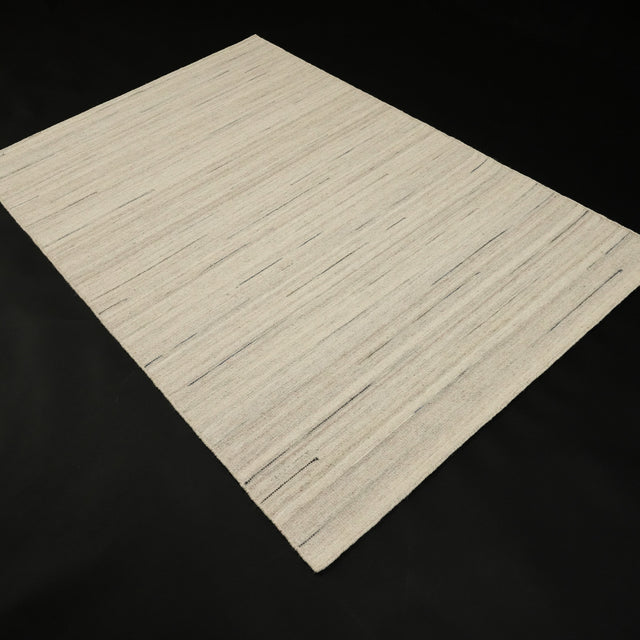 160×230 cm
White wool flat-woven over cotton, and no pile at all
 120×180 cm
White ground, a single drawn frame, viscose over acrylic
 200×300 cm
The frame turns into a ring: white, viscose over cotton
 200×200 cm
Plain bands from a Konya loom, no two the same width
 69×124 cm
Beige leaning to mink, with a border to hold it
 300×400 cm
Ribs that run like knitted rows, three fifths of it polyester
 130×190 cm
Ribbed like corduroy in cream, viscose and synthetic on a machine loom
 200×300 cm
Copper turning cinnamon under a lamp, ruled with fine stripes
 169×242 cm
Shine over matt in the same brown: bamboo viscose on wool
 174×244 cm
Plain from the doorway, a plaited ridge underfoot up close
 120×180 cm
Raised loops in banded grays, 250 × 350, made in India
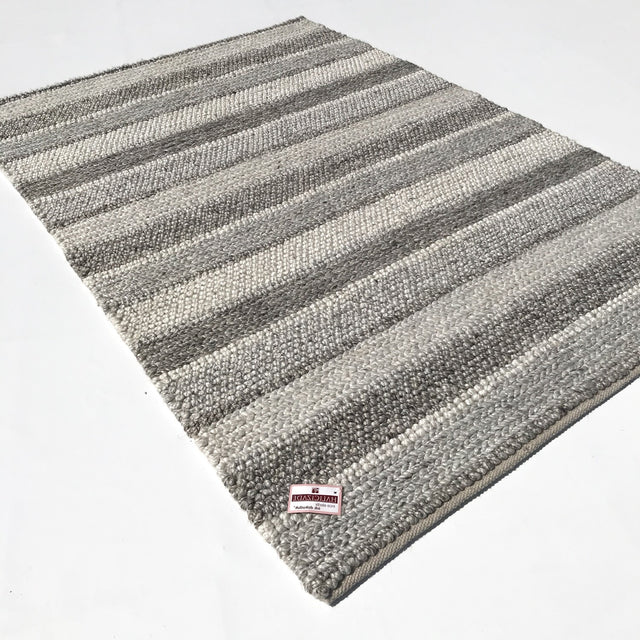 250×350 cm
Stripes you feel rather than see: cream, knotted in India
 170×240 cm
Gray on gray in parallel bands, sheen from the viscose
 200×290 cm
Not one stripe parallel to the next, loom-woven in India
 90×300 cm
Cinnamon and red over brown, with a 90 × 300 cm corridor size
 90×300 cm
Brown bars boxed square by square, 172 × 241 cm
 172×241 cm
Red lines on warm yellow, double-knotted, 190 × 265 cm
 190×265 cm
Narrow honey stripes over cream, more ground than line
 170×240 cm
Loops thick as sweater stitch, anthracite drawn in stripes
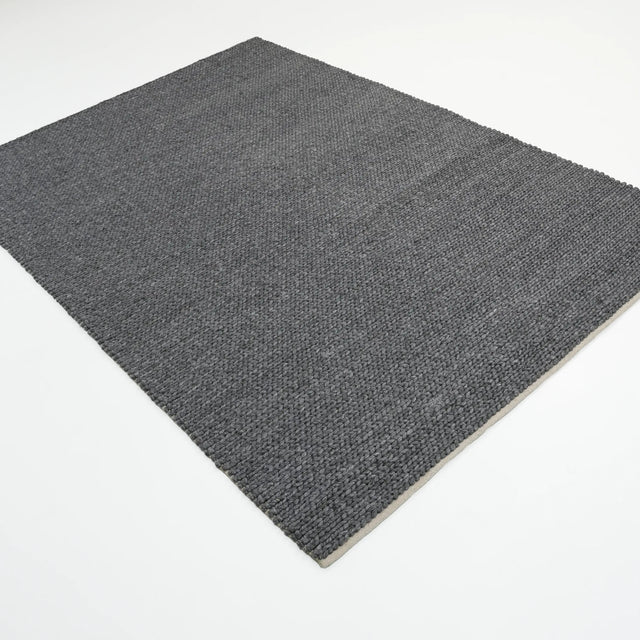 170×240 cm
A striped rug features parallel bands of color running across its length or width, a pattern style common to both flat-woven kilims and modern loomed rugs, and one of the most enduring and structurally simple patterns in Turkish weaving.
Stripes might be the single most structurally straightforward pattern a loom can produce, and that simplicity is exactly why the motif has persisted for centuries in Turkish flatweave while remaining just as relevant in contemporary rug design today.
Stripes are among the simplest and most enduring rug patterns in Turkish weaving, appearing in flat-woven kilims for centuries as one of the most direct ways to translate the loom's own warp-and-weft structure into visible pattern, well before stripes became a staple of contemporary rug design as well.
Traditional kilim stripes emerge directly from the flatweave process, changing weft color row by row, while modern loomed stripe rugs can achieve similar effects with pile construction, offering more color and width variation than the traditional flatweave method typically allows.
We carry striped rugs across both traditional kilim flatweave and modern loomed construction, so you can choose the stripe width, color contrast and material that fits your room, from a bold, high-contrast kilim to a subtler tonal loomed design.
A striped rug's linear pattern is one of the few rug design elements that can genuinely reshape how a room's proportions feel.
| Traditional Kilim Stripe | Modern Loomed Stripe | |
|---|---|---|
| Construction | Flat-woven, weft color changes row by row | Pile construction, wider color/width range |
| Weight | Lighter | Heavier |
| Typical look | Bold, high-contrast, traditional | Can be subtle or bold, more contemporary |
Vacuum in the direction of the pile or weave weekly, and rotate periodically since directional patterns like stripes can make uneven wear more visually obvious than a busier all-over pattern.
Yes, stripes running the length of a room can create a visual sense of a longer, larger space, which is why they're a popular choice for hallways and narrow rooms.
Both; striped kilims are traditionally flat-woven by hand, while many contemporary striped designs are produced on a power loom for a more budget-friendly option.
Striped rugs work particularly well in hallways, entryways and kitchens, where their linear pattern complements a room's natural sightline.
Stripes emerge naturally from the flatweave process, changing weft color row by row, making them one of the most structurally direct patterns to produce on a traditional loom.
Yes, since stripes are a directional, high-contrast pattern, uneven wear can be somewhat more visually noticeable than on a busier all-over pattern; periodic rotation helps distribute wear evenly.
Subtle, tonal stripes generally suit formal or minimalist rooms better, while bold, high-contrast stripes work well in casual, high-traffic spaces.


