Silk in the motifs takes the light, Erzurum wool below
 179×260 cm



Rugs & Kilims
Find Your Rug
For those who already know what they are looking for — Halıcızade's most visited collections.
Silk in the motifs takes the light, Erzurum wool below
179×260 cm
Gold laid over an older Anatolian pattern, 193 × 288 cm
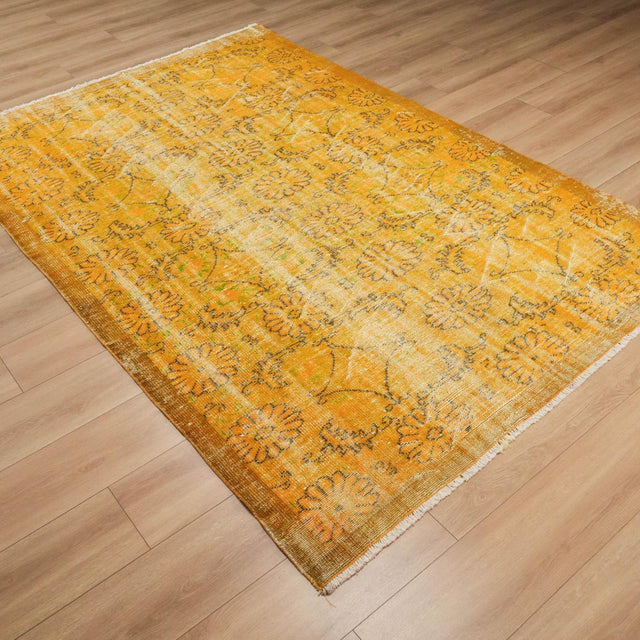 193×288 cm
Thin, light, overdyed red: 121 × 178 cm from Anatolia
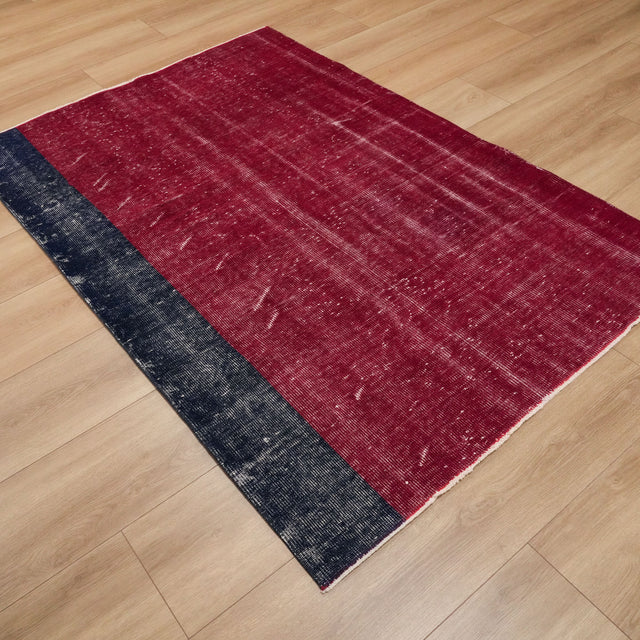 121×178 cm
Beige over a shaved Anatolian pile, 111 × 204 cm
 111×204 cm
Navy gone pale where the furniture stood, 100 × 195 cm
 100×195 cm
Geometric motifs under black dye, 114 × 205 cm
 114×205 cm
Flowers only at the corners, red taken up unevenly by old wool
 158×278 cm
An uneven black, 158 × 244 cm of sheared wool
 158×244 cm
Warm yellow with grain in the surface, 188 × 271 cm
 188×271 cm
A twice-dyed yellow that will not repeat, 148 × 260 cm
 148×260 cm
Ochre rather than lemon, 165 × 271 cm of thinned wool
 165×271 cm
Plain yellow, no medallion, no border, 145 × 245 cm
 145×245 cm
Terracotta orange held inside its original border, 140 × 245 cm
 140×245 cm
Orange motifs sharp on gray, no cotton anywhere in it
 300×400 cm
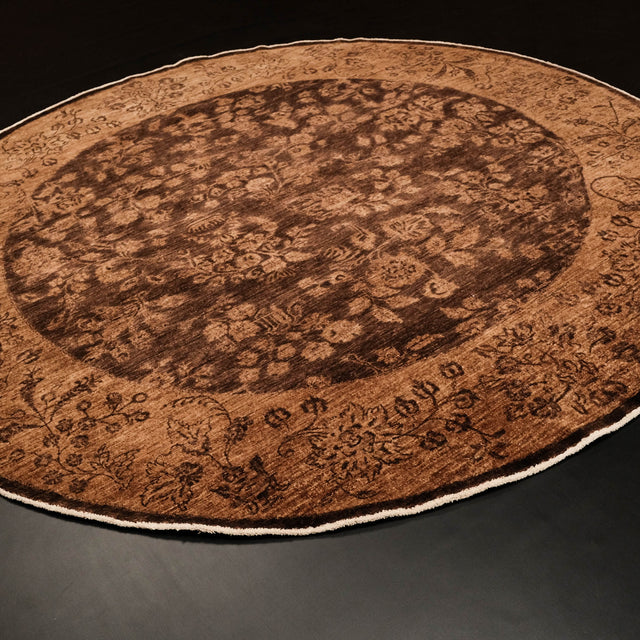
Old motifs redrawn in a circle: gray ground, orange, all wool
 200×200 cm
A flower medallion in washed pastels, no two curves alike
 200×300 cm
Anatolian motifs a half-tone under the beige, sharpening by lamp
 300×390 cm
Dark green packed tight, the drawing arriving after the color
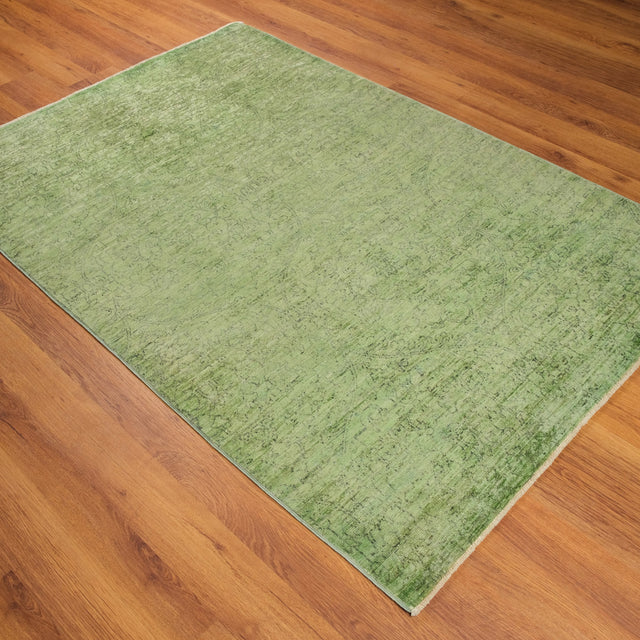 125×183 cm
One of a kind
from
58.000 TL
≈ 25.000 TL/m²
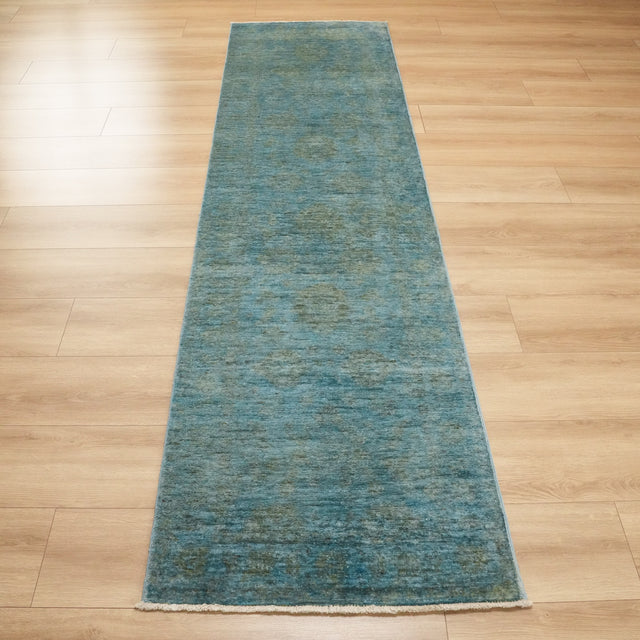
Oushak geometry in slate blue, three meters of double knot
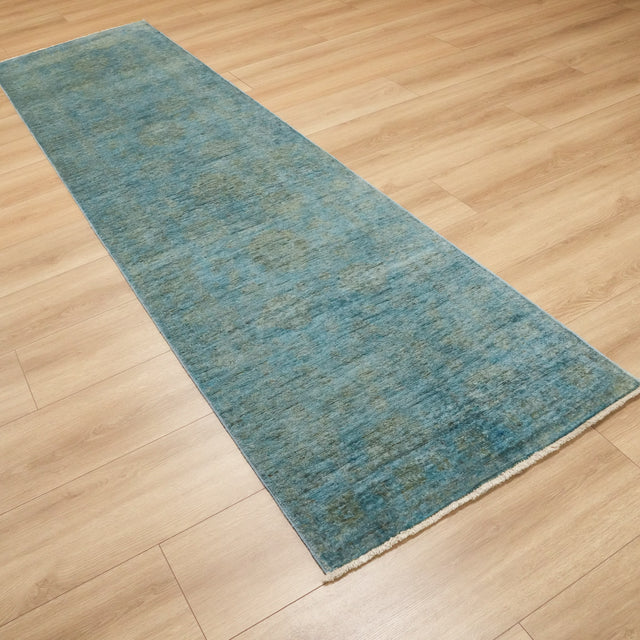 79×307 cm
One of a kind
from
61.000 TL
≈ 25.000 TL/m²
One blue under a ceiling light, three or four under lamps
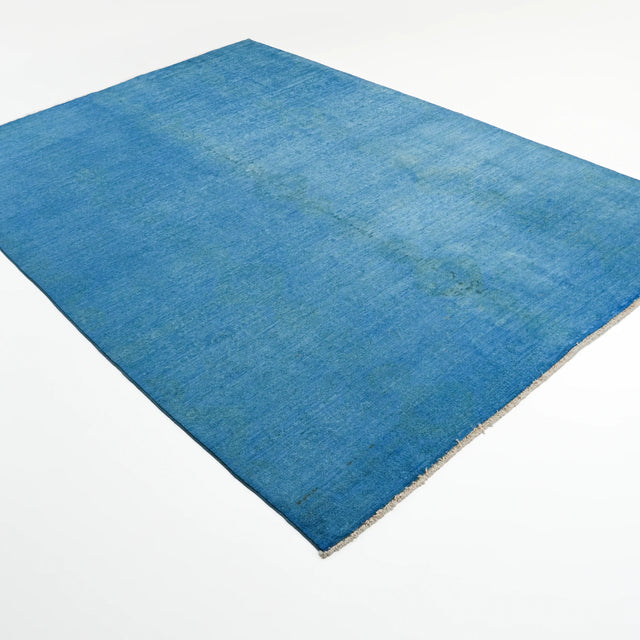 207×304 cm
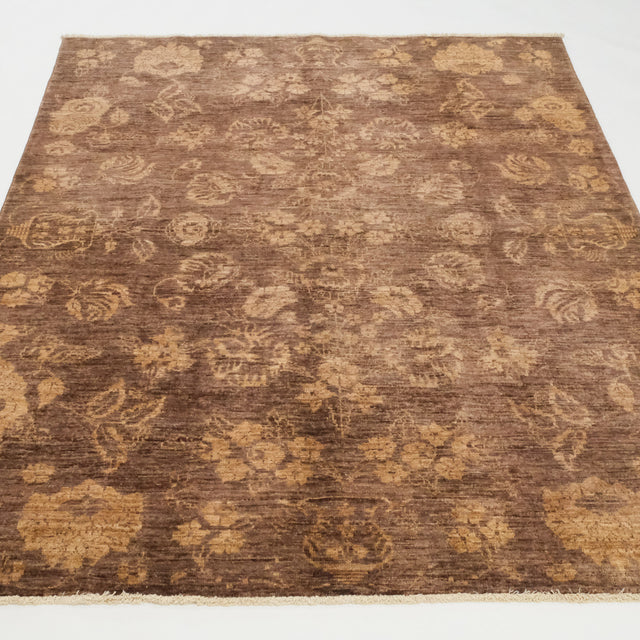
Brown taken to a gloss, densely knotted, 146 × 190 cm
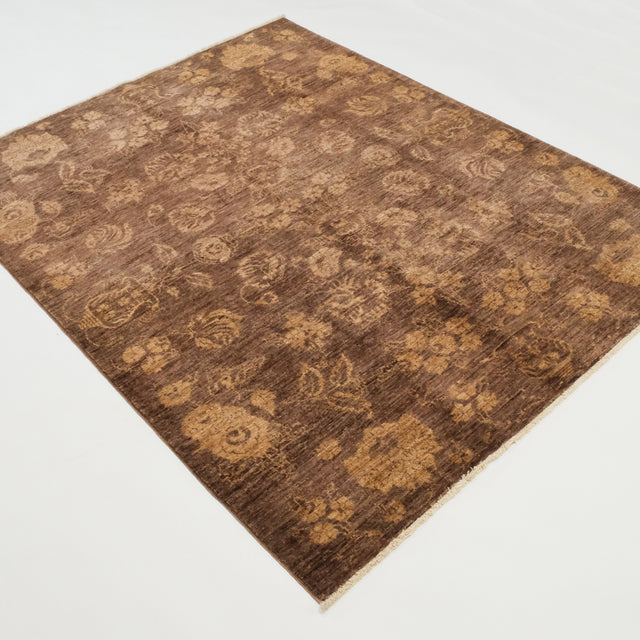 146×190 cm
Oushak drawing pulled into brown across a 240 cm square
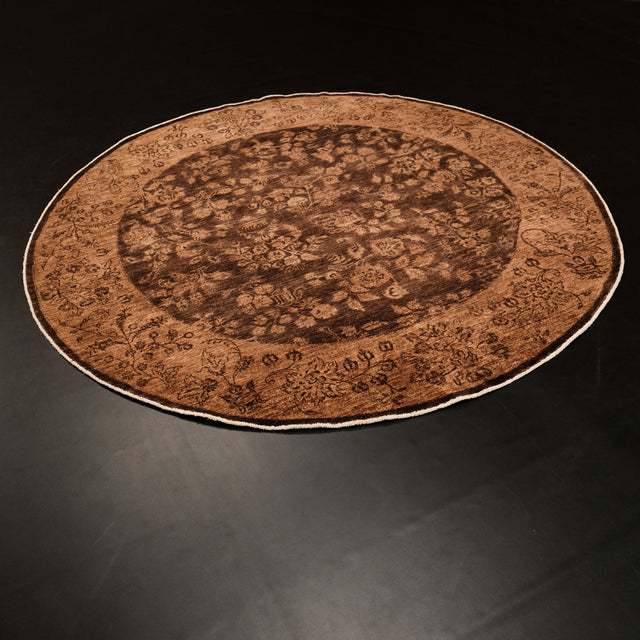 240×240 cm
One of a kind
from
144.000 TL
≈ 25.000 TL/m²
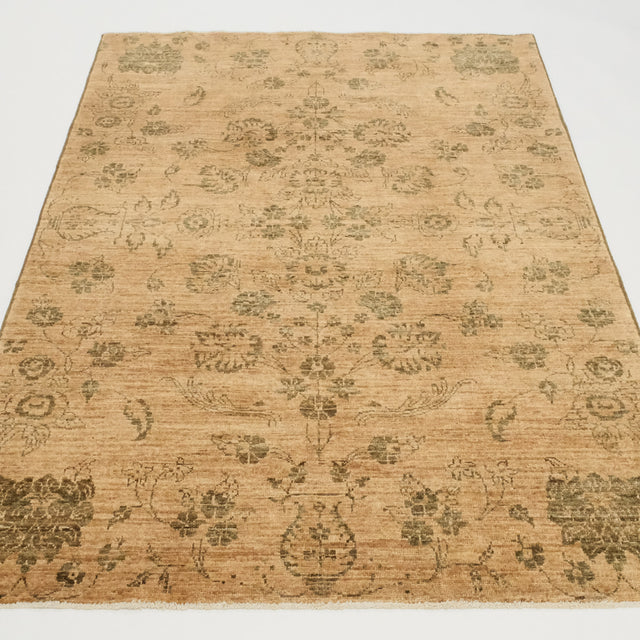
Two yellows and nothing else: 121 × 179 cm, wool on cotton
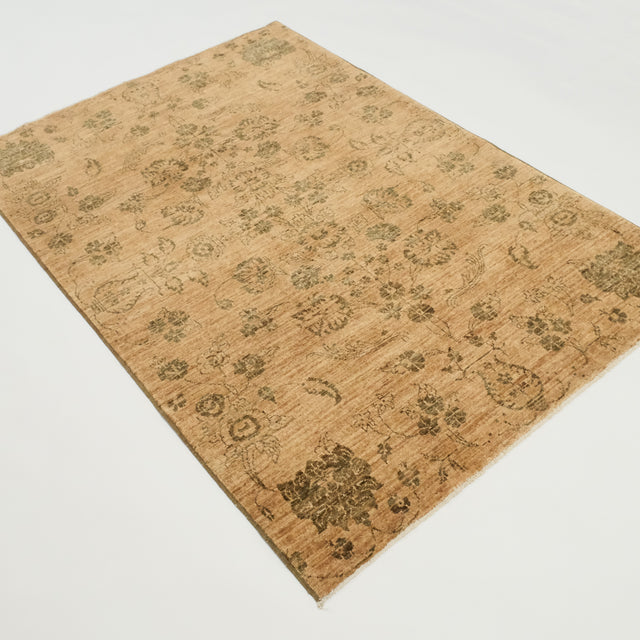 121×179 cm
Anthracite left faint, cherry-burgundy viscose catching the light
 200×300 cm
One of a kind
from
54.000 TL
≈ 9.000 TL/m²
A vintage rug is a handwoven rug roughly twenty to eighty years old — old enough that the wool has burnished underfoot and the dyes have settled, and young enough that the trade will not call it antique, a word reserved for rugs of a hundred years or more. Many are also sheared low and overdyed before sale.
Almost none of that is regulated. Vintage is a trade convention rather than a legal grade, and it covers three different objects sitting on the same shelf: rugs that are genuinely old, old rugs that have been sheared and dyed a second time, and new rugs finished to look like both. What follows separates them, explains what overdyeing and patchwork actually involve, and lists what to put your hands on before you buy.
Roughly twenty to eighty years old, by the convention most of the trade uses. Antique in the same vocabulary means a hundred years or more, and semi-antique covers the fifty-to-a-hundred band between them. No authority issues these numbers — they are auction and dealer usage, and a careful seller will name a decade rather than a category. The distinction is set out at greater length in antique versus vintage handwoven rugs.
Age is not a finish. It is a set of physical facts you can see. Highland wool carries lanolin, and thirty years of bare feet and vacuuming burnish the tips of the pile until they take light the way a worn stair does. Madder softens toward salmon and indigo drifts toward a grayer blue; because they fade at different rates, the field ends up quieter than the weaver drew it. The foundation slackens a little, which is why an old rug folds over your forearm and a new one stands up.
Much of what Türkiye sells as vintage began as twentieth-century workshop weaving — Isparta above all, along with Lâdik in the Konya region — wool rugs made in quantity for Turkish houses. Those rugs are the raw material of the overdye trade, and a rug that has already lived one life in a Turkish sitting room is the reason the pile is soft before anyone touches it.
| Antique | Vintage | Vintage-look, newly made | |
|---|---|---|---|
| Age | 100 years or more | About 20–80 years | New |
| Where the faded color comes from | Light, wear and time | Time, and often a second dyeing | Printing, washing or a distressing finish |
| Construction | Handwoven, usually wool on wool or cotton | Handwoven wool, sometimes rebuilt as patchwork | Machine-woven or digitally printed, often with a non-slip backing |
| Repeatable | No — each piece is what survived | Colorway repeatable, the rug underneath is not | Yes, to order |
| What you are paying for | Rarity and condition | Wool that has already aged | The look, at the lowest cost |
Overdyeing is a second dyeing of a finished rug: the original color is stripped back in a wash plant and one strong color is laid over the entire field.
The sequence rarely varies. The rug is washed hard to lift as much of the old dye as it will give up. The pile, by then worn unevenly, is sheared level so the new color lands on a flat surface. Then the whole rug goes into the vat — a single hue, most often bordeaux, deep red, green, gray, navy or black, occasionally yellow.
The pattern does not disappear, which surprises people the first time they see it. Wool left undyed by the original weaver takes the new color most and comes out strongest; areas already dark barely move. The drawing survives as a tonal ghost under one color, and a medallion that shouted in madder and ivory reads as a shadow in the new field. That is the whole point of the process.
Nothing in it touches the knots. An overdyed rug is as strong as it was the day before it went into the vat and no stronger, so the two questions worth asking are what the rug was beforehand and how thoroughly it was rinsed afterward. Rinsing is where the corners get cut, and an under-rinsed overdye gives up color onto a damp cloth.
A patchwork rug is cut from several old rugs and sewn back together — panels trimmed to a grid, joined edge to edge, then backed and bound as one piece.
It is the frank end of the second-hand trade. The parts come from rugs too worn in one area or too damaged to sell whole, and the panels are chosen for how they sit beside each other rather than for what each once was. Because the piece is assembled rather than woven, it can be made to a measurement — a stair landing, an alcove, a corridor of an awkward width — which no loom will do for you.
Check the seams and nothing else first. Turn the rug over: the joins should lie flat and evenly stitched, with no cupping where four corners meet, and the backing cloth should be stitched down rather than bonded with adhesive. A glued backing stiffens with age and separates. See the patchwork rugs for how the panels are usually set out.
Two rugs can arrive at the same short pile for opposite reasons: one lost its height to thirty years of feet, the other had it cut off in an afternoon.
Wear is never even. Look for the walking line first — the path from door to sofa, lower than the rest — and for the taller patches where a chest of drawers stood for a decade. At the worn edge you can often see the knot collar itself, the loop of yarn wrapped around the warp, exposed as the tuft above it went. Ends and corners give out before the middle does.
Shearing is even everywhere. The tips are cut square across the whole field, the pile is one height from selvedge to selvedge, and the pattern edges are slightly blurred throughout rather than only along the traffic line, because cutting into the knot removes the top of the drawing with it.
Neither is a defect. They price differently. Worn pile is age and cannot be manufactured; sheared pile is a finishing decision and can be repeated a thousand times over.
Six checks, in the order a dealer would do them.
The background to all of this, including how the trade came to use the word at all, is covered in what a vintage rug is.
An old wool rug wants less attention than a new one, not more. Vacuum with the beater bar off, in the direction the pile lies. Rotate it twice a year so light and traffic land somewhere new. Blot spills straight down and never rub, since rubbing drives the liquid into the knot collar where it sets. Wash rarely and wash properly: an overdyed or handwoven vintage piece belongs with a rug washer rather than in a machine, and it should dry flat in shade, because direct sun will take more color out of a faded rug in one afternoon than a year of feet.
Age, by trade convention. Antique means a rug of a hundred years or more, while vintage covers roughly the twenty-to-eighty-year band. Neither term is legally defined, so a seller should be able to give an approximate decade of weaving rather than only a label.
The rug was dyed a second time after it was woven. The original colors are stripped back in a wash plant, the pile is sheared level, and one strong color is applied over the whole field, leaving the old pattern visible as a tonal shadow underneath.
No. Overdyeing changes color and pile height, not the knots or the foundation, so the rug is as durable afterward as it was before. The risk is a poor rinse rather than a weak structure, which is why a damp cloth test on the pile is worth doing.
Turn it over and look at how the pile is worn. Real wear is uneven, lower along walking lines and taller where furniture stood, and the fringe is the warp itself. A uniform short pile with a stitched-on fringe over a regular mesh back is a new rug given a vintage finish.
They are as durable as the seams holding them together. The wool panels are already decades old and stable, so the point of failure is the joins, which should be flat and evenly stitched, with a backing sewn down rather than glued.
Two reasons that look alike. Decades of foot traffic wear the tufts down unevenly, and the overdye process shears whatever pile remains to a level surface before the new color goes on. The result in both cases is a thin rug that lies flat and shakes out easily.
Vacuum with the beater bar off and in the direction of the pile, blot spills without rubbing, and keep harsh chemicals away from the wool. For a full wash, use a professional rug washer and let the rug dry flat in shade, since direct sunlight fades an already faded rug quickly.
Each vintage rug above was inspected at Halıcızade Halı Kilim in Ankara — pile depth, selvedge, dye and old repairs — before it was photographed.
Last updated: 10 September 2026
Related collections: Oushak rugs · Anatolian rugs · wool rugs