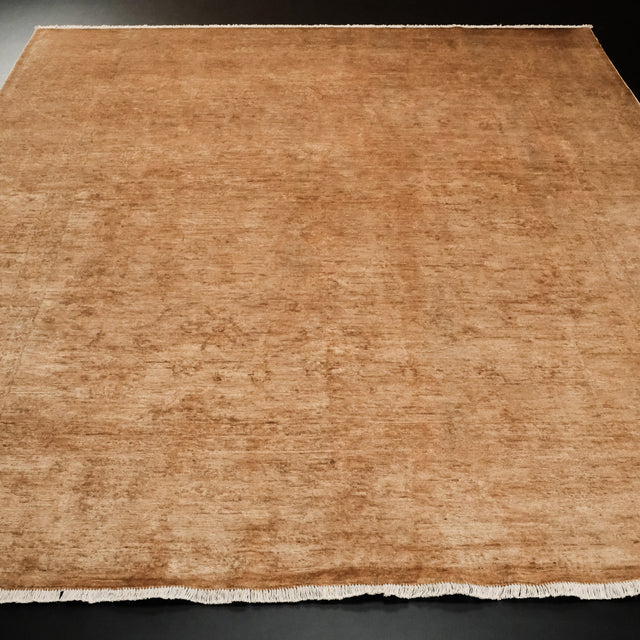
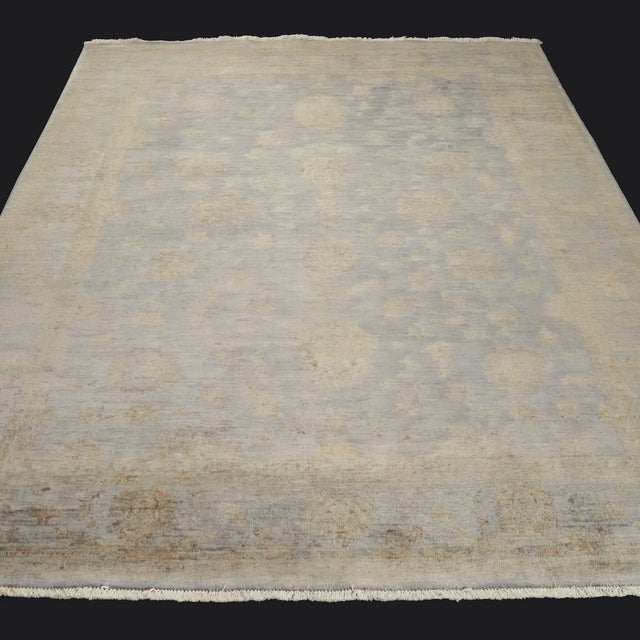
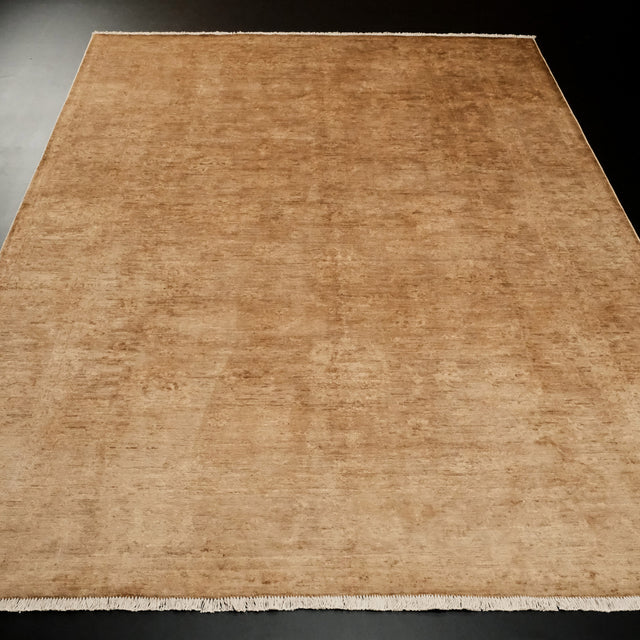
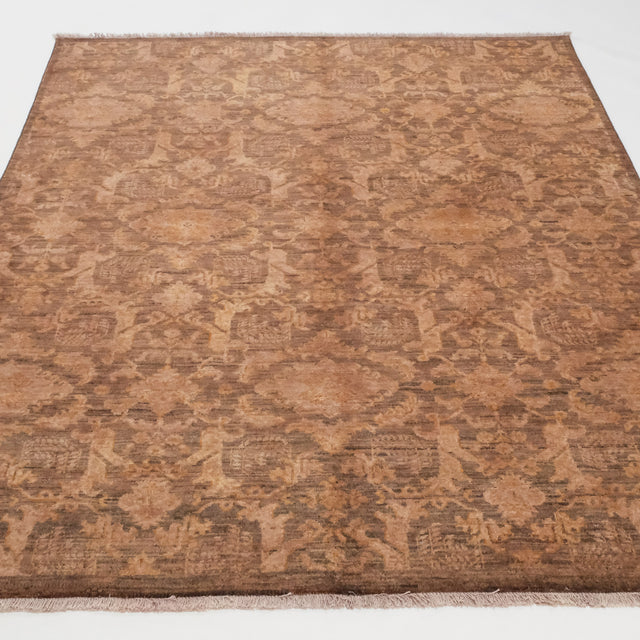
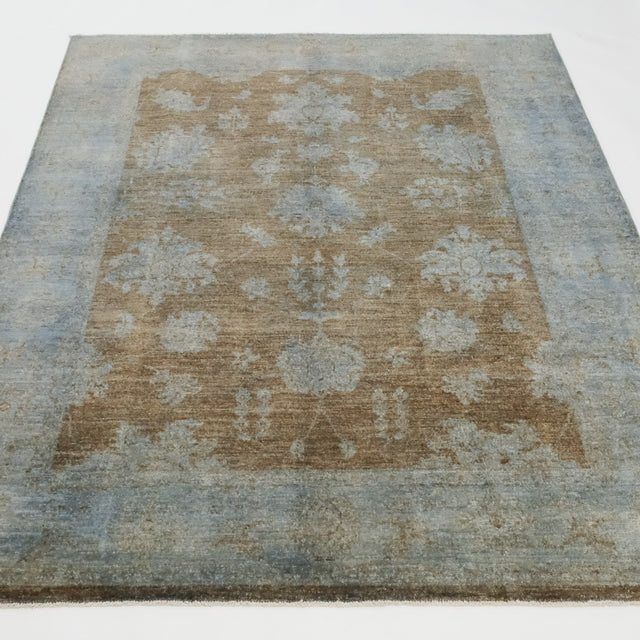
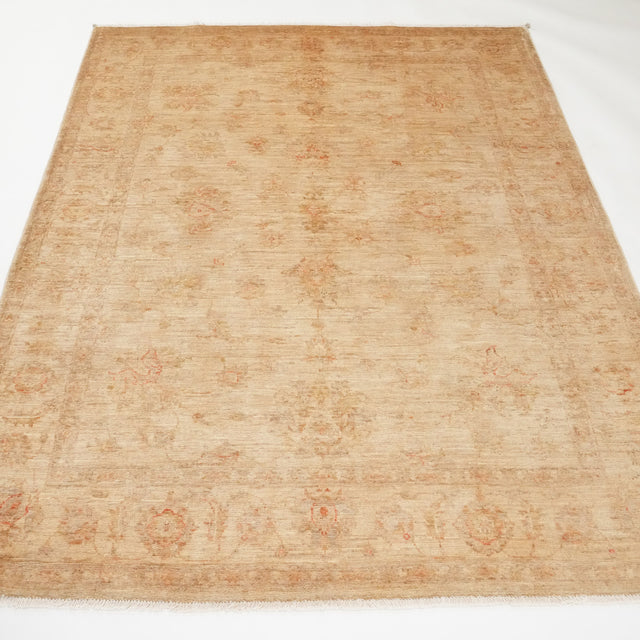
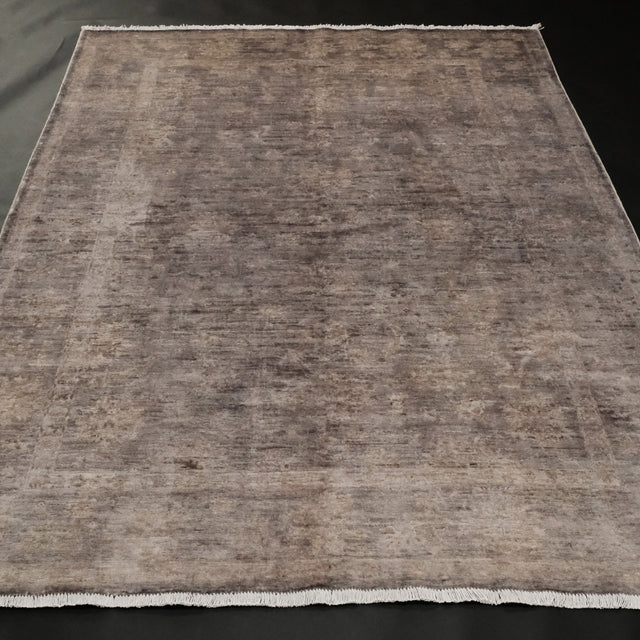
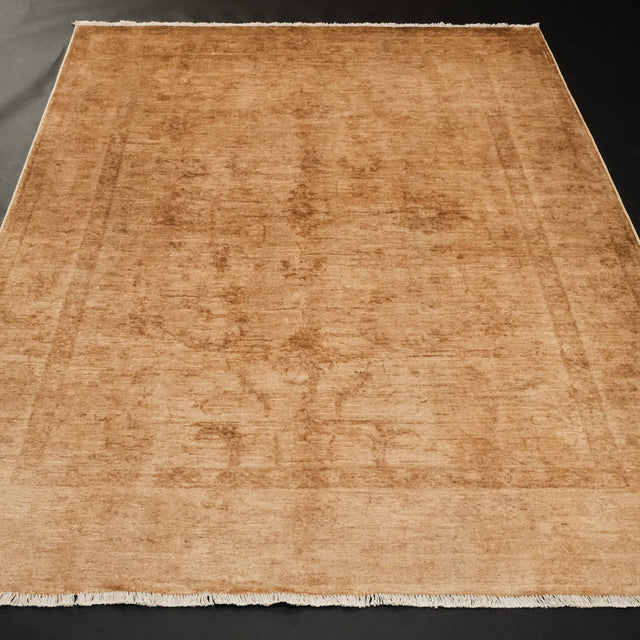
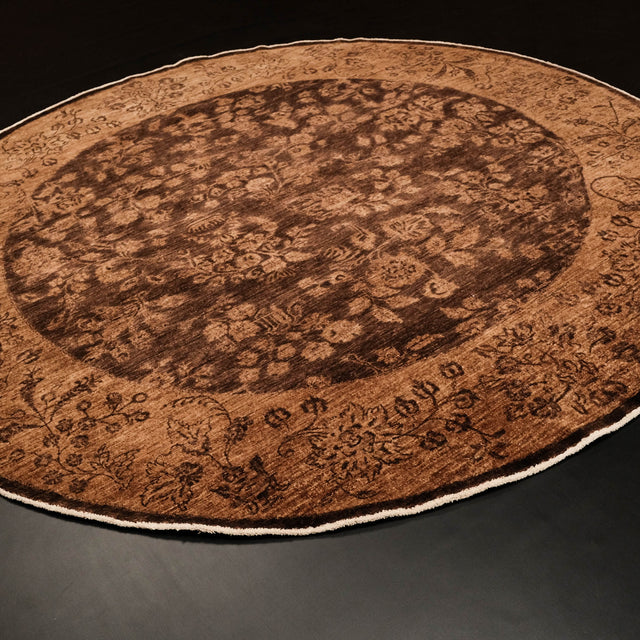
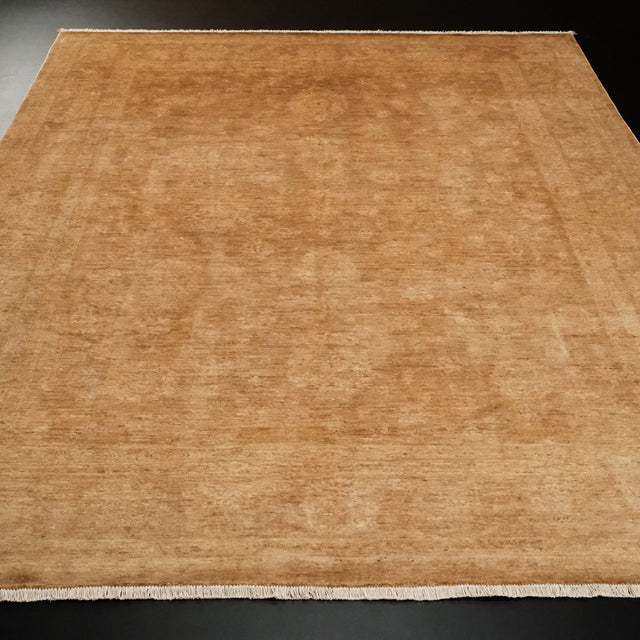
Seven square meters of yellow over an Oushak drawing
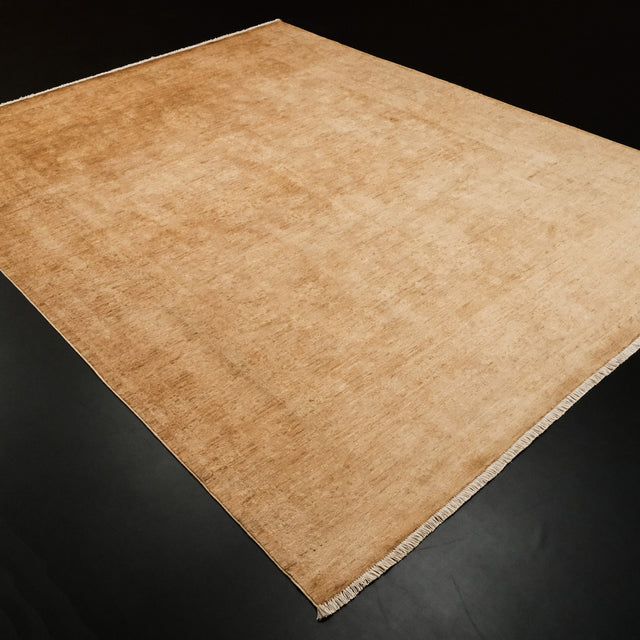 240×306 cm
One of a kind
Retro Series Hand Woven Yellow Vintage Living Room Office Rug
from
185.000 TL
≈ 25.000 TL/m²



Rugs & Kilims
Find Your Rug
For those who already know what they are looking for — Halıcızade's most visited collections.
Seven square meters of yellow over an Oushak drawing
240×306 cm
One of a kind
from
185.000 TL
≈ 25.000 TL/m²
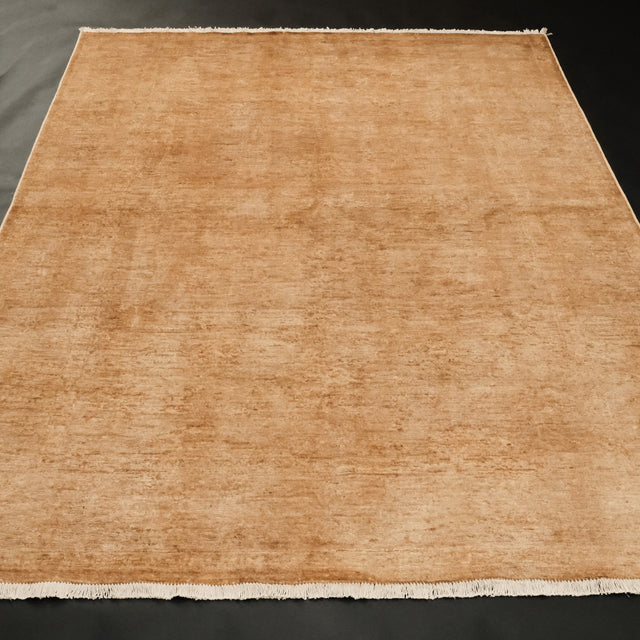
Oushak motifs recolored yellow, 248 × 299 cm
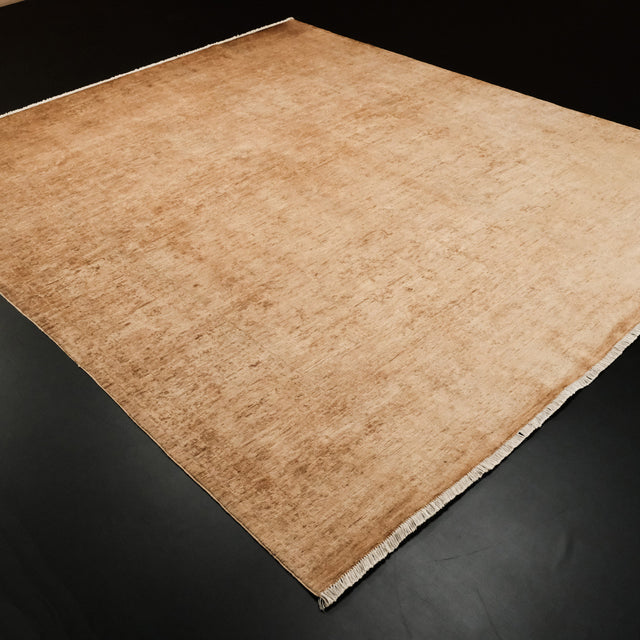 248×299 cm
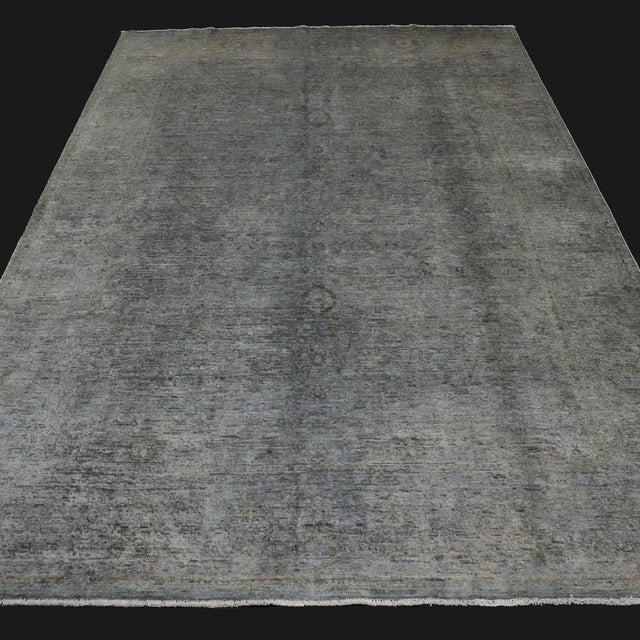
Desensiz bir gri, pamuk çözgü üstüne yün dokunmuş
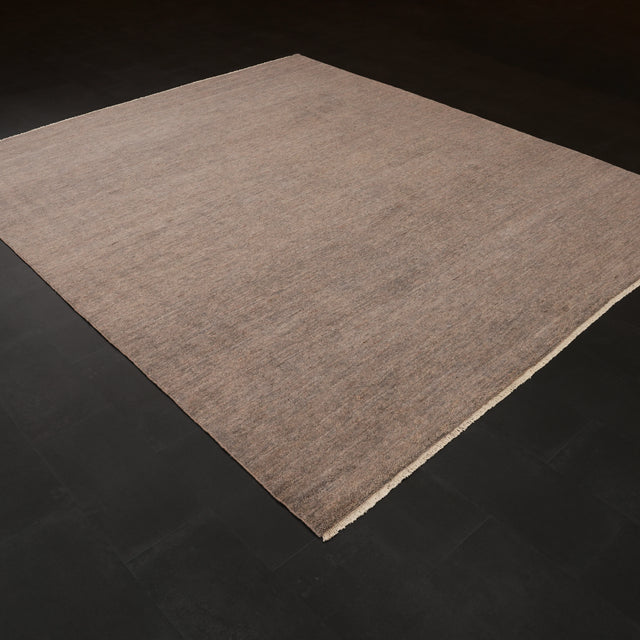 249×289 cm
One of a kind
from
180.000 TL
≈ 25.000 TL/m²
Tek renk ama tek ton değil: gri ile vizon arası
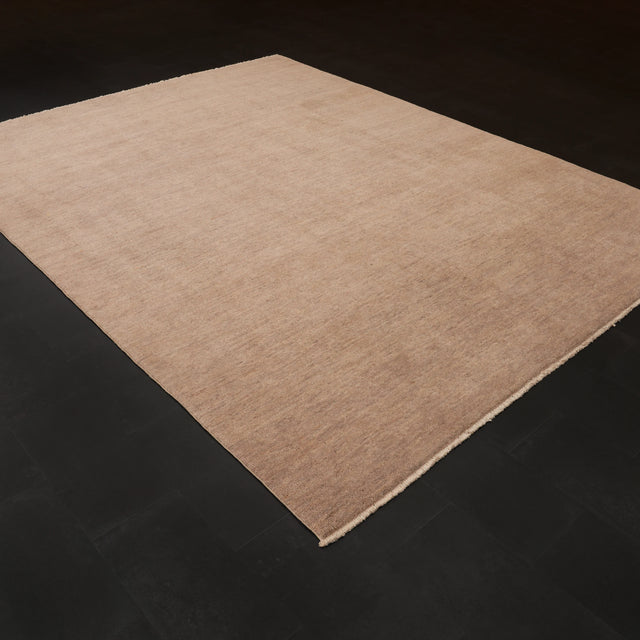 238×309 cm
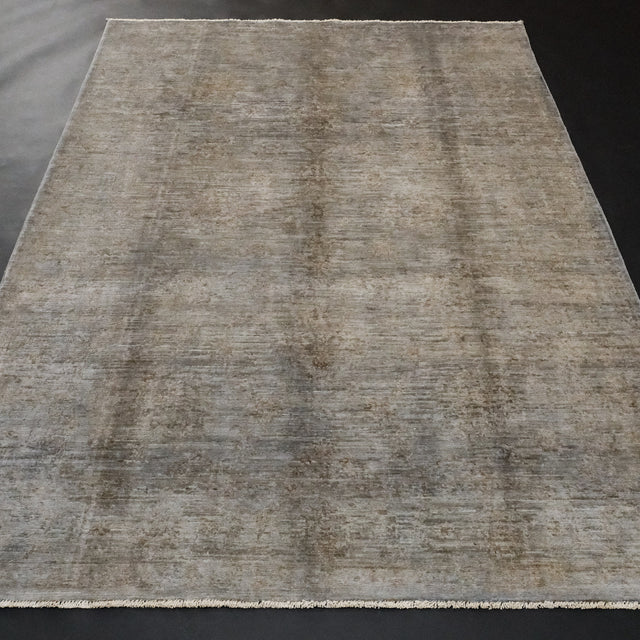
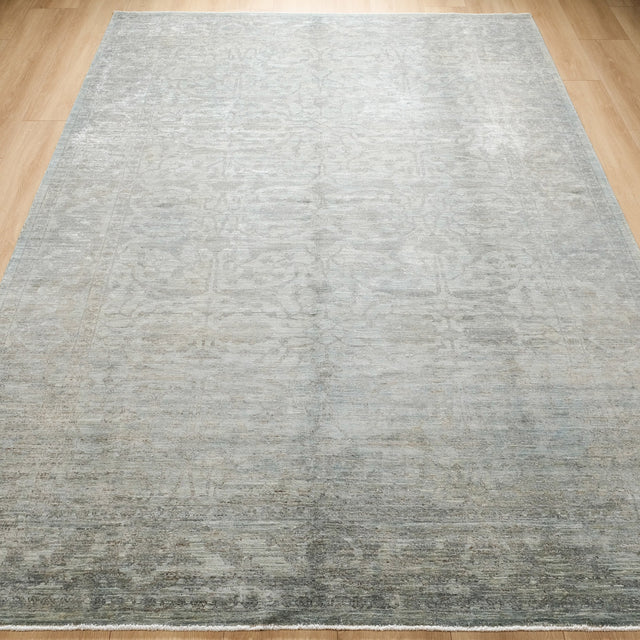
Gray Oushak drawing, double knots, 203 × 300 cm
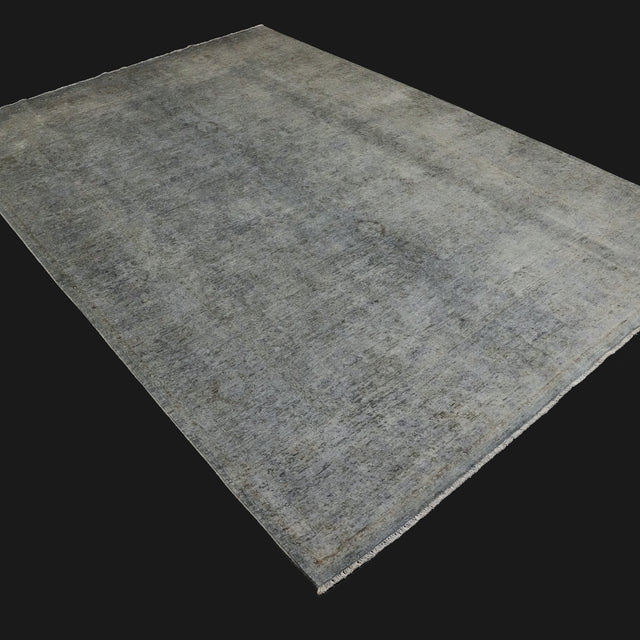 203×300 cm
One of a kind
from
153.000 TL
≈ 25.000 TL/m²
Classical Oushak forms turned gray, wool on a cotton warp
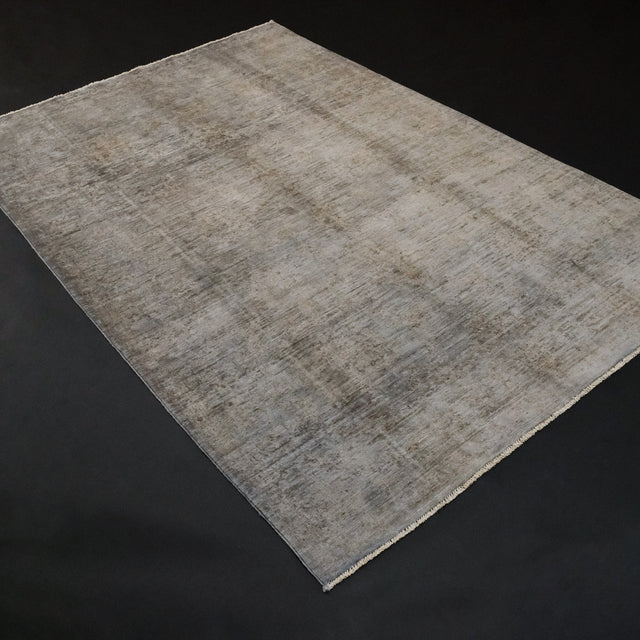 165×245 cm
Yellow wool over cotton, low enough for a desk chair
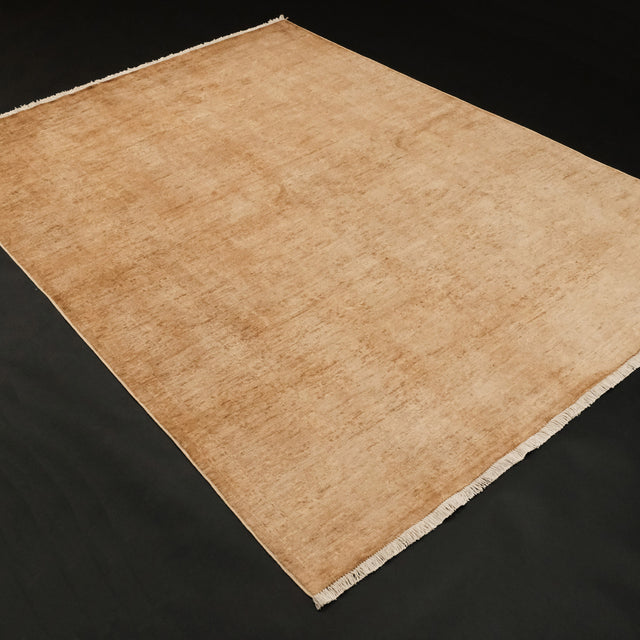 175×242 cm
Gold coming up through gray, the gloss put on after weaving
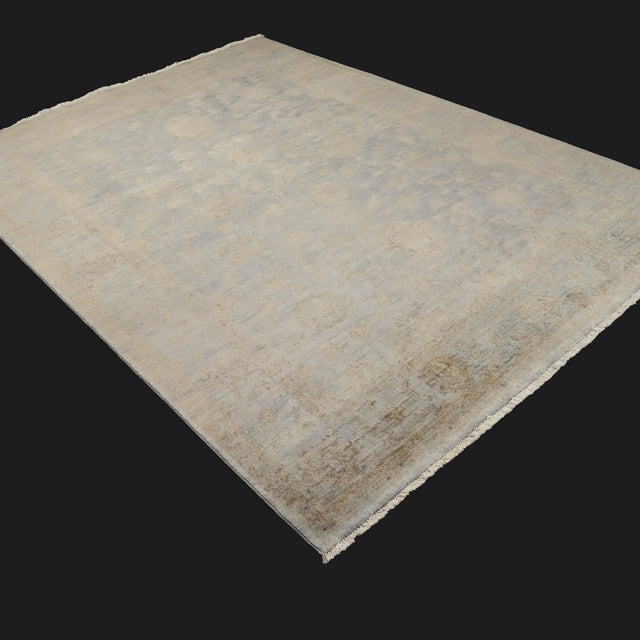 207×287 cm
One of a kind
from
150.000 TL
≈ 25.000 TL/m²
Six square meters of yellow, the color put on after weaving
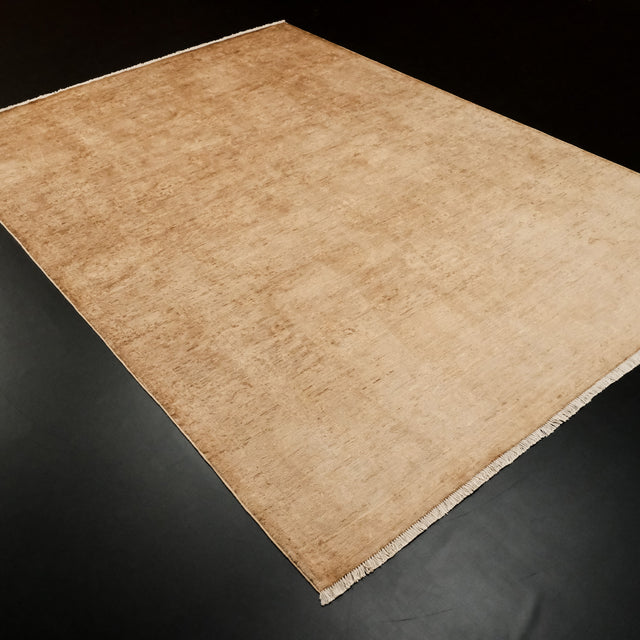 204×291 cm
One of a kind
from
149.000 TL
≈ 25.000 TL/m²
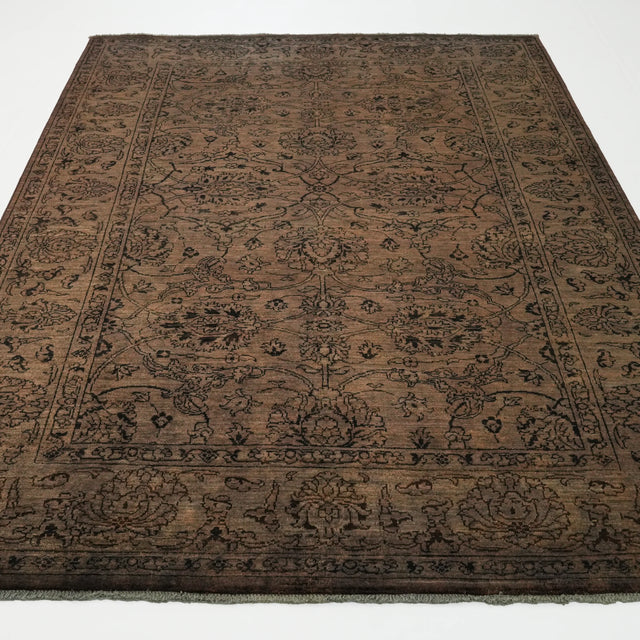
Deep brown with a shine on it, knotted in wool over cotton
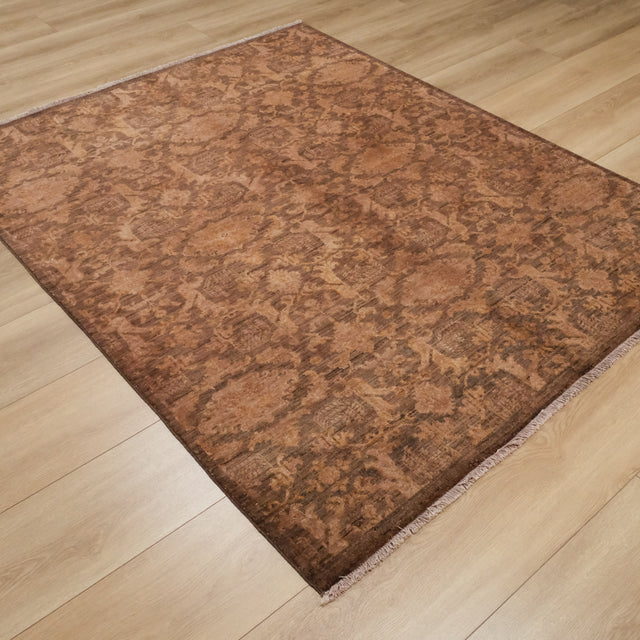 150×187 cm
One dye lot carried from mid-blue down to near-black
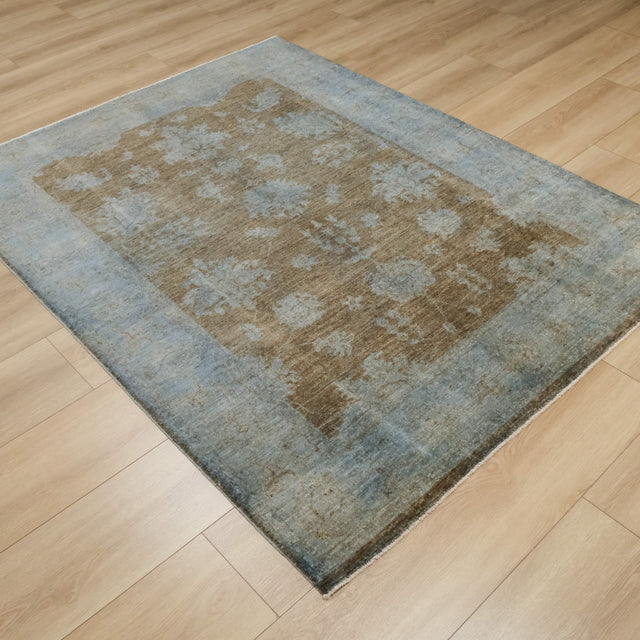 150×193 cm
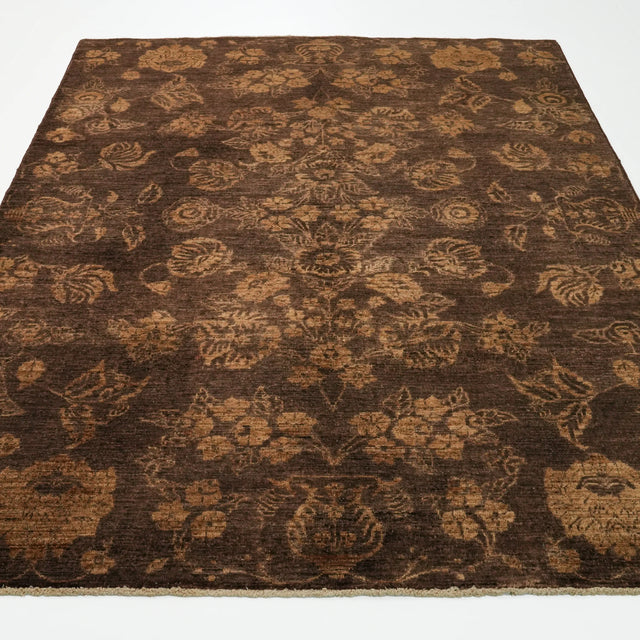
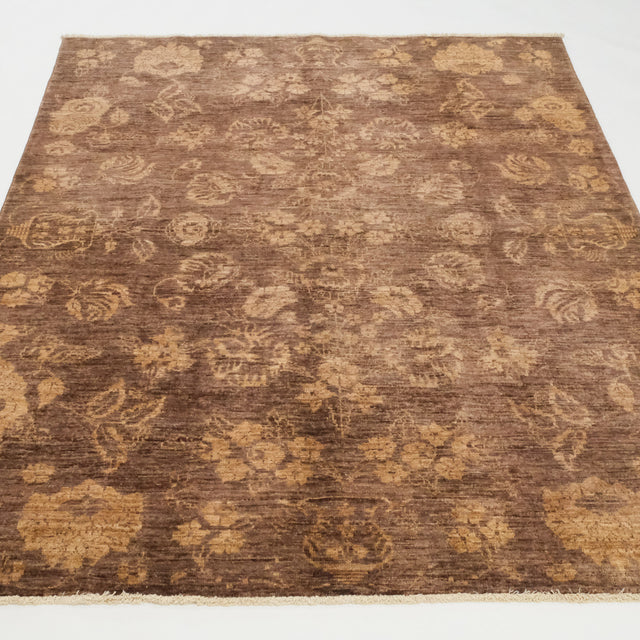
Coffee-dark brown, motifs a shade off the ground, 167 × 231 cm
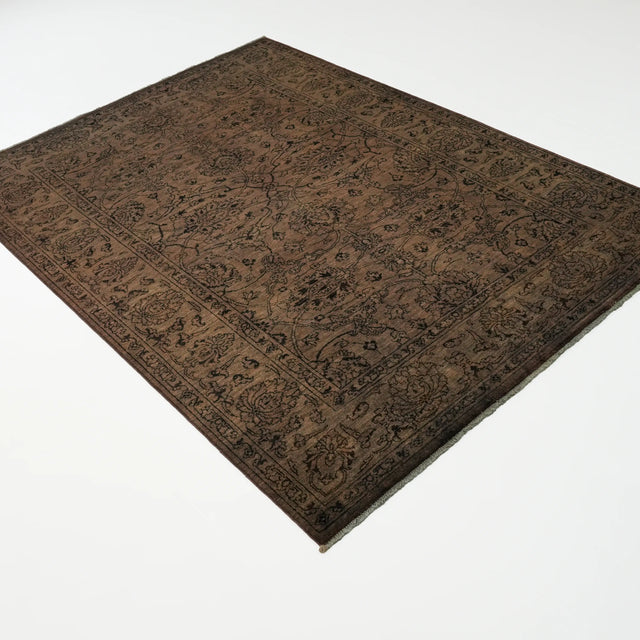 167×231 cm
One of a kind
from
97.000 TL
≈ 25.000 TL/m²
Double knots out of Afghanistan, flowers faded into brown
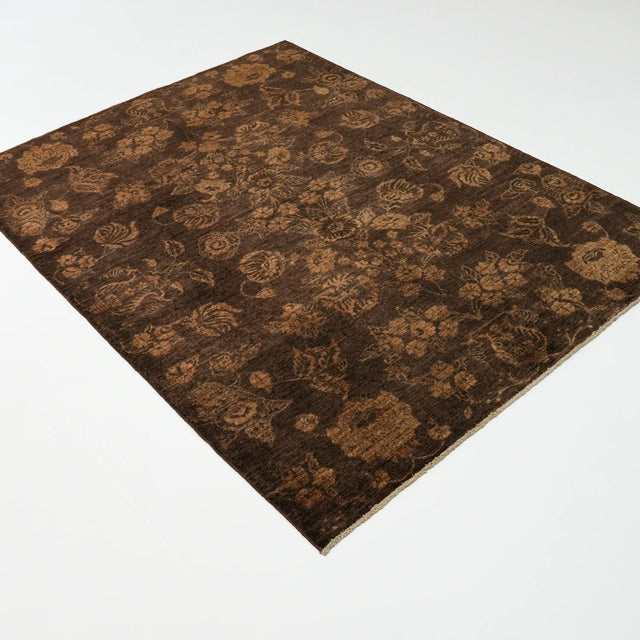 150×197 cm
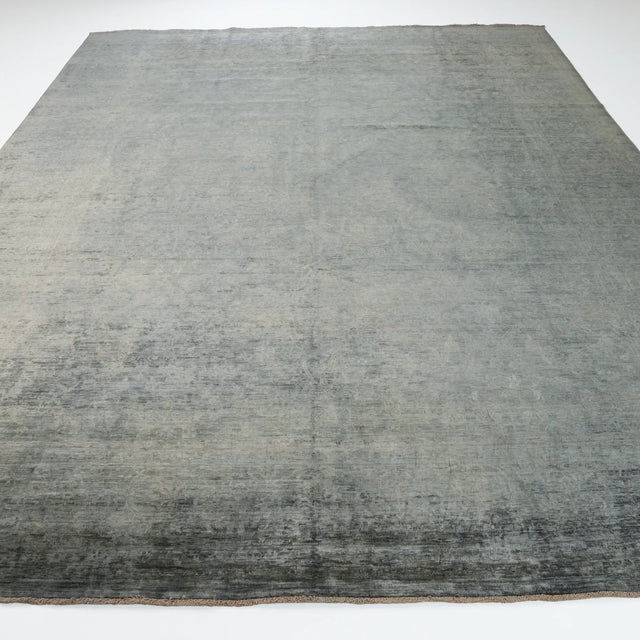
Misted gray with green somewhere inside it, 303 × 416 cm
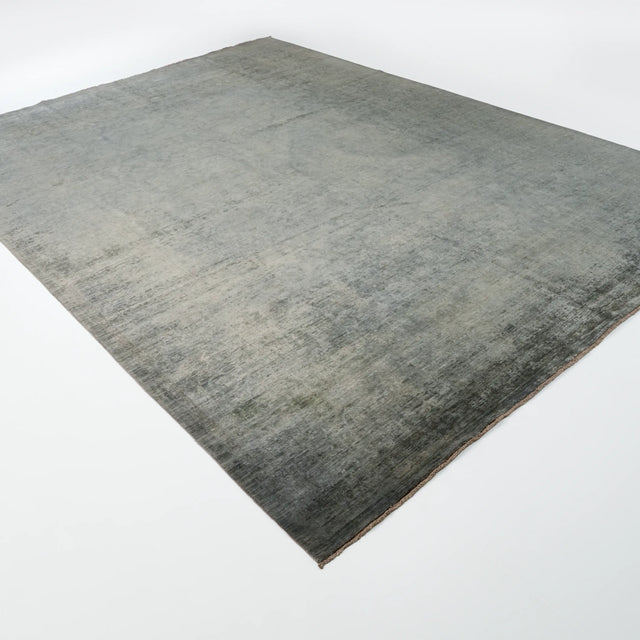 303×416 cm
Pastel green under a centuries-old drawing, wool underfoot
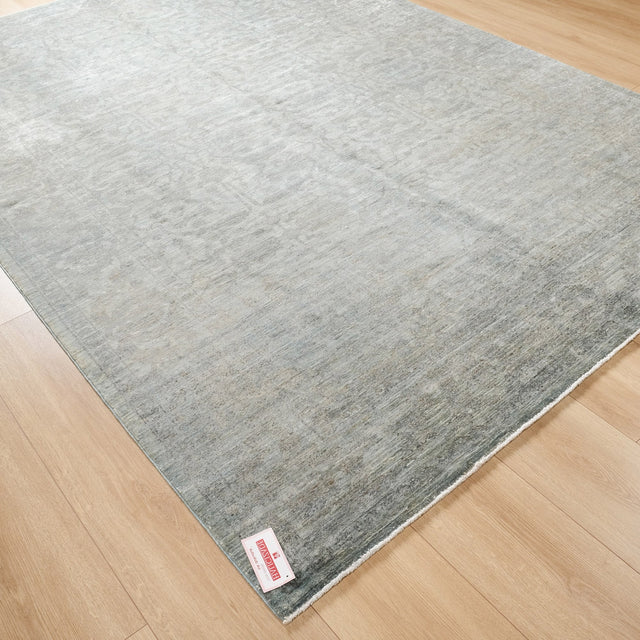 204×296 cm
One of a kind
from
152.000 TL
≈ 25.000 TL/m²
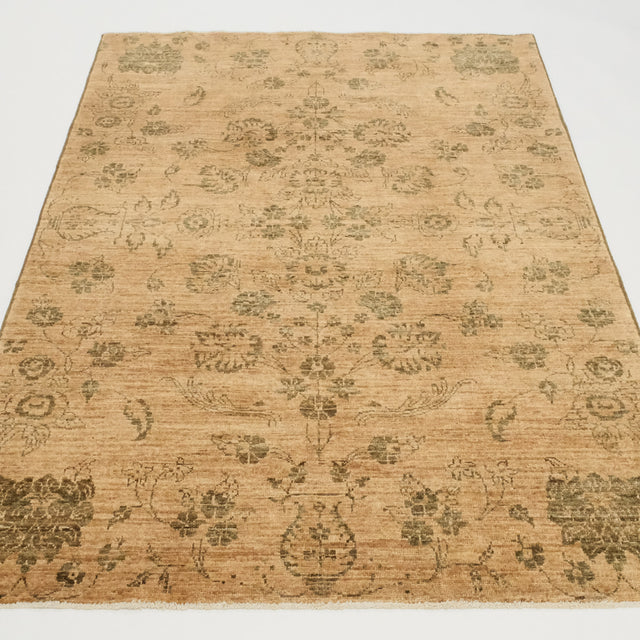
Oushak motifs overdyed down to beige, 152 × 200 cm
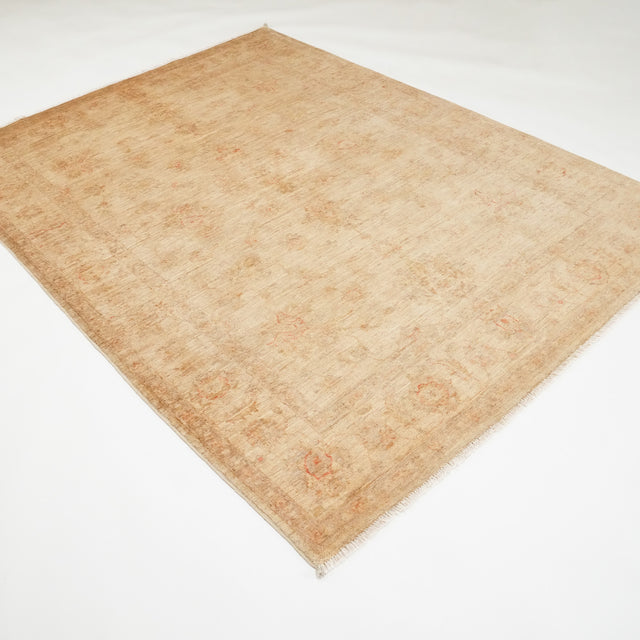 152×200 cm
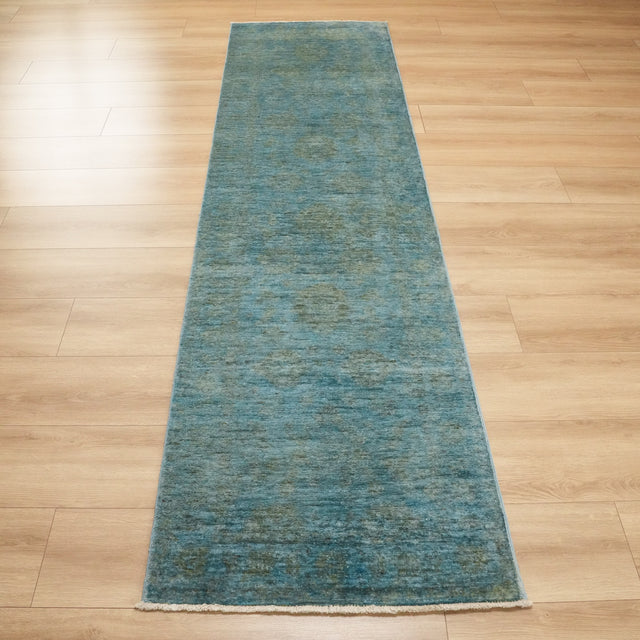
Oushak geometry in slate blue, three meters of double knot
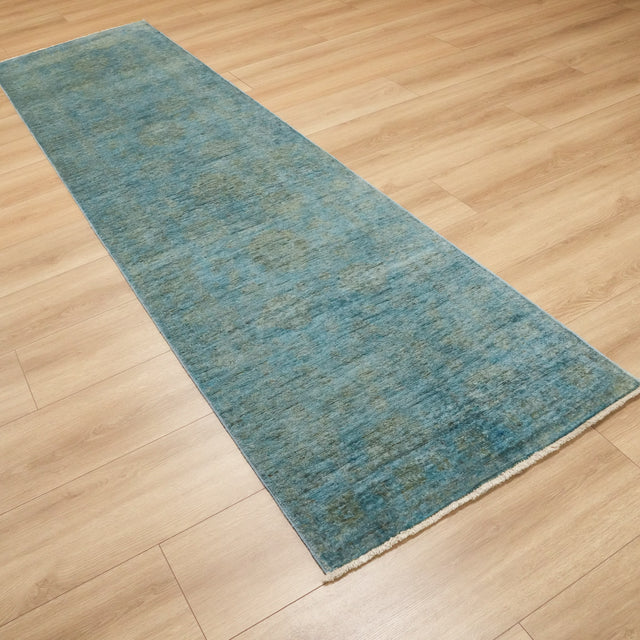 79×307 cm
One of a kind
from
61.000 TL
≈ 25.000 TL/m²
Brown taken to a gloss, densely knotted, 146 × 190 cm
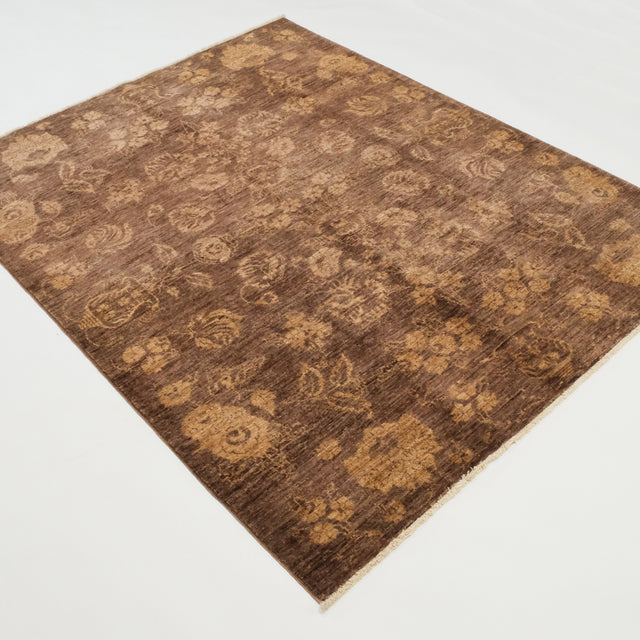 146×190 cm
Two yellows and nothing else: 121 × 179 cm, wool on cotton
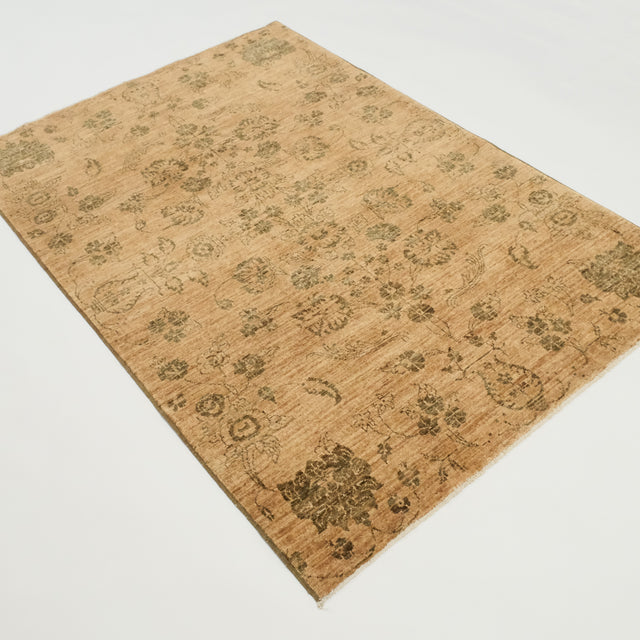 121×179 cm
An Oushak drawing with the reds taken out, gray on gray
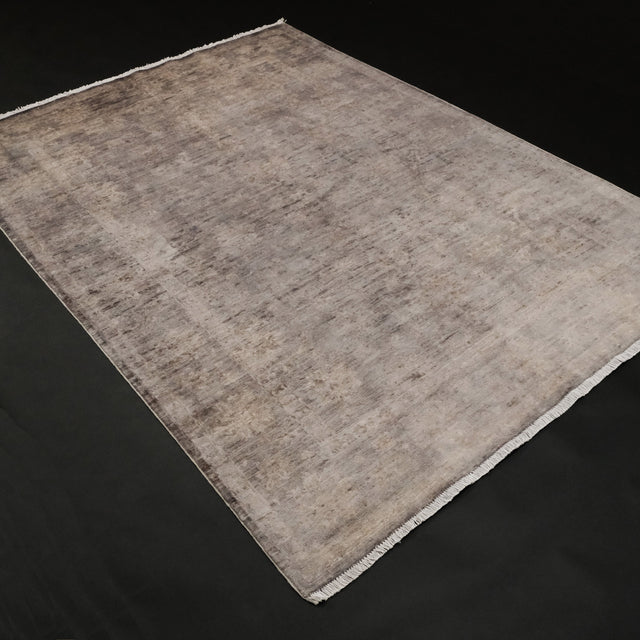 172×238 cm
Two yellows in one Oushak field, wool over a cotton warp
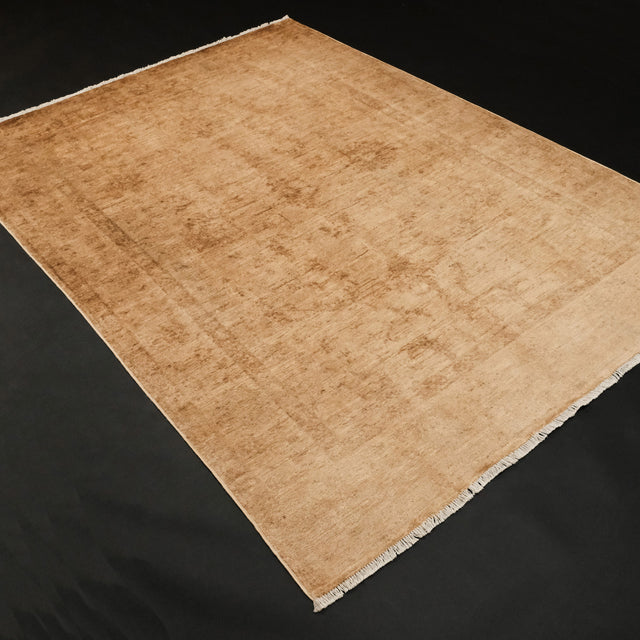 175×244 cm
One of a kind
from
108.000 TL
≈ 25.000 TL/m²
Oushak drawing pulled into brown across a 240 cm square
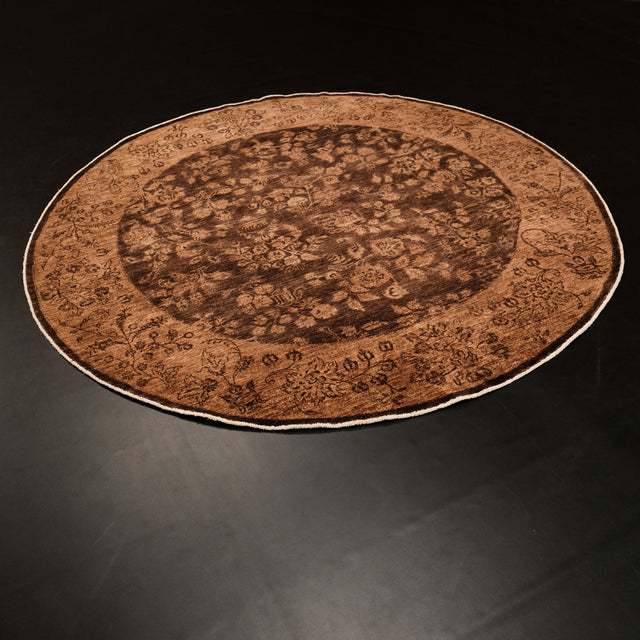 240×240 cm
One of a kind
from
144.000 TL
≈ 25.000 TL/m²
Dark green packed tight, the drawing arriving after the color
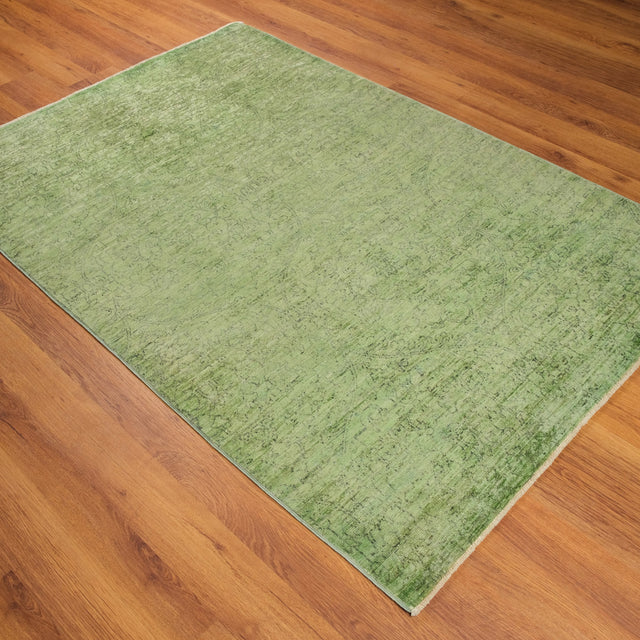 125×183 cm
One of a kind
from
58.000 TL
≈ 25.000 TL/m²
One blue under a ceiling light, three or four under lamps
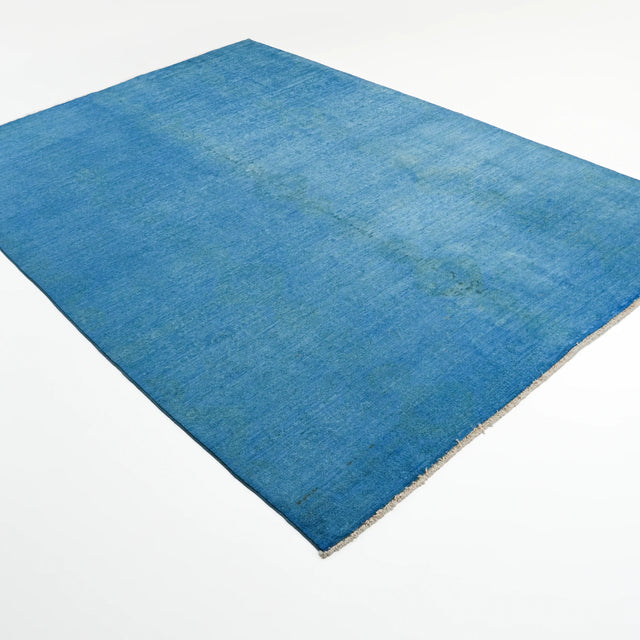 207×304 cm
Overdyeing is a finishing process, not a pattern. A finished hand-knotted rug — an old one whose colors have been reduced first, or a newly woven piece — goes whole into a single dye bath and comes out one saturated color. The drawing underneath survives, reading through the new color as a difference in tone.
The rugs in this collection are hand-knotted in Afghanistan and Pakistan on cotton warps with a wool pile, tied with the double knot, and then re-dyed. The color runs mostly on gray, brown and yellow, with blue and green appearing among them. Almost every piece is a stock of one. What follows is how the process works, why it produces what it produces, and what it means to live with.
The order of operations is reversed. In ordinary weaving the yarn is dyed first and woven afterward, so each color is fixed before it reaches the loom. In overdyeing the rug is woven, finished and cut down first, and only then goes into the dye.
Three stages, in this order. Where the base is an old rug, the surface is first worked back and its original colors reduced, which is what lets a single new color read across the whole field. The rug then goes into one bath of dye — not the yarn but the finished object, so every square centimeter takes the same dye at the same moment. It is then washed and dried.
Nothing in that sequence can be undone. A yarn that dyes badly is thrown away before it is woven; a rug that takes the bath unexpectedly is a rug that has already had months of knotting put into it. That risk, rather than the cost of the dye, is what puts these pieces above other hand-knotted work of the same size and density.
Because dye is added to a color, not substituted for it.
A dark motif and a pale ground both take the same gray. Both change. They do not change by the same amount, and the difference between them survives — reduced, compressed, but still legible. What was a contrast of color becomes a contrast of tone. A border that read as indigo against ivory now reads as deep gray against light gray, which is why the drawing on an overdyed rug is visible from close up and dissolves into a single field from across a room.
Two other things happen in the bath. Different wools hold the same dye differently, so the surface comes out with matte and glossy passages where the fleece changed, and those passages catch light at different angles. And the dye does not sit at identical strength across a rug of eight or ten square meters, so one corner is a half-tone off the other. Neither is corrected. Both are the point of the technique rather than a fault in it.
No, though the two overlap and are constantly confused.
Vintage describes an appearance: faded, settled, quieted down. There is more than one road to it. A rug can genuinely be old; its surface can be deliberately opened up; or it can be overdyed. The pieces here take the third road. They look aged, but the look is the result of a process rather than of time passing.
| Overdyed | Vintage | Antique | |
|---|---|---|---|
| What the word describes | A process applied to a finished rug | An appearance, however arrived at | An age |
| Age | Old or new; the base rug varies | Trade usage: roughly 20 to 80 years | Trade usage: 100 years or more |
| Color | One saturated family, pattern showing through as tone | Softened original palette | Original dyes, faded by use |
| Repeatable | No — each bath gives a different result | No | No |
The age brackets above are trade usage. No body issues or certifies them, and they are applied by the seller. Rugs whose age is documented are kept separately in rare and antique pieces; for the softened look without the dye bath, see vintage rugs, and the difference is set out at more length in antique or vintage: how to tell.
Three reasons, and only one of them is about looks.
The first is compatibility. A new rug with sharp color transitions argues with everything else in the room; a quieted ground does not. Reducing a crowded, many-colored old rug to a single color family is what makes that rug usable in a room furnished today.
The second is that it brings forward a change that would happen anyway. Any wool rug opens up in its first years under light. On an overdyed piece the ground has already been softened, so the same amount of fading registers less.
The third is arithmetic. A worn old rug with a good structure and an unusable palette has a second life this way, and the alternative is that it has none.
The structure is unaffected. What sits underneath is a hand-knotted wool pile on a cotton warp, tied with the double knot, and it wears the way any such rug wears — which is to say slowly, and in the traffic lanes first. The dye bath changes three things at the surface.
Beyond that, the ordinary rules apply: vacuum without the beater bar and in the direction of the pile, rotate the rug twice a year, and blot a spill rather than rubbing it.
Some of what a first-time buyer reads as a fault is inherent to the technique.
Better in a busy room than in an empty one. Because the field has been reduced to a single color family, the pattern is present without competing: it reads as texture from the doorway and as drawing from a chair. That is the opposite of what a high-contrast rug does, and it is why these pieces work under a room that already has a lot in it.
Pairing follows the color. Gray and brown grounds sit easily with neutral upholstery and with wood. Yellow and blue grounds want plain furniture, because the rug is already the loudest thing on the floor.
Scale is the other constraint. This collection runs to large sizes — 240 × 340 cm (7'10" × 11'2") and up — because the technique suits a big open field, and the sizes have the odd dimensions that come off a hand loom: 207 × 293, 249 × 289, 303 × 416 cm. In a small room a large-scale ground of this kind narrows the floor rather than opening it. Check the measurement on the product page against the rug size guide, and compare 8 square meter rugs for what that size does in a living room.
Woven and dyed in Afghanistan and Pakistan, where the workshop tradition covers both the knotting and the re-dyeing. Part of the pattern vocabulary is Anatolian — Oushak drawing in particular — so the design comes from one geography and the weaving from another. The place of manufacture is stated on each product page.
Because the base rug, its old colors and its wool all change how the bath takes, two rugs of the same pattern do not come out of the same dye lot alike. Almost every piece here is a single item. Weavings from the same region without the dye bath are in Afghan rugs, and the patterns themselves are set out in the rug pattern guide.
A finished hand-knotted rug that has been re-dyed whole in a single bath of one color, rather than woven from yarn dyed beforehand. The original pattern survives as a difference in tone, and the rug ends up in one saturated color family.
Because the dye is added to the colors already there rather than replacing them. A dark motif and a pale ground both take the same dye and both change, but not by the same amount, so the drawing survives as a contrast of tone instead of a contrast of color.
The pieces in this collection are hand-knotted in Afghanistan and Pakistan, with a wool pile on a cotton warp tied with the double knot, and then re-dyed. The place of manufacture is stated on each product page.
No. Vintage describes an appearance that can be reached in several ways, including simple age. Overdyeing is one specific process that produces that appearance, so an overdyed rug looks aged whether or not the rug underneath is old.
They fade in strong direct light like any wool rug, though the change is less visible because the ground is already softened. Some color can come away in the first washes, which is why these pieces should go to a professional washer rather than being washed at home.
Because the base rug, its original colors and its wool all affect how the bath takes. Two rugs of the same pattern do not come out of the same dye lot alike, so almost every piece in this collection is a stock of one.
Mostly large. The collection runs from about 240 × 340 cm (7'10" × 11'2") upward, with hand-loom dimensions such as 207 × 293 cm and 303 × 416 cm. In a small room a field of this scale narrows the floor rather than opening it.
Related collections: vintage rugs · Afghan rugs · hand-knotted rugs · rare and antique pieces