

Filters
218 products
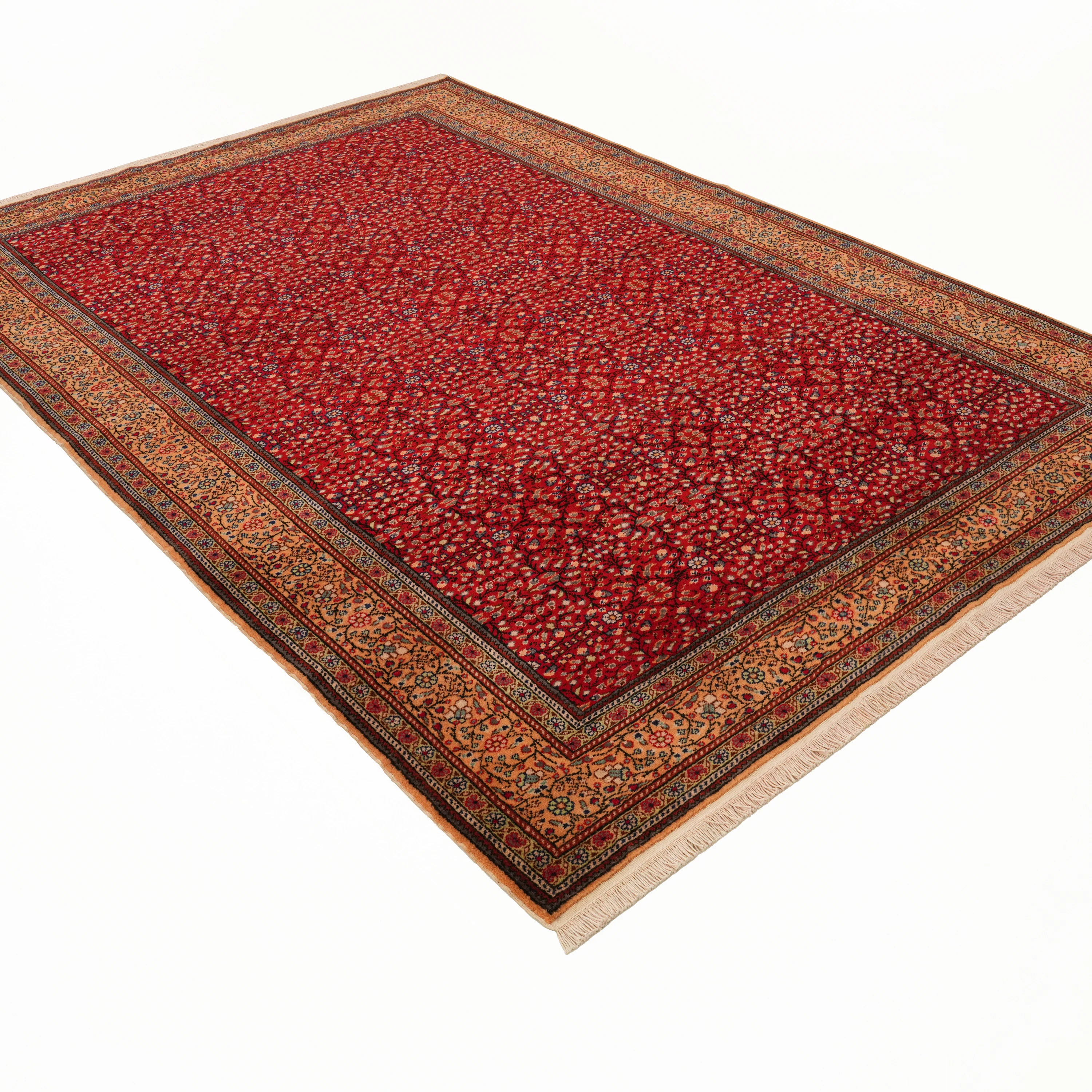
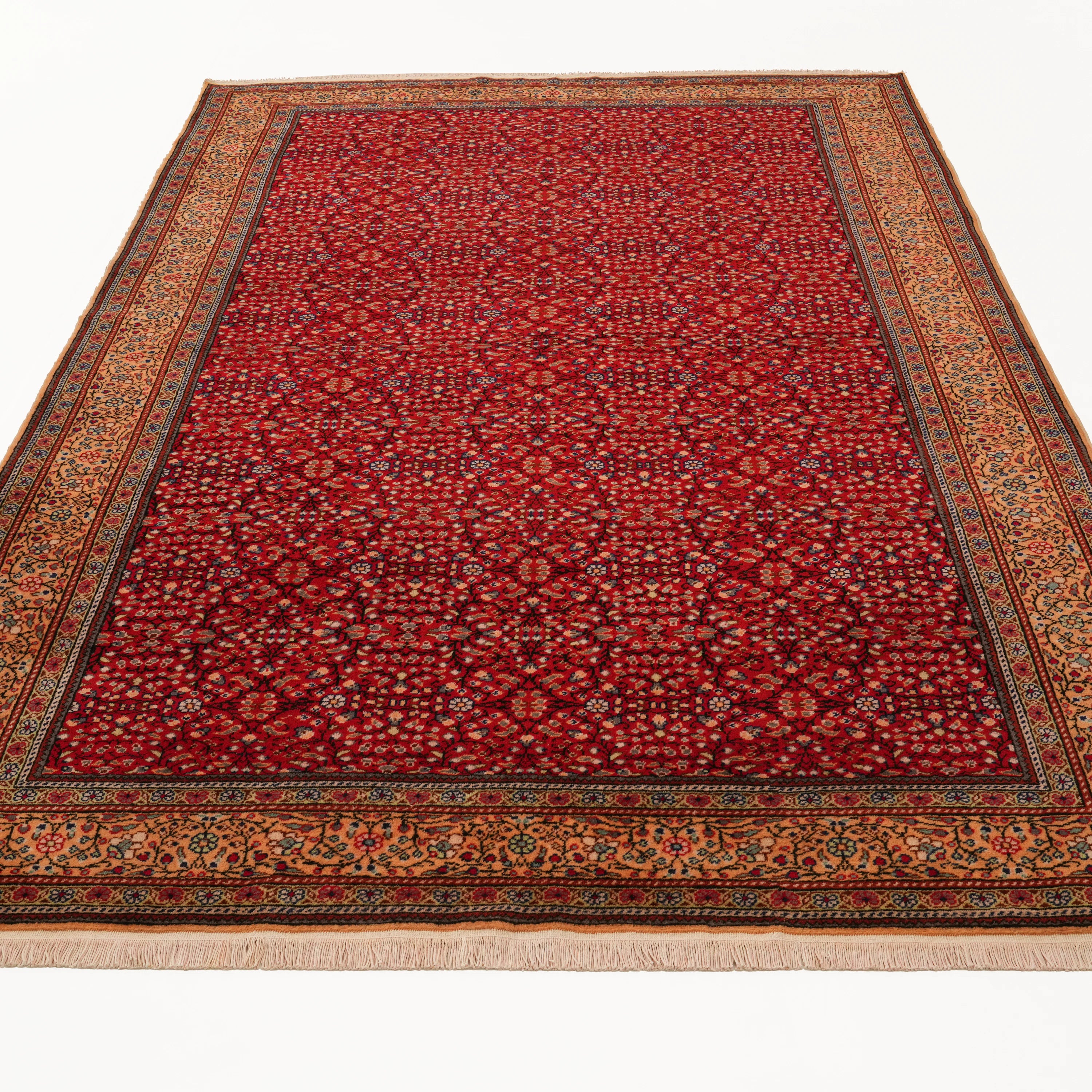
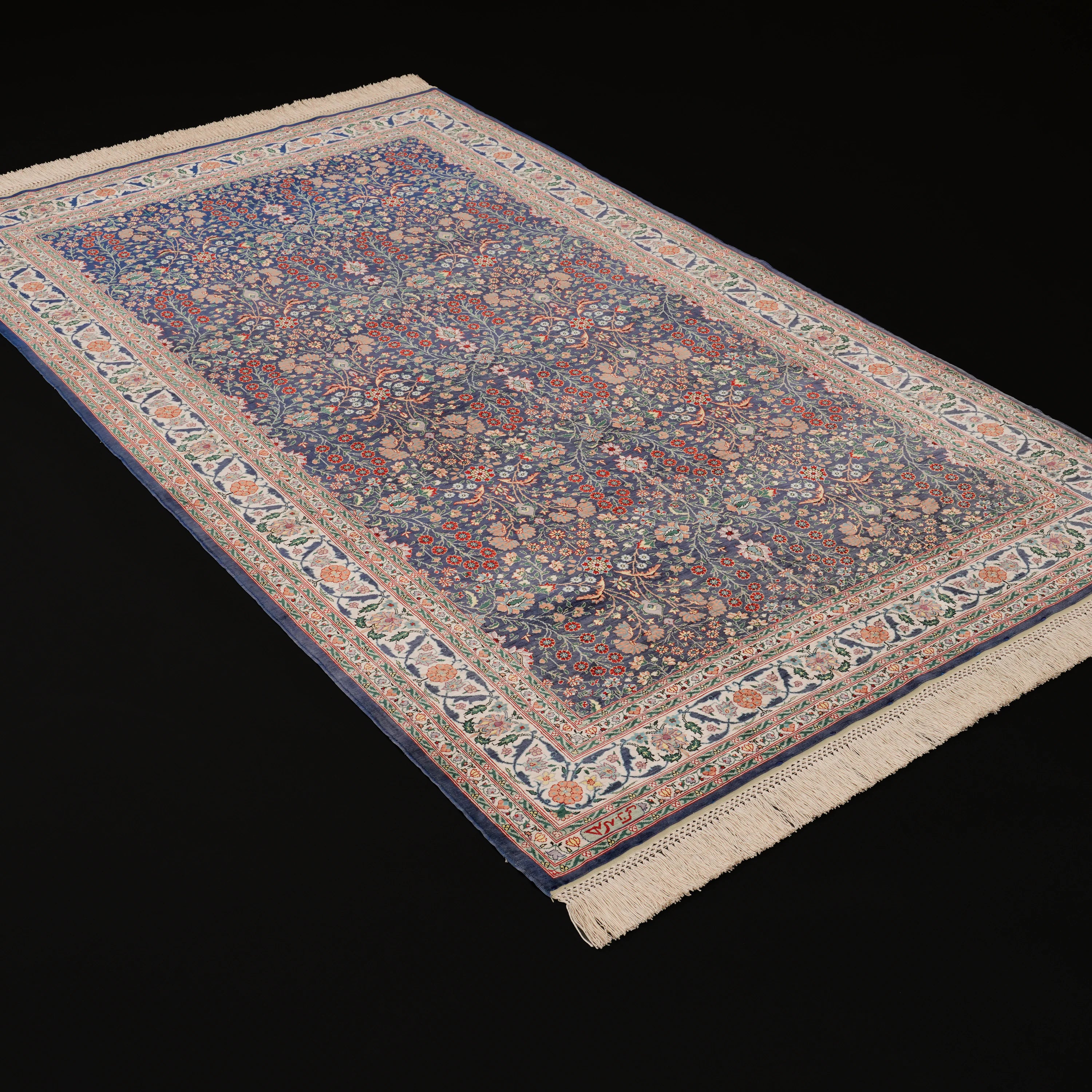
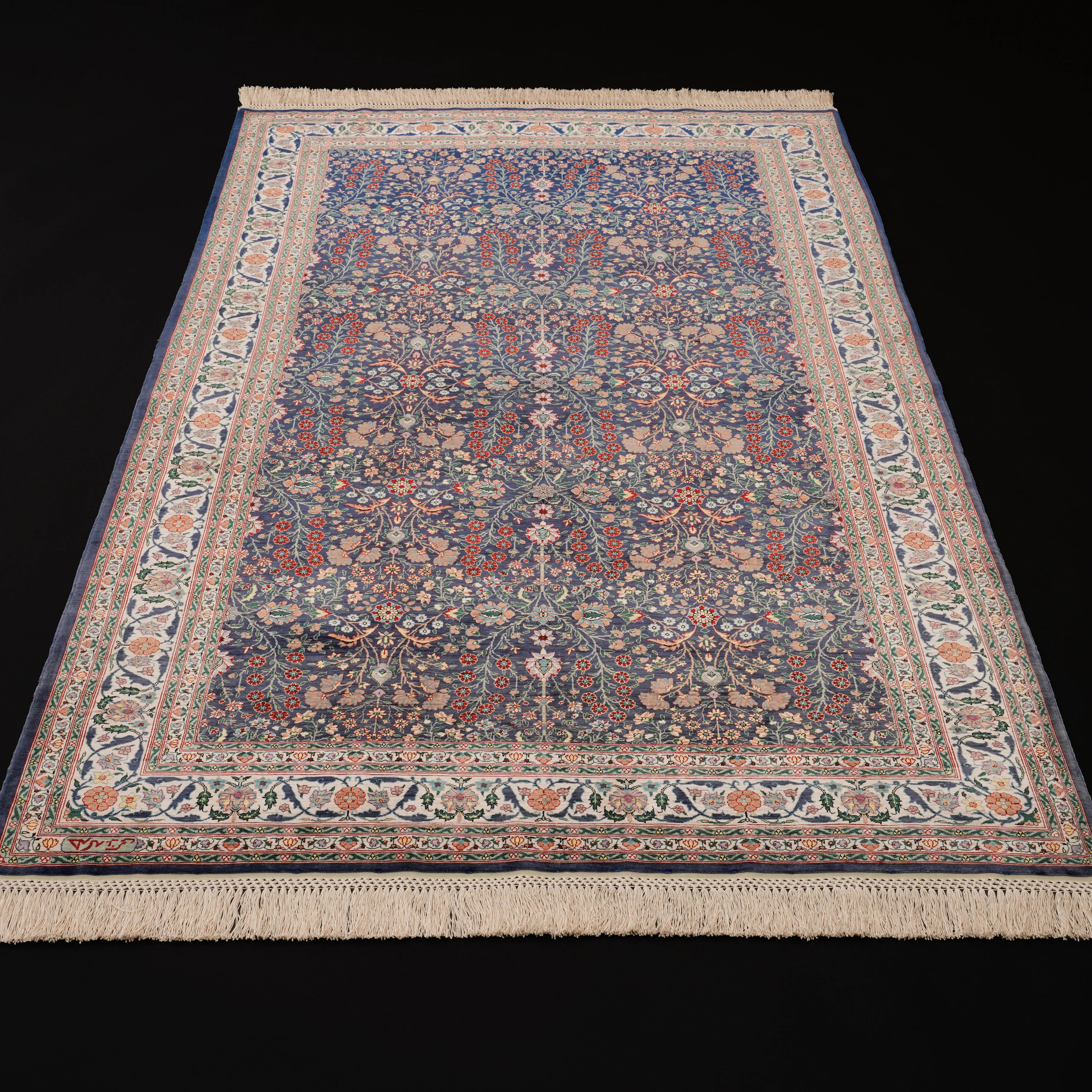
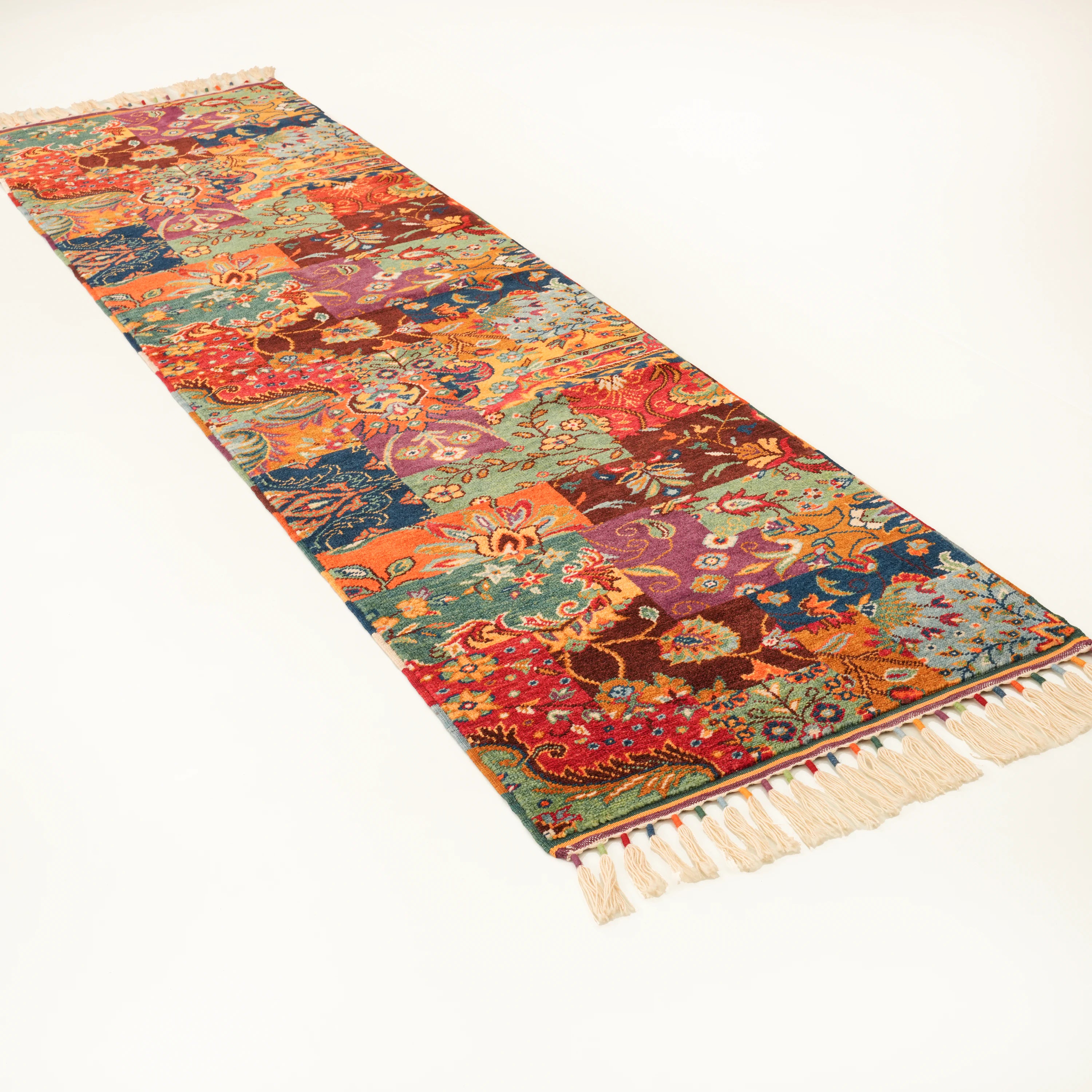
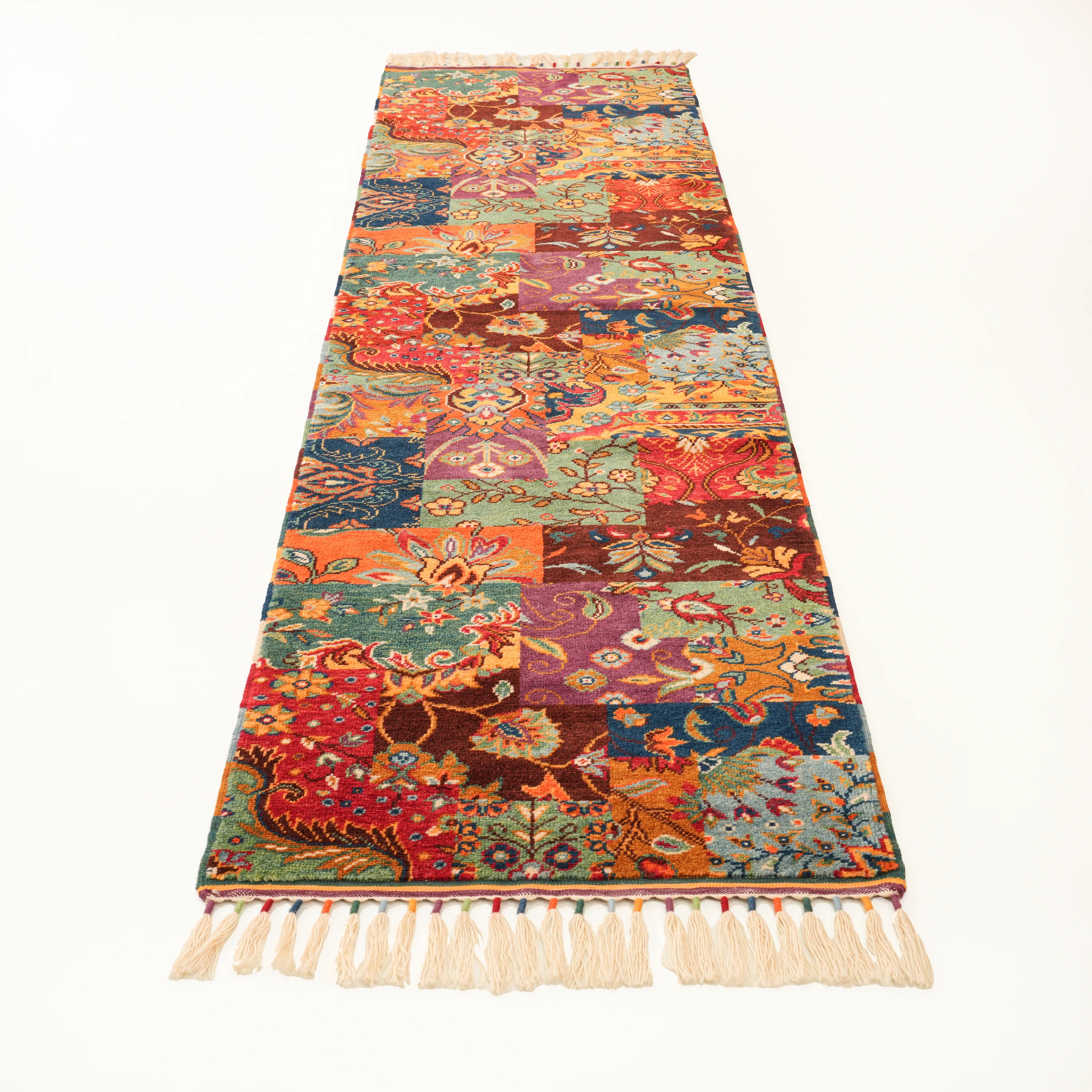
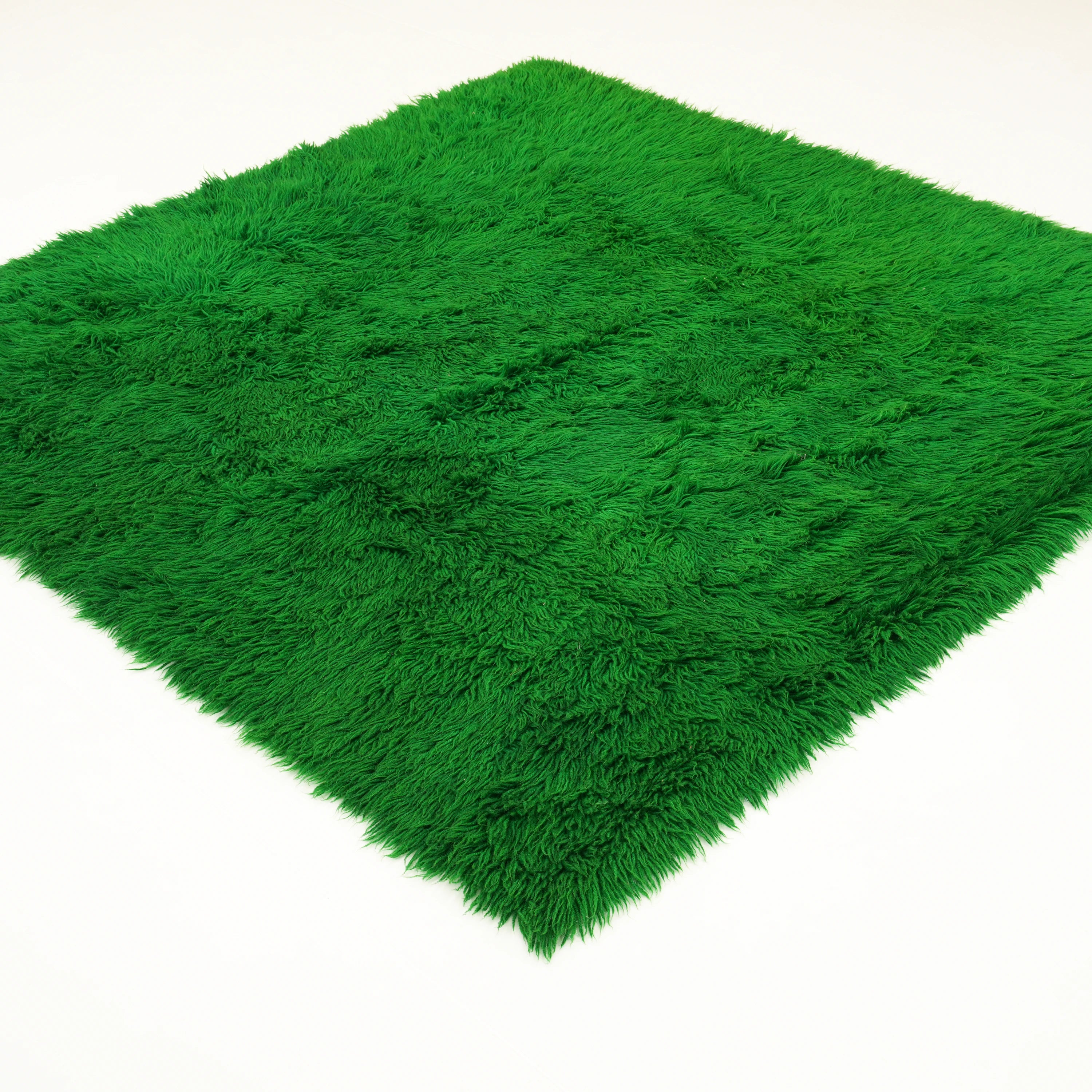
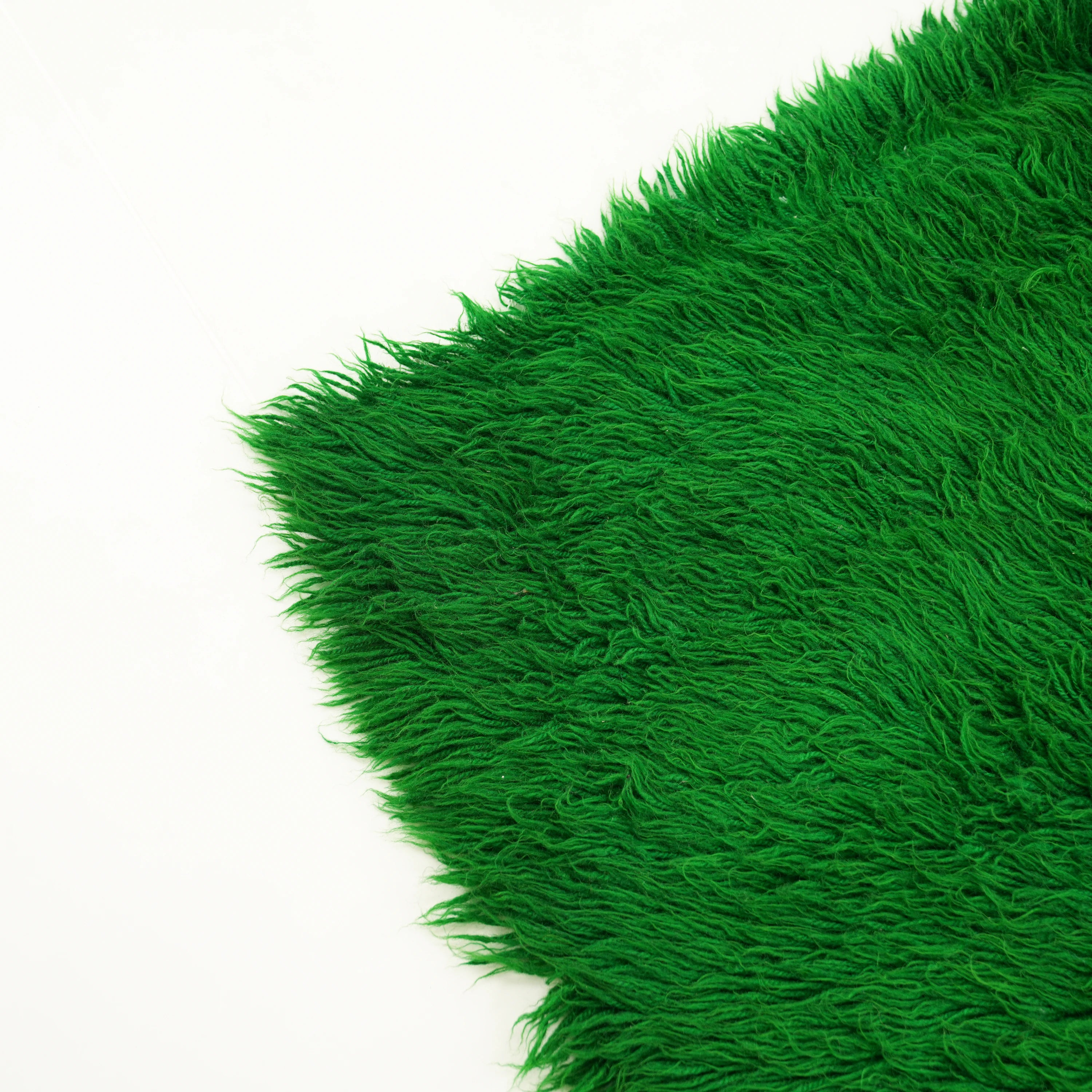
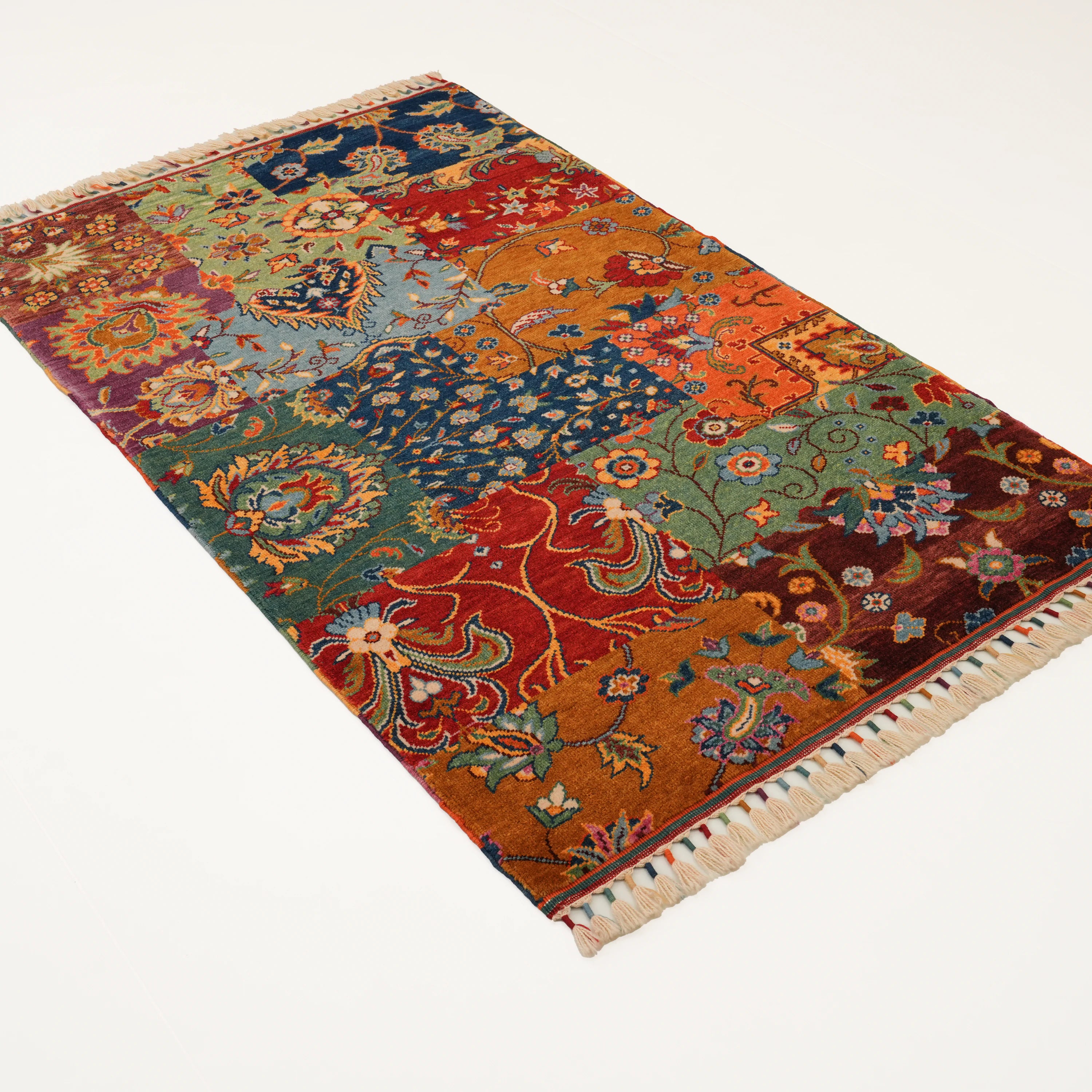
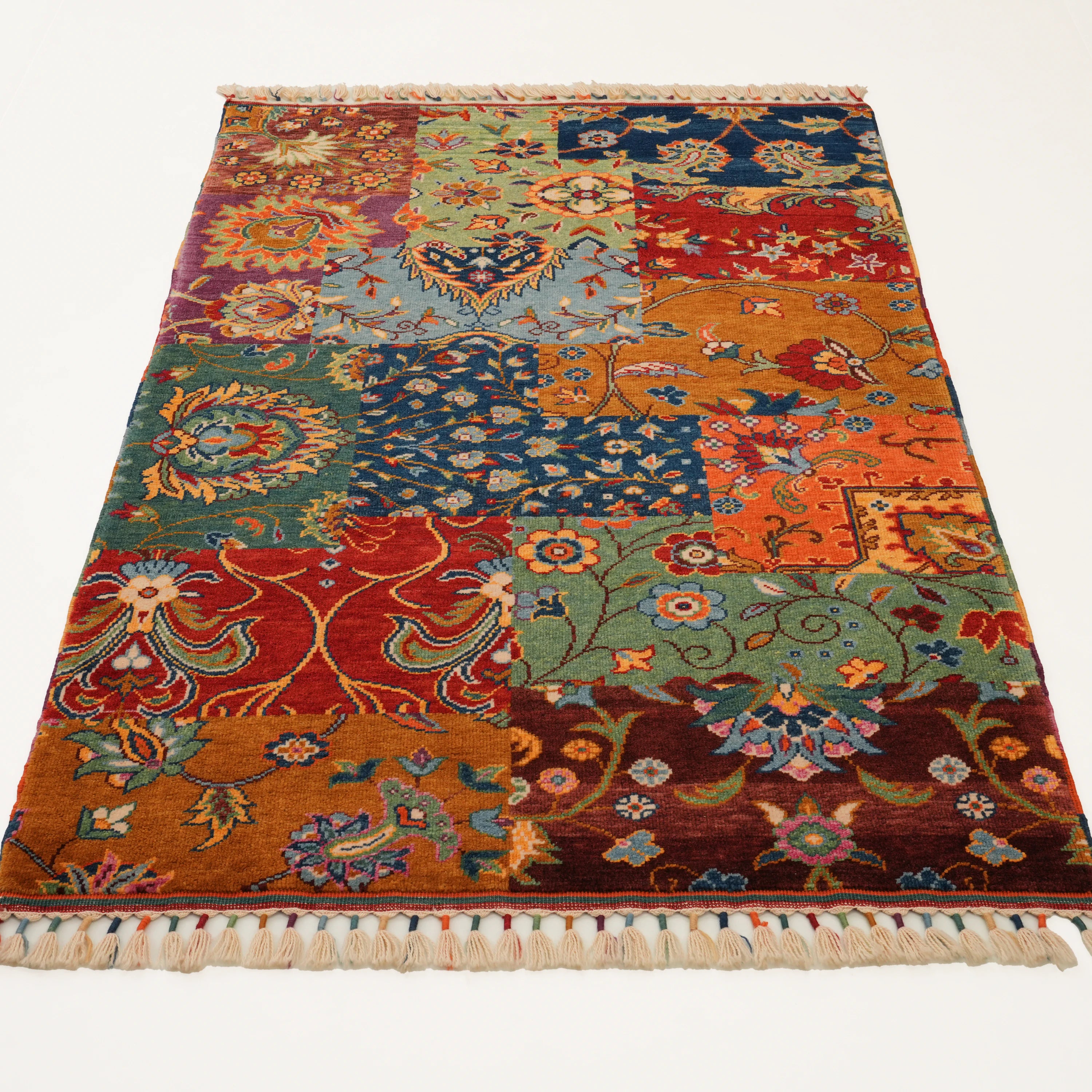
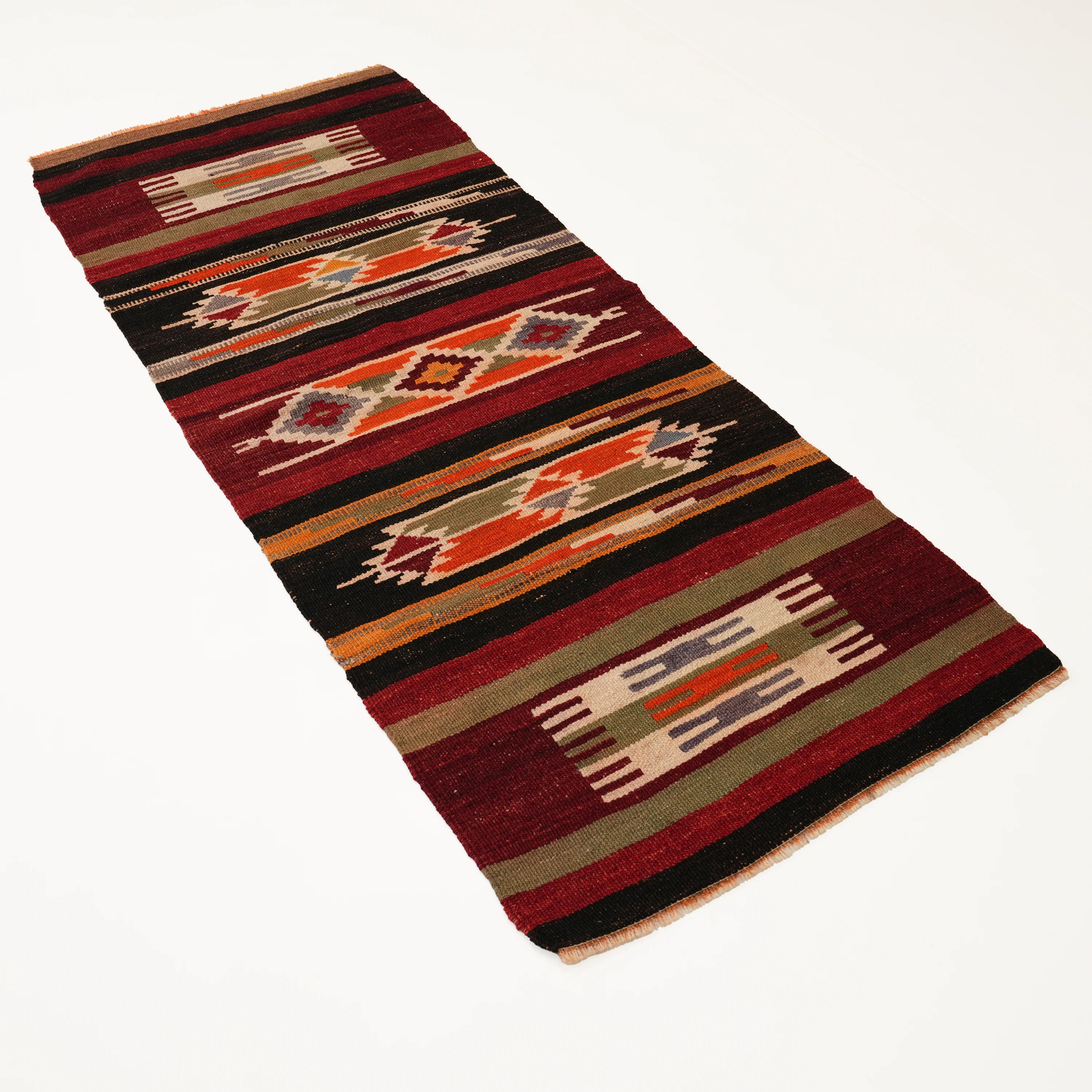
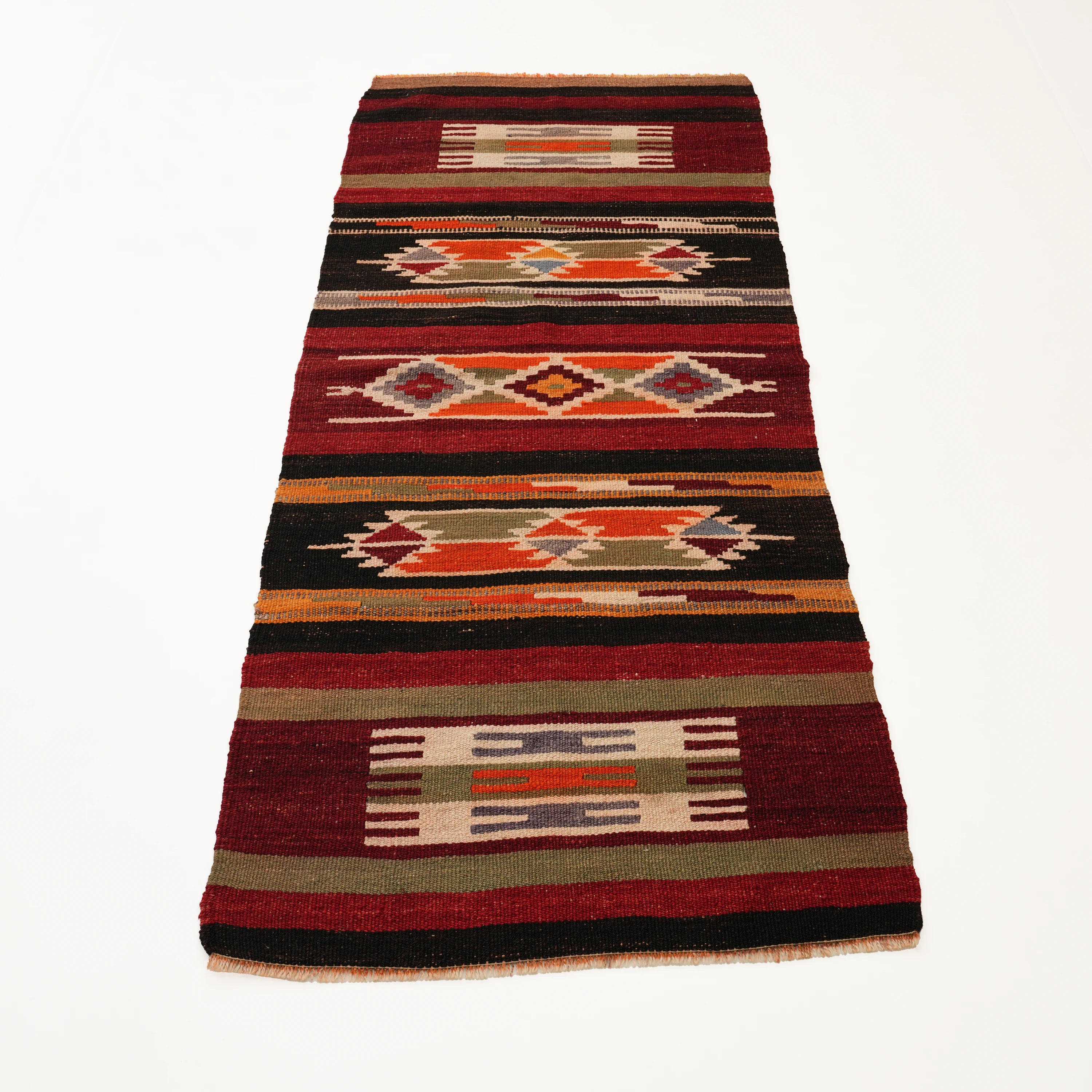
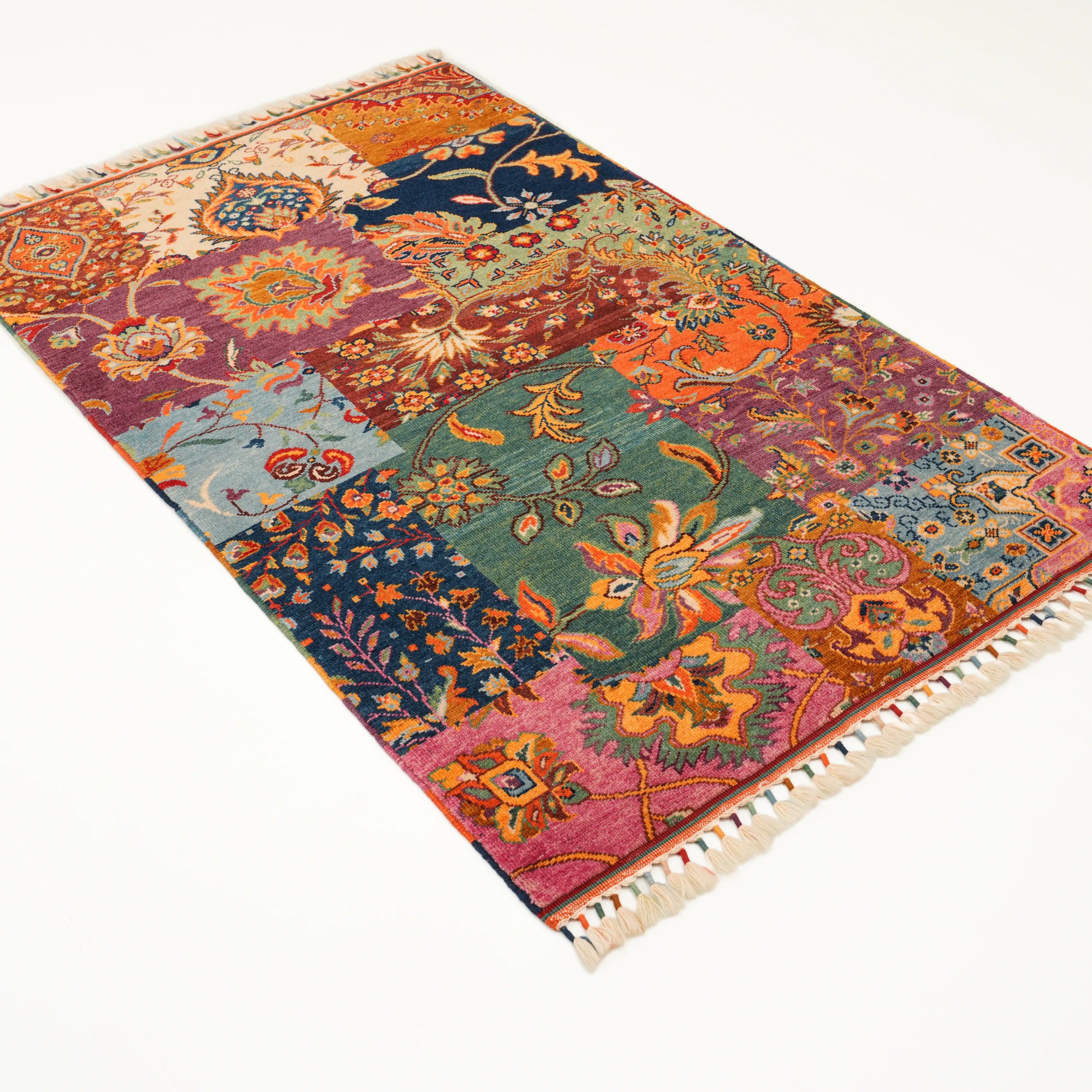
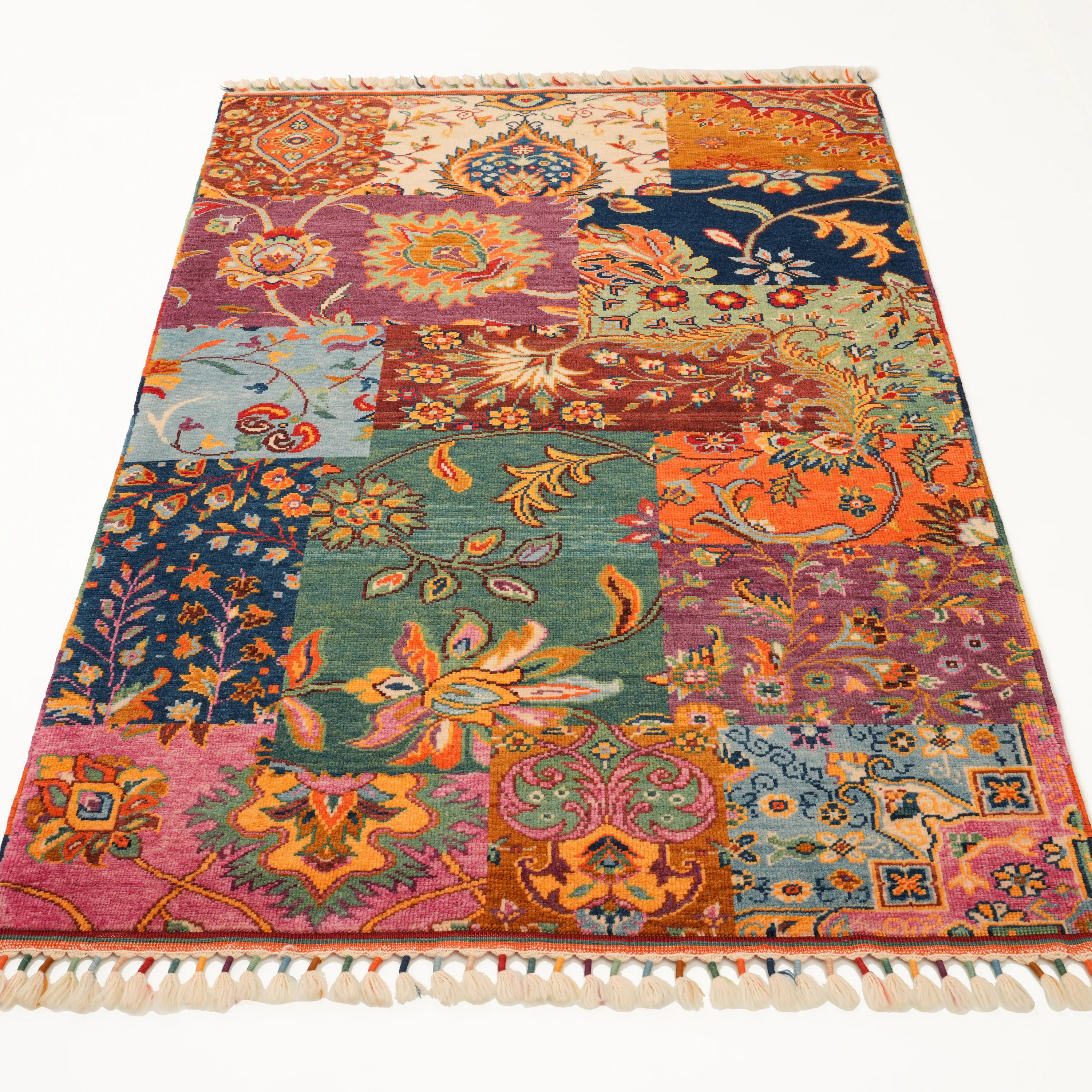
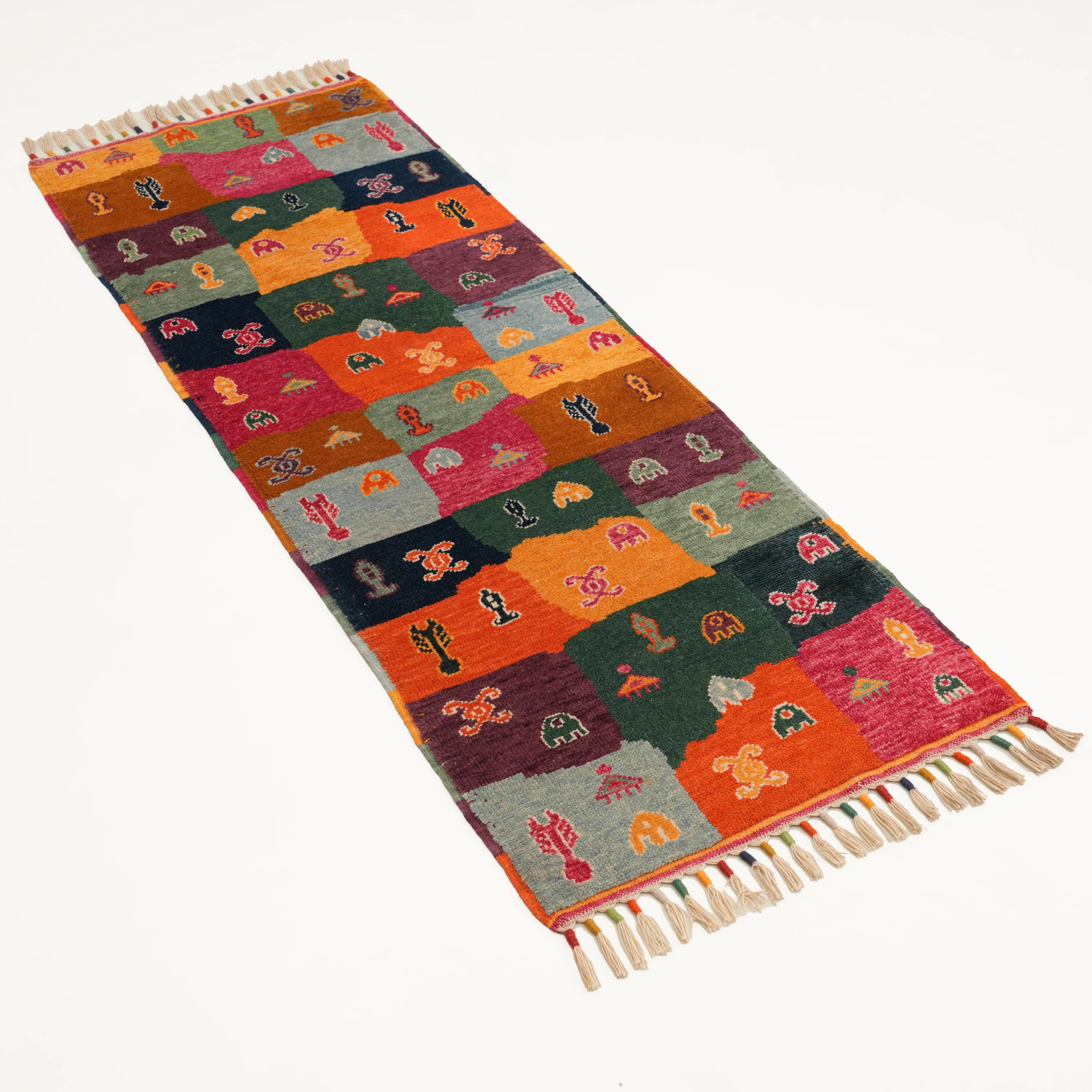
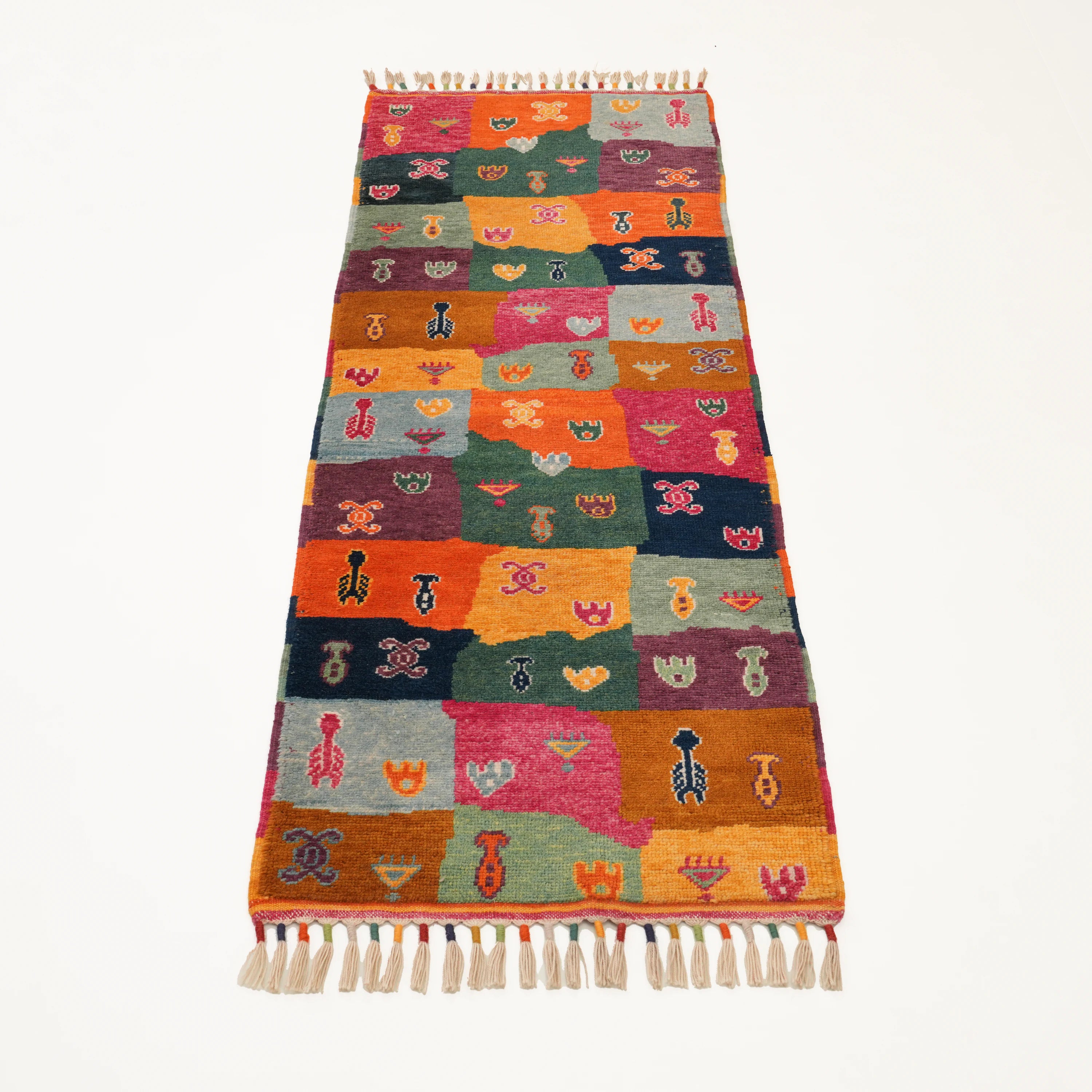


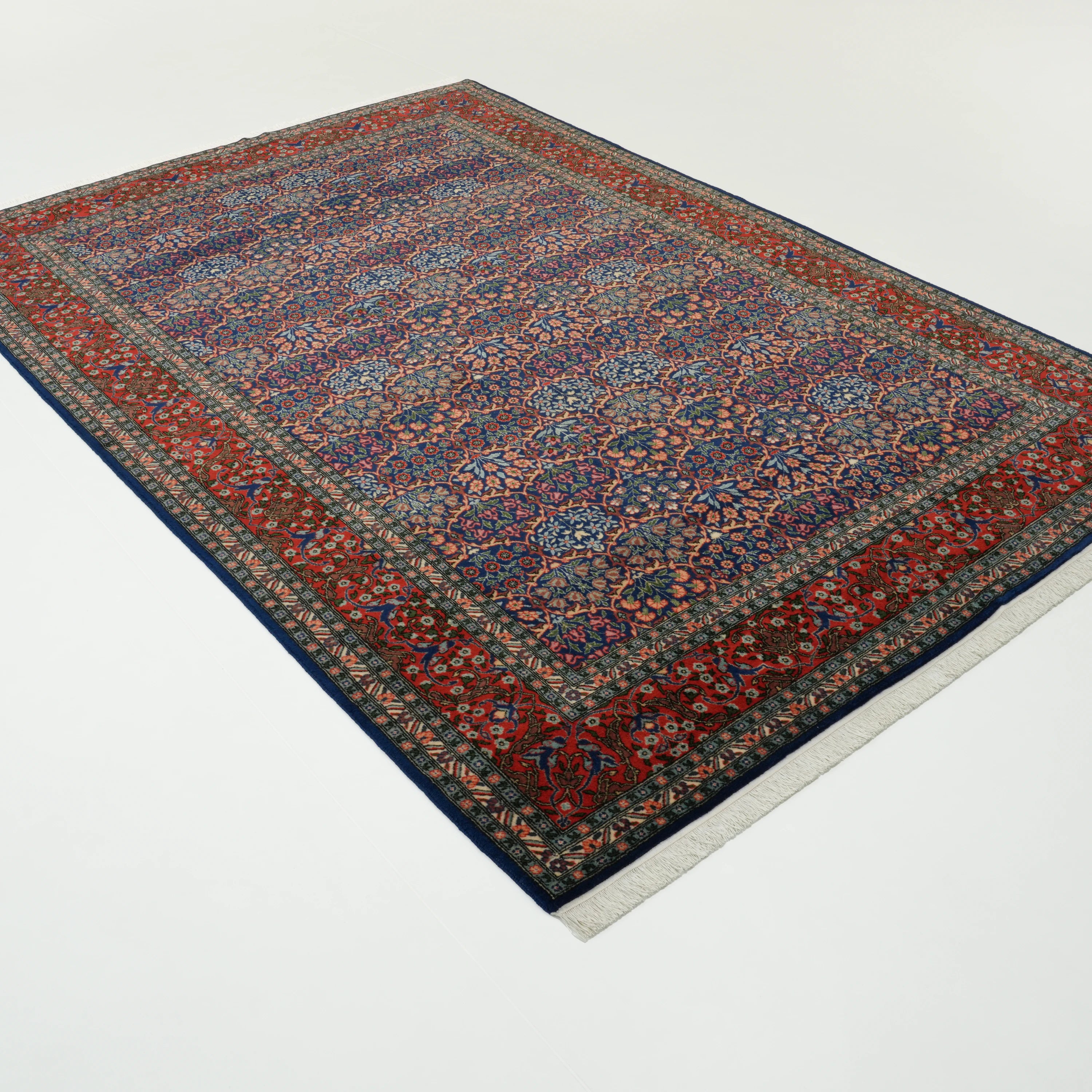
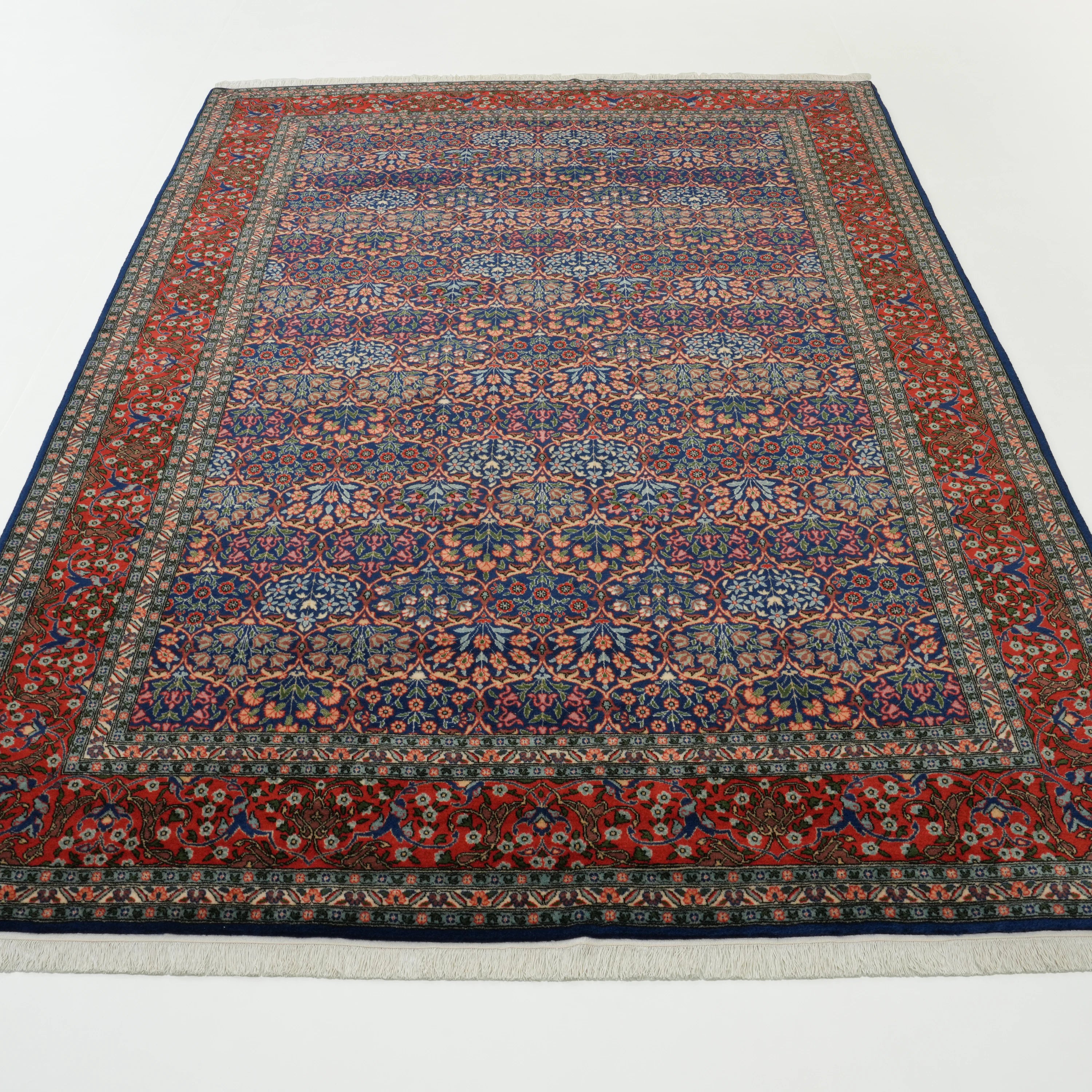
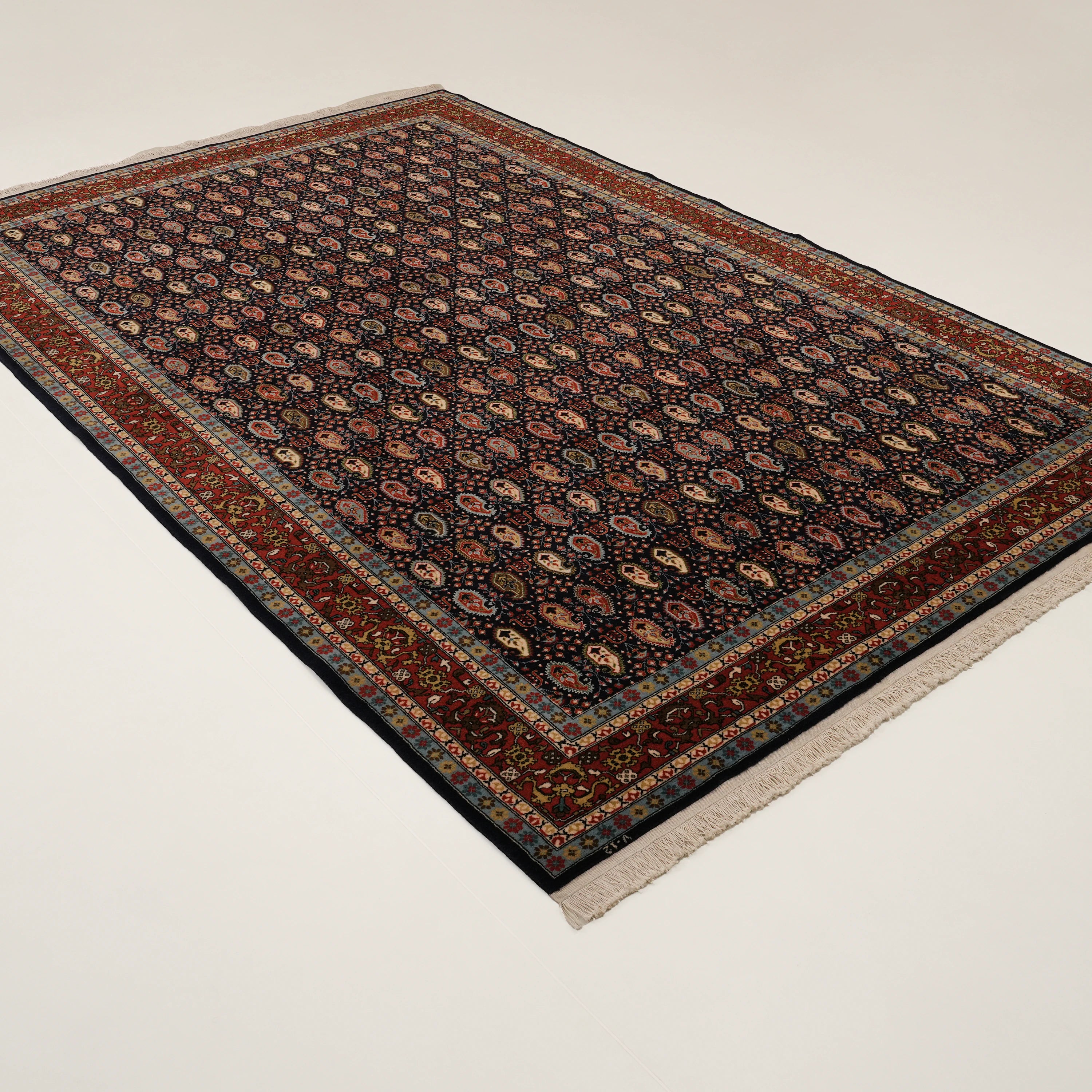
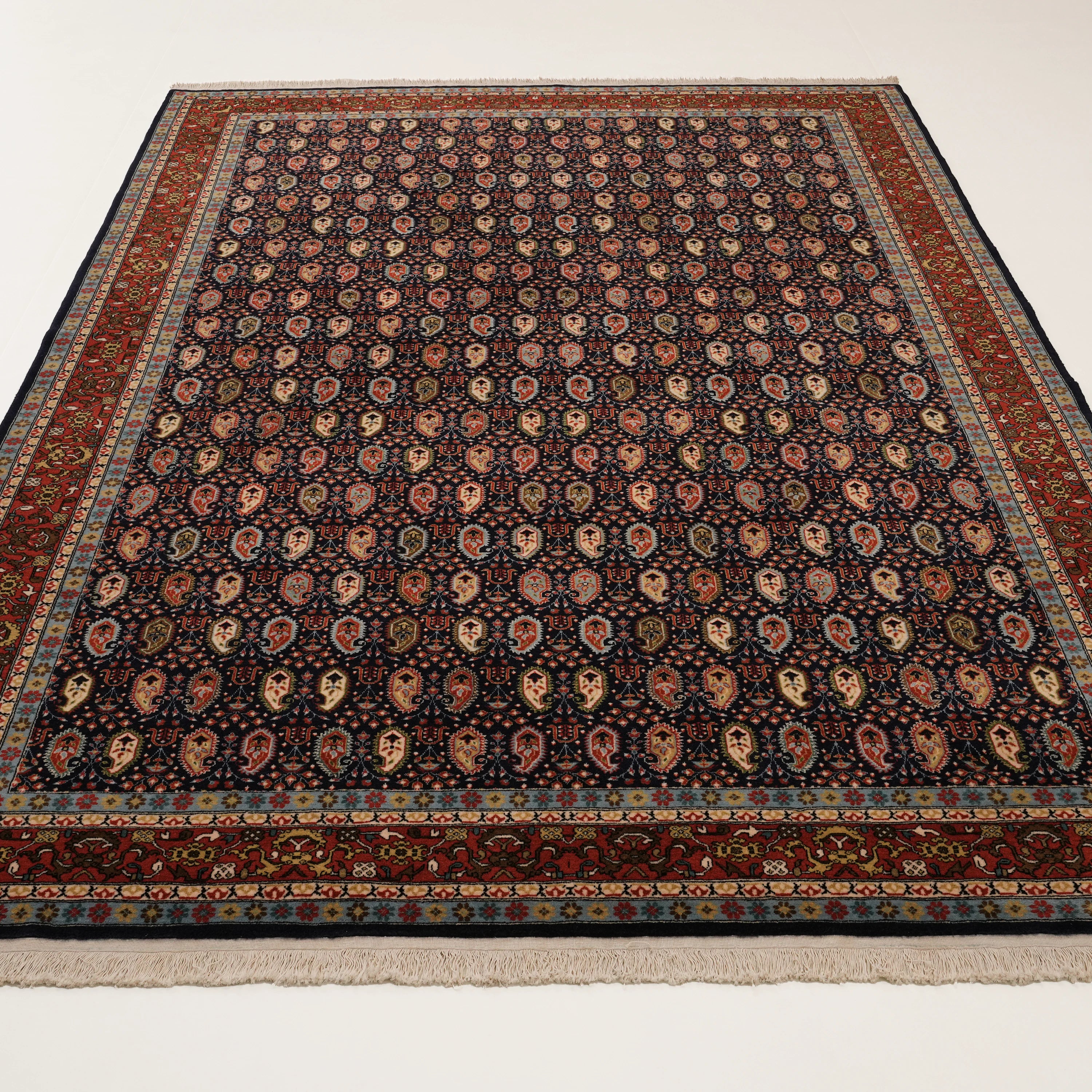
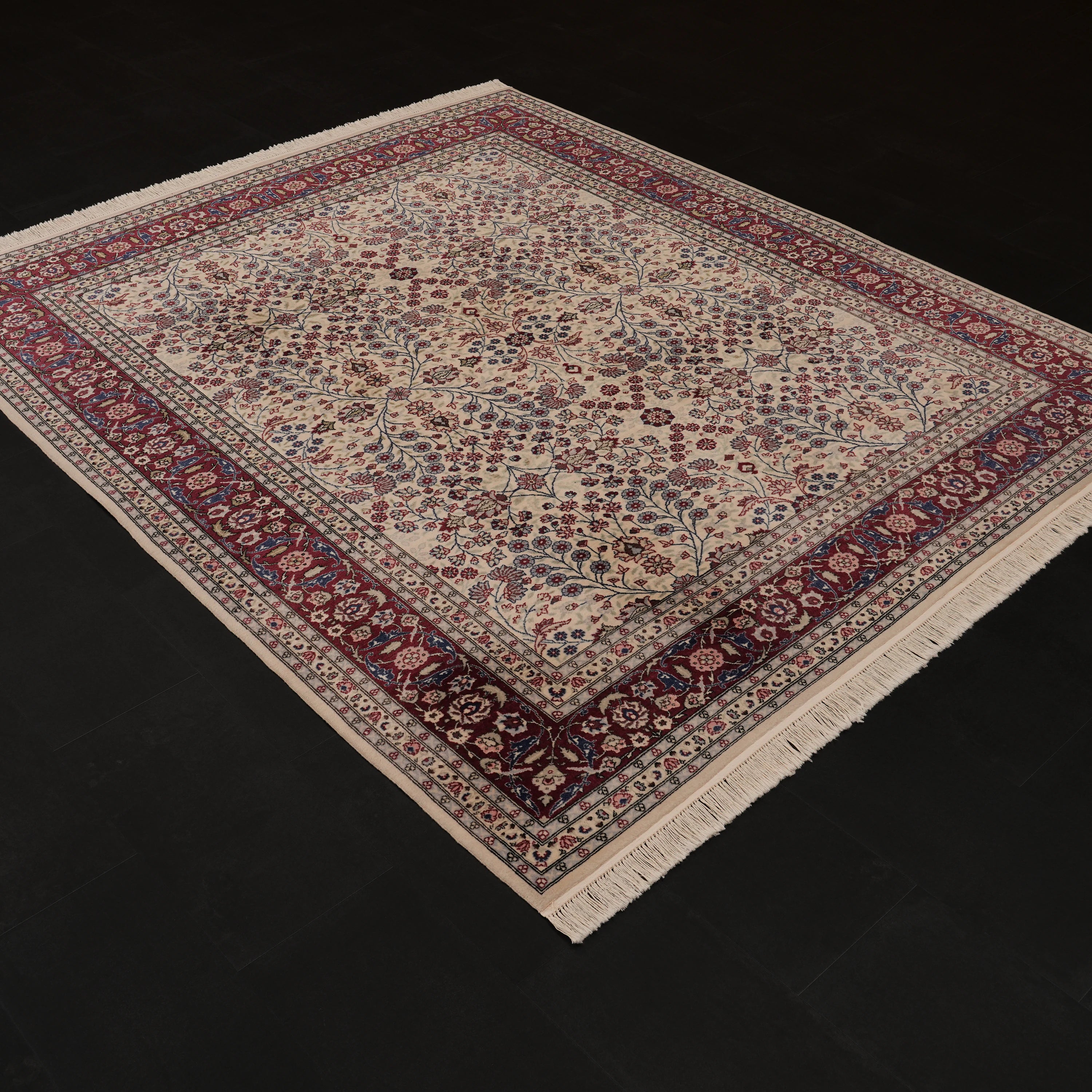
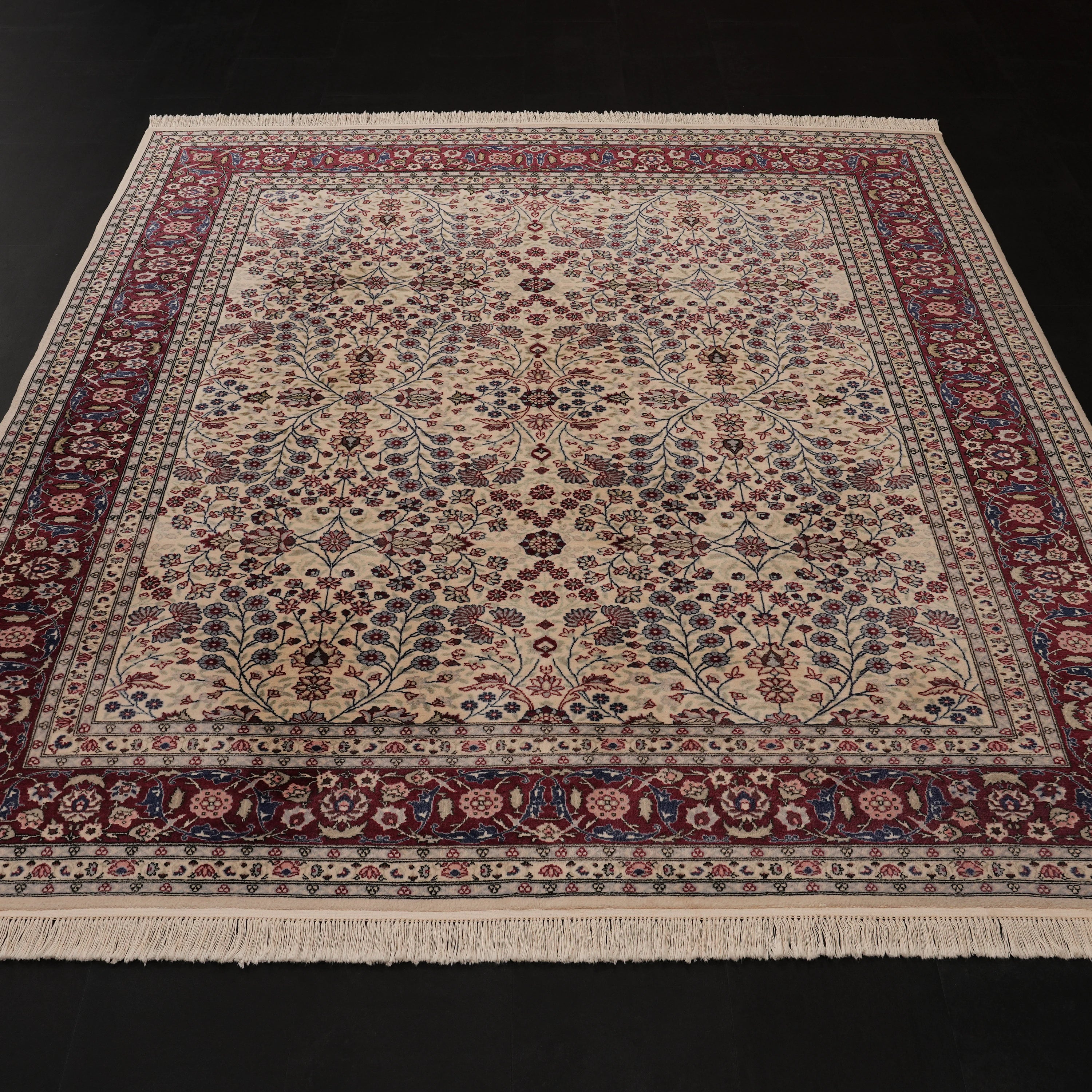
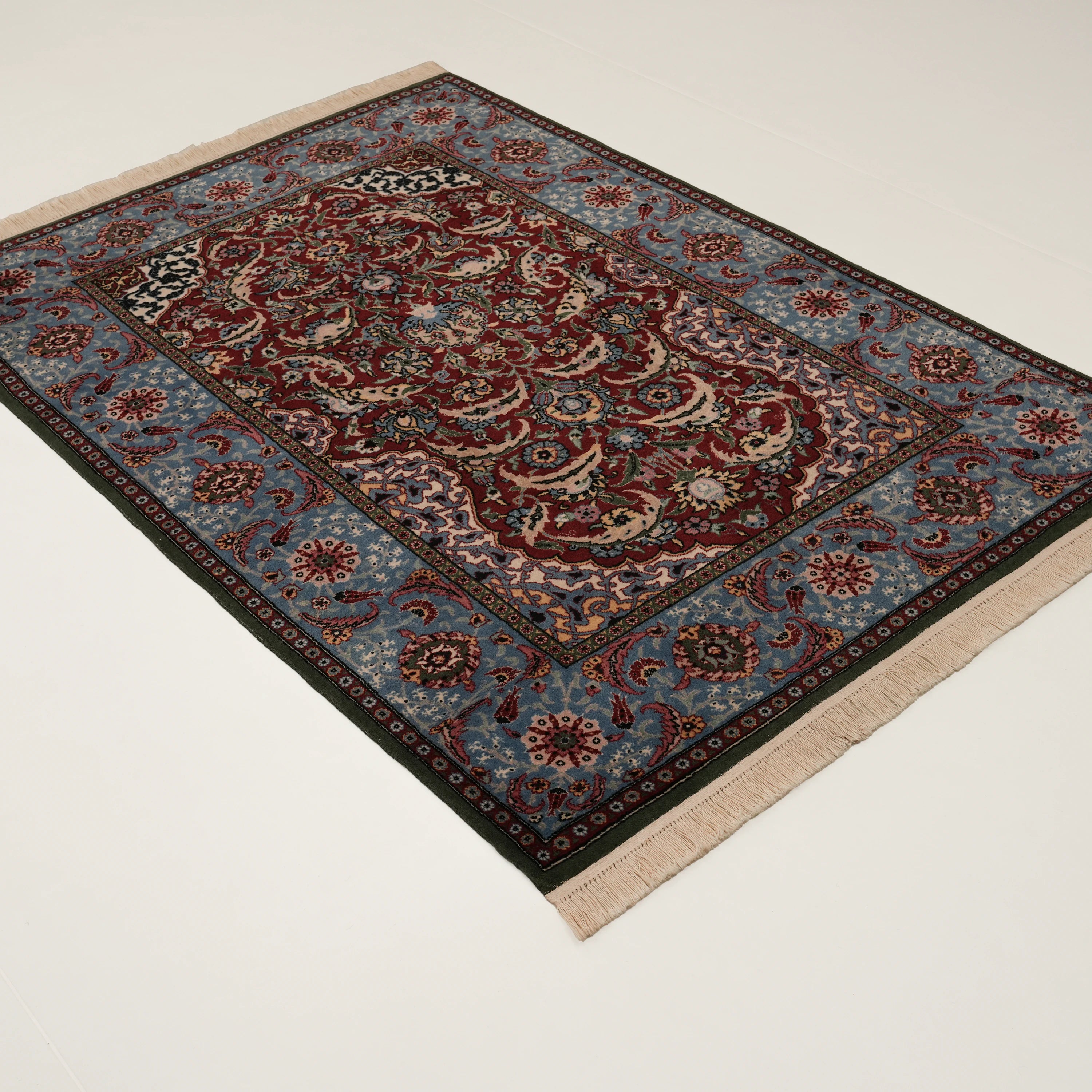
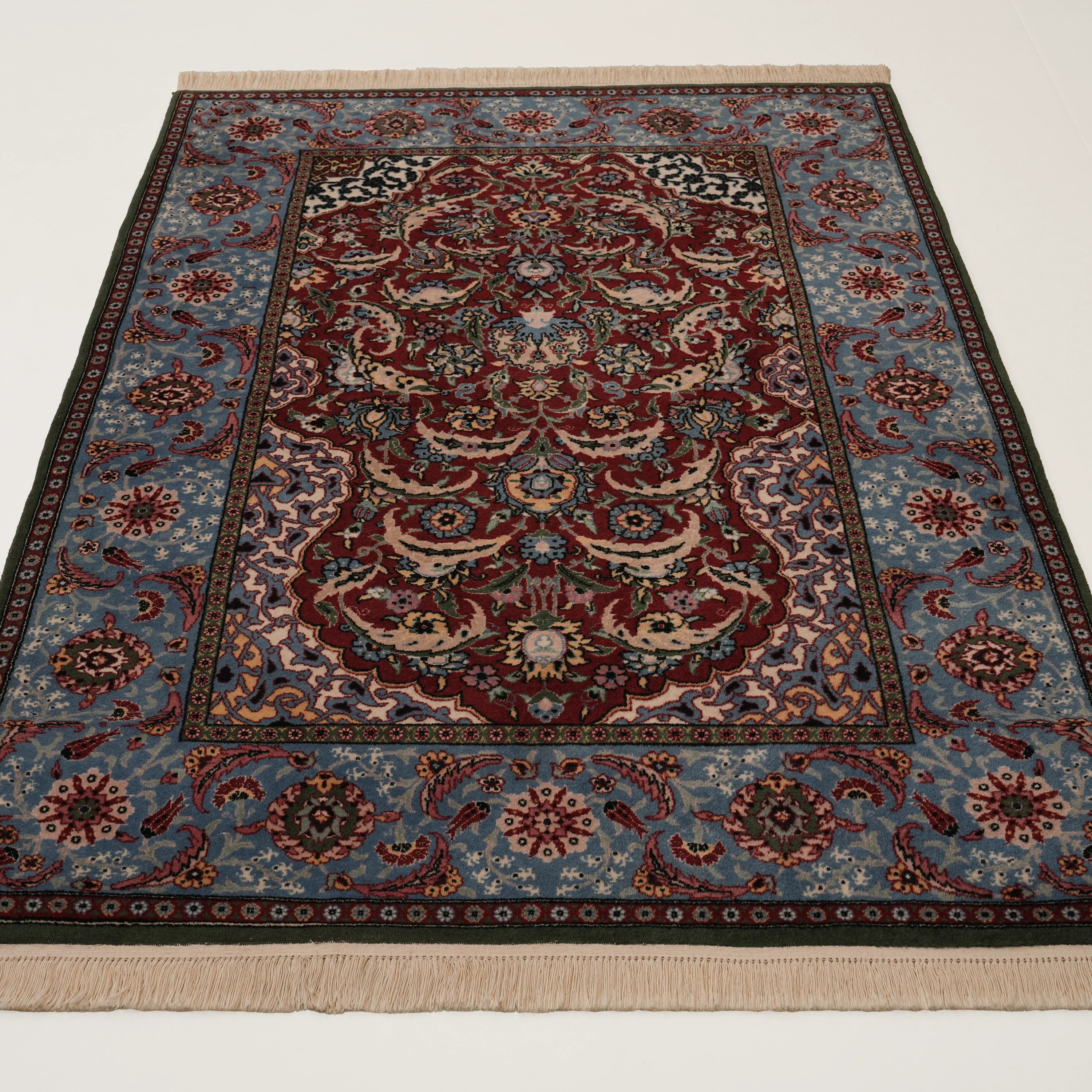


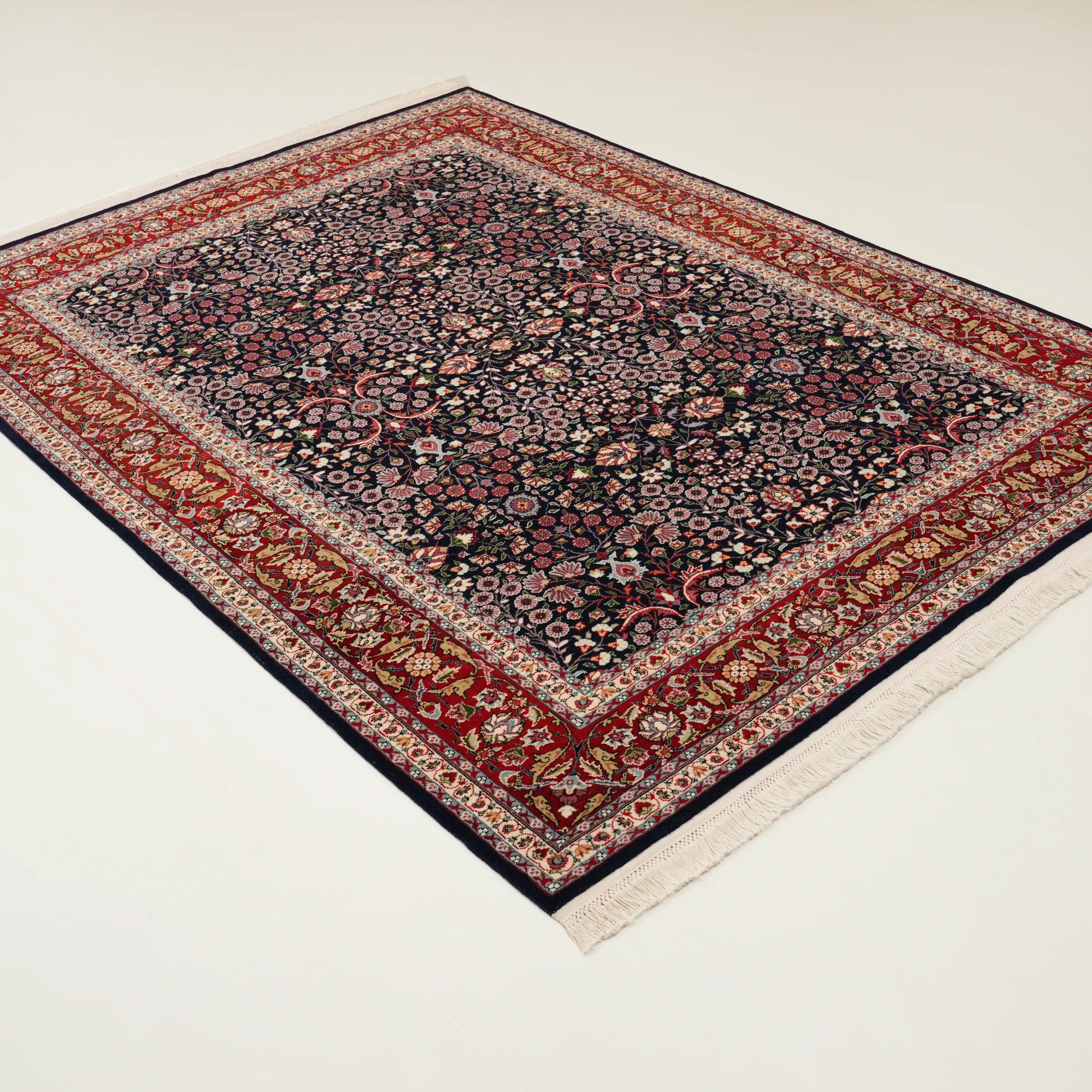
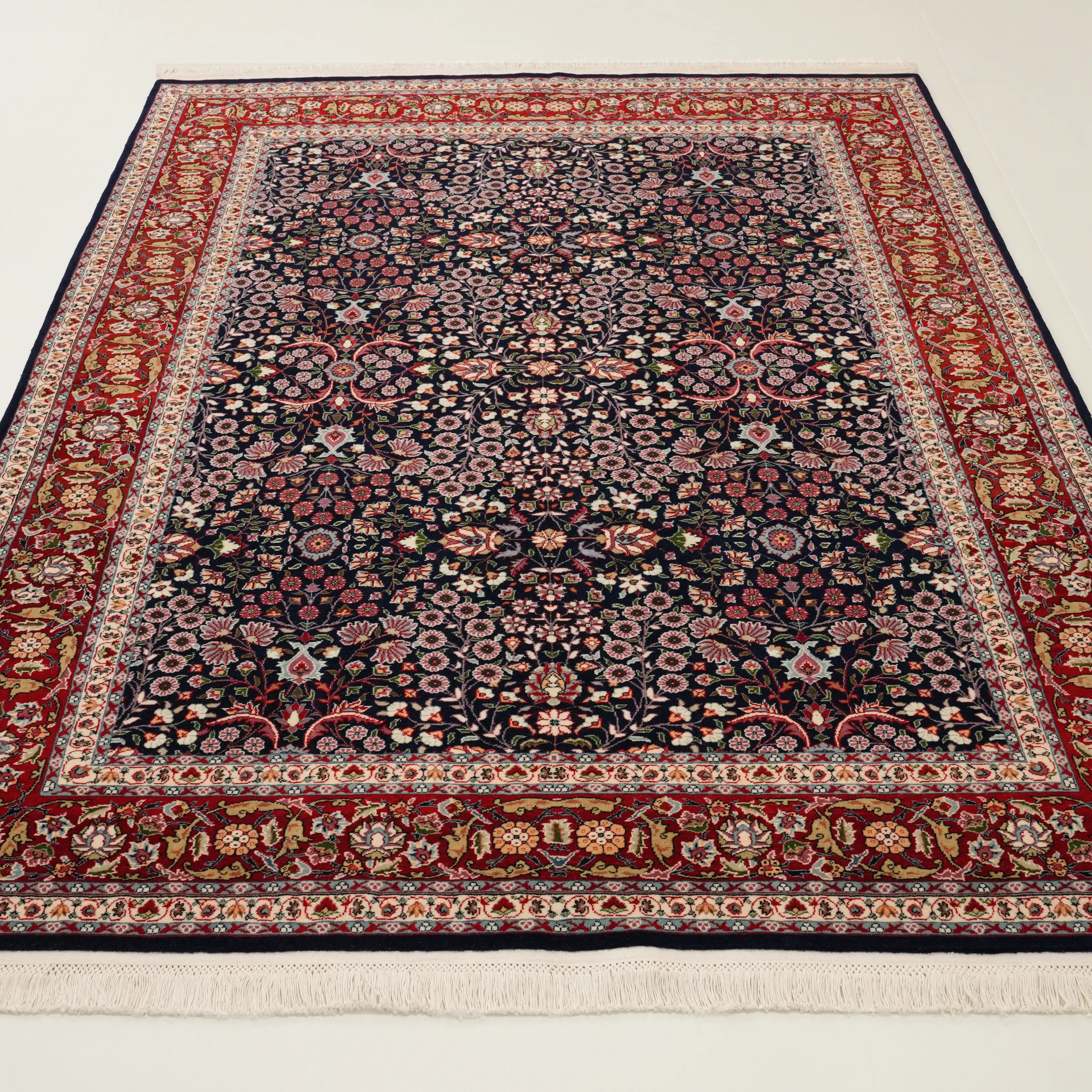


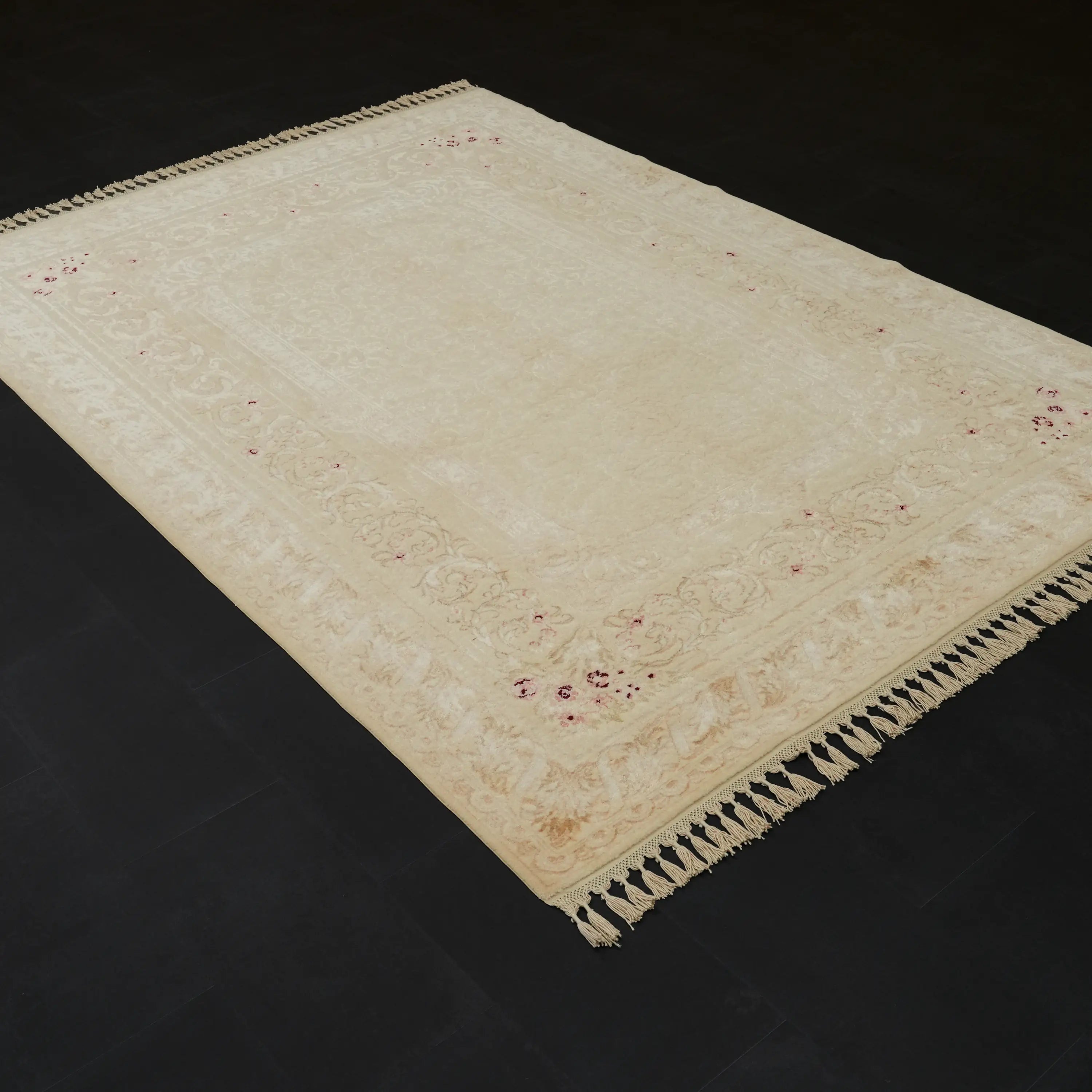

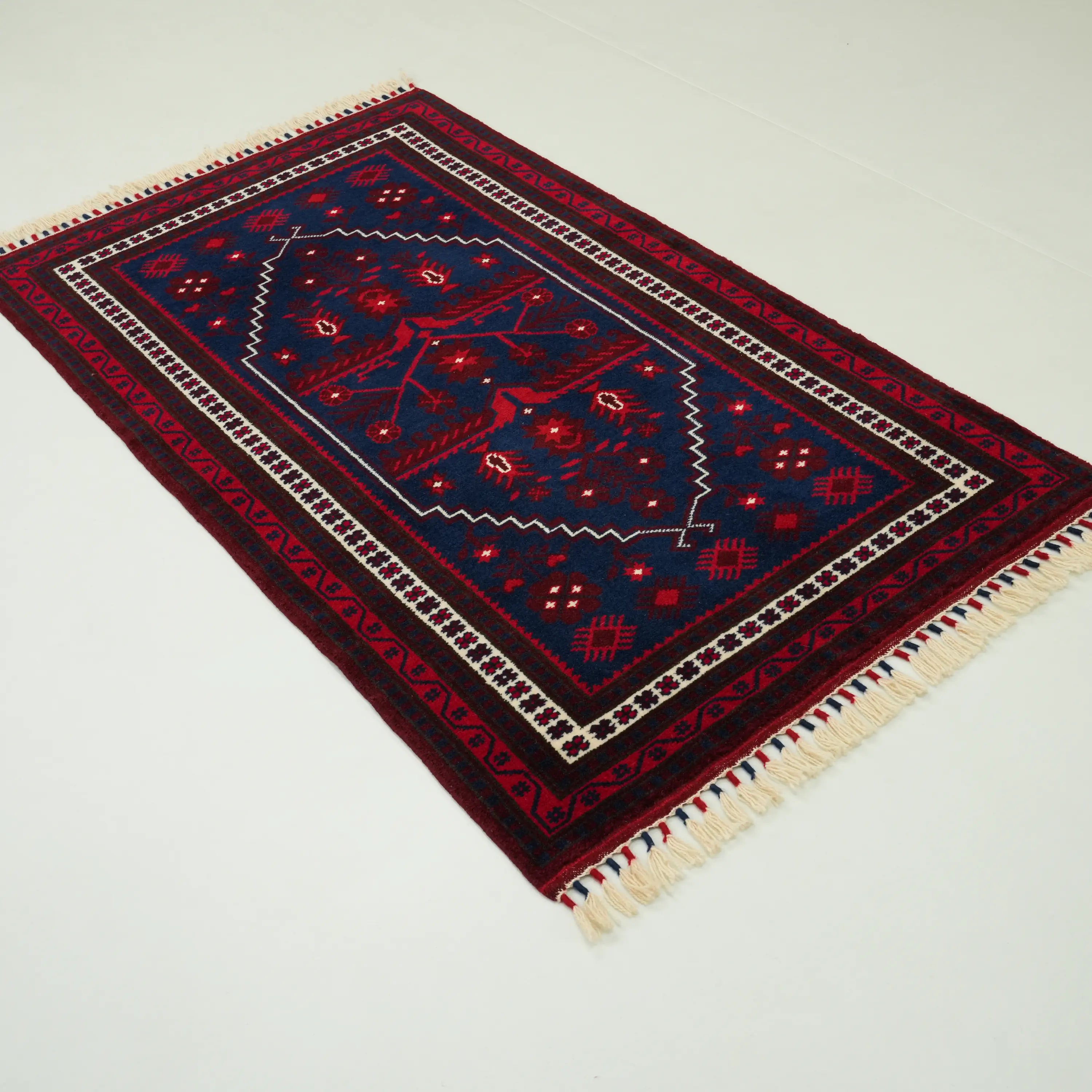
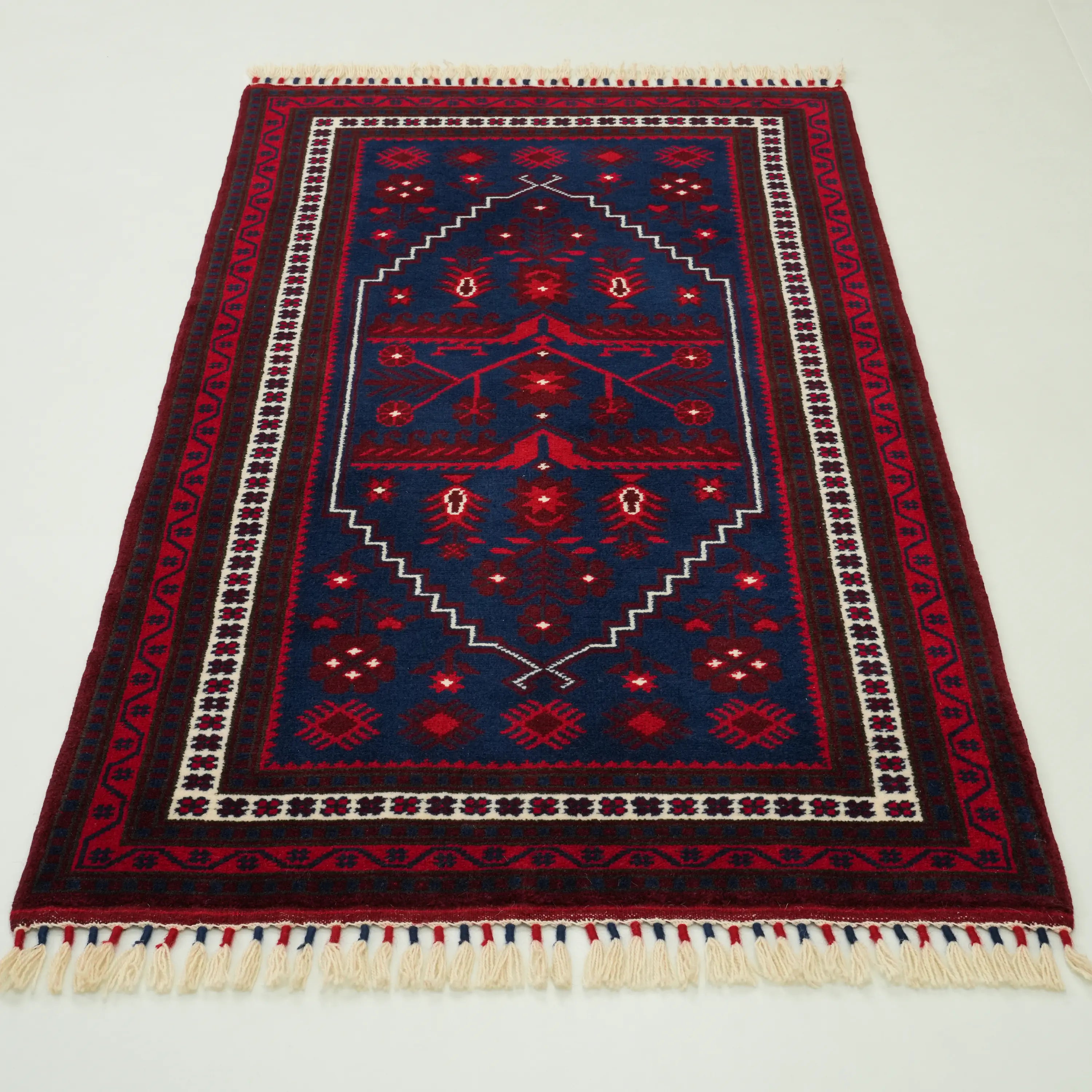

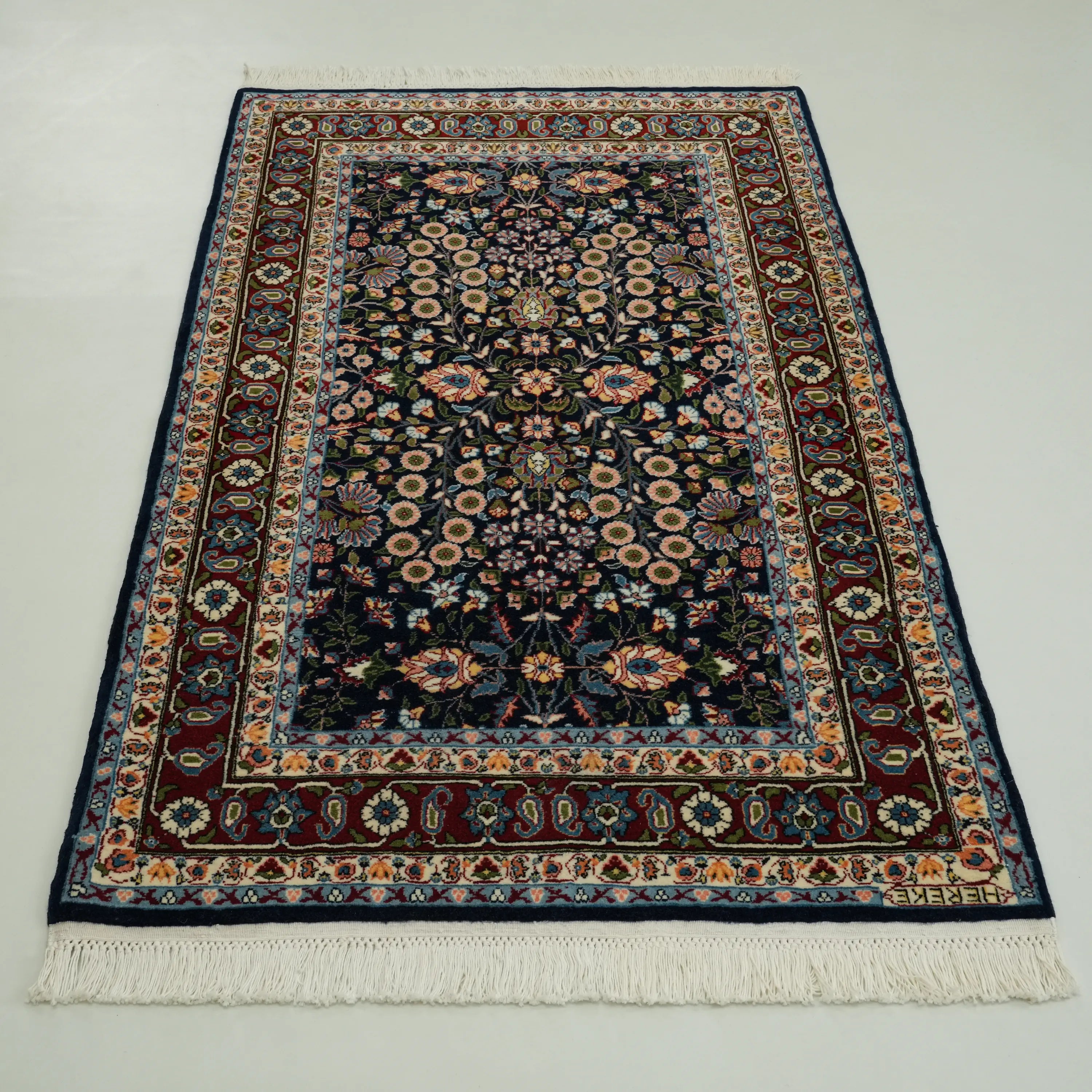
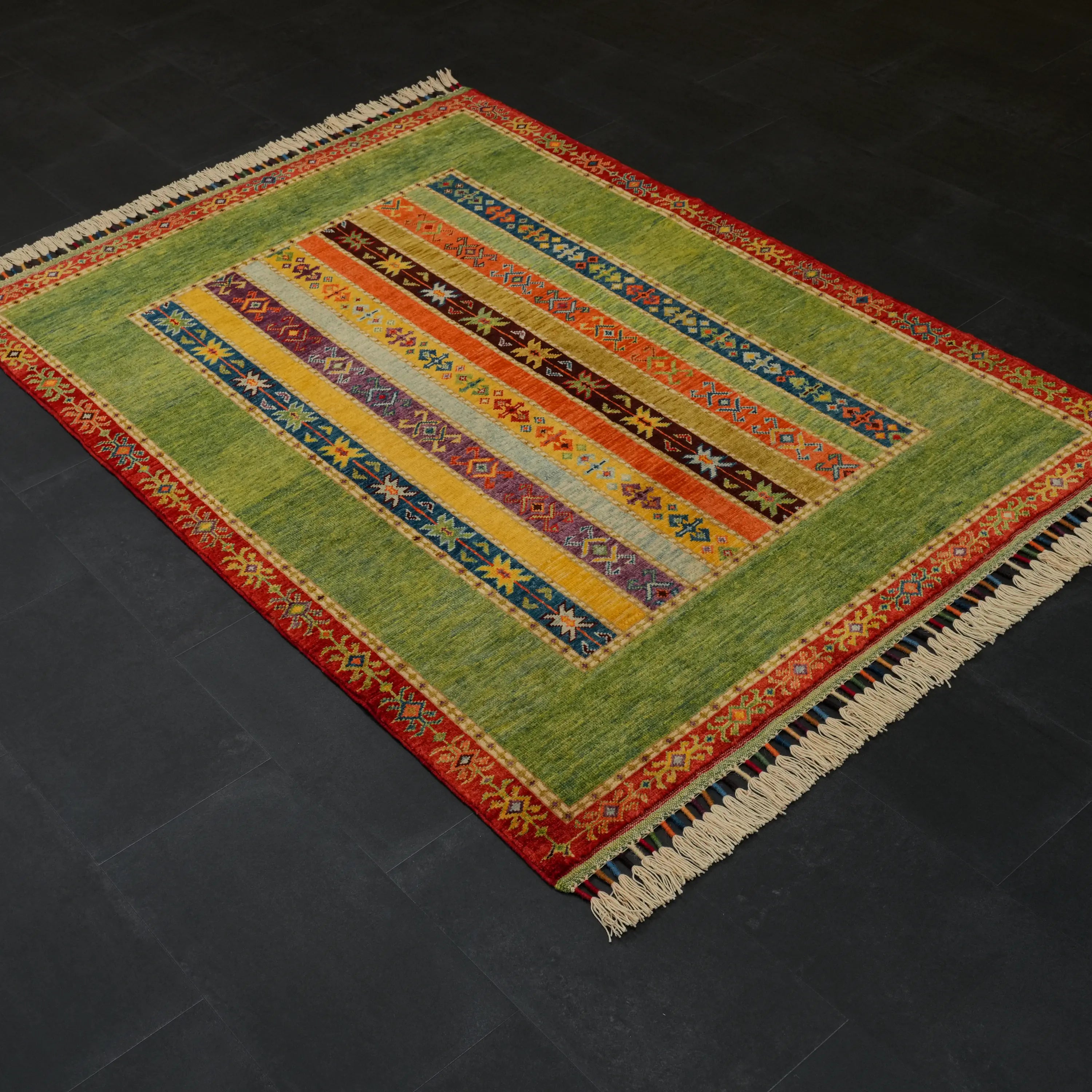

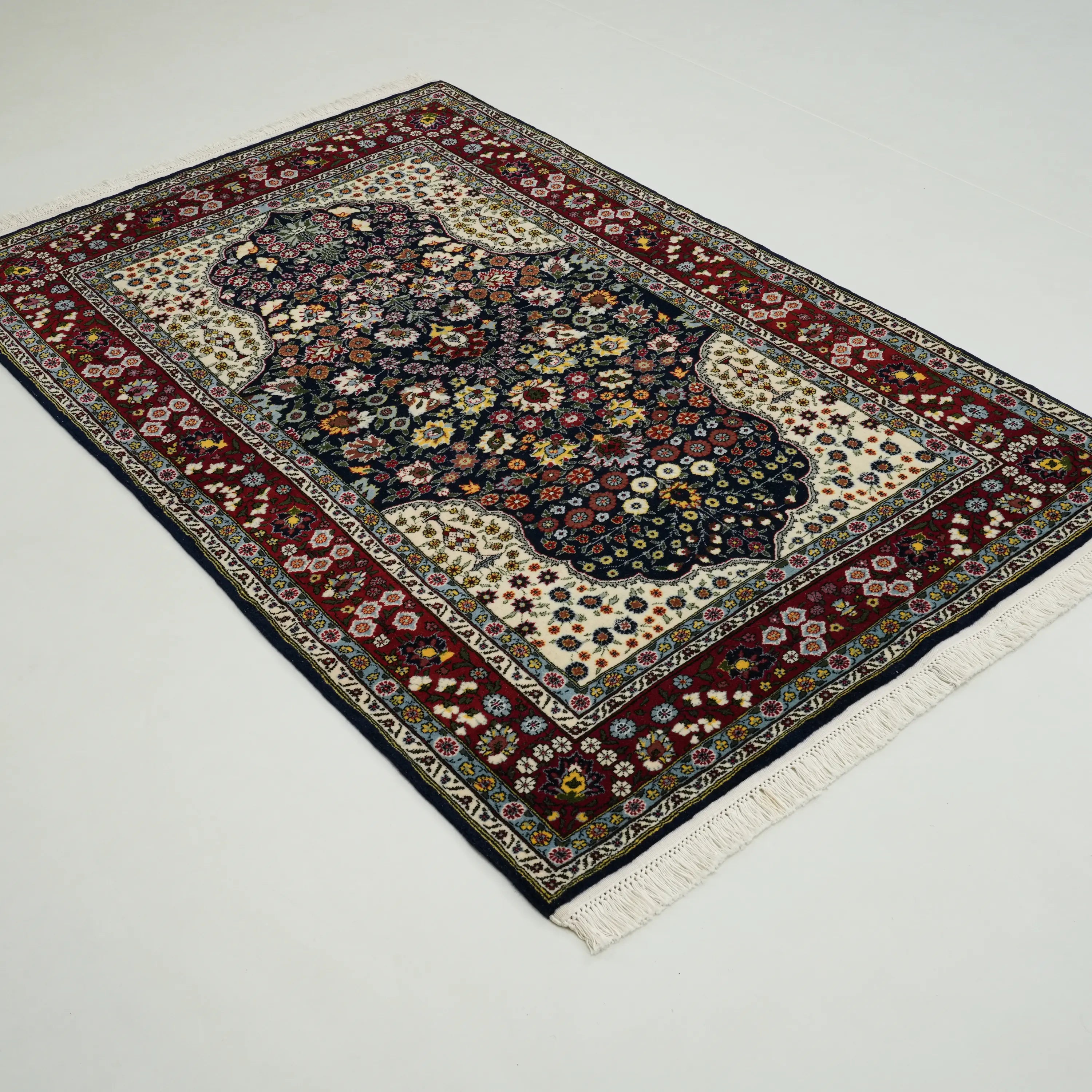
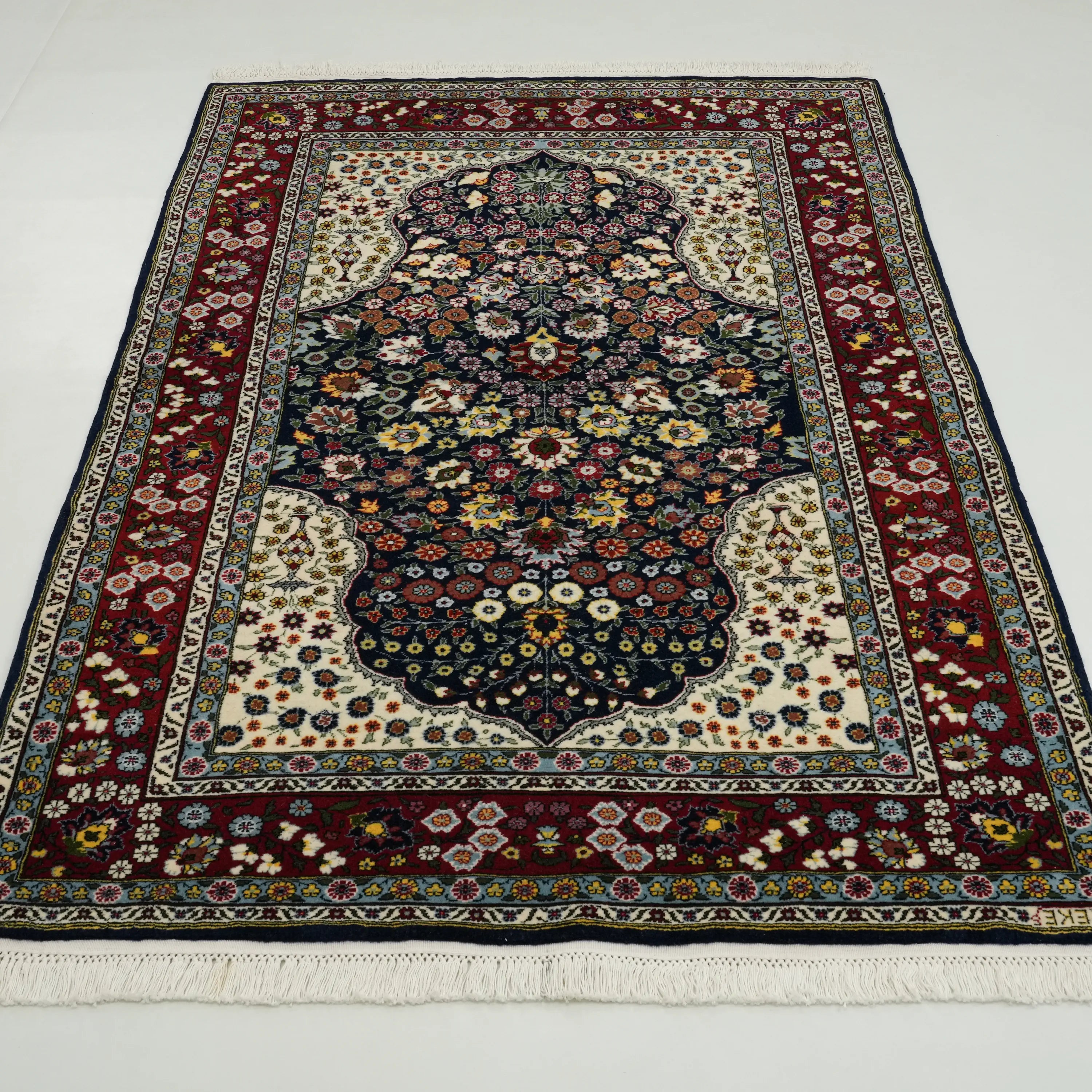


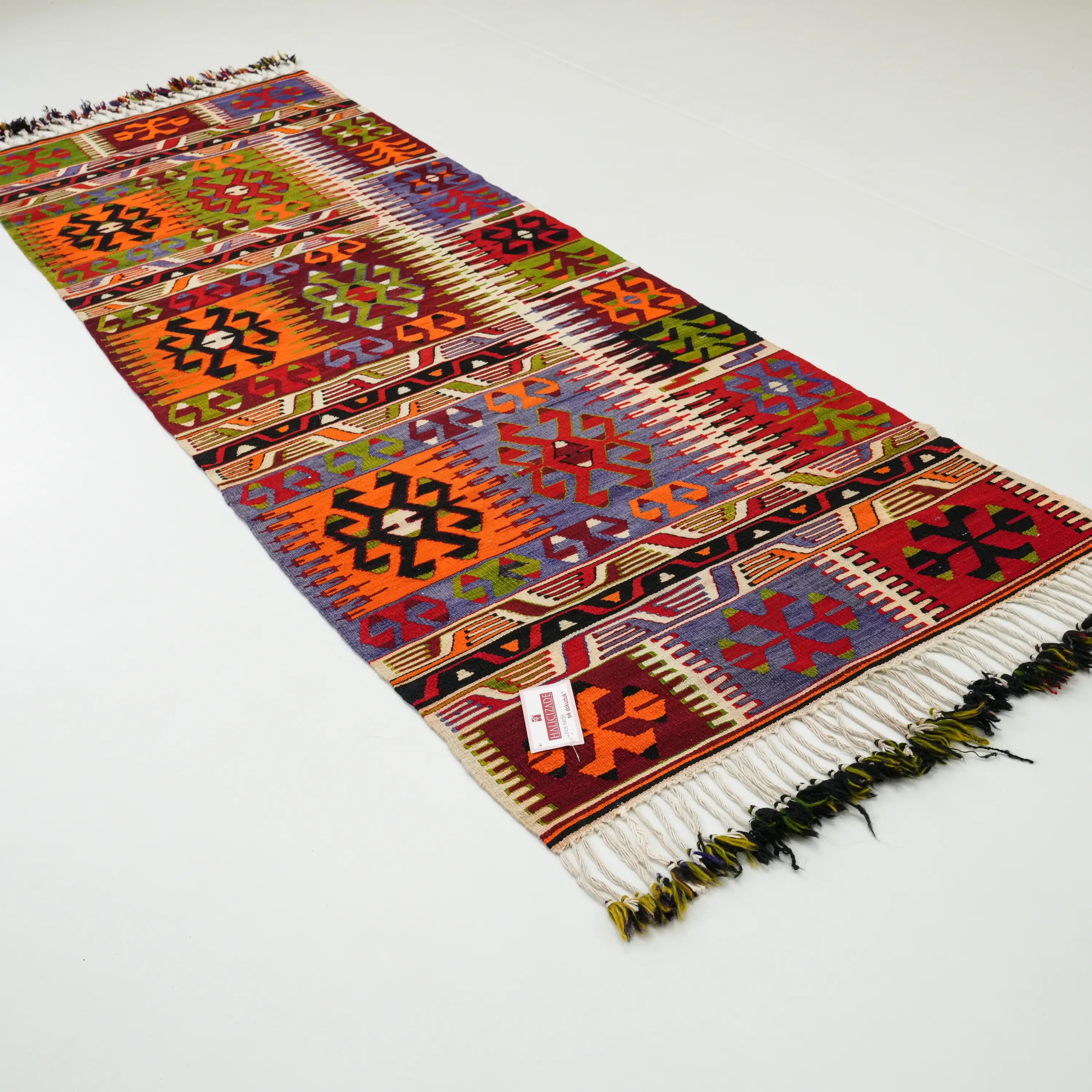
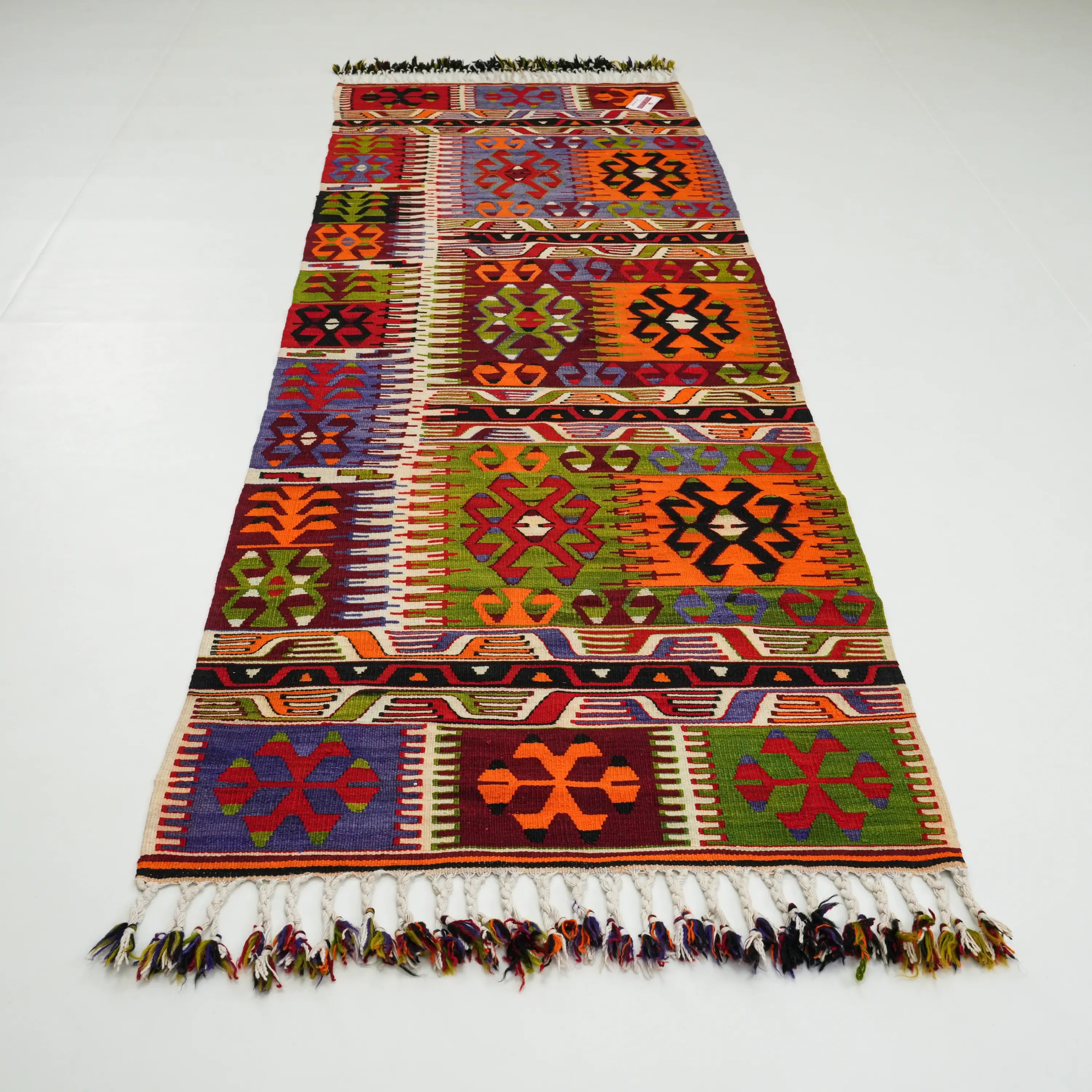


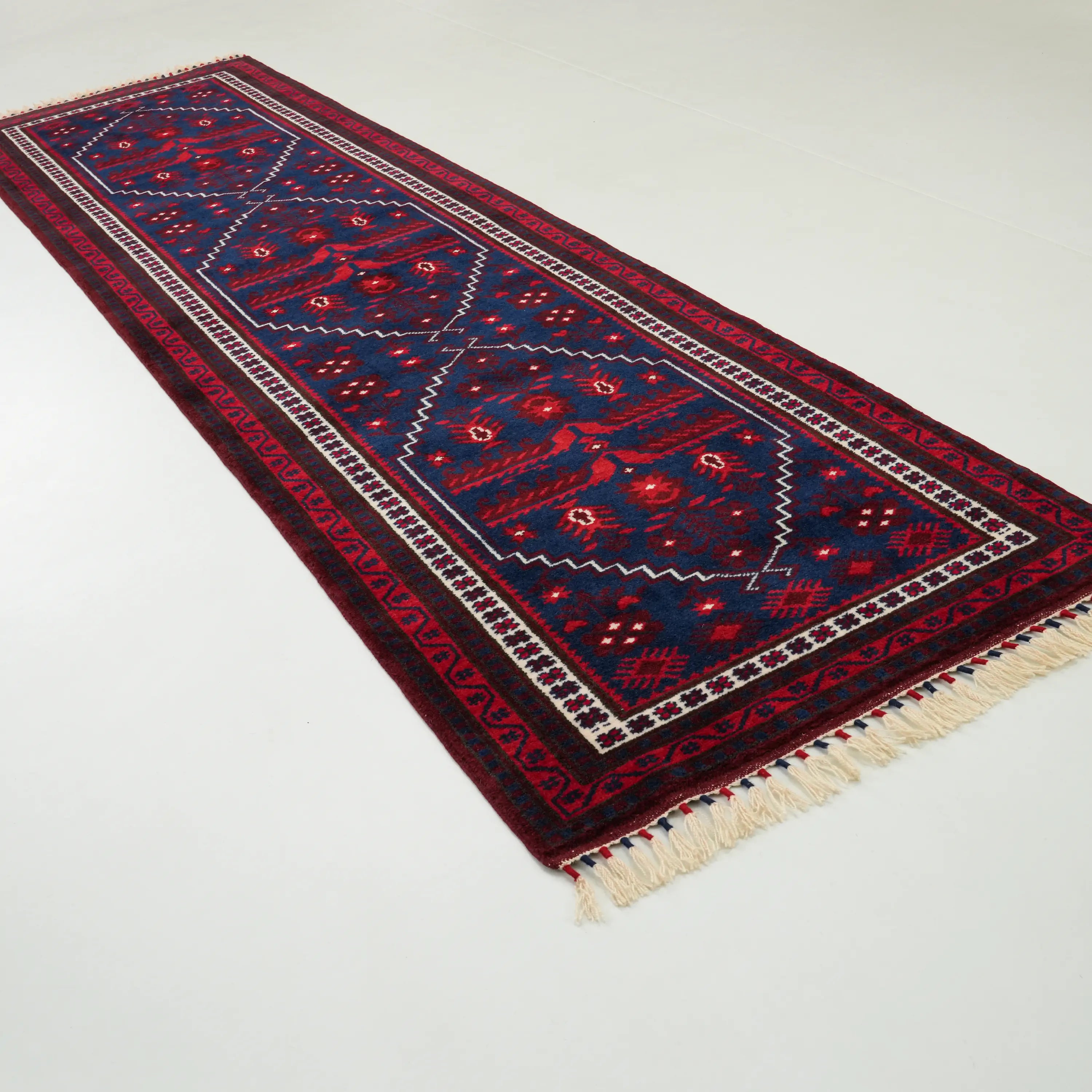
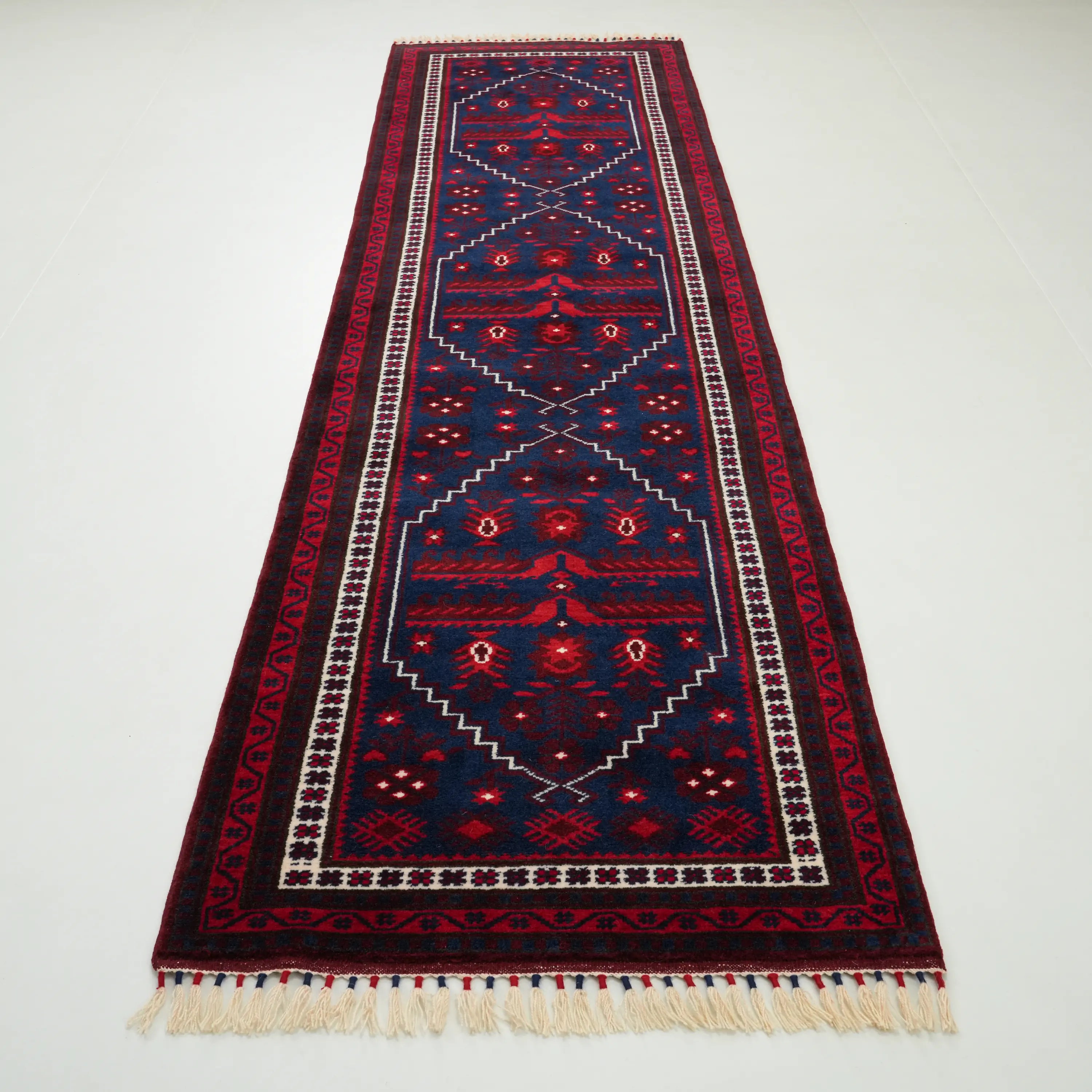
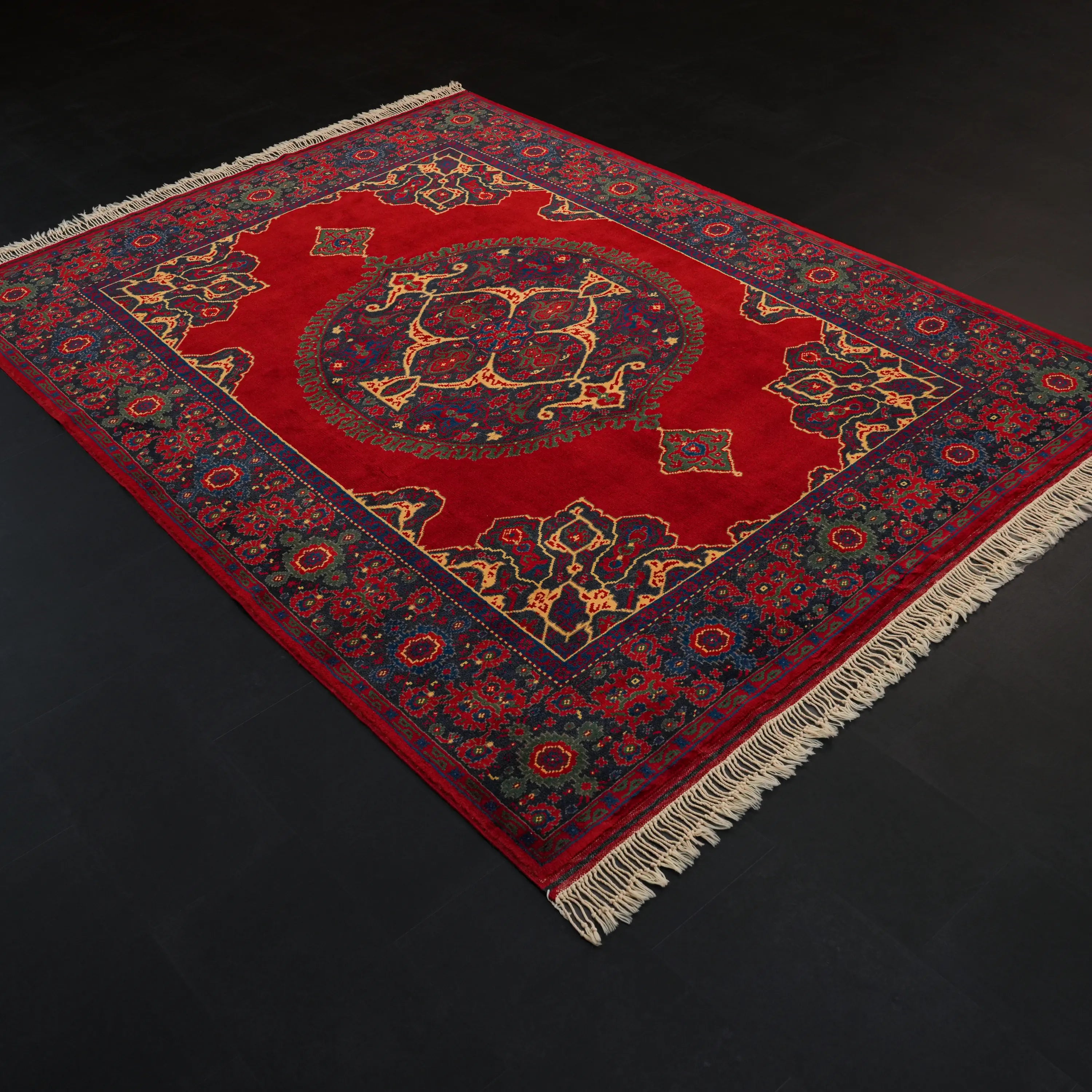
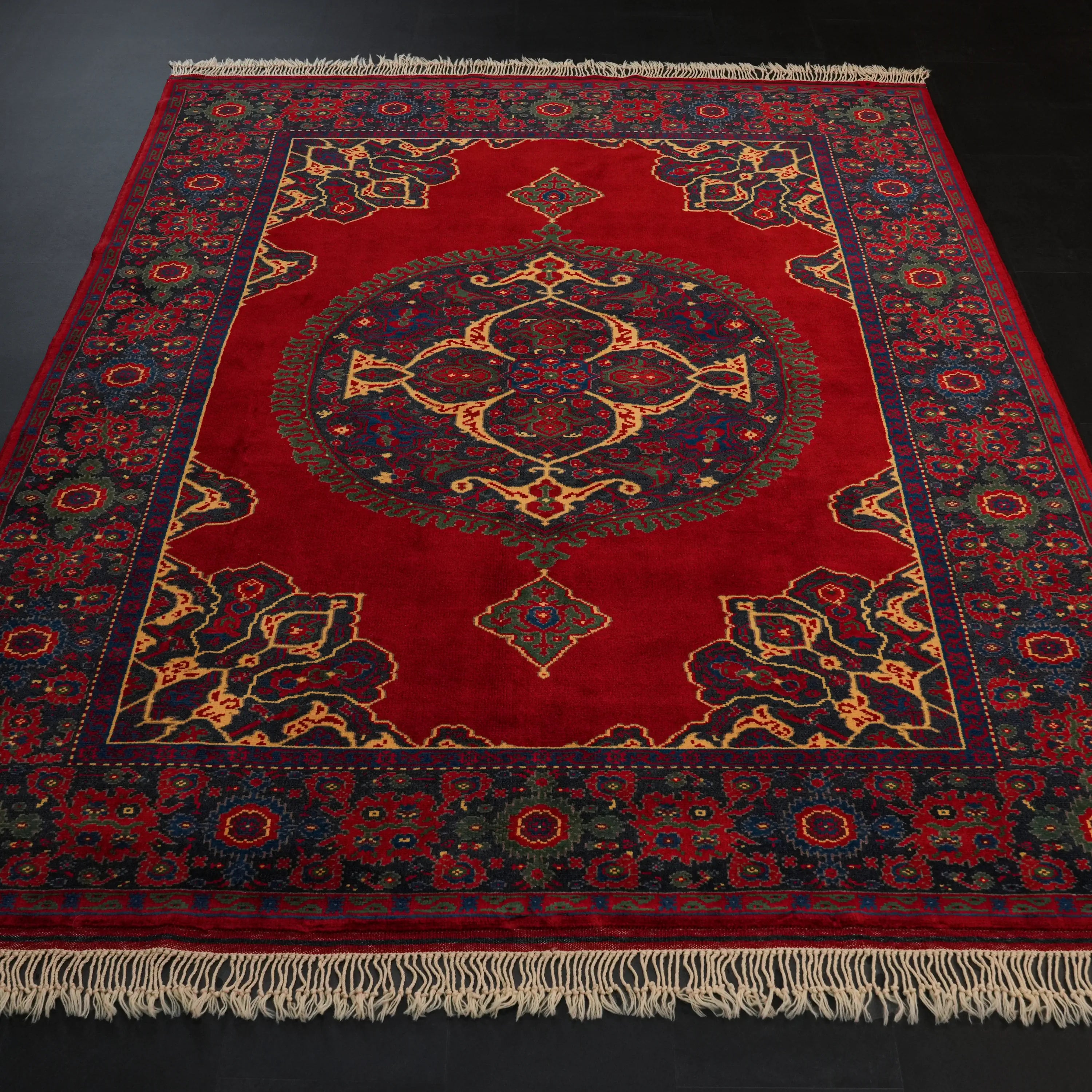
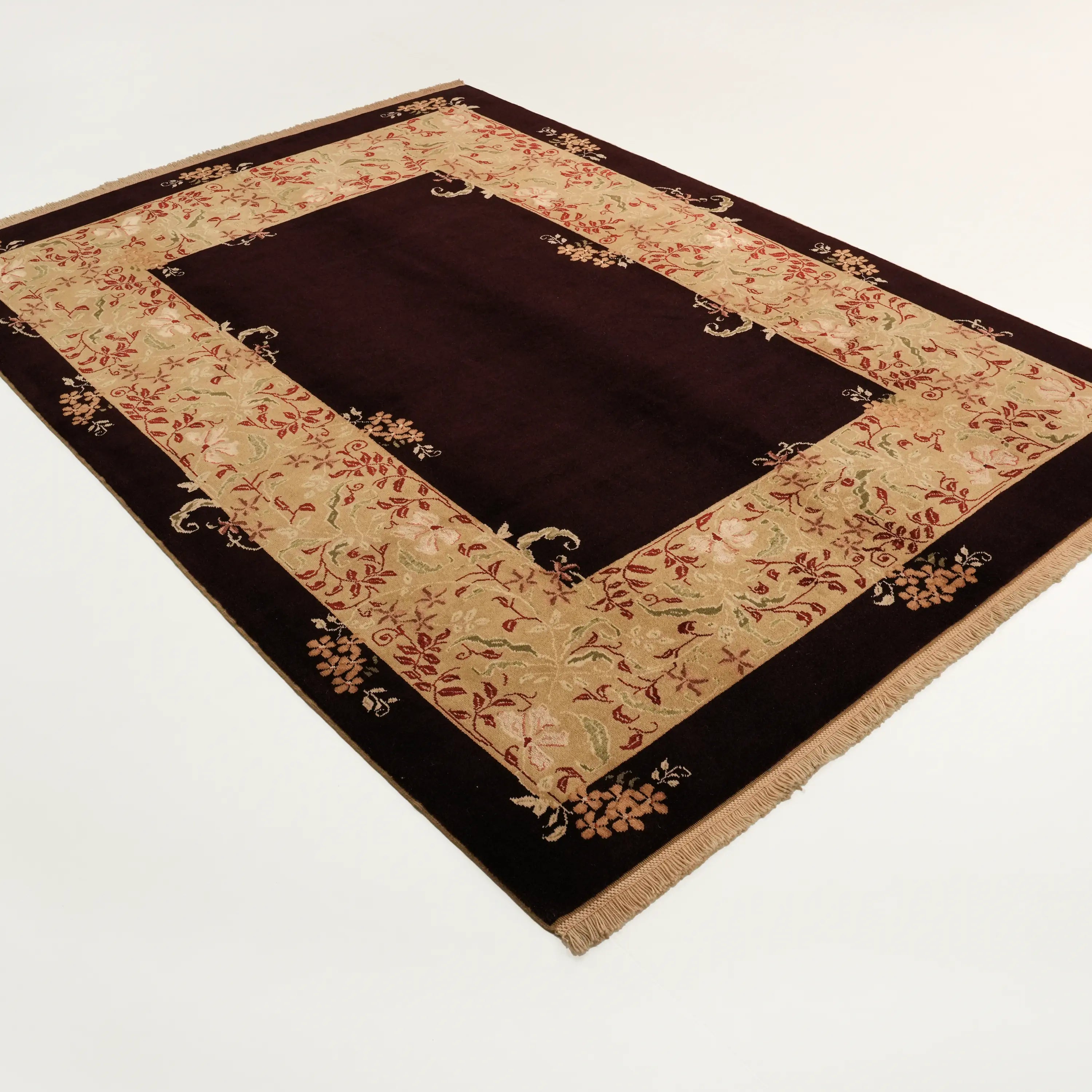
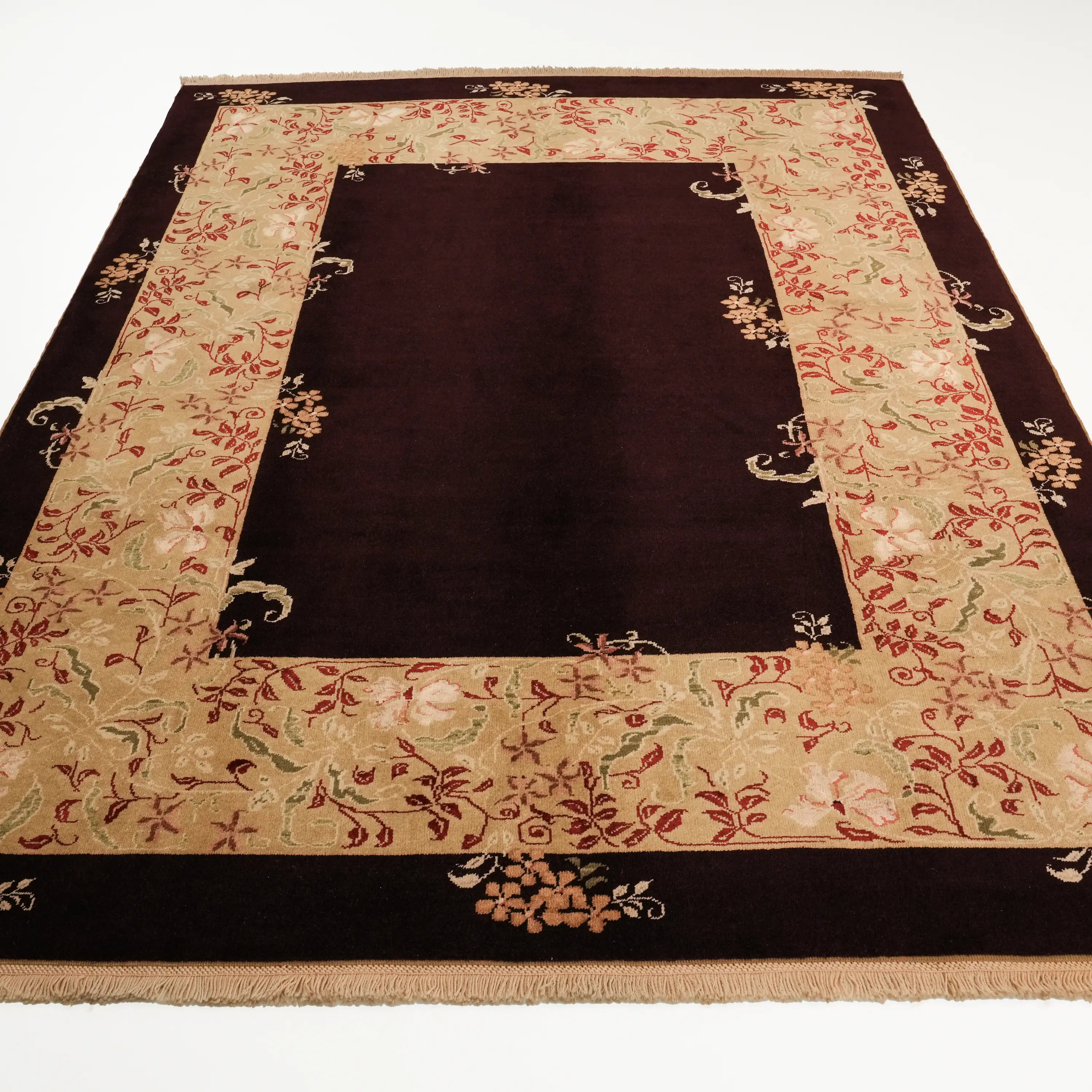


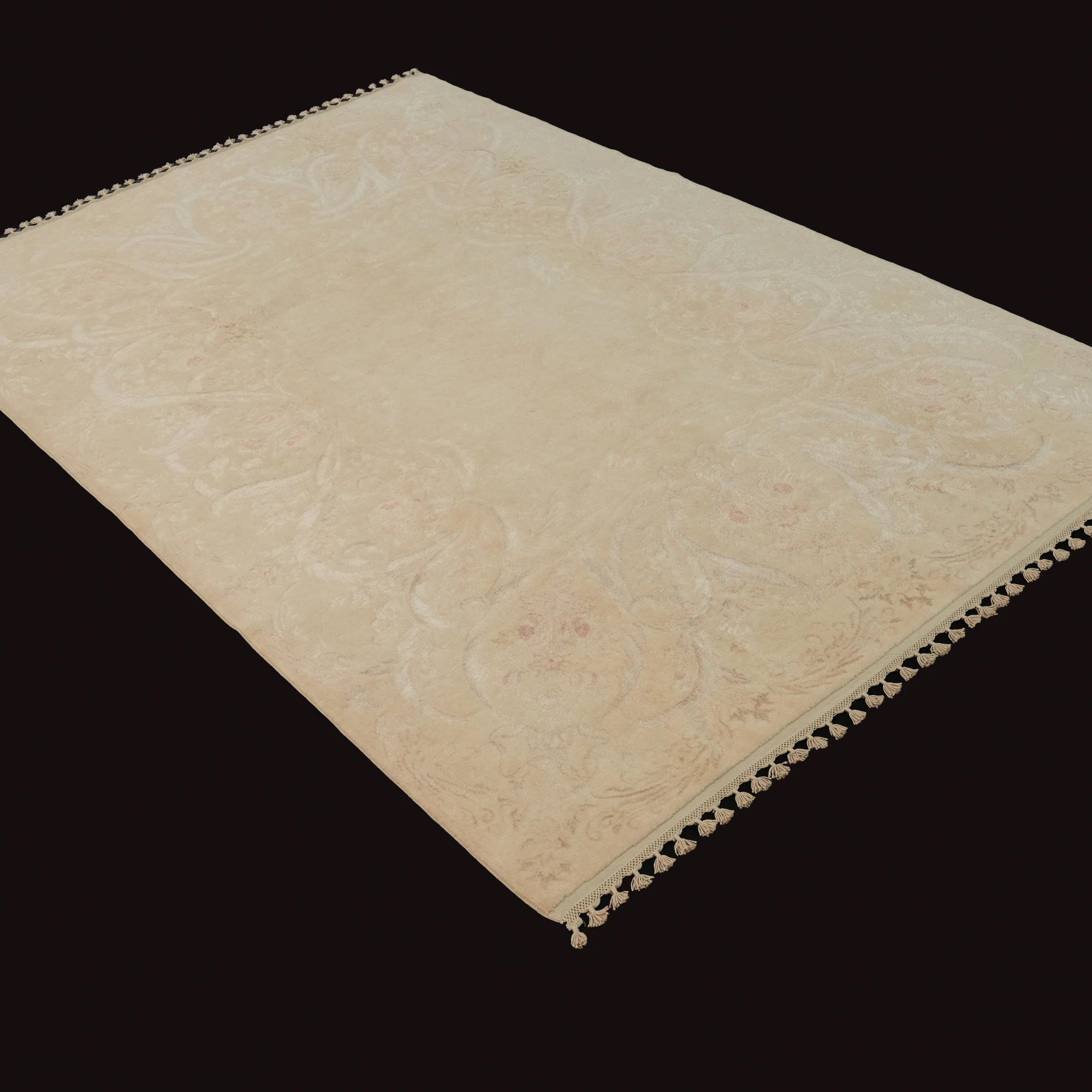
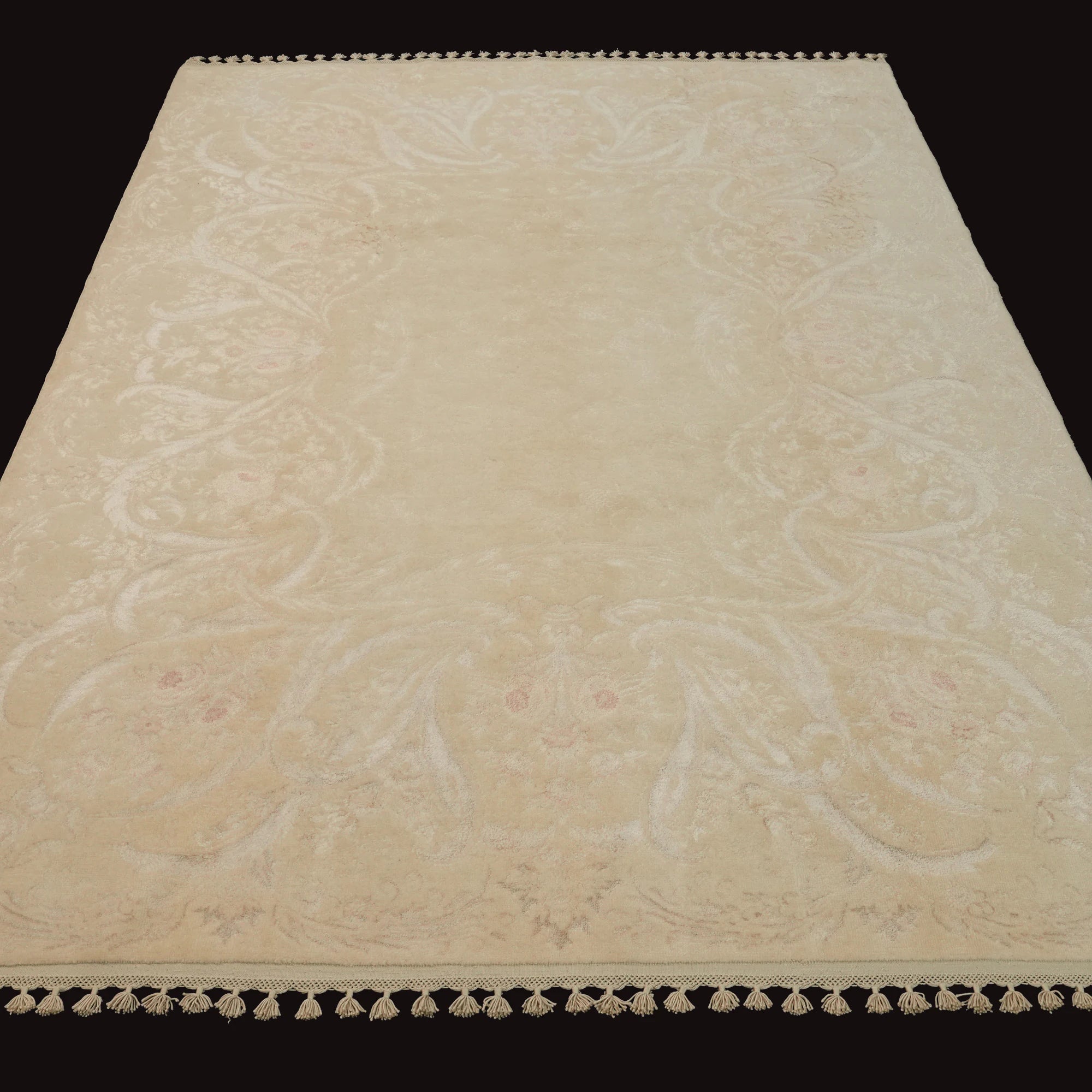


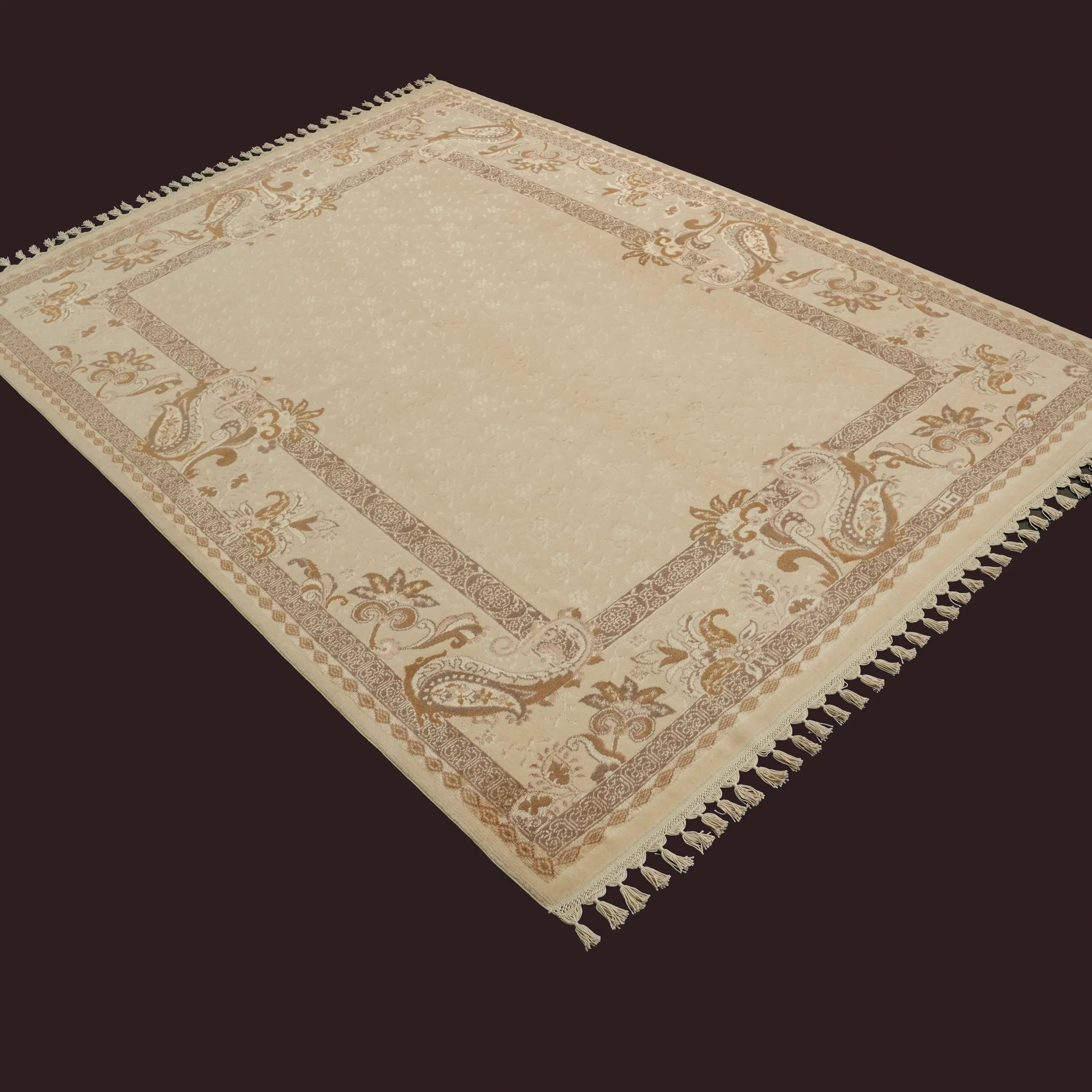
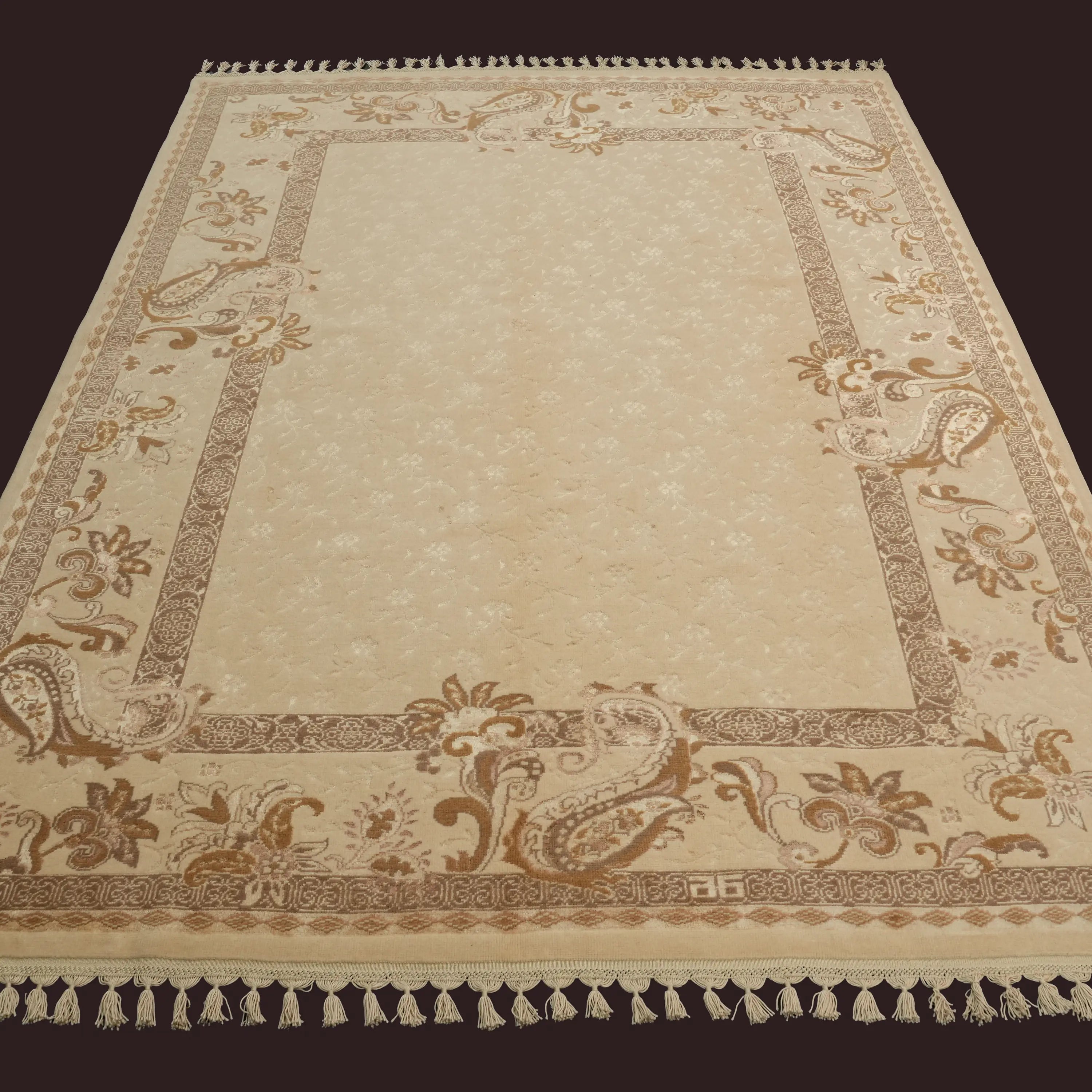
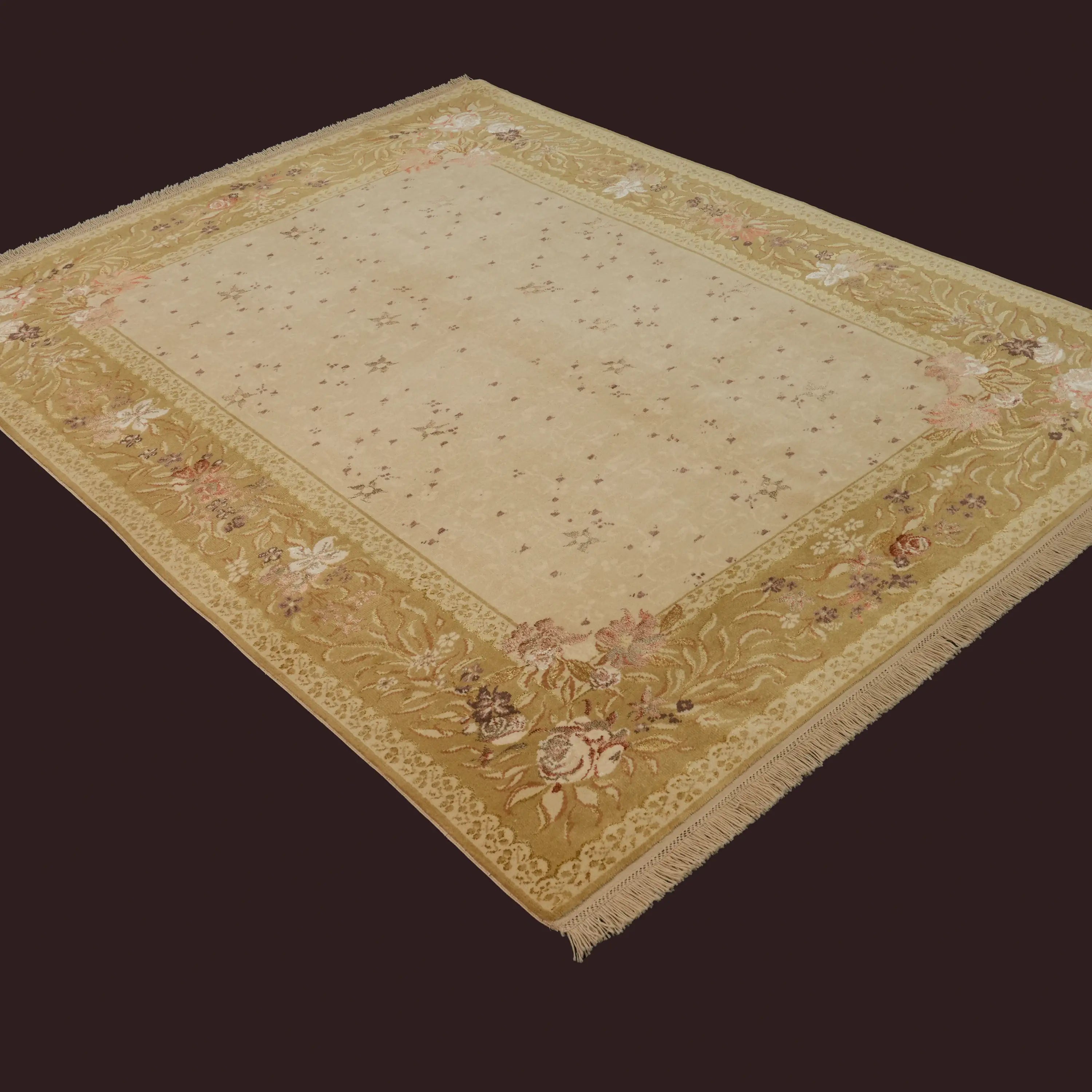
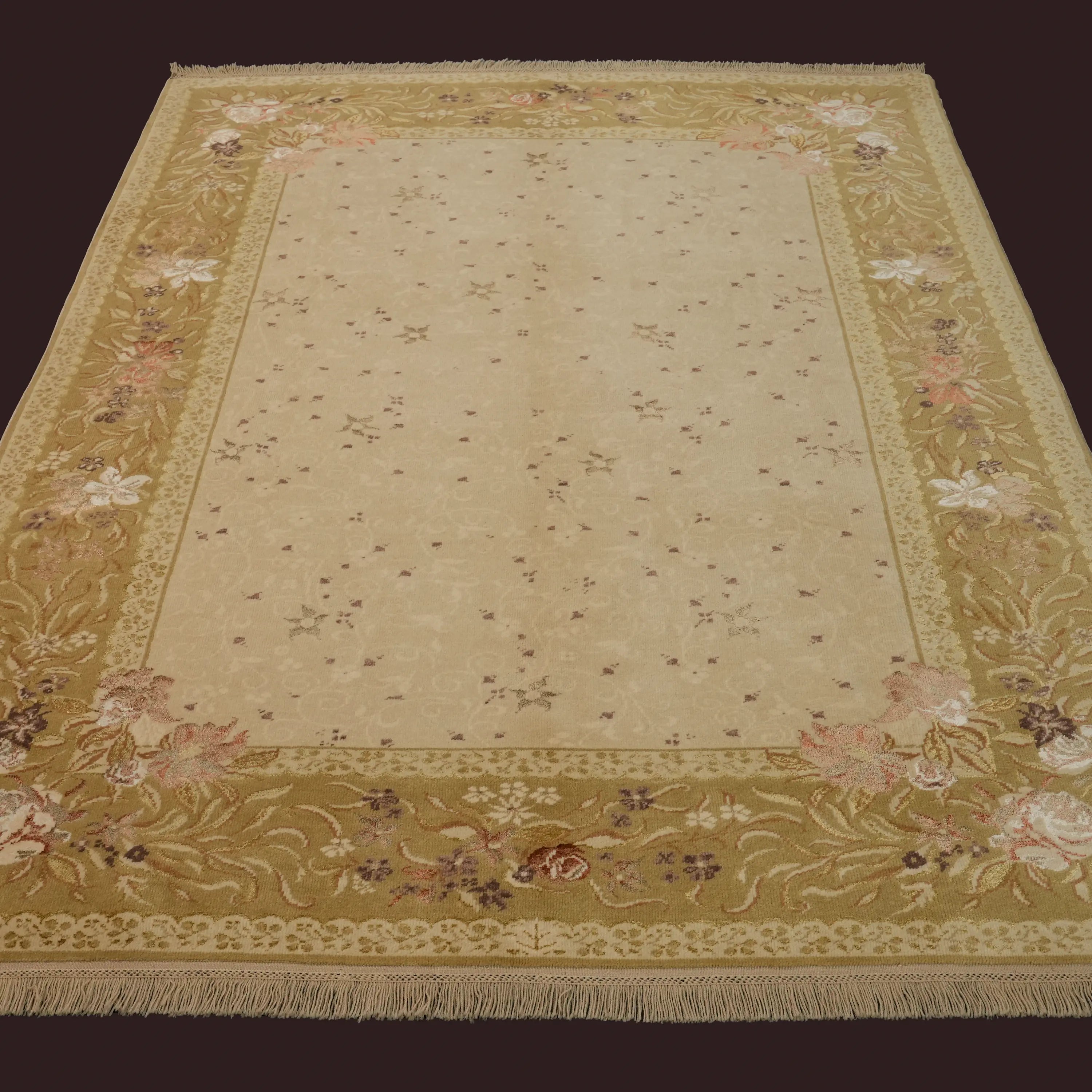
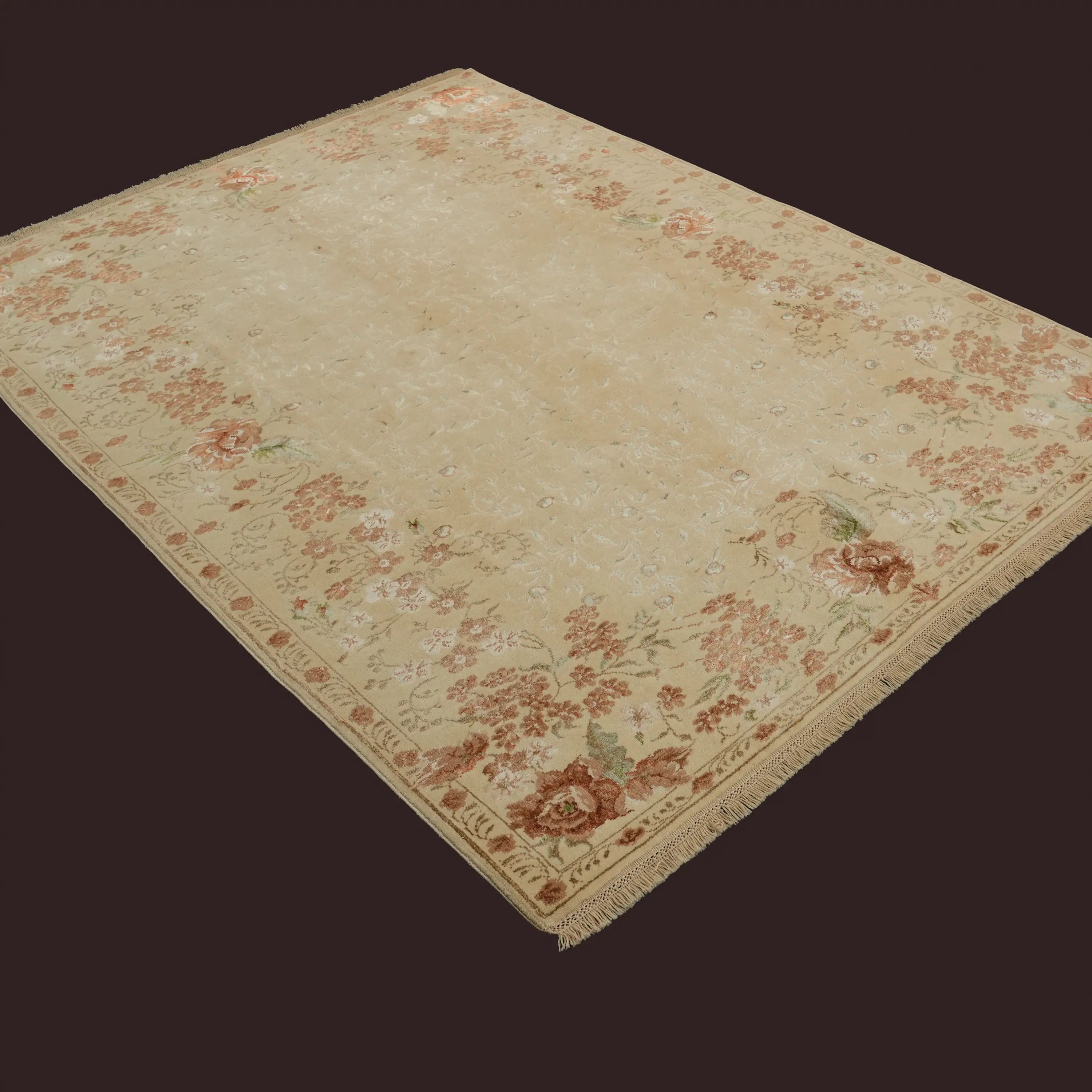
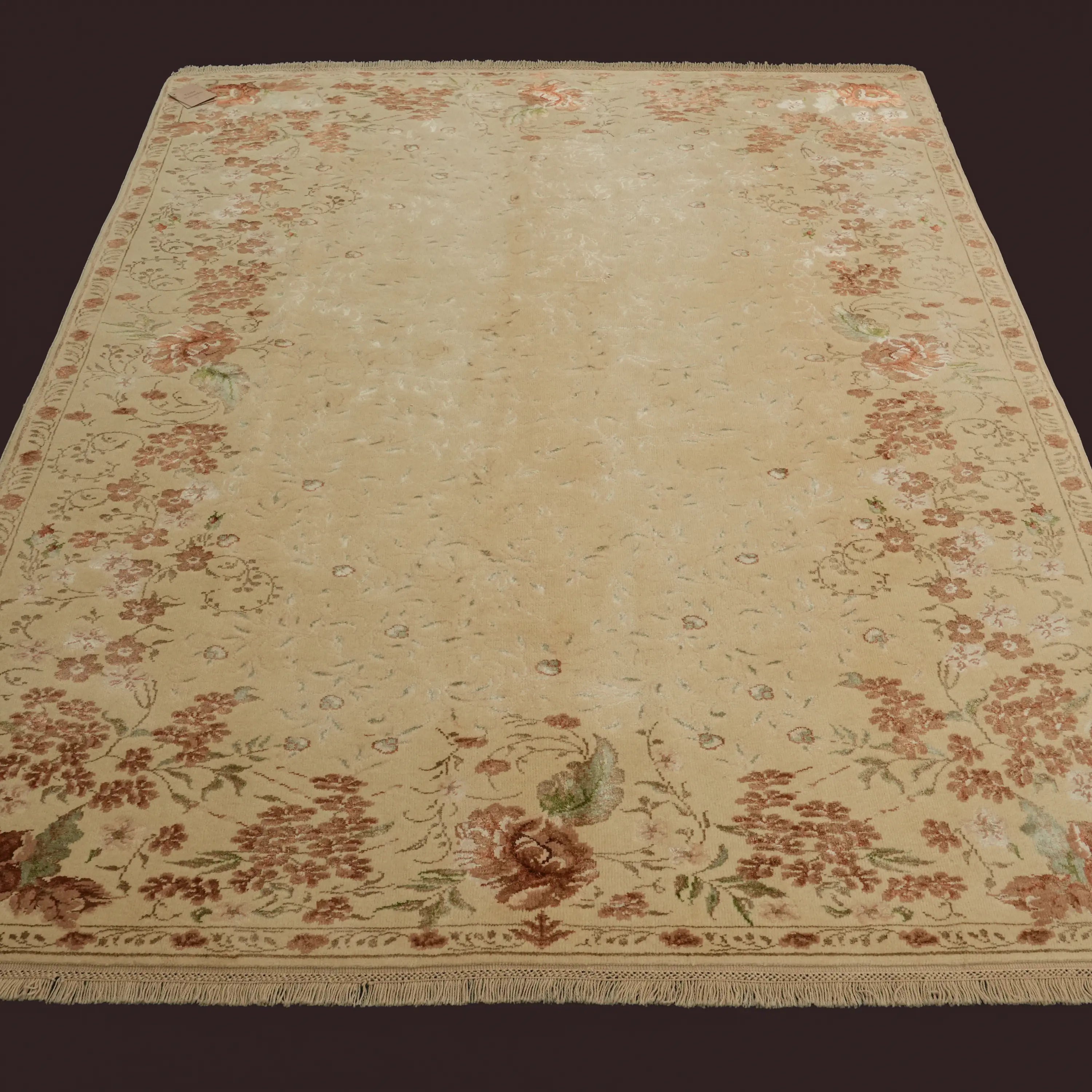
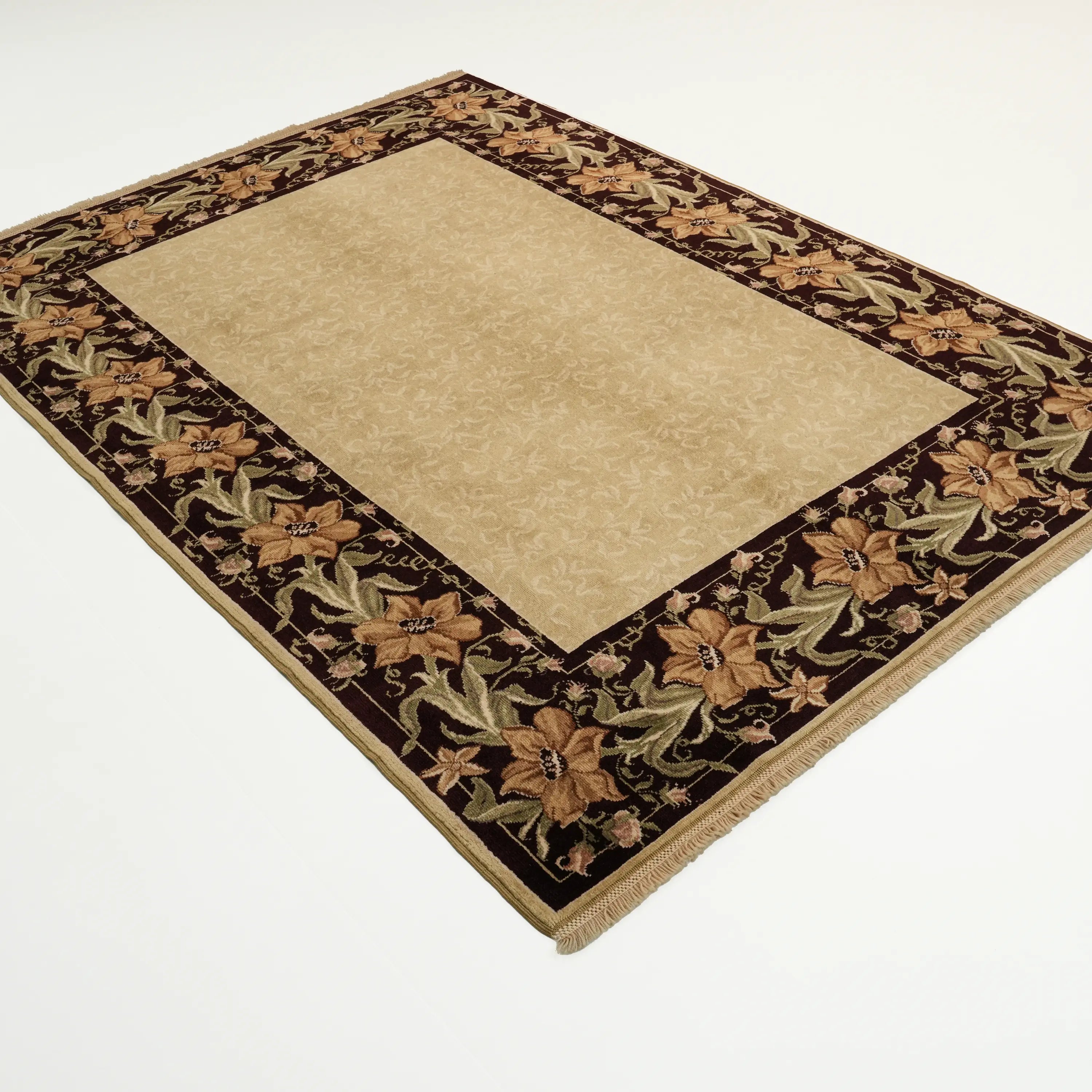
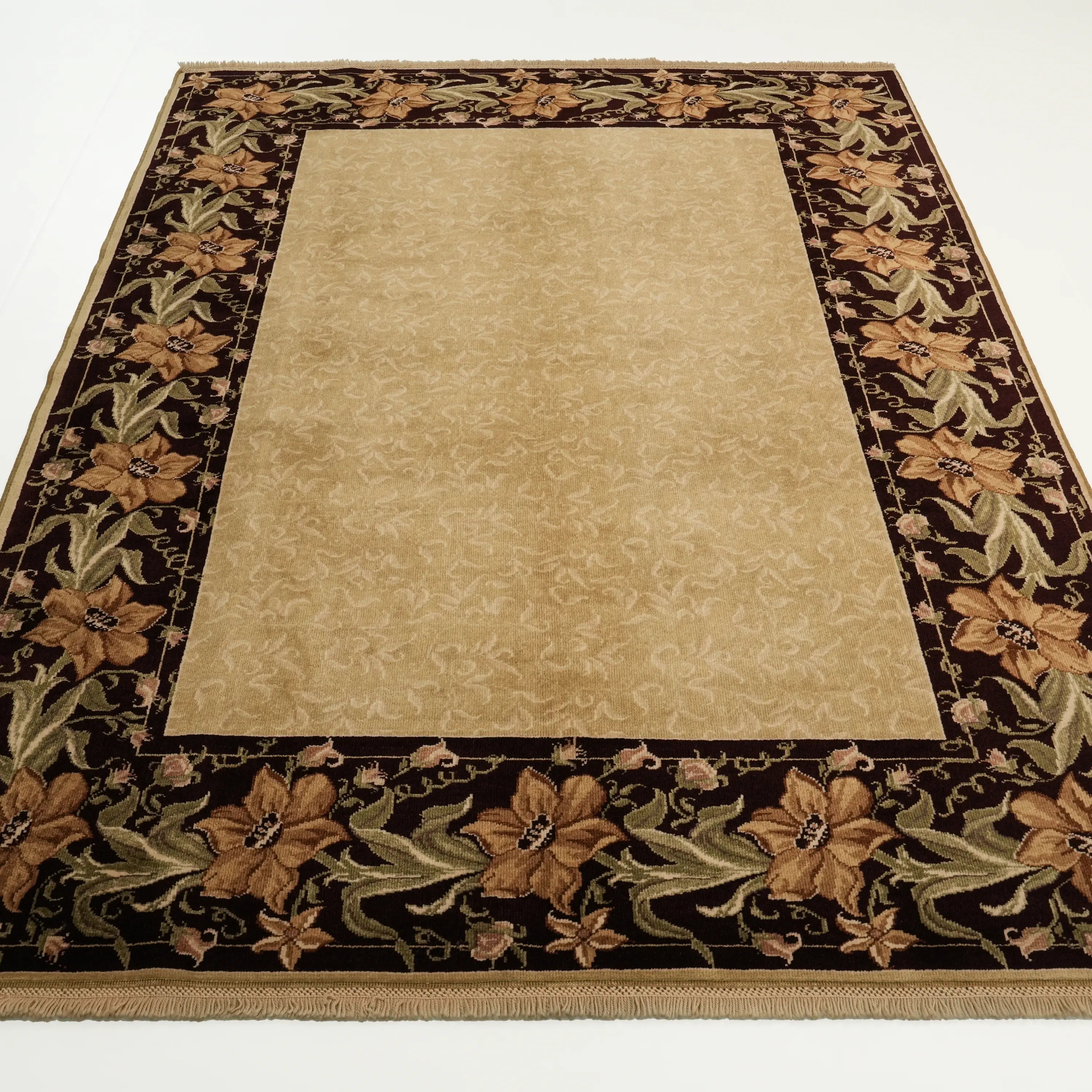
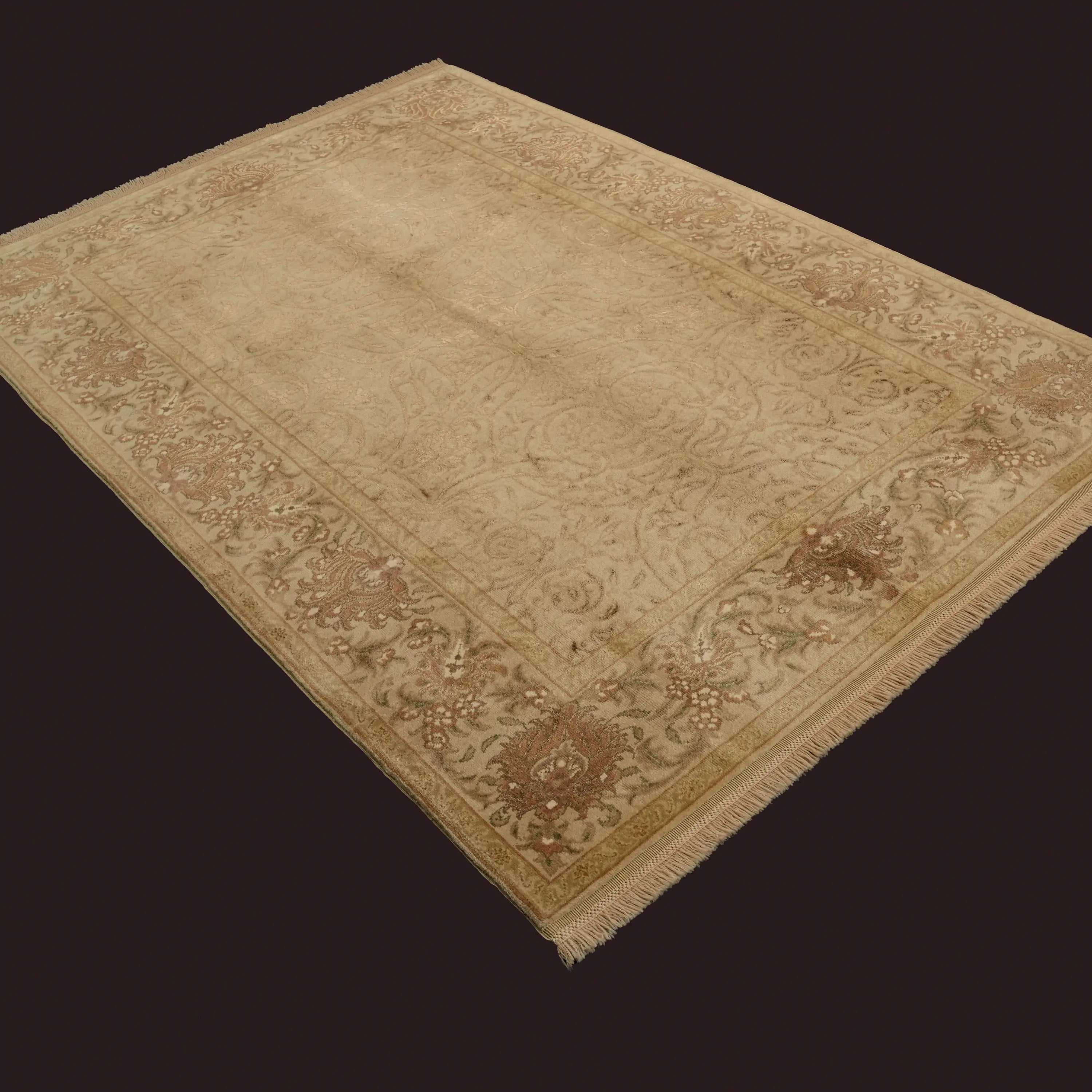
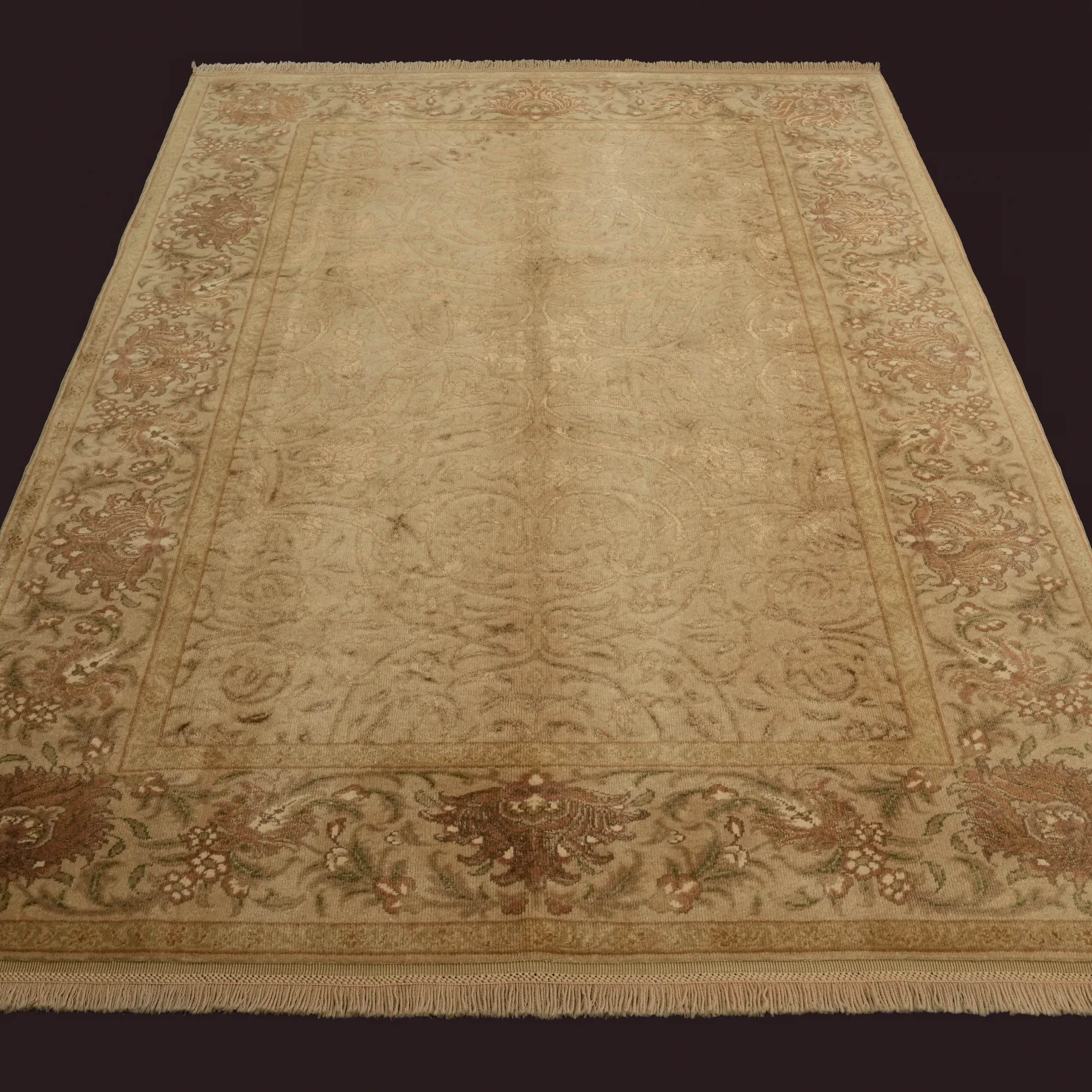

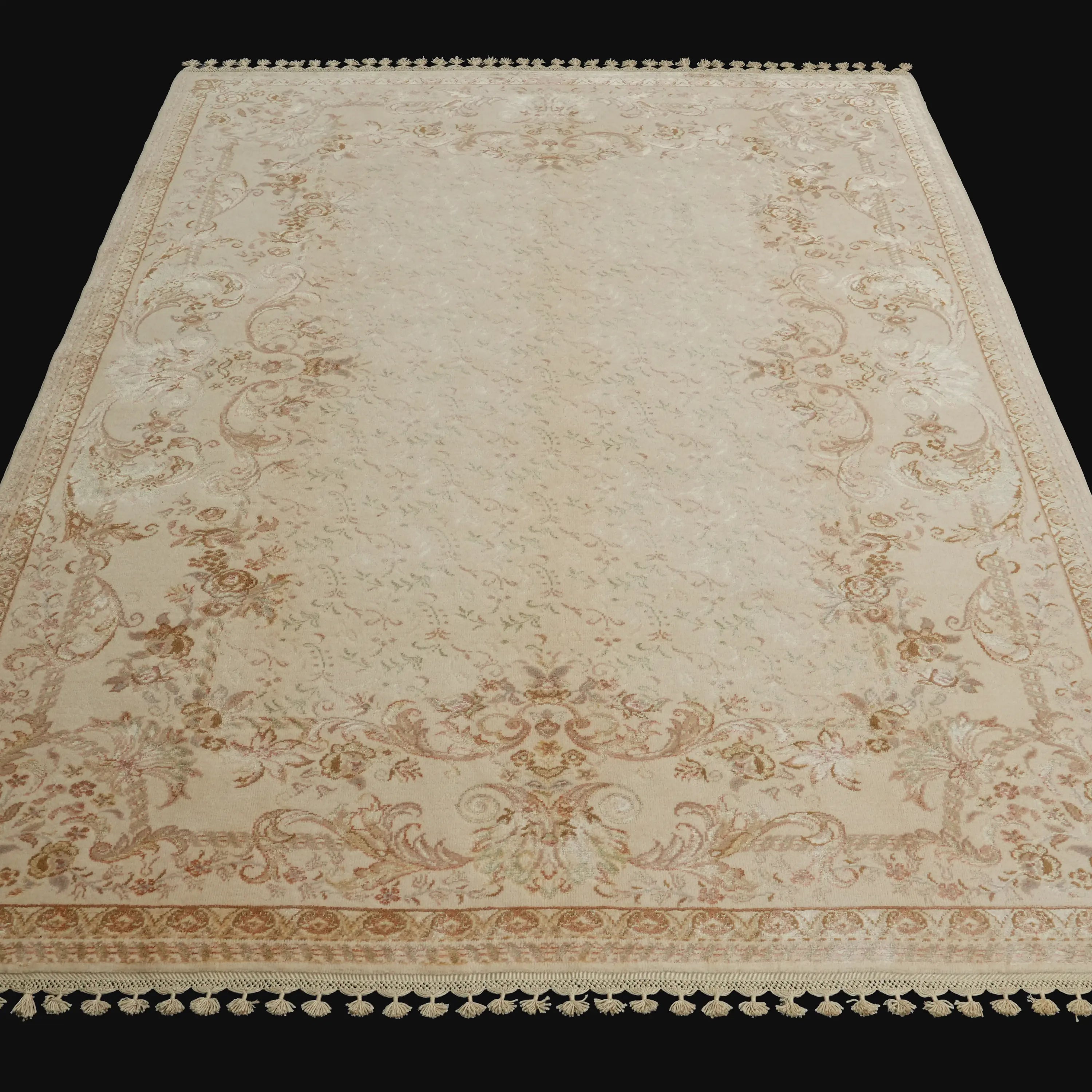


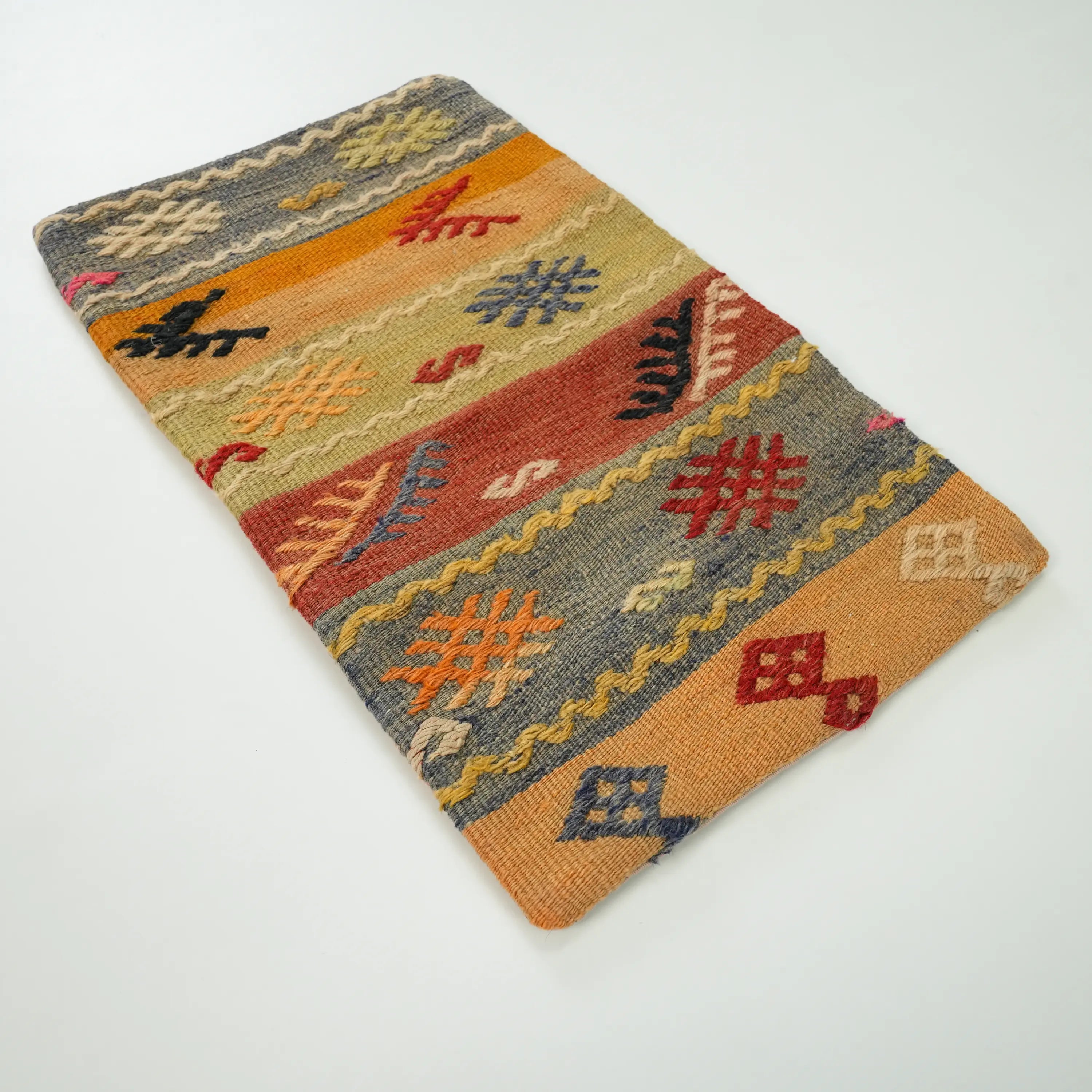


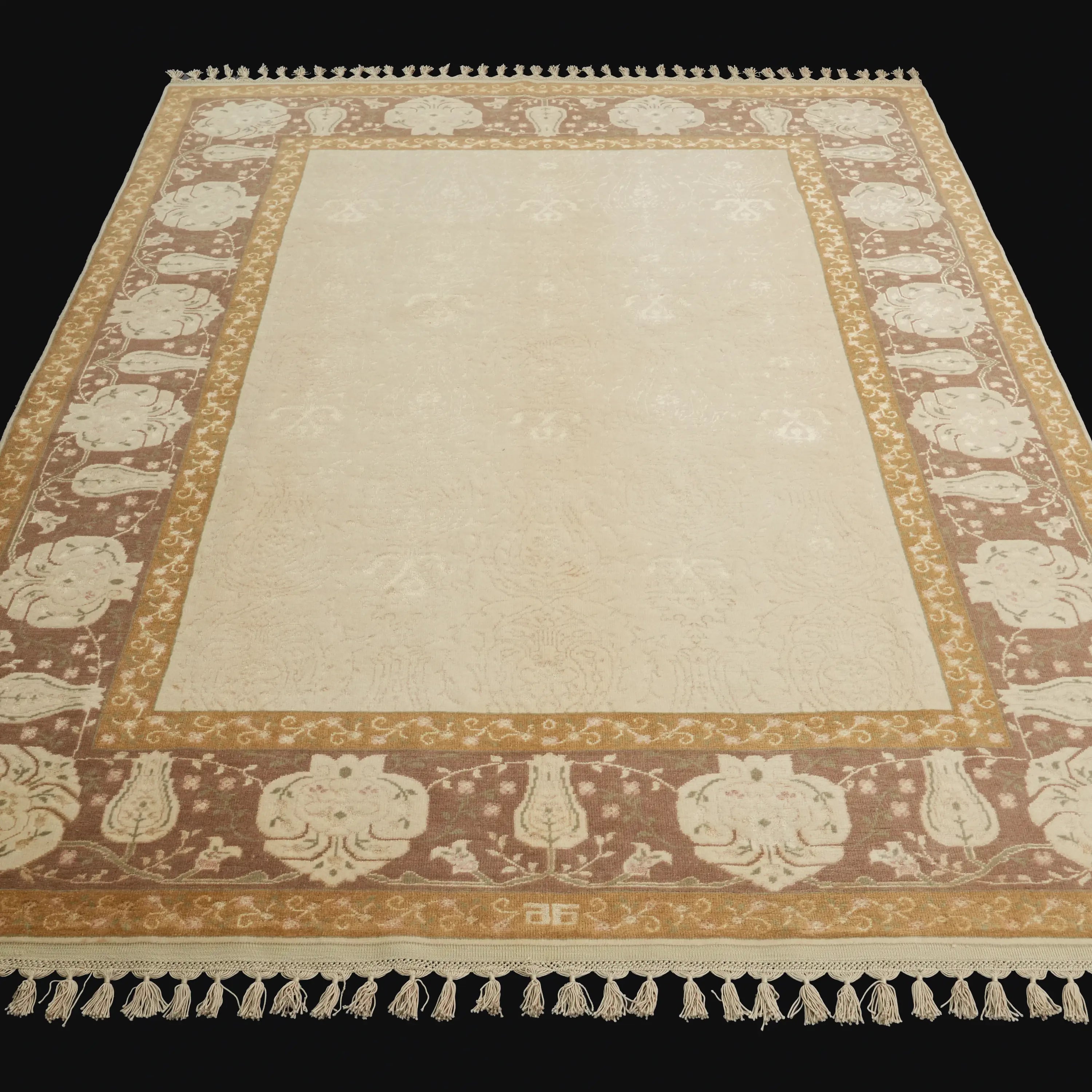


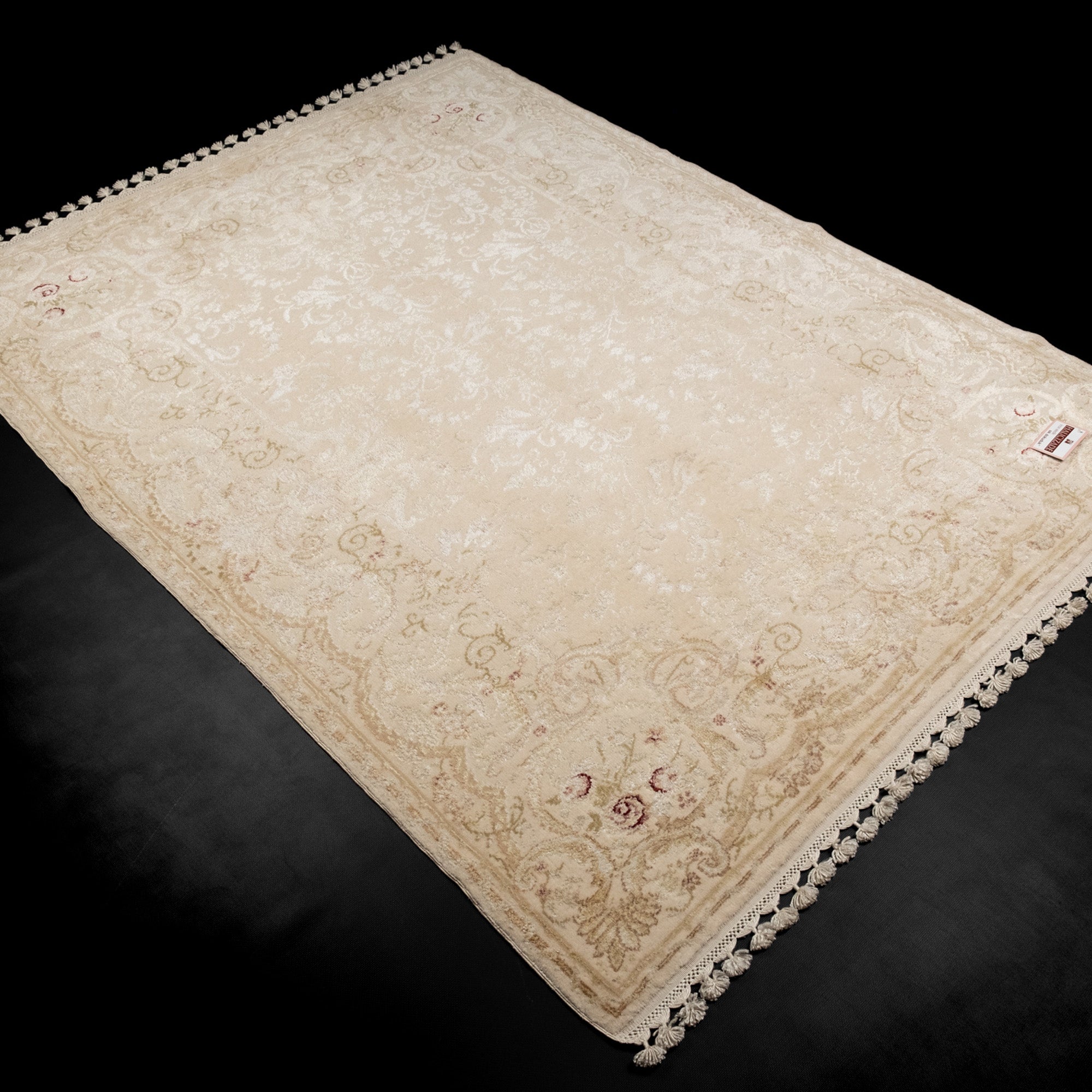
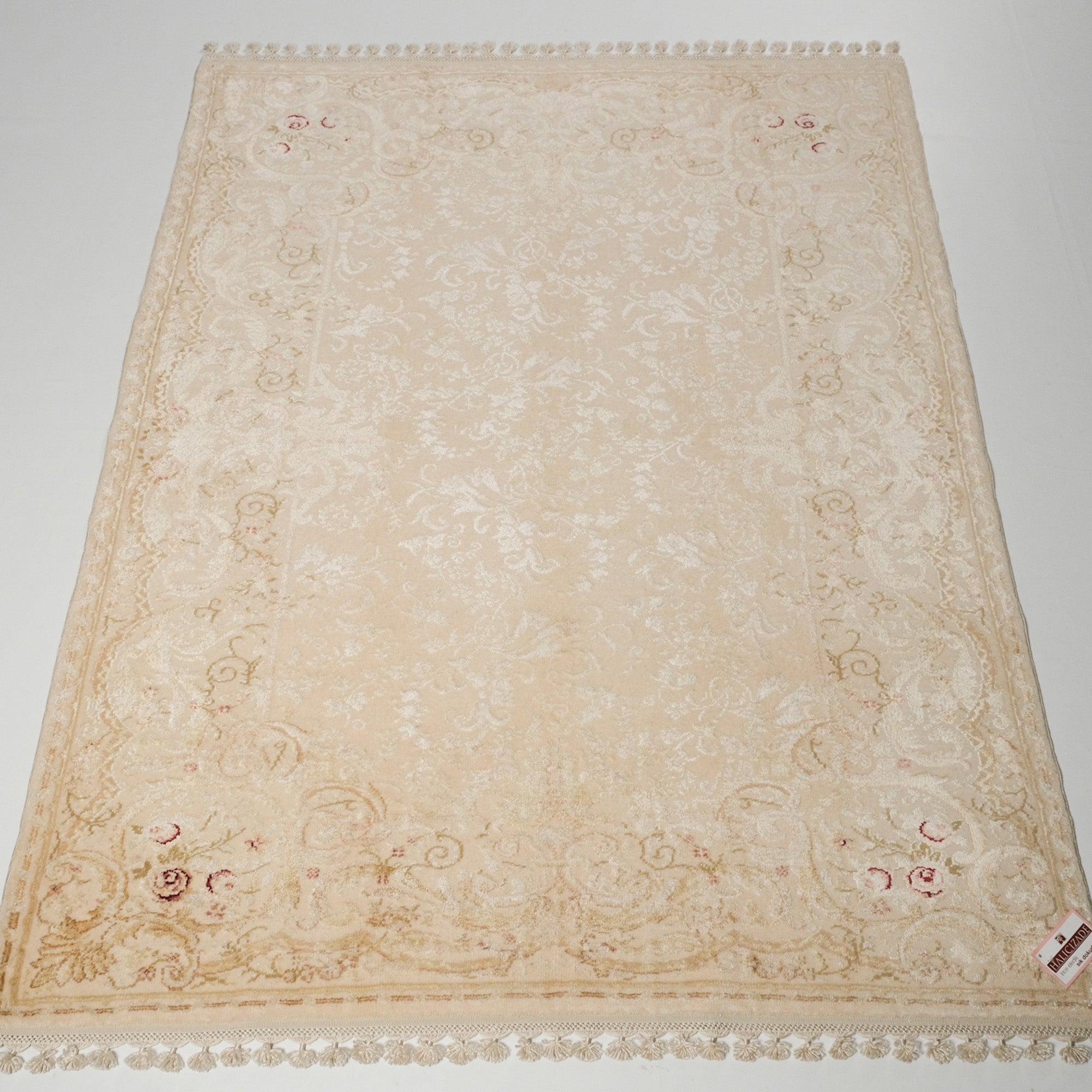
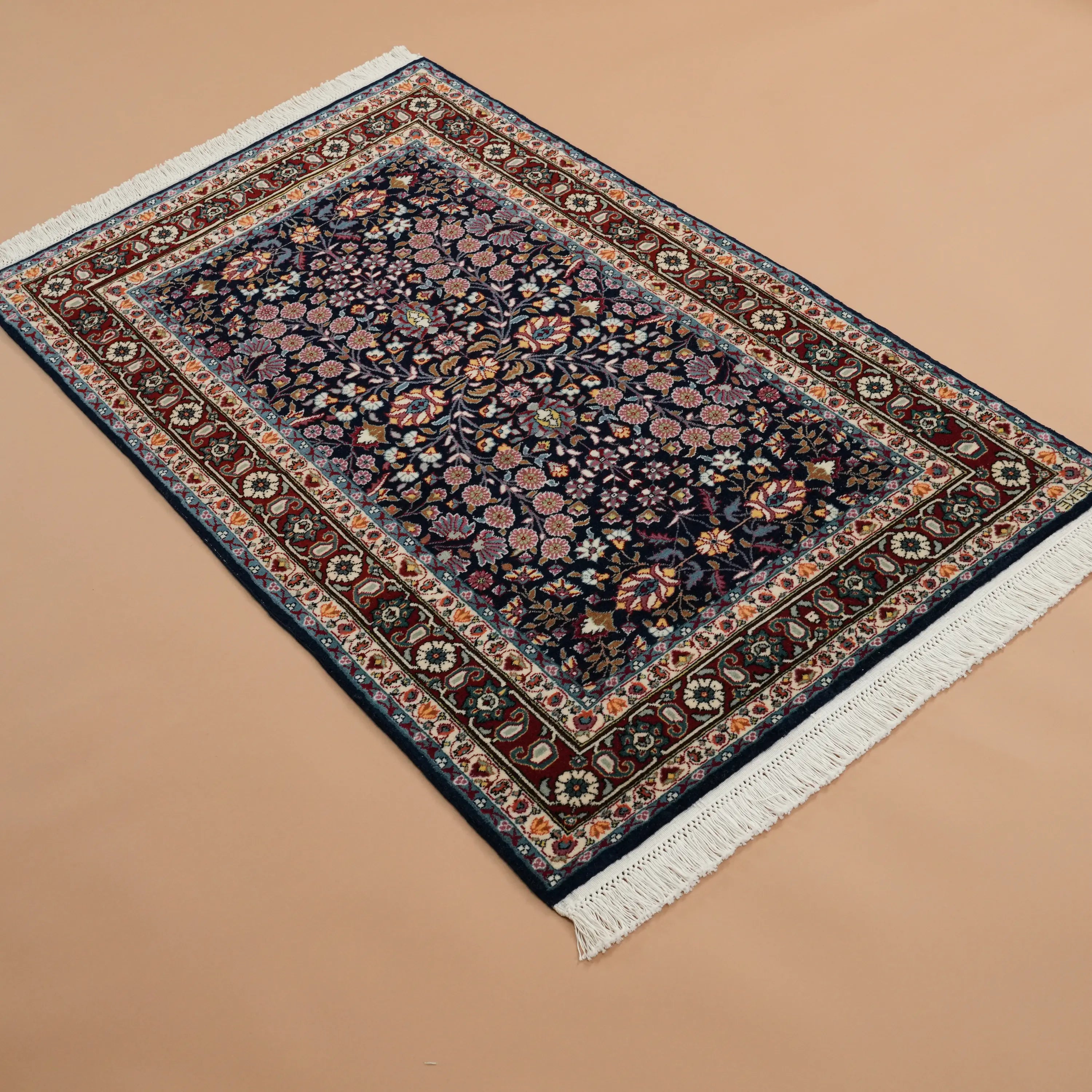
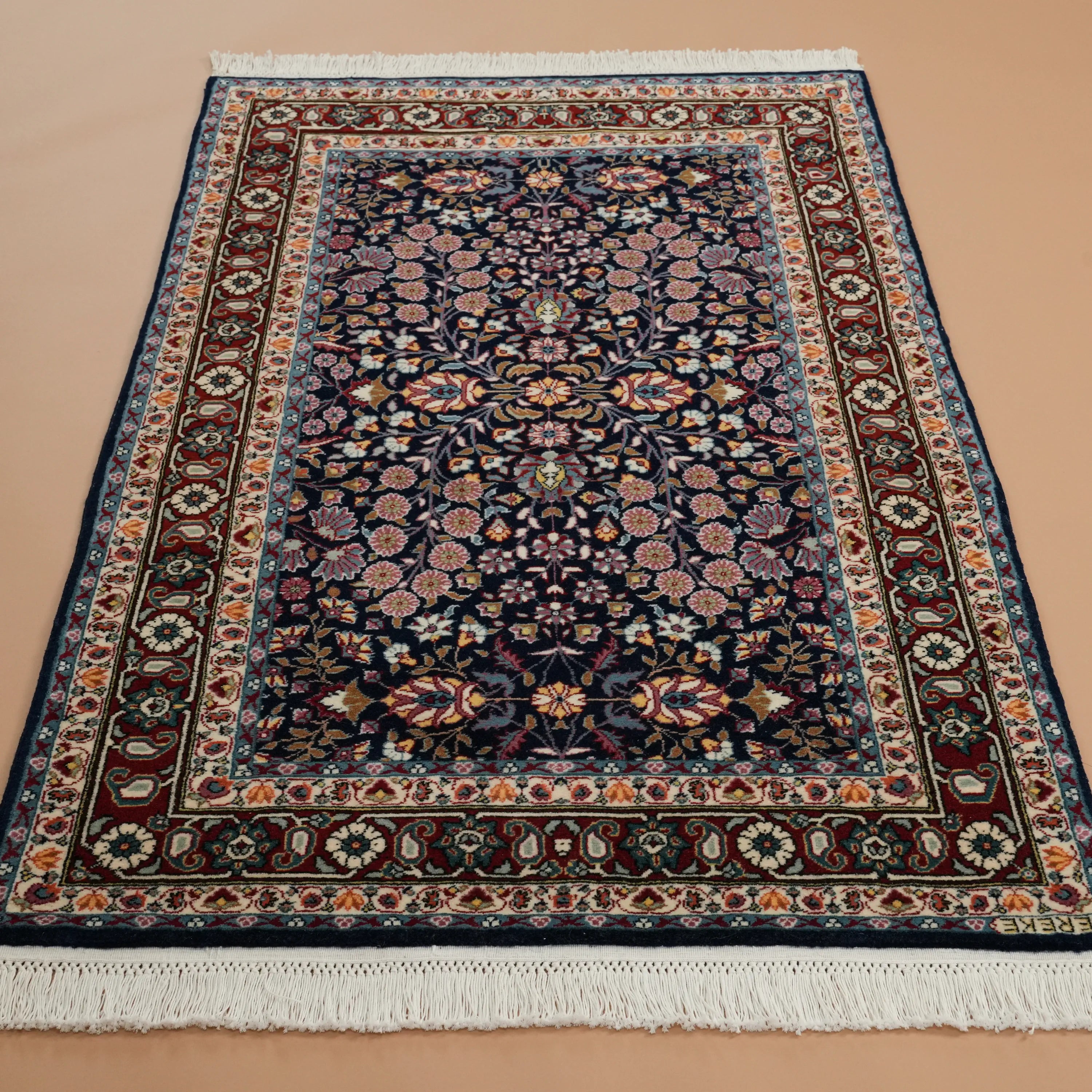
A Turkish rug is a hand-knotted or hand-woven floor covering produced in Anatolia using centuries-old techniques, natural fibers, and regional motifs passed down through generations of weavers, spanning dozens of distinct regional traditions rather than a single fixed style.
As the flagship term for our entire catalog, this page is meant to be the most complete single resource on what a Turkish rug actually is, how to evaluate one, and how our different regional collections relate to each other, useful whether this is your first Turkish rug purchase or your tenth.
800 Years of Regional Weaving Traditions
Turkey's rug-weaving tradition stretches back over 800 years, and critically, it was never one unified style, it's a patchwork of distinct regional schools, Usak's open, faded medallions, Hereke's exceptionally fine silk-highlighted detail, Kayseri's silk-wool blends, and dozens of village-specific Anatolian and nomadic Yoruk and Turkmen traditions, each with its own construction habits, color preferences and symbolic motifs. Halicizade works directly with weaving families and regional ateliers across this range rather than specializing in a single regional style.
How to Evaluate a Genuine Turkish Rug
Three factors matter most when evaluating quality: knot density (higher generally means finer detail and, for hand-knotted pieces, more weaving time invested), fiber grade (wool, silk, or a blend, each with different durability and sheen characteristics), and colorfastness (whether the dye, natural or modern, holds up to light and cleaning without shifting or bleeding). Construction method also matters, hand-knotted pile, hand-woven flatweave (kilim), or machine-loomed, each suited to different budgets and use cases.
Why Choose a Turkish Rug from Halicizade
Every Turkish rug in our collection is graded on these same three factors, knot density, fiber grade, colorfastness, before it's listed, regardless of which regional tradition or price tier it comes from, so you can compare confidently across our full catalog rather than having to evaluate each region's conventions from scratch.
How to Choose Where to Start
With this much regional variety, the most useful starting point is usually your room's existing formality and color palette rather than trying to learn every regional tradition first.
- Soft, faded, versatile palette: start with our Usak-inspired collections (Mahal, Harem, Saruj).
- Bold, saturated tribal geometry: explore our Anatolian and Turkmen heritage lines.
- Fine detail and formal elegance: look at Hereke and Kayseri-tradition pieces.
- Budget-conscious but authentic: our machine-made collection reproduces traditional patterns at a more accessible price point.
- Not sure yet: browse by room, color or size first, and let pattern preference emerge from what you're drawn to.
Turkish Rug Construction Types at a Glance
| Construction | How It's Made | Typical Price Tier | Best For |
|---|---|---|---|
| Hand-knotted | Tied knot by knot on a traditional loom, weeks to months per rug | Mid to premium | Long-term investment, fine detail, heirloom quality |
| Hand-woven (kilim) | Flat-woven without knots, faster to produce | Budget to mid | Lighter weight, reversible, casual to eclectic interiors |
| Machine-made | Produced on a power loom | Budget | Accessible pricing, high-traffic practicality |
Care & Maintenance
Care depends primarily on construction and fiber rather than regional origin, hand-knotted wool rugs benefit from professional cleaning every 12-18 months and gentle regular vacuuming; flat-woven kilims are lighter-duty and easier to spot-clean or occasionally professionally wash.
Frequently Asked Questions
What makes a rug genuinely Turkish?
A rug is considered genuinely Turkish when it is woven in Turkey using regional techniques, whether hand-knotted, hand-woven flatweave (kilim), or machine-loomed reproductions of traditional Anatolian, Oushak, Hereke or Kayseri-region patterns.
How can I tell a handmade rug from a machine-made one?
Handmade rugs show slight irregularities in knot spacing and pattern on the back of the rug, while machine-made rugs have a perfectly uniform, mesh-like backing and repeat the pattern with no variation.
Are Turkish rugs a good long-term investment?
Well-made wool and silk Turkish rugs are highly durable and, particularly for hand-knotted pieces from recognized weaving regions, can hold or increase in value over decades if properly cared for.
Is there one single 'Turkish rug' style?
No, Turkish rug weaving spans dozens of distinct regional traditions, from Usak's faded open medallions to Hereke's fine silk detail to bold Anatolian and Turkmen tribal geometry, each with its own character.
What is the single most important factor in Turkish rug quality?
Knot density and fiber grade together are the most reliable quality indicators for hand-knotted pieces; for any construction type, colorfastness of the dye also matters significantly for long-term appearance.
Where should a first-time Turkish rug buyer start?
Starting from your room's existing color palette and formality level, rather than trying to learn every regional tradition first, is usually the most practical approach; our size, color and room-based collections are built for exactly this kind of browsing.