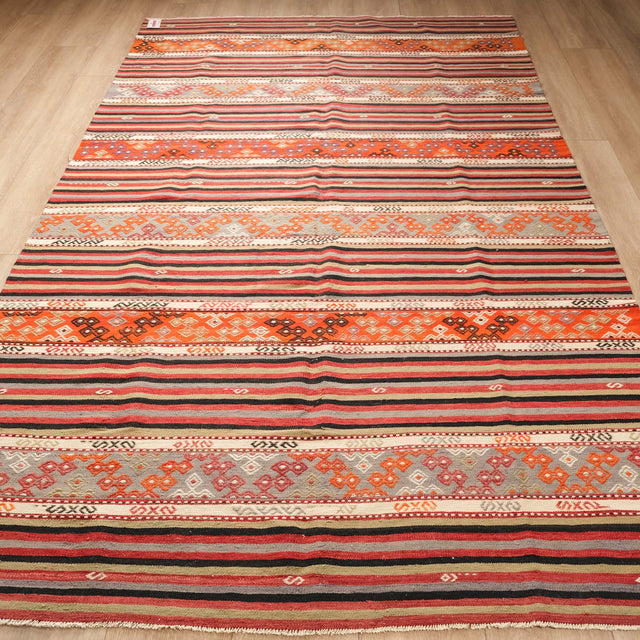
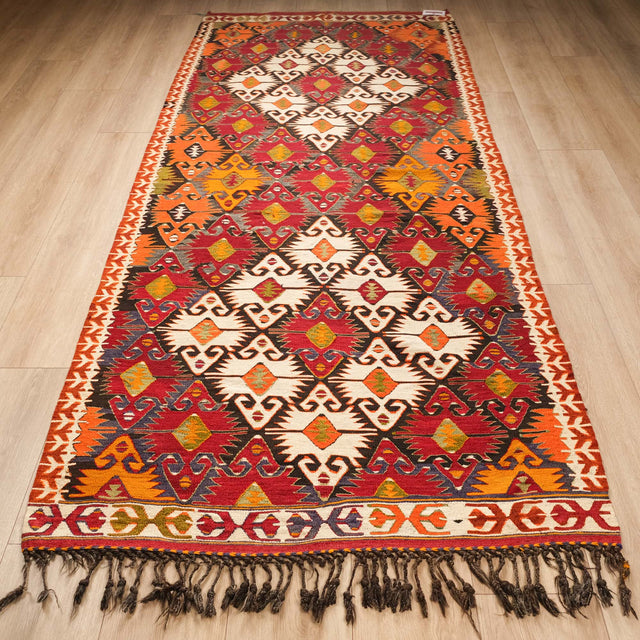
Rust-orange out of Kars, chest-kept, and heavy in the hand
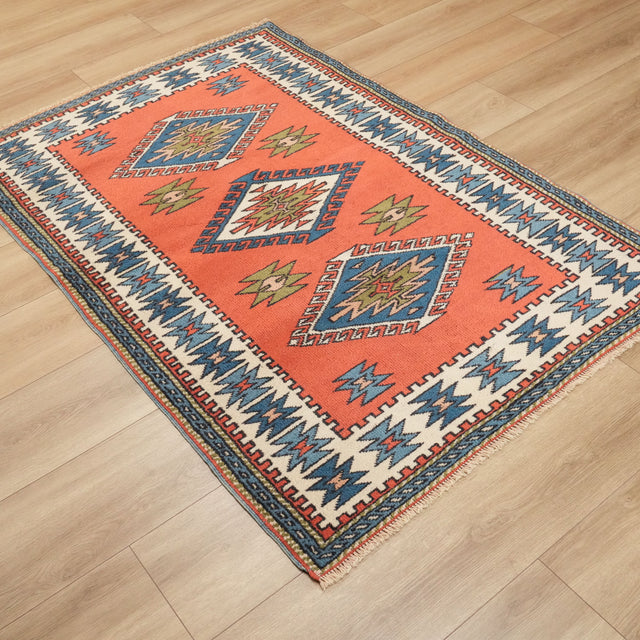 121×176 cm



Rugs & Kilims
Find Your Rug
For those who already know what they are looking for — Halıcızade's most visited collections.
Rust-orange out of Kars, chest-kept, and heavy in the hand
121×176 cm
Star ranks brocaded over orange, root-dyed wool from Fethiye
 127×176 cm
Terracotta orange held inside its original border, 140 × 245 cm
 140×245 cm
Orange motifs sharp on gray, no cotton anywhere in it
 300×400 cm
Bamboo viscose, and the color pushed out to the edges
 250×350 cm
from
10.500 TL
≈ 8.800 TL/m²
Cut to a flower with uneven petals, bamboo viscose in orange
 300×300 cm
Old motifs redrawn in a circle: gray ground, orange, all wool
 200×200 cm
Cairo geometry from the 1500s, in orange wool, 160 cm across
 160×160 cm
Cicim carried across six square meters, warm orange underneath
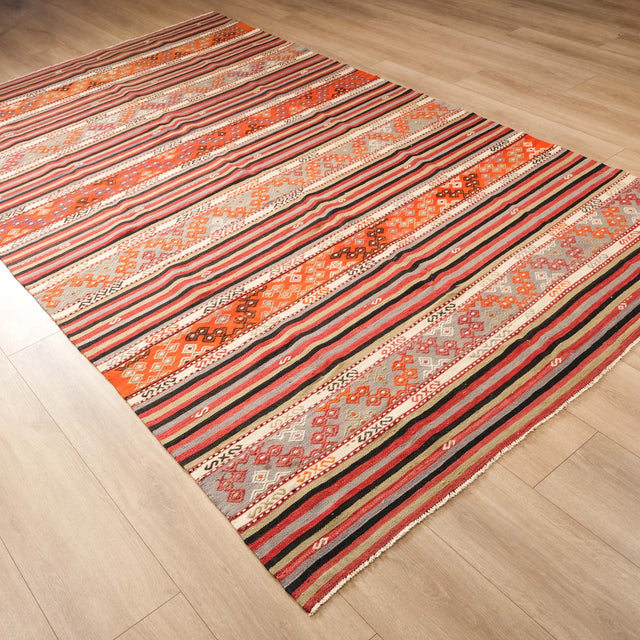 183×315 cm
Corridor-narrow at 131 × 313, orange-led and wool throughout
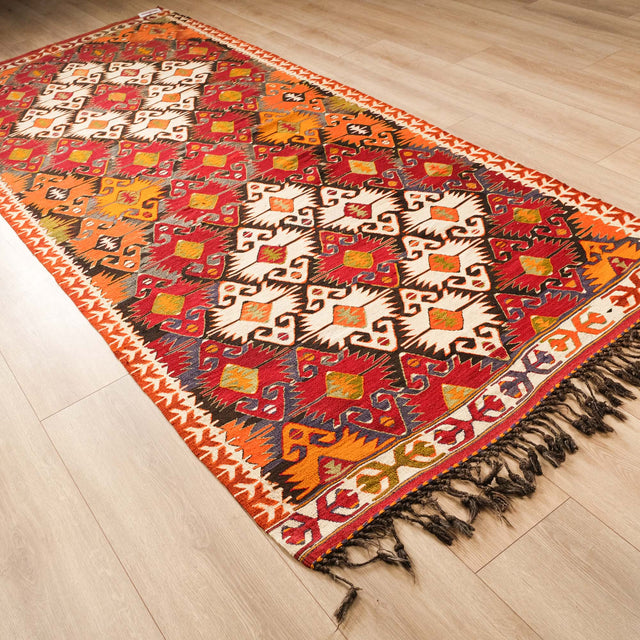 131×313 cm
Orange-led, forty-odd years old, and the name protected by law
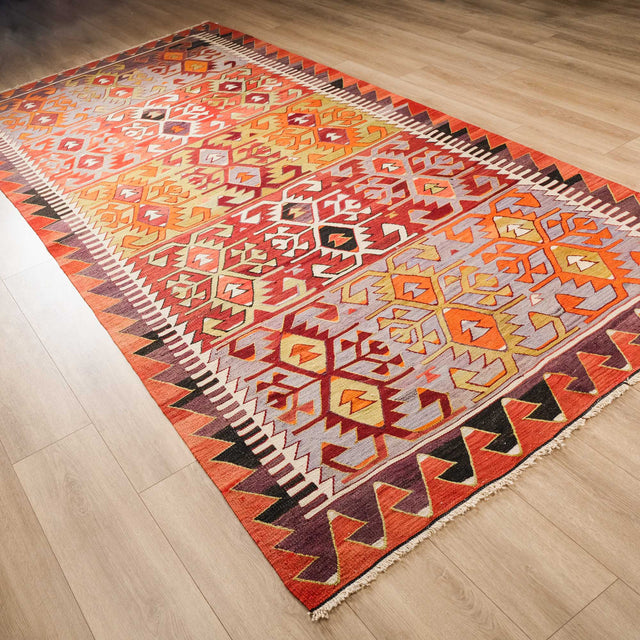 183×391 cm
Half a century folded away: Burdur cicim, 196 × 354 cm
 196×354 cm
Orange over everything, and the motifs raised in wool
 160×280 cm
Burdur cicim in wool: orange leading, green and red behind
 114×161 cm
Chest-kept Herki runner, orange shifting batch by batch
 80×346 cm
Ten square meters of curving orange, anchored in navy
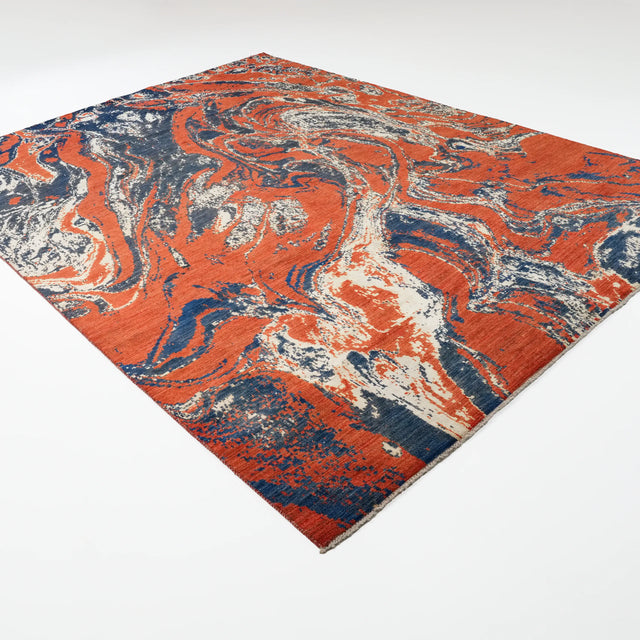 275×370 cm
Fired-clay orange on an Anatolian weave of 116 × 197 cm
 116×197 cm
Birds and flowers at twenty knots a square centimeter, in orange
 274×357 cm
Brick by daylight, coral under a bulb: plain terracotta from India
 160×230 cm
Woven as one piece, not cut and sewn: pink, peach, lilac, gold
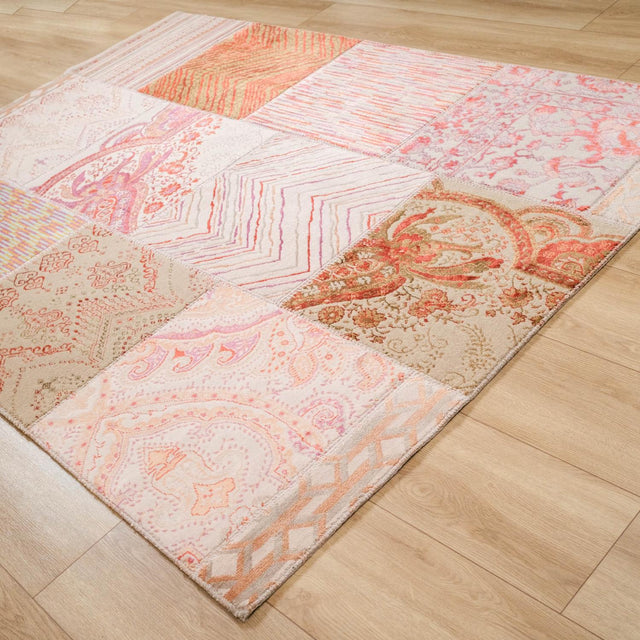 170×240 cm
Plant-dyed terracotta around a medallion, wool over cotton
 120×180 cm
Oushak outlines cut in relief with shears, woven in India
 120×180 cm
A dowry-chest tülü, orange through the wool, 100 × 335 cm
 100×335 cm
Orange nearer clay tile than signal, wool with hand-tied fringes
 197×279 cm
An orange rug is a floor covering woven or dyed in warm orange tones, from soft terracotta and burnt sienna to deeper rust, achieved in traditional Turkish weaving through natural madder and henna-based dyeing methods.
Orange sits at an interesting crossroads in rug color psychology, bold enough to be a genuine statement, but warm and earthy enough (particularly in its terracotta and rust variations) to feel grounded rather than jarring, which is part of why it's become increasingly popular beyond its traditional Turkish weaving roots.
Warm orange and rust tones are achieved through natural madder and henna dyeing methods still used by Anatolian weavers, often the same madder root that produces red, but processed or combined differently to shift the resulting tone toward orange and rust rather than true red. This connects orange-toned rugs directly to the same historical dye tradition responsible for Turkish weaving's classic reds.
Our orange collection spans soft terracotta (muted, earthy, currently very popular for its warm-neutral versatility), burnt sienna and rust (mid-depth, traditional), and deeper orange-brown blends that lean toward a spiced, autumnal tone.
Because orange and rust tones connect so directly to traditional madder and henna dye processes, we treat this color family as one of our more historically grounded offerings, not a trend color layered onto traditional weaving, but a natural extension of dye methods that have been in continuous use for generations.
Terracotta and rust read very differently from a bright, saturated orange, and the styling approach should shift accordingly.
| Shade | Mood | Pairs Well With | Best Rooms |
|---|---|---|---|
| Terracotta | Warm, earthy, versatile | Cream, sage, natural wood | Living room, kitchen |
| Rust / Burnt Sienna | Rich, warm, traditional | Navy, teal, cream | Living room, dining room |
| Bold Orange | Energetic, bold statement | Neutral furniture, navy accents | Living room, kitchen |
Orange and rust dyes from traditional madder and henna sources are generally stable, but as with any color, moderate sun exposure and prompt spill cleanup will help preserve depth and richness over time.
Cream, white and warm gray walls let an orange rug lead the room's palette; navy or teal walls pair particularly well with rust-toned rugs specifically.
Through natural madder and henna dyeing methods, often the same madder root responsible for classic Turkish reds, processed to shift the resulting tone toward orange and rust.
Terracotta is generally softer and more muted, reading as an earthy neutral, while rust is deeper and more saturated, closer to a traditional burnt orange-red.
Yes, warm orange and terracotta tones are particularly popular in kitchens for their energetic yet earthy character.
Orange and rust tones appear across Anatolian geometrics, Oushak-style patterns and kilim designs, both as a dominant ground color and as an accent within a multicolor design.
Traditional madder and henna-based orange and rust dyes are generally quite stable, though as with any color, prolonged intense direct sun exposure can gradually affect depth over many years.