

Filters
33 products
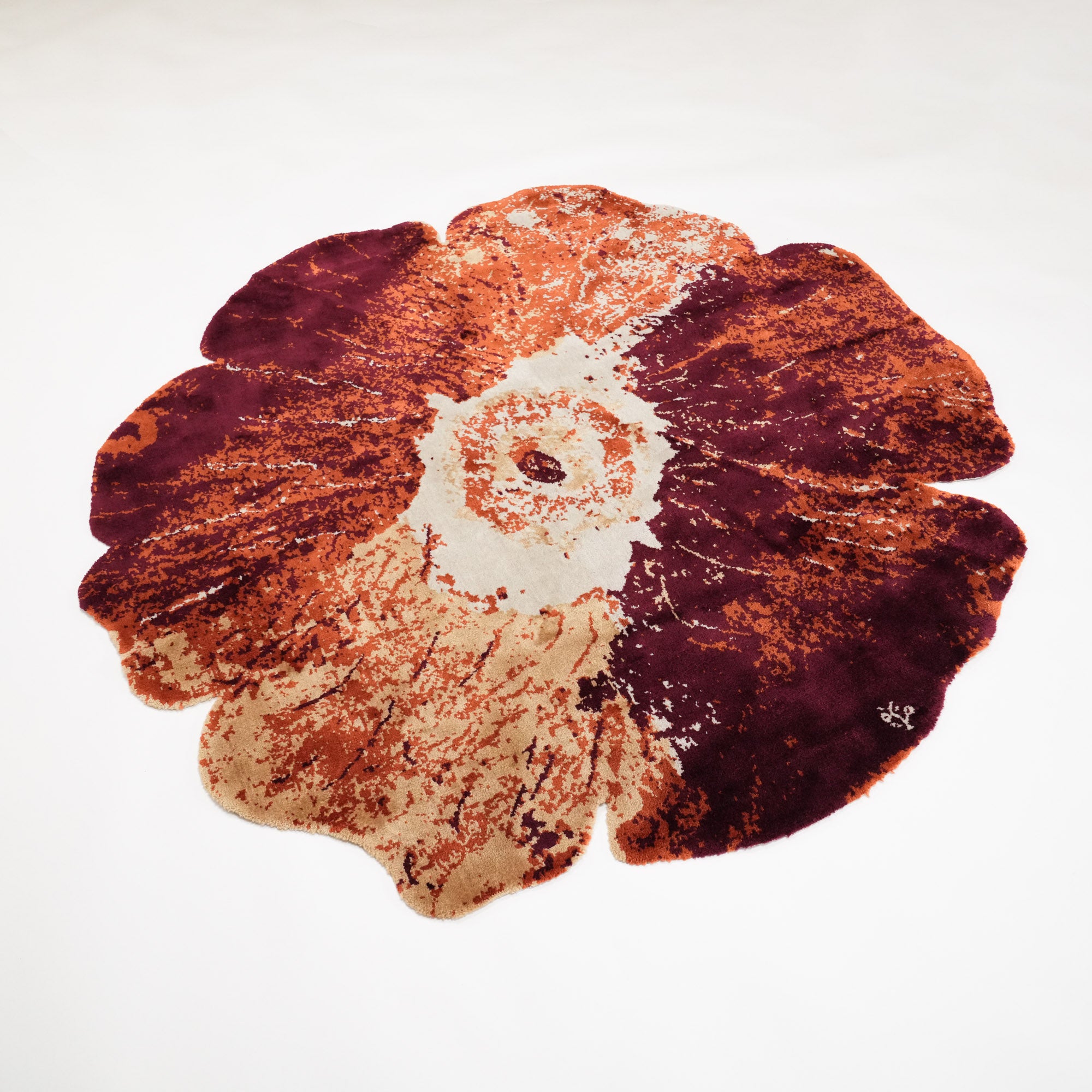
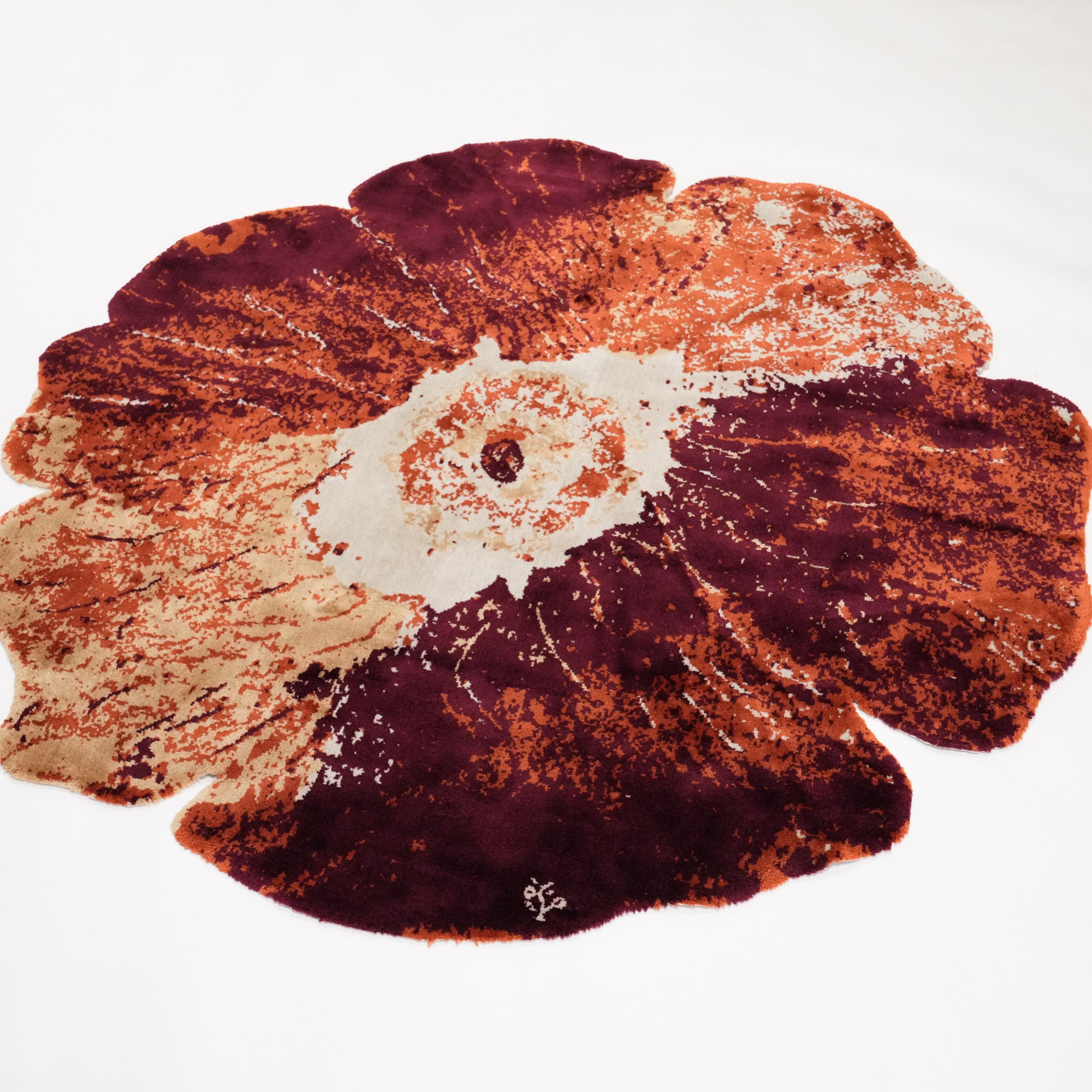
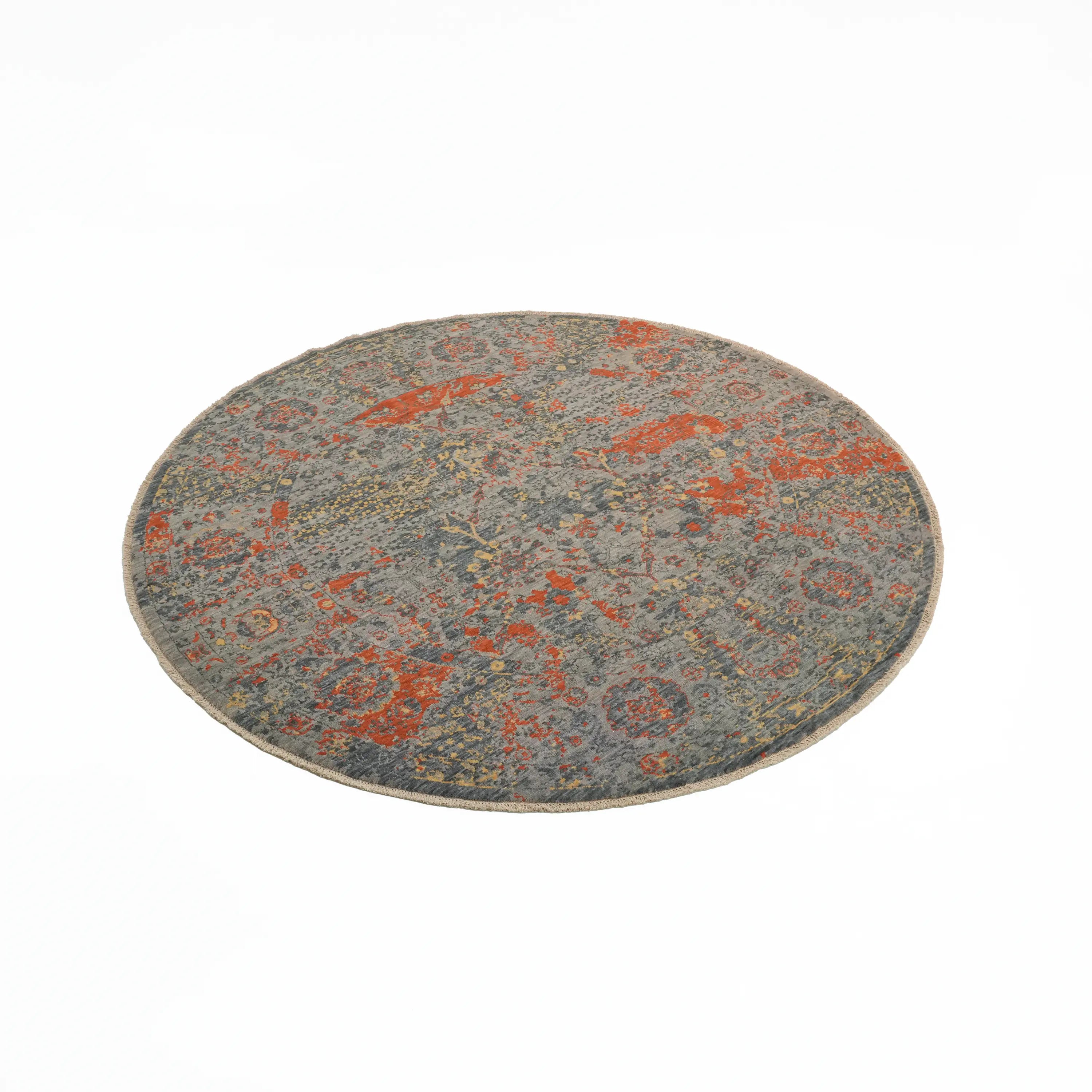


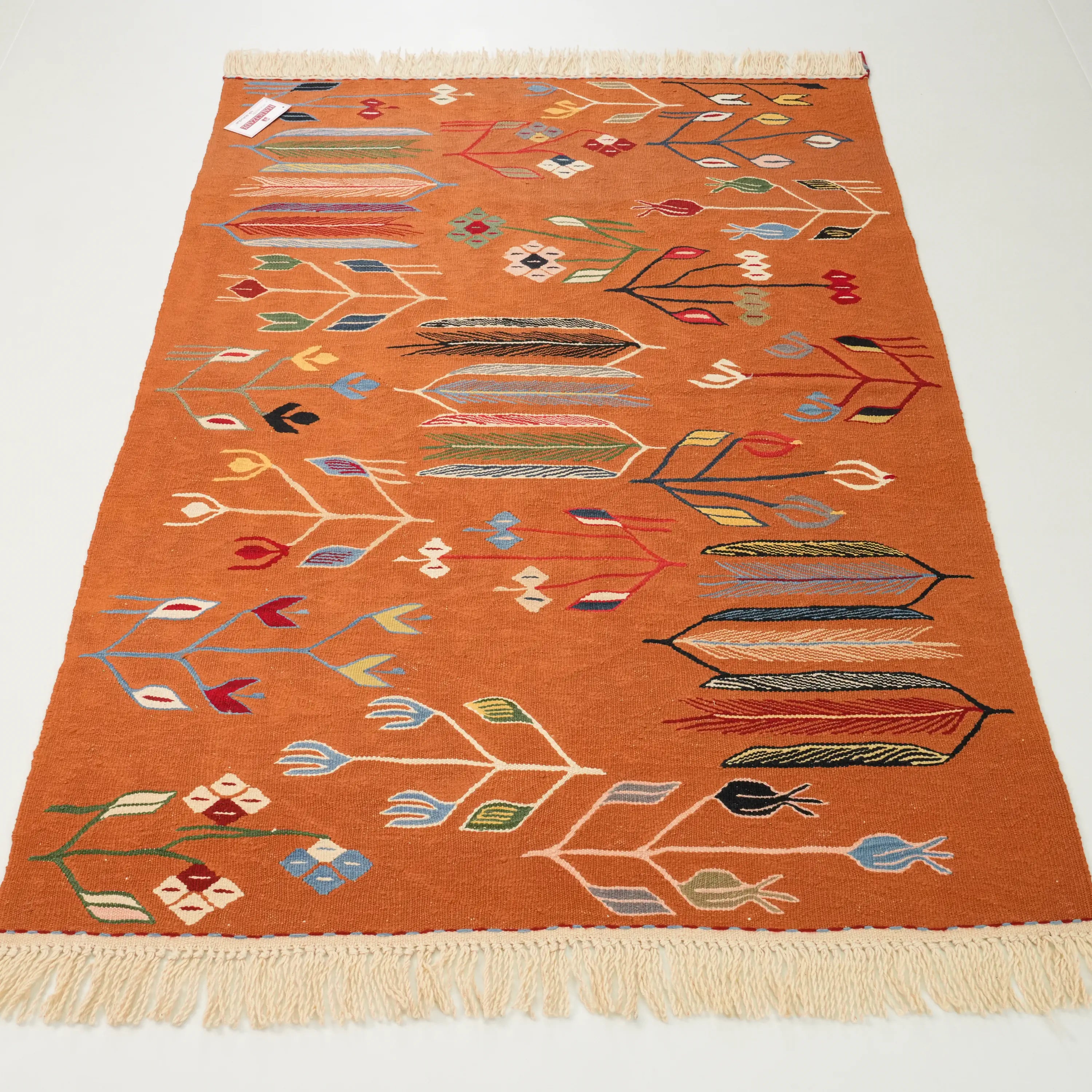
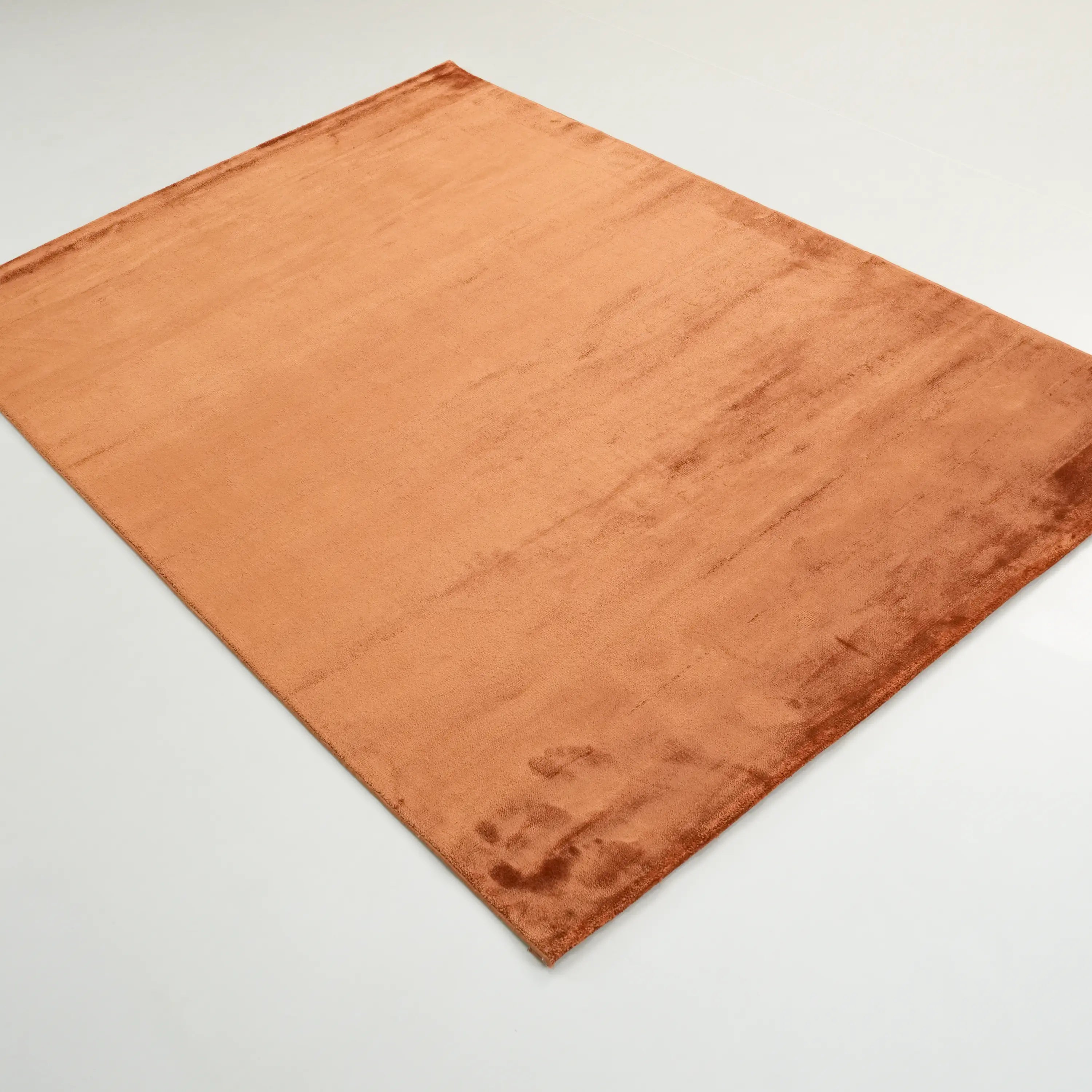
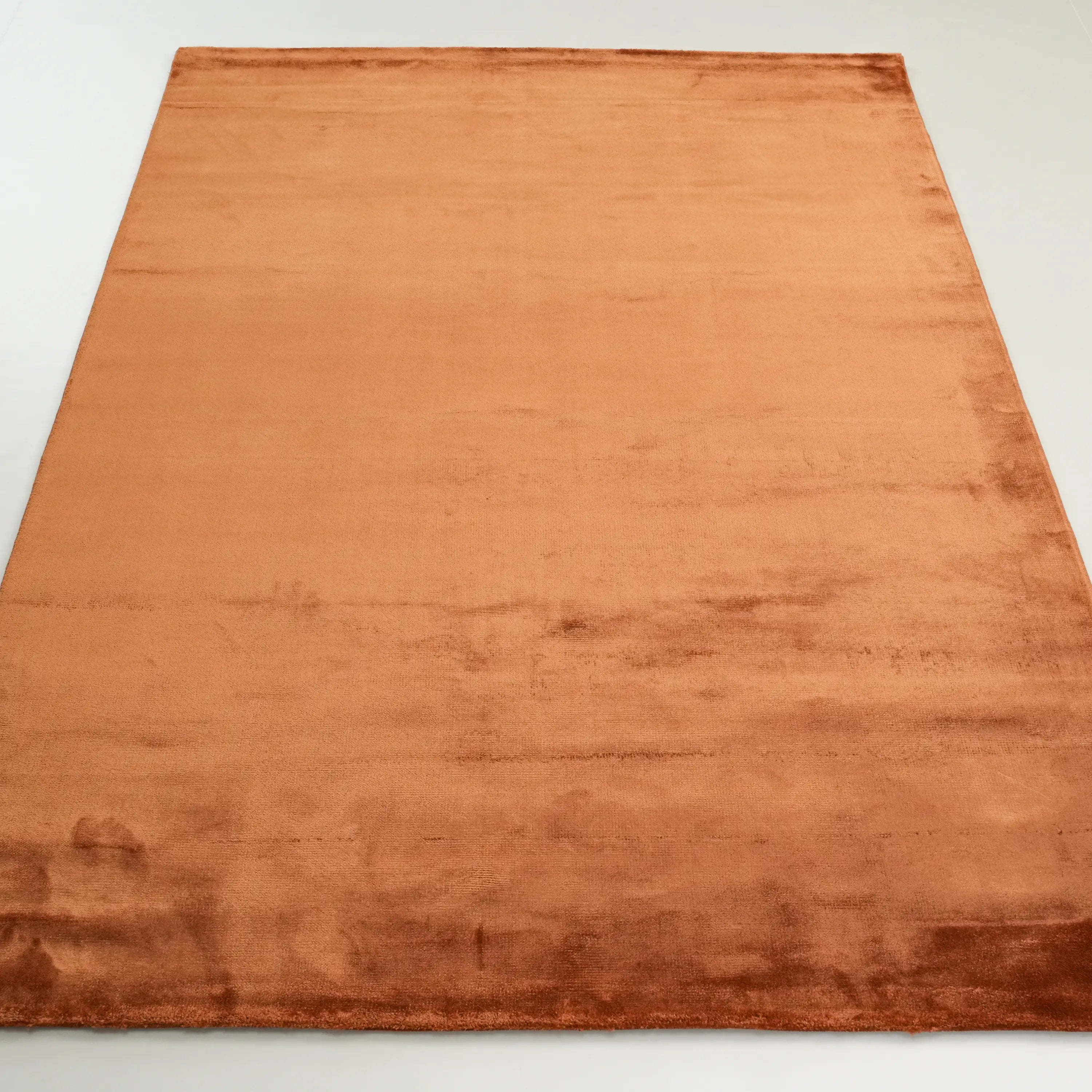
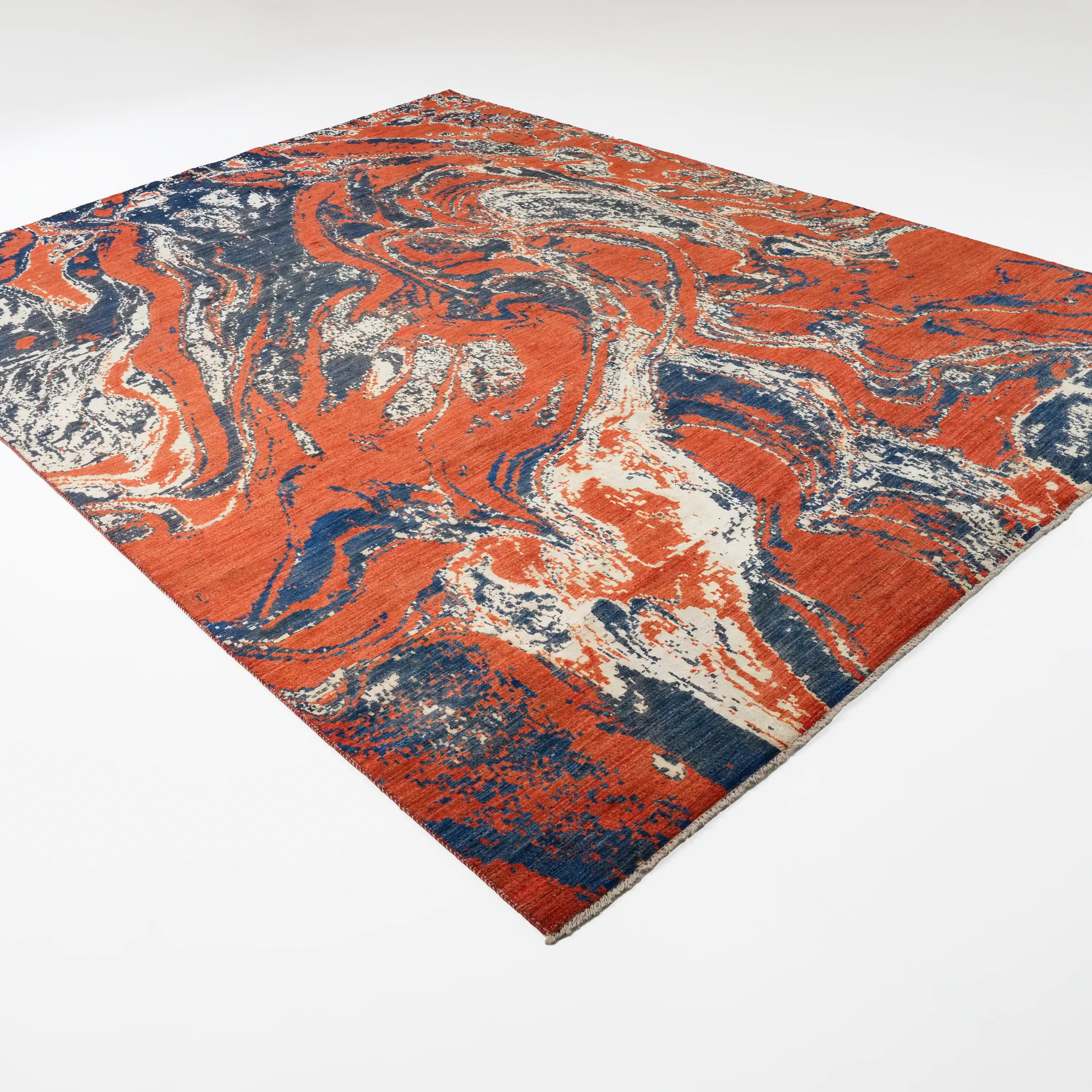
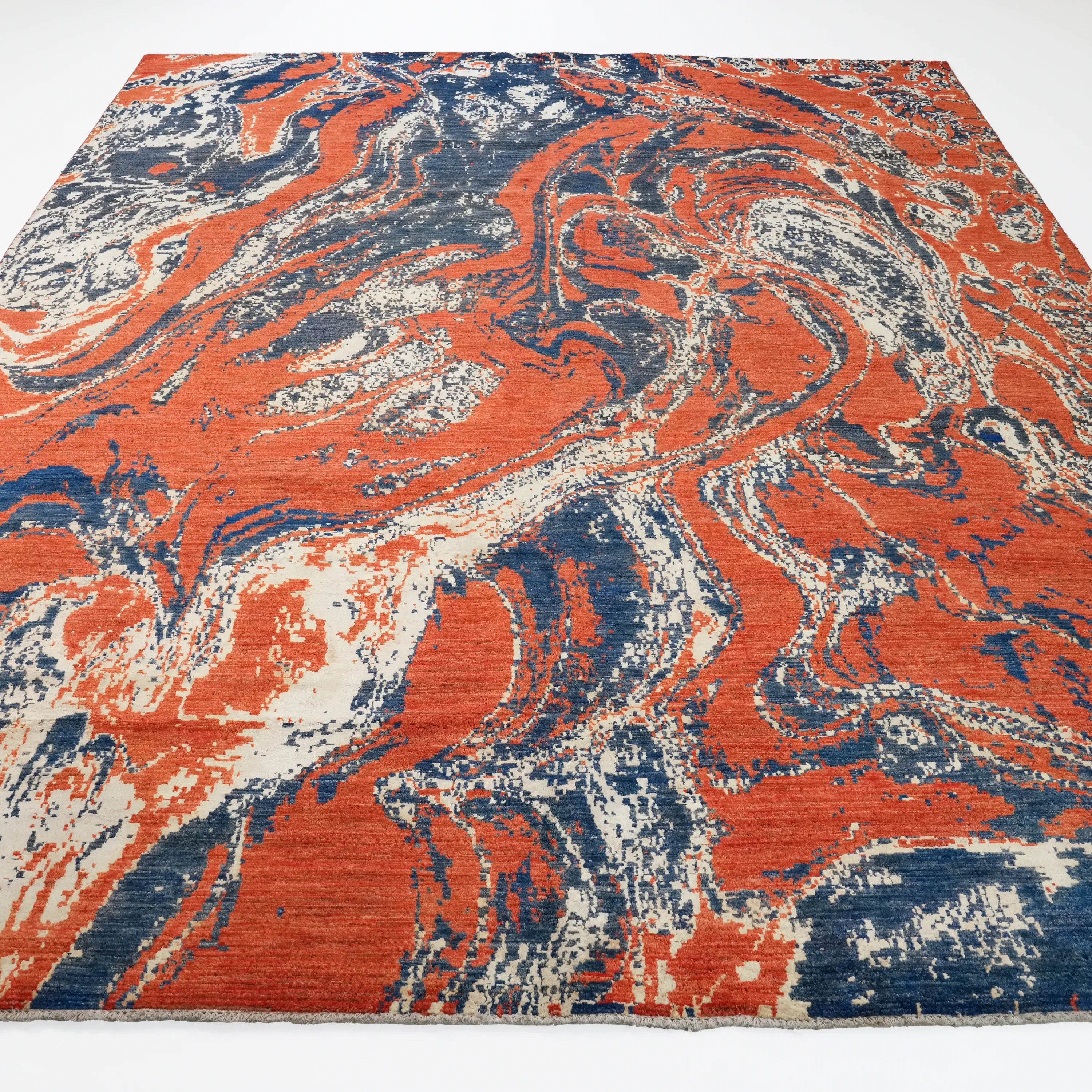
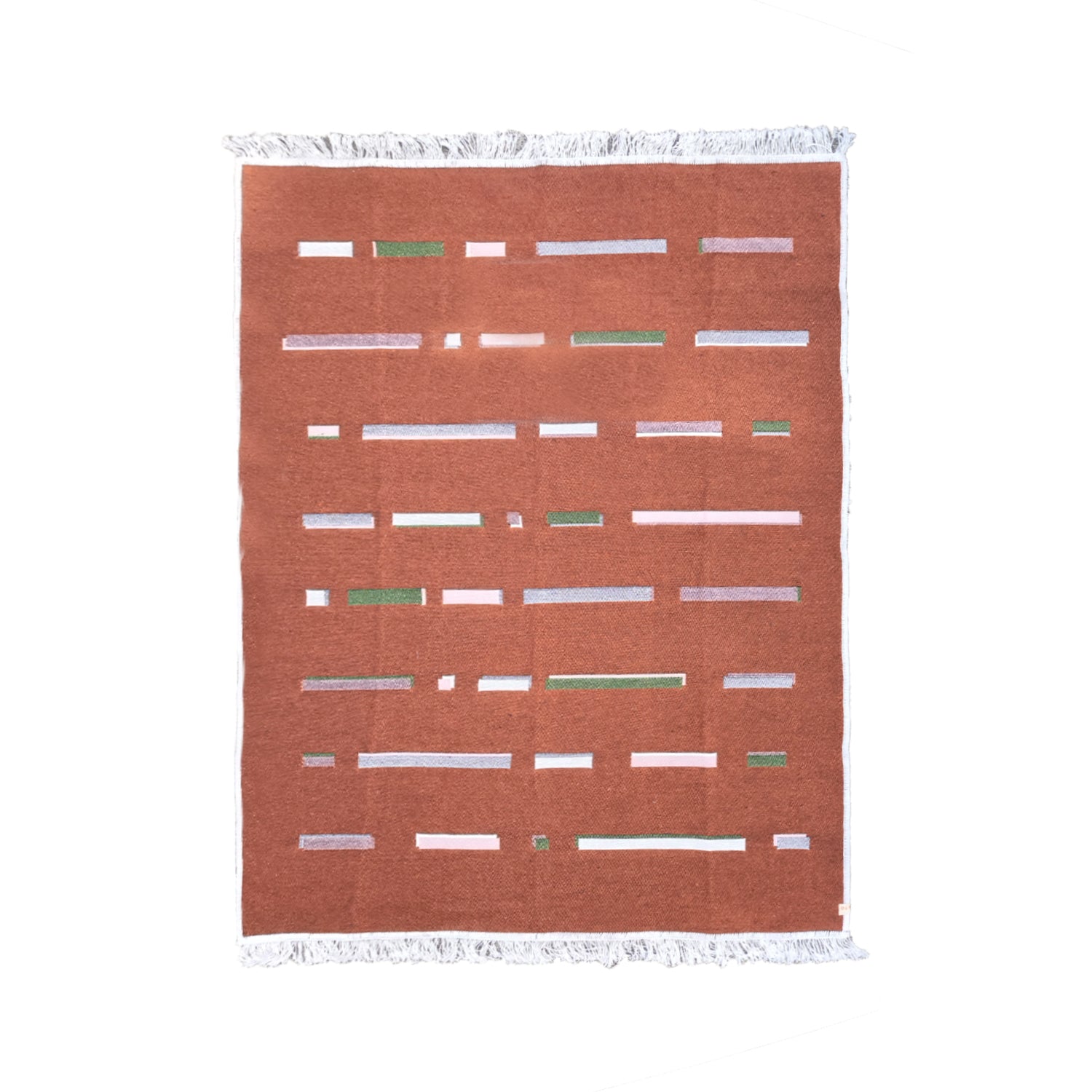
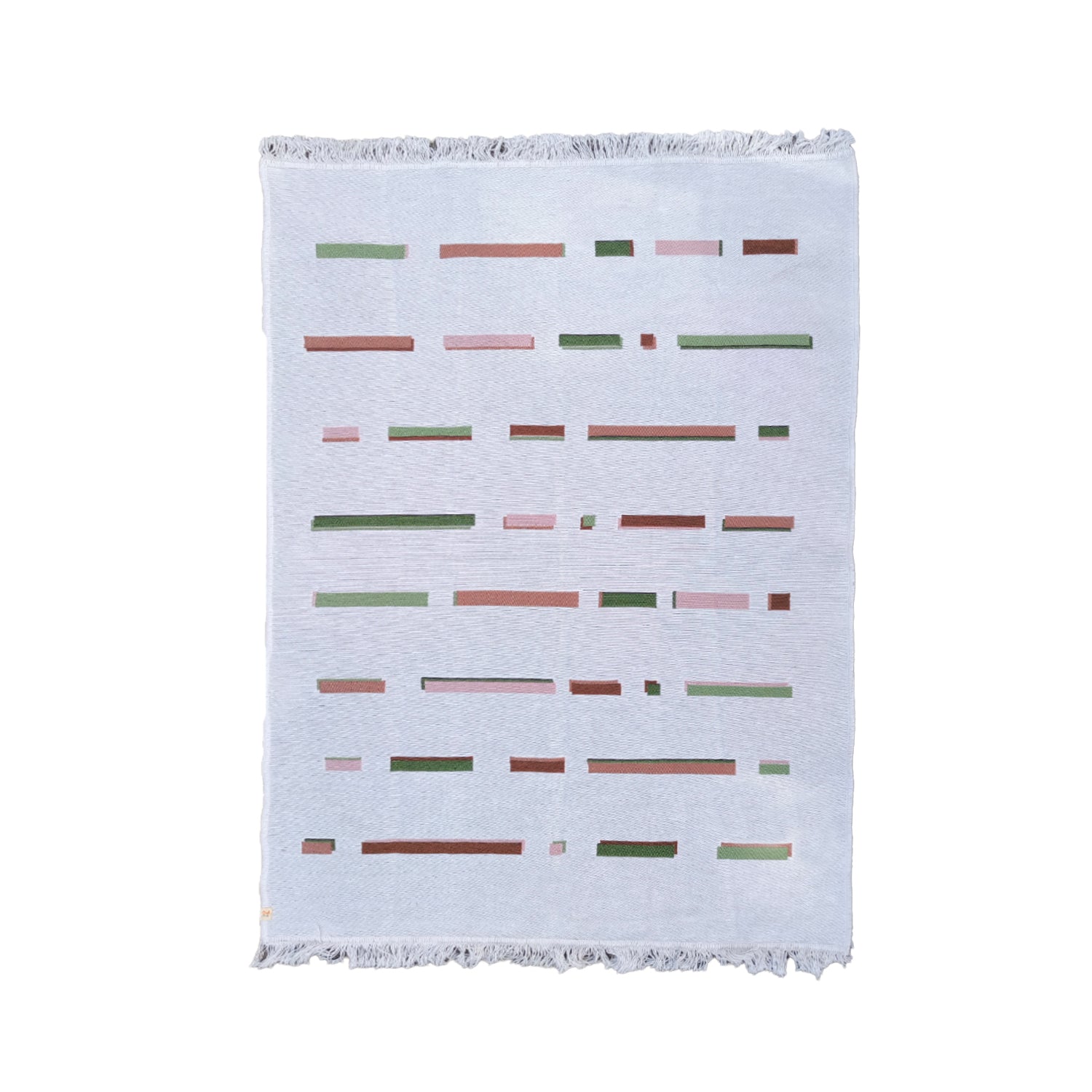


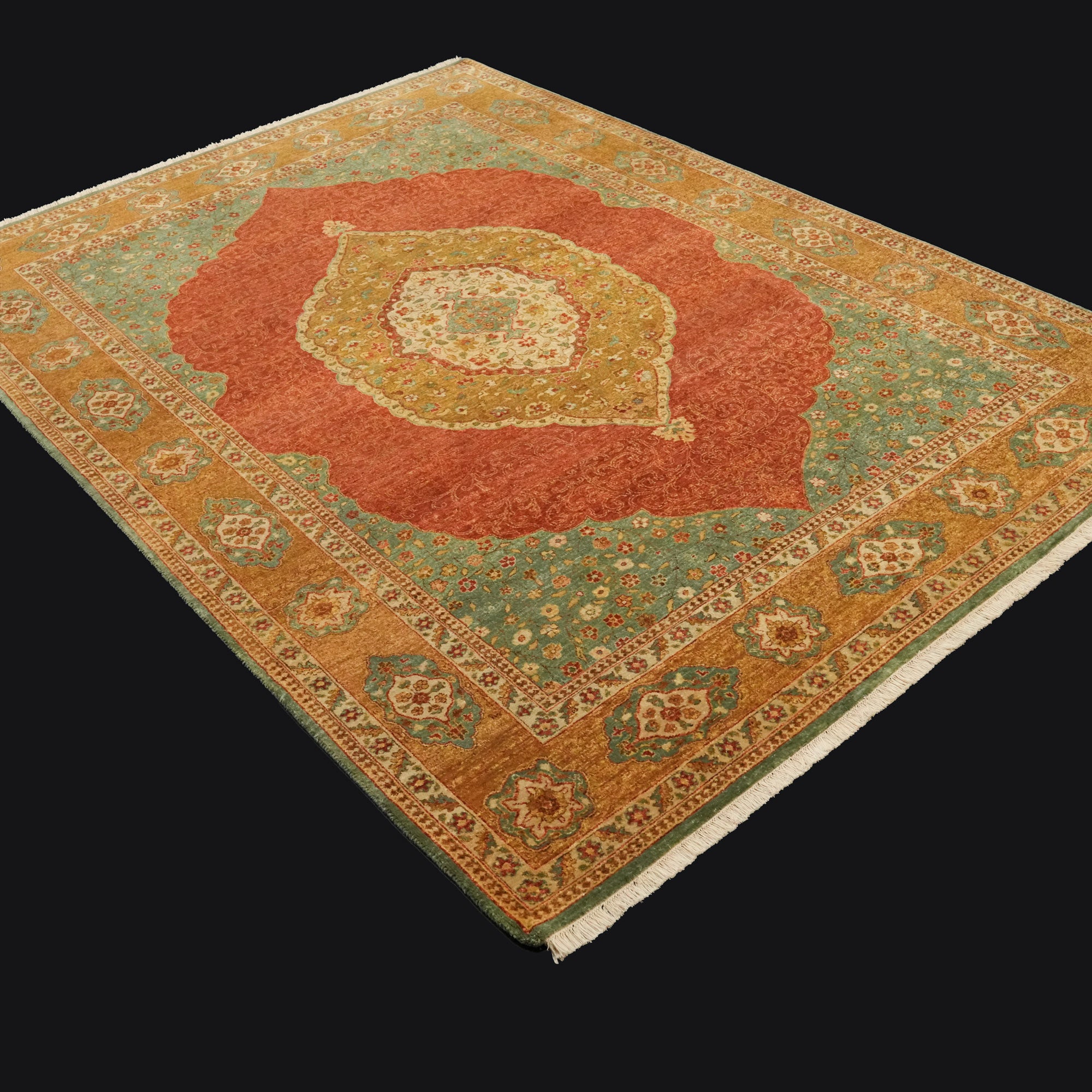
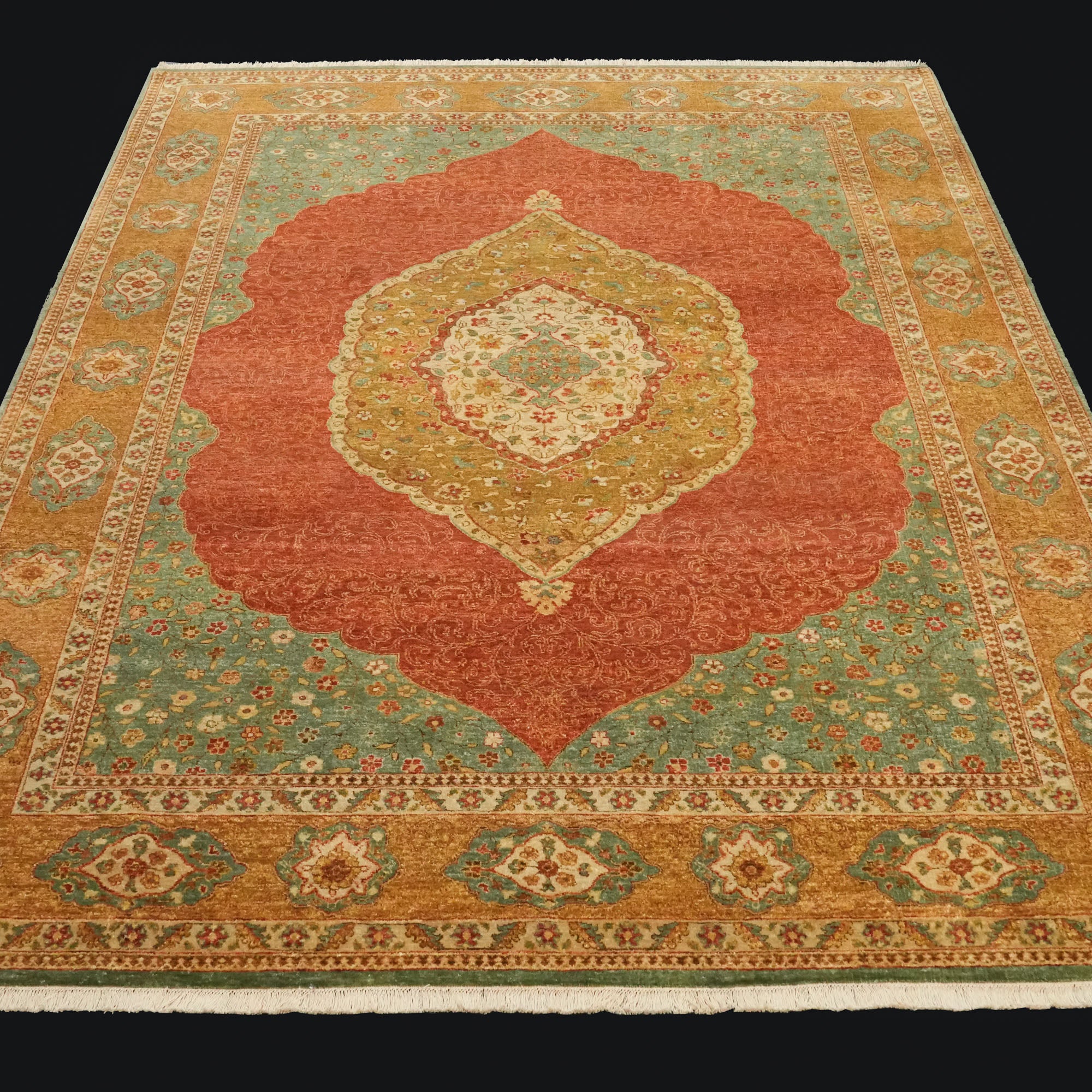
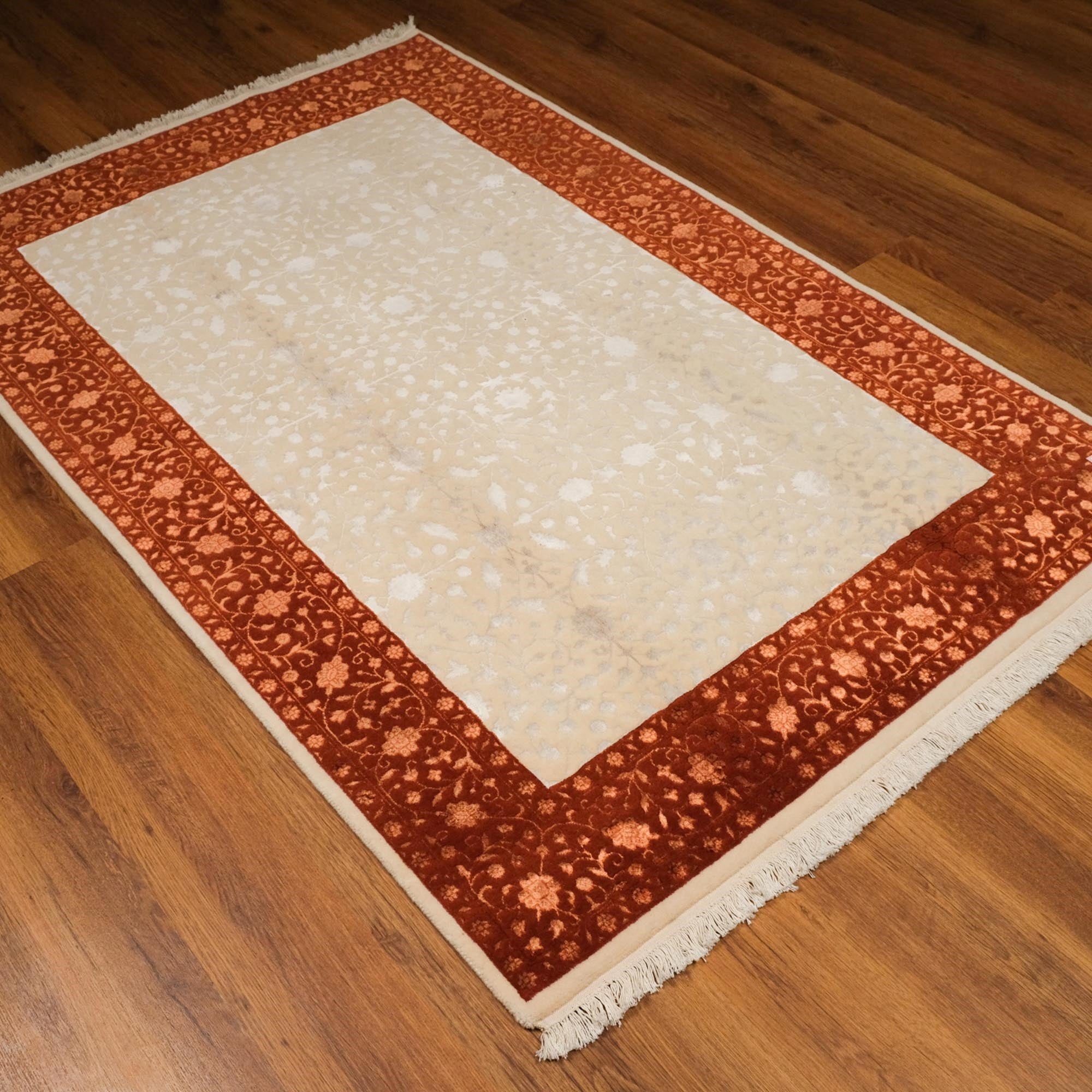
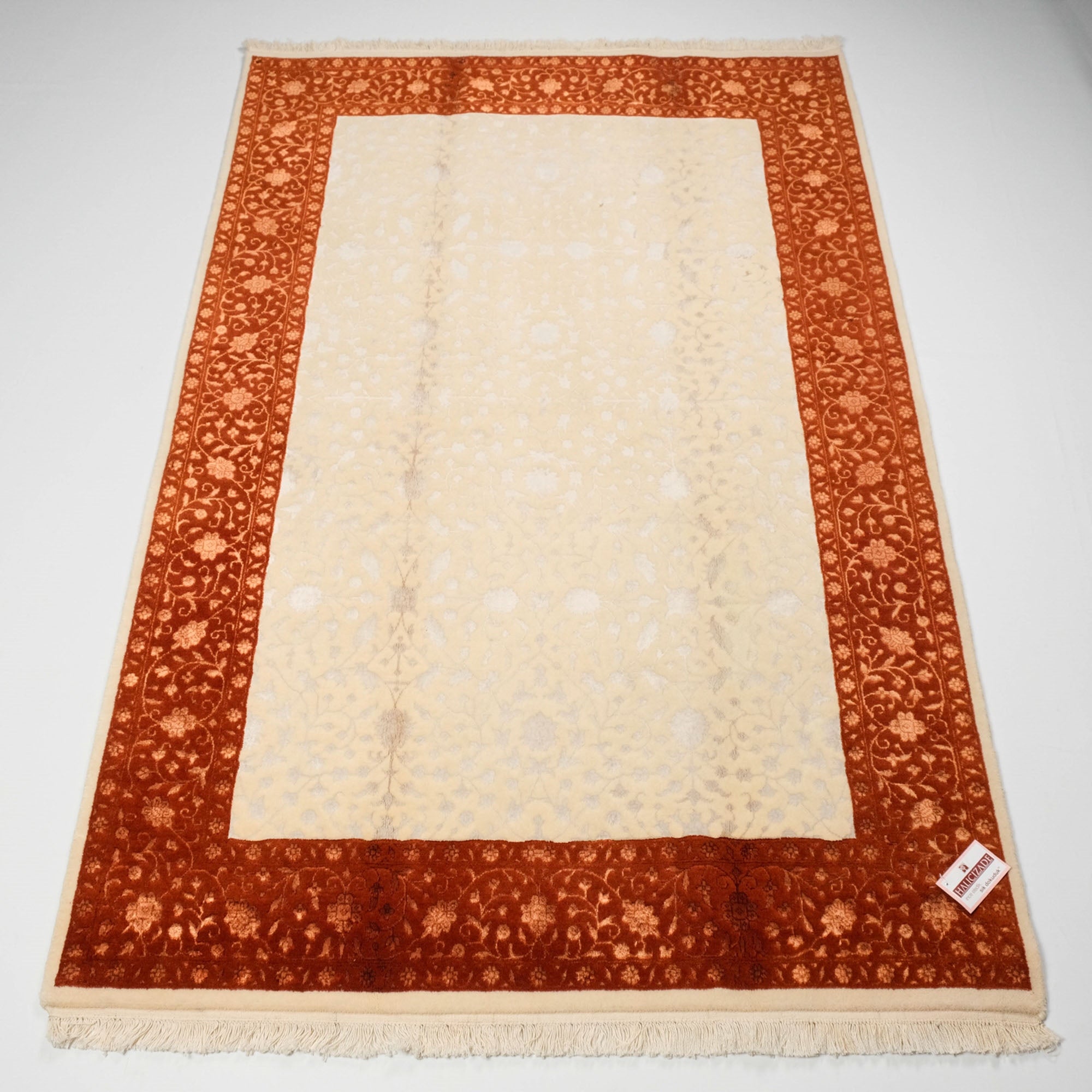
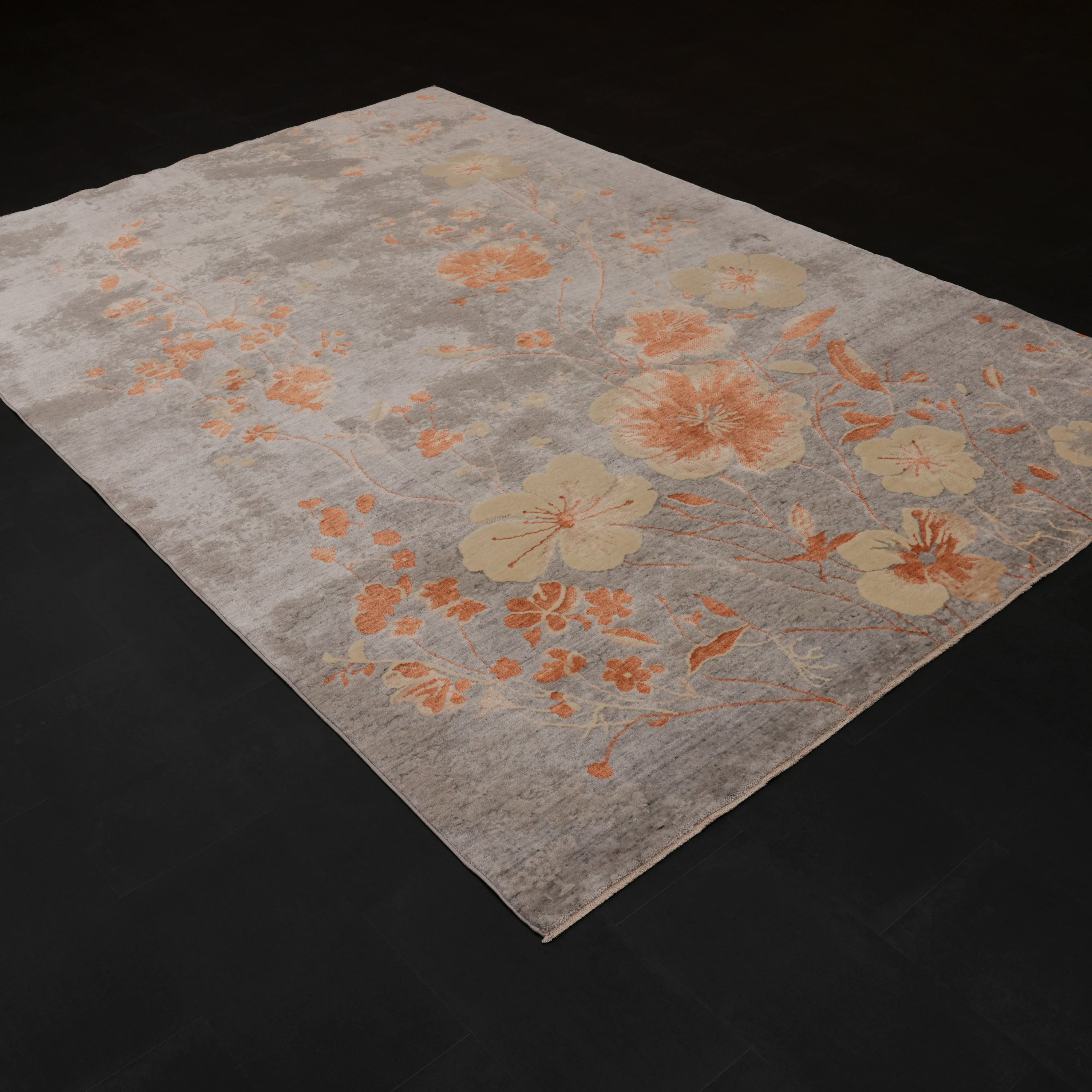
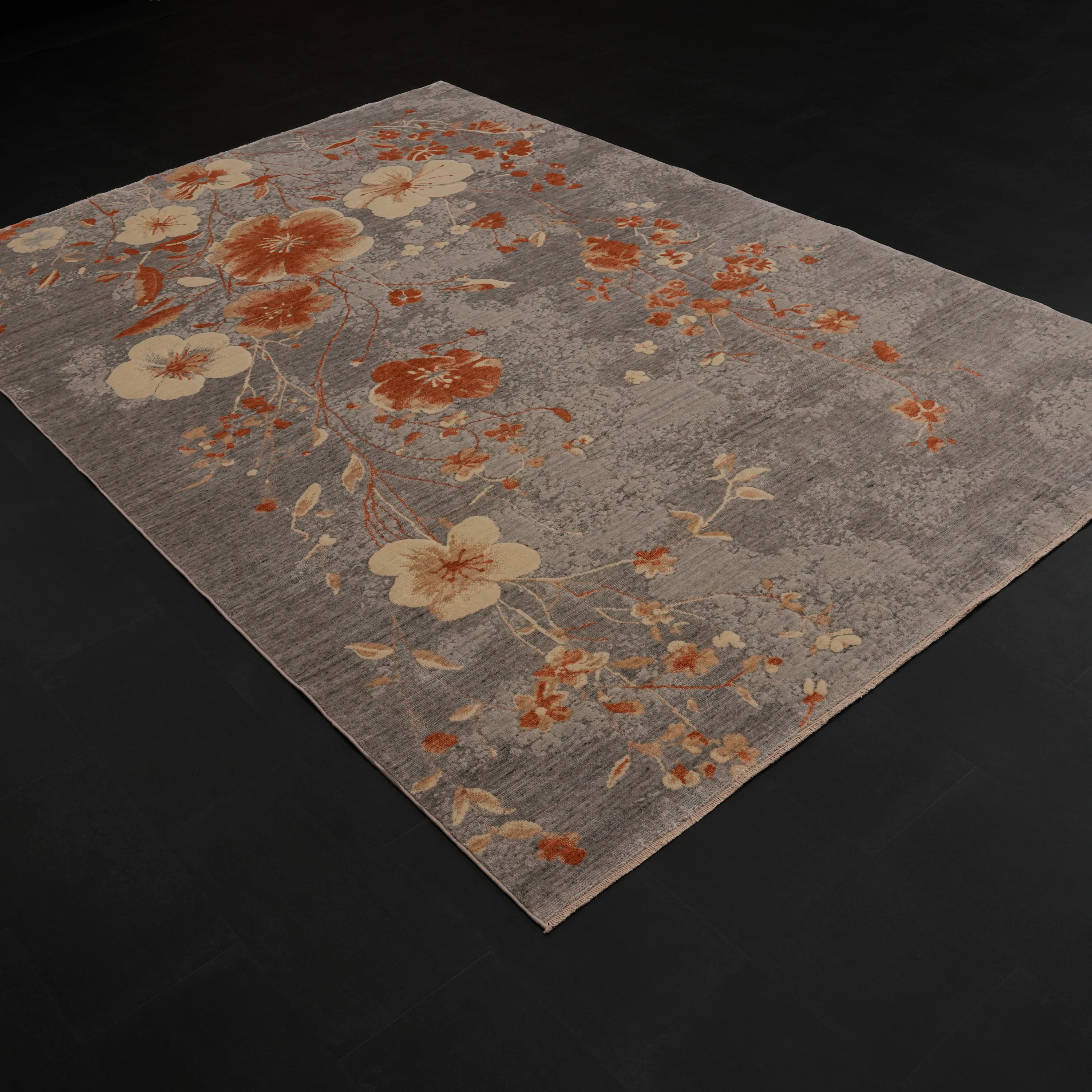
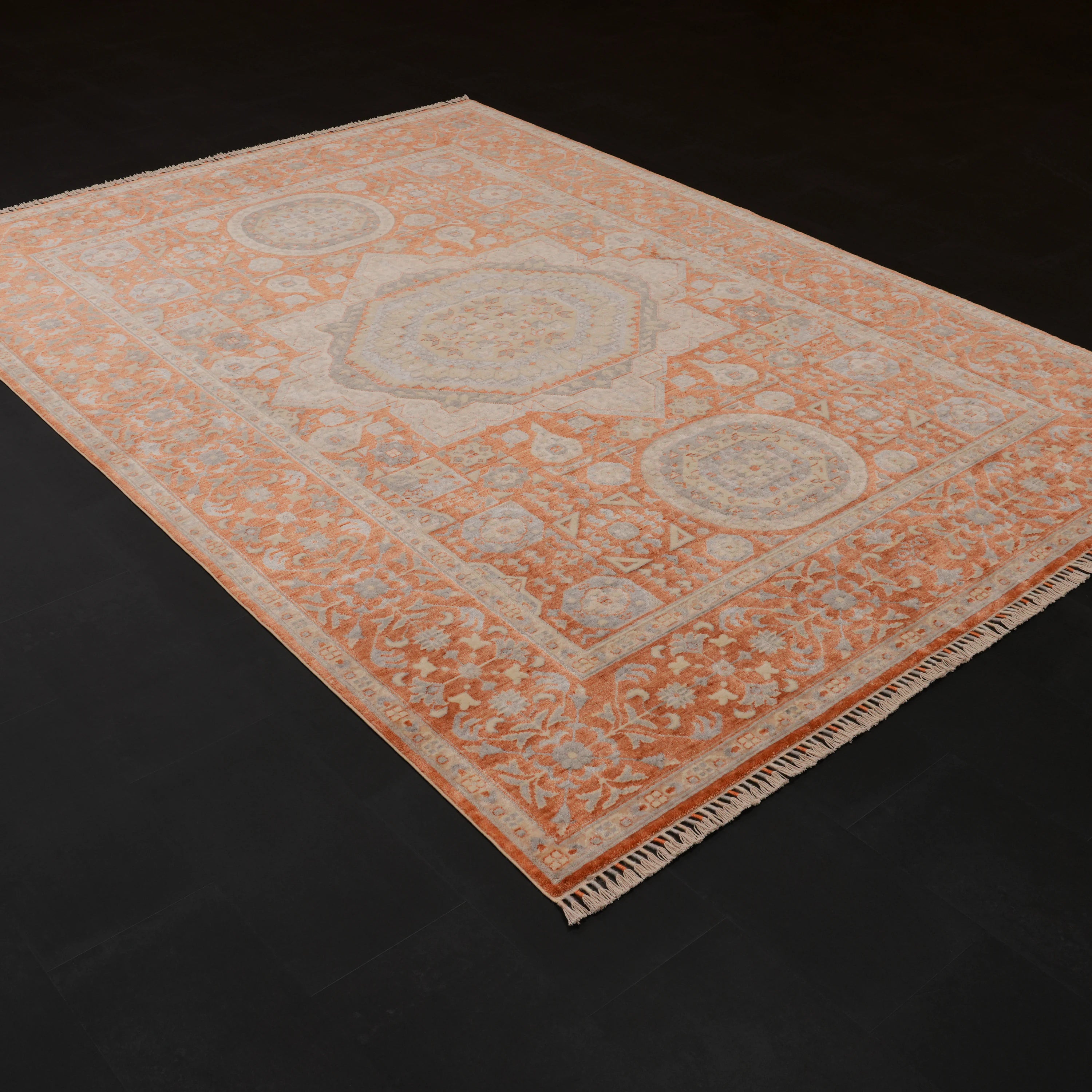

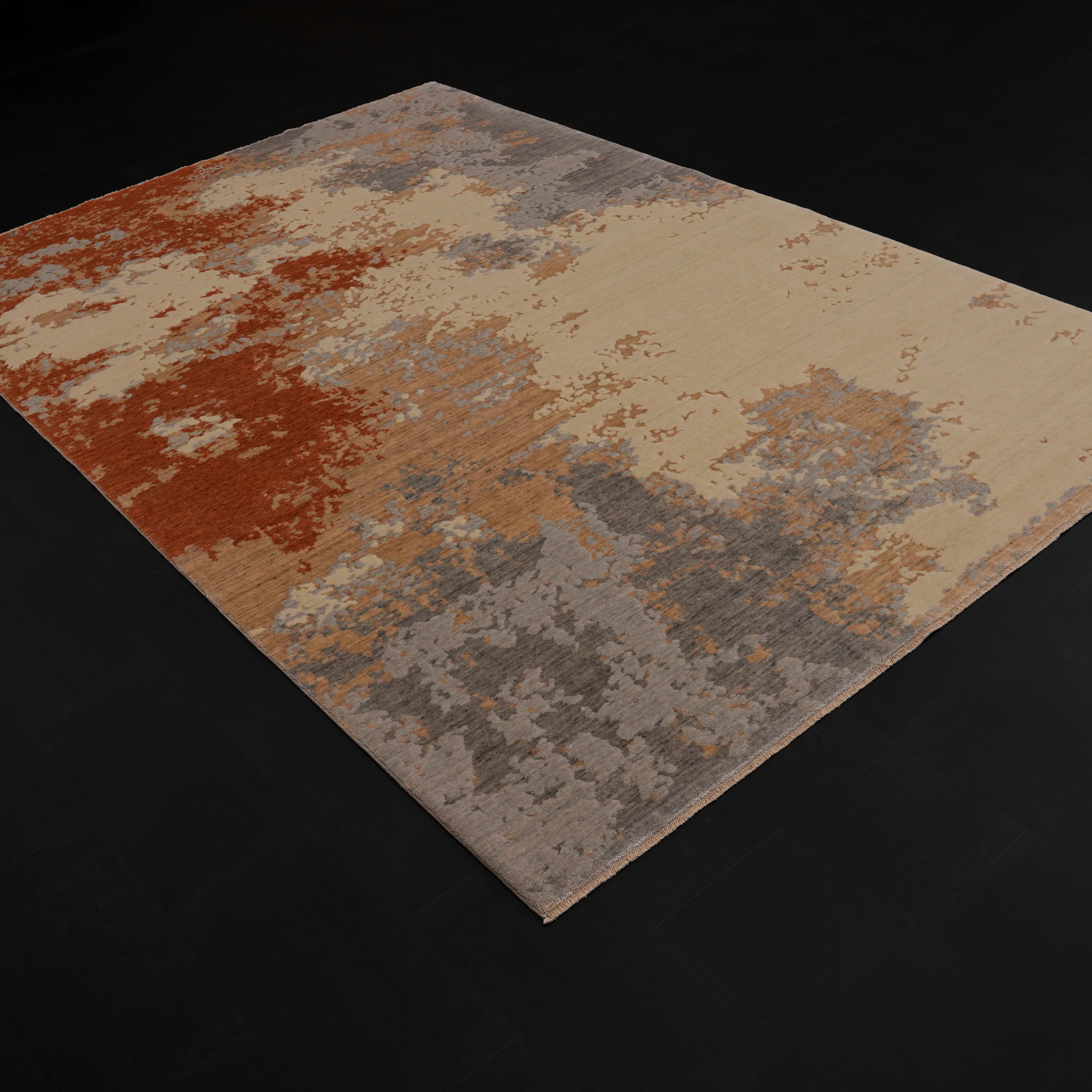
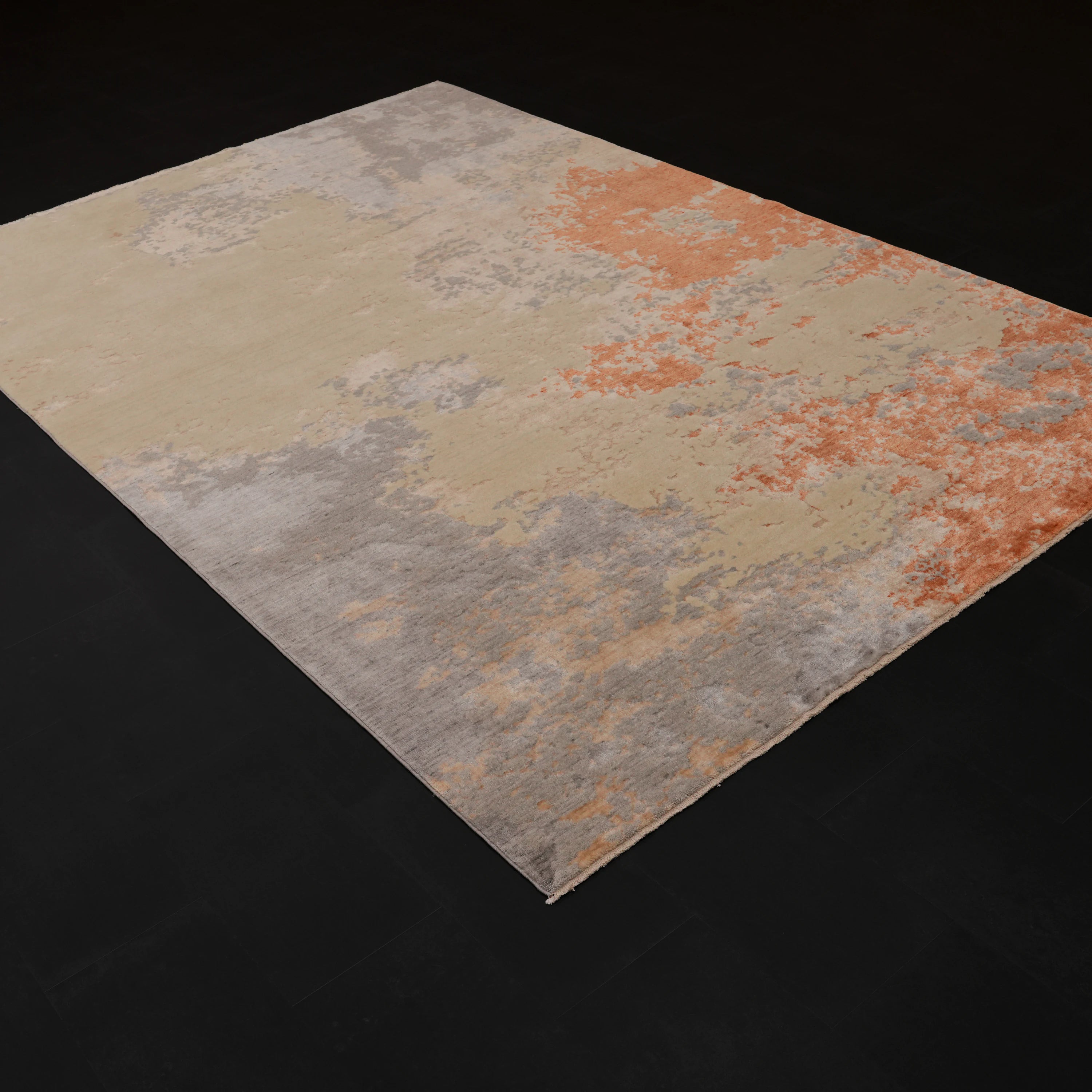
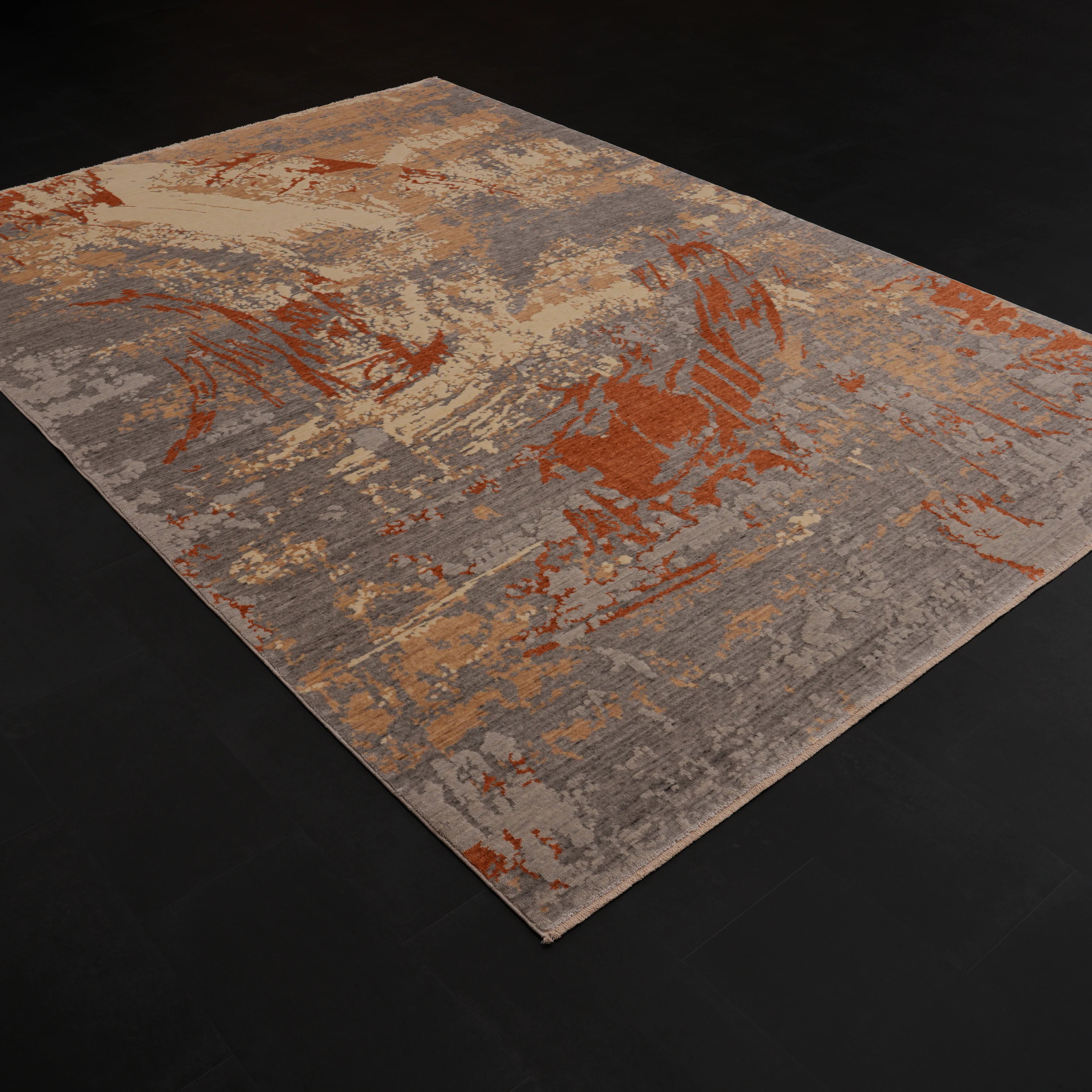
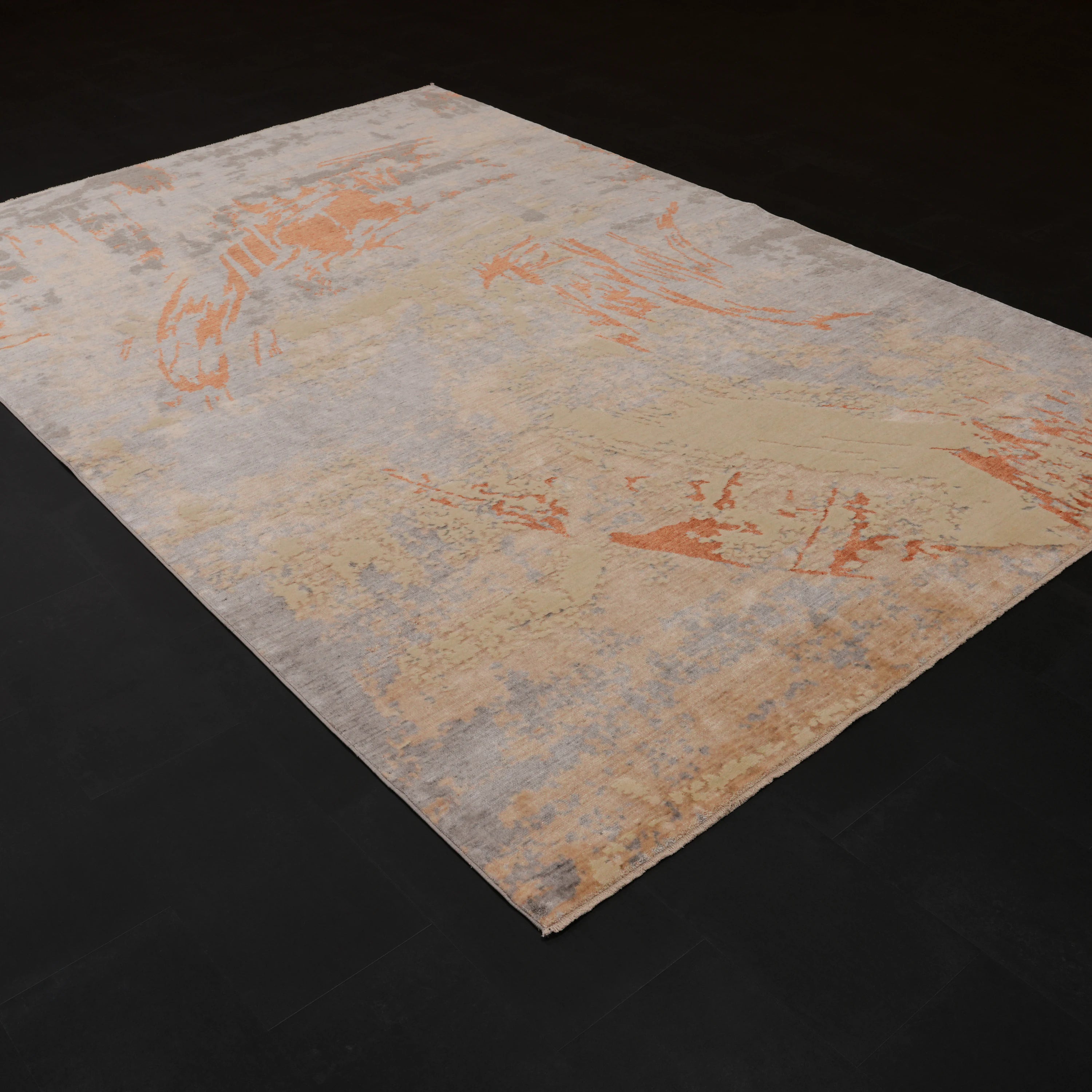
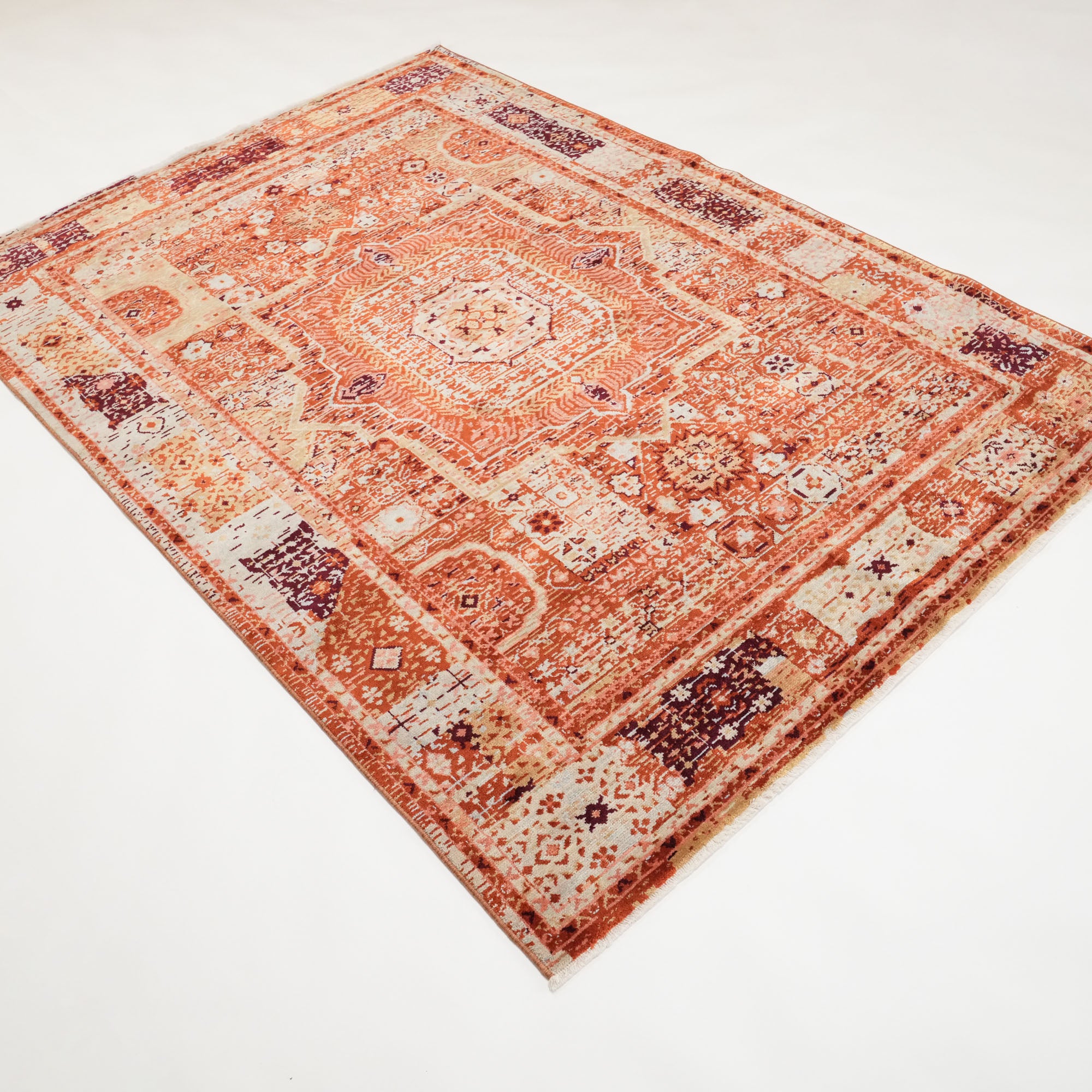
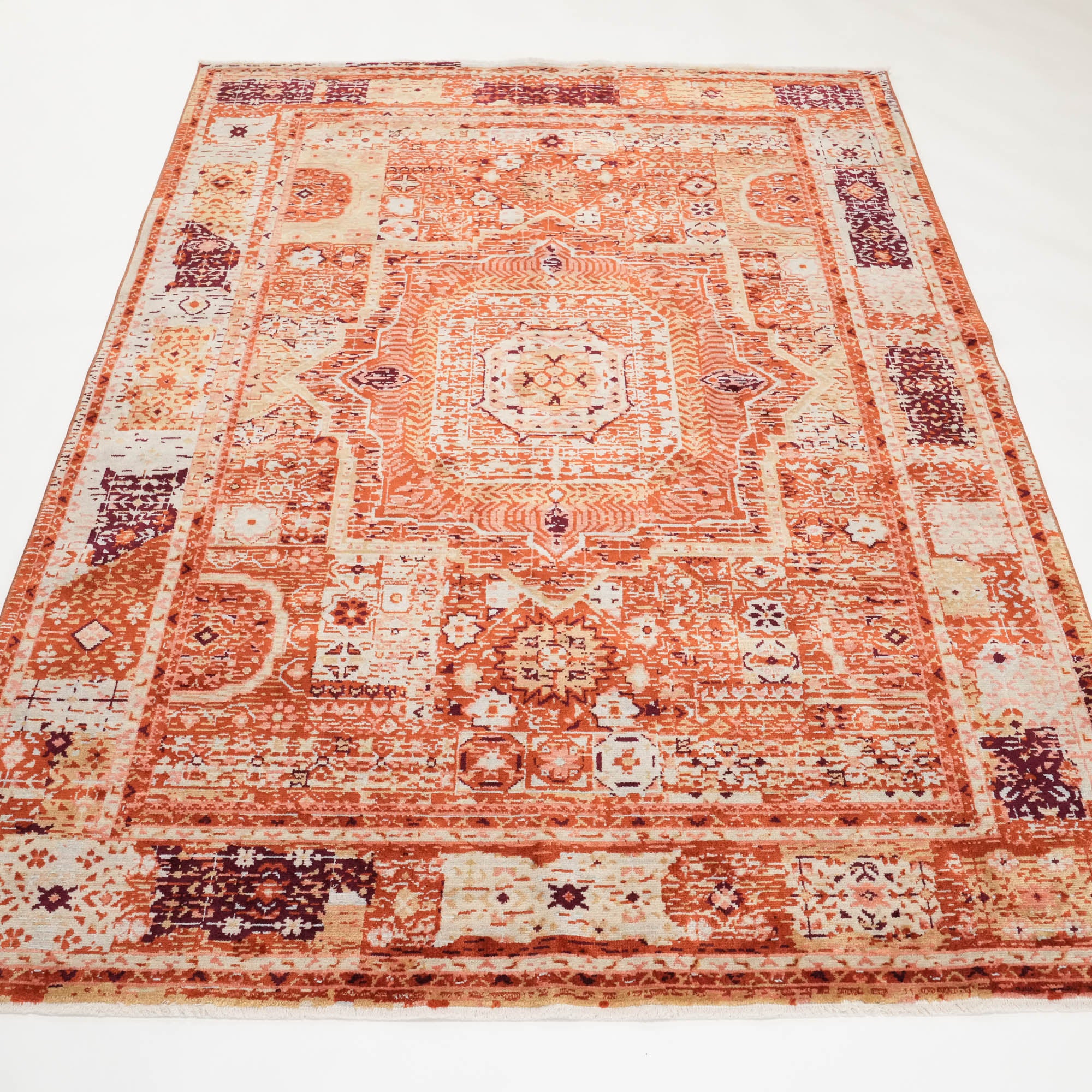


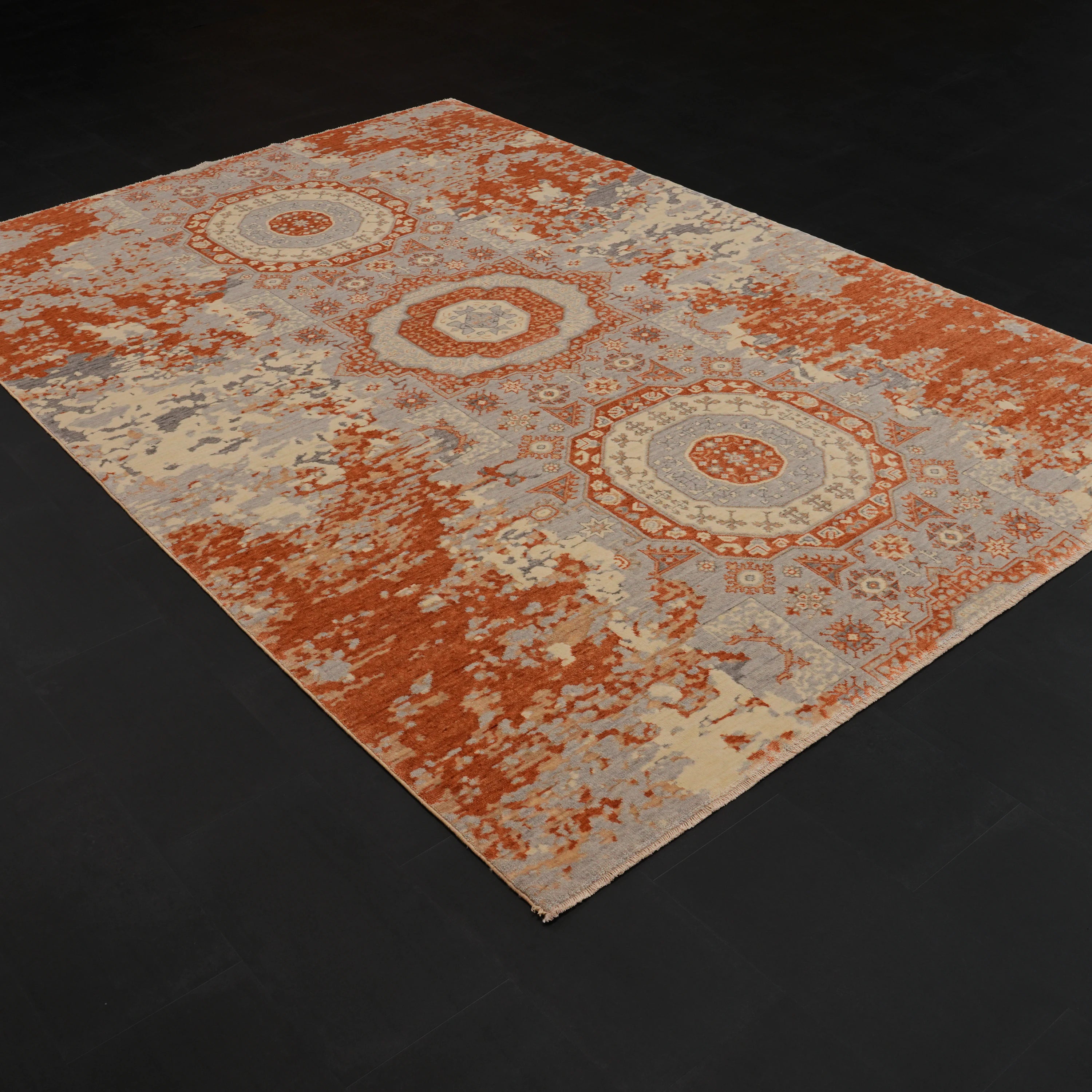
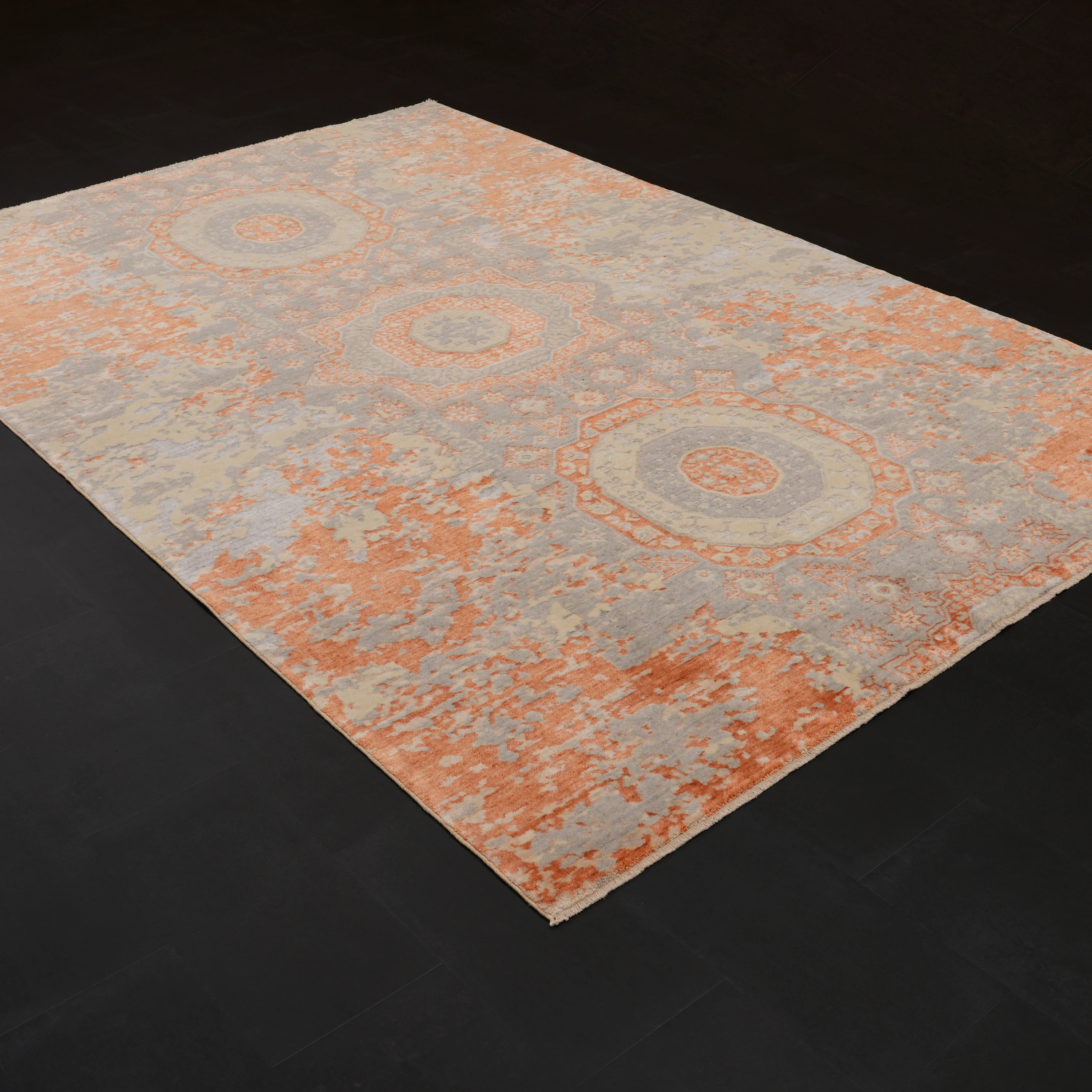
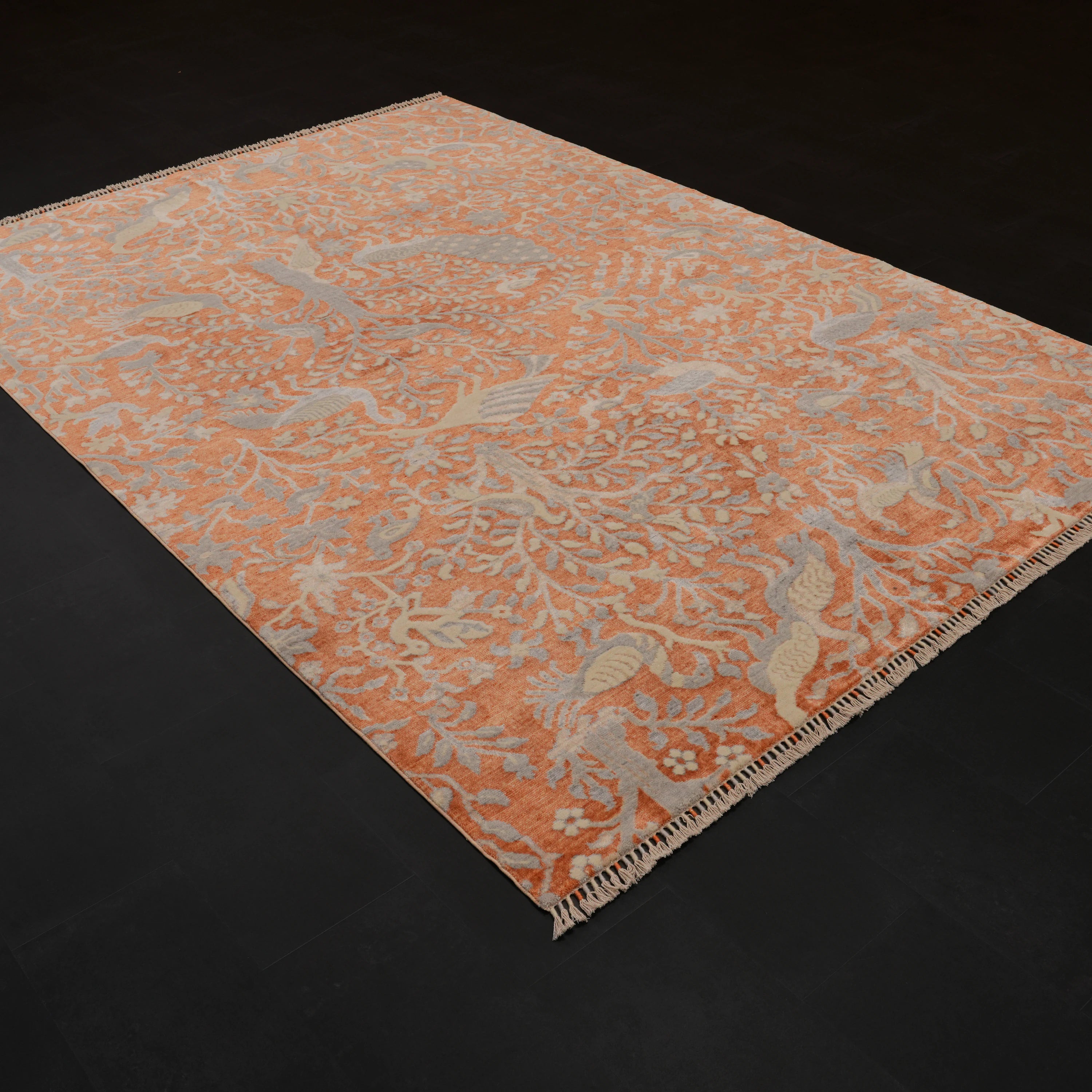
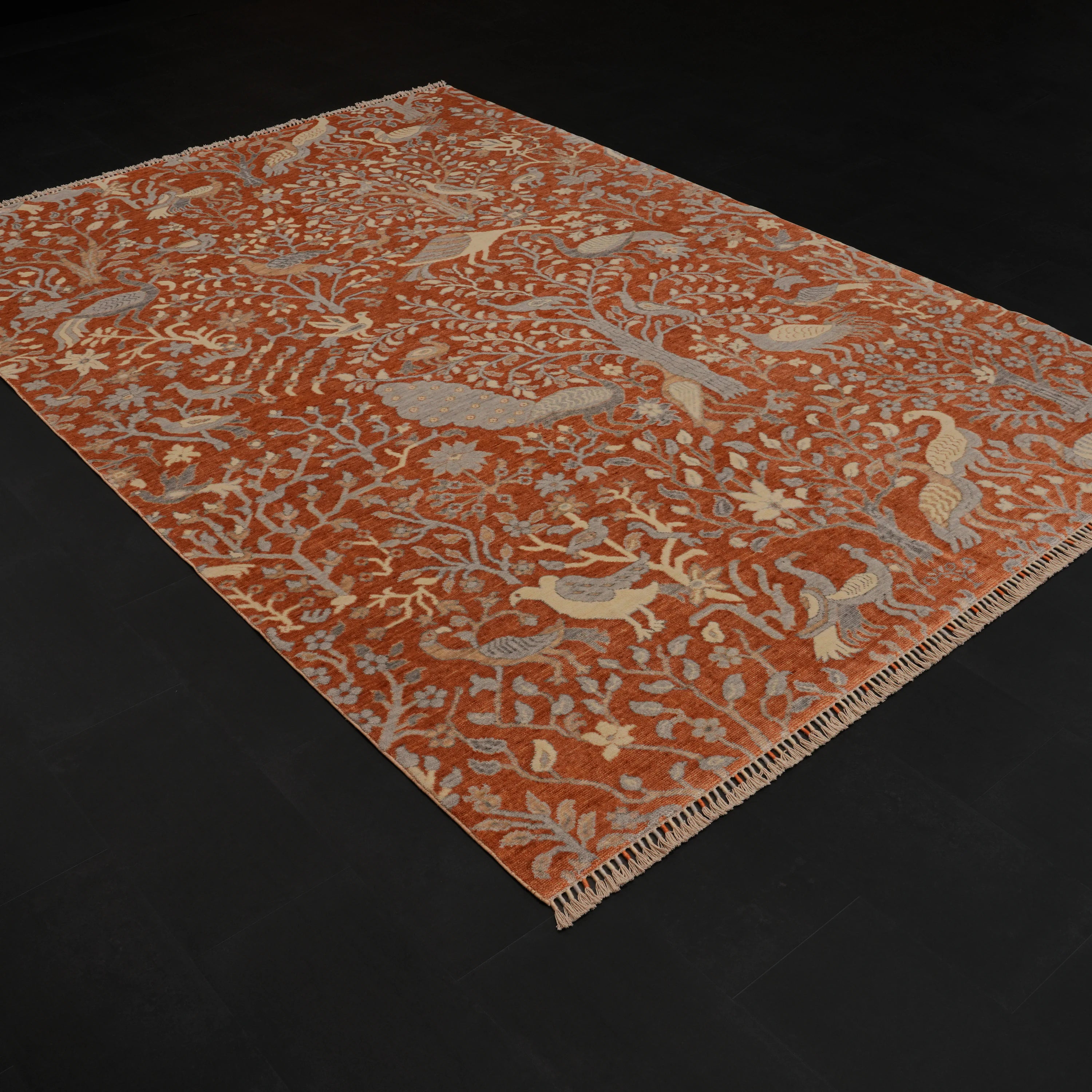


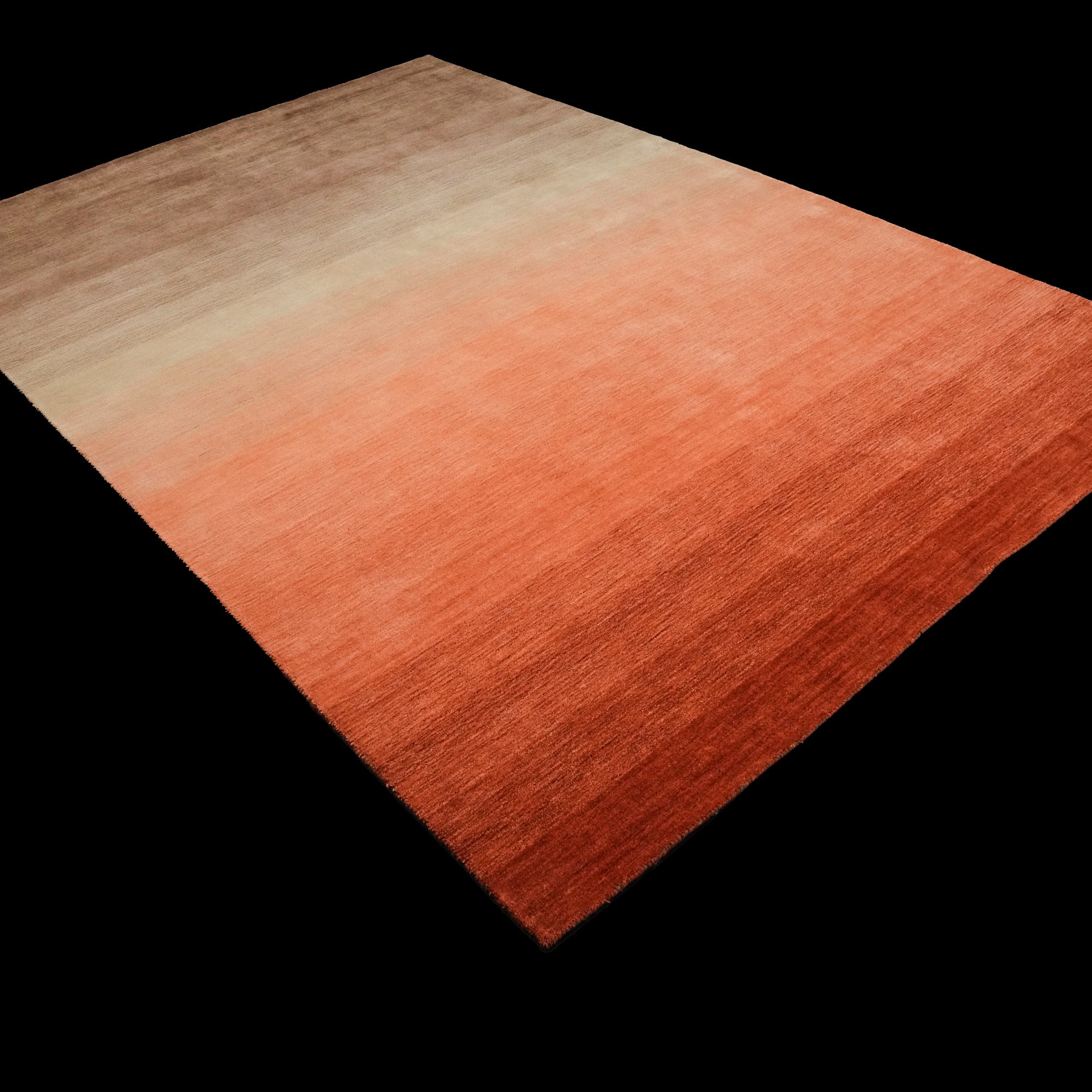
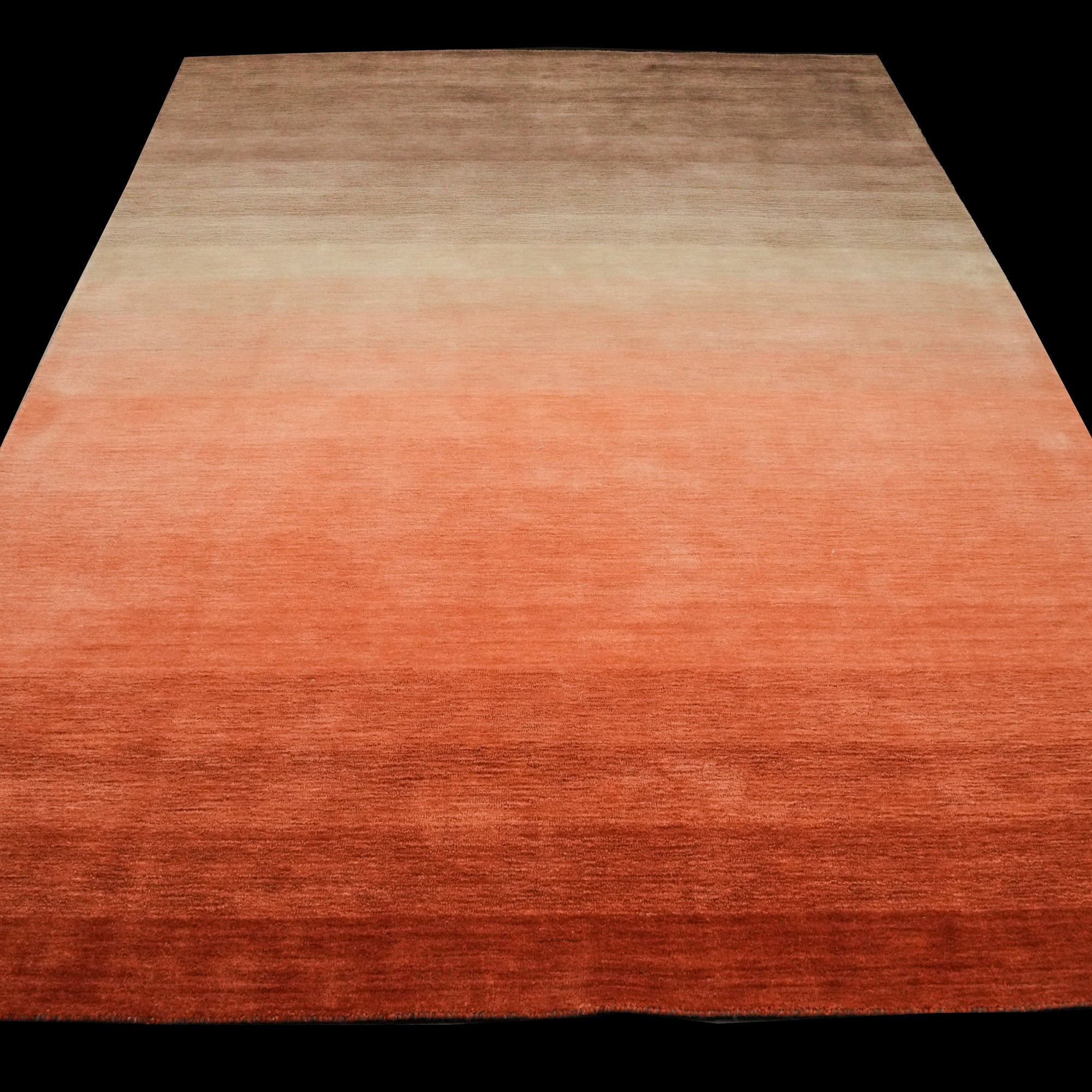
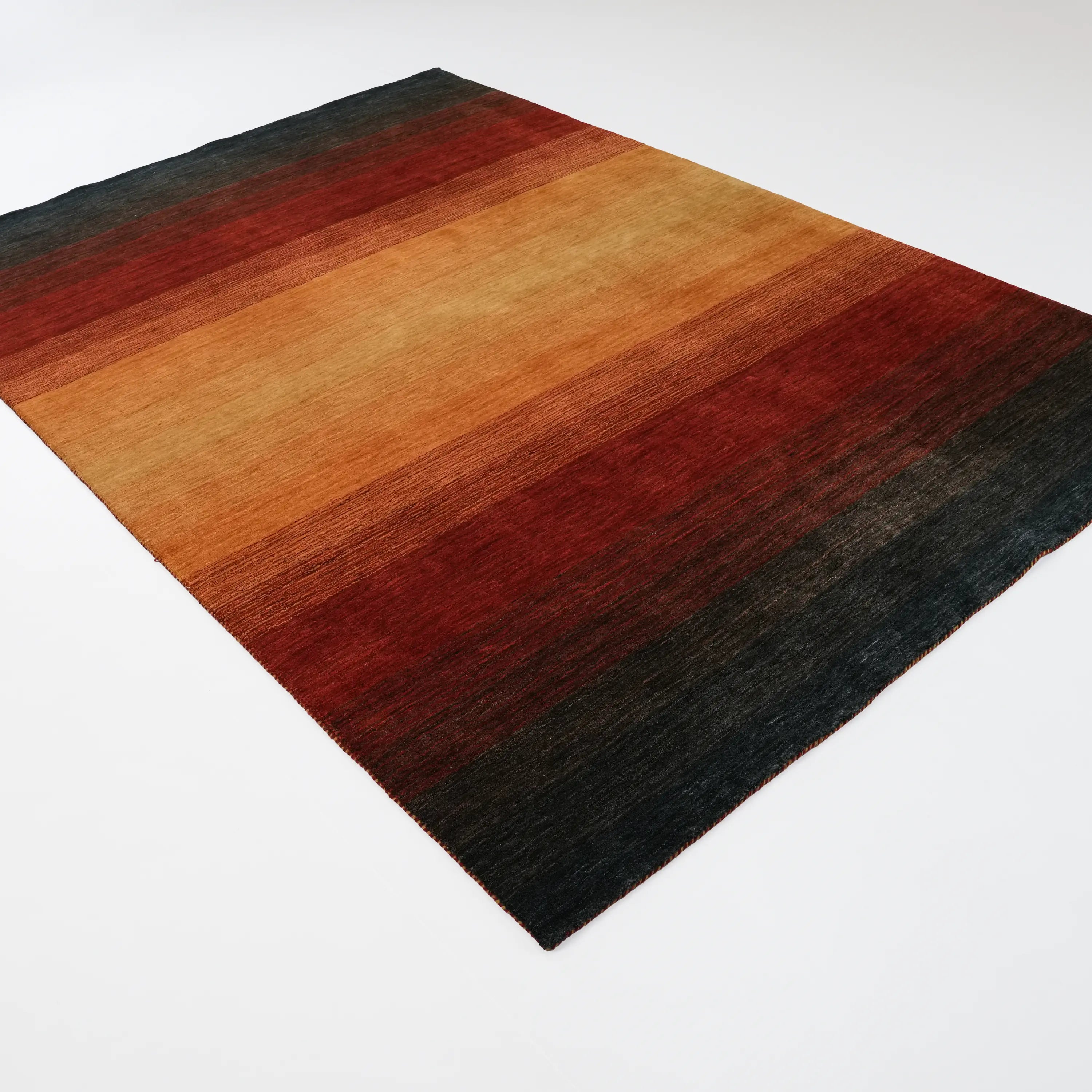
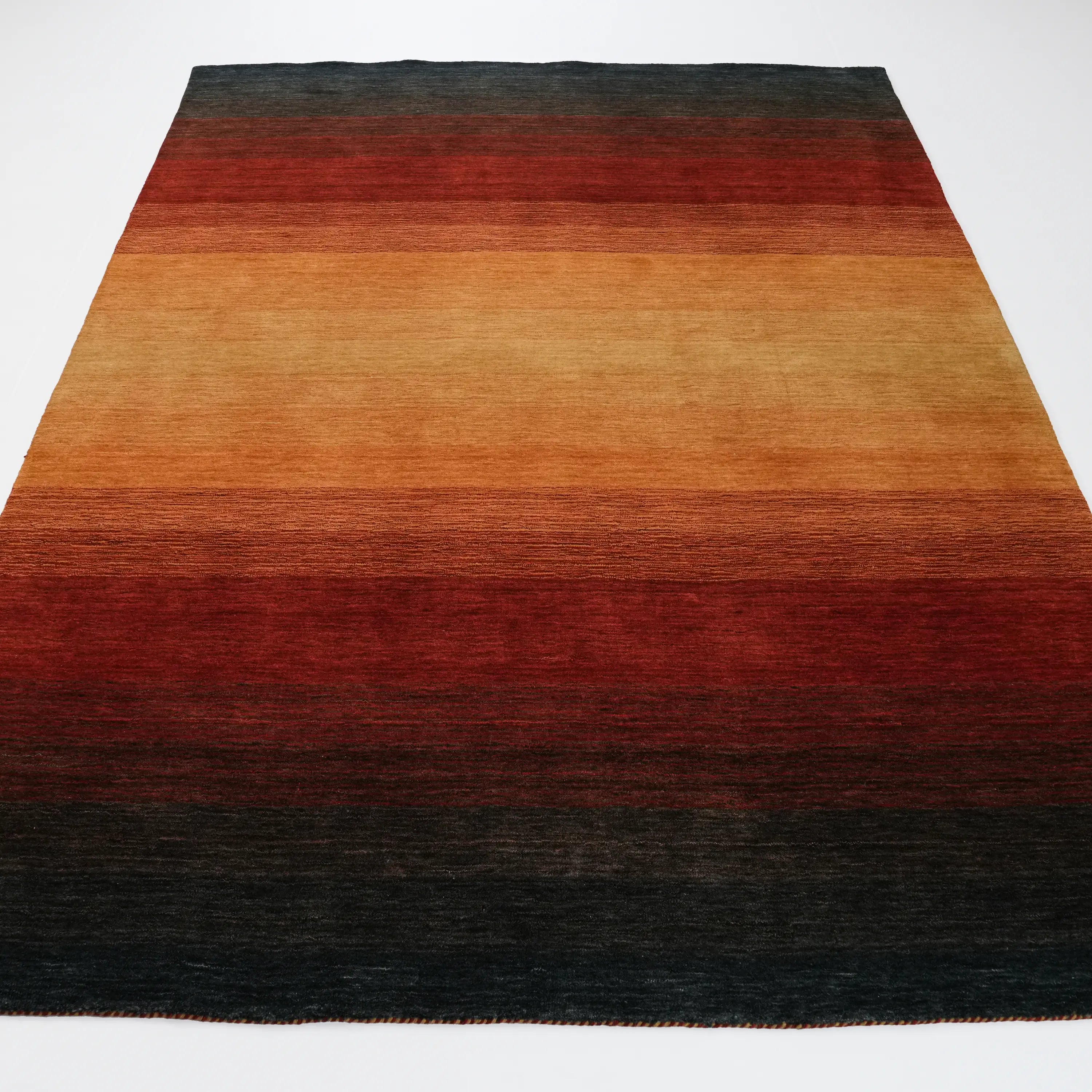
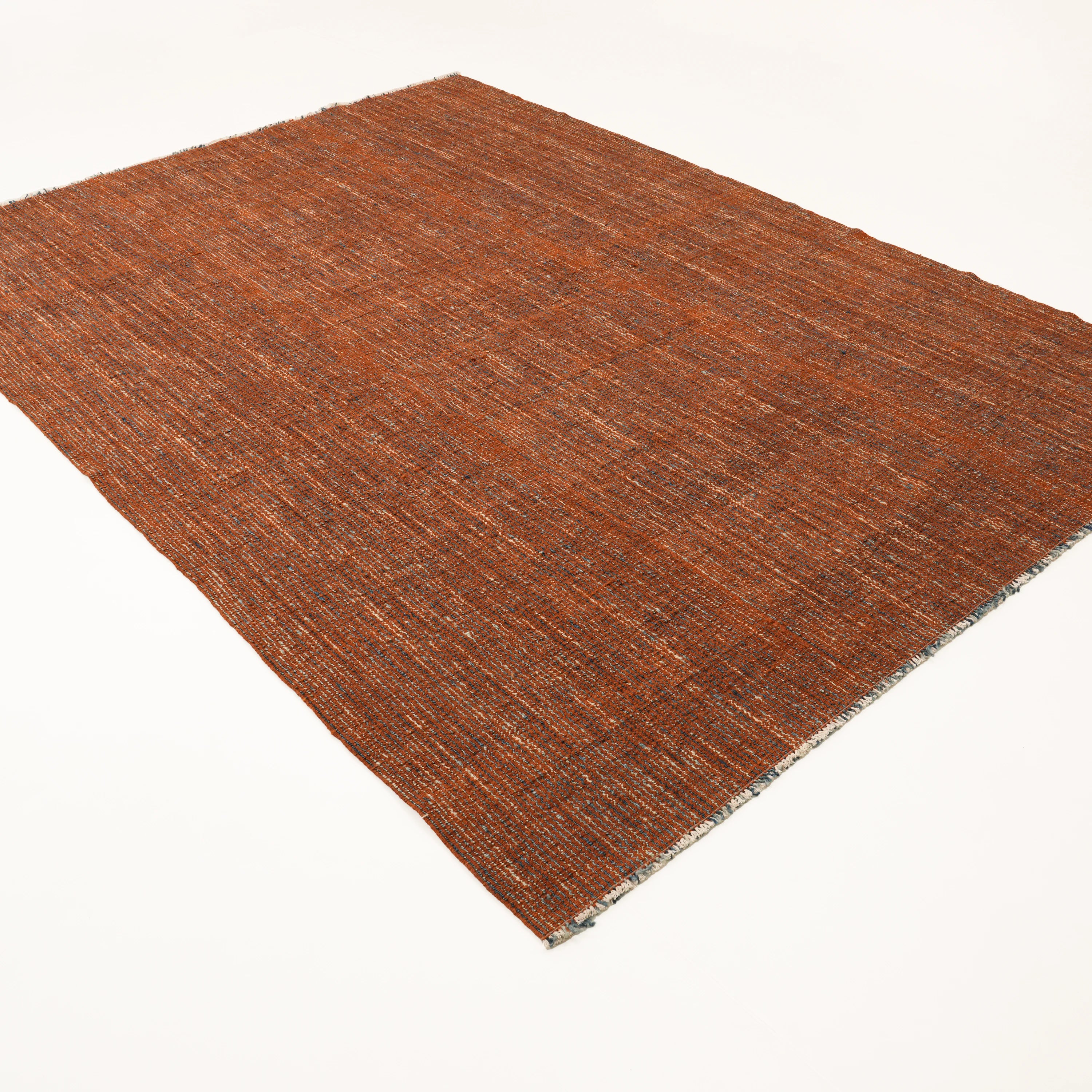
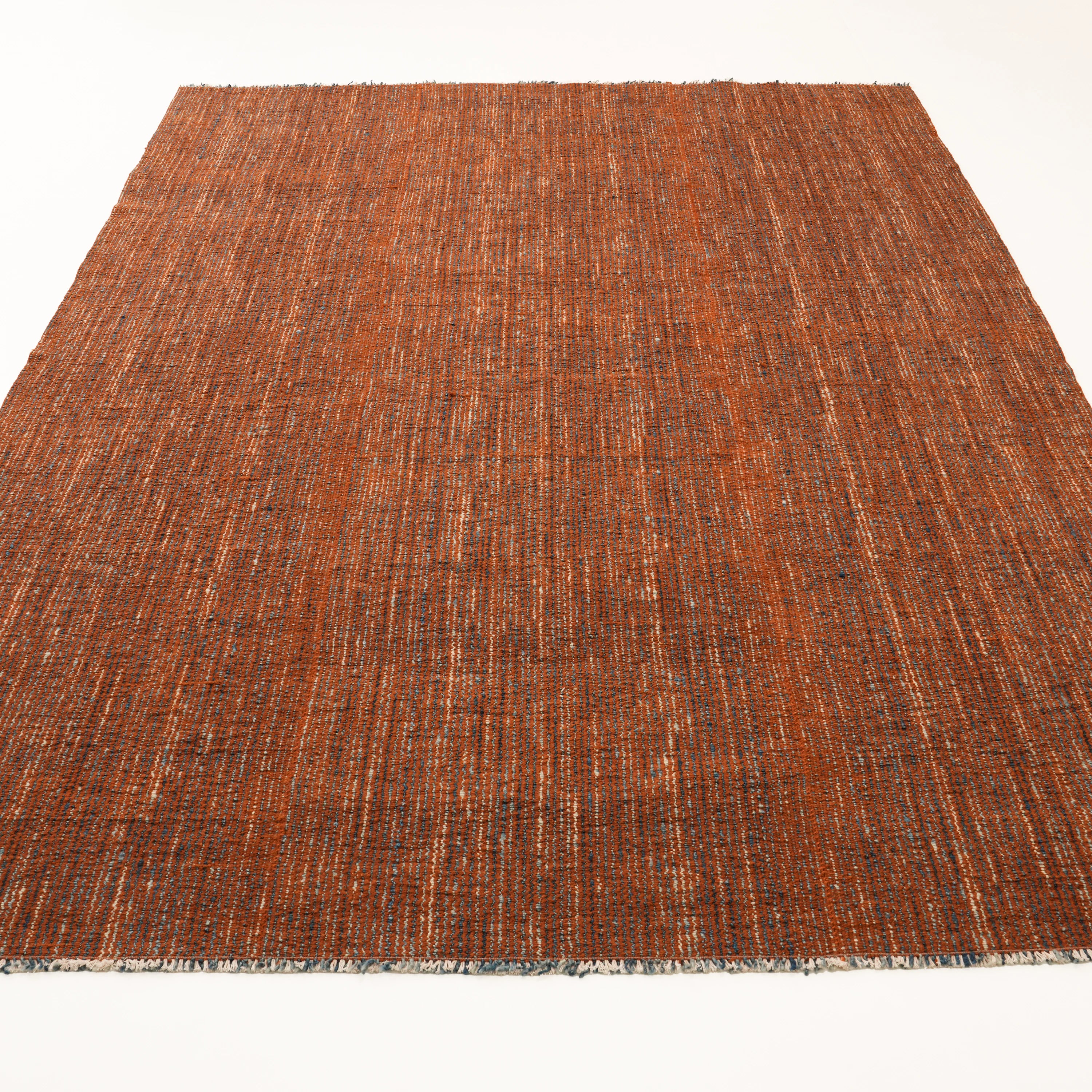
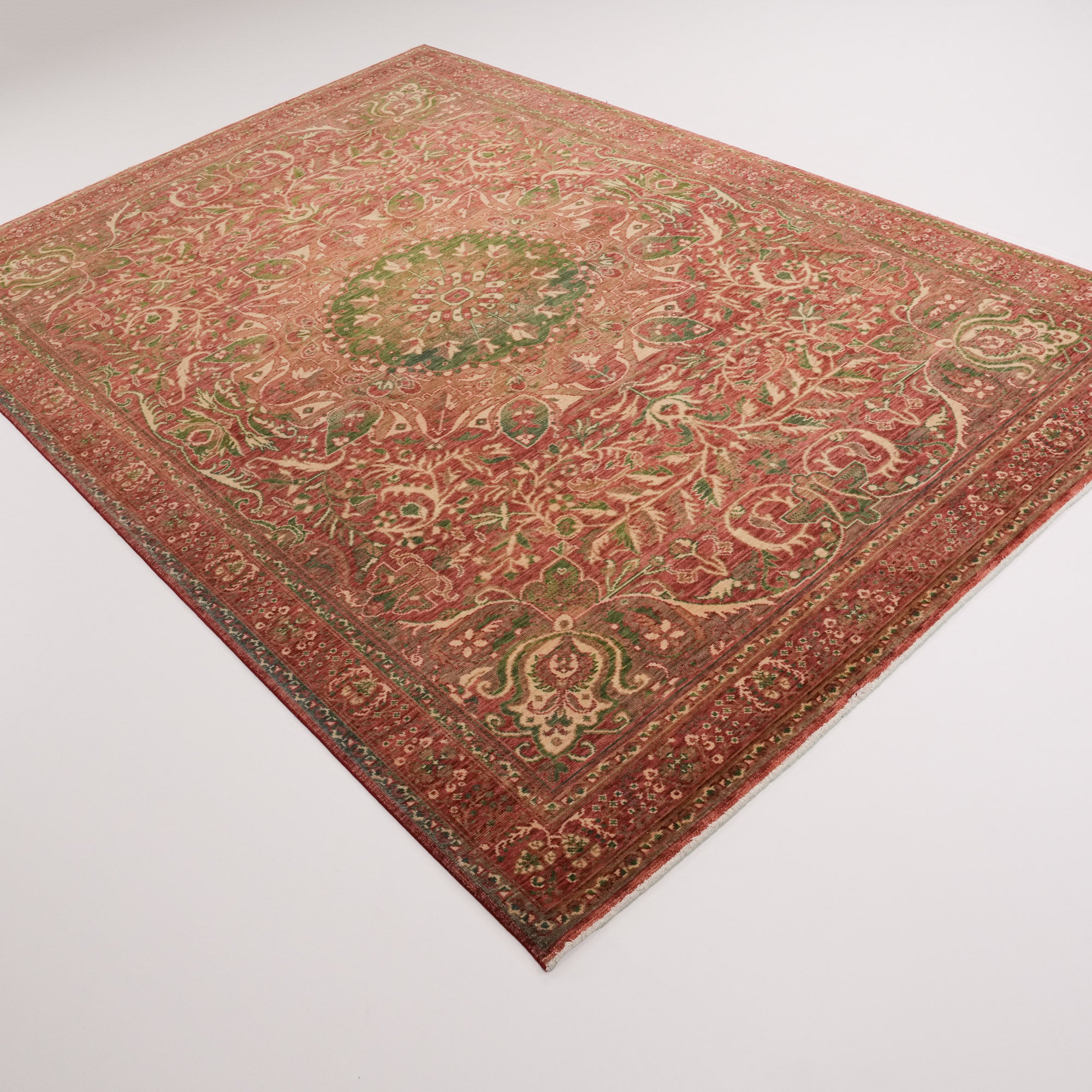
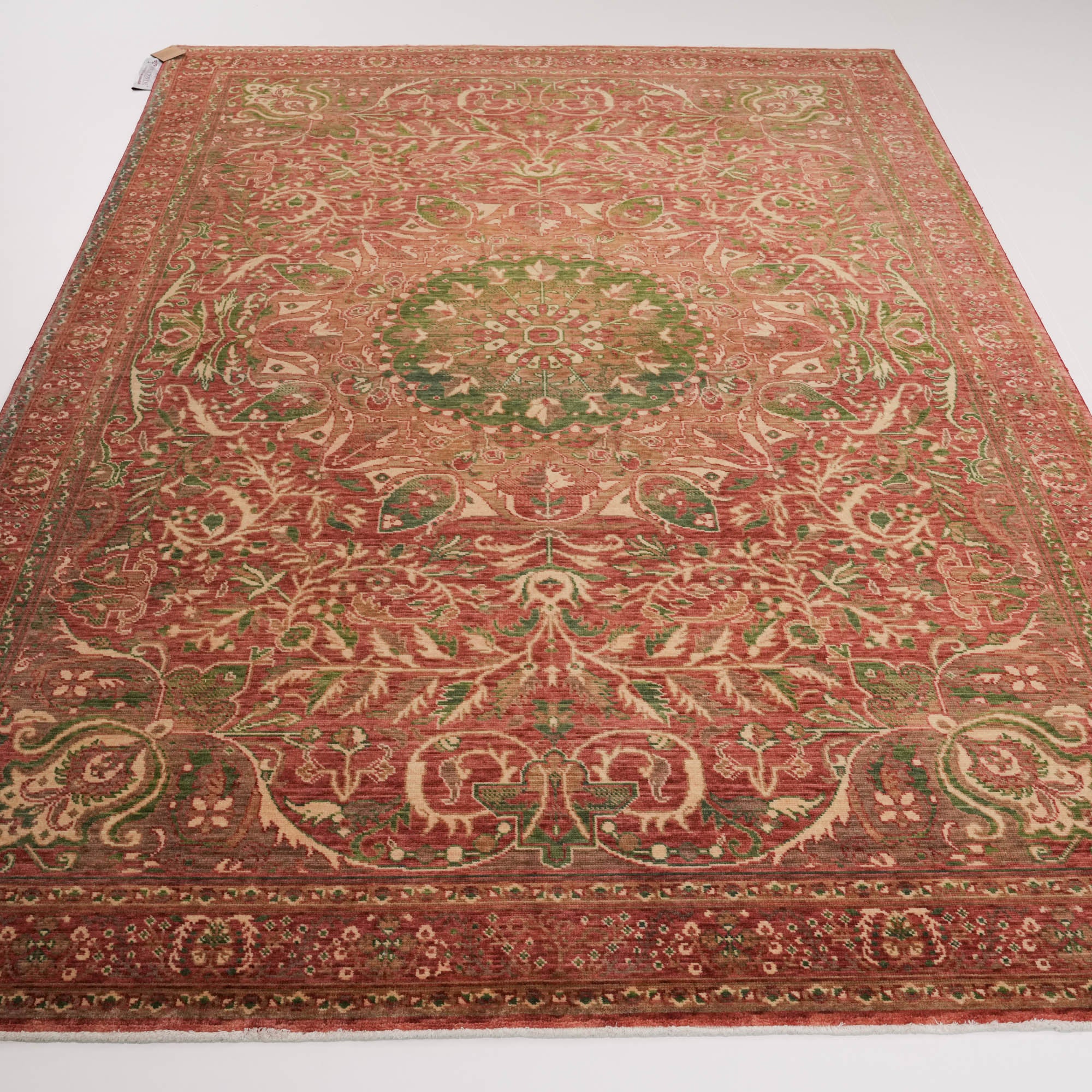
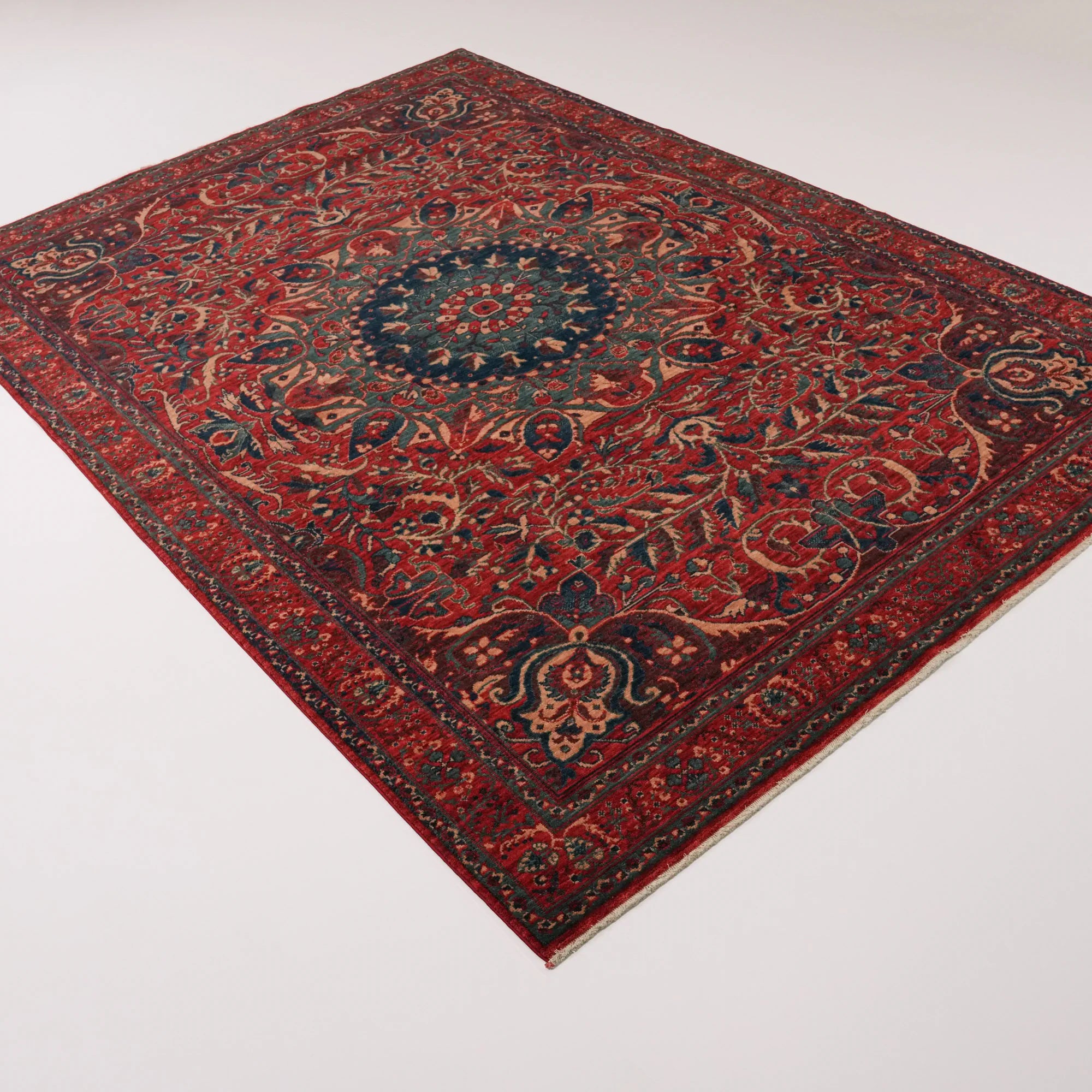
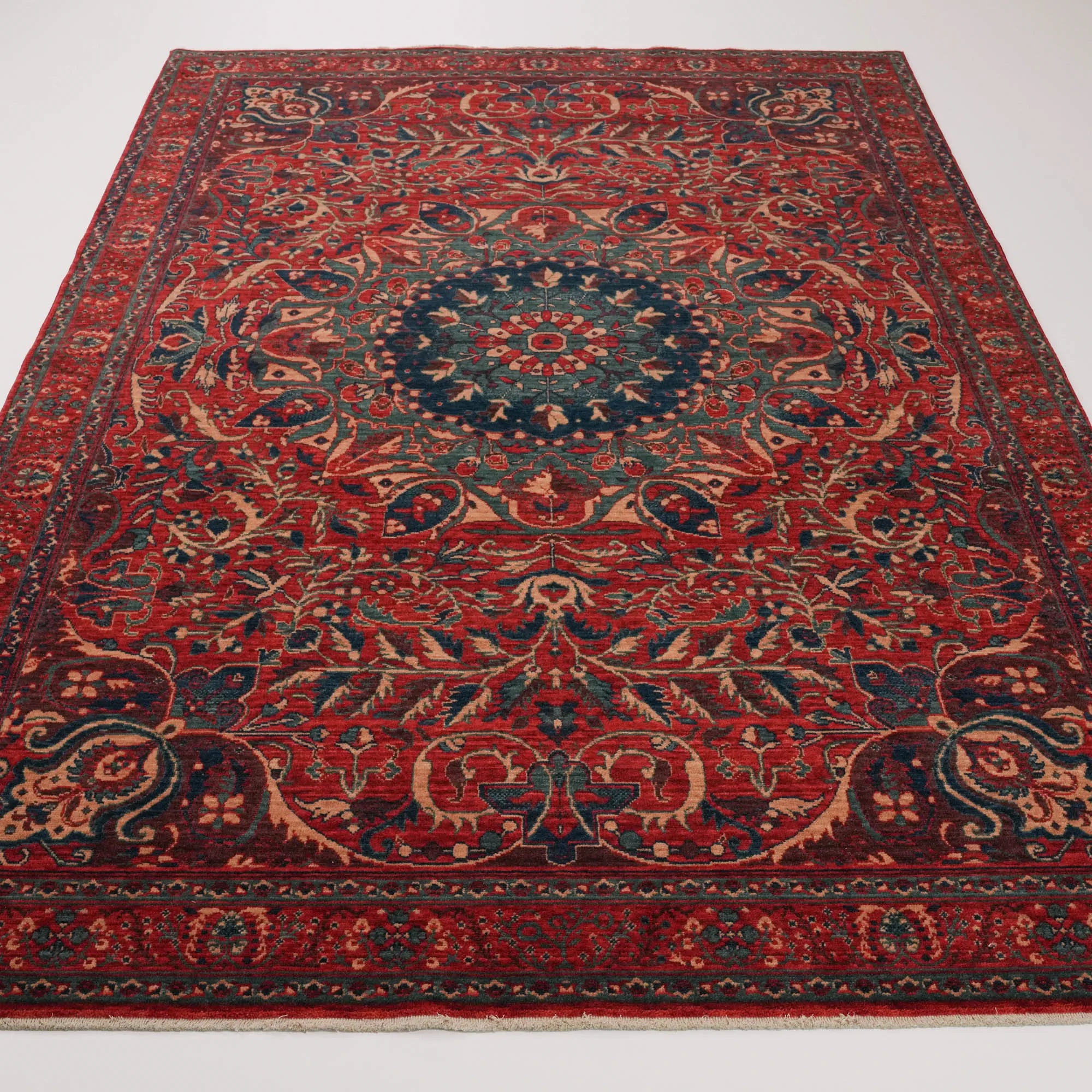
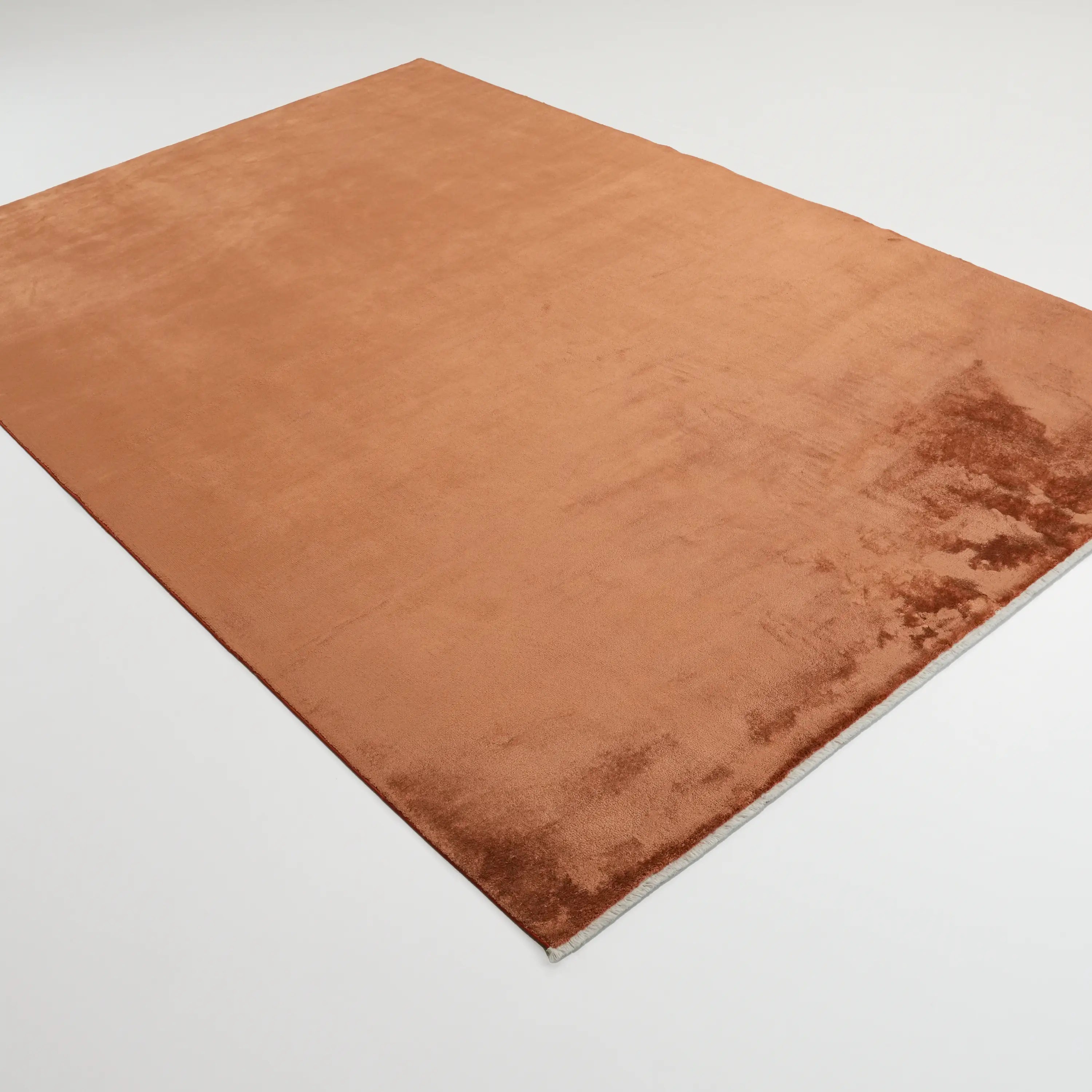
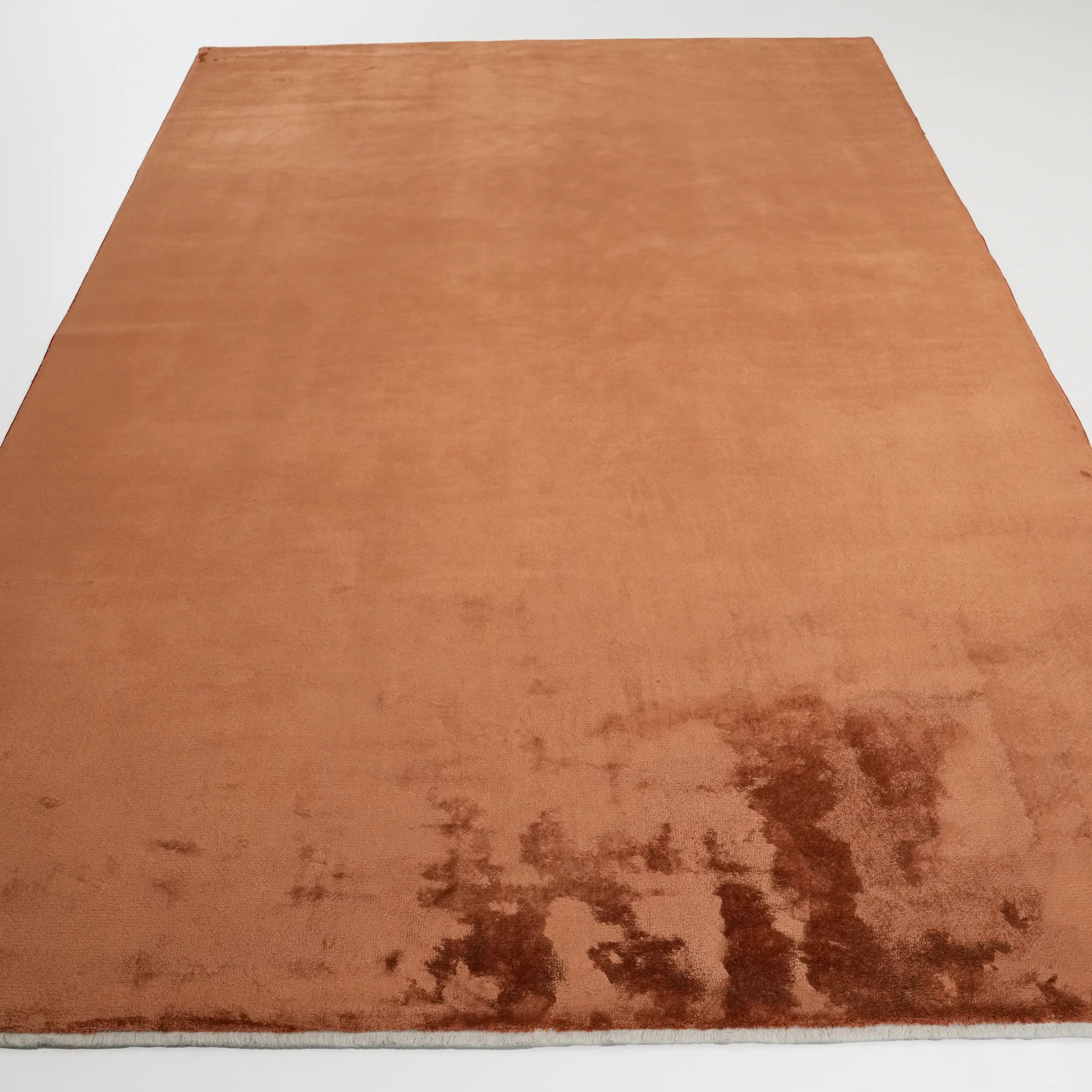

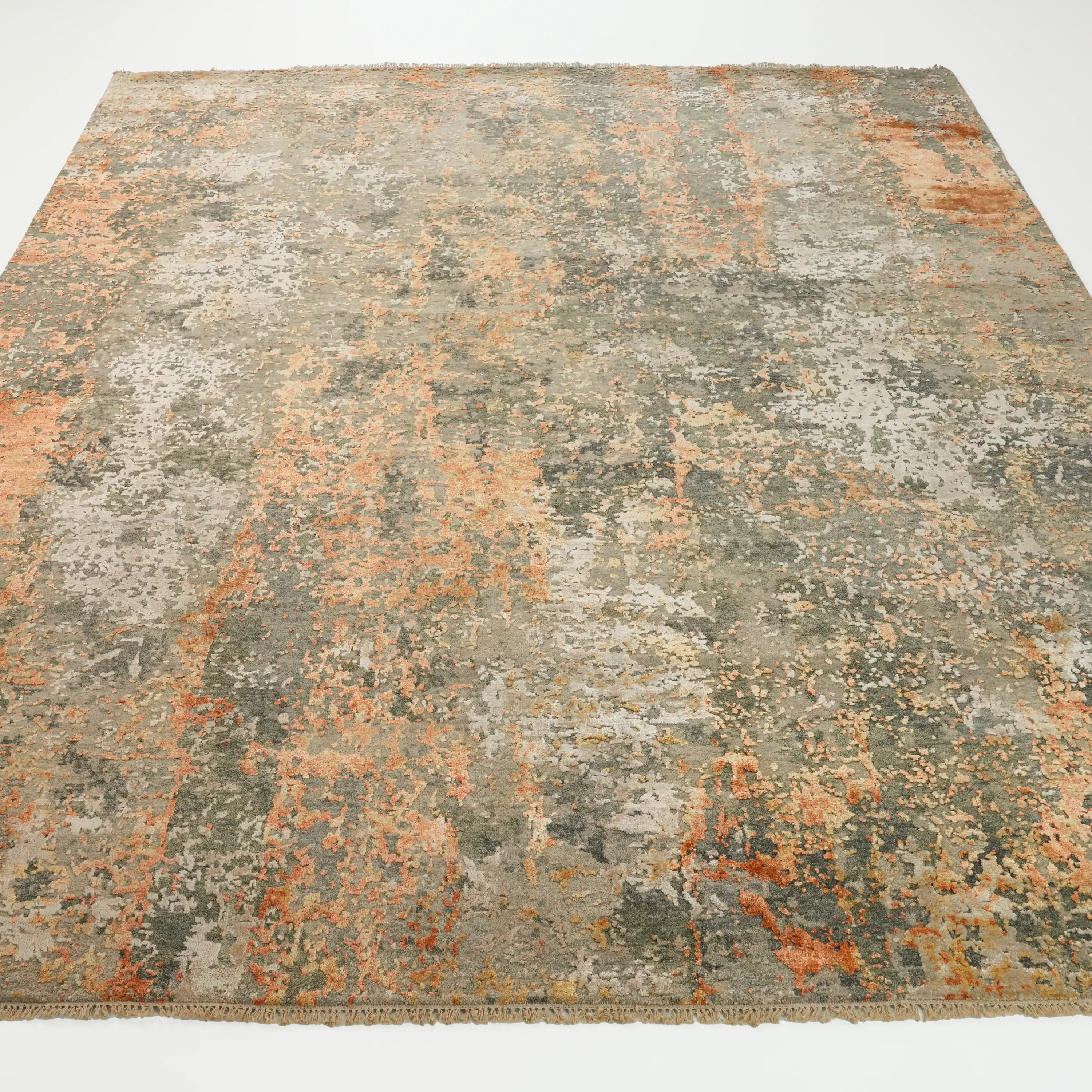
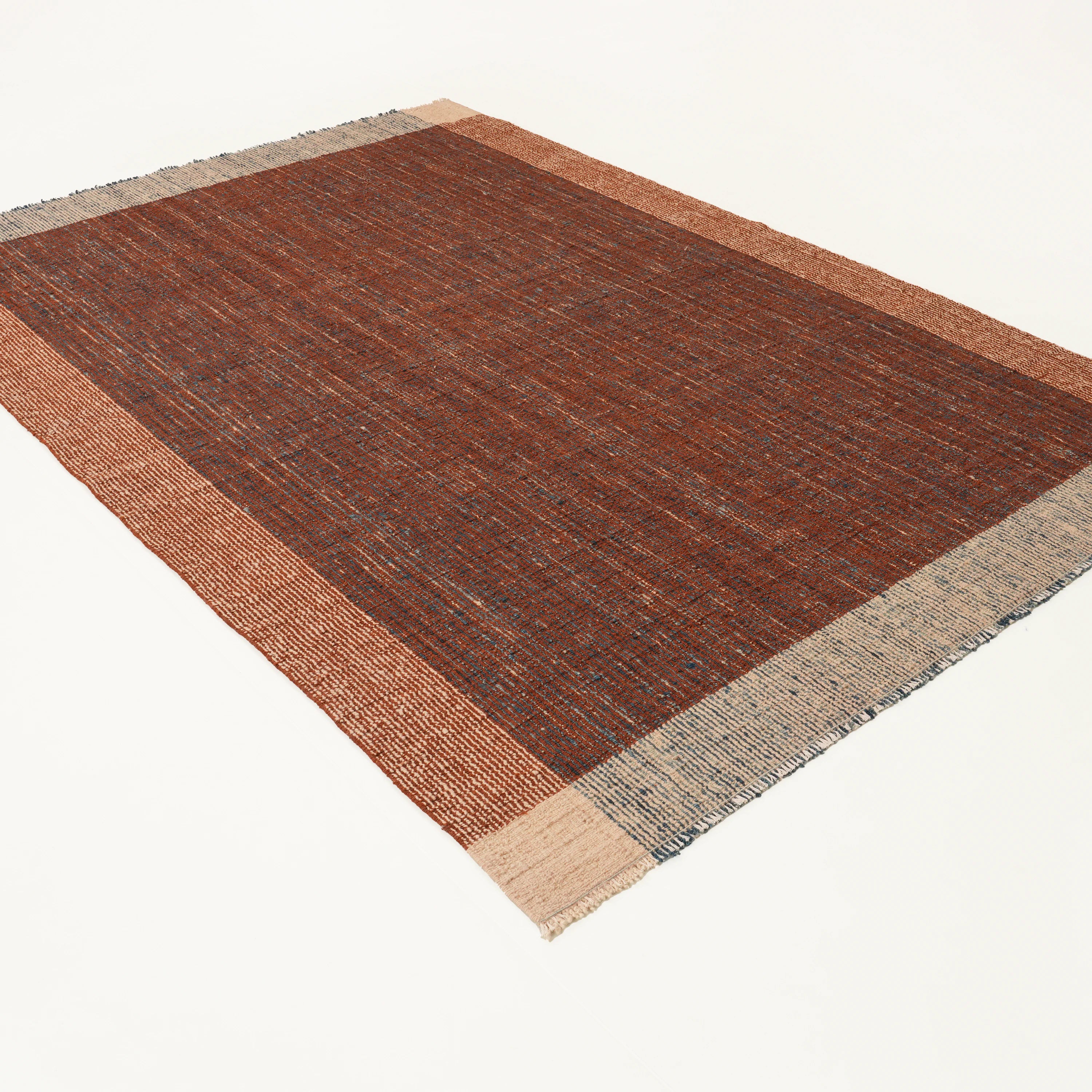
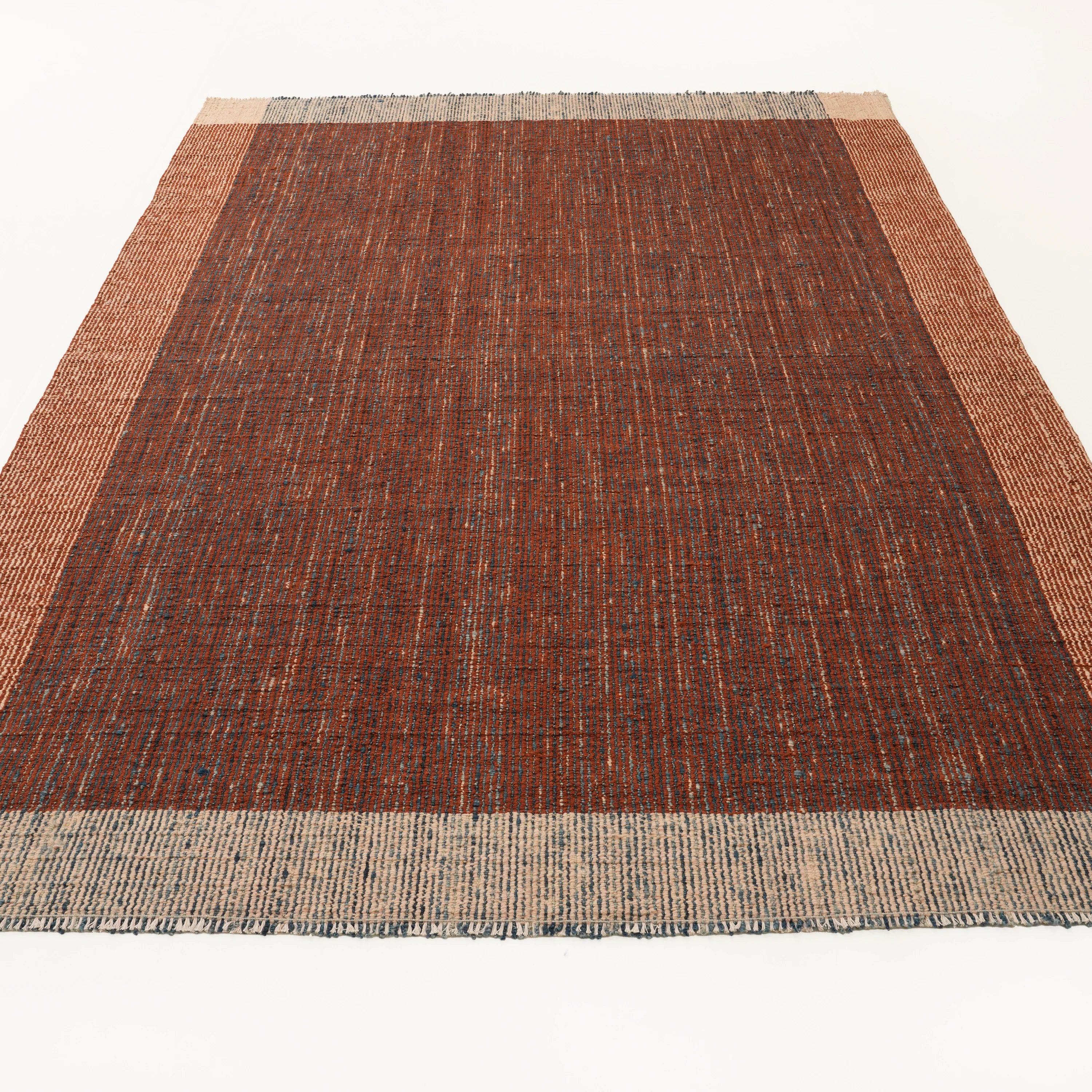
A terracotta rug is a floor covering woven or dyed in warm, muted clay-orange tones, connecting directly to Turkey's ceramic and tile traditions and achieved in rug dyeing through natural madder and clay-based pigments.
Terracotta occupies a specific, earthy niche among warm rug colors, muted enough to function as a neutral, warm enough to bring genuine character to a room, and its name and tone connect directly to one of Turkey's other great decorative art traditions.
A Color Shared with Turkish Ceramics
Terracotta tones connect directly to Turkey's ceramic and tile traditions, the same warm clay-orange visible in centuries of Anatolian pottery and architectural tile work appears in rug dyeing through related natural madder and clay-based pigment sources, giving terracotta rugs a decorative lineage that extends beyond textiles alone.
How Terracotta Differs from Bright Orange or Rust
Terracotta sits at a specific, muted point in the orange family, warmer and more saturated than beige, but considerably softer and more matte than a bright orange or vivid rust. This muted quality is part of what makes it function almost as a warm neutral rather than a bold accent color.
Why Choose a Terracotta Rug from Halicizade
We select terracotta pieces specifically for how well the tone holds its warmth without drifting toward either a harsher orange or a duller brown, a balance that depends on careful dye control given how close these adjacent tones sit to one another.
Styling a Terracotta Rug
Terracotta's earthy warmth pairs naturally with a wide range of other colors, functioning almost as a neutral in many rooms.
- Pairs beautifully with cream, sage green and natural wood tones for an earthy, grounded palette.
- Works well in living rooms and kitchens where its warmth feels especially natural.
- A strong complement to ceramic and pottery decor, echoing the color's shared decorative heritage.
- Layers well with other warm neutrals (cream, camel, rust) for a cohesive, tonal room design.
Terracotta vs. Rust vs. Copper
| Shade | Character | Best For |
|---|---|---|
| Terracotta | Muted, matte, earthy neutral-adjacent | Living rooms, kitchens, most interiors |
| Rust | Deeper, more saturated orange-red | Living rooms, dining rooms |
| Copper | Warm with a subtle metallic quality | Living rooms, dining rooms |
Care & Maintenance
Terracotta's natural madder and clay-based dye sources are generally stable; standard wool care, regular vacuuming, prompt spill treatment, and professional cleaning every 12-18 months, keeps the tone looking its best.
Frequently Asked Questions
What wall colors go best with a terracotta rug?
Cream, white and warm gray walls let a terracotta rug lead the room's palette; sage green walls also pair particularly well for an earthy, grounded look.
Is terracotta the same as rust or copper?
They're related but distinct, terracotta is more muted and matte, rust is deeper and more saturated, and copper carries a subtle metallic quality; all three sit within the same warm orange-brown family.
Does terracotta connect to other Turkish decorative arts?
Yes, the tone closely echoes centuries of Anatolian ceramic and architectural tile work, giving terracotta rugs a shared decorative lineage with Turkish pottery traditions.
Is terracotta considered a neutral color?
It functions almost as a warm neutral given its muted quality, pairing easily with a wide range of other colors despite technically being in the orange family.
What rooms suit a terracotta rug best?
Living rooms and kitchens are particularly natural fits, where the color's warmth feels especially at home.
Does terracotta dye fade in sunlight?
Natural madder and clay-based terracotta dyes are generally stable, though as with any color, prolonged intense direct sun exposure can gradually affect depth over many years.