

Filters
27 products
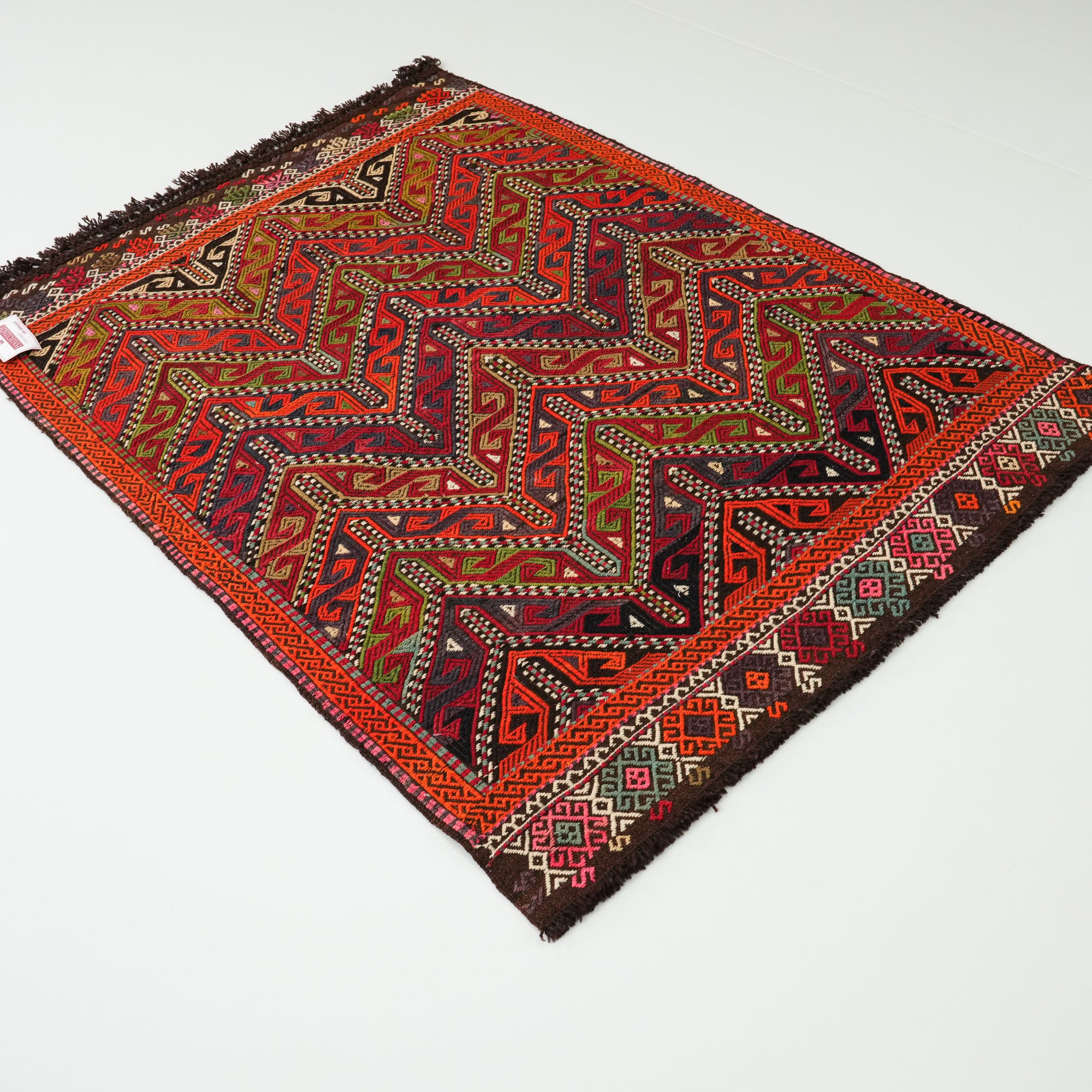
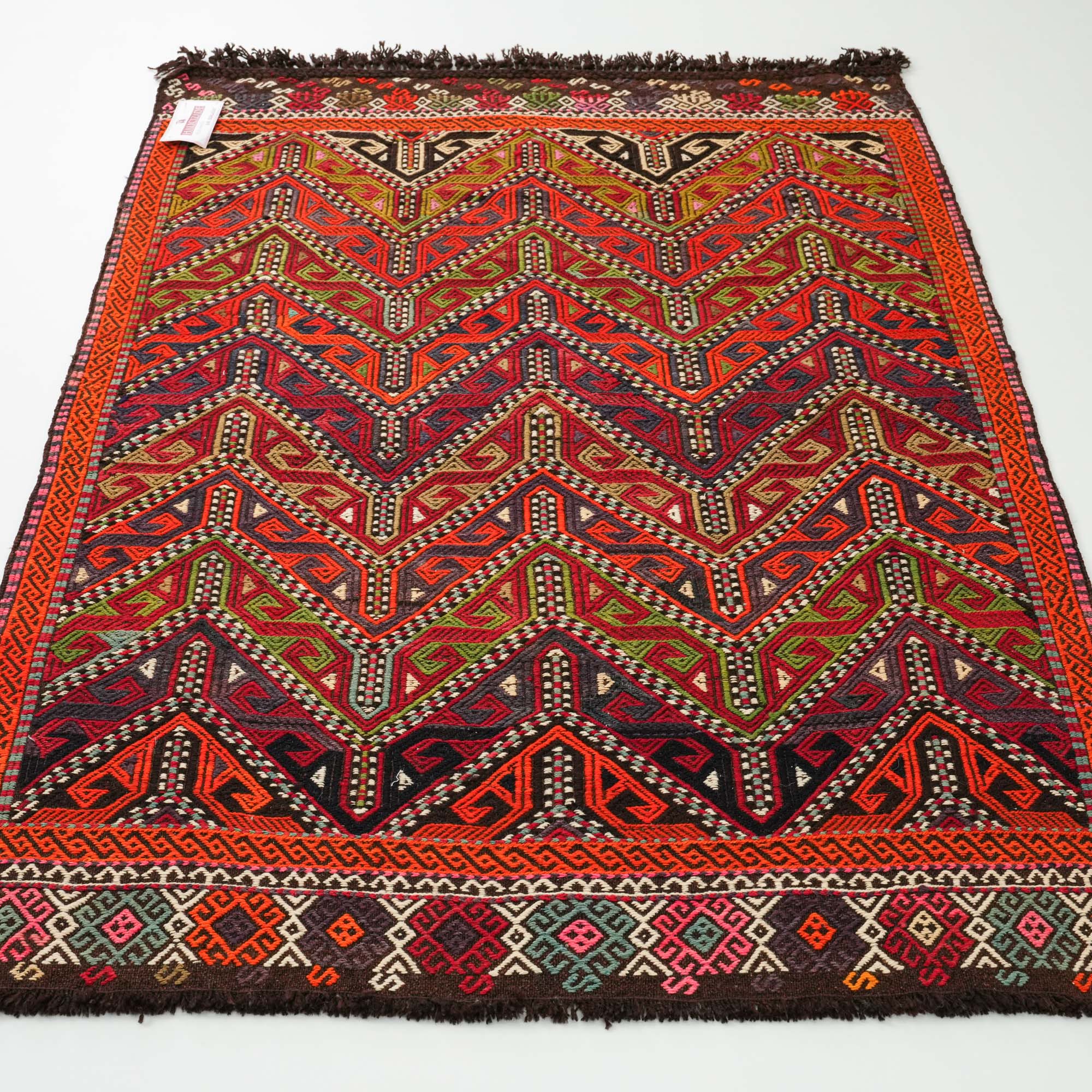
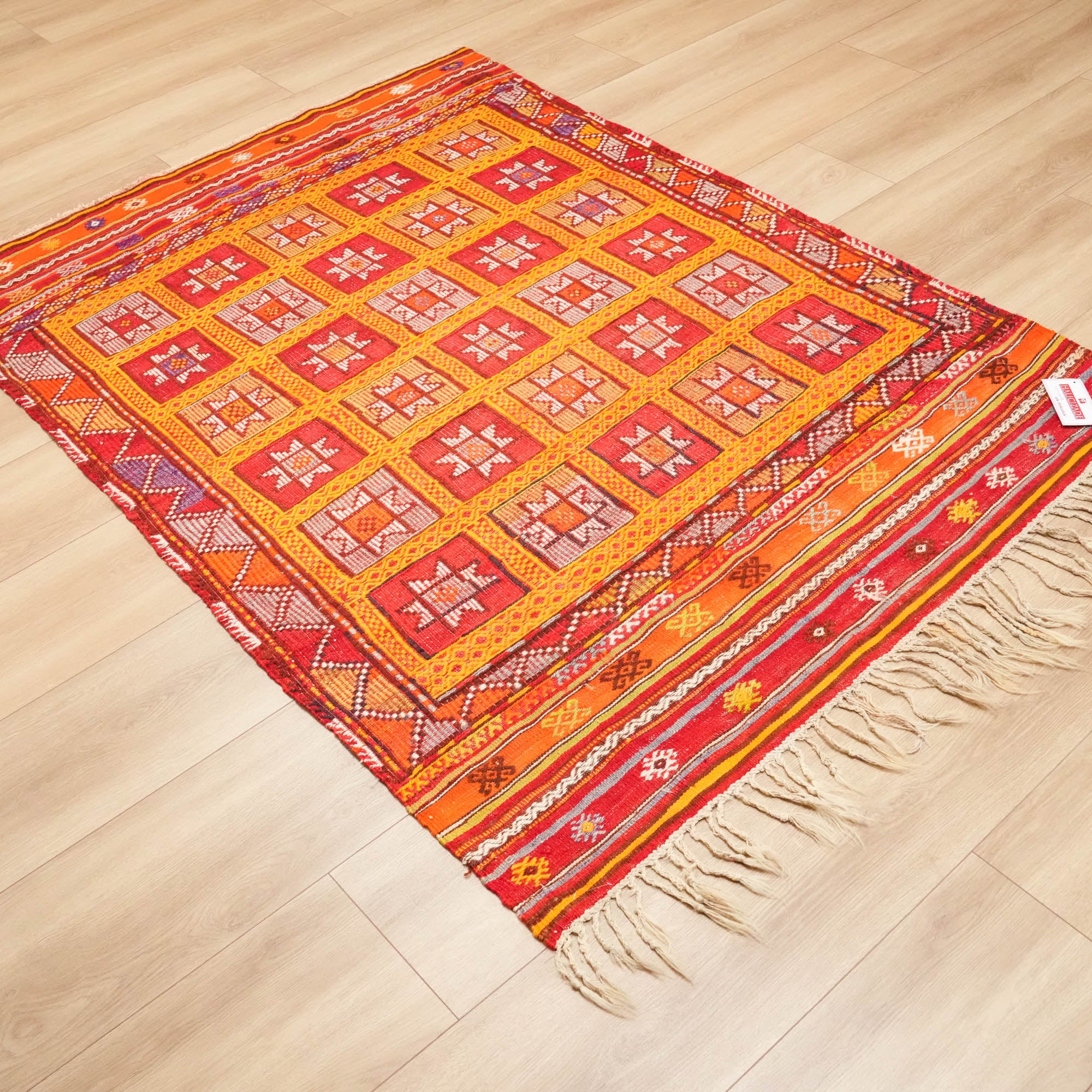
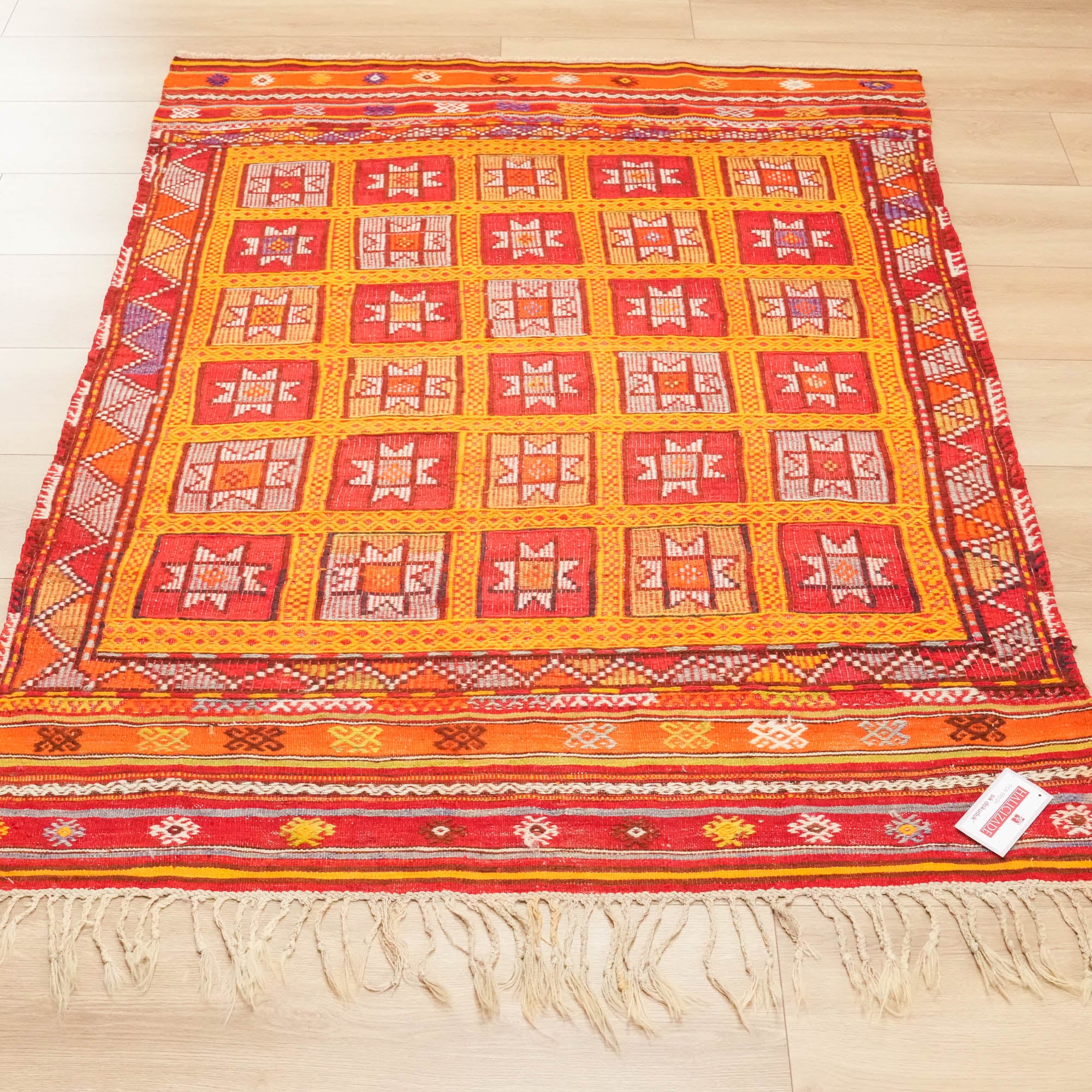
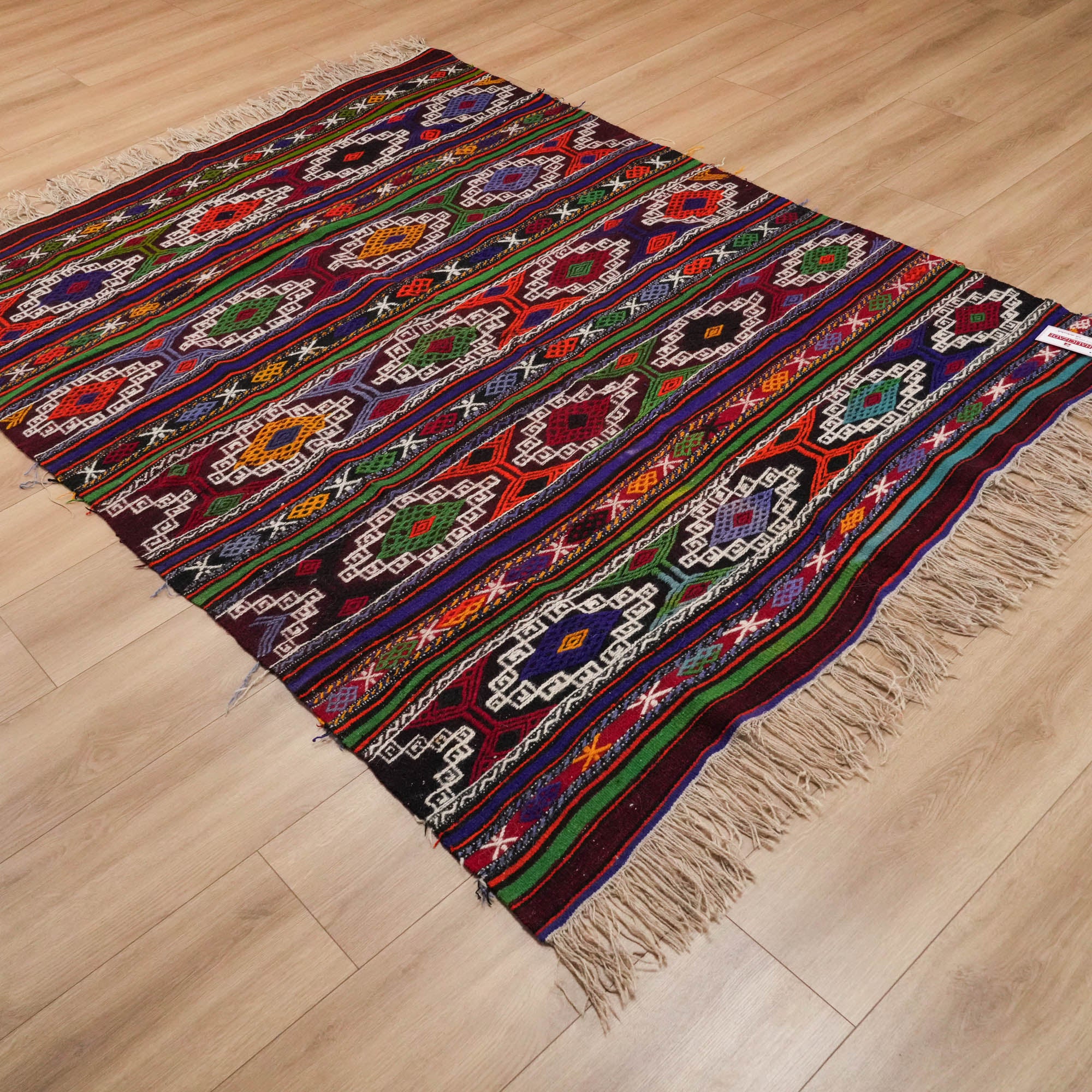
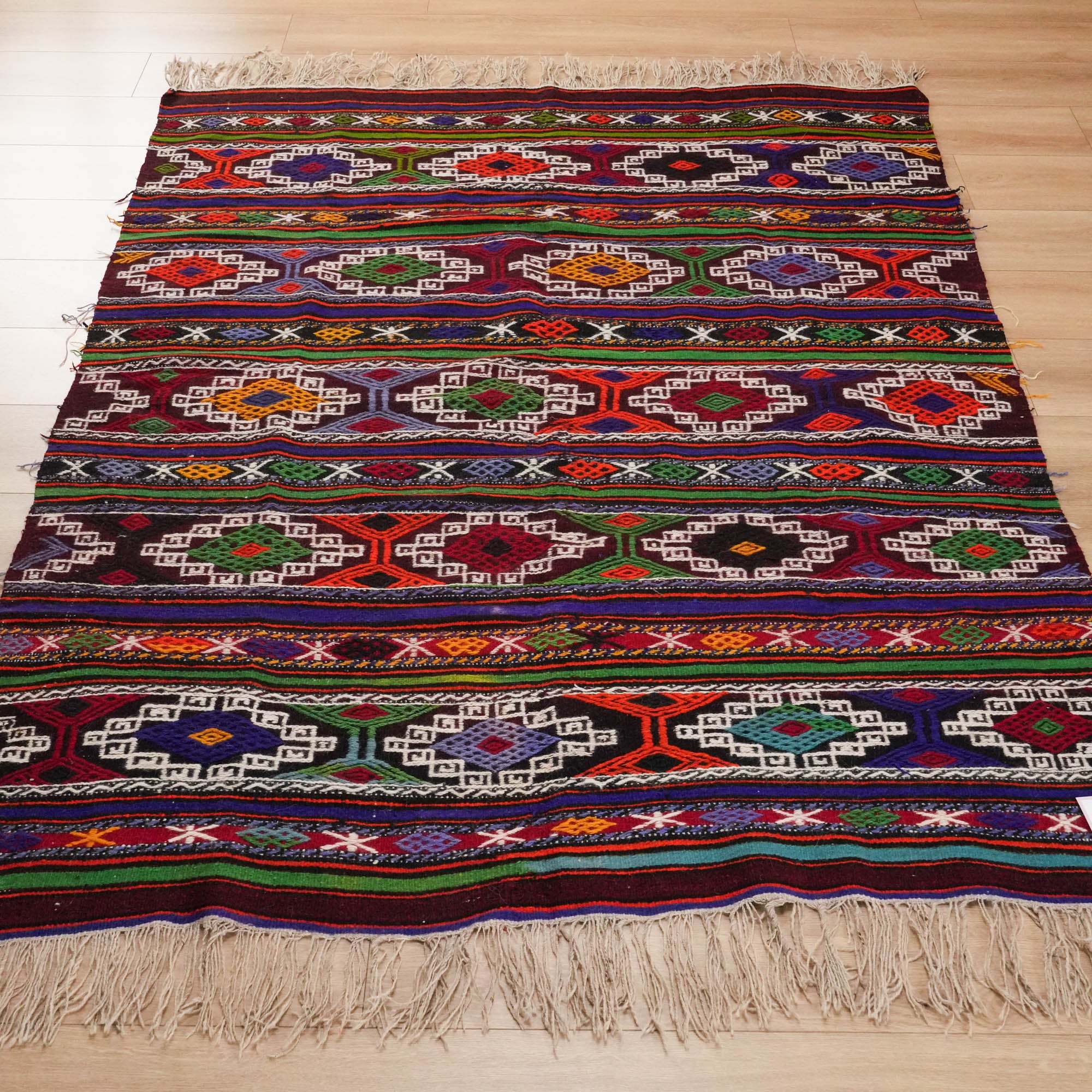
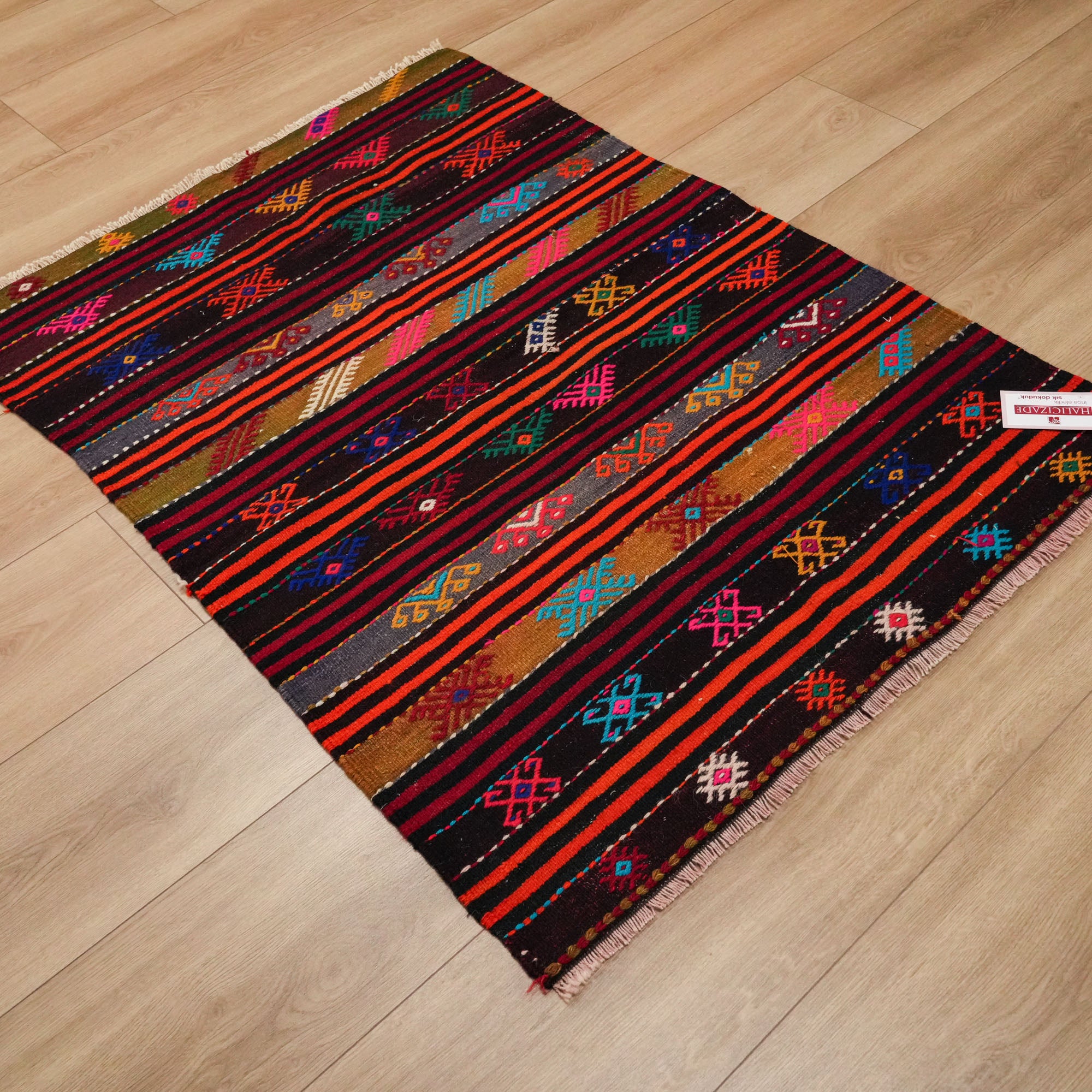
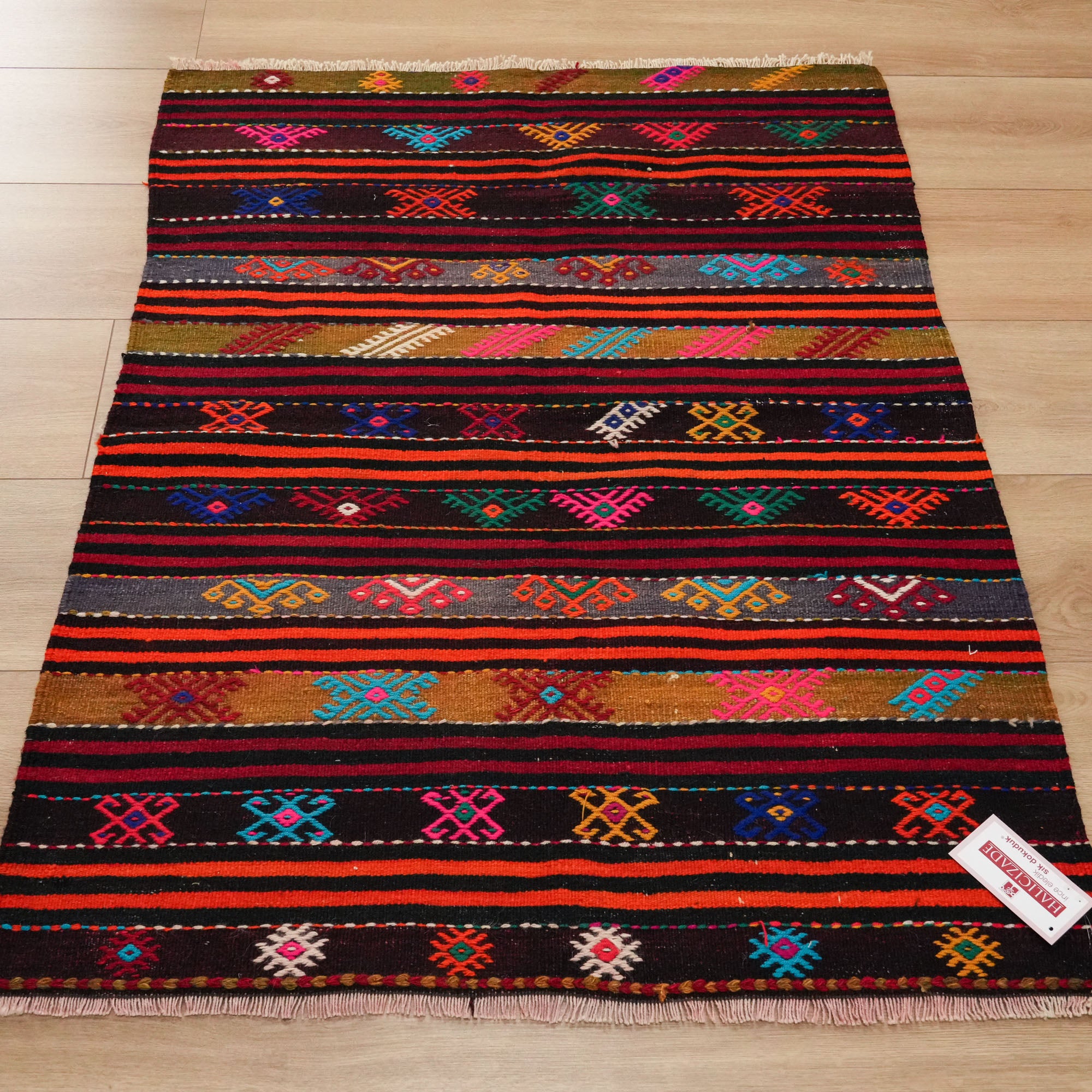
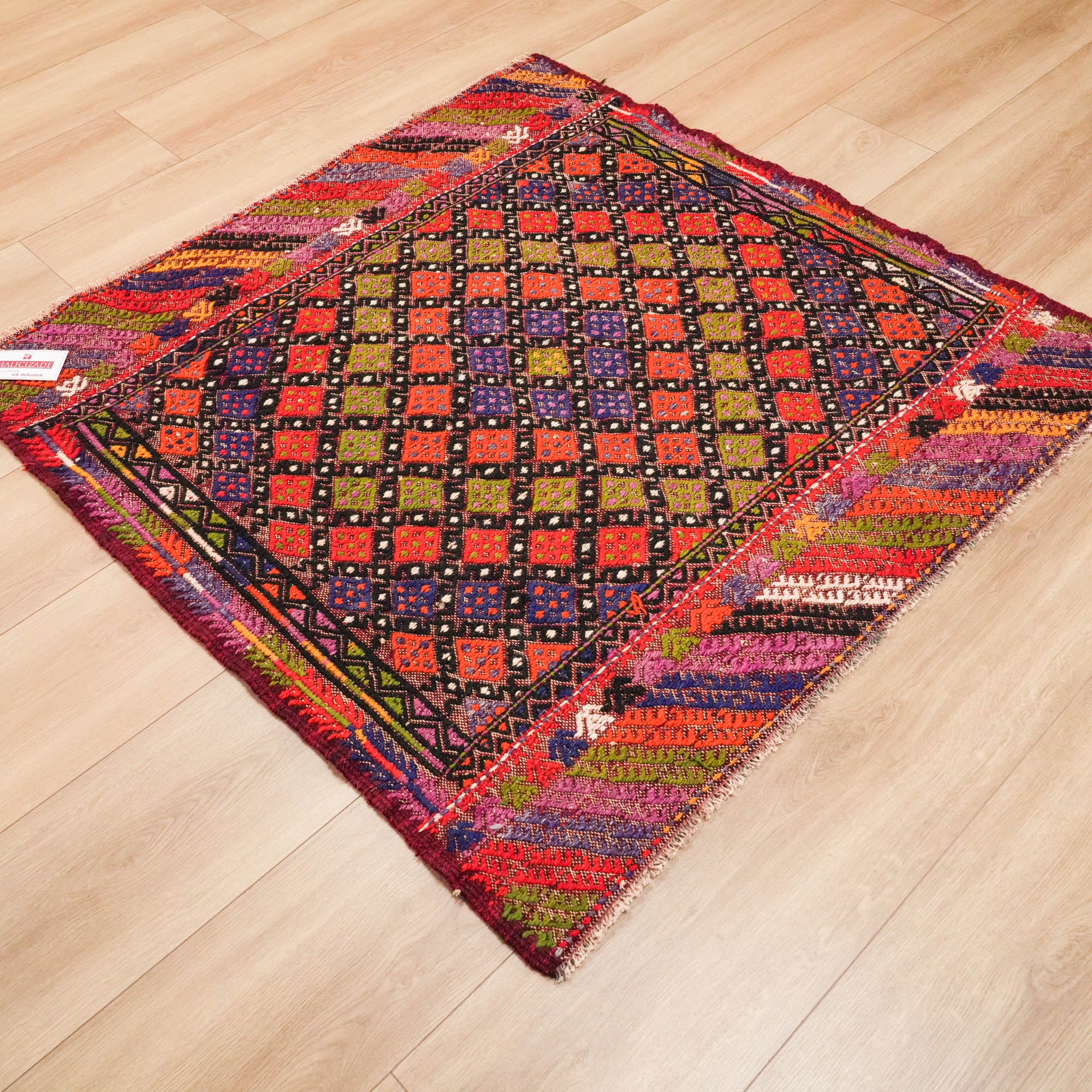
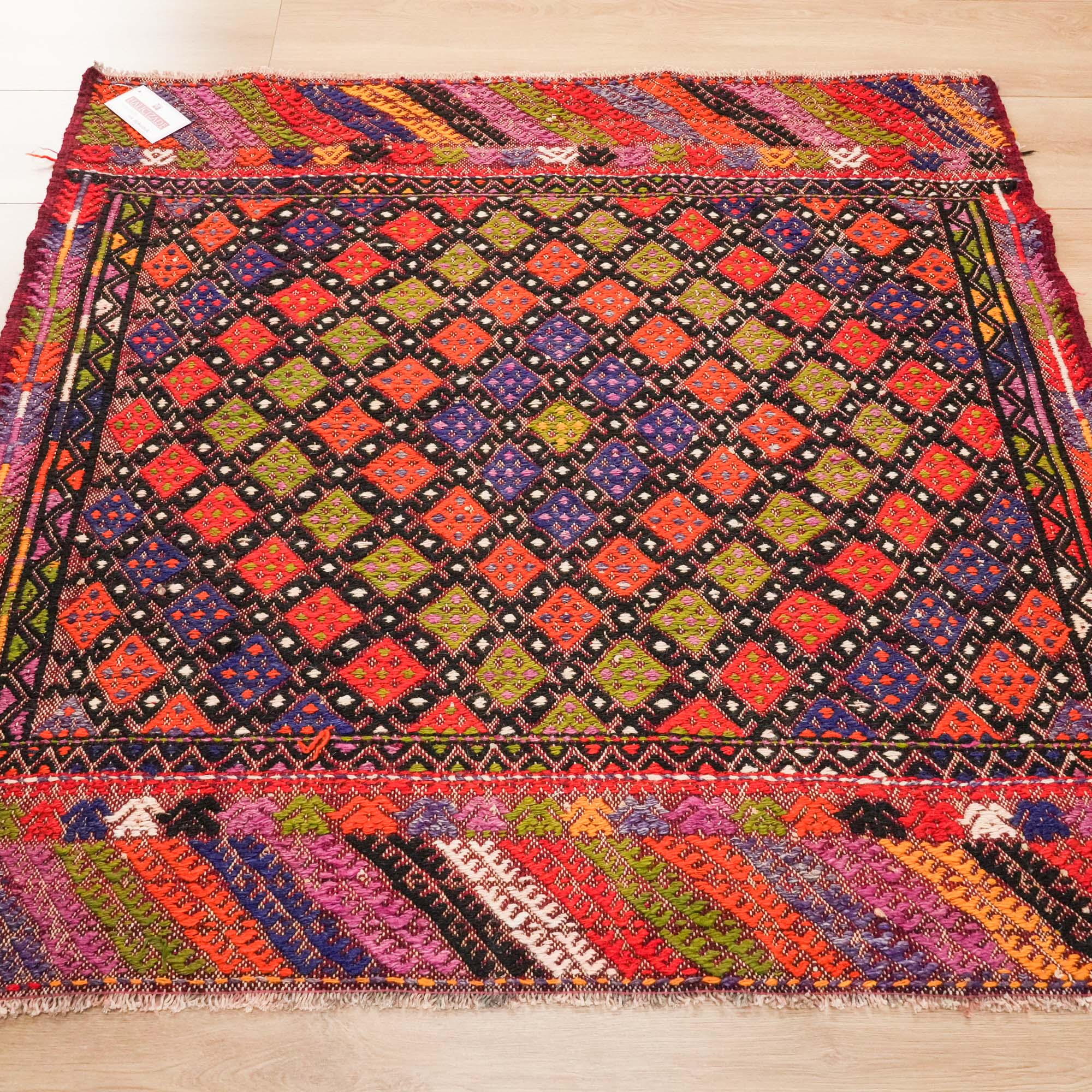
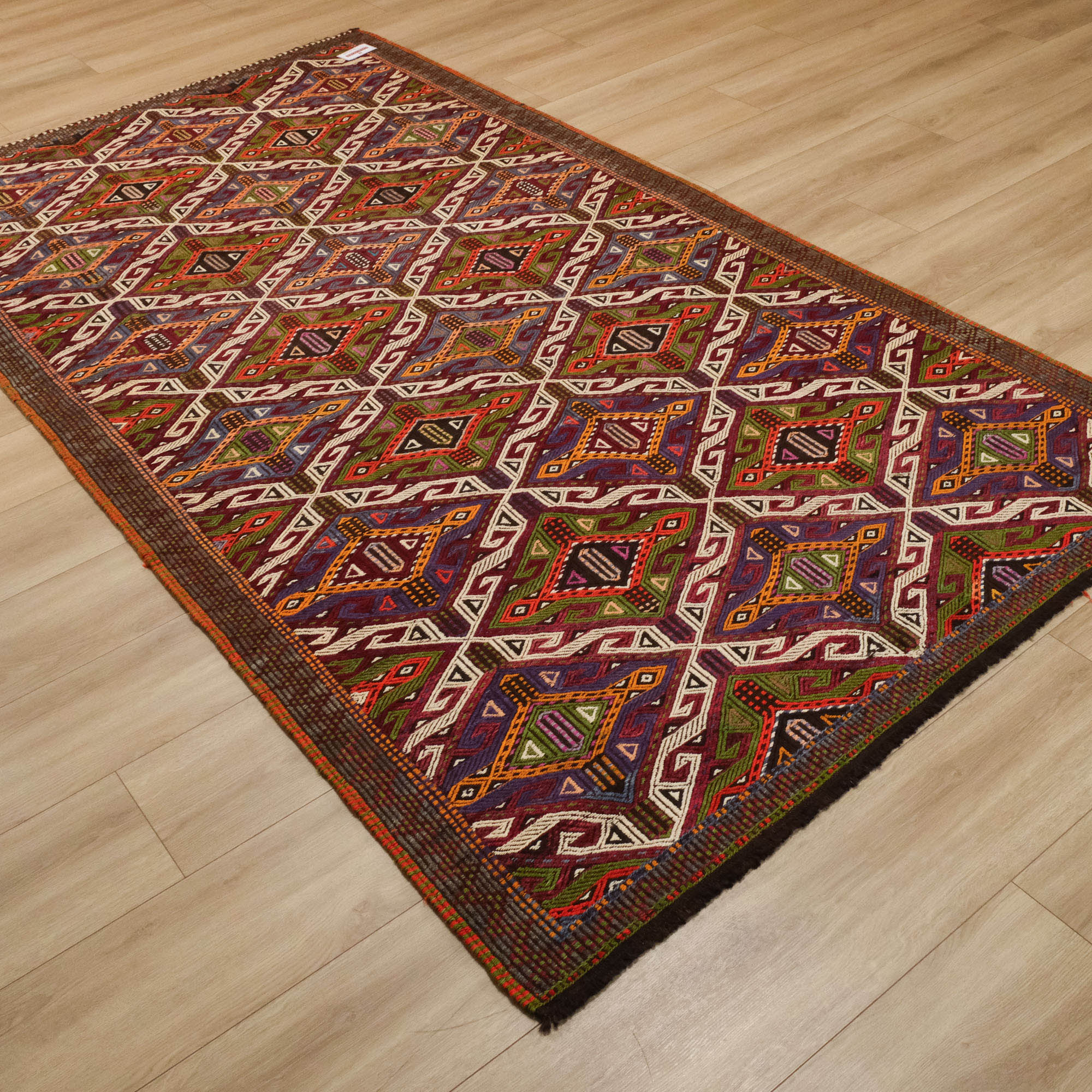
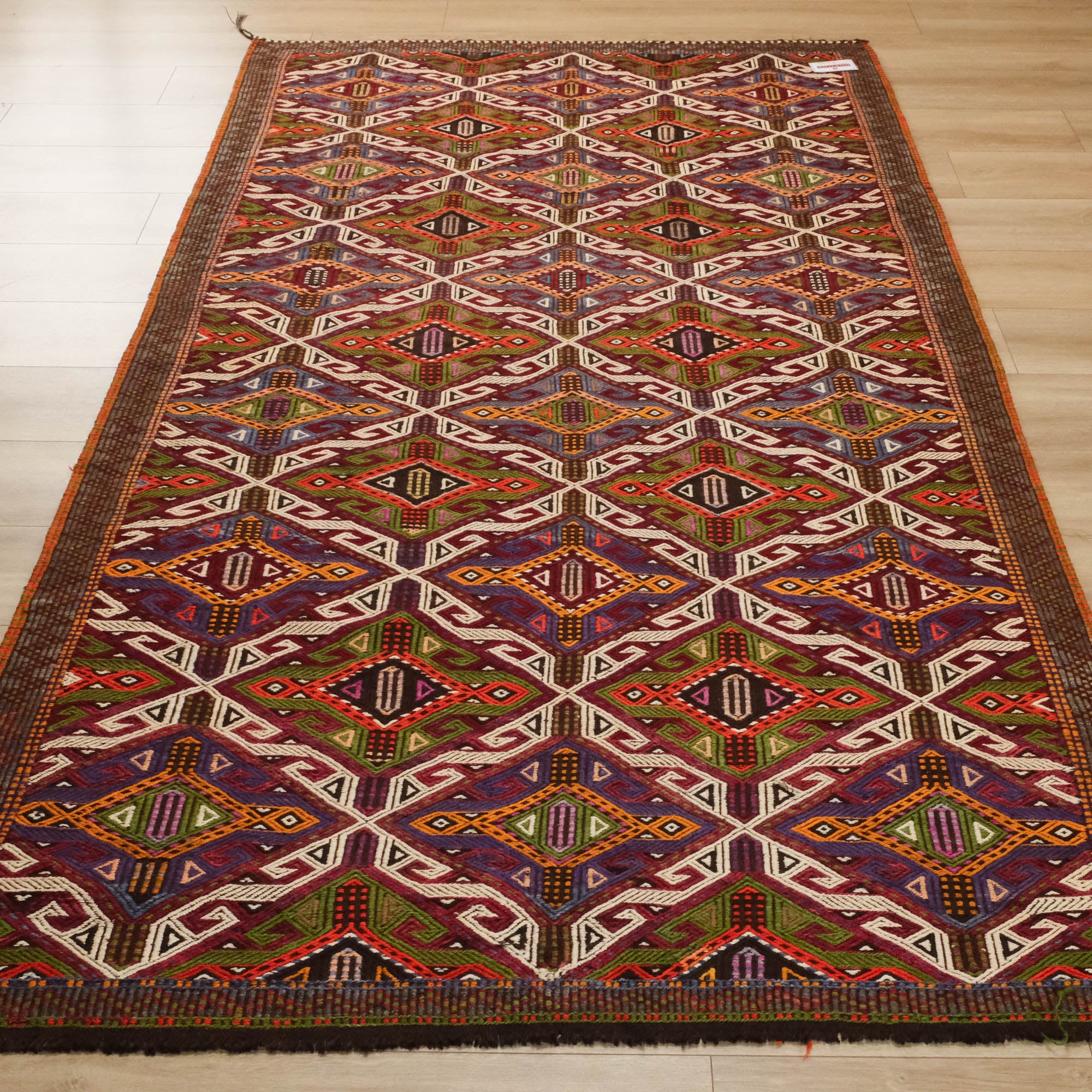
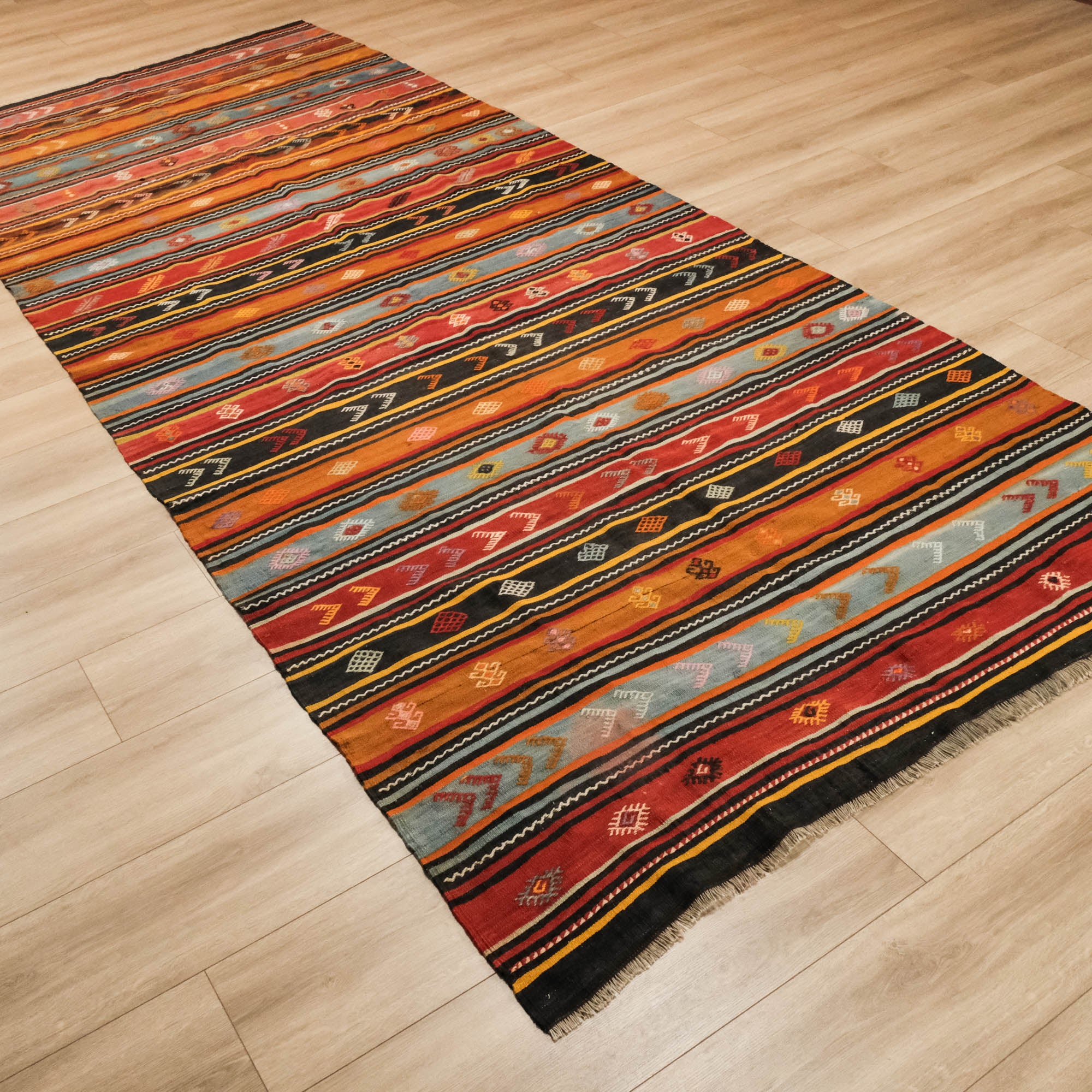
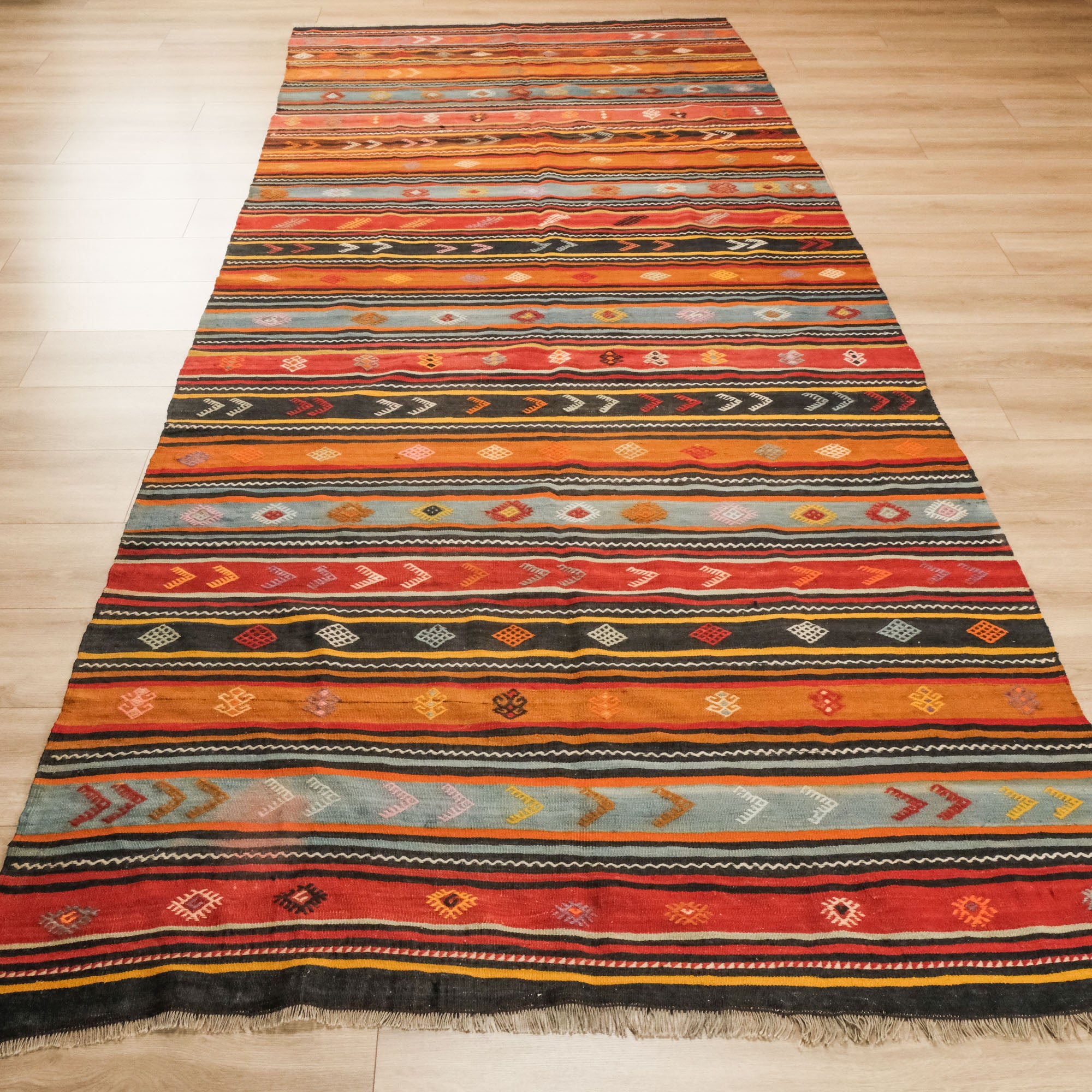
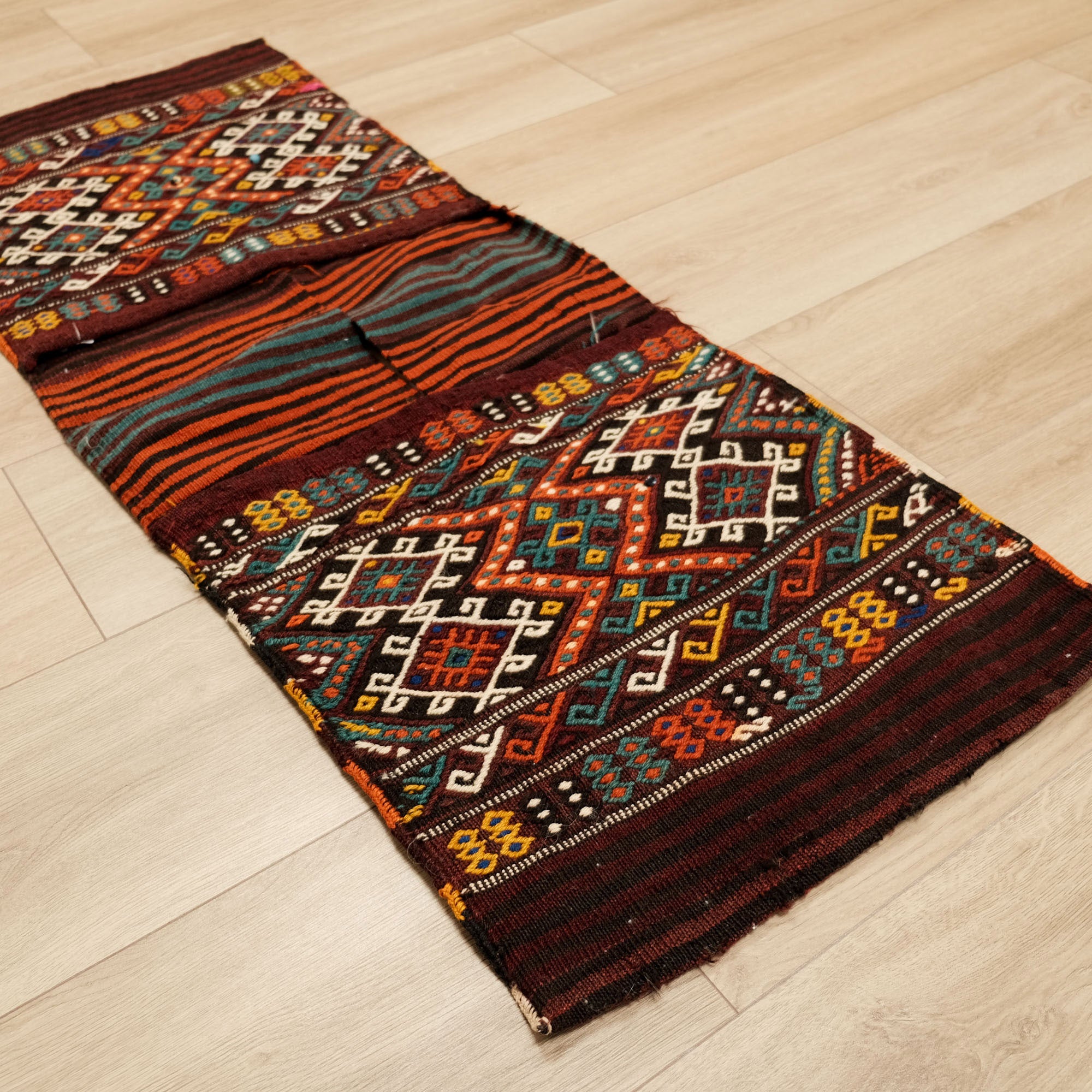
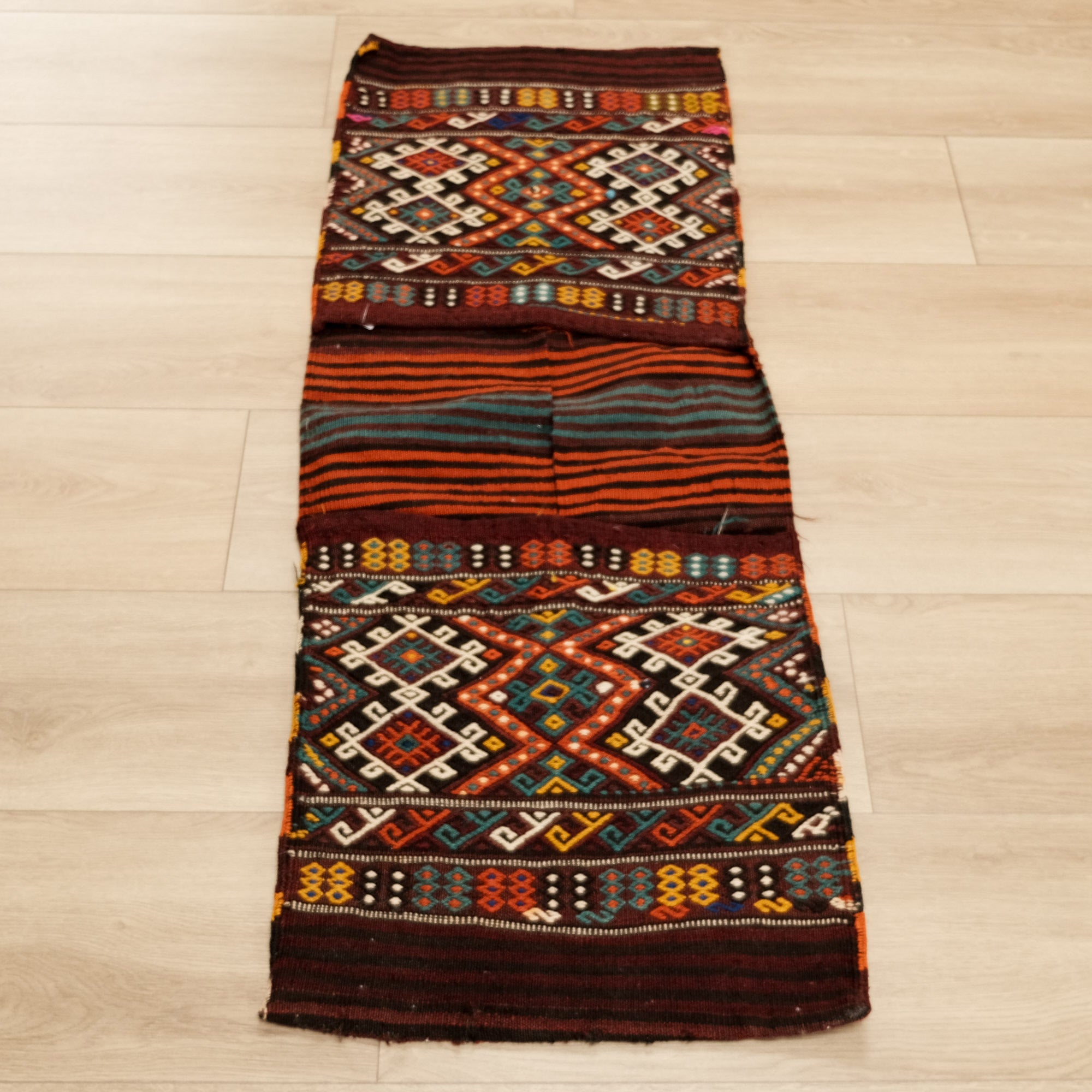


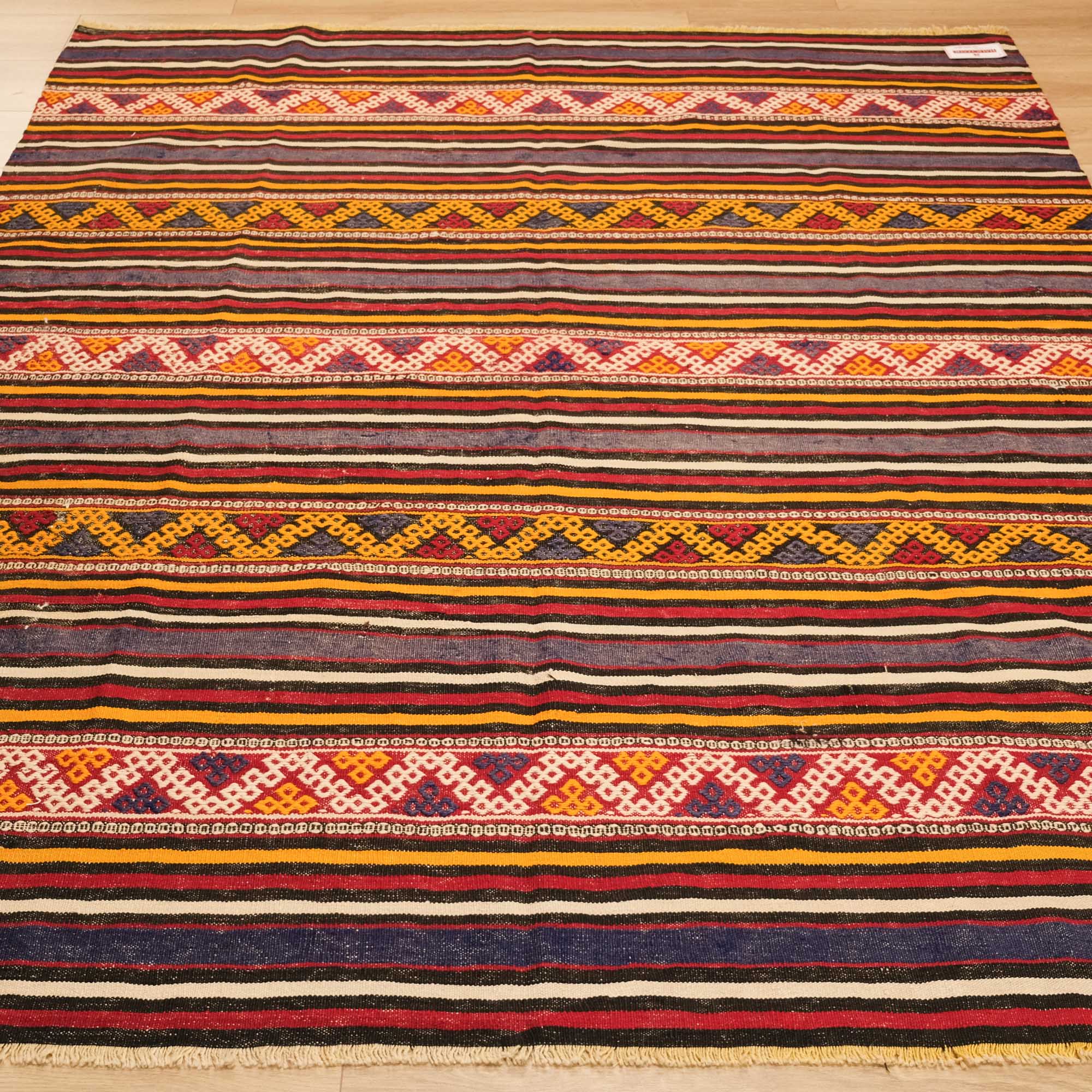
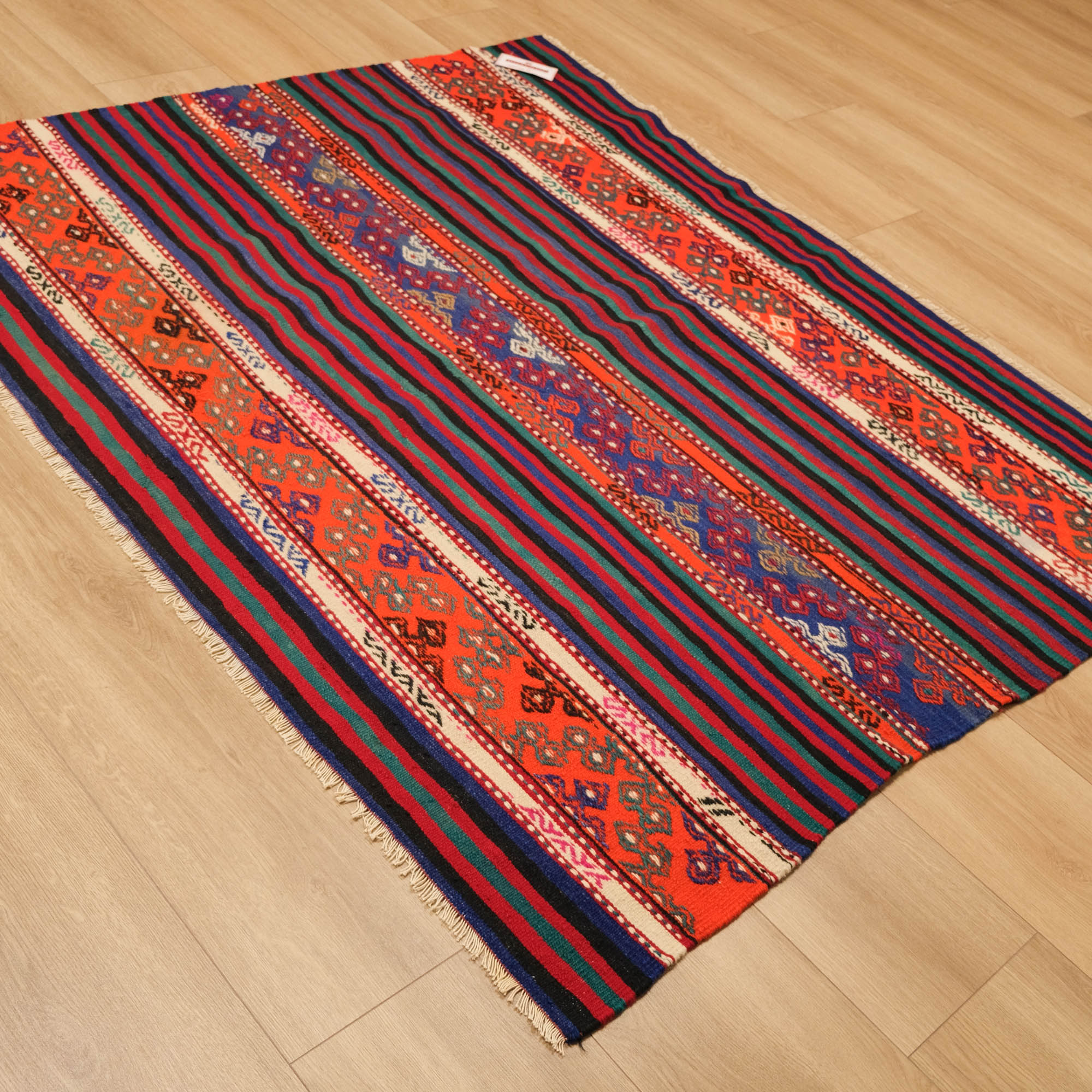
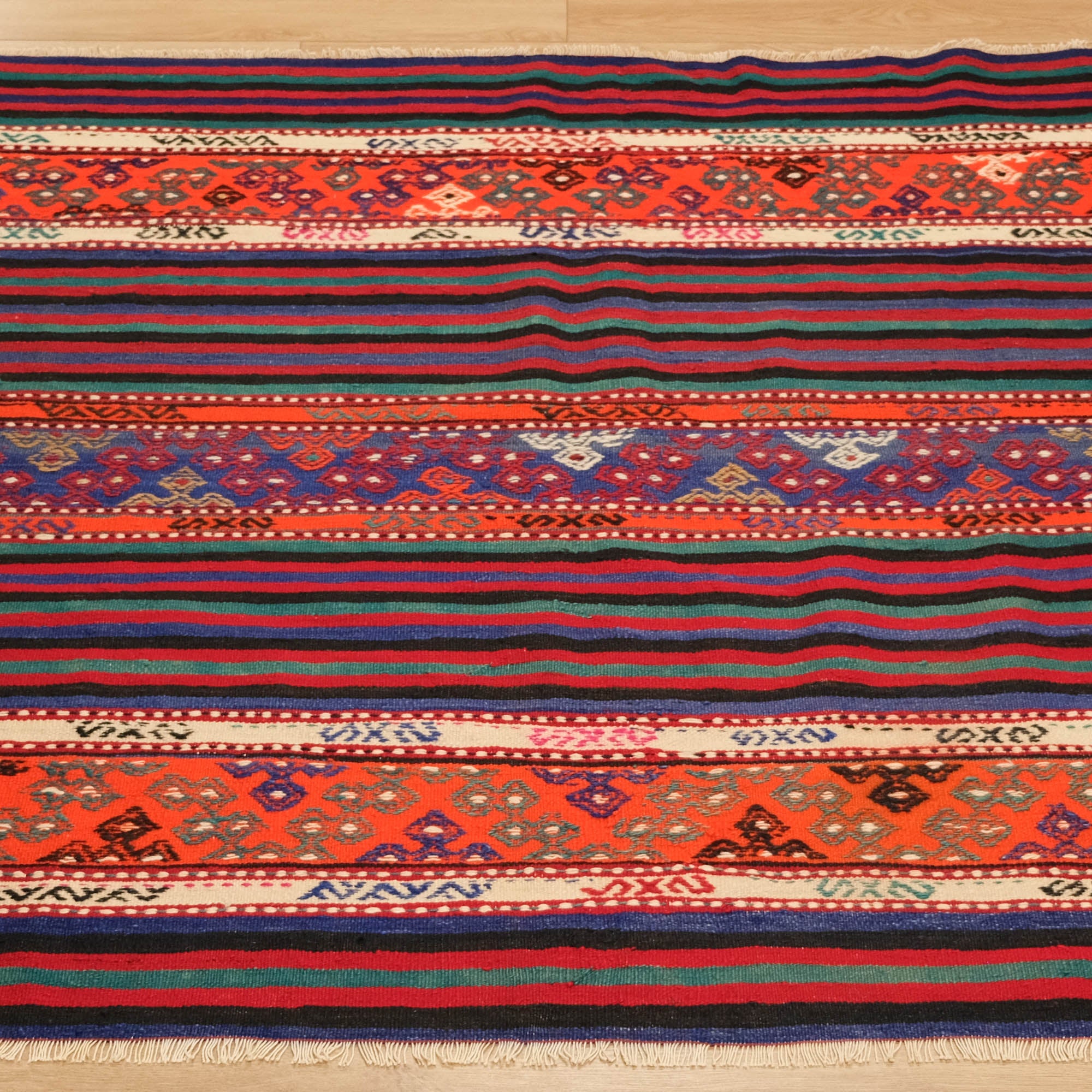
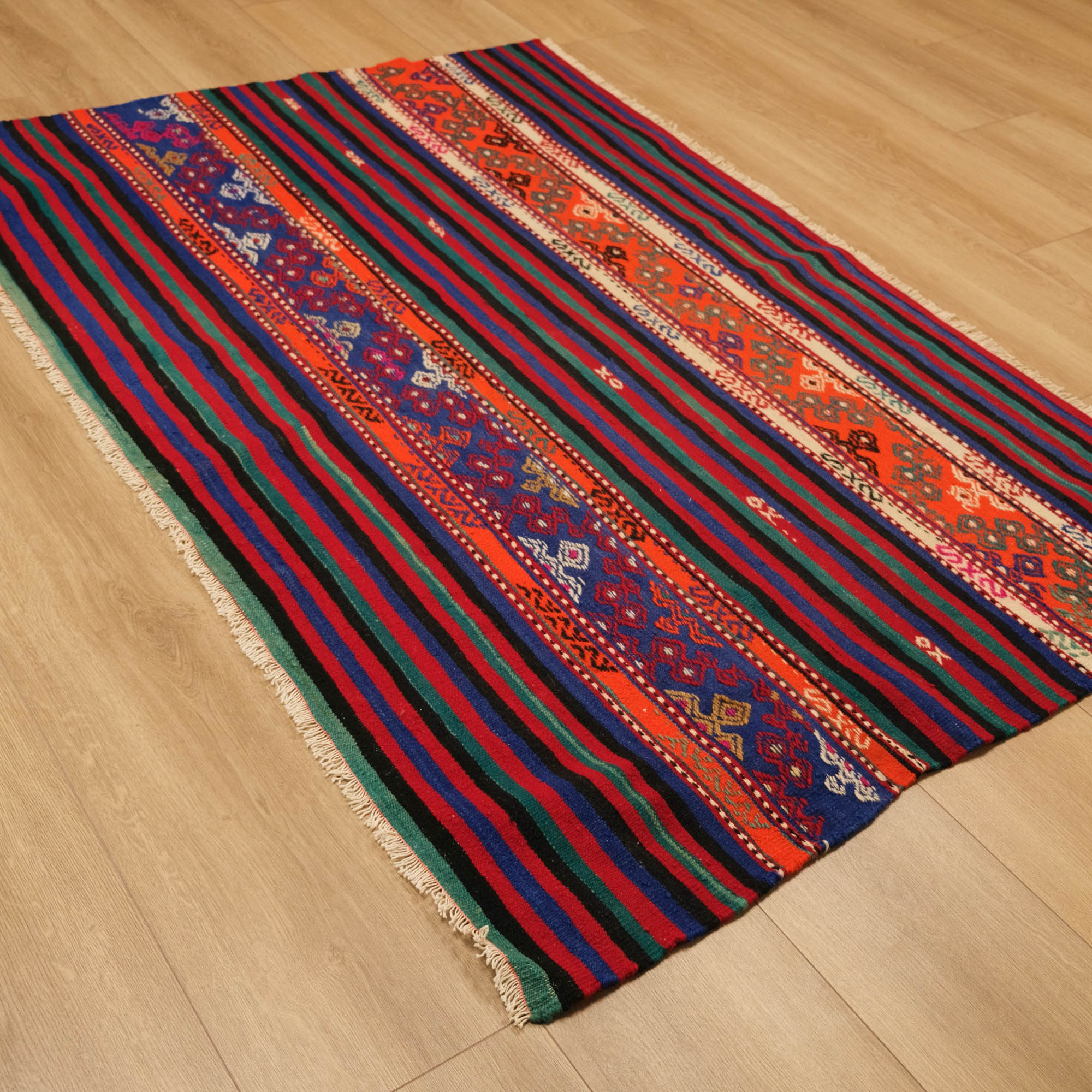
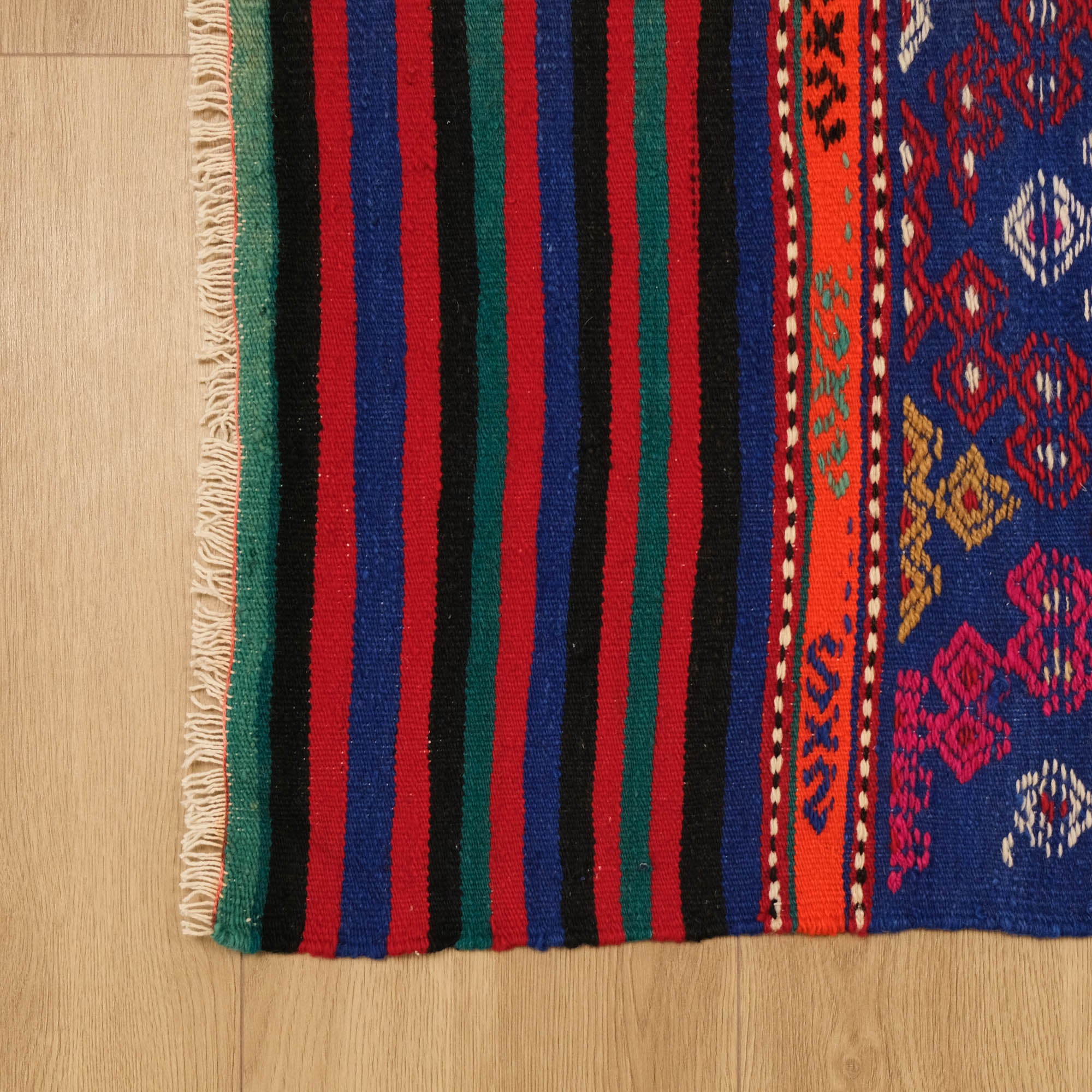
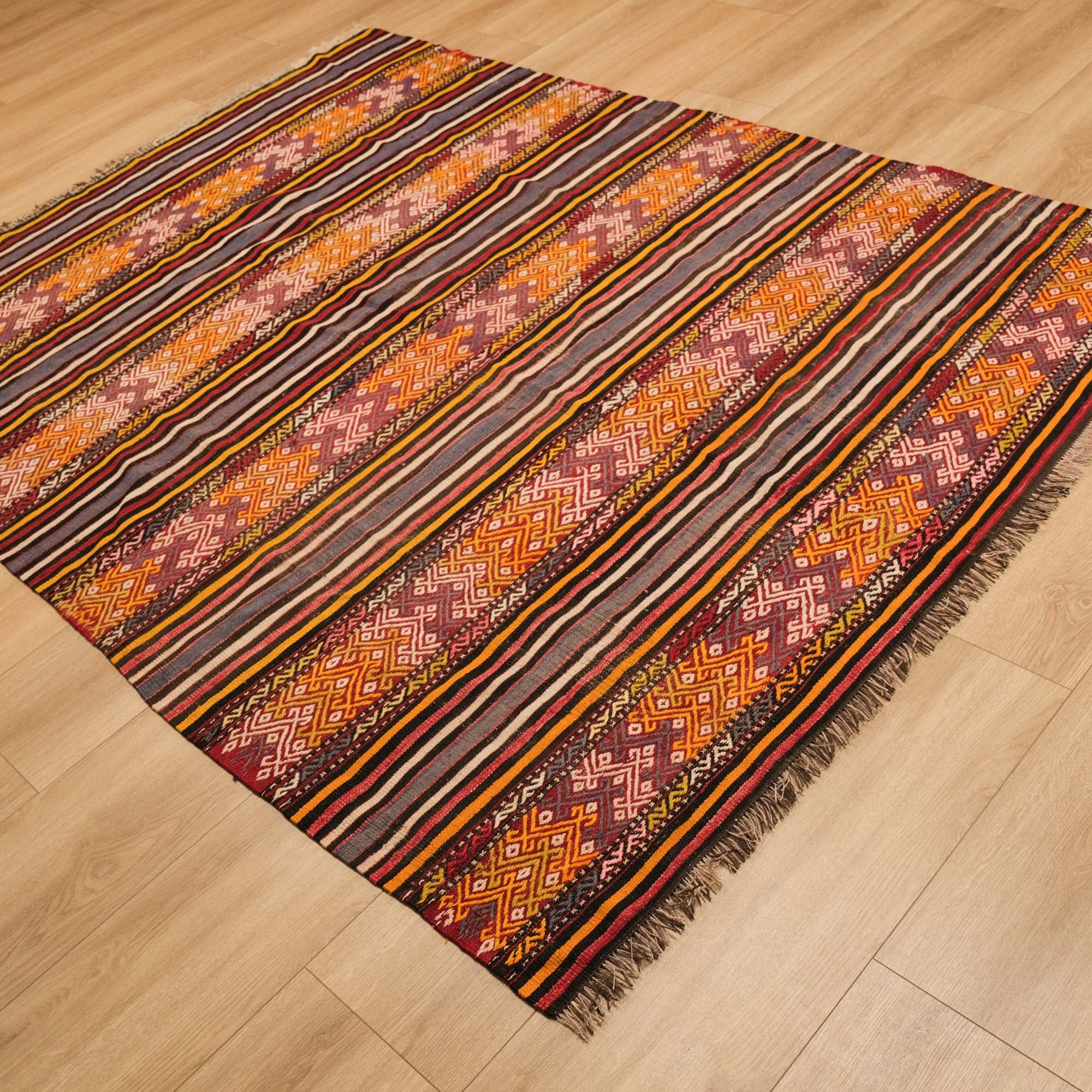
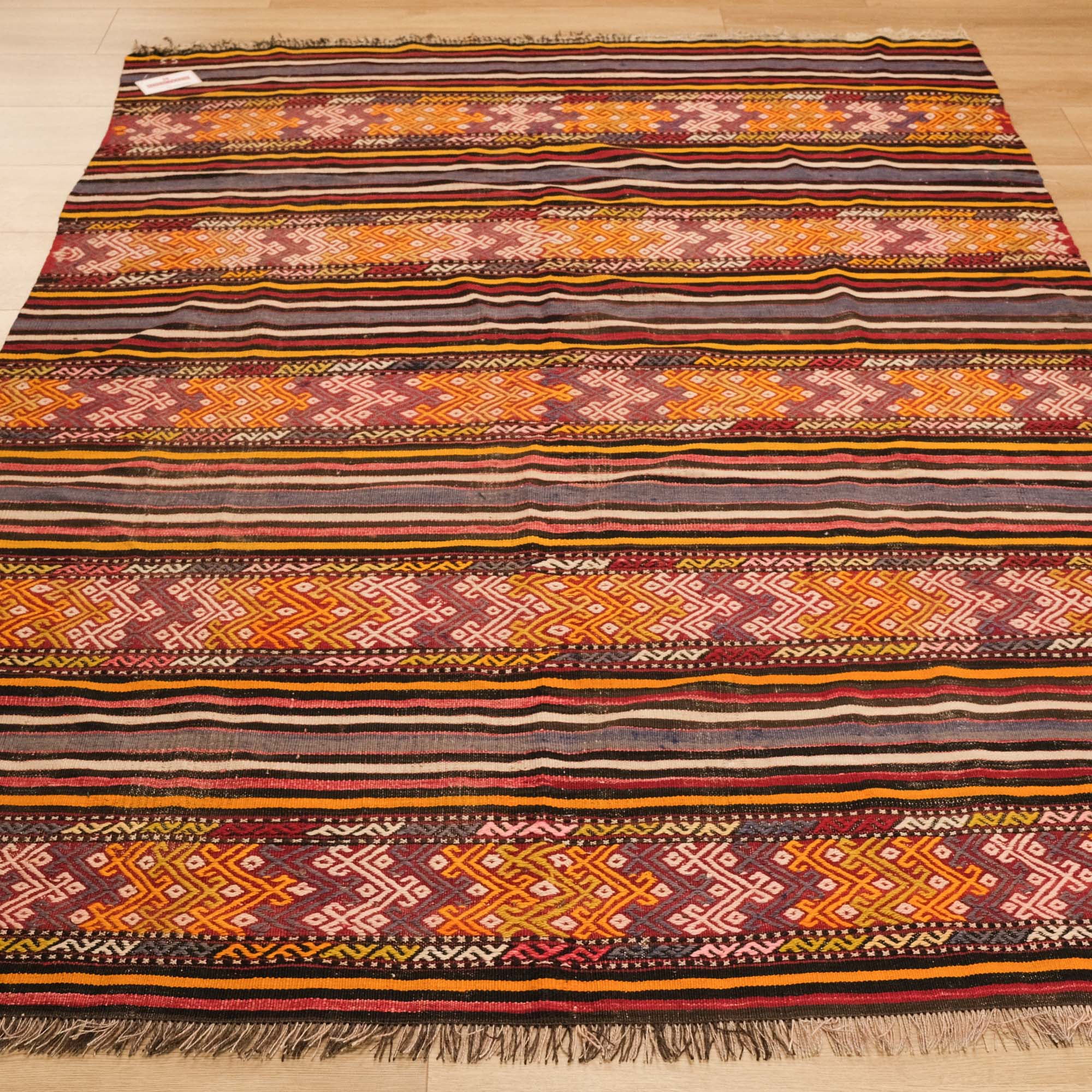
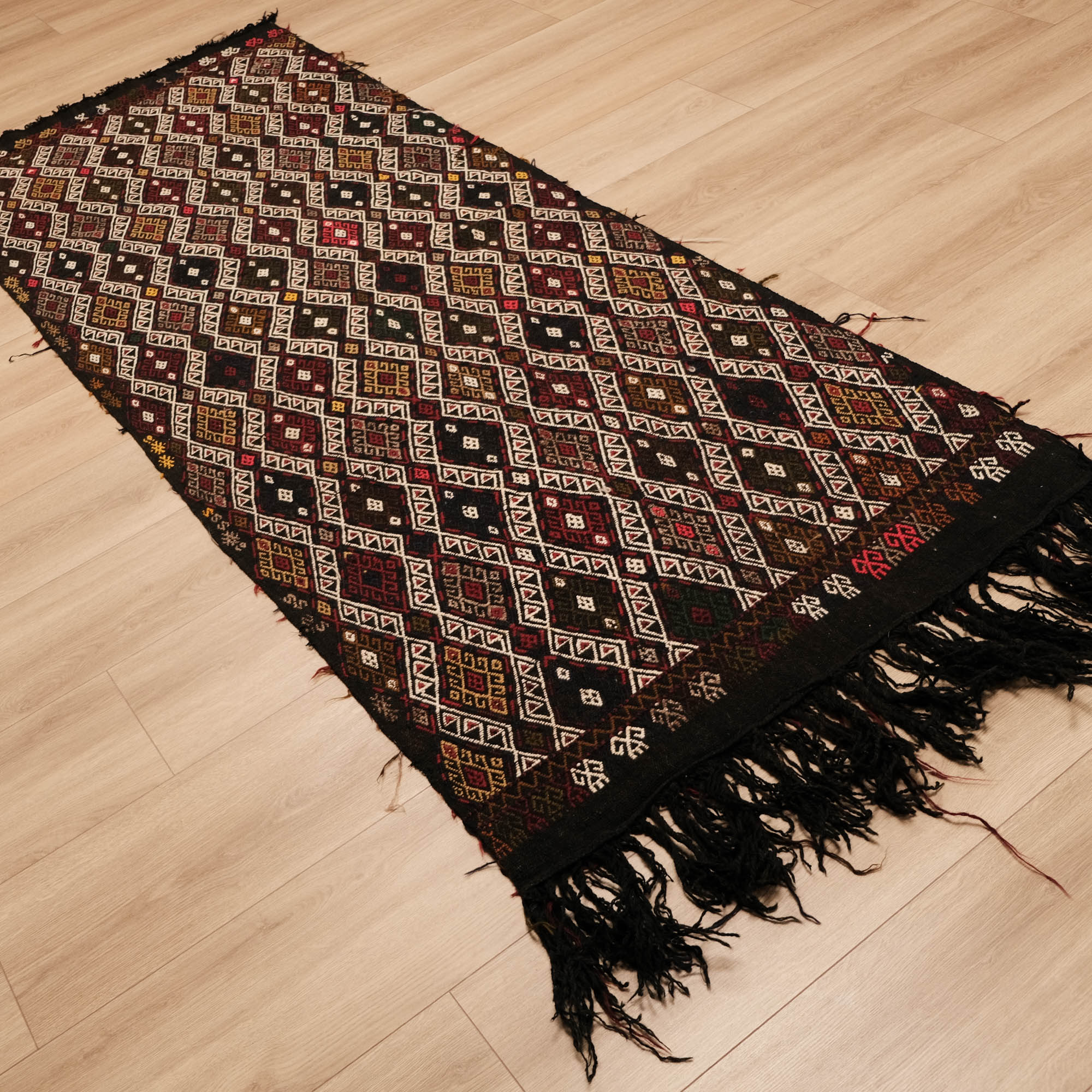
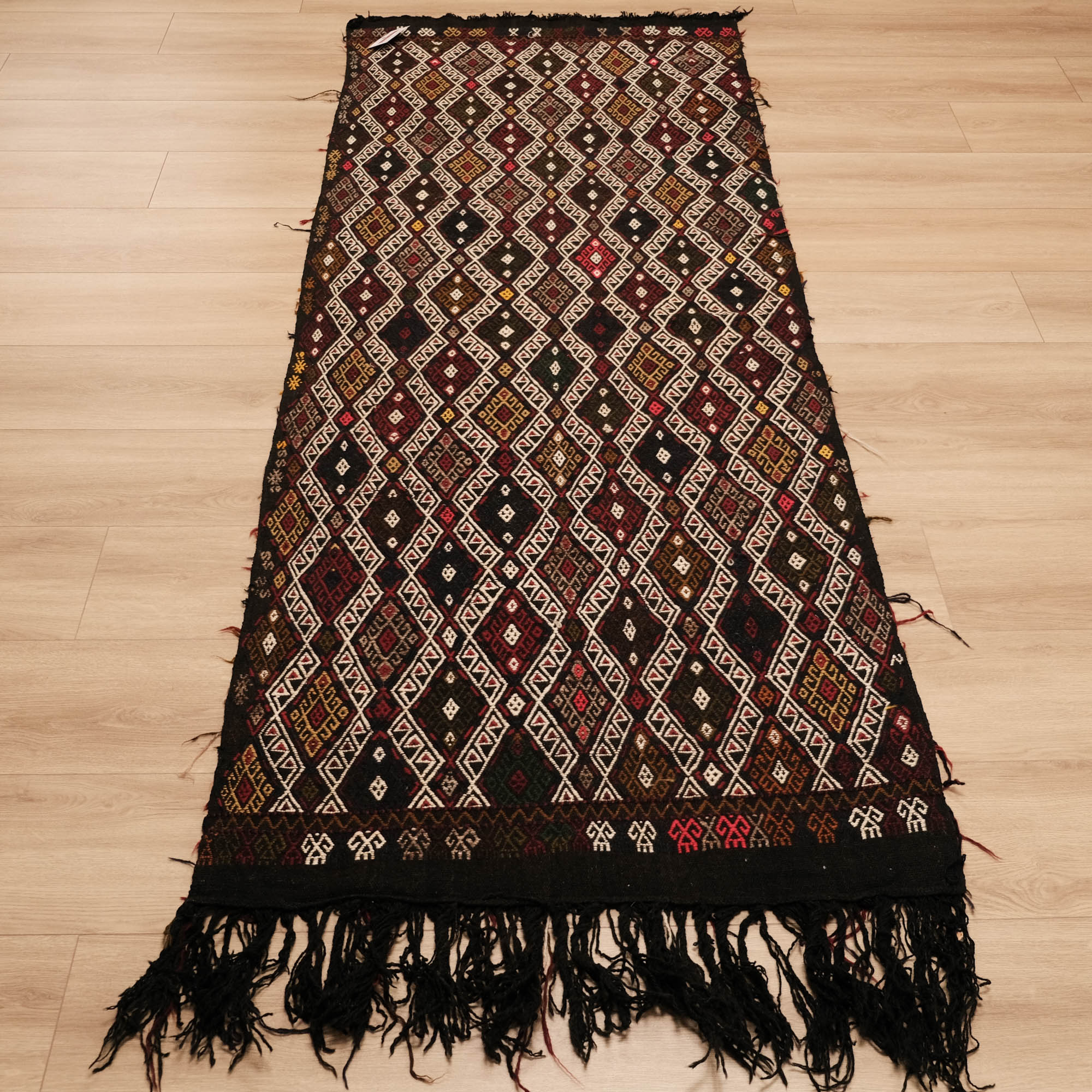
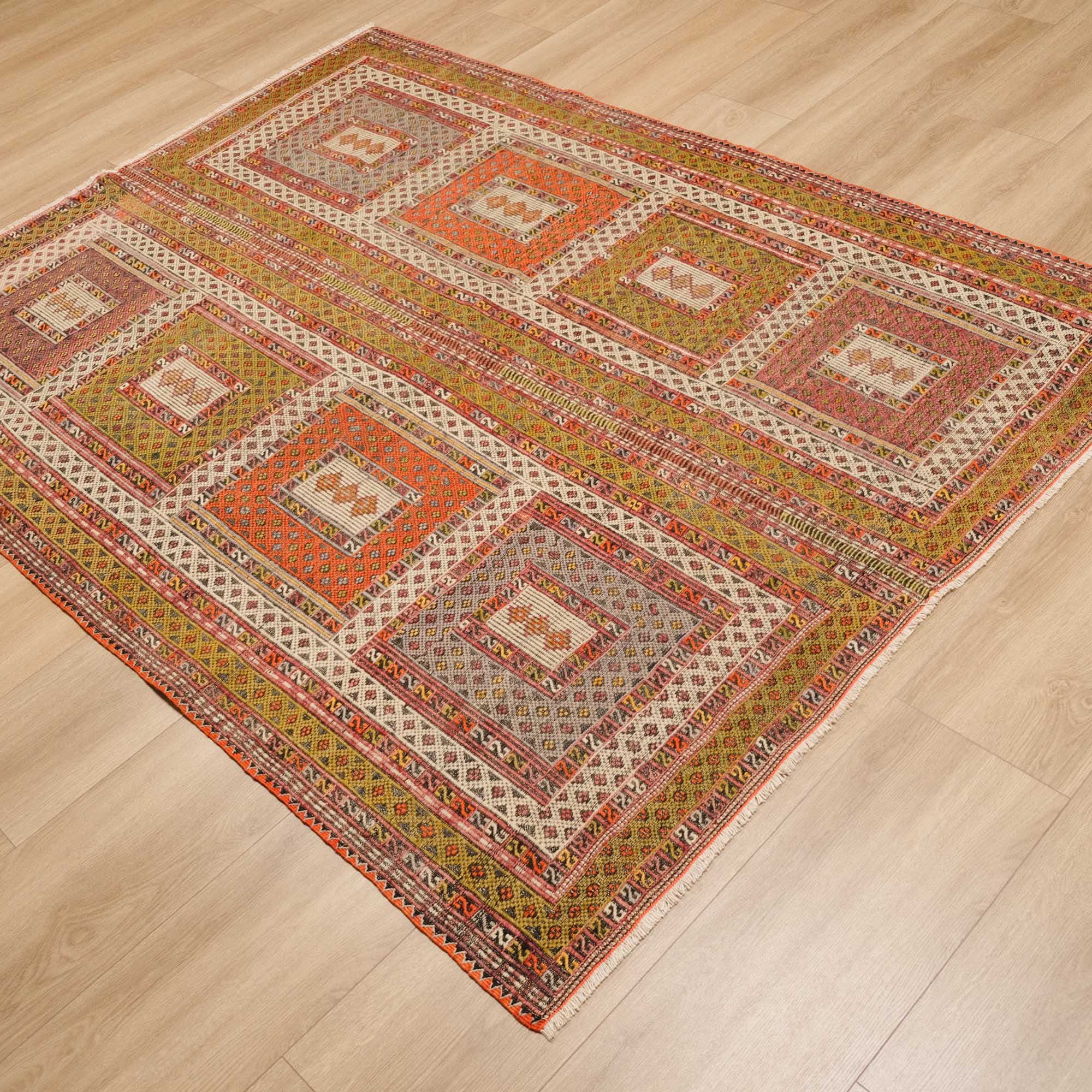
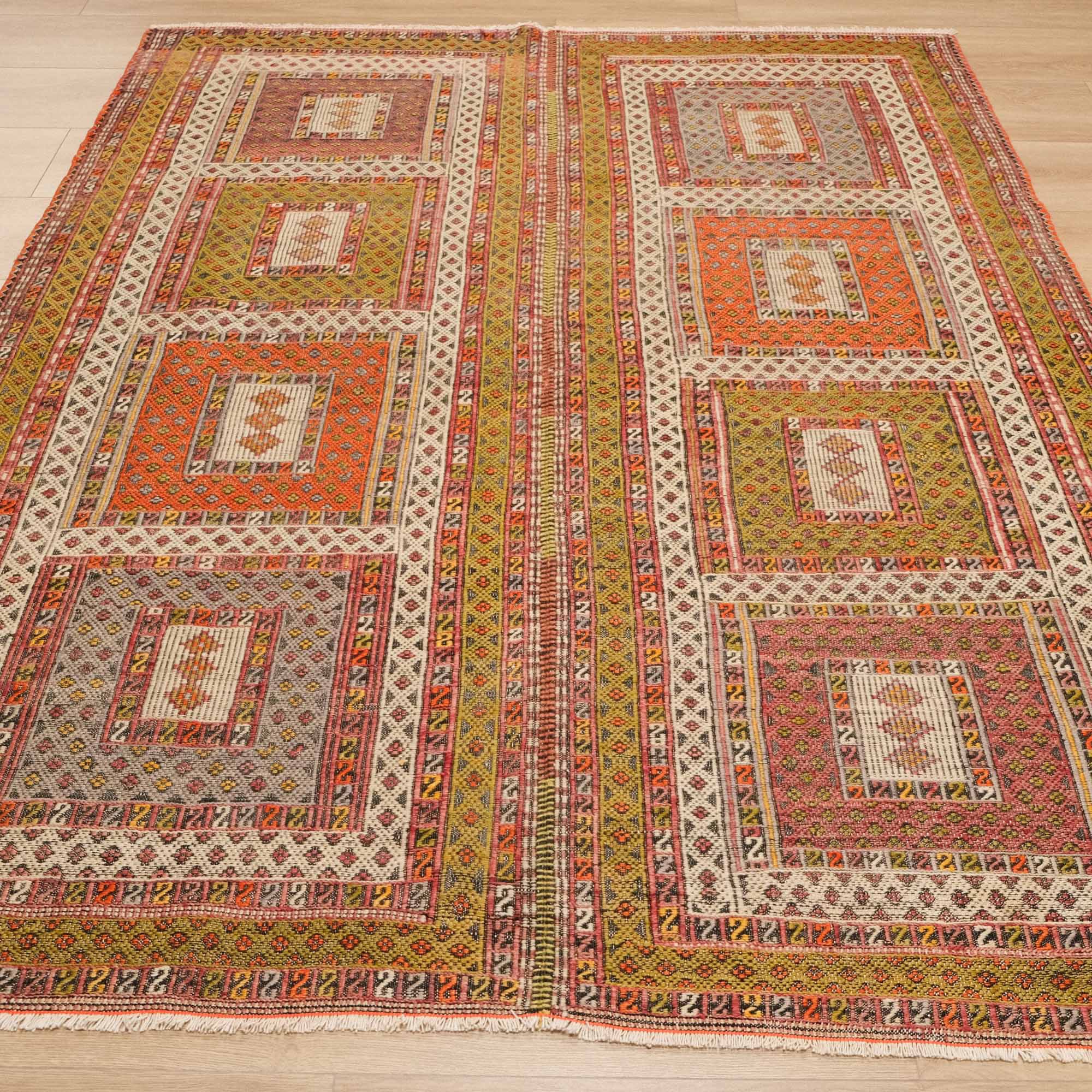
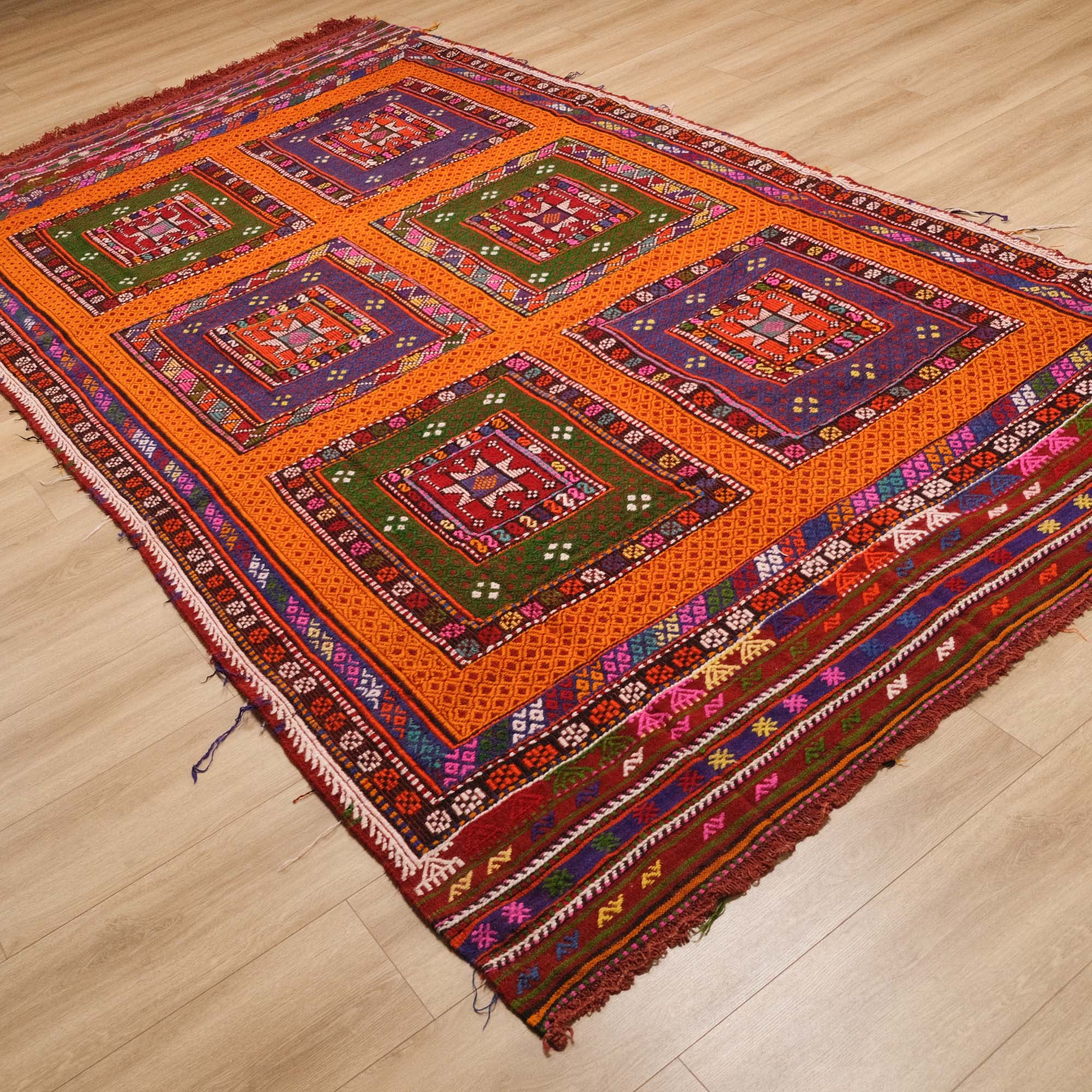
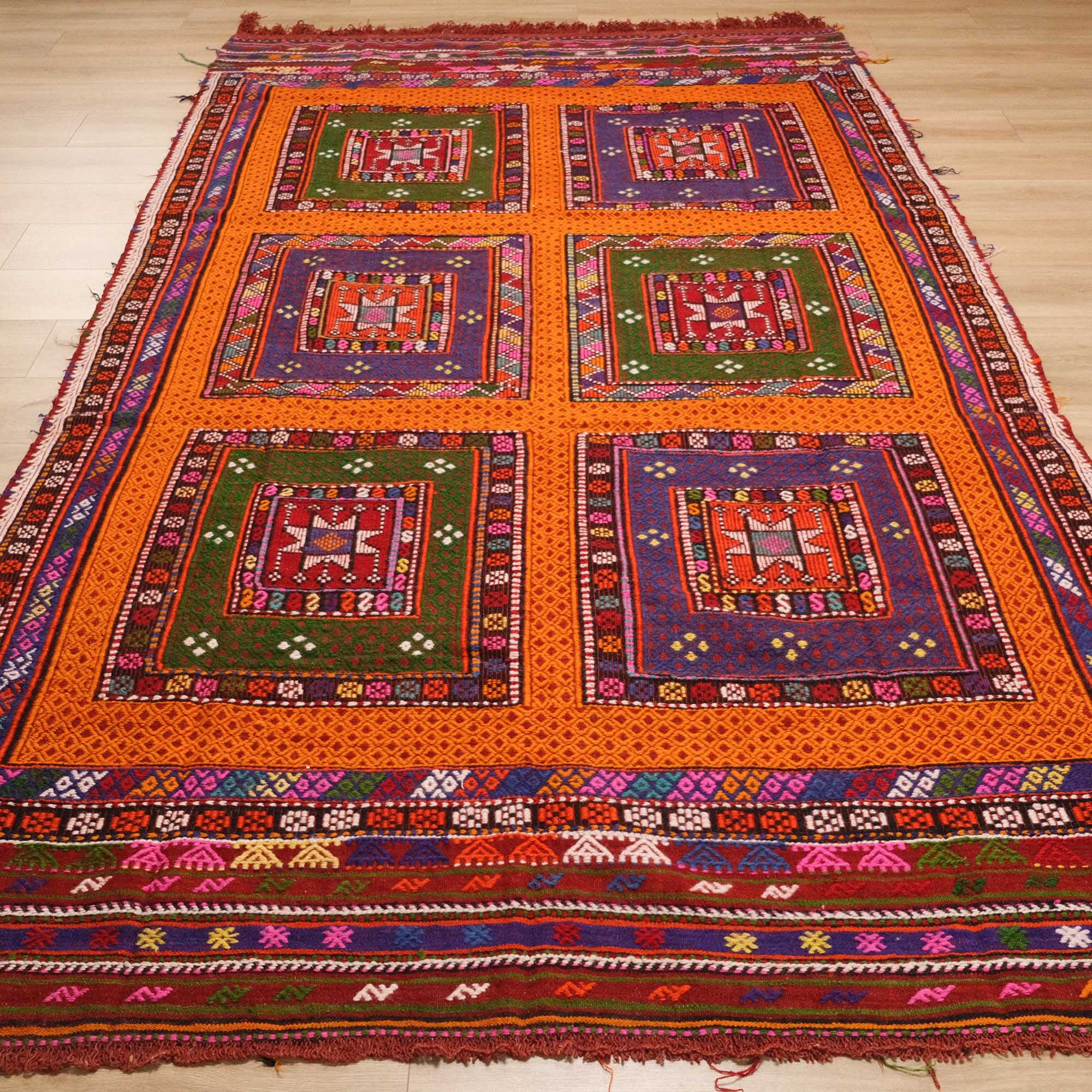
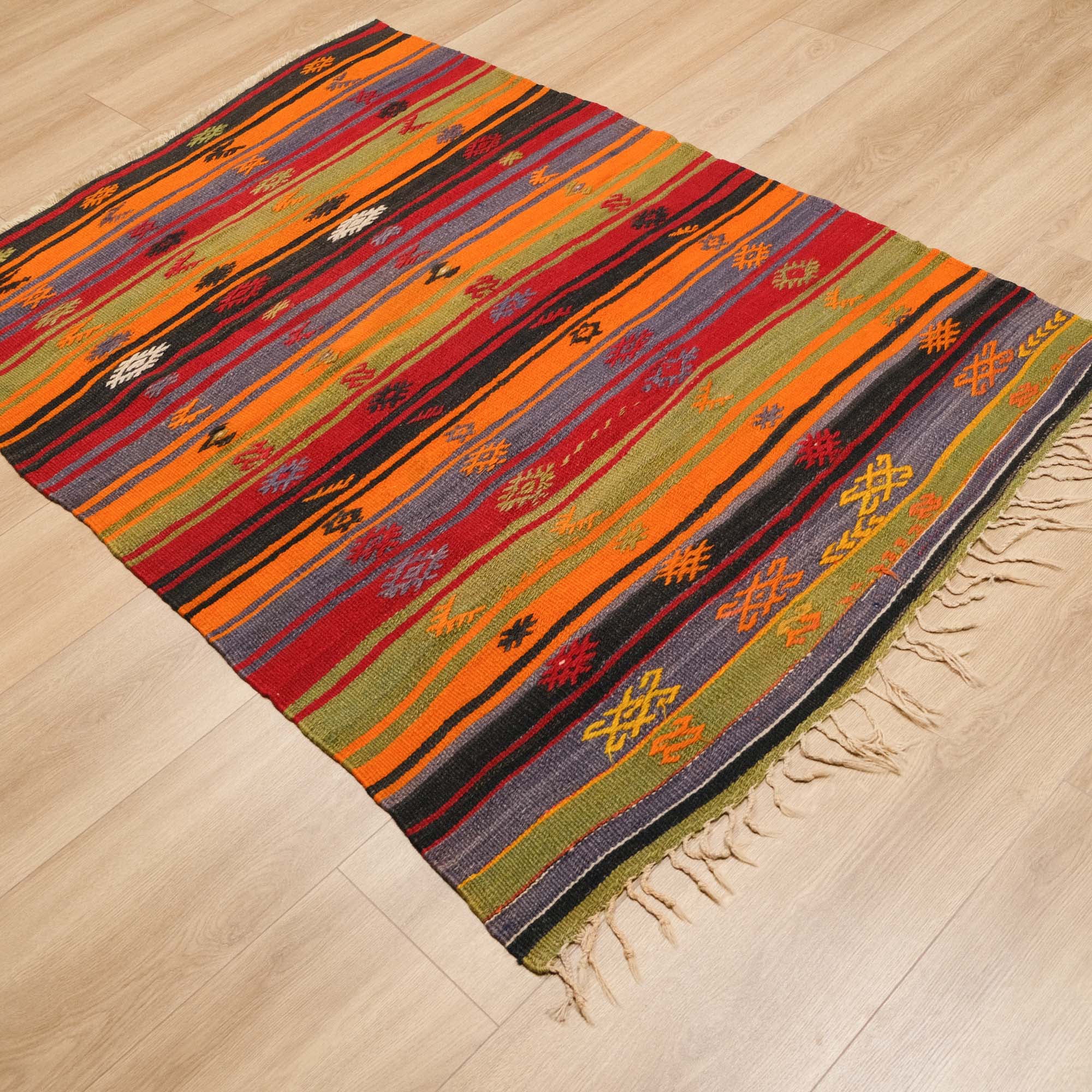
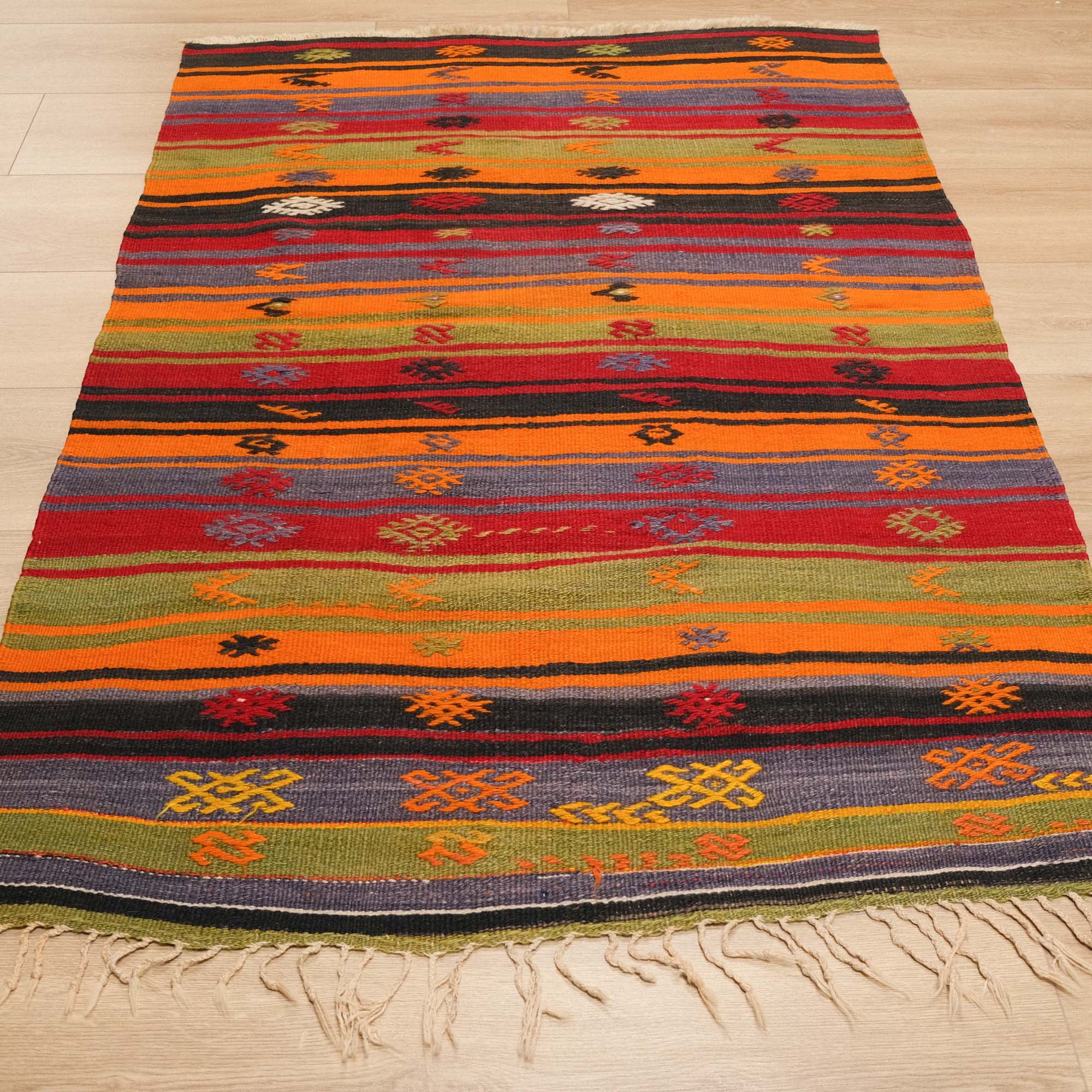
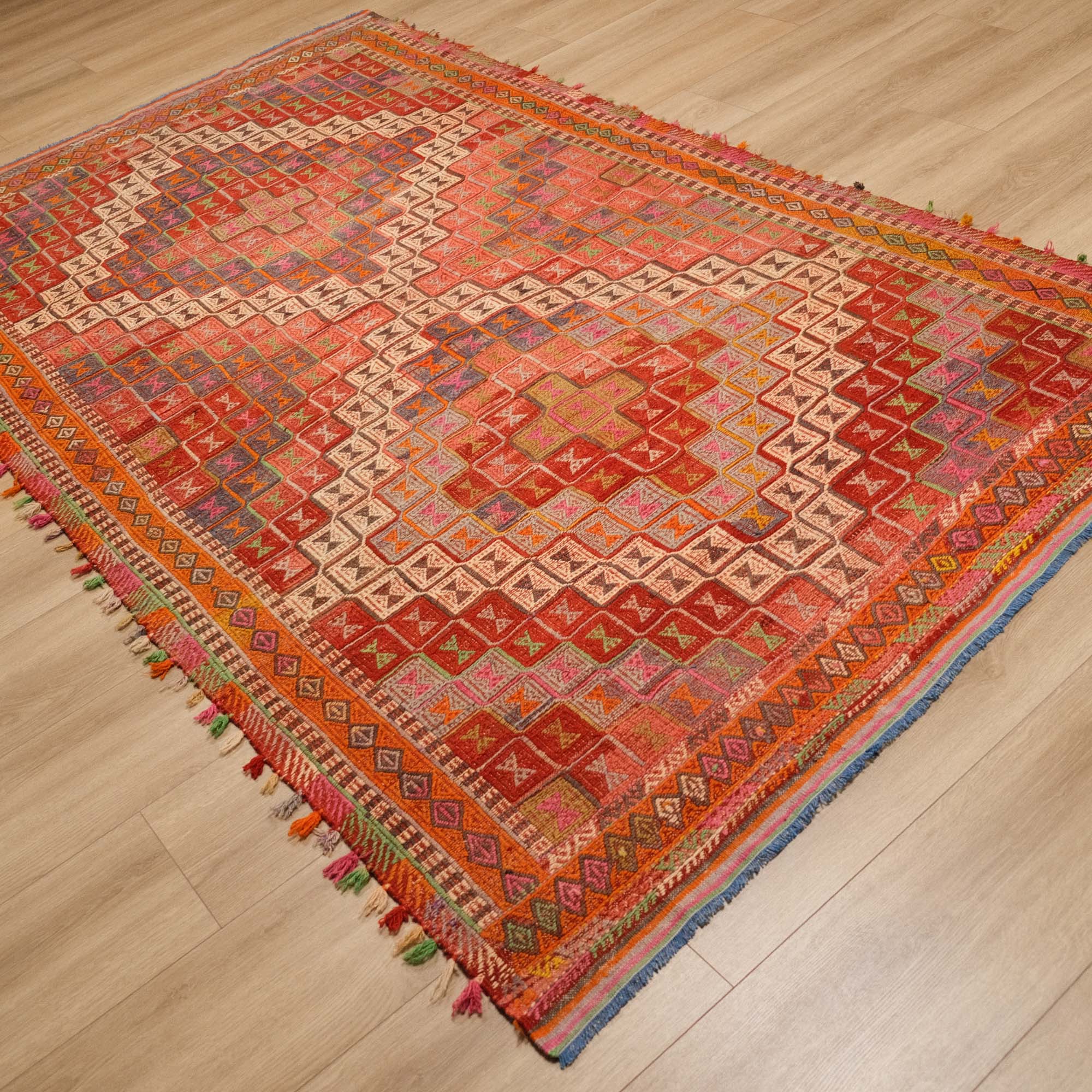
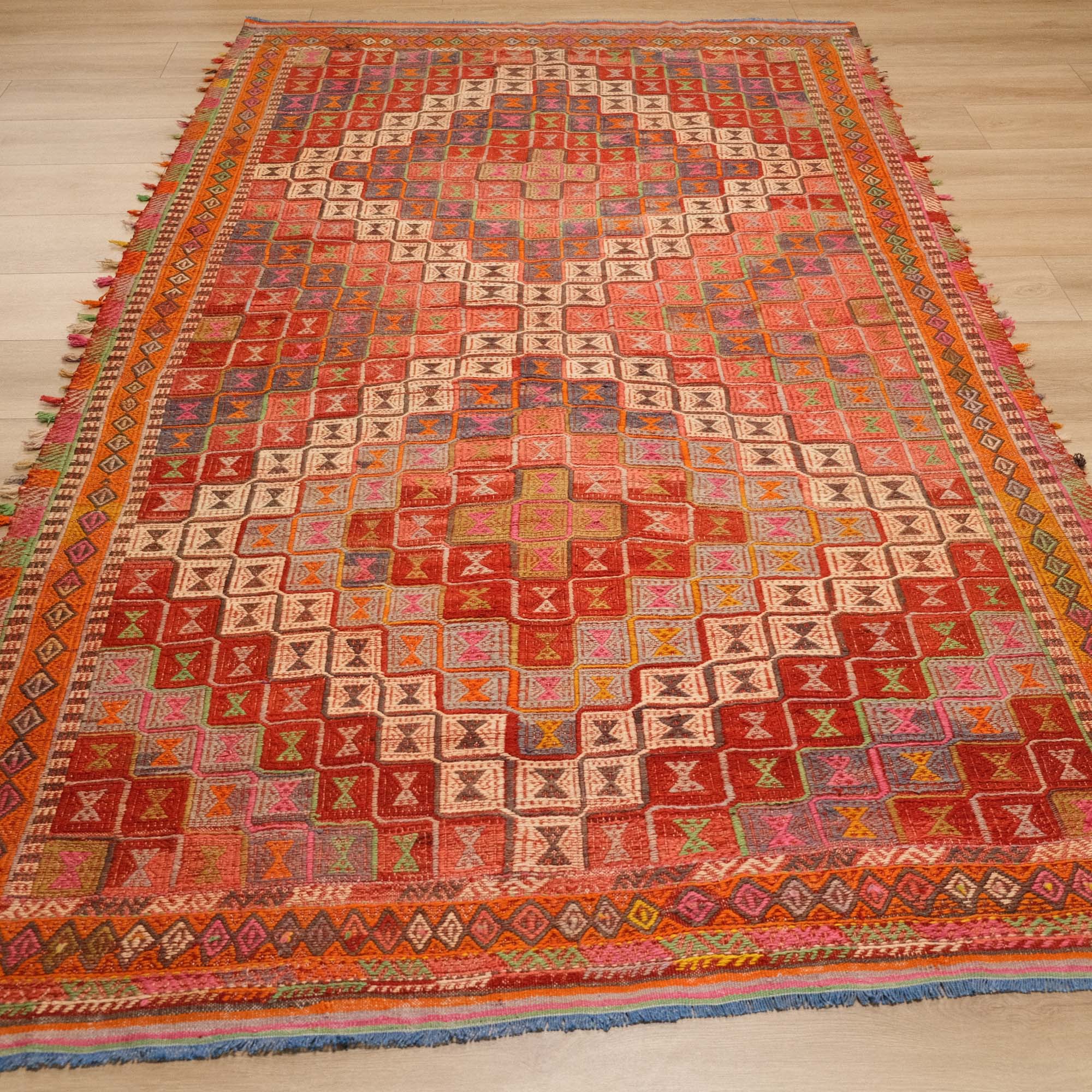


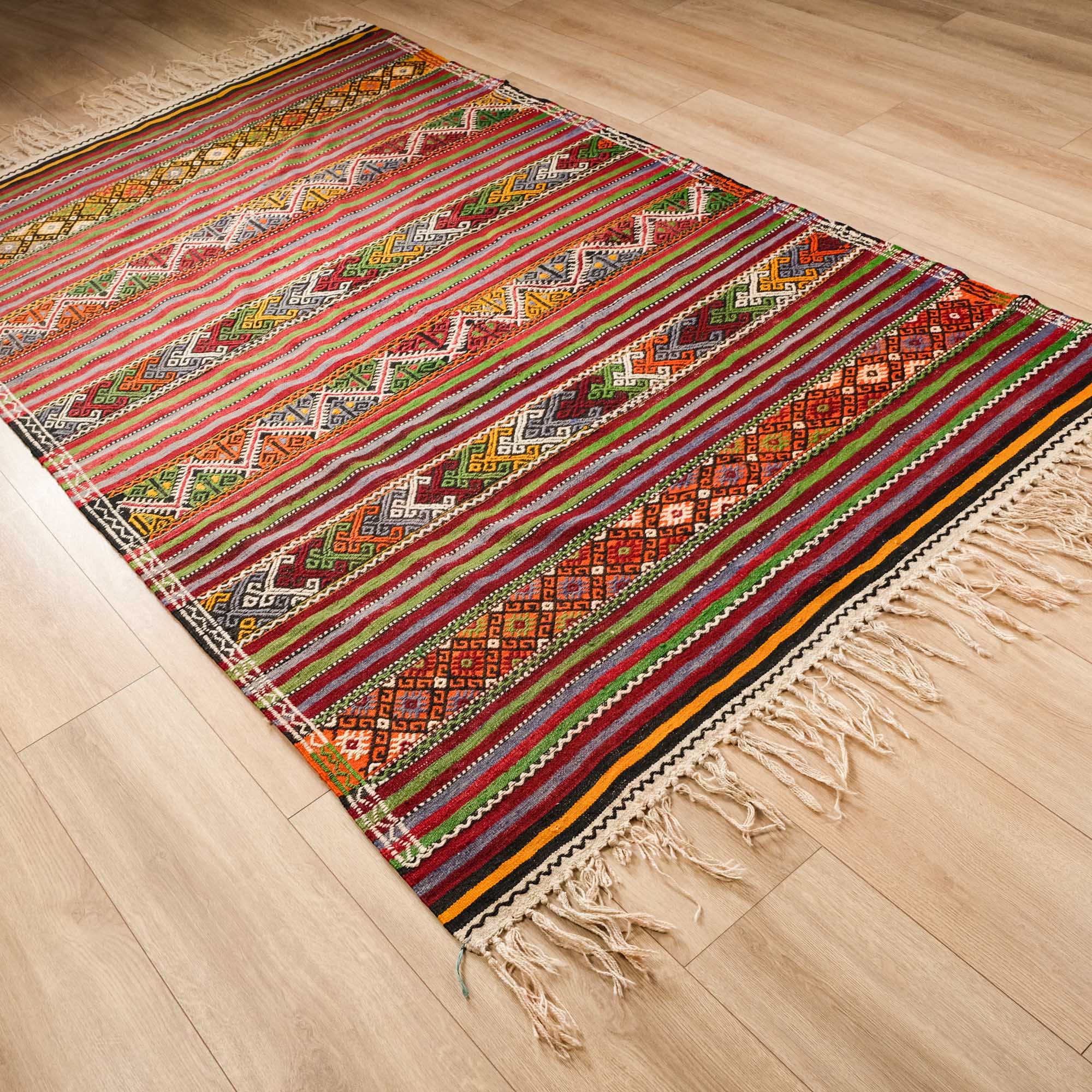

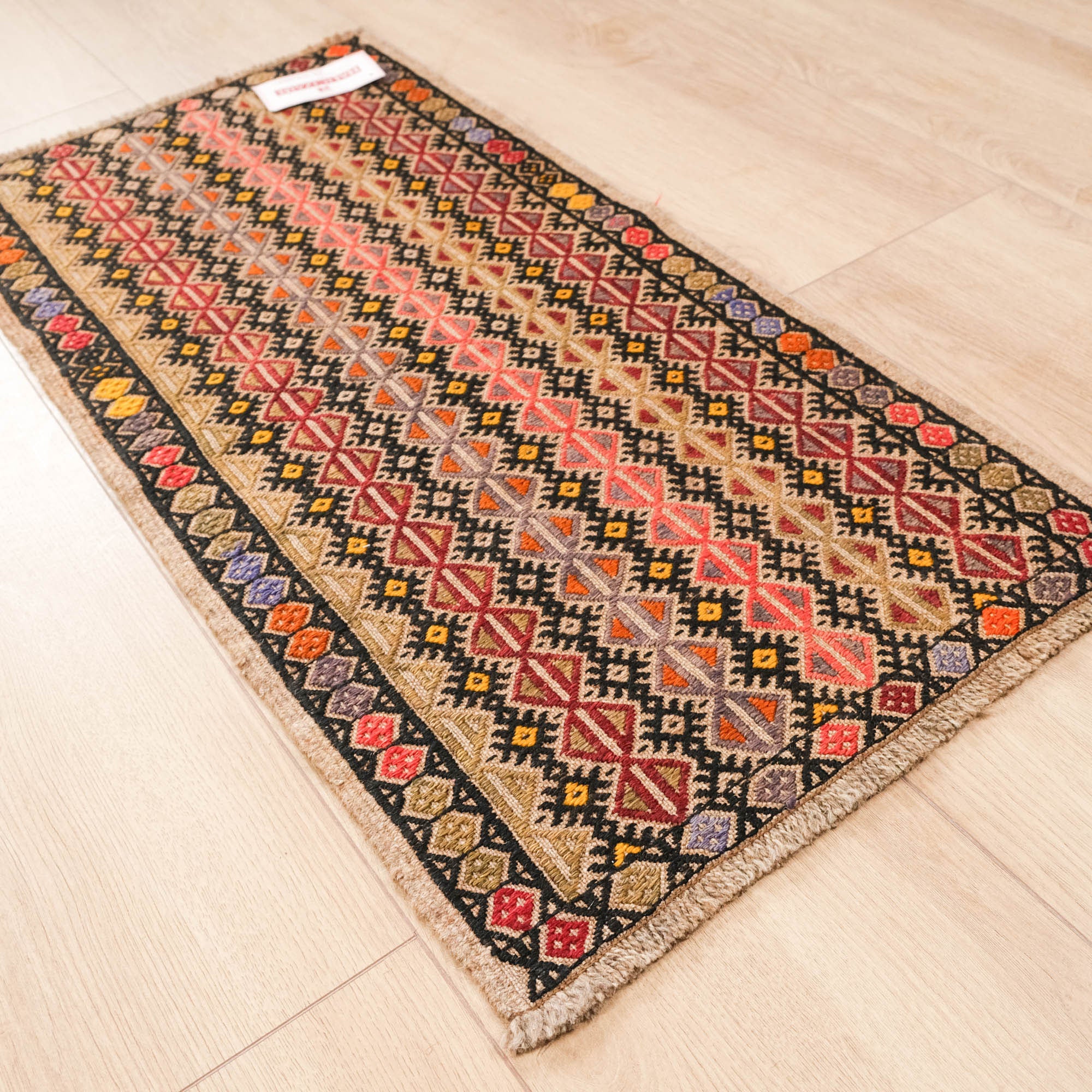
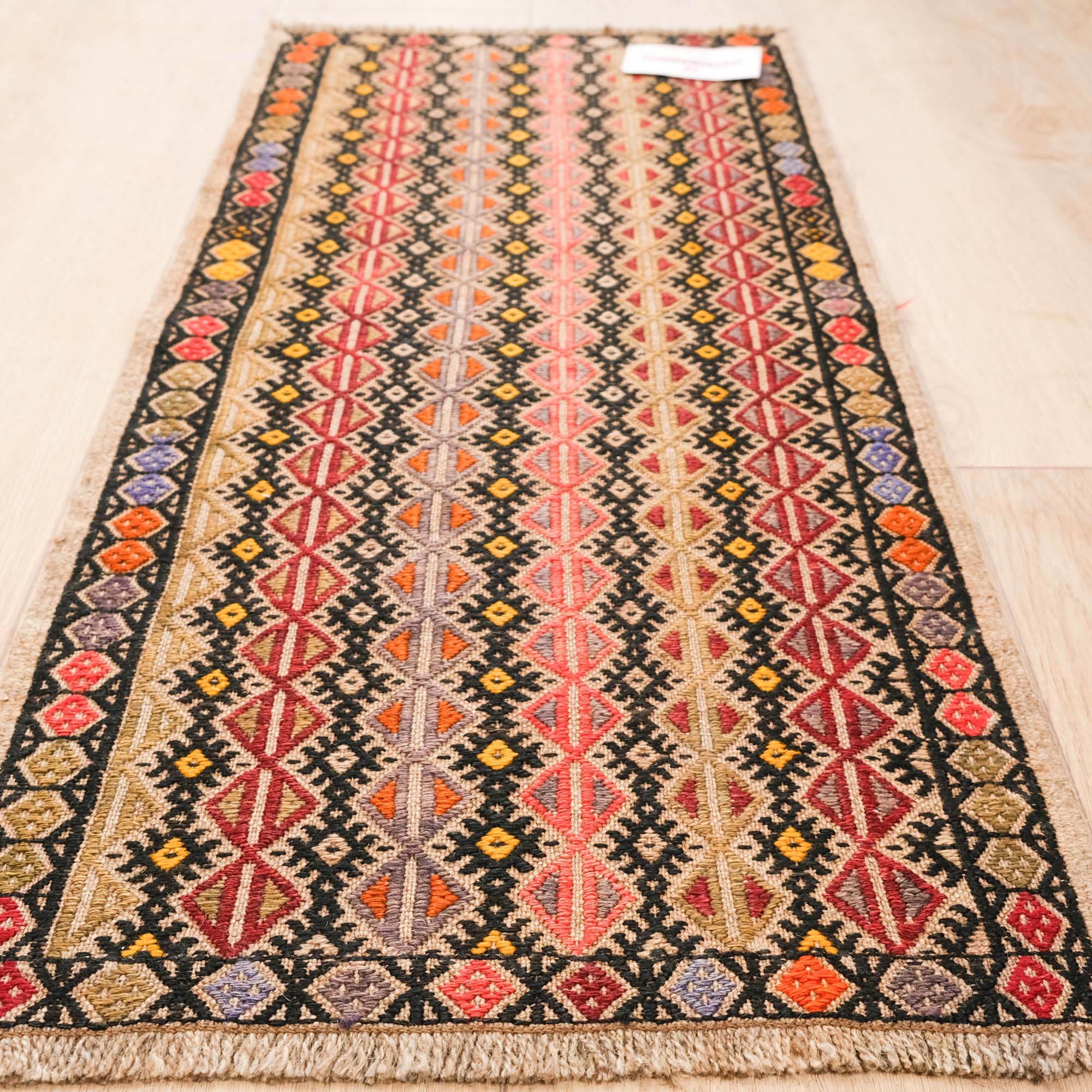
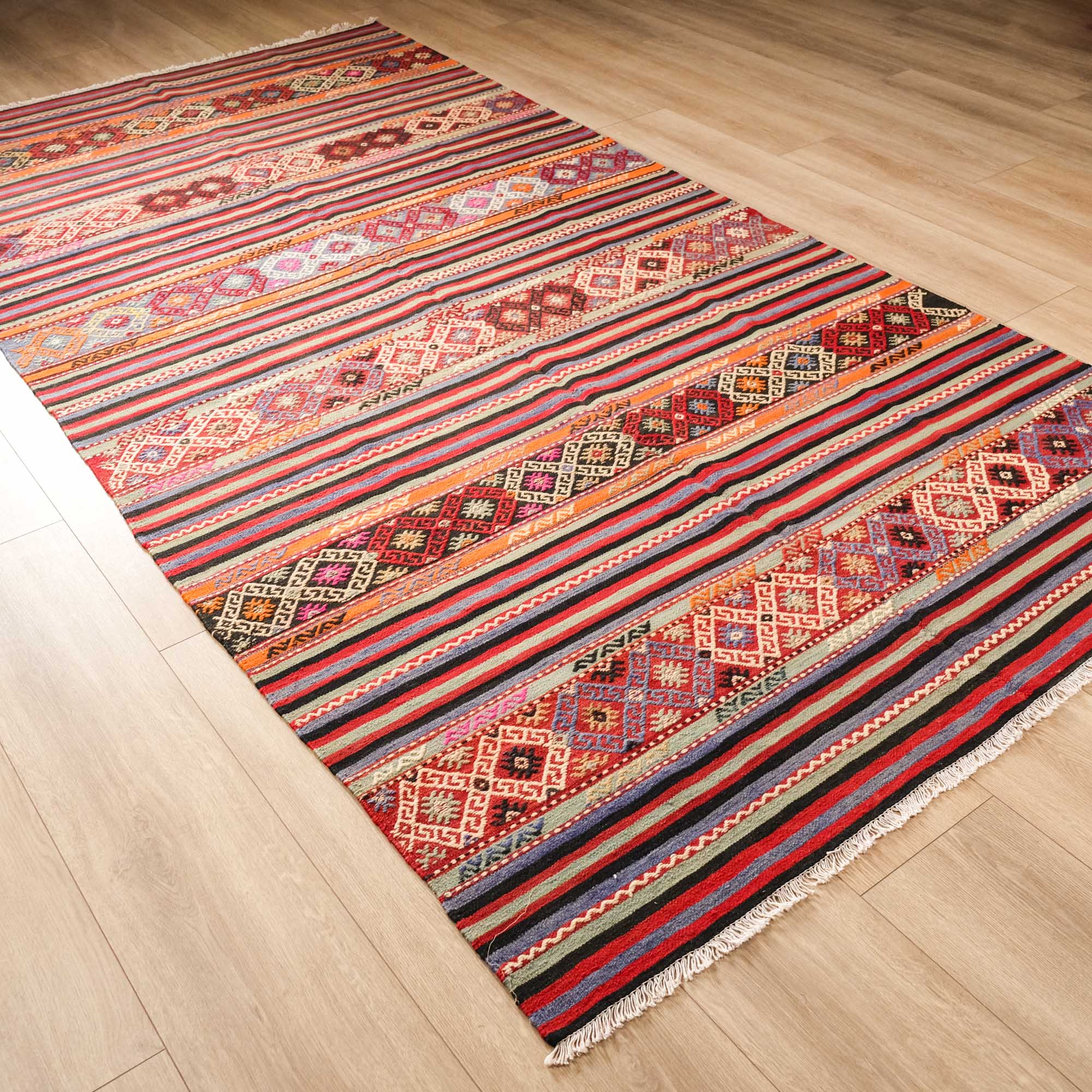
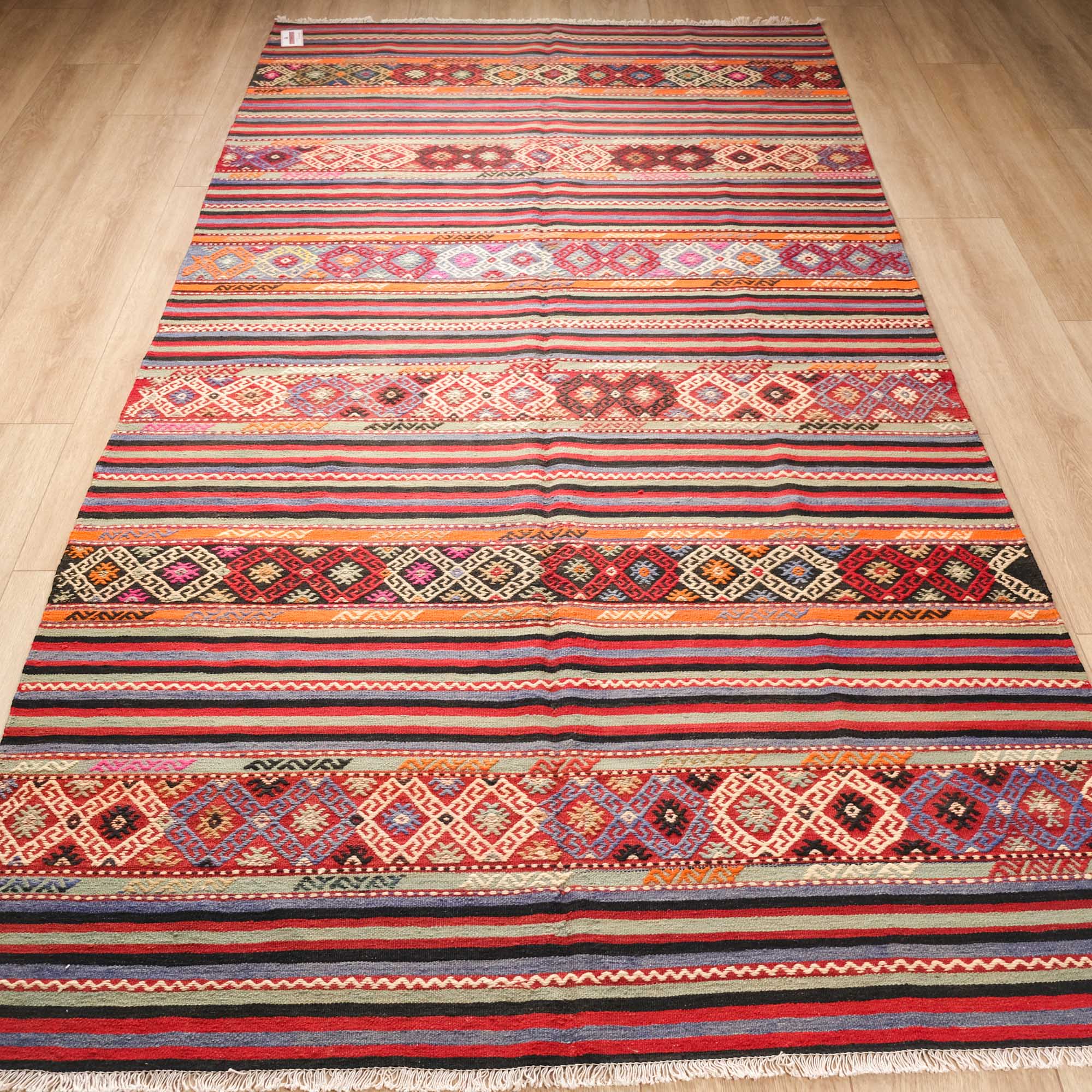
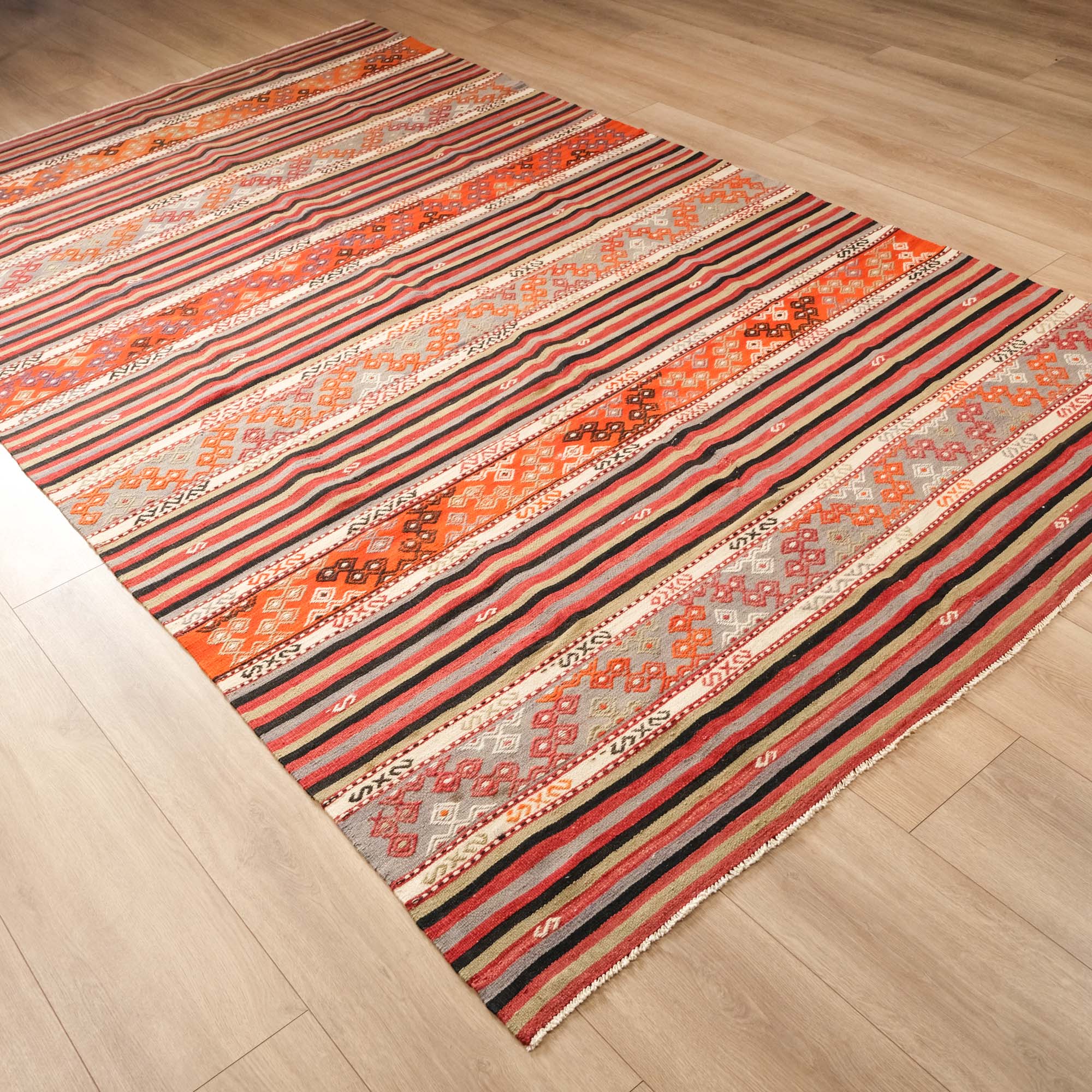
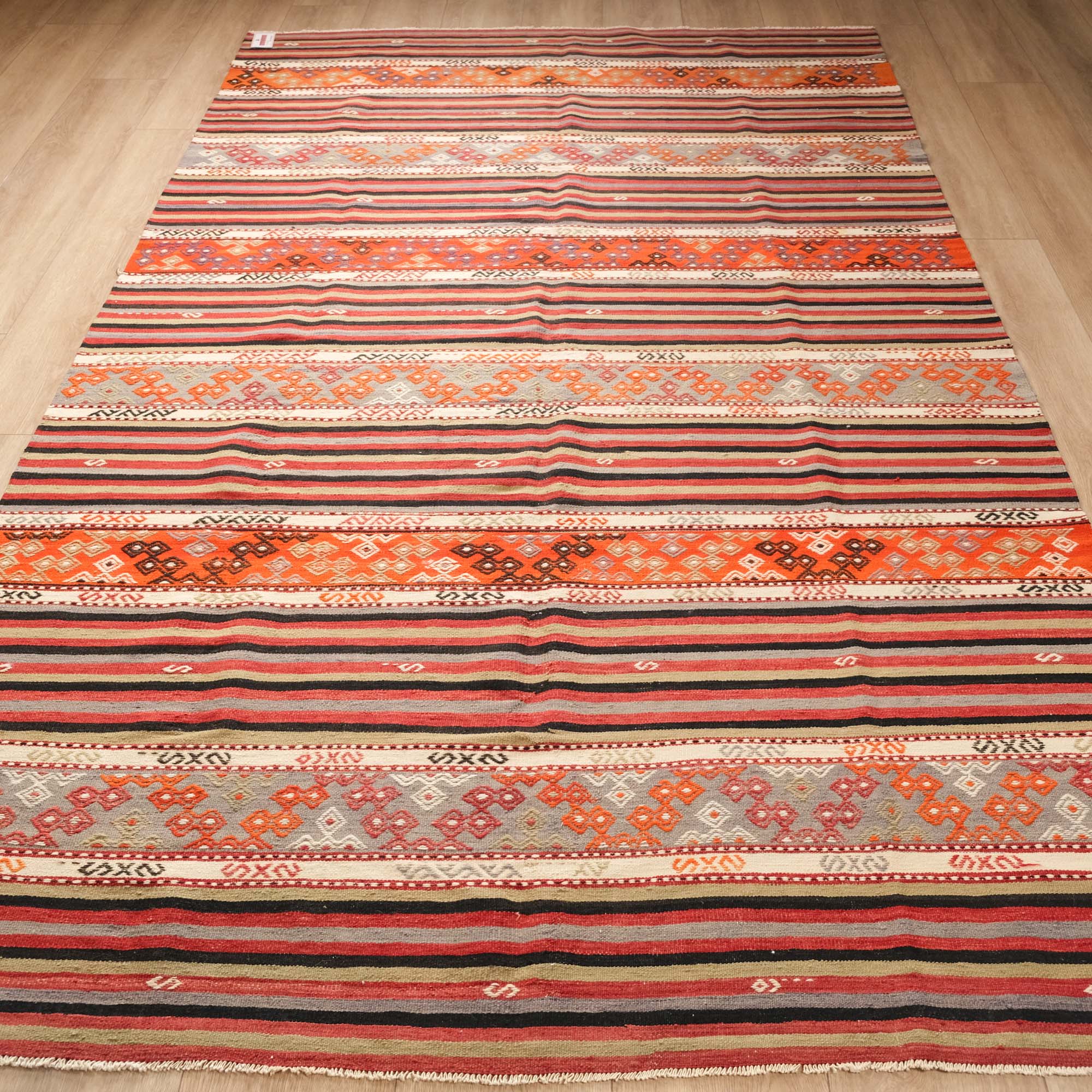
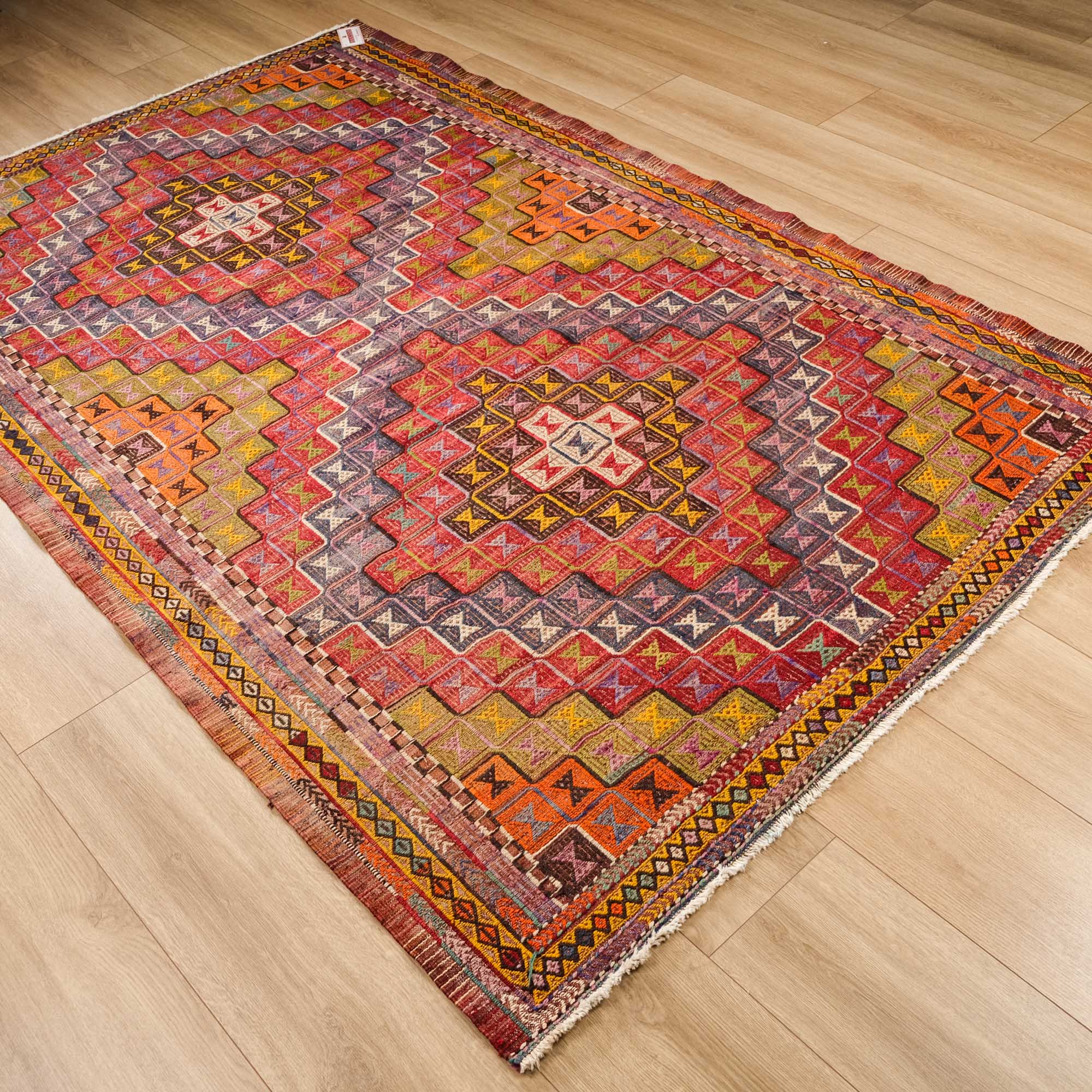
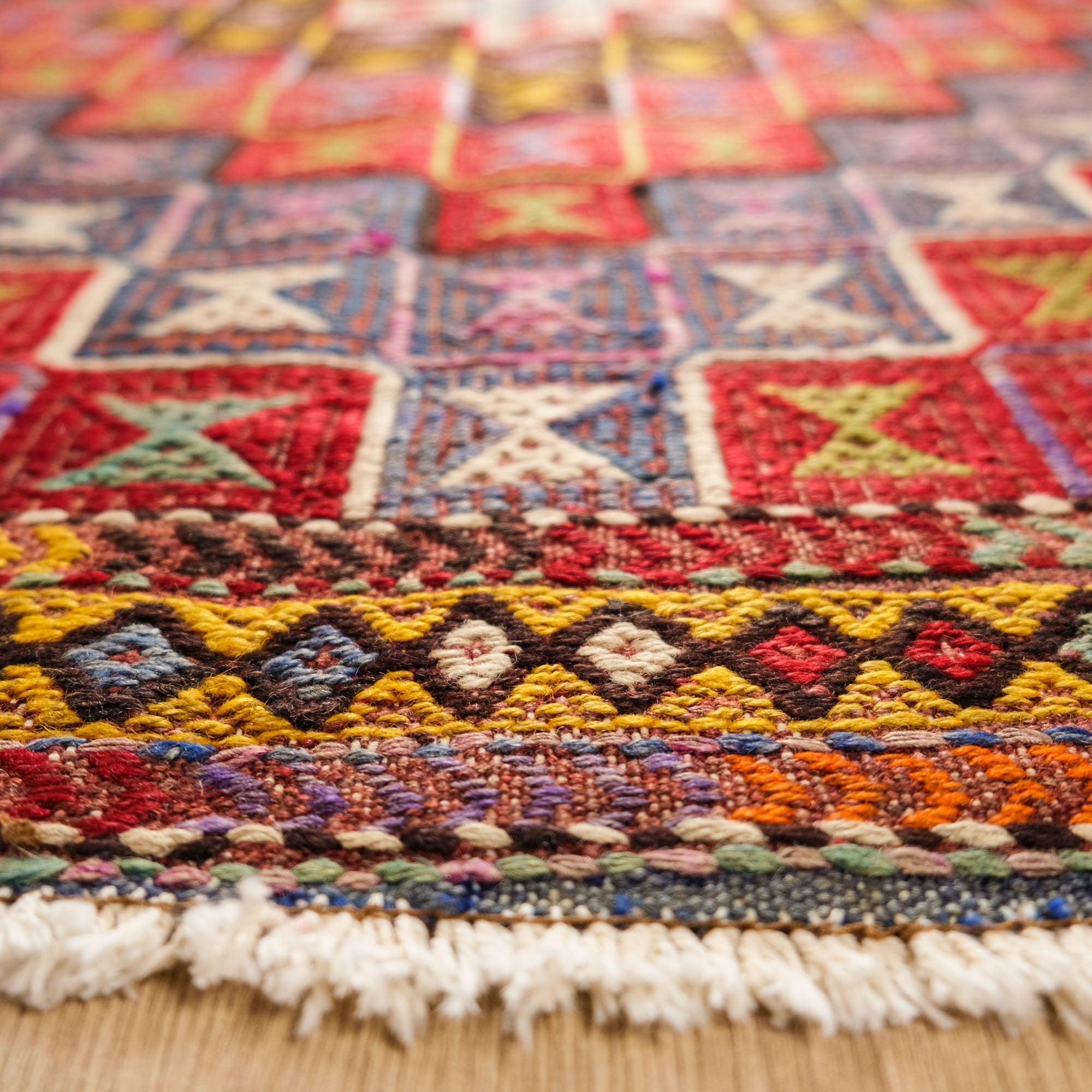

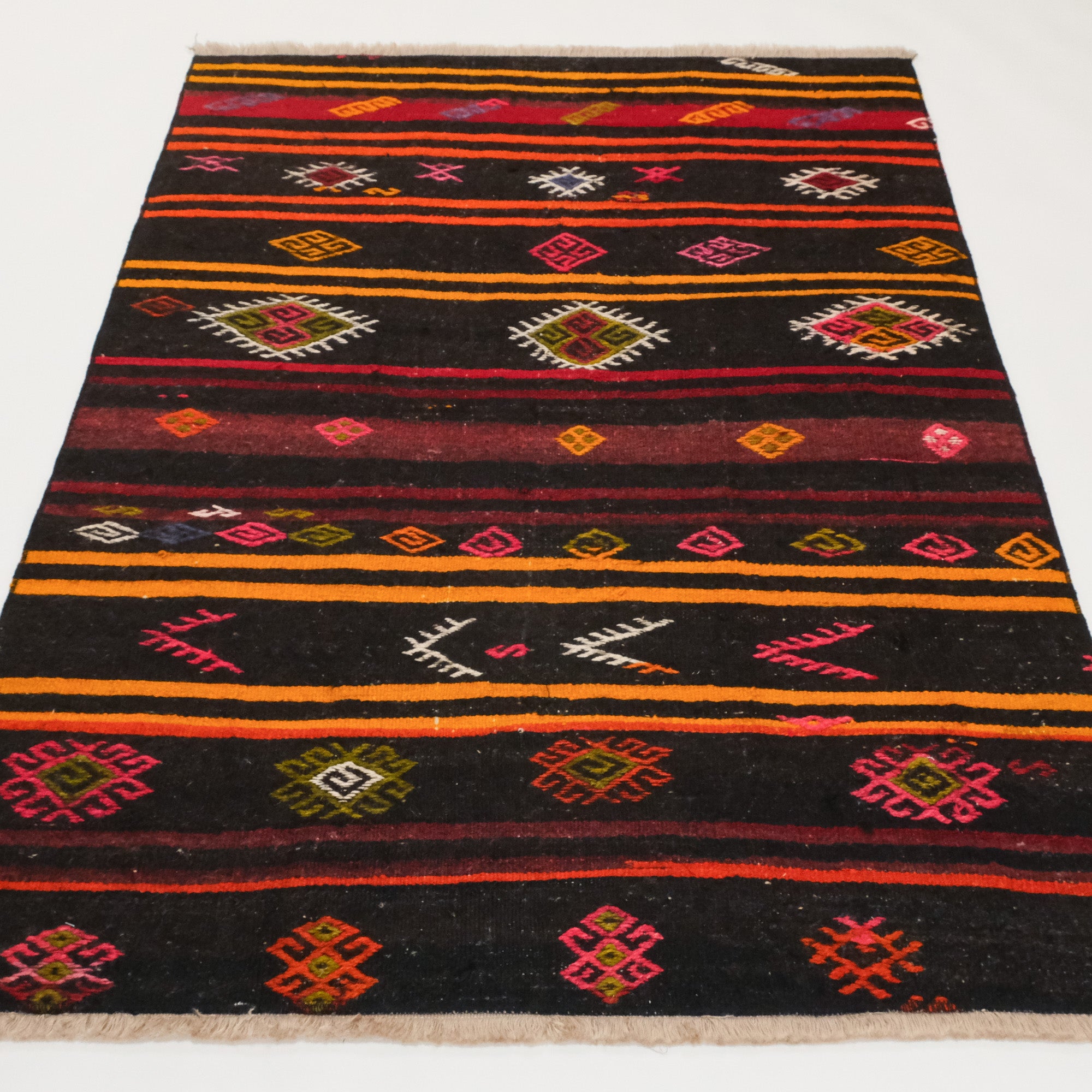
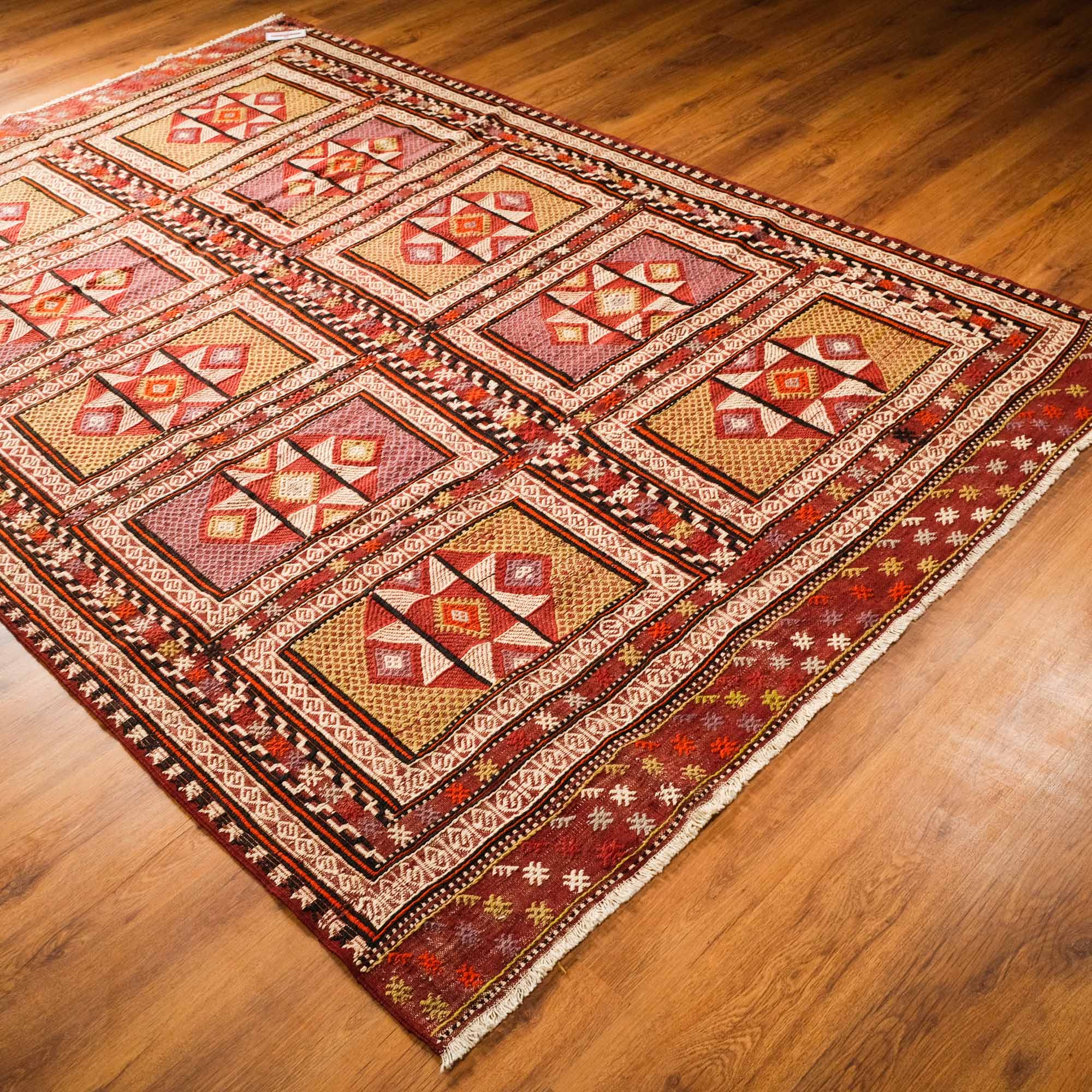
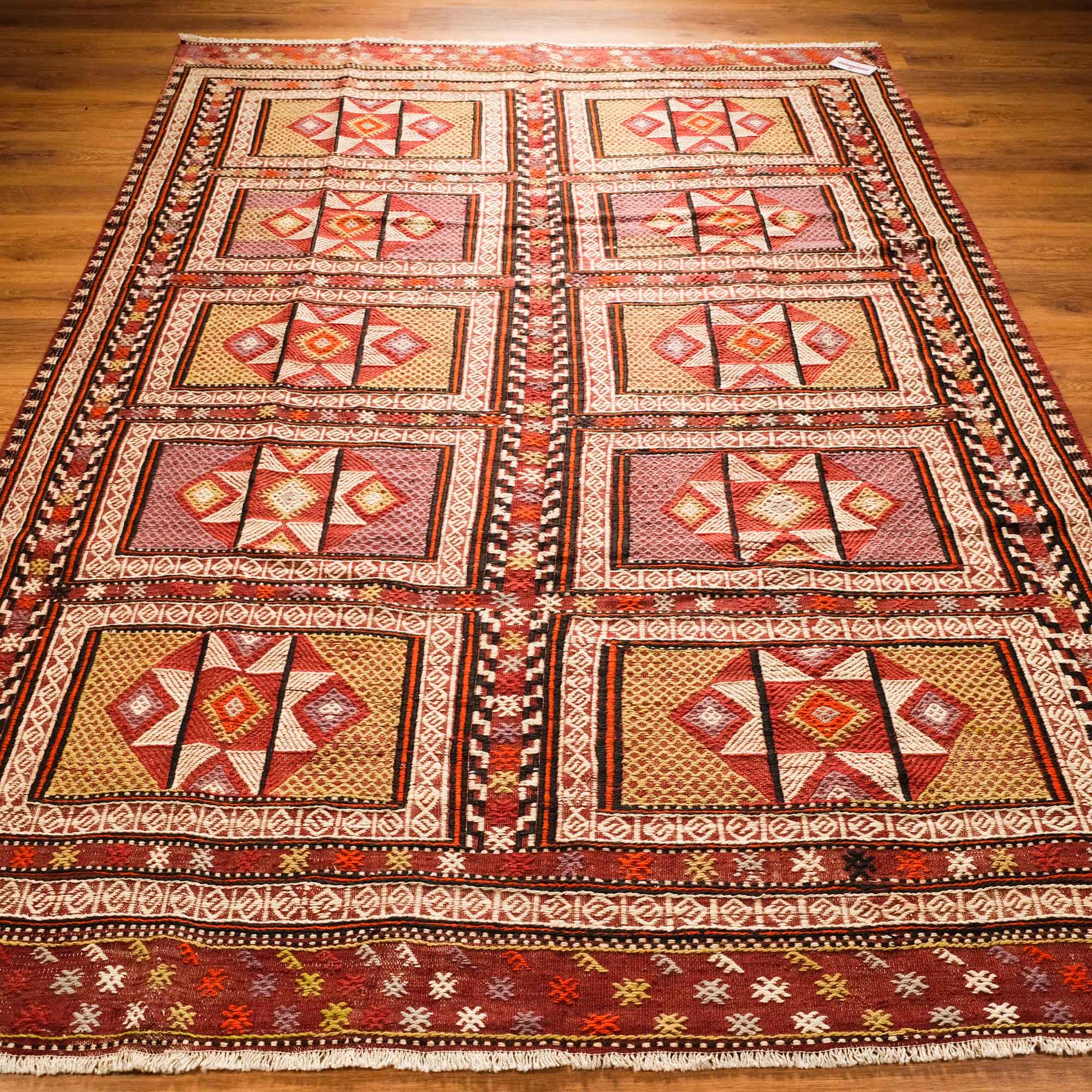
A Cicim kilim is a flat-woven rug using the cicim technique, adding supplementary weft threads over a base flatweave to create small, raised, embroidery-like motifs, a distinct and more labor-intensive method than plain kilim weaving.
Cicim is a technical refinement on standard kilim weaving worth understanding on its own, since the extra supplementary weft step it involves produces a noticeably different surface texture than a flat, plain kilim.
A Supplementary Weft Technique Within Turkish Flatweave
Cicim describes a specific flatweave embellishment technique found across various Anatolian weaving regions, where extra weft threads are woven in over a plain kilim base to build up small, raised decorative motifs, functionally similar to embroidery but created as an integral part of the weaving process itself.
How the Cicim Technique Differs From Plain Flatweave
Unlike a standard kilim, where the entire pattern emerges from the base interlocking weave, cicim adds supplementary weft threads over specific areas of that base weave, building up small raised motifs that give the surface a subtle three-dimensional, embroidered texture absent from plain flatweave.
Why Choose a Cicim Kilim from Halicizade
We highlight cicim specifically because its supplementary weft technique represents a more labor-intensive, technically distinct approach within flatweave tradition, worth recognizing separately from standard plain kilim construction.
Styling a Cicim Kilim
The raised, textured surface of cicim work suits close viewing and tactile appreciation particularly well.
- Living rooms and entryways where the raised, textured motifs can be seen and felt up close.
- Works well as a wall hanging, letting the technique's distinctive raised texture be displayed and appreciated.
- A strong choice for buyers specifically interested in traditional Anatolian textile techniques.
- Pairs naturally with other traditional textile and craft-focused decor.
Cicim Kilim vs. Plain Kilim
| Cicim Kilim | Plain Kilim | |
|---|---|---|
| Technique | Supplementary weft over base flatweave | Single interlocked warp/weft |
| Surface texture | Raised, embroidery-like motifs | Flat |
| Production complexity | More labor-intensive | Comparatively simpler |
Care & Maintenance
Vacuum gently to avoid catching the raised supplementary weft threads, and avoid prolonged wet exposure; professional cleaning is recommended over aggressive home washing given the technique's added surface texture.
Frequently Asked Questions
What is a Cicim kilim?
A flat-woven rug using the cicim technique, adding supplementary weft threads over a base flatweave to create small, raised, embroidery-like motifs.
How is cicim different from a plain kilim?
Plain kilim pattern emerges entirely from the base interlocking weave, while cicim adds supplementary weft threads over that base to build up raised, textured motifs.
Is cicim more labor-intensive to produce than plain kilim weaving?
Yes, the additional supplementary weft step makes cicim a more technically demanding and time-intensive process than standard flatweave.
Can a Cicim kilim be used as a wall hanging?
Yes, its distinctive raised texture is particularly well suited to wall display, where the technique can be seen and appreciated closely.
How do I clean a Cicim kilim?
Vacuum gently to avoid catching the raised supplementary weft threads, and avoid prolonged wet exposure; professional cleaning is recommended.
Where does the cicim technique come from?
It's found across various Anatolian weaving regions as a flatweave embellishment method, distinct from but related to standard kilim weaving.