

Filters
37 products

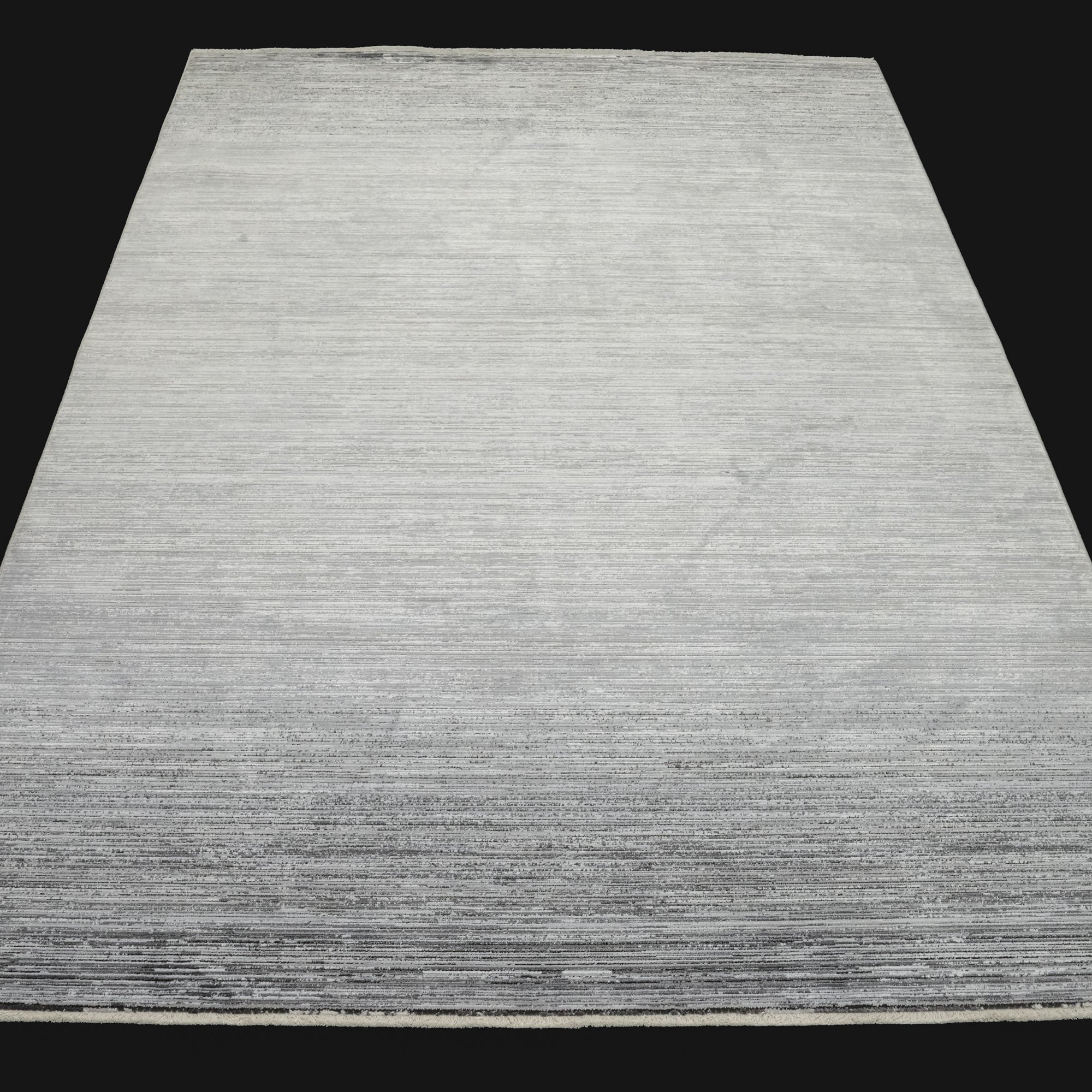

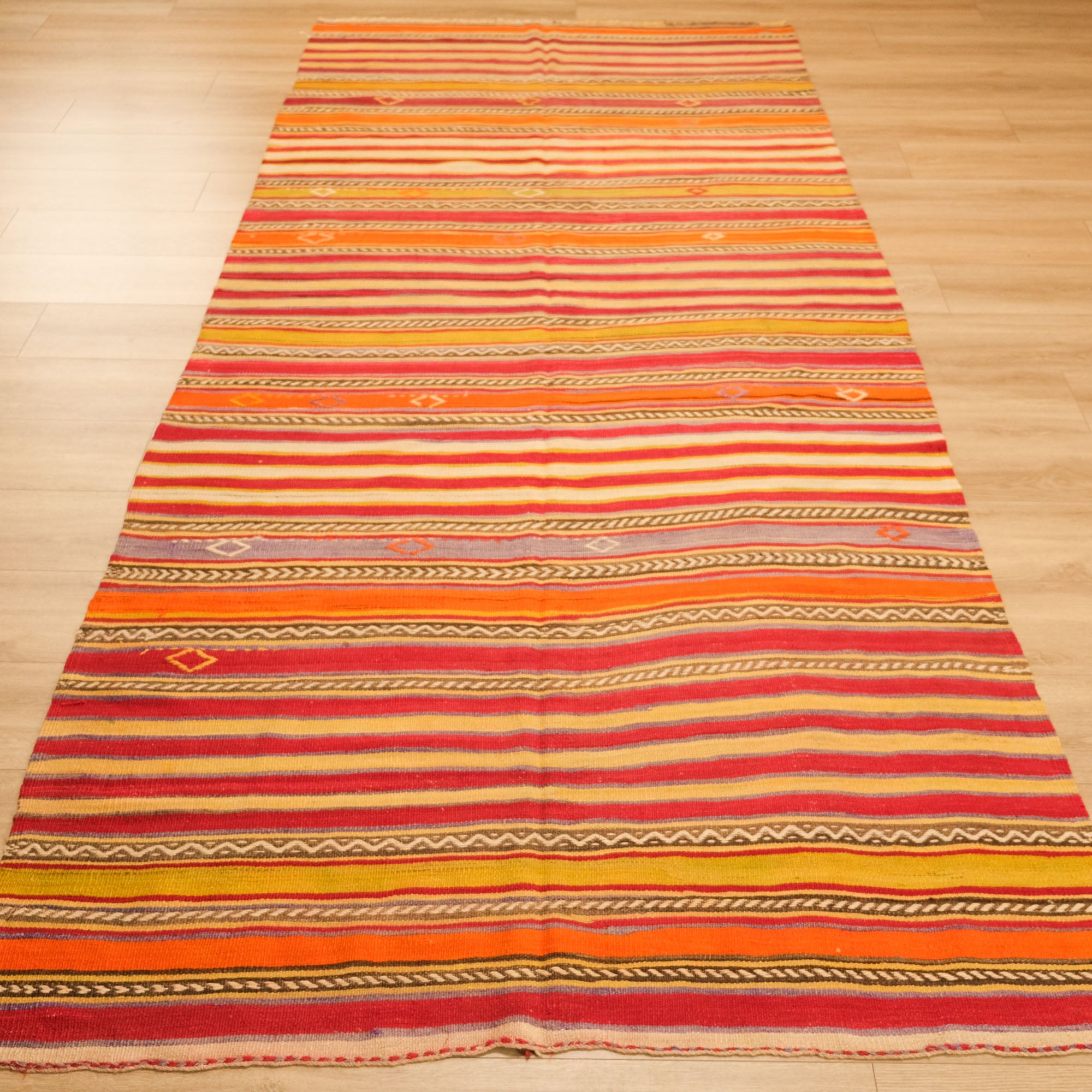
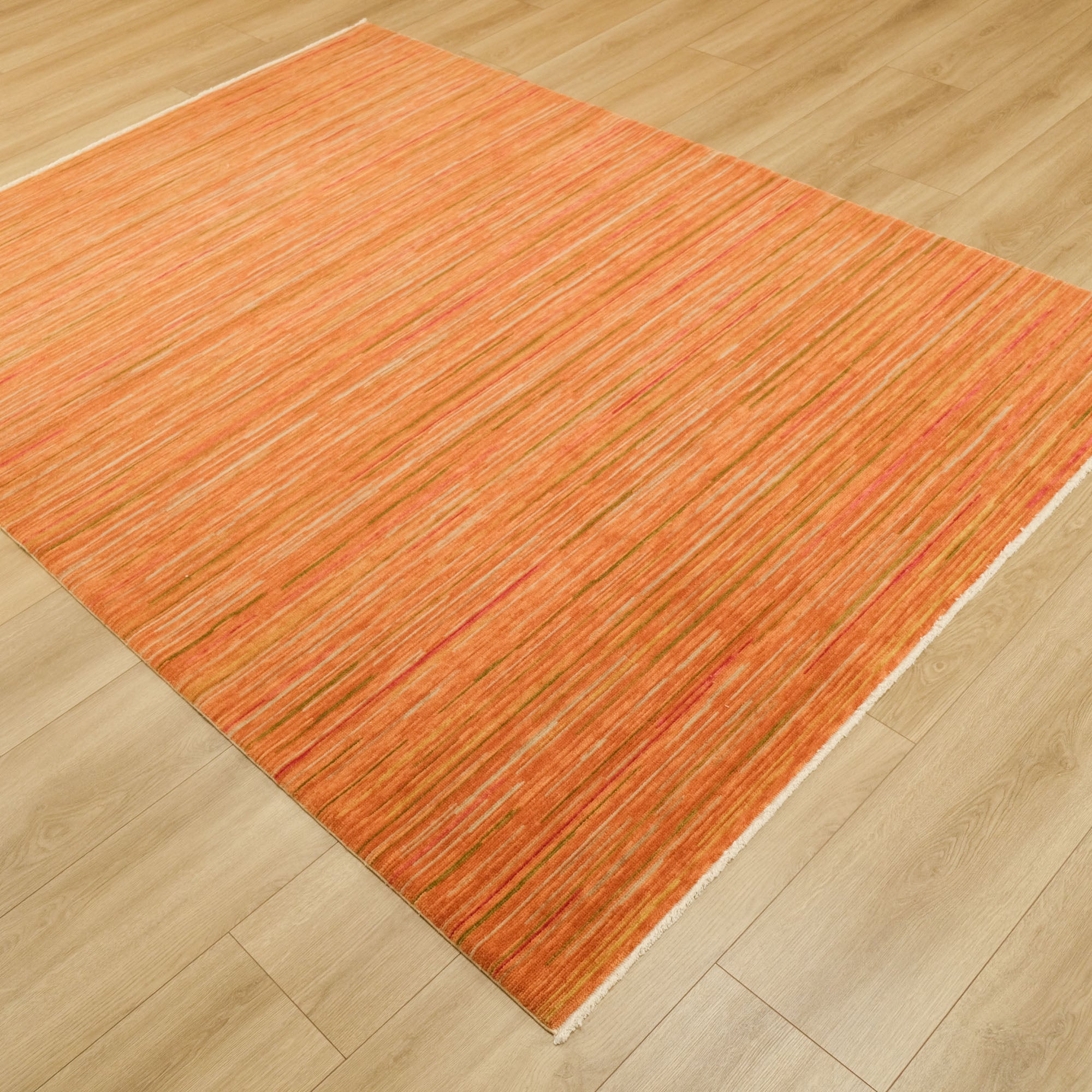
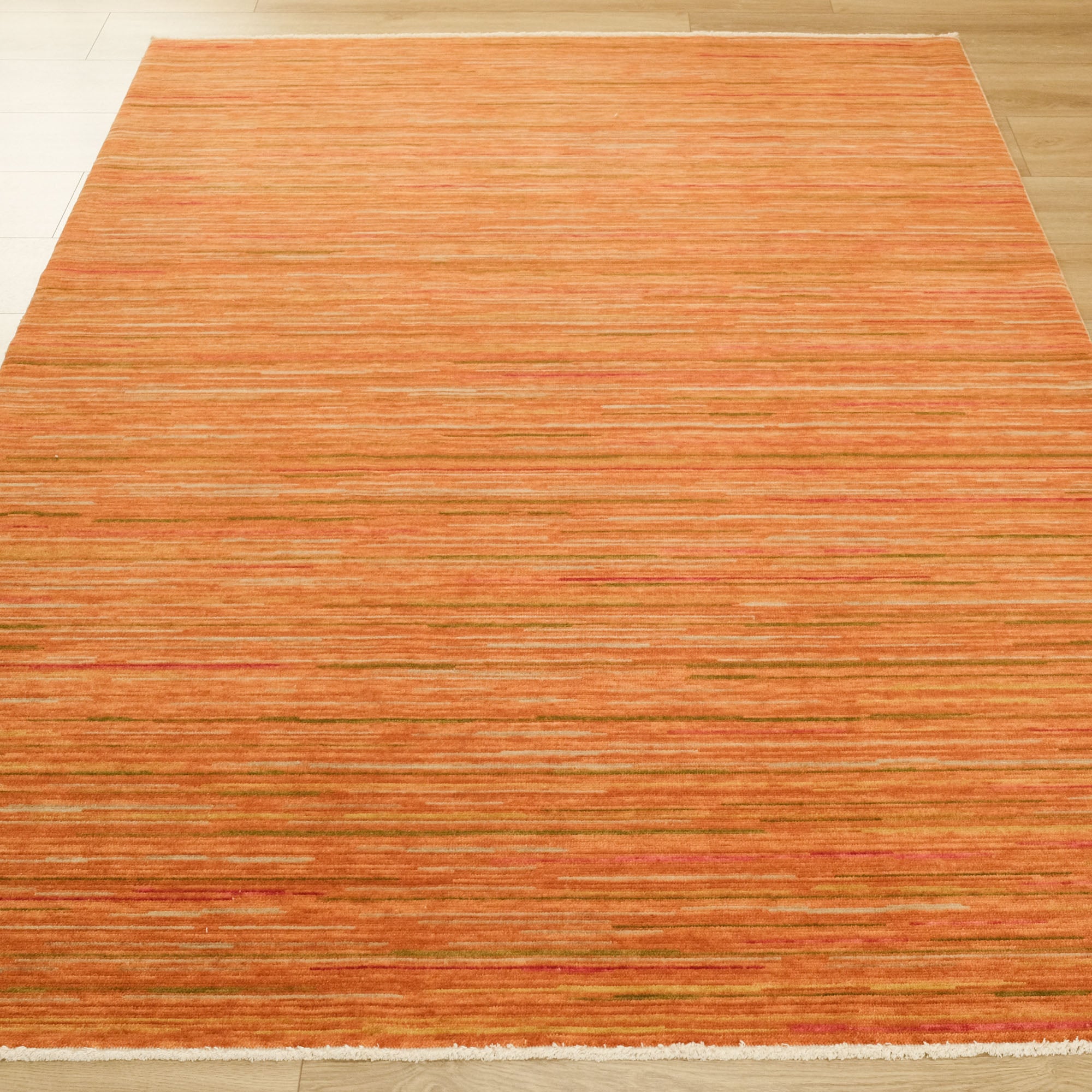
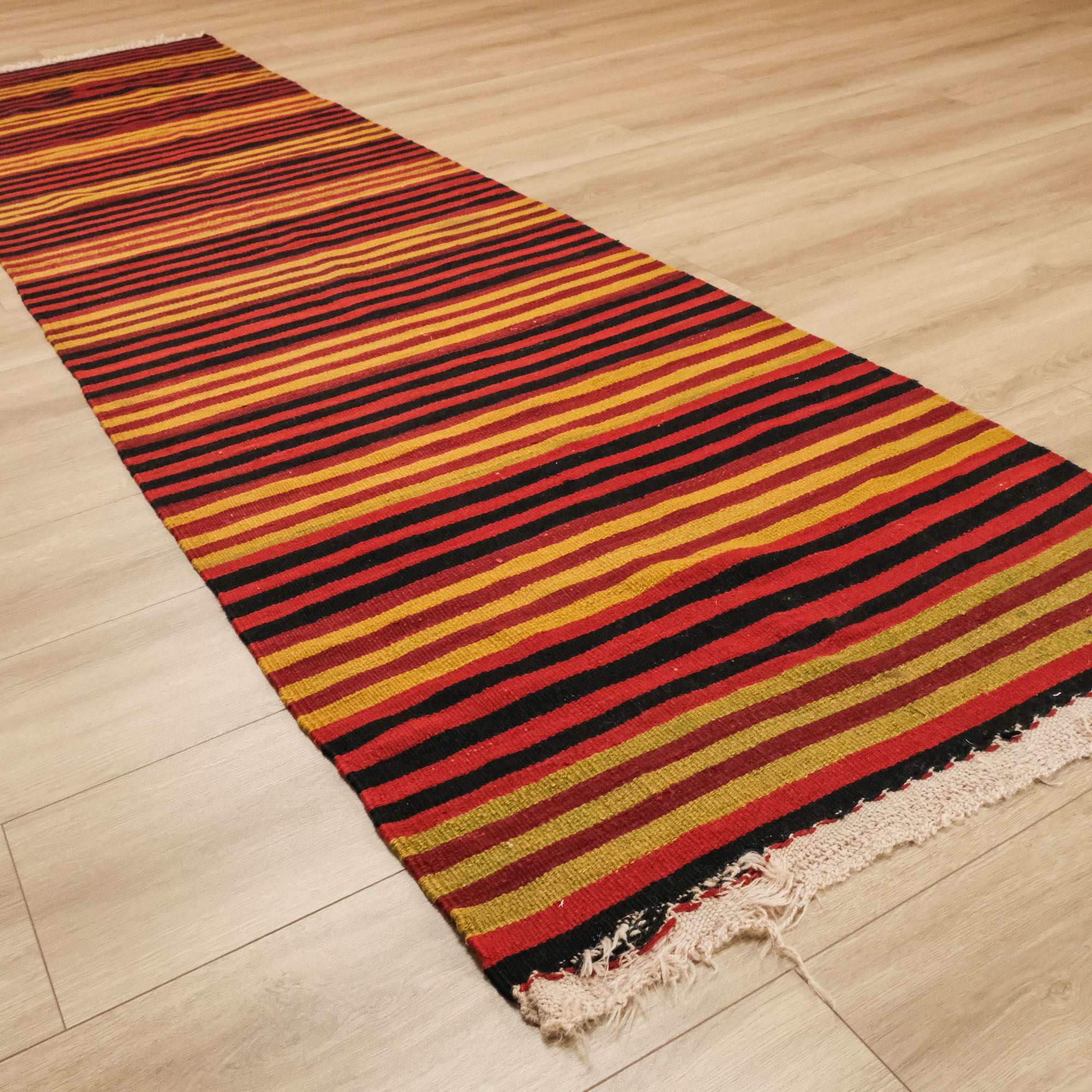
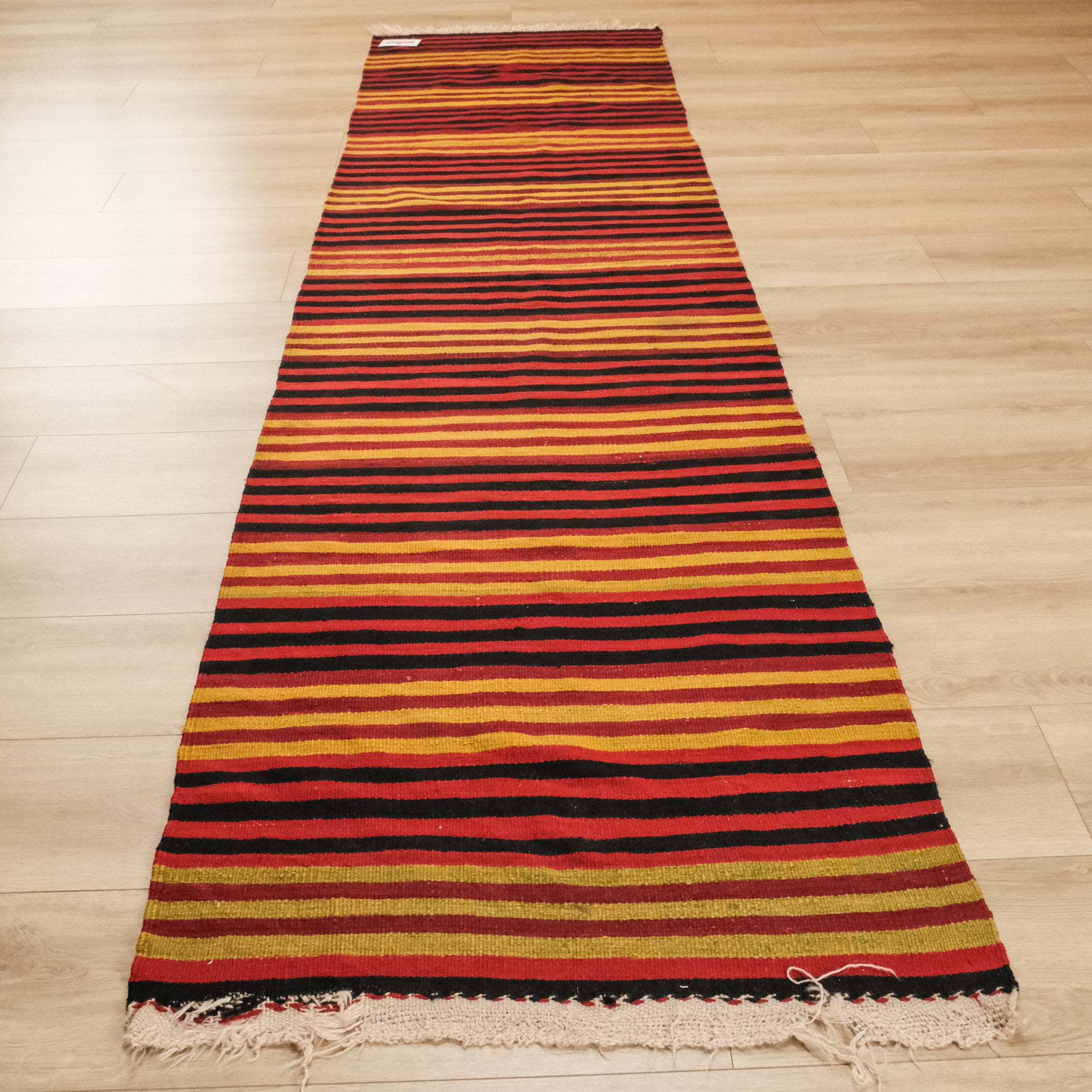
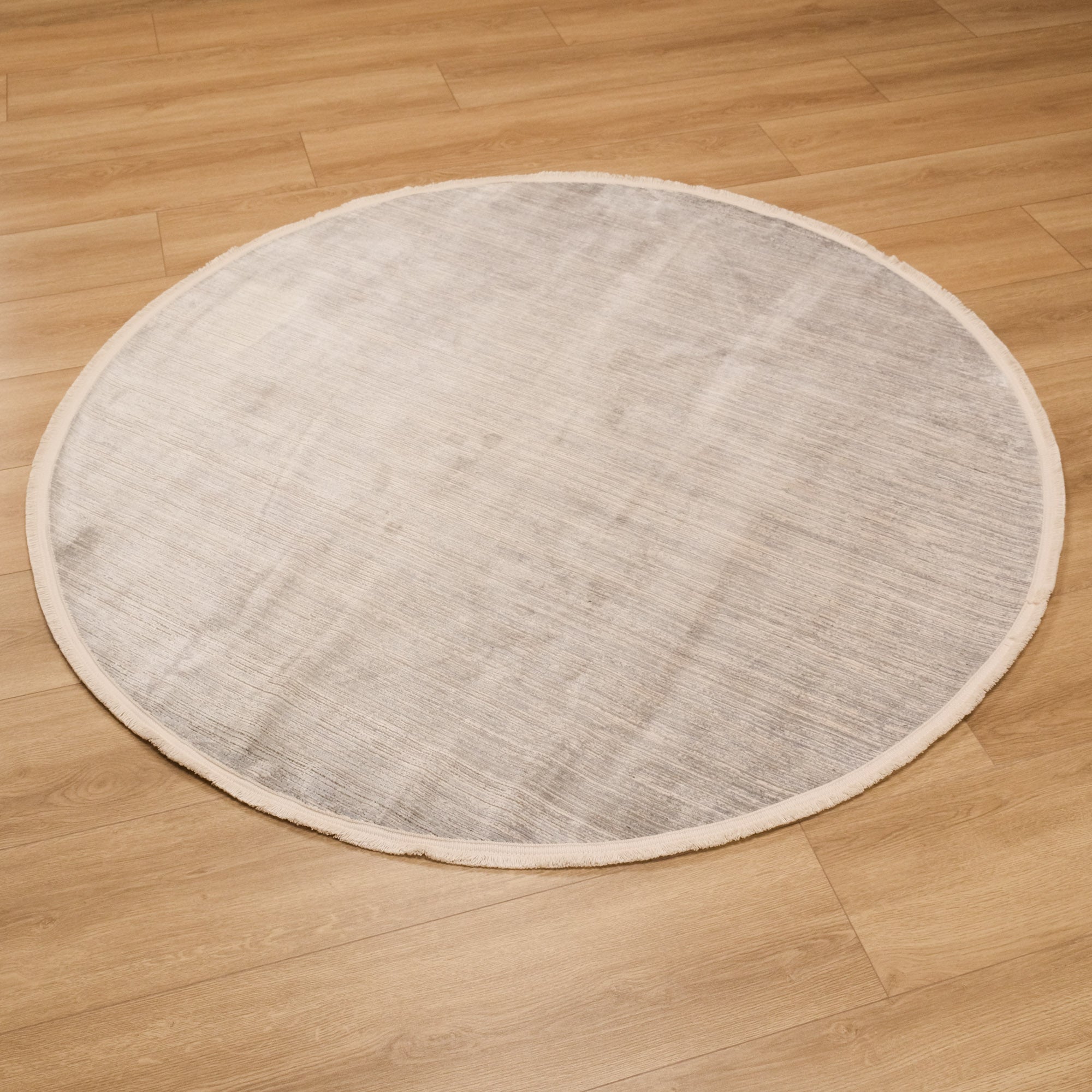
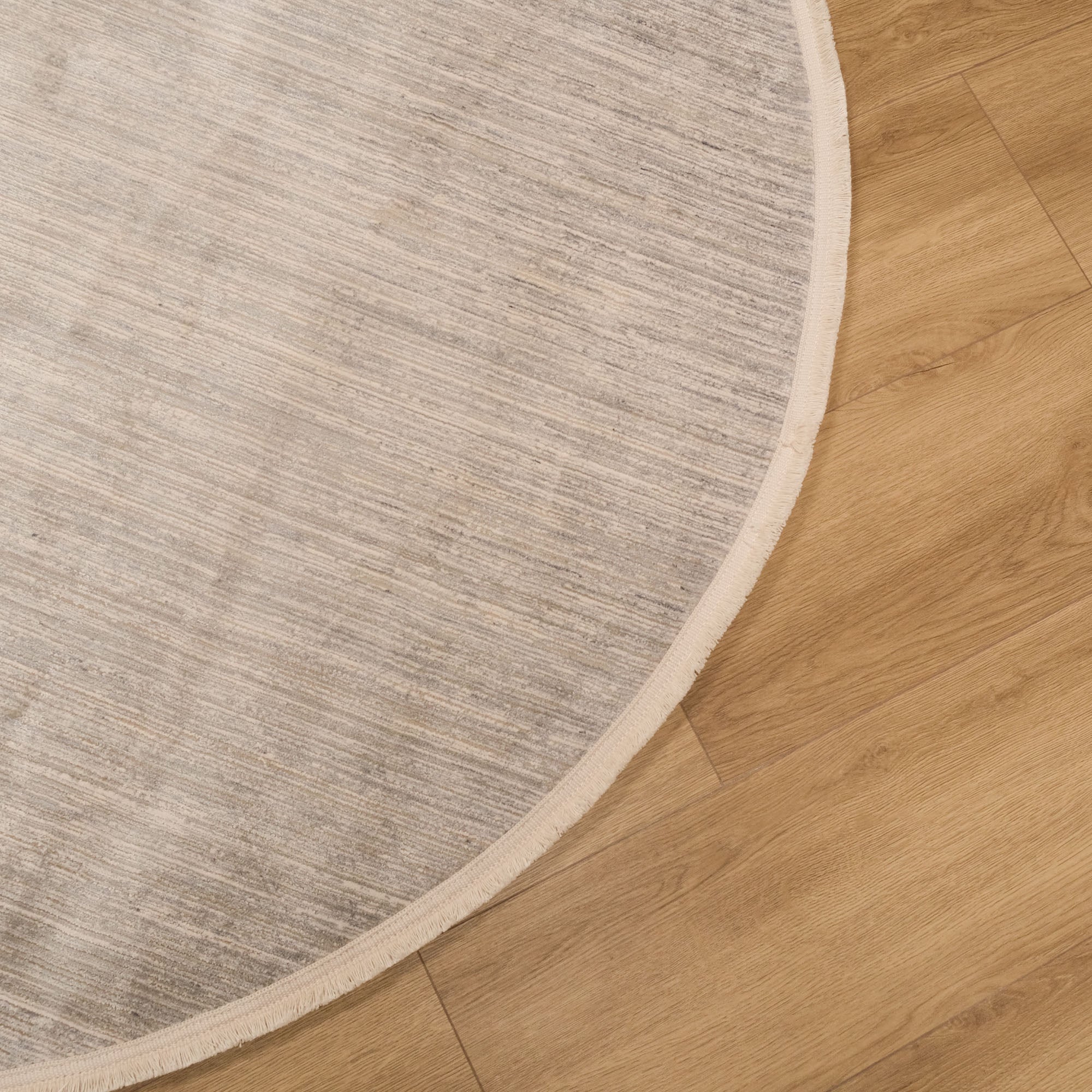
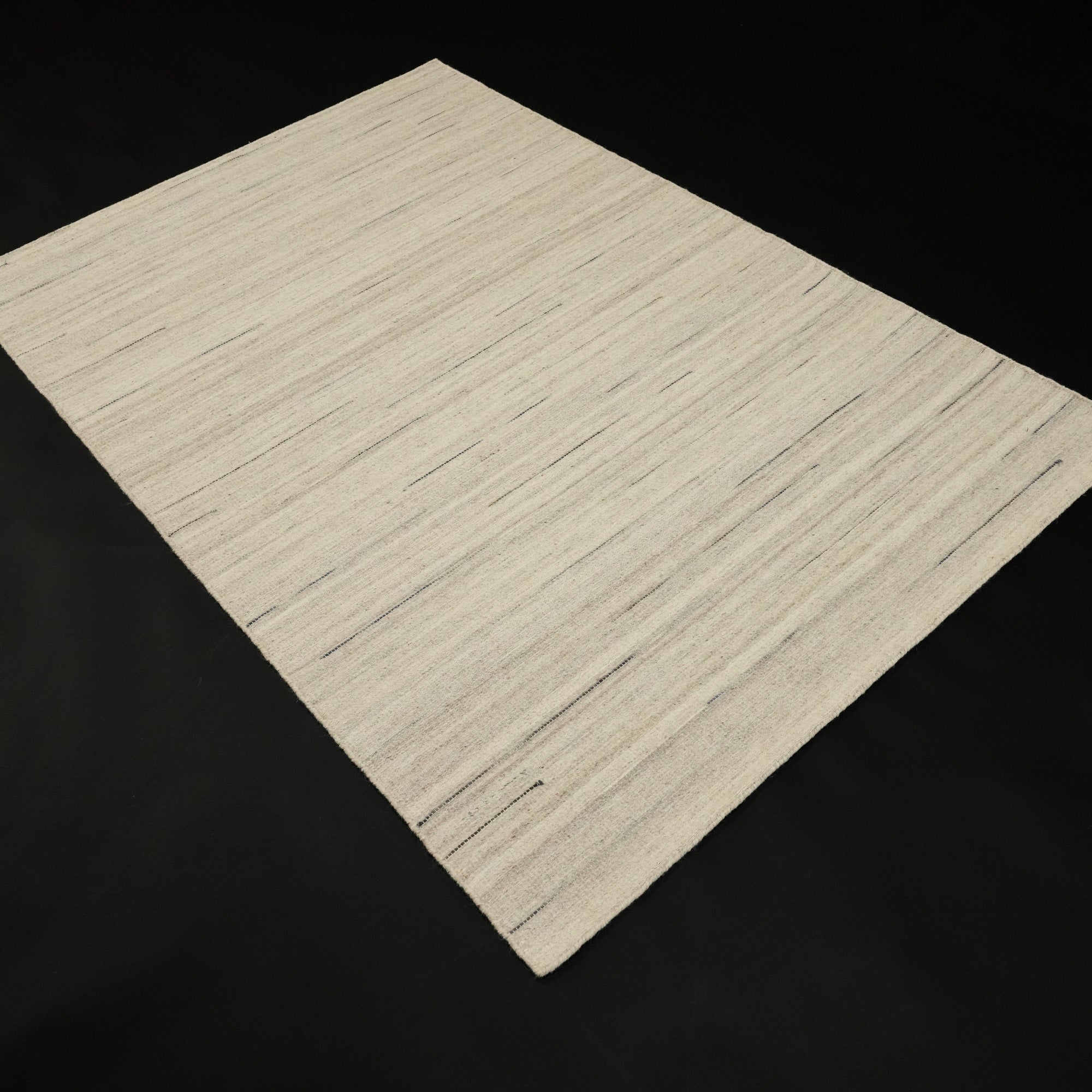
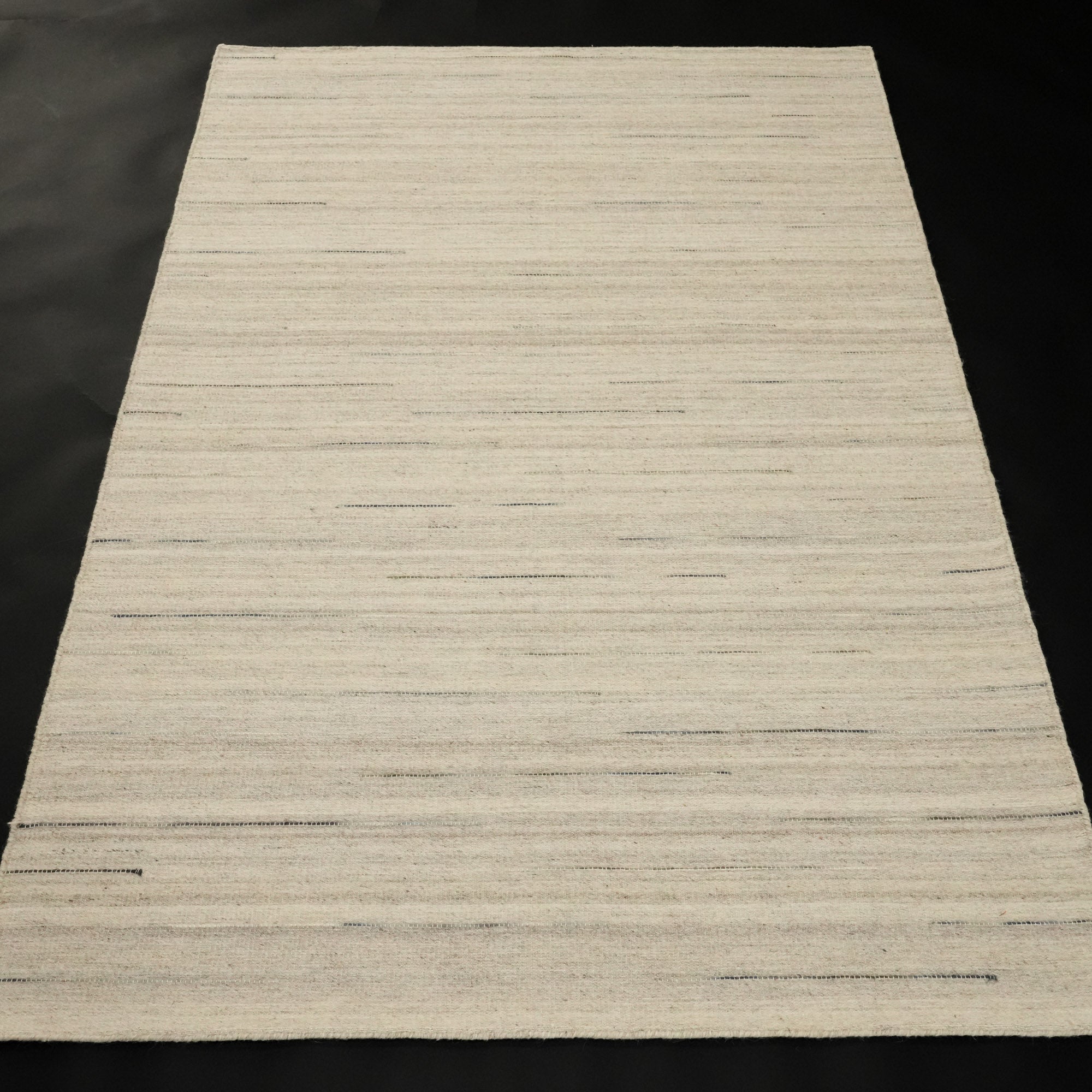
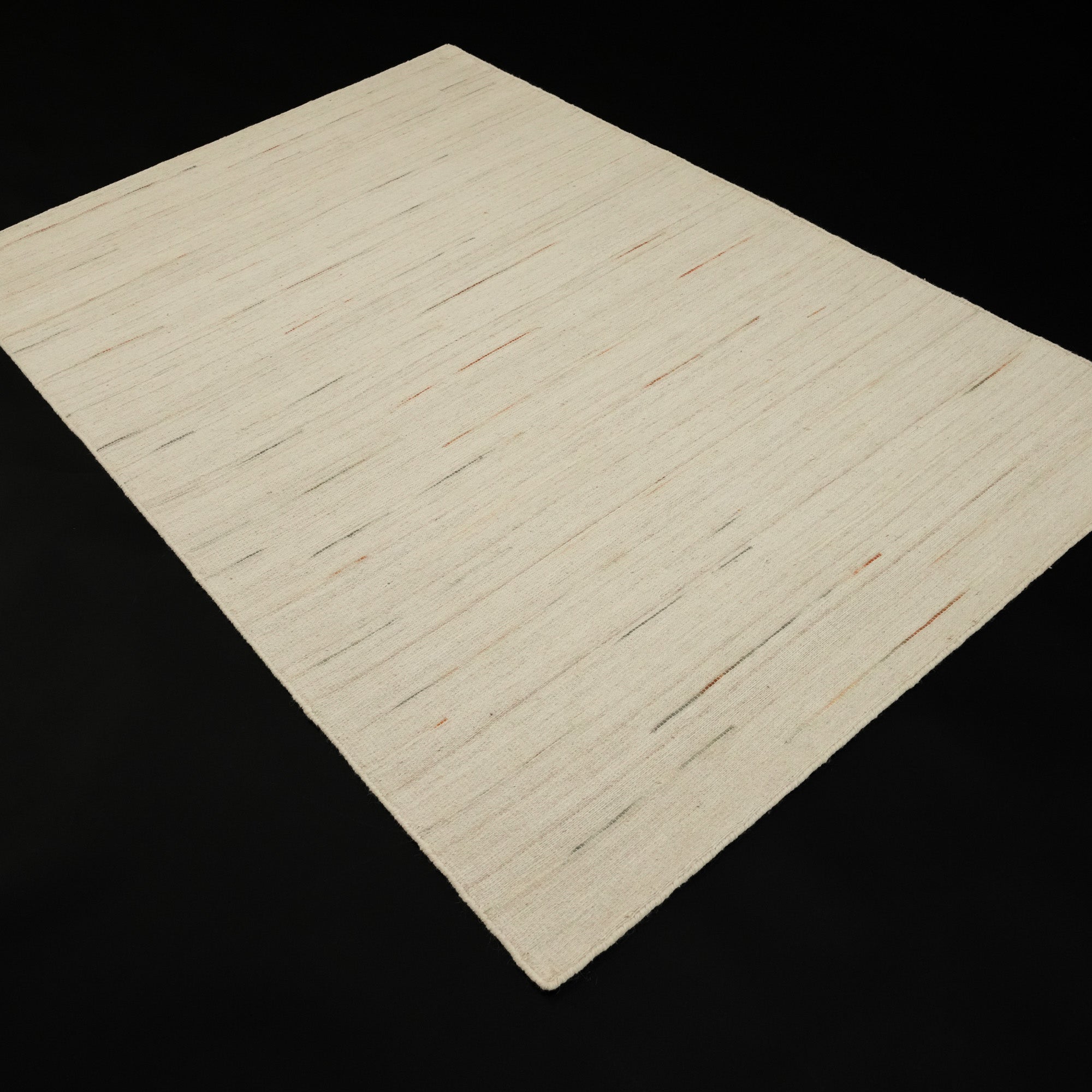
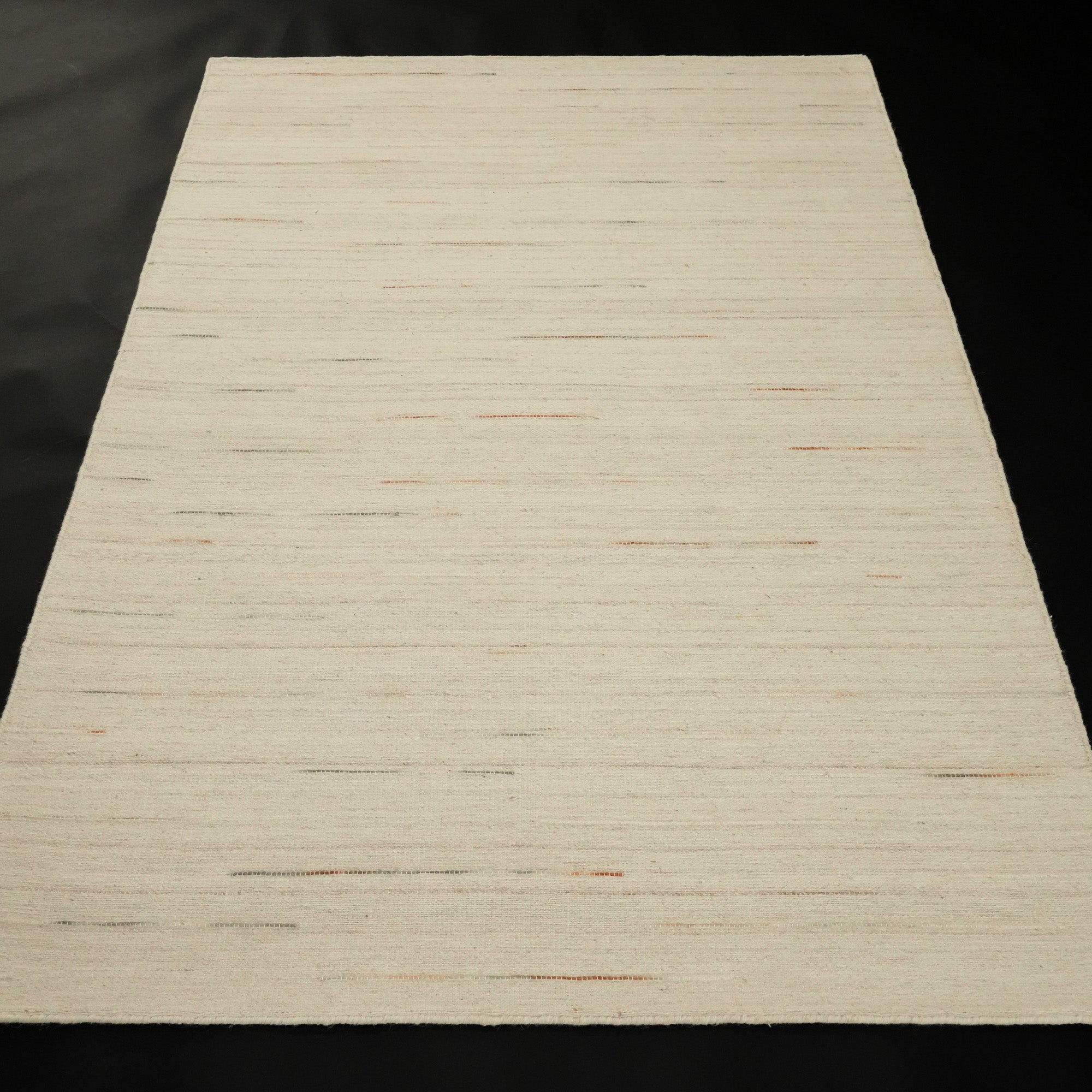
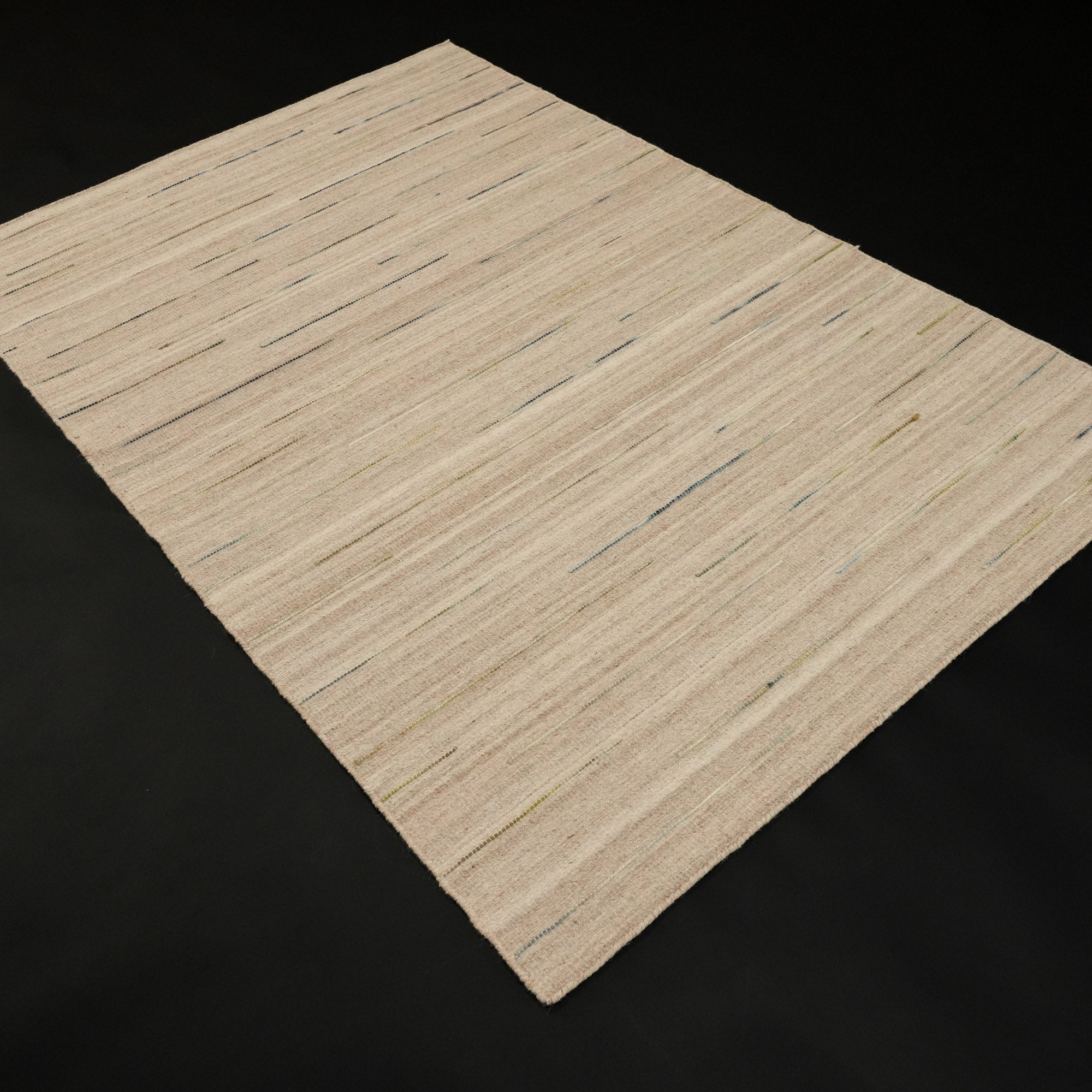
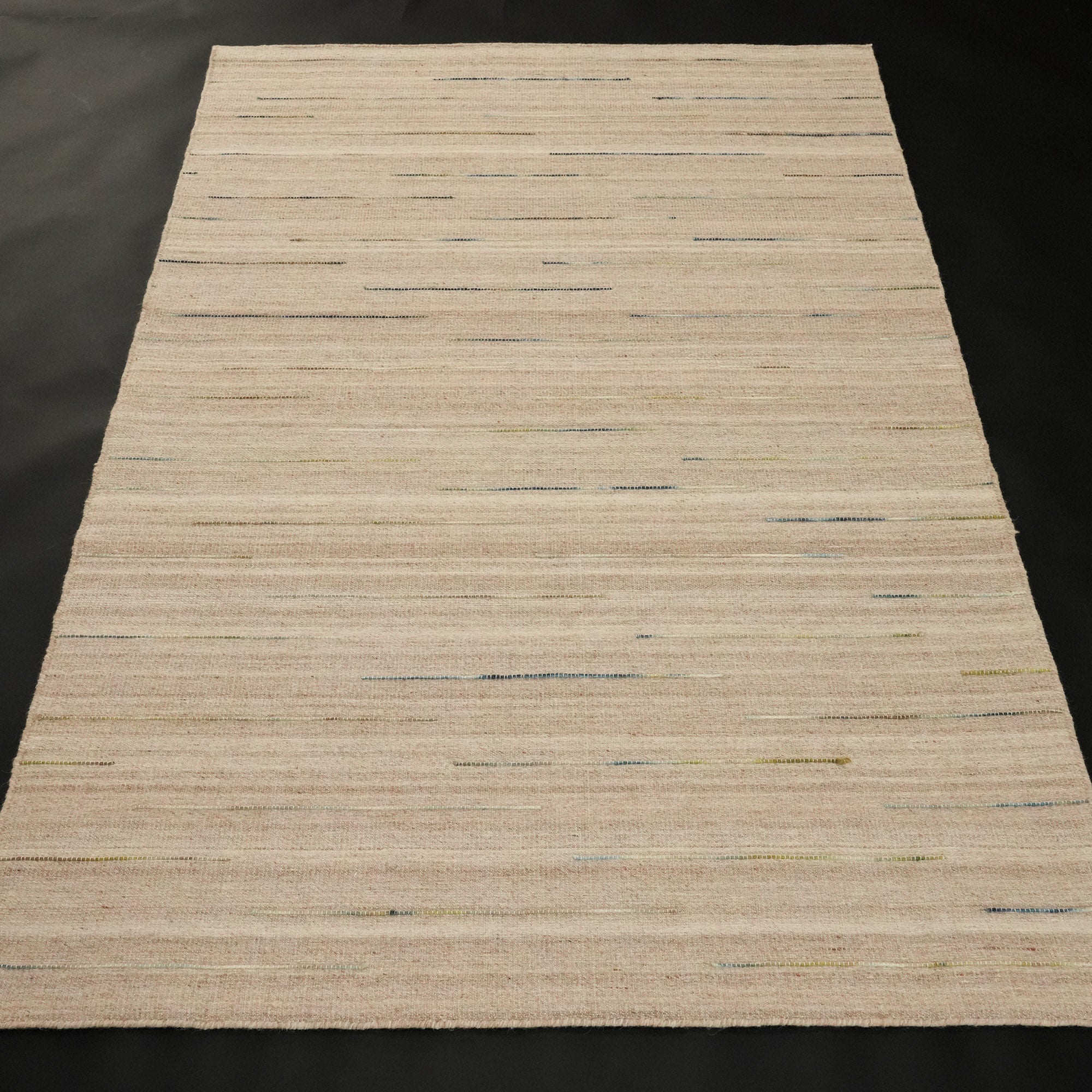
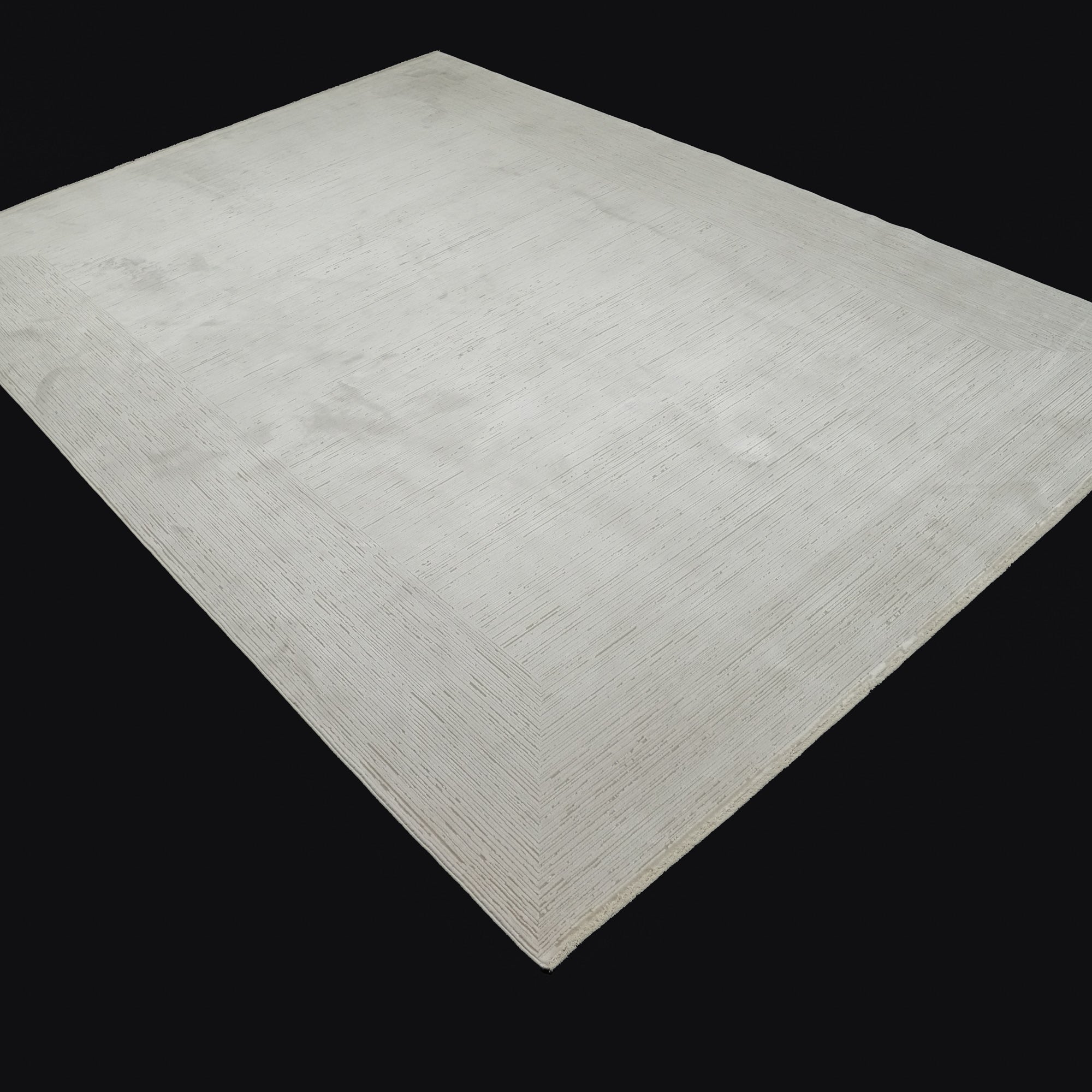
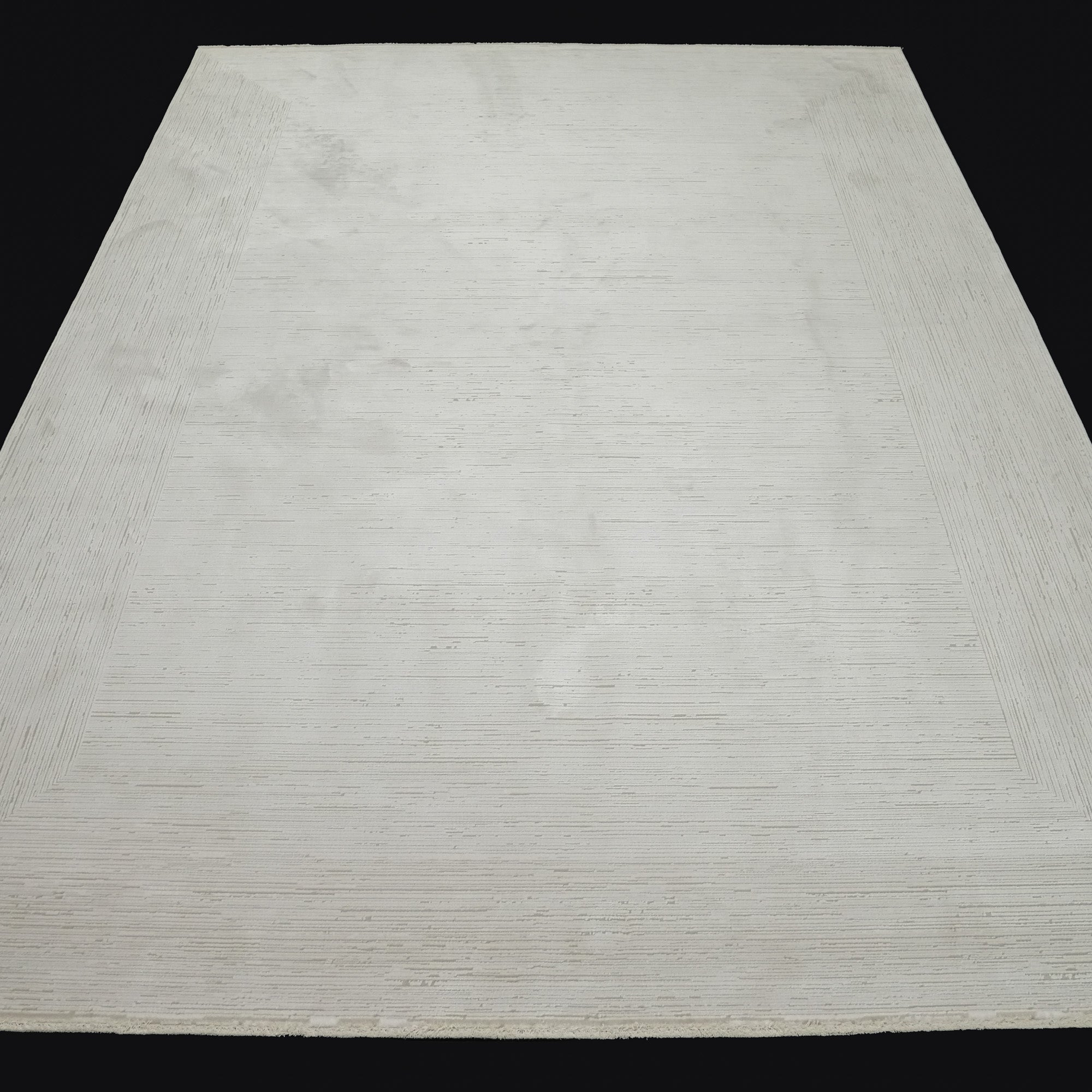
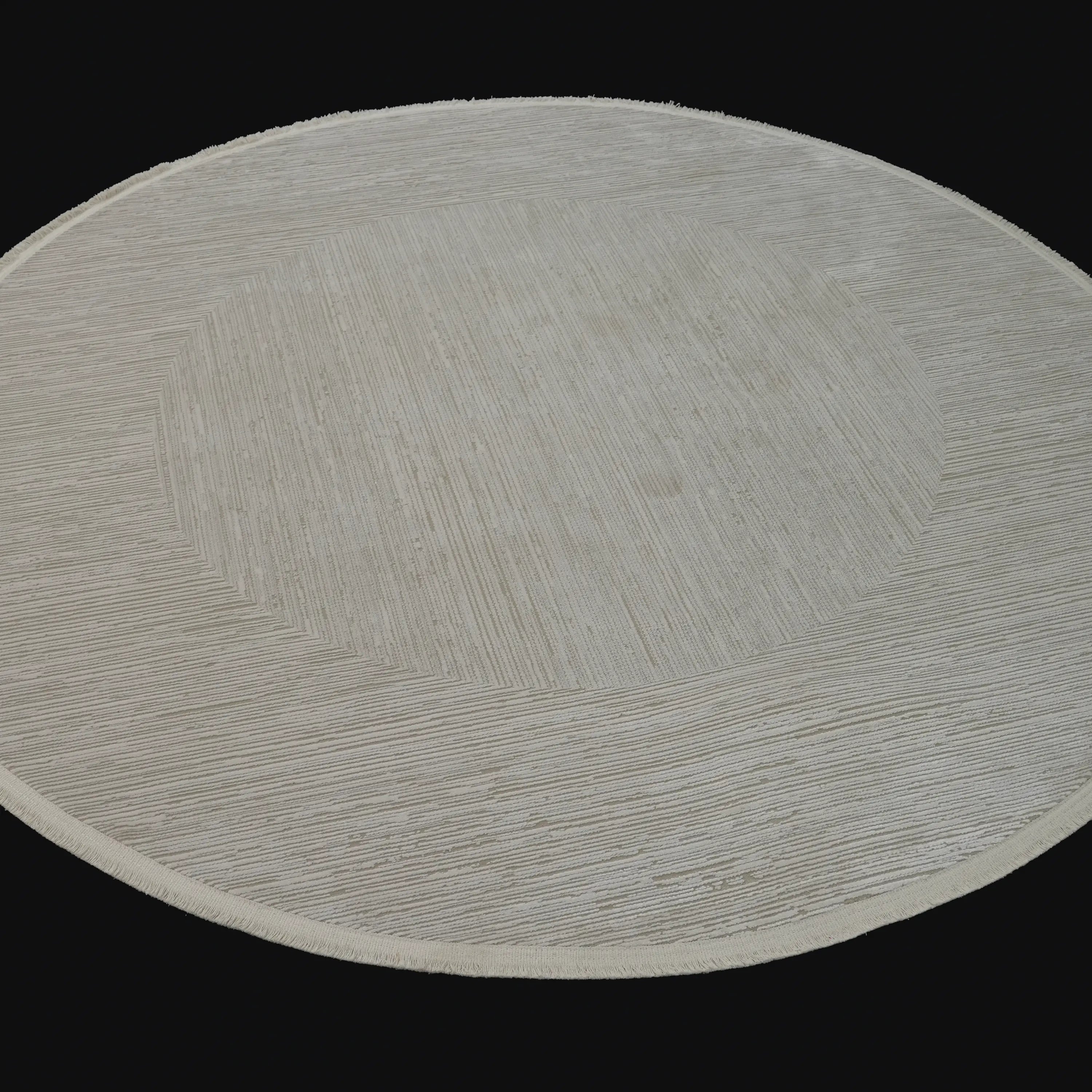
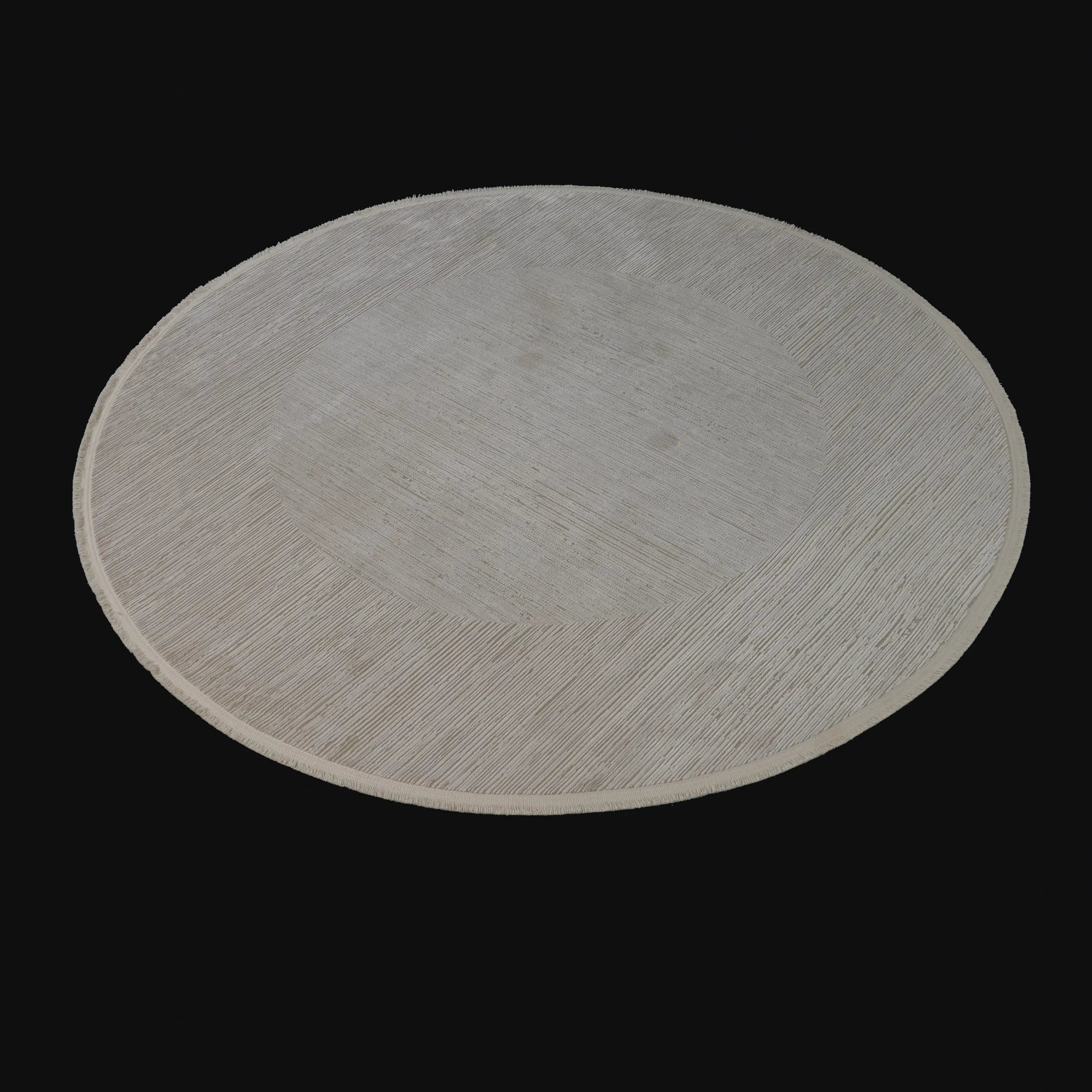
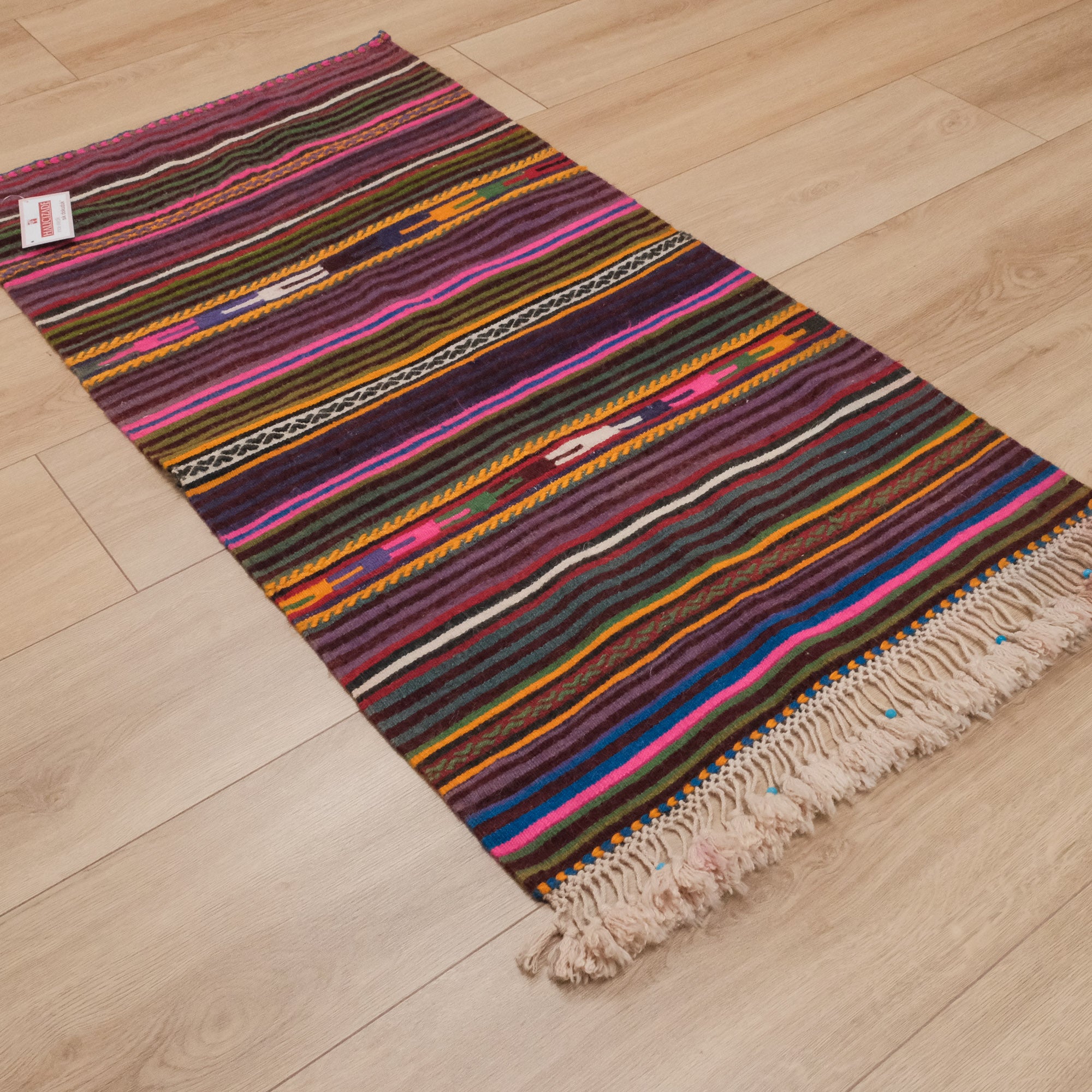
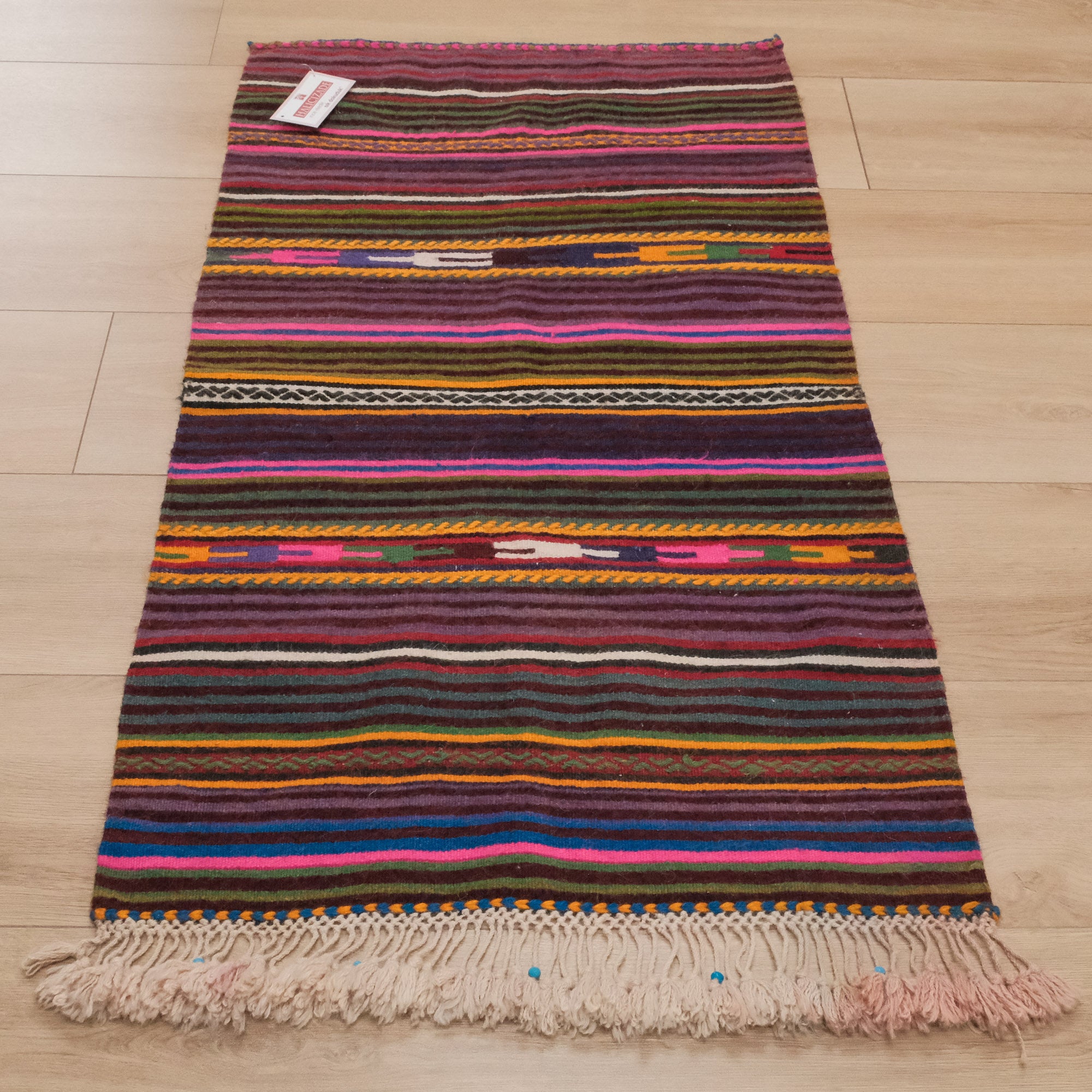
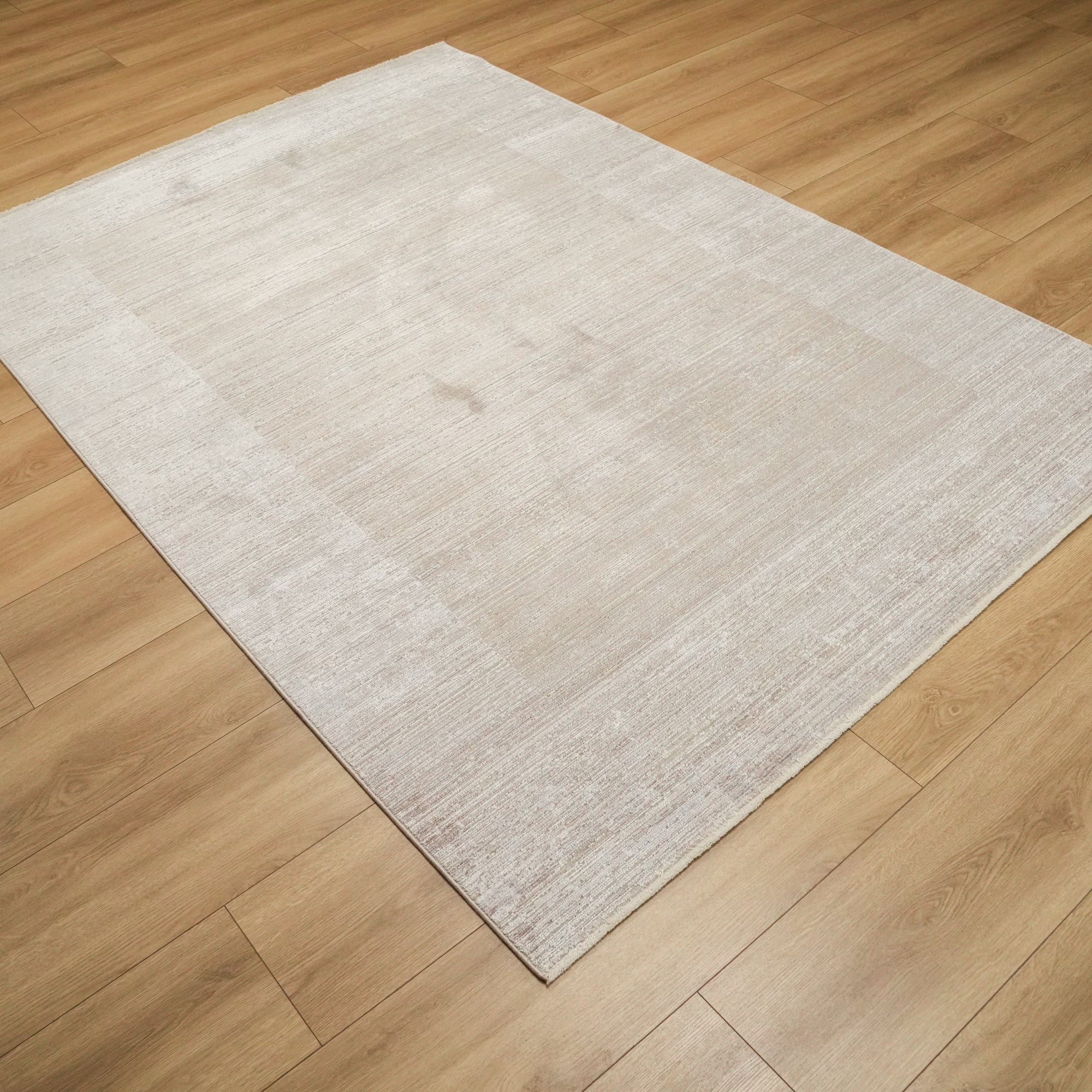
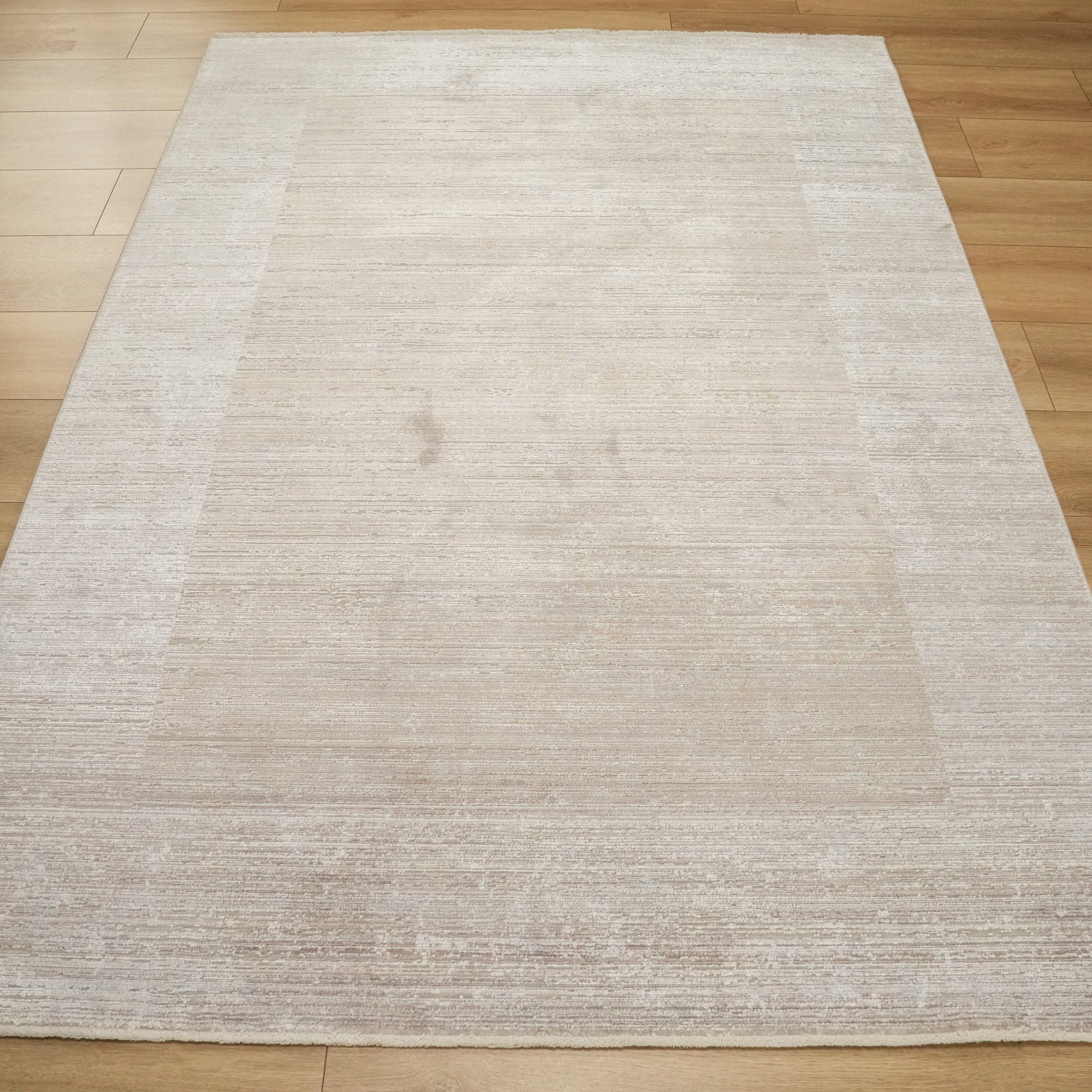
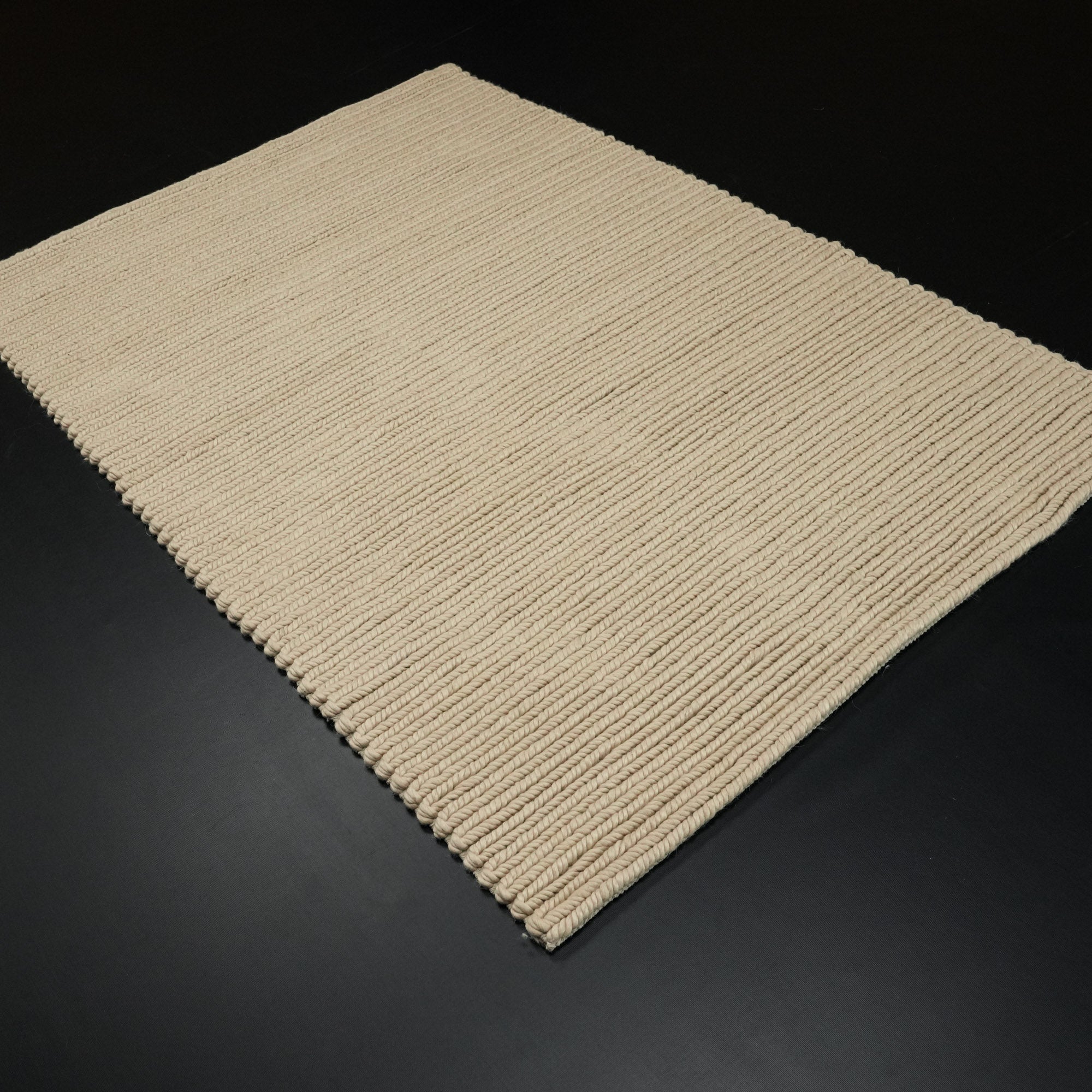
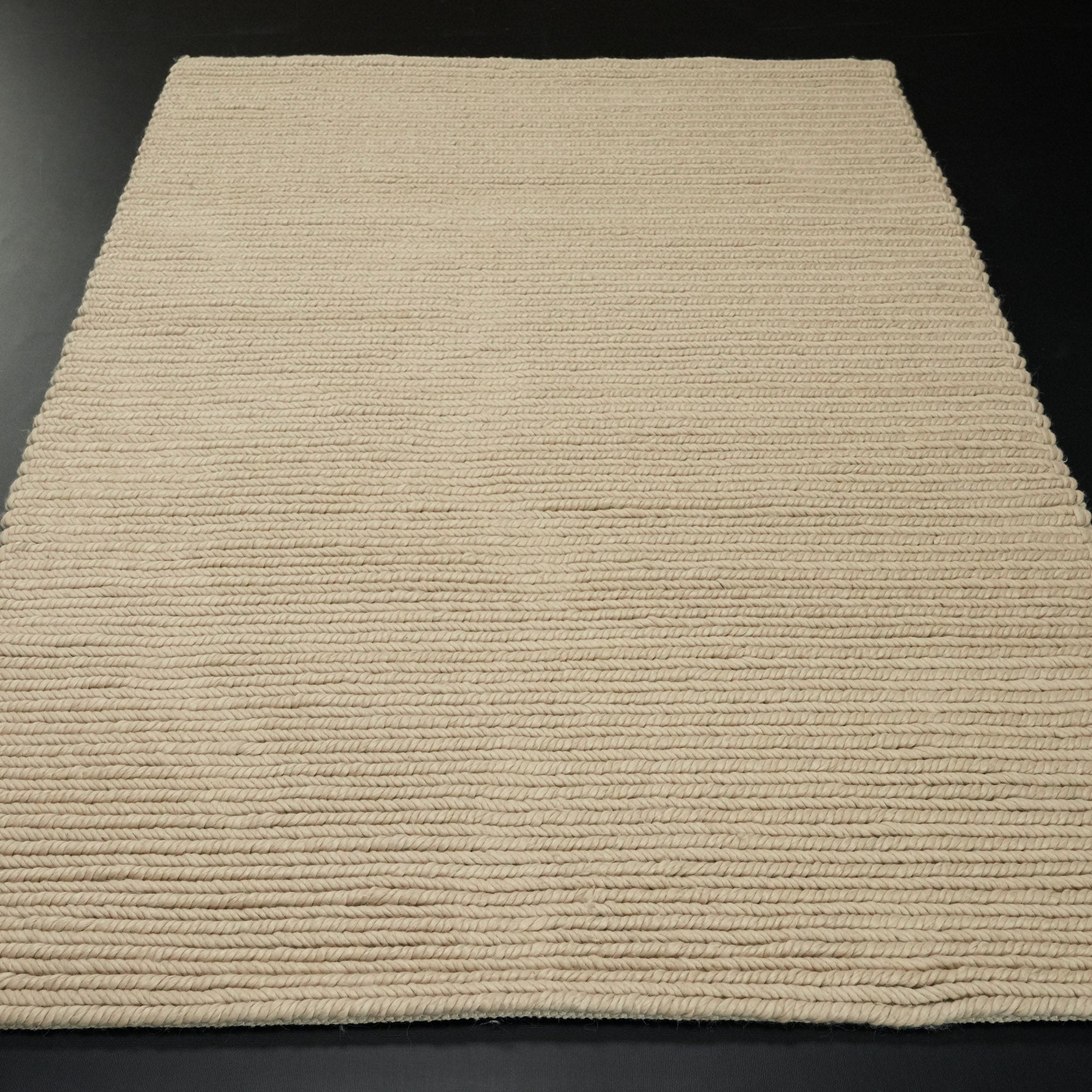
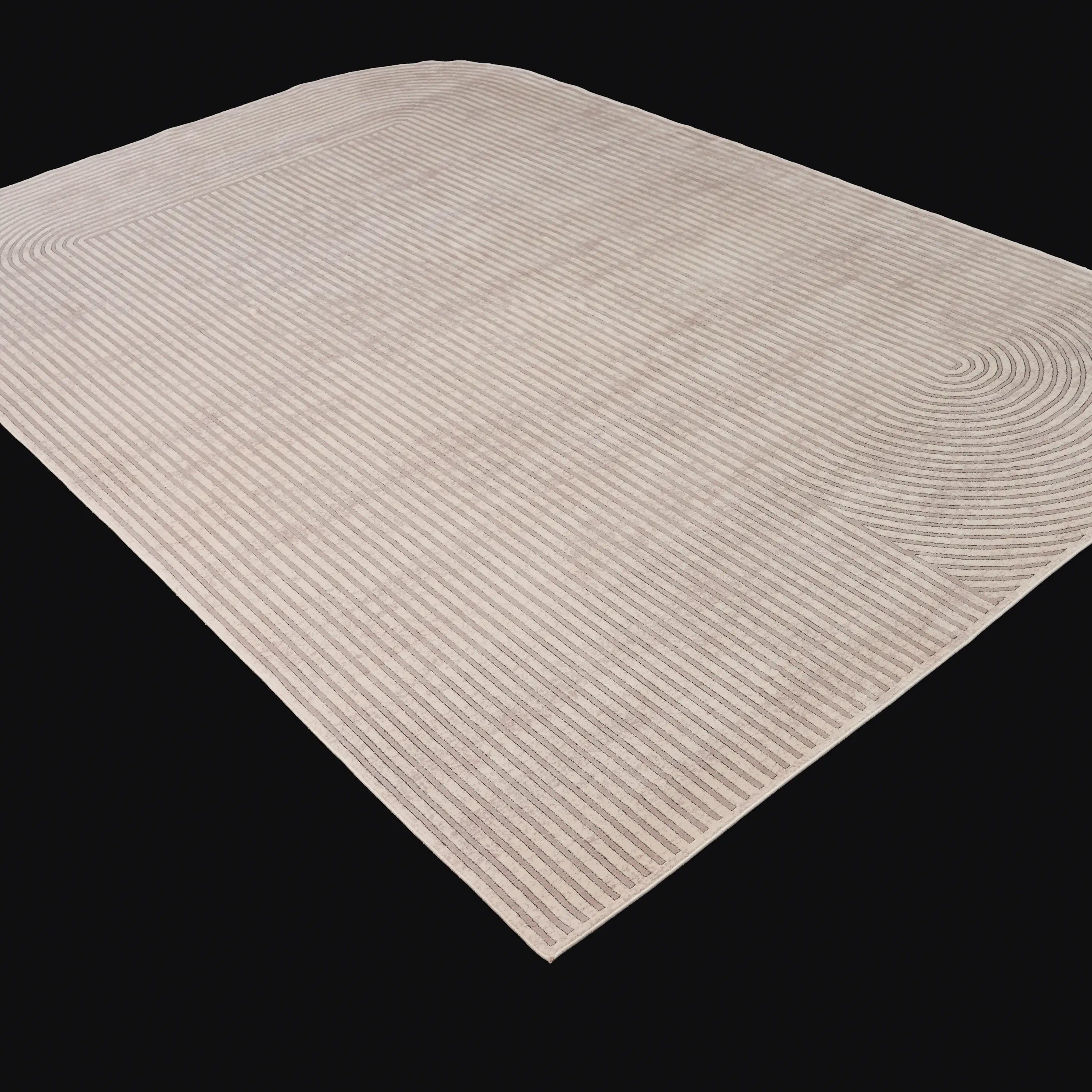
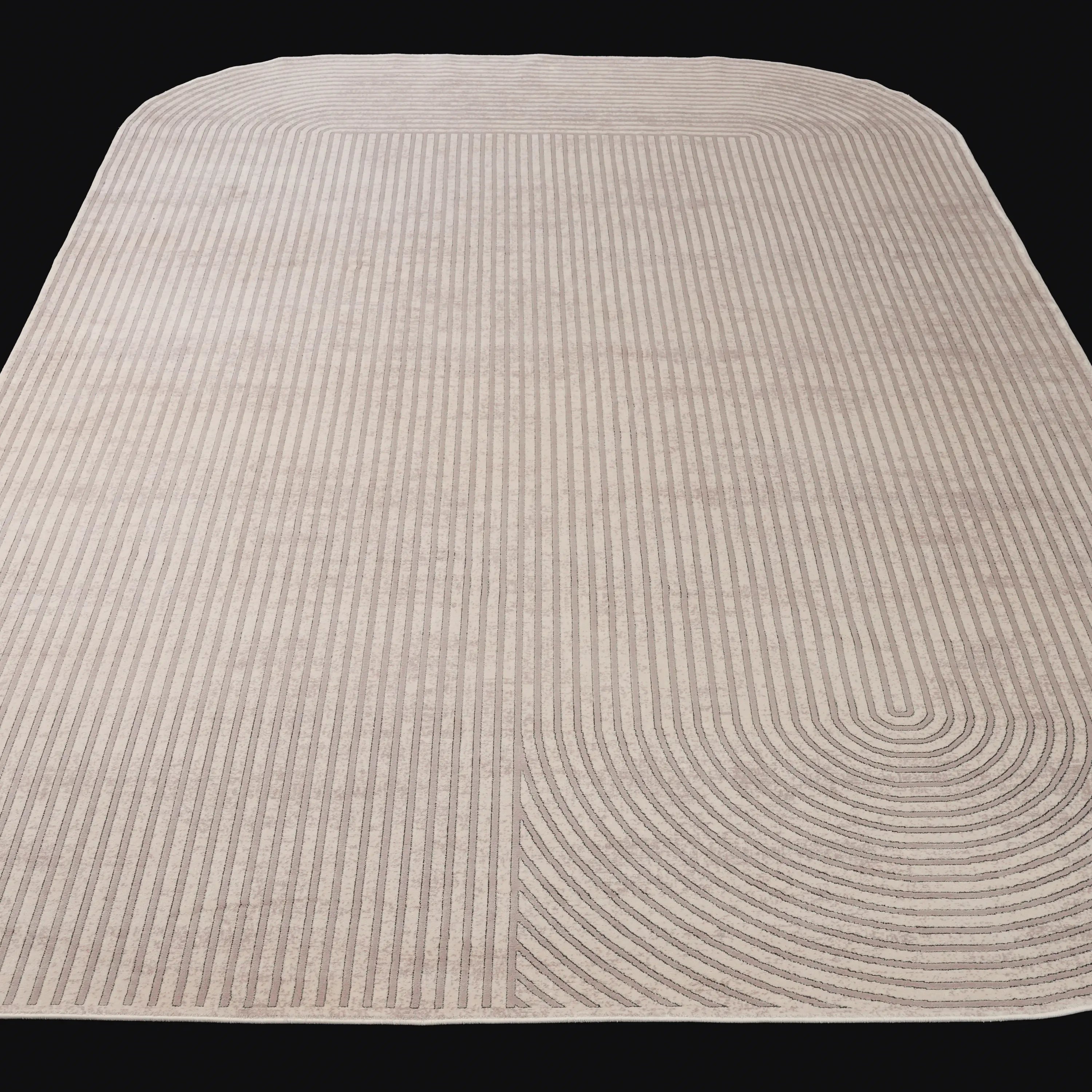
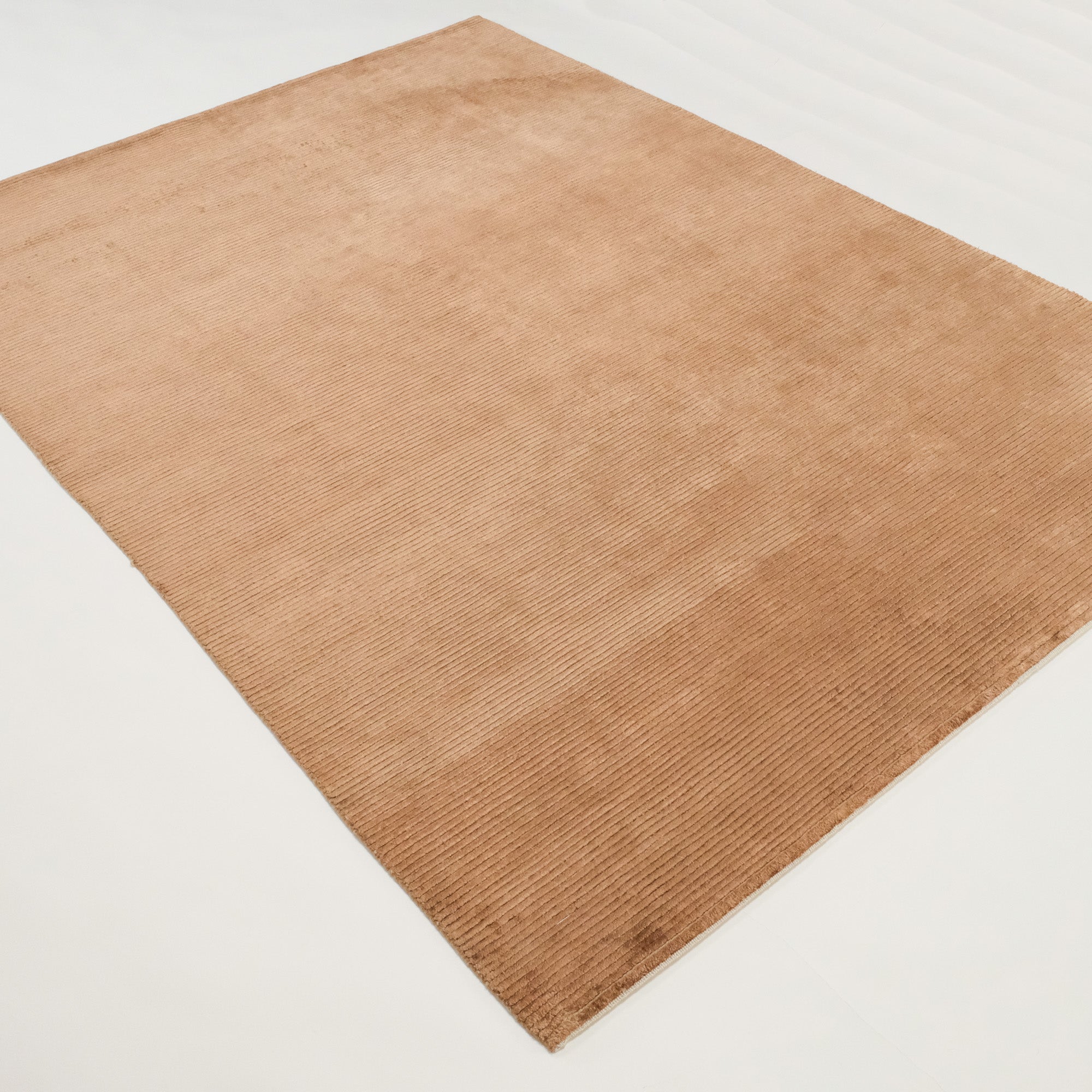
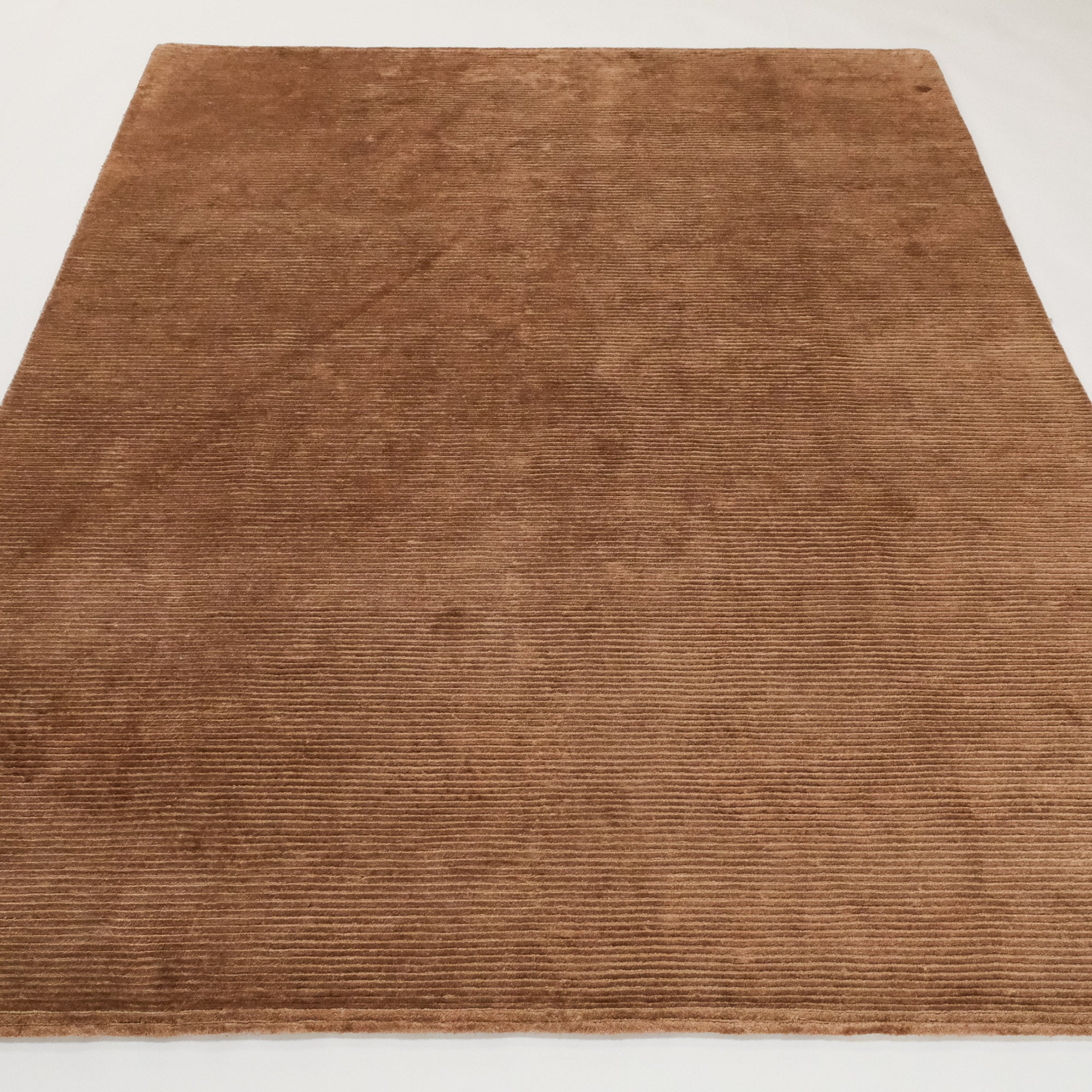
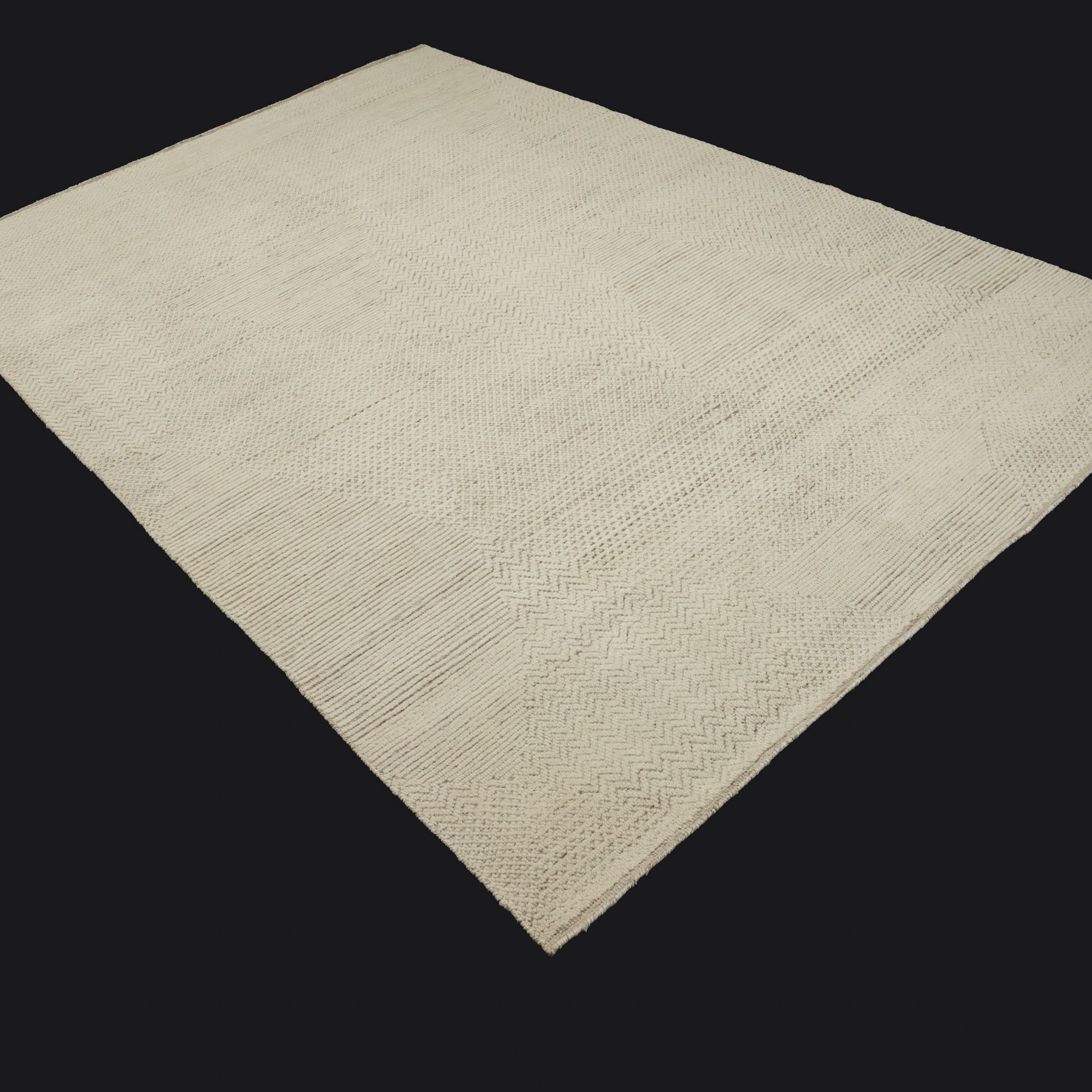
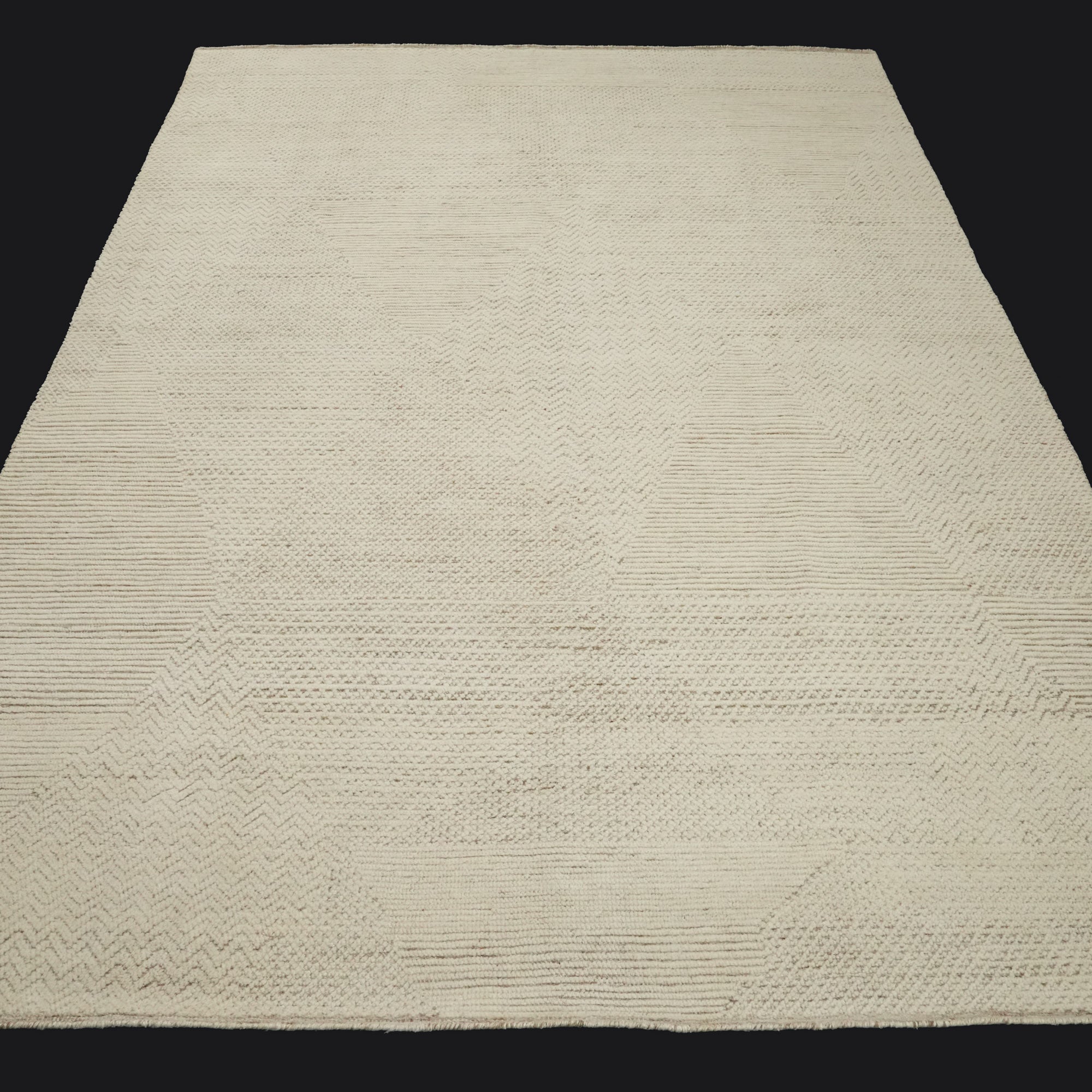
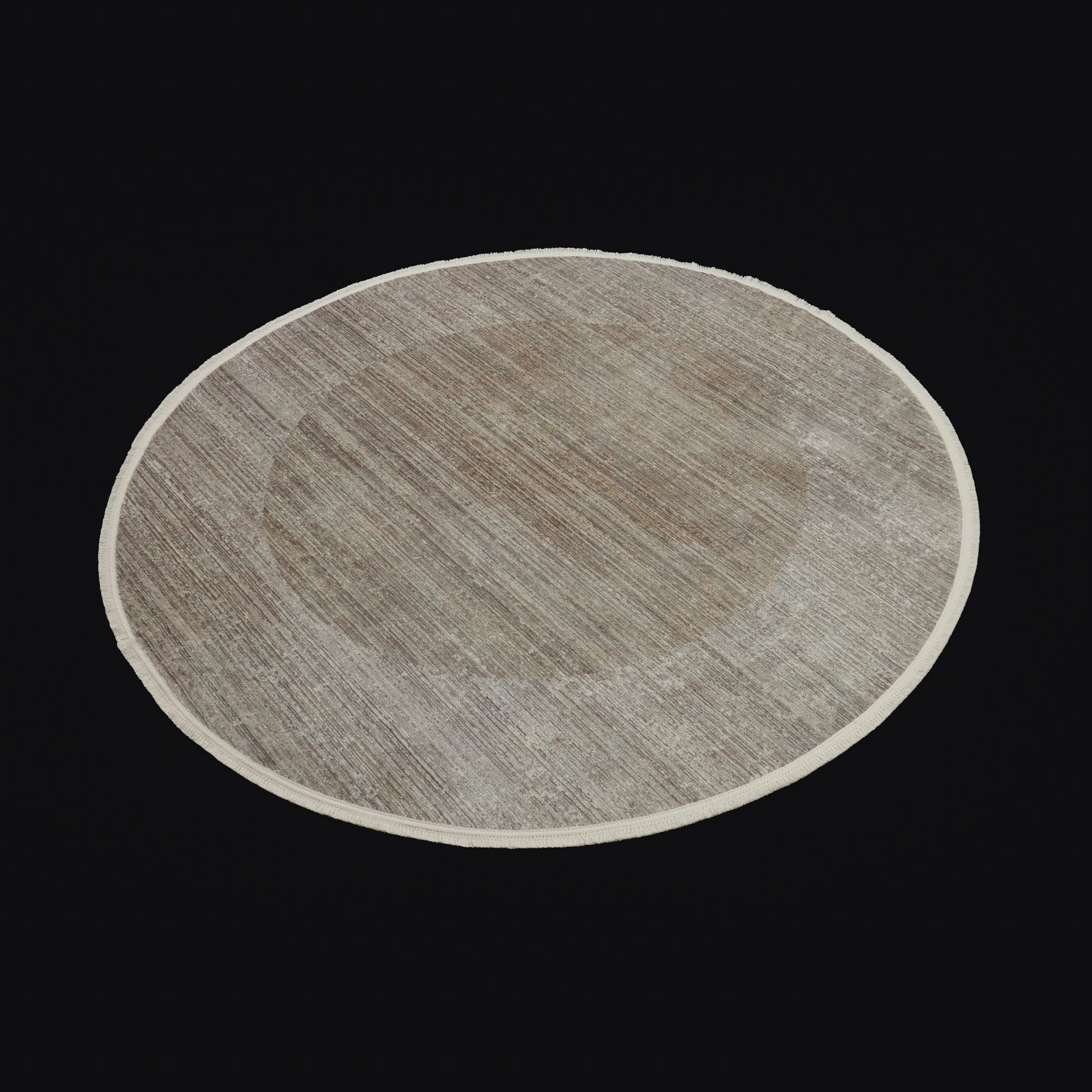
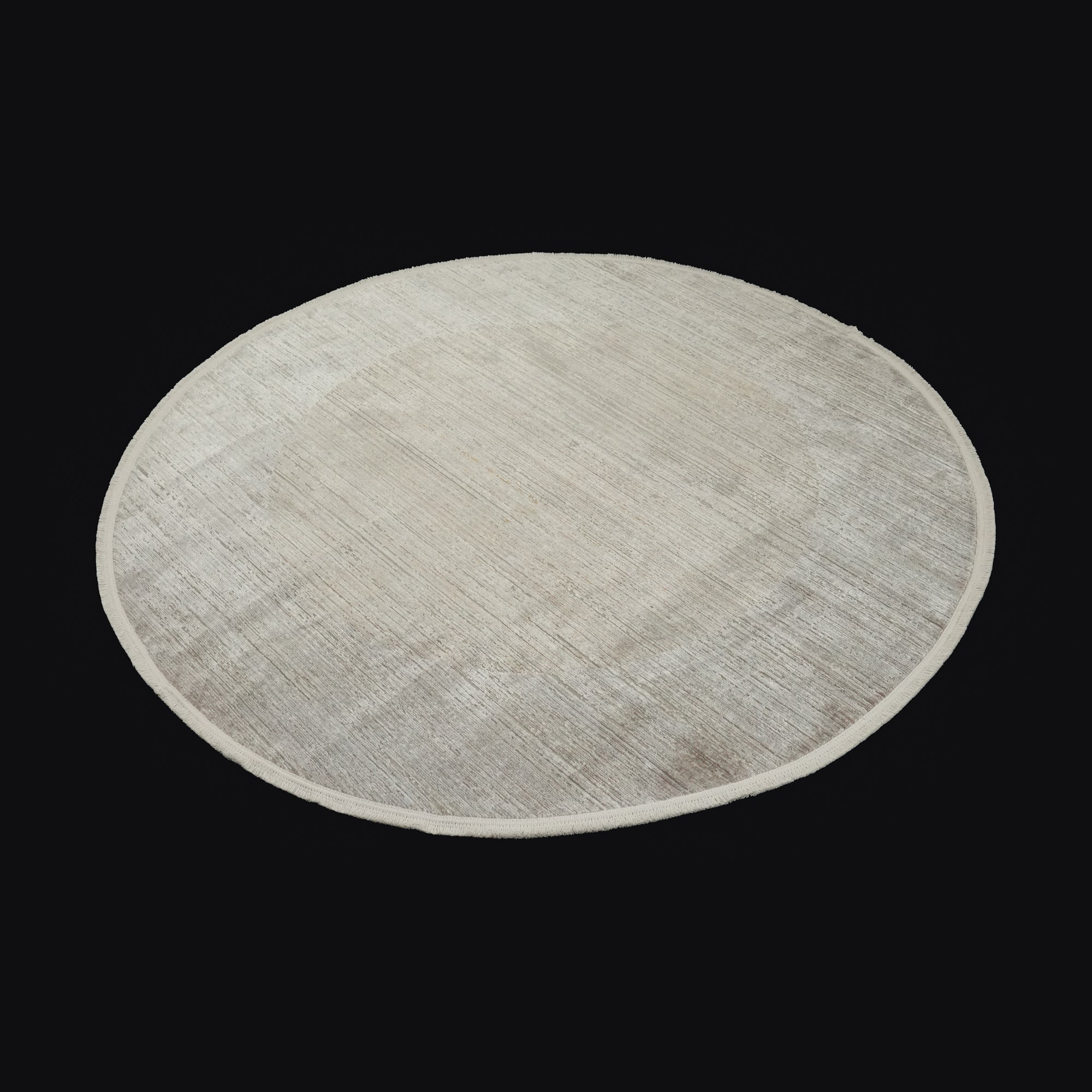
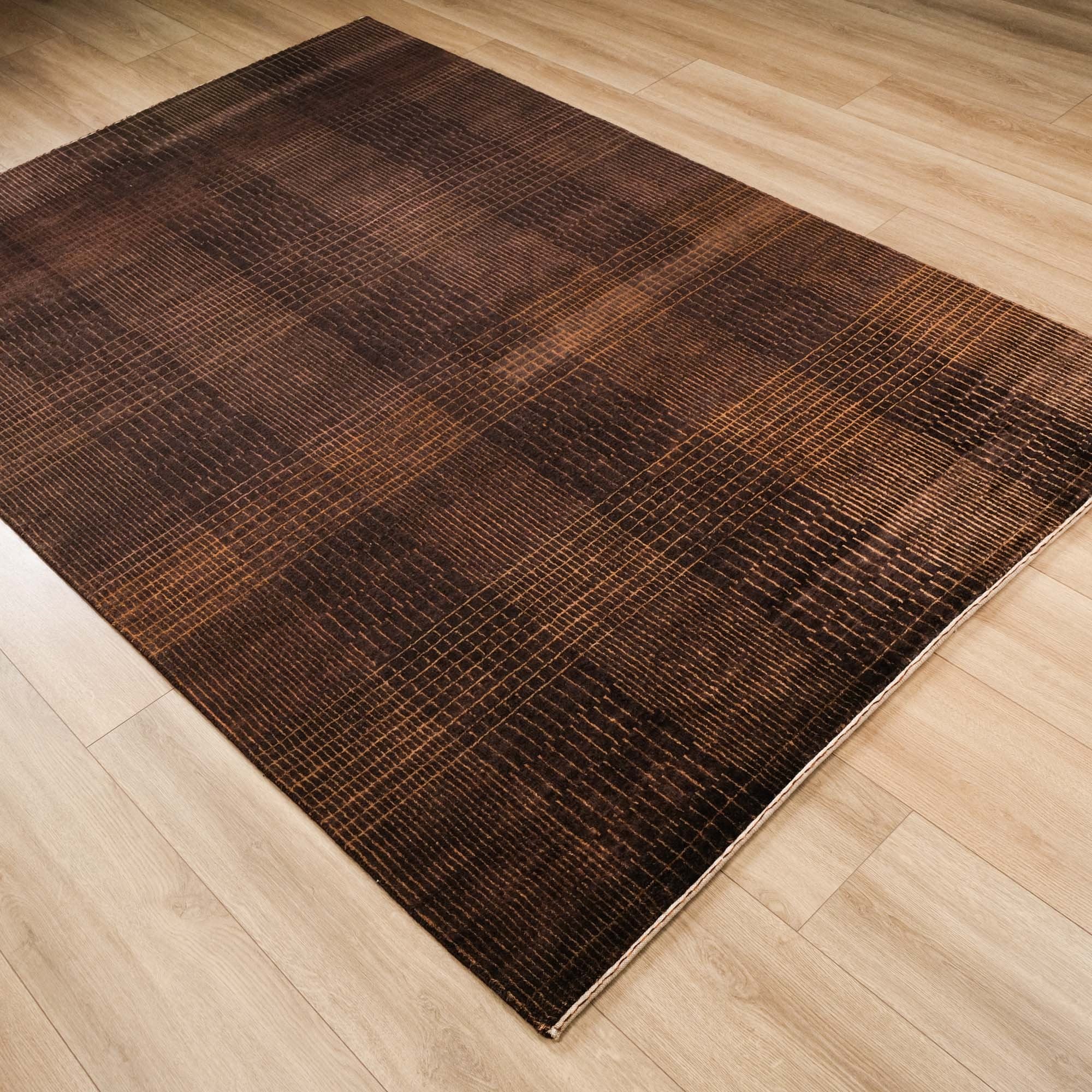
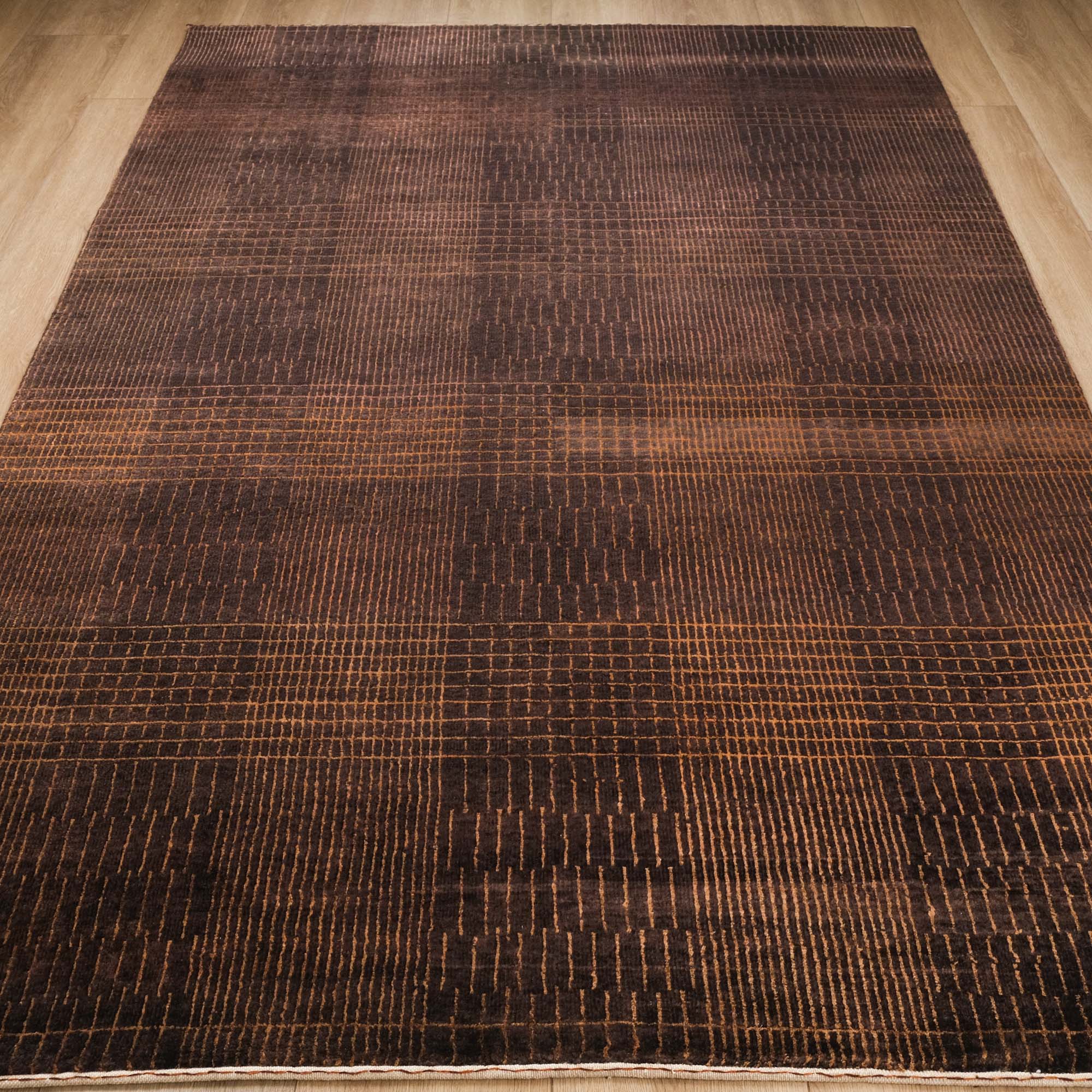
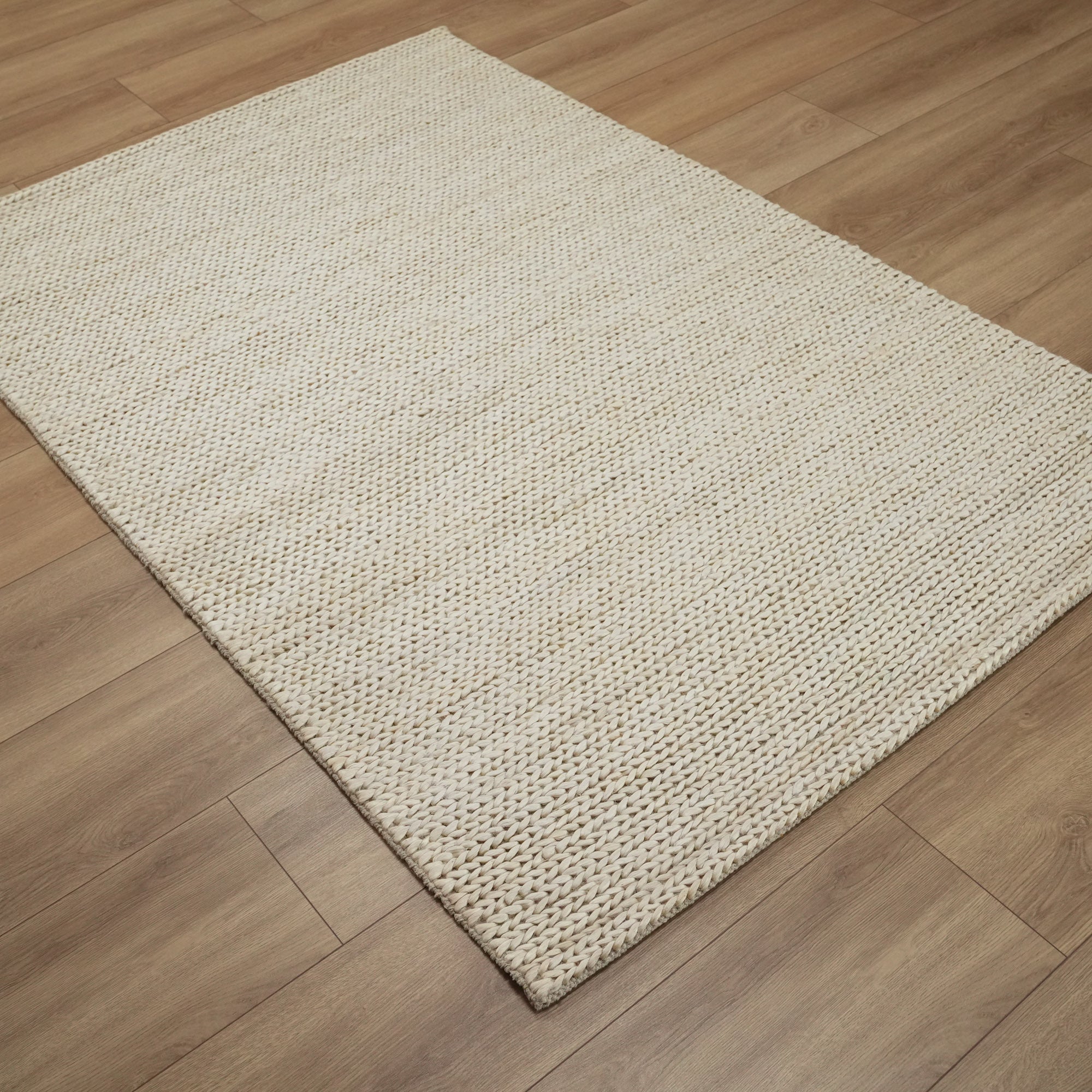
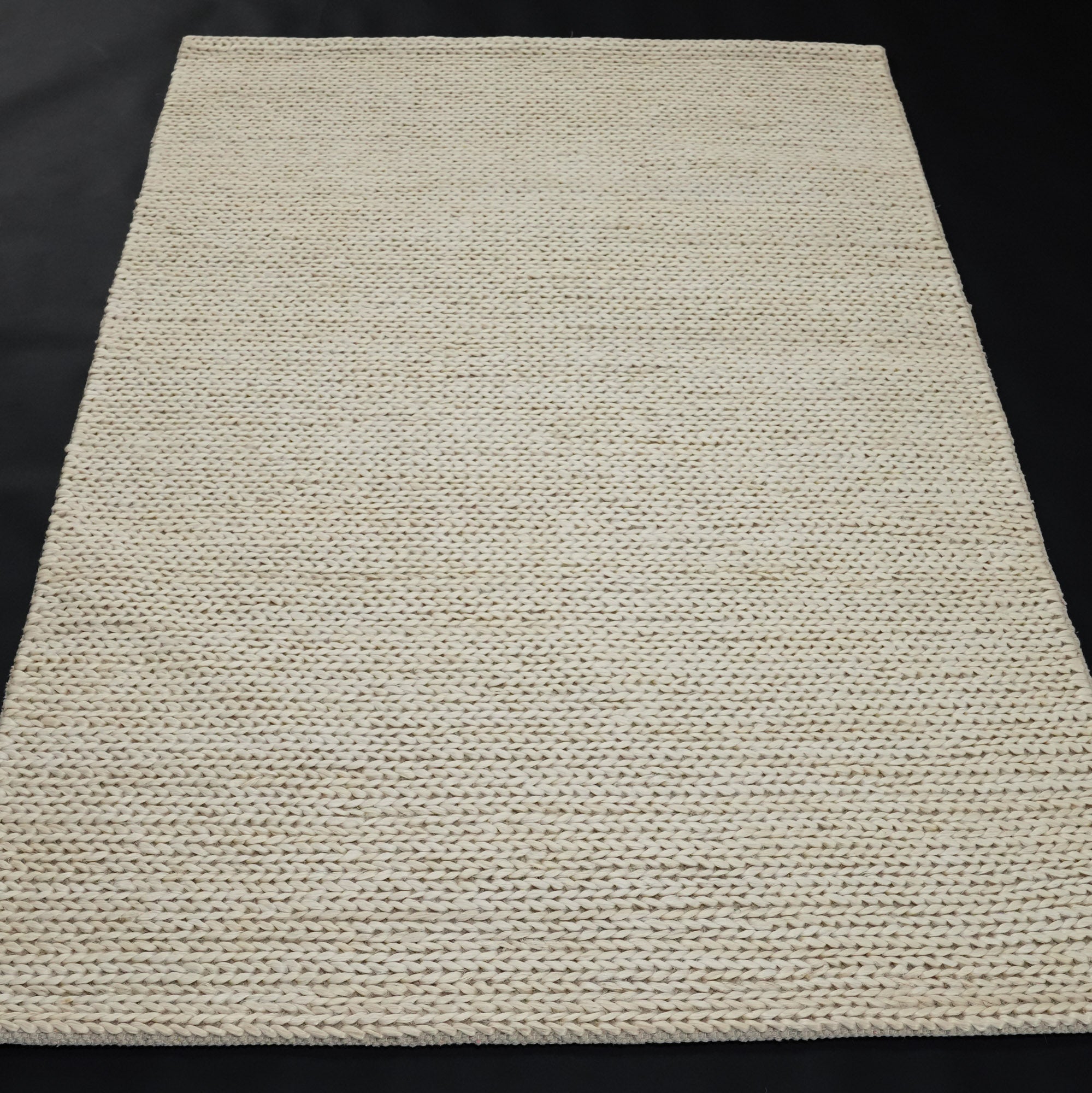
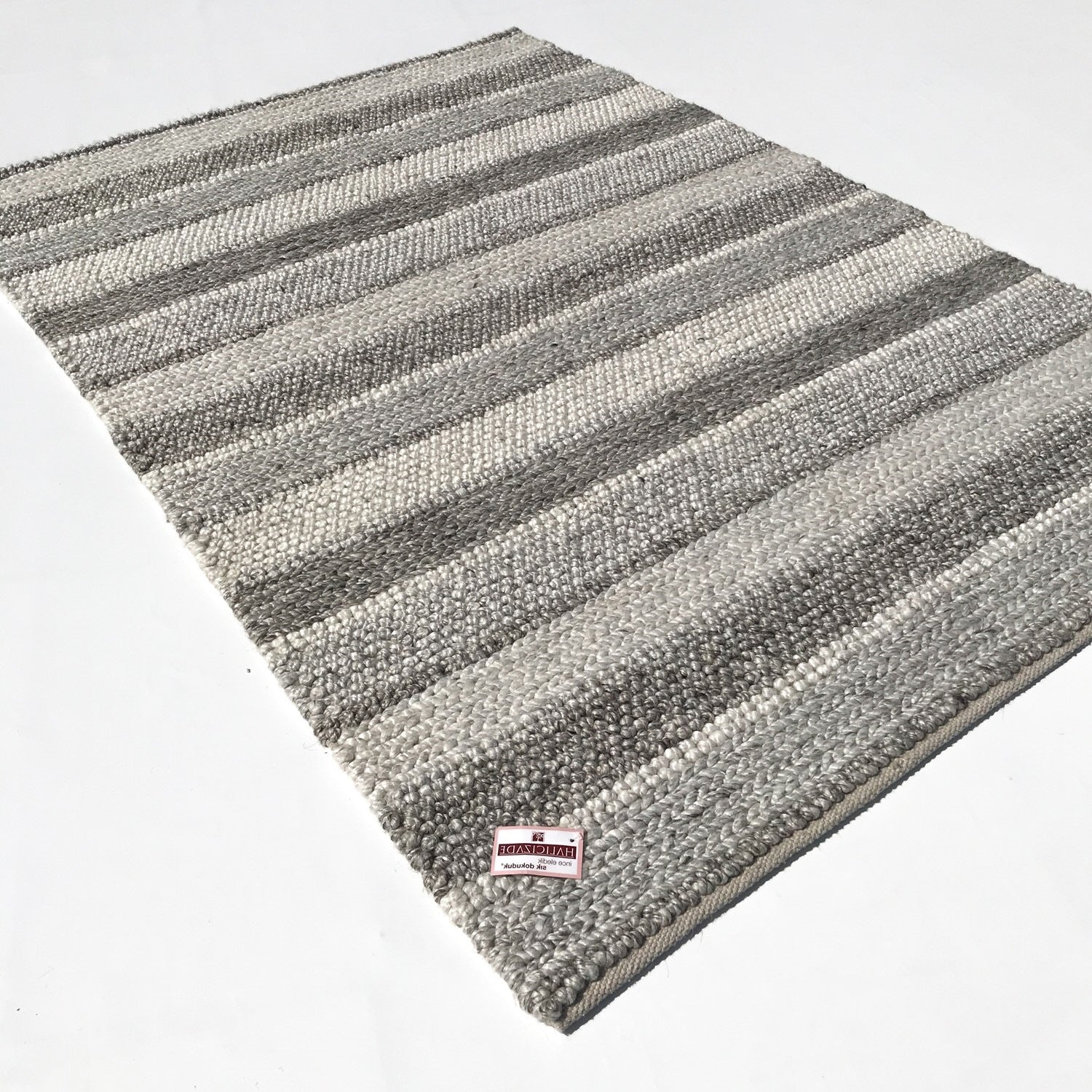
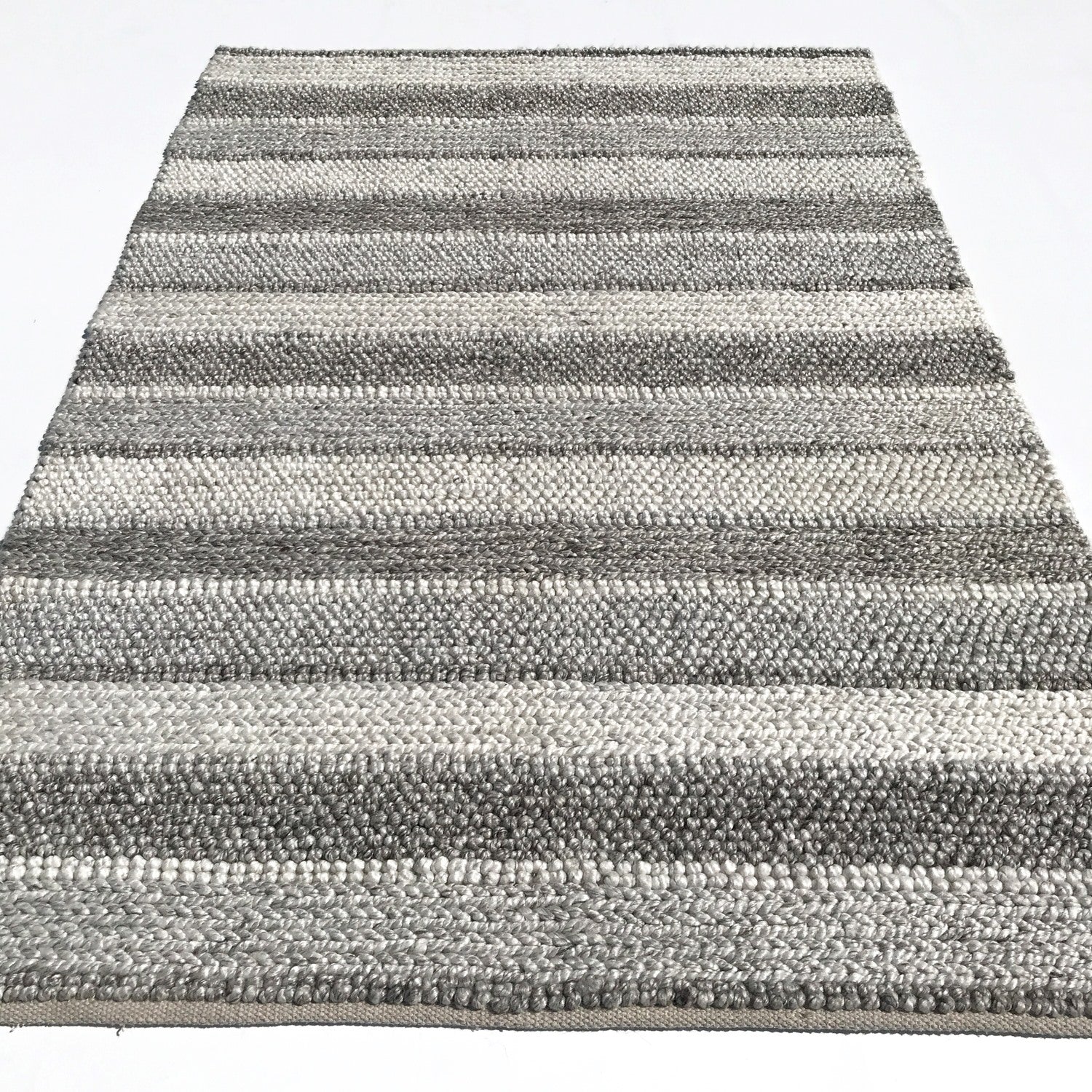



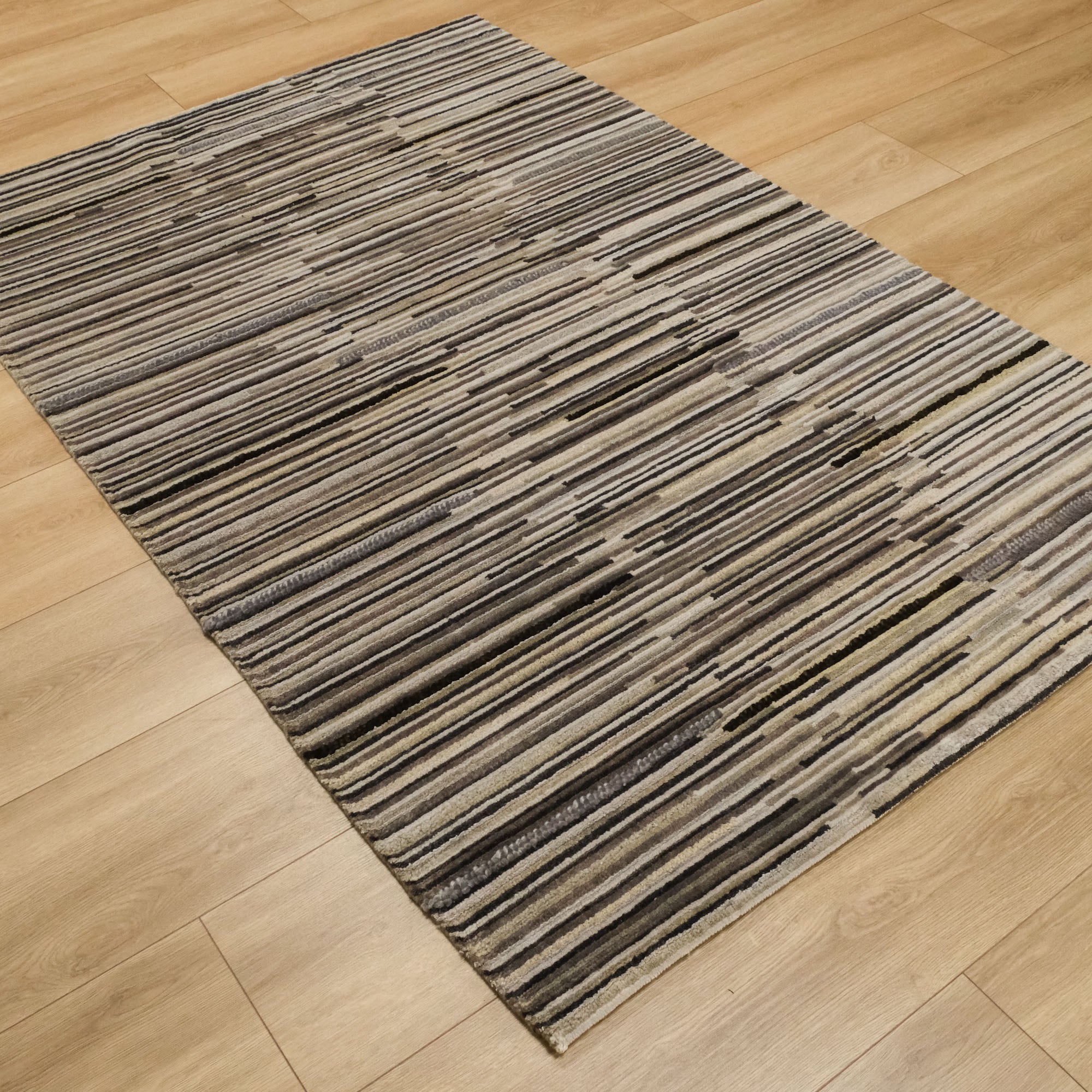
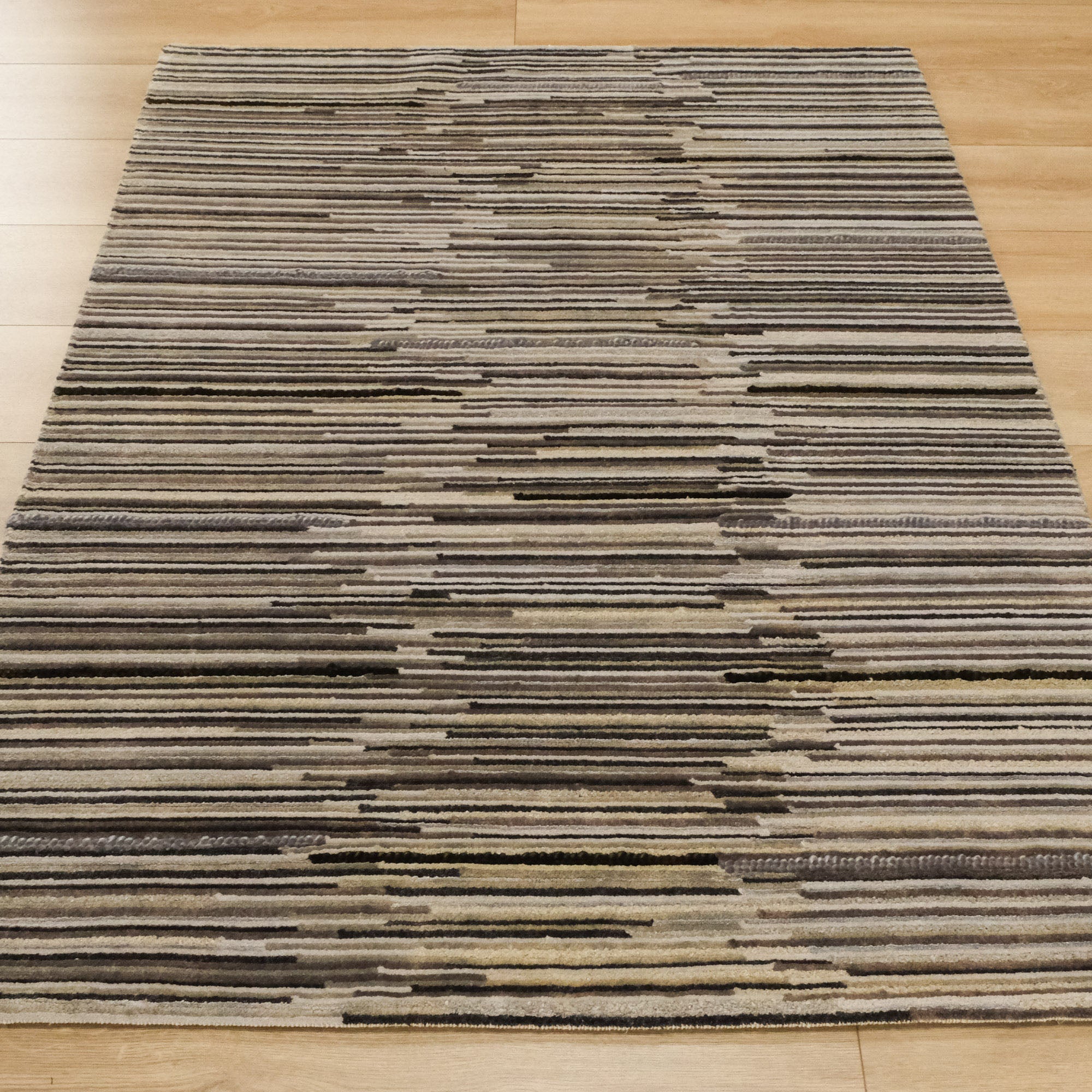
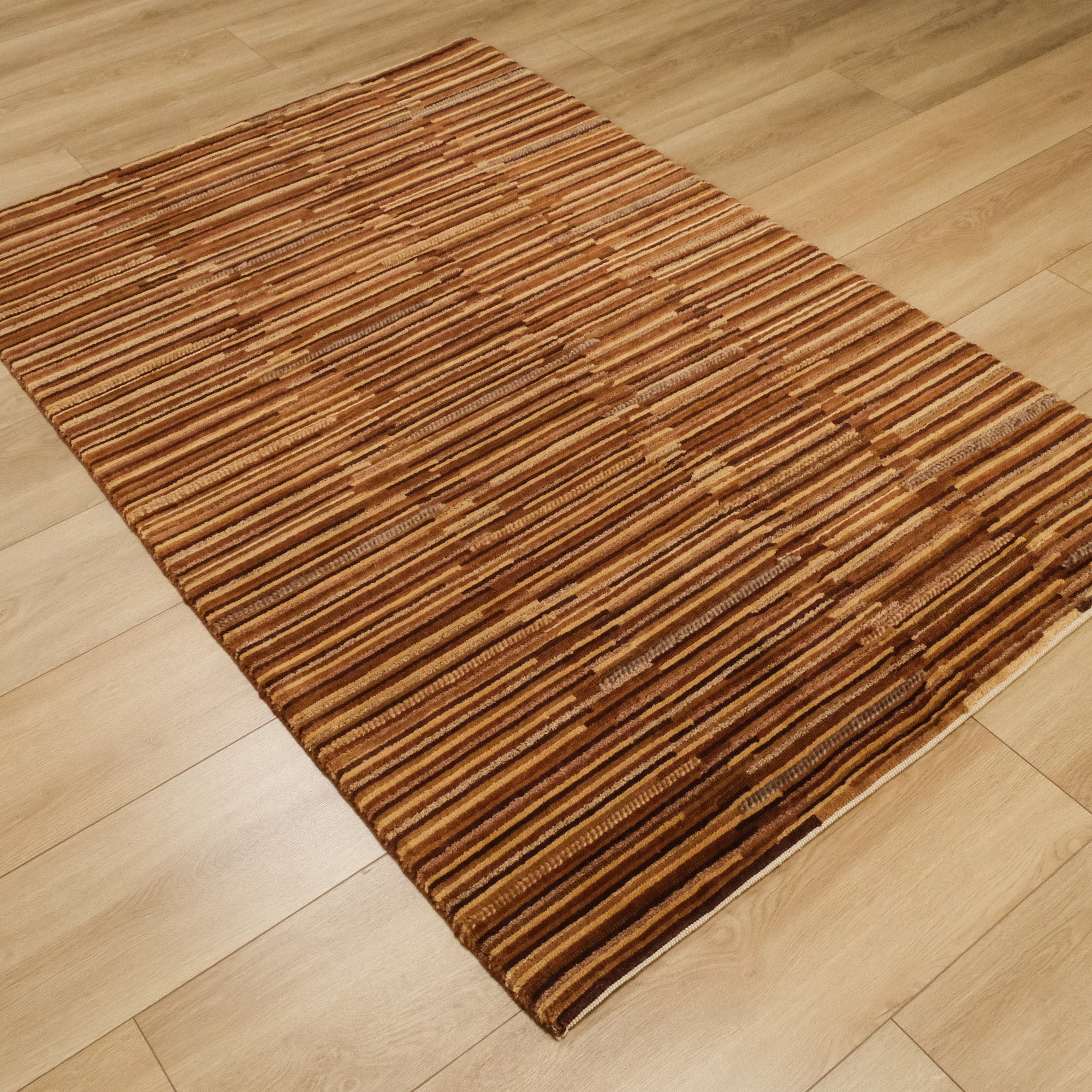
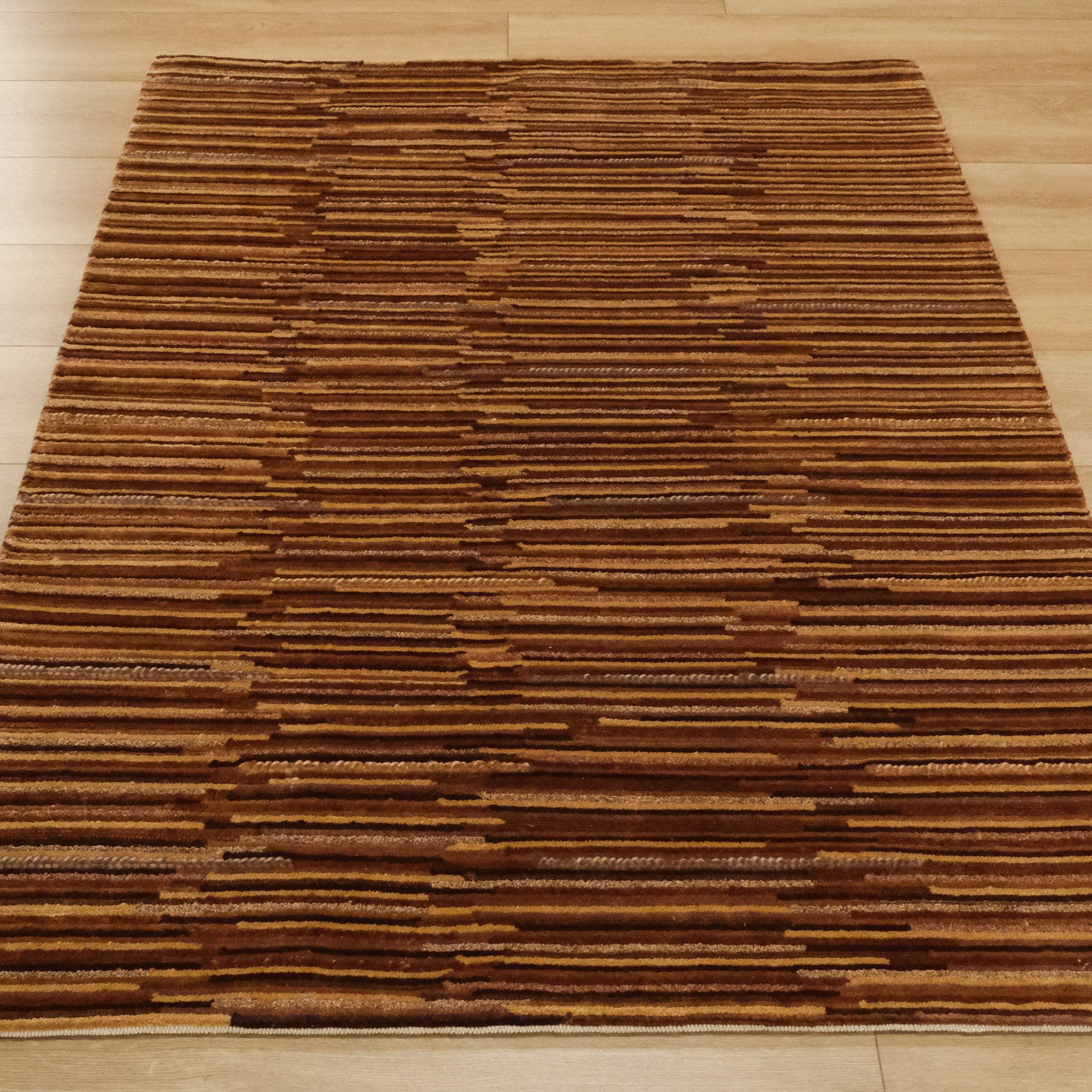
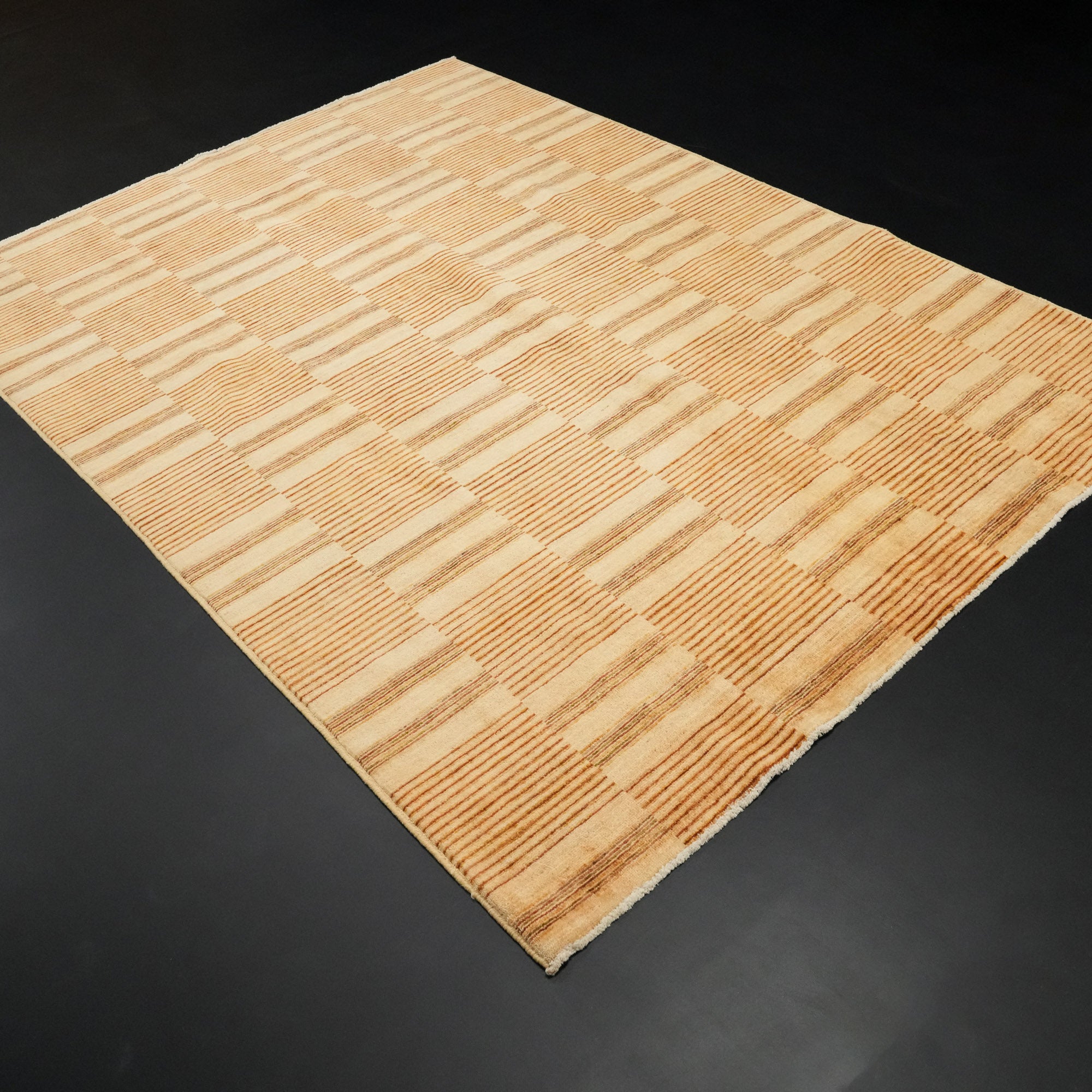
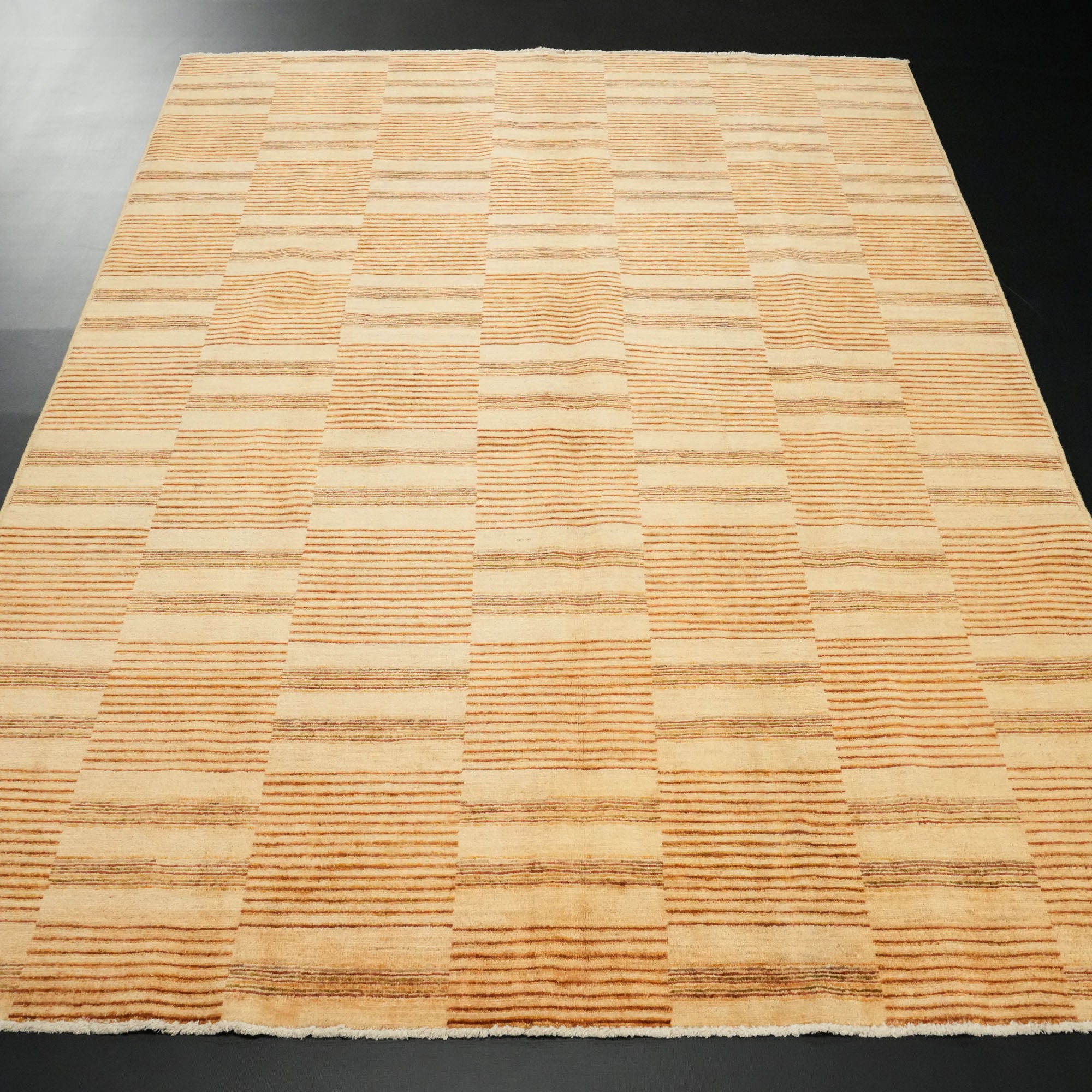
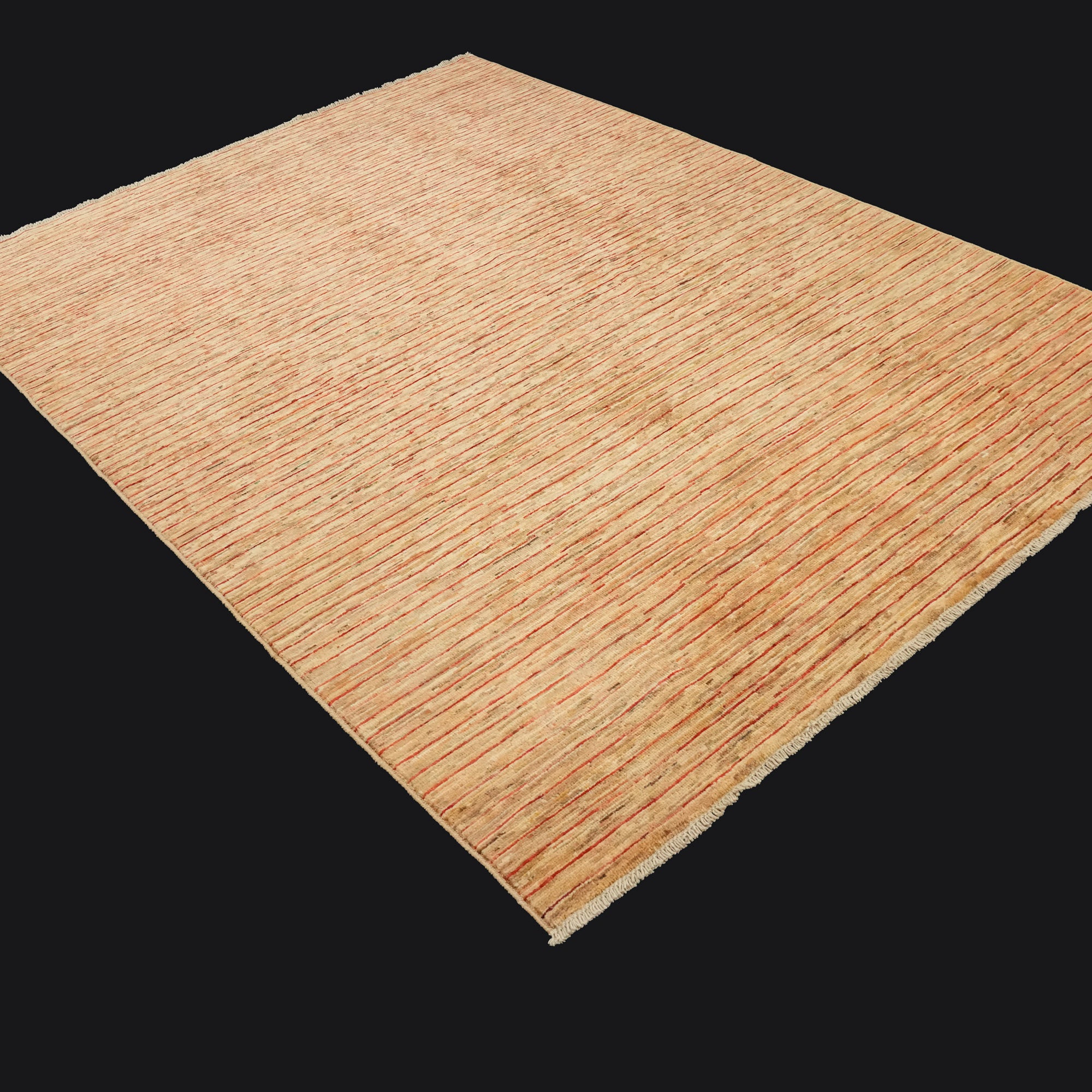
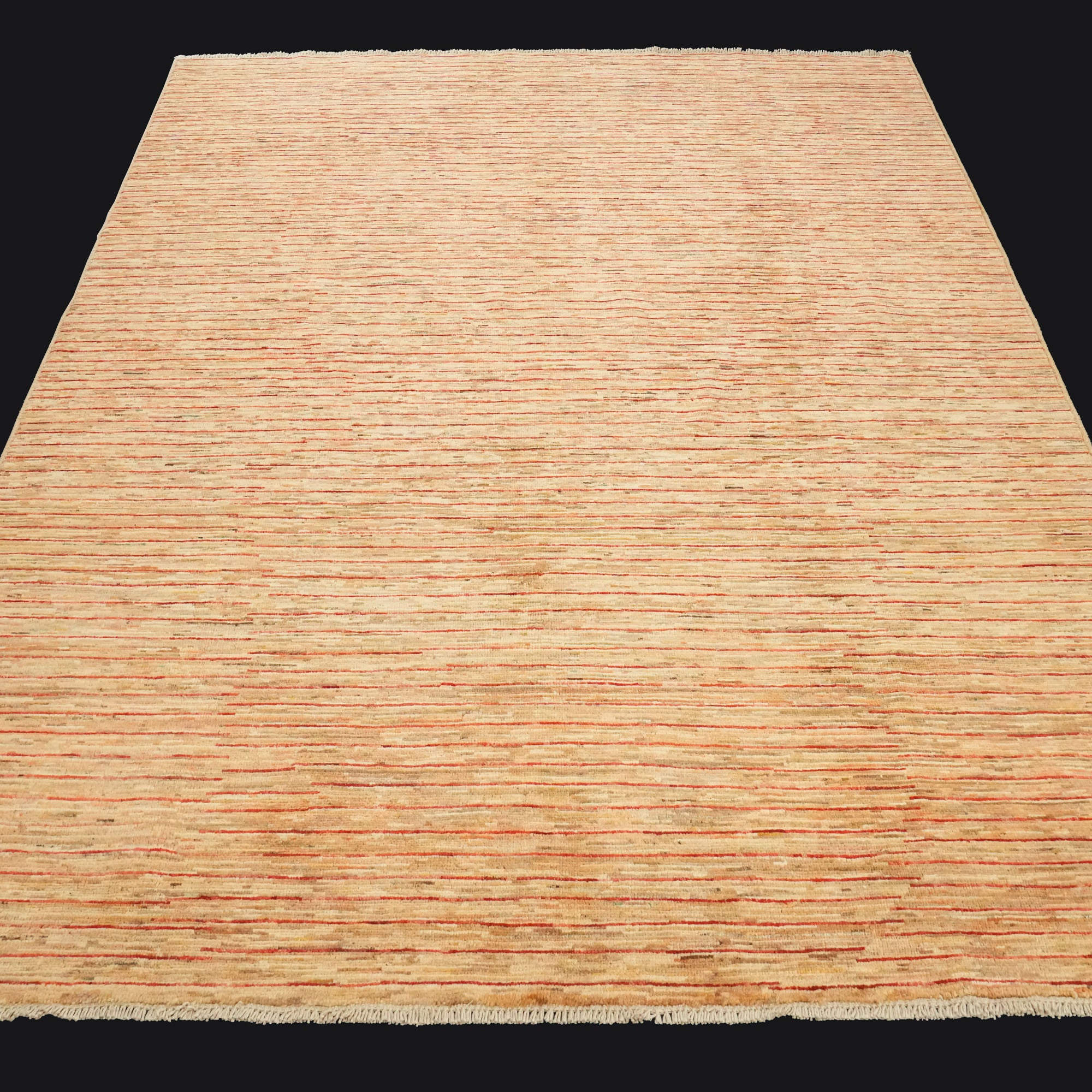
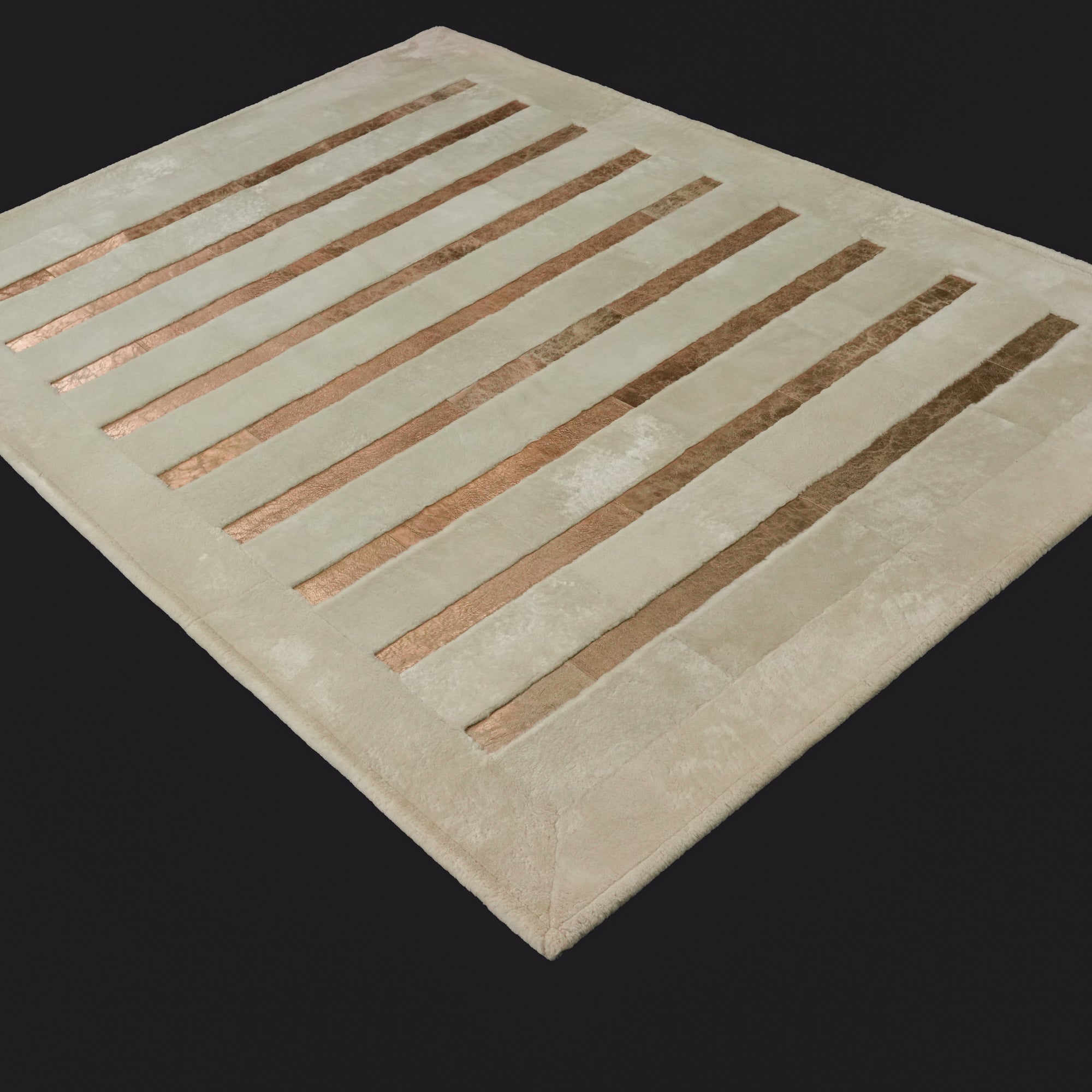
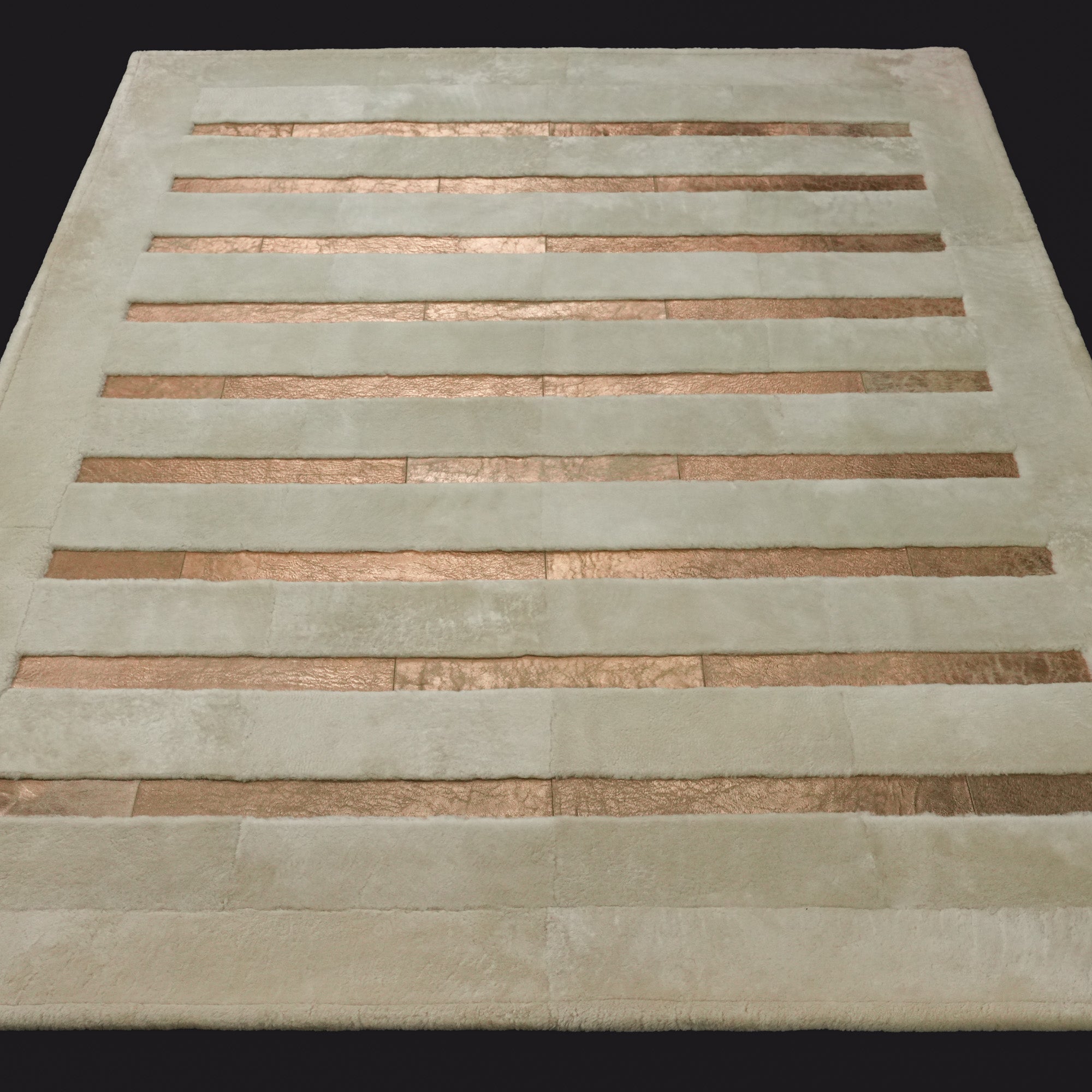
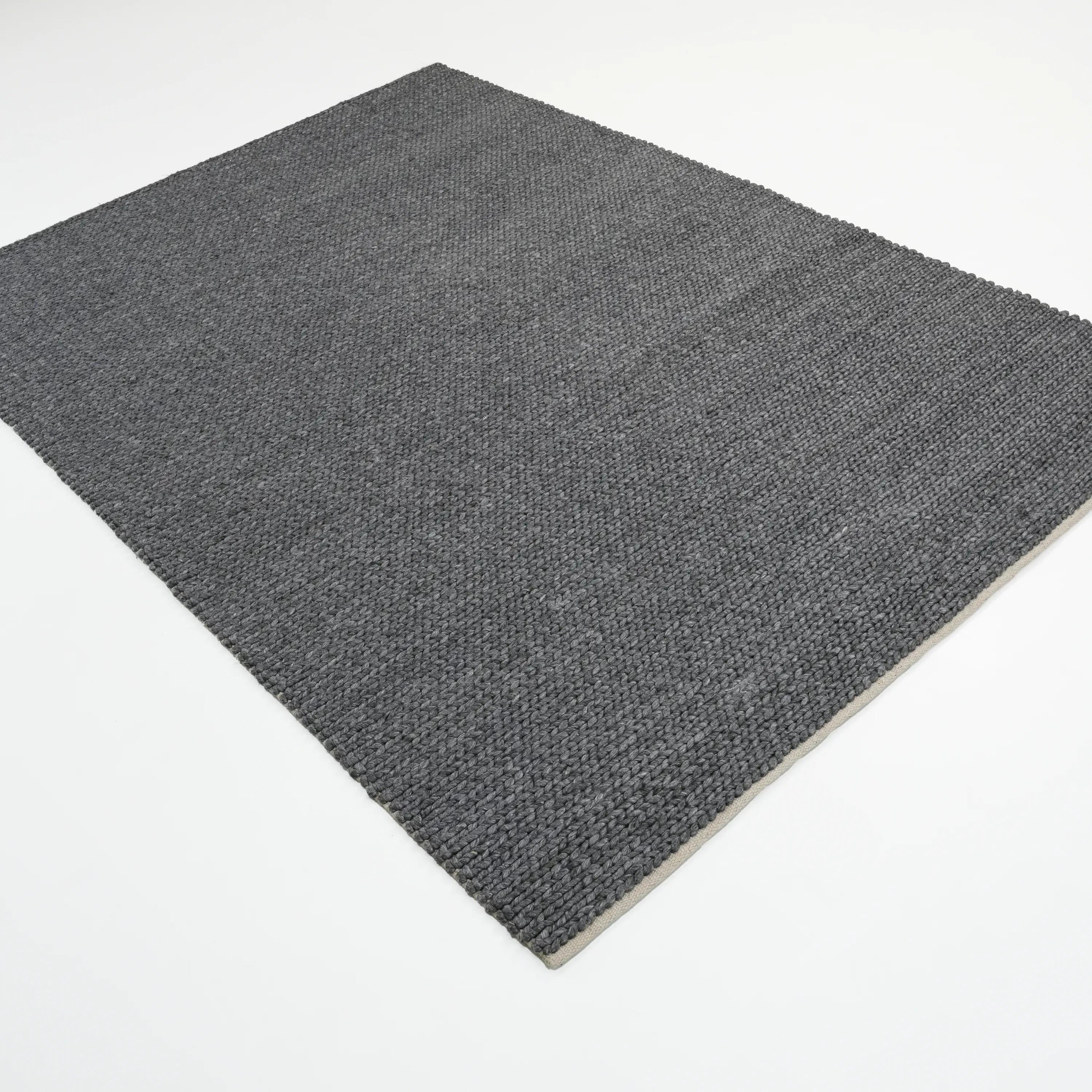
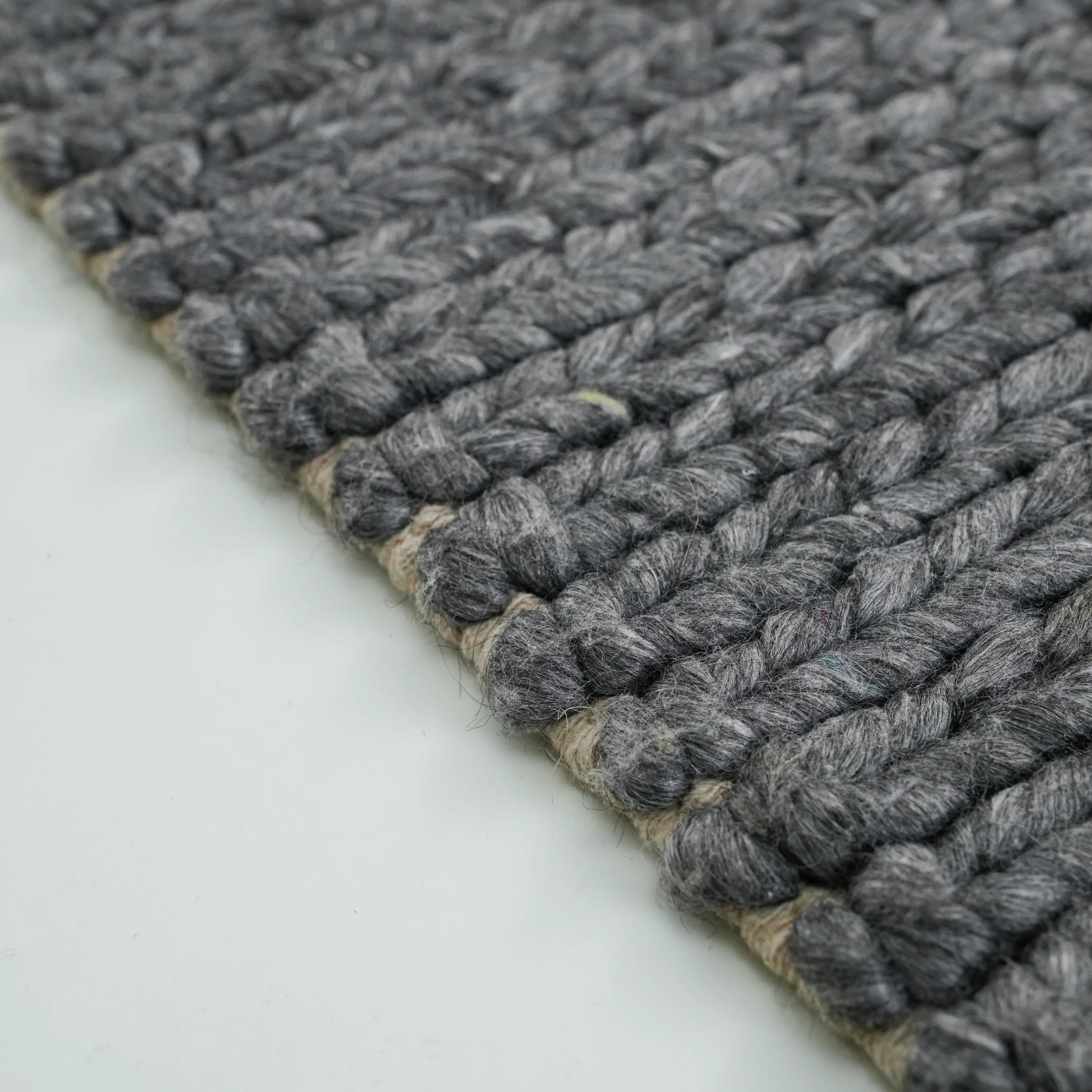
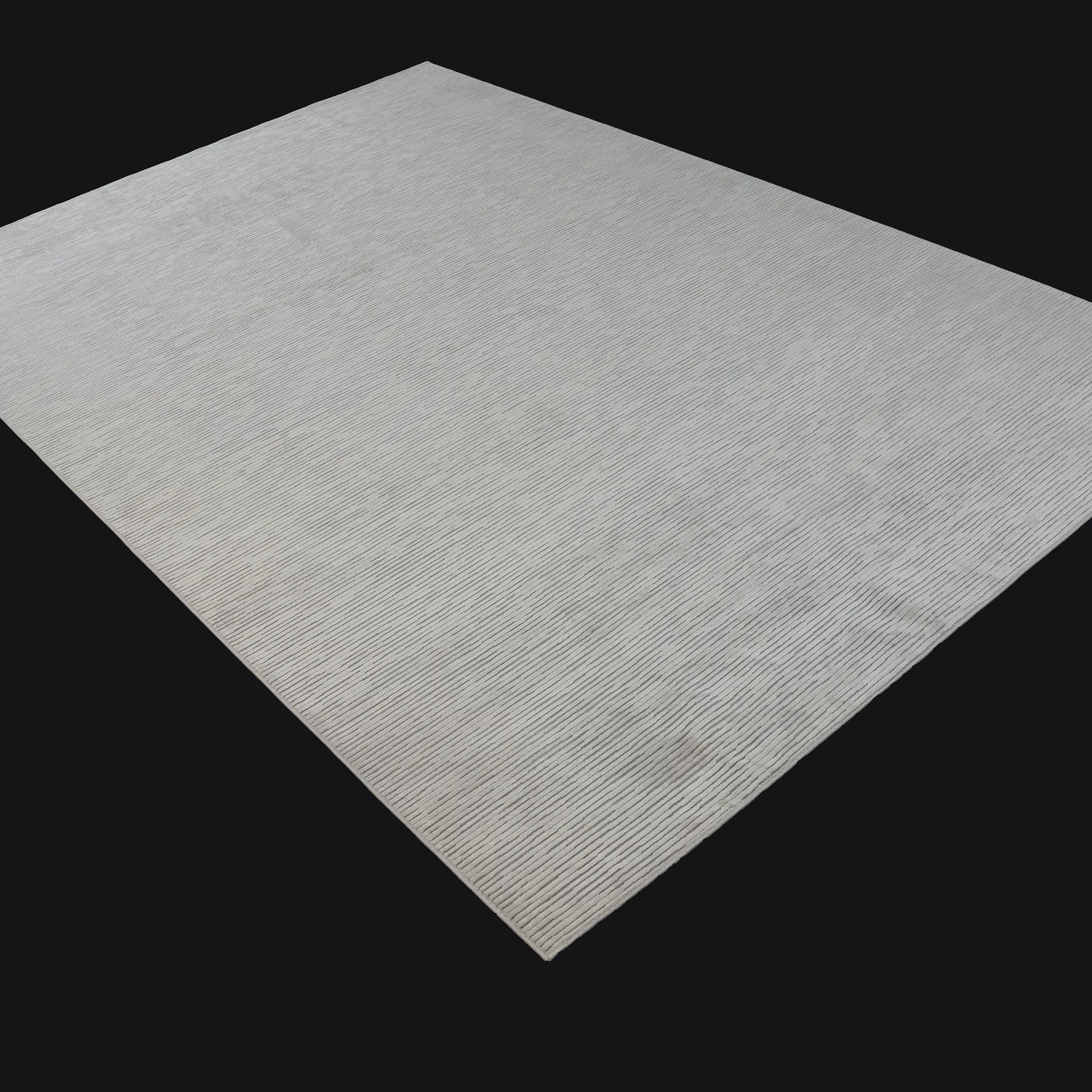
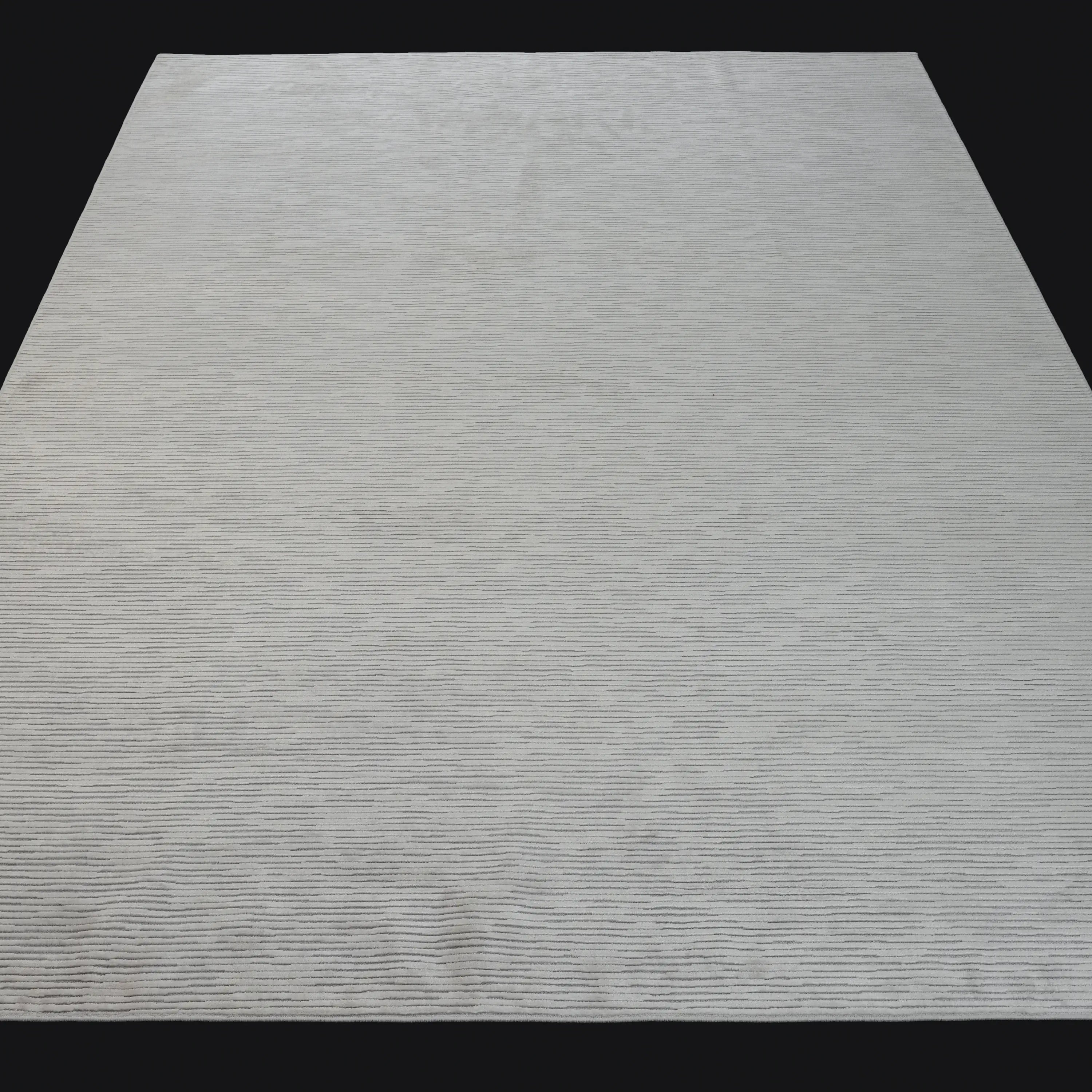
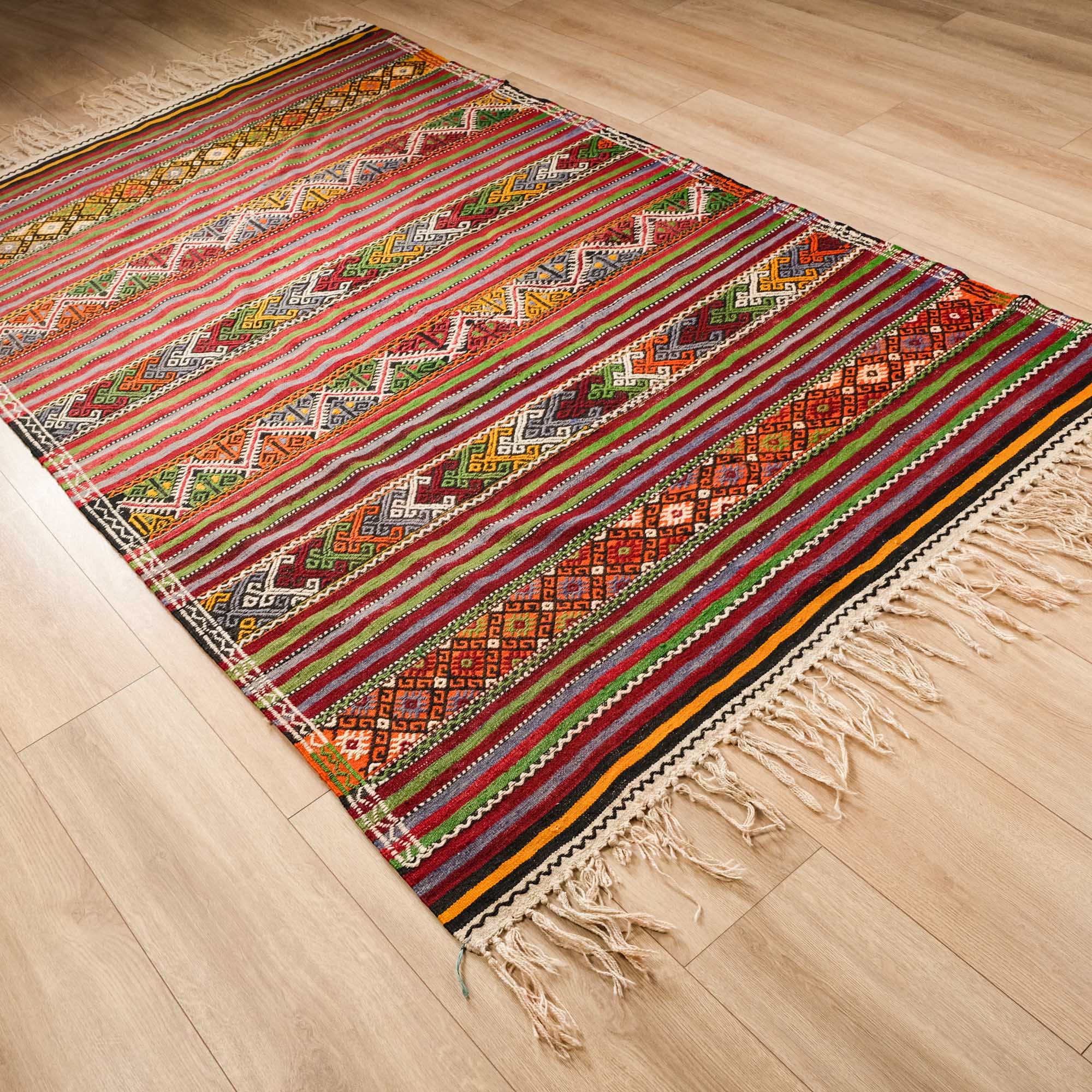

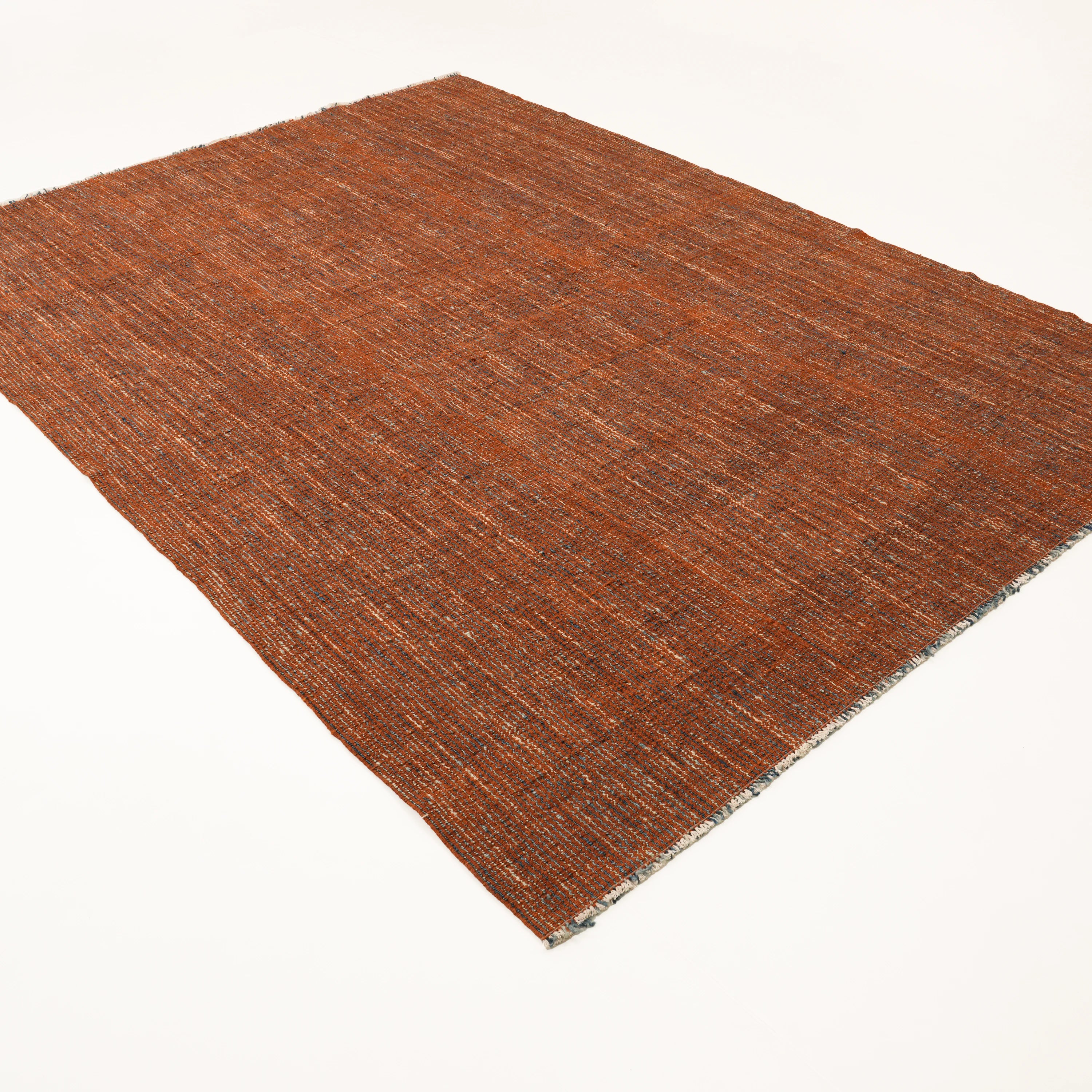
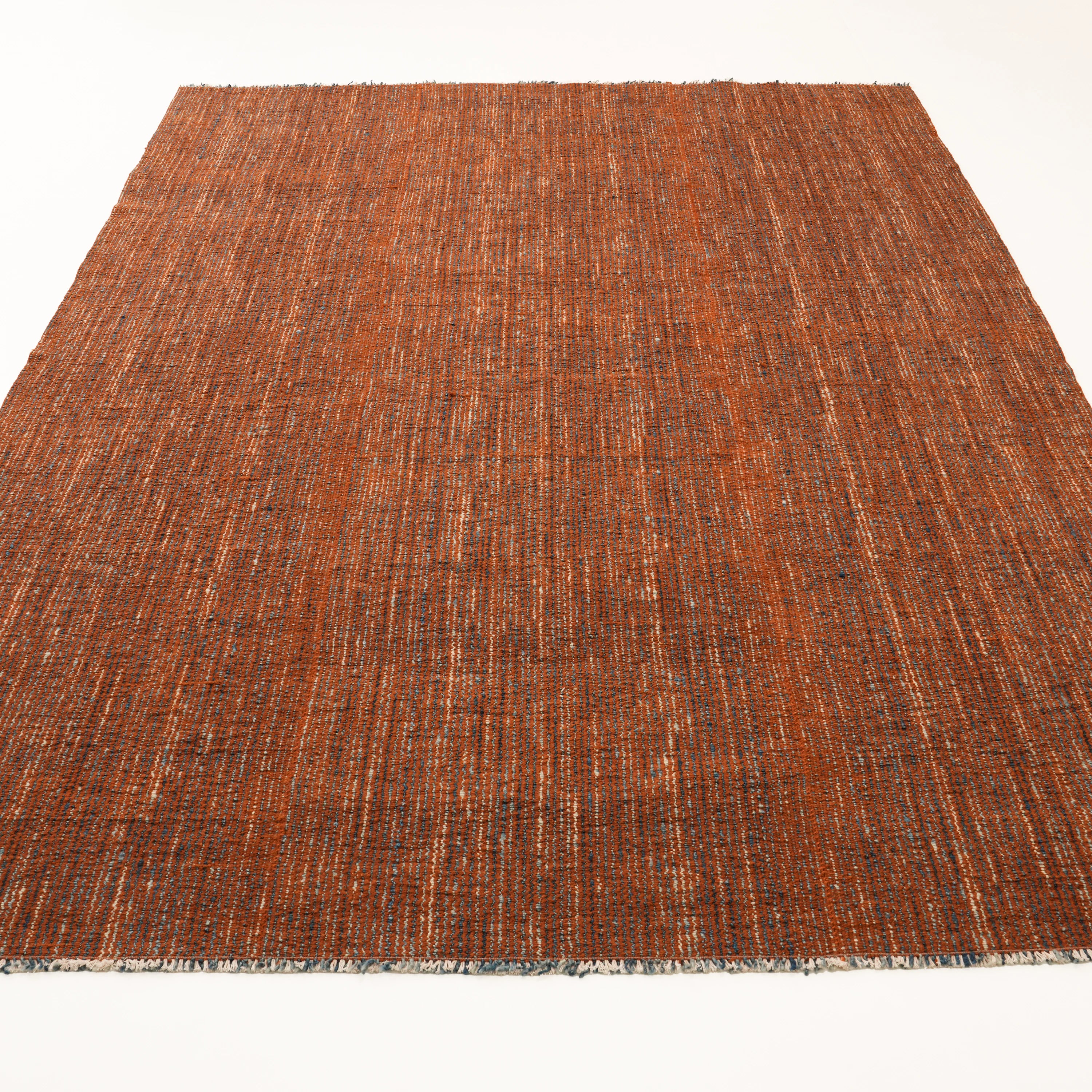
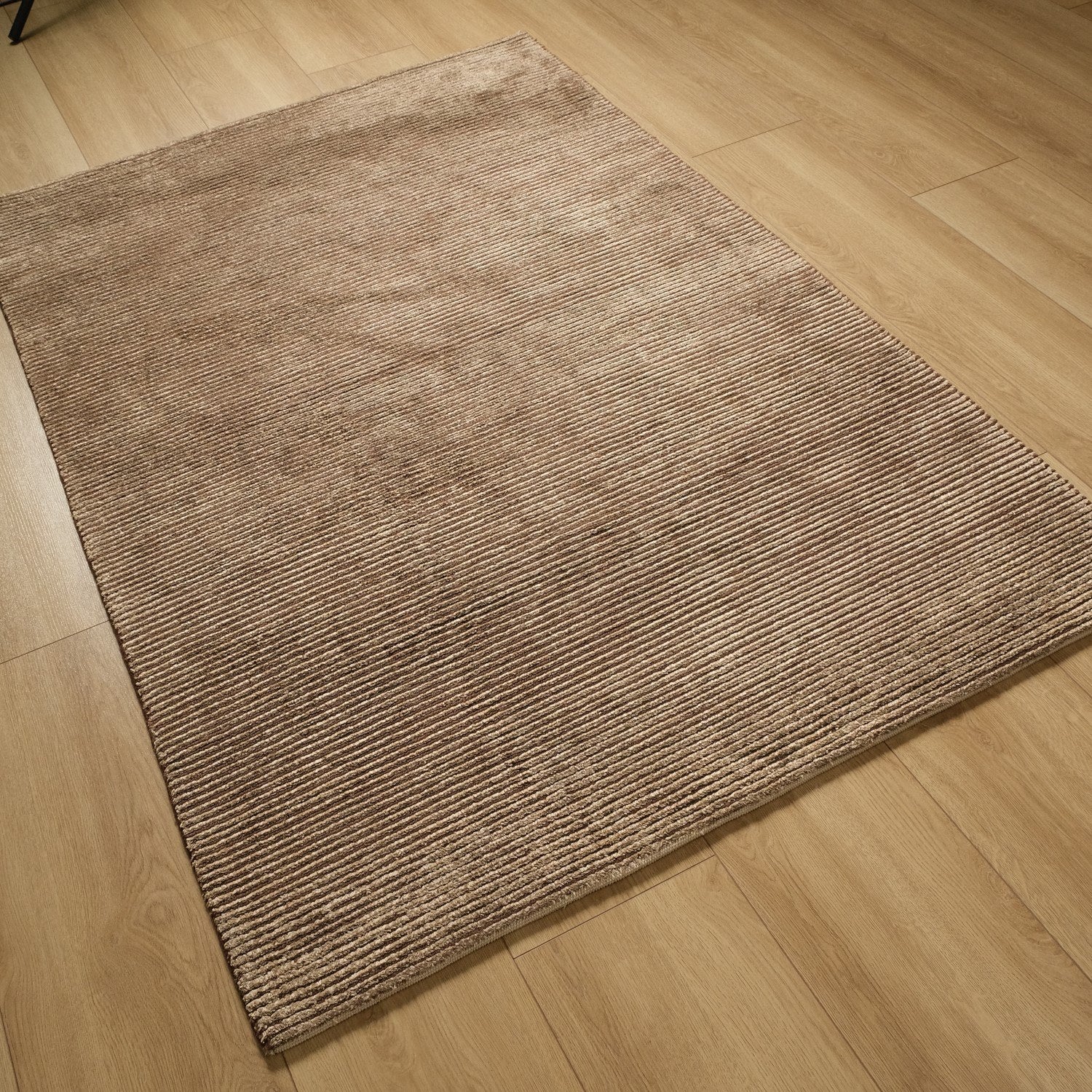
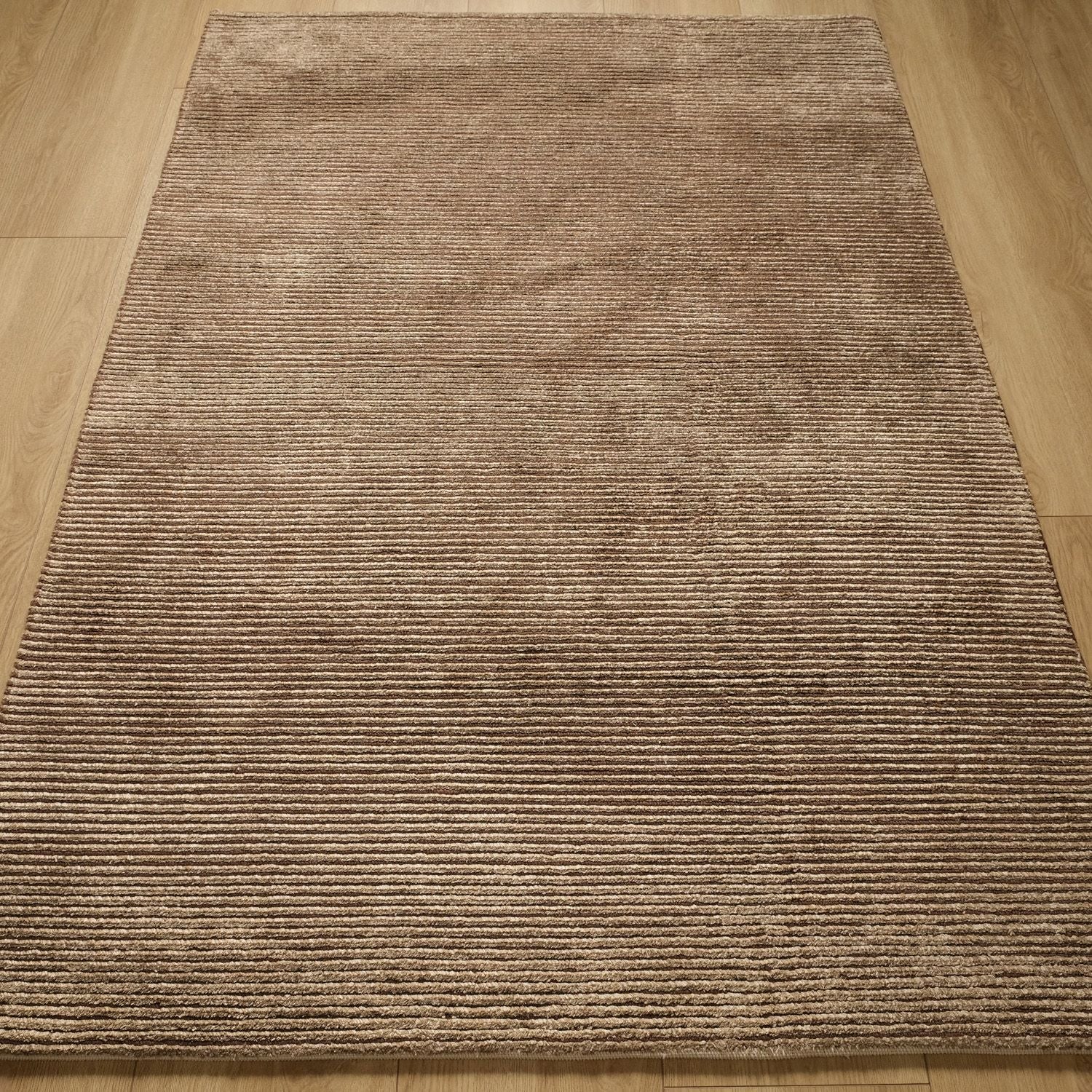
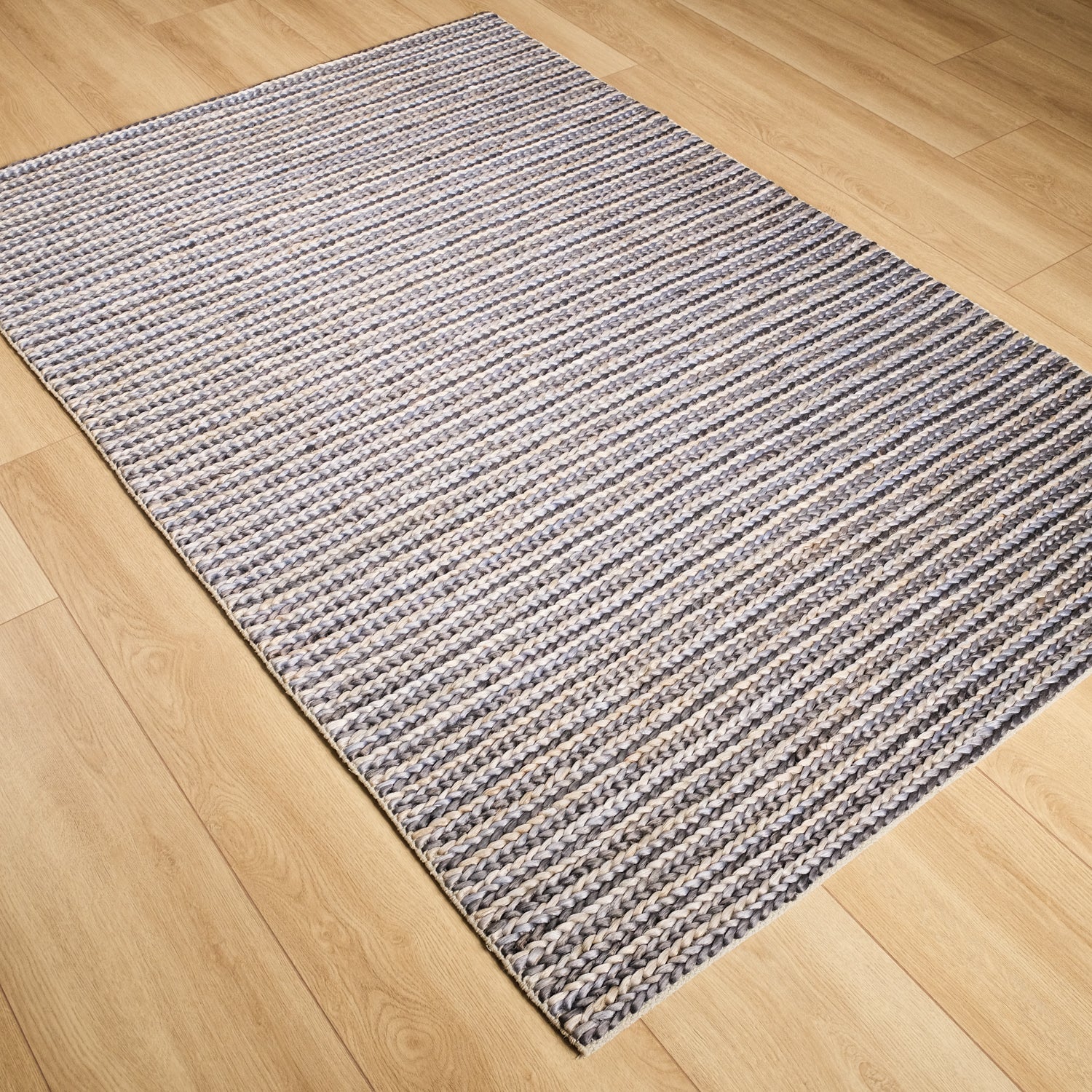
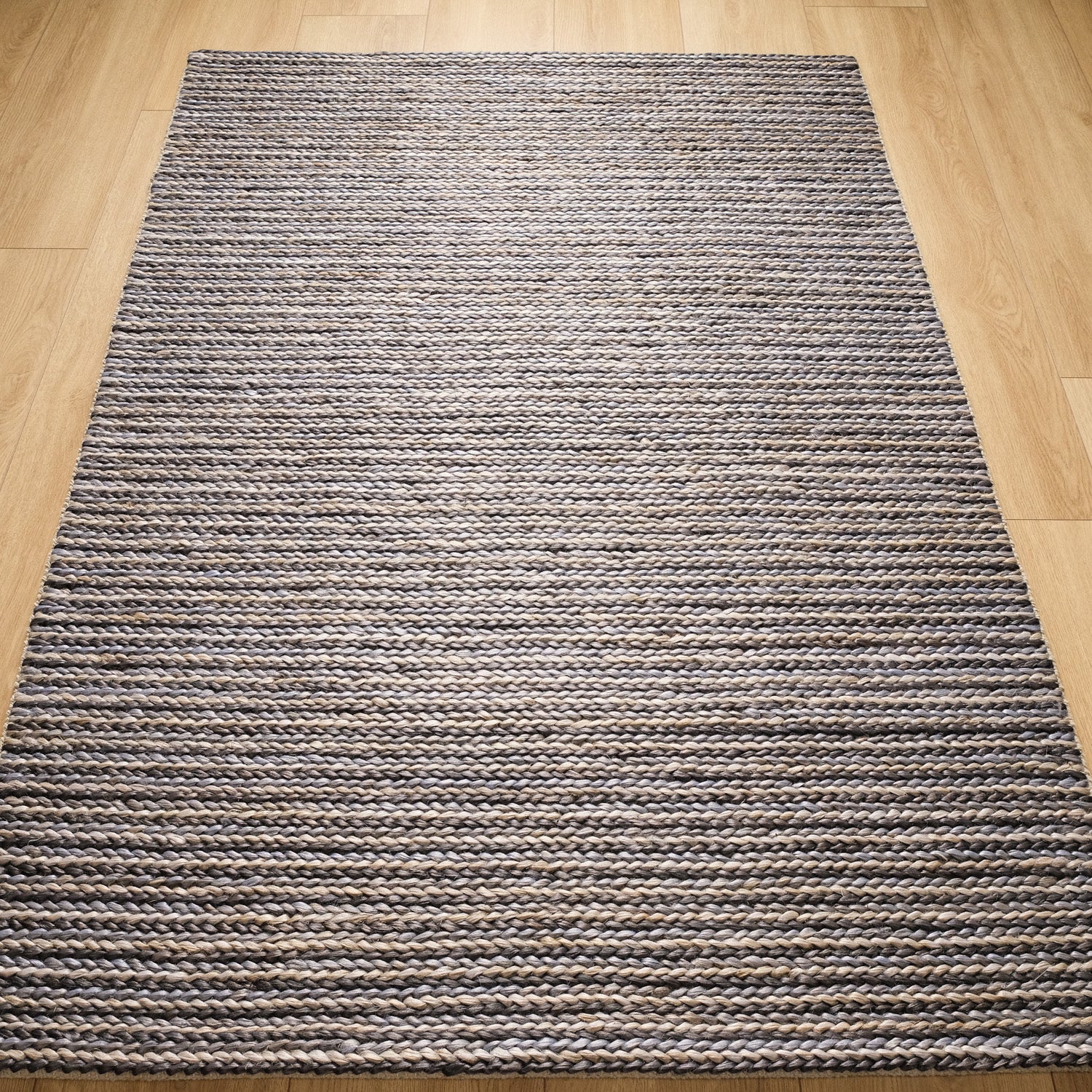
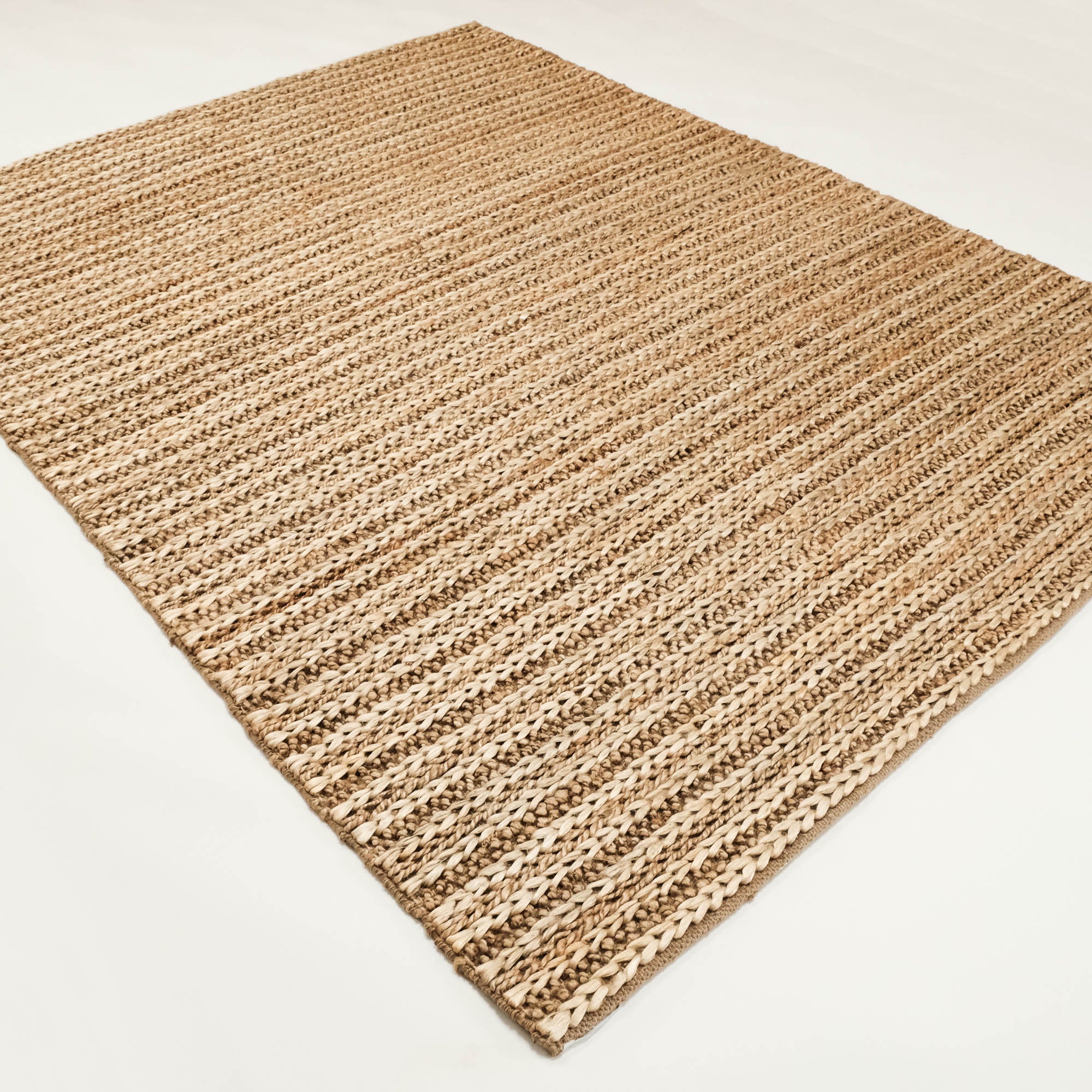
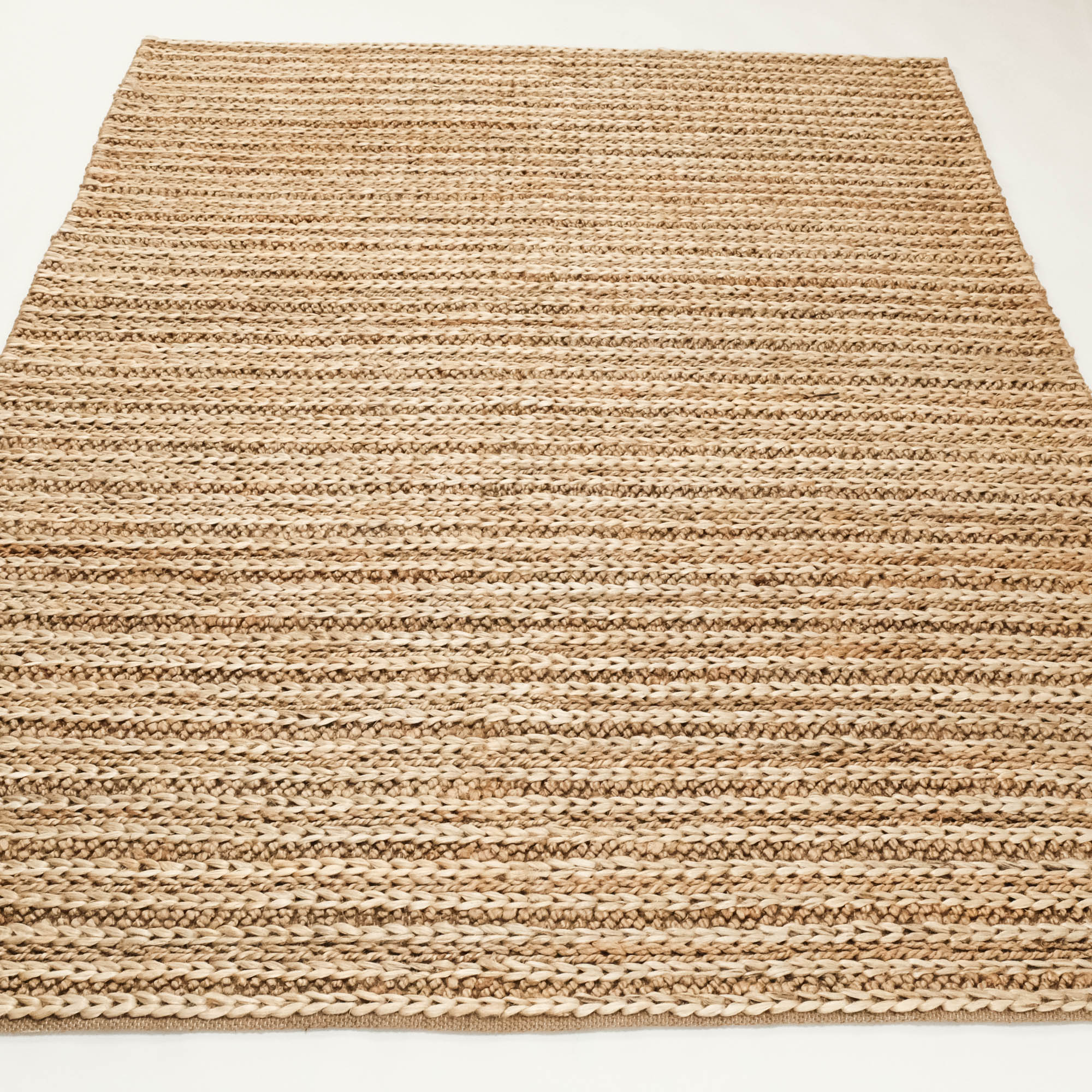
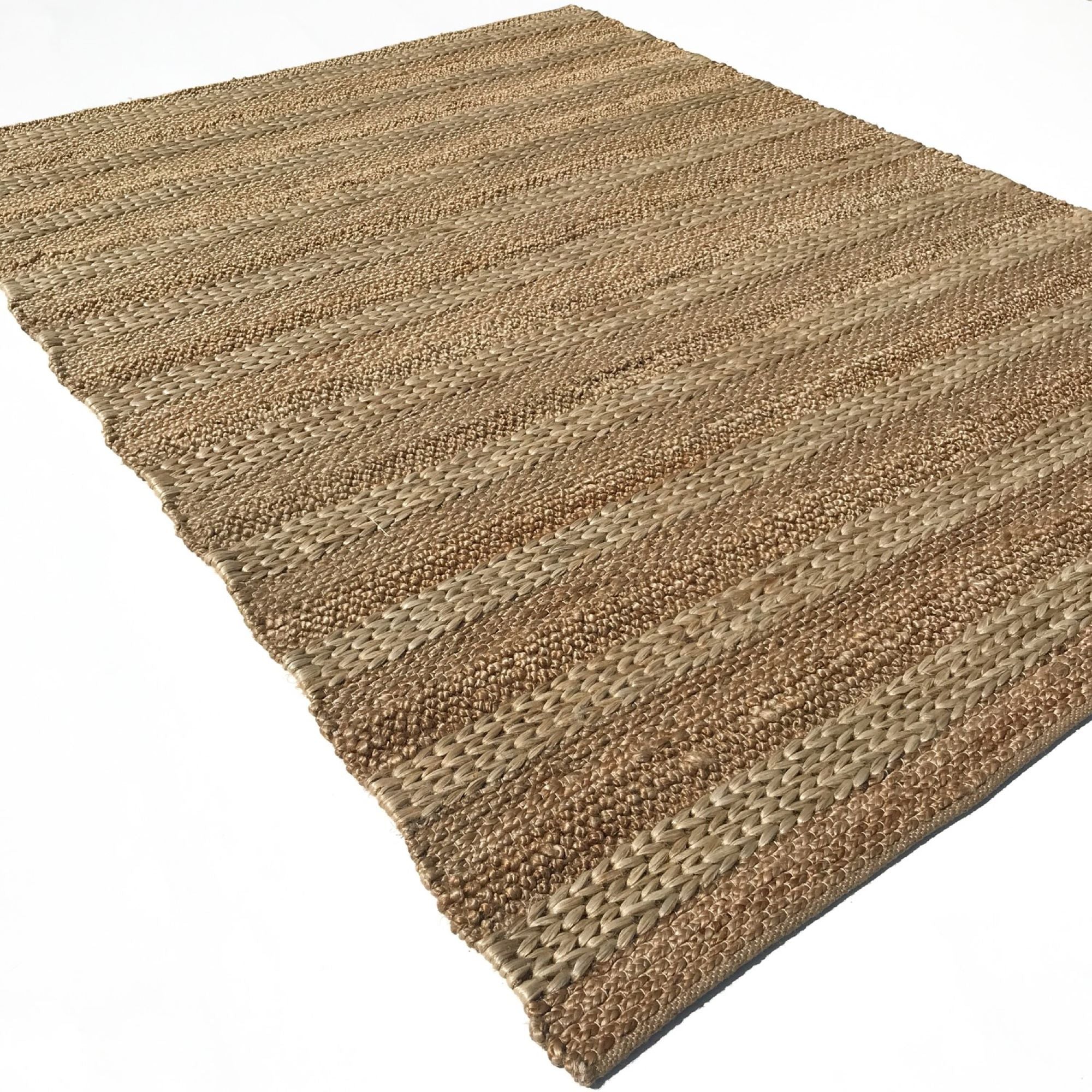
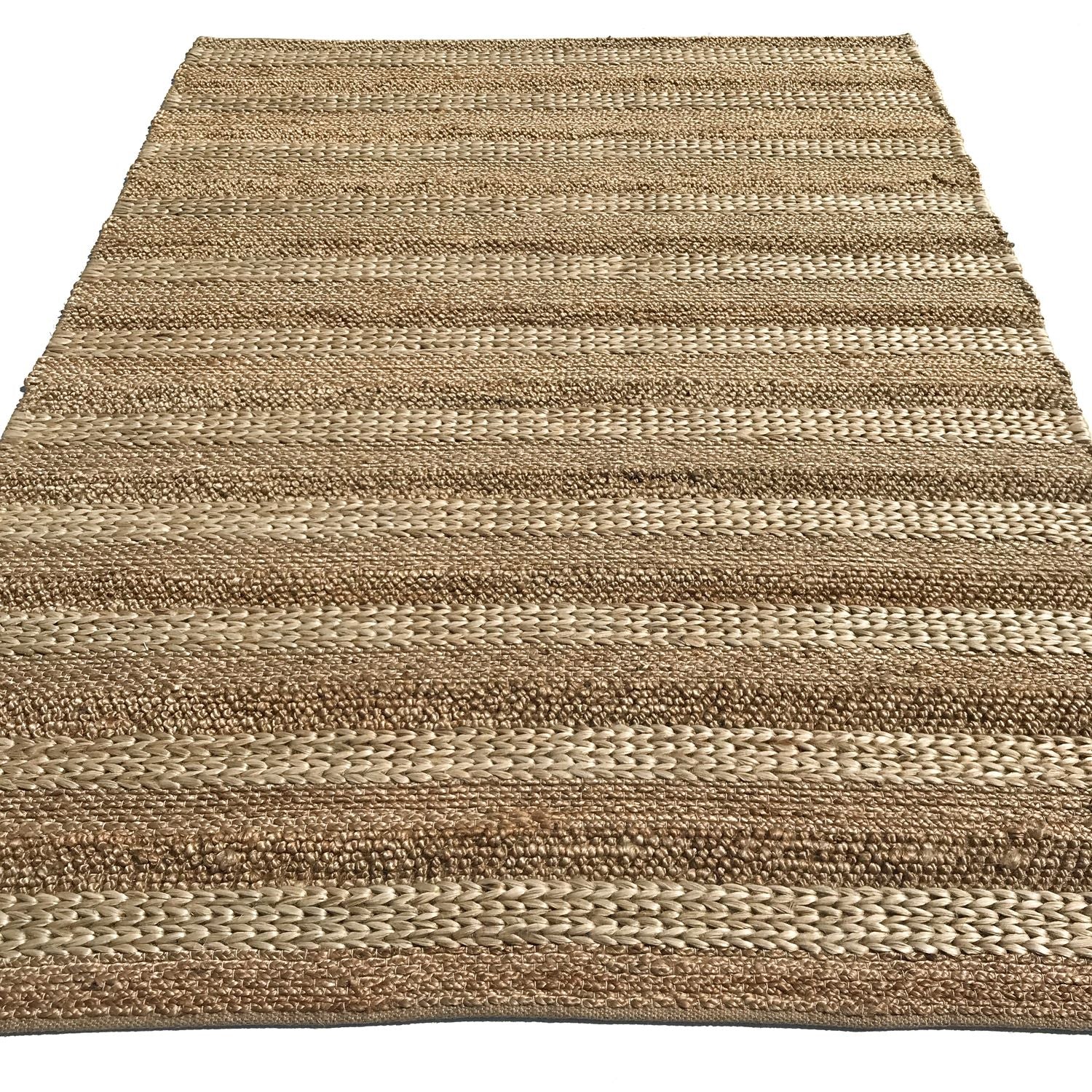
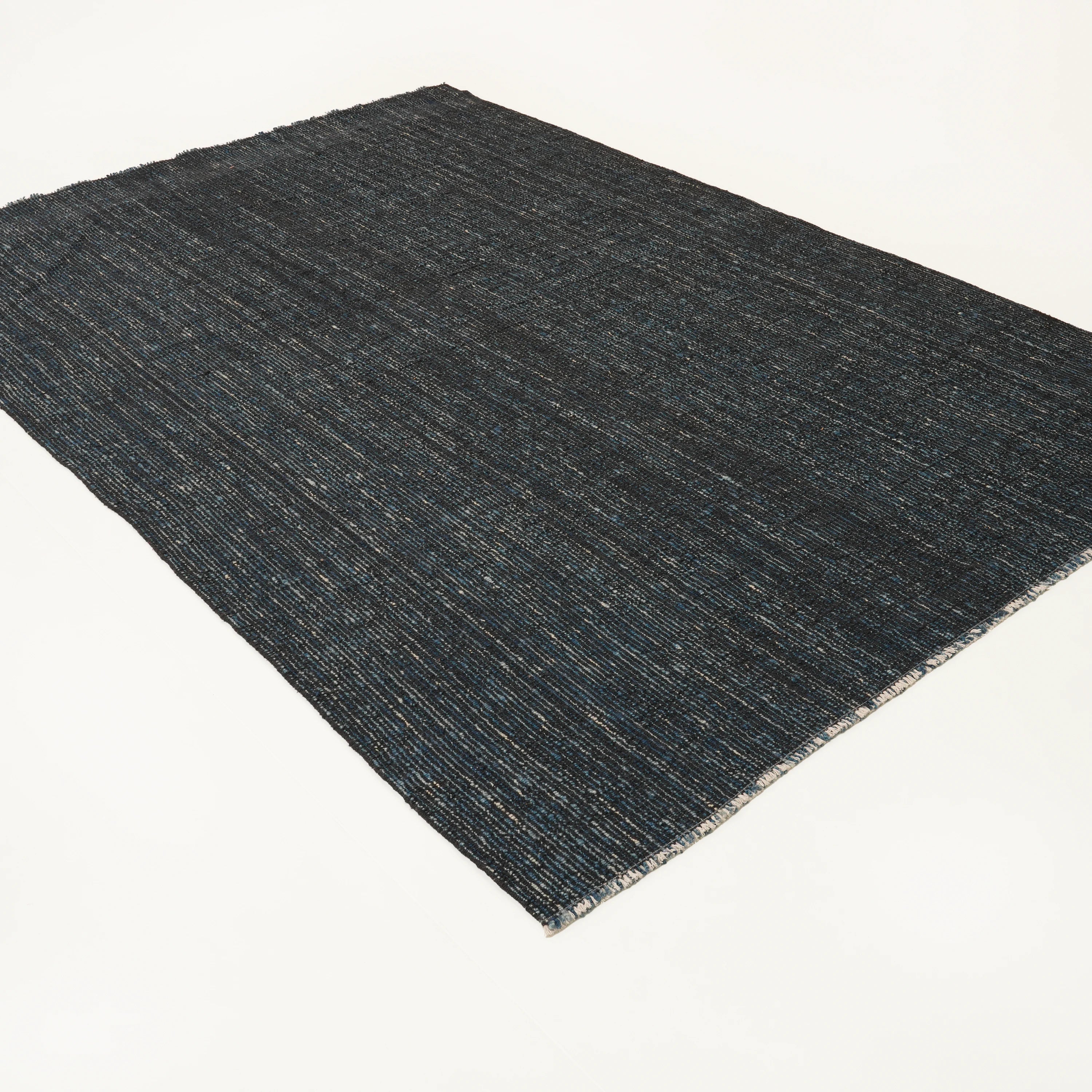
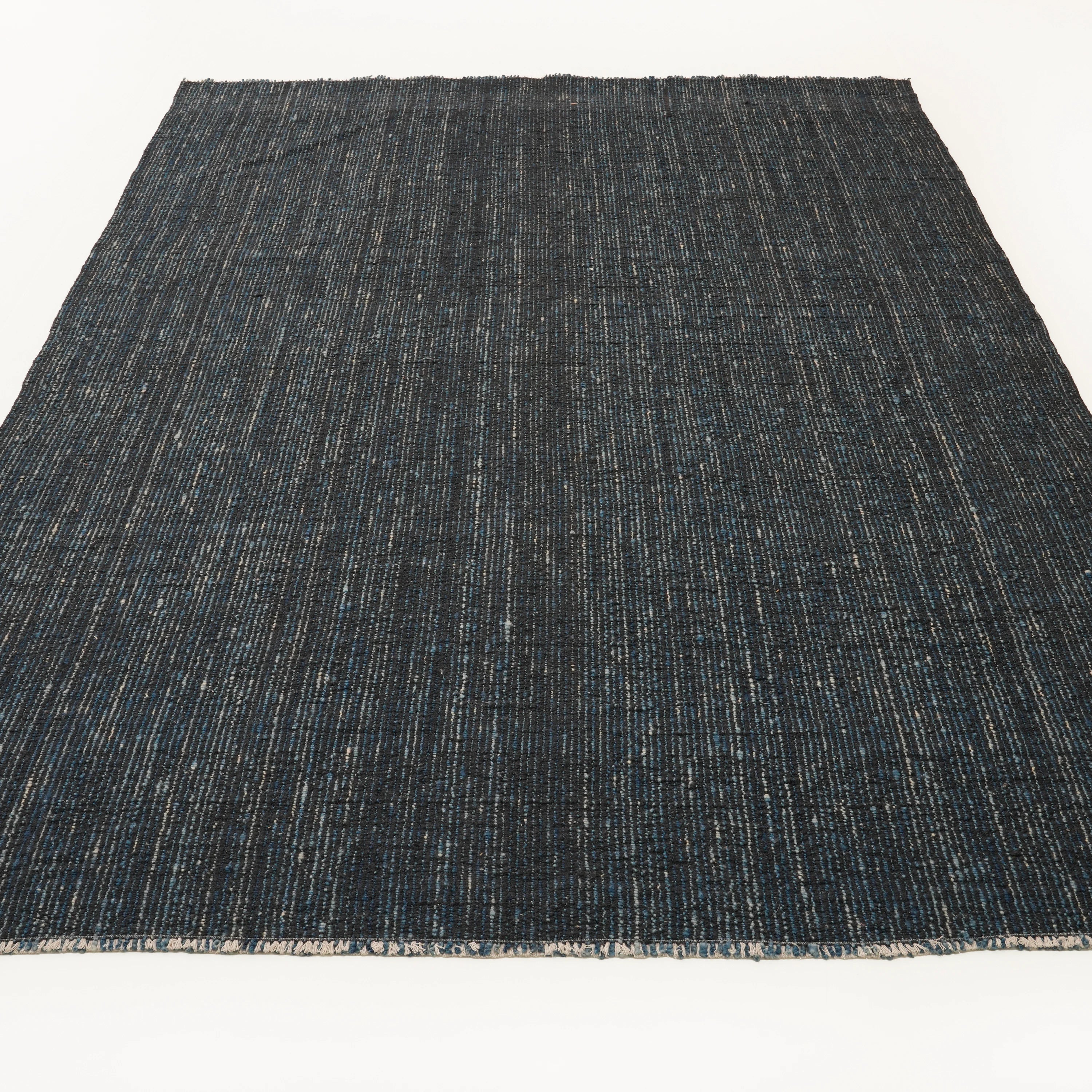
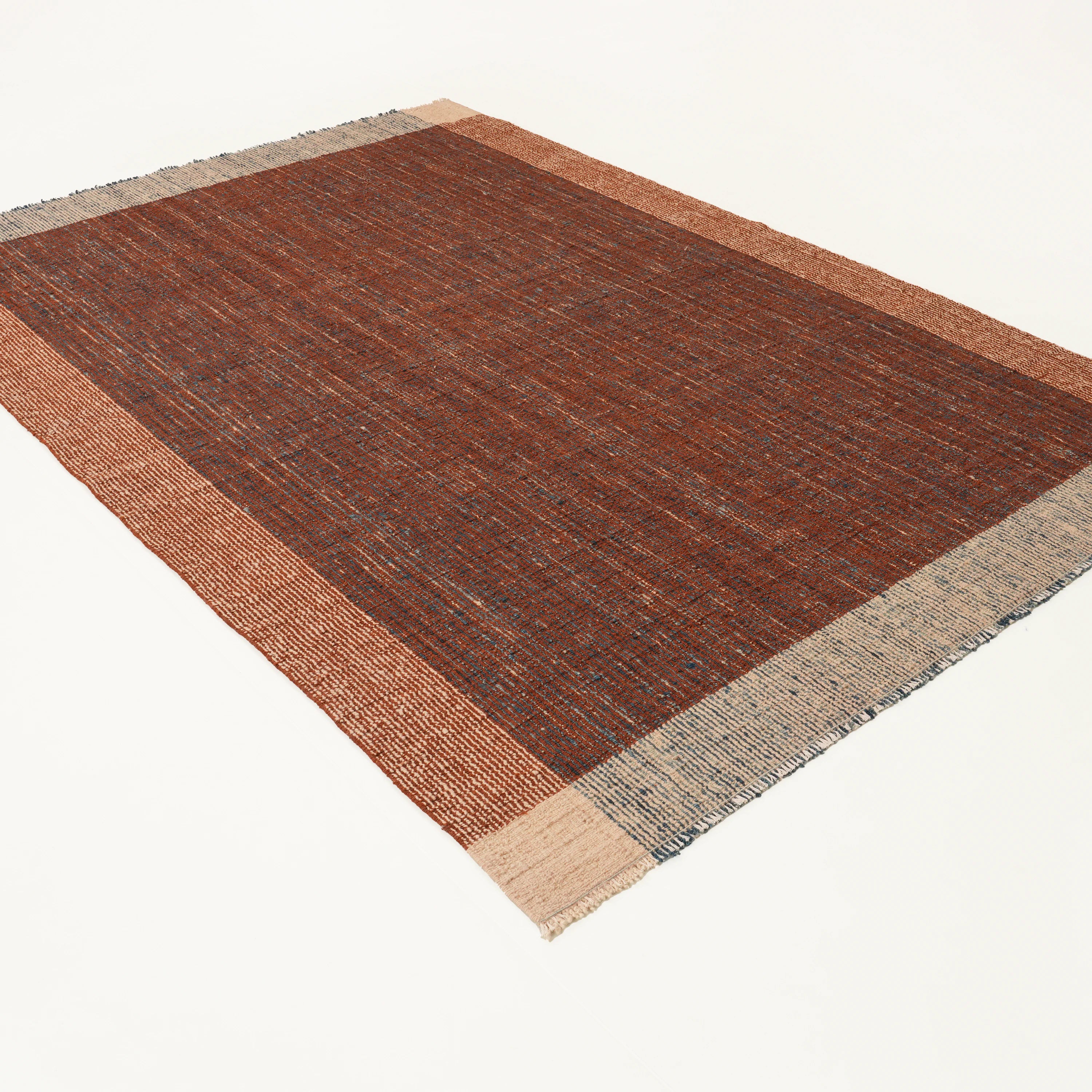
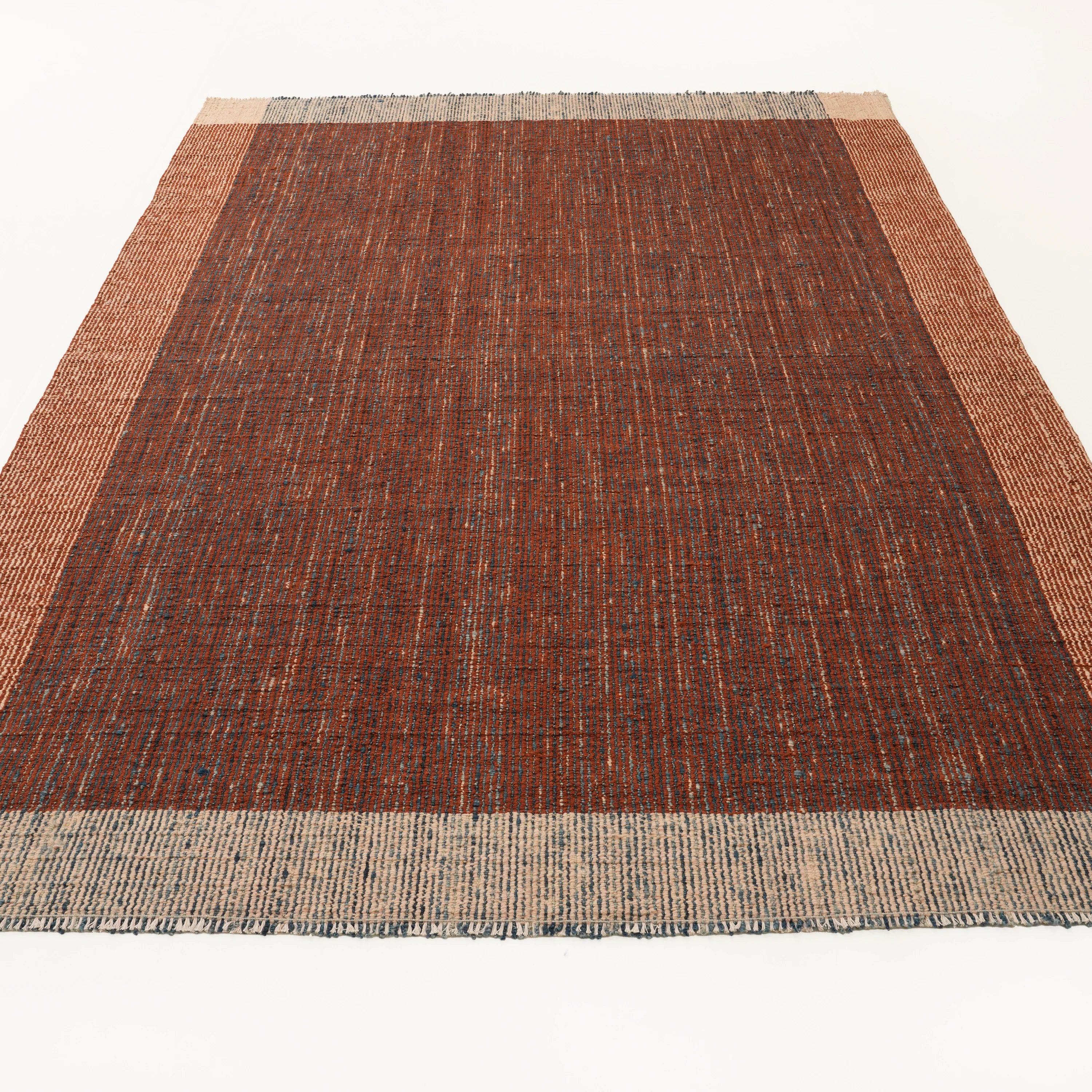
A striped rug features parallel bands of color running across its length or width, a pattern style common to both flat-woven kilims and modern loomed rugs, and one of the most enduring and structurally simple patterns in Turkish weaving.
Stripes might be the single most structurally straightforward pattern a loom can produce, and that simplicity is exactly why the motif has persisted for centuries in Turkish flatweave while remaining just as relevant in contemporary rug design today.
Stripes as a Foundational Kilim Pattern
Stripes are among the simplest and most enduring rug patterns in Turkish weaving, appearing in flat-woven kilims for centuries as one of the most direct ways to translate the loom's own warp-and-weft structure into visible pattern, well before stripes became a staple of contemporary rug design as well.
Kilim Stripes vs. Modern Loomed Stripes
Traditional kilim stripes emerge directly from the flatweave process, changing weft color row by row, while modern loomed stripe rugs can achieve similar effects with pile construction, offering more color and width variation than the traditional flatweave method typically allows.
Why Choose a Striped Rug from Halicizade
We carry striped rugs across both traditional kilim flatweave and modern loomed construction, so you can choose the stripe width, color contrast and material that fits your room, from a bold, high-contrast kilim to a subtler tonal loomed design.
Using Stripe Direction Strategically
A striped rug's linear pattern is one of the few rug design elements that can genuinely reshape how a room's proportions feel.
- Stripes running the length of a hallway or narrow room: creates a visual sense of a longer, larger space.
- Stripes running crosswise: adds energy and visual width to an otherwise neutral or narrow space.
- Bold, high-contrast stripes: work well in casual, high-traffic rooms where pattern hides everyday wear.
- Subtle, tonal stripes: suit more formal or minimalist rooms wanting texture without strong contrast.
Kilim Stripe vs. Loomed Stripe Construction
| Traditional Kilim Stripe | Modern Loomed Stripe | |
|---|---|---|
| Construction | Flat-woven, weft color changes row by row | Pile construction, wider color/width range |
| Weight | Lighter | Heavier |
| Typical look | Bold, high-contrast, traditional | Can be subtle or bold, more contemporary |
Care & Maintenance
Vacuum in the direction of the pile or weave weekly, and rotate periodically since directional patterns like stripes can make uneven wear more visually obvious than a busier all-over pattern.
Frequently Asked Questions
Can a striped rug make a room look bigger?
Yes, stripes running the length of a room can create a visual sense of a longer, larger space, which is why they're a popular choice for hallways and narrow rooms.
Are striped rugs handmade or machine-made?
Both; striped kilims are traditionally flat-woven by hand, while many contemporary striped designs are produced on a power loom for a more budget-friendly option.
What rooms work best with a striped rug?
Striped rugs work particularly well in hallways, entryways and kitchens, where their linear pattern complements a room's natural sightline.
Why are stripes such a common kilim pattern?
Stripes emerge naturally from the flatweave process, changing weft color row by row, making them one of the most structurally direct patterns to produce on a traditional loom.
Do uneven stripe wear patterns show more than other rugs?
Yes, since stripes are a directional, high-contrast pattern, uneven wear can be somewhat more visually noticeable than on a busier all-over pattern; periodic rotation helps distribute wear evenly.
Are bold or subtle stripes better for a formal room?
Subtle, tonal stripes generally suit formal or minimalist rooms better, while bold, high-contrast stripes work well in casual, high-traffic spaces.